
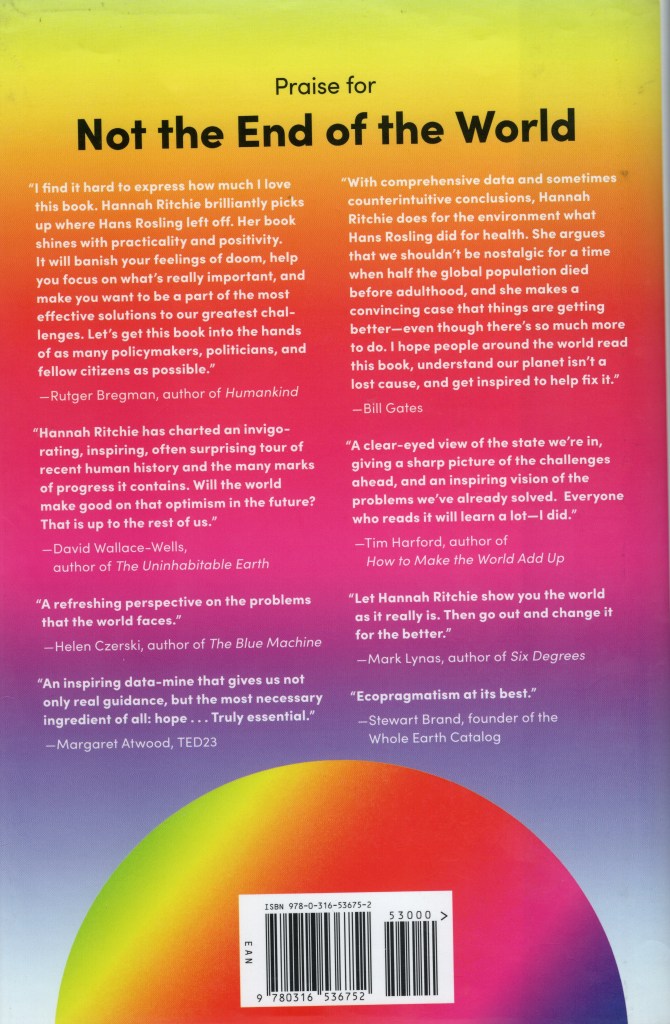
This is a Leonberger blog but sometimes I post about books that are not about Leonbergers but are books that I want to promote. This is one of those of those books. I want to promote it because it features a lot of important and often misunderstood information regarding the environment. It is based on extensive peer reviewed research and data collection, and it is not controversial among experts, but some content may be surprising to those not entirely familiar with the topic. I recently read Not the End of the World Hardcopy – by Hannah Ritchie as part of climate change book club.

Not the End of the World is a great book on environmental issues written in the optimistic but realistic Hans Rosling style of Factfulness. Environmental issues are very real, and they are very big problems, especially climate change, but we have solved very big environmental issues before (acid rain, ozone) and we are doing it now. Doomism (we are all gonna die) is an unhelpful and not very accurate perspective. This book is based on hundreds of peer reviewed research articles and statistics collected by respected science institutions. The author is a prominent environmental and data scientist.
- Hardback – Publisher : Little, Brown Spark (January 9, 2024), ISBN-10 : 031653675X, ISBN-13 : 978-0316536752, 352 pages, Item Weight : 1.21 pounds, dimensions : 6.4 x 1.19 x 9.65 inches, it cost $26.03 on US Amazon. Click here to order it from Amazon.com.
- Paperback – Publisher : Chatto Windus (January 11, 2024), ISBN-10 : 1784745014, ISBN-13 : 978-1784745011, Item Weight : 15 ounces, dimensions : 6.02 x 0.98 x 9.21 inches, it cost $21.13 on US Amazon. Click here to order it from Amazon.com.
- Kindle – Publisher : Little, Brown Spark (January 9, 2024), ASIN : B0C3ZPN6NT, 311 pages. It is currently $14.99 on Amazon.com. Click here to order it from Amazon.com.
- Audio Book – Publisher : Audible.com – Release Date: January 09, 2024, ASIN : B0C5JSZ6H9, Listening Length : 9 hours and 26 minutes. It is free on Amazon. Click here to order it from Amazon.com.
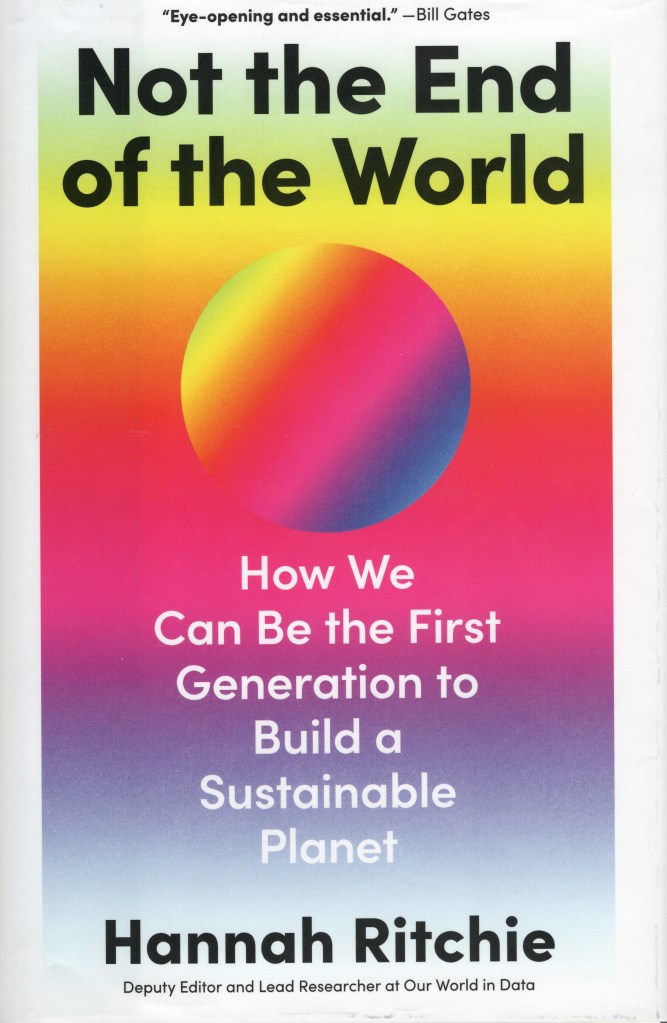
Amazon’s description of the book
This “eye-opening and essential” book (Bill Gates) will transform how you see our biggest environmental problems—and explains how we can solve them.
It’s become common to tell kids that they’re going to die from climate change. We are constantly bombarded by doomsday headlines that tell us the soil won’t be able to support crops, fish will vanish from our oceans, and that we should reconsider having children.
But in this bold, radically hopeful book, data scientist Hannah Ritchie argues that if we zoom out, a very different picture emerges. In fact, the data shows we’ve made so much progress on these problems that we could be on track to achieve true sustainability for the first time in human history. Did you know that:
- Carbon emissions per capita are actually down
- Deforestation peaked back in the 1980s
- The air we breathe now is vastly improved from centuries ago
- And more people died from natural disasters a hundred years ago?
Packed with the latest research, practical guidance, and enlightening graphics, this book will make you rethink almost everything you’ve been told about the environment. Not the End of the World will give you the tools to understand our current crisis and make lifestyle changes that actually have an impact. Hannah cuts through the noise by outlining what works, what doesn’t, and what we urgently need to focus on so we can leave a sustainable planet for future generations.
These problems are big. But they are solvable. We are not doomed. We can build a better future for everyone. Let’s turn that opportunity into reality.
My Amazon Review of Not the End of the World. I expanded my original Amazon review a little bit and added pictures. To see my original Amazon review click here.
A Factful Approach to the Environment
The facts regarding the environment can be confusing. The fossil fuel industry, climate deniers, right-wing pundits and politicians are bombarding us with falsehoods, but poorly informed environmentalists and sensationalist media are misleading us as well. The author takes special issue with doomism, the belief that it’s too late and that we are all going to die. Both denialism and doomism, as well as efforts to minimize the problems lead to inaction. She points out that we need to accept that climate change is happening and secondly that human emissions of greenhouse gases are responsible. We could do better, but we are addressing the problem. What we need is to have the correct information and to be realistic, which will make it possible for us to take the best action.

We have solved big environmental problems before
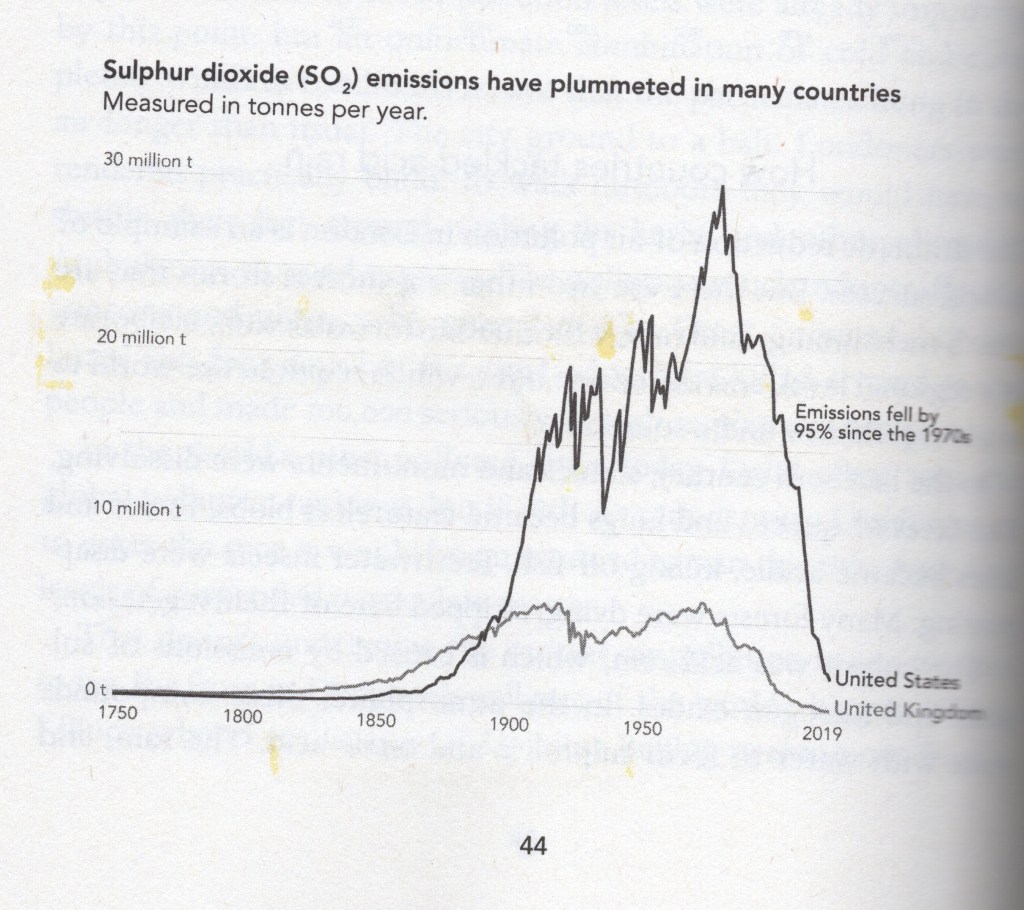
In the spirit of “Hans Rosling / Factfulness” she tells us about our successes and about our progress by using data. She shows us how things really are and how we can solve our current big problems. She explains that we are reducing malnutrition, eradicating poverty, and extending people’s life span all around the world despite a growing population. She mentions that we successfully tackled pollution in many large cities in the west, as well as the acid rain problem and the ozone layer/hole. Sulphur dioxide, a major cause of acid rain, has fallen by 95% in the US since the 1970’s largely thanks to scrubbers. By 2018 the emissions of ozone-depleting gases had fallen by 99.7%. The list goes on. When we make big environmental problems smaller, we stop talking about them.
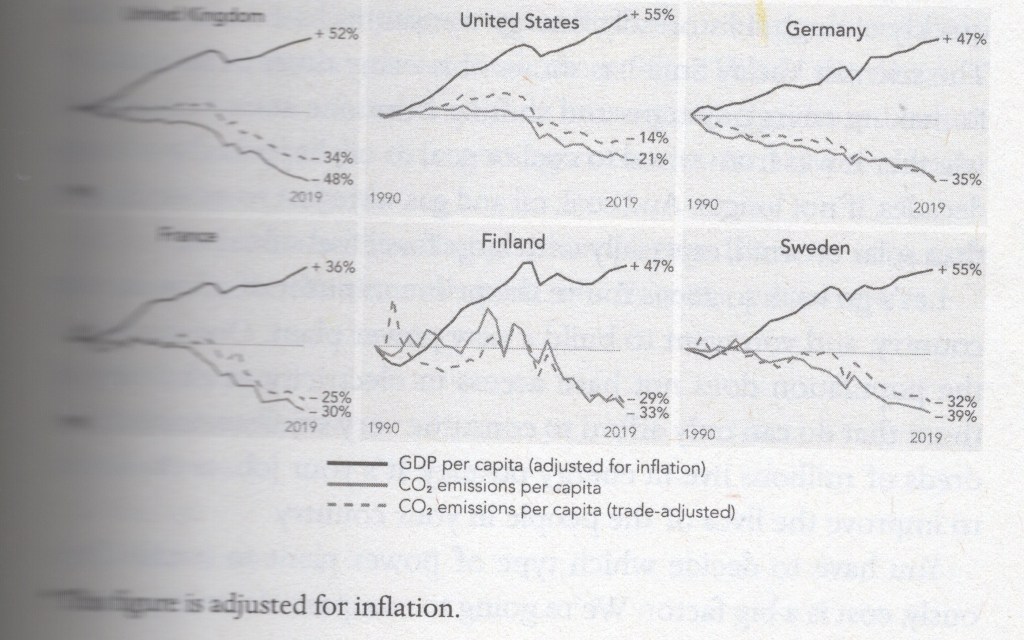
Greenhouse gas emissions have fallen in developed countries. It’s a start.
Climate change / global warming is a more difficult problem, but we are having some success here as well. The climate policies we have enacted so far are making a big difference. For example, greenhouse gas emissions in the US have fallen by more than 20% over the last 15 years. From 1990 to 2019 the greenhouse gas emissions fell by 21% despite the economy growing by 55% (in the 1990’s the emissions were still increasing). My native country Sweden is doing even better. Greenhouse gas emissions in Sweden has fallen by 39% over the same period despite the economy also growing by 55%.
EV Cars Really Are Really Helping to Save us
The origins of the world’s carbon emissions are: 25% Electricity and Heat, 24% Agriculture and Forestry, Industry 16%, Transport 14%, direct from buildings 6%, and other energy 10%. In the US Transportation is 28% and Agriculture 10%. Agriculture includes the effects of deforestation.
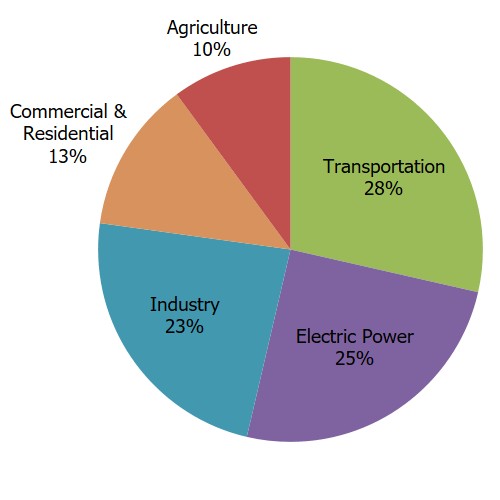
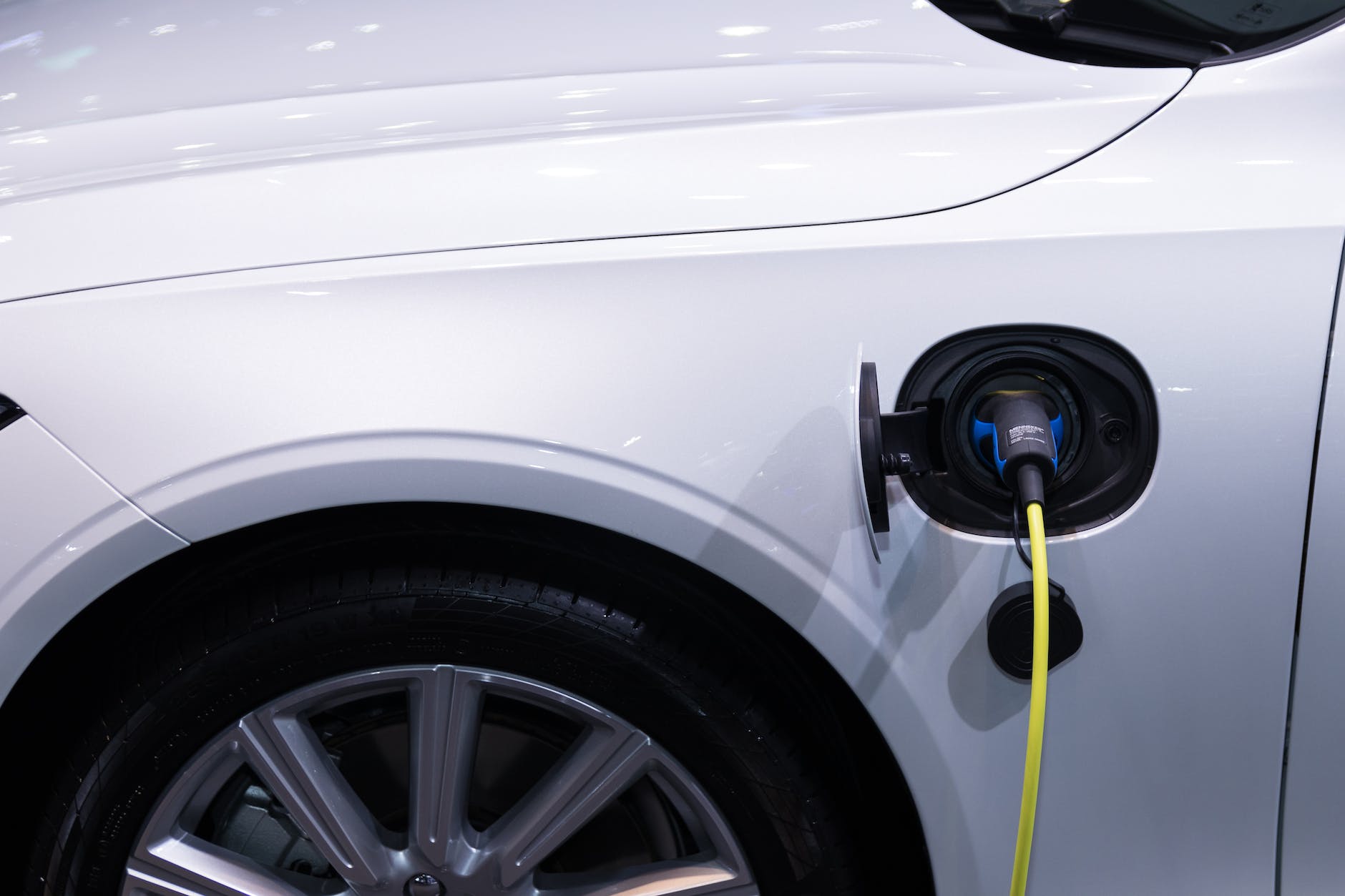
The good news is that the price of renewables is dropping, and they are now the cheapest while EV cars have become affordable. In Norway 88% of new car sales in 2022 were electric. In Sweden, my native country, 54% of car sales in 2022 were electric. The author urges people to switch to electric vehicles – they really are more climate friendly, contrary to what many will tell you here in Texas where I live. Even if their electricity comes from a dirty grid, they are cleaner than gasoline cars due to their higher efficiency, and the higher emissions caused by the production of the battery and other components is quickly neutralized by the lower emissions. With respect to minerals, mining, and land use their impact is much smaller than that of the gasoline cars they replace. Contrary to what is often asserted here in Texas where I live, electrical cars are indeed better for the environment and especially for slowing down global warming.
What works and what matter and what doesn’t
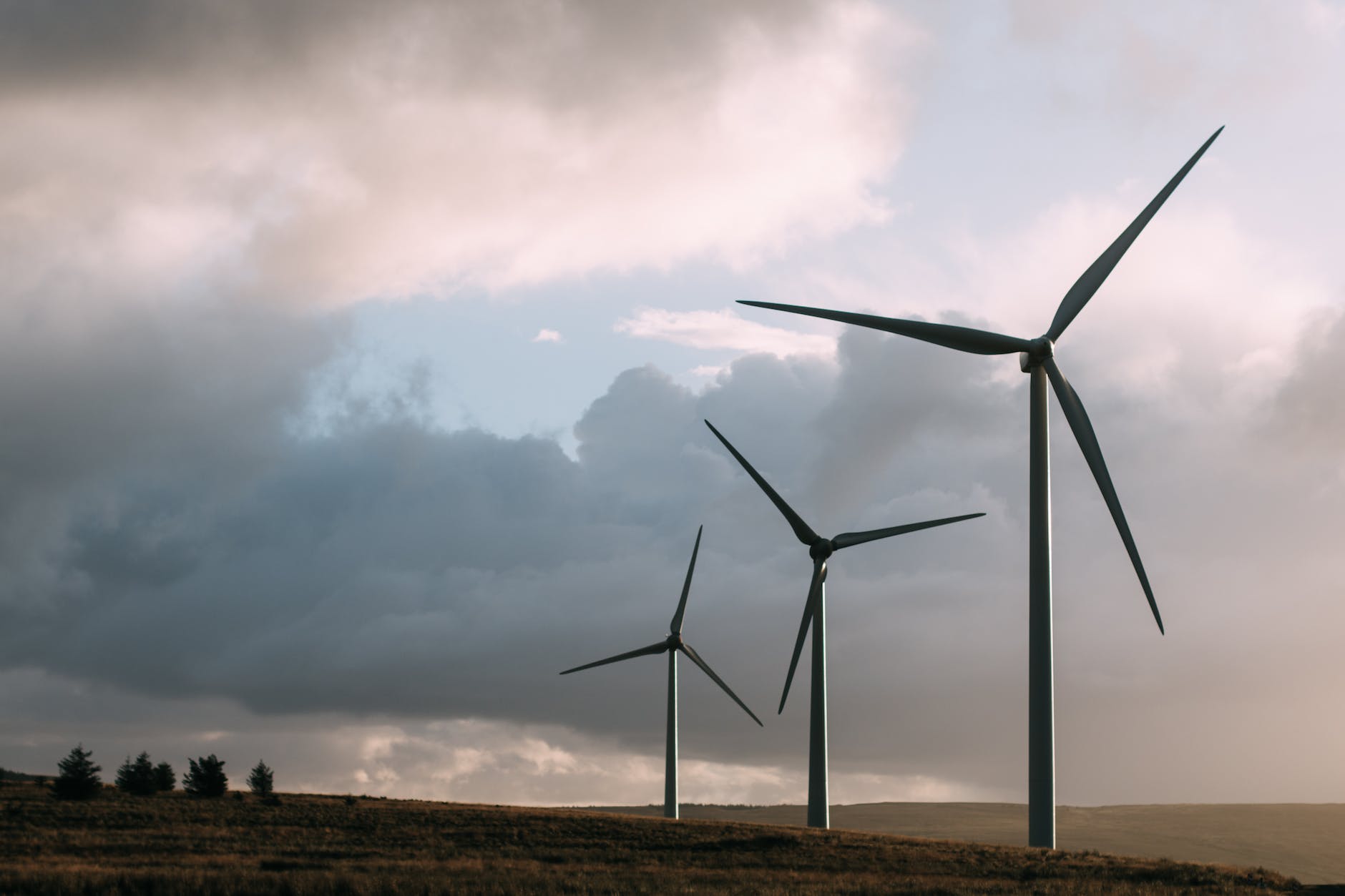
She also suggests that we try to avoid driving big SUV, fly less, try to use or support renewables, eat less red meat, depending on our circumstances (absolutism and judgmentalism is counterproductive). She advocates for carbon prices as an effective means to reduce emissions. Things that don’t matter or are counterproductive are recycling, not using plastic bags when shopping, turning off your laptop when you don’t use it, buying local (often makes emissions worse), buying organic food (often greatly increases land use), etc.
The truth about plastic
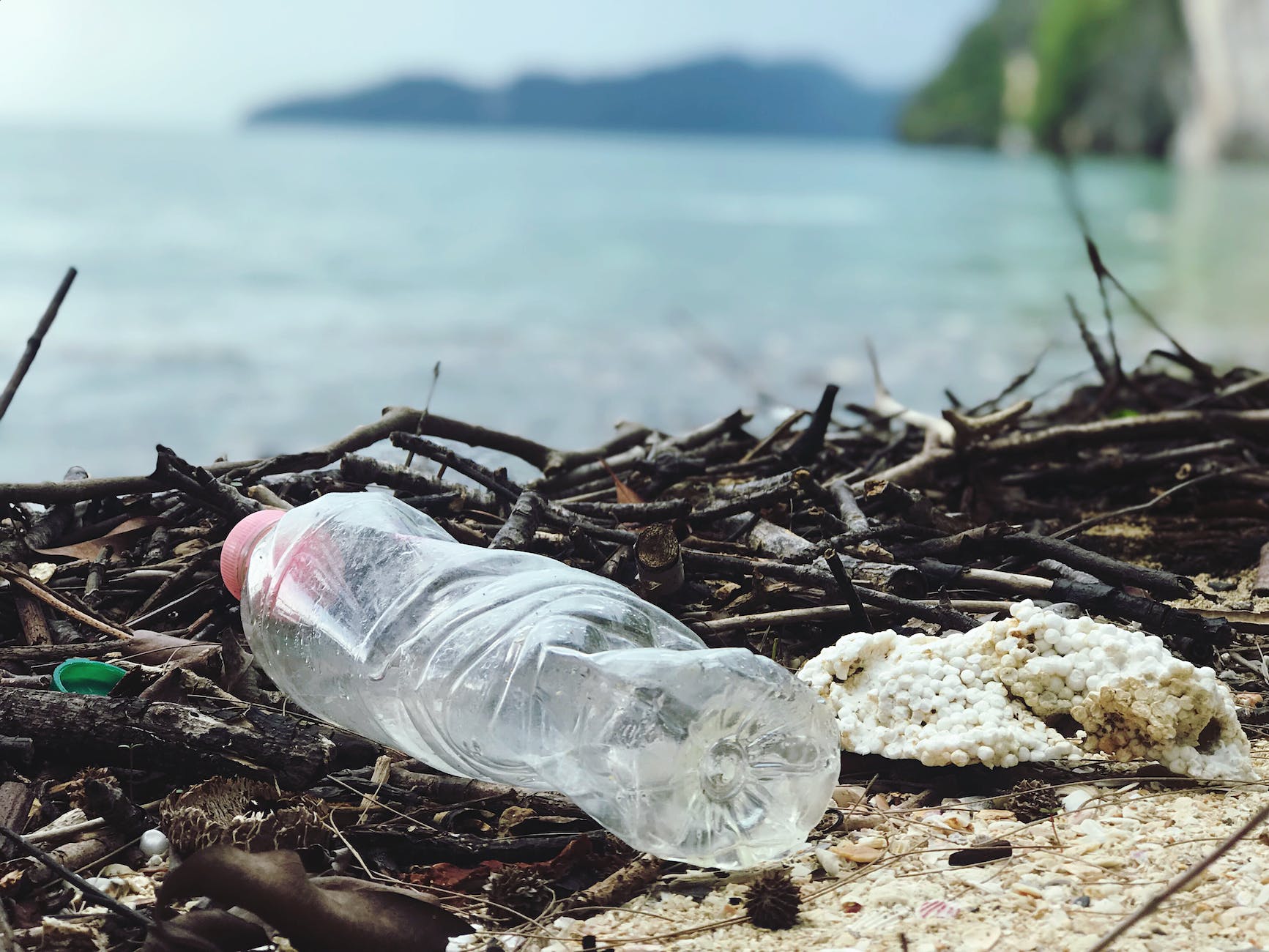
She mentions that landfills in the US and Europe are very well managed and are not a big environmental problem, unlike the developing countries. 1% of the plastic in the Ocean comes from Europe and I read elsewhere that 1% comes from the United States. The plastic in the ocean originates mostly in Asia and Latin America. A fact she mentions that may not sit well with some environmentalists is that nuclear power is a safe and clean source of energy, just like renewables, but without the problem with intermittency.
Death rates from natural disasters have fallen
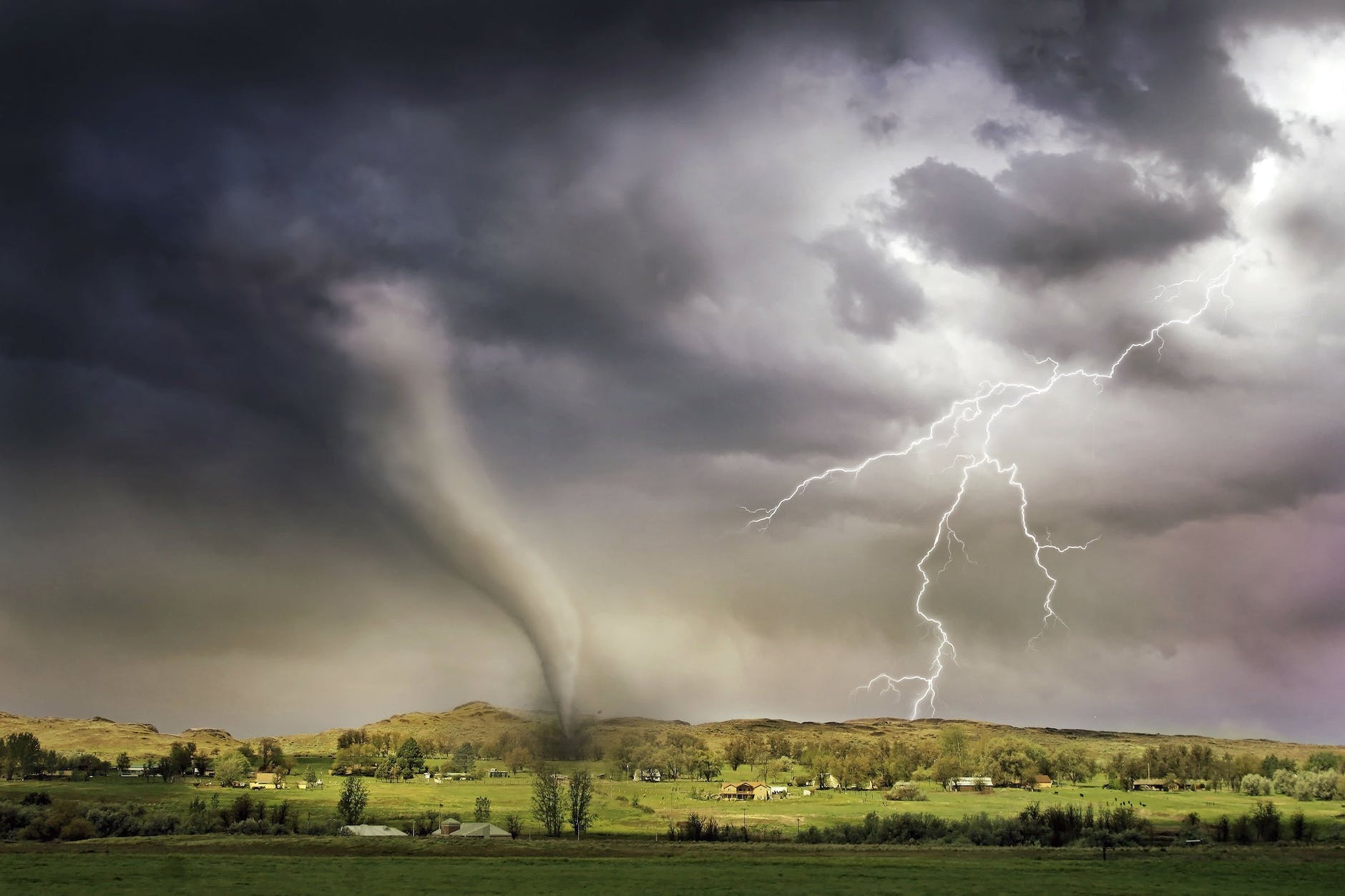
Another interesting fact is that death rates from natural disasters have fallen since the first half of the 20th century. And not just by a little bit. They have fallen roughly 10-fold. That is even though certain types of natural disasters have become worse and more frequent. The explanation is that science, technology, and economic development has allowed us to better protect ourselves and prevent the famines often associated with natural disasters in the past. The author explains that as nations begin to develop, they pollute more and their populations grow, but as it continues this trend reverses. As desperation subsides the environment and living conditions start to matter more, and the population growth subsides as well. She explains that trying to solve climate change by reducing growth or by trying to control population growth is a bad idea.
The Sixth Extinction is off to a roaring start but is slowing
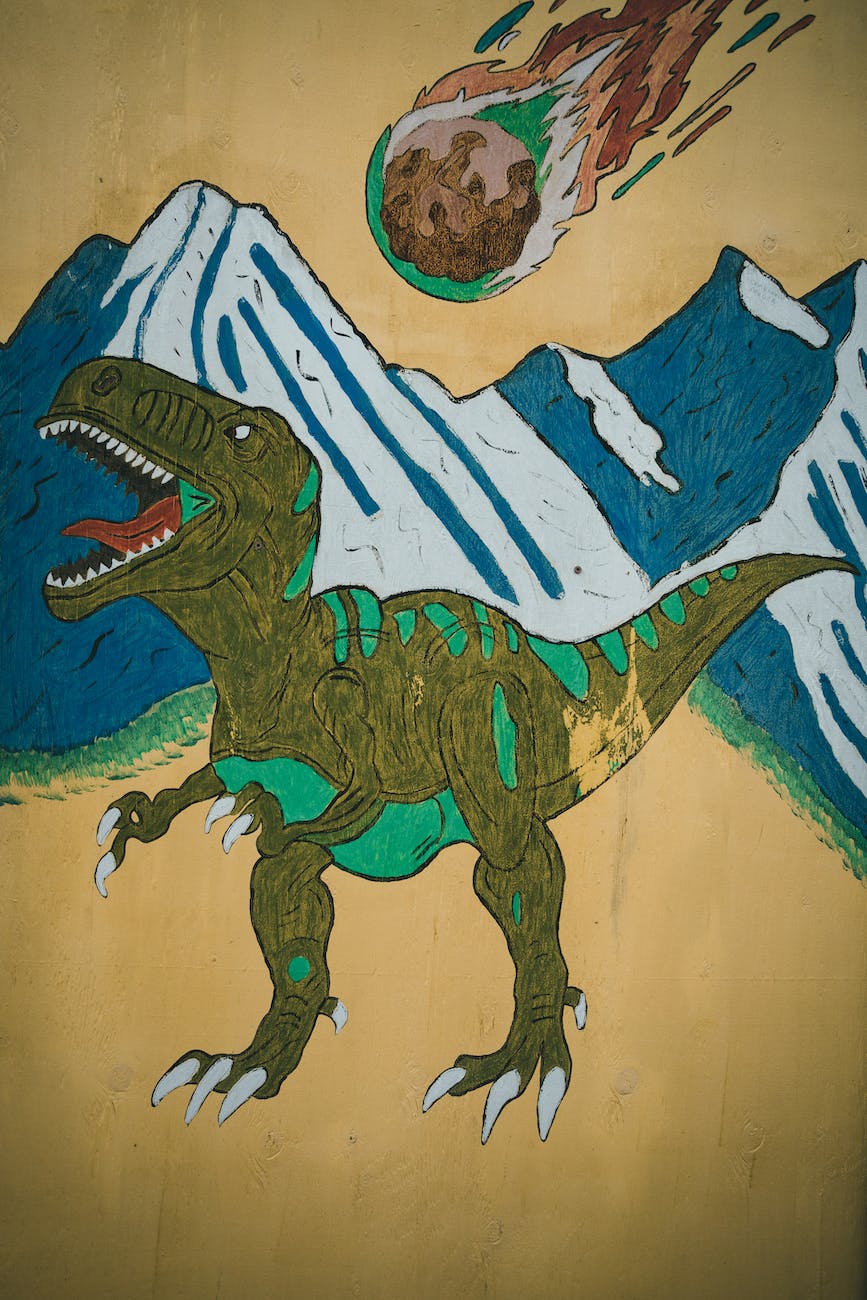
There is no doubt that we’re destroying biodiversity at record rates. It is often said that extinctions are natural, and that is true, it is part of evolutionary history. In fact, 99% of the estimated 4 billion species that have lived on Earth are now gone. However, the extinction rate matters. Over the last 5-600 million years there’s been five mass extinctions. A mass extinction event is when 75% of all species go extinct in a short period of time, set to 2 million years. During recent human history species have gone extinct at a rate that is thousands of times faster than normal, and many more species are threatened. We are heading towards the sixth extinction very fast. On the other hand, our recent conservation programs have been quite successful, and it looks like we are turning things around. The author also points out that if the panda or the rhino go extinct, we will be OK, but the same cannot be said if certain worms and bacteria go extinct. She admits that is a bit cynical to say, but we also need to consider species that really matter to our survival.
In this review I mentioned a few facts from the book to give a taste of the content. Naturally, there is a whole lot more. All these claims and stats, as well as hundreds of other sometimes surprising claims that she makes she supports by referencing reliable sources and peer reviewed research. The book contains 100+ graphs, 335 references, hundreds if not thousands of interesting facts. I can add that Hannah Ritchie (PhD) is a young Scottish data scientist, senior researcher at the University of Oxford in the Oxford Martin School, deputy editor at Our World in Data, and she is the head of research at Our World in Data. She is quite an impressive young lady. I think this book is one of the most informative books on the topic of the environment that I have ever read. I think most of us will learn something important from this book. If there is a fact from the book that I’ve mentioned in my review that you doubt, why don’t you buy the book and find out the details and where it comes from. Maybe you will see the world with new eyes.

A final note is that the statement in the title “How We Can Be the First Generation to Build a Sustainable Planet” comes from the fact that using UN’s definition of sustainability we humans have never been sustainable, but with science, technology and good policy we can be sustainable.
To read more on this topic check out The Climate Journeys of Thomas and Larry or Reviewing The Climate Casino by William D. Nordhaus or Banned on Amazon the Book Review That Recounted One Inconvenient Truth Too Many. To see my review for Factfulness click here.

 Leonberger Life
sounds like it’s well worth reading.
LikeLiked by 1 person
Yes I think so. I believe it is one of the top ten books on the environment that I’ve read.
LikeLike
I wonder why buying local increases emissions. I would have thought it’d be the opposite.
LikeLiked by 1 person
Well, it’s complicated. Buying local is sometimes good for the environment, especially if the food items you buy are grown locally and in its natural environment and in season. However, if you live in Sweden or New England and you buy tomatoes then buying local is counterproductive. The same with bananas or any item which is best grown in a southern climate. The reason is that transportation is typically just a small part of the emissions related to growing food, at least if the transportation is by boat or train. The biggest part of the emissions / pollution / energy used / fertilizer etc., is growing the food. If you have to grow it in a greenhouse (or in a non-natural environment) then you are increasing the pollution by several times what the transportation and conservation would cause.
However, in either case the emissions from vegetables and fruit tend to be much less than from raising beef whether local or not. Instead of focusing on local, we should focus on emissions, and we have that data in a lot cases. We could label the food accordingly. We certainly know if the food item has been transported by air, in which case the emissions from transportation is much higher.
An interesting coincidence is that we are currently studying this in my French class, not to learn about the environment, but to improve our French, and this book match our French study book. Even more interesting is that the French study book uses the same example of Swedish tomatoes as this book does.
LikeLiked by 2 people
I agree with you! Humans have been faced with all sorts of impending-extinction events and are still around, more populous than ever. Promoting the idea that we are going to die soon just produces anxiety-ridden children and adults who see no future for themselves. When I was a teenager, we were all going to die in a nuclear holocaust, which gave people an excuse to party hearty. Never happened.
LikeLiked by 2 people
Yes you are right. Doomism also create apathy. We have many big environmental challenges and never talking about our successes and how we are beginning to turn things around makes it harder, not easier, to get people to act and care.
LikeLike
I’m glad to hear there is a book out promoting facts, not all the stuff heard on the much news. Thanks for the review.
LikeLiked by 1 person
Yes bad news sells and good news is boring. We are far from done and we can do much more to save species and improve the environment, but we are still doing something and we are succeeding and we should hear about it.
LikeLiked by 2 people
What a fascinating book to share. We are definitely facing a global climate crisis with our carelessness. Most interesting, Thomas.
LikeLiked by 1 person
Sorry for the late reply Jan. My spam folder was not working well and I had to restore a lot of comments today. Thank you for your kind words and you are right.
LikeLike
HI Thomas, this book sounds very encouraging and positive which is what is needed. There is no benefit to a world full of depressed and suicidal youth. I will look for it on Amazon. Thanks for this review.
LikeLiked by 1 person
Thank you so much Roberta. Scientists, naturalists, and environmentalists have brought much needed attention to our problems, including your books. You all may have saved us from Armageddon, and we need to mention these successes. The sixth extinction is still approaching but we have started to turn things around and every species we save is a victory. Knowing that it is not all a big disastrous failure, but that our actions yield results is important. It is important to be realistic and not be overly optimistic and not overly pessimistic.
LikeLike
Hi Thomas, I agree. Doom and gloom attitudes are not helpful and result in mental health issues for young people. Thank you for your kind comment about my books.
LikeLike
Yes, you are right. Doomism is as problematic as denialism. Now when denialism is vanishing even among politicians minimizing the problem and on the other hand doomism has become the two cards that inactivists play, and environmentalists should not fall for it.
LikeLike
Sounds like an interesting book. I like that it focuses on scientific research and evidence rather than a more morbid outlook that many books about climate change have these days.
LikeLiked by 1 person
Yes I agree. It is important to get the facts right and acknowledge both the dangers and the successes. We need to act on our problems but that is difficult to do if we don’t think we are succeeding with anything.
LikeLiked by 1 person
Yeah, I think if we go to the worst case scenario it doesn’t help anyone. We have a lot of work to do when it comes to the environment but that can’t happen if people feel like it’s too late.
LikeLiked by 1 person
Pooja you are exactly right.
LikeLiked by 1 person
This is a great review, Thomas! It sounds like a good book with important facts.
LikeLiked by 1 person
Yes thank you very much for your kind comment Kymber.
LikeLike
A very in-depth post Thomas.. That is what we need today.. FACTS .. and in some research books I too have read the Co2 was far higher in the past… before the industrial revolution in fact.. As proven in Ice core samples..
One has to delve into research as you do, and not always believe what we are told to believe… Thank you Thomas ..
LikeLiked by 1 person
Yes, CO2 levels have been higher in the past, but the problem is that our use of fossil fuels are raising CO2 levels exceptionally fast so that the eco systems don’t have time to adapt, and our civilization is also very sensitive to a stable climate, not to mention coastal cities and low lying countries. Therefore, we needed to raise the alarm and it is still a dangerous problem, and we will still see destruction of the environment from it. However, we are turning things around, there is not going to be an Armageddon and people need to know. It will only increase the will to act if we know that what little we have done so far has had an important effect.
LikeLiked by 1 person
The Word Armageddon itself has been misused throughout time… As we see from its translations in Greek and Hebrew..
I agree, this is Not the End of the world as such…
But these are indeed End Times of certain systems , as we see the shift of many things occurring which may well seem more than a little chaotic, as things we thought were old institutions begin to crumble, and new ones replace them. Time as always will tell…
We can only all do our little bit in helping our world and nature regain her balance.. ❤ .
Thank you Thomas xx
LikeLiked by 1 person
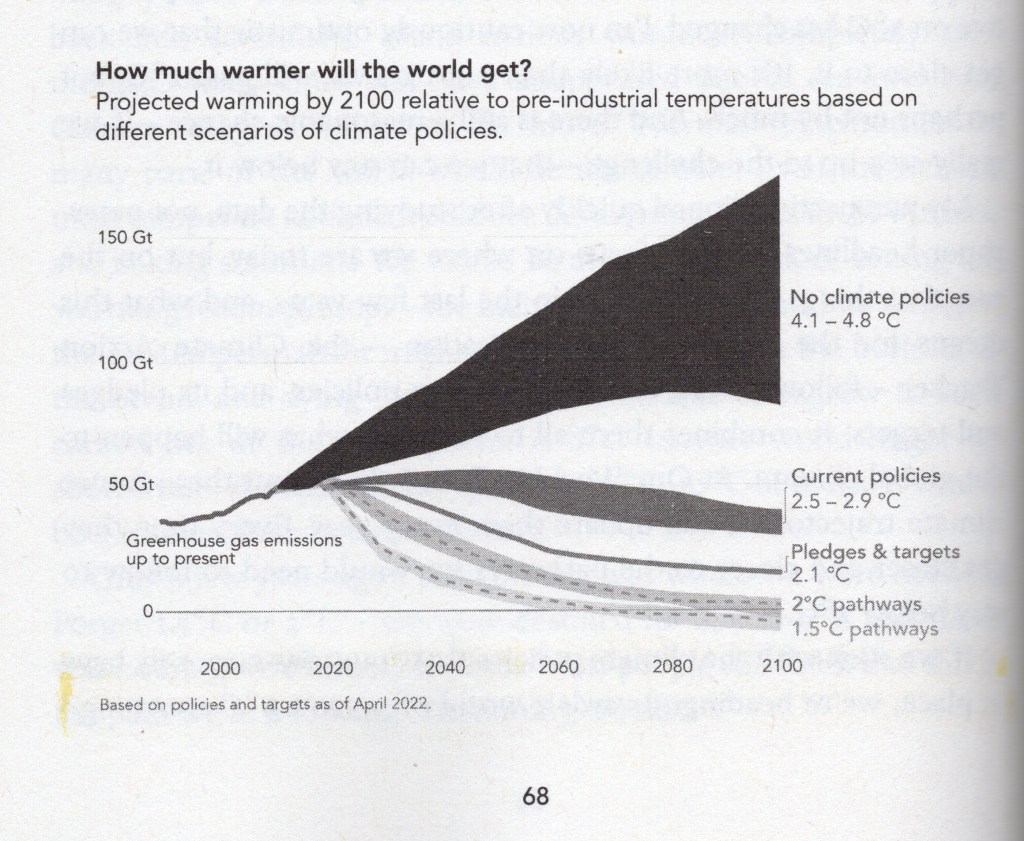
Yes, you are right. I can add that I used the word Armageddon, but she used the word “end of the world”. I heard that term a lot when I was younger. So, it was my misuse. I can add, about the CO2, that it is the highest it has been in 3 million years, and it is rising at record speeds that probably outpaces the not so good PETM event 55 million years ago and add to that the fact that human civilization (with agriculture etc.) developed during a 12,000-year period of very stable climate and that we are 8 billion people now. Therefore, the quickly rising CO2 is an emergency and if we had not enacted any policies to try to slow things down things would indeed have looked very bad for our grandchildren. Luckily, we are doing something about it (the graph above from page 68).
LikeLike
Environmental issues are really a matter of concern. Thank you for your review and raising interest in the book.
LikeLiked by 1 person
Yes you are right. Thank you very much Kaushal.
LikeLiked by 1 person
It’s nice to see a book that isn’t doom and gloom, nor is it denialism or overly optimistic. Realistic, informed hope is powerful. Thanks for bringing attention to the book.
LikeLiked by 1 person
Yes that is how I felt about the book. Thank you very much Denise.
LikeLiked by 1 person
I’m going to keep worrying, Thomas, because that makes me more aware of doing my little part. But it is great to hear about the positive trends and that global efforts are making a difference. That’s where the big changes need to happen. Fires are the big concern here in Oregon, and I do worry about the sixth extinction as I’ve noticed a decline in my bee population. Thanks for sharing this book and such a thorough and expanded review of the material. It sounds like a good one to pick up.
LikeLiked by 1 person
You are right, we are not out of the woods yet. Climate change is a very difficult problem that we will have to work on this entire century. The CO2 levels in the atmosphere will keep rising for many decades and even when they stabilize there is at least a 30-year delay before average temperatures and climate stabilizes. The extinction rate is still hundreds, maybe thousands of times larger than average even though it has slowed during the last couple of decades. However, we have started to turn the ship around and judging from the path we are currently on we are not going to kill the world. I guess that’s the good news. But we need to continue doing well and do better to avoid extremely severe damage. It will get worse before it gets better.
LikeLiked by 1 person
Thanks for the thoughtful response, Thomas. I never actually thought humans would go completely extinct, but there’s a lot of climate-related suffering these days, and as you mentioned, there will be a long delay before things improve. I hope we can look ahead and make the necessary corrections for future generations.
LikeLiked by 1 person
Yes you are right Diane and hopefully we will continue improving. The more we improve the less destruction in the future.
LikeLiked by 1 person
Thank you for sharing this perspective. The theme is similar to that of Jane Goodall’s The Book of Hope. I tend to believe that the world will continue, but it may become very different depending on how hard we work to solve our environmental problems. Thank you for your reply above: “… in either case the emissions from vegetables and fruit tend to be much less than from raising beef whether local or not.” We can all do more for Mother Earth.
LikeLiked by 1 person
Yes you are exactly right JoAnna. Thank you for that comment. I will look for Jane Goodall’s The Book of Hope.
LikeLiked by 1 person