
A professional content writer specializing in animal healthcare and veterinary topics by the name Emma Johnson contacted me about publishing veterinary information on my Leonberger blog, which I am certainly happy to assist with. Check out her article below.

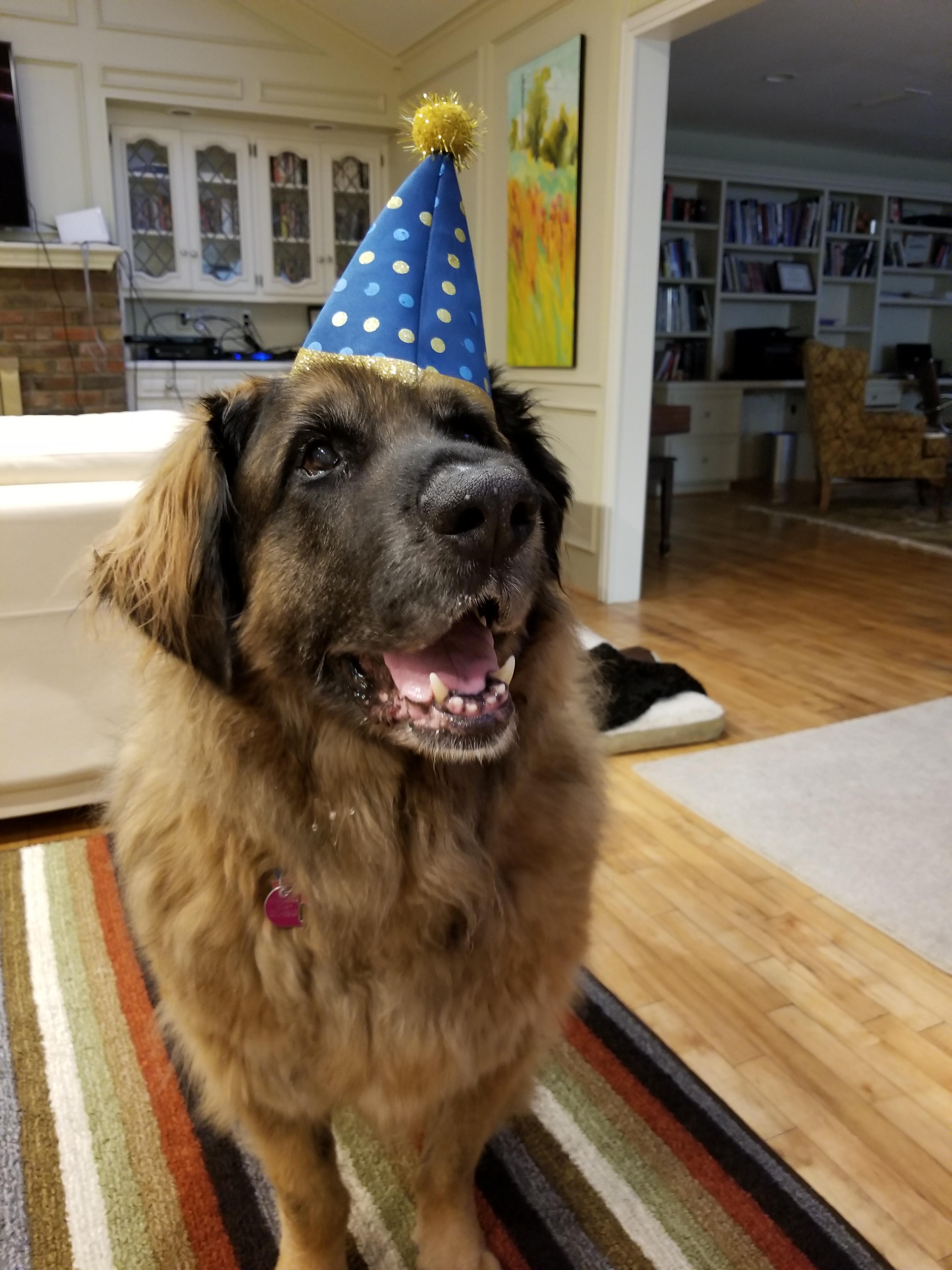
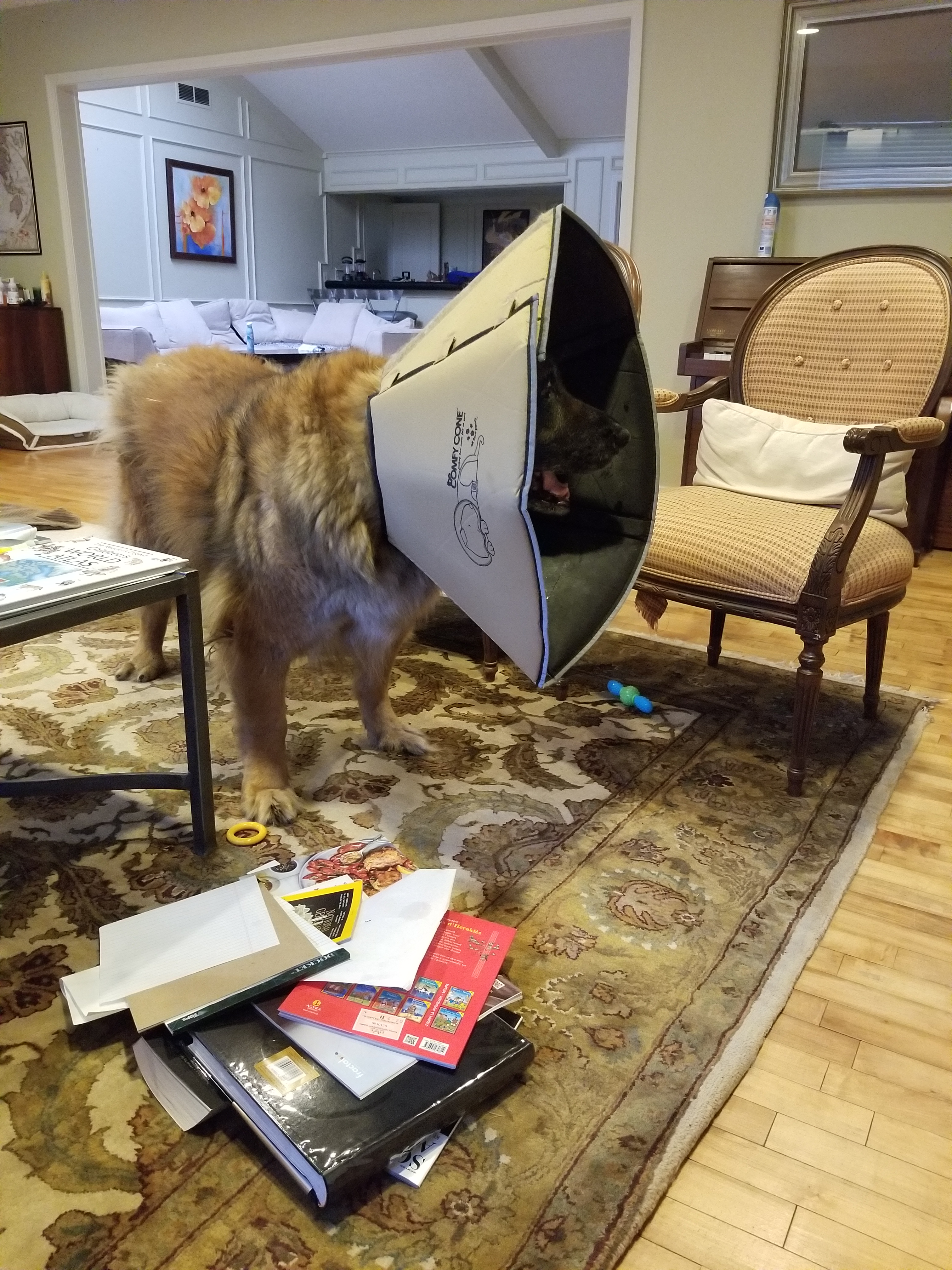
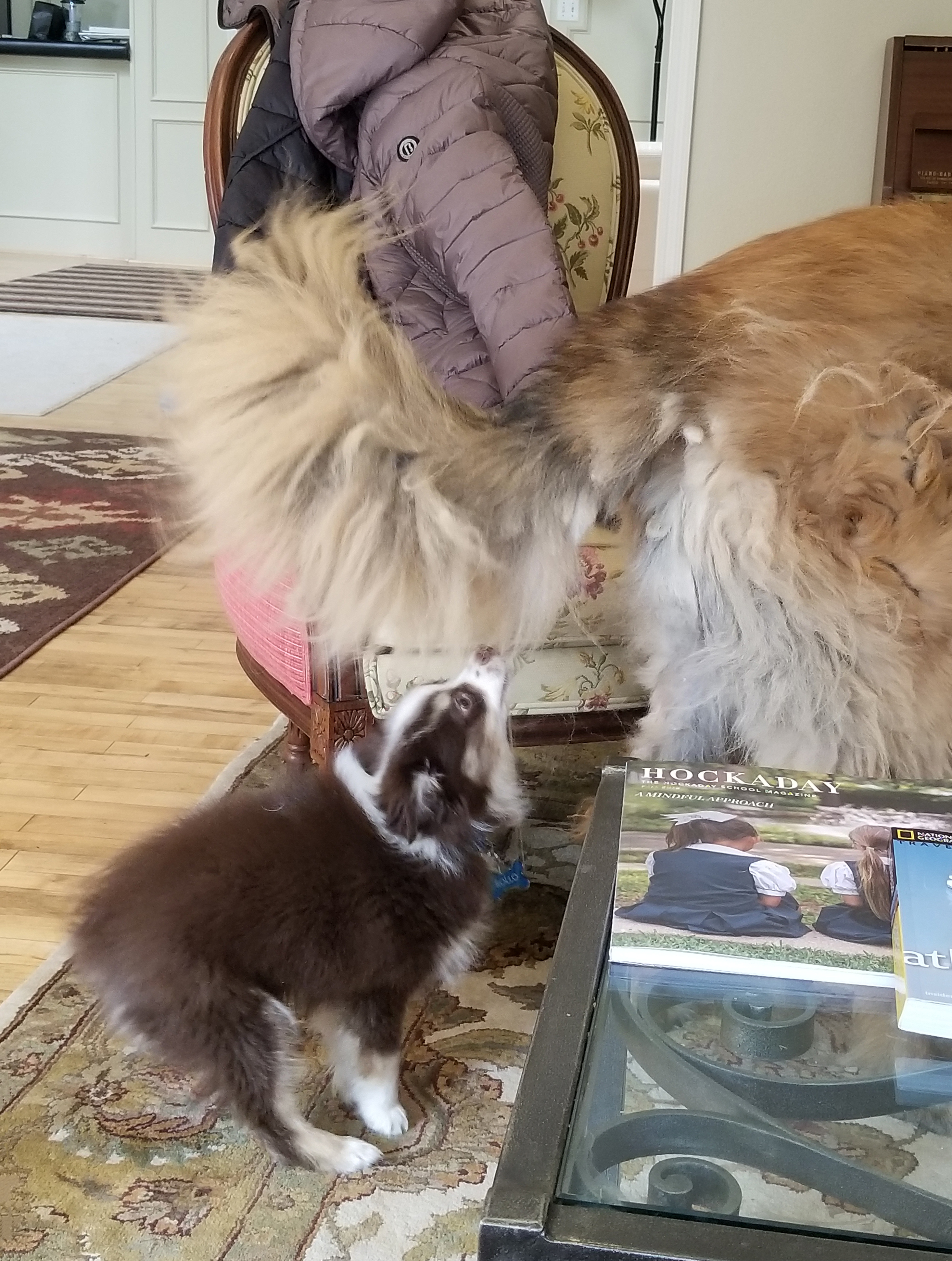
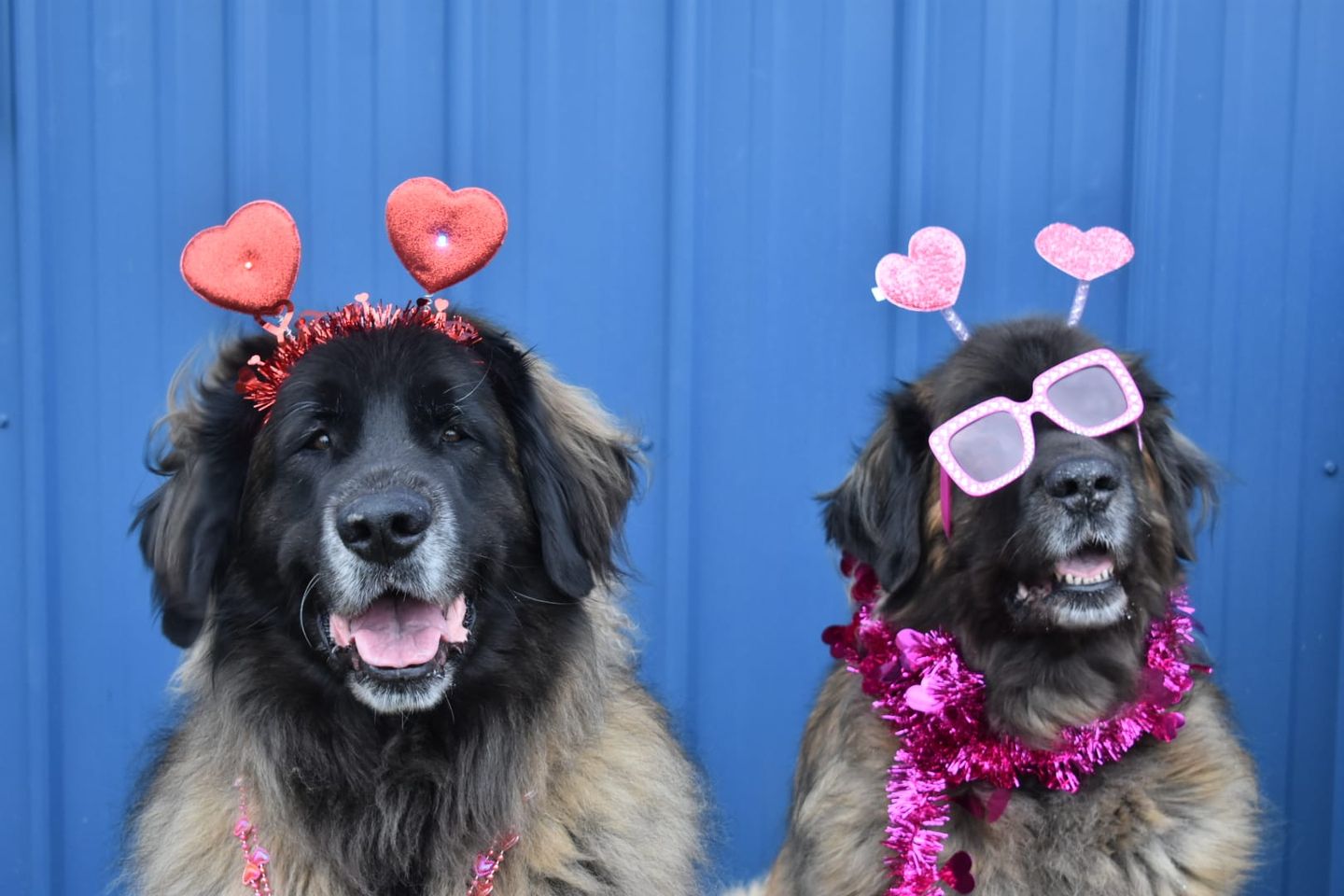
This photo tile includes a photo of our Leonberger Bronco wearing a birthday hat on his 11th birthday, our mini-Australian Shepherd biting our Leonbergers tail, our Leonberger Bronco wearing a cone and accidentally clearing the table of its content, a friends funny photo of Leonbergers Digory and Obi (by Jen O’Keefe) and a shutter stock photo of two light colored Leonberger puppies playing. Shutterstock-ID: 2141564415 by AnetaZabranska.
Article by Emma Johnson
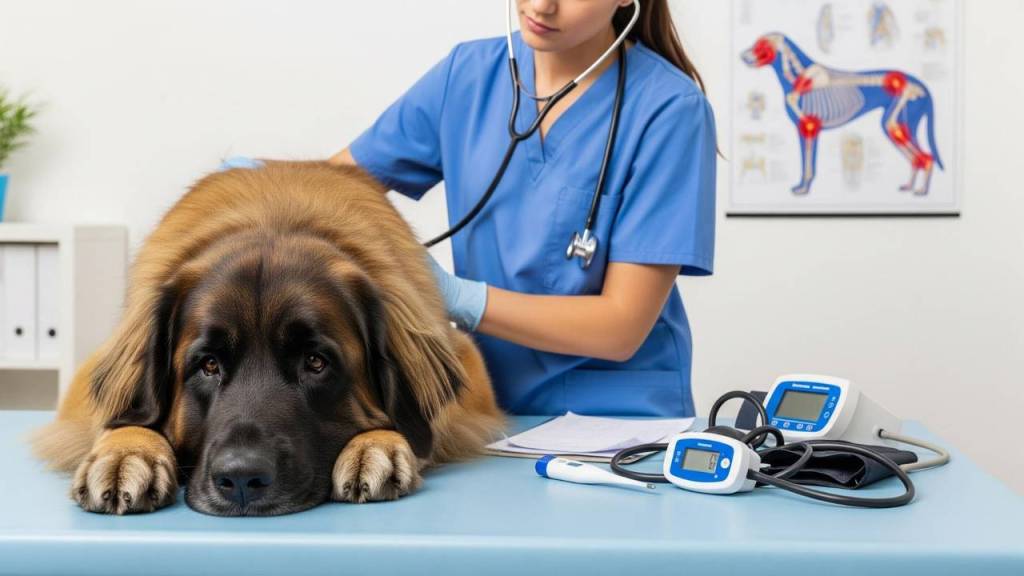
This article tackles the biggest problems and lays out preventive care options to protect these dogs. It is simpler to know what to anticipate and how to avoid these issues. Let us begin by finding out about some of the most common diseases that occur to Leonbergers.
Understanding Common Leonberger Diseases
Leonbergers suffer from many diseases. They can be joint issues, heart issues, hip dysplasia, eye issues, and skin allergies. These issues arise over time; therefore, prevention and detection at an early age are crucial.
In such situations, periodic examinations are advised by veterinarians, and collaboration with the dog’s owners is recommended. Prevention is all about good food, exercise, and periodic check-ups from the veterinarian.
We will learn how genetic problems in Leonbergers are addressed and how actively they can be dealt with.
Genetic Issues in Leonbergers and How to Deal with Them
Breed history and size are the main causes for genetic issues in Leonbergers. These are directly affecting Leonberger’s lifespan and general health. Prevention is achieved through education and proper care.
Genetic risks and prevention include:
- Hip dysplasia: Select sound breeders who screen for hip wellness. Keep your dog at a healthy weight and encourage low-impact play.
- Elbow dysplasia: Refrain from overexercising and ensure proper nutrition.
- Heart issues: Have regular cardiac check-ups and watch for activity levels.
- Eye issues: Have regular eye exams and maintain eye cleanliness.
Pre-treatment of genetics, through both breeding selection and preventive maintenance, lowers the risk of major issues. Let’s discuss the big picture now: Leonberger lifespan and health.
Leonberger Lifespan and Health
The average lifespan of a Leonberger is 8 to 10 years. Big dogs tend to have a shorter lifespan, but with proper preventive care, it can be extended.
Suggestions from experts are:
- Balanced meal plan that is rich in nutrients
- Weight management to minimize joint stress
- Low-impact exercise
- Routine visits to the veterinarian for the detection of diseases in early stages
Pro Tip: In case of emergencies and accidents, effective veterinary bandaging skills are priceless. They prevent infection, protect wounds, and promote faster healing. Thus, both pet owners and vets must improve their veterinary bandaging skills.
A regular schedule of preventive care and practical first aid skills is the key to maintaining a Leonberger’s health and longevity. This includes treatment of Leonberger joint problems, the most common health problem of the breed.
Preventing Leonberger Joint Problems:
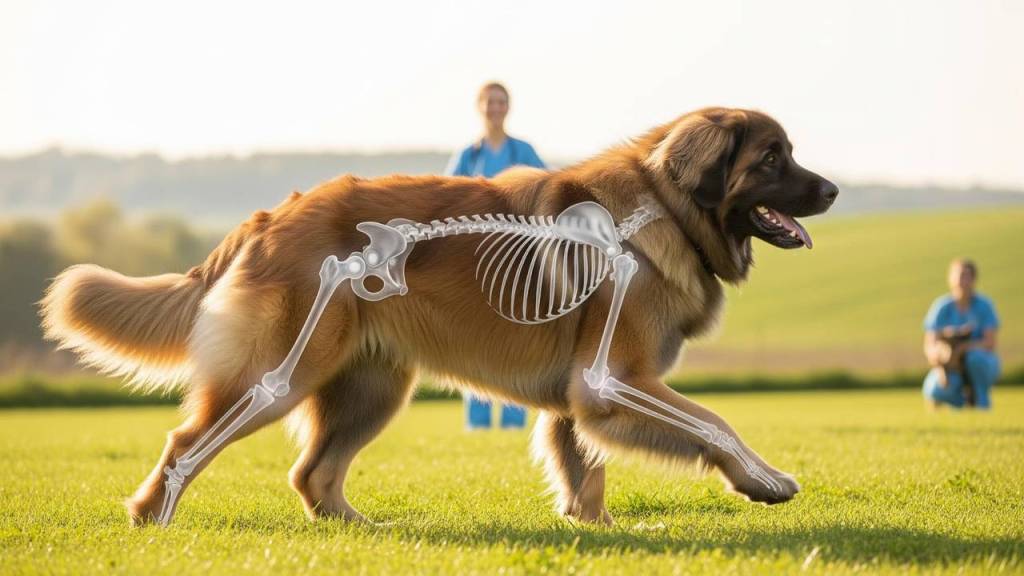
Early focus on joint maintenance makes prevention easy. That inevitably centers on the role of exercise and diet.
Exercise and Nutrition
Low-impact activity, such as controlled walking or swimming, provides joint mobility without overloading. A balanced diet with proper nutritional intake is also a must. In consultation with a veterinarian, supplements such as glucosamine and chondroitin may also be employed to maintain joint health.
These lifestyle modifications fortify the joints but are optimally used when complemented by regular veterinary visits.
Regular Checkups
Orthopedic examinations should be conducted regularly to identify problems before they cause damage. Regularity in these preventive check-ups can keep your Leonberger comfortable and active for life.
With joint maintenance underway, attention now must turn to another essential area of health: the heart.
Prevention of Leonberger Heart Problems:
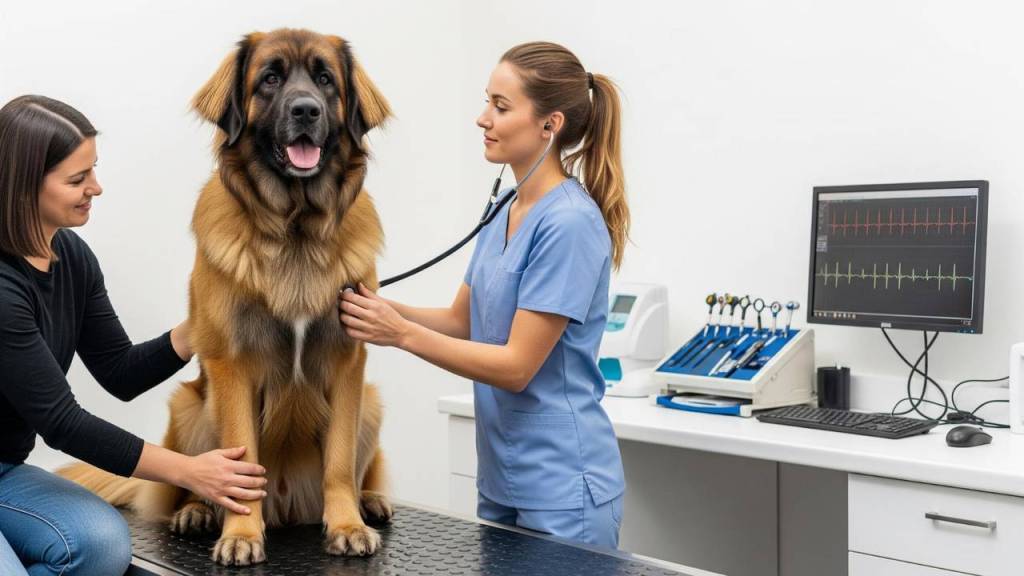
Diet and Lifestyle
Daily check-ups, a healthy diet, and regular exercise maintain the heart in good health. Avoid stress and overexertion.
Preventive measures at home are required. Periodic veterinary check-ups should be organized, nevertheless.
Early Detection Of Symptoms
Be vigilant for signs of exhaustion, cough, or respiratory deviation. Seek the advice of a veterinarian if there are any concerning signs in the pet. Early diagnosis significantly enhances the prospects of success.
Strong hips also contribute to overall heart health. Therefore, the same care and attention should be given to prevent hip dysplasia.
Prevention of Leonberger Hip Dysplasia:
Leonberger hip dysplasia is an abnormal development of the hip joints that leads to pain and loss of mobility. Prevention is early.
Breeding and Early Life Care
Seek out breeders who conduct hip soundness testing. Keeping your Leonberger lean and limiting high-impact exercise will help to build and develop joints. High-quality breeding, proper early care, and frequent veterinary check-ups are key to a long, healthy life for your Leonberger.
Early Veterinary Care
Prompt discovery can make a huge difference in comfort and mobility. Be mindful of the signs of discomfort in your pet. If the dog shows hesitation in movement, exercise, or play, it’s a sign of concern.
Moreover, watch out for signs of exhaustion after minor physical activity. Symptoms such as limping and whining while walking shouldn’t be ignored. A physical examination should be scheduled immediately to pinpoint the exact cause of pain and discomfort.
After the hips are healthy, vision care is the next priority of preventative care. We’ll cover that in the next section.
Preventing Leonberger Eye Problems:
Vision care is a cornerstone of your Leonberger’s overall health, making them comfortable and independent in their golden years. Healthy eyes enable them to be confident and active on a daily basis. Preventive care today can save a lot of stress and treatment down the road.
Common Eye Issues
Leonbergers can be susceptible to vision and comfort-degrading issues like cataracts and entropion. Cloudiness or tearing must be noticed early on. Regular veterinary eye examinations ensure early detection is probable and help maintain their quality of life in balance.
By being attentive to common vision issues and regular hygiene, you can protect your Leonberger’s eyesight and health.
Hygiene and Care
Eye cleaning prevents infection and irritation. Easy grooming, such as wiping off discharge and watching for redness, can be a big help. A quick response when there is any sign of irritation prevents problems from getting out of control.
Finally, let’s discuss how genetic testing can help with coping with Leonberger health problems.
Breeding Considerations
Genetic testing is the key to avoiding inherited eye conditions. Selecting breeders who prioritize vision preserves generations to come. Healthy vision is as crucial to mobility as it is to overall well-being.
Caring for vision maintains independence, but caring for healthy skin maintains comfort and well-being. Preventing skin allergies is covered in the next section.
Preventing Leonberger Skin Allergies:
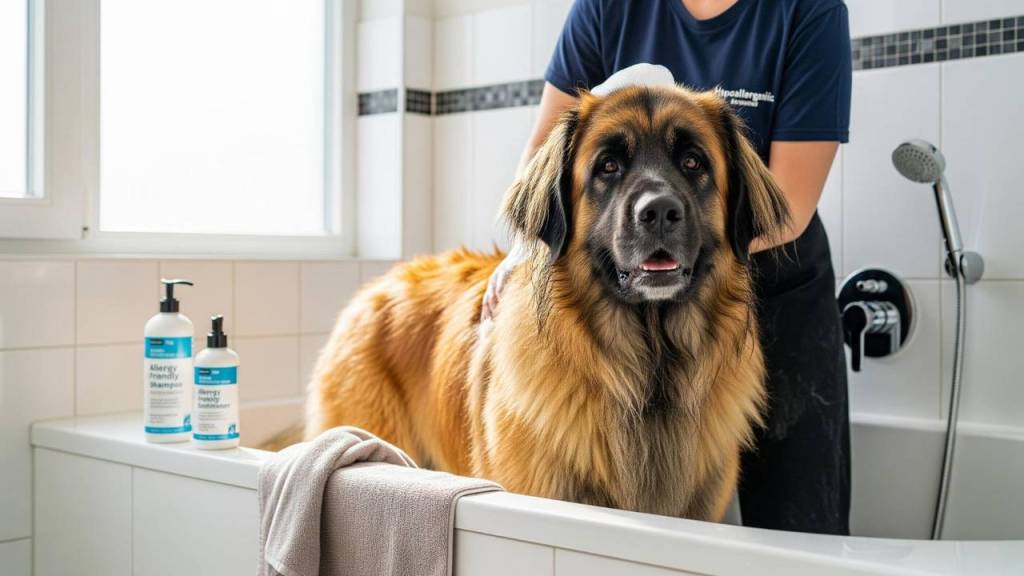
Causes of Skin Allergies
Environmental factors, food allergy, or parasites are the causative agents of Leonbergers’ skin allergies. Early diagnosis of causes prevents long-term complications.
It is through preventive measures that you need to take steps to make your dog stress-free and comfortable.
Skin Care Routine
Daily brushing and grooming eliminate dirt, allergens, and loose hair that irritate the skin. Hypoallergenic shampoos and conditioners soothe the skin and avoid flare-ups. A balanced diet containing omega fatty acids also maintains a healthy coat and skin.
Early Care
Skin problems must never be overlooked, as they can quickly become long-term problems. Coordination with your vet for regular checkups ensures that issues are addressed on time.
Preventive skin care is an important element of preventive health. Coordination of these practices ensures your Leonberger has a long, happy, and healthy life.
Preventive Care Checklist for Leonbergers, as suggested by the veterinarian
Here is a brief preventive care checklist for Leonbergers:
- Work towards maintaining your dog’s healthy weight to keep them overall healthy.
- Encourage your dog to perform low-impact exercises.
- Turn outdoor play into a regular activity.
- Undergo genetic tests to identify hereditary risks before breeding.
- Check for dental and skin health to avoid infections and discomfort.
- Get regular vaccinations and parasite control for complete preventive care.
- Utilize a veterinary AI scribe to document, monitor, and maintain patient information efficiently.
Regular wellness visits detect health problems in Leonbergers. Regular checkups screen for inherited disorders, evaluate weight and exercise requirements, and examine the condition of joints, hips, eyes, heart, and skin. Personalized care plans maintain your dog in good health, averting significant problems.
With all said regarding the Leonberger health problems and how to prevent them, let us now summarize with the closing thoughts.
Final Thoughts
Preventive care is the key to a happy and healthy Leonberger. Regular wellness visits, individualized care plans, and gentle treatment of injuries all combine to provide a long, active life. Prevention is always preferable to the cure. It’s preferable to be proactive about the typical health issues in Leonbergers in order to be able to stop them.
A proactive care approach keeps your Leonberger healthy, comfortable, and active.
FAQs:
What are the most common Leonberger health problems?
The most common Leonberger health problems include joint issues, heart conditions, eye problems, and skin allergies. They affect mobility, comfort, and general well-being. Preventative care and routine veterinary check-ups help keep these dangers at bay efficiently.
How can I prevent Leonberger joint problems?
Prevention of Leonberger joint problems starts with proper weight maintenance, nutrition, and regular low-impact exercise. Routine early orthopedic checks help detect problems before they progress. Preventive breeding matters too.
How often should Leonberger’s eyes be examined?
Every Leonberger checkup should include a regular eye examination. Owners should also watch for redness, cloudiness, or watery discharge. Early detection of Leonberger eye problems prevents catastrophic vision loss.
What is the average Leonberger lifespan and health expectancy?
The average Leonberger lifespan and health is 8–10 years, but preventive care can improve the quality of life. Proper living routines and regular veterinary visits are the key. Identifying health issues early on ensures healthier and longer years.
Author Bio:
Emma Johnson is a professional content writer specializing in animal healthcare and veterinary topics. Her work provides pet owners and veterinarians with insightful, well-researched information to improve animal care.


Yes, gentle giant dogs live less long which makes me sad.
LikeLiked by 2 people
me too… it’s the little yappy ones that live forever lol
LikeLiked by 1 person
Yes you are right da-AL. Our little pug lived longer. Unfortunately, our little Japanese Chin had a short life. He was unlucky.
LikeLiked by 1 person
so sorry
LikeLiked by 1 person
Thank you da-AL
LikeLiked by 1 person
Yes you are right. Saint Bernards, the closest relative of Leonbergers have about the same lifespan and Bernese mountain dogs live even shorter. However, we were lucky with our Leonberger, he lived until almost 13 and received a longevity award (Grey Muzzle Award) from the Leonberger Health Foundation International. Upon their request we subitted his DNA to them for research.
LikeLike
I always find that the dogs look so foolish when they have to wear cones! I know it’s best for them but my, not only do they look funny but I think they feel very funny!
LikeLiked by 1 person
Yes I am sure they are not happy wearing it and when our Leonberger Bronco wore those giant cones he caused some damage, tipping over things and as in the picture clearing a table off whatever was on top of the table.
LikeLiked by 1 person
My doberman is 13 , soon to be 14 , but my vet says he looks great for his age . He sometimes has prostate issues but I’ve been feeding him a cranberry supplement that has been helping him . For his joints I cut yoga mats where he jumps off the couch so he has a landing pad . Also made a small step for our bed too since he likes to sleep with me . Just doing those little things helps . Plus my fiance always picks him up and lifts him into our car too. I don’t know if you can lift a Leonberger or other large breed like that but I think they sell steps for cars too
LikeLiked by 1 person
Thank you oliveunicorn. It sounds like you are taking really good care of him. We had to help our Leonberger Bronco in the car once he got really old. You can’t really lift a 140lbs Leonberger into a car but we used a lift-em-up. It is like soft harness you put around his chest and you have a handle and you can lift him. It had two handles in case you needed to be two people to lift him. Towards the end of his life we sometimes had to lift him just for him stand up and then he could walk. He lived until 13, which is unusual for a Leonberger.
LikeLiked by 1 person
Oh I think I have heard of those lift em ups. My fiance is pretty strong and Roxas is only 68 lbs . He’s always been ok the lighter side , he’s a more lean doberman rather than the super heavy eastern Euro dobe’s you may see on Instagram . People always thought he too skinny when he was younger , but the vet just told us he has a pretty fast metabolism .
13 years is pretty good for a dog weighing 140, although it’s never enough tbh .
One of my friend’s husky/malamute lived to be 22 years old , not as heavy but he was a good 90 lbs .
I’m doing my best for Roxas , he still has so much energy and honestly acts years younger than he is . Also my fiance and I decided he just gets whatever wants within reason lol . He wants to lay on the couch on some pillows , or throw balls in the house , we just let him lol
LikeLiked by 1 person
We used lift-em up the first times for our German Shepherd to help her go for walks when she came close to the end of her life. Sometimes they just need a little bit of help to get up, and the lift-em-ups are pretty pratical to handle. You can use them for smaller dogs too.
I am quite impressed by the husky/malamute living to be 22 years old. That is very old for any dog. However, the average life span of Huskys is a little shorter 10-15 years.
LikeLiked by 1 person
Good guest post. Heavy dogs have particular problems.
LikeLiked by 1 person
Yes you are right. Little dogs and big dogs are quite different health wise.
LikeLiked by 1 person
Great information for anyone who is a giant breed dog owner. Thank you.
LikeLiked by 1 person
Thank you Jeanne. Yes Emma’s article is very helpful.
LikeLiked by 1 person
That it is. 🙂
LikeLiked by 1 person
With Trooper, our leonberger, his issues were more a result of his friendly, gentle nature. One time he tried to befriend a ground hog who bit him though his tongue and bottom lip. Another time he came across a feral cat and ended up with cat scratch fever. He did develop hip problems at 12 years old also had hearing loss.
LikeLiked by 1 person
Ouch! Friendly and curious sometimes come with unpleasant surprises. Our Leonberger Bronco got Geriatric Laryngeal Paralysis at the age of 12 as well as a heart condition. All his LPN genes were fine (LPN1, LPN2, LPN3), so that was not the problem. Then when he had a heart failure just short of 13 we had to put him down.
So Trooper got very old. At the age of 12 you can apply for the Grey Muzzle Award. It is the Leonberger Health Foundation International who gives out the award. You can apply for it even if he has already passed. I know the people who give out the award if you are interested.
LikeLiked by 1 person
Trooper was not a registered Leonberger. We adopted him from a shelter where he had come in as a stray. We never had him genetically tested so don’t even know if he was mixed breed. He was 13 when he passed away.
LikeLiked by 1 person
Thank you so much for adopting him from a shelter, that is a wonderful thing to do. But just in case you are still interesting in trying (it doesn’t hurt to ask) this is the web site for the Leonberger Health Foundation International’s Grey Muzzle Award site and this is the email for Ira Van Order, who is in charge of the program : ivanorder@dutchvalleyfoods.com
LikeLiked by 1 person
Thank you for the info. Our shelter pups our the best. 💖
LikeLiked by 1 person
Yes, I believe so
LikeLiked by 1 person
Very interesting information, Thomas!
LikeLiked by 1 person
Thank you so much Dawn
LikeLike
A comprehensive post, Thomas. It’s the kind of article all new potential dog owners should read before taking on the responsibility of adopting a pet. We’ve raised mostly labs over the years. It seems like bigger dogs typically don’t live as long as their smaller counterparts. I imagine some of that is related to how hard our bigger animals play. Some dogs will chase their ball forever until we call a halt to the game.
LikeLiked by 1 person
Thank you so much Pete. You are right about how long dogs live. The smaller ones tend to live the longest, then medium sized dogs (labradors, german shepherds), then the really big ones, Leonberger, Saint Bernard, Newfoundland, Bernese Mountain dogs live the shortest. Because Bronco lived two weeks short of 13 the Leonberger Health Foundation International wanted his DNA. They have been able to make the average lifespan of Leonbergers a bit longer and Leonbergers living longer than 10 years is quite common now. From what I’ve read it has a lot to do with genetics. A lot of the big dogs are related. For example, the Saint Bernard, Leonberger, Newfoundland, Great Pyrenee are believed to all be related.
LikeLiked by 1 person
Great post, very informative for those that have a Leonberger or planning on getting one.
LikeLiked by 1 person
Yes you are right. Emma wrote a great article. Thank you so much Pooja.
LikeLiked by 1 person
My pleasure.
LikeLiked by 1 person
Thanks for sharing the information, Thomas. Leonbergers sure are a beautiful breed.
LikeLiked by 1 person
Thank you so much Lauren and Emma wrote a great article.
LikeLiked by 1 person
She really did!
LikeLiked by 1 person
Yes I think so. Thank you Lauren
LikeLiked by 1 person
Java Bean: “Ayyy, this is good information to have about your pets! When Mama and Dada got Lulu and me tested, they thought I might have some vizsla in me, but I don’t; instead, they found out I am part doberman pinscher and carry a gene for dilated cardiomyopathy, so they know they have something to keep an eye out for in the future …”
LikeLiked by 1 person
Thank you Java Bean (and Lulu). Dilated cardiomyopathy is definitely something to watch out for. It can cause heart failures if you are unlucky. Be safe Java Bean.
LikeLiked by 1 person
Yeah we were really put on a back foot at first by the results, but eventually we came around to the “forewarned is forearmed” position. And we still think Bean might have some vizsla hiding there in the “supermutt” portion of his results … 😁
LikeLiked by 1 person
“forewarned is forearmed” is a very good way of looking at it. Just because it is an issue does not mean it is going to happen and if it does it gives the veterinary a clue what to look for so that a correct diagnosis can be arrived at sooner. There is also medicine for it that the dog can take to prevent serious issues.
LikeLike
So cute
LikeLiked by 1 person
Thank you
LikeLike
Hi Thomas, this guide is very comprehensive. I wonder if hip dysplasia can be fixed in dogs as it is in humans, by using a nappy wrapping method for several months. I read this story and thought of you: https://masticadoresusa.wordpress.com/2025/10/14/ace-of-my-heart-by-etya-vasserman-krichmar/
LikeLiked by 1 person
I do not know. None of our dogs have had hip dysplasia, but Bronco had Geriatric Laryngeal Paralysis towards the end of his life. Thank you robbie for the heart wrenching but beautiful story about Ace.
LikeLike
I will look it up. It seems the treatment should be similar. The story about Ace was beautiful 🌹
LikeLiked by 1 person
You might be right. A lot of things that work for humans work for dogs, and vice versa (but not always). Yes I agree about the story about Ace.
LikeLike
🙏💞
LikeLiked by 1 person