Can you imagine my delight when I saw the post above. Sally Cronin from Smorgasbord Blog Magazine shared my post about super-fact 69:
Super fact 69 : Polar nights happen in the regions north of the Arctic Circle and south of the Antarctic Circle. Together the two polar regions cover an area double as large as the United States, and it includes a population of millions of people. During a polar night the sun does not rise for days, or months, up to six months. The polar nights are special, not just for the daytime darkness, but for the spectacular aurora borealis, the starlit skies, the extremely clear air, and the fact that people often lose track of time during polar nights.
In her post she is also promoting my Leonberger dog book for which Diana Wallace Peach wrote a great review. Thank you so much Sally and Diana. Please visit her post above at the Smorgasbord blog magazine and read it.
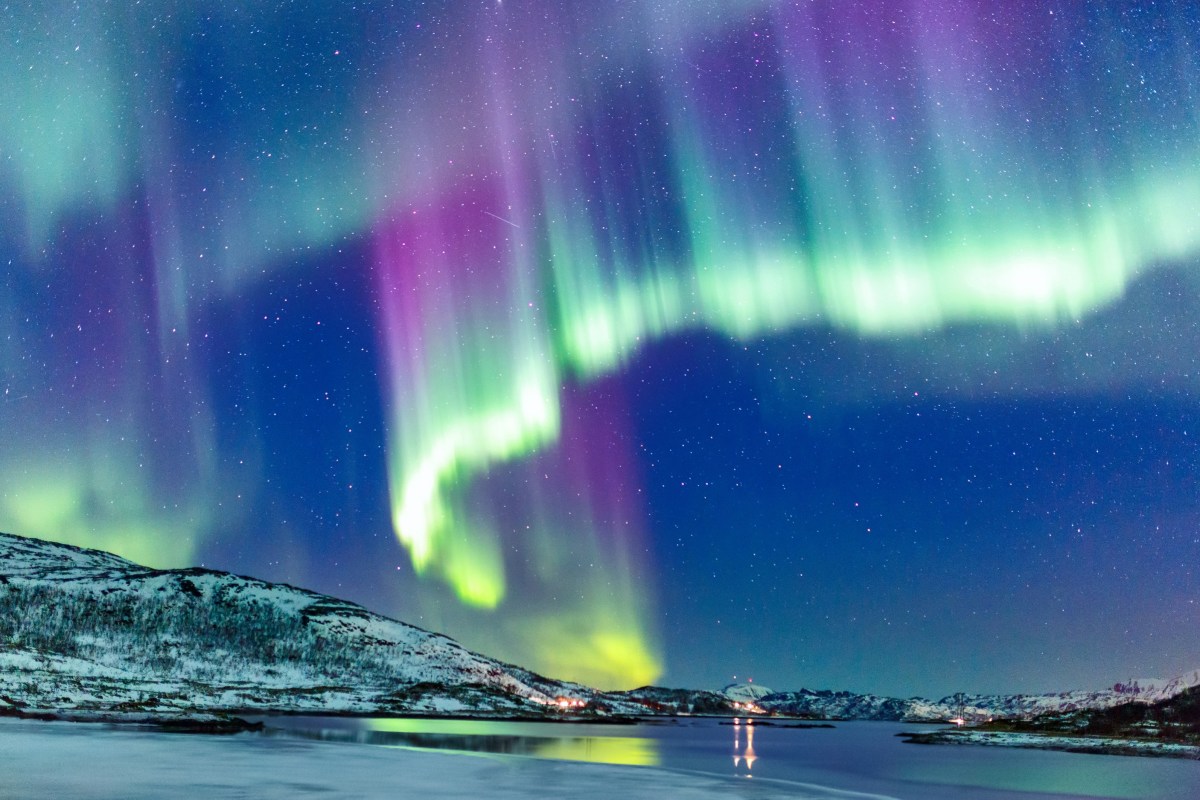
Aurora Borealis are often spectacular in the polar regions, especially during the polar night. Asset id: 2499746583 by HappyVibeArt
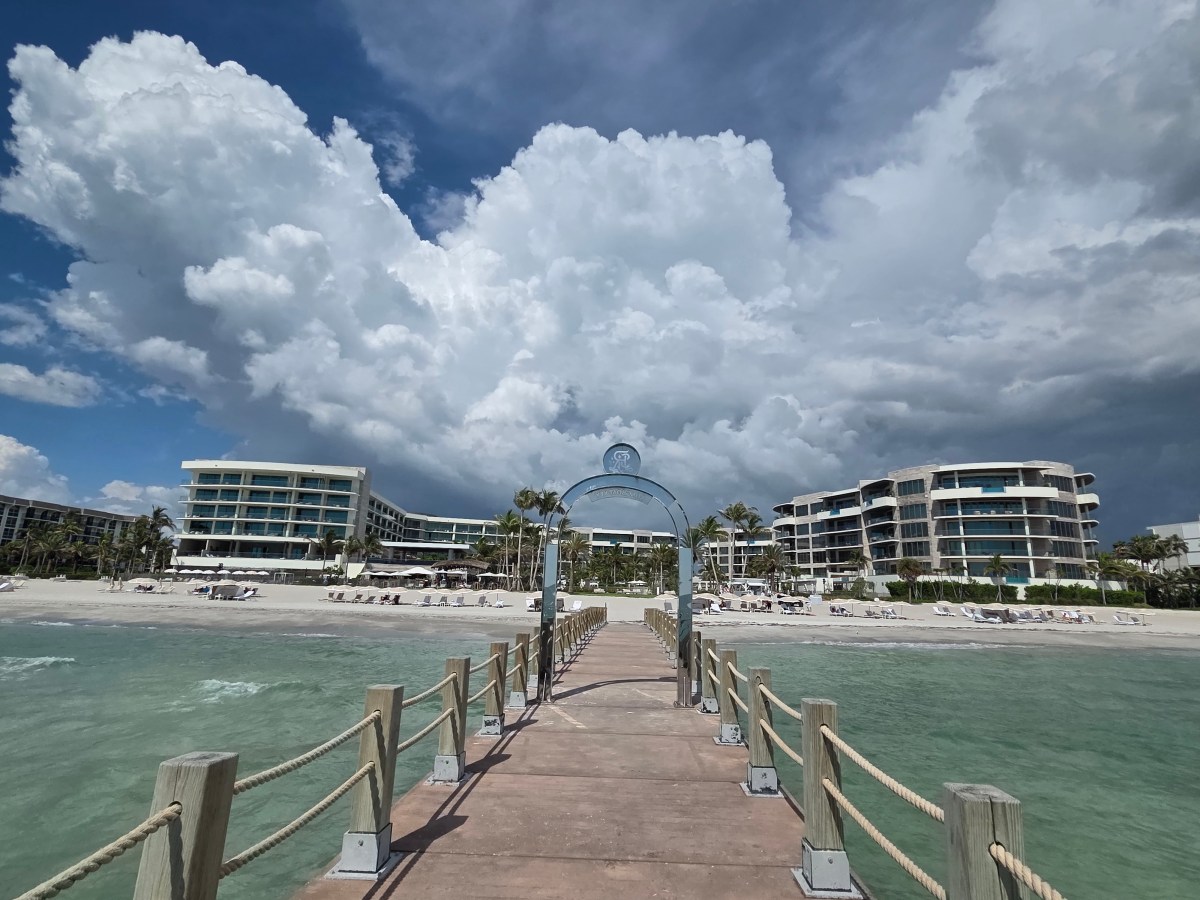
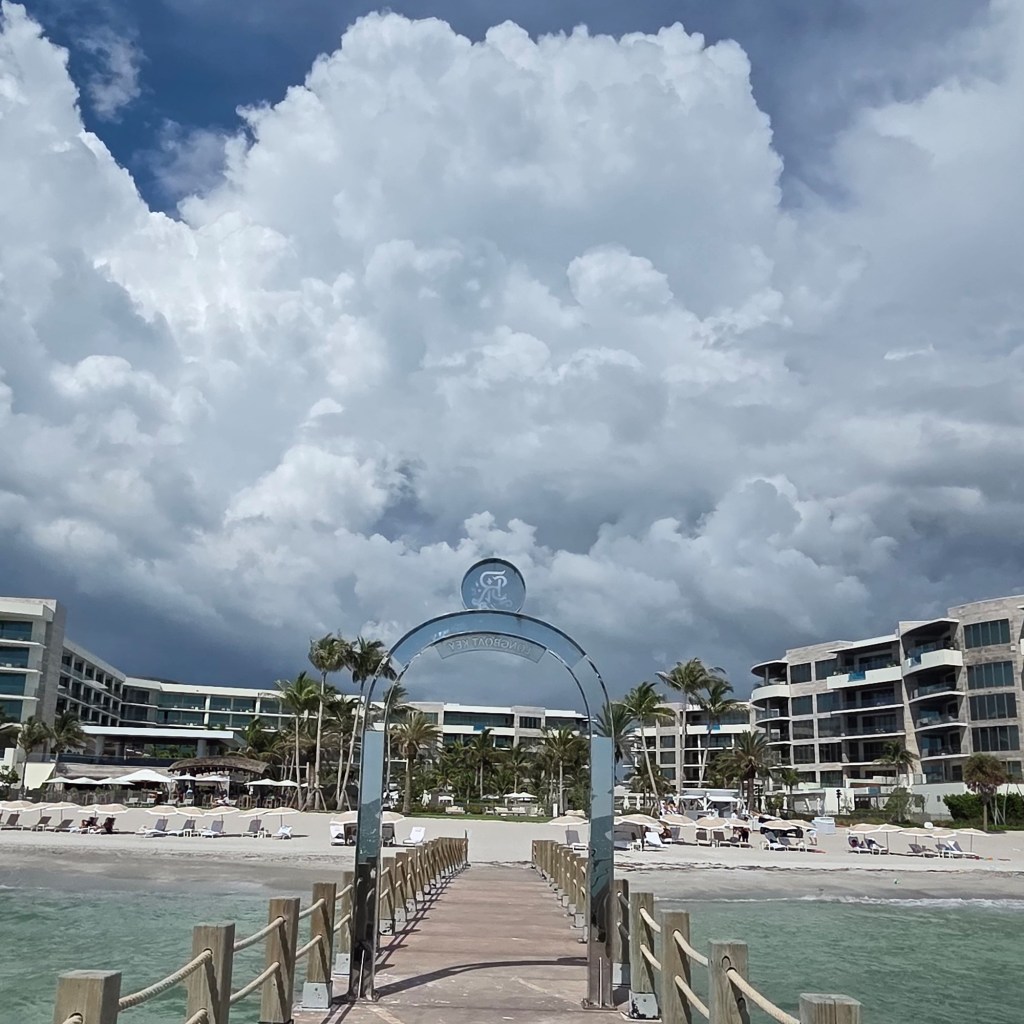
The focus of this blog is Leonbergers. However, sometimes I post about other things and today I am posting about our short vacation to Florida, to the St. Regis Longboat Key Resort in Sarasota to be specific. It was just for a few days. We were supposed to come home last night but the plane was more than five hours late due to the thunderstorm in the picture below, so we came home this morning. That is the reason I have not been posting since Wednesday, and I have mostly been missing from the blogosphere in other ways as well.
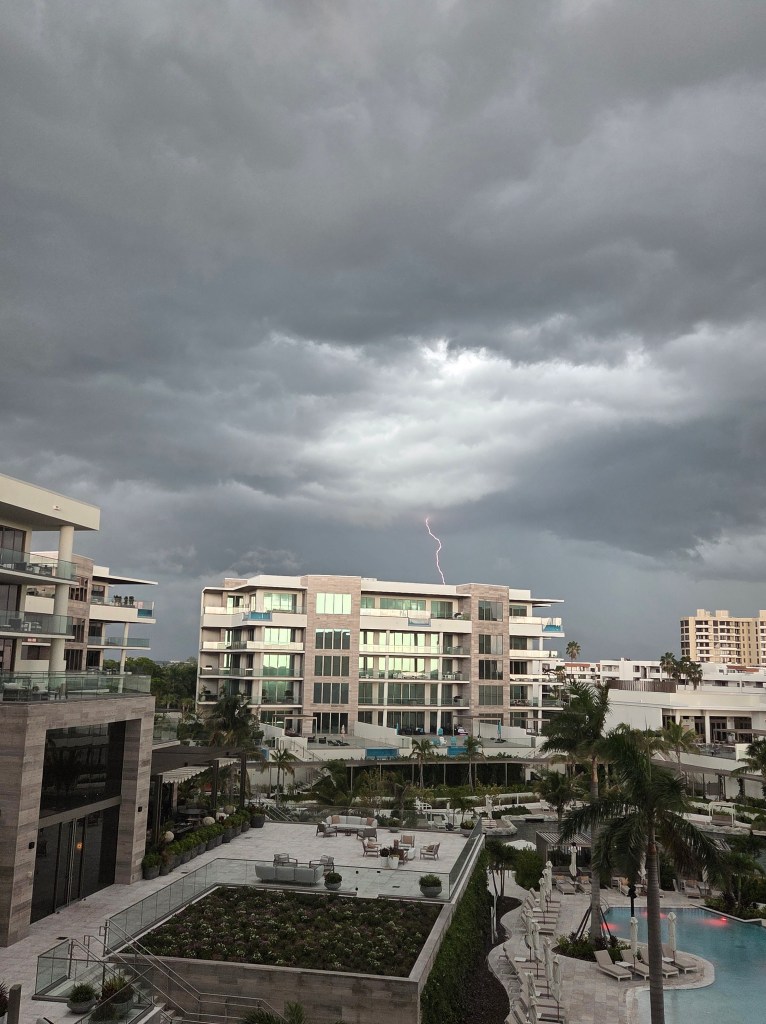
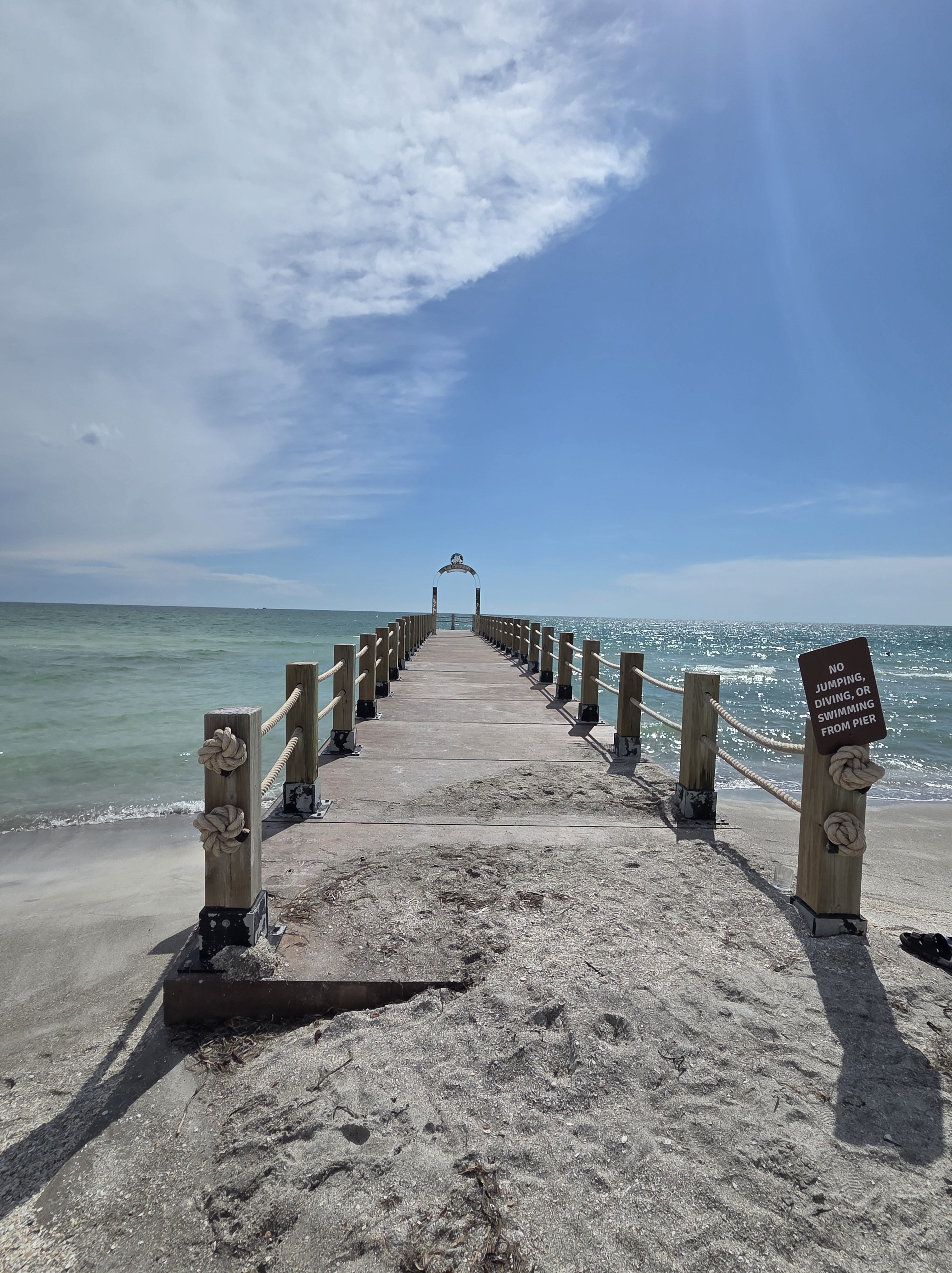
This is the picture of the St. Regis Longboat Key Resort and the angry thunderstorm that delayed us. I used the arch on the pier to make the cloud look angry. Notice the eyes, the nose, and the angry mouth on the cloud.Zoom in of picture aboveSoon after I took the previous photo I took this photo of lighting striking behind one of the buildings that is part of the resort.
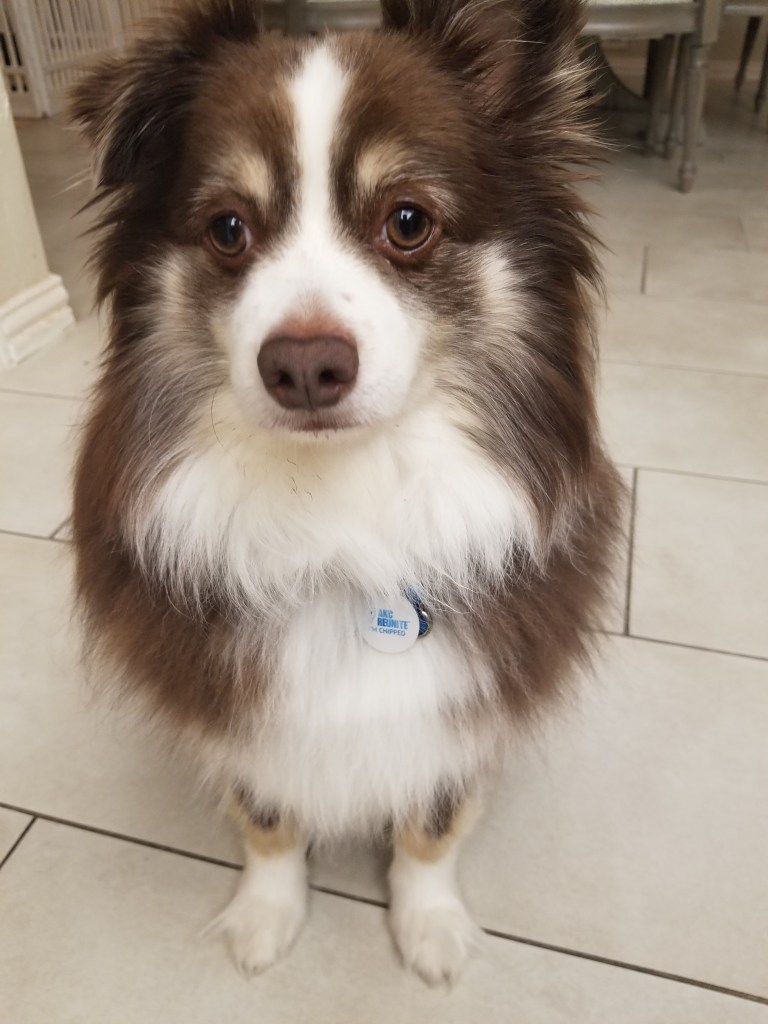
Now a day whenever we go on vacation we have someone we know well and trust stay with our dog Rollo, in our house, and sleep with him during the night. This way that someone is house sitting for us too. It is safe, Rollo is taken care of, and it keeps potential burglars away. However, that does not mean that Rollo is happy when we leave.
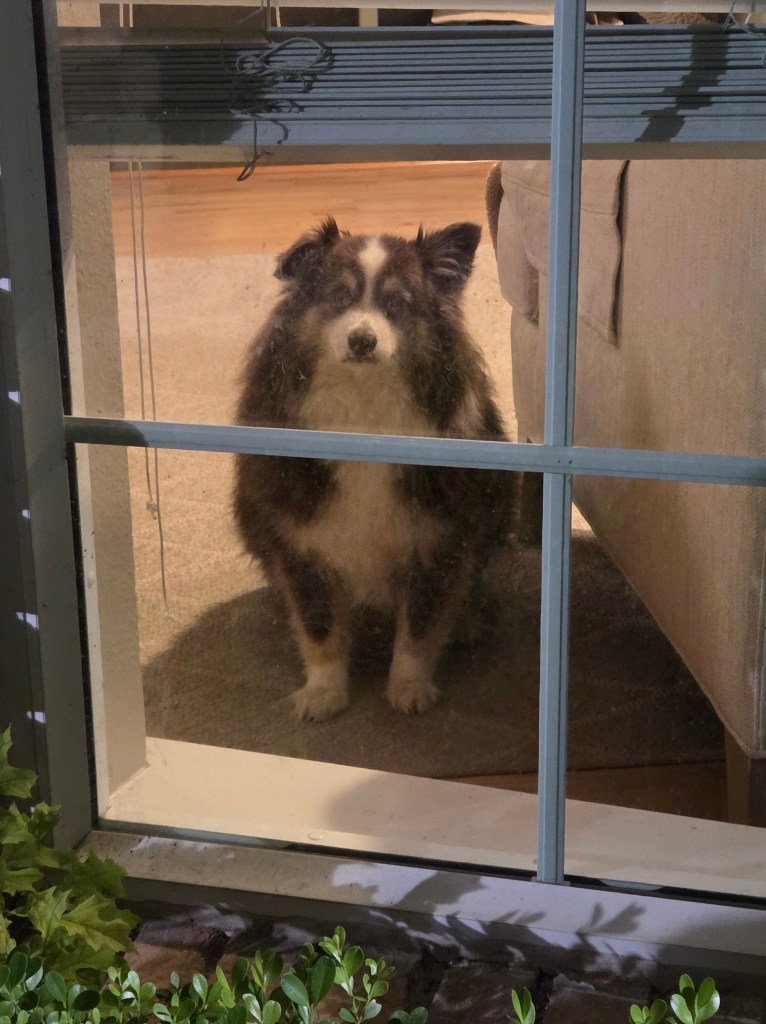
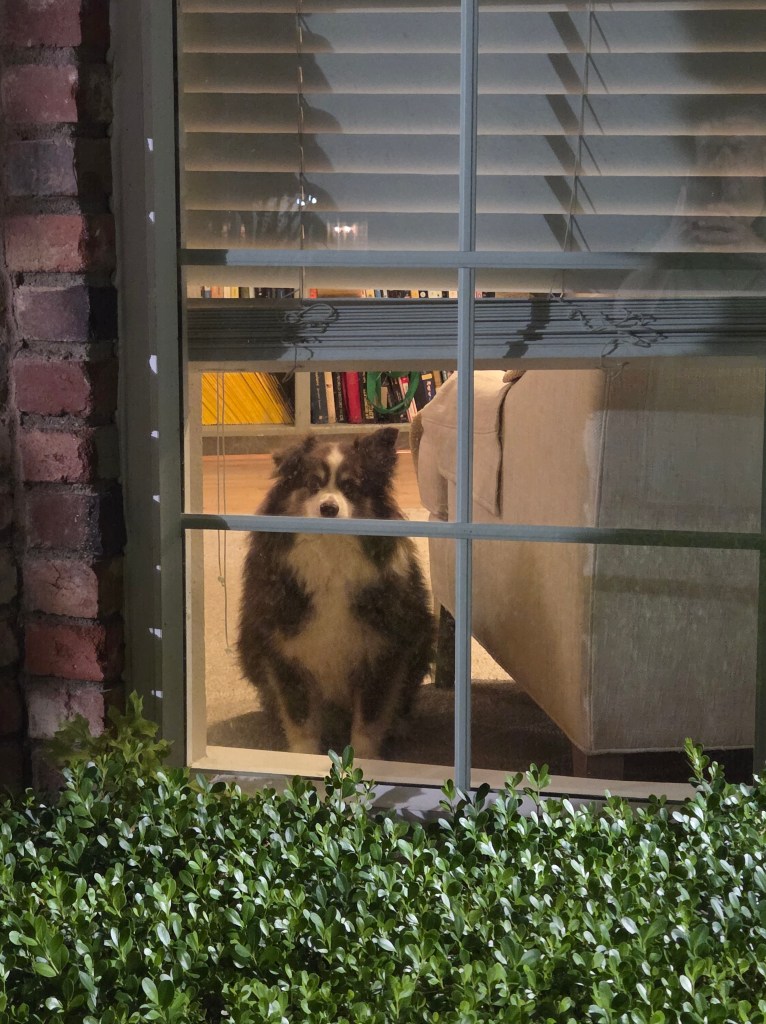
Rollo does not like it when we leave, but he is well taken care of.Rollo looks out his window seeing us leaving. He says goodbye Woof! Woof! Woof!
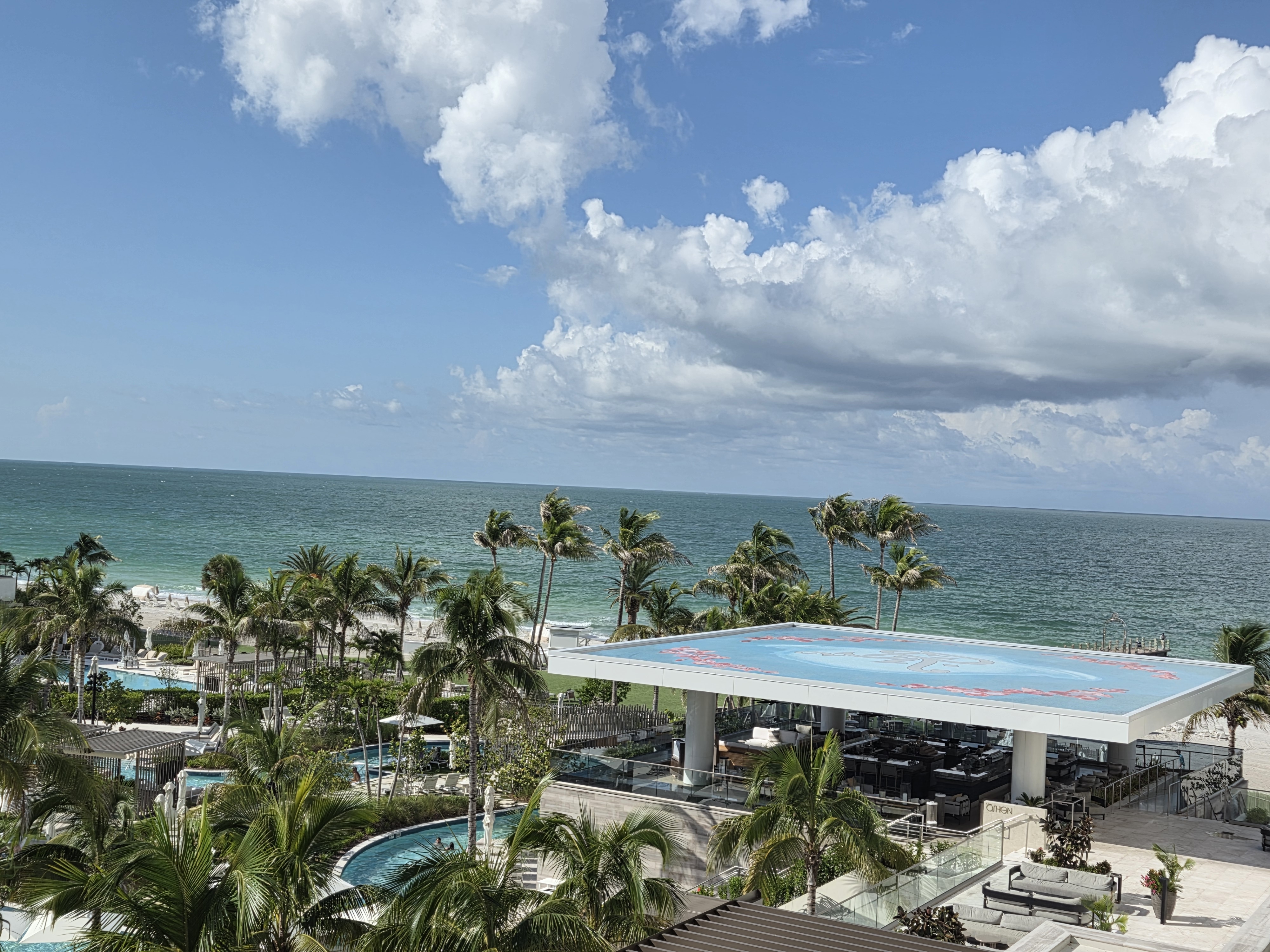
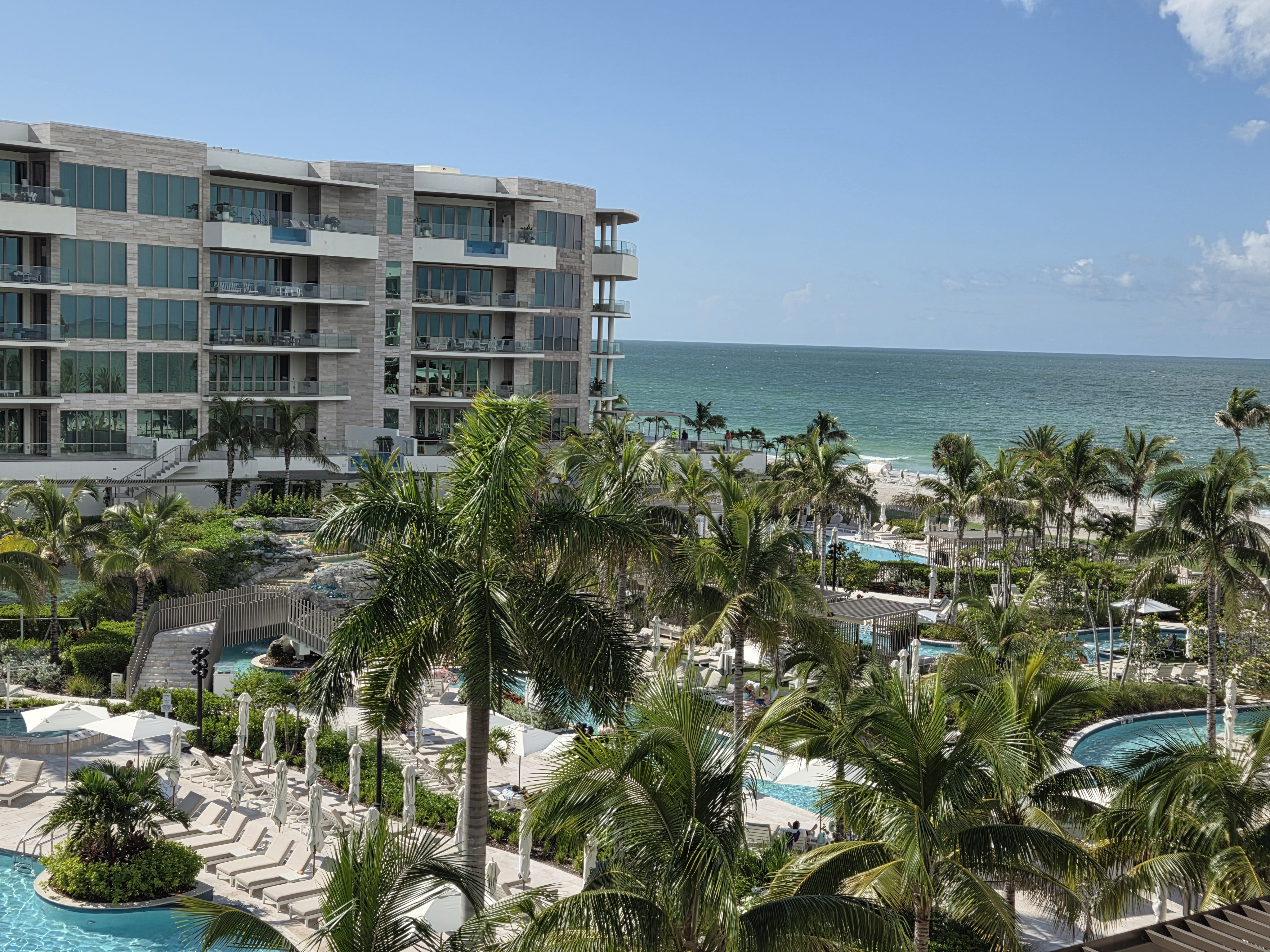
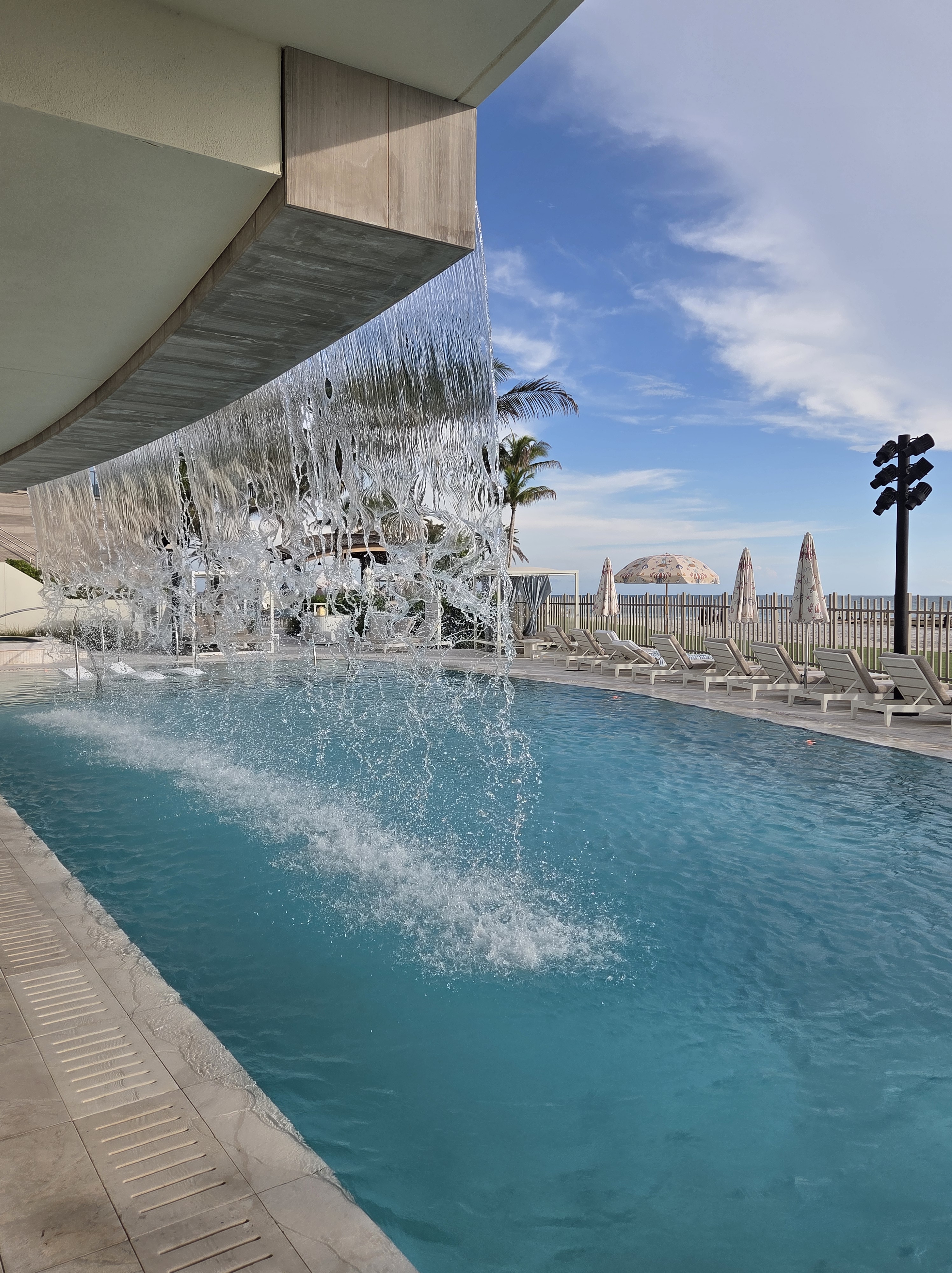
Photos of St. Regis Longboat Key Resort
Here are some photos of the resort.
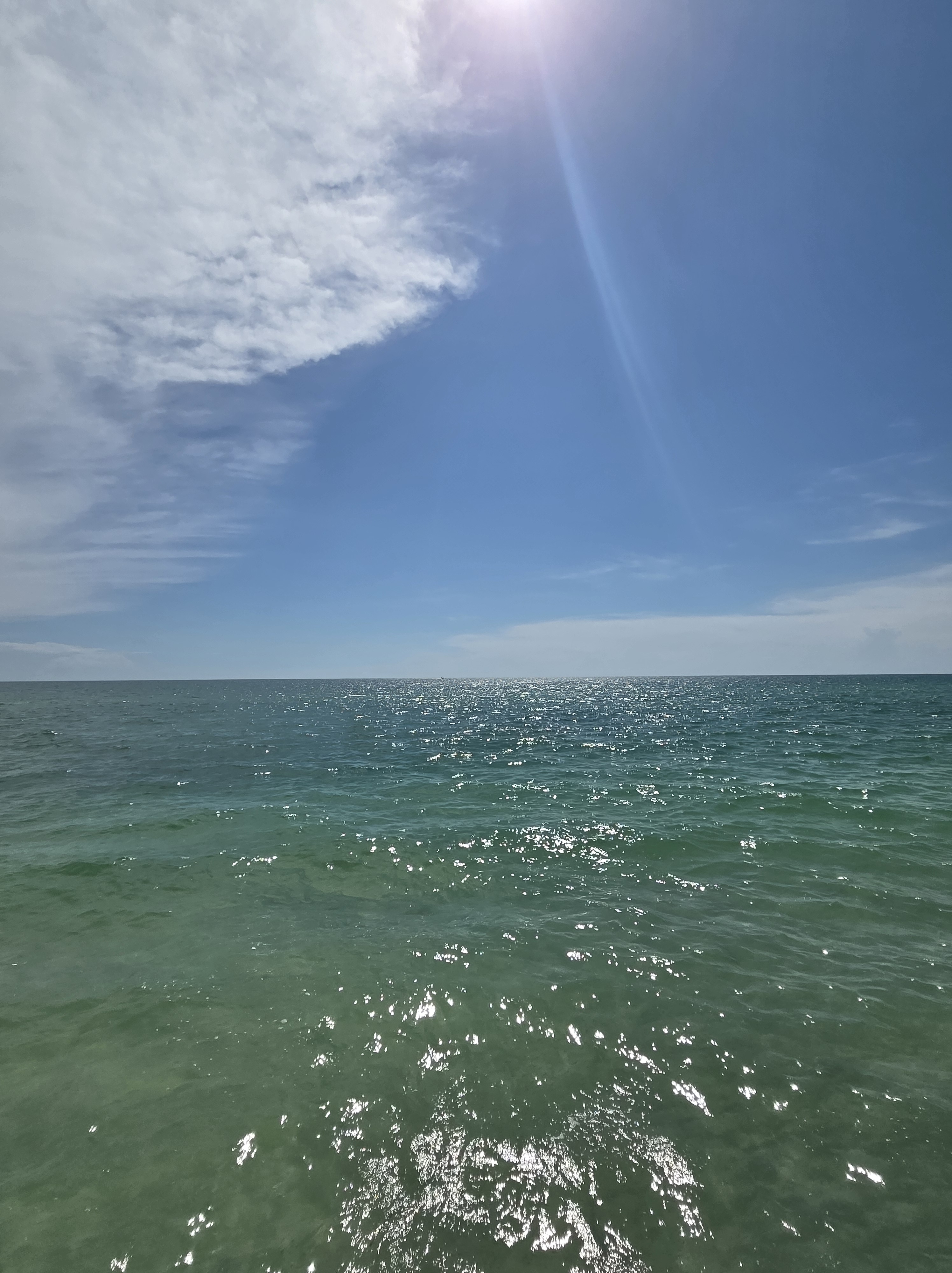
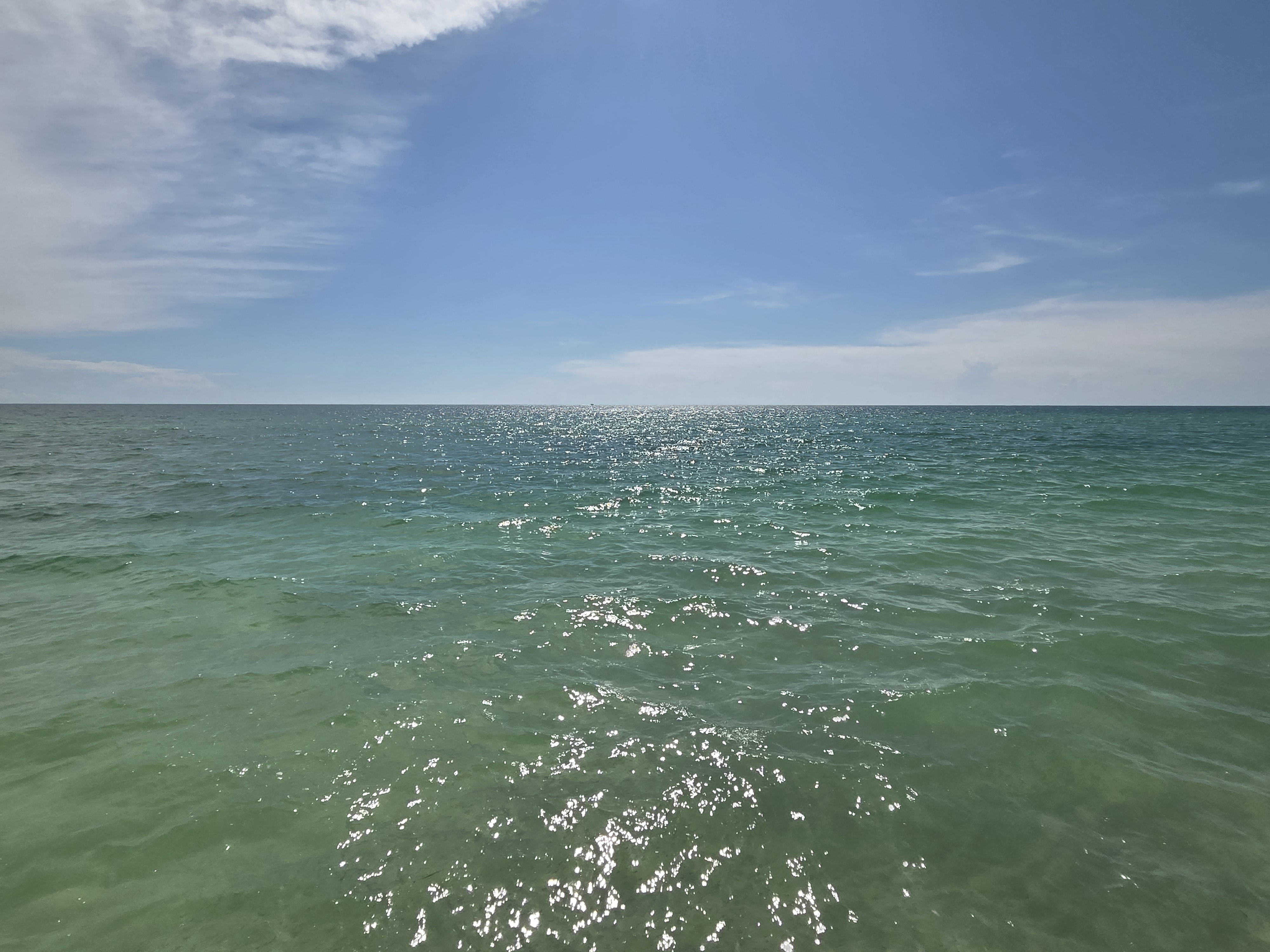
Photos of the Gulf of Mexico
I swam in the Gulf of Mexico quite a bit. It was maybe a bit too warm, 86 degrees, or 30 degrees Celsius. That is not refreshing but certainly easy to jump into. One good thing with the Gulf of Mexico as compared to the Atlantic Ocean on the East coast of Florida (at least the place we’ve visited) was that there were hardly any Jellyfish or Zooids, the ones often called Portuguese Man of War. There were sting rays though.
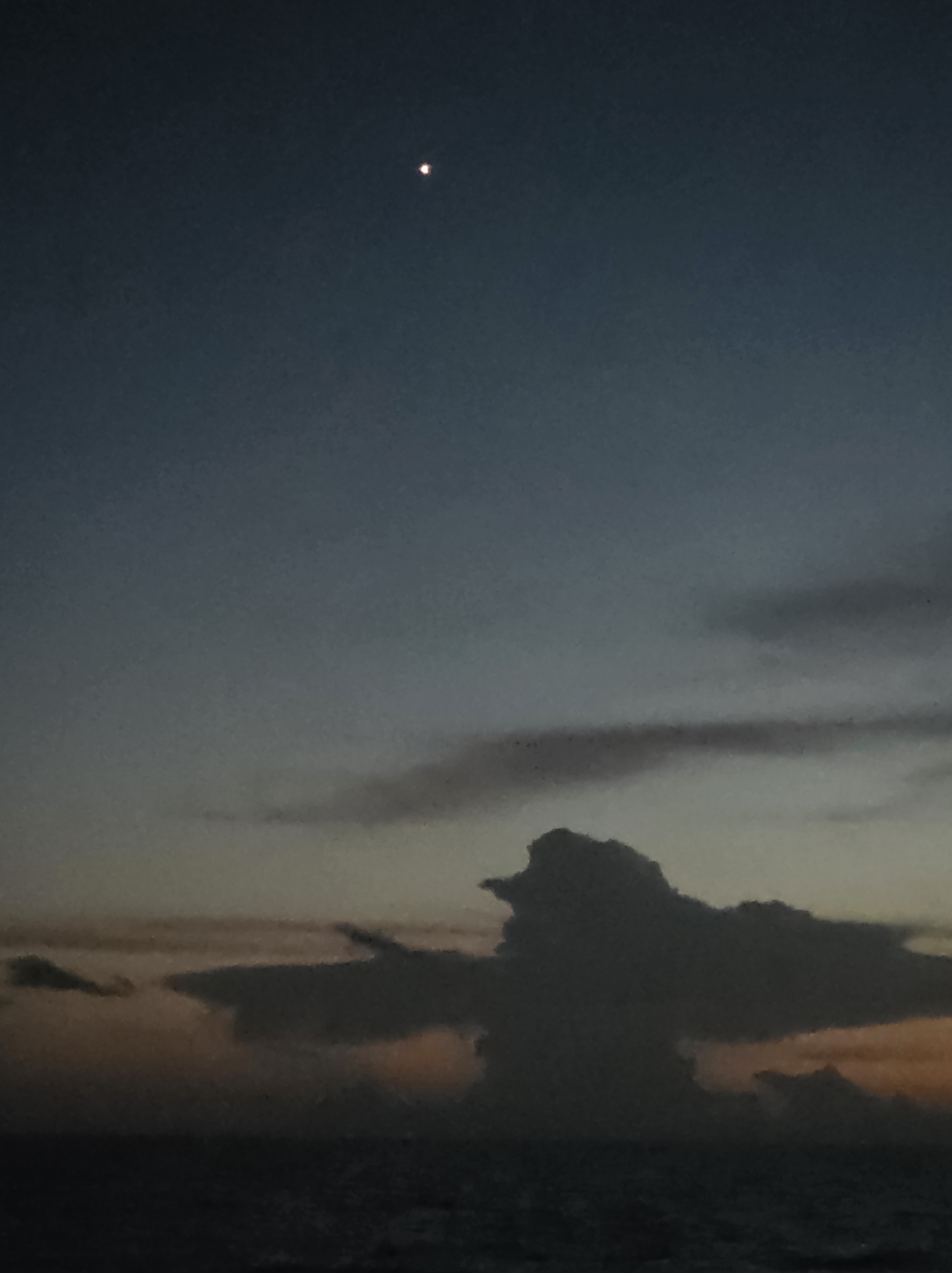
The dark picture is of the Gulf of Mexico at night. You can see Venus and a thunderstorm cloud. We had one thunderstorm every day, which I have to say is a lot. In Texas we’ve had sunny and super-hot and sunny weather every day for almost two months, In Texas we have very severe thunderstorms in spring, but it seems like Florida has more medium sized thunderstorms pretty much every day in summer.
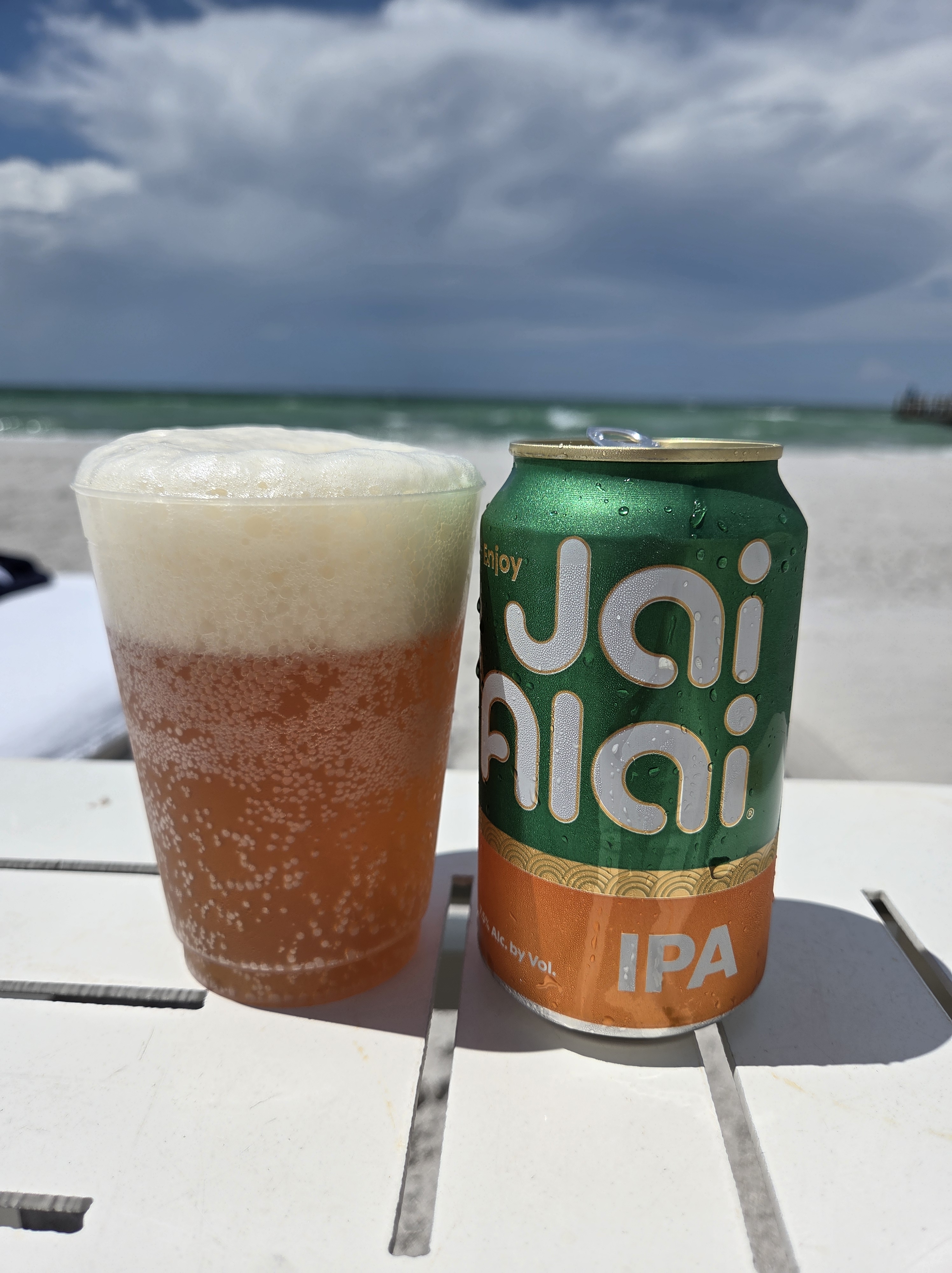
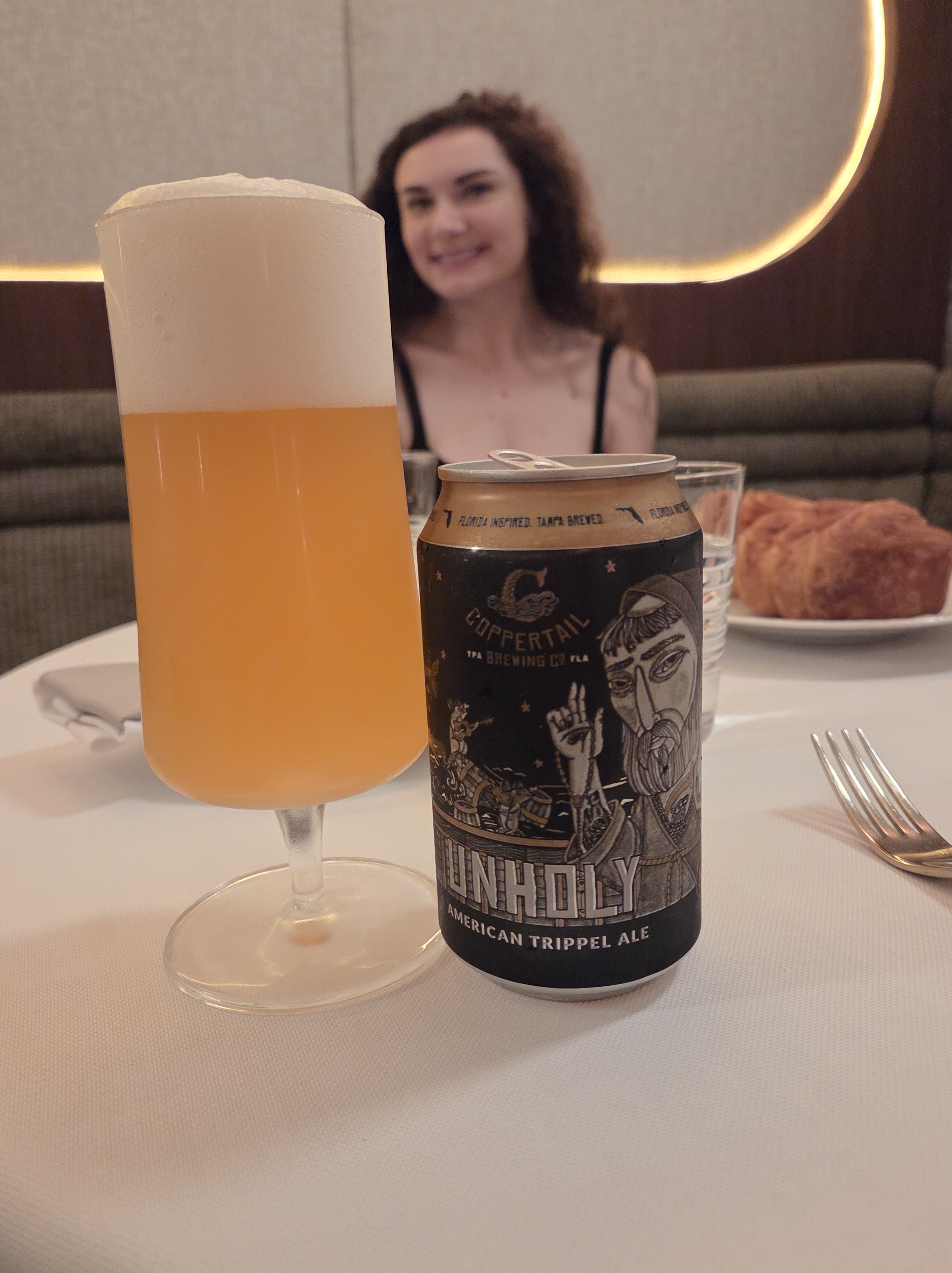
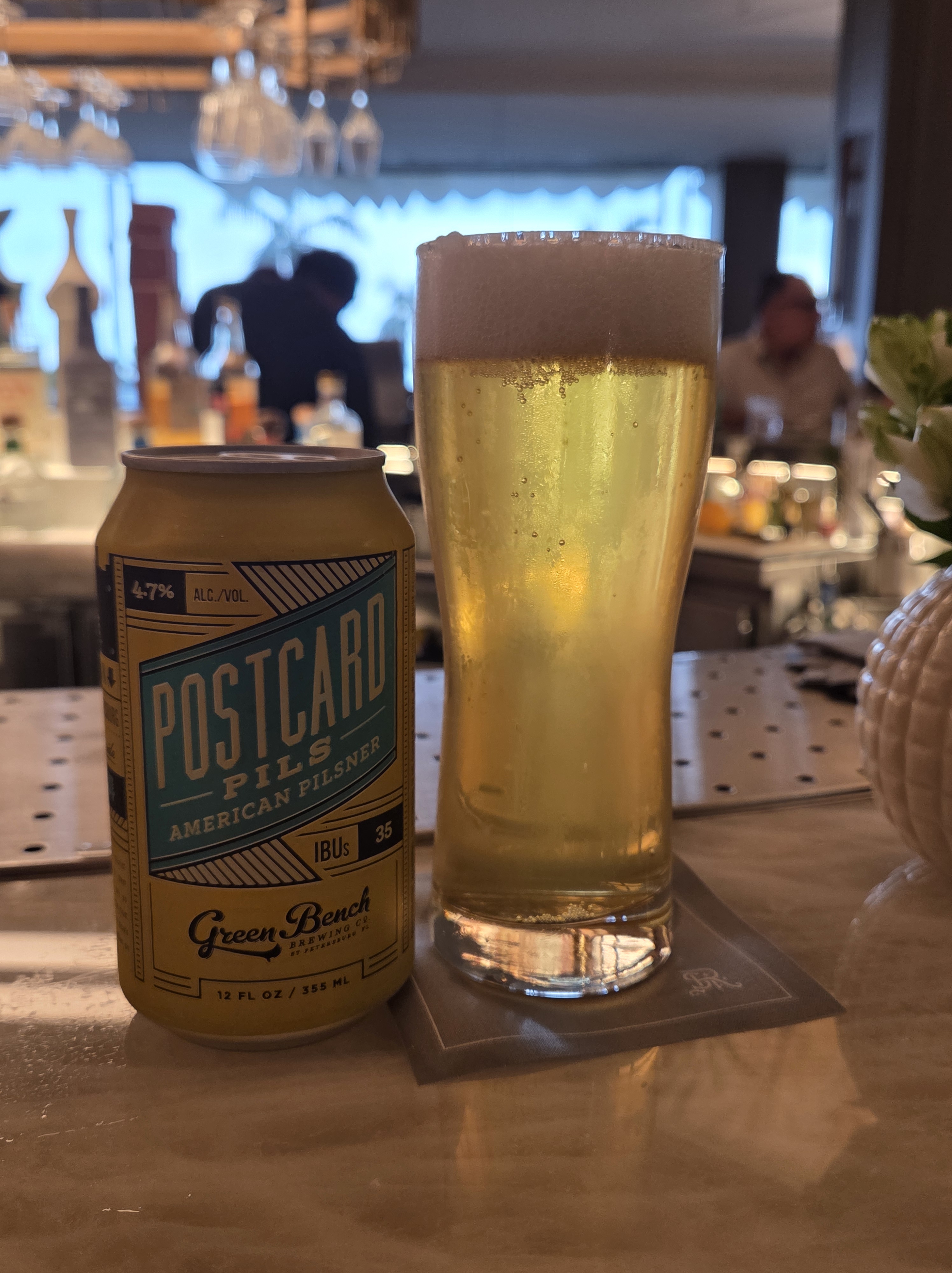
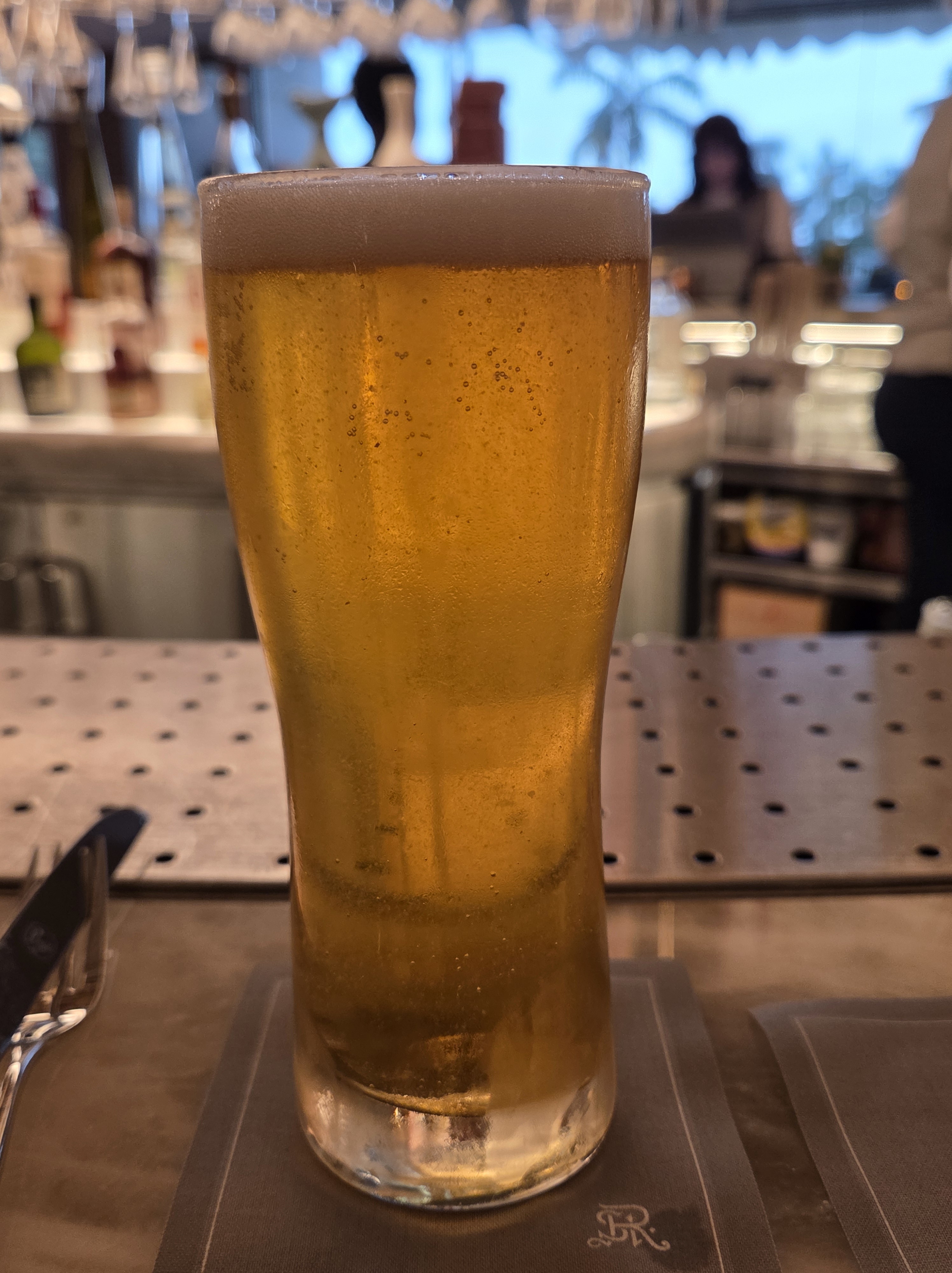
Photos of Florida Beers
The beers I drank were Luminescence from Florida Avenue Brewing Co. Jai Alai IPA from Cigar City Brewing. Unholy from Coppertail Brewing Co. Postcard Pils from Green Bench Brewing Co.
The Lagoon Adventure Feeding Sting Rays
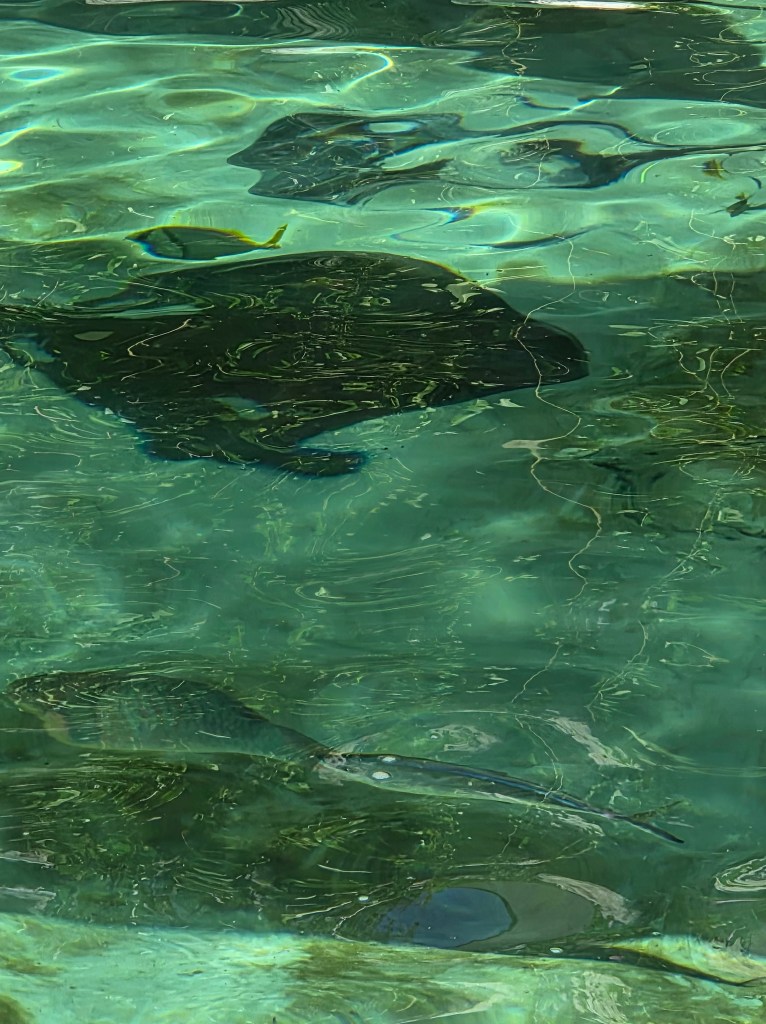
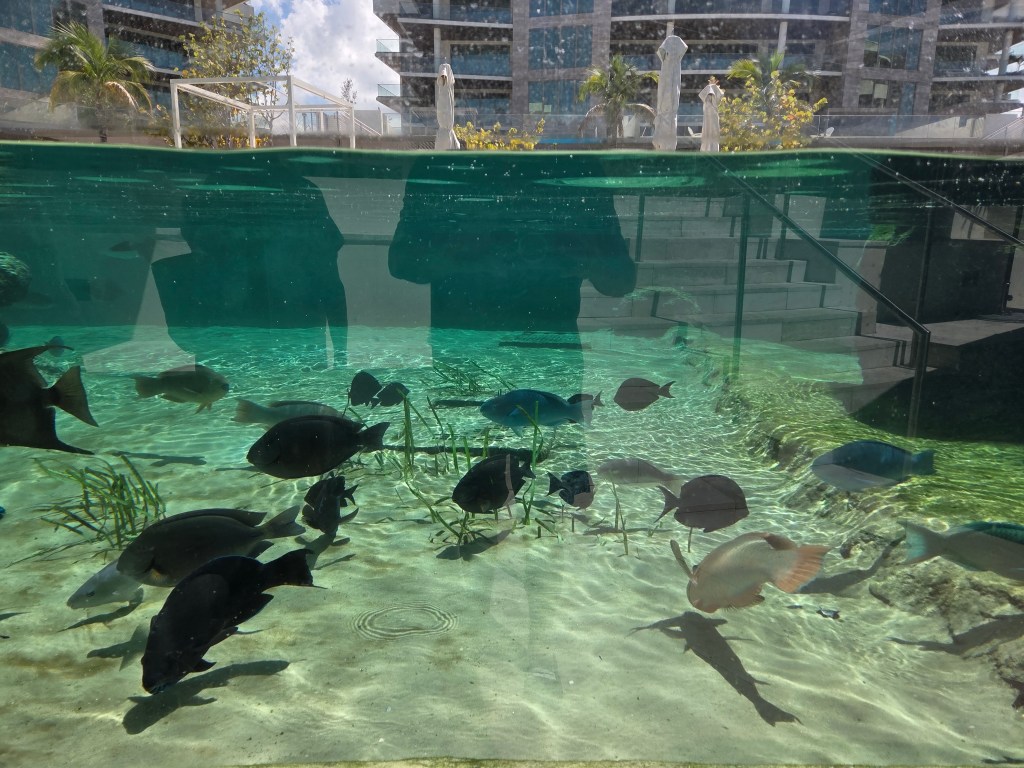
The trip had two highlights for me, swimming in the Gulf of Mexico and snorkeling and feeding the sting rays in their Lagoon Pool. They had a large pool that looked like a little lake surrounded by rocks and parts of it were glass. I did not take good pictures. First of all, I took photos straight through the glass standing in front of the glass. As you may know the reflections in the glass will destroy the photo, something I did not think about until afterwards. I have included a couple of bad pictures as well as ChatGPT generated images of me feeding sting rays.
A very bad photo of a sting ray passing by. The photo was from above the water and through glass.Fish in the lagoon pool. Photo taken through the glass resulting in bad reflections. You need to take these kind photos from a side angle.
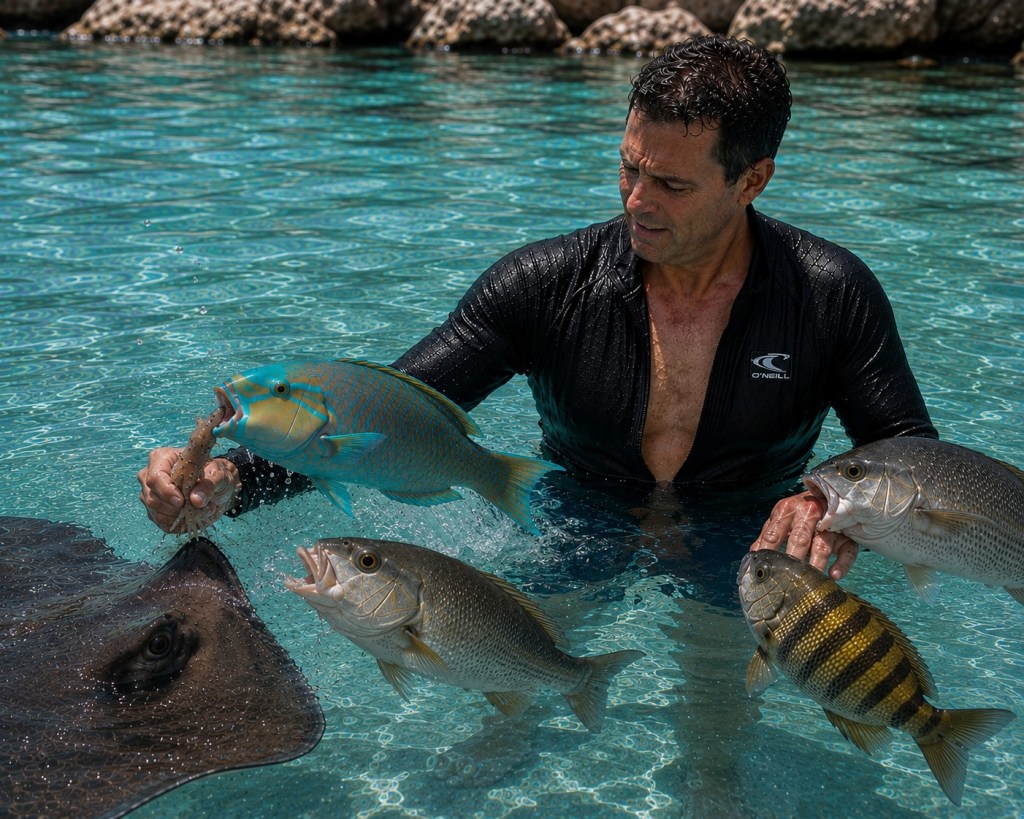
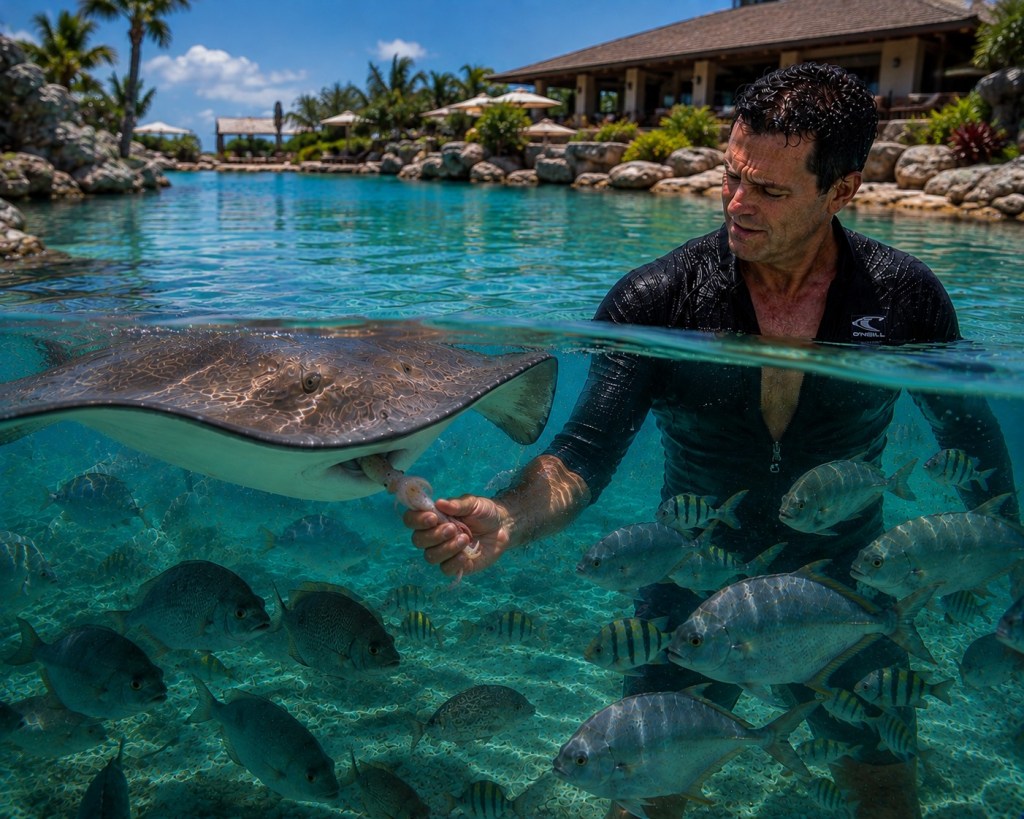
Feeding the string rays was an amazing experience. The instructor had a big bucket of dead squid that we used to feed the sting rays. At first, I did it all wrong. I placed the squid right in front of the sting rays. However, sting rays have their mouth underneath their bodies, not in front. Not only did the sting rays not get any squid, the fish knew of this mistake and took advantage of the situation. They jumped to get the squid and also bit my fingers. They swallowed my fingers whole. It did not hurt. The fish had very small teeth.
In the pictures below the fish are not swallowing my fingers whole as they did in reality. However, it is against ChatGPT community standards to generate images with fish swallowing fingers. Don’t ask me why.
Me feeding the sting rays the wrong way. The fish loved my mistake and went for my hands. I generated this picture with the help of ChatGPT.Me feeding the sting rays the right way. My hand is underneath the sting ray so that the sting ray can get the squid.
I can add that the sting rays were very friendly and seemed to like to be petted and they came up to us, maybe hoping for more food. I can add that the sting rays as well as the fish were well fed. No one was starving.
Back home to Rollo
We arrived late early this morning and this is what we saw. Our house sitter had left but Rollo was standing in his window waiting for us. He was very happy to see us.
Imagine my delight when I saw the post above. Sally is sharing my super fact 56:
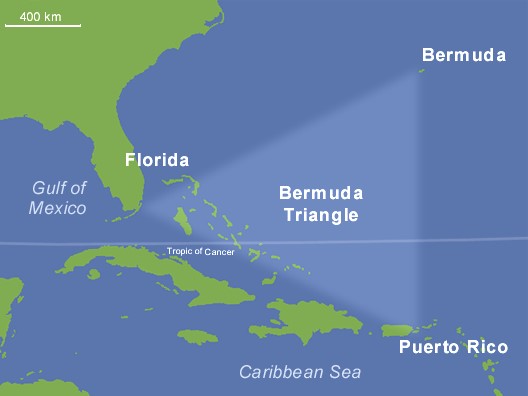
Super fact 56 : The Bermuda Triangle mystery is a myth. There is not a higher risk of disappearances in the Bermuda Triangle. To be specific, disappearances do not occur in the so-called Bermuda Triangle, or Devils Triangle, with any higher frequency than in other comparable regions of the ocean. The “mystery” of the Bermuda Triangle is largely a manufactured one, perpetuated by sensationalized accounts that often misrepresent the facts and downplay the role of natural hazards like storms.
In addition, she is promoting my Leonberger dog book for which D.L. Finn wrote a great review. Thank you so much Sally and D.L. Finn. Please click the link and see the Smorgasbord blog magazine post.
The Bermuda Triangle: It is approximately defined as a triangle Florida, Bermuda, and Puerto Rico. There is no exact definition. Alphaiosderivative work: -Majestic-, Public domain, via Wikimedia Commons.
I think there are many great quotes, so it is difficult to pick a specific one. However, I think that one quote by Richard Feynman, the physicist who won the Nobel Prize for his work on Quantum Electrodynamics (QED), stands out.
The first principle is that you must not fool yourself—and you are the easiest person to fool.
The quote means that people naturally tend to believe what they want to believe, making self-deception much easier than tricking others.
The first principle is that you must not fool yourself—and you are the easiest person to fool. Don’t believe what feels right. Scrutinize your beliefs. Picture created with the help of ChatGPT.
Ask yourself, what if one of your beliefs isn’t true. How likely is it that all of your beliefs are true? It is pretty much impossible that all of our beliefs are true. If we want to align our beliefs about what is true as much as possible, then we need to scrutinize our beliefs. If they are true, they will withstand the scrutiny. Yes, we need to understand the topic in question and the evidence. Once the facts and the science have given you a conclusive answer you have to accept it. Rejecting an answer that is based on evidence because you don’t like it is not critical thinking.
If you disagree with the world’s experts on a topic on which you lack expertise, then that is a good indicator that you are wrong. Respecting expertise is not the appeal to authority fallacy. It is just common sense. Denial or outright dismissal of a fact you don’t like is not critical thinking, that is denial.
I’ve been there. I grew up in a religious environment that did not accept evolution. I thought evolution was a hoax. However, I loved science, I was good at it, and I went to the natural science high school (naturvetenskap) in Sweden before studying physics at the University. I came to realize from my studies that the various claims, and the faulty evidence I had accepted, that Earth being 6,000 years old, etc., was nonsense, that the second law of thermodynamics did not contradict evolution, that evolution was not “just a theory” but a scientific fact as well. I did not come to that conclusion by arguing with people. I came to that conclusion by learning about the related science. It turned out that my creationist beliefs were not because I knew something others didn’t. I had just been bamboozled.
About 15-20 years ago I was very skeptical about climate change, global warming, climate disruption, whatever you call it. That was the result of me almost exclusively reading rightwing news sources and blogs. But I did not really know much about the science, and I was not even aware of the scientific consensus, and for ideological reasons I did not want global warming to be true.
However, I came across a few red flags, and I was curious, and I took a deep dive into the topic. After listening more carefully to the climate scientists and learning about the topic, I came to realize that global warming was real, and that the evidence that the current rapid warming was not natural but caused by us, chiefly because of our burning of fossil fuels, was for all practical purposed conclusive. I had been bamboozled again, because I trusted the wrong sources, and because of what I wanted to believe.
In think most of us do these kinds of mistakes. The many implausible conspiracy theories out there and all the anti-science are a result of that. But we need to be willing to scrutinize our beliefs and try to understand the topics. Sometimes that is difficult, but at least you can try not to be dismissive, or think you know better than the experts in a field where you lack expertise. And second guessing the motives of most scientists in a field is a trap. You will only fool yourself doing that. Intentionally seek the truth not confirmation of your belief.
I have a second blog, I call it superfactful. The goal of this blog is to create a list of what I call super facts. That is important facts that are true with very high certainty and yet surprising, misunderstood, or disputed by many. This blog is educational and fun but challenging. Below I am listing a few of my blog posts that fall in the category of being disputed by many non-experts for various reasons. They might be challenging, perhaps even provocative facts.
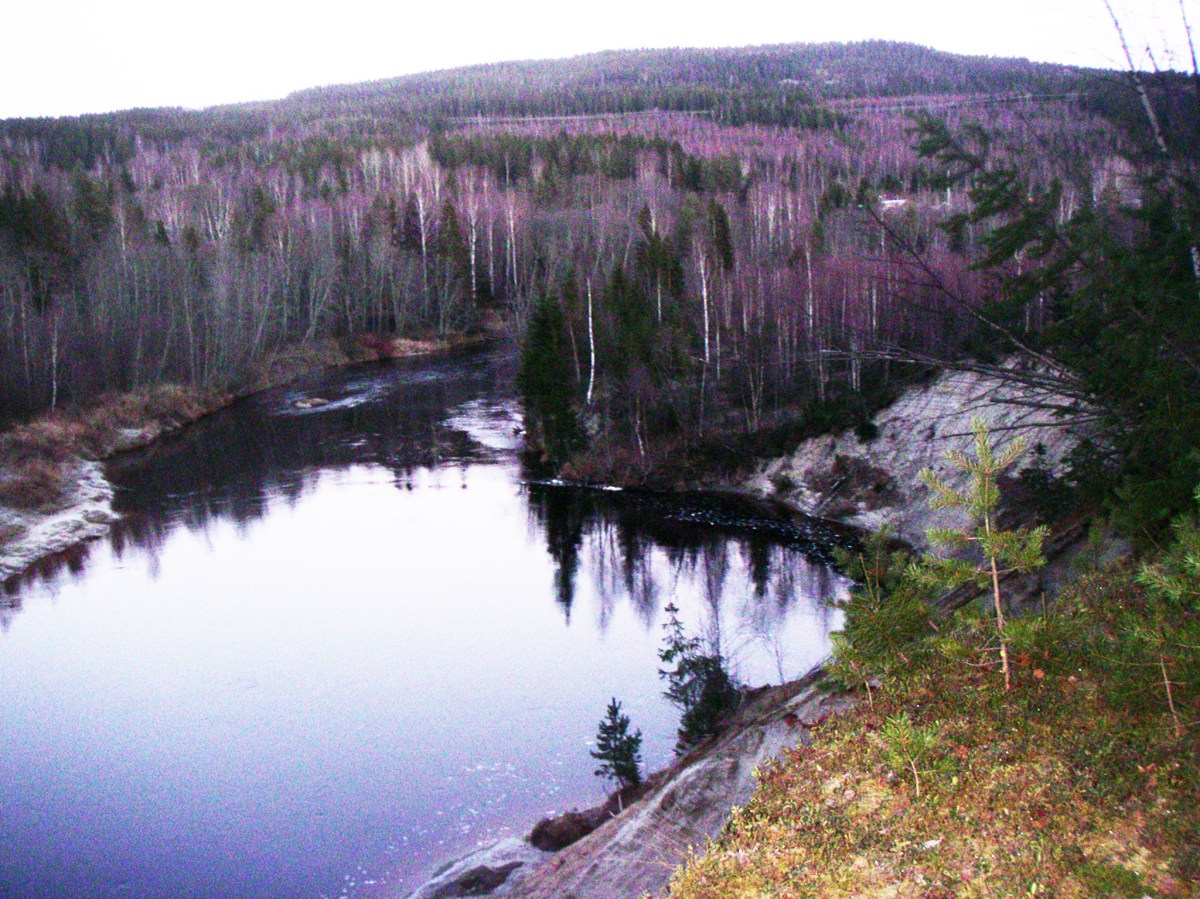
Photo of Moälven river/ Photo taken in November 2005. Babiarne, Public domain, via Wikimedia Commons.
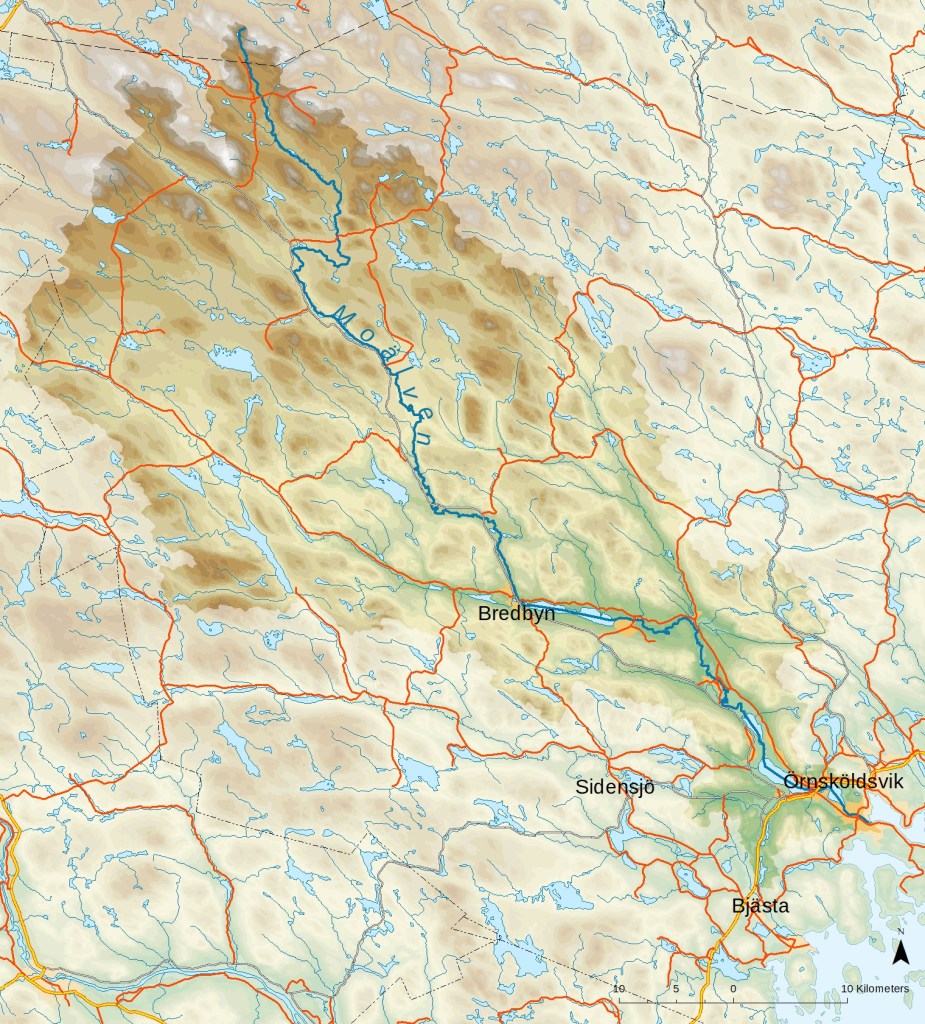
A riverbank is the sloping terrain that directly borders the river. It separates the flowing water from the surrounding land and helps maintain the river’s path. I grew up nearby a river in northern Sweden called Moälven. Moälven is a small river, 140 kilometers, or 87 miles long. Moälven goes through Bredbyn, Själevad and Örnksöldsvik and it ends in Örnsköldsviksfjärden, a bay, or a fjord, in the High Coast region of northern Sweden. See the map below.
This map shows the path of Moälven. That is the blue thin winding line. The dark areas depict mountains. Moralist, CC BY-SA 2.5 <https://creativecommons.org/licenses/by-sa/2.5>, via Wikimedia Commons.
Moälven was used for timber floating in the past. Forestry and logging used to be a big business in the region where I grew up, and it still is. However, timber is usually not transported via timber floating now a day. Moälven features a lot of wildlife, including fish, birds, and beavers. Moälven was a stronghold of the Eurasian beaver already 50 years ago as it was recovering in Europe from near extinction. You could sometimes see foxes and moose in the forest surrounding the river and you could pick blueberries, raspberries and other berries in the forest.
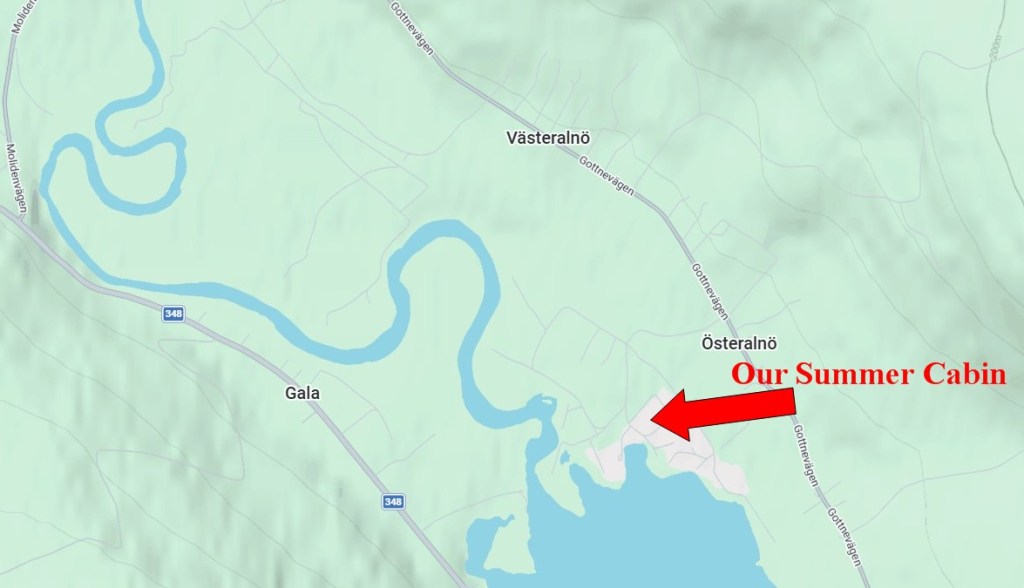
In addition to living nearby the river, we also used to have a summer cabin that was located not far from the river. For these reasons I spent a lot of my childhood and youth on the banks of Moälven river. I used to jump into the river from the riverbank, I sat or stood on the riverbank as I was fishing, and we docked our small boats by the riverbank, tying them to a tree with a rope. There were also bicycle paths next to the river.
A Google Maps close up of where our summer cabin was.
Some of the riverbanks were sandy, a result of the river being so winding and this caused the riverbank to flatten out were the stream was slow. So, there were several small sand beaches along the river that people rarely visited. That way you could have your private beach.
I should explain that in Swedish the word “flod” means a big river like “fleuve” in French. The Swedish word “älv” means a medium sized river or smaller river like “rivière” in French. The Swedish word “å” means a small river, stream, or creek.
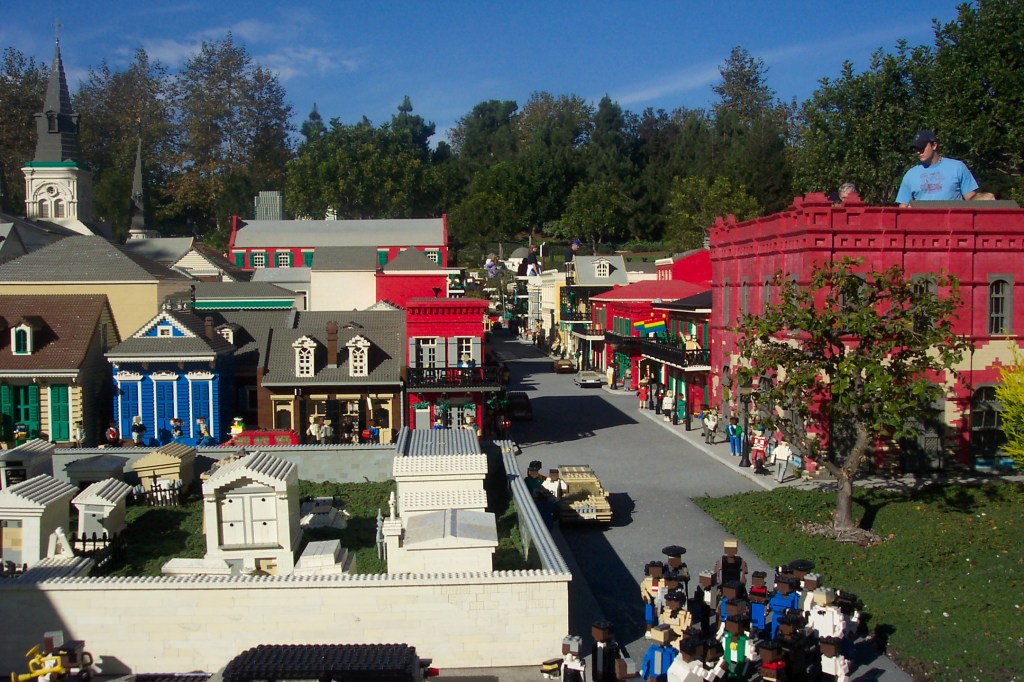
This post is about Lego blocks and Legoland. Lego blocks in their current interlocking form were invented in Billund, Denmark, in 1949. However, the history of Lego blocks started already in 1932 (in Denmark). You can read more about it here.
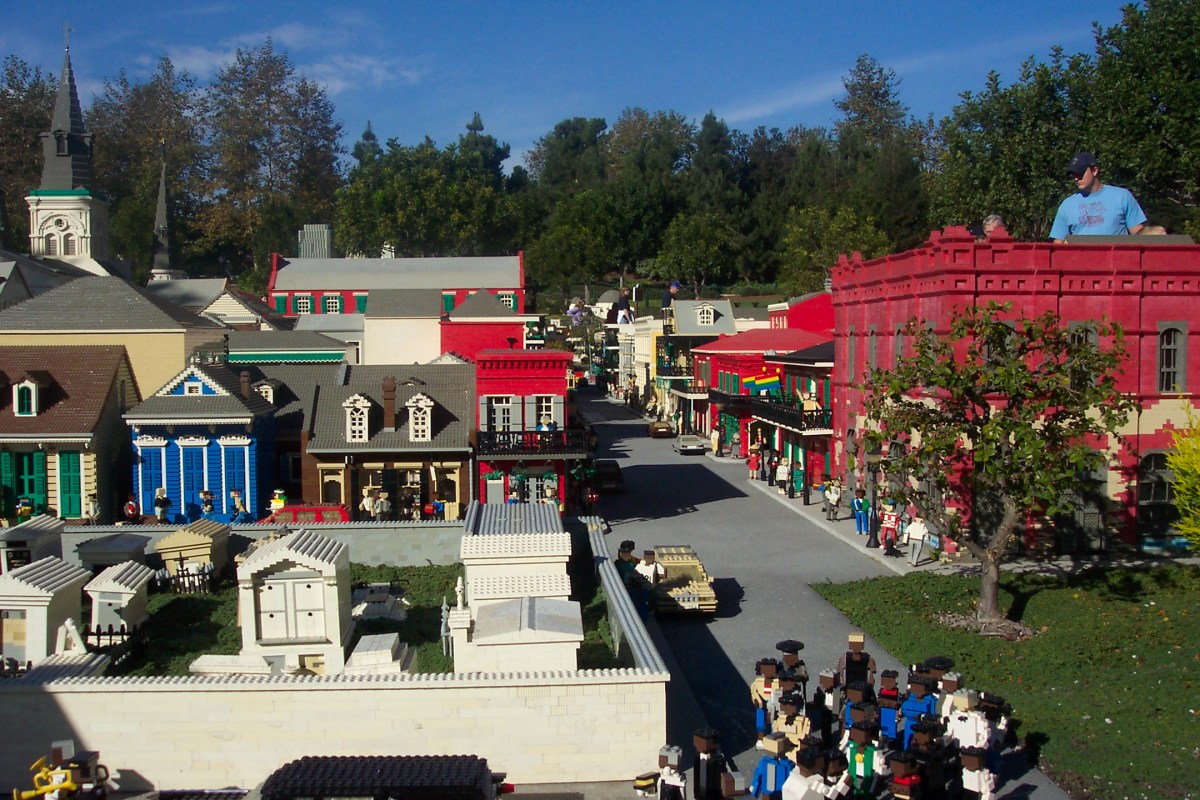
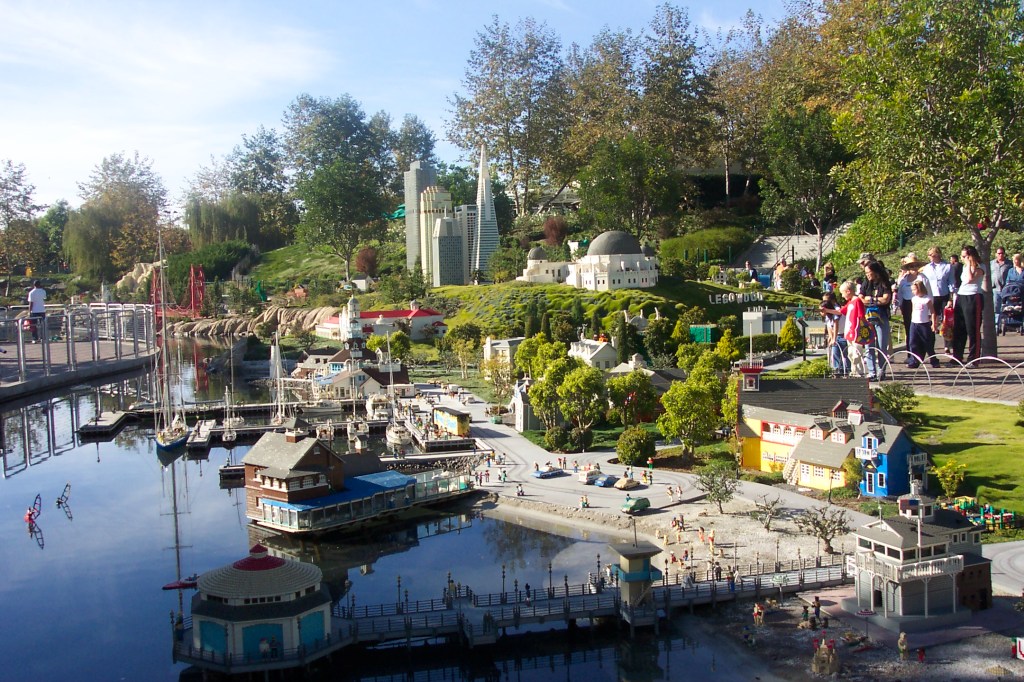
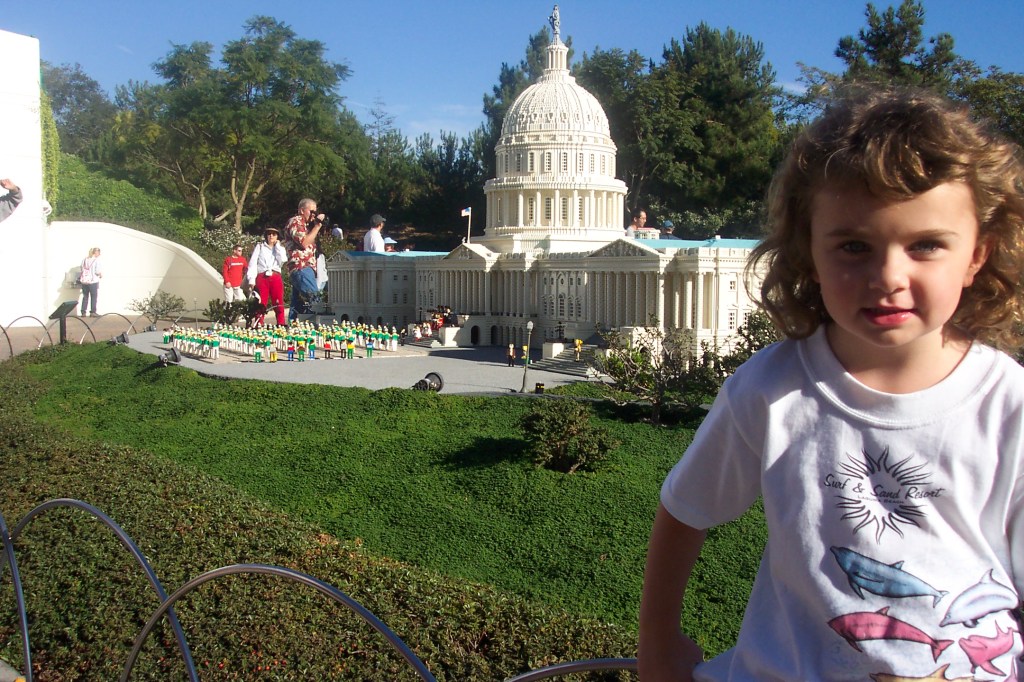
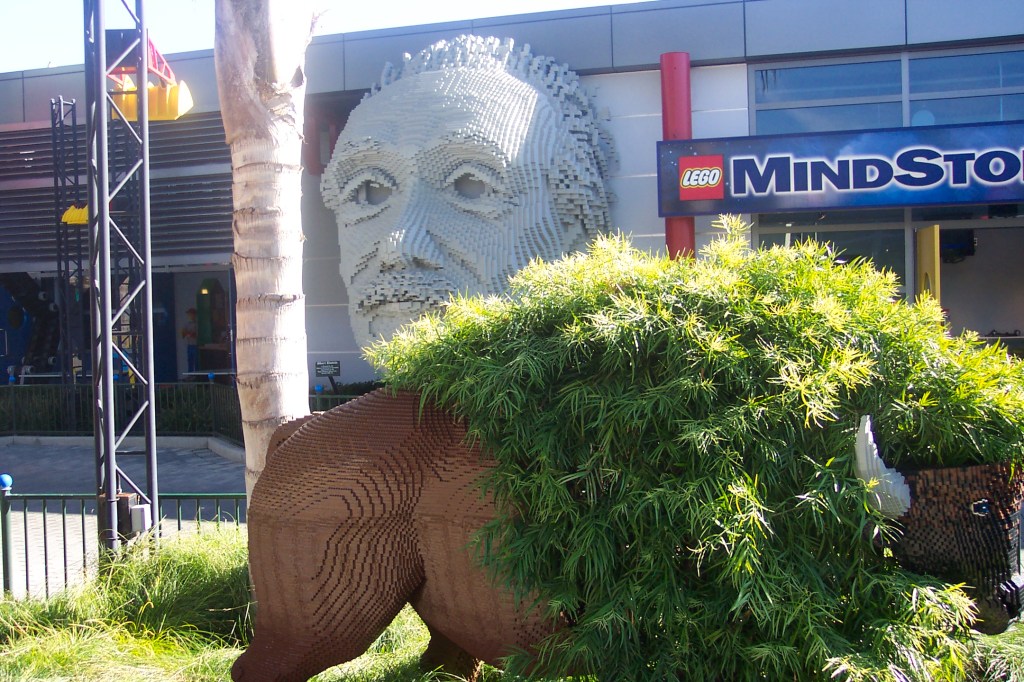
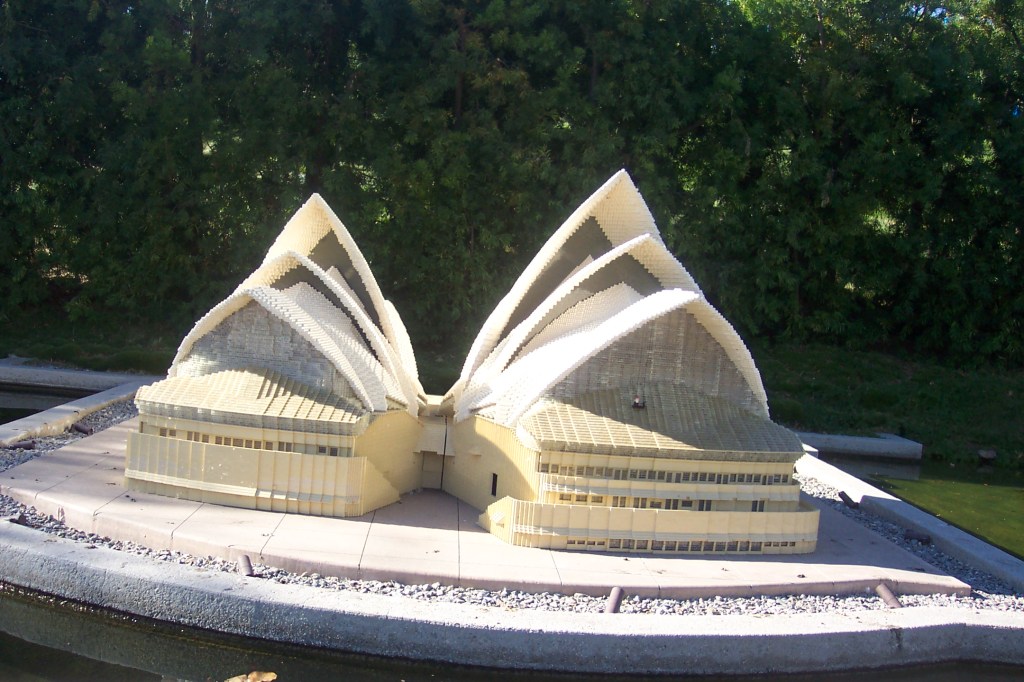
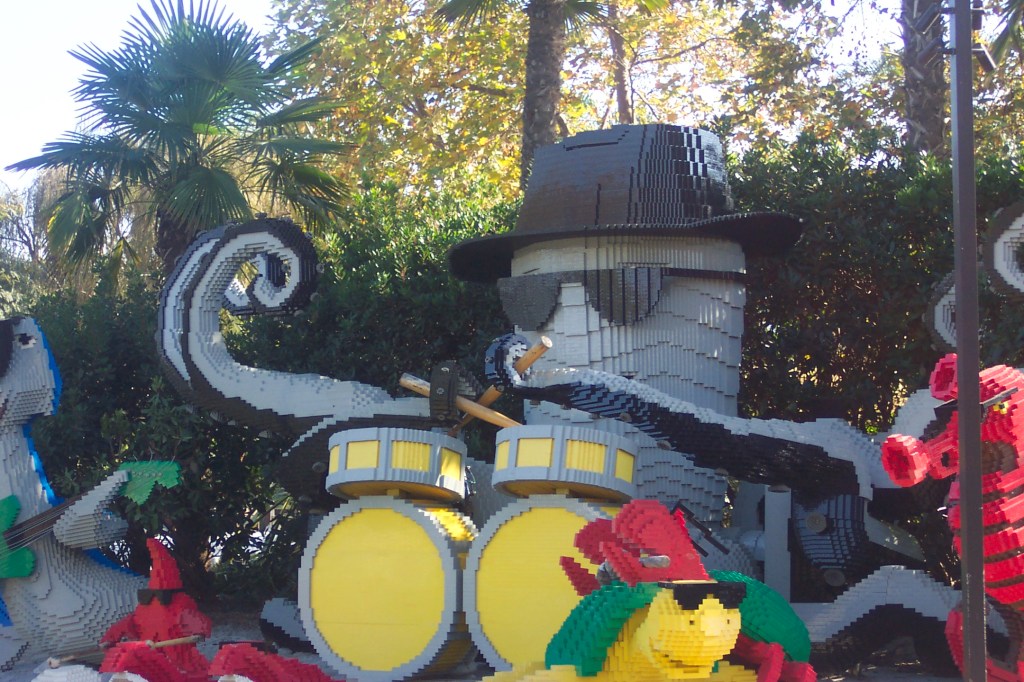
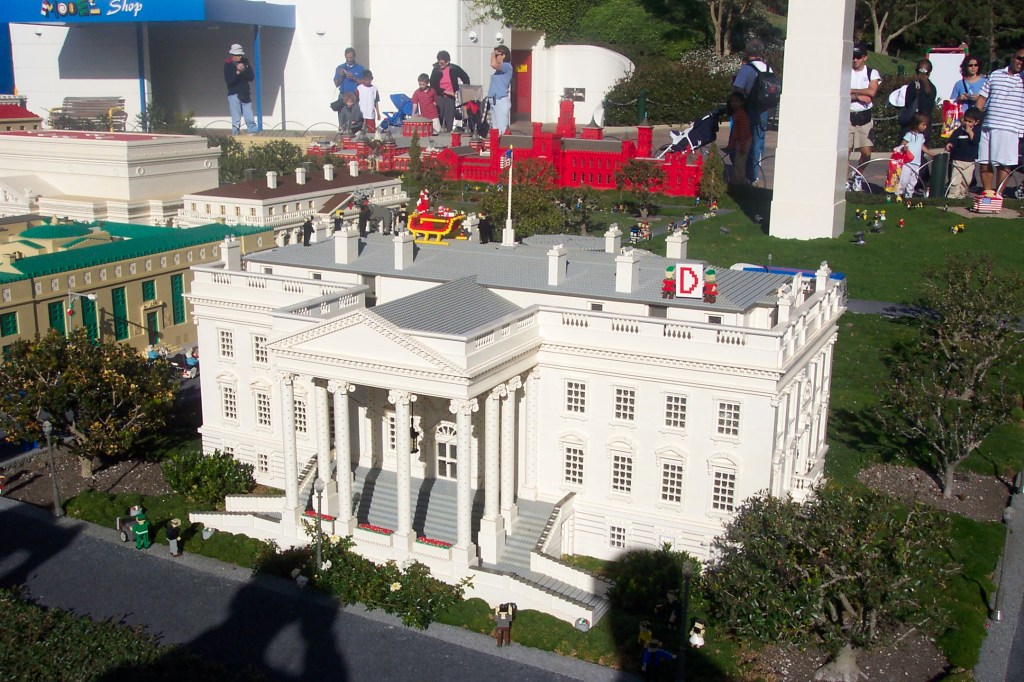
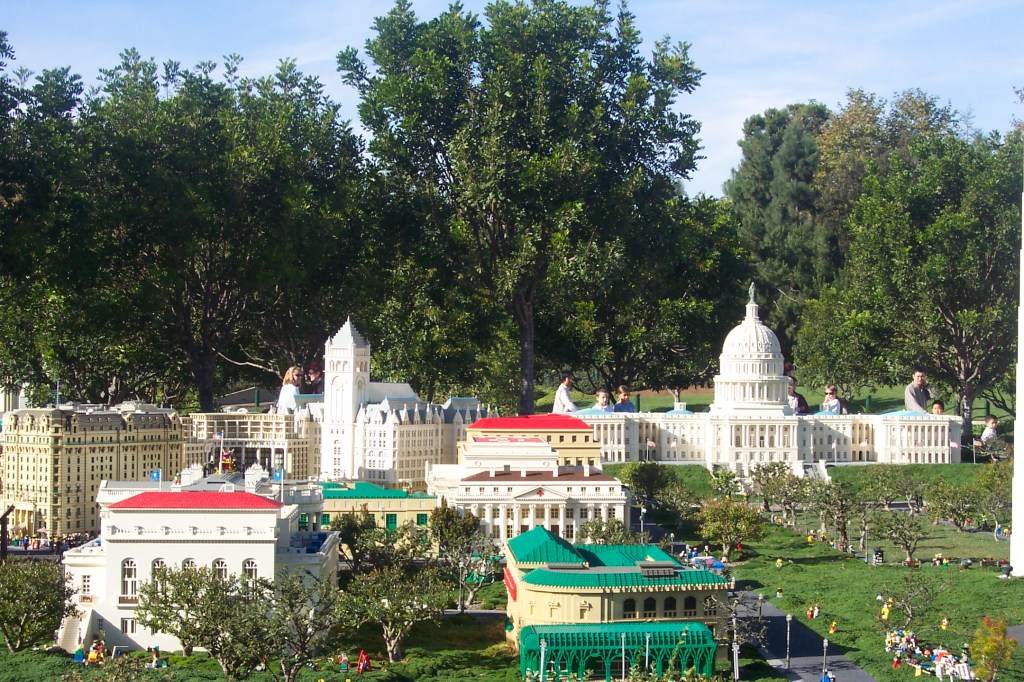
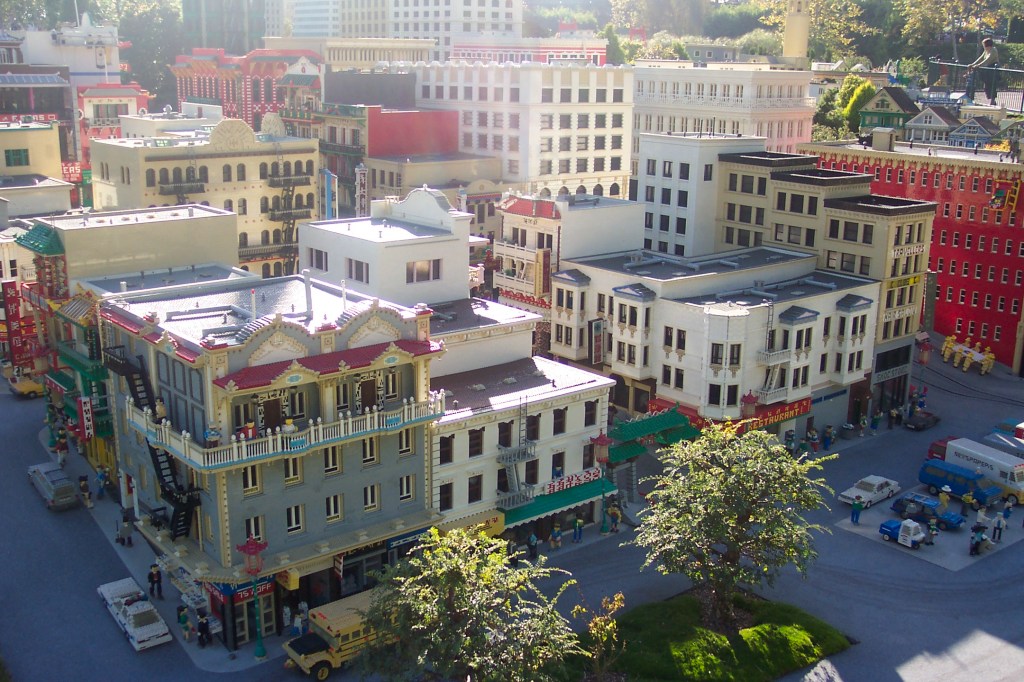
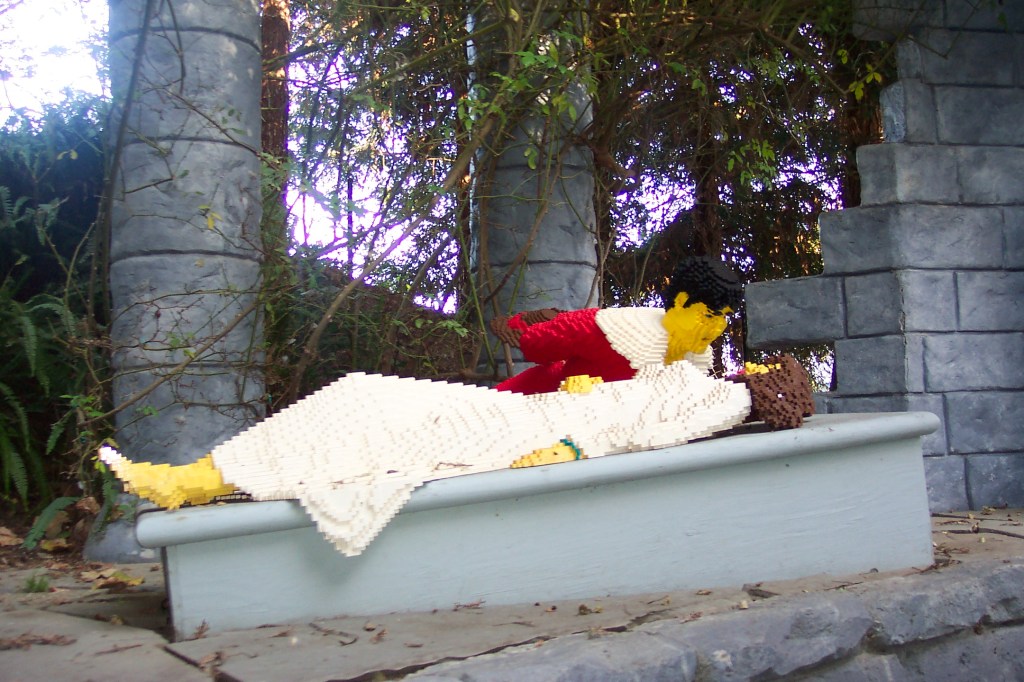
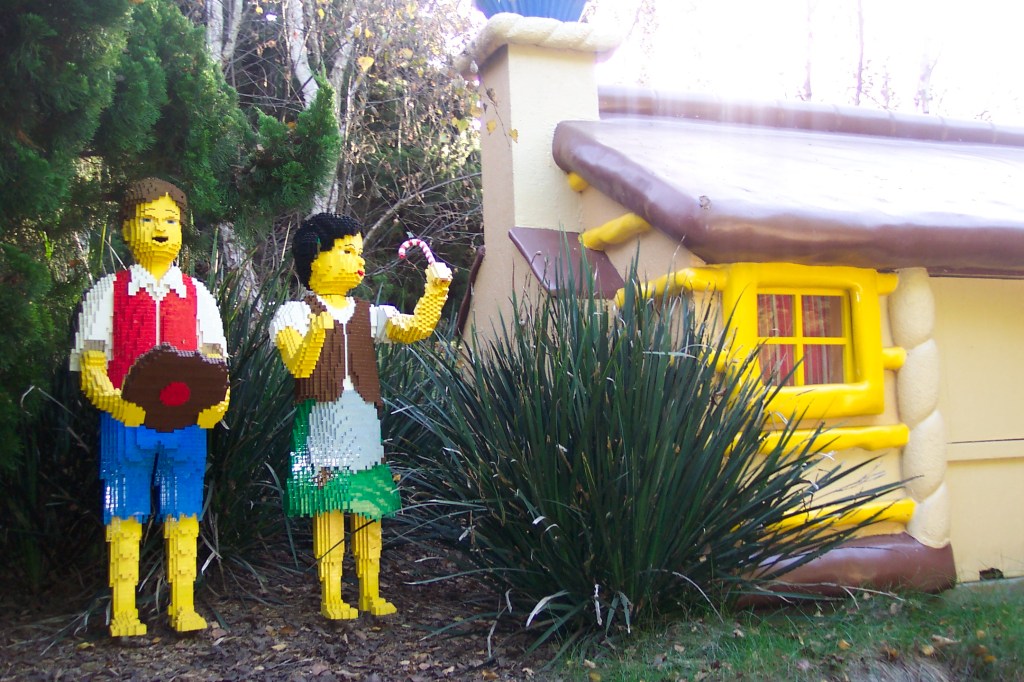
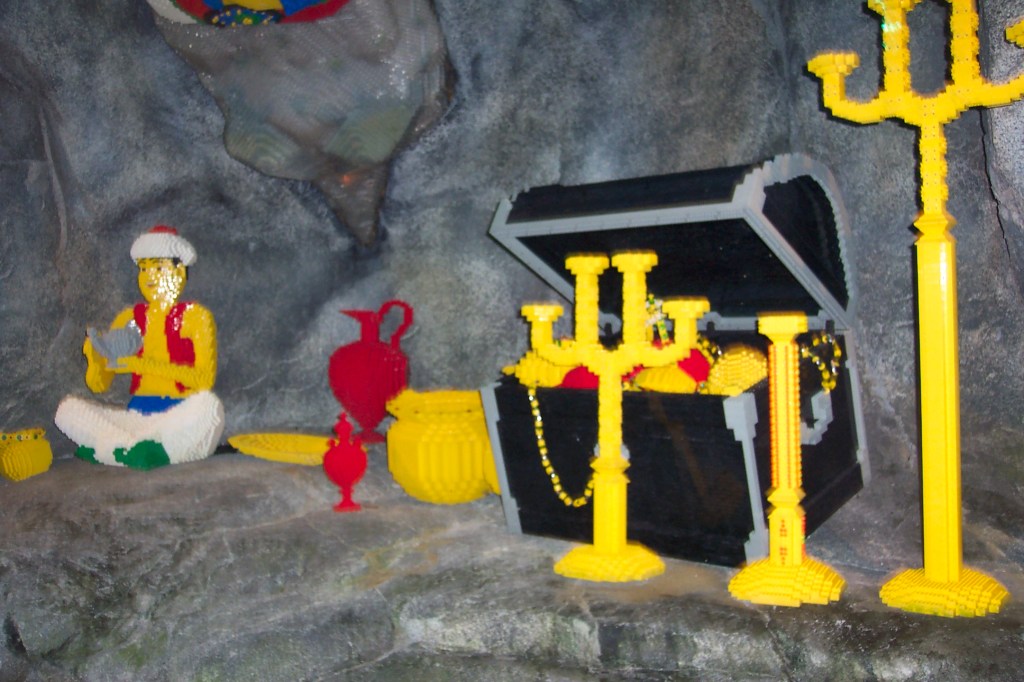
When I was a kid, growing up in northern Sweden, I loved building with Lego blocks, or if you call them Lego bricks (either way is fine). I’ve always wanted to visit Lego land in Denmark, but I never got the opportunity to do so. However, about 20 years ago me and my daughter (she was a young child at the time) visited Legoland in Carlsbad, California, a 128 acre theme park. Do you know how many Lego blocks there are in Legoland California? There are 60 million Lego blocks. Below are some photos from that trip. I should add that since this was 20 years ago, a lot has been added to Legoland.
A model of Manhattan made from Lego blocks. The Lego Empire State building is close to 30 feet tall.A model of Manhattan made from Lego blocks.San Francisco built with Lego blocks.My daughter is in front of Lego Capital building.A Lego block cityLego Albert Einstein. Mindstorm is a Lego Science center.Sydney Opera House made from Lego blocks.This Taj Mahal model is made from Lego blocks.A large Lego Octopus playing music.This model of the White House is made from Lego blocks.This is a Lego model of Washington DC.City made from Lego blocks.Sleeping beauty and the prince, all made from Lego blocks.Lego model of Hans and Gretel.Lego model of Aladdin and the King of Thieves.
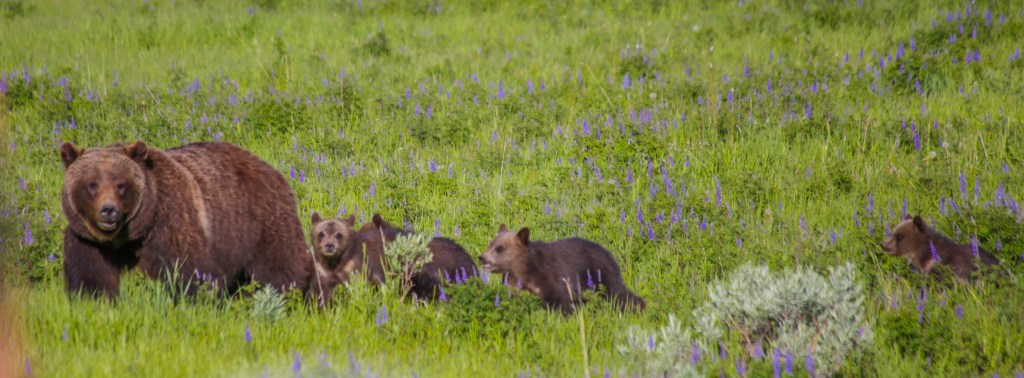
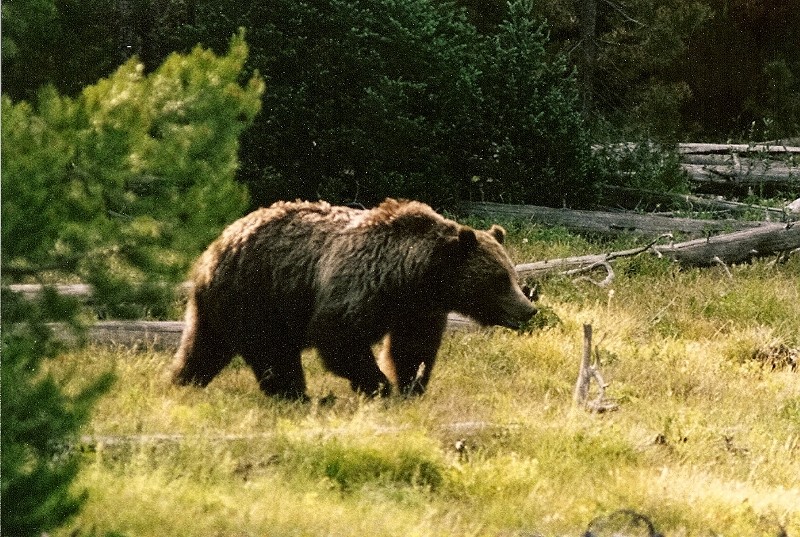
Grizzly bear 399 was a long lived female Grizzy bear who lived in Grand Teton National Park and Yellowstone National Park near Snake River. She was called Grizzly bear 399 because of her tag number. She was arguably the most famous grizzly bear in the United States and likely in the World. Unlike the typical female grizzly bear, Grizzly 399 regularly gave birth to triplets rather than twins. She was seen and admired by thousands of visitors. Her Instagram account has 55,000 followers, books were written about her and documentaries were made. She had 22 cubs throughout her life. Unfortunately, she was hit and killed by a car on Tuesday October 22, 2024, at the age of 28. You can read my post about the accident here. Luckily, her one remaining cub was not hurt in the accident, and he was old enough to survive on his own.
She was also special to me because we had a close encounter with her and three of her cubs during our visit to Grand Teton national park in 2007. It was a school trip organized by the math teacher, Frank Jordan, and each kid was accompanied by at least one parent to give the math teacher a break. Grizzly 399 gave us a very memorable experience.
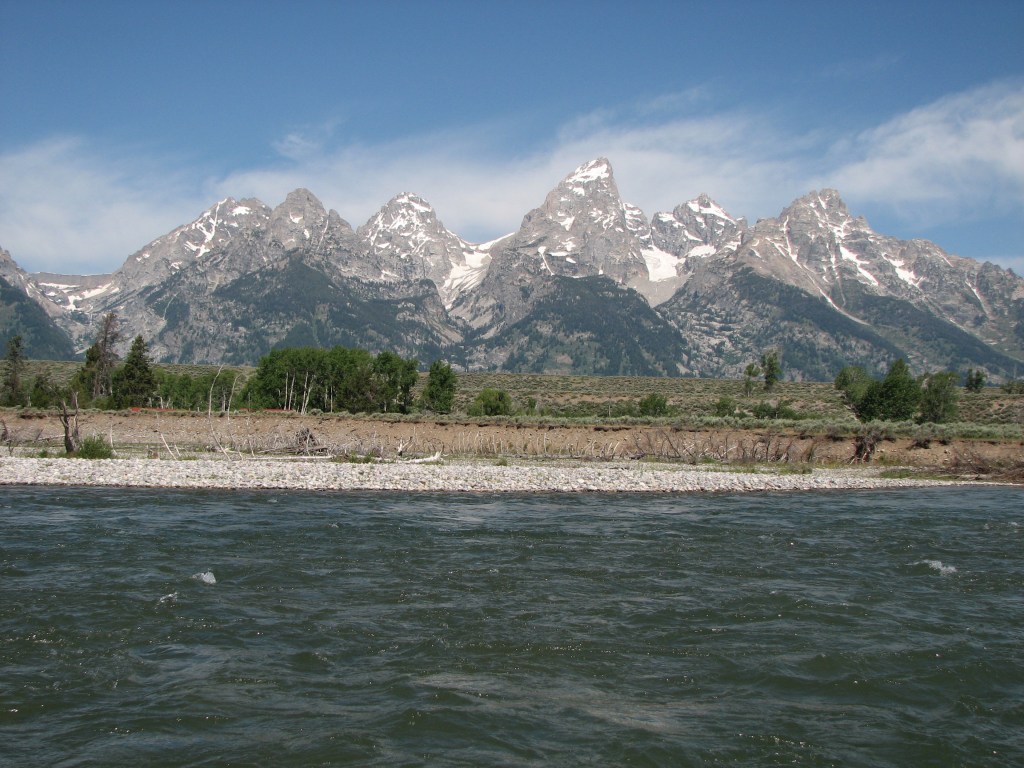
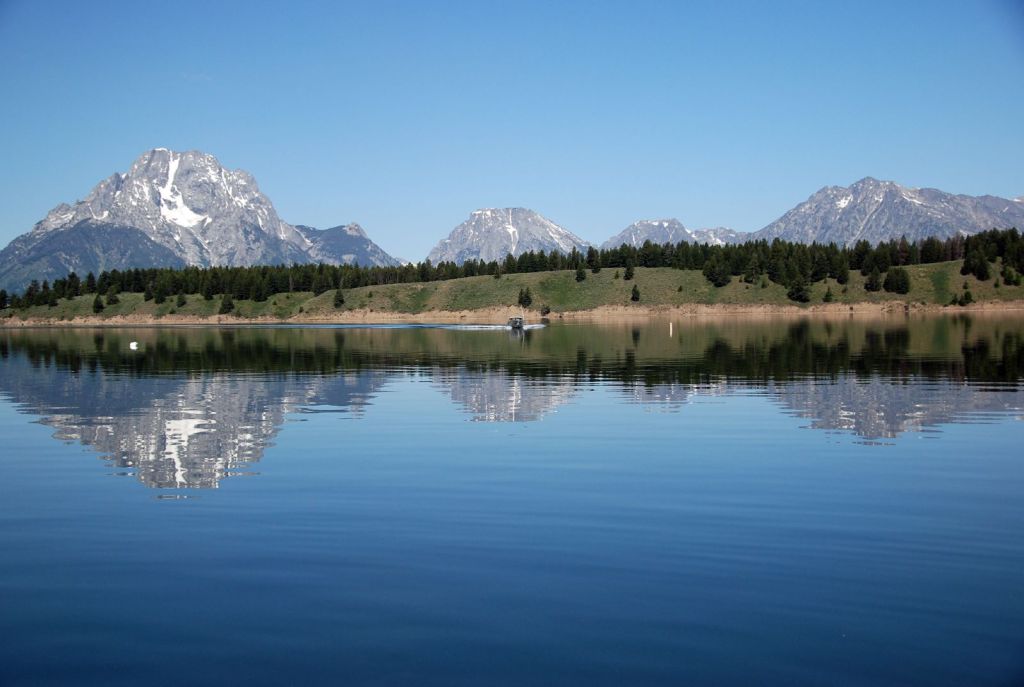
My photo of the Teton mountain range taken from Snake River.Jackson Lake, an island and the Teton Mountain range in the background. The photo was taken in June 2007 by a fellow trip participant Gabriel Goncalves.
Grizzly 399 frequently sought human company. She came down to the roads with her cubs and stayed with the passersby for hours. She did not beg for food. She just wanted to stay with people. This article describes her as a gentle soul. Grizzly bears seeking human company is normally a dangerous situation and grizzly bears seeking human company are therefore often shot to protect the public. Grizzlies can kill people both out of aggression and for food. However, the park rangers left Grizzly 399 and her cubs alone because they deemed her harmless. She frequently interacted with people without ever showing any aggression towards people.
A photo of Grizzly 399 and a couple of her cubs taken in June 2007 by fellow trip participant Gabriel Goncalves.
Her behavior was somewhat strange, but I was told by a ranger that male grizzlies sometimes kill cubs, and this was her way of protecting the cubs. Grizzlies tend to stay away from people except for her. She used people as a shield to protect her cubs.
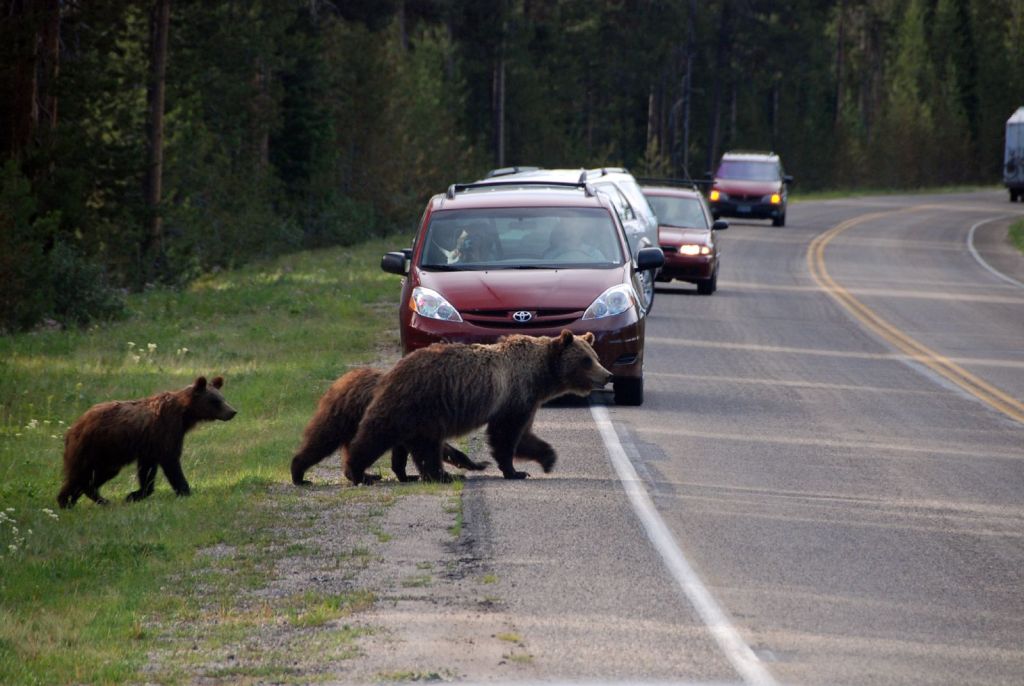
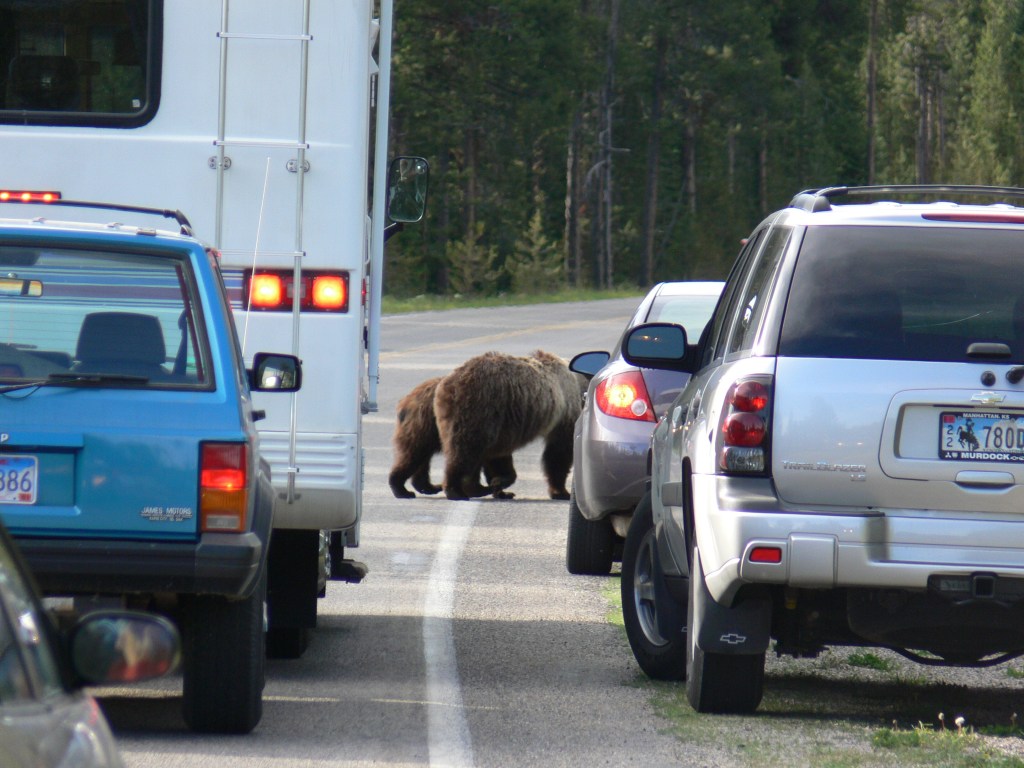
We had a somewhat scary experience with Grizzly 399, but as it turned out, we were never in any danger. As we were driving through Grand Teton National Park, Grizzly 399 came down to the road, so we stopped to watch her, and so did many other people. She let her cubs visit the cars and interact with people and we went outside to get closer. This is normally not recommended.
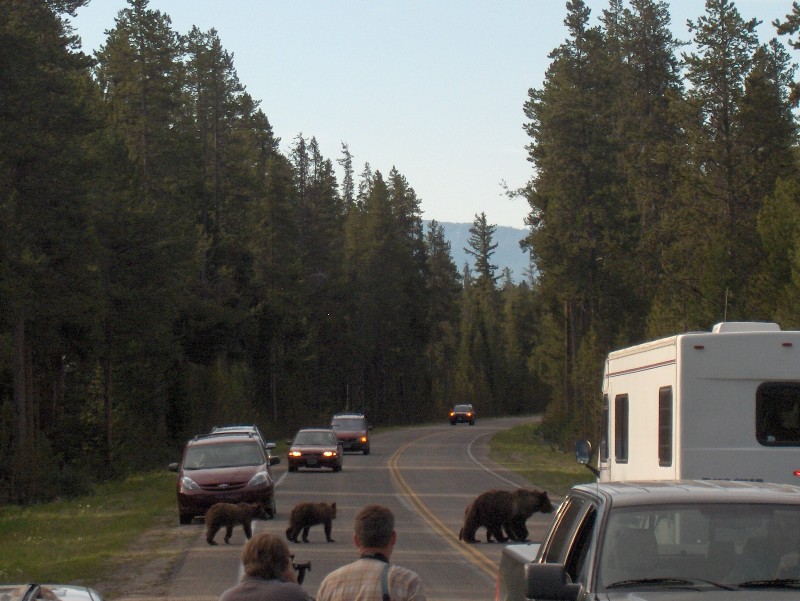
One of the visitors, with a big car and a trailer, decided that he had seen enough and began to leave. He drove his car between Grizzly 399 and her cubs. Someone rightly thought this was really dumb and decided to improve the situation by honking angrily. As a result, 399 started running towards us, the large group of tourists standing outside taking pictures. We were about 100 feet from Grizzly 399, which is indeed a very close encounter with a grizzly bear. As Grizzly 399 ran toward us, people started screaming and running, and unfortunately the math teacher who had organized the trip fell and got trampled by the panicking people.
A photo of two of 399’s cubs. The photo was taken in June 2007 by a fellow trip participant Gabriel Goncalves.
A lot of other things happened during the panic. People ran back to their cars or to any car. A couple of my fellow trip participants found themselves blocked from entering their own car (on the side facing away from the bear) because a plus sized lady was stuck in the door of their smaller car. Not a comfortable situation with a grizzly on the loose. By pushing her from behind they were able to get her inside and could then enter the car themselves. The kids were standing on top of the SUVs that we had rented and crawled back into the car through the sunroof. My son entered the car last by his own choice.
As it turned out the panic was completely unnecessary. 399 was not chasing anyone and was not really running towards us. She was running to the end of the car with the trailer to get around it to get to her cubs on the other side.
Grizzly 399 is crossing the road with her cubs. The photo was taken in June 2007 by a fellow trip participant Gary Weinstein.
One ranger told us a story about 399 that sounded a bit scary. A hiker, hiking alone (which you should not do) stumbled upon 399 and her cubs as they were in the middle of eating an Elk carcass. He had come out of a thicket and had not seen them until he essentially bumped into them. He screamed on top of his lungs because he was shocked and then he started running. That is a very bad reaction by the way.
Grizzly 399, who was equally startled, pursued him. He laid down on the ground as he had read that you should do when pursued by a grizzly. Grizzly 399 sniffed him but did not touch him. Her two cubs bit his behind but not hard. After the grizzlies had left, he stood up, walked away and went to a hospital to check out the bites on his bum, which allegedly were not bad. Well I guess he had a closer grizzly encounter than we did.
The math teacher, Frank Jordan, took this photo of Grizzly 399.Grizzly 399 and her cubs amongst the cars. The photo was taken in June 2007 by a fellow trip participant Carl Ondracek.
Please visit the Smorgasbord Blog Magazine post above. Smorgasbord Blog Magazine is sharing my super fact post Accents are very difficult to lose, as well as showcasing my Leonberger dog book.
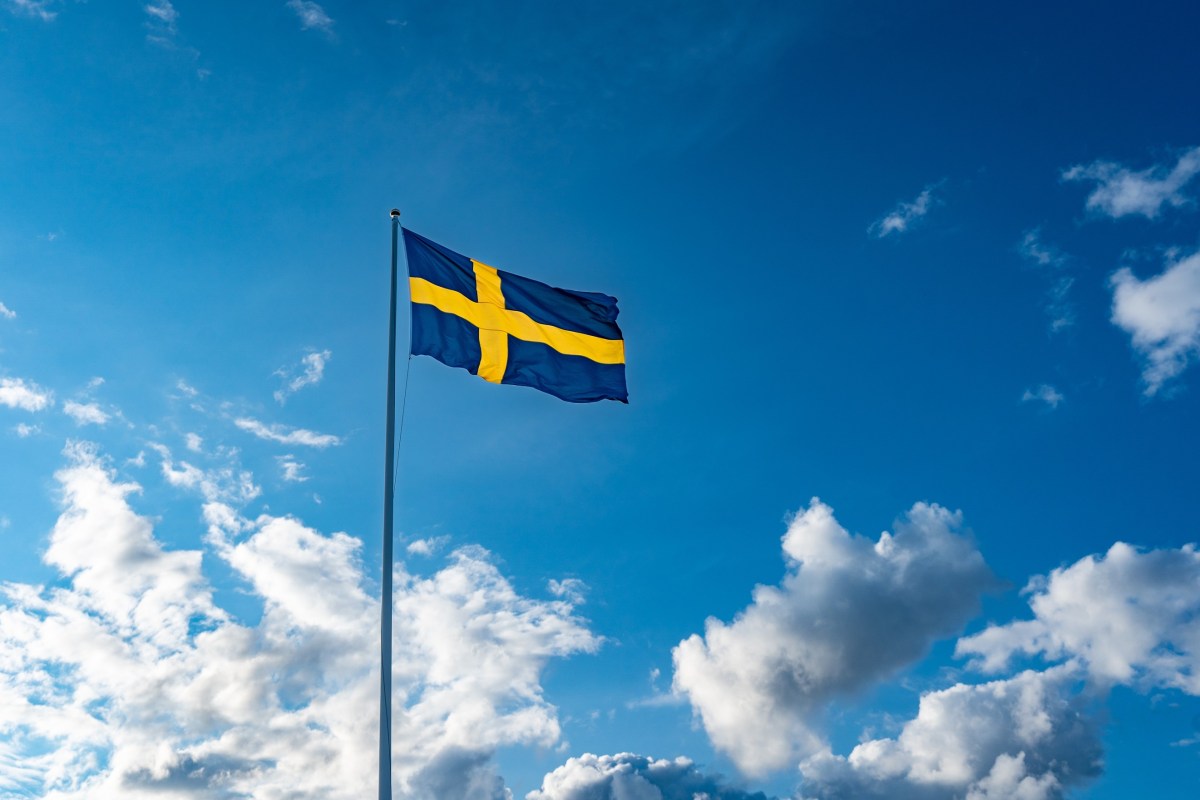
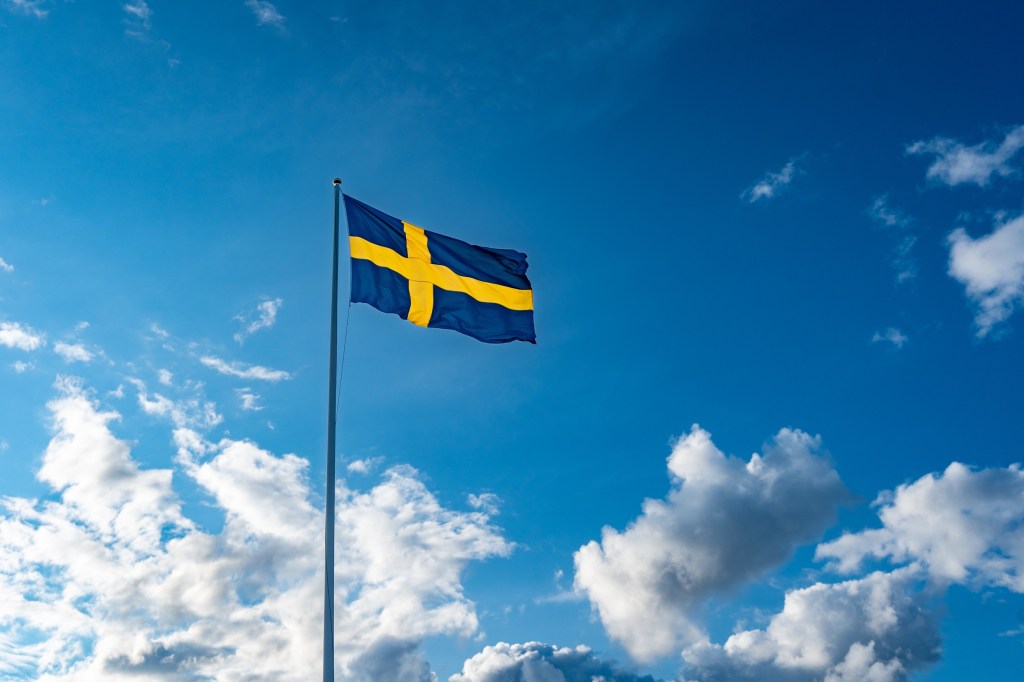
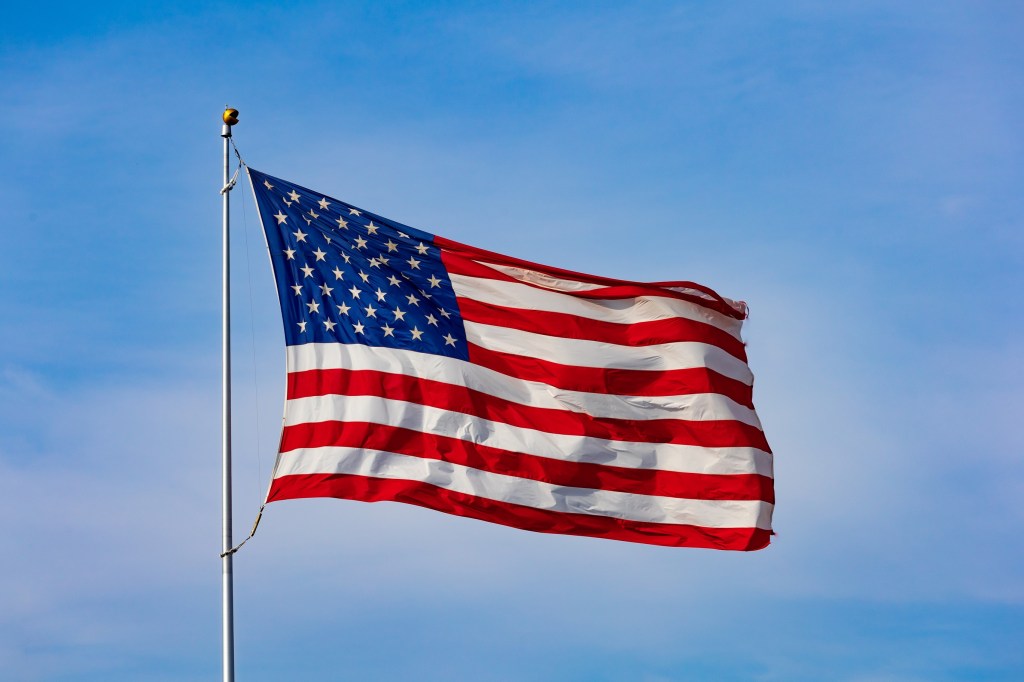
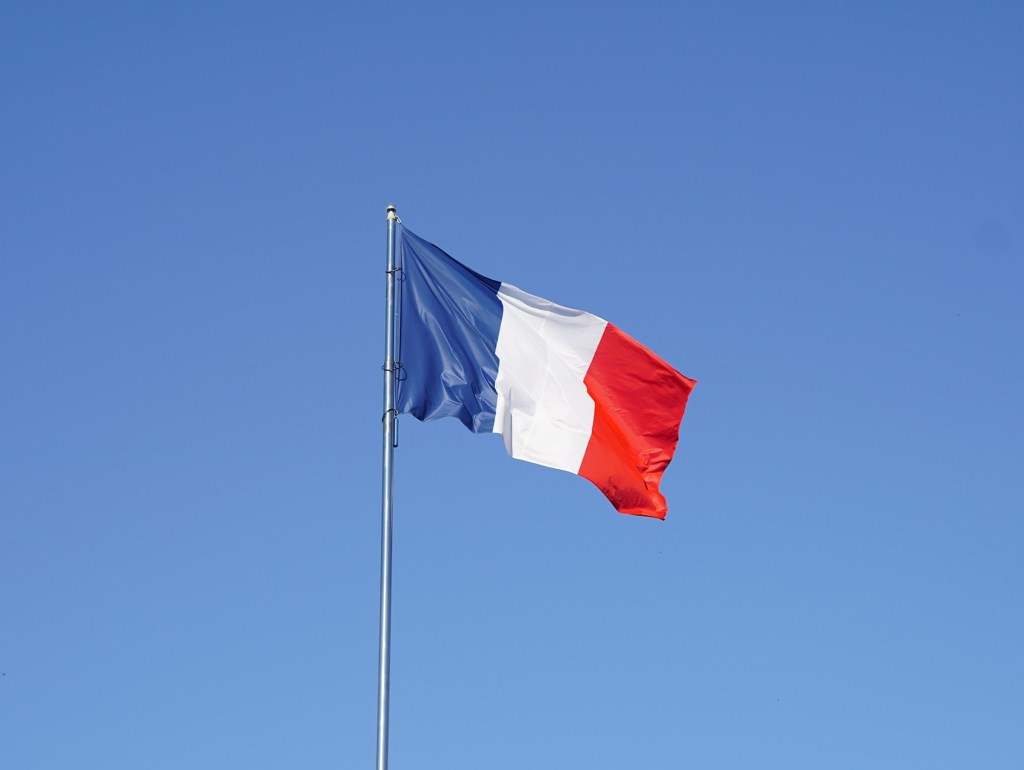
Flag of Sweden in sunny rays high on the flagpole. Shutterstock asset id: 2344367957 by GenOMart.The flag of the United States of America Shutterstock asset id: 2566207745 by Ashley Grise.Flag of France. Shutterstock asset id: 2457252007 by Kyrylash Stanislav.
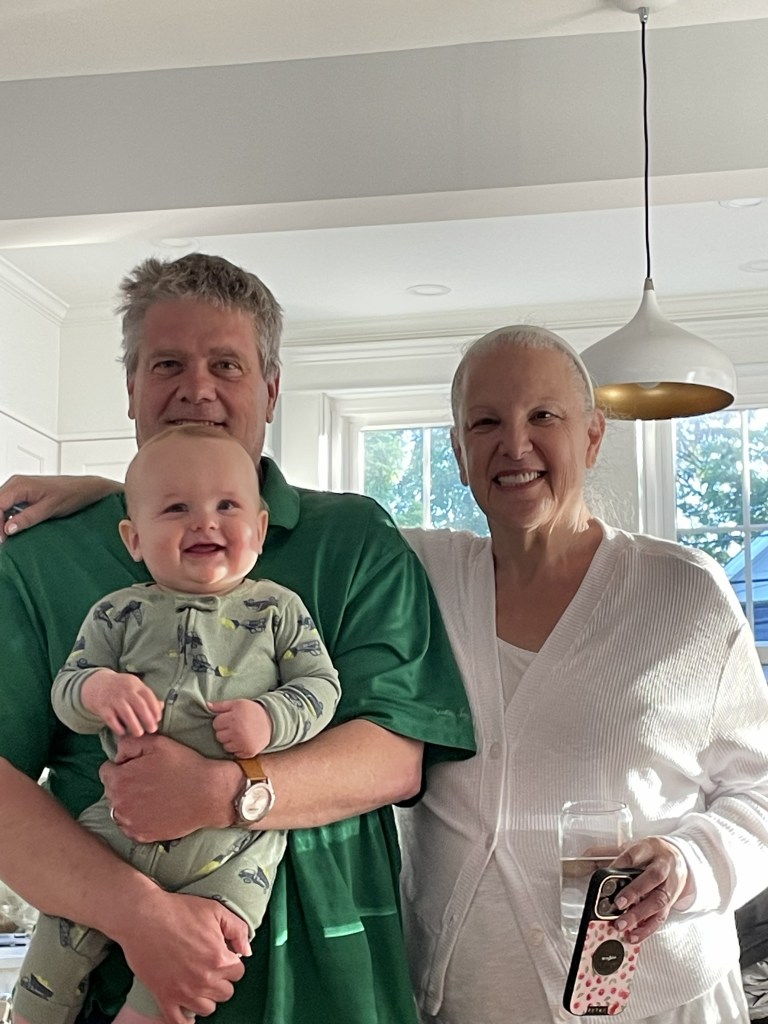
I typically don’t ask for Guest blogs, but I certainly don’t mind if someone wants to do a guest blog here. It is great to get quality content for free. I just came home from visiting our 8 months old grandson Jack. We had a good time. We went to the zoo, I went fishing with my son, and Jack wrote a blog post which is shown below.
Me, my wife Claudia, and our grandson Jack.Jack is using my laptop to make a blog post. He provided the text, which I am posting below.