
The veterinary Amelia Baker sent me another blog post she wanted me to publish. So, this is a second guest blog. This time the topic is not geared towards only Leonberger dogs but dogs and pets in general. The topic is Corneal Ulcers in Pets (Symptoms, Causes & Care). I should say that we have been lucky. None of our dogs have had corneal ulcers. Check out her article below.
Article by Amelia Baker
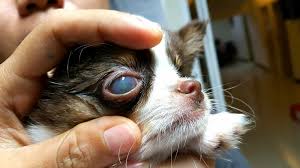
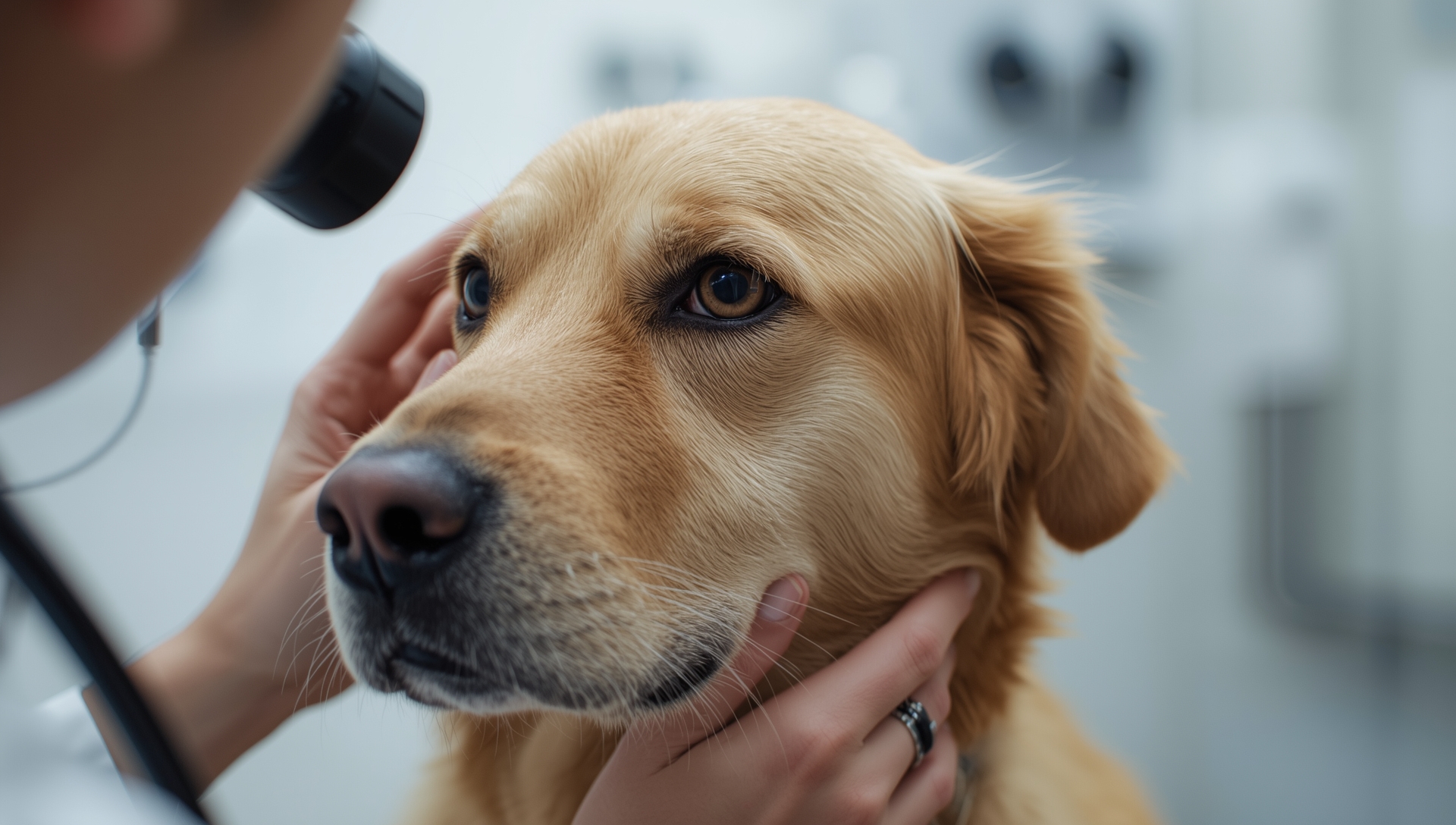
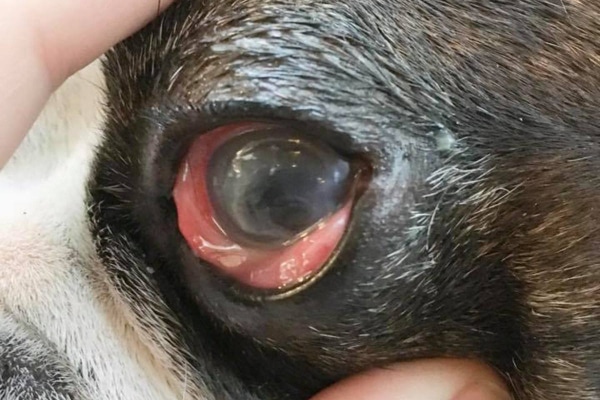
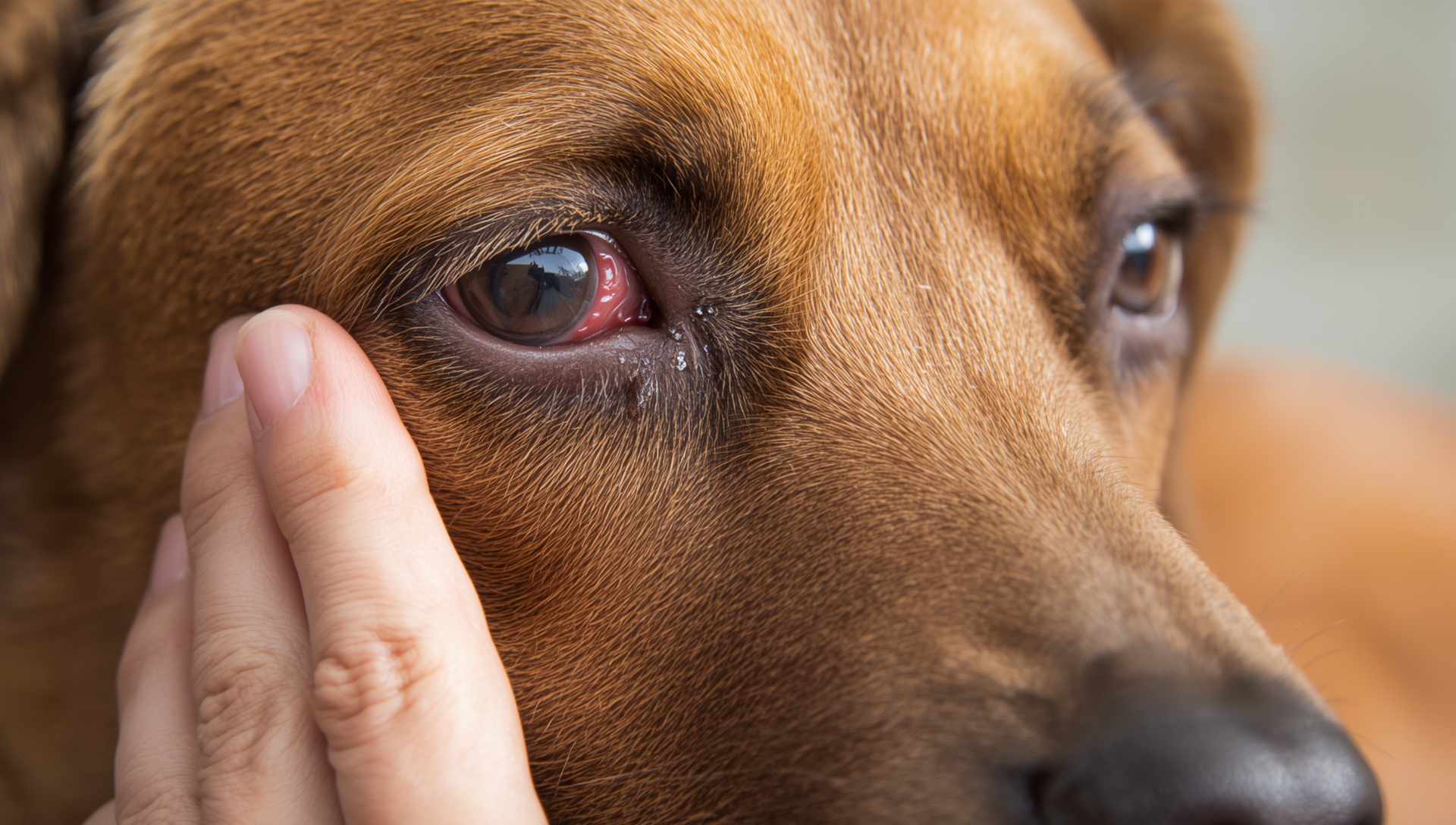
Learn the signs of corneal ulcers in dogs, cats, and horses. Spot early symptoms, discover causes, and explore treatment options to protect pet vision.
Corneal Ulcers in Pets (Symptoms, Causes & Care)
What if that cute little wink your dog gives isn’t really a wink? What if your cat’s sudden sensitivity to sunlight is more than just moodiness? These small changes could be the beginning of a painful corneal ulcer in pets. Every day you wait makes it worse.
The tricky part is that the pets can’t tell that their eyes hurt. At times, a small scratch can turn into a corneal ulcer emergency for dogs. Similarly, a slight tear in the cornea can leave cats with corneal ulcers hiding in plain sight. Horses can also suffer from this medical condition.
That’s why understanding corneal symptoms in dogs or spotting a corneal ulcer in cats can make all the difference.
As a pet owner or a veterinarian, you might have wondered how to tell if it’s just a scratch or something more serious. In this article, we will discover how to recognize, treat, and prevent corneal ulcers in pets of various species. By the end, you’ll feel more confident in protecting your canine, feline, or even equine vision.
Before we get into treatment, let’s first understand what a corneal ulcer really is.
What Exactly Is a Corneal Ulcer?
The cornea is the transparent, protective layer at the front of the eye. When it gets damaged from trauma, infection, or any disease, the wound is known as a corneal ulcer.
In dogs, you’ll often hear terms like dog eye corneal ulcer or canine corneal ulcer. It is a common occurrence in dogs to suffer from this condition. They mostly occur as a result of trauma or injury. However, in cats, viral causes and infections lead to corneal ulcers.
As for horses, especially for performance breeds, corneal ulcers are a common issue due to their outdoor lifestyle and their exposure to dust.
While the condition varies among the species, the basic problem is consistent. A break in the corneal surface can become more serious if it is not treated in time.
Now that you know what it is, the next step is identifying the symptoms in pets.
Recognizing Symptoms Before It’s Too Late
So, how can you spot a corneal ulcer? The signs are often clear if you know what to look out for.
- Constant blinking or squinting
- Red or watery eyes
- Pawning or rubbing at their faces
- Cloudiness in the cornea
- Sudden sensitivity to light
A dog with a corneal ulcer might not want to play fetch. A cat with a corneal ulcer may avoid sunny and bright windows. Horses could leave one eye half-closed and act strangely during training. These subtle signs may indicate that the body needs help.
Spotting symptoms is just the start. What really matters is how quickly you act. If left untreated, corneal ulcers can lead to serious complications, including permanent blindness.
So, what causes the corneal ulcer in the first place?
Common Causes of Corneal Ulcers in Pets
The triggers are varied and are sometimes preventable.
- Physical trauma, such as scratches from claws, grass seeds, or foreign objects, can cause issues.
- Infections can also be a factor, including bacterial, viral, or fungal ones.
- Certain breeds are more likely to develop problems, especially flat-faced breeds that tend to get dry eyes.
- Underlying eye diseases like entropion or keratoconjunctivitis sicca.
For cats, viral infections like feline herpesvirus are common causes. In dogs, especially brachycephalic breeds, the shape of the eye and incomplete eyelid closure play a role. Horses, on the other hand, face daily exposure to dust and outdoor particles.
Knowing the cause helps guide treatment. It also highlights why education is important. Veterinarians can stay ahead by watching a Veterinary Ophthalmology webinar, which explores diagnosis and treatment techniques in detail.
This leads us to the next question every pet owner asks: What happens if my pet is diagnosed with a corneal ulcer?
Treatment and Care Options
Thankfully, most ulcers can be treated if they are caught early. Treatment often depends on the severity of the condition.
- Mild ulcers: antibiotic drops, artificial tears, pain relief.
- Complicated ulcers: surgical intervention, such as conjunctival grafts.
- Supportive care: Elizabethan collars to prevent rubbing.
In equine and canine patients, timely intervention is important to prevent progression into a melting ulcer. It is possible with the right veterinary knowledge and care.
For veterinarians, staying informed through free webinars on veterinary continuing education helps them keep up with the latest surgical techniques and medications. For pet owners, the message is clear: never delay a vet visit if your pet shows signs of eye discomfort.
But beyond treatment, prevention and awareness are equally important.
Prevention: Protecting Vision Before It’s Lost
Prevention often relies on being watchful and taking steps to care for your adorable pet. Regular eye checks, safe spaces without sharp objects, and quick vet visits at the first sight of discomfort can lower all risks.
To elevate your knowledge, consider joining a pet eye health webinar or reading preventive tips. At the same time, veterinarians who attend online vet CE sessions and pet webinars on corneal ulcers can learn to manage cases with the confidence that comes from updated knowledge.
After all, protecting an eye is easier than trying to restore sight once it’s lost.
Final Thoughts
Your pet’s eyes aren’t just organs. They are windows into how they see, play, and connect with you. When a dog with a corneal ulcer avoids his favorite game, or when a cat with a corneal ulcer retreats into darkness, it becomes more than a medical issue. It also affects their quality of life.
The good news is that with awareness, quick action, and the proper care, most pets recover. Free sponsored webinars on corneal ulcers in pets can improve your veterinary knowledge by offering the latest techniques and insights to manage complex cases.
So, the next time you see watery eyes, constant blinking, or strange behavior, don’t ignore them. They can point to something bigger: a corneal ulcer. Acting today can save your pet’s sight in the future.
When it comes to the eye health of pets, staying alert is not optional. It’s a commitment we make to the animals who rely on us.
FAQs
Q: What is the 3-2-1 rule for corneal ulcers?
The 3-2-1 rule helps determine when urgent care is necessary. If an ulcer doesn’t improve within 3 days, hasn’t healed in 2 weeks, or gets worse after just one day, it’s a warning sign. This straightforward rule helps determine both owners and vets that seeking help early is essential for protecting a pet’s vision.
Q: Can corneal ulcers heal on their own in pets?
No, corneal ulcers never heal properly without treatment. Even small ulcers can deepen and get infected over time. This can lead to vision loss. Pets need veterinary care to prevent the problem from becoming severe.
Q: What would cause an ulcer in a pet’s eye?
Several factors can cause an ulcer in your pet’s eyes. The trauma caused to the eyes, debris and dirt, and several diseases can lead to an ulcer. Moreover, breed-related problems such as dry eye or entropion also increase the risk.
Q: What is the best treatment for corneal ulcers?
Treatment depends on the severity and species. Mild ulcers usually respond to antibiotic drops, lubricants, and pain relief. In more advanced cases, surgery may be the only possible solution. Collaborating with a veterinarian helps create the right care plan to protect the vision of your pet.
To visit Amanda Baker’s previous post Vet Approved Leonberger Diet Tips for Health click here

 Leonberger Life
Very helpful information from Dr. Amelia. I learned quite a bit about when we should become concerned if a corneal ulcer should occur. Thank you, Thomas.
LikeLiked by 1 person
Thank you so much Pete. Yes it is useful information.
LikeLiked by 1 person
Excellent post thank you both. So easy to miss the early stages of problems in pets as they instinctively tend to hide pain or problems..
LikeLiked by 2 people
Thank you Sally. I believe you are right, they often instinctively tend to hide pain or problems.. well except our dog Rollo. If there is a problem he lets everyone know, very loudly. I remember when a nurse gave him a shot. He was screaming like a pig getting slaughtered. The nurse was saying, oh come on Rollo, it is not that bad.
LikeLiked by 1 person
Lol.. but he was one of a kind wasn’t he Thomas. hugsx
LikeLiked by 1 person
Yes he is a one of a kind. We still have our little Rollo. He is a rambunctious and loud mini-Australian Shepherd. Our Leonberger Bronco was the opposite in that regard, stoic, calm, and never complained even though he had some pains and problems once he got old. Our pug Daisy was stoic as well, and our Labrador, German Shepherd too. Our Japanese Chin complained a little bit more but Rollo is the one who lets everyone know if you drop a little piece of bread on him.
LikeLiked by 1 person
great post. They are incredibly prevalent.
LikeLiked by 2 people
Thank you so much Animalcouriers. Yes with the hundreds maybe thousands of pets you have handled and transported you should know.
LikeLike
Really interesting and uselul!
LikeLiked by 2 people
Thank you so much Luisa
LikeLiked by 1 person
You’re welcome !
LikeLiked by 1 person
Thanks, Thomas. Useful information. I recall it being a serious problem with the horses of my parents’ friends. Of course, they were outside all the time and exposed to who knows what.
LikeLiked by 2 people
Thank you so much Denise. I thought it sounds like useful information too and Amelia is a good writer with a lot of expertise.
LikeLiked by 1 person
That looks painful! Good post. I enjoy this series.
LikeLiked by 2 people
Thank you so much Jacqui. Yes Amelia says she has more posts.
LikeLiked by 1 person
Excellent article, Thomas. This kind of information is good to know just in case.
LikeLiked by 2 people
Yes I think so. Thank you so much John.
LikeLiked by 1 person
Thank you for sharing these guest posts, Thomas!
LikeLiked by 2 people
Thank you so much Dawn
LikeLike
When he was a Little Old Man Vizsla, our guy Tucker had dry-eye and some other ocular problems. We had eye drops that a veterinary ophthalmologist formulated for him, as well as a thick cream (Puralube Vet Ointment) that he got a few times a day. He was always a good boy for his cream and his eye drops ― probably better than me when I needed eye drops after something got past my goggles and flew into my eye when I was weed-whacking that one time.
LikeLiked by 2 people
That is a very interesting story. Tucker was certainly a really good. Our Leonberger Bronco had pink eye, not an ulcer, but pink eye, which I think is a little bit better. However, he needed eye drops and putting eye drops in Bronco was almost mission impossible. A few things broke.
LikeLiked by 1 person
Lulu: “Our Dada is telling the truth. You should have seen him jump and try to close his eye while mama was giving him the eye drops. Nothing got broken though so that’s good …”
LikeLiked by 1 person
Oh I believe you Lulu. Eye drops is not an easy thing to take for anyone. Our Bronco had a fit about eye drops. Once we were four people holding him down, opening his eye lid and trying to give him eye drops. Bronco fought and squirmed and we all rolled into a metal fence that broke and flew off its hinges/screws that went shooting across the house. It was very loud. We all lay on the floor but Bronco stood victorious looking down at us.
LikeLike
Eyes are not my thing either animal or human, and this condition looks really painful. Maya presents herself to have her face washed and ears cleaned every day. We are careful about her eyes as we think as a puppy she had hay fever, so we keep them clean.
LikeLiked by 2 people
Yes eyes is tough. Our Leonberger Bronco had pink eye and needed eye drops. Unlike Maya he was not good about it. Let’s just say, a few things in the house broke.
LikeLike
This article is very helpful, Amelia! I don’t have pets at the moments but my daughter has two cats for her daughters. I’ll pass the information along. Thank you for posting this article, Thomas!
LikeLiked by 2 people
Thank you so much Miriam
LikeLiked by 1 person
You’re welcome, Thomas. ☺️
LikeLiked by 1 person
thanks to both of you!
LikeLiked by 1 person
Thank you da-AL
LikeLiked by 1 person
Thank you for this information. It is really good to know.
LikeLiked by 1 person
Thank you Robbie
LikeLike
My pleasure
LikeLiked by 1 person
Very informative, Thomas, thank you for sharing.
LikeLiked by 2 people
Thank you so much Lauren
LikeLiked by 1 person
My pleasure, Thomas!
LikeLiked by 1 person