Playing catch with dogs is my response to Esther’s October 21st prompt Catch. Click here or here to join in.
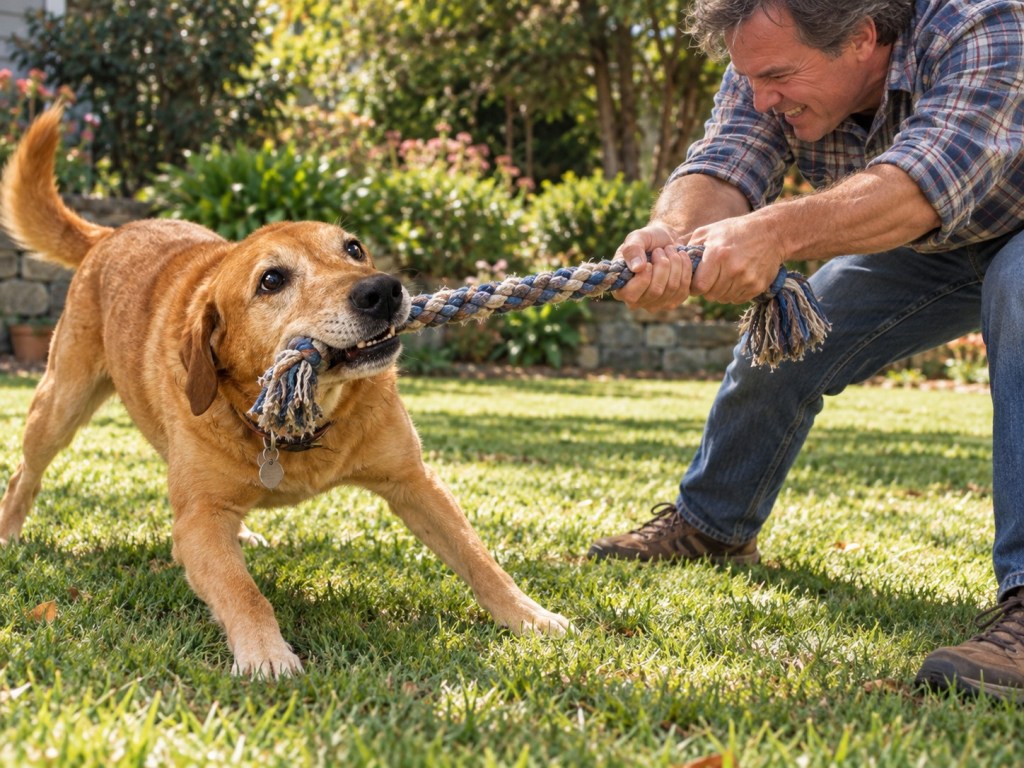
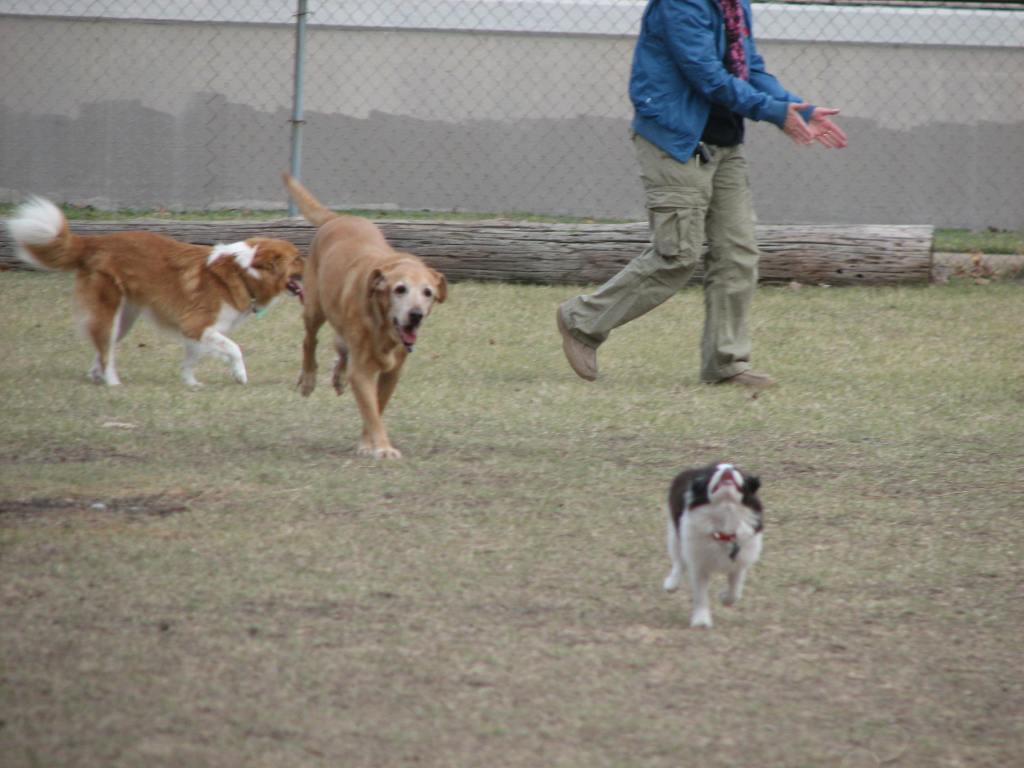
Playing catch with a dog is a fun way to provide exercise for the dog and perhaps for you too. Many dogs love to play the catch game whether it is with a ball, a squeaky toy or some other kind of toy. You just need to be a little bit careful not to overdo it. The wrong kind of toys can hurt their teeth and be careful, so you don’t accidentally throw the toy right at the dog and hurt them. Nobody likes to have a ball land on their head.
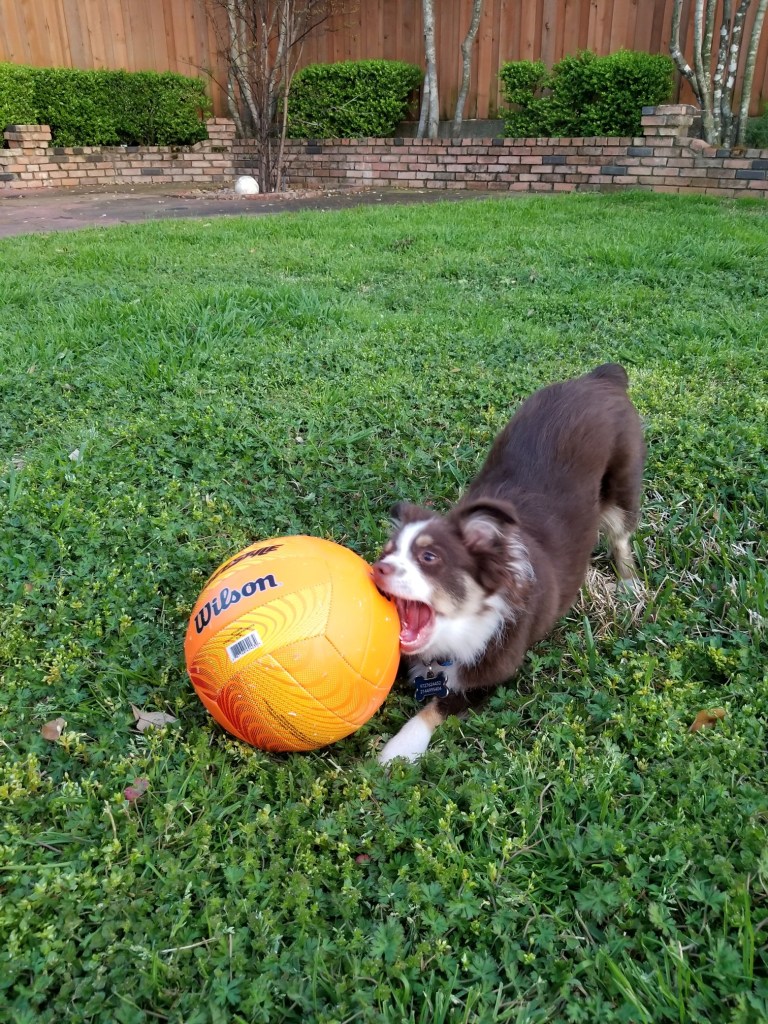
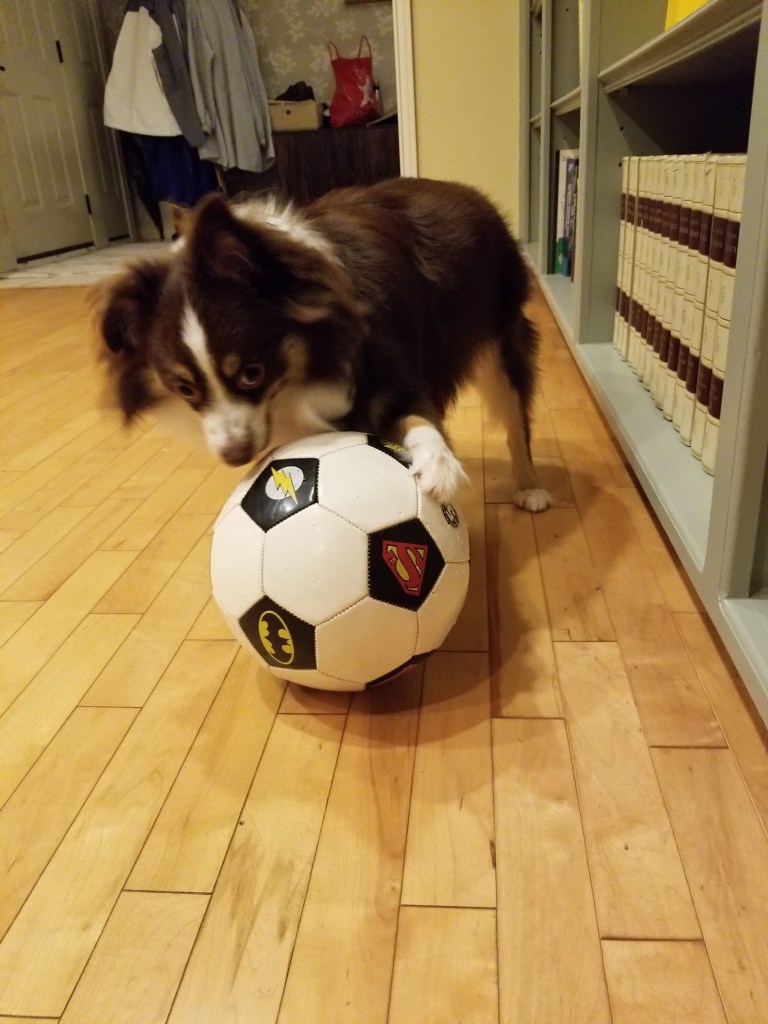
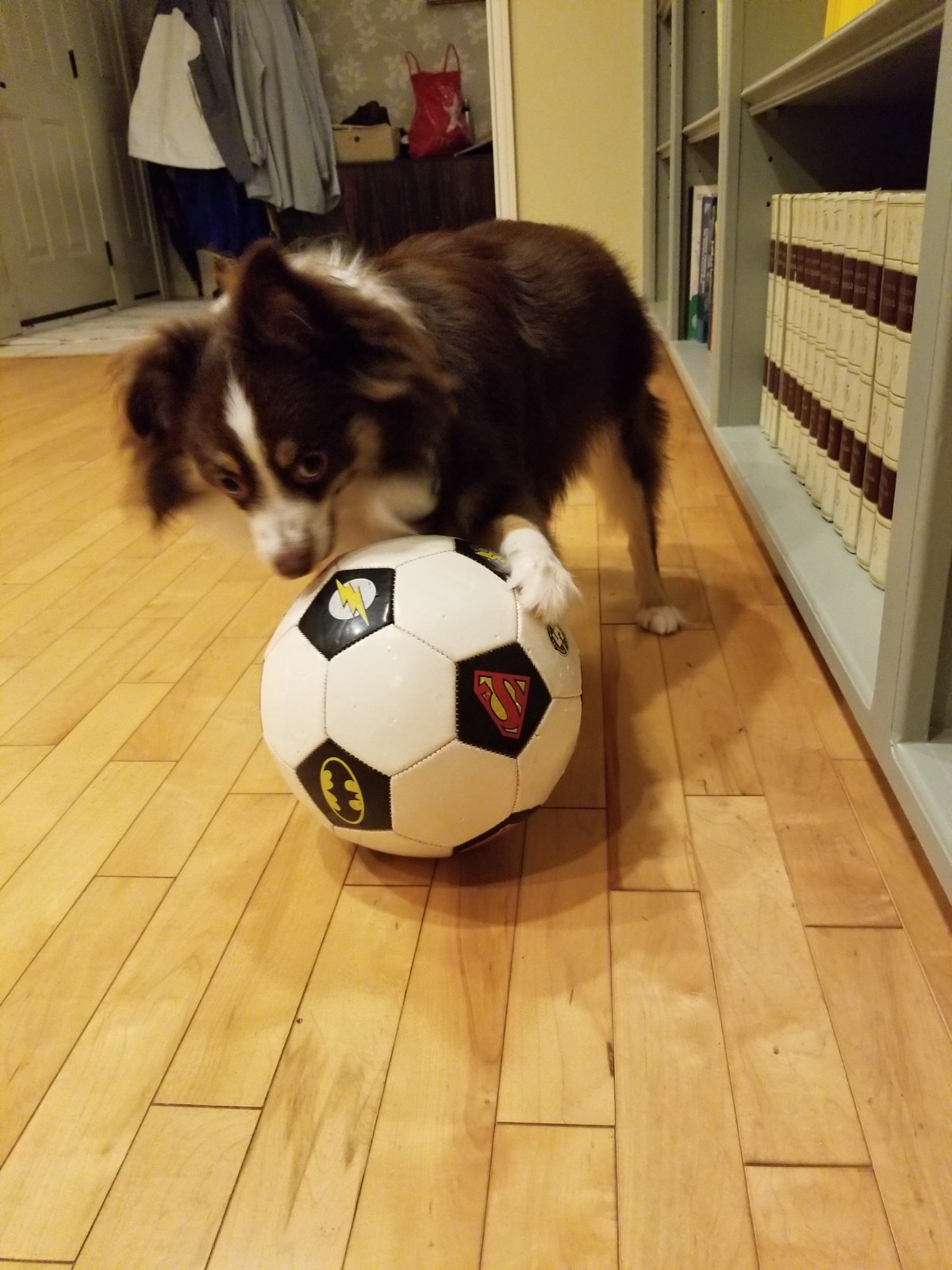
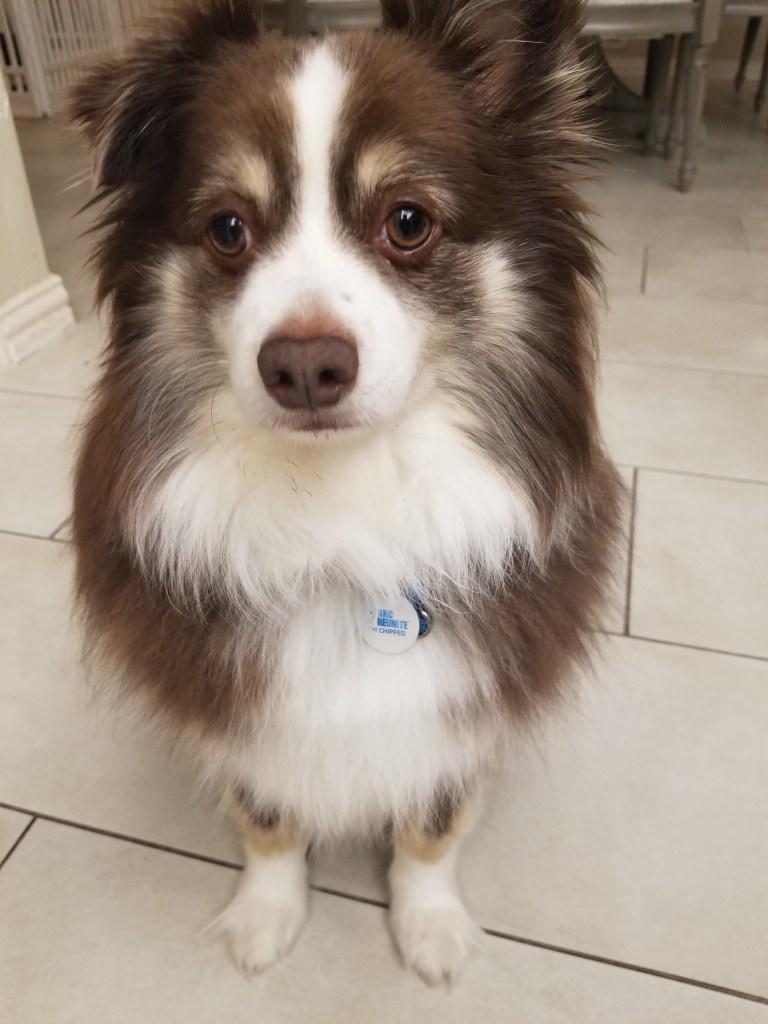
Our mini-Australian Shepherd Rollo loves balls, and he loves playing catch with balls and squeaky toys. Today October 22nd it is National Make a Dog’s Day, and we played with Rollo and he also got a little bit bigger dinner than usual.
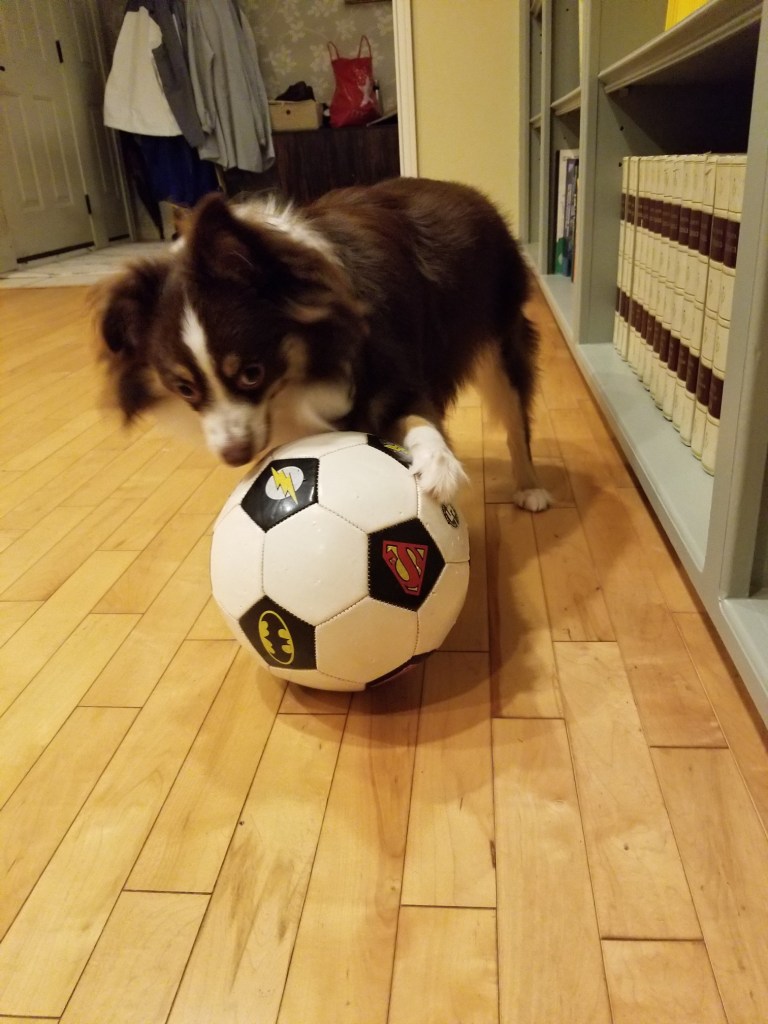
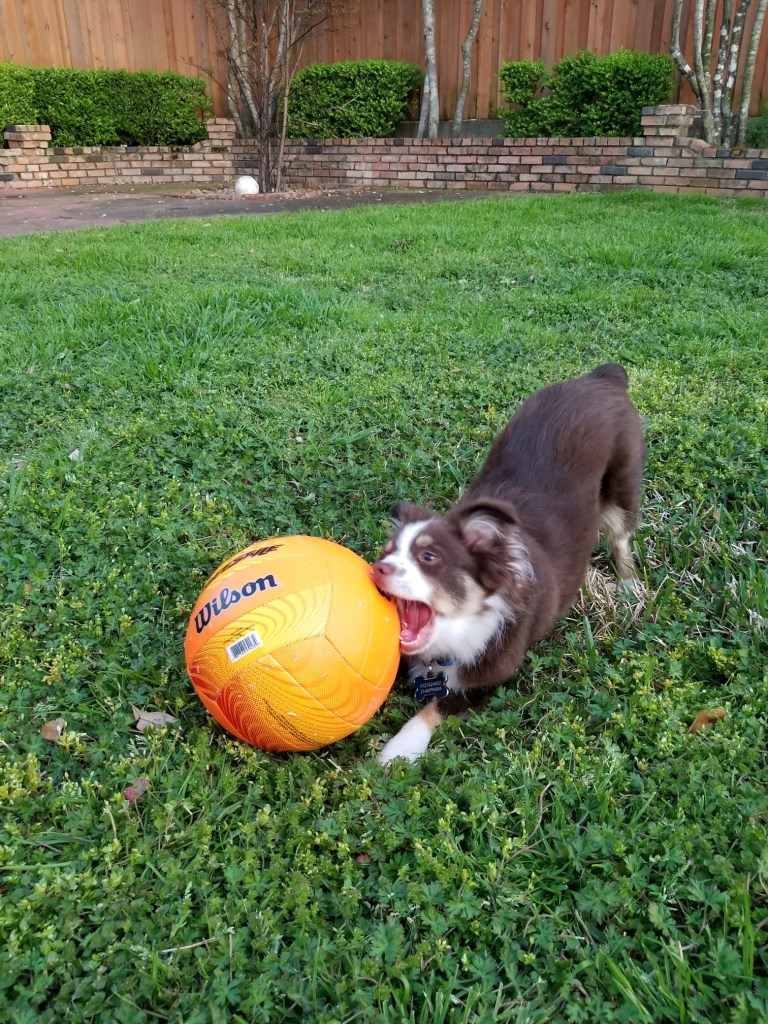
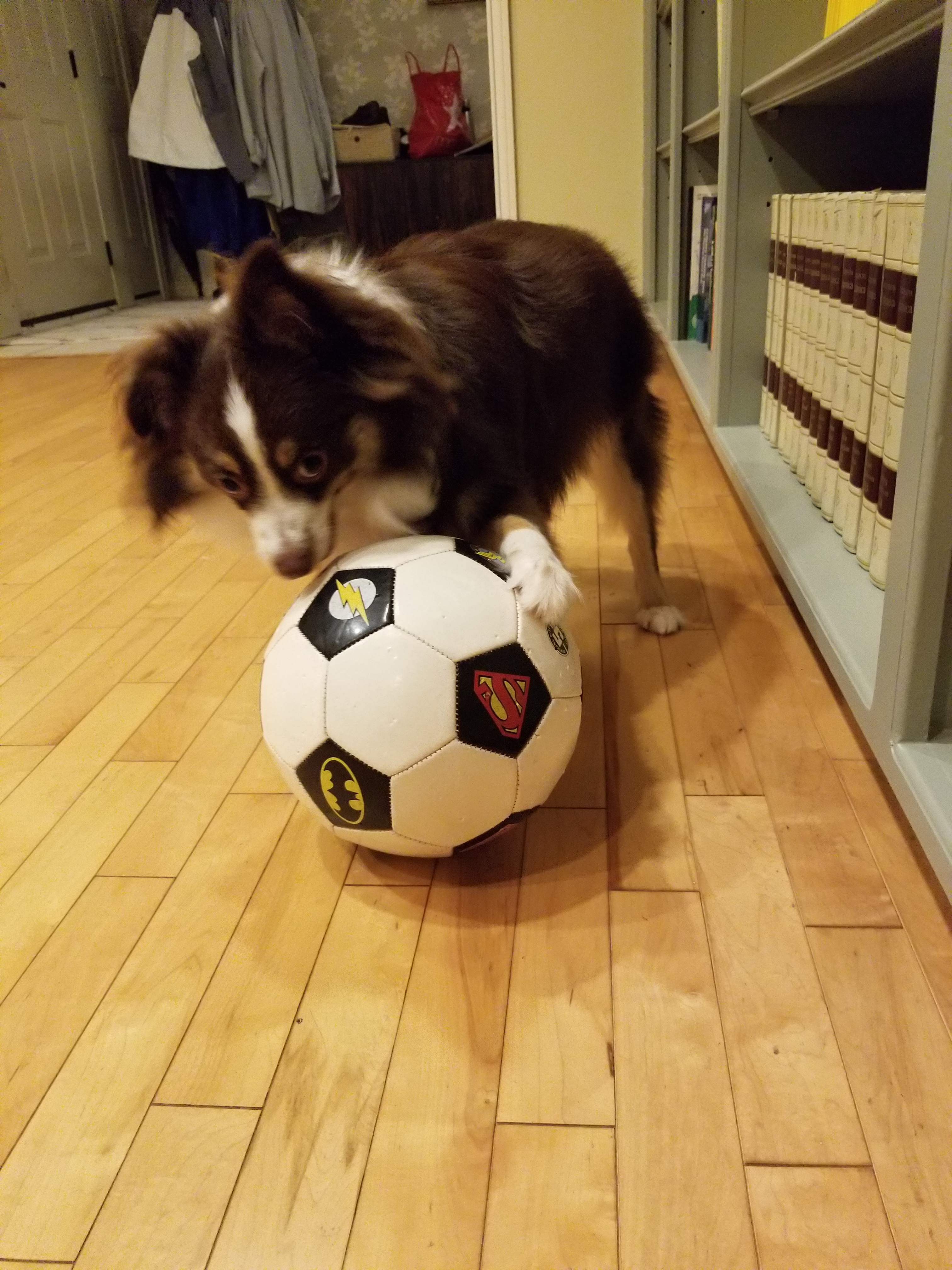
Our mini-Australian Shepherd Rollo love balls. Here he is playing with a soccer ball. My photo.Our mini-Australian Shepherd Rollo love balls. Here he is playing with an orange volleyball. My photo.
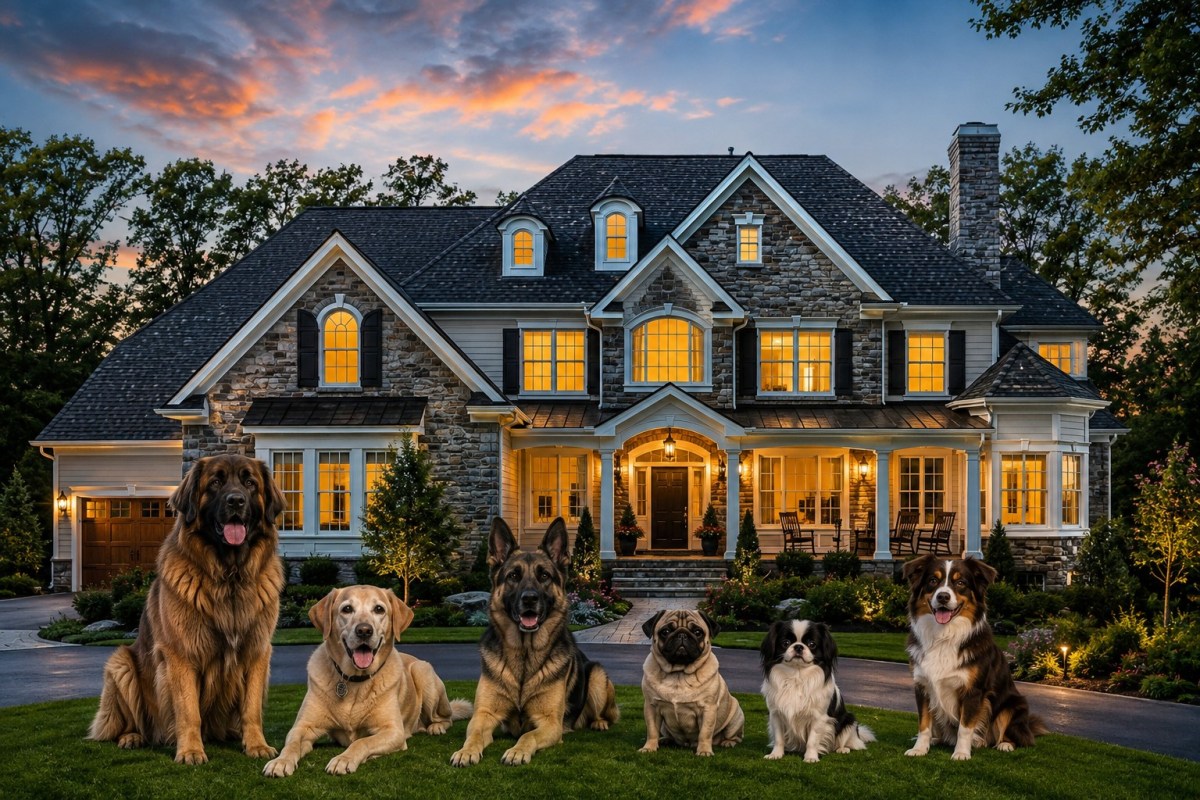
I took the photos above, but I do not have any photos of our dogs playing catch and therefore I am using Shutterstock photos or pictures I generated using ChatGPT for dogs playing catch.
Rollo’s Bad Blue Ball Day
As mentioned, Rollo loves playing catch with balls and with squeaky toys.
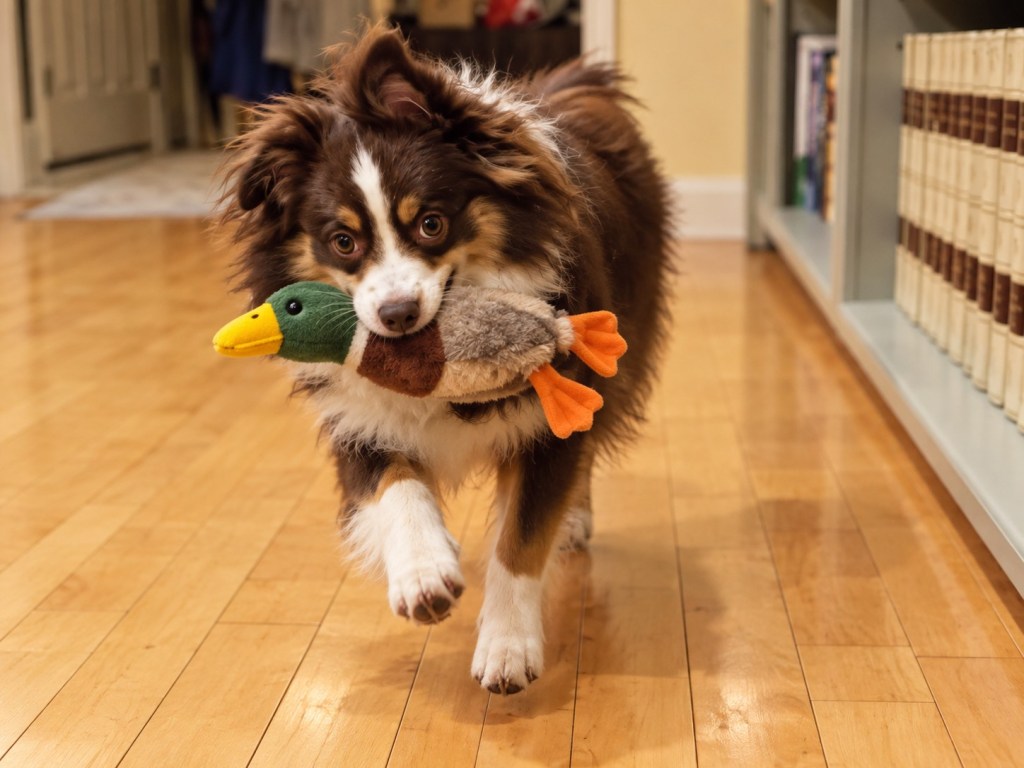
Illustration of our mini-Australian Shepherd Rollo with a squeaky duck in his mouth. I generated this picture using ChatGPT.
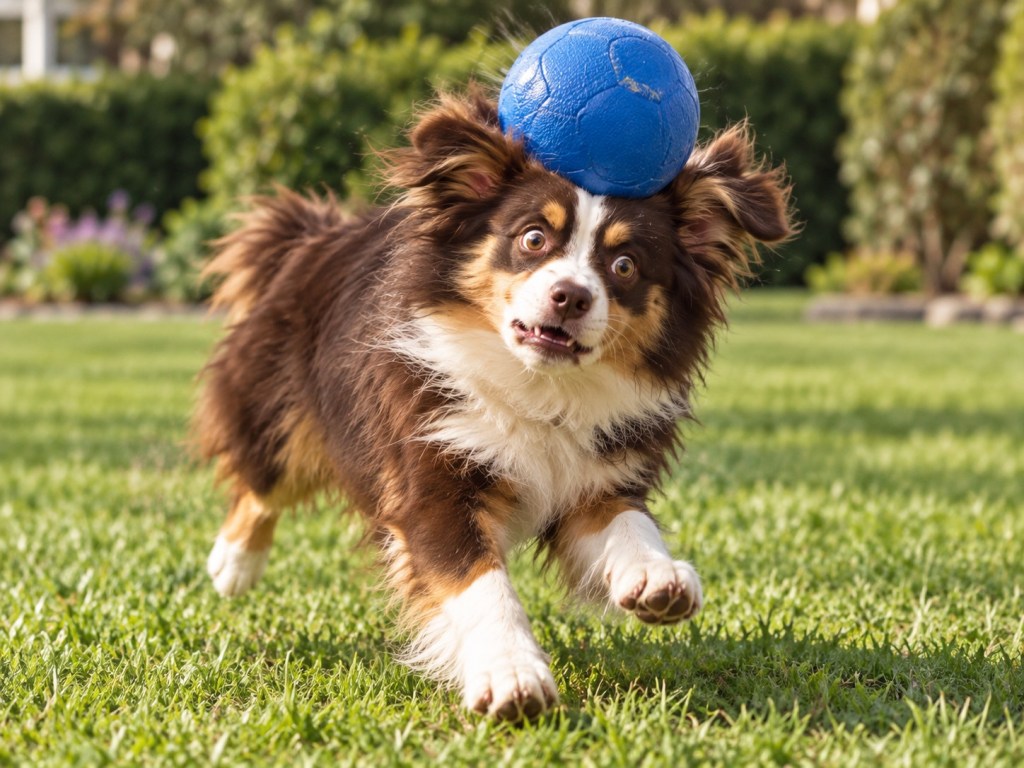
However, it does not always go well, for example, the time when I threw a big blue ball really far and he ran after it really fast and tried to catch it, but it landed right on top of his head. He did not get hurt but he yelped a little. We were done playing catch the ball after that incident. What a disappointing ending to a fun game.
Our mini-Australian Shepherd gets a ball on his head while playing catch the ball. I generated this picture using ChatGPT.
Our Dogs Playing Catch
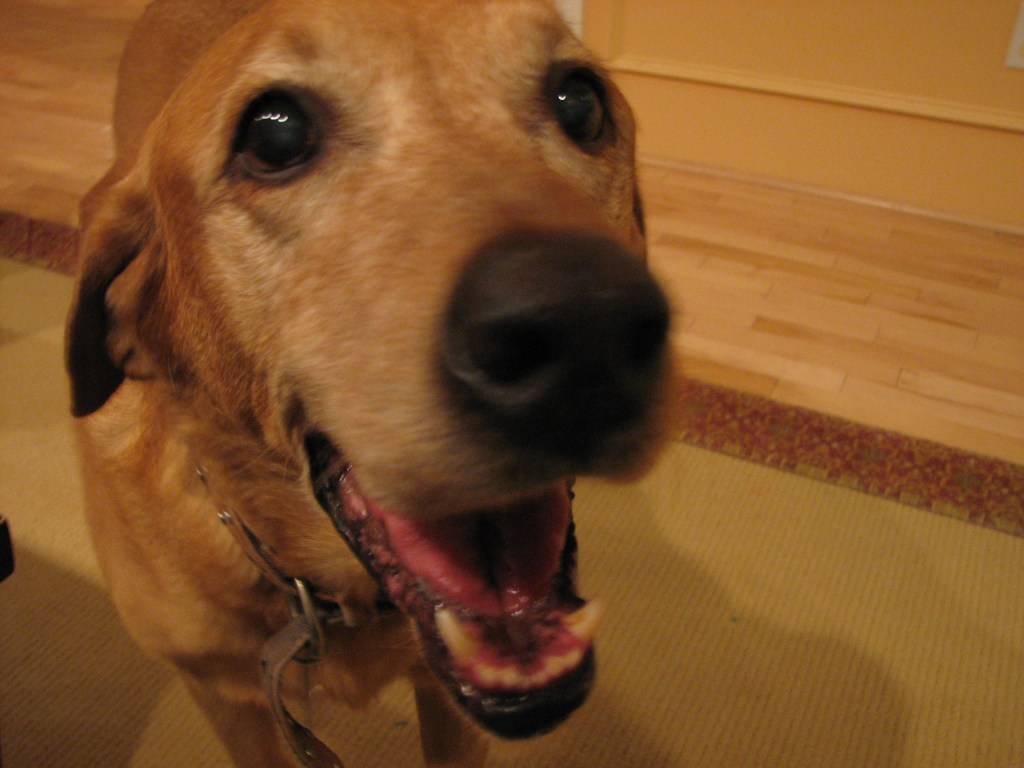
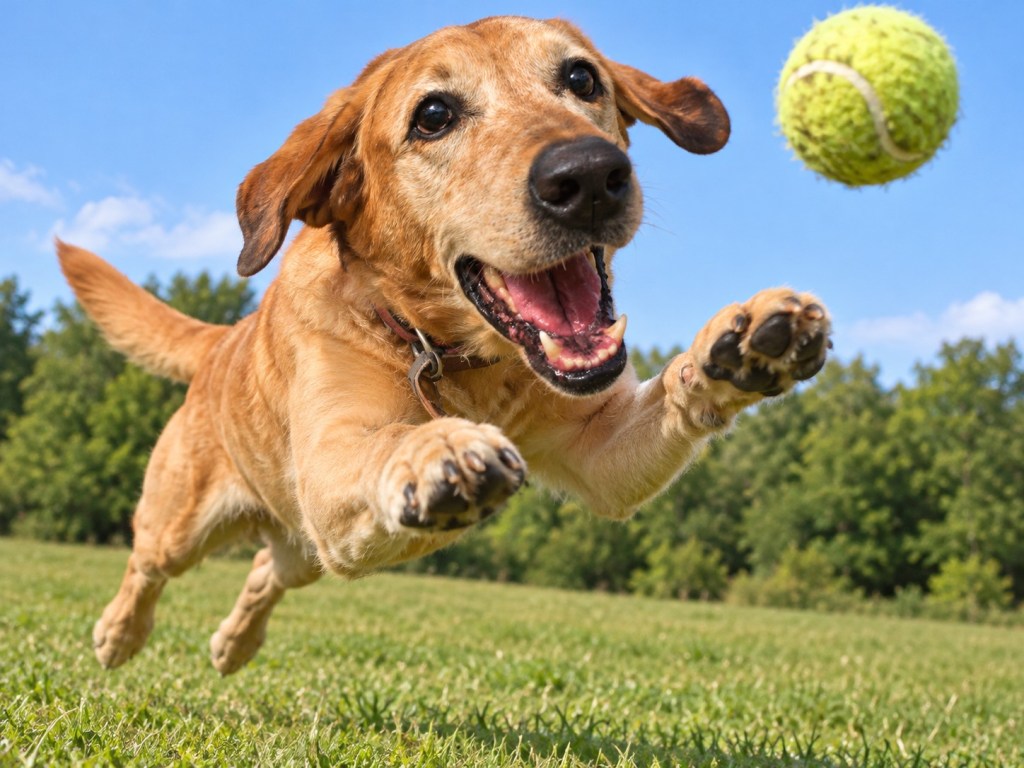
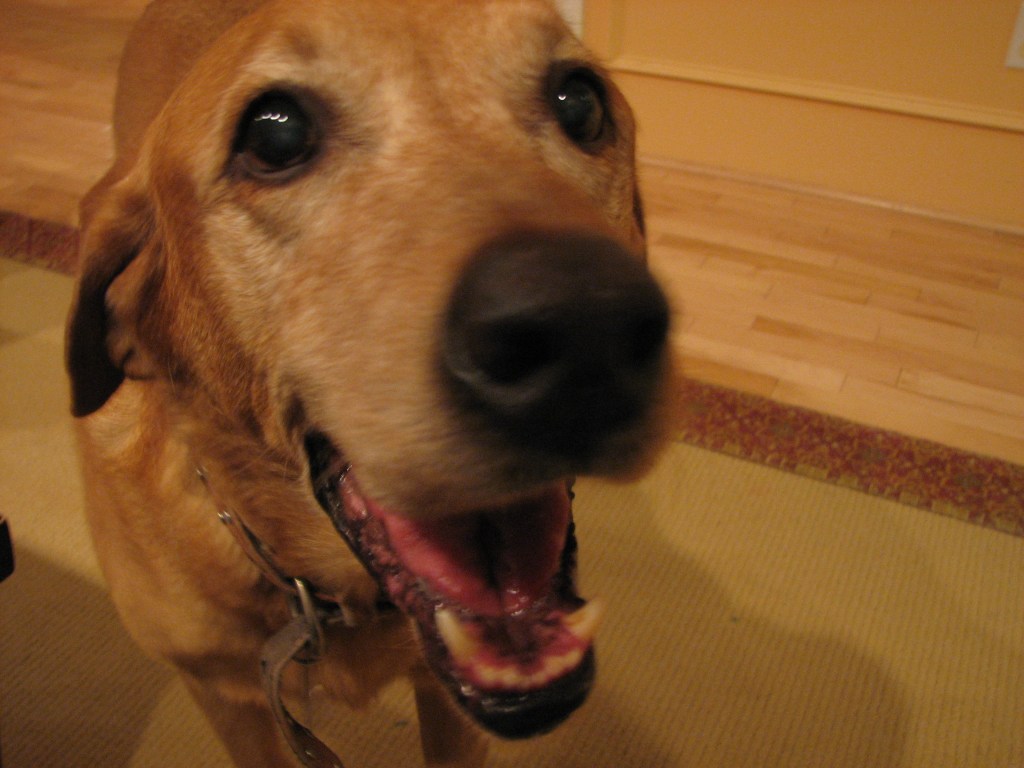
We used to have Yellow Labrador, Baylor, and he loved playing catch. Well, he was not a pure Labrador. He was quarter Rhodesian Ridgeback. If I threw a ball or another toy he would run after it very excitedly, come back and then we did it again. It was something he could do over and over. He might have been the most playful dog we’ve had.
Our labrador Baylor (allegedly quarter mix with Rhodesian ridgeback) was a very playful dog.Illustration of Baylor catching a tennis ball. I generated this picture with the help of ChatGPT.
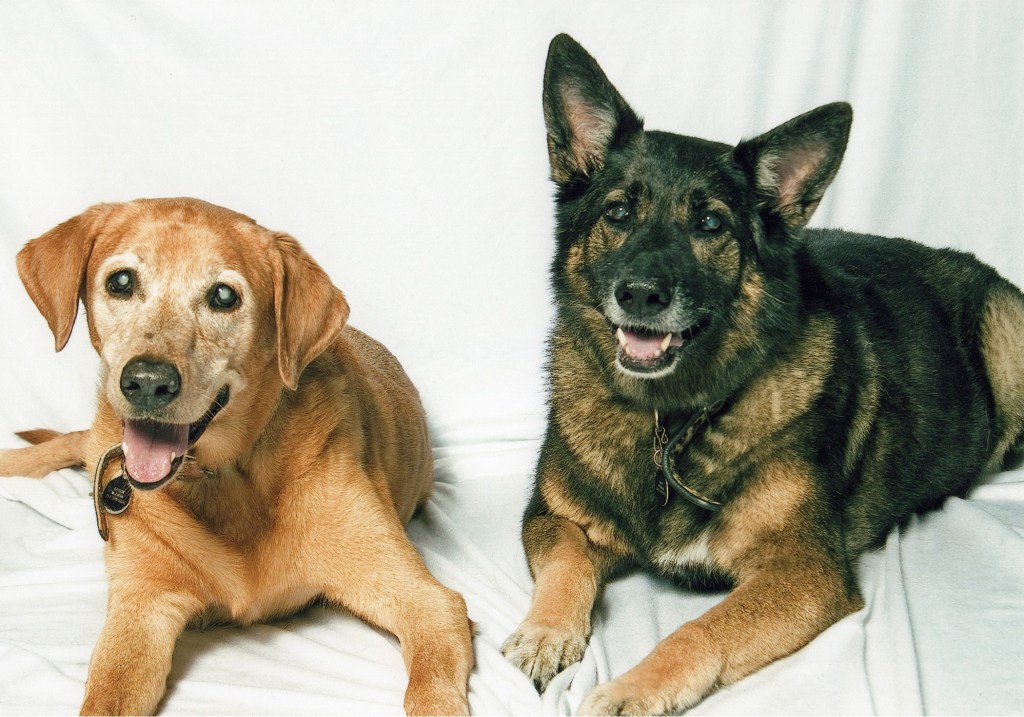
Our German Shepherd called Baby was not as playful as Baylor, but she sometimes played with toys and might run after a ball if she was in the right mood.
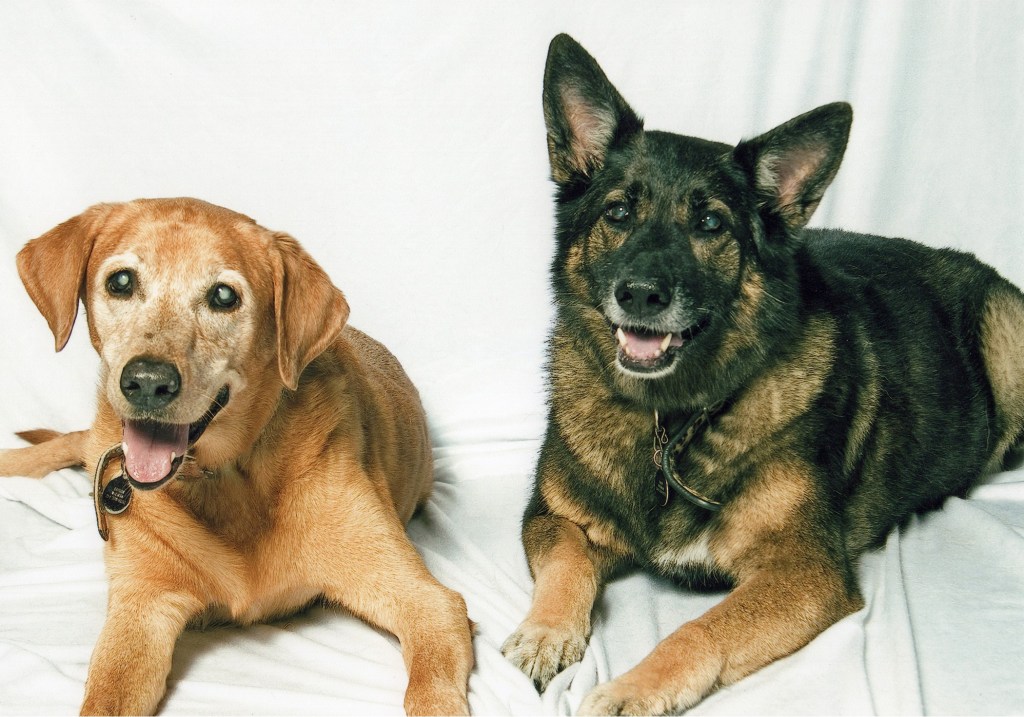
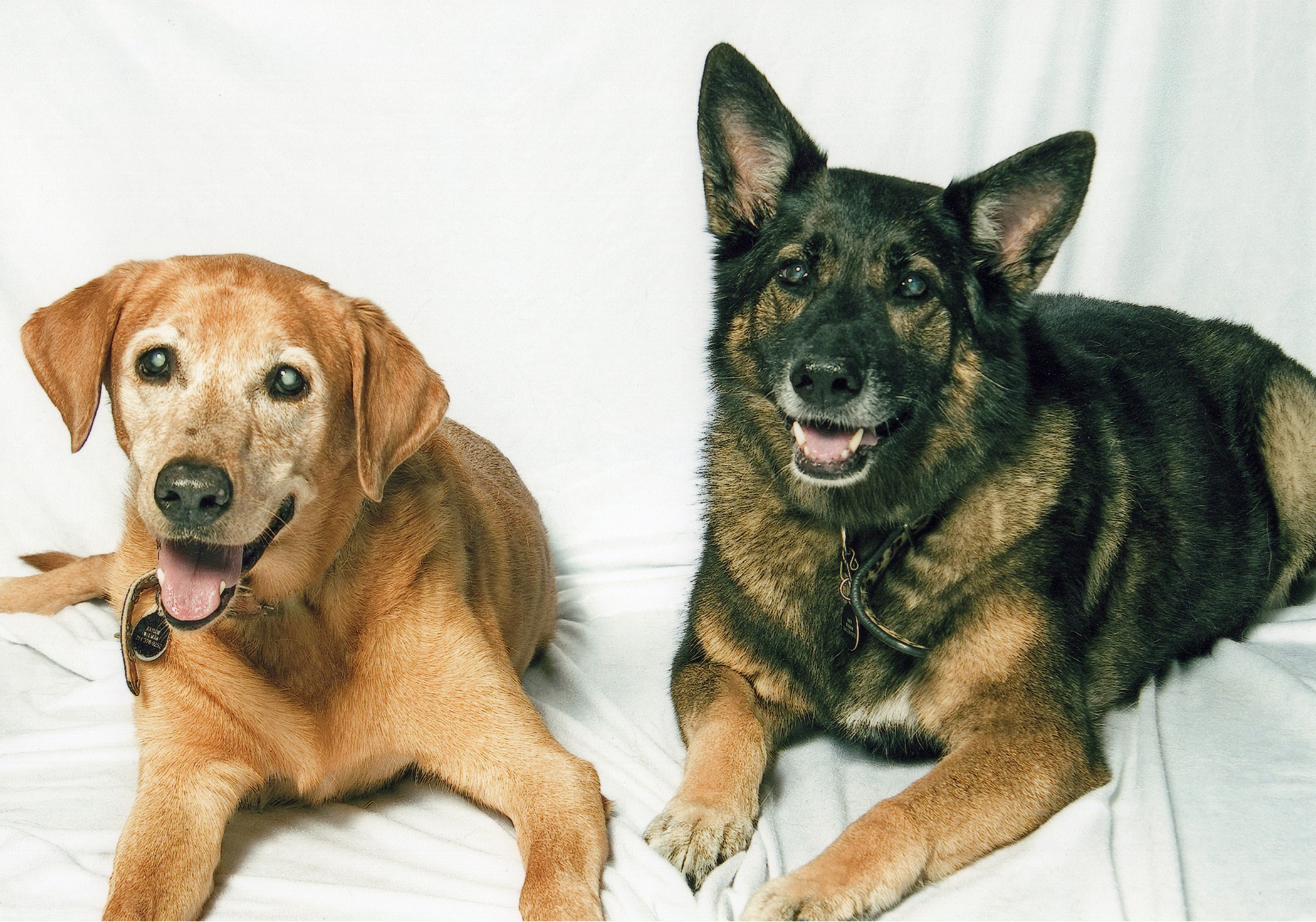
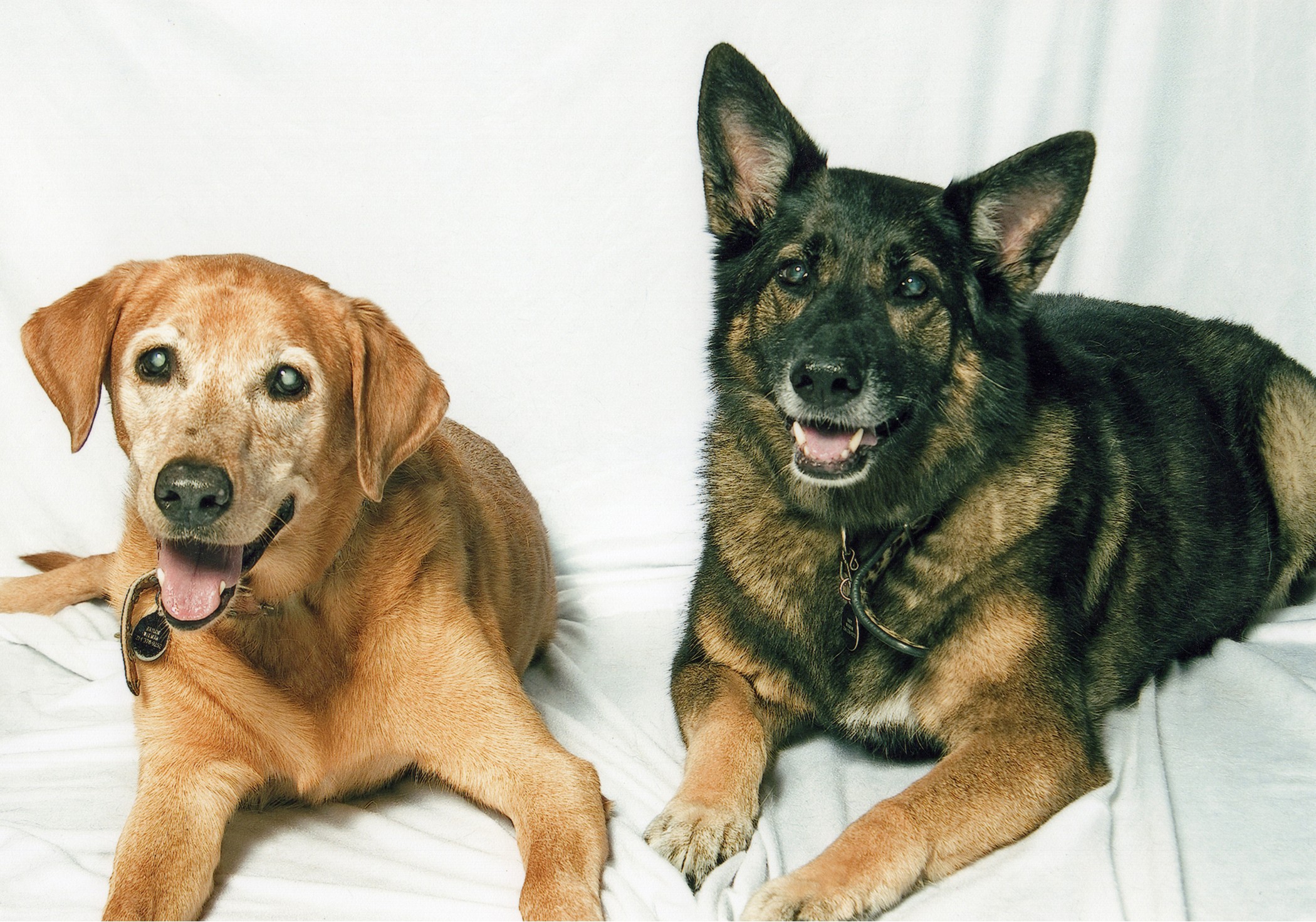
Our yellow lab Baylor on the left. Our black German shepherd named Baby on the right. Our photo.
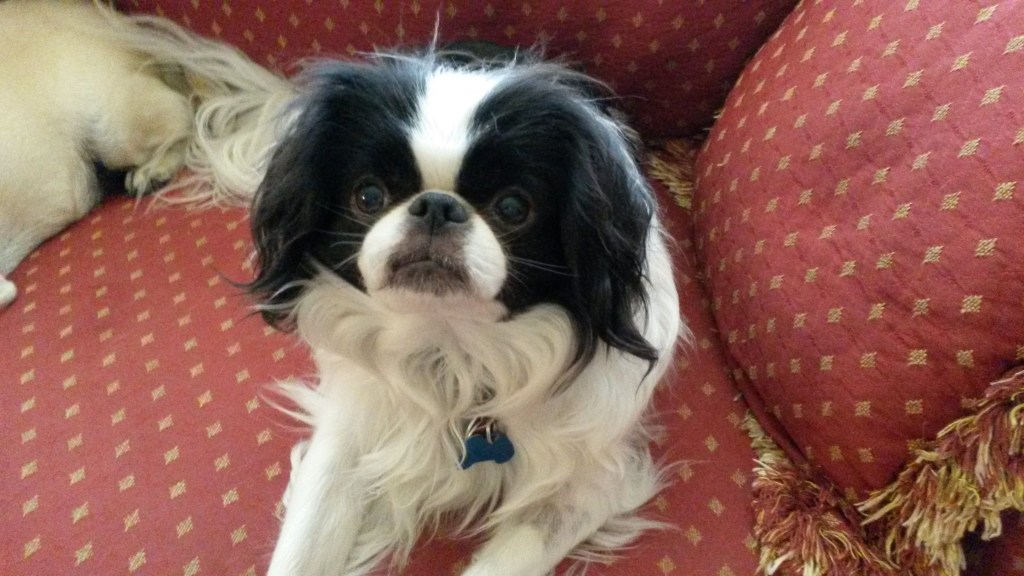
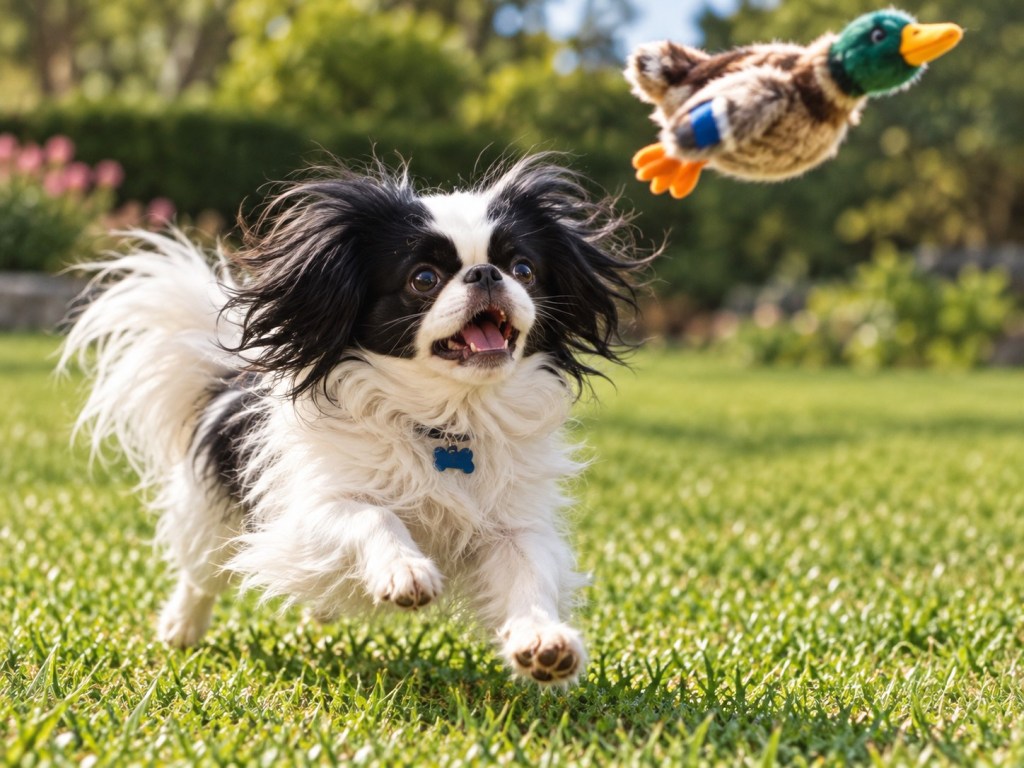
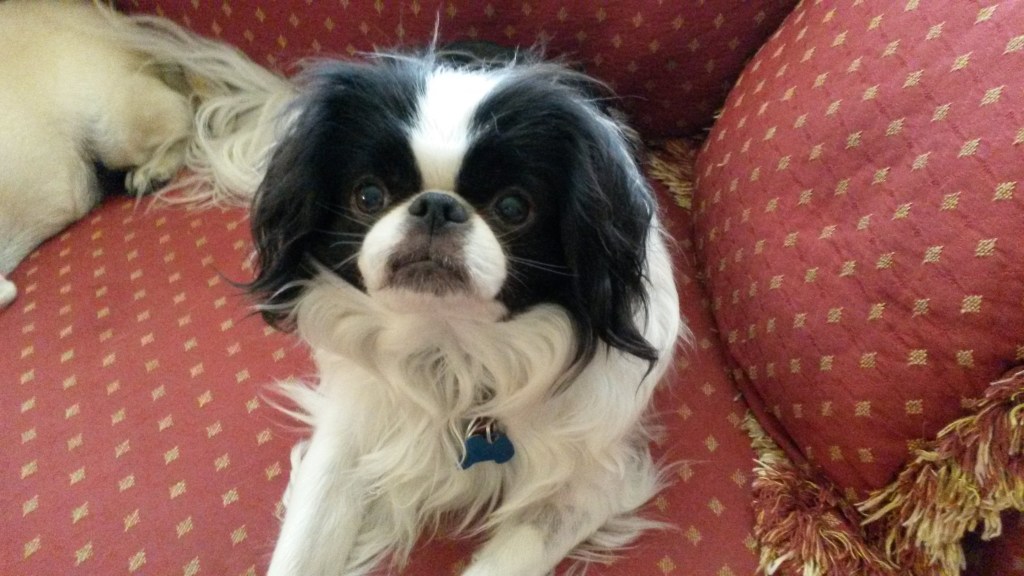
Our Japanese Chin Ryu was almost as playful as Baylor and Rollo. He loved playing with toys and running after balls. However, he preferred the squeaky toys over balls.
Our Japanese Chin Ryu on the sofa. My photo.Japanese Chin trying to catch a toy duck.
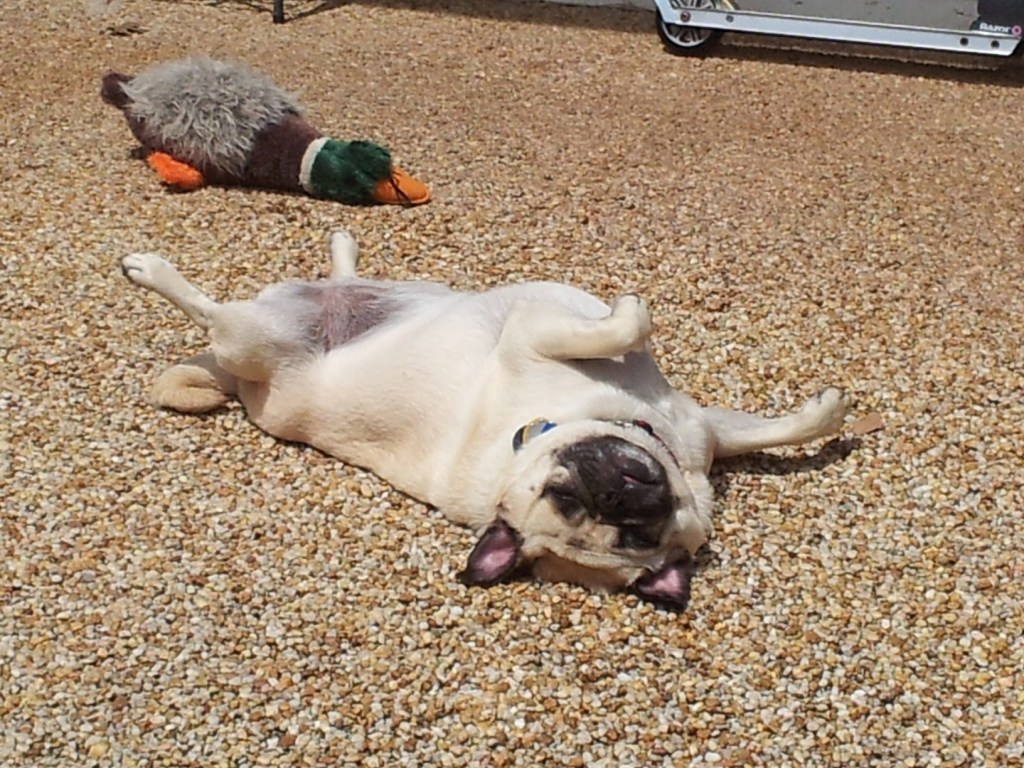
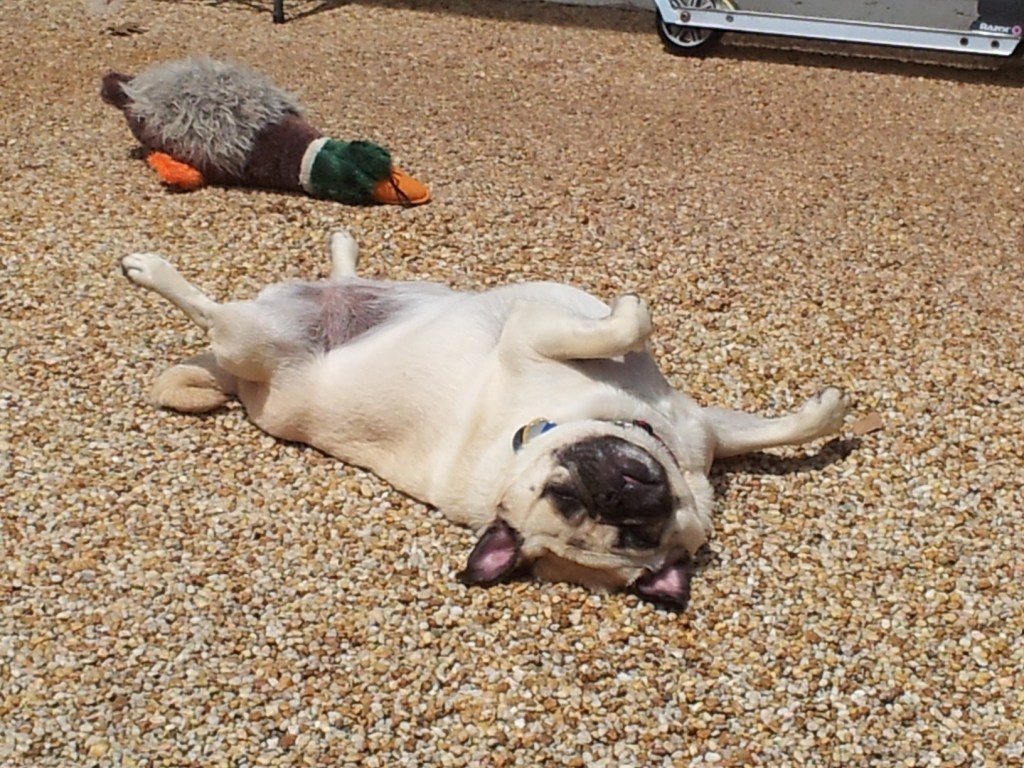
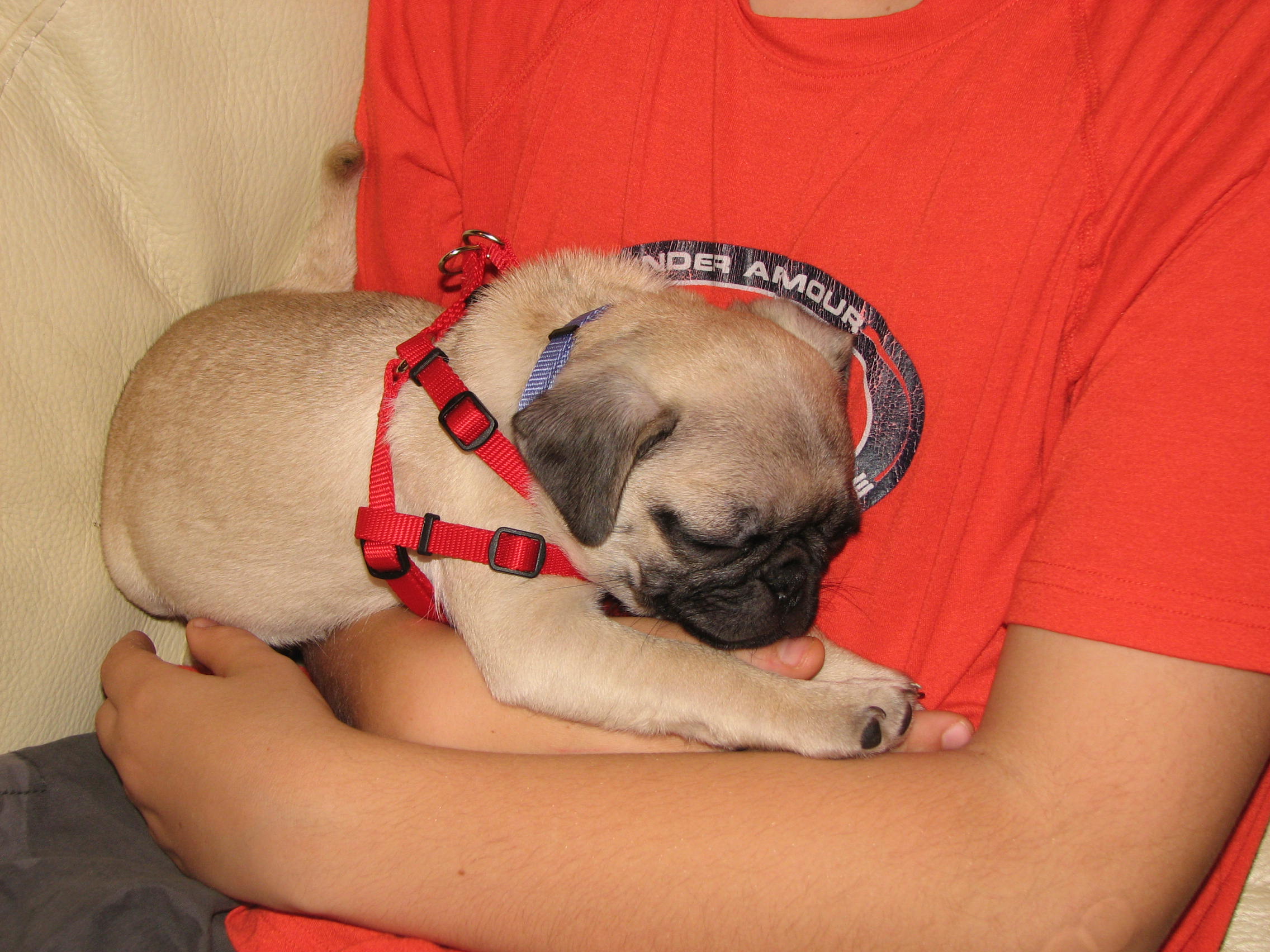
Our Pug Daisy sometimes played with toys, like her favorite duck toy, but getting her to play catch the ball was mission impossible. She was not interested in such silliness.
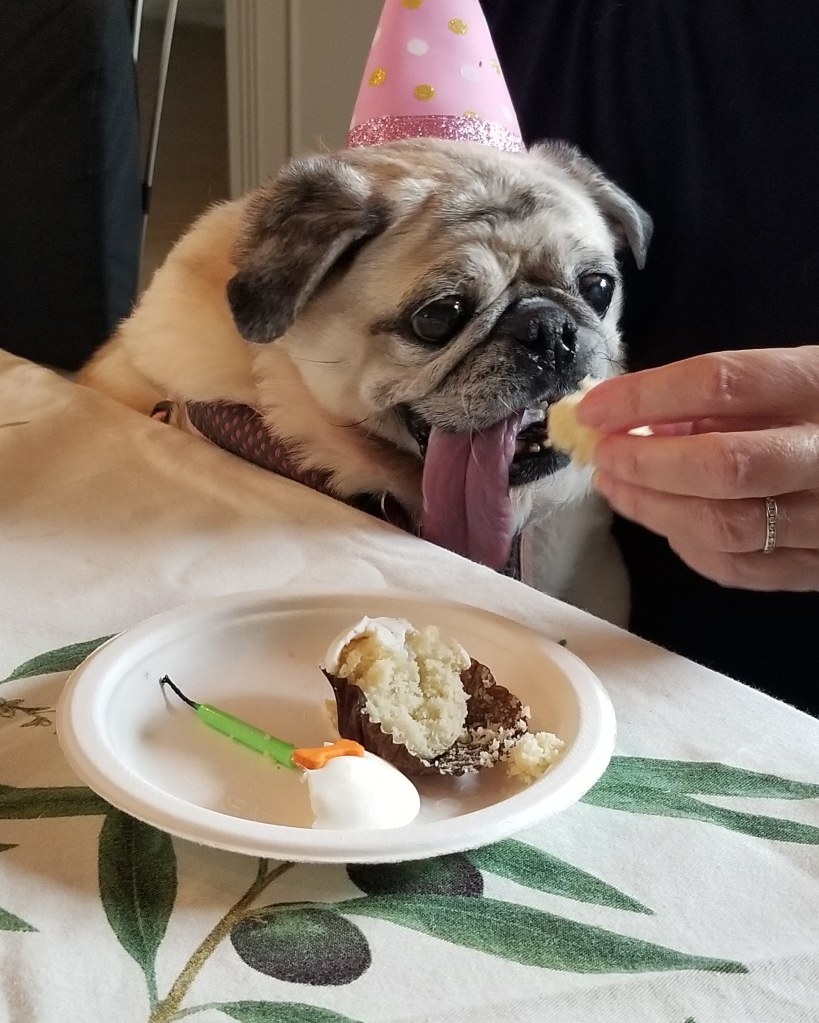
Our pug Daisy played with the squeaky duck for a while and then she spent the afternoon sunbathing in the warm sun. She did what she enjoyed best. My photo.
Leonbergers Playing Catch
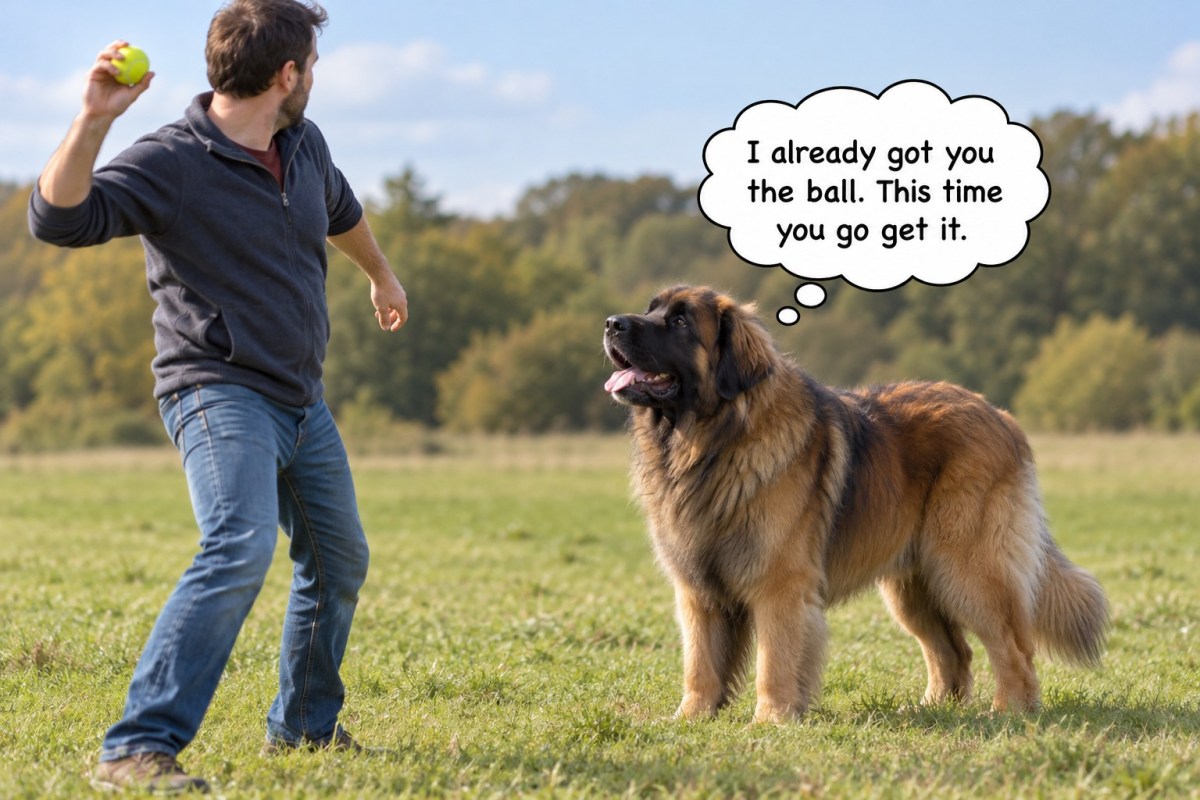
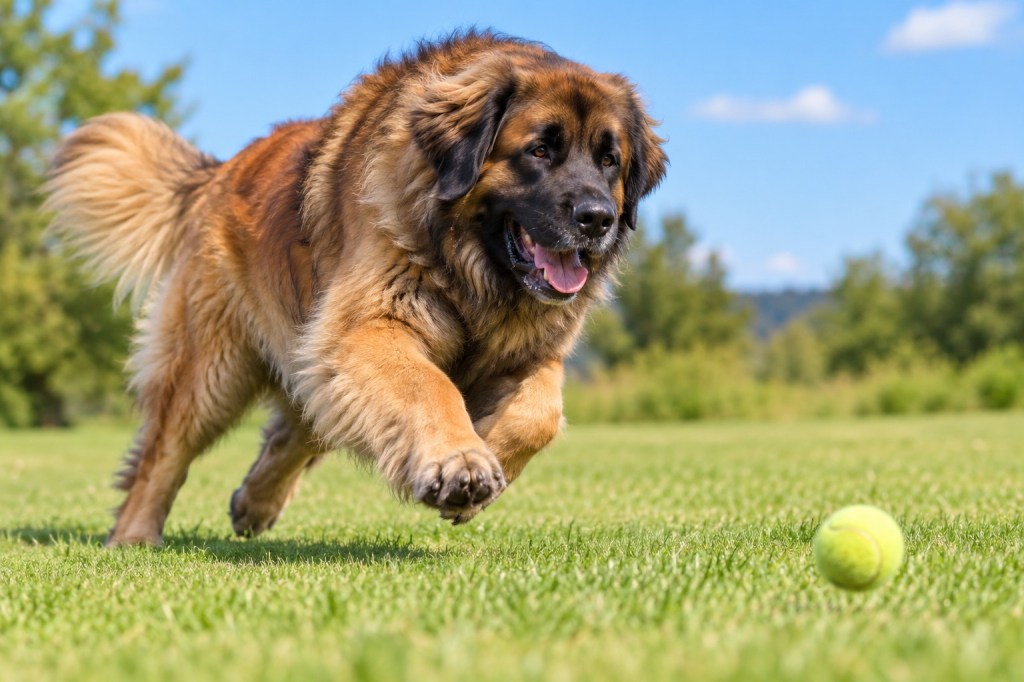
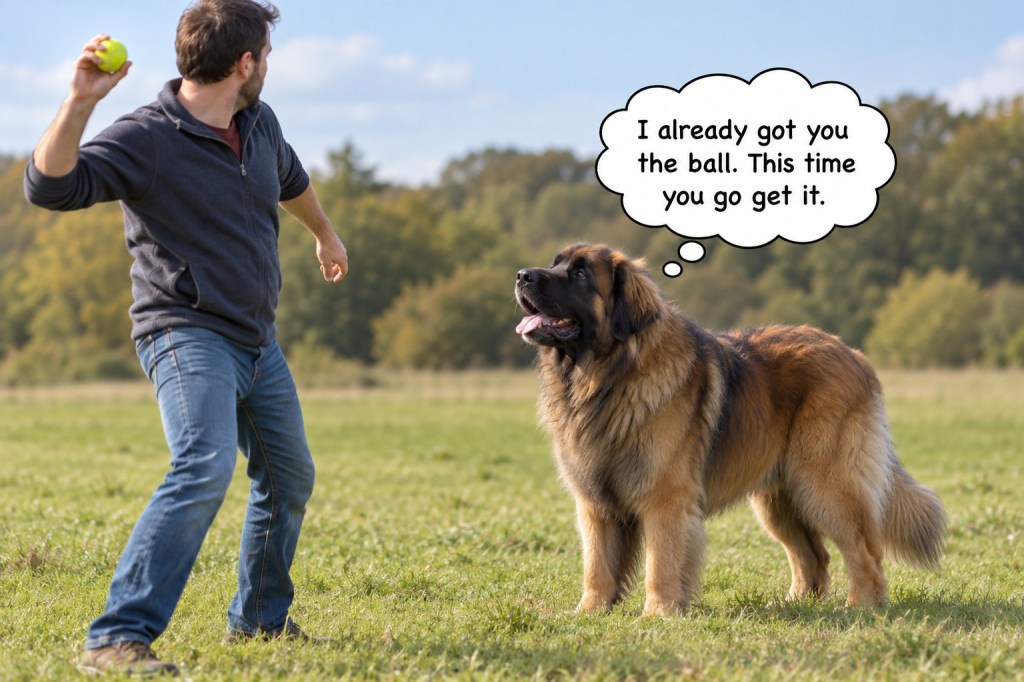
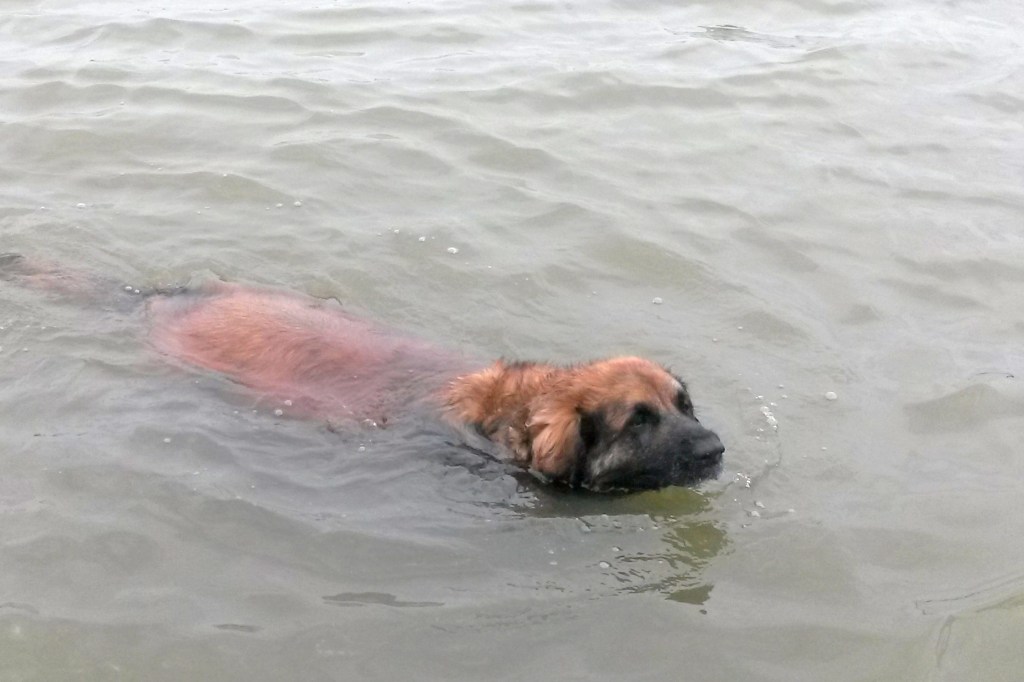
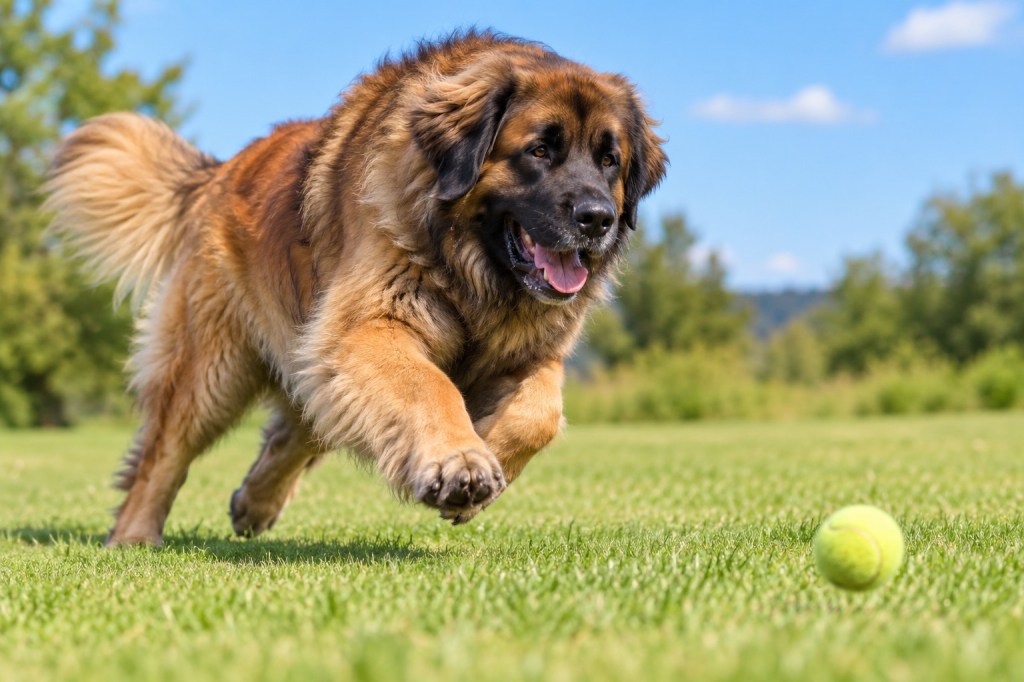
Leonberger dogs are big and very playful dogs, and you can play catch the ball with them, but only so much. They get bored by repetition, and our Leonberger dog Bronco was that way. If you threw the ball, he would run after it and come back with it. If you threw the ball a second time, he would walk to get it and come back. If you threw it a third time, he would just stare at you as if he was thinking “what’s wrong with you? You get it this time.”. However, he was more interested in other kinds of games. For example, he loved swimming and chasing ducks in the water.
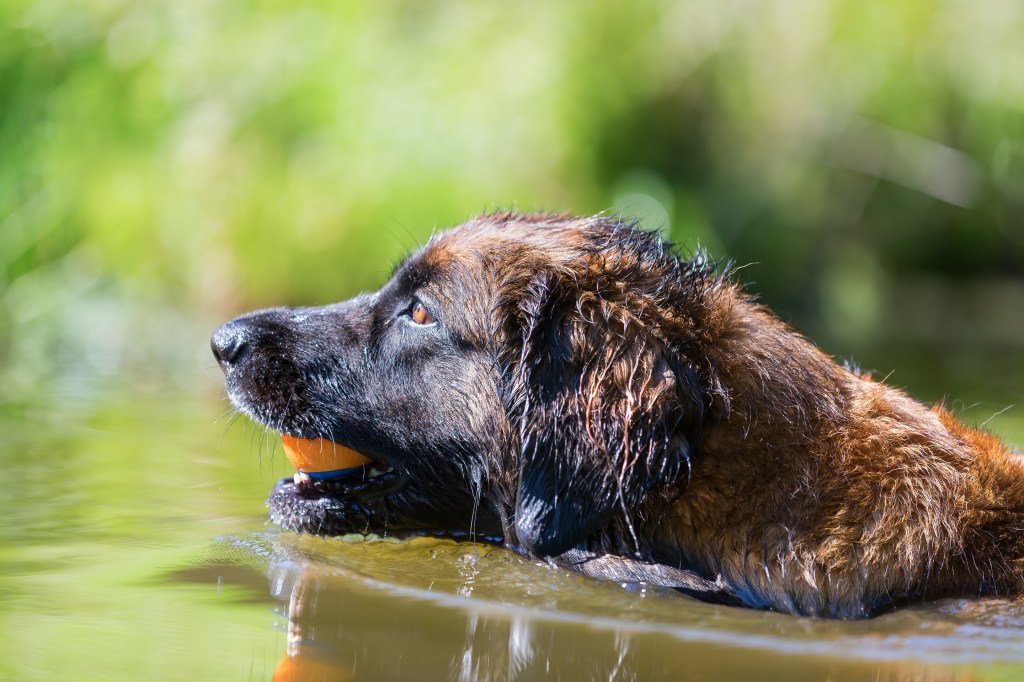
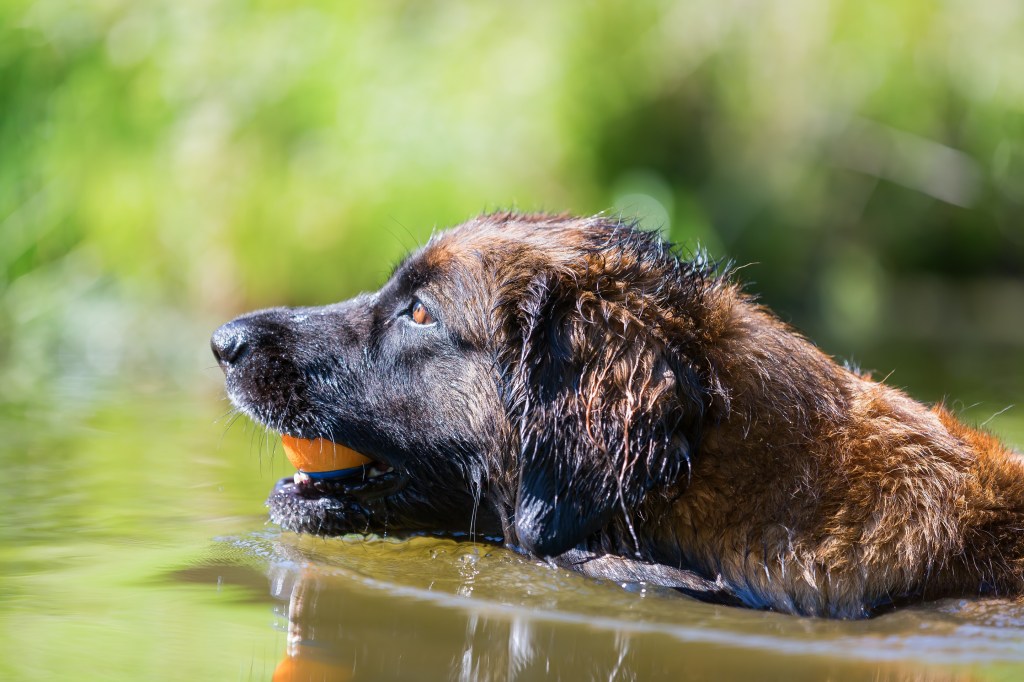
A Leonberger dog is chasing a tennis ball. Leonbergers are playful but not fond of repetitive play, so throwing the ball will only work for so long. I made this picture with the help of ChatGPT.With our Leonberger you could only throw the ball so many times. I made this picture with the help of ChatGPT.Leonberger is swimming with a ball in his mouth. Leonbergers are playful and love swimming. Stock Photo ID: 720242263 by Christian Mueller.
Finally, a video about a Leonberger catching sausages. The Leonberger named Hagrid appeared on Britain’s Got More Talent in 2017, and in other places. Hagrid was attempting to set a new Guinness world record for catching the maximum number of sausages in his mouth in the shortest period of time. You can watch Hagrid’s attempt below. The video is 4 minutes and 46 seconds long.
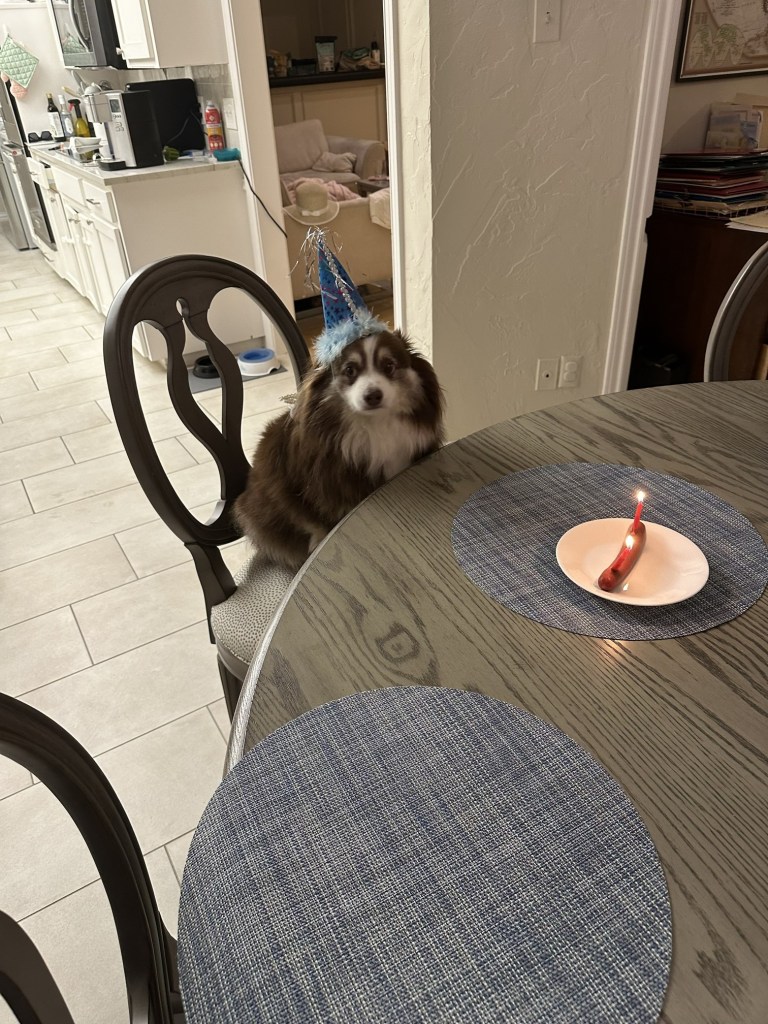
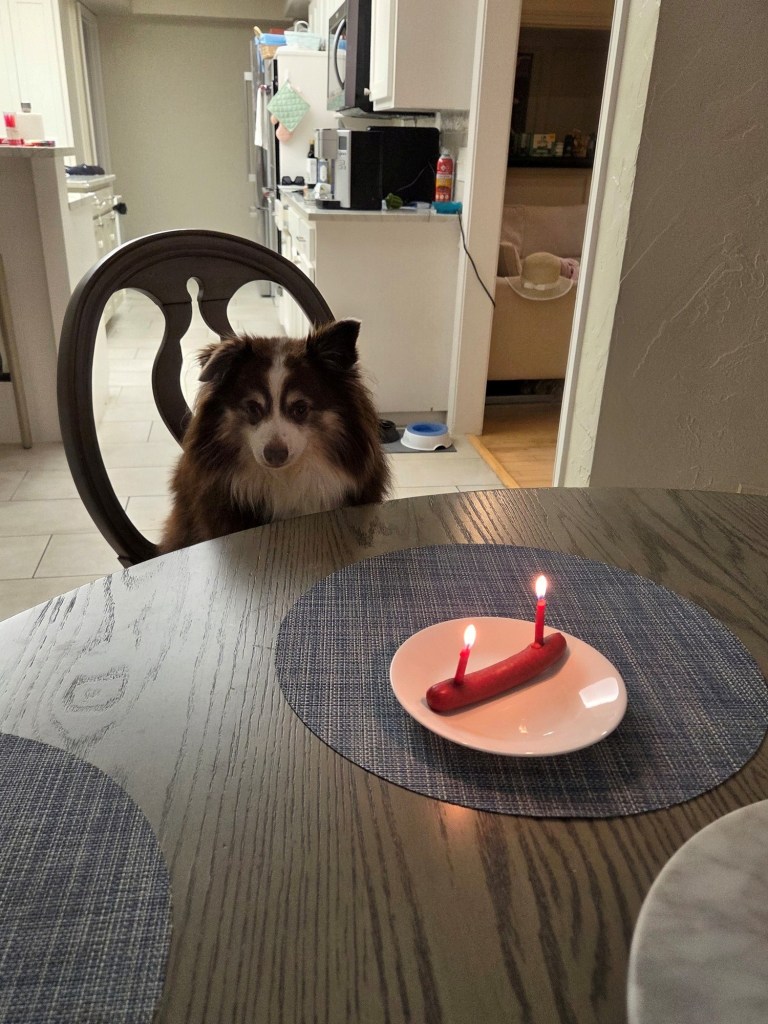
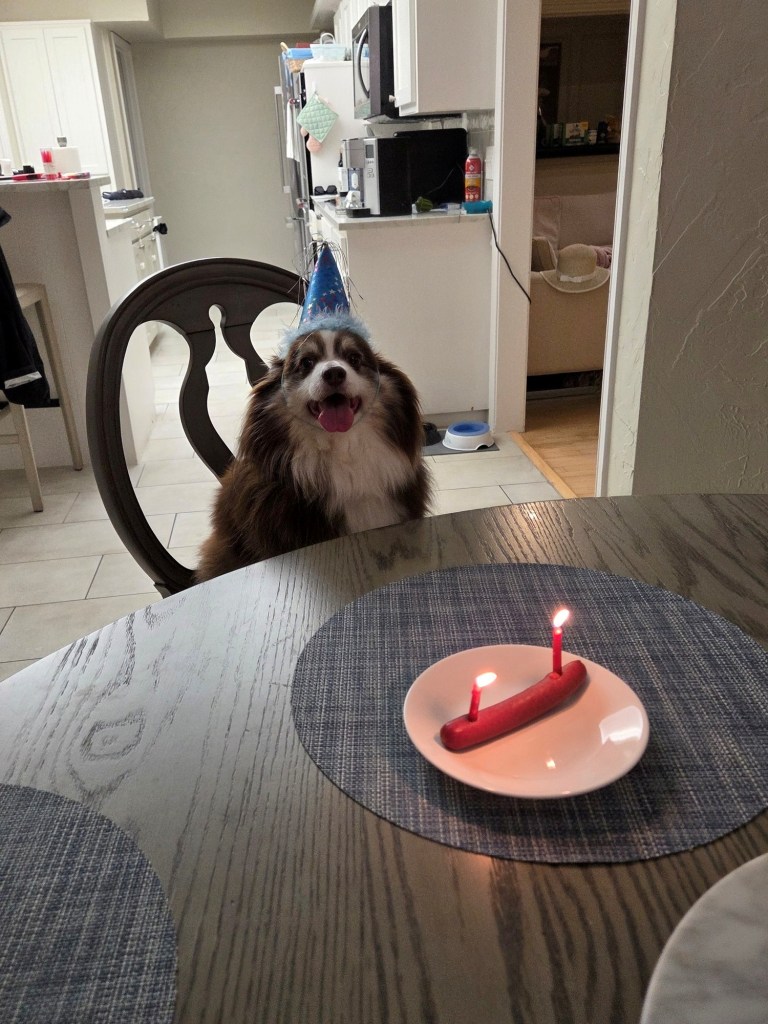
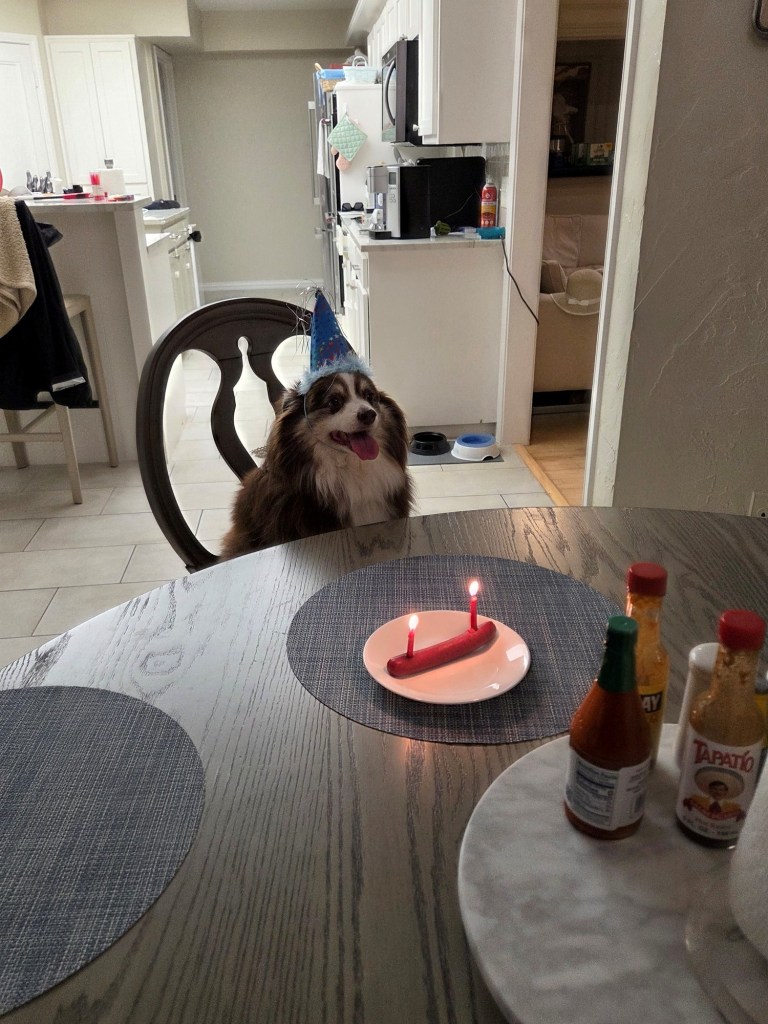
Today is our mini-Australian Shepherd Rollo’s eight birthday. Rollo grew up with his big brother the Leonberger Bronco and his sister Daisy the Pug. Now a day he is an only dog. We celebrated his birthday today by singing Happy Birthday and he ate a hot dog.
Photos from Rollo’s Birthday Today
Rollo with his hot dog with two candles. It is his 8th birthday.Rollo is looking into the camera, but he has just used his paw to remove his blue party hat.The blue party hat is back on. We are singing Happy Birthday to Rollo.We continued singing to Rollo. Happy 8th birthday Rollo.
Older Photos of Rollo
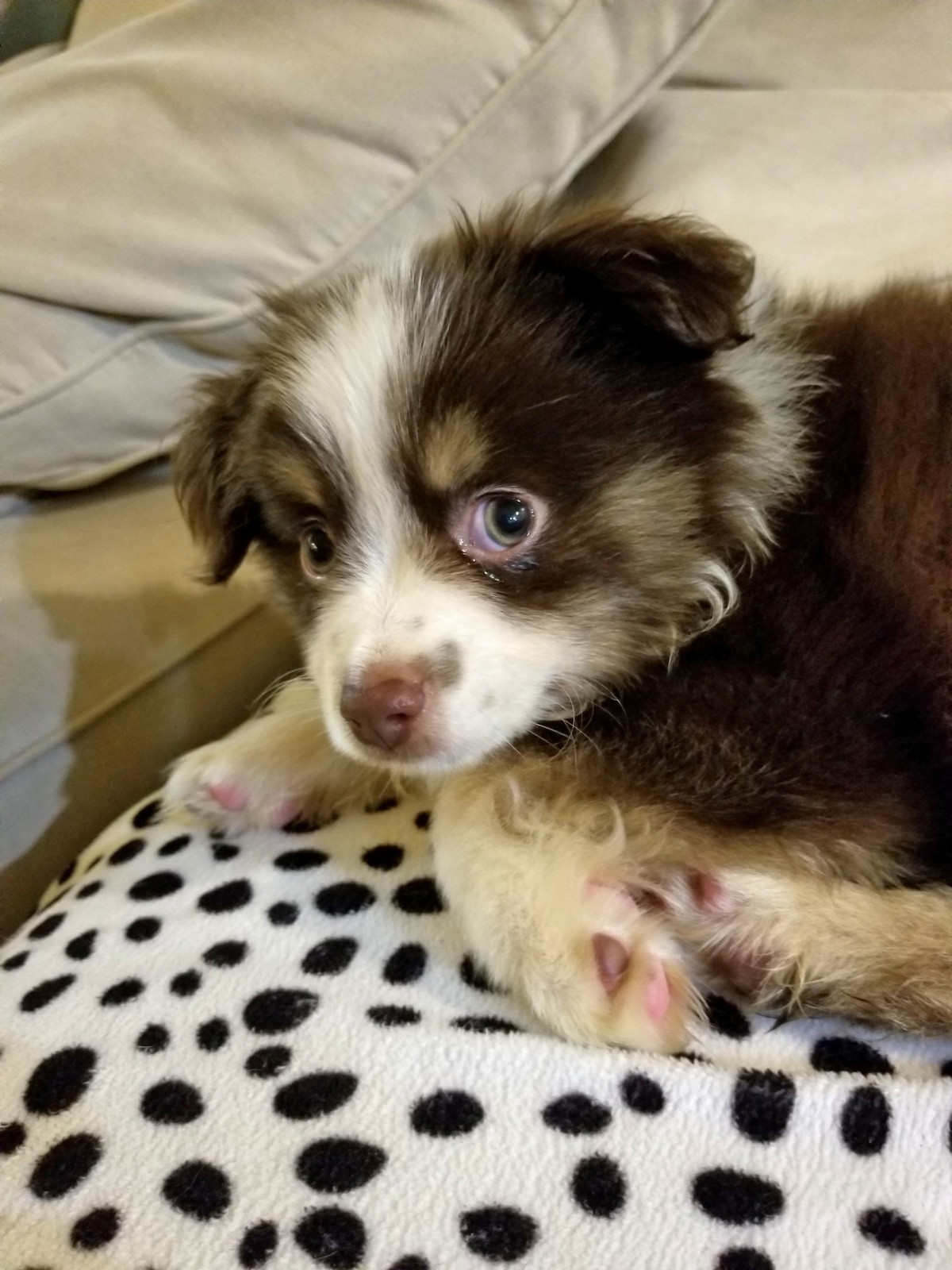
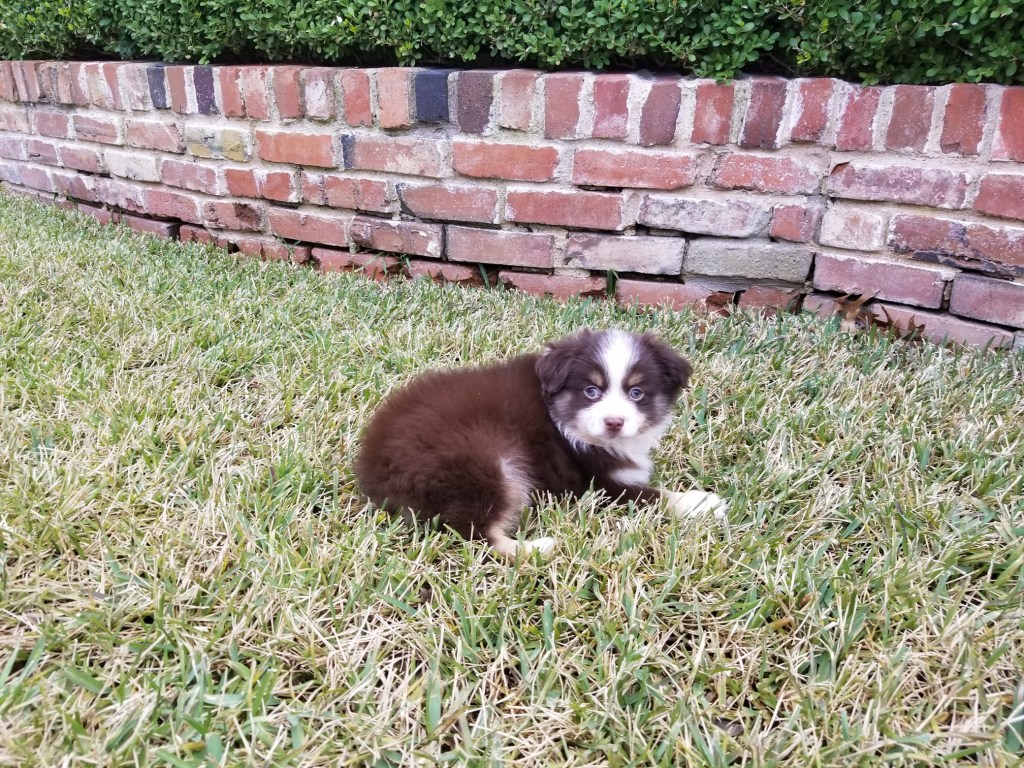
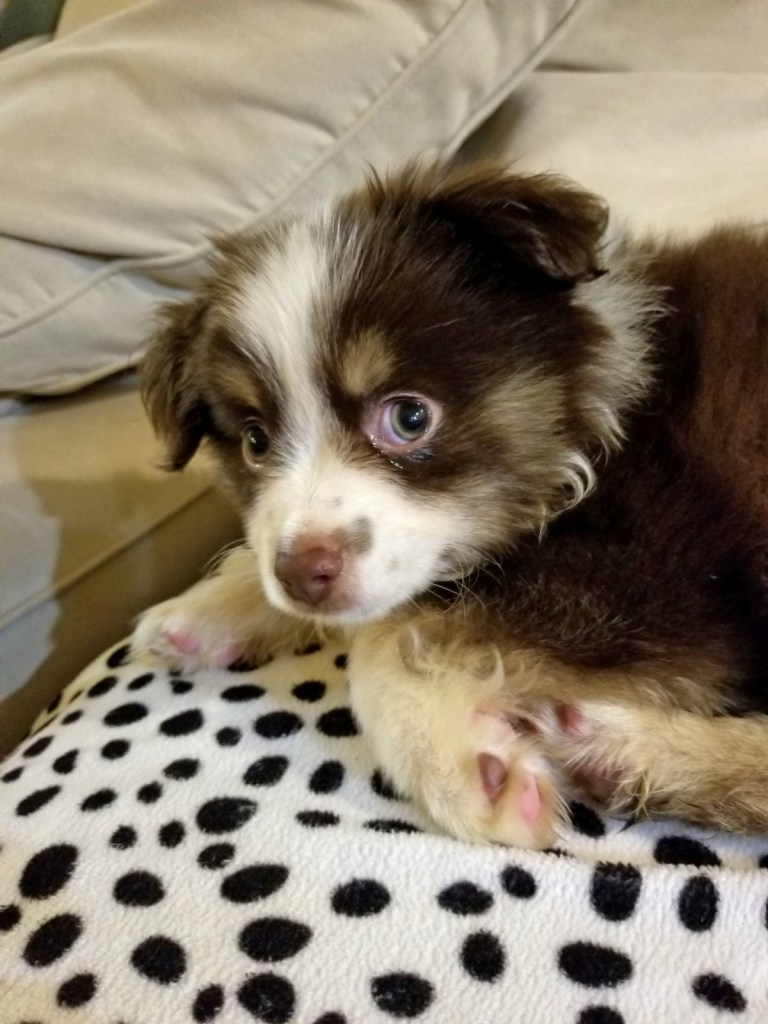
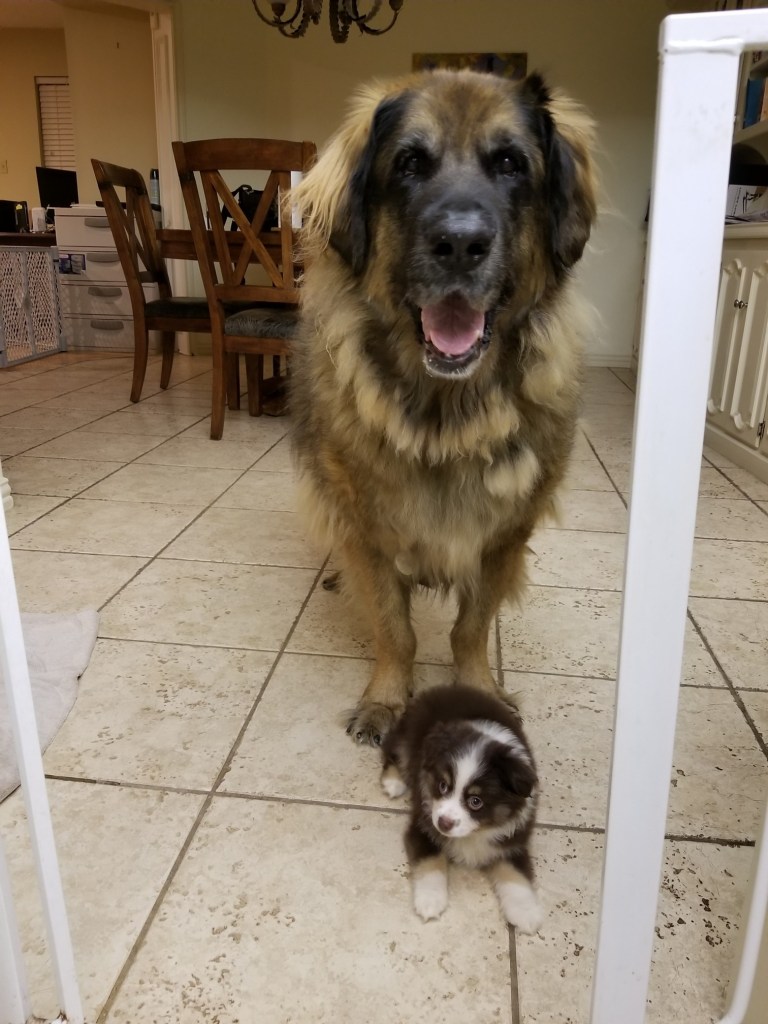
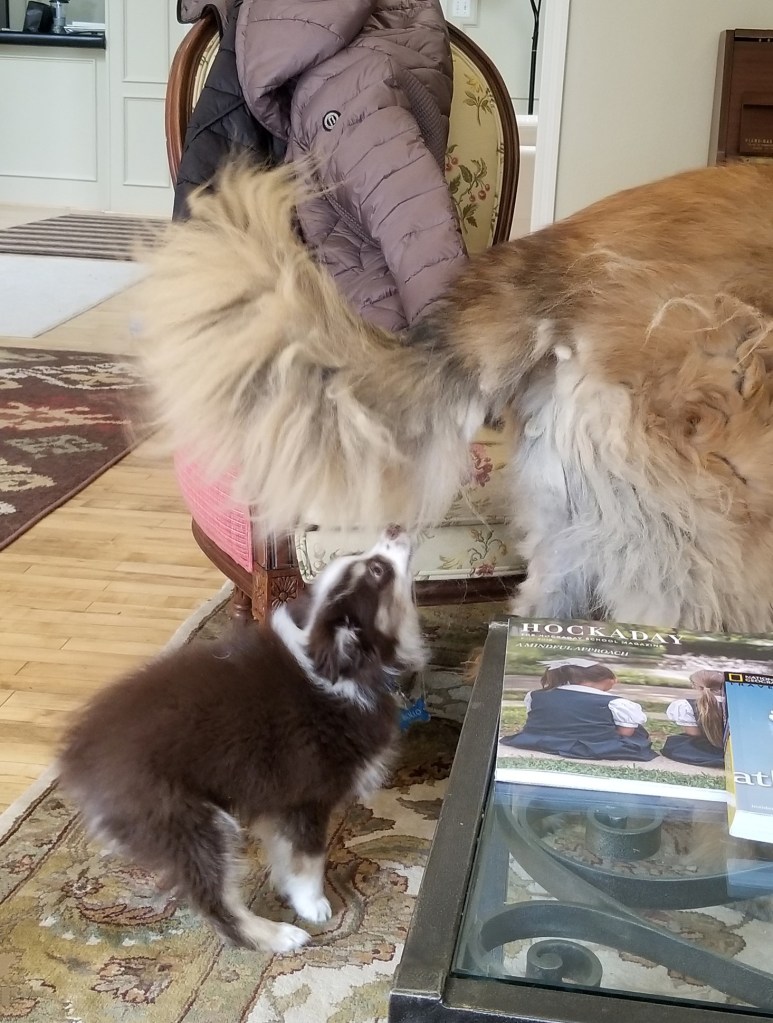
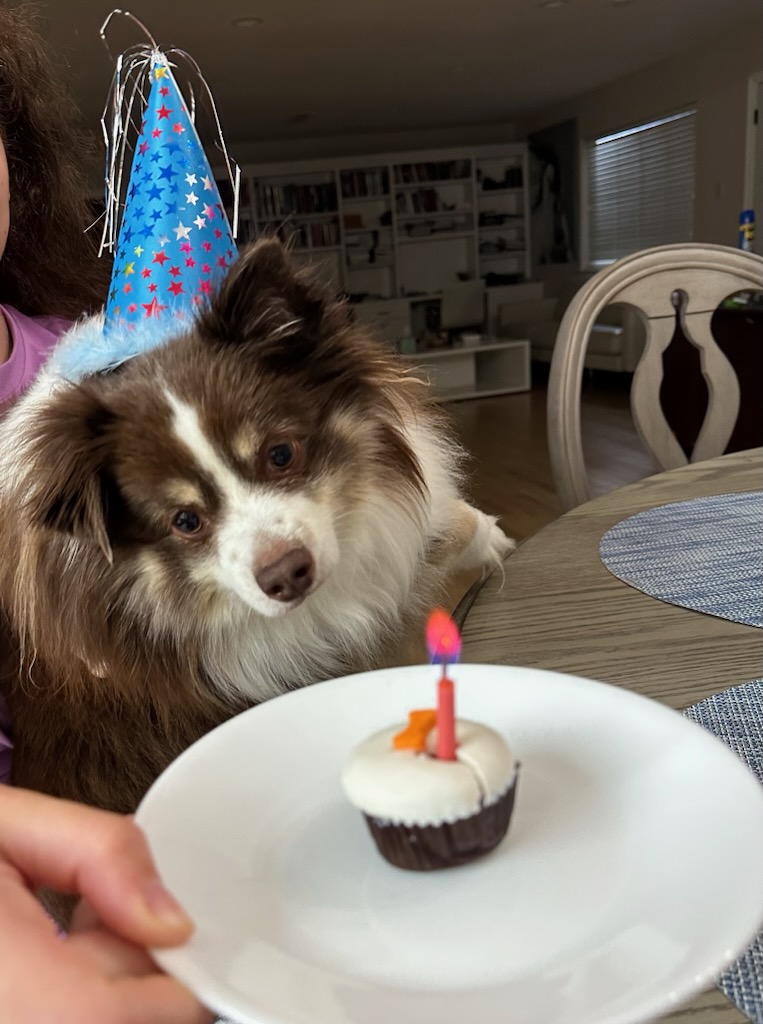
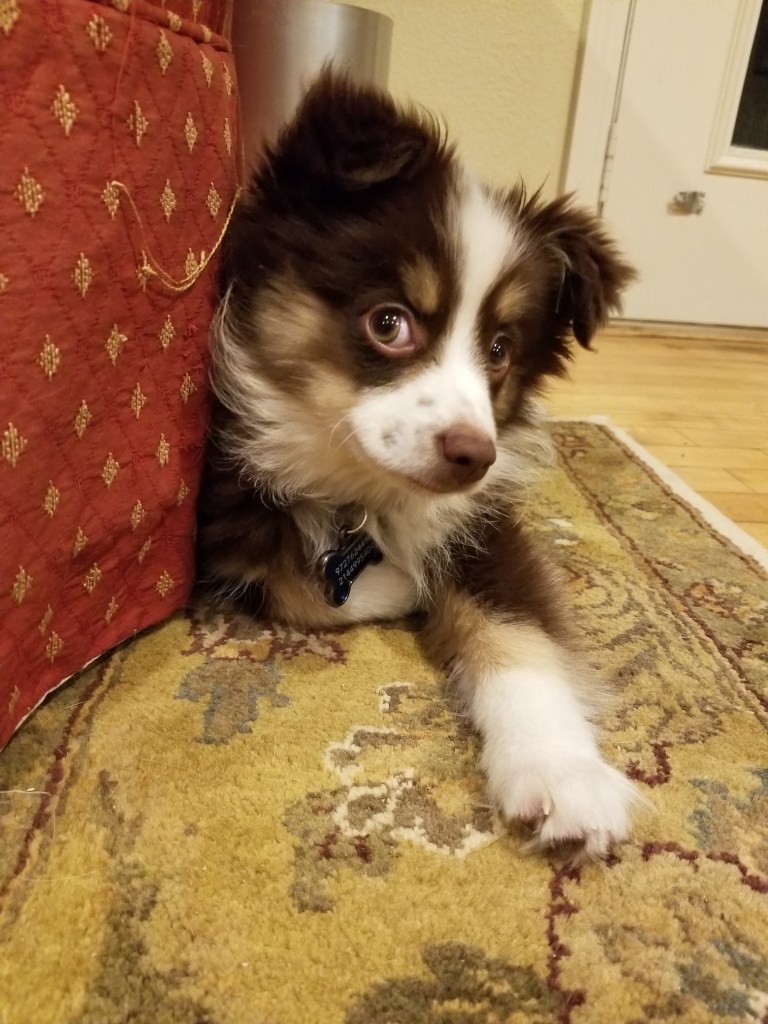
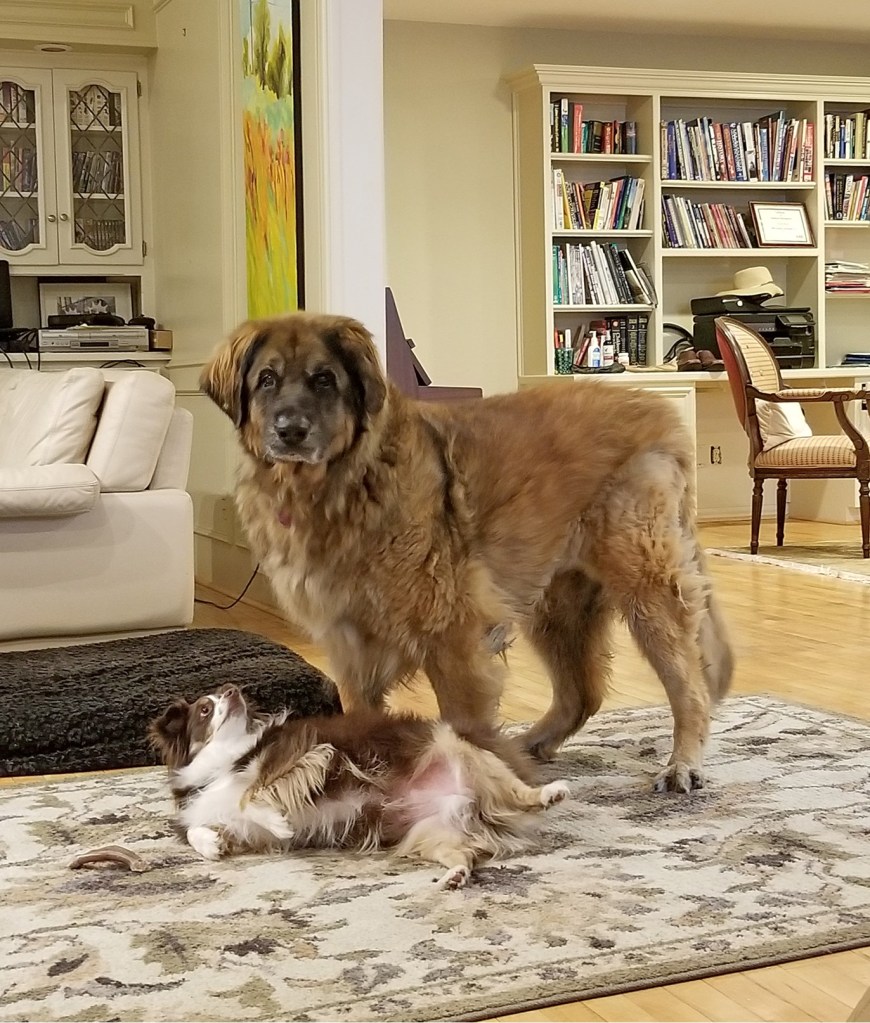
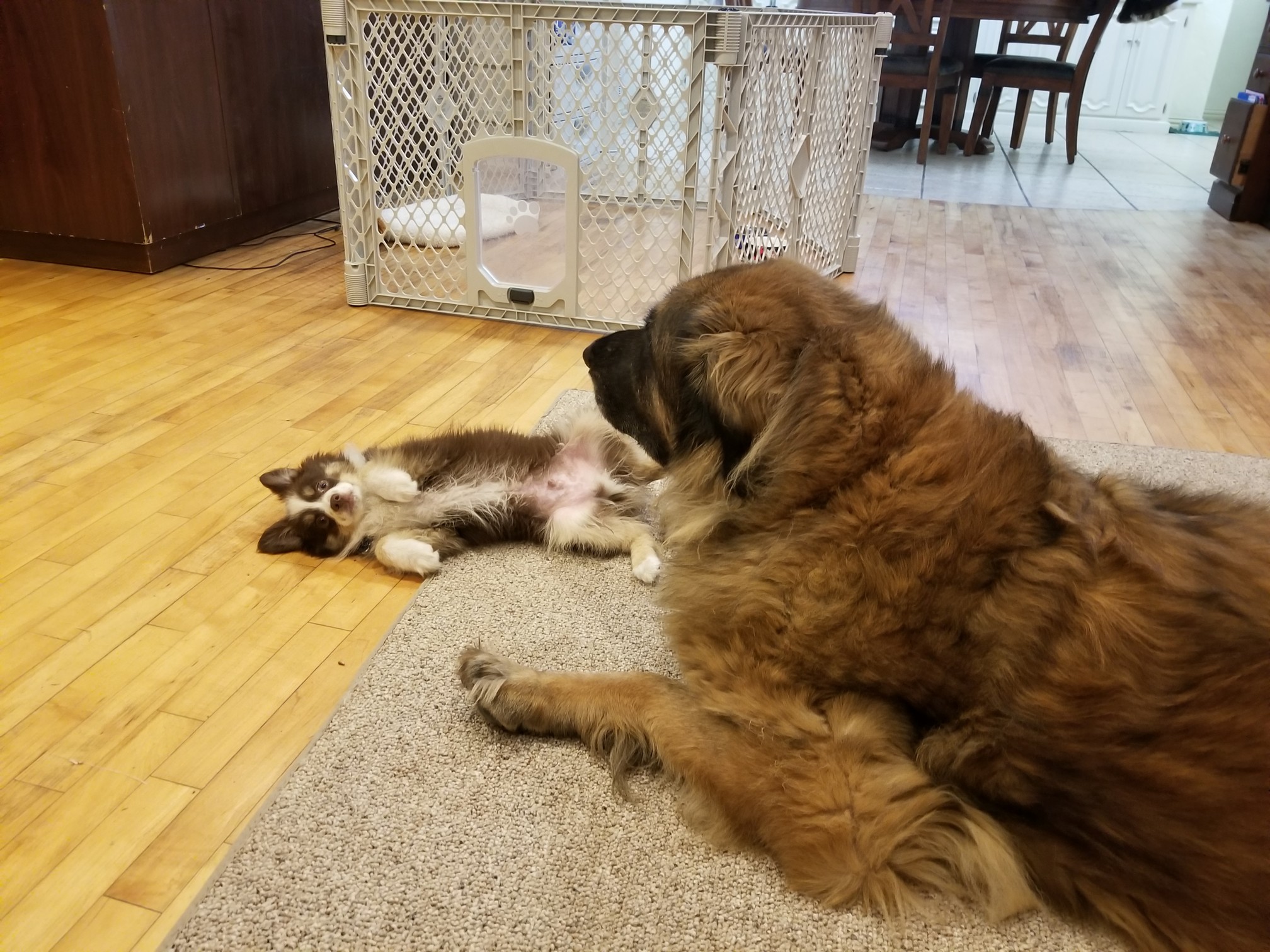
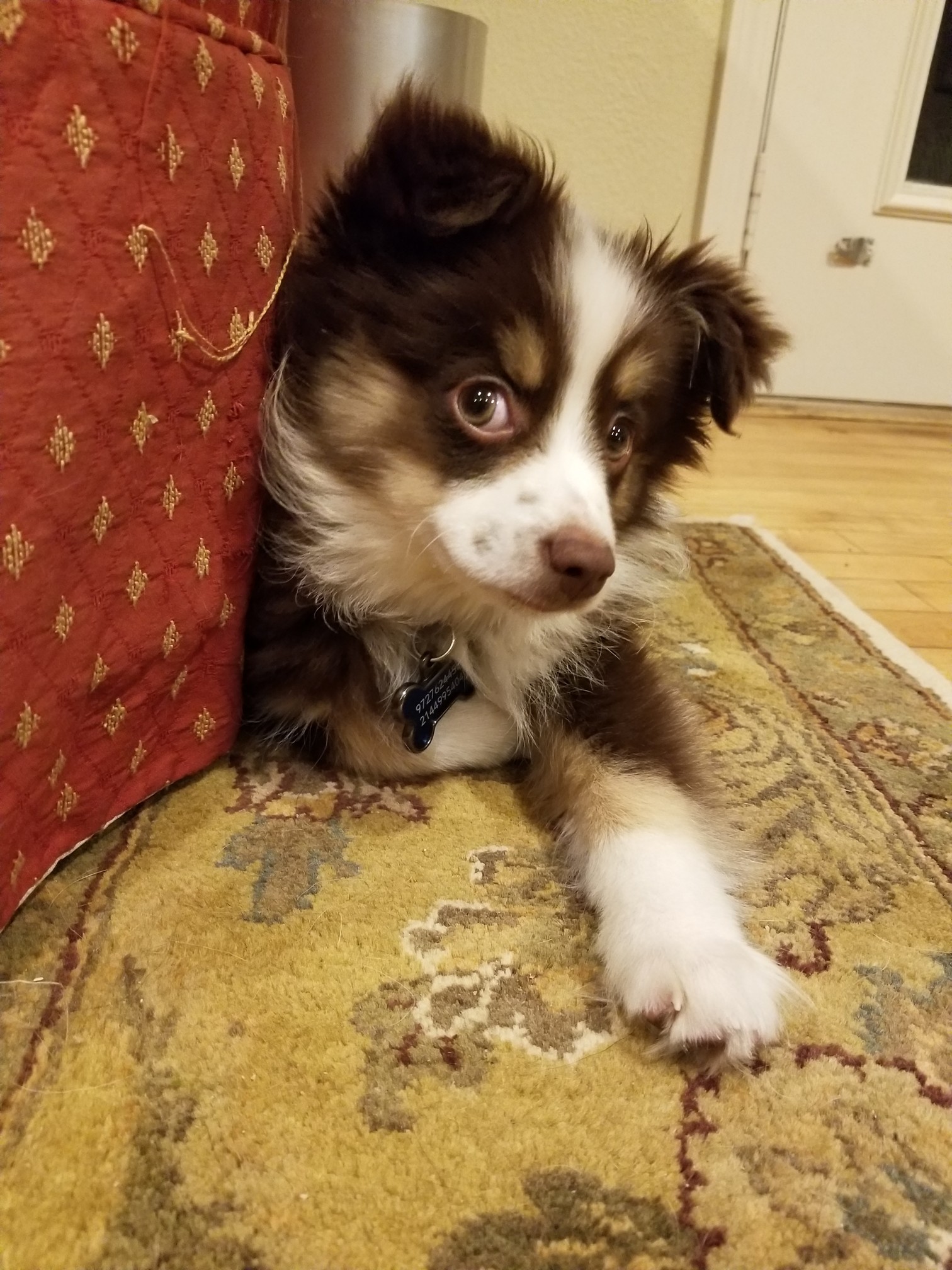
Rollo as our new puppy. He had just arrived at our home.Rollo is lying on a blanket on our sofa.Rollo with his big brother the Leonberger Bronco.Rollo is terrorizing his big brother the Leonberger Bronco.This photo is from Rollo’s fifth birthday. He ate a pupcake, which is a cupcake for dogs. Unfortunately, the pupcake store has closed.
For this prompt I decided post stories about dog’s playing as well as pictures of dog’s playing. Some of the pictures are my photos. Some pictures I generated with the help of ChatGPT. My first story is about when our big Leonberger dog playfully greeted our neighbor by putting our neighbor’s head in his mouth like the circus lion trick.
Swallowing the neighbor’s head is impolite
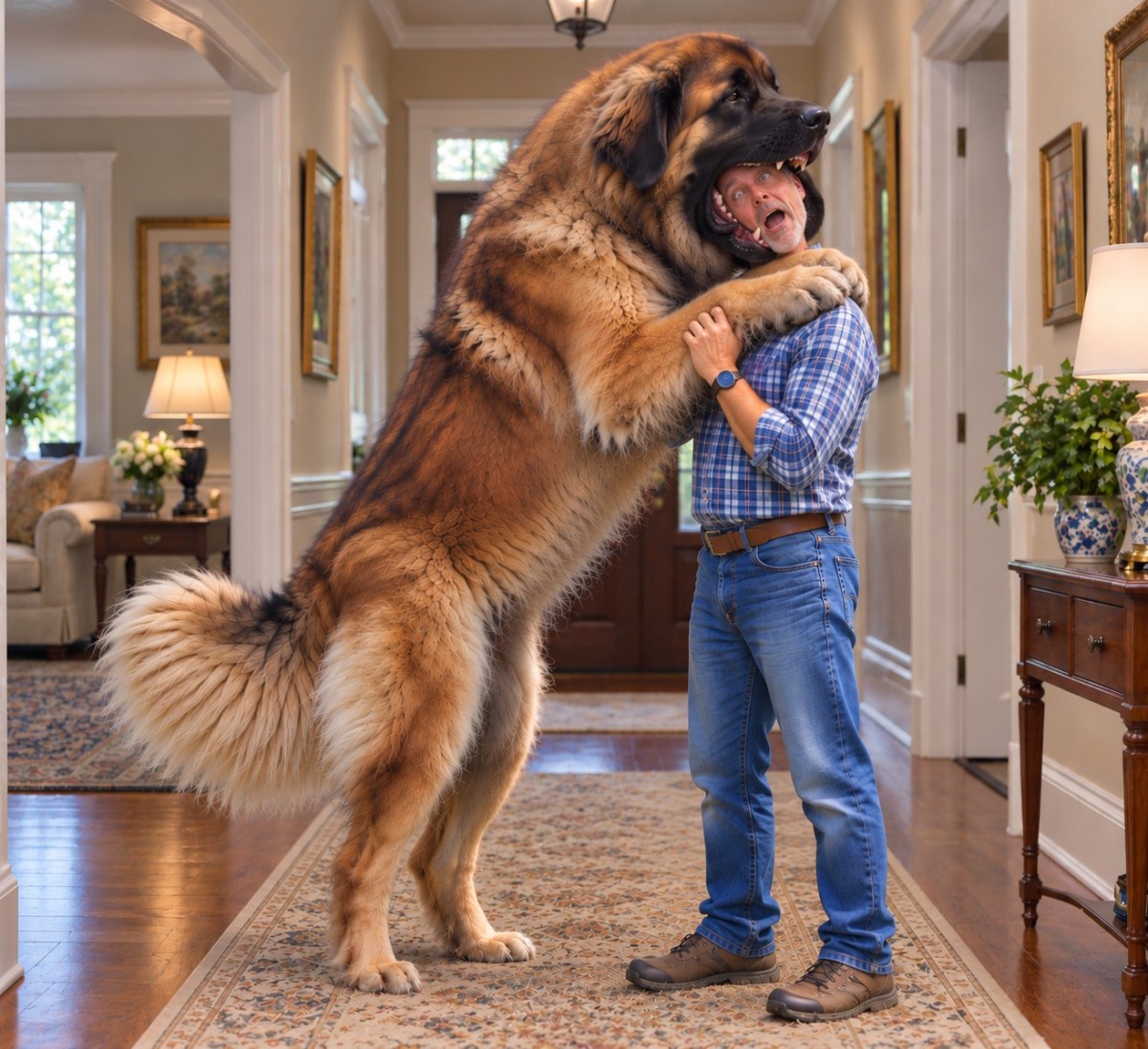
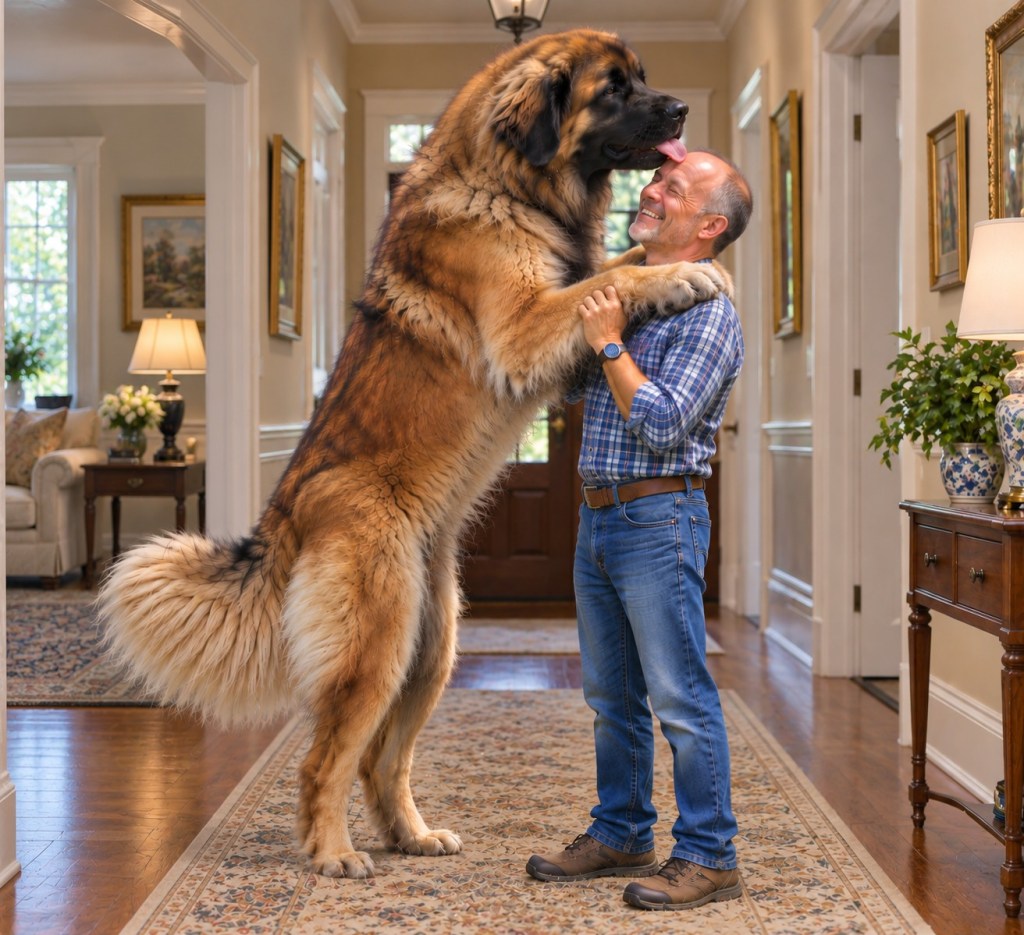
Our friendly neighbor and our big playful dog. I made the picture with the help of ChatGPT.
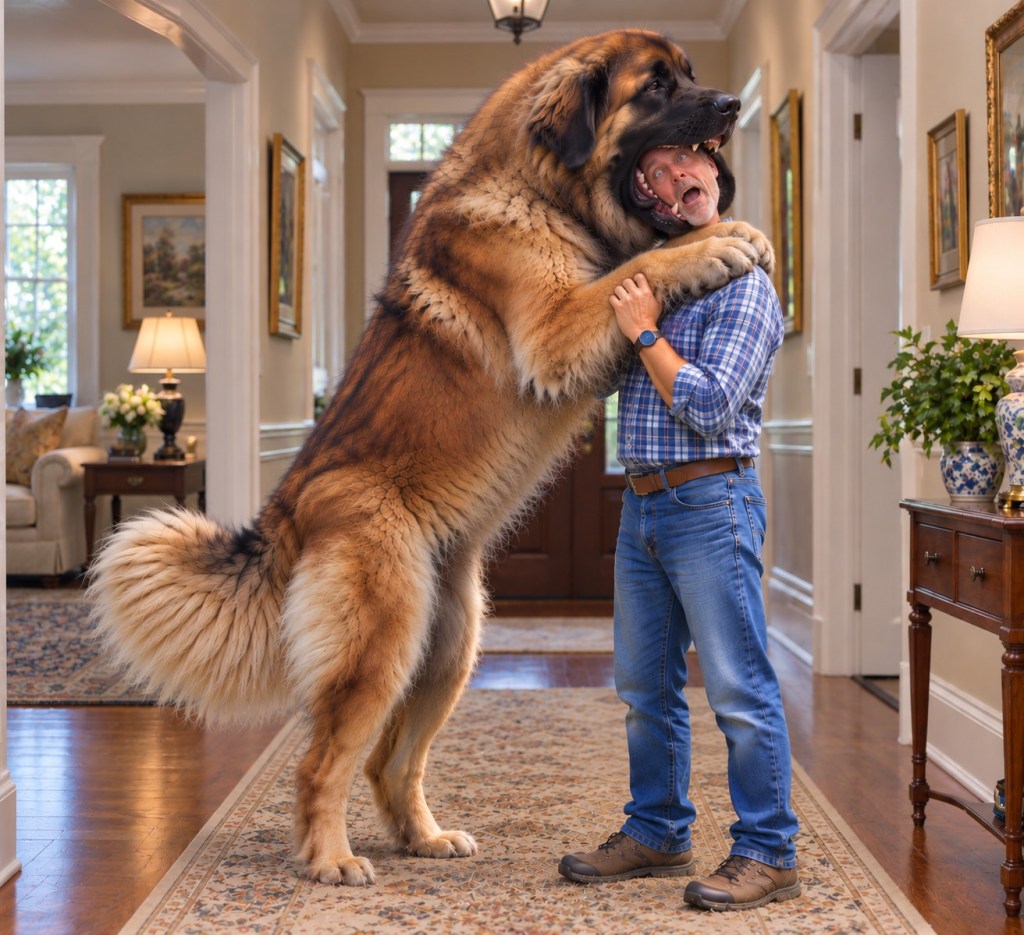
On one occasion, one of our neighbors came over to say hello to our big Leonberger dog Bronco. We’d had Bronco for a year by then, so he was big. As our neighbor entered our hallway, Bronco came running, and before I had a chance to stop him, he jumped up and put his paws on our neighbor’s shoulders. This man is somewhat short, so Bronco was able to lick his head, which he proceeded to do. Then Bronco did something we were totally unprepared for. You know the circus trick in which the lion tamer puts his head in the lion’s mouth? Yes, that’s the trick Bronco performed on our friendly neighbor.
Bronco was just playing and having fun, but that’s not how to greet a neighbor. I apologized profusely, but our neighbor said that it was perfectly all right and that there was no harm done. He looked a bit unnerved, and obviously he had not expected to be part of a circus act, but he said that Bronco was a wonderful dog and that he really loved the big galoot.
Our shocked neighbor and our big playful dog. I made the picture with the help of ChatGPT.
Despite what happened, our neighbor was always very nice to Bronco. However, for us that first encounter was a red flag. We had to get the jumping-up-on-people problem under control.
Japanese Chin Sings Opera
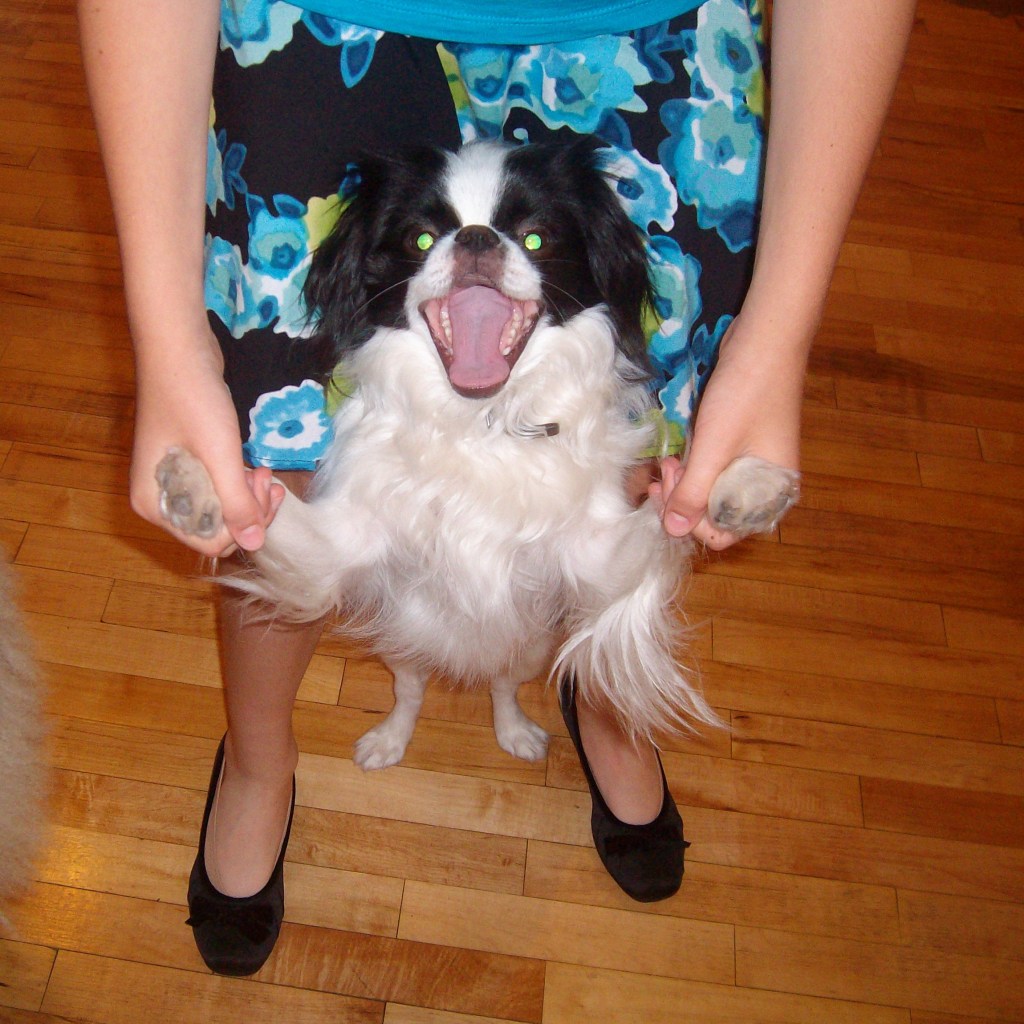
We used to have a Japanese Chin called Ryu. One of the things that stood out about Ryu was his singing. Japanese Chins are famous for their singing—well, actually, it’s closer to howling, but Ryu’s was a beautiful howl, and he was very proud of it.
Our happy Japanese Chin Ryu. Our daughter is holding his paws. This is my photo.
As soon as he discovered that he got a lot of attention for it, he started doing it quite often. Whenever we came home, he would sit politely, look at us intently—it seemed like he was clearing his throat, too—and howl. Like an opera singer, he would slowly turn his head to look at us, as if he were performing. In fact I think Ryu’s howling sounded just like a night at the opera—especially when the lyrics are sung in Italian.
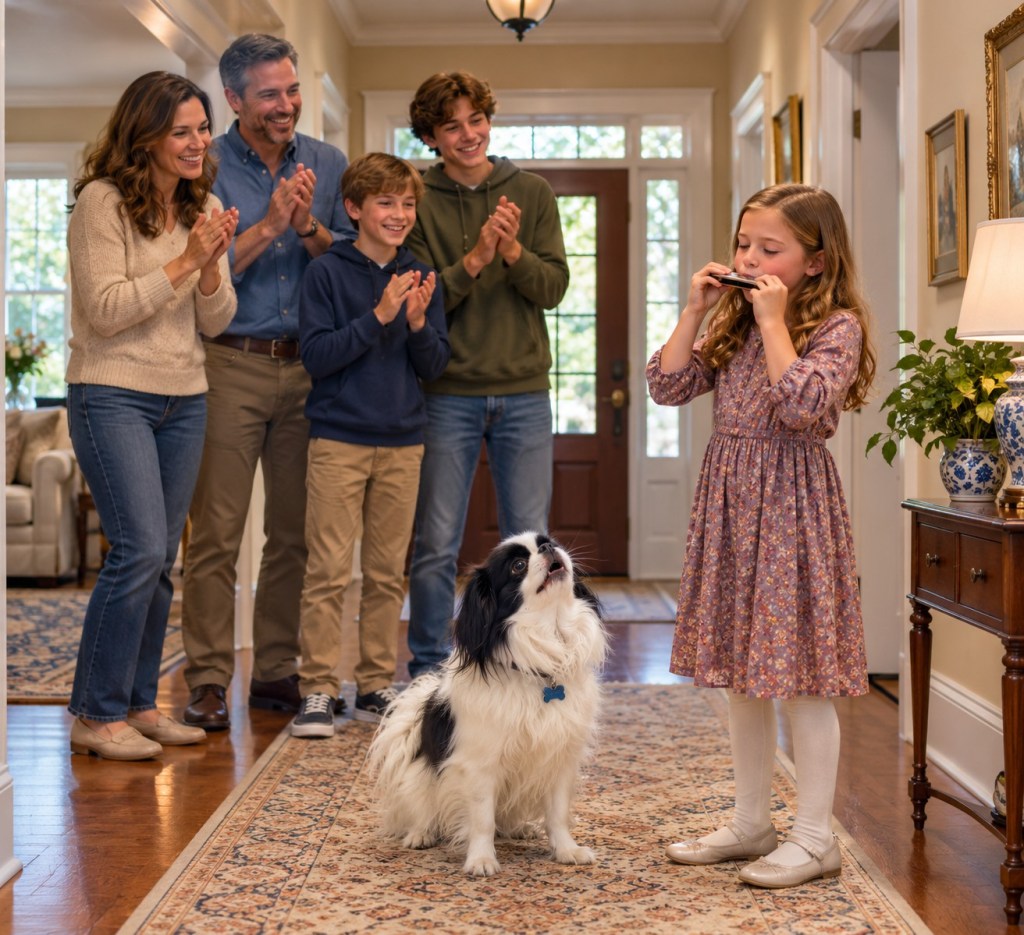
We would say, “Good boy, Ryu,” and clap, and he looked mighty proud. Other people thought it was cute and wonderful, too, and they gave him lots of praise, and of course he loved doing it and got good at it. When Rachel played the harmonica, Ryu would howl along. They made quite a duo. “Good boy” might not be the kind of praise Andrea Bocelli would want, but Ryu was perfectly happy with it.
Ryu howling while our daughter is playing the harmonica. I made the picture with the help of ChatGPT.
Our German Shepherd Baby & our Leonberger Puppy Bronco
We used to have a German Shepherd called Baby. She came from a shelter and from not so good circumstances. Even though Baby was a shy and anxious dog at first, once we got our Leonberger puppy Bronco, her personality changed. She loved Bronco, and she took on the job of being Bronco’s adoptive mom. She played with him; she watched him; she was fiercely protective of him. Bronco was her puppy. She seemed rejuvenated, as if she had found an important job to do a purpose, if you will. It was beautiful to see her take care of Bronco and play with him. She became happier and more confident, and Bronco loved her.
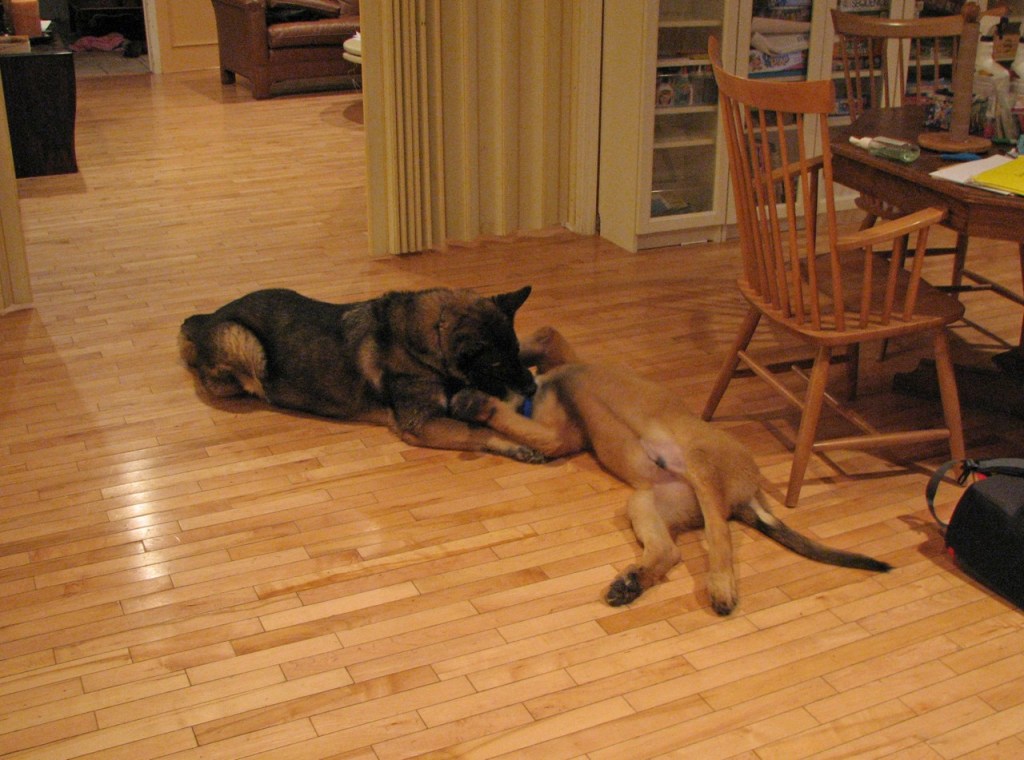
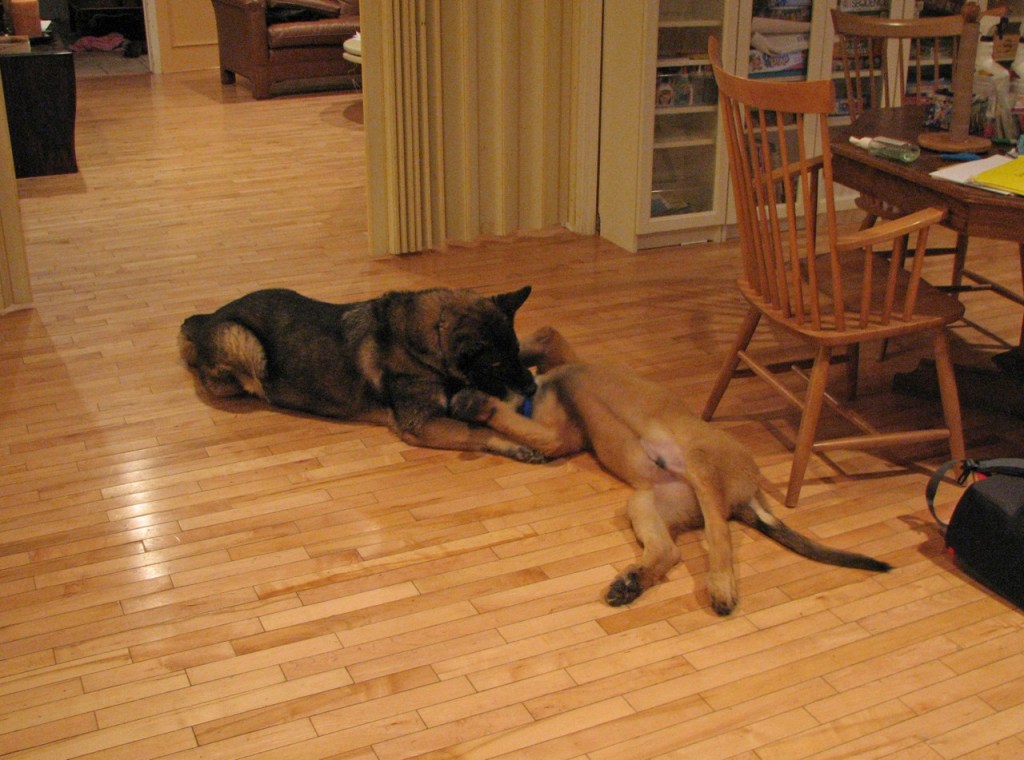
Our German Shepherd named Baby is playing with our Leonberger puppy. She was like his mother. Photo by me.
Tug of War the Not So Great Game
Our yellow lab Baylor on the left. Our black German shepherd named Baby on the right. My photo.Our labrador Baylor (allegedly quarter mix with Rhodesian ridgeback) was a very playful dog. Our photo.I sometimes played tug of war with Baylor. We had fun but I’ve learned that this is not a good game. It can make a dog aggressive. Baylor never became aggressive though. I created this image using ChatGPT.
Dogs at Play
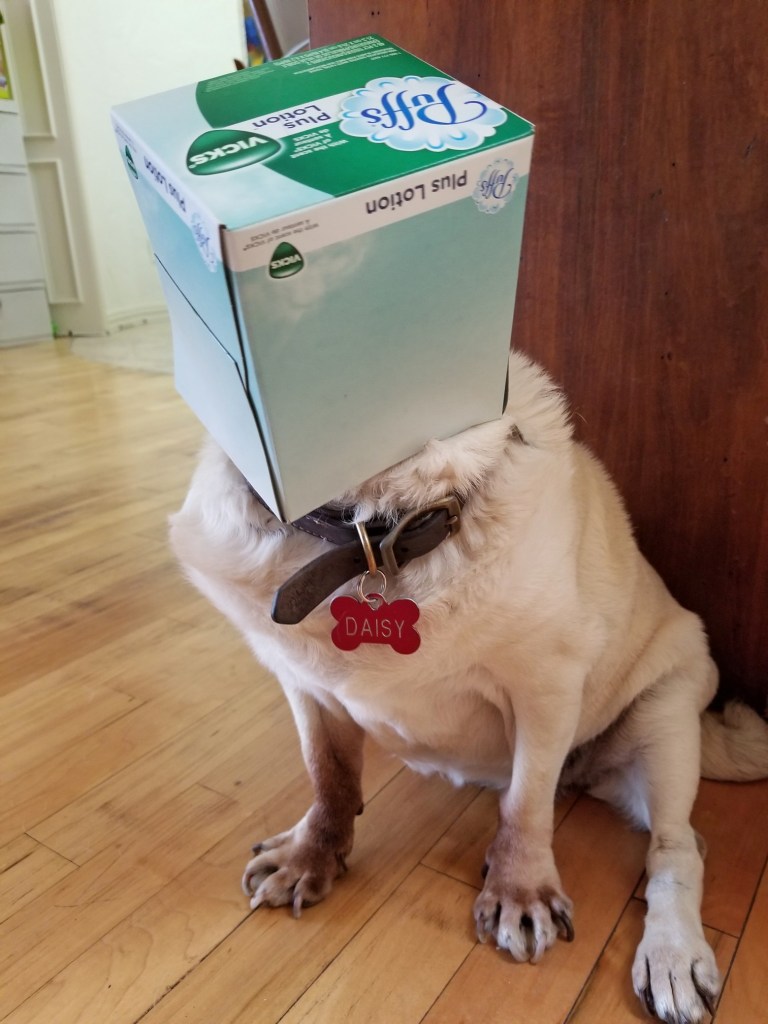
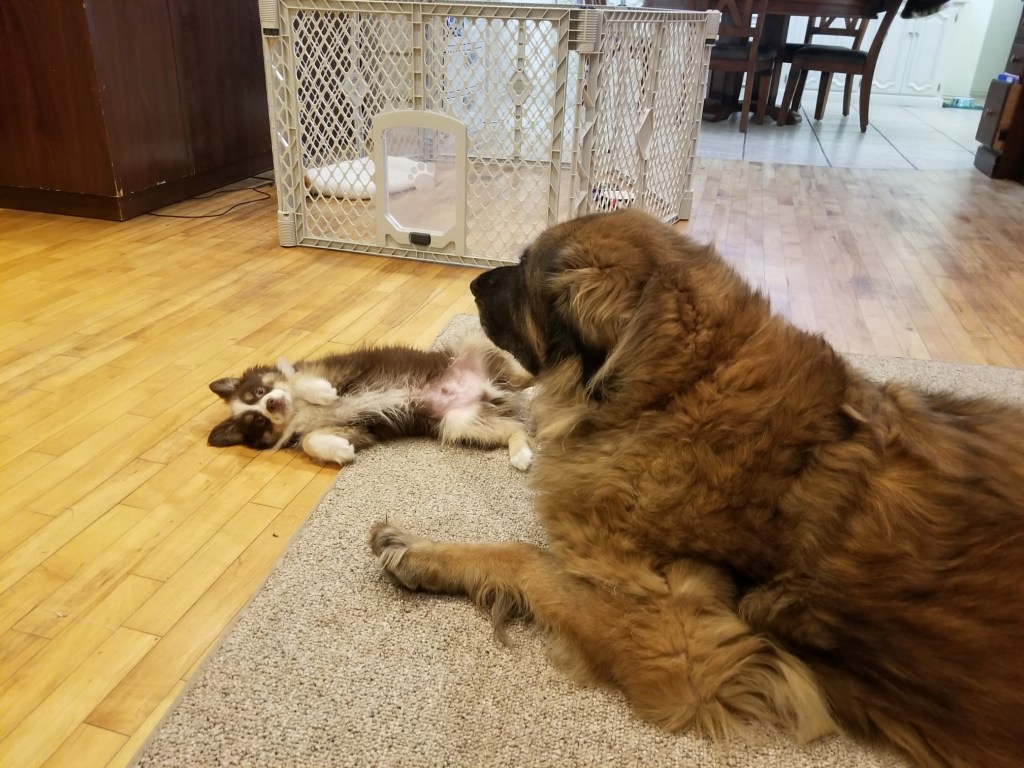
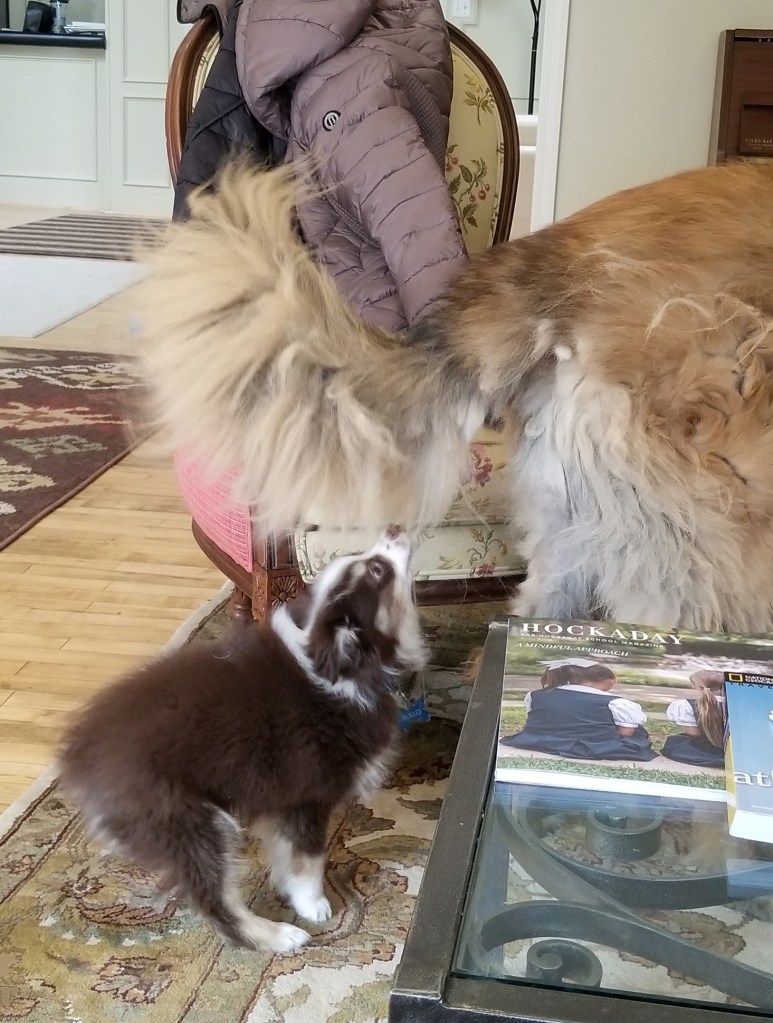
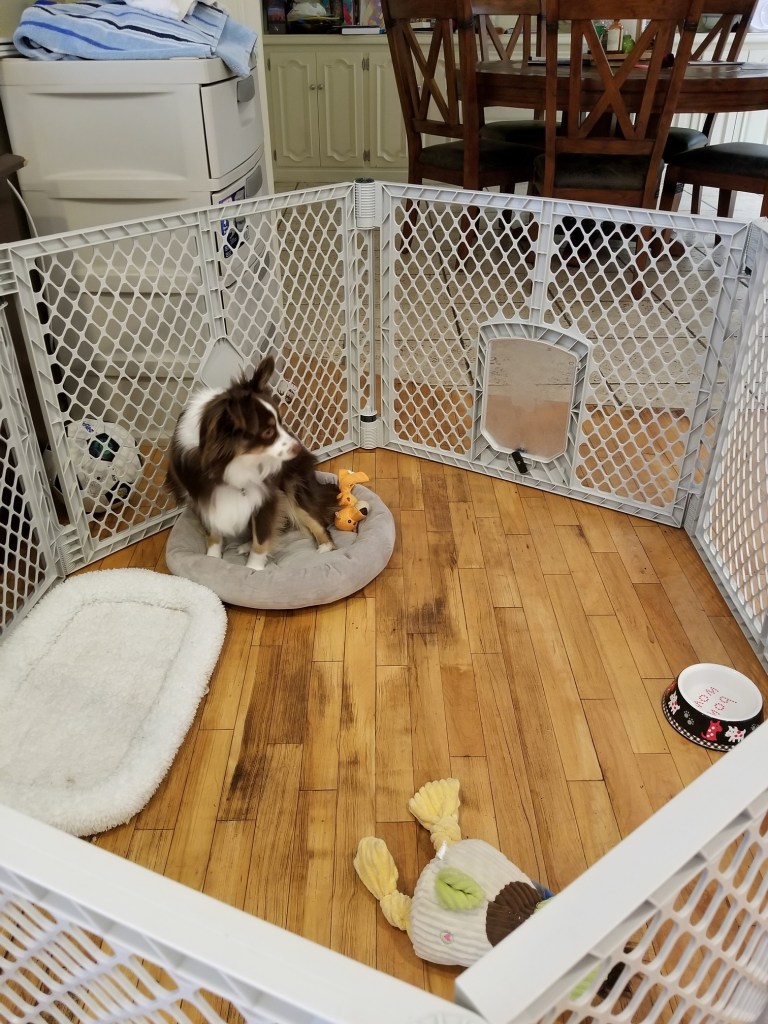
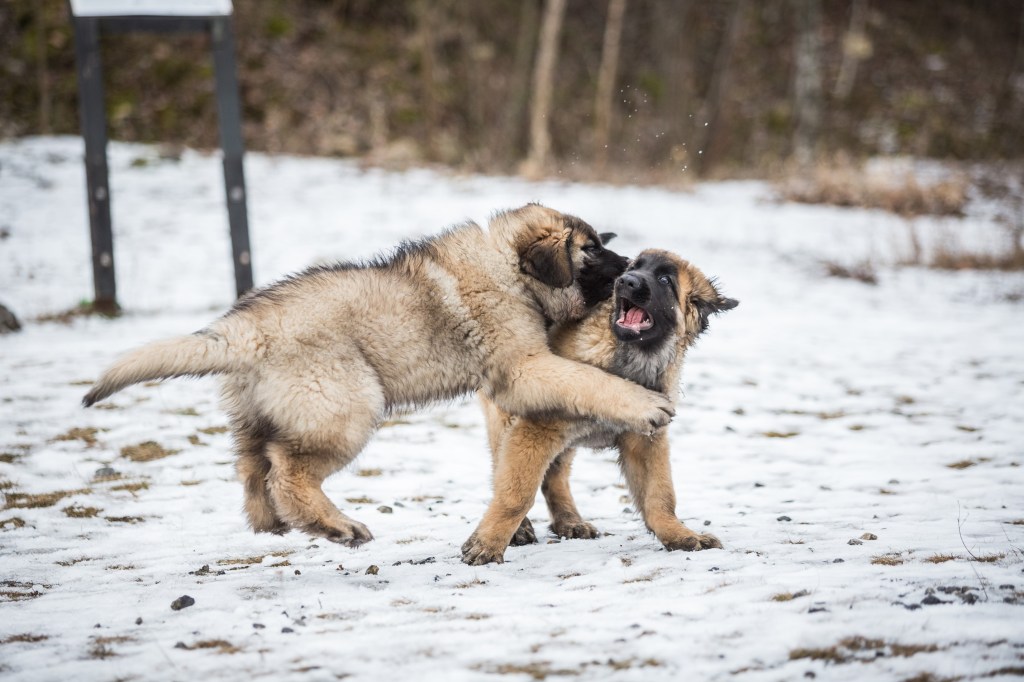
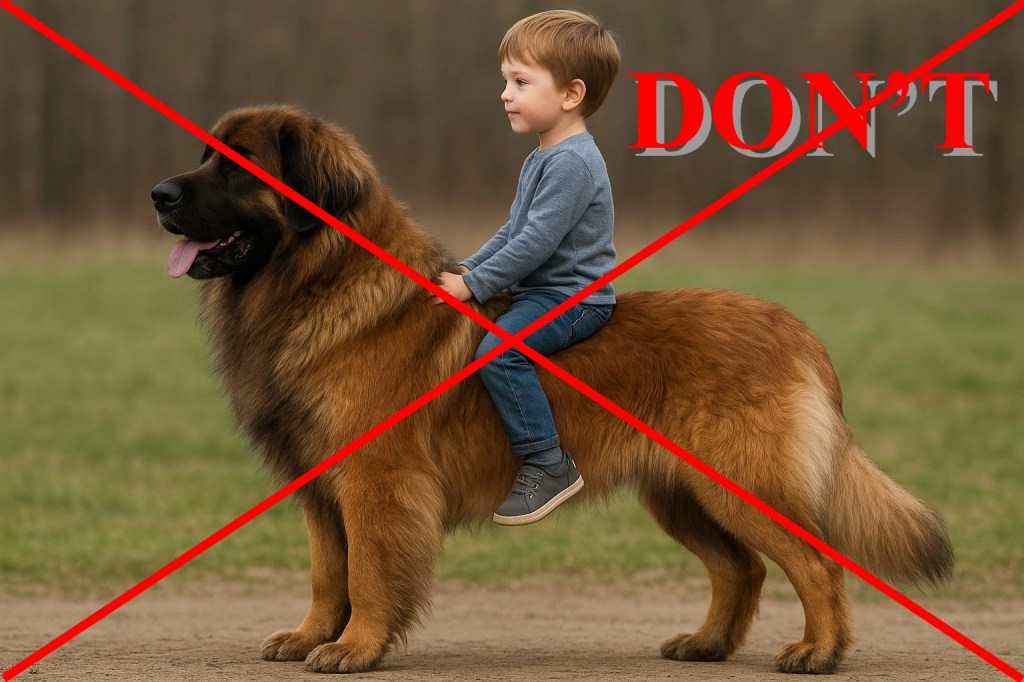
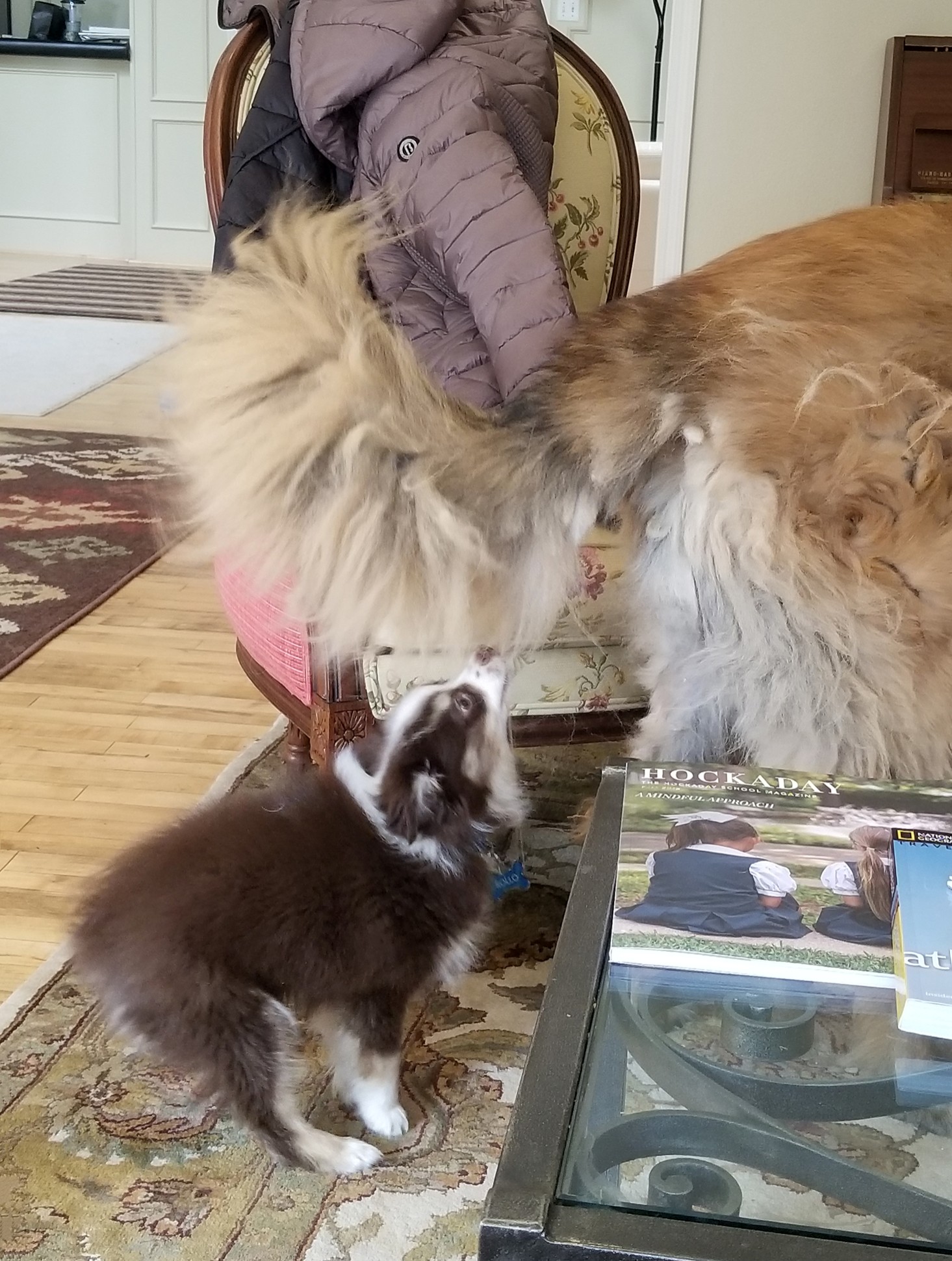
Our Japanese Chin Ryu playing at the dog park. Baylor is running in the background. My photo.Our Japanese Chin Ryu on the sofa. My photo.Our pug Daisy. It is her birthday. My photo.Our pug Daisy taking a rest in the sun after playing with her duck toy. My photo.Playing with a tissue box is risky. Poor Daisy. My photo.Our big and strong Leonberger Bronco was playful. Once when I walked him the leash failed and he got lose. He had a lot of fun with me chasing him around the neighborhood. I made this picture with the help of ChatGPT.Our Leonberger dog Bronco loved to swim and chase ducks and egrets. He had no regrets. My photo.Our mini-Australian Shepherd Rollo as a puppy. He loves to play and run around. My photo.Our mini-Australian Shepherd Rollo loved to play with our Leonberger dog Le Bronco von der Löwenhöhle. My photo.Our mini-Australian Shepherd Rollo love balls. Here he is playing with an orange volleyball. My photo.Our mini-Australian Shepherd Rollo love balls. Here he is playing with a soccer ball. My photo.Our little mini-Australian Shepherd puppy Rollo wanting to play with our big Leonberger Le Bronco von der Löwenhöhle. My photo.Rollo loved our Leonberger Bronco, but he was all over him, biting his tail, swinging in his tail, sitting on him like as if he was a horse. Well, his name was Bronco. Bronco was very patient, but we had to intervene. My photo.When left Rollo alone with Bronco, we put him in a playpen that we called baby jail. We trusted Bronco completely, but Rollo could be obnoxious and for his own safety we thought baby jail / playpen was best while we were gone. My photo.Leonberger is swimming with a ball in his mouth. Leonbergers are playful and love swimming. Stock Photo ID: 720242263 by Christian Mueller.Two Leonberger Puppies at play Shutterstock ID:2141564415 AnetaZabranskaA Leonberger dog is chasing a tennis ball. Leonbergers are playful but not fond of repetitive play, so throwing the ball will only work for so long. I made this picture with the help of ChatGPT.Playing with Leonbergers is fine. They are friendly and playful, but don’t do this. Don’t do this to any dog. I made this picture with the help of ChatGPT.
A professional content writer by the name of Ryan Goodchild contacted me about me posting an article he had written called “How to Capture and Cherish Your Pet’s Special Milestones Over Time”. The article is below. I provided some pictures.
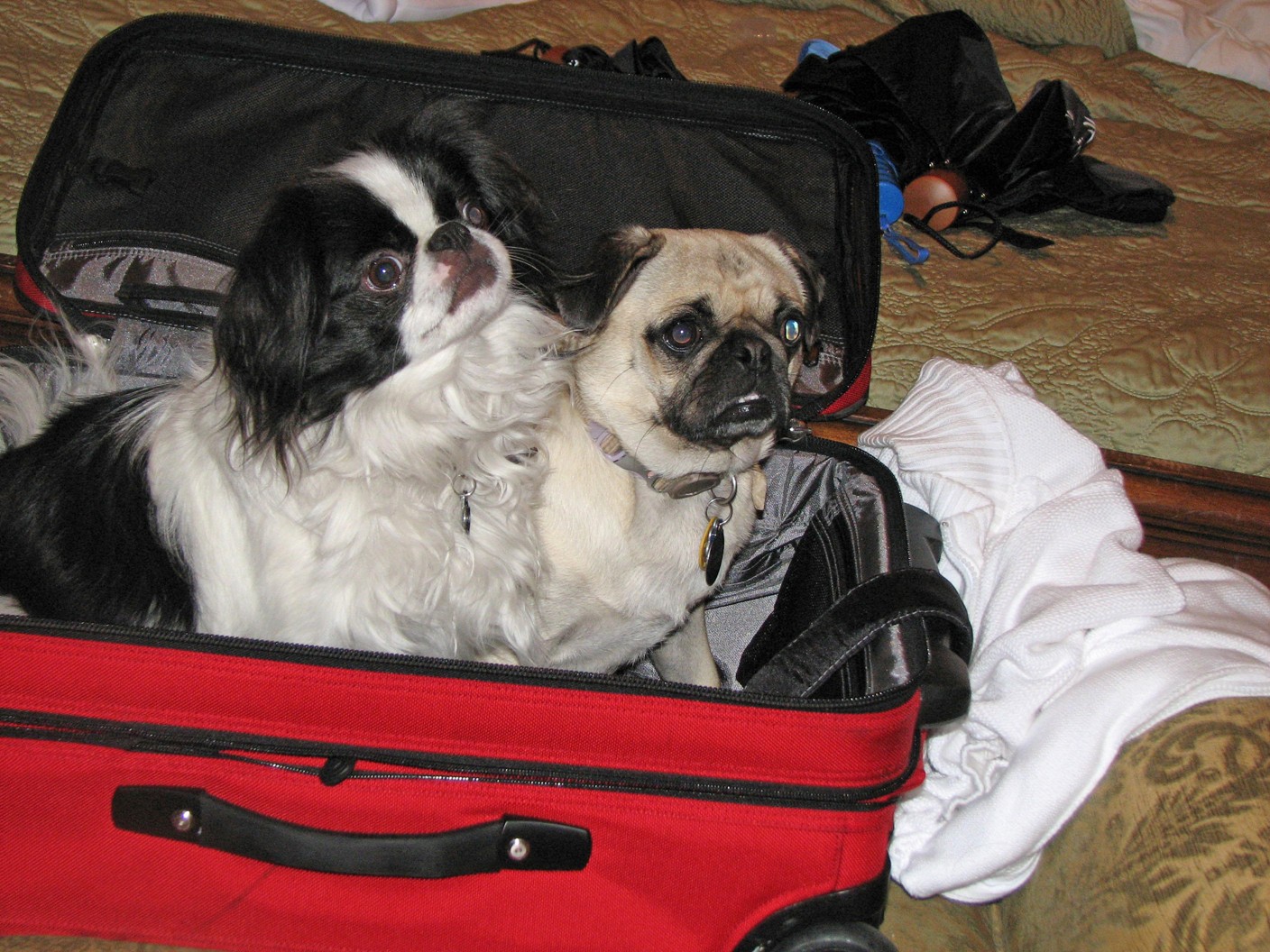
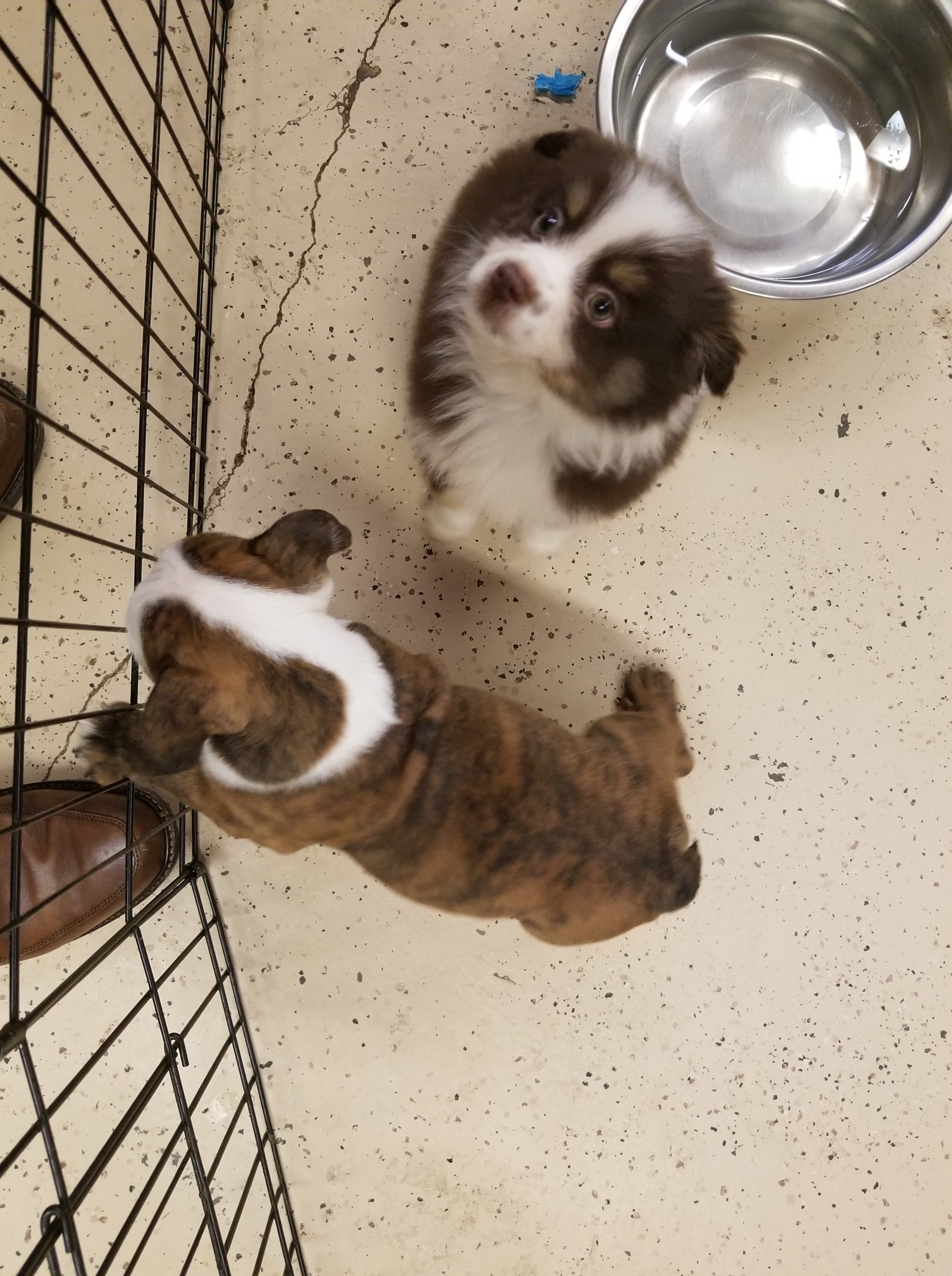
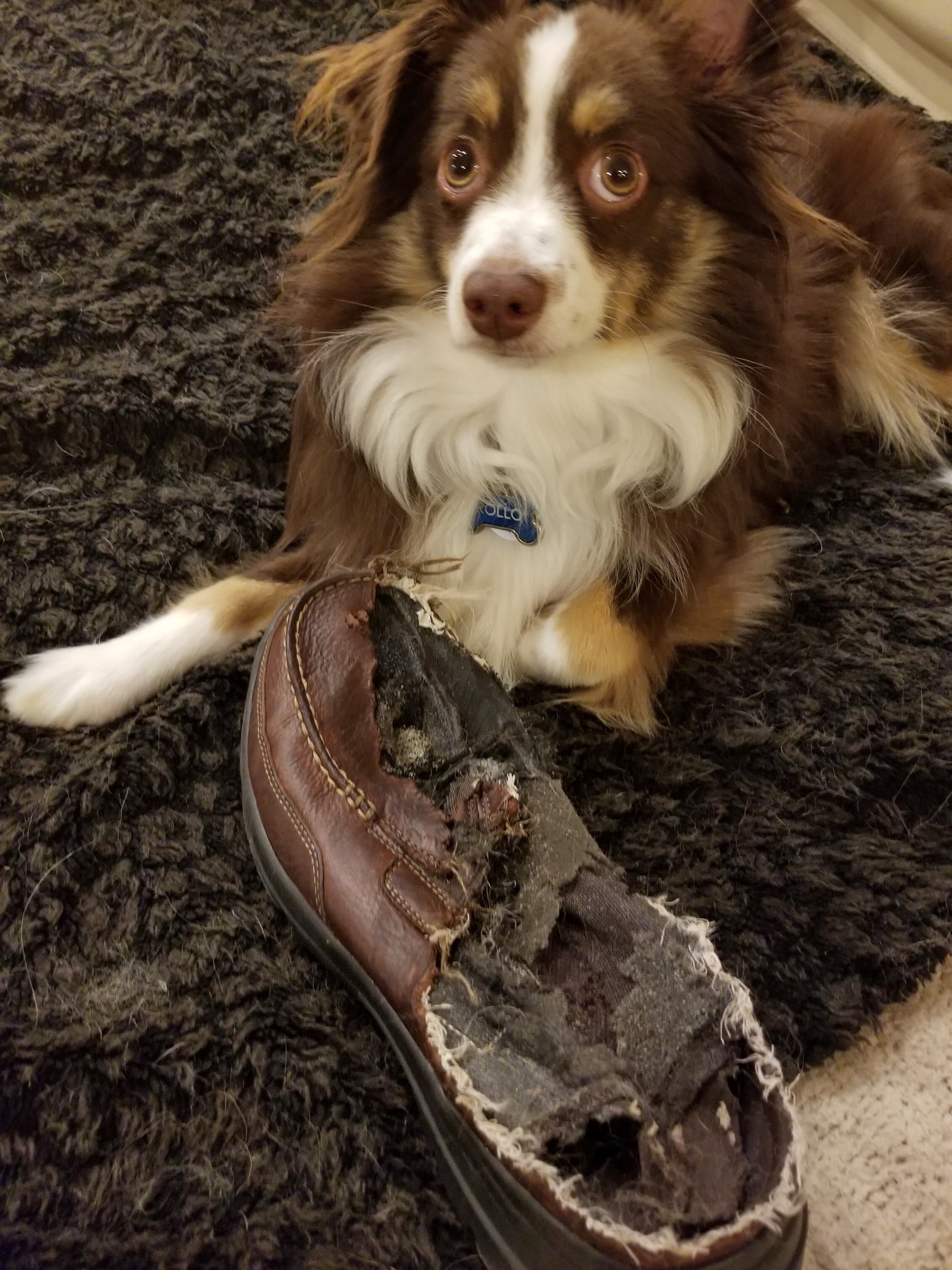
Our Leonberger Bronco at three months old. Our Labrador Baylor and our German Shepherd Baby. Our Japanese Shin Ryu when he was young. Our son with our pug Daisy when we had just brought her home. Our Japanese Chin Ryu and Pug Daisy staging a protest against us travelling. The day we picked up our mini-Australian Shepherd Rollo. He was nine weeks old. The other puppy is an English bulldog puppy. Bronco our Leonberger dog with Rollo our mini-Australian Shepherd. Our mini Australian Shepherd Rollo caught chewing up my shoe.
How to Capture and Cherish Your Pet’s Special Milestones Over Time
For busy pet owners balancing work, family, and daily routines, it’s easy to feel like a puppy’s first walk or a cat’s first confident cuddle happens and disappears in the same week. The tension is real: life moves fast, and capturing pet milestones can start to feel like one more task, until a forgotten “first” turns into a fuzzy memory. Pet memory preservation matters because those small moments build the story of a relationship, and noticing them strengthens emotional bonding with pets. With a simple, sustainable way to hold onto pet milestone memories, everyday “firsts” stay vivid.
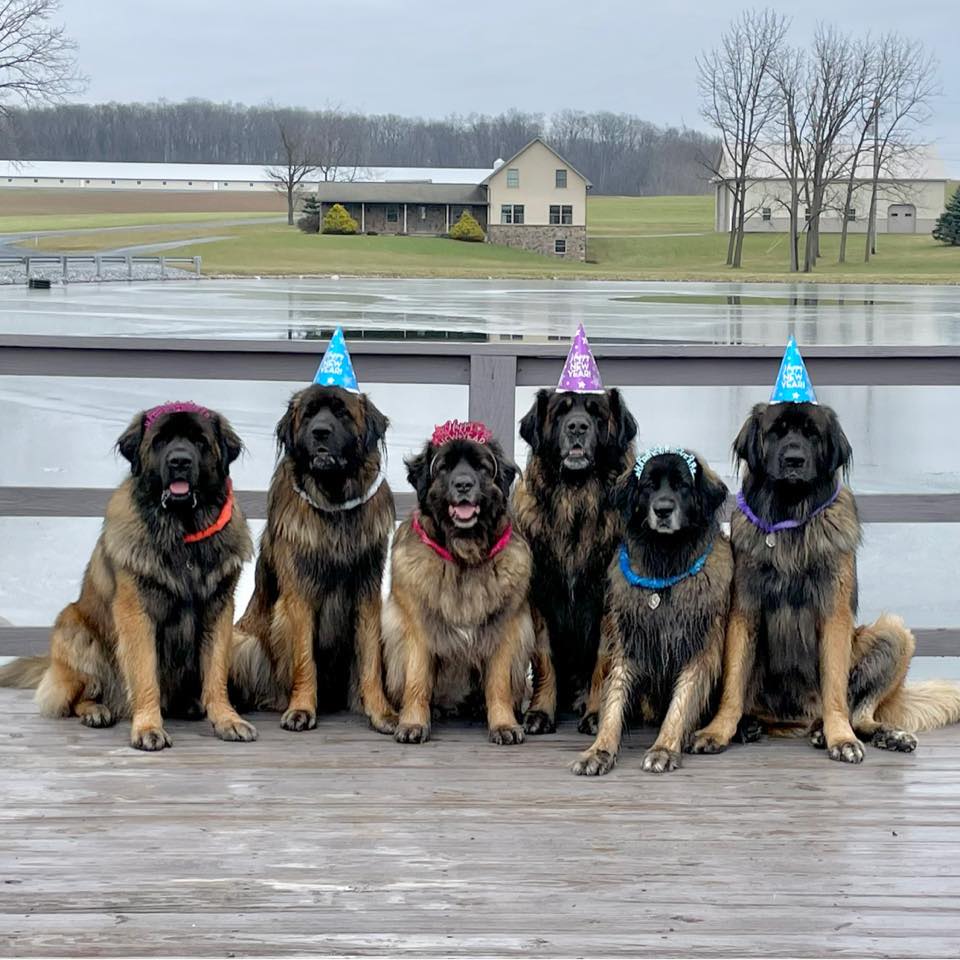
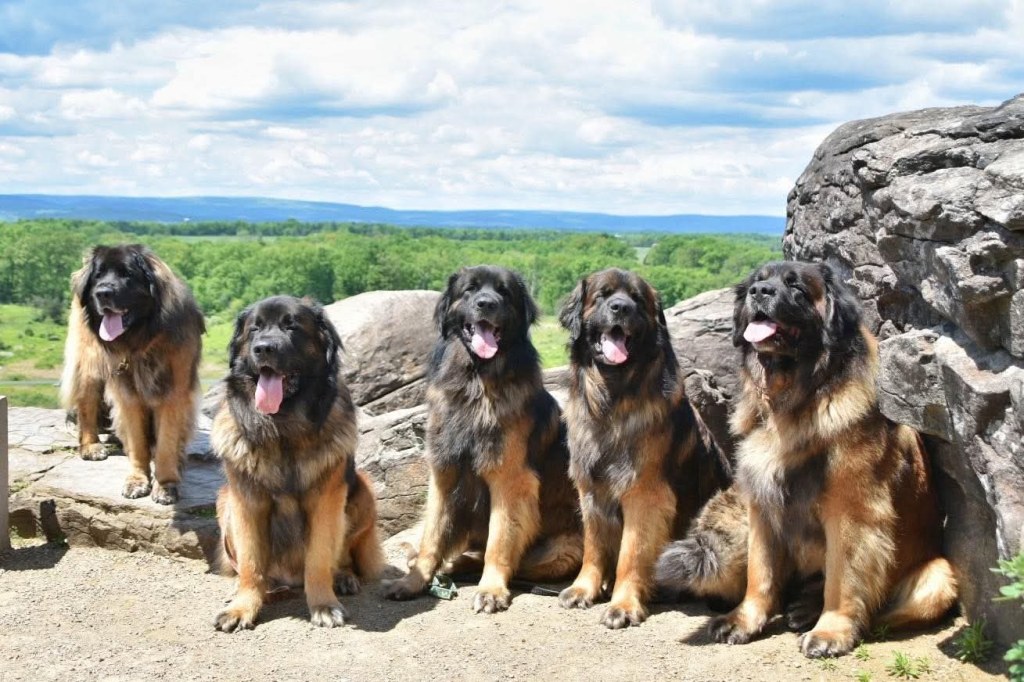
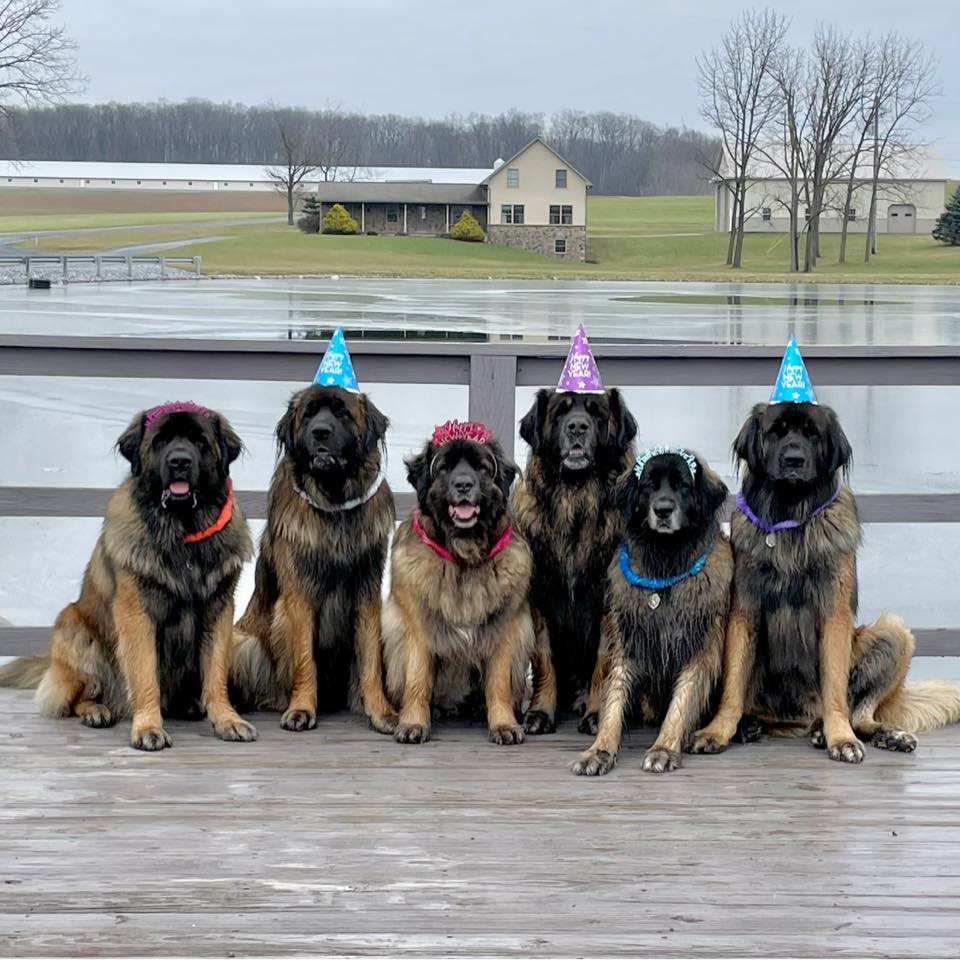
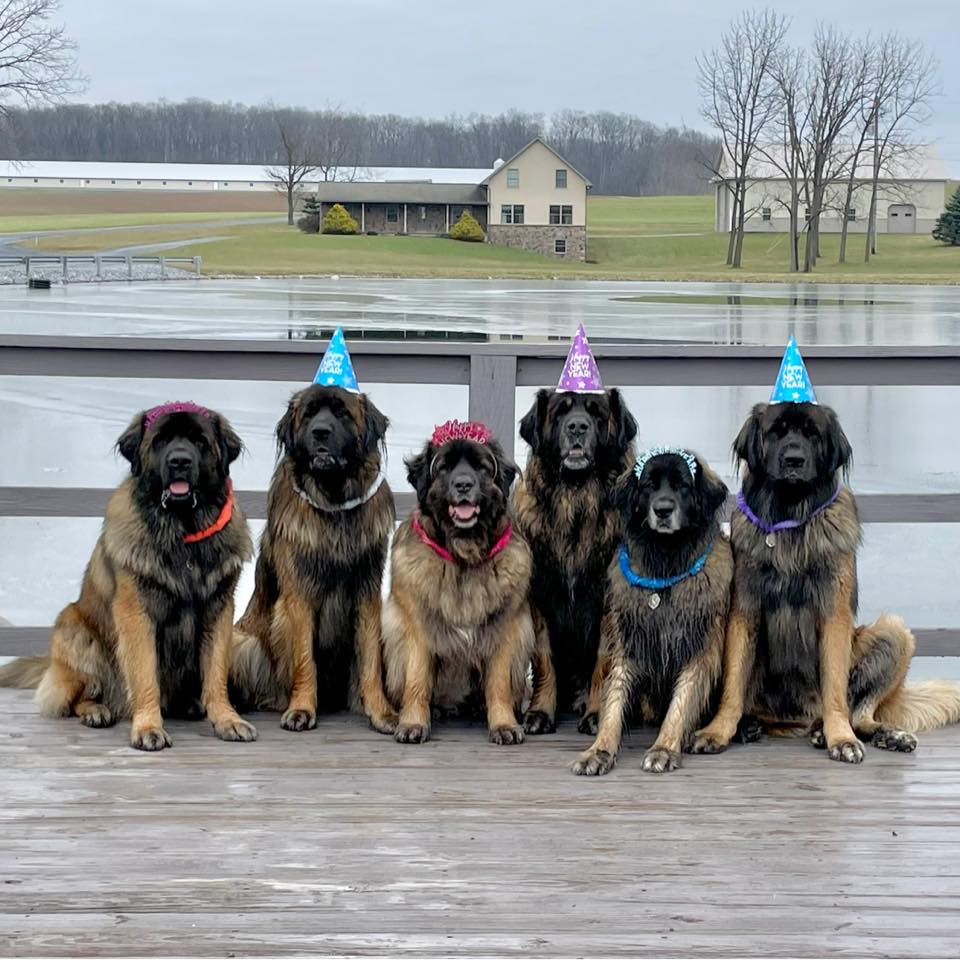
Six Leonbergers and a New Year’s celebration. Photo by friend Jen O’Keefe.
Quick Summary: Capturing Pet Milestones
Record pet firsts as they happen to preserve memories you might otherwise forget.
Keep basic health notes to track changes over time and support better pet care.
Save standout photos to create an easy visual timeline of meaningful moments.
Choose practical tracking methods to capture value without building an overwhelming memory system.
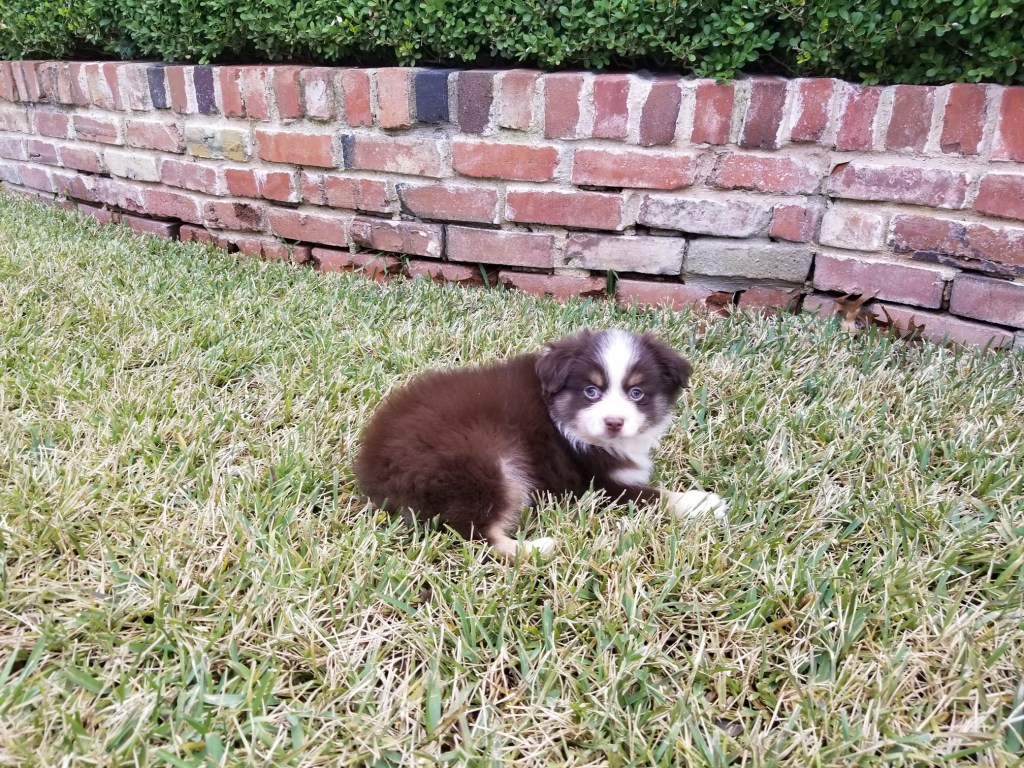
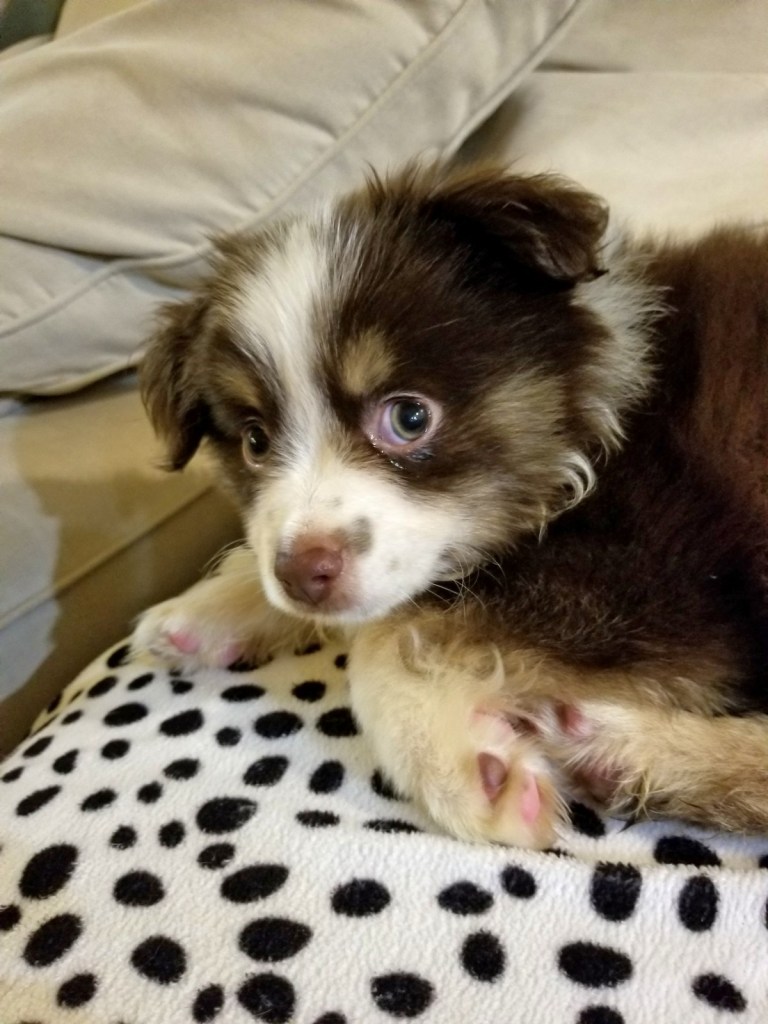
Our mini-Australian Shepherd puppy Rollo on his first day at our house.
Make Milestone Photos Print-Ready With Quick AI Enhancement
Once you’ve picked a simple plan for capturing milestones, the next win is making your favorite shots clear enough to share, and worthy of prints. Pet photos often suffer from tricky lighting, slight motion blur, and soft detail (especially in low light), which can dull the look of a special moment. AI image optimization tools can quickly improve lighting and brightness, sharpen key details like eyes and fur texture, reduce blur, and enrich colors so the memory feels as vivid as it did in real life. When you want to go beyond quick touch-ups, an AI image upscaler can also boost resolution and clarity, helping you enlarge a photo while preserving detail and visual quality instead of ending up with a grainy, pixelated result. If you have a small or slightly blurry milestone photo you’d love to print, an AI image enlarger can be a simple way to make it look more polished without advanced editing skills.
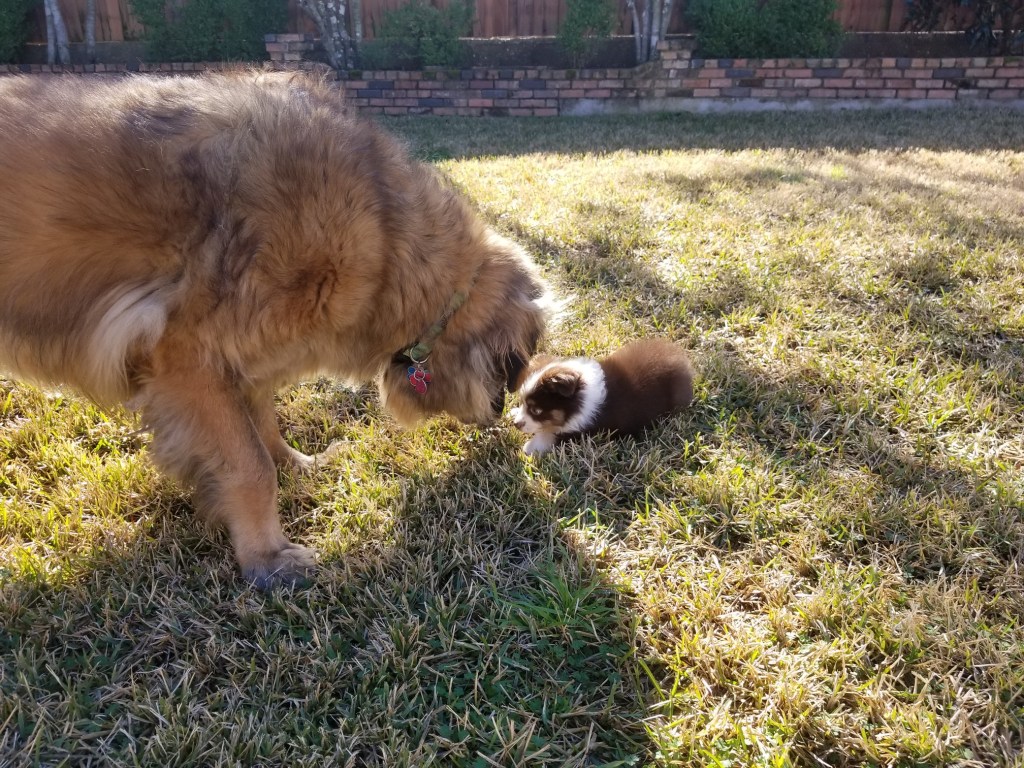
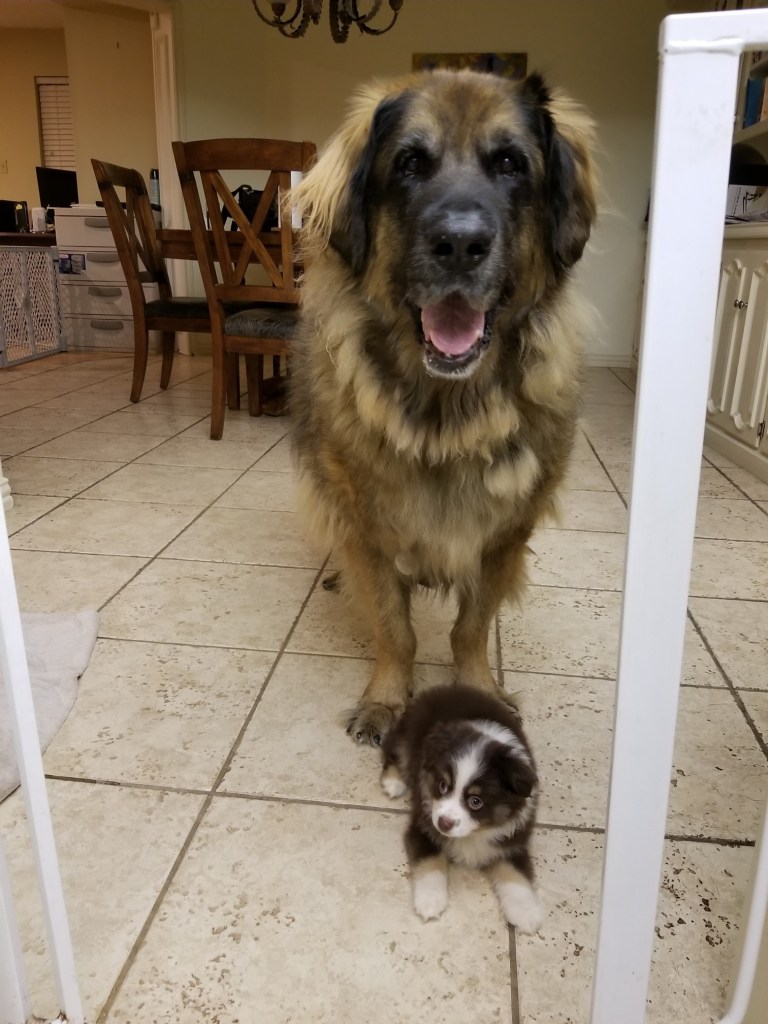
Our Leonberger dog Bronco meets our mini-Australian Shepherd puppy Rollo for the first time.
Build a Repeatable Pet Milestone Capture System
Your goal is simple: notice the moments that matter, capture them quickly, and file them the same way every time. A small, consistent system helps busy pet parents build a life story you can actually find and enjoy later.
Our mini-Australian Shepherd puppy Rollo soon after we took him home with us.
Decide what counts as a “milestone” Start with 6 to 10 categories you will recognize instantly, like firsts, funny quirks, growth changes, training wins, health updates, and family moments. Keep the bar low so you record more often, not perfectly. When in doubt, capture it, because patterns only show up after you collect a few.
Notice changes and jot a one-line note Right after the moment, write a quick caption in plain language: what happened, when, and why it mattered to you. The habit of taking notes on any changes like a shift in appetite or energy helps you remember context and can be useful later. If something seems off, flag it to discuss at a wellness visit.
Capture a “set” in under 30 seconds Take 3 to 5 photos plus a 10-second video, aiming for one clear face shot, one full-body shot, and one scene-setting shot. Add one audio clip if it is relevant, like a new bark, purr, or happy whine. Multiple angles give you options even if one image is blurry.
File it immediately using one naming rule Pick a single format you will never change, such as YYYY-MM-DD_Milestone_Keyword, and use it for every file. Create one main folder for your pet, then subfolders by year or milestone type, but not both. Consistent naming makes searching effortless months later.
Store two copies in two places Keep one everyday copy on your phone or computer and one backup in a separate service or external drive. Turn on automatic uploads so your milestone set is protected even if you lose a device. A reliable backup is what turns cute captures into a long-term archive.
Five Leonbergers including Digory on 4th of July 2023. Photo by my friend Jen O’Keefe.
A Simple Rhythm You Can Repeat All Year
This workflow turns your milestone system into a light routine instead of a once-a-year catch-up. You will keep the story current with small touchpoints, while still creating time to enjoy what you have collected. It also reduces the stress of losing files or forgetting context as weeks blur together.
Stage
Action
Goal
Capture (in the moment)
Record a quick set and one-line note
Preserve details while they are fresh
Weekly Sweep
Pick one favorite, discard obvious duplicates
Keep camera roll manageable
Monthly Label + Sort
Add tags, rename, move into the right folder
Make searching painless later
Monthly Share or Print
Send one highlight to family or add to album
Turn files into lived memories
Quarterly Backup Check
Confirm two copies exist and sync is working
Protect the timeline from loss
Each stage feeds the next: quick capture creates raw material, weekly triage keeps it tidy, and monthly sorting makes it findable. The share or print step keeps motivation high, and the backup check keeps the whole archive safe.
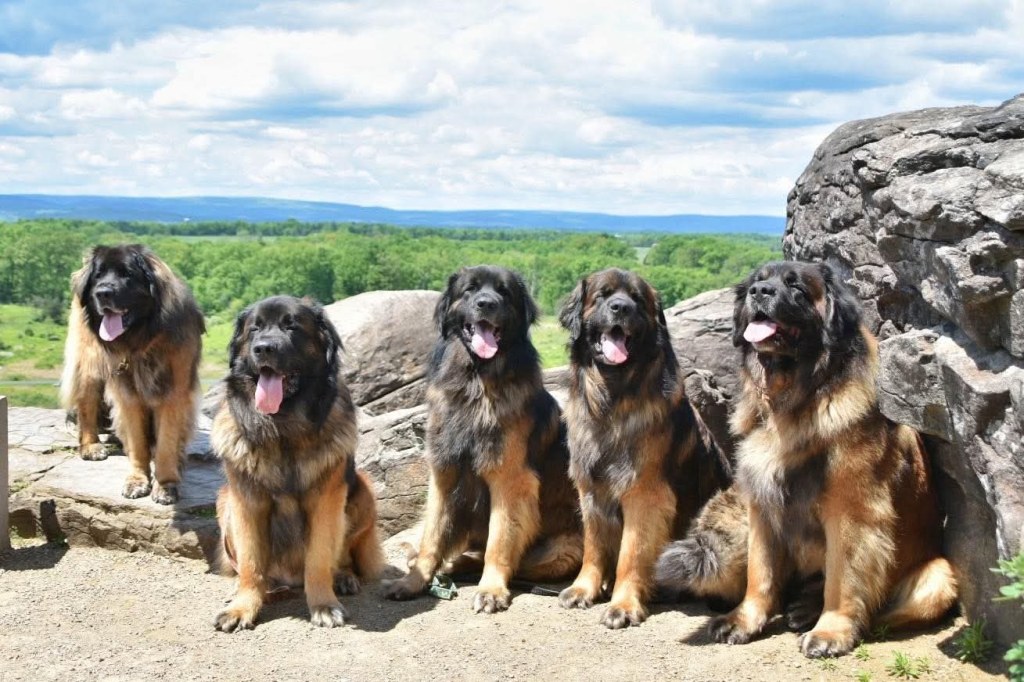
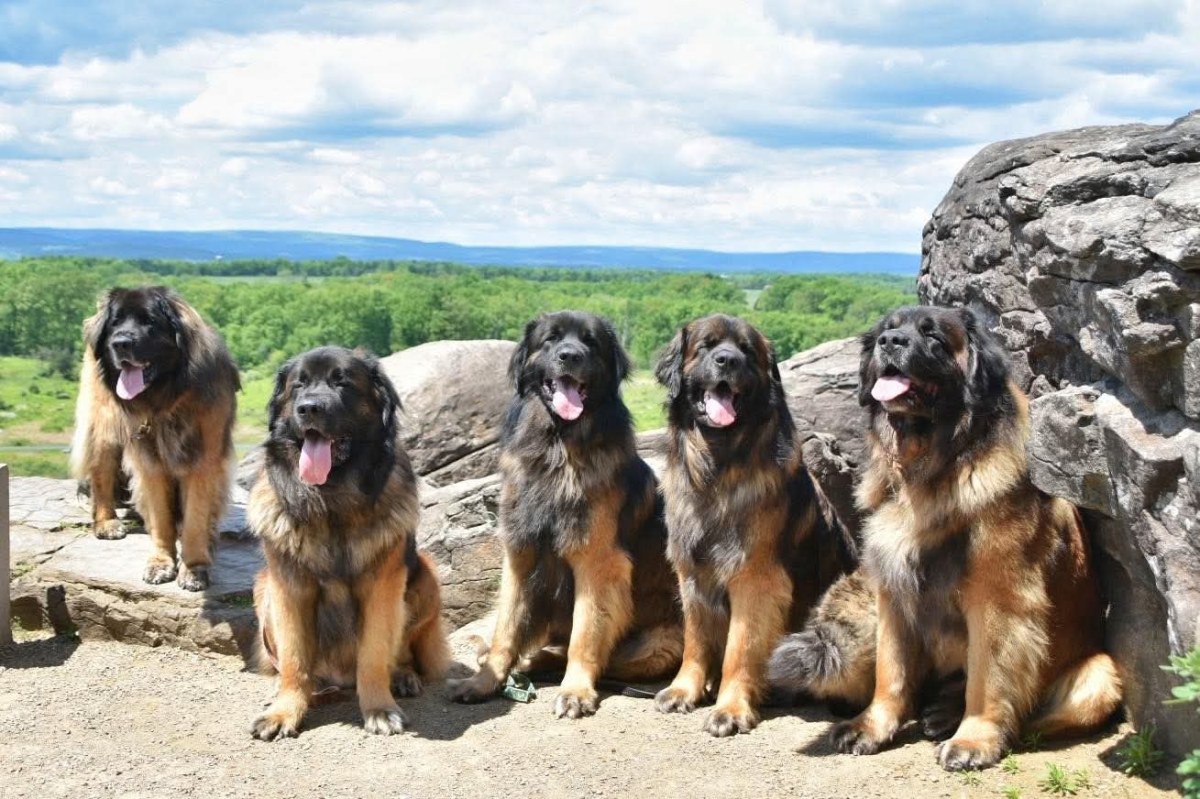
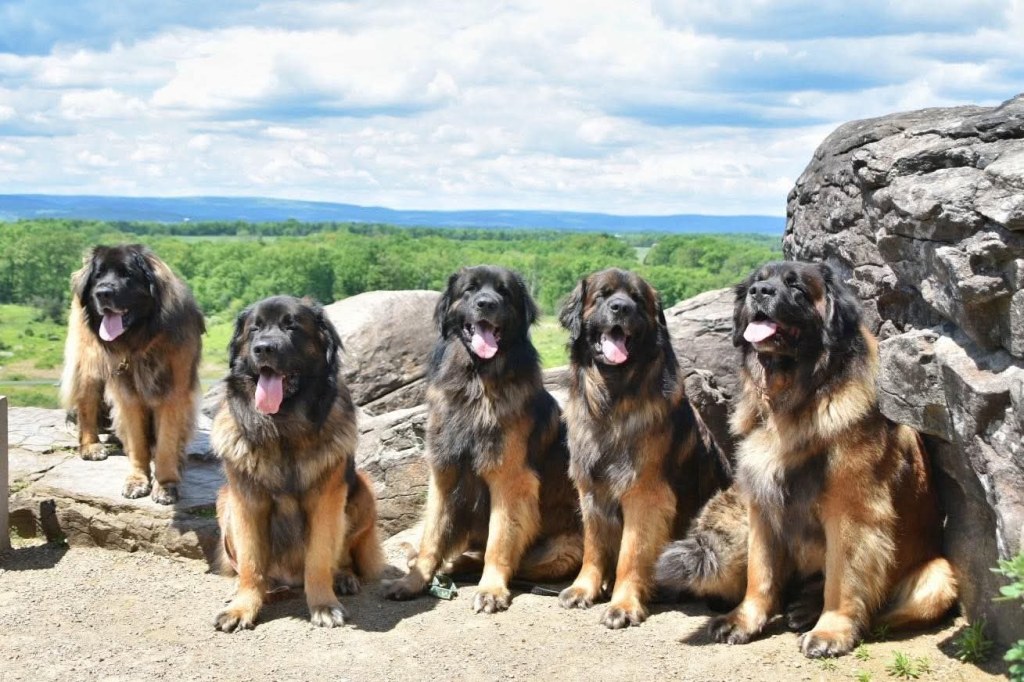
Leonberger meet and greet. Five sweet Leonbergers, from left to right, Kuiper, Caspian, Rilian, Austin, Obi-Wan. Photo by friend Ira Van Order / Velvy the Lion.
Turning Pet Milestones Into a Habit You’ll Keep
It’s easy to assume there will be time later to sort photos and remember the “firsts,” until later turns into missing details. The steady approach here, small, repeatable documentation with occasional organizing, builds motivation to document pets without relying on perfect memory or big bursts of effort. Over time, milestone tracking starts to feel simple and reliable, and continuous memory preservation becomes a comforting rhythm rather than a backlog. Small saves, done consistently, become the memories you’ll never have to reconstruct.
I was very happy when I saw the post above. Sally is sharing my super fact 21: Superfact 21: It is often recommended that you should neuter or spay your dog by the age of 6 months even as early as 8 weeks. This may be OK for some smaller breeds but is dangerous to the health and longevity of many larger breeds. In addition, she is promoting my Leonberger dog book for which Robbie wrote a great review. Thank you so much Sally and Robbie. Please visit her post at the Smorgasbord blog magazine and read it.
A professional content writer by the name of Ryan Goodchild contacted me about me posting an article he had written called “How to Keep Your Home Clean and Happy with Pets Around”. The article is below. I provided some pictures.
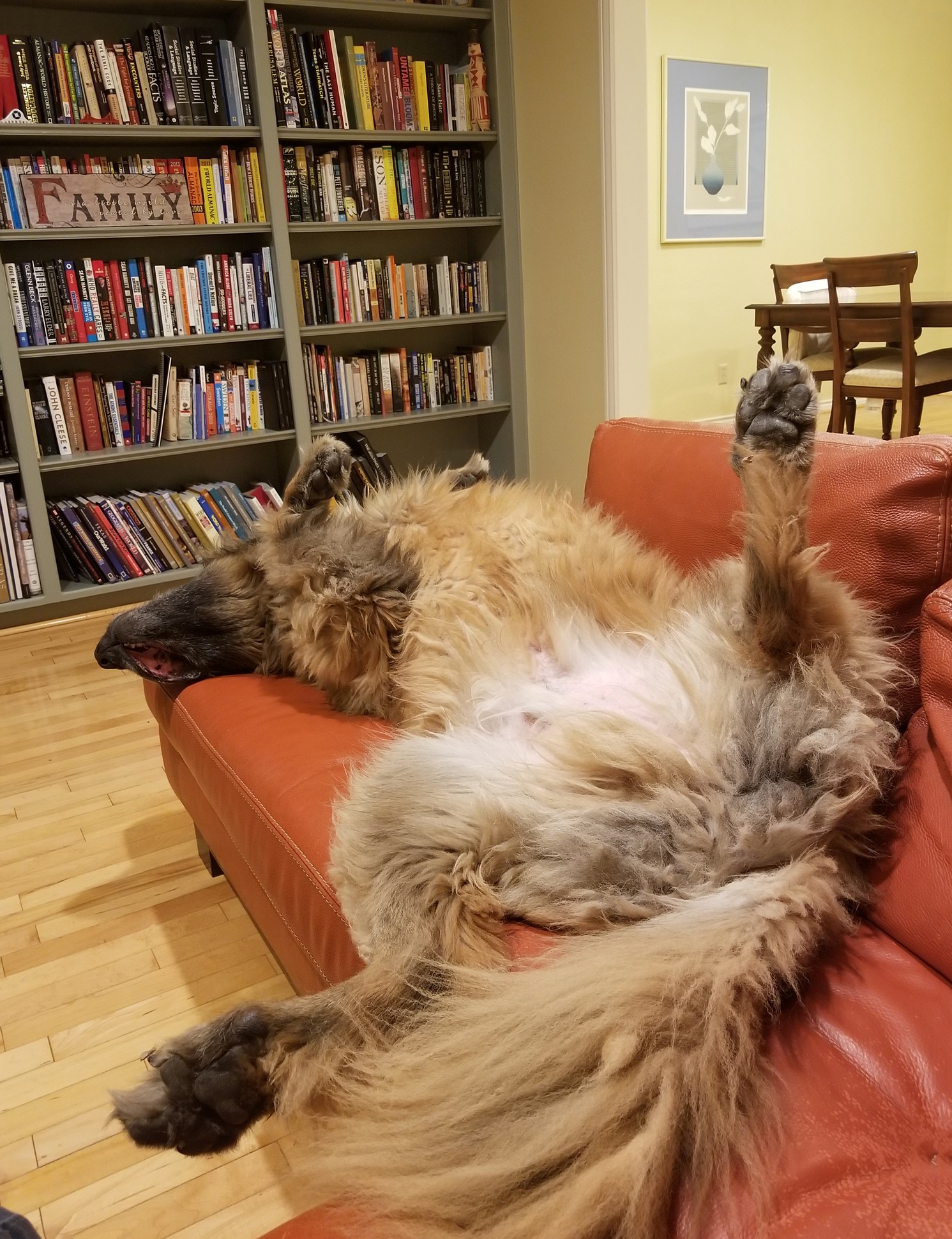
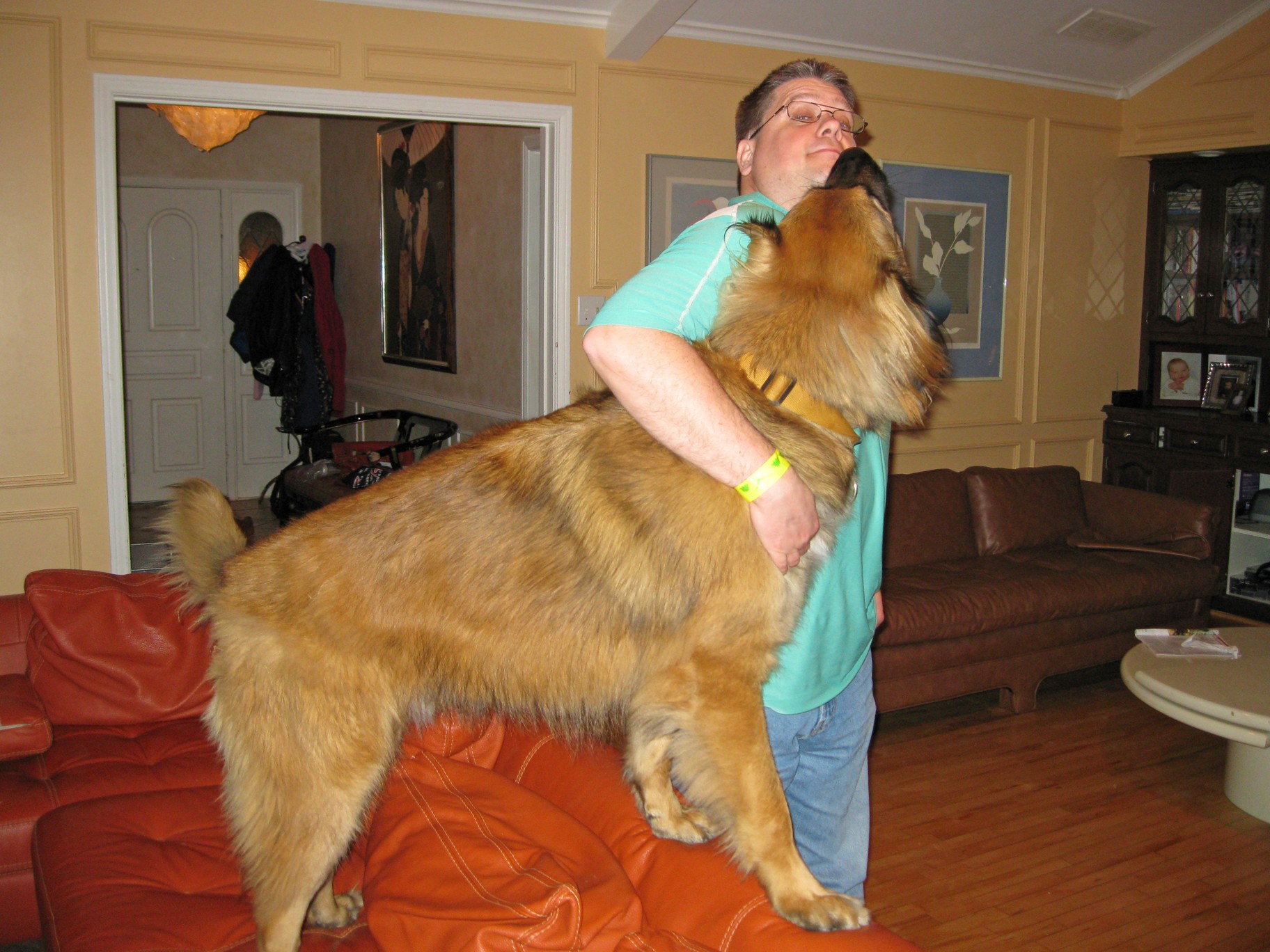
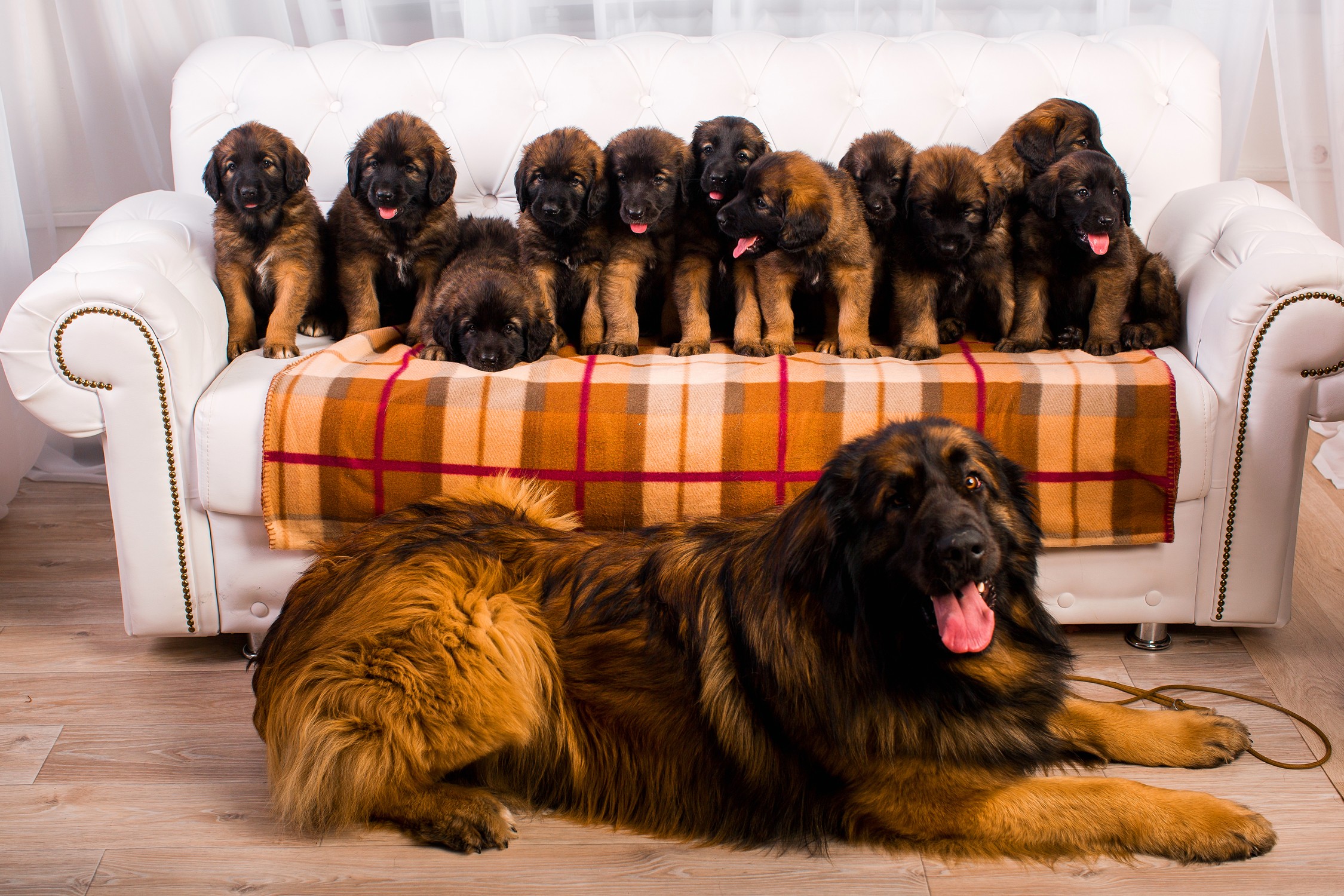
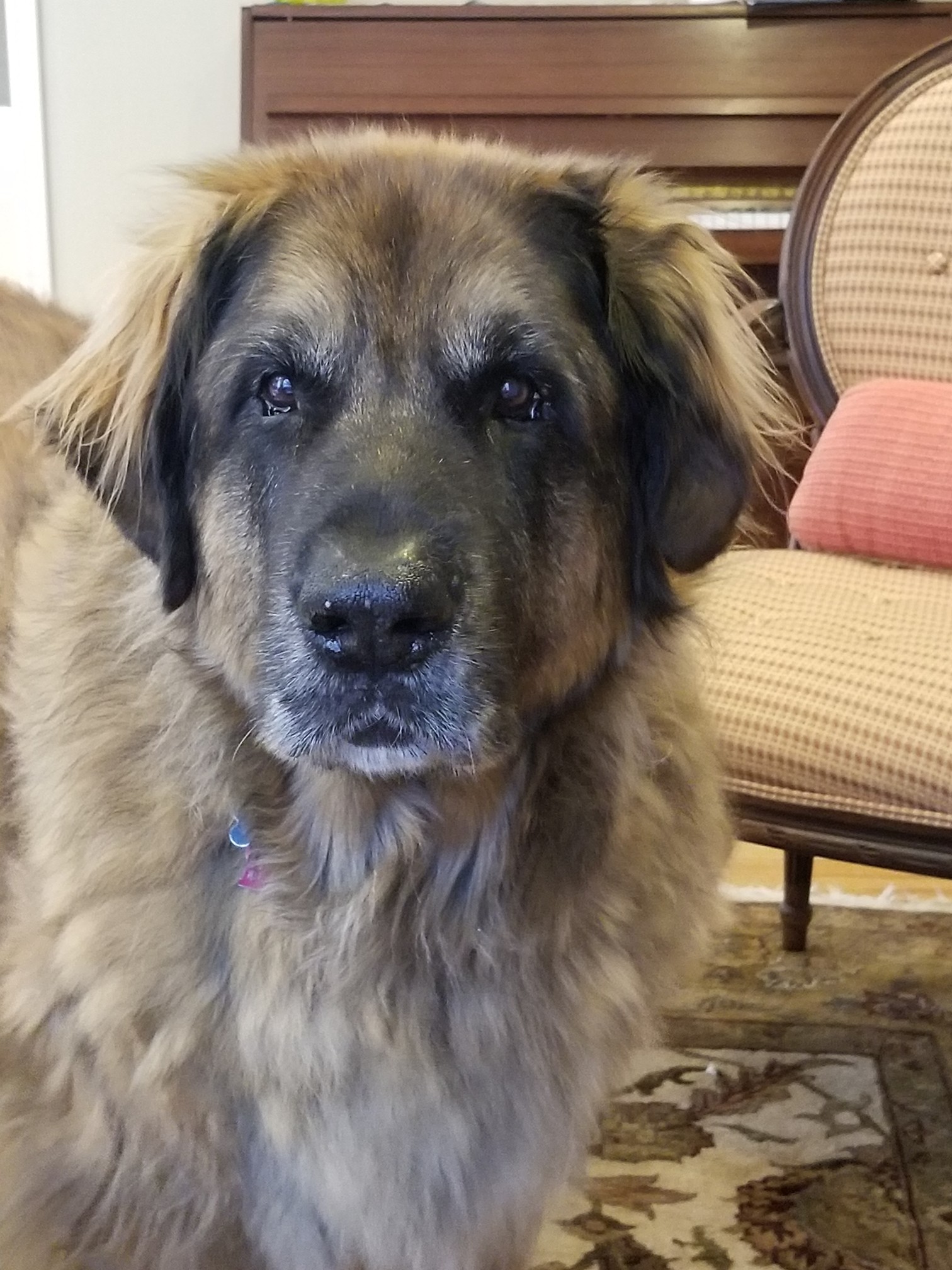
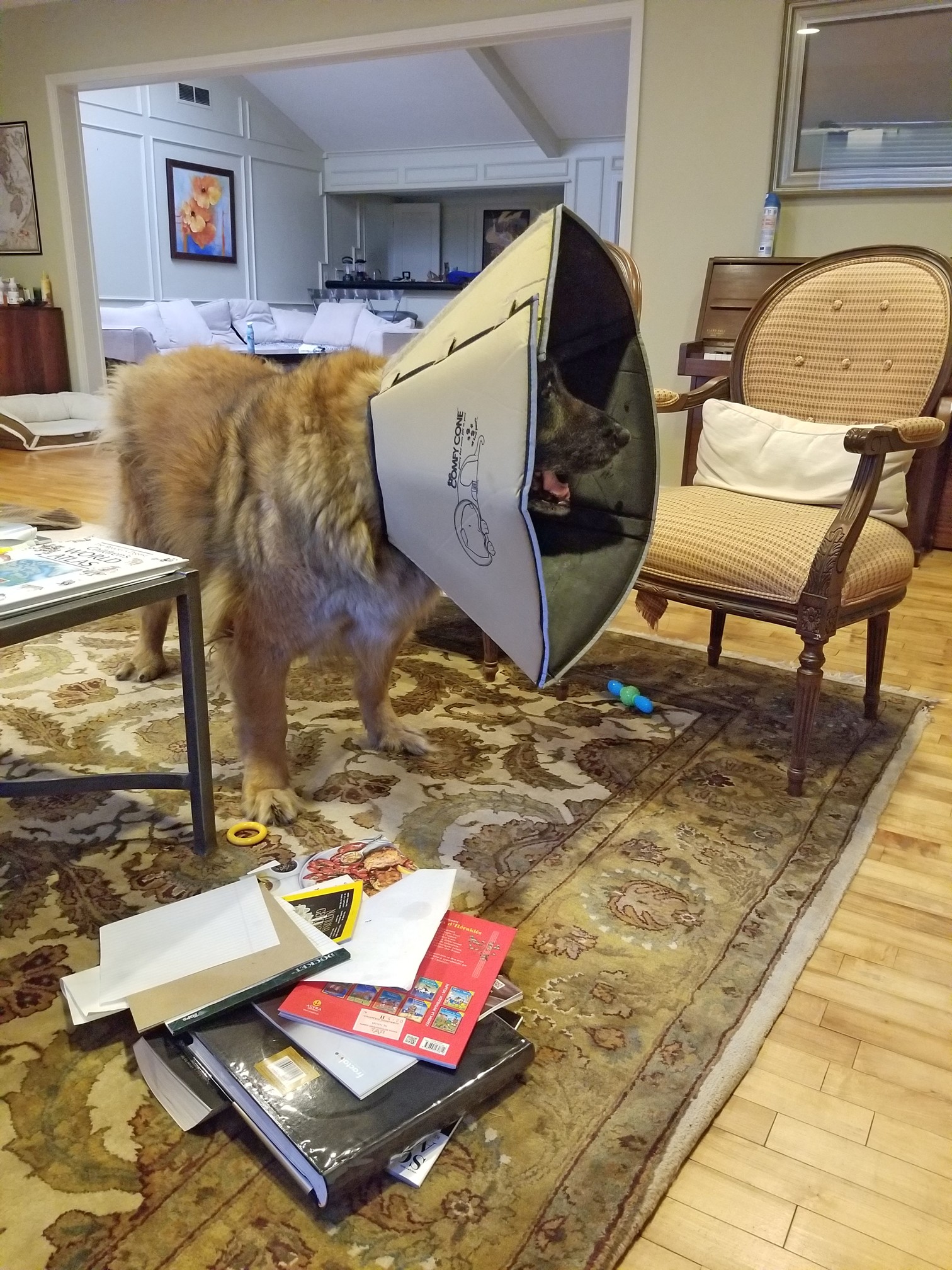
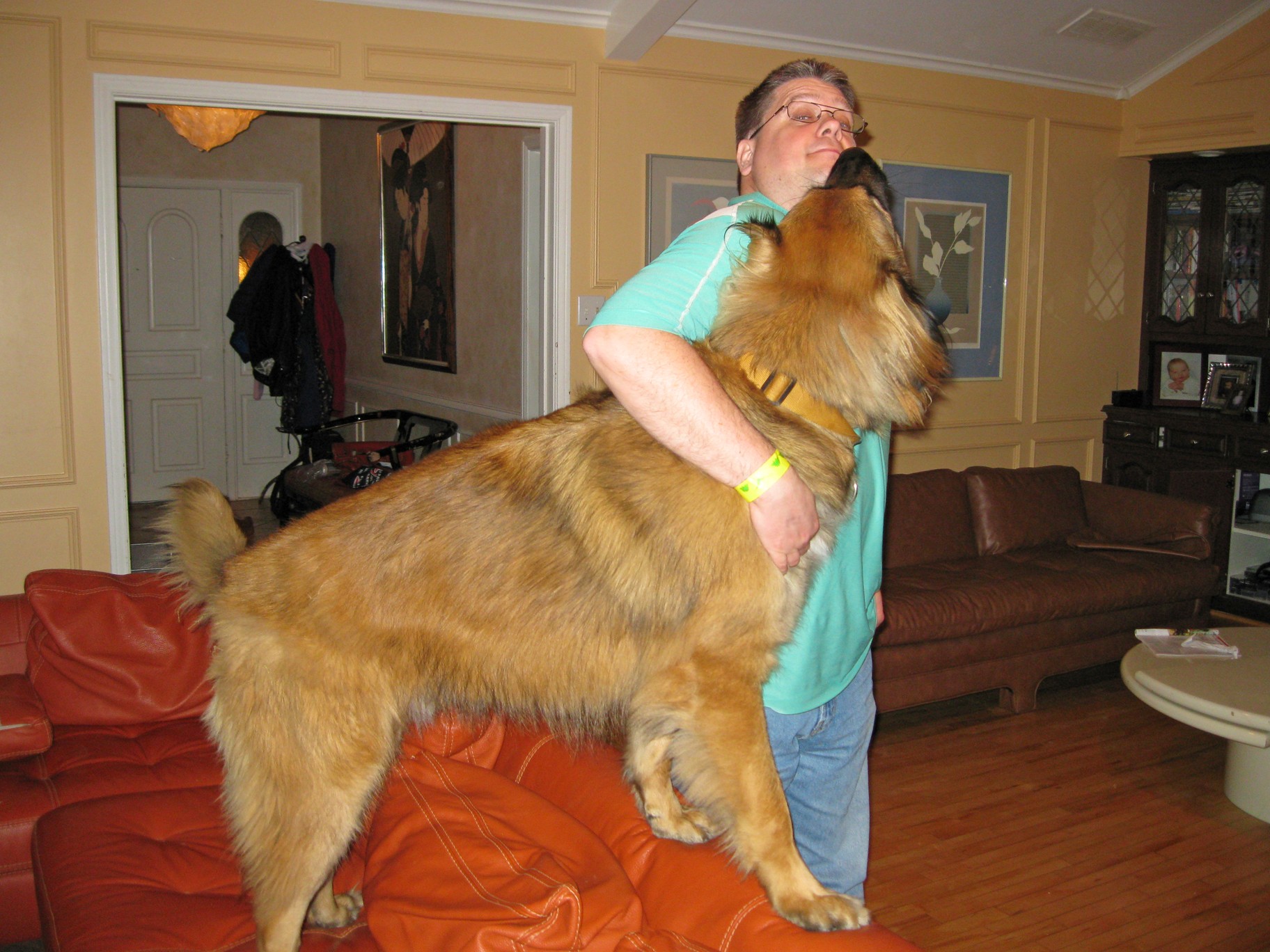
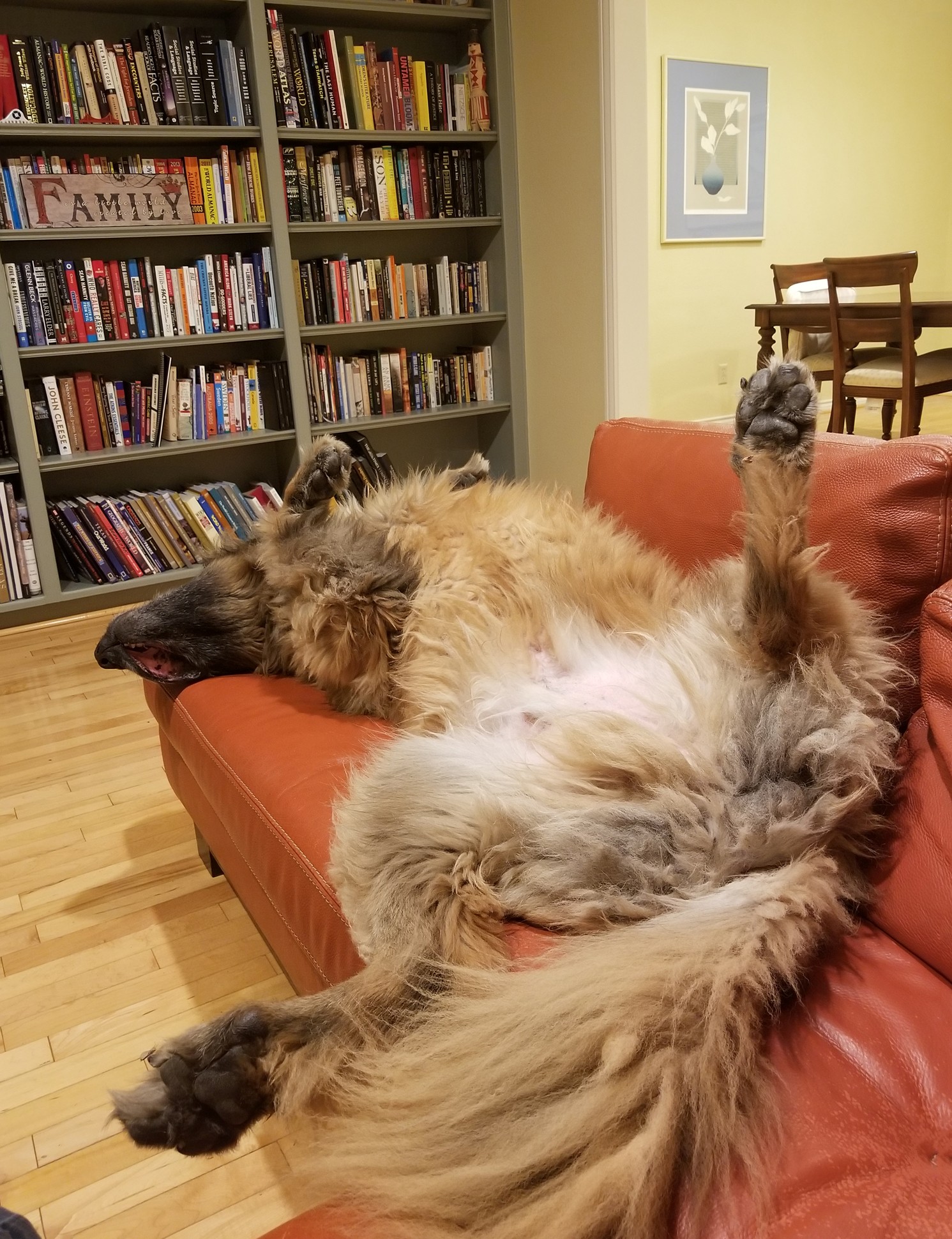
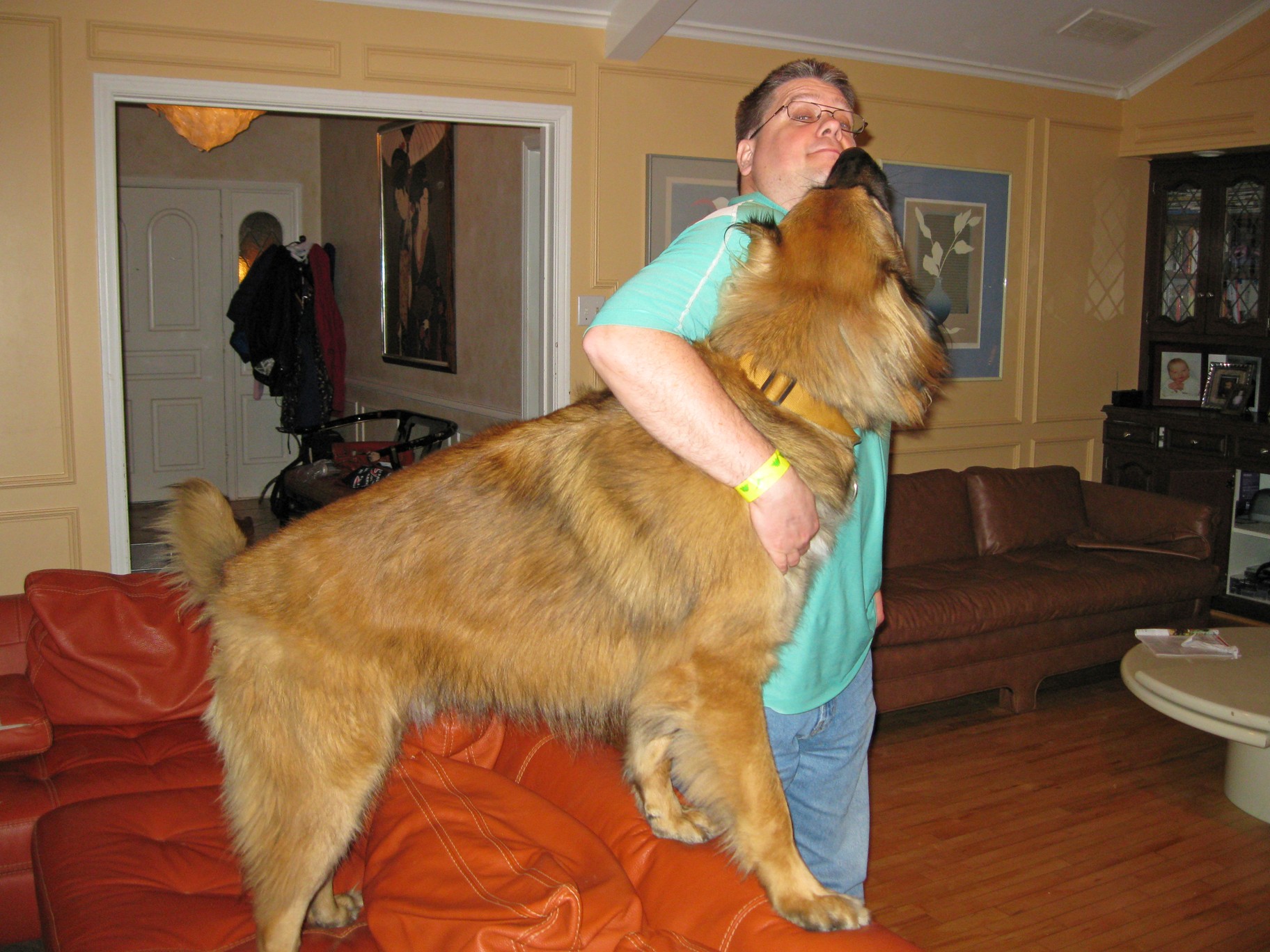
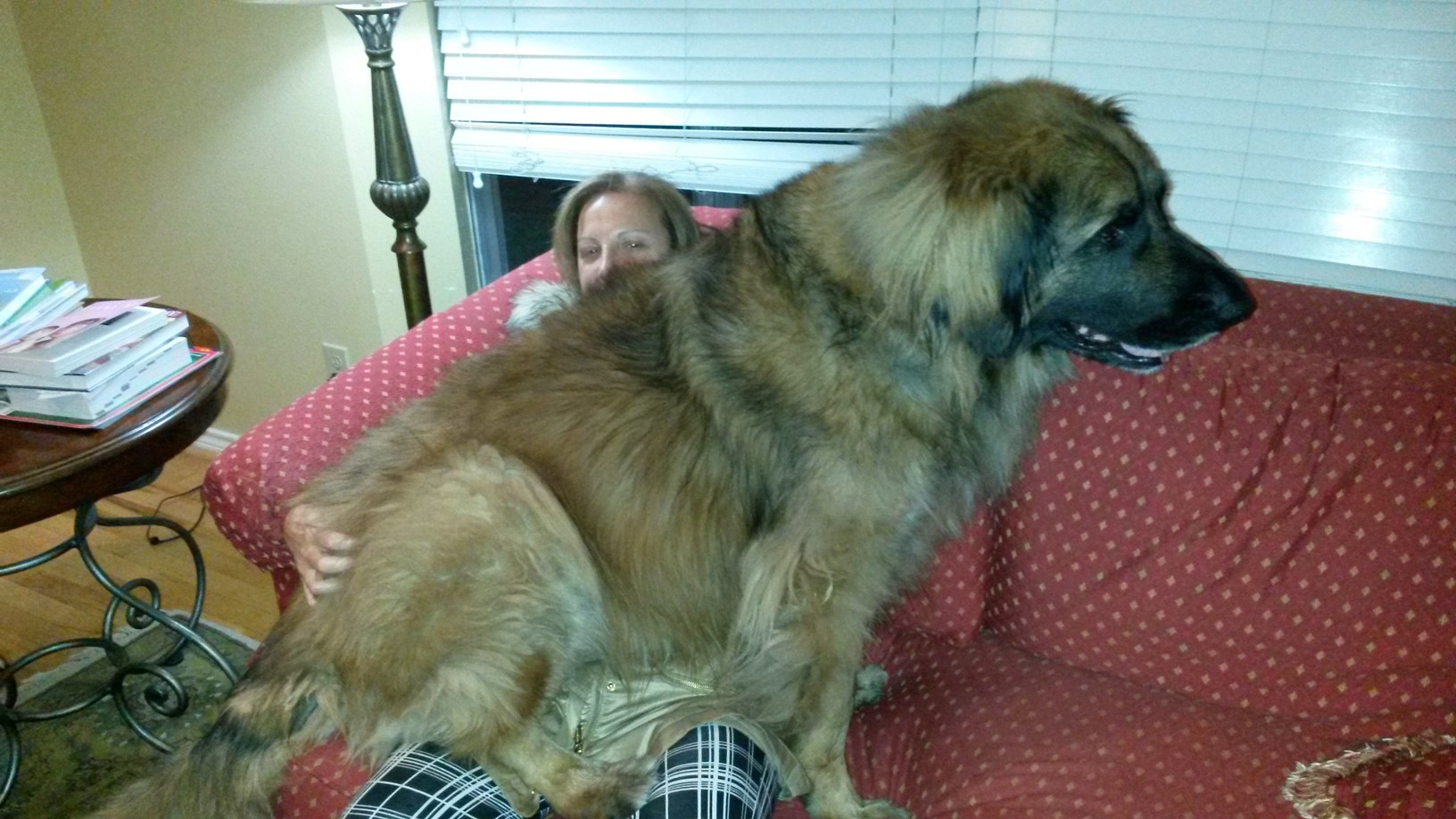
Our Leonberger dog Bronco splayed out on the large leather sofa. Our Leonberger dog Bronco gives me a hug. Ten Leonberger puppies sitting on a sofa – Shutterstock-ID: 561107650 by Akbudak Rimma. Our Leonberger dog Bronco looking straight at me. Our Leonberger Bronco accidently clears a table with his comfy cone. Our mini-Australian Shepherd Rollo as a puppy.
How to Keep Your Home Clean and Happy with Pets Around – by Ryan Goodchild
Busy pet owners juggling work, family, and a lived-in home know how fast things pile up: pet hair management that never seems finished, muddy paws that turn into scratches and stains, and the slow creep of pet-related property damage on floors, furniture, and doors. The real home maintenance challenges aren’t just cosmetic, lingering odors, allergens, and worn surfaces can make a home feel harder to relax in. The good news is that a cleaner, safer space usually comes from a few consistent pet household upkeep habits that reduce mess and protect what matters most. A home can stay clean and happy with pets around.
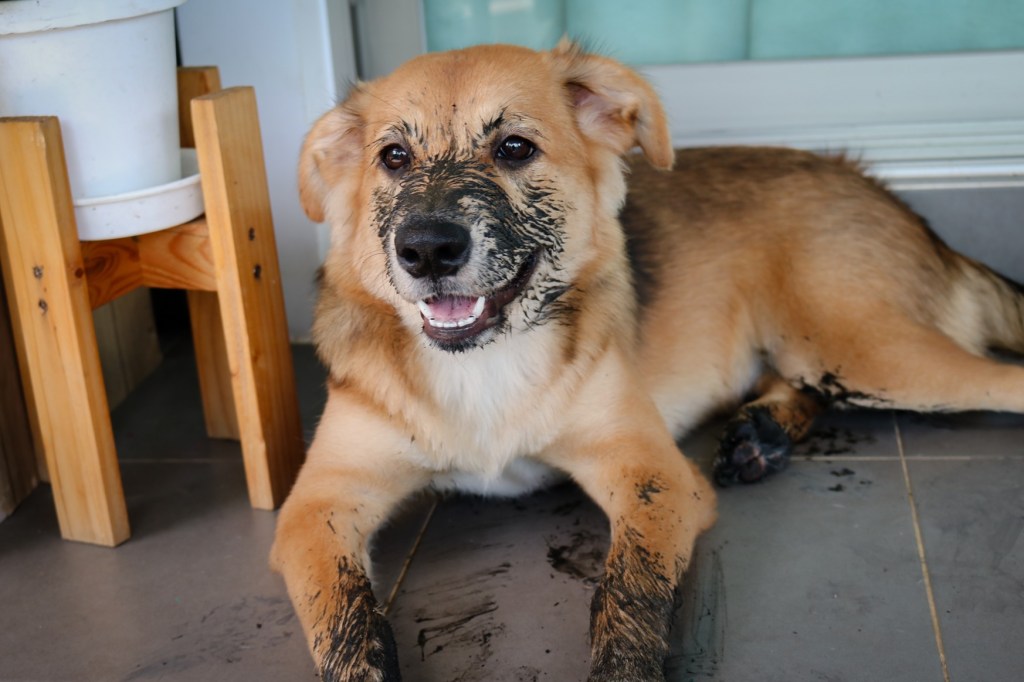
Puppy that just played in the mud. Shutterstock asset id: 2198115179 by Thicha6327
Build a Pet-Proof Maintenance Plan in 7 Practical Upgrades
A clean, happy pet home isn’t about constant deep-cleaning, it’s about setting your space up to resist mess in the first place. These upgrades build on your “little-and-often” routine so hair, scratches, and smells don’t snowball into weekend-long projects.
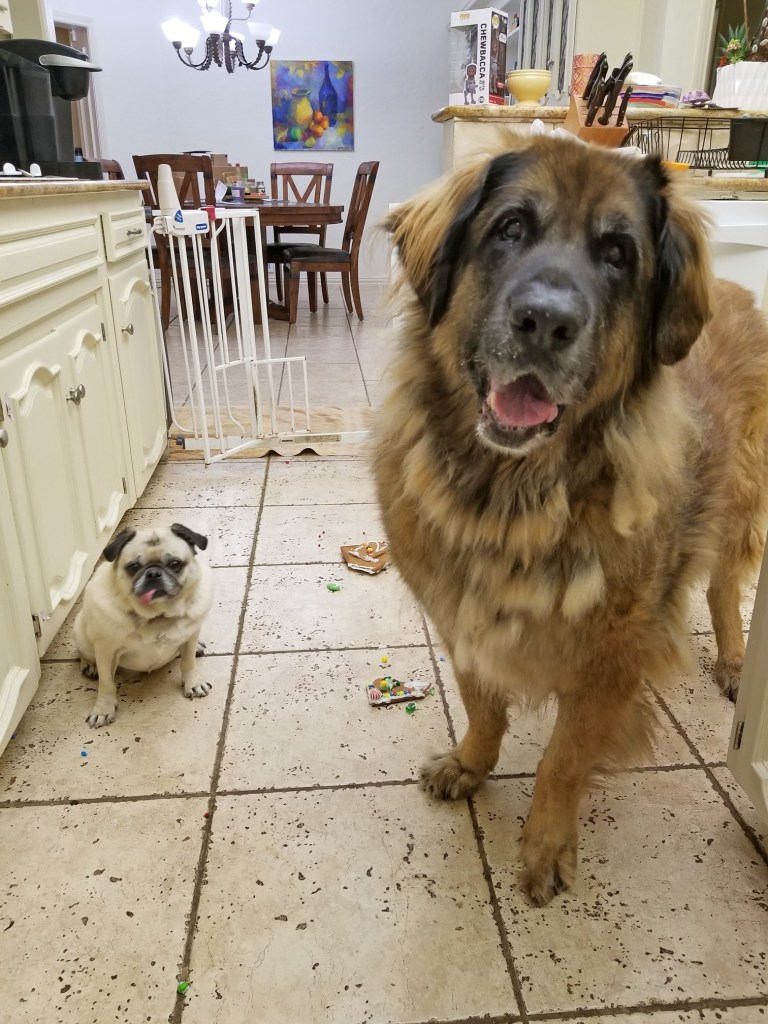
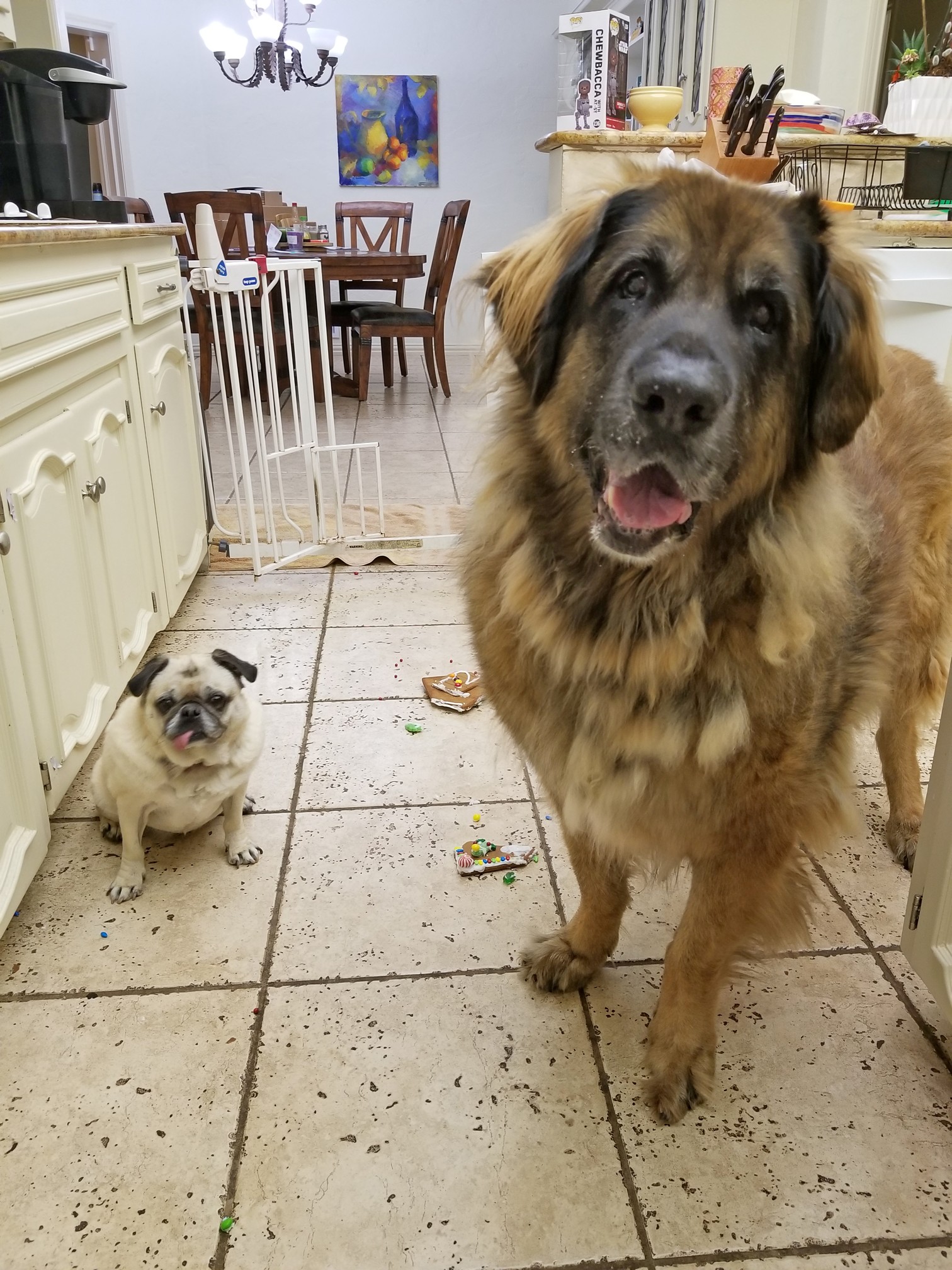
Choose flooring that forgives claws and spills. Our Leonberger Bronco and our Pug Daisy are making a mess in the kitchen. Luckily it is easy to clean a tile floor.
Choose flooring that forgives claws and spills: If you’re replacing floors (or even just one high-traffic room), prioritize durable options like luxury vinyl plank, porcelain/ceramic tile, or sealed concrete for easy wipe-ups and fewer scratch worries. If you have hardwood, add washable rugs and felt pads under furniture legs to reduce scuffs from zoomies. Keep a small “paw station” by the door, towel + paw wipes, so grit doesn’t become sandpaper on your floors.
Add pet-proof furniture protection where it counts: Use machine-washable slipcovers or tightly woven throws on the seats your pet actually uses, not the whole couch. On corners and arms, apply clear protective film or corner guards to prevent repeated clawing from becoming a reupholstery problem. If shedding is your main issue, pick one blanket per pet and wash it weekly, containing fur is easier than chasing it room to room.
Build an odor-control “layer cake” (source → fabric → air): Start at the source: clean accidents quickly and use an enzymatic cleaner so the smell doesn’t rebound later. For soft surfaces, rotate washable items (pet bedding, throw covers, crate mats) on a simple schedule, every 7–14 days is realistic for most homes. Then support the air: crack windows for 5–10 minutes when weather allows and run bathroom/kitchen exhaust fans after baths, litter box cleanouts, or rainy-day dog walks.
Replace air filters more often than the box suggests: Pet hair and dander can load filters faster, which can reduce airflow and make your home feel stuffy. Check your filter monthly, and if it looks gray or fuzzy, swap it early rather than waiting for the “official” interval. Pair that with a quick vacuum of return vents every few weeks to keep buildup from circulating back into freshly cleaned rooms.
Do a 5-minute fence safety inspection every month: Walk the perimeter and look for gaps under the fence, loose boards, wobbly posts, and latch issues, especially after storms or freeze/thaw cycles. The stat that homeowners replace fences due to damage or decay is a good reminder that “set it and forget it” rarely holds up. Keep a small bin with gloves, zip ties, and basic fasteners so minor fixes don’t turn into a weekend project, or an escape risk.
Switch to a pet-safe cleaning kit you can grab fast: Choose a few essentials you’ll actually use: a mild dish soap, an enzymatic cleaner for accidents, and a diluted vinegar-and-water spray for glass and some hard surfaces. Store them in a portable caddy so you can respond quickly when you spot muddy prints or a hair tumbleweed. When in doubt, rinse well and keep pets out of the area until floors are fully dry.
Create “safe zones” to protect your home during the messy hours: Baby gates and a simple playpen setup help limit damage when you’re cooking, on a work call, or can’t supervise closely, especially for puppies or newly adopted pets. Guidance like baby gates keeps chewing, scratching, and accidents confined to an easy-clean area rather than your whole house. Over time, this reduces wear-and-tear and makes your regular maintenance routine feel doable.
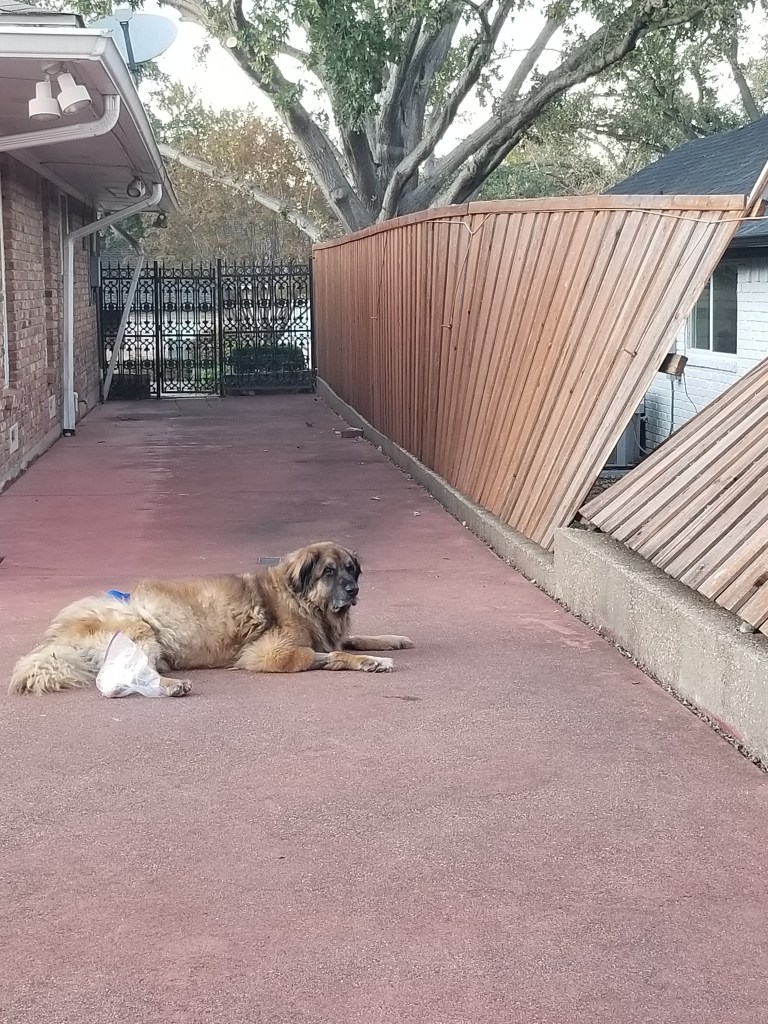
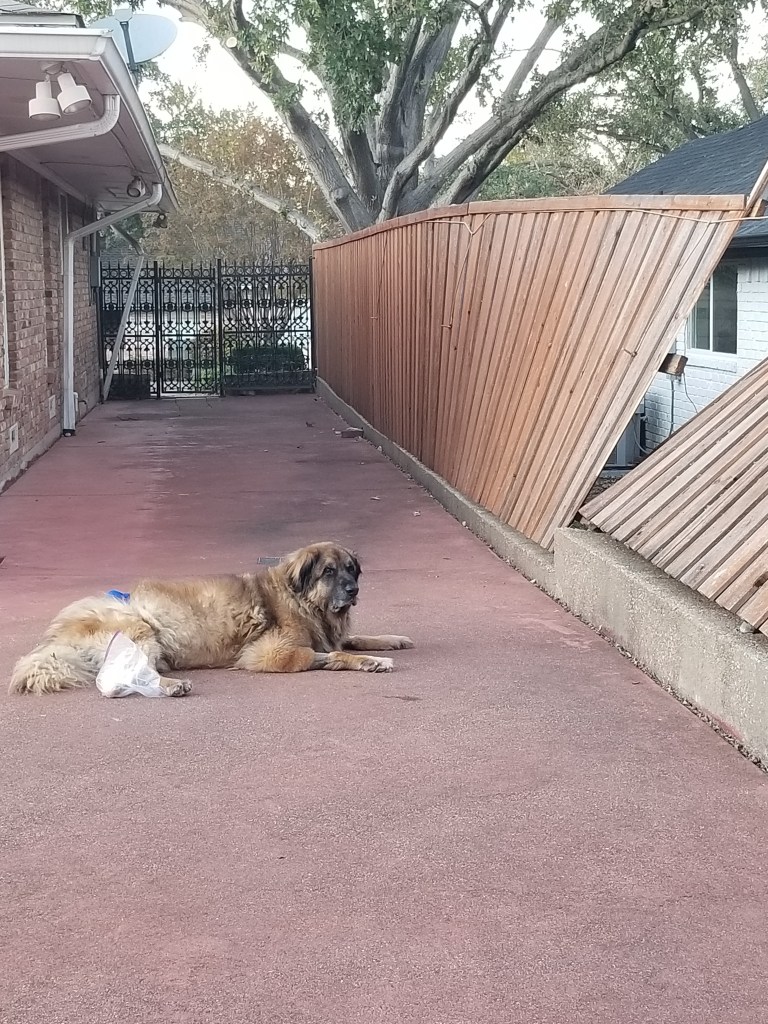
Do a 5-minute fence safety inspection every month. But seriously, this photo is taken after a tornado went through our neighborhood. Our old Leonberger Bronco recently had a toe amputation in picture, and he has a plastic bag around the bandage.
Protect Your Budget When Pets and Breakdowns Hit Together
Once you’ve tightened up the everyday upkeep that comes with pets, the next stress test is what happens when a big home system still breaks at the worst possible time. A home warranty can give pet owners peace of mind by helping cover unexpected repairs to major systems and appliances that can be affected by pet-related wear, like an HVAC system that’s struggling after pet hair builds up and clogs components. Instead of a surprise breakdown turning into a budget crisis (on top of the ongoing costs of pet-proofing and cleaning), warranty coverage can help you handle those sudden service calls and repairs with less financial whiplash.
Avoid drowning in debt. Shutterstock Asset id: 335014478 by alphaspirit.it
Home warranties are customizable annual service plans that cover repair or replacement of major home systems and appliances, with optional add-ons to help homeowners manage unexpected repair costs due to normal wear and tear, so it can be worth comparing affordable home warranties if you want a little more predictability.
Pet-Friendly Cleaning and Dander FAQs
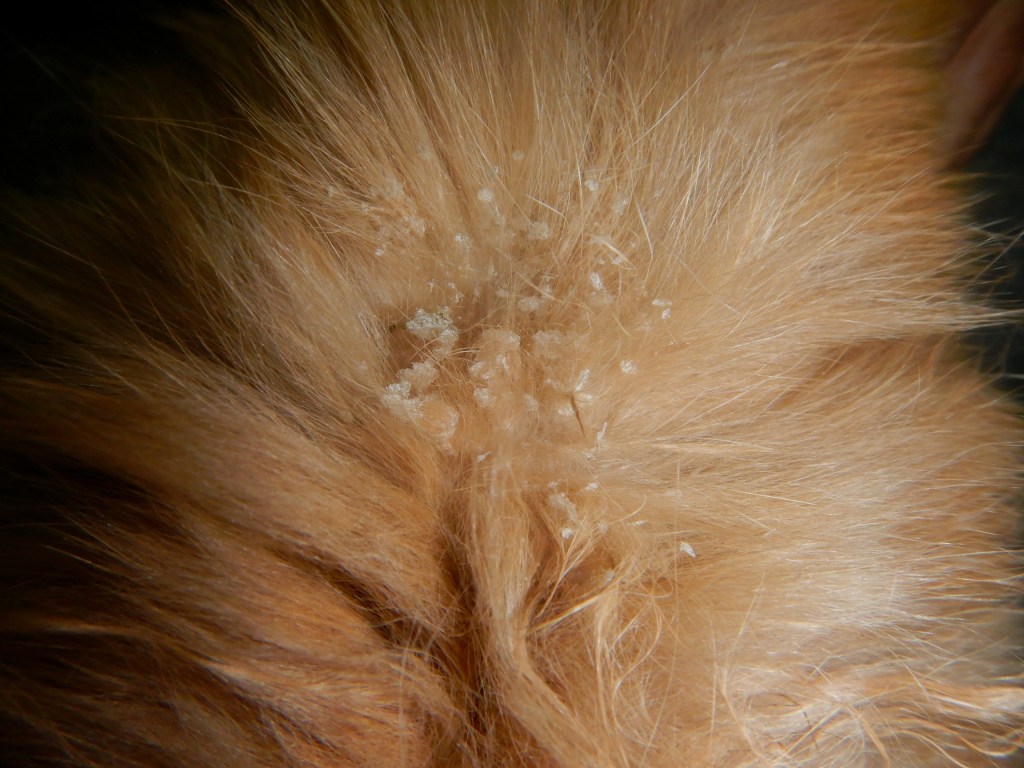
Dandruff hair in a brown rabbit due to Cheyletiella mites in veterinary clinic. Shutterstock asset id: 1561131680 by Alejandro MR
Q: What is pet dander, and why does it trigger allergies? A:Pet dander is made up of tiny scales from your pet’s skin, and it can collect in carpets, bedding, and vents. Allergens cling to soft surfaces, so symptoms can flare even when your pet is not in the room. Washing fabrics weekly and using a HEPA vacuum can make a noticeable difference.
Q: How can I cut down on dander without bathing my pet constantly? A: Brush outdoors a few times a week, wipe coats with a damp microfiber cloth, and wash pet bedding on hot. Keep pets off pillows and sleeping areas if allergies are a concern. Consistency beats occasional deep cleans.
Q: Can I use “natural” cleaners safely around pets? A: “Natural” is not automatically pet-safe, since some essential oils can irritate lungs or upset stomachs. Choose fragrance-free, pet-labeled products, and rinse floors well so paws do not track residue. Ventilate during cleaning and store chemicals where pets cannot reach.
Q: What actually removes pet odors instead of masking them? A: Start by removing the source: wash fabrics, clean litter boxes daily, and wipe accident areas promptly. Enzymatic cleaners break down urine proteins so smells do not come back. Airflow helps too, so replace HVAC filters on schedule.
Q: How do I prevent scratching, chewing, and stain damage? A: Protect high-wear spots with washable throws, rugs, and scratch guards, then reward pets for using approved posts or chew toys. Trim nails regularly and keep a simple “trade” routine for chewing: swap the wrong item for the right one. For recurring issues, add more playtime and enrichment to reduce boredom.
Pet-Friendly Home Care Checklist to Finish Today
A simple checklist turns “we’ll clean later” into quick wins you can repeat every week and season. Use it to spot problems early, reduce lingering odors, and protect your floors and furniture without living in cleanup mode.
✔ Set a weekly fabric wash day for throws, curtains, and pet bedding
✔ Run a HEPA vacuum on carpets, rugs, and upholstery twice weekly
✔ Wipe hard floors with pet-safe cleaner and a clean-water rinse
✔ Clean litter or potty zones daily and empty waste into a sealed bin
✔ Treat accidents immediately with an enzyme cleaner until odor is gone
✔ Swap HVAC filters on schedule and keep vents clear of fur
✔ Inspect scratch points, trim nails, and refresh approved scratchers
Check these off for two weeks, and your home will feel calmer fast.
Building Pet-Friendly Home Habits That Protect Your Space Long-Term
Life with pets is joyful, but fur, odors, scratches, and surprise messes can make a home feel like it’s always one step from chaos. The steadier answer is a proactive home maintenance mindset, pet-focused upkeep that treats cleaning, small repairs, and safety checks as normal rhythms, not emergencies. Over time, that consistency reduces pet damage risks, keeps a truly pet-friendly household, and supports long-term home preservation so floors, furniture, and air quality hold up better. Small, consistent pet-friendly upkeep protects both your home and your peace of mind. Choose one checklist item today and set it on repeat for the next week. That simple commitment keeps home and family life healthier, calmer, and more resilient for years.
Five sweet Leonbergers, from left to right, Kuiper, Caspian, Rilian, Austin, Obi-Wan. Photo by friend Ira Van Order / Velvy the Lion.
Esther’s current prompt is Exercise. Dog owners tend to live longer than others and one reason for that is that dogs force you to exercise. You should walk your dogs every day because they need the exercise and they love sniffing around. Dogs really enjoy their walk and so should you. If you have a large adult dog, you should walk it at least one hour per day. A Leonberger dog should have at least 1-2 hours of physical activity each day, which can include walks, hikes, swimming, or interactive play sessions. Sometimes they make you run for better and for worse, and running is good exercise, as long as you don’t fall. See the story below.
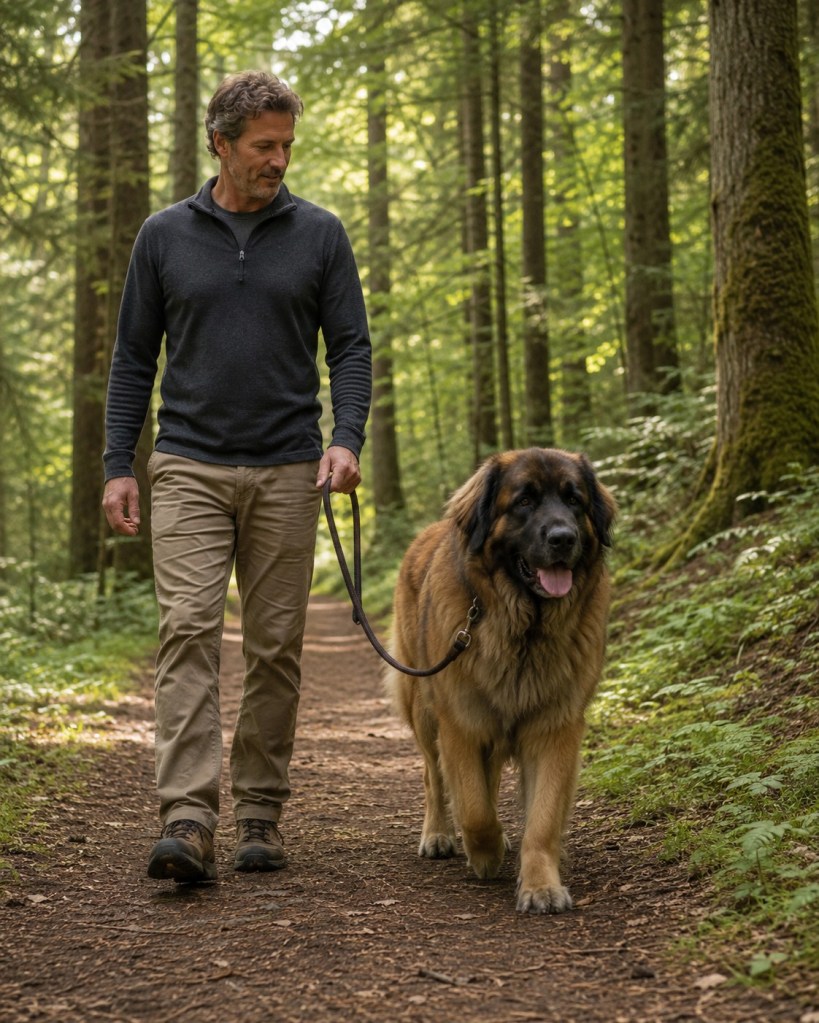
Walking the dog (a Leonberger) through a forest. There’s peace, fresh air, and exercise for both of you, and objects to sniff for the dog. I generated this picture with the help of ChatGPT.
When Our Leonberger Bronco Made Me Run like Crazy
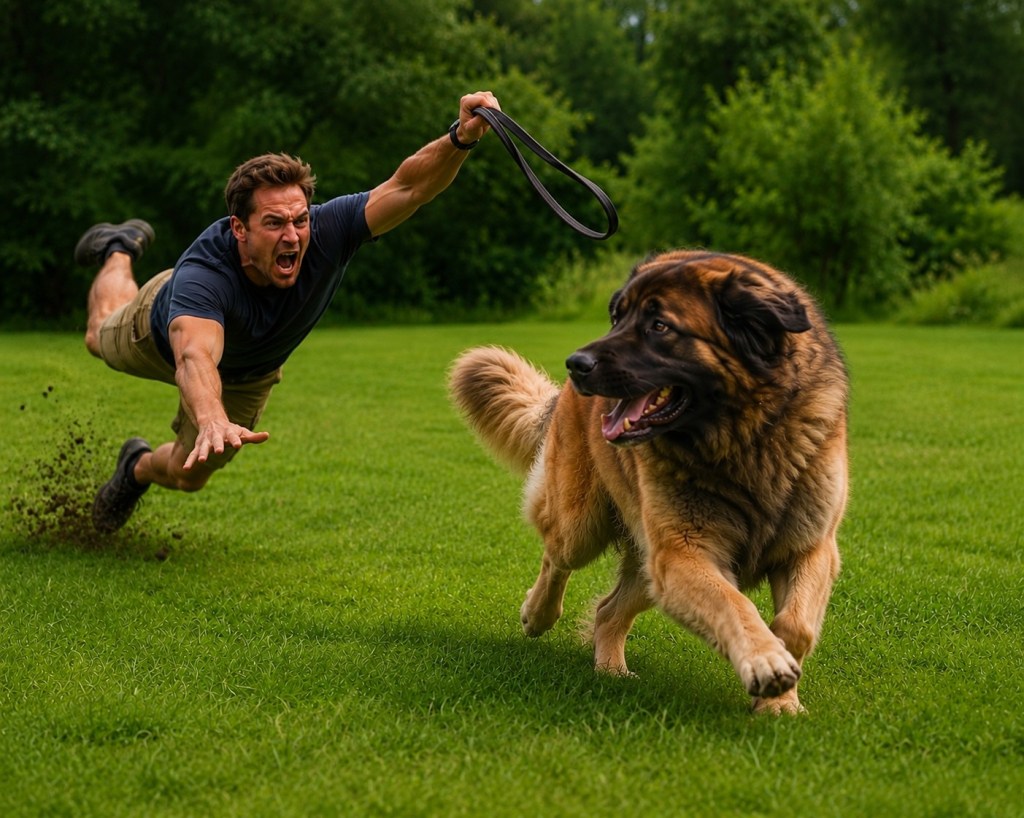
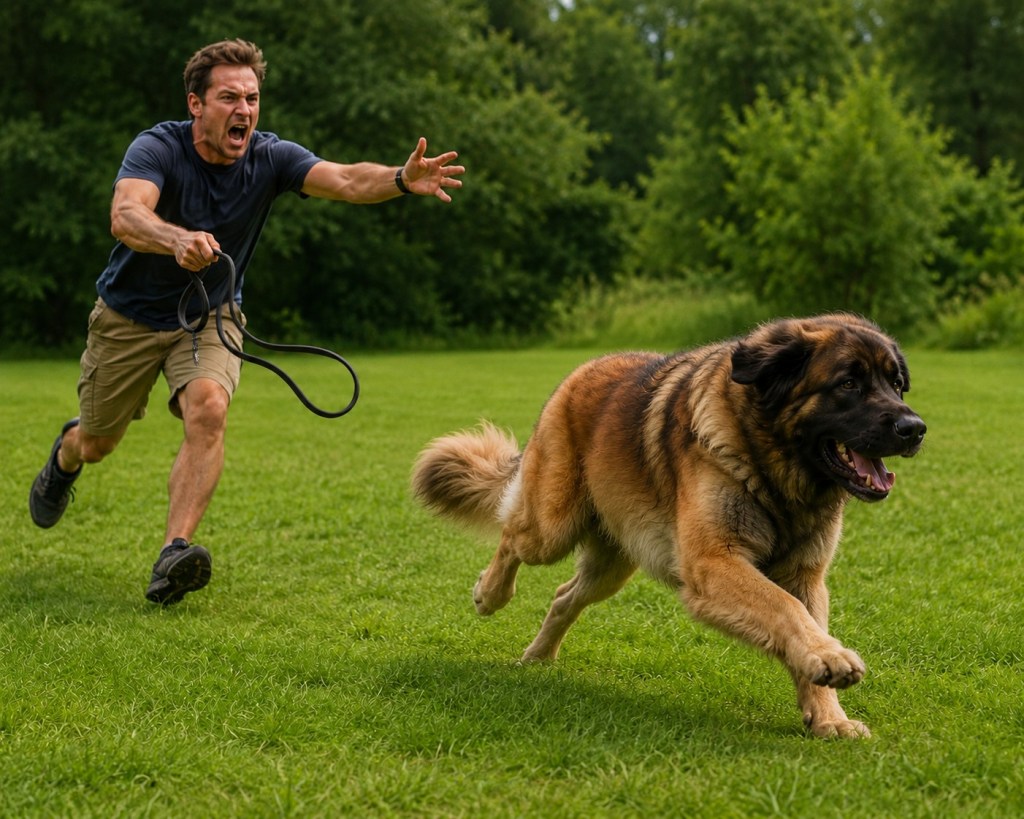
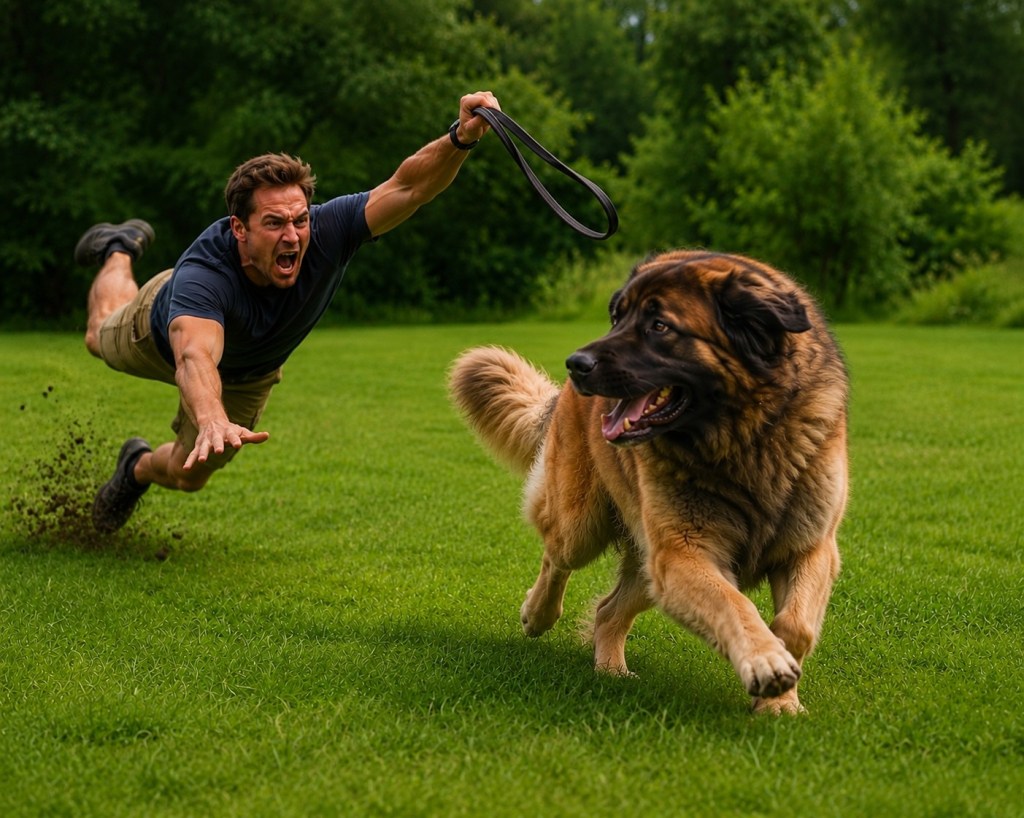
A couple of times, Bronco took advantage of the fact that the snap hook on his leash would come loose and detach from his collar. One day this became a big problem. Bronco ran off, and I chased him—across the street, across people’s lawns, across the street again, and back over neighboring lawns. When he ran in circles, I ran in circles right behind him, yelling at him. He would stop and wait for me, and then as soon as I got close, he would start running again. I even jumped to catch him a few times. But he dashed off both times, and I just landed flat on my belly.
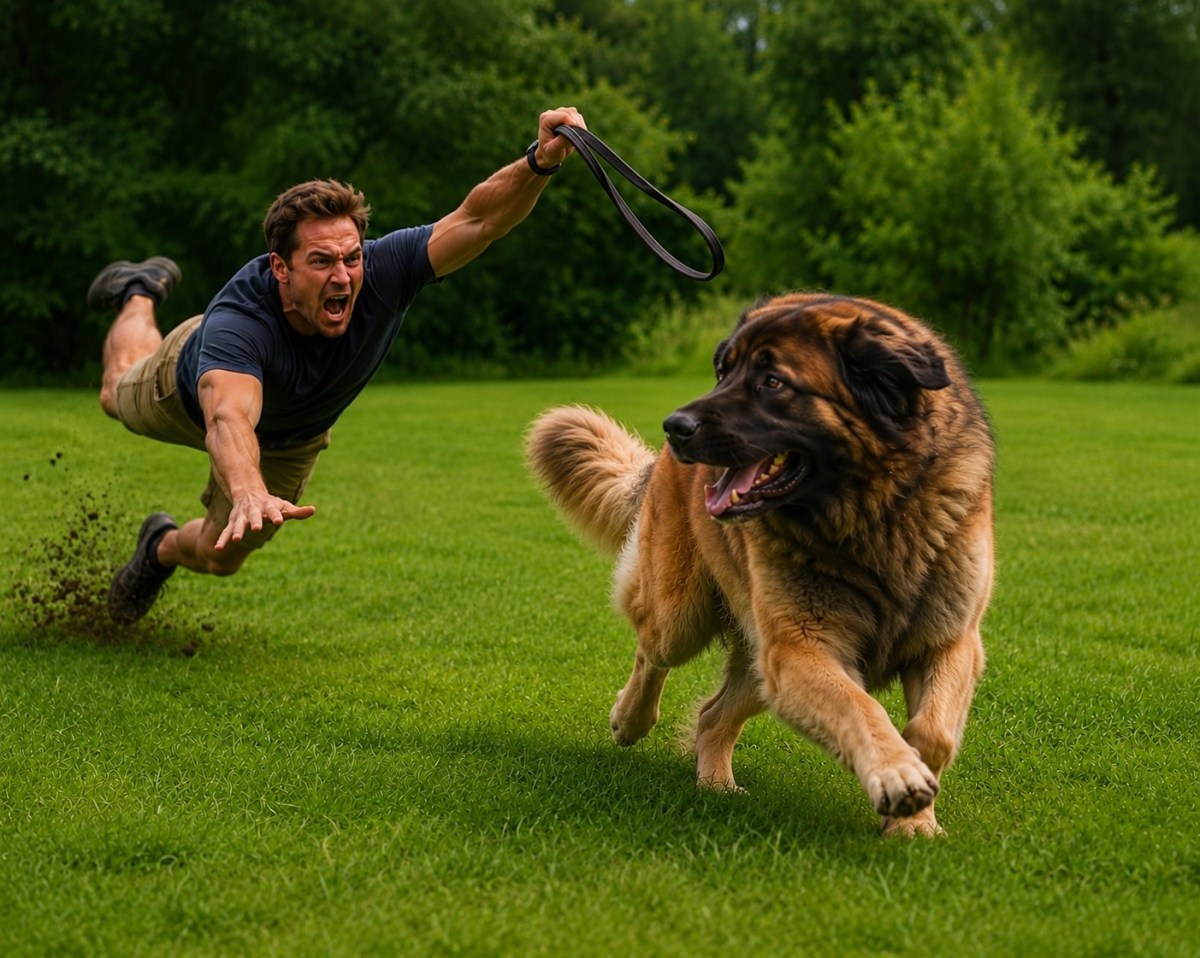
I am running after our Leonberger Bronco, unable to catch up. I generated this picture with the help of ChatGPT.I am running after our Leonberger Bronco and I am falling. I generated this picture with the help of ChatGPT.
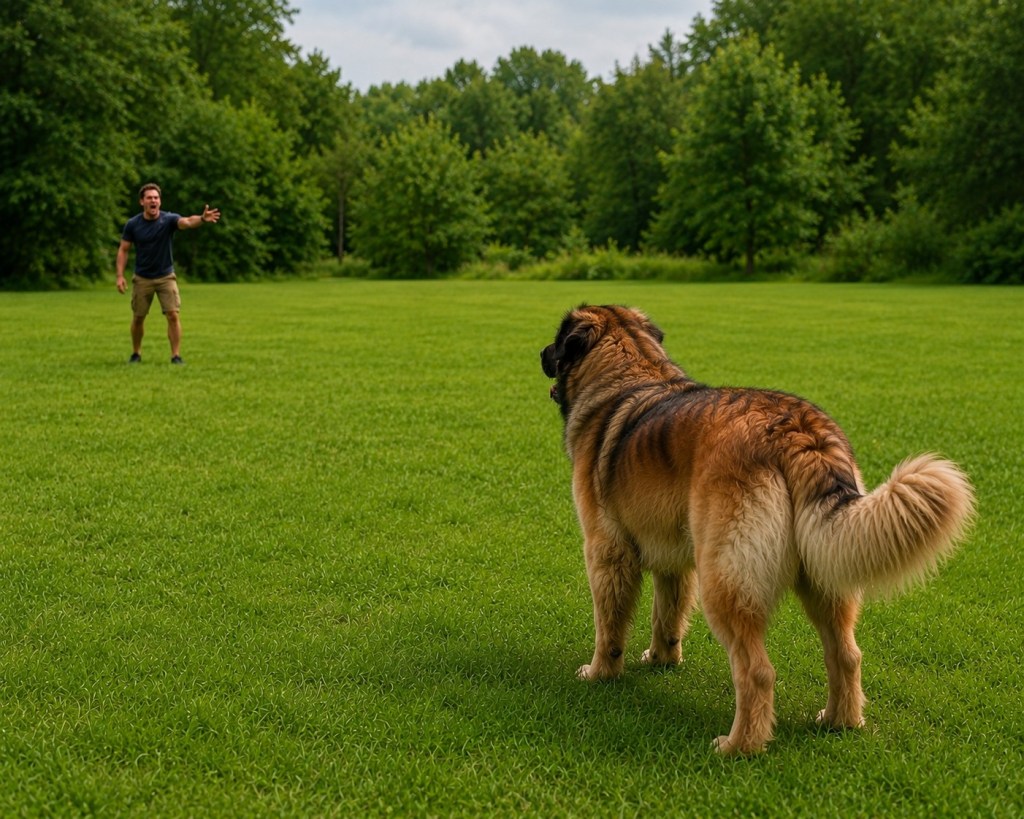
Bronco had a lot of fun doing this. I imagined him laughing at me, and I got angry. Dogs can’t laugh, of course, but his tail was wagging in excitement, and it was obviously a game to him—a dangerous game.
So, I asked him, “Do you want to be lost? Bad things happen to dogs who get lost.” I don’t know how much of that he understood, but I had to tell him the truth. Then I turned around and started walking home. I figured I’d never catch him, so it was better for me to go back and get help. (It was 2008, and I didn’t have a cell phone.) Naturally, I worried that Bronco would get hit by a car. I was also worried about the damage an energetic 130-pound adolescent dog could do to the neighborhood.
Me shouting at Bronco from a distance. I generated this picture with the help of ChatGPT.
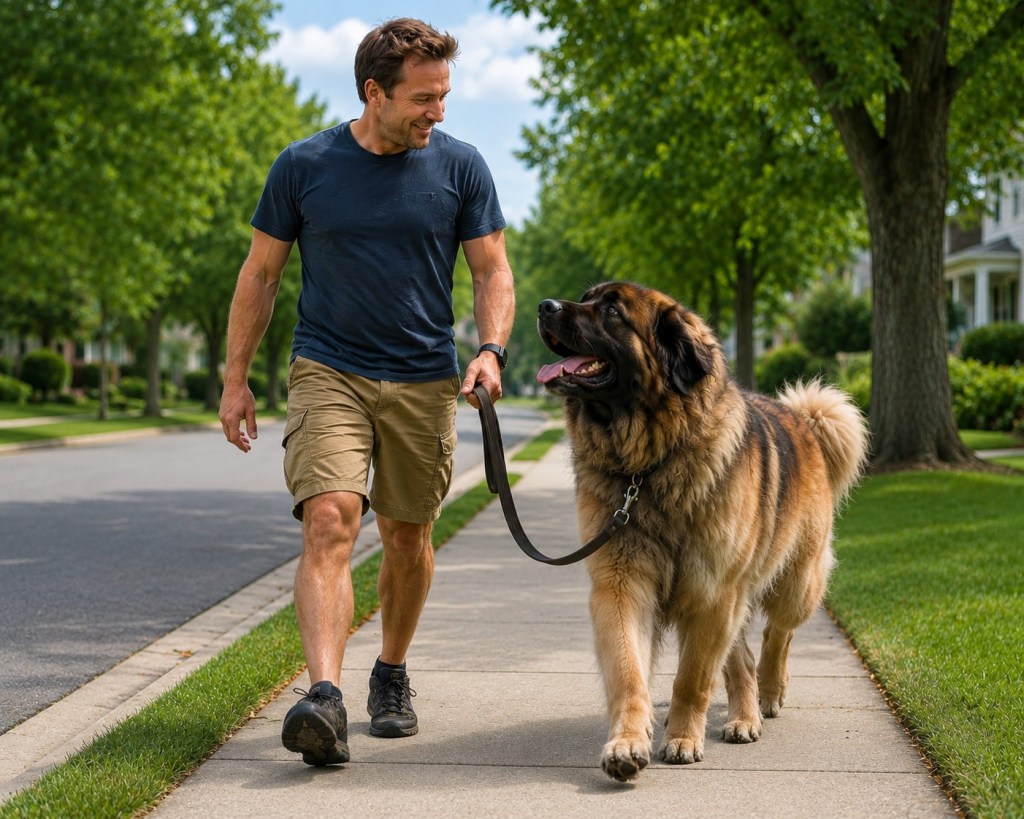
As I stomped off, I turned around to look at Bronco. He stood still, around a hundred yards away, staring back at me. He seemed confused. I continued walking. After a while, I heard the soft slapping of big paws on the road behind me, accompanied by some distinctly noisy breathing. Then I saw Bronco walking next to me, so I carefully snapped the leash back onto his collar. He let me do it without protest. He was finished playing games. We walked home calmly, and the next day I bought a new and better leash.
Finally Bronco was finished playing games. I generated this picture with the help of ChatGPT.
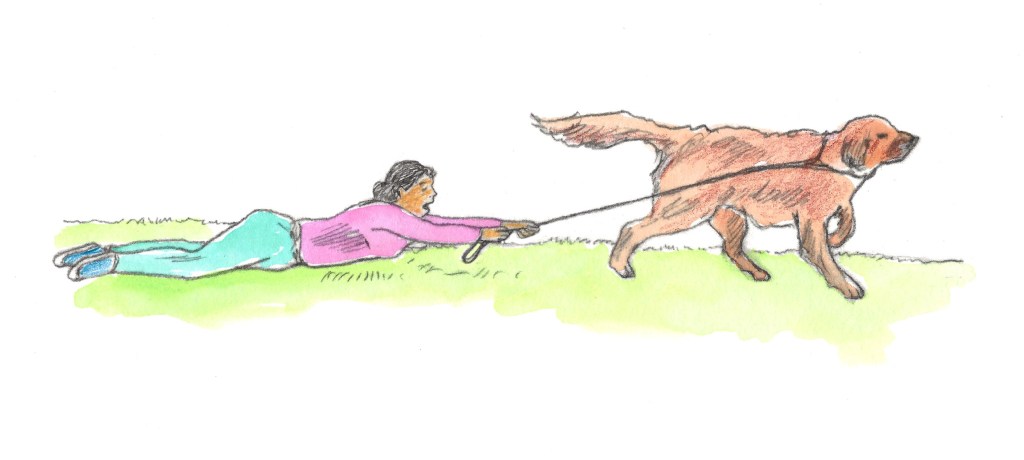
Well sometimes the situation below may happen with a Leonberger. This happened to my wife and to my daughter. Our Leonberger Bronco was dragging them as they desperately tried to hold him. In this case the exercise the dog gets is of better quality than what the woman gets.
My wife Claudia and Bronco. This was not Claudia’s best dog walk. This picture was drawn by Naomi Rosenblatt.
A professional content writer by the name of Ryan Goodchild contacted me about me posting an article he had written on Small Daily Steps for Stronger Mental Well-Being for dog owners and others and how dogs and other pets can enhance mental well-being. The title of the article is “Try These Small Daily Steps for Stronger Mental Well-Being” it is below. Ryan wrote the article and I provided pictures.
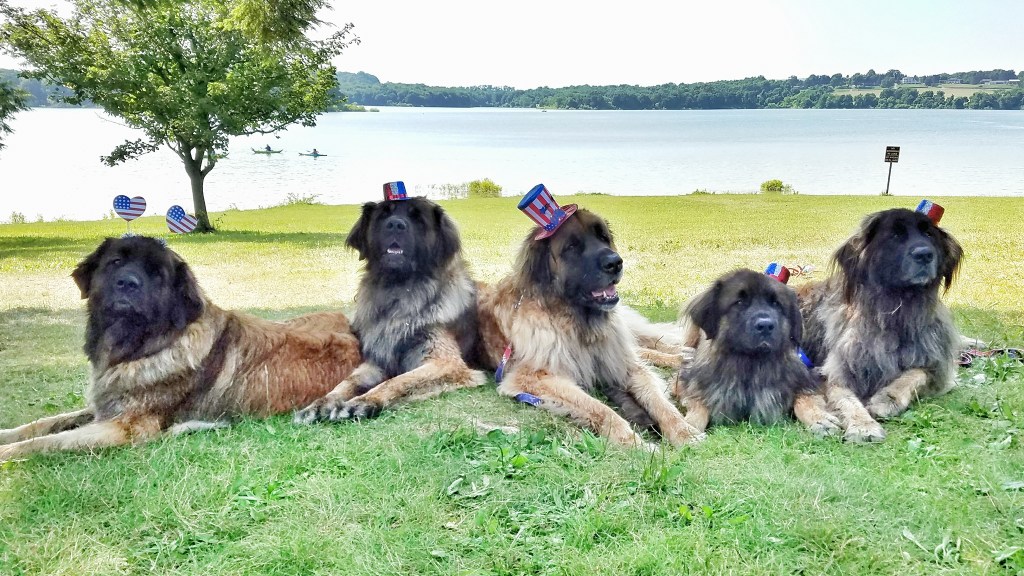
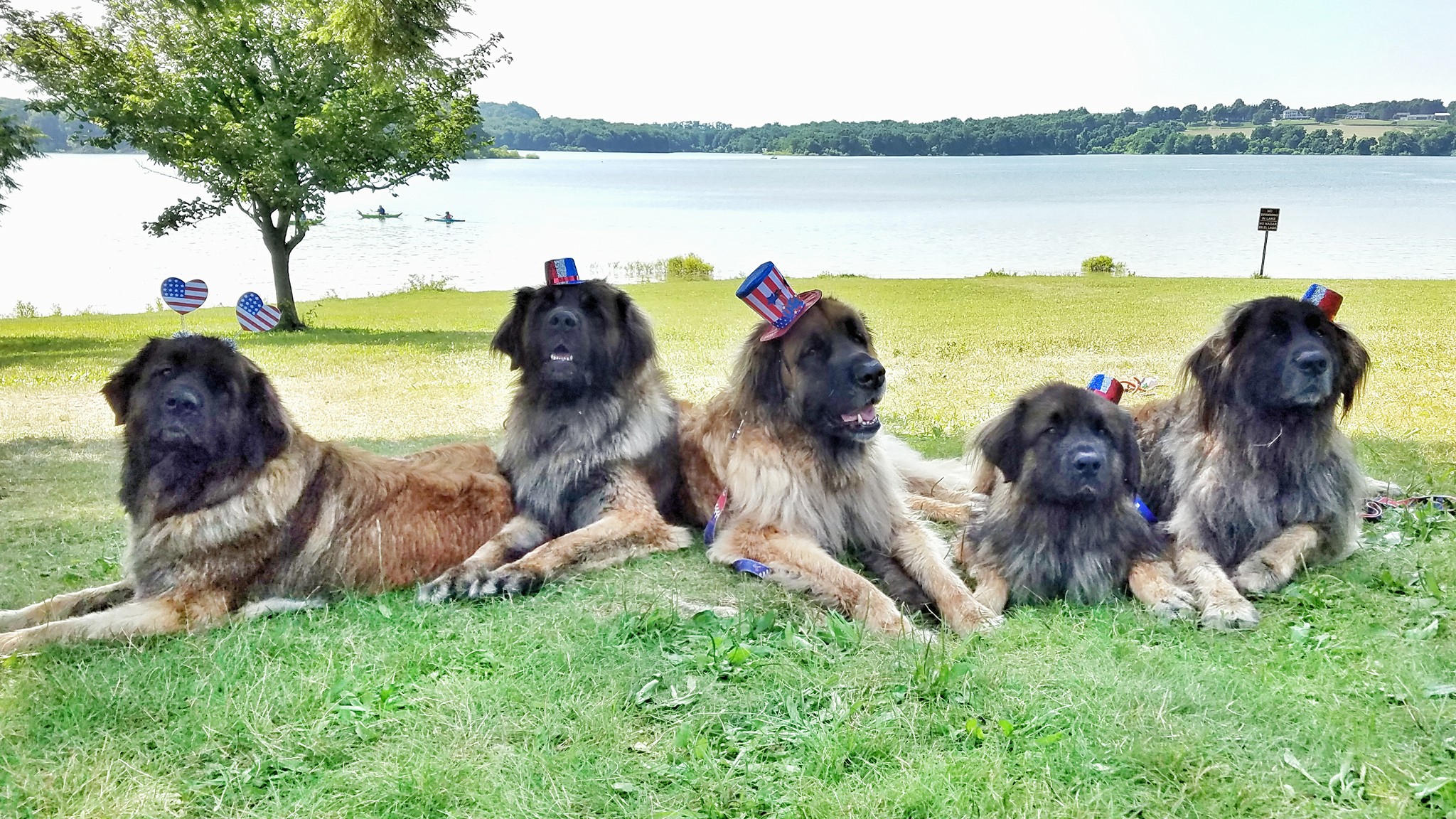
Six Leonbergers and a birthday celebration. Photo by friend Jen O’Keefe. Our young Leonberger Bronco is giving me a hug. Digory and Obi two old sweetheart Leonbergers Saint Bernard dog Stock Photo ID: 1713912484 by fred12. The photo of five Leonbergers wearing patriotic hats lying on grass by a lake was taken by Jen O’Keefe, (from left to right; Obi, Delfi, Aslan, Gryphon, Digory). A majestic and well-groomed Leonberger on a grassy knoll. Shutterstock-ID: 731020957 by Peter Josto.
I also wanted to mention that today is National Dog Day and International Dog Day. I just found out. So happy International Dog Day and National Dog Day to all dogs and to all dog owners and dog lovers.
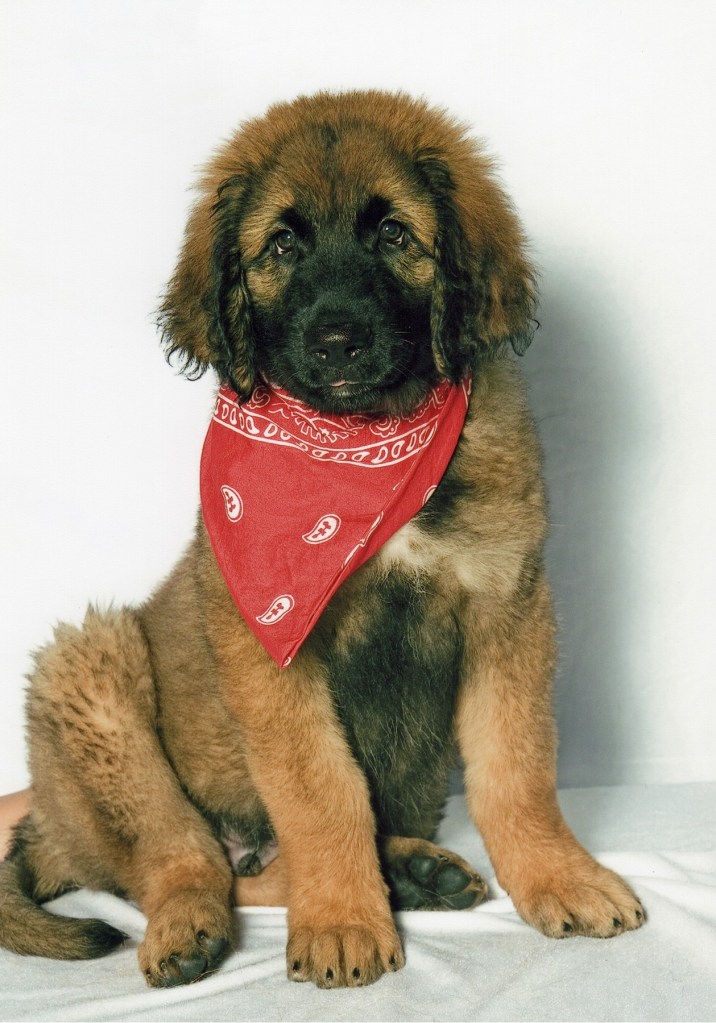
Our Leonberger Bronco at three months old. Happy National Dog Day!
Try These Small Daily Steps for Stronger Mental Well-Being
Busy parents juggling work and home life, caregivers, and professionals carrying full calendars often want better mental and emotional wellness but feel stuck in the same loop of fatigue, worry, and irritability. Between constant notifications, family needs, and financial pressure, everyday mental health challenges can make stress management for adults feel like another task that never gets finished. The truth is that general readers seeking mental health support don’t need a perfect routine or a total reset to start feeling steadier. With the right wellness motivation, small, realistic shifts can build emotional resilience.
Dogs can be used for therapy, including mental health therapy. Shutterstock asset id: 2169223279 by lala firdaa
Understanding a Holistic Wellness Toolkit
Calm, family-oriented breeds like Leonbergers often mirror the mood of the home. Shutter Stock Asset id: 1741753382 by Elena Podrezenko
A helpful way to think about mental health is as ongoing care, not a one-time fix. A mental health maintenance plan treats your well-being like daily nourishment, supported by small practices you can actually repeat. A holistic mental health treatment mindset simply means using more than one angle, because stress shows up in thoughts, feelings, bodies, and relationships.
This matters because one habit rarely covers everything. A quick walk may ease restlessness, while a two-minute breathing pause calms your nervous system, and a kind boundary reduces resentment. When you combine tiny supports, you build steadier moods without needing perfect conditions.
Think of it like keeping a car running smoothly: fuel, tire pressure, and oil changes all play a role. On a hectic day, you might pick one small action for your body, one for your mind, and one for your emotions. Audio habits can fit right in, offering calm cues and uplifting stories during everyday tasks.
Meet the Gentle Giant of Mental Health Therapy: The Leonberger
Five sweet Leonbergers, from left to right, Kuiper, Caspian, Rilian, Austin, Obi-Wan. Photo by friend Ira Van Order / Velvy the Lion.
If a pet visit steadies you, a trained therapy dog does the same thing with intention behind it. Therapy dogs are trained to give affection and support to people, and handlers bring them into hospitals, assisted living homes, counseling offices, and schools to offer comfort and ease stress. Some teams work directly alongside healthcare professionals to improve treatment outcomes, which is what animal-assisted therapy describes. The appeal is the same co-regulation you feel petting a friend’s dog: a warm, unhurried presence that asks nothing of you.
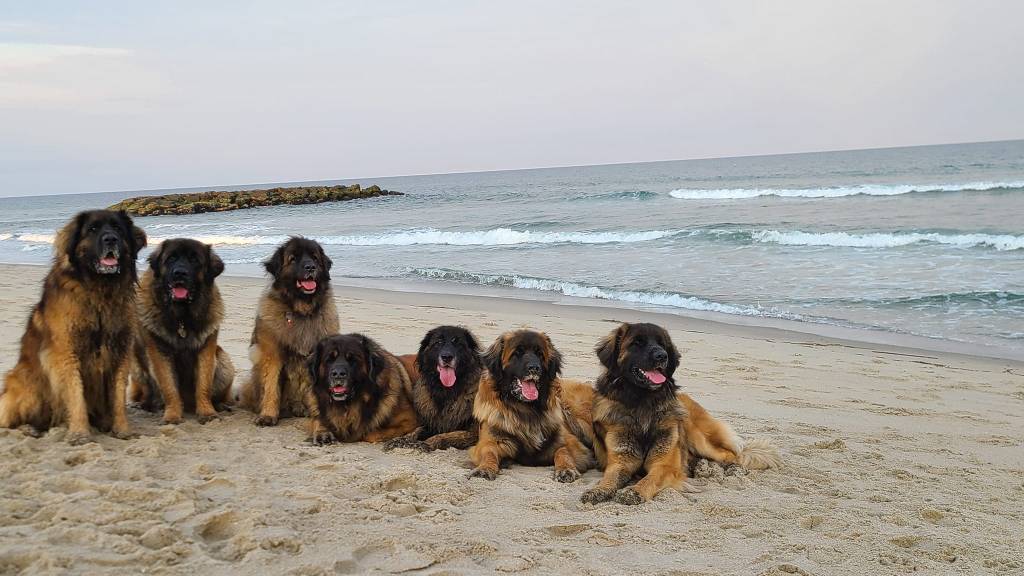
Seven Leonbergers by the beach. Photo by my friend Jen O’Keefe.
Not every dog suits that work, which is where breed temperament matters. The Leonberger, a large German working breed, is one of the most reliable choices. Its breed standard describes a dog defined by confident calmness, friendly toward children, neither shy nor aggressive, with self-assurance and superior composure, a good capacity for learning, and insensitivity to noise — that last trait matters more than it sounds on a ward full of alarms and commotion. The Leonberger Club of America has recognized this since 2002 through a Therapy Award for Leos and owners who log hours in pet therapy programs, noting their gentle disposition and a size that makes them easy to pet from a bed.
Ten Leonberger puppies. My guess is that they are about two months old. Shutterstock-ID:561107710 by Akbudak Rimma.
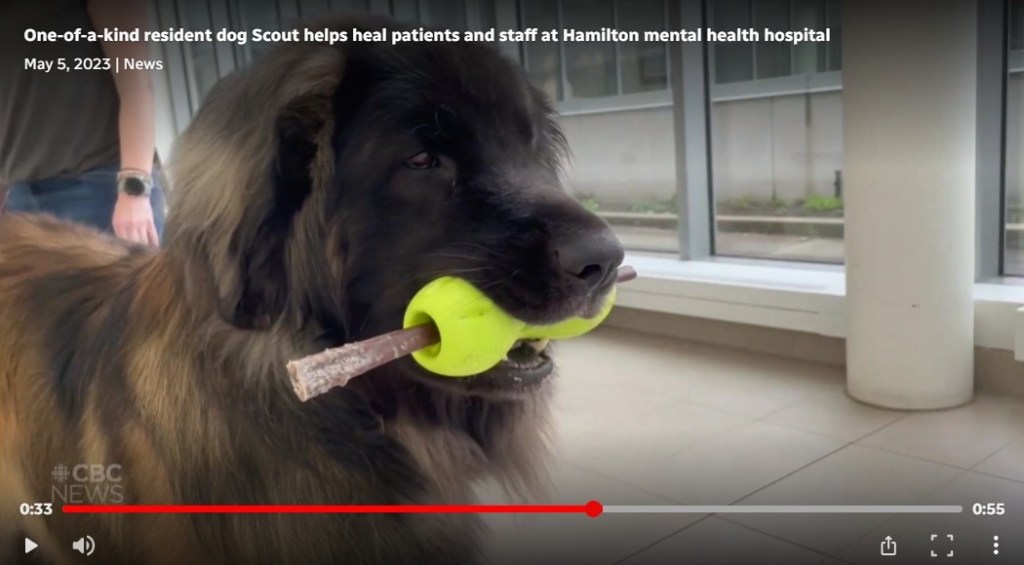
You can see it in practice. CBC News profiled a Leonberger named Scout who works with residents at a mental health hospital in Hamilton, Ontario — you can read more about him here. You don’t need your own Leonberger to borrow the benefit: ask whether a local hospital, library, or senior center runs therapy dog visits, or contact a national therapy organization to find a team near you.
By clicking on the video you’ll see the video about the therapy dog Scout.
Use Podcasts as a Mini Reset for Your Mind
A well-rounded wellness toolkit works best when some supports are easy to reach in the middle of a busy day, like something you can take in through your ears while you’re doing ordinary tasks. Listening to podcasts can be a simple, accessible way to support everyday mental and emotional wellness because positive audio content can offer encouragement, fresh perspectives, and a real sense of connection. When you hear true stories from people who have navigated challenges, committed to personal growth, or reached meaningful goals, it can remind you that setbacks are part of being human, and that change is possible.
Pod cast brainstorm panda. Shutterstock asset id: 2577846237 by Shutterstock AI
Educational and inspirational shows can also ease feelings of isolation by giving you a steady stream of practical insights and motivating ideas you can carry into your day. For example, the University of Phoenix podcast shares alumni journeys that can feel grounding and uplifting when you want a gentle mental reset.
Unexpected Practices to Boost Mood and Resilience
If podcasts help you “reset” your mind, think of these as hands-on resets, quick experiments you can rotate depending on your energy, mood, and schedule.
A 15-minute forest bathing loop. I generated it with the help of ChatGPT.
Try a 15-minute forest bathing loop: Walk slowly in a park or tree-lined street and give yourself one job: notice five textures (bark, leaves, air temperature). Pause twice to take three long exhales, as if you’re letting the environment “set your pace.” This gentle attention shift can downshift stress without needing a big workout or a perfect mindset.
Go birdwatching, without being “a bird person”: Step outside for 10 minutes and listen for three distinct calls before you even look up. Then scan for movement and pick one bird to follow visually for 30 seconds. The combination of listening + tracking is a natural focus anchor, similar to how a calming podcast keeps your attention from spiraling.
Do “service in sneakers” for volunteering and mental health: Choose one small, repeatable act of help you can do in under 20 minutes, dropping off donations, writing a supportive message, or picking up litter on your route. Make it specific: same day each week, same location, same duration. Consistency matters because it builds identity (“I’m someone who helps”), which can strengthen resilience on rough days.
Borrow calm from animal-assisted therapy (or a pet visit): If you have access to an animal-assisted therapy program, try a single session and notice your body cues before/after, jaw tension, breathing speed, shoulder height. No program nearby? Spend 10 mindful minutes with a pet (yours or a friend’s): slow strokes, match your breathing to the animal’s rhythm, and end with one minute of stillness. The goal is co-regulation, your nervous system learning “safe and steady” through connection.
Use art therapy techniques as a mood “release valve”: Set a timer for 12 minutes and do a “scribble-to-shape” page: scribble continuously, then outline 3 shapes you see and color them in. Keep it private and process-focused; it’s not about talent. A meta-analysis found a significant decrease in PTSD symptoms following creative arts therapy, which is a good reminder that creating can support the mind even when words feel stuck.
Practice tai chi for emotional balance with a 3-move mini-set: Do “standing posture,” “weight shift,” and “slow arm circles” for 5 minutes total, moving at about half your normal speed. Pair each movement with a simple cue like “soften” on the exhale. Tai chi works well when you’re anxious-but-tired because it’s grounding without being intense.
Try “micro-horticulture” (one plant counts): Water, prune, or repot one plant for 10 minutes, paying attention to color and scent. If you don’t have plants, start a windowsill herb or volunteer one hour monthly at a community garden. Research on nature-based therapy links it with improved psychological variables, and the “care + growth” loop can be especially stabilizing.
Build a sensory grounding kit you’ll actually use: Pick three items for three senses, peppermint tea (taste), a textured keychain (touch), and a calming sound clip (hearing). When you feel yourself speeding up mentally, use them in order for 2 minutes each. This works like an emergency playlist: predictable cues that tell your brain “we’re safe enough to settle.”
Do a “one-scene replay” after listening: After an uplifting podcast or story, write down one scene or line that hit you and answer: “What does this make me want to do in the next 10 minutes?” Then act on it, send a message, step outside, stretch, tidy one surface. Turning inspiration into a tiny behavior shift is how audio comfort becomes real-world resilience.
Wellness Habit Questions People Ask Most
Q: How do I fit mental wellness habits into a packed day? A: Make it “too small to fail”: 2 minutes counts. Pair one habit with something you already do, like a slow breath while the kettle heats or a quick walk after you lock the door. If you miss a day, restart with the smallest version.
Q: Do I need to spend money for these to work? A: Not at all. Most calming practices are free or low-cost, and you can borrow resources through your library or community centers. If you have benefits, many workplaces also support wellness since 85% of large US employers offer wellness programs.
Q: Are unconventional options like art-based or animal-based practices safe? A: Generally, yes, when you keep it gentle and within your comfort zone. Start with short sessions, notice how your body feels, and stop if anything increases distress. If you have trauma history or severe symptoms, check in with a licensed clinician before trying new modalities.
Q: What if I feel silly doing these things in public? A: Choose “stealth” versions, like listening for sounds on a normal walk or doing a tiny grounding routine in the restroom. You can also practice privately first so it feels familiar. Confidence grows when the habit feels like yours.
Q: When should I get professional help instead of DIY habits? A: If you’re struggling to function, using substances to cope, or having thoughts of self-harm, reach out for immediate support. For ongoing stress, habits can complement therapy, not replace it.
Turn Small Daily Practices Into Lasting Emotional Resilience
When life is busy or stressful, mental wellness can slide to the bottom of the list, even when you know it matters. The steadier path is integrating mental wellness habits through personalized wellness strategies, simple, low-pressure experiments you can actually repeat. Over time, those daily mental health practices become ongoing emotional health support, building confidence in your ability to ride out hard moments and enjoy good ones. Small daily habits create long-term mental health benefits.
A professional content writer by the name of Ryan Goodchild contacted me about me posting an article he had written on designing a stylish and durable dog friendly home. The title of the article is “How to Design a Stylish and Durable Dog-Friendly Home That Lasts” it is below. Ryan wrote the article and I provided pictures.
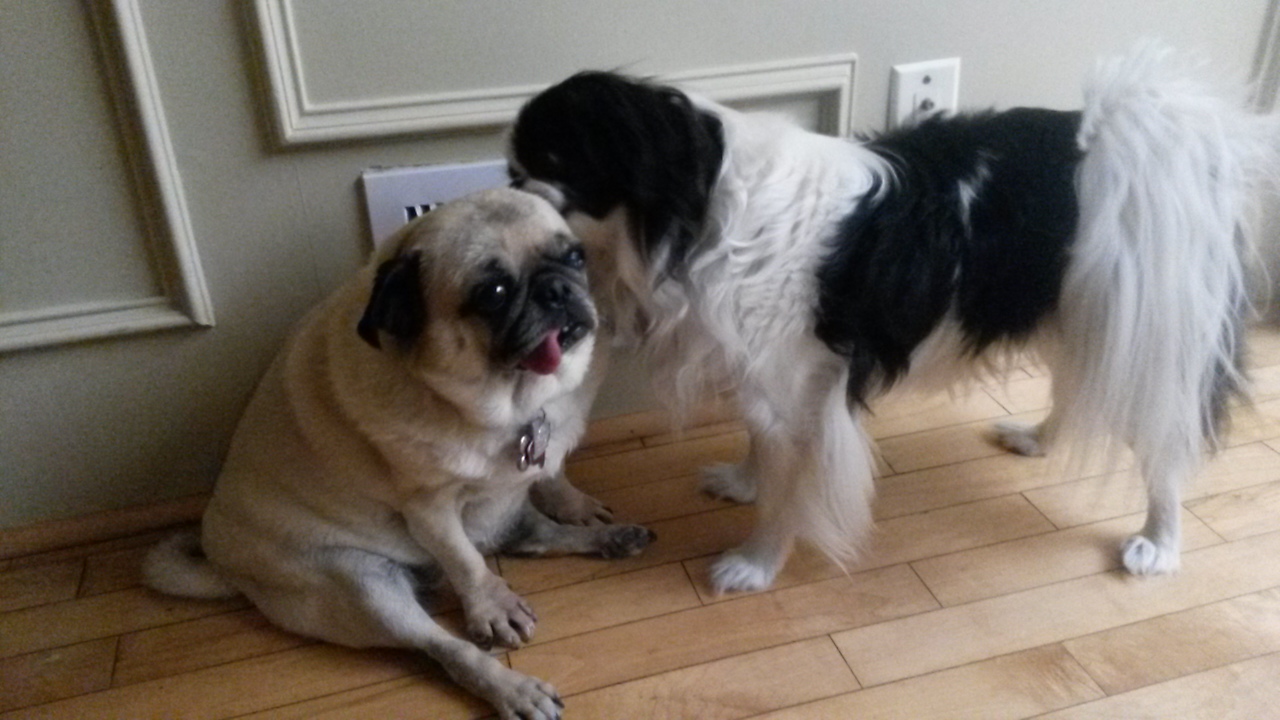
Our Labrador Baylor and German Shepherd Baby. Bronco wearing a soft cone and accidentally clearing a table. Our Leonberger dog Bronco sleeps on our big leather sofa. Young Bronco is giving me a hug. Our Japanese Chin Ryu is licking our Pug Daisy’s ear. Our Leonberger dog Bronco is sitting in my wife’s lap. Bronco and our Pug Daisy are eating a gingerbread house in the kitchen. Our mini-Australian Shepherd Rollo biting Bronco’s tail.
How to Design a Stylish and Durable Dog-Friendly Home That Lasts
For design-minded dog owners and busy households with pups underfoot, home should feel welcoming without looking worn down. The real challenge is balancing pet needs and aesthetics when muddy paws, shedding, scratching, and daily mess collide with a polished space. Dog-friendly home design isn’t about sacrificing style; it’s about choosing durable home materials and stylish pet accommodations that hold up to real life. With the right mindset, long-term home functionality becomes a design feature, not a compromise.
Our Leonberger dog Bronco and our mini-Australian Shepherd Rollo when he was a puppy.
Upgrade Room by Room: 8 Dog-Proof, Design-Forward Ideas
A dog-friendly home doesn’t have to look like a kennel, or feel like you’re “settling.” Start with the rooms you use most, choose finishes that hide real life, and upgrade in layers so your style stays front-and-center.
Our German Shepherd Baby playing with our 4 months old Leonberger Bronco.
Start at the entry with a “dirt-control” landing zone: Put a washable runner (or indoor/outdoor-style rug) right inside the door and add wall hooks plus a closed bin for leashes, towels, and paw wipes. This keeps grit from traveling to your nicer surfaces and makes departures less chaotic. If you can, add a low bench so you can wipe paws without wrestling.
Choose scratch-resistant flooring where claws hit hardest: In high-traffic paths, entry, hallway, kitchen, prioritize tough, easy-clean surfaces and keep area rugs for warmth and style. If replacing floors, ask for samples and do a real test: drag a key lightly, spill water, and see if it shows. If full replacement isn’t in the budget, a long runner in the “zoomie lane” protects what you already have.
Upgrade to easy-clean fabrics (and make them work harder): For sofas and dining chairs, look for tightly woven performance fabrics or removable, washable covers in mid-tone colors that hide fur and smudges. The right pet-friendly upholstery fabric can cut daily maintenance and keep your room looking “done” longer. Add a throw you don’t baby to your dog’s favorite spot so you’re laundering one layer, not deep-cleaning cushions.
Build a feeding station that’s neat by design: Convert a lower cabinet, nook, or mudroom corner into a built-in feeding station with a wipeable surface and a pull-out bin for food. Add a washable mat under bowls and mount a small hook for the scoop so it’s never on the counter. This keeps crumbs contained, reduces slipping bowls, and makes the area look intentional instead of temporary.
Dog-proof storage with small hardware changes: Use lidded cans, add simple childproof latches to low cabinets, and keep tempting items behind closed doors. A few minutes spent removing personal items from reach prevents chewed shoes, shredded mail, and unsafe snacking. Aim for one “dog-safe” basket in each main room so clutter has a place without becoming a hazard.
Create a durable “rest zone” that protects your layout: Give your dog a defined spot, bed, crate, or mat, near where you actually hang out, not tucked away. Place it on a washable rug or low-pile mat to protect flooring and help anchor the room’s arrangement. When your dog has a predictable place to settle, you’ll see less pacing, less furniture-hopping, and fewer dirty paw prints on upholstery.
Make your yard a secure outdoor dog space, not a stress zone: Check fence gaps, latch reliability, and sightlines at gates, then add a double-latch or self-closing hinge if you’ve had close calls. Define one “dig/zoom” area with mulch or gravel and keep the rest landscaped for looks. A shaded water spot and a clear path back to the door reduce tracking mud through the house.
Choose pet-safe landscaping that still looks polished: Skip plants known to be toxic to pets and avoid cocoa mulch; use sturdy groundcovers and hardscaping borders that won’t splinter or poke paws. Create a rinse-off station with a hose and spray nozzle near the door so muddy days don’t wreck your floors. These aesthetic home upgrades let the outdoors feel curated while staying practical.
Six Leonbergers and a birthday celebration. Photo by friend Jen O’Keefe.
If You’re Building New: Ask These Warranty Questions at Closing
After you’ve planned dog-tough finishes and built-ins, it’s worth protecting the structure those upgrades depend on. When you’re closing on a new build, ask your builder whether a structural warranty (or similar long-term protection) is included, and what it covers if defects show up after you move in. This kind of coverage can help safeguard the home’s integrity, which matters when you’ve invested in pet-friendly choices like durable flooring or built-in features that are meant to perform for years. Getting clarity up front on coverage expectations, and whether a third-party, insurance-backed option like a builder-backed warranty for new homes is part of the package, can add peace of mind as your dog settles in. Next, we’ll tackle the practical questions homeowners ask most about odors, stains, fences, and resale value.
A dog friendly house. Generated with the help of ChatGPT.
Dog-Friendly Home Design: Common Questions Answered
Q: What actually keeps dog odor under control without making the house smell like chemicals? A: Start with what holds odor: washable covers, low-pile rugs, and sealed floors that do not absorb. Use a HEPA vacuum weekly, launder soft goods often, and run a carbon air purifier in the main hangout zone. If odors persist, an enzyme cleaner beats masking sprays because it breaks down the source.
Q: How do I remove urine stains from floors or carpets without ruining the finish? A: Blot first, then apply an enzyme-based cleaner and give it enough dwell time before rinsing or blotting again. Avoid steam cleaners on fresh urine since heat can set stains and odors. Test any product in a hidden spot, especially on hardwood sealants.
Q: What fence type and height works best for most dogs? A: A solid, climb-resistant fence with minimal horizontal rails is a reliable choice for many homes. Many installers consider the ideal fence height 4 to 6 feet, with 6 feet as the industry standard for containment. Match the design to your dog’s jumping and digging habits, then add a buried edge or kick plate if needed.
Our Leonberger dog Bronco and fence you cannot dig holes under. Leonbergers are expert diggers.
Q: Can I keep resale appeal if I choose dog-proof materials? A: Yes, when choices read “durable and neutral,” not “pet-only.” Stick to classic colors, consistent hardware finishes, and quality flooring that any buyer would see as an upgrade. The best pet-friendly features look like smart maintenance, not a special-purpose remodel.
Q: How do I reduce everyday wear and tear from paws, nails, and outdoor mud? A: Create a simple entry drop zone with a washable runner, hooks, and a closed bin for towels and wipes. Keep nails trimmed and place scratch-friendly surfaces like washable mats near doors and feeding stations. Outside, use hardy groundcover or gravel in the main run path to limit dead grass and tracked-in dirt.
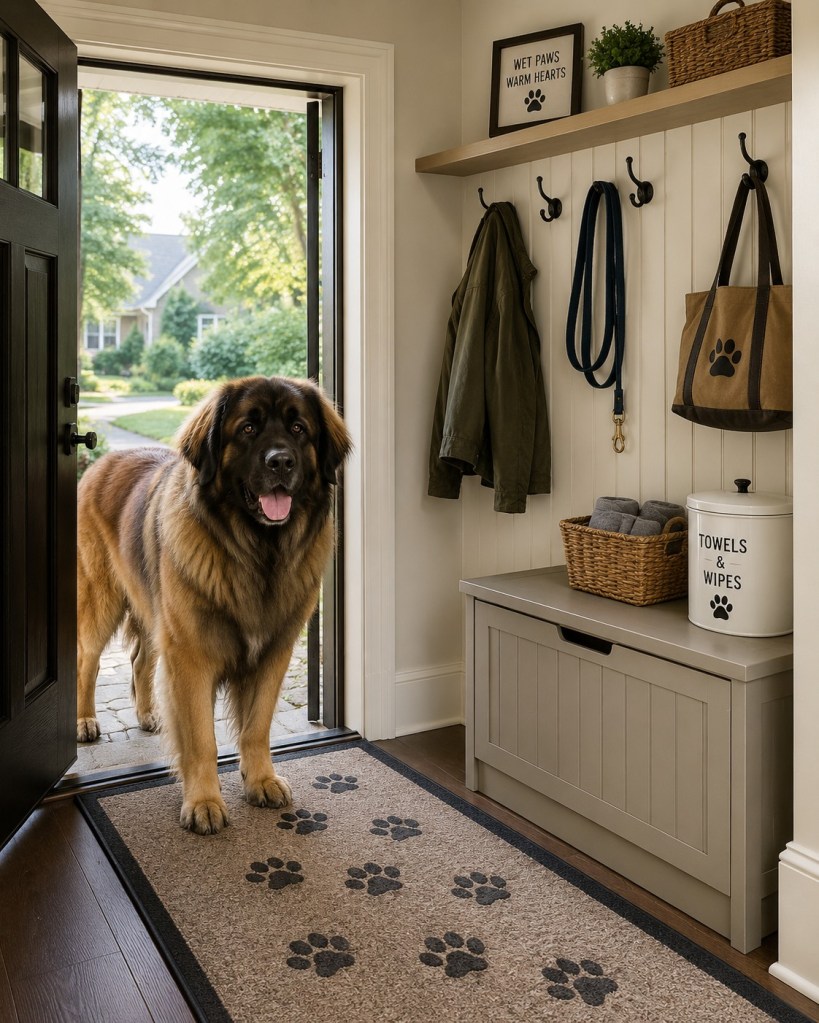
Leonberger dog at the entrance of a house standing on a washable runner. There are hooks and a bin for towels. Generated with the help of ChatGPT.
Finish-Strong Dog-Friendly Home Checklist
This checklist turns good ideas into repeatable habits, so your home stays stylish while handling real life with dogs. Use it to decide what to upgrade now, what to schedule, and what to maintain each week.
✔ Choose sealed, non-absorbent floors for high-traffic zones
✔ Add washable slipcovers and throws to the main seating
✔ Place low-pile, easy-clean rugs where paws land most
✔ Run a HEPA vacuum on a weekly calendar reminder
✔ Keep an enzyme cleaner stocked for fast accident response
✔ Set an entry drop zone with towels, wipes, and a closed bin
✔ Inspect fencing for gaps, dig spots, and climb points monthly. Check these off once, then protect them with routine.
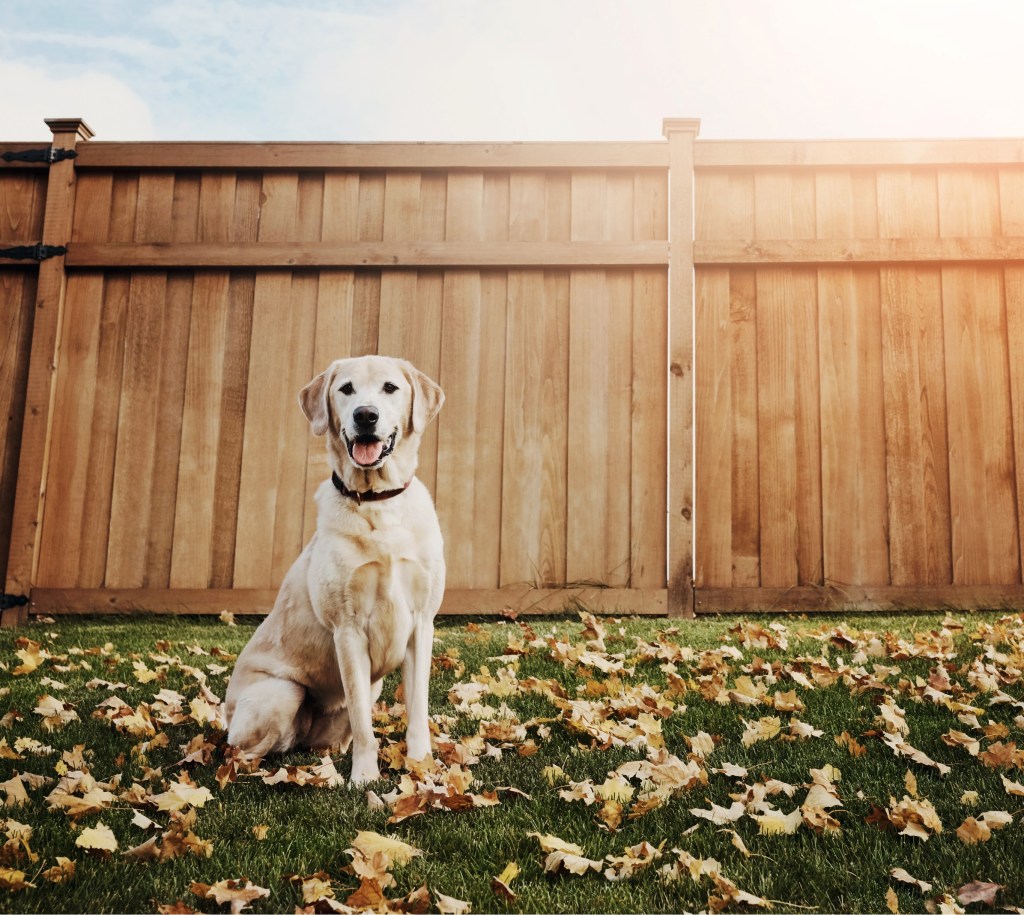
Labrador in front of fence in the backyard. This is good fence but has a potential dig spot. Shutterstock asset id: 2485564001 by PeopleImagesThe fence needs to be fixed after a tornado went through the neighborhood. Bronco had just had a toe amputation.
Make Style Last With Dog-Ready Materials and Layouts
Living with dogs can feel like a constant trade-off between a home that looks pulled together and one that can take daily wear. The steadier path is designing for real life: choose materials supporting pet durability, use layouts for pet and people, and keep integrating pet features in ways that maintain home style with dogs. Design for the dog you have, and your style will last longer. Pick one high-impact change from the checklist this week, swap in a tougher surface, protect a high-traffic zone, or refine a room flow, then build from there. Long-lasting pet-friendly design protects comfort now and creates a calmer, more resilient home for everyone.
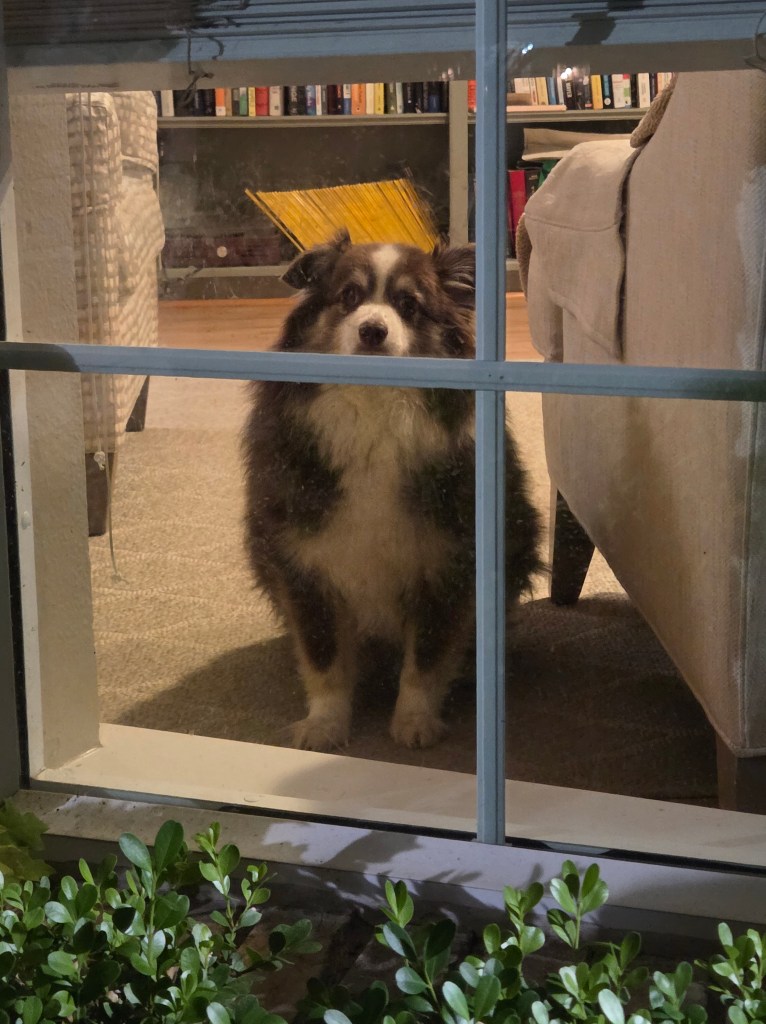
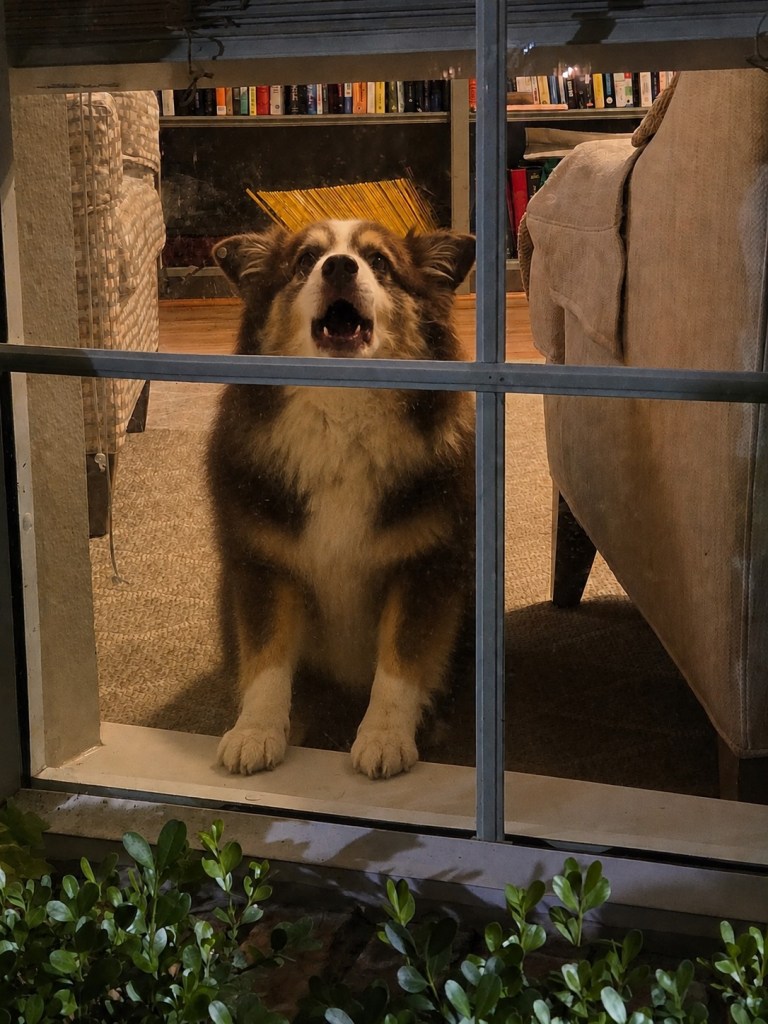
Rollo Go Look Out the Window – that is what we tell our mini-Australian Shepherd Rollo when we have to leave him home alone for a couple of hours. Whenever we say that he runs to the window and looks out the window. He isn’t happy about us leaving but he likes looking at all things that he can see through his window, and he barks at the things he sees.
But what does Rollo see? See the children’s story below. I should say that I will work on this story and try different kinds of images to go with it. For this attempt, the first and second photo in the story are taken with my cell phone. The photo of planet Earth is from pexels.com. All the other pictures in the story I generated with help of ChatGPT. The photos outside / after the story are all photos taken by me.
What does Rollo See out his Window ?
Rollo’s owners are usually with Rollo most of the time, but sometimes they have to leave him for a couple of hours. When that happens, Rollo is not happy.
However, Rollo’s Mama says, “Rollo go look out the Window” and Rollo runs to look out the window.
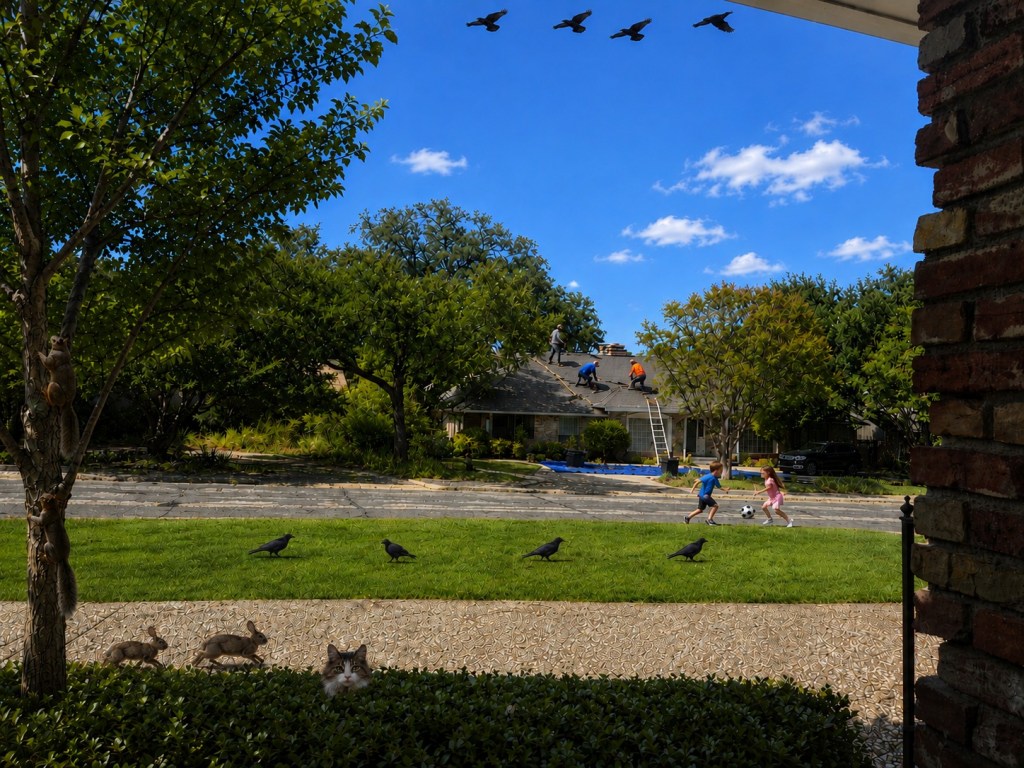
What does Rollo see? He sees the blue sky and the clouds; he sees birds flying and he sees the black crows walking on our lawn. He doesn’t like the black crows walking on his lawn, so he goes woof, woof, woof, woof.
He sees the green grass and the houses, he sees the jagged edges of the roofs and the chimneys, and he sees workers repairing shingles on roof tops, and that looks scary, so he goes woof, woof, woof, woof.
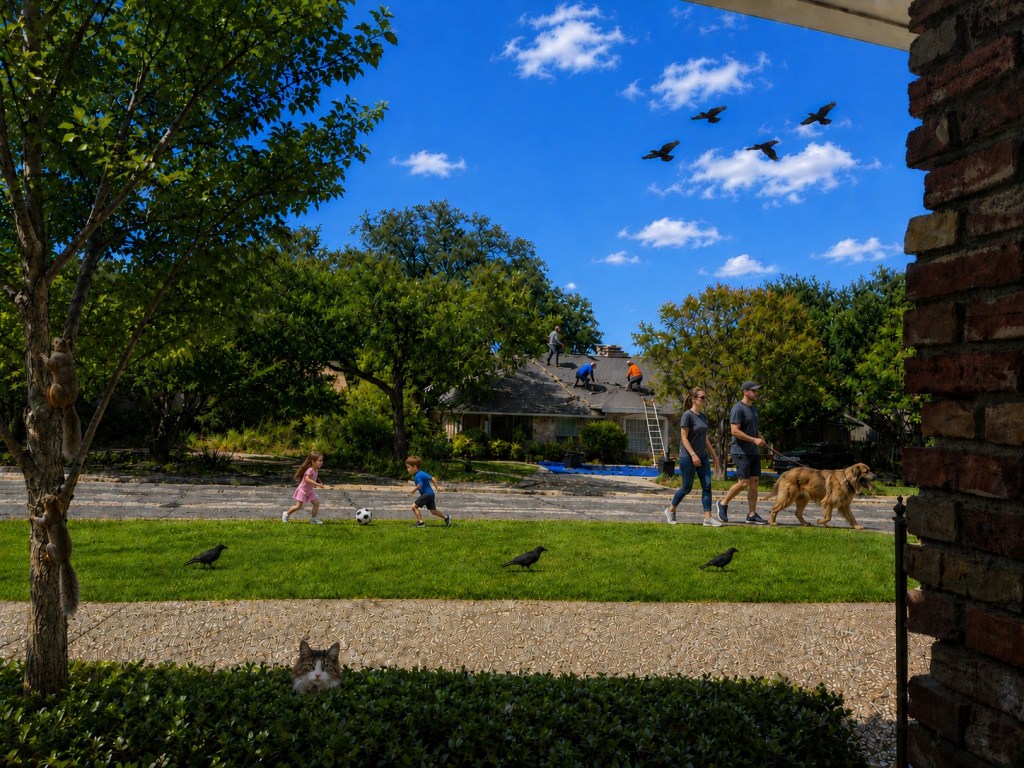
He sees rabbits running, cats hiding, children playing and laughing, and he sees squirrels running up the trees, so he goes woof, woof, woof, woof.
He sees people walking by our house. Do they see him? Maybe not. But there, someone sees him, and he goes woof, woof, woof, woof.
He sees people with dogs walking by the house and that makes him mad, so he goes woof, woof, woof, woof.
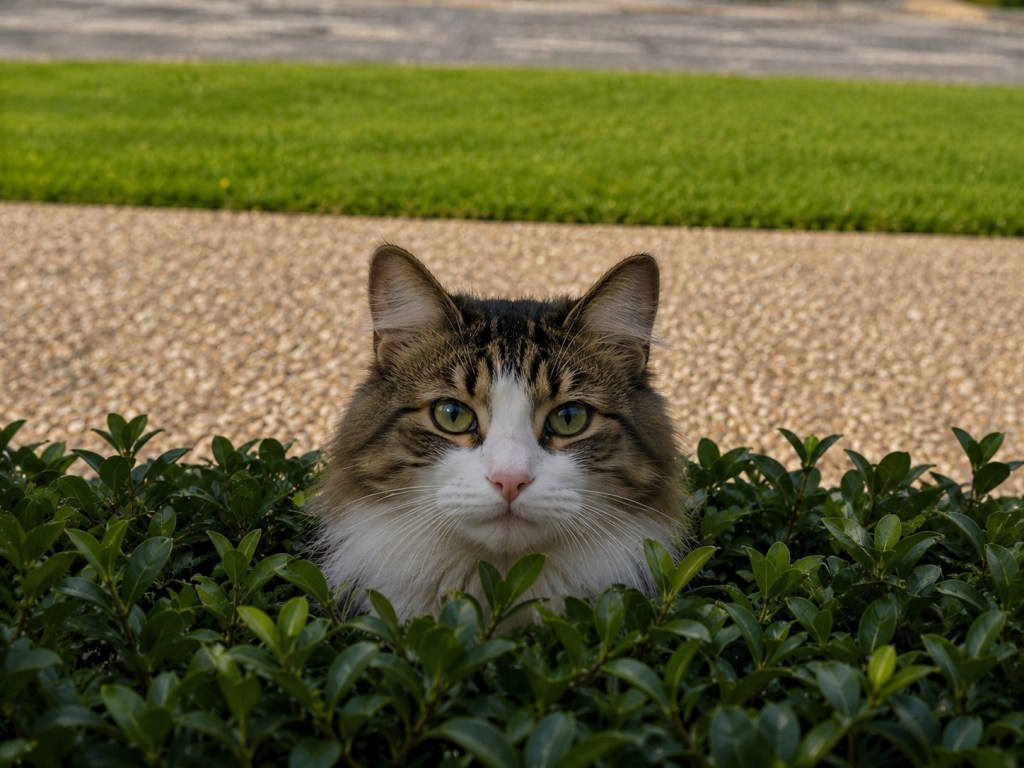
Then the cat asks Rollo if he could come out and play with her. But Rollo can’t. He is stuck inside behind the window, so he goes woof, woof, woof.
Rollo looks out the window and he sees the world, and he knows that the world was made for him, but he has to stay inside.
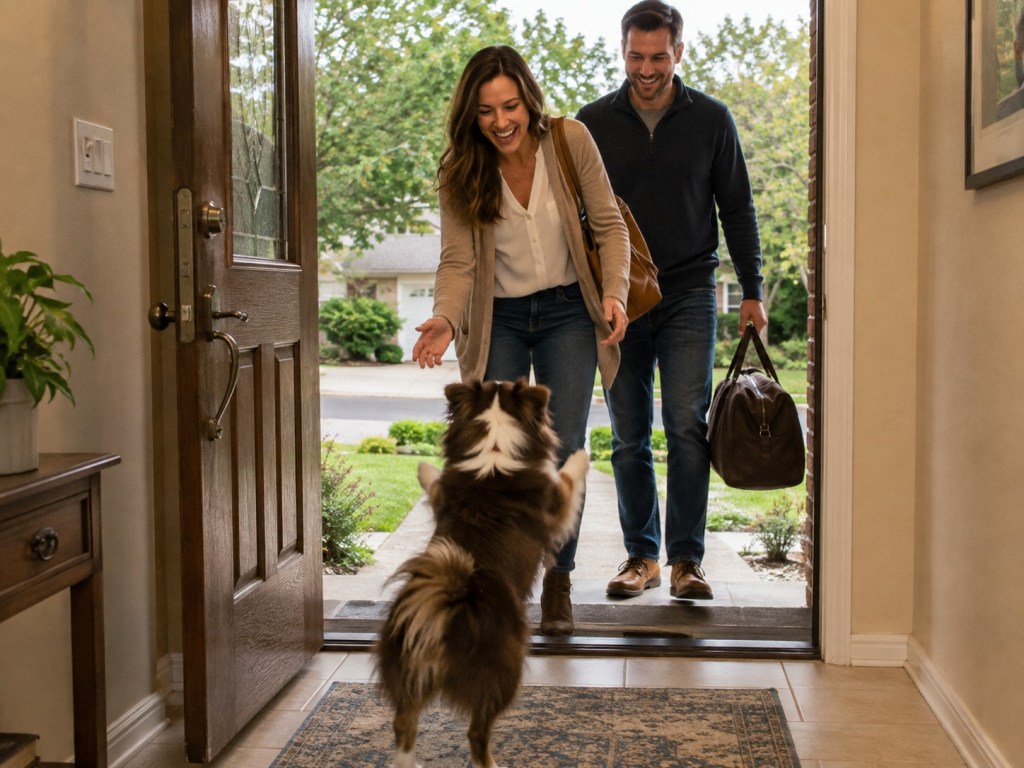
Rollo’s owners left him alone in his despair for nearly two hours but now he sees them coming home and he runs to the door, and he goes woof, woof, woof, woof.
They ask him, Rollo, what did you see out your window today? And he goes woof, woof, woof, woof.
Photos of Rollo Looking Out the Window
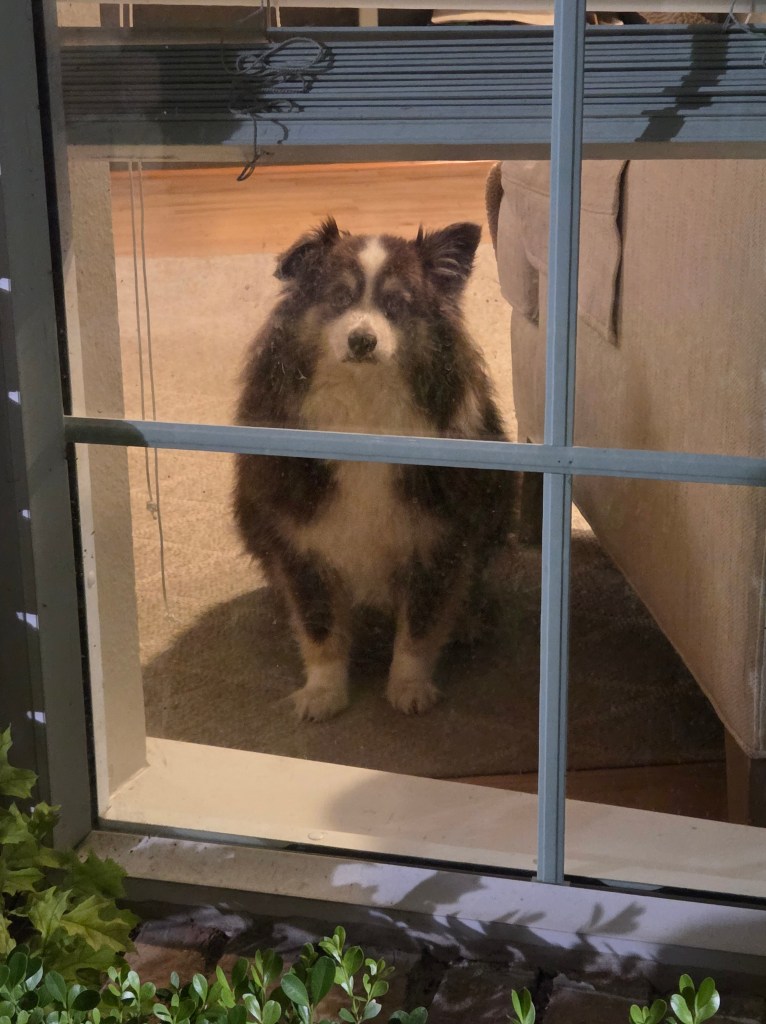
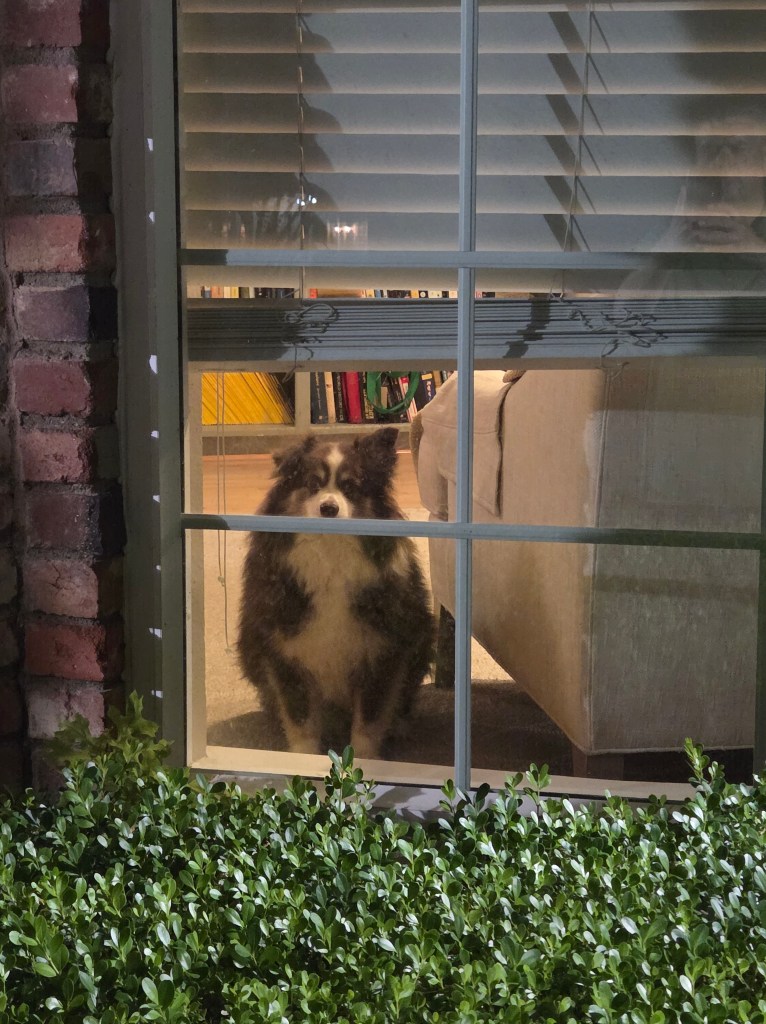
Rollo is looking out the window. Photo taken by me.Another photo of Rollo looking out the window. Photo taken by me.Rollo is looking out the window. I am standing a bit further away from the window.
Daisy and Rollo Looking Out the Window
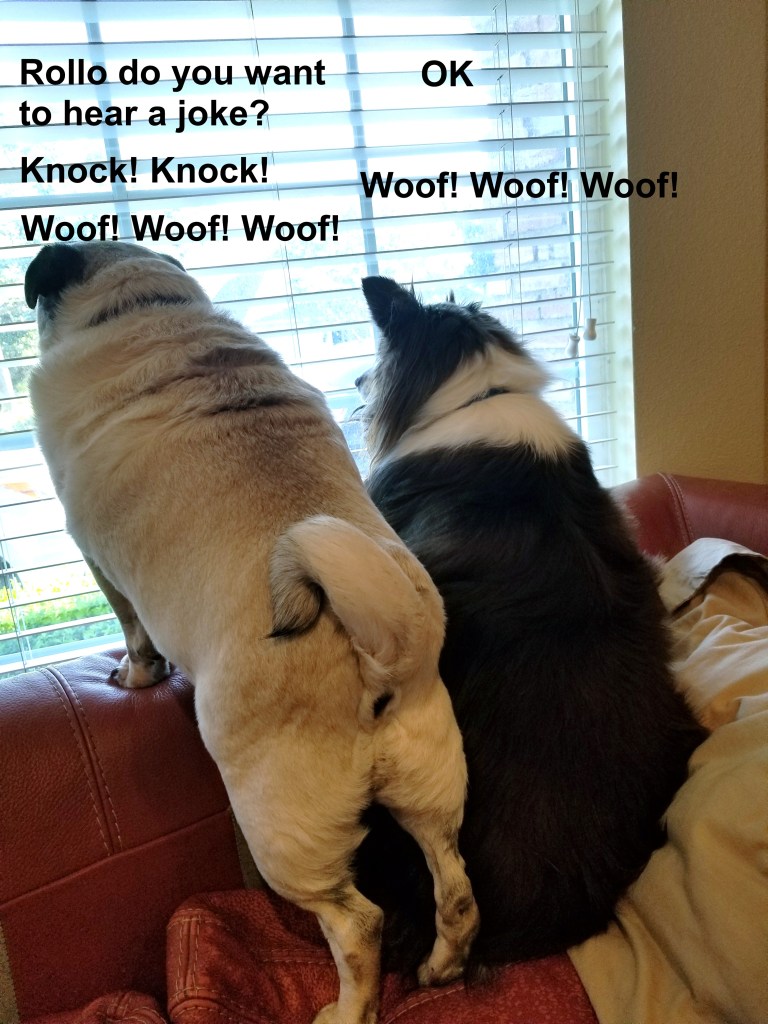
Rollo grew up with two dogs, our big fluffy Leonberger dog Bronco and Daisy our Pug. Bronco sometimes stood and looked out the window, but Rollo and Daisy loved doing that together. They stood on the sofa and barked at everything they saw outside.
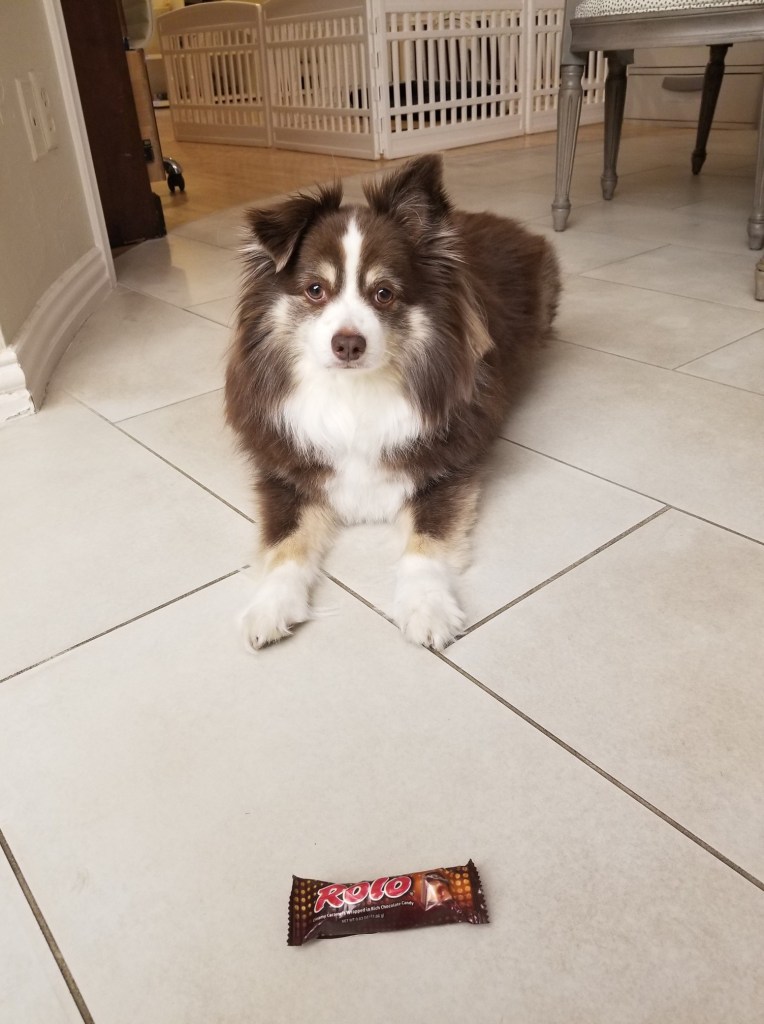
Daisy’s and Rollo’s knock knock joke.Finally, I just wanted to point out that Rollo is named after the Viking king who tried to sack Paris, not the Rolo candy.