
This is a guest post written by Ryan Goodchild. He emailed me asking me if he could publish his post regarding moving with dogs on my blog . I said yes. See below.
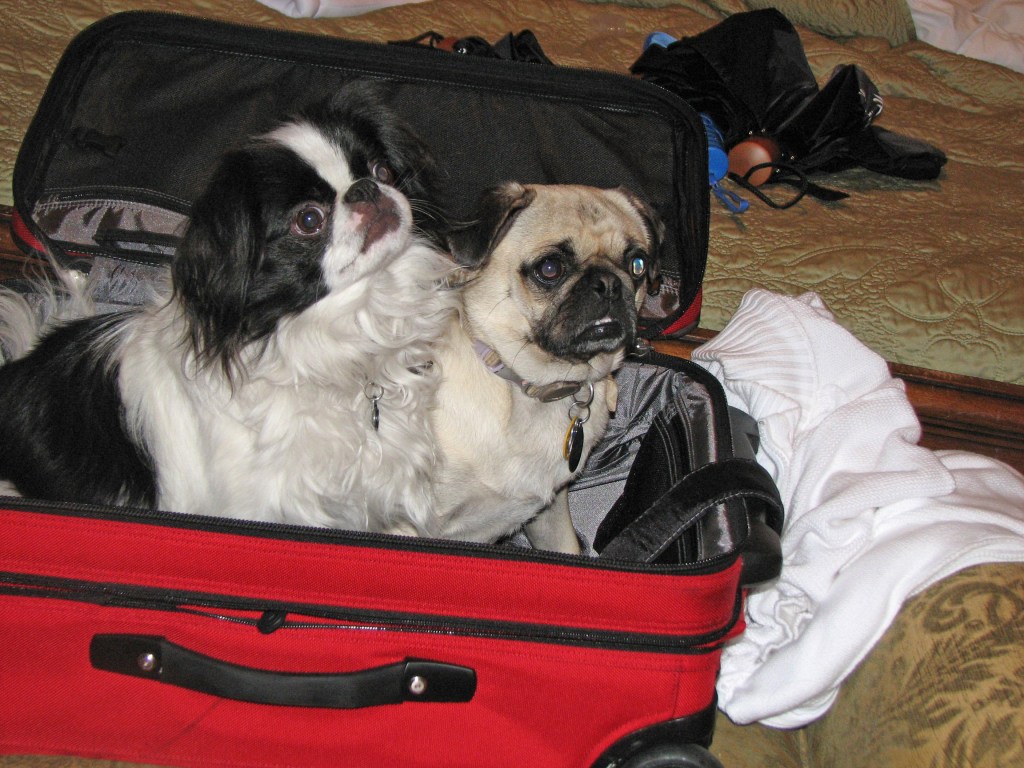
Ryan Goodchild’s Post on Moving with Your Dog to a New State: A Real-World Guide for a Calm Transition
Moving is a big deal, and if you have a dog, it’s a whole new level of logistics and emotion. Dogs don’t understand the concept of relocation. They just know something’s changing. Your goal is to make that change feel safe, predictable, and full of the familiar.
What You’ll Learn
- How to prepare your dog before, during, and after a move
- What records and updates you’ll need
- How to digitize your dog’s important documents
- Ways to reduce stress, for both of you
- A quick, clear checklist to keep everything on track
Prepare Your Dog for Change
Start weeks before moving day. Dogs pick up on routine changes quickly — packing, new smells, boxes everywhere. Keep walks and meals on schedule, even as your home shifts around them.
Schedule a vet visit about a month before the move. Request updated vaccination records, refill any medications, and ask for a general health certificate if you’ll be crossing state lines. This document isn’t always mandatory, but it can be helpful for emergencies or travel checks.
Keep Your Dog’s Records Safe and Organized
When you relocate, having instant access to your dog’s medical and identification records can save a lot of stress. Scan everything, like vaccination forms, microchip details, prescriptions, and your vet’s contact information, so you have them in one place.
Save the files as PDFs; they’re reliable, portable, and open on almost any device. For convenience, you can merge multiple records into one clean file with this tool. Keeping these essentials organized means you’re always ready for a vet visit, emergency, or boarding request in your new area.
Travel Day: Stay Calm, Stay Simple
Moving days are hectic, and dogs sense your energy. Your best strategy is calm consistency.
Pack a “dog go-bag” with:
- Food and collapsible bowls
- Waste bags and cleaning wipes
- Favorite toy or blanket
- Leash, collar, and updated ID tags
- Any medications and first-aid essentials
Keep familiar scents around. Let your dog travel with a favorite blanket or worn T-shirt of yours, it’s grounding. If you’re driving, stop regularly for short walks and hydration. If you’re flying, check your airline’s pet policy early, as rules and kennel sizes vary widely.
The Essential Dog-Move Checklist
Before leaving your old home, run through this list:
- Health Check: Vet visit completed and records in hand.
- Microchip Update: Your new contact information is registered.
- ID Tag: Updated phone number visible and legible.
- Supplies Packed: Food, leash, bowls, medication, and comfort items.
- Digital Records: All key documents saved and backed up.
- Travel Plan: Rest stops or flight arrangements confirmed.
- New Vet Contact: A clinic selected near your new address.
Rebuild Routine in a New Environment
Once you arrive, recreate normalcy fast. Set up your dog’s bed and feeding area before unpacking your own boxes. Use familiar commands, toys, and walking times to reestablish their rhythm. Dogs rely on patterns to feel secure; the more you replicate their old schedule, the quicker they’ll adapt.
Take short exploratory walks so your dog can get used to local scents and sounds. If they seem hesitant, don’t rush it. Let them lead the pace; confidence builds gradually through repetition.
Dog Transition Timeline at a Glance
| Stage | Focus | Goal |
| 3–4 weeks before move | Vet visit, ID updates | Health & paperwork ready |
| 1–2 weeks before move | Packing acclimation | Reduce anxiety around change |
| Moving day | Calm, consistent energy | Safe and comfortable travel |
| Arrival | Establish feeding/sleeping areas | Create familiarity fast |
| First week | Daily walks, local vet visit | Build new routine & comfort |
Support Your Dog’s Emotional Adjustment
Some dogs sail through moves; others struggle. Signs of stress can include pacing, panting, whining, or hiding. Keep things calm and predictable. Set up a quiet area where they can retreat when the new space feels overwhelming.
Just as important: manage your own stress. Dogs take emotional cues from you — if you’re tense, they will be too. A calm tone, gentle reassurance, and unhurried movements go a long way. When you’re relaxed and consistent, your dog begins to trust that the new home is safe.
If your pet is struggling, spend extra time together doing things they love — a walk, gentle grooming, or simply sitting nearby. These small rituals of connection reinforce safety and stability more powerfully than any special training tool ever could.
FAQs
Q: How long does it take a dog to adjust after a move?
Typically one to three weeks. The key is routine — same feeding times, same walking windows, same tone of reassurance.
Q: Should my dog stay with me during the move?
If possible, yes, but if the environment will be chaotic, arrange for them to stay with a trusted friend until moving day is over.
Q: What should I do if my dog stops eating after the move?
Offer familiar food and limit new treats until they settle. Keep mealtimes quiet and predictable.
Q: How can I tell if my dog is too anxious?
Look for excessive panting, hiding, or destructive chewing These are normal short-term reactions, but contact your vet if they persist.
Final Thoughts: Familiar Love in a New Place
Moving with your dog isn’t about perfection, it’s about patience. Dogs care less about where they live than who they live with. By maintaining structure, reassurance, and calm energy, you’ll help them feel safe no matter the ZIP code.
Eventually, the boxes will be unpacked, the walks will feel routine again, and your dog will nap in a new sunbeam, proof that home isn’t a destination. It’s a feeling you build together.
 Leonberger Life