Managing Stress for Dog Owners

A professional content writer by the name of Ryan Goodchild contacted me about me posting an  article he had written on how to manage stress for dog owners. The title of the article is “How to Manage Stress Naturally with Simple Daily Habits”  and you can see the article below. Ryan wrote the article and I provided pictures.

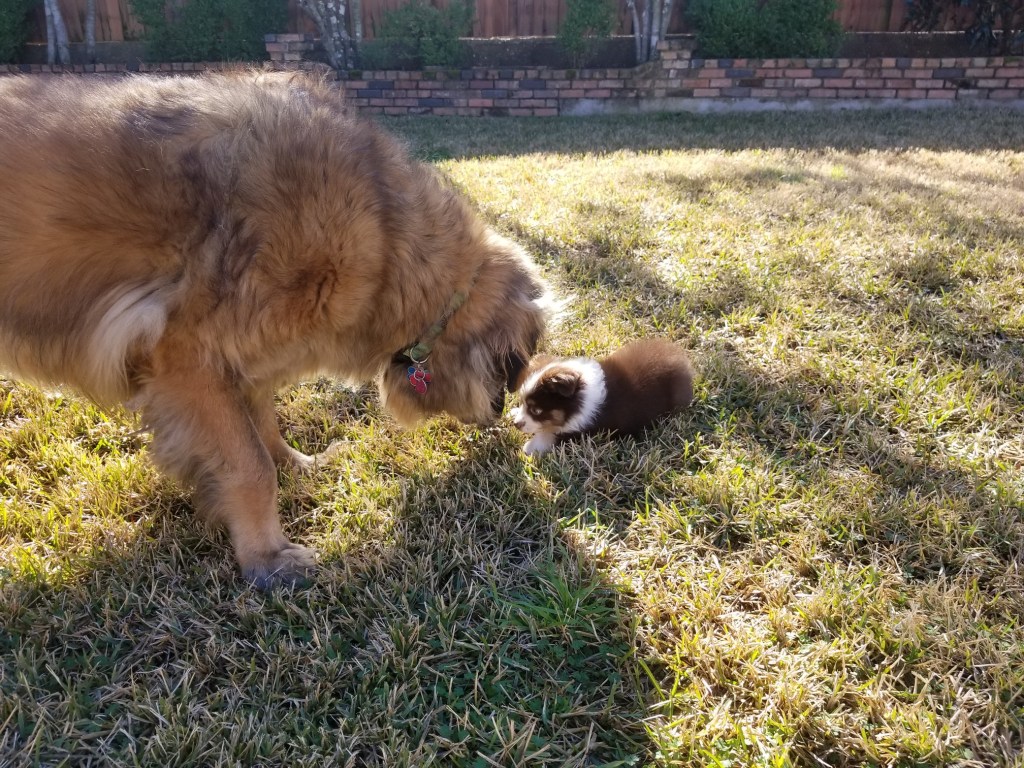
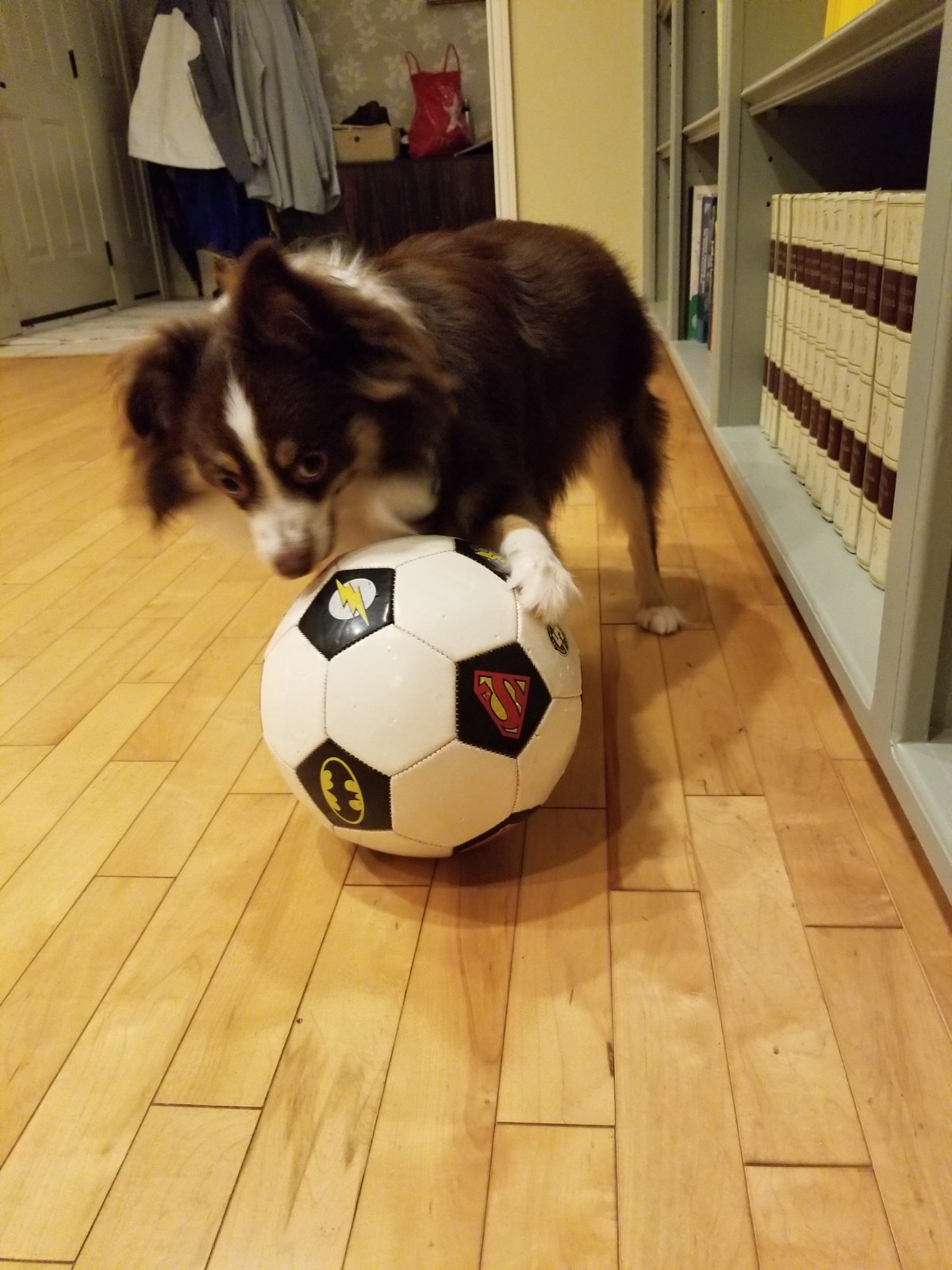
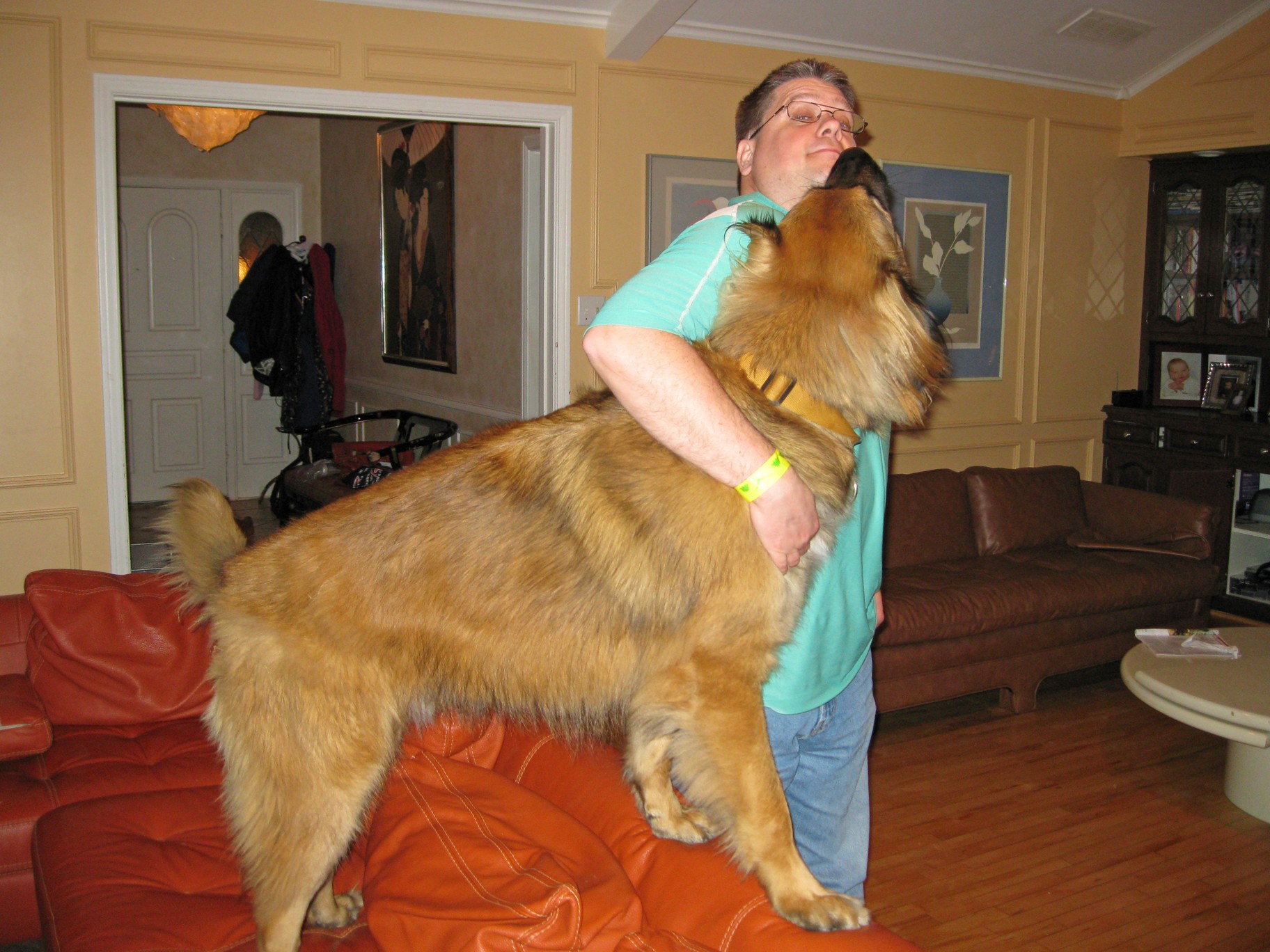
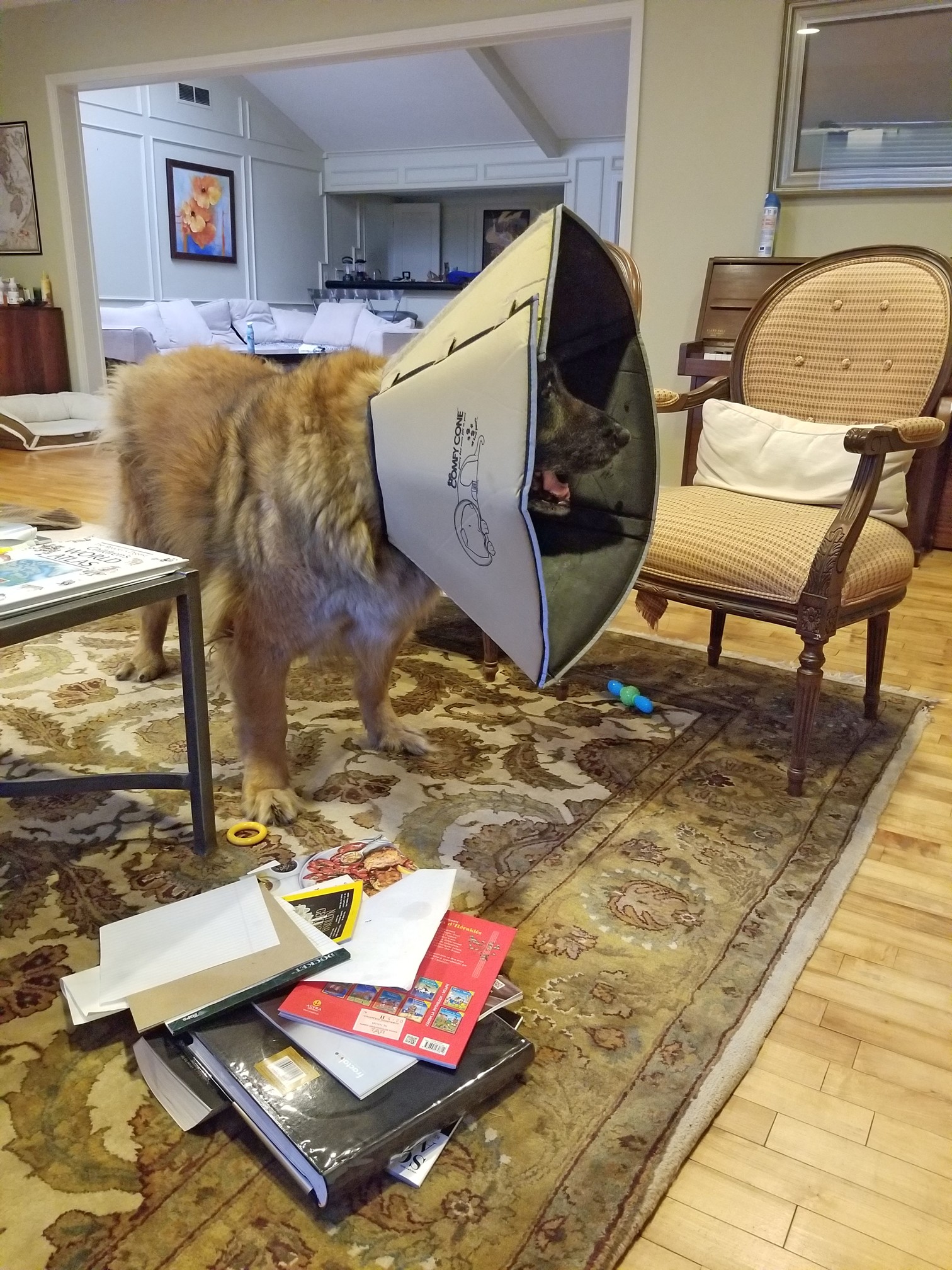
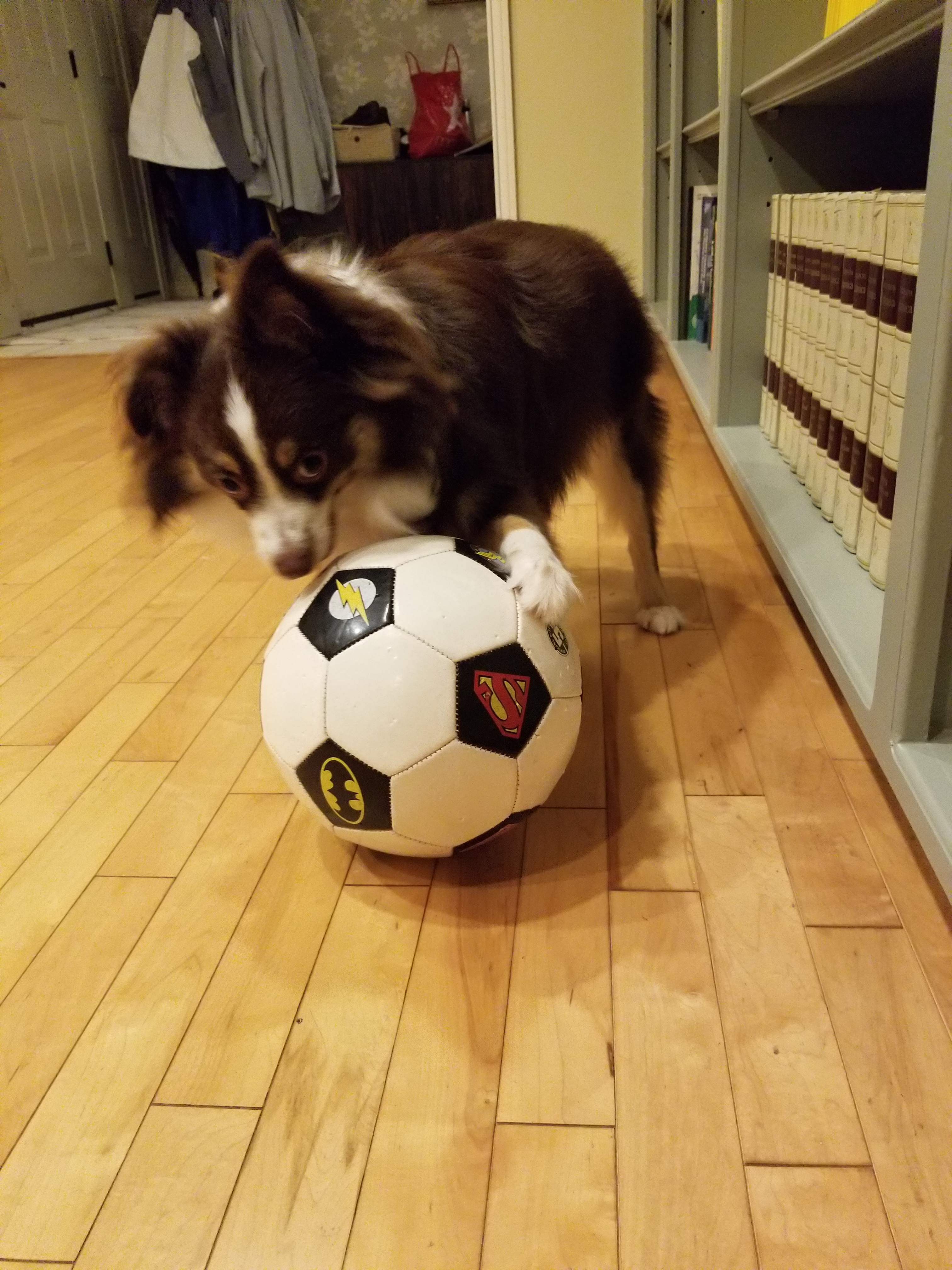
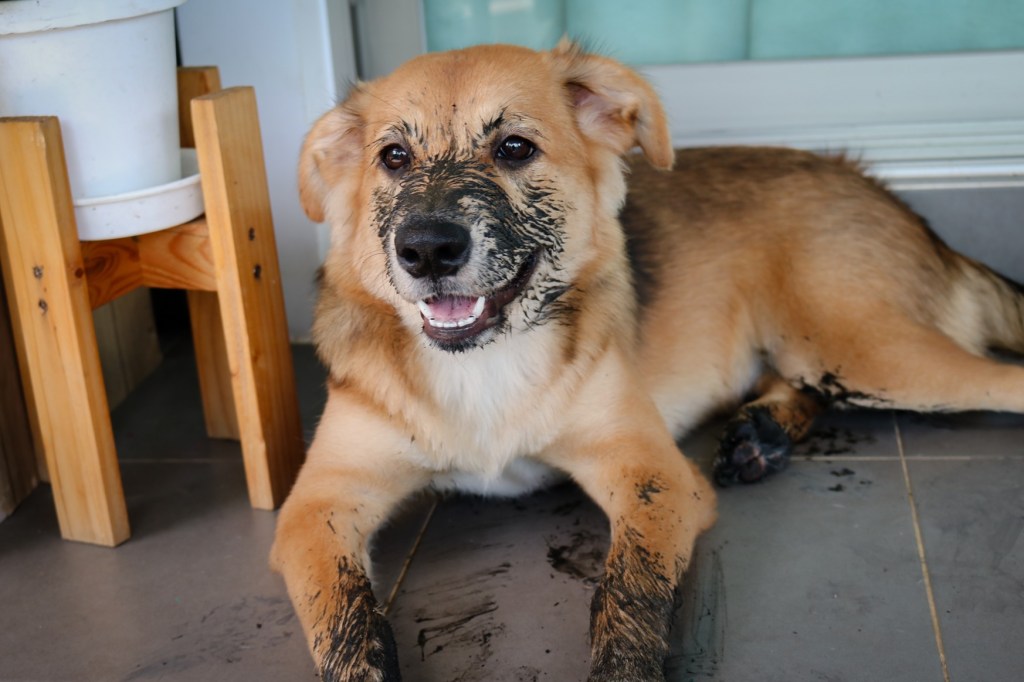
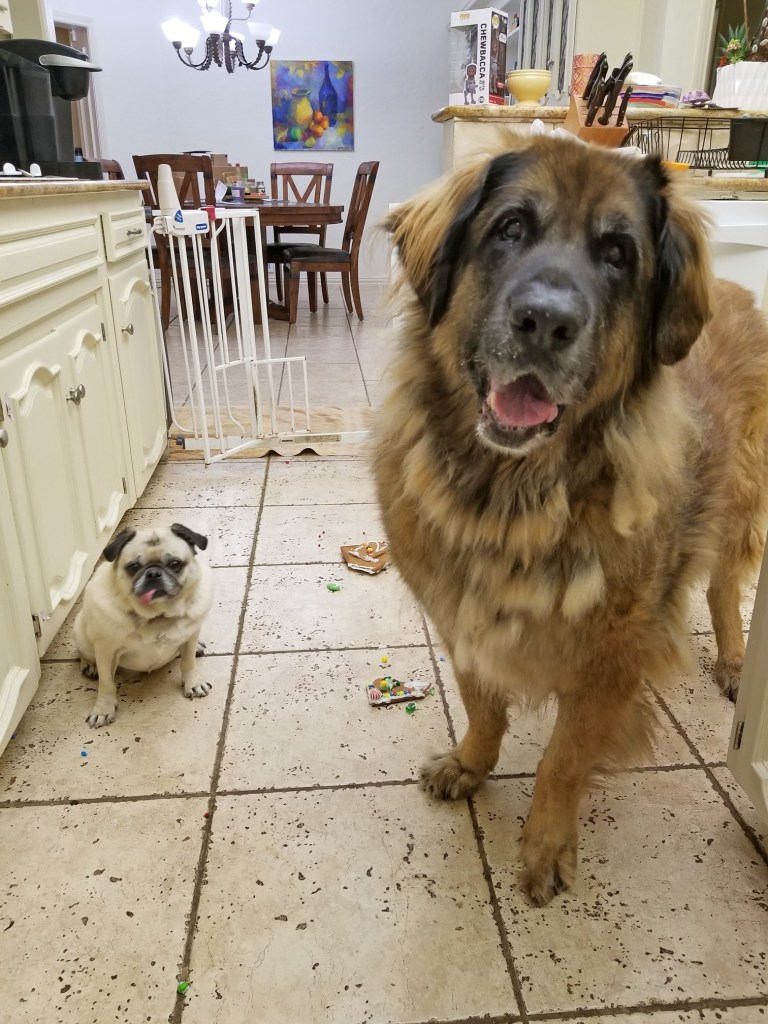
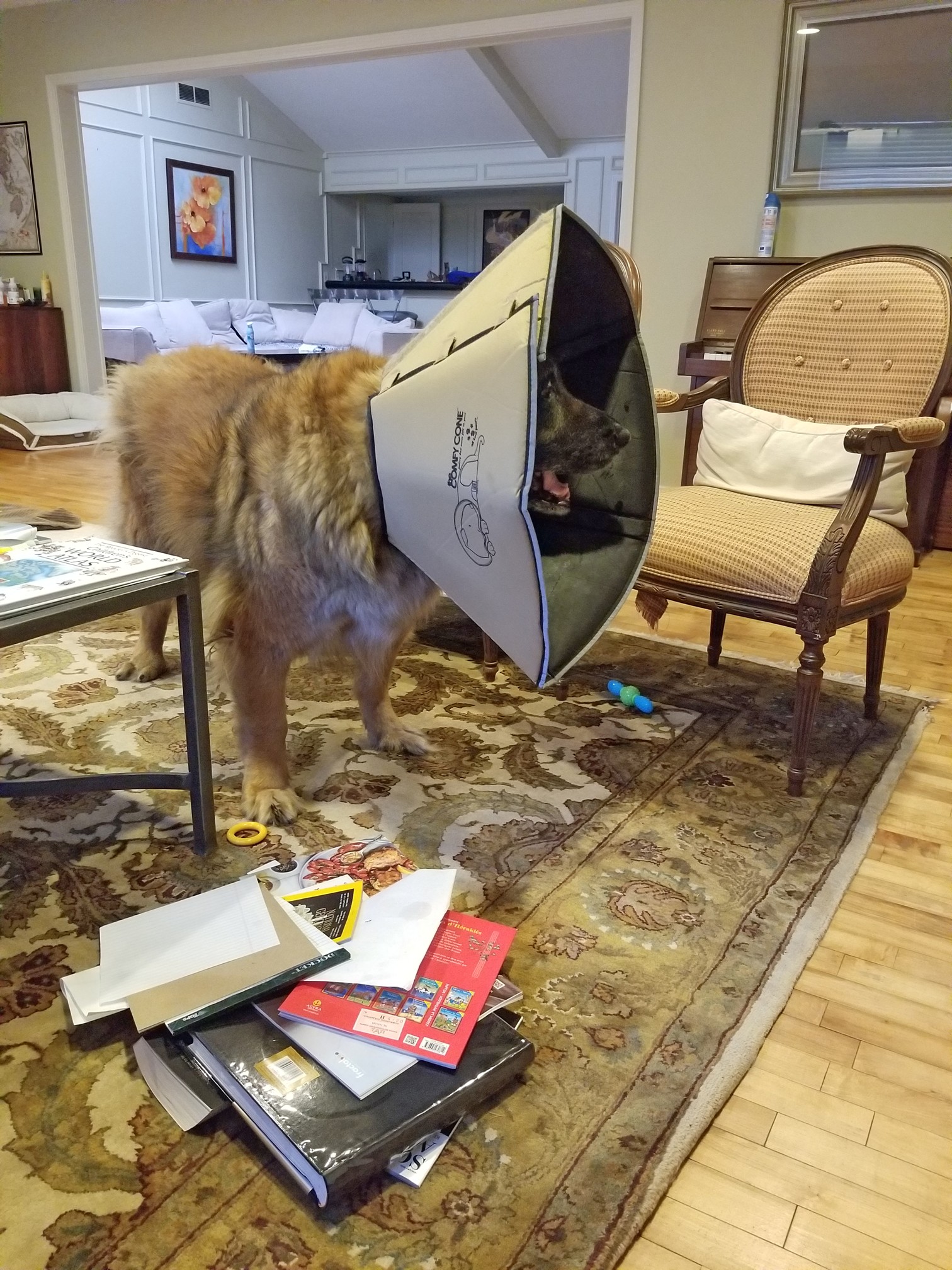
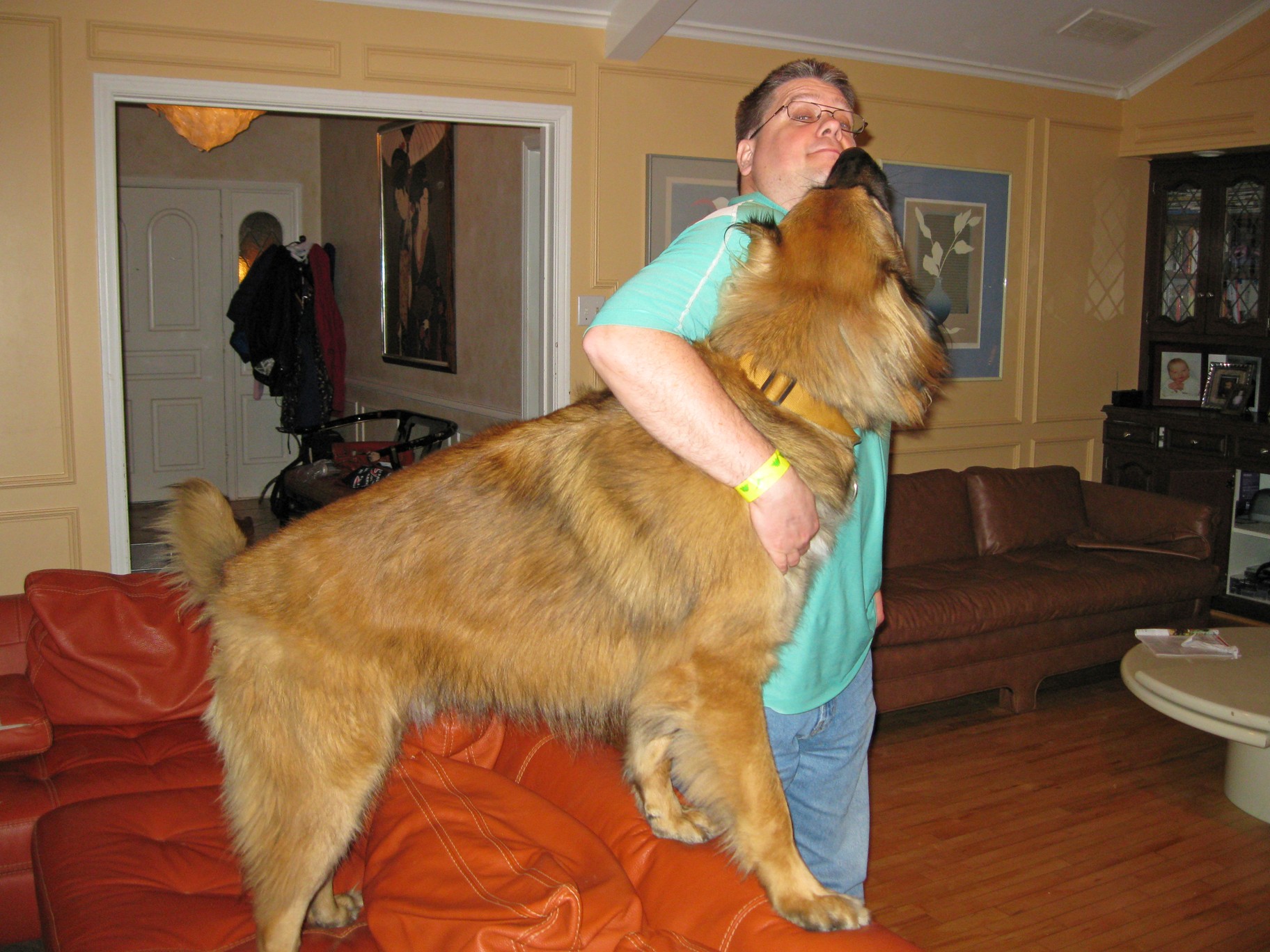
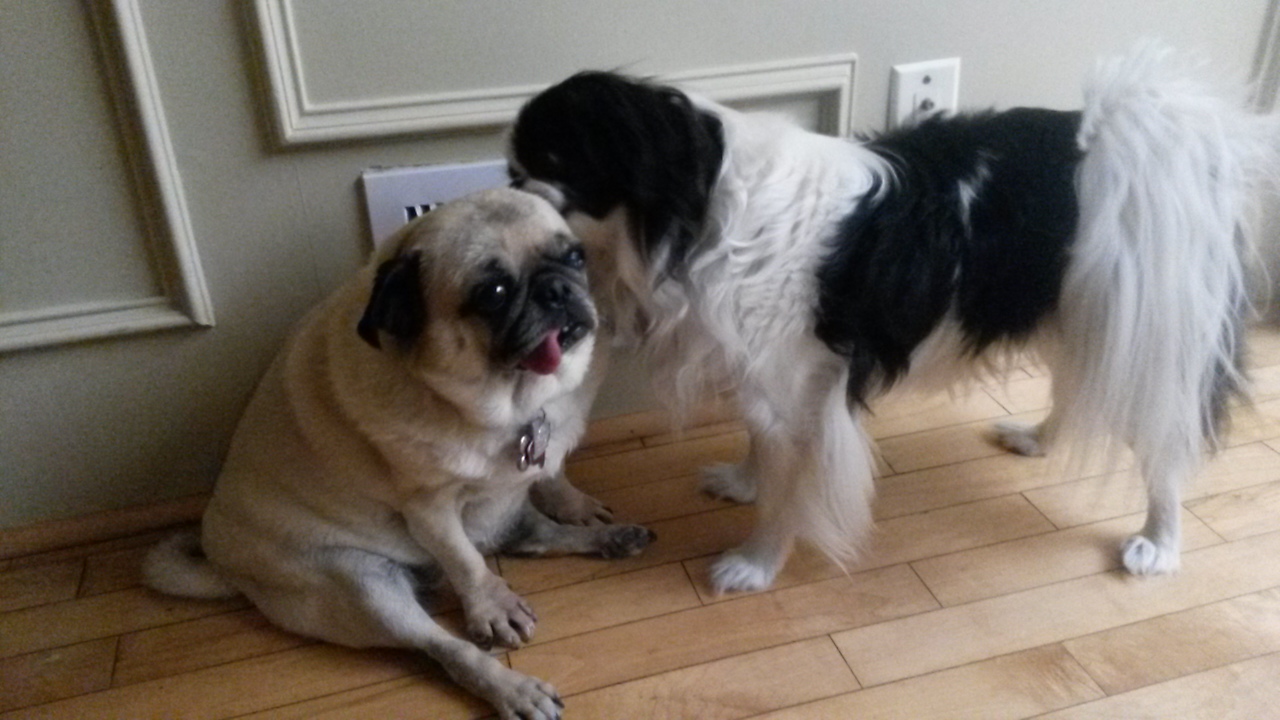
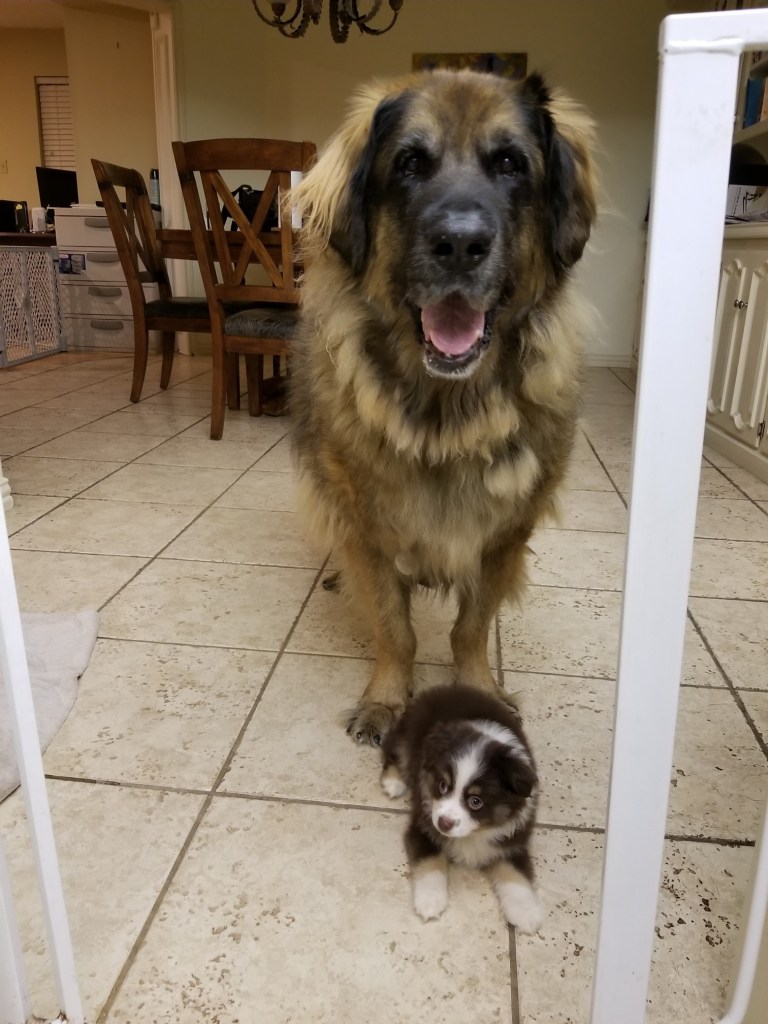
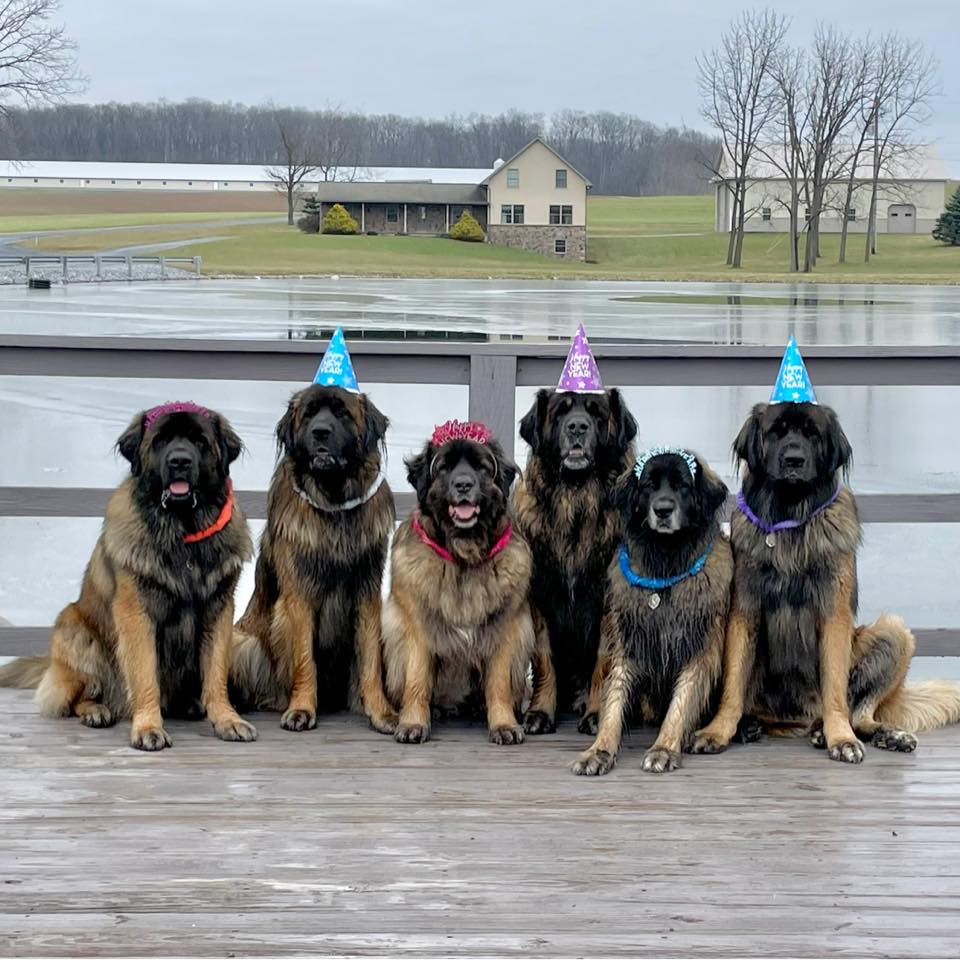
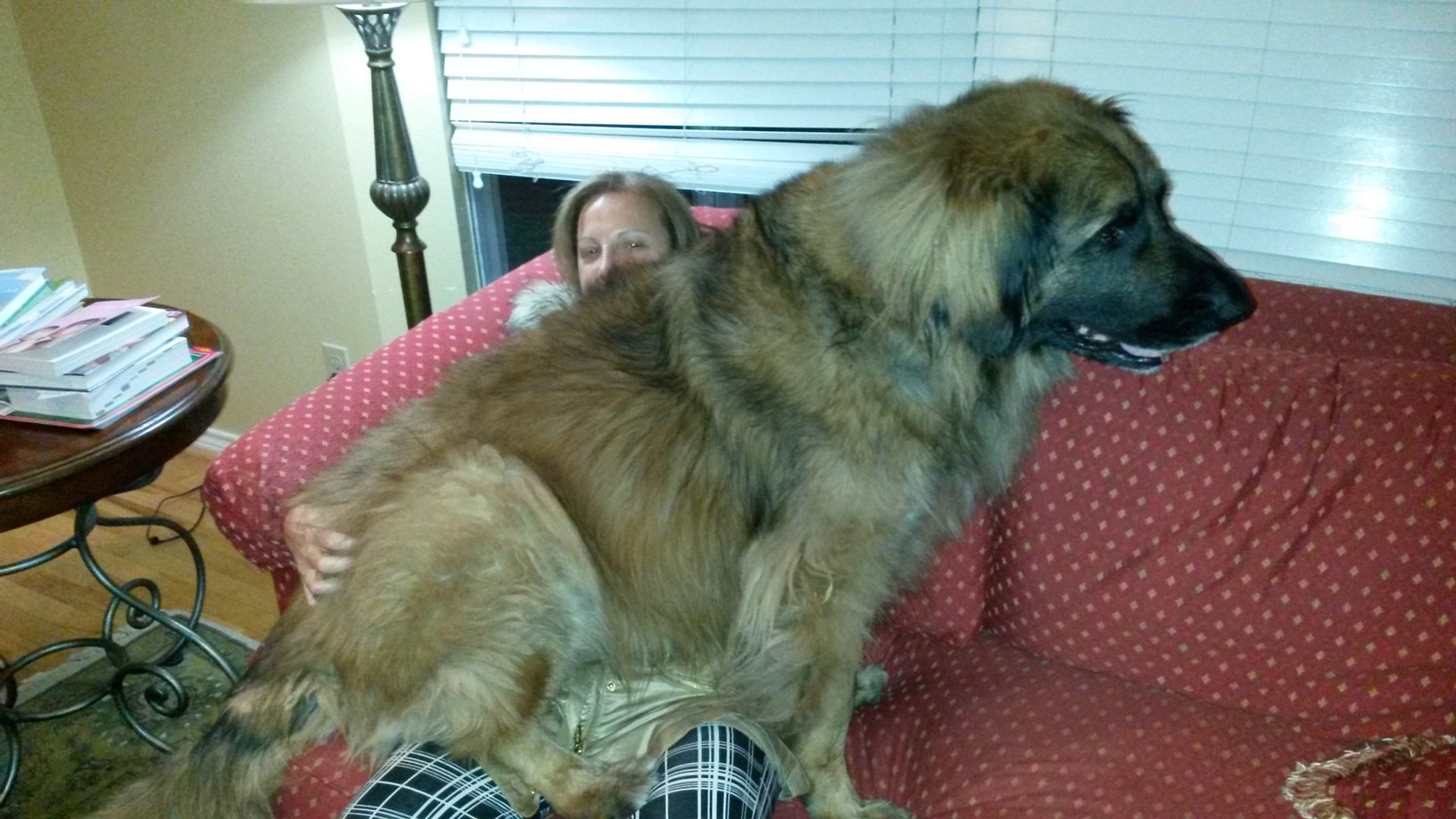
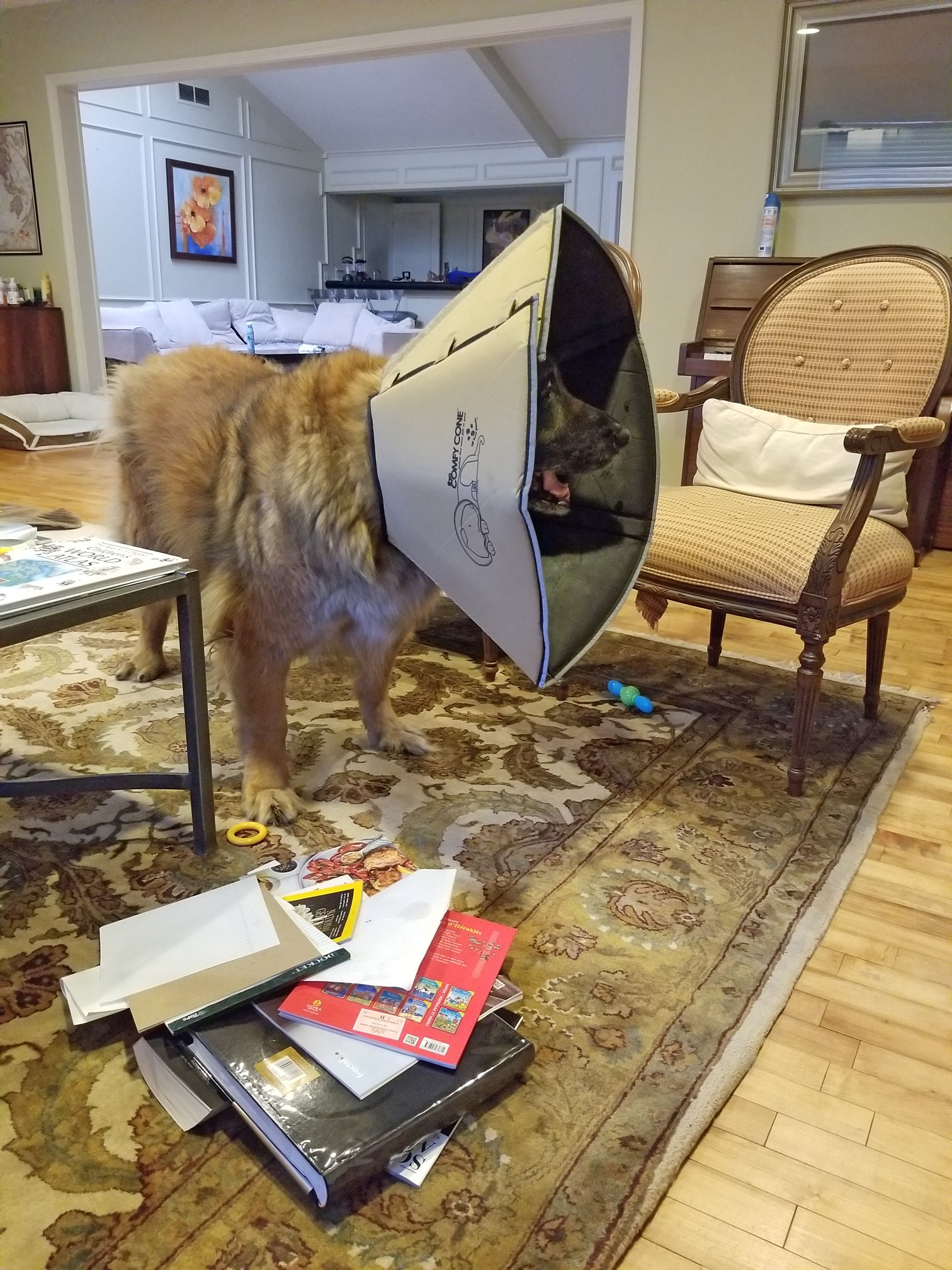
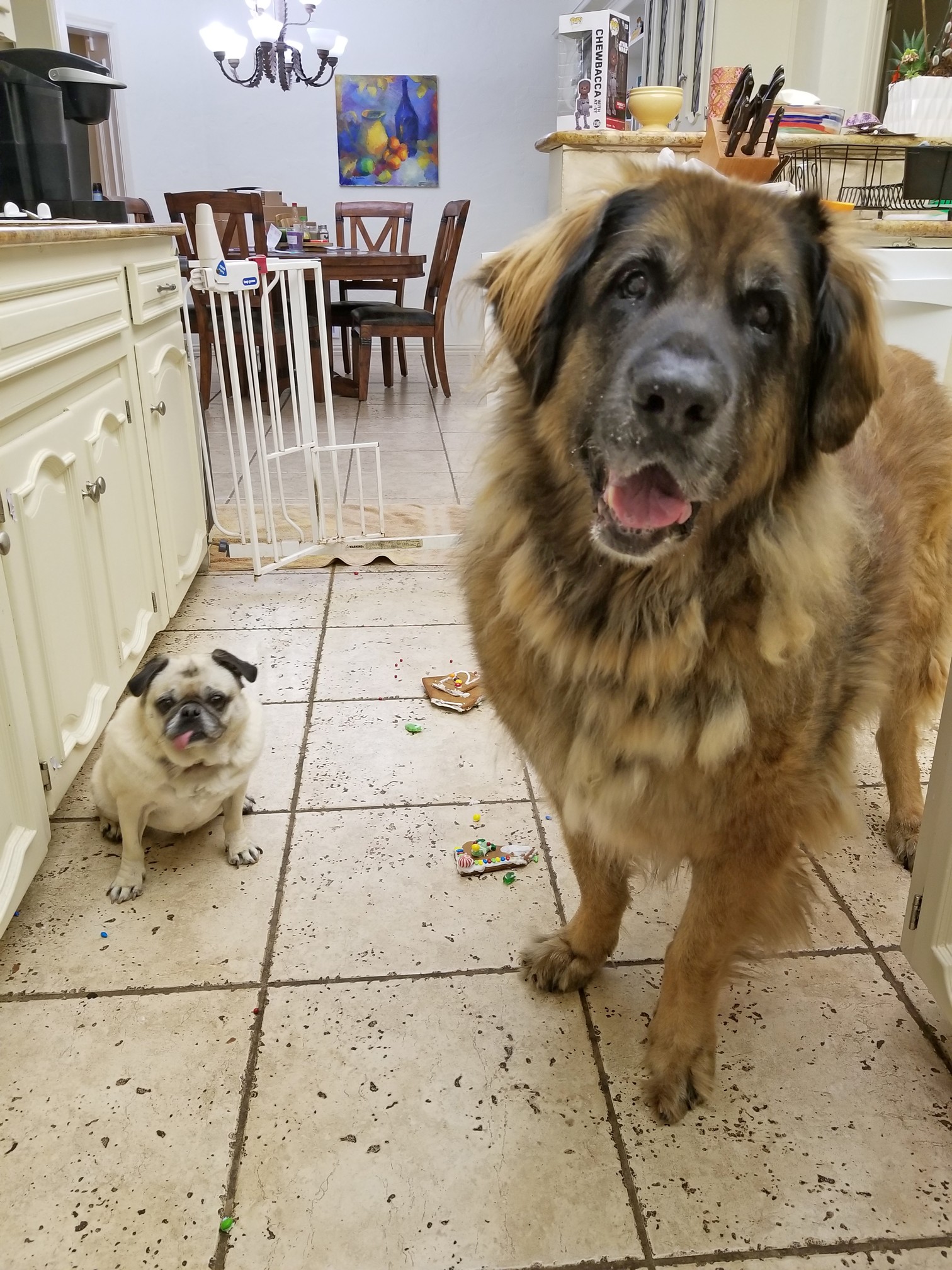
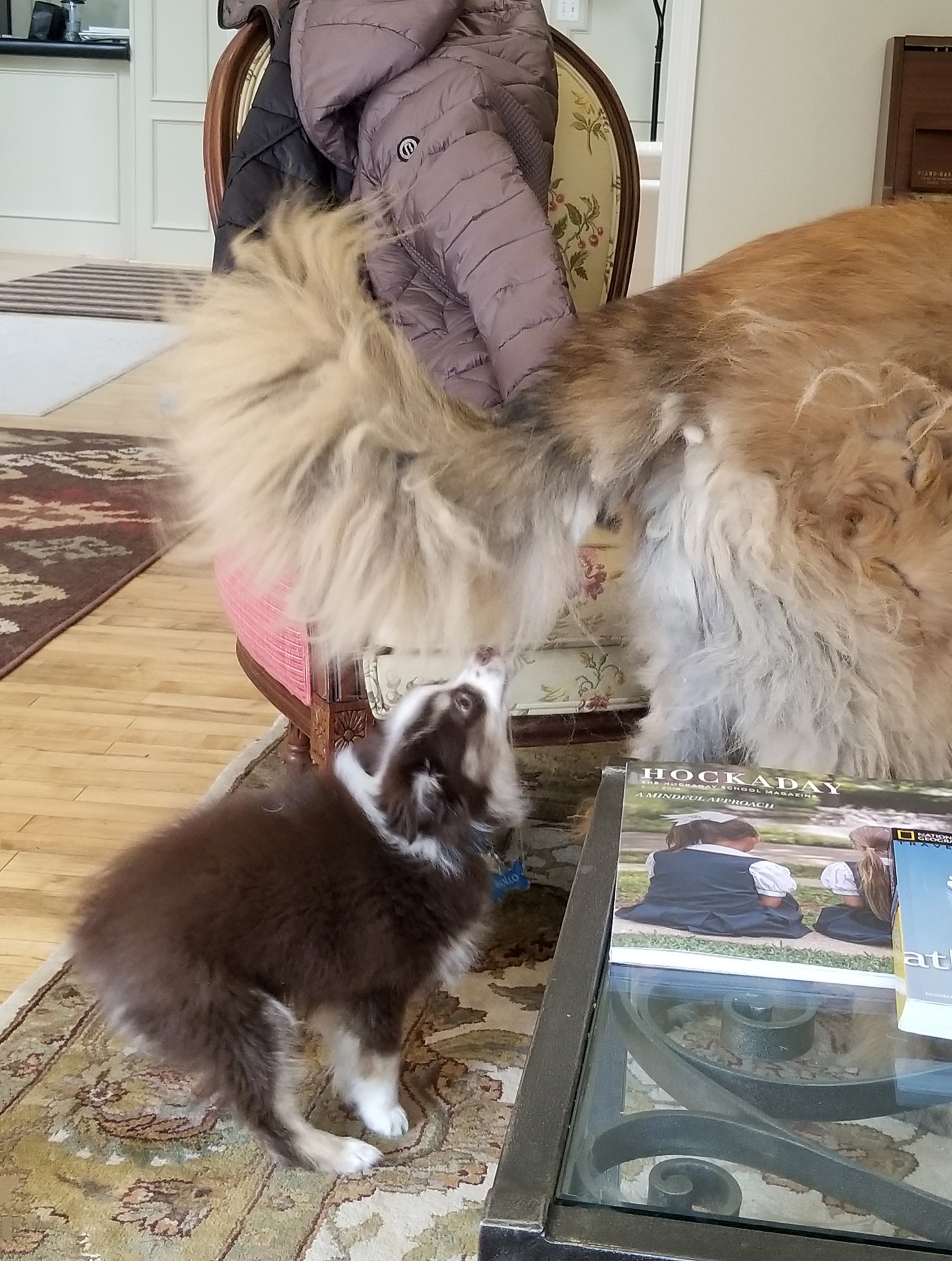
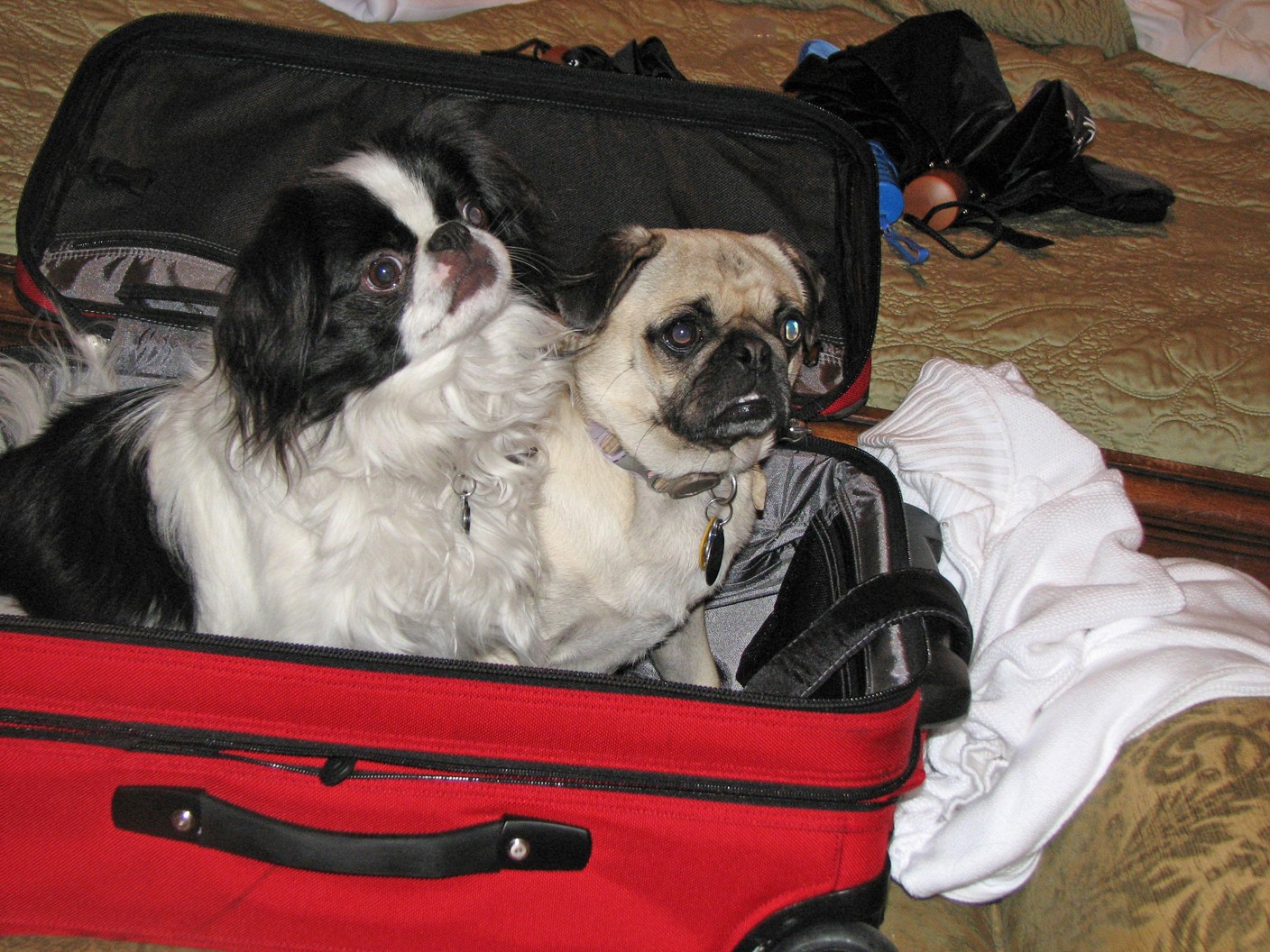
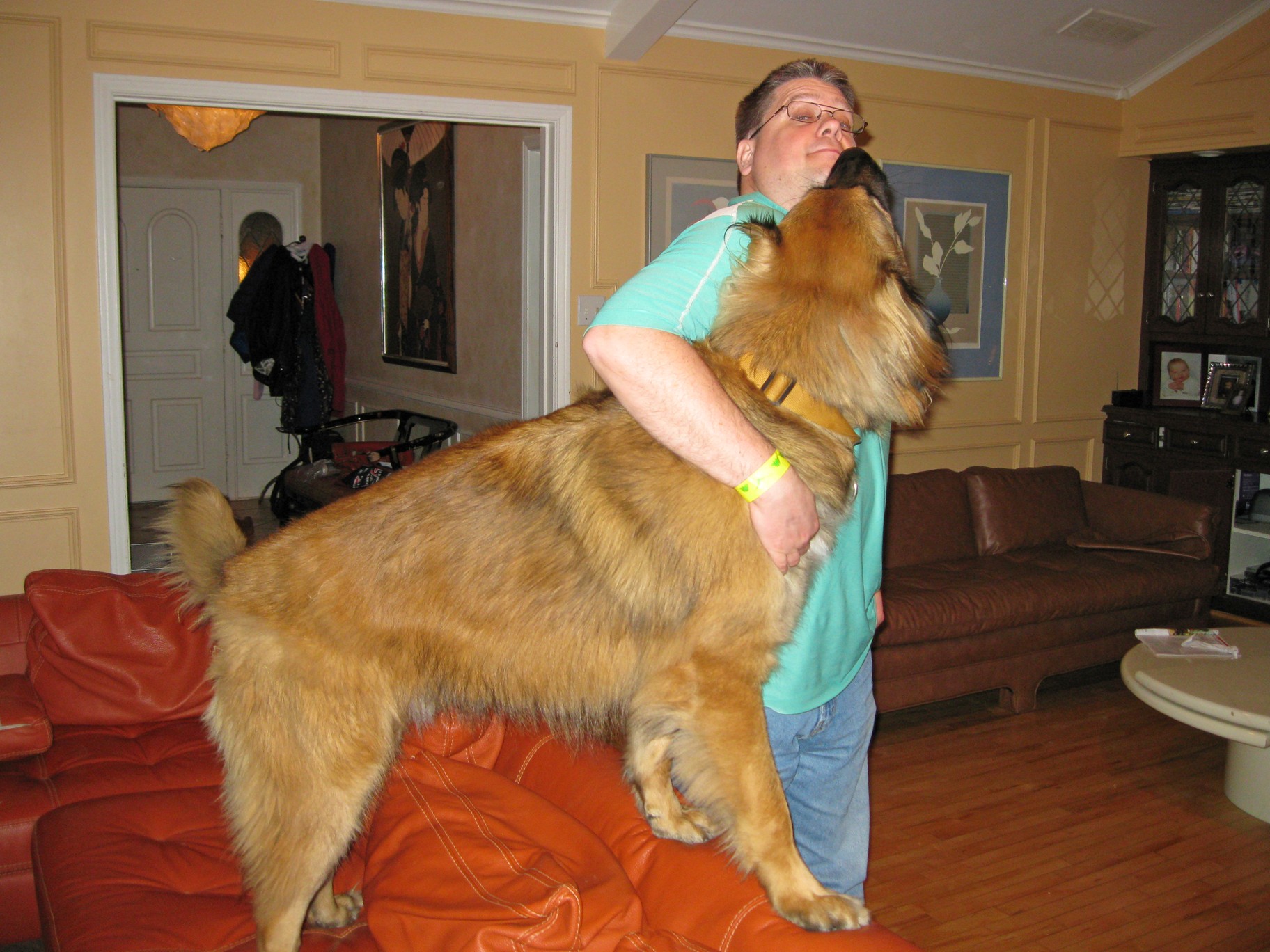
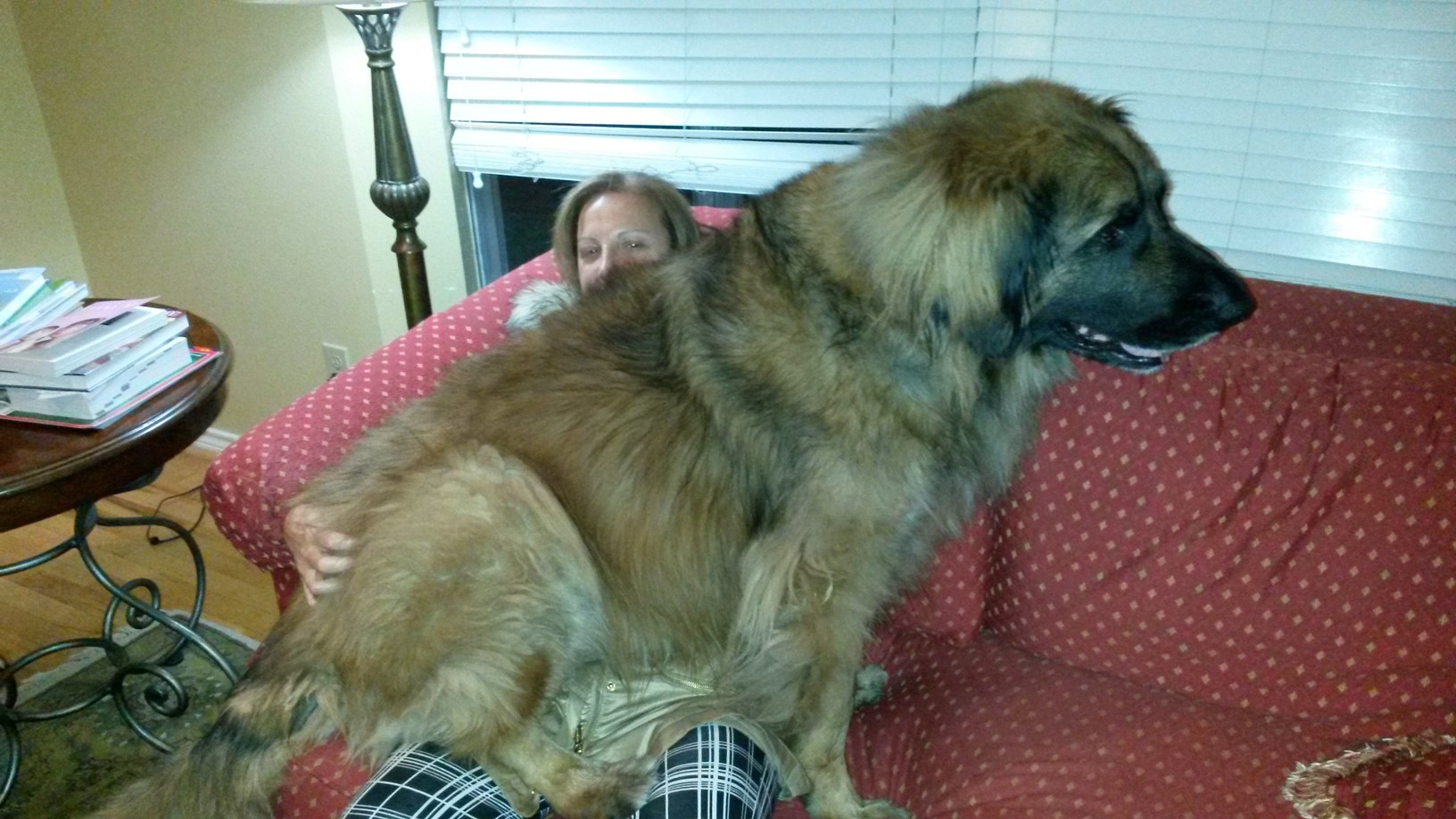
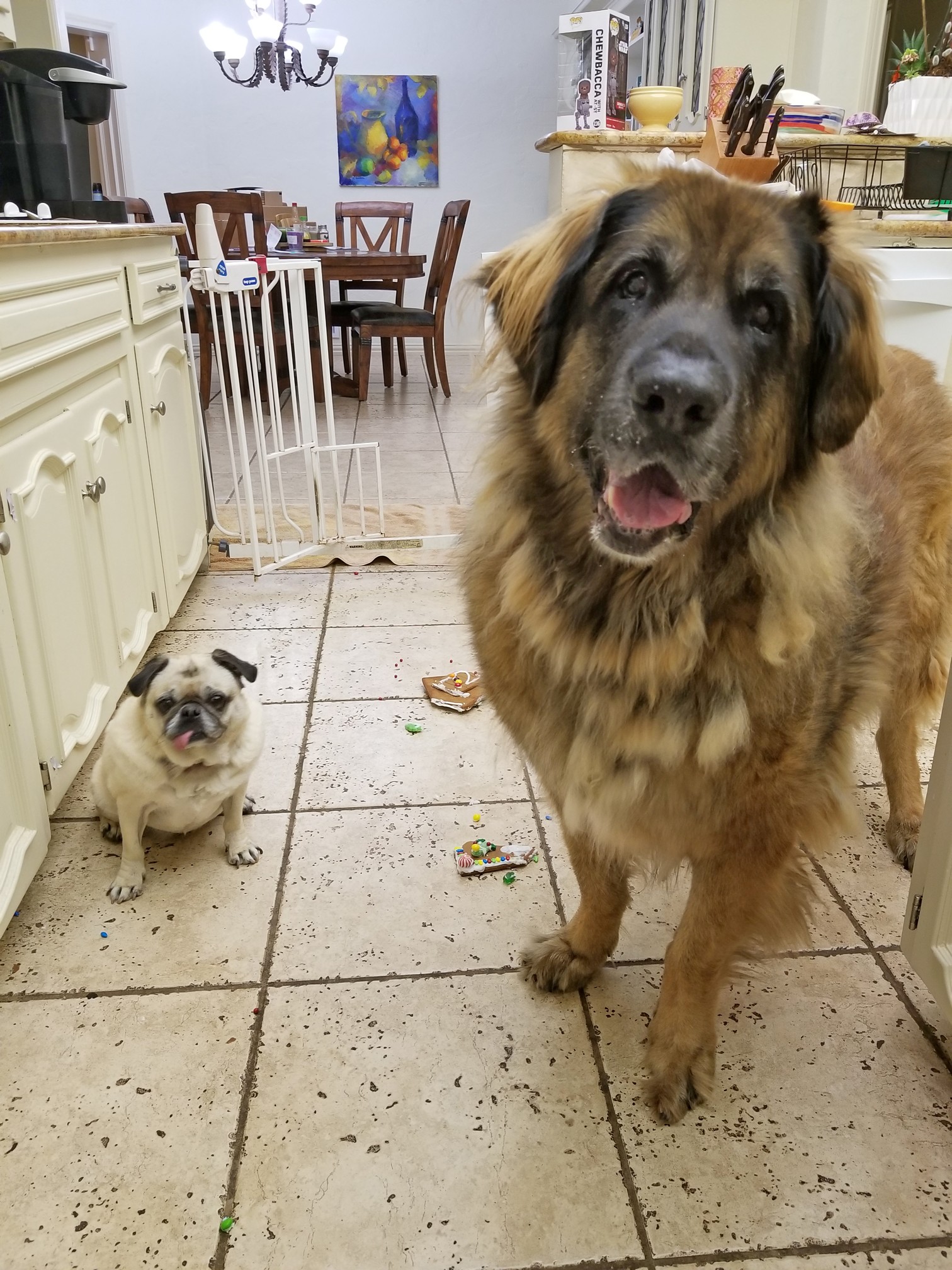
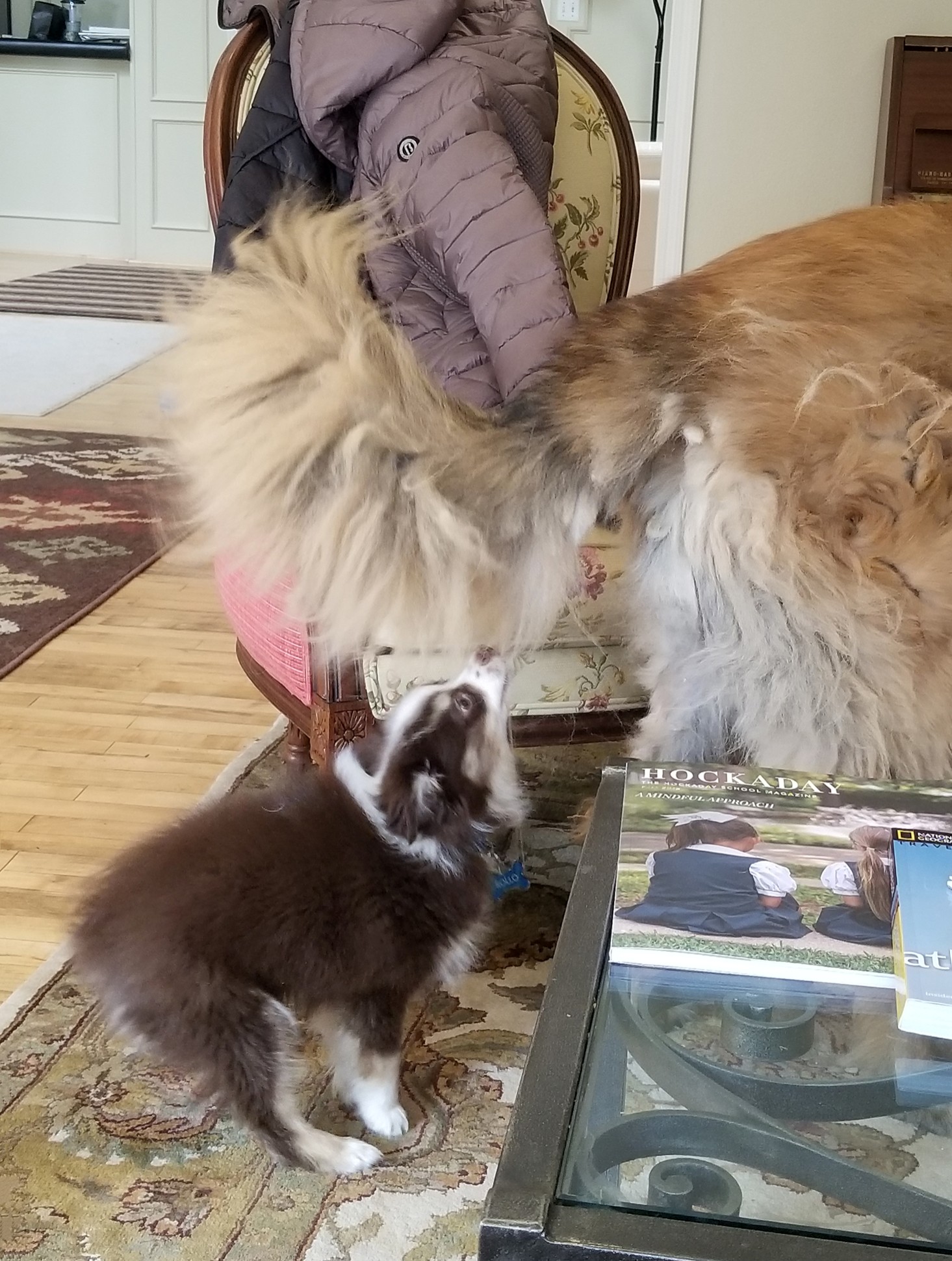
Dogs can calm your nerves as well as cause some stress. Our mini Australian Shepherd Rollo chewing up my shoe. Our Leonberger dog Bronco clears tables with his cone. Our mini Australian Shepherd harassing our Leonberger dog and biting his tail. Our Leonberger and our Pug raiding the kitchen and eating the gingerbread house. Our Japanese Chin Ryu and Pug Daisy staging a protest against us travelling. Our Leonberger dog is trying to sit in my wife’s lap.

How to Manage Stress Naturally with Simple Daily Habits

Busy dog owners who are already juggling work, family schedules, and a million small decisions often find themselves struggling with stress management and hoping things will just calm down a bit. The hard part is that stress rarely comes from one big event; it builds from sources of stress like constant notifications, unresolved conflicts, money worries, or even a packed calendar that never resets. Without recognizing stress triggers, it’s easy to treat the noise instead of the cause, and the stress impact on wellbeing can show up as irritability, poor sleep, or feeling stuck in overdrive. Spotting what actually sets stress off turns a vague problem into something that can be handled.

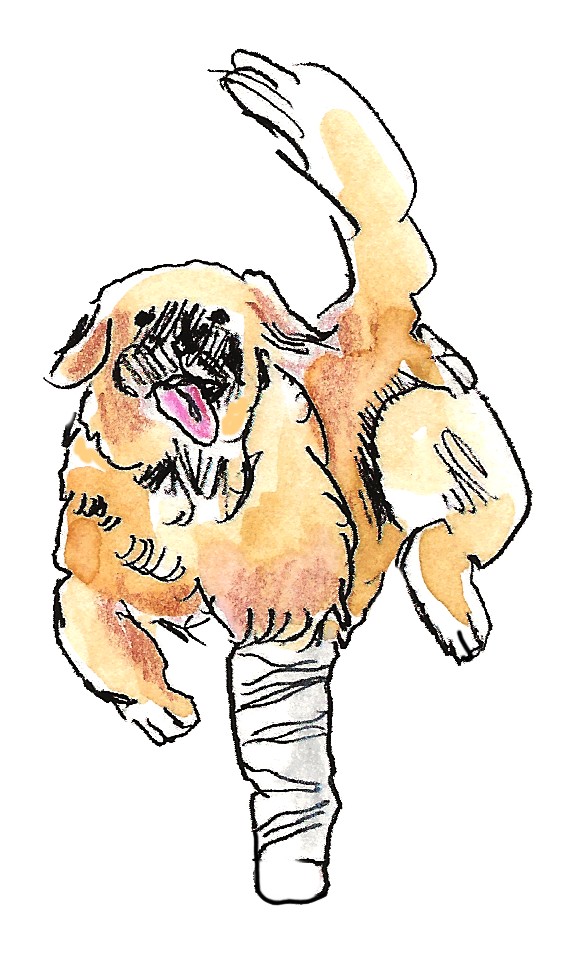
A Leonberger dog with a powerful bite crushing a laptop could be one of many sources of stress. Illustration by Naomi Rosenblatt.

Try Gentle Stress-Relief Modalities

When you can name what’s contributing to your stress levels, it’s easier to choose the right tool for the moment.

  • Breathwork: slow, steady breathing practices that help your body downshift.
  • Mindfulness: simple attention training to reduce mental spirals.
  • Rhodiola rosea supplements: may help support energy levels, mental focus, and resilience to everyday stress and fatigue.
  • Essential oils: calming scents used through diffusion or a personal inhaler (skip skin use unless properly diluted).
  • THCa: a hemp-derived option some people explore; if you’re curious, you can read more about a THCa cartridge.
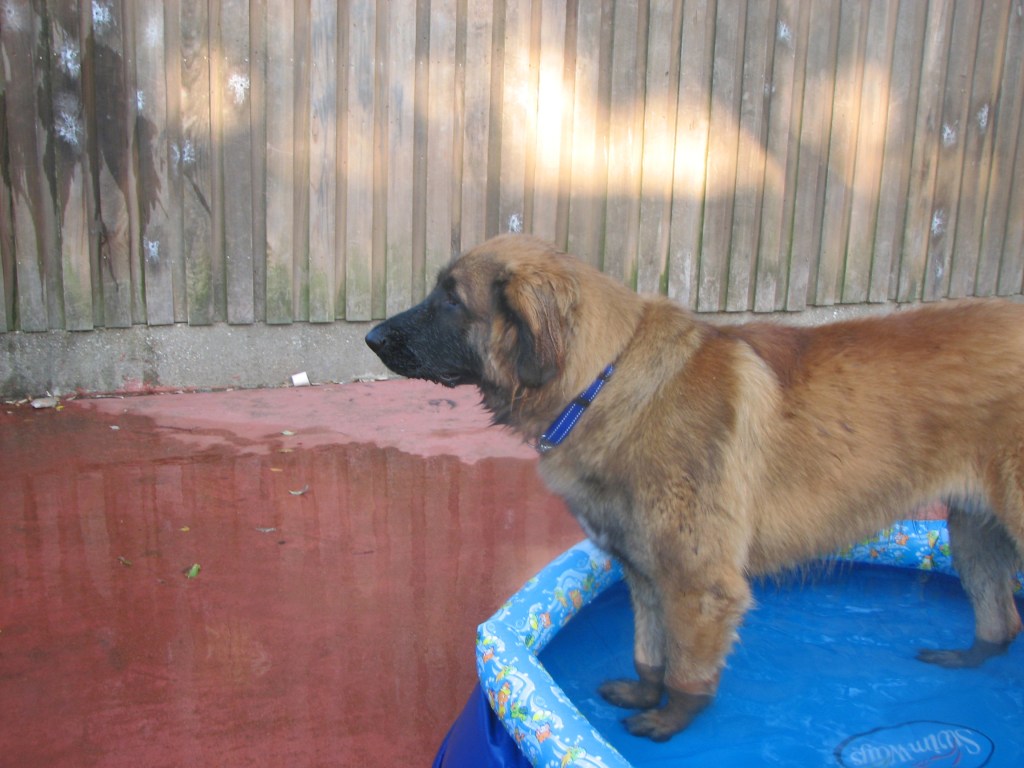
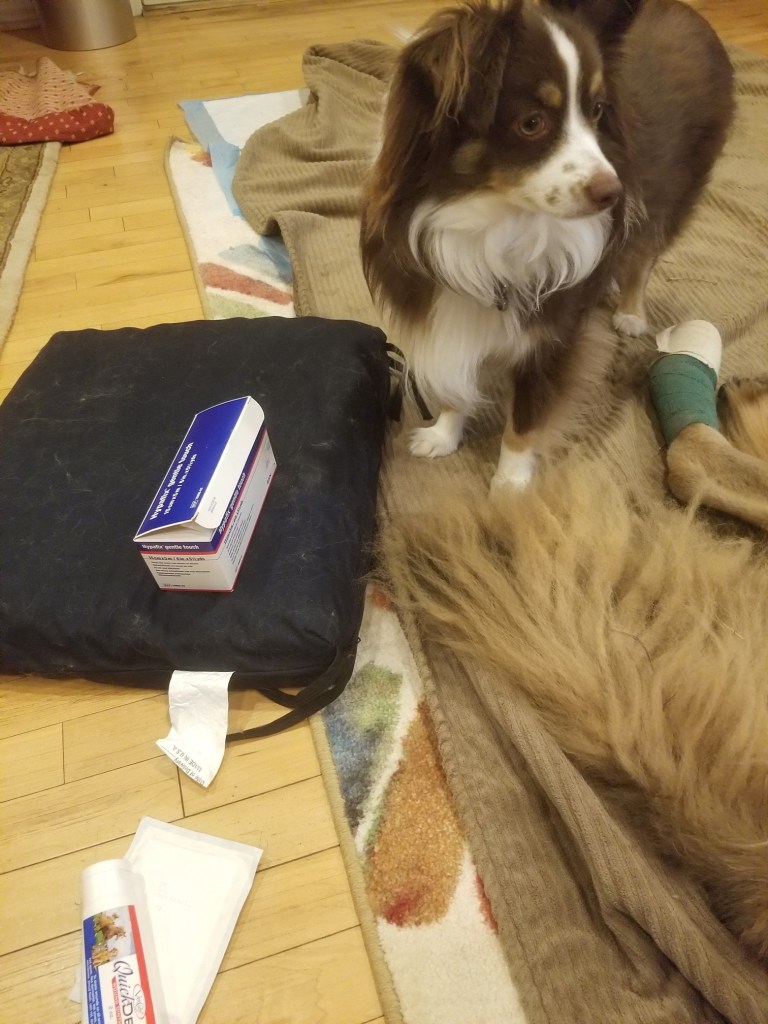
You can see the paws and bandaged legs of our Leonberger dog on the right. Our mini-Australian Shepherd is standing on the left.
Putting bandages on the legs of our injured Leonberger dog Bronco. This is a stressful situation, but our mini-Australian Shepherd Rollo is calmly observing and learning.

Understanding Your Stress Response

Stress is your body’s built-in alert system, not a personal failure. The Cleveland Clinic calls it a natural reaction to changes or challenges, and it can show up in your thoughts, feelings, and actions. When you learn your early signals, you can separate “I’m stressed” from “something is wrong with me.”

This matters because stress patterns are often predictable. Spotting your common causes of stress and your most frequent symptoms helps you choose the right support faster and recover sooner. It also keeps you from treating every bad day like a character flaw.

Picture a typical morning: a late start, nonstop notifications, and a tense conversation. Your shoulders climb, your patience drops, and you reach for caffeine or scrolling. That’s your cue to connect the trigger and the response, then adjust. The same pattern recognition can help you notice stress signals in your pets, too.

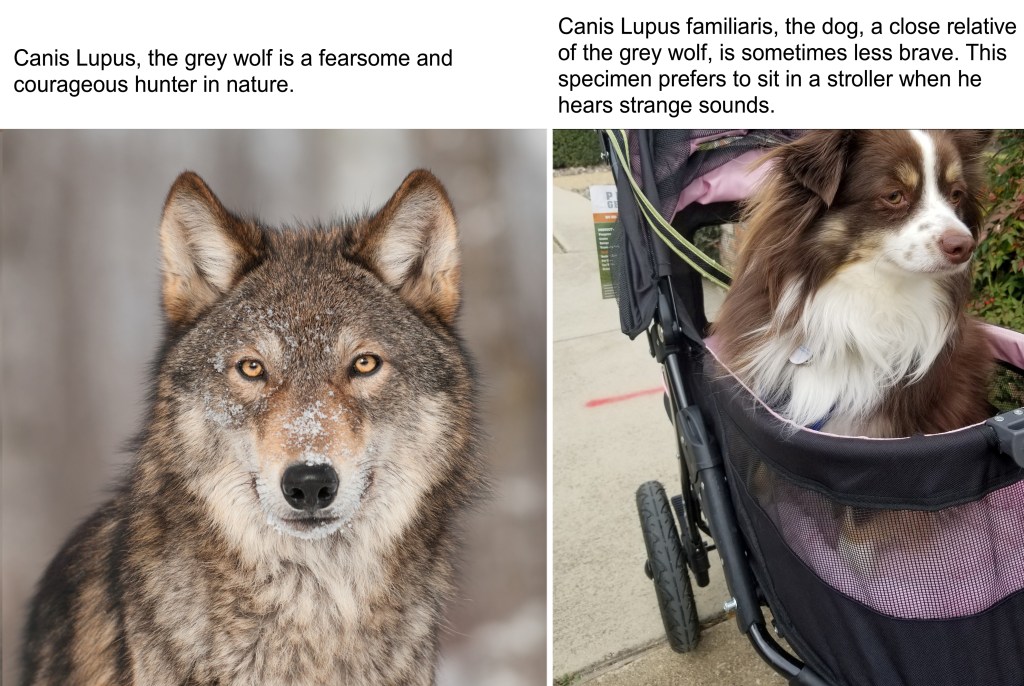
On the left is a picture of a wolf. The text says “Canis Lupus, the grey wolf is a fearsome and courageous hunter in nature.”  On the right is our mini-Australian Shepherd sitting in a stroller. The text says “Canis Lupus familiaris, the dog, a close relative of the grey wolf, is sometimes less brave. This specimen prefers to sit in a stroller when he hears strange sounds.”
Dogs get stressed out too. Our mini-Australian Shepherd get stressed out by strange sounds and when we had a stroller with us, he wanted to sit in the stroller when he heard strange sounds. Unfortunately, this is probably not an option for you.

Calm Together: Reduce Stress for You and Your Dog

Once you start noticing how stress shows up in your body and habits, it’s easier to see how it can ripple out to the beings around you, especially your dog. Dogs are keen observers, and a shift in your schedule, voice, or body language can register as “something’s off.” Calm, family-oriented breeds like Leonbergers often mirror the mood of the home, so when you’re rushed, inconsistent, or tense, they may become more clingy, withdrawn, restless, or reactive.

The good news is that the same steady routines that help you feel grounded can help your dog feel safe. Regular walks burn off nervous energy for both of you, and consistent feeding and sleep times make the day more predictable. Add a little quiet bonding time, sitting together, gentle attention, an unhurried presence, and create a calm space where your dog can settle when the house feels busy.

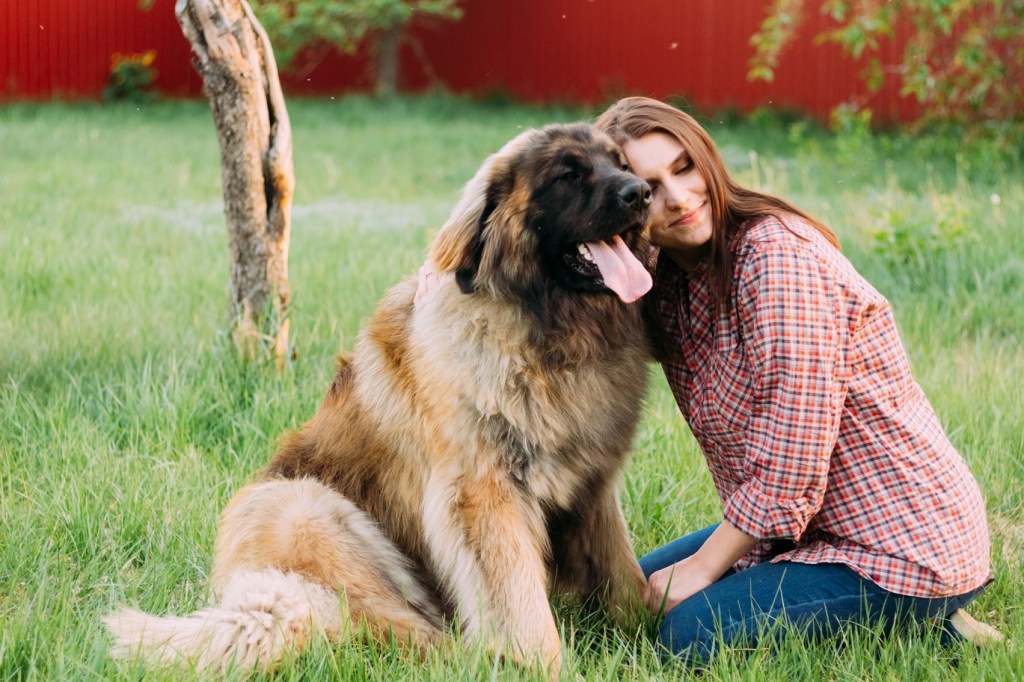
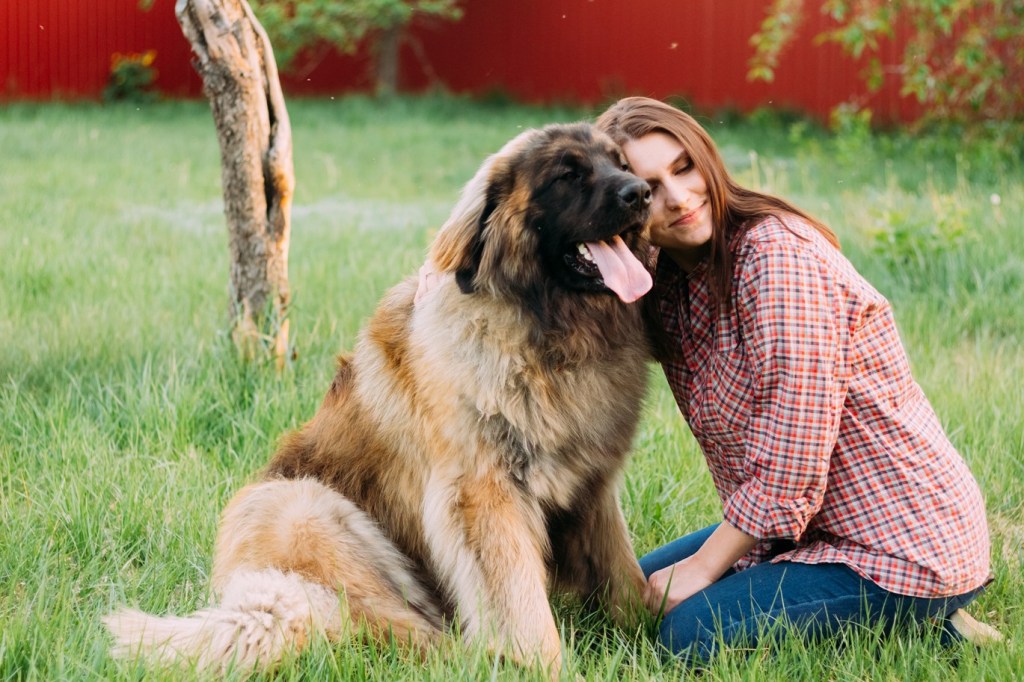
A pretty dark-haired Caucasian girl in a plaid shirt hugs her cute Leonberger dog, concept of friendship and loyalty
Calm, family-oriented breeds like Leonbergers often mirror the mood of the home. Shutter Stock Asset id: 1741753382 by Elena Podrezenko

Daily Stress-Soothing Habits You Can Repeat

These habits work because they are simple enough to repeat on busy days, which helps your nervous system learn what “safe and settled” feels like over time. Pick one or two, practice them consistently, and let the routine support both you and your home.

Two-Minute Breath Reset
  • What it is: Do six rounds of 30-second deep breathing while sitting comfortably.
  • How often: Daily, or before stressful moments.
  • Why it helps: Slow breathing lowers body tension and helps your mind re-center.
Light-and-Move Morning Start
  • What it is: Get daylight, drink water, and take a 10-minute easy walk.
  • How often: Most mornings.
  • Why it helps: Movement and light support energy, mood, and calmer focus.
Workday Boundary Check
  • What it is: Choose a clear stop time and do a 3-minute tidy reset.
  • How often: Weekdays.
  • Why it helps: A clean ending reduces rumination and protects your evening.
Stress-Smart Plate
  • What it is: Build meals with protein, fiber, and a color, then snack intentionally.
  • How often: Daily.
  • Why it helps: Stable blood sugar can reduce jitters and irritability.
Screen-Free Wind-Down
  • What it is: Put your phone away and do a short stretch or shower.
  • How often: Nightly, last 30 minutes.
  • Why it helps: Less stimulation helps your body shift toward sleep.
A big brown Leonberger dog lying on his back on a leather sofa.
When you are relaxed your dog can relax. This is our Leonberger dog Bronco splayed out on the leather sofa.

Stress-Relief Questions People Ask Most

Q: How do I choose a relaxation technique that actually works for me?
A: Pick the one you will realistically repeat, not the “perfect” method. Start with something low-friction like slow breathing, a short walk, or gentle stretching, then notice what changes first: sleep, irritability, or focus. If you hate a technique, it is okay to swap it.

Q: Why do I feel worse when I try to relax?
A: This is more common than people realize, especially if you have been running on adrenaline for a long time. Try a lighter version: shorter sessions, eyes open, or movement-based calming like walking. If panic spikes, pause and choose grounding actions like naming five things you see.

Q: When I miss a day, should I start over?
A: No, you are practicing a skill, not passing a test. Restart with the smallest version of your habit and anchor it to something you already do, like after brushing your teeth. Consistency over time matters more than streaks.

Q: When is professional support the safest next step?
A: Reach out if stress is affecting sleep for weeks, causing frequent panic, or leading you to rely on alcohol, drugs, or self-harm thoughts. A clinician can help you build a plan that protects both your body and mind. If you ever feel unsafe, seek urgent help right away.

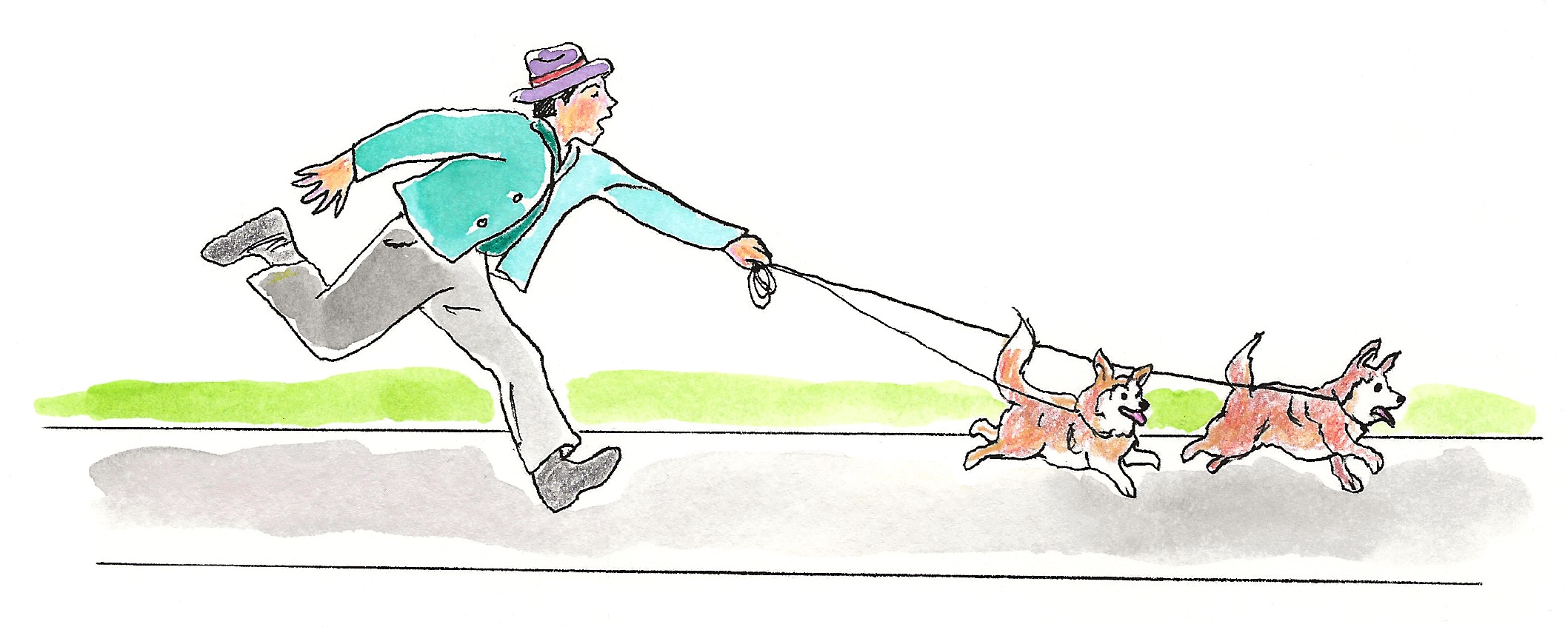
This was a stressful situation. Our Leonberger dog Bronco, wearing a cast chased our neighbor and his Corgis down the street. He was limping badly but wanted a walk so we took him outside just for a little bit. We did not think he needed a leash in his condition, but it turned out he could run. He was not supposed to bump his cast and not chase neighbors either. Illustrations by Naomi Rosenblatt.

Small Habits, Lasting Calm

Managing stress naturally does not require a complete lifestyle overhaul. By learning to recognize your stress triggers, understanding how your body responds, and building a few simple, repeatable habits into your day, you can create more resilience and balance over time. Whether you find relief through breathwork, mindful routines, supportive supplements, or simply creating calmer rhythms for yourself and your family, consistency matters more than perfection. Small daily actions can add up to meaningful changes, helping you navigate life’s challenges with greater clarity, energy, and peace of mind.

Launching A Pet Boarding Business

A professional content writer by the name of Ryan Goodchild contacted me about me posting an  article he had written on launching a pet boarding and pet daycare business. The title of the article is “A Step-by-Step Guide to Launching Your Pet Boarding and Daycare Business”  and you can see the article below. Ryan wrote the article and I provided pictures.

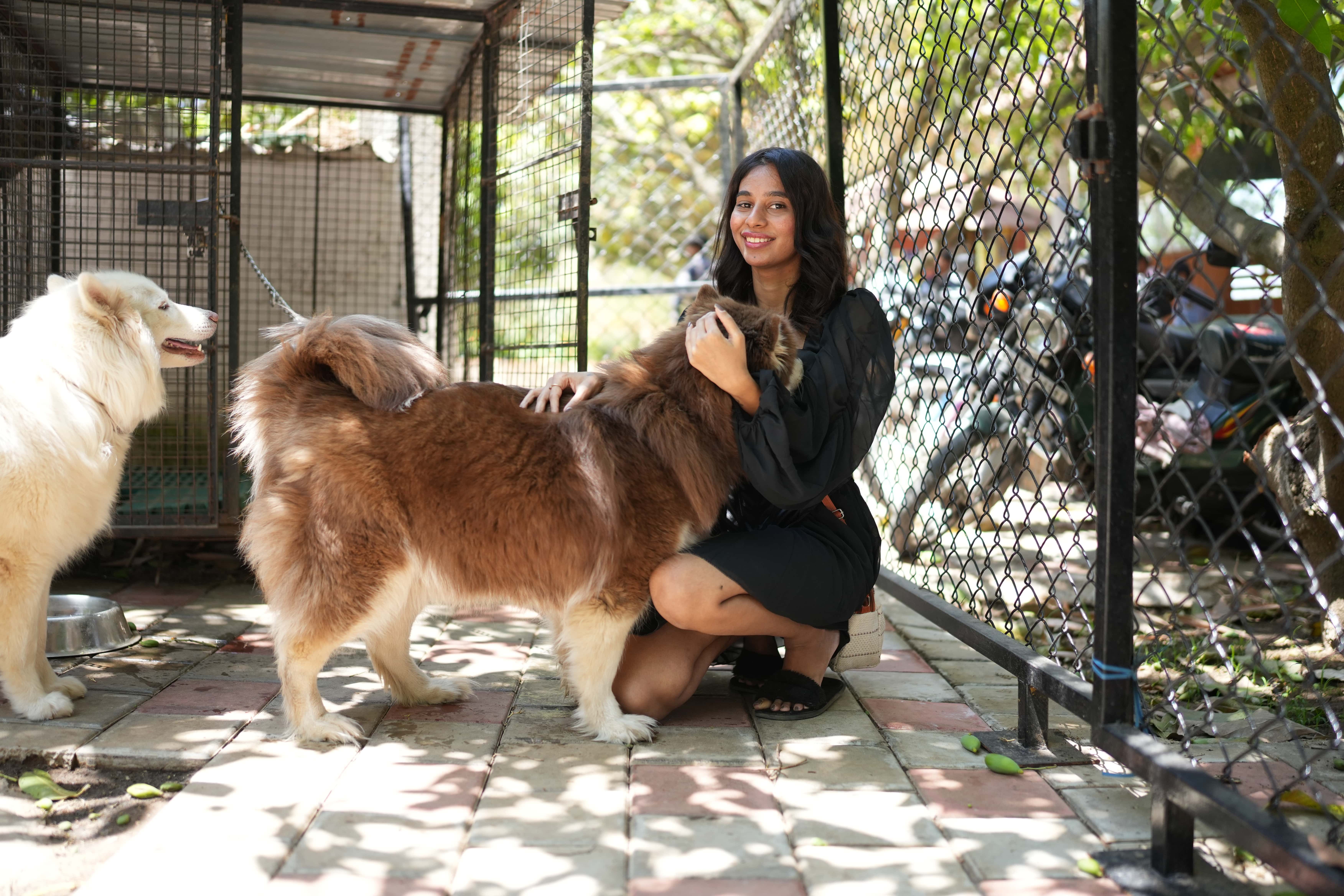
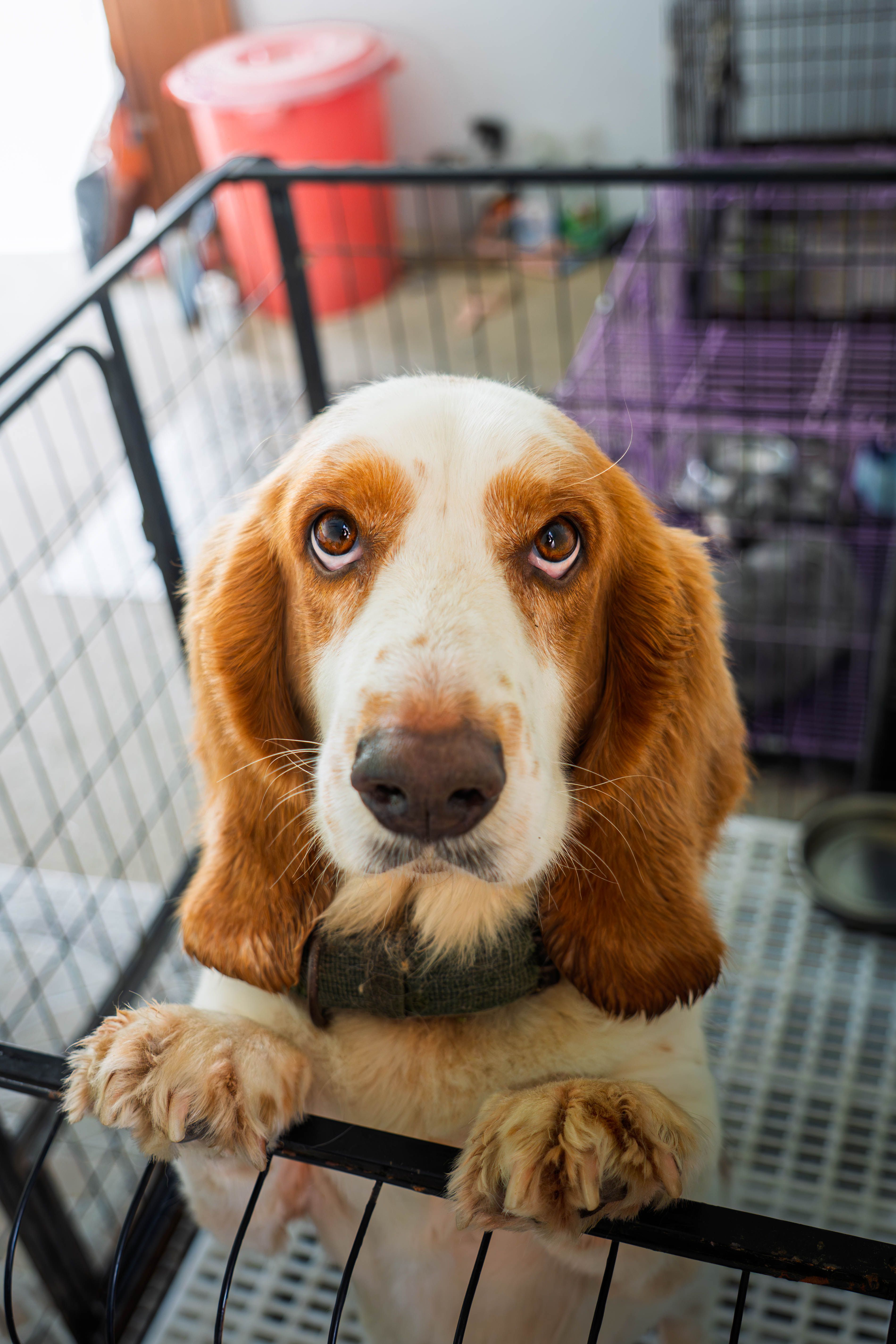
Photos from Pexels.com by Nataliya Vaitkevich, Aishu gowda, Austin Briones, and Blue Bird. At the top left, me with our Leonberger dog Bronco.


A Step-by-Step Guide to Launching Your Pet Boarding and Daycare Business

For local business owners and new pet service entrepreneurs, a pet boarding business opportunity can feel obvious, until the local pet daycare market reveals crowded options in one area and unmet needs in another. The core challenge is separating real community pet care demand from friendly encouragement, so a small business startup in the pet industry doesn’t open to empty spots or unhappy neighbors. The upside is meaningful: reliable support for working families, safer care for pets, and a business built on trust and consistency. Clear demand and clear standards are what turn pet care into a lasting local service.

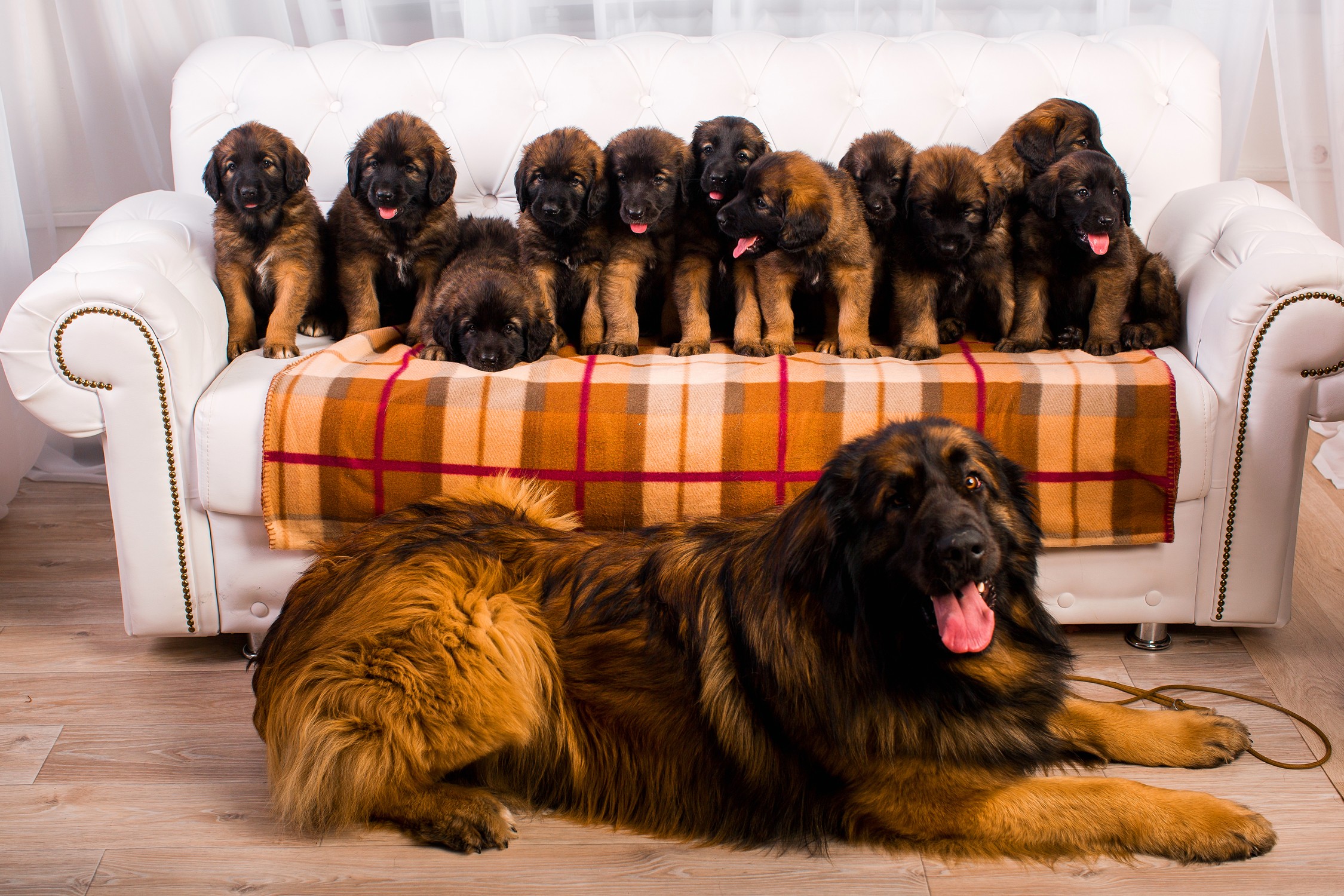
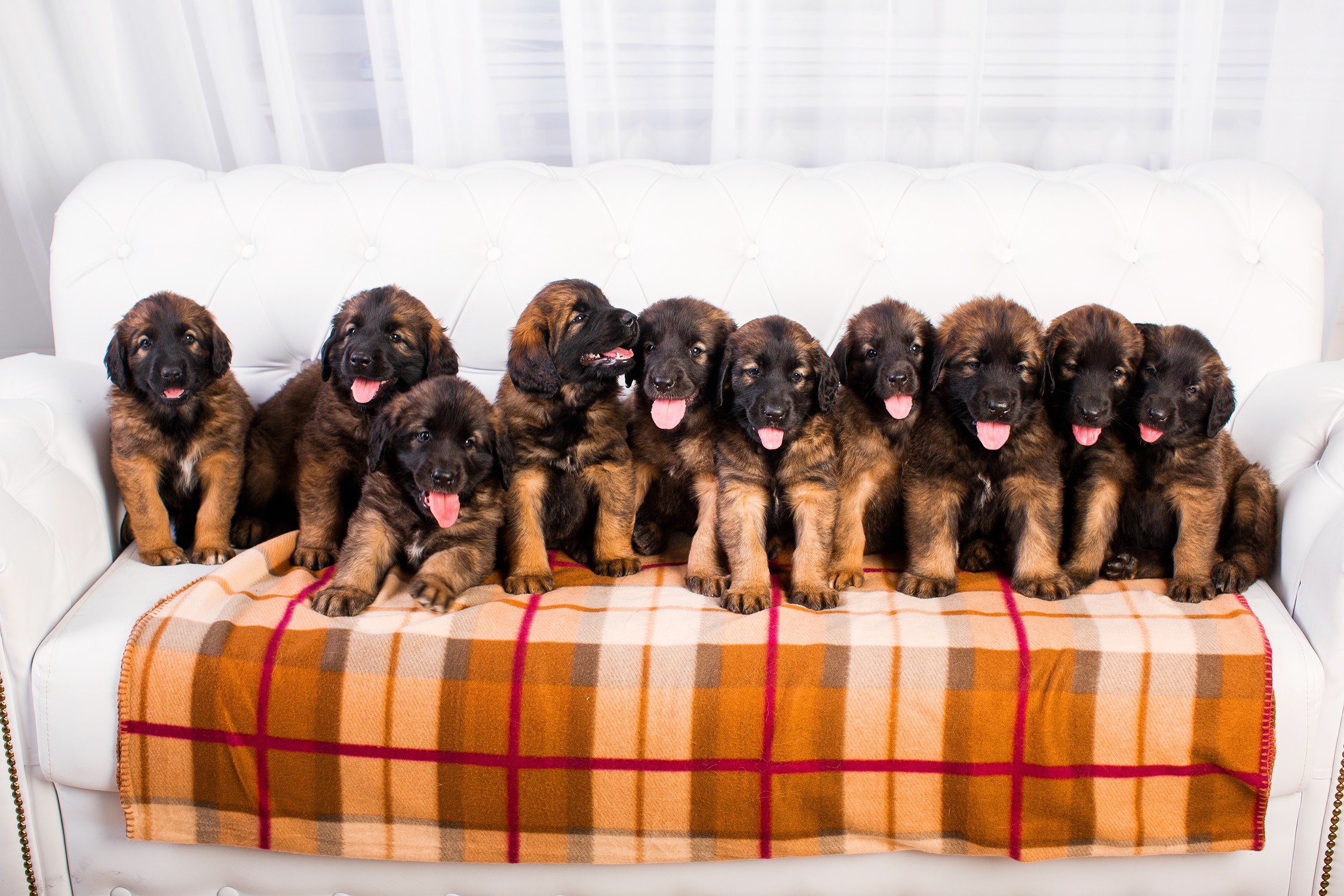
Ten Leonberger puppies sitting on a sofa. They are brown with black face masks.
Ten Leonberger puppies, about two months old. Shutterstock-ID:561107710 by Akbudak Rimma.

Build Your Pet Boarding Business From Plan to Opening

This roadmap helps you turn a pet boarding and daycare idea into a real opening day plan, with fewer legal, safety, and customer service surprises. It matters because most “small” gaps, like paperwork, intake rules, or staffing, are exactly what shape trust in your community.

  1. Confirm demand and define your offer
    Start with a simple business plan that names who you serve, what problems you solve, and how many pets you can safely handle per day. Talk to local vets, groomers, and pet parents to learn which hours, services, and price points are actually missing. Use what you hear to choose a clear niche, like small-dog daycare, senior pet boarding, or extended-hour drop-offs.
  2. Choose your structure and line up licensing
    Pick a legal setup, register your business, and get an EIN so you can open accounts and hire staff cleanly. A checklist like choosing a business structure can help you decide how to organize liability, taxes, and ownership from day one. Then contact your city or county to confirm permits, zoning, signage rules, and any kennel or animal care licensing requirements.
  3. Set up a safe, workable facility
    Choose a location and layout that supports calm movement, easy cleaning, and separation when needed, such as by size, temperament, or health status. Before you commit, visit the facility you plan to use so you can notice noise, odor control, drainage, entry security, and how pets would flow through the space. Build your setup around safety basics like double-door entry, secure fencing, sanitation stations, and clear emergency exits.
  4. Train your team and lock in operating standards
    Write simple, repeatable rules for supervision, playgroup grouping, feeding, medication, cleaning schedules, and incident reporting. Train staff on body language basics, de-escalation, and how to follow checklists, not memory, during busy rushes. Consistent standards reduce accidents and make your service feel dependable even as you grow.
  5. Create intake procedures and launch marketing
    Set an intake process that protects pets and sets expectations, including vaccination proof, temperament notes, emergency contacts, and a trial day for new clients. Then market what you can deliver consistently: capacity, hours, safety practices, and your booking process, not just cute photos. Ask early customers for reviews, and build referral partnerships with nearby pet professionals so your first month is not a guessing game.
Five Leonbergers lying in the grass. They are wearing hats showing the American flag.
Five Leonbergers including Digory on 4th of July 2023. Photo by my friend Jen O’Keefe.

Build the Business Skills That Keep Pet Care Profitable

Boosting your business acumen can be as practical as earning an online business degree, giving you structured training to support smarter choices as you grow. Earning a business management degree can help build skills in leadership, operations, and project management, the same capabilities you’ll lean on when you’re coordinating people, processes, and services. An online format can make it easier to learn on a flexible schedule while still applying what you study to your business in real time; for additional info, explore the program details.

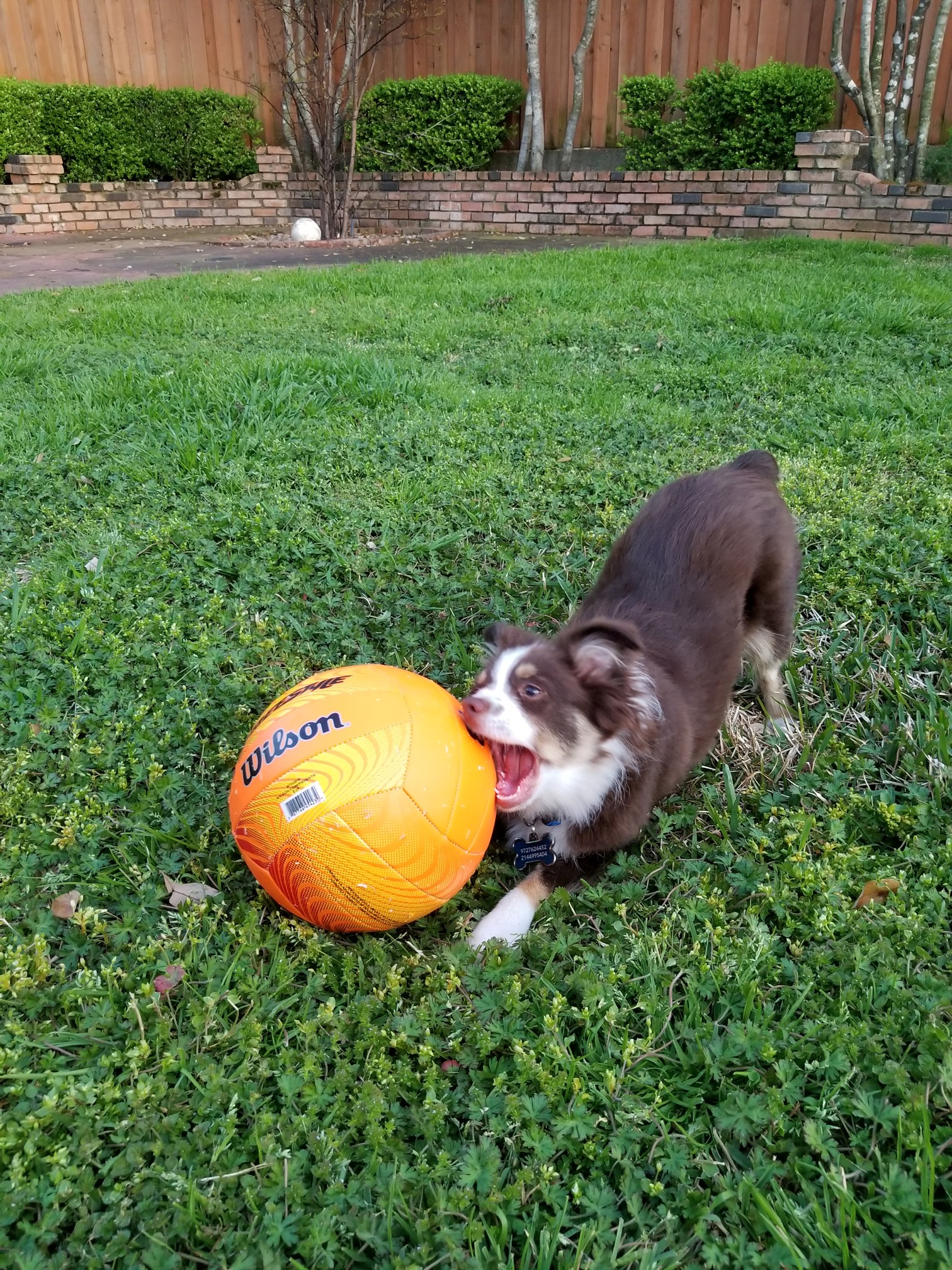
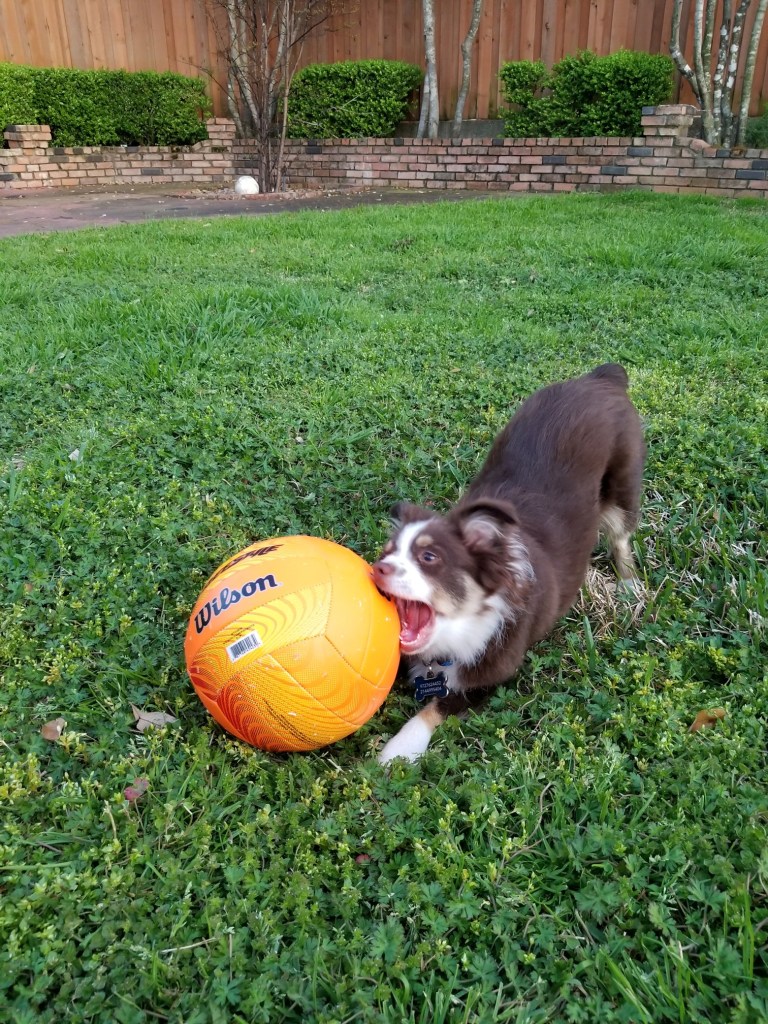
Our mini-Australian Shepherd puppy Rollo is playing with an orange volleyball on the green grass.
Our mini-Australian Shepherd puppy Rollo playing with an orange ball.

Pet Boarding and Daycare Startup Questions

Q: What licenses or rules do I need before I take my first booking?
A: Start with your city or county business license, zoning approval, and any kennel or animal care permits your state requires. Ask specifically about occupancy limits, noise rules, waste disposal, and vaccination requirements. Create a simple compliance binder with permits, inspection notes, and written policies so you can prove you are operating responsibly.

Q: How much insurance do I really need, and what should it cover?
A: Look for liability coverage that includes animal bailee or care, custody, and control, plus protection for bites, escapes, and property damage. Many sitters benchmark options by noting 78% of members in a major industry survey used one insurer, but the right choice depends on your services and facility. Get quotes from at least three providers and confirm exclusions in writing.

Q: How do I set prices without scaring off new clients?
A: Price around your true costs first: staffing, cleaning, rent, insurance, and supplies, then add a profit margin. A practical reference point is the pricing range $25-$65/day for day boarding, adjusted for your local demand and service level. Offer clear add-ons like medication, late pickup, or enrichment instead of discounting your base care.

Q: Should I hire staff right away, or start solo?
A: Many owners start lean, then hire when supervision and cleaning tasks begin to compete with customer service and sales. If you do hire, prioritize reliability and calm handling skills over pet ownership alone. Use paid working interviews and require proof of any claimed certifications.

Q: How can I prevent fights, illness, or mix-ups between pets?
A: Use temperament screenings, separate play groups by size and energy, and set firm criteria for when a pet must be kenneled or isolated. Require vaccination records, a signed emergency authorization, and clear ID on every collar and kennel. Daily cleaning checklists and incident logs help you spot patterns before they become big problems.

An old lady at the hotel reception. She has a small dog.
From pexels.com cottonbro studio

Open-Ready Startup Checklist

This checklist keeps your launch organized so you can open confidently and care for pets safely. Use it to spot gaps early, avoid last minute scrambles, and create a smooth first impression.

✔ Confirm business license, zoning clearance, and required animal care permits

✔ File insurance policies and document coverage limits, deductibles, and exclusions

✔ Set pricing sheet with add-ons, cancellation terms, and pickup windows

✔ Prepare intake packet with vaccine proof, emergency contacts, and behavior notes

✔ Stock supplies list for cleaning, enrichment, feeding, and first-aid essentials

✔ Create daily routines for sanitation, headcounts, and incident reporting

✔ Verify staff identities, references, and hands-on handling competence

✔ Launch local outreach with a simple website, reviews plan, and referral perk

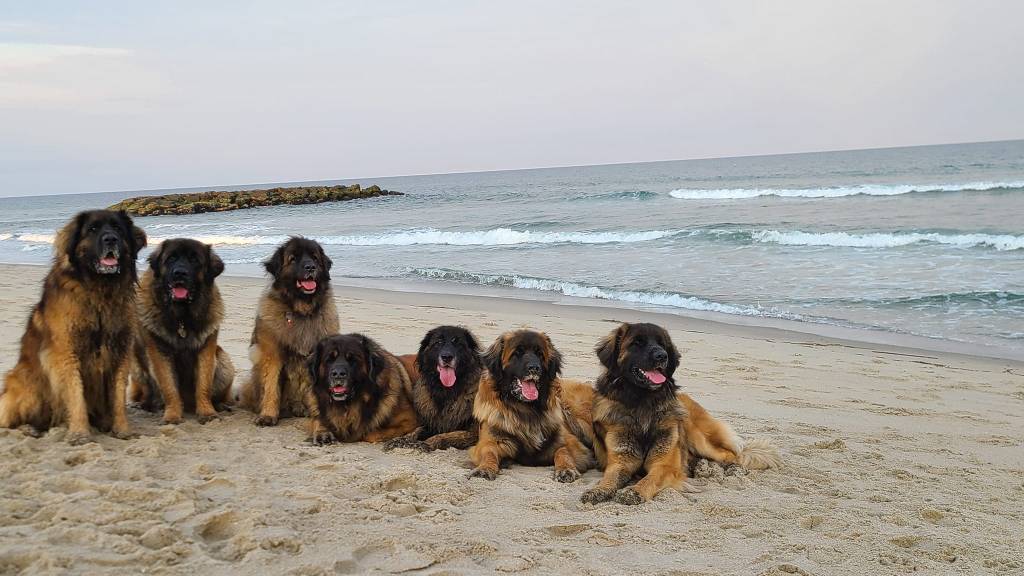
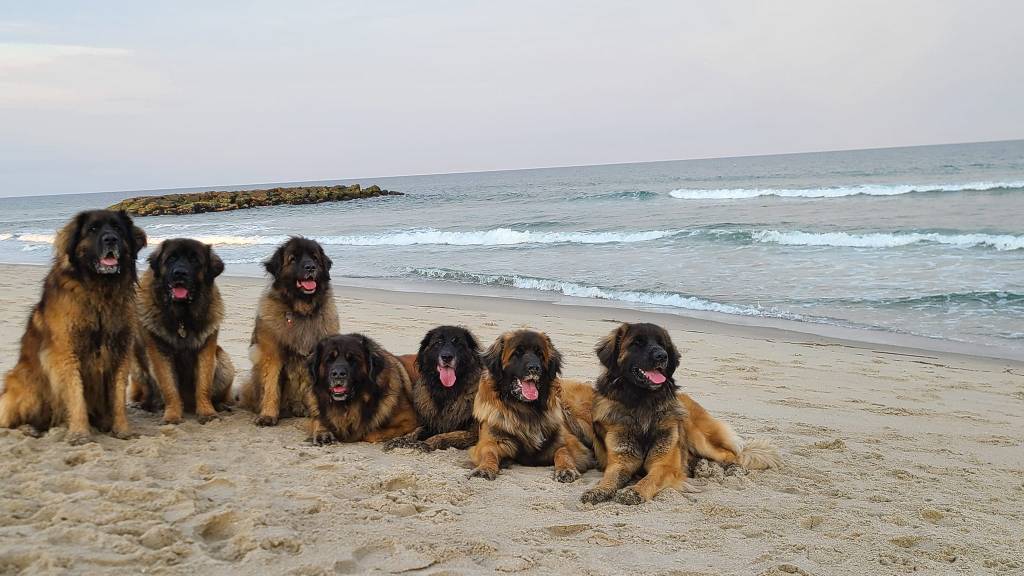
Seven Leonbergers lying or sitting on the sand on a beach.
Seven Leonbergers at the beach. Photo by my friend Jen O’Keefe.

Turn Your Pet Care Plan Into a Trusted Local Business

Starting a pet boarding and daycare business can feel overwhelming because pets’ safety, regulations, and expectations all land on day one. The path forward is a community-first mindset, use your open-ready checklist, stay consistent, and build trust through clear standards and a customer satisfaction focus. When those pieces are in place, entrepreneurial motivation turns into confidence building for new owners, steady referrals, and long-term growth strategies that make the operation resilient. A calm, prepared launch is the fastest way to earn trust and keep it.

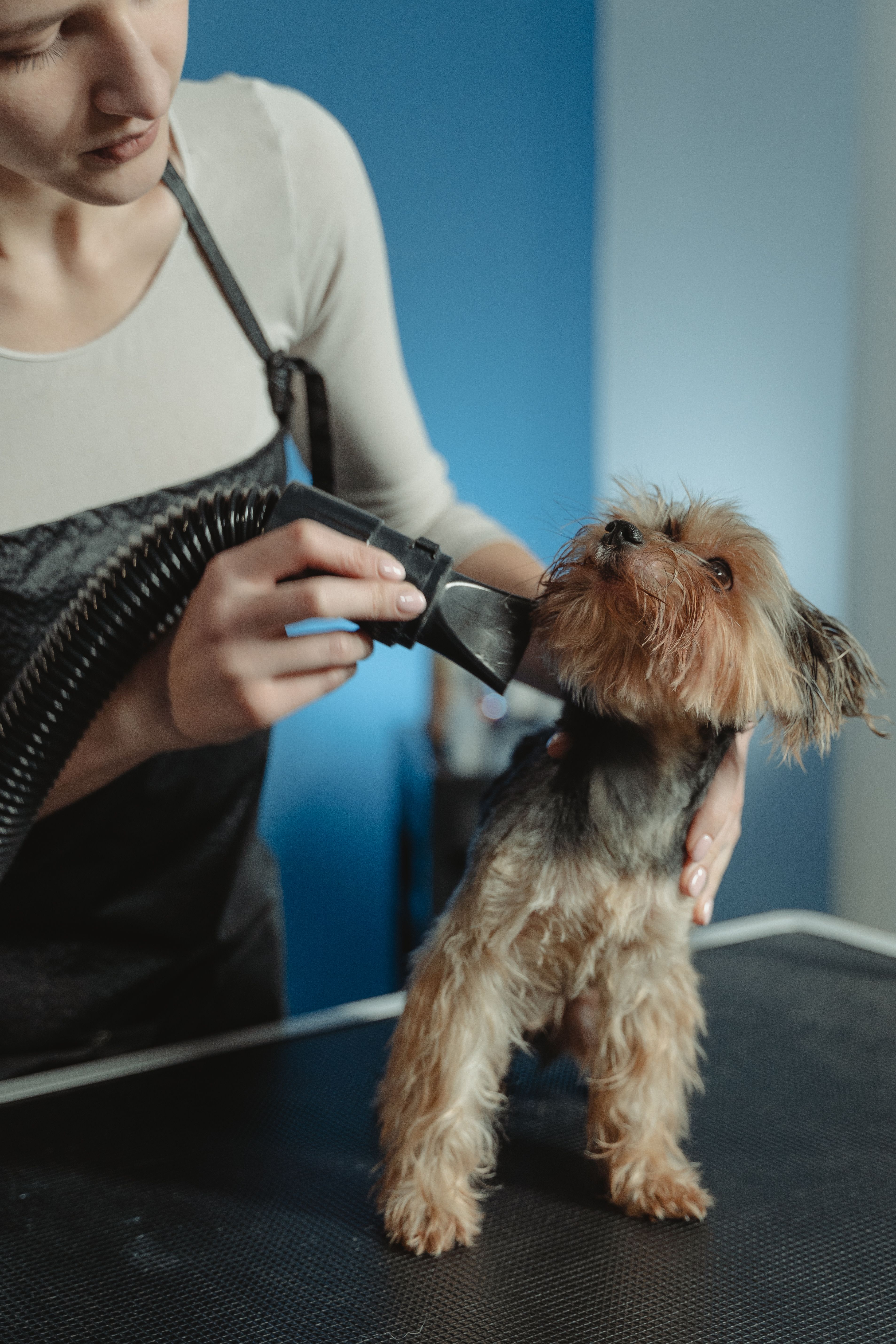
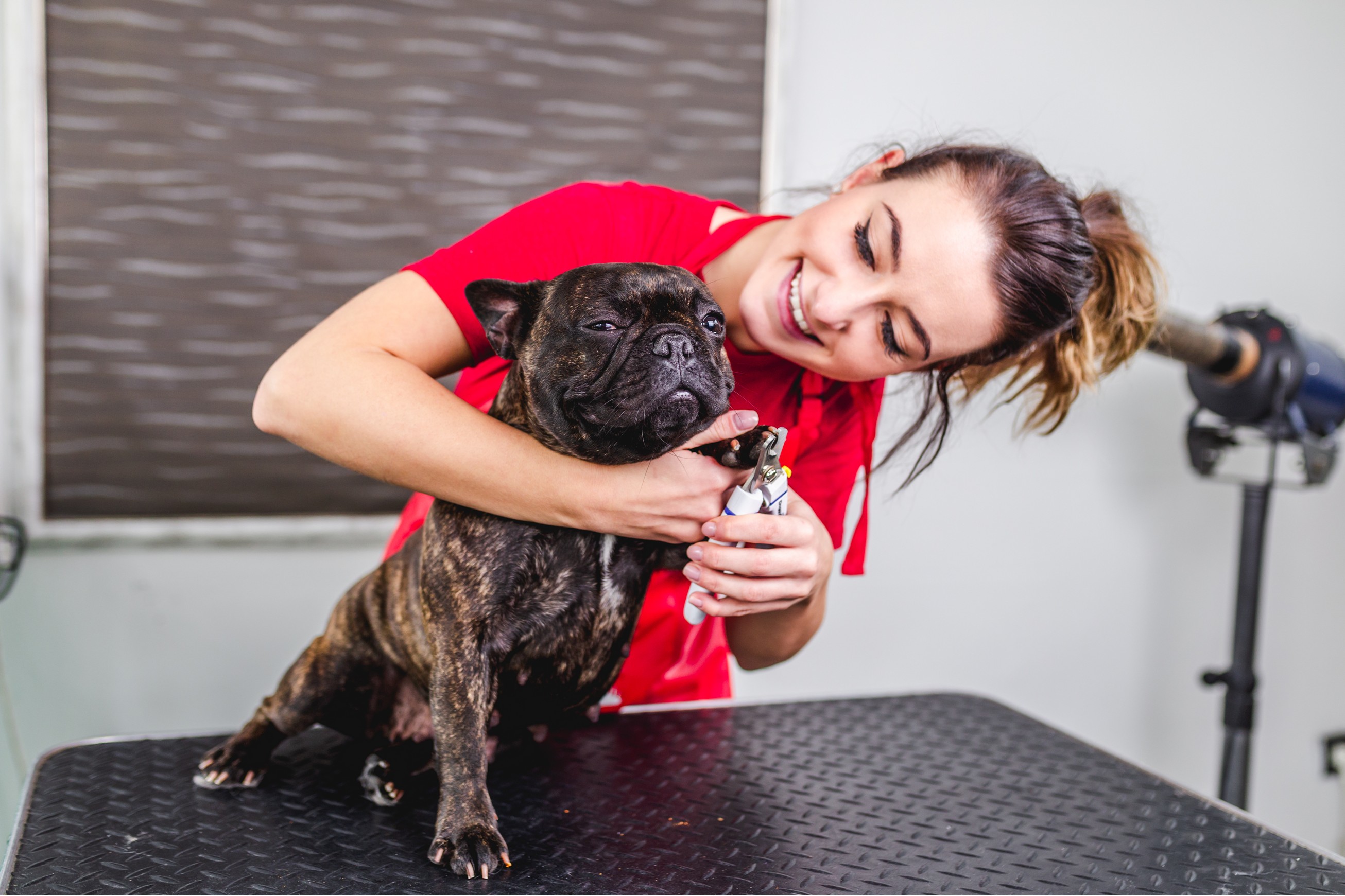
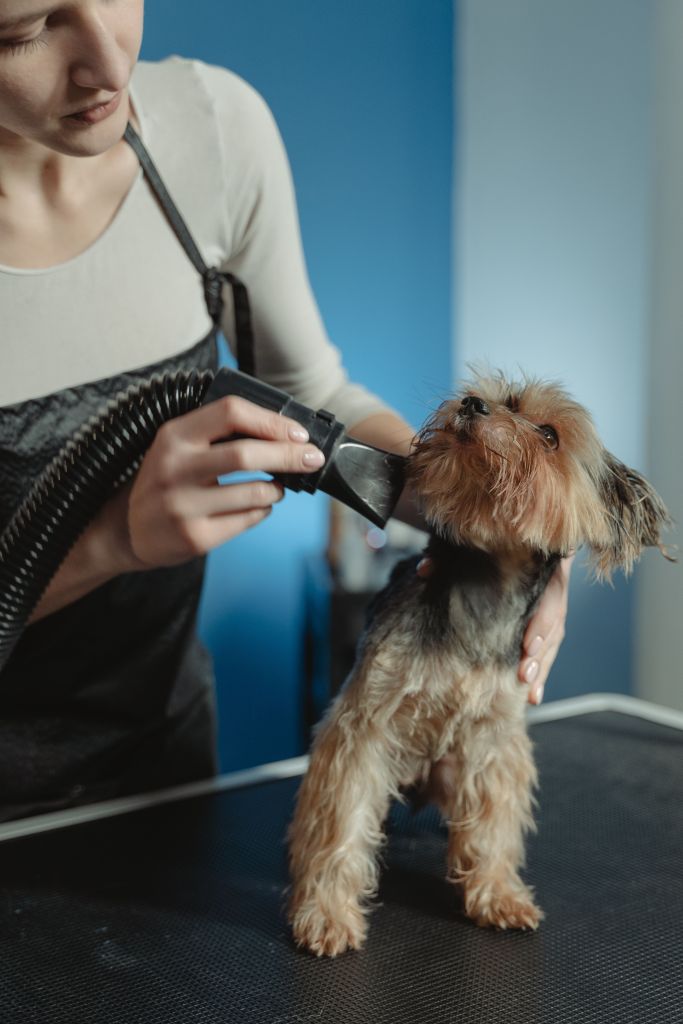
A woman is grooming a small hairy dog.
From pexels.com by Tima Miroshnichenko

Making a Difference for Shelter Pets

A professional content writer by the name of Ryan Goodchild contacted me about me posting an  article he had written on making a big difference for shelter dogs in your community. There are many ways that you can help as described in his article below. His article certainly contains a lot of great advice for all of us. I know that some of my regular readers volunteer at shelters and my gratitude goes out to all of you. You are heroes.

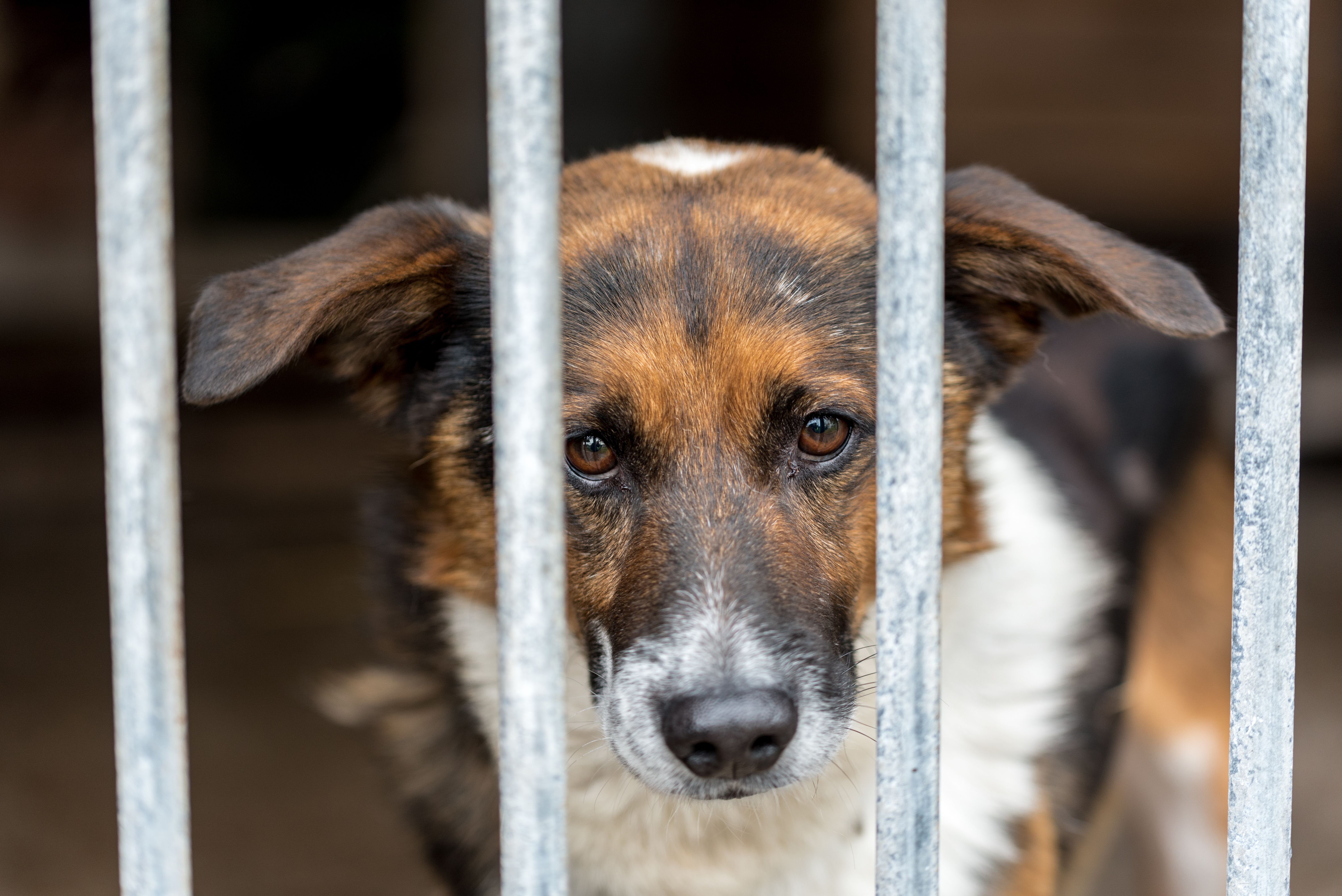
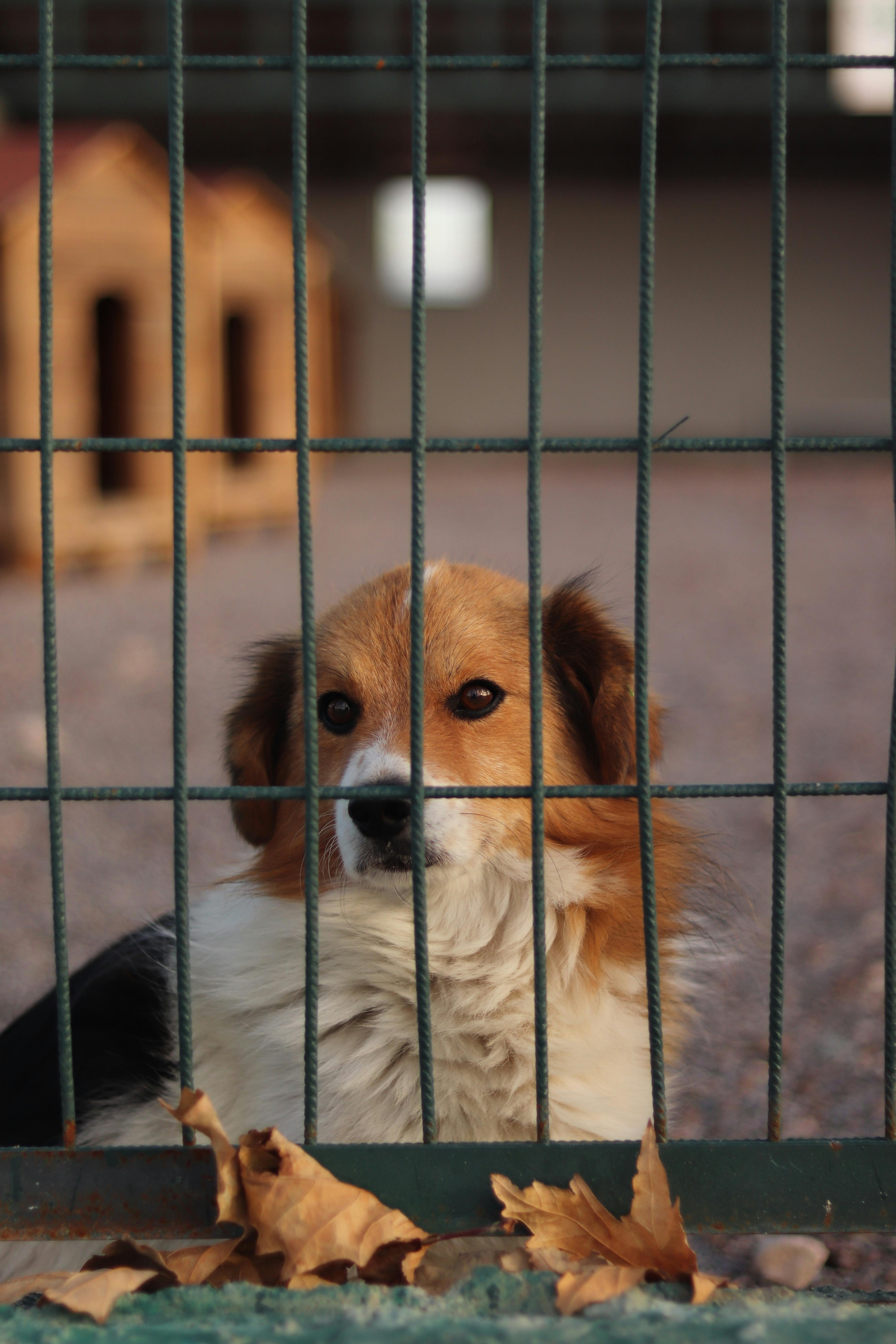
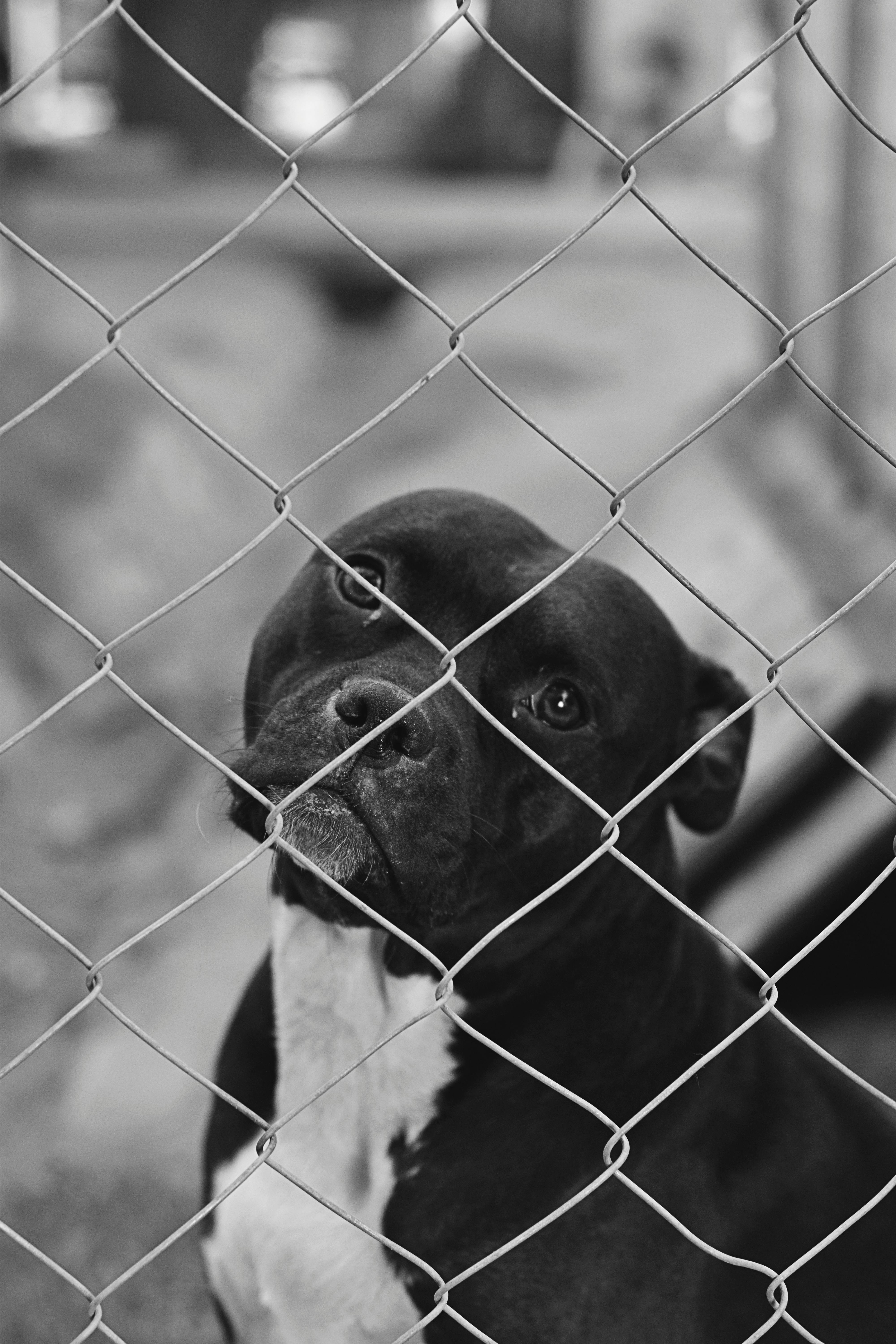
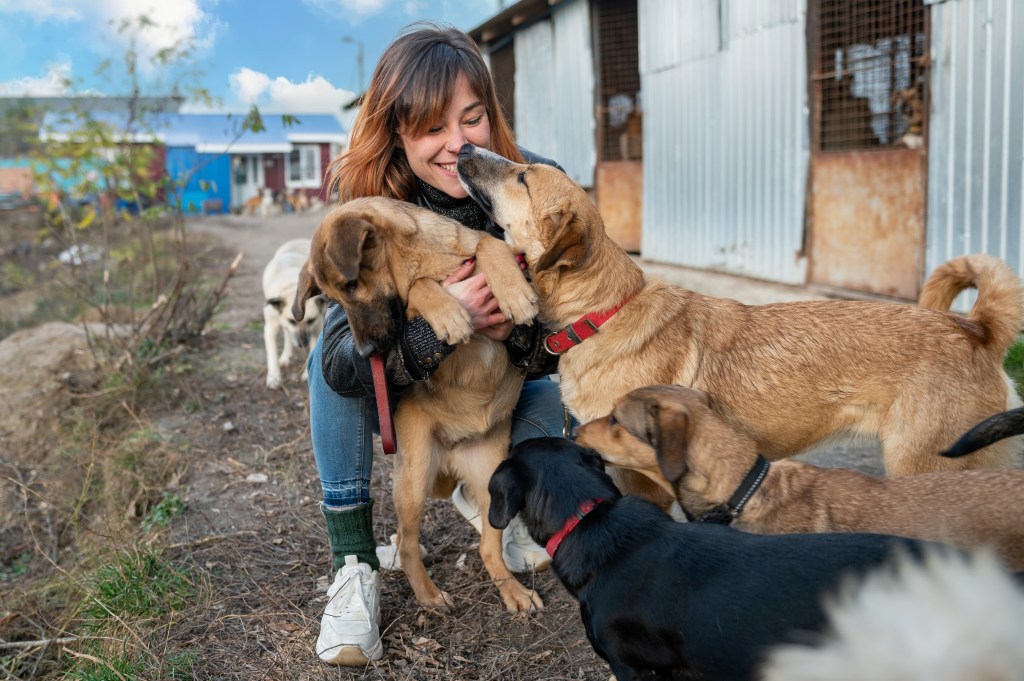
The photo tile above includes five photos of dogs in shelter. The photos are from pexels.com and the photographers are Laura Beauty Designer, lair arce, halilibrahimxq, 12photography and A P E R T U R E.

I should say that Leonberger dogs, the main topic of this blog, rarely end up in shelters and the reason for that is that Leonberger owners tend to be responsible dog owners and perhaps more importantly, it is difficult to get a Leonberger from a breeder that is not LCA certified. LCA is the acronym for the Leonberger Club of America. LCA requires breeders to take the dog back if anything goes wrong and they also keep an eye on Leonberger owners. If you mistreat a Leonberger, or sell or donate one in an unauthorized way, you can never own a Leonberger again. You have to sign a contract before you can buy a Leonberger. Below is a photo of a group of Leonbergers.

Five Leonbergers lying in the grass. They are wearing hats showing the American flag.
Five Leonbergers including Digory on 4th of July 2023. Photo by my friend Jen O’Keefe.

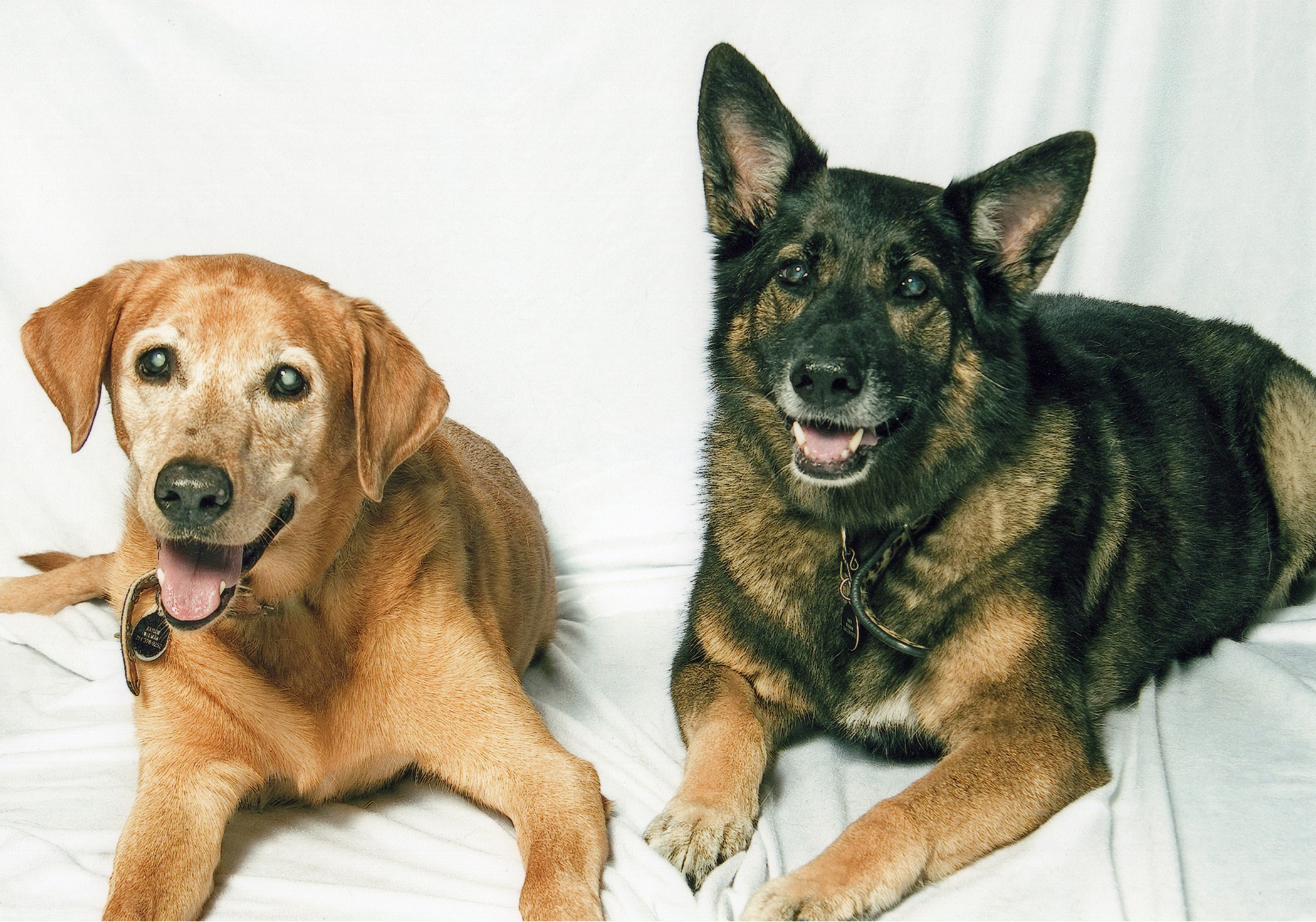
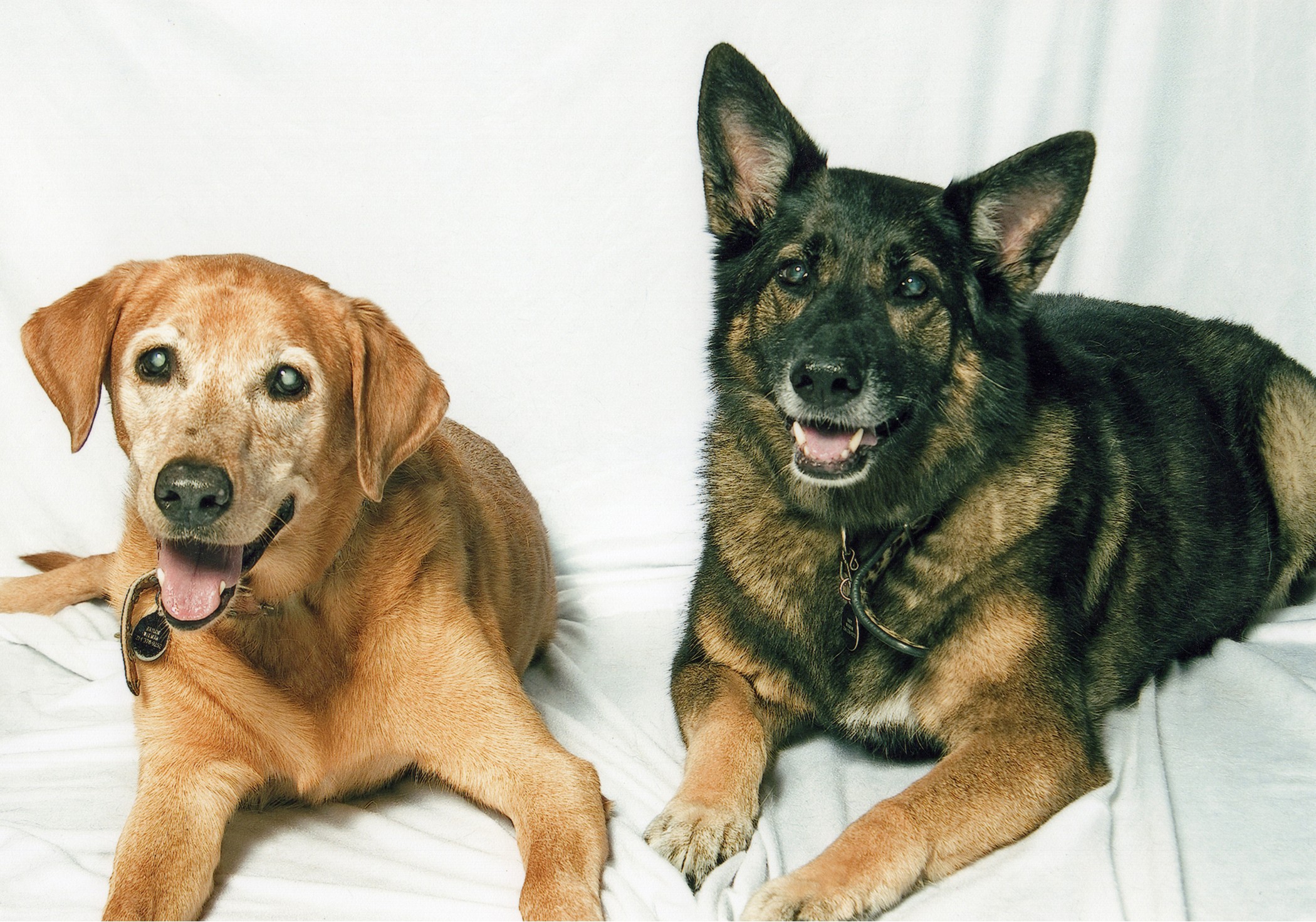
Our first two family dogs, a Labrador and a German Shepherd, came from a shelter via our niece and my wife’s sister. Their photo is below.

Our yellow Lab Baylor is sitting on the left. Our brown-black German Shepherd Baby is sitting on the right.
Our Labrador Baylor and German Shepherd Baby. They were both rescues.

The title of Ryan’s article is “How Anyone Can Make a Big Difference for Shelter Pets in Their Community”. While Ryan did all the writing, I added some photos. See below.

How Anyone Can Make a Big Difference for Shelter Pets in Their Community

Busy parents juggling work and school schedules, apartment renters with limited space, and local business owners trying to stay afloat often care deeply about animals but feel unsure how to create real animal welfare impact. Community needs are big, yet time, money, and energy are tight, and it can feel like only experts can move the needle. In reality, community support for shelter pets is the backbone of local rescues, from volunteering at shelters to helping more families feel confident about rescue pet adoption. Small, consistent involvement changes outcomes for animals waiting today.
Understanding the Three Ways to Help Shelter Pets

Most people make the biggest difference when they pick a help style that matches their real life. A simple framework covers almost every option: donate time through specific shelter volunteer roles, offer space by fostering, or give money to fund care and services. Think of it as choosing the lever you can pull consistently.

This matters because shelters run on steady support, not one-time bursts. Time keeps daily routines moving, space reduces crowding and stress, and money covers essentials like food, medical care, and outreach. The scale adds up fast when many people contribute in small ways: one volunteer community donated 211,307 hours of service.

Picture a typical week: you cannot adopt, but you can walk dogs on Saturdays, foster during a quieter month, or set up a $10 monthly gift. Fostering works because fostering is a temporary arrangement that moves an animal into a calmer home environment.
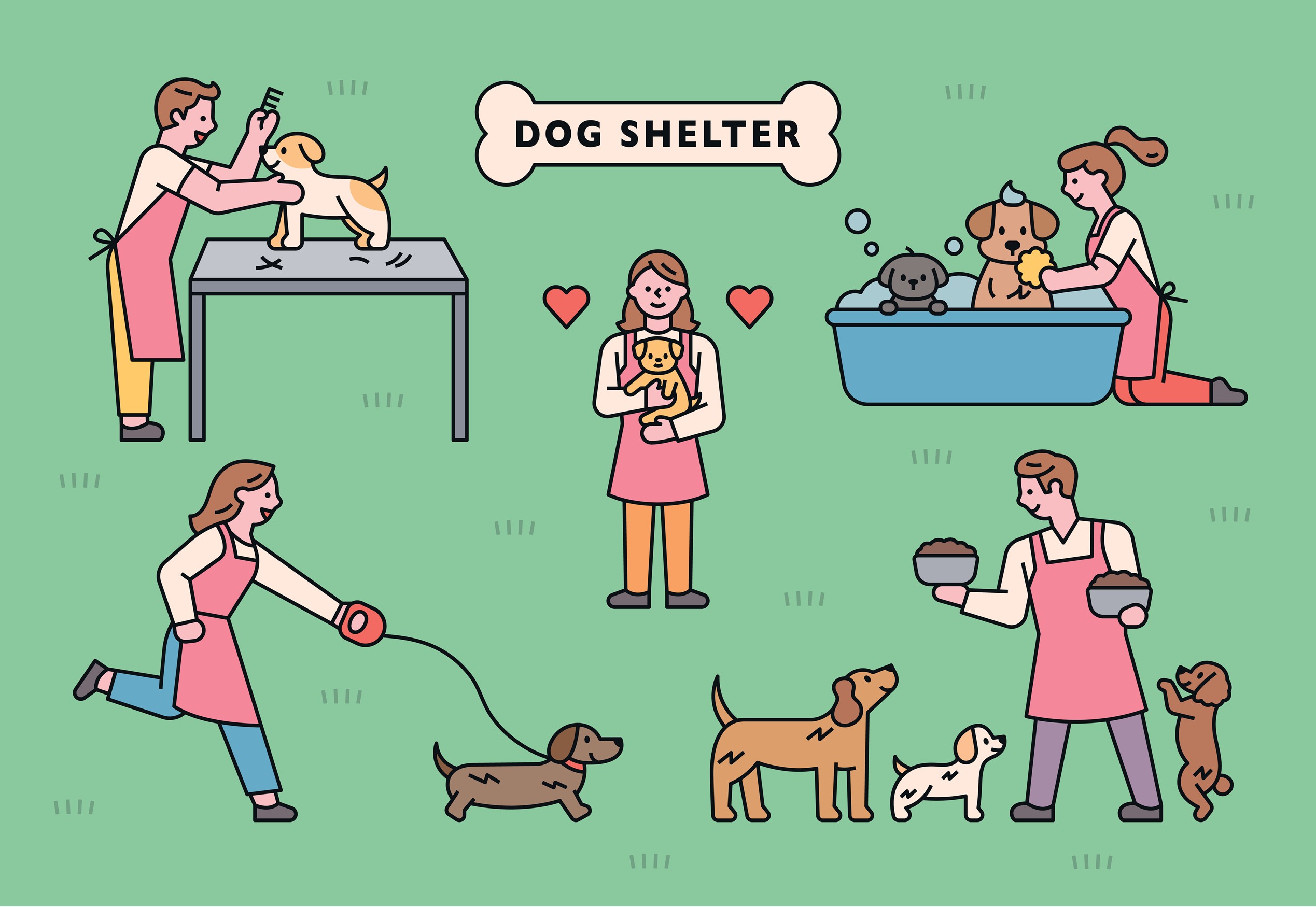
Clear, shareable graphics make those adoption and donation asks easier for your network to act on.

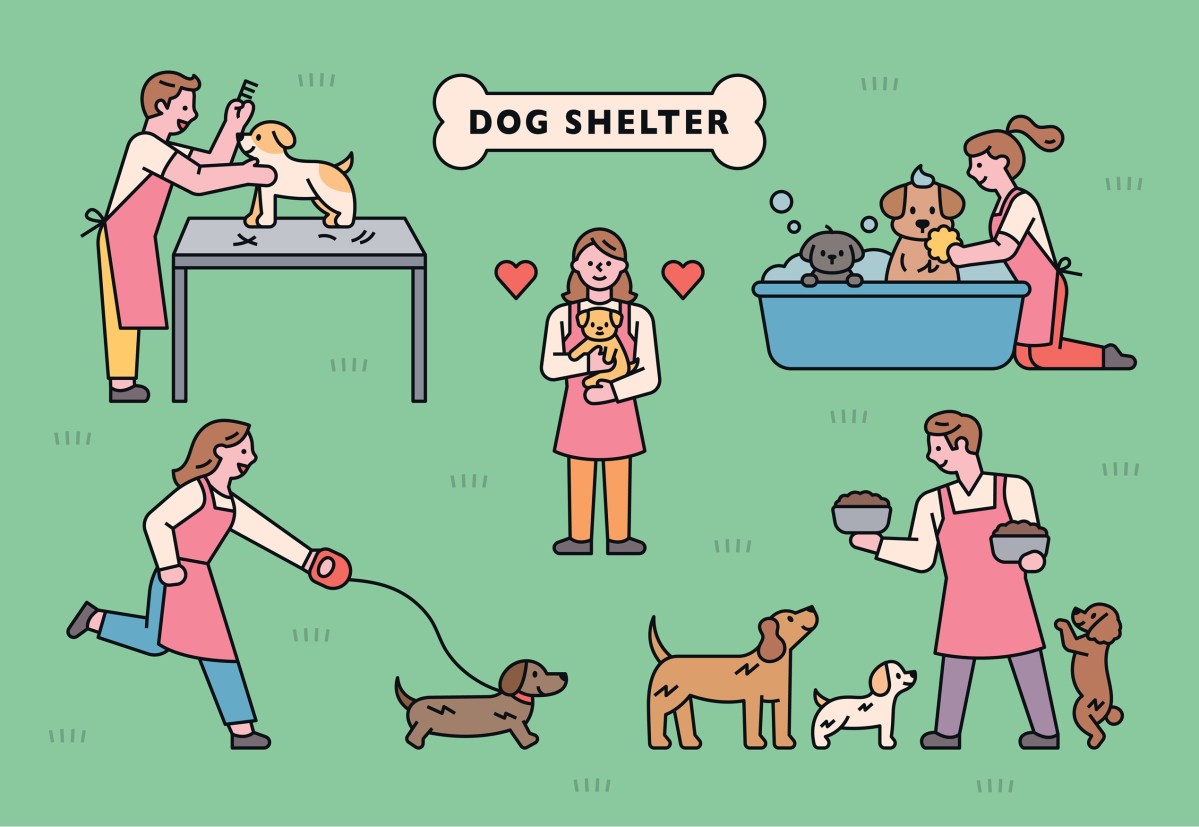
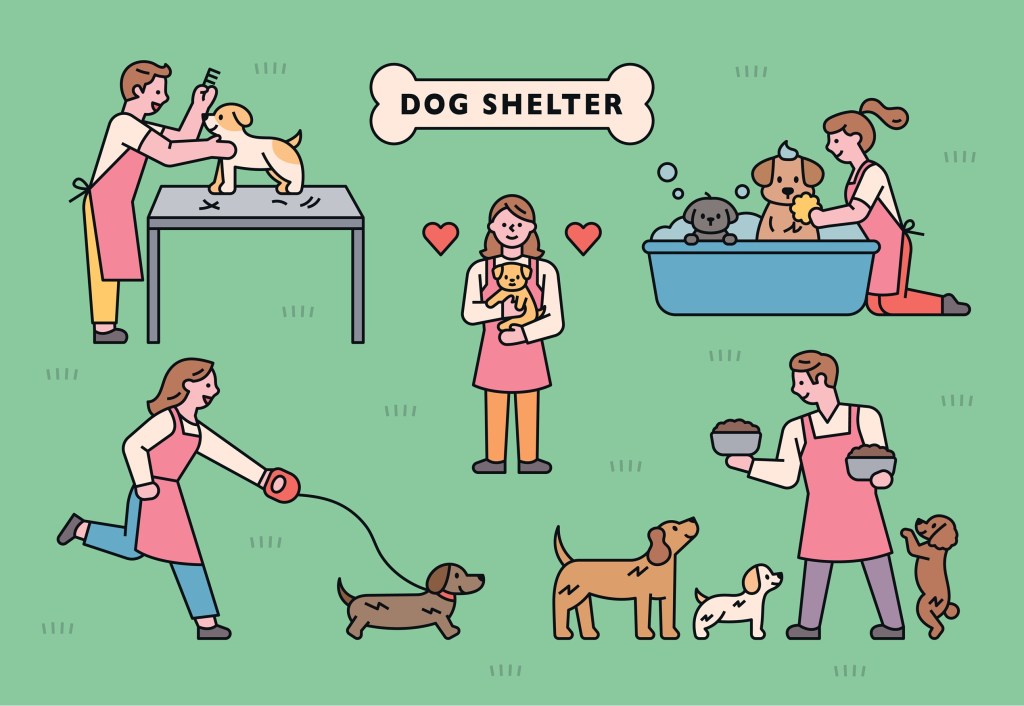
The illustrations show a woman holding a puppy in the middle, and volunteers grooming, bathing, walking and feeding dogs.
Dogs and volunteers at abandoned dog shelters. flat design style minimal vector illustration. Shutterstock asset id: 1817304344 by miniwide

Create Scroll-Stopping Adoption and Fundraiser Graphics in Minutes

Once you know whether you’re giving time, space, or money, one of the fastest ways to amplify that help is to make adoptable pets and urgent needs stand out online.

Volunteers can use free online tools to create eye-catching graphics that showcase adoptable pets and support fundraising, think social media posts, adoption flyers, or promotional materials for an upcoming event. Clear, shareable visuals can help more people notice a pet’s face and key details as they scroll, or understand what a donation drive is for at a glance. With an AI tool like Adobe Firefly’s AI graphic design generator, you don’t need design experience: you describe what you need (for example, an adoption post for a specific dog or a fundraiser graphic for medical costs), and the tool generates a customized visual you can share.

From there, you can pick from more high-impact actions that fit your schedule, skills, and comfort level.

Choose High-Impact Actions to Support Local Rescues

Pick two or three actions you can sustain, and do them consistently. Shelters and rescues run on tight timelines, so reliable help (even small) often beats one big burst.

  1. Foster with a clear “lane” (weekend, medical, or shy pets): Ask the rescue which foster type is most urgent, then choose one that matches your schedule, like a 72-hour “decompression foster,” a two-week post-surgery foster, or a quieter home for a fearful dog or cat. Get expectations in writing: who provides food, crates, meds, and vet care, plus a backup plan if you travel. Fostering shelter pets frees kennel space and gives the rescue better notes, photos, and behavior insights to share.
  2. Volunteer at animal shelters in one repeatable shift: Instead of “whenever,” pick a predictable slot like every other Saturday morning. Offer a specific role that reduces staff load: laundry, dishes, kennel reset, enrichment stuffing (Kongs/snuffle mats), dog walking, cat socialization, or adoption desk support. Consistency builds trust, which often unlocks higher-impact tasks like handling fearful animals, transport, or mentoring new volunteers.
  3. Run a targeted pet supply drive (one list, one week, one drop-off point): Start by asking for a “Top 10 Most Needed” list and preferred brands/sizes, then set a tight window (5–7 days) so donations arrive when they’re needed. Make it easy: one drop-off location, clear hours, and a single photo graphic showing exact items, your quick adoption/fundraiser design skills are perfect here. Add a goal tracker (“20 cans of kitten food” or “15 slip leads”) and post one daily update.
  4. Donate strategically, not randomly: Unrestricted monthly gifts help organizations plan medical care and staffing, and even $10–$25/month is meaningful when it’s reliable. It makes a difference: animal and environment donations make up 3% of all donations, so steady support can close real gaps. If you prefer “restricted” giving, fund a specific line item the rescue requests, spay/neuter vouchers, heartworm treatment, or emergency boarding.
  5. Become the “story + visuals” helper for one adoptable pet at a time: Offer to take 10 phone photos in good window light, capture a 15-second walking video, and write a short bio using a simple template: what the pet loves, what they’re learning, and the best home fit. Turn it into a clean graphic for social media (same colors, big readable text, one clear call-to-action) so volunteers can post fast without reinventing the wheel. This supports adoptions and fundraising without requiring you to handle animals.
  6. Advocate locally with one concrete ask: Start small: request pet-friendly rental policies at your workplace housing program, ask your city council to fund shelter improvements, or push for accessible spay/neuter and microchip clinics. Show up once: attend a meeting, bring a one-page summary, and share a few rescue-approved graphics to help neighbors understand the issue quickly. Community advocacy for animals works best when it’s specific, respectful, and focused on solutions.

If you’re unsure what fits your time, budget, allergies, or experience, choose the smallest version of one idea and build from there, doing the “right-size” help consistently is what changes outcomes.

A woman with at least five dogs. She is caressing them.
Animal shelter volunteer takes care of dogs. Animal volunteer takes care of homeless animals. Shutterstock asset id: 2390820575 by andysavchenko

Shelter Pet Support: Questions People Ask Most

A few quick answers can make starting feel a lot easier.

Q: How do I help if I only have an hour or two a week?
A: Choose one small, repeatable job and stick to it, like laundry, enrichment prep, or photo posting. Many people give time in bite-size chunks, and 63 million people volunteer, so shelters are used to scheduling around real life.

Q: What if I show up to volunteer and the tasks feel boring or awkward?
A: That is normal, especially at first. Many roles are repetitive, dry, and unremarkable tasks that still protect animal health and keep operations moving. Ask for a clear checklist so you can be helpful even when you do not feel “plugged in” yet.

Q: Can I foster if I have pets, kids, or allergies at home?
A: Often yes, if you choose the right match and set boundaries. Request a foster that fits your household, confirm separation options, and get medical and behavior expectations in writing before pickup.

Q: How do I know my donation is actually used well?
A: Ask what their most urgent need is this month and whether they can share a simple breakdown of spending or program outcomes. If you want tighter accountability, fund a specific item they request and ask for a receipt or confirmation note.

Q: What should I avoid when adopting so I do not end up returning the pet?
A: Do a lifestyle match first: time alone, energy level, grooming, and realistic training needs. Ask about decompression time, medical history, and a support plan, and start with a slower transition rather than a packed social calendar.

Small, steady help adds up faster than you think for the pets counting on it.

Choose One Small Commitment That Helps Shelter Pets Thrive

Shelters are stretched thin, and it’s easy to care deeply yet feel unsure where help truly lands. The way forward is a steady, community-minded approach: choose practical roles, communicate clearly, and keep support consistent so good intentions become real relief. When that mindset sticks, making a difference for shelter pets looks like fuller foster networks, stronger outcomes from encouraging pet adoption, and volunteer impact stories that motivate others to join in. One reliable helper can change the daily reality for dozens of animals. Pick one next step today, sign up for a shift, submit a foster application, or set a small recurring donation, and put it on the calendar. Ongoing support for animal welfare builds the stability that lets pets and rescues recover, connect, and thrive.

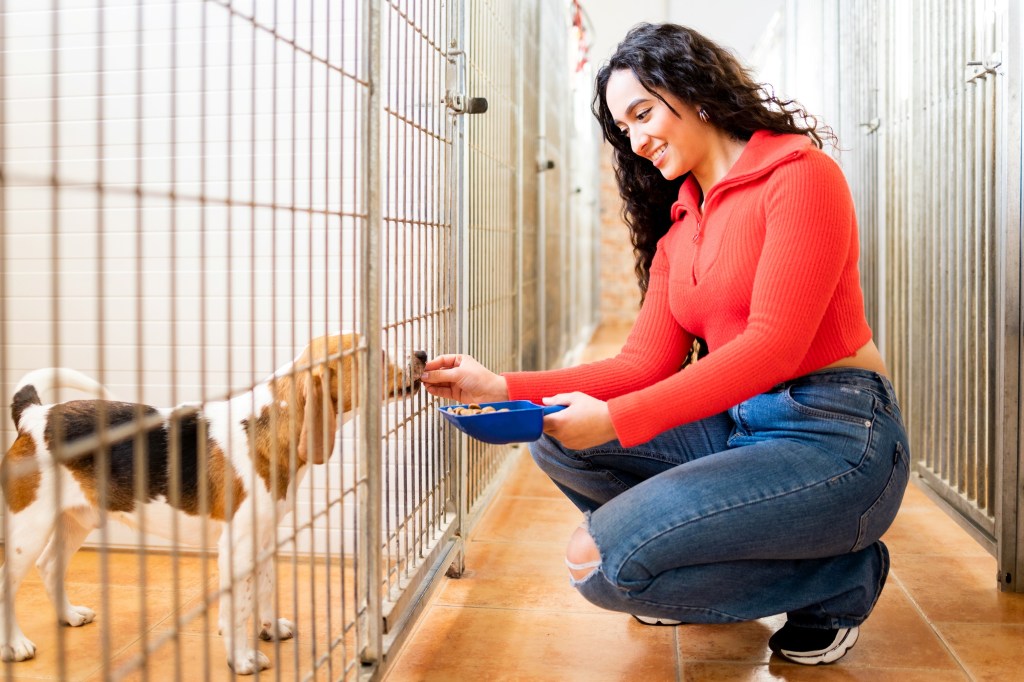
A woman in a red sweater feeding a beagle in a cage.
Woman feeds a dog at an animal shelter for adoption at a rescue center. Wellness, charity, and youth and women volunteering with an adoptive dog and pet at the local kennel. Shutterstock asset id: 2428340131 by Yiistocking

Taking Great Photos and Videos of Leonbergers

A professional content writer by the name of Ryan Goodchild contacted me about me posting a Leonberger related post he had written on my Leonberger blog, which I am certainly happy to do. The title is “How to Take Stunning Photos and Videos of Your Leonberger Dog”. I should mention that I used my Samsung Galaxy phone to take less than professional photos of our Leonberger. I’ve included a few photos of our Leonberger below, but most of the photos are from friends or stock photos. However, me not having many great photos that I took myself, won’t stop you from learning how to take great photos. See the article below. While Ryan did all the writing, I added photos.

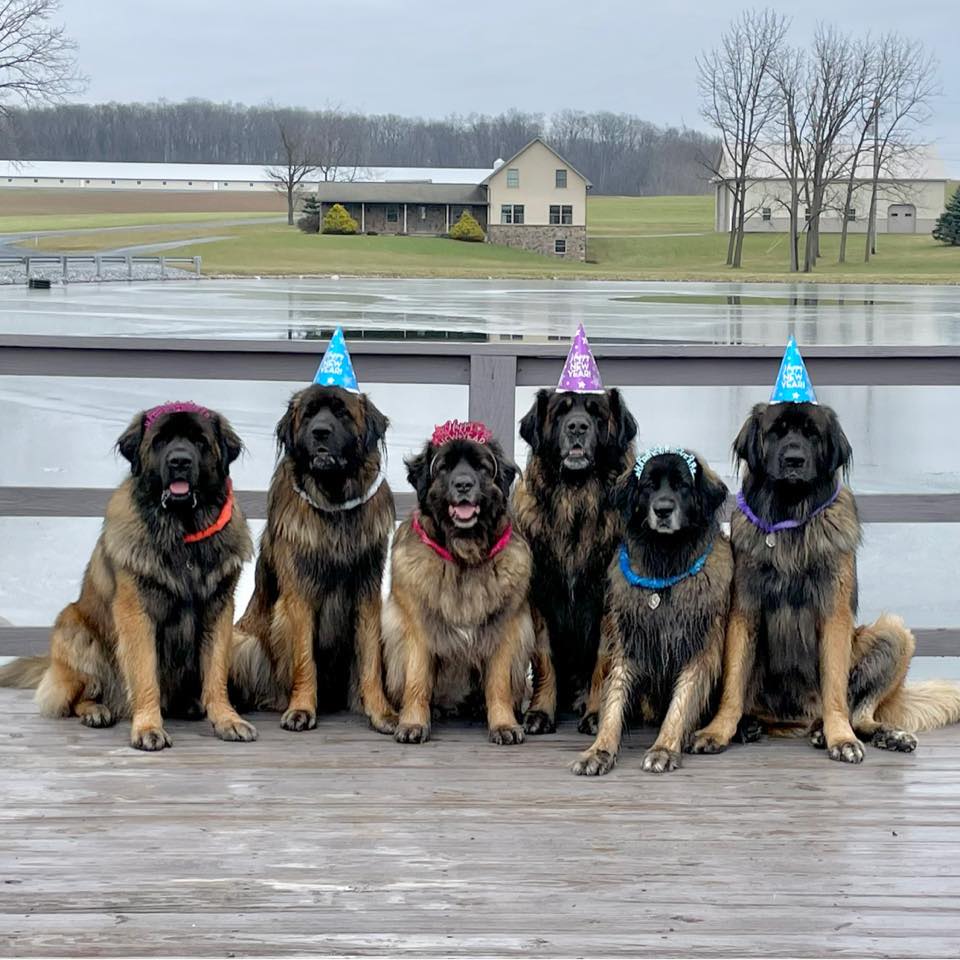
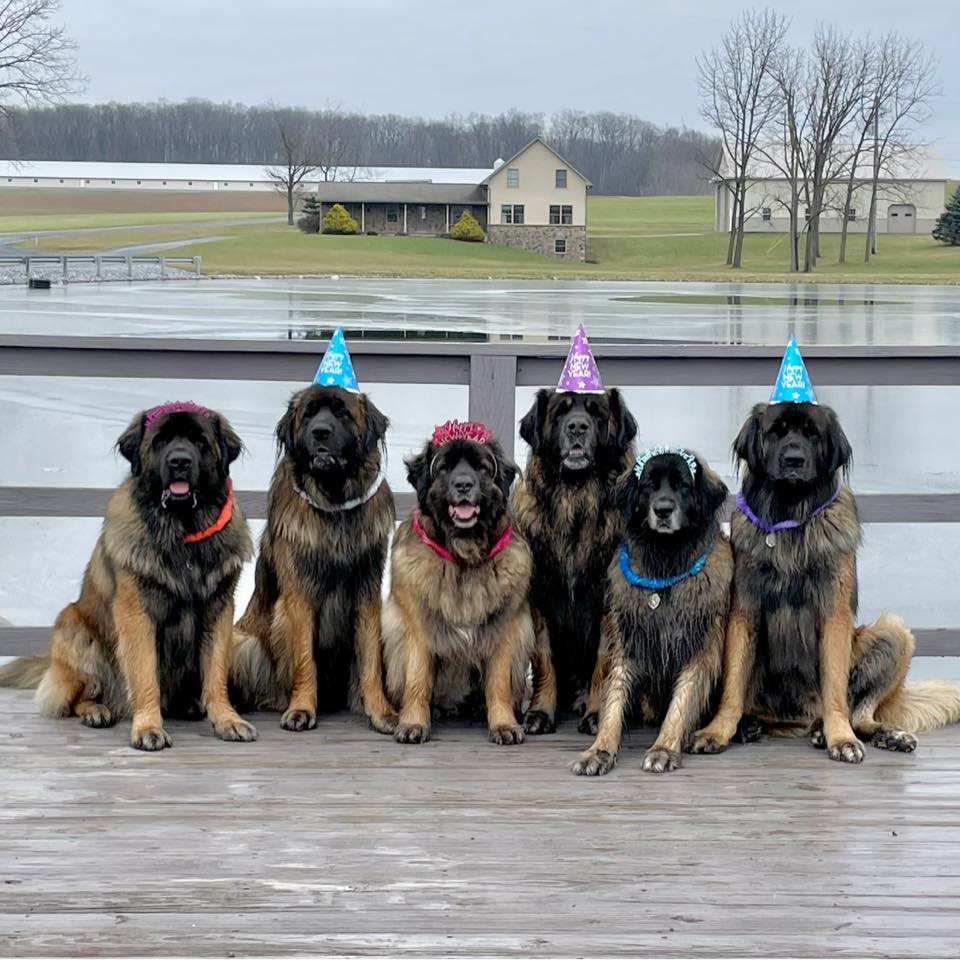
The photo tile above includes three photos of our Leonberger Bronco. One from when he was a three months old puppy and one from when he was 12 years old, and in one photo our mini-Australian Shepherd is biting his tail. There is a shutter stock photo ID:731020957  by Peter Josto, a photo of a woman and her Leonberger dog, asset id: 1741753382 by Elena Podrezenko, and two photos showing Leonberger puppies with flowers, asset id: 561113224 and 561111403 by Akbudak Rimma and . The photo of five Leonbergers wearing patriotic hats lying on grass by a lake was taken by Jen O’Keefe, (from left to right; Obi, Delfi, Aslan, Gryphon, Digory). There is also a photo of six Leonbergers celebrating a birthday. That photo was also taken by Jen O’Keefe.

How to Take Stunning Photos and Videos of Your Leonberger Dog

Leonberger dog owners who love Instagram dog photography often discover a frustrating truth: photographing large dog breeds is both deeply rewarding and deceptively hard. A Leonberger’s size, dark coat, and constant motion can turn sweet moments into blurry frames, while shedding, drool, and aging-pet sensitivities add real pet photography challenges. On top of that, Leonberger personality capture depends on comfort and timing, and anxious dogs read tension fast. With a few grounded principles and a supportive dog owner community mindset, those everyday moments can become images worth sharing.

Photo of a Leonberger sitting on snowy ground. There is a lake in the background as well as snowcapped mountains.
Leonberger in a beautiful landscape. Shutterstock-ID:1333669760 by Britta Paasch.

Quick Summary: Leonberger Photo and Video Tips

  • Use an adjustable tripod and remote-friendly setup for steady, stress-free shots.
  • Use natural lighting techniques to bring out your Leonberger’s coat and expressions.
  • Choose a comfortable, familiar location so your dog stays relaxed and engaged.
  • Try flattering dog photo angles to highlight size, face, and signature fluff.
  • Practice patience during pet photography to capture calm, authentic moments on camera.
Photo of a Leonberger swimming water and there is green tall grass in the background. The Leonberger has a ball in his mouth.
Leonberger swims with a ball. Stock Photo ID: 720242263 by Christian Mueller.

Polish Leonberger Clips with AI-Assisted Video Creation

Once you’ve nailed the basics, good light, a clean background, and a steady angle, you can make your Leonberger videos feel even more “finished” with a little AI help. AI-assisted editing can tighten the story in your raw footage, smooth over rough moments, and add subtle creative effects without requiring advanced skills. With an AI video generator, you can turn a simple clip into dynamic, engaging Instagram content by adding cinematic b-roll effects, smooth camera motion, and stylized visuals, all from a text prompt or existing footage. If you’re curious what that looks like in practice, explore tools designed for high-quality video generation.

Set Up and Capture Camera-Ready Leonberger Shots

These steps turn “hope for a good moment” into a simple routine you can repeat on walks, in the yard, or at home. You will set up your gear, pick flattering angles for a big fluffy dog, and use quick cues and rewards so your Leonberger looks engaged in both photos and video.

  1. Lock in a stable, dog-safe setup
    Start with a phone or camera you already own, then add stability: prop it on a solid surface or use a tripod at about chest height for your dog. Turn on grid lines, wipe the lens, and pick a wide frame so you are not constantly re-aiming while handling your Leonberger. If you can, connect a Bluetooth remote or use a 3 to 10 second timer so your hands stay free for cues and treats.
  2. Choose an angle that flatters size and fluff
    Drop your camera to your dog’s eye level to make your Leonberger feel present and powerful rather than “tiny in a big world.” Frame with breathing room so the pose looks natural, and follow the composition reminder to give the dog space in the direction they are looking. For extra sparkle in the eyes, turn your dog slightly toward the light and avoid shooting straight into the bright sun.
  3. Rehearse two easy cues for “photo mode”
    Pick one stationary behavior like sit or down and one attention cue like “look” or name response, then practice for 30 seconds before you start shooting. Keep sessions upbeat with tiny treats or a favorite toy, and reward fast for eye contact. Research on an increase in non-verbal communication highlights how attention and interaction can build, which is exactly what you want for a focused expression on camera.
  4. Use remote shooting to capture the best expression
    Stand just behind or beside the camera so your Leonberger’s gaze lands near the lens, then click the remote in short bursts while you cue and reward. For photos, take 10 to 20 frames quickly because the “perfect face” comes and goes in a blink. For video, keep clips to 5 to 15 seconds and repeat the same action (sit, look, release to sniff) so you get clean, usable takes.
  5. Get both a still and a clip from each setup
    Once you have a good pose, grab one sharp portrait, then immediately record a short video of the same scene with one simple movement like a head tilt, a step forward, or a gentle tail wag. This creates a matched set you can share across platforms without reinventing the session. Finish with a jackpot reward and a quick break so your dog stays eager the next time you bring out the camera.
An old Leonberger is lying down. In the background is beautiful nature, plants, and mountains.
Leonberger in nature in Norway. Stock Photo ID: 1779931691 by Britta Paasch

Habits That Make Leonberger Shots Consistently Great

Stunning Leonberger photos and videos come from routines your dog can predict and you can repeat. These practices fit real life, so your handling, timing, and results improve week by week.

Two-Minute Location Scout
  • What it is: Walk your route and pre-pick two clean backgrounds and one shaded spot.
  • How often: Weekly or before a planned shoot.
  • Why it helps: You spend less time searching and more time capturing great expressions.
30-Second Calm-and-Focus Warmup
  • What it is: Practice sit, down, and one “look” rep, then release to sniff.
  • How often: Before every session.
  • Why it helps: Your Leonberger settles faster and offers steadier eye contact.
Light Check Habit
  • What it is: Note sun direction, then move to open shade or side light.
  • How often: Every time you arrive.
  • Why it helps: Flattering light keeps fur detail and reduces squinting.
Settings Baseline Card
  • What it is: Save a note for aperture, shutter speed, ISO starting points for portraits and action.
  • How often: Per milestone, then adjust seasonally.
  • Why it helps: You get sharp eyes more often with fewer guess-and-check minutes.
Fifteen-Minute Editing Finish
  • What it is: Run a standardized photo-editing workflow for one photo and one clip.
  • How often: Weekly.
  • Why it helps: Your best moments become share-ready instead of stuck in your camera roll.
Photo of a Leonberger standing in snow. In the background there is snowy forest.
Leonberger standing in a snowy forest. Shutterstock-ID: 705193912 by Eric Isselee.

Build Confidence by Practicing and Sharing Leonberger Moments

Big, dark-coated, fast-moving floof can make it feel like the camera never catches what makes a Leonberger so special. The steadier path is the mindset used throughout: simple, repeatable habits, scouting, small patience cues, and a light editing routine, supported by community support for dog photographers who trade tips and celebrate wins. With regular pet photo practice, confidence builds and more sessions end with sharp eyes, true color, and videos that match real-life charm. Consistency captures the Leonberger you love, even on ordinary walks. Pick one tip to try on the next walk, share one memorable dog image, and set a long-term pet photography goal worth revisiting. Those small choices preserve connection and joy, and they keep celebrating Leonberger beauty as a calm, lasting part of life.

Leonbergers and Big Life Changes

A professional content writer by the name of Ryan Goodchild contacted me about publishing a Leonberger related post on my Leonberger blog, which I am certainly happy to assist with. The title is “Helping Your Leonberger Thrive Through Life’s Big Changes”. See the article article below. While Ryan did all the writing, I added photos of our Leonberger as well as a few Leonberger stock photos.

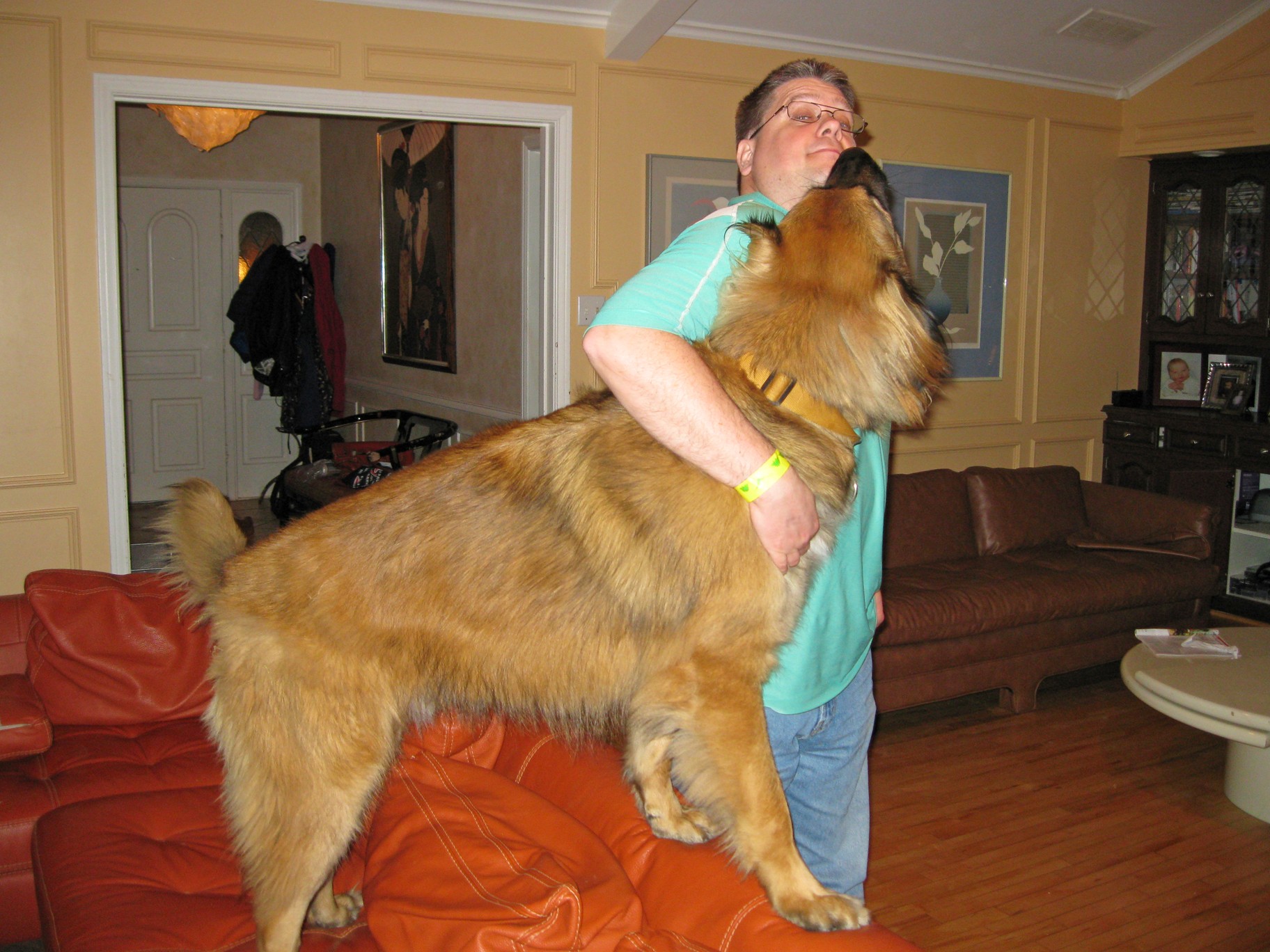
The photo tile above includes four photos of our Leonberger Bronco. One photo is from when he was three months old, in another photo he is about one year old and giving me a hug, and in one photo our mini-Australian Shepherd is biting his tail, and one photo of Bronco shows him standing in an open door. He is a bit agitated in that photo. There is also a photo of five Leonbergers celebrating fourth of July. That photo was taken by a friend Jen O’Keefe. Finally, there is a shutter stock photos ID:731020957  by Peter Josto.

Helping Your Leonberger Thrive Through Life’s Big Changes

A pretty dark-haired Caucasian girl in a plaid shirt hugs her cute Leonberger dog. The concept is friendship and loyalty.
A woman and her Leonberger dog. Asset id: 1741753382 by Elena Podrezenko

Leonberger dog owners often notice that the hardest moments aren’t the big grooming days or the seasonal shedding, they’re the household transitions that quietly unsettle a steady dog. Moves, schedule shifts, new babies or roommates, travel, renovations, and changes in who handles care can disrupt pet routines that once felt automatic. When the rhythm changes, a Leonberger’s emotional well-being in dogs can wobble, showing up as clinginess, restlessness, or unexpected behavior that feels out of character. A clear plan helps keep life changes affecting pets from turning into long weeks of confusion.

How Life Changes Create Stress Signals

Life changes can flip on a Leonberger’s stress response, even when nothing “bad” is happening. Since pet anxiety is real, the first clues are often small behavior shifts like pacing, shadowing you, or sudden sensitivity to noise.

Temperament matters, but it is not the whole story. Research suggests breed contributions were relatively small, so environment and routine changes can affect even the most steady Leo. Reading the stress signals early helps you respond with care instead of guessing.

Picture a week of packing, rearranged furniture, and fewer walks. Your Leonberger may skip meals, guard doorways, or get extra mouthy during brushing because their “normal” cues disappeared.

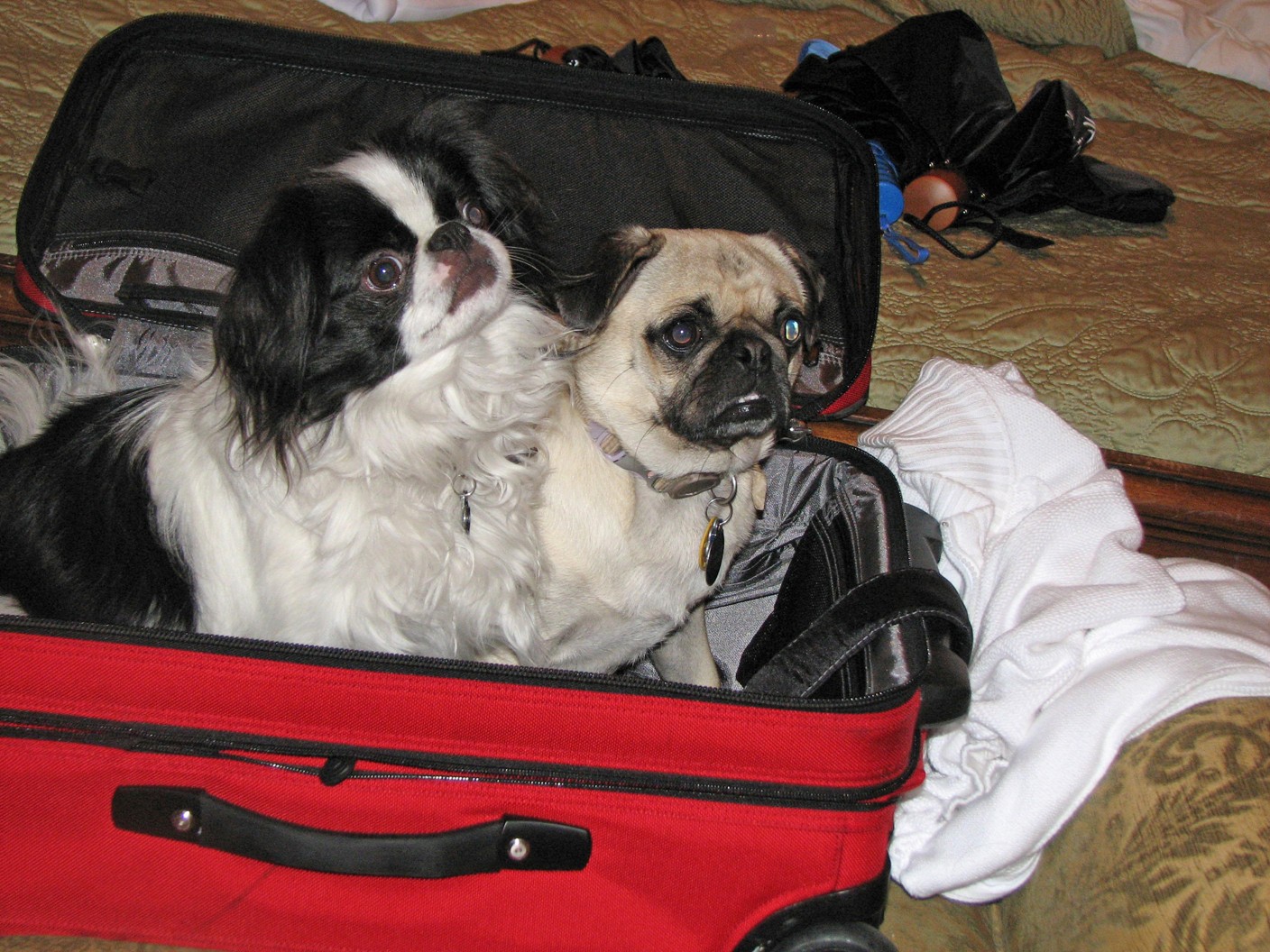
A black and white Japanese Chin and a Pug are sitting inside a red suitcase that us on the floor.
Our Japanese Chin Ryu and our Pug Daisy are protesting that we are leaving for a trip. It is an example of dog stress when they see packing. Our Leonberger Bronco was also stressed out but he was calmer. I can that we had someone watching them, but they still hated it when we left.

Use 7 Transition Strategies to Keep Your Leo Steady

Big changes can flip on stress signals fast, clinginess, pacing, sudden barking, or “selective hearing.” These seven Leonberger-friendly strategies give your dog predictable anchors while you build confidence and calm.

  1. Lock in a “same time, same order” core routine: Pick three daily anchors you can keep consistent even on chaotic days: potty break, meals, and a short decompression walk. An easy starting point is to establish a new daily routine and then protect those times on your calendar.
  2. Build a predictable “safe station” (and pay it well): Choose one spot, crate, bed, or a gated corner, then make it the most rewarding place in the house. Feed stuffed food toys there, drop calm treats for quiet settling, and keep it off-limits to kids and visitors for the first 2–3 weeks of the transition. This gives your Leonberger a clear off-switch when their stress signals start creeping in.
  3. Reinforce the behaviors you want, not the feelings you’re seeing: When your Leo is worried, focus on marking calm choices, looking at you, sitting, stepping onto the mat, rather than trying to “stop” anxious behavior with corrections. Use a simple pattern: ask for one easy cue (“sit”), reward, then give a short, clear next step (“go to bed”). Over time, your dog learns a predictable script for what to do when the environment feels different.
  4. Use “micro-exposures” to new sights/sounds with an exit plan: If your change involves new people, a new neighborhood, or a remodel, introduce it in 1–3 minute slices. Pair the new thing with small treats, then leave before your Leonberger ramps up to barking or spinning. Short wins beat long sessions, especially for a giant breed that can go from “fine” to overwhelmed quickly.
  5. Add environmental enrichment that matches Leonberger bodies: Lean on scent games (scatter feeding in grass, “find it” treats), slow feeders, and short puzzle sessions to burn mental energy without pounding joints. Even small enrichment shifts can support calmer physiology; research on time-domain HRV suggests enrichment can improve stress-related measures. Aim for two 10-minute enrichment blocks daily during the first month of a big change.
  6. Adjust exercise for steadiness, not exhaustion: During transitions, swap one long, intense outing for two calmer walks plus 5–10 minutes of training. Watch for stress flags you learned earlier, panting at rest, sudden scanning, or inability to settle, and treat those as “we did enough” signals. A steadier nervous system usually beats a tired body when routines are in flux.
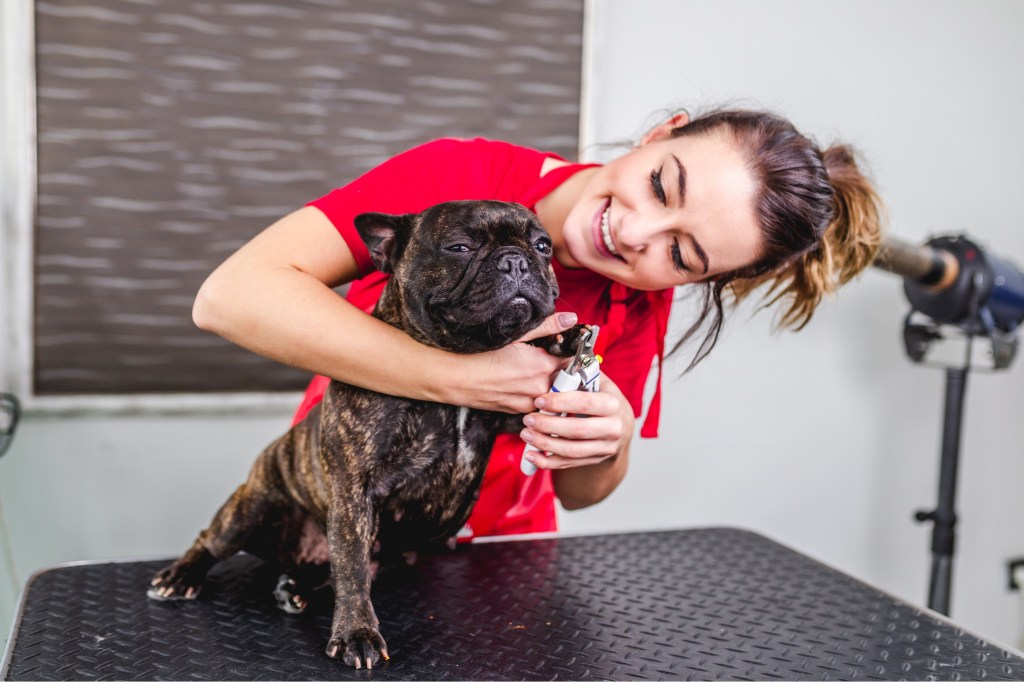
  7. Keep grooming and handling “predictable and brief”: Leonbergers often feel safest when body care is consistent, especially during shedding seasons. Do 3–5 minutes of brushing daily in the same location, then stop while it’s still going well and reward generously. This prevents grooming from becoming another stressor and helps you spot skin, ear, or coat changes that sometimes pop up during anxious periods.
A so called undercoat rake is used to brush and penetrate deep into the coat of a double coated dog.
Keep grooming predictable and brief. Brushing a double-coated dog close-up. Shutterstock Asset id: 2441132455 by Gayleen Froese

When you combine routine anchors, calm reinforcement, and purposeful enrichment, you’re not just managing behaviors, you’re giving your Leo a clear plan for coping. These habits also make it simpler to troubleshoot tough moments like barking, regression in manners, or restlessness on your busiest days.

Common Questions About Leonbergers and Big Transitions

Q: How do major life changes like moving to a new home or welcoming a baby typically affect a Leonberger’s behavior and stress levels?
A: Many Leonbergers become more vigilant when their “normal” shifts, showing clinginess, restlessness, noise sensitivity, or a temporary drop in manners. Stress can also look like appetite changes or trouble settling, especially in a new layout with unfamiliar sounds. Keep expectations gentle for a few weeks and reward calm, quiet choices.

Q: What practical strategies can I use to maintain my Leonberger’s routine and comfort when my household schedule suddenly changes?
A: Protect a small, non negotiable trio: sleep, meals, and movement at roughly the same times daily. Prioritize enough exercise through steadier walks and low impact sniffing games rather than trying to “wear them out.” Add one consistent quiet spot where your Leo can decompress undisturbed.

Q: How can I recognize signs of emotional distress or anxiety in my Leonberger during periods of household transition?
A: Watch for patterns like pacing, panting when the room is cool, trembling, hiding, or shadowing you from room to room. You may also see more barking at small noises, accidents, or compulsive licking. If the signs persist beyond a couple of weeks or escalate, your veterinarian or a qualified behavior professional can help you rule out pain and build a plan.

Q: If I’m feeling overwhelmed by these life changes affecting my pet’s care, what resources or approaches can help me regain balance and clarity to support my Leonberger effectively?
A: Shrink the goal to a simple management plan you can repeat: protected sleep, a daily walk, and a reliable quiet space. Use a weekly “must do, nice to do” list so essentials happen even on chaotic days, and ask your vet for a realistic exercise and weight target for a giant breed. If you are juggling work and a major transition, consider an online healthcare degree as a flexible accredited education path that fits your schedule so life feels more stable overall.

Our Leonberger dog Bronco is standing in front of me and looking straight into the camera. I am sitting in the sofa.
Our Leonberger dog Bronco wants comfort (and food). He is coming up to me. He wants my attention.

Life-Change Support Checklist for Your Leonberger

This checklist turns good intentions into simple actions you can repeat on busy days. Use it to protect your Leonberger’s health, coat care, and emotional steadiness while your household shifts.

✔ Set fixed meals and potty times for the next 14 days.

✔ Create one quiet “do not disturb” rest zone with water nearby.

✔ Schedule two calm movement sessions daily, prioritizing sniffing and slow walking.

✔ Track appetite, stools, sleep, and new stress behaviors in a quick daily note.

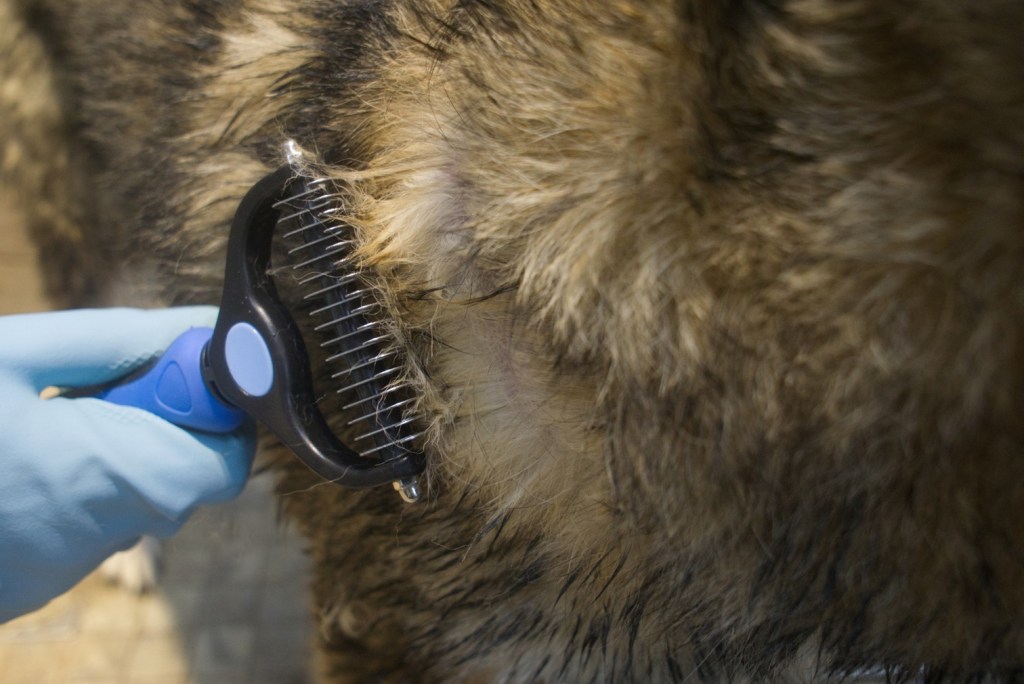
✔ Keep grooming brief: brush hotspots, check ears, trim nails as tolerated.

✔ Confirm vet plan for weight, joints, and any new anxiety or pain signs.

Small steps, repeated daily, build confidence for both of you.

Creating Calm, Confident Transitions for Your Leonberger’s Well-Being

Big household shifts can leave even a steady Leonberger feeling uncertain, and that stress can spill into behavior and bonding. The way through is a calm, consistent mindset: prioritize emotional health support for pets with predictable rhythms, gentle observation, and patient reassurance. Over time, that steady care builds resilience and brings positive outcomes of care, more relaxation, easier transitions, and long-term pet well-being. Consistency is the kindest way to help a Leonberger feel safe through change. Pick one strategy from the checklist to start today, and lean on community support for dog owners when questions or worries pop up. That steady support doesn’t just solve today’s stress, it strengthens confidence and connection for every new chapter ahead.

Bronco is lying in green grass. Our house and brick wall are in the background.
Our Leonberger Bronco is in the front yard after a stressful experience. He had to spend a few days at the hospital for a toe amputation due to toe cancer.

Caring for Aging Leonbergers

Photo of a Leonberger lying on a leather sofa with my book leaning towards his chest.
An old Canadian Leonberger called Mak with my book The Life and Times of Le Bronco von der Löwenhöhle. Photo by Debbie Ireland.
Like most very large dogs Leonbergers don’t live very long. Our Leonberger Bronco got his Grey-Muzzle award from the Leonberger Health Foundation International for reaching the age of 12 years old and thus giving hope for a longer life to all Leonbergers.

This is a guest post written by Ryan Goodchild. He emailed me asking me if he could publish this post regarding caring for aging Leonberger. I said yes. I am very grateful to Ryan for his contribution. I added the photos. See his post below.

Caring for Aging Leonbergers: Gentle Stewardship for a Noble Breed

Leonbergers are among the most majestic of dogs, gentle giants with deep eyes and a noble temperament. Yet as they age, their impressive size can make the journey into senior years more complex. Providing attentive, structured care can extend both their lifespan and their sense of ease.

Key Takeways

  • Large breeds like Leonbergers face an earlier onset of joint and heart issues; early detection matters.
  • Routine, low-impact exercise sustains mobility without strain.
  • Dietary adjustments can prevent unnecessary weight gain and inflammation.
  • Organized health tracking improves coordination with veterinarians.
  • Emotional stability and routine help aging Leonbergers thrive.
The photo shows an old Leonberger dog lying on green grass. He is looking into the camera.
Bronco our Leonberger dog is taking a rest during a walk. He is twelve and a half years old.

Movement, Moderation, and Mindful Play

As Leonbergers age, mobility becomes one of the first visible signs of change. These dogs are stoic by nature, and they’ll often mask discomfort until it’s advanced. Structured daily activity, rather than long or sporadic walks, helps maintain joint lubrication and muscle tone. Before implementing the list below, remember: consistency outperforms intensity in senior dogs.

  • Short, frequent walks instead of long treks
  • Gentle swimming or hydrotherapy to maintain strength
  • Orthopedic support beds to reduce pressure on hips
  • Warm-ups and cool-downs before and after activity
  • Avoid stairs and slippery floors
A photo of our Leonberger lying on our green lawn. There are trees and bushes in the background.
Our Leonberger Bronco taking a resting in the grass in our backyard.

The Nutrition Shift: Balancing Strength and Weight

Proper nutrition is the most controllable lever for supporting your Leonberger’s aging body. Senior diets should favor lean protein, omega fatty acids, and joint-supportive ingredients like glucosamine and chondroitin. Maintaining a stable weight relieves stress on the joints and heart, critical in large breeds prone to orthopedic and cardiac issues.

Before introducing supplements or new foods, ask your vet for metabolic screening. Senior metabolism slows down, and caloric needs can drop by 20–30%.

Our Leonberger dog Bronco is standing in front of me and looking straight into the camera. I am sitting down.
Our old Leonberger dog Bronco is coming up to me. Maybe it is dinner time.

Organized Health Tracking for Long-Term Comfort

Keeping your Leonberger’s medical and health information in one place transforms how you coordinate care, especially across multiple veterinarians or specialists. When you can easily review past test results, medication schedules, or dietary shifts, you reduce oversight risks and improve continuity of care. Centralized documentation also helps detect subtle changes over time, like gradual increases in kidney markers or weight fluctuations.

For this reason, an online PDF platform like this is worth a look.It offers practical tools to manage your pet’s documents in PDF form, and you can even convert, compress, edit, rotate, or reorder files. Keeping your records as PDFs ensures they’re universally accessible and easily shareable with any vet clinic.

Old Leonberger with a grey muzzle lying on the ground and looking into the camera.
Old Leonberger. Notice the gray muzzle. Stock Photo ID: 1844035084 by Daniel Lesk.

Create a Home Environment That Supports Aging

Leonbergers are emotional creatures, they notice routine disruptions and physical discomforts more than we realize. Making environmental adjustments will enhance both safety and serenity. Here’s a simple how-to checklist to start with:

➢ Schedule consistent feeding, exercise, and sleep times.

➢ Install nonslip rugs or mats along walking paths.

➢ Keep water bowls elevated to reduce neck strain.

➢ Adjust room temperatures; older dogs chill more easily.

➢Use gentle lighting to help those with fading vision.

➢ Offer mental enrichment through scent games or puzzle toys.

Two Leonbergers standing next to each other and wearing party headwear typical for a carnival.
Digory and Obi two aging Leonbergers. Notice the grey muzzles. Photo by Jen O’Keefe.

Early Detection Through Routine Screening

Veterinary visits every six months (instead of annually) are invaluable in the senior stage. They allow for the timely detection of thyroid imbalances, early arthritis, and cardiomyopathy, all common in Leonbergers. Blood pressure checks, urinalysis, and cardiac ultrasounds should be part of your preventive plan. Here’s a quick comparison of recommended tests for senior Leonbergers:

Test TypeFrequencyPurpose
Bloodwork & UrinalysisEvery 6 monthsDetect organ stress or metabolic changes
Orthopedic ExamYearlyIdentify joint deterioration early
EchocardiogramEvery 12–18 monthsScreen for dilated cardiomyopathy
Dental CleaningEvery 6–9 monthsPrevent systemic inflammation
Weight & Body ConditionMonthly at homeTrack obesity risk
A photo of our old Leonberger lying on the sidewalk.
Our Leonberger Bronco taking a break during a walk. He is old for a Leonberger. He is 12 years old and 10 months.

Emotional Presence: The Subtle Form of Care

Leonbergers thrive on companionship. As they age, separation anxiety or confusion can intensify, especially if cognitive decline begins. Maintain a calm household rhythm, avoid sudden relocations, and keep them close to family life. The reassurance of your presence often does more for their comfort than any supplement or therapy.

FAQ

  1. How often should I adjust my Leonberger’s diet as they age?
    Most dogs benefit from a nutritional review every 6–9 months, as caloric and protein needs change. Work with your vet to adjust based on body condition and lab values. Small, incremental changes prevent digestive upset and weight swings.
  2. What’s the right exercise level for an elderly Leonberger?
    Aim for multiple 10–15 minute walks daily and low-impact play. Overexertion accelerates joint wear, while too little activity causes stiffness and muscle loss. Observe recovery time after walks as your guide.
  3. Can joint supplements really help?
    Yes, glucosamine, MSM, and omega-3 fatty acids can reduce inflammation and pain when used consistently. Results may take 4–8 weeks, so track improvements patiently. Always choose vet-approved formulations designed for large breeds.
  4. How do I recognize signs of cognitive decline?
    Look for pacing, confusion, or nighttime restlessness. These signs can mimic anxiety but often stem from age-related cognitive dysfunction. Specialized diets and enrichment can help slow progression.
  5. Is it okay to groom my senior Leonberger as before?
    Grooming is still essential, but adjust for comfort. Shorter sessions with frequent breaks reduce fatigue and stress. Keep nails trimmed to prevent balance issues and discomfort.
  6. When is it time to consider palliative or hospice care?
    When daily mobility, appetite, and emotional engagement decline significantly despite treatment, it may be time to focus on comfort. A quality-of-life assessment from your vet can guide compassionate decisions. The goal shifts from curing to easing.
The photo shows the face of Leonberger lying down.
Closeup of old Leonberger Stock Photo ID: 1942925251 by Wirestock Creators.

Conclusion

Caring for an aging Leonberger is both an art and an act of devotion. It’s about more than prolonging life, it’s about enriching every moment your dog still wants to share. With consistent monitoring, gentle activity, and a serene home rhythm, your Leonberger can continue to live with grace, dignity, and the steady comfort of your presence.

Becoming a First-Time Leonberger Owner

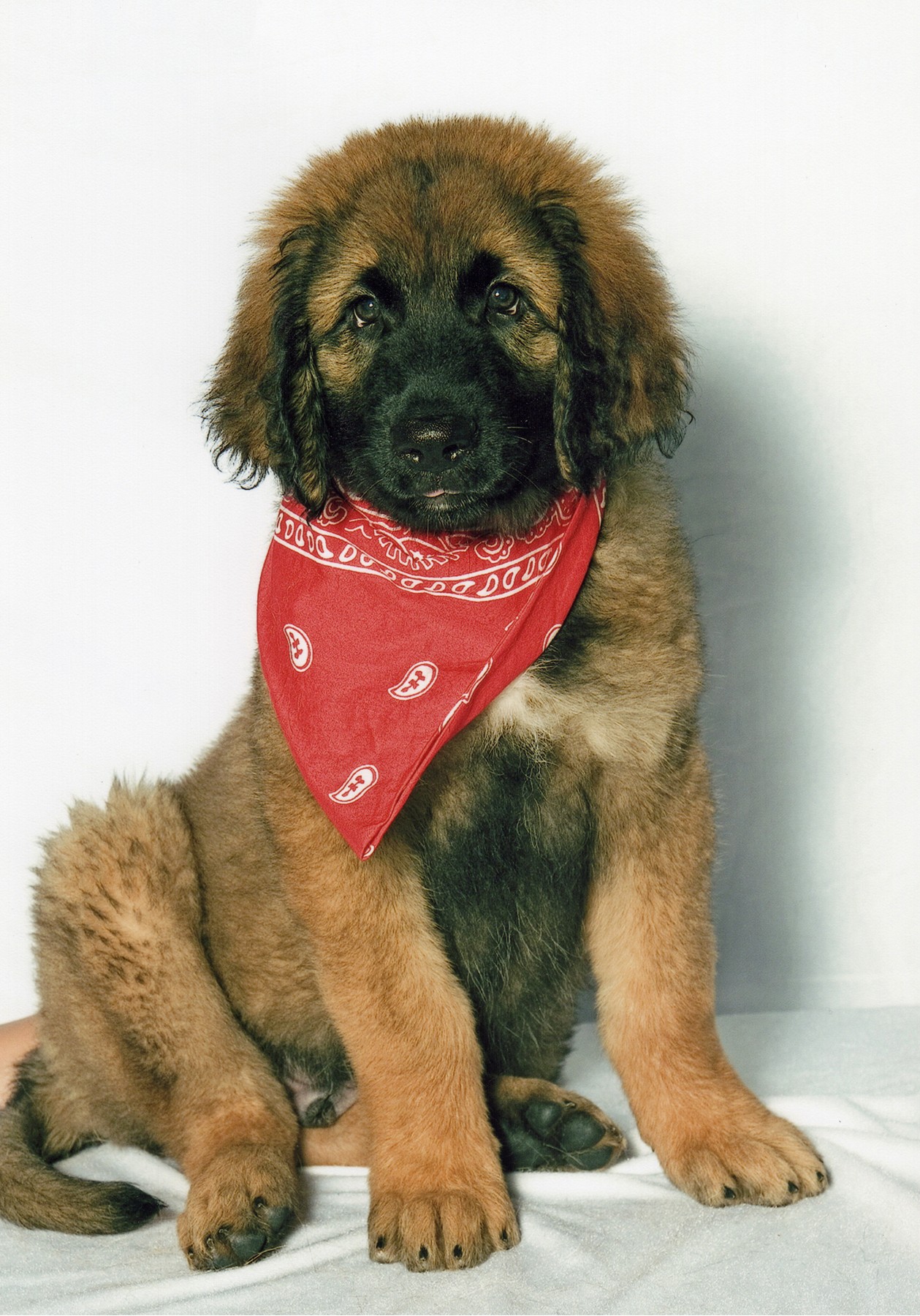
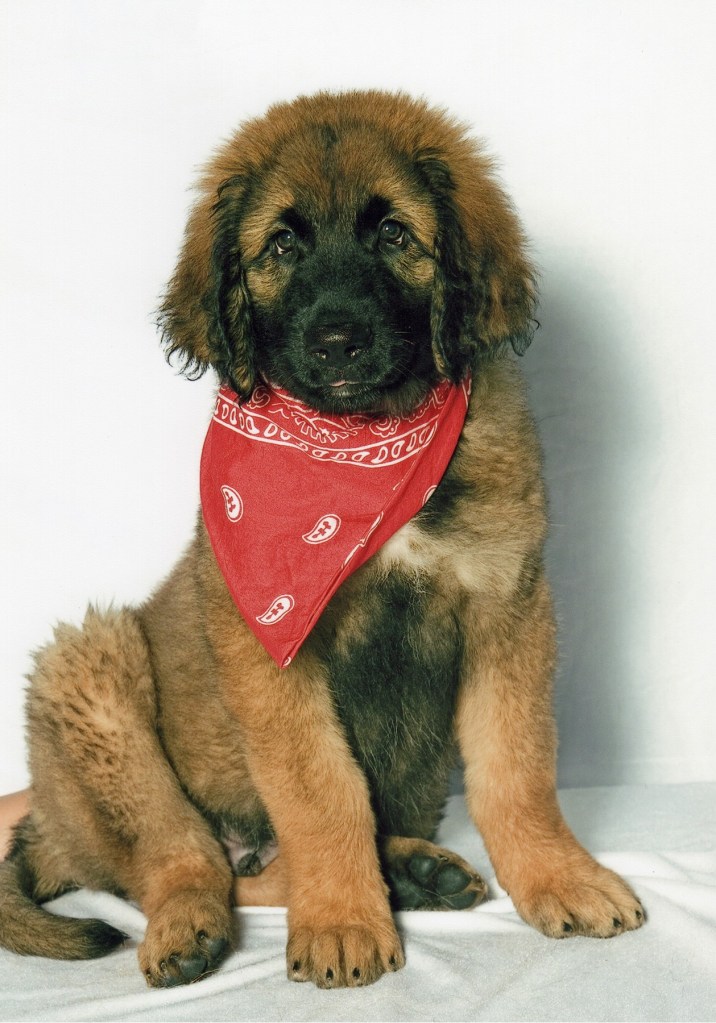
Our Leonberger puppy is wearing a red scarf and looking straight into the camera.
Our Leonberger Le Bronco von der Löwenhöhle (Bronco for short) at the age of three months.
Our Leonberger Bronco is standing on our leather sofa and he is giving me a hug.
Me Thomas Wikman with our Leonberger Bronco when he was about one years old.
An old looking Leonberger lying in the grass and looking into the camera.
Our Leonberger Bronco soon to be 13 years old. Leonbergers are large dogs and don’t live as long as small dogs. The typically live 8 to 10 years. However, our Bronco reached the age of 13. He was loving, protective, and brave. The small dogs loved him.

This is a guest post written by Ryan Goodchild. He emailed me asking me if he could publish this post regarding becoming a first time Leonberger Owner . I said yes. See his post below.


Becoming a First-Time Leonberger Owner: What You Need to Know

Owning a Leonberger isn’t just about bringing home a dog—it’s about welcoming a gentle, giant-hearted companion whose loyalty and calm strength will shape your days for years to come. These majestic dogs, known for their intelligence and deep affection, can be both a joy and a challenge for first-time pet owners. This guide will help you understand what to expect and how to set yourself—and your Leonberger—up for success.

Ten Leonberger puppies sitting on a sofa. They are brown with black face masks. An adult Leonberger is lying in front of them.
Ten Leonberger puppies with mama. Shutterstock-ID: 561107650 by Akbudak Rimma.
Six Leonbergers with celebration hats are looking straight into the camera.
Six Leonbergers celebrating a birthday celebration. Photo by Jen O’Keefe.

Quick Essentials This Article Looks At

  • Leonbergers are massive—males can exceed 170 pounds; space and structure are non-negotiable.
  • Early socialization and consistent training are critical to keep their size from becoming a liability.
  • Expect heavy shedding, especially during seasonal “blowouts.”
  • They thrive on human interaction and suffer if left alone for long periods.
  • Regular vet care, high-quality food, and joint supplements can prevent costly long-term health issues.
Big fluffy Leonberger sitting in the grass on a hill.
Mature big Leonberger Stock Photo ID:731020957  by Peter Josto.

Understanding the Leonberger Temperament

Leonbergers are affectionate, patient, and famously good with children. Originally bred as family and working companions, they balance strength with serenity. However, their intelligence means they need mental stimulation and clear boundaries; without it, boredom can lead to destructive behavior.

A Few Core Traits to Remember:
  • Gentle yet strong: They rarely display aggression but need confident leadership.
  • Social by nature: Isolation leads to stress and behavioral issues.
  • Sensitive to tone: Harsh correction will break trust—positive reinforcement works best.
The photo shows our mini-Australian Shepherd biting Bronco’s tail and pulling on it as Bronco is trying to ignore him.
Our rambunctious Rollo mini-Australian Shepherd is biting Bronco’s tail. One time Rollo swung in his tail as if it was a swing. Bronco was very patient.

Health and Nutrition at a Glance

Leonbergers grow rapidly and live, on average, 8–9 years. Their size makes them prone to joint, heart, and bone issues, so proactive care is crucial.

Here’s a snapshot of what to focus on:

ConcernWhat to WatchPreventive Actions
Hip & Elbow DysplasiaLimping, stiffnessKeep weight balanced, feed joint-support diets
Bloat (Gastric Torsion)Restlessness, distended bellyFeed smaller meals, avoid heavy exercise after eating
Heart ConditionsFatigue, coughingAnnual cardiac exams
Cancer (esp. bone)Sudden lameness or painRegular vet visits and early screening
Photo of a Leonberger standing in the snow. There is a wintry forest in the background.
A healthy Leonberger. Shutter Stock Photo ID:705193912 by Anna Krivitskaya.

Creating a Home That Fits a Leonberger

A small apartment won’t do—Leonbergers need space to stretch, play, and move freely. A secure, fenced yard is ideal. Indoors, they’ll happily curl up near you, but their size means you’ll need to Leonberger-proof your space.

How to Prepare Your Home:
  • Create a soft resting area to protect joints.
  • Secure gates and doors—they can easily push through flimsy barriers.
  • Keep breakables out of tail range.
  • Use large, non-slip bowls for food and water.
A big Leonberger splayed across a big wide red leather sofa.
Our Leonberger Bronco sleeping on our big red leather sofa.

Grooming and Maintenance: Managing the “Fur-nado”

Leonbergers have a double coat that requires regular maintenance. Weekly brushing helps, but during shedding season, daily sessions are best. Baths every 6–8 weeks will keep their coat clean and odor-free.

Grooming Checklist

Before shedding season hits, stock up on these essentials:

  • Undercoat rake and slicker brush
  • High-velocity dryer (optional but effective)
  • Gentle dog shampoo and conditioner
  • Nail clippers and ear-cleaning solution

Keeping up with grooming not only reduces hair around the house but also strengthens your bond with your dog.

A pretty dark-haired Caucasian girl in a plaid shirt hugs her cute Leonberger dog. The concept is friendship and loyalty.
A woman and her Leonberger dog. Asset id: 1741753382 by Elena Podrezenko

How to Keep Your Pet Records Organized

First-time owners often underestimate the amount of documentation involved—vaccination records, microchip details, adoption papers, and vet receipts. To make things easier, convert documents to PDF and store them digitally.

Using a reliable online tool lets you organize every file in one place, ensuring quick access during vet visits or emergencies.

Creating a labeled folder for your Leonberger’s records—medical, training, and nutrition—will save time and prevent misplaced paperwork later.

Training Your Leonberger: Building a Confident Giant

Leonbergers are highly trainable but easily bored by repetition. Their size makes obedience a must—start early, keep sessions short, and make them engaging. Reward-based methods build trust faster than dominance-based tactics.

Quick Training Guide:

  • Start with basics: Sit, stay, come, down.
  • Socialize early: Introduce new sights, people, and other pets gradually.
  • Teach calm leash behavior: Their strength can easily overwhelm a novice handler.
  • Practice recall: A reliable recall can prevent accidents.

Leonbergers are eager to please and thrive when training feels like teamwork rather than command and control.

The First-Year Readiness Checklist

Owning a Leonberger for the first time is as rewarding as it is demanding. Before bringing one home, make sure you can check most of these boxes:

How-To Checklist: Your First-Year Essentials
  • Register with a trusted veterinarian
  • Choose a large-breed-specific diet and feeding schedule
  • Create a grooming calendar and stick to it
  • Enroll in an obedience or puppy class
  • Invest in sturdy leashes, harnesses, and feeding equipment
  • Begin socialization within the first 3 months
  • Keep vaccination and health records digitally organized
The photo shows a young blond woman running with a Leonberger in a leash. There are tents and other people in the background.
RONNEBY, SWEDEN – JULY 05, 2014: Blekinge Kennelklubb international dog show. A Leonberger dog and a female handler running in a show ring. Asset id: 204221011 by Imfoto

“Big-Paw” Questions: FAQ for Future Leonberger Owners

Here are some of the most common concerns new owners have—answered clearly and concisely.

The New Owner’s FAQ: “From Puppy to Gentle Giant”

1. How much exercise does a Leonberger need?
At least an hour a day of moderate activity is ideal. Puppies should avoid high-impact exercise until growth plates close (around 18 months) to protect joints.

2. Are Leonbergers good with other pets?
Yes. They’re naturally tolerant, but early introductions and supervised interactions are important, especially with smaller animals they could accidentally knock over.

3. How expensive are they to maintain?
Expect higher costs than smaller breeds. Quality food, grooming, and vet care can average $2,000–$3,000 annually—not including emergencies or travel crates.

4. Do they drool?
Some do, especially after drinking water. Keep absorbent towels handy near their bowls or favorite resting spots.

5. What should I look for in a breeder or adoption center?
Choose one that conducts health testing for hips, eyes, and heart, and offers transparency about lineage. Ethical breeders prioritize temperament and health over appearance.

6. Can Leonbergers live in warm climates?
Yes, but with precautions—limit outdoor activity in high heat, provide ample shade and water, and avoid midday walks.

Building a Lifelong Bond

Becoming a Leonberger owner means embracing responsibility and reward in equal measure. These dogs will fill your home with love, hair, and joy—often in that order. Plan carefully, train consistently, and nurture their gentle nature with patience and respect. The more you invest in understanding your Leonberger, the more they’ll return in loyalty and affection that few breeds can match.

Whether this is your first pet or your first giant breed, remember: structure and affection go hand-in-hand. With preparation and heart, your Leonberger won’t just live with you—they’ll thrive because of you.

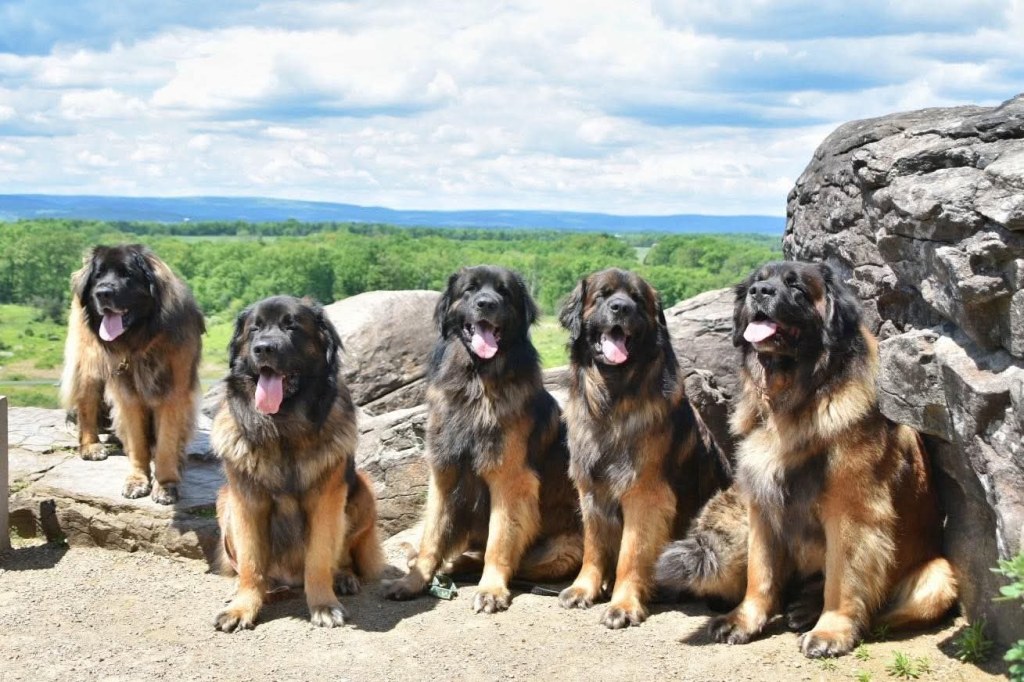
Five Leonbergers wearing patriotic hats lying on grass by a lake.
This photo was provided by Jen O’Keefe, Urgent Animal Care of Arlington. From left to right; Obi, Delfi, Aslan, Gryphon, Digory.

A New Beginning Opening a Pet Treat Bakery

This is a guest post written by Ryan Goodchild. He emailed me asking me if he could publish this post regarding opening a Pet Treat Bakery . I said yes. See his post below.

Our mini Australian Shepherd Rollo is looking at a pupcake in front of him. He is wearing a blue party hat.
Our mini Australian Shepherd Rollo loves pupcakes (cupcakes for dogs). We bought it at a pet treat bakery.
It is also a Response to Esther’s writing prompt: December 31, 2025: New Beginnings

Opening a Pet Treat Bakery could certainly be a New Beginning. Click here or here to join in Esthers prompt.

Image: Freepik

Opening a Pet Treat Bakery: A Step-By-Step Business Guide

Opening a pet treat bakery means turning a love of animals into a food-based business with real operational demands. This venture blends culinary care, compliance, branding, and sales into one compact operation. Done right, it can become a loyal, repeat-driven business with strong word-of-mouth momentum.

Quick Takeaways

  • Start with a narrow product focus so you can control quality, costs, and compliance.
  • Treat regulations as a design constraint, not an afterthought.
  • Your brand story matters almost as much as your recipes.
  • Distribution decisions will shape your margins more than ingredient costs.

Starting With a Clear Vision

Most pet treat bakeries fail by trying to do too much too early. Decide whether you are specializing in dog treats, cat treats, or a specific niche like grain-free, dental chews, or celebration cakes. Your ingredient list, pricing, and even packaging flow from this first decision. A tight focus also makes it easier to explain your value to retailers and customers.

Understanding Food Safety and Legal Requirements

Pet food is regulated differently than human food, but it is still regulated. In the U.S., this typically involves state-level registration, labeling rules, and adherence to basic manufacturing standards. Some states require inspections or proof of safe production processes. Call your state agriculture department early so compliance shapes your setup instead of delaying your launch.

Enhancing Business Skills with an Online Degree

Many founders realize quickly that baking skill alone is not enough. Formal business education can help you understand pricing, cash flow, and long-term planning without learning the hard way. A bachelor of business administration program builds confidence in areas like accounting, communications, and management, which directly affect whether your bakery survives its first few years. Flexible online programs allow you to keep working while sharpening these skills, making it easier to balance learning with real-world operations.

Pricing and Cost Control

This table shows common cost categories and what to watch for as you price your treats.

Cost CategoryWhat To MonitorWhy It Matters
IngredientsSupplier consistencyImpacts quality and margins
PackagingDurability and labelingAffects compliance and branding
LaborBatch efficiencyDetermines scalability
DistributionShipping or wholesale cutsDirectly hits profit per unit

Quick Steps to Launch Your Pet Treat Bakery

Follow these steps to move from idea to first sale:

Marketing Without Overstretching

Pet owners respond to trust and transparency. Share ingredient sourcing, show how treats are made, and encourage reviews from early customers. Local partnerships with groomers or pet boutiques often convert better than broad advertising. Consistent storytelling builds familiarity and repeat purchases.

FAQs for Future Pet Treat Bakery Owners

Before making final commitments, these questions often come up.

How much startup capital do I realistically need?

Most small pet treat bakeries launch with modest budgets by starting home-based or renting shared kitchens. Your biggest early costs are compliance, packaging, and initial inventory. Planning for six months of operating runway reduces stress.

Can I operate from home?

This depends on local and state regulations governing pet food production. Some states allow home kitchens with registration, while others require commercial facilities. Always verify before investing in equipment.

How long do pet treats last?

Shelf life varies by recipe, moisture level, and preservatives used. Many baked treats last several months when stored properly. Clear expiration dating builds buyer confidence.

Should I sell direct-to-consumer or wholesale?

Direct sales offer higher margins but require more marketing effort. Wholesale moves volume faster but reduces per-unit profit. Many bakeries start direct, then add selective wholesale partners.

When should I expand my product line?

Expansion makes sense once your core products sell consistently and operations are stable. Adding too many items too early increases complexity and waste. Let customer demand guide growth.

Conclusion

Opening a pet treat bakery is equal parts creativity and discipline. Success comes from pairing safe, appealing products with clear systems and realistic pricing. Start small, learn fast, and build trust with pet owners at every step. With focus and patience, a niche bakery can grow into a durable, well-loved brand.

Photo of our mini-Australian Shepherd being sitting on a leather sofa and looking at a pupcake.
Rollo our mini-Australian Shepherd and a pupcake on a table. This pupcake was bought at a local pet treat bakery. They also have cupcakes for people, but it is important to keep them separate.


My Other Responses to Esther’s Prompts


Would you like to Open a Pet Treat Bakery?

Moving With Your Dog to a New State

This is a guest post written by Ryan Goodchild. He emailed me asking me if he could publish his post regarding moving with dogs on my blog . I said yes. See below.

Our black and white Japanese Chin Ryu is sitting next to our Pug Daisy in a red suitcase.
Moving and travelling can be a challenge to dogs.

Ryan Goodchild’s Post on Moving with Your Dog to a New State:  A Real-World Guide for a Calm Transition

Moving is a big deal, and if you have a dog, it’s a whole new level of logistics and emotion. Dogs don’t understand the concept of relocation. They just know something’s changing. Your goal is to make that change feel safe, predictable, and full of the familiar.

What You’ll Learn

  • How to prepare your dog before, during, and after a move
  • What records and updates you’ll need
  • How to digitize your dog’s important documents
  • Ways to reduce stress, for both of you
  • A quick, clear checklist to keep everything on track

Prepare Your Dog for Change

Start weeks before moving day. Dogs pick up on routine changes quickly — packing, new smells, boxes everywhere. Keep walks and meals on schedule, even as your home shifts around them.

Schedule a vet visit about a month before the move. Request updated vaccination records, refill any medications, and ask for a general health certificate if you’ll be crossing state lines. This document isn’t always mandatory, but it can be helpful for emergencies or travel checks.

Keep Your Dog’s Records Safe and Organized

When you relocate, having instant access to your dog’s medical and identification records can save a lot of stress. Scan everything, like vaccination forms, microchip details, prescriptions, and your vet’s contact information, so you have them in one place.

Save the files as PDFs; they’re reliable, portable, and open on almost any device. For convenience, you can merge multiple records into one clean file with this tool. Keeping these essentials organized means you’re always ready for a vet visit, emergency, or boarding request in your new area.

Travel Day: Stay Calm, Stay Simple

Moving days are hectic, and dogs sense your energy. Your best strategy is calm consistency.

Pack a “dog go-bag” with:

  • Food and collapsible bowls
  • Waste bags and cleaning wipes
  • Favorite toy or blanket
  • Leash, collar, and updated ID tags
  • Any medications and first-aid essentials

Keep familiar scents around. Let your dog travel with a favorite blanket or worn T-shirt of yours, it’s grounding. If you’re driving, stop regularly for short walks and hydration. If you’re flying, check your airline’s pet policy early, as rules and kennel sizes vary widely.

The Essential Dog-Move Checklist

Before leaving your old home, run through this list:

  • Health Check: Vet visit completed and records in hand.
  • Microchip Update: Your new contact information is registered.
  • ID Tag: Updated phone number visible and legible.
  • Supplies Packed: Food, leash, bowls, medication, and comfort items.
  • Digital Records: All key documents saved and backed up.
  • Travel Plan: Rest stops or flight arrangements confirmed.
  • New Vet Contact: A clinic selected near your new address.

Rebuild Routine in a New Environment

Once you arrive, recreate normalcy fast. Set up your dog’s bed and feeding area before unpacking your own boxes. Use familiar commands, toys, and walking times to reestablish their rhythm. Dogs rely on patterns to feel secure; the more you replicate their old schedule, the quicker they’ll adapt.

Take short exploratory walks so your dog can get used to local scents and sounds. If they seem hesitant, don’t rush it. Let them lead the pace; confidence builds gradually through repetition.

Dog Transition Timeline at a Glance

StageFocusGoal
3–4 weeks before moveVet visit, ID updatesHealth & paperwork ready
1–2 weeks before movePacking acclimationReduce anxiety around change
Moving dayCalm, consistent energySafe and comfortable travel
ArrivalEstablish feeding/sleeping areasCreate familiarity fast
First weekDaily walks, local vet visitBuild new routine & comfort

Support Your Dog’s Emotional Adjustment

Some dogs sail through moves; others struggle. Signs of stress can include pacing, panting, whining, or hiding. Keep things calm and predictable. Set up a quiet area where they can retreat when the new space feels overwhelming.

Just as important: manage your own stress. Dogs take emotional cues from you — if you’re tense, they will be too. A calm tone, gentle reassurance, and unhurried movements go a long way. When you’re relaxed and consistent, your dog begins to trust that the new home is safe.

If your pet is struggling, spend extra time together doing things they love — a walk, gentle grooming, or simply sitting nearby. These small rituals of connection reinforce safety and stability more powerfully than any special training tool ever could.

FAQs

Q: How long does it take a dog to adjust after a move?
Typically one to three weeks. The key is routine — same feeding times, same walking windows, same tone of reassurance.

Q: Should my dog stay with me during the move?
If possible, yes, but if the environment will be chaotic, arrange for them to stay with a trusted friend until moving day is over.

Q: What should I do if my dog stops eating after the move?
Offer familiar food and limit new treats until they settle. Keep mealtimes quiet and predictable.

Q: How can I tell if my dog is too anxious?
Look for excessive panting, hiding, or destructive chewing These are normal short-term reactions, but contact your vet if they persist.

Final Thoughts: Familiar Love in a New Place

Moving with your dog isn’t about perfection, it’s about patience. Dogs care less about where they live than who they live with. By maintaining structure, reassurance, and calm energy, you’ll help them feel safe no matter the ZIP code.

Eventually, the boxes will be unpacked, the walks will feel routine again, and your dog will nap in a new sunbeam, proof that home isn’t a destination. It’s a feeling you build together.