How to Control Leonberger Shedding

A professional content writer specializing in animal healthcare and veterinary topics by the name of Emma Johnson contacted me about publishing veterinary information on my Leonberger blog, which I am certainly happy to assist with. Check out her article below. The article is focused on grooming and how to control shedding. Emma did all the writing I added pictures of our Leonberger, and photos provided by friends as well as a few Leonberger stock photos.
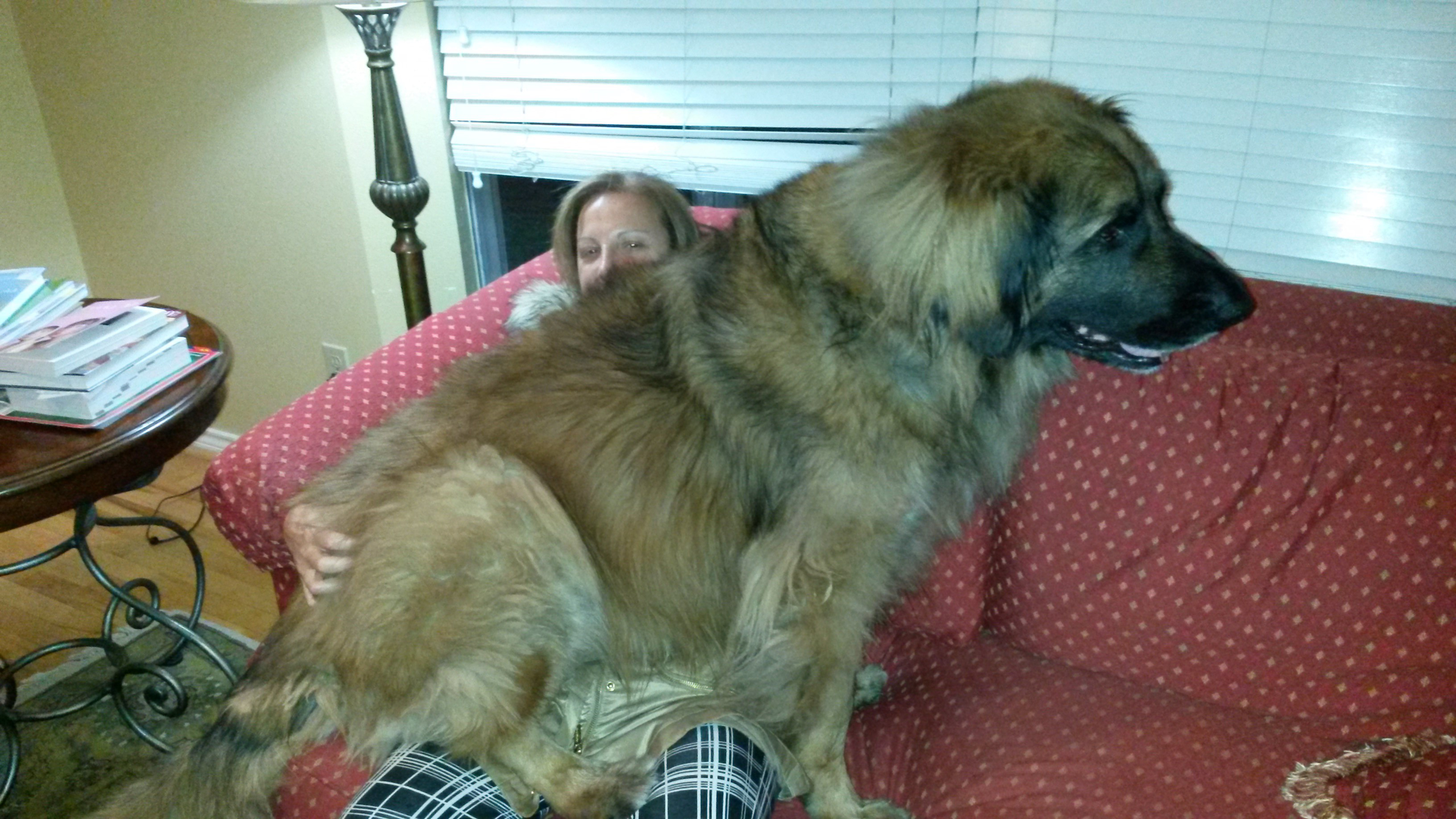
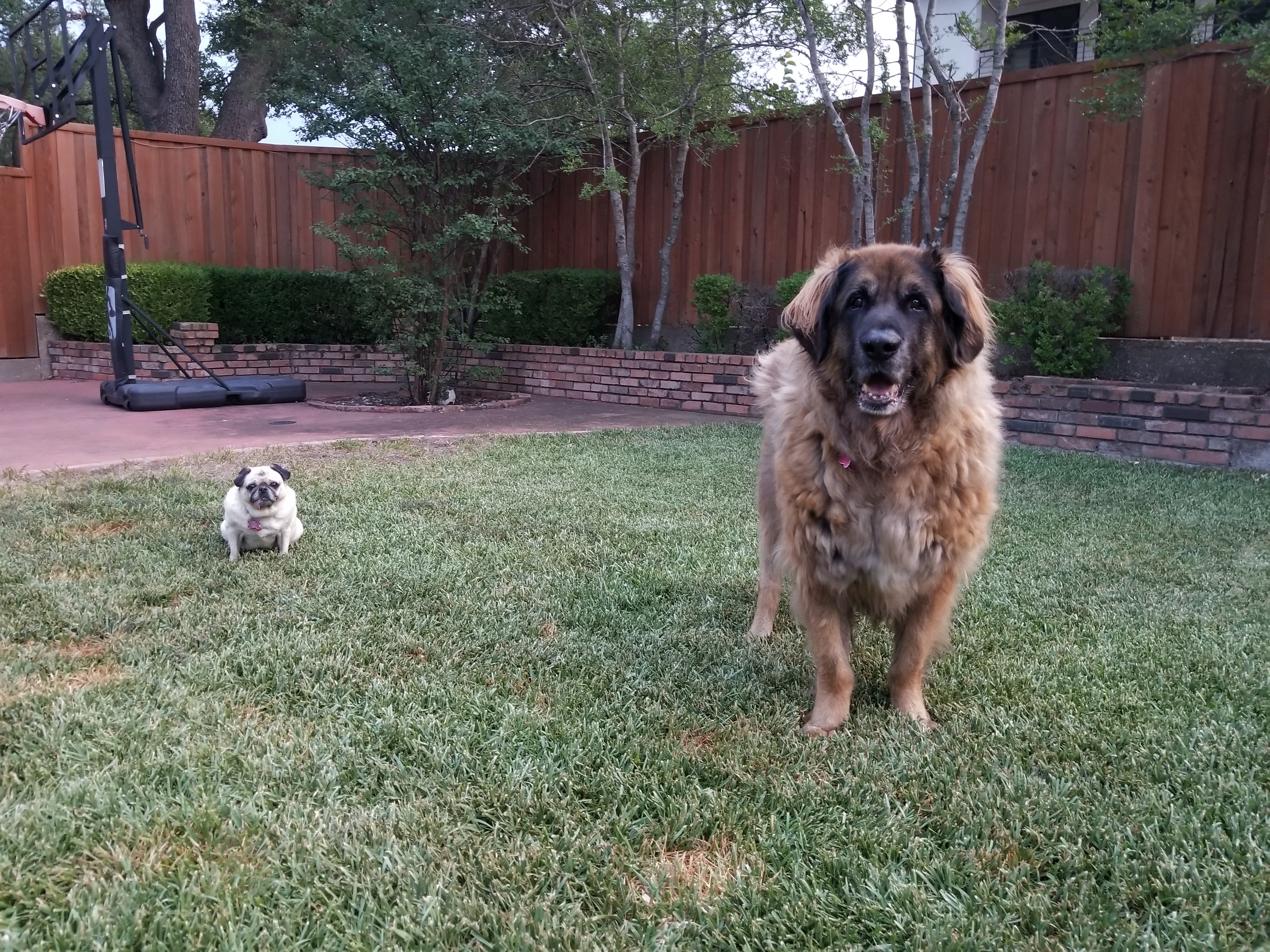
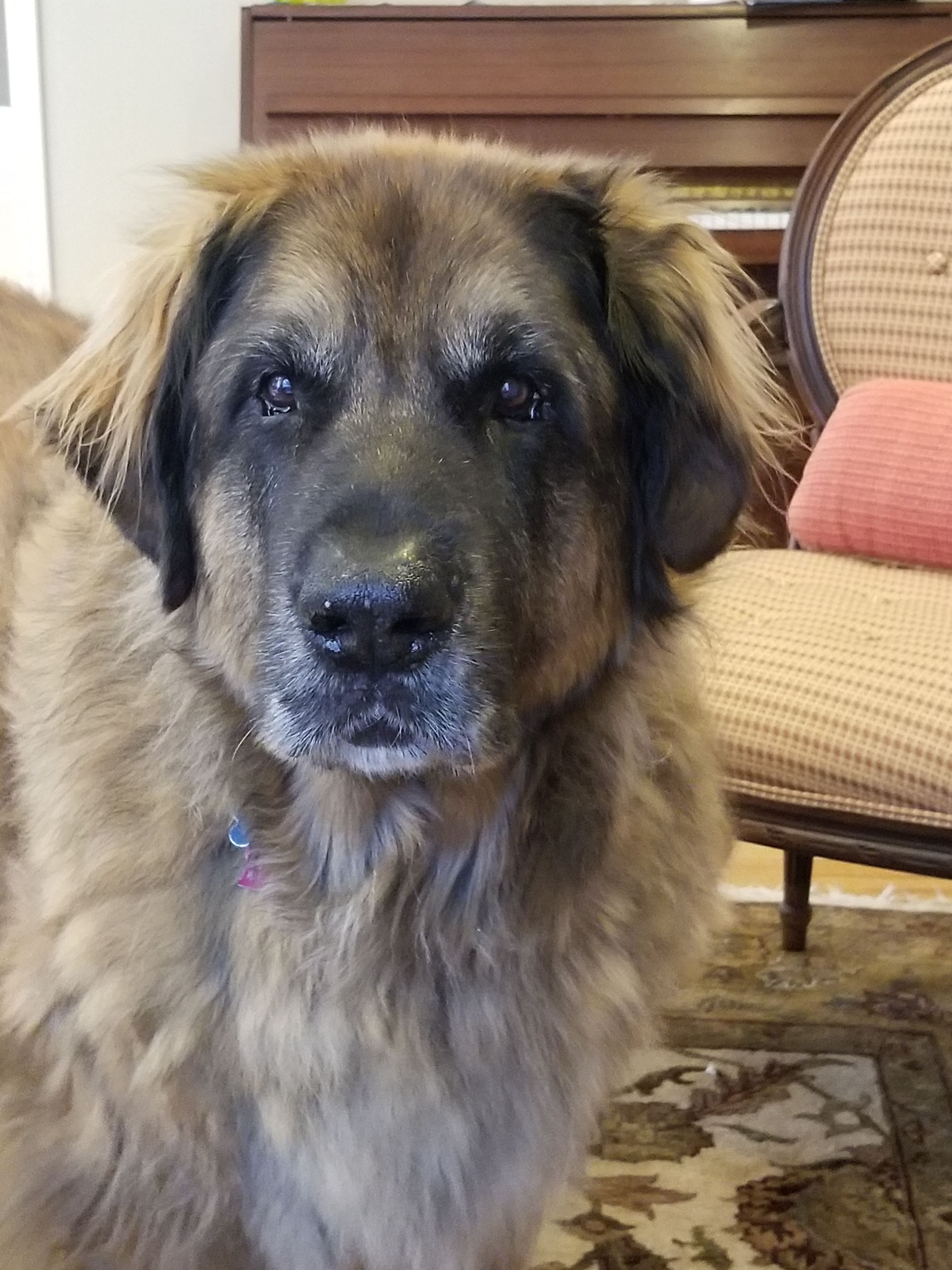
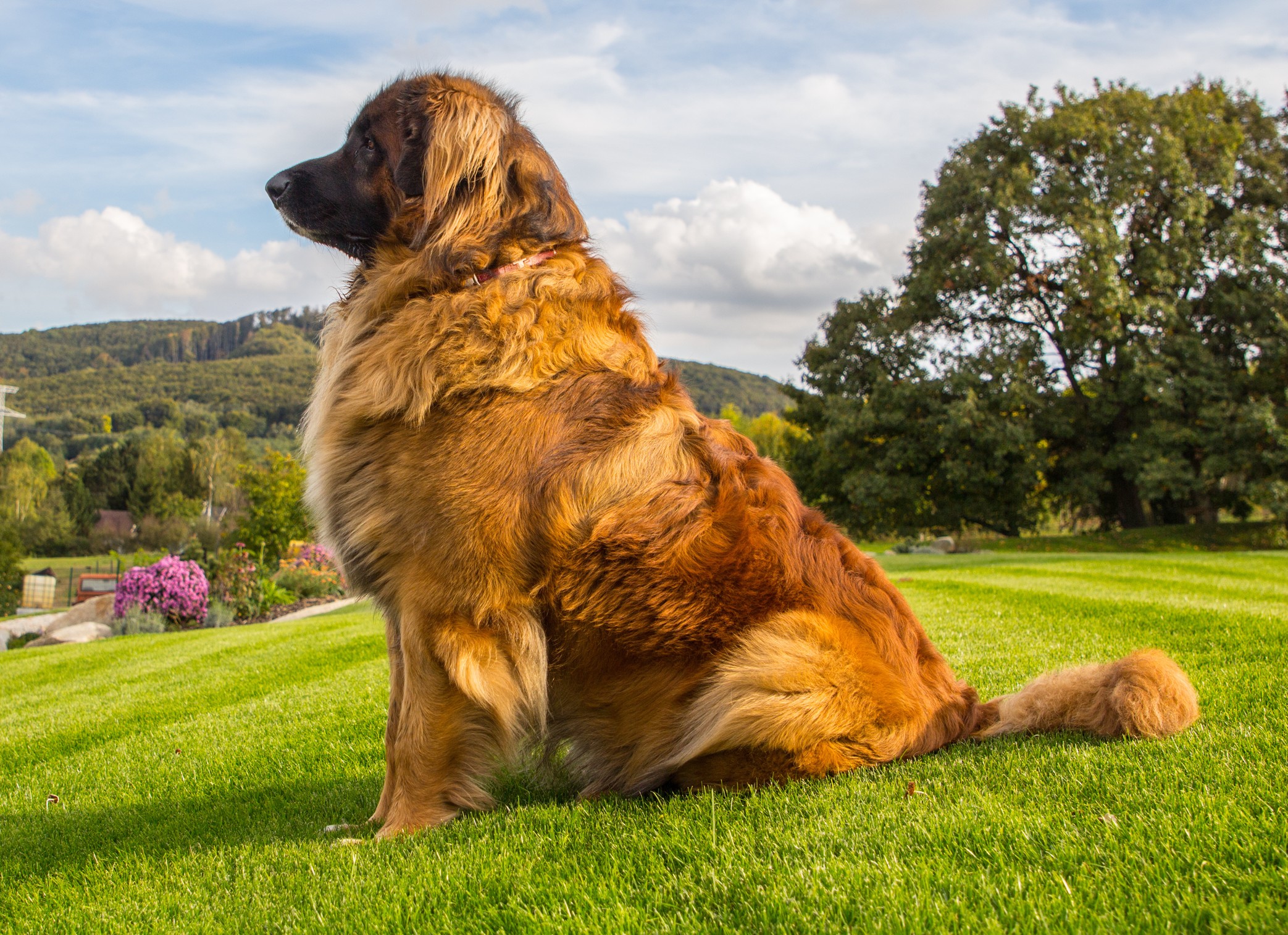
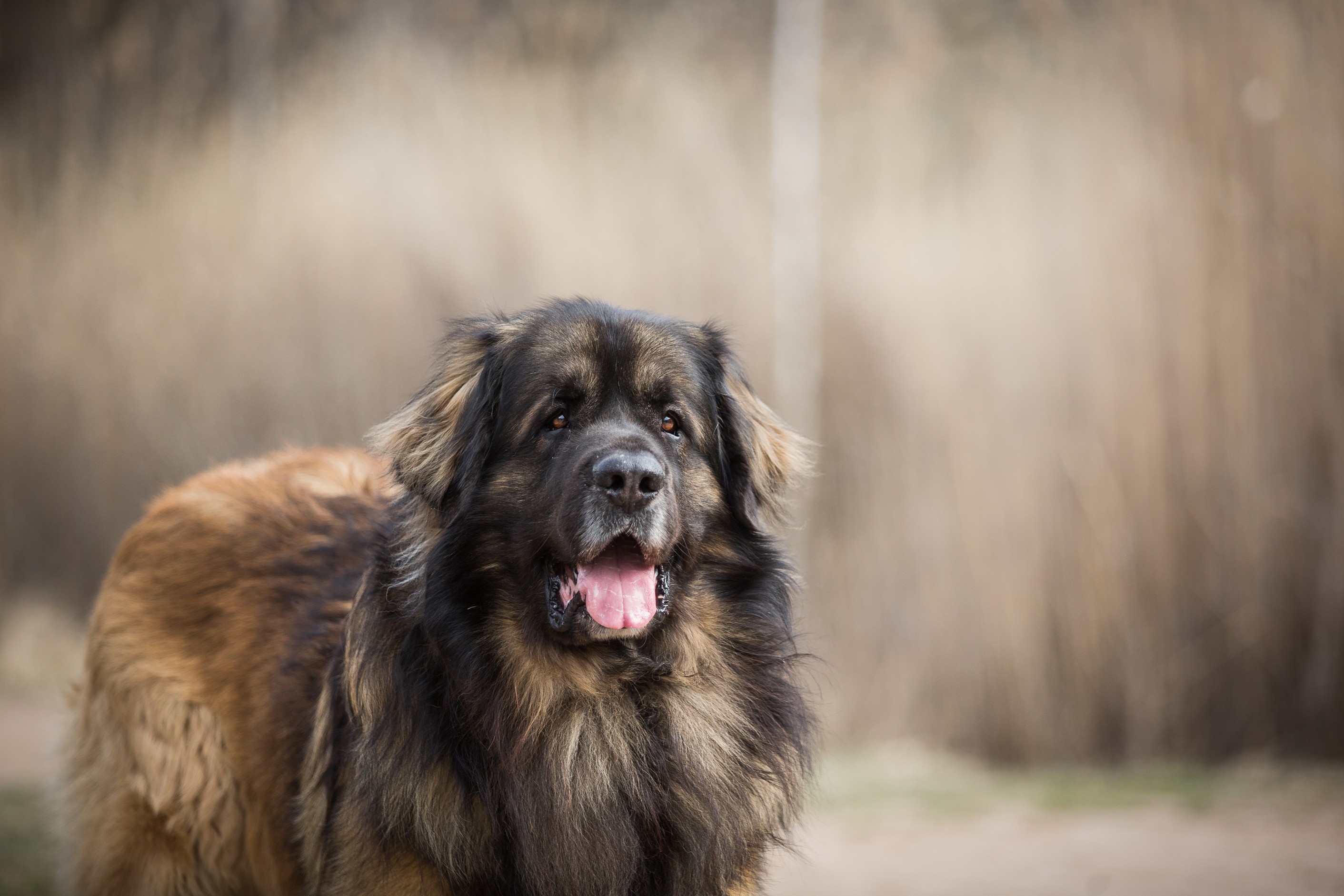
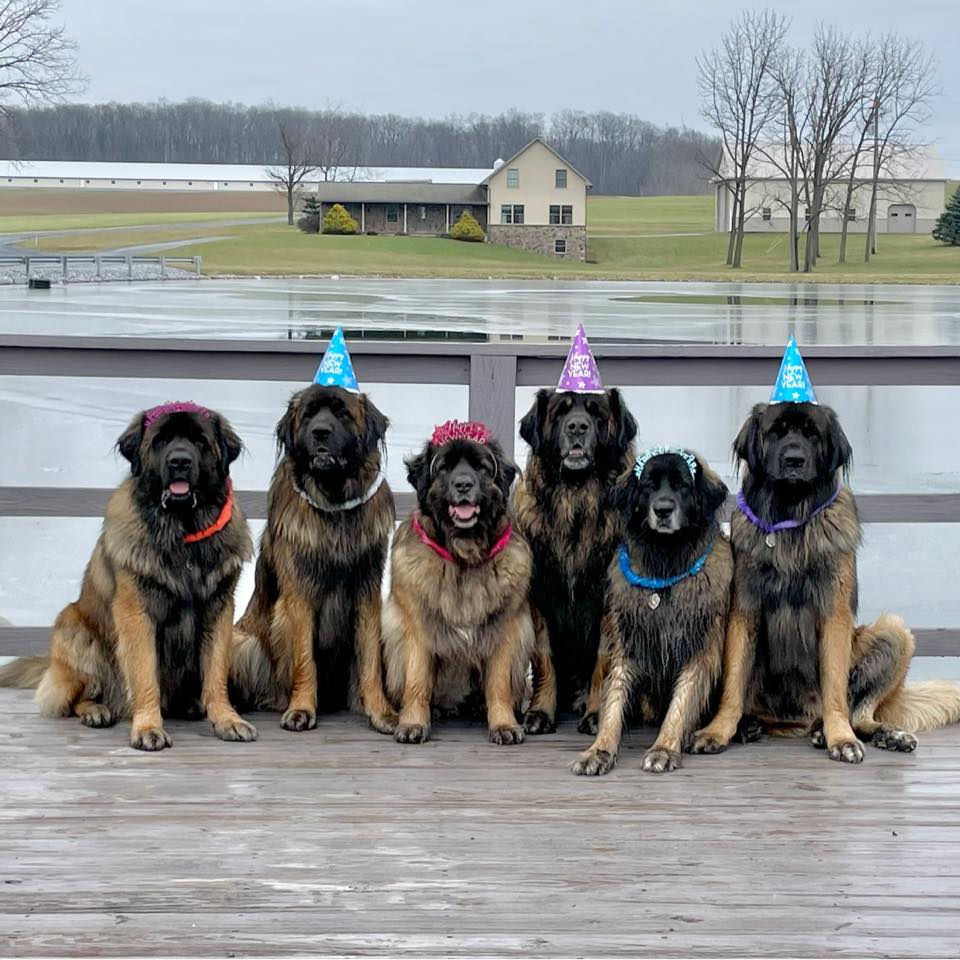
This photo tile includes three photos of our Leonberger Bronco. In one photo he is sitting in my wife’s lap, another photo is of our Pug Daisy and our Leonberger Bronco, and finally a photo of Bronco’s face. There is also a photo of six Leonbergers celebrating a birthday. That photo was taken by a friend Jen O’Keefe. Finally, there are two shutter stock photos ID:731020957  by Peter Josto and ID: 1957113277 by AnetaZabranska.

With these photos I wanted to illustrate that Leonbergers are big and furry.

Article by Emma Johnson
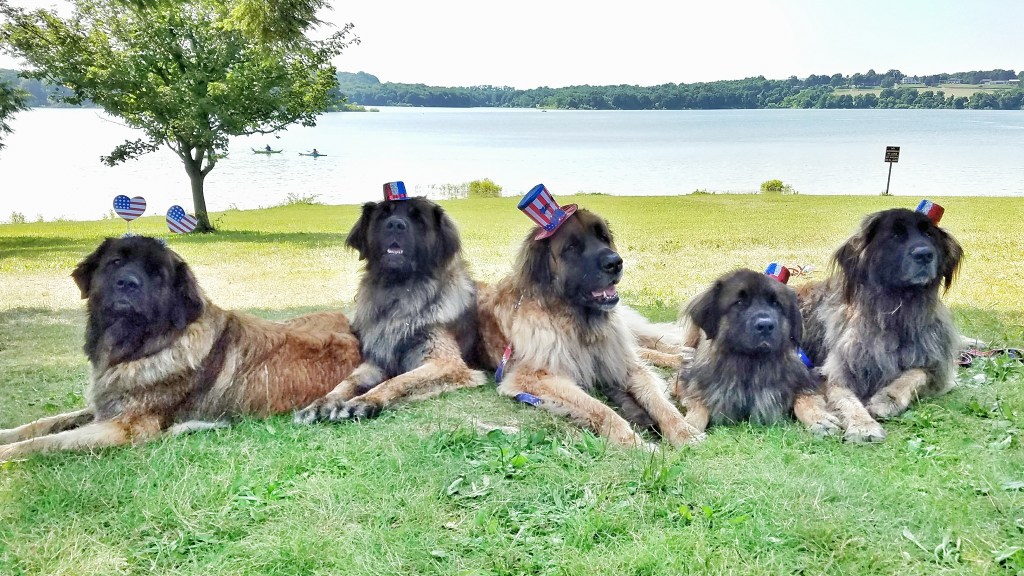
This photo was provided by Jen O’Keefe, Urgent Animal Care of Arlington. From left to right; Obi, Delfi, Aslan, Gryphon, Digory.

How to Control Leonberger Shedding: Grooming Tips That Actually Work

Living with a Leonberger means living with fur. It ends up on the couch, in the car, and sometimes floating through the house like tumbleweed. Many owners brush occasionally and hope the shedding slows down, but it rarely works that way. Leonbergers have one of the densest double coats in the dog world, and without the right grooming approach, loose fur quickly gets out of control.

The good news is that Leonberger shedding can be managed. With the right brushing tools, a consistent grooming routine, proper bathing habits, and good nutrition, you can dramatically reduce the amount of hair around your home.

Why Leonbergers Shed So Much?

Leonbergers were originally bred as working dogs in the mountains of Europe. Their coat had to protect them from cold weather, snow, rain, and harsh terrain. That protective coat is still part of the breed today.
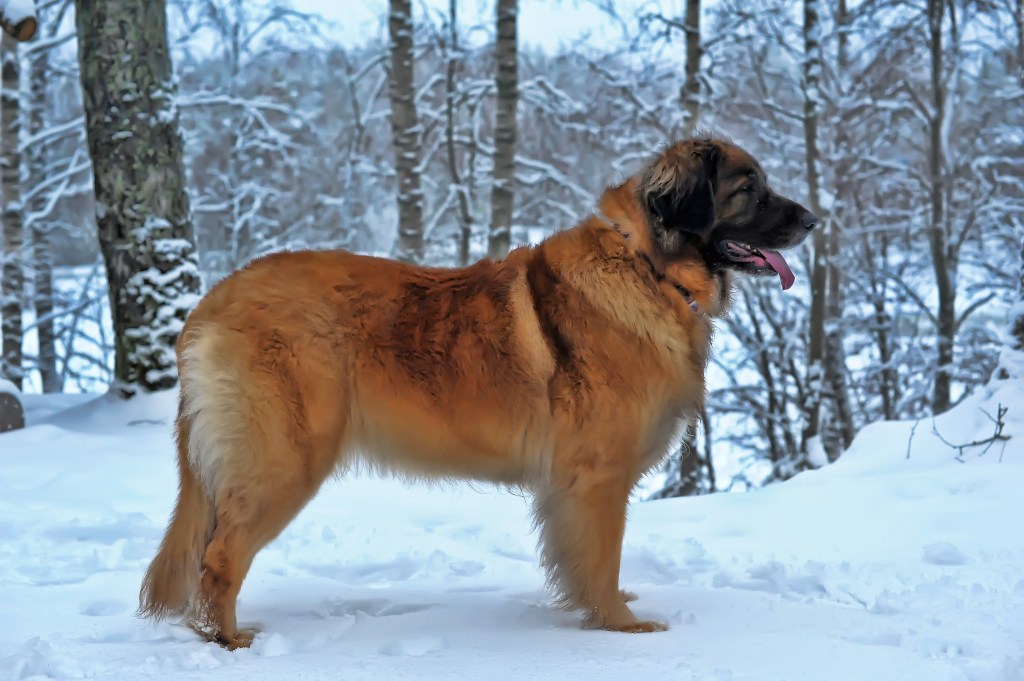
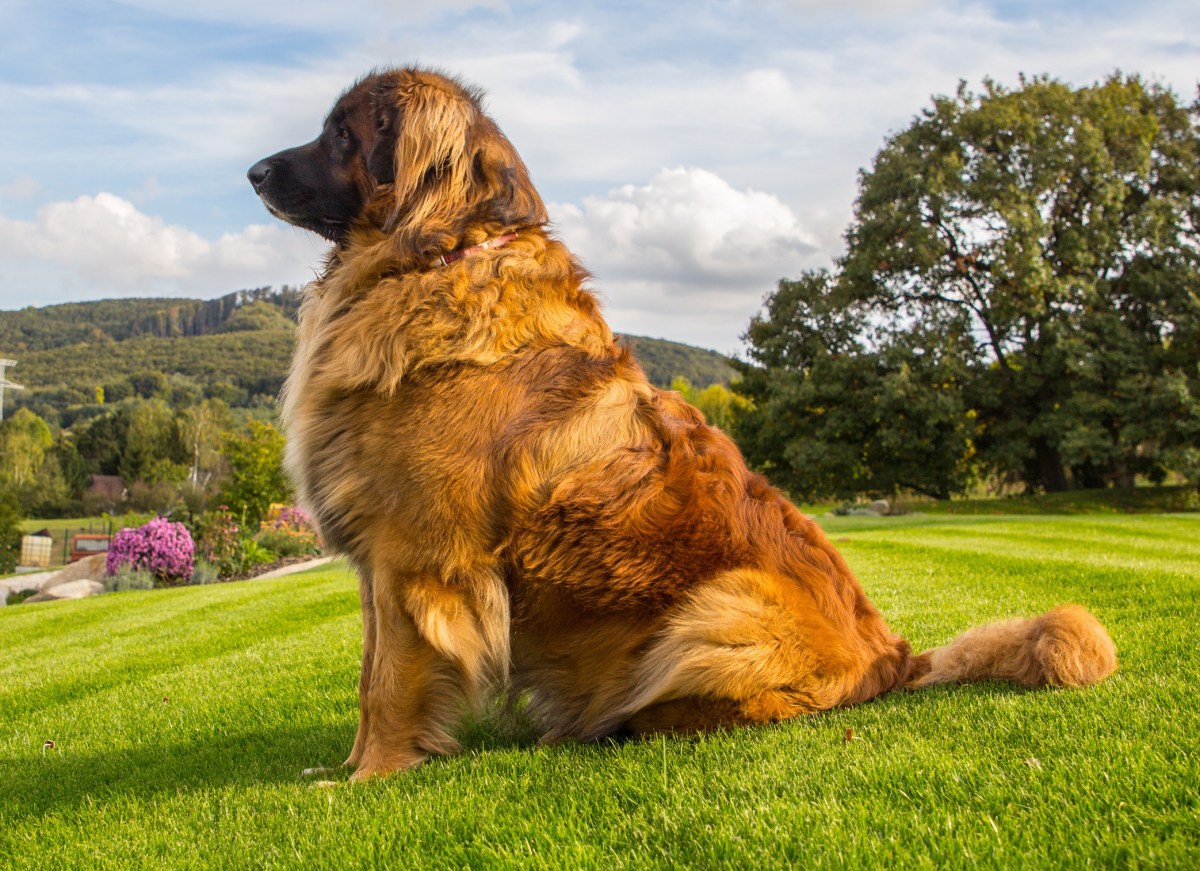
Leonberger ID:705193912 by Anna Krivitskaya

Because of this history, Leonbergers grow a thick double coat designed for insulation. The outer layer protects against moisture and dirt, while the inner coat traps warmth. When temperatures change, that undercoat naturally sheds to adjust to the environment.

This means shedding is not a problem you can eliminate. The goal is to manage it effectively so loose fur doesn’t build up in the coat or around the house.

The Double Coat

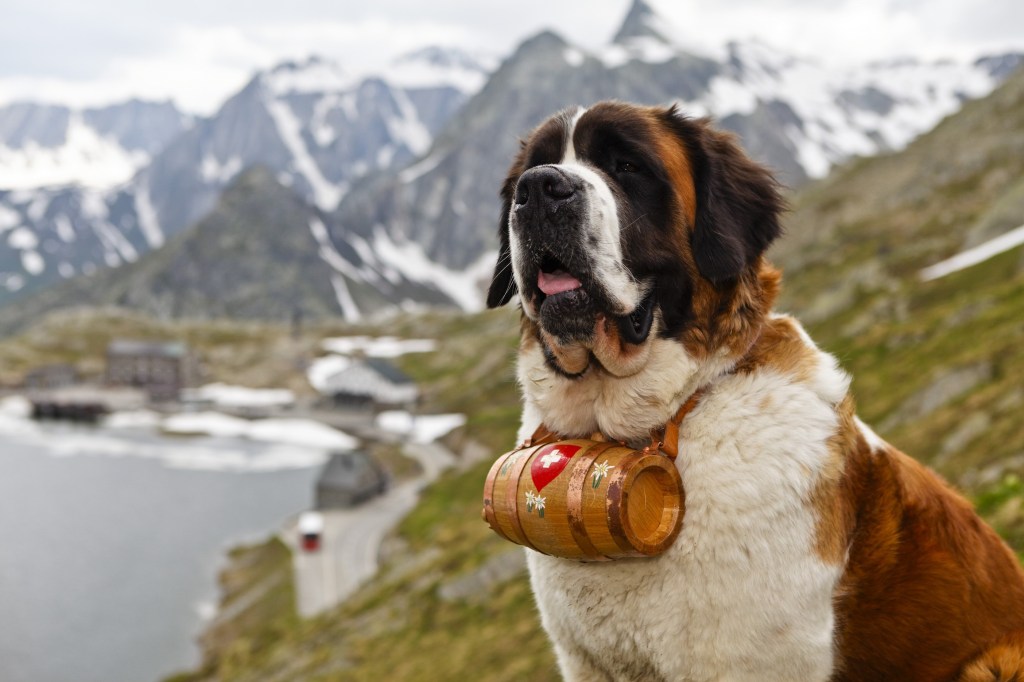
Leonbergers are not the only dogs with protective double coats. Other large working breeds such as the Newfoundland, Saint Bernard, and Great Pyrenees were also developed for cold climates and demanding outdoor work. These breeds rely on dense insulating undercoats that protect them from harsh weather.
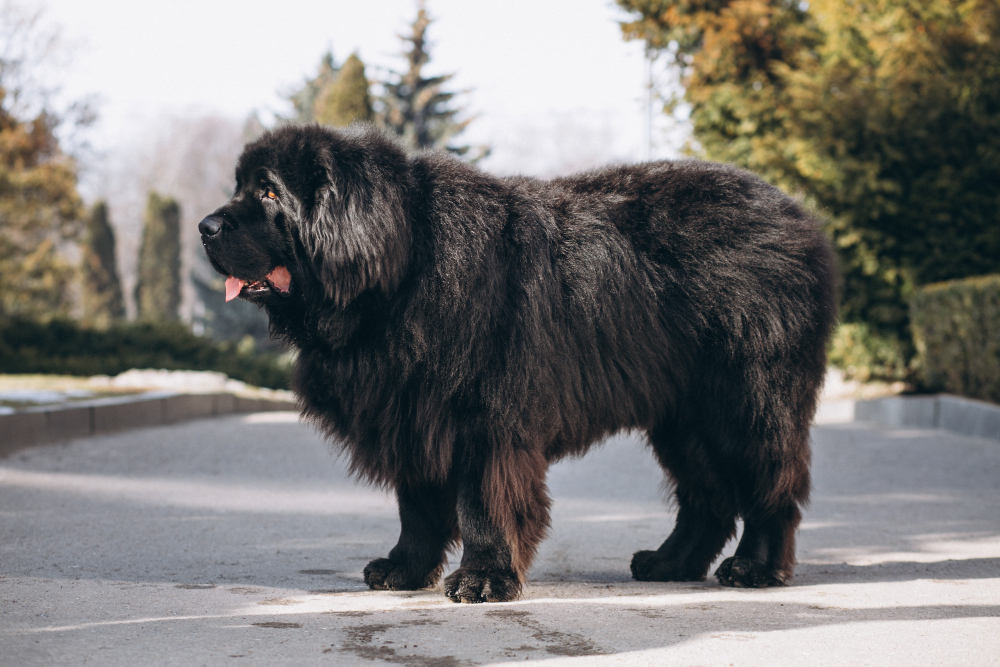
A big furry Newfoundland dog
This is an example of a Newfoundland dog (picture provided by Emma Johnson)
Saint Bernard dog wearing a keg. There are mountains in the background.
Saint Bernard dog Stock Photo ID: 1713912484 by fred12

However, not all working breeds have coats this heavy. Dogs like the Belgian Malinois also have a double coat, but it is much shorter and lighter. Because of that difference, Malinois owners typically deal with far less grooming and undercoat buildup compared with Leonberger owners.

Seasonal Shedding Cycles in Leonbergers

Leonbergers shed year-round, but the most intense shedding happens during seasonal transitions.

Most Leonbergers experience two major shedding periods:

  • Spring coat blow: The thick winter undercoat sheds to prepare for warmer temperatures.
  • Fall coat change: The dog grows a thicker coat again for colder weather.

During these periods, owners often notice large clumps of fur coming out during brushing. This is completely normal and is often referred to as coat blow season.

These cycles can last three to six weeks, depending on climate and individual genetics.

How Often Should You Groom a Leonberger?

Many owners underestimate how often this breed needs grooming.

For most Leonbergers:

  • Brushing: 3–4 times per week
  • Heavy shedding seasons: Daily brushing
  • Bathing: Every 6–8 weeks
  • Full coat maintenance: Weekly

Regular grooming prevents loose fur from collecting in the undercoat and spreading through your home.

Consistency is more important than long grooming sessions. Ten minutes of brushing several times a week is often more effective than one long session once a month.

The Best Brushes and Grooming Tools for Leonberger Shedding

The right grooming tools make a major difference. Leonbergers have dense coats, and basic brushes often cannot reach the undercoat.

The most useful grooming tools include:

  • Slicker brushes
  • Undercoat rakes
  • Deshedding tools
  • Wide-tooth combs

Each tool serves a specific purpose in removing loose fur while protecting the coat structure.

Using the wrong tools can break guard hairs or irritate the skin.

Slicker Brushes vs. Undercoat Rakes

Both tools are essential, but they serve different roles.

Slicker Brushes

Slicker brushes have fine wire bristles that remove surface tangles and loose hair from the outer coat. However, slicker brushes alone cannot reach the deeper undercoat.
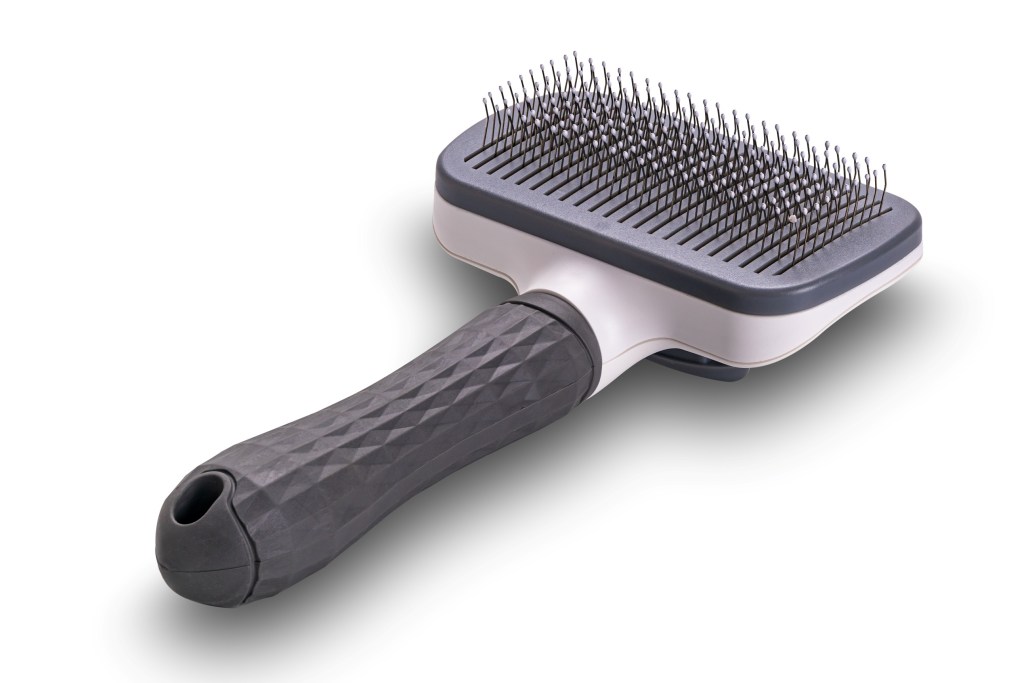
A photo of a slicker brush taken from a high angle view of pet slicker brush isolated on white background with clipping path.
High angle view of pet slicker brush. Shutterstock Asset id: 2404454953 by takepicsforfun

Undercoat Rakes

Undercoat rakes are designed with longer teeth that penetrate through the outer coat. Using both tools together creates a balanced grooming routine.
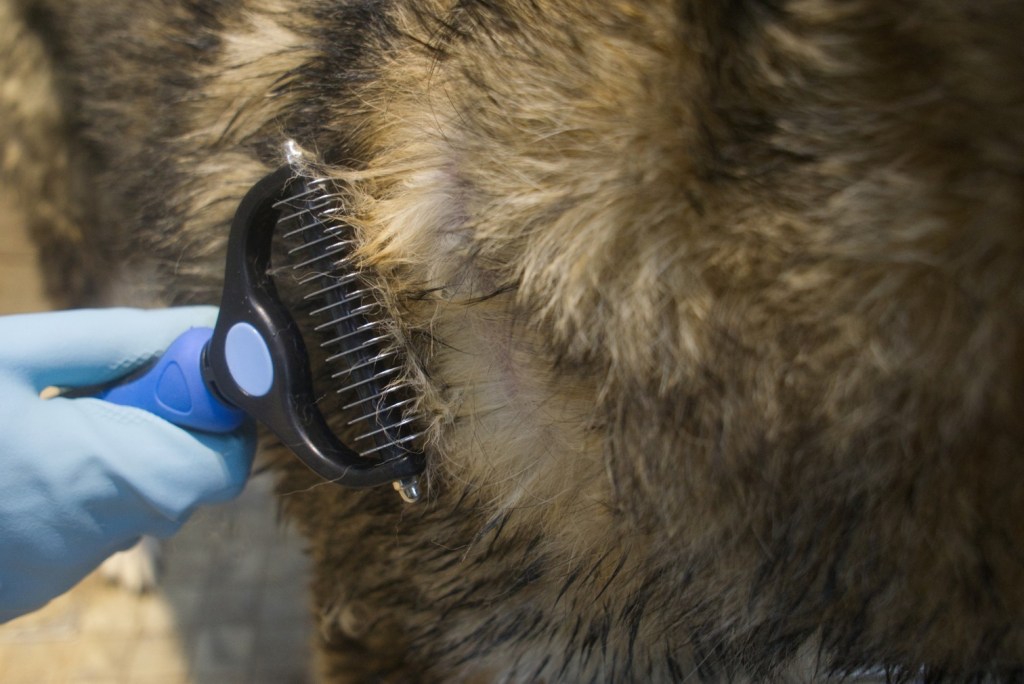
A so called undercoat rake is used to brush and penetrate deep into the coat of a double coated dog.
Brushing a double-coated dog close-up. Shutterstock Asset id: 2441132455 by Gayleen Froese

Deshedding Tools That Work Best

Deshedding tools are especially useful during coat blow season.

These tools are designed to gently remove loose undercoat without cutting or damaging the outer coat.

When used correctly, deshedding tools can remove large amounts of loose fur in a single session.

However, they should not be overused. Excessive use can thin the coat too much and affect its natural insulation.

Most owners find that using a deshedding tool once per week during heavy shedding periods works well.

Step-by-Step Brushing Routine to Reduce Excess Fur

A structured brushing routine helps remove fur efficiently without stressing the dog.

Step 1: Work through the coat slowly, focusing on areas where undercoat builds up, such as behind the ears, chest, and hind legs.

Step 2: After loosening undercoat hair, switch to a slicker brush to remove remaining loose fur.

Step 3: Leonbergers commonly develop tangles around the neck, tail base, and legs.

Step 4: A wide-tooth comb helps confirm the coat is fully detangled.

This routine typically takes 15–25 minutes depending on coat condition.

Bathing Your Leonberger the Right Way to Control Shedding

Bathing plays a bigger role in shedding control than many owners realize.

Warm water and shampoo help loosen dead undercoat fur, making it easier to remove during brushing.

However, bathing too often can strip natural oils and cause dry skin.

How Often Should You Bathe Them?
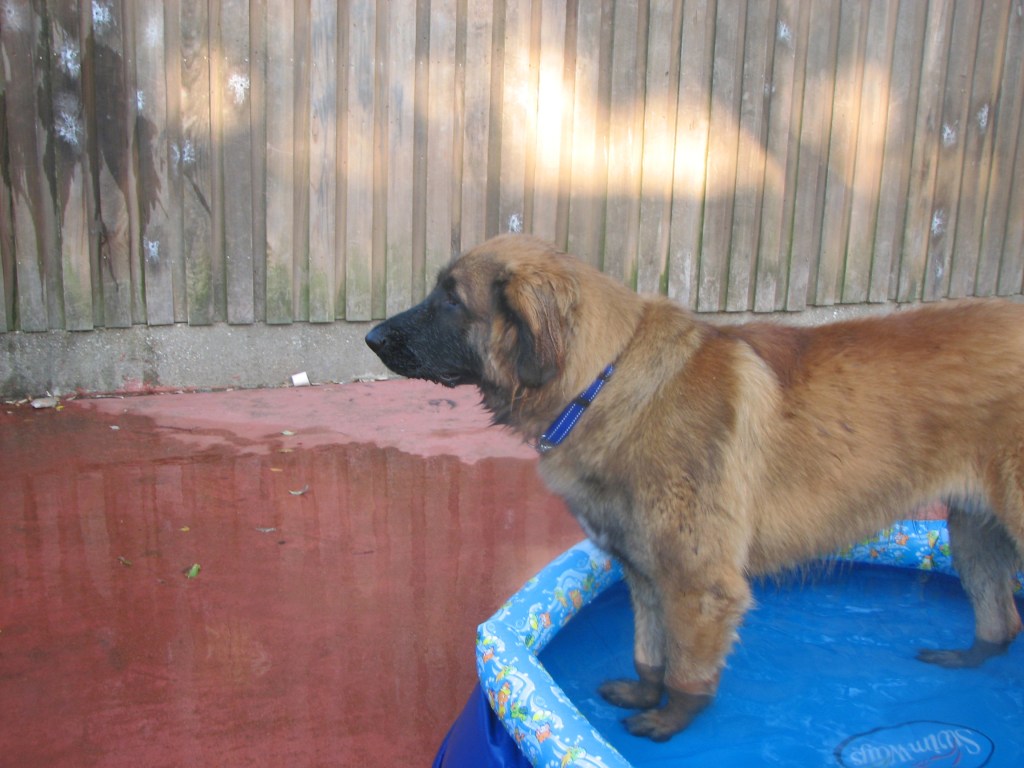
Our Leonberger Bronco is standing in a blue kiddie pool.
Our Leonberger Bronco is standing in a kiddie pool. He is young and not yet fully grown in this photo. He does not have too much fur yet. I can add that it was not possible to give Bronco a bath in the bathtub, so we always gave him baths outside in the kiddie pool.

Most Leonbergers do well with a bath every 6 to 8 weeks.

More frequent bathing may be needed if the dog spends a lot of time outdoors or swimming.
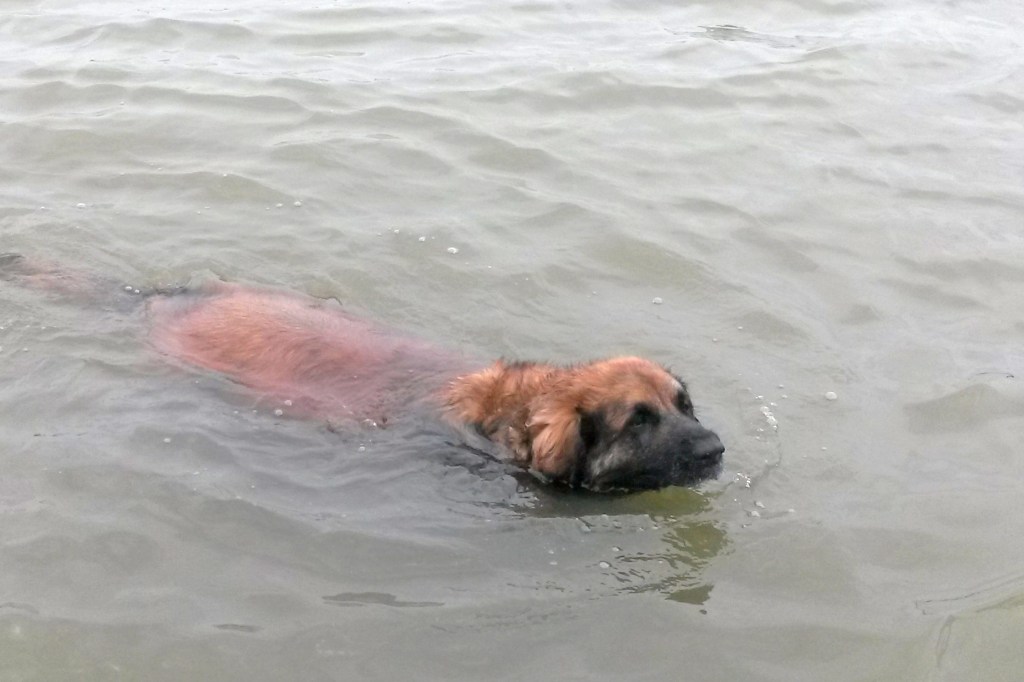
The photo shows a Leonberger swimming in a lake.
This is a photo of our Leonberger Bronco swimming in White Rock Lake. He loved swimming and chasing ducks.

After bathing, always dry the coat thoroughly and brush again. Wet undercoat can trap loose hair and lead to matting if left unmanaged.

Nutrition’s Role in Reducing Shedding

Coat health begins with nutrition.

Dogs that lack essential nutrients often develop dry skin, brittle fur, and excessive shedding.

A high-quality diet rich in protein and healthy fats supports stronger hair growth and healthier skin.

Ingredients that help maintain coat quality include:

  • Omega-3 fatty acids
  • Omega-6 fatty acids
  • Zinc
  • Biotin

For older dogs, switching to a specialized diet such as senior dog food can also support coat condition as metabolism changes with age.

Veterinary research presented at events like veterinary conferences 2026 has increasingly emphasized how diet influences skin and coat health in large working breeds.

Extra Grooming Steps During Heavy Shedding

During peak shedding periods, increase grooming frequency.

Helpful strategies include:

  • Daily brushing sessions
  • Weekly deshedding treatments
  • Bathing followed by thorough brushing
  • Using high-velocity dryers to loosen undercoat

Many professional groomers use forced-air dryers to blow out loose undercoats after a bath. This method can remove large volumes of fur quickly.

When to Seek Help From a Professional Groomer

Some Leonberger coats become too dense or matted for home grooming alone.

Professional groomers have specialized tools and equipment designed for heavy-coated breeds.

A professional grooming session may include:

  • Undercoat removal
  • Deep coat brushing
  • Coat blowout drying
  • Sanitary trimming

Many owners schedule professional grooming every 3 to 4 months to keep the coat manageable.

If brushing becomes difficult or mats begin forming regularly, it may be time to involve a groomer.

Final Thoughts

Leonberger shedding is intense, but it does not have to overwhelm your home.With the right grooming tools, a consistent brushing routine, proper bathing habits, and strong nutrition, you can keep loose fur under control and maintain a healthy coat.

The key is consistency. When grooming becomes part of your weekly routine, shedding becomes far more manageable.

Leonbergers will always shed. But with the right care, that shedding becomes something you can handle without constantly battling fur around the house.
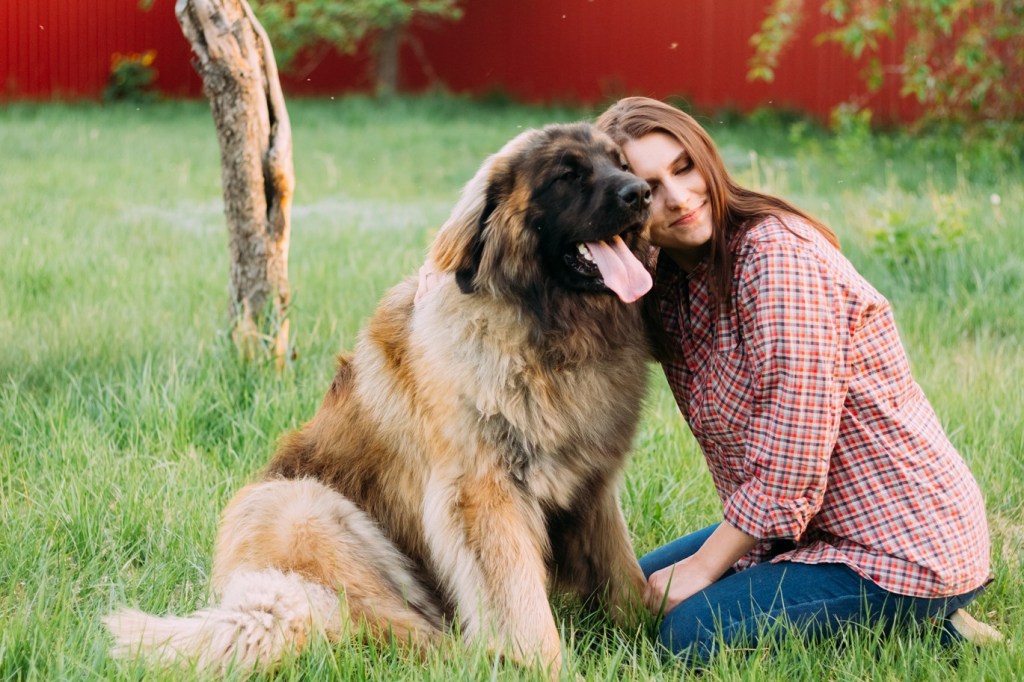
A pretty dark-haired Caucasian girl in a plaid shirt hugs her cute Leonberger dog. The concept is friendship and loyalty.
A woman and her Leonberger dog. Asset id: 1741753382 by Elena Podrezenko

Another article by Emma Johnson is Leonberger Health Issues – A Veterinarian’s Guide to Preventive Medicine.
Leonberger Health Issues – A Veterinarian’s Guide to Preventive Medicine

A professional content writer specializing in animal healthcare and veterinary topics by the name Emma Johnson contacted me about publishing veterinary information on my Leonberger blog, which I am certainly happy to assist with. Check out her article below.

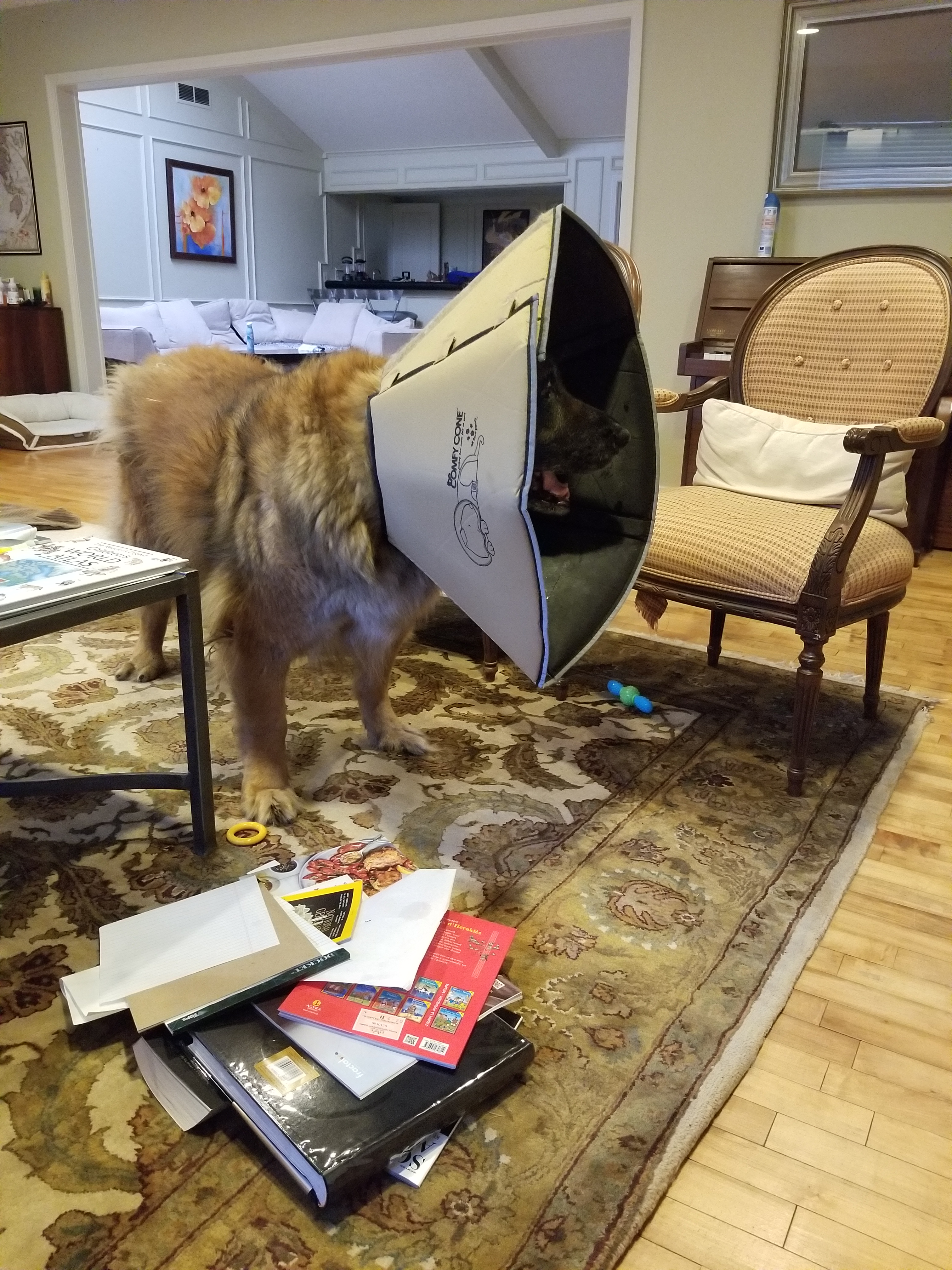
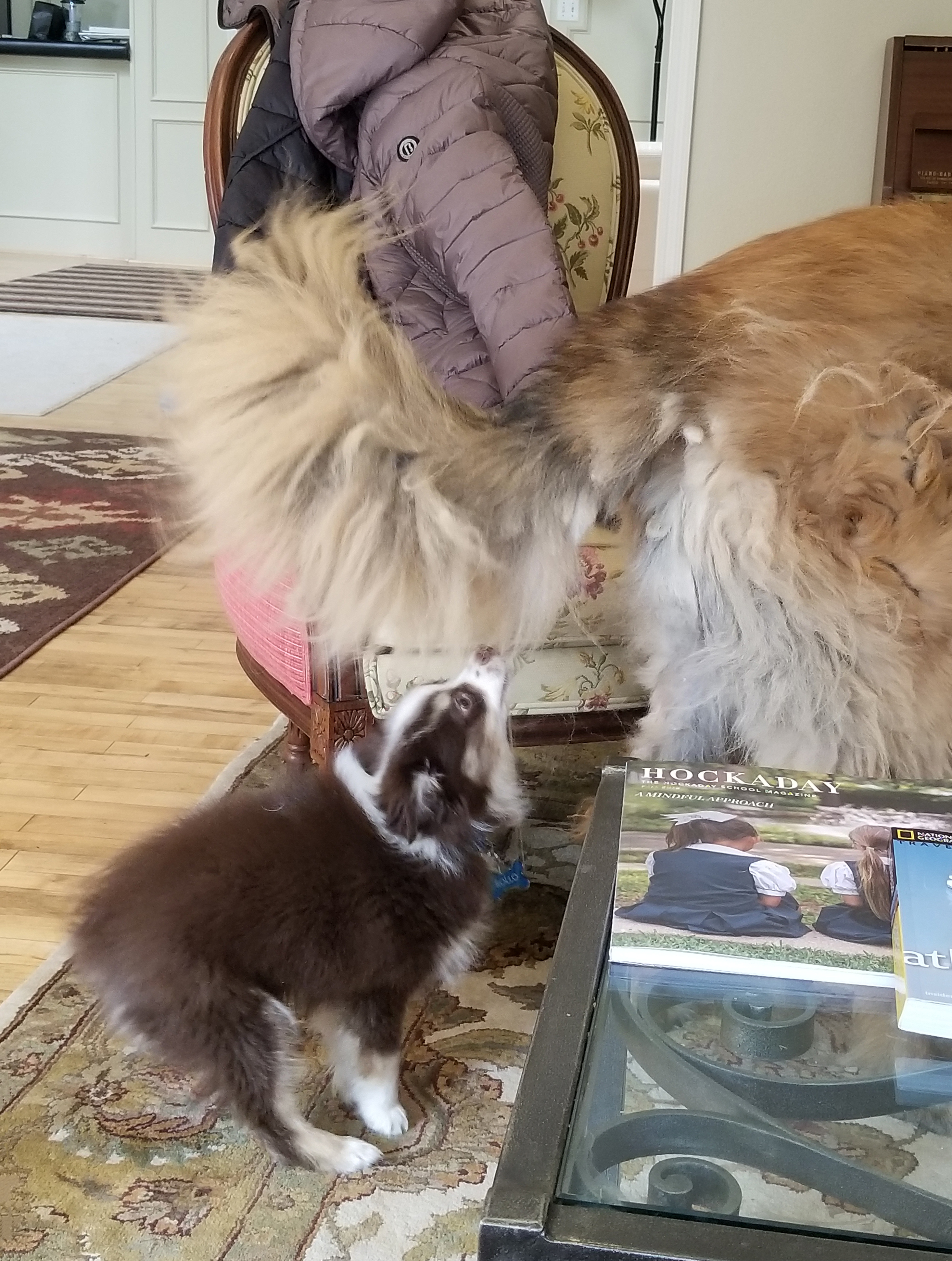
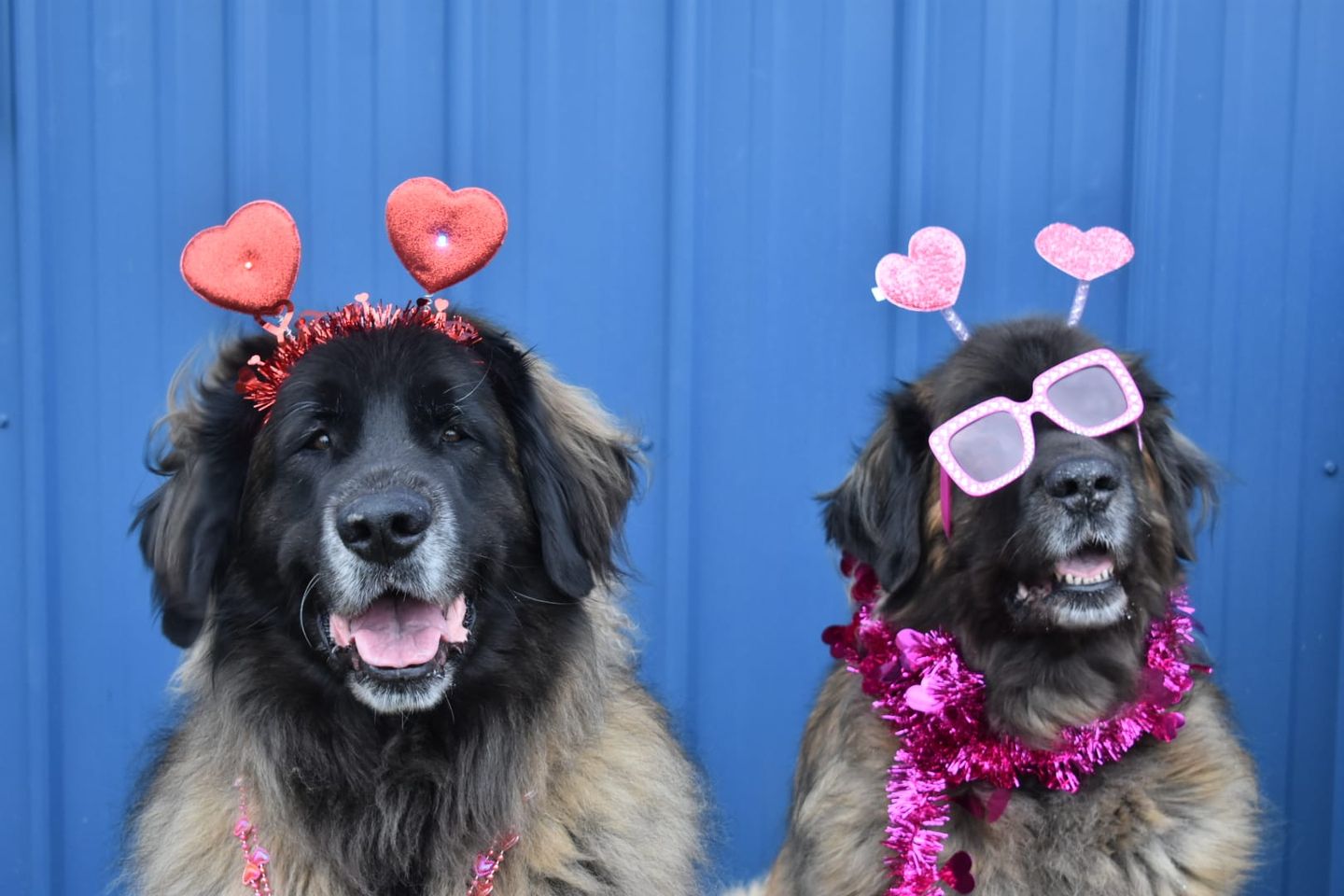
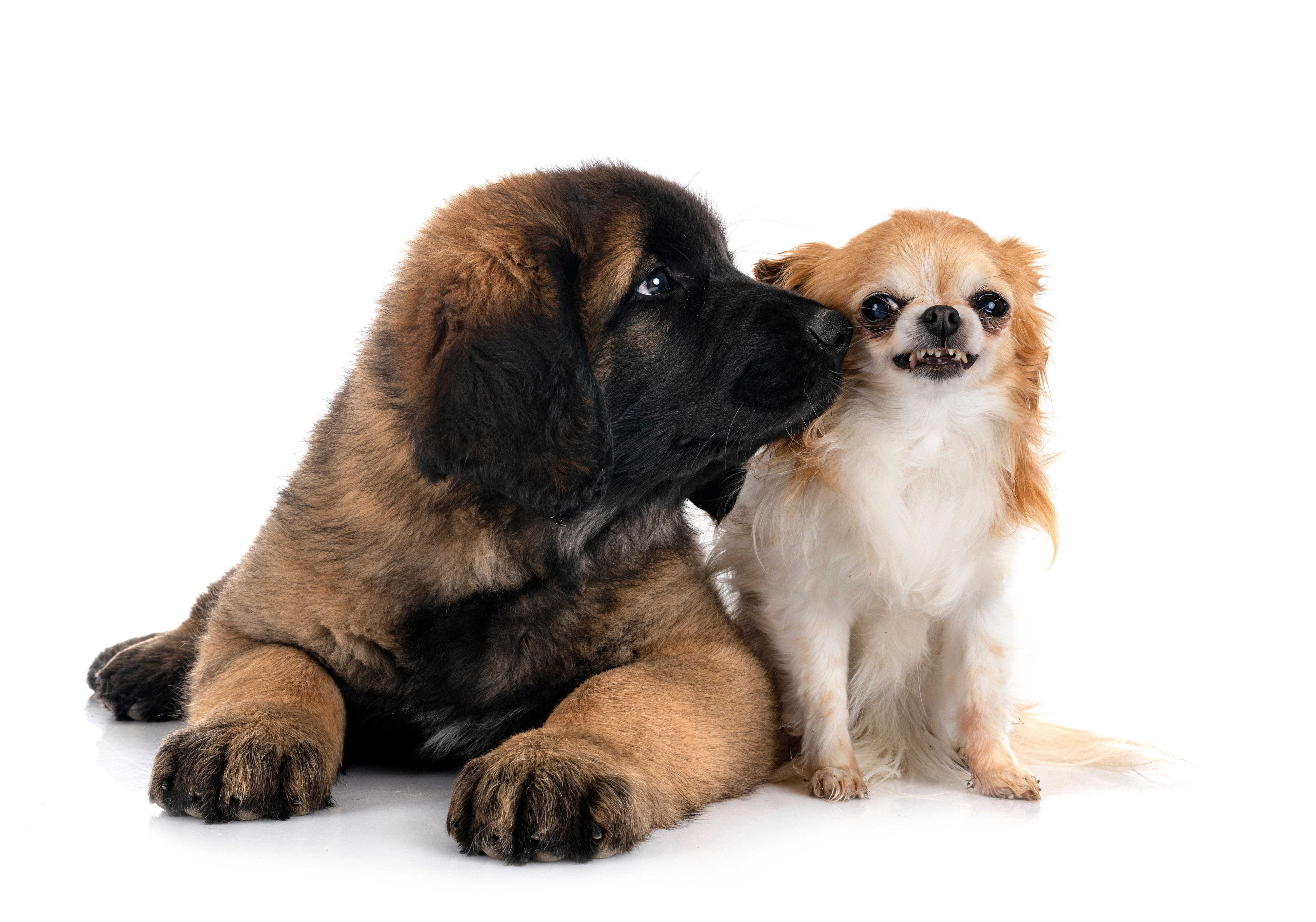
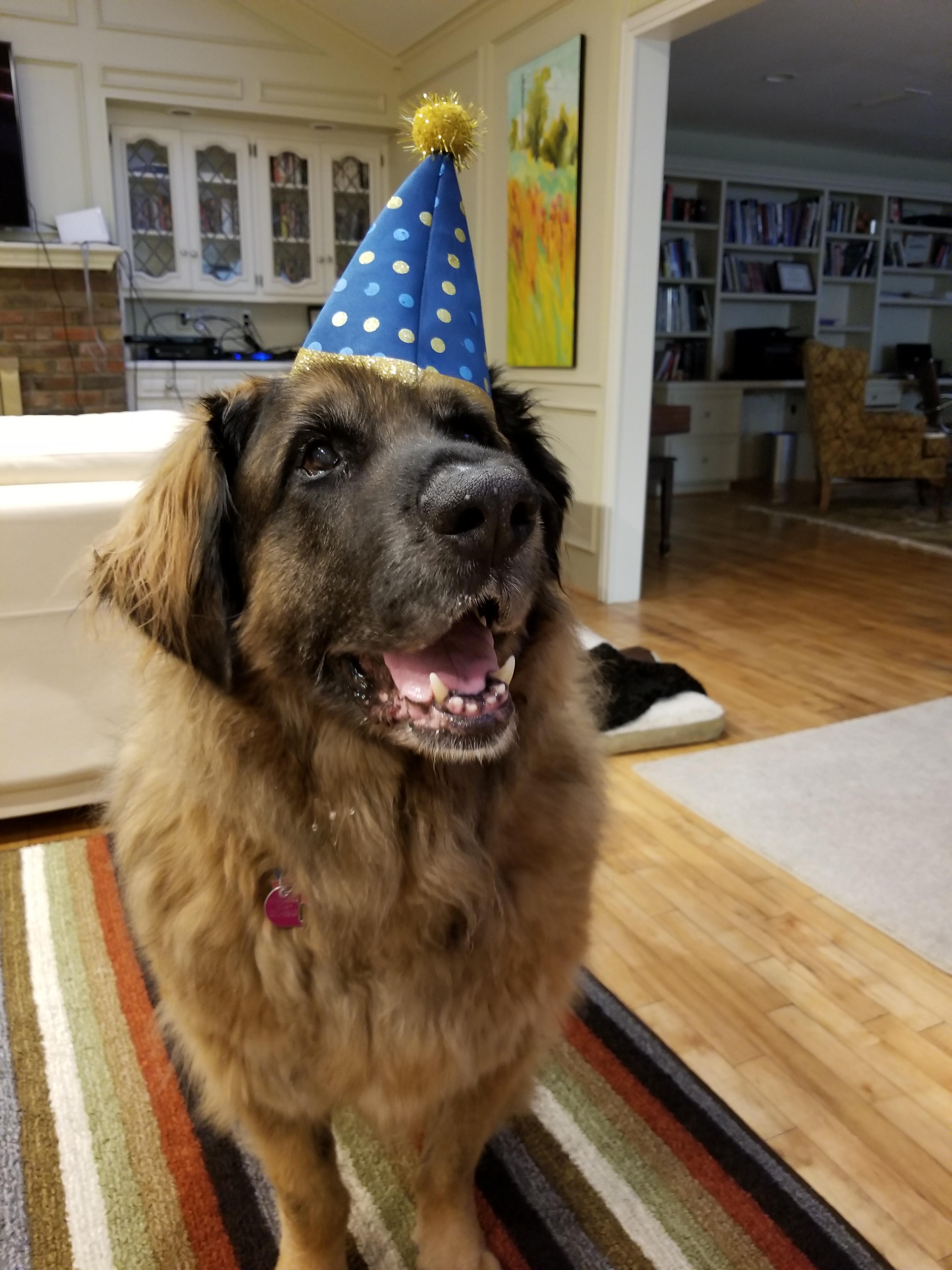
This photo tile includes a photo of our Leonberger Bronco wearing a birthday hat on his 11th birthday, our mini-Australian Shepherd biting our Leonbergers tail, our Leonberger Bronco wearing a cone and accidentally clearing the table of its content, a friends funny photo of Leonbergers Digory and Obi (by Jen O’Keefe) and a shutter stock photo of two light colored Leonberger puppies playing. Shutterstock-ID: 2141564415 by AnetaZabranska.

Article by Emma Johnson

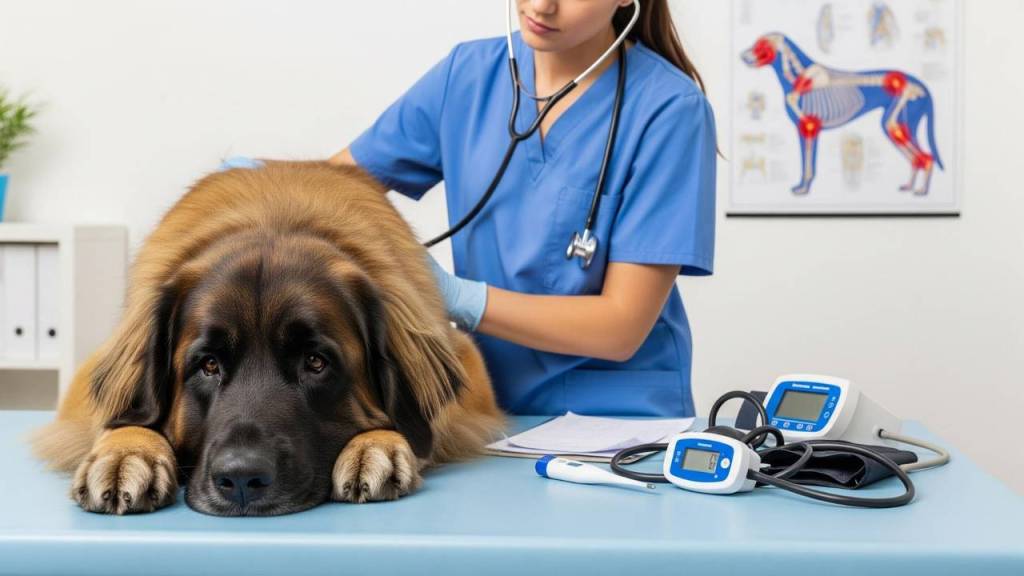
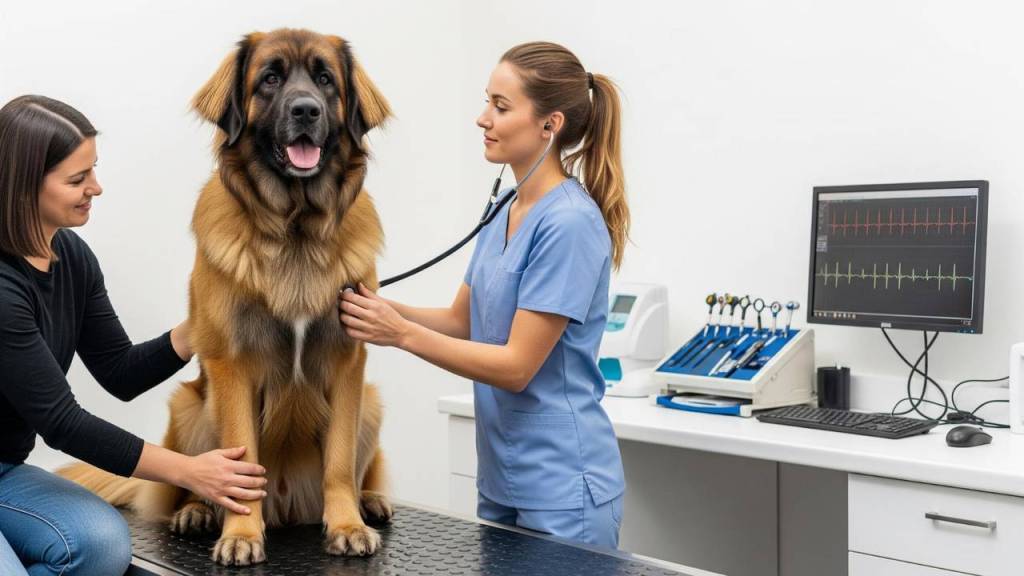
A photo of a Leonberger lying on a veterinaries table. A veterinarian is taking the vitals using a stethoscope.
The Leonberger is a friendly giant known for its kind temperament and large size. These beautiful dogs are wonderful companions, but their size can affect their health to some extent. Leonberger health challenges must be well understood by owners and veterinary professionals so that the lives of the big dogs are as healthy and happy as possible.

This article tackles the biggest problems and lays out preventive care options to protect these dogs. It is simpler to know what to anticipate and how to avoid these issues. Let us begin by finding out about some of the most common diseases that occur to Leonbergers.

Understanding Common Leonberger Diseases

Leonbergers suffer from many diseases. They can be joint issues, heart issues, hip dysplasia, eye issues, and skin allergies. These issues arise over time; therefore, prevention and detection at an early age are crucial.

In such situations, periodic examinations are advised by veterinarians, and collaboration with the dog’s owners is recommended. Prevention is all about good food, exercise, and periodic check-ups from the veterinarian.

We will learn how genetic problems in Leonbergers are addressed and how actively they can be dealt with.

Genetic Issues in Leonbergers and How to Deal with Them

Breed history and size are the main causes for genetic issues in Leonbergers. These are directly affecting Leonberger’s lifespan and general health. Prevention is achieved through education and proper care.

Genetic risks and prevention include:

  • Hip dysplasia: Select sound breeders who screen for hip wellness. Keep your dog at a healthy weight and encourage low-impact play.
  • Elbow dysplasia: Refrain from overexercising and ensure proper nutrition.
  • Heart issues: Have regular cardiac check-ups and watch for activity levels.
  • Eye issues: Have regular eye exams and maintain eye cleanliness.

Pre-treatment of genetics, through both breeding selection and preventive maintenance, lowers the risk of major issues. Let’s discuss the big picture now: Leonberger lifespan and health.

Leonberger Lifespan and Health

The average lifespan of a Leonberger is 8 to 10  years. Big dogs tend to have a shorter lifespan, but with proper preventive care, it can be extended.

Suggestions from experts are:

  • Balanced meal plan that is rich in nutrients
  • Weight management to minimize joint stress
  • Low-impact exercise
  • Routine visits to the veterinarian for the detection of diseases in early stages

Pro Tip: In case of emergencies and accidents, effective veterinary bandaging skills are priceless. They prevent infection, protect wounds, and promote faster healing. Thus, both pet owners and vets must improve their veterinary bandaging skills.

A regular schedule of preventive care and practical first aid skills is the key to maintaining a Leonberger’s health and longevity. This includes treatment of Leonberger joint problems, the most common health problem of the breed.

Preventing Leonberger Joint Problems:

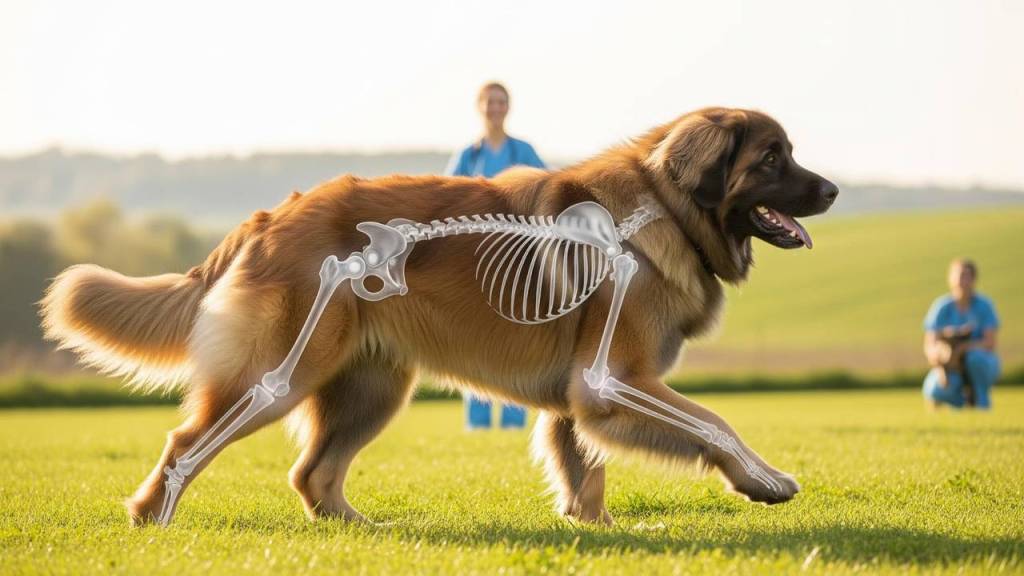
A Leonberger running on grass. His skeleton is shown as overlayed on his body.
Leonberger joint problems, including arthritis, hip dysplasia, and elbow dysplasia, are among the most common health issues this breed will encounter.  Prevention starts with proper weight. Excess pounds put extra pressure on joints and worsen conditions.

Early focus on joint maintenance makes prevention easy. That inevitably centers on the role of exercise and diet.

Exercise and Nutrition

Low-impact activity, such as controlled walking or swimming, provides joint mobility without overloading. A balanced diet with proper nutritional intake is also a must. In consultation with a veterinarian, supplements such as glucosamine and chondroitin may also be employed to maintain joint health.

These lifestyle modifications fortify the joints but are optimally used when complemented by regular veterinary visits.

Regular Checkups

Orthopedic examinations should be conducted regularly to identify problems before they cause damage. Regularity in these preventive check-ups can keep your Leonberger comfortable and active for life.

With joint maintenance underway, attention now must turn to another essential area of health: the heart.

Prevention of Leonberger Heart Problems:

The photo shows a Leonberger sitting on a veterinary table getting its heart checked by a veterinarian.
Leonberger heart problems, particularly dilated cardiomyopathy, can advance with no apparent symptoms, and thus, prevention is important.

Diet and Lifestyle

Daily check-ups, a healthy diet, and regular exercise maintain the heart in good health. Avoid stress and overexertion.

Preventive measures at home are required. Periodic veterinary check-ups should be organized, nevertheless.

Early Detection Of Symptoms

Be vigilant for signs of exhaustion, cough, or respiratory deviation. Seek the advice of a veterinarian if there are any concerning signs in the pet. Early diagnosis significantly enhances the prospects of success.

Strong hips also contribute to overall heart health. Therefore, the same care and attention should be given to prevent hip dysplasia.

Prevention of Leonberger Hip Dysplasia:

Leonberger hip dysplasia is an abnormal development of the hip joints that leads to pain and loss of mobility. Prevention is early.

Breeding and Early Life Care

Seek out breeders who conduct hip soundness testing. Keeping your Leonberger lean and limiting high-impact exercise will help to build and develop joints. High-quality breeding, proper early care, and frequent veterinary check-ups are key to a long, healthy life for your Leonberger.

Early Veterinary Care

Prompt discovery can make a huge difference in comfort and mobility. Be mindful of the signs of discomfort in your pet. If the dog shows hesitation in movement, exercise, or play, it’s a sign of concern.

Moreover, watch out for signs of exhaustion after minor physical activity. Symptoms such as limping and whining while walking shouldn’t be ignored. A physical examination should be scheduled immediately to pinpoint the exact cause of pain and discomfort.

After the hips are healthy, vision care is the next priority of preventative care. We’ll cover that in the next section.

Preventing Leonberger Eye Problems:

Vision care is a cornerstone of your Leonberger’s overall health, making them comfortable and independent in their golden years. Healthy eyes enable them to be confident and active on a daily basis. Preventive care today can save a lot of stress and treatment down the road.

Common Eye Issues

Leonbergers can be susceptible to vision and comfort-degrading issues like cataracts and entropion. Cloudiness or tearing must be noticed early on. Regular veterinary eye examinations ensure early detection is probable and help maintain their quality of life in balance.

By being attentive to common vision issues and regular hygiene, you can protect your Leonberger’s eyesight and health.

Hygiene and Care

Eye cleaning prevents infection and irritation. Easy grooming, such as wiping off discharge and watching for redness, can be a big help. A quick response when there is any sign of irritation prevents problems from getting out of control.

Finally, let’s discuss how genetic testing can help with coping with Leonberger health problems.

Breeding Considerations

Genetic testing is the key to avoiding inherited eye conditions. Selecting breeders who prioritize vision preserves generations to come. Healthy vision is as crucial to mobility as it is to overall well-being.

Caring for vision maintains independence, but caring for healthy skin maintains comfort and well-being. Preventing skin allergies is covered in the next section.

Preventing Leonberger Skin Allergies:

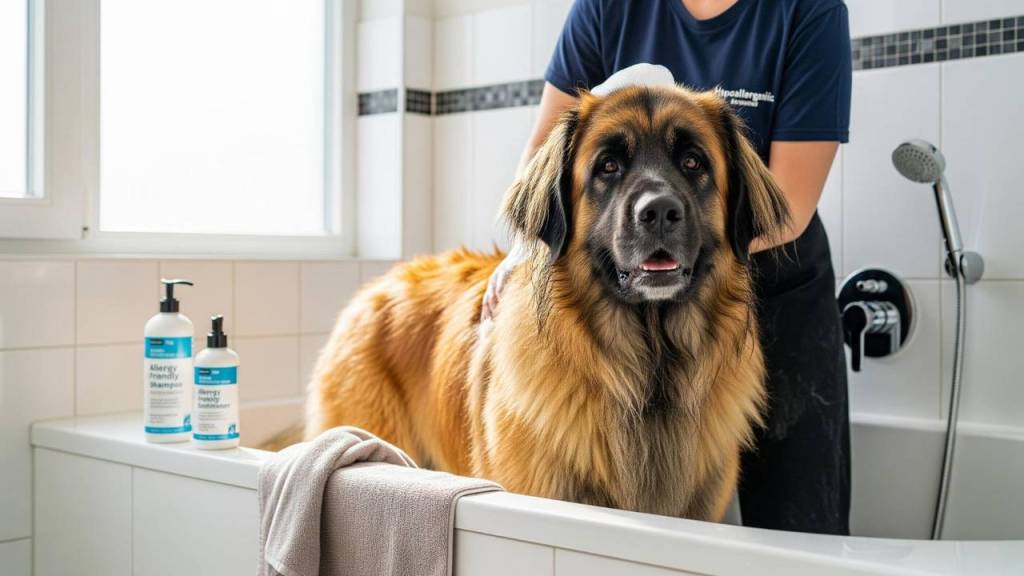
A Leonberger is standing in a bathtub. He is being washed.
Skin health is a part of overall well-being in your Leonberger. Healthy skin not only avoids pain but also prevents infection and irritation. Preventive care involves frequent grooming, attention to hygiene, and vigilance.

Causes of Skin Allergies

Environmental factors, food allergy, or parasites are the causative agents of Leonbergers’ skin allergies. Early diagnosis of causes prevents long-term complications.

It is through preventive measures that you need to take steps to make your dog stress-free and comfortable.

Skin Care Routine

Daily brushing and grooming eliminate dirt, allergens, and loose hair that irritate the skin. Hypoallergenic shampoos and conditioners soothe the skin and avoid flare-ups. A balanced diet containing omega fatty acids also maintains a healthy coat and skin.

Early Care

Skin problems must never be overlooked, as they can quickly become long-term problems. Coordination with your vet for regular checkups ensures that issues are addressed on time.

Preventive skin care is an important element of preventive health. Coordination of these practices ensures your Leonberger has a long, happy, and healthy life.

Preventive Care Checklist for Leonbergers, as suggested by the veterinarian

Here is a brief preventive care checklist for Leonbergers:

  • Work towards maintaining your dog’s healthy weight to keep them overall healthy.
  • Encourage your dog to perform low-impact exercises.
  • Turn outdoor play into a regular activity.
  • Undergo genetic tests to identify hereditary risks before breeding.
  • Check for dental and skin health to avoid infections and discomfort.
  • Get regular vaccinations and parasite control for complete preventive care.
  • Utilize a veterinary AI scribe to document, monitor, and maintain patient information efficiently.

Regular wellness visits detect health problems in Leonbergers. Regular checkups screen for inherited disorders, evaluate weight and exercise requirements, and examine the condition of joints, hips, eyes, heart, and skin. Personalized care plans maintain your dog in good health, averting significant problems.

With all said regarding the Leonberger health problems and how to prevent them, let us now summarize with the closing thoughts.

Final Thoughts

Preventive care is the key to a happy and healthy Leonberger. Regular wellness visits, individualized care plans, and gentle treatment of injuries all combine to provide a long, active life. Prevention is always preferable to the cure. It’s preferable to be proactive about the typical health issues in Leonbergers in order to be able to stop them.

A proactive care approach keeps your Leonberger healthy, comfortable, and active.

FAQs:

What are the most common Leonberger health problems?

The most common Leonberger health problems include joint issues, heart conditions, eye problems, and skin allergies. They affect mobility, comfort, and general well-being. Preventative care and routine veterinary check-ups help keep these dangers at bay efficiently.

How can I prevent Leonberger joint problems?

Prevention of Leonberger joint problems starts with proper weight maintenance, nutrition, and regular low-impact exercise. Routine early orthopedic checks help detect problems before they progress. Preventive breeding matters too.

How often should Leonberger’s eyes be examined?

Every Leonberger checkup should include a regular eye examination. Owners should also watch for redness, cloudiness, or watery discharge. Early detection of Leonberger eye problems prevents catastrophic vision loss.

What is the average Leonberger lifespan and health expectancy?

The average Leonberger lifespan and health is 8–10 years, but preventive care can improve the quality of life. Proper living routines and regular veterinary visits are the key. Identifying health issues early on ensures healthier and longer years.


Author Bio:

Emma Johnson is a professional content writer specializing in animal healthcare and veterinary topics. Her work provides pet owners and veterinarians with insightful, well-researched information to improve animal care.