
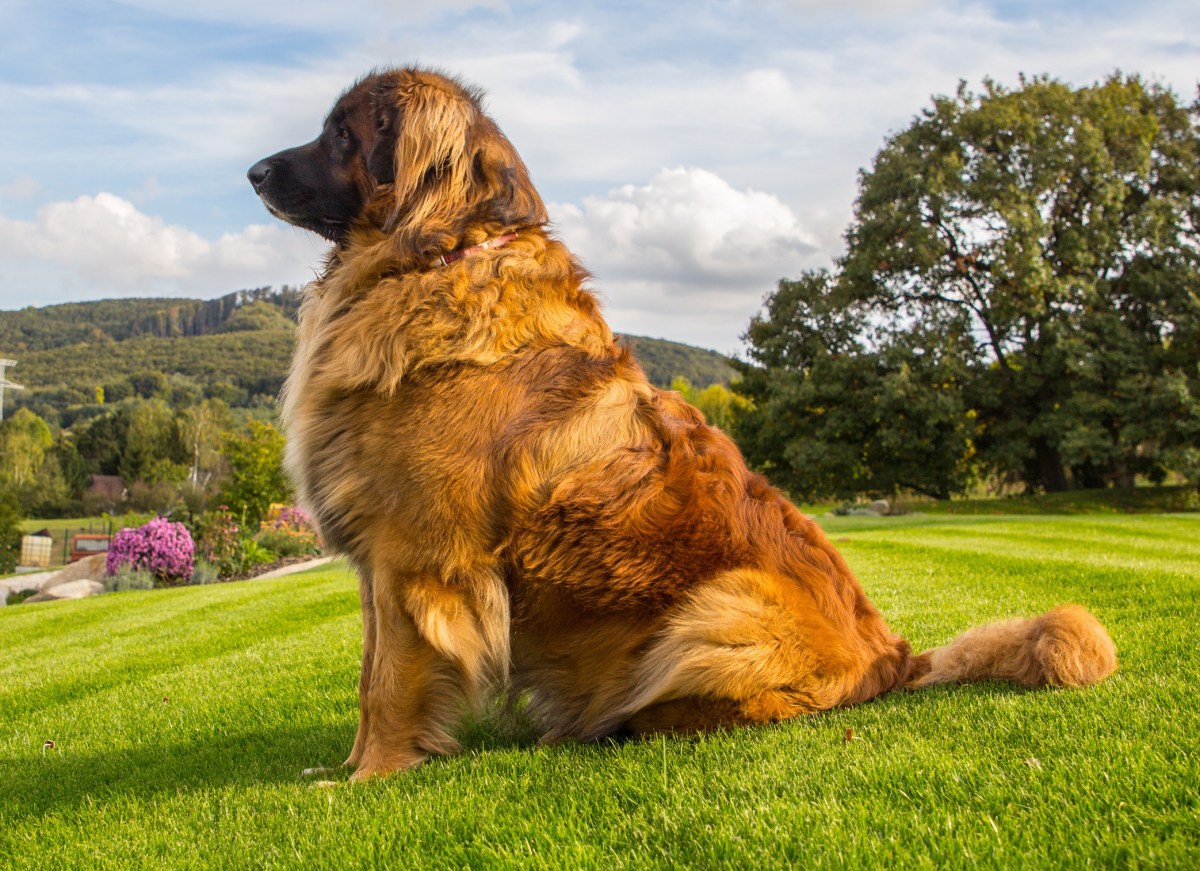
A professional content writer specializing in animal healthcare and veterinary topics by the name of Emma Johnson contacted me about publishing veterinary information on my Leonberger blog, which I am certainly happy to assist with. Check out her article below. The article is focused on grooming and how to control shedding. Emma did all the writing I added pictures of our Leonberger, and photos provided by friends as well as a few Leonberger stock photos.
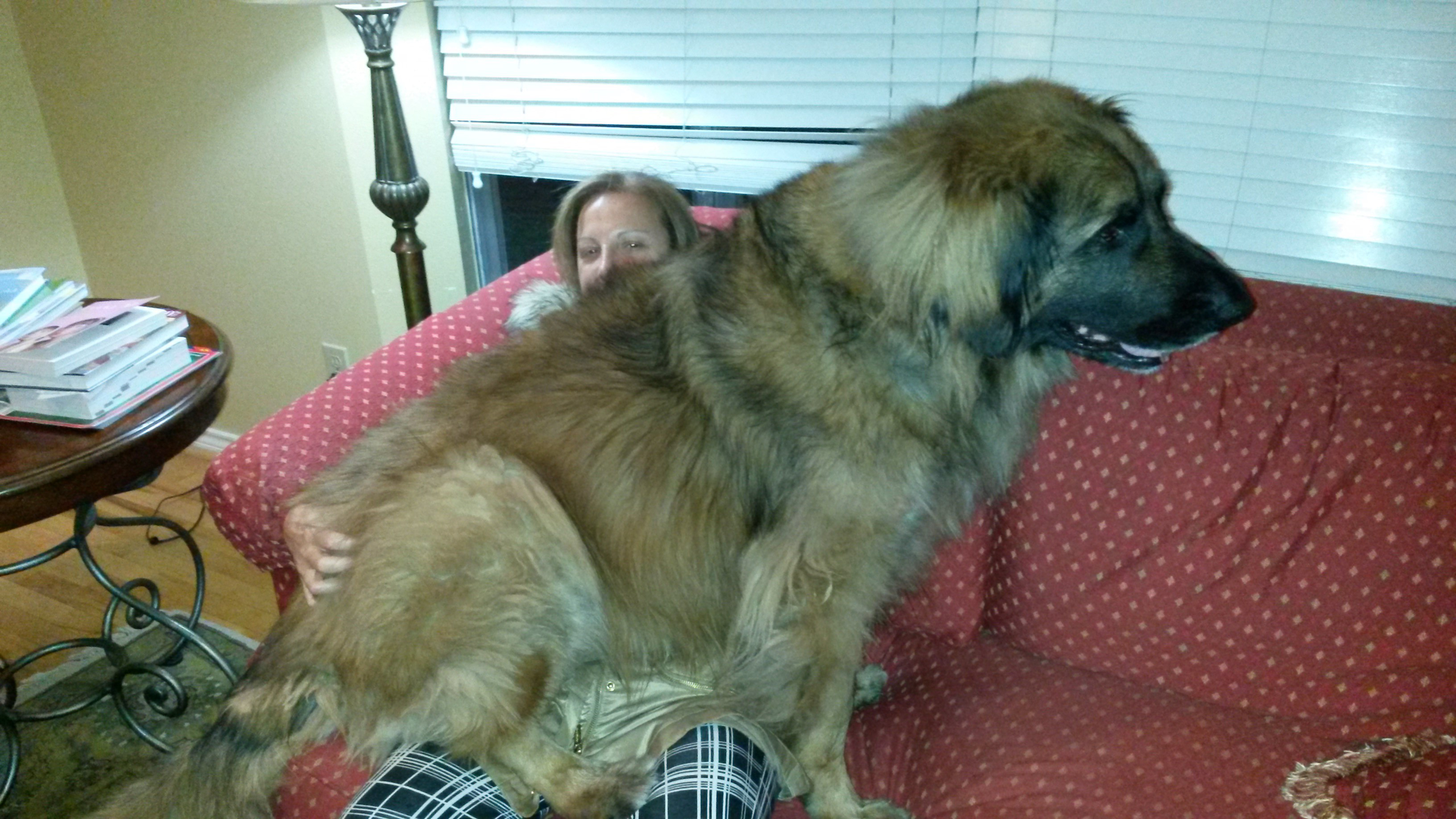
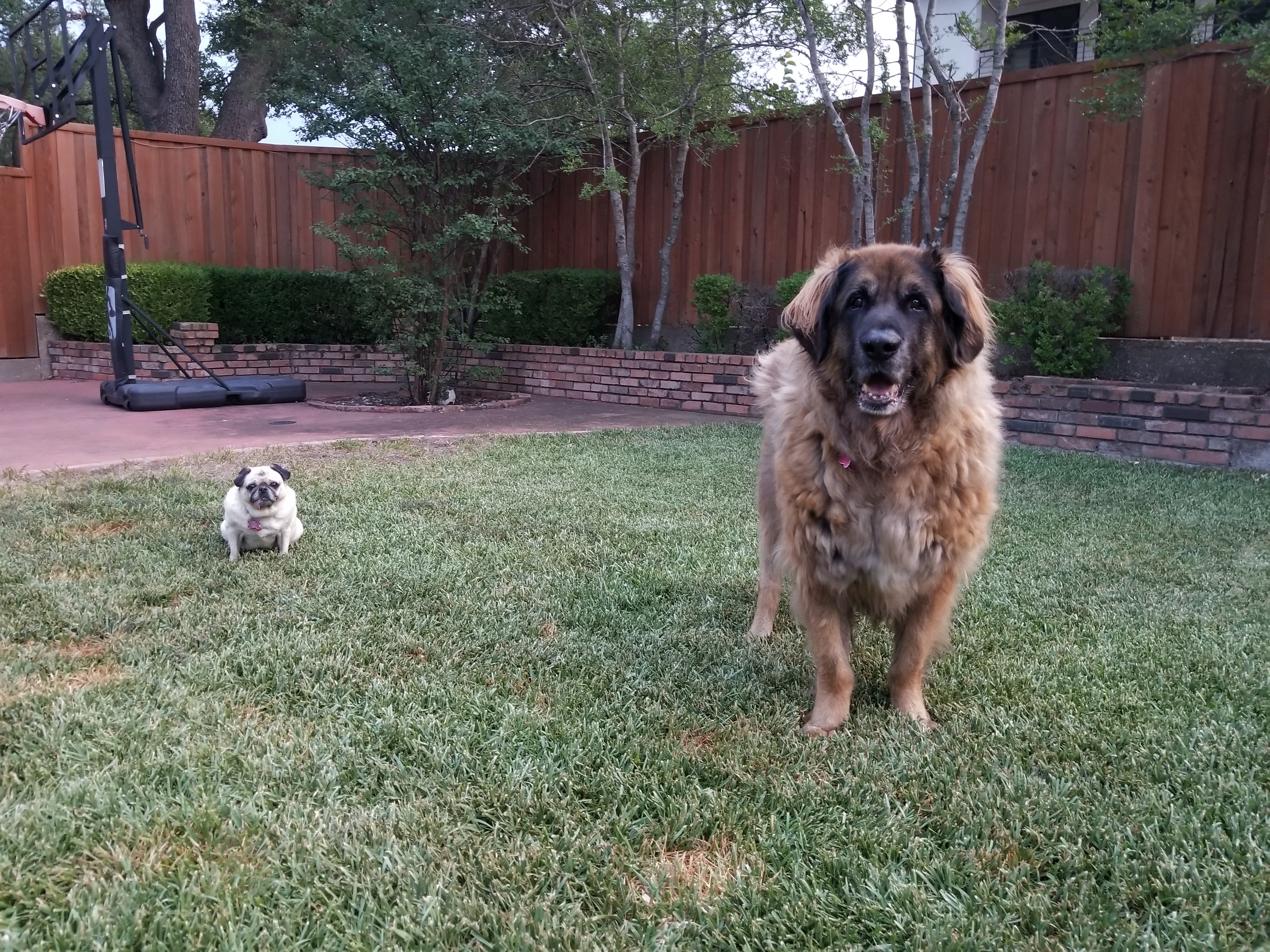
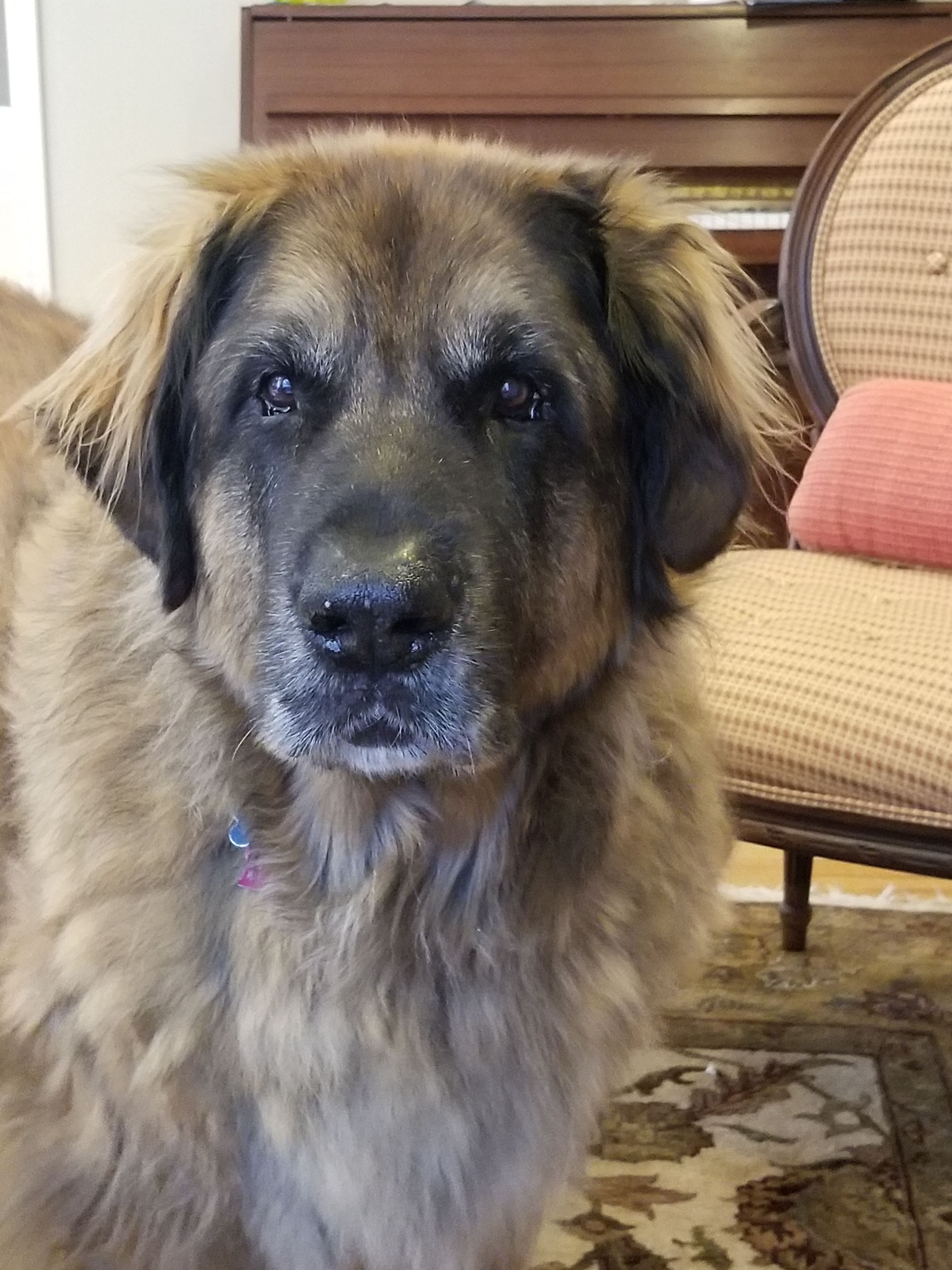
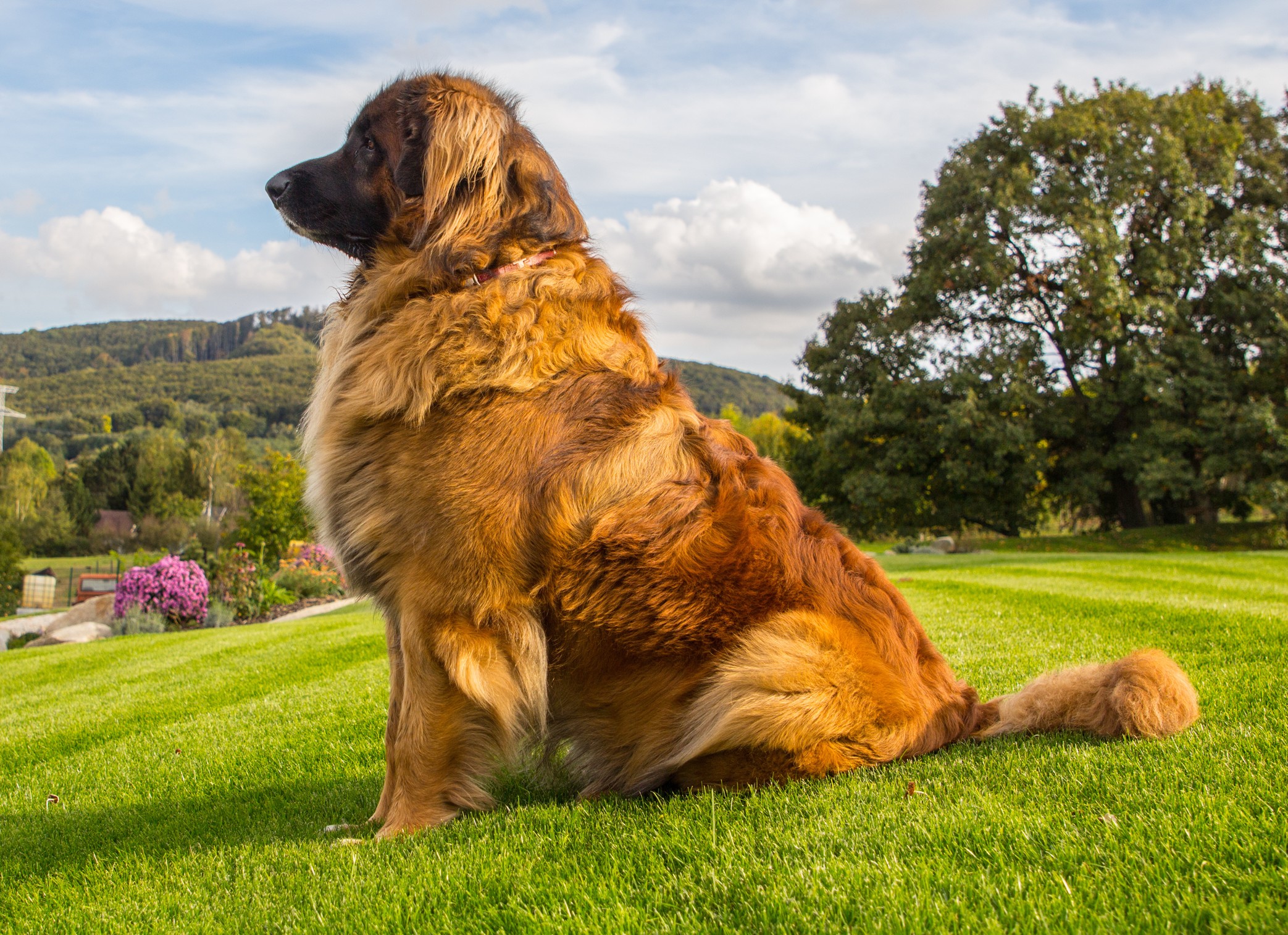
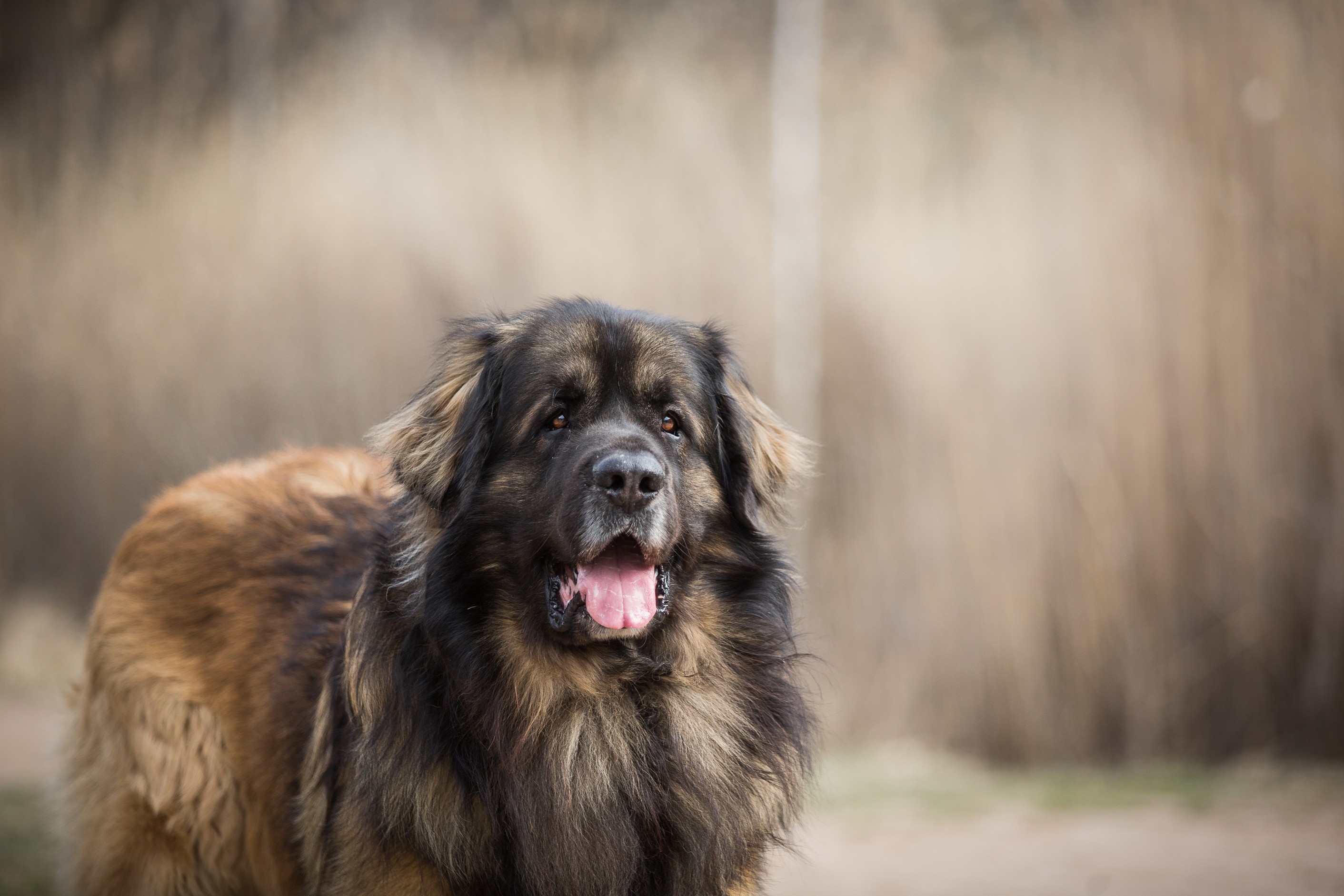
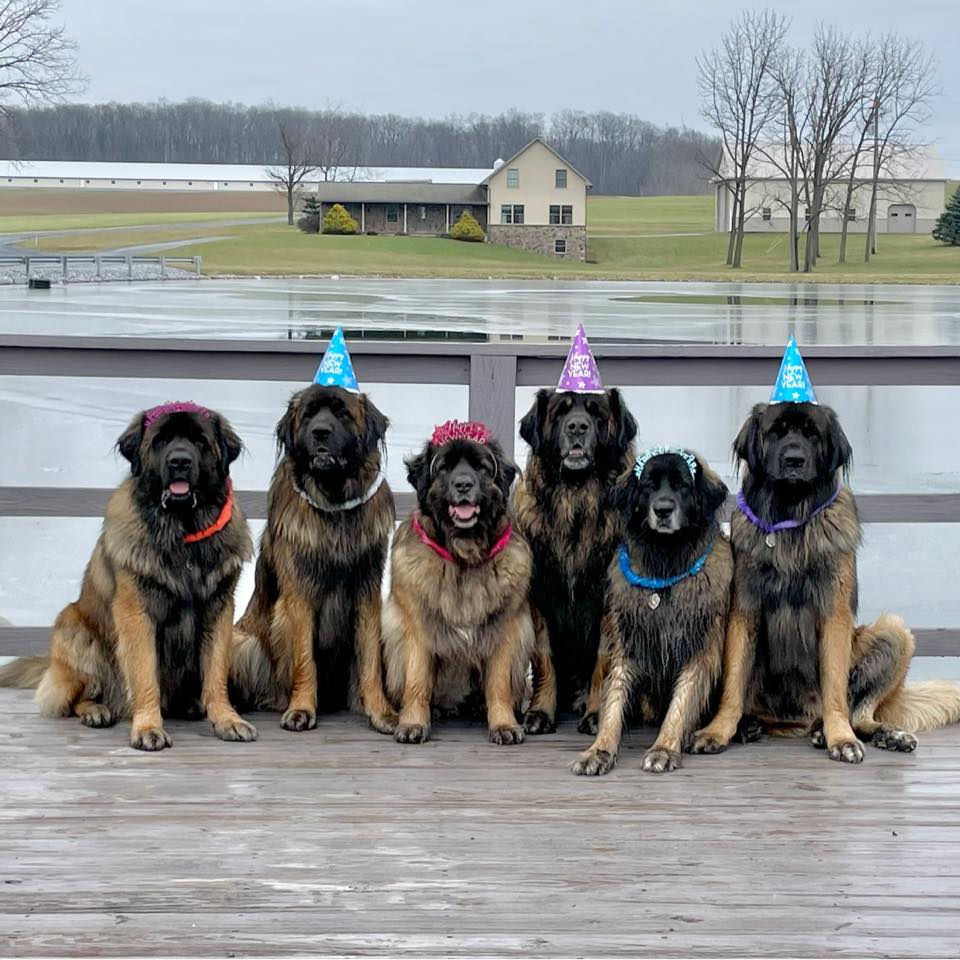
This photo tile includes three photos of our Leonberger Bronco. In one photo he is sitting in my wife’s lap, another photo is of our Pug Daisy and our Leonberger Bronco, and finally a photo of Bronco’s face. There is also a photo of six Leonbergers celebrating a birthday. That photo was taken by a friend Jen O’Keefe. Finally, there are two shutter stock photos ID:731020957 by Peter Josto and ID: 1957113277 by AnetaZabranska.
With these photos I wanted to illustrate that Leonbergers are big and furry.
Article by Emma Johnson
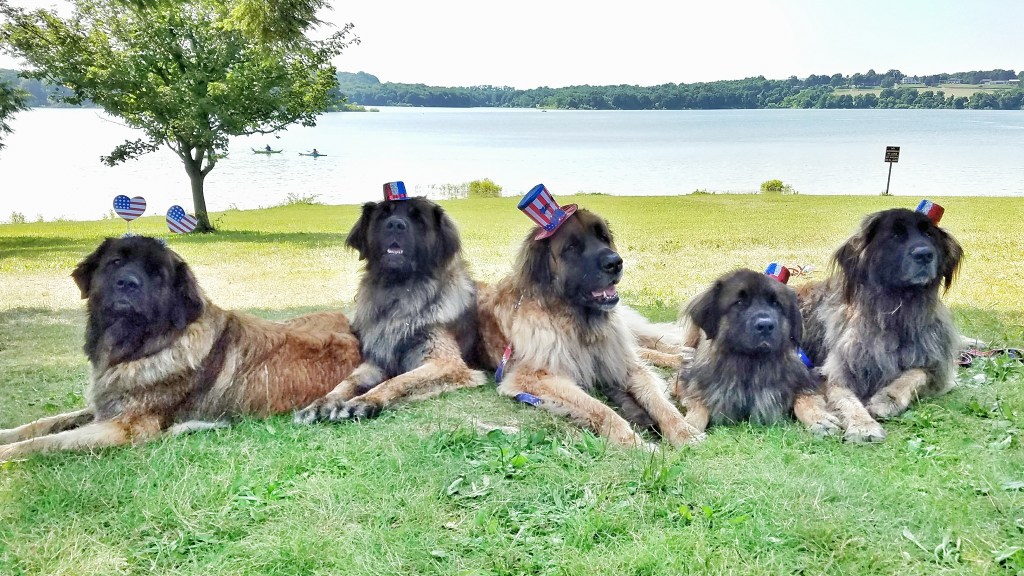
How to Control Leonberger Shedding: Grooming Tips That Actually Work
Living with a Leonberger means living with fur. It ends up on the couch, in the car, and sometimes floating through the house like tumbleweed. Many owners brush occasionally and hope the shedding slows down, but it rarely works that way. Leonbergers have one of the densest double coats in the dog world, and without the right grooming approach, loose fur quickly gets out of control.
The good news is that Leonberger shedding can be managed. With the right brushing tools, a consistent grooming routine, proper bathing habits, and good nutrition, you can dramatically reduce the amount of hair around your home.
Why Leonbergers Shed So Much?
Leonbergers were originally bred as working dogs in the mountains of Europe. Their coat had to protect them from cold weather, snow, rain, and harsh terrain. That protective coat is still part of the breed today.
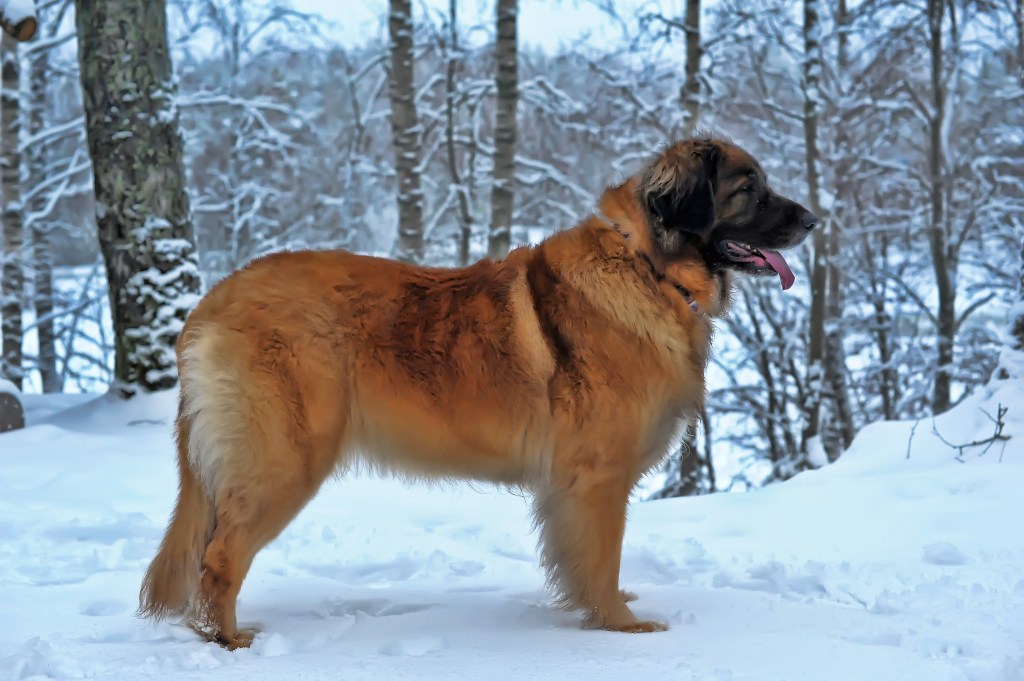
Because of this history, Leonbergers grow a thick double coat designed for insulation. The outer layer protects against moisture and dirt, while the inner coat traps warmth. When temperatures change, that undercoat naturally sheds to adjust to the environment.
This means shedding is not a problem you can eliminate. The goal is to manage it effectively so loose fur doesn’t build up in the coat or around the house.
The Double Coat
Leonbergers are not the only dogs with protective double coats. Other large working breeds such as the Newfoundland, Saint Bernard, and Great Pyrenees were also developed for cold climates and demanding outdoor work. These breeds rely on dense insulating undercoats that protect them from harsh weather.
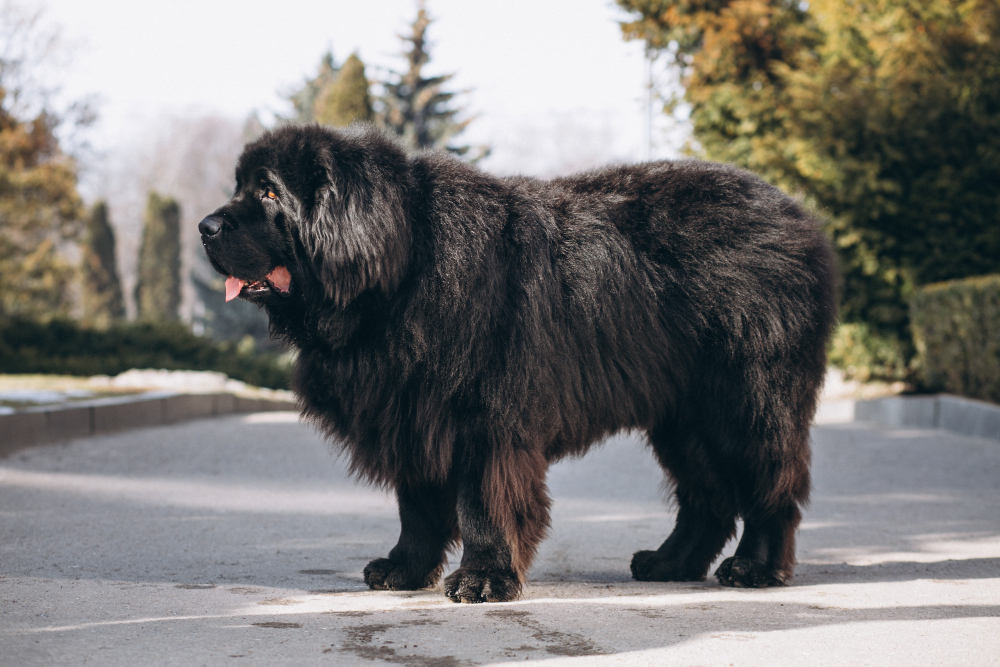
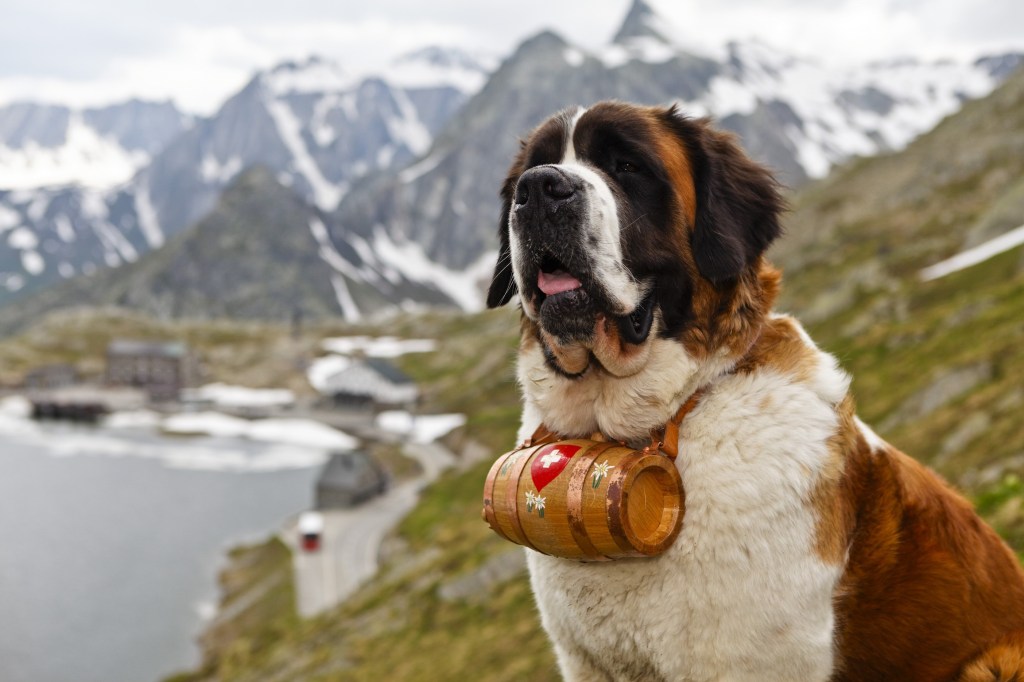
However, not all working breeds have coats this heavy. Dogs like the Belgian Malinois also have a double coat, but it is much shorter and lighter. Because of that difference, Malinois owners typically deal with far less grooming and undercoat buildup compared with Leonberger owners.
Seasonal Shedding Cycles in Leonbergers
Leonbergers shed year-round, but the most intense shedding happens during seasonal transitions.
Most Leonbergers experience two major shedding periods:
- Spring coat blow: The thick winter undercoat sheds to prepare for warmer temperatures.
- Fall coat change: The dog grows a thicker coat again for colder weather.
During these periods, owners often notice large clumps of fur coming out during brushing. This is completely normal and is often referred to as coat blow season.
These cycles can last three to six weeks, depending on climate and individual genetics.
How Often Should You Groom a Leonberger?
Many owners underestimate how often this breed needs grooming.
For most Leonbergers:
- Brushing: 3–4 times per week
- Heavy shedding seasons: Daily brushing
- Bathing: Every 6–8 weeks
- Full coat maintenance: Weekly
Regular grooming prevents loose fur from collecting in the undercoat and spreading through your home.
Consistency is more important than long grooming sessions. Ten minutes of brushing several times a week is often more effective than one long session once a month.
The Best Brushes and Grooming Tools for Leonberger Shedding
The right grooming tools make a major difference. Leonbergers have dense coats, and basic brushes often cannot reach the undercoat.
The most useful grooming tools include:
- Slicker brushes
- Undercoat rakes
- Deshedding tools
- Wide-tooth combs
Each tool serves a specific purpose in removing loose fur while protecting the coat structure.
Using the wrong tools can break guard hairs or irritate the skin.
Slicker Brushes vs. Undercoat Rakes
Both tools are essential, but they serve different roles.
Slicker Brushes
Slicker brushes have fine wire bristles that remove surface tangles and loose hair from the outer coat. However, slicker brushes alone cannot reach the deeper undercoat.
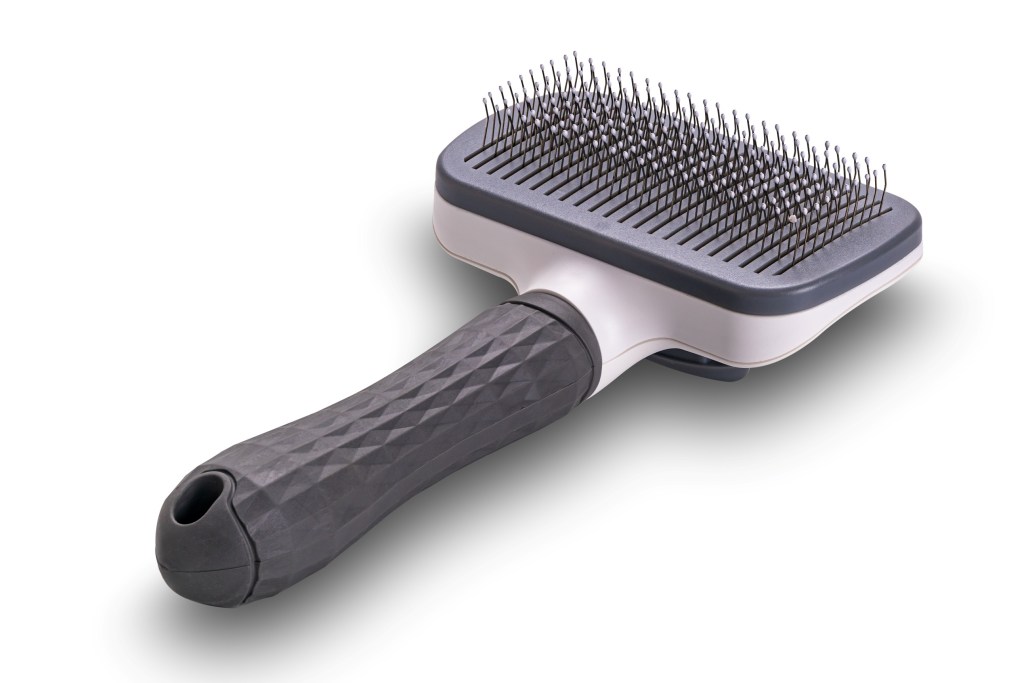
Undercoat Rakes
Undercoat rakes are designed with longer teeth that penetrate through the outer coat. Using both tools together creates a balanced grooming routine.
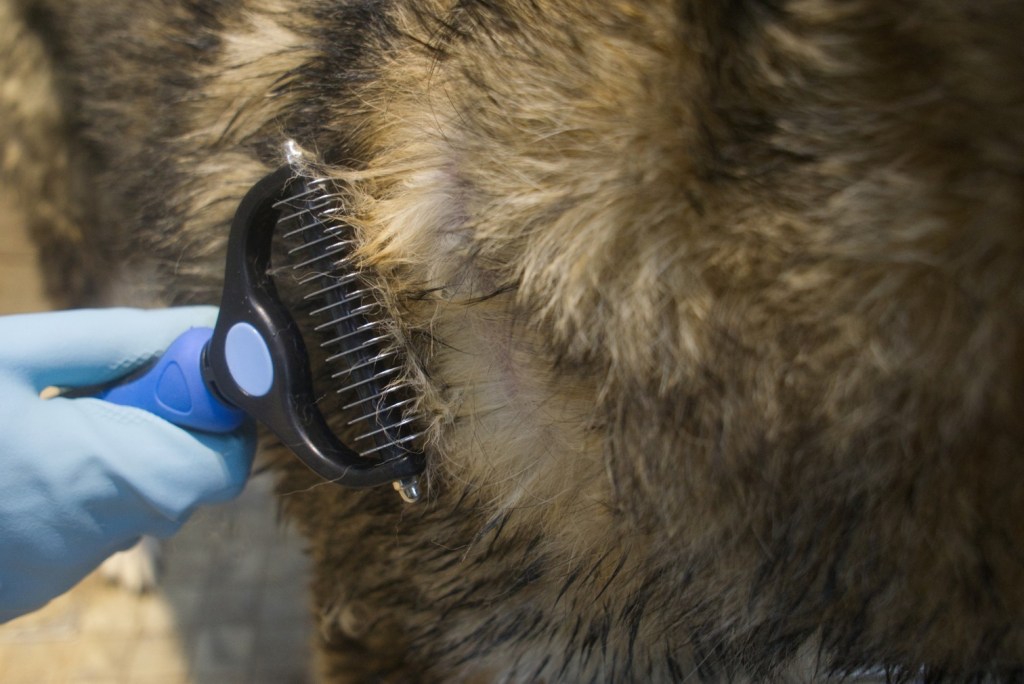
Deshedding Tools That Work Best
Deshedding tools are especially useful during coat blow season.
These tools are designed to gently remove loose undercoat without cutting or damaging the outer coat.
When used correctly, deshedding tools can remove large amounts of loose fur in a single session.
However, they should not be overused. Excessive use can thin the coat too much and affect its natural insulation.
Most owners find that using a deshedding tool once per week during heavy shedding periods works well.
Step-by-Step Brushing Routine to Reduce Excess Fur
A structured brushing routine helps remove fur efficiently without stressing the dog.
Step 1: Work through the coat slowly, focusing on areas where undercoat builds up, such as behind the ears, chest, and hind legs.
Step 2: After loosening undercoat hair, switch to a slicker brush to remove remaining loose fur.
Step 3: Leonbergers commonly develop tangles around the neck, tail base, and legs.
Step 4: A wide-tooth comb helps confirm the coat is fully detangled.
This routine typically takes 15–25 minutes depending on coat condition.
Bathing Your Leonberger the Right Way to Control Shedding
Bathing plays a bigger role in shedding control than many owners realize.
Warm water and shampoo help loosen dead undercoat fur, making it easier to remove during brushing.
However, bathing too often can strip natural oils and cause dry skin.
How Often Should You Bathe Them?
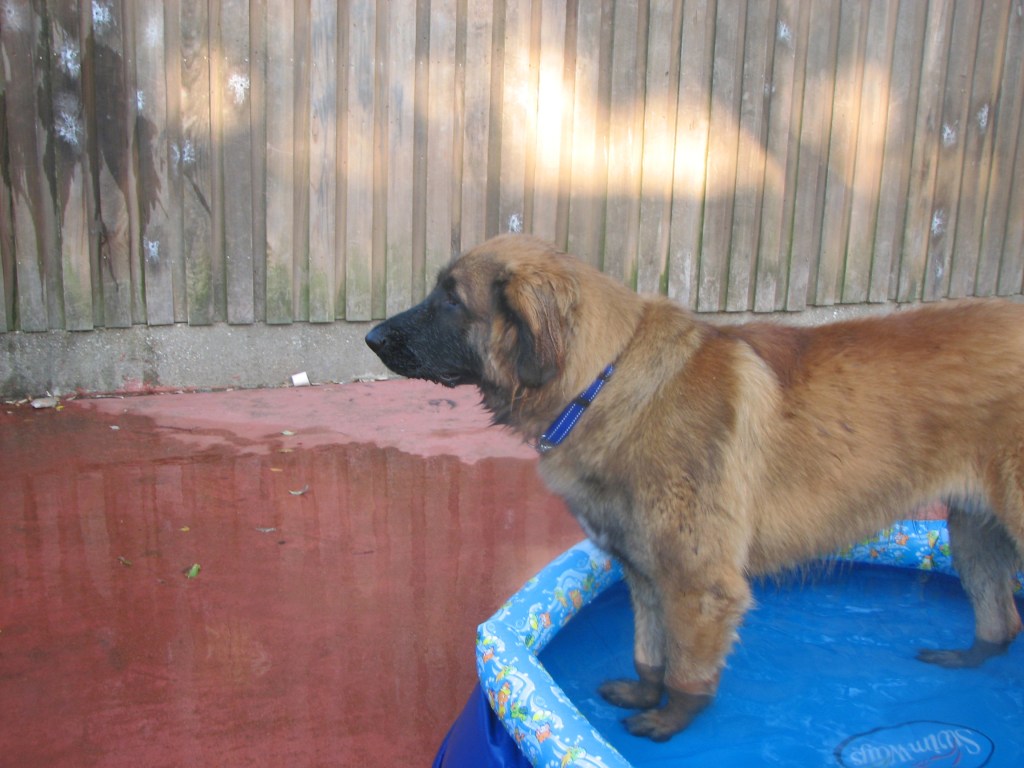
Most Leonbergers do well with a bath every 6 to 8 weeks.
More frequent bathing may be needed if the dog spends a lot of time outdoors or swimming.
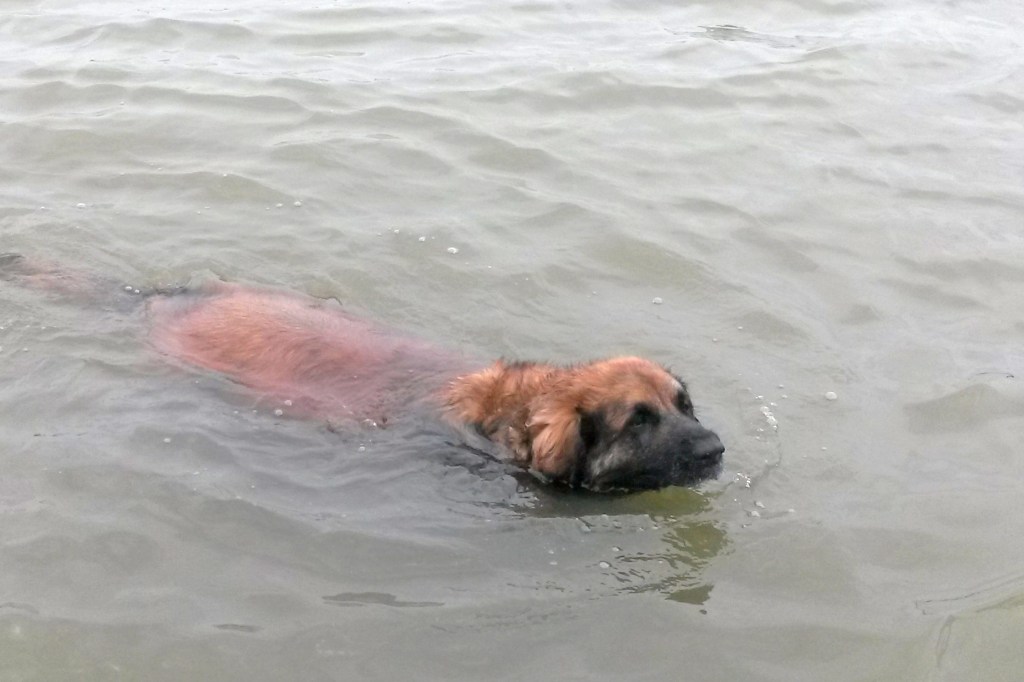
After bathing, always dry the coat thoroughly and brush again. Wet undercoat can trap loose hair and lead to matting if left unmanaged.
Nutrition’s Role in Reducing Shedding
Coat health begins with nutrition.
Dogs that lack essential nutrients often develop dry skin, brittle fur, and excessive shedding.
A high-quality diet rich in protein and healthy fats supports stronger hair growth and healthier skin.
Ingredients that help maintain coat quality include:
- Omega-3 fatty acids
- Omega-6 fatty acids
- Zinc
- Biotin
For older dogs, switching to a specialized diet such as senior dog food can also support coat condition as metabolism changes with age.
Veterinary research presented at events like veterinary conferences 2026 has increasingly emphasized how diet influences skin and coat health in large working breeds.
Extra Grooming Steps During Heavy Shedding
During peak shedding periods, increase grooming frequency.
Helpful strategies include:
- Daily brushing sessions
- Weekly deshedding treatments
- Bathing followed by thorough brushing
- Using high-velocity dryers to loosen undercoat
Many professional groomers use forced-air dryers to blow out loose undercoats after a bath. This method can remove large volumes of fur quickly.
When to Seek Help From a Professional Groomer
Some Leonberger coats become too dense or matted for home grooming alone.
Professional groomers have specialized tools and equipment designed for heavy-coated breeds.
A professional grooming session may include:
- Undercoat removal
- Deep coat brushing
- Coat blowout drying
- Sanitary trimming
Many owners schedule professional grooming every 3 to 4 months to keep the coat manageable.
If brushing becomes difficult or mats begin forming regularly, it may be time to involve a groomer.
Final Thoughts
Leonberger shedding is intense, but it does not have to overwhelm your home.With the right grooming tools, a consistent brushing routine, proper bathing habits, and strong nutrition, you can keep loose fur under control and maintain a healthy coat.
The key is consistency. When grooming becomes part of your weekly routine, shedding becomes far more manageable.
Leonbergers will always shed. But with the right care, that shedding becomes something you can handle without constantly battling fur around the house.
Another article by Emma Johnson is Leonberger Health Issues – A Veterinarian’s Guide to Preventive Medicine.
 Leonberger Life