
A veterinary by the name Amelia Baker contacted me about publishing diet tips for Leonbergers on my Leonberger blog, and I said yes. So, this is a guest blog. She is not selling anything. It is just her way of trying to improve the diet of Leonbergers. As some of you know, Leonbergers are big, but we succeeded in overfeeding him anyway at one point. Our Leonberger Bronco was 167lbs and we needed to get him back down to 140lbs, his idea weight, and that was not easy. Check out her article below.


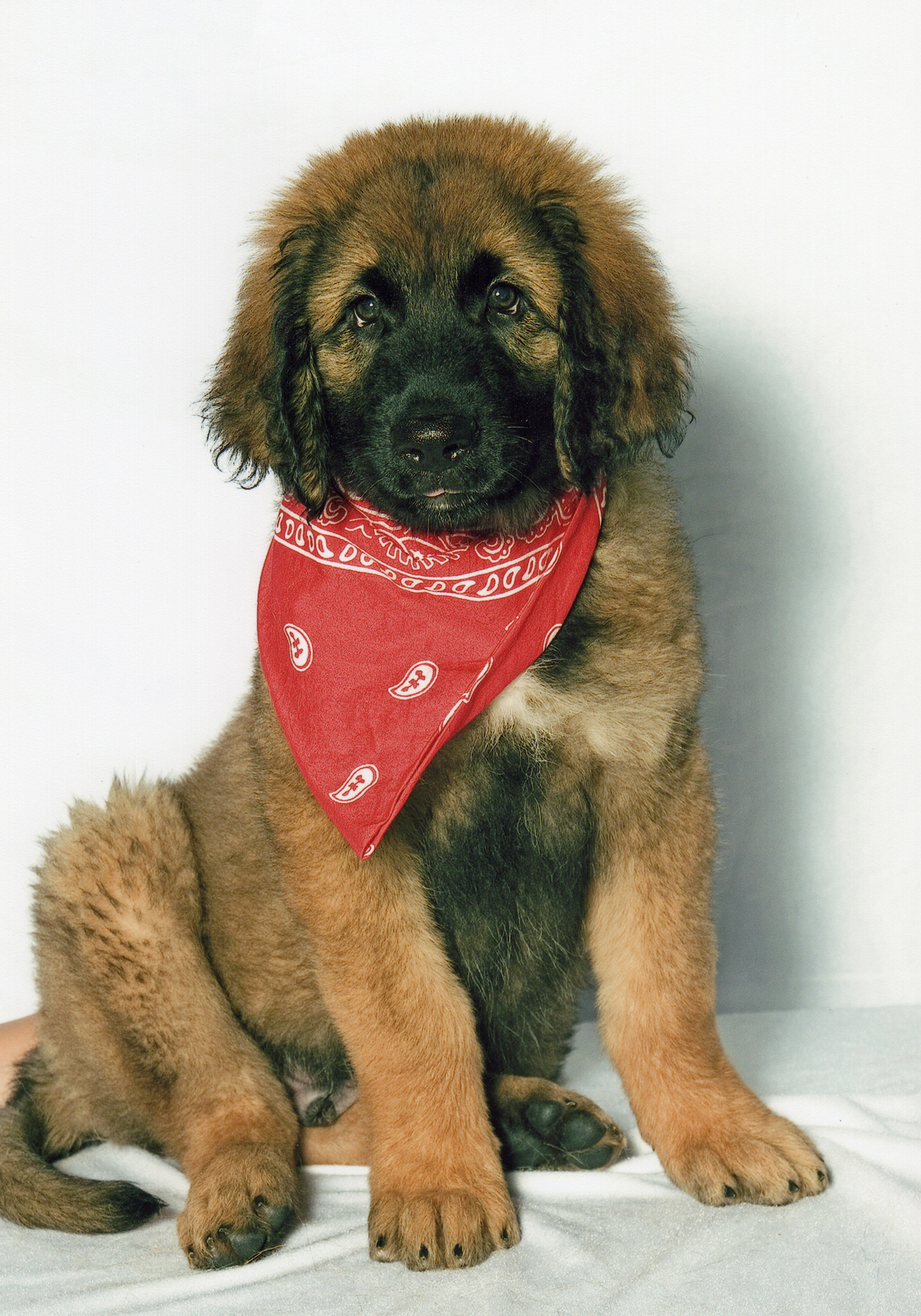
This photo tile includes a photo of our Leonberger Bronco when he was three months old, a friend’s funny Leonberger photo (by Jen O’Keefe) and a shutter stock photo of ten Leonberger puppies with mama Shutterstock-ID: 561107650 by Akbudak Rimma.
Article by Amelia Baker
Vet-Approved Leonberger Diet Tips for Puppies, Adults & Seniors
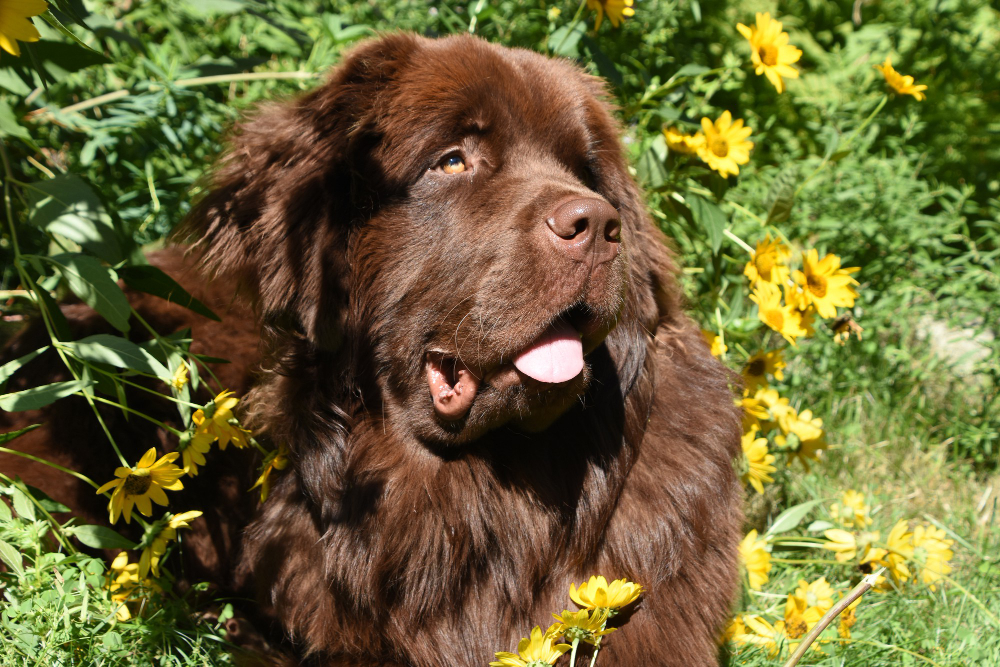


Get essential Leonberger diet advice from vets. Find out what to feed Leonberger puppies, adults, and seniors to support strong joints and a healthy weight.
In this article, we’ll discuss Leonberger diet tips for puppies, adults, and seniors, address common health concerns, and offer practical feeding strategies. There is a gracious reserve to the Leonberger, the sort of dog that will not beg for attention but will not be denied it.
With their monumental height, sensitive eyes, and calmness, they bring comfort to families and respect to any clinic that understands how to treat them. But size, as we are used to, has its drawbacks.
For Leonbergers, much of that baggage manifests in joints, stomachs, and pounds. Their dietary needs are not just special; they’re critical. As a veterinarian, it is our duty to create nutrition not just for their size but also for the Leonberger’s life stage, health risks, and individual metabolic quirks.
So, let’s explore a few veterinarian-recommended Leonberger diet tips one by one.
Feeding Leonberger Puppies
A Leonberger puppy may look like a bear cub in a dog suit, but inside that fluff is a musculoskeletal system working overtime to keep up with its own growth. Veterinarians can see it happen too often: pet parents overfeed because they think a big dog means more food.
But with Leonbergers, slow feeding is always a good option. Undoubtedly, fast feeding to a Leonberger is a one-way ticket to early-onset hip dysplasia and elbow instability.
Leonberger Diet Tips And Guidelines
- Stick to large-breed puppy food only. It will maintain calcium and phosphorus levels to avoid uneven bone growth.
- Watch calories closely. Plan for consistent, not rapid, growth.
- Include DHA and omega-3 fatty acids to promote early brain development.
- Take 3 to 4 small meals daily for six months and taper off to twice a day by 12 months.
- Skip supplements unless advised by a doctor. Too much calcium is as bad as too little.
The Leonberger diet for the puppy stage must sound more prescriptive than advisory. Don’t simply suggest a product; discuss why each ingredient is important, from joint maintenance to digestive protection.
Keep Up Feeding Adult Leonbergers Without Excess
By 18 to 24 months, most Leonbergers reach their adult size, and that’s when the feeding approach needs to shift from build to maintain. But diet balance isn’t as simple as it sounds, especially when you’re dealing with a breed that’s prone to weight gain, bloat, and early joint degeneration.
What to Focus On in Adult Leonbergers
Moderate fat and high-quality protein. Use lean meats like turkey and fish. Steer clear of fatty food items.
- Select joint-friendly foods that contain glucosamine, chondroitin, and omega-3s.
- Monitor portion sizes. Consider feeding guides by ideal weight, not actual weight.
- Don’t free-feed. Feed two times daily to reduce potential bloat.
- Supplement with digestive enzymes or probiotics if needed to improve digestion.
By this stage, Leonberger meals should have functional components, and thus, food now starts to act as a tool to avert aging-induced degeneration. Older Leonbergers may continue to have the temperament of a puppy but not the speed.
Rigidness in joints, loss of appetite, or the development of cognitive decline make nutrition the key to ensuring quality of life.
Diet Changes for Senior Leonberger
- Choose senior canine foods with low fat but high fiber.
- Add antioxidants (vitamins C and E) for immunity and neurological function.
- Add fish oil for inflammation purposes.
- Reduce the digestive load with soaked kibble or lightly cooked meals.
- Manage monthly and monitor accordingly.
For seniors, in particular, Leonberger dietary tips extend beyond food; they are about comfort, longevity, and not placing undue stress on aging systems.
Should You Suggest a Leonberger Raw Food Diet?
You’ve probably had clients ask about it. Raw feeding continues to gain popularity, particularly among owners of large-breed dogs. While there are some anecdotal benefits, the Leonberger raw food diet is only safe when meticulously balanced and well-planned.
Pros of Raw Diet for Leonberger
- Better coat condition
- Fewer processed ingredients
- Improved appetite in picky eaters
Cons and Cautions
- Nutritional imbalances without veterinary formulation
- Higher risk of bacterial contamination
- Inconsistent results in dogs with sensitive digestion
When your clients insist on a raw diet, refer them to commercially formulated, AAFCO-formulated (Association of American Feed Control Officials) raw foods or advise a veterinary nutritionist. Never let a giant breed test diet on its own.
Controlling the Risks Leonbergers Encounter
The proper diet not only nourishes a Leonberger, but it also guards them. These three conditions are the most diet-sensitive in the breed:
1. Joint Issues (Hip/Elbow Dysplasia)
- Start a joint-sensitive diet from the start (puppy stage).
- Achieve and sustain an ideal weight to reduce hip and elbow pressure.
- Recommend diets rich in glucosamine, MSM, and omega-3 fatty acids.
2. Gastric Dilatation-Volvulus (Bloat)
- Prevent single large meals.
- Use slow-feeding bowls or puzzle feeders, if needed.
- Do not feed before and after extreme exercise.
- Select kibbles with less fat content and no fermentation ingredients.
3. Obesity
- Preventing caloric overfeeding, even 10 additional pounds is a joint risk factor.
- Recommend calorie-restricted, high-protein/low-fat formulas.
- Add healthy, low-calorie treats such as carrots or green beans.
As a veterinarian, you’re Leonberger’s nutritional gatekeeper. Don’t just recommend a food bag; design a plan that aligns with Leonberger’s medical history, risk profile, and lifestyle. For veterinarians specializing in canine nutrition or offering breed-specific dietary consultations, being aware of market trends and vet-industry opportunities is crucial.
Platforms such as VetRep Finder assist professionals by uniting them with changing veterinary sales representative opportunities and enabling them to remain active with the tools and products that define veterinary care nationwide.
Whether therapeutic diets or supplements, remaining current works in the best interests of both your practice and your patients.
Conclusion
In practice, prescribing a Leonberger-specific diet is more than handing out a standard feeding sheet for the average dog. These gentle giants need expert, proactive nutritional planning from puppyhood to the golden age.
As a veterinarian, you can take direct control of longevity by influencing longevity, joint health, and digestive stability, all through diet.
If you’re enthusiastic about maintaining contact with veterinary sales careers or assisting in veterinary learning resources that influence clients and colleagues alike, VetRep Finder provides important avenues for professional development.
FAQs
How frequently should a Leonberger be fed?
Adults and senior dogs should be fed twice a day. Puppies might require 3 to 4 meals a day to avoid energy crashes and digestive stress.
What is the safest protein for Leonbergers with sensitivities?
Fish and turkey are quite well-digested and provide anti-inflammatory advantages. Steer clear of beef or lamb if you suffer from a history of gastrointestinal disease or skin allergy.
Are grain-free diets a good fit for Leonbergers?
Only when there is a medical symptom present are some grain-free diets associated with DCM, so always examine the whole nutrient picture and consult with a veterinary nutritionist.
 Leonberger Life