
I wanted to write a post about craft beer, but I realized that putting everything I wanted to say about craft beer into one post would make it a very long post. I am starting with a post about fruity beers, craft beers or otherwise.
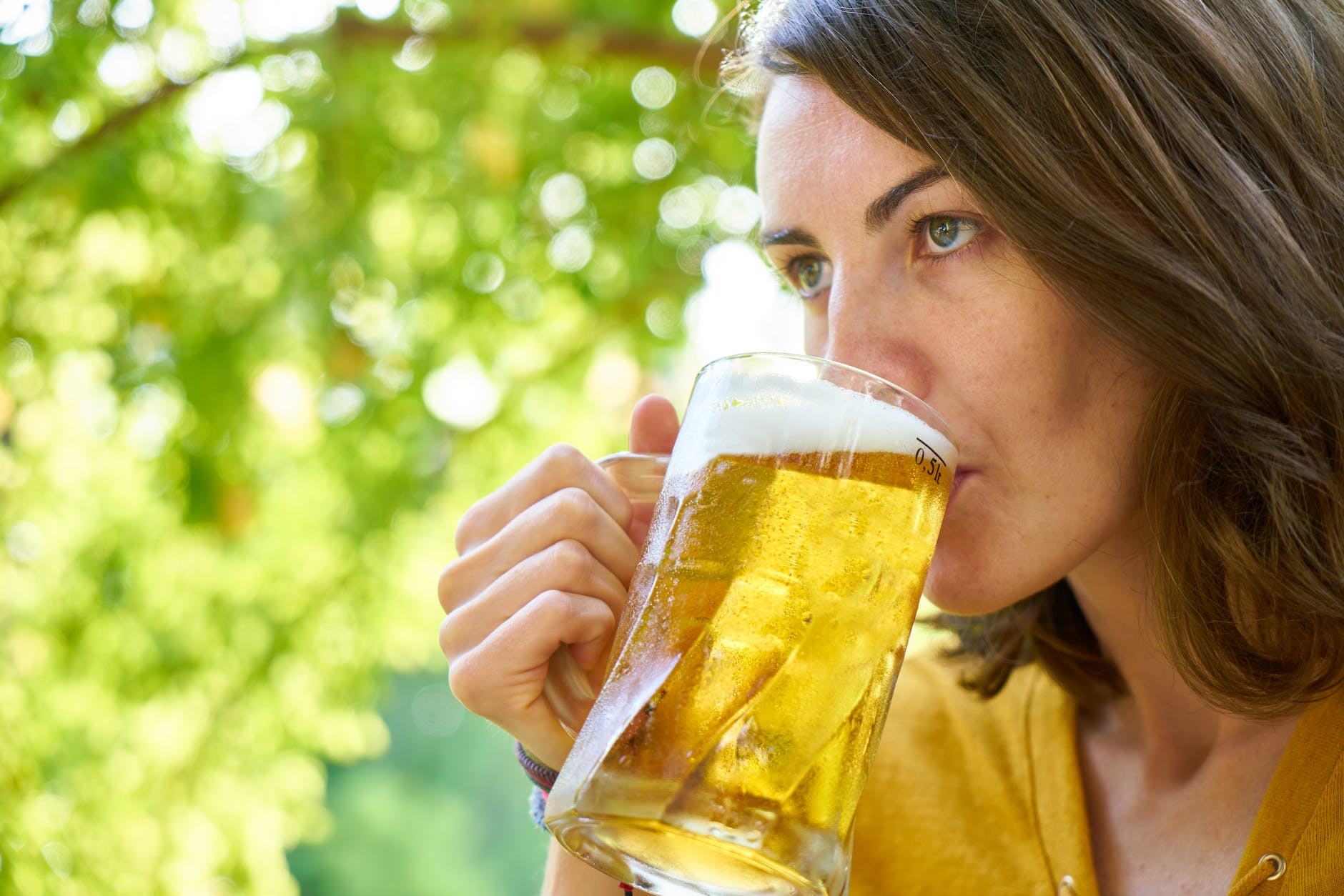
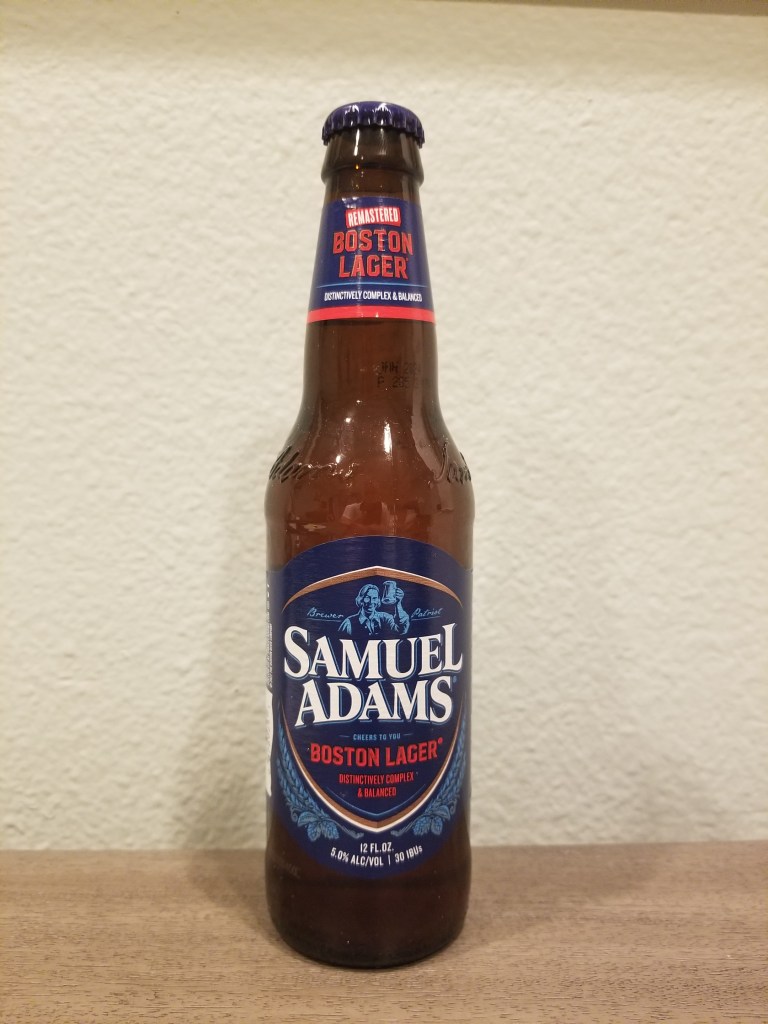
First a word about Lager beer. Lager beer is a relatively recent invention that originated in Bavaria. Lager beers use a special kind of yeast for the fermentation process, it is typically bottom fermented, and fermented and conditioned in cool temperatures, unlike other beer styles. Lager beers can be of many colors, pale, amber, dark, even black such as Schwarzbier. The Pale Lager originated in Pilsen in Bohemia (Western Czech Republic) in the mid-19th century. The pale lager has become the world’s most common beer style and bland tasting mass-produced pale lager beers dominate the market. In countries that are not traditional beer countries such as France, Italy, China, Japan and South America, the bland pale lager is very dominant. I’ve come across many people who think that the more tasteless the pale lager is, the better beer it is (Corona).

Many people believe that beer is the same thing as pale lagers. However, the beer advocate counted 120 beer styles (so far). I can add that some mass-produced American pale lagers, such as Budweiser, contain adjuncts, such as rice and maize, which is prohibited by the German Reinheitsgebot tradition. The Reinheitsgebot tradition states that the only ingredients allowed in beer are water, malt, hops, and yeast and for bottom fermented beer (lager) the malt must be malted barley only. Therefore, what many people think of as beer, well, it’s complicated.
Beers with fruity flavors
Pale lager beers aren’t associated with fruity flavors, which can lead to the incorrect impression that beer with fruity flavors isn’t real beer. However, beers with fruity flavors have a very long history, and many fruity beers, perhaps surprisingly to some, follow the German Reinheitsgebot tradition. In addition, many beers with fruity flavors are among the most celebrated beers in the world. There are many fruit Lambics (Belgium) that are sold for several hundred dollars per bottle. There are a number of ways to add fruit flavors to beer.
- Hops is a flower that is used as a flavoring and stability agent in beer. It has been used since at least the 9th century and is allowed/part of the Reinheitsgebot tradition. There are at least 147 hop varieties in the world, many of them having fruity flavors.
- The fermentation process frequently generates esters (in addition to alcohol), a compound responsible for the fruity aromas and flavors in fruit. The amount of fruitiness that you get depends on the yeast and the grain used. For example, German and Belgian wheat beers often have more or less prominent notes of banana or pear due to an ester called Isoamyl acetate, also known as isopentyl acetate. Belgian lambics (not fruit lambics), gueuze, red flanders, and oud bruin beer styles has tart and very fruity flavors without any fruit or fruit juice being added.
- The German Berliner Weisse, a wheat beer, gets its fruity and tart flavor from a bacterium. Traditionally no fruit is added. However, now a day it is very common to add fruit or fruit syrup to enhance the fruit flavor.
- Sometimes fruity flavors can to some degree be added by aging the beer in, for example, wine barrels, adding notes of wine or grapes.
- Naturally you can also add fruit, or fruit juice, to the fermentation process. This is not in accordance with the German Reinheitsgebot tradition but perfectly acceptable among beer connoisseurs. Many of the highest rated beers in the world are so called fruit lambics that have added fruit.
- There are other ways to add fruit flavors in beer but above are four very common ones.
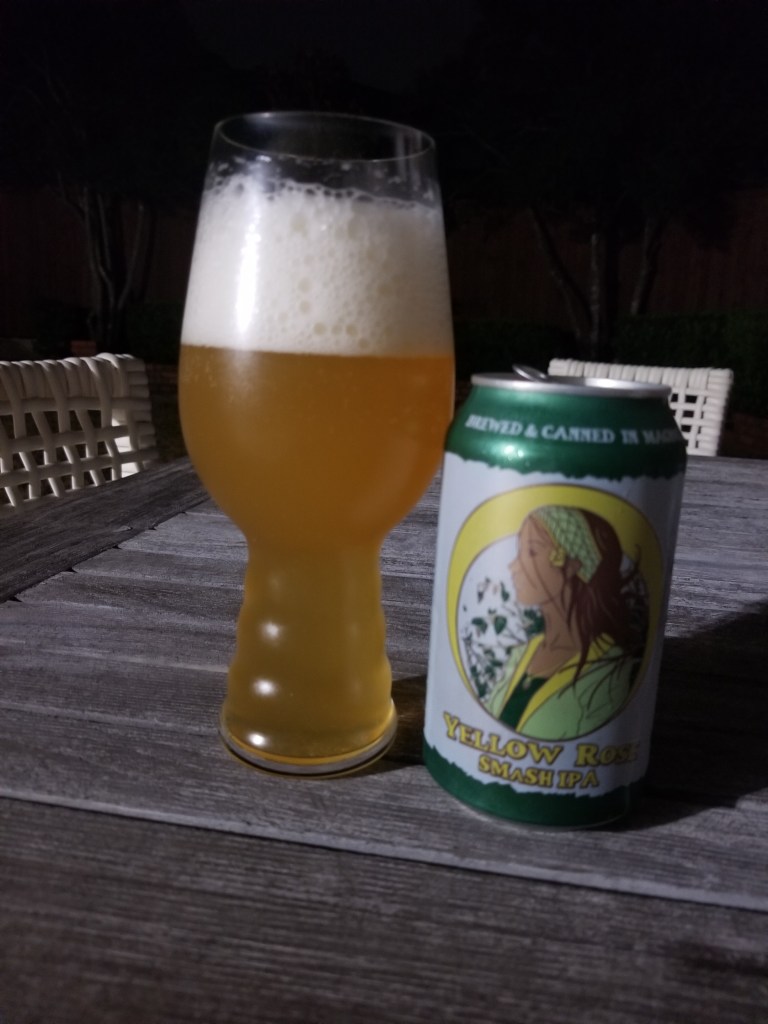
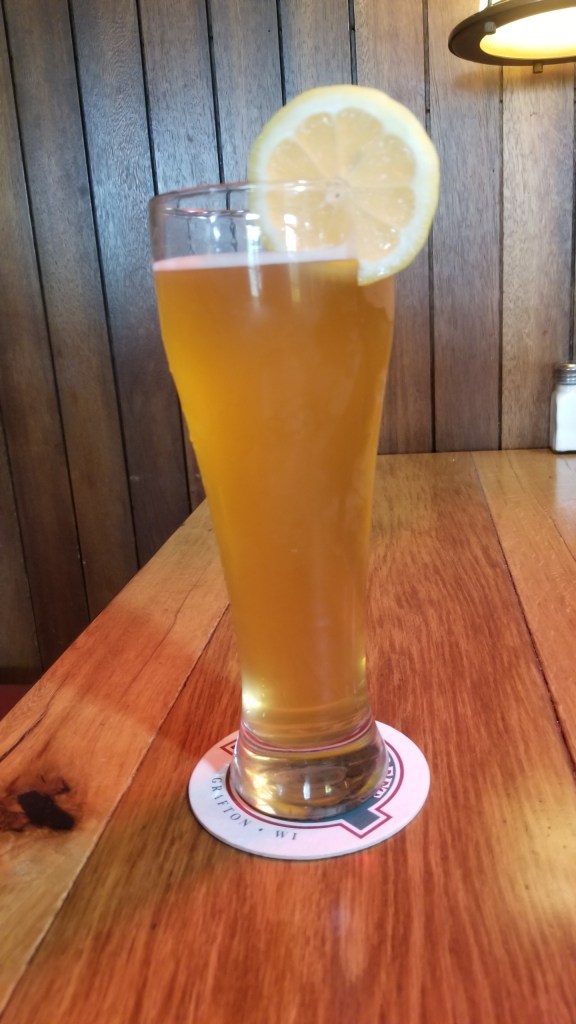
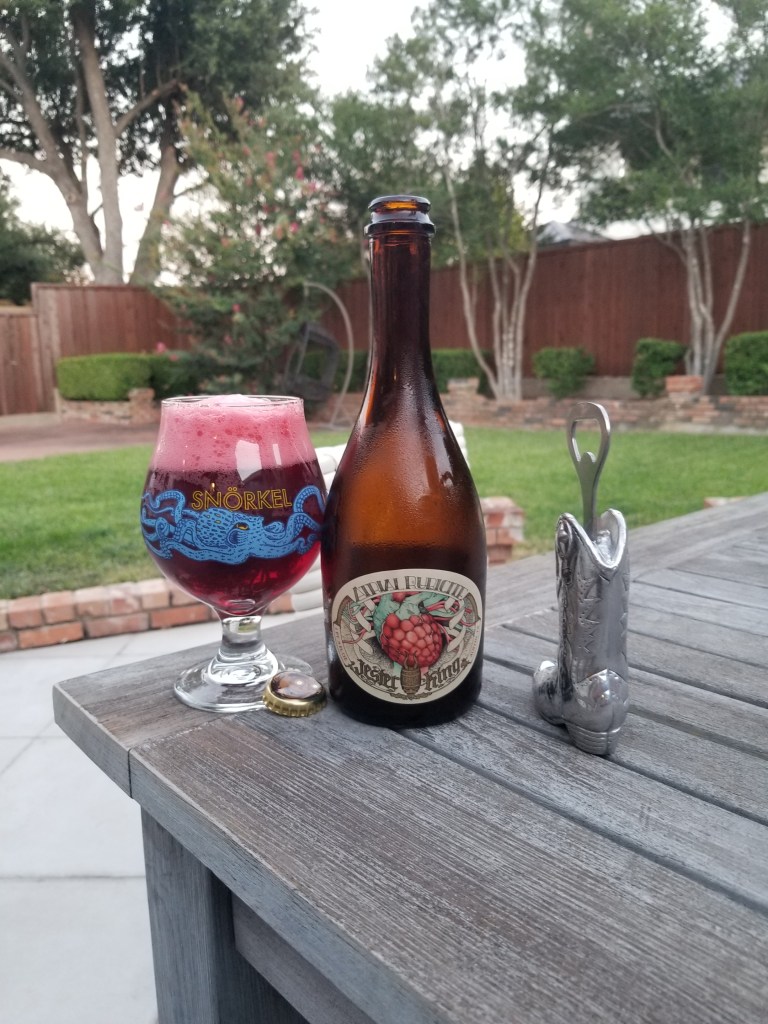
Below are some photos of beers with fruit flavors




 Leonberger Life
Whoa, I’ve never seen a beer that looks like Blue Dream!
LikeLiked by 1 person
I have to admit that is a quite unusual color for a beer, which makes me wonder if they added food coloring. I hope they didn’t.
LikeLiked by 1 person
I do need to add alcohol back into my life. It puts me to sleep (thank you, meds!) but maybe a light beer? What do you think?
LikeLiked by 1 person
Yes, beer makes me sleepy too. It didn’t use to but now it does. I am taking medication for high blood pressure, maybe that’s it. What I said about bland pale lagers was to point out that there is so much more to beer than that kind, so you should pick what you like. There are many styles that have low alcohol versions. In addition to light or alcohol free lagers, many lambics and geuze have low alcohol (fruity beers from Belgium), Berliner Weisse, Fruit and Field Beers are often low alcohol, low alcohol IPAs if you like the more bitter/fruity flavor, and there are Sessionable beers of many styles. Sessionable means low enough alcohol that you can drink it between work sessions / lunch without it effecting your work. It says Sessionable on the bottle/can. Having it at work and claiming that it is sessionable may not work in the US though, but I’ve seen the label here and bought sessionable beers many times. Avoid beers that say Double, Tripel, Quadruple, Imperial, Eisbock, whiskey barrel aged, that’s typically strong stuff.
LikeLiked by 1 person
A friend of mine from the Czech Republic (it was Czechoslovakia when she was left) was quite proud to say she came from the land that originated pilsner. I don’t drink often, but I find myself liking dark beer more these days. I couldn’t stand them when I was a kid.
LikeLiked by 1 person
Yes it changed the world of beer. I should say I like Pilsner, it is typically good beer, but the invention of pilsner / pale lagers led to massproduced bland lagers, which aren’t pilsner, and that has become the most common beer.
LikeLiked by 1 person
This was interesting, Thomas!
LikeLiked by 1 person
Thank you Kymber
LikeLiked by 1 person
Hi Thomas, admittedly, I do not drink beer. I don’t like the taste. This fruity beer actually sounds a bit better to me (grin). I enjoyed the details you shared. I included some information about the African beer making process in my micro read book, The Christmas Bird. It is because of that I recognise the term wort that you used in one of your comments.
LikeLiked by 1 person
I remember “Christmas Bird” and the description of making Umqonbothi, a low alcohol maize and sorghum beer. Umqonbothi is not (yet) listed as a beer style on beer advocate, but it should. As I checked I also noticed that the list of beer styles is now 120, so I have to update this post. The list keeps growing despite the fact that they have merged several styles the Farmhouse Ale styles and Saison have been merged into Saison, and they are not differentiating between Cold IPA and Brut IPA and white stouts from stouts (brown and black).
If you like fruitiness and don’t mind a little bit of tart a lambic might be for you. Lindemann’s lambics are easy to find and not very tart.
LikeLike
Hi Thomas, I thought the Zulu beer process was interesting. Most alcohol making processes interest me though – we visited a whiskey distillery in Scotland. Thanks for the recommendation, I’ll look out for this beer.
LikeLiked by 1 person
Yes I thought it was interesting. As you may know I brew at home but it is more traditional.
LikeLike
It is a great hobby to have. My new year’s resolution is no more hobbies so no brewing of beer for me – giggle!
LikeLiked by 1 person
Thank you Robbie. Yes it seems to me you are busy enough
LikeLike
Wow, what an informative post about beer, Thomas! I mentioned to you that I’m allergic to alcohol. I like the bitter taste of beer but I could only drink 1/8 of a glass before my eyes get puffy. Two friends (both guys are retired engineers) have entensive setup in their garages to make beer. I liked to take a sip of different kinds. My son-in-law grew hops and tried to make beer but the hops didn’t grow too well so he gave up.
LikeLiked by 1 person
Thank you so much Miriam. Yes I remember you telling me about your allergy. So you have to be careful. It is healthier anyway to skip alcohol. Growing hops is not easy. I have never tried. I think they would grow badly in Texas. However, you can buy hops online and brew at home.
LikeLiked by 1 person
They drink different things now, wine
LikeLiked by 1 person
and other alcohol occasionally
LikeLiked by 1 person
🍻
Wow, blue beer!
I used to like Mongozo banana beer, but I have not been able to buy any around here for quite a few years now ☹️
-✧✦☆❖◈❋✤☆✦-∞-♡-∞-✦☆✤❋◈❖☆✦✧-
LikeLiked by 1 person
That is interesting. I will try to find Mongozo banana beer.
LikeLiked by 1 person
First, great photos!
That raspberry Wild Ale intrigued me. And the blue beer. I haven’t seen anything like it in South Africa or Romanian.
The Corona is my kind of beer. And the apple cider.
LikeLiked by 1 person
The raspberry beer, Atrial Rubicite, surprises a lot of people. They think it will taste funny being raspberry beer, and they are really surprised how much they like it. It tastes more like raspberry juice but with a beer, slightly malty characteristic that makes it not juice but something more interesting. My wife and daughter are not beer drinkers, but they loved it, but so does beer connoisseurs. Definitely unique.
LikeLiked by 1 person
Thanks for the beer education! I’ll admit, it not my usual beverage, but in Germany, I was fond of Dortmunder Union Export Malt Liquor. Stronger than normal beer. I think it was a Pilsener, but they don’t make it any more. I’ve never tried fruity beer. Banana sounds interesting.
LikeLiked by 1 person
Could it be this one? It is a pilsner.
https://www.beeradvocate.com/beer/profile/2931/72599/
The banana notes in some of the Hefeweizen is great and goes well with the wheat, like banana bread
LikeLiked by 1 person
Yes, that’s the regular Dortmunder, but they also made a stronger version at one time.
https://www.ebay.ca/itm/175042079238
LikeLiked by 1 person
That is interesting. Thank you Debbie.
LikeLike