Designing a Stylish and Durable Dog Friendly Home

A professional content writer by the name of Ryan Goodchild contacted me about me posting an  article he had written on designing a stylish and durable dog friendly home. The title of the article is “How to Design a Stylish and Durable Dog-Friendly Home That Lasts”  it is below. Ryan wrote the article and I provided pictures.

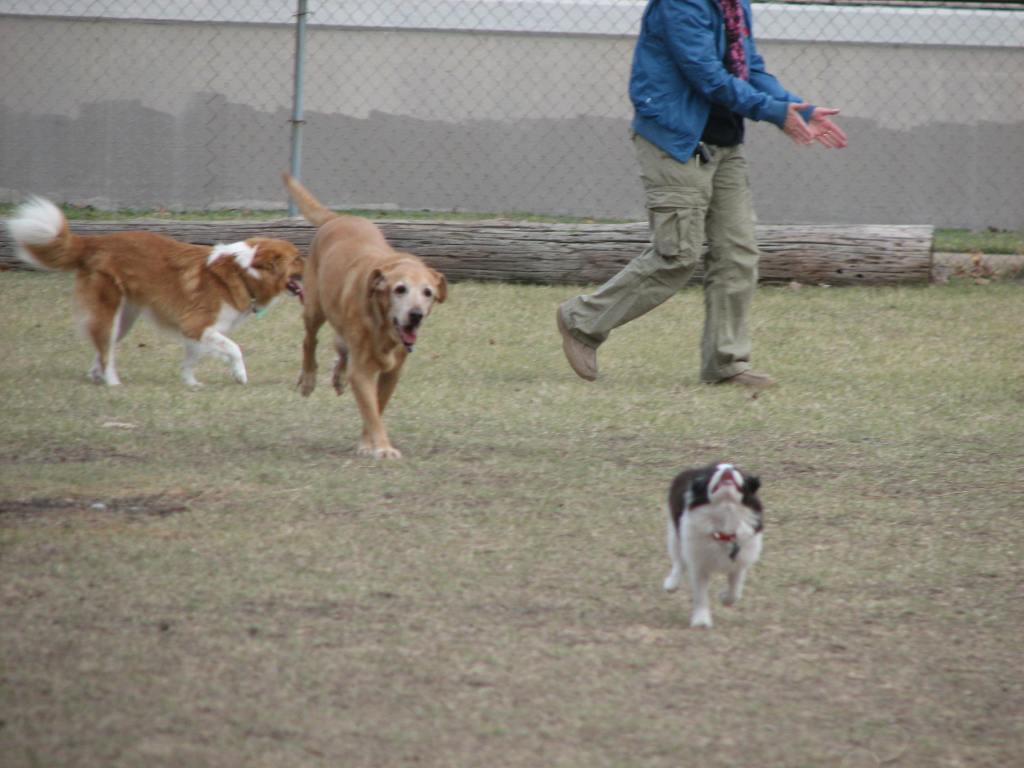
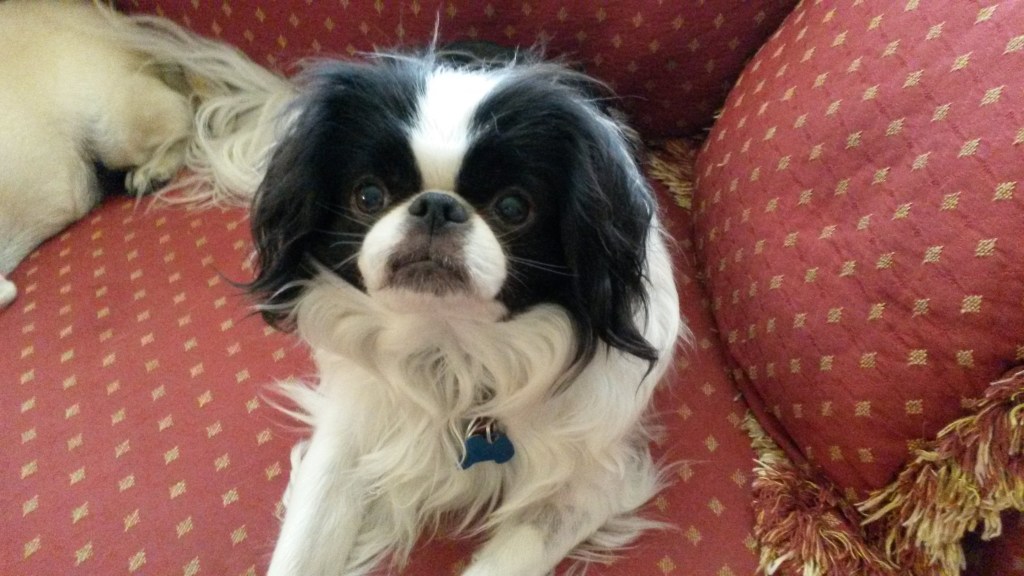
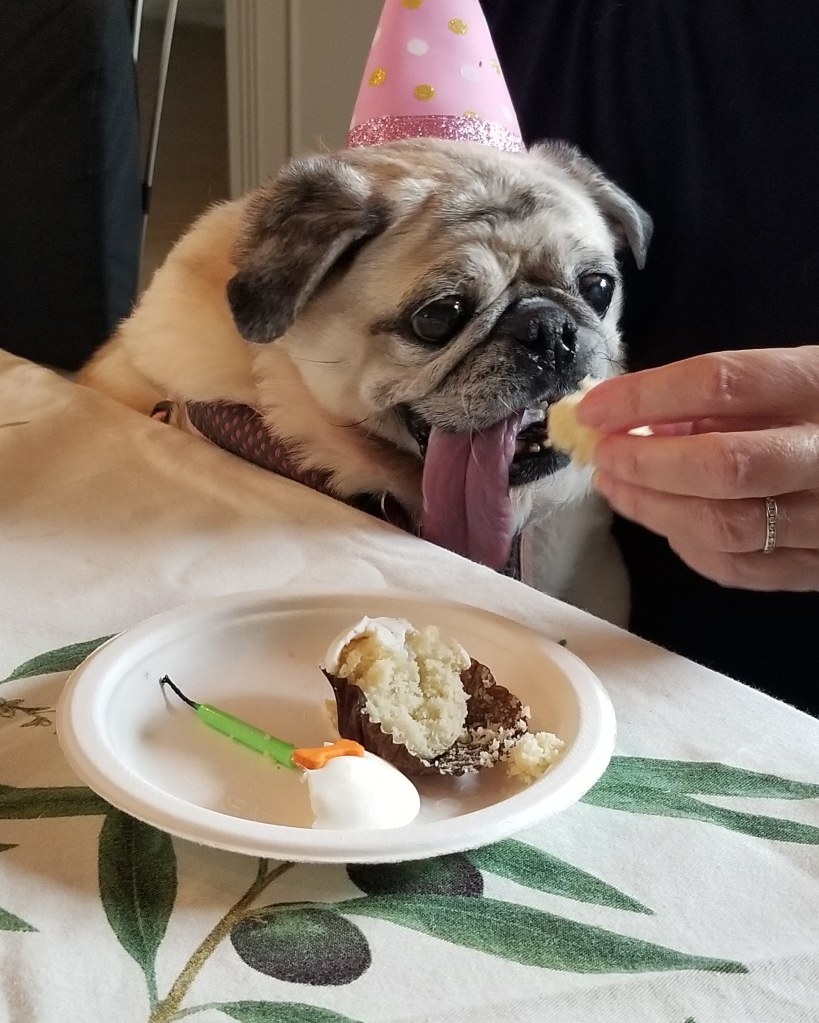
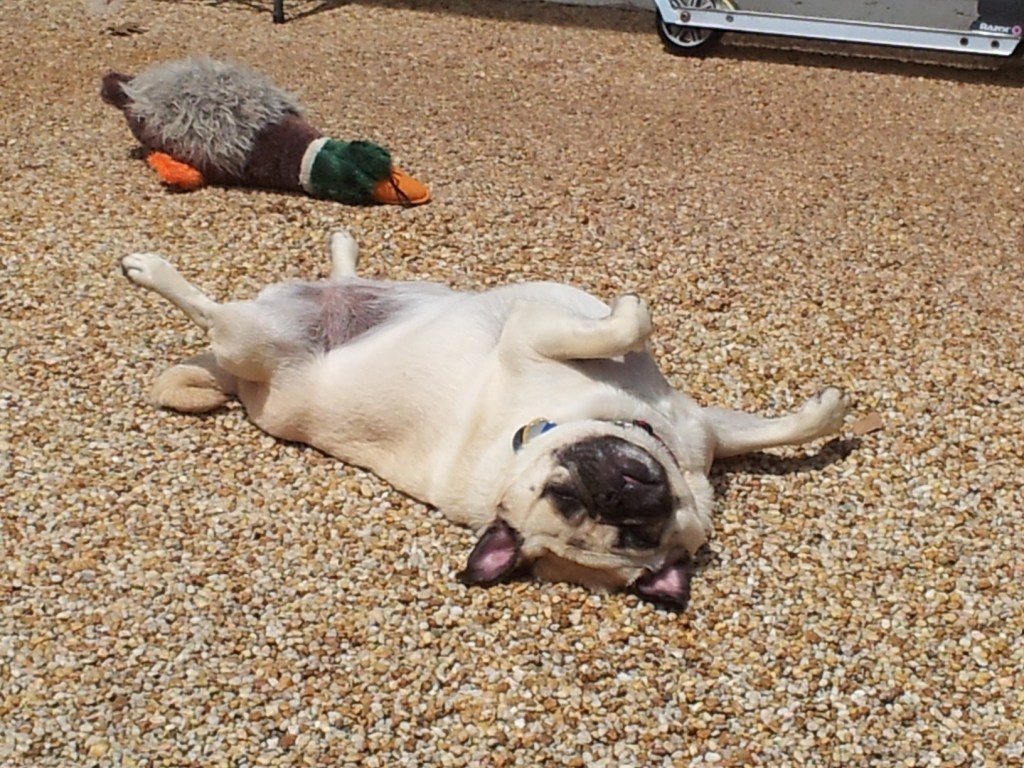
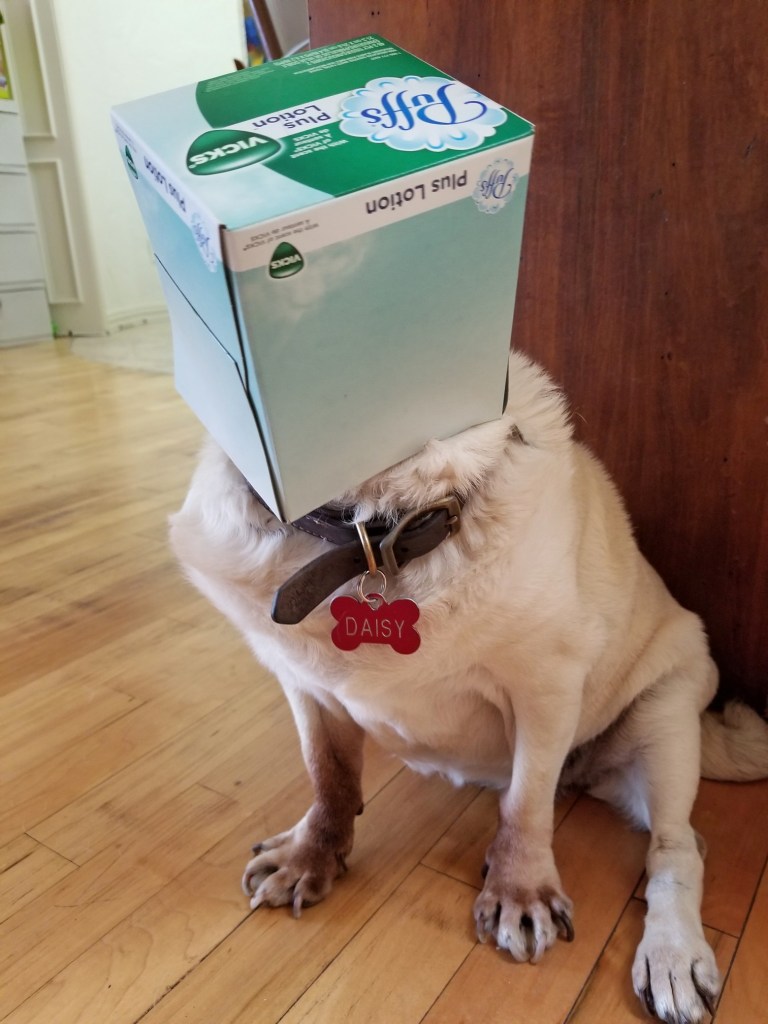
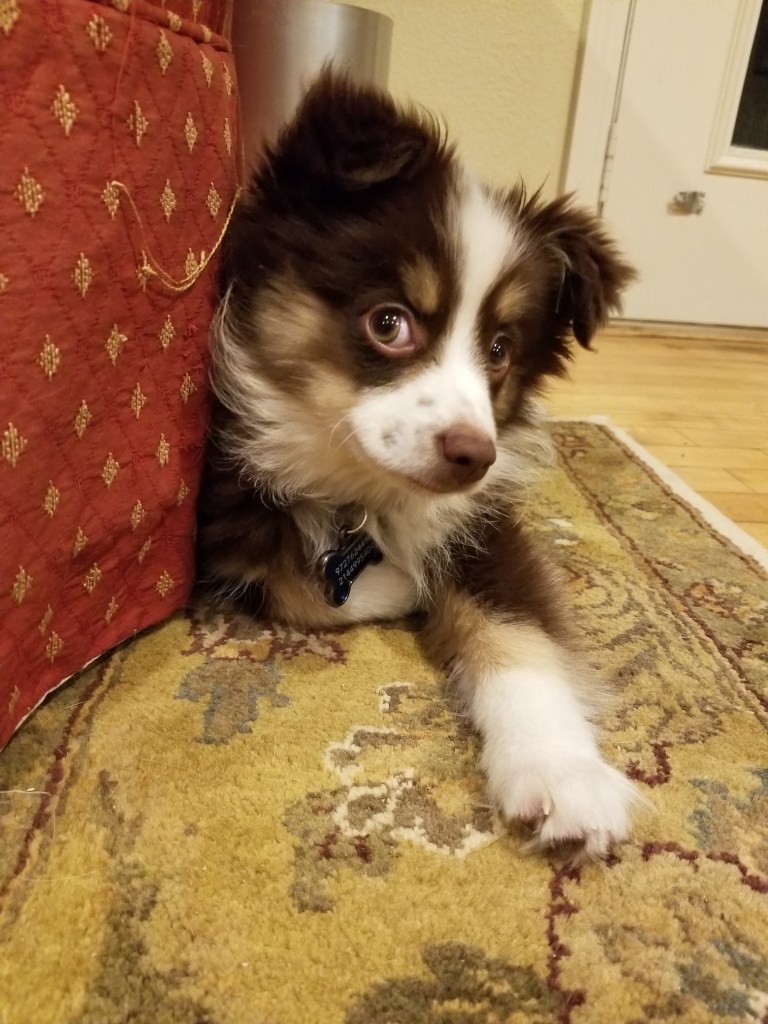
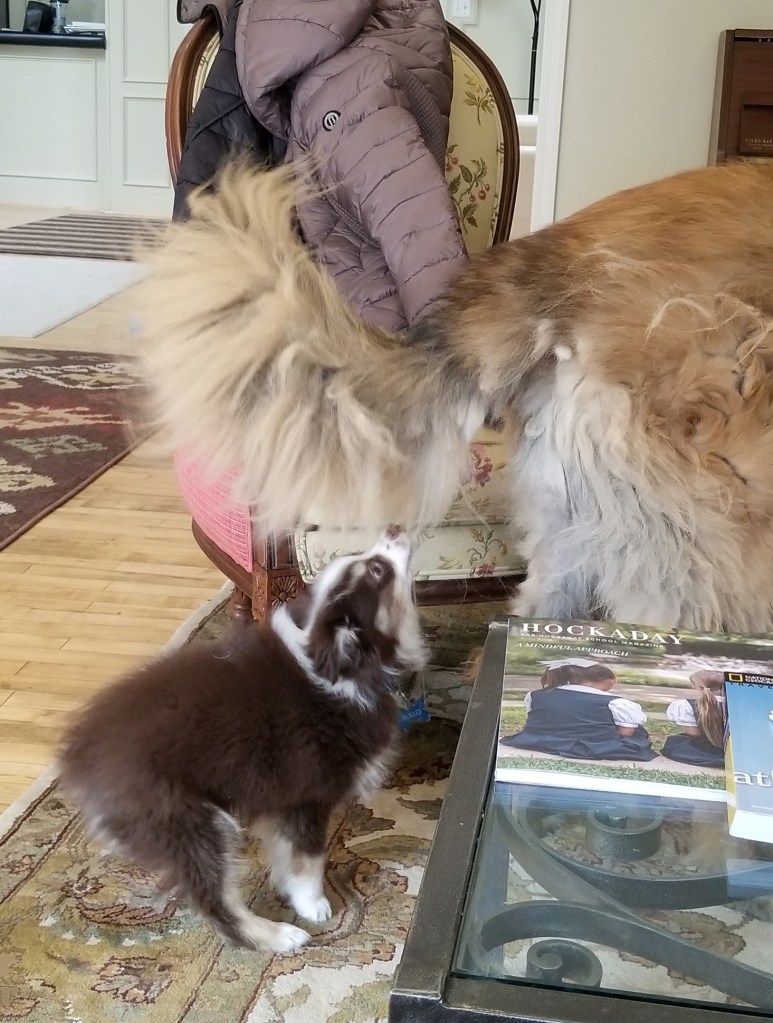
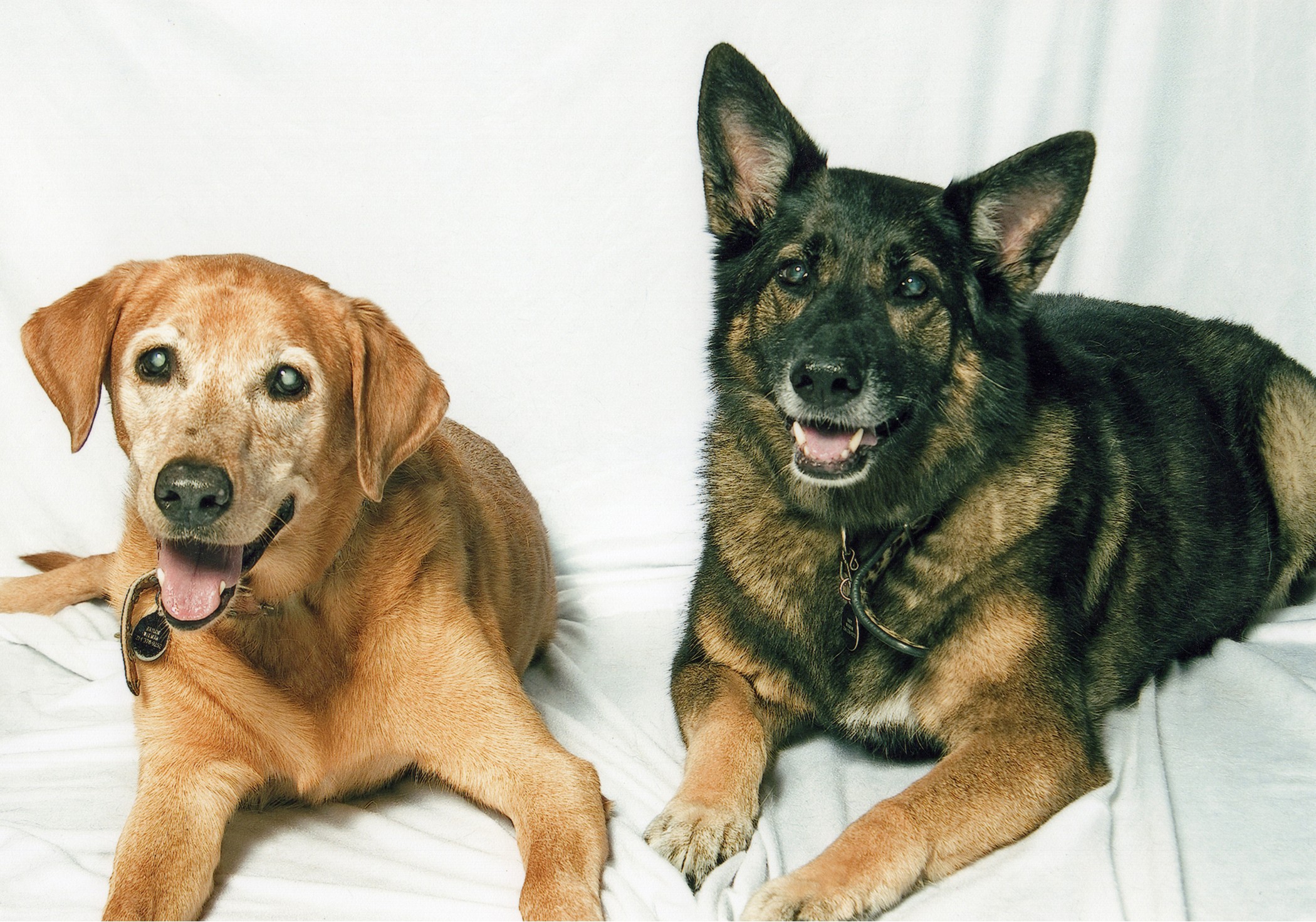
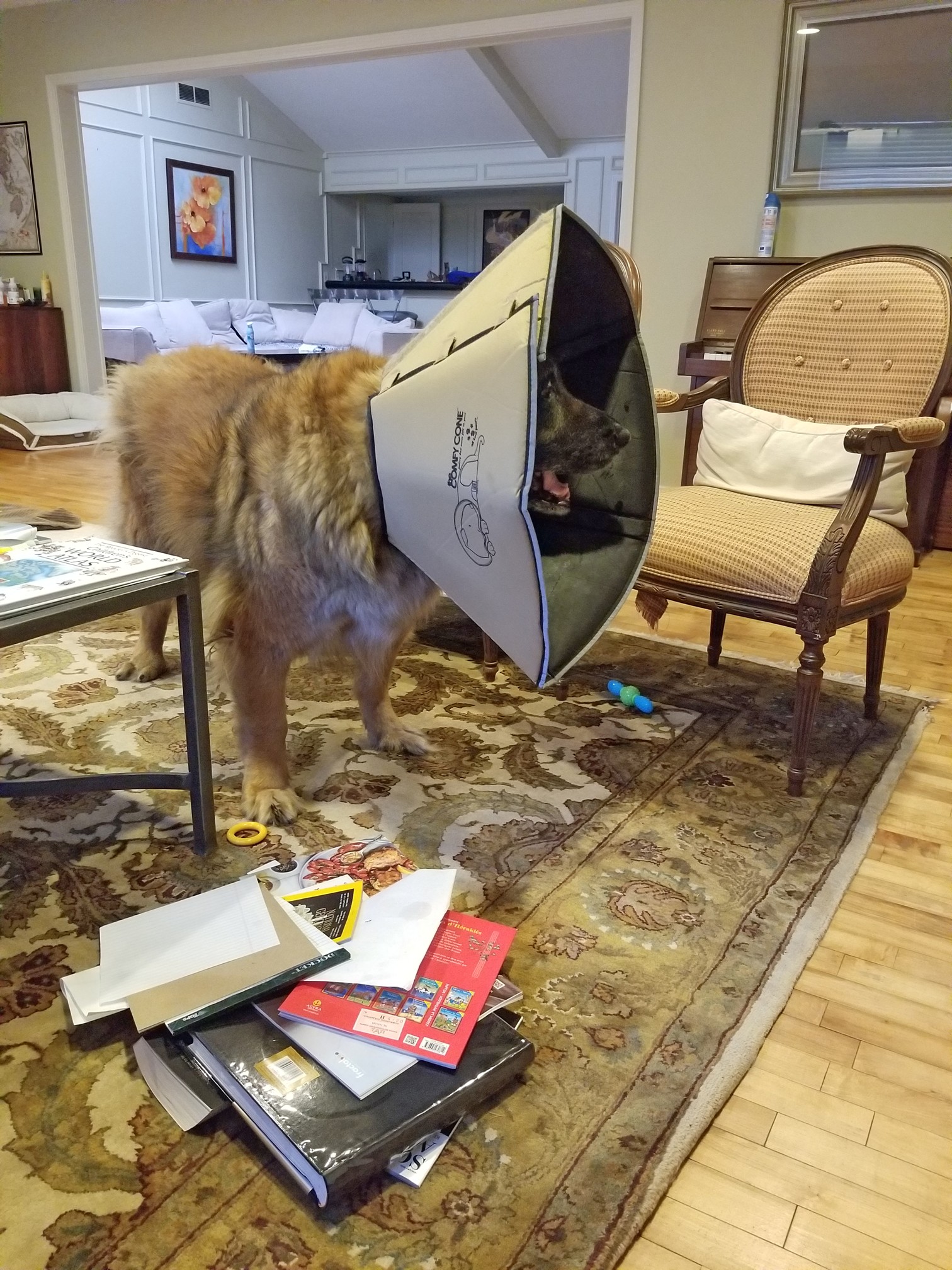
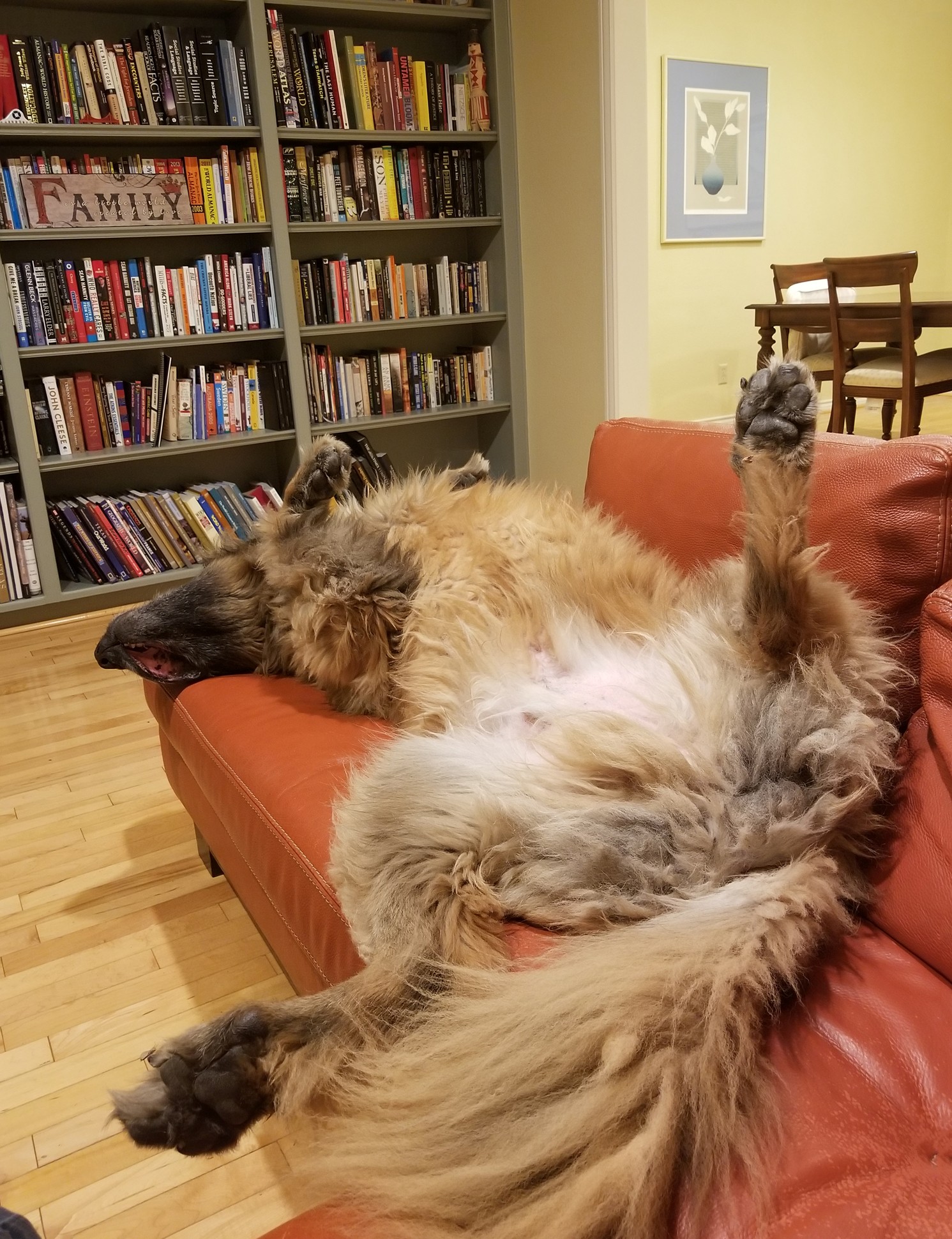
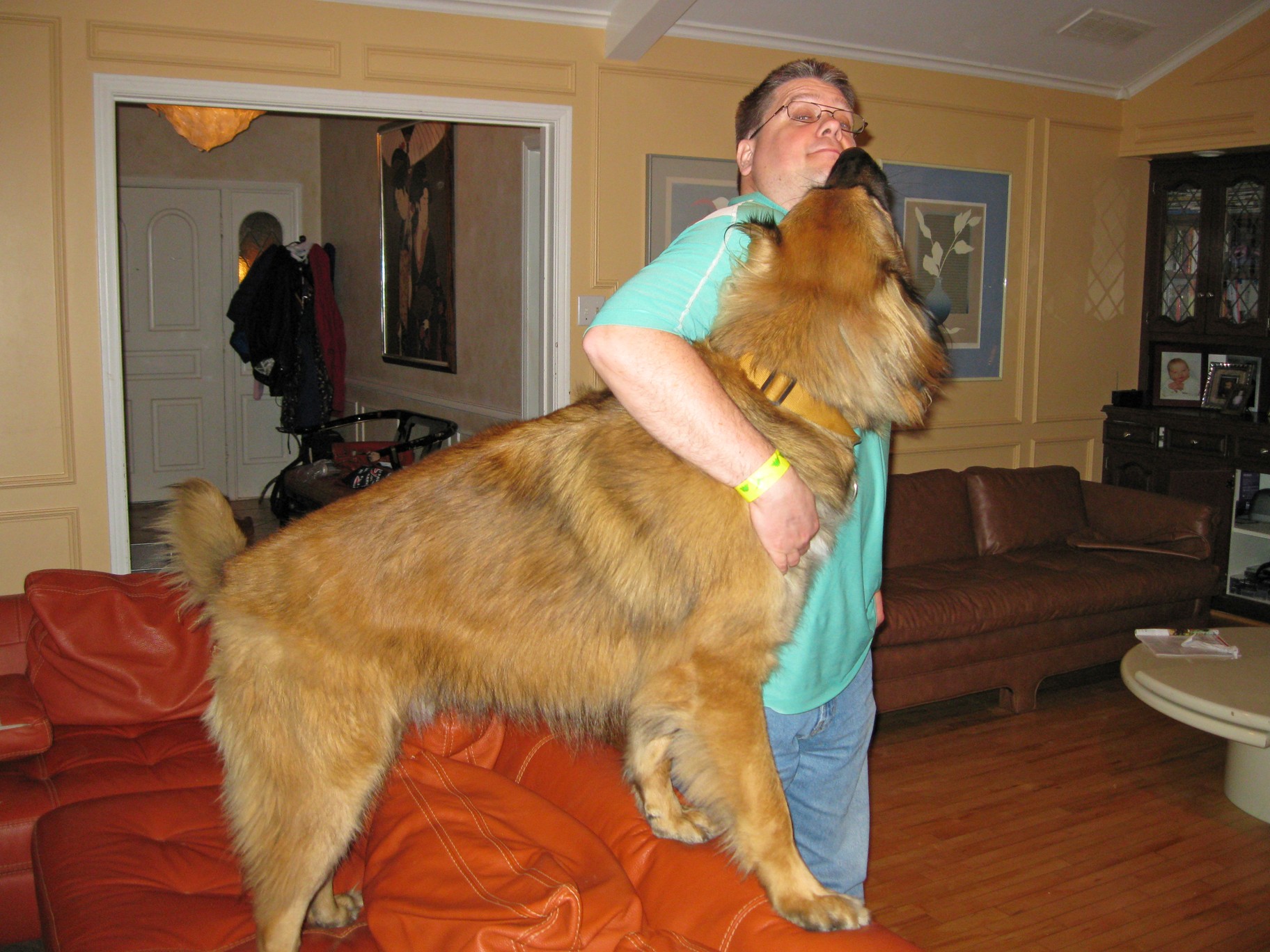
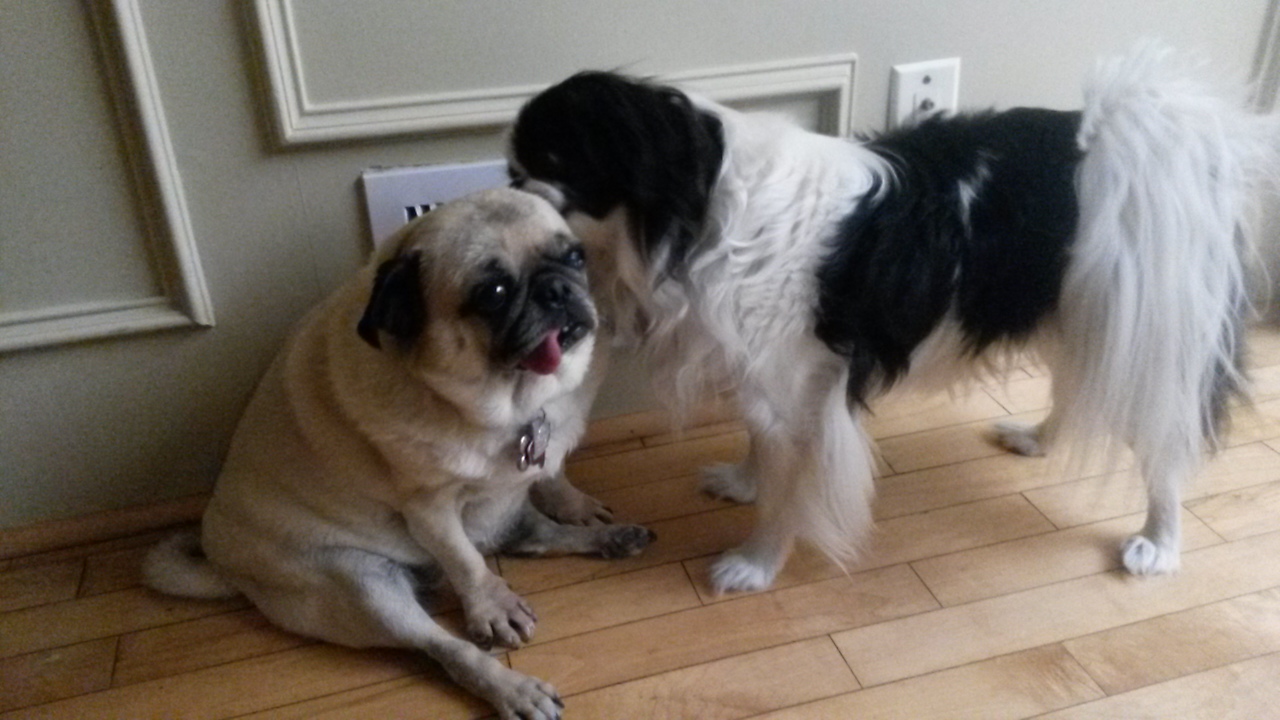
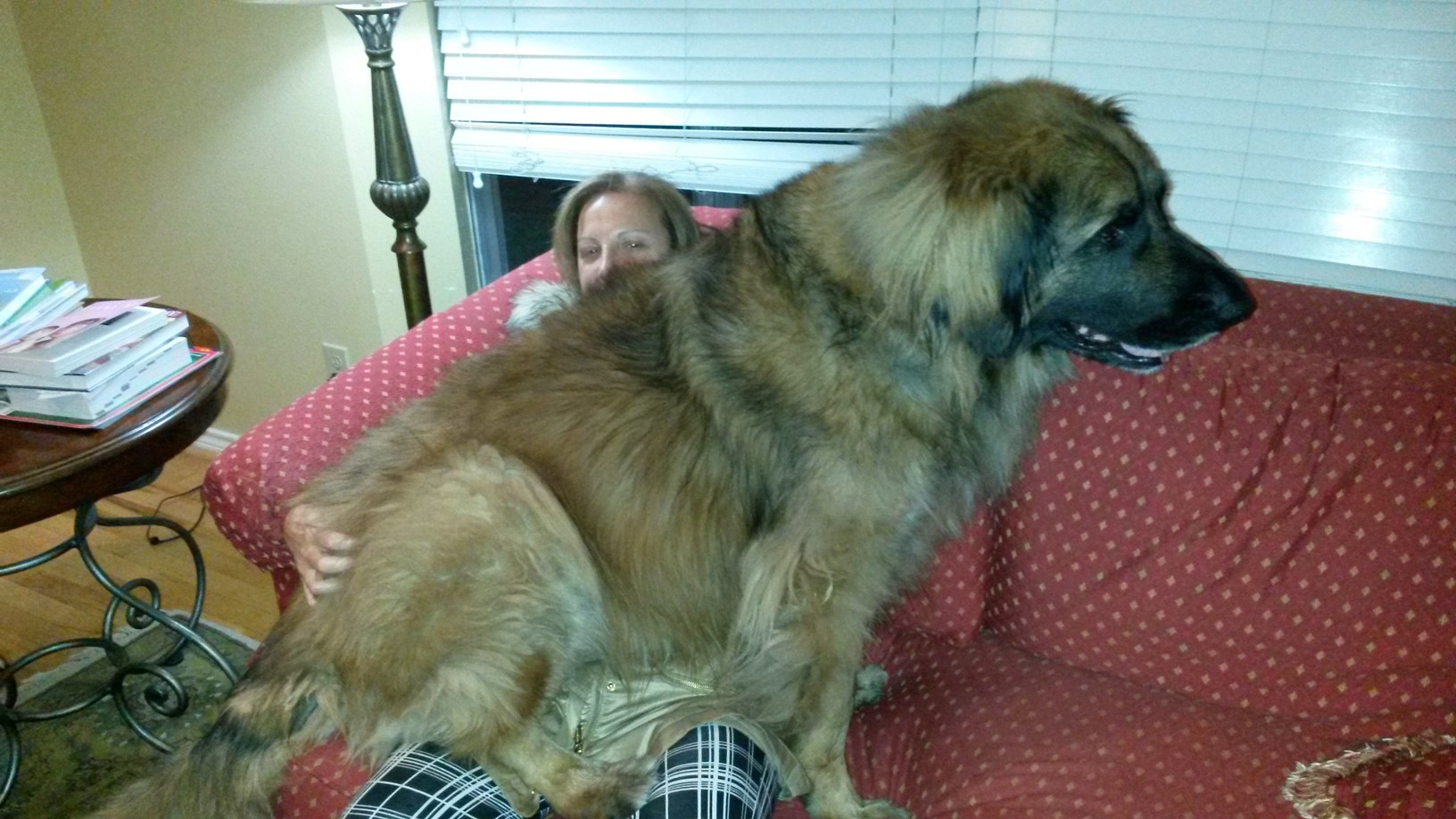
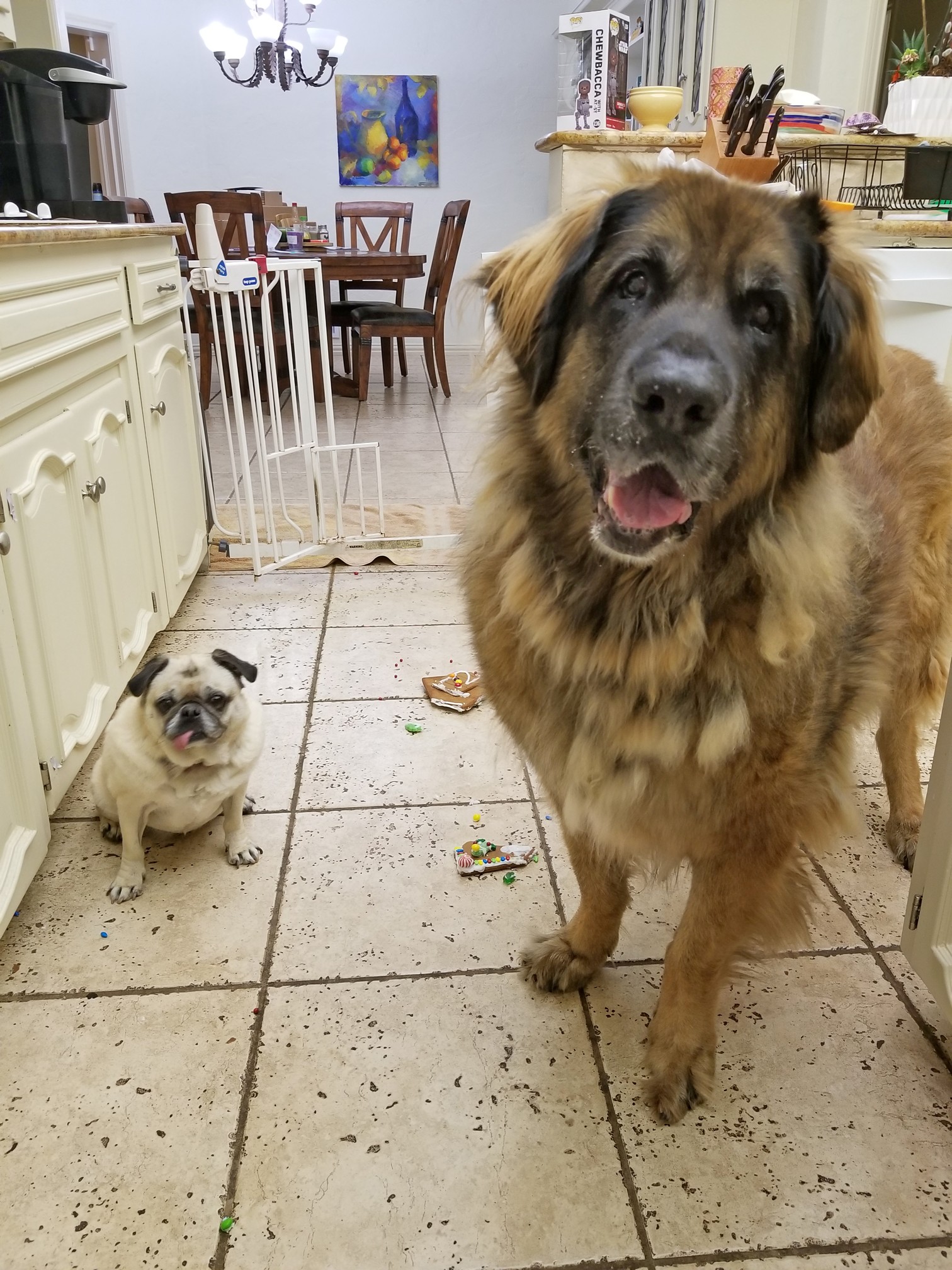
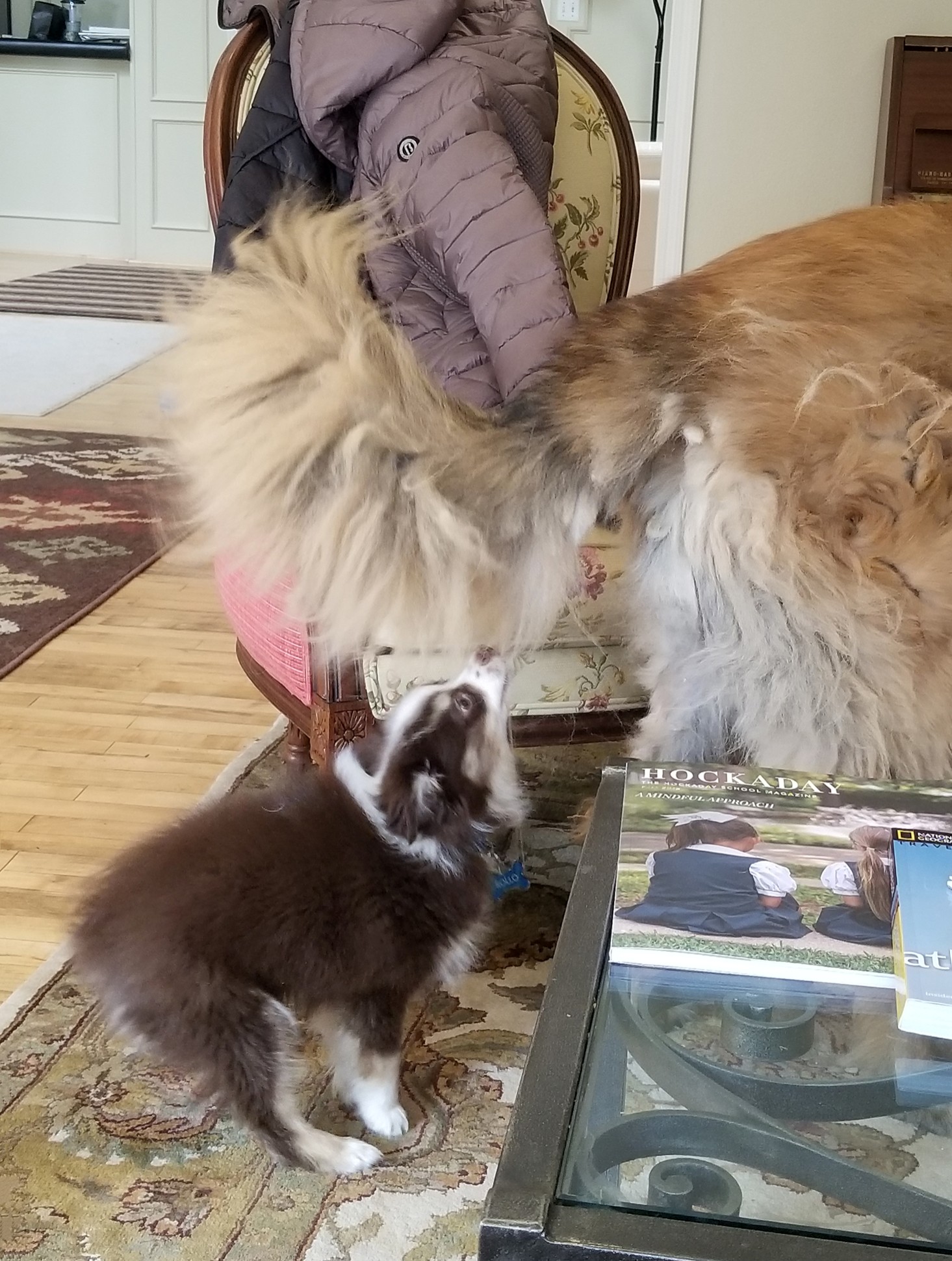
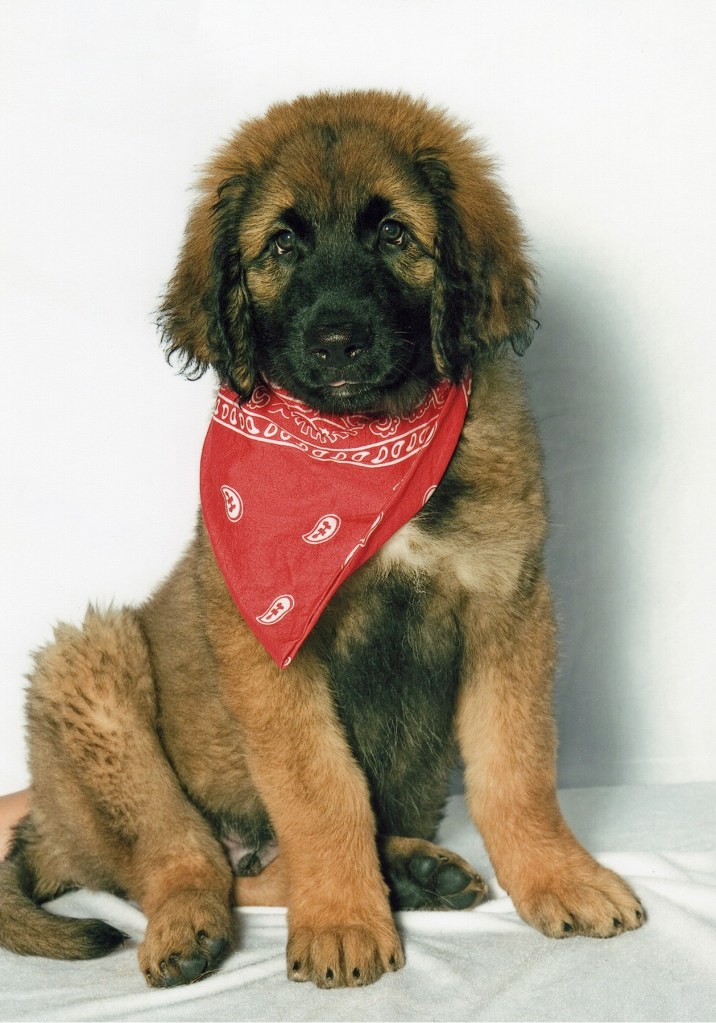
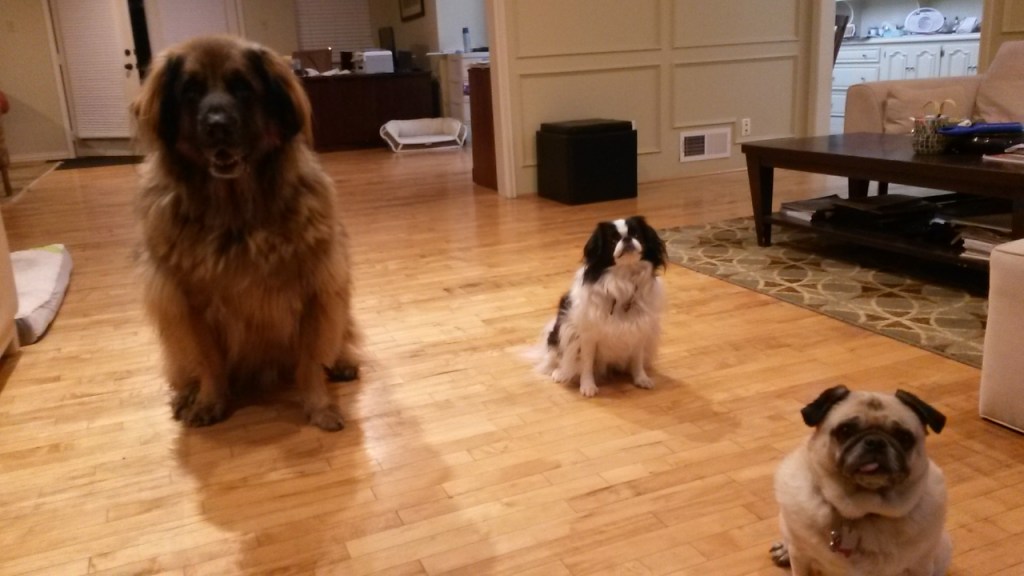
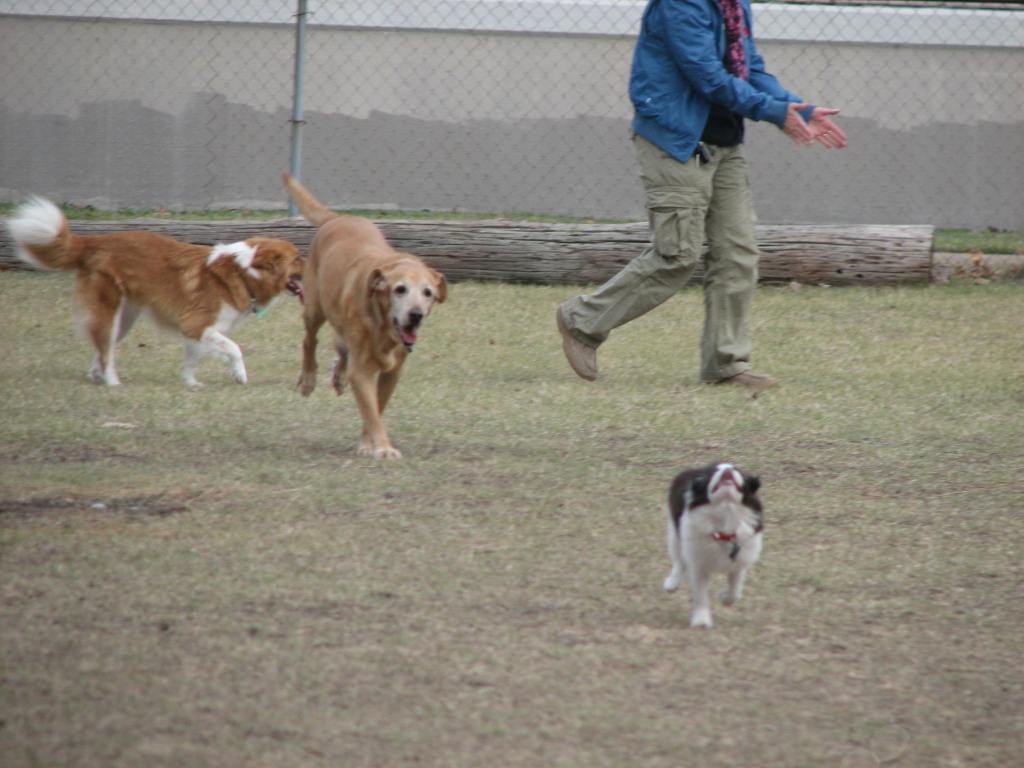
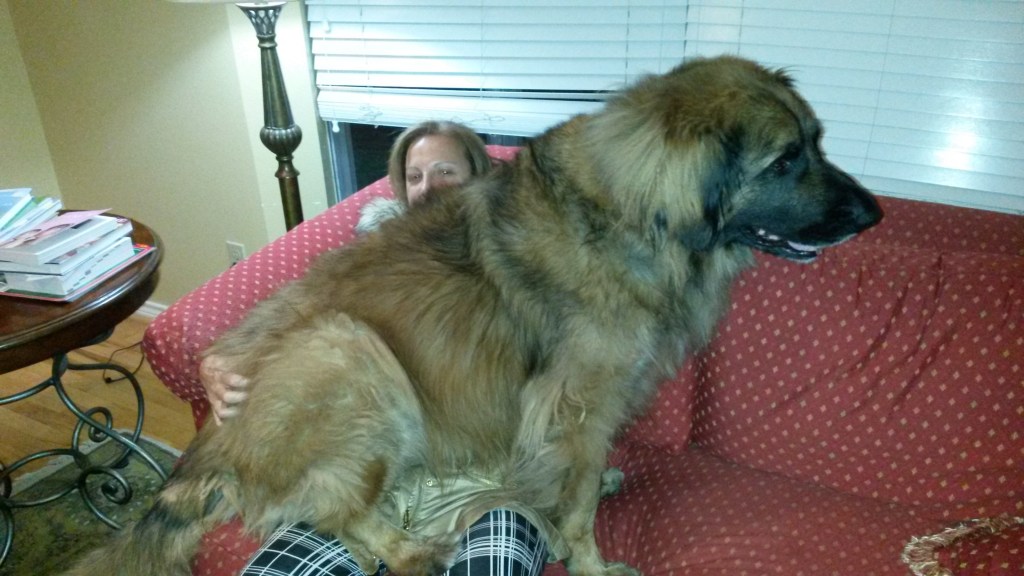
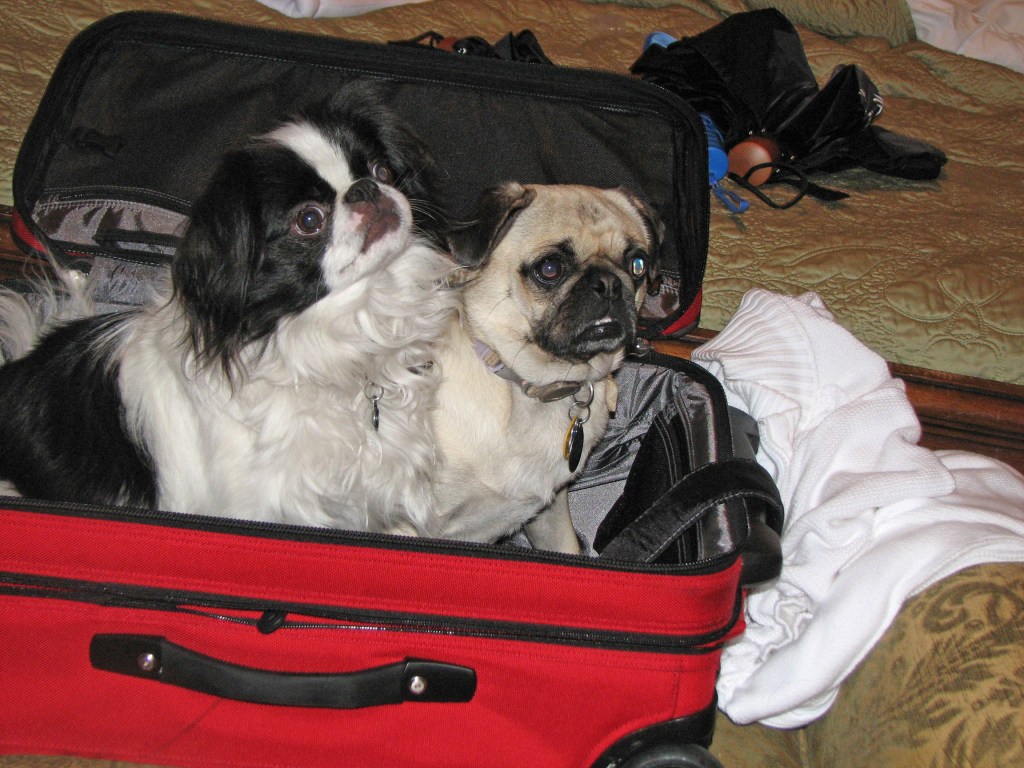
Our Labrador Baylor and German Shepherd Baby. Bronco wearing a soft cone and accidentally clearing a table. Our Leonberger dog Bronco sleeps on our big leather sofa. Young Bronco is giving me a hug. Our Japanese Chin Ryu is licking our Pug Daisy’s ear. Our Leonberger dog Bronco is sitting in my wife’s lap. Bronco and our Pug Daisy are eating a gingerbread house in the kitchen. Our mini-Australian Shepherd Rollo biting Bronco’s tail.

How to Design a Stylish and Durable Dog-Friendly Home That Lasts

For design-minded dog owners and busy households with pups underfoot, home should feel welcoming without looking worn down. The real challenge is balancing pet needs and aesthetics when muddy paws, shedding, scratching, and daily mess collide with a polished space. Dog-friendly home design isn’t about sacrificing style; it’s about choosing durable home materials and stylish pet accommodations that hold up to real life. With the right mindset, long-term home functionality becomes a design feature, not a compromise.

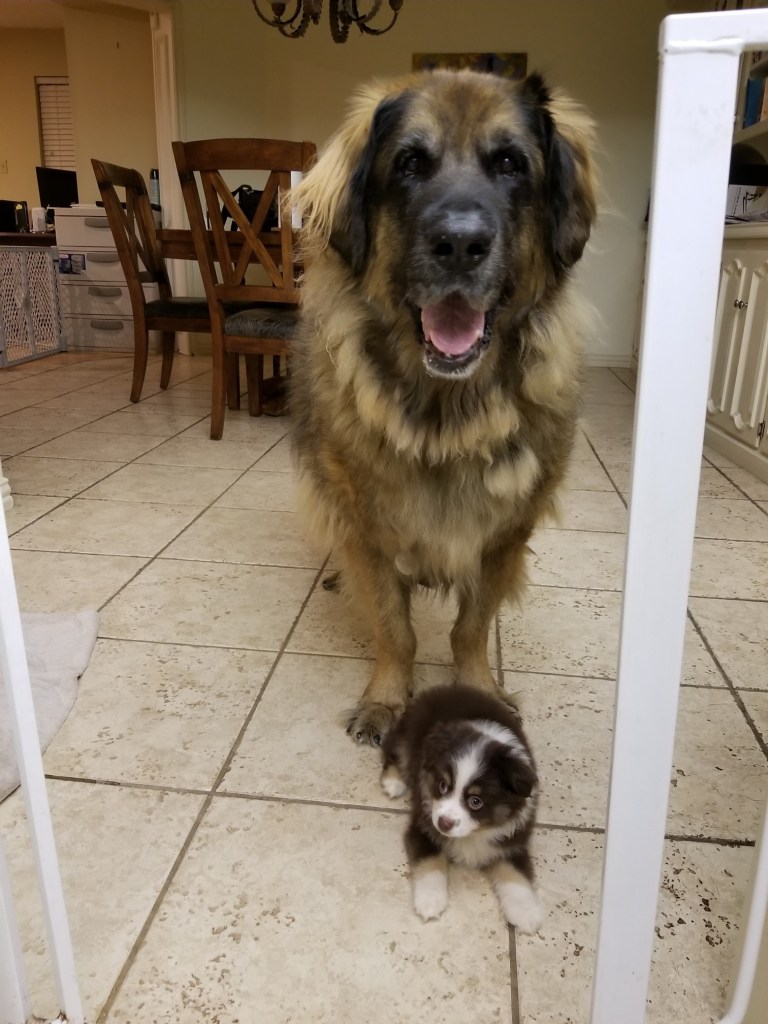
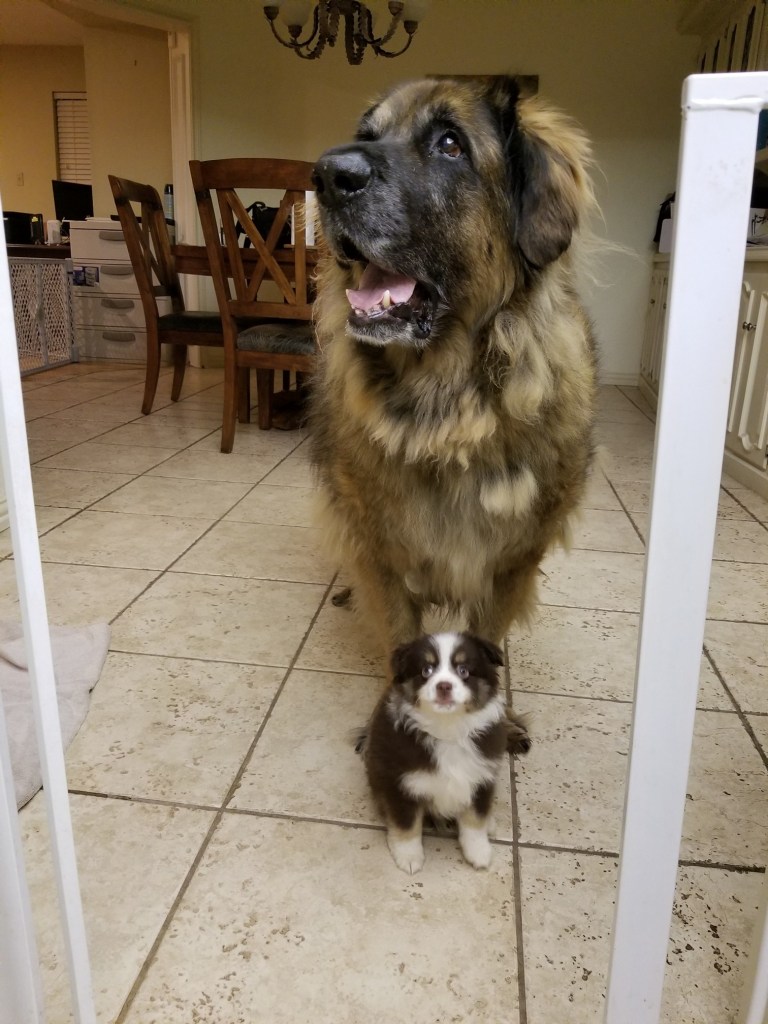
Bronco is standing by the entrance to the kitchen with little Rollo right in front of him.
Our Leonberger dog Bronco and our mini-Australian Shepherd Rollo when he was a puppy.

Upgrade Room by Room: 8 Dog-Proof, Design-Forward Ideas

A dog-friendly home doesn’t have to look like a kennel, or feel like you’re “settling.” Start with the rooms you use most, choose finishes that hide real life, and upgrade in layers so your style stays front-and-center.

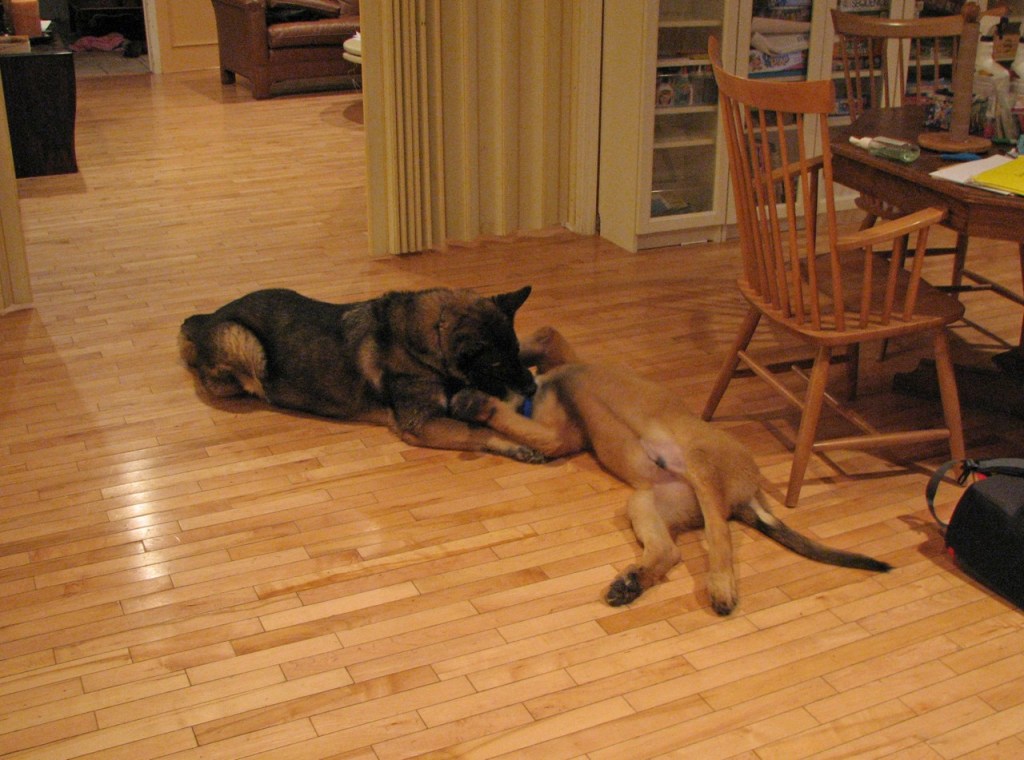
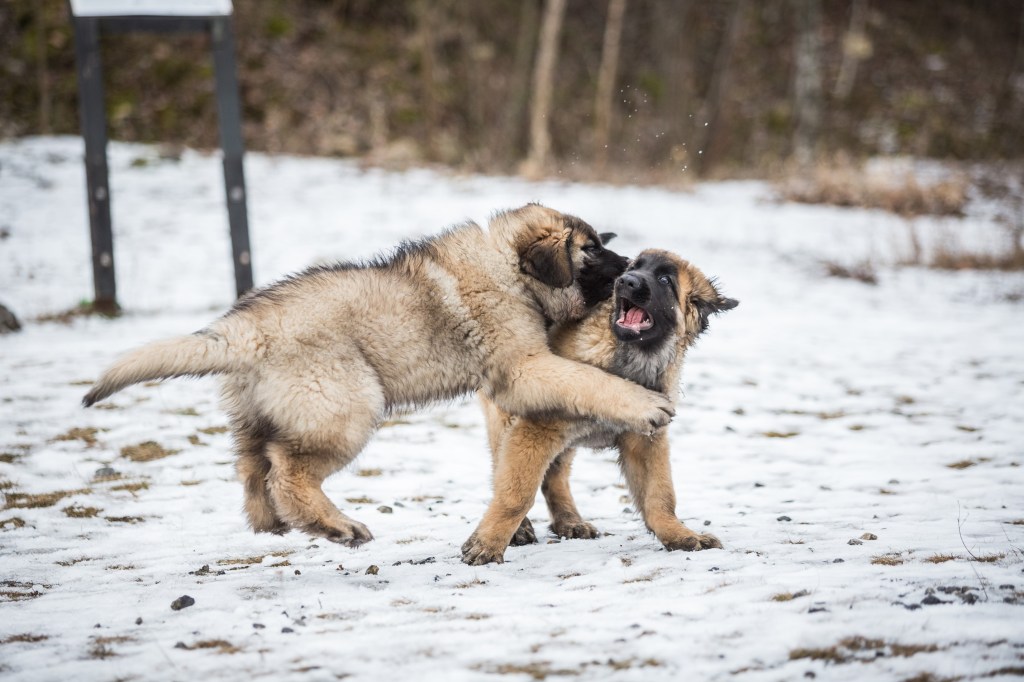
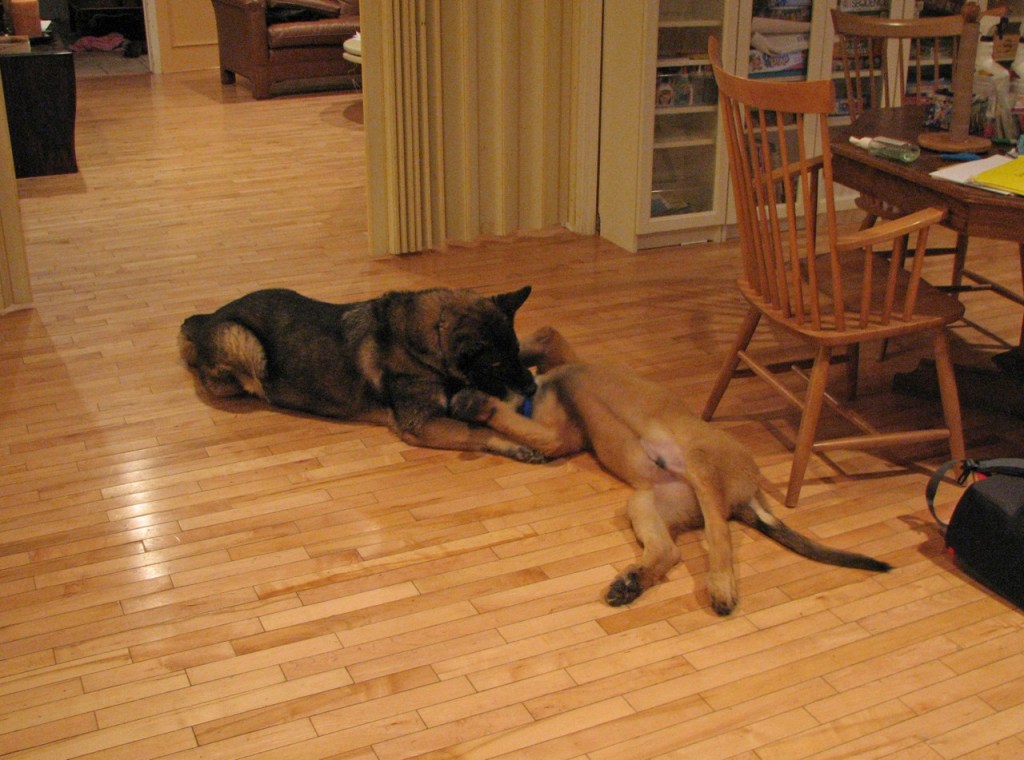
The German Shepherd is lying on the floor and the Leonberger puppy is on his back.
Our German Shepherd Baby playing with our 4 months old Leonberger Bronco.
  1. Start at the entry with a “dirt-control” landing zone: Put a washable runner (or indoor/outdoor-style rug) right inside the door and add wall hooks plus a closed bin for leashes, towels, and paw wipes. This keeps grit from traveling to your nicer surfaces and makes departures less chaotic. If you can, add a low bench so you can wipe paws without wrestling.
  2. Choose scratch-resistant flooring where claws hit hardest: In high-traffic paths, entry, hallway, kitchen, prioritize tough, easy-clean surfaces and keep area rugs for warmth and style. If replacing floors, ask for samples and do a real test: drag a key lightly, spill water, and see if it shows. If full replacement isn’t in the budget, a long runner in the “zoomie lane” protects what you already have.
  3. Upgrade to easy-clean fabrics (and make them work harder): For sofas and dining chairs, look for tightly woven performance fabrics or removable, washable covers in mid-tone colors that hide fur and smudges. The right pet-friendly upholstery fabric can cut daily maintenance and keep your room looking “done” longer. Add a throw you don’t baby to your dog’s favorite spot so you’re laundering one layer, not deep-cleaning cushions.
  4. Build a feeding station that’s neat by design: Convert a lower cabinet, nook, or mudroom corner into a built-in feeding station with a wipeable surface and a pull-out bin for food. Add a washable mat under bowls and mount a small hook for the scoop so it’s never on the counter. This keeps crumbs contained, reduces slipping bowls, and makes the area look intentional instead of temporary.
  5. Dog-proof storage with small hardware changes: Use lidded cans, add simple childproof latches to low cabinets, and keep tempting items behind closed doors. A few minutes spent removing personal items from reach prevents chewed shoes, shredded mail, and unsafe snacking. Aim for one “dog-safe” basket in each main room so clutter has a place without becoming a hazard.
  6. Create a durable “rest zone” that protects your layout: Give your dog a defined spot, bed, crate, or mat, near where you actually hang out, not tucked away. Place it on a washable rug or low-pile mat to protect flooring and help anchor the room’s arrangement. When your dog has a predictable place to settle, you’ll see less pacing, less furniture-hopping, and fewer dirty paw prints on upholstery.
  7. Make your yard a secure outdoor dog space, not a stress zone: Check fence gaps, latch reliability, and sightlines at gates, then add a double-latch or self-closing hinge if you’ve had close calls. Define one “dig/zoom” area with mulch or gravel and keep the rest landscaped for looks. A shaded water spot and a clear path back to the door reduce tracking mud through the house.
  8. Choose pet-safe landscaping that still looks polished: Skip plants known to be toxic to pets and avoid cocoa mulch; use sturdy groundcovers and hardscaping borders that won’t splinter or poke paws. Create a rinse-off station with a hose and spray nozzle near the door so muddy days don’t wreck your floors. These aesthetic home upgrades let the outdoors feel curated while staying practical.
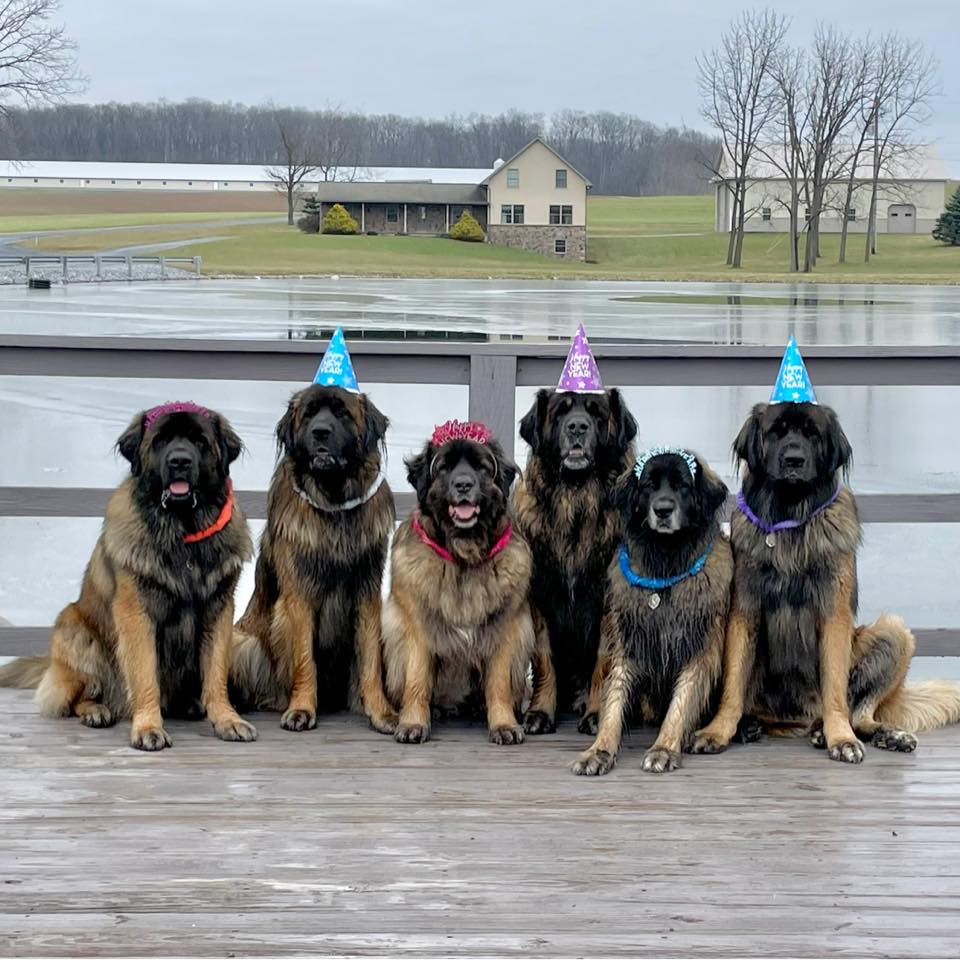
Six Leonbergers with celebration hats are looking straight into the camera.
Six Leonbergers and a birthday celebration. Photo by friend Jen O’Keefe.

If You’re Building New: Ask These Warranty Questions at Closing

After you’ve planned dog-tough finishes and built-ins, it’s worth protecting the structure those upgrades depend on. When you’re closing on a new build, ask your builder whether a structural warranty (or similar long-term protection) is included, and what it covers if defects show up after you move in. This kind of coverage can help safeguard the home’s integrity, which matters when you’ve invested in pet-friendly choices like durable flooring or built-in features that are meant to perform for years. Getting clarity up front on coverage expectations, and whether a third-party, insurance-backed option like a builder-backed warranty for new homes is part of the package, can add peace of mind as your dog settles in. Next, we’ll tackle the practical questions homeowners ask most about odors, stains, fences, and resale value.

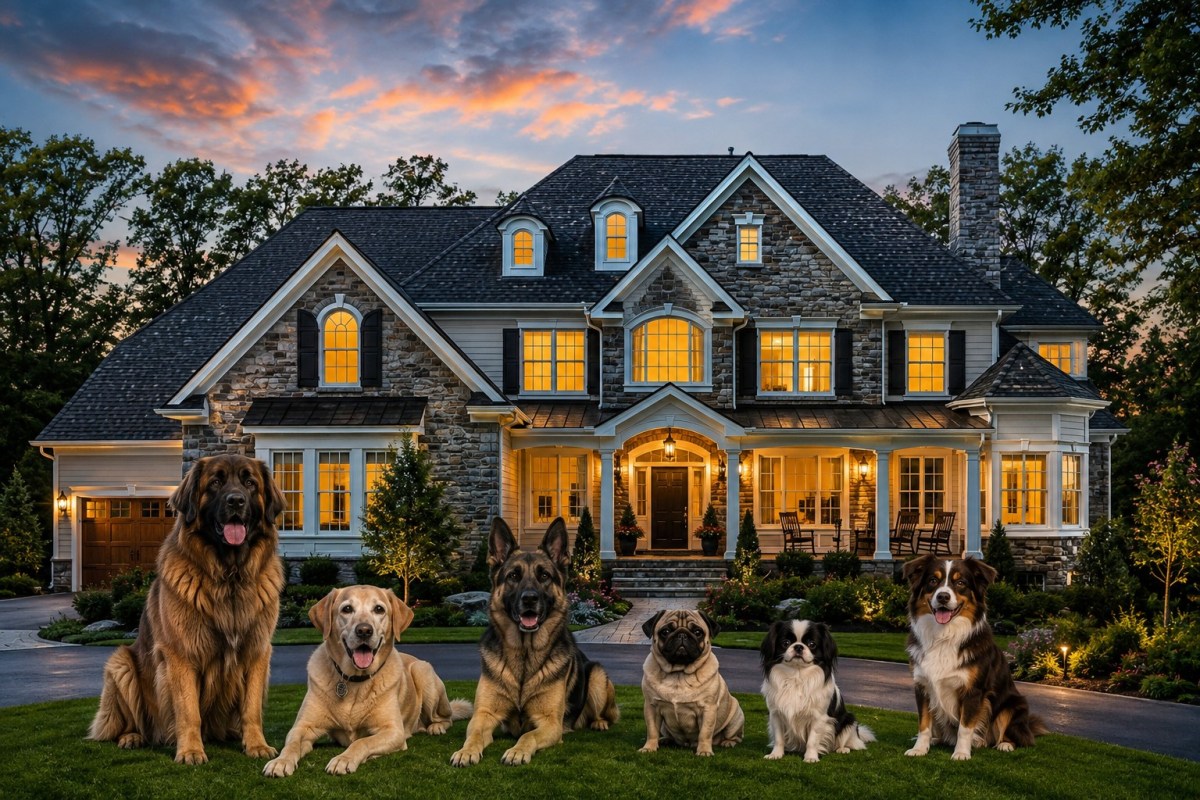
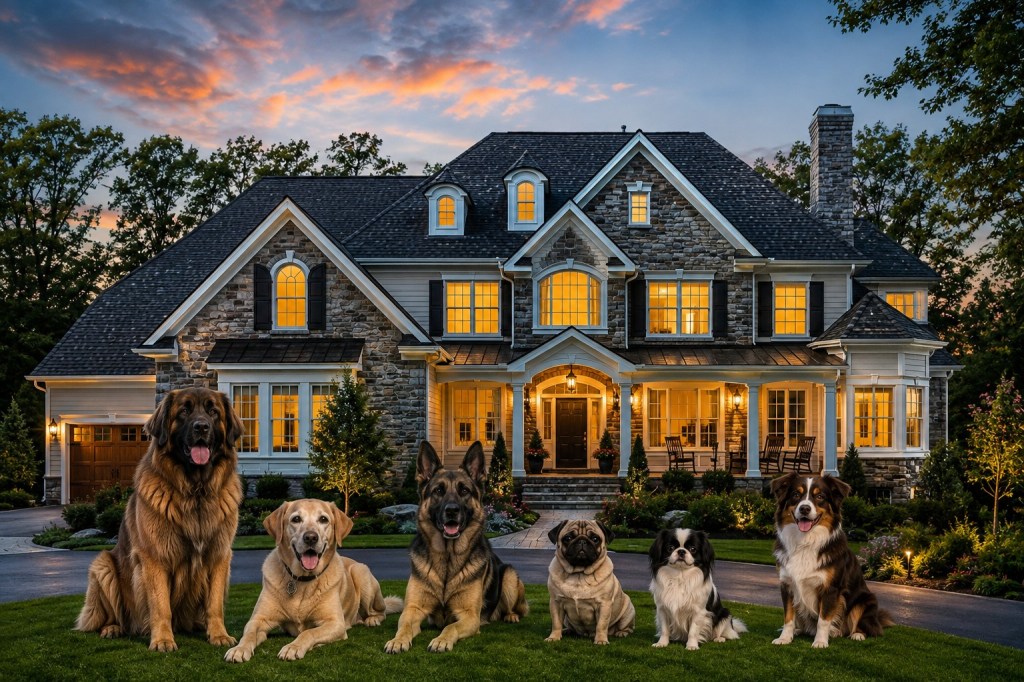
A two story house with six dogs in front. From the left to right, a Leonberger dog, a Labrador, a German Shepherd, a Pug, a Japanese Chin, and finally a mini-Australian Shepherd.
A dog friendly house. Generated with the help of ChatGPT.

Dog-Friendly Home Design: Common Questions Answered

Q: What actually keeps dog odor under control without making the house smell like chemicals?
A: Start with what holds odor: washable covers, low-pile rugs, and sealed floors that do not absorb. Use a HEPA vacuum weekly, launder soft goods often, and run a carbon air purifier in the main hangout zone. If odors persist, an enzyme cleaner beats masking sprays because it breaks down the source.

Q: How do I remove urine stains from floors or carpets without ruining the finish?
A: Blot first, then apply an enzyme-based cleaner and give it enough dwell time before rinsing or blotting again. Avoid steam cleaners on fresh urine since heat can set stains and odors. Test any product in a hidden spot, especially on hardwood sealants.

Q: What fence type and height works best for most dogs?
A: A solid, climb-resistant fence with minimal horizontal rails is a reliable choice for many homes. Many installers consider the ideal fence height 4 to 6 feet, with 6 feet as the industry standard for containment. Match the design to your dog’s jumping and digging habits, then add a buried edge or kick plate if needed.

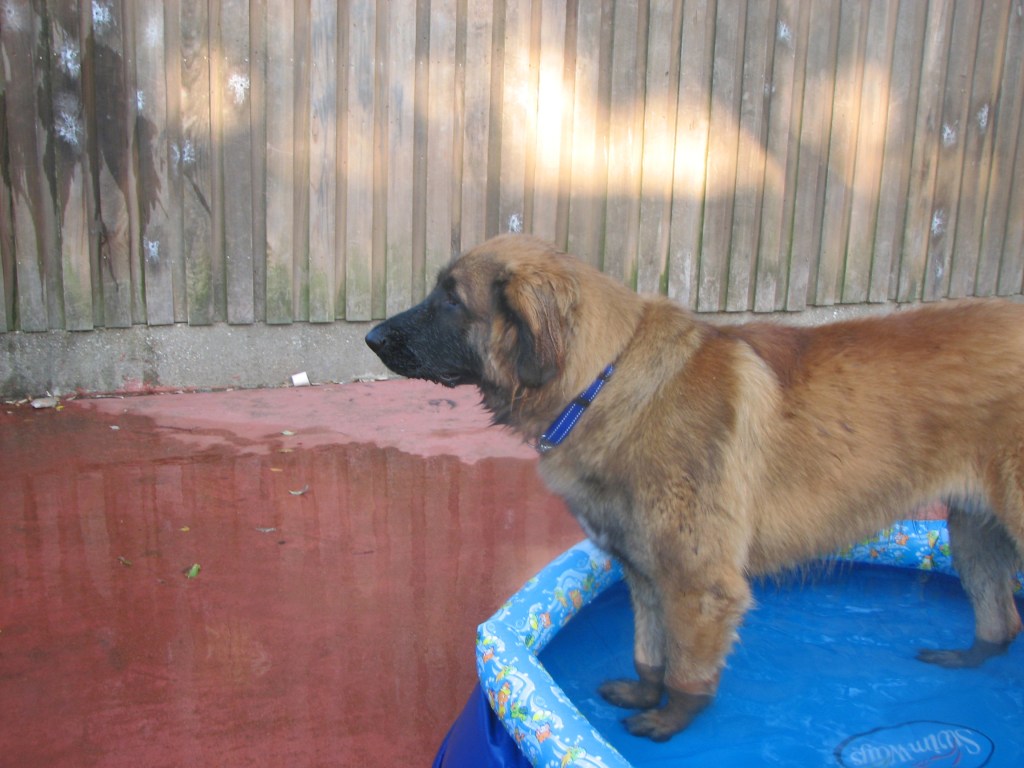
Bronco is standing in a blue kiddie pool. He is getting washed.
Our Leonberger dog Bronco and fence you cannot dig holes under. Leonbergers are expert diggers.

Q: Can I keep resale appeal if I choose dog-proof materials?
A: Yes, when choices read “durable and neutral,” not “pet-only.” Stick to classic colors, consistent hardware finishes, and quality flooring that any buyer would see as an upgrade. The best pet-friendly features look like smart maintenance, not a special-purpose remodel.

Q: How do I reduce everyday wear and tear from paws, nails, and outdoor mud?
A: Create a simple entry drop zone with a washable runner, hooks, and a closed bin for towels and wipes. Keep nails trimmed and place scratch-friendly surfaces like washable mats near doors and feeding stations. Outside, use hardy groundcover or gravel in the main run path to limit dead grass and tracked-in dirt.

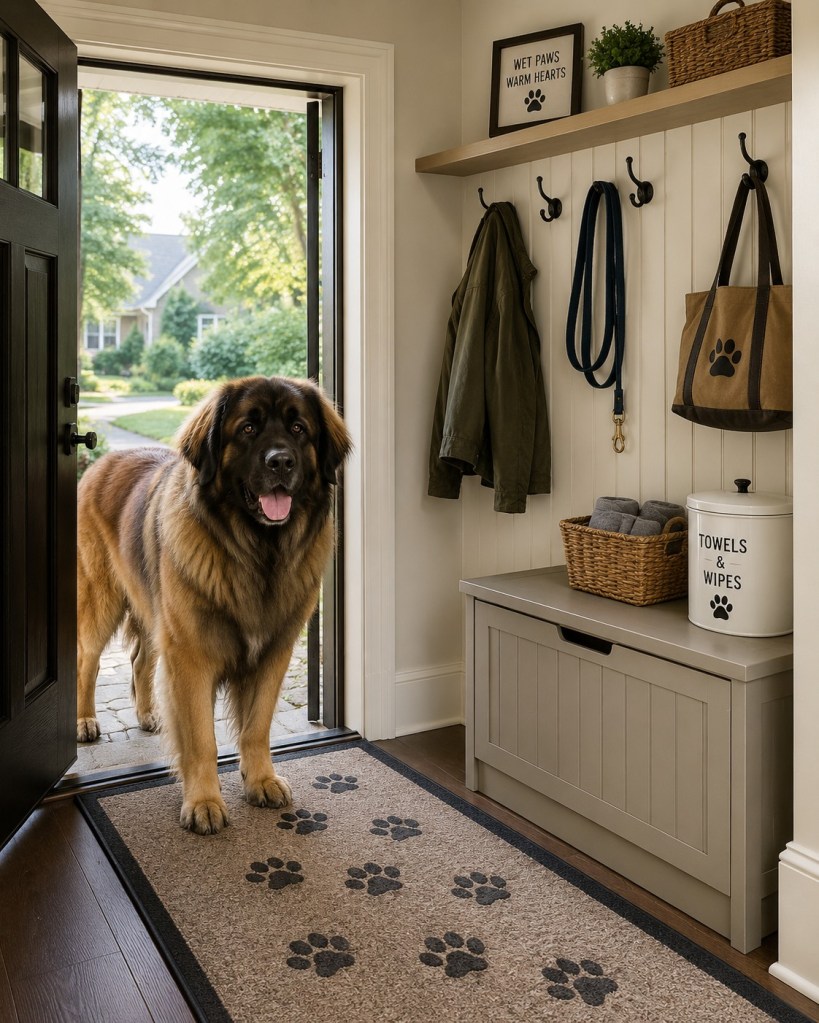
On the hooks there is a dog leash, a jacket and a bag.
Leonberger dog at the entrance of a house standing on a washable runner. There are hooks and a bin for towels. Generated with the help of ChatGPT.

Finish-Strong Dog-Friendly Home Checklist

This checklist turns good ideas into repeatable habits, so your home stays stylish while handling real life with dogs. Use it to decide what to upgrade now, what to schedule, and what to maintain each week.

✔ Choose sealed, non-absorbent floors for high-traffic zones

✔ Add washable slipcovers and throws to the main seating

✔ Place low-pile, easy-clean rugs where paws land most

✔ Run a HEPA vacuum on a weekly calendar reminder

✔ Keep an enzyme cleaner stocked for fast accident response

✔ Set an entry drop zone with towels, wipes, and a closed bin

✔ Inspect fencing for gaps, dig spots, and climb points monthly.
Check these off once, then protect them with routine.

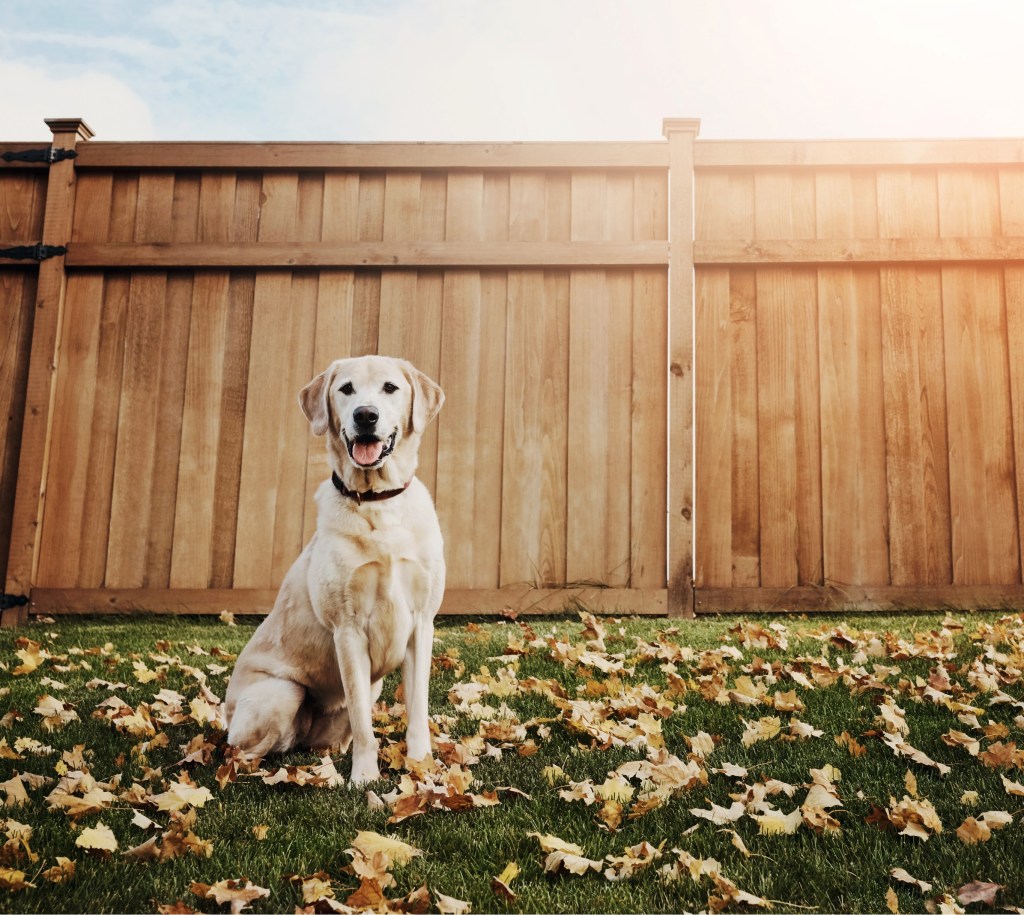
Backyard, relax and portrait of dog on grass for obedience, support and fun in leaves in sunshine. Nature, foliage and Labrador with tongue out in garden by fence.
Labrador in front of fence in the backyard. This is good fence but has a potential dig spot. Shutterstock asset id: 2485564001 by PeopleImages
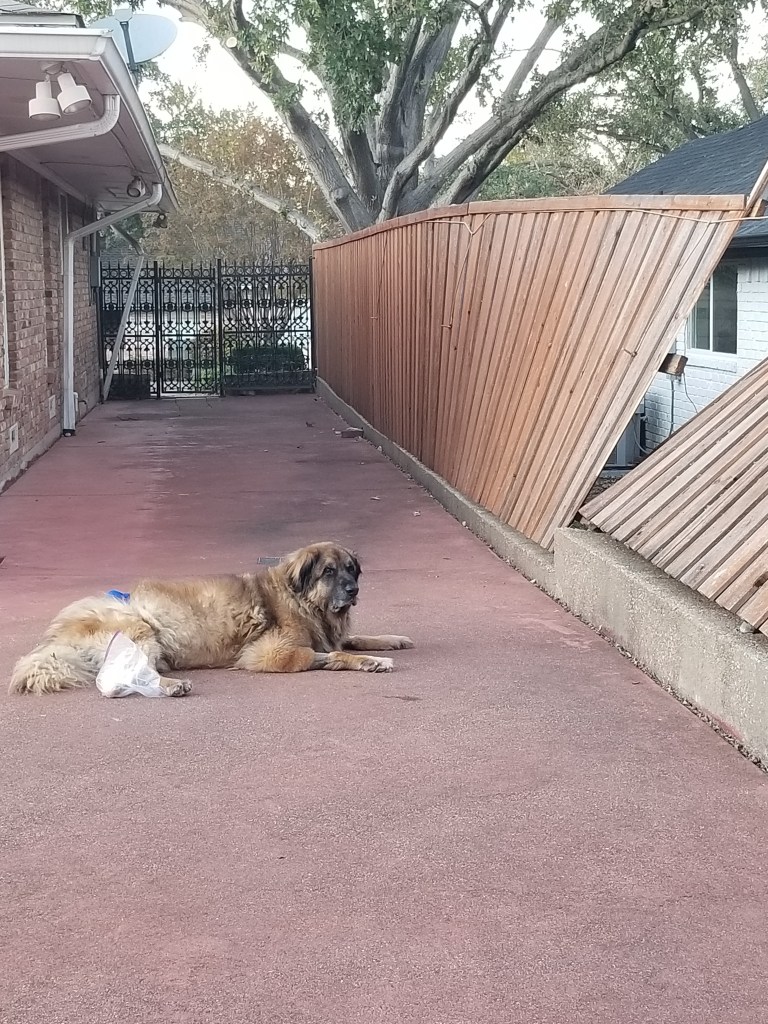
Bronco is laying on the ground facing the broken fence. He has a plastic bag around his bandage.
The fence needs to be fixed after a tornado went through the neighborhood. Bronco had just had a toe amputation.

Make Style Last With Dog-Ready Materials and Layouts

Living with dogs can feel like a constant trade-off between a home that looks pulled together and one that can take daily wear. The steadier path is designing for real life: choose materials supporting pet durability, use layouts for pet and people, and keep integrating pet features in ways that maintain home style with dogs. Design for the dog you have, and your style will last longer. Pick one high-impact change from the checklist this week, swap in a tougher surface, protect a high-traffic zone, or refine a room flow, then build from there. Long-lasting pet-friendly design protects comfort now and creates a calmer, more resilient home for everyone.

Rollo Go Look Out the Window

Rollo Go Look Out the Window – that is what we tell our mini-Australian Shepherd Rollo when we have to leave him home alone for a couple of hours. Whenever we say that he runs to the window and looks out the window. He isn’t happy about us leaving but he likes looking at all things that he can see through his window, and he barks at the things he sees.

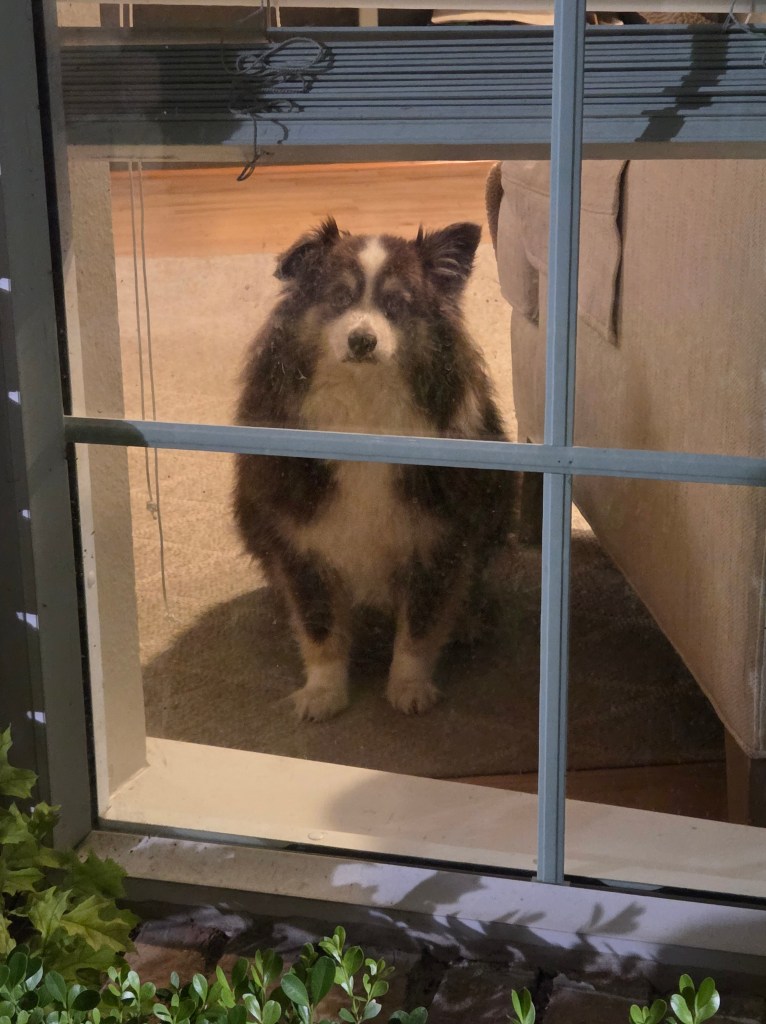
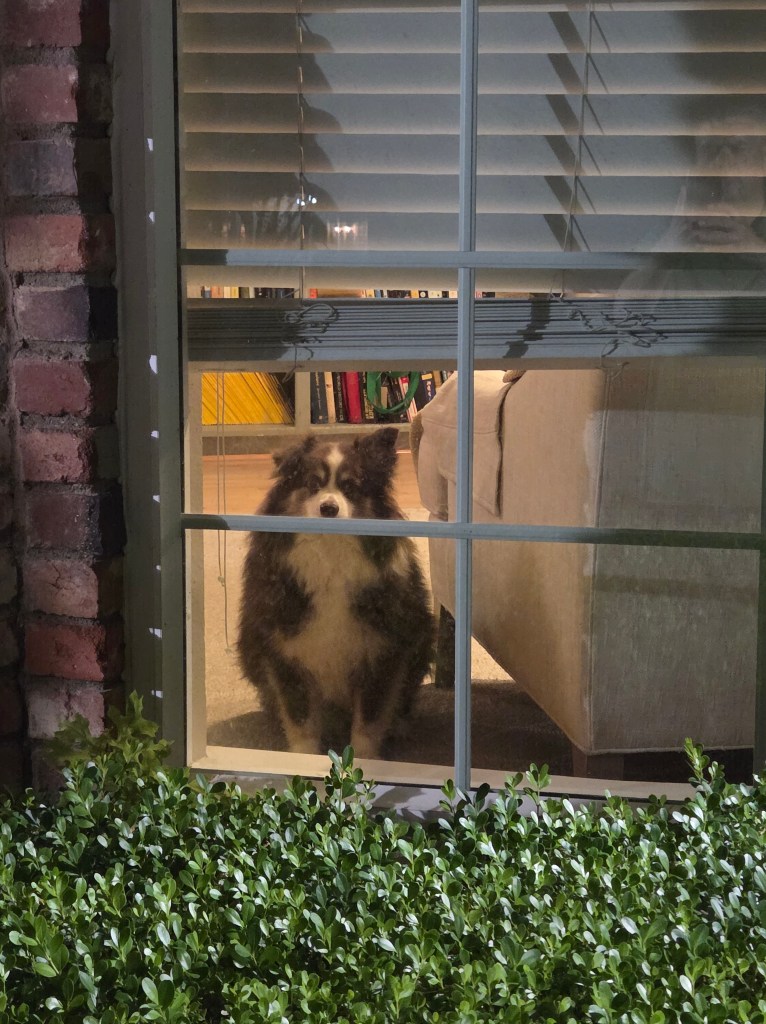
But what does Rollo see? See the children’s story below. I should say that I will work on this story and try different kinds of images to go with it. For this attempt, the first and second photo in the story are taken with my cell phone. The photo of planet Earth is from pexels.com. All the other pictures in the story I generated with help of ChatGPT. The photos outside / after the story are all photos taken by me.

What does Rollo See out his Window ?

Rollo’s owners are usually with Rollo most of the time, but sometimes they have to leave him for a couple of hours. When that happens, Rollo is not happy.

A photo of our mini-Australian Shepherd Rollo. His face is sad.

However, Rollo’s Mama says, “Rollo go look out the Window” and Rollo runs to look out the window.

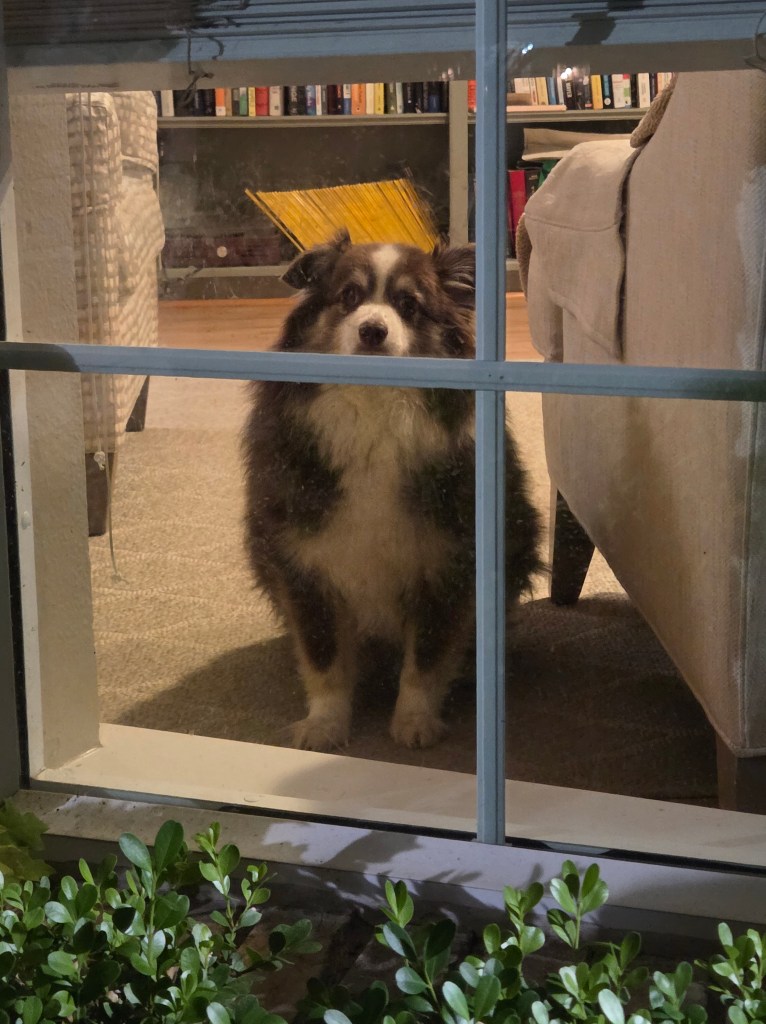
Mini-Australian Shepherd looking out a window with grids. You can see the room in the background.

What does Rollo see? He sees the blue sky and the clouds; he sees birds flying and he sees the black crows walking on our lawn. He doesn’t like the black crows walking on his lawn, so he goes woof, woof, woof, woof.

I generated this picture with the help of ChatGPT. It is based on a photo of our front lawn. I added crows, clouds, and a tree on the left.
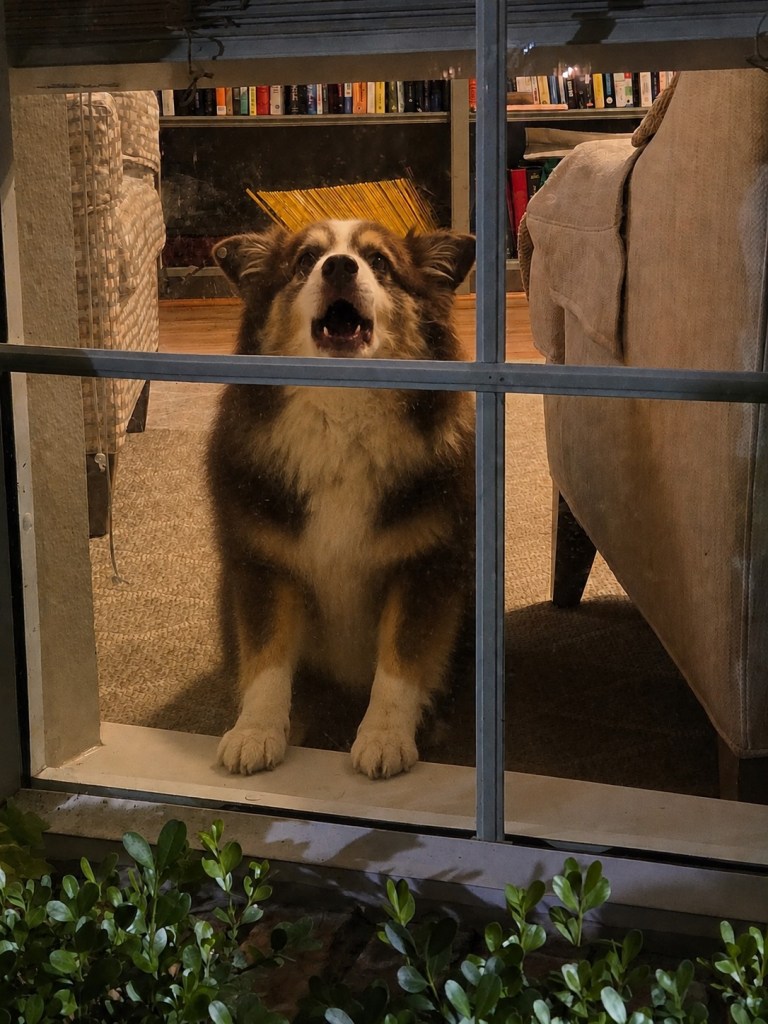
I generated this picture with the help of ChatGPT. It is our mini-Australian Shepherd Rollo, but I made him bark.

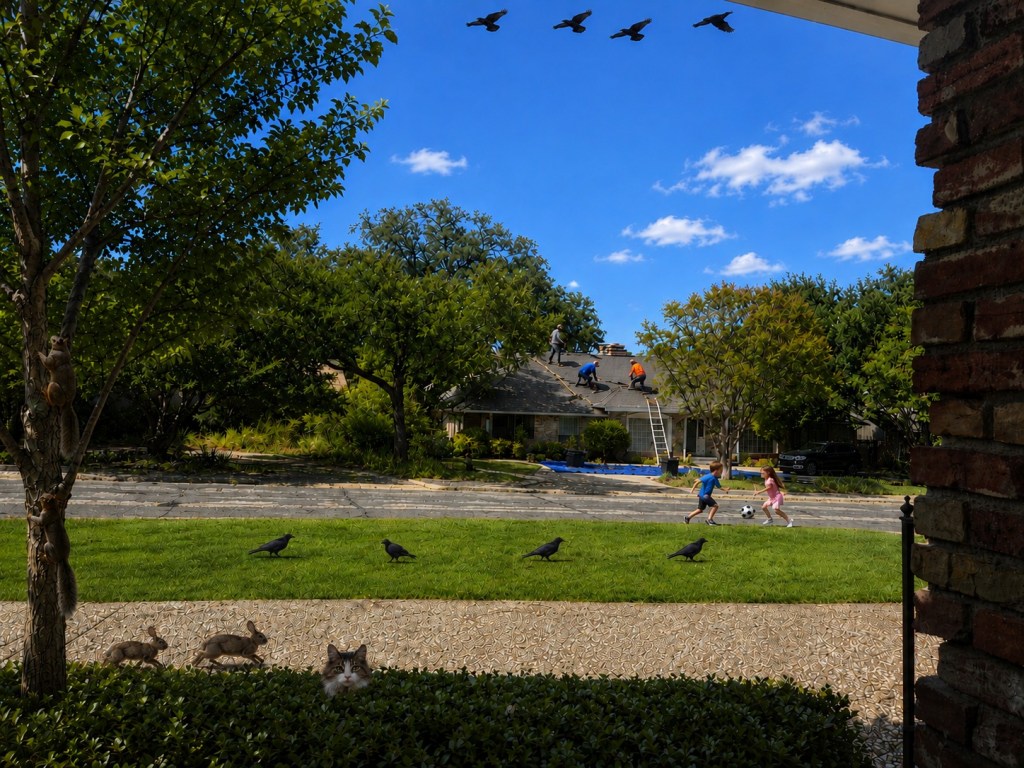
He sees the green grass and the houses, he sees the jagged edges of the roofs and the chimneys, and he sees workers repairing shingles on roof tops, and that looks scary, so he goes woof, woof, woof, woof.

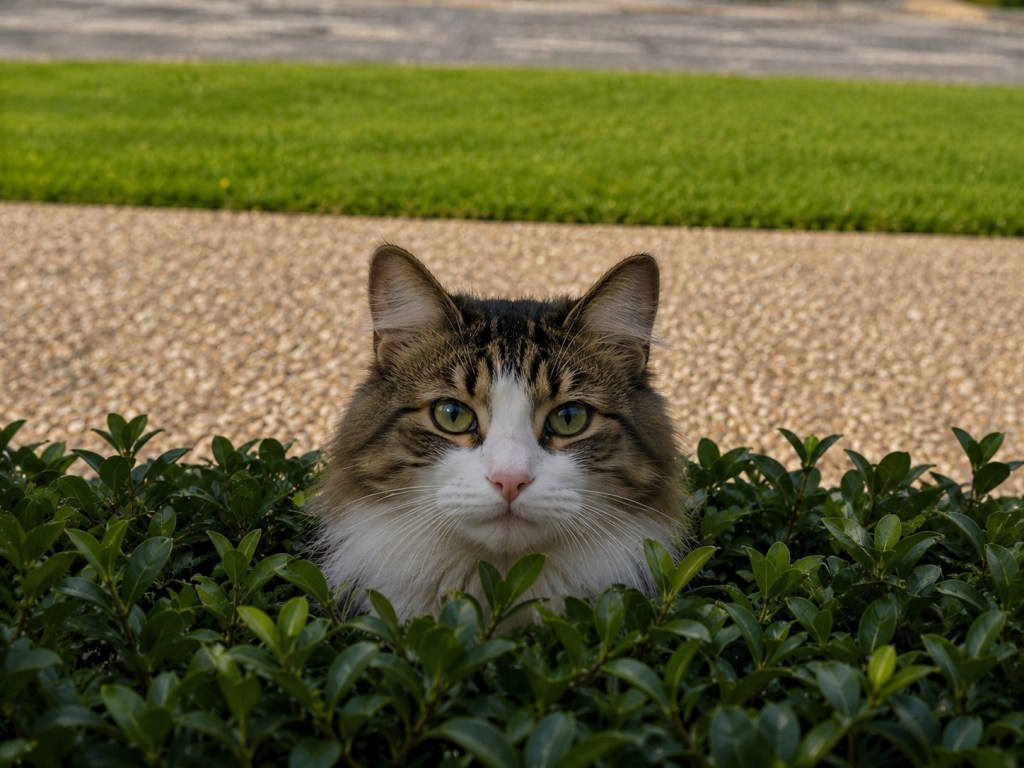
To the previous AI generated picture of our front lawn I added workers repairing shingles on roof tops, children playing, squirrels climbing the tree, a cat sticking out its head, and rabbits.

He sees rabbits running, cats hiding, children playing and laughing, and he sees squirrels running up the trees, so he goes woof, woof, woof, woof.

I generated this picture with the help of ChatGPT. It is a picture of Rollo standing in the window and barking. It is slightly different from the previous picture with Rollo barking out the window.

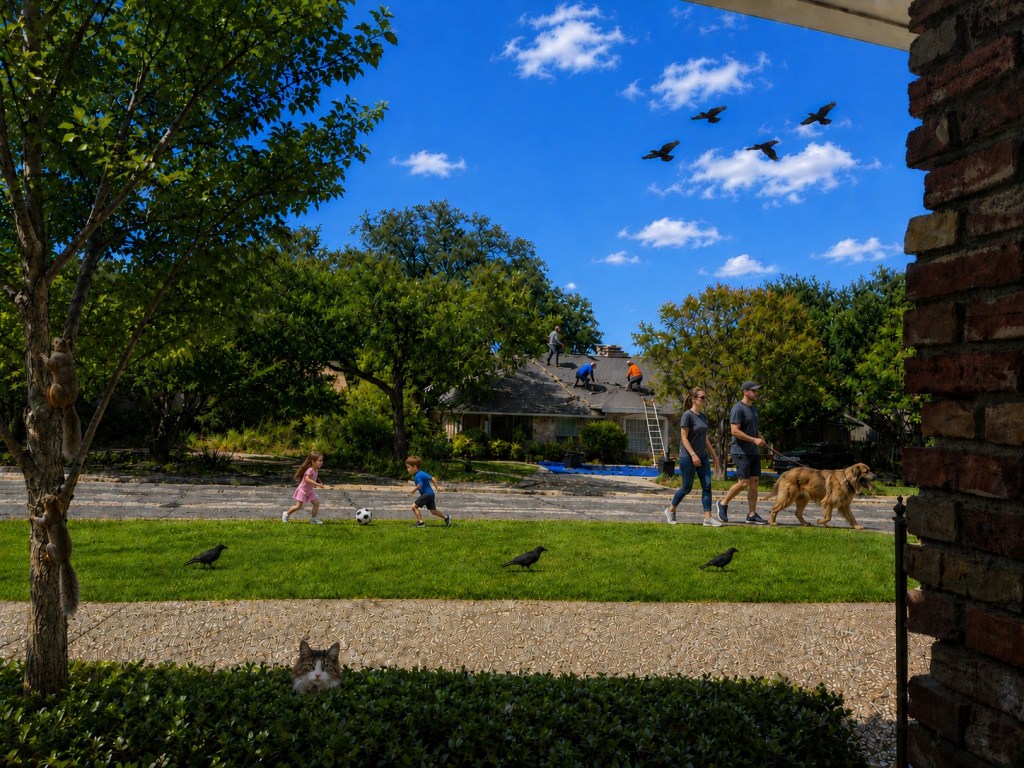
He sees people walking by our house. Do they see him? Maybe not. But there, someone sees him, and he goes woof, woof, woof, woof.

I generated this picture with the help of ChatGPT. I used the previous picture of our front lawn but added a woman and man walking by the house. The man is looking at Rollo.

He sees people with dogs walking by the house and that makes him mad, so he goes woof, woof, woof, woof.

I generated this picture with the help of ChatGPT. I used the previous picture of our front lawn but removed th woman and man walking by the house. Instead, I added two people walking a Leonberger dog with on leash.

Then the cat asks Rollo if he could come out and play with her. But Rollo can’t. He is stuck inside behind the window, so he goes woof, woof, woof.

I generated this picture with the help of ChatGPT. It is zoom in of the cat’s head.

Rollo looks out the window and he sees the world, and he knows that the world was made for him, but he has to stay inside.

This is a photo of planet Earth from pexels.com

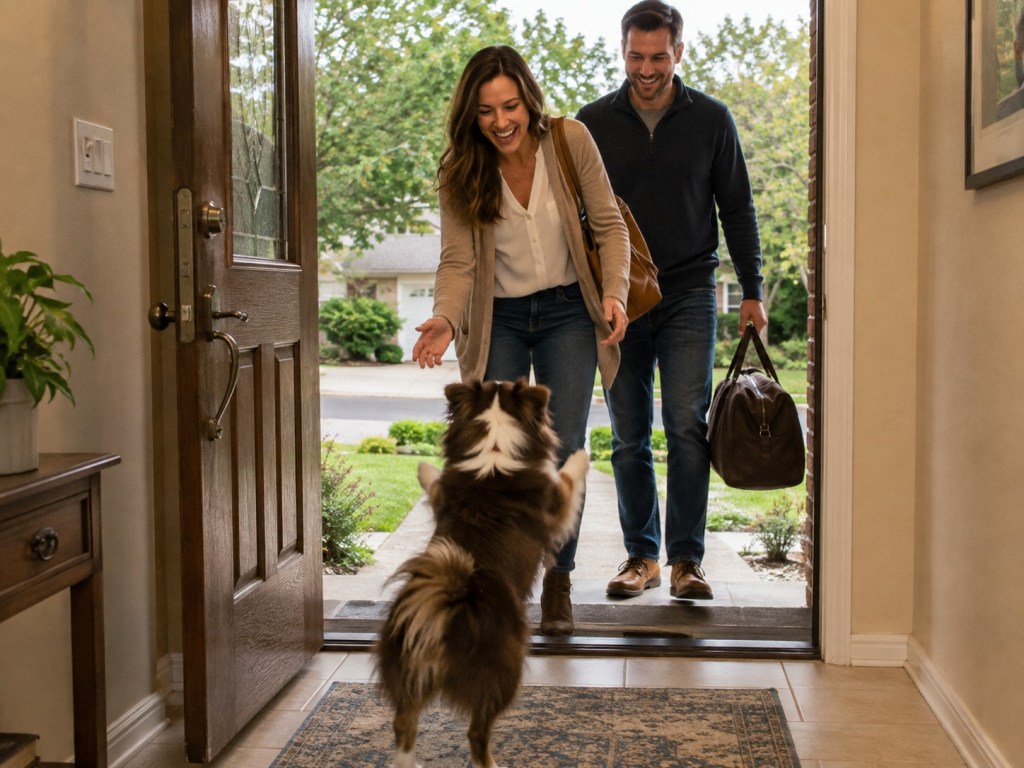
Rollo’s owners left him alone in his despair for nearly two hours but now he sees them coming home and he runs to the door, and he goes woof, woof, woof, woof.

A happy man and a happy woman enters a front door and are greeted by a happy mini-Australian Shepherd.

They ask him, Rollo, what did you see out your window today? And he goes woof, woof, woof, woof.

Photos of Rollo Looking Out the Window

Rollo our dark brown and white mini-Australian Shepherd is standing in front of the window looking out.
Rollo is looking out the window. Photo taken by me.
Rollo our dark brown and white mini-Australian Shepherd is standing in front of the window looking out.
Another photo of Rollo looking out the window. Photo taken by me.
Rollo our dark brown and white mini-Australian Shepherd is standing in front of the window looking out. The photo is from a larger distance so you can see the brick wall.
Rollo is looking out the window. I am standing a bit further away from the window.

Daisy and Rollo Looking Out the Window

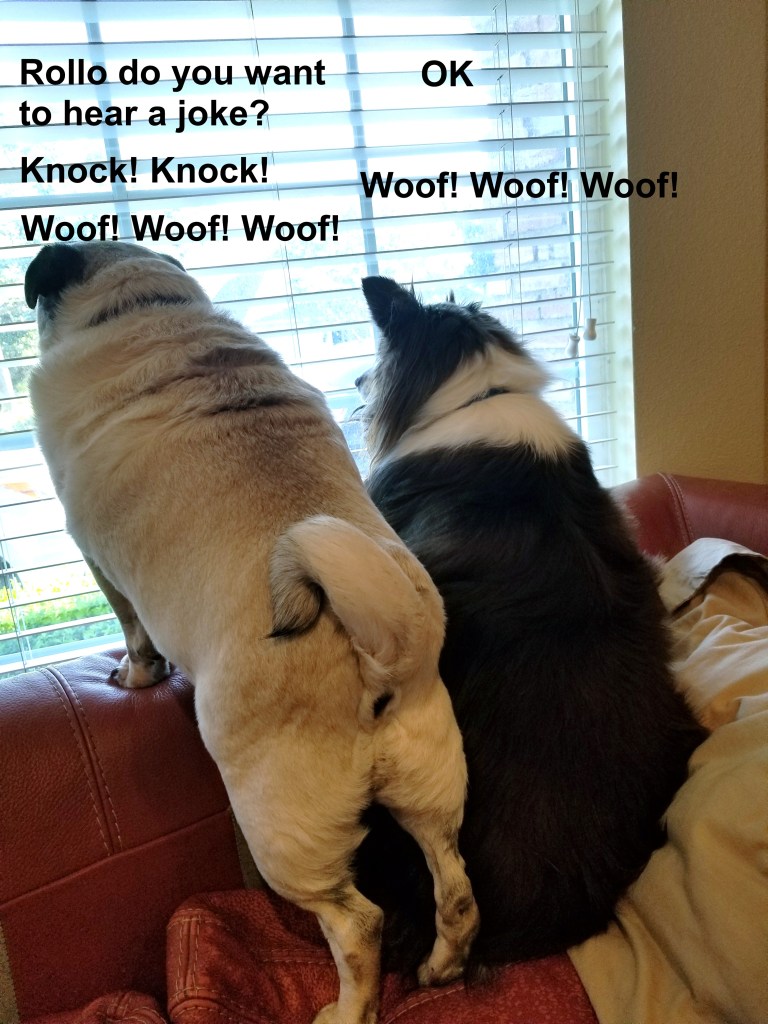
Rollo grew up with two dogs, our big fluffy Leonberger dog Bronco and Daisy our Pug. Bronco sometimes stood and looked out the window, but Rollo and Daisy loved doing that together. They stood on the sofa and barked at everything they saw outside.

A pug and a mini-Australian Shepherd are standing on the sofa looking out the window. The joke goes: Daisy says : Rollo do you want to hear a joke? Rollo says OK. Daisy says Knock! Knock! They both start barking like crazy.
Daisy’s and Rollo’s knock knock joke.
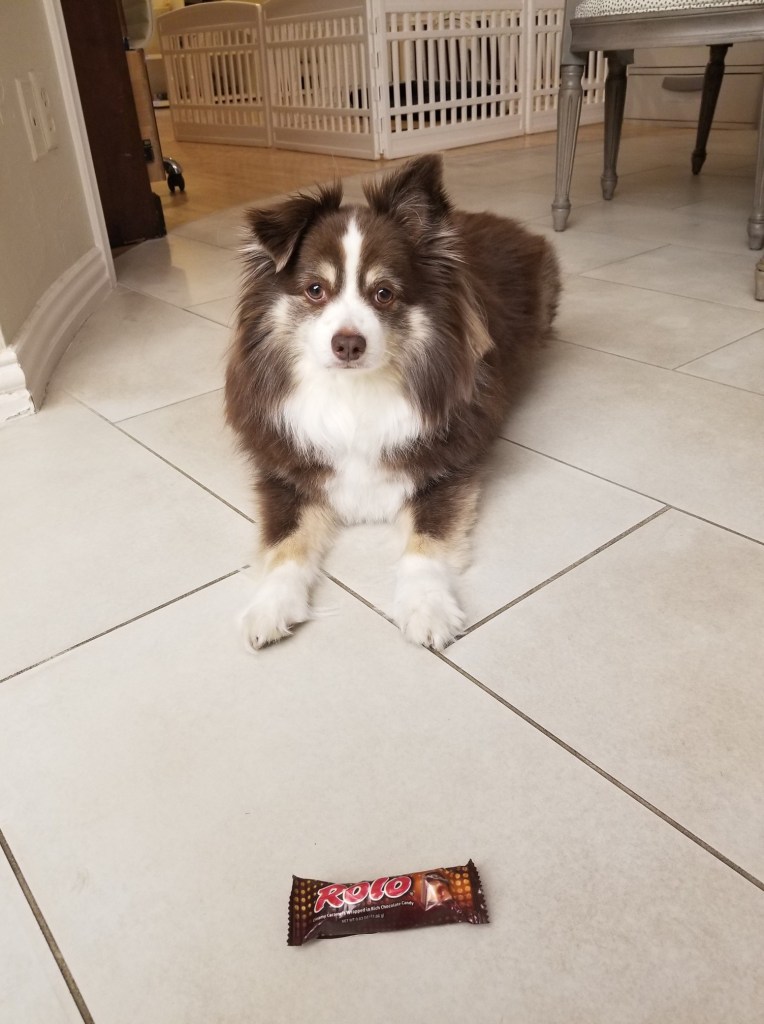
Rollo standing in front of a Rolo candy.
Finally, I just wanted to point out that Rollo is named after the Viking king who tried to sack Paris, not the Rolo candy.

Daily Health Habits for Dog Owners

A professional content writer by the name of Ryan Goodchild contacted me about me posting an  article he had written on daily health habits for busy dog owners. The title of the article is “Simple Daily Health Habits for Busy Dog Owners to Boost Well-Being”  and you can see the article below. Ryan wrote the article and I provided pictures.

Hachi a Canadian Leonberger with my book. The owner and photographers are Brenda Saito and her husband. Mak another Canadian Leonberger with my book. Photo by Debbie Ireland. Black and white photo of our Leonberger Bronco when he was three months old. Baylor our Labrador. Baby our German Shepherd. Ryu our Japanese Chin. Daisy our Pug. Rollo our mini-Australian Shepherd.

Simple Daily Health Habits for Busy Dog Owners to Boost Well-Being

Ten Leonberger puppies sitting on a sofa. They are brown with black face masks. An adult Leonberger is lying in front of them.
Are you a busy dog owner? Shutterstock-ID: 561107650 by Akbudak Rimma.

For busy dog owners balancing work, family, and constant pet needs, personal health often gets squeezed into whatever time is left. The pet owner lifestyle brings common health challenges, irregular sleep, skipped meals, nagging aches from walking and lifting, and stress that builds quietly across the day. Daily health routines that focus on simple, consistent head-to-toe care help turn scattered self-care into a steady baseline for energy, mood, and recovery. The payoff is holistic well-being that holds up even when the dog’s schedule runs the day.

Build a Simple Day Routine Around Dog Care

This day structure helps you care for your body from morning to night without adding extra “projects” to your schedule. It matters because small routines done consistently are easier to keep even when your dog’s needs interrupt your plans.

A woman in black stretch pants, white top and gym shoes is stretching.
Start the day with stretching Pexels free photo by Maksim Goncharenok
  1. Start with a 3-minute morning stretch reset
    Start right after your first dog outing with a quick sequence: neck rolls, shoulder circles, gentle hip hinges, and calf stretches while the coffee brews. Focus on slow breathing and comfortable range of motion, not intensity. This is a simple way to reduce stiffness from sleep and make walks and lifting feel easier.
  2. Choose a 60-second mindfulness “pause point”
    Pick one reliable cue you already have, like clipping the leash, washing your hands, or opening your laptop. Do one minute of box breathing or a quick body scan from jaw to shoulders to hands, then relax what you notice is tense. This tiny reset can lower stress spillover before it snowballs into the rest of your day.
  3. Pair your hydration with your dog’s water routine
    Each time you refill your dog’s bowl, drink a full glass yourself and keep a bottle where you feed them. Learning the signs of dehydration in pets like dry gums and lethargy also helps you stay alert to your own needs, since busy days often mask thirst as fatigue. The goal is steady sipping, not chugging at night.
  4. Lock in oral hygiene with two “anchors”
    Tie brushing to two non-negotiable moments: after your first meal and after your final dog walk. Follow the simple rule to brush your teeth twice a day so it becomes automatic instead of optional. This protects your mouth and supports overall health with almost no scheduling friction.
  5. Use a dog-friendly bedtime routine that protects sleep
    Set a fixed “last call” window: final potty break, dim lights, prep tomorrow’s leash and poop bags, then phone on charger outside the bed. If your dog wakes you, keep it boring and brief with low light and no scrolling, then return to bed immediately. Consistency trains both of you to settle faster.
Photo of seven Leonbergers on the sand on a beach.
Digory with Leonbergers friends on the beach. Photo by friend Jen O’Keefe.

Keep Your Mind Sharp With Lifelong Learning You Can Schedule

Lifelong learning keeps your mind active and engaged, which can strengthen mental well-being over time by promoting personal growth and building confidence. As you practice remembering and applying new information, you reinforce memory retention and create a steady sense of progress that can reduce stress and make busy weeks feel more manageable. An online degree can deliver these benefits no matter what career track you’re on, because it offers a structured, self-paced path you can fit around dog walks, work, and home responsibilities. For example, a bachelor’s in information technology online can provide hands-on knowledge in networking, cybersecurity, cloud computing, data management, and systems administration, building practical skills alongside personal confidence.

Neural Networks. Black Hole Stock Illustration ID: 2476711459 by Vadim Sadovski. Malware, Shutterstock asset ID: 1916985977 by Sashkin. Artificial intelligence, Shutterstock Asset id: 2314449325 by Stock-Asso. Stock Illustration ID: 1372134458 by Boris Rabtsevich

Tiny Habits That Boost Health and Your Dog Bond

Small, repeatable actions work because they lower the friction of self-care on busy days. Give each habit time to stick, since 59-66 days is a realistic window for many routines to feel more automatic.

Our Leonberger dog Bronco is standing in front of me and looking straight into the camera. I am sitting in the sofa.
Our Leonberger dog Bronco as an adult. He is coming up to me. He wants my attention.
One-Minute Skin Sweep
  • What it is: Notice new spots or irritation while brushing your teeth.
  • How often: Daily
  • Why it helps: Early awareness keeps you proactive and reduces health anxiety.
Gentle Face Cleanse
  • What it is: Wash with a mild cleanser after your last dog walk.
  • How often: Daily
  • Why it helps: It removes sweat and grime without overdrying skin.
Leash-Up Breathing Reset
  • What it is: Take six slow breaths while clipping on the leash.
  • How often: Daily
  • Why it helps: It downshifts stress before the next task.
Food-as-Training Microgame
  • What it is: Use a few kibble pieces to practice name and recall.
  • How often: Daily
  • Why it helps: It builds trust and mental stimulation in minutes.
Our Leonberger Bronco is lying on the floor. Our mini-Australian Shepherd Rollo  is lying on his side wanting to be petted.
Our Leonberger Bronco and our mini-Australian Shepherd Rollo.

Common Questions Busy Dog Owners Ask

Q: How can dog care actually help my sleep quality?
A: Aim for a consistent last potty break, then keep lights low and screens off after you come back inside. A short, calm walk can reduce restlessness for your dog and help your body shift into wind-down mode. Many owners find that predictable evening cues lead to fewer middle-of-the-night wakeups.

Q: What are easy hydration tips when I forget to drink water?
A: Tie your water to your dog’s water: every time you refill their bowl, take 6 to 10 gulps from a bottle you keep nearby. If plain water feels boring, add ice or a squeeze of citrus and keep it visible on the counter. A “first drink before first scroll” rule also helps.

Q: When my routine gets interrupted, how do I keep up with oral care?
A: Use a two-minute minimum: brush once, even if you skip floss. If you truly cannot brush, rinse well with water and set your toothbrush out so it’s the first thing you see next time.

Q: Can a quick walk really count as self-care when I’m exhausted?
A: Yes, because movement and daylight can improve mood and energy without needing a full workout. Even long walks with your dog can support physical fitness for both of you when you have time.

Q: Should I feel guilty if I only manage one tiny habit a day?
A: No. Consistency beats intensity, especially on chaotic days. Pick the smallest action that keeps your identity as “someone who takes care of themselves” intact.

Paintings of our Pug Daisy and Leonberger Bronco.

Lock In One Week of Health Habits With Your Dog

Busy dog owners rarely struggle with knowing what’s healthy, it’s the constant handoffs between pet needs and personal needs that break consistency. The health strategy reinforcement here is simple: commit to health routines that are small, repeatable, and designed to survive imperfect days, so sustainable wellness habits become automatic rather than aspirational. Over time, that approach supports a balanced lifestyle for dog owners with better energy, steadier sleep, and fewer “start over Monday” cycles. Consistency beats intensity when life is crowded. Pick one one-week upgrade you can keep during your busiest days and do it daily. That ongoing self-care motivation builds resilience for both you and your dog, week after week.

How to Launch a Mobile Pet Grooming Business

A professional content writer by the name of Ryan Goodchild contacted me about me posting an  article he had written on how to launch a mobile Pet Grooming Business. The title of the article is “A Step-by-Step Guide to Launching Your Mobile Pet Grooming Business”  and you can see the article below. Ryan wrote the article and I provided pictures.

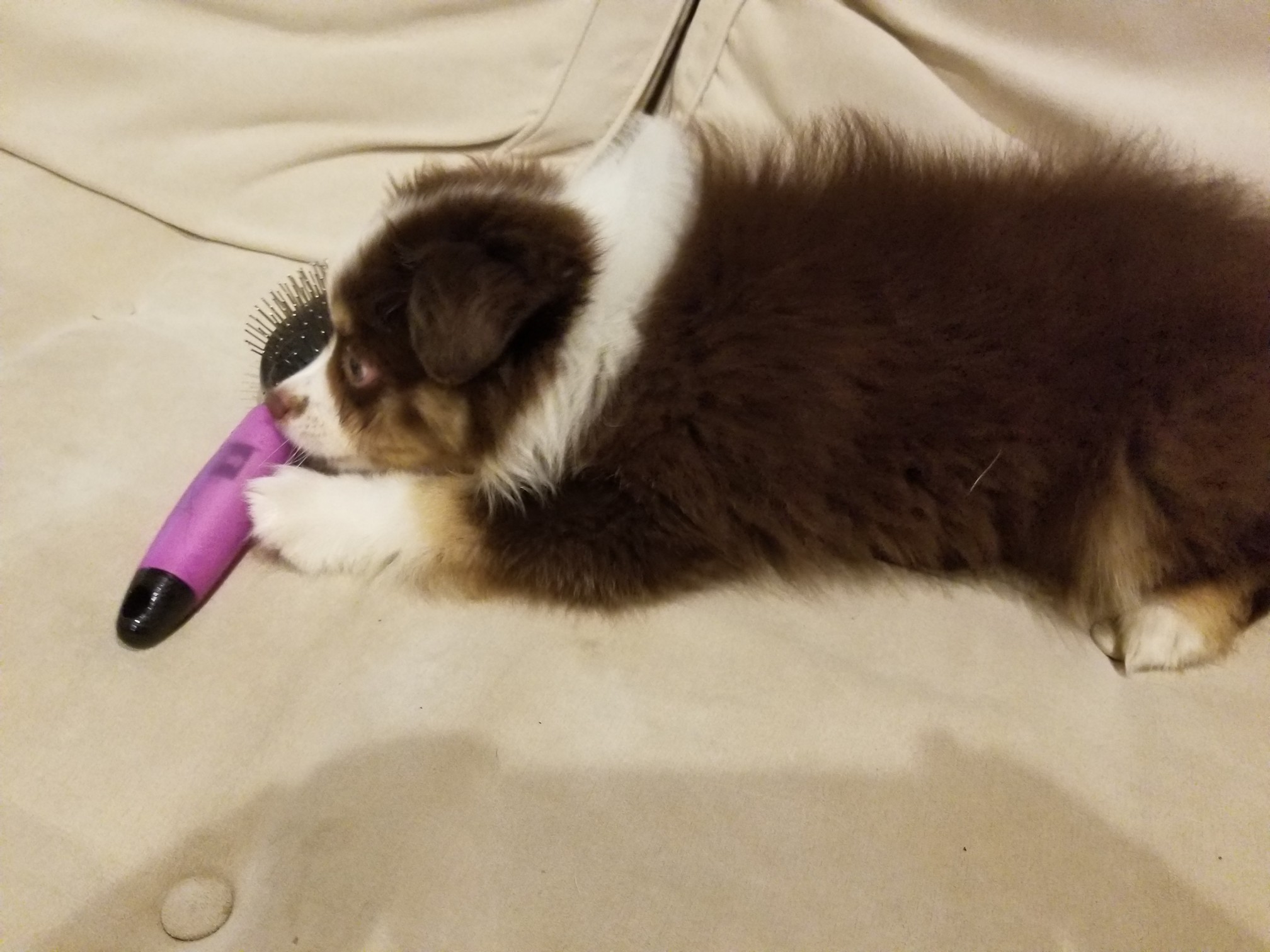
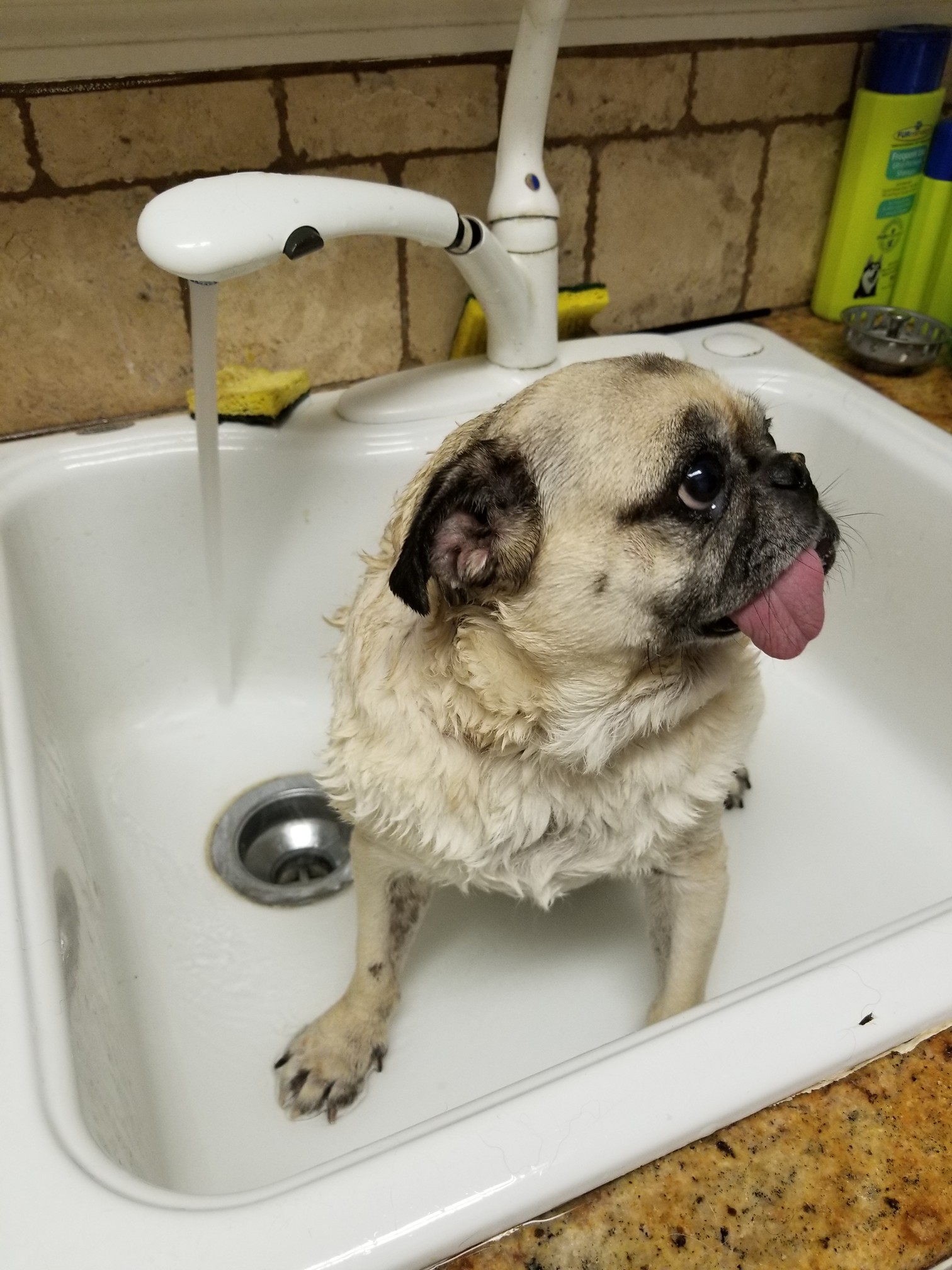
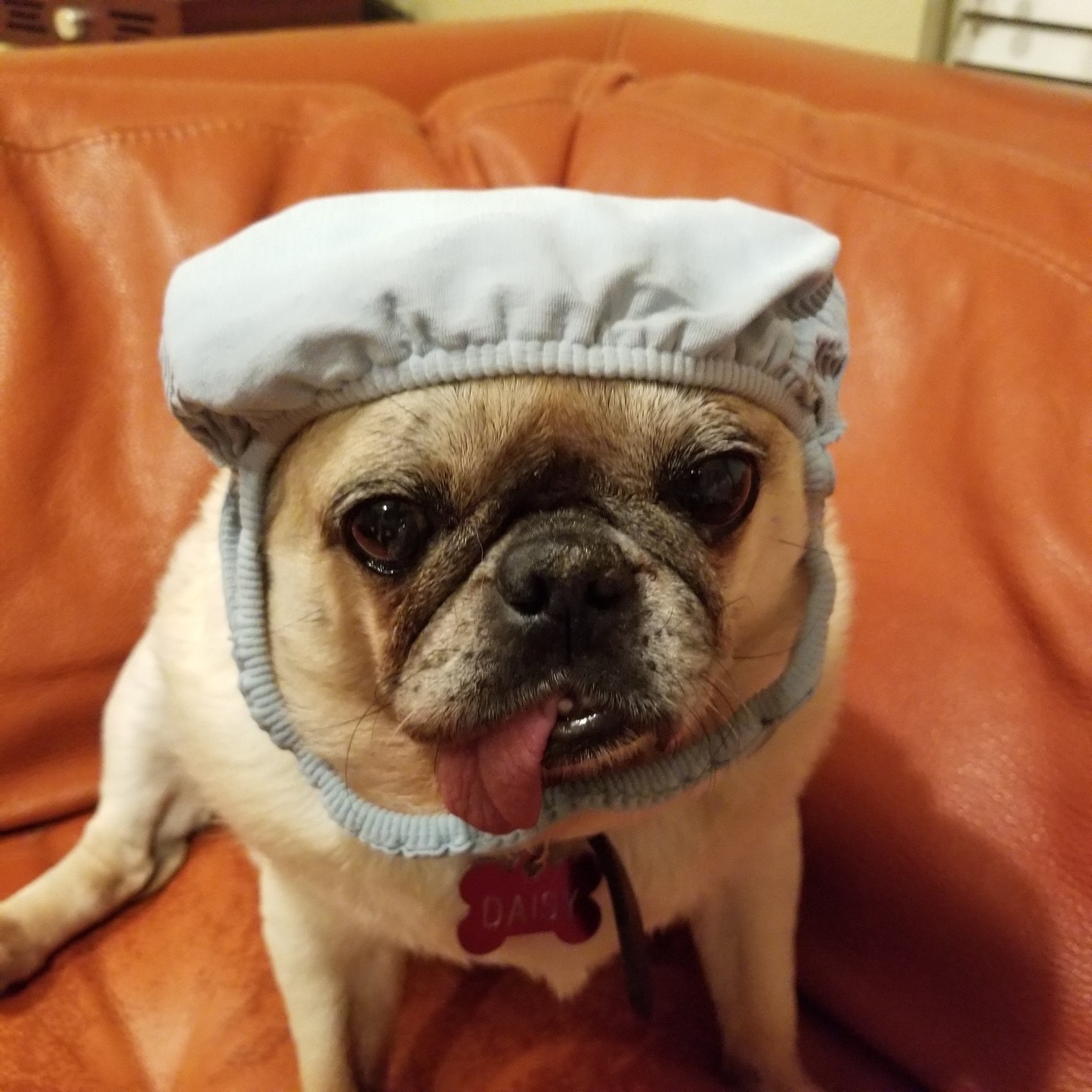
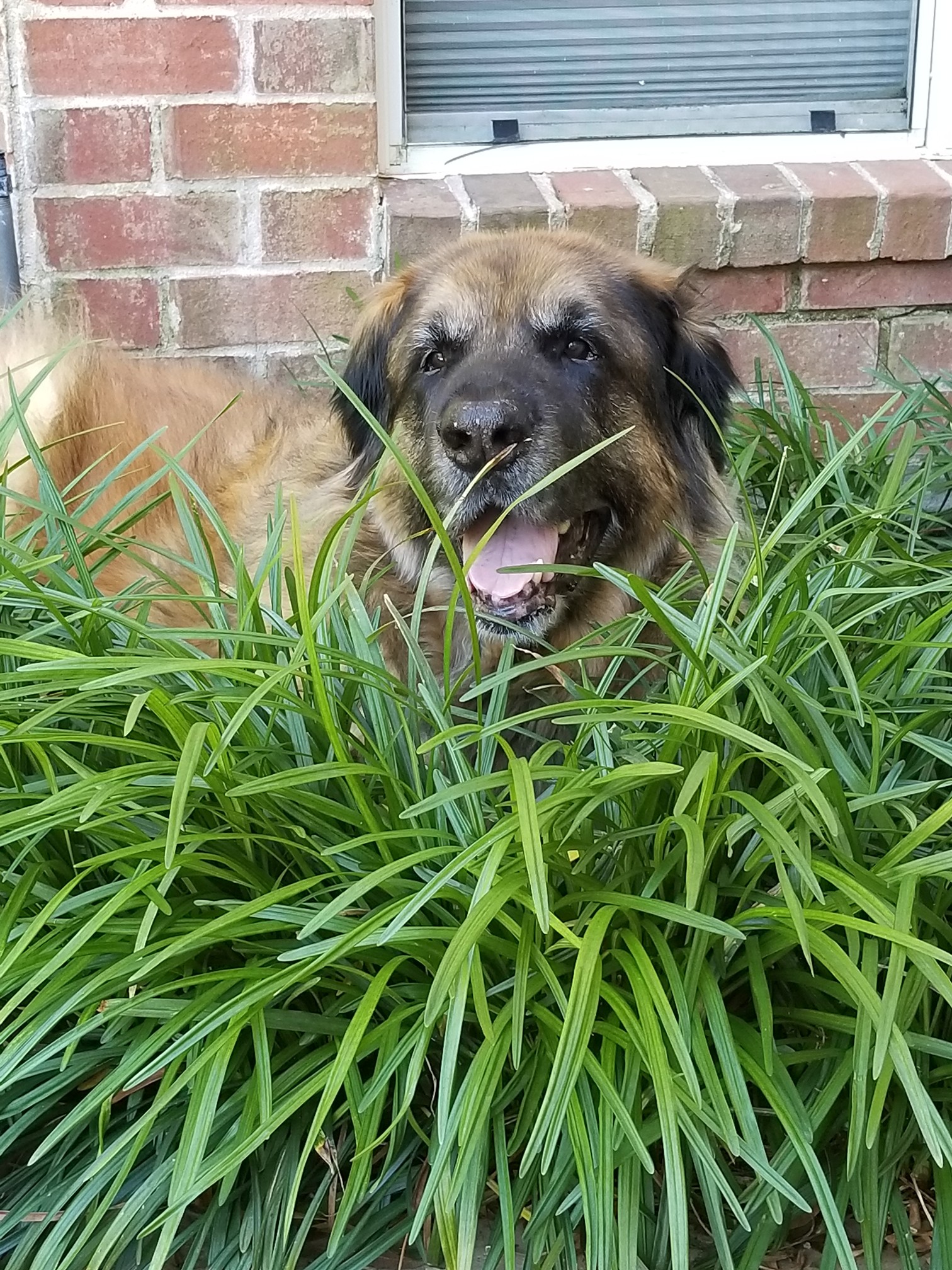
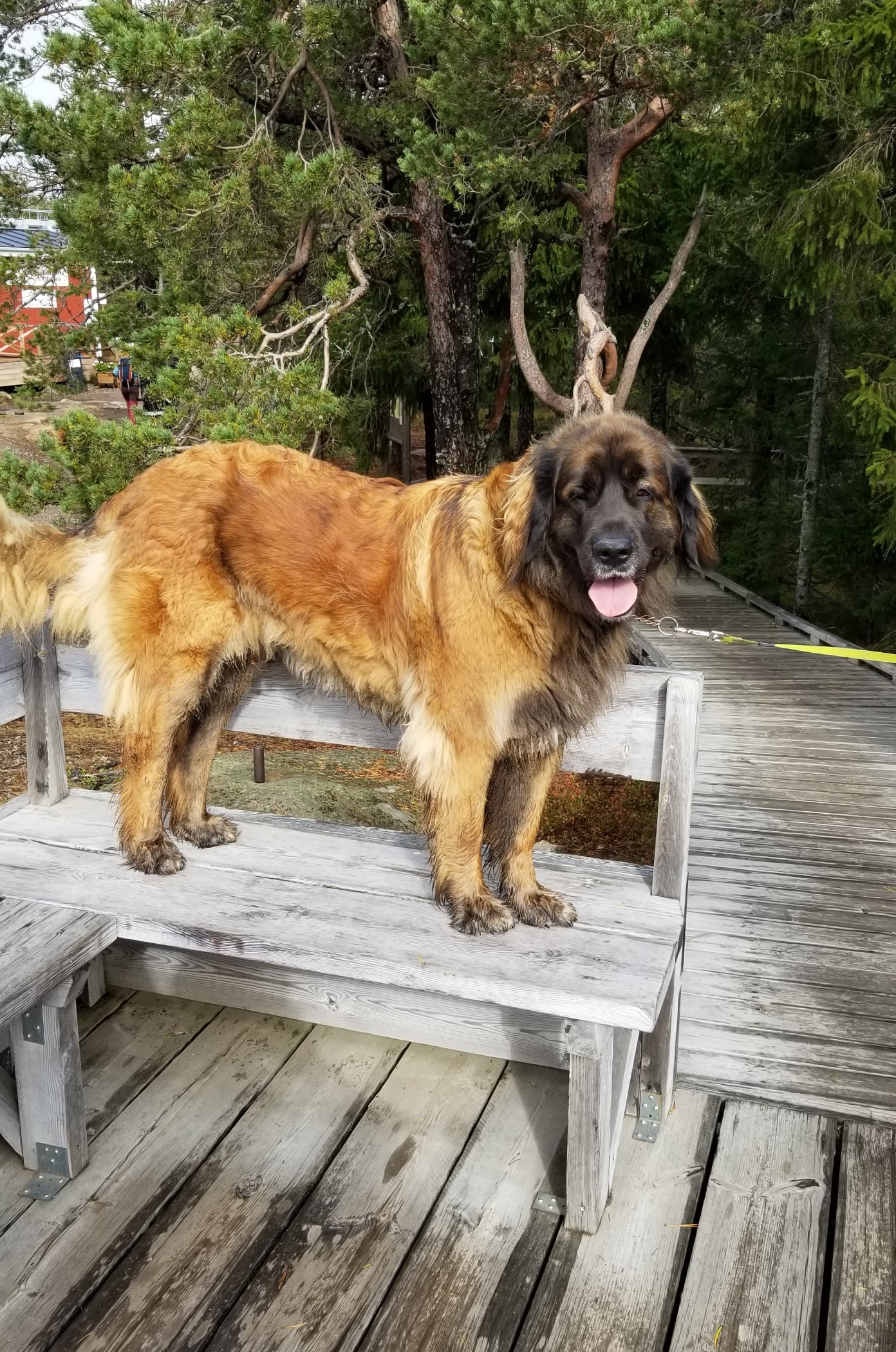
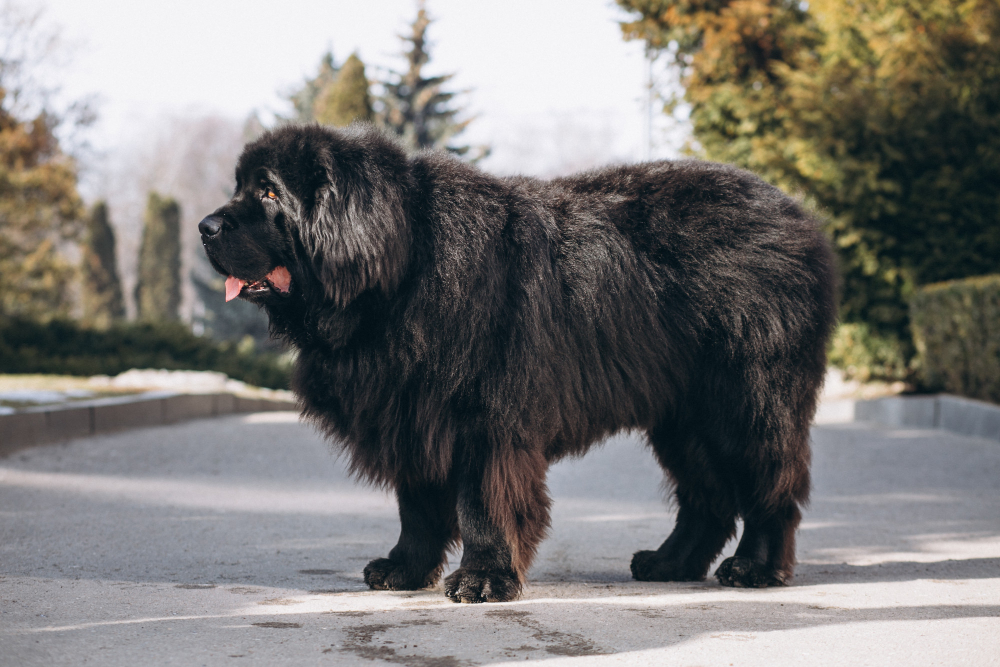
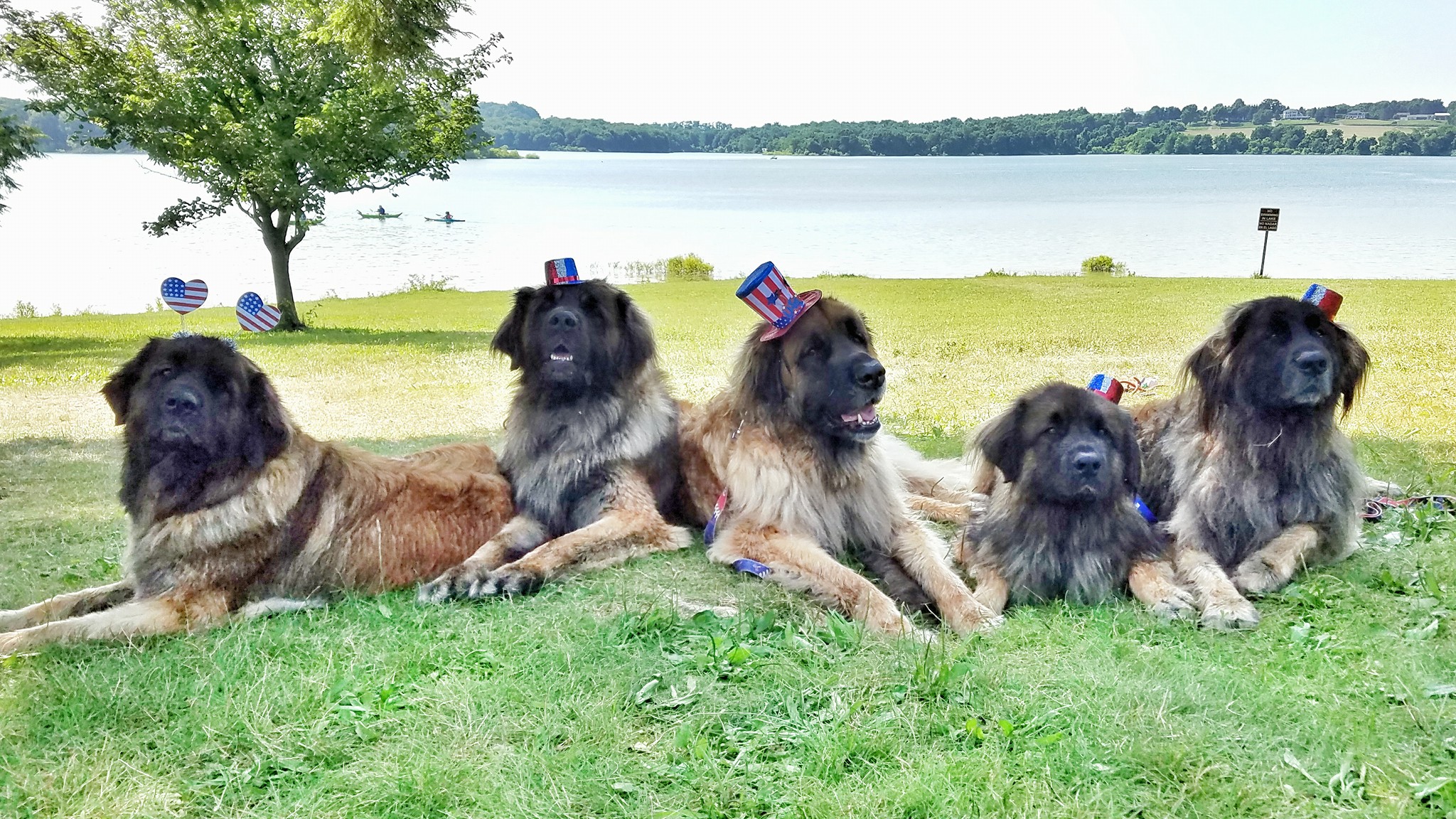
Our Leonberger dog getting washed in a kiddie pool. Our mini Australian Shepherd puppy Rollo with a brush. Our Pug Daisy getting a bath. Our Pug Daisy with a bath hat. Our Leonberger Bronco is hiding in the bushes. Amie a Swedish Leonberger standing on a bench. Fluffy black Newfoundland dog by Emma Johnson. Saint Bernard dog Stock Photo ID: 1713912484 by fred12. The photo of five Leonbergers wearing patriotic hats lying on grass by a lake was taken by Jen O’Keefe, (from left to right; Obi, Delfi, Aslan, Gryphon, Digory).

A Step-by-Step Guide to Launching Your Mobile Pet Grooming Business

For service-minded workers, career changers, and local business owners who want a practical small business startup, a mobile pet grooming business can feel like a rare fit between steady demand and flexible operations. The core tension is real: pet care services must be consistent and safe, but most aspiring owners also need a model that can start lean and earn trust quickly. The mobile grooming market meets busy households where they are, turning convenience into repeat business and clear entrepreneurial opportunities. With the right expectations, this can become a reliable local service brand.

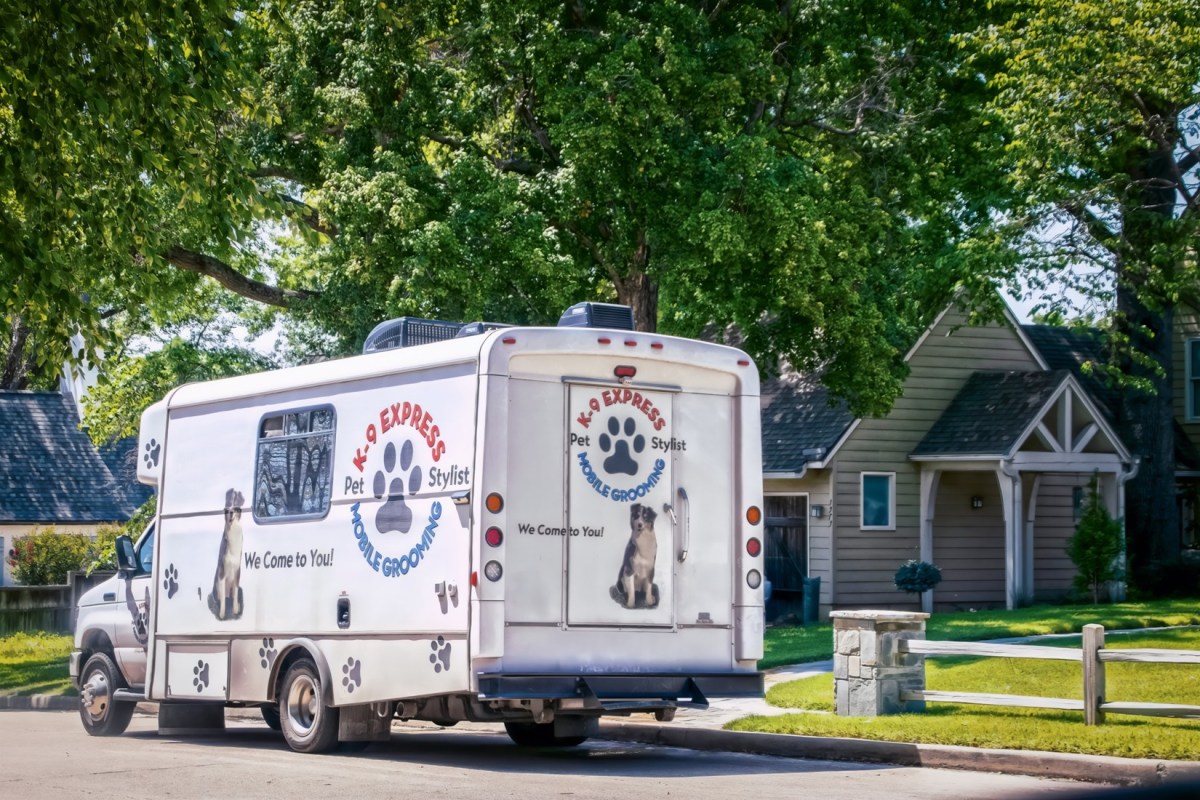
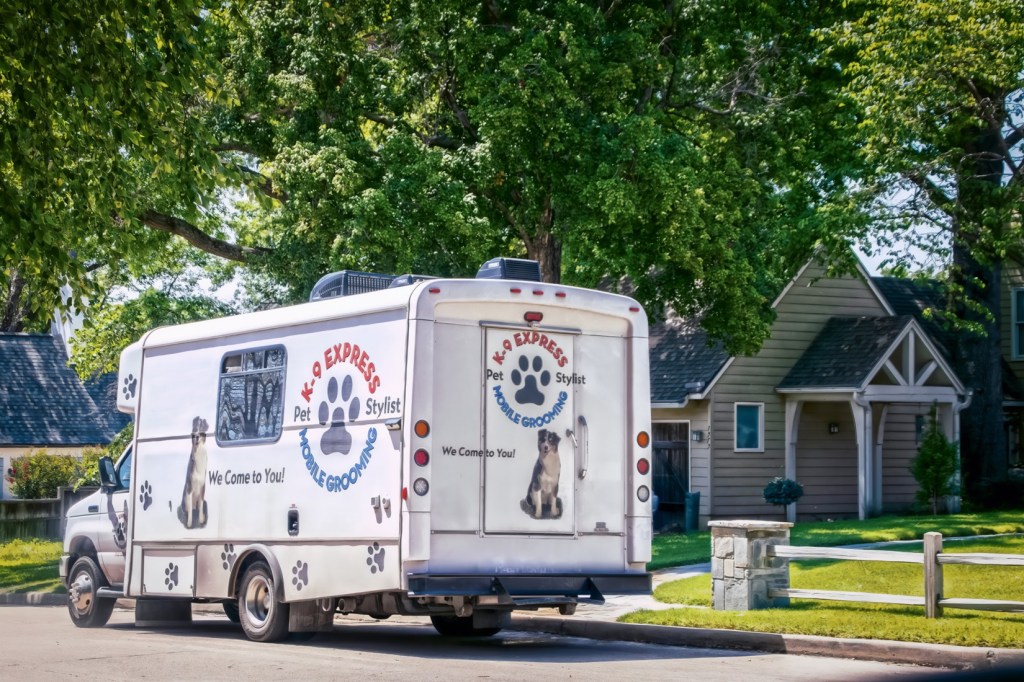
06-30-2022 Tulsa USA - Mobile Dog Wash and Grooming van parked in front of cute house in leafy neighborhood.
Mobile Dog Wash and Grooming van Shutterstock asset id: 2248201135 by Vineyard Perspective

Build and Launch Your Mobile Grooming Service

This simple sequence helps you turn a love of pets into a real mobile pet grooming business with a plan, the right gear, and repeatable daily operations. It matters because small early decisions, like what services you offer and how you schedule, can prevent costly surprises later.

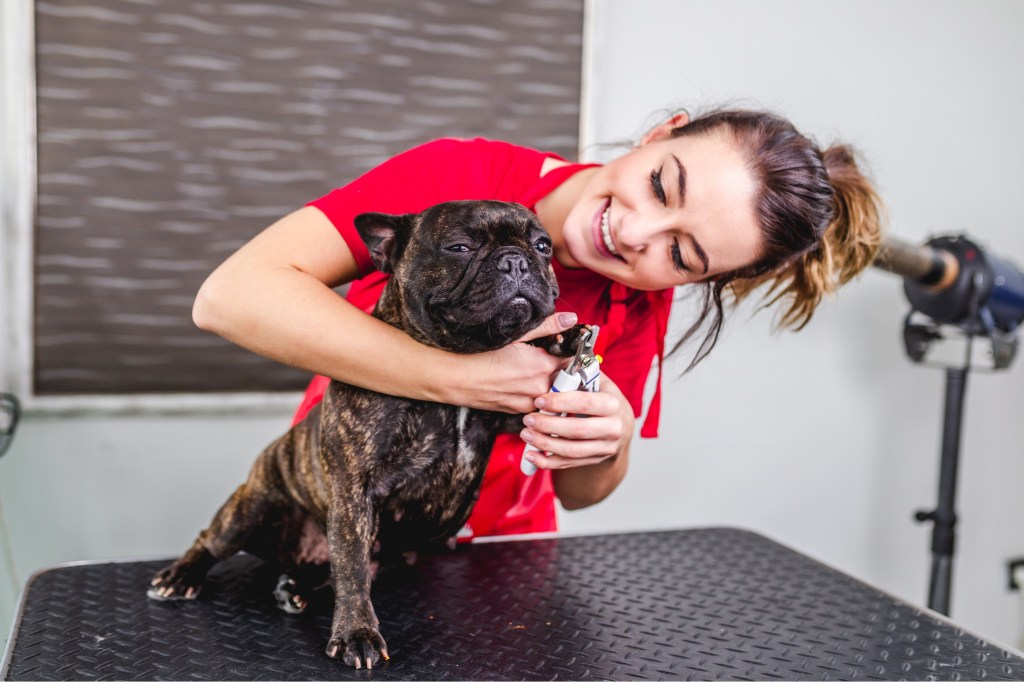
Female groomer cutting French bulldog's nails at grooming salon.
Grooming French Bulldog. Shutterstock asset id: 1340980898 by hedgehog94.
  1. Start with a simple business plan
    Use start with a business plan to define your services, pricing, ideal customer, and what “success” looks like in the first 90 days. Keep it short: one page is fine if it clearly guides your next choices. A basic plan also makes it easier to estimate costs and avoid undercharging.
  2. Define your offer and your boundaries
    Decide what you will do on day one, such as baths, haircuts, nail trims, de-shedding, and what you will not handle yet, like severe matting or aggressive pets. Write down your service times, cancellation policy, and any add-on fees so you can explain them calmly to clients. Clear boundaries protect safety and keep your schedule realistic.
  3. Choose essentials and build a safe setup
    List the non-negotiables you need to groom hygienically and efficiently, such as clippers, blades, shears, combs, towels, cleaning supplies, and secure restraints. Buy for reliability first, then upgrade as revenue grows. Do a dry run in your workspace so you can reach tools quickly and reduce stress for the pet.
  4. Set up operations that run on repeat
    Create a weekly routine for booking, travel time, service time, cleanup, and restocking so your days do not spiral when you get busy. Use a simple intake checklist for allergies, coat condition, bite history, and owner preferences, then store notes for next time. Consistency is how you deliver safe grooms and earn referrals.
  5. Market locally and ask for the first bookings
    Choose two channels you can maintain, such as a Google Business Profile and a neighborhood social group, and post clear before and after photos with your services and prices. In your plan, include basics like your mission and target market because business plan outlines make marketing messages easier to write and repeat. Then invite every satisfied client to leave a review and refer one friend.
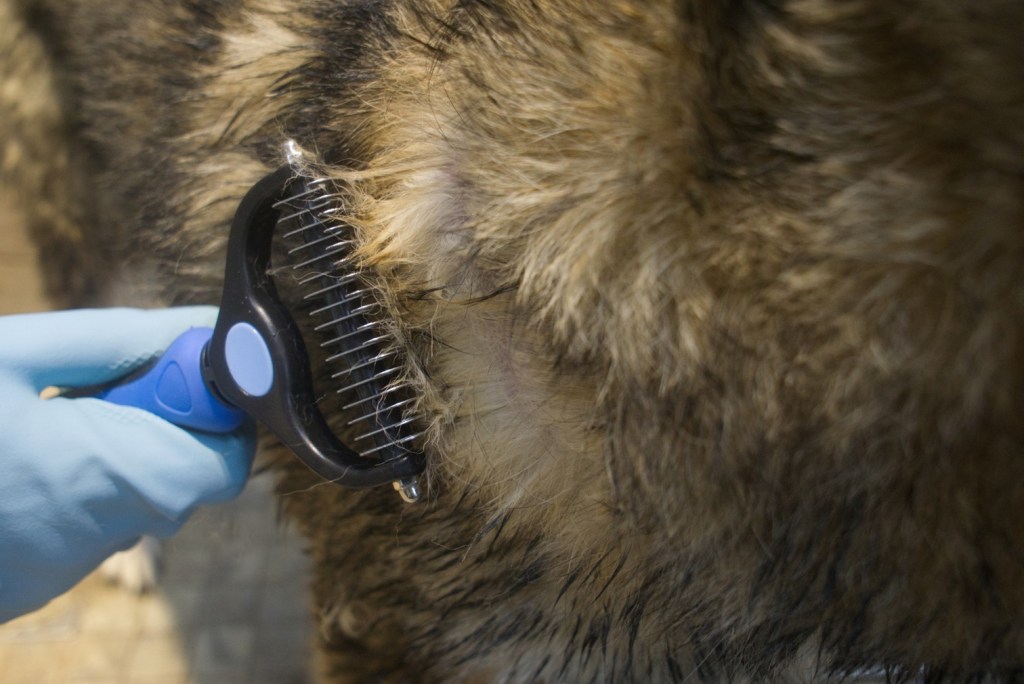
A so called undercoat rake is used to brush and penetrate deep into the coat of a double coated dog.
Brushing a double-coated dog close-up. Shutterstock Asset id: 2441132455 by Gayleen Froese.

Strengthen Your Business Skills Before You Scale Service

Once you’ve got the basics of launching and operating your mobile grooming setup in place, the next growth lever is often strengthening the business and marketing skills that turn steady bookings into a scalable service.

For some owners, going back to school for a business degree provides the structure to sharpen how you plan, position, and promote your services, especially as your route gets fuller and your choices carry bigger financial stakes. If you want a quick grounding, building those fundamentals can help you build confidence in core business and marketing concepts you’ll use every week.

A master’s in business administration equips you with skills in leadership, strategic planning, financial management, and data-driven decision-making to excel in diverse business environments. And because online degree programs are designed for flexibility, it’s often possible to keep running your business while you’re in school.

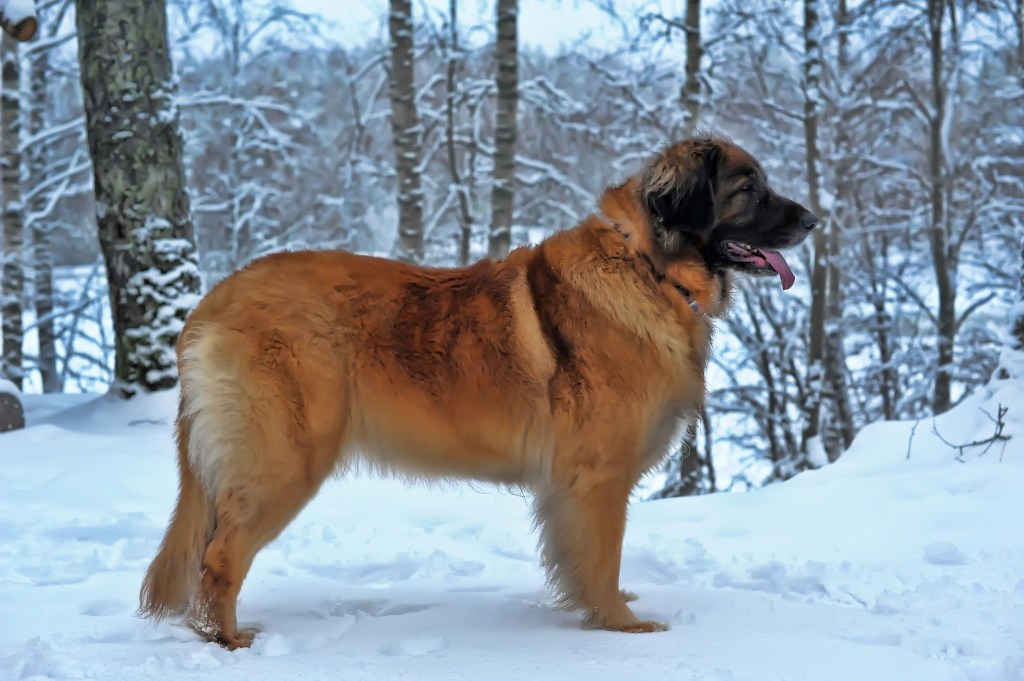
Photo of a Leonberger standing in snow. In the background there is snowy forest.
Well-groomed Leonberger standing in a snowy forest. Shutterstock-ID: 705193912 by Eric Isselee.

Plan → Groom → Follow Up → Improve

Your mobile grooming business grows faster when each day runs on a repeatable loop, not memory. This rhythm helps you protect pet care quality standards, reduce missed details, and keep your calendar predictable even as requests increase. It also builds trust so clients rebook without needing extra reminders, especially when many owners prefer scheduling sessions on a steady cadence.

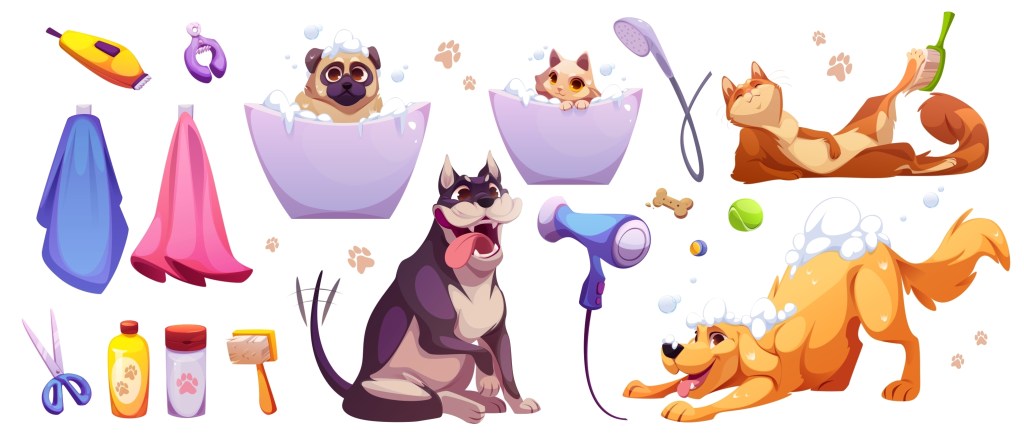
Grooming cartoon pets with bathing equipment and salon accessories for animal spa service. Dogs and cats with brushes and towels, scissors, shampoo bottles and hair dryer. Playful hygiene collection.
Dogs and cats with brushes and towels, scissors, shampoo bottles and hair dryer. Shutterstock asset id: 2681547649 by myteamart.
StageActionGoal
Plan the routeConfirm addresses, time windows, services, add buffer timeFewer late arrivals and smoother drive time
Pre-visit prepSanitize tools, restock supplies, review pet notesSafe setup and consistent readiness
Intake and consentCheck coat condition, discuss goals, confirm pricing, document issuesClear expectations and fewer surprises
Groom to standardFollow checklist, monitor stress, take quick before and after photosConsistent results and pet comfort
Close and follow upShare care tips, collect payment, book next visit, request feedbackHigher satisfaction and repeat retention
Review and adjustLog time per service, update notes, refine pricing and buffersBetter margins and fewer bottlenecks

Because each stage feeds the next, small improvements compound: cleaner prep speeds the groom, clean intake reduces callbacks, and follow-up keeps your appointment scheduling system full. Over time, your customer satisfaction management becomes measurable, not guesswork.

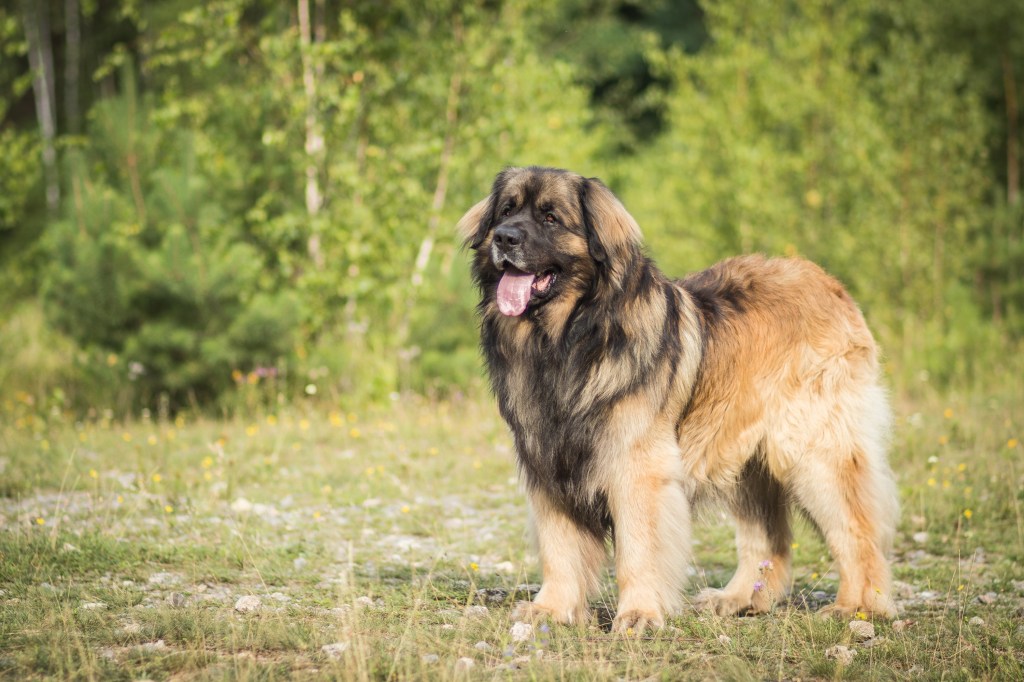
Majestic Leonberger standing on grass and there is a forest in the background.
Healthy Leonberger posing in front of a forest. Shutterstock asset id: 1474761425 by AnetaZabranska.

Mobile Pet Grooming Startup Questions, Answered

Q: What licenses or permits do I need to groom pets from a van?
A: It depends on your area, but plan for a basic business license plus any mobile vending, zoning, or parking rules that apply to operating from a vehicle. If you collect sales tax on products, you may also need a sales tax permit. Call your city or county business office and ask for a checklist for mobile services so you do not miss a step.

Q: How much insurance should I carry, and what does it cover?
A: Many owners start with general liability and then add tools and equipment coverage, commercial auto, and care, custody, and control if offered. Budgeting is easier when you know that mobile pet groomers pay an average of $65 per month for general liability insurance. Ask an agent to quote the exact services you offer, like nail trims, de-shedding, or handling anxious dogs.

Q: How should I price services without undercharging?
A: Use a base price by size and coat type, then add clear line items for mats, heavy shedding, special handling, or extra brushing time. Track your true minutes per dog for two weeks so your prices reflect labor, drive time, supplies, and vehicle costs. If clients ask for discounts, offer a maintenance plan for repeat visits instead of lowering your standard rate.

Q: When should I require deposits or cancellation fees?
A: Deposits help protect your day when a no-show leaves an empty time slot you cannot fill. Keep it simple: a small deposit to book and a cancellation window that feels fair, like 24 to 48 hours. Put the policy in writing and confirm it at booking to avoid awkward conversations.

Q: How do I handle common grooming concerns like mats, fleas, or anxious pets?
A: Start with a quick coat check and explain what is safe and humane before you begin, especially if shaving is the kindest option for matting. For fleas, have a sanitation plan and be ready to reschedule if the infestation is severe. For anxiety, shorten the session, use breaks, and recommend a vet consult for medically appropriate calming support.

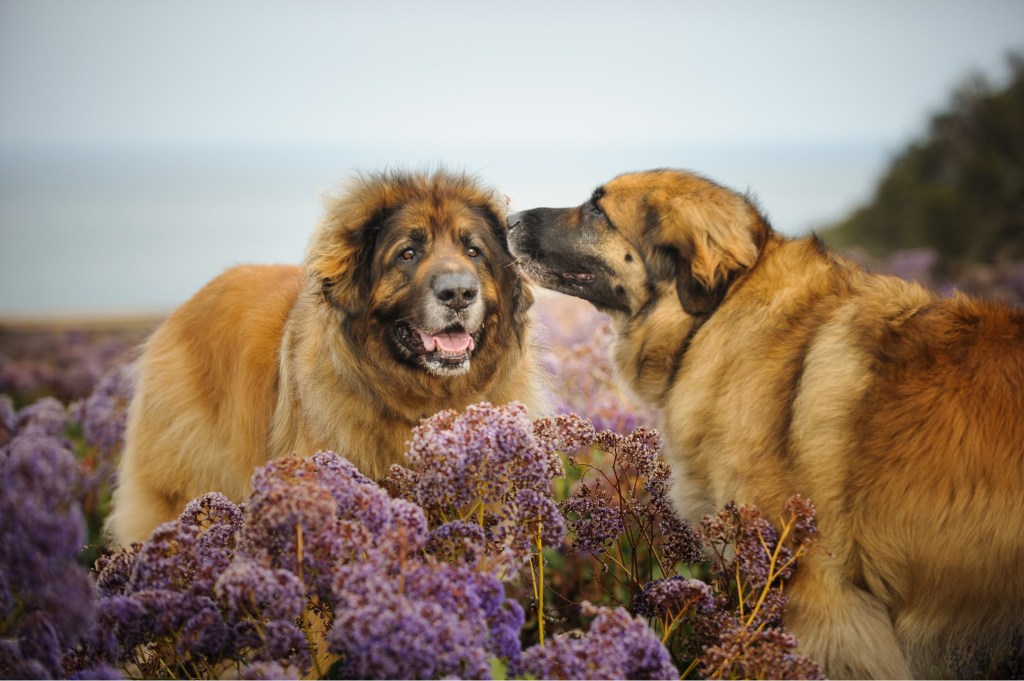
Leonberger dogs in field of purple flowers saying hello to each other.
Shutterstock Asset id: 450770140 by everydoghasastory.

Turn a Mobile Grooming Plan Into a Consistently Full Schedule

Starting a mobile pet grooming business can feel like juggling licensing, insurance, pricing, and pet safety while still needing clients on the calendar. The steadier path is a community-first, systems-minded approach: use the business launch recap to clarify your offer, follow through reliably, and let trust, not hustle, drive growth. Applied consistently, this builds entrepreneur motivation through visible progress, stronger customer loyalty building, and fewer preventable setbacks on the road to long-term business success. A full book comes from consistent service, clear communication, and repeatable operations.

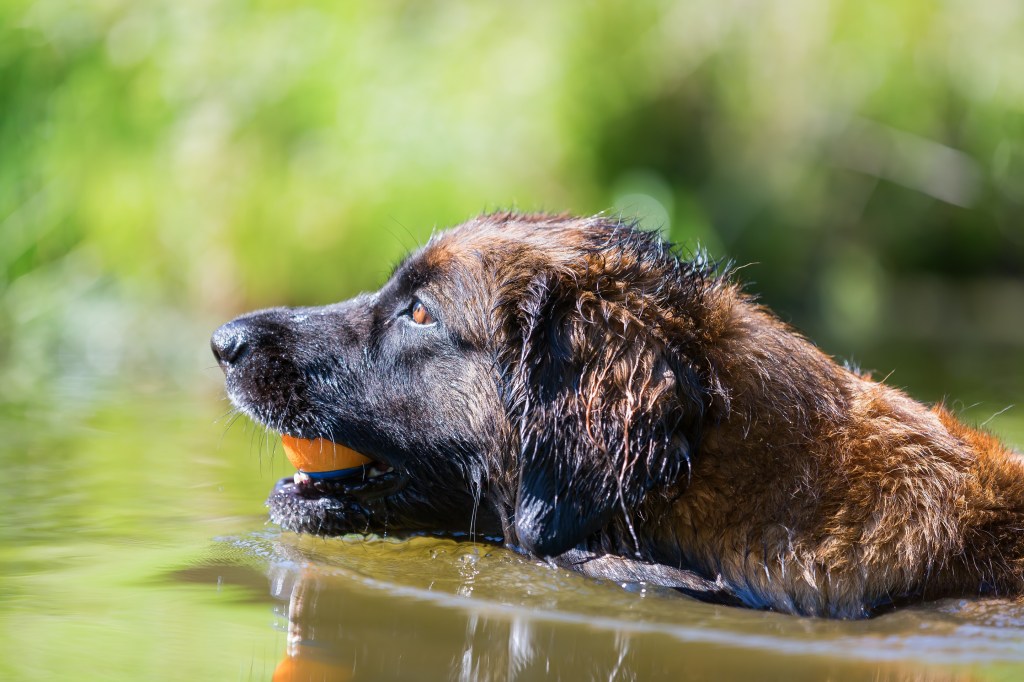
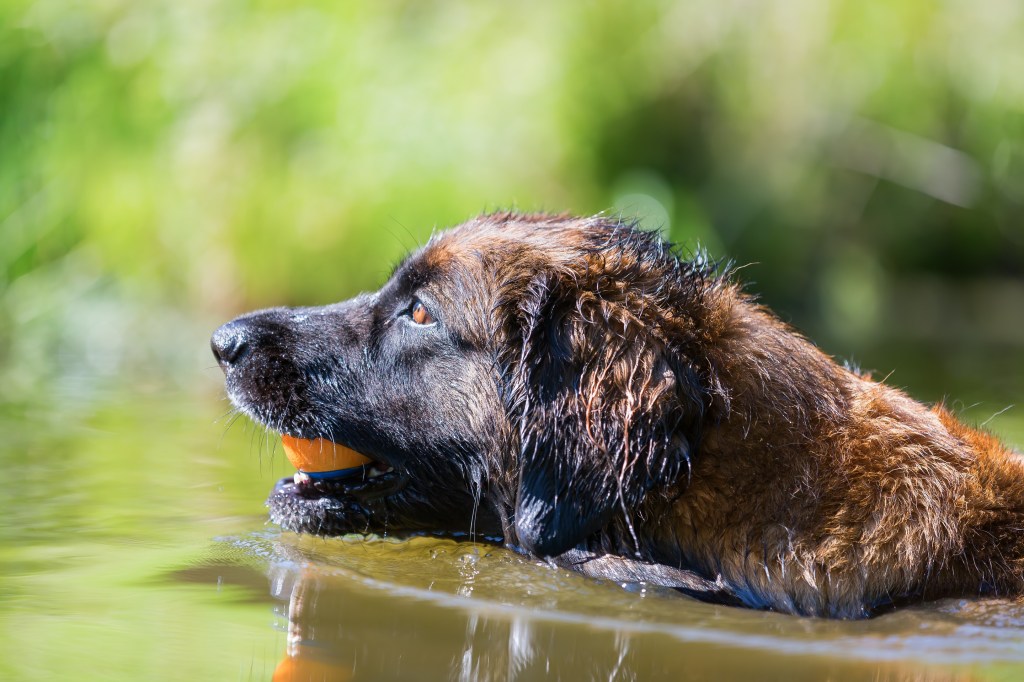
Photo of a Leonberger swimming water and there is green tall grass in the background. The Leonberger has a ball in his mouth.
Leonberger swims with a ball. Stock Photo ID: 720242263 by Christian Mueller.
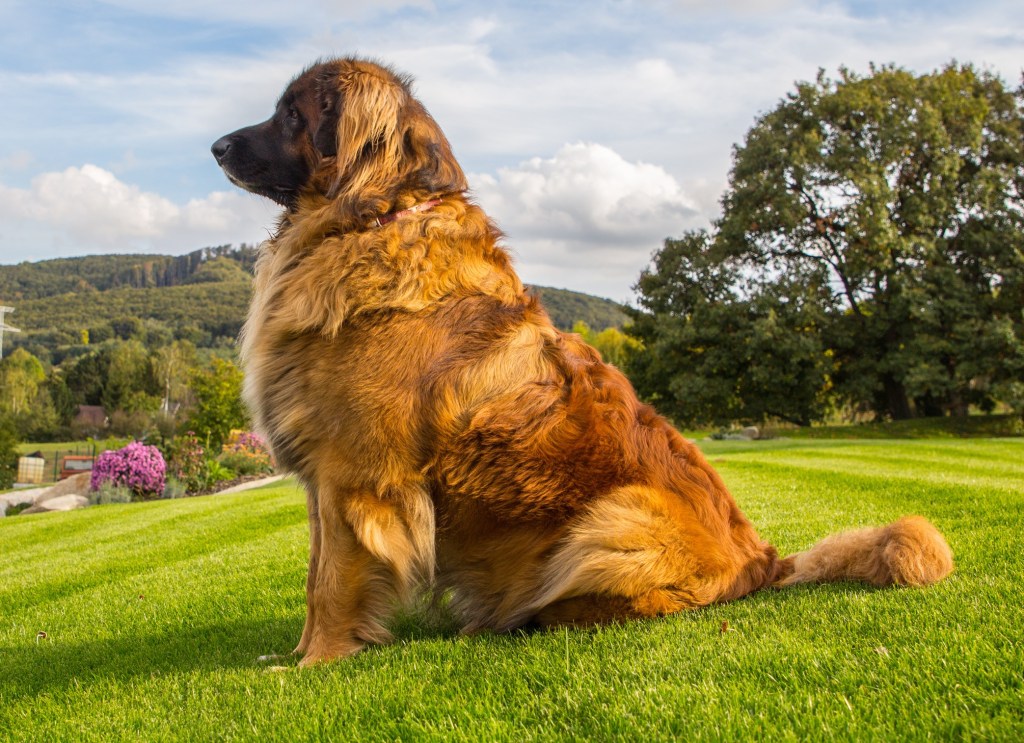
A majestic looking Leonberger is sitting on a green hill.
A majestic and well-groomed Leonberger on a grassy knoll. Shutterstock-ID: 731020957 by Peter Josto.

Swedish Norrlandish English French and Dog

Daily writing prompt
Which languages do you speak and how did that impact your life?

The focus of this blog is Leonberger dogs but sometimes I write about other things, for example, about myself. This time I am responding to the daily Writing prompt “Which languages do you speak and how did that impact your life?”.

Swedish or Norrlandish

My native language is Swedish because that is where I was born and grew up. Since I lived in northern Sweden, I speak Swedish in a dialect referred to as Norrlandish. I was told by a Dutch linguist that Norrlandish is different enough from main Swedish that Norrlandish could be considered its own language, especially in the region where I grew up where the Norrlandish dialects are especially distinct. He was very familiar with the local variants of my dialect, which I found to be amazing. I was also amazed by the fact that he spoke so many languages. If I don’t remember incorrectly this linguist claimed that he spoke 30 languages.

Swedish flag on blue sky with white clouds. 6 June. Flag. Celebration Holiday National Day Festive.
Flag of Sweden in sunny rays high on the flagpole. Shutterstock asset id: 2344367957 by GenOMart.

Anyway, languages evolve, including Swedish. Things like Television, local travel, etc., tend to dilute and evolve dialects. However, I’ve been in the US for a few decades, and I’ve lived in Texas for 25+ years, which means that the way I speak Norrlandish has not evolved much, which has led to some interesting situations.

For example, once when I was shopping at a local grocery store in northern Sweden the cashier told me, “It is so nice to hear someone who still speaks the old way”. She was curious about how I had managed to keep the old dialect, and she asked me where I was living. Maybe she expected me to live in a cabin deep in the forest without a TV or radio. It was obvious from her reaction that she did not expect “I live in Dallas, Texas”.

Now I speak American or as some call it English

An American flag on the background of a blue sky.
The flag of the United States of America Shutterstock asset id: 2566207745 by Ashley Grise.

One of the languages I studied back in school was English. The other was German. My parents did not speak any English, well, at first. However, my dad took English classes as an adult and was able to get by. My guess is that when I was done with school, I spoke English at the B1 level, possibly B2 level, according to the Common European Framework of Reference for Languages, which rates your language skills in any language from A1 to C2 (A1 is beginner, then comes, A2, B1, B2, C1, C2, C2 is like a native speaker).

B1 means that you can participate in a conversation with some difficulty, understand a newspaper article that does not have difficult language, write a short essay on any unexpected topic using multiple tenses, and understand a radio newscast that is not too fast.

In 1987 I was sent to Case Western Reserve University by my University, Uppsala University, Sweden, as a university level exchange student for one year. I was studying electrical engineering and physics. During that year I met my wife and after living in both the US and Sweden we ended up staying in the US. I had some difficulties with my English at first but with respect to learning a different language nothing beats being embedded in the language and I soon spoke and understood English I think pretty well. The type of English that we had studied in Swedish school was British English, but now the English that I absorbed was American English. Thereof the tongue in cheek of the title of this section.

I view being fluent in the main language of the country you live in to be of high importance. I have no problem understanding, speaking, reading or writing in English. However, it is very difficult to lose your accent when you have learned a new language as an adult. Just think of Arnold Schwarzenegger. Children can do it more easily. They say that the cut-off age is 12 years old. It is quite uncommon for people who are not fluent in at least two or more different languages to grasp this. On several occasions people have expressed their surprise over the fact that I still have an accent. Sorry the accent stays, and it is not my choice. You can read a related post “Accents are very difficult to lose” over at my second blog.

Another second language fact that you will find in that post is that Spanish has 74 million non-native speakers in the world, making it number eight with respect to the number of non-native speakers (second language). Oh, you thought it was the most popular second language in the world after English? Well, that is a common misconception here in the US due to the closeness to Latin America. I have often come across people who do not consider me bilingual just because I don’t speak Spanish. There are thousands, actually millions, of ways of being bilingual.

Now I am learning French

French flag against blue sky
Flag of France. Shutterstock asset id: 2457252007 by Kyrylash Stanislav.

My wife has a sister in France and her parents speak French. When she decided to improve her French by taking French lessons for adults, I joined in with her. I don’t know if it is because of age, or because I am not putting in enough time into it, but it is going slow. However, I did pass the French B1 exam, which means I can participate in a conversation with some difficulty, understand a radio broadcast if they don’t speak fast, read a newspaper, and write short essays in French. However, I don’t think I can become fluent in French unless I somehow stay in France, or another French speaking country for some time.

So far, my experience in French has not been of very high importance to me. However, it is a hobby, it is something interesting that my wife and I can do together, and French speakers cannot speak behind my back without me knowing.

Speaking Dog

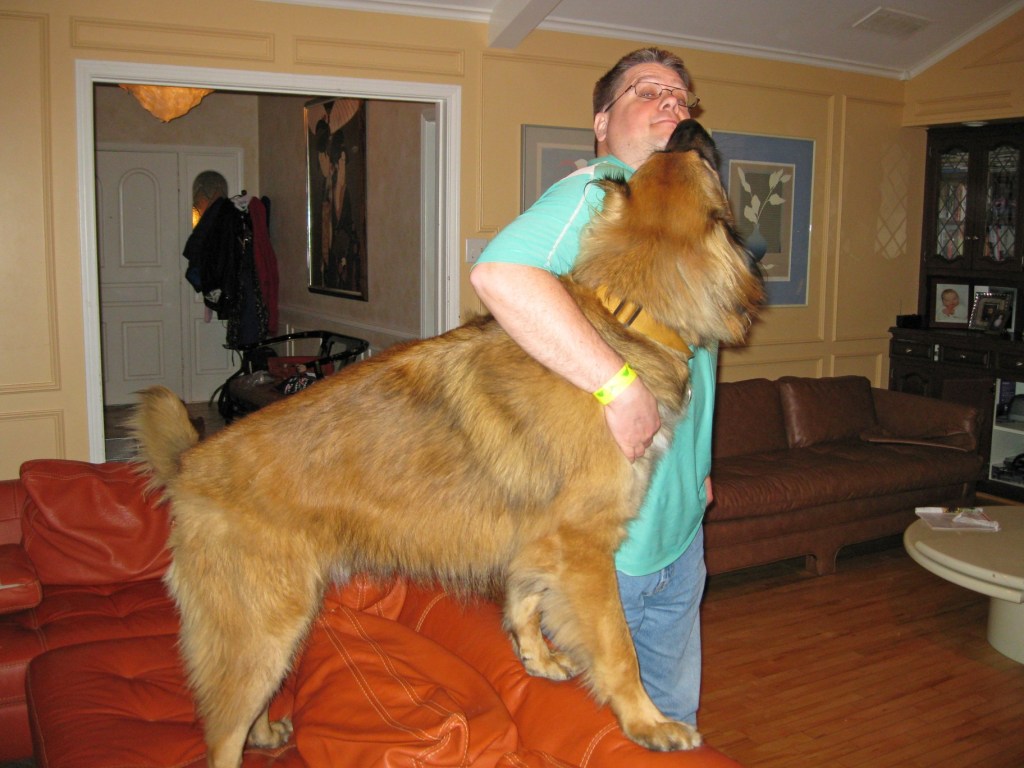
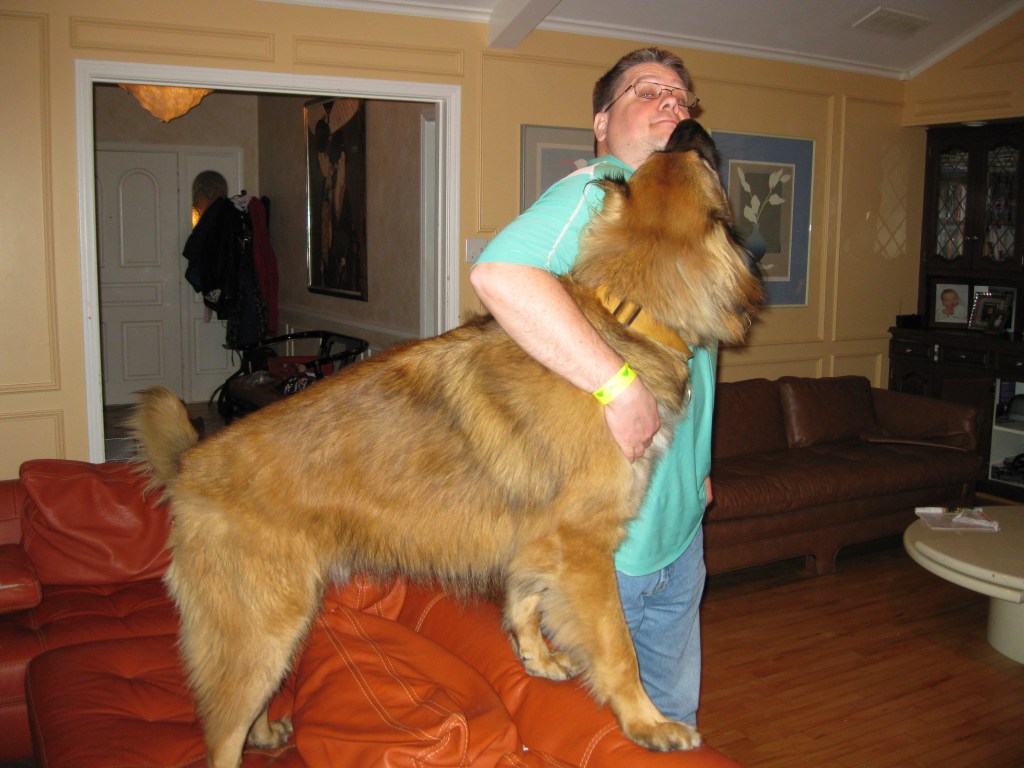
Big brown Leonberger dog standing on our red leather sofa stretching forward to give me a hug.
My Leonberger dog Bronco is giving me a hug.
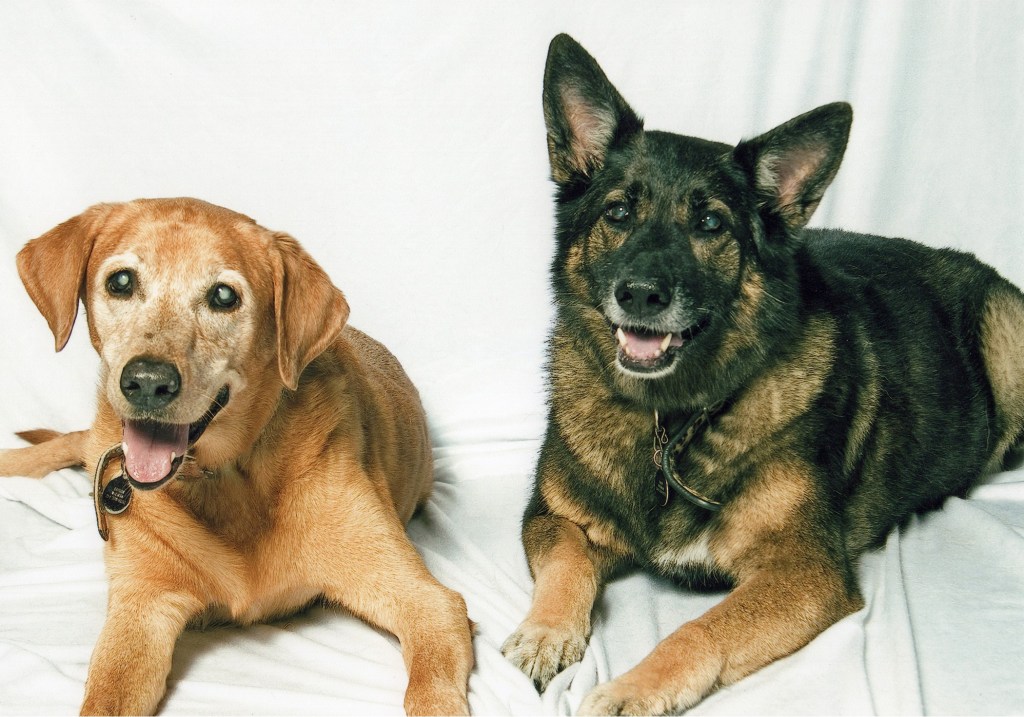
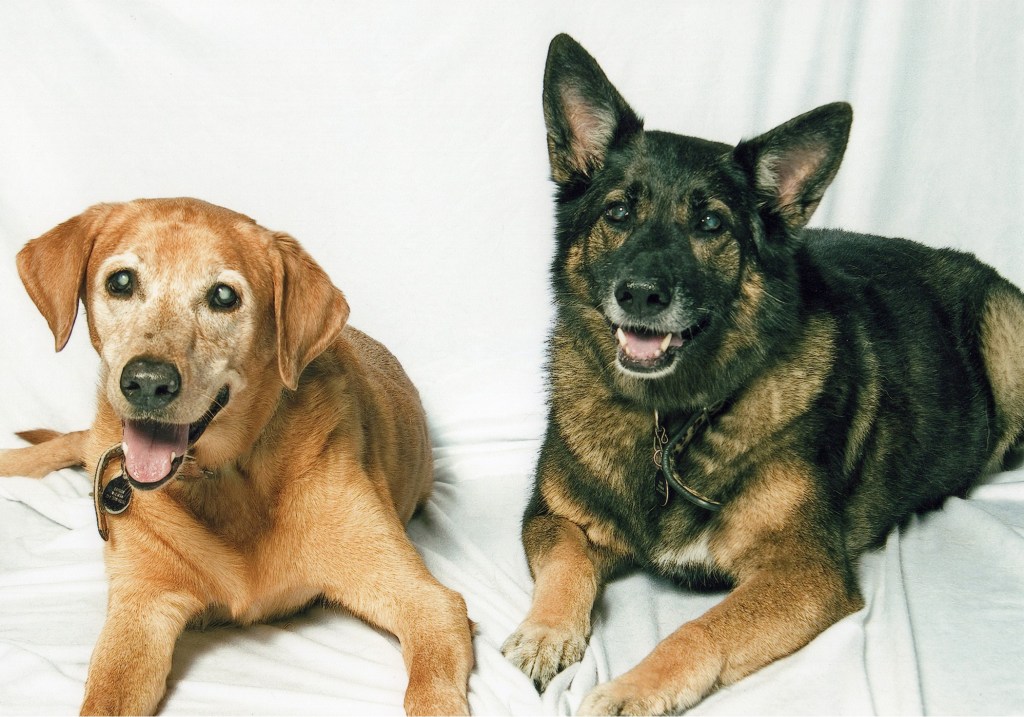
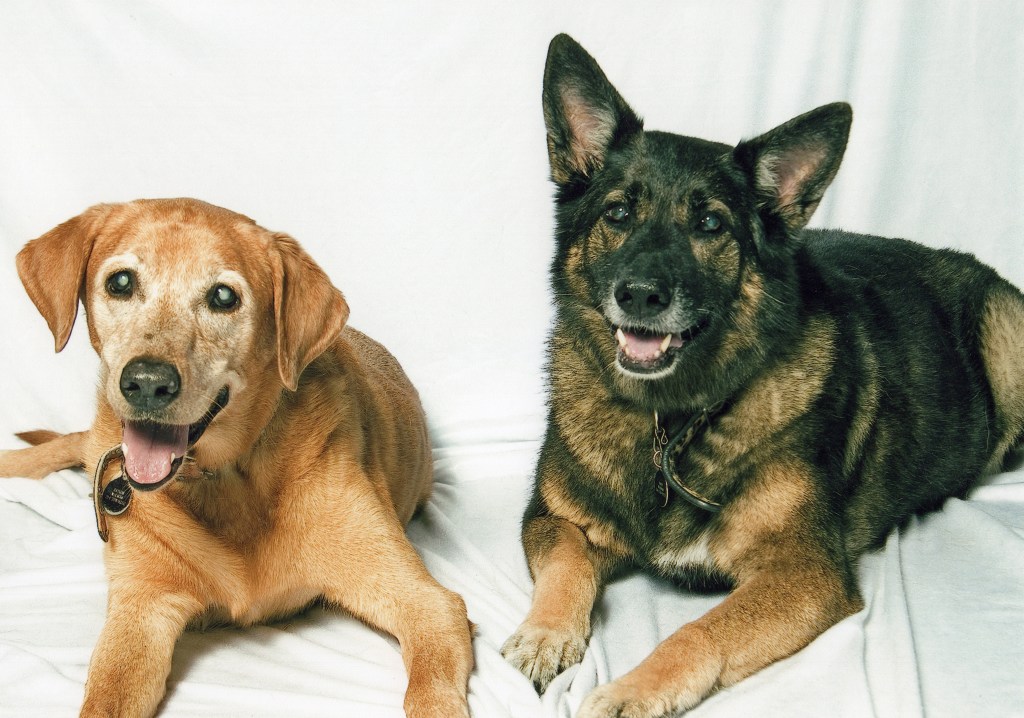
Our yellow Lab Baylor is sitting on the left. Our brown-black German Shepherd Baby is sitting on the right.
Our Labrador Baylor and German Shepherd Baby. They were both rescues.
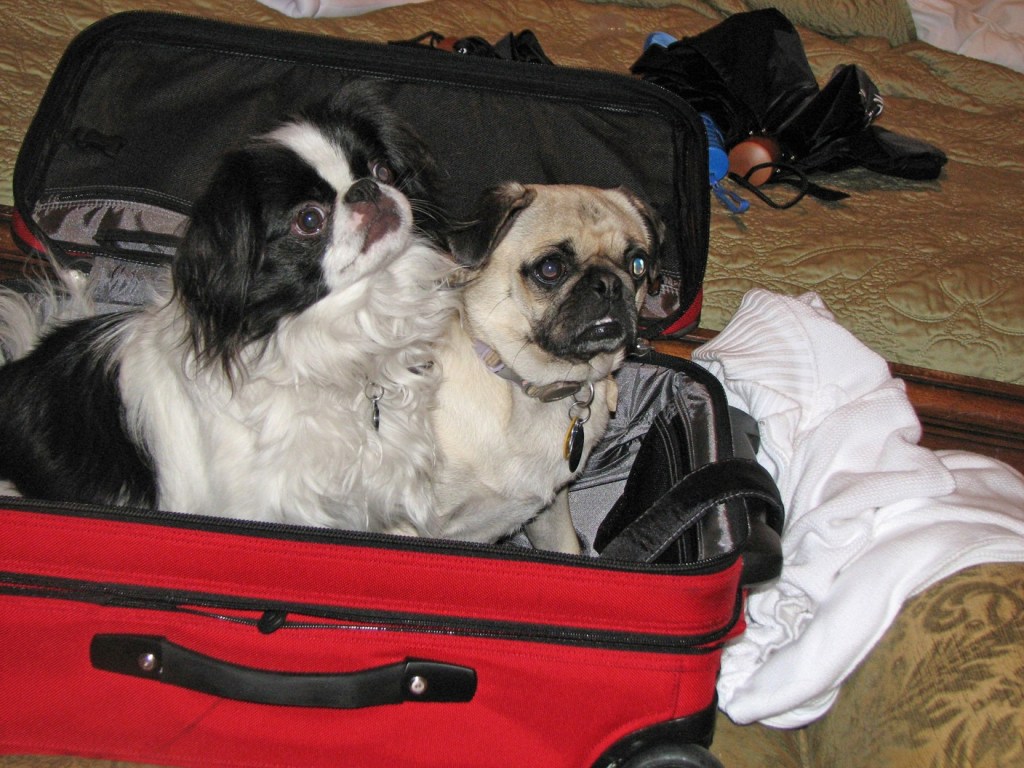
Ryu and Daisy are sitting inside a red suitcase looking defiant.
Our Japanese Chin Ryu and Pug Daisy staging a protest against us travelling.
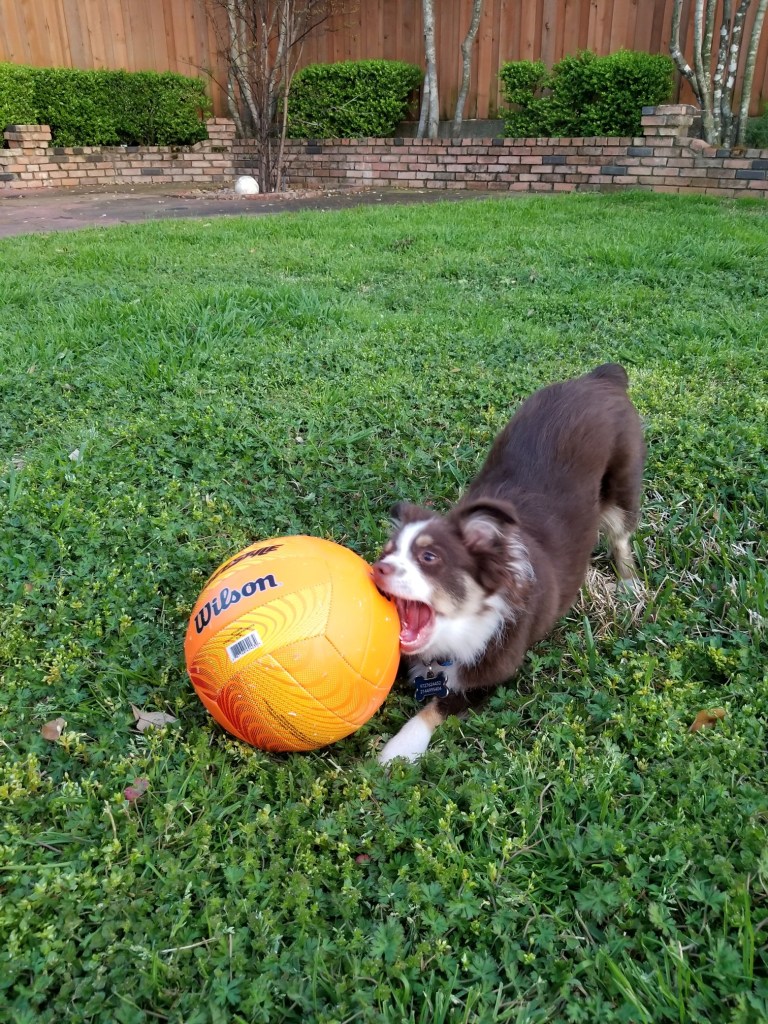
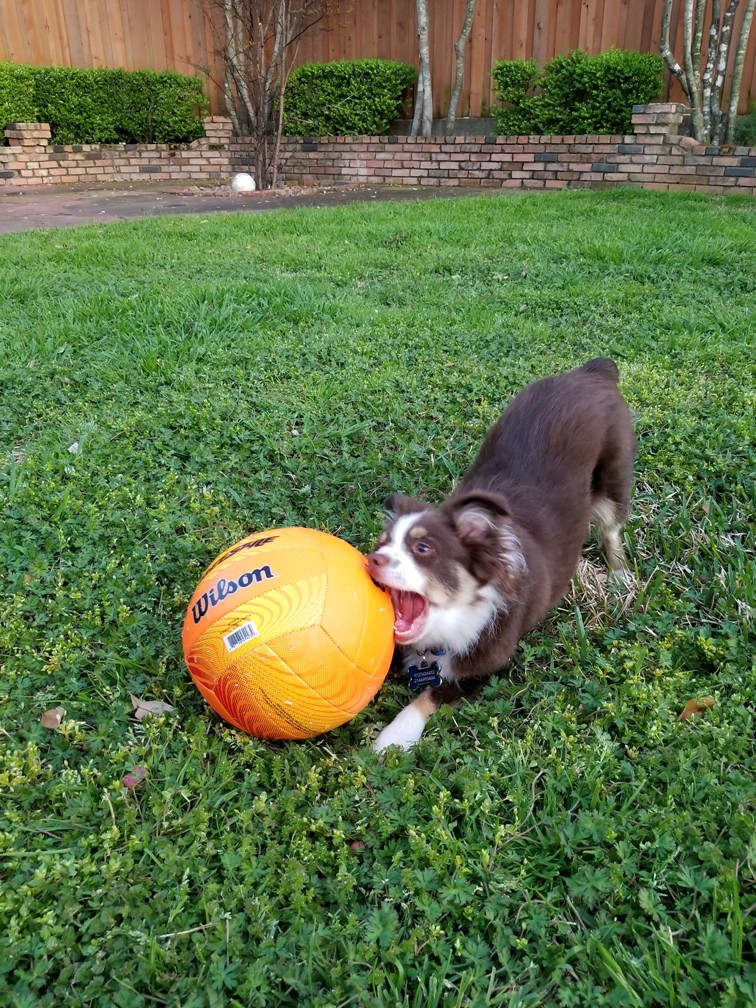
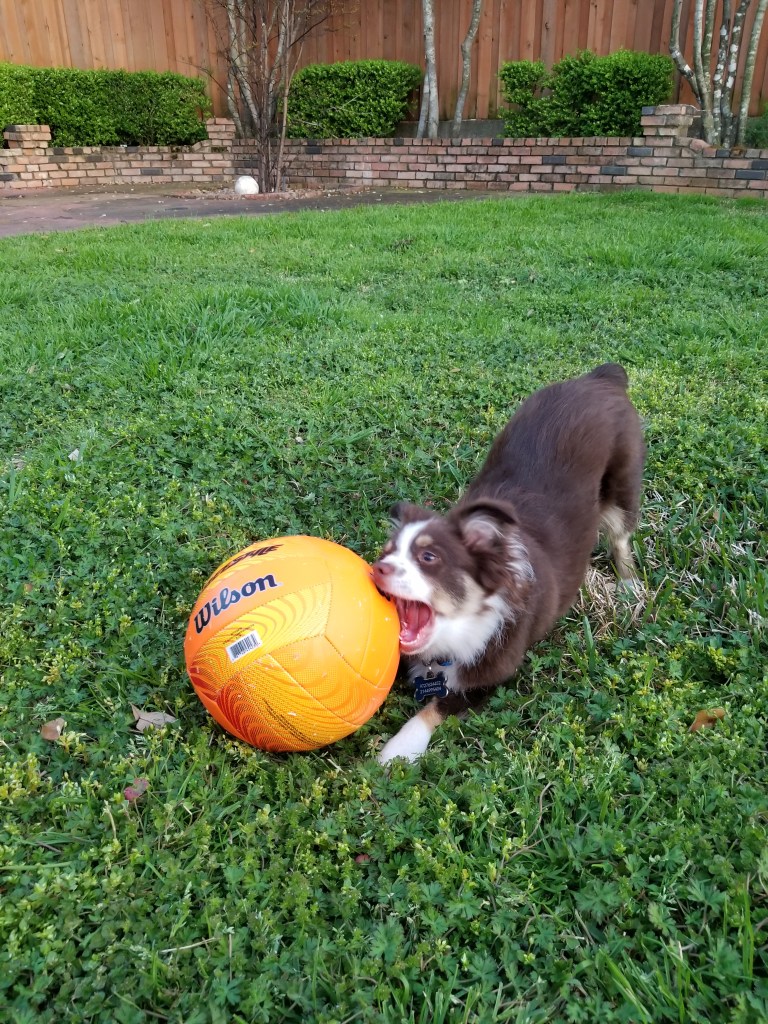
Our mini-Australian Shepherd puppy Rollo is playing with an orange volleyball on the green grass.
Our mini-Australian Shepherd puppy Rollo playing with an orange ball.
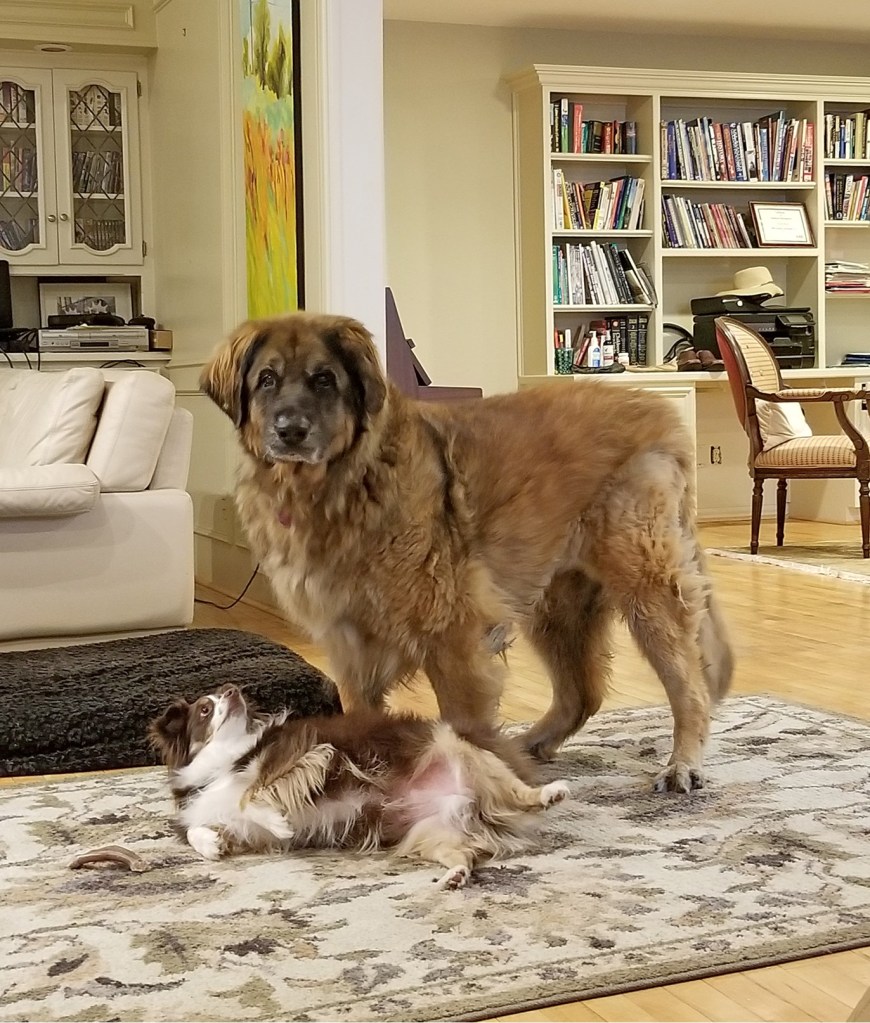
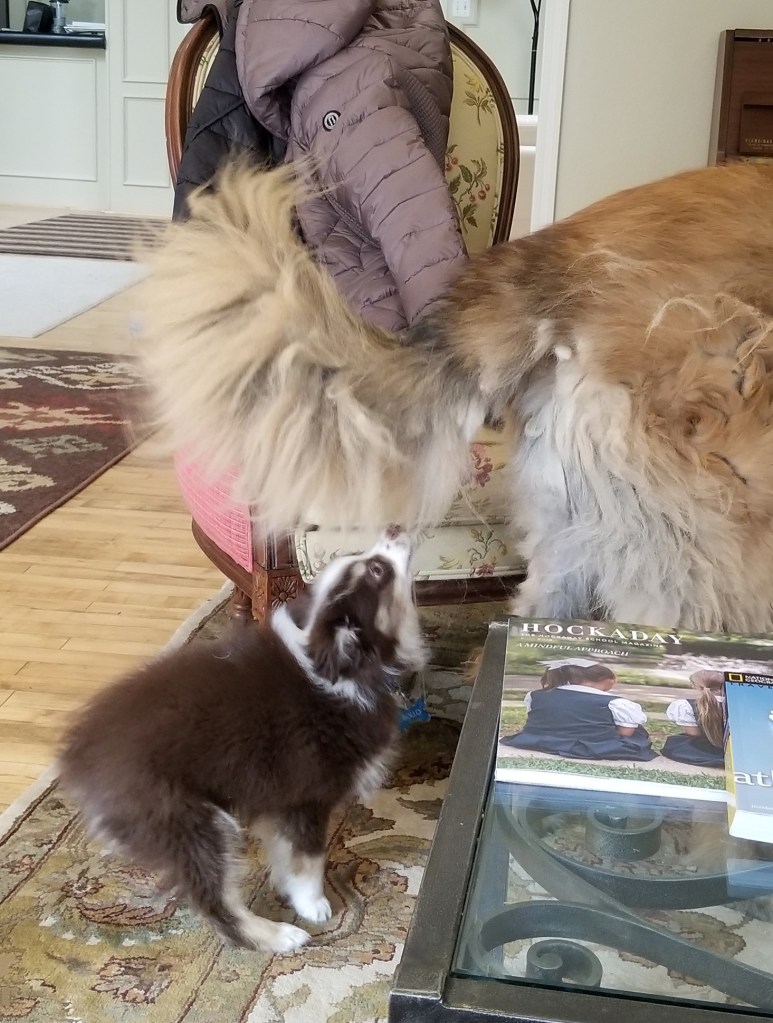
The photo shows a dark brown/black and white mini-Australian Shepherd biting a Leonberger dog’s tail in the living room.
Our mini Australian Shepherd is harassing our Leonberger dog Bronco and biting his tail. Bronco was very patient with him.

Dogs don’t speak human languages, but they can understand many words and react to them. Some dogs such as our mini-Australian Shepherd Rollo understand several hundreds of words. If you tell him, “Rollo go look out the window”, he goes and looks out the window. If you tell him, “We are going to Jack and Etty”, he starts screaming happily and running around in circles, because he knows he will get snacks there. If you say “bribe” he comes running expecting a handout, just like a politician. I could go on.

Dogs don’t speak with words, but they express themselves through body language and different kinds of barks, and if you pay attention, they can tell you a lot. For example, when Rollo lays down on his side and lets out one loud bark, he wants a belly rub. When it is 4PM and he starts staring at me, he wants dinner. When I am sitting in the sofa and he scratches my leg with his paw, it means, “move over so I can sit in the sofa”. So, you could say I also speak Dog. Sometimes people call me the dog whisperer, which I like to hear. Well, except for the sarcastic tone.

Dogs Are Family

Esther’s writing prompt: December 24th: Family

Click here or here  to join in.

With this post I wanted to remind everyone that dogs are family, and we should not forget that during the holidays, you should give them extra cuddles and some presents and let them participate in the festivities if possible.

Our Latest Trip to Baltimore

First, I wanted to say a few words about the latest addition to our family, our first grandson Jack. Our oldest son Jacob and his wife Ashley live in Baltimore, Maryland, and their son Jack is three months old. We’ve visited him a few times since his birth and these pictures are from our latest visit about a week ago. Jack is a healthy and happy baby who does a lot of cooing. See the photos below and the short video.

A photo of a three months old baby sitting in the corner of a sofa.
Jack in the sofa. Three months old.
A photo of the three of us sitting in the sofa. Baby Jack is sitting on the right. He is wearing a Pajamas.
My wife Claudia is on the left, I am in the middle and Jack is on the right.

Our Dogs Are Family

I did not grow up with dogs, and I was not even particularly fond of them, and then when we got our first family dog, the yellow Labrador Baylor, I really got to know and love dogs, and it changed my life. Now, I think I love dogs more than people. Well, at least I have learned that dogs are wonderful people. They always come with us to gatherings whenever possible and they got along very well. Our latest dog Rollo loved his sister Daisy and his big brother Bronco but he has a hard time tolerating any other dogs.

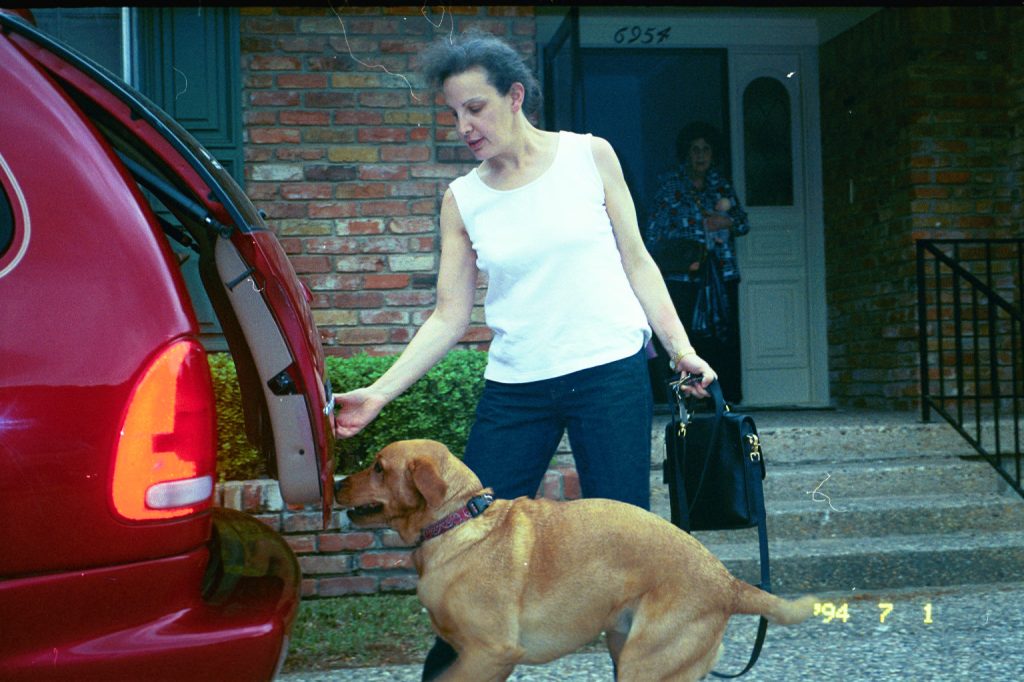
My wife, opening the trunk of our red van as Baylor, our Labrador is preparing to jump.
My wife Claudia and our first family dog the Labrador Baylor. This was back in the day. Our niece gave us Baylor because she was going to college. In turn she had gotten him from a shelter. He was a mix, one quarter Rhodesian Ridgeback and three quarters Yellow Labrador. He was able to jump up into the trunk of our van. Baylor was my first dog (not my wife’s first dog), and he taught me a lot about being a dog parent.
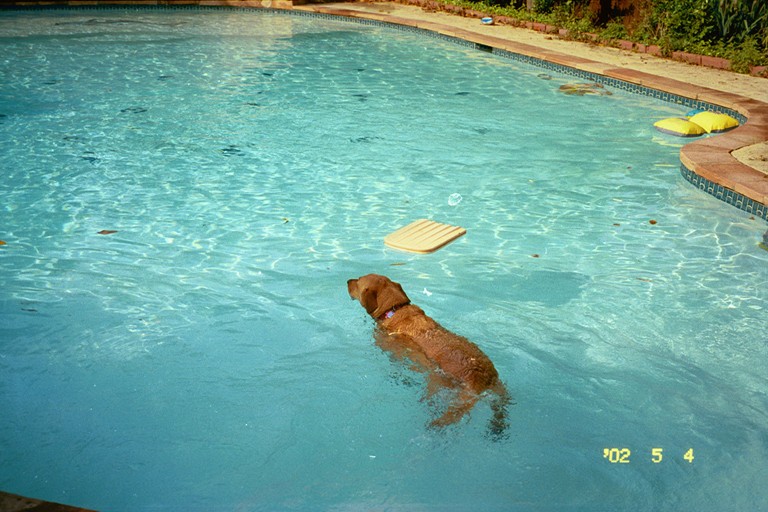
The photo shows a yellow labrador swimming in the middle of an Olympic sized pool.
Our Labrador Baylor is swimming in Claudia’s parents pool. He loved swimming, and he loved that pool and swam in it a lot.
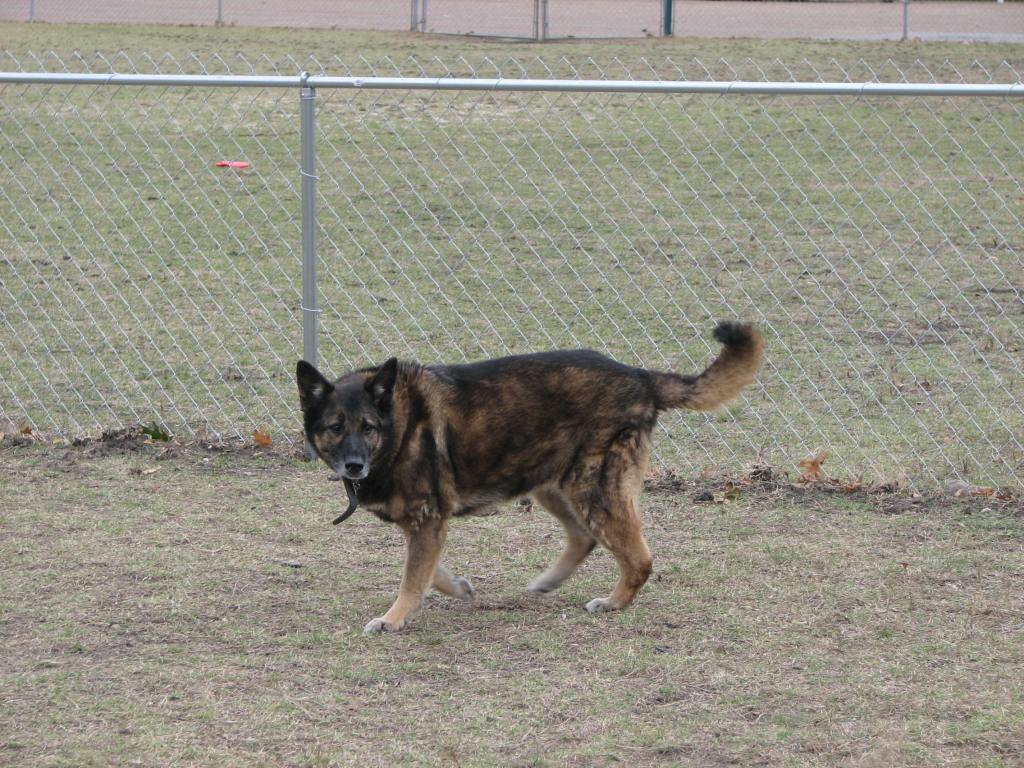
A dark brown and black German Shepherd walking around in a dog park.
Our German Shepherd Baby at the dog park.
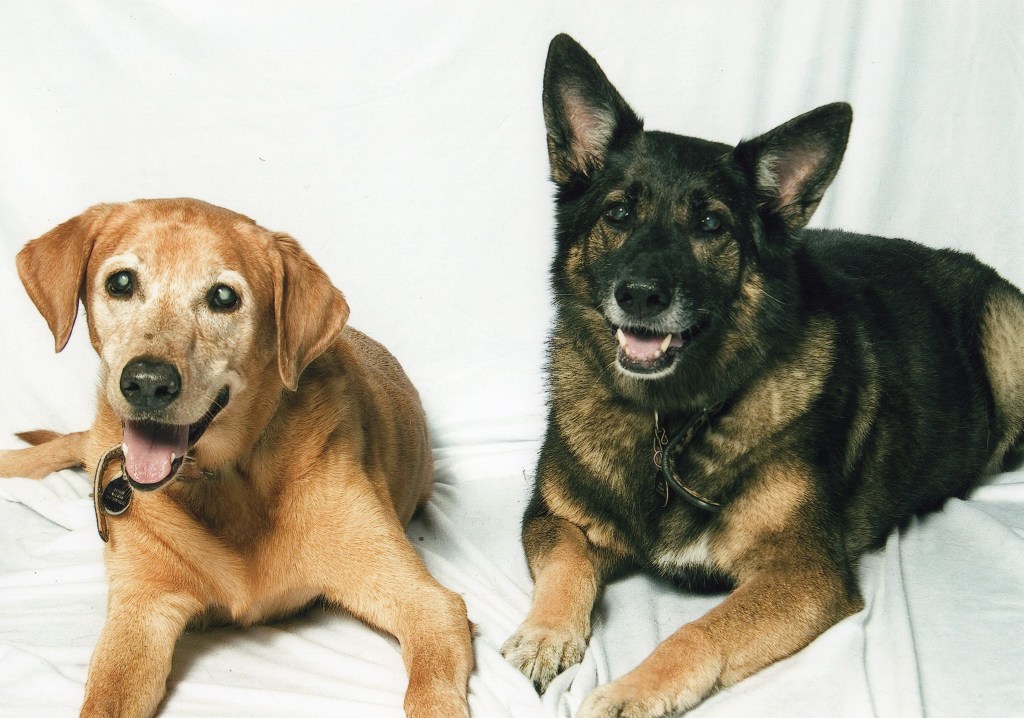
Two dogs looking into the camera. An old yellow Labrador on the left and the dark brown and black German Shepherd on the right.
Our Labrador Baylor and our German Shepherd Baby. Baylor was older in this picture. We had just gotten our Leonberger Bronco.
The photo shows a Leonberger puppy wearing a red scarf. He is looking into the camera.
This is our Leonberger Bronco (Le Bronco von der Löwenhöhle) at three months old.
Three dogs sitting on the floor, a Leonberger, a Japanese Chin and a Pug.
Our Leonberger Bronco (Le Bronco von der Löwenhöhle), our Japanese Chin Ryu, and our Pug Daisy in the front right.
Three dogs running. On the left and unknown dog, in the middle a yellow Lab and on the right a Japanese Chin.
At the White Rock Lake dog park. Baylor our Labrador in the middle. He was old in this photo. Our Japanese Chin Ryu on the right.
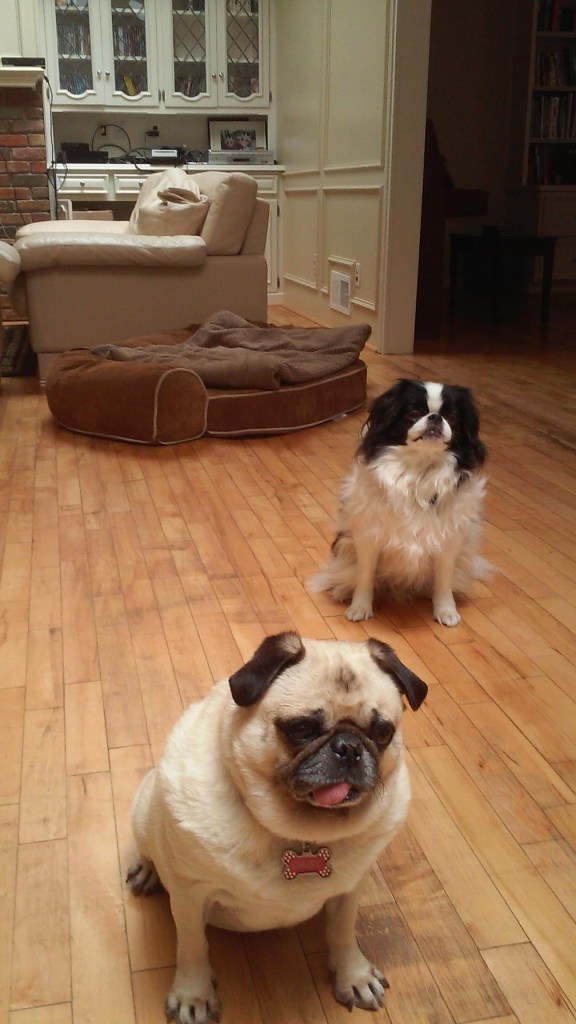
The photo shows a Pug in the front left and a black and white Japanese Chin in the back to the right.
Our Pug Daisy and our Japanese Chin Ryu.
Our Japanese Chin Ryu is licking our beige pug Daisy’s ear. She is sitting in front of a vent.
Our Pug Daisy often sat in front of vents when she was cold. Daisy and our Japanese Chin Ryu were very close, like a couple. Daisy was obviously grieving when Ryu died, from cancer a bit early at only ten years old. Bronco was grieving as well.
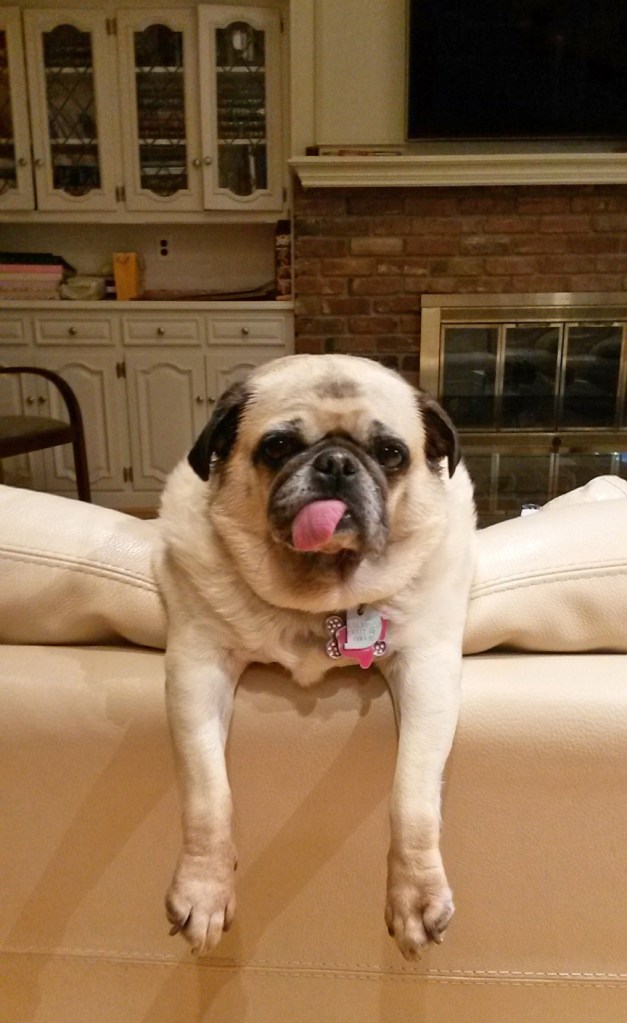
Daisy our beige pug is lying over the back of our beige leather sofa.
Daisy is exhausted after doing nothing for a whole day.
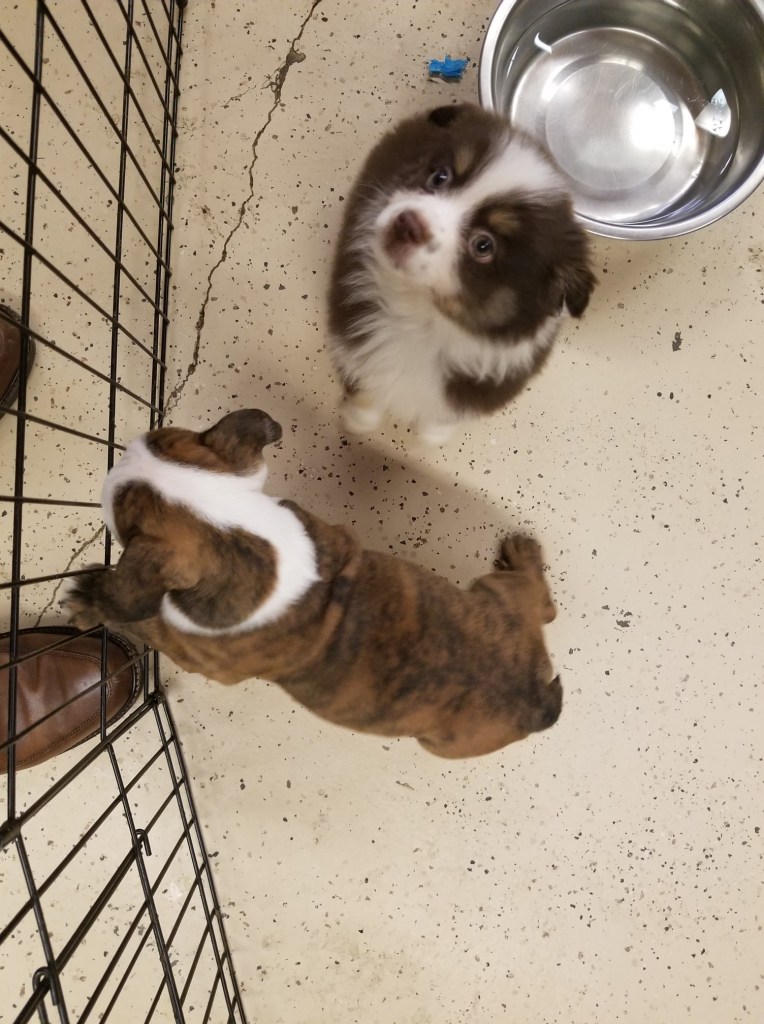
The photos show a cage containing two dogs, a black and white mini-Australian Shepherd and an English Bulldog.
In December of 2018 we picked up our mini-Australian Shepherd Rollo. His friend was an English Bulldog.
The photo shows a mini-Australian Shepherd puppy on the floor and behind him is our big Leonberger Bronco.
Our Leonberger Bronco is welcoming Rollo.
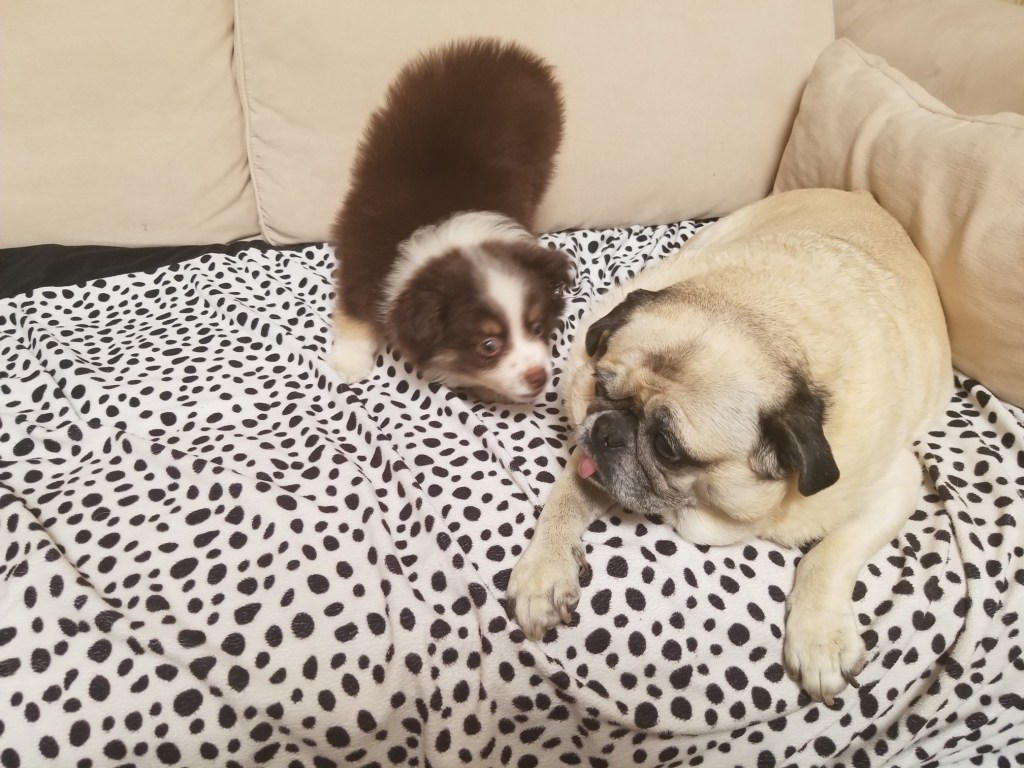
The photo shows a young mini-Australian Shepherd puppy and beige pug on a black spotted blanket.
Our pug Daisy and Rollo are saying hello.
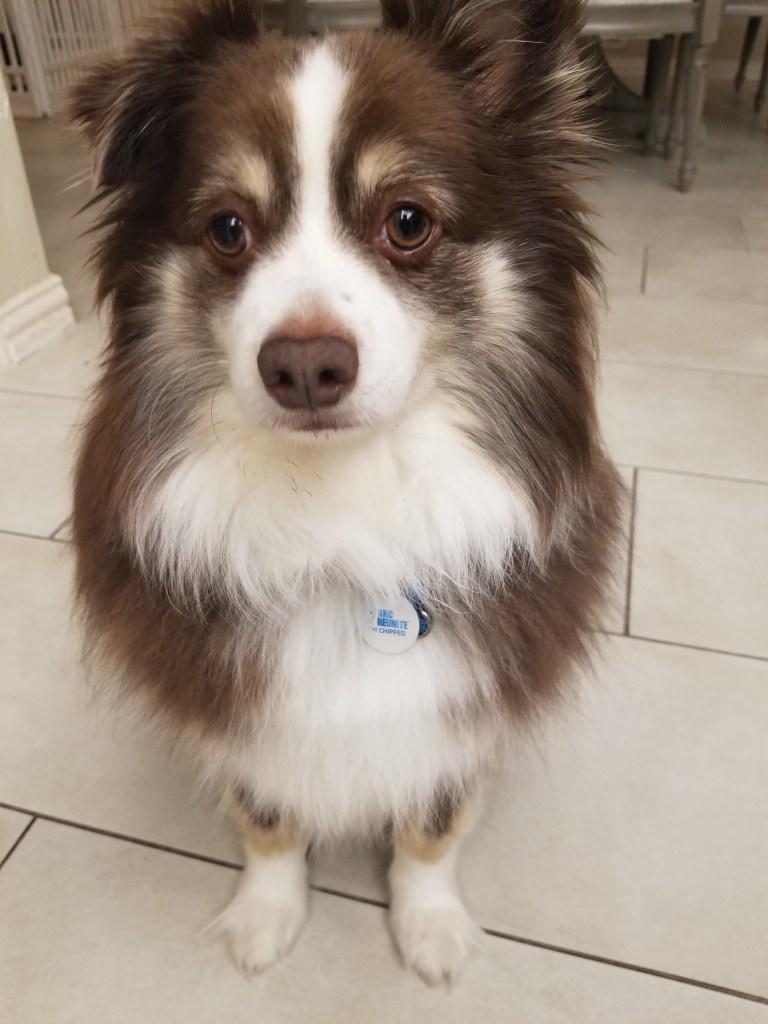
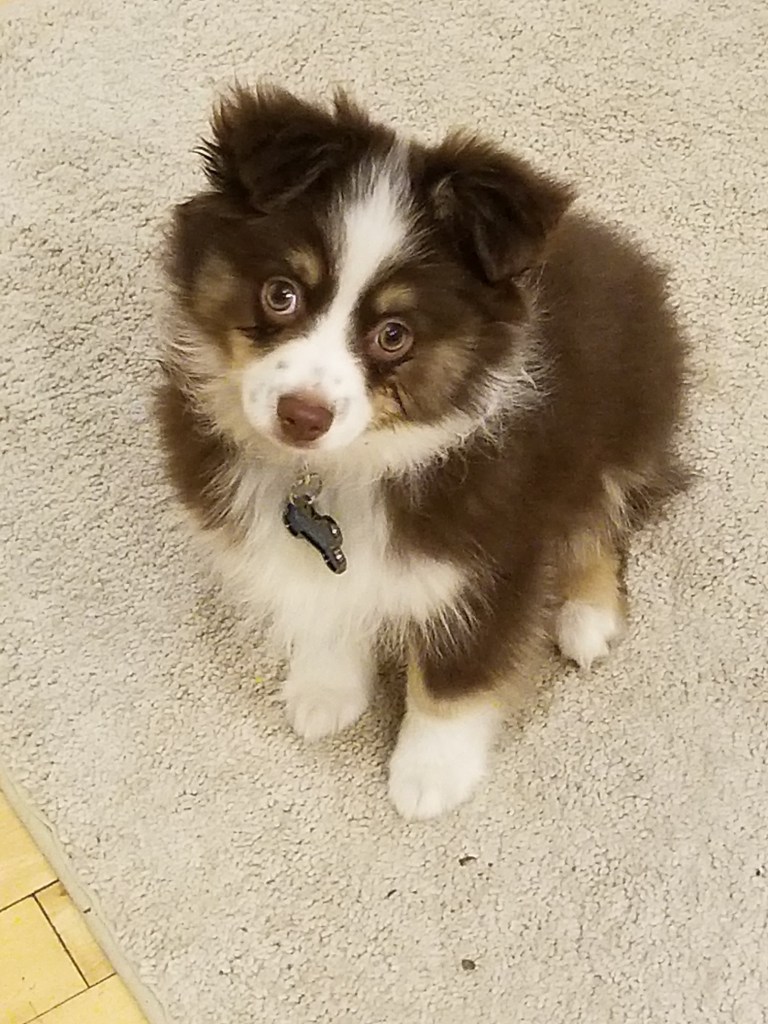
The photo shows a dark brown and white mini-Australian Shepherd puppy sitting on a beige tile floor.
Our mini-Australian Shepherd puppy Rollo at 3 months old.
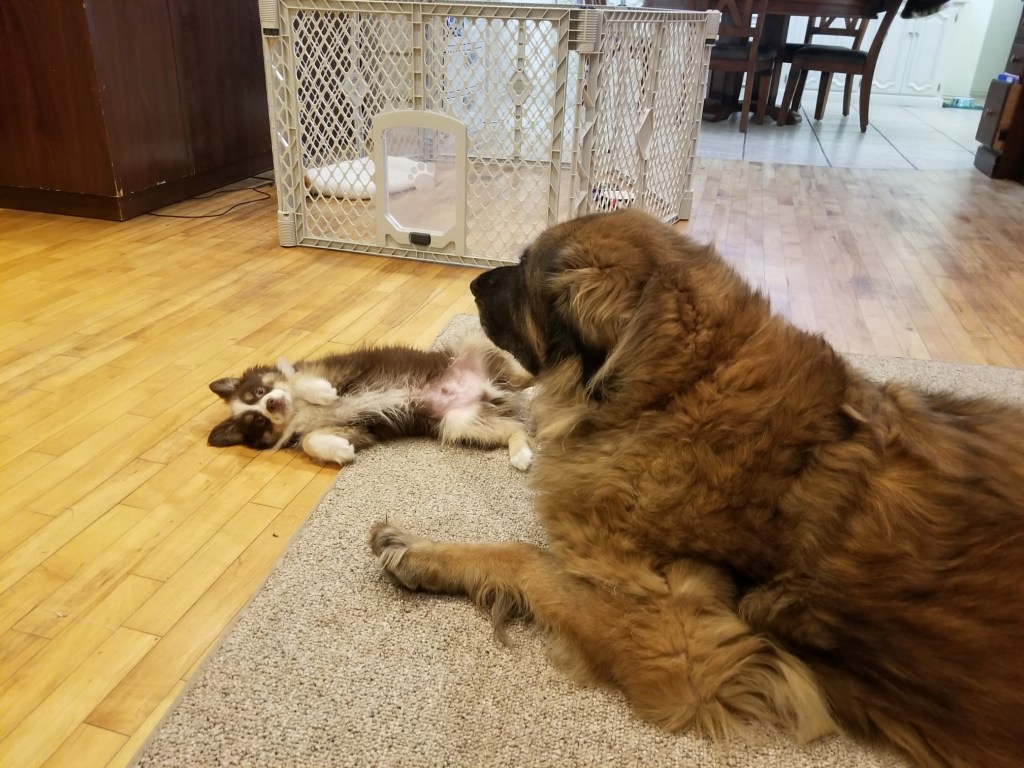
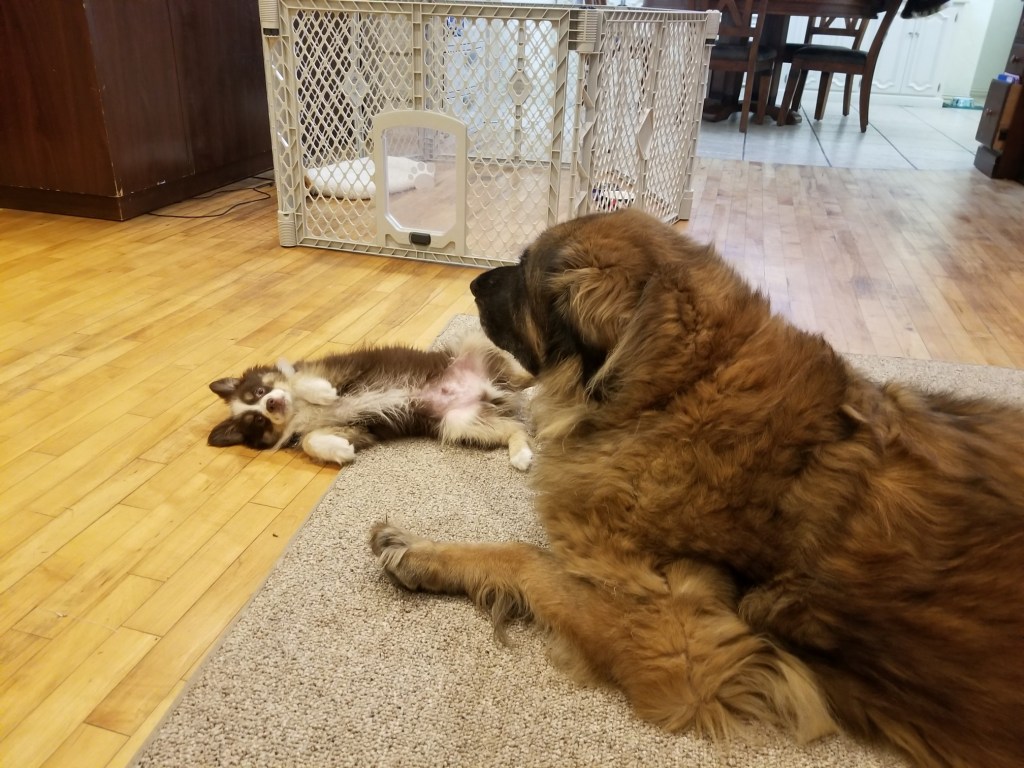
The photos show a mini-Australian Shepherd puppy play fully lying on his side in front of our Leonberger Bronco.
Our mini-Australian Shepherd puppy Rollo and our Leonberger Bronco.
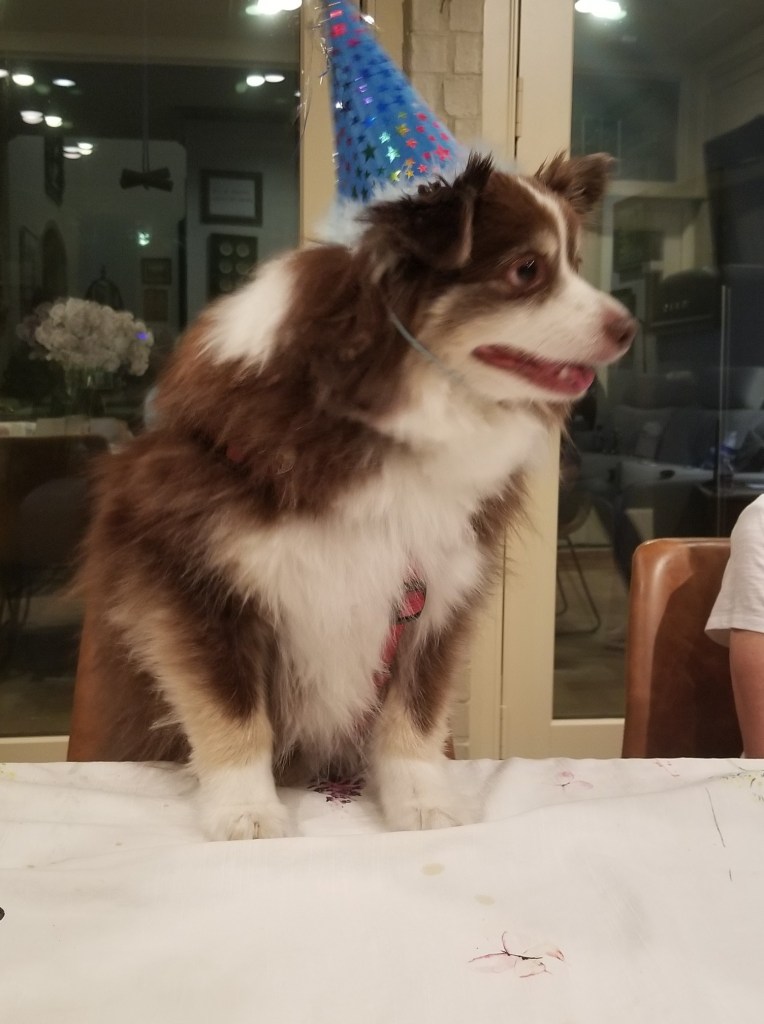
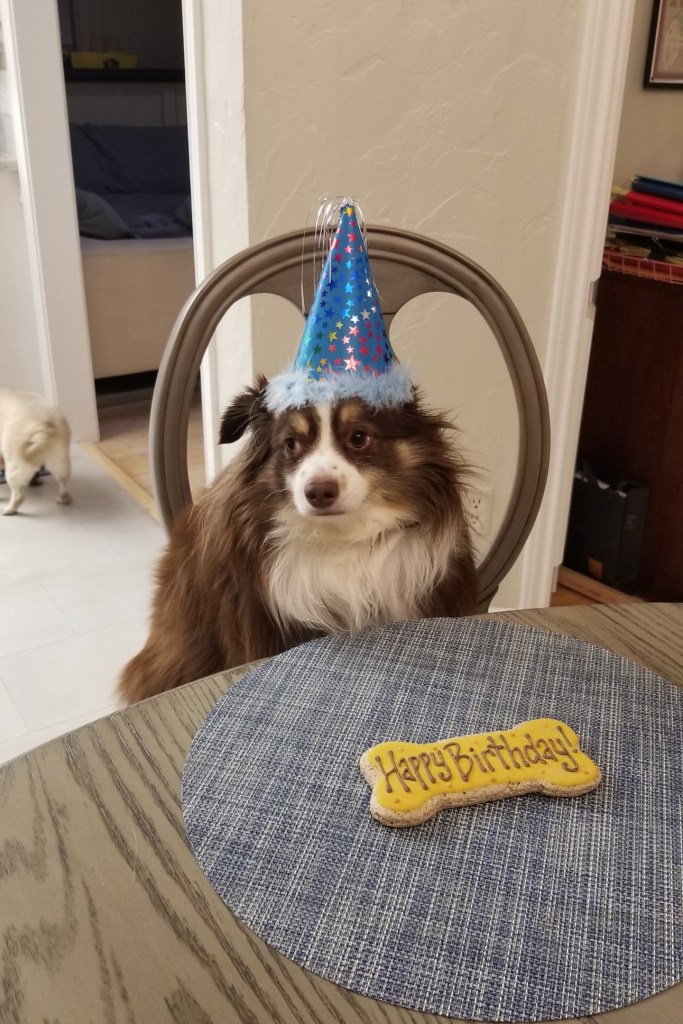
The photo shows a mini-Australian Shepherd standing on a chair and having his front paws on the table.
Our mini-Australian Shepherd Rollo at the table on his seventh birthday. This is a more recent picture, from October of this year.

My Other Responses to Esther’s Prompts

Happy Holidays Everyone

Leonbergers Giving Gifts to Pugs

Esther’s writing prompt: 17th December : Giving

Click here or here  to join in.

Dogs give gifts and do nice things for people and other dogs. In this post I am describing three occasions when our late Leonberger Bronco gave our Pug Daisy gifts.

Leonberger Shares a Gingerbread House

Our Leonberger dog Bronco (his full name was Le Bronco von der Löwenhöhle) was an expert counter surfer, which is why we installed a pet gate to the entrance of our kitchen. Bronco knew how to open gates if they were not locked, so you had to make sure that you did not just close the gate but lock it. However, one December day I forgot to lock the gate. That was the day our daughter had made a gingerbread house and left it on the kitchen counter. Guess who ate half the gingerbread house? Guess who ate some of the other half? Bronco shared some with Daisy. He was always very generous. The photo below is what I saw when I got home that day.

A pug on the left, and Leonberger dog on the right. There are pieces of a gingerbread house on the floor. There is an open gate in the background.
The open gate behind Daisy and Bronco permitted their gingerbread-house raid.

Leonberger Shares a Baked Potato

I believe dogs have empathy, and sometimes they want to share—at least Bronco did. There was a time when we were in our home eating take-out food and Bronco stole one of our dinners, including meat, vegetables, and a baked potato. He started eating the meat, then he glanced at Daisy, who was sitting in the middle of the floor looking sad. Immediately he took the baked potato in his mouth and carried it over to her and dropped it right at her feet. I was going to get mad at him for stealing, but when I saw his kindhearted and unselfish act, I let it be.

Daisy our pug is sitting in front of a vent.
Daisy our Pug was sitting there looking sad, but she got a baked potato with bacon and butter. I should say that the photo is from another occasion when she sat in front of the vent because she was cold. But it is close enough.

Leonberger Saves our Pug Daisy’s Life

On another occasion, Bronco did something else amazing for Daisy. Despite having issues with his paws—this was around the time he was being treated for squamous cell carcinoma—he saved Daisy from an attacking German shepherd who was running loose.

We were at my wife Claudia’s parents’ house, just leaving, standing on their driveway, when one of their neighbors came out to drop some garbage in the trash can at the end of her driveway. With her was a young, probably adolescent, German shepherd, and he was not on a leash. As we were standing on the porch, I suddenly saw the shepherd flying through the bushes, his teeth bared. He quickly charged us—viciously.

First, he went for Daisy, but Bronco got between them to protect her. Essentially, Bronco saved her life. The shepherd bit his leg in return. Bronco was almost twelve when this happened, and he was not as strong as he used to be. A German shepherd would have been an easy opponent for Bronco just a few years earlier, but at that point he was old, and he did not need the extra stress.

I kicked the German shepherd in the stomach, and he ran off. Bronco’s legs were weak—he had recently had a toe operation, and his walking was unsteady—so seeing the shepherd going for the leg on which he had had his operation was very upsetting. The shepherd could have bitten me, of course, and I could have been severely injured, but I didn’t care. I was defending my dogs—who were all on a leash, by the way. If the shepherd had bitten me, the owner could have been criminally charged, and there could have been a lawsuit

The owner of the shepherd came over to apologize, but I cursed at her. Maybe I shouldn’t have, but she had a vicious and dangerous dog, and she intentionally let him run loose. In the end, though, there were no major injuries. Bronco’s leg was slightly hurt, but overall, he was fine. These days, whenever we talk about this incident, I jokingly refer to the neighbor dog as Cujo. I should say that we’ve had a German Shepherd who was a sweetheart, so this is story is in no way an attempt to disparage German Shepherds. They are typically wonderful dogs as well.

In conclusion, this third example was an example of Bronco giving up his safety and potential health to protect our Pug Daisy.

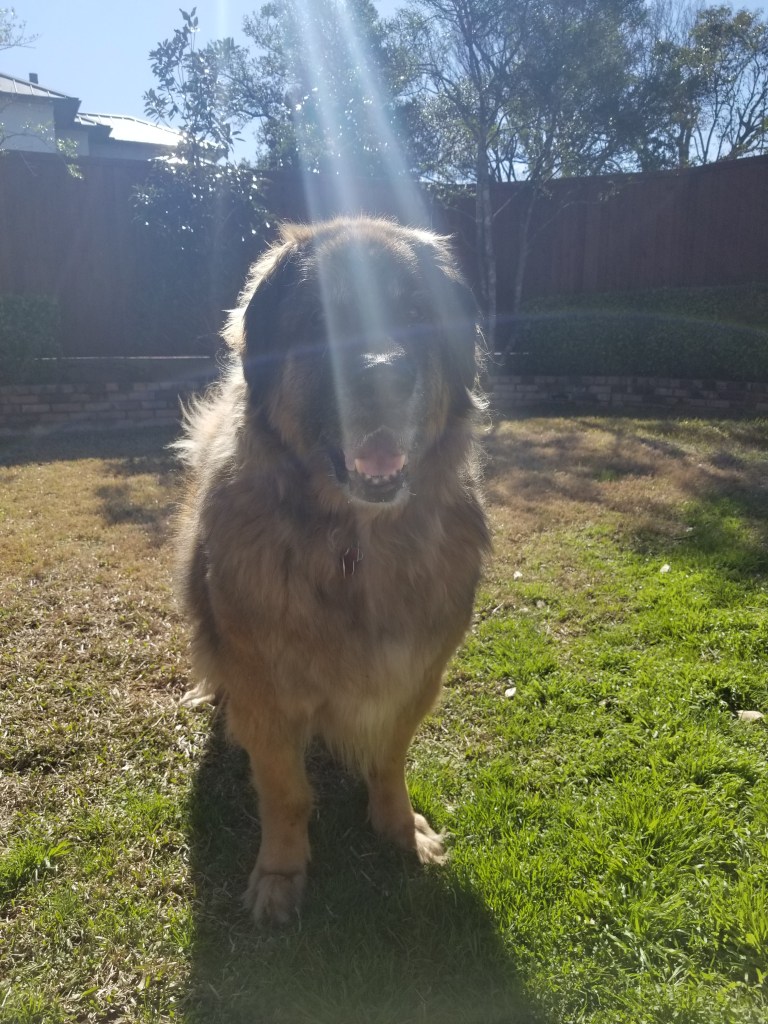
The photo shows our Leonberger Bronco standing in the backyard as a sun ray is shining down over his head.
Bronco was a hero saving Daisy’s life.

My Other Responses to Esther’s Prompts

Daily Writing Prompt What is good about having a pet

Daily writing prompt
What is good about having a pet?

Today’s writing prompt is “What is good about having a pet?”. I can easily think of many good and wonderful things about having a pet but let’s not forget that it also comes with responsibility. Having a pet is a lifelong commitment, well their lifetime at least, and you need to treat them like family. If you cannot handle the pet when it gets old, and you are not going to treat it like family, then don’t get it.

Our Pets

We’ve owned many pets in our life, fish in aquariums, bearded dragons and other lizards, snakes, rabbits, and hamsters. We’ve owned many dogs, and we’ve had a cat for a short time. Unfortunately, we found out that I was allergic to cats and my allergy was bad. Luckily, we found a good home for the cat. My wife and I were very sad that we had to part ways with the cat, but I just got too sick, so sick that it was dangerous. I should say I am not allergic to dogs.

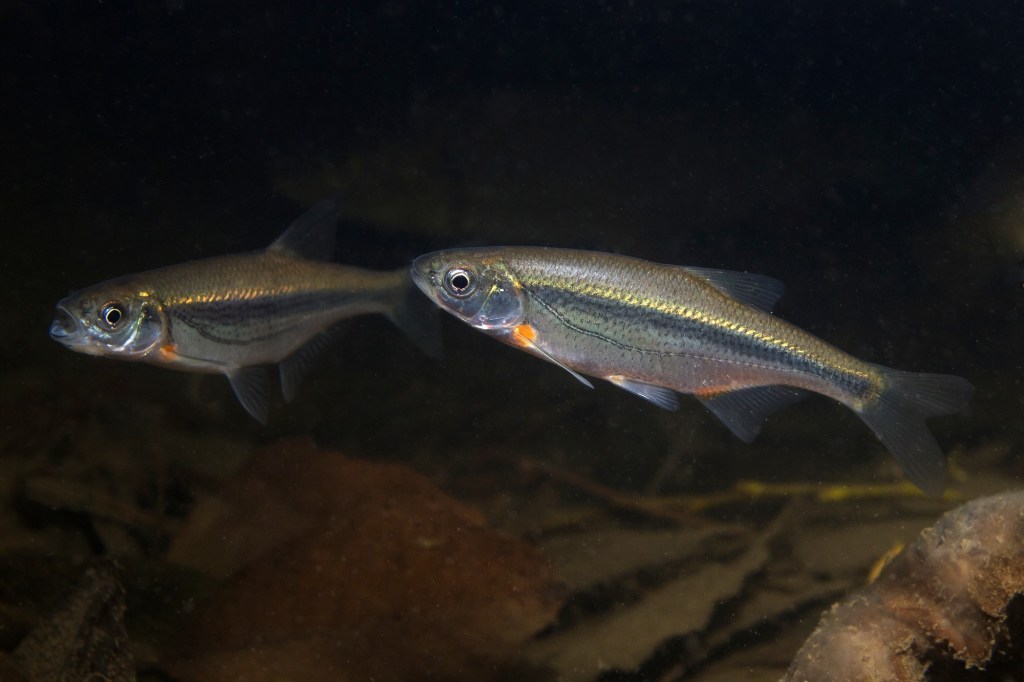
We were not always good pet owners. Mistakes were made. For example, our five year old daughter brought home a dozen minnows that we put in an aquarium. They were basically fish that did not end up as bait. We did a lot of fishing for a while. We placed the minnows in a clean aquarium and fed them what we were told to give them. Our daughter named them Sally one, Sally two, Sally three, Sally four, Sally five, Sally six, Sally seven, Sally eight, Sally nine, Sally ten, Sally eleven, and Sally twelve.

Freshwater fish Riffle minnow (Alburnoides bipunctatus) underwater photography. Minnow in clean water and nature habitat. Natural light. Lake and river habitat. Wild animal. Underwater photo of fish.
Sally four on the left and Sally five on the right. Minnows Asset id: 1182854671 by Rostislav Stefanek

As I mentioned, we were not always good pet parents. Our five year old daughter thought that the minnows needed a more interesting environment, so she poured cranberry juice in the aquarium. We were able to clean it out and save the minnows that time. But when she poured red paint in the aquarium, we were not successful in doing so. Our son also had a snake that needed to be fed subdued but live mice. We discovered that if you walk into a pet store and tell them you want to buy mice to feed your snake, they won’t sell the pet mice to you. Long story short we struggled with feeding the snake and eventually he died. We felt awful, but we realized that keeping a snake as a pet is not a good idea unless you really know what you are doing.

Our Dogs

The dogs we own and have owned have a very special place in our hearts. They’ve given us so much unconditional love, special moments, entertainment, and not to mention hilarious moments that we are still laughing about years after they happened. We used to have a Labrador called Baylor. Well, more correctly, he was one quarter Rhodesian Ridgeback but mostly a yellow Labrador. He was a funny and loving dog and the most skilled surfer counter I’ve ever witnessed. We also had a German Shepherd named Baby. She was also a rescue. She was a great guard dog and a loving stepmother to our Leonberger puppy Bronco. She fiercely protected him.

Our Labrador mix Baylor is lying down looking into the camera. He is on the left. Our German Shepherd Baby is lying down and looking into the camera. She is on the right.
Baylor our Labrador Rhodesian Ridgeback mix on the left and our German Shepherd Baby on the right. They were both old in this photo.

Bronco, or Le Bronco von der Löwenhöhle, was our Leonberger dog. This is a big dog and a rare breed related to Saint Bernards. We got him as a puppy from a Canadian breeder who likely is North America’s most prominent Leonberger breeder. Before we were allowed to buy him, we had to go through an interview to make sure we would be good dog parents. Bronco was a friendly, confident, loving, and funny dog. He was also very protective of our other dogs as well as our hamsters. He rescued run away hamsters on several occasions. He even put them in his mouth once and carried them to safety. He had a great sense of smell and one time he alerted us to Baylor having an oncoming insulin shock and on another occasion he saved our Pug Daisy’s life.

Color photo of Leonberger puppy. He is wearing a scarf.
Bronco our Leonberger at three months old.
Bronco is standing on a red leather sofa. I am standing next to the sofa and Bronco is reaching over giving me a hug.
Our Leonberger dog Le Bronco von der Löwenhöhle when he was young. He is giving me a hug.
Claudia my wife sitting in a red sofa with our very big dog in her lap.
Our Leonberger Bronco sitting in my wife’s lap. He was 167 pounds at the time.

In addition to Baylor, Baby and Bronco we’ve had small dogs including our Japanese Chin Ryu, our Pug Daisy and our mini-Australian Shepherd Rollo who is still with us. Ryu and Daisy were funny and easy dogs and Rollo is very energetic, curious, intelligent and funny, but admittedly a bit of work.

A black and white Japanese Chin and a Pug are sitting inside a red suitcase that us on the floor.
Ryu and Daisy are protesting that we are leaving for a trip. We had someone watching them, but they still hated it when we left.
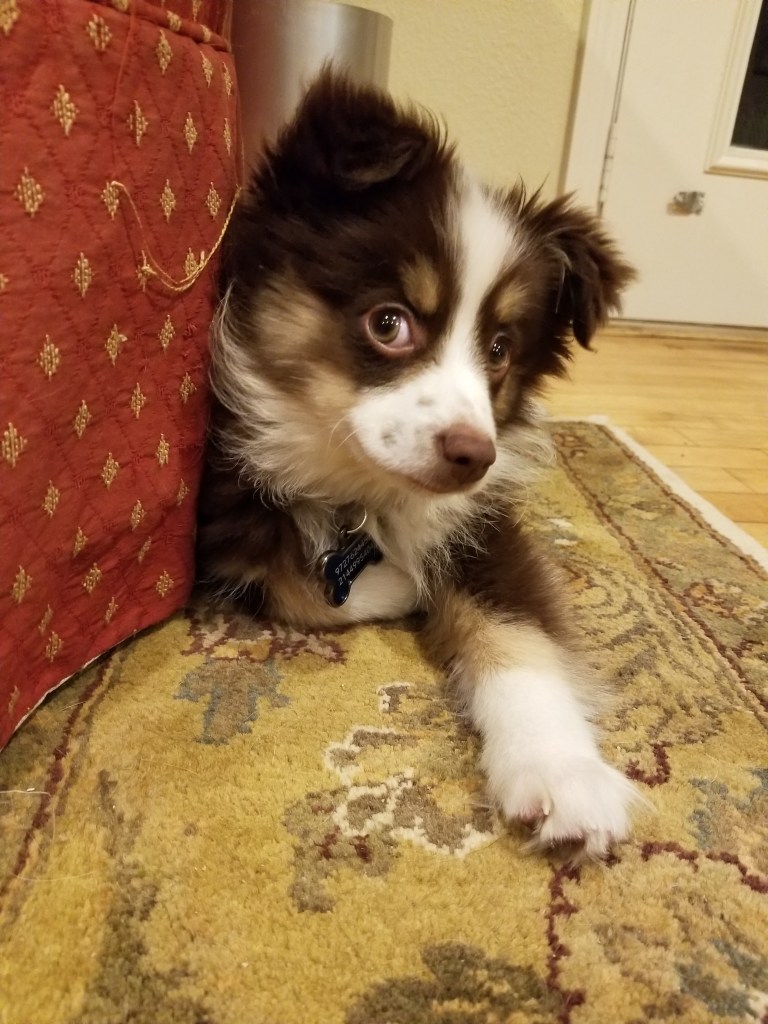
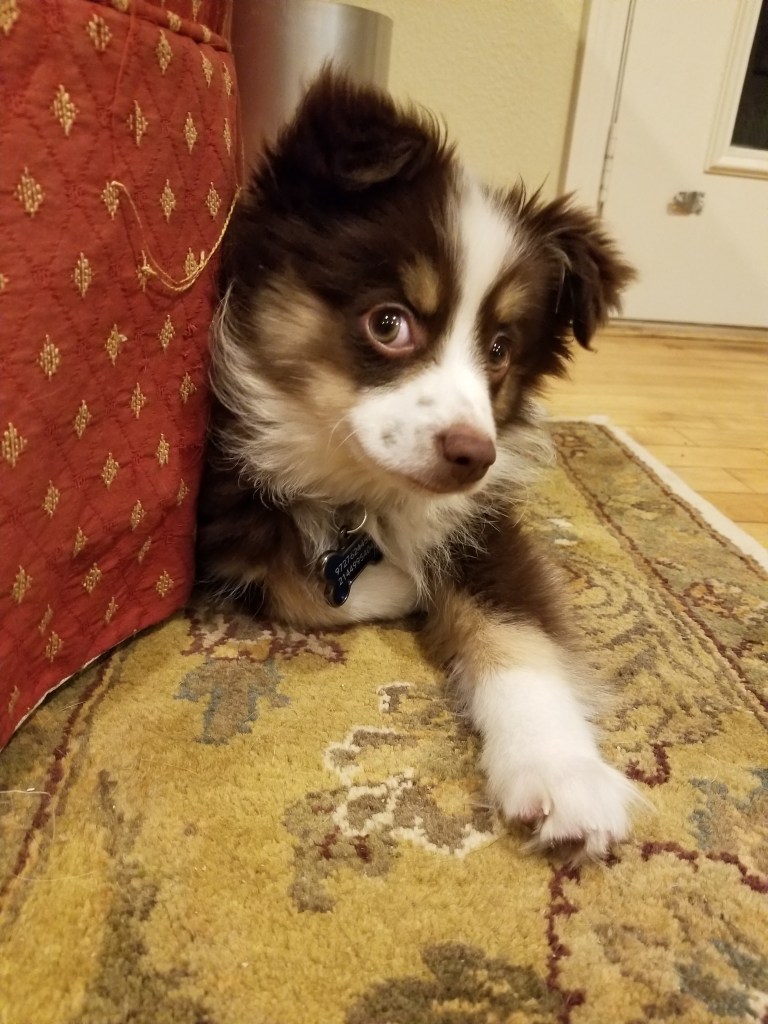
The photo shows a mini-Australian Shepherd puppy peeking out behind a red sofa and looking straight into the camera.
Rollo peeking out behind the sofa.
The photo shows a mini-Australian Shepherd biting a Leonberger’s tail.
Rollo frequently bit our Leonberger Bronco’s tail, and he even swung in it like a swing. He climbed all over Bronco. Bronco was very patient with him.

What is good about having a pet?

Pets bring a lot of entertainment and joy and they add life to a home. They keep you busy and keep your mind off problems, conflicts and doom scrolling. Intelligent mammals, such as dogs, will also give you cuddles, unconditional love, and they can comfort you. For example, a few weeks ago I was watching a movie that was touching and bit sad and I got a bit emotional That’s when I noticed our dog Rollo staring at me with loving eyes as he tilted his head. Then he came over to me and gave me a dog hug (pressing his body towards mine).

Another advantage of owning a dog is that they need a walk every day. Walking your dog a couple of miles per day will keep you healthy as well. Studies show that dog owners live longer than other people. In addition, dogs can provide practical services such as alerting you when strangers approach your house, they can be guard dogs, sniff out diseases and seizures, in our case without any training.

Your Responsibilities as Pet Owner

You need to feed your pet, provide clean water at all times, wash those food and water bowls daily with soap and hot water, care for your pet, keep it healthy, wash it and clean it, pay for veterinary bills, play with it and provide opportunity for exercise. If your pet is a mammal or a more advanced animal, such as a dog, you need to love it, train it, and it needs to be part of the family. If you are going to keep it on a chain in the backyard, leave it to be lonely most of the time, or uncomfortable, or let it take its own walks without supervision, or return it to a shelter when it gets old and sick, then don’t get a pet, especially not a dog.

The Life and Times of Le Bronco von der Löwenhöhle

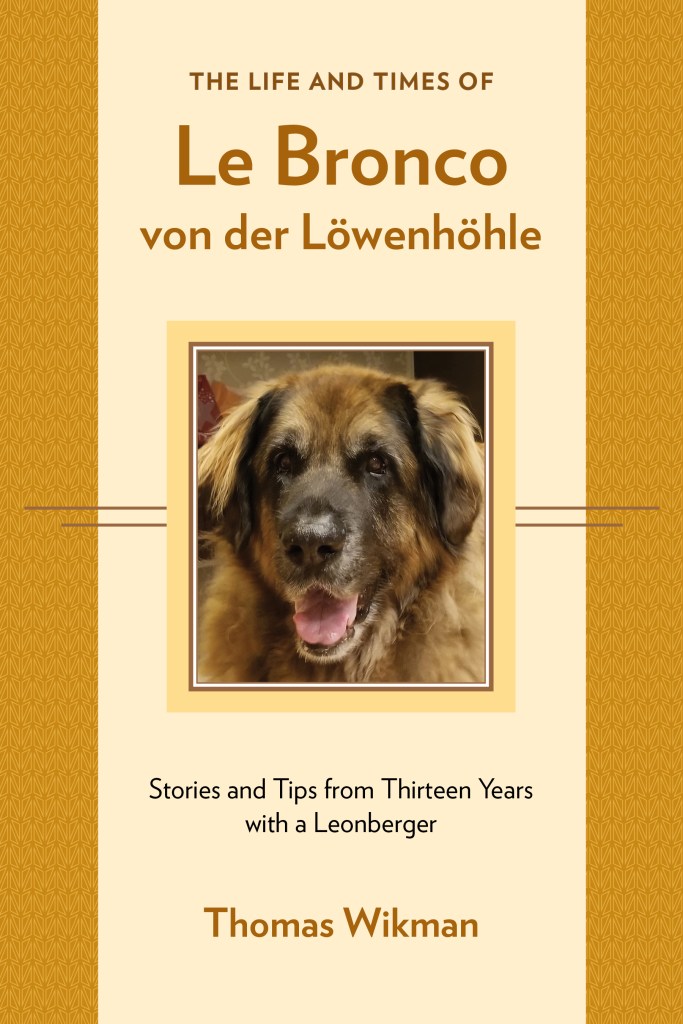
Finally, I would like to mention that I wrote a book about Bronco and Leonbergers. About 60% of the book is about Bronco’s daring and often hilarious adventures and 40% of the book is information on Leonbergers, breed history, breed standard, training, care, health, how to get one, and there is an extensive resource guide towards the end of the book.

The face of an old Leonberger, title, and author name.
This is the front cover of the book “The Life and Times of Le Bronco von der Löwenhöhle”. Click on the image to go to the Amazon.com location for the book

The book is available in a lot of places including Amazon in the US, Kindle, Barnes & Noble, and many other places.

Rollo is Seven Years Old Today

Rollo our mini-Australian Shepherd is turning seven years old today (October 12, 2025). This evening, we sang to him, in English, Swedish and French, and he got a pupcake (cupcake specifically for dogs) and piece of filet mignon. Later today (October 12) he will get celebrated again and have more pupcakes.

To celebrate Rollo’s birthday, I am posting 20 photos I took of Rollo today, or rather earlier this evening (October 11), as well as photos from the recent past, and also photos that are a year or older. Some of the older photos are with our late Leonberger Bronco. The first six photos I took today. If you’ve been following my blog for some time, you may have seen some of the older photos already.

Washing Rollo

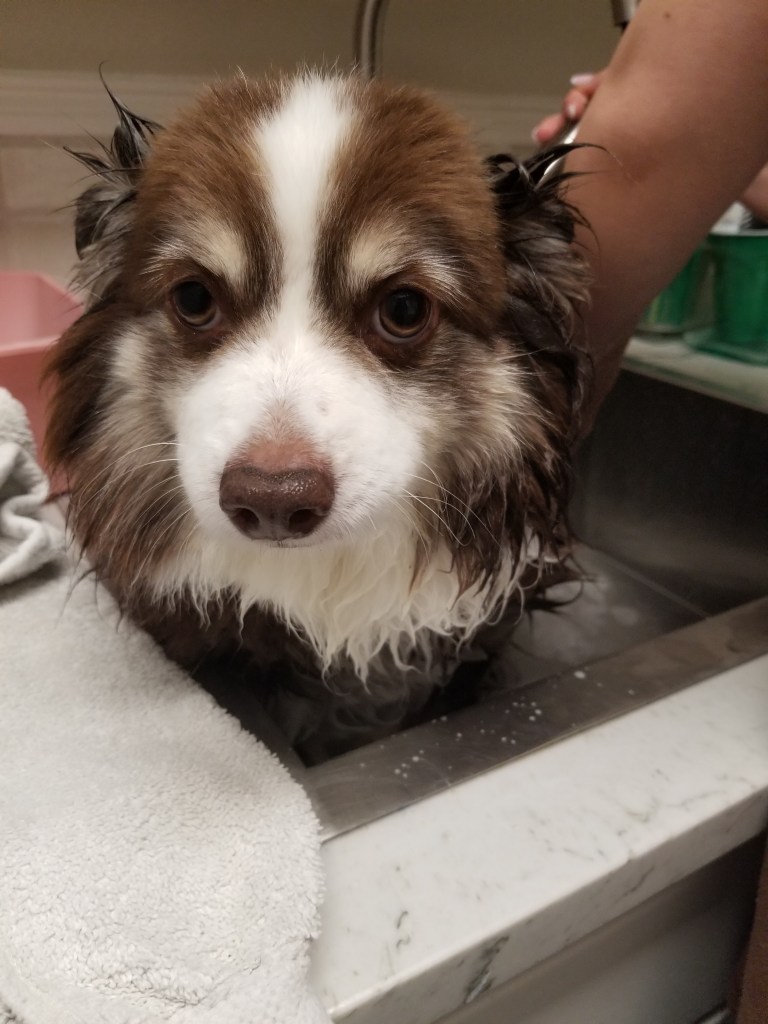
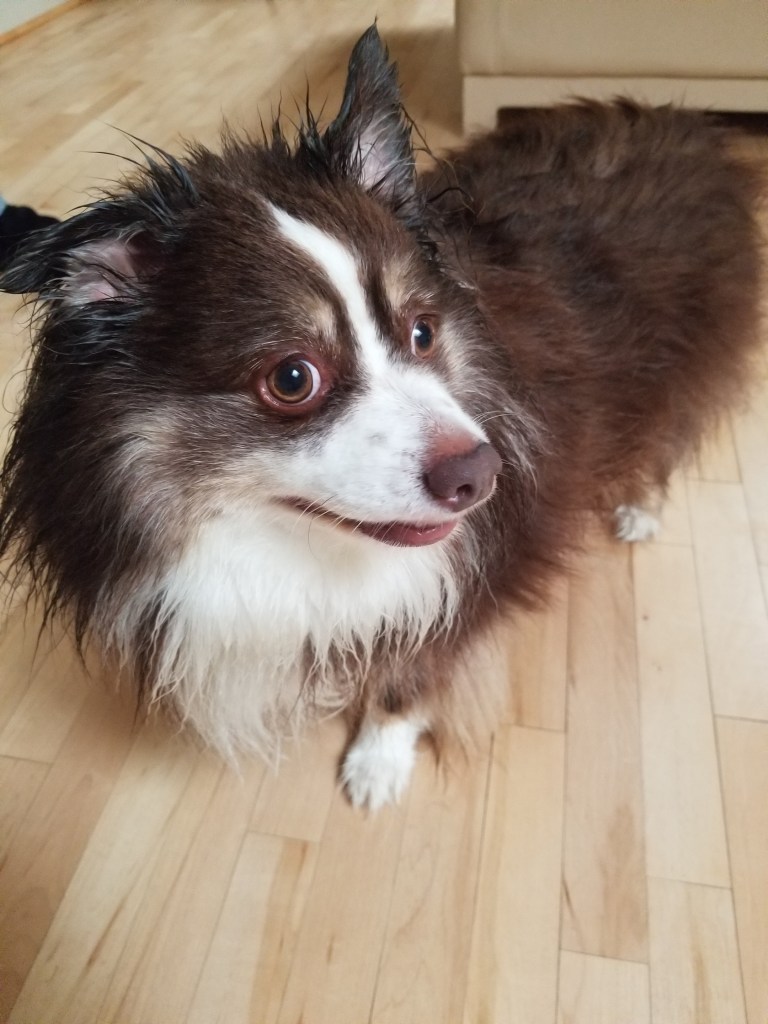
Rollo our mini-Australian Shepherd is looking into the camera. He is wet.
Before the festivities Rollo needed a bath. He is getting washed in the sink. He was not happy.
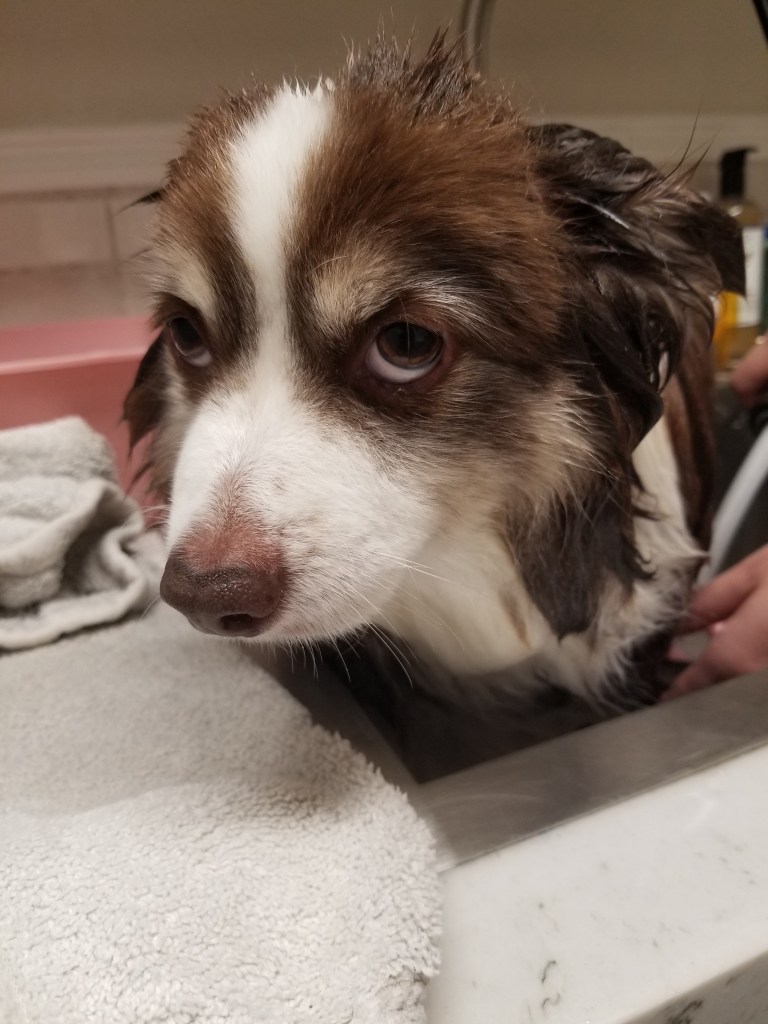
Our mini-Australian Shepherd is looking into the camera as he is sitting in the sink getting washed. He is wet and not happy.
When are you going to be done with this washing stuff?

Birthday Photos of Rollo

Our daughter is putting a blue birthday hat on our mini-Australian Shepherd Rollo.
The birthday hat is coming on. He does not like the hat, so it did not stay on long.
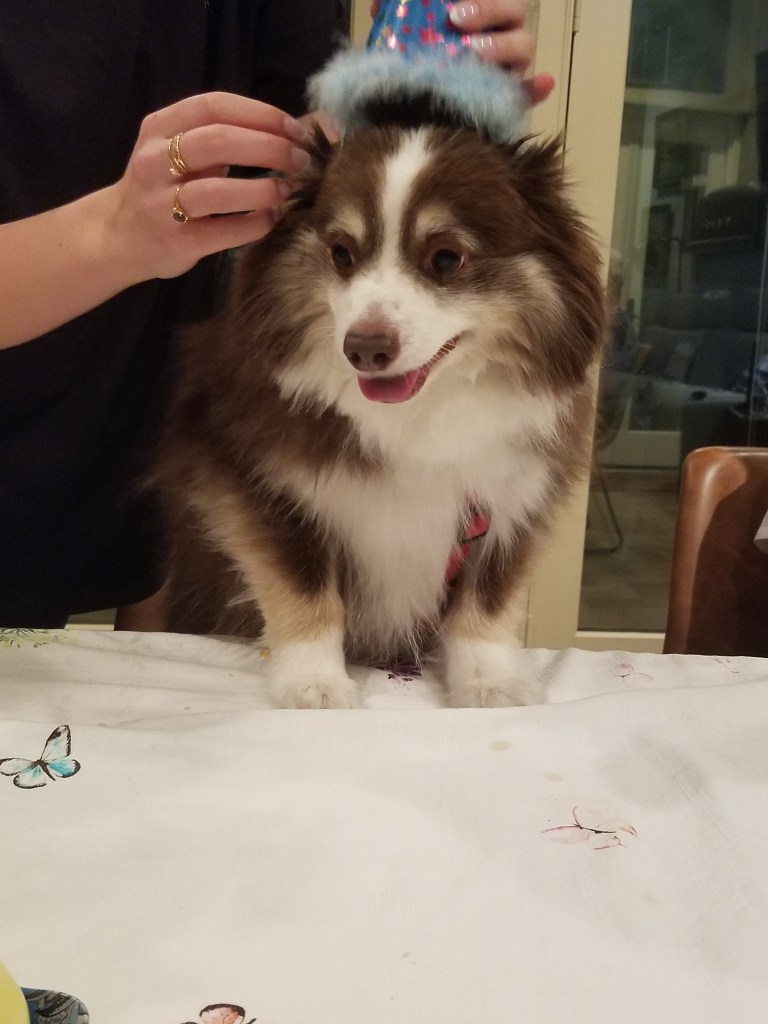
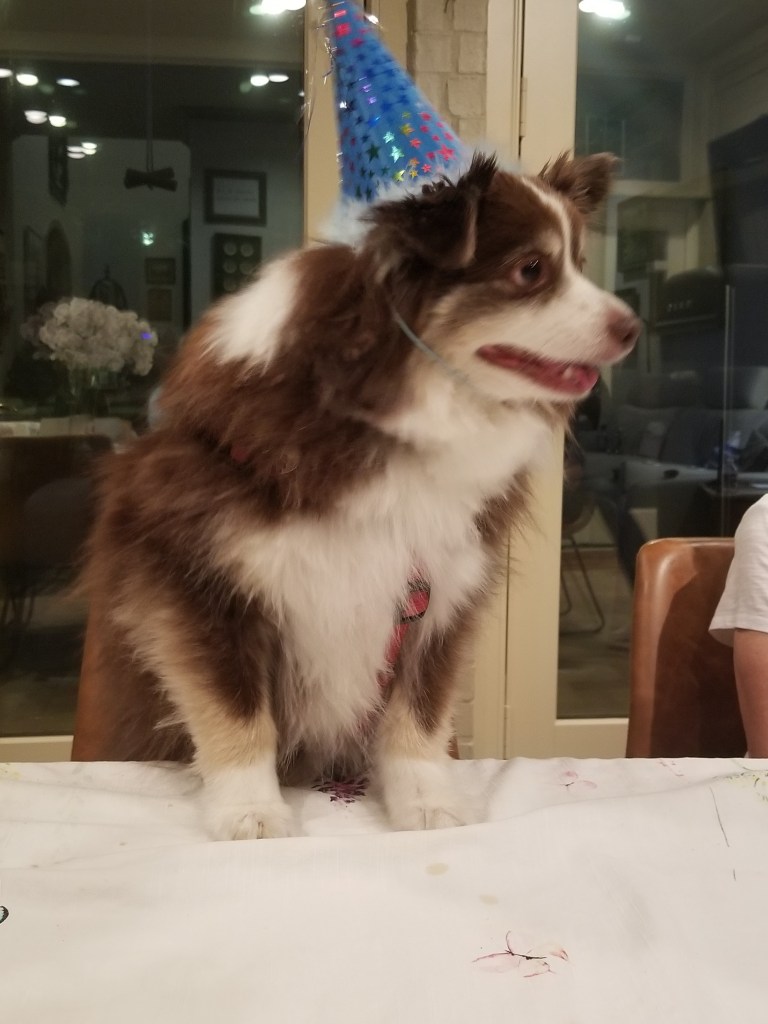
Rollo our mini-Australian Shepherd has his paws on the table and he is wearing a blue birthday hat.
We are getting the pup-cake ready, and we are going to sing Happy birthday in several languages. Rollo very much appreciates us singing to him in multiple languages, but mostly he appreciates the pupcake. A pupcake is a cupcake made especially for dogs. We humans had cupcakes.
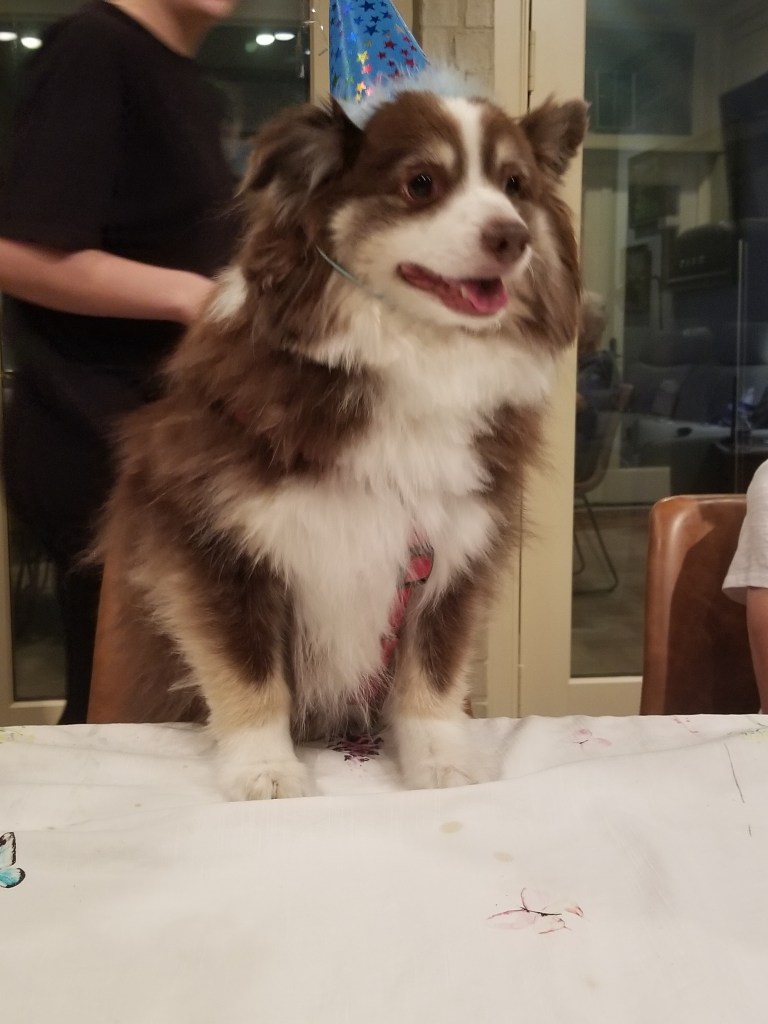
Rollo our mini-Australian Shepherd is standing with his paws on the table, and he is looking to the right. He is wearing a blue birthday hat.
Rollo is ready.
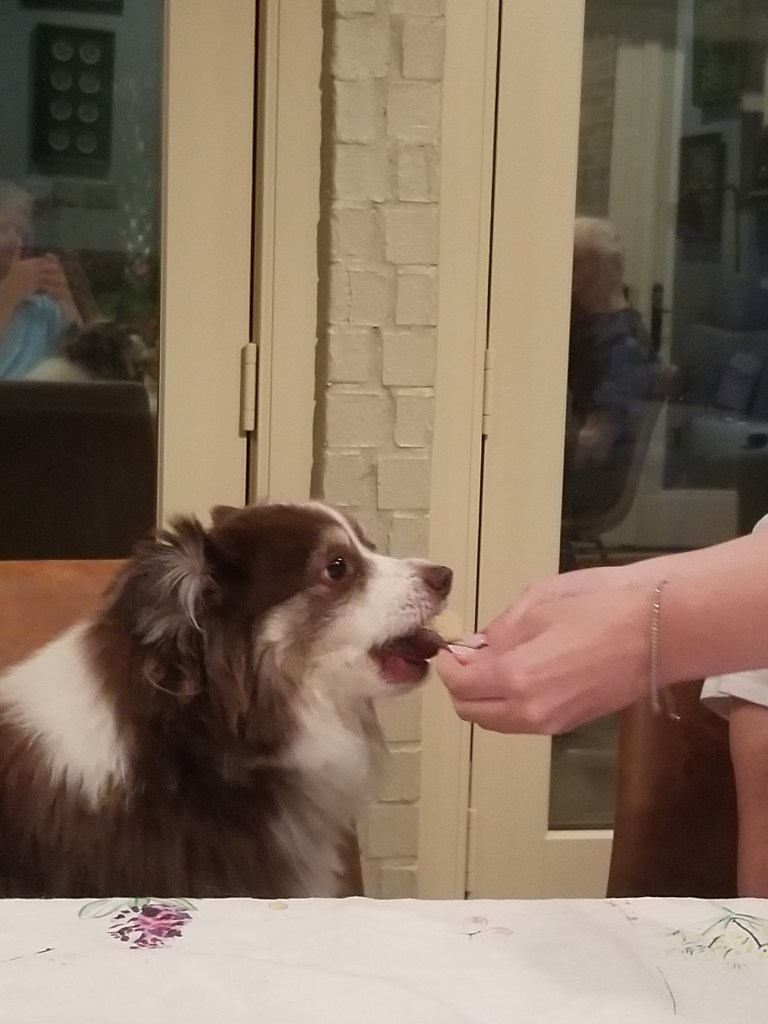
Photo of our mini-Australian Shepherd being fed a pupcake.
Finally Rollo gets his pupcake

Recent Photos of Rollo

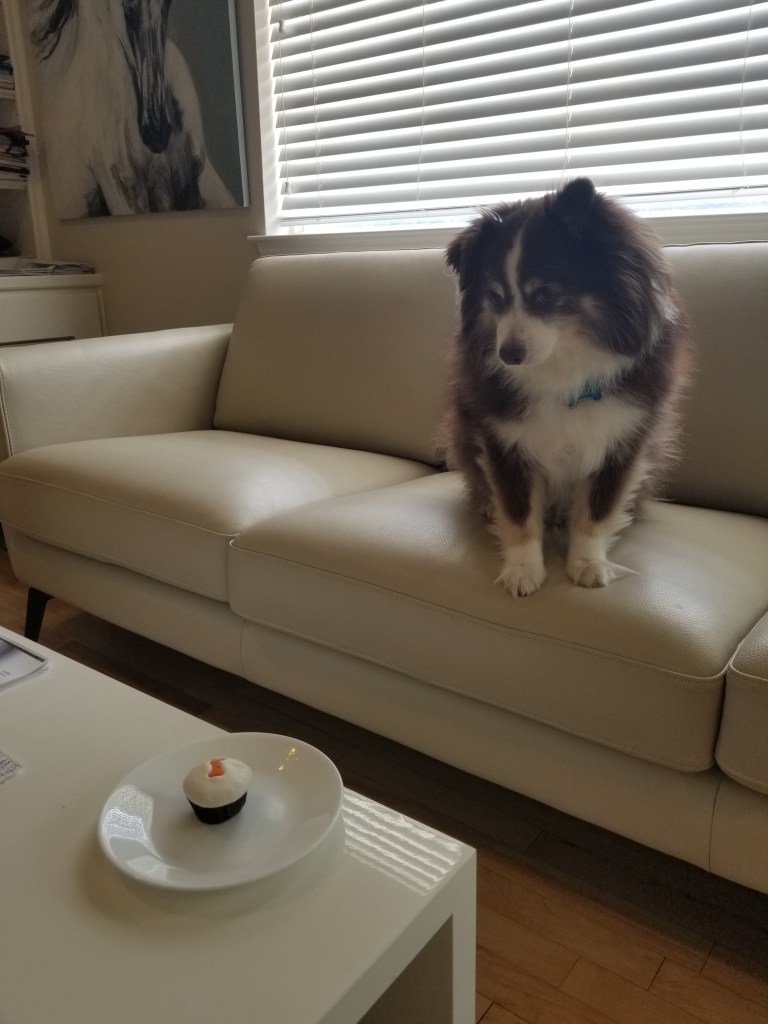
Photo of our mini-Australian Shepherd being sitting on a leather sofa and looking at a pupcake.
Rollo and a pupcake on a table.
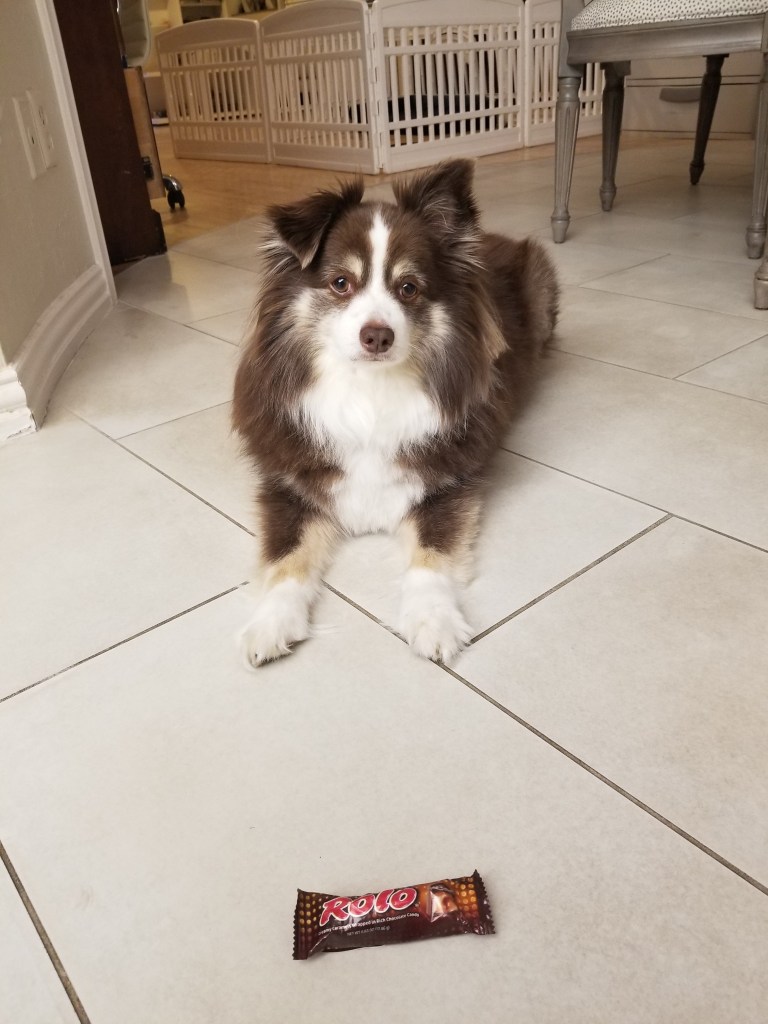
Photo of our mini-Australian Shepherd sitting on the floor in front of a Rolo candy.
Rollo and a Rolo candy. Rollo was not named after the candy bar Rolo as often incorrectly assumed. Rollo was named after the Viking king who sacked Paris. You can say he was on a roll.
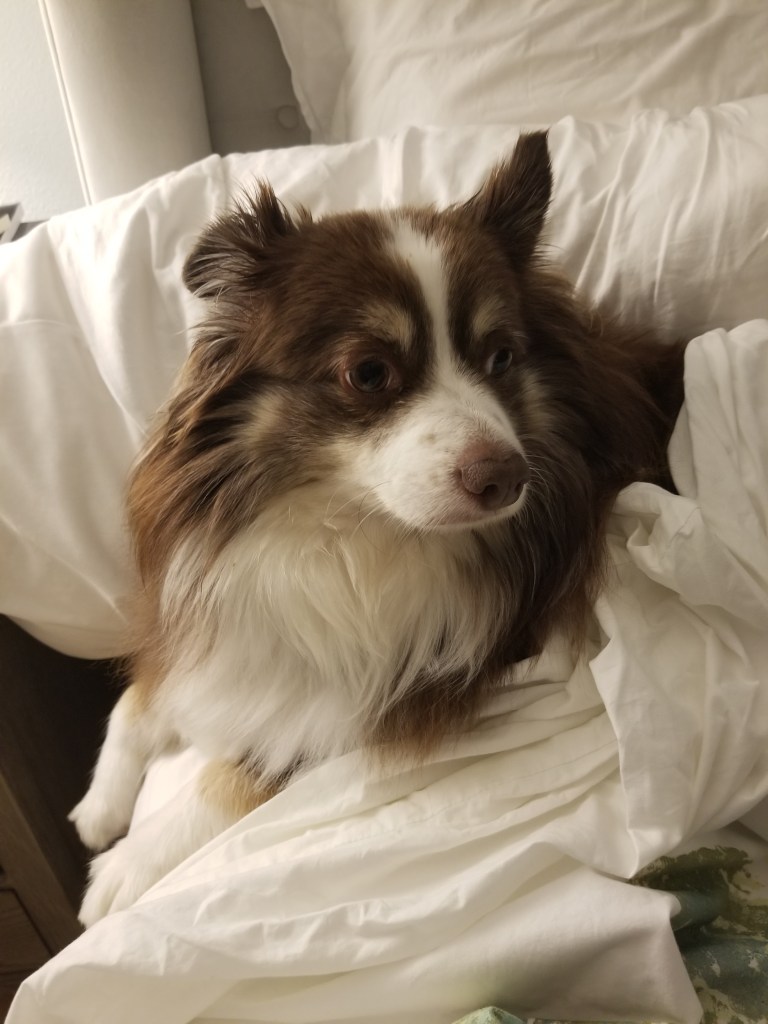
Photo of our mini-Australian Shepherd lying among the covers on our bed.
Rollo likes to sleep in our beds
Photo of our mini-Australian Shepherd being a bit wet
Rollo is wet, not from being washed today but from rain on another occasion.

Older Photos of Rollo

A mini-Australian Shepherd wearing a blue party hat. He is not looking happy.
This is an old photo from his fourth birthday. He is unhappy with the hat.
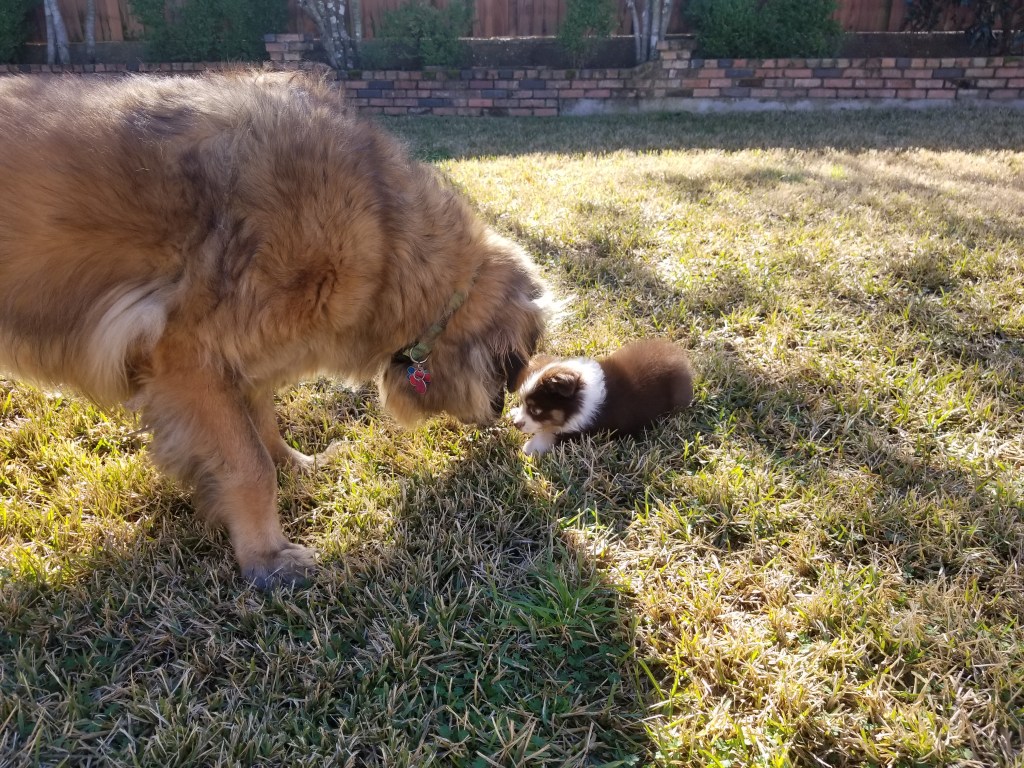
On the left there is a big Leonberger dog bending his head down to sniff a small mini-Australian Shepherd lying on the grass.
Rollo almost six years ago. He had just arrived at our house. Our Leonberger Bronco is welcoming Rollo.
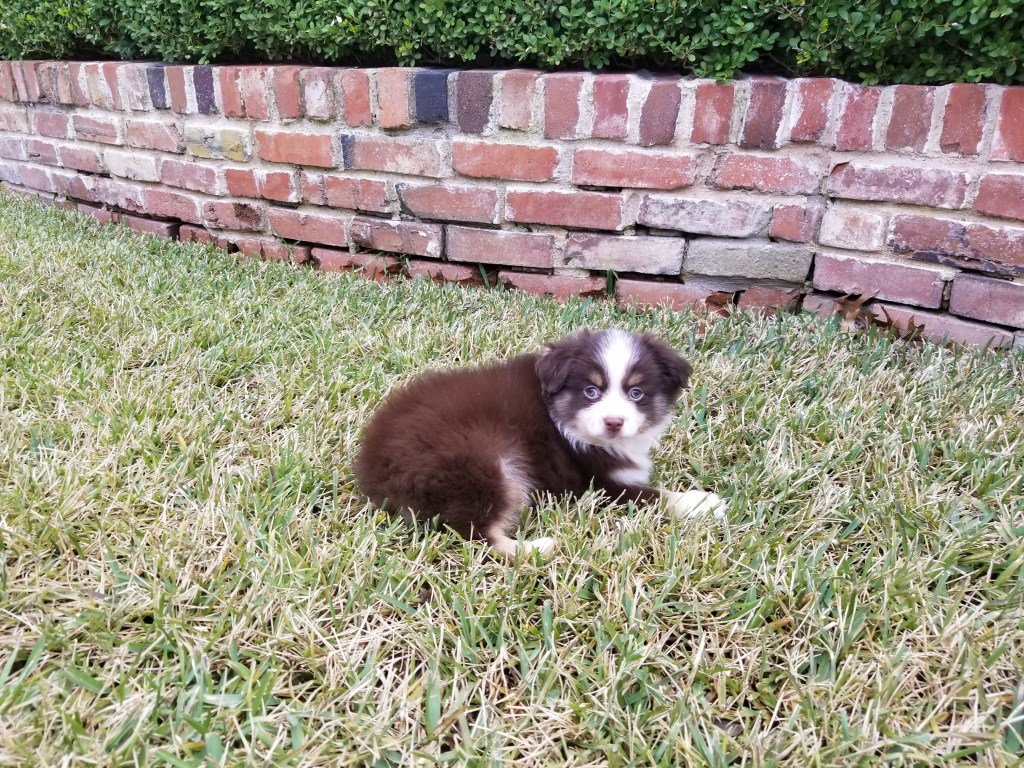
Our mini-Australian Shepherd is lying on the grass and looking into the camera.
Rollo our mini-Australian Shepherd puppy.
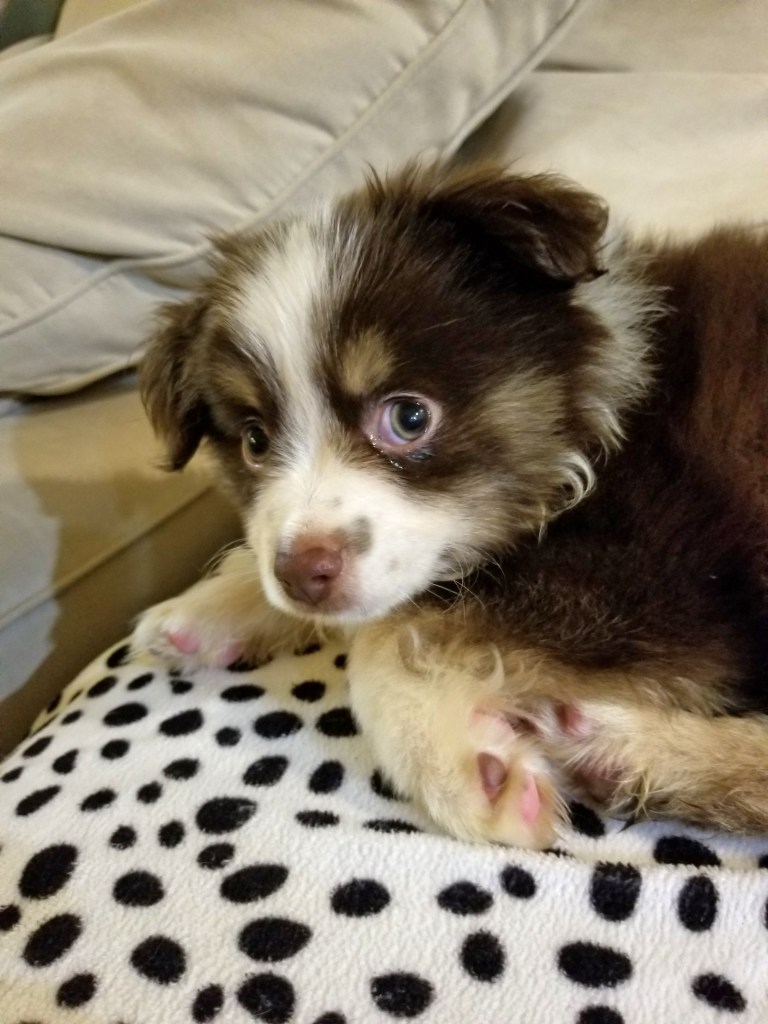
A mini-Australian Shepherd puppy lying on a blanket and looking into the camera.
Close up of Rollo as a puppy.
The photo shows a mini-Australian Shepherd puppy peeking out behind a red sofa and looking straight into the camera.
Rollo peeking out behind the sofa.
The photo shows a mini-Australian Shepherd puppy biting an orange volleyball.
Rollo playing with a volleyball.
The photo shows a mini-Australian Shepherd biting a Leonberger’s tail
Rollo frequently bit our Leonberger Bronco’s tail, and he even swung in it like a swing. He climbed all over Bronco. Bronco was very patient with him.
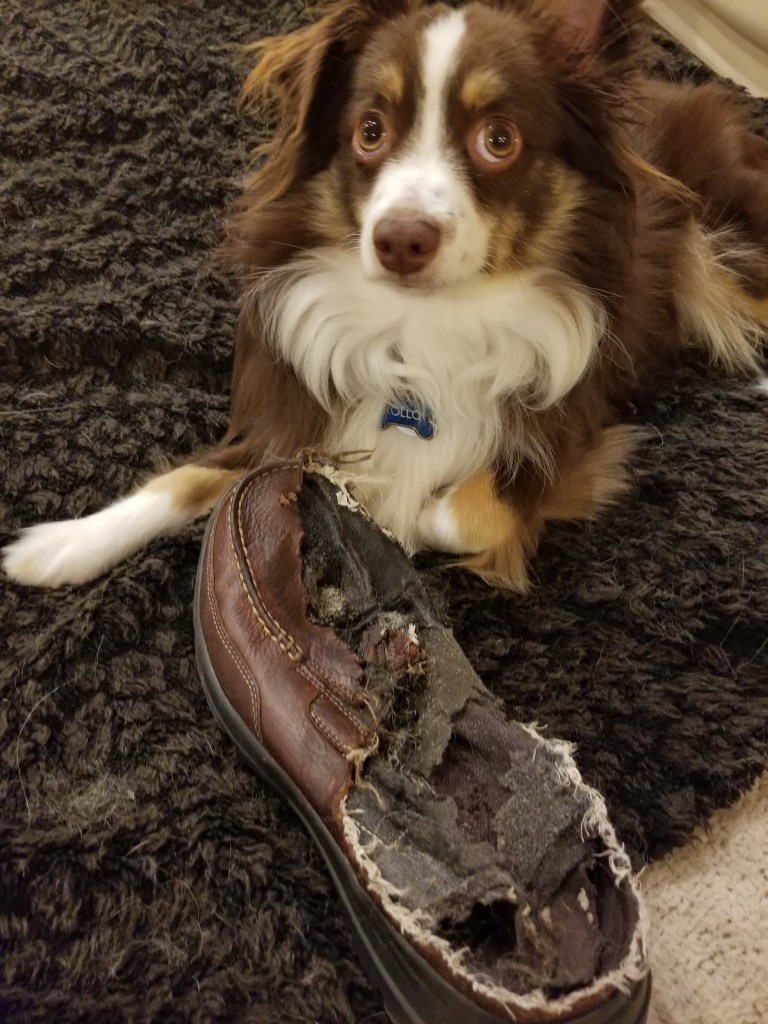
The photo shows a mini-Australian Shepherd looking into the camera. He is next to a chewed-up shoe.
When Rollo was young, he loved chewing shoes. Here the artist is posing with his art.
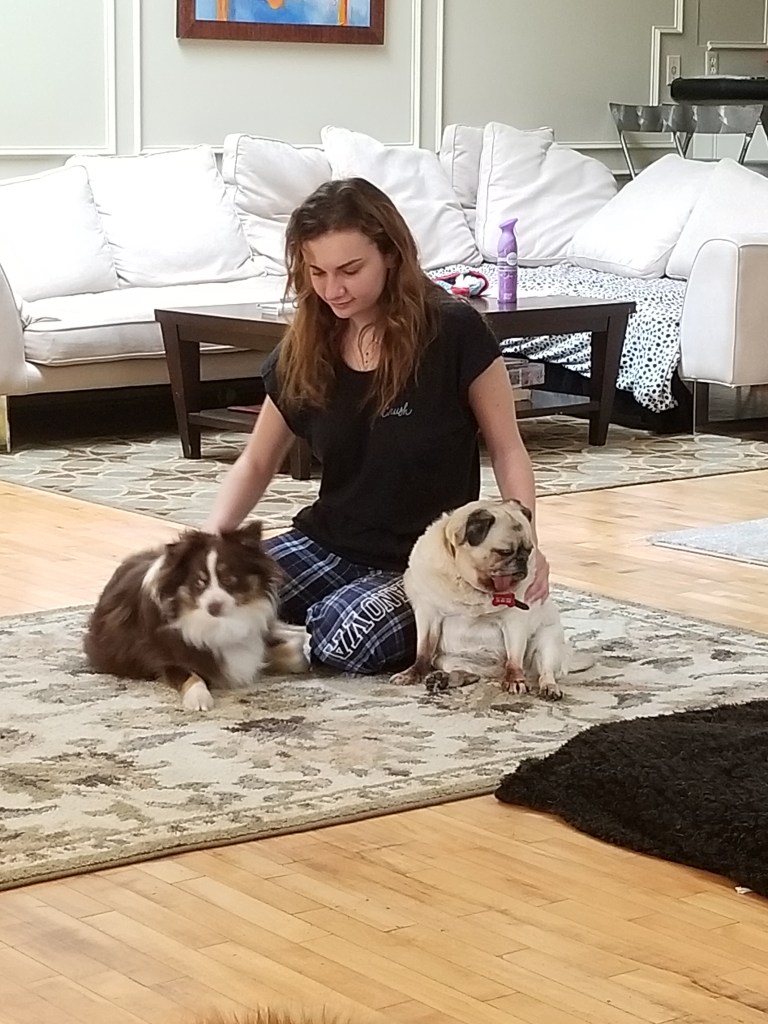
The photo shows a mini-Australian Shepherd and a Pug and young woman in between them petting them both.
Our daughter with our mini-Australian Shepherd Rollo and Pug Daisy.
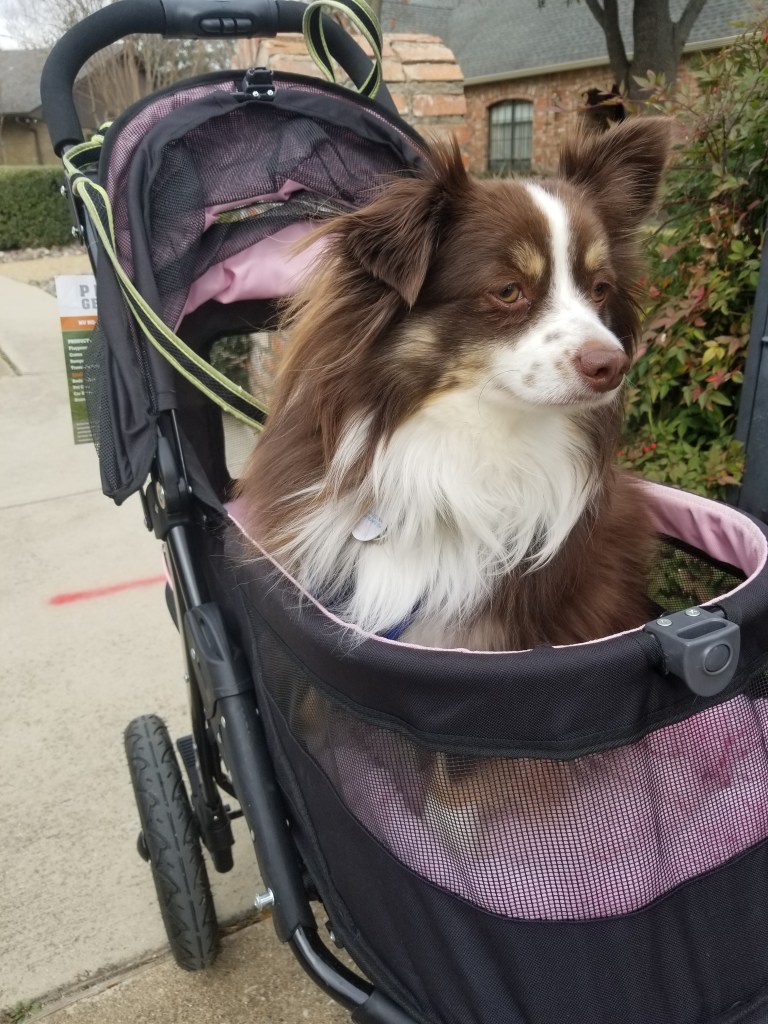
The photo shows a mini-Australian Shepherd sitting in a stroller.
Sometimes there are scary sounds and Rollo wanted to sit in the stroller we bought for our Pug Daisy. We have not been using that stroller since Daisy passed.

To see the blog post from Rollo’s sixth birthday click here and Rollo’s fifth birthday click here.

Promises To My Dog

Esther’s writing prompt: 17th September : Promises

Click here or here to join in.

Dogs are domesticated wolves. To survive in our human society, they need to be taken care of. We often get them as puppies and all they know is how to live with people. When you get a dog, this is a lifetime commitment. Despite this fact a lot of people buying puppies bring them to shelters and many irresponsible breeders bring unsold puppies to shelters. In addition, 7% to 20% of dogs adopted from shelters are returned to the shelters, mostly due to behavioral issues or owners’ unrealistic expectations. Dogs who were returned for behavioral issues were also more likely to be euthanized.

Some dog owners don’t even bother to turn their dog into a shelter, they just abandon them. In the U.S., approximately 3.1 million dogs enter shelters each year. Many of these are abandoned, the offspring of abandoned dogs, or lost pets. In the U.S., about 60% of dogs entering shelters are strays. As a side note, abandoning a dog is illegal in almost every US state, including Texas where I live. We dog owners need to do better. We have responsibilities towards our dogs, to feed them, raise them, train them, exercise them, take care of them, and continue to shelter them when they get old and sick.

The Leonberger community has taken significant steps towards protecting Leonberger dogs from abuse and abandonment. First, the Leonberger Club of America certifies responsible breeders and work to prevent dogs from ending up with backyard breeders and puppy mills. Breeders are required to take back and care for a dog if it does not work out. All prospective Leonberger owners are interviewed and must sign a contract dictating how they should treat the dog. If they find out that you have mistreated a dog or failed to take care of a dog you cannot buy a Leonberger. To see the transcript for our Leonberger interview click here.

12 Promises to my Dog

  • Dear fur angel, I promise to feed you properly.
  • Dear fur angel, I promise to protect you from toxic foods such as raisins, grapes, chocolate, xylitol, birch sugar, onion and garlic.
  • Dear fur angel, I promise to protect you from toxic plants, dangerous household items and animals.
  • Dear fur angel, I promise to keep one or more water bowls always filled with fresh and clean water for you.
  • Dear fur angel, I promise to comfortably shelter you.
  • Dear fur angel, I promise to train you and care for your physical and emotional needs.
  • Dear fur angel, I promise to walk you every day (on days when this is possible).
  • Dear fur angel, I promise to take care of all your veterinary needs.
  • Dear fur angel, I promise to play with you, pet you, and throw balls.
  • Dear fur angel, I promise to never abandon you.
  • Dear fur angel, I promise to be there for you when you cross the rainbow bridge.
  • Dear fur angel, I promise to love you forever.

Puppy Versus Old Dog Photos

Below are some photos of our dogs. Except for the first photo, which is a photo of our Labrador Baylor and German Shepherd Baby at an advanced age, the photos are arranged so that the first is photo of the dog as a puppy followed by a photo of the same dog at an advanced age. I should say that we got Baylor and Baby when they already were adults and we don’t have puppy photos of them. What happened was that family members of ours had got them from a shelter and when those family members later needed to move, we offered to take care of them.

Both dogs are laying on their stomach. Baylor, a yellow Labrador, is on the left and Baby a brown and black German Shepherd is on the right.
Our Labrador Baylor, left, and our German Shepherd Baby, right. Both dogs are at an advanced age. I should add that Baylor was partially a mix. He was three quarters Labrador and one quarter Rhodesian Ridgeback.
Our Leonberger Bronco Puppy is sitting looking into the camera and wearing a red scarf.
Our Leonberger Le Bronco von der Löwenhöhle at three months old.
Our Leonberger Puppy is sitting looking into the camera and wearing a scarf. It is a black and white picture.
Our Leonberger Bronco at three months old.
Our Leonberger is standing on the left. My wife is standing on the right and holding the Grey Muzzle Award diploma.
Our Leonberger Bronco received the Grey Muzzle Award for longevity at age 12. Leonbergers typically live 8-10 years. It was the Leonberger Health foundation International that gave him the award. My wife is holding the Grey Muzzle Award diploma.
Our soon 13 year old Leonberger Bronco is lying on the lawn in front of our house. He is looking into the camera.
Our soon 13 year old Leonberger Bronco.
Ryu our Japanese Chin is dancing with our daughter. He is looking into the camera. It looks like he is laughing.
Our Japanese Chin puppy Ryu loved to sing and dance when. Well, howl and dance.
Ryu our Japanese Chin is sitting and looking serious.
Ryu is old in this picture. He has an illness, and he is more serious.
Daisy, our pug, is in our son’s arms. He is wearing a red shirt.
Our pug Daisy in our younger son’s arms. She is a puppy in this picture. People typically assumed that Ryu was the female and Daisy the male, but it was the other way around.
Our pug Daisy, is wearing a pink party hat and she is eating a Pup Cake.
Daisy’s 15th birthday. She is getting old. She is having a Pup Cake.
Our mini-Australian Shepherd Rollo puppy is looking into the camera. He is white and dark brown.
Our mini-Australian Shepherd Rollo as a puppy.
Our mini-Australian Shepherd Rollo is sitting in a black and pink pet stroller.
Our mini-Australian Shepherd Rollo is grown up but not yet old. Here he is sitting in Daisy’s stroller. Strange noises such as ducks quacking used to scare him and then he wanted to sit in her stroller.