
Esther’s writing prompt: October 1st : Club
Click here or here to join in.
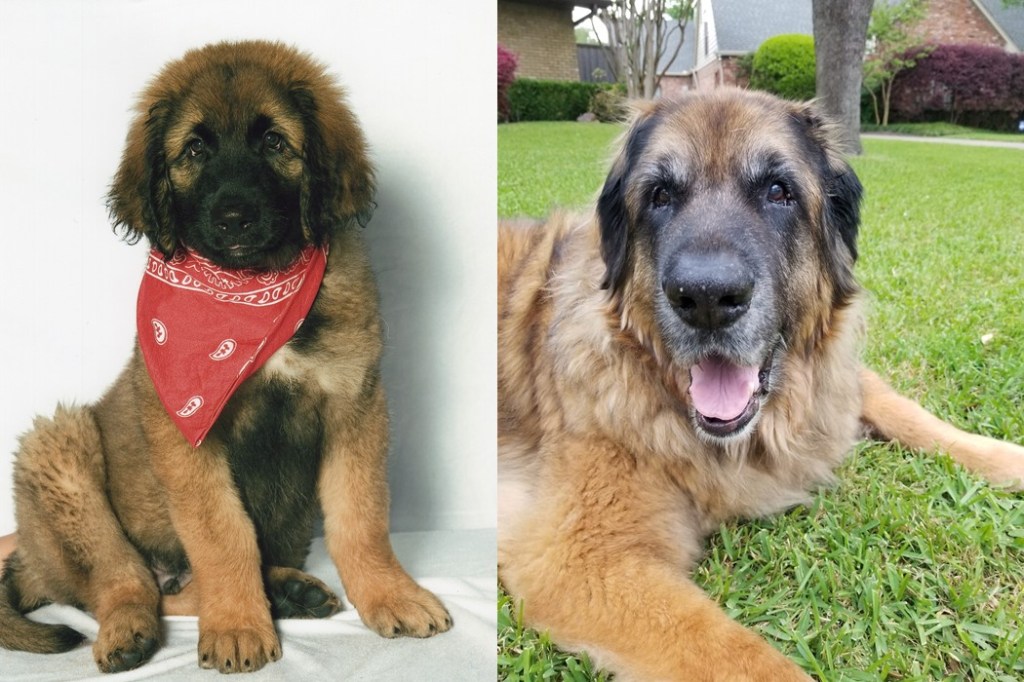
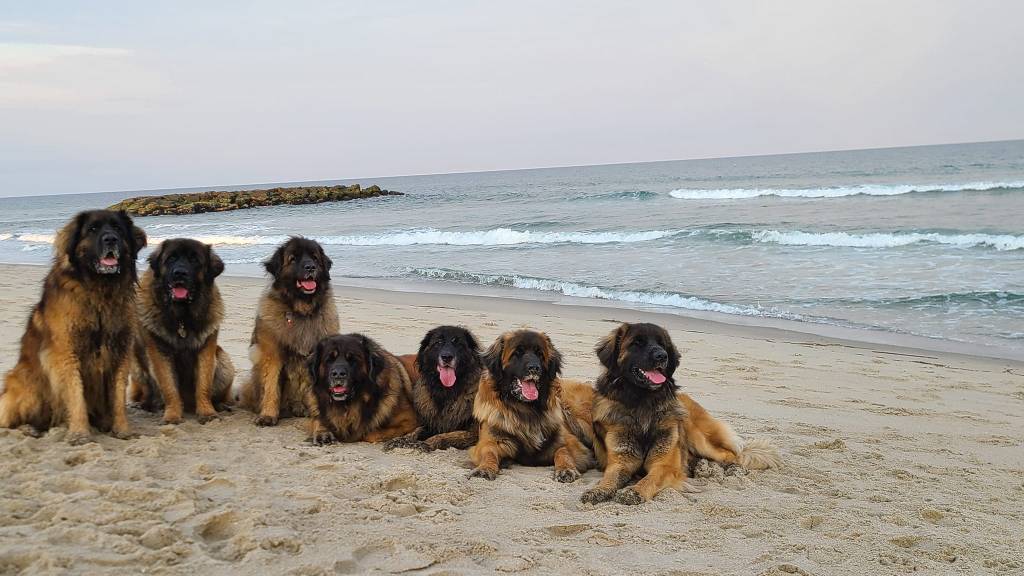
Just a few minutes before I saw Esther Chilton’s writing prompt “club” I received my annual invoice for our family membership in the Leonberger Club of America. What a great reminder to pay my bill and create a post about the Leonberger Club of America. We haven’t had a Leonberger since the summer of 2020 when our Leonberger Bronco, or Le Bronco von der Löwenhöhle passed away. However, we’ve kept our membership because I love their LeoLetter magazine, I know some people, I have this blog, and I wrote a book about our Leonberger and the Leonberger breed after the passing of Bronco (see the side bar on the right or click here for more information).
The Leonberger Club of America
I can add that the Leonberger Club of America, LCA for short, is the official national parent club for the Leonberger breed in the United States (and Canada). It was founded in 1985. Its mission is to preserve and promote the health, temperament, and original type of the Leonberger through education, events, performance programs, and social engagement. The American Kennel Club (AKC) recognizes the LCA as the official Leonberger breed club in the United States.
The Leonberger Club of America make sure that the Leonberger dogs are protected. You are about as likely to find a Leonberger at Petland/Puppy-Mill as you are finding an Elephant for sale there. You typically buy/get a Leonberger dog from an LCA certified Leonberger breeder or from the Leonberger Rescue Pals, and if you don’t that might be a problem. Leonberger breeders interview prospective Leonberger owners and make sure they are a good fit. If you are found to have mistreated a dog in the past, turned one into a shelter, or sold one on an auction, you cannot buy a Leonberger. The breeders are also required to take back the dog if it does not work out. To see the transcript from our Leonberger interview, click here.
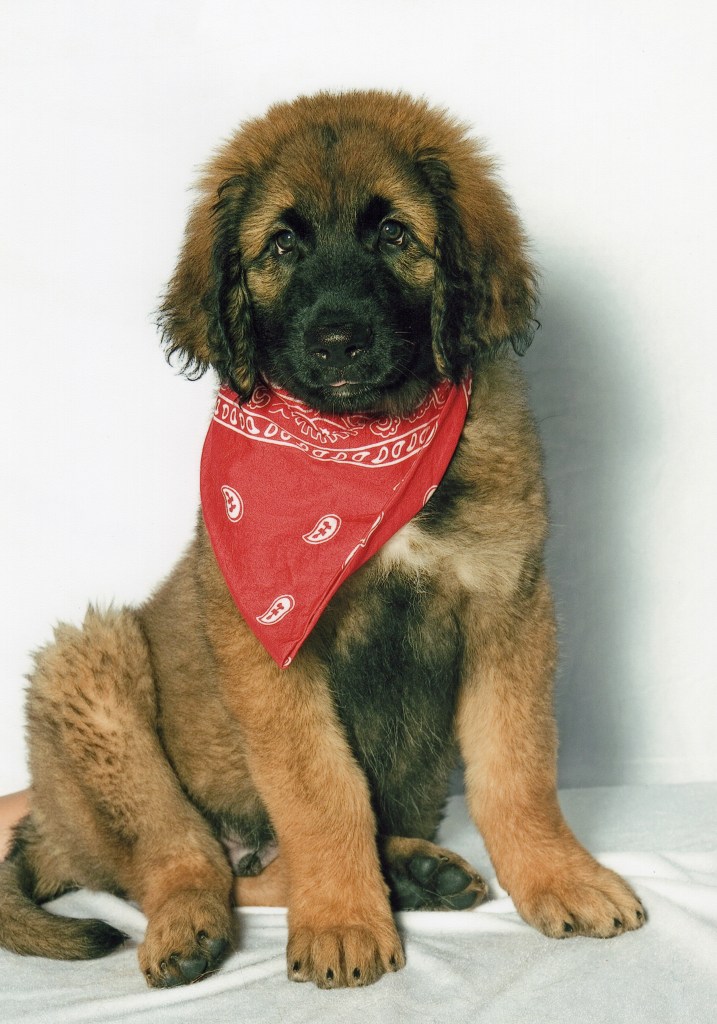
There are only about 3,000 Leonbergers in North America and about 2,000 Leonbergers in the United States but the Leonberger Club of America has more than 1,000 members. They publish the Leo-Letter, a quarterly Leonberger magazine. So, the Leonberger Club of America has a very prominent place among Leonberger owners. Click here to see a summary of the Leonberger Breed Standard.

Other clubs associated with the Leonberger Club of America are New Jersey Leonberger Club, Great Lakes Leonberger Club, Greater Bluegrass Leonberger Club, Mid-Atlantic Leonberger Club Of Virginia, Tarheel Leonberger Club, AKC Licensed Specialty Club, The Frontier Leonberger Club Of The Southwest, Leonberger Club Of The Northwest, Northern California Leonberger Club, and the Surf And Sand Leonberger Club Of Southern California. I am a member of The Frontier Leonberger Club Of The Southwest. Other Leonberger clubs are the Leonberger University, Leonberger Health Foundation International, and the Worldwide Independent Leonberger Database. You can learn more about the Worldwide Independent Leonberger Database by clicking here.
The History of the Leonberger Club of America
Leonbergers have a long history in North America and the United States—despite the fact that until 1985, there were only seventeen Leonbergers known to be living in the United States. See: Lusby, Leonberger, page 15.
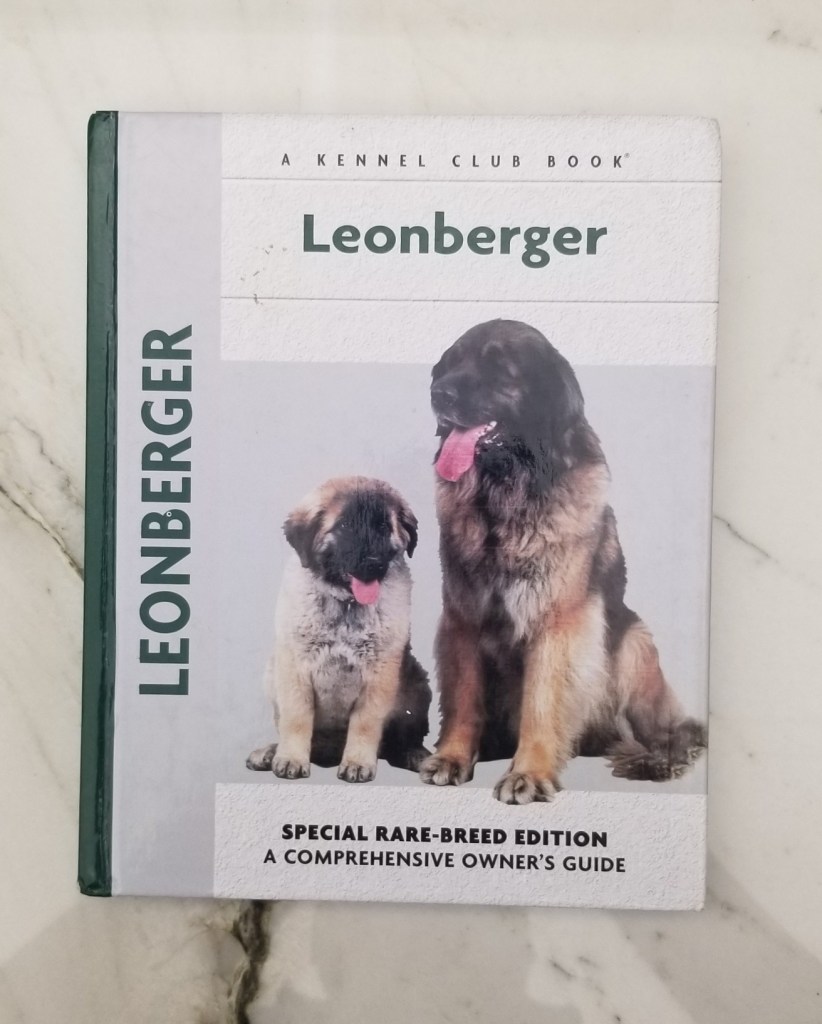
In the 1870s, Leonbergers were brought to Newfoundland to invigorate the stock of Newfoundland dogs. Around the same time, two Leonbergers named Caesar and Sultan were purchased from Heinrich Essig’s kennel (founder of the Leonberger breed) and transported across the ocean to join the Wellesley-Sterling theater company in the United States as the stars of their productions. Then in 1879, Caesar and Sultan visited President Ulysses S. Grant, who called them the largest and most magnificent dogs he had ever seen and presented them with gold medals. During the years between World War I and World War II, a New Jersey family, the Wolfs, opened their home as a temporary refuge for Jews fleeing Germany: they also imported Leonbergers. Unfortunately, this introduction of the breed into the United States did not last, and it would be another fifty years before the Leonberger appeared in America again.
See: Bliss-Isberg, Leonberger, page 60, page 64, page 101
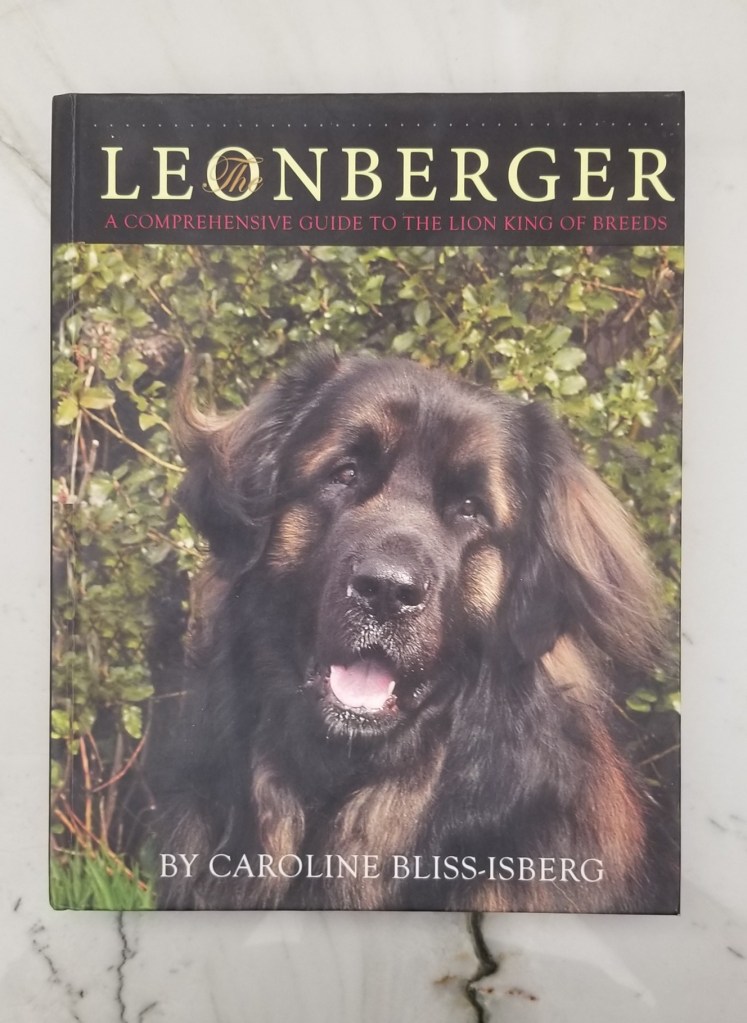
During the late 1970s and the 1980s, a few families—Waltraut and Klaus Zieher, Brian Peters, Manfred and Sylvia Kaufmann, Keri Campbell and Melanie Brown, and Mary and Reiner Decher brought Leonbergers to the United States. The Dechers had started a breeding program and were looking for a mate for their first dam, Viona. By chance their neighbor discovered through a newsletter that there was another Leonberger in the United States, and that led to the families’ finding and connecting with one another. I should add that the Dechers were careful to conform to the German breeding regulations and performed hip X-rays that they then submitted to the Orthopedic Foundation for Animals (OFA). Viona became the first OFA-certified Leonberger in America.
See: Bliss-Isberg, Leonberger, page 152.
On Saturday, November 2, 1985, eight of these Leonberger enthusiasts met at a hotel in Denver, Colorado, to found the Leonberger Club of America (LCA). This group of founders, which has since been dubbed the Denver Eight, appointed a registrar, formulated a breeding acceptability checklist, and instituted various policies, including the requirement that OFA certification is mandatory for breeding. LCA membership grew: it held social gatherings, began publishing LeoLetter, and imported an increasing number of dogs. Now the LCA has thousands of members across the country, and Leonbergers receive high ratings on health tests relative to other large breeds. For example, in 2000, the OFA reported that only 14.6 percent of Leonbergers tested positive for hip dysplasia, compared to 47 percent of Saint Bernards.
See: Bliss-Isberg, Leonberger, page 154, page 176.
Founding of the Leonberger Health Foundation International
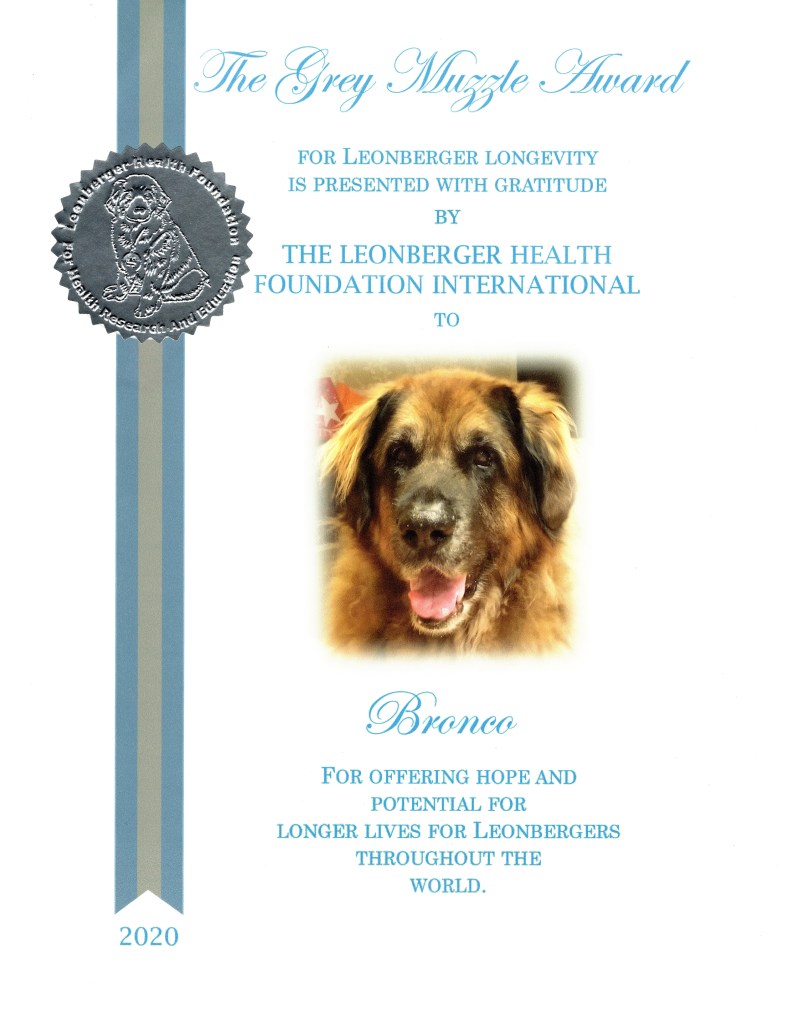
Another important historical event was the founding of the Leonberger Health Foundation International (LHFI), in 2000 (it was just called the Leonberger Health Foundation back then). According to its website, the organization was founded by Waltraut Zieher and other memers of the LCA’s health, education, and research committee to “facilitate the solicitation and distribution of donations given to support health related breed-specific research.” The LHFI also administers a program that collects DNA samples from Leonbergers to share with universities and research institutions, and of course it administers the Grey Muzzle Award (long living Leonbergers). Our Leonberger Bronco was a recipient of the Grey Muzzle Award, and we provided them with his DNA.
LHFI’s global biobank contains DNA samples from more than nine thousand Leonbergers. Among the organization’s notable achievements are the eradication of Addison’s disease among Leonbergers and the raising of nearly half a million dollars for research into conditions that affect canine health, including osteosarcoma, hemangiosarcoma, glaucoma, cardiac diseases, thyroid diseases, and neurological disorders. Its research also supports healthful longevity and aging as well as population diversity. Another success is the fact that since 2011, no Leonbergers with two copies of the LPN1 gene mutation (which causes Leonberger polyneuropathy) have been recorded in LHFI’s biobank. LHFI is one of my favorite charities.
The Dog Wars of America
The end of the twentieth century marked not only the end of the Cold War but also the beginning of what I call the Dog Wars of America. In 1985, the American Kennel Club (AKC) registry comprised one-third of the world’s known dog breeds. But the AKC had recognized only a few new breeds since 1887—a period of ninety-eight years. So, the organization decided to change that policy, but this did not always go smoothly. The members of rare-breed clubs often did not want to be part of the AKC. For example, the Australian Shepherd Club of America (ASCA) was very reluctant to join, so a relatively small splinter group, the United States Australian Shepherd Association, was formed and designated the official member club of the AKC, which was not welcome news to the ASCA. The border collie is another example. Charles Krauthammer, the late political columnist, called the AKC the politburo of American dog breeding.
See: Bliss-Isberg, Leonberger, page 159.
Similarly, in 2003, a new Leonberger club was formed—the Leonberger Club of the United States—with the goal of becoming the Leonberger member club of the AKC. This essentially forced the LCA’s hand, so they applied for membership in the AKC, a process that took years to complete. But ultimately the AKC approved the LCA as members in 2010: Leonbergers would officially become part of the Working Group. Fortunately, 90 percent of LCA breeders agreed to continue following LCA regulations regardless of whether the club would remain independent or become part of the AKC. Also fortunately, AKC membership afforded more opportunities for Leonbergers to participate in dog shows, which is important to many owners.
See: Bliss-Isberg, Leonberger, page 187
For more information on the history of the Leonberger starting in 1830’s click here.


 Leonberger Life
It’s a prestige club and you must be happy to talk with the club members, Thomas.
LikeLiked by 1 person
Thank you so much Miriam. You are right, and I also like supporting a club that protects the dogs.
LikeLiked by 1 person
Such beautiful animals.
LikeLiked by 1 person
Thank you so much Esther for your kind words and doing these prompts write-offs.
LikeLiked by 1 person
Thanks, Thomas, for sharing the care and diligence of people who care for such noble animals.
LikeLiked by 1 person
Thank you so much Grant
LikeLiked by 1 person
These big guys take a true commitment to parent them. I’m glad everyone takes it seriously.
LikeLiked by 1 person
Yes thank you so much Jacqui. The interview is a good way of figuring out whether the prospective owners are ready for the responsibility and the fact that all LCA certified breeders (non-certified breeders have a hard time acquiring them) are required to take back the dog if it goes wrong prevents Leonbergers from ending up in shelters.
LikeLiked by 1 person
Chaplin: “These clubs do a lot of good for their breeds, including rescues! If it weren’t for the Vizsla Club, Mama and Dada would never have gotten our beloved brother Dennis!”
LikeLiked by 1 person
You are so right Chaplin. I am so glad you got your beloved brother Dennis
LikeLike
An interesting post, Thomas. I didn’t know about all the issues with the AKC.
LikeLiked by 1 person
Thank you so much Lynette. The big Leonberger book by Caroline Bliss-Isberg explores these dog wars in detail. However, it is a very big/giant and expensive book ($117.17). However, by reading it you will learn a lot.
LikeLiked by 1 person
Thank you for this post! The history of Leonbergers is fascinating to me. I had never heard of them until I began reading your blog. And I loved your book! Your personal experiences with Bronco were touching and educational.
LikeLiked by 1 person
Thank you so much Dawn for your very kind words and support. I really appreciate it.
LikeLike
They are beautiful dogs, and Bronco was so sweet as a pup!
LikeLiked by 1 person
Thank you so much pensitivity101
LikeLiked by 1 person
Such a great post and gorgeous dog, Thomas. I fell in love with Bronco just reading about him. By the way, I posted my review of your wonderful book today. 🙂
LikeLiked by 1 person
Yes I saw and you wrote such a very well written and professional and supportive review. I am very grateful. I will reblog later today if you don’t mind.
LikeLiked by 1 person
I’m so glad you’re happy with my review, Thomas. And you can reblog anytime if you want. I’ll catch up with comments on my blog later or in the morning. Congratulations on your beautiful book and your success!
LikeLiked by 1 person
Thank you so very much Lauren
LikeLiked by 1 person
Wow, this is incredible! 🌟 The Leonberger Club of America is truly impressive ❤️ And the photos are amazing… Thank you for sharing such a beautiful story.
LikeLiked by 1 person
Thank you so much Julia. I agree the Leonberger Club of America is an impressive club and they keep the dogs safe and they have so many interesting programs.
LikeLike
Thanks for the fascinating look at the Leonberger Club of America, it’s history, and how that relates to the American Kennel Club. This was all new information to me!
LikeLiked by 1 person
Thank you so much David. I did not know about it either until I read Leonberger by Caroline Bliss-Isberg (this is a giant book about Leonbergers and Leonberger history). The relationship between the AKC and the rare breed clubs is pretty good now, but back then it was a different story. When you read dog blogs and websites you sometimes come across the old scars from that time.
LikeLiked by 1 person
Hi Thomas, this is a very interesting history of the Leonberger club. I didn’t know about this dog war you mentioned. It is quite strange to me but people get very upset about all sorts of things when collaboration would be more productive
LikeLiked by 1 person
Now the cooperation between LCA and AKC is quite good. However, if I don’t remember incorrectly AKC wanted to change things like the breed standard for the Leonberger, and impose other rules that went against LCA traditions, which is why LCA did not want to be part of AKC at first. All those details are in Bliss-Isberg’s book. Maybe I should read it again and make a post because it is a quite interesting topic.
LikeLike
It is interesting. People are always trying to impose their ideas onto others. That is what I meant by my comment.
LikeLike