
This is a guest post written by Ryan Goodchild. He emailed me asking me if he could publish his post regarding moving with dogs on my blog . I said yes. See below.
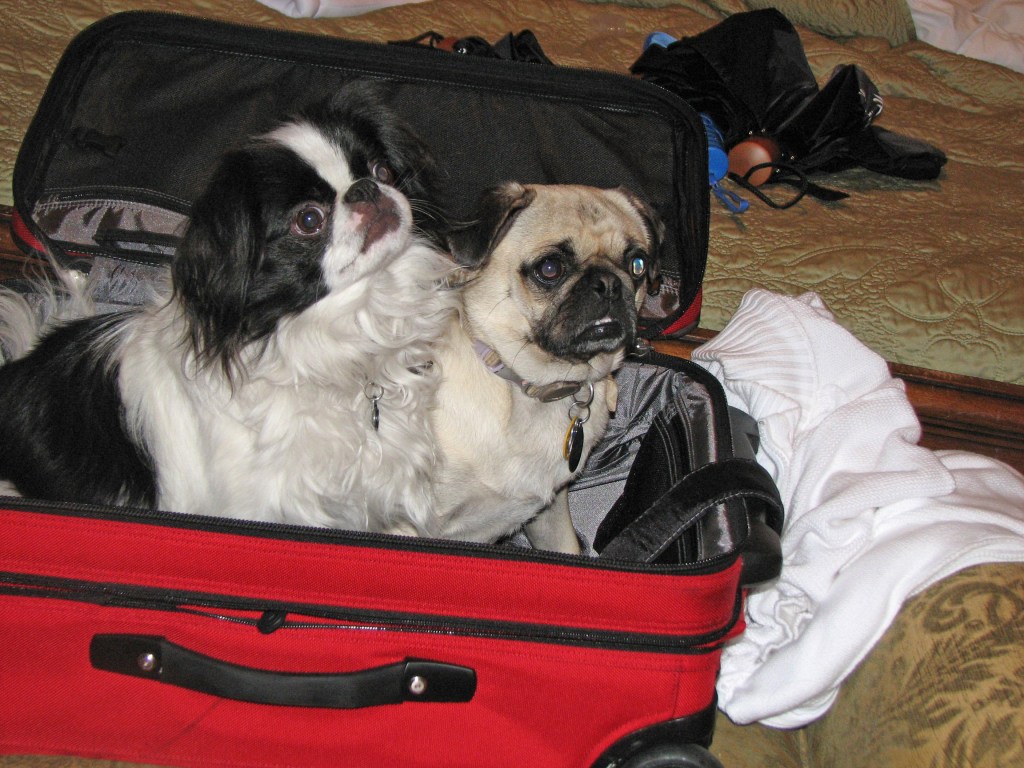
Ryan Goodchild’s Post on Moving with Your Dog to a New State: A Real-World Guide for a Calm Transition
Moving is a big deal, and if you have a dog, it’s a whole new level of logistics and emotion. Dogs don’t understand the concept of relocation. They just know something’s changing. Your goal is to make that change feel safe, predictable, and full of the familiar.
What You’ll Learn
- How to prepare your dog before, during, and after a move
- What records and updates you’ll need
- How to digitize your dog’s important documents
- Ways to reduce stress, for both of you
- A quick, clear checklist to keep everything on track
Prepare Your Dog for Change
Start weeks before moving day. Dogs pick up on routine changes quickly — packing, new smells, boxes everywhere. Keep walks and meals on schedule, even as your home shifts around them.
Schedule a vet visit about a month before the move. Request updated vaccination records, refill any medications, and ask for a general health certificate if you’ll be crossing state lines. This document isn’t always mandatory, but it can be helpful for emergencies or travel checks.
Keep Your Dog’s Records Safe and Organized
When you relocate, having instant access to your dog’s medical and identification records can save a lot of stress. Scan everything, like vaccination forms, microchip details, prescriptions, and your vet’s contact information, so you have them in one place.
Save the files as PDFs; they’re reliable, portable, and open on almost any device. For convenience, you can merge multiple records into one clean file with this tool. Keeping these essentials organized means you’re always ready for a vet visit, emergency, or boarding request in your new area.
Travel Day: Stay Calm, Stay Simple
Moving days are hectic, and dogs sense your energy. Your best strategy is calm consistency.
Pack a “dog go-bag” with:
- Food and collapsible bowls
- Waste bags and cleaning wipes
- Favorite toy or blanket
- Leash, collar, and updated ID tags
- Any medications and first-aid essentials
Keep familiar scents around. Let your dog travel with a favorite blanket or worn T-shirt of yours, it’s grounding. If you’re driving, stop regularly for short walks and hydration. If you’re flying, check your airline’s pet policy early, as rules and kennel sizes vary widely.
The Essential Dog-Move Checklist
Before leaving your old home, run through this list:
- Health Check: Vet visit completed and records in hand.
- Microchip Update: Your new contact information is registered.
- ID Tag: Updated phone number visible and legible.
- Supplies Packed: Food, leash, bowls, medication, and comfort items.
- Digital Records: All key documents saved and backed up.
- Travel Plan: Rest stops or flight arrangements confirmed.
- New Vet Contact: A clinic selected near your new address.
Rebuild Routine in a New Environment
Once you arrive, recreate normalcy fast. Set up your dog’s bed and feeding area before unpacking your own boxes. Use familiar commands, toys, and walking times to reestablish their rhythm. Dogs rely on patterns to feel secure; the more you replicate their old schedule, the quicker they’ll adapt.
Take short exploratory walks so your dog can get used to local scents and sounds. If they seem hesitant, don’t rush it. Let them lead the pace; confidence builds gradually through repetition.
Dog Transition Timeline at a Glance
| Stage | Focus | Goal |
| 3–4 weeks before move | Vet visit, ID updates | Health & paperwork ready |
| 1–2 weeks before move | Packing acclimation | Reduce anxiety around change |
| Moving day | Calm, consistent energy | Safe and comfortable travel |
| Arrival | Establish feeding/sleeping areas | Create familiarity fast |
| First week | Daily walks, local vet visit | Build new routine & comfort |
Support Your Dog’s Emotional Adjustment
Some dogs sail through moves; others struggle. Signs of stress can include pacing, panting, whining, or hiding. Keep things calm and predictable. Set up a quiet area where they can retreat when the new space feels overwhelming.
Just as important: manage your own stress. Dogs take emotional cues from you — if you’re tense, they will be too. A calm tone, gentle reassurance, and unhurried movements go a long way. When you’re relaxed and consistent, your dog begins to trust that the new home is safe.
If your pet is struggling, spend extra time together doing things they love — a walk, gentle grooming, or simply sitting nearby. These small rituals of connection reinforce safety and stability more powerfully than any special training tool ever could.
FAQs
Q: How long does it take a dog to adjust after a move?
Typically one to three weeks. The key is routine — same feeding times, same walking windows, same tone of reassurance.
Q: Should my dog stay with me during the move?
If possible, yes, but if the environment will be chaotic, arrange for them to stay with a trusted friend until moving day is over.
Q: What should I do if my dog stops eating after the move?
Offer familiar food and limit new treats until they settle. Keep mealtimes quiet and predictable.
Q: How can I tell if my dog is too anxious?
Look for excessive panting, hiding, or destructive chewing These are normal short-term reactions, but contact your vet if they persist.
Final Thoughts: Familiar Love in a New Place
Moving with your dog isn’t about perfection, it’s about patience. Dogs care less about where they live than who they live with. By maintaining structure, reassurance, and calm energy, you’ll help them feel safe no matter the ZIP code.
Eventually, the boxes will be unpacked, the walks will feel routine again, and your dog will nap in a new sunbeam, proof that home isn’t a destination. It’s a feeling you build together.

 Leonberger Life
Some valuable tips here. I’ve never had to face this situation yet, although I remember my family moved 2,000 miles when I was a boy. We had an older lab and my dad thought it would be too hard on our older dog to travel that far in our station wagon. We found another home for him before we left.
LikeLiked by 1 person
It is good you found another home for him. We’ve lived in the same place for 25 years and have not had to move with our dogs.
LikeLiked by 1 person
Excellent information. Thanks for sharing.
LikeLiked by 2 people
Thank you so much Lynette
LikeLiked by 1 person
Excellent info! I just went through that with my 4 cats when we moved 3 months ago Labor Day weekend. Poor kitties!!! We downsized from a two story house we had built 28 years ago to a one story patio home. And my husband is a hoarder, so packing and cleaning out, giving away, and throwing away was a 2 month job. Since I did 99% of the cleaning out, packing, and moving the kitties knew something was up as I slowly dismantled the house over that period. However the first night in the new house is always the most traumatic for them, because I move them to the new house before we do. The night before I transfer them to the master bathroom with food, beds, and water. I put a sign on the door warning the movers not to open it. So the cats spend that first night alone in the new house. The next day the movers moved the heavy furniture, and we were in. Fortunately, because it was a holiday weekend, I couldn’t schedule the movers until 5 days after we closed, so I spent those 5 days moving everything except the heavy furniture to the new house in my car. About 30 trips. lol!!! But by the time the movers brought the heavy furniture every room in the house was entirely set up. However the cats did freak (as usual) that one night they spent alone in the new bathroom. They completely trashed it. But I cleaned it up the next day after I let them out, and they’ve been fine ever since. Cats are cats. As long as they get their meals on time, they’re happy. lol!!
LikeLiked by 1 person
Wow 30 trips, and all those days, and you did 99% of the cleaning out. That is a lot of work. I am glad that it worked in the end.
LikeLiked by 1 person
Me too!! My husband finally stopped avoiding it and started helping me the last 5 days. After 3 days he said this packing/moving was so hard he thought it he was going deaf and blind. lol!!!! I told him to stop whining and do the work. I’ve been doing this for 2 months. He’s only been at it a week. So get to it. 🤣 The good news is during those few days the reality of how destructive his hoarding had been finally sunk in, and it scared him. So in the new house he lets me organize and clean everything in his room, bathroom, and closet, which means there is no hoarding allowed in this house. It was an exhausting move BUT the silver lining was worth it. Whatever it takes to end his hoarding, right? lol!!
LikeLiked by 1 person
“stop whining and do the work” Ha ha that is funny. You are in charge. Well, he only did it for 5 days and you for 2 months, so you are right, he should not be whining.
LikeLiked by 1 person
Exactly. That’s what I was thinking. lol!!!
LikeLiked by 1 person
Hi Thomas, I’ve never moved with a dog but this looks a most useful guide in those circumstances.
LikeLiked by 1 person
Yes I agree with you. I have not moved with dogs either.
LikeLike
I usually take short trips with my dog: when in summer we go to the lake
My old Sissi, after a little restlessness, curls up on the back seat and falls asleep
LikeLiked by 1 person
That sounds wonderful. Sissi sounds like she is easy to handle.
LikeLiked by 1 person
🙏🙏🙏
Thanks a lot for your kind reply
LikeLiked by 1 person
This is a great and thorough article about moving with your dog. I think these tips are important.
LikeLiked by 1 person
Yes I agree with you. Thank you Kymber.
LikeLiked by 1 person
A super post. We have moved our dogs and can vouch for this information.
LikeLiked by 1 person
Thank you so much for your kind support John
LikeLiked by 1 person
😊
LikeLiked by 1 person
A great and informative post, Thomas. Thanks for sharing, and Happy Holidays!
LikeLiked by 1 person
Thank you so much Lauren and Happy Holidays and Happy New Year to you and your family.
LikeLiked by 1 person
My daughter moved with three cats and did it well. Thanks for the info!
LikeLiked by 1 person
Yes that is a challenge. Thank you Dawn.
LikeLike
Great tips for peaceful move!
Blessings for a beautiful holiday!
LikeLiked by 1 person
Thank you so much Star on the Forehead and I wish you a blessed Holiday Season and Happy New Year as well.
LikeLike
Thank you to Ryan for sharing this helpful post.
LikeLiked by 1 person
Yes I agree, thank you Ryan.
LikeLiked by 1 person
And thanks for sharing the post on his behalf too.
LikeLiked by 1 person
Thank you Pooja
LikeLiked by 1 person
My pleasure.
LikeLiked by 1 person
………. (¯ O´¯)…
…….…… / | …………♫ Warmest wishes♫
……… …*•♥•*……………….♫ for a ♫
…… … *♥♫♫♥*’………..♠♫ Merry Christmas ♫♠
… …. *♥•♦♫••♥* …………….♥.. and a…♥
….. *♥☺♥☺♥☺♥* …….. ♠♫ Happy New Year♫♠
…..*♥•♥#♠*♥#♥•♥* ‘
….*♥♫♥♥♫♥♥♫♥♫* ‘
…*♥♥☺♥♫♥♫♥☺♥♥*’
..*♥♥♣♫♥♣♥♥♣♥♫ ♣♥♥*’
‘*♥♥♣♥♫♥♥♫♥♥♫ ♥♣♥♥*’
………. ╬╬╬╬╬………..
LikeLiked by 1 person
Sorry for the late reply Cindy, but thank you so much and Happy Holidays and Happy New Year to you and may you and your loved ones have a great 2026.
LikeLike
This is a very helpful and easy-to-follow guide for anyone moving with a dog. I like how it focuses not just on travel plans, but also on the dog’s feelings and routine. The checklist and timeline make the process feel less stressful and more manageable. The tips about keeping records digital and staying calm on moving day are especially useful. Overall, this post does a great job reminding us that patience, structure, and familiar habits can help dogs adjust and feel safe in a new home.
LikeLiked by 1 person
Thank you so much for your kind words Mason. I should say that it was a guest post by Ryan Goodchild and I did not write it. I just posted.
LikeLike
Thanks for posting. It’s very informative. I’m actually thinking of moving at the end of my lease in 2027. Have a Merry Christmas! Happy Holidays to you all.
LikeLiked by 1 person
Thank you lbrcorner☕︎ and Merry Christmas and Happy Holidays to you and your family. I wish you good luck with your future move.
LikeLiked by 1 person
Thank you 🕊️🕊️🕊️
LikeLiked by 1 person
Chaplin: “We weren’t around for it, of course, but Dennis told us that Tucker and Trixie told him that some twenty-odd years ago, Mama and Dada moved across the country with Tucker, Trixie, Trouble, and Pooh Bear all crammed into Dada’s car.”Java Bean: “Sounds exciting!”Charlee: “I think you mean horrifying.”Chaplin: “Tucker also told Dennis that Trixie didn’t poop once! Not the entire way! He said that they stopped in Dallas and took her to a vet who said it wasn’t uncommon for a dog not to want to poop for a few days on a long trip through unfamiliar places and not to worry about it unless she didn’t poop when they got where they were going. He didn’t even charge them for the visit, and boy did Trixie make a big poop when they got to their new place in California.”Lulu: “I have often wondered what would be TMI for a dog and now I know.”
LikeLiked by 1 person
We were really relieved after talking to that vet. If we had decided Dallas was super cool and decided to stay there (which would never have happened, but theoretically …) we would have definitely taken our dogs there in the future …
LikeLiked by 1 person
That is interesting. There are some good vets in Dallas. Our veterinarian Dr. Sara Thomas is a very good veterinarian, and she also fact checked my Leonberger book.
LikeLiked by 1 person
That was certainly a very big move. Four dogs in one car is a lot too. I should say I did not know that it wasn’t uncommon for a dog not to want to poop for a few days on a long trip through unfamiliar places, but I guess you have to go on a long trip to know that, well unless you are a veterinarian. That is interesting information that certainly belongs in this post. Lulu I don’t think it is TMI. You need to talk about poop sometimes.
LikeLiked by 1 person