60 million Lego Blocks

Esther’s writing prompt: July 1st : Block

Click here or here  to join in.

This post is about Lego blocks and Legoland. Lego blocks in their current interlocking form were invented in Billund, Denmark, in 1949. However, the history of Lego blocks started already in 1932 (in Denmark). You can read more about it here.

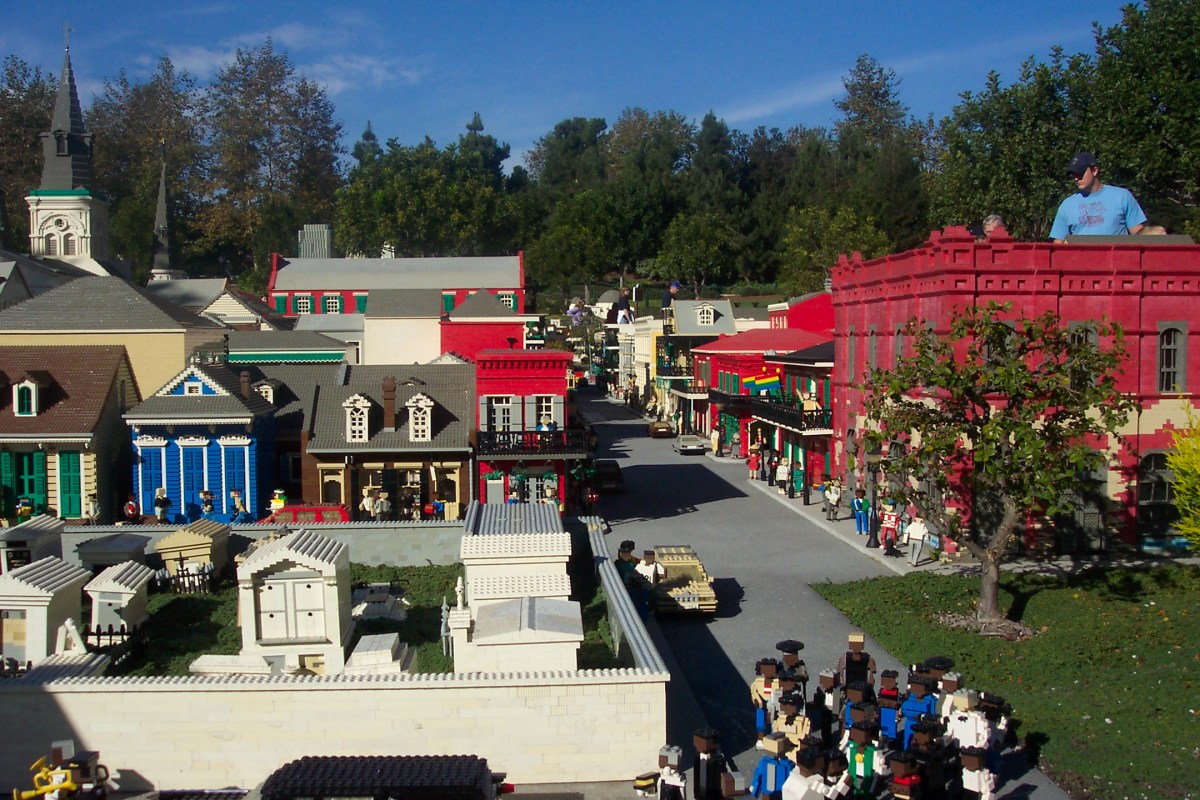
When I was a kid, growing up in northern Sweden, I loved building with Lego blocks, or if you call them Lego bricks (either way is fine). I’ve always wanted to visit Lego land in Denmark, but I never got the opportunity to do so. However, about 20 years ago me and my daughter (she was a young child at the time) visited Legoland in Carlsbad, California, a 128 acre theme park. Do you know how many Lego blocks there are in Legoland California? There are 60 million Lego blocks. Below are some photos from that trip. I should add that since this was 20 years ago, a lot has been added to Legoland.

Several skyscrapers including Empire State building and the Statue of Liberty, all built from Legos.
A model of Manhattan made from Lego blocks. The Lego Empire State building is close to 30 feet tall.
Several skyscrapers including Empire State building and the Statue of Liberty, all built from Legos, but a different angle.
A model of Manhattan made from Lego blocks.
You can see skyscrapers and the harbor and various famous buildings.
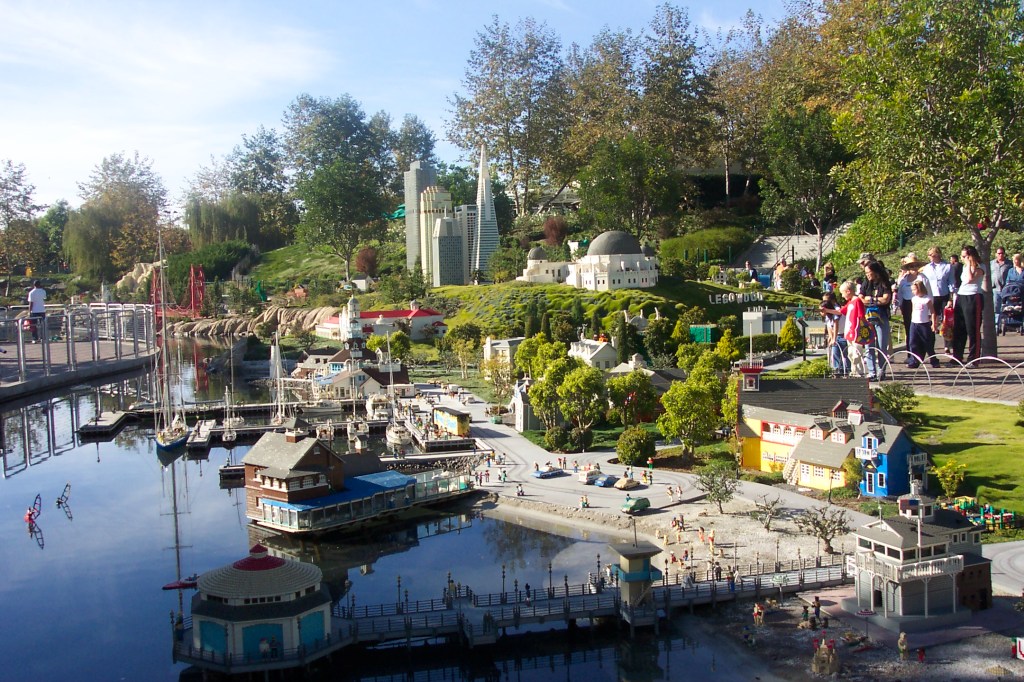
San Francisco built with Lego blocks.
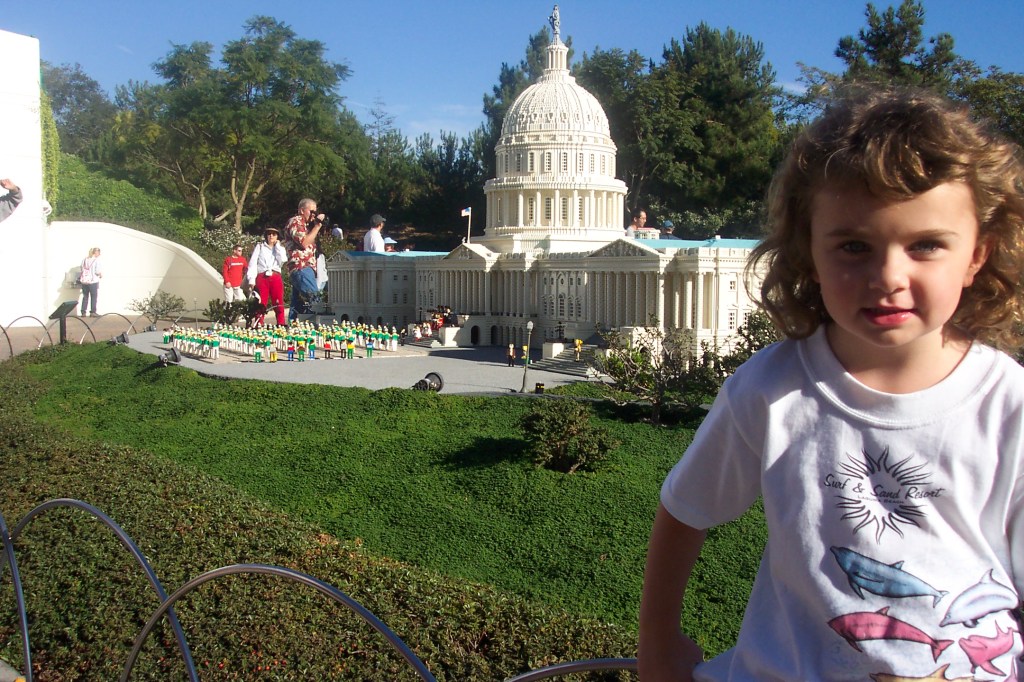
My five years old daughter is standing on the left. The capitol building and other buildings in Washington DC are in the background.
My daughter is in front of Lego Capital building.
There are several buildings made by Lego blocks and in the background, there are people looking at the buildings.
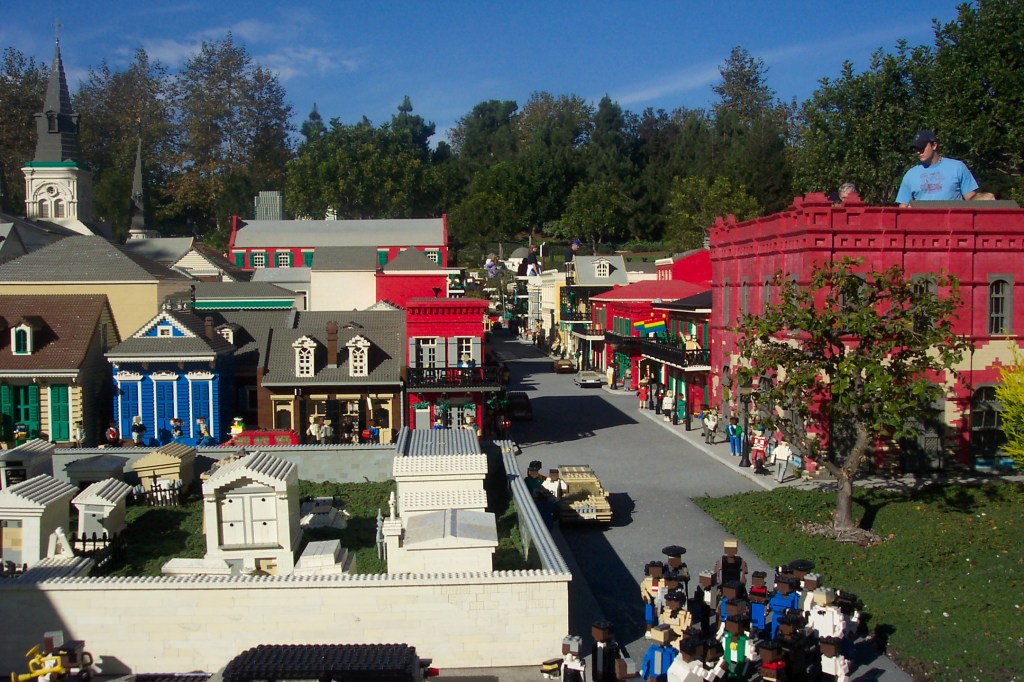
A Lego block city
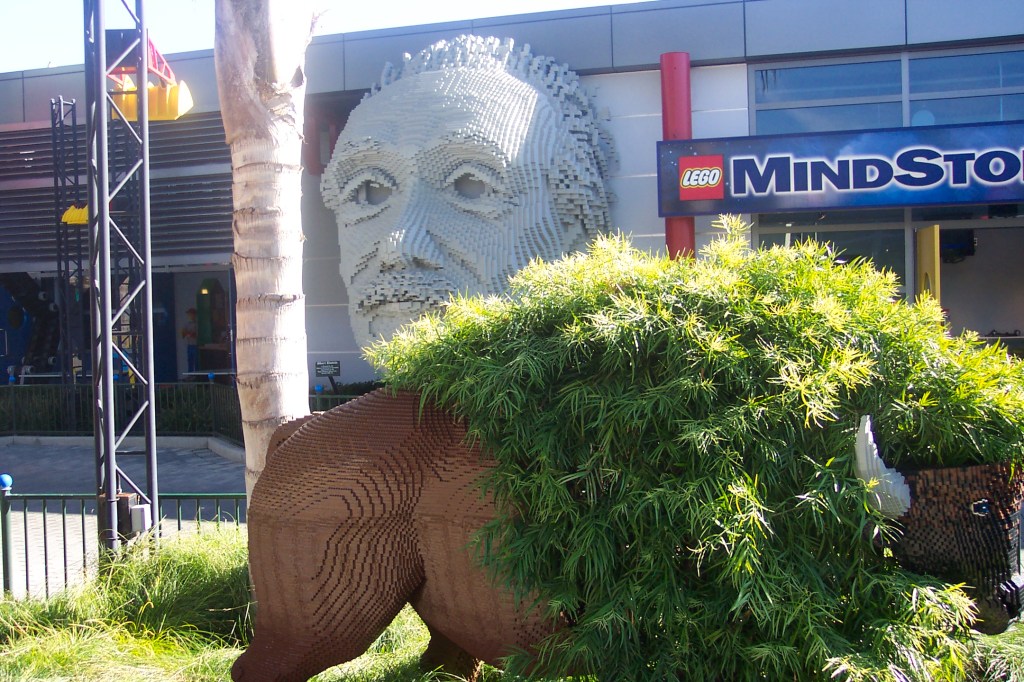
In the background is a Lego Science Center. There is also a Lego Bull in the picture.
Lego Albert Einstein. Mindstorm is a Lego Science center.
Sydney Opera House made from white Lego blocks.
Sydney Opera House made from Lego blocks.
This Taj Mahal model is made from white Lego blocks.
This Taj Mahal model is made from Lego blocks.
The big octopus has a black hat, black sunglasses, and is playing drums. He is surrounded by other musicians.
A large Lego Octopus playing music.
The White House is surrounded by greenery and other DC buildings.
This model of the White House is made from Lego blocks.
A lot of buildings from Washington DC including the Capitol.
This is a Lego model of Washington DC.
A lot of Lego buildings.
City made from Lego blocks.
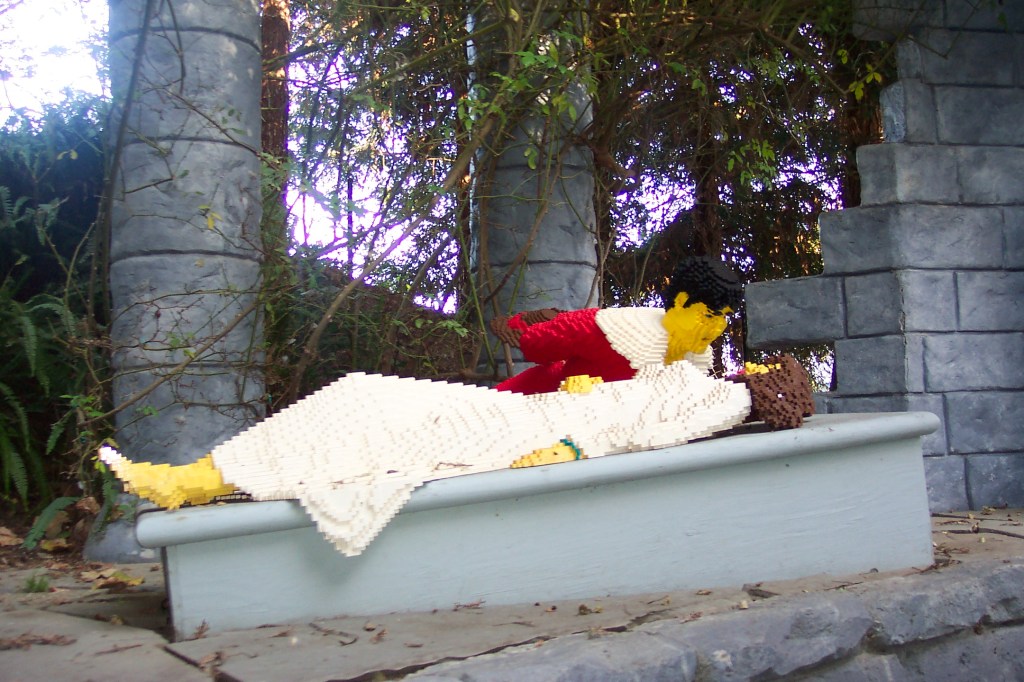
The prince is bending over Sleeping Beauty who is asleep.
Sleeping beauty and the prince, all made from Lego blocks.
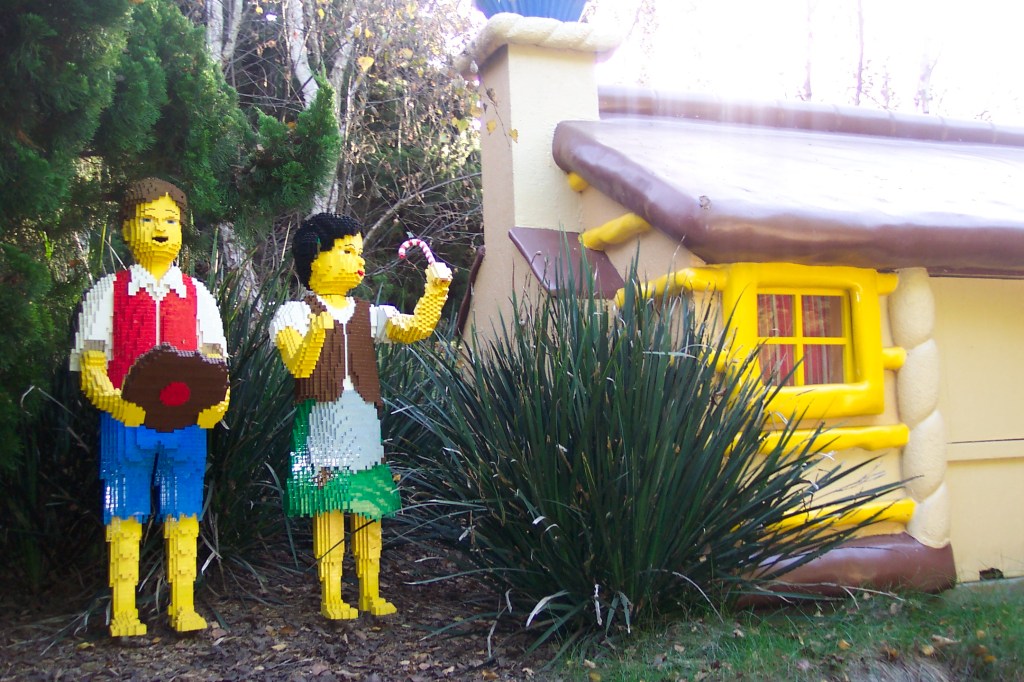
Hans and Gretel is standing next to a house, probably the witches house.
Lego model of Hans and Gretel.
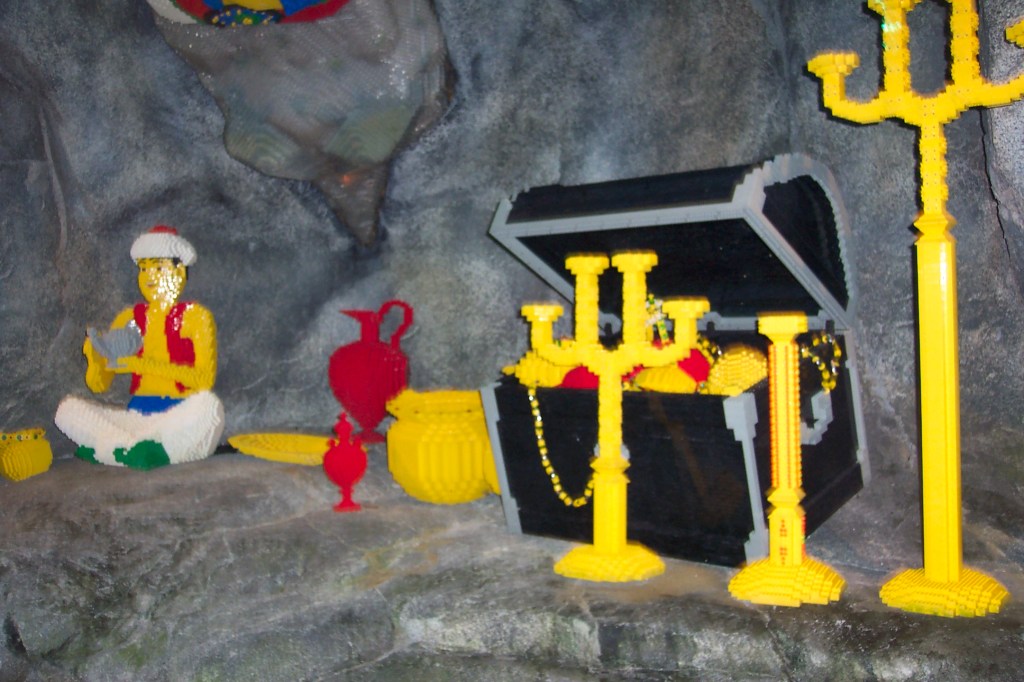
Aladdin is sitting surrounded by treasures including a large open treasure chest.
Lego model of Aladdin and the King of Thieves.

My Other Responses to Esther’s Prompts

A Perfect Psychological Thriller

The focus of this blog is Leonbergers but sometimes I post about books that are not about Leonbergers but are books that I love, and I therefore want to promote. This time I would like to promote Perfect by P.J. Gudka – April 3, 2026. In this book P.J. Gudka, or Pooja, tells a dark and very suspenseful story about family secrets, generational curses, teenage love, and murder. I bought the paperback edition.

  • Paperback –  Publisher : Wild Ink Publishing (April 3, 2026), ISBN-10 : 1964885639, ISBN-13 : 978-1964885636, 322 pages, Item Weight : 13.1 ounces, dimensions : 5.5 x 0.81 x 8.5 inches, it currently cost $ $14.99 on US Amazon. Click here to order it from Amazon.com.
  • Kindle – Publisher : Wild Ink Publishing (April 5, 2026), ASIN : B0GS3RJJJC, 317 pages. It is currently $3.99 on Amazon.com free with kindle unlimited. Click here to order it from Amazon.com.
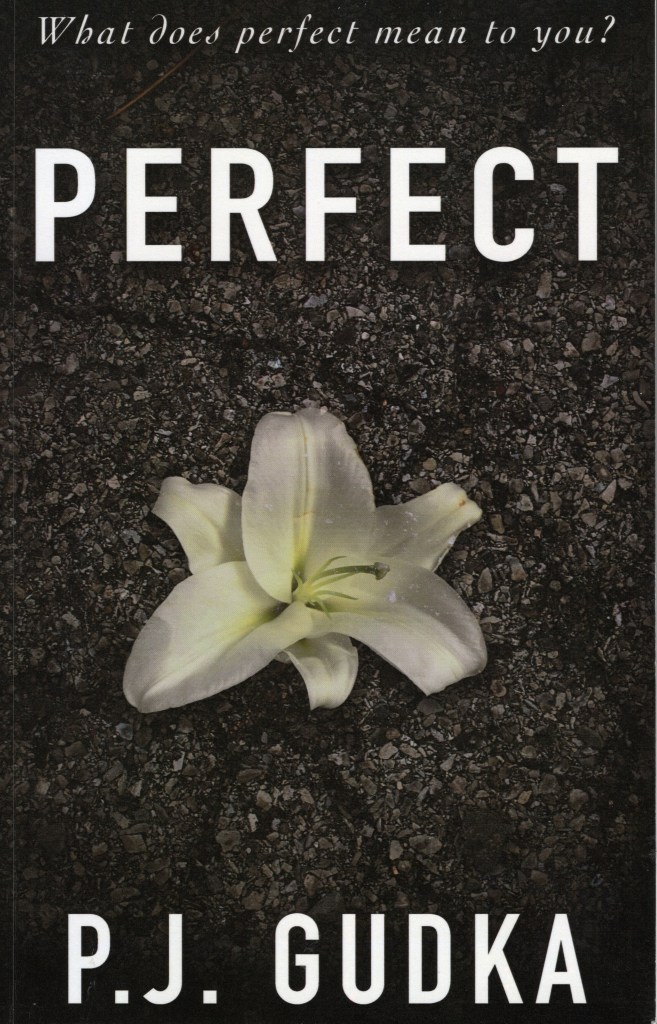
The front cover title and author on the background of a white flower growing out of black asphalt.
Front cover of Perfect by P.J. Gudka. Click on the image to go to the paperback edition of Perfect on US Amazon.

Amazon’s description of the book

A mother protecting her son.

A boy spiraling into darkness.

A girl who never stood a chance

Sally thinks she’s succeeded in breaking generational curses until she finds out her eldest son, James, is the prime suspect in Lily Johnson’s murder. After years of bliss, she’s forced to revisit dark family secrets she believed she had left behind. Even more unsettling is that the deeper she digs, the more she realizes that she may not know James as well as she thought.

James is certainly not the perfect son his mother believes he is. In fact, he has always felt painfully different from everyone around him- until he meets Lily Johnson. Initially, their relationship seems flawless, but soon the cracks begin to show, leaving James questioning everything- including his own sanity and just how far he’ll go to protect the girl he loves.]

After her father’s death, Lily’s mother marries Paul- a man Lily despises. And if that wasn’t devastating enough, Paul moves their family to the small town he grew up in. They thought Lily would be safer there, but little did they know that the small town holds secrets none of them could have ever imagined. Secrets some would kill to protect. And Lily finds herself in the middle of it all.

Perfect is an emotionally gripping psychological domestic thriller that explores the impact of dark family secrets and the generational trauma it leads to. It will have readers questioning how well any of us know those we love and how far we’re willing to go to protect them.

This is my five-star review of the book Perfect by P.J. Gudka. Click here to see my review on Amazon

Lies, rage, powerlessness, suffering, and why nothing can be Perfect

Perfect is a psychological thriller, or perhaps psychological horror. Sally grew up under horrible circumstances, and her first marriage was a cruel disaster. However, now she has a wonderful family, and she wants it to be perfect. She has a wonderful husband, John, and three great children including the oldest James, who is a good student and he plays football for his school. There is also John Jr, and Sophia.

James has a girlfriend named Lily. As it turns out James is far from perfect and Lily is far from perfect, and Lily has a very imperfect family. As it turns out, the friends of the family, the friends of her children, the town, the school, the teachers, everyone is imperfect. Almost nobody is truly good, smart and honest, just like in real life. Unhappiness and ruined dreams are the ghosts that haunt many of the characters. Perfect does not exist.

When Lily is found dead and it is determined that she has been murdered, James becomes the prime suspect. The death of a child is every parent’s worst nightmare. Well, there is one nightmare that is worse, and that is if your child is suspected of being the murderer and you don’t know what the truth is.

The book continues by telling stories from the perspectives of different people, particularly Sally, James, and Lily. The stories are character driven and delve into subjective experiences, subconscious drives, moral dilemmas, and emotional complexity. The author focuses a lot on why the characters behave as they do and explain their actions through internal reasoning. I love how the author does this. She shifts the story telling between objective depictions of everyday life and subjective psychological truths. She presents a realistic and insightful portrayal of the mind. It felt very real as if this was a lived experience by the author (well I hope not). The stories are dark and reveal shocking secrets. These surprises do not spring upon you out of the blue sky; they very much make sense within the overall narrative.

More than anything this is a suspenseful and captivating story. I found it very difficult to put down the book because I found myself really caring for the characters, and there was so much family drama, so many mysteries and, well, sadness and shocks too. In fact, I can’t get the book out of my head. It is a dark book but a great book. It is a book that changes your perspective on life. The lives of the characters may not be perfect but the story telling is. I highly recommend this book.

The back cover is black with summaries of the three main characters written in white.
Back cover of Perfect by P.J. Gudka. Click on the image to go to the Kindle edition of Perfect on US Amazon.

About the Author

P. J. Gudka is a writer, blogger and freelancer. Her journey as a blogger began when she created her multi-niche blog, Lifesfinewhine, at eighteen, to share her experiences with life, mental health, travel and more. Since then, her blog has captured the interest of thousands of people around the world.

With almost thirty thousand followers on her blog and over ten thousand followers across social media platforms, she has been able to turn her hobby into her full-time passion. Her writing has been published in bestsellers like Hidden In Childhood: A Poetry Anthology as well as multiple magazines.

Website: https://lifesfinewhine.ca/

In the past I have reviewed and posted about another book by P.J. Gudka, All the Words I Kept Inside. Truths Never Before Told Now Revealed with Powerful Poems. Click here to read it.

Close Encounter with Grizzly Bear Number 399

Esther’s writing prompt: June 24th : Close

Click here or here  to join in.

Grizzly bear 399 was a long lived female Grizzy bear who lived in Grand Teton National Park and Yellowstone National Park near Snake River. She was called Grizzly bear 399 because of her tag number. She was arguably the most famous grizzly bear in the United States and likely in the World. Unlike the typical female grizzly bear, Grizzly 399 regularly gave birth to triplets rather than twins. She was seen and admired by thousands of visitors. Her Instagram account has 55,000 followers, books were written about her and documentaries were made. She had 22 cubs throughout her life. Unfortunately, she was hit and killed by a car on Tuesday October 22, 2024, at the age of 28. You can read my post about the accident here. Luckily, her one remaining cub was not hurt in the accident, and he was old enough to survive on his own.

rizzly 399 in the meadow. She is followed by her three cubs.
Grizzly 399 with three cubs. Photo from Wikipedia by StevenPDeVries, CC BY-SA 4.0 https://creativecommons.org/licenses/by-sa/4.0, via Wikimedia Commons

She was also special to me because we had a close encounter with her and three of her cubs during our visit to Grand Teton national park in 2007. It was a school trip organized by the math teacher, Frank Jordan, and each kid was accompanied by at least one parent to give the math teacher a break. Grizzly 399 gave us a very memorable experience.

Photo including a somewhat turbulent Snake River with the Teton mountain range in the background.
My photo of the Teton mountain range taken from Snake River.
The Teton range towering an island is reflected in a lake.
Jackson Lake, an island and the Teton Mountain range in the background. The photo was taken in June 2007 by a fellow trip participant Gabriel Goncalves.

Grizzly 399 frequently sought human company. She came down to the roads with her cubs and stayed with the passersby for hours. She did not beg for food. She just wanted to stay with people. This article describes her as a gentle soul. Grizzly bears seeking human company is normally a dangerous situation and grizzly bears seeking human company are therefore often shot to protect the public. Grizzlies can kill people both out of aggression and for food. However, the park rangers left Grizzly 399 and her cubs alone because they deemed her harmless. She frequently interacted with people without ever showing any aggression towards people.

Four cars that are stopped on the road letting the grizzlies cross the road.
A photo of Grizzly 399 and a couple of her cubs taken in June 2007 by fellow trip participant Gabriel Goncalves.

Her behavior was somewhat strange, but I was told by a ranger that male grizzlies sometimes kill cubs, and this was her way of protecting the cubs. Grizzlies tend to stay away from people except for her. She used people as a shield to protect her cubs.

We had a somewhat scary experience with Grizzly 399, but as it turned out, we were never in any danger. As we were driving through Grand Teton National Park, Grizzly 399 came down to the road, so we stopped to watch her, and so did many other people. She let her cubs visit the cars and interact with people and we went outside to get closer. This is normally not recommended.

One of the visitors, with a big car and a trailer, decided that he had seen enough and began to leave. He drove his car between Grizzly 399 and her cubs. Someone rightly thought this was really dumb and decided to improve the situation by honking angrily. As a result, 399 started running towards us, the large group of tourists standing outside taking pictures. We were about 100 feet from Grizzly 399, which is indeed a very close encounter with a grizzly bear.  As Grizzly 399 ran toward us, people started screaming and running, and unfortunately the math teacher who had organized the trip fell and got trampled by the panicking people.

One grizzly cub is looking in the window of a blue car. The other one is right behind.
A photo of two of 399’s cubs. The photo was taken in June 2007 by a fellow trip participant Gabriel Goncalves.

A lot of other things happened during the panic. People ran back to their cars or to any car. A couple of my fellow trip participants found themselves blocked from entering their own car (on the side facing away from the bear) because a plus sized lady was stuck in the door of their smaller car. Not a comfortable situation with a grizzly on the loose. By pushing her from behind they were able to get her inside and could then enter the car themselves. The kids were standing on top of the SUVs that we had rented and crawled back into the car through the sunroof. My son entered the car last by his own choice.

As it turned out the panic was completely unnecessary. 399 was not chasing anyone and was not really running towards us. She was running to the end of the car with the trailer to get around it to get to her cubs on the other side.

Six cars a car with a big trailer and a grizzly mother and three cubs on the road.
Grizzly 399 is crossing the road with her cubs. The photo was taken in June 2007 by a fellow trip participant Gary Weinstein.

One ranger told us a story about 399 that sounded a bit scary. A hiker, hiking alone (which you should not do) stumbled upon 399 and her cubs as they were in the middle of eating an Elk carcass. He had come out of a thicket and had not seen them until he essentially bumped into them. He screamed on top of his lungs because he was shocked and then he started running. That is a very bad reaction by the way.

Grizzly 399, who was equally startled, pursued him. He laid down on the ground as he had read that you should do when pursued by a grizzly. Grizzly 399 sniffed him but did not touch him. Her two cubs bit his behind but not hard. After the grizzlies had left, he stood up, walked away and went to a hospital to check out the bites on his bum, which allegedly were not bad. Well I guess he had a closer grizzly encounter than we did.

A grizzly bear is walking out of the thicket in a forest nearby the road.
The math teacher, Frank Jordan, took this photo of Grizzly 399.
Cars a trailer, and grizzly mother with her cubs on the road.
Grizzly 399 and her cubs amongst the cars. The photo was taken in June 2007 by a fellow trip participant Carl Ondracek.

My Other Responses to Esther’s Prompts

Smorgasbord Blog Magazine Shared my Post Accents are very difficult to lose

Please visit the Smorgasbord Blog Magazine post above. Smorgasbord Blog Magazine is sharing my super fact post Accents are very difficult to lose, as well as showcasing my Leonberger dog book.

Swedish flag on blue sky with white clouds. 6 June. Flag. Celebration Holiday National Day Festive.
Flag of Sweden in sunny rays high on the flagpole. Shutterstock asset id: 2344367957 by GenOMart.
An American flag on the background of a blue sky.
The flag of the United States of America Shutterstock asset id: 2566207745 by Ashley Grise.
French flag against blue sky
Flag of France. Shutterstock asset id: 2457252007 by Kyrylash Stanislav.

The Magical Irish Garden Sanctuary

The focus of this blog is Leonbergers including Leonberger book reviews. However,  sometimes I post about books that are not about Leonbergers but that are books on other topics that I love and want to promote. This time the book is Tales From the Irish Garden: The Missing Pieces by Sally Cronin. Below I am giving an overview of the two formats for the book (I bought the paperback edition).

  • Paperback Edition –  Publisher : Moyhill Publishing (April 28, 2026), ISBN-10 : ‎191352938X, ISBN-13 : 978-1913529383, 154 pages, Item Weight ‏ : ‎ 8.3 ounces, dimensions : 5.25 x 0.35 x 8 inches, it cost $9.95 on US Amazon. Click here to order it from Amazon.com.
  • Kindle Edition – Published : April 19, 2026, ASIN : B0GX2SV17S, 132 pages. It is currently $5.74 on Amazon. Click here to order it from Amazon.com.
The front cover features the title and author name on the background of a pink rose.
Front cover of Tales From the Irish Garden: The Missing Pieces by Sally Cronin. Click on the image to go to the Amazon page for the paperback edition of the book.

Amazon’s Description of Tales From the Irish Garden

In the Irish Garden there is fantasy, magic, friendship and love to be found in this green and welcoming haven. For some of those who find their way to the garden there is a renewal and an awakening of the spirit and special gifts lost through tragedy. For others it is the end of a long and arduous journey to find their soulmate.

The Irish garden has been a sanctuary for centuries for those escaping persecution, invaders and grief. Its guardian is the storyteller, a man who has lived for hundreds of years and who is part of a network of guardians around the world, offering a safe haven to those worthy of their protection.

It is not only humans who travel from afar to this garden, but animals which are hurt or lost. One creature in particular has travelled across time following the elusive melody remembered from its time in an ancient civilisation, a cat who has reached its ninth life.

There is fantasy, magic, friendship and love to be found in this green and welcoming haven. For some of those who find their way to the garden there is a renewal and an awakening of the spirit and special gifts lost through tragedy. For others it is the end of a long and arduous journey to find their soulmate.

You are welcome to join the storyteller, Finn, Lilah, Ramon, Michael, Bebechat and Flaco in the garden to enjoy their company, discover their stories and be amused at some of the antics they get up to as they finally find a peaceful home to call their own.

This is my five star review for the book: Tales From the Irish Garden: The Missing Pieces by Sally Cronin

There is a Magical Garden in Ireland

There is a magical garden in Ireland where persecuted healers, mistreated animals, and others can seek refuge. It is a beautiful sanctuary with flowers, birds and cottages. It is overseen by its guardian the Storyteller, an ancient practitioner of the magic arts. He is several hundred years old and does not seem to age. He is able to talk to fairies, animals, and other creatures. The Storyteller cannot have a large group of friends and marriage is not a good idea for him, because of his immortal existence and magical abilities. People seek refuge at his sanctuary, and he welcomes them, helps them and protects them. They live happy lives in the magical garden until they pass on.

In this book we meet several fascinating characters in need of help including Finnegan, Lilah, Bebechat, Michael, Gabriel, Ramon and others. There are people who are intolerant and egotistical, men with evil hearts who wish to harm others, but they cannot enter the sanctuary. That is to protect the innocent. There is adventure, gripping and scary moments, but peace wins. I found the adventures in this book captivating and the description of the magical garden and the Storyteller comforting. The book is very imaginative and fun to read. I highly recommend this book.

The description of the book is written on a beige background.
Back cover of Tales From the Irish Garden: The Missing Pieces by Sally Cronin. Click on the image to go to the kindle edition of the book.

About the Author, Sally Cronin

Sally Cronin is the author of nineteen books including her memoir Size Always Matters in 2024. This was an updated version of her first book, Size Matters published in 2001 which followed her weight loss of 150lbs and the programme she designed to regain her health.

A programme she shared with her clients over her 27 year career as a nutritional therapist and on her blog. This has been followed by another eighteen books both fiction and non-fiction including multi-genre collections of short stories and poetry.

Her latest book is part of a three book series set in a garden in Spain and then in Ireland. Tales from the Irish Garden: The Missing Pieces brings together creatures and people in need of a sanctuary, where they can spend their lives in peace.

As an author she understands how important it is to have support in marketing books and offers a number of FREE promotional opportunities on her blog Smorgasbord Blog Magazine and across her social media.

After leading a nomadic existence exploring the world, she now lives with her husband on the coast of Southern Ireland enjoying the seasonal fluctuations in the temperature of the rain.

Website: https://smorgasbordinvitation.wordpress.com

This is my review and post regarding another of Sally Cronin’s books that I love: Life of a Dog Told by the Dog.

Making a Difference for Shelter Pets

A professional content writer by the name of Ryan Goodchild contacted me about me posting an  article he had written on making a big difference for shelter dogs in your community. There are many ways that you can help as described in his article below. His article certainly contains a lot of great advice for all of us. I know that some of my regular readers volunteer at shelters and my gratitude goes out to all of you. You are heroes.

The photo tile above includes five photos of dogs in shelter. The photos are from pexels.com and the photographers are Laura Beauty Designer, lair arce, halilibrahimxq, 12photography and A P E R T U R E.

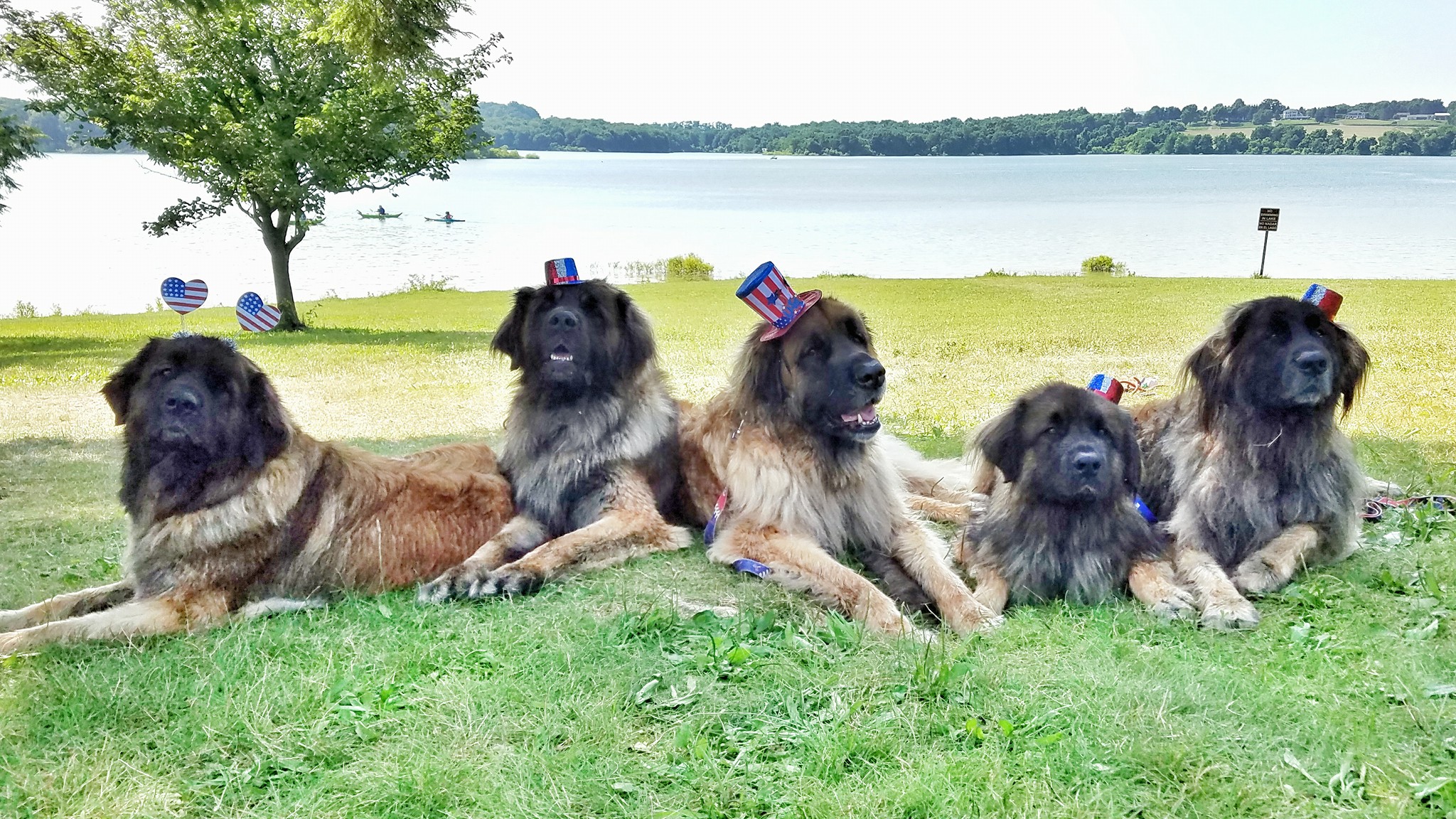
I should say that Leonberger dogs, the main topic of this blog, rarely end up in shelters and the reason for that is that Leonberger owners tend to be responsible dog owners and perhaps more importantly, it is difficult to get a Leonberger from a breeder that is not LCA certified. LCA is the acronym for the Leonberger Club of America. LCA requires breeders to take the dog back if anything goes wrong and they also keep an eye on Leonberger owners. If you mistreat a Leonberger, or sell or donate one in an unauthorized way, you can never own a Leonberger again. You have to sign a contract before you can buy a Leonberger. Below is a photo of a group of Leonbergers.

Five Leonbergers lying in the grass. They are wearing hats showing the American flag.
Five Leonbergers including Digory on 4th of July 2023. Photo by my friend Jen O’Keefe.

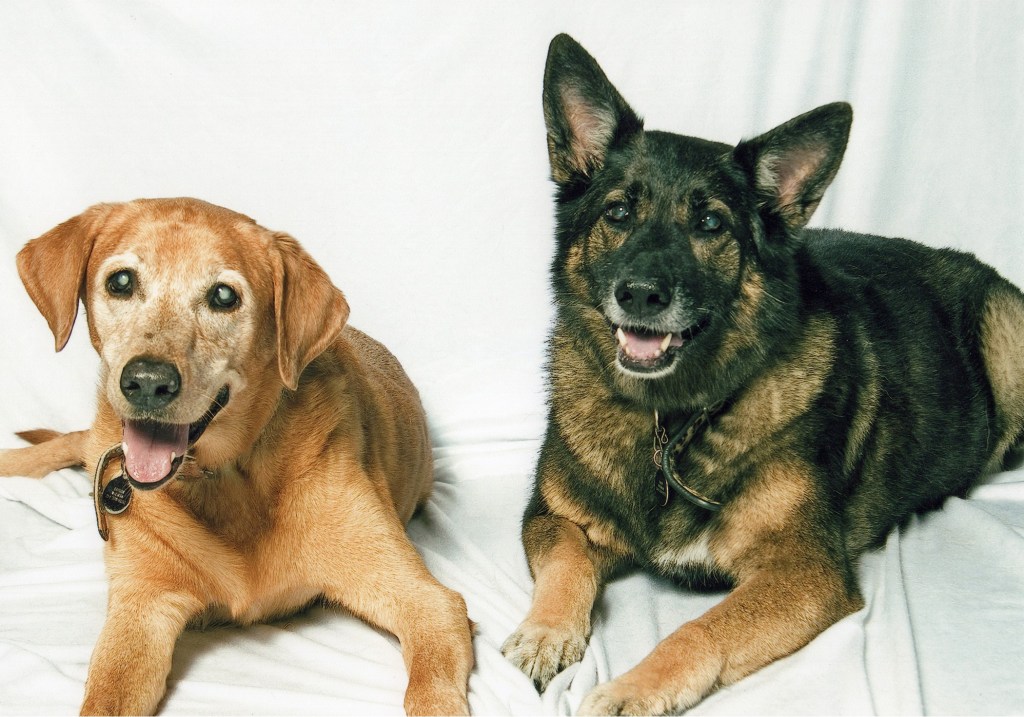
Our first two family dogs, a Labrador and a German Shepherd, came from a shelter via our niece and my wife’s sister. Their photo is below.

Our yellow Lab Baylor is sitting on the left. Our brown-black German Shepherd Baby is sitting on the right.
Our Labrador Baylor and German Shepherd Baby. They were both rescues.

The title of Ryan’s article is “How Anyone Can Make a Big Difference for Shelter Pets in Their Community”. While Ryan did all the writing, I added some photos. See below.

How Anyone Can Make a Big Difference for Shelter Pets in Their Community

Busy parents juggling work and school schedules, apartment renters with limited space, and local business owners trying to stay afloat often care deeply about animals but feel unsure how to create real animal welfare impact. Community needs are big, yet time, money, and energy are tight, and it can feel like only experts can move the needle. In reality, community support for shelter pets is the backbone of local rescues, from volunteering at shelters to helping more families feel confident about rescue pet adoption. Small, consistent involvement changes outcomes for animals waiting today.
Understanding the Three Ways to Help Shelter Pets

Most people make the biggest difference when they pick a help style that matches their real life. A simple framework covers almost every option: donate time through specific shelter volunteer roles, offer space by fostering, or give money to fund care and services. Think of it as choosing the lever you can pull consistently.

This matters because shelters run on steady support, not one-time bursts. Time keeps daily routines moving, space reduces crowding and stress, and money covers essentials like food, medical care, and outreach. The scale adds up fast when many people contribute in small ways: one volunteer community donated 211,307 hours of service.

Picture a typical week: you cannot adopt, but you can walk dogs on Saturdays, foster during a quieter month, or set up a $10 monthly gift. Fostering works because fostering is a temporary arrangement that moves an animal into a calmer home environment.

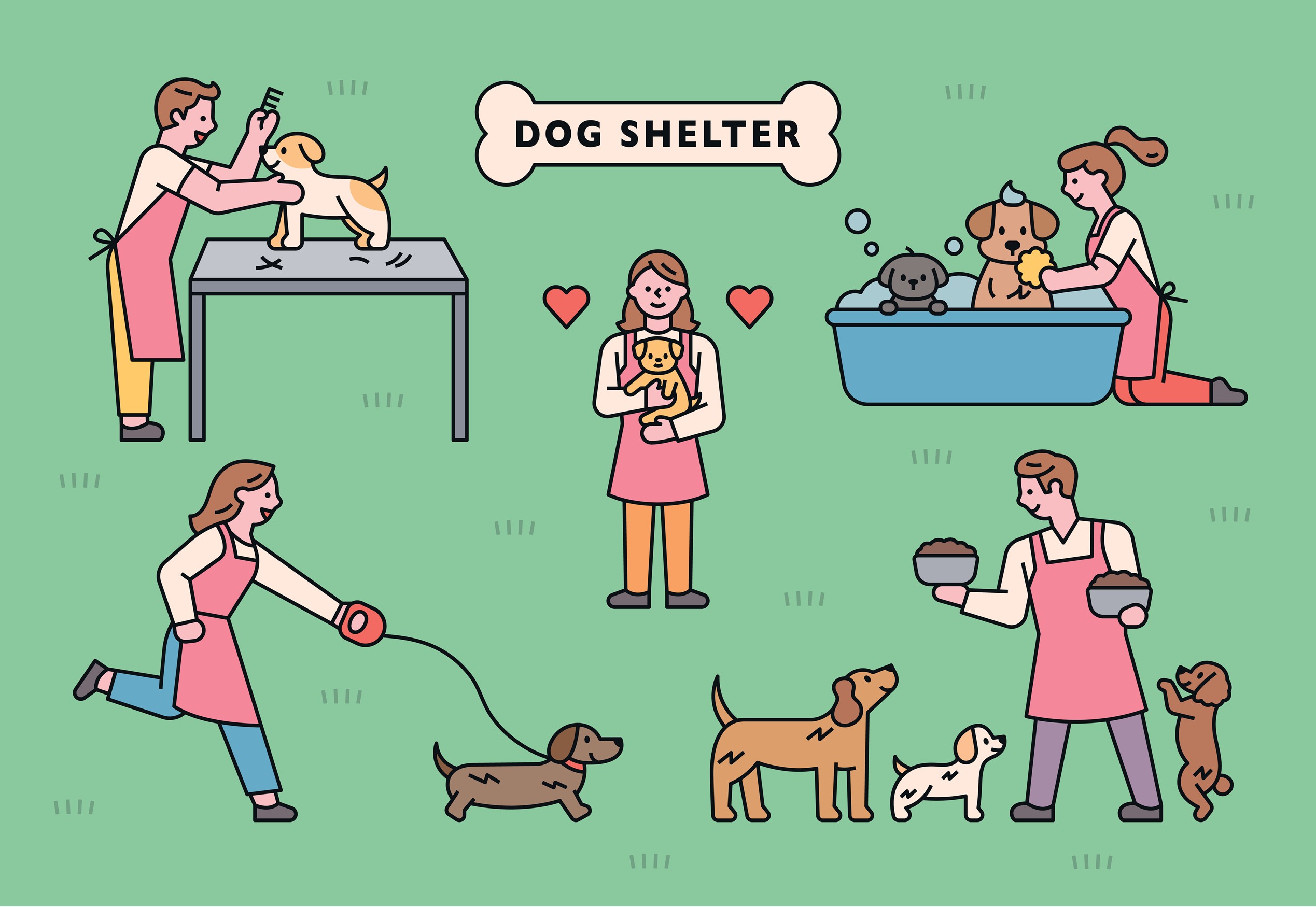
Clear, shareable graphics make those adoption and donation asks easier for your network to act on.

The illustrations show a woman holding a puppy in the middle, and volunteers grooming, bathing, walking and feeding dogs.
Dogs and volunteers at abandoned dog shelters. flat design style minimal vector illustration. Shutterstock asset id: 1817304344 by miniwide
Create Scroll-Stopping Adoption and Fundraiser Graphics in Minutes

Once you know whether you’re giving time, space, or money, one of the fastest ways to amplify that help is to make adoptable pets and urgent needs stand out online.

Volunteers can use free online tools to create eye-catching graphics that showcase adoptable pets and support fundraising, think social media posts, adoption flyers, or promotional materials for an upcoming event. Clear, shareable visuals can help more people notice a pet’s face and key details as they scroll, or understand what a donation drive is for at a glance. With an AI tool like Adobe Firefly’s AI graphic design generator, you don’t need design experience: you describe what you need (for example, an adoption post for a specific dog or a fundraiser graphic for medical costs), and the tool generates a customized visual you can share.

From there, you can pick from more high-impact actions that fit your schedule, skills, and comfort level.

Choose High-Impact Actions to Support Local Rescues

Pick two or three actions you can sustain, and do them consistently. Shelters and rescues run on tight timelines, so reliable help (even small) often beats one big burst.

  1. Foster with a clear “lane” (weekend, medical, or shy pets): Ask the rescue which foster type is most urgent, then choose one that matches your schedule, like a 72-hour “decompression foster,” a two-week post-surgery foster, or a quieter home for a fearful dog or cat. Get expectations in writing: who provides food, crates, meds, and vet care, plus a backup plan if you travel. Fostering shelter pets frees kennel space and gives the rescue better notes, photos, and behavior insights to share.
  2. Volunteer at animal shelters in one repeatable shift: Instead of “whenever,” pick a predictable slot like every other Saturday morning. Offer a specific role that reduces staff load: laundry, dishes, kennel reset, enrichment stuffing (Kongs/snuffle mats), dog walking, cat socialization, or adoption desk support. Consistency builds trust, which often unlocks higher-impact tasks like handling fearful animals, transport, or mentoring new volunteers.
  3. Run a targeted pet supply drive (one list, one week, one drop-off point): Start by asking for a “Top 10 Most Needed” list and preferred brands/sizes, then set a tight window (5–7 days) so donations arrive when they’re needed. Make it easy: one drop-off location, clear hours, and a single photo graphic showing exact items, your quick adoption/fundraiser design skills are perfect here. Add a goal tracker (“20 cans of kitten food” or “15 slip leads”) and post one daily update.
  4. Donate strategically, not randomly: Unrestricted monthly gifts help organizations plan medical care and staffing, and even $10–$25/month is meaningful when it’s reliable. It makes a difference: animal and environment donations make up 3% of all donations, so steady support can close real gaps. If you prefer “restricted” giving, fund a specific line item the rescue requests, spay/neuter vouchers, heartworm treatment, or emergency boarding.
  5. Become the “story + visuals” helper for one adoptable pet at a time: Offer to take 10 phone photos in good window light, capture a 15-second walking video, and write a short bio using a simple template: what the pet loves, what they’re learning, and the best home fit. Turn it into a clean graphic for social media (same colors, big readable text, one clear call-to-action) so volunteers can post fast without reinventing the wheel. This supports adoptions and fundraising without requiring you to handle animals.
  6. Advocate locally with one concrete ask: Start small: request pet-friendly rental policies at your workplace housing program, ask your city council to fund shelter improvements, or push for accessible spay/neuter and microchip clinics. Show up once: attend a meeting, bring a one-page summary, and share a few rescue-approved graphics to help neighbors understand the issue quickly. Community advocacy for animals works best when it’s specific, respectful, and focused on solutions.

If you’re unsure what fits your time, budget, allergies, or experience, choose the smallest version of one idea and build from there, doing the “right-size” help consistently is what changes outcomes.

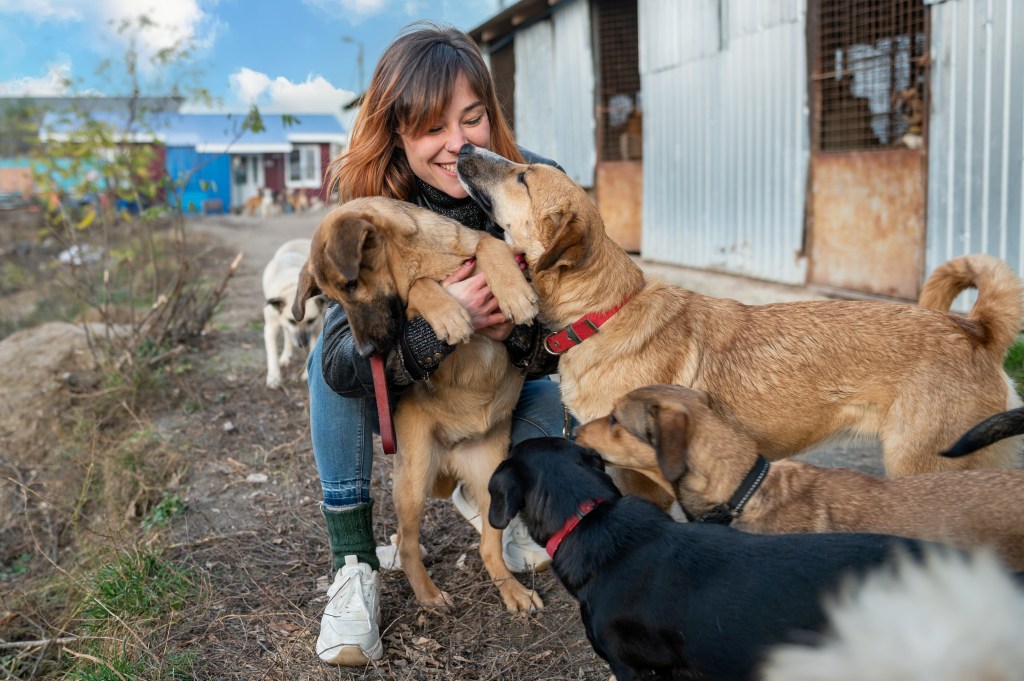
A woman with at least five dogs. She is caressing them.
Animal shelter volunteer takes care of dogs. Animal volunteer takes care of homeless animals. Shutterstock asset id: 2390820575 by andysavchenko

Shelter Pet Support: Questions People Ask Most

A few quick answers can make starting feel a lot easier.

Q: How do I help if I only have an hour or two a week?
A: Choose one small, repeatable job and stick to it, like laundry, enrichment prep, or photo posting. Many people give time in bite-size chunks, and 63 million people volunteer, so shelters are used to scheduling around real life.

Q: What if I show up to volunteer and the tasks feel boring or awkward?
A: That is normal, especially at first. Many roles are repetitive, dry, and unremarkable tasks that still protect animal health and keep operations moving. Ask for a clear checklist so you can be helpful even when you do not feel “plugged in” yet.

Q: Can I foster if I have pets, kids, or allergies at home?
A: Often yes, if you choose the right match and set boundaries. Request a foster that fits your household, confirm separation options, and get medical and behavior expectations in writing before pickup.

Q: How do I know my donation is actually used well?
A: Ask what their most urgent need is this month and whether they can share a simple breakdown of spending or program outcomes. If you want tighter accountability, fund a specific item they request and ask for a receipt or confirmation note.

Q: What should I avoid when adopting so I do not end up returning the pet?
A: Do a lifestyle match first: time alone, energy level, grooming, and realistic training needs. Ask about decompression time, medical history, and a support plan, and start with a slower transition rather than a packed social calendar.

Small, steady help adds up faster than you think for the pets counting on it.

Choose One Small Commitment That Helps Shelter Pets Thrive

Shelters are stretched thin, and it’s easy to care deeply yet feel unsure where help truly lands. The way forward is a steady, community-minded approach: choose practical roles, communicate clearly, and keep support consistent so good intentions become real relief. When that mindset sticks, making a difference for shelter pets looks like fuller foster networks, stronger outcomes from encouraging pet adoption, and volunteer impact stories that motivate others to join in. One reliable helper can change the daily reality for dozens of animals. Pick one next step today, sign up for a shift, submit a foster application, or set a small recurring donation, and put it on the calendar. Ongoing support for animal welfare builds the stability that lets pets and rescues recover, connect, and thrive.
A woman in a red sweater feeding a beagle in a cage.
Woman feeds a dog at an animal shelter for adoption at a rescue center. Wellness, charity, and youth and women volunteering with an adoptive dog and pet at the local kennel. Shutterstock asset id: 2428340131 by Yiistocking

The Joy of Having a Pet

Esther’s writing prompt: June 3 : Pet

Click here or here  to join in.
I grew up not having any pets even though I really wanted a dog. However, both my parents were working, and my brother and I walked to and from school every day. We stayed by ourselves until our parents came back home. That is not a good situation for a dog or for many other kinds of pets. This all changed after I met my wife. She was used to having dogs and other pets. While we were still students we had an aquarium, hamsters, a rabbit, and a cat. Unfortunately, I was extremely allergic to the cat and I got very sick. Luckily, we found someone who could take care of the cat.
After we got married and had kids we had a couple of aquariums, a pet snake, a frilled lizard, hamsters, and eventually dogs. On one occasion we went fishing in a lake here in Texas. We used minnows for bait. My daughter wanted to take the leftover minnows home and put them in an aquarium. She named all of them Sally. Sally #1, Sally #2, Sally #3, Sally #4, Sally #5, Sally #6, etc. She was very young at the time and did not take care of her Sallys’ very well. She wanted them to have cranberry juice, so she poured cranberry juice in the aquarium. She wanted them to have a beautiful red aquarium, so she poured red paint in it. Well eventually the minnows died.

Freshwater fish Riffle minnow (Alburnoides bipunctatus) underwater photography. Minnow in clean water and nature habitat. Natural light. Lake and river habitat. Wild animal. Underwater photo of fish.
Sally #1 and Sally #2 Asset id: 1182854671 by Rostislav Stefanek

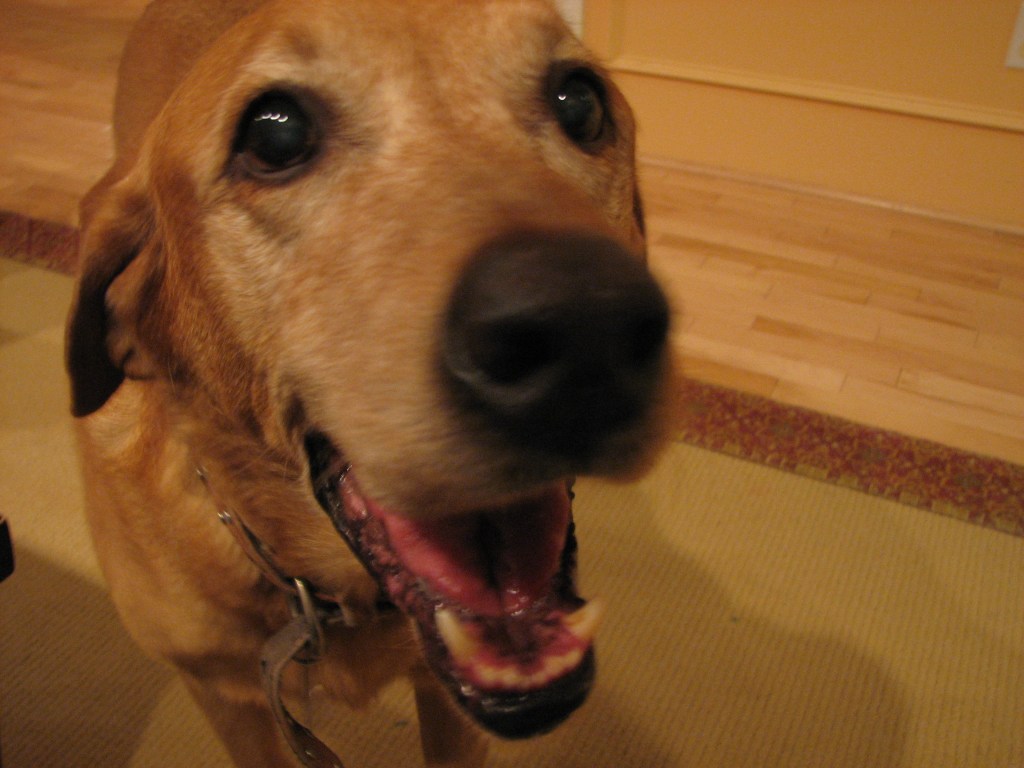
Our first dogs as a family were our Labrador Baylor and our German Shepherd Baby. To be precise, Baylor was a mix, one quarter Rhodesian Ridgeback and three quarters yellow Labrador. They were both rescues that were adopted by our niece (Baylor) and Claudia’s sister (Baby). They were both wonderful dogs. Baylor loved swimming and he was brave and very playful.

Our yellow Lab Baylor is sitting on the left. Our brown-black German Shepherd Baby is sitting on the right.
Our Labrador Baylor and German Shepherd Baby. They were both rescues.

Next, we got a Leonberger dog by the name Le Bronco von der Löwenhöhle, or Le Bronco, or just Bronco for short. He was a big friendly goofball who saved our Pug Daisy’s life, probably saved Baylor’s life my smelling out an oncoming insulin shock, found and saved run away hamsters, and saved the entire neighborhood by chasing off a trespasser / intruder / peeping Tom. I wrote a book about him “The Life and Times of Le Bronco von der Löwenhöhle”.

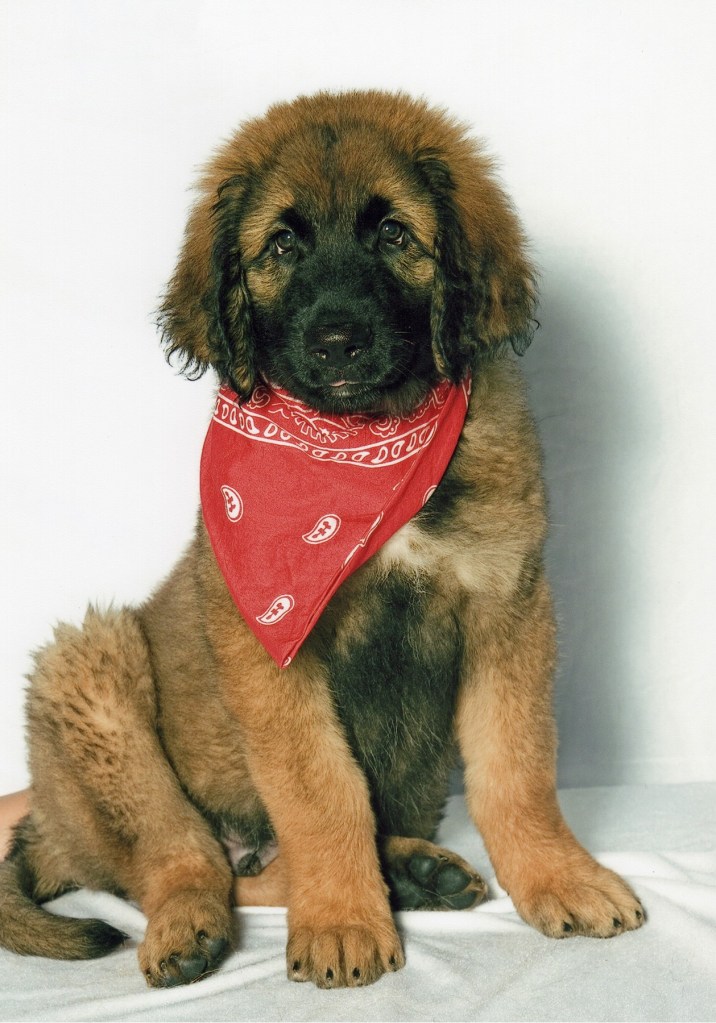
A photo of our Leonberger as a puppy. He is wearing a red scarf.
Our Leonberger Dog Bronco at 3 months old
Our Leonberger Bronco is standing on our red sofa. He is giving me a hug.
Me with our Leonberger Bronco. He was not yet fully grown.
My wife is sitting on a red sofa. Our large Leonberger Bronco is sitting in her lap. He is big and heavy, and she is barely visible underneath him.
Our large but cuddly 167lb Leonberger Bronco is sitting in my wife Claudia’s lap.

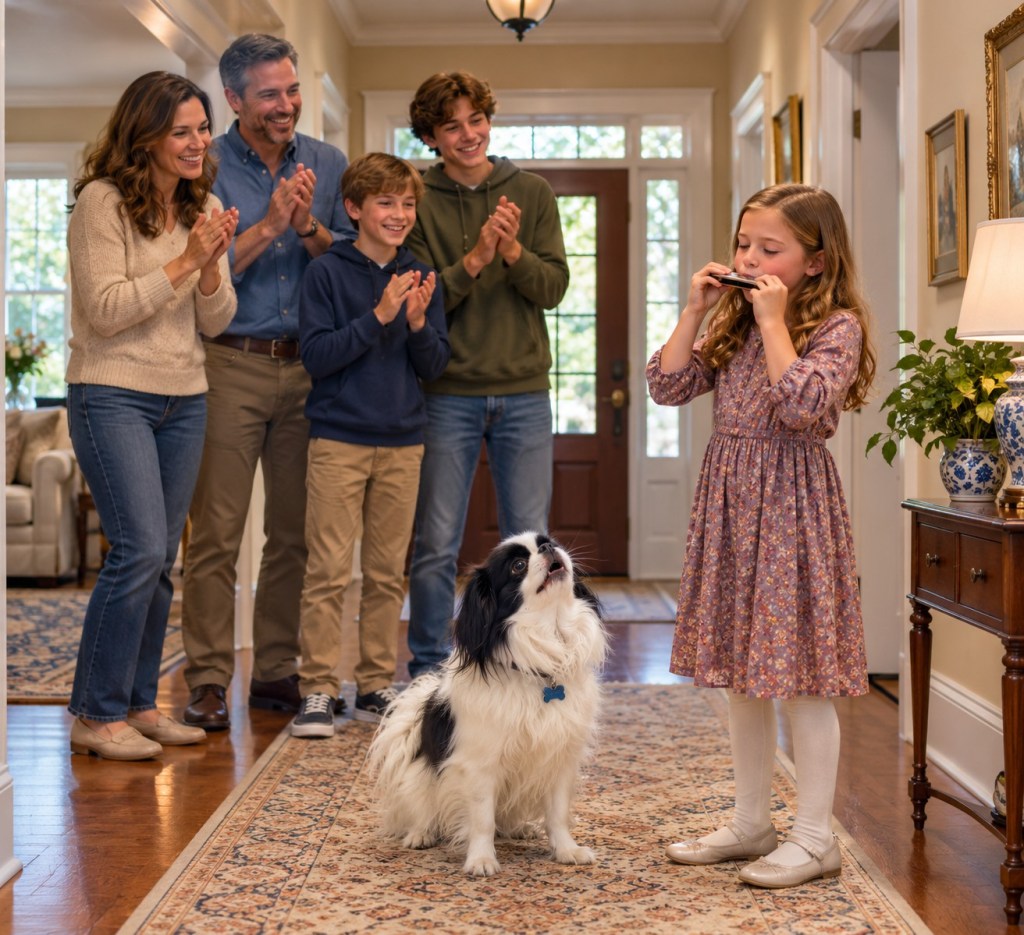
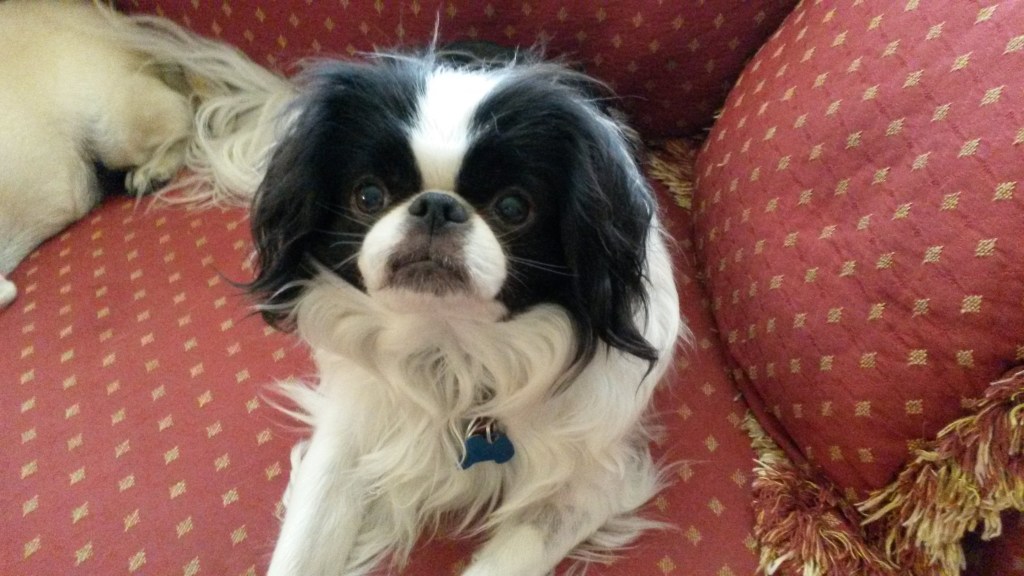
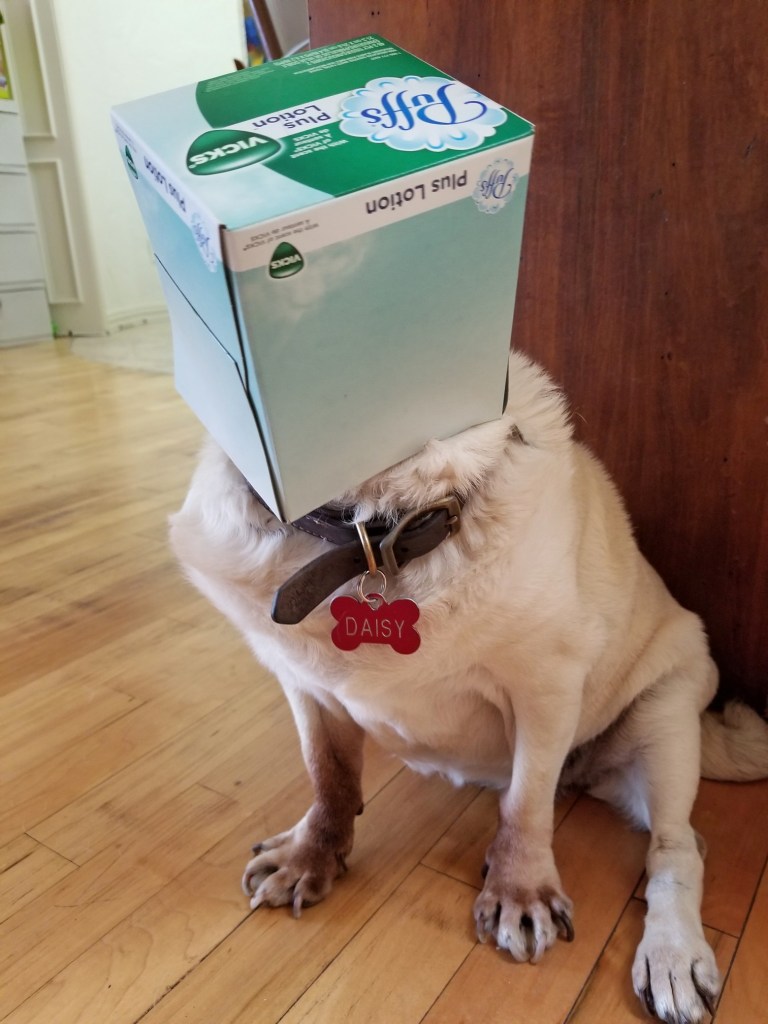
Next, we got a Japanese Chin named Ryu and the Pug Daisy. Two little energetic and funny dogs. Ryu loved howling and he sounded like an opera singer. He loved the applause he got. Daisy was a funny girl, and she loved being around Ryu. They did not like it when we travelled and on one occasion they staged a protest. They defiantly sat down in one of the suitcases and refused to move.

Our Japanese Chin is sitting on the left in suitcase and our pug on the right.
Our Japanese Chin Ryu and our Pug Daisy are protesting our travel by sitting in our suitcase. They want to come with us.

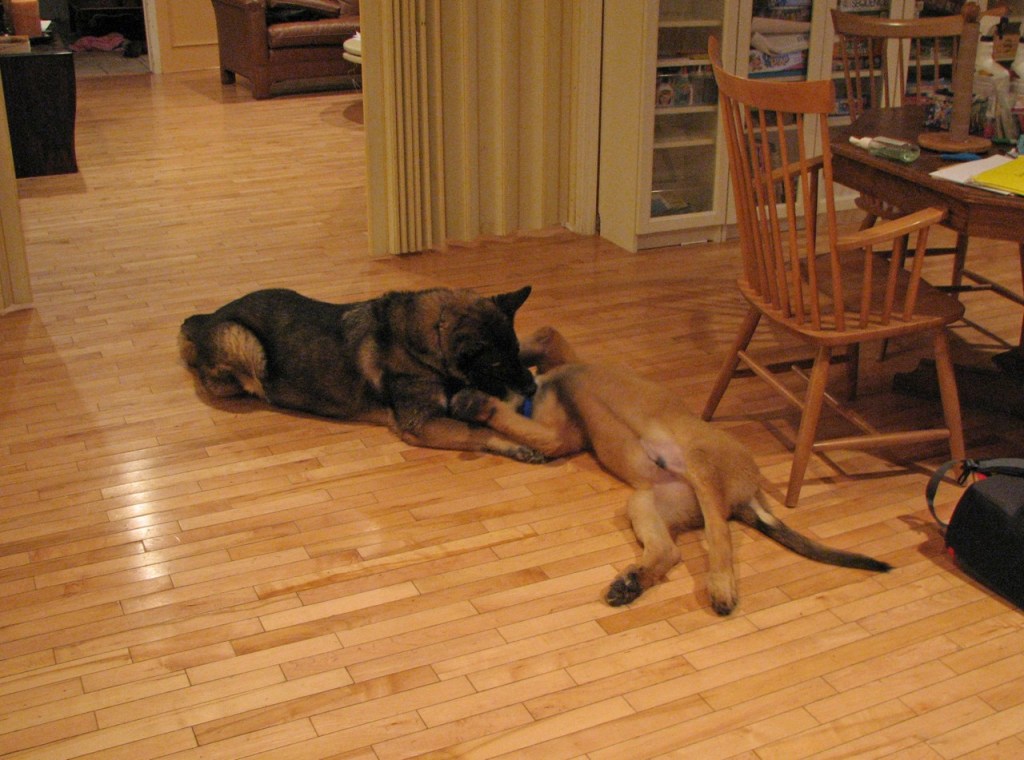
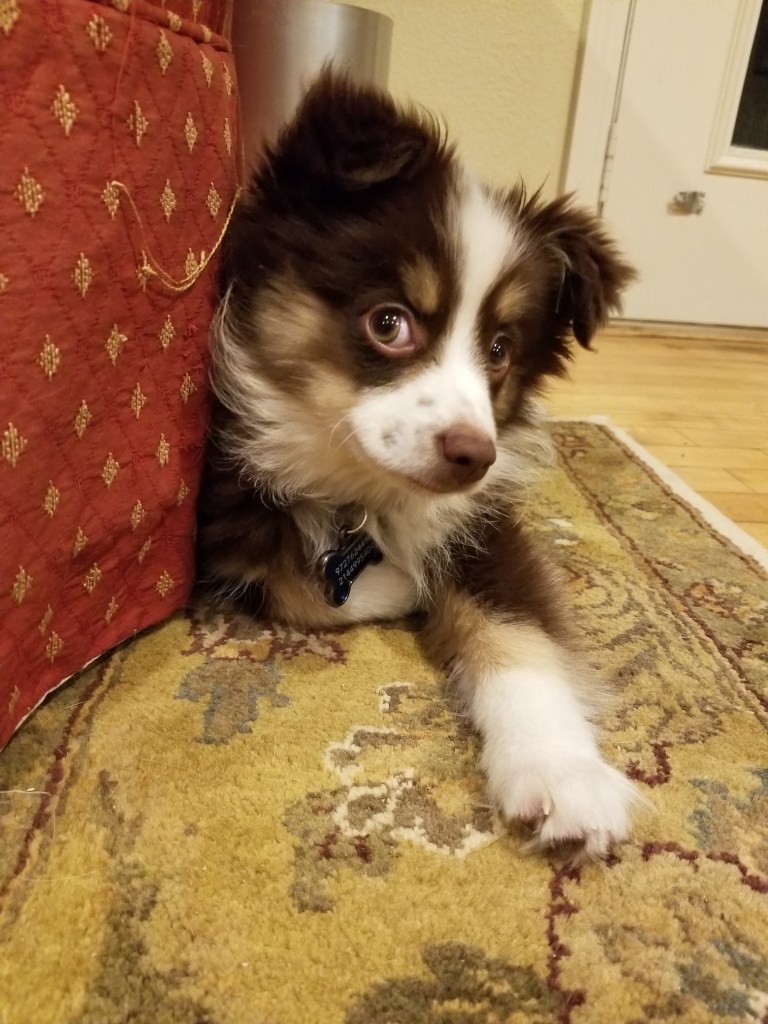
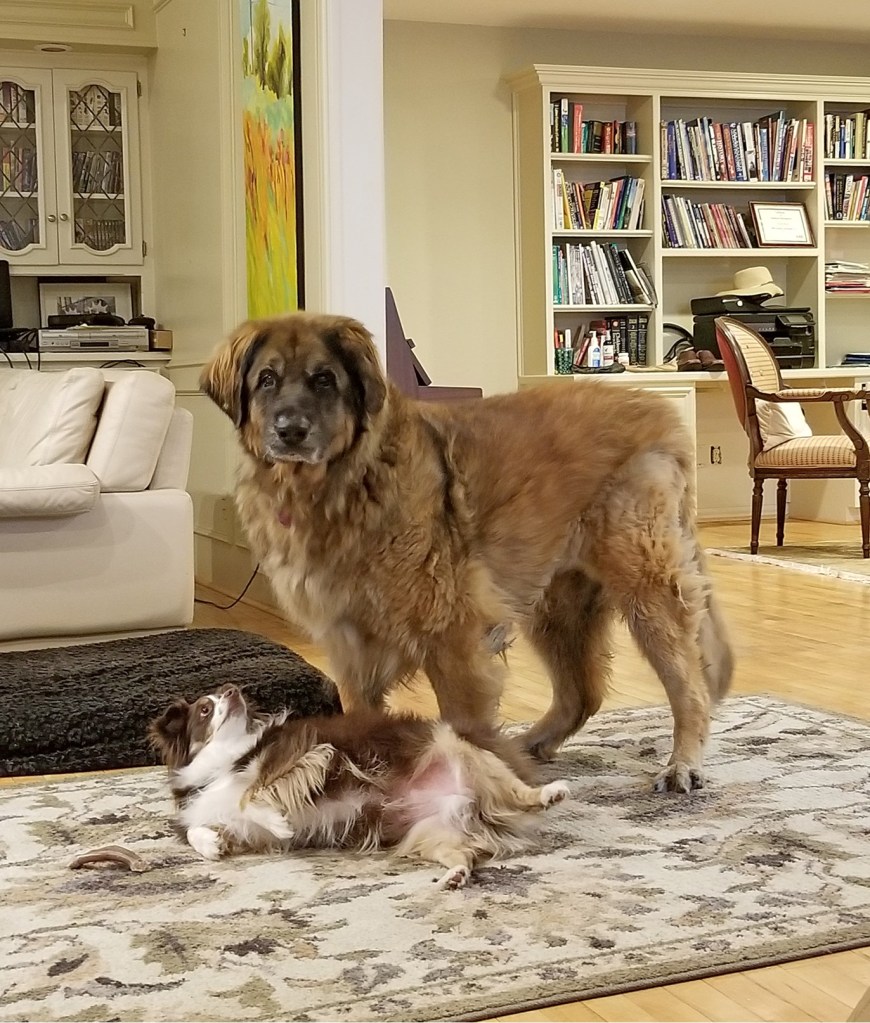
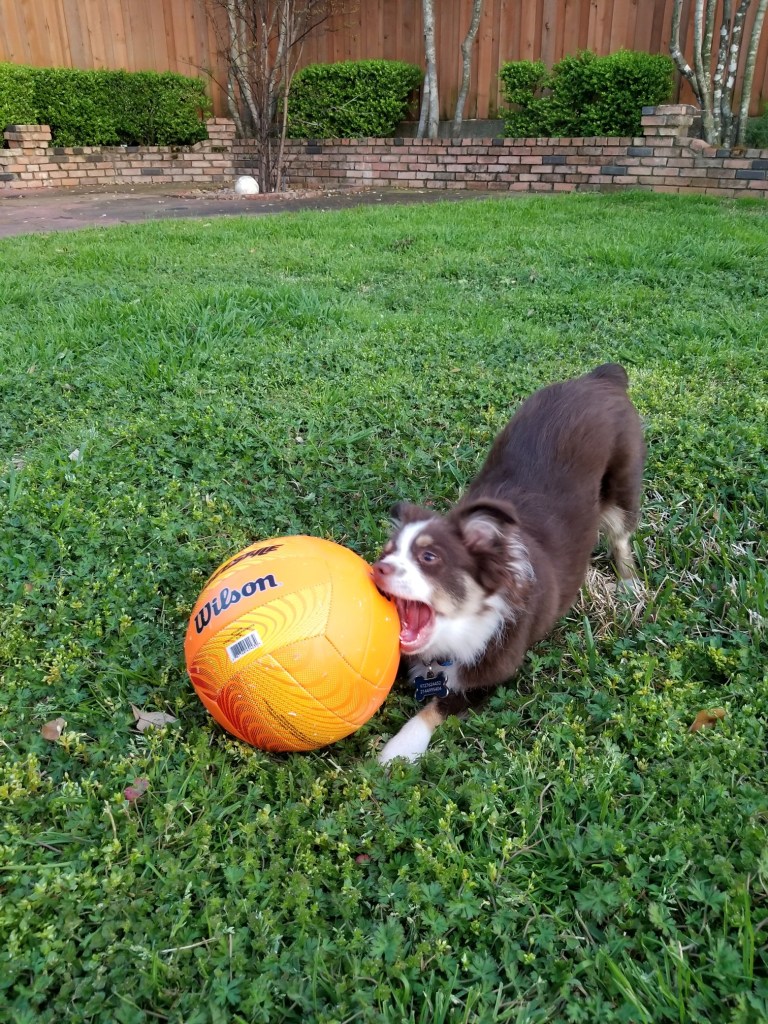
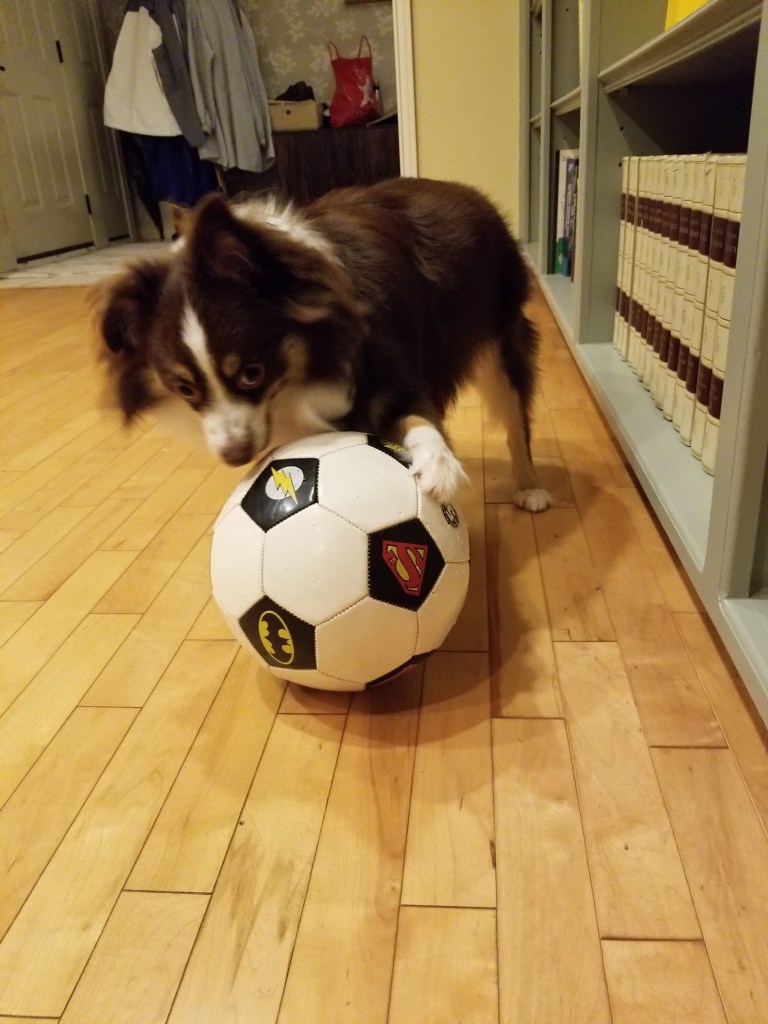
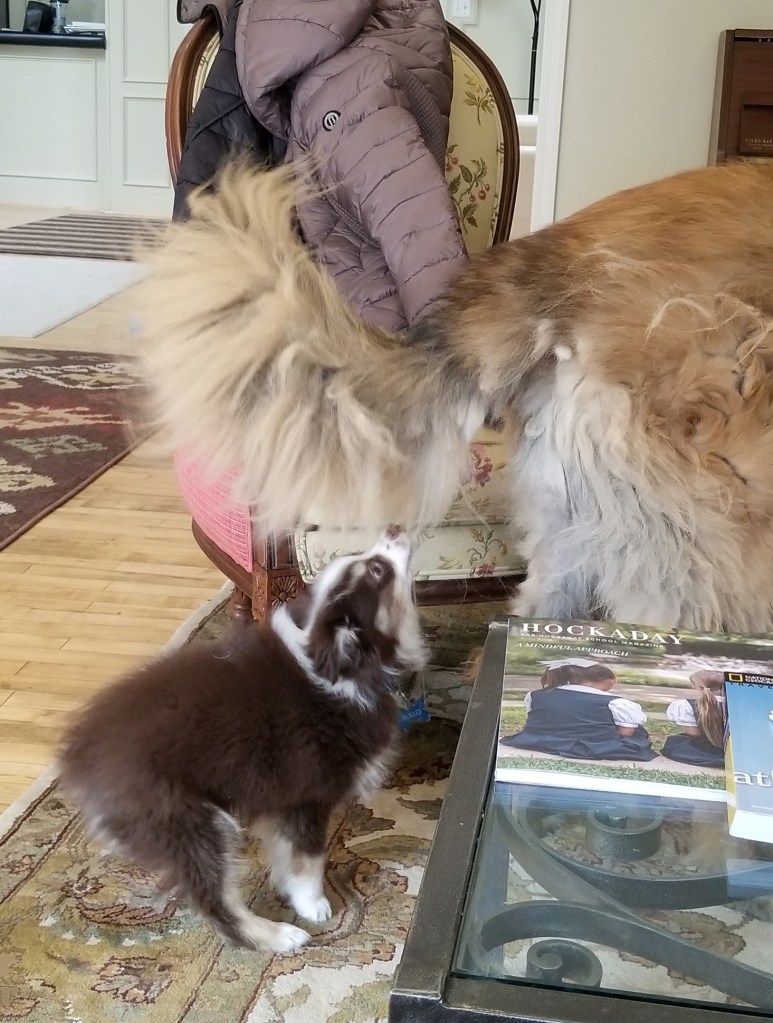
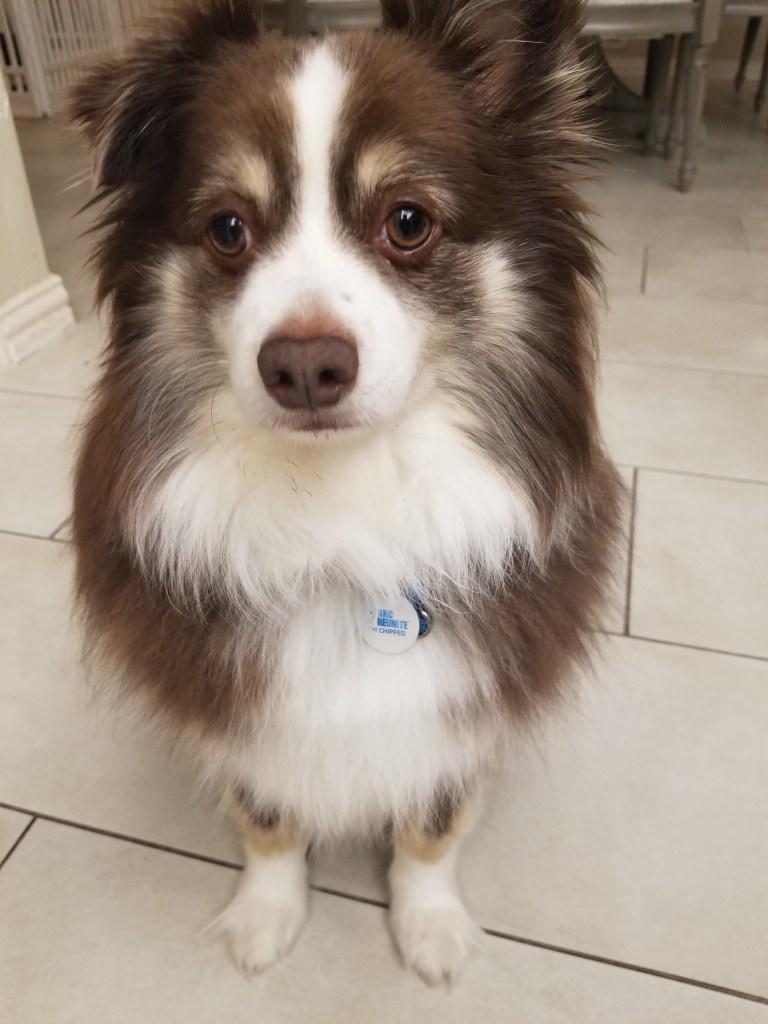
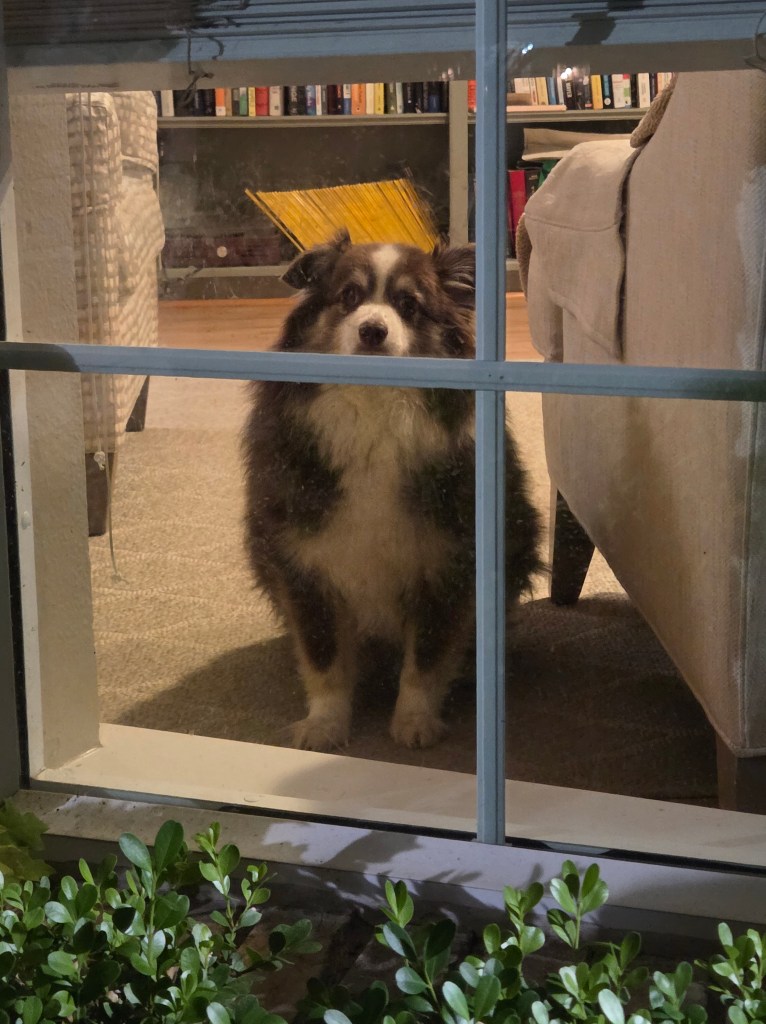
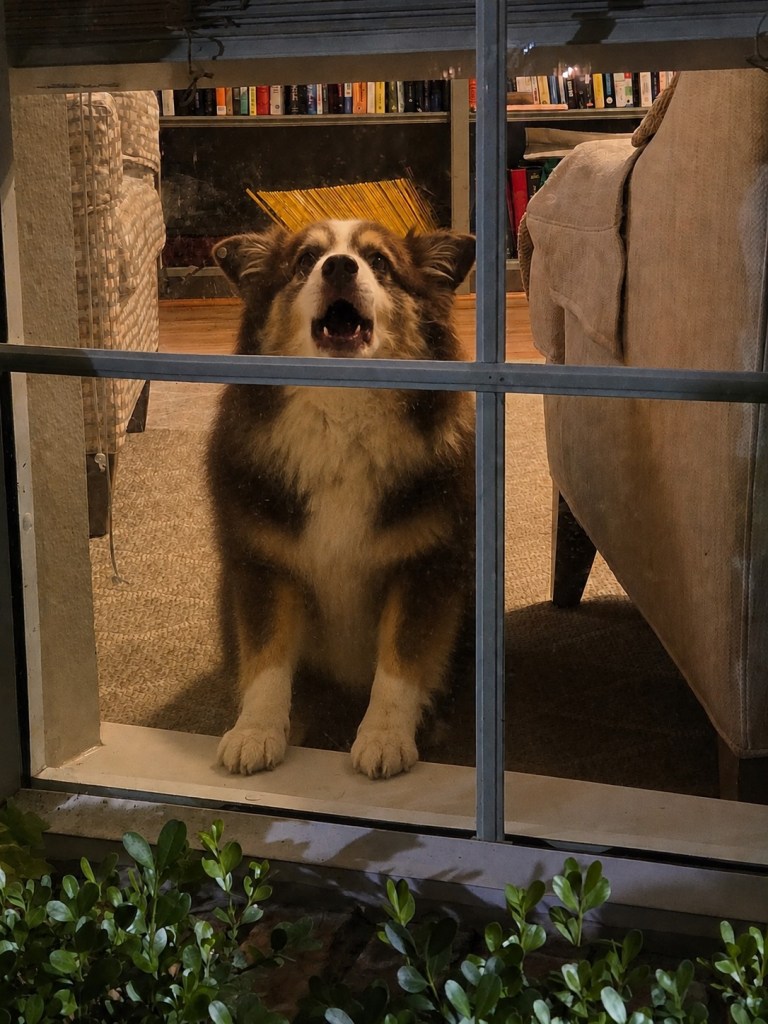
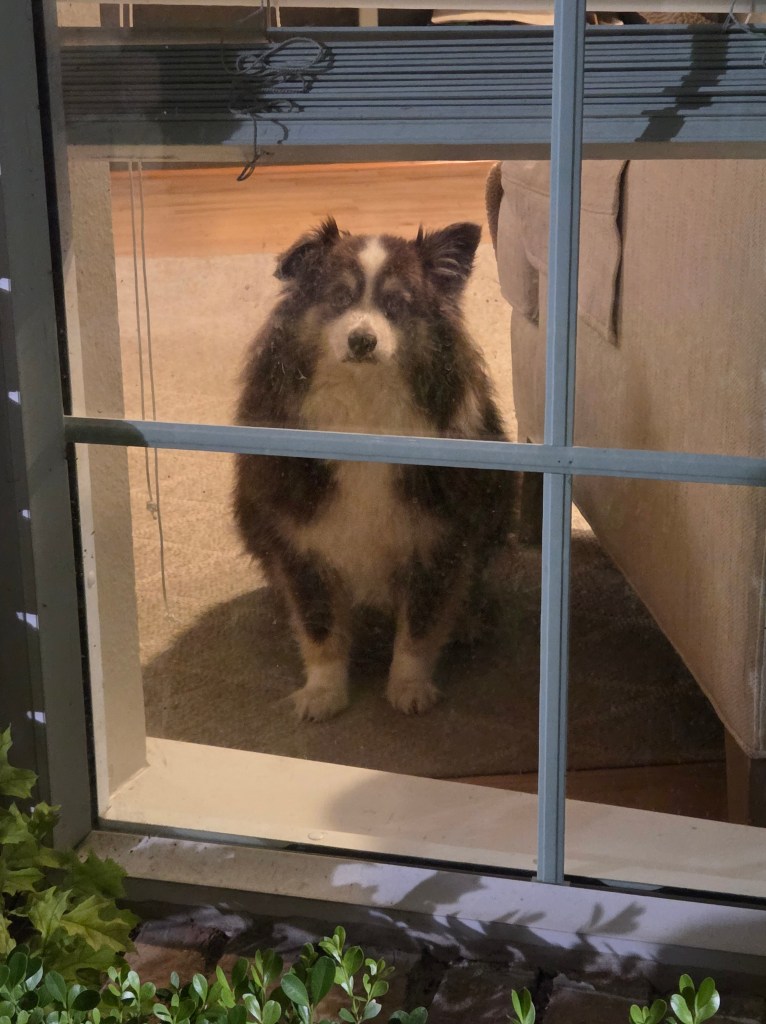
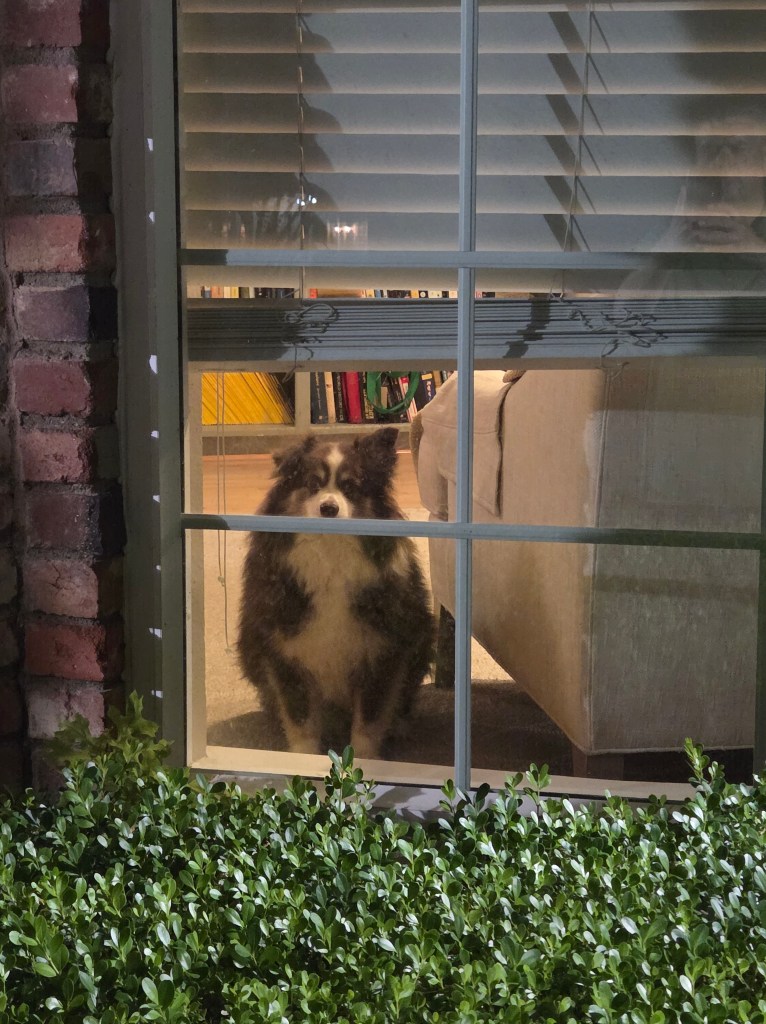
Finally, we got our little rascal, the mini-Australian Shepherd Rollo. He is an intelligent, curious, energetic, anxious and spoiled dog that is a chore. He probably understands several hundred words. When we still had Bronco, they were best buddies. He was pestering Bronco, biting his tail and even swinging in it. Luckily, Bronco was patient. When we leave for a little bit, he sits in the window and looks out into the street. When we say “Rollo, go look out the window” he runs to the window. He knows we are leaving. He is our most misbehaved dog, but he is full of life and full of joy.

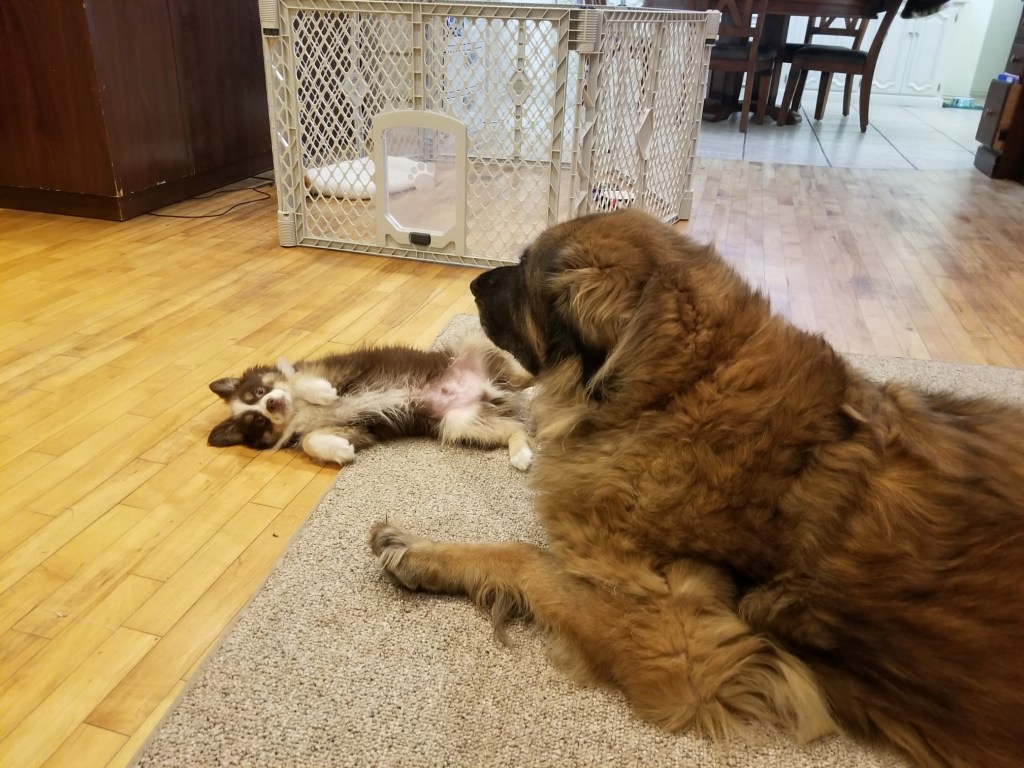
Bronco is standing behind Rollo. Rollo is black and white and very small. They are standing in front of the kitchen.
Our Leonberger Bronco with our new puppy Rollo, a mini-Australian Shepherd.
our mini-Australian Shepherd on the left, is biting and pulling Bronco’s tail. Bronco is on the right.
Rollo, our mini-Australian Shepherd could be a pest. He loved biting Bronco’s tail and even swung in it as if it was a swing.
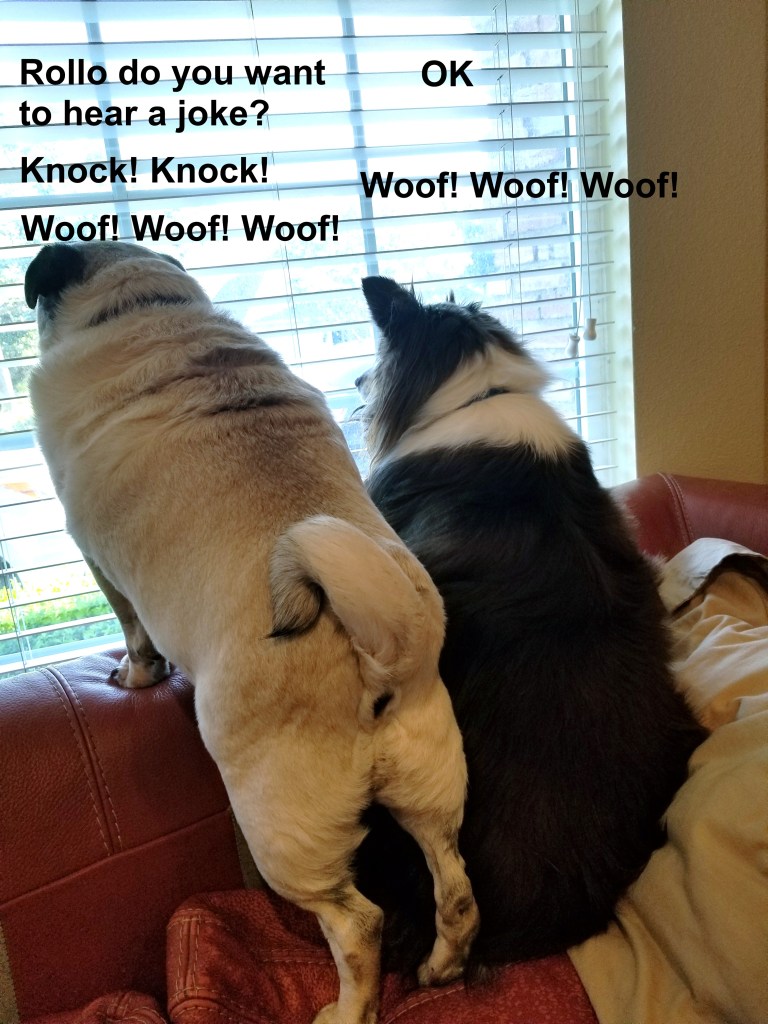
The joke in the photos is : Daisy says, “Rollo do you want to hear a joke”, Rollo says “OK”, Daisy says “knock! knock!”, then they both start barking “Woof! Woof! Woof!”, “Woof! Woof! Woof!”
Our Pug Daisy and our mini-Australian Shepherd barking at people passing by our house. Notice the joke.

The Joy of Having a Pet

Pets give you unconditional love, company, adventure, memorable moments, hilarious moments, protection, and lots of joy. Playing with them or taking a dog for a walk is good for your health, as this article from the Mayo clinic states.

My Other Responses to Esther’s Prompts

Guest Blog by Jack Wikman

I typically don’t ask for Guest blogs, but I certainly don’t mind if someone wants to do a guest blog here. It is great to get quality content for free. I just came home from visiting our 8 months old grandson Jack. We had a good time. We went to the zoo, I went fishing with my son, and Jack wrote a blog post which is shown below.

I am standing on the left wearing a green polo short. I am holding Jack who is smiling big. My wife Claudia is on the right.
Me, my wife Claudia, and our grandson Jack.
Baby Jack is sitting in my lap typing wildly. It is mostly random characters.
Jack is using my laptop to make a blog post. He provided the text, which I am posting below.

Guest Blog Post by Jack Wikman

x gil'[p-;aZDX{}”{:

O)@)qaw2;

+X

dgthyu79

gbhj

yu .xb 0.u

7ygu8iuogvbhy 1uc

4.7ncxz cx21.0xg 00 10vb24c 0h8y67

67gvbh t’;/y

v

c +

Random scrambled characters
Photo of Jack Wikman’s post

Smorgasbord Blog Magazine shares Superfact number 7

Please take a look at Smorgasbord Blog Magazine’s post about my super fact #7 “Poverty and child mortality has been sharply reduced worldwide“.

My Post We Can See What Stars Are Made of Selected for Freshly Pressed

Your site has been selected for Freshly Pressed!
Congrats, we love your writing and want to share it with the world.

Hi thomasstigwikman,

We’ve selected your post (We Can See What Stars Are Made of) for Freshly Pressed, a showcase where we feature editors’ picks and community favorites on WordPress.com.

We are thrilled to share your post with our wider audience.

Your post will appear at wordpress.com/discover/, where members of the WordPress.com community can read, comment, like your post, and subscribe to your site to get notified whenever you publish new content.

Thank you for being part of the biggest and best community of bloggers around the world. We’re proud to be the platform that makes your voice heard.

Cheers,

The WordPress.com Team