Celebrating Digory Fighting Osteosarcoma

Jen O’Keefe, a fellow Leonberger enthusiast and Facebook friend gave me permission to post about her late Leonberger Digory and the fundraiser she started to celebrate his memory.

Photo of two Leonbergers wearing funny party wearables.
Digory and Obi, two Leonbergers. Click on the image to visit Digory’s Facebook Page. Photo Jen O’Keefe.

Osteosarcoma is an aggressive type of bone cancer that tends to spread to the lungs. It affects both young and old dogs and appears to have environmental as well as genetic components. But according to the American Kennel Club, research into the disease in dogs is likely to have benefits for children who suffer from it as well.
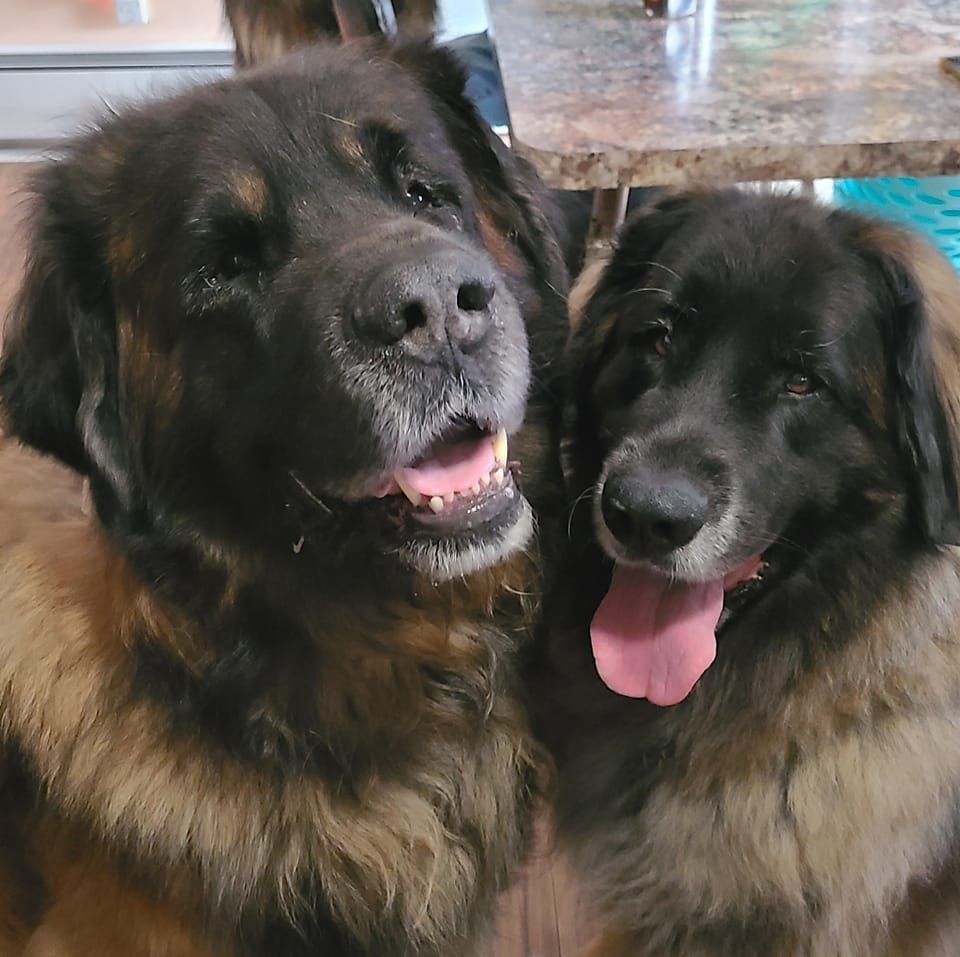
A photo of Digory and Obi, two Leonbergers.
Digory and Obi. Click on the image to visit the Canine Cancer Alliance Facebook Page. Photo Jen O’Keefe.

Digory was diagnosed with Osteosarcoma and had his leg amputated 3 years ago. Although he passed a couple months ago, he still made it 2 years and 10 months, which is about 2 years longer than expected. Part of his treatment was a vaccine through Yale that was in early stages of clinical trials. That vaccine has shown great promise in treating both Osteosarcoma and Hemangiosarcoma, and Jen believes it was integral in giving him so much extra time. That vaccine has moved on to the next stage of trials. The Canine Cancer Alliance is helping to fund this next step, so in honor of Digory, Jen created this fundraiser so that more dogs, and their people, can benefit from the extra time.
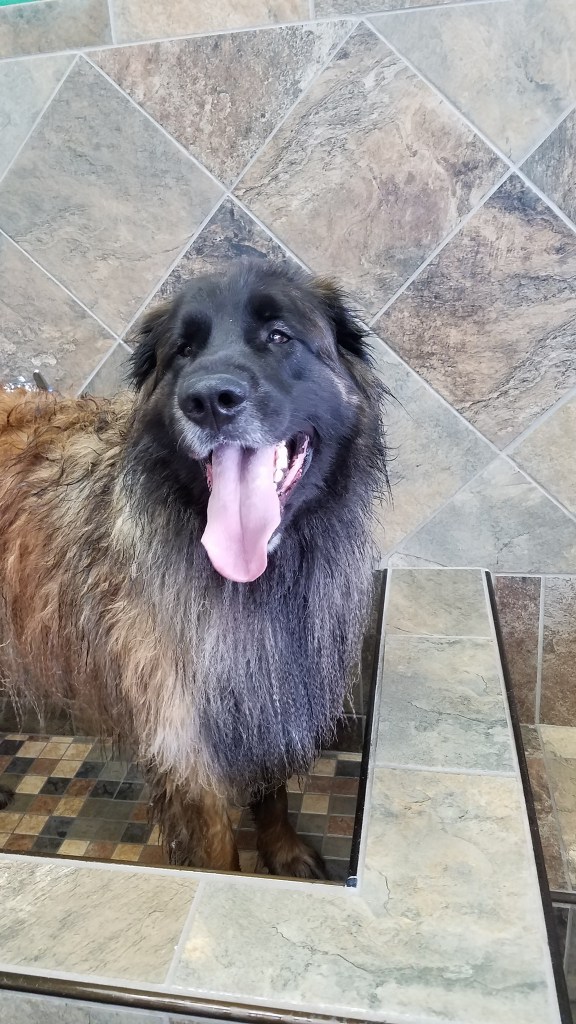
Photo of a Leonberger standing on a tile floor
Digory the Leonberger. Photo Jen O’Keefe.

Through the duration of this fundraiser, Jen will be posting links with more information about the vaccine and about Digory’s journey. Jen hopes that, even though he is no longer with us, he can continue to be an inspiration in the fight against Osteosarcoma. To end dog cancer, through research in prevention and cures. If you wish you can join in the fundraising. Facebook takes care of the donation processing with no fees.
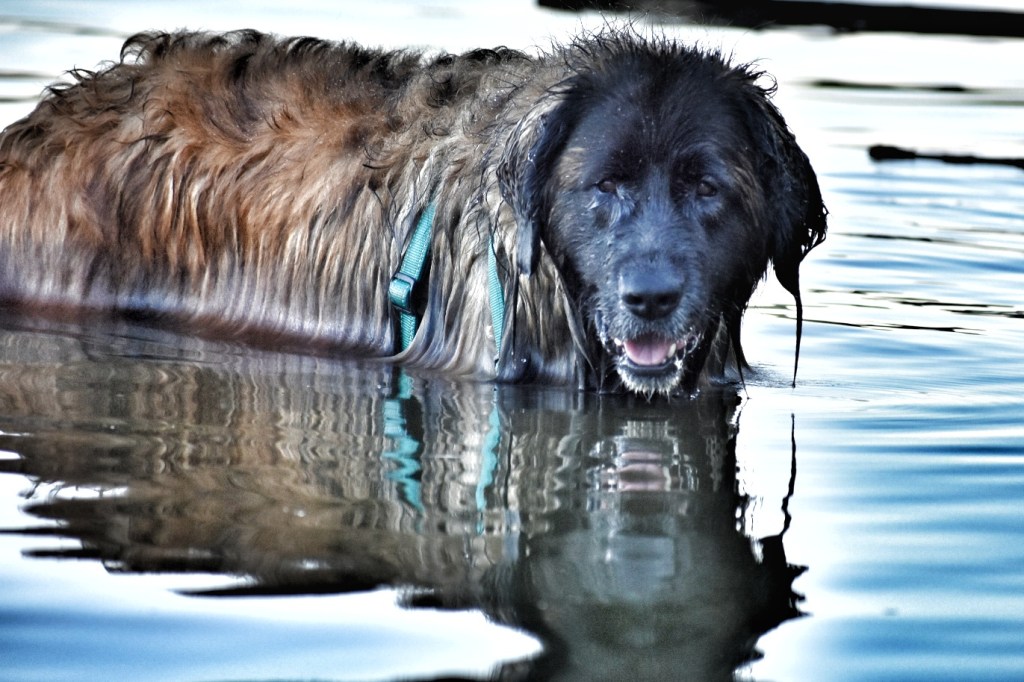
Digory a Leonberger is standing in lake water.
Digory the Leonberger. Click on the picture to visit Digory’s Fundraiser. Photo Jen O’Keefe.
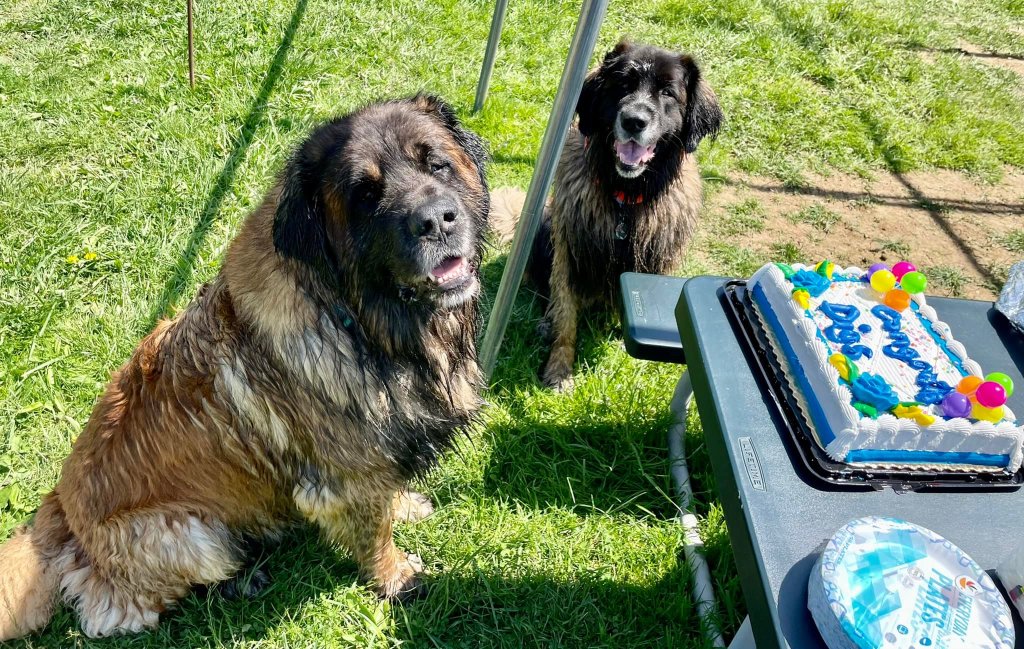
Photo of two Leonbergers standing in front of a table with a cake.
Digory celebrating two years passed the amputation. Photo Jen O’Keefe.
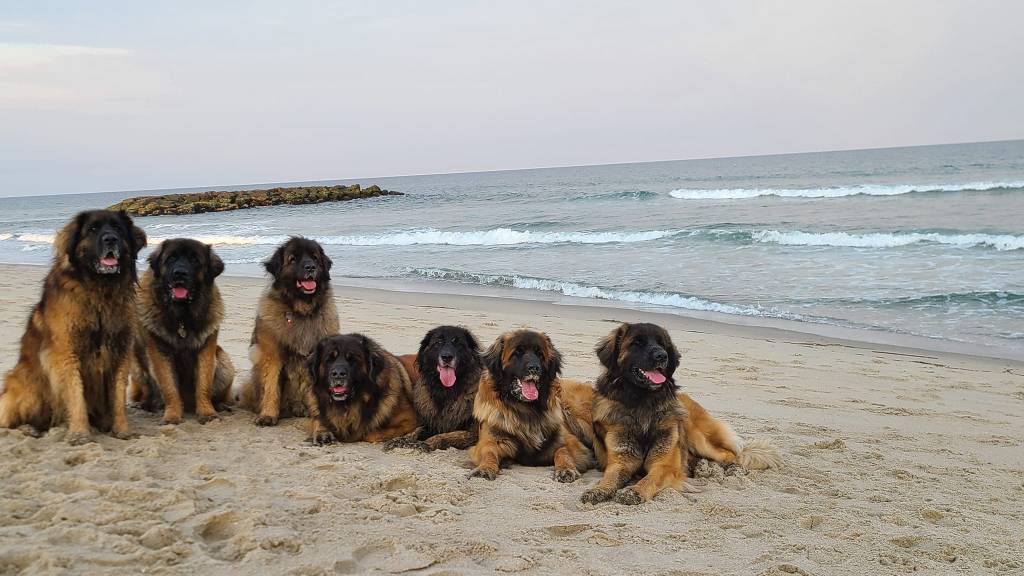
A photo of seven Leonbergers at New Jersey beach.
Digory with friends at the beach some years ago. Photo Jen O’Keefe.

Good News Regarding Cancer for Leonbergers and Other Dogs

Cancer is the most common killer of purebred dogs: in fact, nearly half of them die from some form of cancer. Overall, the most common form is skin cancer. In Leonbergers, bone cancer and hemangiosarcoma are the most common forms. As in humans, early detection can save or extend the life of your dog. Warning signs of cancer include:

  • weight loss,
  • bleeding or discharge from a body cavity,
  • bumps or lumps that keep growing,
  • persistent stiffness or lameness,
  • breathing difficulties,
  • bad breath or bodily odors,
  • difficulty with defecation or urination,
  • difficulty with eating or swallowing,
  • lesions that won’t heal,
  • sores that recur or won’t heal, and
  • loss of appetite

Naturally, not every one of these signs and symptoms is applicable to all types of cancer. The only sign of Bronco’s squamous cell carcinoma was a lesion that wouldn’t heal.

Hemangiosarcoma (HSA) is an aggressive cancer of the blood vessels. It often appears as a mass in the spleen, liver, or heart but can also be found elsewhere. It is challenging to diagnose and equally difficult to treat. It is most common in golden retrievers, German shepherds, and Labrador retrievers but can occur in Leonbergers as well. In addition to genetic factors, certain toxins are associated with this cancer. Fortunately, there is a promising blood test (called the Shine On Study, or SOS) that identifies features of rare cells linked to this cancer and a novel drug therapy called eBAT (EGF bispecific ligand targeted angiotoxin). Both SOS and eBAT are still in the clinical-study phase at the time of this writing, but they offer hope for early detection and treatment.

Illustration showing Bronco our Leonberger running with a full leg cast. He just had a toe amputation.
Bronco’s cancer problem was Squamous cell carcinoma which luckily is not an aggressive cancer, but he needed toe amputations. He got this cancer once a year starting at the age of eight.
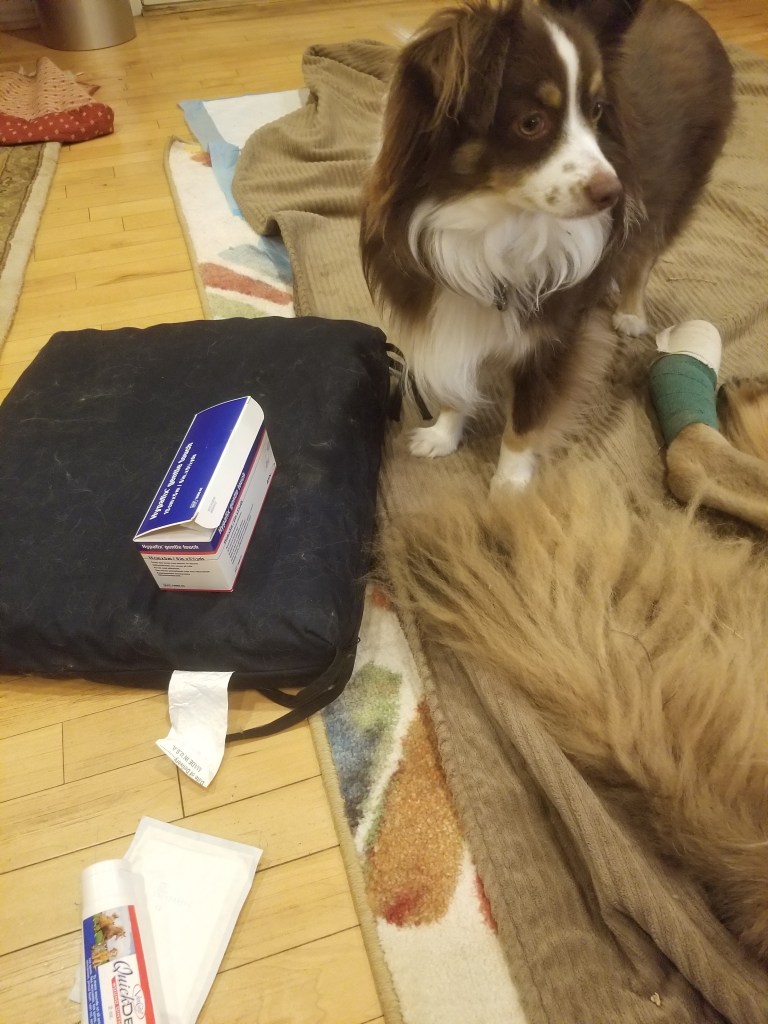
Photo of Rollo our mini-Australian Shepherd helping us change our Leonberger Bronco’s bandage after he had a toe amputation.
Rollo our mini-Australian Shepherd is helping us change Bronco’s bandage after he had a toe amputation.

Below is another piece of good news regarding cancer in dogs that a friend of ours alerted us to. I don’t know if it is related to the SOS study mentioned above. You can watch the video by clicking here.