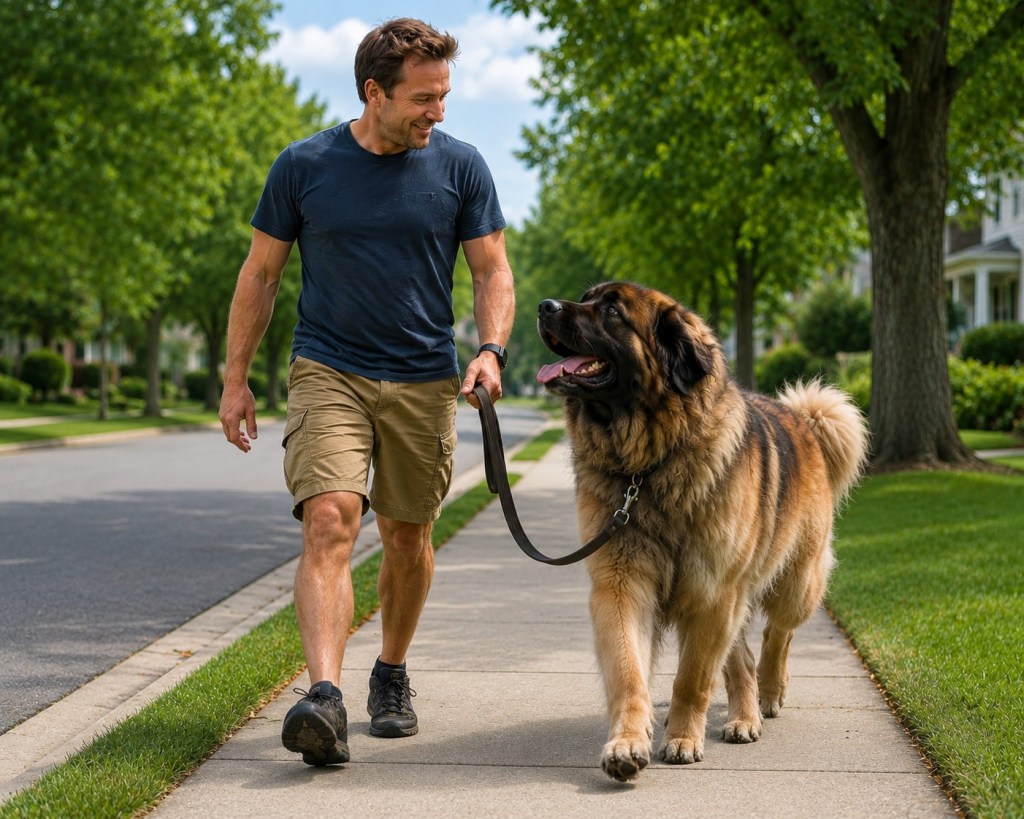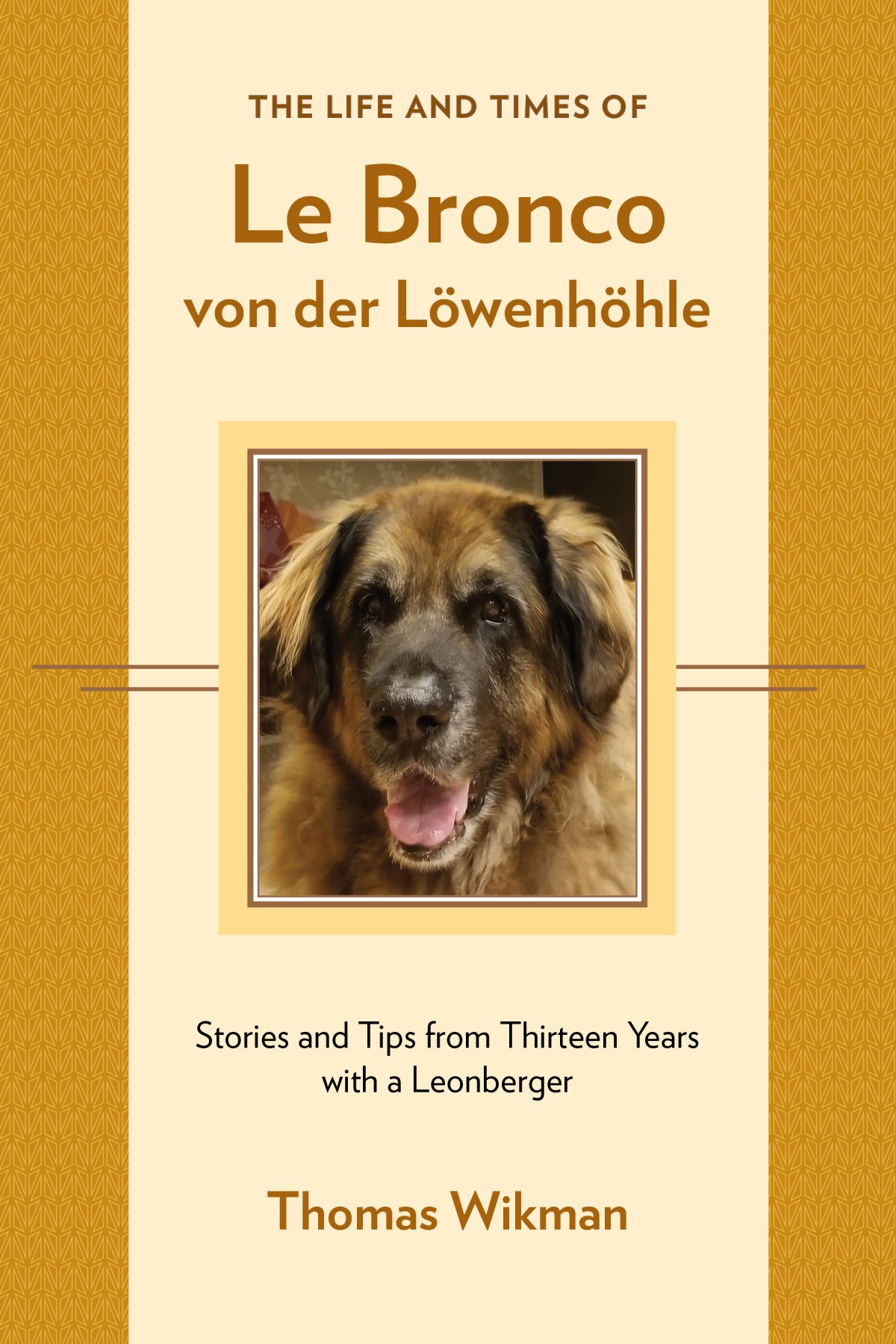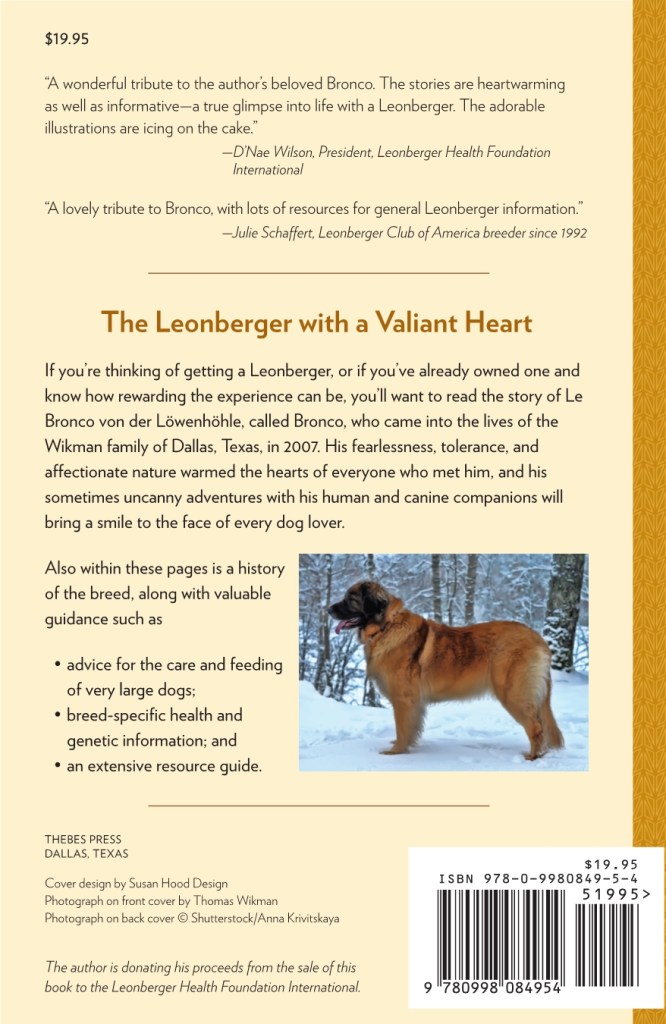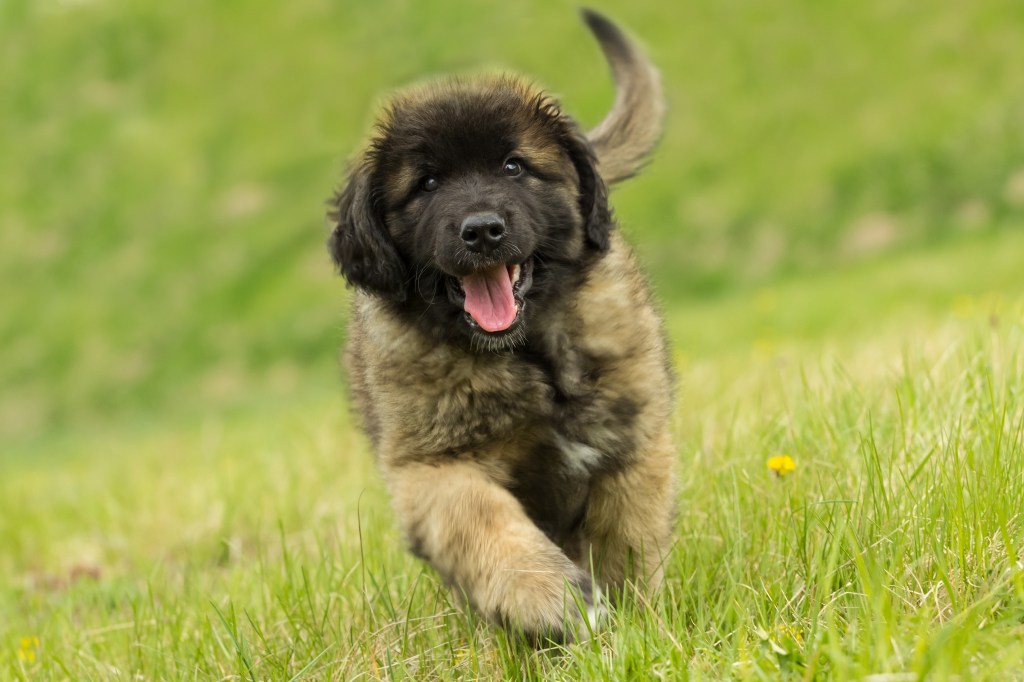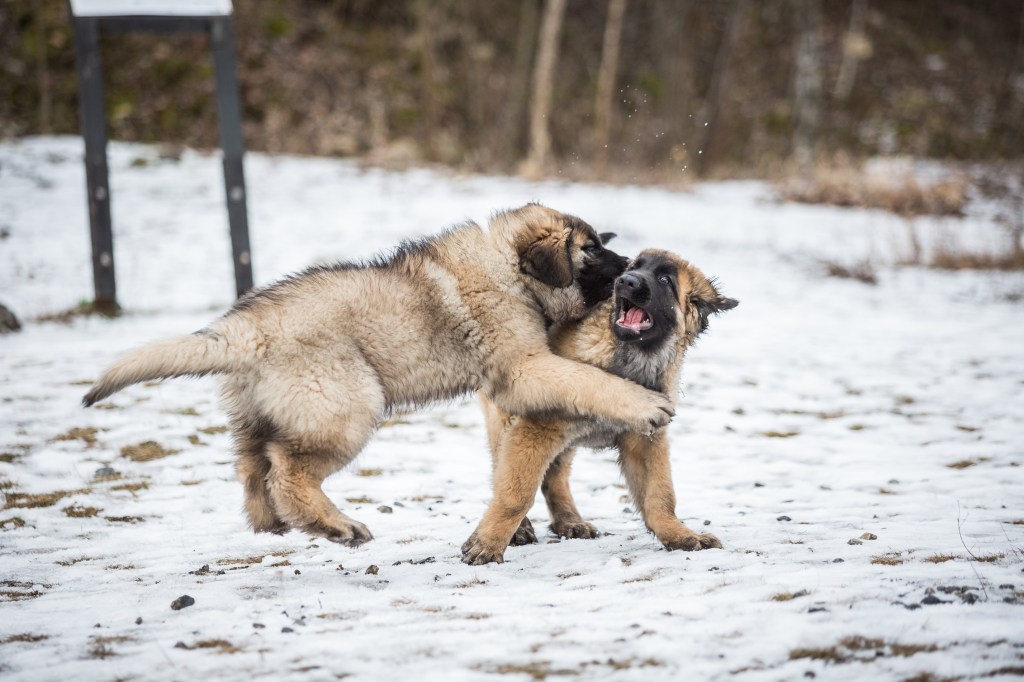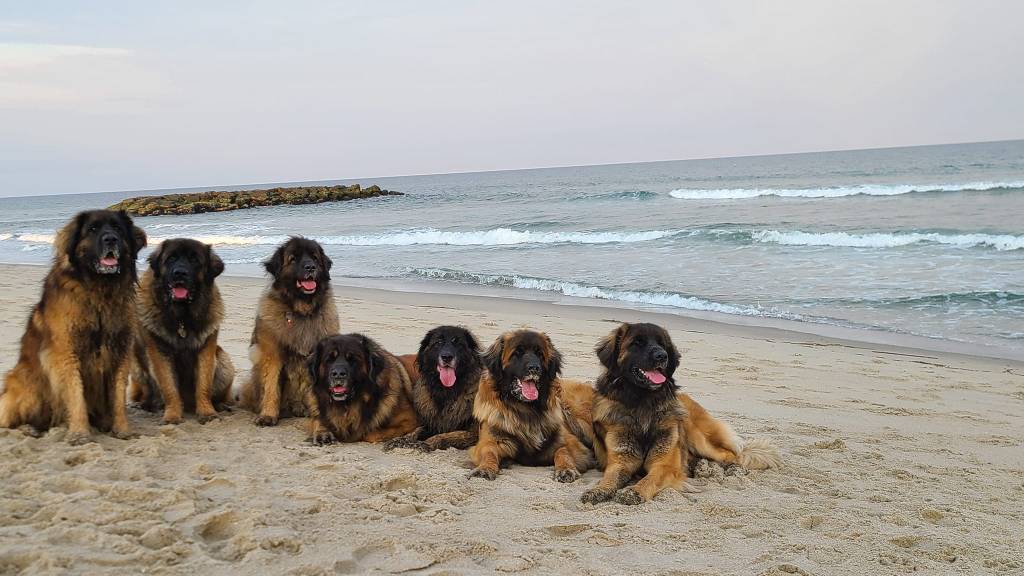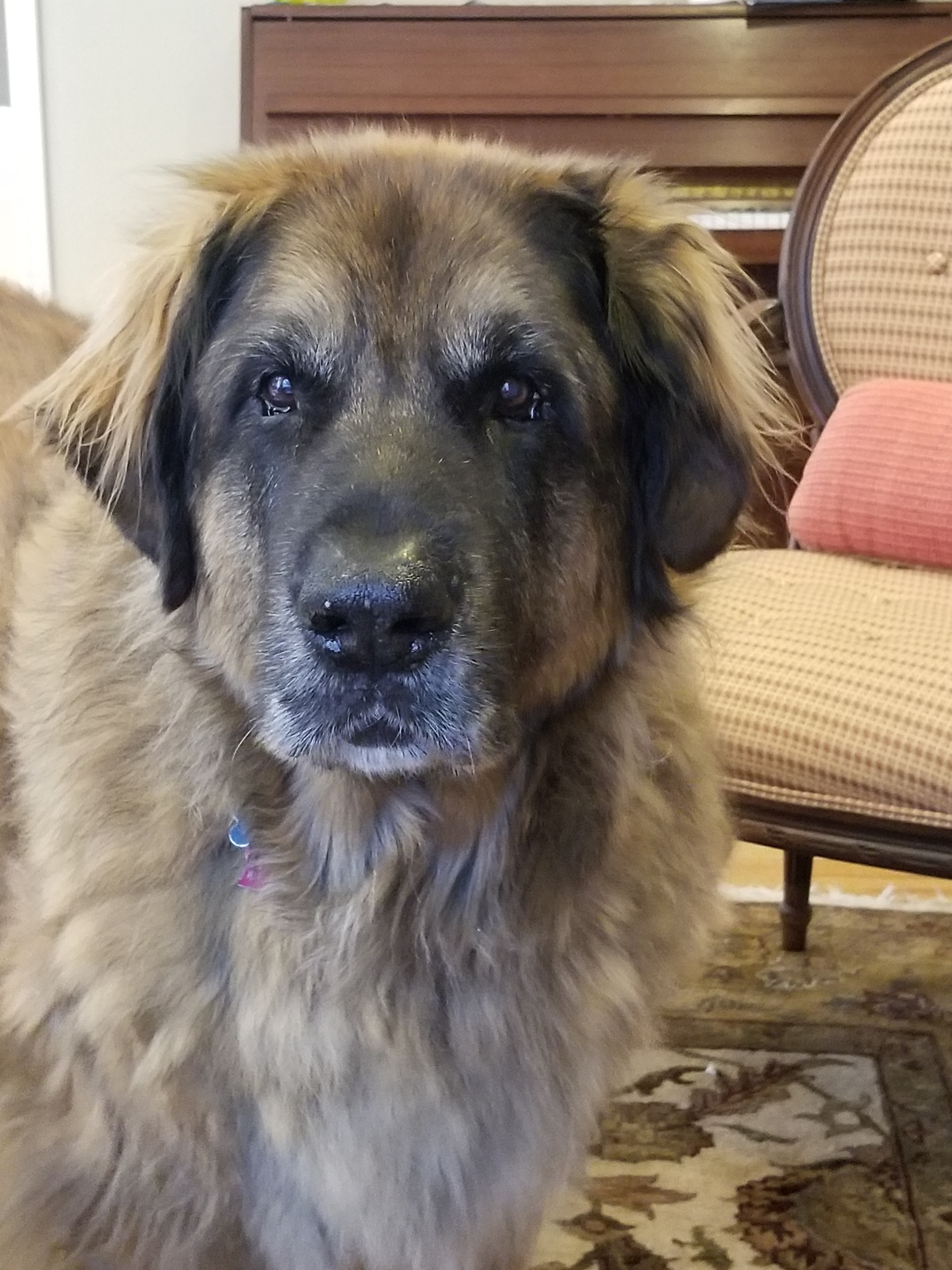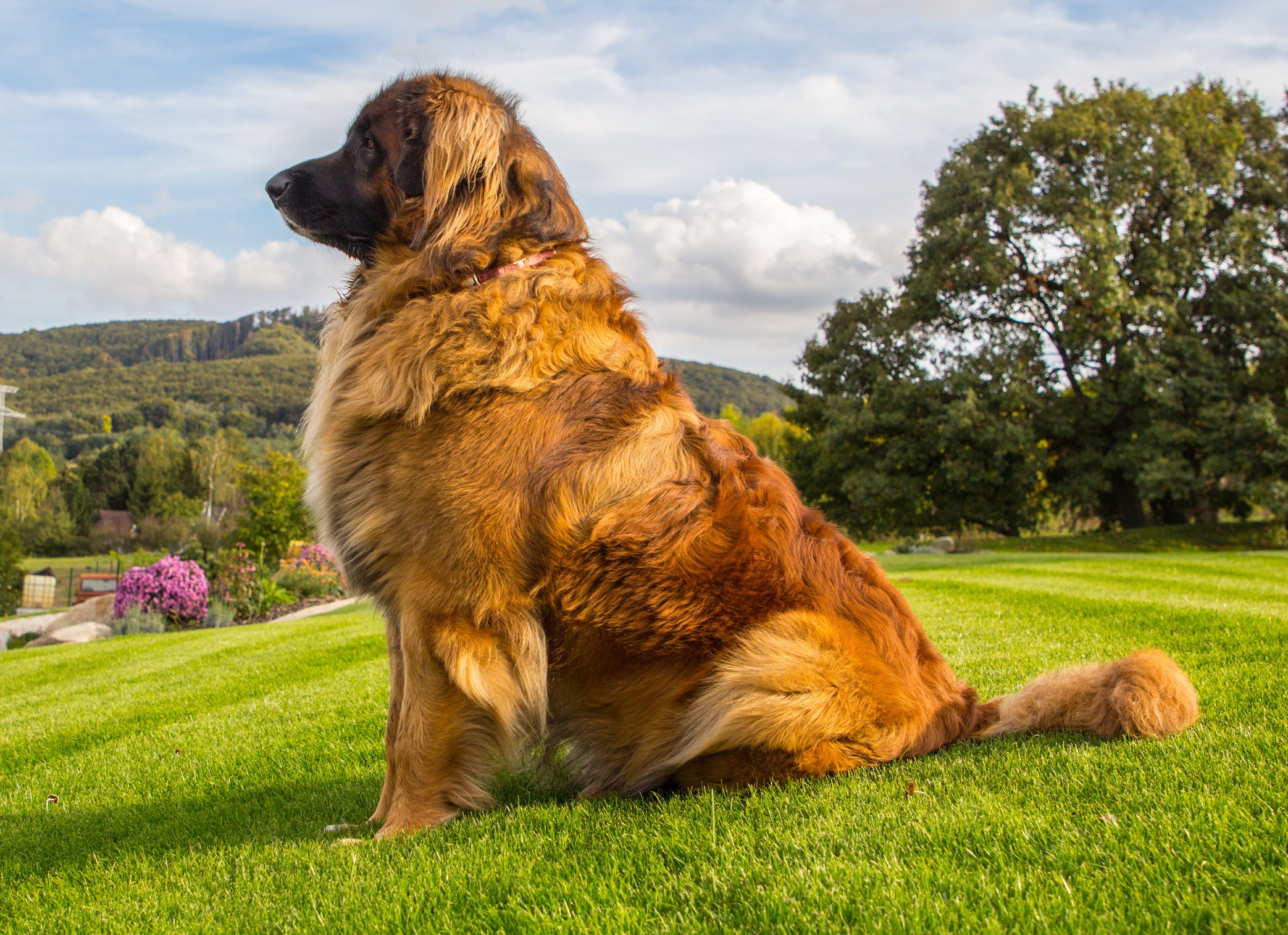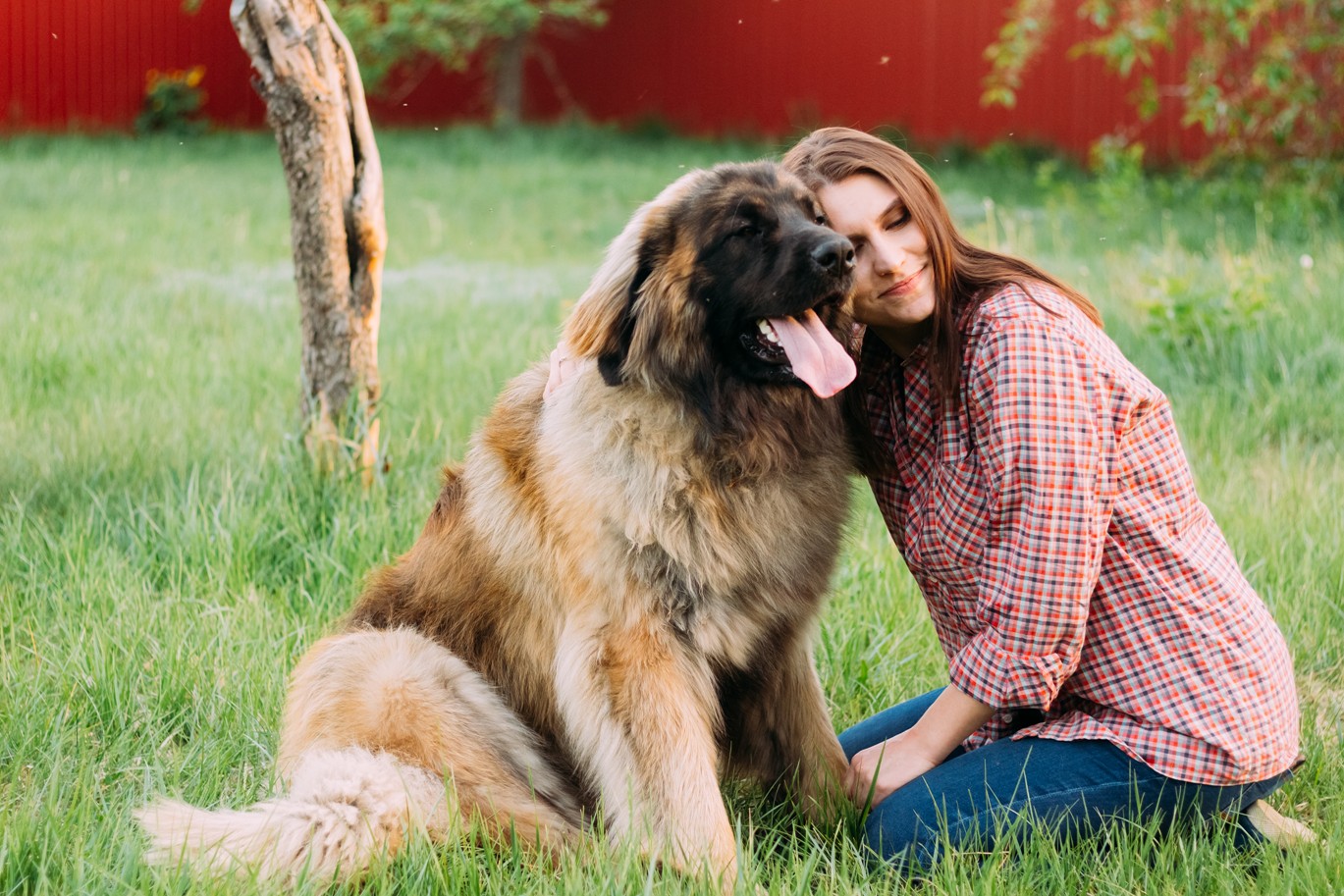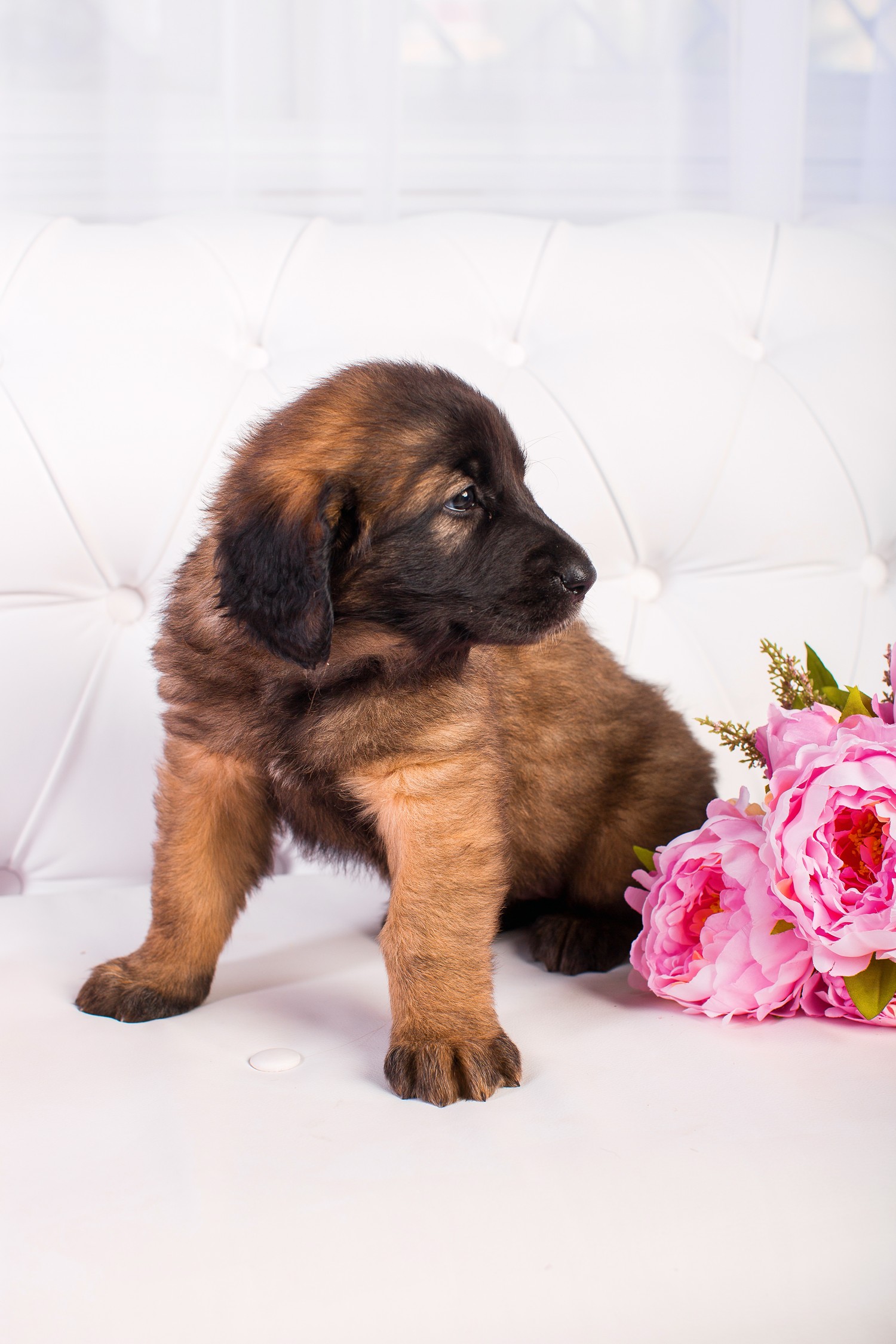
This blog feature amusing and heartwarming stories about our late Leonberger dog Bronco, as well as other Leonbergers. It also has a lot of information about the Leonberger breed, the history, care, training, Leonberger organizations, etc. I also wrote a Leonberger book, which I am featuring in the sidebar.
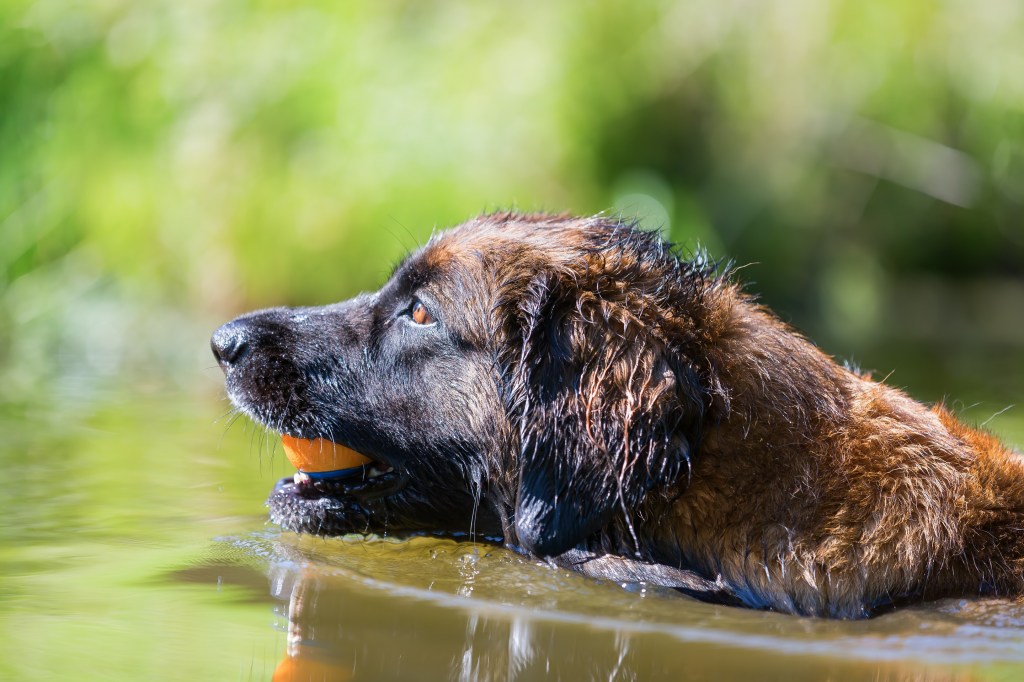
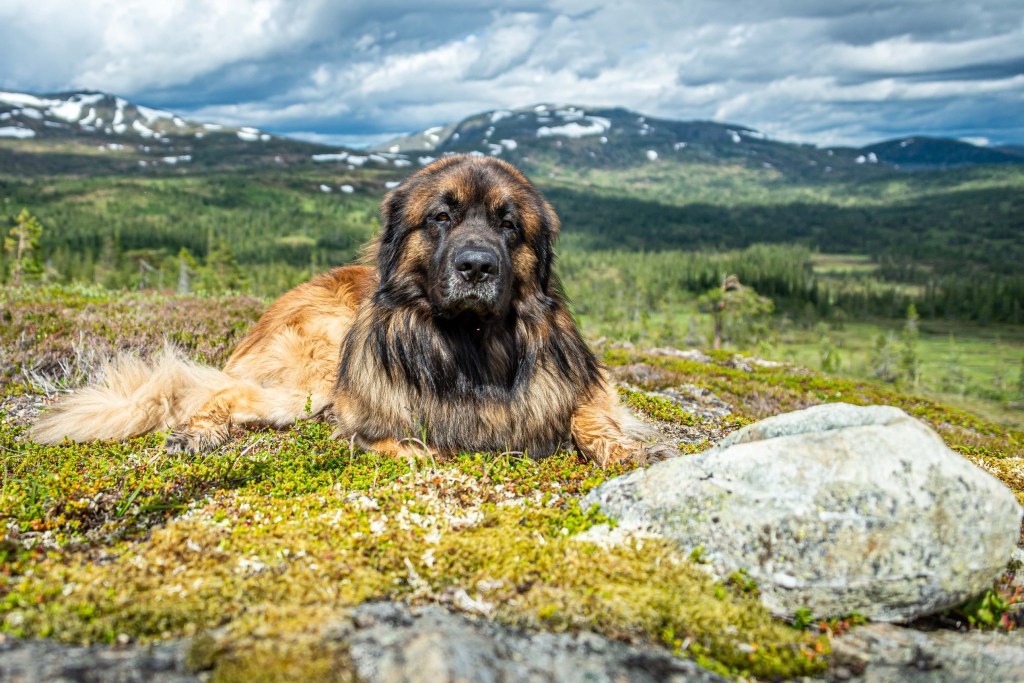
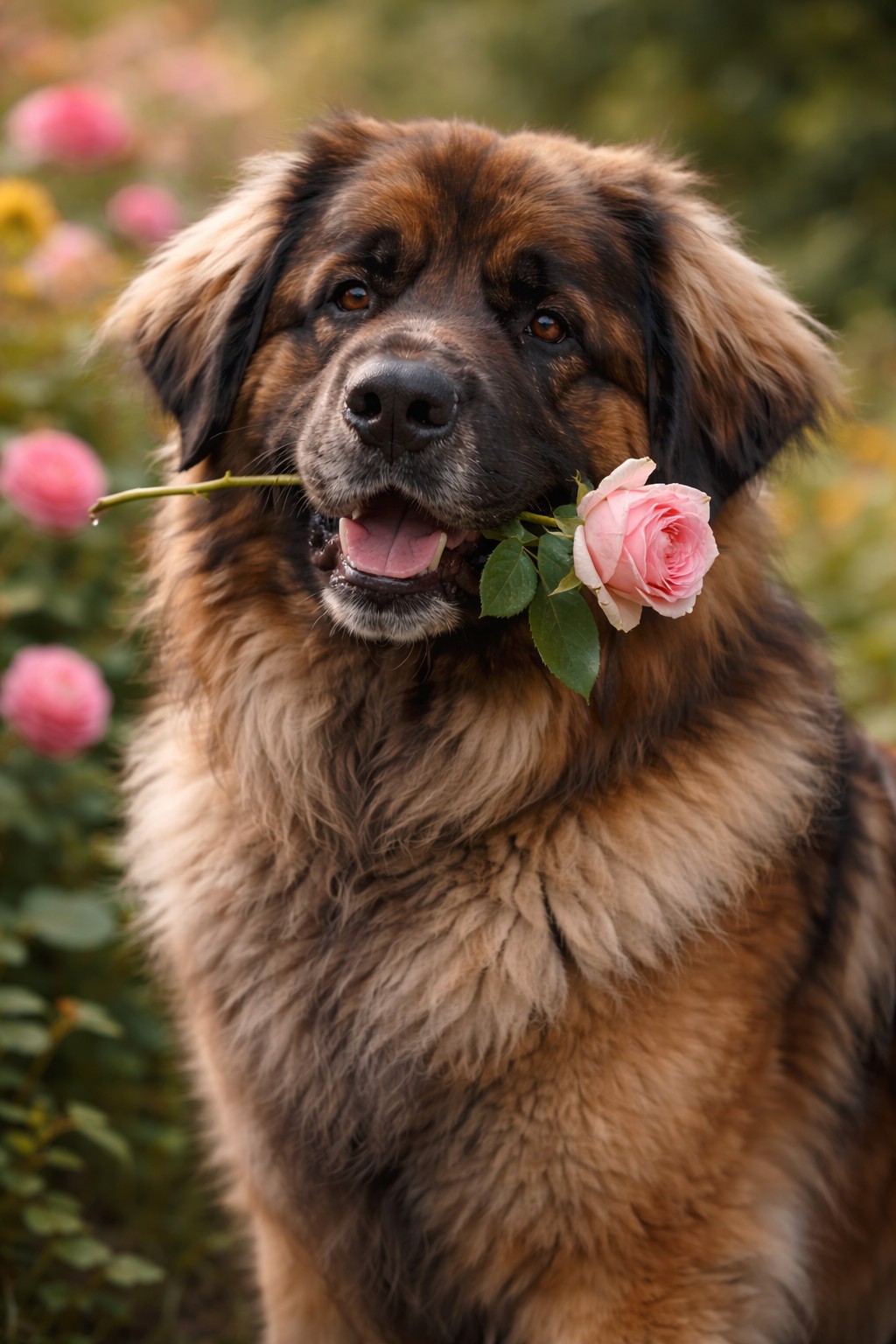
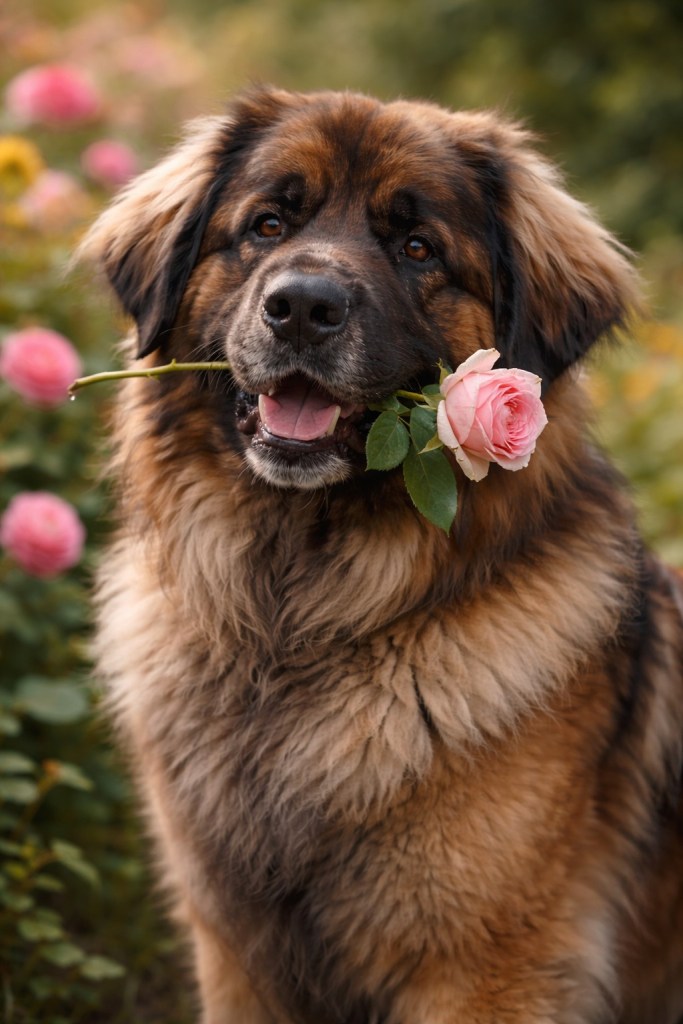
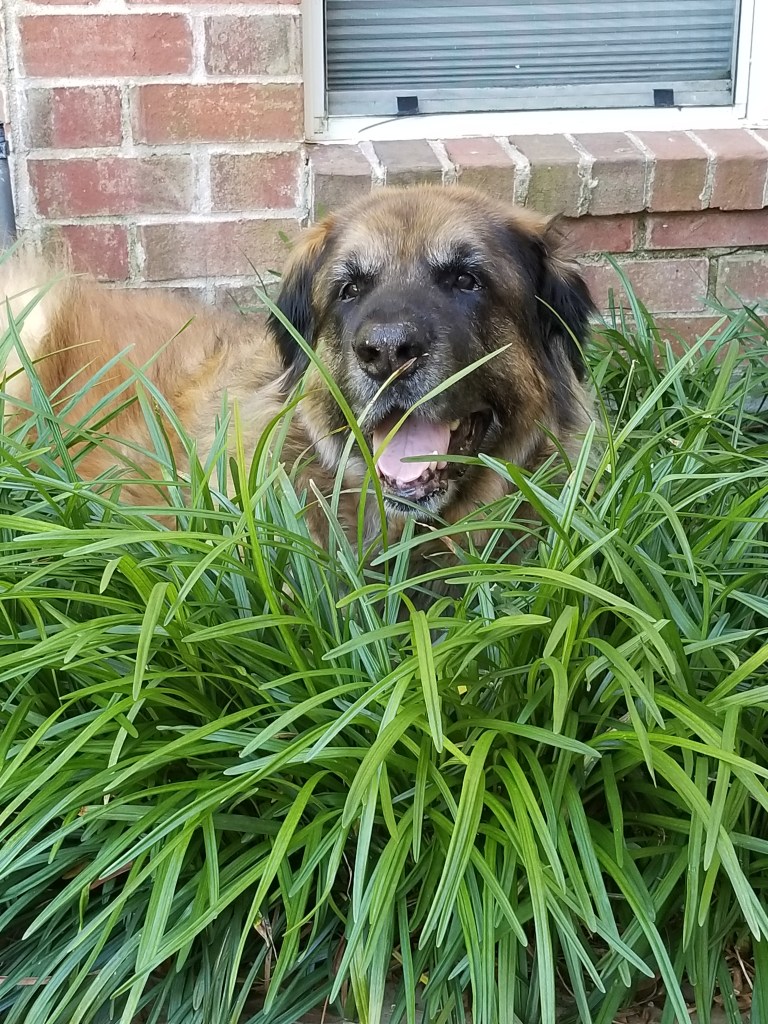
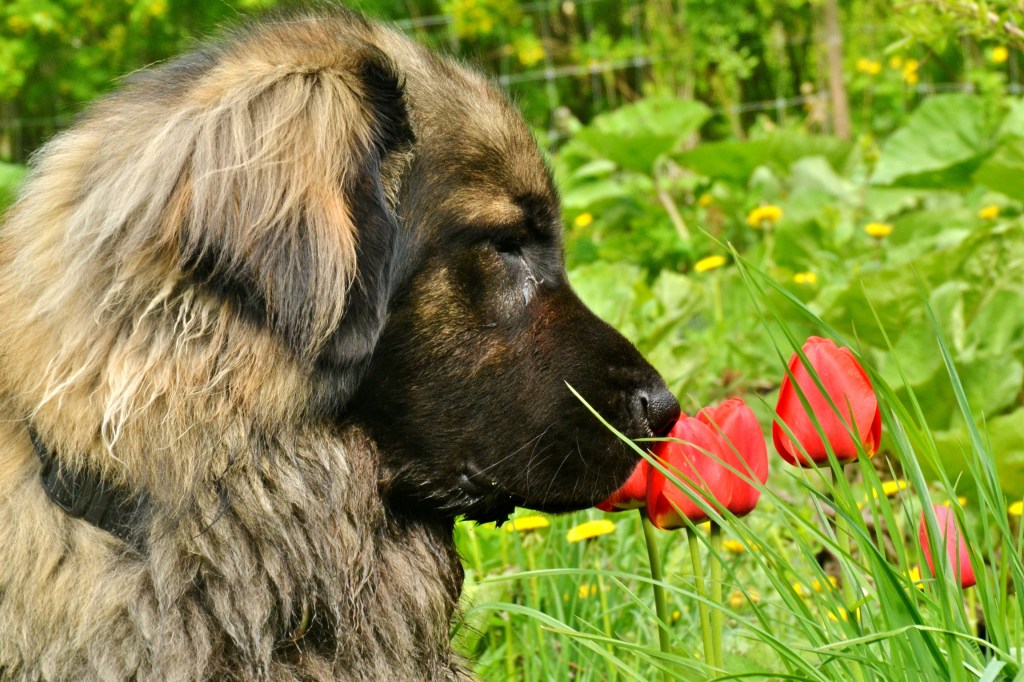
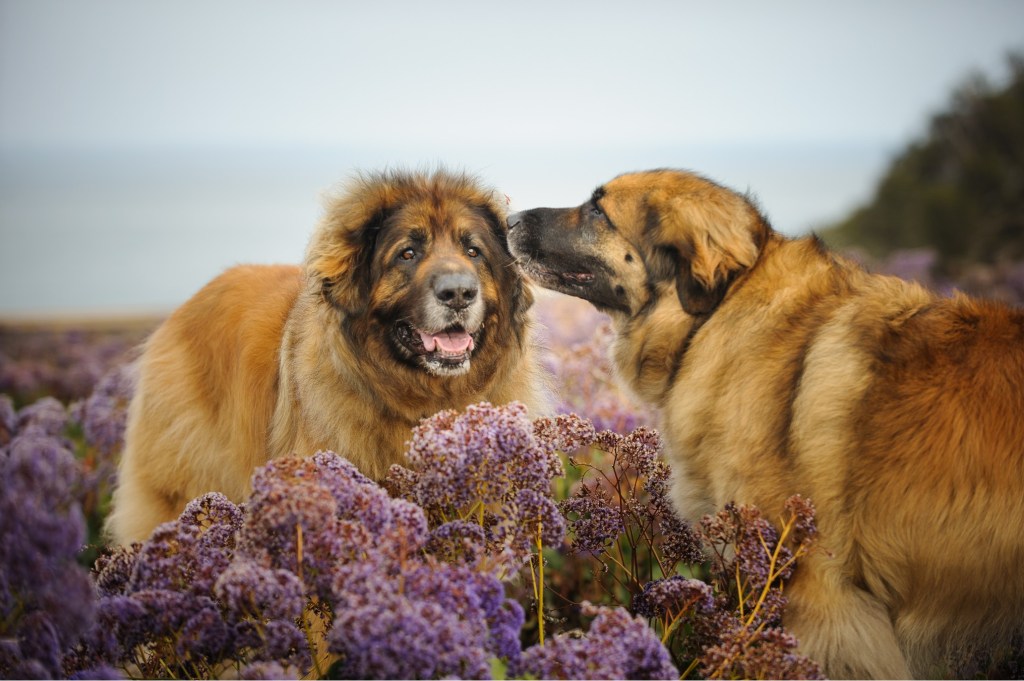
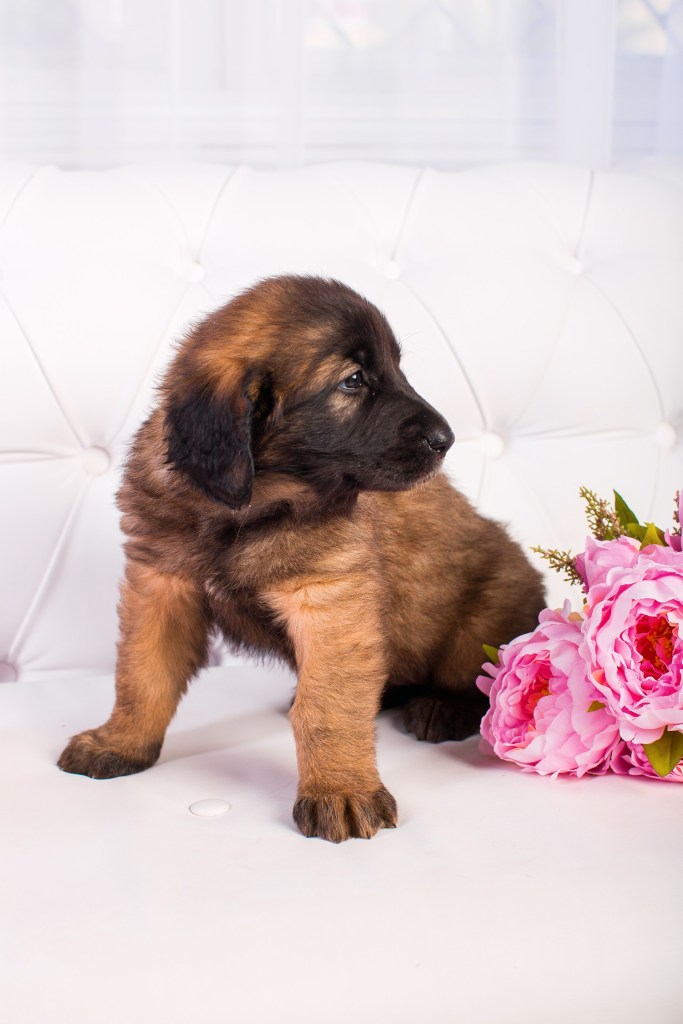
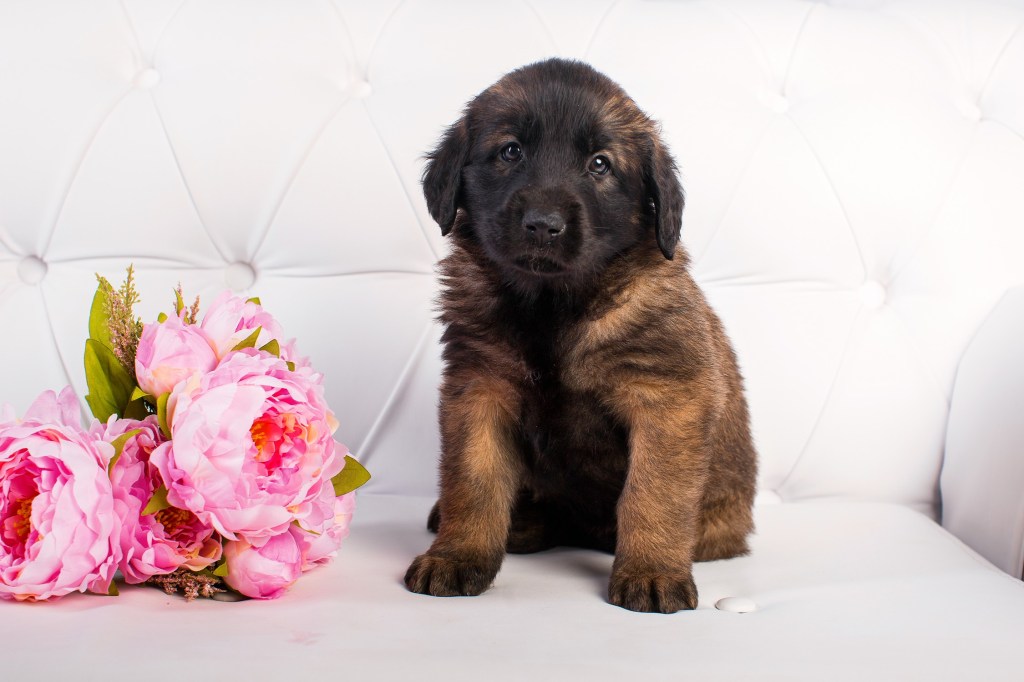
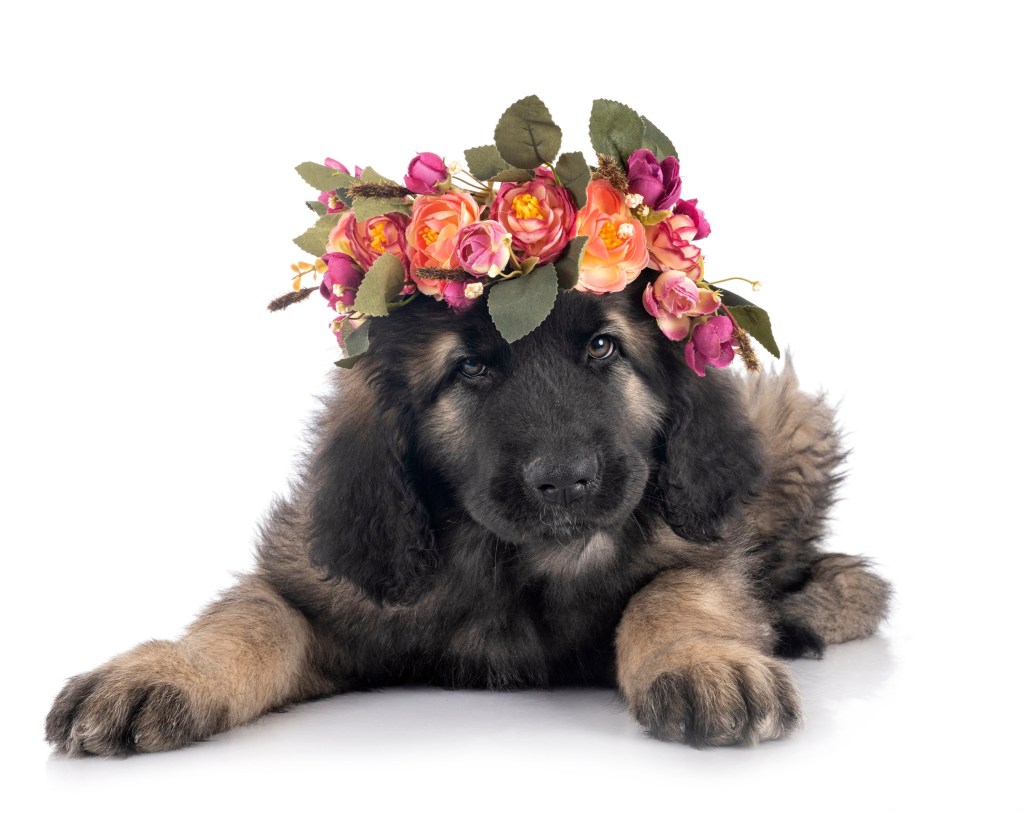
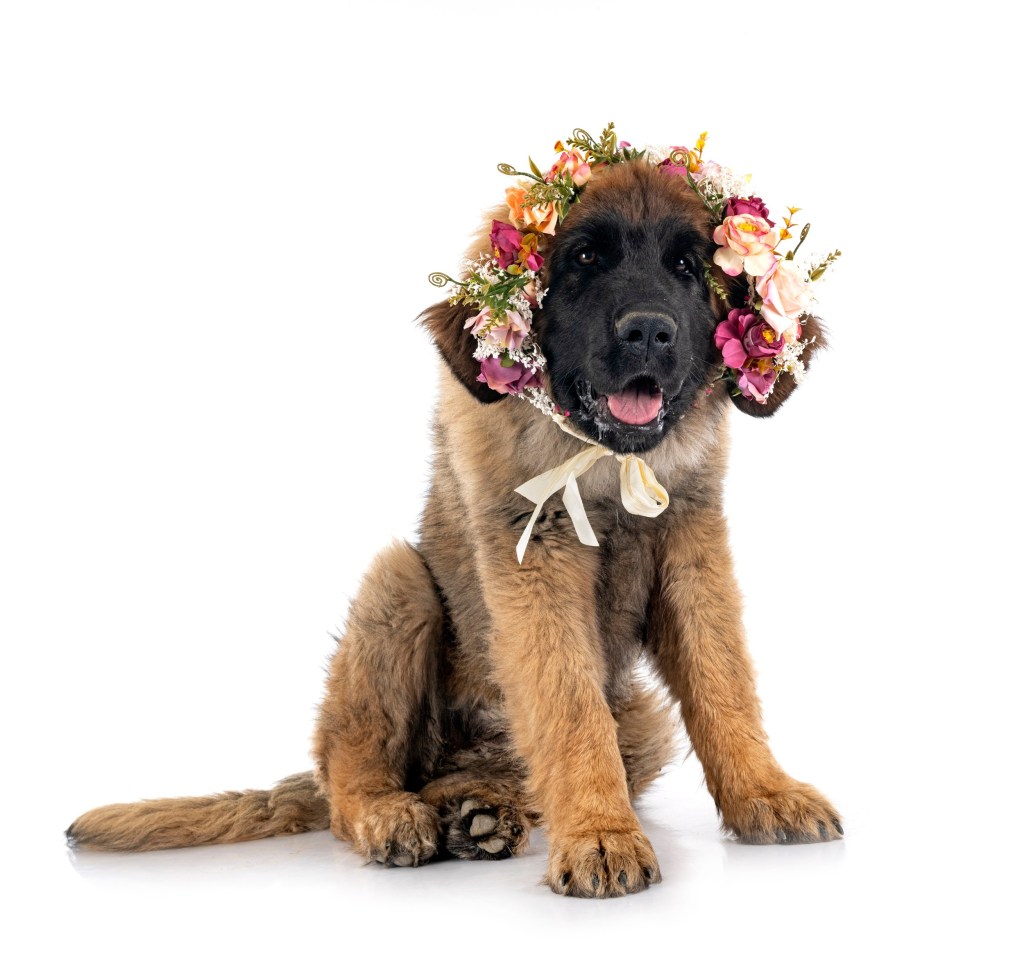
This post features various photos or illustrations of Leonbergers with flowers. The second photo below is our late Leonberger Bronco in the tall grass plants at our in-laws and the rest of the pictures are pictures featuring Leonbergers with flowers that I generated using ChatGPT or Shutterstock photos with Leonbergers and flowers (I have a shutterstock account).
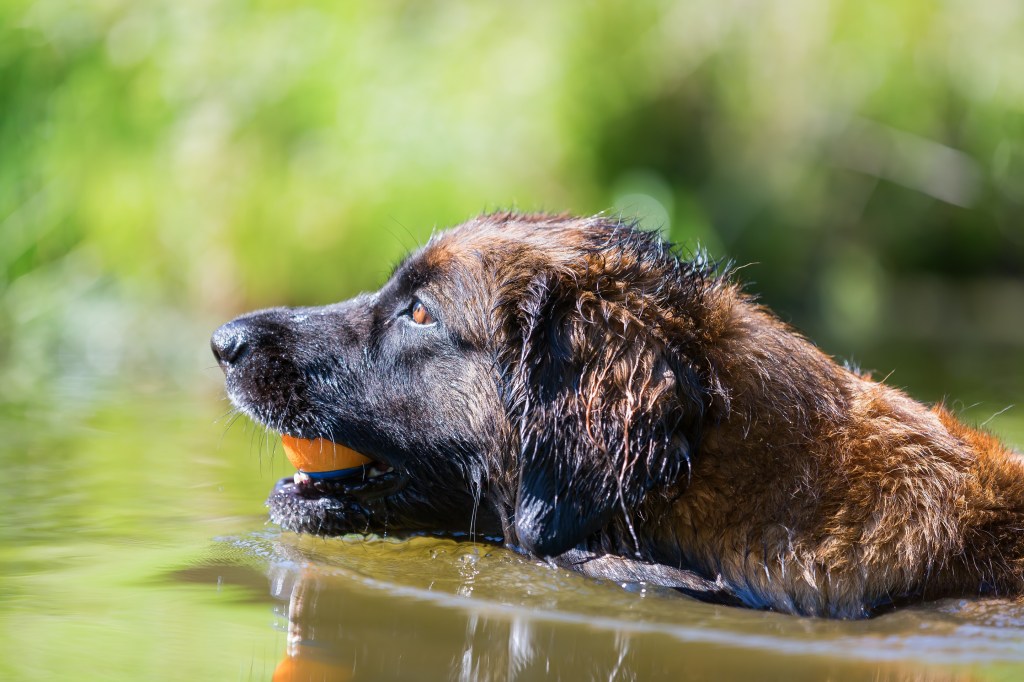
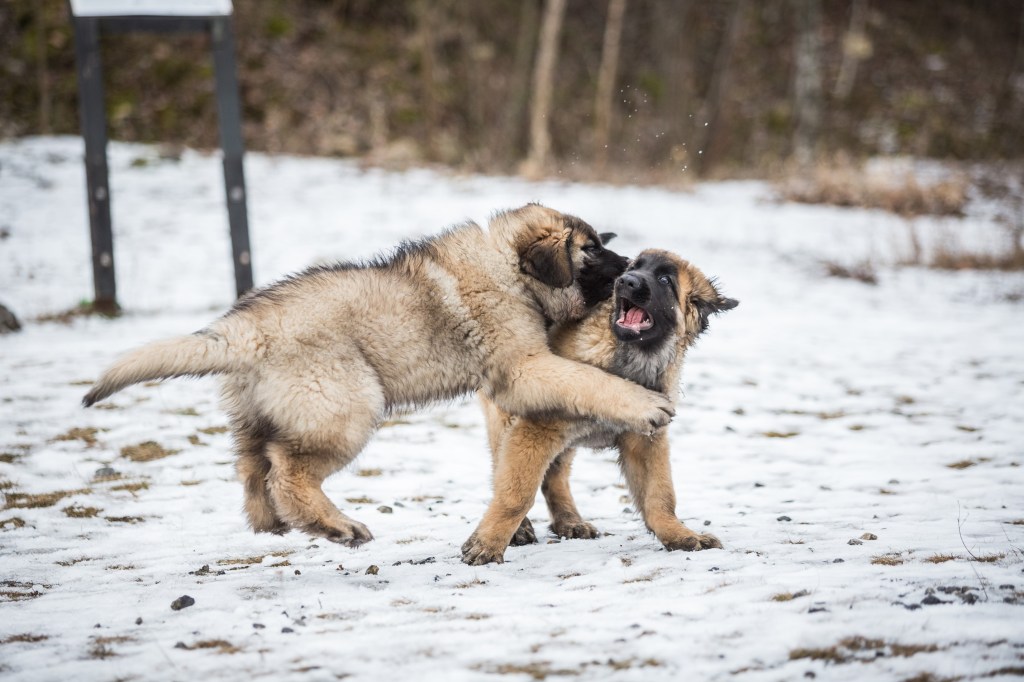
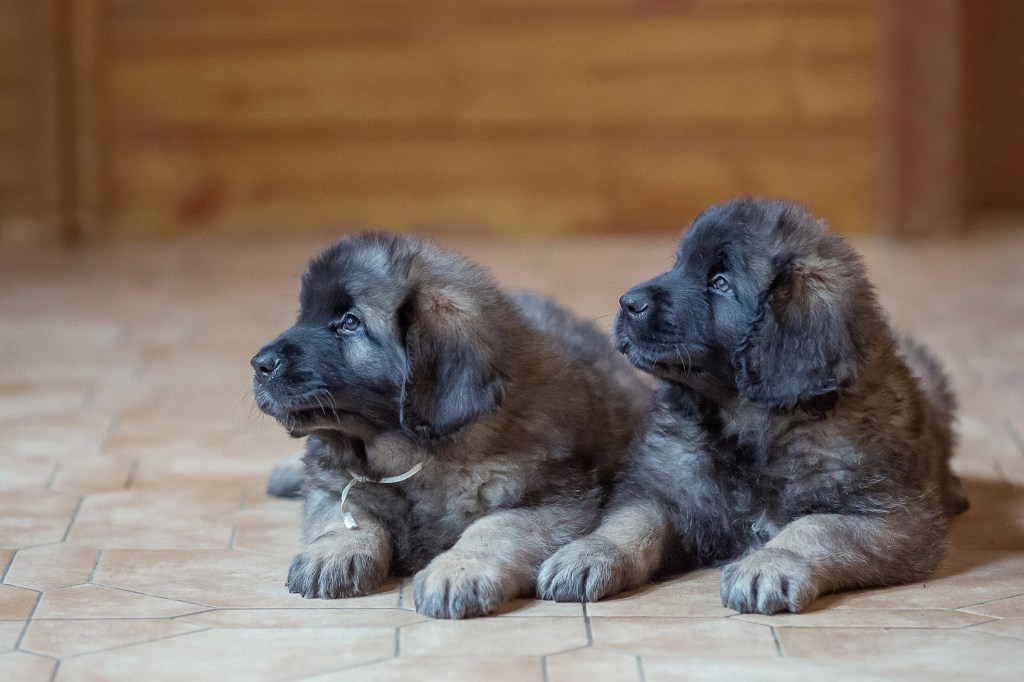
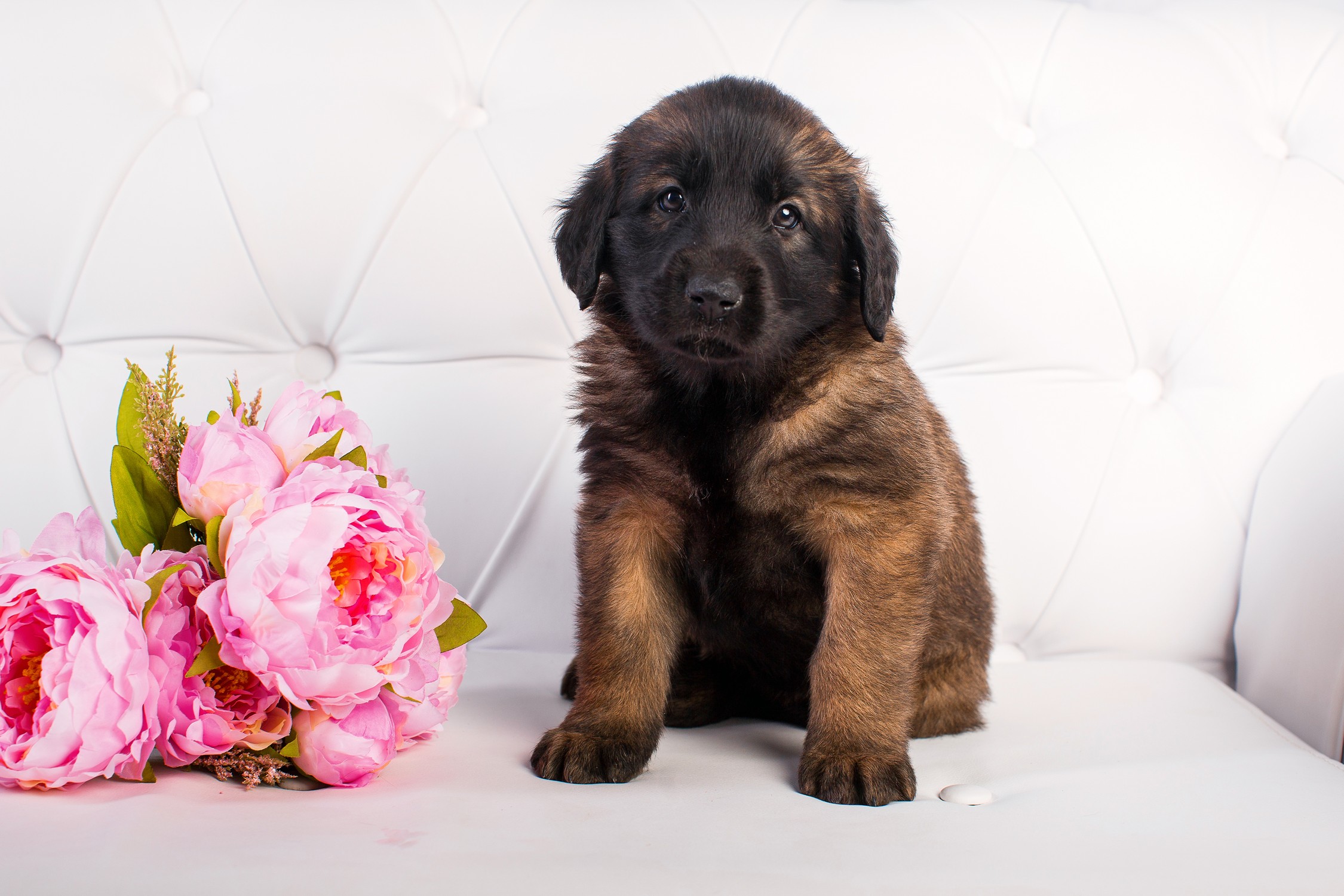
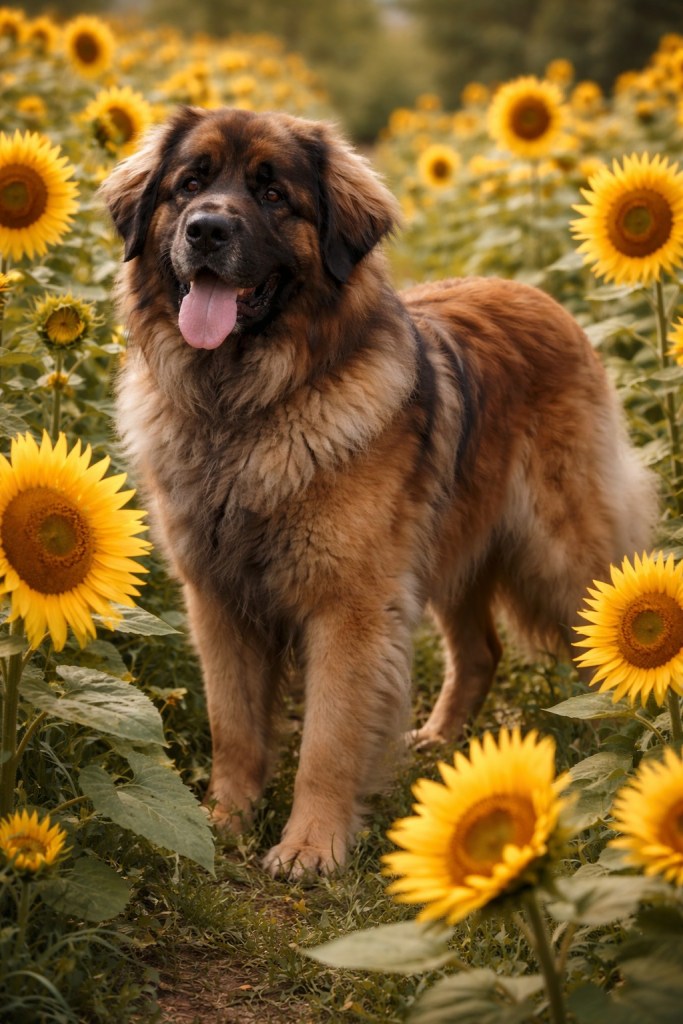
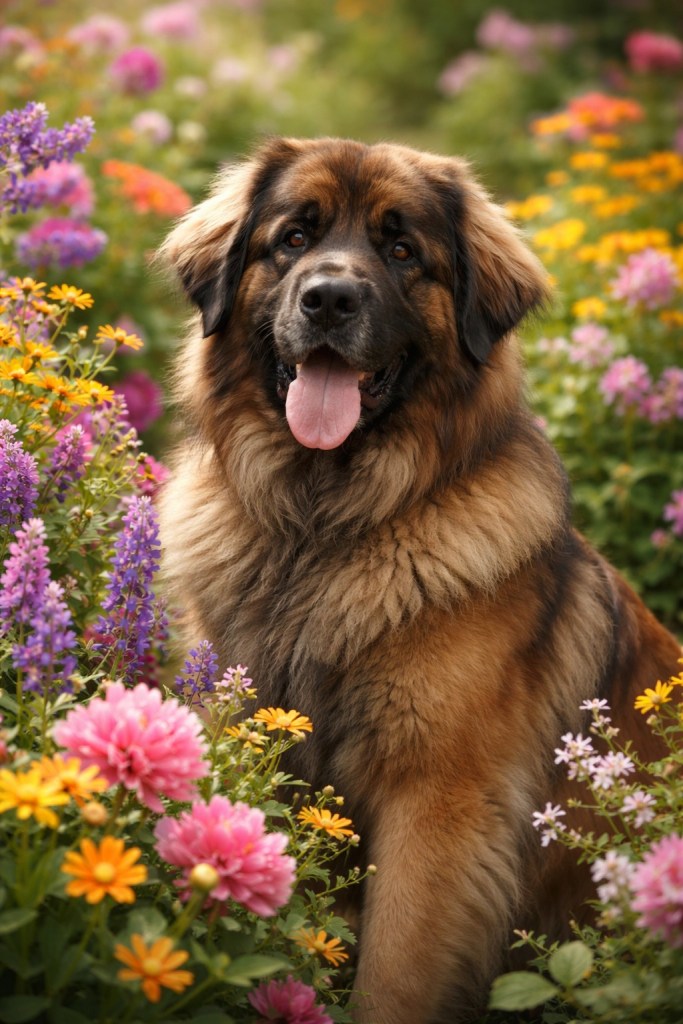
Leonberger with a rose. I generated this picture with the help of ChatGPT.Our Leonberger Bronco in the bushes in front of my in-laws house.A Leonberger is sniffing a couple of tulips. Shutterstock Asset id: 1352450168 by EmmaEEVPersson.Shutterstock Asset id: 450770140 by everydoghasastory.Leonberger puppy Stock Photo ID: 561111403 by Akbudak Rimma.Leonberger puppy on a white sofa Asset id: 561113224 by Akbudak Rimma.Leonberger puppy with flowers in his hair. Shutterstock Asset id: 1921825460 by cynoclub.Leonberger Puppy with flowers on his head – Shutterstock Asset id: 2154719621 by cynoclub.Leonberger with sunflowers. I generated this picture with the help of ChatGPT.Leonberger in a field of flowers. I generated this picture with the help of ChatGPT.And a bonus photo. No Leonberger in this photo. Our Magnolia tree in our backyard just opened up its first flower for the season (lots of buds but they are still closed).
It is very common for veterinarians, ASPCA and other animal welfare organizations to recommend that dogs be neutered or spayed between the ages 6-9 months or earlier. Their concern is chiefly to prevent unexpected pregnancies, which causes a lot of suffering and unnecessary euthanasia of dogs. However, not all dogs are the same and this is bad advice for many giant breeds, especially Leonbergers. Neutering or spaying too early can lead to serious health complications. Since the Leonberger community tries to prevent irresponsible dog owners from getting a Leonberger, unexpected pregnancies are less of a concern for Leonberger dogs.
We used to own a Leonberger dog, Le Bronco von der Löwenhöhle, and our breeder recommended that we wait until he was at least two years old before neutering him. Many new Leonberger owners must sign a contract promising not to neuter the dog before the age of two. If you want to buy a Leonberger puppy in North America, you should buy the puppy from a breeder that is certified by the Leonberger Club of America (LCA) and to do that you need to go through an interview. You will have a hard time getting a Leonberger any other way.
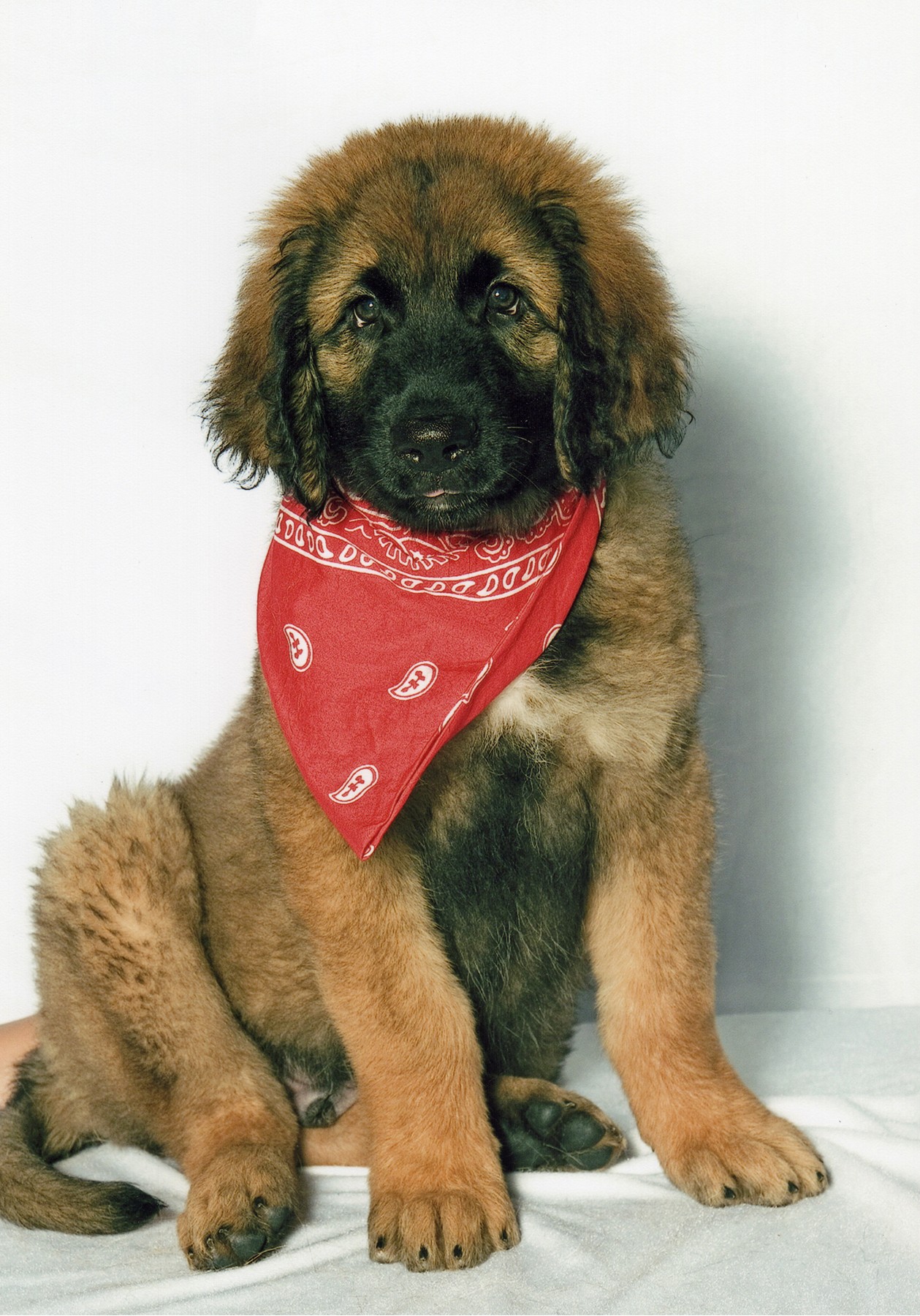
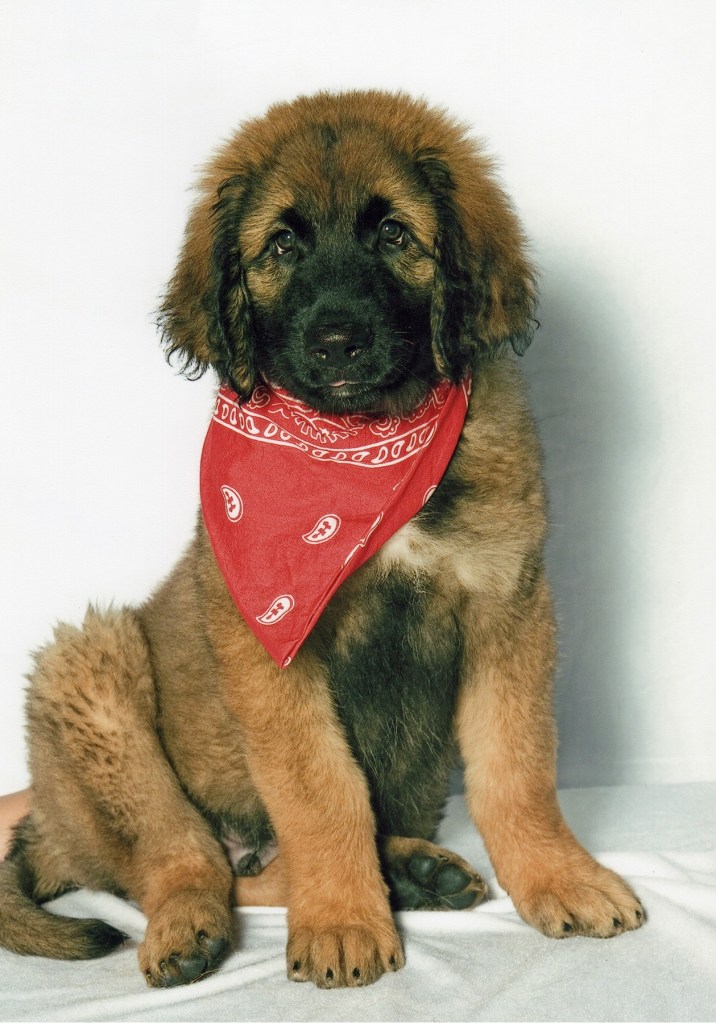
Our Leonberger puppy Bronco at the age of three months.
I should explain that the Leonberger is a rare breed that is closely related to the Saint Bernard. Saint Bernards were used to create the Leonberger in the early 19th century and later it was the other way around when the Leonberger was used to save the Saint Bernard breed. Therefore, Leonbergers and Saint Bernards are genetically similar, they are about the same size, but they don’t look the same. Leonbergers have a characteristic black face while Saint Bernards have a white mask on their face. There are only about 30,000 Leonbergers in the world and only 2,000 Leonbergers in North America. Therefore, the Leonberger community is a small and tightknit community, and it is relatively easy for the Leonberger Club of America (LCA) to keep track of what is going on with the Leonberger dogs.
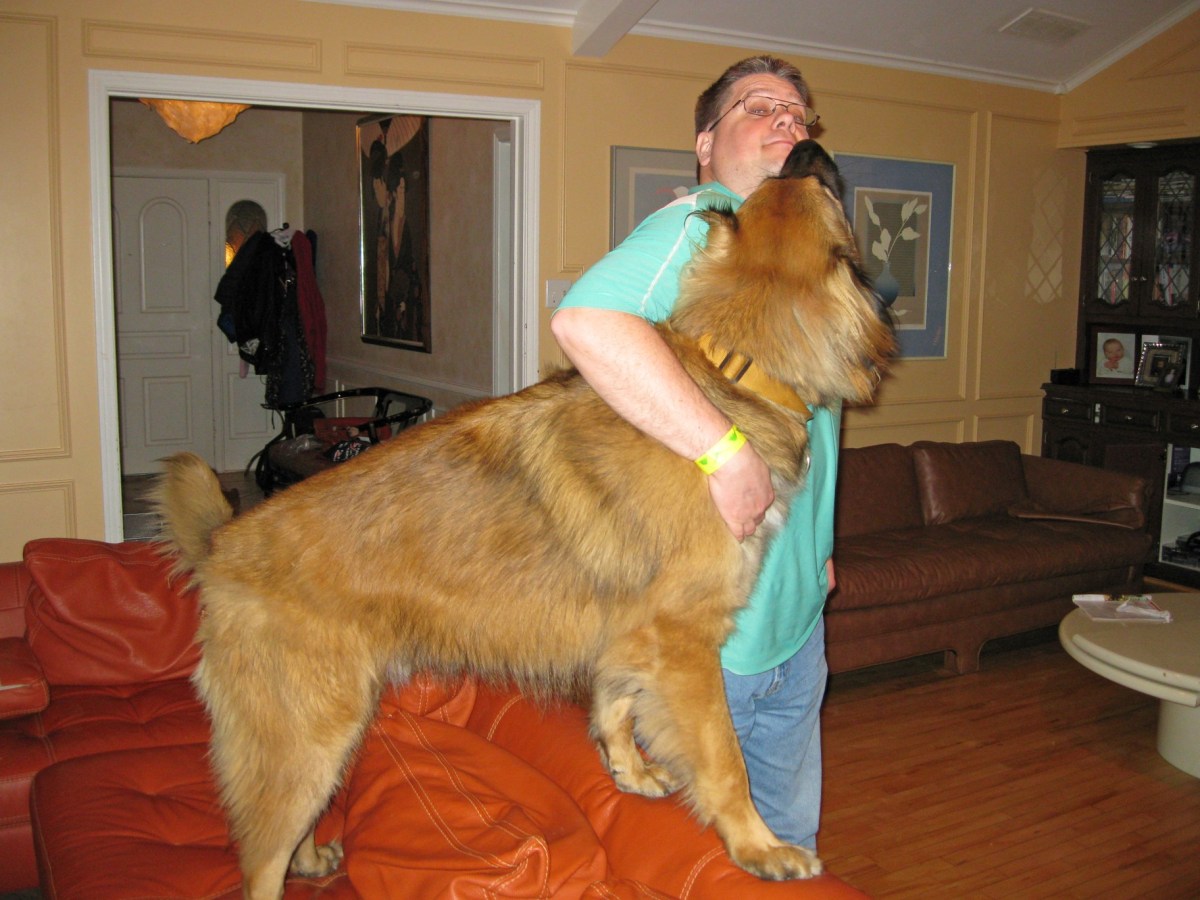
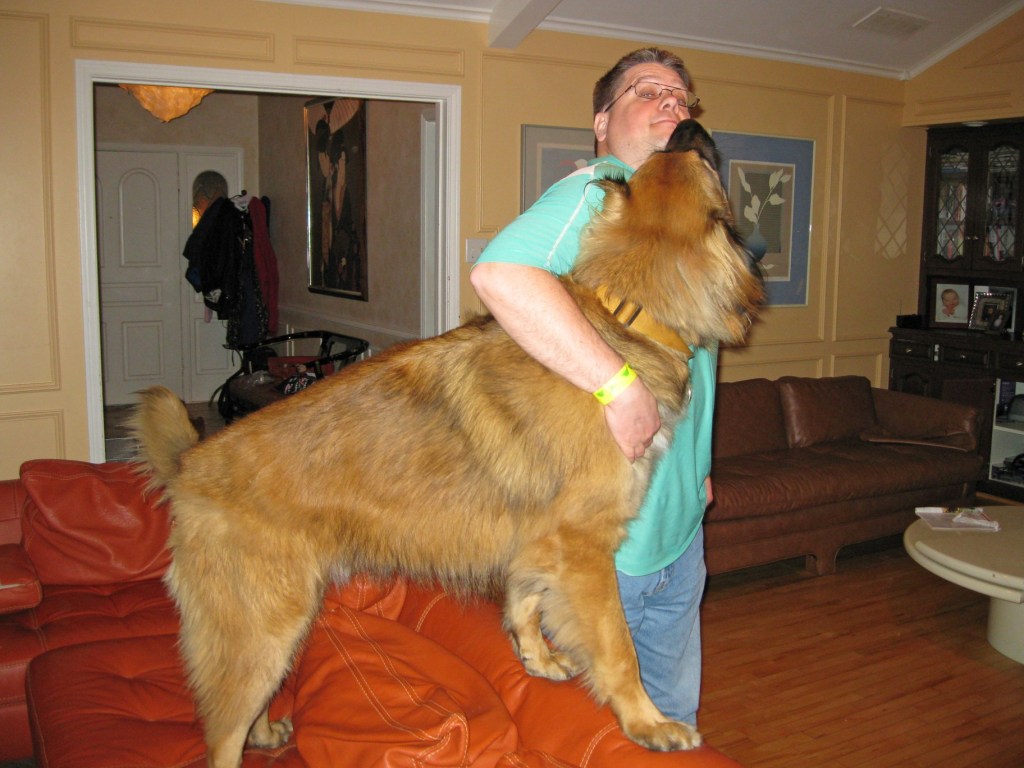
Is he ready to be neutered? I mean the dog. This is me (Thomas Wikman) and Bronco when Bronco was not yet full grown (but almost).
With this post I am giving advice and statements originating from various sources that I consider to be reputable such as AKC/club certified breeders of the specific breed in question, the corresponding breed organization/club, such as the Leonberger Club of America, and scientists in the specific field. In my experience veterinarians who care for all kinds of dogs and pets typically do not have knowledge that is breed specific on this issue. To be sure to do the right thing in regard to neutering and spaying your Leonberger, ask your LCA certified breeder.
What Our Leonberger Breeder Told Us About Neutering
When we got our late Leonberger Bronco (Le Bronco von der Löwenhöhle) our breeder Julie Schaffert told us to wait with neutering him until he was two years old if possible. Julie Schaffert has been an LCA (Leonberger Club of America) certified breeder since 1992 and is arguably the most prominent Leonberger breeder in North America. After reading a Leonberger book that incorrectly stated that Leonbergers should be neutered at six months, I sent her this question:
Hello Julie, I hope all is well with you and your Leonbergers. I am currently reading a Leonberger book by Vanessa Ritchie. I’ve read dozens of Leonberger books. It is a very good Leonberger book. However, in the middle of page 30 she is saying something that concerned me. She is saying to neuter/spay your Leonberger at 6 months old. I remember you telling us to wait with ours and we waited until significantly passed one years old. Assuming that is correct, this mistake needs to be pointed out and perhaps corrected. Before saying anything, I wanted to make sure that is correct, that spaying/neutering at 6 months old is indeed too early for a Leonberger.
Thank you for any help
Happy New Years
Thomas Wikman
This was her answer
Happy new year. Yes, it’s now recommended that giant dogs not be neutered or spayed until after 2 years. In the old days it was recommended earlier, any time after 6 months. All the new data says wait.
Julie.
The Leonberger puppy that Julie sold to us. Black and White photo.
The reasons we did not wait the entire two years was that our veterinarian at the time wanted to do it sooner and Bronco was dragging furniture around the house because of his excess energy. He was strong, and big, energetic and a bit restless. He was very friendly and harmless, but he had a lot of energy. Perhaps he should have been a home decorator? I should say that knowing what we know now, we would have waited the entire two years.
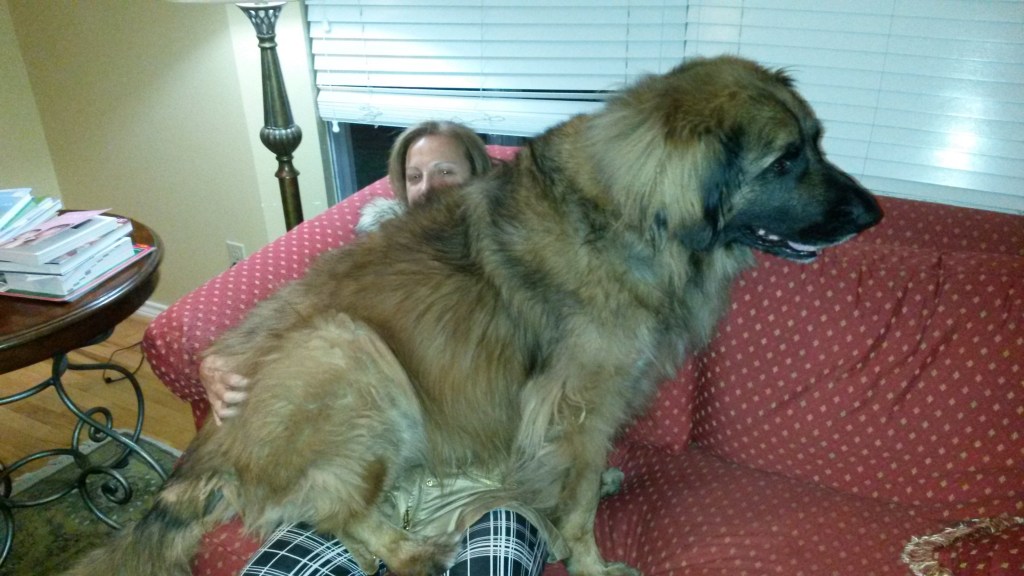
Our Leonberger Bronco at 167lbs sitting in my wife Claudia’s lap.
Research and Expert Advice on Neutering and Spaying
This is an article from the AKC stating that a larger or giant breed may need to wait until they are near or over 12-18 months of age before neutering or spaying. The article also provides the following interesting information.
Research conducted by the University of California – Davis reveals that for some dog breeds, neutering and spaying may be associated with the increased risks of certain health conditions such as joint disorders including hip or elbow dysplasia, cranial cruciate rupture or tear, and some cancers, such as lymphoma, mast cell tumor, hemangiosarcoma, and osteosarcoma. The research conclusions are not surprising. Sex hormones are important in the development of any animal. We know they affect psychological development as well as the musculoskeletal, cardiovascular, and the immune system.
I believe this is the University of California – Davis article in question. It is from 2020. Notice that the suggested guidelines for age of neutering is beyond 23 months for several of the giant breeds in the table of 35 breeds. Also notice that the table does not include Leonbergers.
Recommended ages for neutering and spaying for selected dog breeds
Below is a list featuring the recommended ages for neutering and spaying for selected dog breeds based on the research mentioned above.
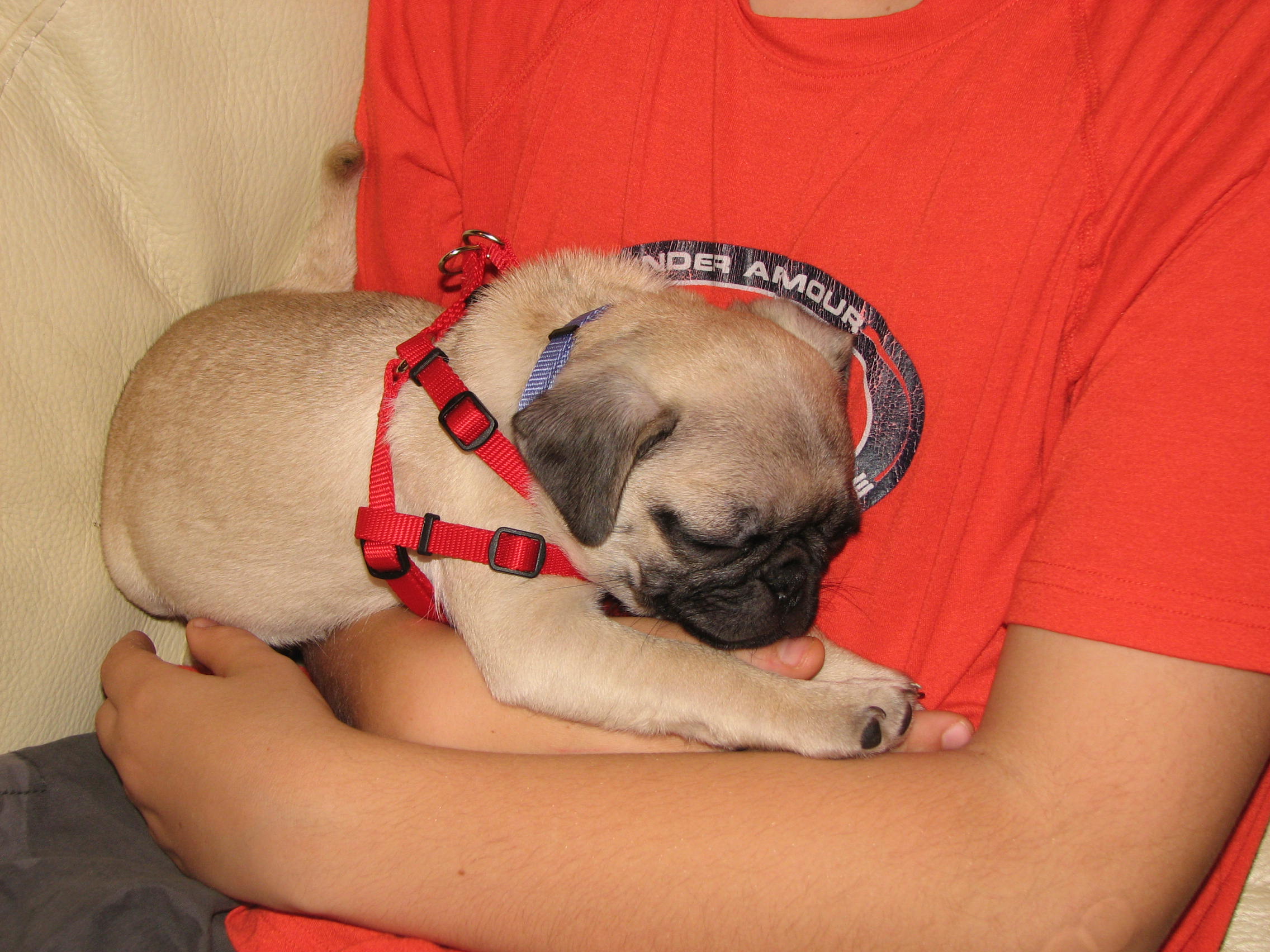
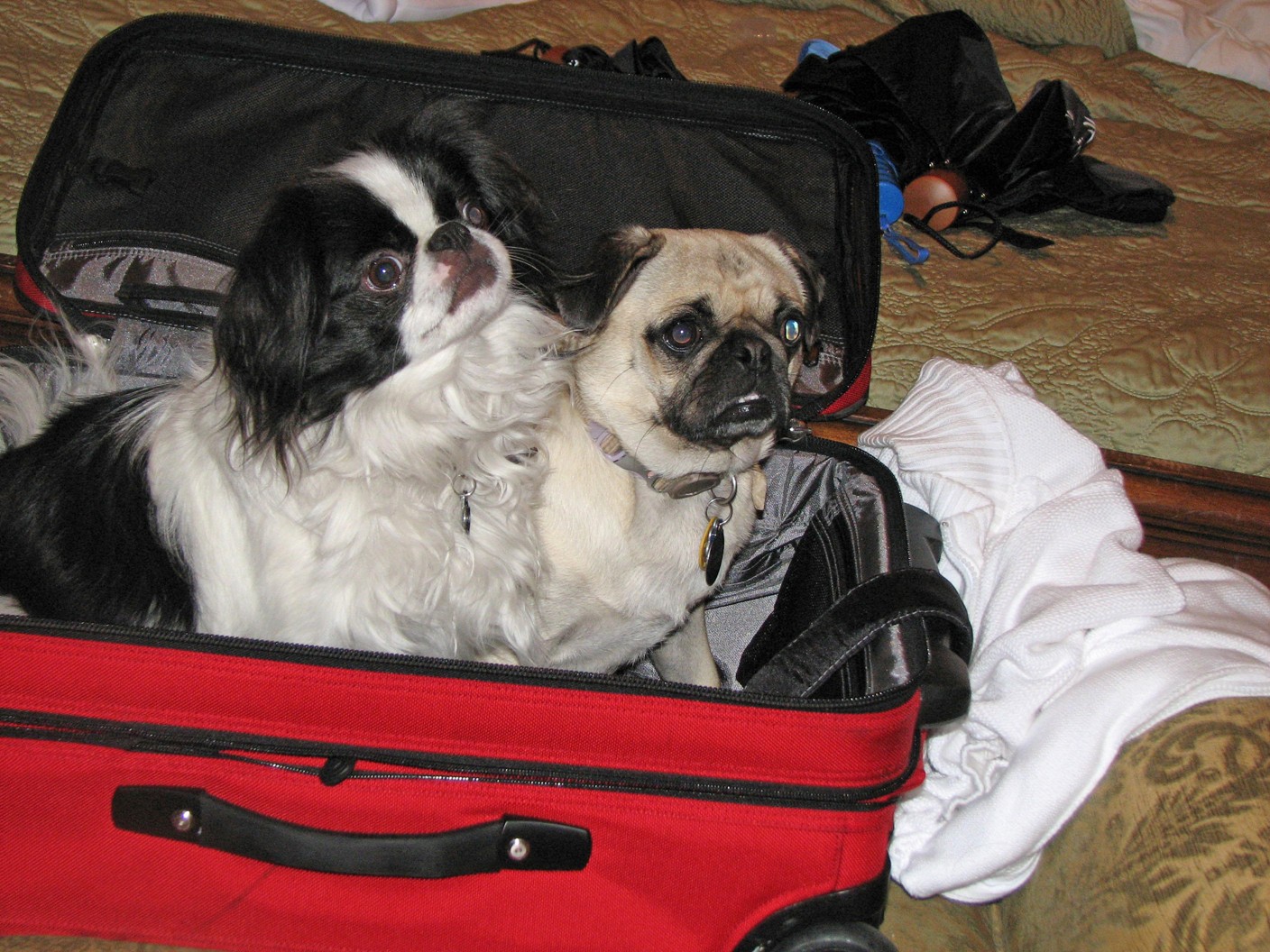
Australian Shepherd, for neutering and spaying it is your choice. The same is true for Pugs.
Bernese Mountain Dog, you should neuter beyond the age of 23 months, but for spaying you have a free choice.
Boxer, neuter and spay beyond the age of 23 months.
Boston Terrier, neuter beyond 11 months, but for spaying you have a free choice.
Doberman Pincher, never neuter, and you need to spay beyond the age of 23 months.
German Shepherd, neuter and spay beyond the age of 23 months.
Corgi, neuter beyond 6 months, but for spaying you have a free choice.
Great Dane, despite being a very large dog you have a free choice for both neutering and spaying.
Rottweiler, neuter beyond 11 months, but for spaying beyond 6 months.
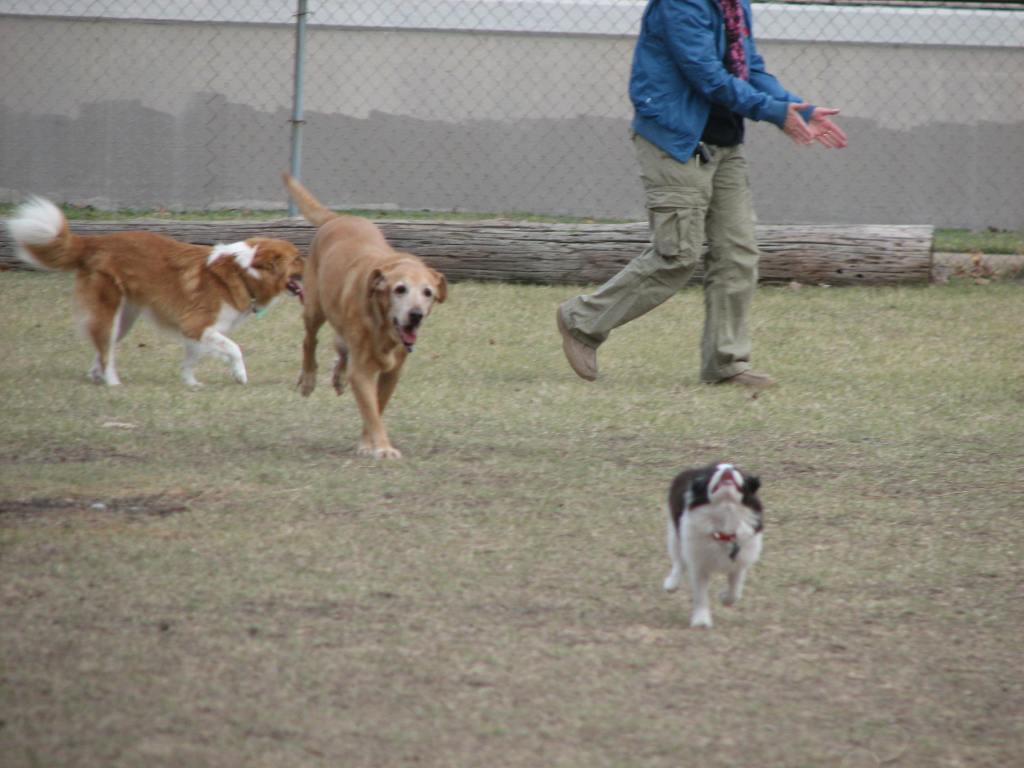
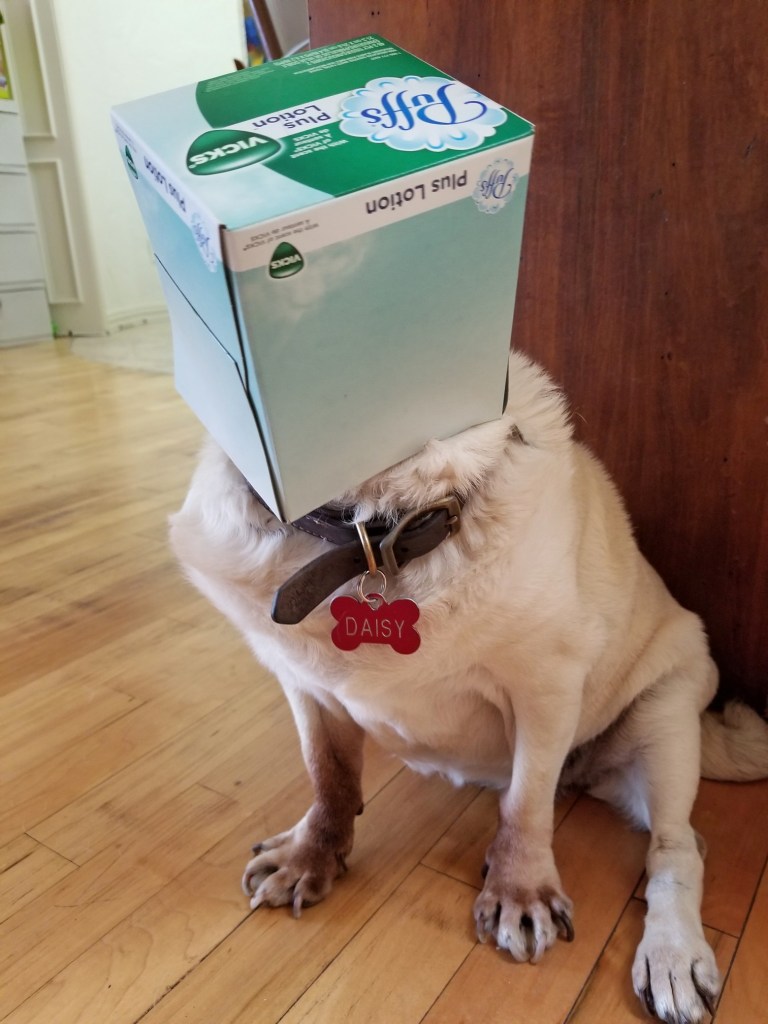
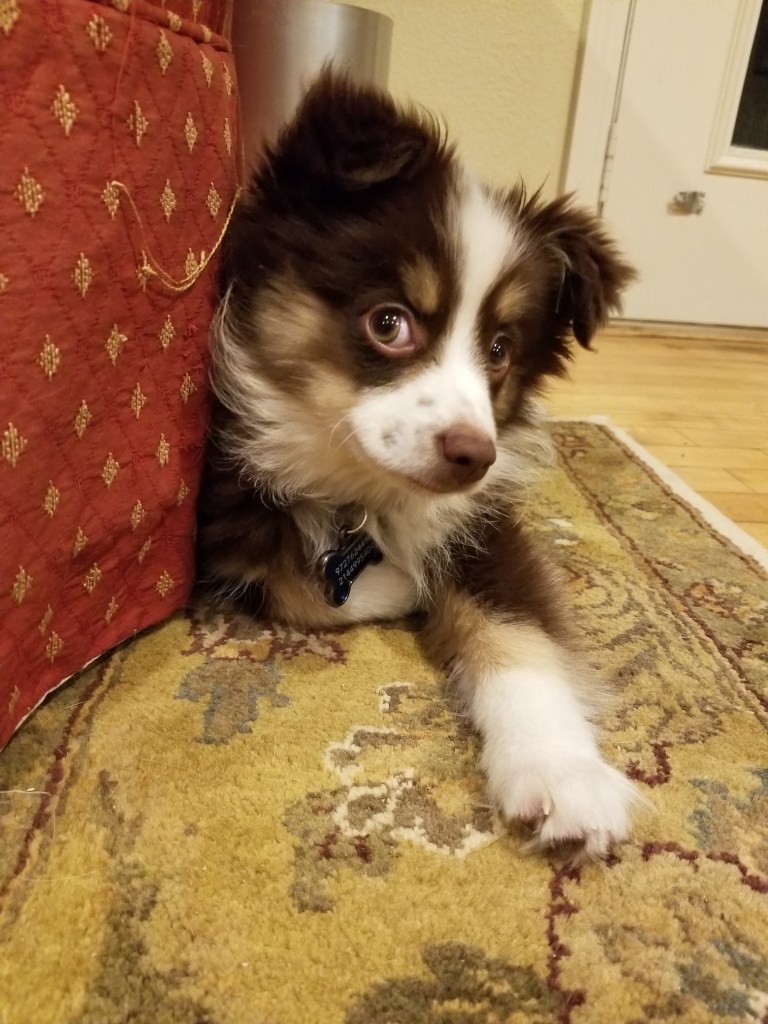
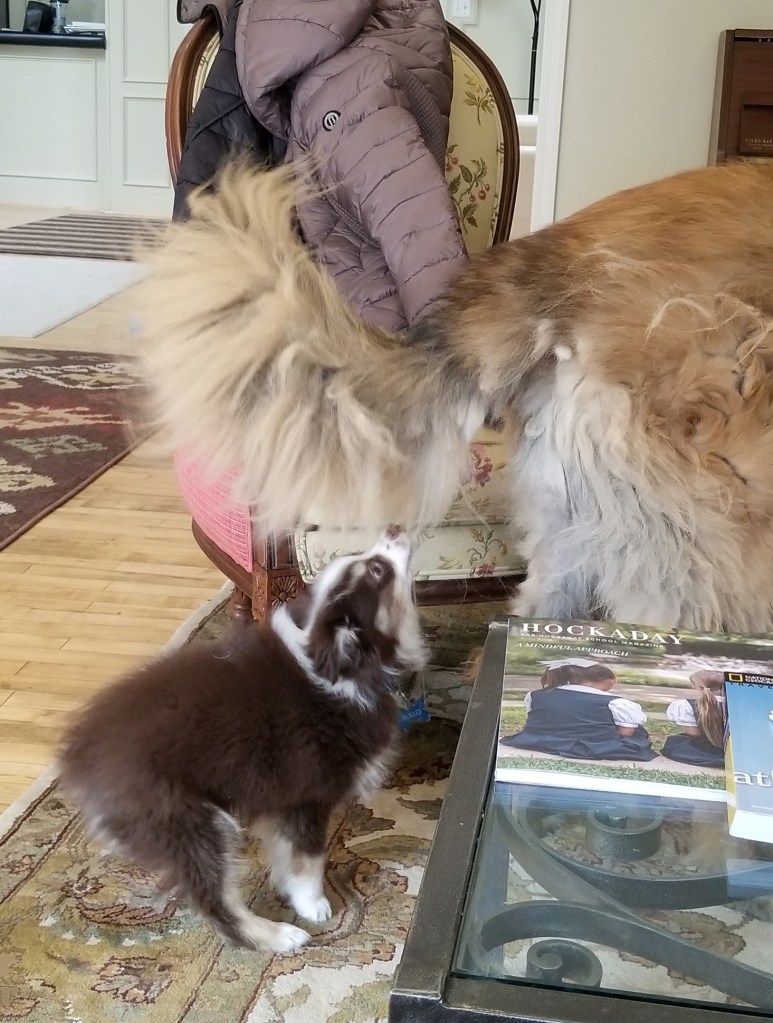
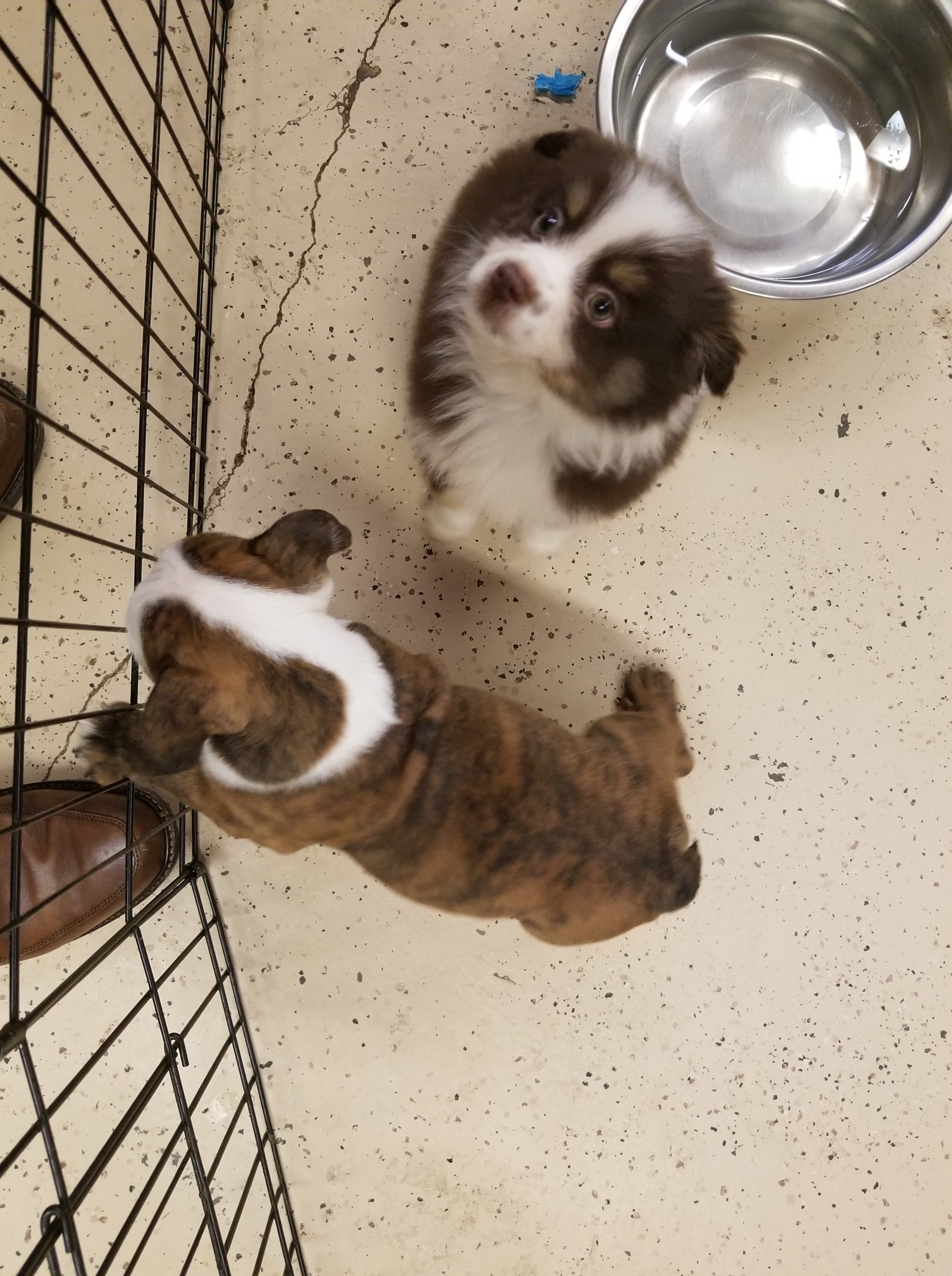
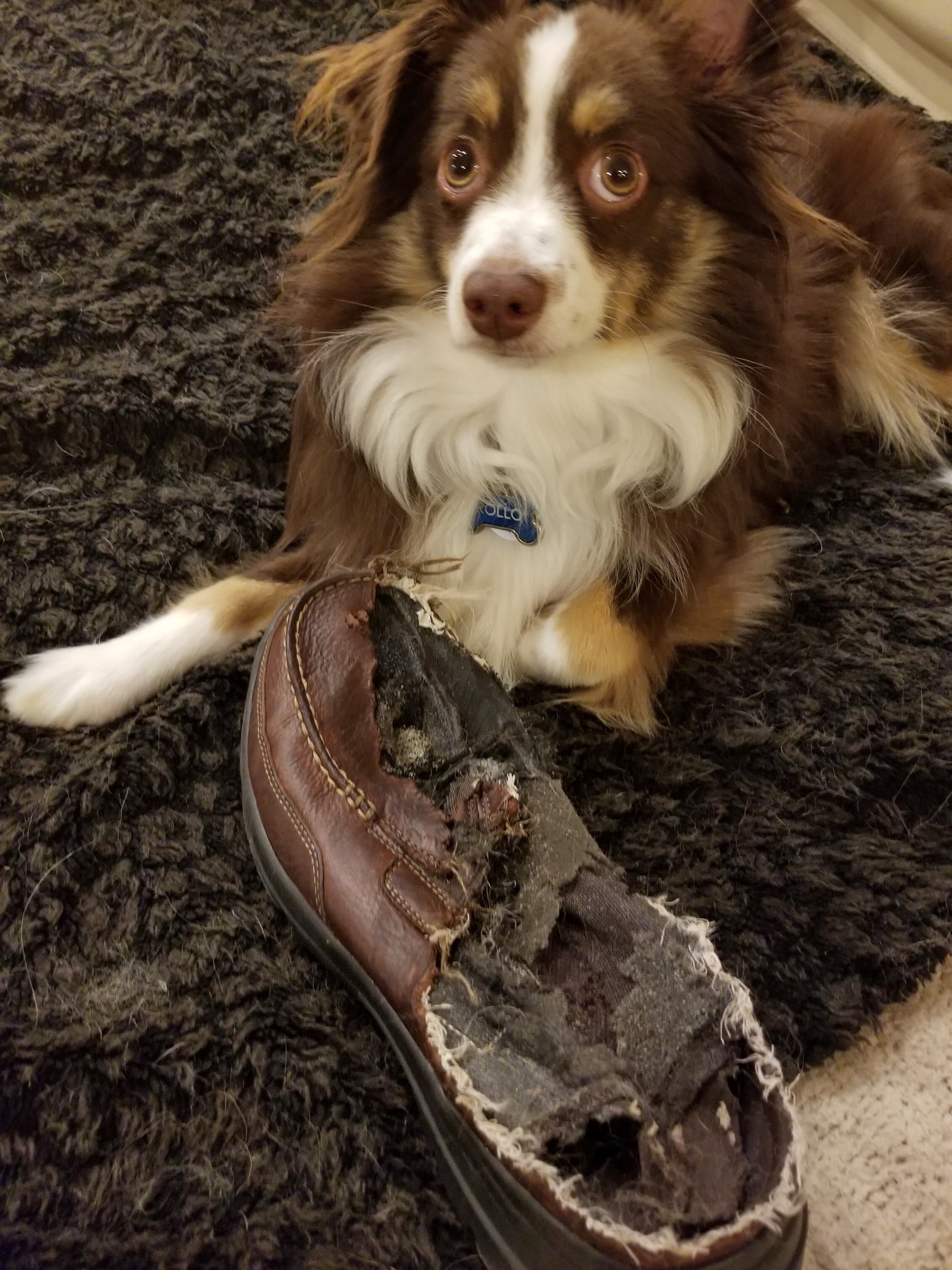
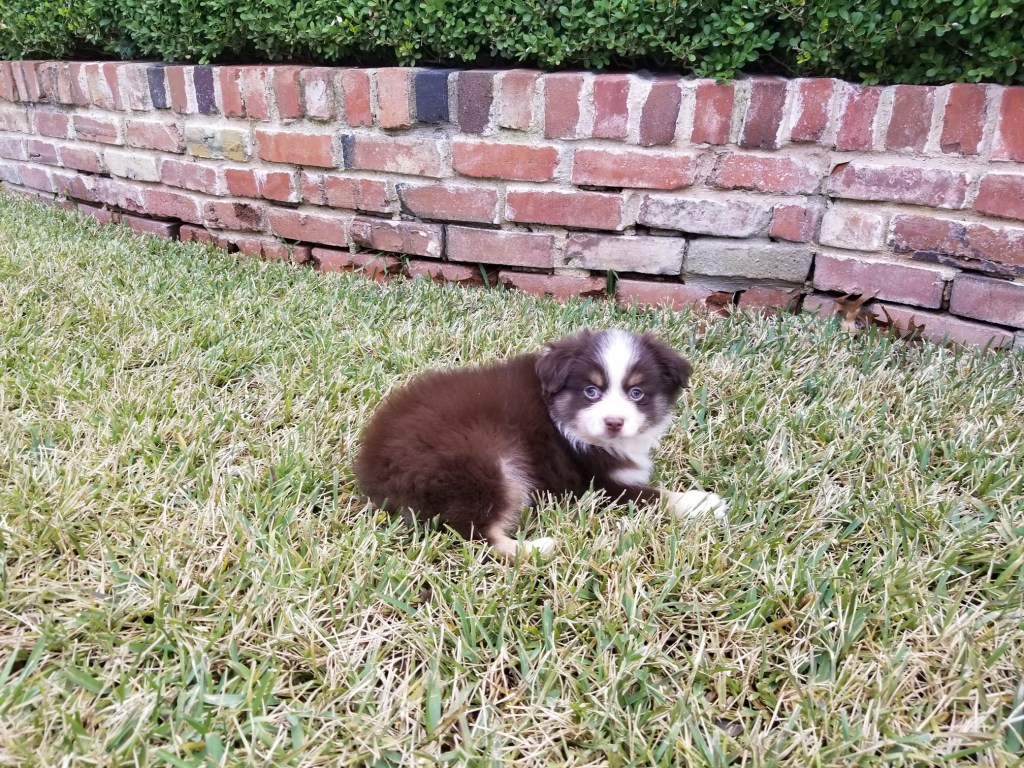
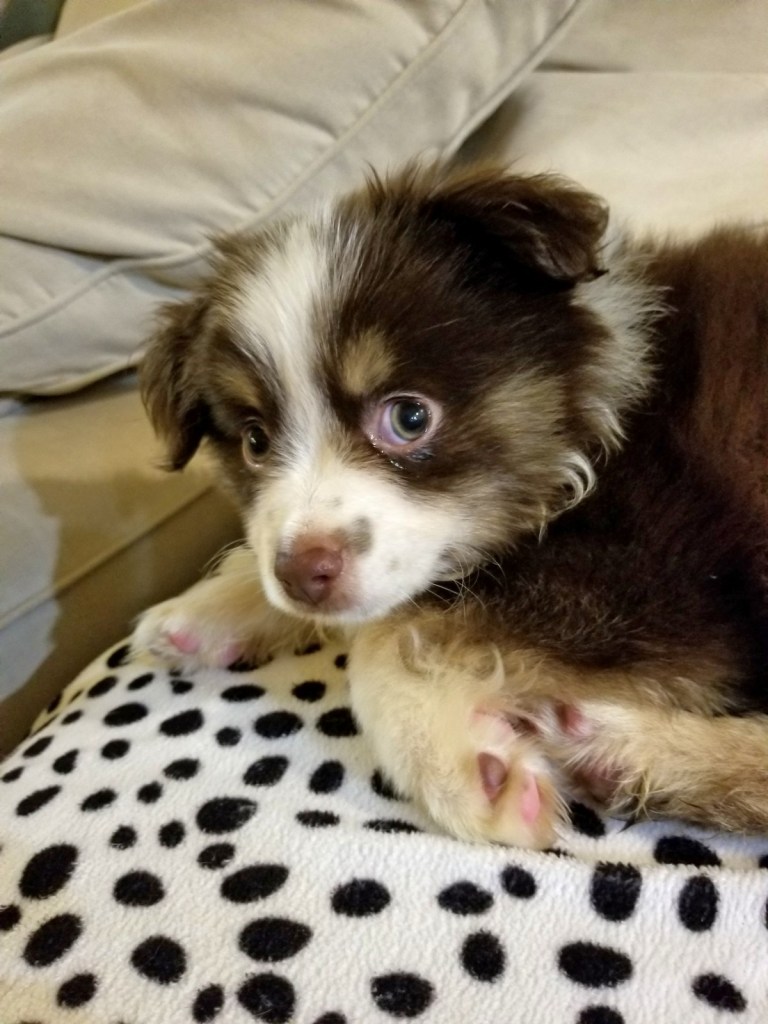
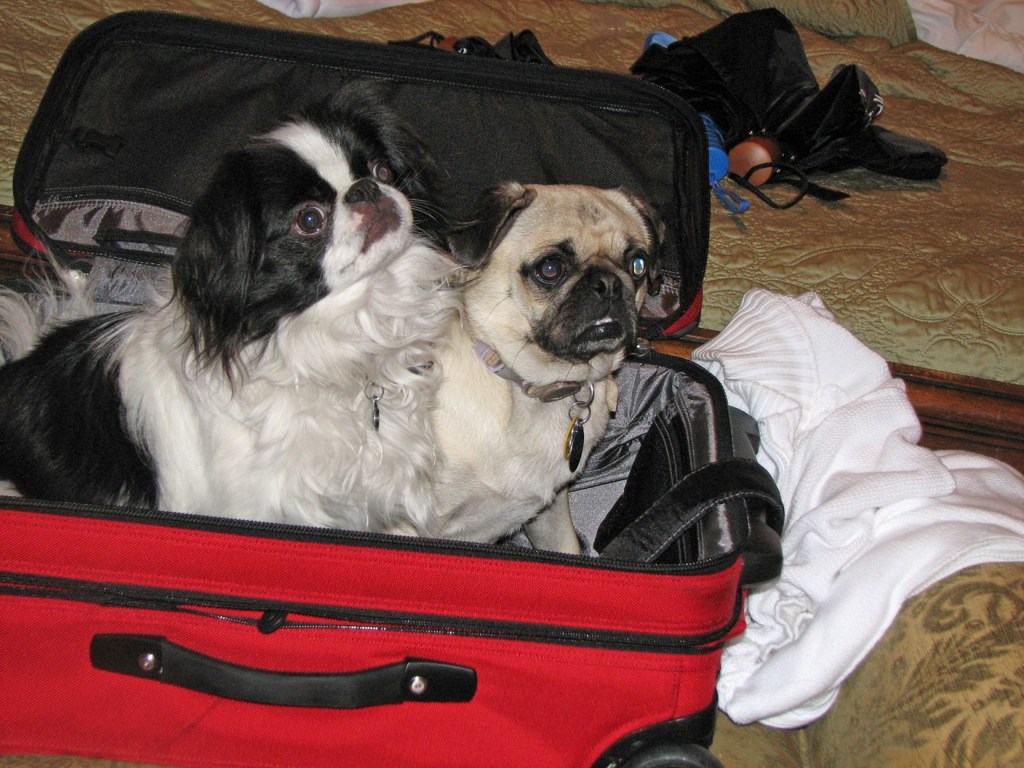
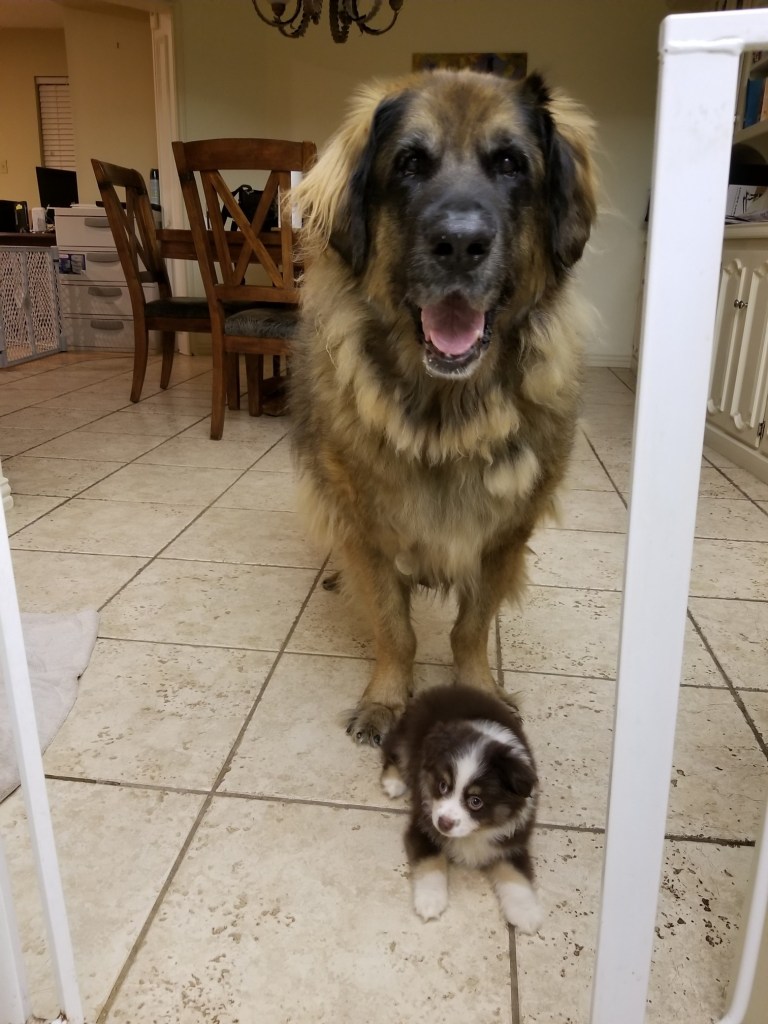
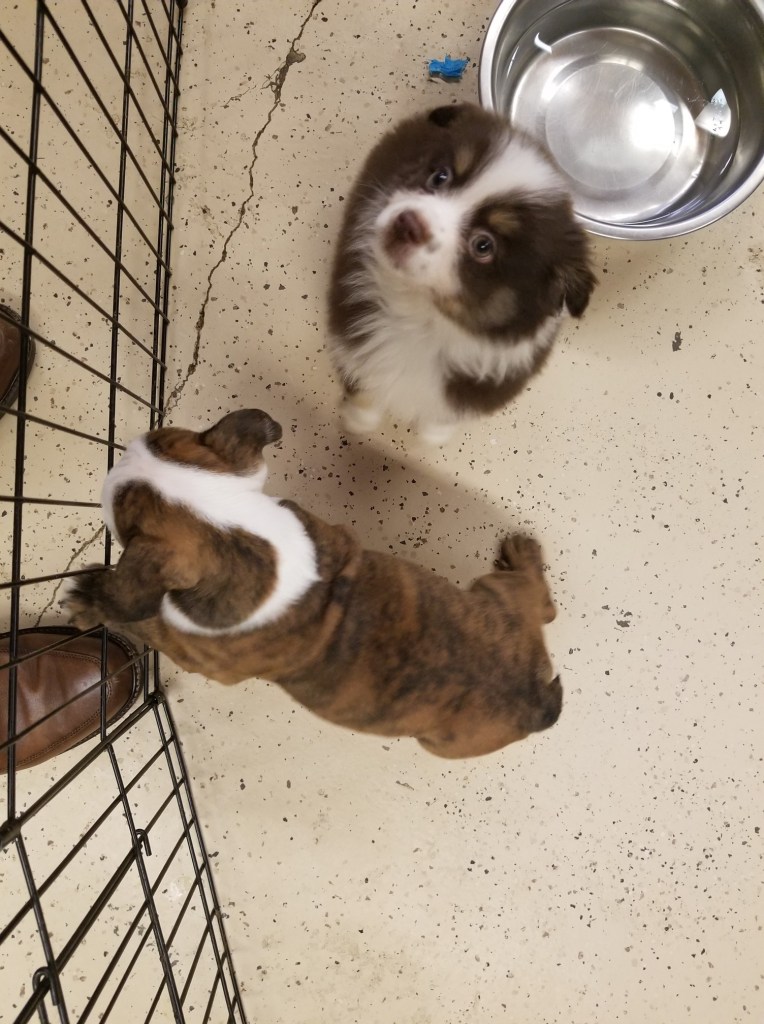
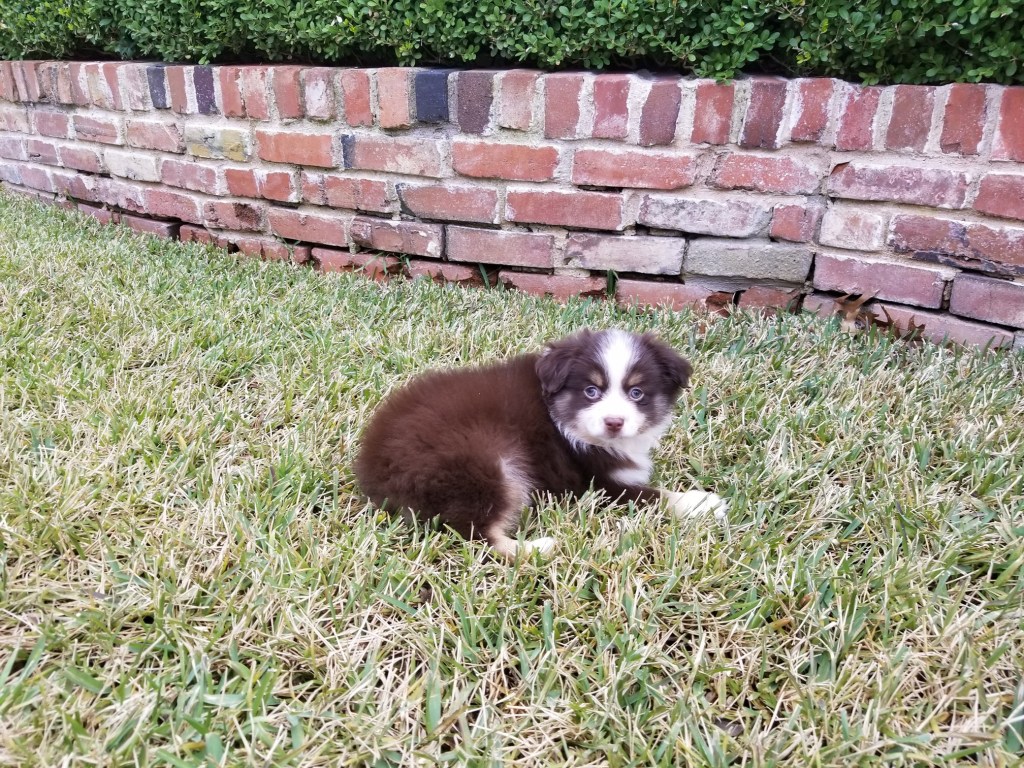
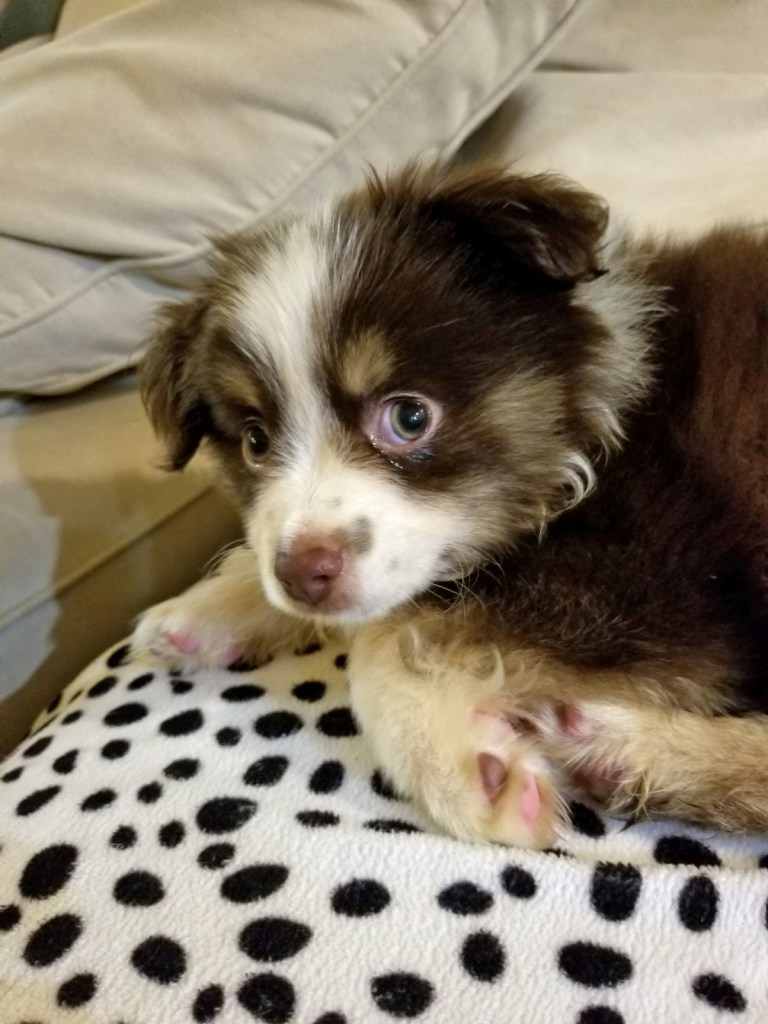
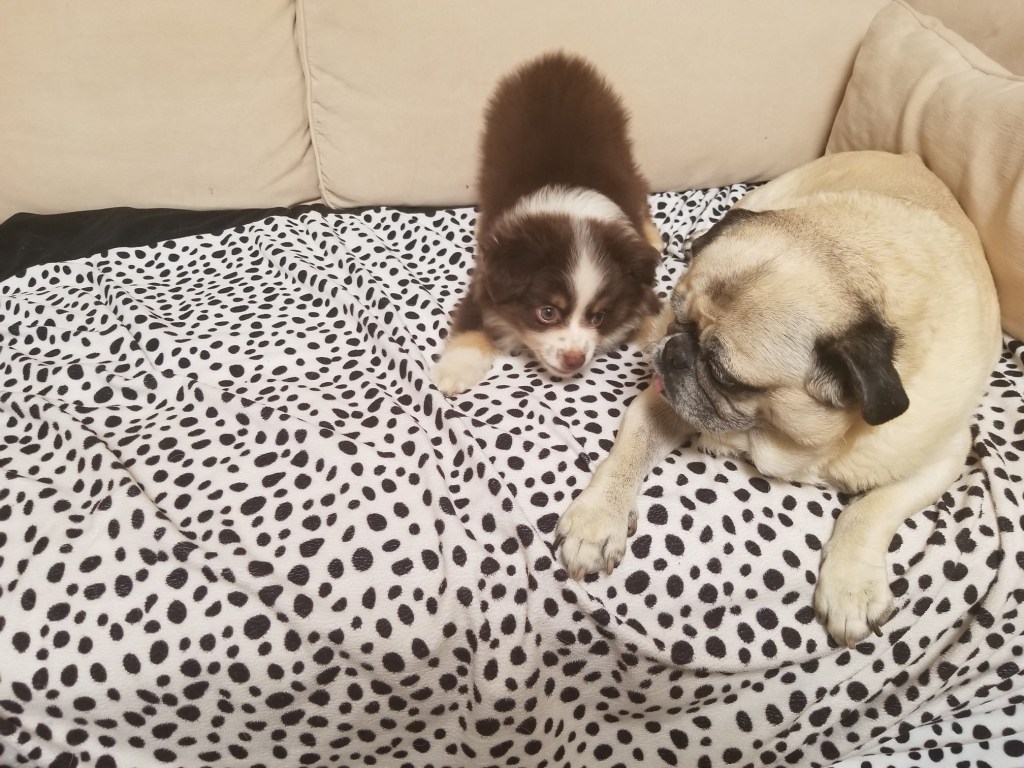
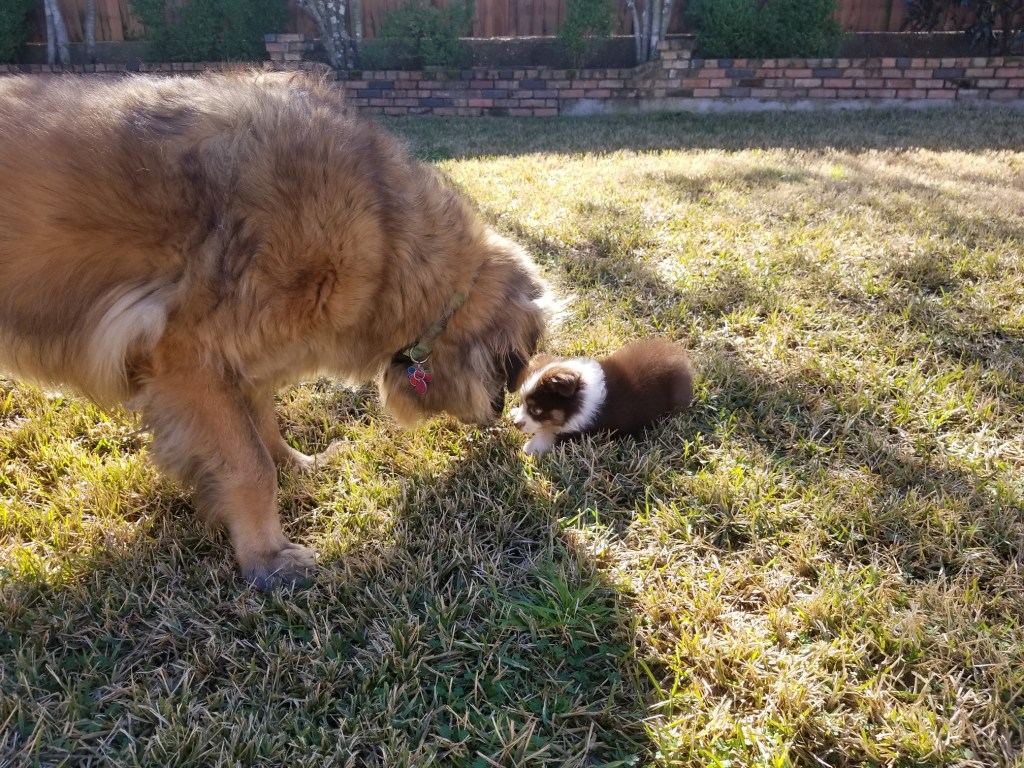
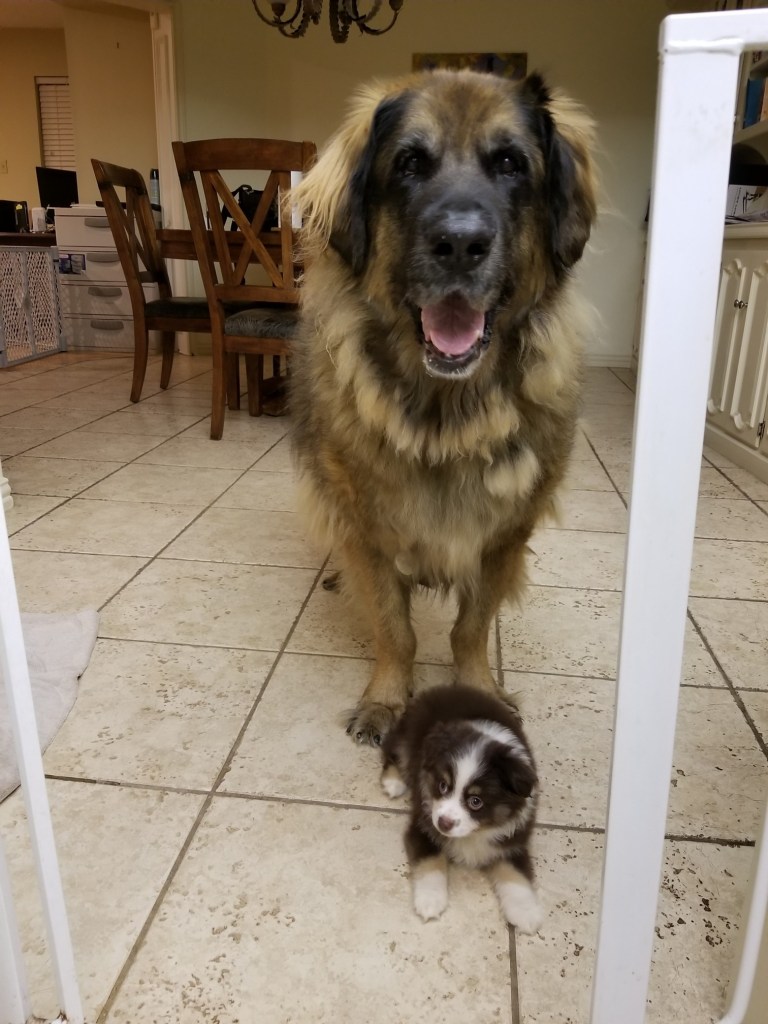
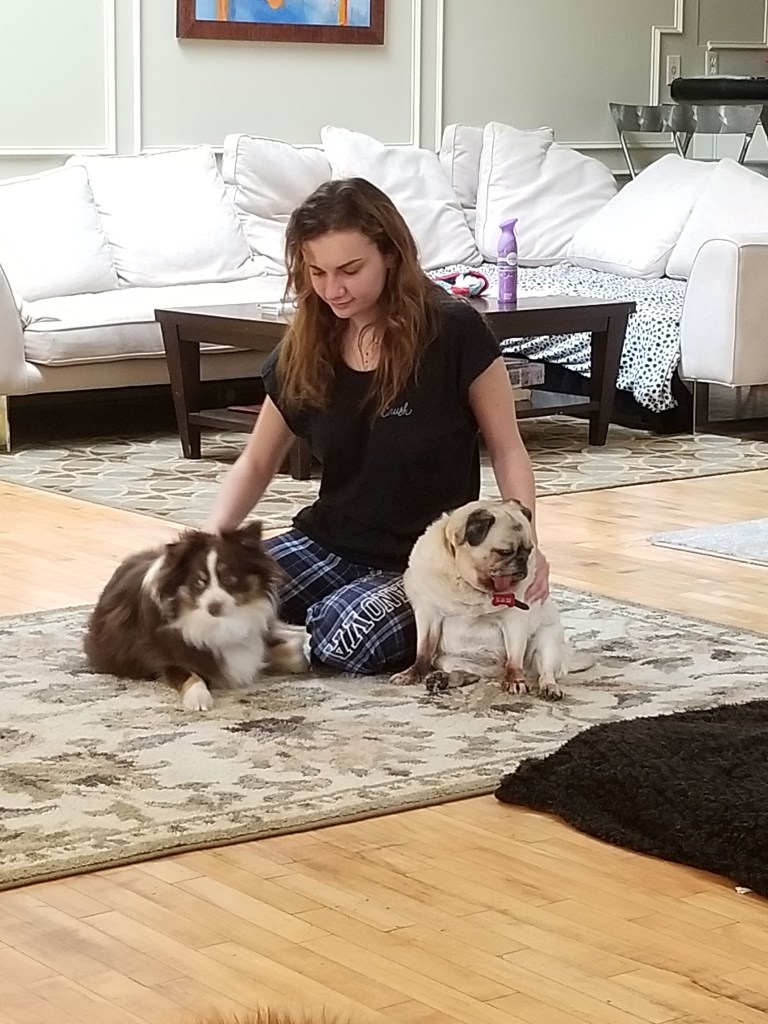
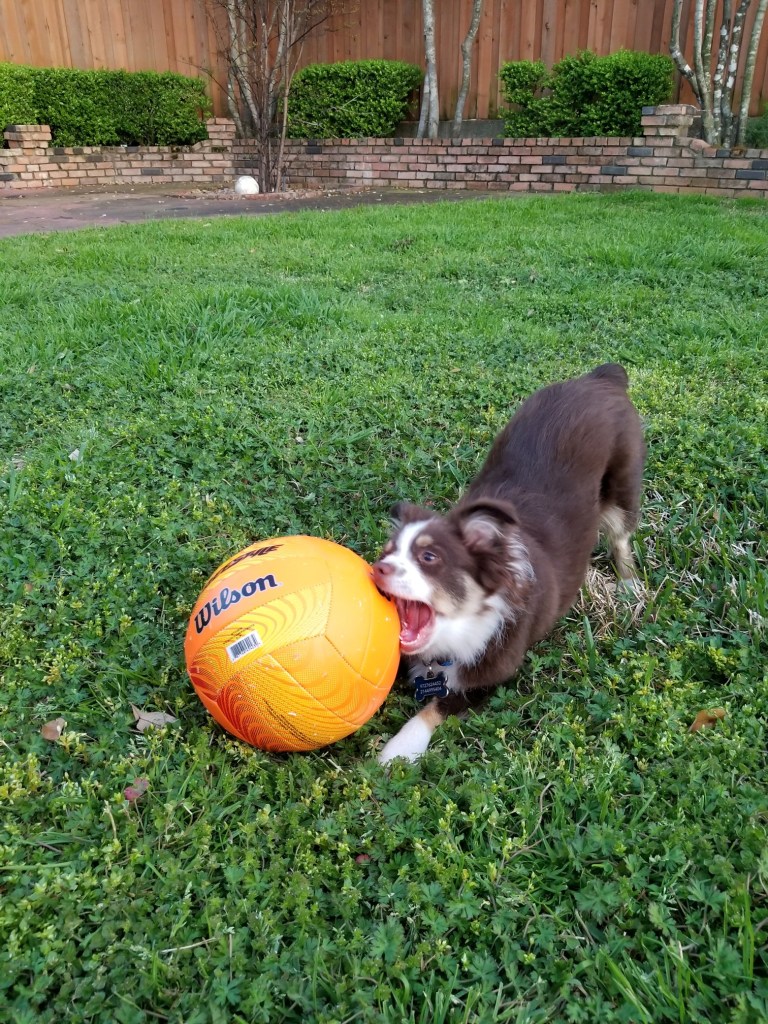
Our mini-Australian Shepherd puppy Rollo. You can neuter this breed at an earlier age.Our Pug Daisy, Japanese Chin Ryu and Leonberger Bronco. You can neuter or spay Pugs at an earlier age.
Additional Information on Neutering and Spaying Various Dog Breeds
Hillhaven Leonbergers in Ireland recommend not neutering your Leonberger until at least 2 years of age. They warn against doing it at 6 months old, despite what some veterinarians may recommend.
I did not find an on-line Leonberger Club of America recommendation but this old 2011 article from the Leonberger Club of America states: Because the Leonberger is a slow maturing breed in general, most breeders will ask puppy owners to wait a year or so before altering their puppies, to allow bones to develop more fully.
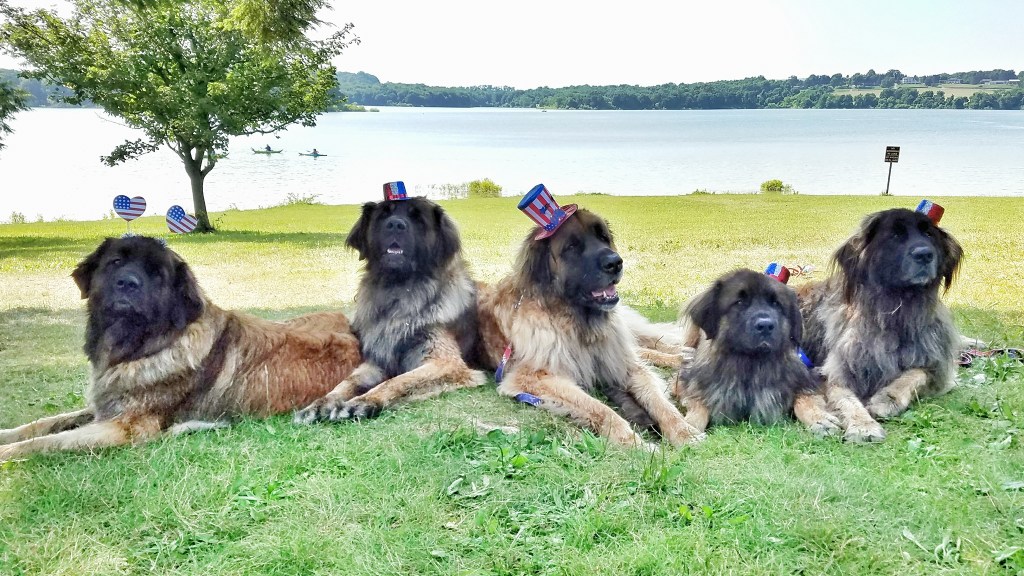
Caspian (Obi’s nephew), Austin (Obi’s son), Delfi, Obi (now 7 and a veteran), Digory, and Rilian (Obi’s son). Photo by Jen O’Keefe and Ira Van Order, prominent members of the Leonberger Club of America who allowed me to use this photo.
I did find an article from the Saint Bernard Club of America. The Saint Bernard is genetically similar to the Leonberger. This article states: Above all, no giant breed puppy should be altered before the growth plates in the bones have matured and closed, usually between 15 and 24 months of age.
Saint Bernard Stock Photo ID: 1713912484 by fred12
This Newfoundland dog magazine states : Currently, the recommended age that a Newfoundland dog should be neutered is 18 to 24 months due to the possible health problems that can arise from altering before that age. The Newfoundland is another dog that is genetically similar to the Leonberger.
Newfoundland dog Stock Photo ID: 1925281937 by Marsan
Conclusion
So, in conclusion, even though the expert advice regarding neutering and spaying varies a bit, it is clear that neutering and spaying at six months old is too early for Leonbergers and many other giant breeds. It can harm their Leonberger.
About Thomas Wikman
Thomas Wikman is a retired software / robotics engineer with a background in physics. He has a PhD in Applied Physics and Electrical Engineering. He is the author of two blogs, first this blog Leonberger Life which is focused on a rare but amazing dog breed called Leonberger. He has also written a book titled The Life and Times of Le Bronco von der Löwenhöhle, which feature his Leonberger’s crazy adventures as well as information about the Leonberger breed and how to care for giant dog breeds. His second blog superfactful , is a fun but educational blog that is focused on finding facts that are important and yet surprising or disputed by people who are not well informed on the topic. This blog features myth busting as well as facts that will blow your mind.
Our Leonberger Le Bronco von der Löwenhöhle (Bronco for short) at the age of three months.Me Thomas Wikman with our Leonberger Bronco when he was about one years old.Our Leonberger Bronco soon to be 13 years old. Leonbergers are large dogs and don’t live as long as small dogs. The typically live 8 to 10 years. However, our Bronco reached the age of 13. He was loving, protective, and brave. The small dogs loved him.
This is a guest post written by Ryan Goodchild. He emailed me asking me if he could publish this post regarding becoming a first time Leonberger Owner . I said yes. See his post below.
Becoming a First-Time Leonberger Owner: What You Need to Know
Owning a Leonberger isn’t just about bringing home a dog—it’s about welcoming a gentle, giant-hearted companion whose loyalty and calm strength will shape your days for years to come. These majestic dogs, known for their intelligence and deep affection, can be both a joy and a challenge for first-time pet owners. This guide will help you understand what to expect and how to set yourself—and your Leonberger—up for success.
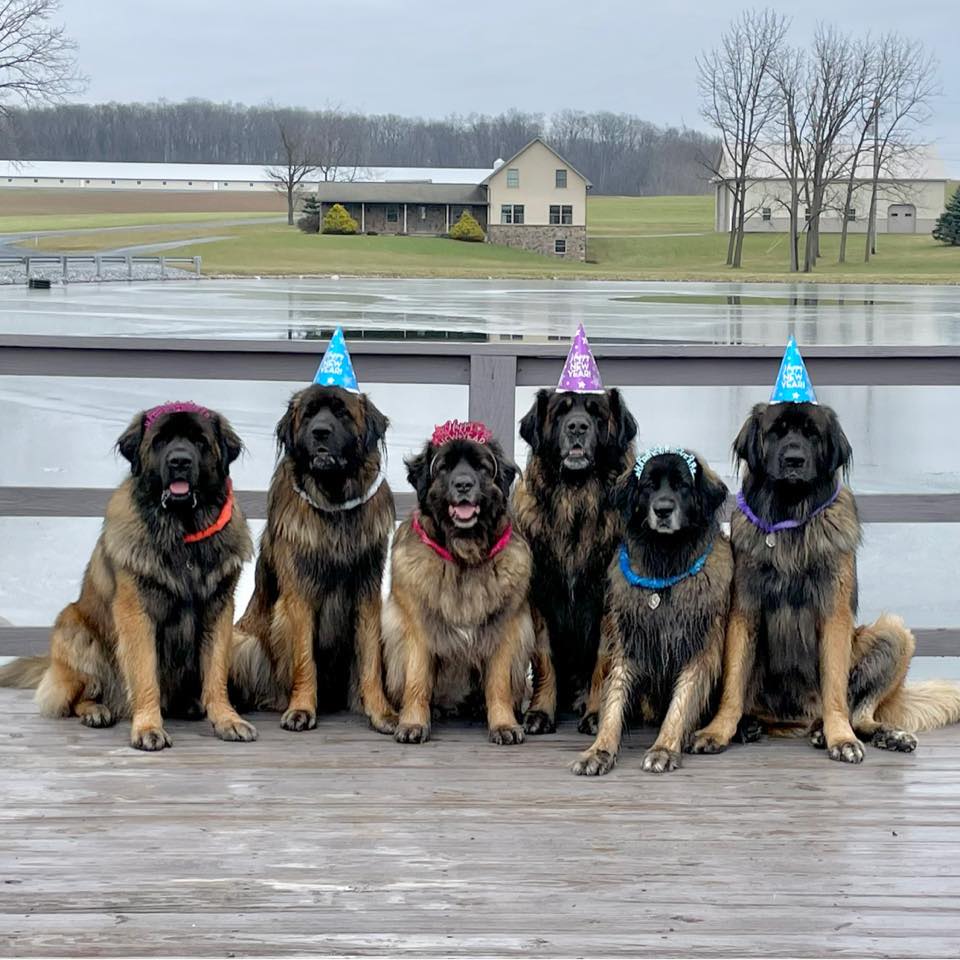
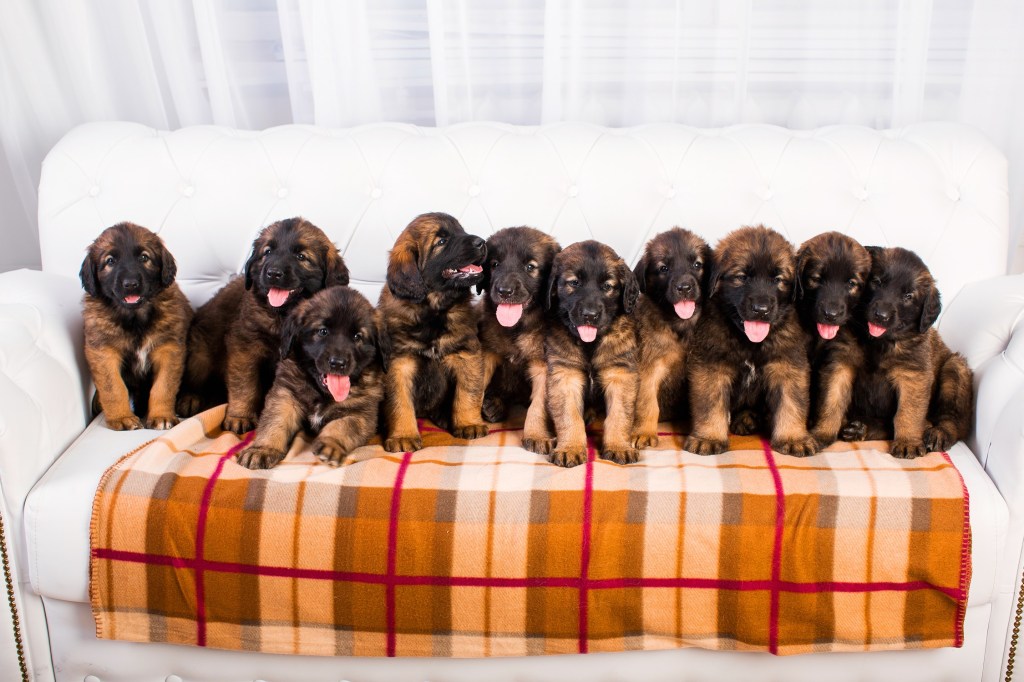
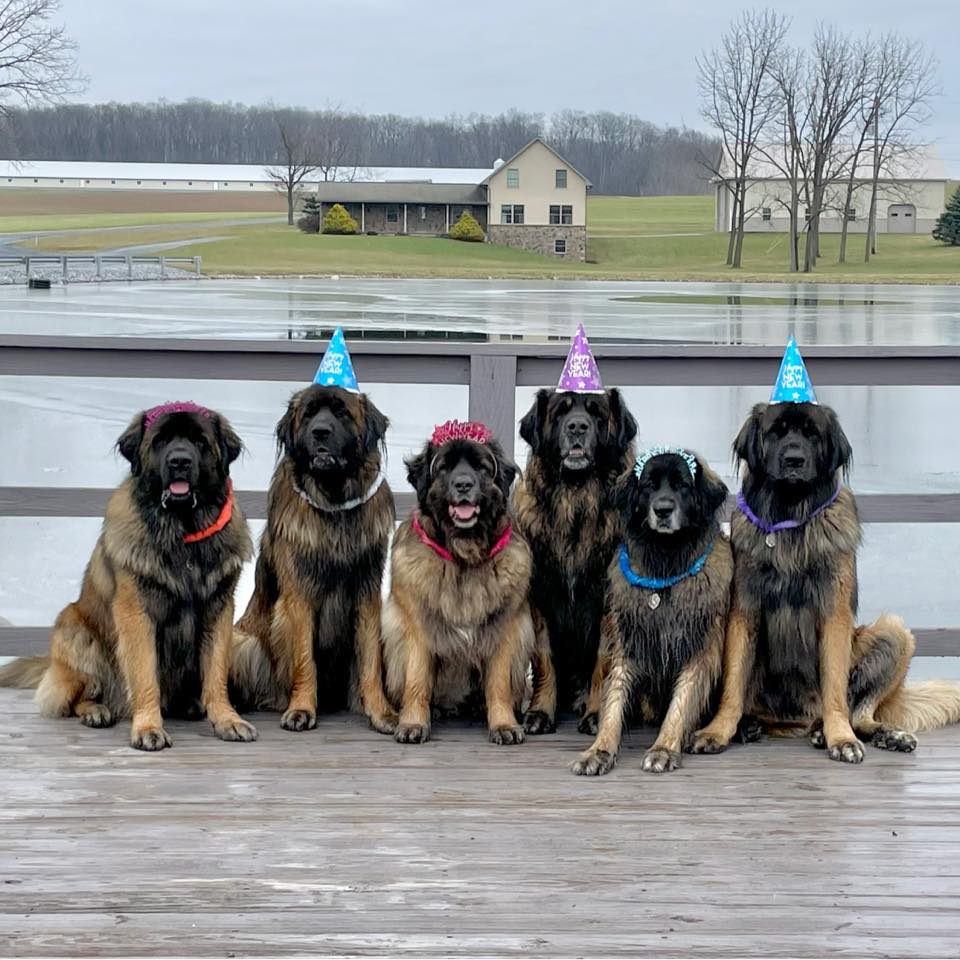
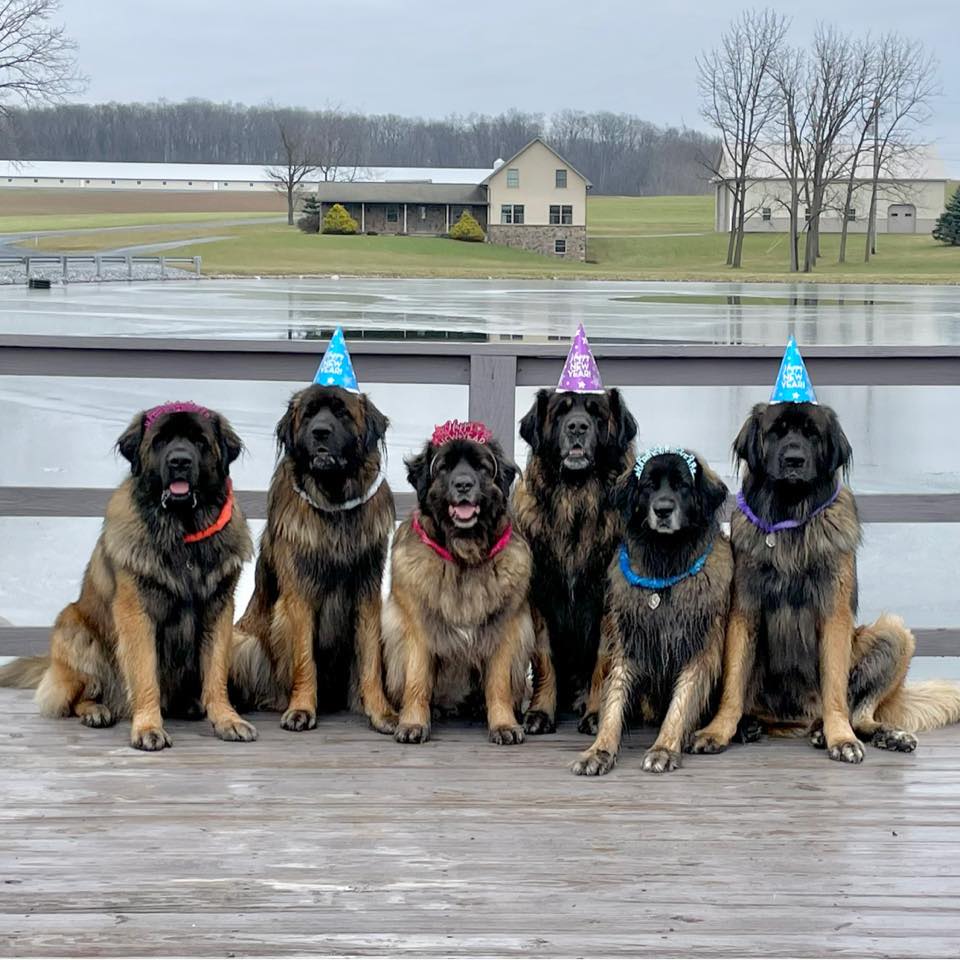
Ten Leonberger puppies with mama. Shutterstock-ID: 561107650 by Akbudak Rimma.Six Leonbergers celebrating a birthday celebration. Photo by Jen O’Keefe.
Quick Essentials This Article Looks At
Leonbergers are massive—males can exceed 170 pounds; space and structure are non-negotiable.
Early socialization and consistent training are critical to keep their size from becoming a liability.
Expect heavy shedding, especially during seasonal “blowouts.”
They thrive on human interaction and suffer if left alone for long periods.
Regular vet care, high-quality food, and joint supplements can prevent costly long-term health issues.
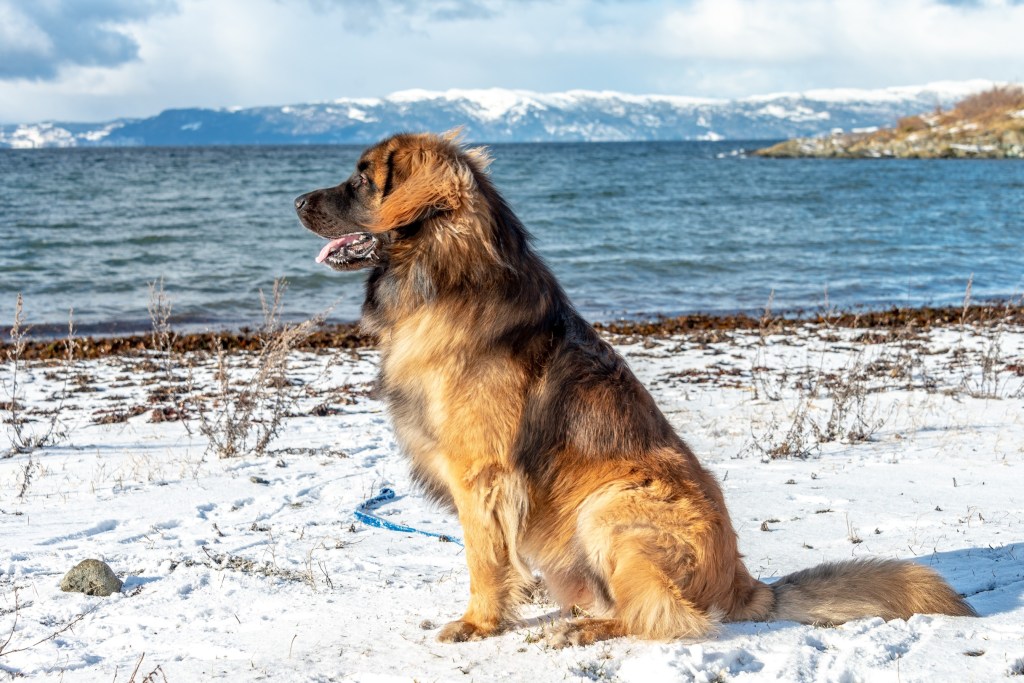
Mature big Leonberger Stock Photo ID:731020957 by Peter Josto.
Understanding the Leonberger Temperament
Leonbergers are affectionate, patient, and famously good with children. Originally bred as family and working companions, they balance strength with serenity. However, their intelligence means they need mental stimulation and clear boundaries; without it, boredom can lead to destructive behavior.
A Few Core Traits to Remember:
Gentle yet strong: They rarely display aggression but need confident leadership.
Social by nature: Isolation leads to stress and behavioral issues.
Sensitive to tone: Harsh correction will break trust—positive reinforcement works best.
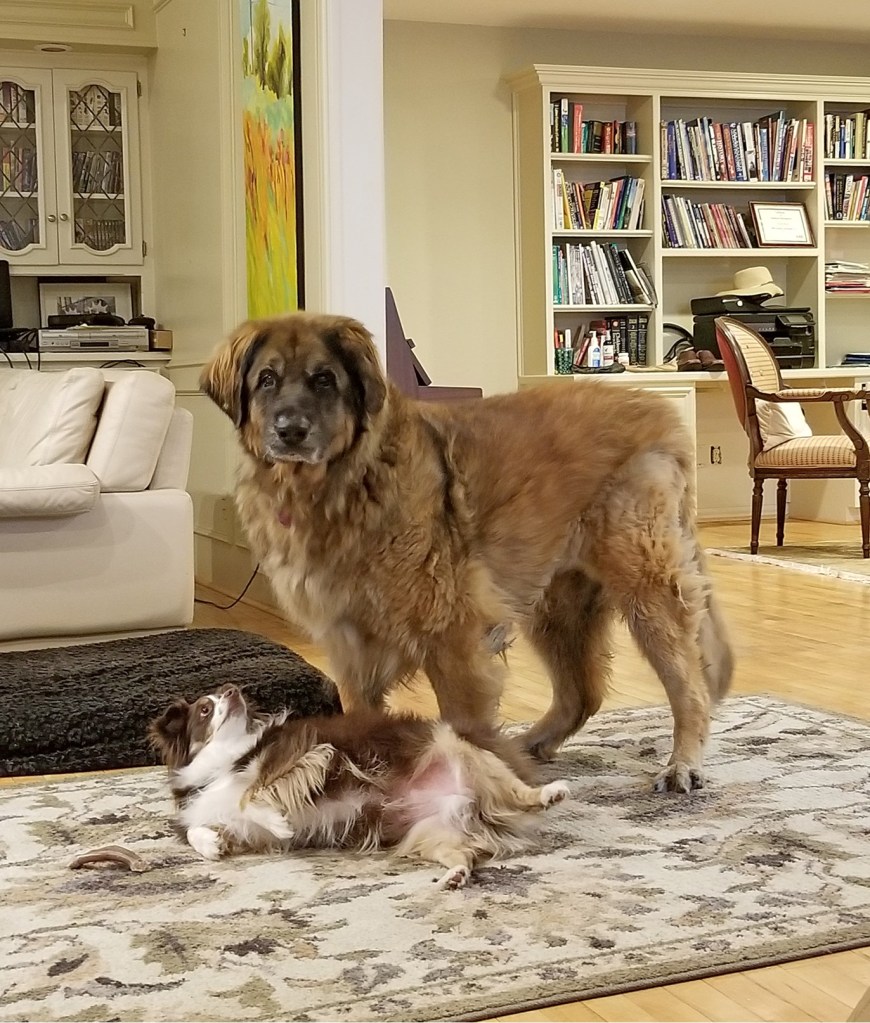
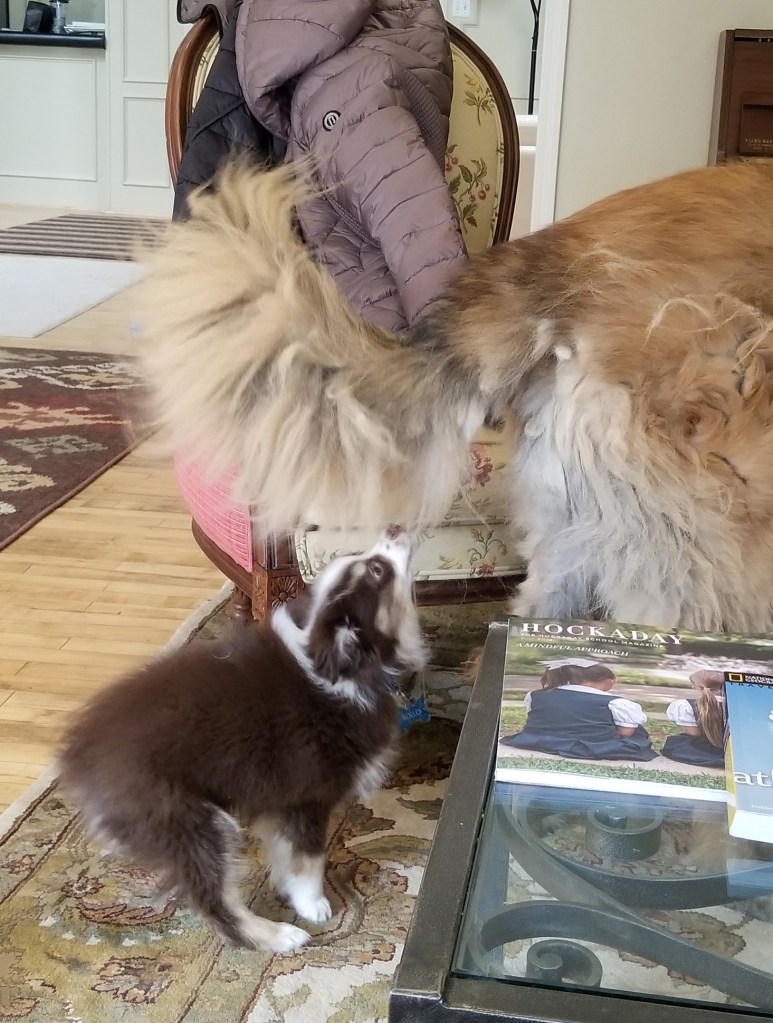
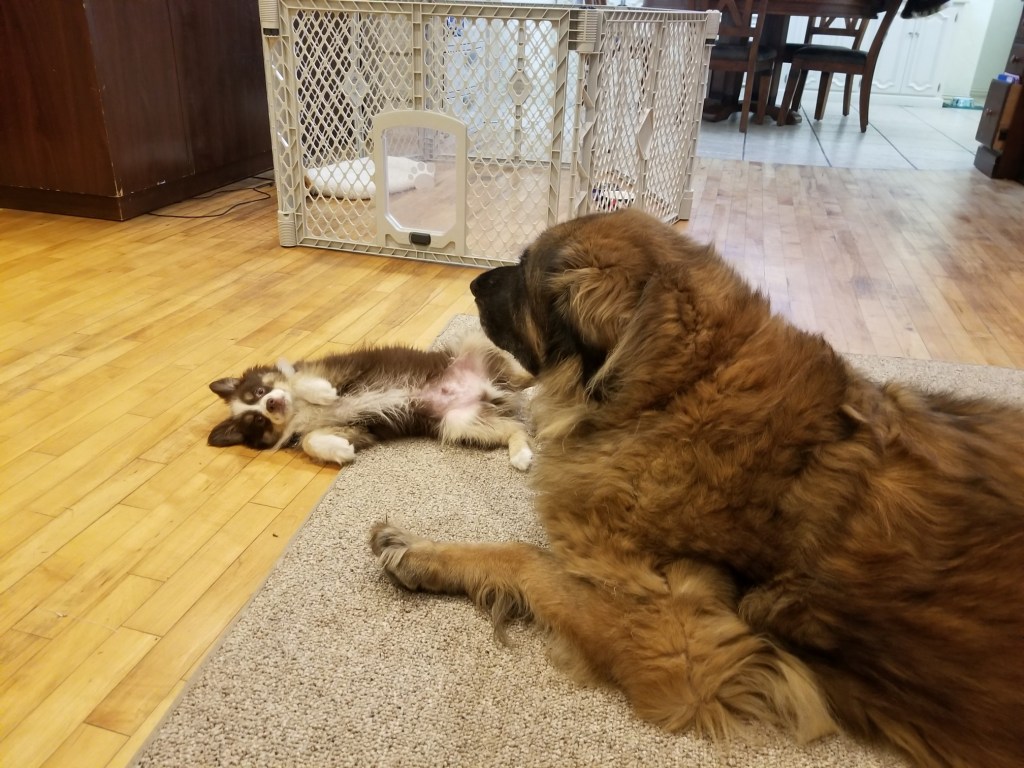
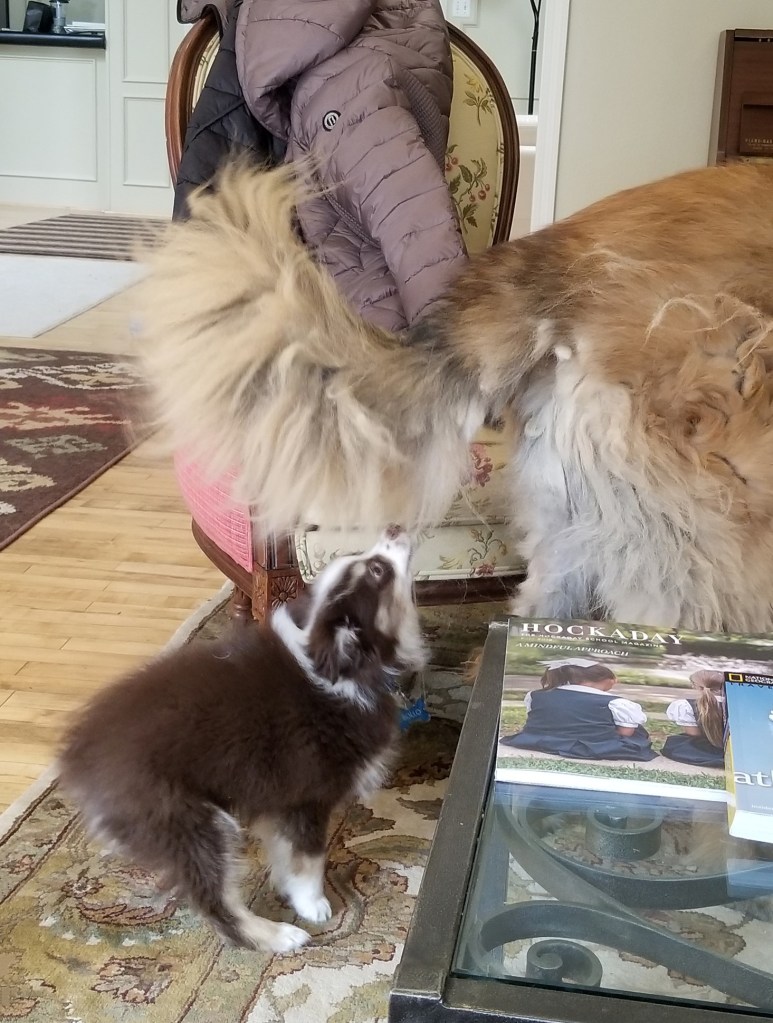
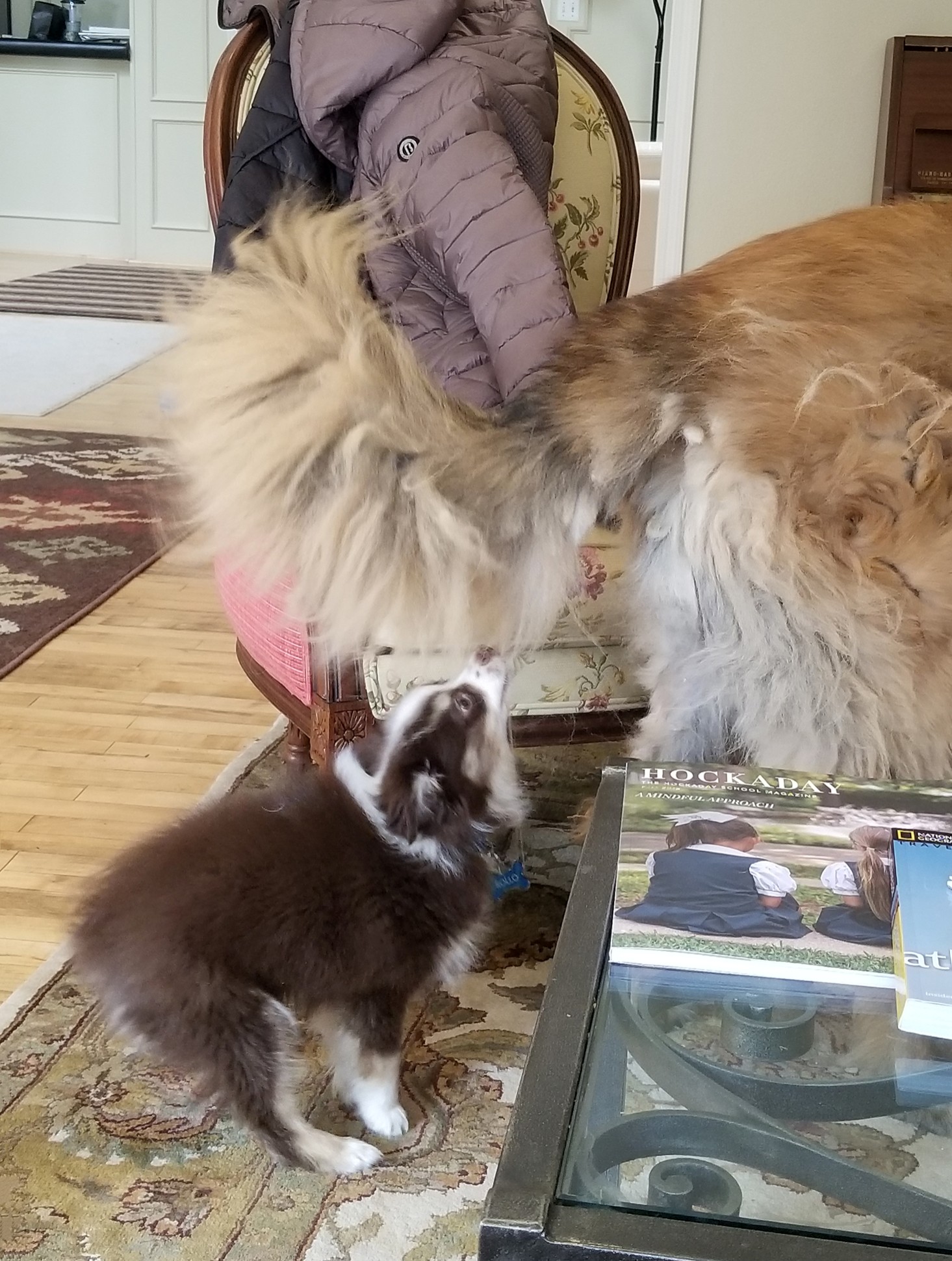
Our rambunctious Rollo mini-Australian Shepherd is biting Bronco’s tail. One time Rollo swung in his tail as if it was a swing. Bronco was very patient.
Health and Nutrition at a Glance
Leonbergers grow rapidly and live, on average, 8–9 years. Their size makes them prone to joint, heart, and bone issues, so proactive care is crucial.
Here’s a snapshot of what to focus on:
Concern
What to Watch
Preventive Actions
Hip & Elbow Dysplasia
Limping, stiffness
Keep weight balanced, feed joint-support diets
Bloat (Gastric Torsion)
Restlessness, distended belly
Feed smaller meals, avoid heavy exercise after eating
A healthy Leonberger. Shutter Stock Photo ID:705193912 by Anna Krivitskaya.
Creating a Home That Fits a Leonberger
A small apartment won’t do—Leonbergers need space to stretch, play, and move freely. A secure, fenced yard is ideal. Indoors, they’ll happily curl up near you, but their size means you’ll need to Leonberger-proof your space.
How to Prepare Your Home:
Create a soft resting area to protect joints.
Secure gates and doors—they can easily push through flimsy barriers.
Keep breakables out of tail range.
Use large, non-slip bowls for food and water.
Our Leonberger Bronco sleeping on our big red leather sofa.
Grooming and Maintenance: Managing the “Fur-nado”
Leonbergers have a double coat that requires regular maintenance. Weekly brushing helps, but during shedding season, daily sessions are best. Baths every 6–8 weeks will keep their coat clean and odor-free.
Grooming Checklist
Before shedding season hits, stock up on these essentials:
Undercoat rake and slicker brush
High-velocity dryer (optional but effective)
Gentle dog shampoo and conditioner
Nail clippers and ear-cleaning solution
Keeping up with grooming not only reduces hair around the house but also strengthens your bond with your dog.
A woman and her Leonberger dog. Asset id: 1741753382 by Elena Podrezenko
How to Keep Your Pet Records Organized
First-time owners often underestimate the amount of documentation involved—vaccination records, microchip details, adoption papers, and vet receipts. To make things easier, convert documents to PDF and store them digitally.
Using a reliable online tool lets you organize every file in one place, ensuring quick access during vet visits or emergencies.
Creating a labeled folder for your Leonberger’s records—medical, training, and nutrition—will save time and prevent misplaced paperwork later.
Training Your Leonberger: Building a Confident Giant
Leonbergers are highly trainable but easily bored by repetition. Their size makes obedience a must—start early, keep sessions short, and make them engaging. Reward-based methods build trust faster than dominance-based tactics.
Quick Training Guide:
Start with basics: Sit, stay, come, down.
Socialize early: Introduce new sights, people, and other pets gradually.
Teach calm leash behavior: Their strength can easily overwhelm a novice handler.
Practice recall: A reliable recall can prevent accidents.
Leonbergers are eager to please and thrive when training feels like teamwork rather than command and control.
The First-Year Readiness Checklist
Owning a Leonberger for the first time is as rewarding as it is demanding. Before bringing one home, make sure you can check most of these boxes:
How-To Checklist: Your First-Year Essentials
Register with a trusted veterinarian
Choose a large-breed-specific diet and feeding schedule
Keep vaccination and health records digitally organized
RONNEBY, SWEDEN – JULY 05, 2014: Blekinge Kennelklubb international dog show. A Leonberger dog and a female handler running in a show ring. Asset id: 204221011 by Imfoto
“Big-Paw” Questions: FAQ for Future Leonberger Owners
Here are some of the most common concerns new owners have—answered clearly and concisely.
The New Owner’s FAQ: “From Puppy to Gentle Giant”
1. How much exercise does a Leonberger need? At least an hour a day of moderate activity is ideal. Puppies should avoid high-impact exercise until growth plates close (around 18 months) to protect joints.
2. Are Leonbergers good with other pets? Yes. They’re naturally tolerant, but early introductions and supervised interactions are important, especially with smaller animals they could accidentally knock over.
3. How expensive are they to maintain? Expect higher costs than smaller breeds. Quality food, grooming, and vet care can average $2,000–$3,000 annually—not including emergencies or travel crates.
4. Do they drool? Some do, especially after drinking water. Keep absorbent towels handy near their bowls or favorite resting spots.
5. What should I look for in a breeder or adoption center? Choose one that conducts health testing for hips, eyes, and heart, and offers transparency about lineage. Ethical breeders prioritize temperament and health over appearance.
6. Can Leonbergers live in warm climates? Yes, but with precautions—limit outdoor activity in high heat, provide ample shade and water, and avoid midday walks.
Building a Lifelong Bond
Becoming a Leonberger owner means embracing responsibility and reward in equal measure. These dogs will fill your home with love, hair, and joy—often in that order. Plan carefully, train consistently, and nurture their gentle nature with patience and respect. The more you invest in understanding your Leonberger, the more they’ll return in loyalty and affection that few breeds can match.
Whether this is your first pet or your first giant breed, remember: structure and affection go hand-in-hand. With preparation and heart, your Leonberger won’t just live with you—they’ll thrive because of you.
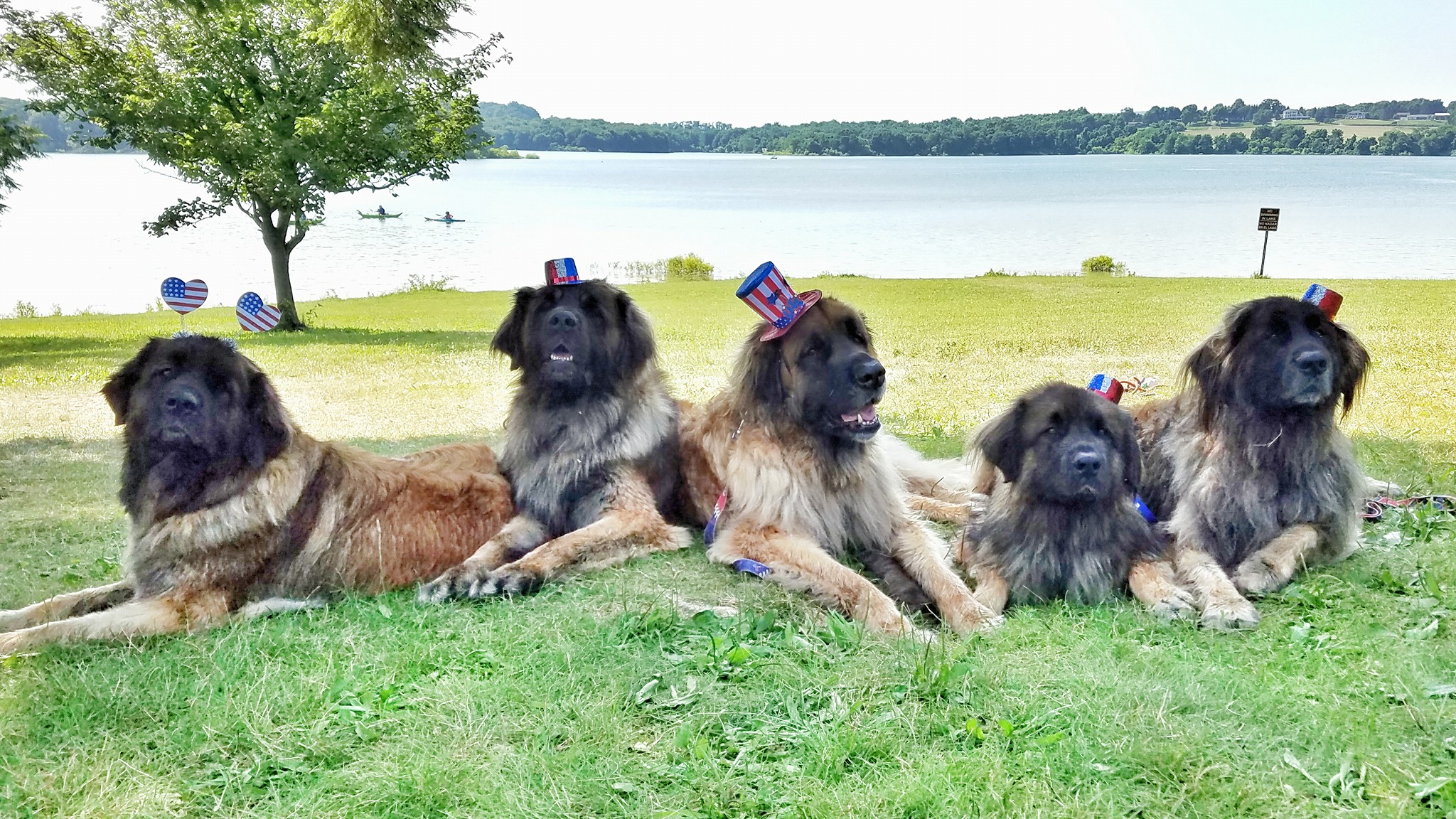
This photo was provided by Jen O’Keefe, Urgent Animal Care of Arlington. From left to right; Obi, Delfi, Aslan, Gryphon, Digory.
With this post I wanted to remind everyone that dogs are family, and we should not forget that during the holidays, you should give them extra cuddles and some presents and let them participate in the festivities if possible.
Our Latest Trip to Baltimore
First, I wanted to say a few words about the latest addition to our family, our first grandson Jack. Our oldest son Jacob and his wife Ashley live in Baltimore, Maryland, and their son Jack is three months old. We’ve visited him a few times since his birth and these pictures are from our latest visit about a week ago. Jack is a healthy and happy baby who does a lot of cooing. See the photos below and the short video.
Jack in the sofa. Three months old.My wife Claudia is on the left, I am in the middle and Jack is on the right.
Our Dogs Are Family
I did not grow up with dogs, and I was not even particularly fond of them, and then when we got our first family dog, the yellow Labrador Baylor, I really got to know and love dogs, and it changed my life. Now, I think I love dogs more than people. Well, at least I have learned that dogs are wonderful people. They always come with us to gatherings whenever possible and they got along very well. Our latest dog Rollo loved his sister Daisy and his big brother Bronco but he has a hard time tolerating any other dogs.
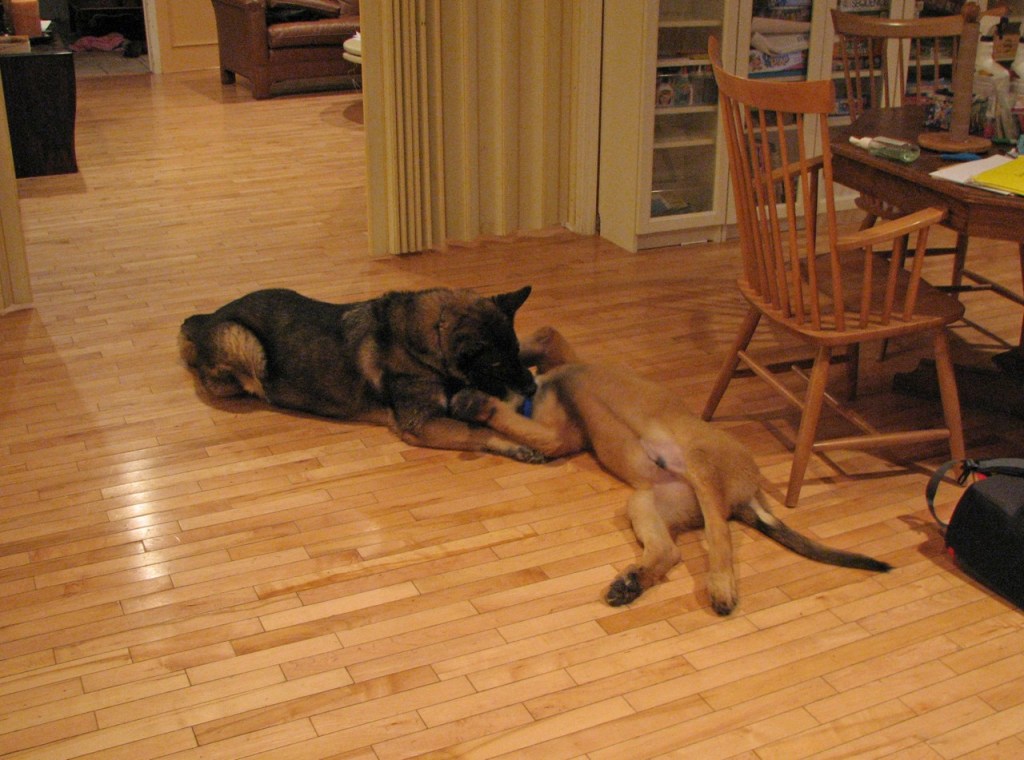
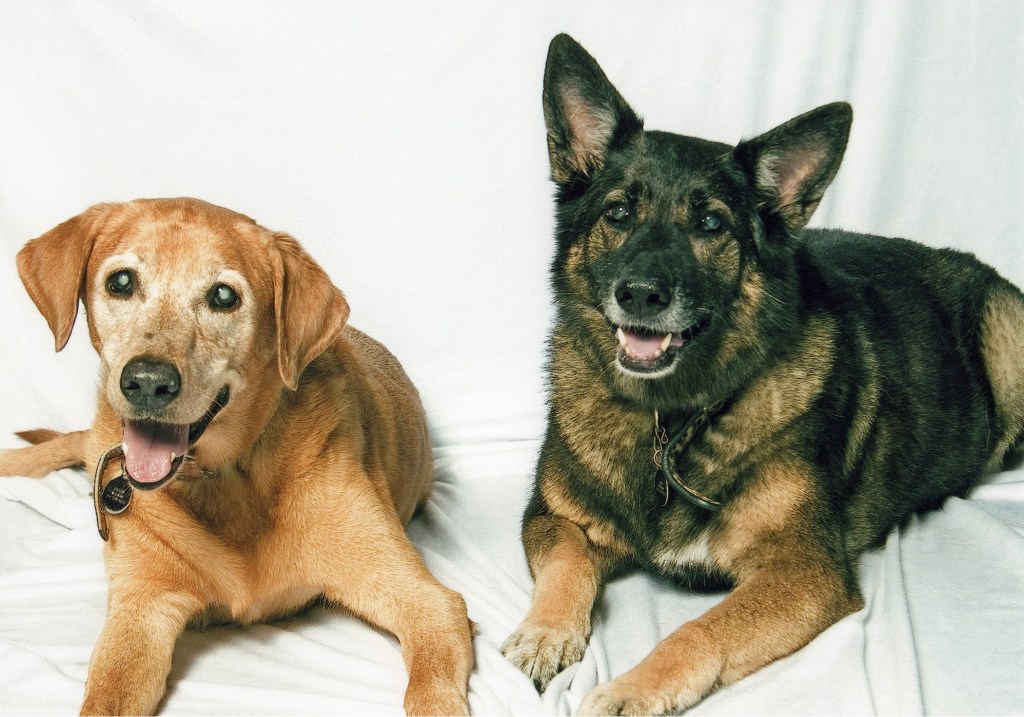
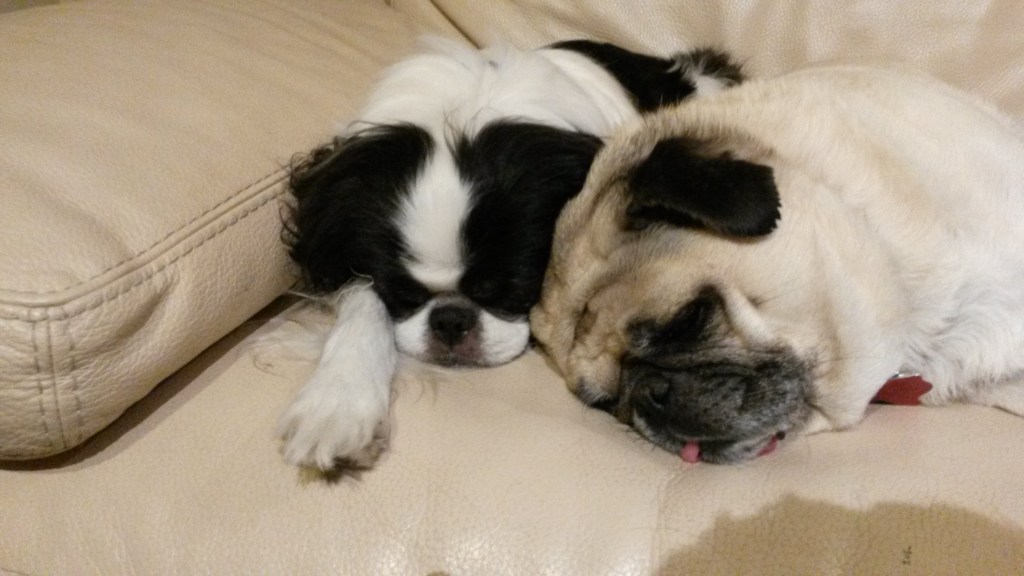
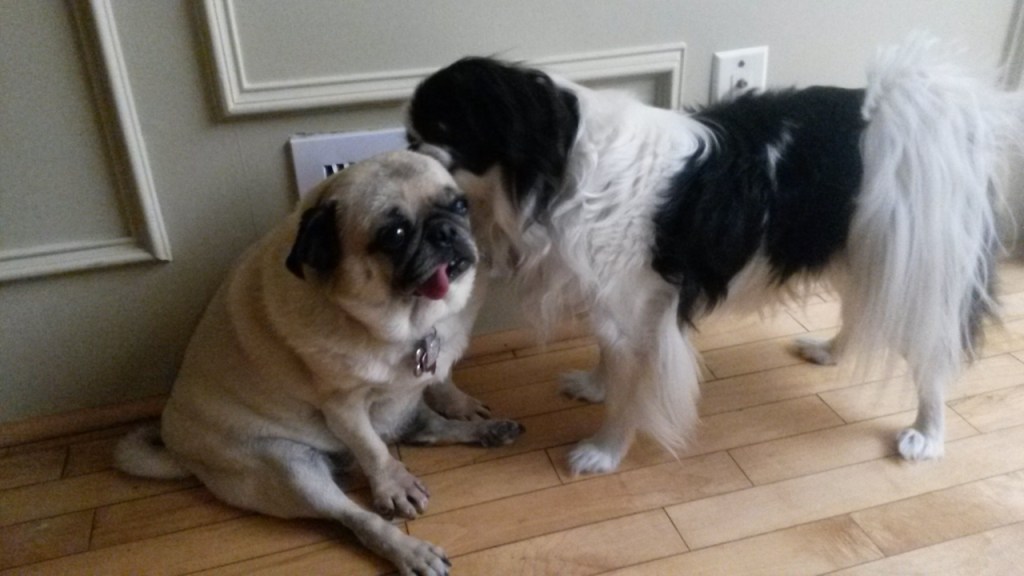
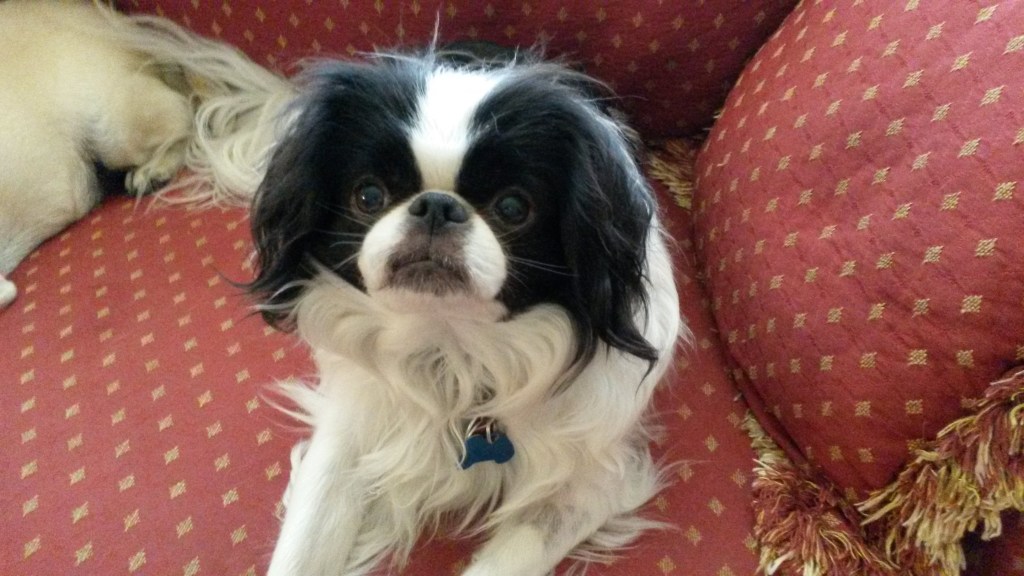
My wife Claudia and our first family dog the Labrador Baylor. This was back in the day. Our niece gave us Baylor because she was going to college. In turn she had gotten him from a shelter. He was a mix, one quarter Rhodesian Ridgeback and three quarters Yellow Labrador. He was able to jump up into the trunk of our van. Baylor was my first dog (not my wife’s first dog), and he taught me a lot about being a dog parent.Our Labrador Baylor is swimming in Claudia’s parents pool. He loved swimming, and he loved that pool and swam in it a lot.Our German Shepherd Baby at the dog park.Our Labrador Baylor and our German Shepherd Baby. Baylor was older in this picture. We had just gotten our Leonberger Bronco.This is our Leonberger Bronco (Le Bronco von der Löwenhöhle) at three months old.Our Leonberger Bronco (Le Bronco von der Löwenhöhle), our Japanese Chin Ryu, and our Pug Daisy in the front right.At the White Rock Lake dog park. Baylor our Labrador in the middle. He was old in this photo. Our Japanese Chin Ryu on the right.Our Pug Daisy and our Japanese Chin Ryu.Our Pug Daisy often sat in front of vents when she was cold. Daisy and our Japanese Chin Ryu were very close, like a couple. Daisy was obviously grieving when Ryu died, from cancer a bit early at only ten years old. Bronco was grieving as well.Daisy is exhausted after doing nothing for a whole day.In December of 2018 we picked up our mini-Australian Shepherd Rollo. His friend was an English Bulldog.Our Leonberger Bronco is welcoming Rollo.Our pug Daisy and Rollo are saying hello.Our mini-Australian Shepherd puppy Rollo at 3 months old.Our mini-Australian Shepherd puppy Rollo and our Leonberger Bronco.Our mini-Australian Shepherd Rollo at the table on his seventh birthday. This is a more recent picture, from October of this year.
When I was in second grade, I liked horror stories, and my favorite animal was the Murder Moose. The Murder Moose was a big Moose with big teeth, and it went around killing people in my village in northern Sweden where I lived. In school I wrote my first story about the Murder Moose, and I made a drawing. My story and my drawing are unfortunately lost but with the help of ChatGPT I made another drawing based on my memories from my childhood’s Murder Moose. I should say that at the time I knew nothing about Dinosaurs yet, otherwise my favorite animal might have been Dinosaurs.
The murder moose in my second grade story. The picture was generated by ChatGPT.
As an adult my perspective has changed. Now I love dogs. I have a dog, Rollo, and have owned many dogs, something that I never had a chance to do as a kid. I love dogs very much and I am especially fond of Leonberger dogs. I wrote a book about Leonbergers and our late Leonberger dog Bronco, or Le Bronco von der Löwenhöhle to be precise. The title of the book is “The Life and Times of Le Bronco von der Löwenhöhle, Stories and Tips from Thirteen Years with a Leonberger”.
On the left our Leonberger Bronco is three months old. On the right Bronco as an unusually old Leonberger at almost 13.Bronco our Leonberger is giving me a kiss. He is about one year old and not yet fully grown.Bronco’s direct ancestor on the male side Leo von der Sagmuhle in Germany about 100 years ago (18 generations). The Worldwide Independent Leonberger Database keeps track of all registered Leonbergers, making ancestry research for Leonberger dogs easy.Our Leonberger Bronco sitting in my wife’s lap. He was 167 pounds at the time.Hachi a one-year-old Canadian Leonberger with my Leonberger book. The owner and photographer are Brenda Saito and her husband.
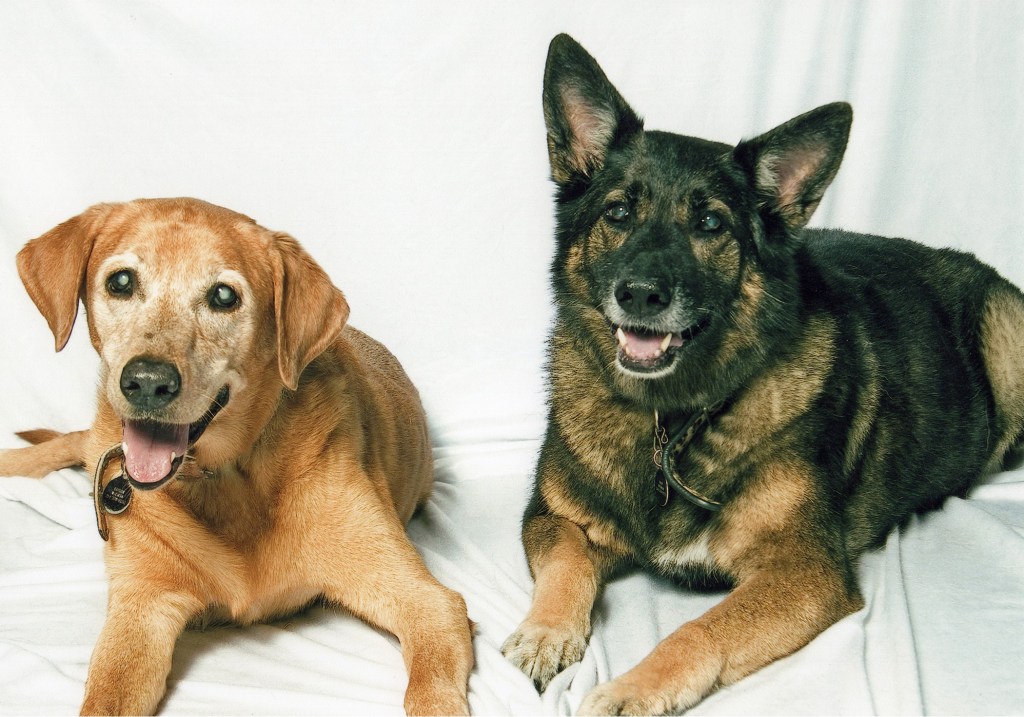
However, the first dogs we had as a family was our Labrador Baylor and German Shepherd Baby. I should say that Baylor was not a purebred Labrador, he was one quarter Rhodesian Ridgeback.
Our Labrador Baylor and German Shepherd Baby. They were both rescues.
One of the reasons I love dogs is that they are very social and often quite intelligent. They provide companionship, they are loving, loyal, fun, innocent, playful and they can also provide protection whether it is physically or just because of their barking, which alerts us to the presence of strangers. Add to that the fact that you need to take them for daily walks, which will keep you healthy as well.
Bronco, Baylor, and Baby were not our only dogs. Below are various photos of our dogs.
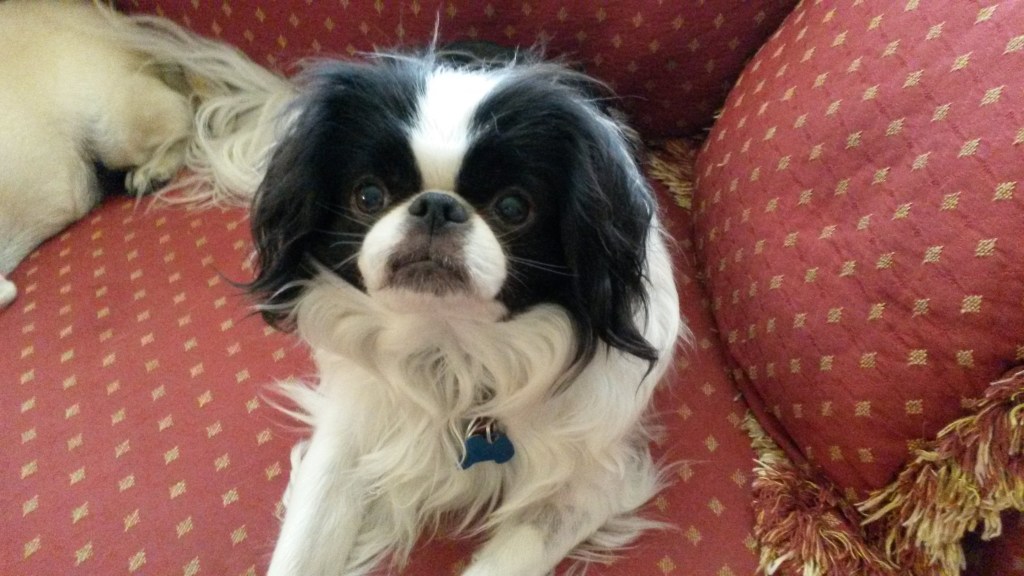
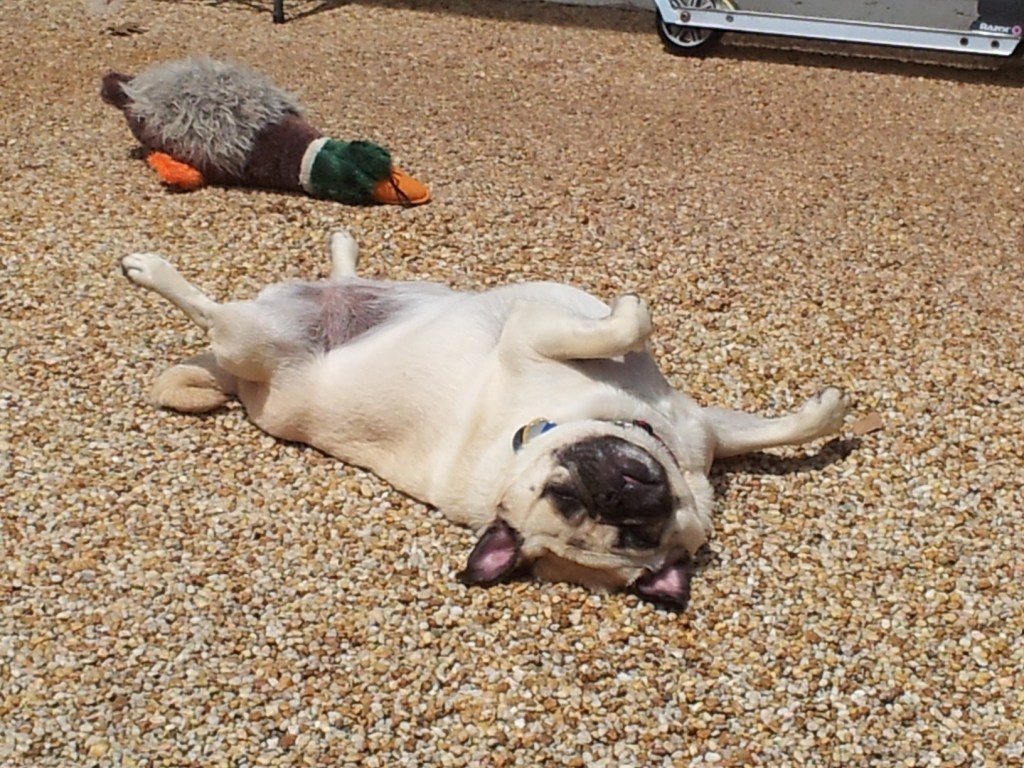
Our Leonberger Bronco and our Pug DaisyOur Japanese Chin Ryu with our daughter who was 9 years old at the time.Our Japanese Chin Ryu.Our pug Daisy loved to sunbath even when it was hot. Here she is catching some rays while lying on our old backyard porch, which had gravel.Our Leonberger Bronco and our mini-Australian Shepherd Rollo. Our daughter with our pug Daisy and our mini-Australian Shepherd Rollo.A gray wolf on the left. Our mini-Australian Shepherd Rollo sitting in a stroller on the right. Whenever there was a sound that scared him, such as quacking ducks, or someone banging on something, he wanted to sit in Daisy’s stroller.
Naturally I would also like to mention my review of Lauren’s wonderful book King Copper: Our dog’s life in poetry. Click here to see it
Front cover of King Copper: Our dog’s life in poetry by Lauren Scott. Click here, or on the image to go to the Amazon page for the paperback version of the book.
Dogs are domesticated wolves. To survive in our human society, they need to be taken care of. We often get them as puppies and all they know is how to live with people. When you get a dog, this is a lifetime commitment. Despite this fact a lot of people buying puppies bring them to shelters and many irresponsible breeders bring unsold puppies to shelters. In addition, 7% to 20% of dogs adopted from shelters are returned to the shelters, mostly due to behavioral issues or owners’ unrealistic expectations. Dogs who were returned for behavioral issues were also more likely to be euthanized.
Some dog owners don’t even bother to turn their dog into a shelter, they just abandon them. In the U.S., approximately 3.1 million dogs enter shelters each year. Many of these are abandoned, the offspring of abandoned dogs, or lost pets. In the U.S., about 60% of dogs entering shelters are strays. As a side note, abandoning a dog is illegal in almost every US state, including Texas where I live. We dog owners need to do better. We have responsibilities towards our dogs, to feed them, raise them, train them, exercise them, take care of them, and continue to shelter them when they get old and sick.
The Leonberger community has taken significant steps towards protecting Leonberger dogs from abuse and abandonment. First, the Leonberger Club of America certifies responsible breeders and work to prevent dogs from ending up with backyard breeders and puppy mills. Breeders are required to take back and care for a dog if it does not work out. All prospective Leonberger owners are interviewed and must sign a contract dictating how they should treat the dog. If they find out that you have mistreated a dog or failed to take care of a dog you cannot buy a Leonberger. To see the transcript for our Leonberger interview click here.
12 Promises to my Dog
Dear fur angel, I promise to feed you properly.
Dear fur angel, I promise to protect you from toxic foods such as raisins, grapes, chocolate, xylitol, birch sugar, onion and garlic.
Dear fur angel, I promise to protect you from toxic plants, dangerous household items and animals.
Dear fur angel, I promise to keep one or more water bowls always filled with fresh and clean water for you.
Dear fur angel, I promise to comfortably shelter you.
Dear fur angel, I promise to train you and care for your physical and emotional needs.
Dear fur angel, I promise to walk you every day (on days when this is possible).
Dear fur angel, I promise to take care of all your veterinary needs.
Dear fur angel, I promise to play with you, pet you, and throw balls.
Dear fur angel, I promise to never abandon you.
Dear fur angel, I promise to be there for you when you cross the rainbow bridge.
Dear fur angel, I promise to love you forever.
Puppy Versus Old Dog Photos
Below are some photos of our dogs. Except for the first photo, which is a photo of our Labrador Baylor and German Shepherd Baby at an advanced age, the photos are arranged so that the first is photo of the dog as a puppy followed by a photo of the same dog at an advanced age. I should say that we got Baylor and Baby when they already were adults and we don’t have puppy photos of them. What happened was that family members of ours had got them from a shelter and when those family members later needed to move, we offered to take care of them.
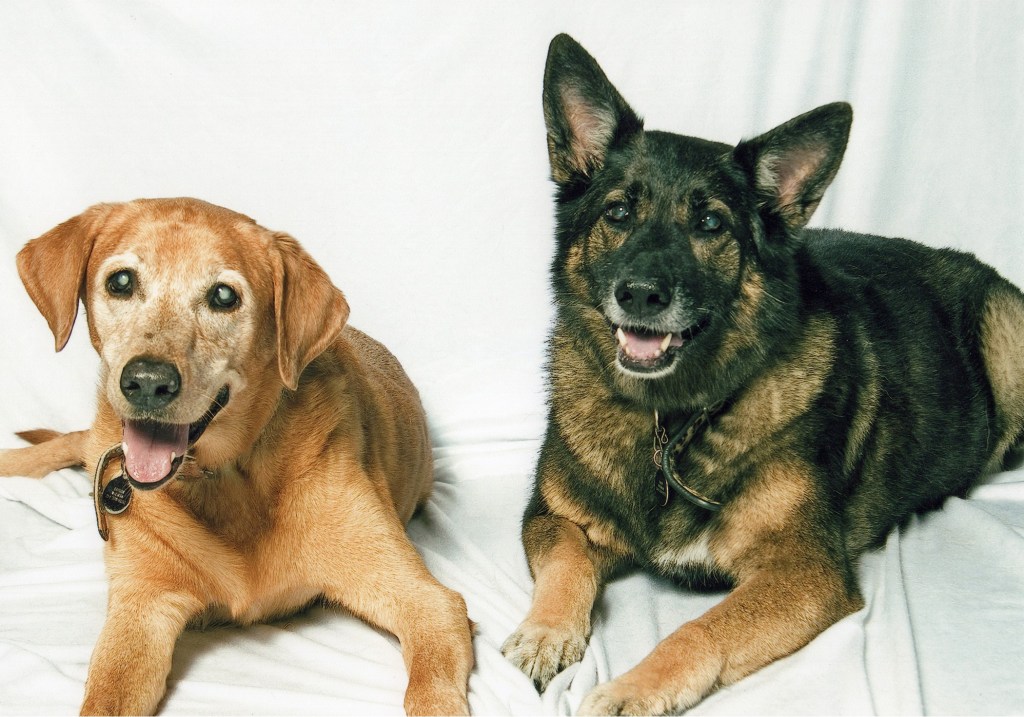
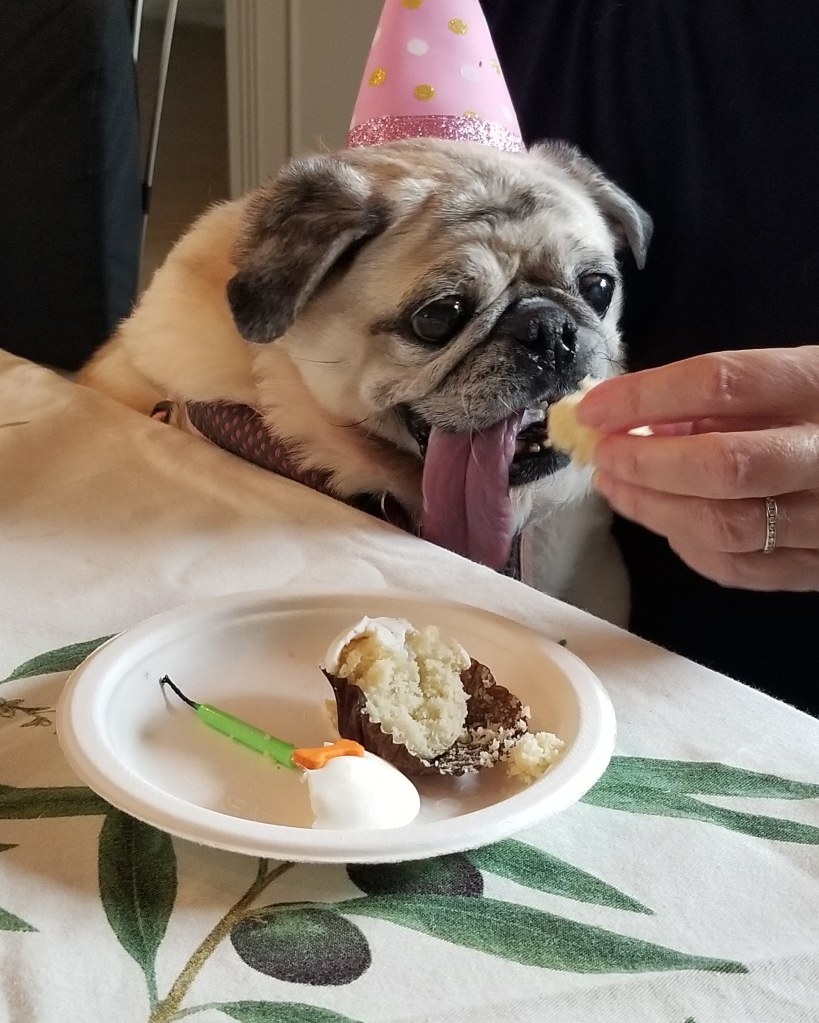
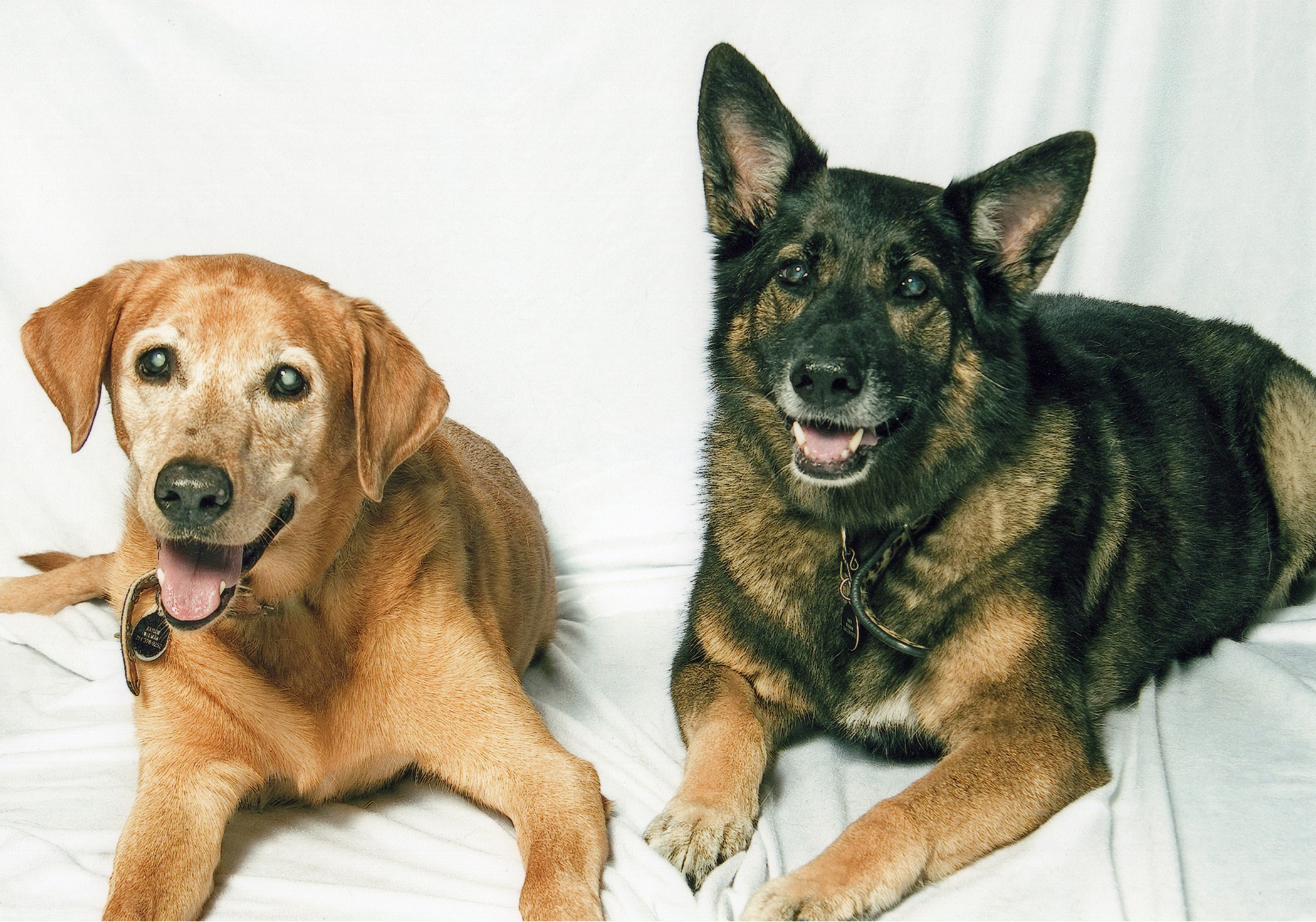
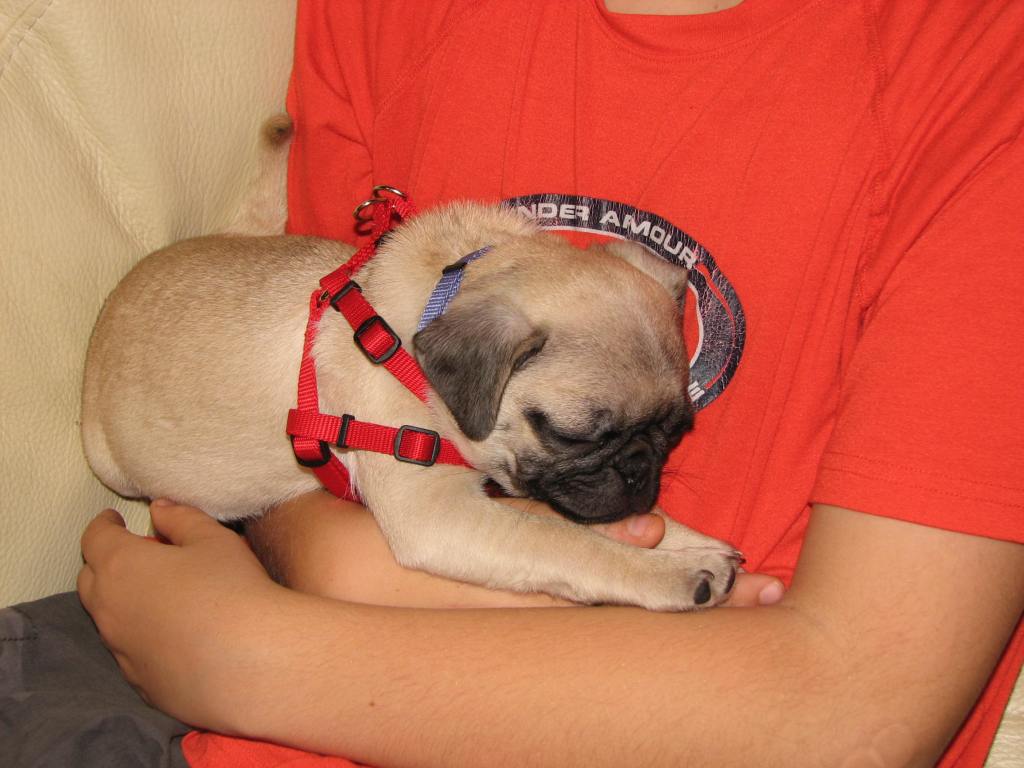
Our Labrador Baylor, left, and our German Shepherd Baby, right. Both dogs are at an advanced age. I should add that Baylor was partially a mix. He was three quarters Labrador and one quarter Rhodesian Ridgeback.Our Leonberger Le Bronco von der Löwenhöhle at three months old.Our Leonberger Bronco at three months old.Our Leonberger Bronco received the Grey Muzzle Award for longevity at age 12. Leonbergers typically live 8-10 years. It was the Leonberger Health foundation International that gave him the award. My wife is holding the Grey Muzzle Award diploma.Our soon 13 year old Leonberger Bronco.Our Japanese Chin puppy Ryu loved to sing and dance when. Well, howl and dance.Ryu is old in this picture. He has an illness, and he is more serious.Our pug Daisy in our younger son’s arms. She is a puppy in this picture. People typically assumed that Ryu was the female and Daisy the male, but it was the other way around.Daisy’s 15th birthday. She is getting old. She is having a Pup Cake.Our mini-Australian Shepherd Rollo as a puppy.Our mini-Australian Shepherd Rollo is grown up but not yet old. Here he is sitting in Daisy’s stroller. Strange noises such as ducks quacking used to scare him and then he wanted to sit in her stroller.
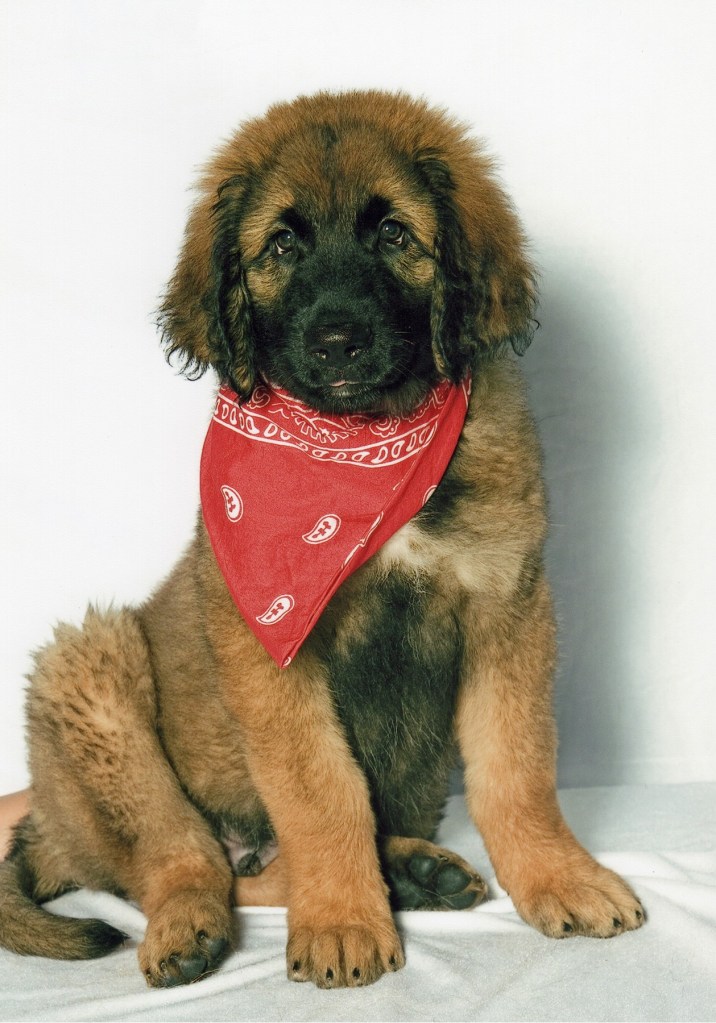
What kind of dog is a Leonberger? Well, a Leonberger is a kind dog. If you don’t know what a Leonberger is; it is a big fluffy, fun and friendly family dog originating in Germany. It was registered as a new breed in 1846 in the town of Leonberg by a prominent businessman named Heinrich Essig. Allegedly Essig used Saint Bernards but also Newfoundland Dogs, and allegedly Great Pyrenees (or Pyrenean mastiffs) to create a breed that was big, muscular, and looked like a lion. However, what he strived for the most was to create a friendly, confident and predictable family dog. These characteristics make the Leonberger a perfect therapy dog, and his majestic and fluffy appearance does not hurt. Leonbergers also have a great sense of smell, they are great at pulling heavy carts, and they have webbed feet (from the Newfoundland dogs) and they are great swimmers. You can read about the history of the Leonberger here.
On the left our Leonberger Bronco is three months old. On the right is our Leonberger Bronco when he was old almost 13 years old.Our Leonberger Bronco is sitting in my wife Claudia’s lap. He was slightly overweight in this picture, 167 pounds, or 76 kilograms. His ideal weight is 140 pounds.
Bronco Our Leonberger Shares a Baked Potato
I believe dogs have empathy, and sometimes they want to share—at least Bronco did. There was a time when we were in our home eating take-out food and Bronco stole one of our dinners, including meat, vegetables, and a baked potato. He started eating the meat, then he glanced at our Pug Daisy, who was sitting in the middle of the floor looking sad. Immediately he took the baked potato in his mouth and carried it over to her and dropped it right at her feet. I was going to get mad at him for stealing, but when I saw his kindhearted and unselfish act, I let it be.
On another occasion Bronco stole our gingerbread house. As you can see in the picture, he shared that with Daisy as well.
Bronco Alerts Us to an Insulin Shock
We had a Labrador called Baylor who had diabetes. One late evening Bronco started barking while looking at Baylor, then he intently looked at us, then he turned his head toward Baylor and started barking again. He did this a few times—not aggressively, but to get our attention. It became clear that Bronco wanted us to look at Baylor. I examined Baylor but saw nothing wrong at first. Then I looked again. This time I saw that his back legs were shaking slightly. It quickly got worse. His gait became wobbly, then within perhaps fifteen seconds he fainted. He had gone into insulin shock. We rushed him to the emergency clinic, where fortunately the doctors were able to revive him.
Bronco detected a problem with Baylor before we could see anything wrong. His warnings gave us that little bit of extra time we needed to save Baylor’s life. I still wonder what it was that Bronco noticed. You can read more about this incident here.
Bronco’s Hamster Rescue Operation
We used to have hamsters. On several occasions the hamsters escaped their cage but luckily our Leonberger Bronco found the hamsters for us. As I mentioned Leonbergers have good sense of smell. One day my wife found Bronco walking around with puffy cheeks. There were hamsters in his mouth. Long story short, he was not trying to eat them, he was saving them, and the hamsters were fine. You can read more about this incident here.
Hamsters in Bronco’s cheeks. Illustration by Naomi Rosenblatt.
Bronco Saves Daisy’s Life
On another occasion, Bronco did something else amazing for our Pug Daisy. Despite having issues with his paws—this was around the time he was being treated for squamous cell carcinoma—he saved Daisy from an attacking German shepherd who was running loose.
We were at Claudia’s parents’ house, just leaving, when one of their neighbors came out to drop some garbage in the trash can at the end of her driveway. With her was a young, probably adolescent, German shepherd, and he was not on a leash. As we were standing on the porch, I suddenly saw the shepherd flying through the bushes, his teeth bared. He quickly charged us—viciously.
The owner of the shepherd came over to apologize, but I cursed at her. Maybe I shouldn’t have, but she had a vicious and dangerous dog, and she intentionally let him run loose. In the end, though, there were no major injuries. Bronco’s leg was slightly hurt, but overall, he was fine. These days, whenever we talk about this incident, I jokingly refer to the neighbor dog as Cujo.
Just as our daughter Rachel protects Rollo and Daisy, Bronco protected the smaller dogs, sometimes at his own peril.
A Therapy Leonberger Called Scout
As I mentioned, Leonbergers are great therapy dogs and are often used in hospitals. Below is a video about a Leonberger called Scout by CBC news in Canada. This Leonberger is helping residents at Hamilton mental health hospital. He was bred by Concorde Ridge Leonbergers. They have a website and a blog which I follow. You visit my post about Scout here. The 8-minute video is shown on the website below.
With this post I just wanted to highlight a fun Leonberger YouTube video regarding a Leonberger who succeeded in creating a new Guiness World Record on the Britain Got Talent show. If you don’t know what a Leonberger is; it is a big fluffy, fun and friendly family dog originating in Germany. It was registered as a new breed in 1846 in the town of Leonberger by a prominent businessman named Heinrich Essig. Leonbergers are related to Saint Bernards, Newfoundland Dogs, and allegedly Great Pyrenees (or Pyrenean mastiffs). You can read about the history of the Leonberger here. I am sorry I realized now that the page is full of typos. I have to fix that at some point.
At the end of this page, I put a fun YouTube video of Leonberger named Hagrid who created a new Guiness World Record. Since I created my Leonberger history page when I had just launched this blog in 2022 and had very few followers many people may have missed the Hagrid movie, so here it is. I can add that I have also added some photos of our late Leonberger Bronco at the end of this post.
Leonberger Hagrid
Photos of Le Bronco von der Löwenhöhle
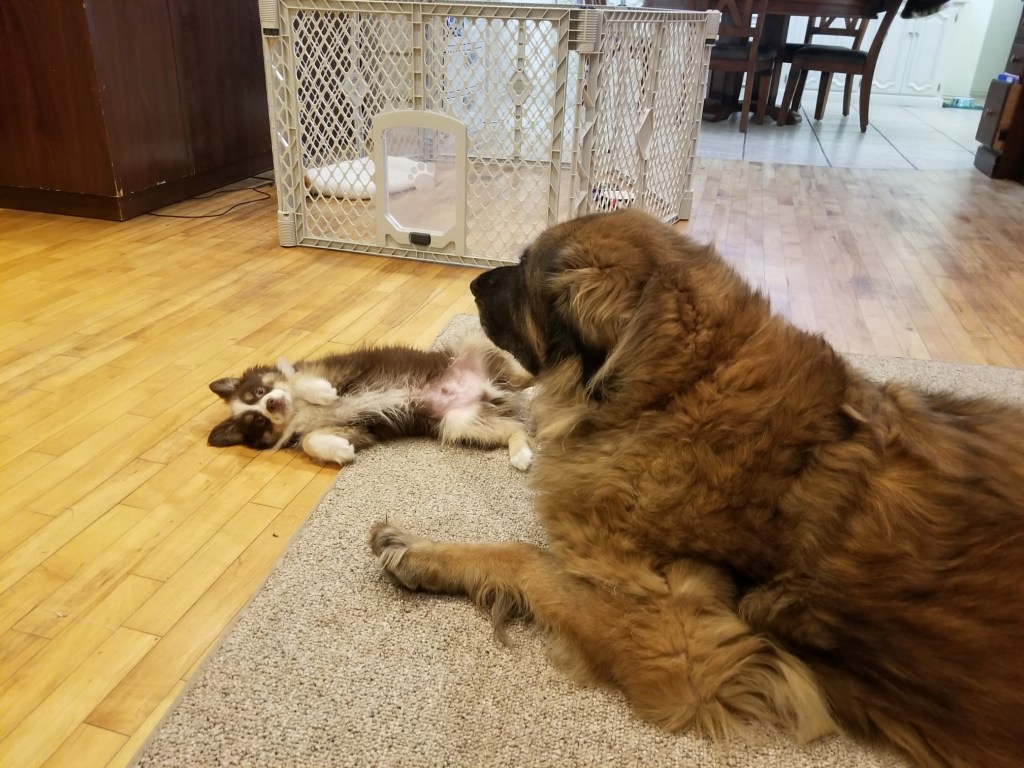
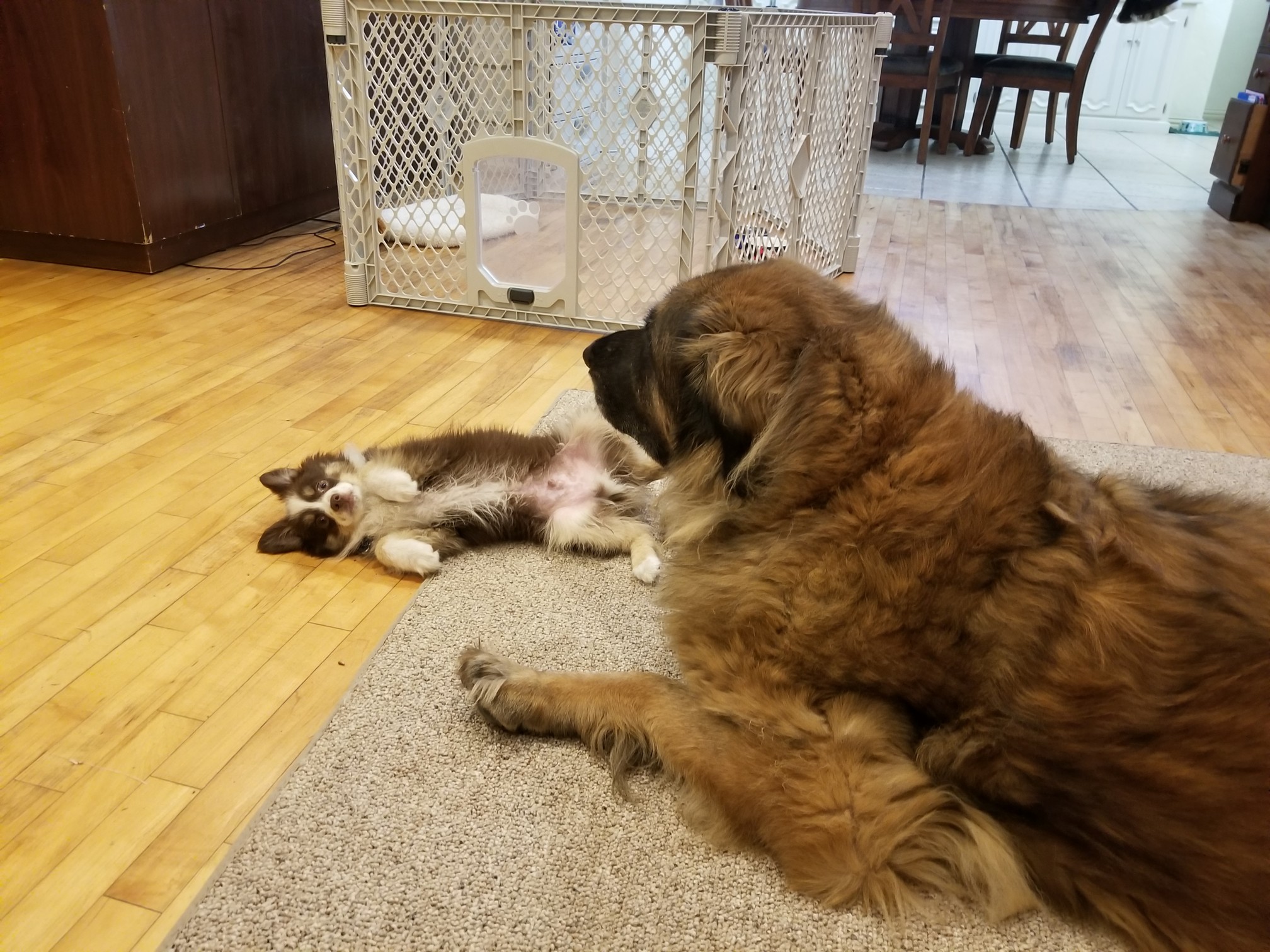
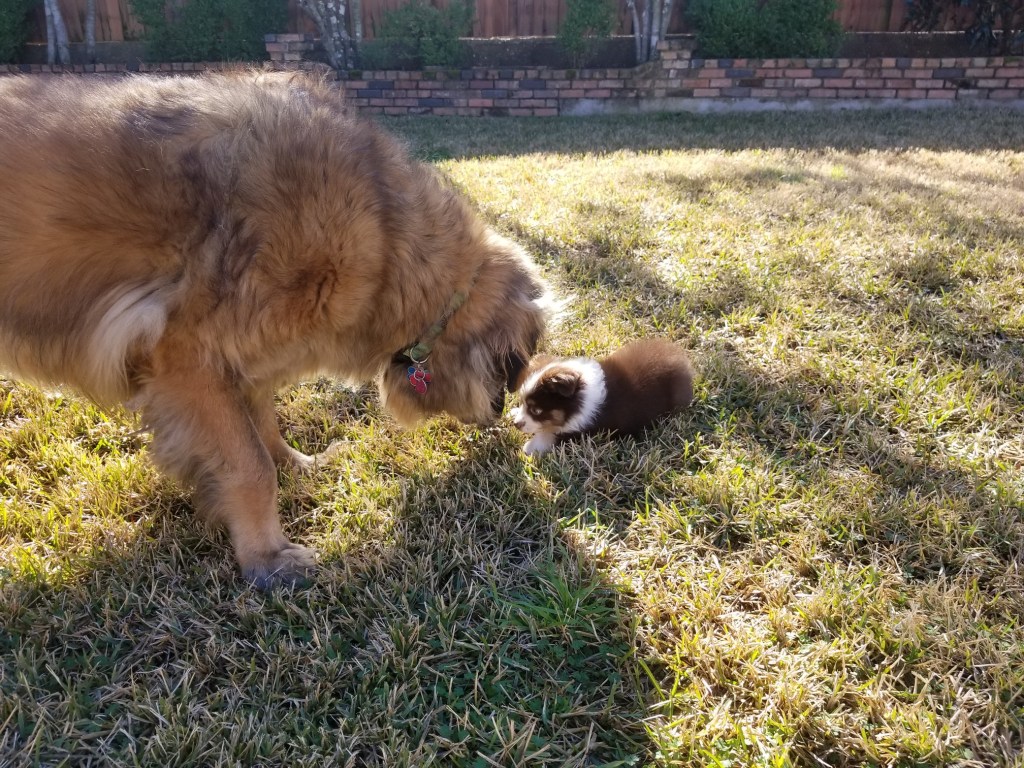
Bronco our Leonberger at three months old.Bronco the lapdog. He is sitting in my wife’s lap, all 167 pounds of him.Le Bronco von der Löwenhöhle or Bronco as we called him.Our late Leonberger Bronco and his sister, the pug Daisy.A new puppy arrives, Rollo, a mini-Australian Shepherd. Hello Rollo!As Rollo got older, he liked to tease Bronco. He pulled and even swung in Bronco’s tail. He also walked over him and sat on him. Bronco was very patient.