
A professional content writer by the name of Ryan Goodchild contacted me about publishing a Leonberger related post on my Leonberger blog, which I am certainly happy to assist with. The title is “Helping Your Leonberger Thrive Through Life’s Big Changes”. See the article article below. While Ryan did all the writing, I added photos of our Leonberger as well as a few Leonberger stock photos.






The photo tile above includes four photos of our Leonberger Bronco. One photo is from when he was three months old, in another photo he is about one year old and giving me a hug, and in one photo our mini-Australian Shepherd is biting his tail, and one photo of Bronco shows him standing in an open door. He is a bit agitated in that photo. There is also a photo of five Leonbergers celebrating fourth of July. That photo was taken by a friend Jen O’Keefe. Finally, there is a shutter stock photos ID:731020957 by Peter Josto.
Helping Your Leonberger Thrive Through Life’s Big Changes

Leonberger dog owners often notice that the hardest moments aren’t the big grooming days or the seasonal shedding, they’re the household transitions that quietly unsettle a steady dog. Moves, schedule shifts, new babies or roommates, travel, renovations, and changes in who handles care can disrupt pet routines that once felt automatic. When the rhythm changes, a Leonberger’s emotional well-being in dogs can wobble, showing up as clinginess, restlessness, or unexpected behavior that feels out of character. A clear plan helps keep life changes affecting pets from turning into long weeks of confusion.
How Life Changes Create Stress Signals
Life changes can flip on a Leonberger’s stress response, even when nothing “bad” is happening. Since pet anxiety is real, the first clues are often small behavior shifts like pacing, shadowing you, or sudden sensitivity to noise.
Temperament matters, but it is not the whole story. Research suggests breed contributions were relatively small, so environment and routine changes can affect even the most steady Leo. Reading the stress signals early helps you respond with care instead of guessing.
Picture a week of packing, rearranged furniture, and fewer walks. Your Leonberger may skip meals, guard doorways, or get extra mouthy during brushing because their “normal” cues disappeared.

Use 7 Transition Strategies to Keep Your Leo Steady
Big changes can flip on stress signals fast, clinginess, pacing, sudden barking, or “selective hearing.” These seven Leonberger-friendly strategies give your dog predictable anchors while you build confidence and calm.
- Lock in a “same time, same order” core routine: Pick three daily anchors you can keep consistent even on chaotic days: potty break, meals, and a short decompression walk. An easy starting point is to establish a new daily routine and then protect those times on your calendar.
- Build a predictable “safe station” (and pay it well): Choose one spot, crate, bed, or a gated corner, then make it the most rewarding place in the house. Feed stuffed food toys there, drop calm treats for quiet settling, and keep it off-limits to kids and visitors for the first 2–3 weeks of the transition. This gives your Leonberger a clear off-switch when their stress signals start creeping in.
- Reinforce the behaviors you want, not the feelings you’re seeing: When your Leo is worried, focus on marking calm choices, looking at you, sitting, stepping onto the mat, rather than trying to “stop” anxious behavior with corrections. Use a simple pattern: ask for one easy cue (“sit”), reward, then give a short, clear next step (“go to bed”). Over time, your dog learns a predictable script for what to do when the environment feels different.
- Use “micro-exposures” to new sights/sounds with an exit plan: If your change involves new people, a new neighborhood, or a remodel, introduce it in 1–3 minute slices. Pair the new thing with small treats, then leave before your Leonberger ramps up to barking or spinning. Short wins beat long sessions, especially for a giant breed that can go from “fine” to overwhelmed quickly.
- Add environmental enrichment that matches Leonberger bodies: Lean on scent games (scatter feeding in grass, “find it” treats), slow feeders, and short puzzle sessions to burn mental energy without pounding joints. Even small enrichment shifts can support calmer physiology; research on time-domain HRV suggests enrichment can improve stress-related measures. Aim for two 10-minute enrichment blocks daily during the first month of a big change.
- Adjust exercise for steadiness, not exhaustion: During transitions, swap one long, intense outing for two calmer walks plus 5–10 minutes of training. Watch for stress flags you learned earlier, panting at rest, sudden scanning, or inability to settle, and treat those as “we did enough” signals. A steadier nervous system usually beats a tired body when routines are in flux.
- Keep grooming and handling “predictable and brief”: Leonbergers often feel safest when body care is consistent, especially during shedding seasons. Do 3–5 minutes of brushing daily in the same location, then stop while it’s still going well and reward generously. This prevents grooming from becoming another stressor and helps you spot skin, ear, or coat changes that sometimes pop up during anxious periods.
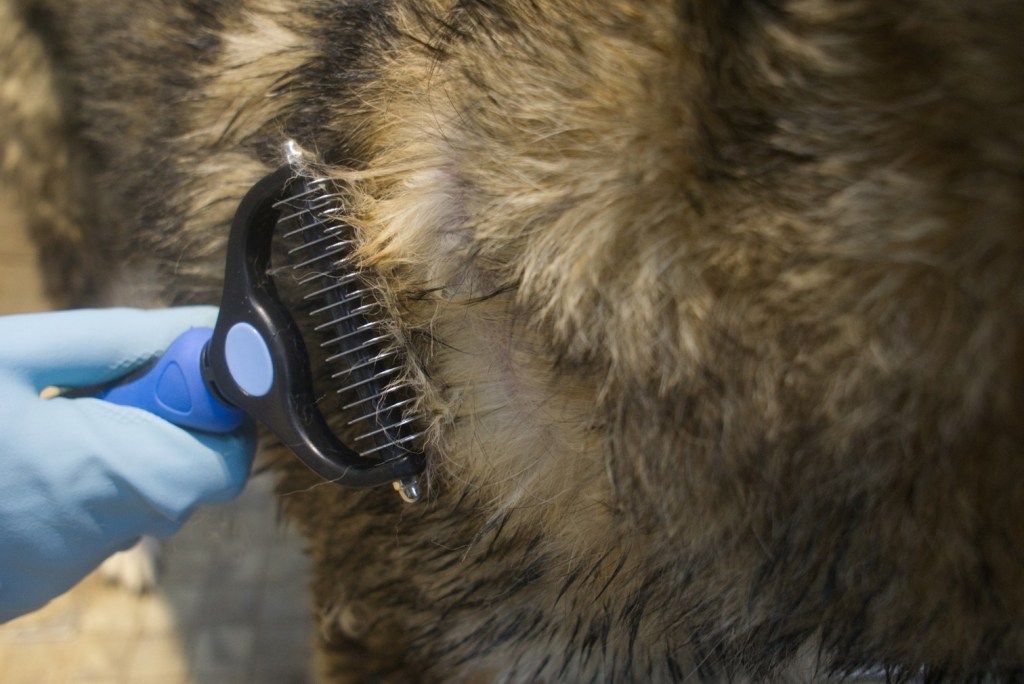
When you combine routine anchors, calm reinforcement, and purposeful enrichment, you’re not just managing behaviors, you’re giving your Leo a clear plan for coping. These habits also make it simpler to troubleshoot tough moments like barking, regression in manners, or restlessness on your busiest days.
Common Questions About Leonbergers and Big Transitions
Q: How do major life changes like moving to a new home or welcoming a baby typically affect a Leonberger’s behavior and stress levels?
A: Many Leonbergers become more vigilant when their “normal” shifts, showing clinginess, restlessness, noise sensitivity, or a temporary drop in manners. Stress can also look like appetite changes or trouble settling, especially in a new layout with unfamiliar sounds. Keep expectations gentle for a few weeks and reward calm, quiet choices.
Q: What practical strategies can I use to maintain my Leonberger’s routine and comfort when my household schedule suddenly changes?
A: Protect a small, non negotiable trio: sleep, meals, and movement at roughly the same times daily. Prioritize enough exercise through steadier walks and low impact sniffing games rather than trying to “wear them out.” Add one consistent quiet spot where your Leo can decompress undisturbed.
Q: How can I recognize signs of emotional distress or anxiety in my Leonberger during periods of household transition?
A: Watch for patterns like pacing, panting when the room is cool, trembling, hiding, or shadowing you from room to room. You may also see more barking at small noises, accidents, or compulsive licking. If the signs persist beyond a couple of weeks or escalate, your veterinarian or a qualified behavior professional can help you rule out pain and build a plan.
Q: If I’m feeling overwhelmed by these life changes affecting my pet’s care, what resources or approaches can help me regain balance and clarity to support my Leonberger effectively?
A: Shrink the goal to a simple management plan you can repeat: protected sleep, a daily walk, and a reliable quiet space. Use a weekly “must do, nice to do” list so essentials happen even on chaotic days, and ask your vet for a realistic exercise and weight target for a giant breed. If you are juggling work and a major transition, consider an online healthcare degree as a flexible accredited education path that fits your schedule so life feels more stable overall.

Life-Change Support Checklist for Your Leonberger
This checklist turns good intentions into simple actions you can repeat on busy days. Use it to protect your Leonberger’s health, coat care, and emotional steadiness while your household shifts.
✔ Set fixed meals and potty times for the next 14 days.
✔ Create one quiet “do not disturb” rest zone with water nearby.
✔ Schedule two calm movement sessions daily, prioritizing sniffing and slow walking.
✔ Track appetite, stools, sleep, and new stress behaviors in a quick daily note.
✔ Keep grooming brief: brush hotspots, check ears, trim nails as tolerated.
✔ Confirm vet plan for weight, joints, and any new anxiety or pain signs.
Small steps, repeated daily, build confidence for both of you.
Creating Calm, Confident Transitions for Your Leonberger’s Well-Being
Big household shifts can leave even a steady Leonberger feeling uncertain, and that stress can spill into behavior and bonding. The way through is a calm, consistent mindset: prioritize emotional health support for pets with predictable rhythms, gentle observation, and patient reassurance. Over time, that steady care builds resilience and brings positive outcomes of care, more relaxation, easier transitions, and long-term pet well-being. Consistency is the kindest way to help a Leonberger feel safe through change. Pick one strategy from the checklist to start today, and lean on community support for dog owners when questions or worries pop up. That steady support doesn’t just solve today’s stress, it strengthens confidence and connection for every new chapter ahead.

 Leonberger Life