
I wanted to write a post about craft beer, but I realized that putting everything I wanted to say about craft beer into one post would make it a very long post. I am starting with a post about fruity beers, craft beers or otherwise.
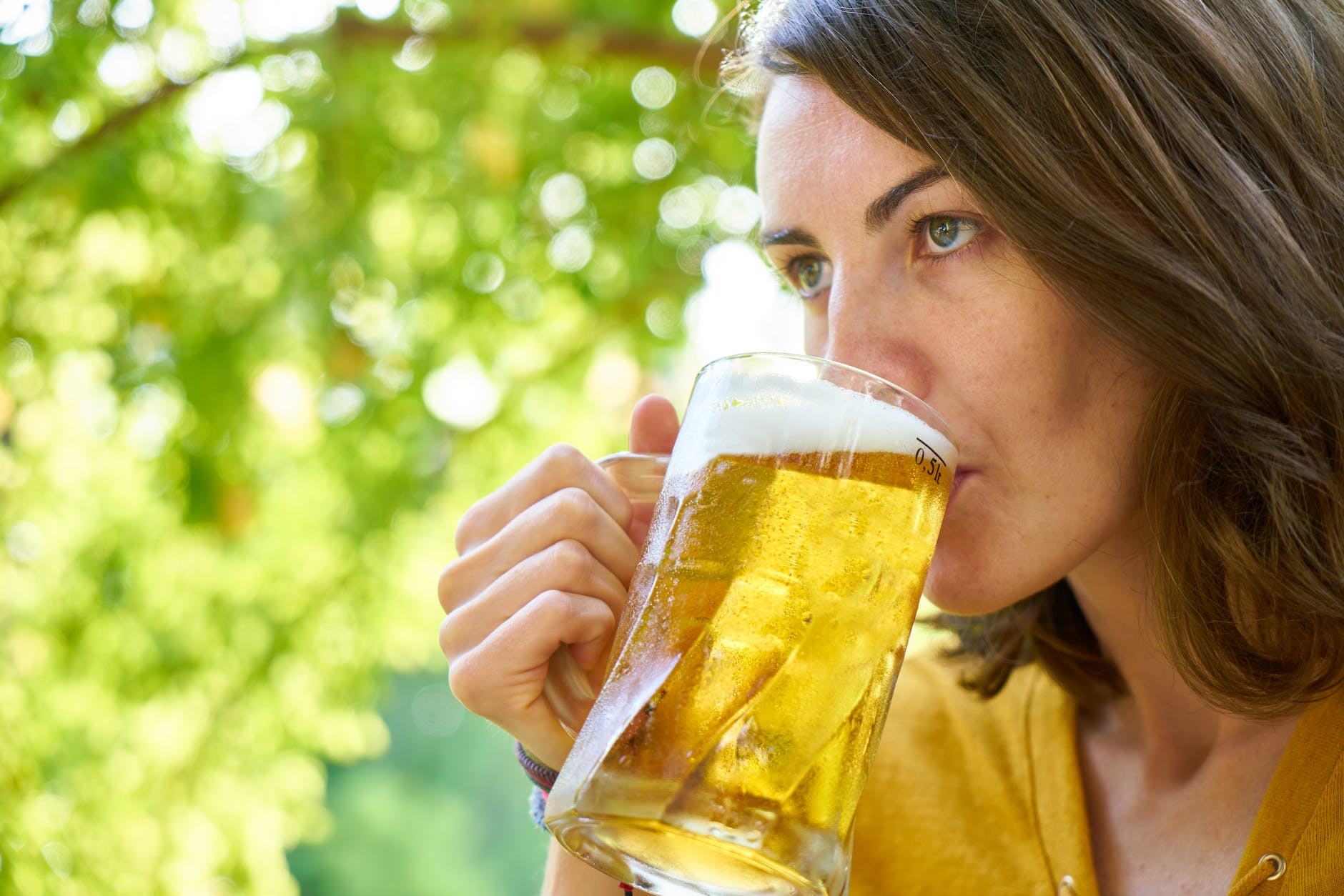
First a word about Lager beer. Lager beer is a relatively recent invention that originated in Bavaria. Lager beers use a special kind of yeast for the fermentation process, it is typically bottom fermented, and fermented and conditioned in cool temperatures, unlike other beer styles. Lager beers can be of many colors, pale, amber, dark, even black such as Schwarzbier. The Pale Lager originated in Pilsen in Bohemia (Western Czech Republic) in the mid-19th century. The pale lager has become the world’s most common beer style and bland tasting mass-produced pale lager beers dominate the market. In countries that are not traditional beer countries such as France, Italy, China, Japan and South America, the bland pale lager is very dominant. I’ve come across many people who think that the more tasteless the pale lager is, the better beer it is (Corona).

Many people believe that beer is the same thing as pale lagers. However, the beer advocate counted 120 beer styles (so far). I can add that some mass-produced American pale lagers, such as Budweiser, contain adjuncts, such as rice and maize, which is prohibited by the German Reinheitsgebot tradition. The Reinheitsgebot tradition states that the only ingredients allowed in beer are water, malt, hops, and yeast and for bottom fermented beer (lager) the malt must be malted barley only. Therefore, what many people think of as beer, well, it’s complicated.
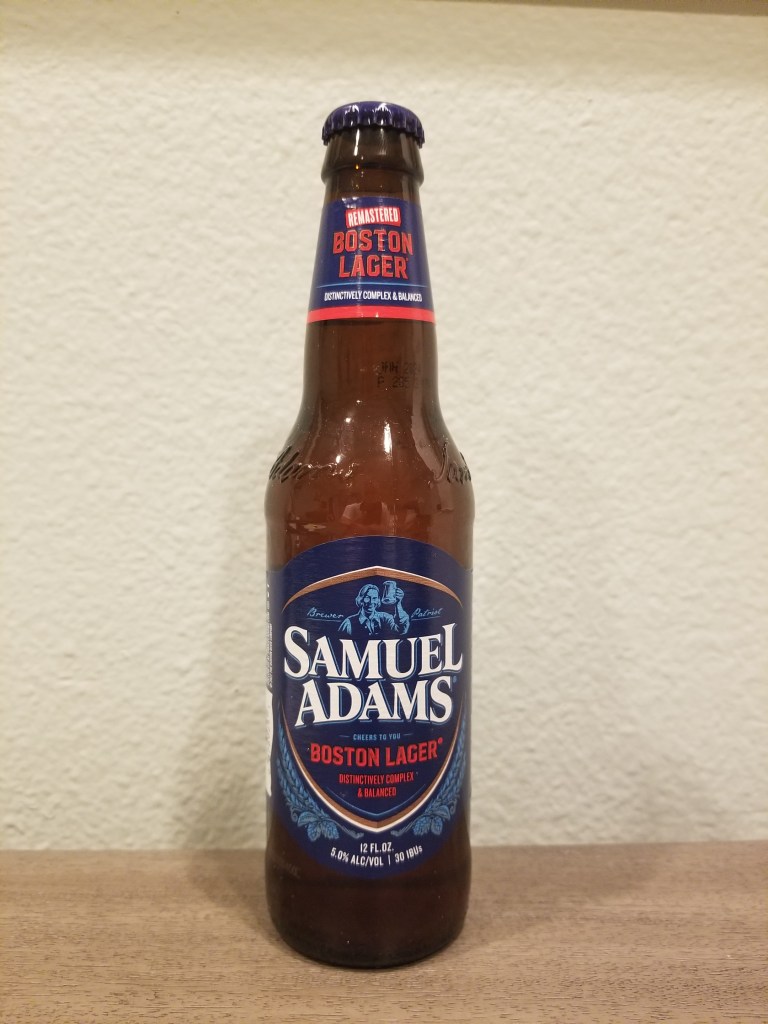
Beers with fruity flavors
Pale lager beers aren’t associated with fruity flavors, which can lead to the incorrect impression that beer with fruity flavors isn’t real beer. However, beers with fruity flavors have a very long history, and many fruity beers, perhaps surprisingly to some, follow the German Reinheitsgebot tradition. In addition, many beers with fruity flavors are among the most celebrated beers in the world. There are many fruit Lambics (Belgium) that are sold for several hundred dollars per bottle. There are a number of ways to add fruit flavors to beer.
- Hops is a flower that is used as a flavoring and stability agent in beer. It has been used since at least the 9th century and is allowed/part of the Reinheitsgebot tradition. There are at least 147 hop varieties in the world, many of them having fruity flavors.
- The fermentation process frequently generates esters (in addition to alcohol), a compound responsible for the fruity aromas and flavors in fruit. The amount of fruitiness that you get depends on the yeast and the grain used. For example, German and Belgian wheat beers often have more or less prominent notes of banana or pear due to an ester called Isoamyl acetate, also known as isopentyl acetate. Belgian lambics (not fruit lambics), gueuze, red flanders, and oud bruin beer styles has tart and very fruity flavors without any fruit or fruit juice being added.
- The German Berliner Weisse, a wheat beer, gets its fruity and tart flavor from a bacterium. Traditionally no fruit is added. However, now a day it is very common to add fruit or fruit syrup to enhance the fruit flavor.
- Sometimes fruity flavors can to some degree be added by aging the beer in, for example, wine barrels, adding notes of wine or grapes.
- Naturally you can also add fruit, or fruit juice, to the fermentation process. This is not in accordance with the German Reinheitsgebot tradition but perfectly acceptable among beer connoisseurs. Many of the highest rated beers in the world are so called fruit lambics that have added fruit.
- There are other ways to add fruit flavors in beer but above are four very common ones.
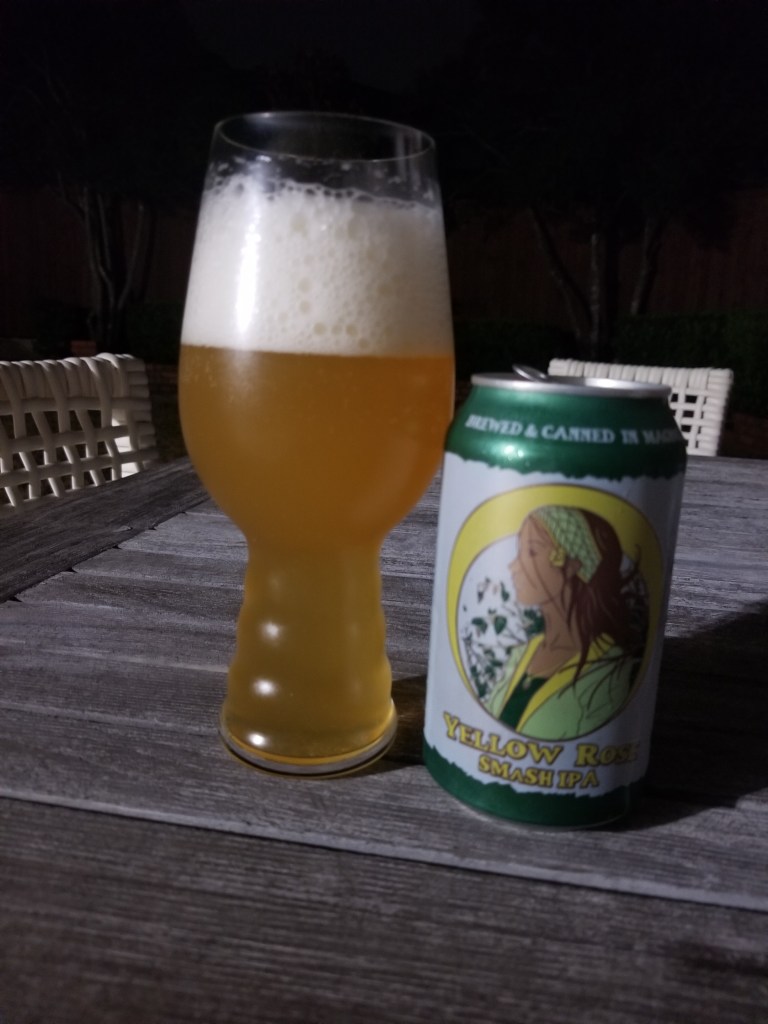
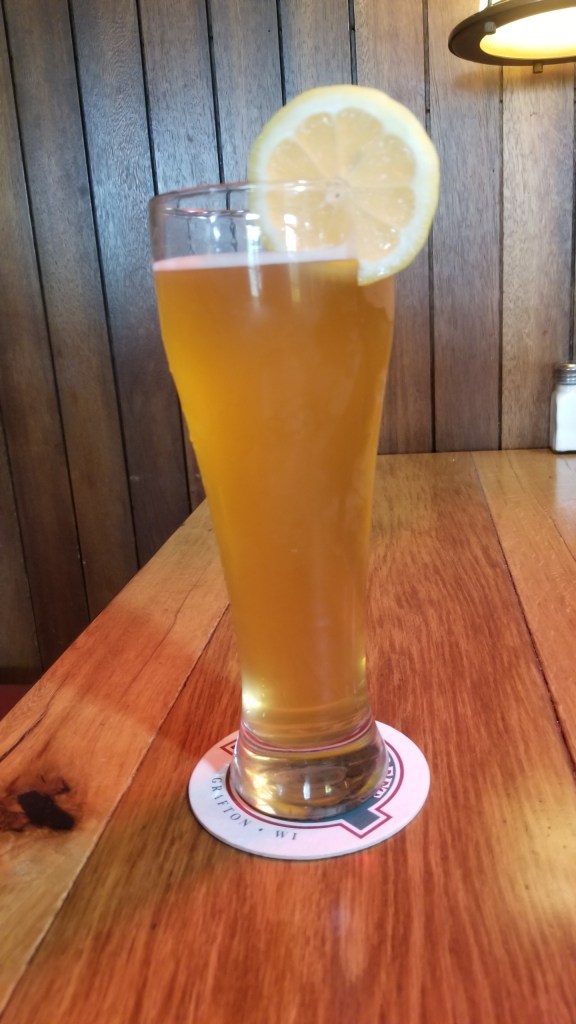
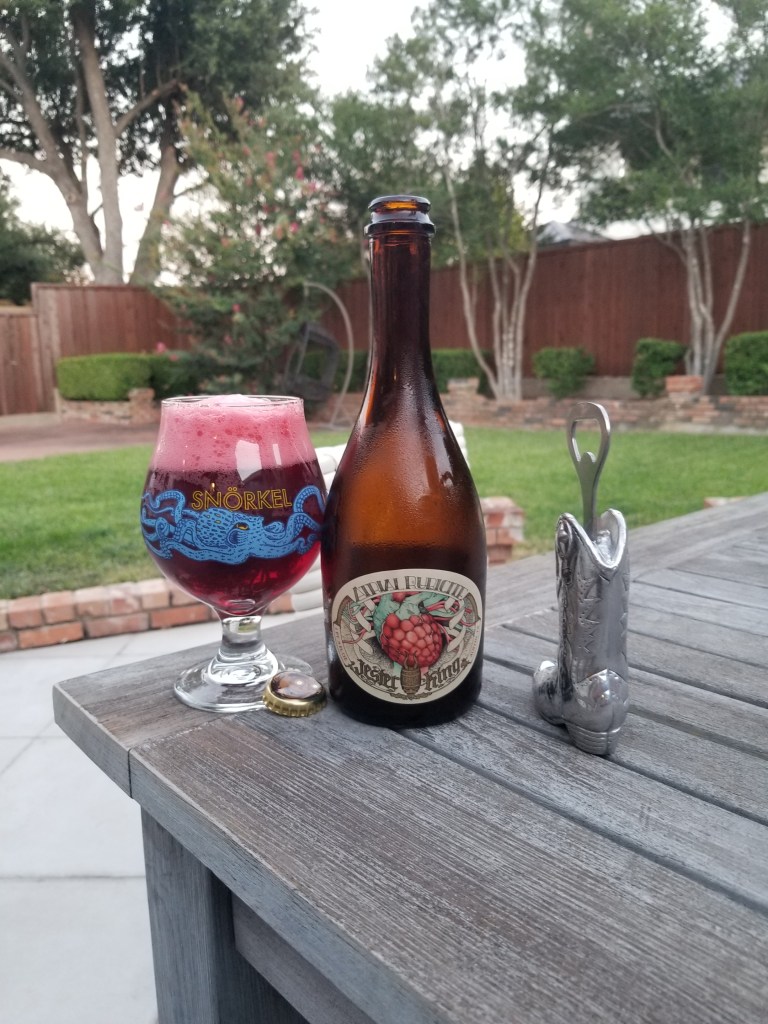
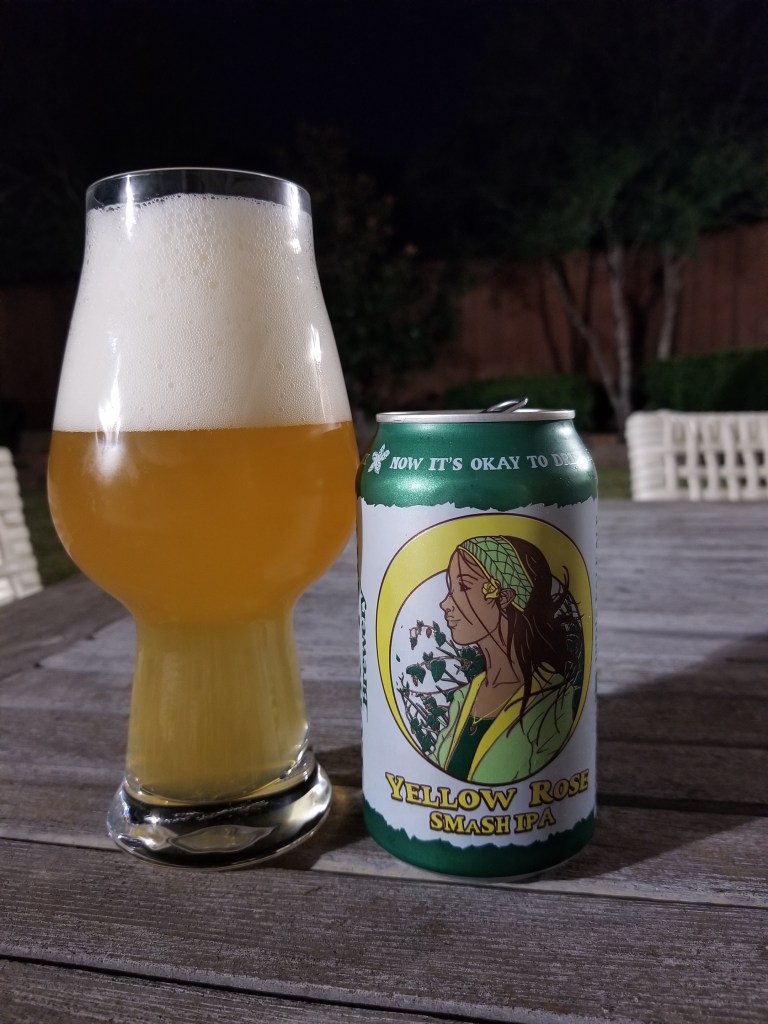
Below are some photos of beers with fruit flavors











 Leonberger Life