
This is a guest post written by Sara M. from Sanitair LLC. She emailed me asking me if she could publish this post regarding opening a Indoor air quality for pets. I said yes. See her post below.
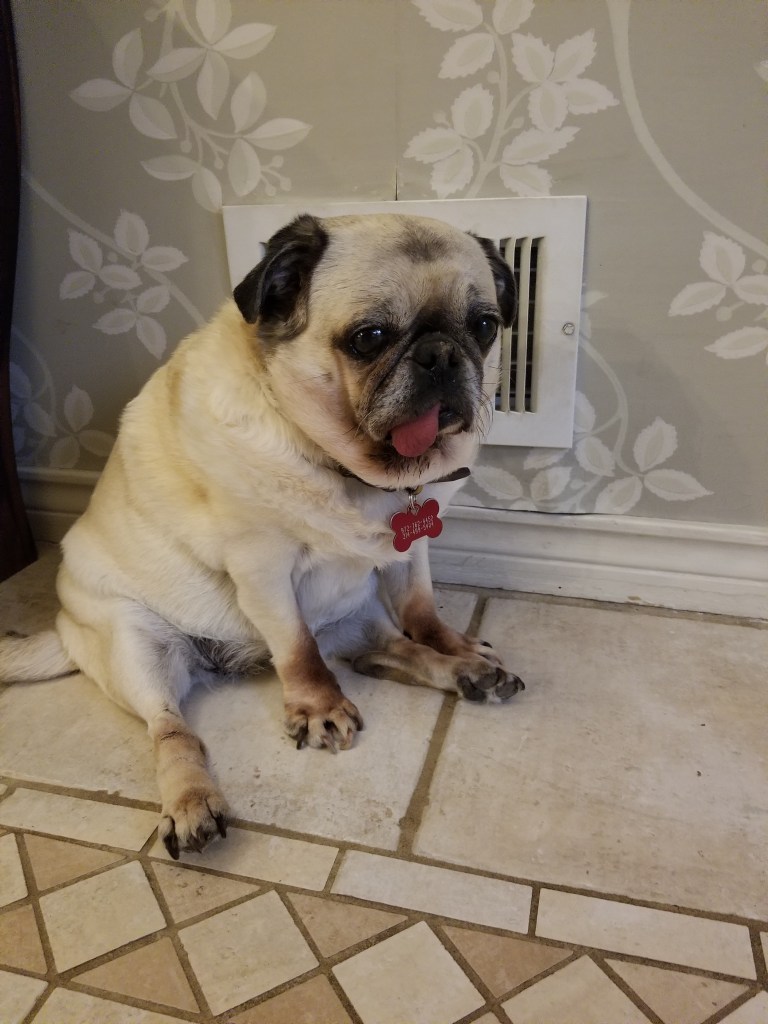
I can add that we had our ducts cleaned a couple of months ago. It is good thing to do for yourself and for your pets.
The Ultimate Pet Owner’s Guide to Indoor Air Quality

Introduction
As a pet owner, you know the joy and companionship that furry friends bring into your life. Their playful antics, affectionate nuzzles, and loyal presence make every day brighter. However, pets also bring certain responsibilities that extend beyond feeding, grooming, and playtime. One critical aspect of pet care that is often overlooked is indoor air quality. The environment your pet lives in can significantly impact their health, comfort, and overall wellbeing.
Poor air quality can exacerbate allergies, trigger respiratory problems, and even contribute to long-term health issues for both pets and humans. With pets spending most of their time indoors, maintaining clean, fresh air is essential to support pet health and create a safe living environment. In this guide, we will explore how indoor air quality affects your pets, practical steps to improve it, and strategies to prevent airborne irritants in your home.
1. How Indoor Air Quality Impacts Pet Health
Indoor air can contain pollutants that affect pets in ways similar to humans. Common indoor pollutants include dust, pet dander, pollen, mold spores, smoke, and volatile organic compounds (VOCs) from household cleaners or furniture. Pets are often closer to the ground, which means they inhale particles that settle on floors and carpets, making them particularly vulnerable to airborne irritants.
Respiratory issues are among the most common consequences of poor air quality in pets. Cats, dogs, and small mammals may develop coughing, sneezing, nasal discharge, or labored breathing if exposed to irritants over time. Pets with pre-existing conditions, such as asthma in cats or brachycephalic dog breeds, are even more sensitive.
In addition to respiratory effects, pollutants can trigger skin irritation and exacerbate allergies. Fluffy coats can trap dust and dander, which not only irritates pets’ skin but can also circulate allergens throughout your home. Long-term exposure to poor air quality may even weaken the immune system, making pets more susceptible to infections.
By understanding how indoor air quality influences pet health, you can take proactive steps to minimize risks and promote a safer, cleaner environment for your furry companions.
2. Sources of Indoor Air Pollution in Homes With Pets
To improve air quality, it is important to first identify potential sources of indoor pollutants in pet-friendly households. Common contributors include:
Pet Dander and Hair: Pet hair alone is not harmful, but it often carries dander, a common allergen. Dander is tiny, lightweight, and easily airborne, allowing it to circulate throughout your home.
Dust and Dirt: Pets can bring in dust, pollen, and other particles from outside on their paws and fur. Over time, this accumulates and becomes a source of indoor pollution.
Mold and Mildew: Pets can create moist areas, especially around water bowls, litter boxes, or damp bedding. Mold spores thrive in these conditions and contribute to poor air quality.
Cleaning Products and Fragrances: Many pet owners use chemical cleaners, air fresheners, or scented candles to maintain hygiene. These products release VOCs, which can irritate the respiratory system of both pets and humans.
Smoking Indoors: Secondhand smoke is a serious hazard for pets. Studies have linked tobacco smoke exposure to respiratory illnesses, cancer, and a higher risk of certain diseases in animals.
HVAC Systems: Dust and debris can accumulate in ducts and filters, which may circulate pollutants throughout the home if not properly maintained. Regular maintenance and occasional duct cleaning can help reduce this risk.
Identifying these sources is the first step toward reducing indoor pollutants and improving air quality for your pets.
3. Practical Strategies to Improve Indoor Air Quality
Once you know the sources of pollutants, implementing strategies to maintain clean air becomes more effective. Here are some practical approaches:
Regular Grooming and Cleaning: Frequent brushing removes loose hair and dander, reducing airborne particles. Bathing pets occasionally also helps, but avoid over-bathing, as it can dry out the skin. Vacuuming carpets, rugs, and upholstery using a vacuum with a HEPA filter is essential for trapping fine particles.
Air Filtration Systems: High-efficiency particulate air (HEPA) filters are highly effective at capturing pet dander, dust, pollen, and other airborne pollutants. Air purifiers can be placed in rooms where pets spend the most time to ensure constant filtration.
Proper Ventilation: Good airflow helps prevent pollutants from accumulating indoors. Open windows when weather permits, or use exhaust fans in bathrooms and kitchens to reduce humidity and mold growth.
Humidity Control: Maintaining indoor humidity between 30 to 50 percent can help reduce allergens and prevent mold. Dehumidifiers or humidifiers can be used depending on your climate to maintain an optimal balance.
Non-Toxic Cleaning Solutions: Choose pet-safe, fragrance-free cleaners to minimize VOCs. Avoid aerosol sprays or air fresheners that can irritate your pet’s lungs.
Designated Pet Areas: Establish specific areas for feeding, sleeping, and playing. Wash bedding regularly and clean litter boxes daily to prevent odors and bacteria from affecting air quality.
Implementing these strategies consistently will not only improve air quality but also contribute to a healthier, happier home for both pets and humans.
4. Monitoring and Maintaining Air Quality
Maintaining optimal air quality is an ongoing effort. Monitoring your indoor environment helps you identify potential problems before they affect your pets’ health.
Air Quality Monitors: Consider using digital monitors to track particulate matter, humidity, and VOC levels in your home. Some devices provide alerts if pollutants rise above safe levels, allowing you to act quickly.
Regular Cleaning Schedule: Establish a routine for vacuuming, dusting, and washing pet bedding. Clean or replace HVAC filters as recommended by the manufacturer, and schedule duct cleaning occasionally to remove trapped debris.
Pet-Safe Plants: Certain indoor plants can help filter toxins naturally, but be sure to choose species that are non-toxic to pets. Some popular options include spider plants, Boston ferns, and bamboo palms.
Professional Advice: If your pet shows signs of respiratory issues, allergies, or skin irritation, consult a veterinarian. They can provide guidance on environmental adjustments and recommend interventions to protect your pet’s pet health.
By actively monitoring and maintaining your home’s air quality, you can prevent long-term health issues and create a comfortable environment where your pets can thrive.
Conclusion
Indoor air quality is a crucial but often overlooked aspect of pet care. From reducing allergens and irritants to ensuring proper ventilation and using air purifiers, every step counts toward improving your pet’s living environment. Maintaining clean, fresh air supports pet health, reduces respiratory and skin issues, and contributes to a happier, healthier home.
Start with small, consistent changes such as regular grooming, vacuuming, and using HEPA filters, and gradually incorporate more advanced strategies like monitoring devices and humidity control. Remember, a home with clean air benefits not only your pets but everyone living in it.

 Leonberger Life
great post! And a wonderful idea too!
LikeLiked by 2 people
Thank you so much Carol Anne
LikeLike
A very comprehensive guide. Thank you for posting it, Thomas. Many points are good for humans without pets.
LikeLiked by 1 person
Yess you are right Miriam. Thank you so much.
LikeLiked by 1 person
Thanks for this useful, practical guide for maintaining good air quality for our furry friends! It probably helps us as well.
LikeLiked by 1 person
Thank you so much David. We had an inspection done and we were told we had a problem, so we did duct cleaning. It is probably a good thing to do sometimes.
LikeLiked by 1 person
Thanks for posting this, Thomas.
LikeLiked by 1 person
Thank you Lynette.
LikeLiked by 1 person
Thanks a lot for sharing this interesting and useful post!
My Sissi thanks you too🐾🐾
LikeLiked by 1 person
Thank you so much Luisa. I appreciate your support.
LikeLiked by 1 person
🙏🌹🙏
LikeLiked by 1 person
Wow, this is incredibly useful – thanks for posting!
LikeLiked by 1 person
Thank you so much Ravindra
LikeLike
Very interesting. Lots of tips I hadn’t considered.
LikeLiked by 1 person
Thank you so much Jacqui
LikeLiked by 1 person
Hi Thomas, I have not thought about many points made in this article. Thanks for sharing this post.
LikeLiked by 1 person
Thank you so much Robbie
LikeLike
Interesting about air fresheners. I stopped using aerosols a long time ago, same with a diffuser.
LikeLiked by 1 person
Thank you for the information Di
LikeLike
You’re welcome.
LikeLiked by 1 person
A great guide to help keep our pets and ourselves comfortable… We forget especially in winter with heating on in homes, that our pets already have a fur coat on ..
Many thanks Thomas for sharing xx ❤
LikeLiked by 2 people
Thank you so much Sue. You are so right about the heating. Some dogs have short hair and may be cold. That was true for our Pug Daisy. However, some dogs have a lot of fur like our Leonberger Bronco. They choose where to sit but keeping the air clean and healthy is important for all.
LikeLiked by 1 person
I so agree xx
LikeLiked by 1 person
Charlee: “Our Mama and Dada would like to replace their gas stove with an electric one to help with this, but there’s no circuit for it and it would cost thousands of dollars just for the wires to run one. And that’s before the labor costs! So for now, they will keep cooking with gas. Just like the old saying goes!”
LikeLiked by 1 person
Charlee, we replaced our gas stove with an electric one. However, in our case the gas stove had reached the end of its life and we had the wiring, so not so difficult. For Mama and Dada it is a little harder.
LikeLiked by 1 person
Yep, when we had the electrician out he looked at the circuits and how the wires would have to be run from the junction box to the kitchen, which are at completely opposite ends of the house as you go on the diagonal, and then he was like, “You know, cooking with gas is good too.”
Of course, at the time Charlee left that comment, she had not yet been diagnosed with asthma …
LikeLiked by 1 person
That sounds like a very challenging wiring issue. I do not know what I would do in your situation.
LikeLike
I appreciate the valuable info you’re providing!
LikeLiked by 1 person
Thank you so much Dawn
LikeLiked by 1 person
SofPro Elite Water Softener is the best water softener for city water.
LikeLike