How to Keep Your Home Clean and Happy with Pets Around

A professional content writer by the name of Ryan Goodchild contacted me about me posting an  article he had written called “How to Keep Your Home Clean and Happy with Pets Around”. The article is below. I provided some pictures.
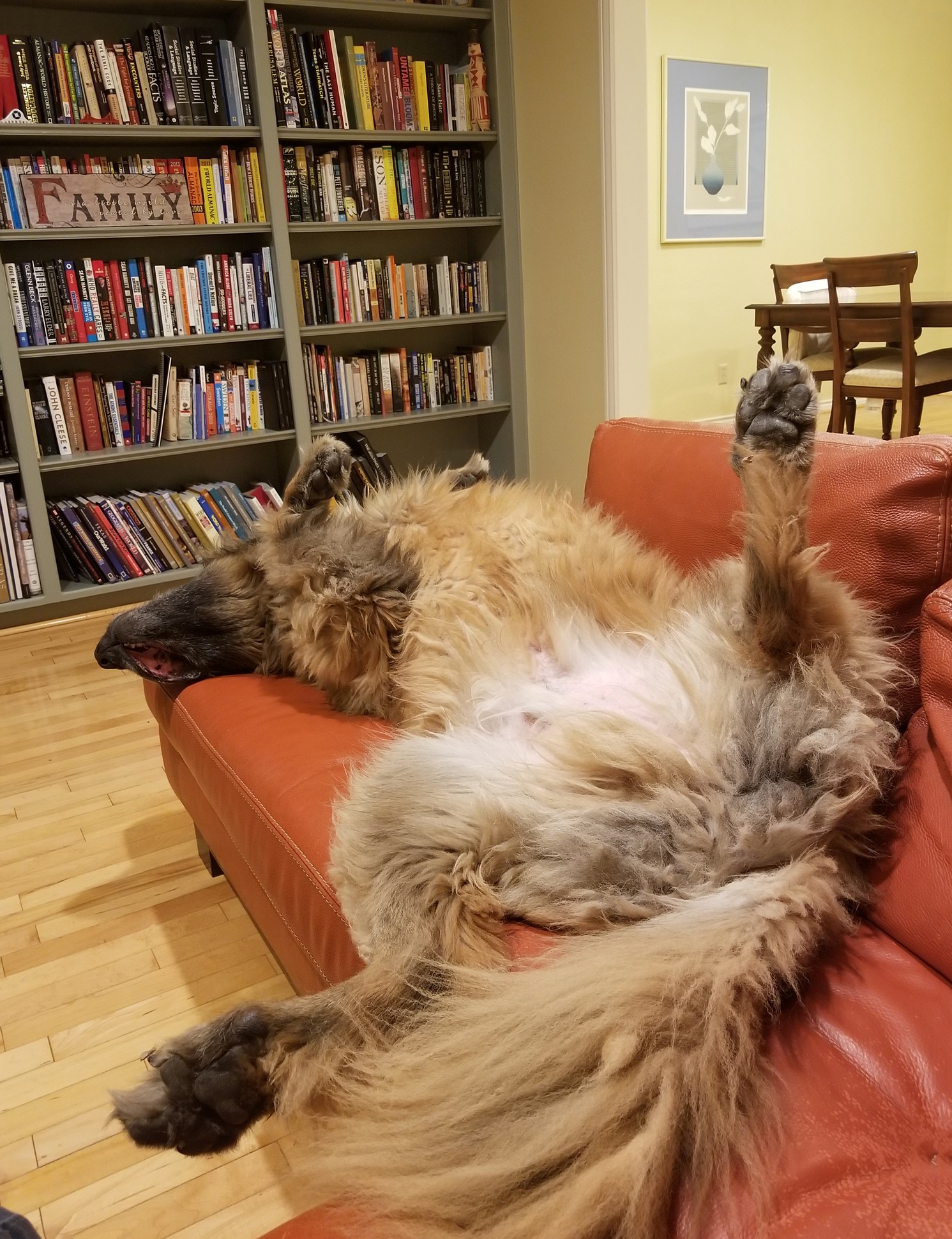
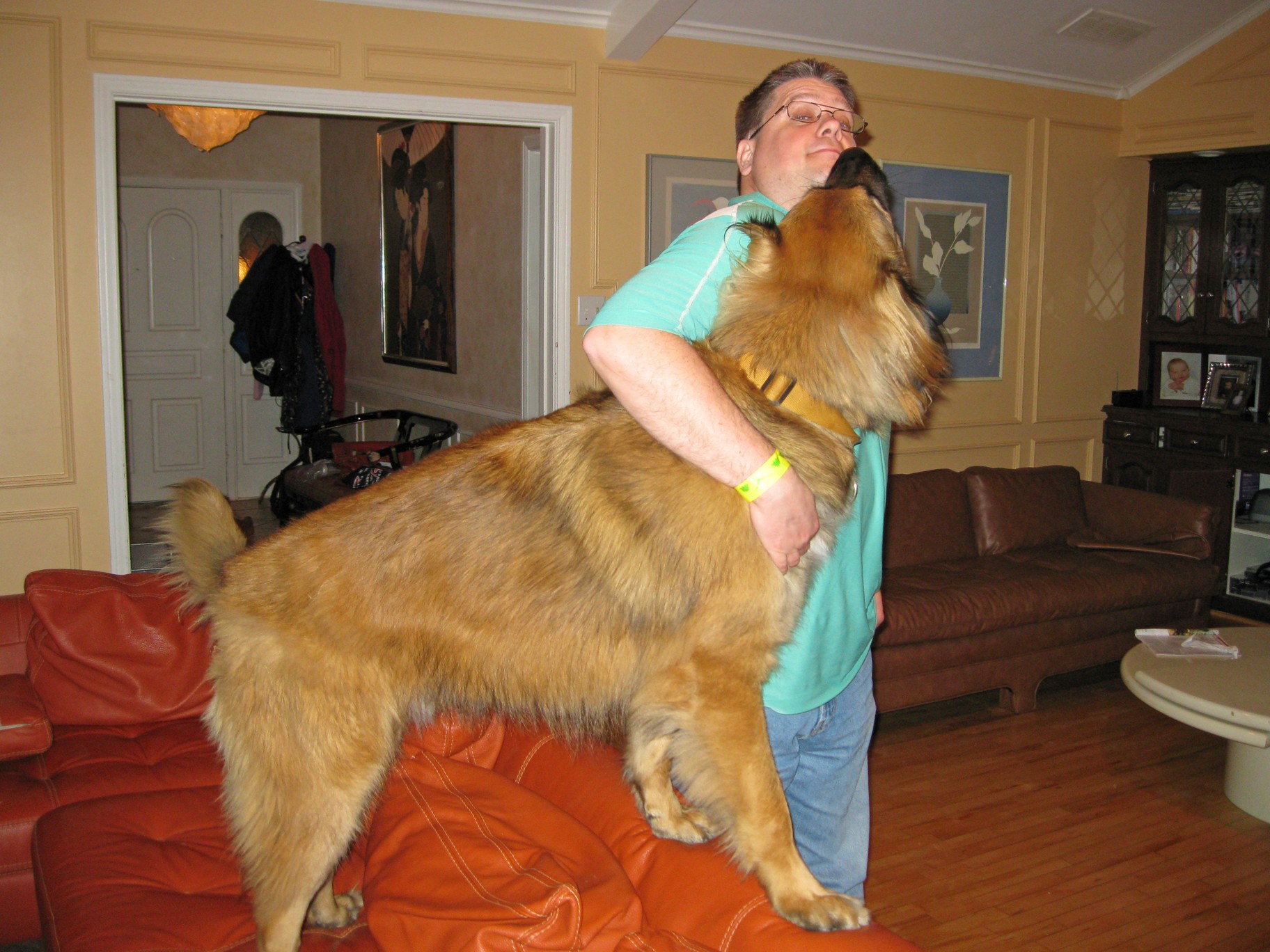
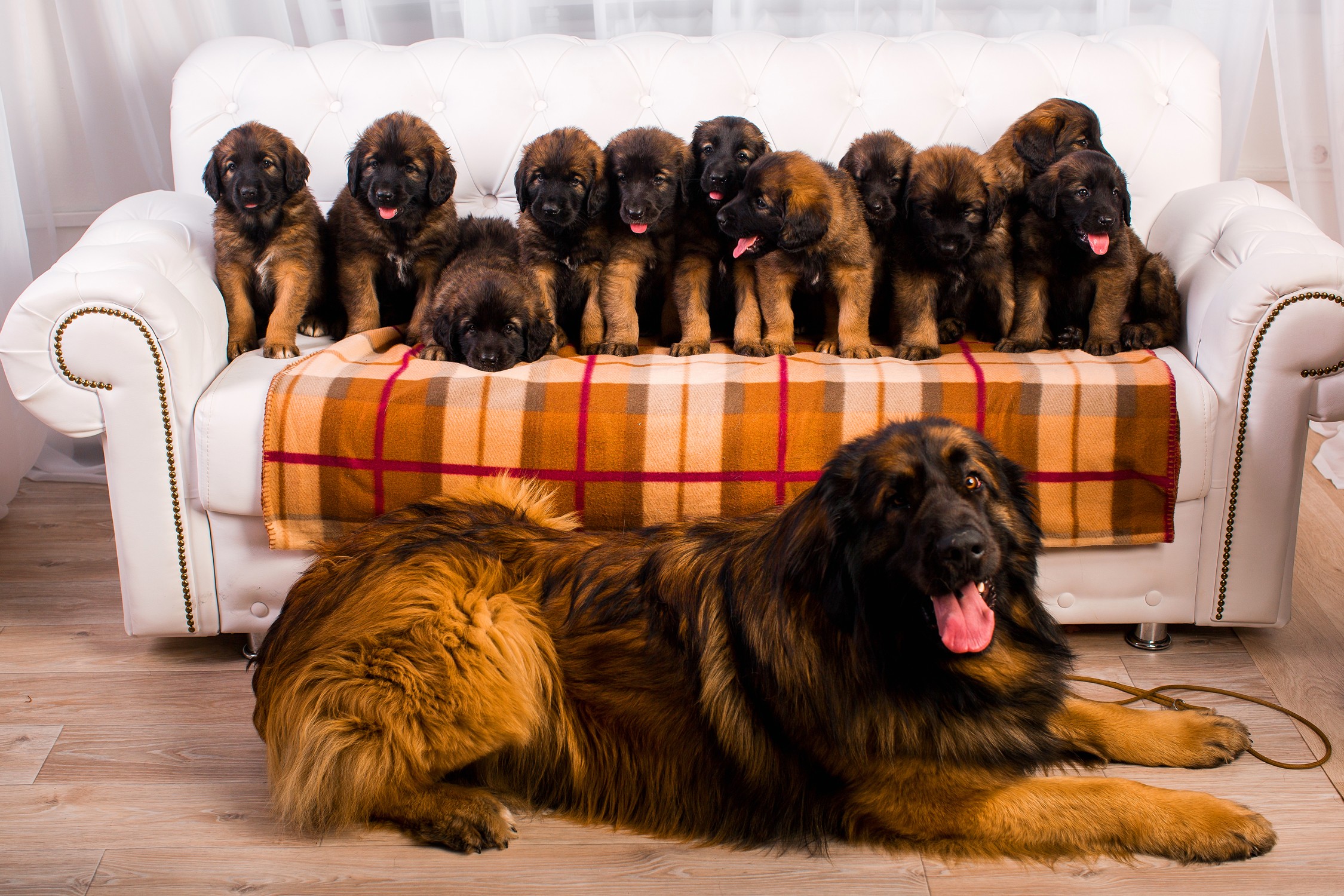
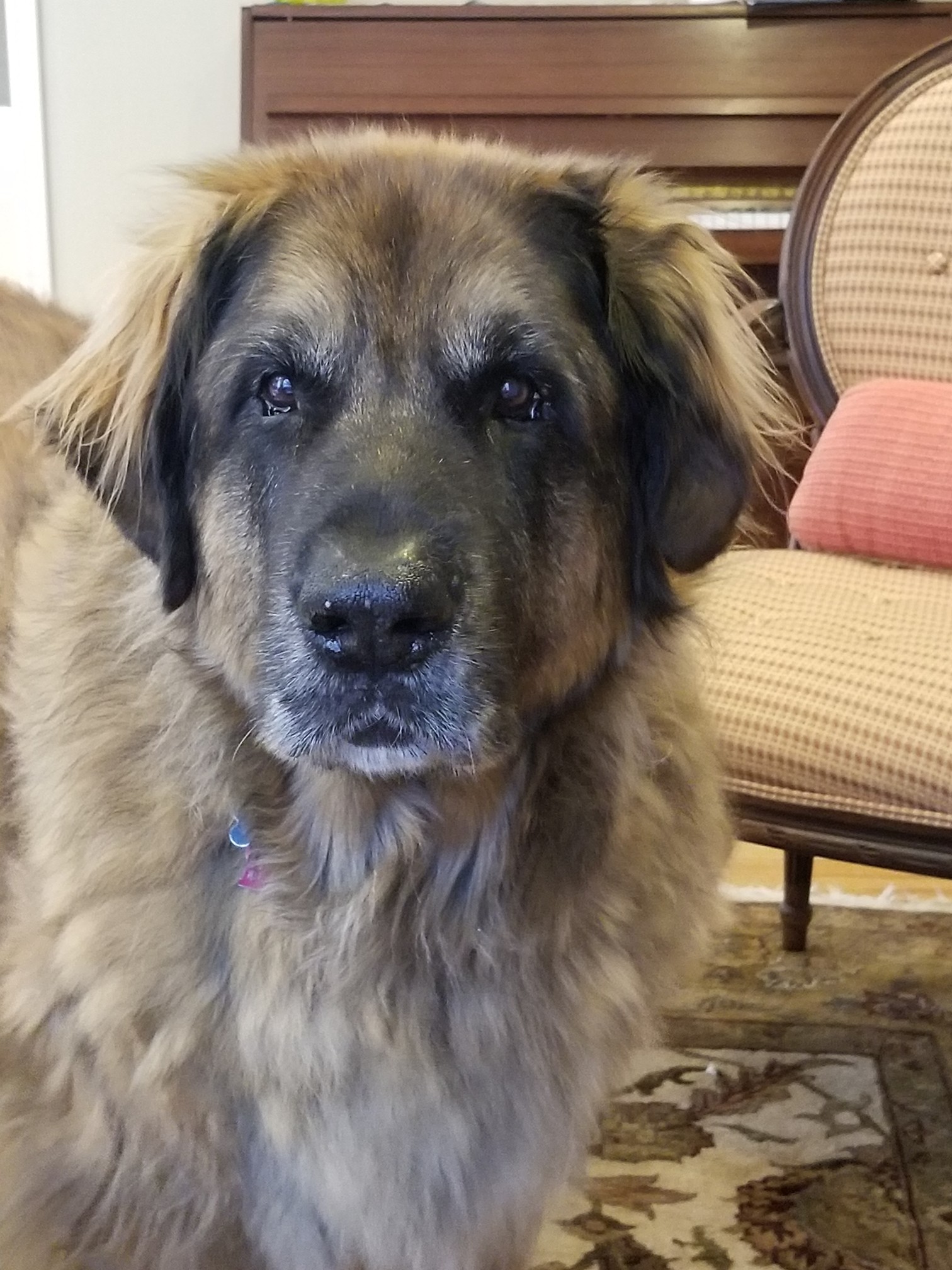
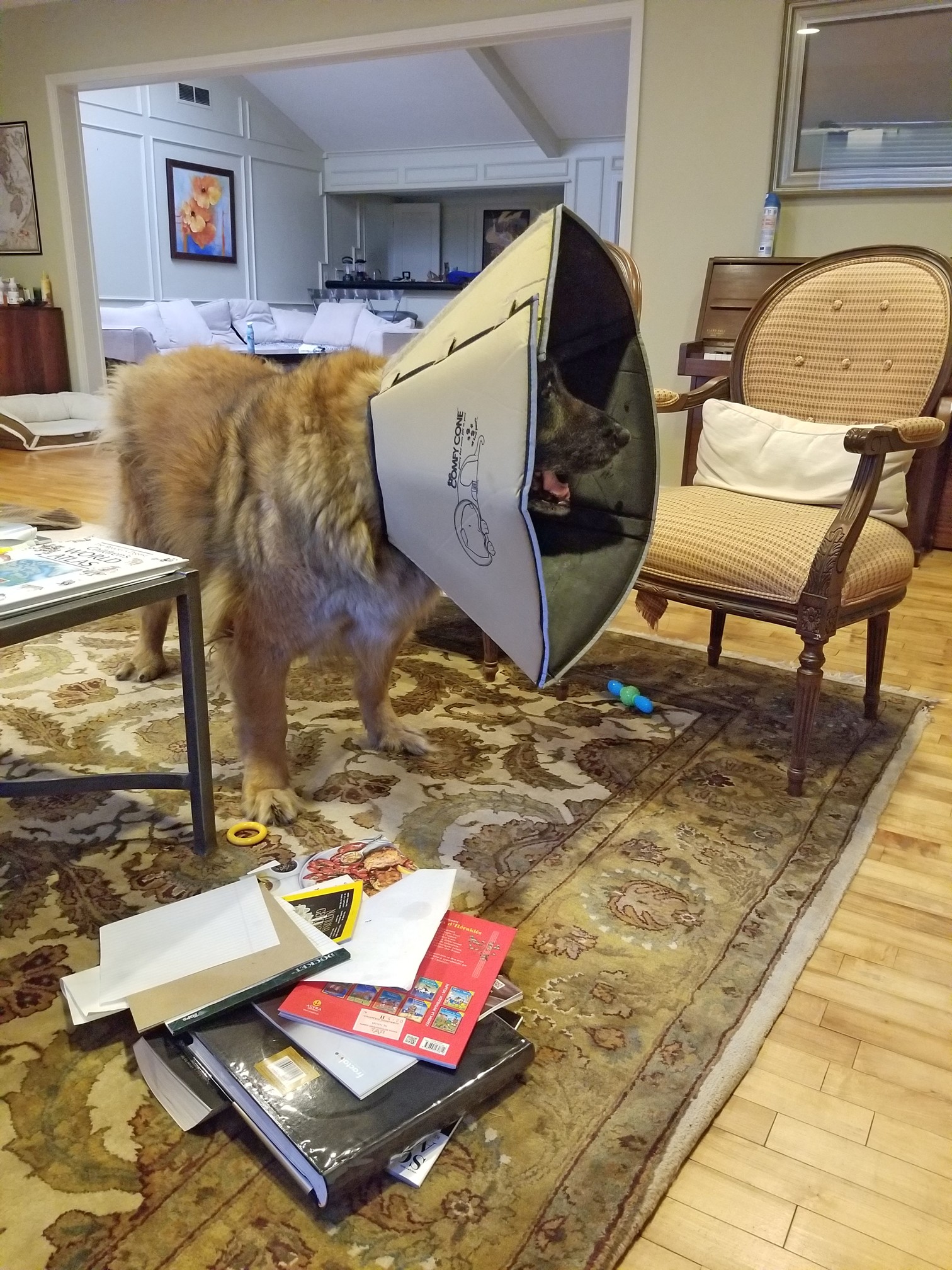
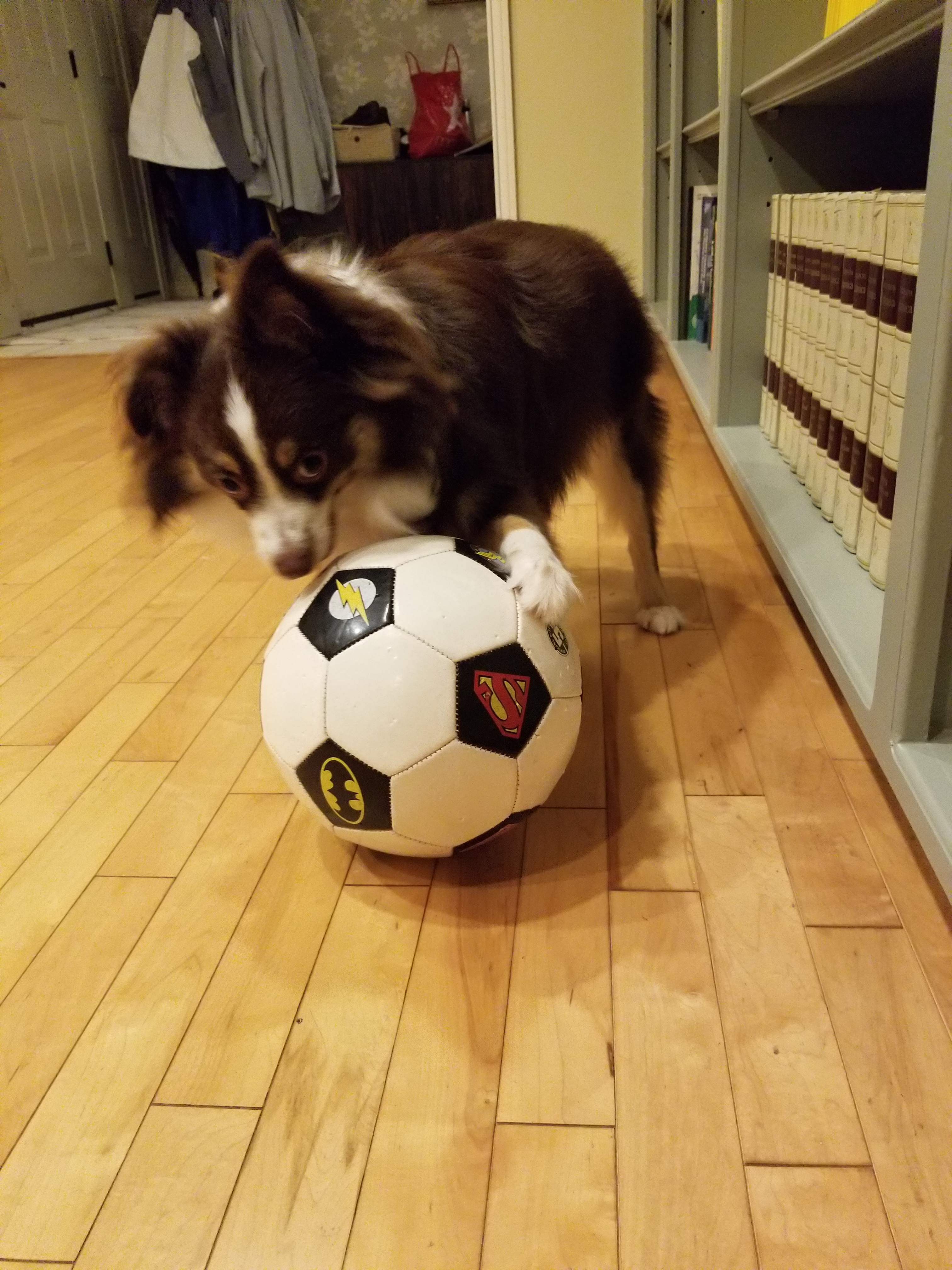
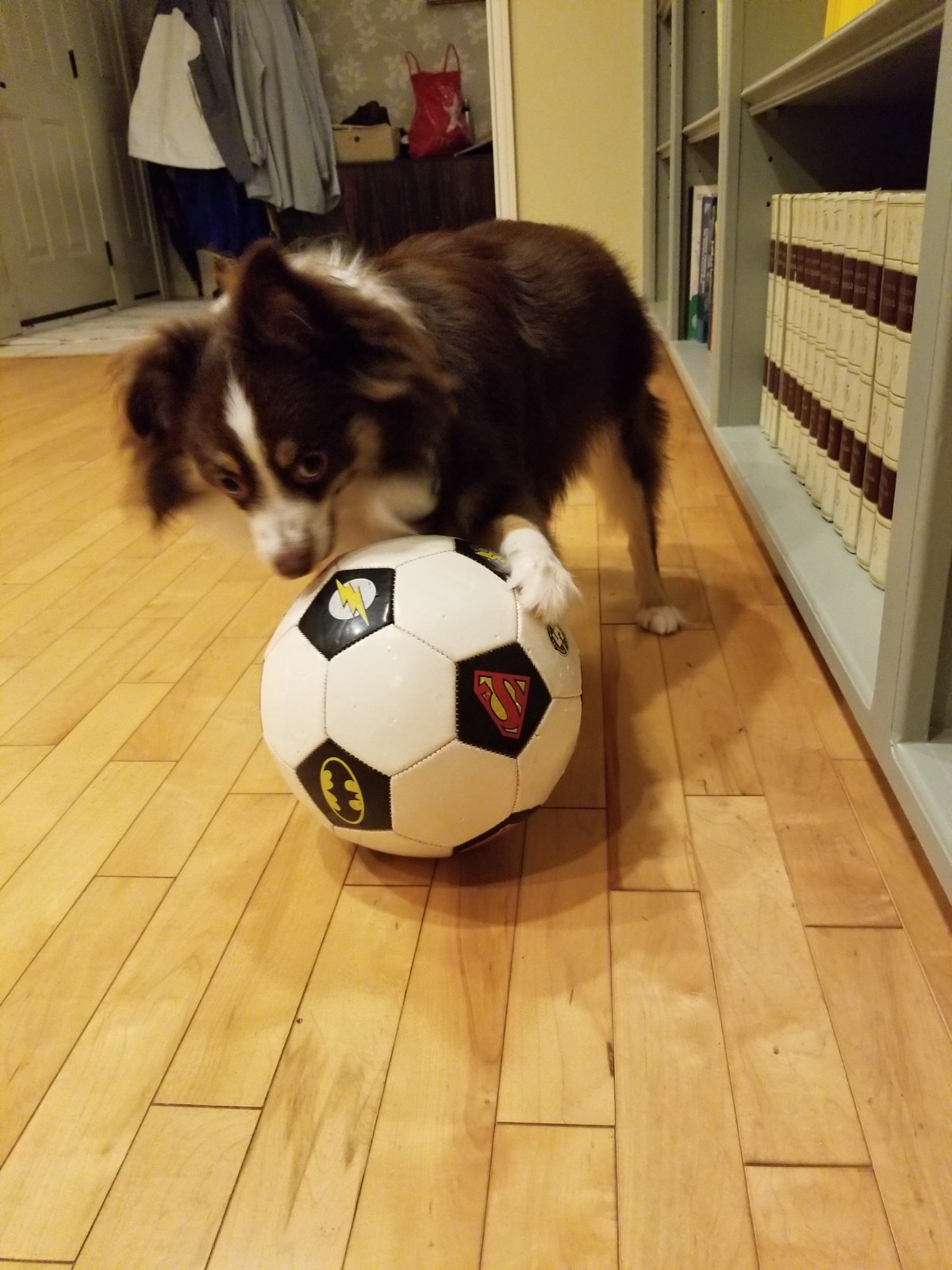
Our Leonberger dog Bronco splayed out on the large leather sofa. Our Leonberger dog Bronco gives me a hug. Ten Leonberger puppies sitting on a sofa – Shutterstock-ID: 561107650 by Akbudak Rimma. Our Leonberger dog Bronco looking straight at me. Our Leonberger Bronco accidently clears a table with his comfy cone. Our mini-Australian Shepherd Rollo as a puppy.

How to Keep Your Home Clean and Happy with Pets Around – by Ryan Goodchild

Busy pet owners juggling work, family, and a lived-in home know how fast things pile up: pet hair management that never seems finished, muddy paws that turn into scratches and stains, and the slow creep of pet-related property damage on floors, furniture, and doors. The real home maintenance challenges aren’t just cosmetic, lingering odors, allergens, and worn surfaces can make a home feel harder to relax in. The good news is that a cleaner, safer space usually comes from a few consistent pet household upkeep habits that reduce mess and protect what matters most. A home can stay clean and happy with pets around.
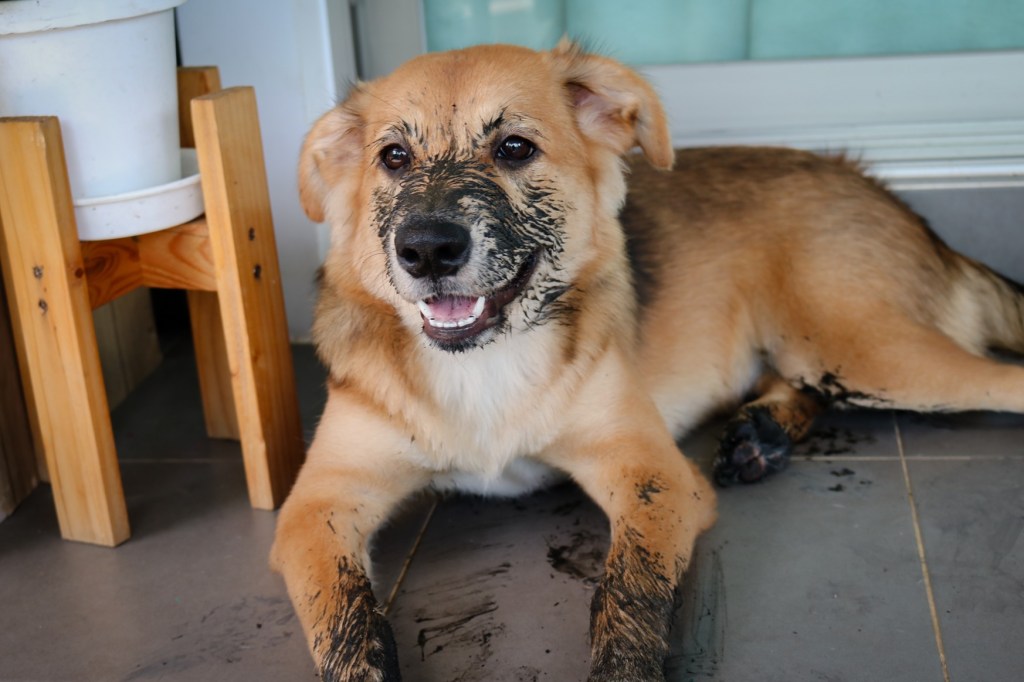
A muddy dog lying on tile floor.
Puppy that just played in the mud. Shutterstock asset id: 2198115179 by Thicha6327

Build a Pet-Proof Maintenance Plan in 7 Practical Upgrades

A clean, happy pet home isn’t about constant deep-cleaning, it’s about setting your space up to resist mess in the first place. These upgrades build on your “little-and-often” routine so hair, scratches, and smells don’t snowball into weekend-long projects.
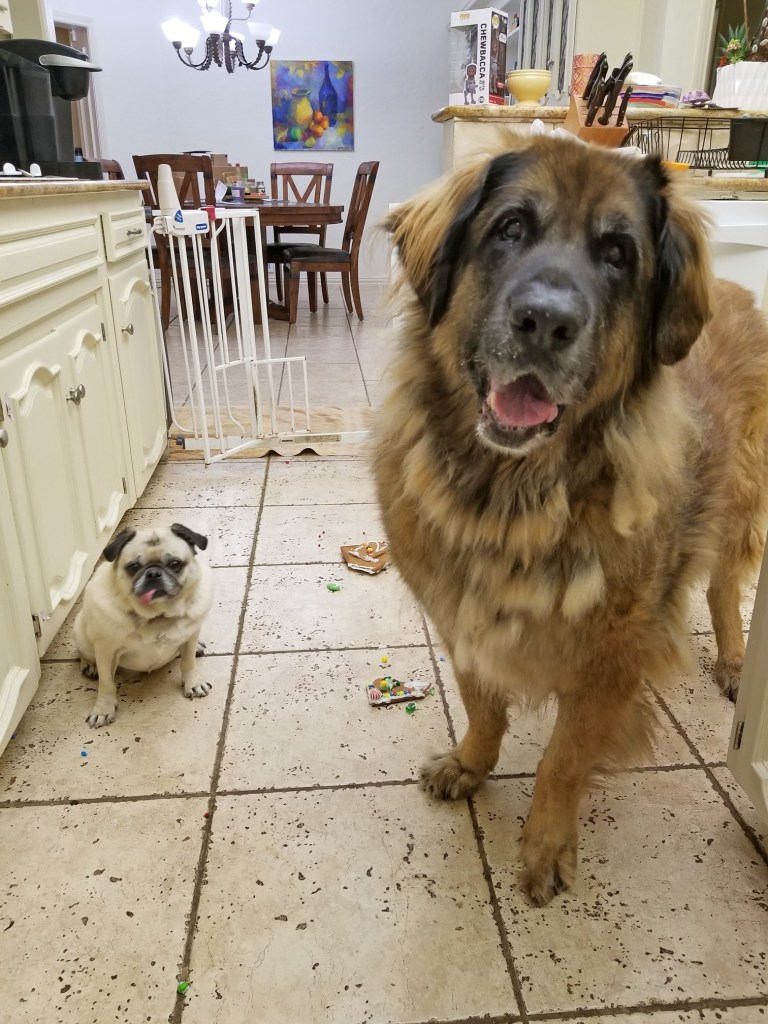
Our Leonberger Bronco and Pug Daisy are in kitchen with pieces of a gingerbread house in front of them on the floor. They are looking into the camera.
Choose flooring that forgives claws and spills. Our Leonberger Bronco and our Pug Daisy are making a mess in the kitchen. Luckily it is easy to clean a tile floor.
  1. Choose flooring that forgives claws and spills: If you’re replacing floors (or even just one high-traffic room), prioritize durable options like luxury vinyl plank, porcelain/ceramic tile, or sealed concrete for easy wipe-ups and fewer scratch worries. If you have hardwood, add washable rugs and felt pads under furniture legs to reduce scuffs from zoomies. Keep a small “paw station” by the door, towel + paw wipes, so grit doesn’t become sandpaper on your floors.
  2. Add pet-proof furniture protection where it counts: Use machine-washable slipcovers or tightly woven throws on the seats your pet actually uses, not the whole couch. On corners and arms, apply clear protective film or corner guards to prevent repeated clawing from becoming a reupholstery problem. If shedding is your main issue, pick one blanket per pet and wash it weekly, containing fur is easier than chasing it room to room.
  3. Build an odor-control “layer cake” (source → fabric → air): Start at the source: clean accidents quickly and use an enzymatic cleaner so the smell doesn’t rebound later. For soft surfaces, rotate washable items (pet bedding, throw covers, crate mats) on a simple schedule, every 7–14 days is realistic for most homes. Then support the air: crack windows for 5–10 minutes when weather allows and run bathroom/kitchen exhaust fans after baths, litter box cleanouts, or rainy-day dog walks.
  4. Replace air filters more often than the box suggests: Pet hair and dander can load filters faster, which can reduce airflow and make your home feel stuffy. Check your filter monthly, and if it looks gray or fuzzy, swap it early rather than waiting for the “official” interval. Pair that with a quick vacuum of return vents every few weeks to keep buildup from circulating back into freshly cleaned rooms.
  5. Do a 5-minute fence safety inspection every month: Walk the perimeter and look for gaps under the fence, loose boards, wobbly posts, and latch issues, especially after storms or freeze/thaw cycles. The stat that homeowners replace fences due to damage or decay is a good reminder that “set it and forget it” rarely holds up. Keep a small bin with gloves, zip ties, and basic fasteners so minor fixes don’t turn into a weekend project, or an escape risk.
  6. Switch to a pet-safe cleaning kit you can grab fast: Choose a few essentials you’ll actually use: a mild dish soap, an enzymatic cleaner for accidents, and a diluted vinegar-and-water spray for glass and some hard surfaces. Store them in a portable caddy so you can respond quickly when you spot muddy prints or a hair tumbleweed. When in doubt, rinse well and keep pets out of the area until floors are fully dry.
  7. Create “safe zones” to protect your home during the messy hours: Baby gates and a simple playpen setup help limit damage when you’re cooking, on a work call, or can’t supervise closely, especially for puppies or newly adopted pets. Guidance like baby gates keeps chewing, scratching, and accidents confined to an easy-clean area rather than your whole house. Over time, this reduces wear-and-tear and makes your regular maintenance routine feel doable.
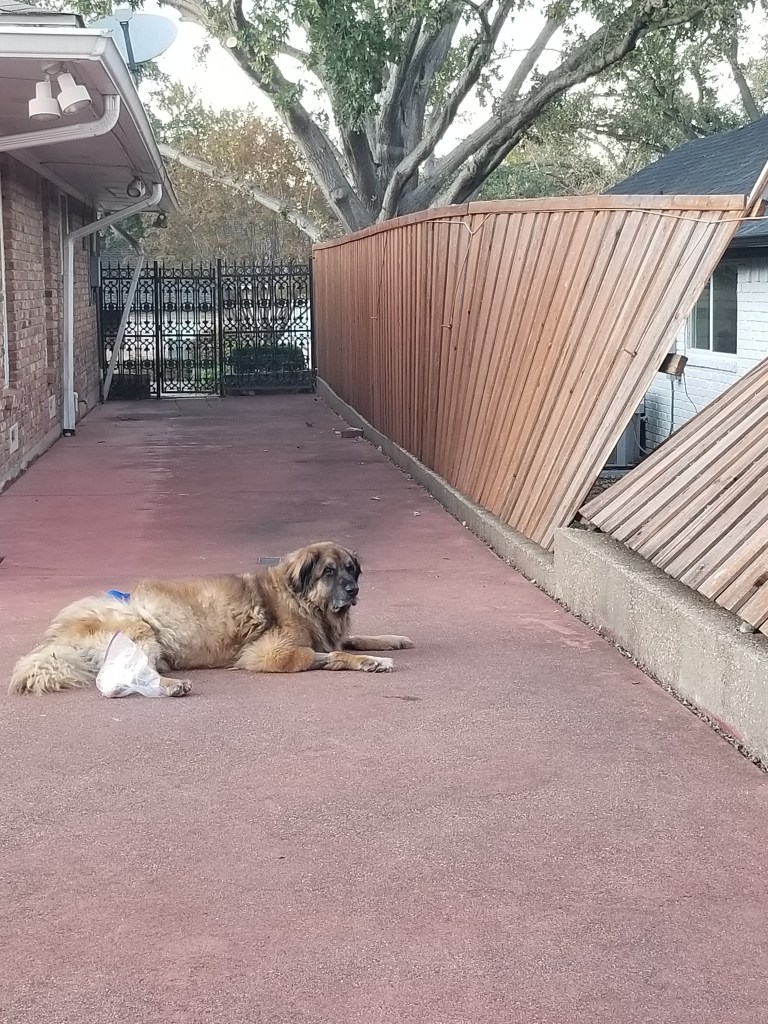
Do a 5-minute fence safety inspection every month. But seriously, this photo is taken after a tornado went through our neighborhood. Our old Leonberger Bronco recently had a toe amputation in picture, and he has a plastic bag around the bandage.

Protect Your Budget When Pets and Breakdowns Hit Together

Once you’ve tightened up the everyday upkeep that comes with pets, the next stress test is what happens when a big home system still breaks at the worst possible time. A home warranty can give pet owners peace of mind by helping cover unexpected repairs to major systems and appliances that can be affected by pet-related wear, like an HVAC system that’s struggling after pet hair builds up and clogs components. Instead of a surprise breakdown turning into a budget crisis (on top of the ongoing costs of pet-proofing and cleaning), warranty coverage can help you handle those sudden service calls and repairs with less financial whiplash.

Hole that sucks up a businessman and money.
Avoid drowning in debt. Shutterstock Asset id: 335014478 by alphaspirit.it

Home warranties are customizable annual service plans that cover repair or replacement of major home systems and appliances, with optional add-ons to help homeowners manage unexpected repair costs due to normal wear and tear, so it can be worth comparing affordable home warranties if you want a little more predictability.

Pet-Friendly Cleaning and Dander FAQs
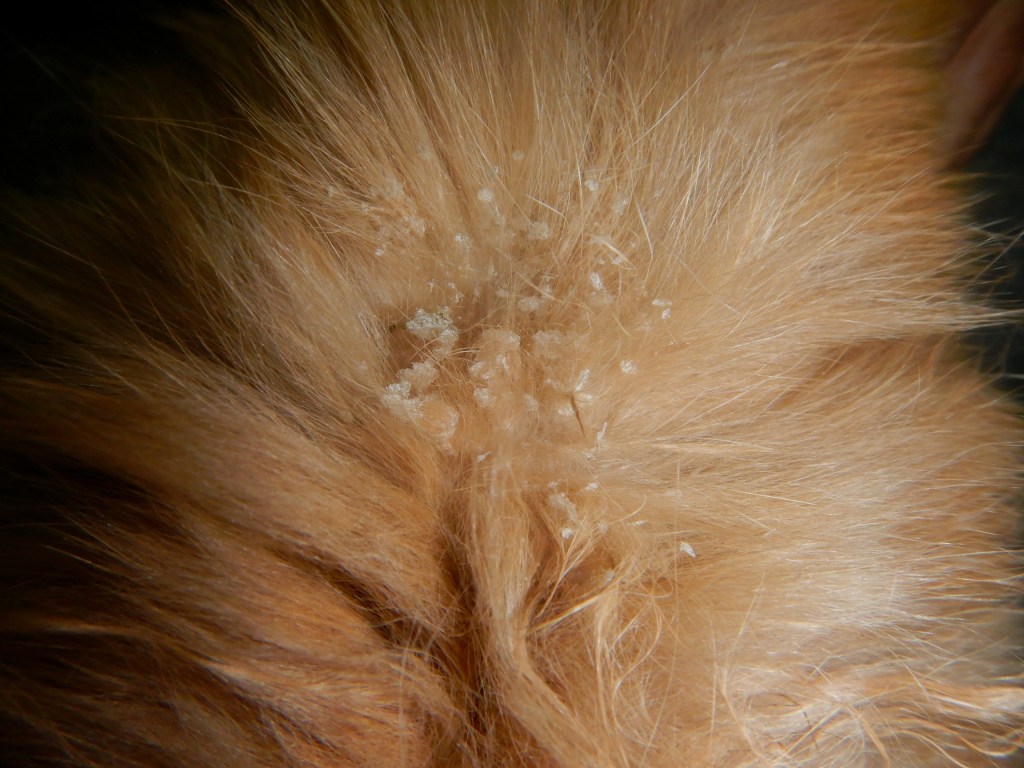
Backside of rabbit. There’s dandruff in the fur.
Dandruff hair in a brown rabbit due to Cheyletiella mites in veterinary clinic. Shutterstock asset id: 1561131680 by Alejandro MR

Q: What is pet dander, and why does it trigger allergies?
A: Pet dander is made up of tiny scales from your pet’s skin, and it can collect in carpets, bedding, and vents. Allergens cling to soft surfaces, so symptoms can flare even when your pet is not in the room. Washing fabrics weekly and using a HEPA vacuum can make a noticeable difference.

Q: How can I cut down on dander without bathing my pet constantly?
A: Brush outdoors a few times a week, wipe coats with a damp microfiber cloth, and wash pet bedding on hot. Keep pets off pillows and sleeping areas if allergies are a concern. Consistency beats occasional deep cleans.

Q: Can I use “natural” cleaners safely around pets?
A: “Natural” is not automatically pet-safe, since some essential oils can irritate lungs or upset stomachs. Choose fragrance-free, pet-labeled products, and rinse floors well so paws do not track residue. Ventilate during cleaning and store chemicals where pets cannot reach.

Q: What actually removes pet odors instead of masking them?
A: Start by removing the source: wash fabrics, clean litter boxes daily, and wipe accident areas promptly. Enzymatic cleaners break down urine proteins so smells do not come back. Airflow helps too, so replace HVAC filters on schedule.

Q: How do I prevent scratching, chewing, and stain damage?
A: Protect high-wear spots with washable throws, rugs, and scratch guards, then reward pets for using approved posts or chew toys. Trim nails regularly and keep a simple “trade” routine for chewing: swap the wrong item for the right one. For recurring issues, add more playtime and enrichment to reduce boredom.

Pet-Friendly Home Care Checklist to Finish Today

A simple checklist turns “we’ll clean later” into quick wins you can repeat every week and season. Use it to spot problems early, reduce lingering odors, and protect your floors and furniture without living in cleanup mode.

✔ Set a weekly fabric wash day for throws, curtains, and pet bedding

✔ Run a HEPA vacuum on carpets, rugs, and upholstery twice weekly

✔ Wipe hard floors with pet-safe cleaner and a clean-water rinse

✔ Clean litter or potty zones daily and empty waste into a sealed bin

✔ Treat accidents immediately with an enzyme cleaner until odor is gone

✔ Swap HVAC filters on schedule and keep vents clear of fur

✔ Inspect scratch points, trim nails, and refresh approved scratchers

Check these off for two weeks, and your home will feel calmer fast.

Building Pet-Friendly Home Habits That Protect Your Space Long-Term

Life with pets is joyful, but fur, odors, scratches, and surprise messes can make a home feel like it’s always one step from chaos. The steadier answer is a proactive home maintenance mindset, pet-focused upkeep that treats cleaning, small repairs, and safety checks as normal rhythms, not emergencies. Over time, that consistency reduces pet damage risks, keeps a truly pet-friendly household, and supports long-term home preservation so floors, furniture, and air quality hold up better. Small, consistent pet-friendly upkeep protects both your home and your peace of mind. Choose one checklist item today and set it on repeat for the next week. That simple commitment keeps home and family life healthier, calmer, and more resilient for years.

Five large Leonbergers standing in front of some rock formations.
Five sweet Leonbergers, from left to right, Kuiper, Caspian, Rilian, Austin, Obi-Wan. Photo by friend Ira Van Order / Velvy the Lion.

Pet Owner Guide to Indoor Air Quality

This is a guest post written by Sara M. from Sanitair LLC. She emailed me asking me if she could publish this post regarding opening a Indoor air quality for pets. I said yes. See her post below.

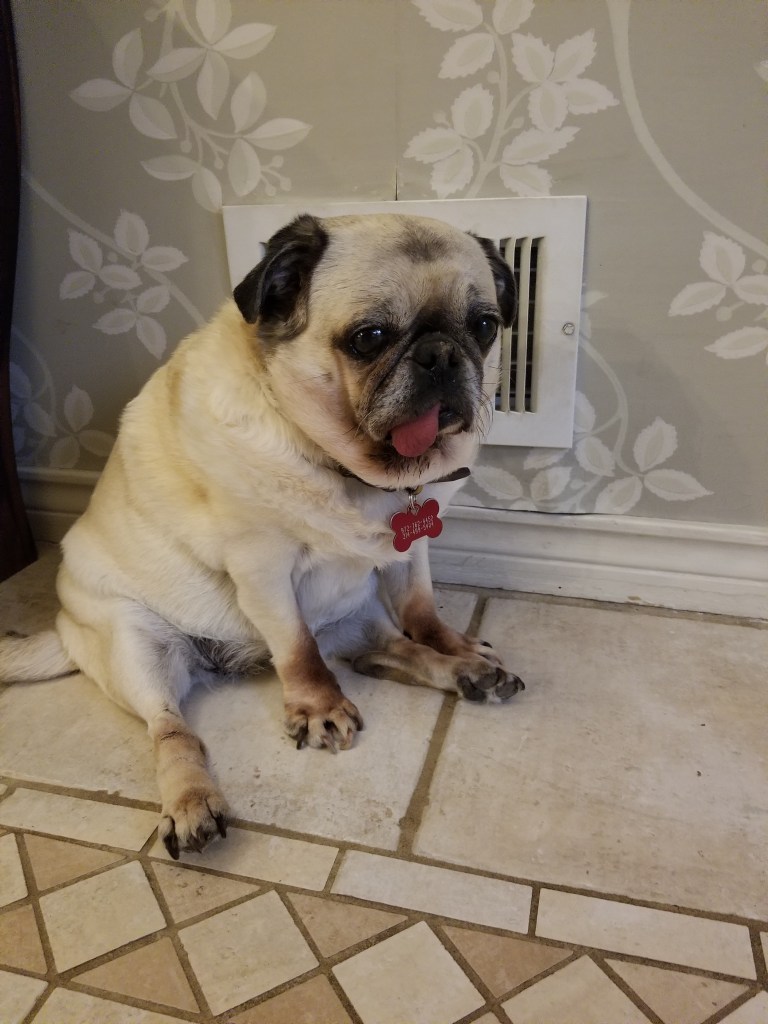
Daisy our pug is sitting in front of a vent.
Daisy our Pug loved sitting in front of vents because of the heat in winter and the cool air in summer. Hopefully, the air was healthy.

I can add that we had our ducts cleaned a couple of months ago. It is good thing to do for yourself and for your pets.


The Ultimate Pet Owner’s Guide to Indoor Air Quality

A red haired woman is playing with a small white fluffy dog.

Introduction

As a pet owner, you know the joy and companionship that furry friends bring into your life. Their playful antics, affectionate nuzzles, and loyal presence make every day brighter. However, pets also bring certain responsibilities that extend beyond feeding, grooming, and playtime. One critical aspect of pet care that is often overlooked is indoor air quality. The environment your pet lives in can significantly impact their health, comfort, and overall wellbeing.

Poor air quality can exacerbate allergies, trigger respiratory problems, and even contribute to long-term health issues for both pets and humans. With pets spending most of their time indoors, maintaining clean, fresh air is essential to support pet health and create a safe living environment. In this guide, we will explore how indoor air quality affects your pets, practical steps to improve it, and strategies to prevent airborne irritants in your home.

1. How Indoor Air Quality Impacts Pet Health

Indoor air can contain pollutants that affect pets in ways similar to humans. Common indoor pollutants include dust, pet dander, pollen, mold spores, smoke, and volatile organic compounds (VOCs) from household cleaners or furniture. Pets are often closer to the ground, which means they inhale particles that settle on floors and carpets, making them particularly vulnerable to airborne irritants.

Respiratory issues are among the most common consequences of poor air quality in pets. Cats, dogs, and small mammals may develop coughing, sneezing, nasal discharge, or labored breathing if exposed to irritants over time. Pets with pre-existing conditions, such as asthma in cats or brachycephalic dog breeds, are even more sensitive.

In addition to respiratory effects, pollutants can trigger skin irritation and exacerbate allergies. Fluffy coats can trap dust and dander, which not only irritates pets’ skin but can also circulate allergens throughout your home. Long-term exposure to poor air quality may even weaken the immune system, making pets more susceptible to infections.

By understanding how indoor air quality influences pet health, you can take proactive steps to minimize risks and promote a safer, cleaner environment for your furry companions.

2. Sources of Indoor Air Pollution in Homes With Pets

To improve air quality, it is important to first identify potential sources of indoor pollutants in pet-friendly households. Common contributors include:

Pet Dander and Hair: Pet hair alone is not harmful, but it often carries dander, a common allergen. Dander is tiny, lightweight, and easily airborne, allowing it to circulate throughout your home.

Dust and Dirt: Pets can bring in dust, pollen, and other particles from outside on their paws and fur. Over time, this accumulates and becomes a source of indoor pollution.

Mold and Mildew: Pets can create moist areas, especially around water bowls, litter boxes, or damp bedding. Mold spores thrive in these conditions and contribute to poor air quality.

Cleaning Products and Fragrances: Many pet owners use chemical cleaners, air fresheners, or scented candles to maintain hygiene. These products release VOCs, which can irritate the respiratory system of both pets and humans.

Smoking Indoors: Secondhand smoke is a serious hazard for pets. Studies have linked tobacco smoke exposure to respiratory illnesses, cancer, and a higher risk of certain diseases in animals.

HVAC Systems: Dust and debris can accumulate in ducts and filters, which may circulate pollutants throughout the home if not properly maintained. Regular maintenance and occasional duct cleaning can help reduce this risk.

Identifying these sources is the first step toward reducing indoor pollutants and improving air quality for your pets.

3. Practical Strategies to Improve Indoor Air Quality

Once you know the sources of pollutants, implementing strategies to maintain clean air becomes more effective. Here are some practical approaches:

Regular Grooming and Cleaning: Frequent brushing removes loose hair and dander, reducing airborne particles. Bathing pets occasionally also helps, but avoid over-bathing, as it can dry out the skin. Vacuuming carpets, rugs, and upholstery using a vacuum with a HEPA filter is essential for trapping fine particles.

Air Filtration Systems: High-efficiency particulate air (HEPA) filters are highly effective at capturing pet dander, dust, pollen, and other airborne pollutants. Air purifiers can be placed in rooms where pets spend the most time to ensure constant filtration.

Proper Ventilation: Good airflow helps prevent pollutants from accumulating indoors. Open windows when weather permits, or use exhaust fans in bathrooms and kitchens to reduce humidity and mold growth.

Humidity Control: Maintaining indoor humidity between 30 to 50 percent can help reduce allergens and prevent mold. Dehumidifiers or humidifiers can be used depending on your climate to maintain an optimal balance.

Non-Toxic Cleaning Solutions: Choose pet-safe, fragrance-free cleaners to minimize VOCs. Avoid aerosol sprays or air fresheners that can irritate your pet’s lungs.

Designated Pet Areas: Establish specific areas for feeding, sleeping, and playing. Wash bedding regularly and clean litter boxes daily to prevent odors and bacteria from affecting air quality.

Implementing these strategies consistently will not only improve air quality but also contribute to a healthier, happier home for both pets and humans.

4. Monitoring and Maintaining Air Quality

Maintaining optimal air quality is an ongoing effort. Monitoring your indoor environment helps you identify potential problems before they affect your pets’ health.

Air Quality Monitors: Consider using digital monitors to track particulate matter, humidity, and VOC levels in your home. Some devices provide alerts if pollutants rise above safe levels, allowing you to act quickly.

Regular Cleaning Schedule: Establish a routine for vacuuming, dusting, and washing pet bedding. Clean or replace HVAC filters as recommended by the manufacturer, and schedule duct cleaning occasionally to remove trapped debris.

Pet-Safe Plants: Certain indoor plants can help filter toxins naturally, but be sure to choose species that are non-toxic to pets. Some popular options include spider plants, Boston ferns, and bamboo palms.

Professional Advice: If your pet shows signs of respiratory issues, allergies, or skin irritation, consult a veterinarian. They can provide guidance on environmental adjustments and recommend interventions to protect your pet’s pet health.

By actively monitoring and maintaining your home’s air quality, you can prevent long-term health issues and create a comfortable environment where your pets can thrive.

Conclusion

Indoor air quality is a crucial but often overlooked aspect of pet care. From reducing allergens and irritants to ensuring proper ventilation and using air purifiers, every step counts toward improving your pet’s living environment. Maintaining clean, fresh air supports pet health, reduces respiratory and skin issues, and contributes to a happier, healthier home.

Start with small, consistent changes such as regular grooming, vacuuming, and using HEPA filters, and gradually incorporate more advanced strategies like monitoring devices and humidity control. Remember, a home with clean air benefits not only your pets but everyone living in it.