

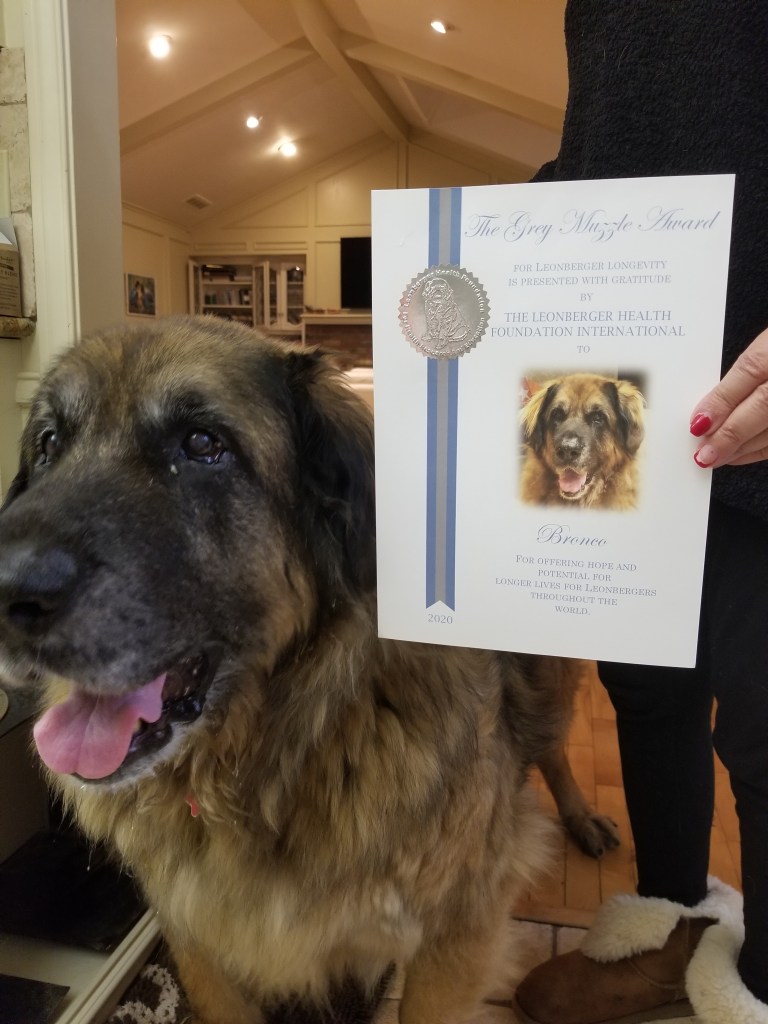
This is a guest post written by Ryan Goodchild. He emailed me asking me if he could publish this post regarding caring for aging Leonberger. I said yes. I am very grateful to Ryan for his contribution. I added the photos. See his post below.
Caring for Aging Leonbergers: Gentle Stewardship for a Noble Breed
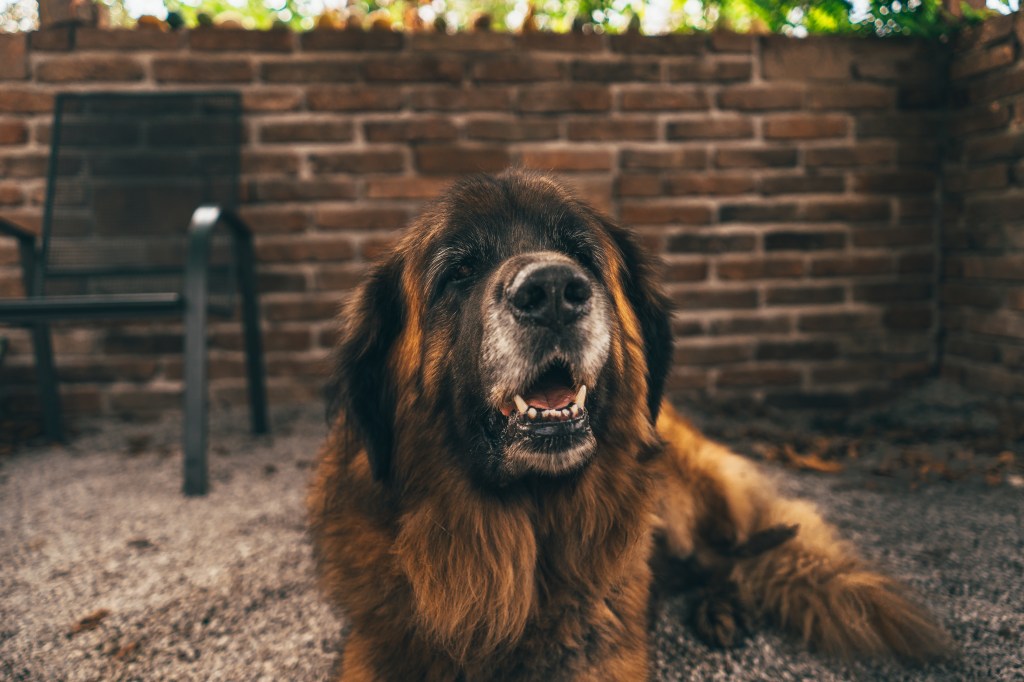
Leonbergers are among the most majestic of dogs, gentle giants with deep eyes and a noble temperament. Yet as they age, their impressive size can make the journey into senior years more complex. Providing attentive, structured care can extend both their lifespan and their sense of ease.
Key Takeways
- Large breeds like Leonbergers face an earlier onset of joint and heart issues; early detection matters.
- Routine, low-impact exercise sustains mobility without strain.
- Dietary adjustments can prevent unnecessary weight gain and inflammation.
- Organized health tracking improves coordination with veterinarians.
- Emotional stability and routine help aging Leonbergers thrive.
Movement, Moderation, and Mindful Play
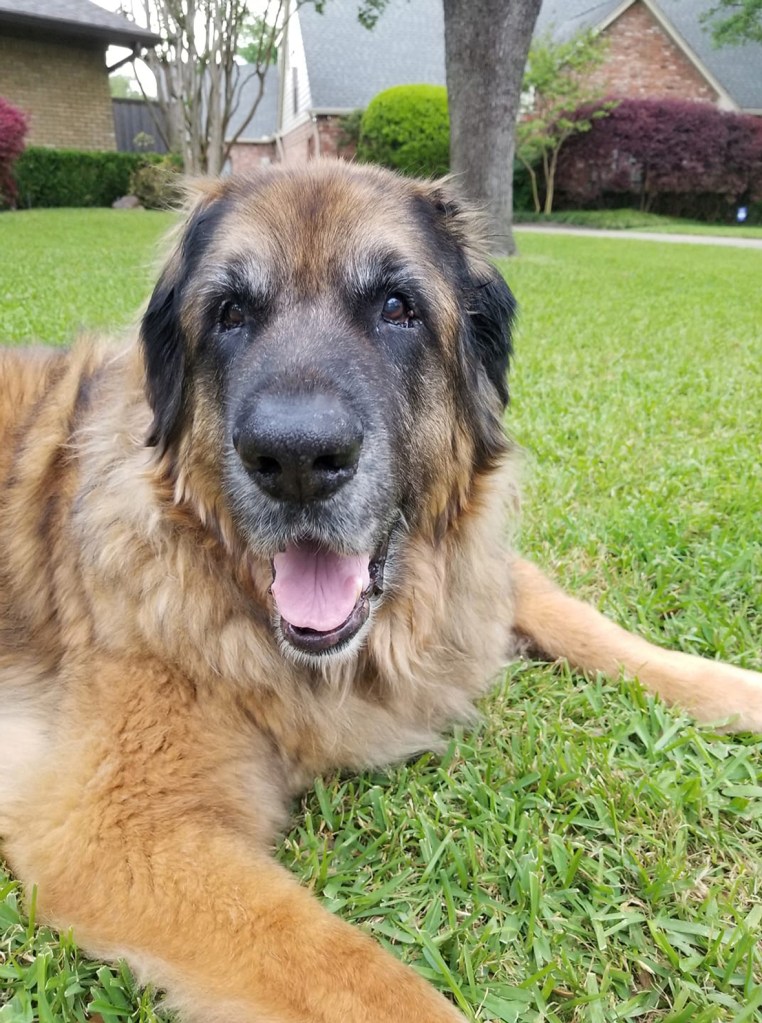
As Leonbergers age, mobility becomes one of the first visible signs of change. These dogs are stoic by nature, and they’ll often mask discomfort until it’s advanced. Structured daily activity, rather than long or sporadic walks, helps maintain joint lubrication and muscle tone. Before implementing the list below, remember: consistency outperforms intensity in senior dogs.
- Short, frequent walks instead of long treks
- Gentle swimming or hydrotherapy to maintain strength
- Orthopedic support beds to reduce pressure on hips
- Warm-ups and cool-downs before and after activity
- Avoid stairs and slippery floors
The Nutrition Shift: Balancing Strength and Weight
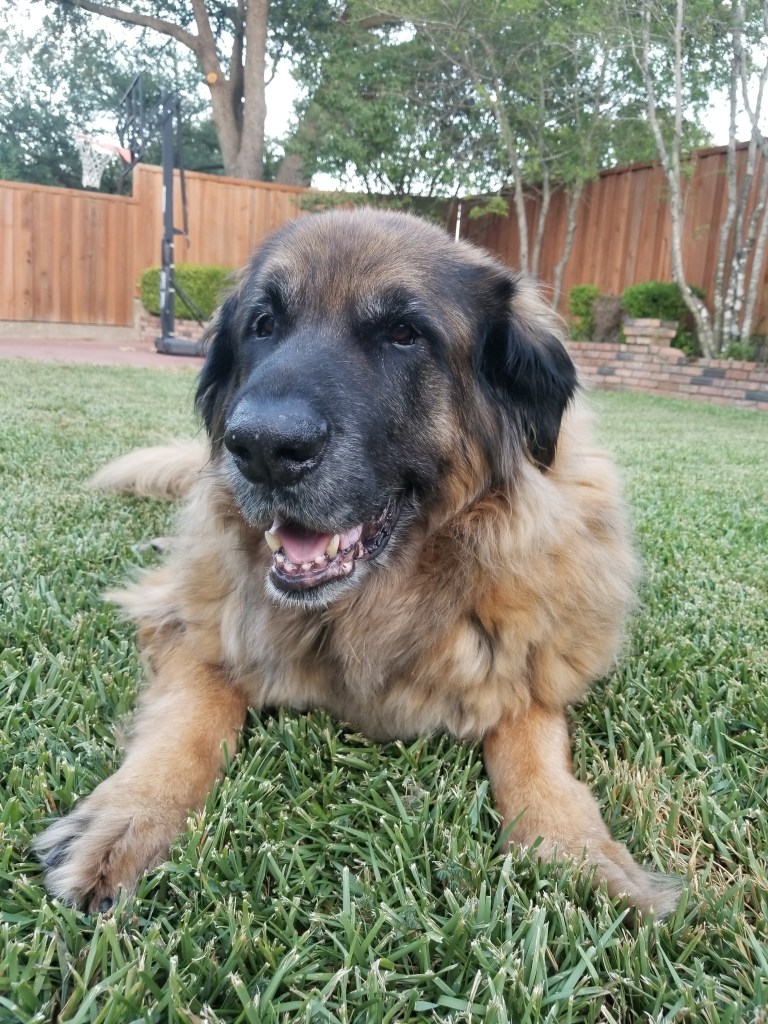
Proper nutrition is the most controllable lever for supporting your Leonberger’s aging body. Senior diets should favor lean protein, omega fatty acids, and joint-supportive ingredients like glucosamine and chondroitin. Maintaining a stable weight relieves stress on the joints and heart, critical in large breeds prone to orthopedic and cardiac issues.
Before introducing supplements or new foods, ask your vet for metabolic screening. Senior metabolism slows down, and caloric needs can drop by 20–30%.
Organized Health Tracking for Long-Term Comfort
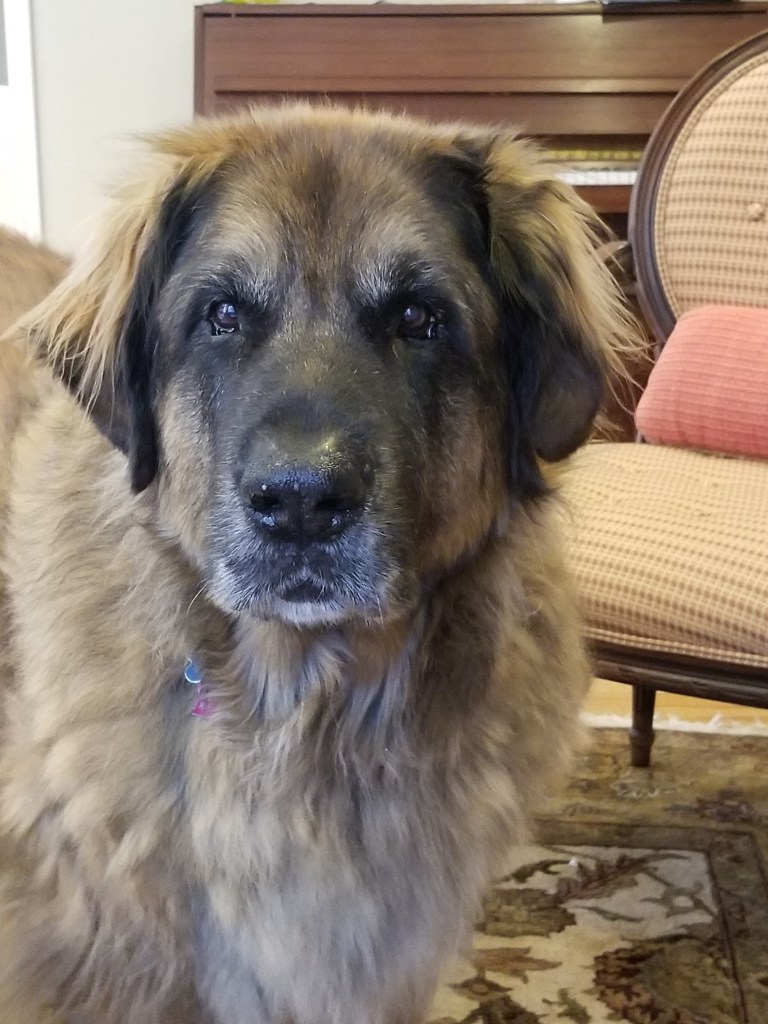
Keeping your Leonberger’s medical and health information in one place transforms how you coordinate care, especially across multiple veterinarians or specialists. When you can easily review past test results, medication schedules, or dietary shifts, you reduce oversight risks and improve continuity of care. Centralized documentation also helps detect subtle changes over time, like gradual increases in kidney markers or weight fluctuations.
For this reason, an online PDF platform like this is worth a look.It offers practical tools to manage your pet’s documents in PDF form, and you can even convert, compress, edit, rotate, or reorder files. Keeping your records as PDFs ensures they’re universally accessible and easily shareable with any vet clinic.
Create a Home Environment That Supports Aging
Leonbergers are emotional creatures, they notice routine disruptions and physical discomforts more than we realize. Making environmental adjustments will enhance both safety and serenity. Here’s a simple how-to checklist to start with:
➢ Schedule consistent feeding, exercise, and sleep times.
➢ Install nonslip rugs or mats along walking paths.
➢ Keep water bowls elevated to reduce neck strain.
➢ Adjust room temperatures; older dogs chill more easily.
➢Use gentle lighting to help those with fading vision.
➢ Offer mental enrichment through scent games or puzzle toys.

Early Detection Through Routine Screening
Veterinary visits every six months (instead of annually) are invaluable in the senior stage. They allow for the timely detection of thyroid imbalances, early arthritis, and cardiomyopathy, all common in Leonbergers. Blood pressure checks, urinalysis, and cardiac ultrasounds should be part of your preventive plan. Here’s a quick comparison of recommended tests for senior Leonbergers:
| Test Type | Frequency | Purpose |
| Bloodwork & Urinalysis | Every 6 months | Detect organ stress or metabolic changes |
| Orthopedic Exam | Yearly | Identify joint deterioration early |
| Echocardiogram | Every 12–18 months | Screen for dilated cardiomyopathy |
| Dental Cleaning | Every 6–9 months | Prevent systemic inflammation |
| Weight & Body Condition | Monthly at home | Track obesity risk |
Emotional Presence: The Subtle Form of Care
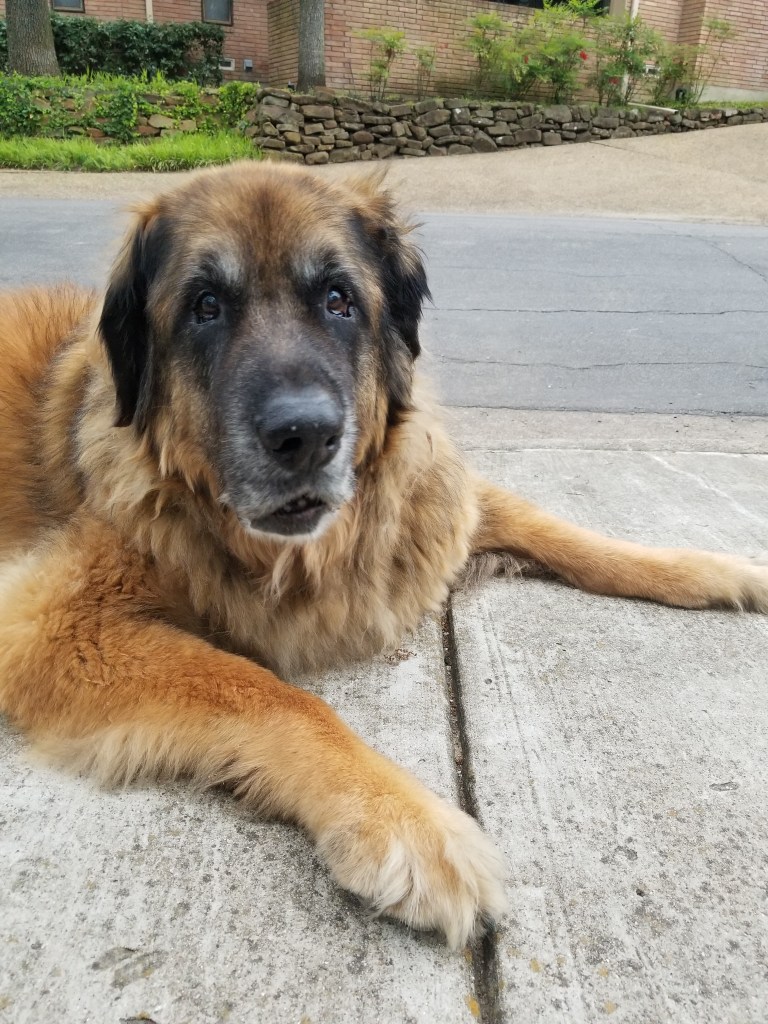
Leonbergers thrive on companionship. As they age, separation anxiety or confusion can intensify, especially if cognitive decline begins. Maintain a calm household rhythm, avoid sudden relocations, and keep them close to family life. The reassurance of your presence often does more for their comfort than any supplement or therapy.
FAQ
- How often should I adjust my Leonberger’s diet as they age?
Most dogs benefit from a nutritional review every 6–9 months, as caloric and protein needs change. Work with your vet to adjust based on body condition and lab values. Small, incremental changes prevent digestive upset and weight swings. - What’s the right exercise level for an elderly Leonberger?
Aim for multiple 10–15 minute walks daily and low-impact play. Overexertion accelerates joint wear, while too little activity causes stiffness and muscle loss. Observe recovery time after walks as your guide. - Can joint supplements really help?
Yes, glucosamine, MSM, and omega-3 fatty acids can reduce inflammation and pain when used consistently. Results may take 4–8 weeks, so track improvements patiently. Always choose vet-approved formulations designed for large breeds. - How do I recognize signs of cognitive decline?
Look for pacing, confusion, or nighttime restlessness. These signs can mimic anxiety but often stem from age-related cognitive dysfunction. Specialized diets and enrichment can help slow progression. - Is it okay to groom my senior Leonberger as before?
Grooming is still essential, but adjust for comfort. Shorter sessions with frequent breaks reduce fatigue and stress. Keep nails trimmed to prevent balance issues and discomfort. - When is it time to consider palliative or hospice care?
When daily mobility, appetite, and emotional engagement decline significantly despite treatment, it may be time to focus on comfort. A quality-of-life assessment from your vet can guide compassionate decisions. The goal shifts from curing to easing.
Conclusion
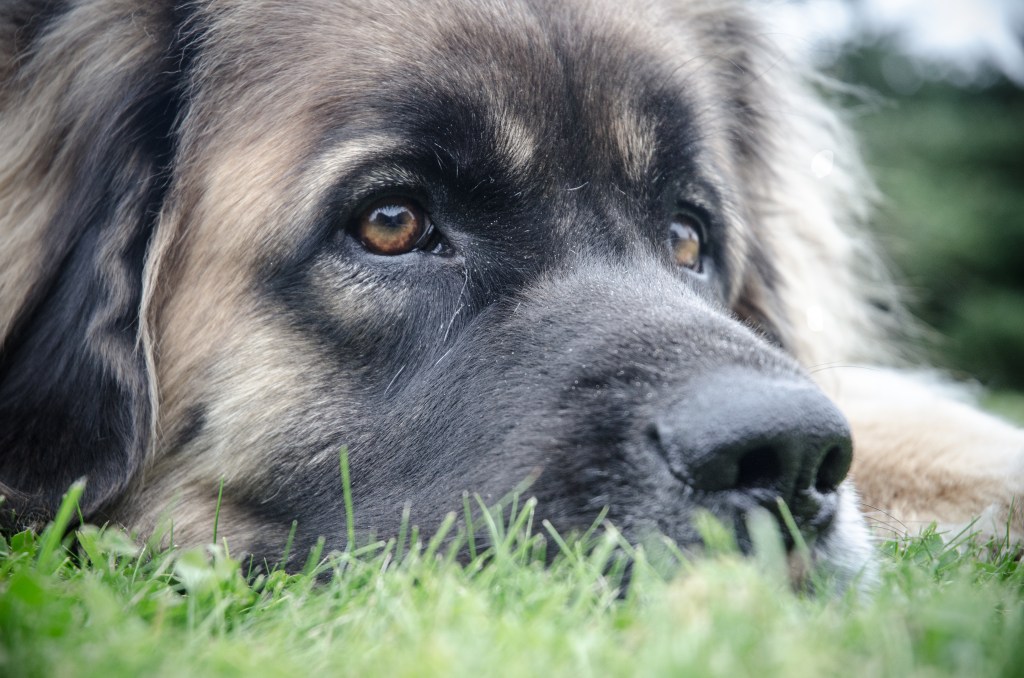
Caring for an aging Leonberger is both an art and an act of devotion. It’s about more than prolonging life, it’s about enriching every moment your dog still wants to share. With consistent monitoring, gentle activity, and a serene home rhythm, your Leonberger can continue to live with grace, dignity, and the steady comfort of your presence.

 Leonberger Life
Excellent information for not just Leonbergers, but older dogs in general.
LikeLiked by 1 person
Thank you so much Pete. Yes Ryan did a good job and it mostly applies to all old dogs.
LikeLiked by 1 person
Valuable information for taking care of older dogs. Leonbergers are handsome dogs. Thank you for this post, Thomas.
LikeLiked by 1 person
Thank you so much Miriam. Ryan did a good job and I also think it is good information for caring for old dogs.
LikeLike
Although particularly helpful for the large breeds this is excellent information for any ageing dog really. Thanks for the guest post, Thomas.
LikeLiked by 1 person
Yes you are so right Lynette. It is good information for any ageing dog. Ryan wrote a good article.
LikeLiked by 1 person
Good advice for all dog breeds. Thanks for sharing.
LikeLiked by 1 person
Yes I think you are right. Thank you so much John.
LikeLiked by 1 person
😊
LikeLiked by 1 person
So thorough and detailed. Thank you!
LikeLiked by 1 person
Thank you so much Grant. Ryan did a good job.
LikeLiked by 1 person
What a wonderful, loving post.
LikeLiked by 1 person
Thank you so much for your kind words Jacqui. Ryan did a good job.
LikeLiked by 1 person
Great information, Thomas. Would apply to all older pups including the bigger breeds.
LikeLiked by 1 person
Yes I agree. Thank you so much Denise.
LikeLiked by 1 person
Caring for an aging pet definitely has its challenges but as long as we love them we try our best. Thanks for sharing this informative guest post.
LikeLiked by 1 person
Yes you are right Pooja. It is a challenge but as long as you love them you will make the effort and be rewarded for it. Ryan did a good job. Thank you so much Pooja.
LikeLiked by 1 person
Yes, absolutely. My pleasure.
LikeLiked by 1 person
Thank you for this thoughtful post. Our boy Marley is 10 but still acts like a puppy sometimes. Still, I know he’s slowing down some and is starting to feel his age occasionally. I need to raise his water bowl. Eventually, we might need to build him an outside ramp (which I might need in another ten years.)
LikeLiked by 1 person
It is difficult to see them grow old but if you are there for them throughout their old age it is very rewarding in so many ways. I don’t understand the people who abadon their old dogs.
LikeLiked by 1 person
Thank you, Thomas, for hosting Ryan’s helpful guide to caring for Leonbergers as they age. This was an interesting article.
LikeLiked by 1 person
Thank you so much for your kind words David.
LikeLiked by 1 person
Lulu: “This is a great informative post on caring for older Leonbergers. I’m kind of an old dog now so I can definitely relate.”Java Bean: “Ayyy, you’re not old! You’re my favorite playmate!”Lulu: “Well I did just turn ten, Bean.”Java Bean: “But you’re only two in binary! So let’s go with that!”
LikeLiked by 2 people
Yes unfortunately Lulu we all get old and when we get old we want care and not to be forgotten. This post is about providing the care. Your Dada will take care of you. Java Bean is right 10 is only two in binary.
LikeLiked by 1 person
These days we’ve taken to dressing Lulu up in Trixie’s old Help-‘Em-Up harness, which is great for lifting an older dog into and out of the car and other spots they may have difficulty jumping to now. We sure have gotten a lot of use out of that harness, from Trixie to Dennis and now Lulu, and even Tucker that one time when he got hold of Dennis’s alprazolam and spent the day being a happy drunk stumbling around the house …
LikeLiked by 1 person
We used the help-em up harness for our Leonberger Bronco a lot towards the end of his life. At first for his toe surgeries (toe/skin cancer), then as he got even older in and out of cars, and finally when he had a hard time getting up by himself. I think we still have it somewhere but we don’t have a big dog currently and I don’t think you would need it for small dogs. It is great that you are getting a lot of use out of it.
LikeLiked by 1 person
An excellent guide to caring for senior dogs in general, not just Leonbergers. Thanks for sharing this informative article, Thomas. Bronco was very regal looking, even in his old age. 💖
LikeLiked by 1 person
Thank you so much for your kind words Debbie. Ryan did a good job writing the article.
LikeLiked by 1 person
Hi Thomas, as I read this post I thought how similar attending to an aging Leonberger is to attending to an aging human. Many of the thoughts and strategies mentioned here apply equally to any aging creature. Including humans. It was quite eye opening for me.
LikeLiked by 1 person
Yes you are right. Perhaps I got some practice taking care of an elderly when I took care of Bronco as he got old. My wife’s parents are getting to be very old.
LikeLike
So are my parents. My mom had her kids late. It’s good to know these things 😊
LikeLiked by 1 person
Same for my wife. My father in-law was 34 when they had my wife.
LikeLike
💙
LikeLiked by 1 person
Thanks for the information!
LikeLiked by 1 person
Thank you Dawn
LikeLiked by 1 person
This is a very interesting post Thomas, I thank you for sharing it on your blog! It is very interesting to learn about these wonderful dogs!
LikeLiked by 1 person
Thank you so much for your kind words Carol Anne and I am so glad you found this old aging post.
LikeLike