Esther’s writing prompt: September 30, 2026: Play
Click here or here to join in.
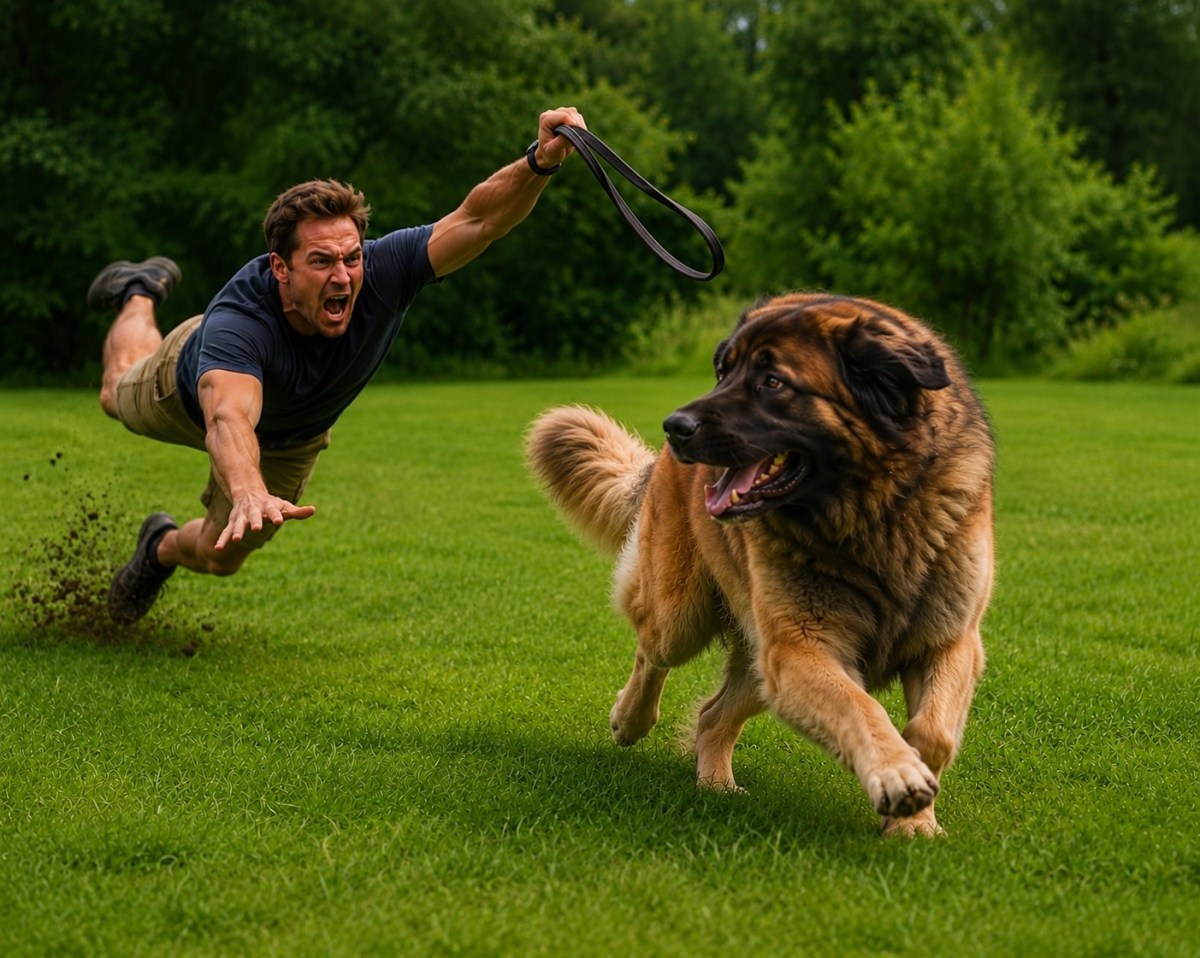
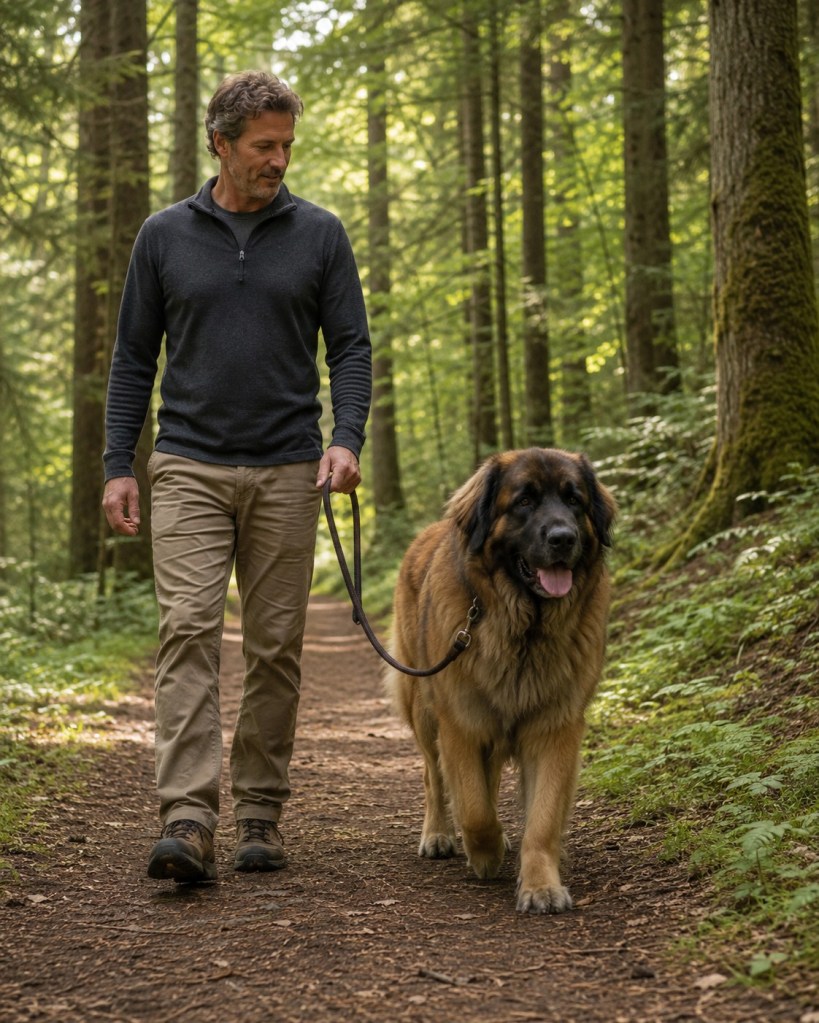
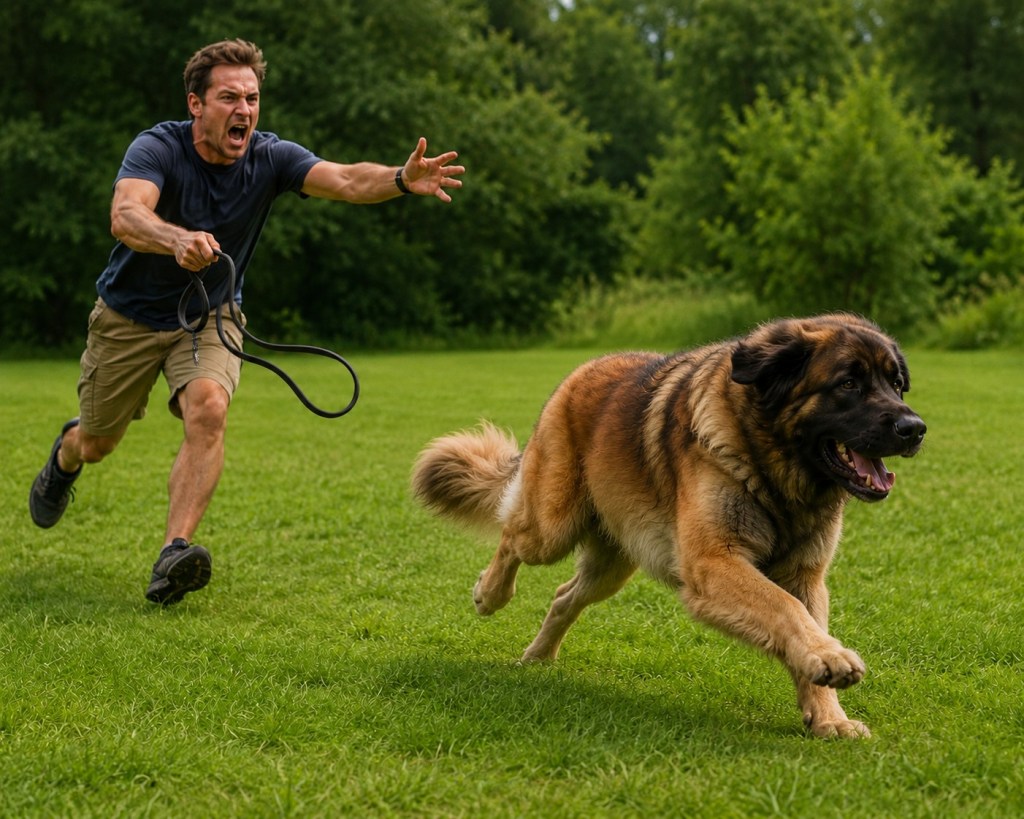
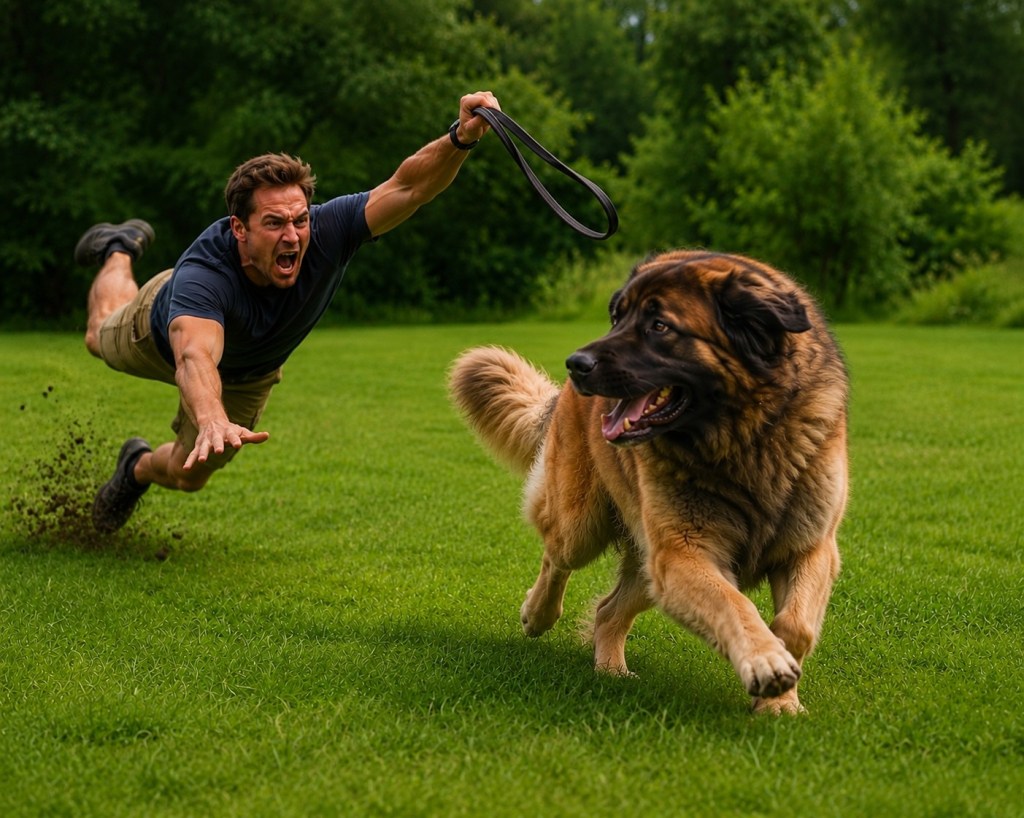
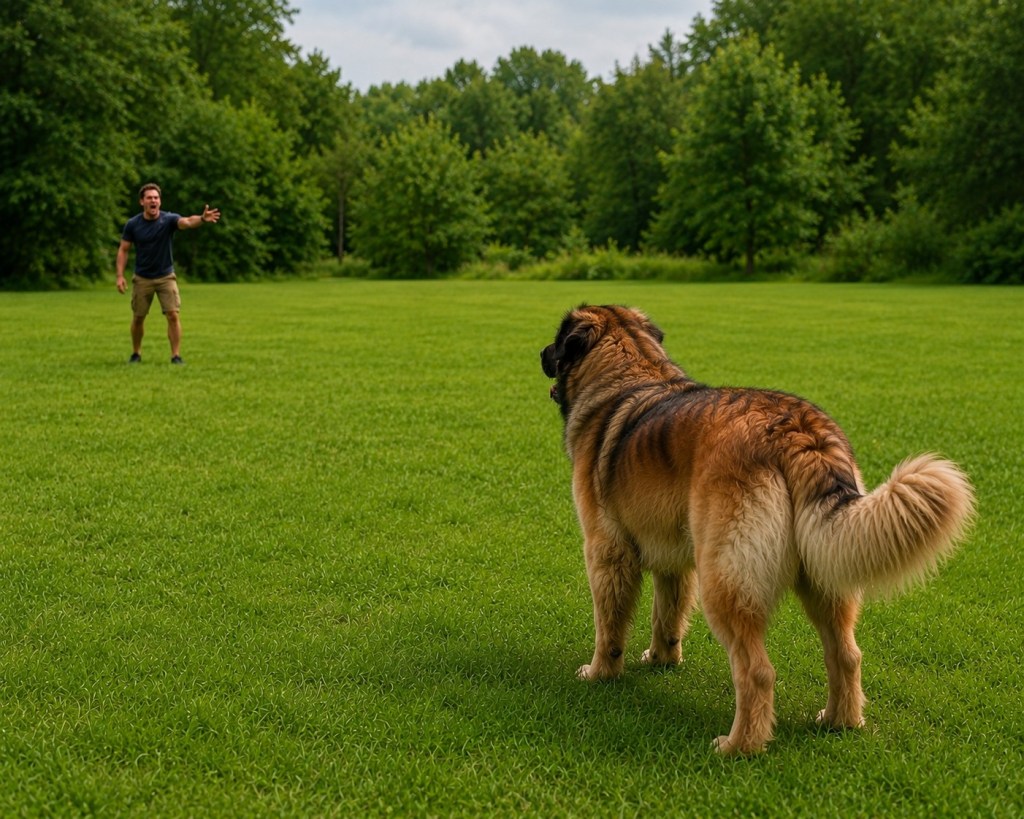
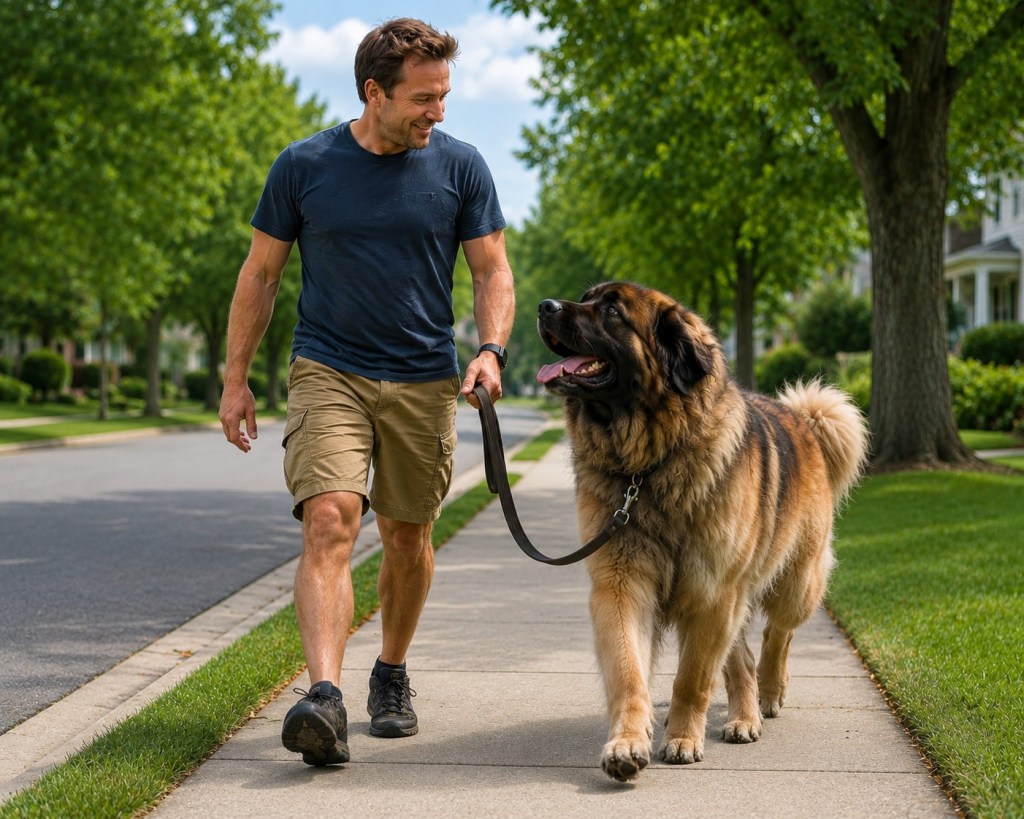
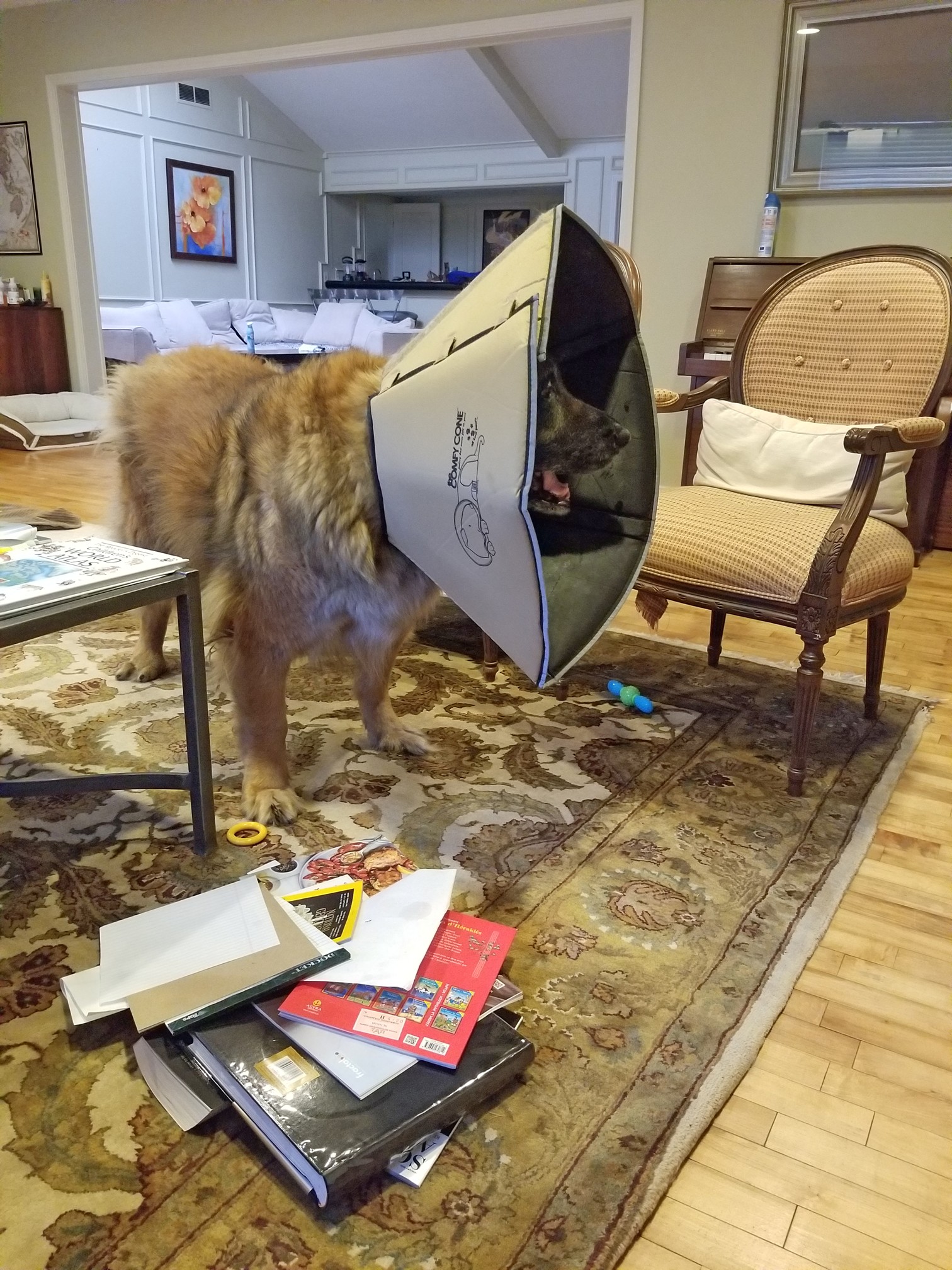
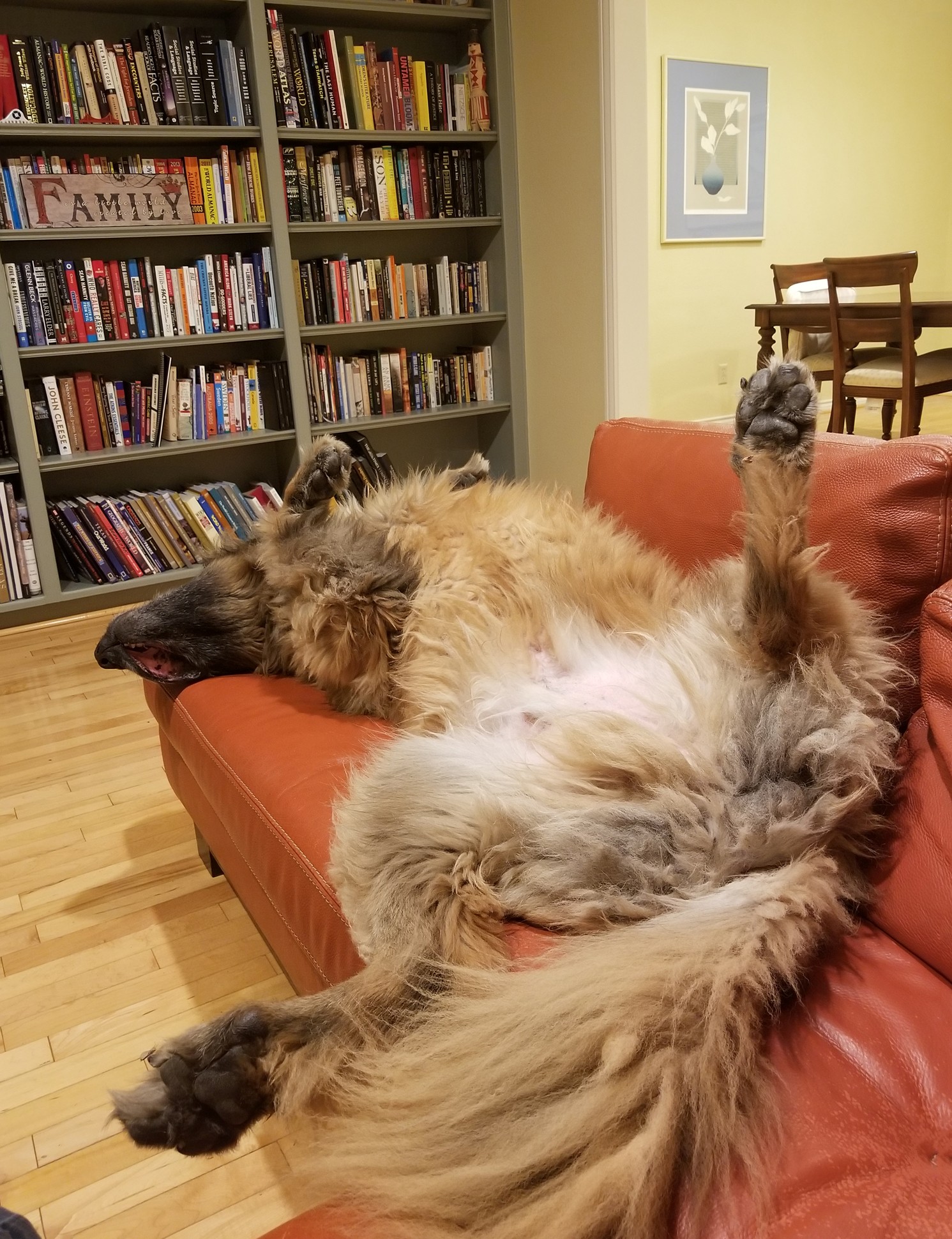
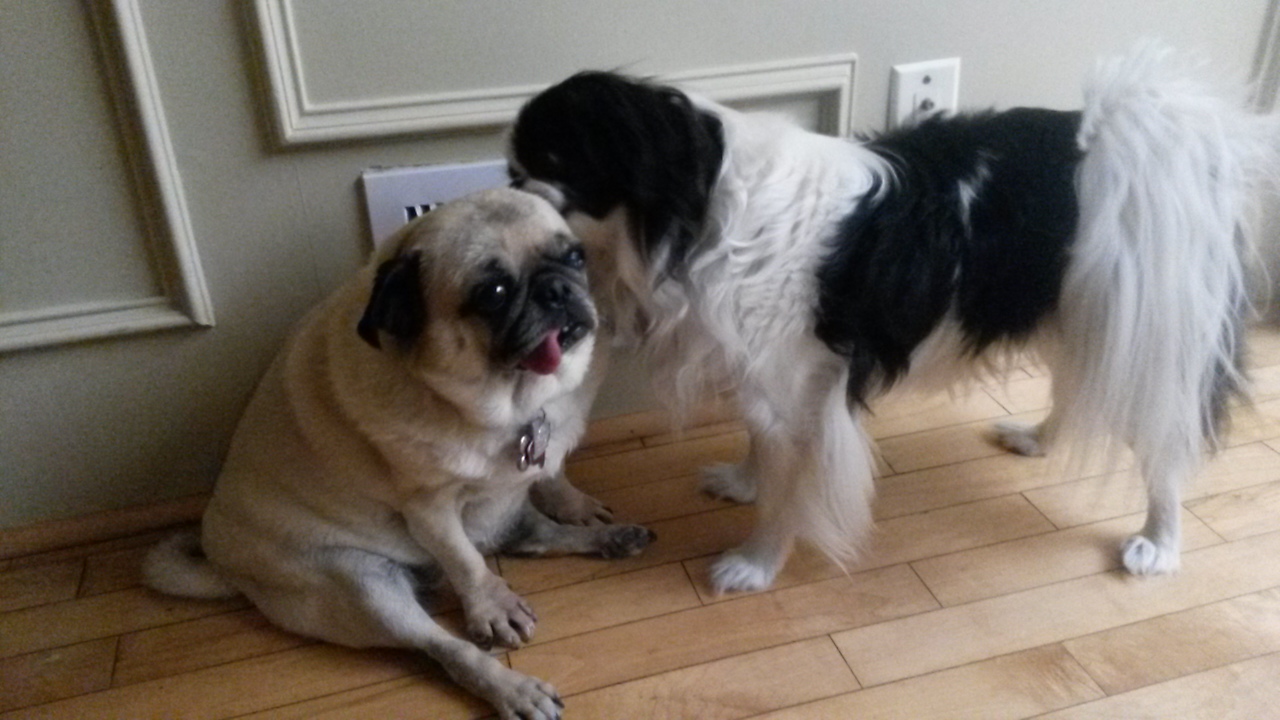
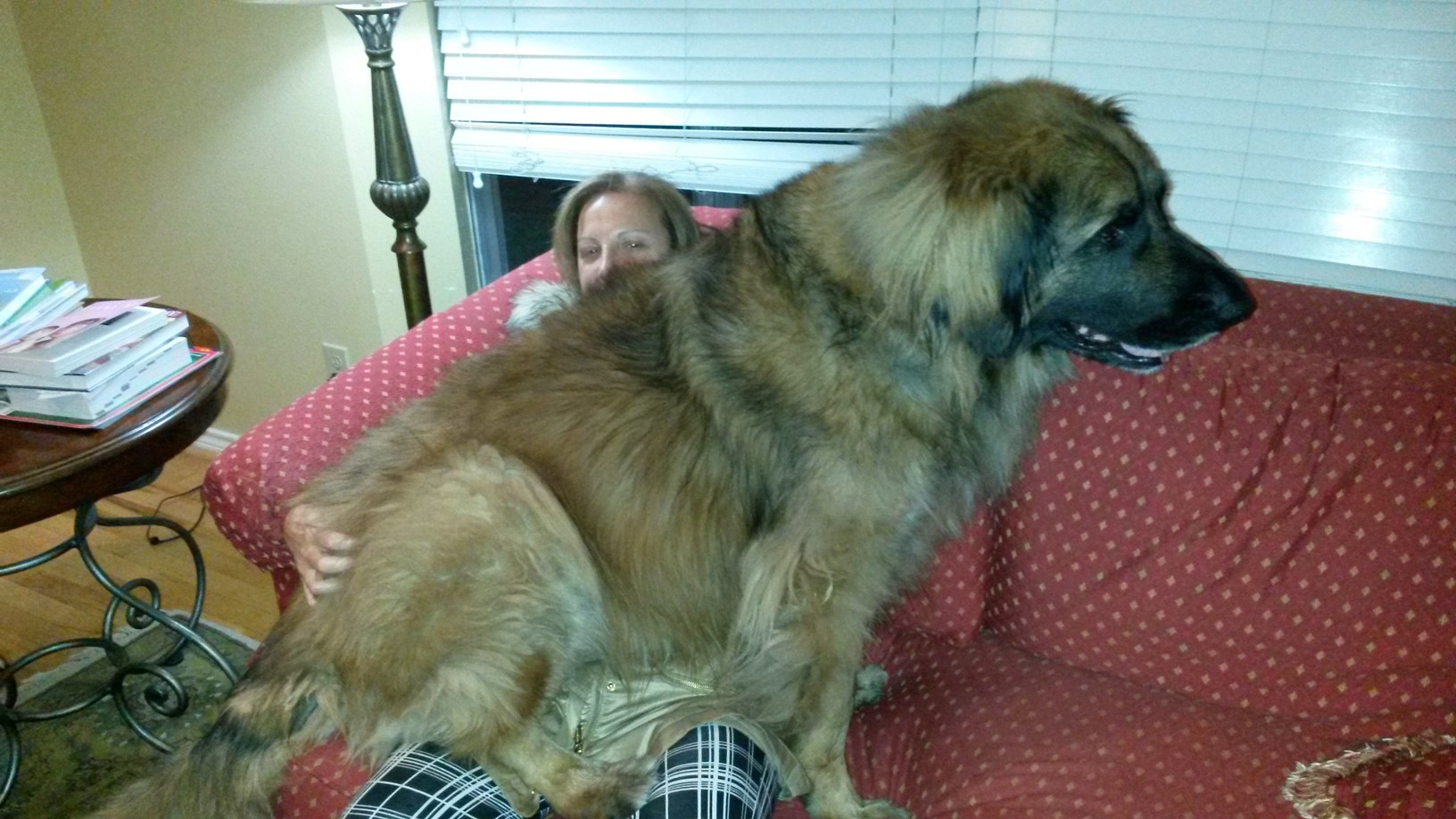
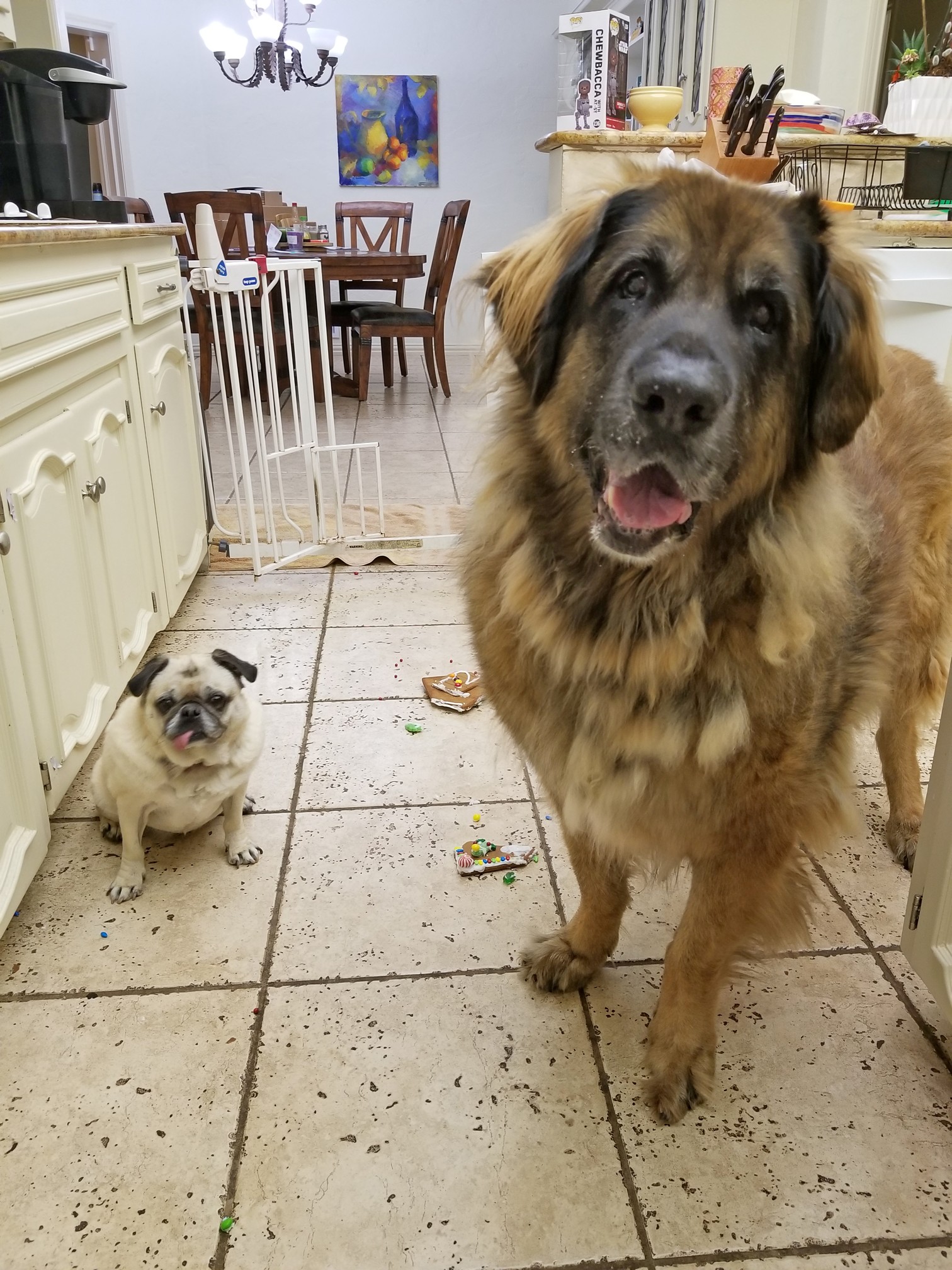
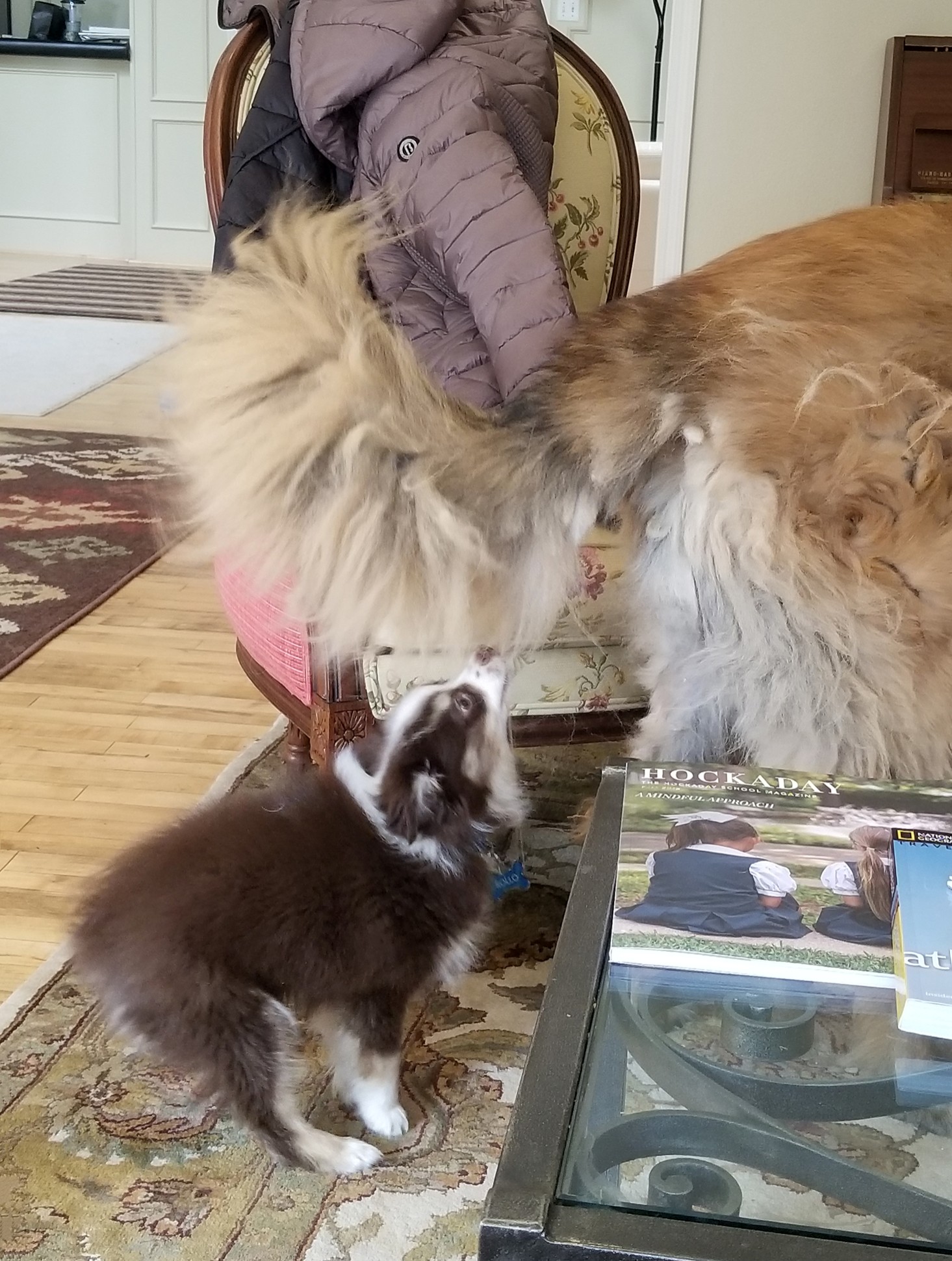
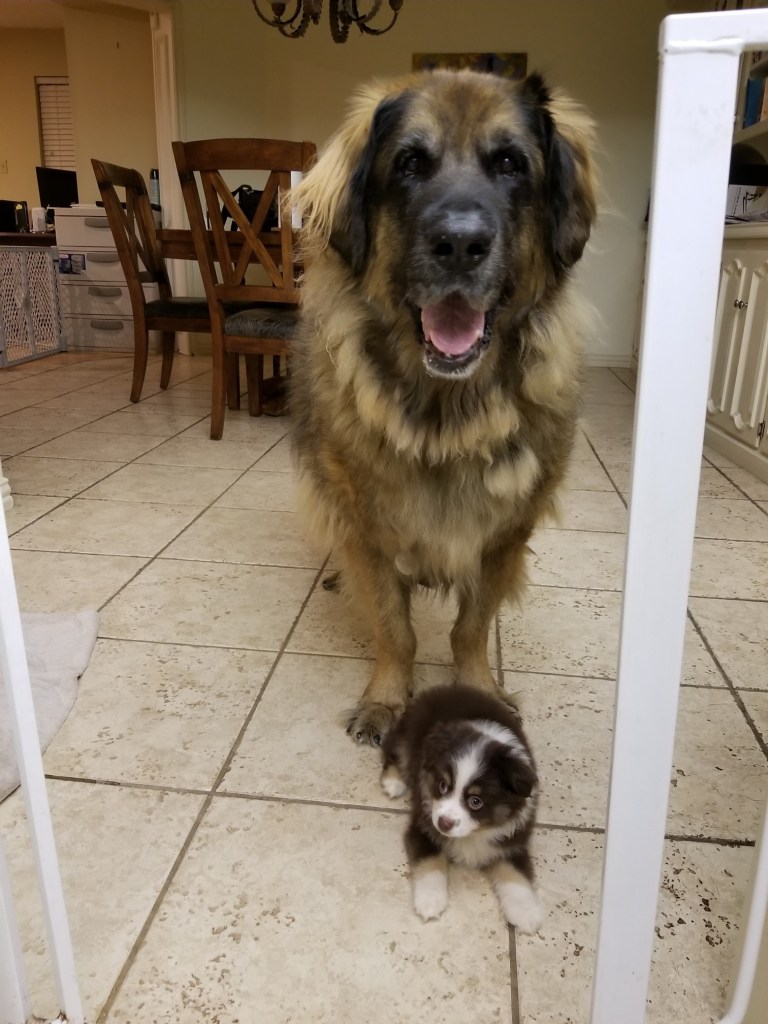
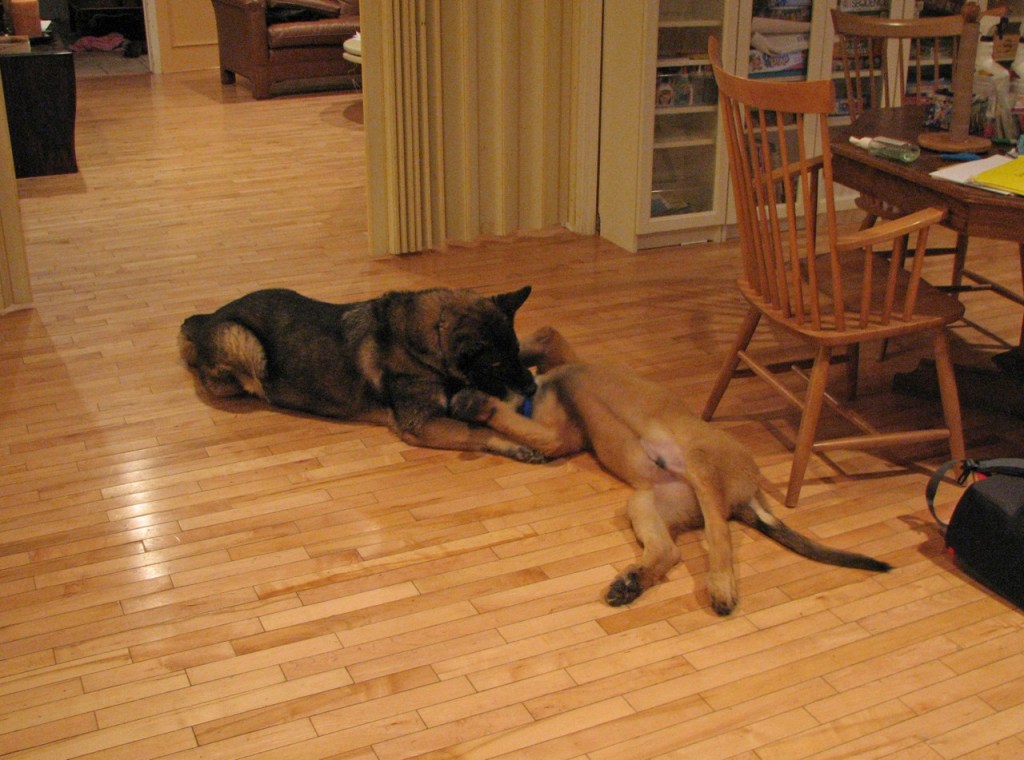
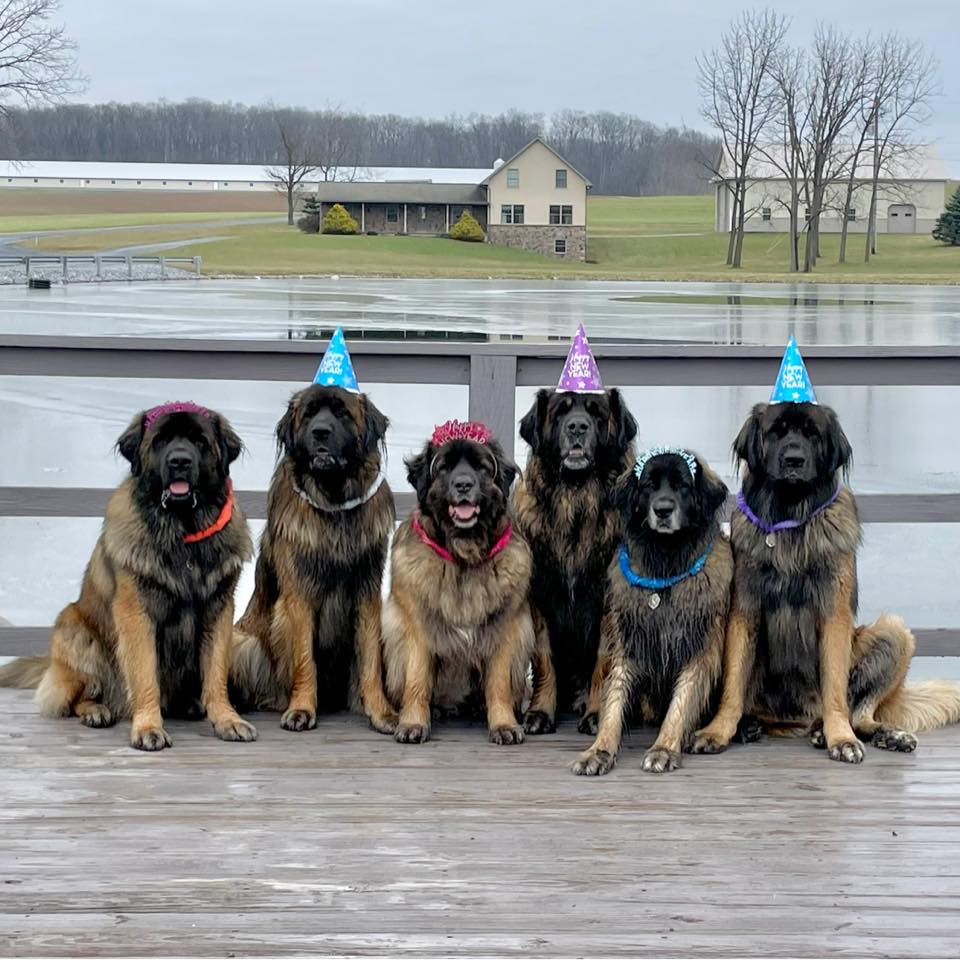
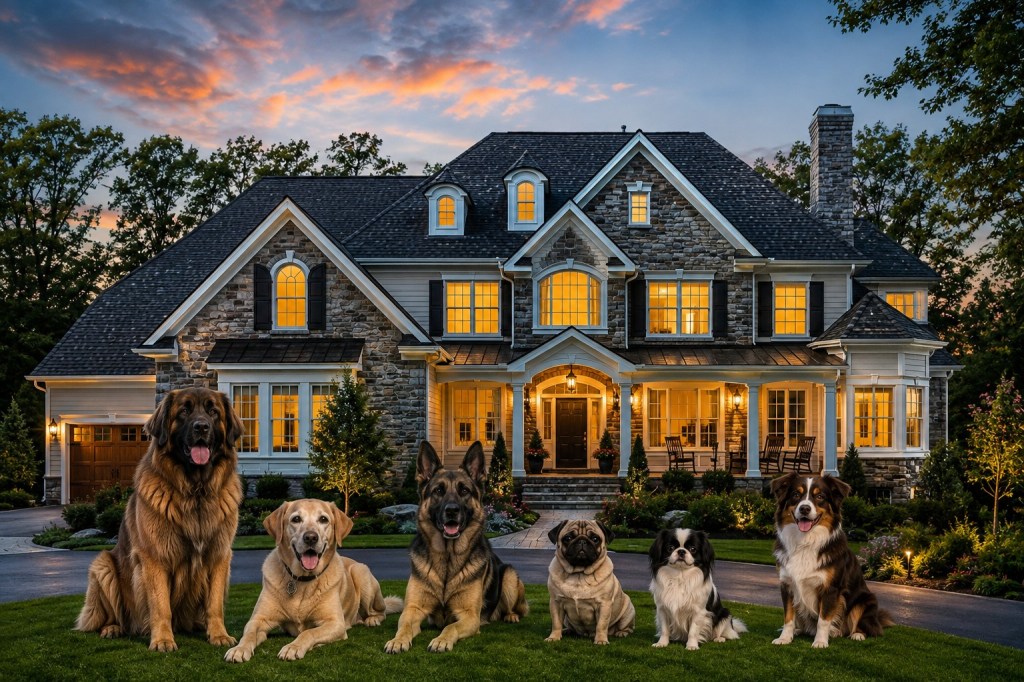
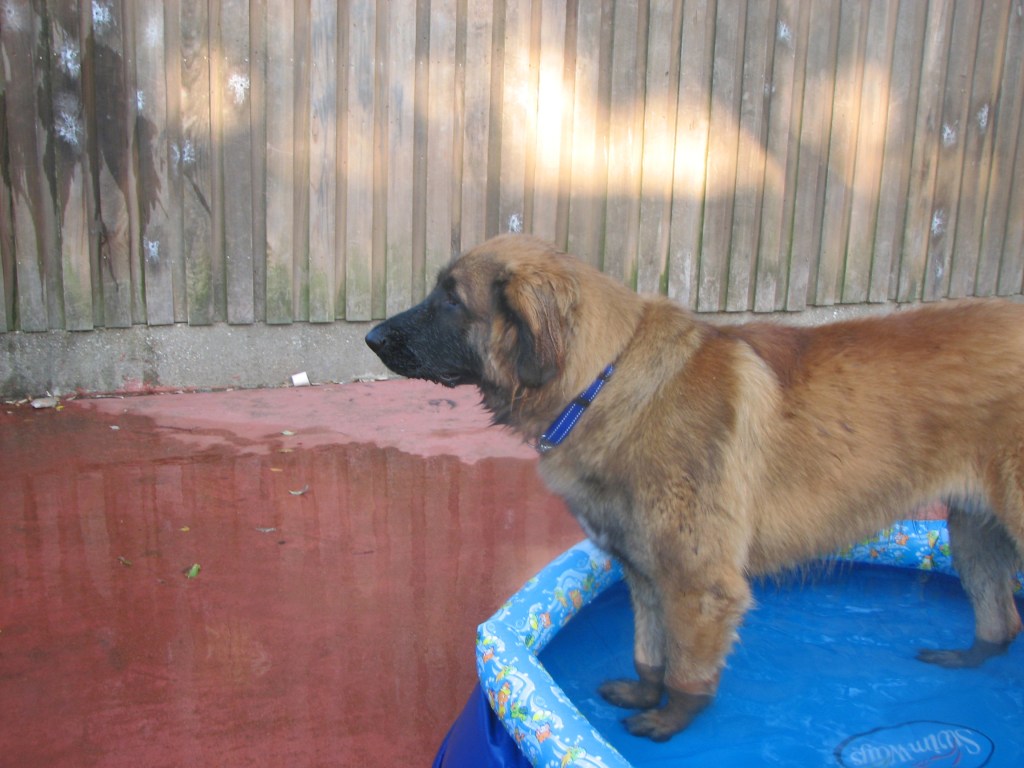
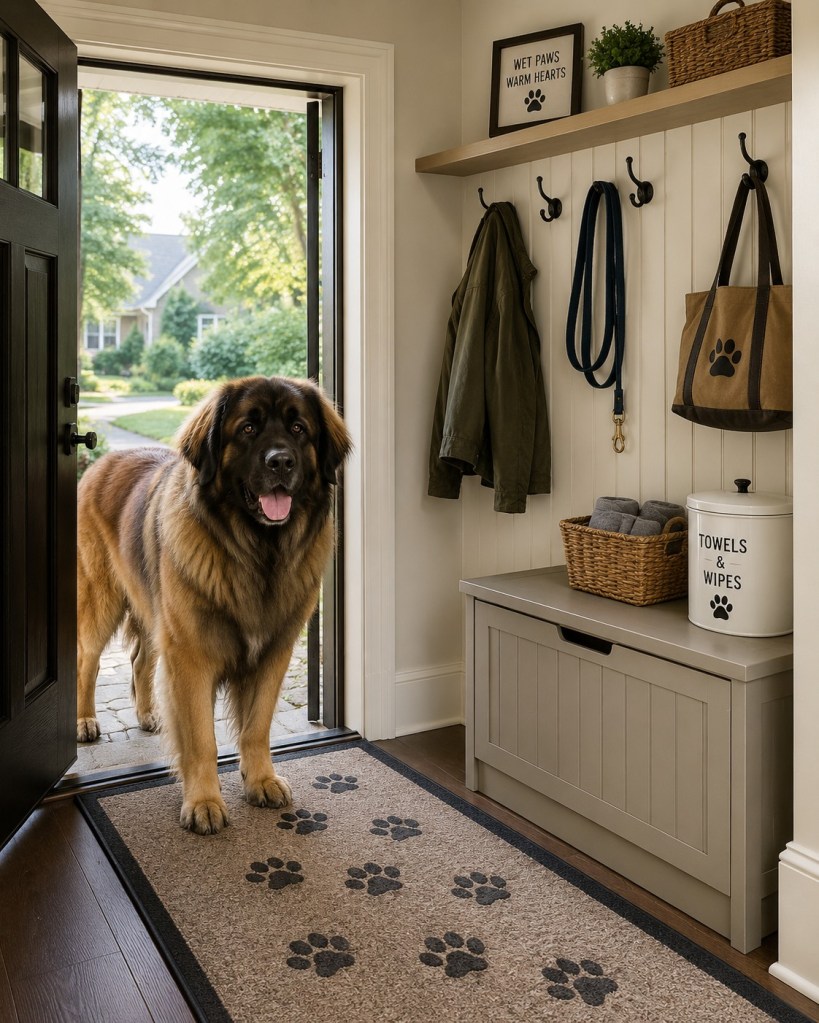
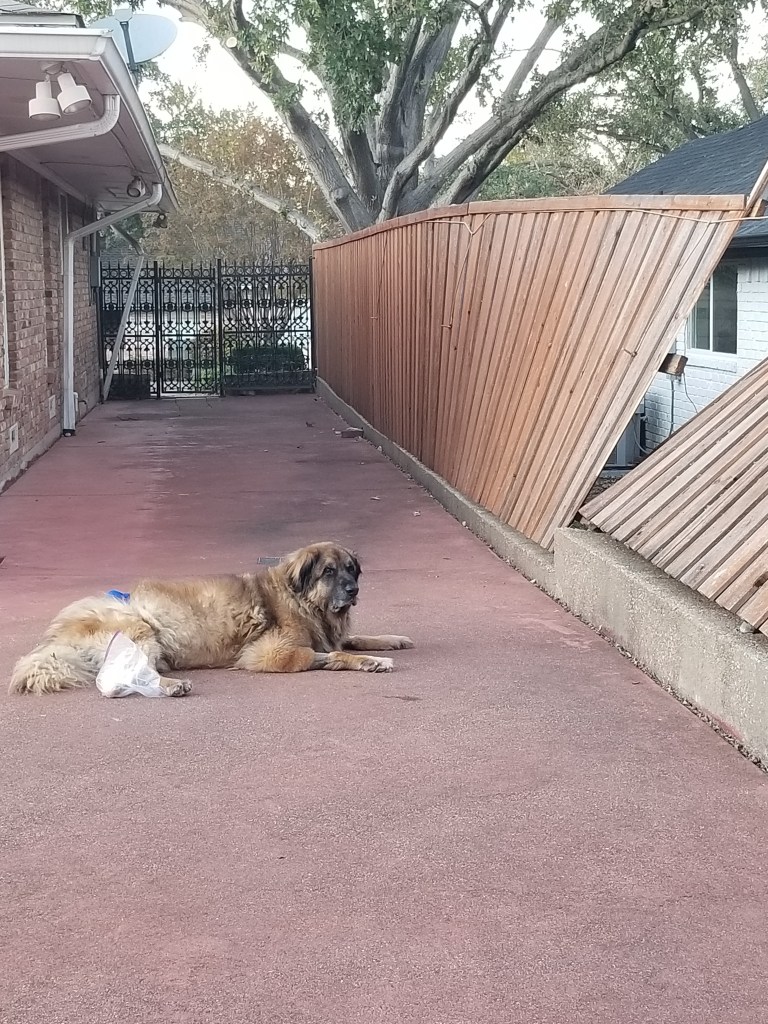
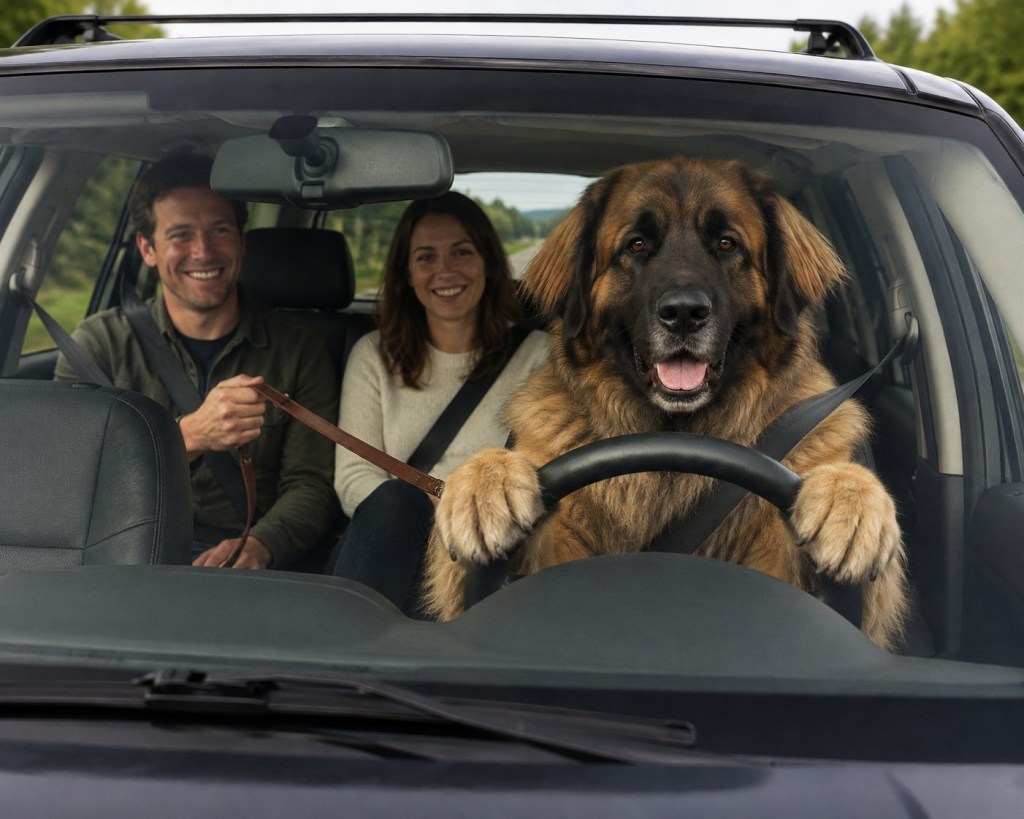
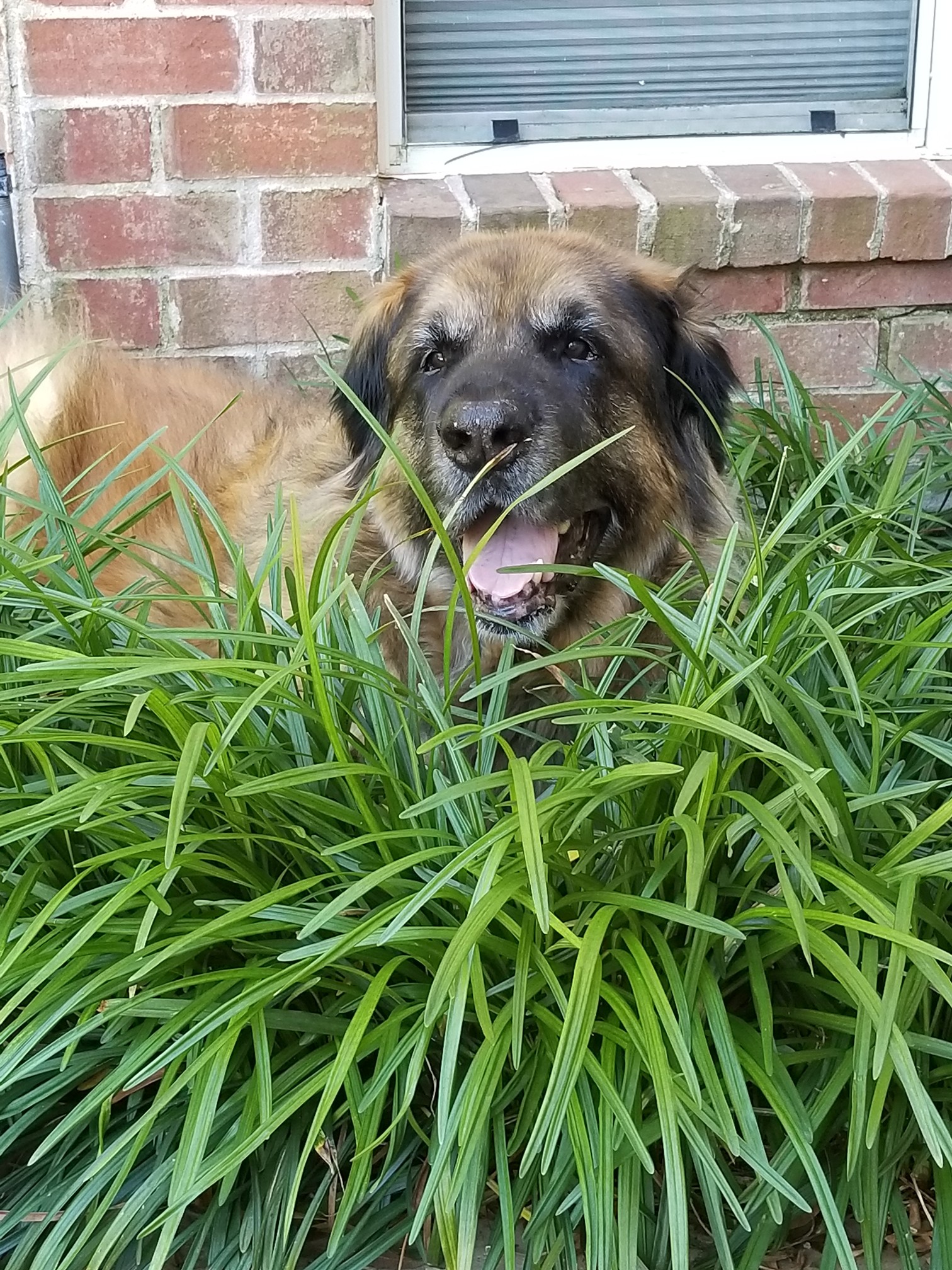
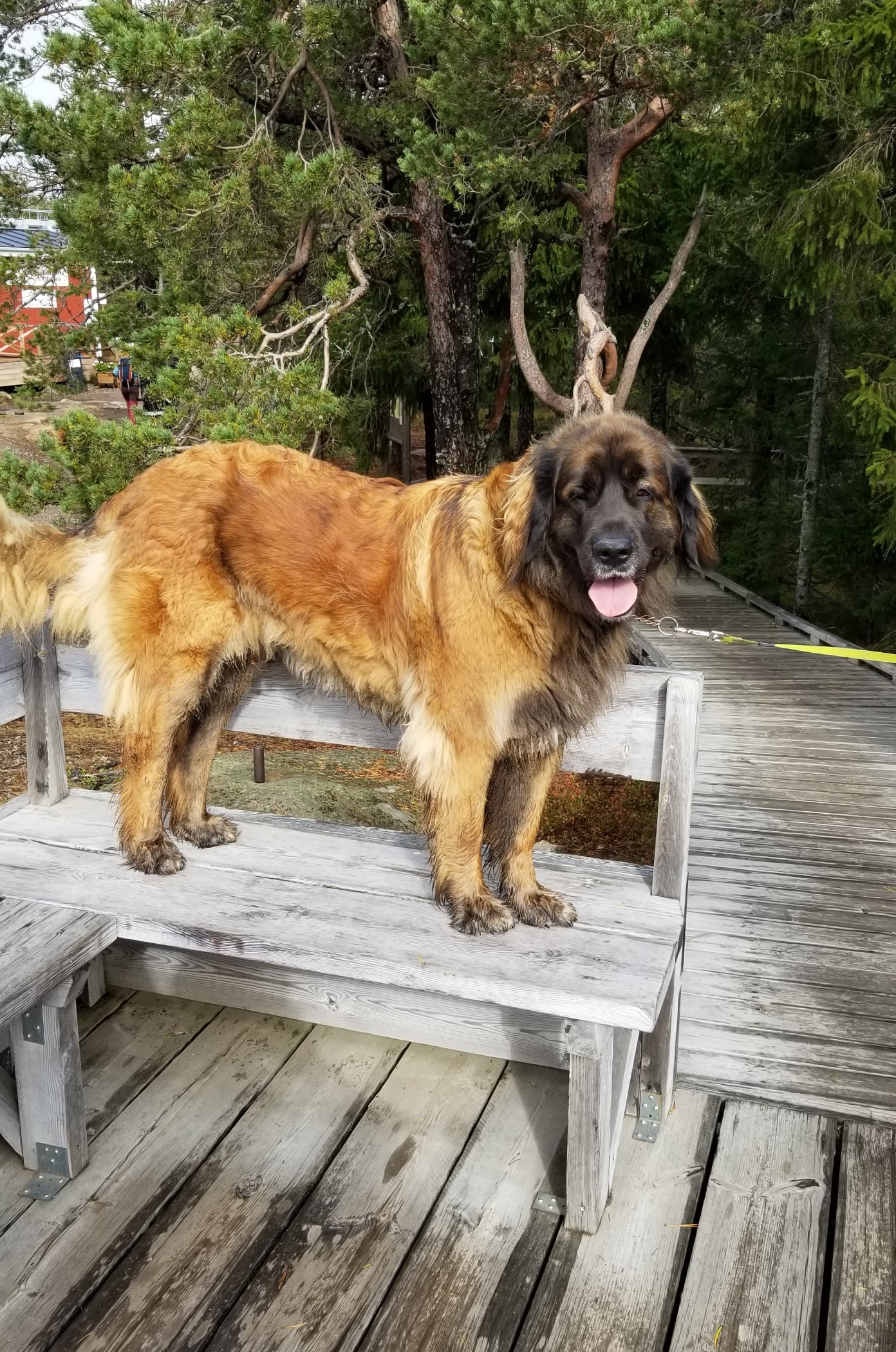
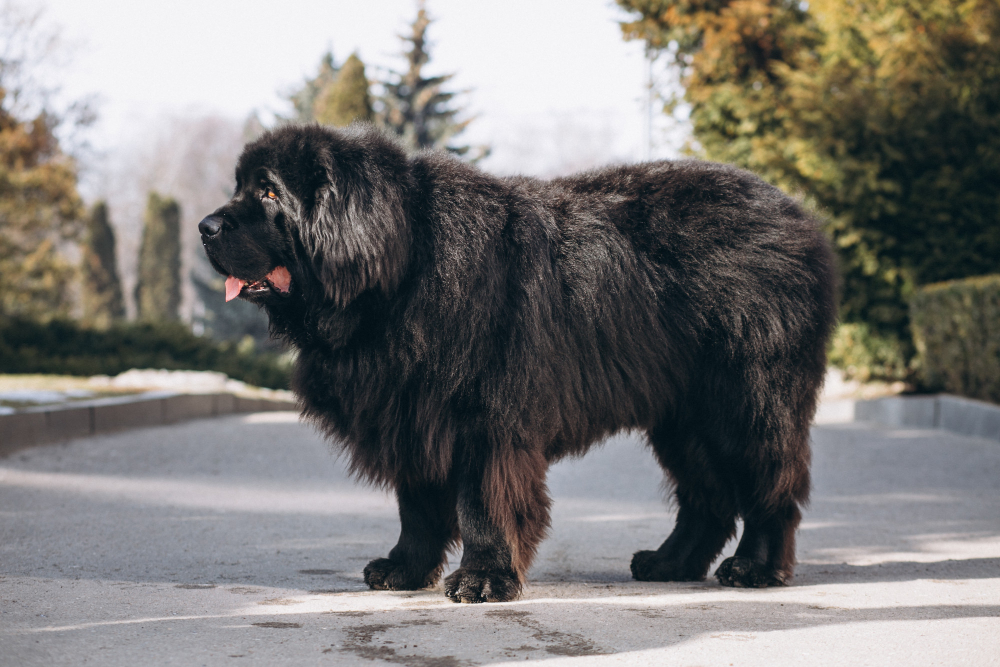
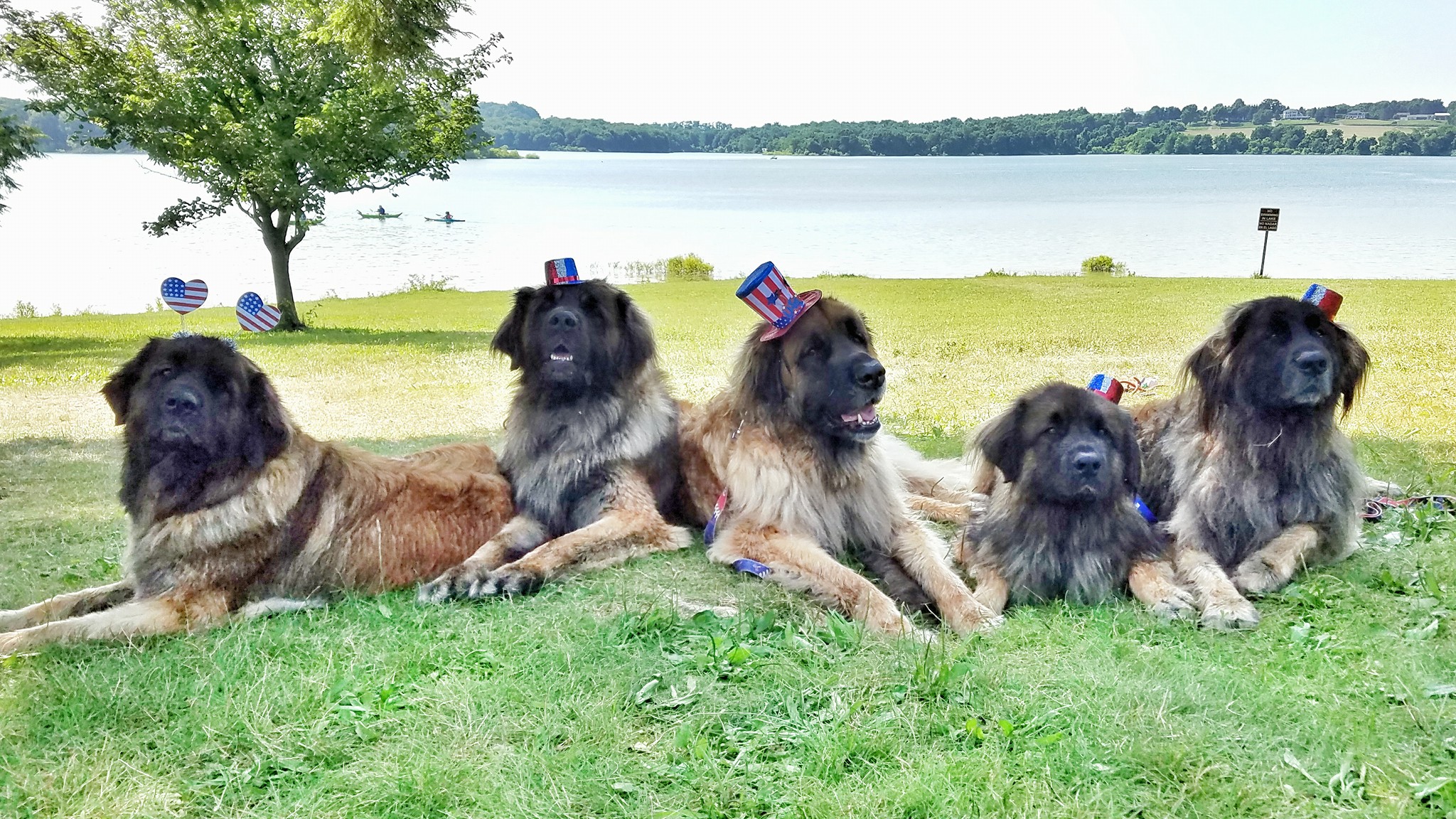
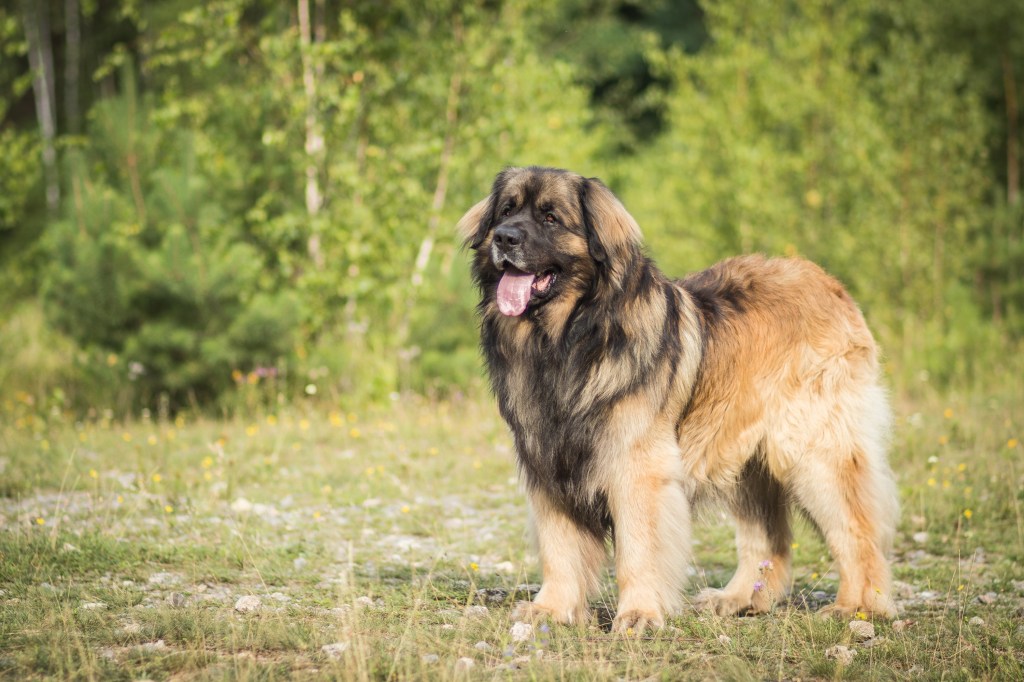
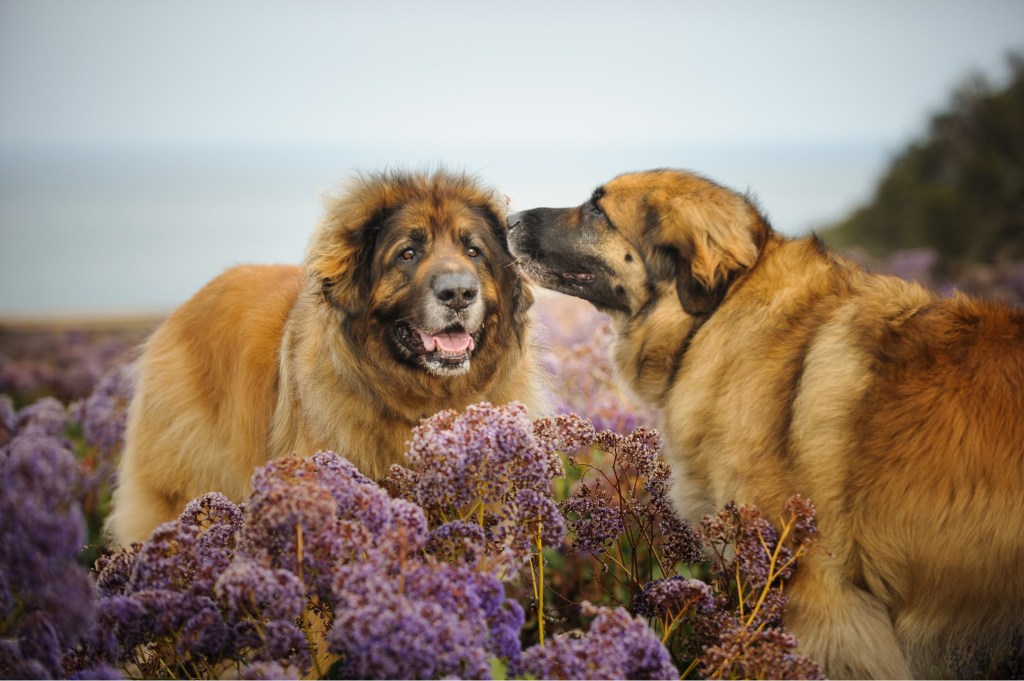
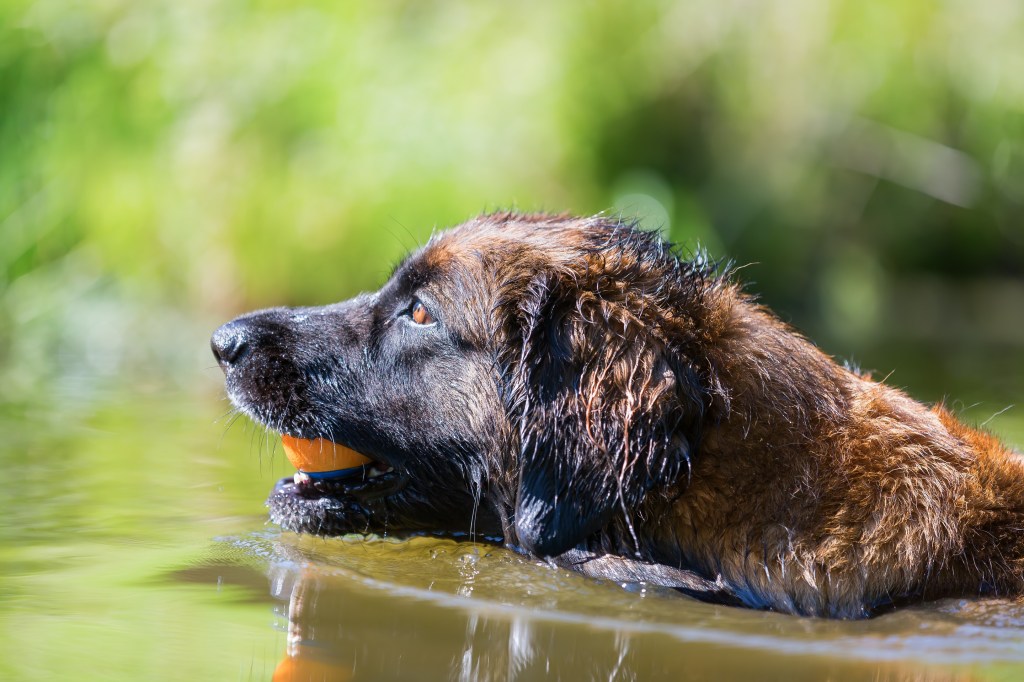
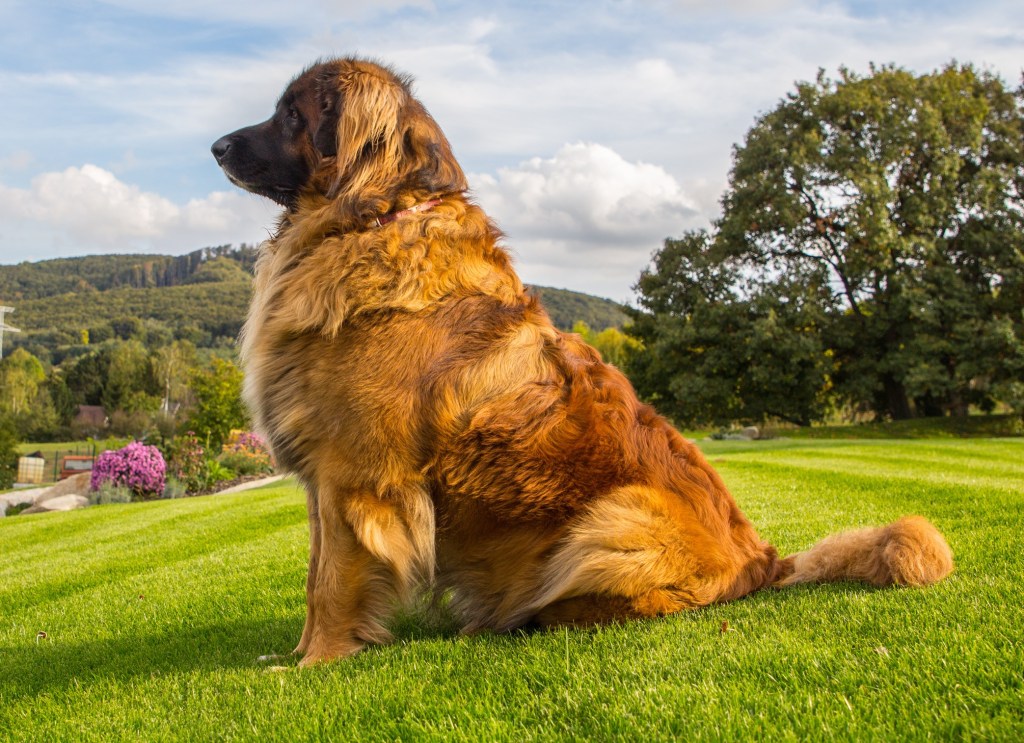
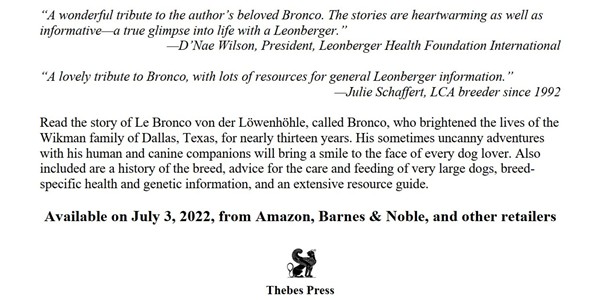
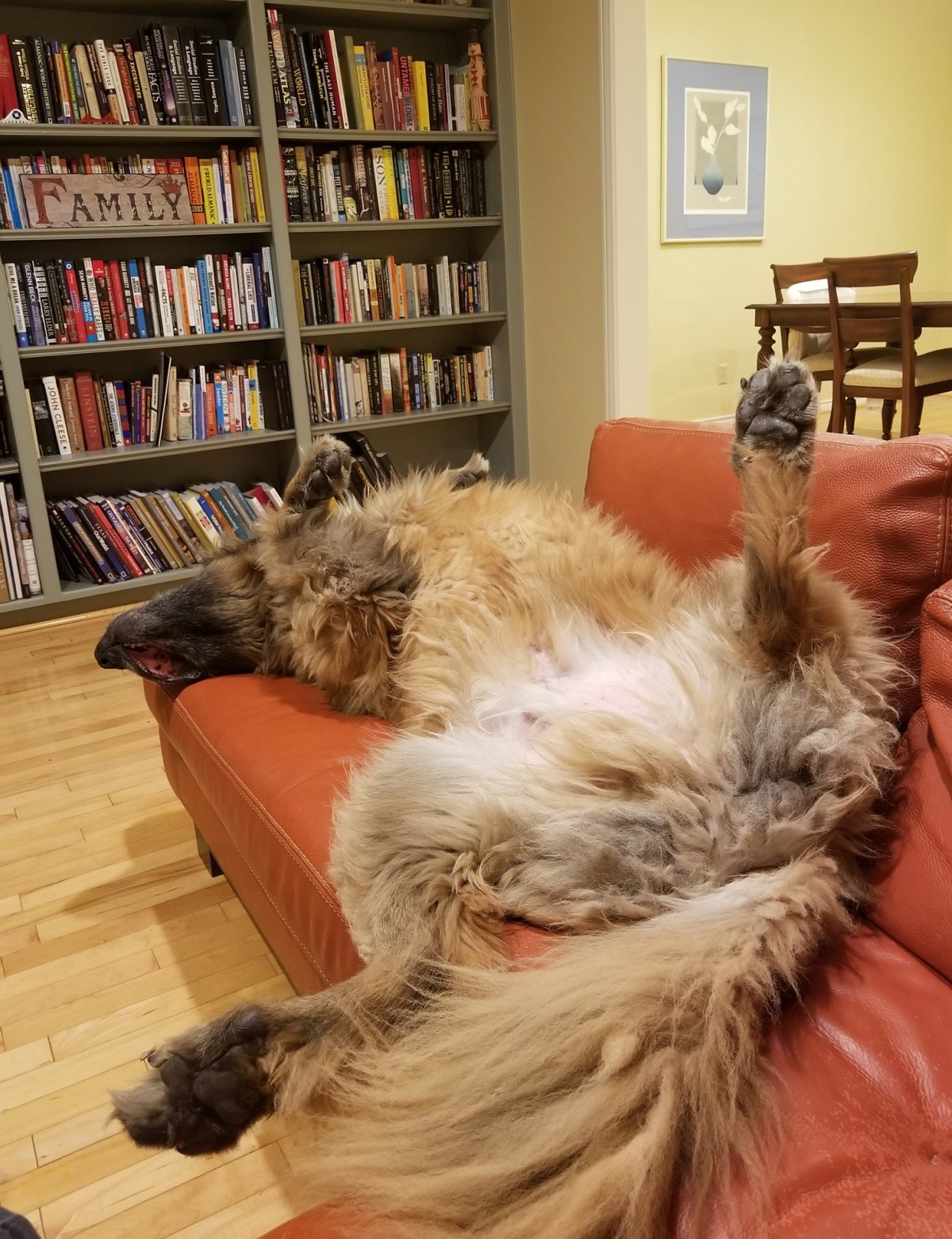
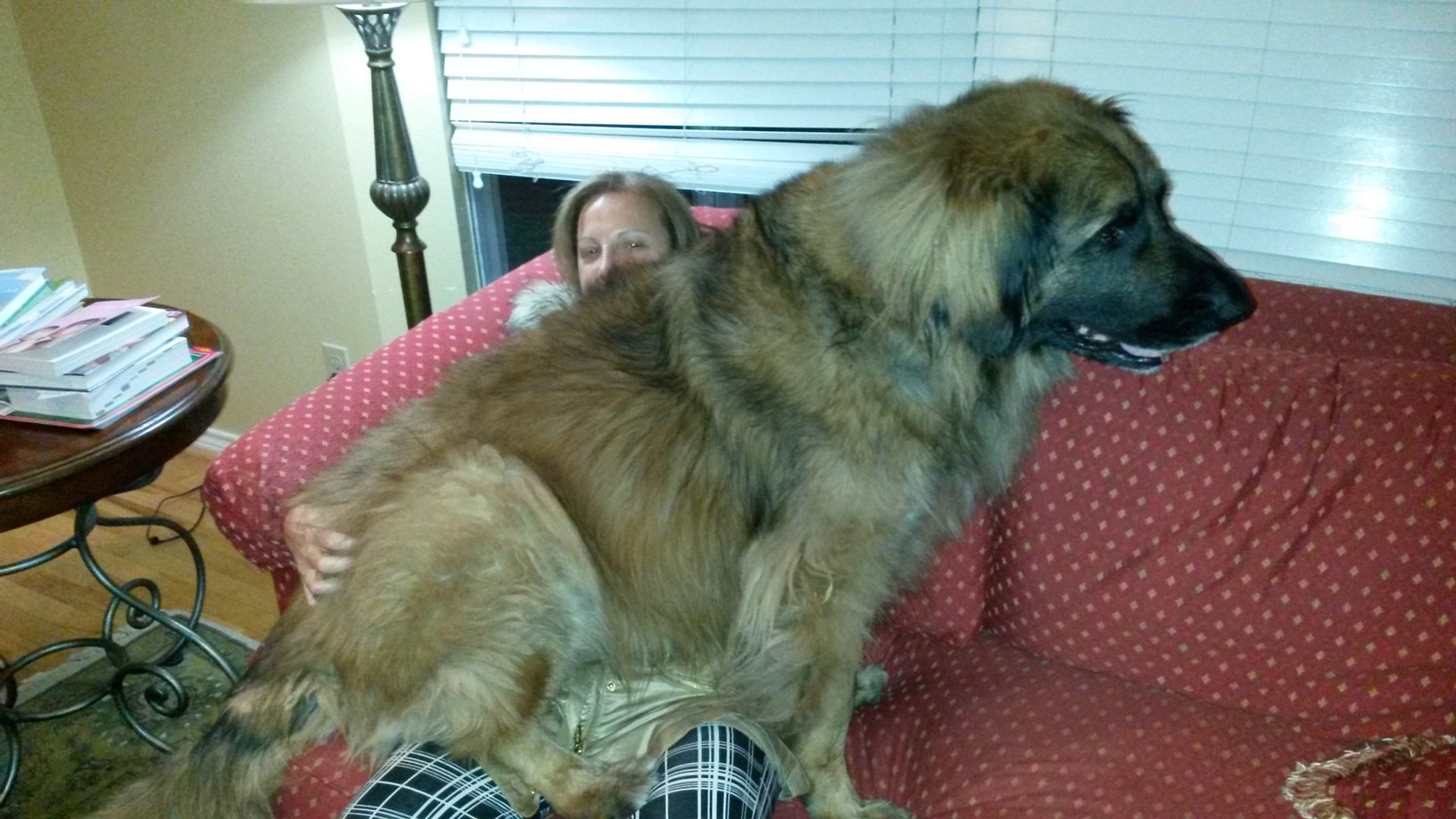
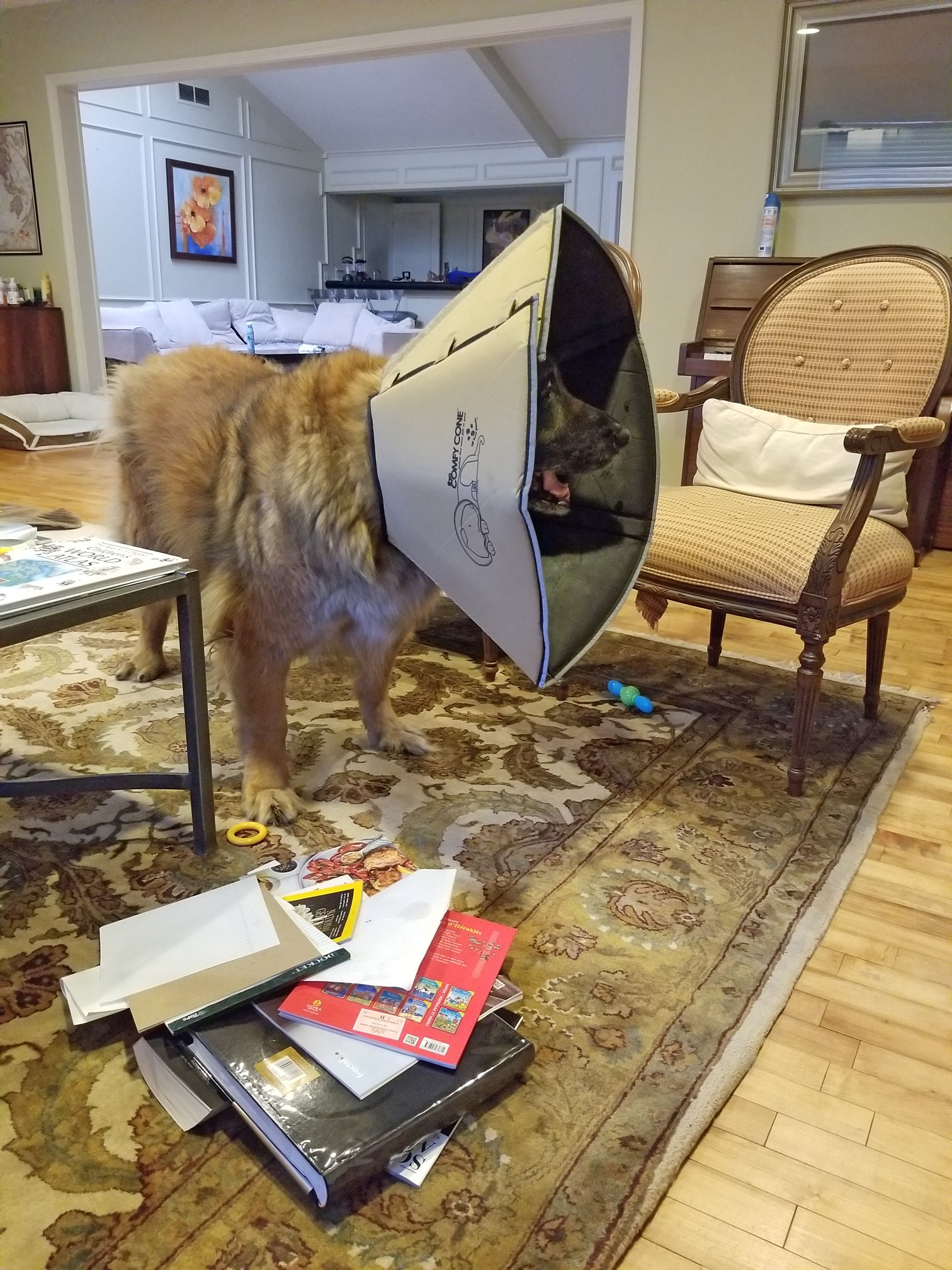
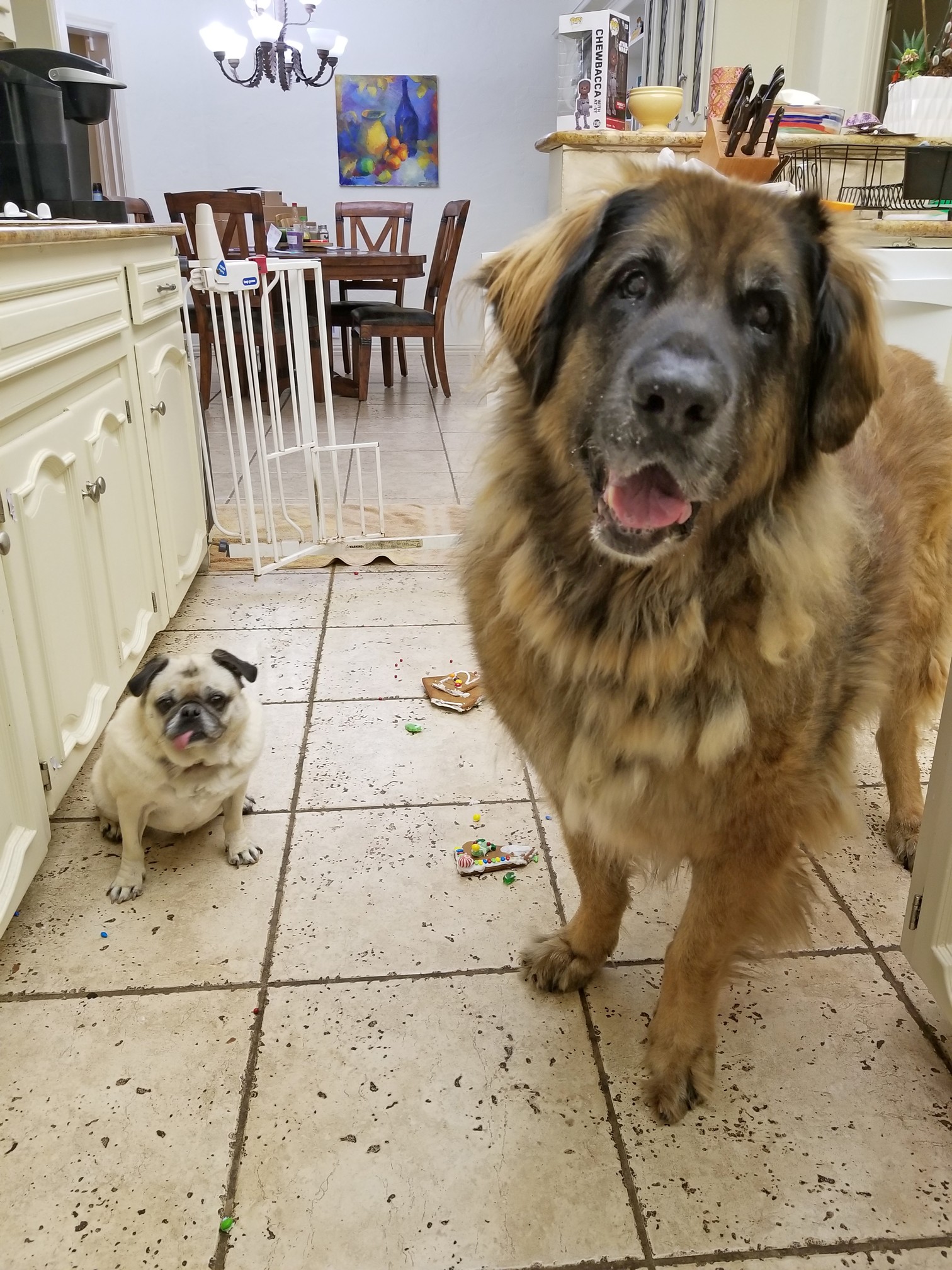
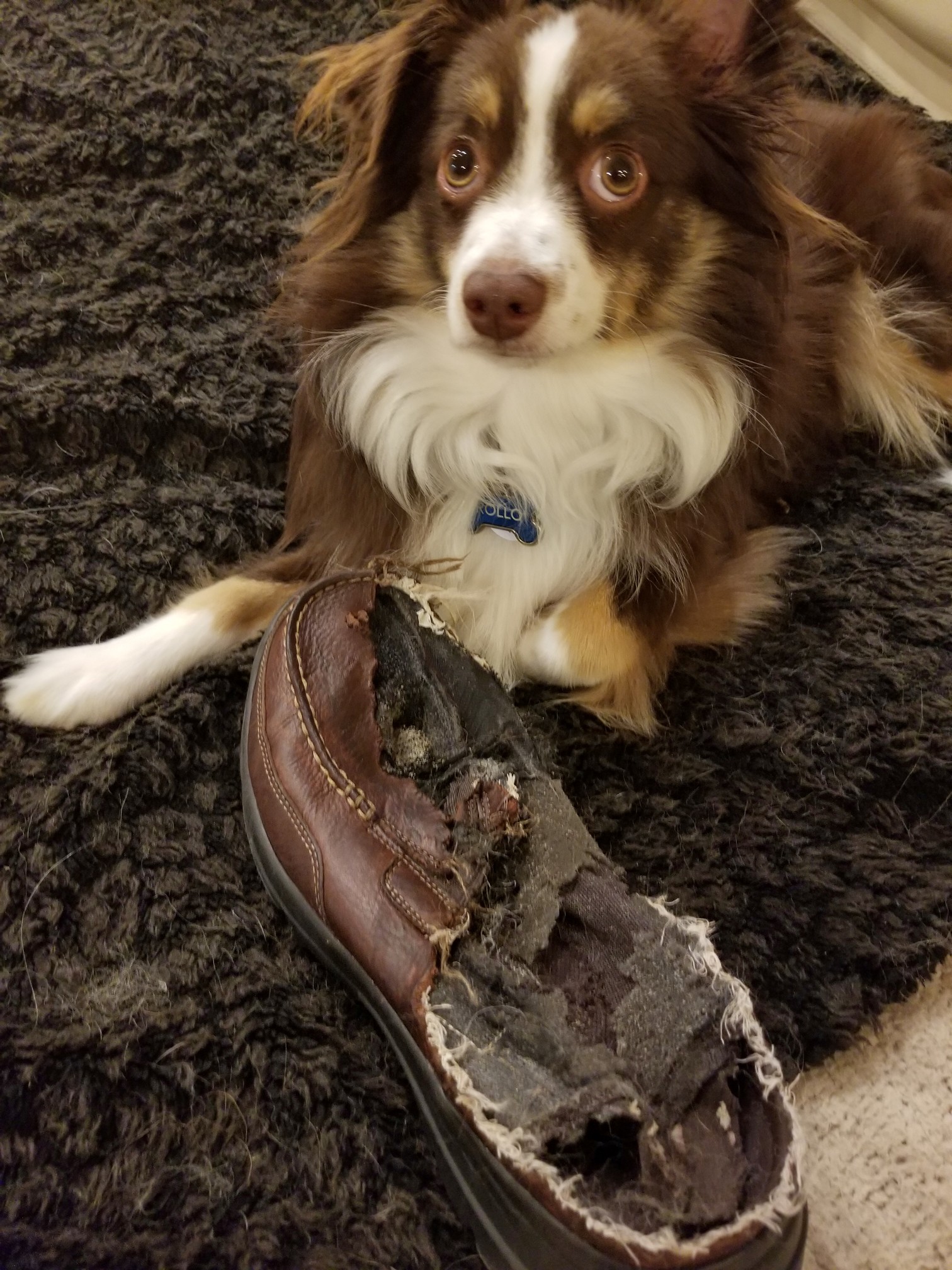
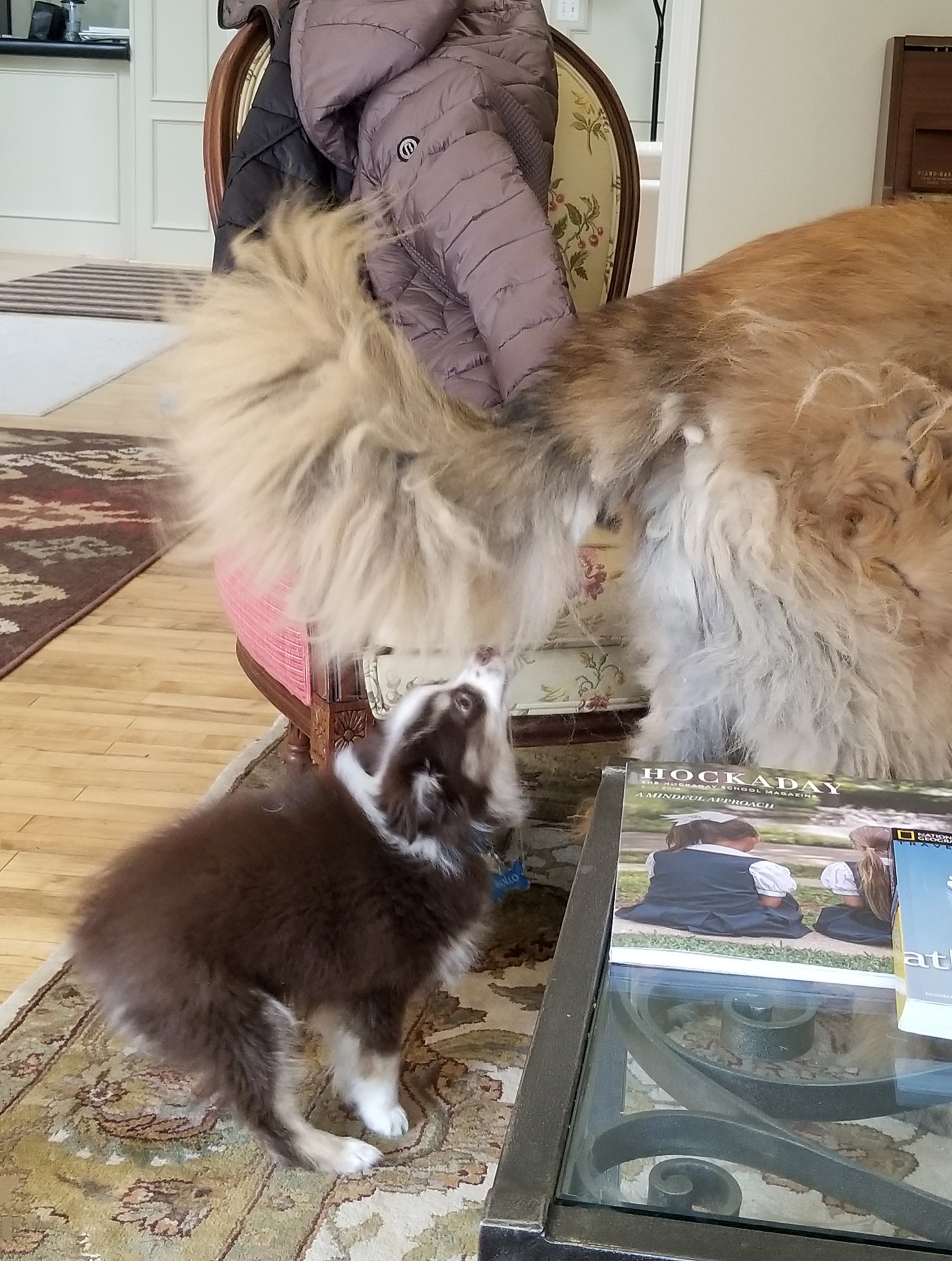
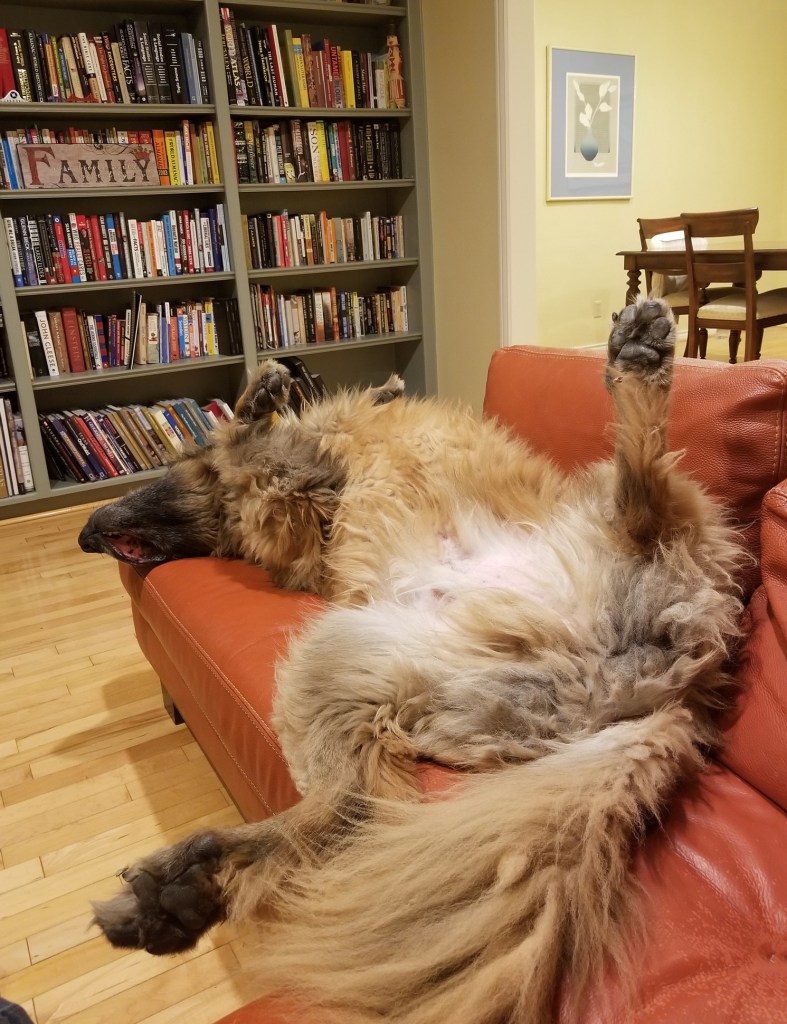
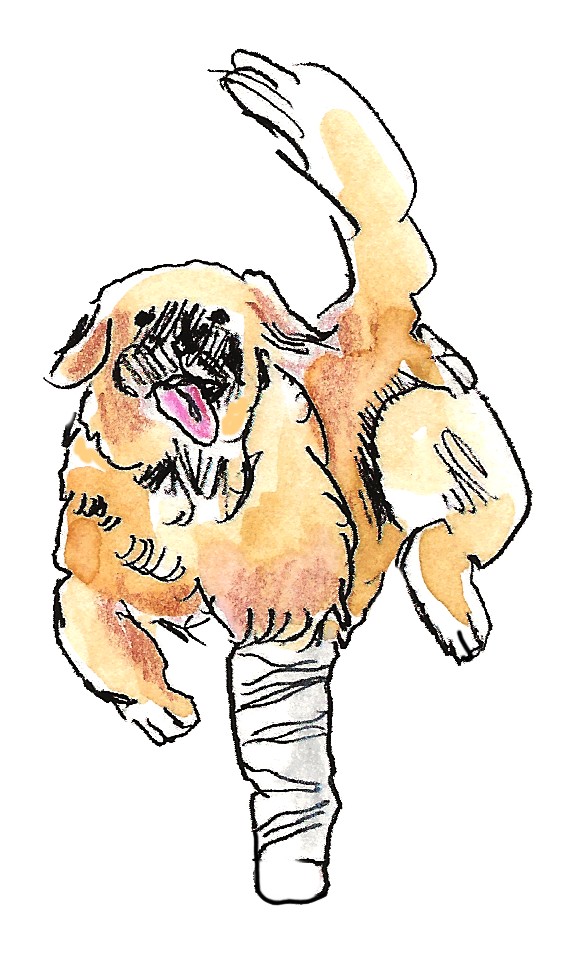
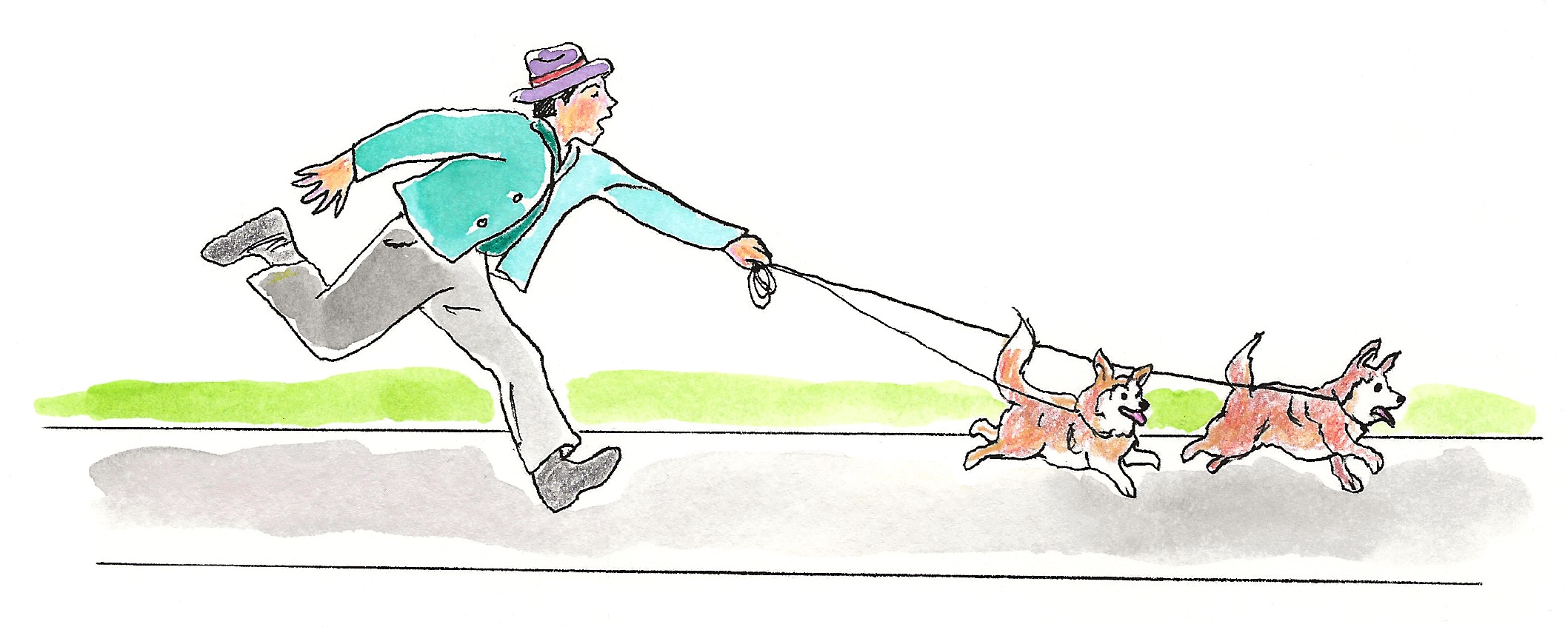
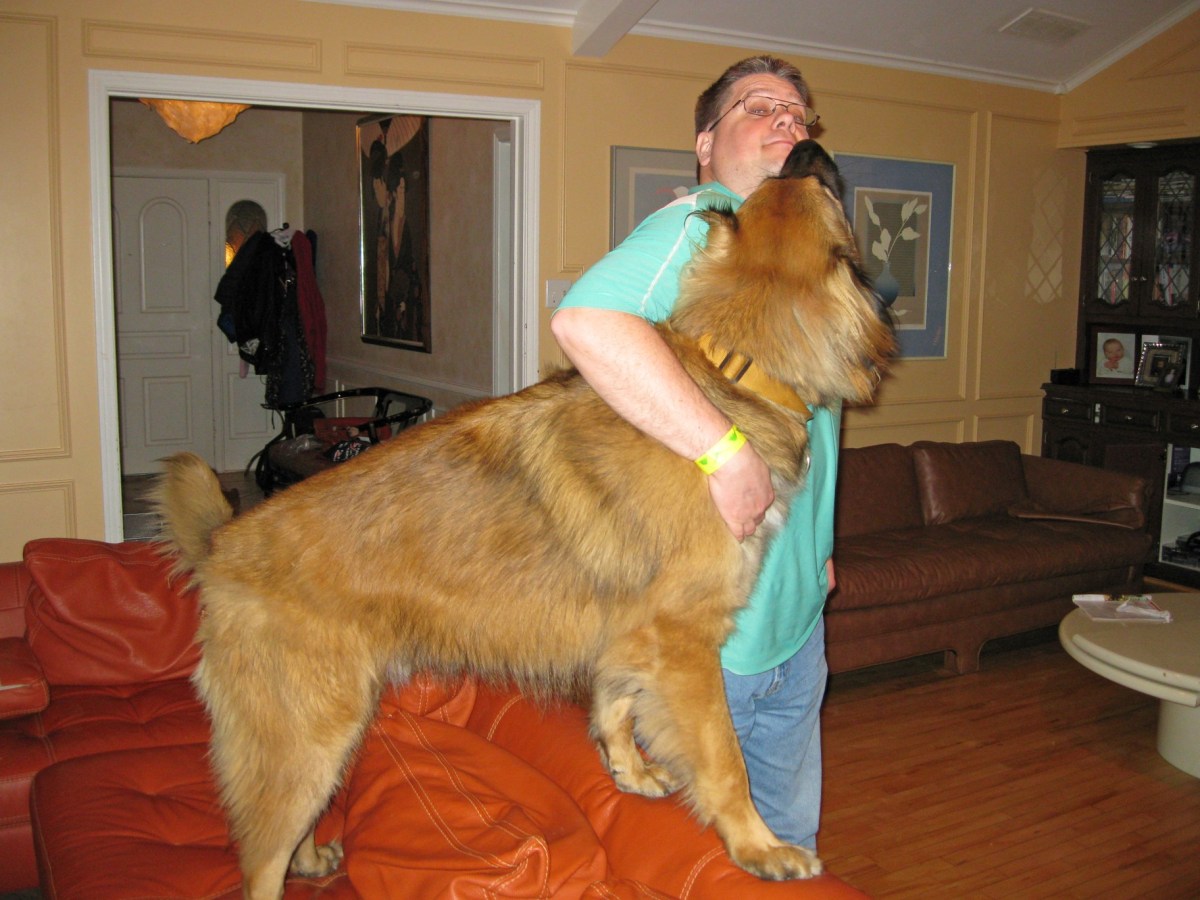
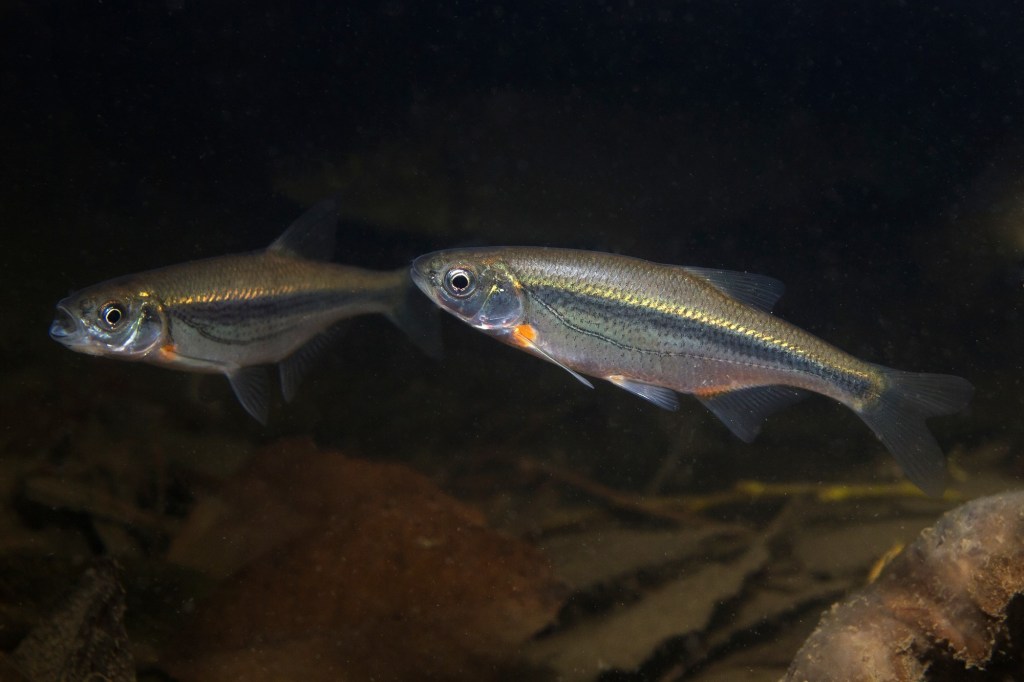
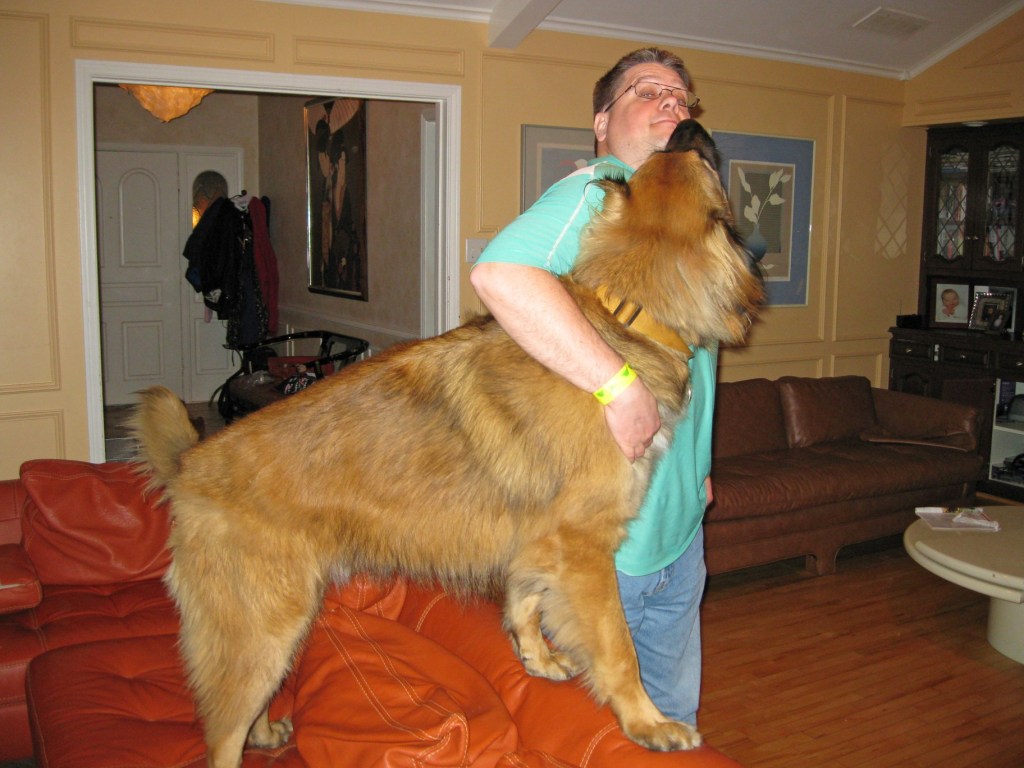
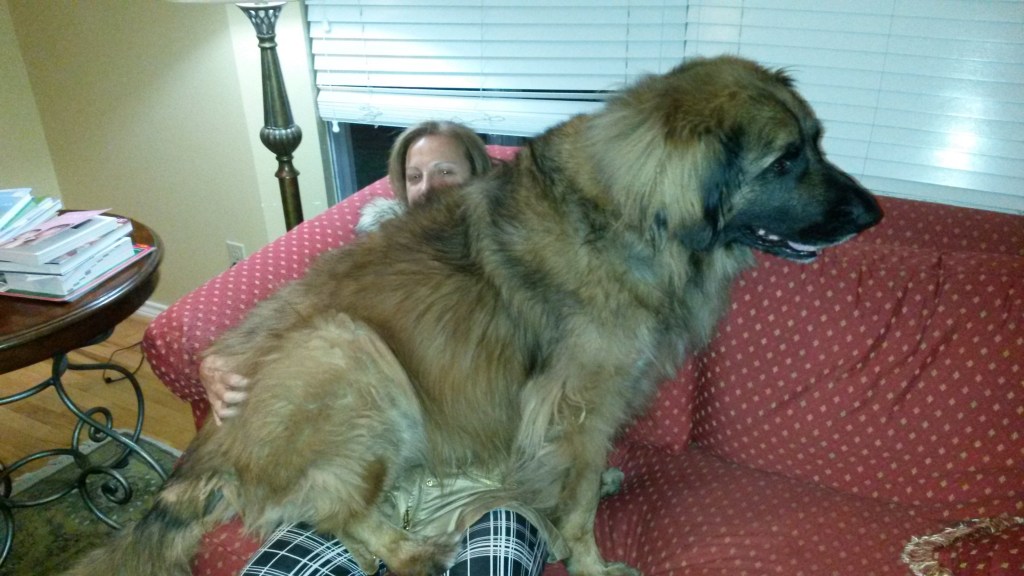
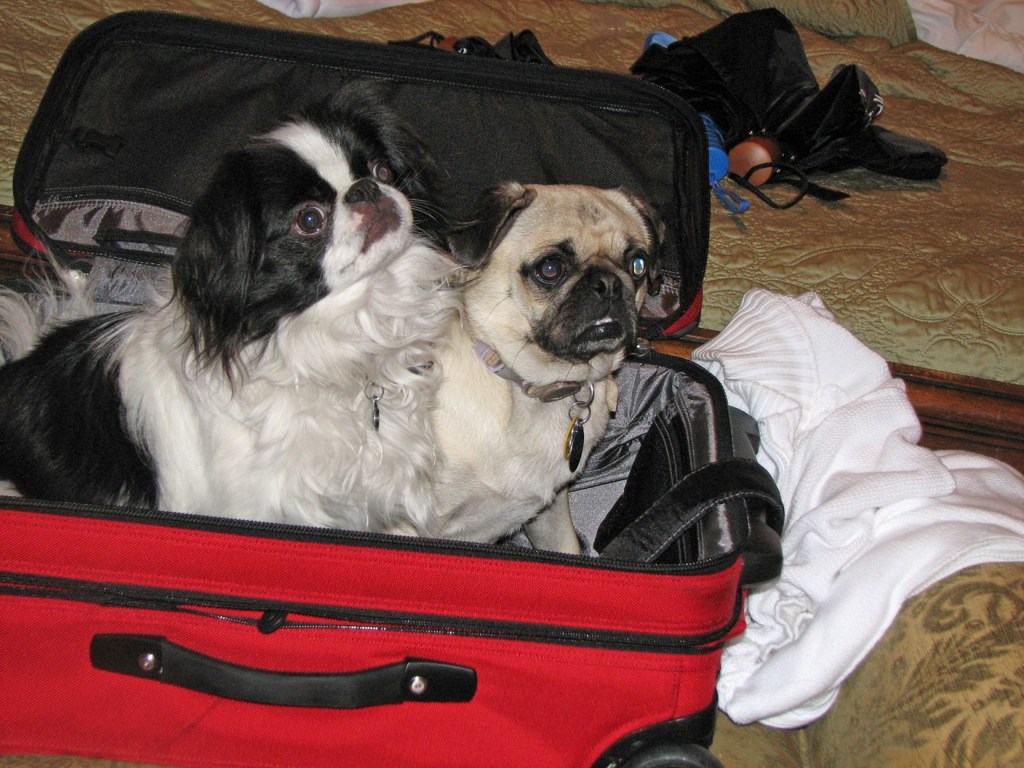
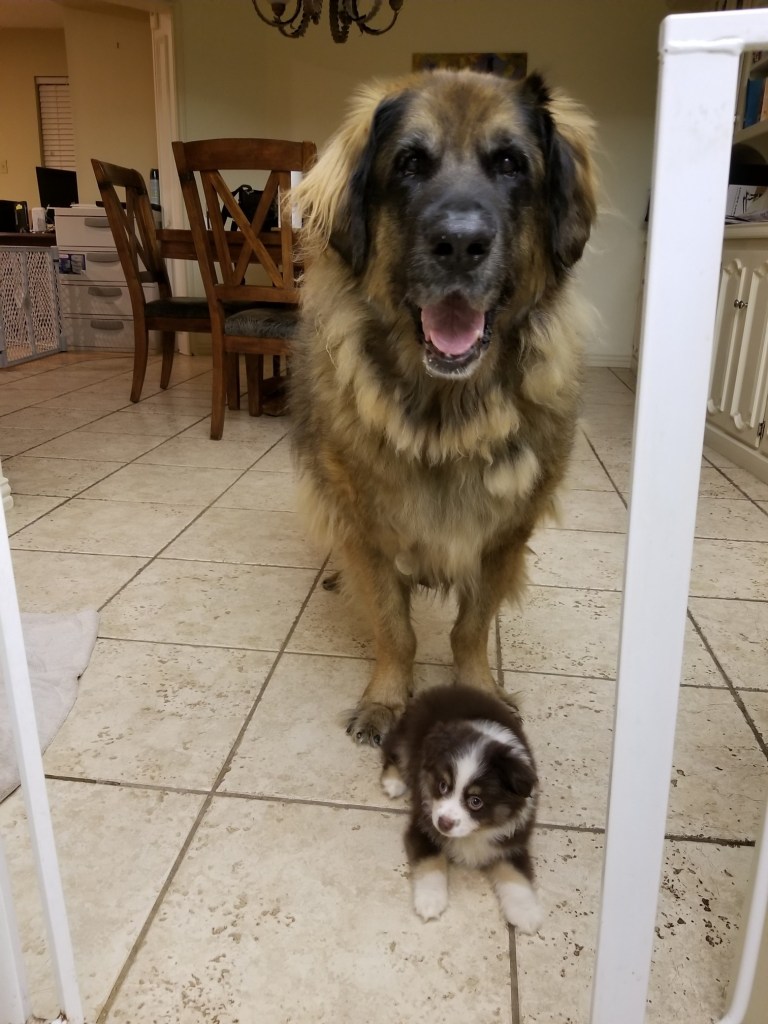
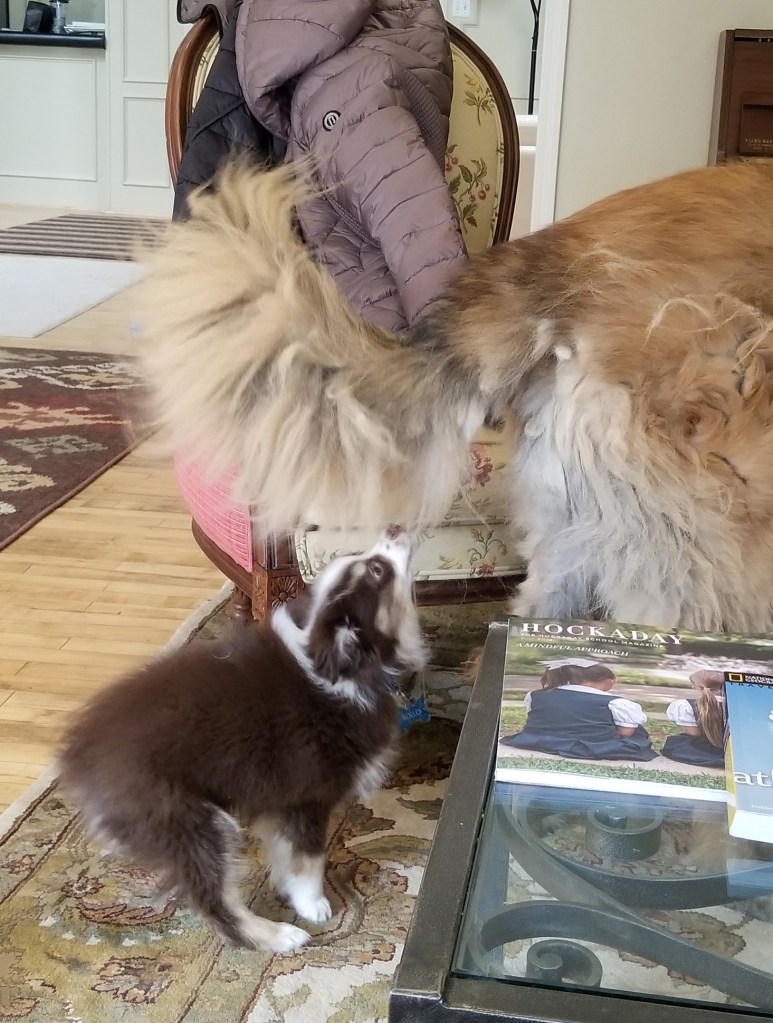
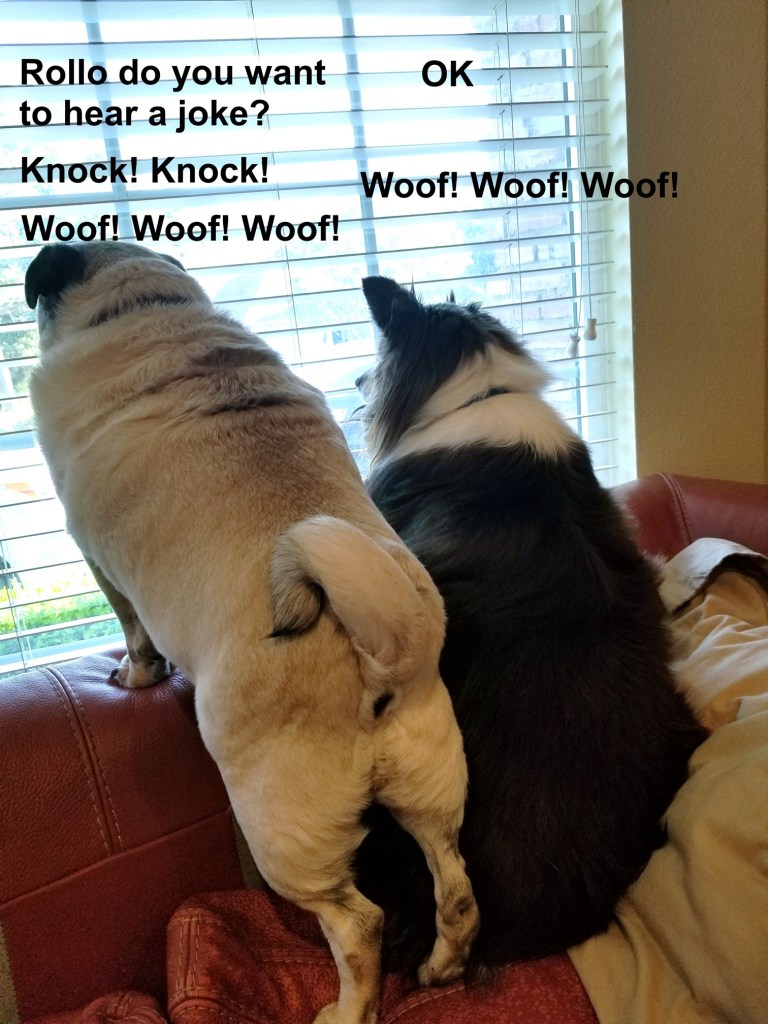
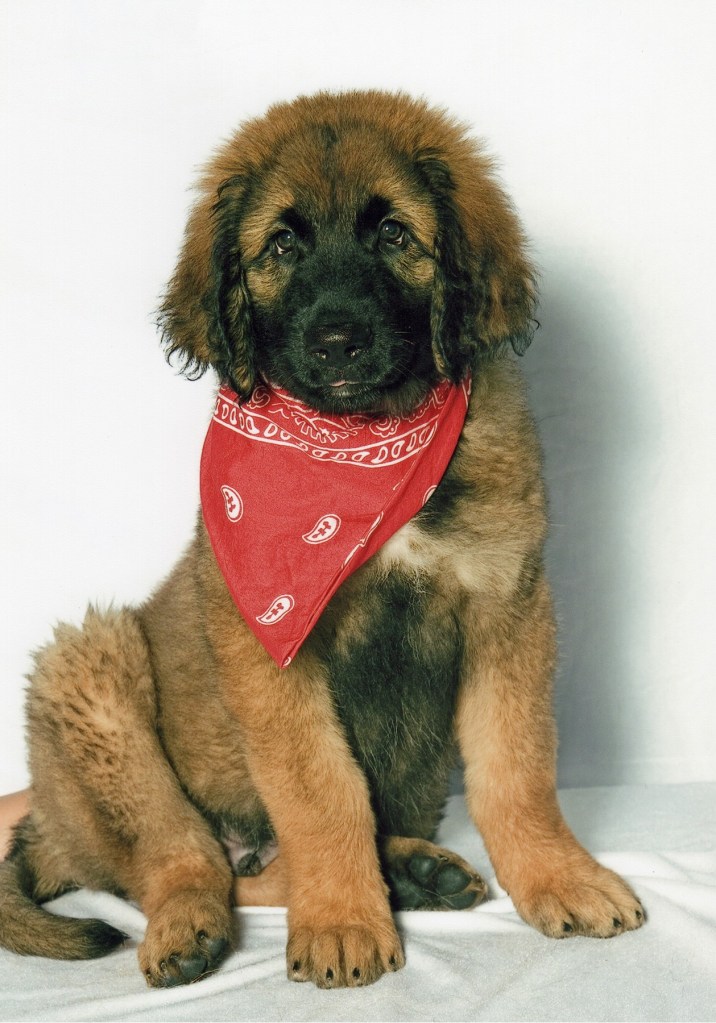
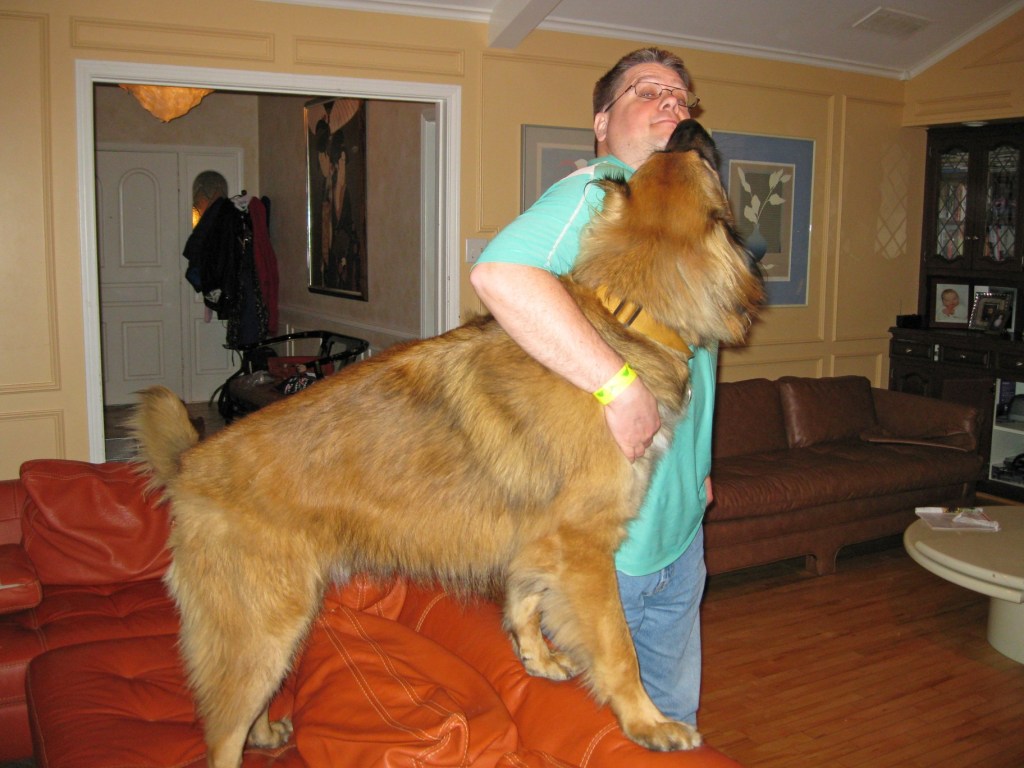
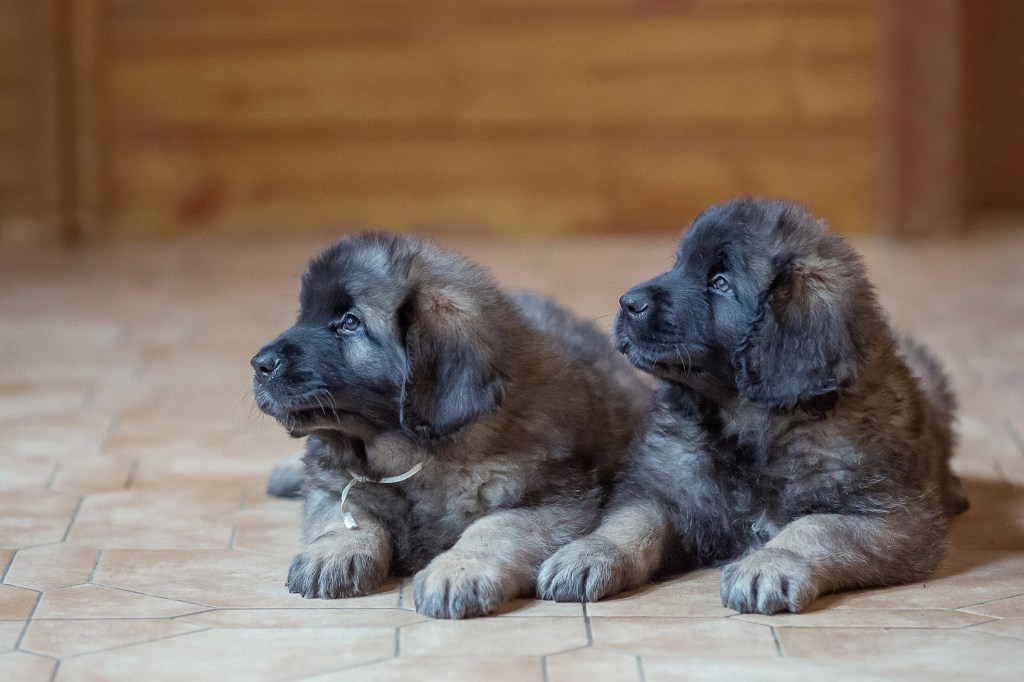
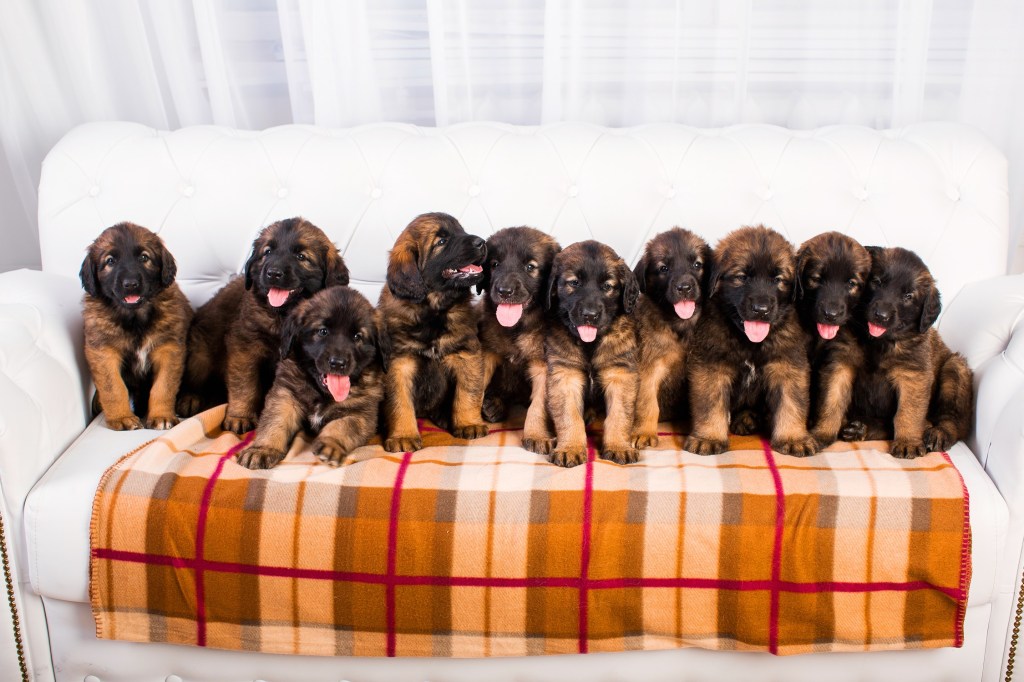
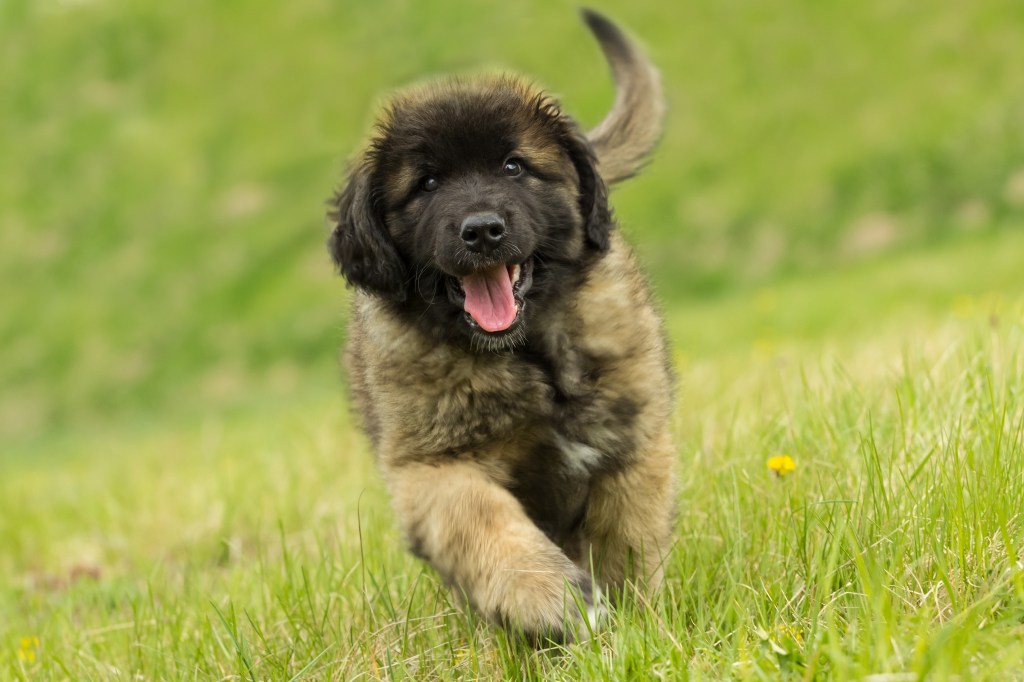
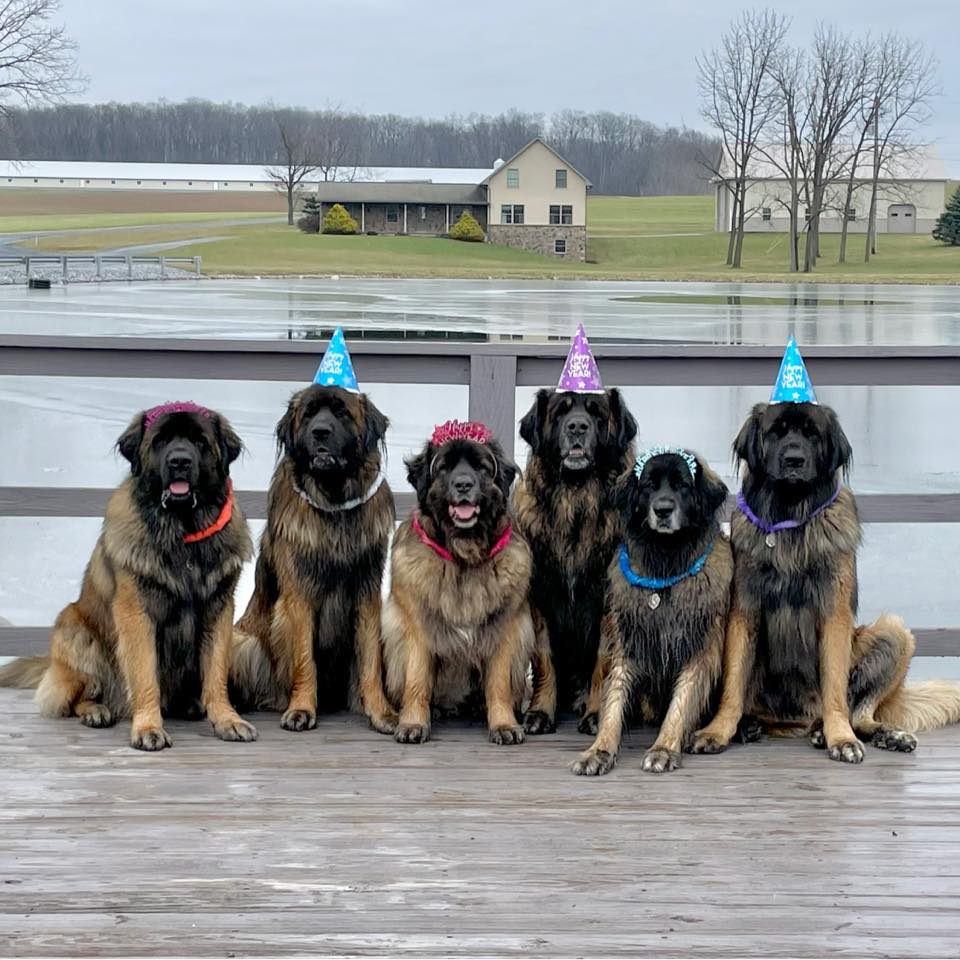
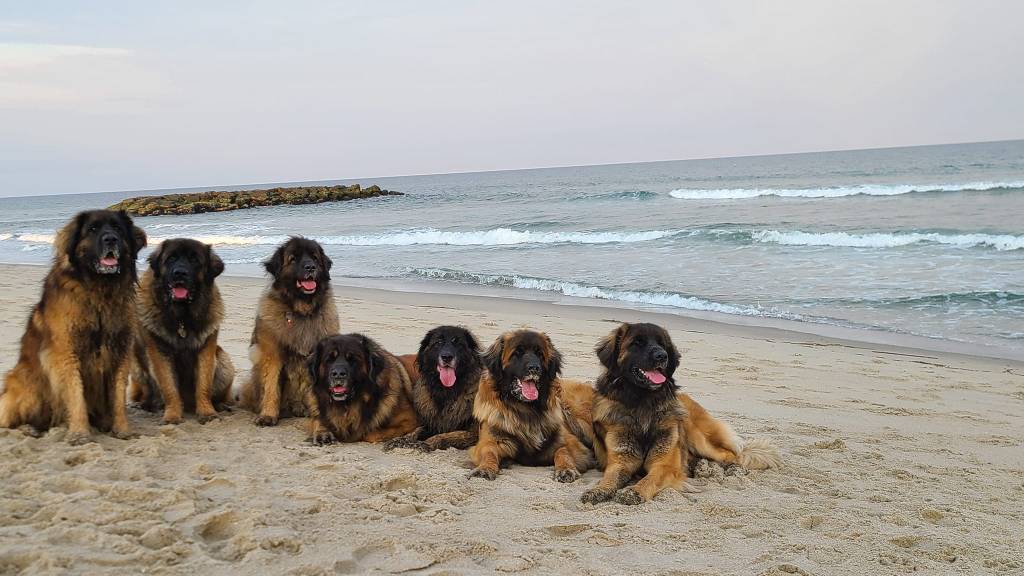
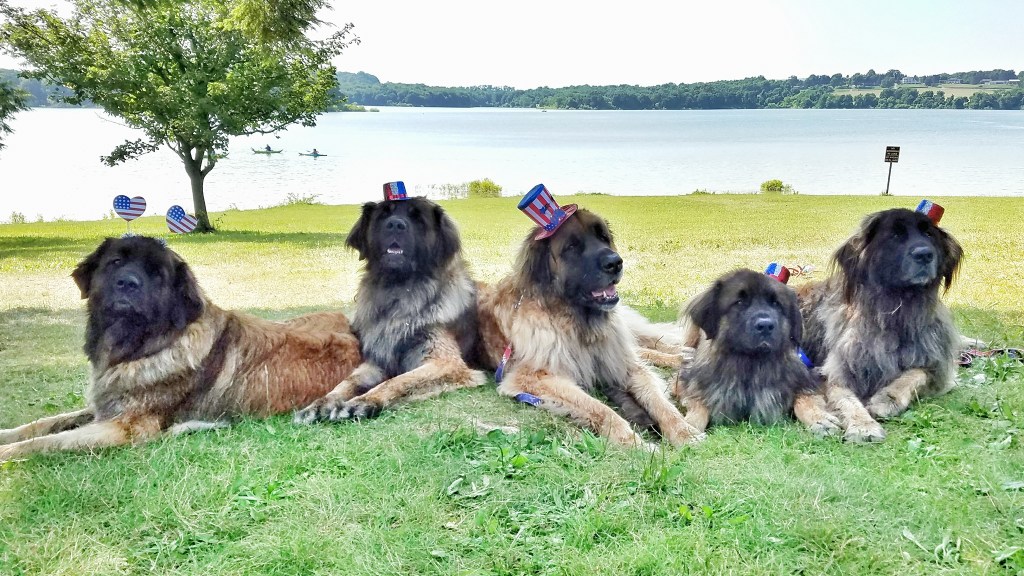
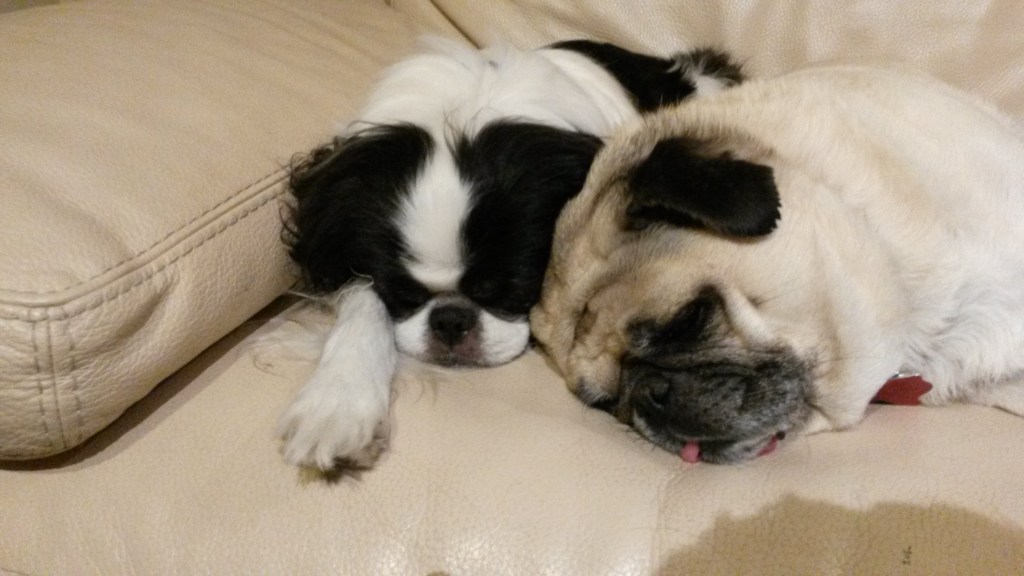
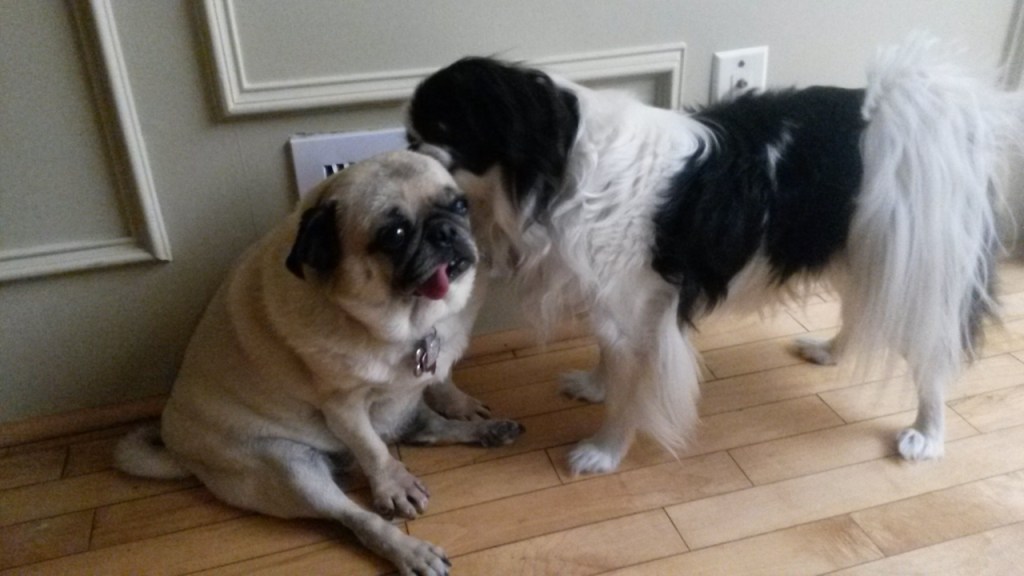
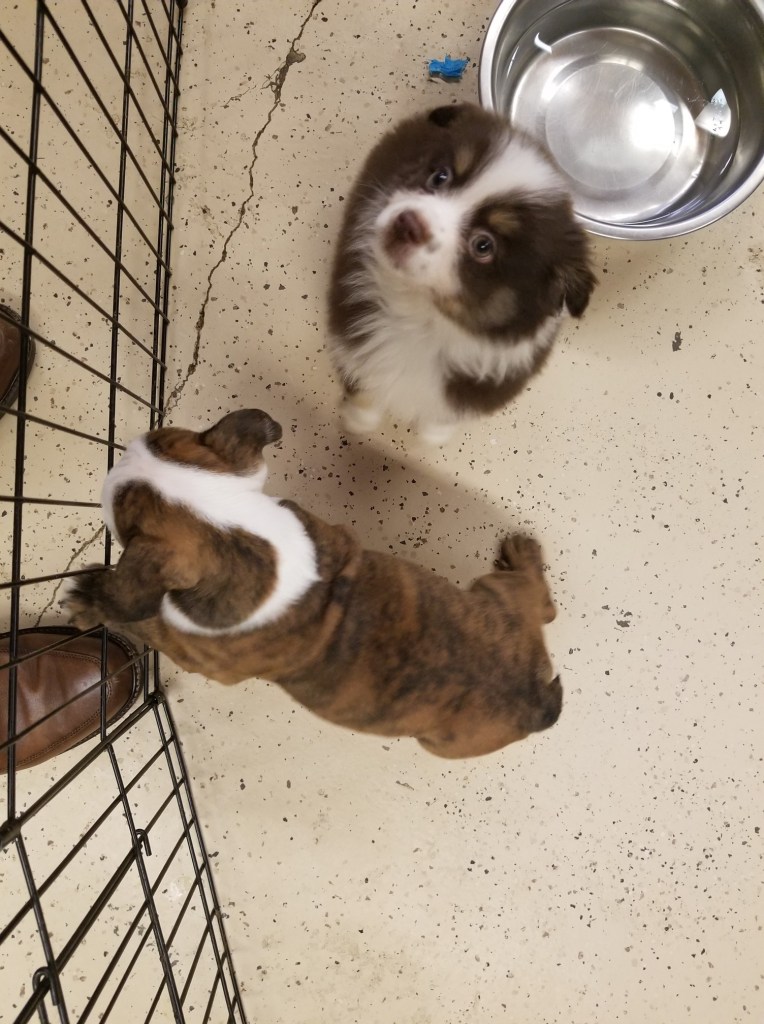
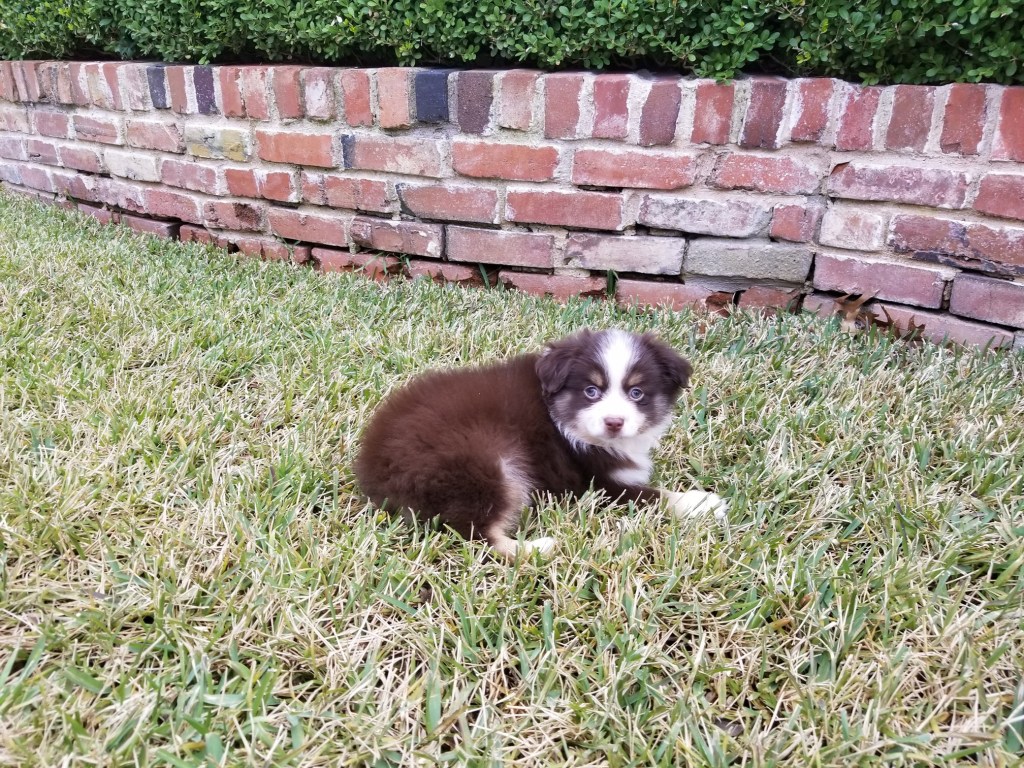
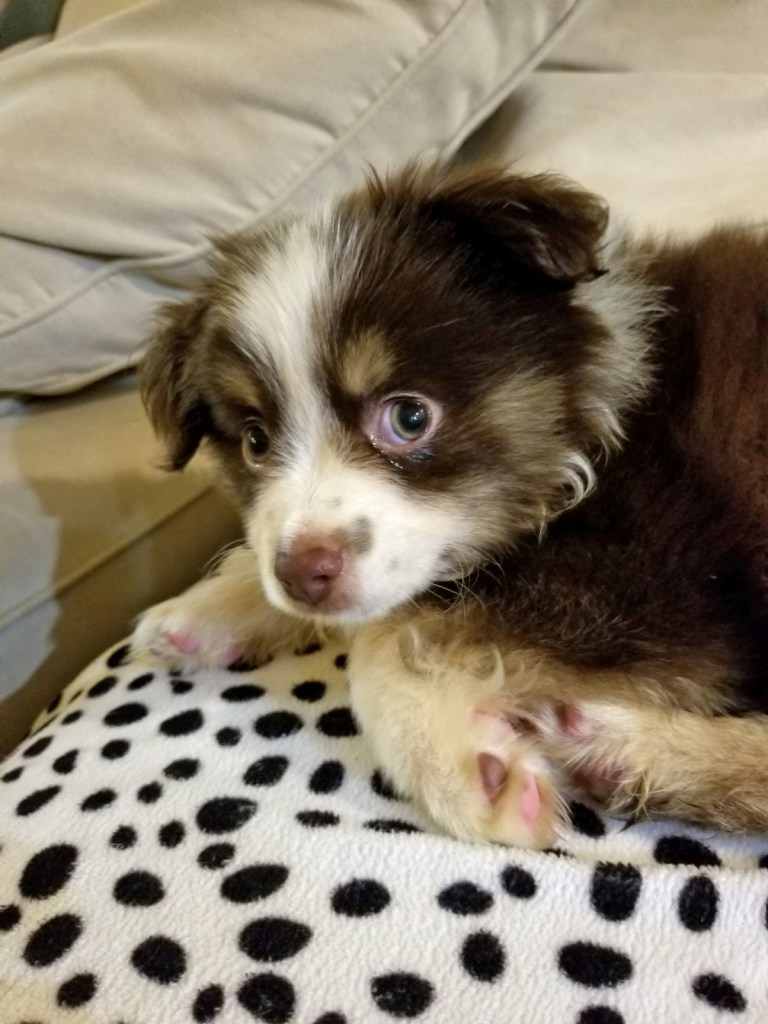
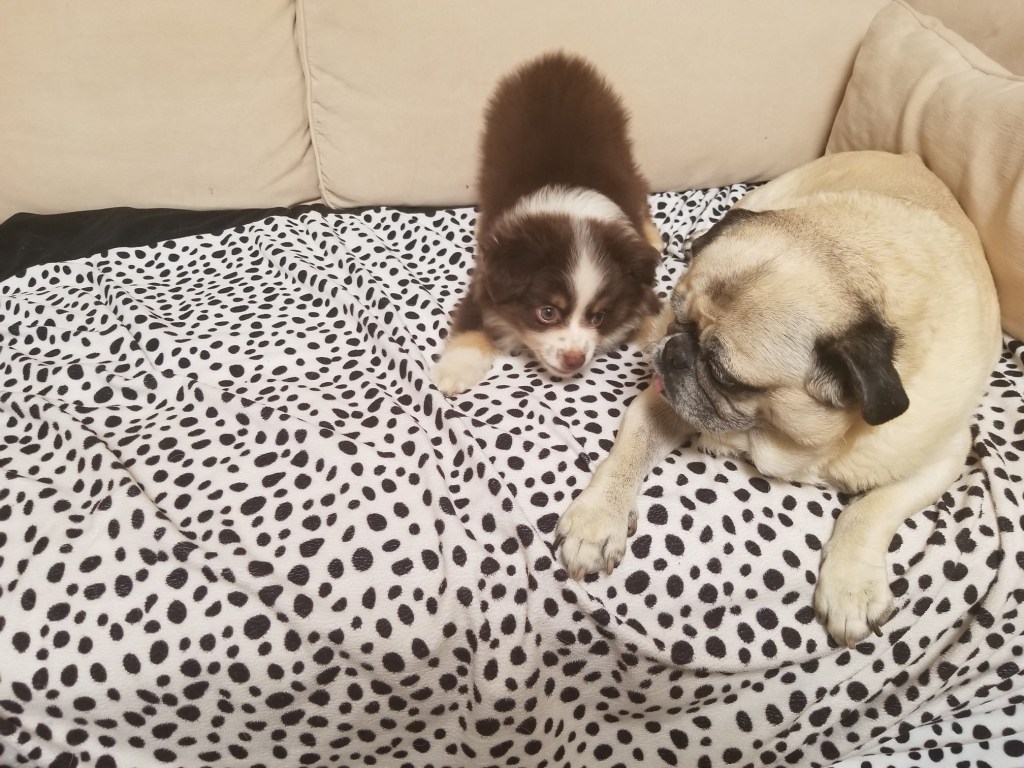
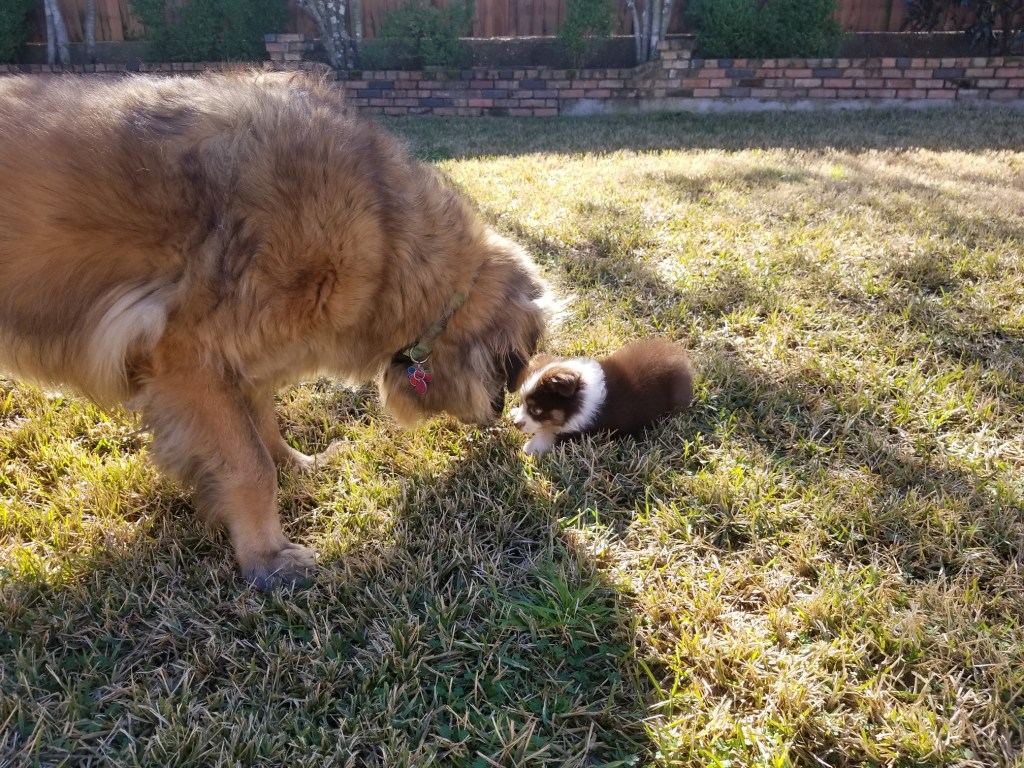
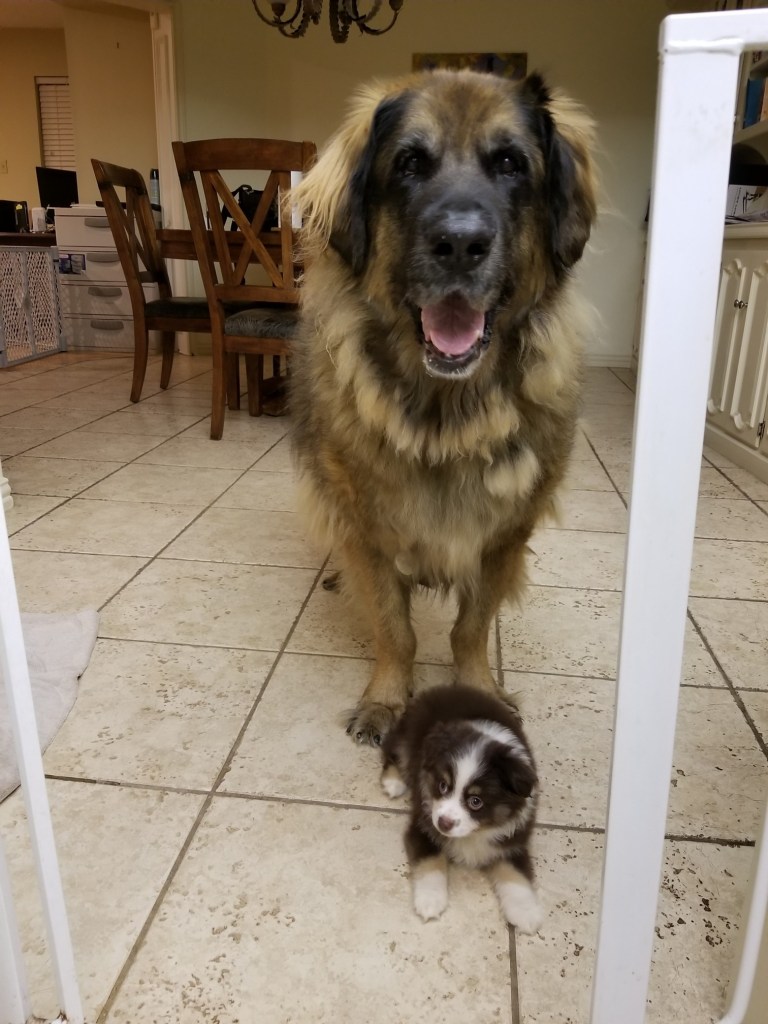
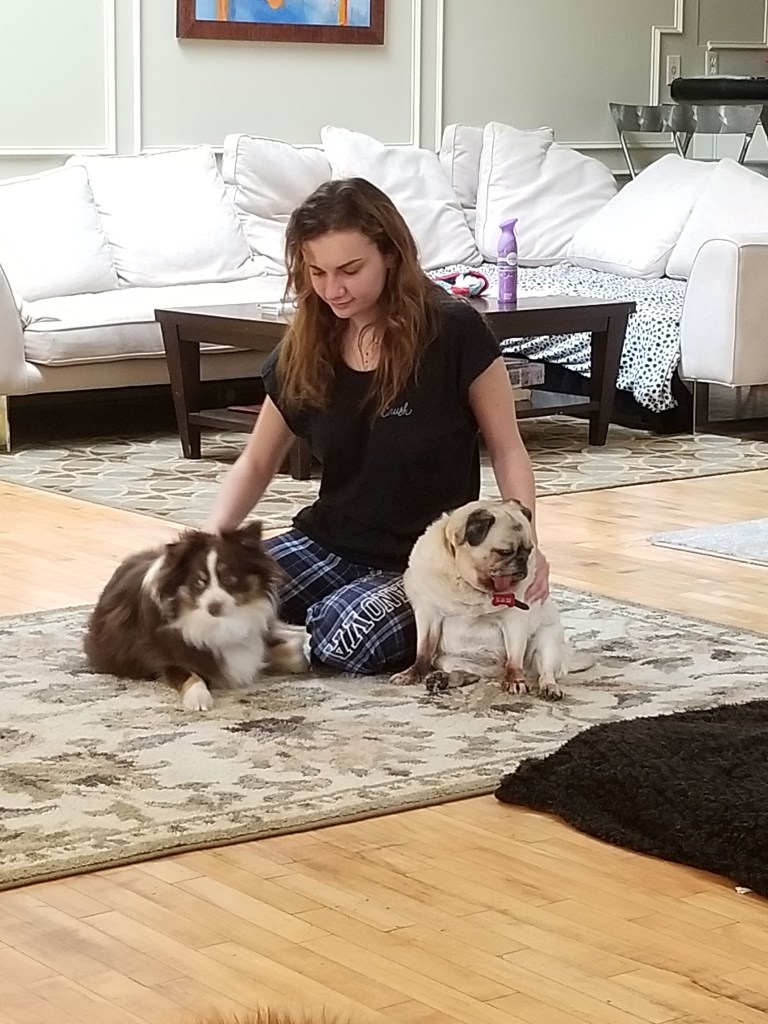
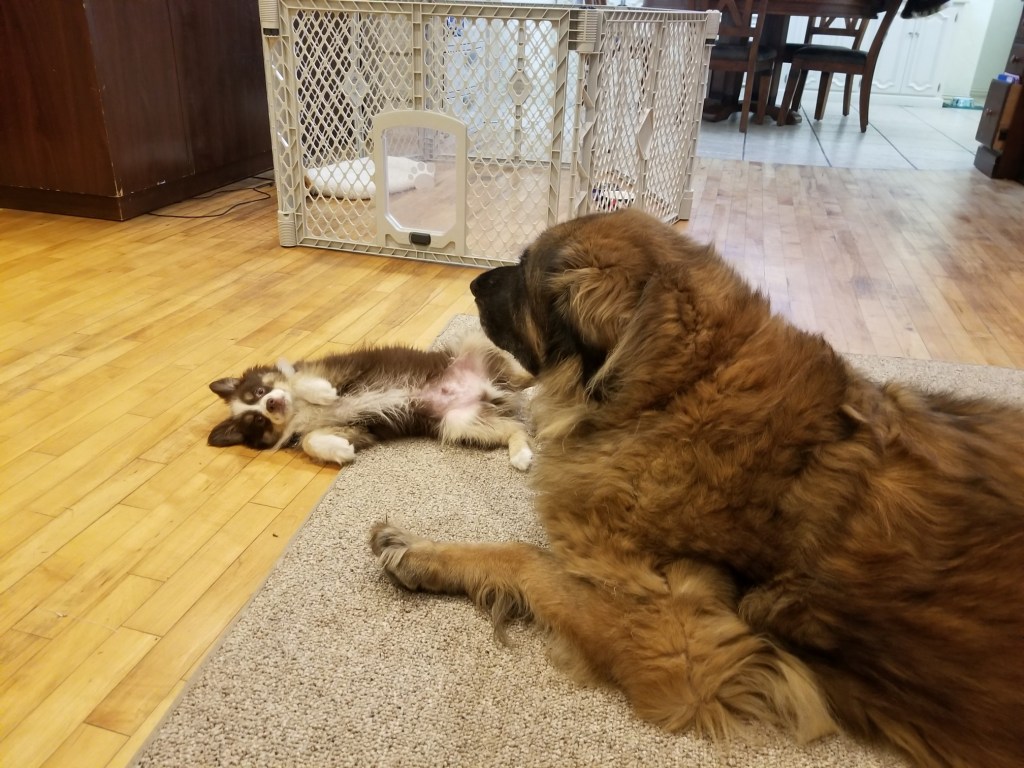
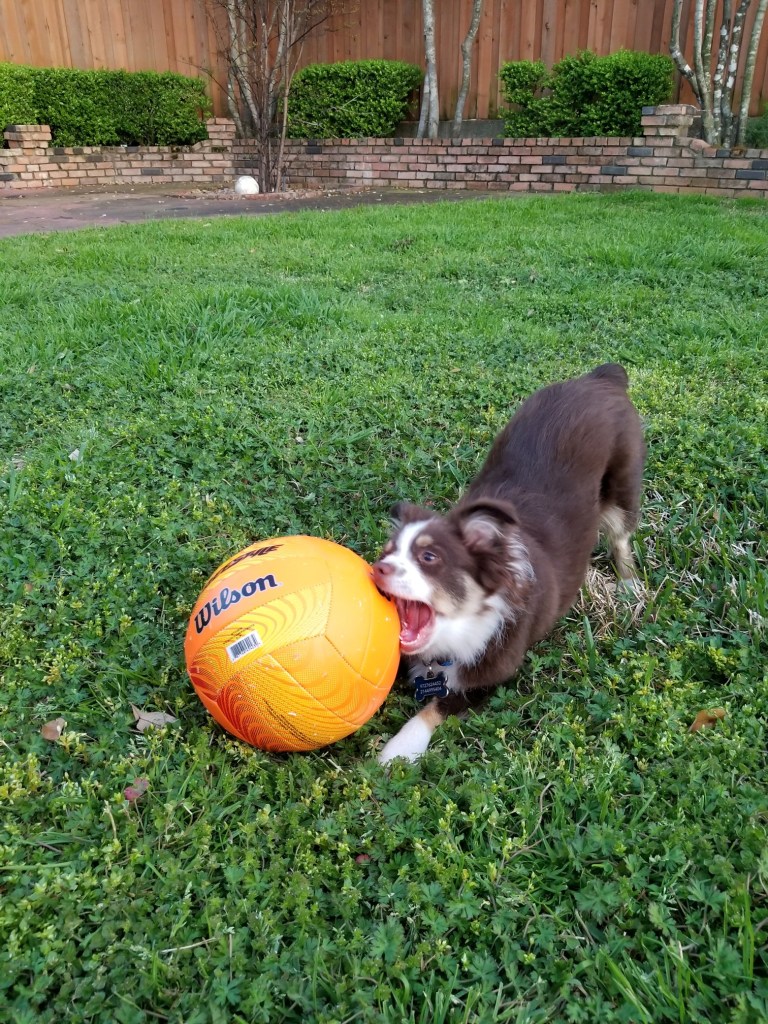
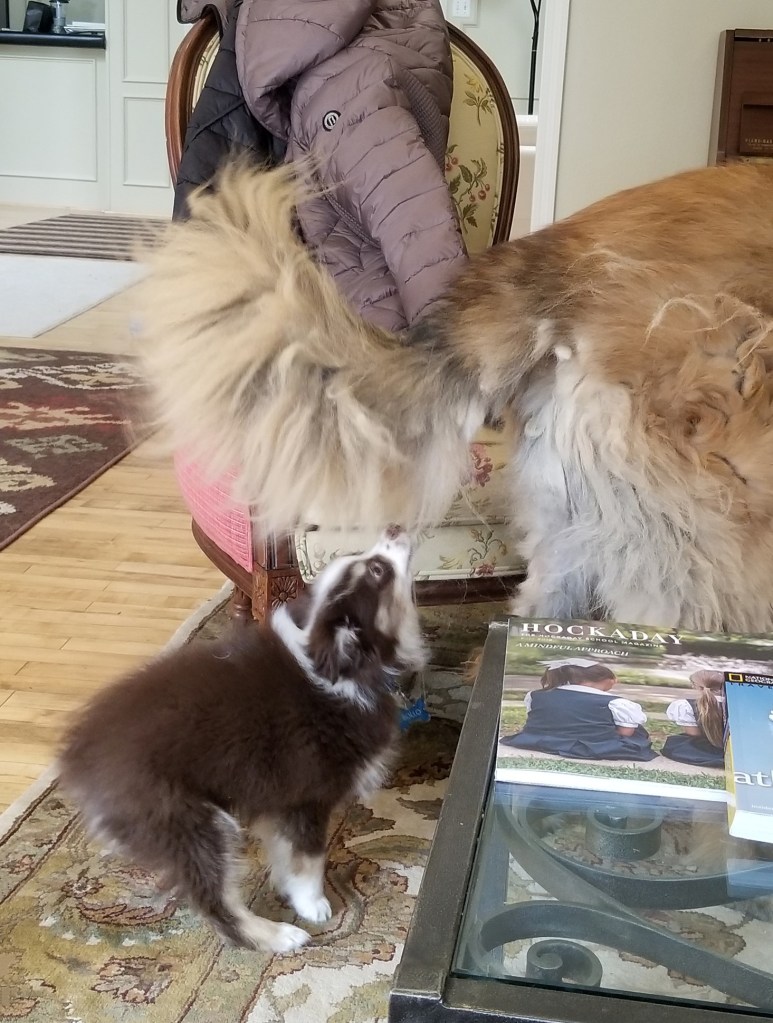
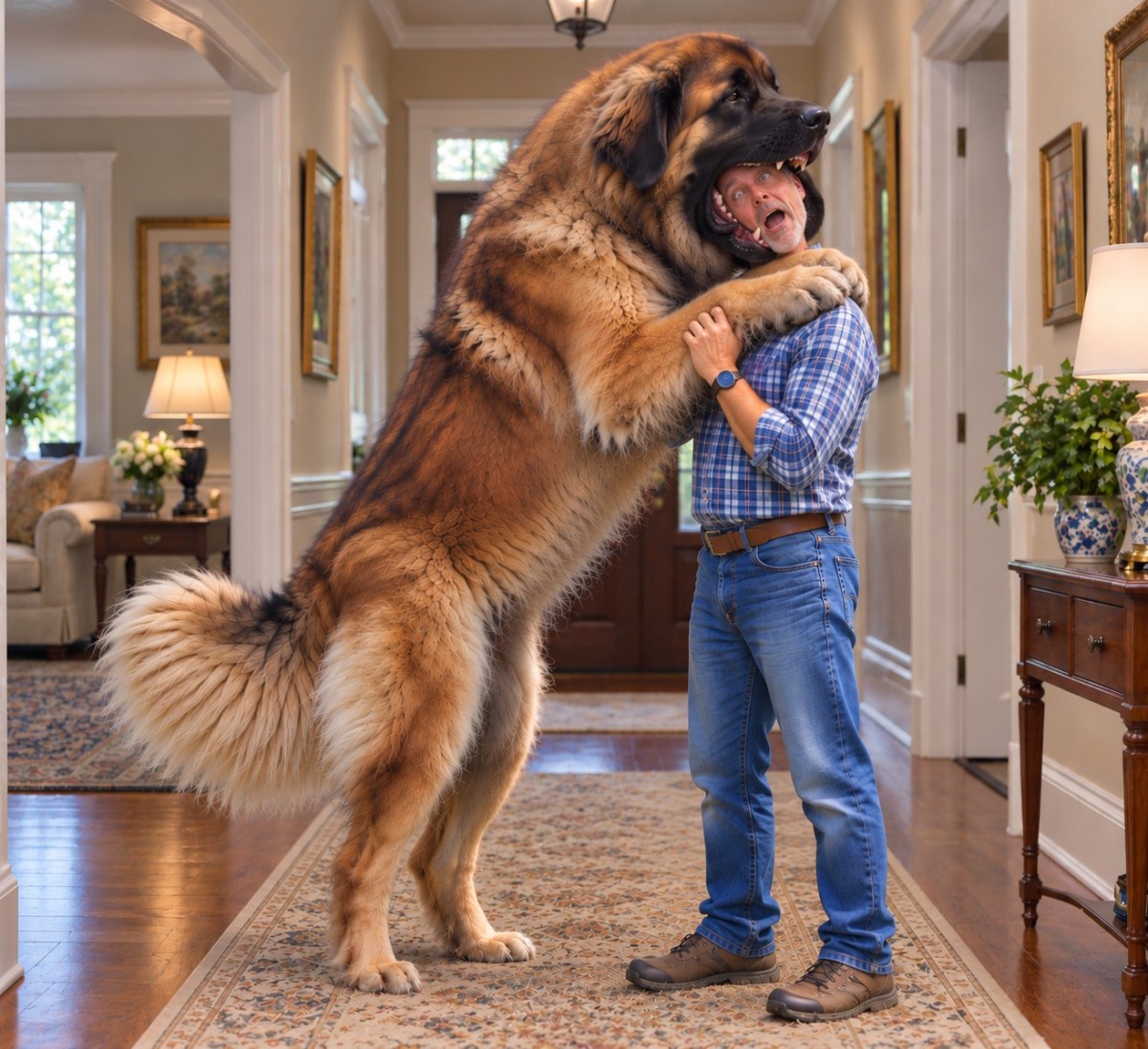
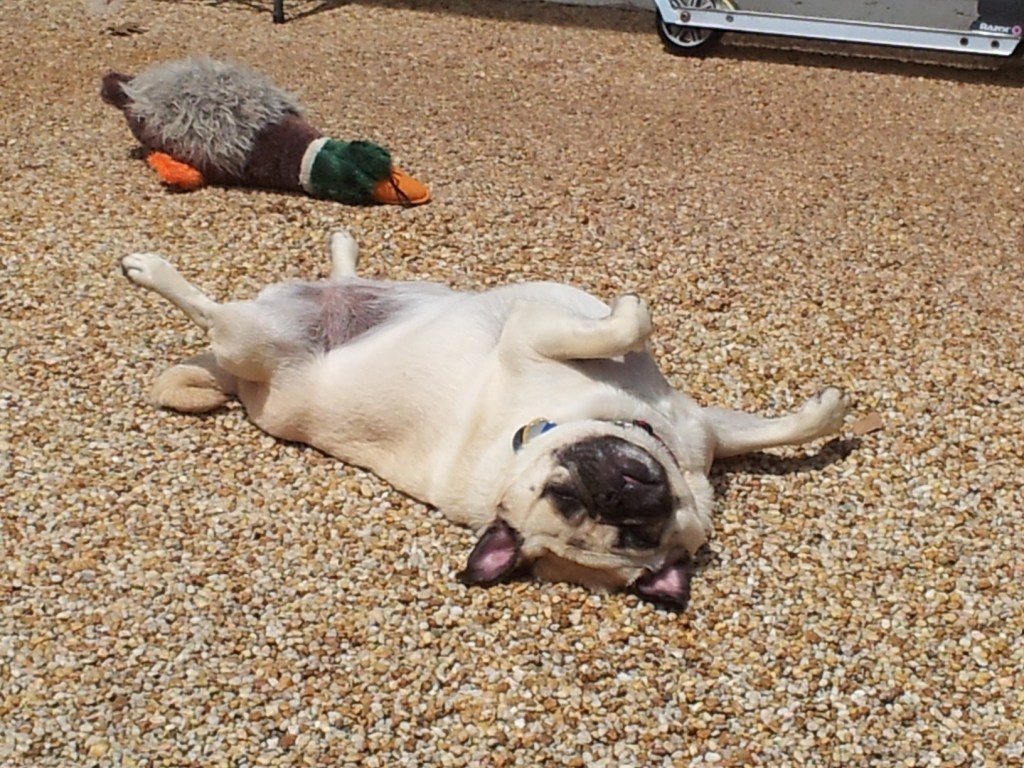
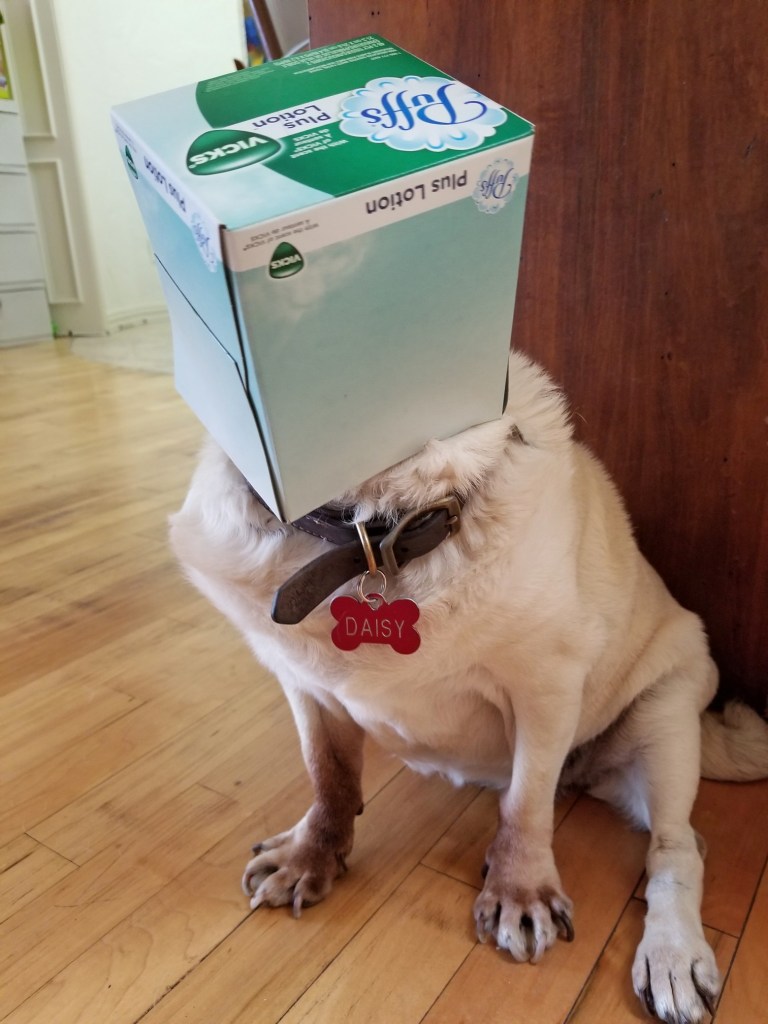
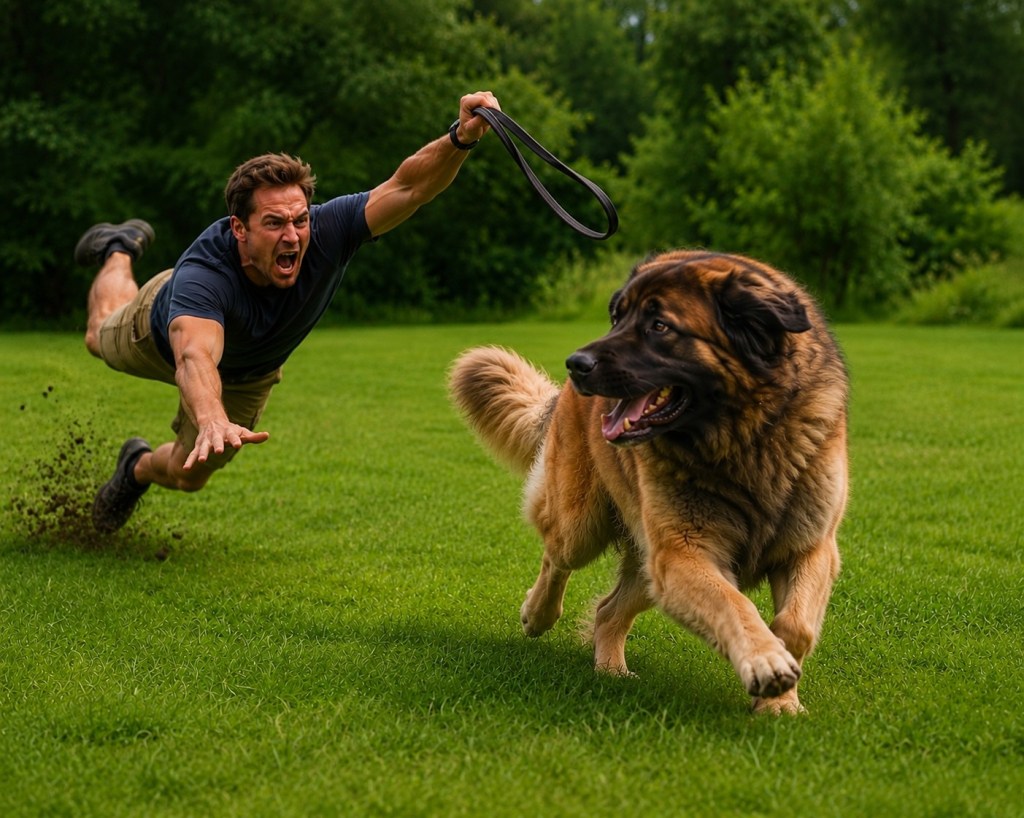
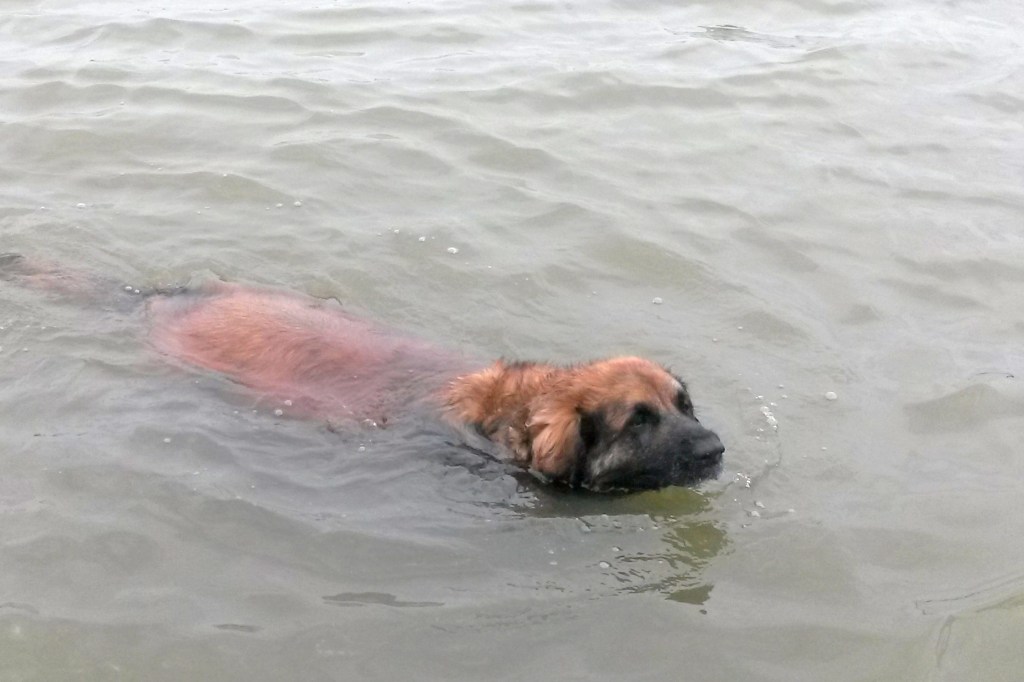
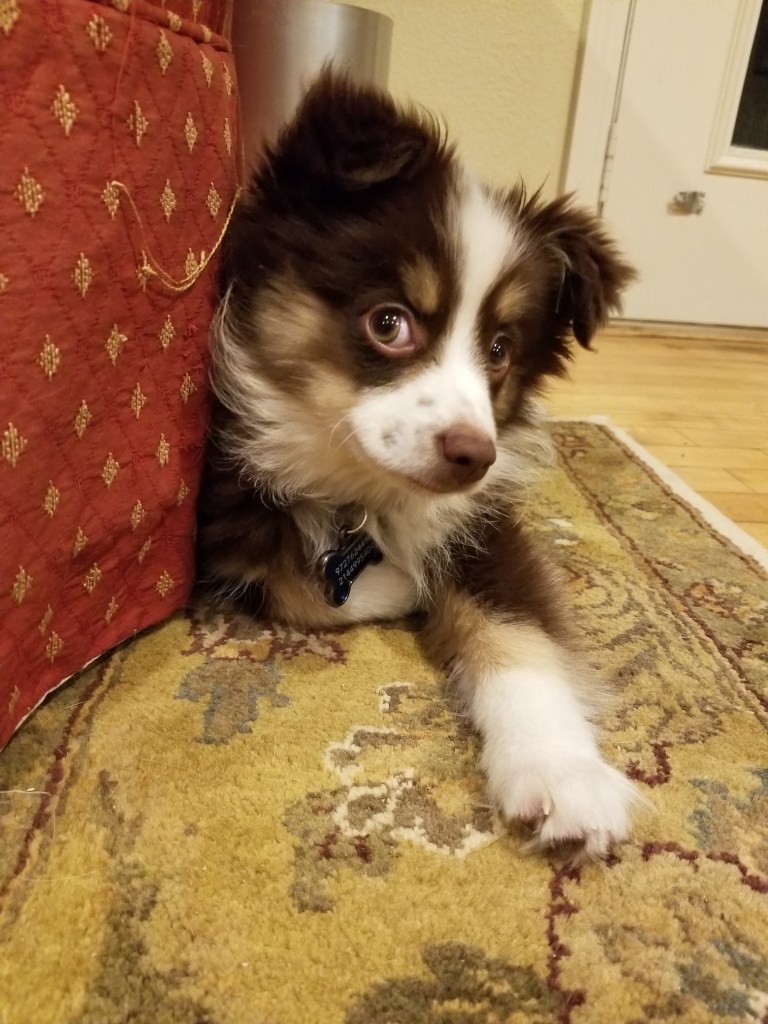
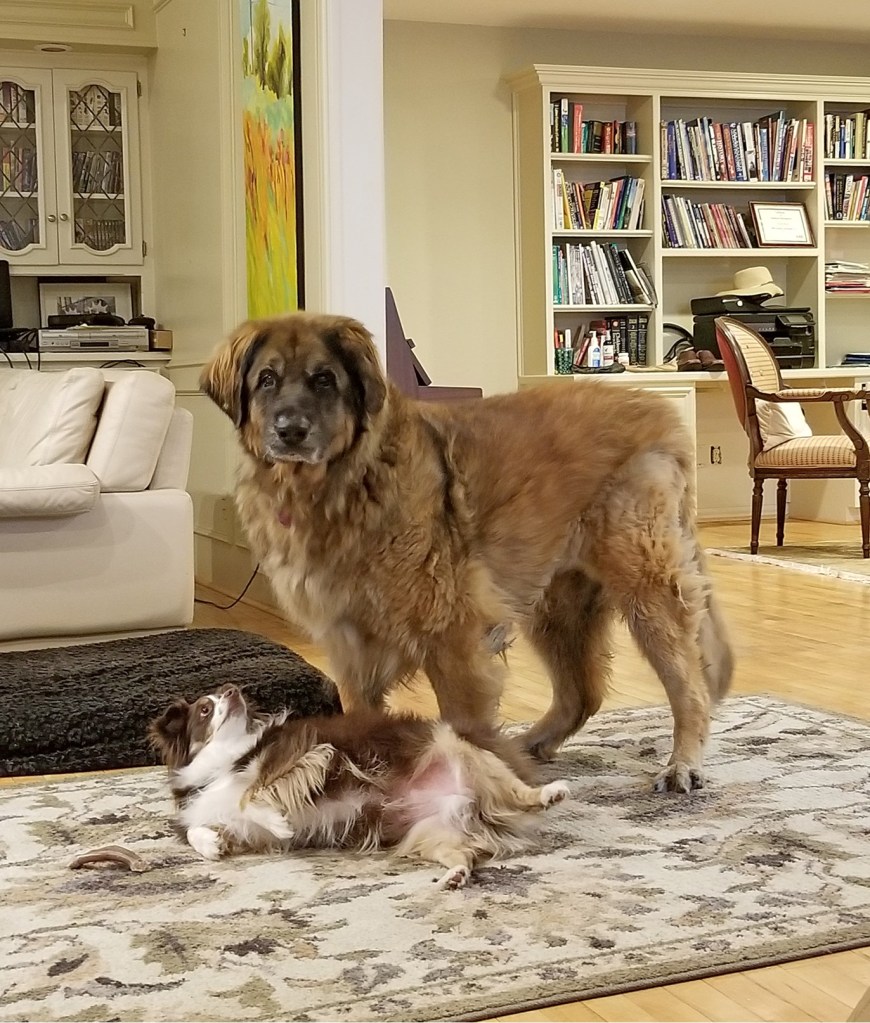
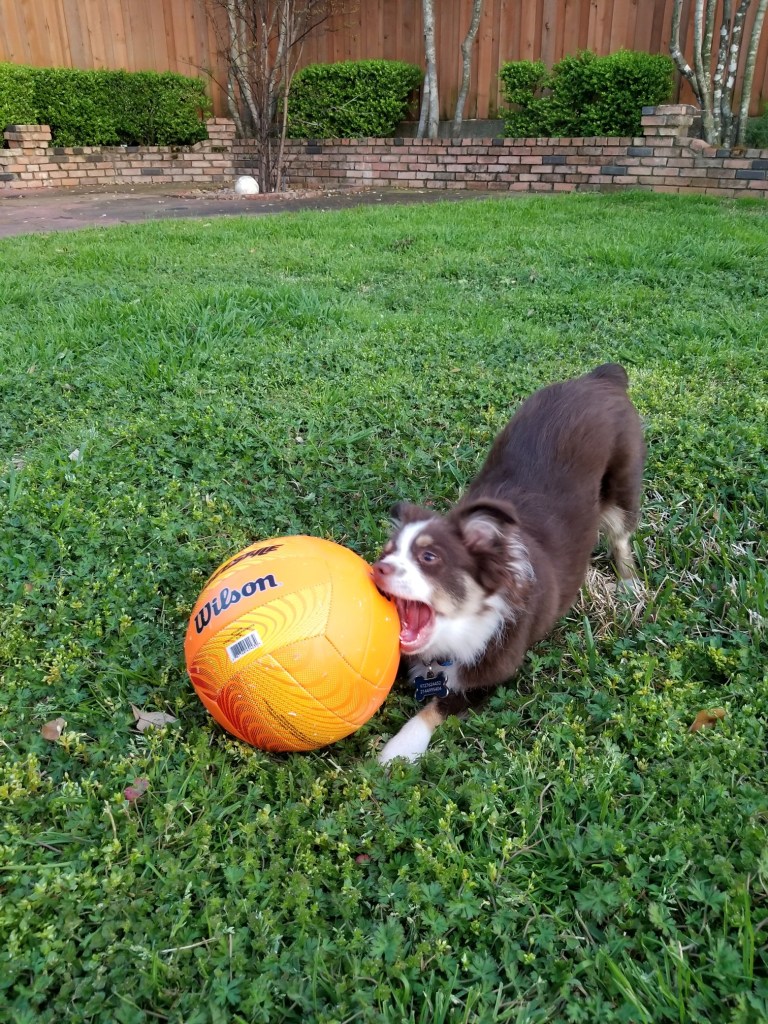
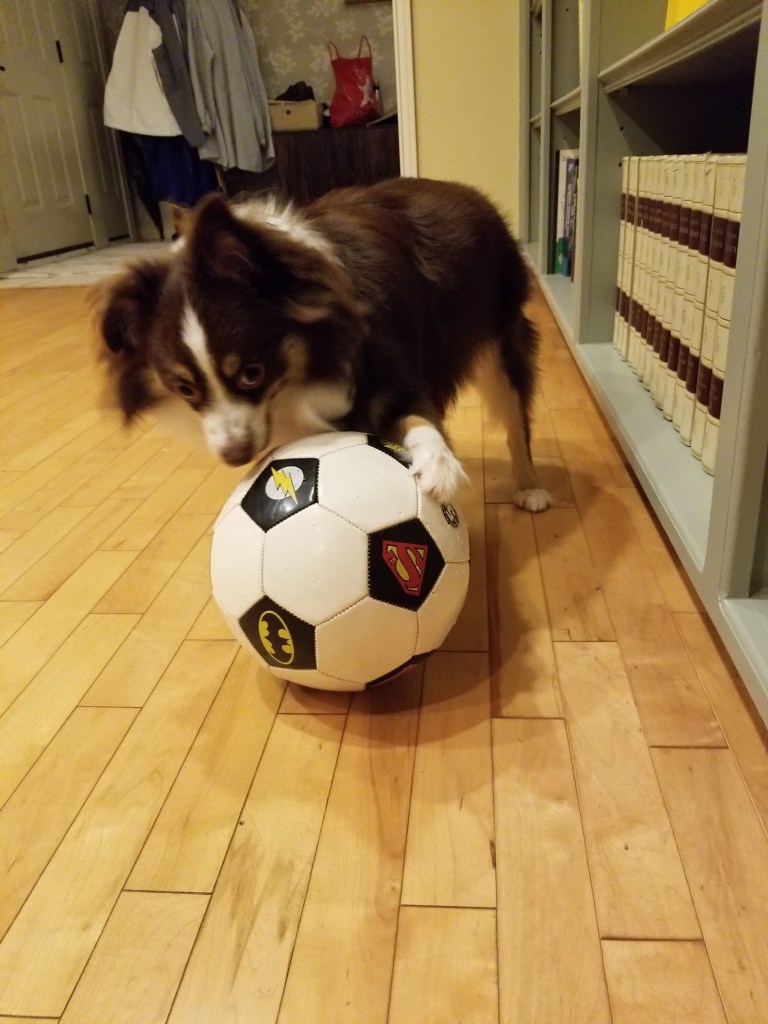
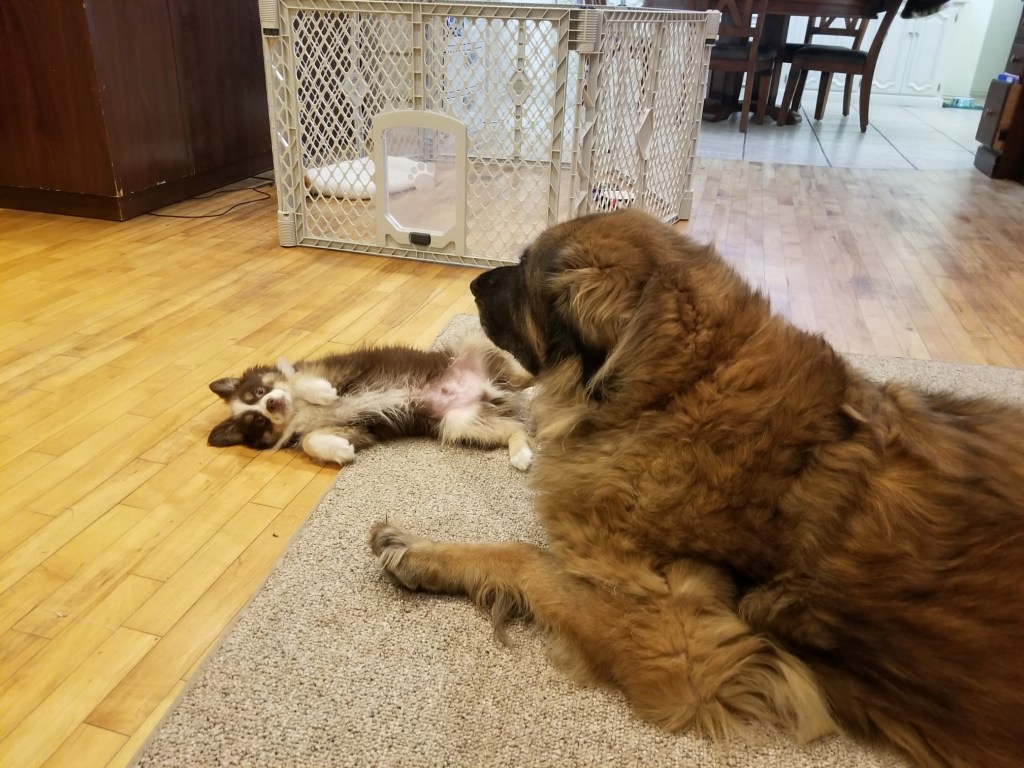
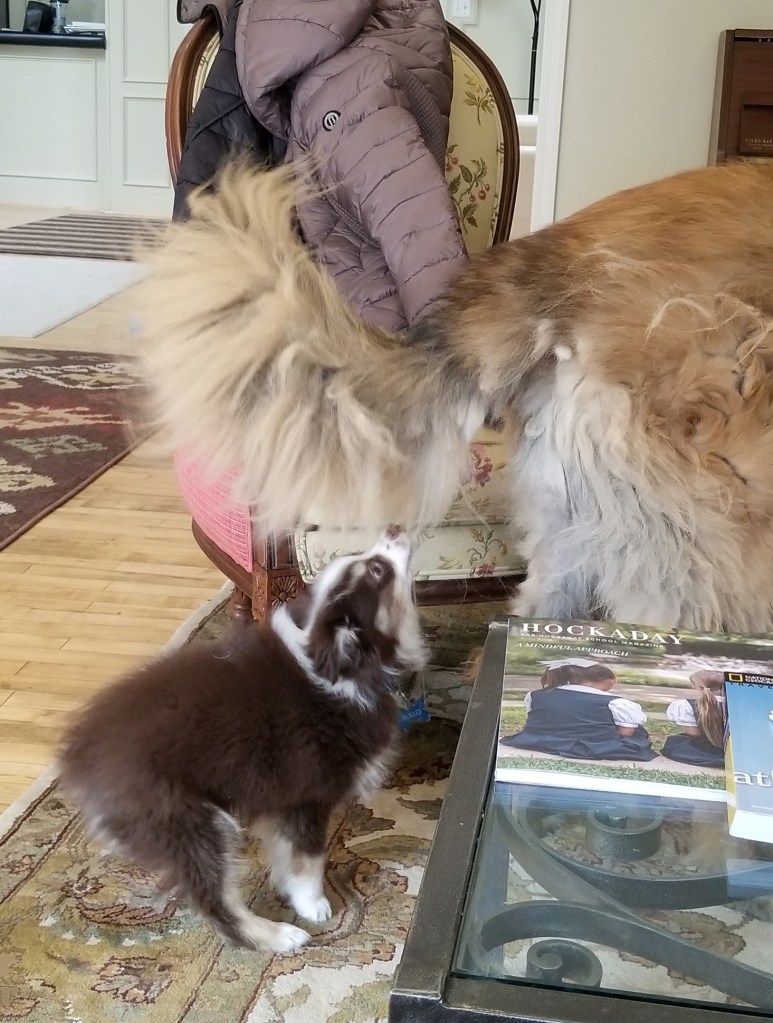
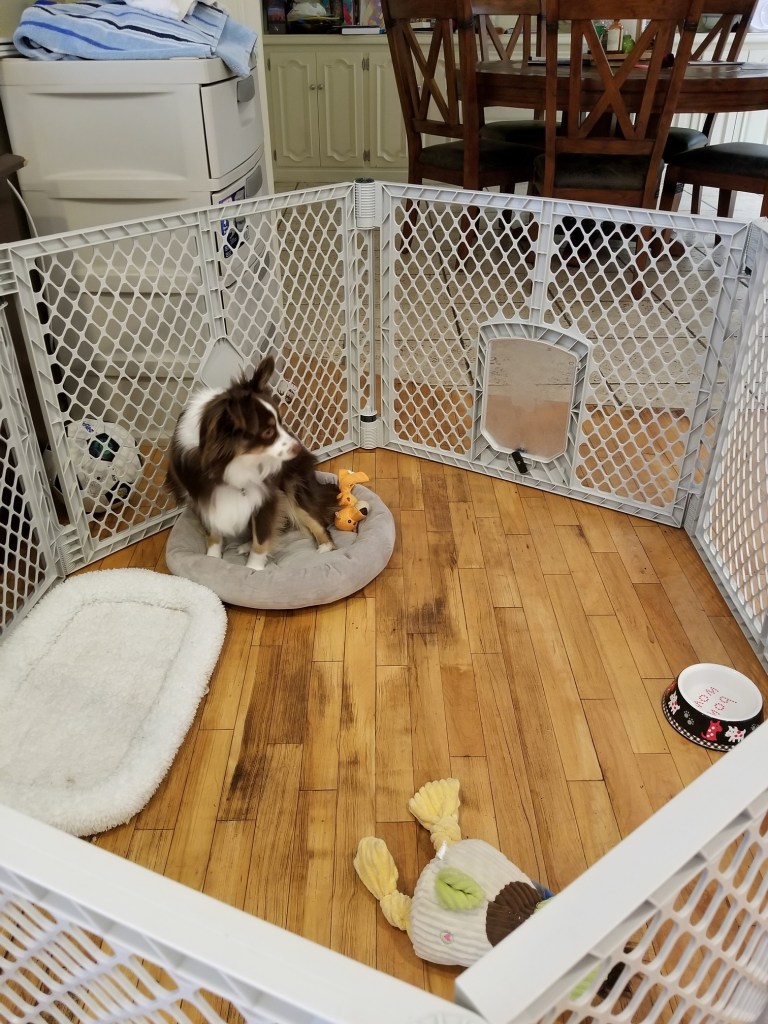
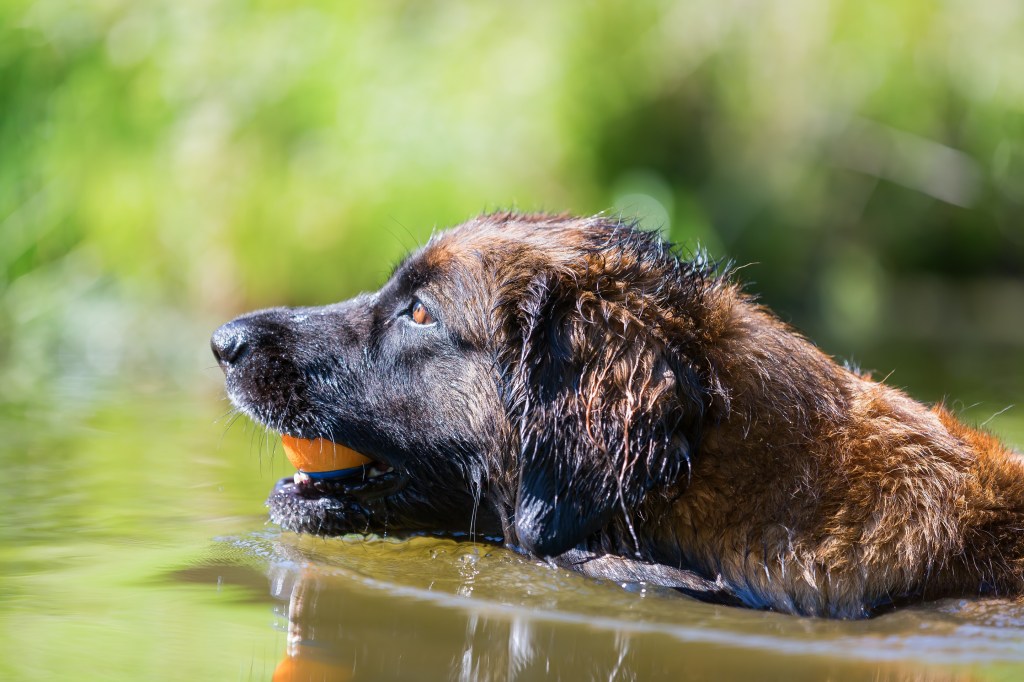
For this prompt I decided post stories about dog’s playing as well as pictures of dog’s playing. Some of the pictures are my photos. Some pictures I generated with the help of ChatGPT. My first story is about when our big Leonberger dog playfully greeted our neighbor by putting our neighbor’s head in his mouth like the circus lion trick.
Swallowing the neighbor’s head is impolite
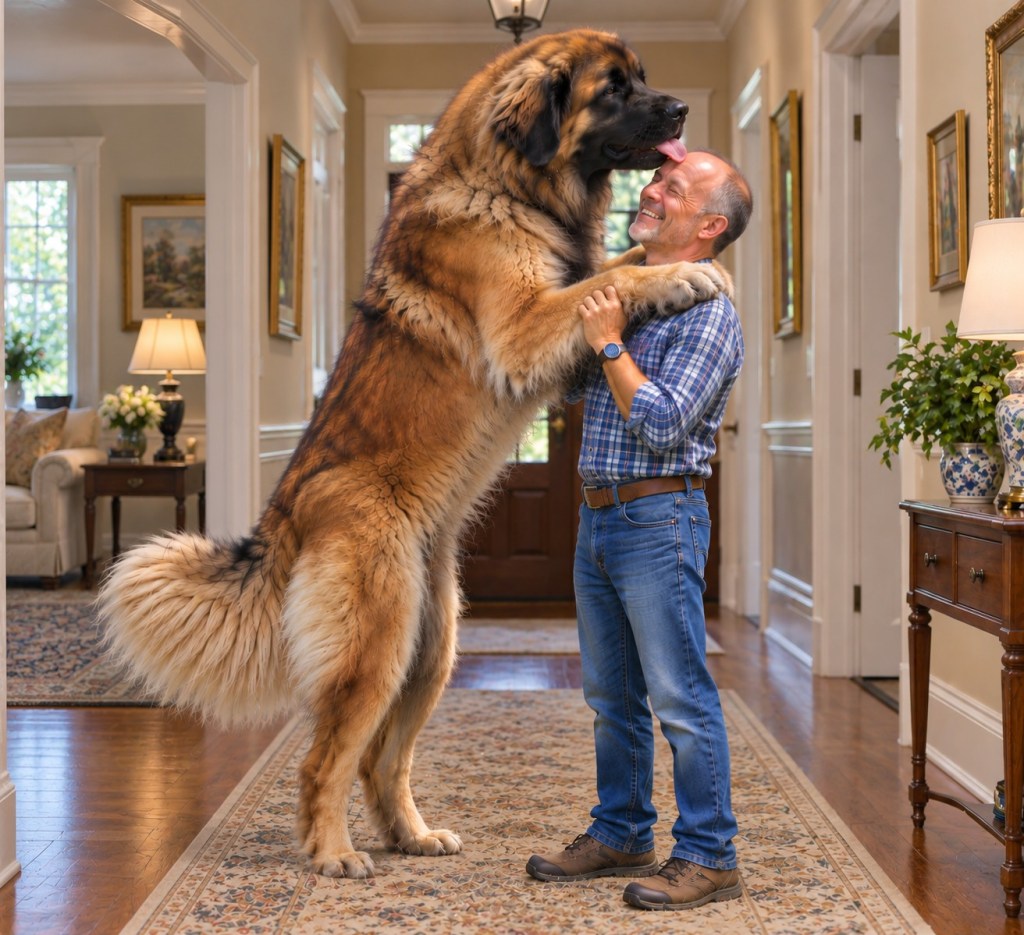
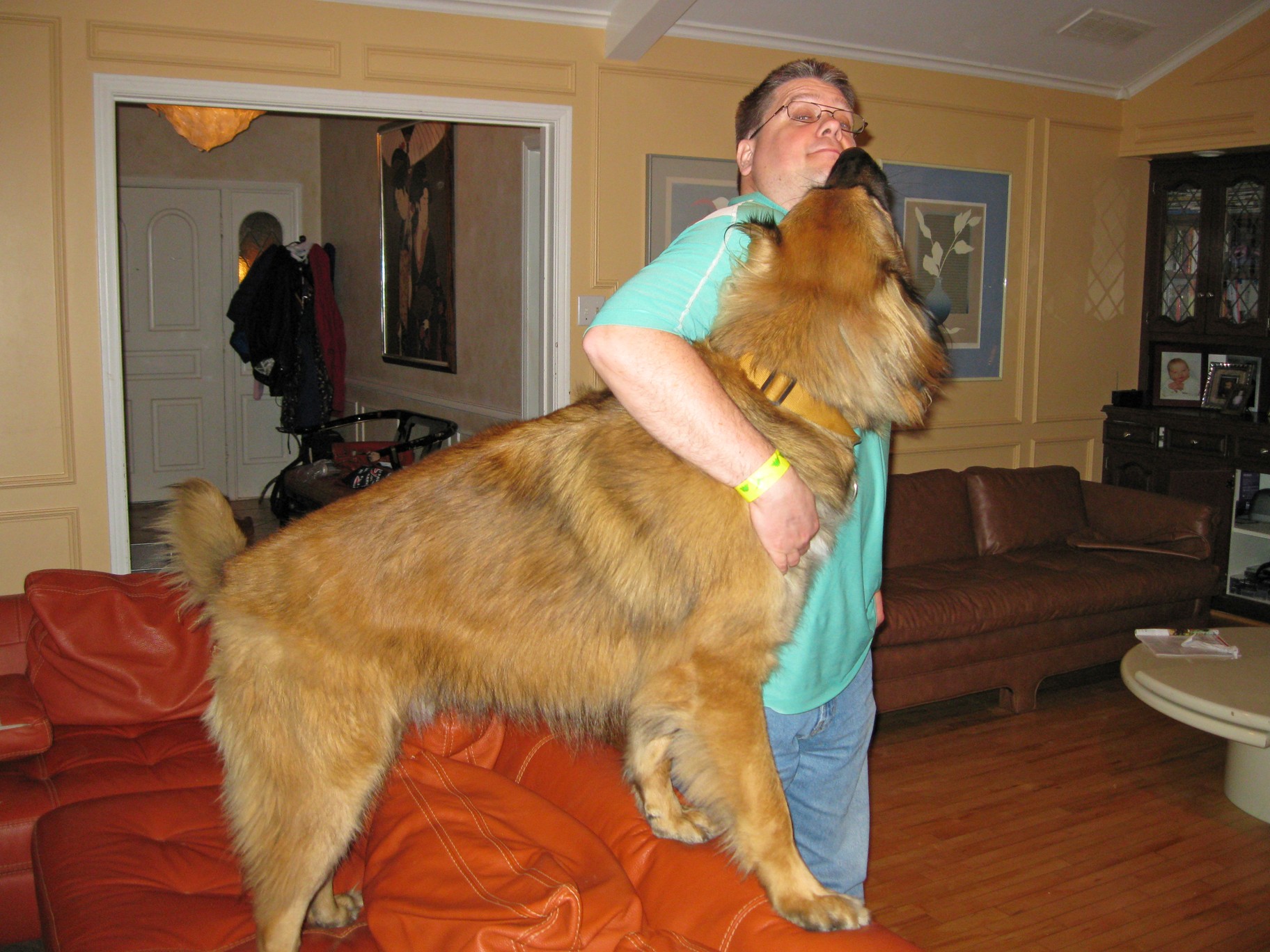
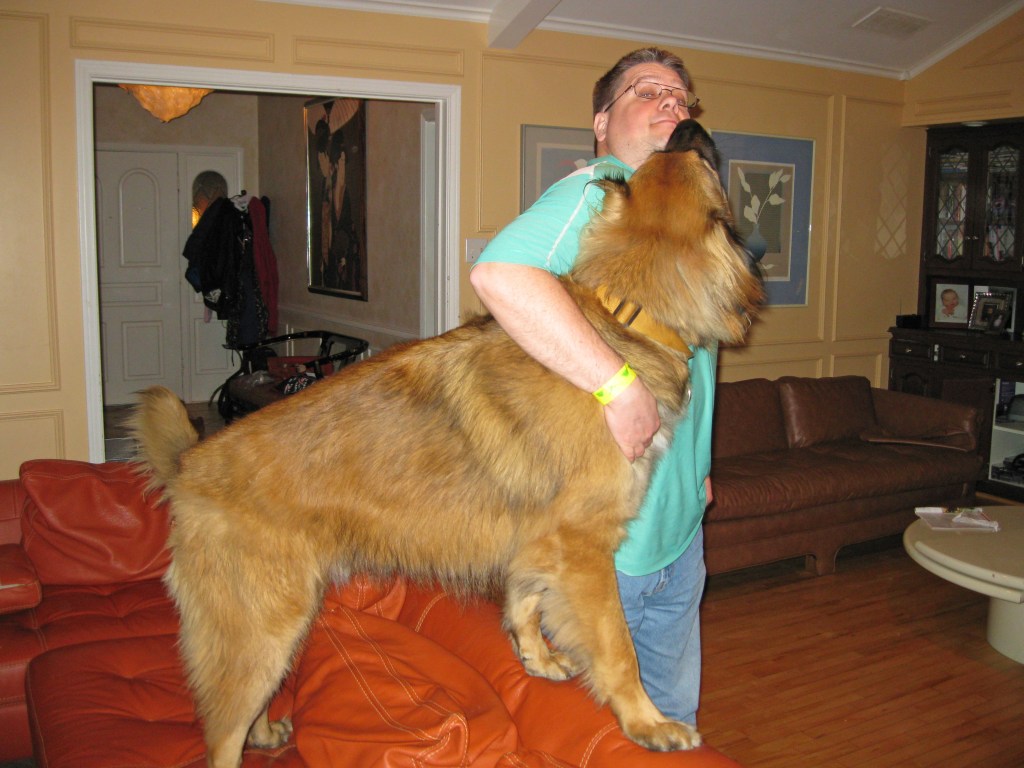
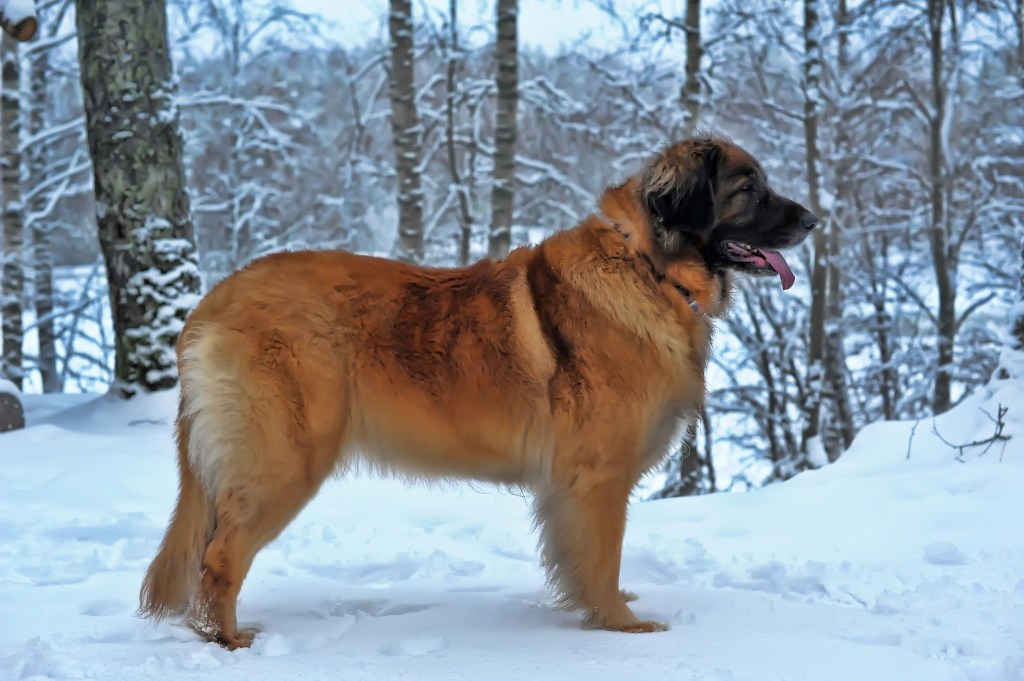
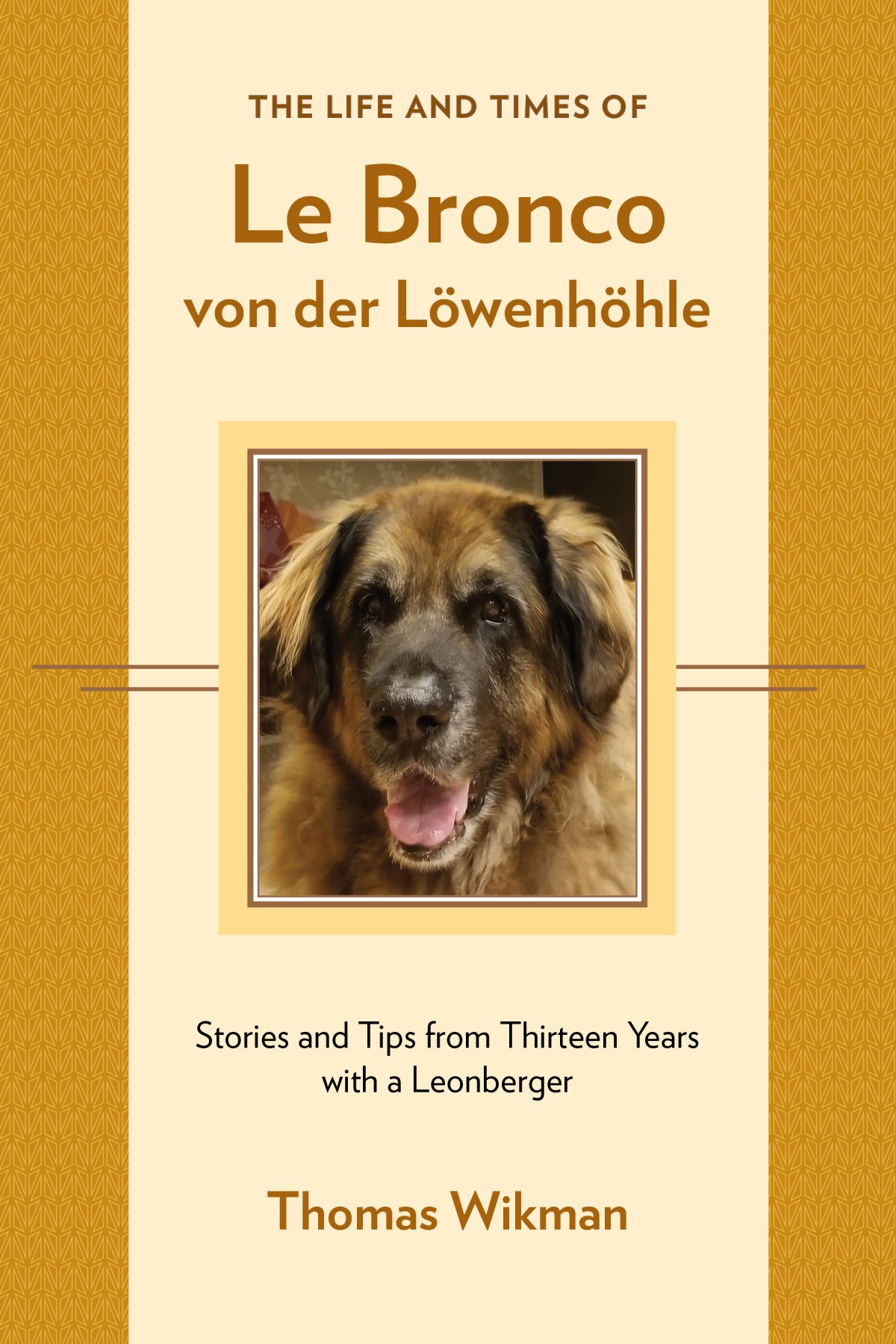
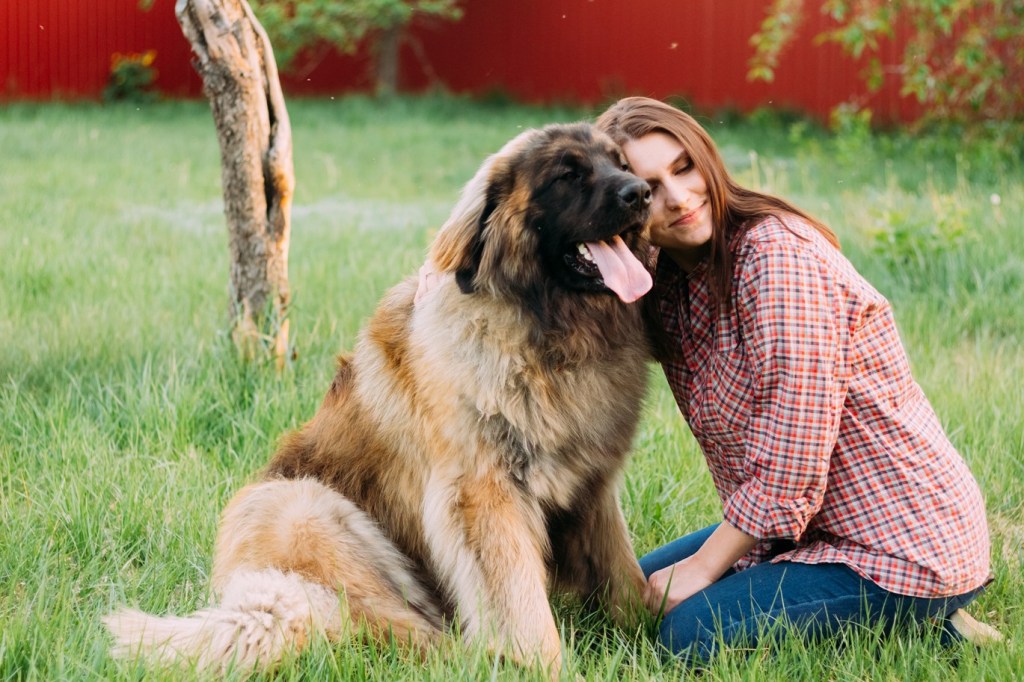
On one occasion, one of our neighbors came over to say hello to our big Leonberger dog Bronco. We’d had Bronco for a year by then, so he was big. As our neighbor entered our hallway, Bronco came running, and before I had a chance to stop him, he jumped up and put his paws on our neighbor’s shoulders. This man is somewhat short, so Bronco was able to lick his head, which he proceeded to do. Then Bronco did something we were totally unprepared for. You know the circus trick in which the lion tamer puts his head in the lion’s mouth? Yes, that’s the trick Bronco performed on our friendly neighbor.
Bronco was just playing and having fun, but that’s not how to greet a neighbor. I apologized profusely, but our neighbor said that it was perfectly all right and that there was no harm done. He looked a bit unnerved, and obviously he had not expected to be part of a circus act, but he said that Bronco was a wonderful dog and that he really loved the big galoot.
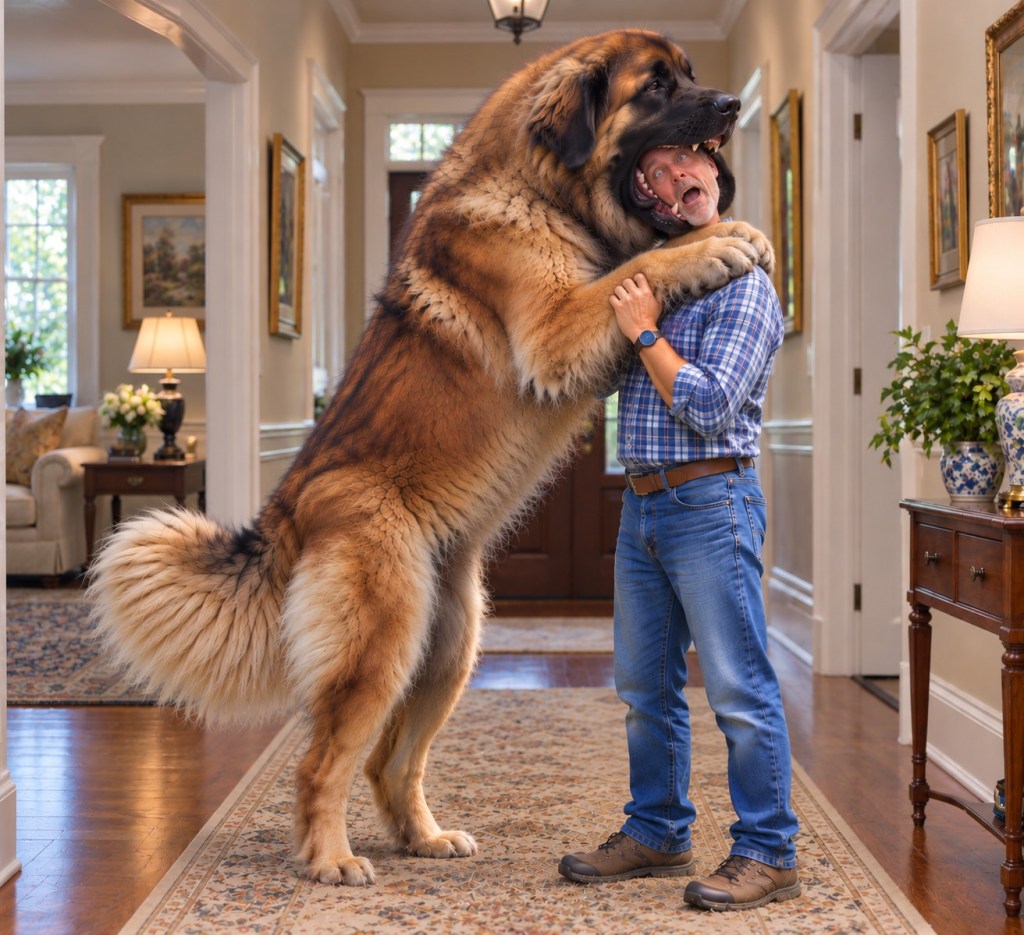
Despite what happened, our neighbor was always very nice to Bronco. However, for us that first encounter was a red flag. We had to get the jumping-up-on-people problem under control.
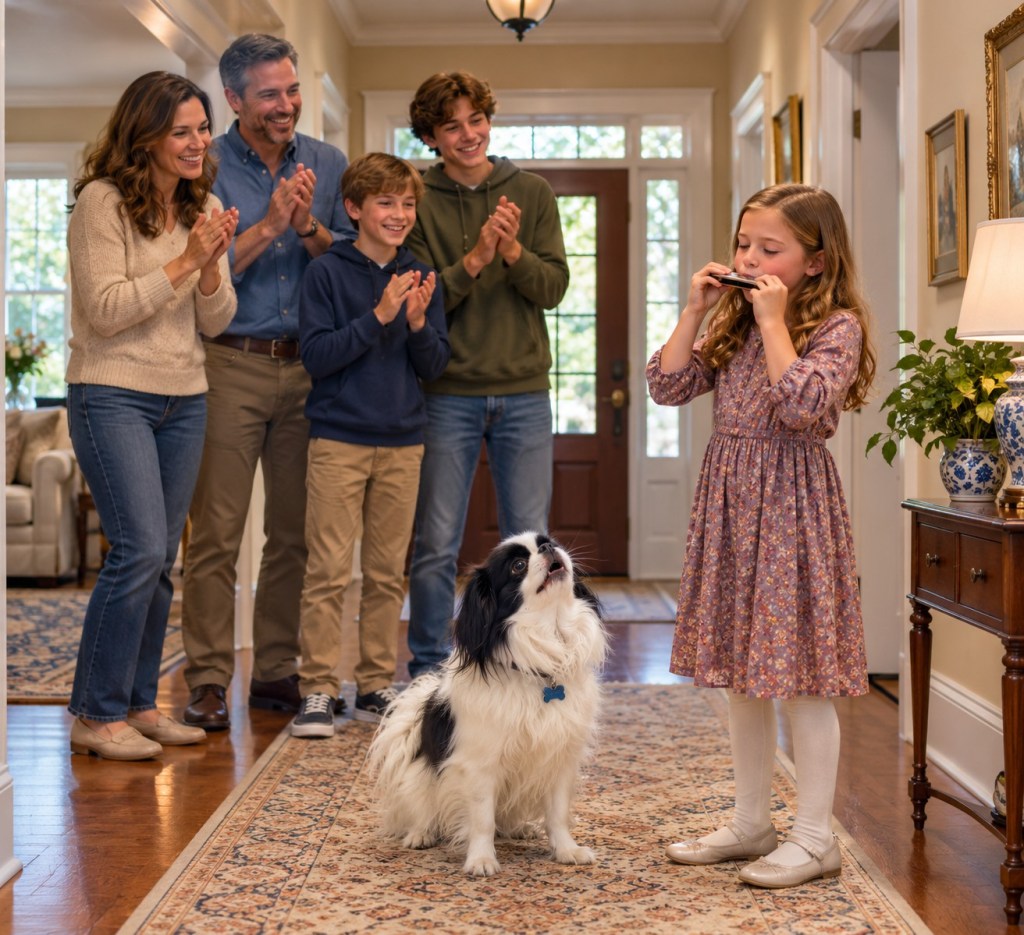
Japanese Chin Sings Opera
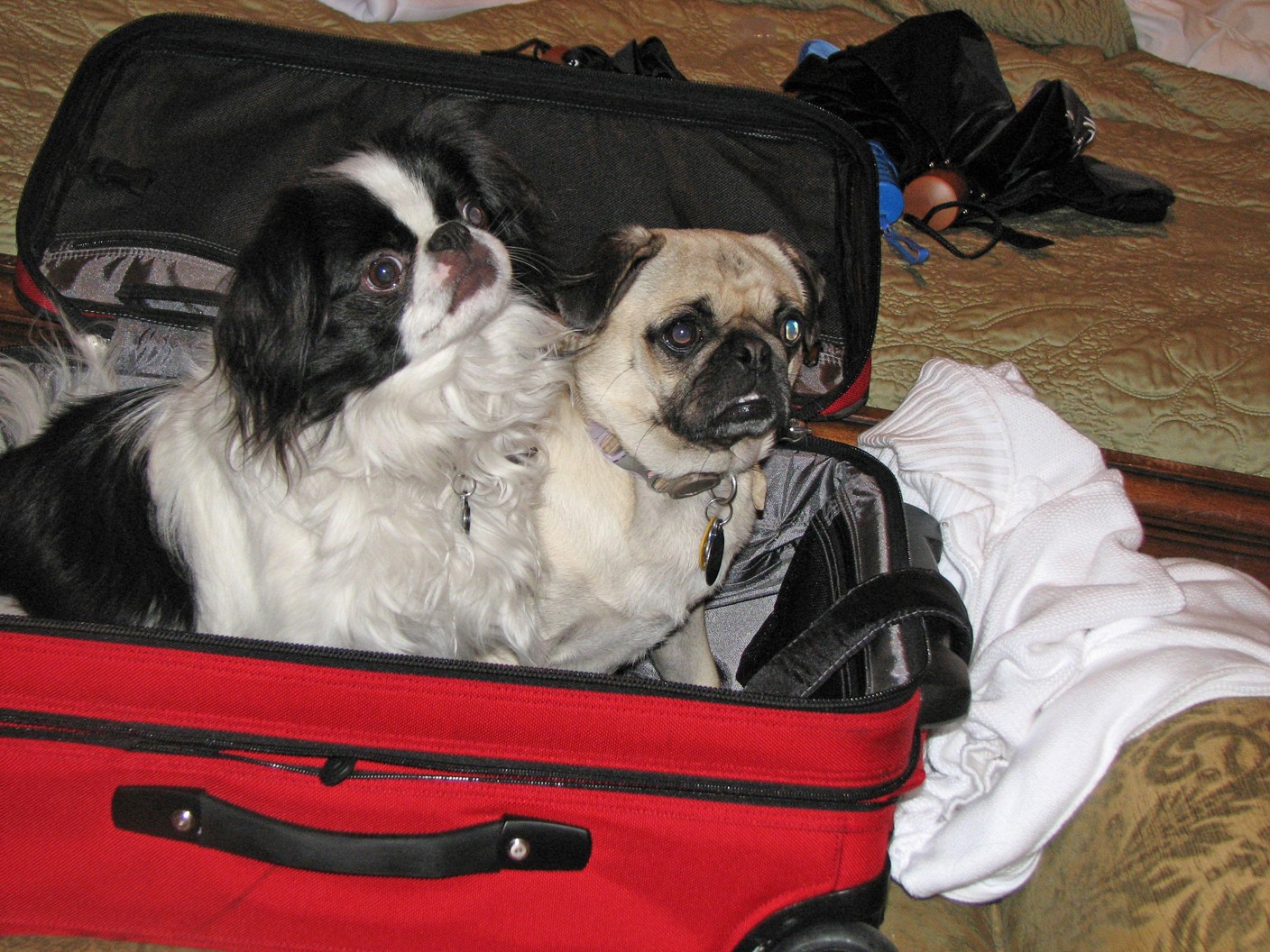
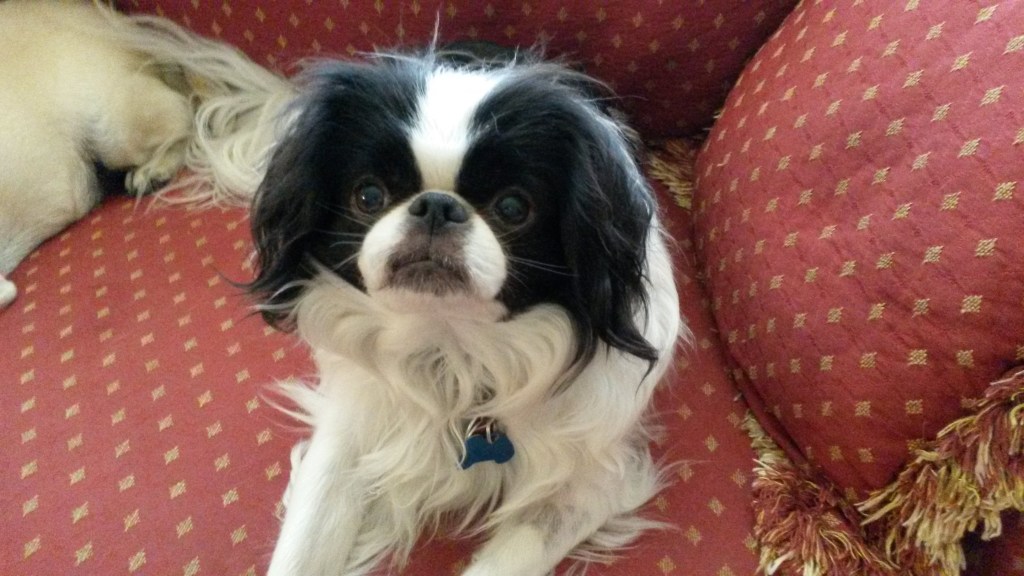
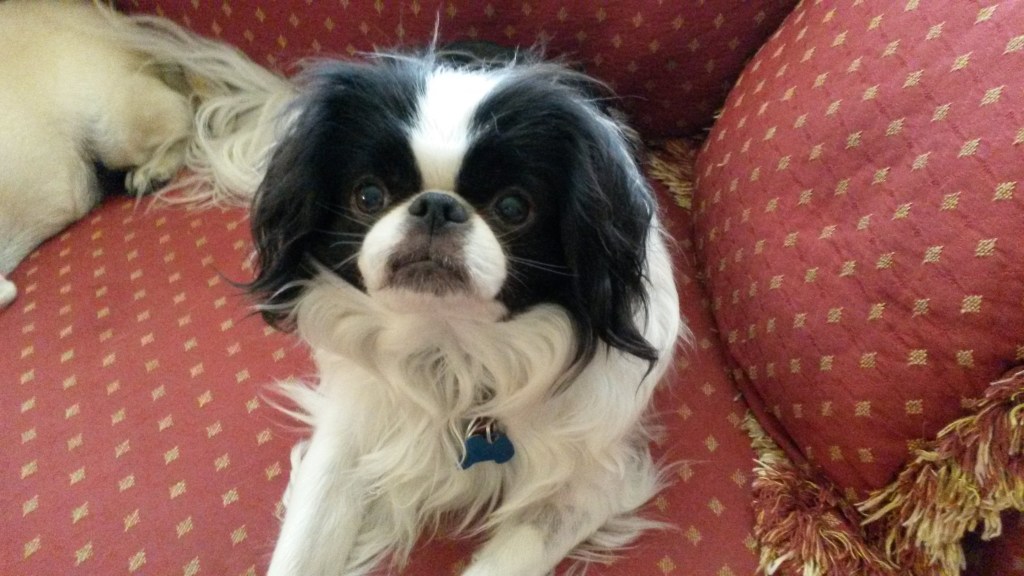
We used to have a Japanese Chin called Ryu. One of the things that stood out about Ryu was his singing. Japanese Chins are famous for their singing—well, actually, it’s closer to howling, but Ryu’s was a beautiful howl, and he was very proud of it.
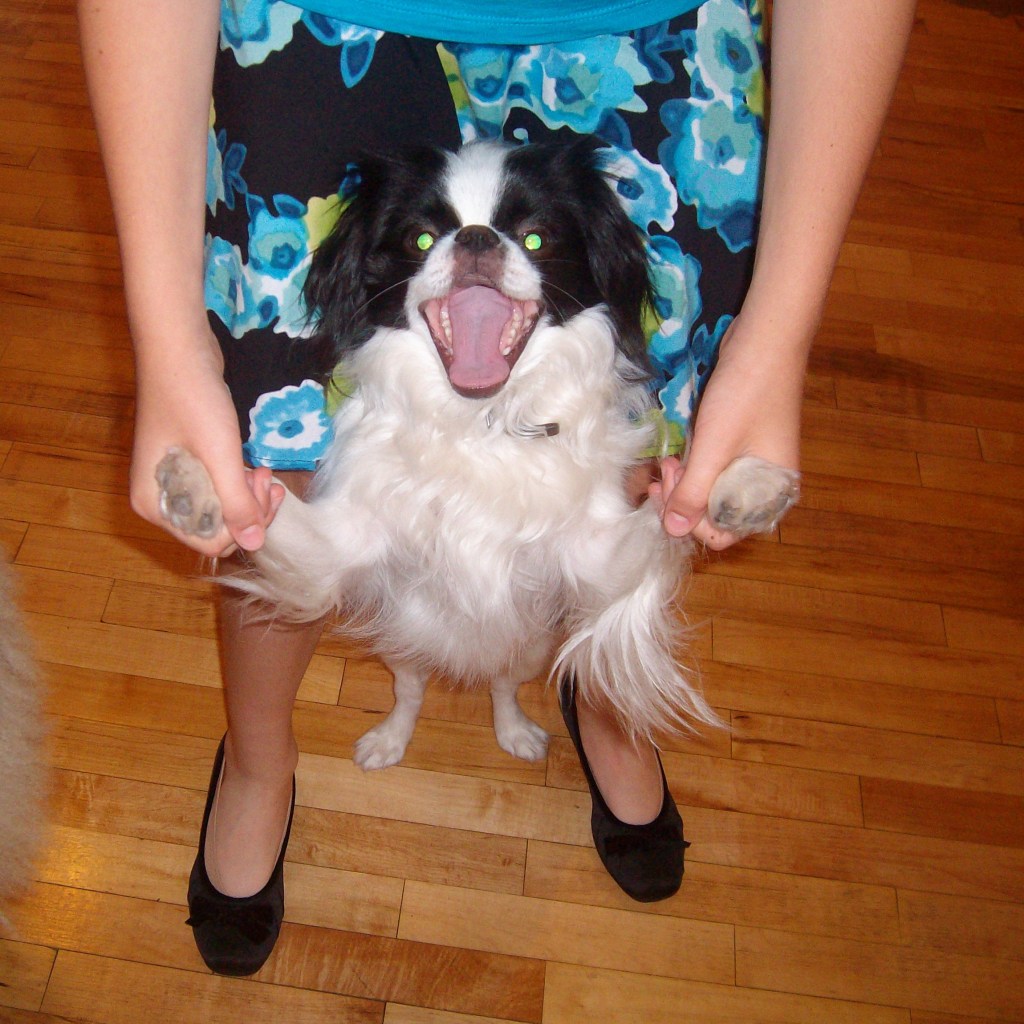
As soon as he discovered that he got a lot of attention for it, he started doing it quite often. Whenever we came home, he would sit politely, look at us intently—it seemed like he was clearing his throat, too—and howl. Like an opera singer, he would slowly turn his head to look at us, as if he were performing. In fact I think Ryu’s howling sounded just like a night at the opera—especially when the lyrics are sung in Italian.
We would say, “Good boy, Ryu,” and clap, and he looked mighty proud. Other people thought it was cute and wonderful, too, and they gave him lots of praise, and of course he loved doing it and got good at it. When Rachel played the harmonica, Ryu would howl along. They made quite a duo. “Good boy” might not be the kind of praise Andrea Bocelli would want, but Ryu was perfectly happy with it.
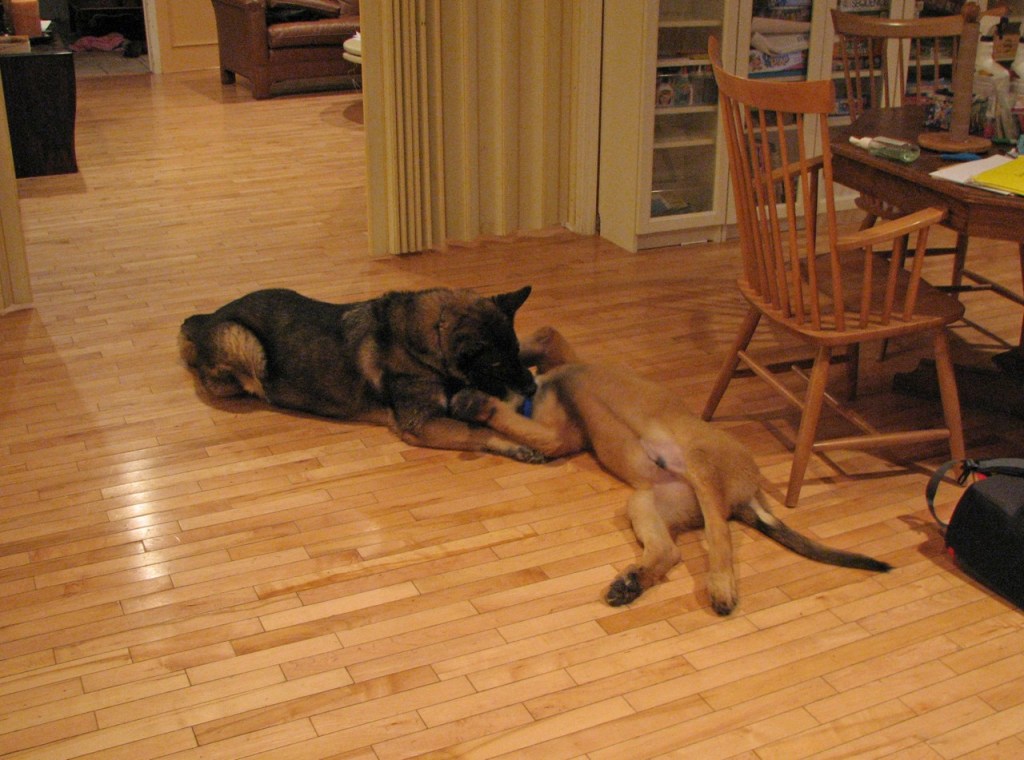
Our German Shepherd Baby & our Leonberger Puppy Bronco
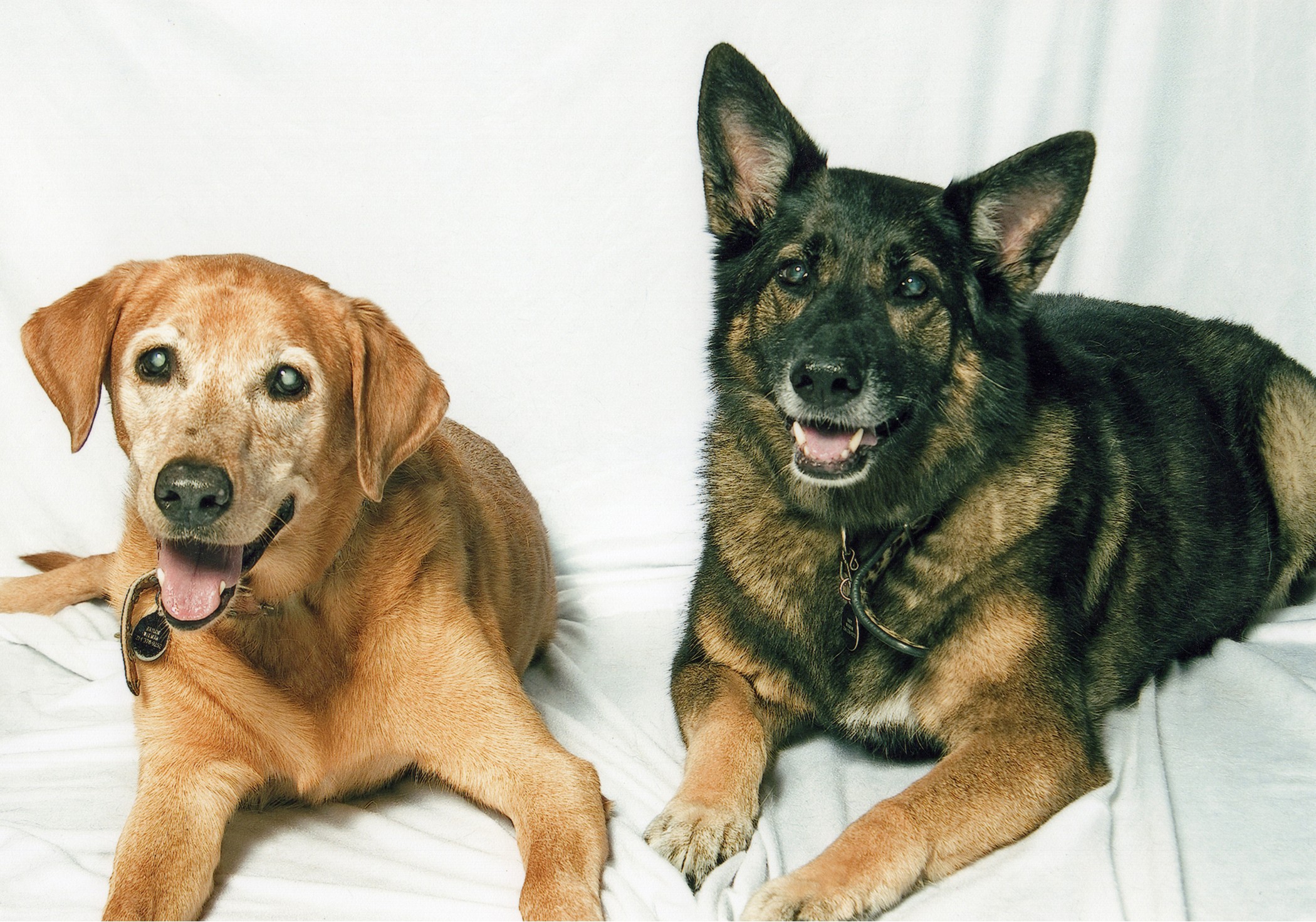
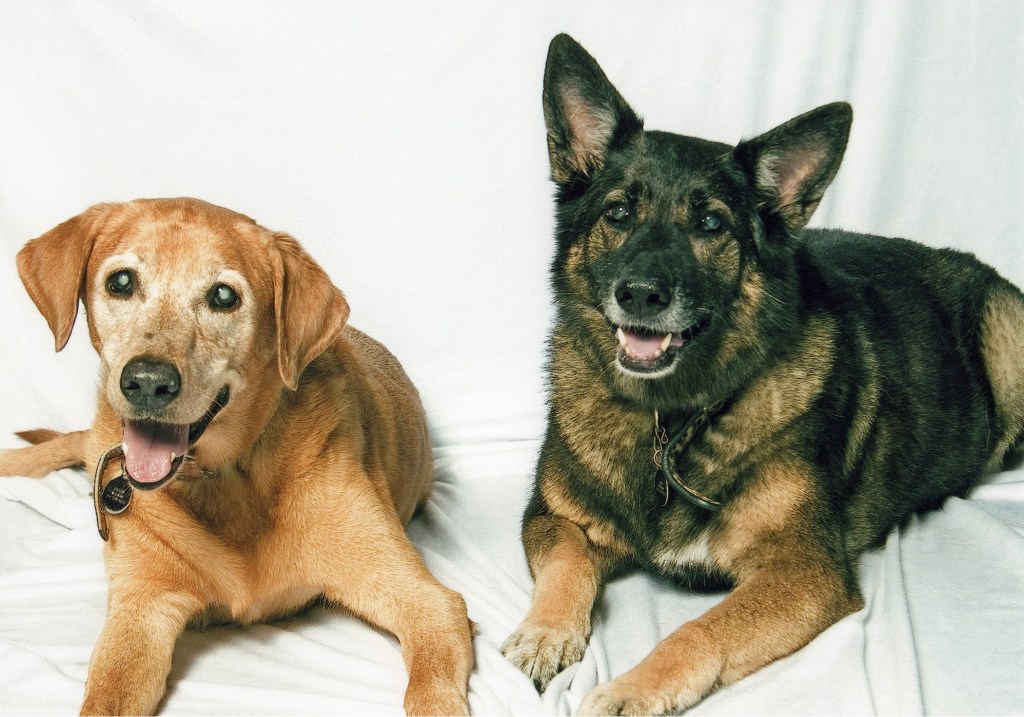
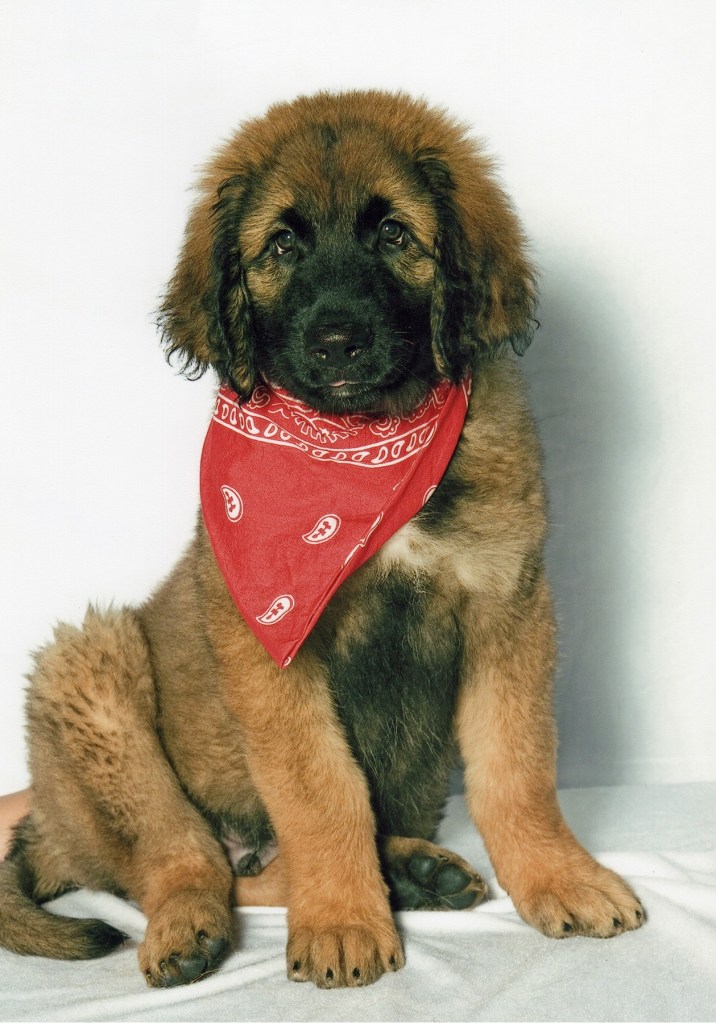
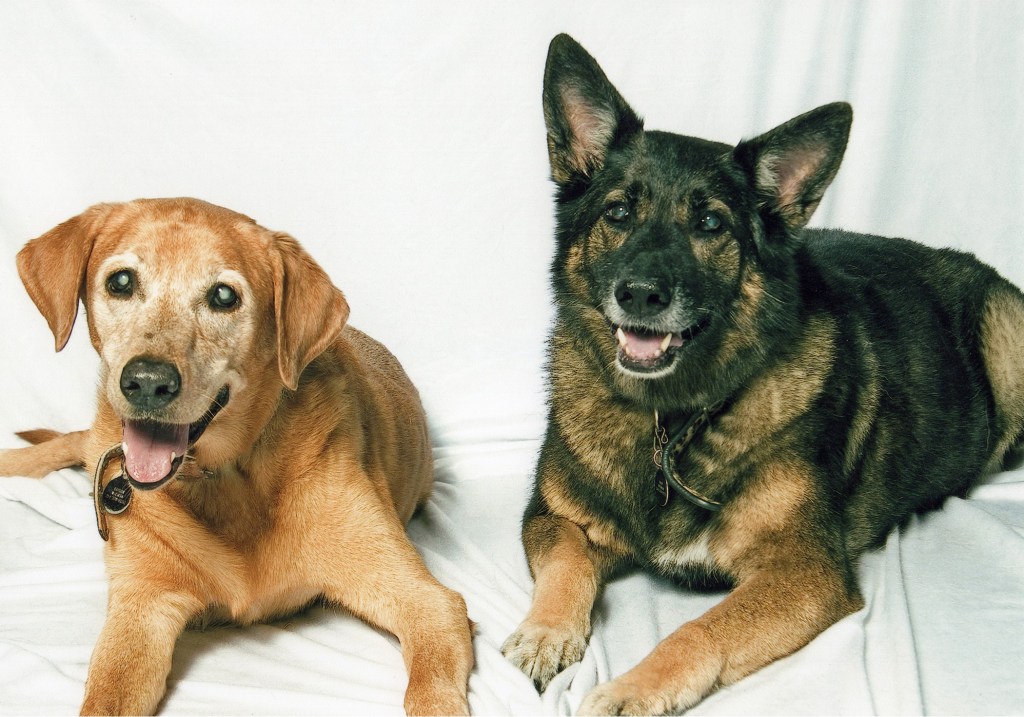
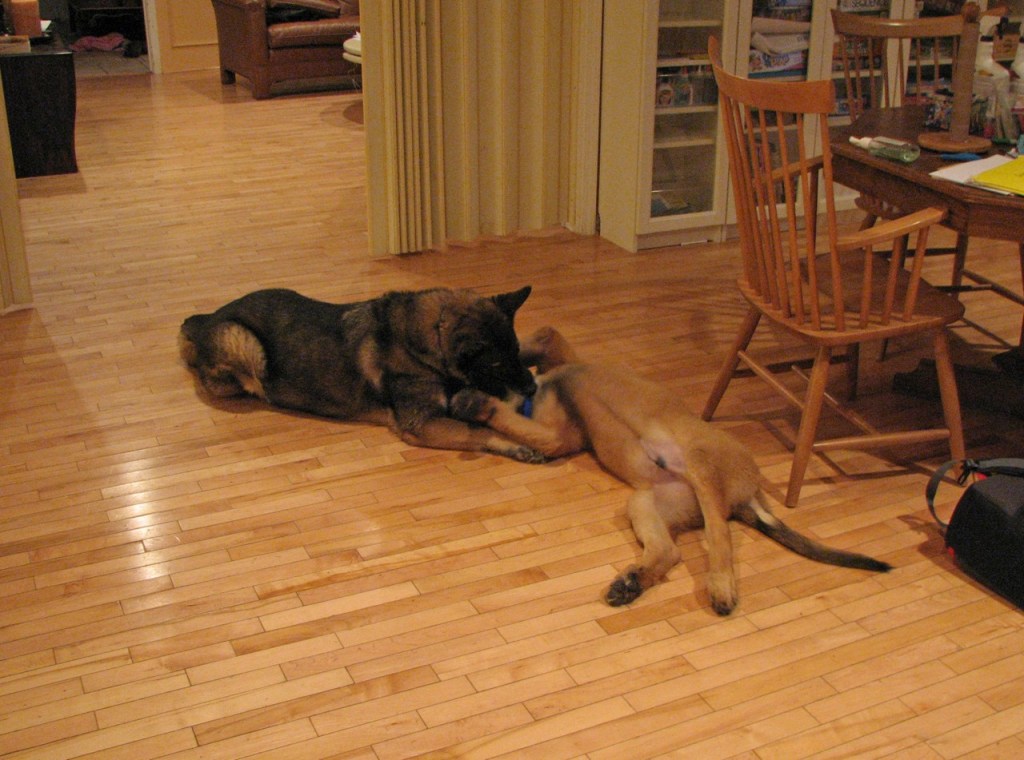
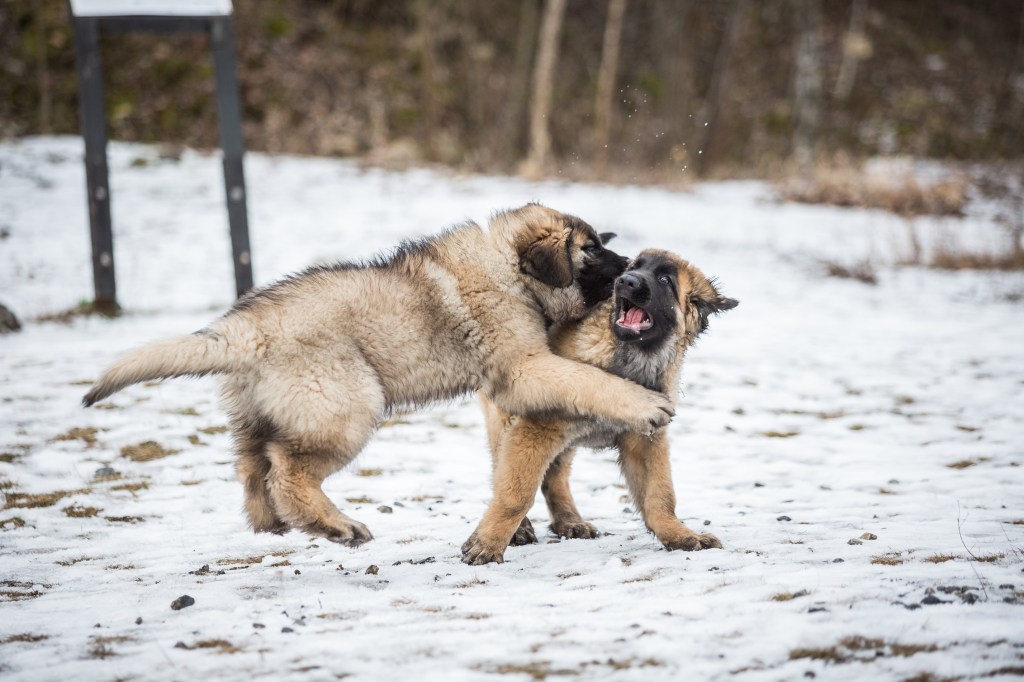
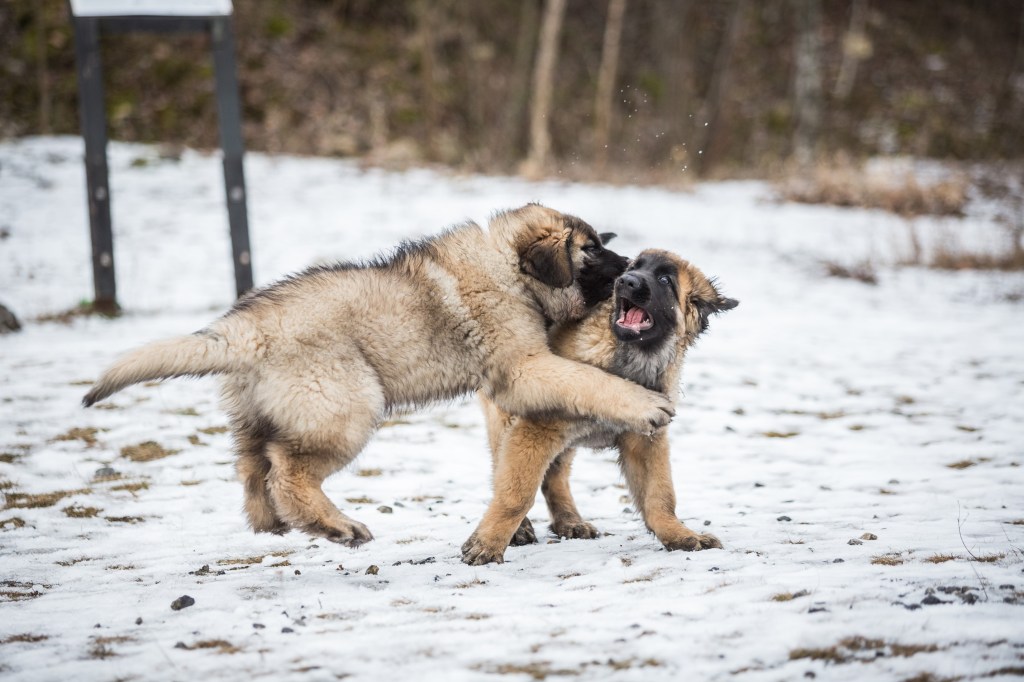
We used to have a German Shepherd called Baby. She came from a shelter and from not so good circumstances. Even though Baby was a shy and anxious dog at first, once we got our Leonberger puppy Bronco, her personality changed. She loved Bronco, and she took on the job of being Bronco’s adoptive mom. She played with him; she watched him; she was fiercely protective of him. Bronco was her puppy. She seemed rejuvenated, as if she had found an important job to do a purpose, if you will. It was beautiful to see her take care of Bronco and play with him. She became happier and more confident, and Bronco loved her.
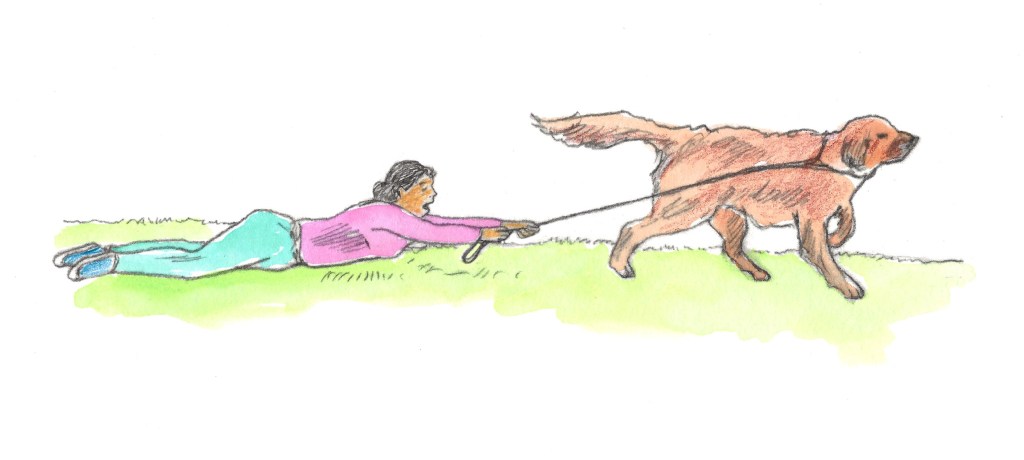
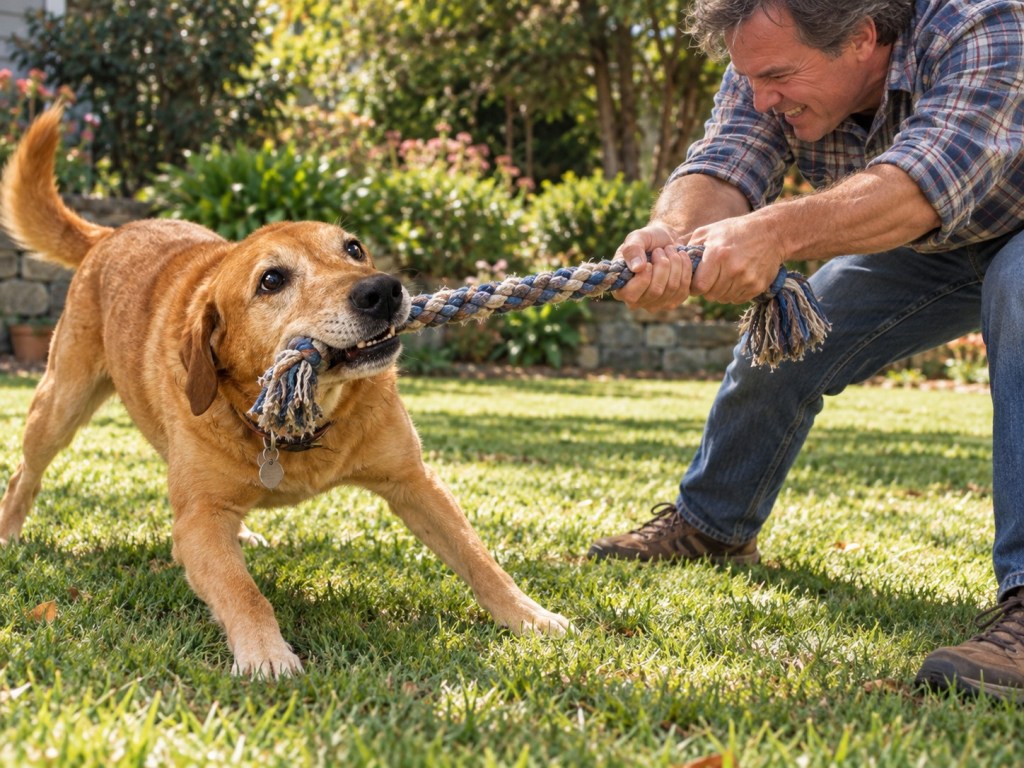
Tug of War the Not So Great Game
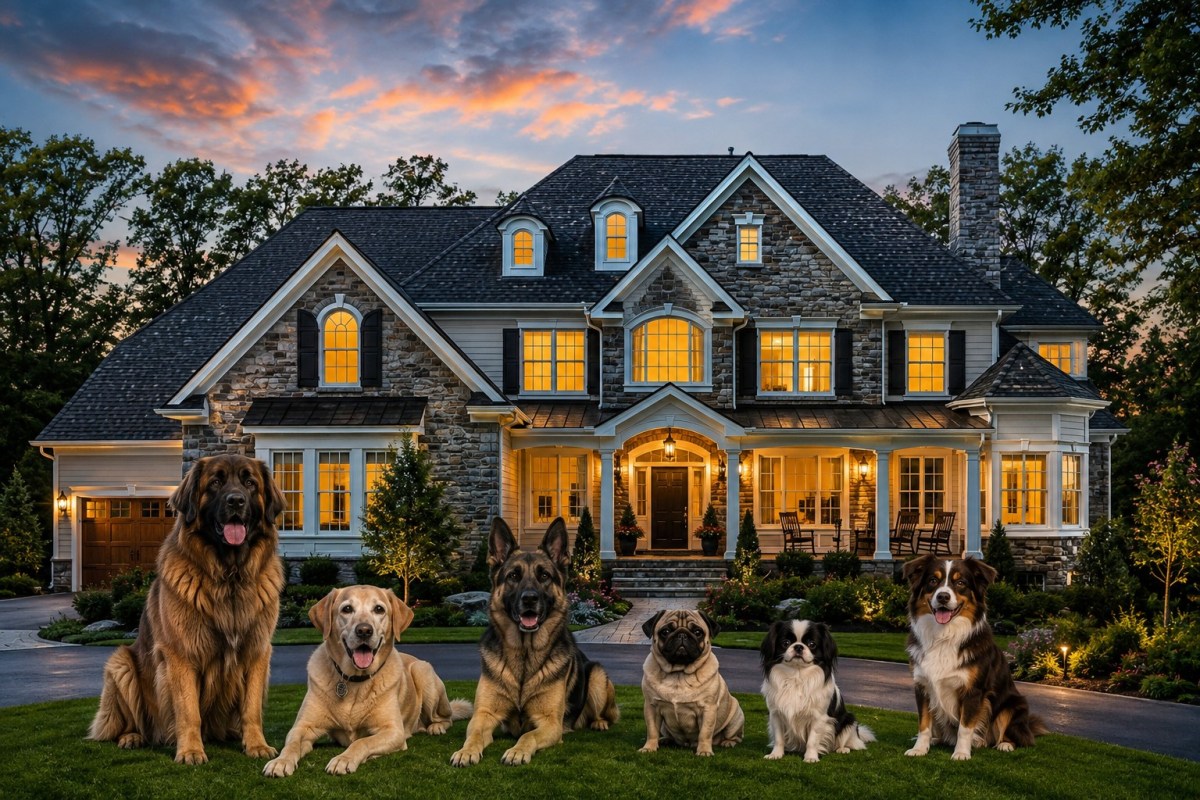
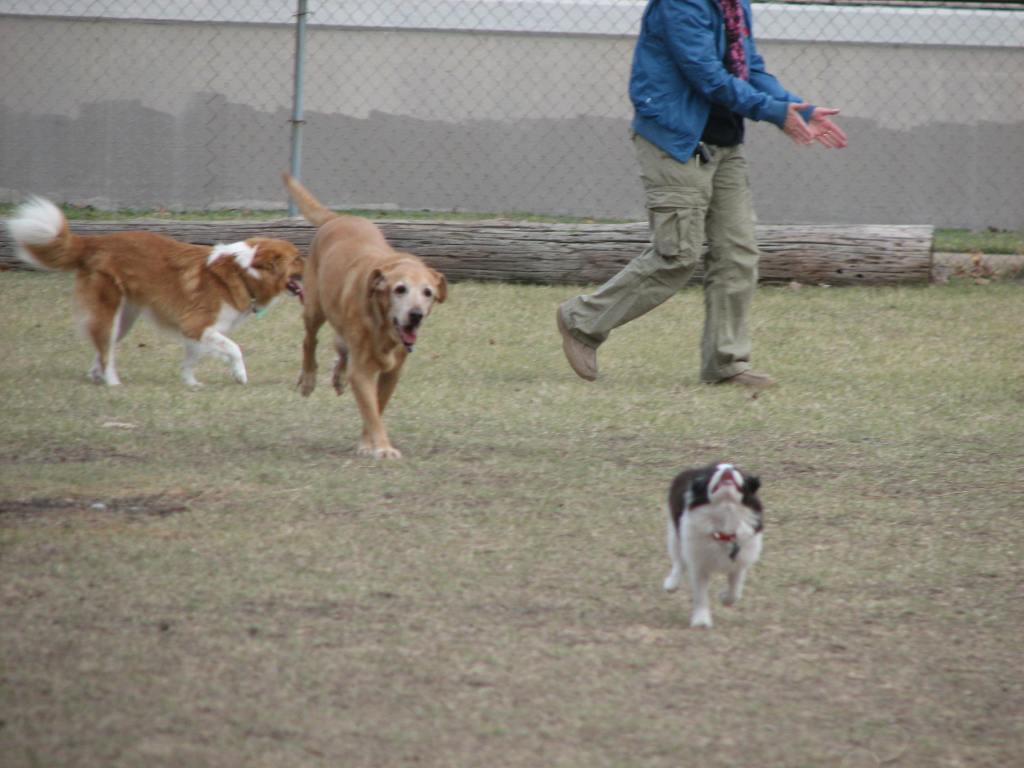
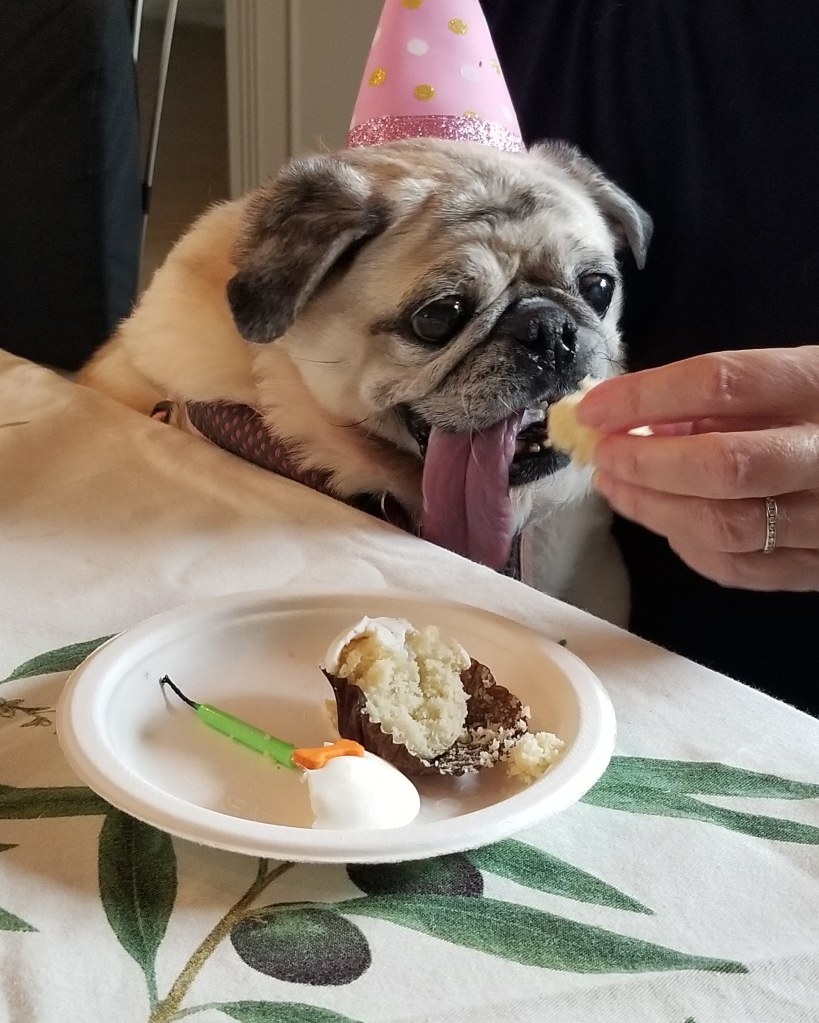
Dogs at Play
My Other Responses to Esther’s Prompts
- Prompt : Small : Small Microscopic Subatomic and Strings
- Prompt : Kind : Leonbergers Are Kind Dogs
- Prompt : Window : What Does Rollo See Out His Window
- Prompt : Charge : Electric Charge is not the only type of Fundamental Charge
- Prompt : Promises : Promises To My Dog
- Prompt : Shade : A Total Solar Eclipse the Ultimate Moon Shade
- Prompt : Money : Ten Money Facts
- Prompt : Edge : The Edge of the Observable Universe is 46.5 billion Light Years Away
- Prompt : Fish : Ten Amazing Fish Facts
- Prompt : Promise : I Promise Not to Post AI Generated Comments
- Prompt : Respect : Respect your Dog
- Prompt : Giving : Leonbergers Giving Gifts to Pugs
- Prompt : Family : Dogs Are Family
- Prompt : Snow : Snow and Ice in Norrland
- Prompt : Red : The Universe has a Redshift and its Increasing
- Prompt: Shapes : Conic Sections are the Shapes that Shape Our World
- Prompt: Flying : 10 Wind Blowing Facts About Birds
- Prompt: Drive : Letting Your Dog Drive the Car
- Prompt: Memories: False Memories Strange Memories Unpleasant Memories and Amnesia
- Prompt: Magic: Magic In New Orleans a Travel Overview
- Prompt: Vision: Human Vision Only Detects a Sliver of the EM Spectrum
- Prompt: Flower: Leonberger Dogs with Flowers
- Prompt: Capture: Carbon Capture and Storage an Unfulfilled Promise
- Prompt: Eyes: The Evolution of Eyes is Convergent
- Prompt: Pet: The Joy of Having a Pet
- Prompt: Cross: Why did the Dog Cross the Road
- Prompt: Close: Close Encounter with Grizzly Bear Number 399
- Prompt: Block: 60 million Lego Blocks
- Prompt: Bank: The Riverbank of Moälven
- Prompt: Rich: Super Rich
- Prompt: Test: When our Leonberger took a Car for a Test Drive
- Prompt: Fire: Climate change worsens wildfires Globally and Human land-Use Changes Reduces them
- Prompt: Exercise: Dogs Make you Exercise and you Live Longer