This blog feature amusing and heartwarming stories about our late Leonberger dog Bronco, as well as other Leonbergers. It also has a lot of information about the Leonberger breed, the history, care, training, Leonberger organizations, etc. I also wrote a Leonberger book, which I am featuring in the sidebar.
Category: Non-Leonberger Topics
Other topics not necessarily related to Bronco, Leonbergers or dogs.
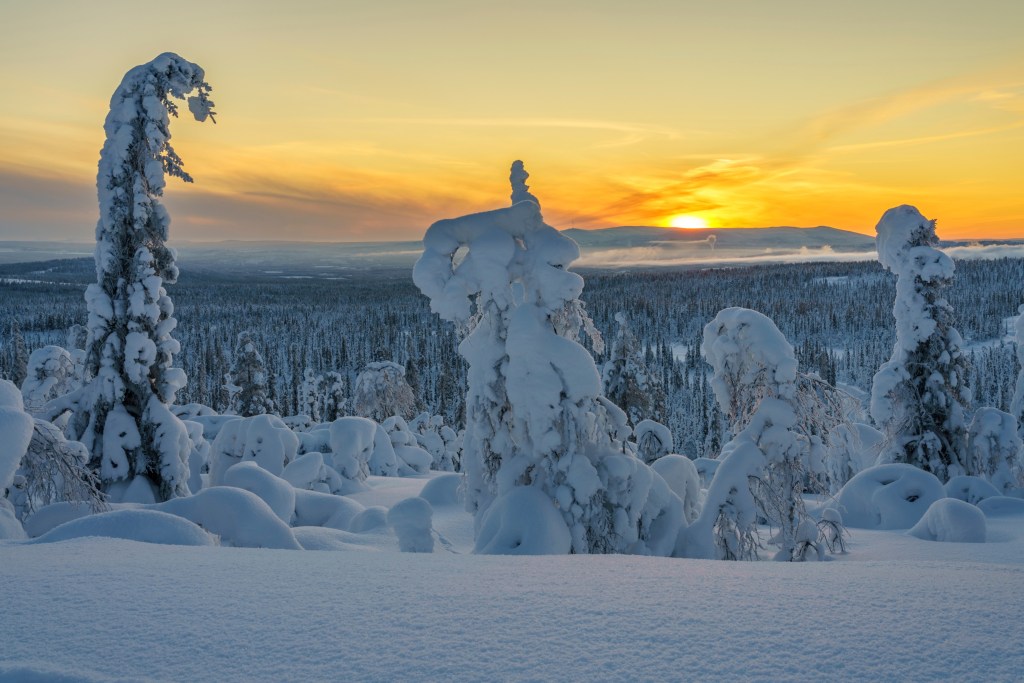
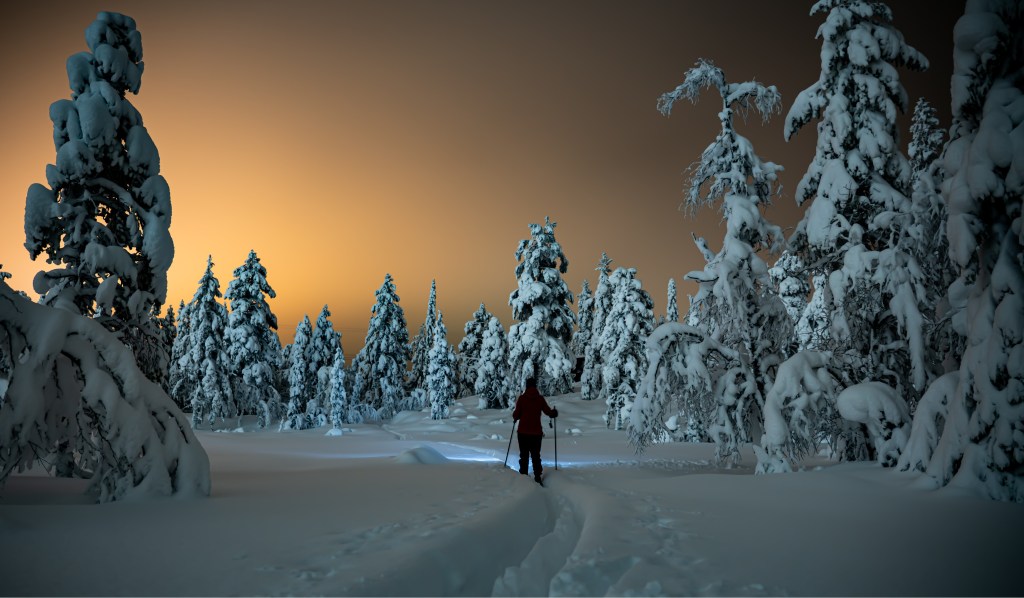
I grew up in northern Sweden (Norrland), which means that I saw a lot of snow. I loved playing in the snow, building snow castles, snow tunnels, throwing snowballs, building snowmen, going sledding and going cross country skiing. I don’t remember being cold. I had warm clothes on, and I often stayed out very late playing in the snow. Now I live in Texas where snow is very rare.
Snow on the trees, Gällivare county, Swedish Lapland, Sweden Shutterstock Asset id: 2035482680 by Mats LindbergCross country skiing in Sweden Shutterstock Asset id: 1888204651 by Henrik A. Jonsson
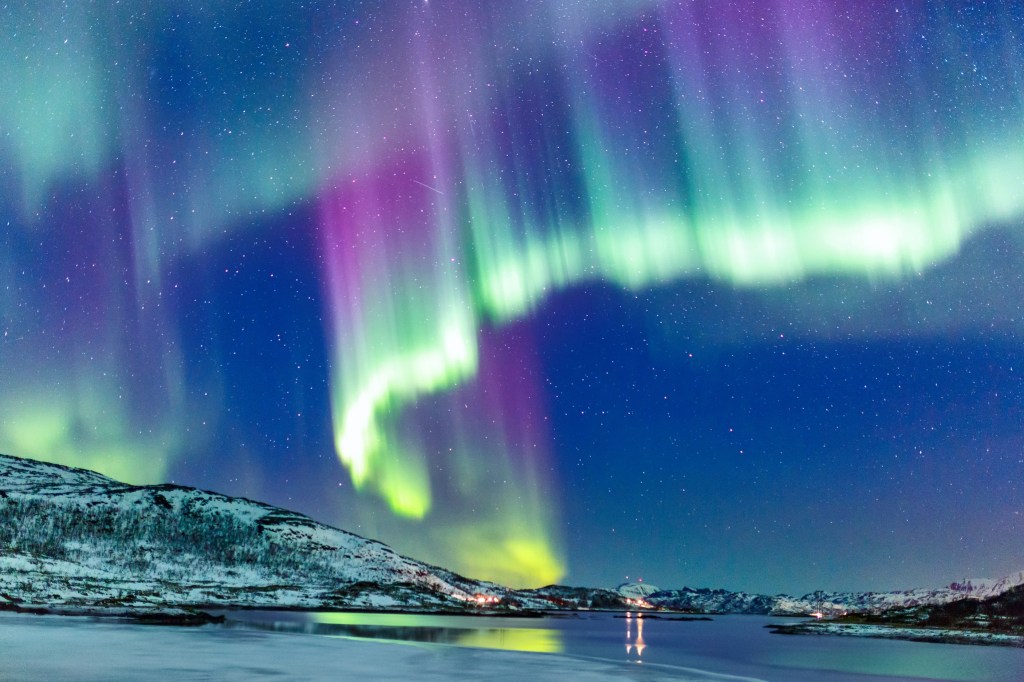
Later in life, maybe at the age of 12-13 I also started doing downhill skiing / slalom. We had four ski resorts close to my hometown Örnköldsvik. I can add that the snow packed northern forests can be very beautiful. Northern Sweden is also a very dark place in winter, being close to or above the arctic circle. Therefore, I also watched some spectacular night skies and auroras from my snow castles. The Milky Way and even the Andromeda Galaxy were visible. One time as I was sitting in the snow, I saw a very large meteor moving across the sky. It had a tail of fire and was not moving too fast. I believe I could see the piece of rock, but I am not sure. In any case, it put up a show.
Milky way sky on dark background, and a lot of stars. Spectacular night sky in the polar winter. Asset id: 2524020369 by MR.PRAWET THADTHIAMAurora Borealis are often spectacular in the polar regions, especially during the polar night. Asset id: 2499746583 by HappyVibeArt
Unfortunately, according to my brother, this winter my hometown Örnsköldsvik did not have snow for Christmas. According to Science Daily the data from weather stations in northern Sweden indicates that the snow season has decreased by over two months in a 30-year span and according to the National Library of Medicine the cold season in northern Finland (next doors) has gotten warmer with reduced snow cover. This is quite noticeable and the reindeer are suffering as a result.
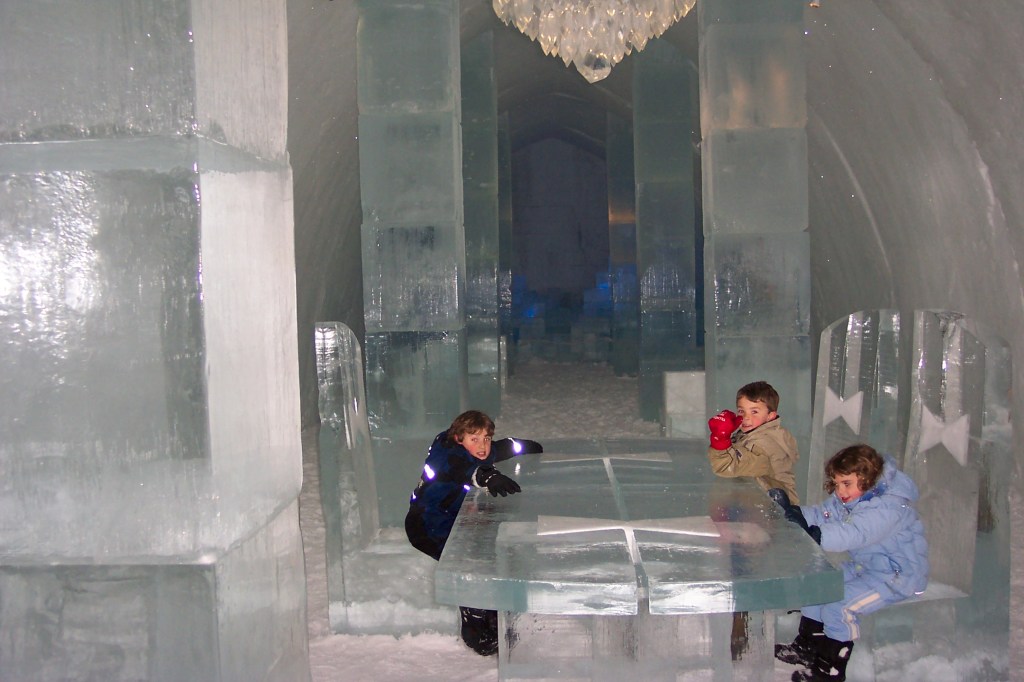
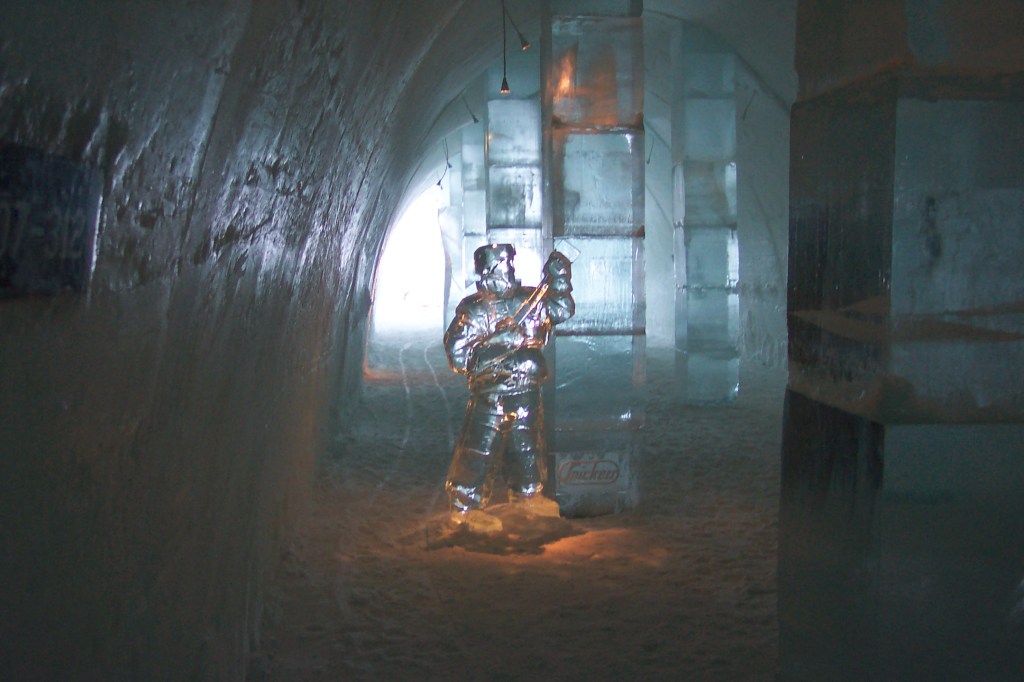
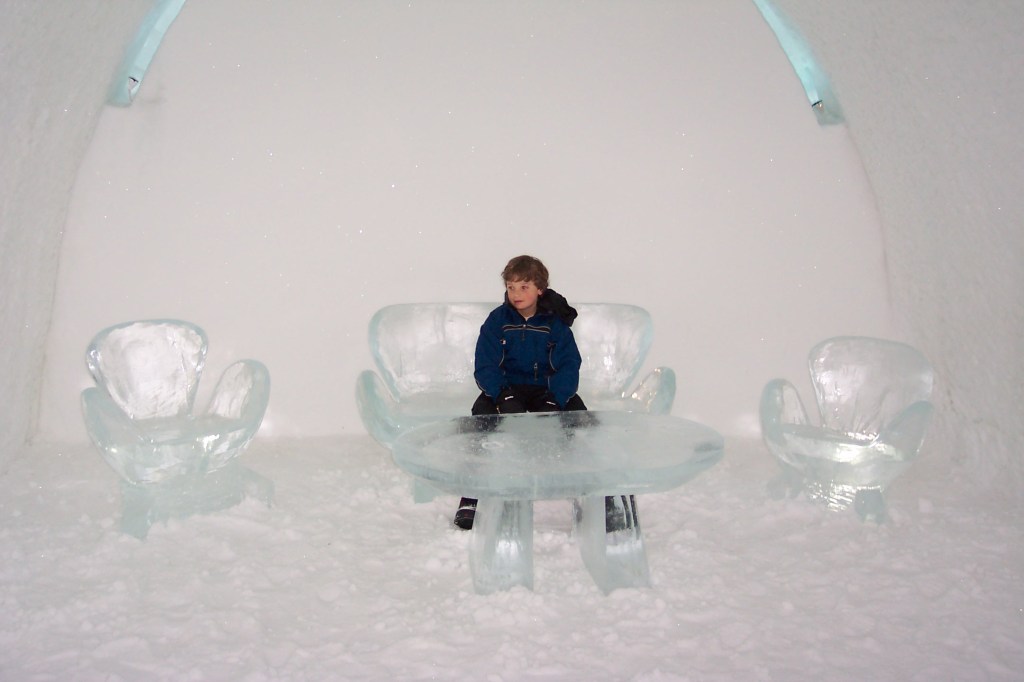
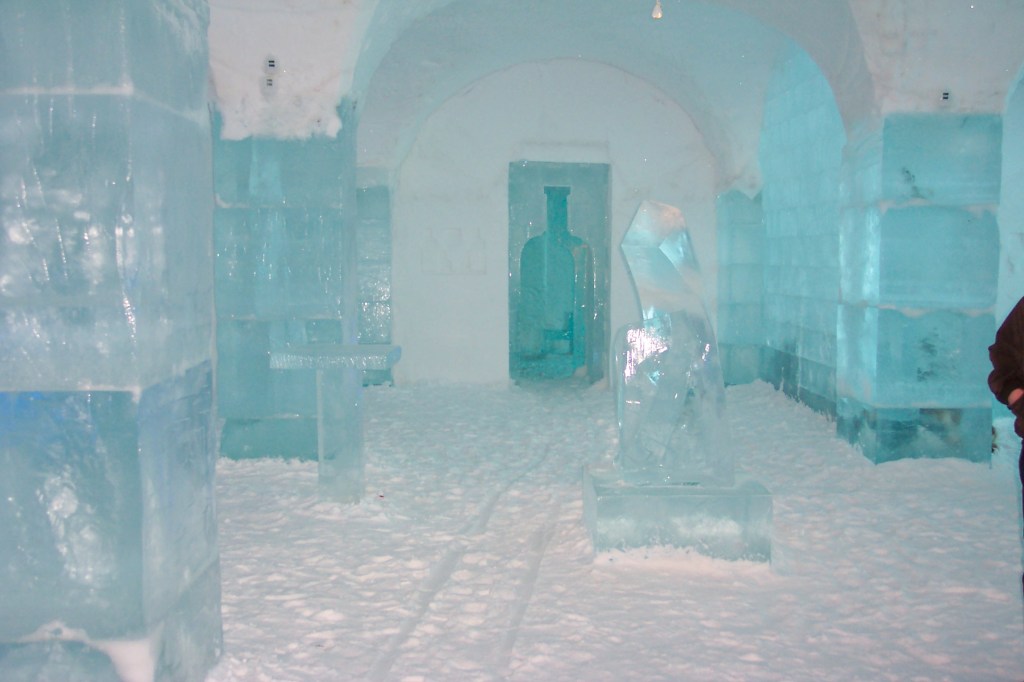
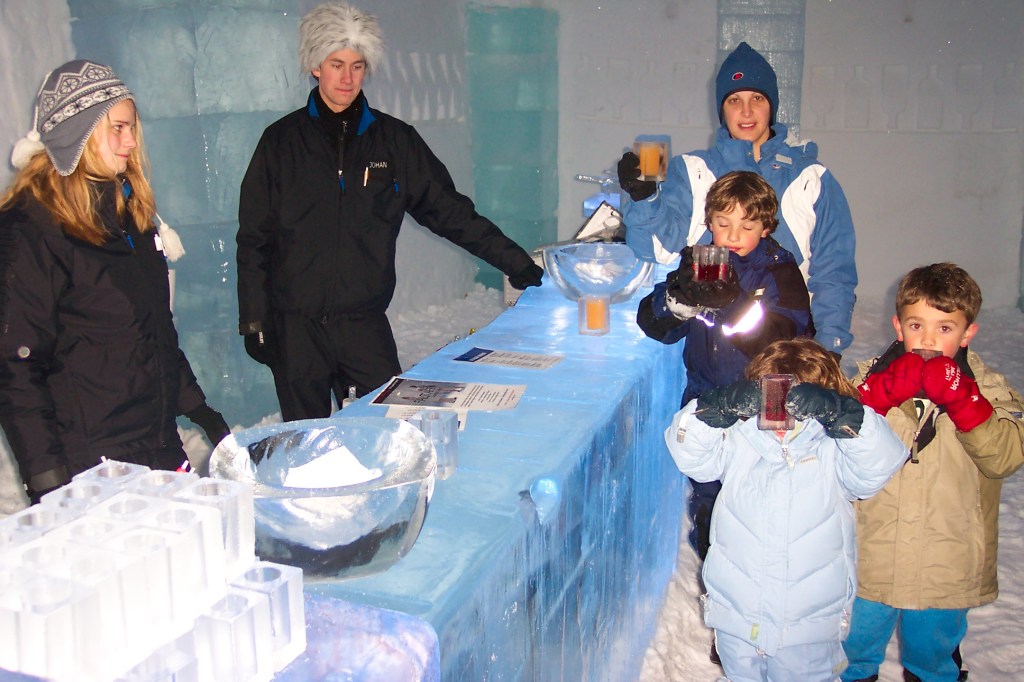
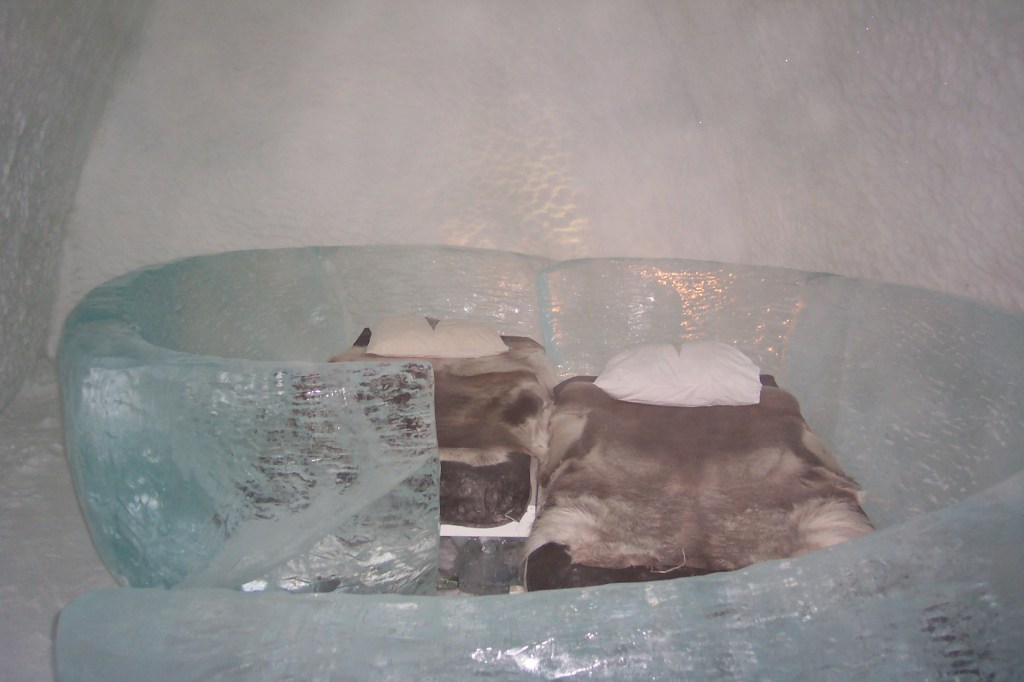
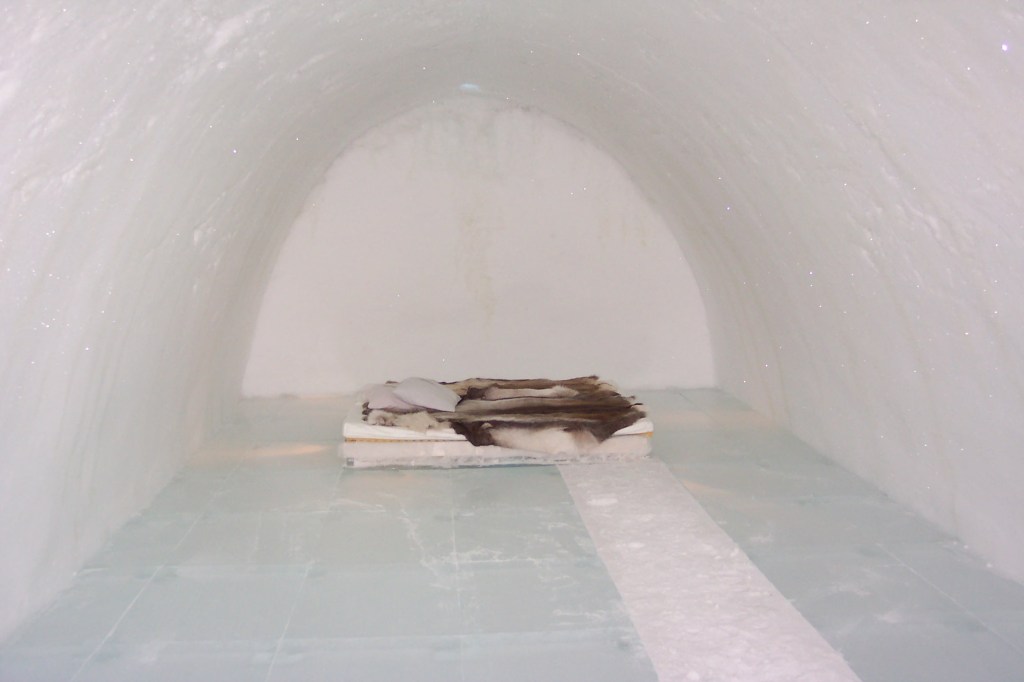
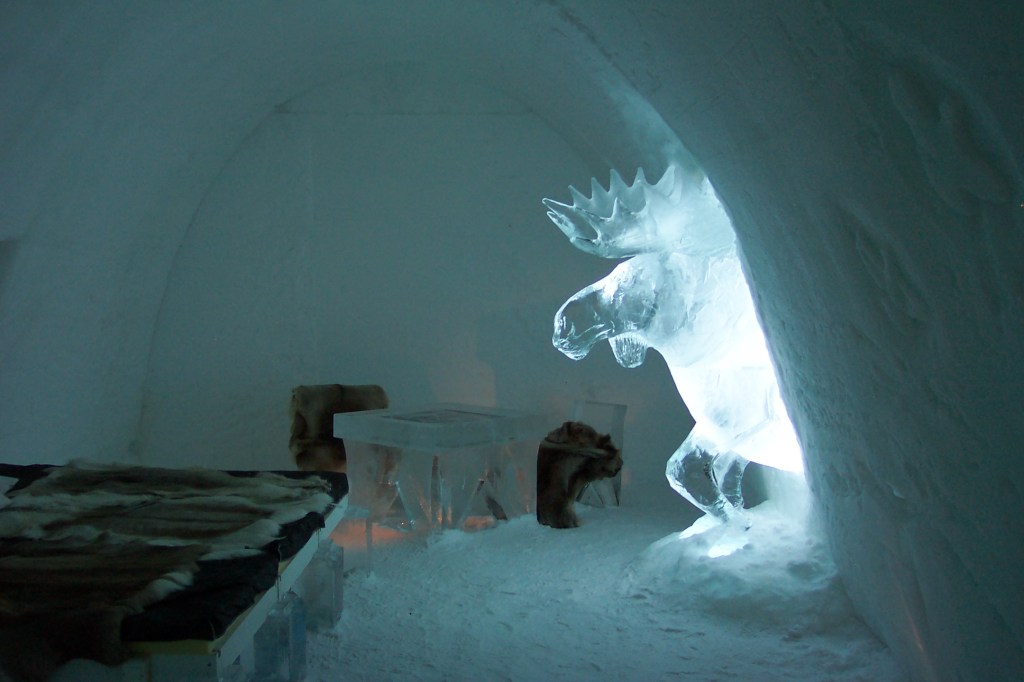
I should say that Jukkasjärvi is located north of the arctic circle and is typically very cold in winter. However, you sleep in very warm sleeping bags on top of ice blocks covered by reindeer hides. The ice hotel itself does not have any bathroom, but they have an adjacent wood building with bathrooms and showers. They also have rooms for people who don’t want to sleep in a cold ice room. We visited the ice hotel in Jukkasjärvi as a family in 2004 and I took a lot of photos.
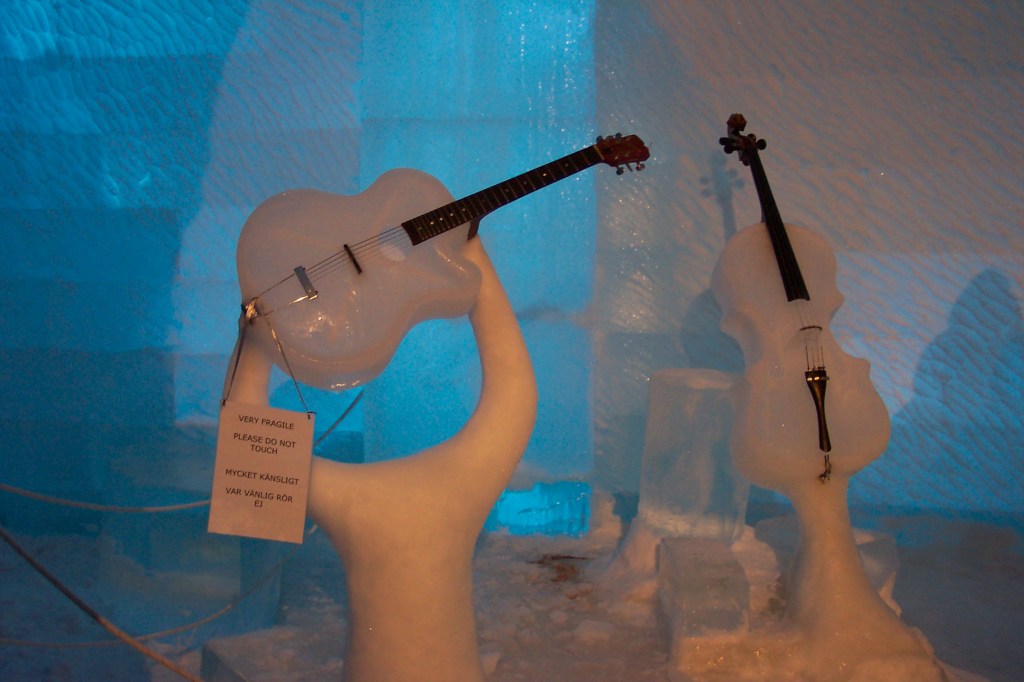
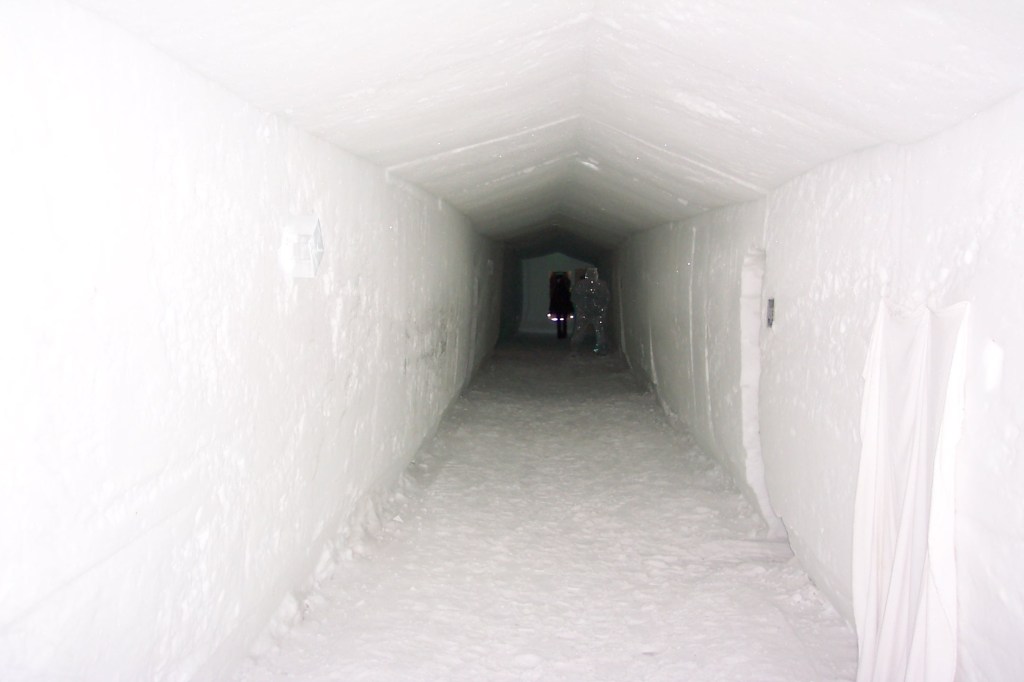
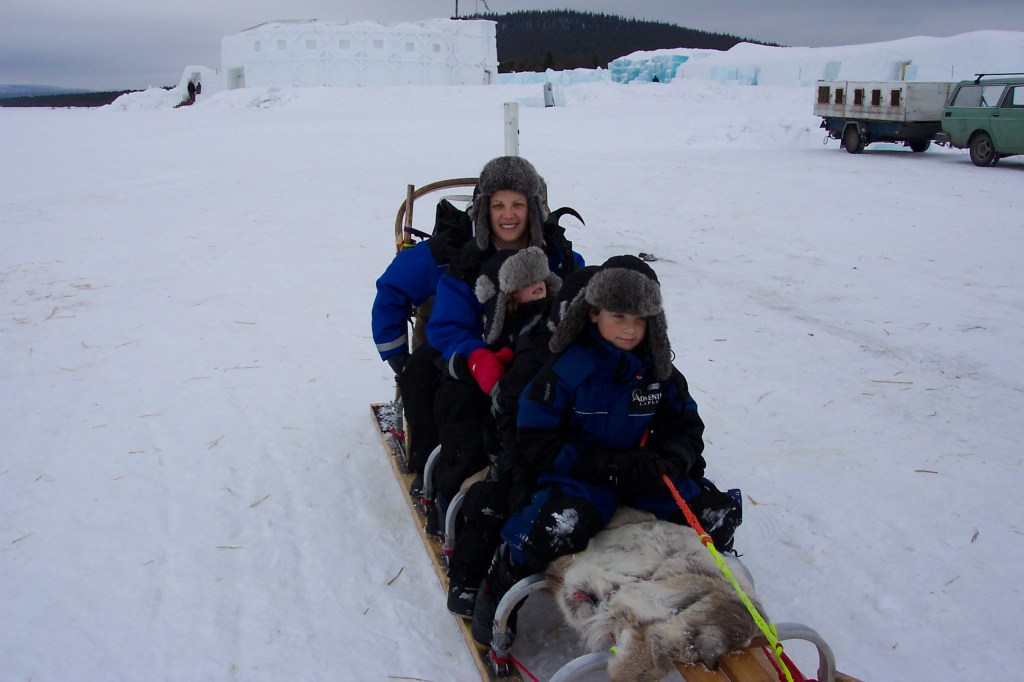
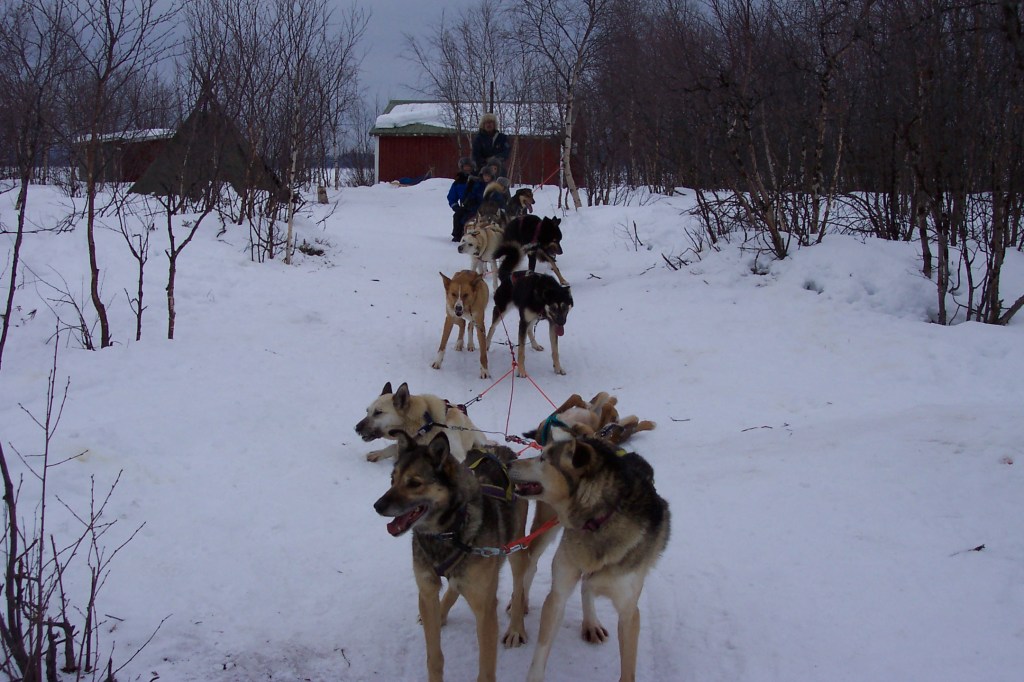
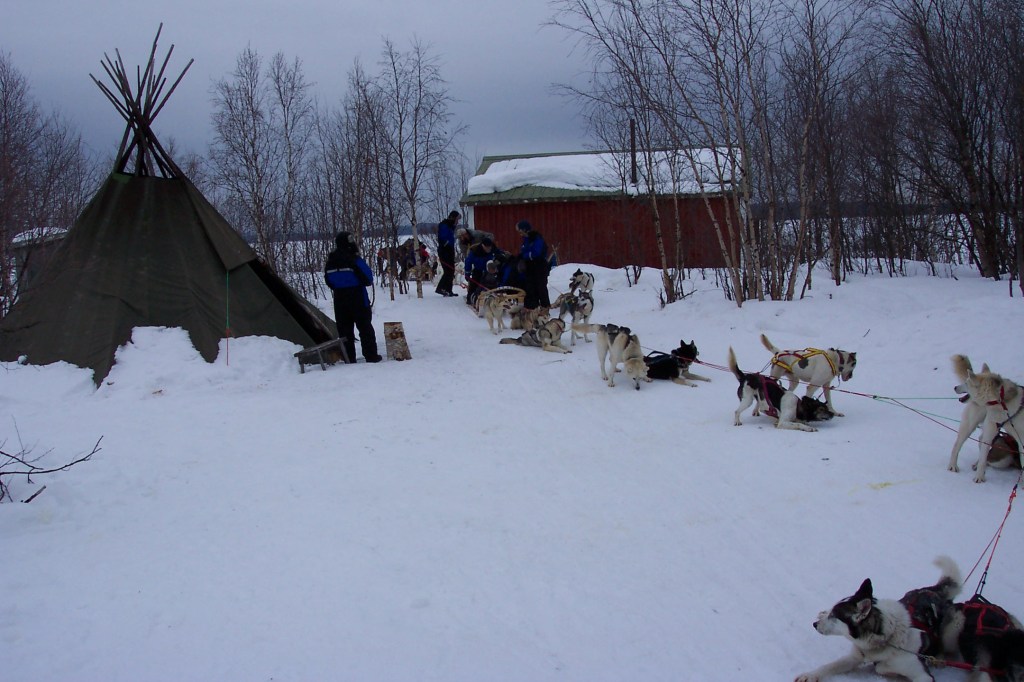
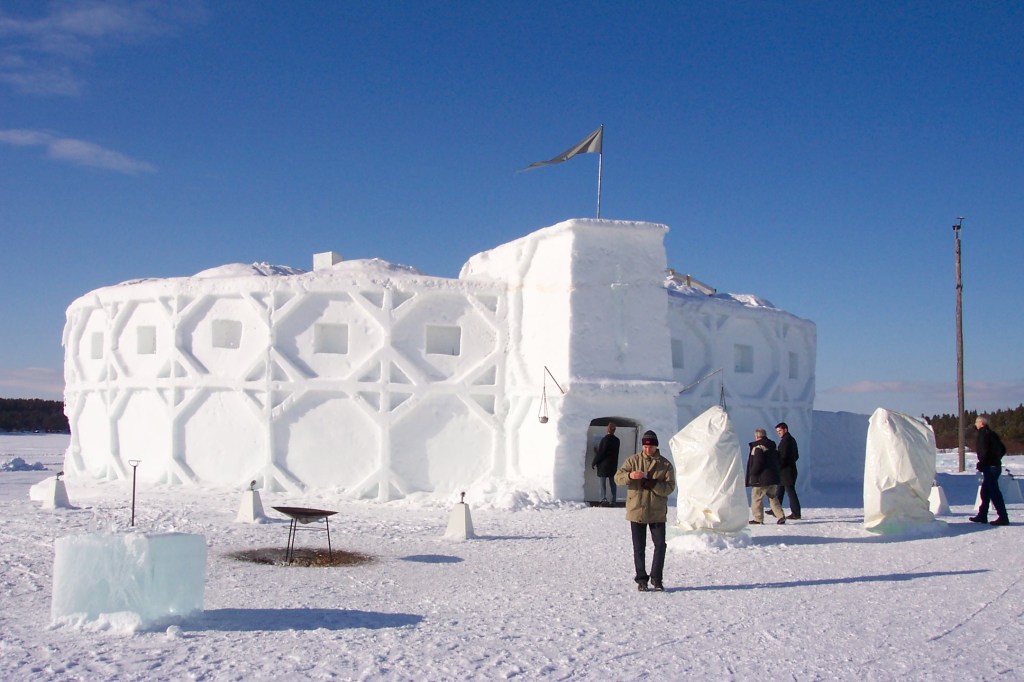
The lobby of the ice hotel. Our kids are sitting around a table of ice. A chandelier of ice is hanging above the table. The light is from fiber optics, so the ice won’t melt.Another photo of the lobby at the ice hotel. My son David is barely visible behind one of the ice pillars.One of the beautiful hallways in the Ice Hotel.My oldest son sitting at an ice table in the lobby.Entrance to the ice bar where you could food and drink and sit on ice chairs by ice tables.We started the evening with a visit to the ice restaurant and bar. Everything in the ice restaurant was made of ice, the tables, the chairs, the counter, the glasses, the plates, and the art.Close up of ice glasses on the ice counter in the ice bar.This is a photo of the ice instruments standing on the ice stage.A close up of an ice cello and an ice guitar.This is a portion of an ice organ in the ice bar.My dad Stig and his girlfriend Ulla came with us on the trip.We are going to bed in our room. I think it was my wife Claudia who took the photo.This was the hallway where our room was located.We are going on a dogsled tour. The ice theater is in the background, and you can see part of the ice hotel on the right.The kids had a lot of fun during the dogsled tourOn the left is a kåta, a movable Sami structure (indigenous arctic Scandinavian people).This is the ice theater. It was located next to the ice hotel (not in the picture).
The ice hotel had put out lots of kick sleds, referred to as “spark” for people to use as a mode of transportation on the snow and ice, or just to sit on. As my dad, Stig, was sitting on one of them, our son came up to him and told him “Stig the hotel put out these sleds for children to play with. It is not for adults to sit on.” My dad was so surprised that he just handed him the sled.
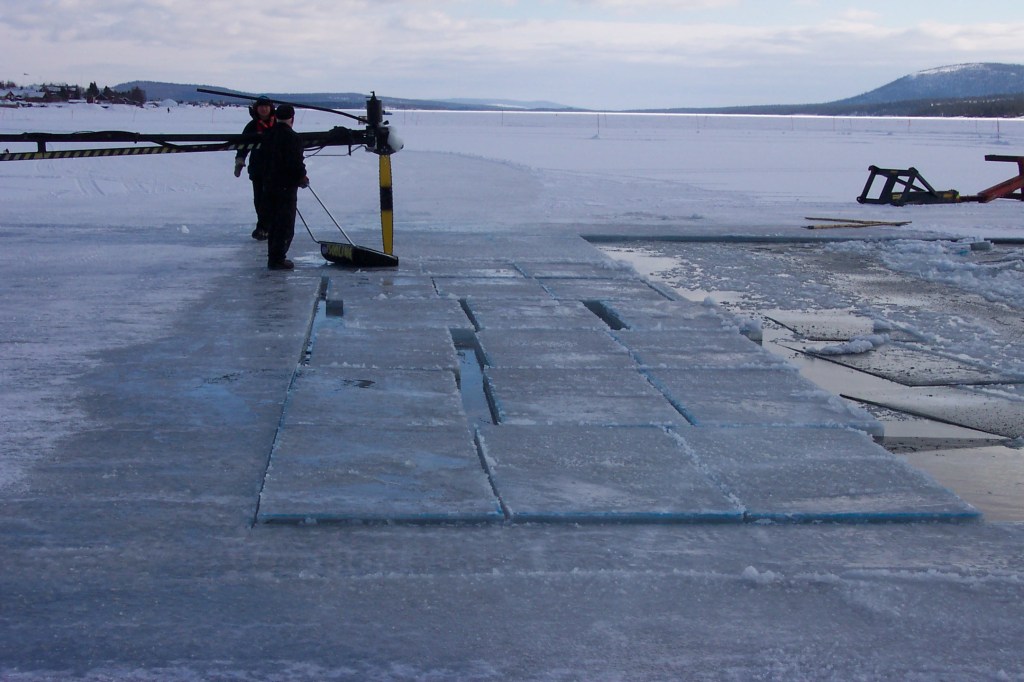
Our son David with one of the kick sleds called “spark”.They got the ice blocks for the structure and for the art from nearby Torneå river.
The next day I took photos of some other rooms
Another room with a snowy wall decoration.Some of the rooms were really beautiful.Some of the rooms had beautiful ice art.You had to pay more for a big room. You paid the price of Hilton and got the comfort of camping in winter.More ice art.
Robbie Cheadle posted my guest post on Scandinavian Folklore on LatinosUSA a wonderful online magazine/blog featuring poetry, stories and all kinds of interesting content from around the world. She also included a wonderful review of my Leonberger book Le Life and Times of Le Bronco von der Löwenhöhle.
This is a guest post written by Ryan Goodchild. He emailed me asking me if he could publish this post regarding opening a Pet Treat Bakery . I said yes. See his post below.
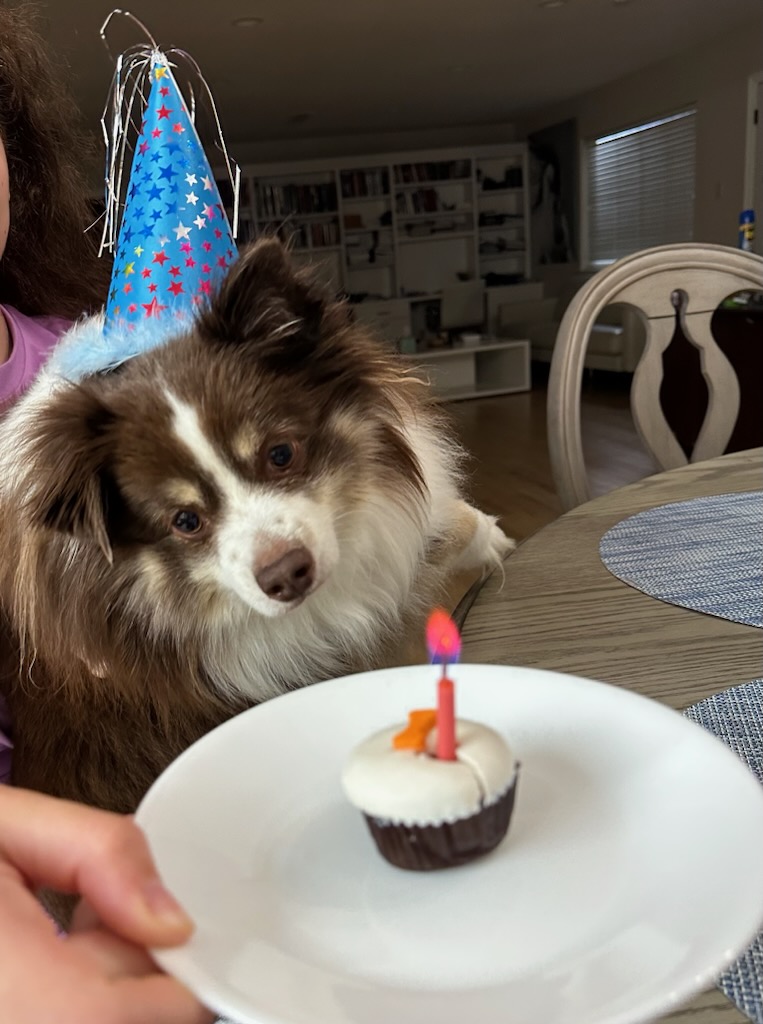
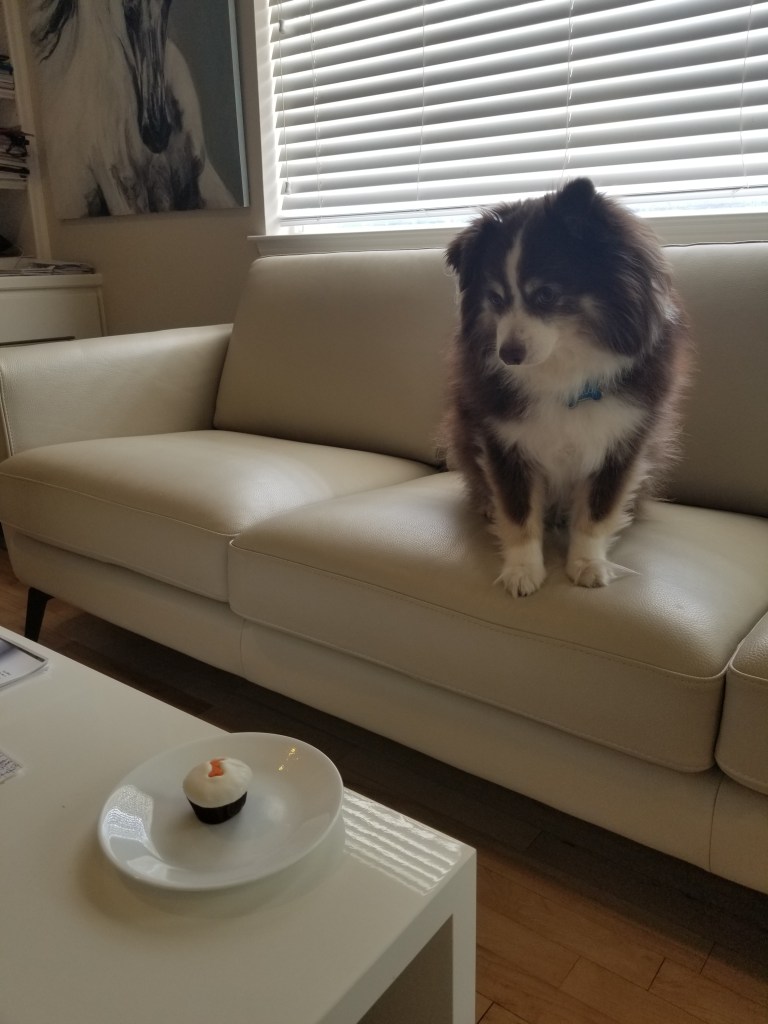
Our mini Australian Shepherd Rollo loves pupcakes (cupcakes for dogs). We bought it at a pet treat bakery.
It is also a Response to Esther’s writing prompt: December 31, 2025: New Beginnings
Opening a Pet Treat Bakery could certainly be a New Beginning. Click here or here to join in Esthers prompt.
Opening a Pet Treat Bakery: A Step-By-Step Business Guide
Opening a pet treat bakery means turning a love of animals into a food-based business with real operational demands. This venture blends culinary care, compliance, branding, and sales into one compact operation. Done right, it can become a loyal, repeat-driven business with strong word-of-mouth momentum.
Quick Takeaways
Start with a narrow product focus so you can control quality, costs, and compliance.
Treat regulations as a design constraint, not an afterthought.
Your brand story matters almost as much as your recipes.
Distribution decisions will shape your margins more than ingredient costs.
Starting With a Clear Vision
Most pet treat bakeries fail by trying to do too much too early. Decide whether you are specializing in dog treats, cat treats, or a specific niche like grain-free, dental chews, or celebration cakes. Your ingredient list, pricing, and even packaging flow from this first decision. A tight focus also makes it easier to explain your value to retailers and customers.
Understanding Food Safety and Legal Requirements
Pet food is regulated differently than human food, but it is still regulated. In the U.S., this typically involves state-level registration, labeling rules, and adherence to basic manufacturing standards. Some states require inspections or proof of safe production processes. Call your state agriculture department early so compliance shapes your setup instead of delaying your launch.
Enhancing Business Skills with an Online Degree
Many founders realize quickly that baking skill alone is not enough. Formal business education can help you understand pricing, cash flow, and long-term planning without learning the hard way. A bachelor of business administration program builds confidence in areas like accounting, communications, and management, which directly affect whether your bakery survives its first few years. Flexible online programs allow you to keep working while sharpening these skills, making it easier to balance learning with real-world operations.
Pricing and Cost Control
This table shows common cost categories and what to watch for as you price your treats.
Cost Category
What To Monitor
Why It Matters
Ingredients
Supplier consistency
Impacts quality and margins
Packaging
Durability and labeling
Affects compliance and branding
Labor
Batch efficiency
Determines scalability
Distribution
Shipping or wholesale cuts
Directly hits profit per unit
Quick Steps to Launch Your Pet Treat Bakery
Follow these steps to move from idea to first sale:
Launch with a limited product line and refine based on feedback.
Marketing Without Overstretching
Pet owners respond to trust and transparency. Share ingredient sourcing, show how treats are made, and encourage reviews from early customers. Local partnerships with groomers or pet boutiques often convert better than broad advertising. Consistent storytelling builds familiarity and repeat purchases.
FAQs for Future Pet Treat Bakery Owners
Before making final commitments, these questions often come up.
How much startup capital do I realistically need?
Most small pet treat bakeries launch with modest budgets by starting home-based or renting shared kitchens. Your biggest early costs are compliance, packaging, and initial inventory. Planning for six months of operating runway reduces stress.
Can I operate from home?
This depends on local and state regulations governing pet food production. Some states allow home kitchens with registration, while others require commercial facilities. Always verify before investing in equipment.
How long do pet treats last?
Shelf life varies by recipe, moisture level, and preservatives used. Many baked treats last several months when stored properly. Clear expiration dating builds buyer confidence.
Should I sell direct-to-consumer or wholesale?
Direct sales offer higher margins but require more marketing effort. Wholesale moves volume faster but reduces per-unit profit. Many bakeries start direct, then add selective wholesale partners.
When should I expand my product line?
Expansion makes sense once your core products sell consistently and operations are stable. Adding too many items too early increases complexity and waste. Let customer demand guide growth.
Conclusion
Opening a pet treat bakery is equal parts creativity and discipline. Success comes from pairing safe, appealing products with clear systems and realistic pricing. Start small, learn fast, and build trust with pet owners at every step. With focus and patience, a niche bakery can grow into a durable, well-loved brand.
Rollo our mini-Australian Shepherd and a pupcake on a table. This pupcake was bought at a local pet treat bakery. They also have cupcakes for people, but it is important to keep them separate.
I’ve stopped making New Year Resolutions. According to Psychology Today 80-90% of New Year Resolutions fail. However, I still have goals and wishes for the new year. Instead of making promises I try to make changes at my own pace. One of them is that I’ve started using the Peloton bike that we bought for my wife. Another is trying to adapt to my new role as a grandfather. Our first grandchild Jack was born at the end of September 2024. Yet another new beginning is that I want to focus slightly more on my relatively new blog superfactful that I started in August of 2024. In 2024 I posted 25 super facts and in 2025 I posted 53. I also made 64 other kinds of posts on this blog. I am hoping to one day to have collected 200 super facts. My hope is that I will post 80 super facts in 2026. Let’s see how far I get.
New Beginnings the Peloton Bike
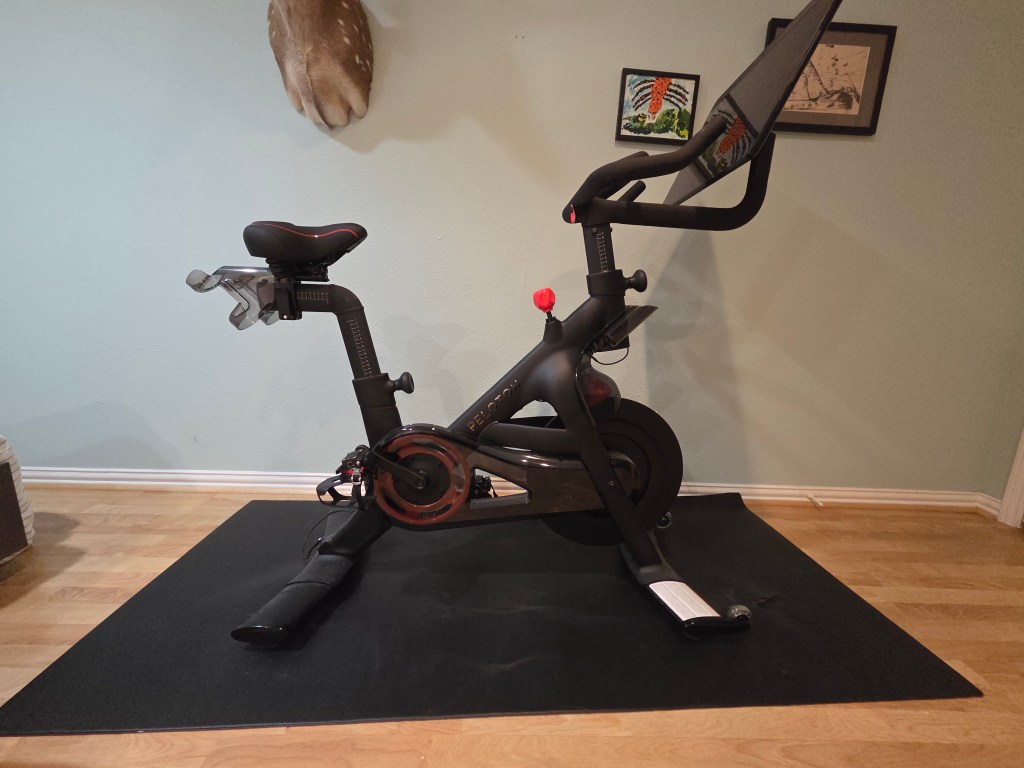
My wife and I bought a Peloton bike a couple of months ago. It was my wife who was the most interested in it but lately I’ve been trying it out as well. I found that this is an excellent way of getting some exercise. A Peloton bike is an internet-connected stationary exercise bike featuring a large touchscreen that streams live fitness classes led by instructors. You select your level, time and your instructor and press start.
Our Peloton bike. The large touch screen is on the right in the photo compared to the rest of the bike.
I usually pick the same class as my wife does. It is the beginners class with Emma. You follow her instructions and you increase/decrease the speed and resistance. Emma does the same thing as you do, you follow her, she is encouraging and she plays great music for you as you do the exercises. It is almost like having your personal trainer. I know these are prerecorded classes but yesterday when my speed / cadence dropped below the goal, Emma told me, “Let’s try to keep the cadence above 80”. This happened twice giving me the feeling that the class was live. It is an entertaining way of exercising that I hope I will continue doing throughout 2026. Perhaps not every day, but I want to do it often. It is a new beginning for me, a new exercise beginning.
Emma is looking out from the touch screen, telling you what to do.
New Beginnings Our First Grandchild
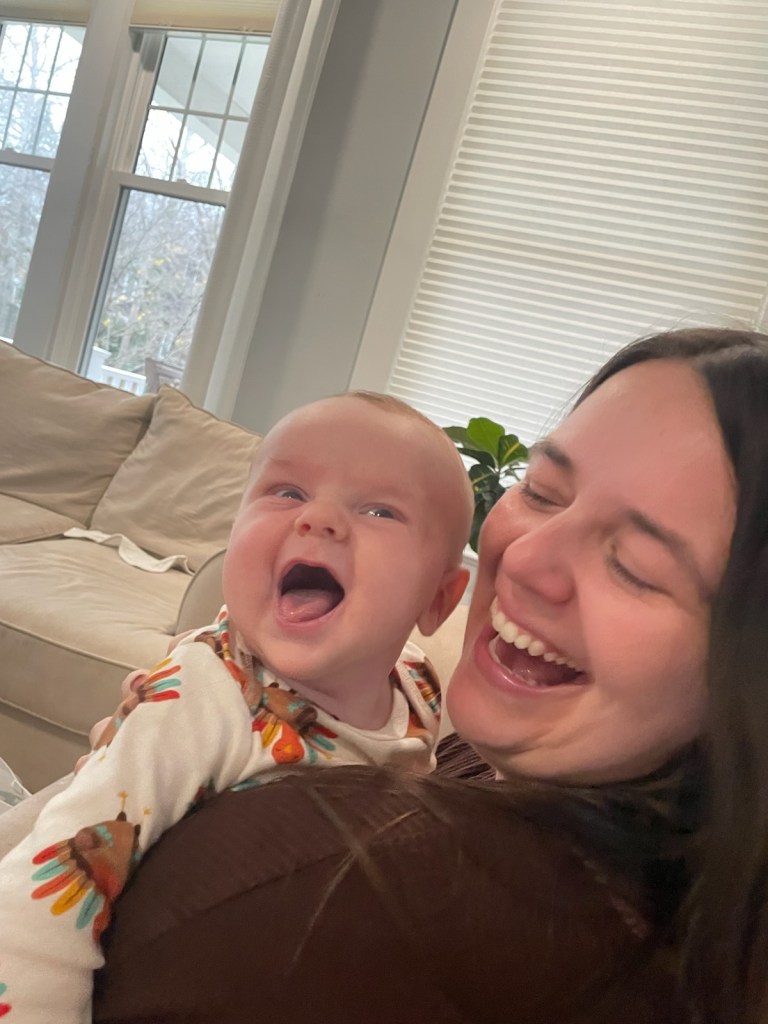
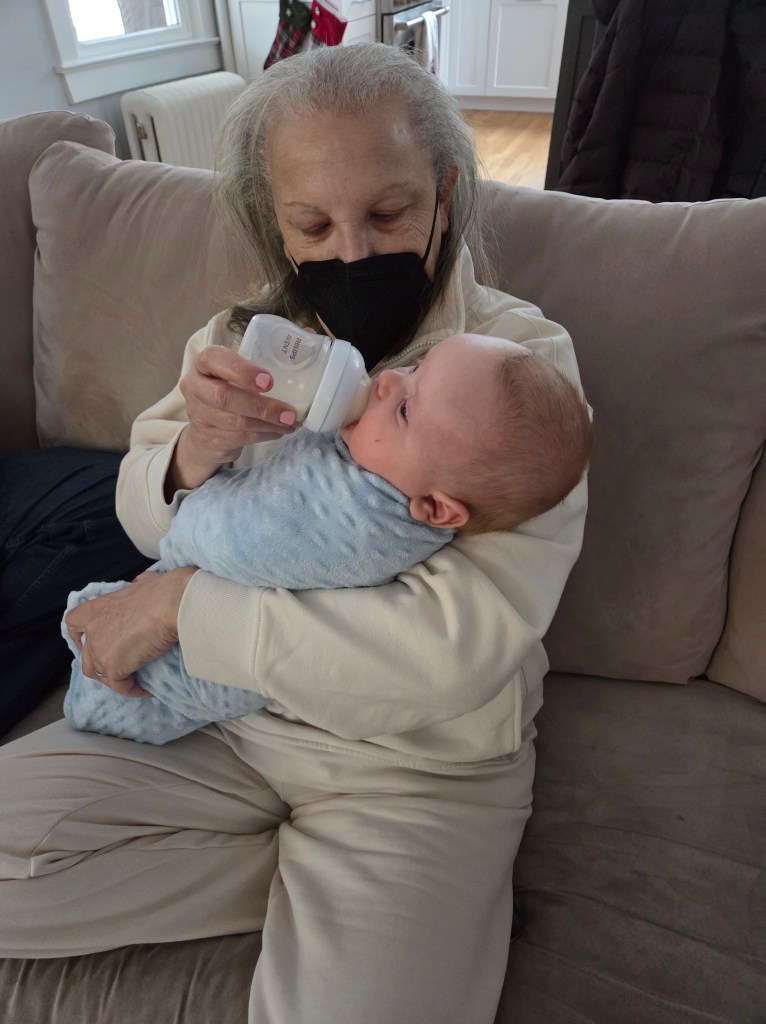
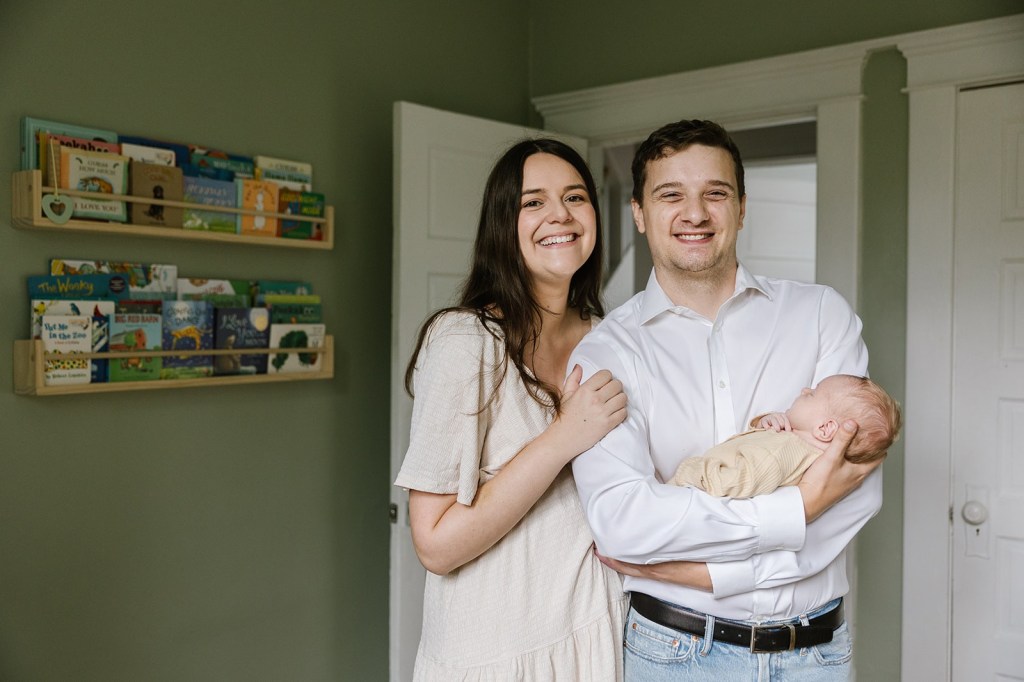
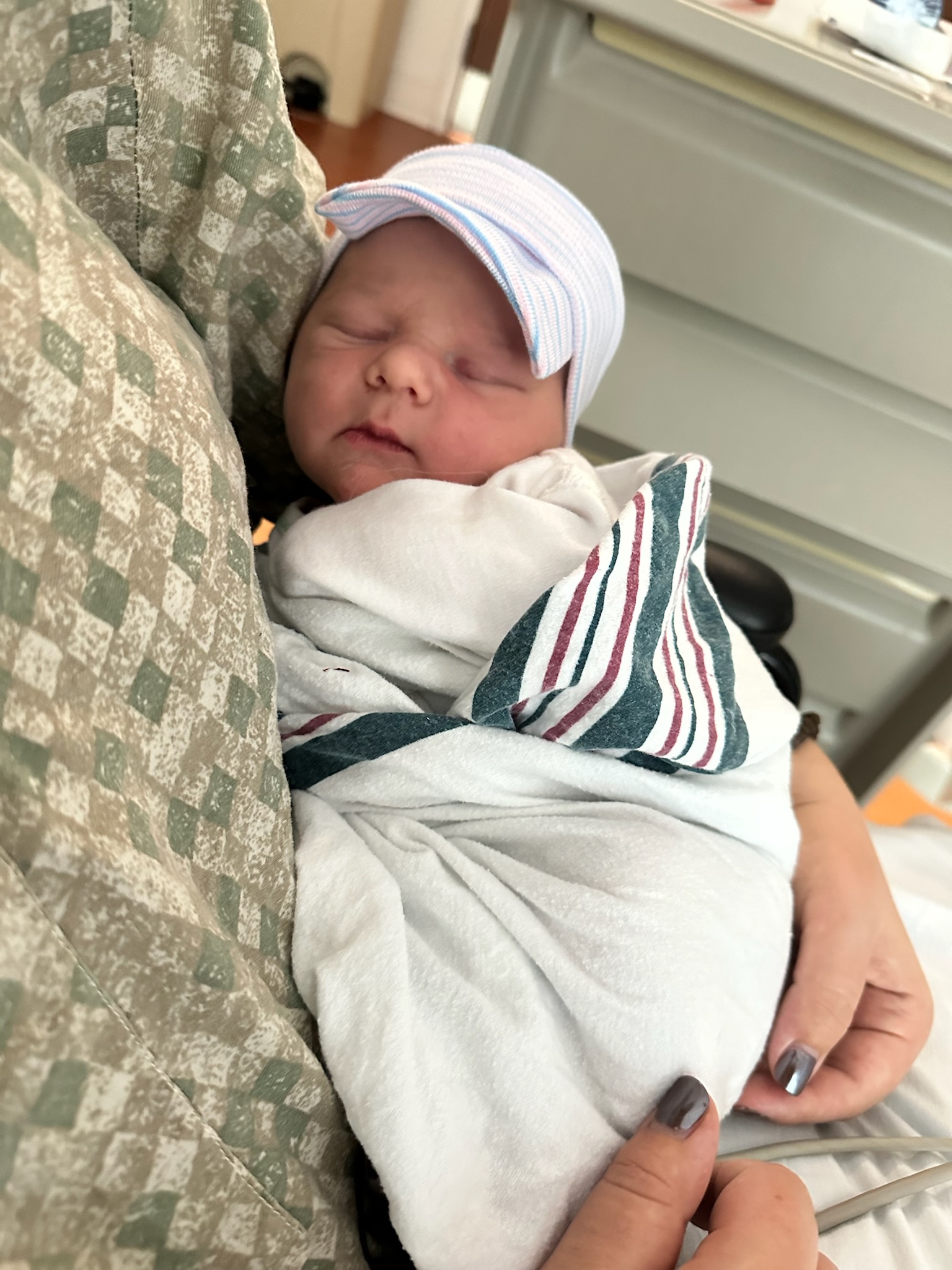
Our oldest son Jacob and his wife Ashley live in Baltimore, Maryland, and their son Jack is three months old. We’ve visited a few times, and we are soon going back there, and they (Jacob, Ashley and Jack) are coming to visit us in February. Being a grandfather is a new role for me that I am going to have to learn. It is a New Beginning for me. You can read more about our latest trip to Baltimore here.
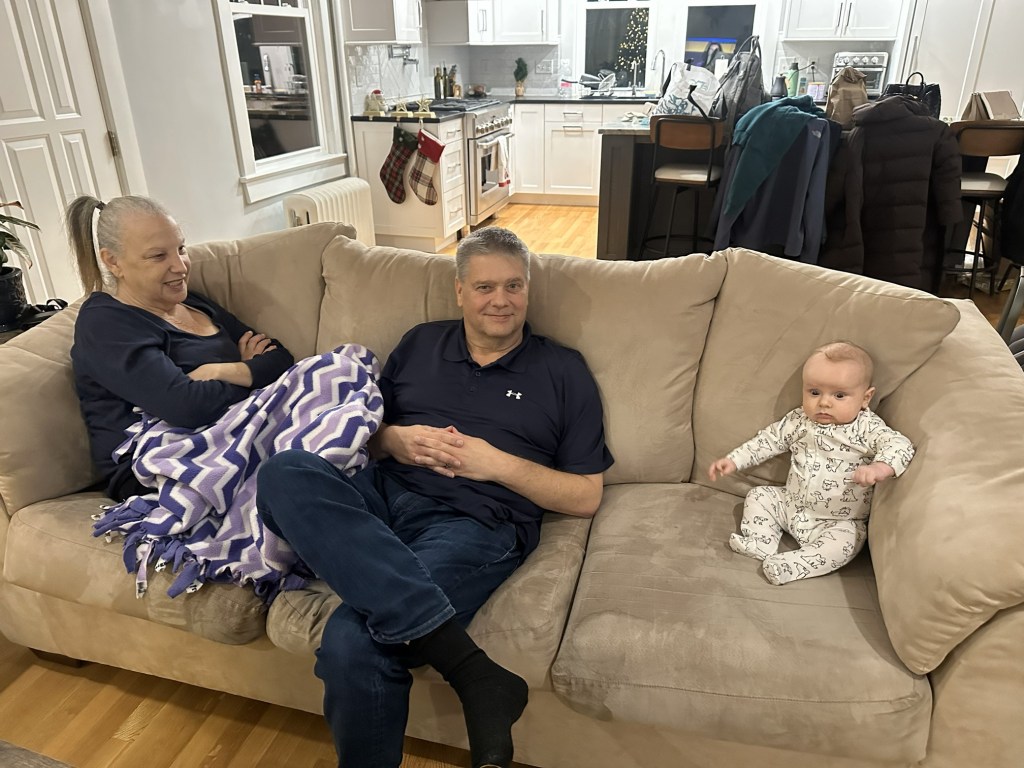
Jack with his mother AshleyMy wife Claudia is feeding JackMy wife Claudia is on the left; I am in the middle and Jack is on the right.
New Beginnings for Super Facts
In August of 2024 I started a second blog, superfactful. The goal of this blog is to create a list of facts that are important, not trivia, and that are known to be true and yet surprising, mind-blowing, shocking or disputed by large segments of the public. I am avoiding click bait and focusing on facts that will challenge the reader as well myself in a way that provides growth. Below are a few examples.
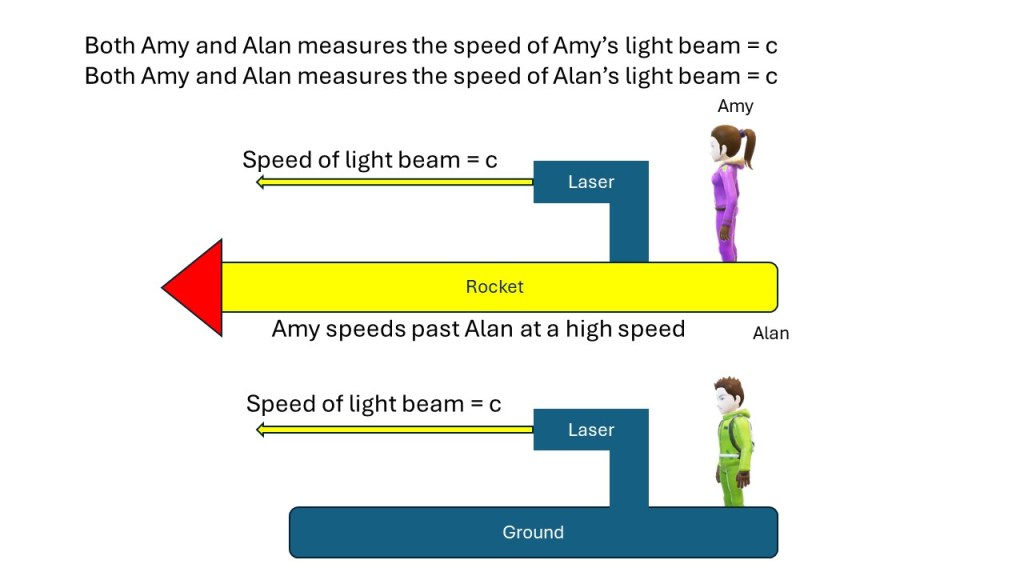
The speed of light in vacuum is the same for all observers regardless of their speed and the direction in which they are going. It is always c = 299,792,458 meters per second. If you try to catch up to a light beam and travel close to the speed of light the speed of the light beam will still be c = 299,792,458 meters per second compared to you. This is possible because time and space don’t behave like we expect.
In this picture Amy is traveling past Alan in a rocket. Both have a laser. Both measure the speed of both laser beams to be c = 299,792,458 meters per second.
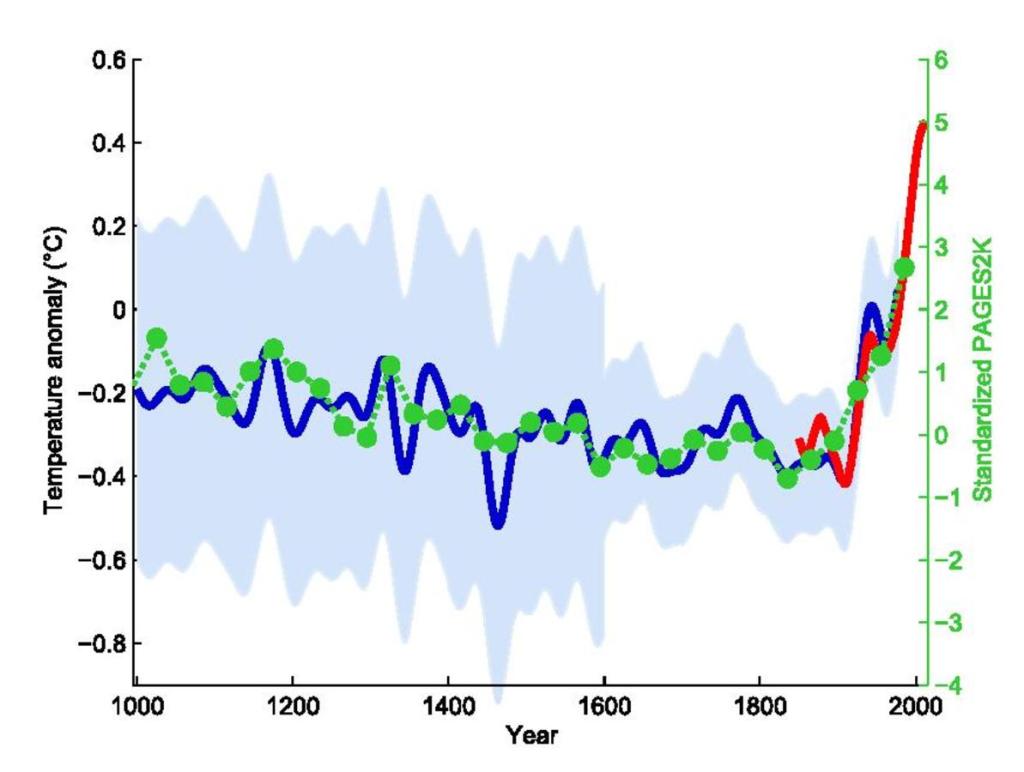
Superfact 25: Global warming or if you call it Climate Change or Climate Disruption is happening, and it is happening very fast, and we also know that it is caused by us primarily as a result of our burning of fossil fuels. There is a long-standing scientific consensus on these two facts because the evidence is conclusive. Check the evidence below.
The so-called hockey stick curve depicting the last 1,000 years. The blue line is the first hockey stick curve ever created (by Michael Mann). He used proxy measurements such as tree rings, green-dots 30-year average, red temperature measurements. This graph is taken from this page.
Super fact 67 : Infinities come in different sizes. Some infinities are larger than others. In fact, it is possible to create an infinite number of different-sized infinities. Some infinities are countable and others are uncountable.
Infinity Asset id: 2118543950 by Sahara Prince
There are 78 super facts so far. I am hoping that my increased focus on this blog will lead to another 80 this year. It will be a New Beginning. To see a list of the 78 super facts and the next 72 I’ve planned click here.
This is a guest post written by Ryan Goodchild. He emailed me asking me if he could publish his post regarding moving with dogs on my blog . I said yes. See below.
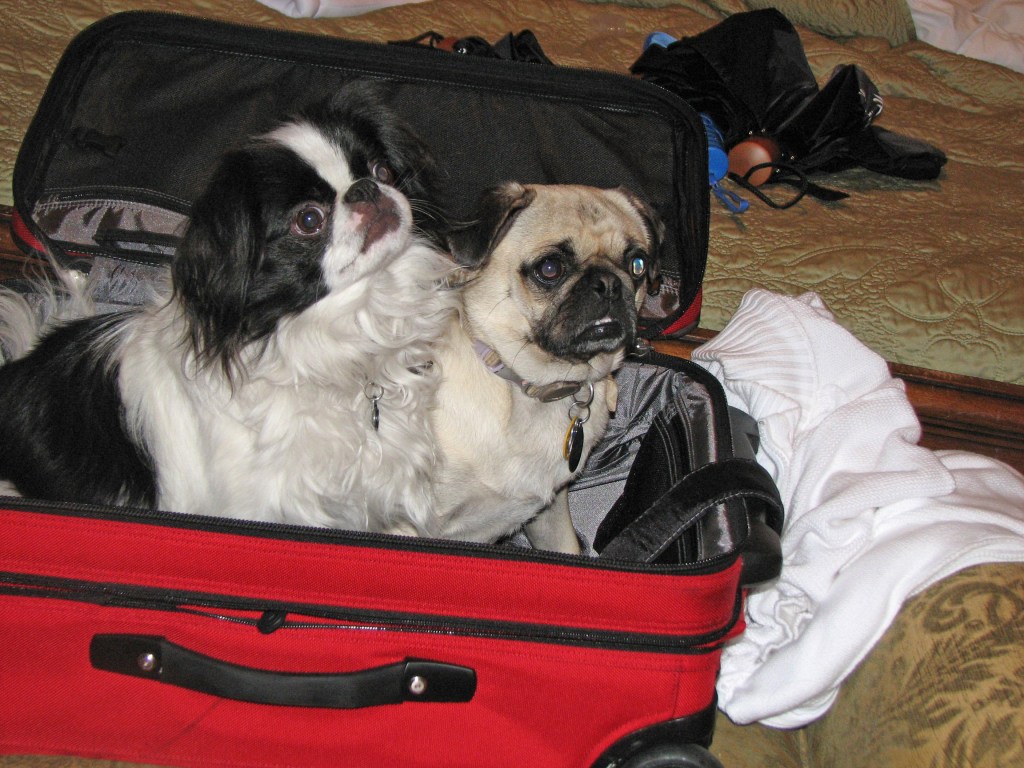
Moving and travelling can be a challenge to dogs.
Ryan Goodchild’s Post on Moving with Your Dog to a New State: A Real-World Guide for a Calm Transition
Moving is a big deal, and if you have a dog, it’s a whole new level of logistics and emotion. Dogs don’t understand the concept of relocation. They just know something’s changing. Your goal is to make that change feel safe, predictable, and full of the familiar.
What You’ll Learn
How to prepare your dog before, during, and after a move
What records and updates you’ll need
How to digitize your dog’s important documents
Ways to reduce stress, for both of you
A quick, clear checklist to keep everything on track
Prepare Your Dog for Change
Start weeks before moving day. Dogs pick up on routine changes quickly — packing, new smells, boxes everywhere. Keep walks and meals on schedule, even as your home shifts around them.
Schedule a vet visit about a month before the move. Request updated vaccination records, refill any medications, and ask for a general health certificate if you’ll be crossing state lines. This document isn’t always mandatory, but it can be helpful for emergencies or travel checks.
Keep Your Dog’s Records Safe and Organized
When you relocate, having instant access to your dog’s medical and identification records can save a lot of stress. Scan everything, like vaccination forms, microchip details, prescriptions, and your vet’s contact information, so you have them in one place.
Save the files as PDFs; they’re reliable, portable, and open on almost any device. For convenience, you can merge multiple records into one clean file with this tool. Keeping these essentials organized means you’re always ready for a vet visit, emergency, or boarding request in your new area.
Travel Day: Stay Calm, Stay Simple
Moving days are hectic, and dogs sense your energy. Your best strategy is calm consistency.
Pack a “dog go-bag” with:
Food and collapsible bowls
Waste bags and cleaning wipes
Favorite toy or blanket
Leash, collar, and updated ID tags
Any medications and first-aid essentials
Keep familiar scents around. Let your dog travel with a favorite blanket or worn T-shirt of yours, it’s grounding. If you’re driving, stop regularly for short walks and hydration. If you’re flying, check your airline’s pet policy early, as rules and kennel sizes vary widely.
The Essential Dog-Move Checklist
Before leaving your old home, run through this list:
Health Check: Vet visit completed and records in hand.
Once you arrive, recreate normalcy fast. Set up your dog’s bed and feeding area before unpacking your own boxes. Use familiar commands, toys, and walking times to reestablish their rhythm. Dogs rely on patterns to feel secure; the more you replicate their old schedule, the quicker they’ll adapt.
Take short exploratory walks so your dog can get used to local scents and sounds. If they seem hesitant, don’t rush it. Let them lead the pace; confidence builds gradually through repetition.
Dog Transition Timeline at a Glance
Stage
Focus
Goal
3–4 weeks before move
Vet visit, ID updates
Health & paperwork ready
1–2 weeks before move
Packing acclimation
Reduce anxiety around change
Moving day
Calm, consistent energy
Safe and comfortable travel
Arrival
Establish feeding/sleeping areas
Create familiarity fast
First week
Daily walks, local vet visit
Build new routine & comfort
Support Your Dog’s Emotional Adjustment
Some dogs sail through moves; others struggle. Signs of stress can include pacing, panting, whining, or hiding. Keep things calm and predictable. Set up a quiet area where they can retreat when the new space feels overwhelming.
Just as important: manage your own stress. Dogs take emotional cues from you — if you’re tense, they will be too. A calm tone, gentle reassurance, and unhurried movements go a long way. When you’re relaxed and consistent, your dog begins to trust that the new home is safe.
If your pet is struggling, spend extra time together doing things they love — a walk, gentle grooming, or simply sitting nearby. These small rituals of connection reinforce safety and stability more powerfully than any special training tool ever could.
FAQs
Q: How long does it take a dog to adjust after a move? Typically one to three weeks. The key is routine — same feeding times, same walking windows, same tone of reassurance.
Q: Should my dog stay with me during the move? If possible, yes, but if the environment will be chaotic, arrange for them to stay with a trusted friend until moving day is over.
Q: What should I do if my dog stops eating after the move? Offer familiar food and limit new treats until they settle. Keep mealtimes quiet and predictable.
Moving with your dog isn’t about perfection, it’s about patience. Dogs care less about where they live than who they live with. By maintaining structure, reassurance, and calm energy, you’ll help them feel safe no matter the ZIP code.
Eventually, the boxes will be unpacked, the walks will feel routine again, and your dog will nap in a new sunbeam, proof that home isn’t a destination. It’s a feeling you build together.
This is a Leonberger blog but sometimes I post about other things, especially if it concerns me personally. Today November 1st is National Author Day so I thought that since I am originally from Sweden that I would post a poem by a celebrated Swedish 19th century author and poet by the name Viktor Rydberg. The poem is “Tomten” (the Tomte) published in 1881.
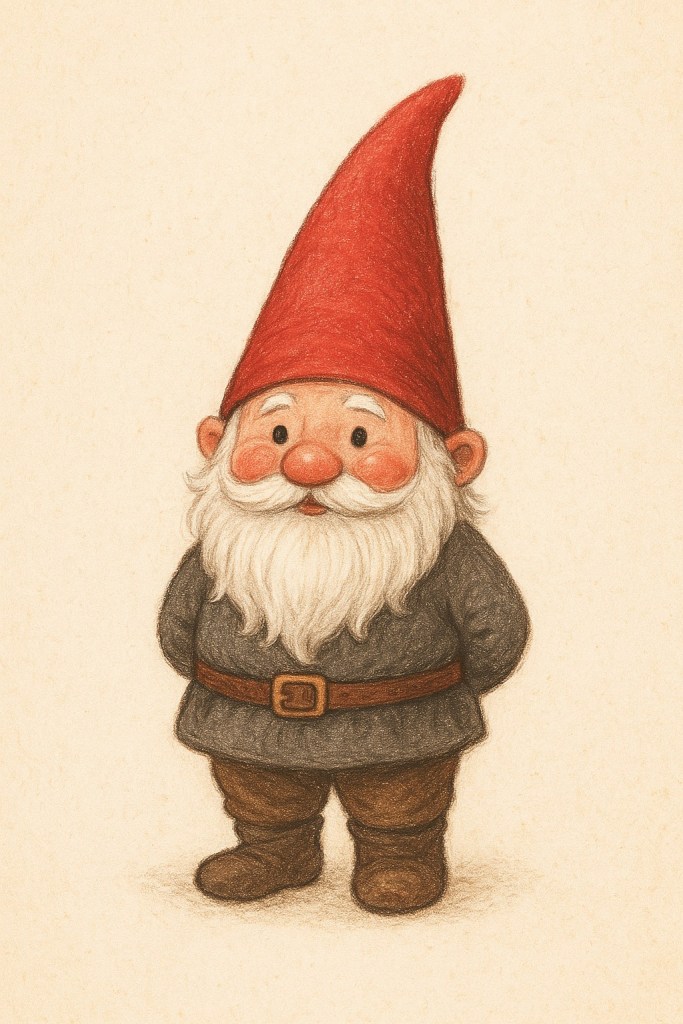
A Tomte is a type of small magical people, or gnomes, related to Vitter folk. There are many Tomtar (Tomte in plural), and traditionally each farmhouse had a Tomte who might secretly help the farmers with their tasks, warn them of danger, and protect the animals. They are friendly and is the inspiration behind the Swedish version of Santa Claus, which is therefore a bit different from the Disney version of Santa Claus that has become so popular.
For one thing, the Disney version of Santa Claus flies around on a reindeer sled and delivers all the presents to all the good kids around the world. Therefore, he needs to move faster than the speed of light, which a Tomte does not need to do. The Tomte may bring you gifts for Christmas if you in return put out food for them, such as porridge.
An illustration of a Tomte. Shutterstock ID: 2060057882 by PLIMPLUM.
Tomten is a beautiful long poem and every line is rhymed, which is impressive. At first, I took the Swedish poem, and I just dropped it into Google Translate hoping it would translate into English. This was a disaster. Poems are notoriously difficult to translate. First of all, you lose the rhymes, and for this poem the rhymes add a lot to the atmosphere and feeling of the poem.
Secondly, you may lose some of the beautiful language and the special choices of words that create the right atmosphere. For example, Google Translated Tomte to Santa, which is not quite right. Normally, when you think about Santa you think about the Walt Disney version of Santa and this poem was written 20 years before Walt Disney was born, and the Tomte as depicted is very different from Santa Claus. Add to that the fact that a lot of the words were just plainly mistranslated and wrong. Part of the reason for that was that the poem is written in old fashioned Swedish, which Google Translate cannot handle (but I can). Thirdly, due to the different sentence structure, syntax, and grammar of different languages you lose some of the rhythm. In summary, Google Translate butchered the poem and turned it into nonsense.
However, I translated the poem into English myself, with some help from Google Translate. Unlike Google Translate, I know what the author is saying, and I can read old Swedish without problems. Naturally, all the rhymes are gone, but I think I succeeded in preserving some of the beauty of the descriptions of the Tomte and the environment. Another thing that was preserved was the philosophical context of the poem. This poem raises some existential dimensions. Tomten is an immortal creature, and he is deeply puzzled by the fact that people come into existence as babies, they live, get old and then they disappear again. Generations come, generations go, one after another, but the Tomte lives on, and he cannot figure out this mysterious puzzle no matter how long he thinks about it. Obviously, he cares about the people who come and go. He wants to know.
Anyway, below is my translation of the poem. The poem should be read slowly and with thoughtful emphasis. Not all the sentences are proper English because I wanted to preserve some of the poetic nature of the stanzas. Again, in the Swedish original all the lines rhyme. For example, the word “hard” is “hård”, and “house” is “gård”, the word “roofs” is “taken”, and “awake” is “vaken”.
My Translation of Tomten
The cold of the midwinter night is hard, the stars sparkle and twinkle. Everyone sleeps in their house deep in the midnight hour. The moon wanders its silent course, the snow shines white on pine and fir, the snow shines white on the roofs. Only the Tomte is awake.
Standing there so gray by the barn door, gray against the white drift, watching, like many winters before, up against the disk of the moon, looking towards the forest, where spruce and fir draws its dark wall around the yard, pondering, although without success, over a strange riddle.
He runs his hand through beard and hair, shakes head and hood “no, this riddle is too difficult, no, I cannot guess this” he banishes the thought, as he usually does, so he can attend to his tasks, and go about his business.
He goes to the storage and the tool house, he feels all the locks the cows dream by the light of the moon summer dreams in the booth; forgetful of harness and whip and empty Pålle (a horse) in the stable also has a dream: the manger he leans over filled with fragrant clover;
He goes to the fence for the lambs and sheep, see how they sleep in there; goes to the hens, where the rooster stands proud of his highest stick; Karo in the dog bed with straw feels good, wakes up and wags its tail slightly, Karo his elf knows, they are good friends.
The Tomte tiptoes at last to see the family he holds so dear, for long and well he has known that they hold his diligence in honor; he tiptoes to the children’s chamber and approach to see the sweet little ones, let no one doubt it: they are his greatest happiness.
Thus, he has seen them, father and son, through so many generations in deep sleep as children; but from where did they come down here? Generation soon followed generation, they flourished, aged, and then went — but where? The insolvable riddle to his mind has thus returned!
The Tomte walks to the loft of the barn: there he has a home and stronghold high up in the scent of the hay, near the swallow’s nest; now the swallow’s nest is empty, but when spring comes with leaves and flowers she will probably be back followed by her close mate.
Then she always has something to chirp about of her many travel memories, nothing, however, about the riddle, which moves in the Tomte’s mind. Through a gap in the barn wall the moon shines on the Tomte’s beard, the streak on the beard shines, The Tomte broods and ponder.
Quiet is the forest and all the heath, life out there is frozen, only from a distance of the falls of the rapids can be heard very slowly the noise. The Tomte listens and, half in a dream, seems to hear the flow of time, wondering where it will go, wondering, where the source must be.
The cold of the midwinter night is hard, the stars sparkle and twinkle. Everyone sleeps in their house well into the morning hours. The moon lowers its silent course, the snow shines white on pine and fir, the snow shines white on the roofs. Only Santa is awake.
Tomte I generated with the help of ChatGPT
The Original Poem Tomten
Midvinternattens köld är hård, stjärnorna gnistra och glimma. Alla sova i enslig gård djupt under midnattstimma. Månen vandrar sin tysta ban, snön lyser vit på fur och gran, snön lyser vit på taken. Endast tomten är vaken.
Står där så grå vid ladgårdsdörr, grå mot den vita driva, tittar, som många vintrar förr, upp emot månens skiva, tittar mot skogen, där gran och fur drar kring gården sin dunkla mur, grubblar, fast ej det lär båta, över en underlig gåta.
För sin hand genom skägg och hår, skakar huvud och hätta — »nej, den gåtan är alltför svår, nej, jag gissar ej detta» — slår, som han plägar, inom kort slika spörjande tankar bort, går att ordna och pyssla, går att sköta sin syssla.
Går till visthus och redskapshus, känner på alla låsen — korna drömma vid månens ljus sommardrömmar i båsen; glömsk av sele och pisk och töm Pålle i stallet har ock en dröm: krubban han lutar över fylls av doftande klöver; —
Går till stängslet för lamm och får, ser, hur de sova där inne; går till hönsen, där tuppen står stolt på sin högsta pinne; Karo i hundbots halm mår gott, vaknar och viftar svansen smått, Karo sin tomte känner, de äro gode vänner.
Tomten smyger sig sist att se husbondfolket det kära, länge och väl han märkt, att de hålla hans flit i ära; barnens kammar han sen på tå nalkas att se de söta små, ingen må det förtycka: det är hans största lycka.
Så har han sett dem, far och son, ren genom många leder slumra som barn; men varifrån kommo de väl hit neder? Släkte följde på släkte snart, blomstrade, åldrades, gick — men vart? Gåtan, som icke låter gissa sig, kom så åter!
Tomten vandrar till ladans loft: där har han bo och fäste högt på skullen i höets doft, nära vid svalans näste; nu är väl svalans boning tom, men till våren med blad och blom kommer hon nog tillbaka, följd av sin näpna maka.
Då har hon alltid att kvittra om månget ett färdeminne, intet likväl om gåtan, som rör sig i tomtens sinne. Genom en springa i ladans vägg lyser månen på gubbens skägg, strimman på skägget blänker, tomten grubblar och tänker.
Tyst är skogen och nejden all, livet där ute är fruset, blott från fjärran av forsens fall höres helt sakta bruset. Tomten lyssnar och, halvt i dröm, tycker sig höra tidens ström, undrar, varthän den skall fara, undrar, var källan må vara.
Midvinternattens köld är hård, stjärnorna gnistra och glimma. Alla sova i enslig gård gott intill morgontimma. Månen sänker sin tysta ban, snön lyser vit på fur och gran, snön lyser vit på taken. Endast tomten är vaken.
The cold of the midwinter night is hard, the stars sparkle and twinkle. Everyone sleeps in their house well into the morning hours. The moon lowers its silent course, the snow shines white on pine and fir, the snow shines white on the roofs. Only Santa is awake.
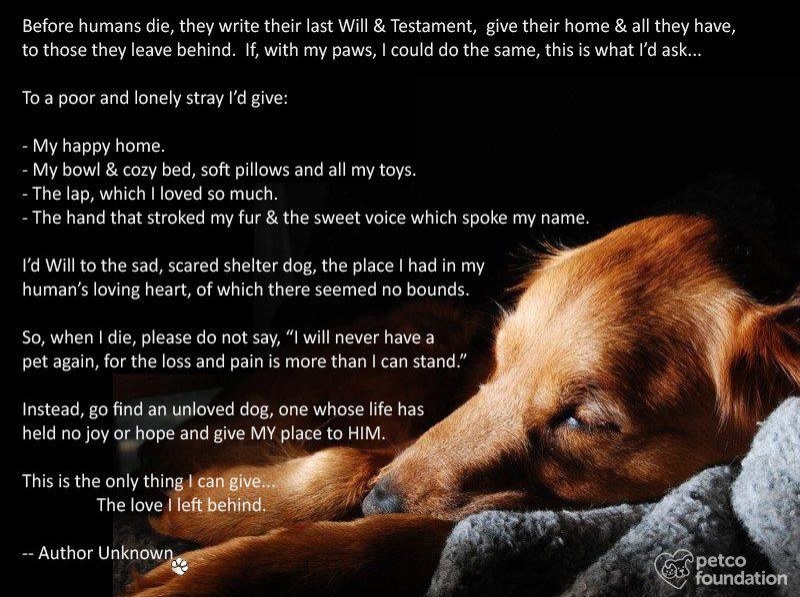
Before humans die, they write their last Will & Testament, give their home & all they have, to those they leave behind. If, with my paws, I could do the same, this is what I’d ask…
To a poor and lonely stray, I’d give:
My happy home.
My bowl & cozy bed, soft pillows and all my toys.
The lap, which I loved so much.
The hand that stroked my fur & the sweet voice which spoke my name
I’d Will to the sad, scared shelter dog, the place I had in my human’s loving heart, of which there seemed no bounds.
So, when I die, please do not say, “I will never have a pet again, for the loss and pain is more than I can stand”.
Instead, go find an unloved dog, one whose life has held no joy or hope and give MY place to HIM.
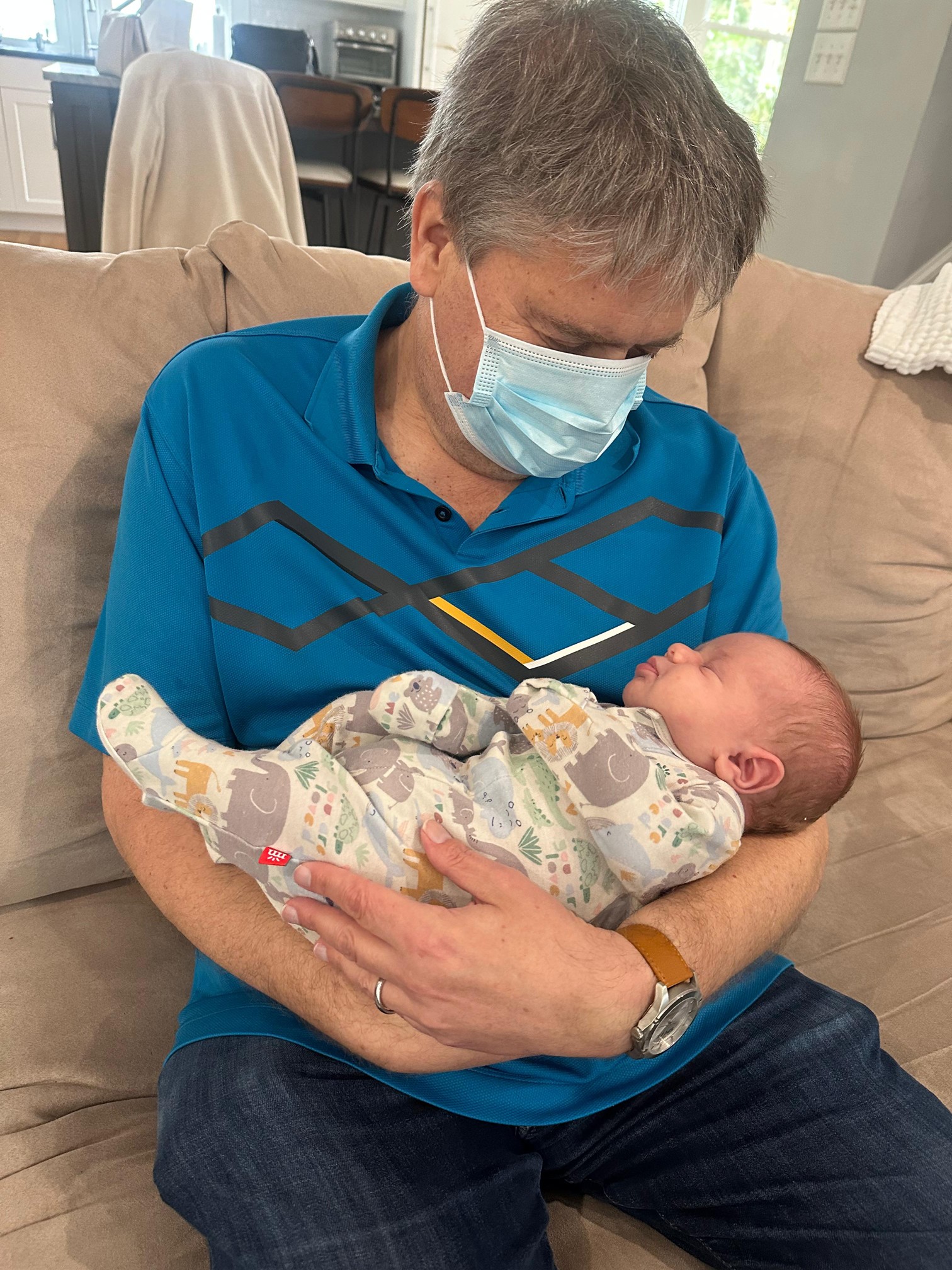
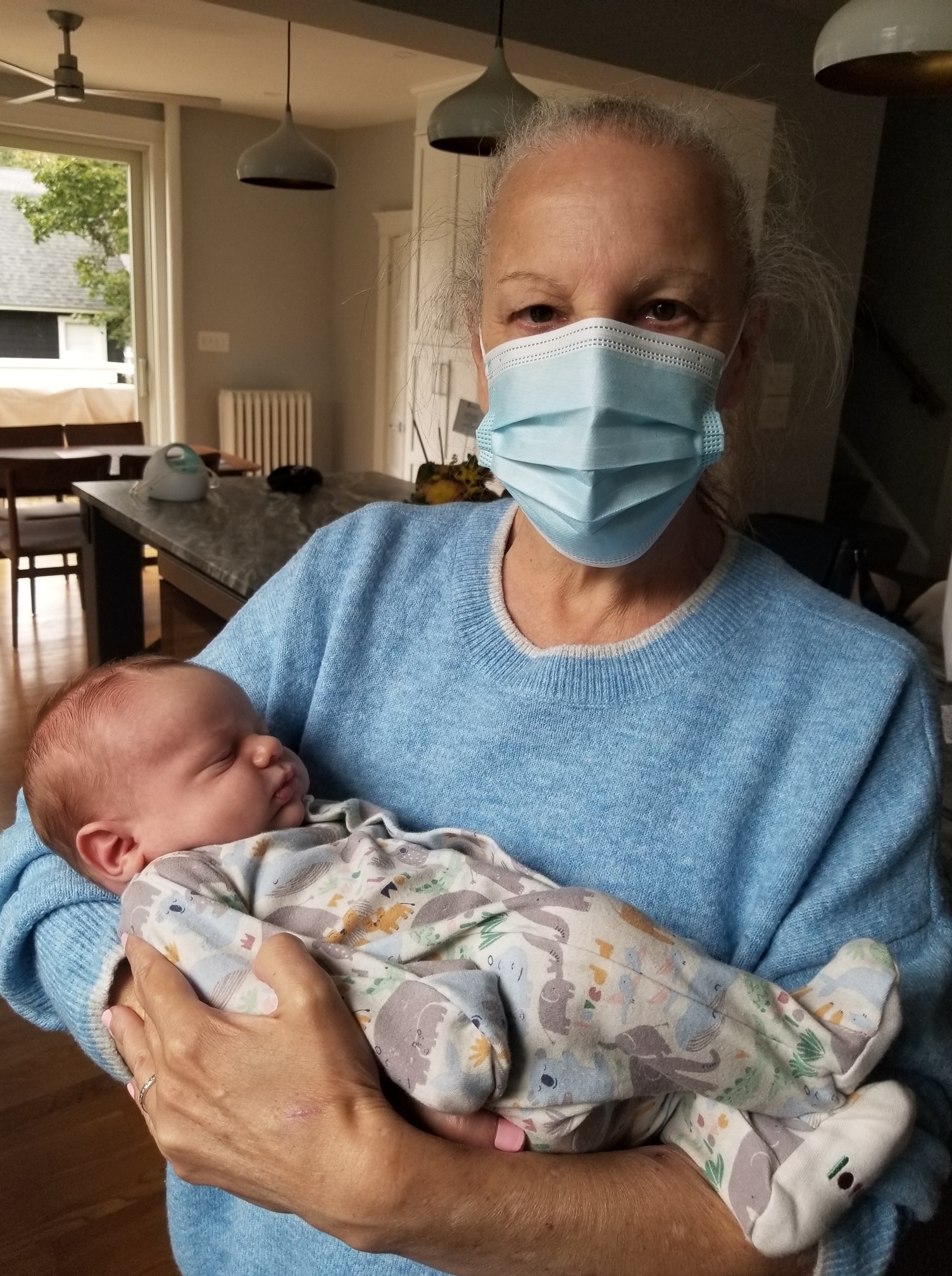
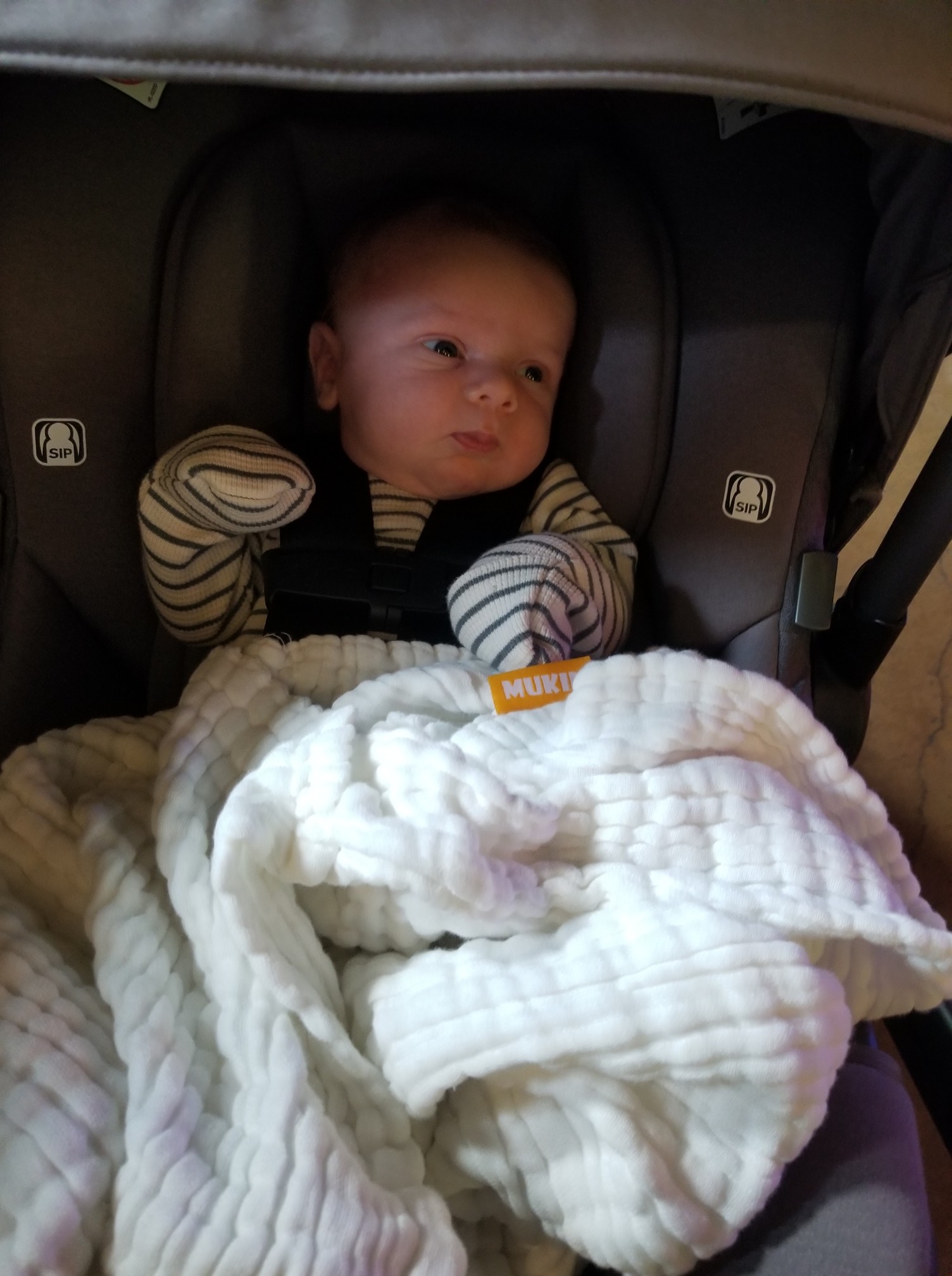
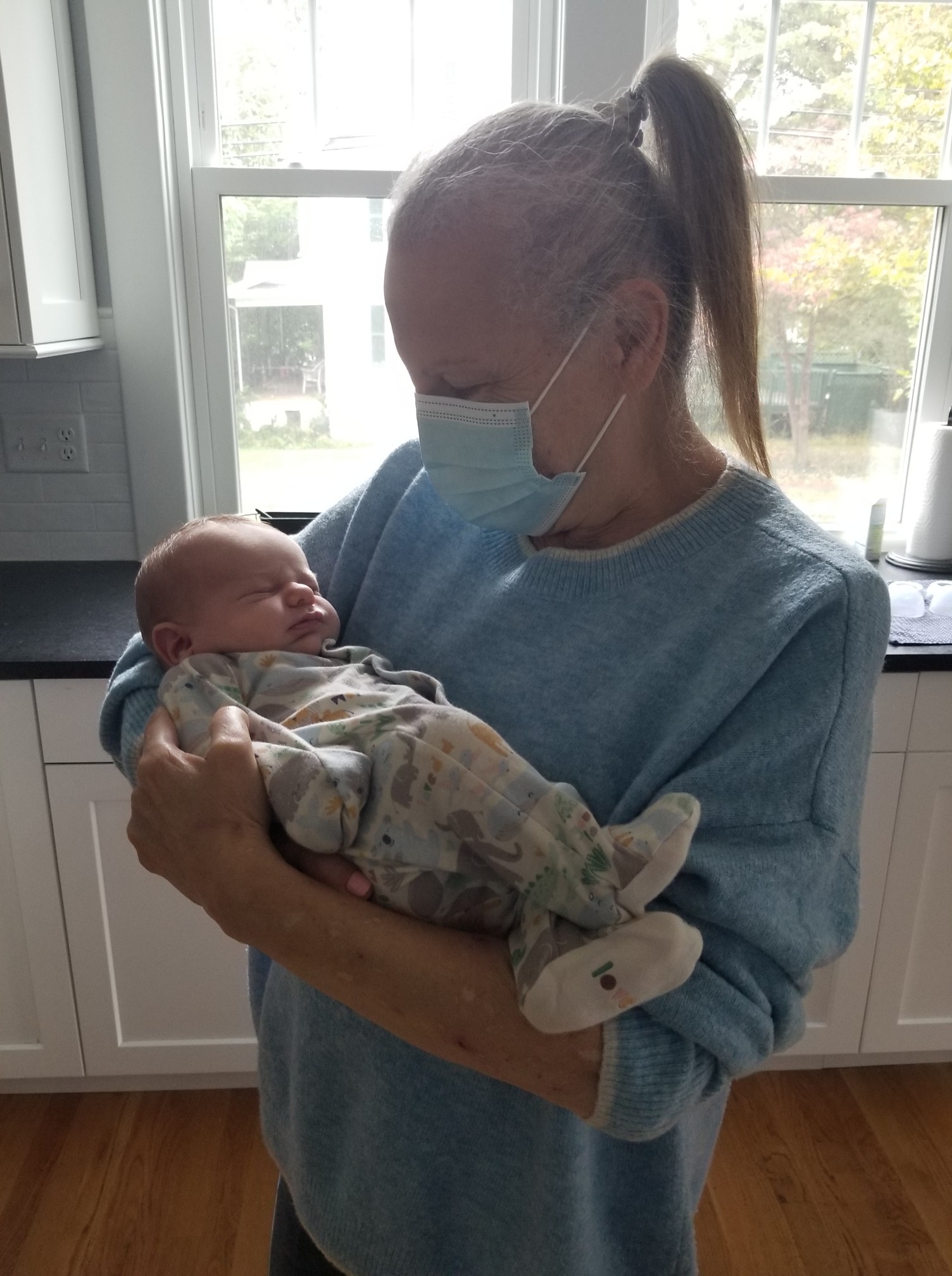
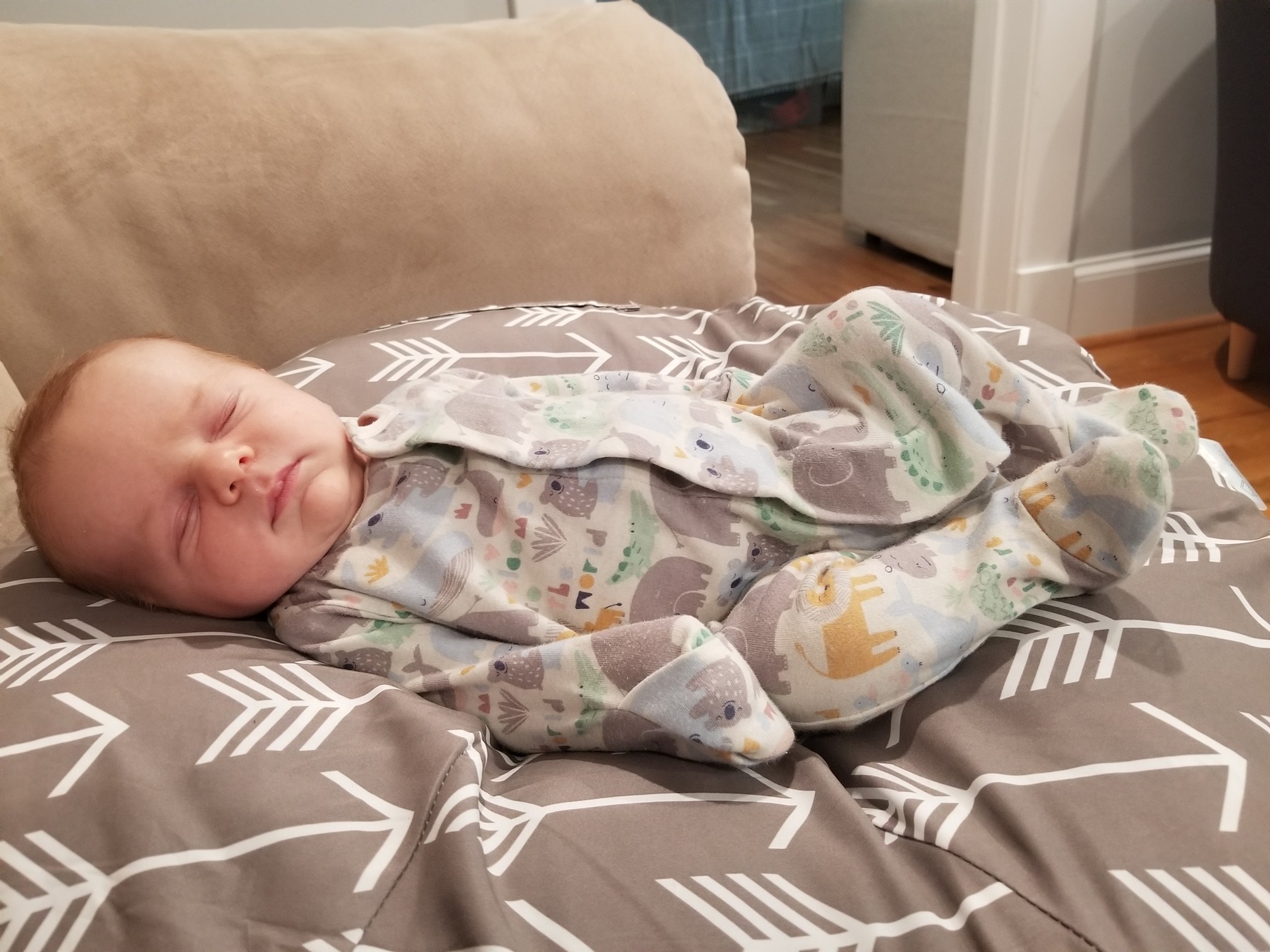
My wife and I recently became grandparents to newborn Baby Jack. We visited my son, his wife and their baby the past week. That is why I have not been as active with blogs lately. It was wonderful to see them and meet the baby. He is a very healthy baby.
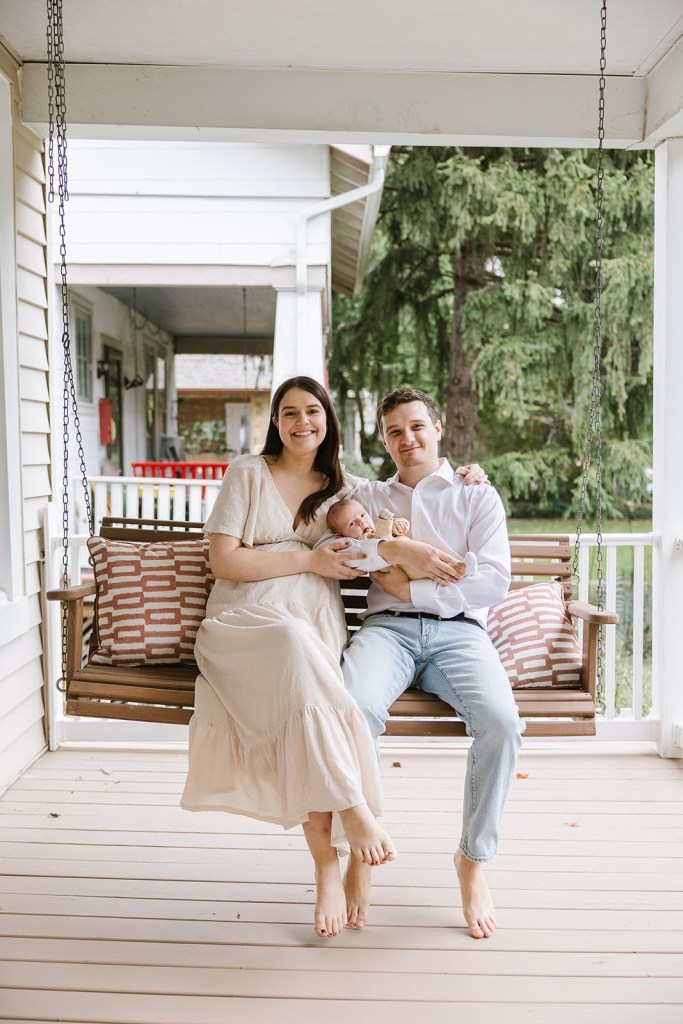
The Wikman family in Baltimore. Jack is the little guy in the middle.
Below is photo collage featuring baby Jack. My wife and I are in the photos too.
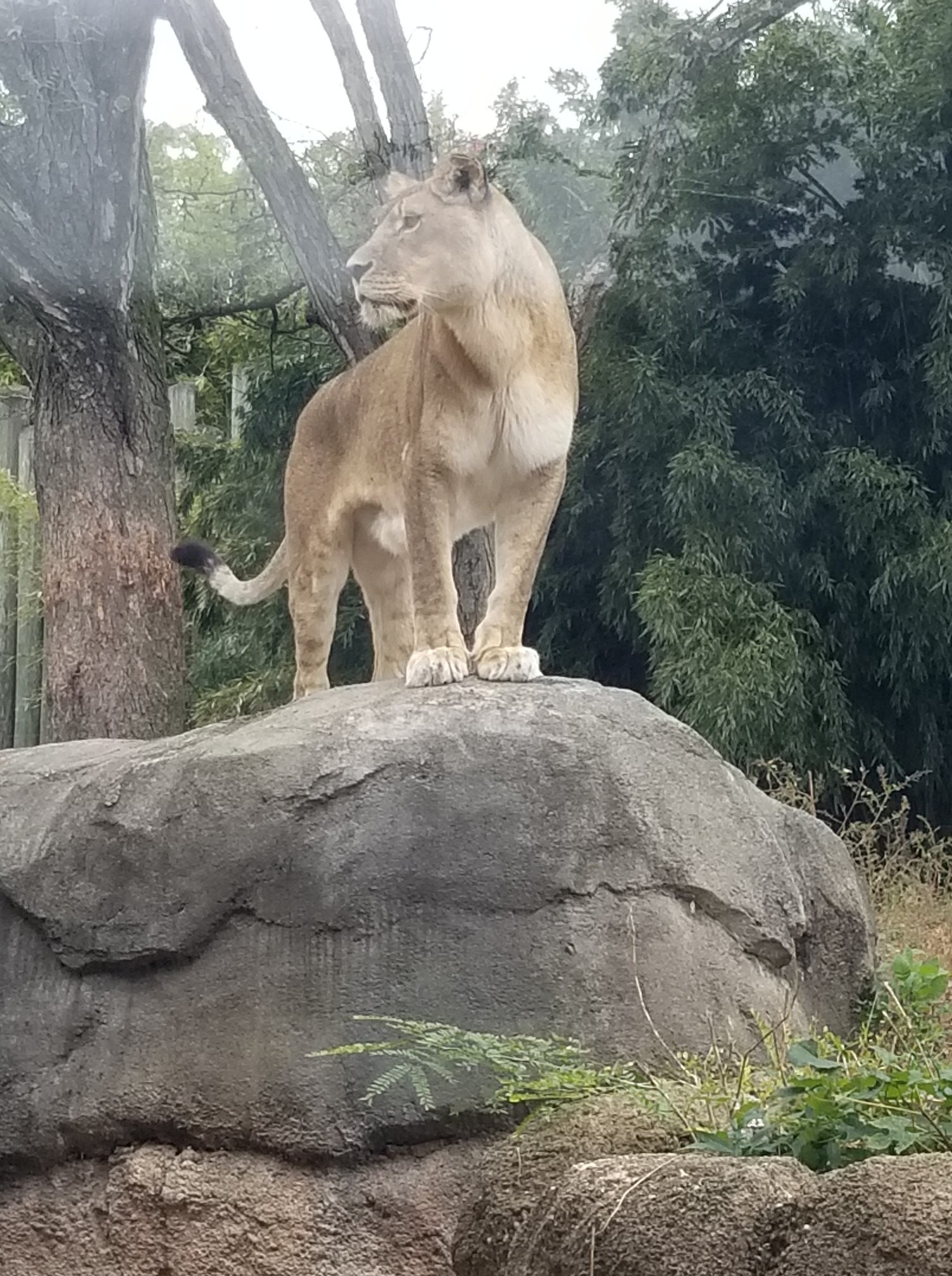
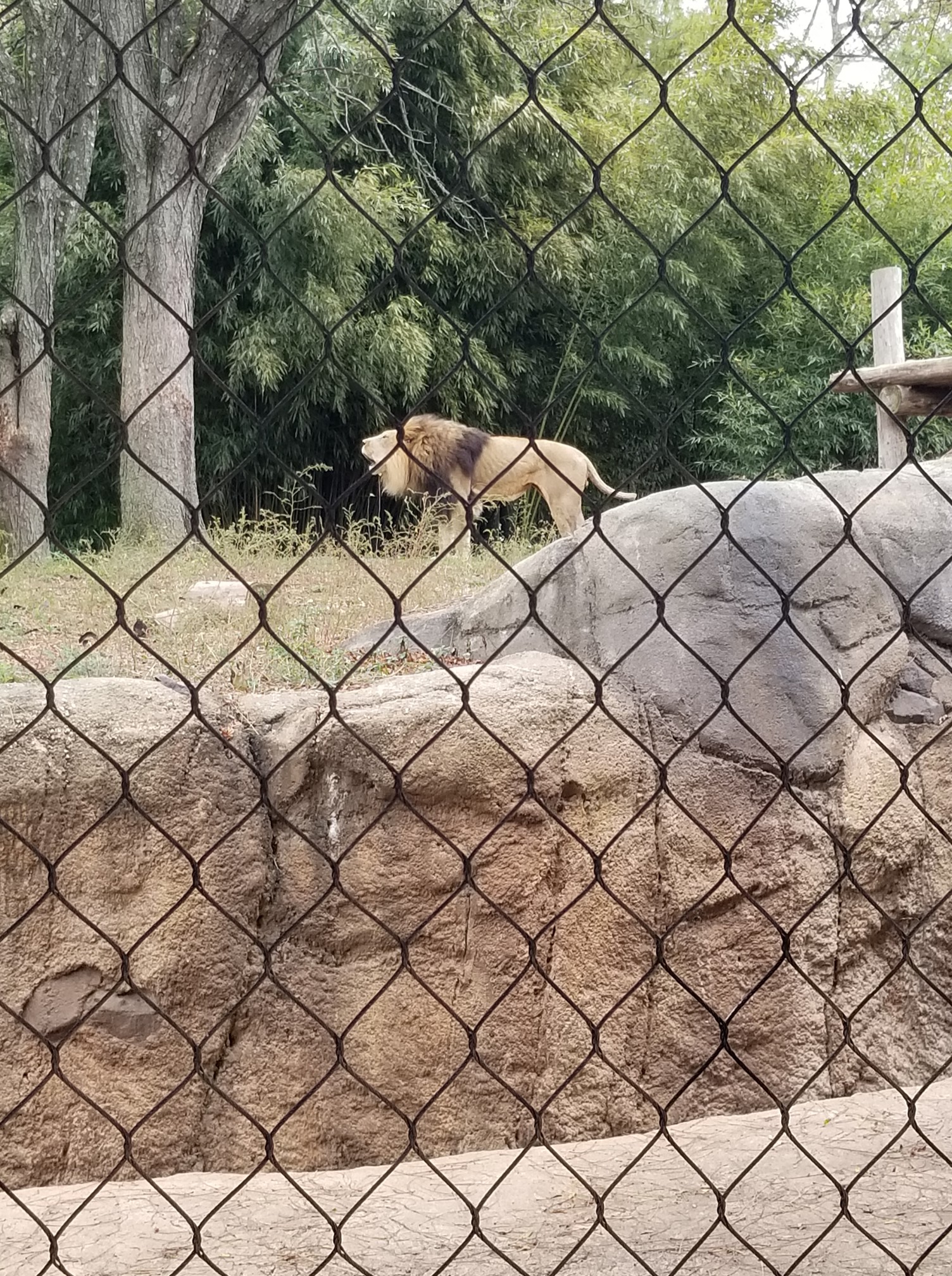
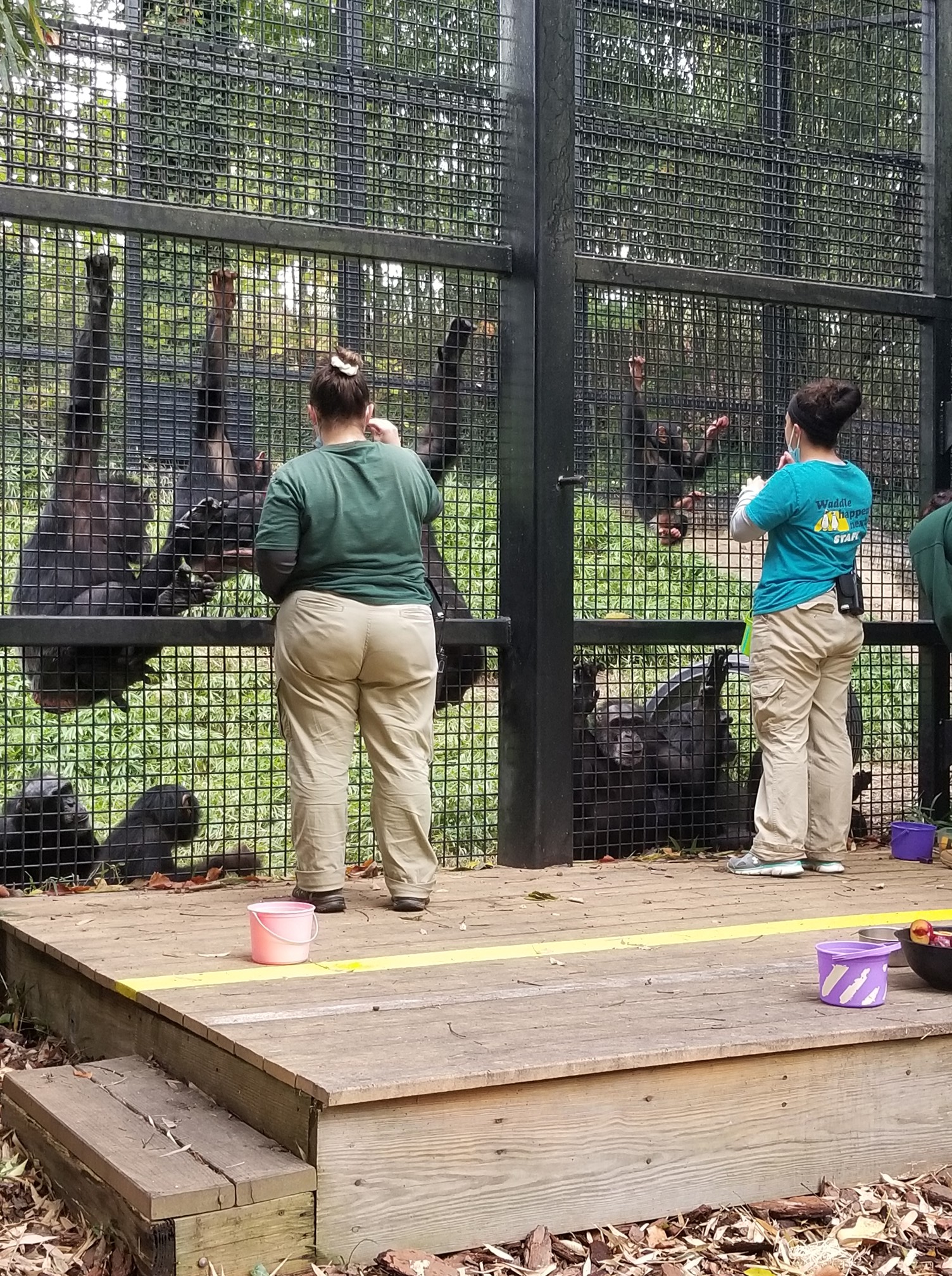
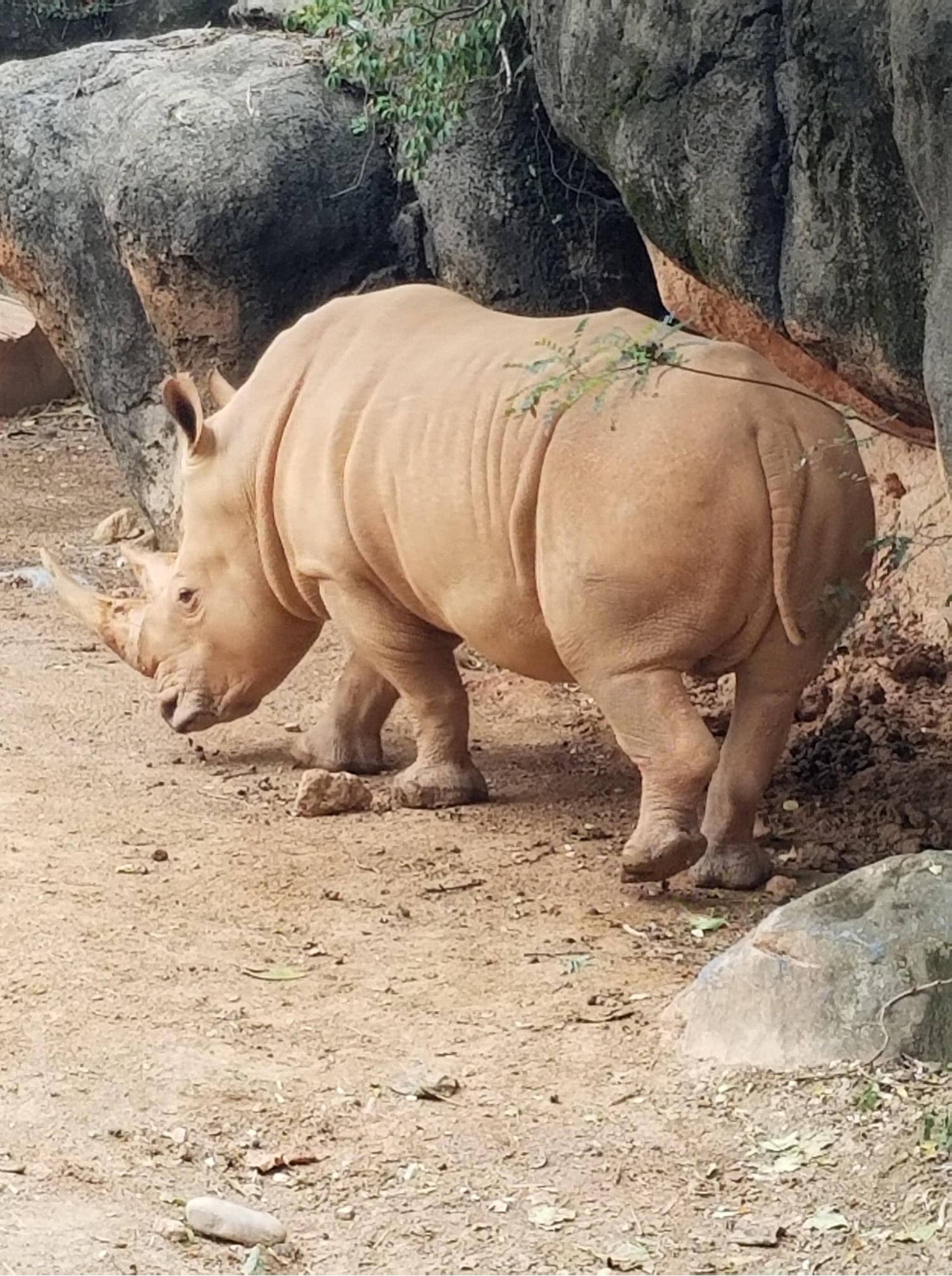
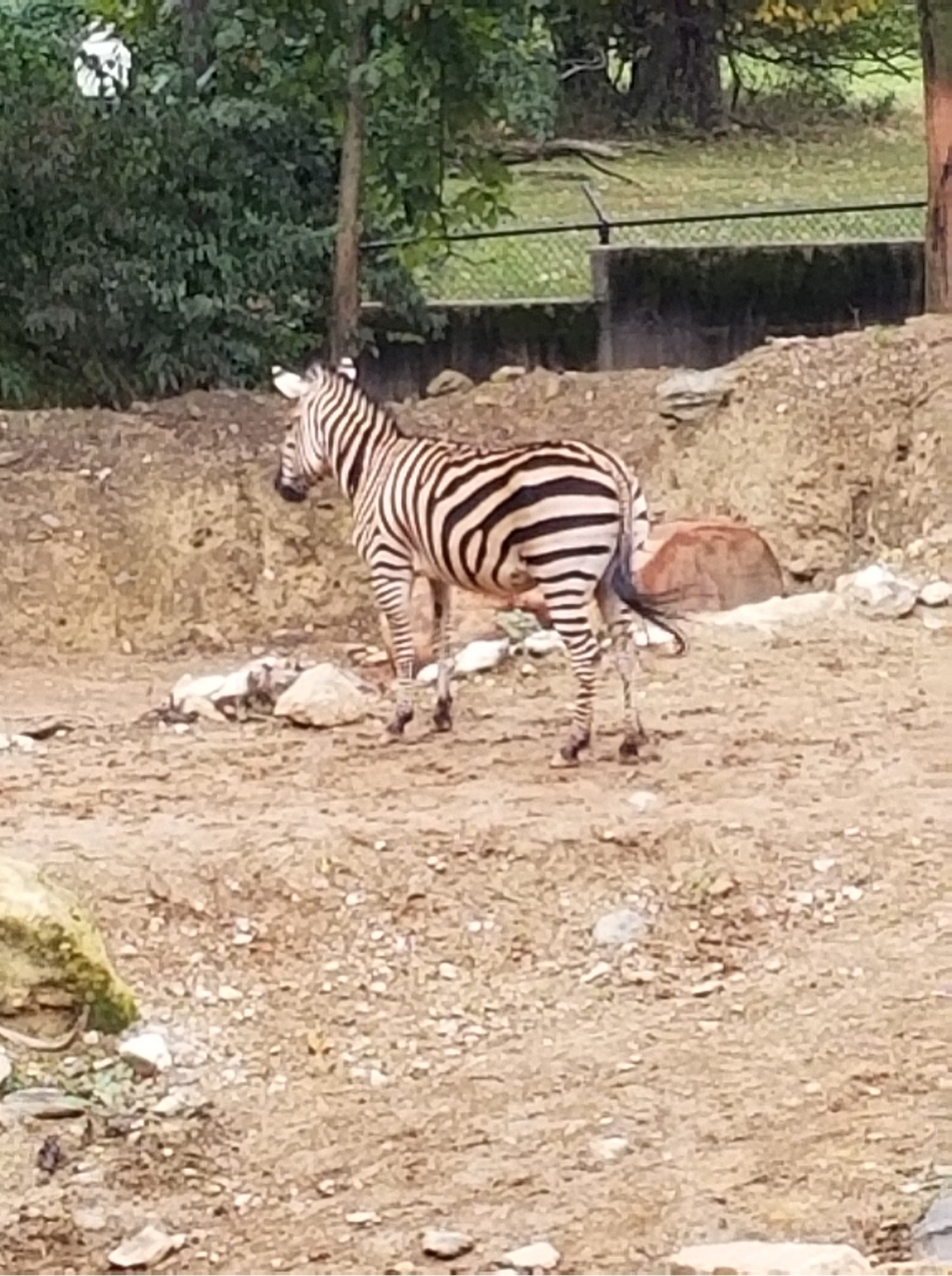
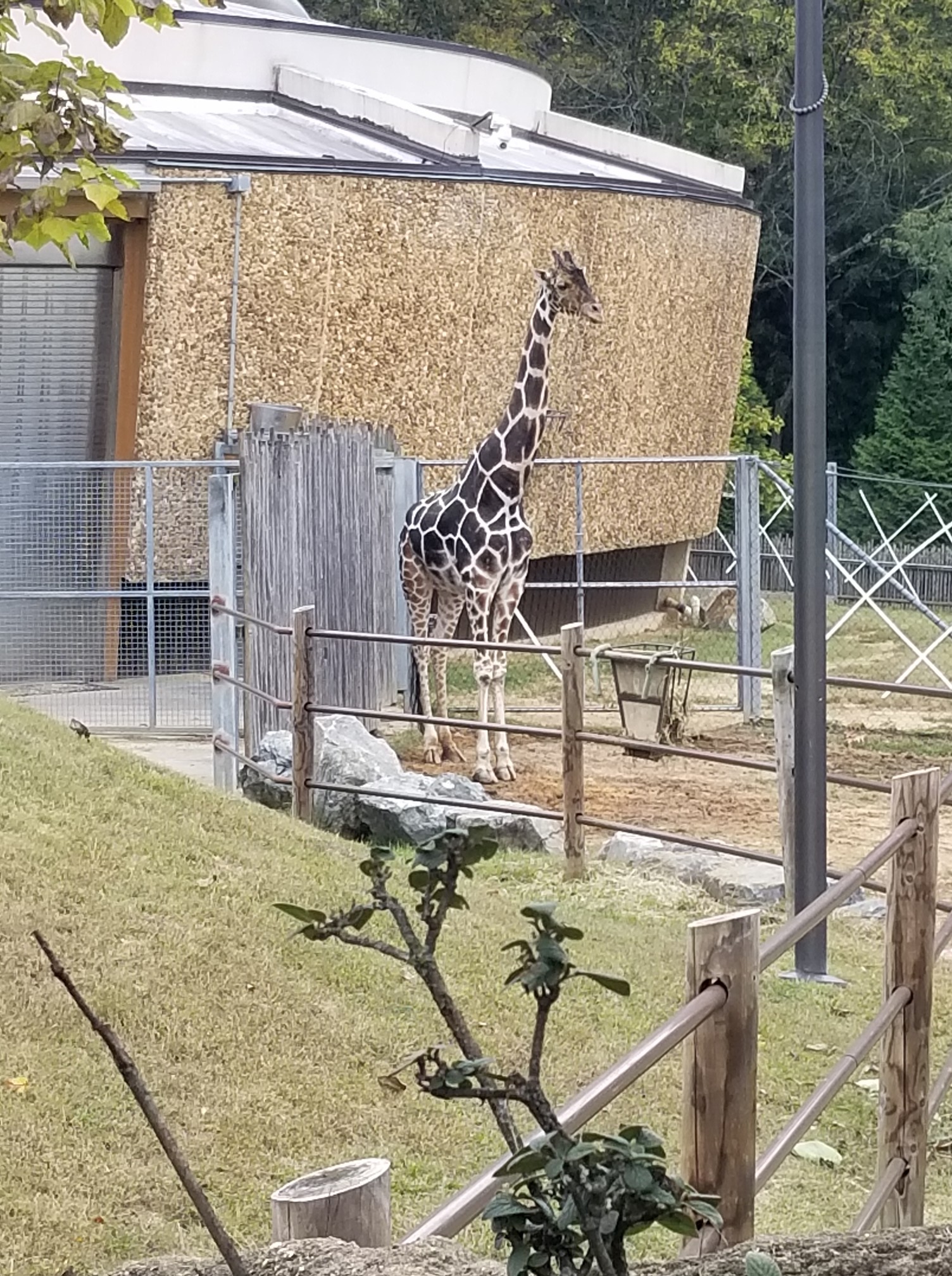
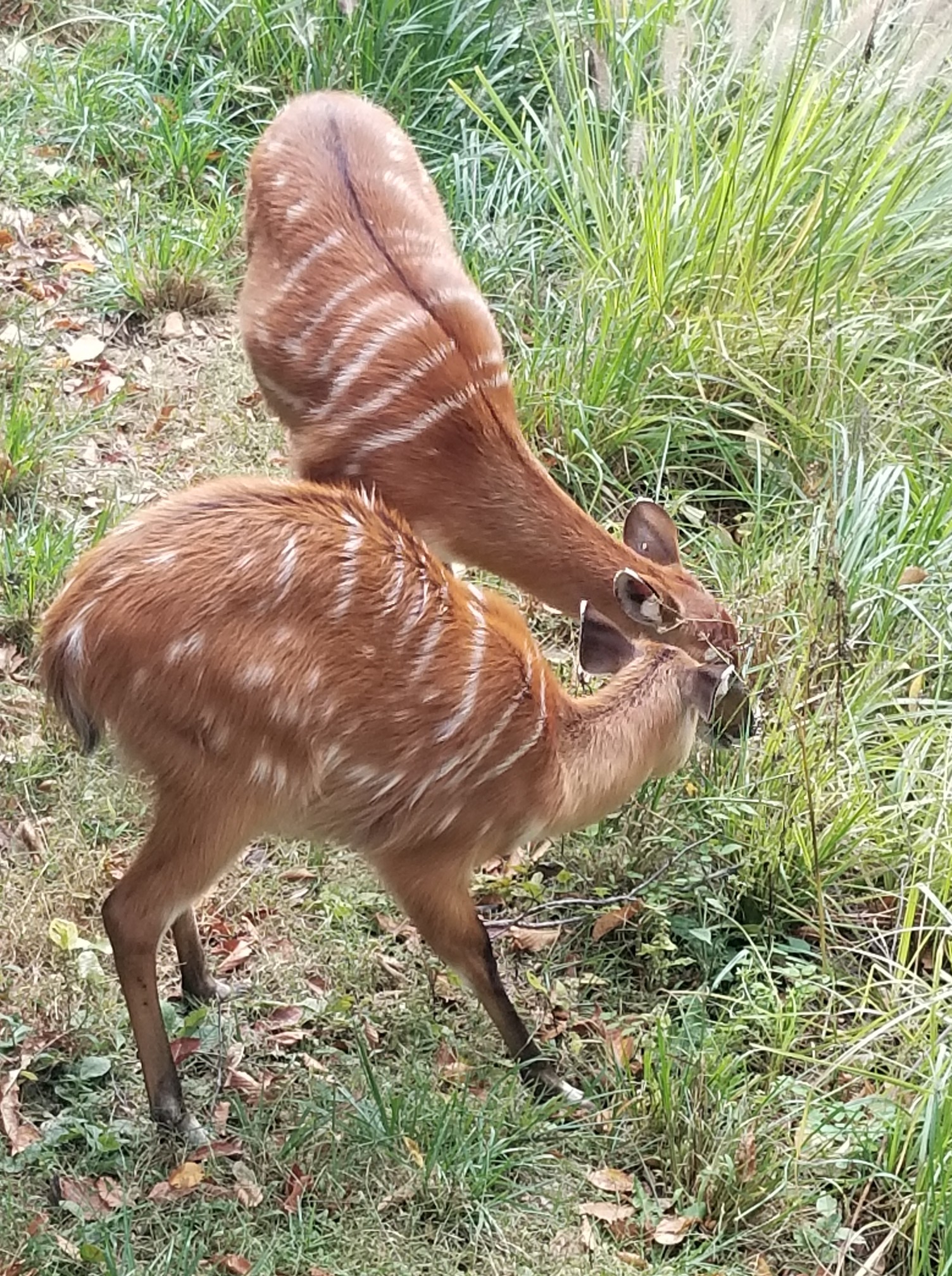
On Tuesday we visited Maryland Zoo. I have also included some animal photos.
This is going to be a short blog post. First, I would like to make an announcement. My wife and I became grandparents for the first time a little bit less than a week ago. The baby’s name is Jack.
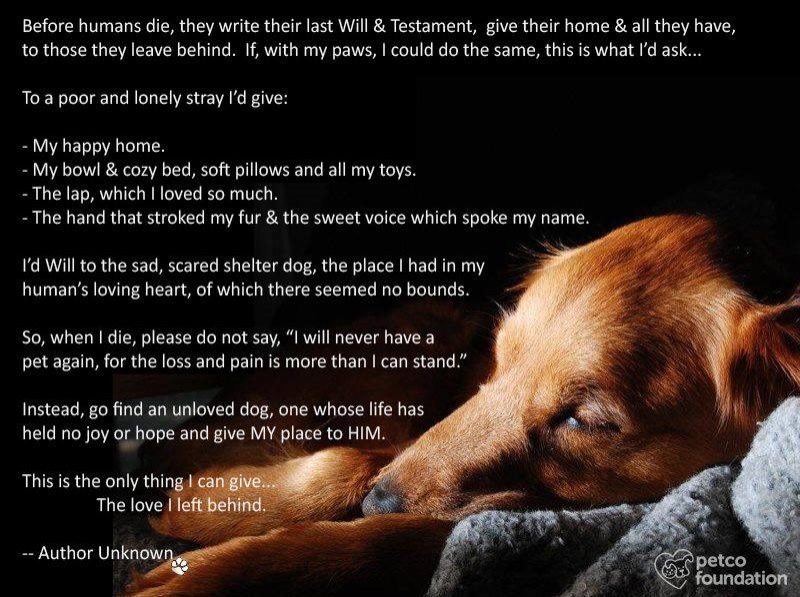
This post is about a dog’s prayer, which I with permission is borrowing from fellow blogger pensitivity101. This post is also related to one of my previous posts : Promises To My Dog.
A dog’s prayer – anonymous author
A Dog’s Prayer
I am typing out the prayer in case it is hard to read the text in the picture.
Before humans die, they write their last Will & Testament, give their home & all they have, to those they leave behind. If, with my paws, I could do the same, this is what I’d ask…
To a poor and lonely stray I’d give:
My happy home
My bowl & cozy bed, soft pillows and all my toys
The lap, which I loved so much
The hand that stroked my fur & the sweet voice which spoke my name
I’d Will to the sad, scared shelter dog, the place I had in my human’s loving heart, of which there seemed no bounds.
So, when I die, please do not say, “I will never have a pet again, for the loss and pain is more than I can stand”.
Instead, go find an unloved dog, one whose life has held no joy or hope and give MY place to HIM.












 Leonberger Life