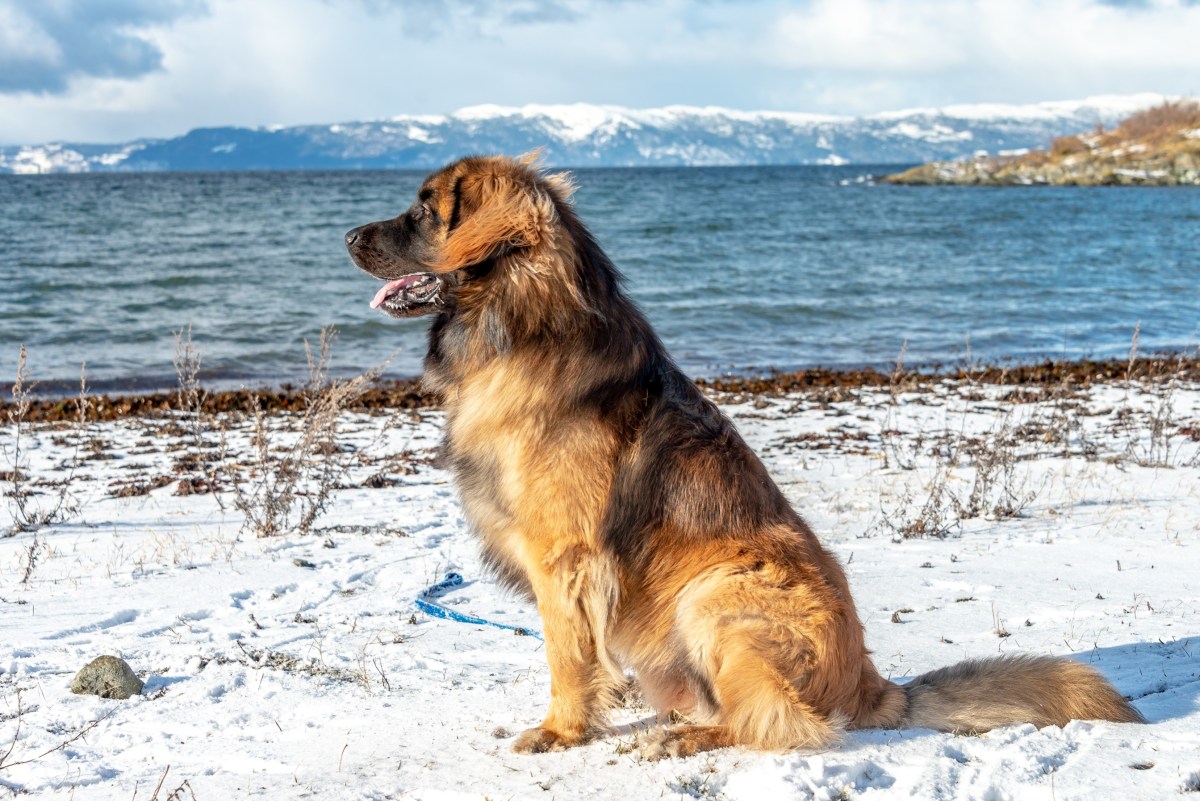
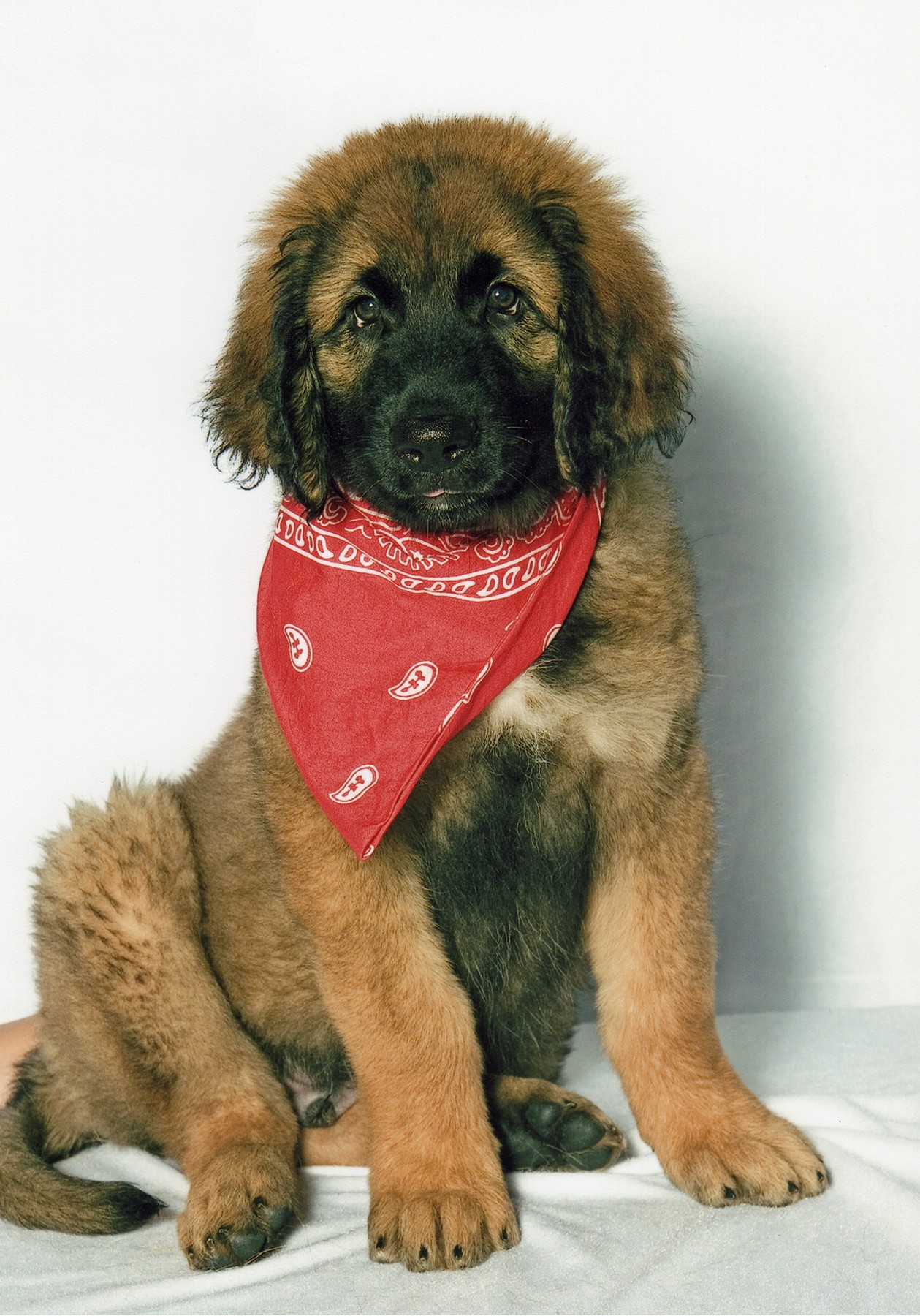
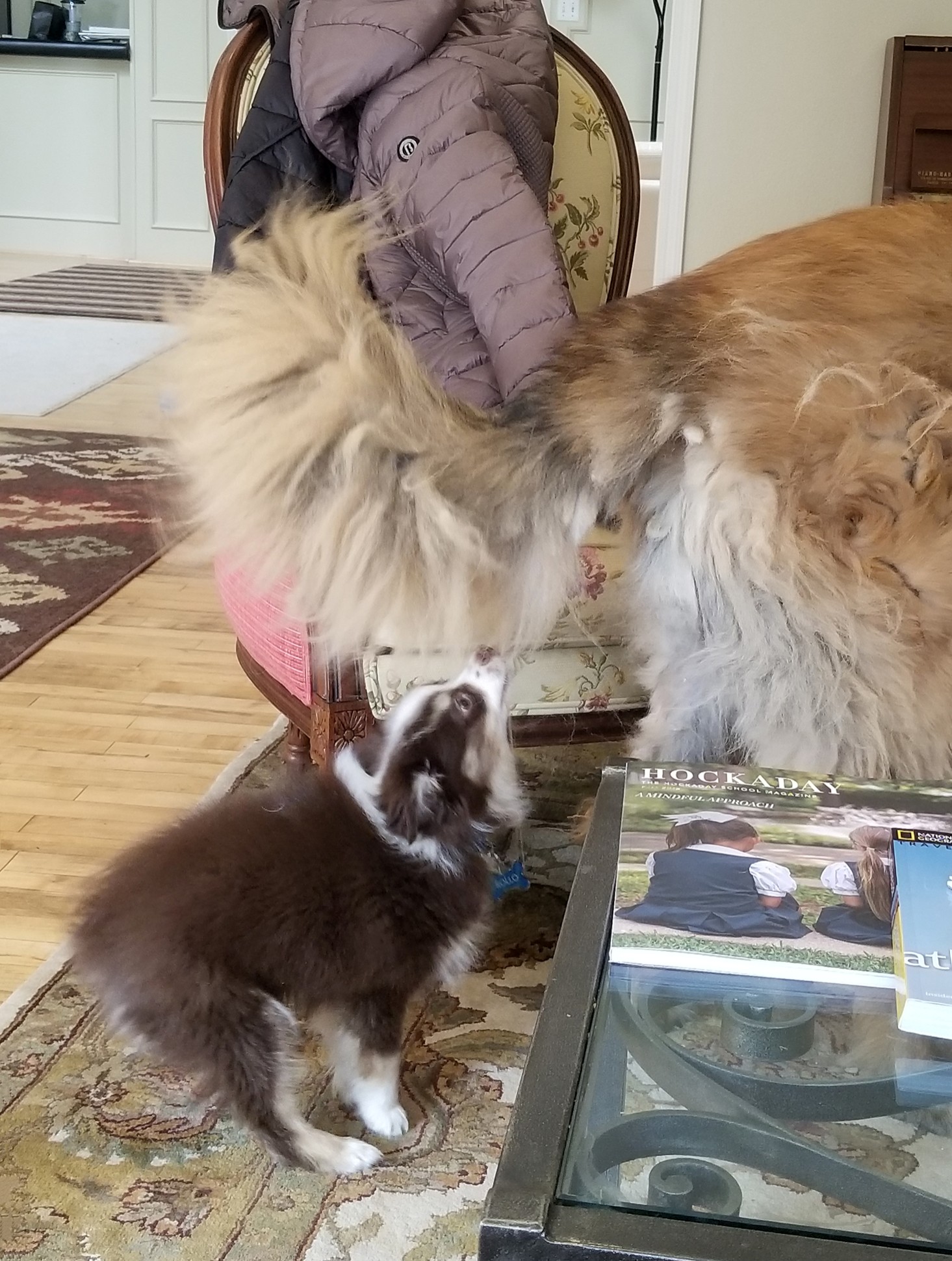
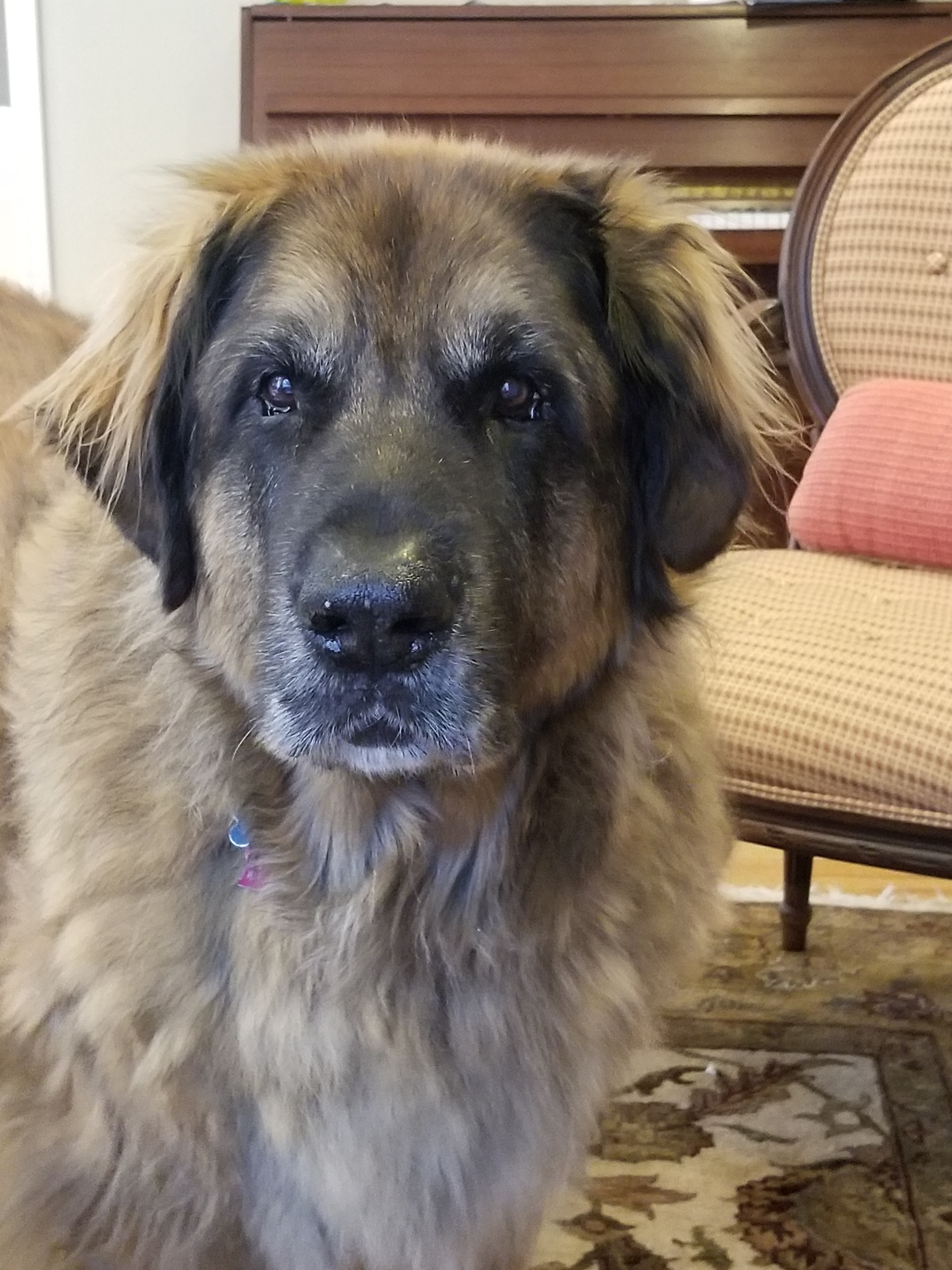
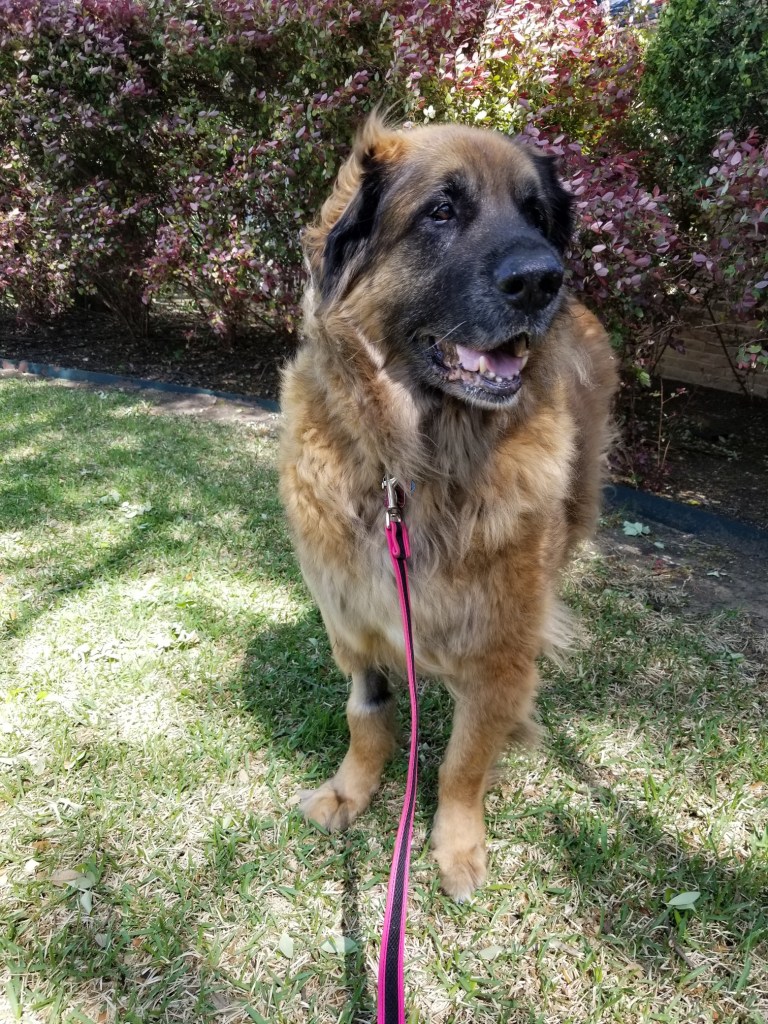
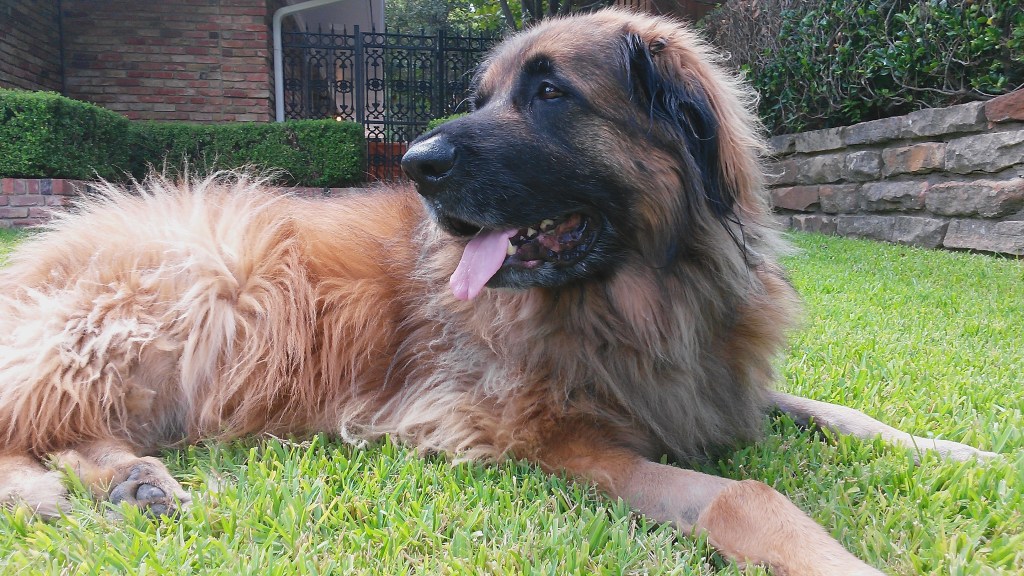
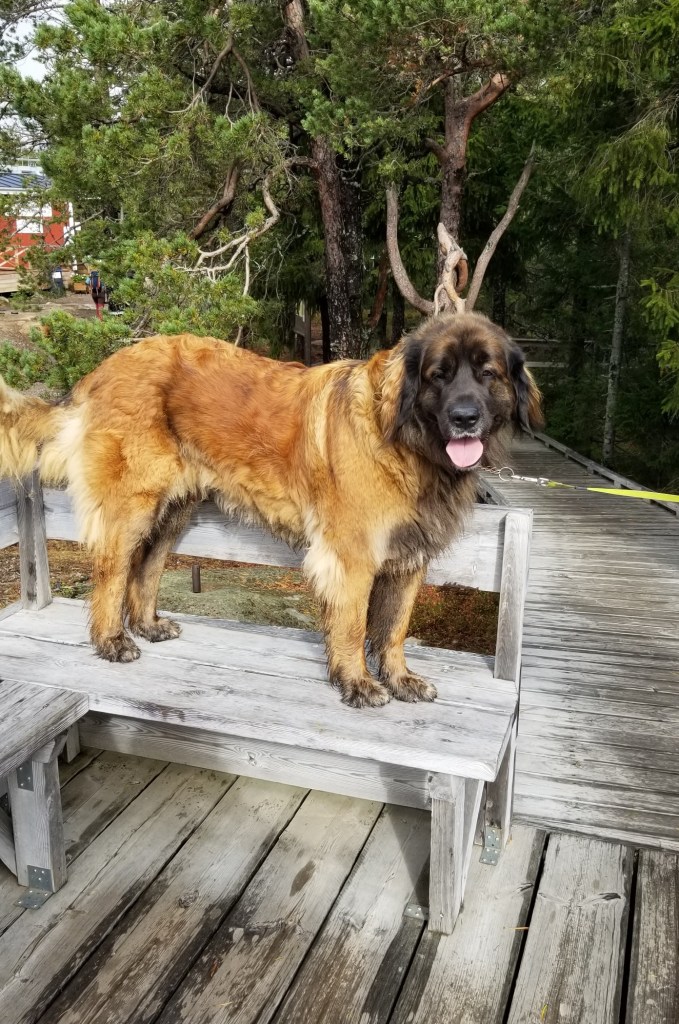
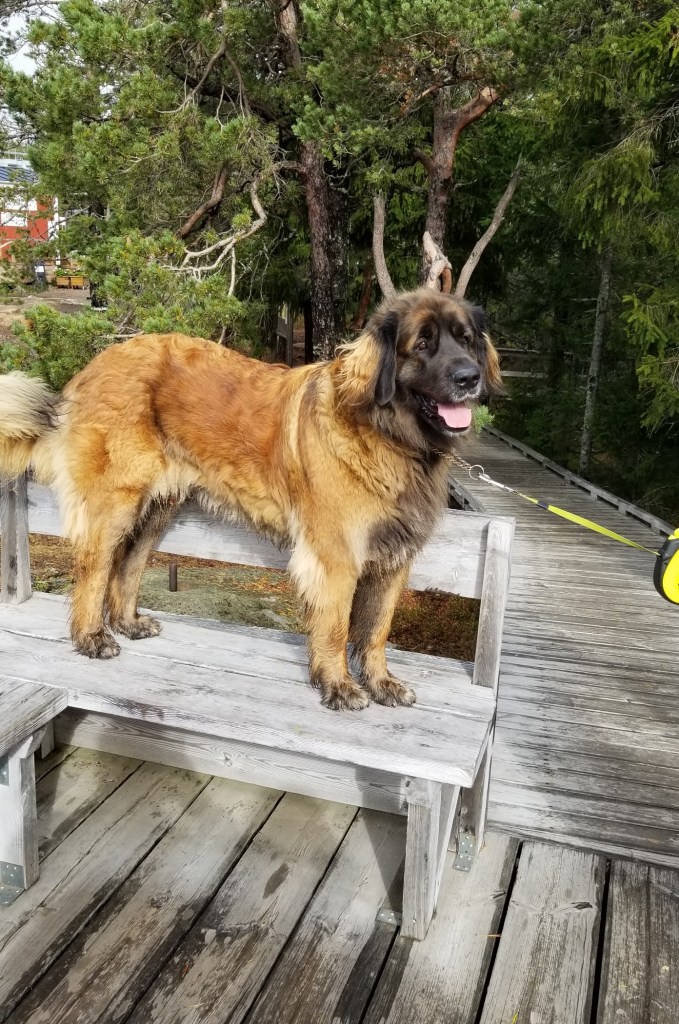
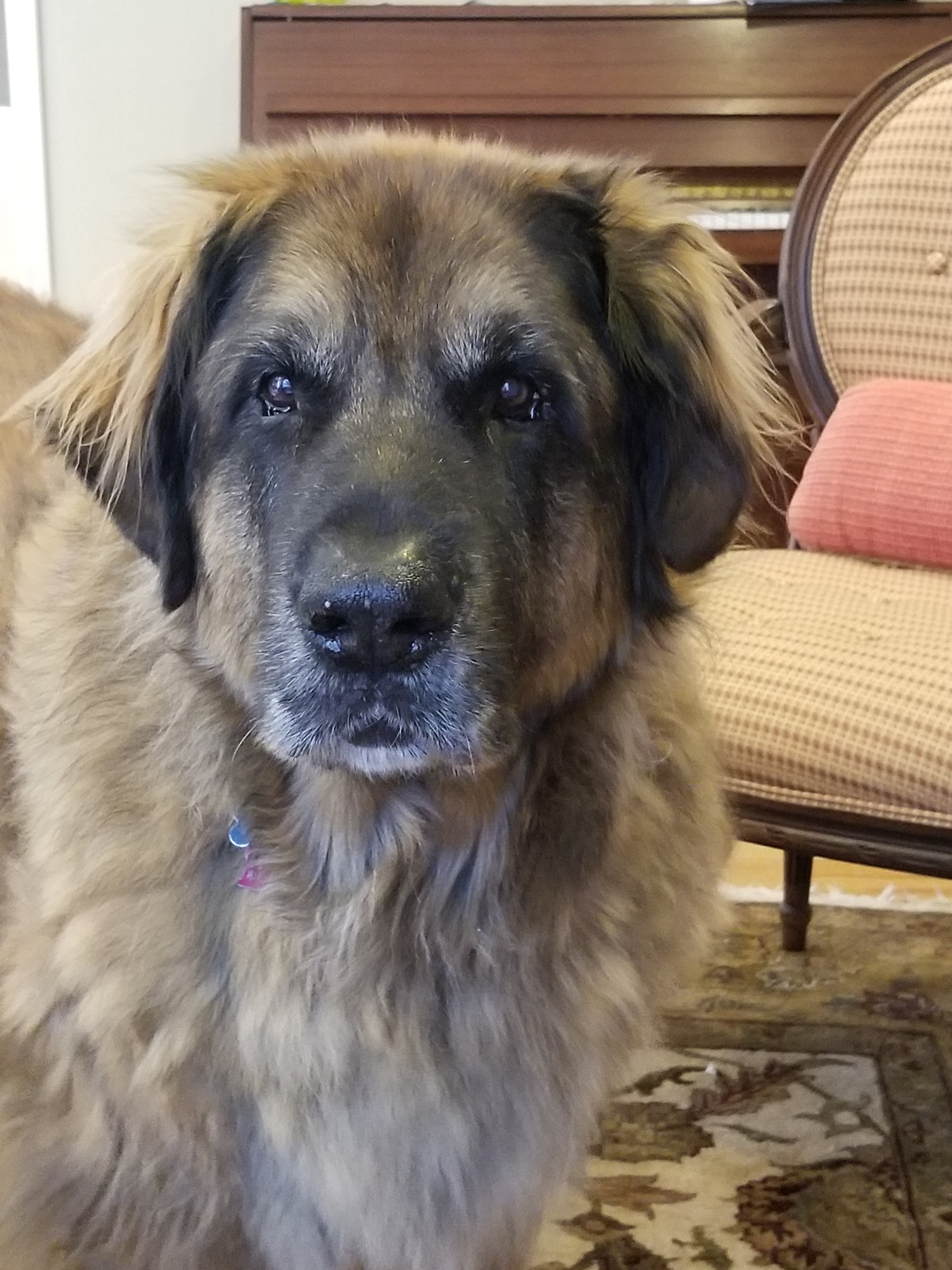
Me and our Leonberger Bronco, my book about him, and other dogs are featured on Smorgasbord Blog Magazine as a Guest Post. The post described how Bronco (and the other dogs) influenced my life. Dogs and other pets can mean so much to us and reshape our lives. Please take a look.
I also would like to thank Alex Diaz-Granados for his wonderful review of my book. It is featured on Smorgasbord Magazine, so you can read it there, but you can also read it here on Amazon.
Check out her blog for lots of great posts which feature recipes, food experiences, travel and awesome nature photography.
As I understand, these are the rules for participating in the Sunshine Award
Display the award’s official logo somewhere on your blog.
Thank the person who nominated you.
Provide a link to your nominator’s blog.
Answer your nominators’ questions.
Nominate up to 11 bloggers.
Ask your nominees 11 questions.
Notify your nominees by commenting on at least one of their blog posts.
Eleven Questions for Me
Below are my answers to Jeanne’s eleven questions.
Question 1 : What’s a hobby you picked up as an adult that you wish you’d started earlier?
Learning French. It is not easy to learn a second language, and it is not easier when you are older. I started learning French when I was almost 60 and a few years later, I am still working on it. I should say English is also a second language for me (Swedish is my native language). However, it is a lot easier to become fluent when you are embedded among native speakers.
Question 2 : If you could invite three fictional characters to dinner, who gets a seat?
I think that would be Asterix, Obelix, and their little dog Idéfix, or as he is called in English Dogmatix. For those who don’t know, they are characters from one of the most successful French Bande Dessinée in history. The comic takes place during the Roman occupation of Gaul, what was then France. When I was a kid, I loved this comic strip and had pretty much all the albums.
Question 3 : What’s the most ridiculous thing you believed as a kid that you maybe… held onto a little too long?
When I was a kid, I and other kids in the neighborhood believed that there lived a witch in the forest next to our neighborhood. The witch was dangerous and ate children. We used to throw stones and scream into the forest to scare the witch. Another ridiculous thing was that I believed that planet Earth was 6,000 years old and that evolution was a hoax. I held that belief until I was almost 20.
Question 4 : What’s a movie or show you can quote without trying?
Interstellar and Annihilation. For example, the quote from interstellar “When you become a parent, one thing becomes abundantly clear. And that’s that you want to make sure your children feel safe”. “Once you’re a parent, you’re the ghost of your children’s future”.
Question 5 : Describe a habit you’re proud of building over the past year?
This year I am taking exercise more seriously and I am going to the gym several times per week.
Question 6 : What’s a small daily ritual that genuinely makes your life better?
I drink coffee and I floss every day, and I think those two daily rituals make my life better.
Question 7 : Share a memory that still makes you laugh, even years later.
We used to tell our kids “Why did the ….” jokes like “Why did the scarecrow win an award? Because he was outstanding in his field!” One day our 3 year old son had a “Why did the ….” Joke” too, so I listened. He said, “why did the elephant go to the store?” and I said “no why”, and he said, “to buy a moped”. The joke didn’t really work but it was so unexpected and silly that I started laughing and he thought that he had made a really great joke. It’s a funny memory.
Question 8 : If you could have a blog post, go viral, which one would you want it to be?
Question 9 : Is there a meal you can cook from memory without a recipe. You can just walk into the kitchen and create something.
Pancakes, waffles, ham and cheese sandwiches, grilling hot dogs and put ketchup and mustard on them. OK I guess that is not very challenging. However, I can brew IPAs without following a recipe as long as I have the ingredients and I know which hops are used for flavoring and which are used for aroma.
Question 10 : Tell us about something you’re looking forward to in the next few months.
At the end of May, we will visit our grandson Jack again. He is our first grandson, and he lives with his parents (my son and his wife) in Baltimore. We have decided that we are going to go fishing.
My son fishing with his son Jack.
Question 11 : You’re invited to my house for dinner. What should I cook?
What ever you like, but Swedish meatballs would work.
Here are my questions for my nominees:
For my nominees I am going to do the same as Jeanne, answer the same questions from above, but you can also pick an alternative from the questions below. So, basically you can pick one of two alternatives for each question.
Question 1 : What’s your favorite movie(s)?
Question 2 : What is something you’ve done or experienced that is unusual?
Question 3 : What’s one thing you’ve always wanted to try but haven’t yet?
Question 5 : If you could live anywhere in the world, where would it be and why?
Question 6 : What’s your favorite way to spend a weekend or a day off?
Question 7 : What’s something you wish more people understood about you?
Question 8 : What’s your go-to comfort food or favorite meal?
Question 9 : If you could have dinner with any three people (dead or alive), who would they be?
Question 10 : What’s the best piece of advice you’ve ever received?
Question 11 : What kind of music are you into?
Ten New Victims
Below are my nominees. Naturally, whether you participate or not is entirely up to you. I do not have any particular expectations, and I fully understand if you are not up to it.
The focus of this blog is Leonbergers including Leonberger book reviews. However, sometimes I post about books that are not about Leonbergers but that are books on other topics that I love and want to promote. This time the book is Fringes, Heartstrings and Lyrics by Jan Sikes (Author), Rick Sikes (Author), Sydney Klein (Author), Dianne Rich (Editor). Below I am giving an overview of the two formats for the book (I bought the paperback edition).
Paperback Edition – Publisher : RiJan Publishing (April 7, 2026), ASIN : B0GVJ3NP9D, ISBN-13 : 979-8998613111, 221 pages, Item Weight : 10.7 ounces, dimensions : 5 x 0.5 x 8 inches, it cost $ 9.99 on US Amazon. Click here to order it from Amazon.com.
Kindle Edition – Publisher : RiJan Publishing (April 7, 2026), ASIN : B0GRWQC3SH, 146 pages. It is currently $2.99 on Amazon or free with kindle unlimited. Click here to order it from Amazon.com.
Front cover of Fringes, Heartstrings and Lyrics. Click on the image to go to the Amazon page for the paperback edition of the book.
Amazon’s Description of Fringes, Heartstrings and Lyrics
At the edge of the world, and the center of the heart, you’ll find stories that linger.
Fringes explores dystopian futures where survival is uncertain and hope is fragile, a place where humanity is pushed to its limits.
Heartstrings turns toward the warmth of love, resilience, and second chances.with stories to remind us that the human spirit endures.
Lyrics captures life in poetry—moments of longing, faith, and deep reflection .
From chilling possibilities to comforting truths, Fringes, Heartstrings & Lyrics is a genre-blending collection of short fiction and poetry that will make you think, feel, and return again and again.
This book contains a collection of short stories and towards the end there are poems and short stories written by the author’s late husband and her granddaughter. This is certainly a very talented family of authors. The first part of the book feature stories that are dark, captivating but dystopian, which is something I like. One of the stories describe a future American society ravaged by extreme division and violence as well as an authoritarian regime. This story explains how one group of people survives and finds peace.
It struck me how easily this could happen. While reading this story I remembered reading another author’s description of when civil war broke out in his country. There were tensions and divisions but neighbors and friends across the divides still got along. This ended very quickly and neighbors were suddenly no longer neighborly and friends across the divides became enemies. The dystopian future described in the story is very possible.
The second part of the book feature stories about relationships and the choices we make in life. Some stories tell stories about unselfishness, love, and compassion, and people making good choices, while other stories tell stories about people making bad decisions as in Insatiable Hunger and a couple of more stories. This reminded me of a quote by the psychologist Dr. Ventress in the movie Annihilation “almost all of us self-destruct, in some way, in some part of our lives. We drink, we smoke, we destabilize a good job, or a happy marriage.” These stories are often partially based on real events and are very realistically and compellingly told. Lastly, the lyrical short stories and poems in the last part of the book are thought provoking and very beautiful.
In summary, this book is filled with engrossing and very well written stories and poems. It was a very enjoyable read and I highly recommend it.
Back cover of Fringes, Heartstrings and Lyrics. Click on the image to go to the kindle edition of the book.
About one of the authors, Jan Sikes
I’ve been an avid reader all my life. There’s nothing I love more than losing myself in a story.
Oddly enough, I had no ambition to be a writer. But I wound up in mid-life with a story that begged to be told. Not just any story, but a true story that rivaled any fiction creation.
Through fictitious characters, the tale came to life in an intricately woven tale that encompasses four books. Not satisfied to stop with the books, I released music CDs of original music matching the time period of each story segment. In conclusion, to bring the story full circle, I published a book of poetry and art. I was done.
Wrong!
The story ideas keep coming, and I don’t intend to turn off the creative fountain. I have now written numerous short stories, a series of paranormal romances and a series of historical fiction.
I love all things metaphysical and often include those aspects in my stories.
I am an dedicated fan of Texas music and grandmother of five beautiful souls. I reside in North Texas.
A professional content writer by the name of Ryan Goodchild contacted me about me posting a Leonberger related post he had written on my Leonberger blog, which I am certainly happy to do. The title is “How to Take Stunning Photos and Videos of Your Leonberger Dog”. I should mention that I used my Samsung Galaxy phone to take less than professional photos of our Leonberger. I’ve included a few photos of our Leonberger below, but most of the photos are from friends or stock photos. However, me not having many great photos that I took myself, won’t stop you from learning how to take great photos. See the article below. While Ryan did all the writing, I added photos.
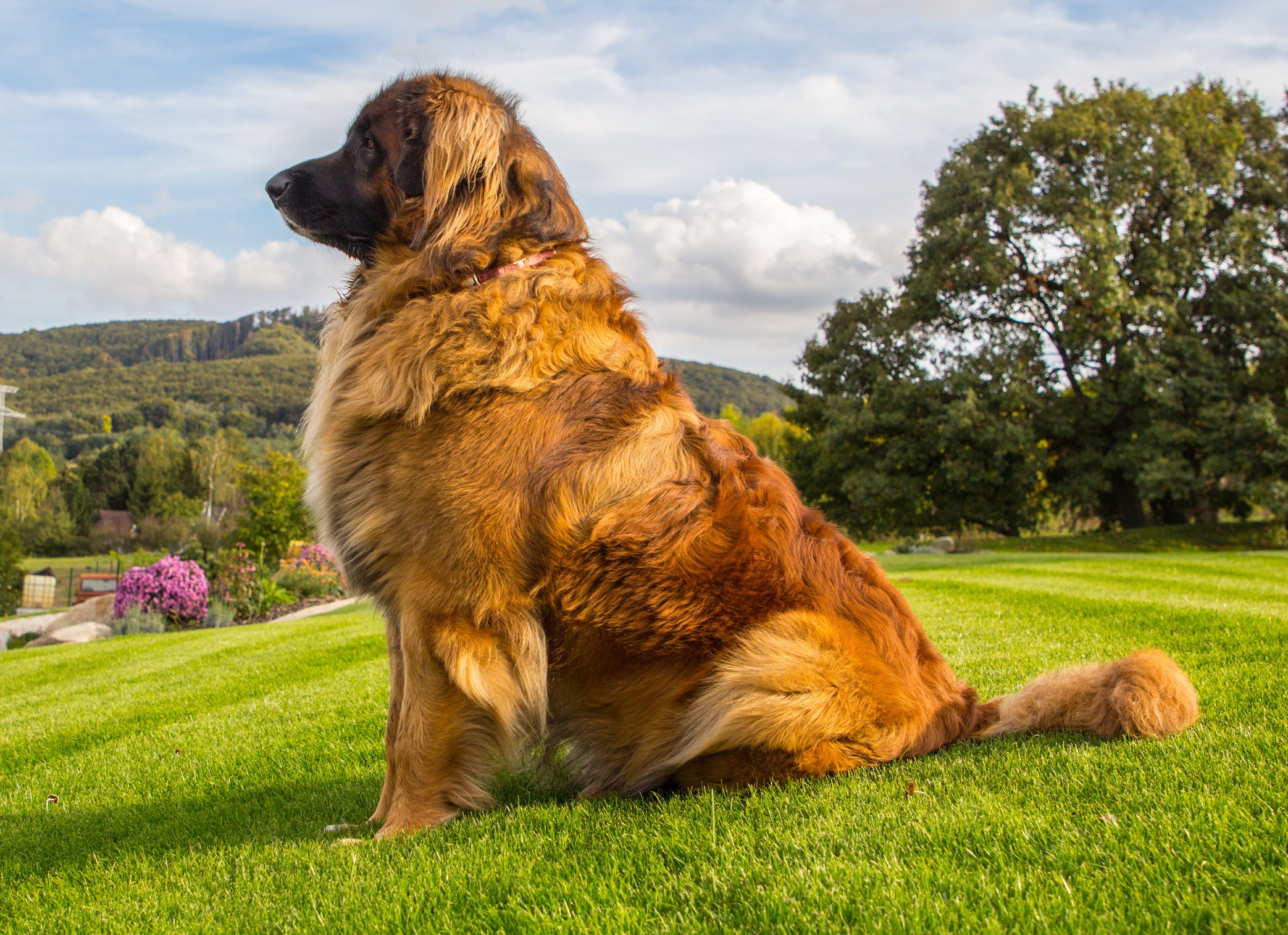
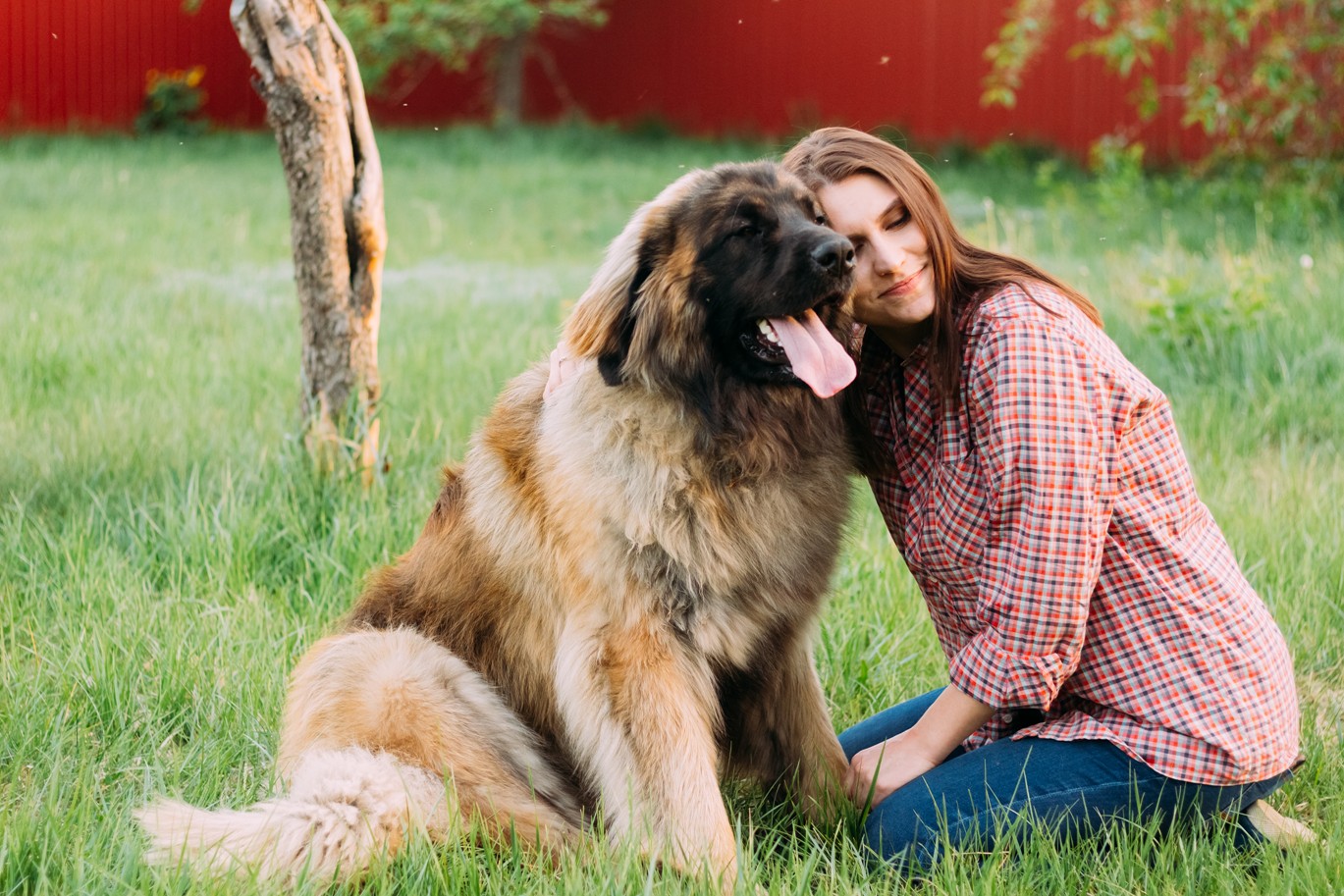
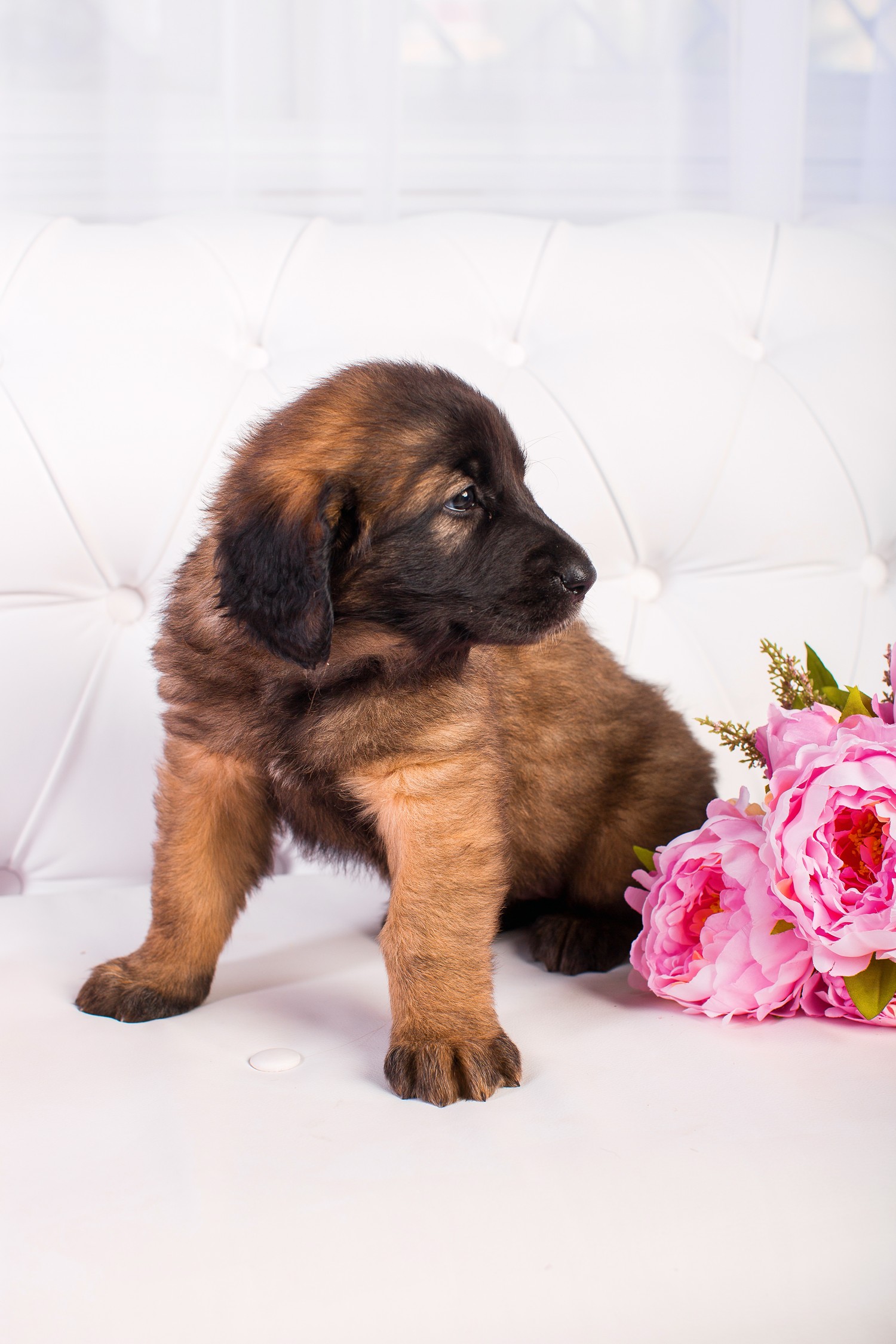
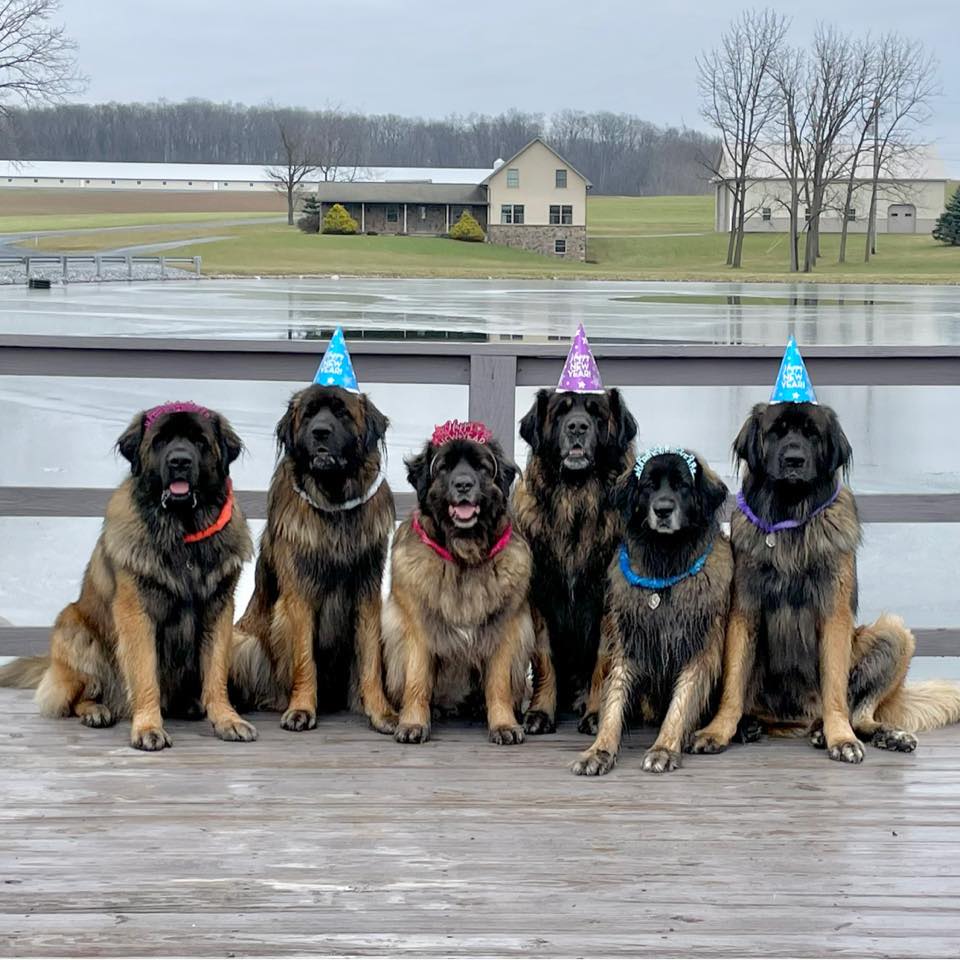
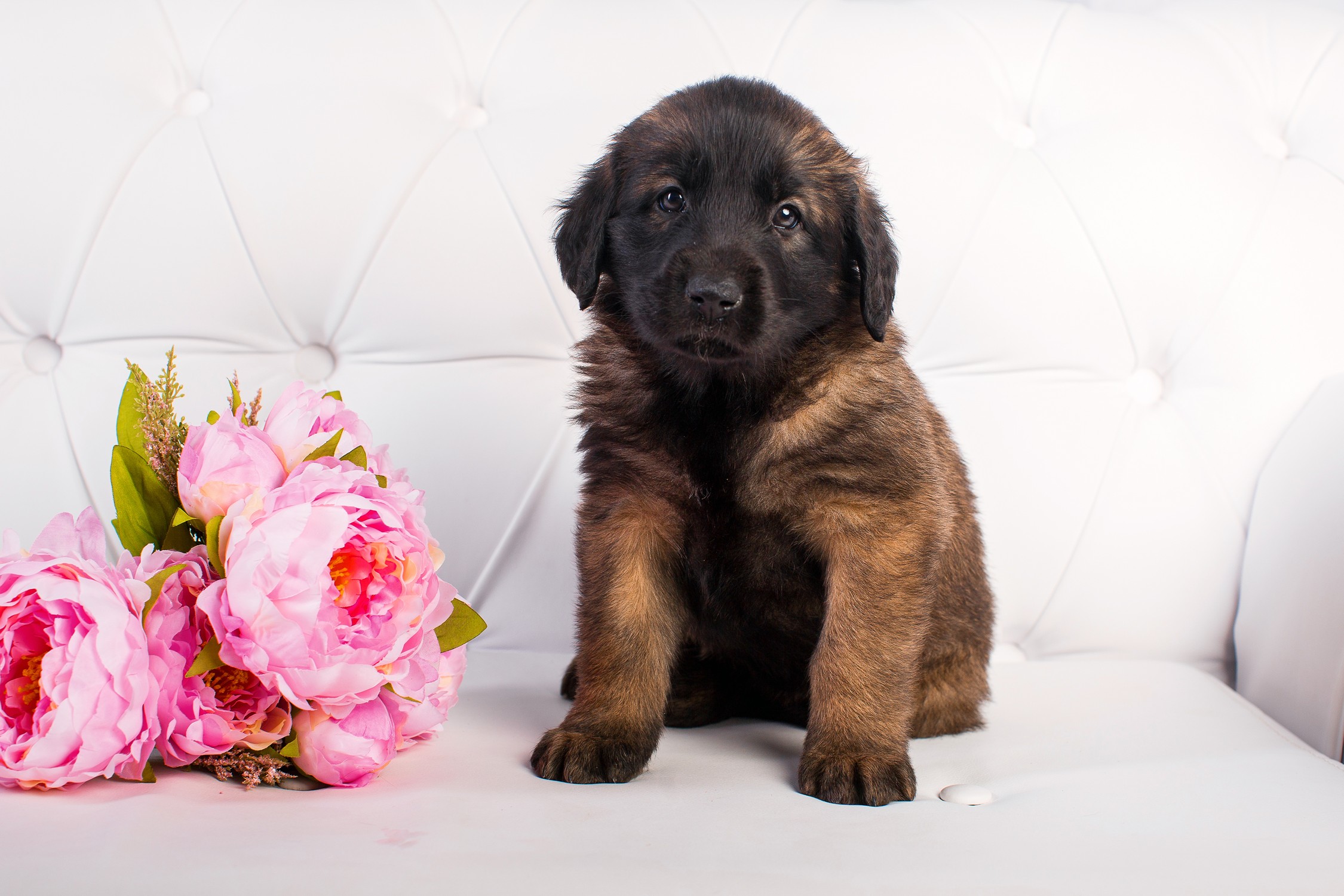
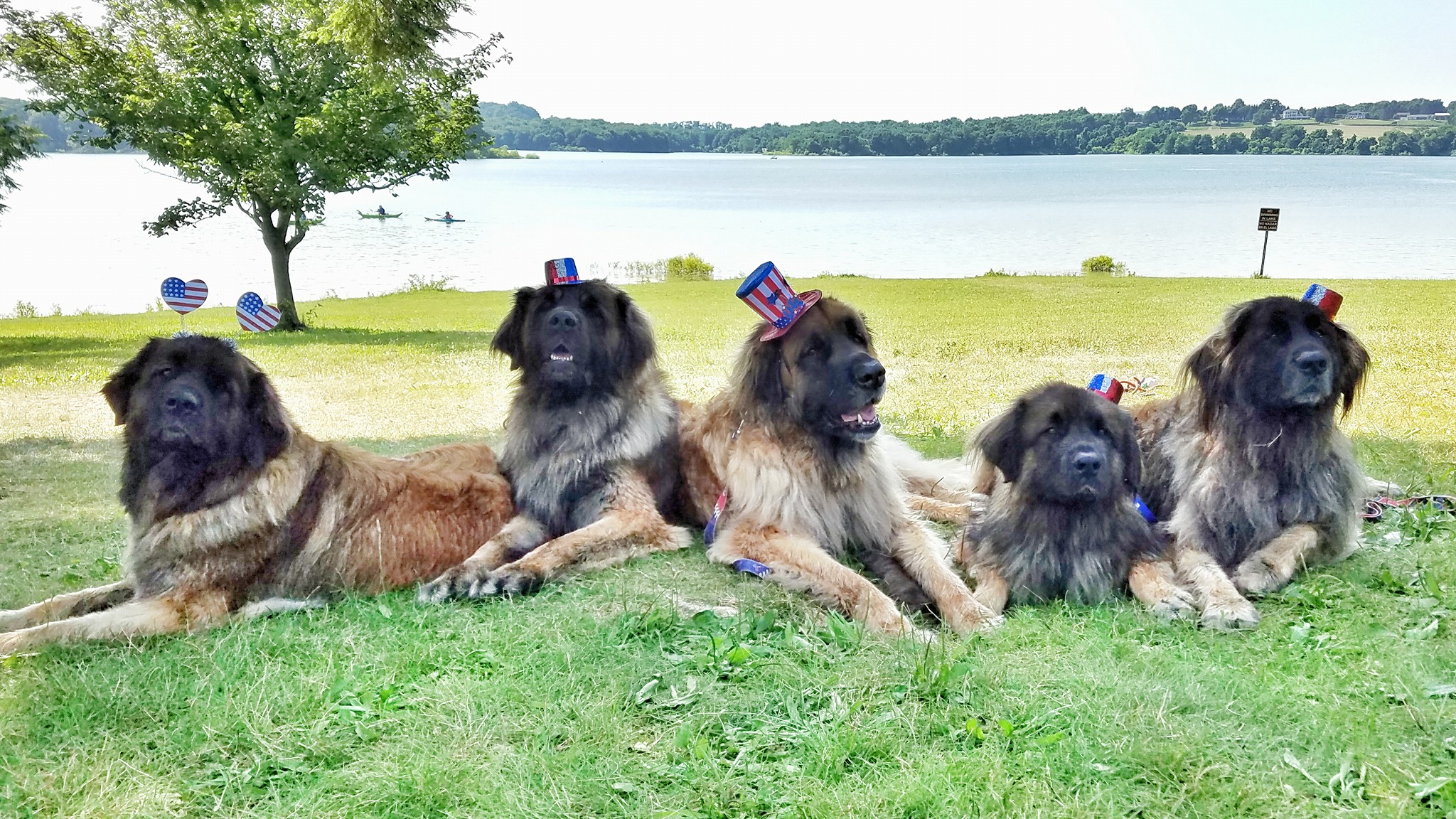
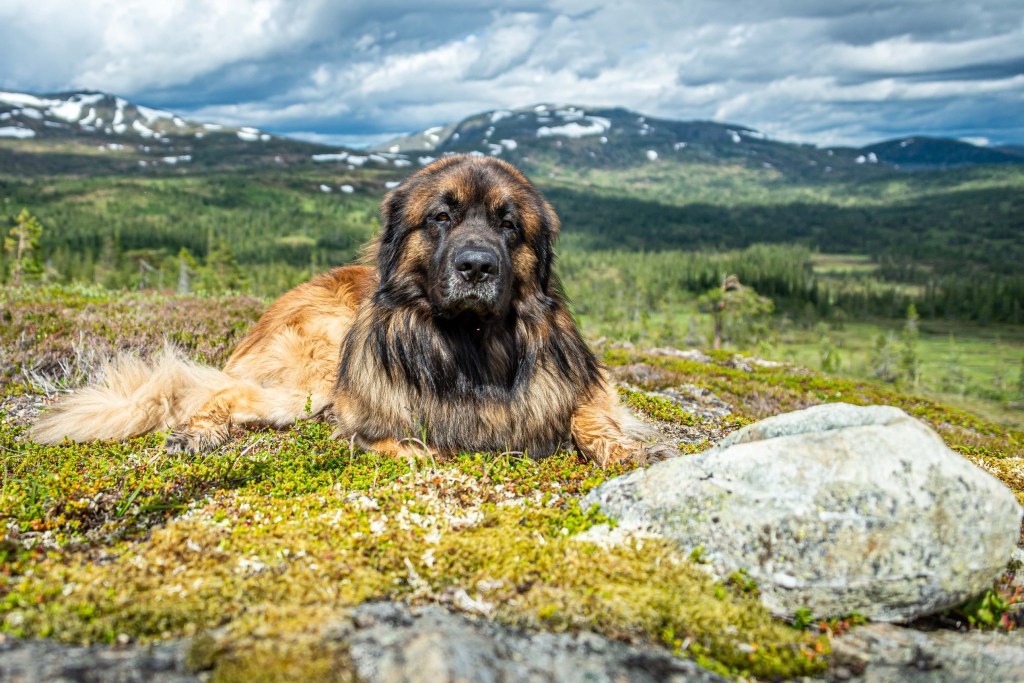
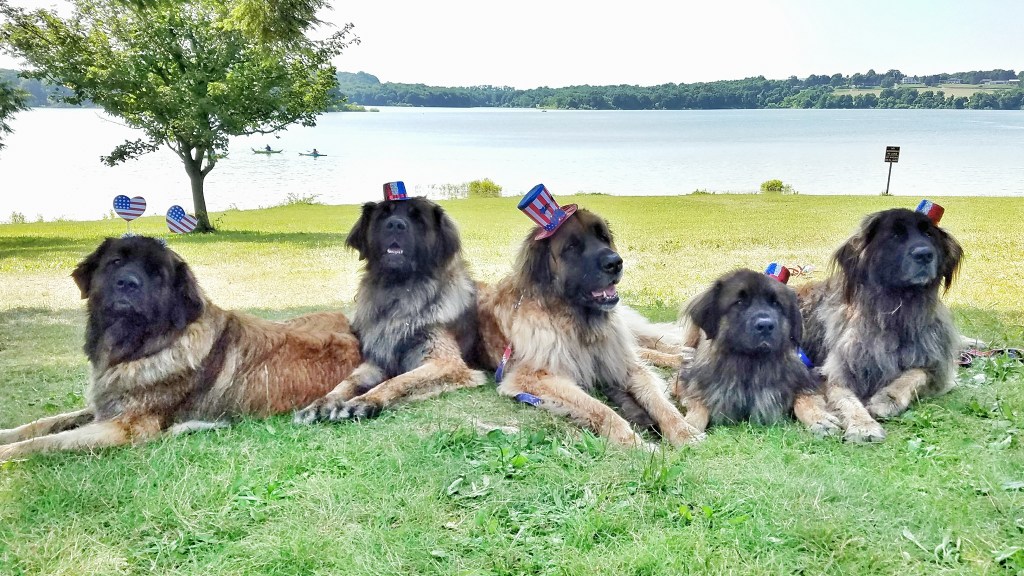
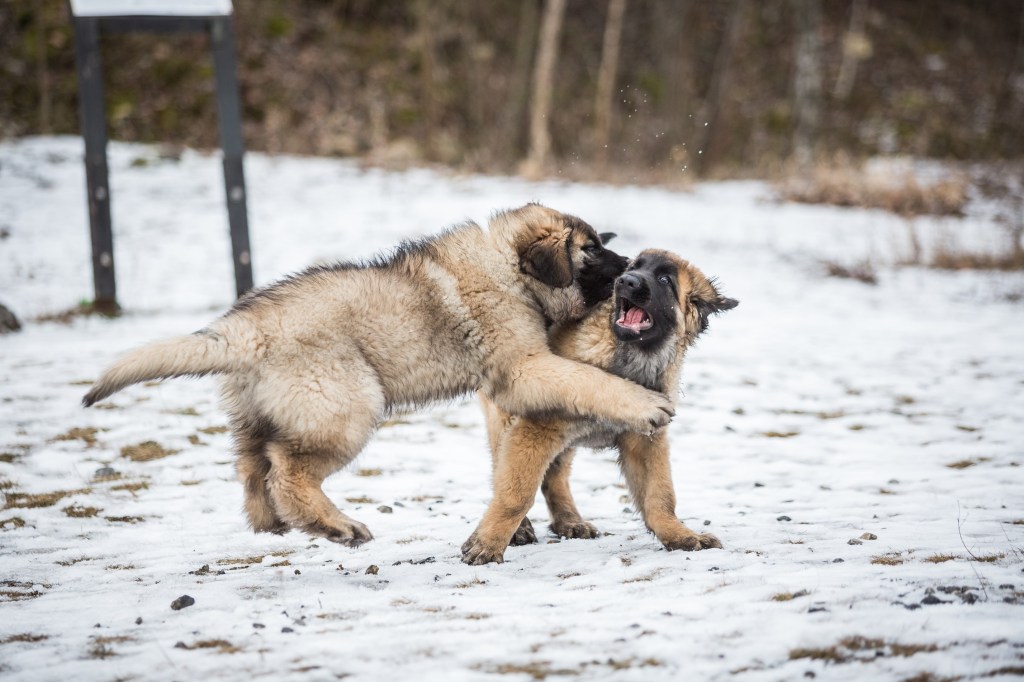
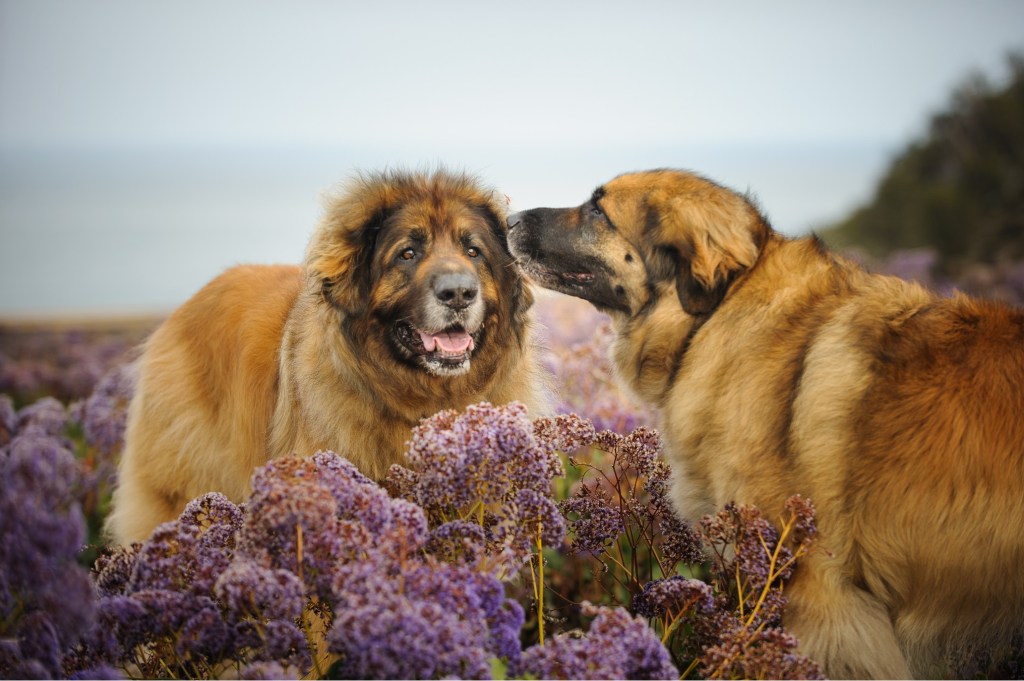
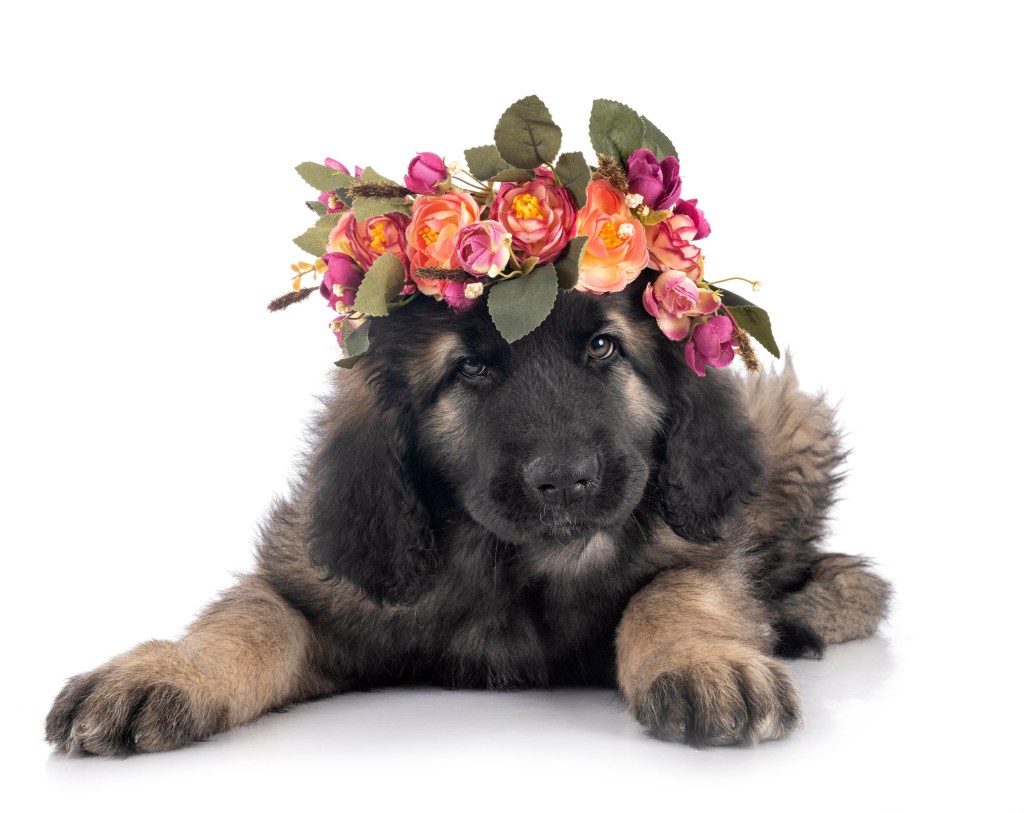
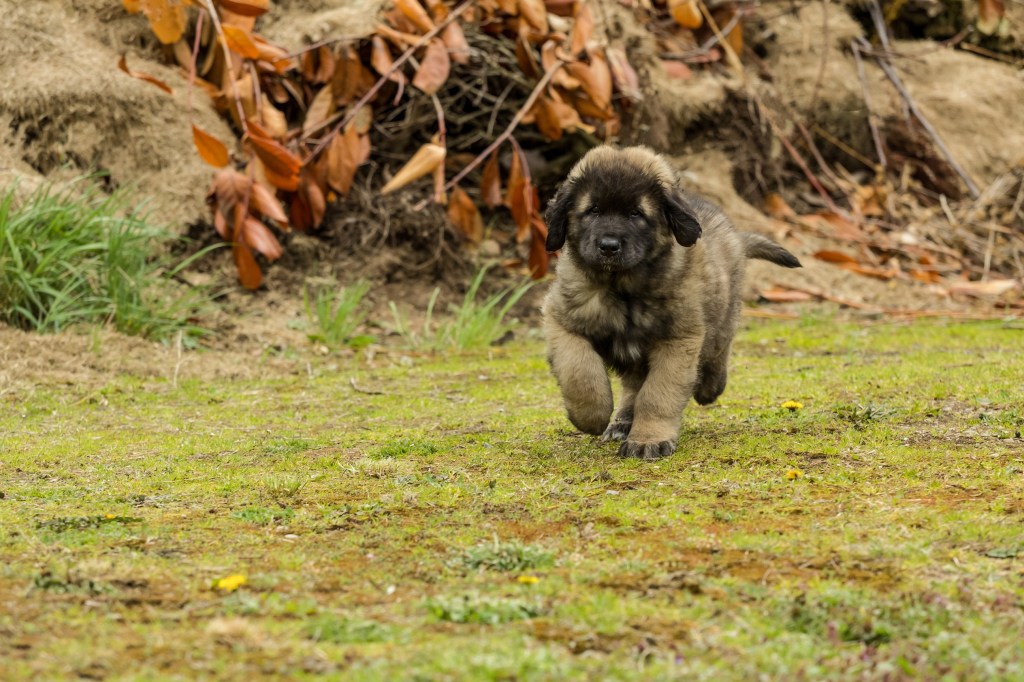
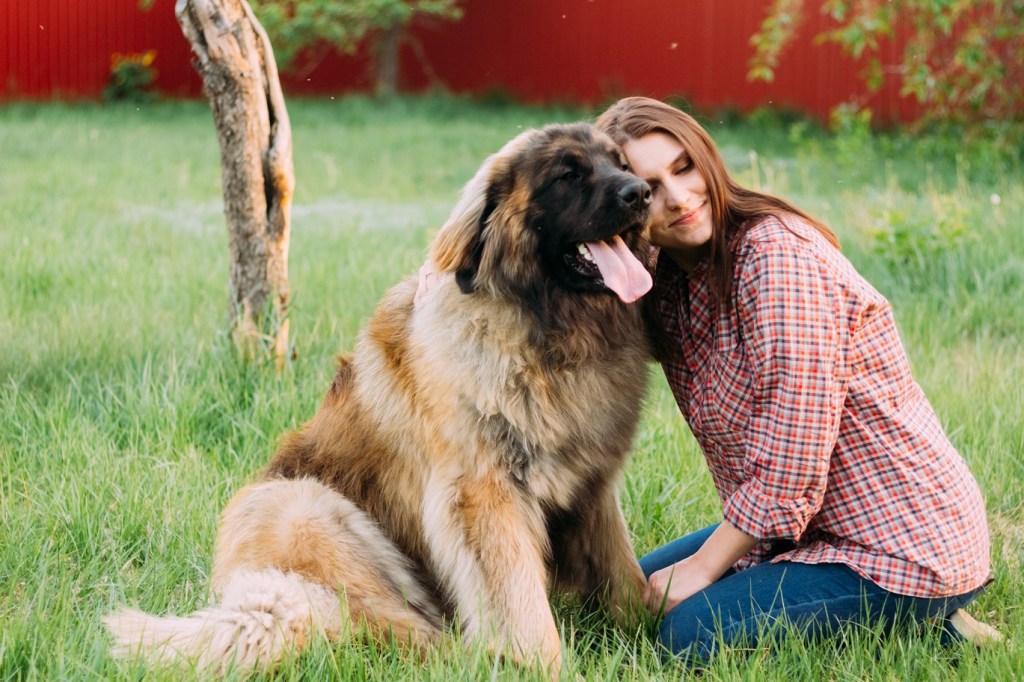
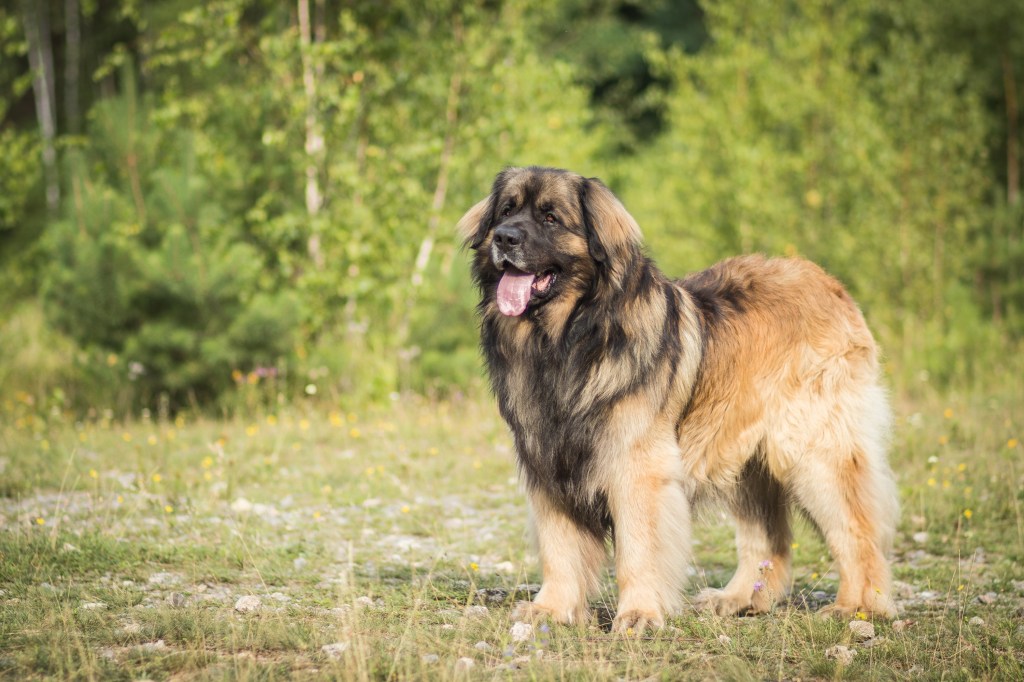
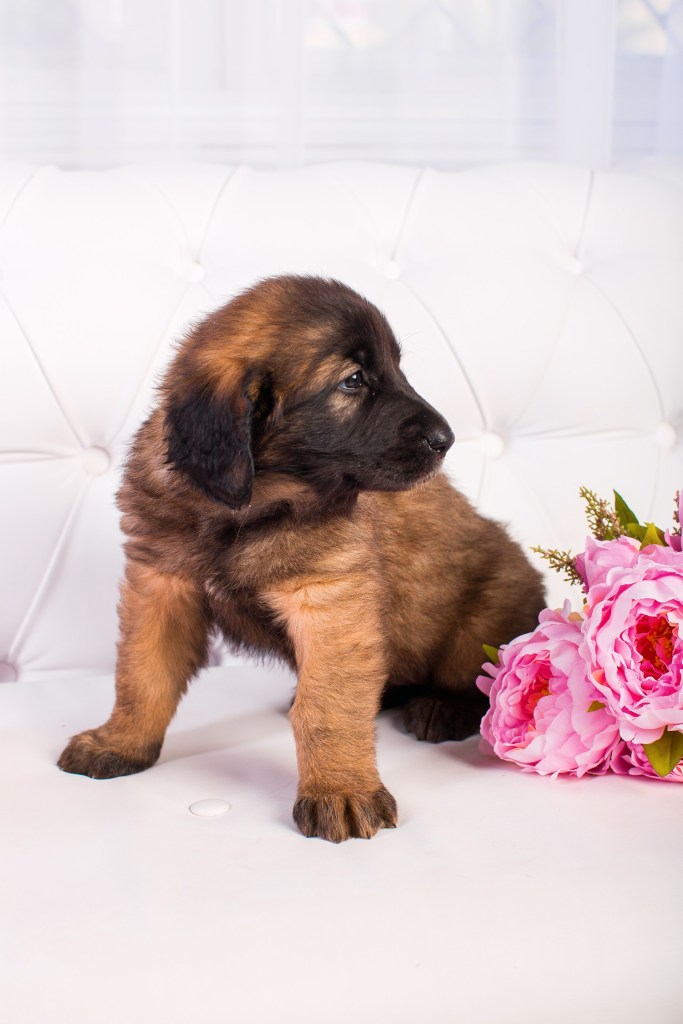
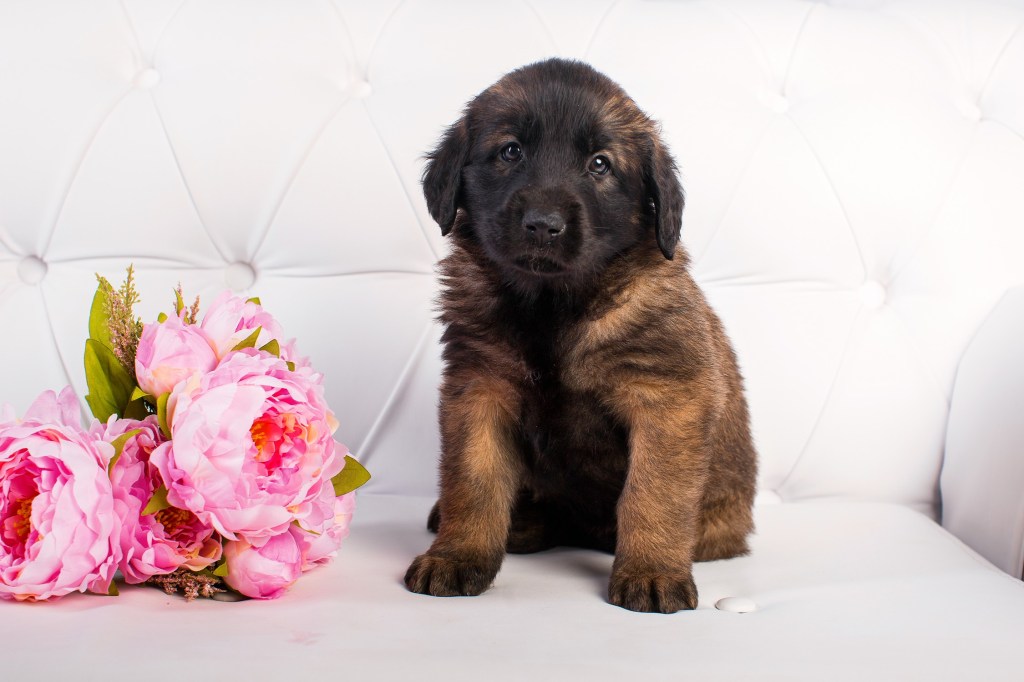
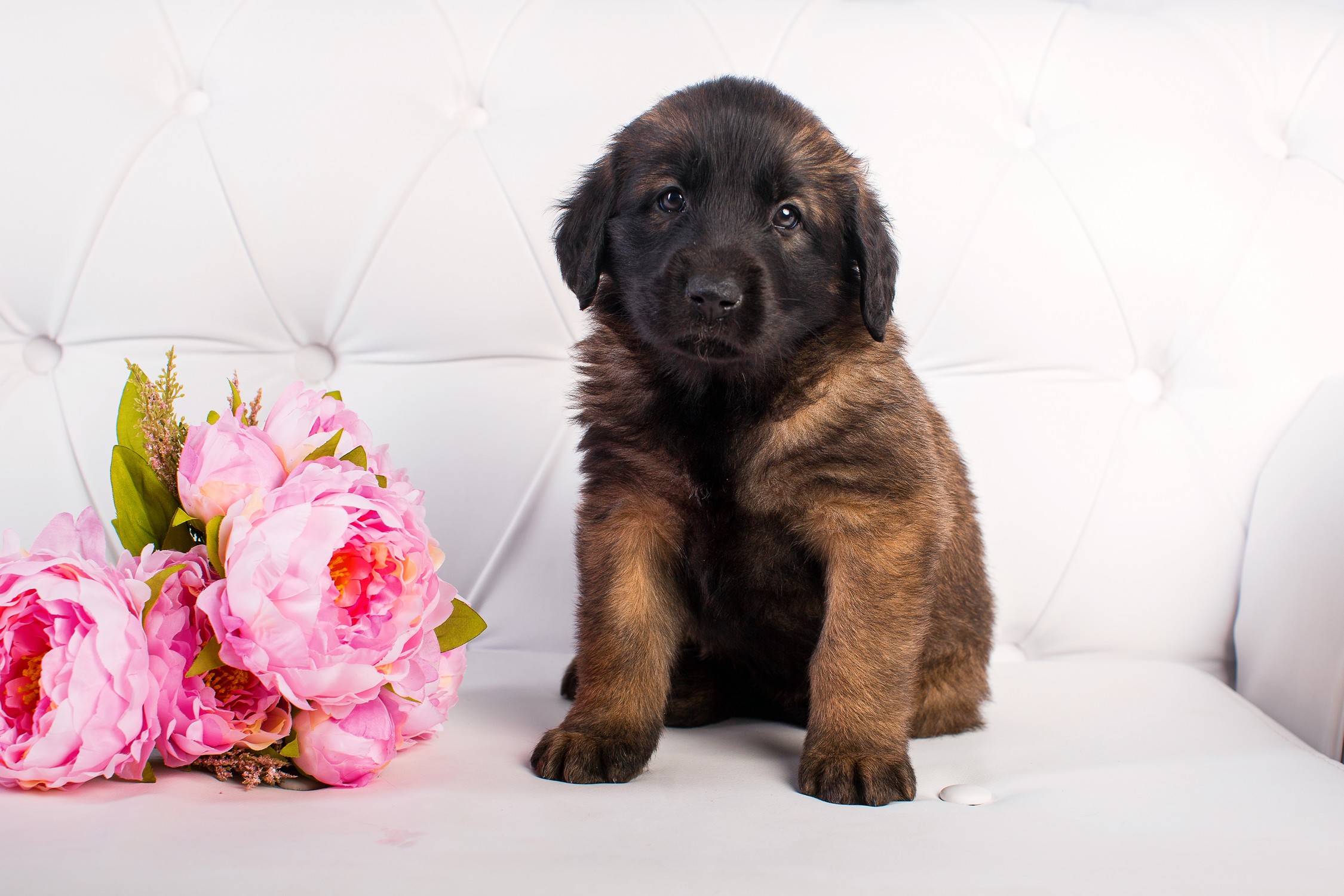
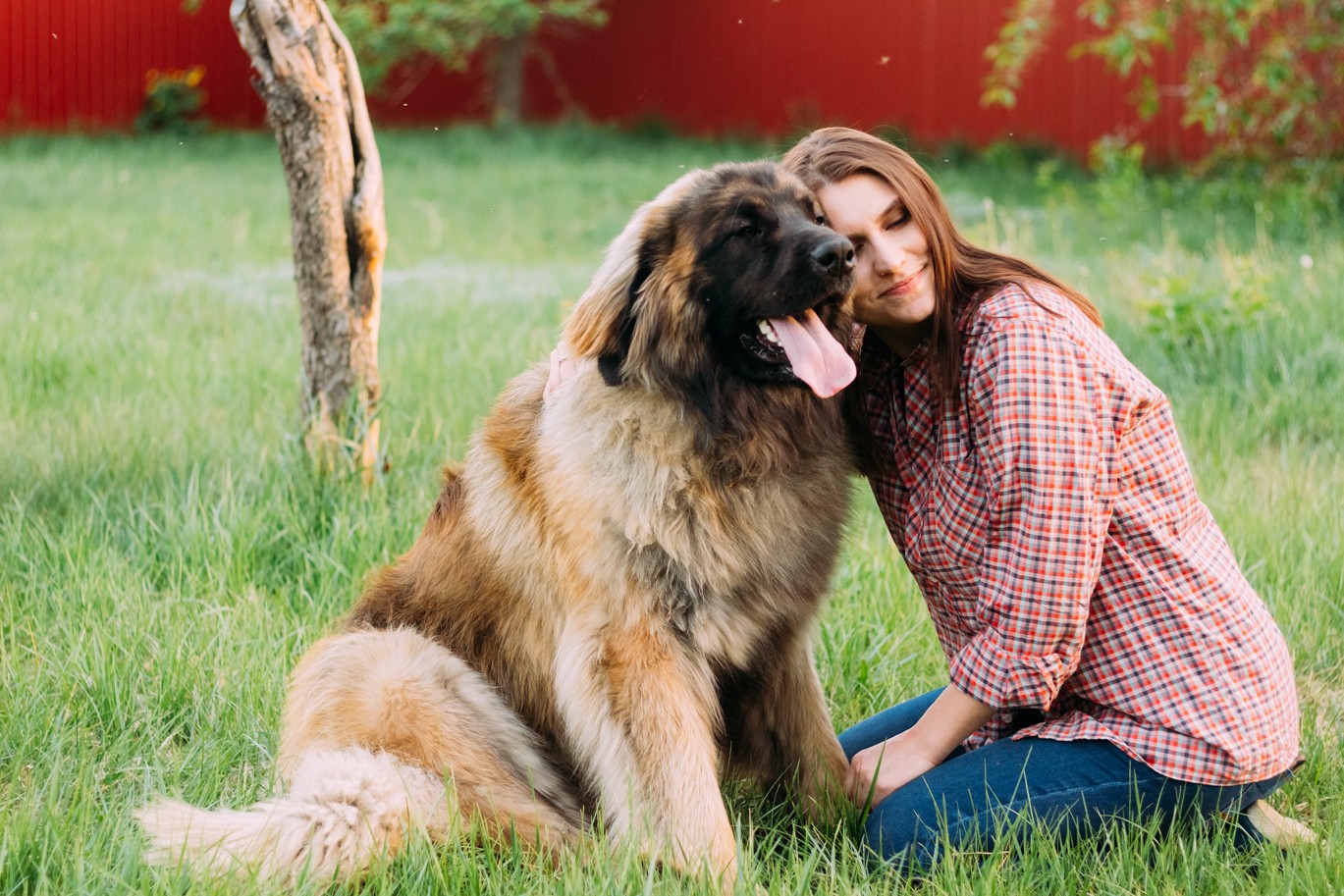
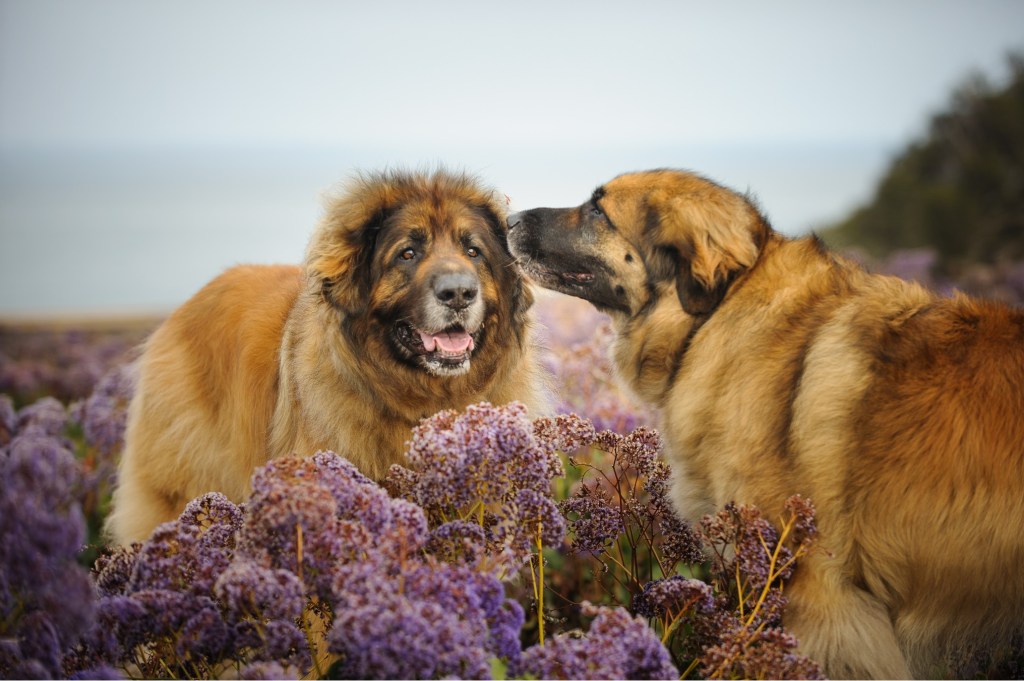
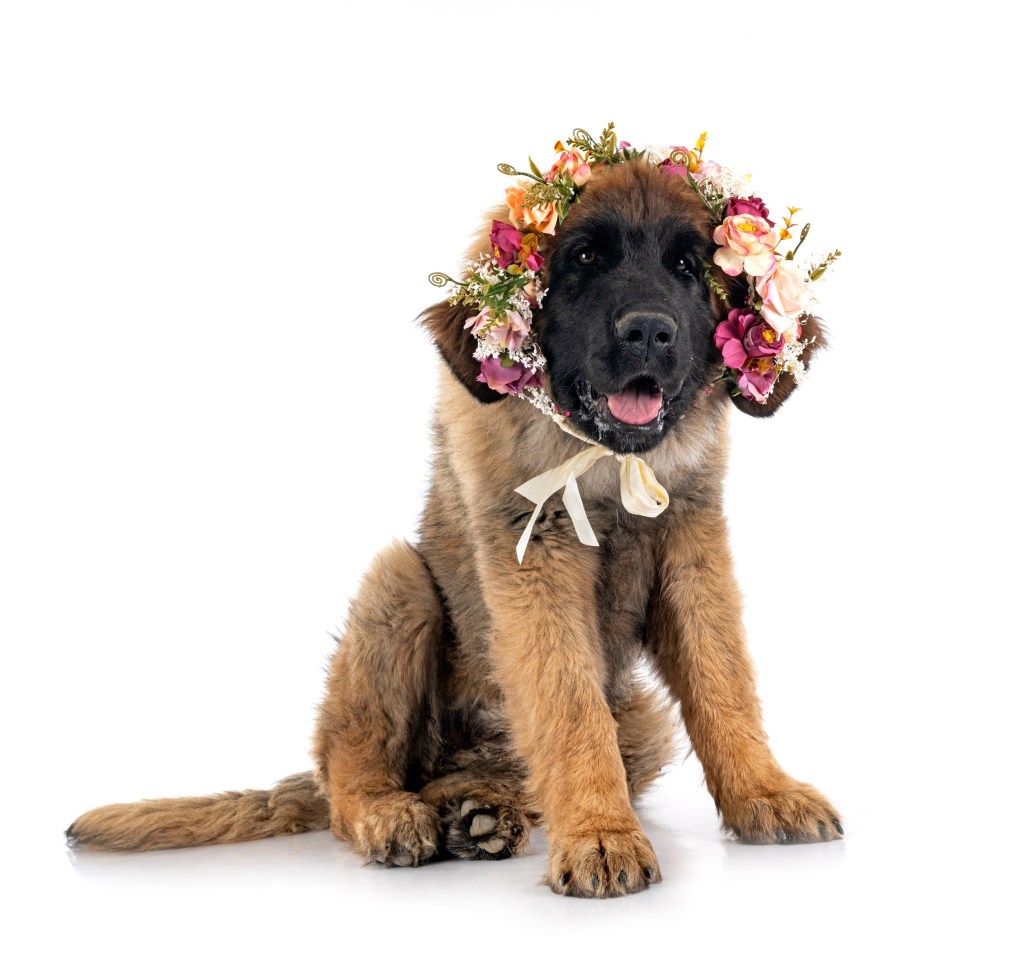
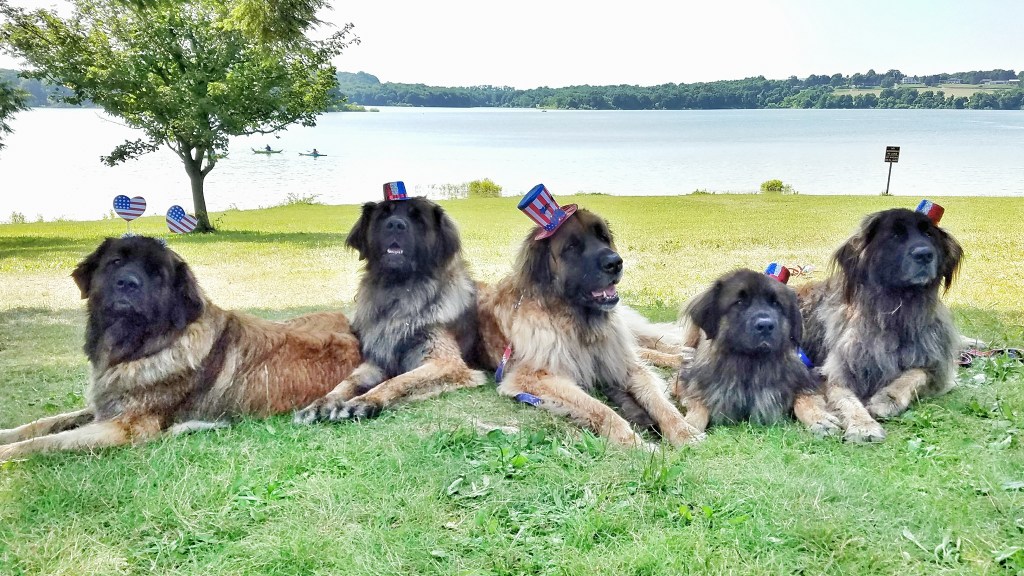
The photo tile above includes three photos of our Leonberger Bronco. One from when he was a three months old puppy and one from when he was 12 years old, and in one photo our mini-Australian Shepherd is biting his tail. There is a shutter stock photo ID:731020957 by Peter Josto, a photo of a woman and her Leonberger dog, asset id: 1741753382 by Elena Podrezenko, and two photos showing Leonberger puppies with flowers, asset id: 561113224 and 561111403 by Akbudak Rimma and . The photo of five Leonbergers wearing patriotic hats lying on grass by a lake was taken by Jen O’Keefe, (from left to right; Obi, Delfi, Aslan, Gryphon, Digory). There is also a photo of six Leonbergers celebrating a birthday. That photo was also taken by Jen O’Keefe.
How to Take Stunning Photos and Videos of Your Leonberger Dog
Leonberger dog owners who love Instagram dog photography often discover a frustrating truth: photographing large dog breeds is both deeply rewarding and deceptively hard. A Leonberger’s size, dark coat, and constant motion can turn sweet moments into blurry frames, while shedding, drool, and aging-pet sensitivities add real pet photography challenges. On top of that, Leonberger personality capture depends on comfort and timing, and anxious dogs read tension fast. With a few grounded principles and a supportive dog owner community mindset, those everyday moments can become images worth sharing.
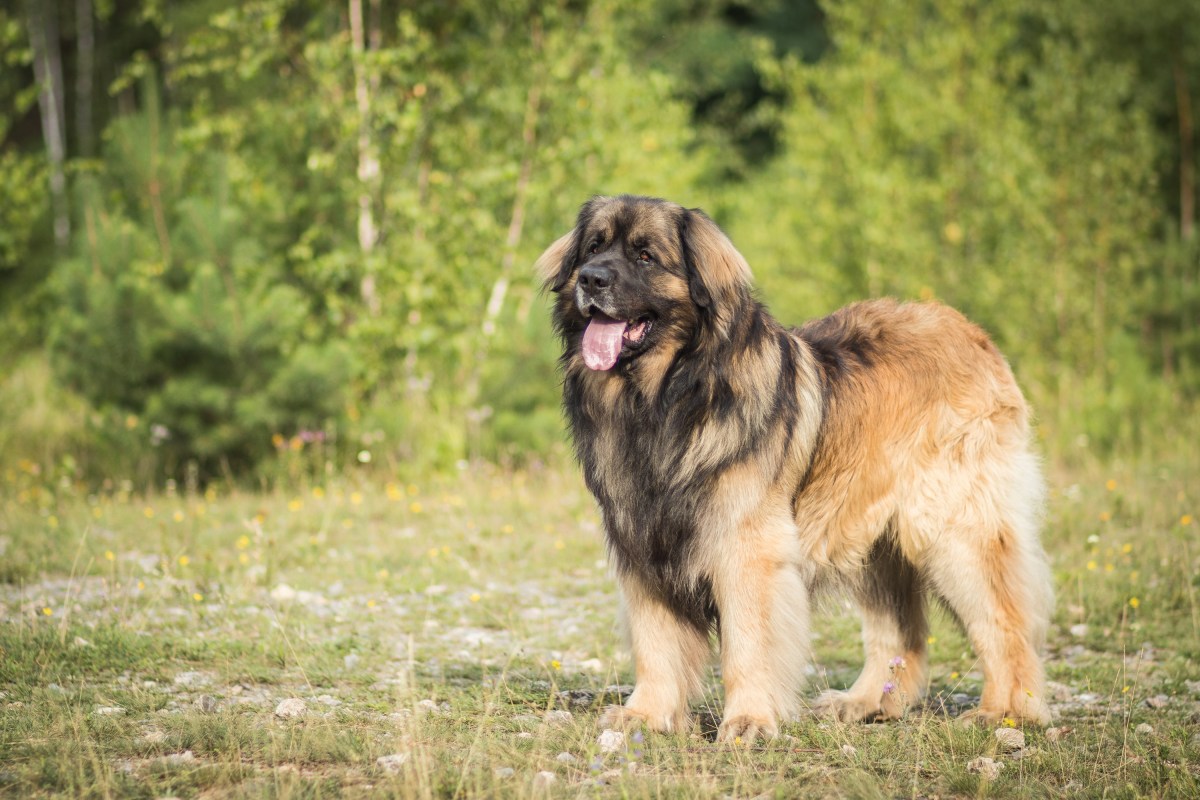
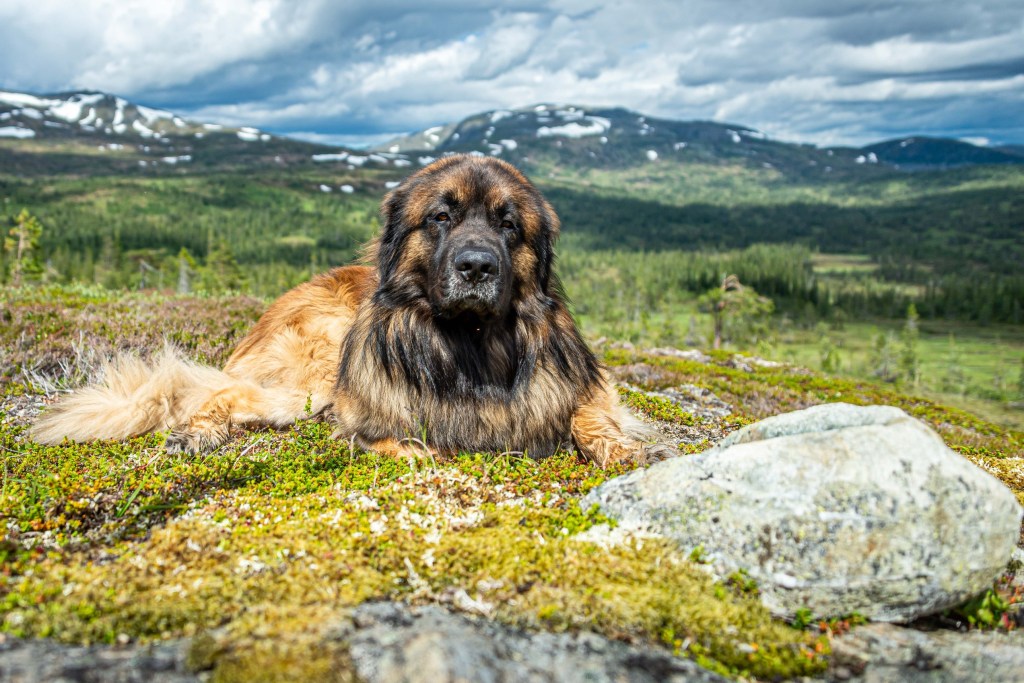
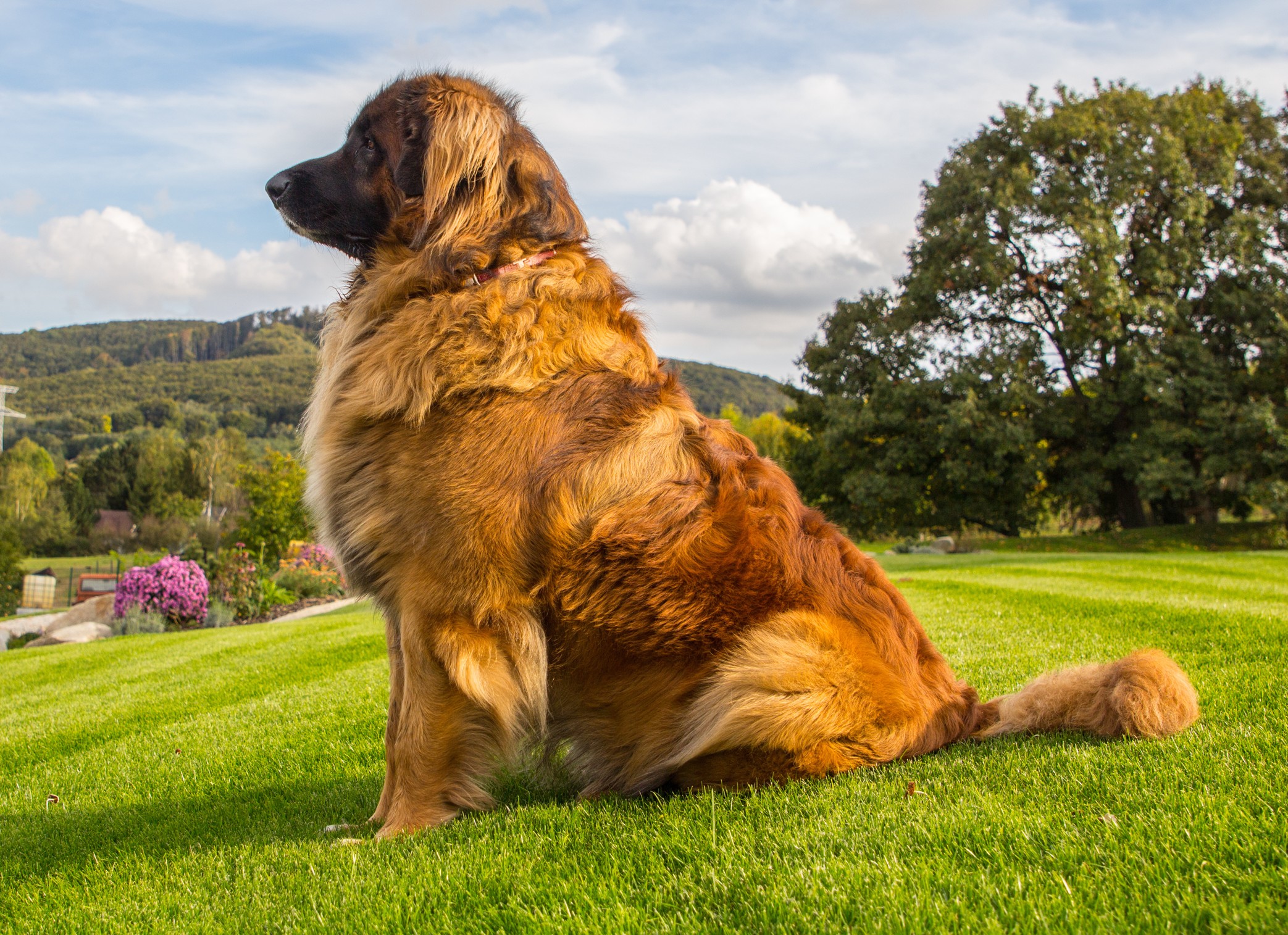
Leonberger in a beautiful landscape. Shutterstock-ID:1333669760 by Britta Paasch.
Quick Summary: Leonberger Photo and Video Tips
Use an adjustable tripod and remote-friendly setup for steady, stress-free shots.
Use natural lighting techniques to bring out your Leonberger’s coat and expressions.
Choose a comfortable, familiar location so your dog stays relaxed and engaged.
Try flattering dog photo angles to highlight size, face, and signature fluff.
Practice patience during pet photography to capture calm, authentic moments on camera.
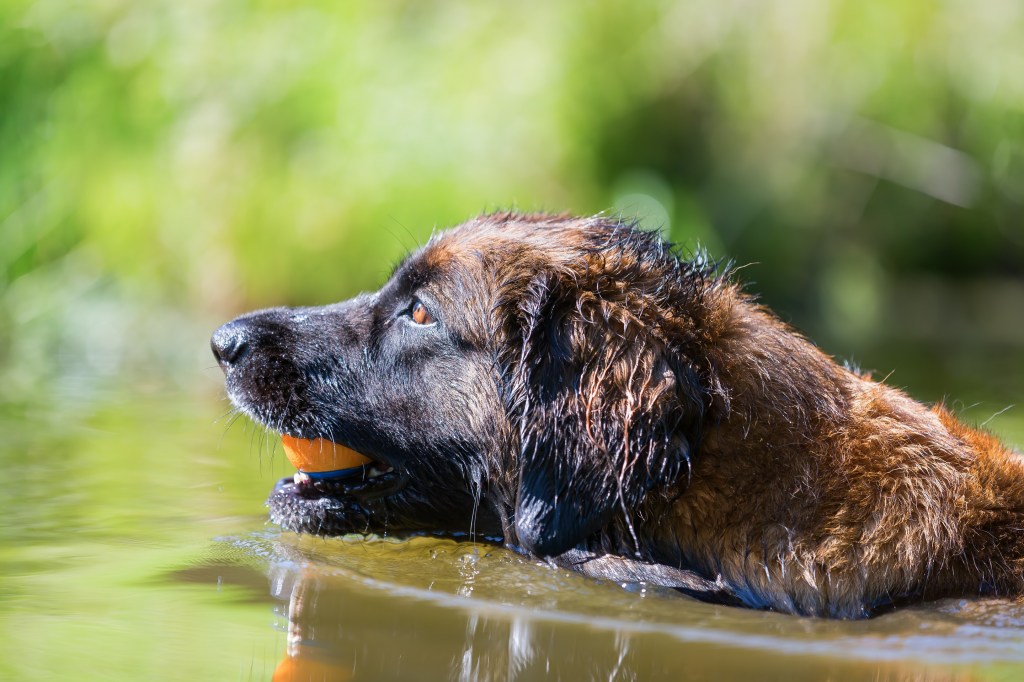
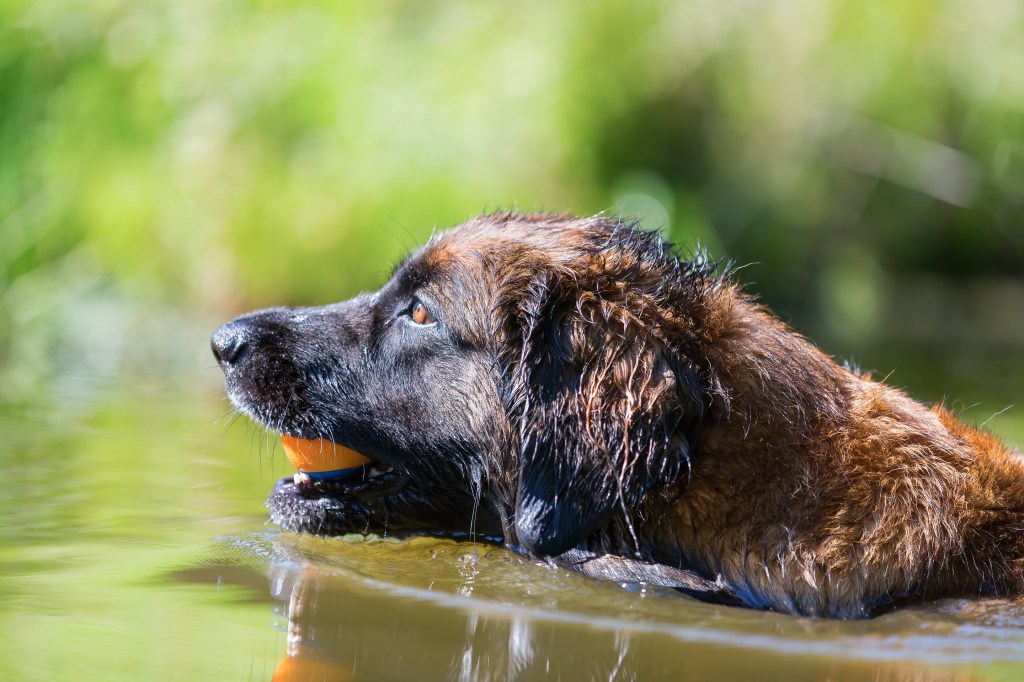
Leonberger swims with a ball. Stock Photo ID: 720242263 by Christian Mueller.
Polish Leonberger Clips with AI-Assisted Video Creation
Once you’ve nailed the basics, good light, a clean background, and a steady angle, you can make your Leonberger videos feel even more “finished” with a little AI help. AI-assisted editing can tighten the story in your raw footage, smooth over rough moments, and add subtle creative effects without requiring advanced skills. With an AI video generator, you can turn a simple clip into dynamic, engaging Instagram content by adding cinematic b-roll effects, smooth camera motion, and stylized visuals, all from a text prompt or existing footage. If you’re curious what that looks like in practice, explore tools designed for high-quality video generation.
Set Up and Capture Camera-Ready Leonberger Shots
These steps turn “hope for a good moment” into a simple routine you can repeat on walks, in the yard, or at home. You will set up your gear, pick flattering angles for a big fluffy dog, and use quick cues and rewards so your Leonberger looks engaged in both photos and video.
Lock in a stable, dog-safe setup Start with a phone or camera you already own, then add stability: prop it on a solid surface or use a tripod at about chest height for your dog. Turn on grid lines, wipe the lens, and pick a wide frame so you are not constantly re-aiming while handling your Leonberger. If you can, connect a Bluetooth remote or use a 3 to 10 second timer so your hands stay free for cues and treats.
Choose an angle that flatters size and fluff Drop your camera to your dog’s eye level to make your Leonberger feel present and powerful rather than “tiny in a big world.” Frame with breathing room so the pose looks natural, and follow the composition reminder to give the dog space in the direction they are looking. For extra sparkle in the eyes, turn your dog slightly toward the light and avoid shooting straight into the bright sun.
Rehearse two easy cues for “photo mode” Pick one stationary behavior like sit or down and one attention cue like “look” or name response, then practice for 30 seconds before you start shooting. Keep sessions upbeat with tiny treats or a favorite toy, and reward fast for eye contact. Research on an increase in non-verbal communication highlights how attention and interaction can build, which is exactly what you want for a focused expression on camera.
Use remote shooting to capture the best expression Stand just behind or beside the camera so your Leonberger’s gaze lands near the lens, then click the remote in short bursts while you cue and reward. For photos, take 10 to 20 frames quickly because the “perfect face” comes and goes in a blink. For video, keep clips to 5 to 15 seconds and repeat the same action (sit, look, release to sniff) so you get clean, usable takes.
Get both a still and a clip from each setup Once you have a good pose, grab one sharp portrait, then immediately record a short video of the same scene with one simple movement like a head tilt, a step forward, or a gentle tail wag. This creates a matched set you can share across platforms without reinventing the session. Finish with a jackpot reward and a quick break so your dog stays eager the next time you bring out the camera.
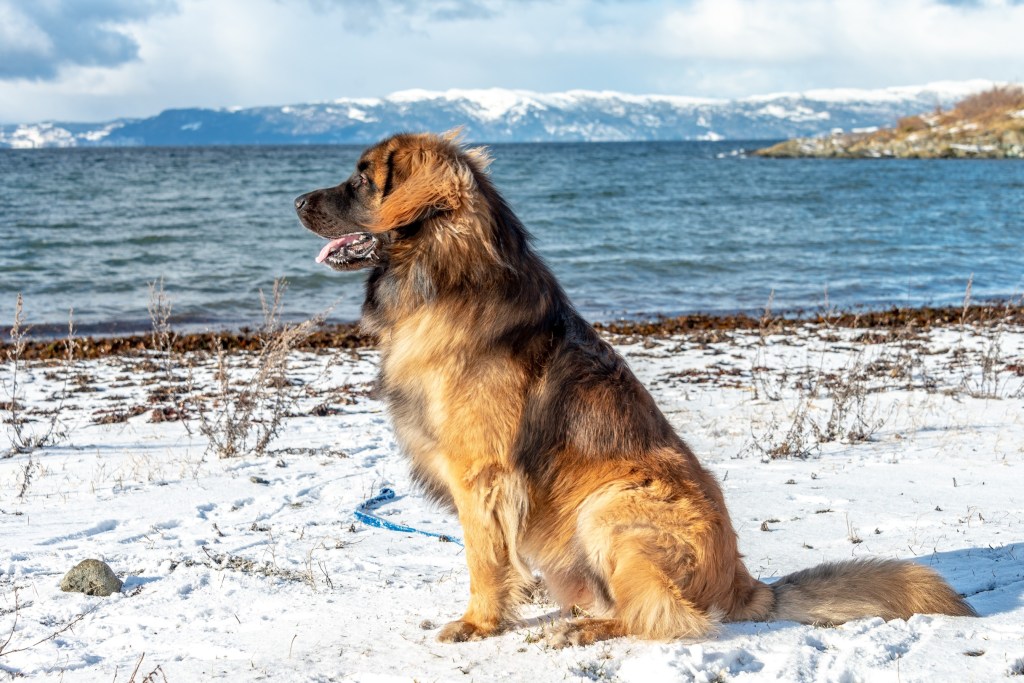
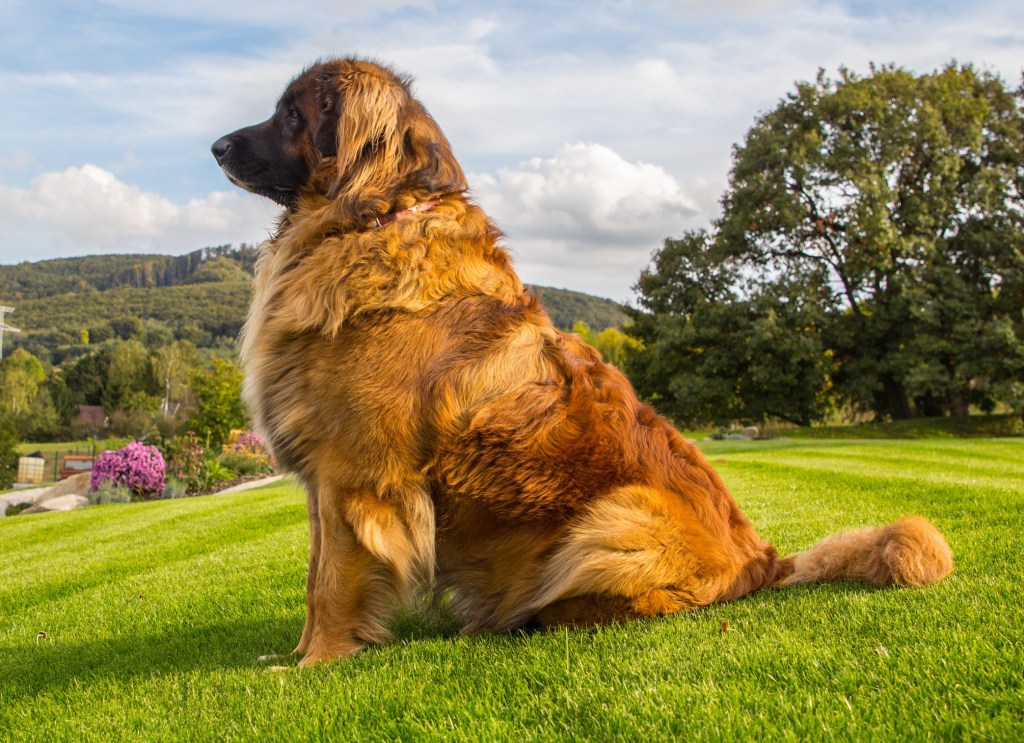
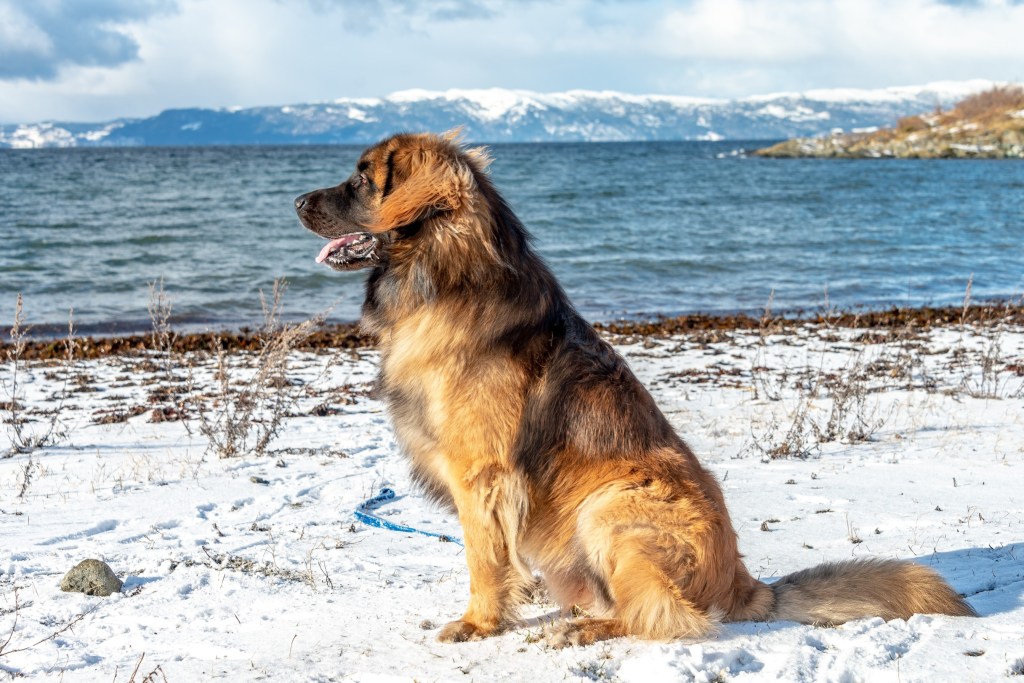
Leonberger in nature in Norway. Stock Photo ID: 1779931691 by Britta Paasch
Habits That Make Leonberger Shots Consistently Great
Stunning Leonberger photos and videos come from routines your dog can predict and you can repeat. These practices fit real life, so your handling, timing, and results improve week by week.
Two-Minute Location Scout
What it is: Walk your route and pre-pick two clean backgrounds and one shaded spot.
How often: Weekly or before a planned shoot.
Why it helps: You spend less time searching and more time capturing great expressions.
30-Second Calm-and-Focus Warmup
What it is: Practice sit, down, and one “look” rep, then release to sniff.
How often: Before every session.
Why it helps: Your Leonberger settles faster and offers steadier eye contact.
Light Check Habit
What it is: Note sun direction, then move to open shade or side light.
How often: Every time you arrive.
Why it helps: Flattering light keeps fur detail and reduces squinting.
Why it helps: Your best moments become share-ready instead of stuck in your camera roll.
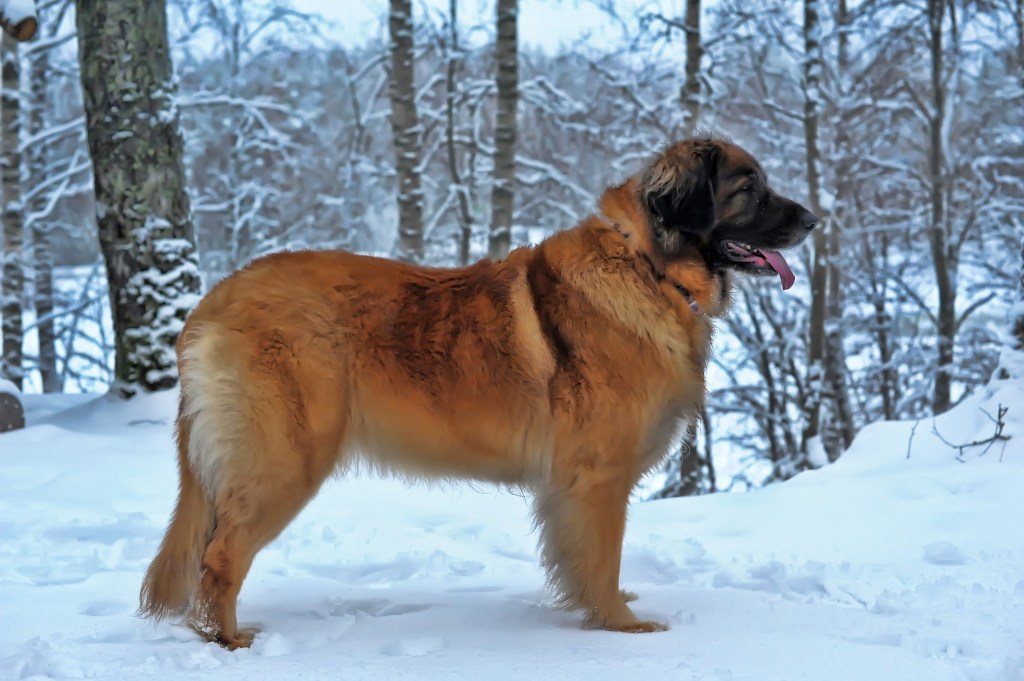
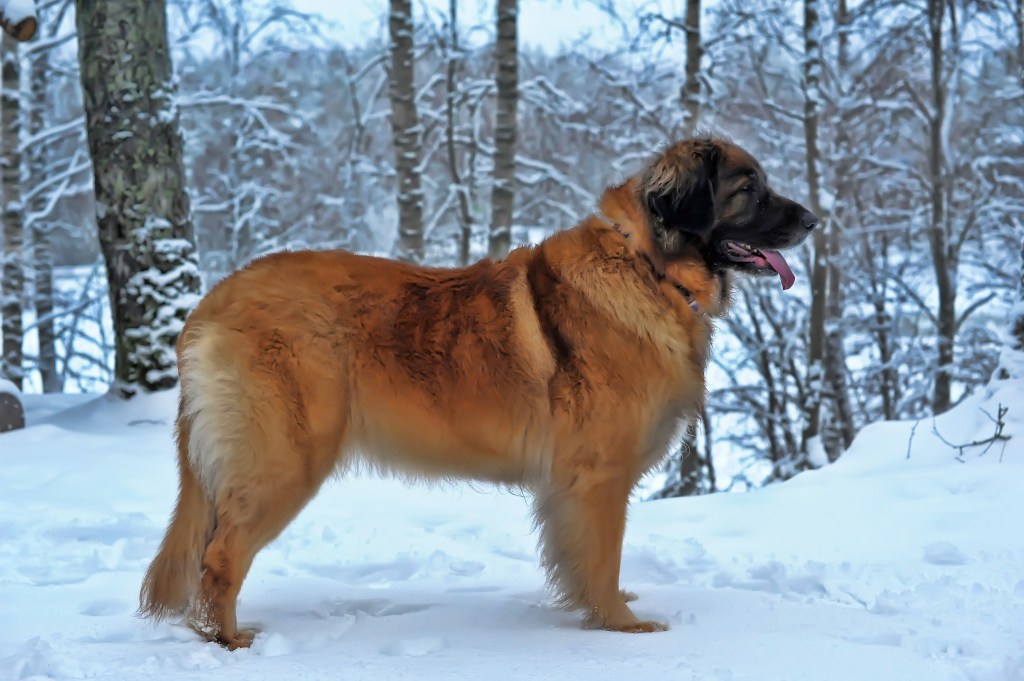
Leonberger standing in a snowy forest. Shutterstock-ID: 705193912 by Eric Isselee.
Build Confidence by Practicing and Sharing Leonberger Moments
Big, dark-coated, fast-moving floof can make it feel like the camera never catches what makes a Leonberger so special. The steadier path is the mindset used throughout: simple, repeatable habits, scouting, small patience cues, and a light editing routine, supported by community support for dog photographers who trade tips and celebrate wins. With regular pet photo practice, confidence builds and more sessions end with sharp eyes, true color, and videos that match real-life charm. Consistency captures the Leonberger you love, even on ordinary walks. Pick one tip to try on the next walk, share one memorable dog image, and set a long-term pet photography goal worth revisiting. Those small choices preserve connection and joy, and they keep celebrating Leonberger beauty as a calm, lasting part of life.
Please take a look at Smorgasbord Blog Magazine’s feature of my super fact #19 “An account impersonating you on Facebook does not mean you have been hacked“, and my Leonberger Dog book “The Life and Times of Le Bronco von der Löwenhöhle”.
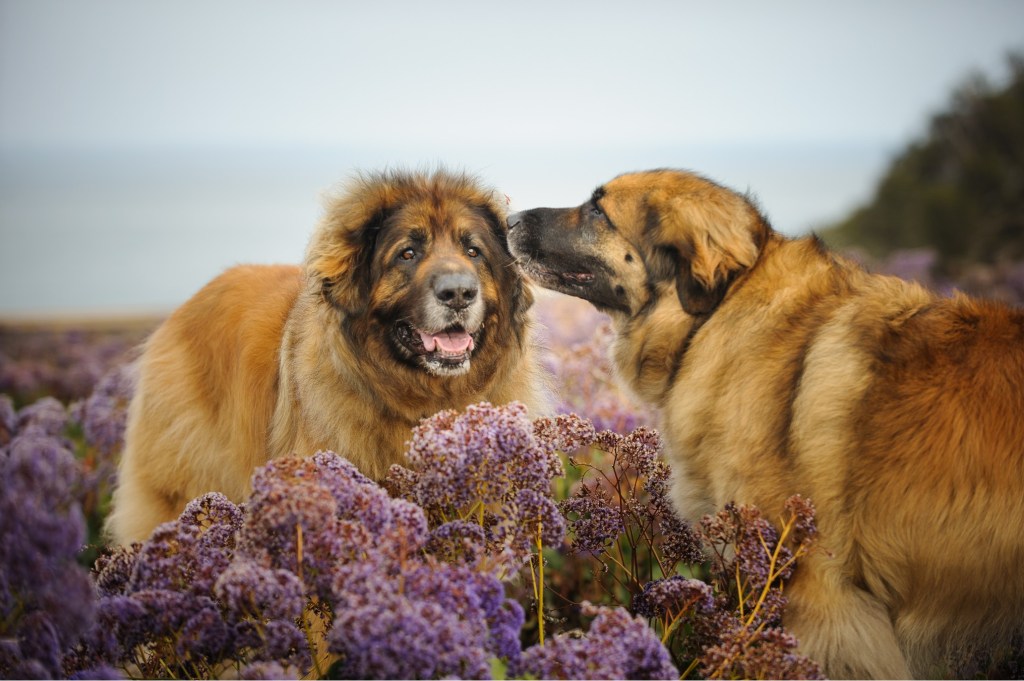
This is another post with the “25 Leonberger photos” theme. This time the theme is “25 Photos of Leonbergers with Plants Flowers and Trees”. I think plants, flowers and trees are perfect for Earth Day. I’ve selected photos of our late Leonberger Bronco that also feature plants as well as Leonberger photos by friends with greenery and stock photos showing Leonbergers with plants, flowers and trees. Below is a list of the previous posts using the theme 25 Leonberger photos.
Also, if you have not checked out my superfactful blog yet feel free to do so.
25 Photos of Leonbergers with Plants, Flowers and Trees
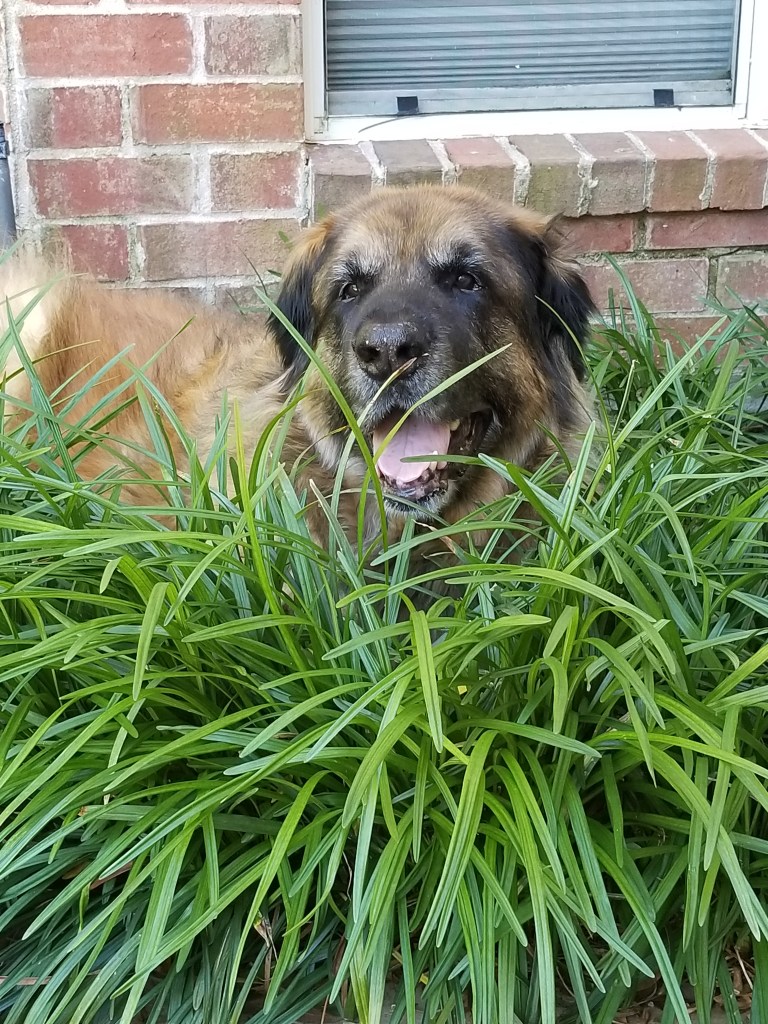
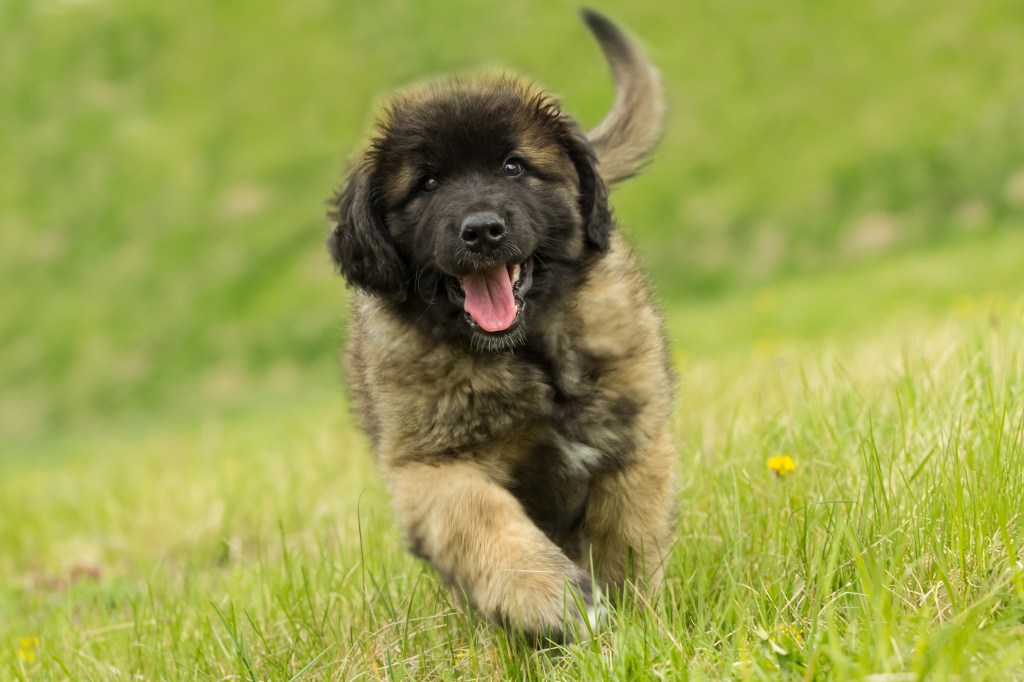
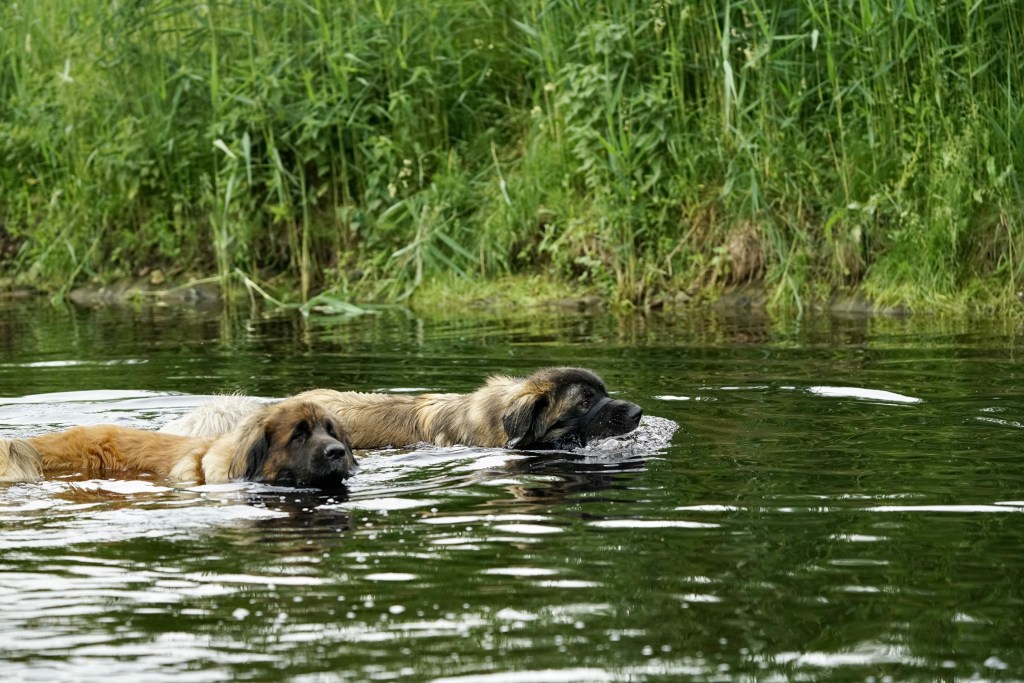
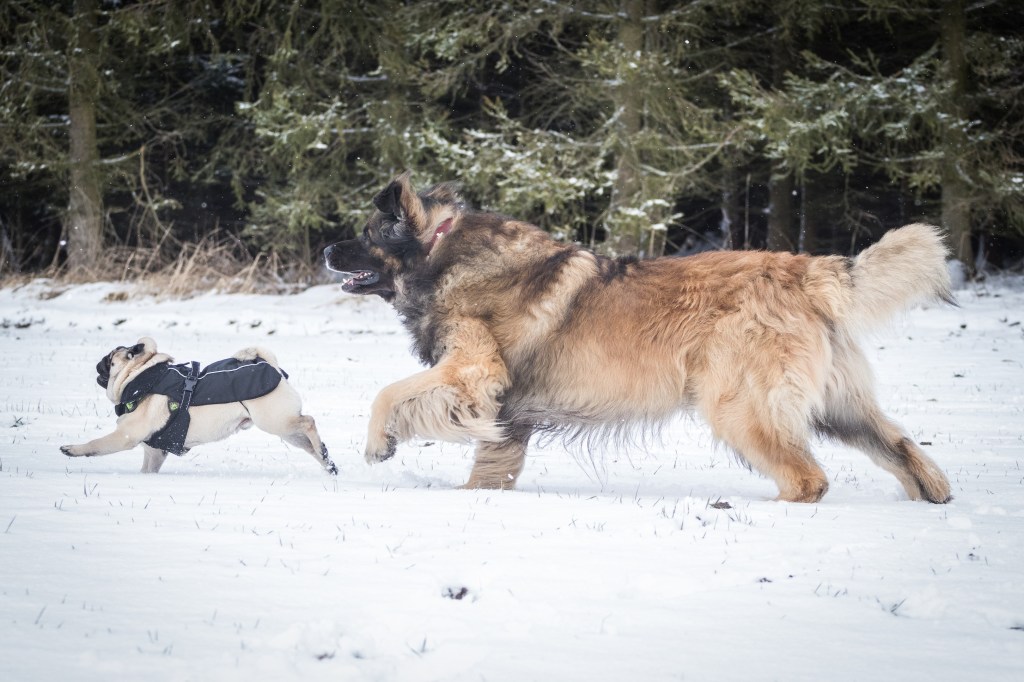
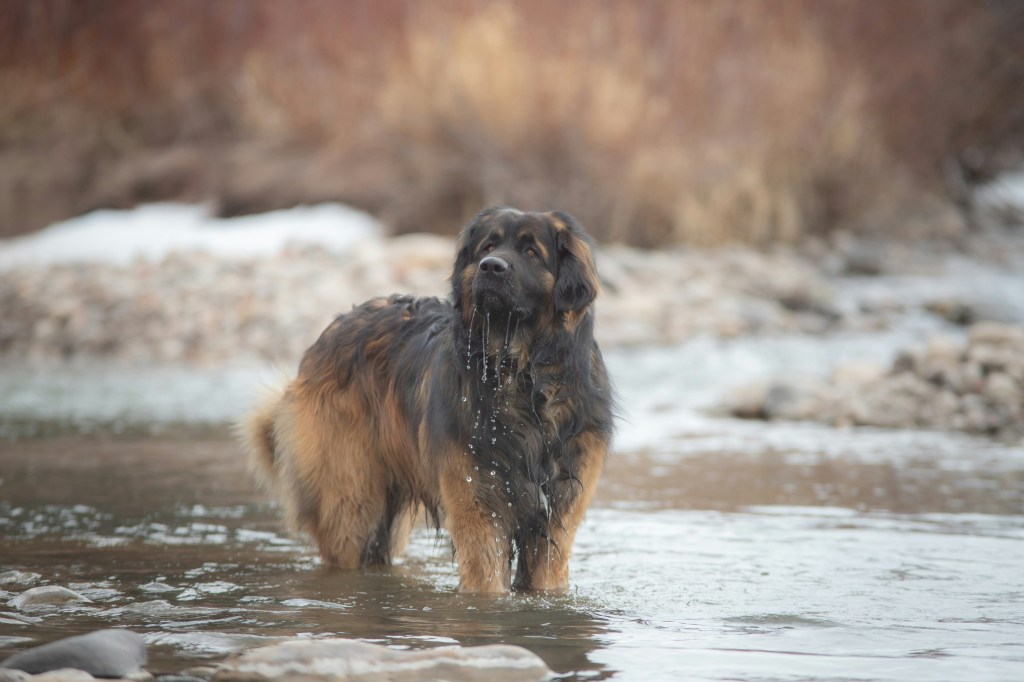
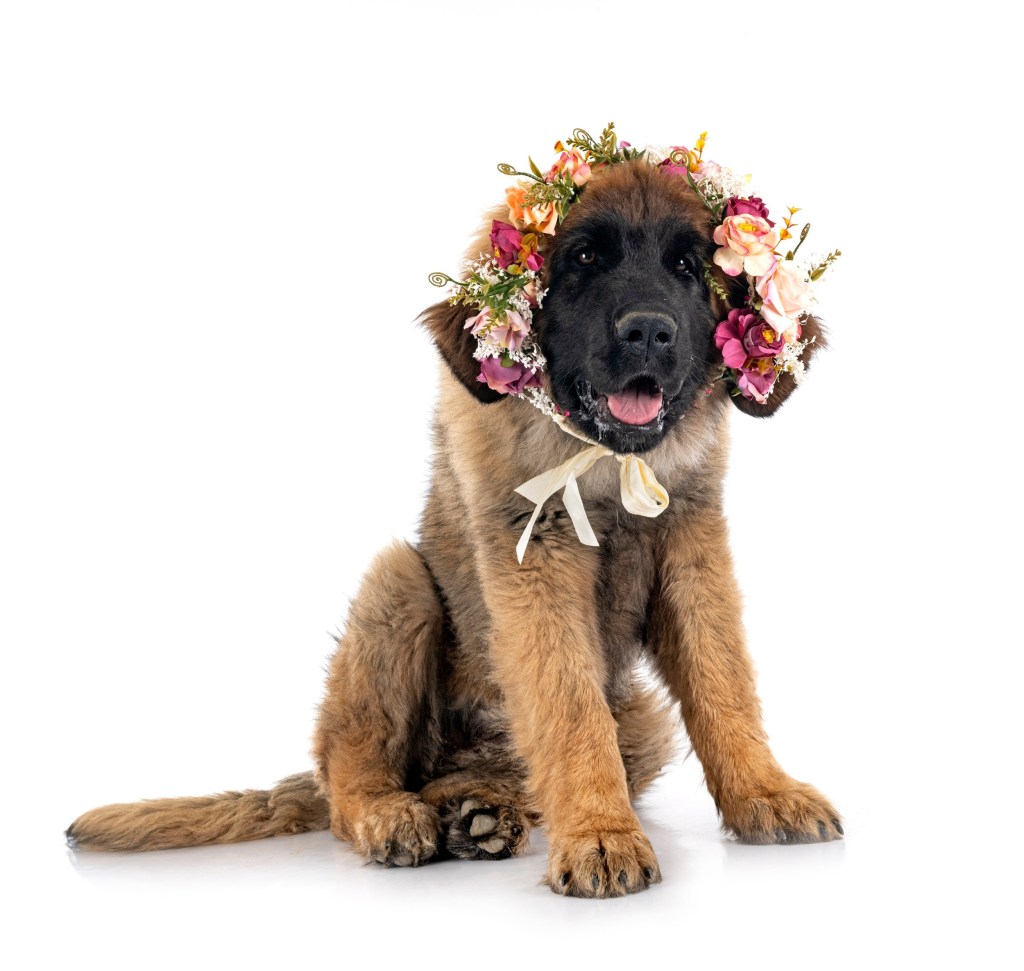
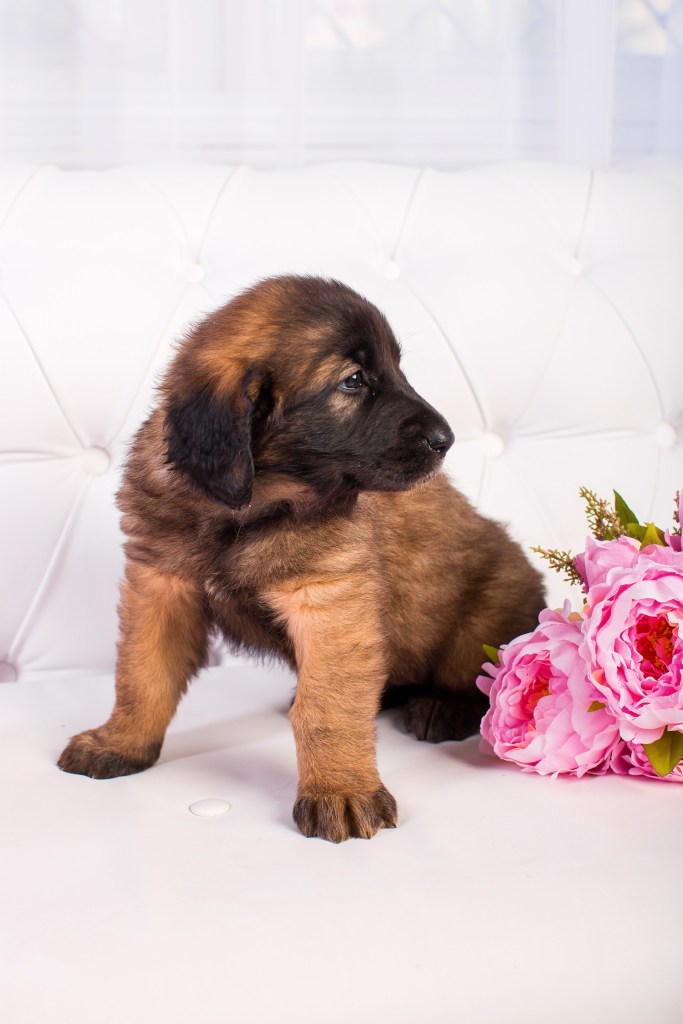
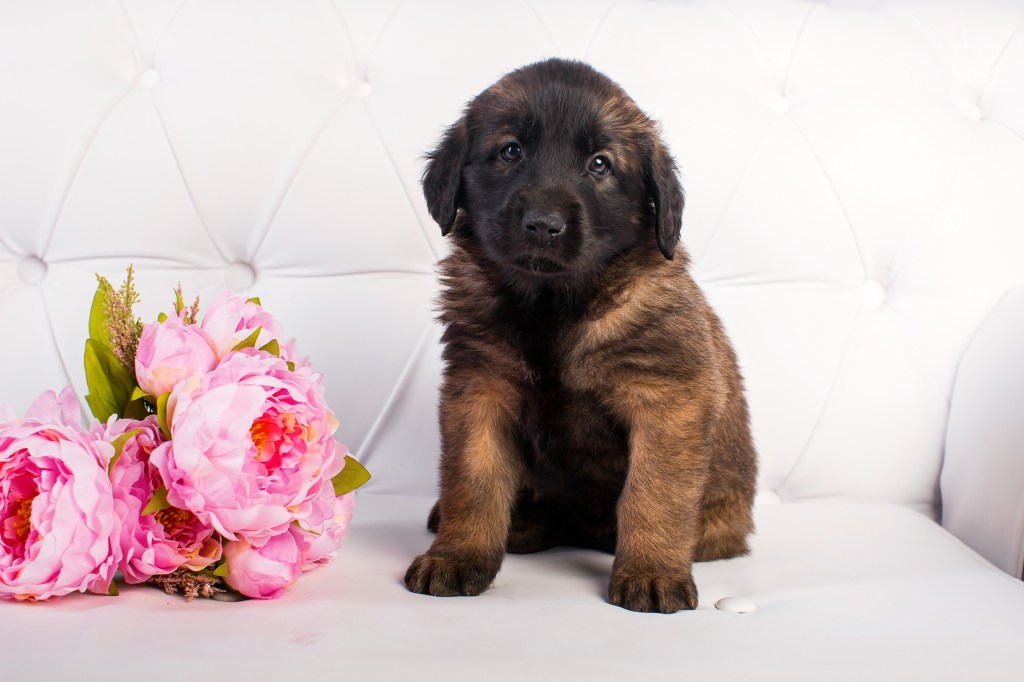
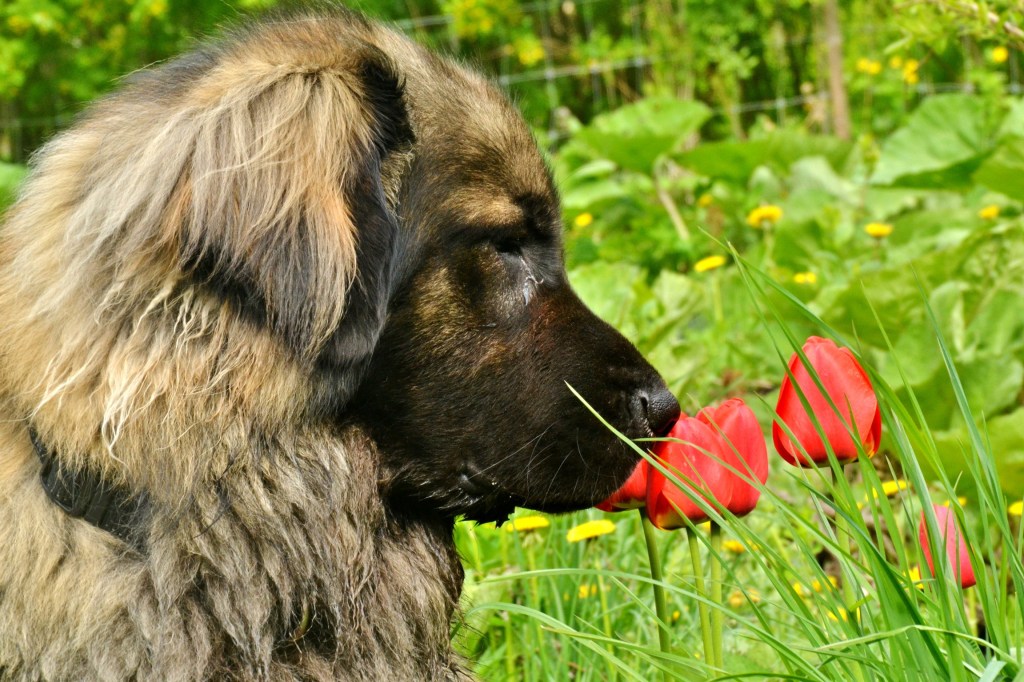
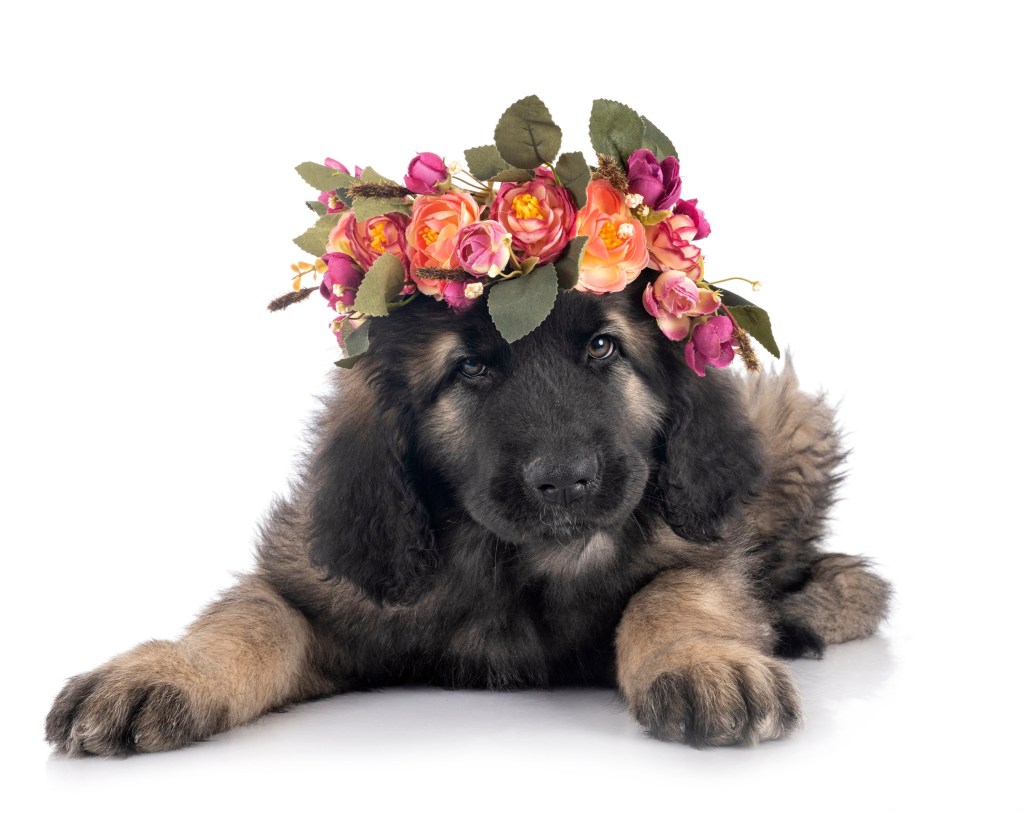
Our Leonberger Bronco in the bushes.Our Leonberger Bronco at a park close to our house. On his right front leg there is missing hair from a surgery he had (toe amputation).Our Leonberger Bronco on our front lawn.Amie, a female Swedish Leonberger on top of Skuleberget (Skull Mountain) in northern Sweden. We just happened to run into them after climbing the mountain.Second photo of Amie. Amie and her owner had climbed the mountain.This photo was provided by Jen O’Keefe, Urgent Animal Care of Arlington. From left to right; Obi, Delfi, Aslan, Gryphon, Digory.Leonberger standing in a snowy forest. Shutterstock-ID: 705193912 by Eric Isselee.Leonberger puppy running in a field. Shutterstock-ID: 629624396 by TOM KAROLA.A majestic Leonberger on a grassy knoll. Shutterstock-ID: 731020957 by Peter Josto.Two Leonbergers swimming. Tall grass in the background. Stock Photo ID: 1989806678 by Taibomaus.Leonberger swims with a ball. Stock Photo ID: 720242263 by Christian Mueller.Leonberger in a beautiful landscape. There are some grasses and plants. Shutterstock-ID:1333669760 by Britta Paasch.Leonberger and pug running in the snow. There is a snowy forest in the background. Shutterstock- ID:1659034960 by AnetaZabranska.Two light colored Leonberger puppies playing. There is a snowy forest in the background. My guess is that they are three months old. Shutterstock-ID: 2141564415 by AnetaZabranska.Leonberger standing in river. Brush in the background. Photo by Stephanie Lucero on Unsplash.Shutterstock Asset id: 450770140 by everydoghasastoryLeonberger puppy with flowers in his hair. Shutterstock Asset id: 1921825460 by cynoclub.Leonberger Puppy with flowers on his head – Shutterstock Asset id: 2154719621 by cynoclub.Leonberger puppy Stock Photo ID: 561111403 by Akbudak Rimma.Leonberger puppy on a white sofa Asset id: 561113224 by Akbudak Rimma.A Leonberger is sniffing a couple of tulips. Shutterstock Asset id: 1352450168 by EmmaEEVPersson.Leonberger in nature in Norway. Stock Photo ID: 1779931691 by Britta PaaschLeonberger puppy running on a green grass. There’s a fallen tree in the background. Asset id: 629624387 by TOM KAROLA.Woman and her Leonberger dog on grass. Shutterstock asset id: 1741753382 by Elena Podrezenko.Healthy Leonberger posing in front of a forest. Shutterstock asset id: 1474761425 by AnetaZabranska.
The focus of this blog is Leonbergers including Leonberger book reviews. However, sometimes I post about books that are not about Leonbergers but that are books on other topics that I want to promote. This time the book is Wild Dark Shore by Charlotte McConaghy.
This book is a New York Times bestseller in the Cli-fi genre, or climate science fiction. It tells a haunting story filled with mystery, secrets and lies on a very remote island between Australia and Antarctica. The island holds the world’s most extensive seed vault, but it is battered by severe storms and sea level rise. The book is somewhat dark and dystopian, but the story is very captivating, and the book is impossible to put down. Below I am giving an overview of the four formats for the book.
Hardback Edition – Publisher : Flatiron Books (March 4, 2025), ISBN-10 : 1250827957, ISBN-13 : 978-1250827951, 320 pages, Item Weight : 1.11 pounds, dimensions : 6.5 x 1.15 x 9.5 inches, it cost $25.63 on US Amazon. Click here to order it from Amazon.com.
Paperback Edition – Publisher : Flatiron Books (September 22, 2026), ISBN-10 : 1250828015, ISBN-13 : 978-1250828019, 320 pages, Item Weight : 1 pounds, dimensions : 5.38 x 1 x 8.25 inches, it cost $17.70 on US Amazon. Click here to order it from Amazon.com.
Kindle Edition – Publisher : Flatiron Books (March 4, 2025), ASIN : B0D12WJTBY, ISBN-13 : 978-1250827999, 307 pages. It is currently $ 14.99 on Amazon. Click here to order it from Amazon.com.
• Audio Edition – Publisher : Macmillan Audio (March 04, 2025), ASIN : B0D4B16D3T, Listening Length : 9 hours and 58 minutes. It is free with membership. Click here to order it from Amazon.com.
Front cover of Wild Dark Shore by Charlotte McConaghy. Click on the image to go to the hardback edition of the book.
Amazon’s Description of Wild Dark Shore
REESE’S BOOK CLUB PICK • INSTANT NEW YORK TIMES BESTSELLER • BOOK OF THE MONTH CLUB’S BOOK OF THE YEAR • LONGLISTED FOR THE WOMEN’S PRIZE FOR FICTION
A BEST BOOK OF THE YEAR (NPR, TIME, USA Today, The Economist,Scientific American, Good Housekeeping, Reader’s Digest,BuzzFeed, BookRiot, HuffPost, Jezebel, The Globe and Mail, Kirkus, and more!)
“A breathtaking novel of ROMANCE, MYSTERY, AND TWISTS that will shock you…I love this book so much.” ―Reese Witherspoon
“A WILDLY TALENTED writer.” ―Emily St. John Mandel
“Absolutely ASTONISHING. McConaghy’s writing knocks me over every time.” ―Fredrik Backman
“SPELLBINDING…Exceptionally imagined, thoroughly humane.” ―Washington Post
A family on a remote island. A mysterious woman washed ashore. A rising storm on the horizon.
Dominic Salt and his three children are caretakers of Shearwater, a tiny island not far from Antarctica. Home to the world’s largest seed bank, Shearwater was once full of researchers, but with sea levels rising, the Salts are now its final inhabitants. Until, during the worst storm the island has ever seen, a woman mysteriously washes ashore.
Isolation has taken its toll on the Salts, but as they nurse the woman, Rowan, back to strength, it begins to feel like she might just be what they need. Rowan, long accustomed to protecting herself, starts imagining a future where she could belong to someone again.
But Rowan isn’t telling the whole truth about why she set out for Shearwater. And when she discovers sabotaged radios and a freshly dug grave, she realizes Dominic is keeping his own secrets. As the storms on Shearwater gather force, they all must decide if they can trust each other enough to protect the precious seeds in their care before it’s too late―and if they can finally put the tragedies of the past behind them to create something new, together.
A novel of breathtaking twists, dizzying beauty, and ferocious love, Wild Dark Shore is about the impossible choices we make to protect the people we love, even as the world around us disappears.
This is my five star review of the book “Wild Dark Shore” by Charlotte McConaghy.
Dark Secrets on a Subantarctic Island
Shearwater is a very remote subantarctic island located between Australia and Antarctica. On the island there is a vault that holds the world’s most complete set of seeds. The purpose of the seed vault is to act as the ultimate long-term backup for the world’s crop collections and ensure global food security and preserve plant genetic diversity. Its permafrost, remote location, and geological stability make the island a supposedly secure location for the seed vault. I should say that Shearwater is a fictional island, but it is inspired by the real, subantarctic Macquarie Island. The seed vault is inspired by the seed vault on Svalbard.
Unfortunately, climate change, sea level rise and the worsening storms have put the inhabitants and the vault in jeopardy. The island has been mostly abandoned by the scientists who used to live there. However, Dominique Salt and his three children, Raff, Fen and Orly are working hard to save as much of the seeds as possible. One day an unconscious and severely injured woman, Rowan, washes ashore. The Salt family are good people and the children are hardworking and smart. However, they have dark secrets and so does Rowan. They are lying to each other.
Everything is not like it seems on the island. The isolation, the paranoia, the secrets, the lies, and the fierce storms pummeling the island create a tense, distrustful and mysterious situation that complicates the lives for the family and for Rowan. The story is dark, but captivating, and the setting is foreboding but interesting. The book illustrates the menace of climate change through good story telling.
The story contains so many interesting mysteries and unexpected turn events that you cannot put the book down. It is too enthralling as well as imaginative and action packed. The character development is very well done and so is the overall writing and storytelling. I really enjoyed reading this book and I highly recommend it.
Back cover of Wild Dark Shore by Charlotte McConaghy. Click on the image to go to the paperback edition of the book.
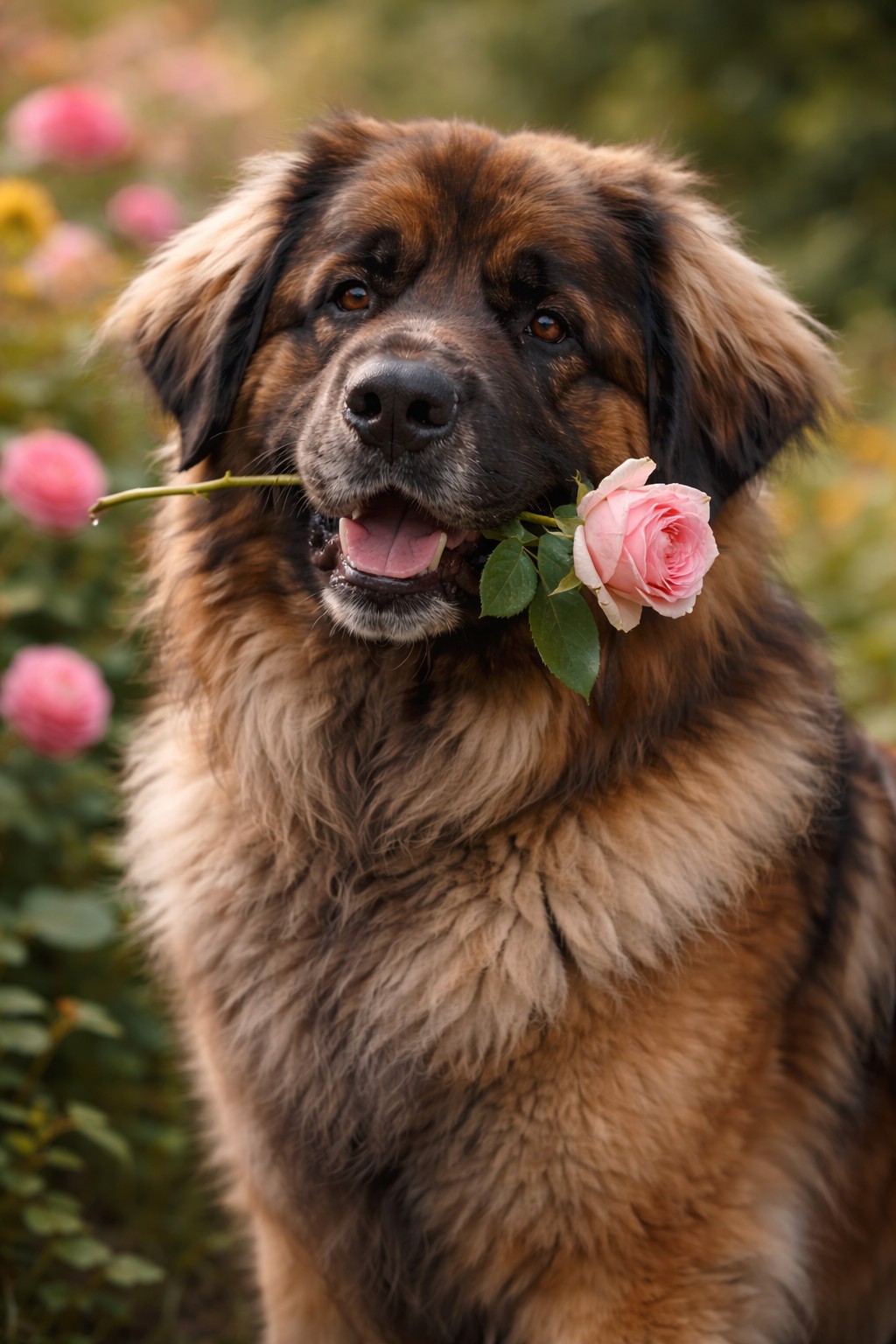
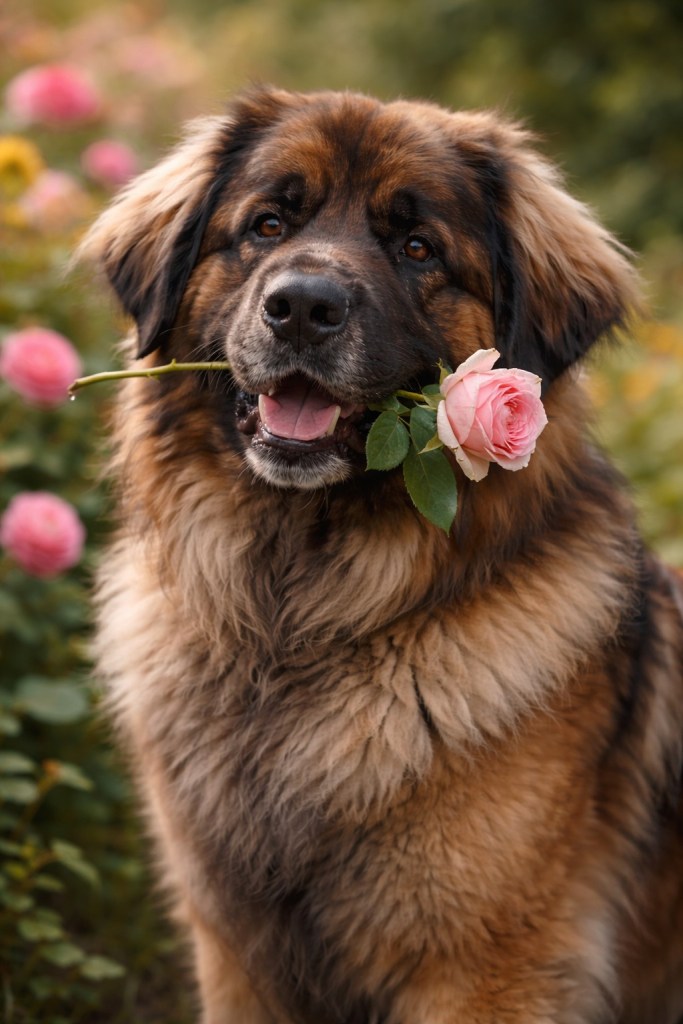
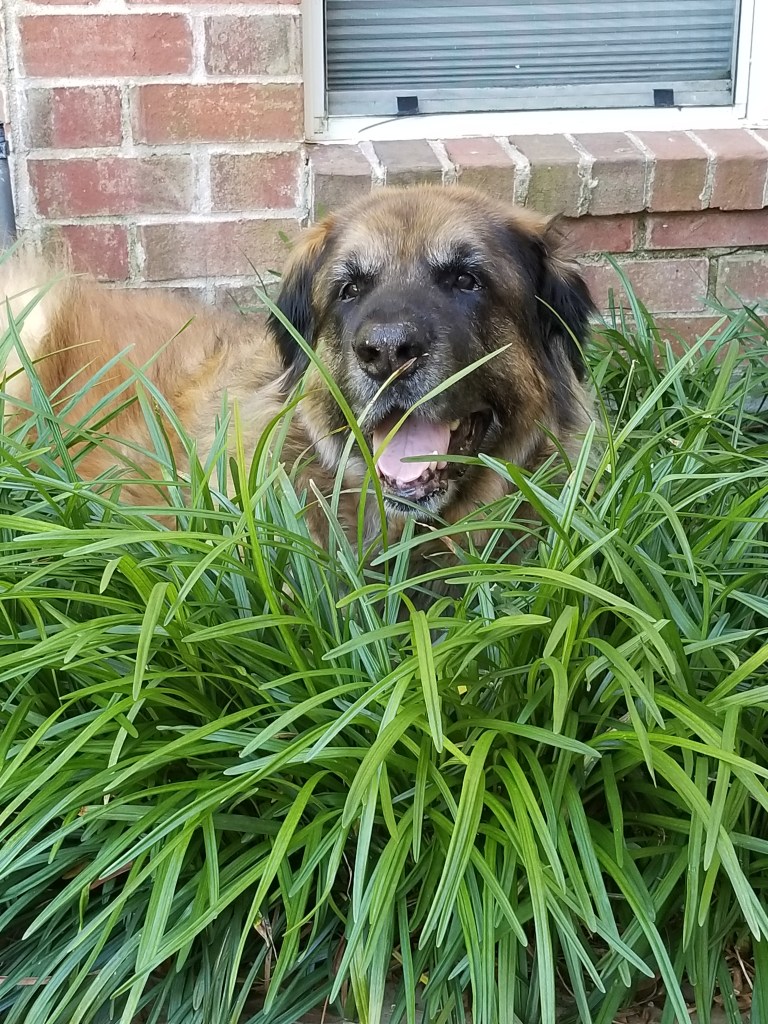
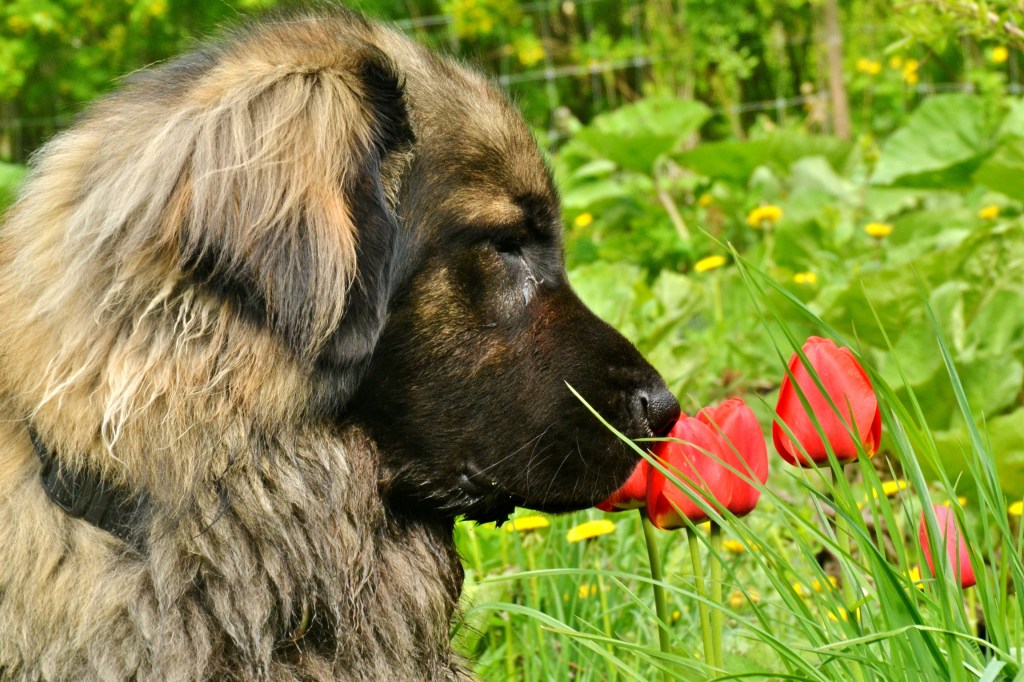
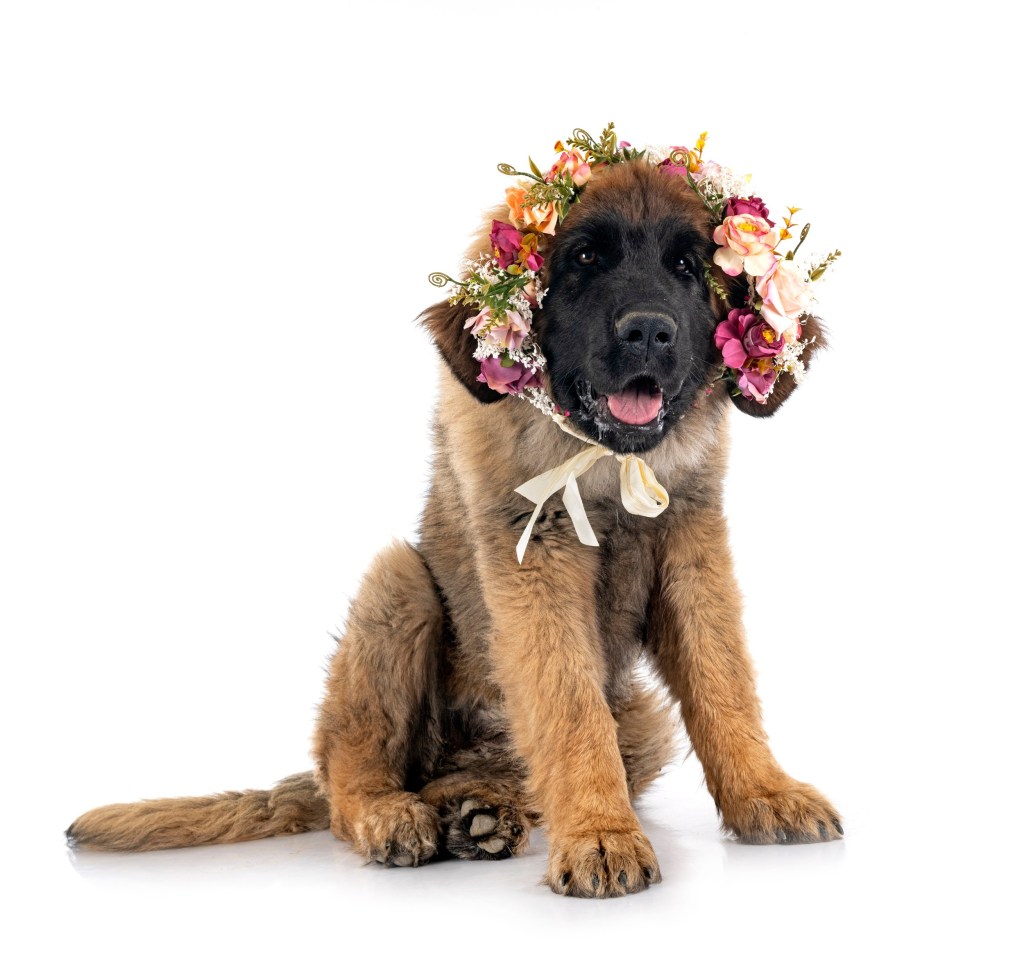
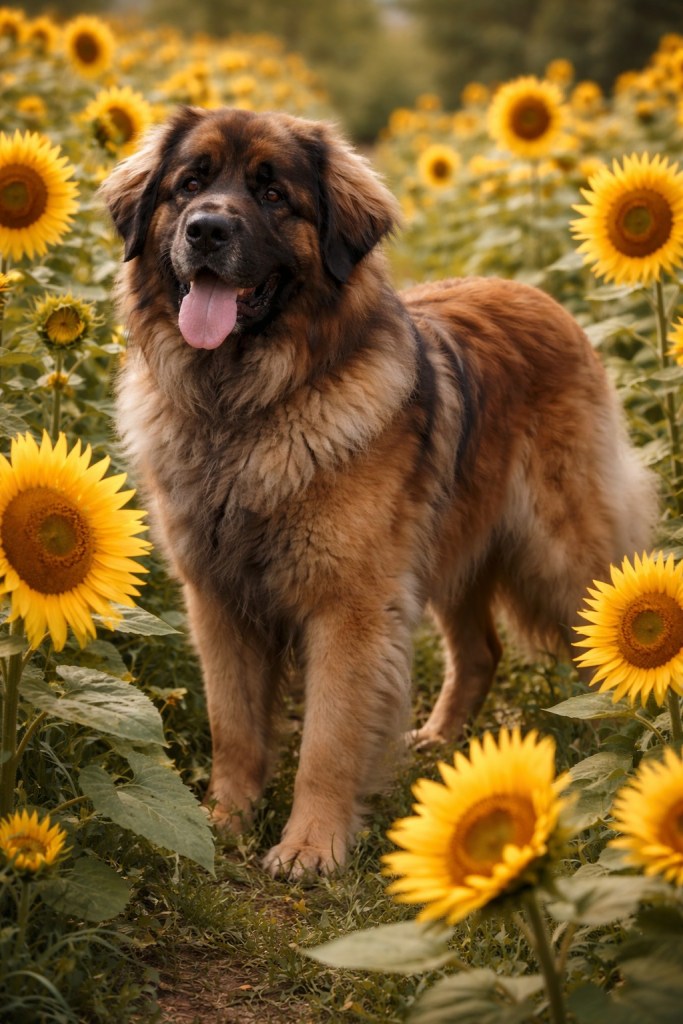
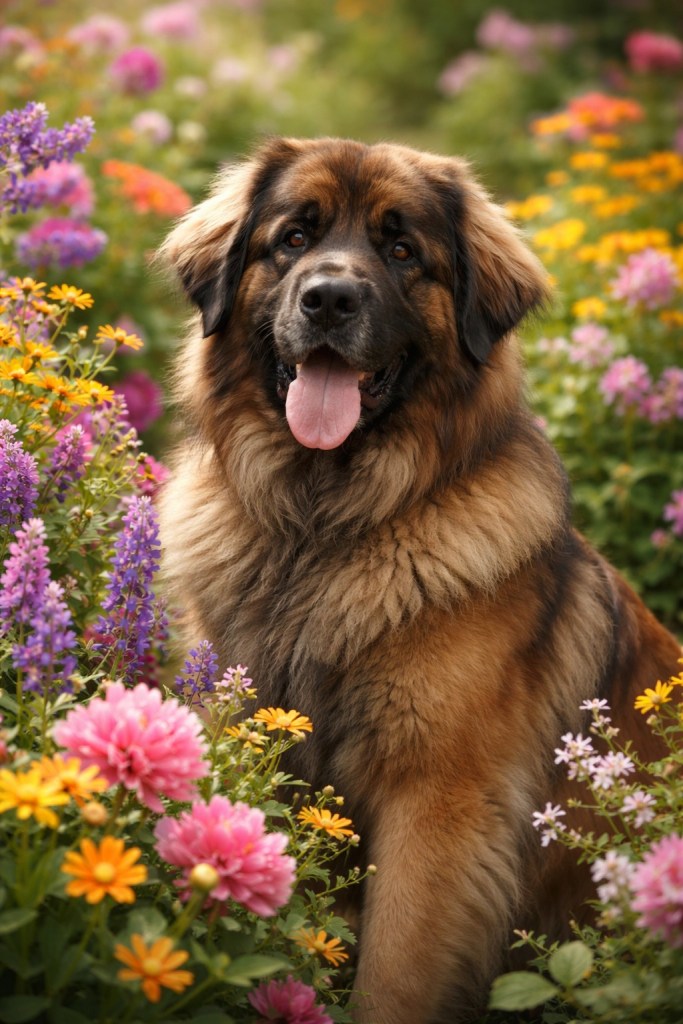
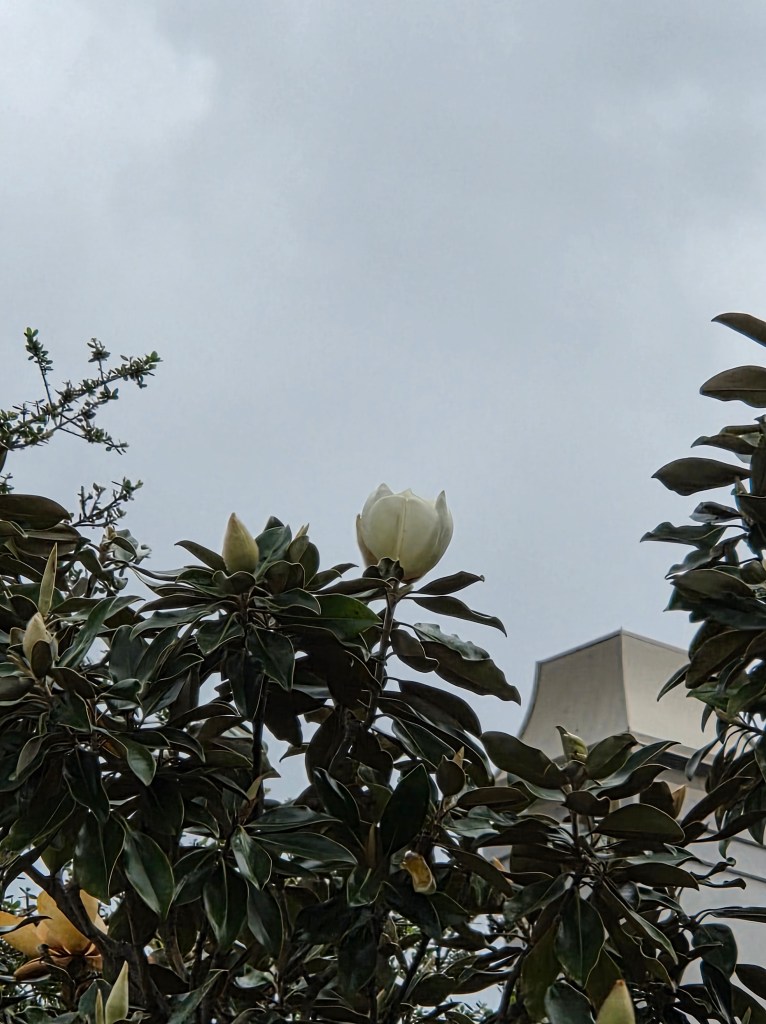
This post features various photos or illustrations of Leonbergers with flowers. The second photo below is our late Leonberger Bronco in the tall grass plants at our in-laws and the rest of the pictures are pictures featuring Leonbergers with flowers that I generated using ChatGPT or Shutterstock photos with Leonbergers and flowers (I have a shutterstock account).
Leonberger with a rose. I generated this picture with the help of ChatGPT.Our Leonberger Bronco in the bushes in front of my in-laws house.A Leonberger is sniffing a couple of tulips. Shutterstock Asset id: 1352450168 by EmmaEEVPersson.Shutterstock Asset id: 450770140 by everydoghasastory.Leonberger puppy Stock Photo ID: 561111403 by Akbudak Rimma.Leonberger puppy on a white sofa Asset id: 561113224 by Akbudak Rimma.Leonberger puppy with flowers in his hair. Shutterstock Asset id: 1921825460 by cynoclub.Leonberger Puppy with flowers on his head – Shutterstock Asset id: 2154719621 by cynoclub.Leonberger with sunflowers. I generated this picture with the help of ChatGPT.Leonberger in a field of flowers. I generated this picture with the help of ChatGPT.And a bonus photo. No Leonberger in this photo. Our Magnolia tree in our backyard just opened up its first flower for the season (lots of buds but they are still closed).
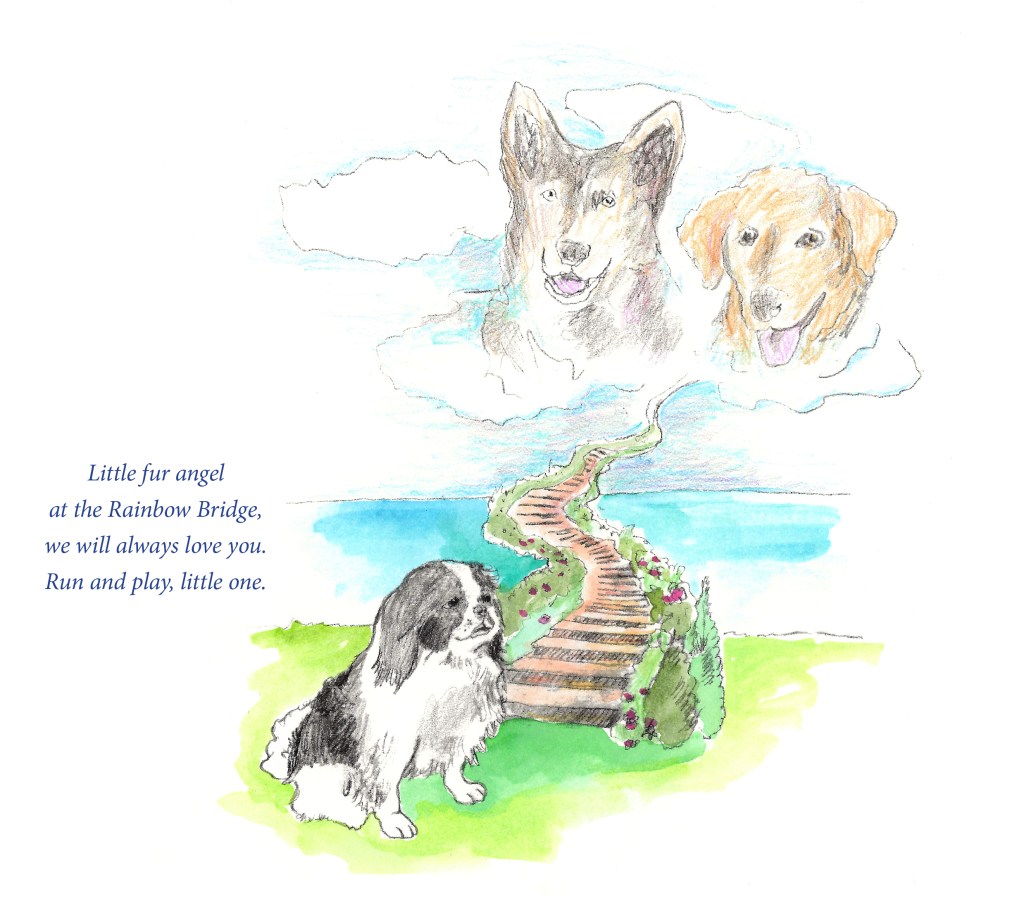
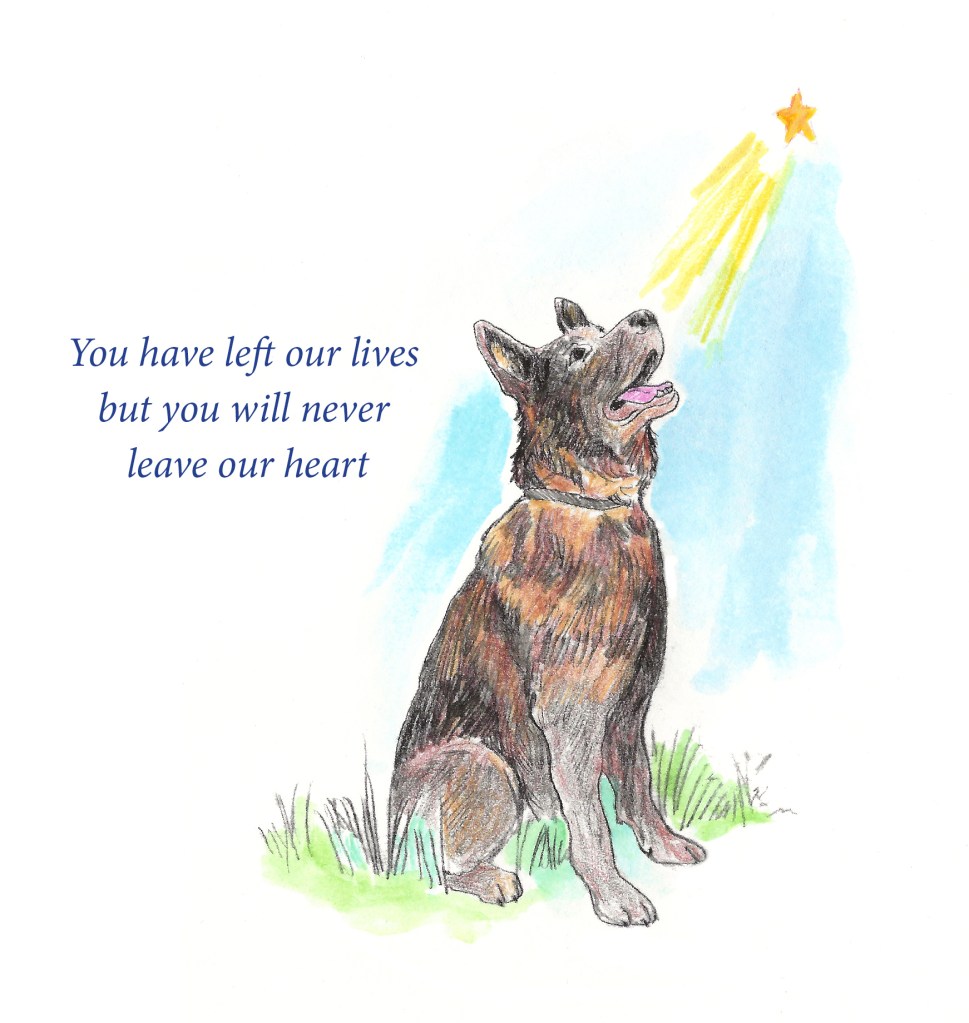
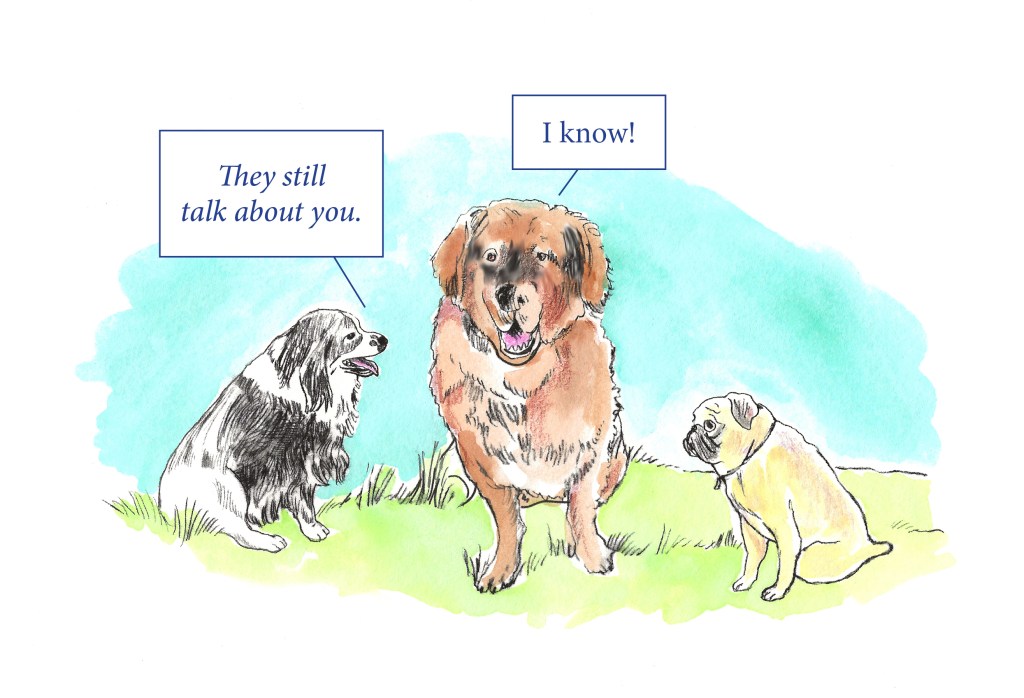
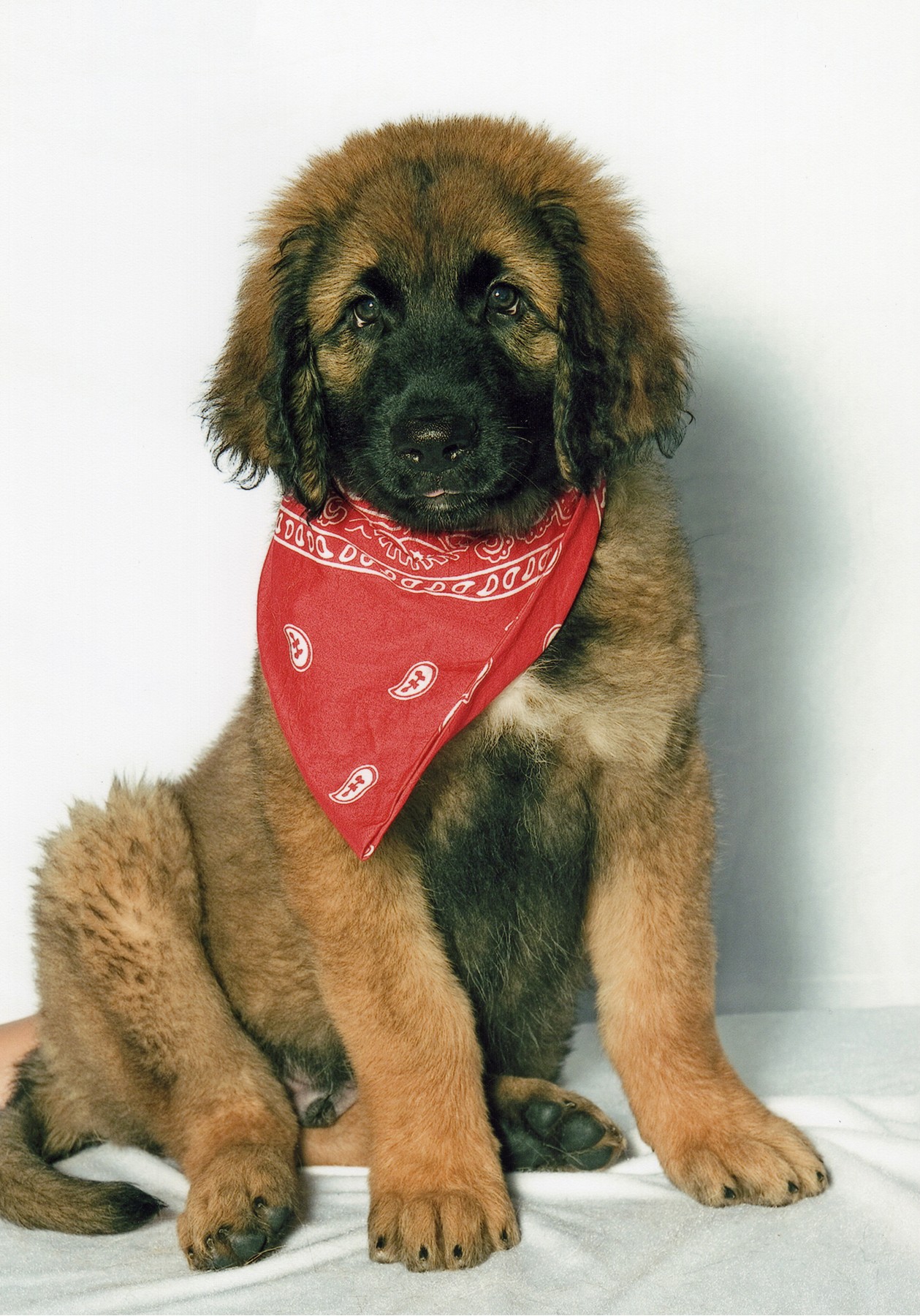
“I’ll Be Waiting for You at the Rainbow Bridge” is a very heartwarming and touching story about loosing a pet written by Luisa Zambrotta. It really touched my heart and I want you all to read it.
A professional content writer by the name of Ryan Goodchild contacted me about publishing a Leonberger related post on my Leonberger blog, which I am certainly happy to assist with. The title is “How to Include Your Leonberger in Your Wedding Day with Ease and Joy”. See the article article below. While Ryan did all the writing, I added photos of our Leonberger as well as a few Leonberger stock photos.
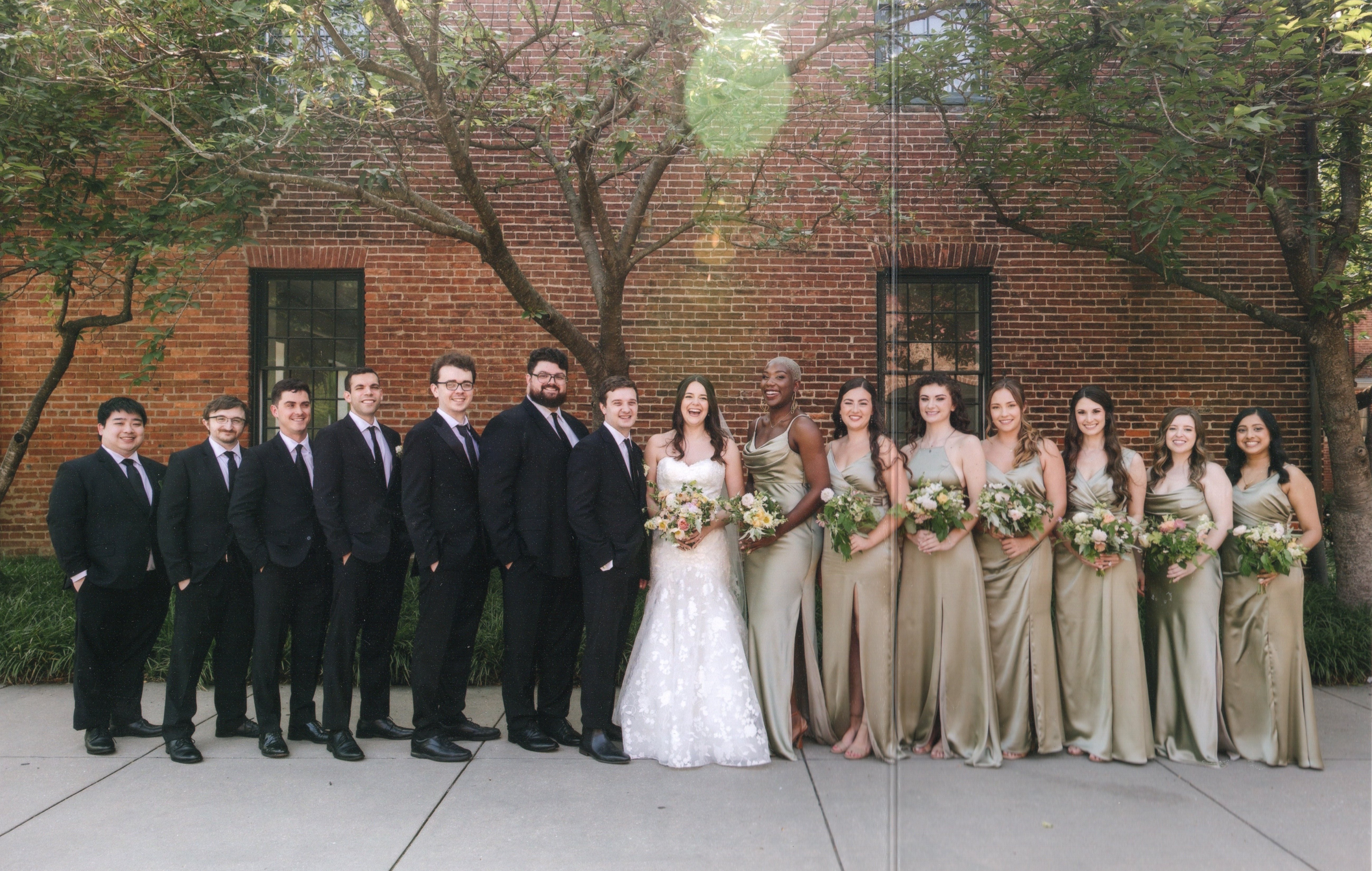
The photo tile above includes a photo of me and my wife cutting a wedding cake and a photo of our son and daughter in-laws wedding party. There are two photos of our Leonberger Bronco. One from when he was a three months old puppy and one from when he was 12 years old. There is a shutter stock photo ID:731020957 by Peter Josto, a photo of a woman and her Leonberger dog, asset id: 1741753382 by Elena Podrezenko, and a another photo showing a Leonberger puppy with flowers, asset id: 561113224 by Akbudak Rimma.
How to Include Your Leonberger in Your Wedding Day with Ease and Joy
Leonberger owners planning to include dogs in weddings often feel pulled between the deep emotional bond with dogs and the reality of managing a gentle giant in a busy, unpredictable setting. Wedding festivities with pets can be loud, crowded, and full of unfamiliar smells and schedules, which can raise anxiety and create safety concerns for guests and for large dog breeds at events. Add shedding, heat tolerance, and stamina to the mix, and even well-trained dogs can struggle if expectations aren’t clear. With the right mindset, couples can protect comfort and health while making room for meaningful moments with their Leonberger.
Shutterstock asset id: Shutterstock 450770140 by everydoghasastory
Plan a dog-friendly role that fits your Leonberger’s temperament, energy, and comfort in crowds.
Choose simple, theme-matching accessories that stay comfortable and safe for a large breed.
Confirm venue rules and set up a calm, shaded rest area with water and a trusted handler.
Prepare for photos by timing sessions well and using familiar cues for calm, cooperative portraits.
Pick Your Pup’s Role: Ring Bearer, Flower Dog, or Photo Star
Leonbergers can be surprisingly steady “wedding teammates” when their job matches their temperament, coat needs, and stamina. Use the musts you already planned, venue safety, a quiet break space, hydration, and a realistic timeline, to choose a role that feels joyful, not stressful.
Match the role to your Leonberger’s comfort level: Start by choosing the easiest job your dog can succeed at, then upgrade only if practice is smooth. A confident, people-friendly Leo may love a short aisle walk, while a more sensitive dog might shine as a “photo star” during a calm pre-ceremony session. A simple gut-check is whether your dog can stay relaxed around applause, rustling fabric, and hugs; a pet’s personality should guide how “public” their role is.
Choose Leonberger-friendly wedding attire that won’t mat or overheat: For big-coated dogs, prioritize soft, wide straps and minimal layers: a lightweight bow tie on a breakaway collar, a bandana that sits above the shoulder coat, or a floral collar made with faux flowers and soft backing. Avoid tight elastic, scratchy tulle, or anything that compresses the ruff, those can tangle and create hot spots. Do a 10-minute dress rehearsal at home, then brush out the coat immediately after to prevent matting.
Try a harness-based ring bearer setup (safe and photogenic): Skip anything that dangles near paws or swings into the chest. Use a well-fitted Y-front harness and attach a small, closed pouch (or lightweight ring box) to the top strap so it stays stable; keep the real rings with your best human. Practice a 20–30 second “walk, stop, sit” routine in the harness so your Leonberger learns the exact aisle pace you want.
Make “flower dog” realistic with a basket-free plan: Many Leonbergers dislike carrying objects when excited, and baskets can bump the chest and restrict stride. Instead, attach a mini pouch of petals to the harness and have an attendant sprinkle petals just ahead of you, or cue your dog to “touch” a decorated sign at the aisle entrance for the same effect. This keeps the job simple while still delivering that flower-dog moment.
Plan a photo-star schedule that respects coat, drool, and downtime: Leonbergers often photograph best in shorter bursts: aim for two 5–8 minute sets, one before guests arrive and one at golden hour, rather than one long session. Pack a “quick reset kit” from your musts list: towel, drool cloth, slicker brush, water, and high-value treats. Ask your photographer for a few action prompts (walk toward the camera, sit-and-stay, “look” cue) so your dog isn’t stuck holding a pose too long.
Assign a dedicated handler and a clean exit route: Your dog should have one familiar adult who isn’t in the wedding party, someone who knows their cues, can spot stress signals, and can leave early without disrupting the flow. Rehearse the entrance and exit route once at the venue, including the potty spot and the quiet break space, so your Leonberger never has to “guess” what’s next.
When your dog’s role is simple, comfortable, and well-rehearsed, it’s easier to troubleshoot the real-life questions, like crowd anxiety, heat management, and what a truly pet-safe venue needs to have.
Leonberger puppy being the flower dog. Shutterstock Asset id: 2154719621 by cynoclub.
Wedding Day Q&A for Leonberger Parents
Got a few last-minute worries? You’re not alone.
Q: What are some safe and comfortable outfit ideas for dressing my Leonberger for a wedding? A: Choose minimal, breathable pieces that will not pinch the ruff or trap heat, like a lightweight bandana or soft bow tie on a breakaway collar. Skip tight elastic, scratchy fabrics, and anything that rubs under the armpits. Do a short trial run, then brush the coat to prevent friction mats.
Q: How can I keep my Leonberger calm and happy during the busy wedding day? A: Build predictability: a quiet retreat spot, regular water breaks, and a handler who can step out before your dog hits their limit. A fear-free approach focuses on helping your pet feel safe, predictable, and understood, which is exactly the goal on a high-energy day. Watch for early stress signals like yawning, lip-licking, or scanning the room, and take a quick decompression break.
Q: What are creative ways to include my Leonberger in wedding photos and invitations? A: Plan a calm “portrait window” before guests arrive, then capture a second short session later when your dog is refreshed. For invitations and signage, use one clean photo and a simple icon version for small prints, then export everything into a single print-ready PDF using an image-to-PDF converter, including converting PNGs to PDFs online.
Q: How do I prepare the wedding venue to ensure it’s pet-friendly and suitable for my Leonberger? A: Confirm shade or indoor cooling, a non-slip path, and a low-traffic potty area away from food service. Ask about noise peaks, crowd flow, and any off-limits rooms so your Leonberger is never surprised. Because pet anxiety claims nationwide are up 93% since 2019, it’s smart to plan for lower stimulation, not just “allowing dogs.”
Q: What support can help me plan, including my Leonberger in wedding festivities, without feeling overwhelmed? A: Assign one dedicated dog handler and give them a simple checklist: arrival time, potty plan, water schedule, photo times, and an exit cue. Do one venue walk-through together, then keep your dog’s “job” short and winnable. If you’re making printed signs, batch your images and notes into one shared folder so decisions do not snowball.
A calm plan creates the joyful Leonberger memories you’ll actually want to relive.
This photo was provided by Jen O’Keefe, Urgent Animal Care of Arlington. From left to right; Obi, Delfi, Aslan, Gryphon, Digory.
Plan a Smooth Wedding Role for Your Leonberger
Here’s how to move from plan to action.
This process helps you include your Leonberger in the celebration while protecting their comfort, body safety, and stress level. Because Leonbergers are powerful, sensitive, and heat-prone under that gorgeous coat, a few rehearsals and clear logistics prevent overwhelm for both dog and humans.
Step 1: Choose one short “job” and rehearse it. Start with a single, easy role such as walking down the aisle with a handler, a quick greeting, or a photo cameo. Practice in 3 to 5-minute sessions in different places so your Leonberger learns the pattern, not just the location. End each run with a calm reward so the wedding task feels predictable and winnable.
Step 2: Run an outfit and gear test at home. Try the bandana, bow tie, harness, or leash during a normal walk, then check for rubbing under the front legs and around the ruff. Confirm your dog can pant freely, drink water, and lie down comfortably, since those are key stress relievers on a busy day. If anything causes scratching, head-shaking, or stiffness, simplify the outfit.
Step 3: Assign a dedicated pet-wrangler and share the schedule. Pick one person whose only responsibility is your dog, since you will be busy and emotions run high, and assign a pet handler who can advocate for breaks. Give them a simple timeline with arrival, potty, water, photos, ceremony, and your dog’s planned exit. Include your Leonberger’s “no thanks” signals so the handler can step away early, not after your dog is over threshold.
Step 4: Build large-dog safety protocols into every location change. Walk the exact routes your Leonberger will take, and remove slipping hazards like polished floors, loose rugs, and tight corners where guests may crowd in for petting. Confirm who opens doors, who holds the leash, and where your dog waits so nobody grabs the collar or leans over their head. Keep greetings brief and one-at-a-time to reduce jumping risk and prevent stress stacking.
Step 5: Schedule enrichment breaks to reset body and brain. Plan short “off-stage” pauses every 45 to 90 minutes for water, sniffing, and a chew or lick mat in a quiet spot. A few minutes of decompression lowers arousal and helps your Leonberger return to the group with better manners and a softer expression. If you can, arrive early so your dog can take a slow sniff-walk before the energy spikes.
When your Leonberger knows the routine and has real breaks, joy looks effortless and feels safe.
Creating Calm, Joyful Wedding Moments With Your Leonberger
Weddings are busy and sensory-rich, and it’s easy for a big-hearted Leonberger to get overwhelmed or under-managed in the excitement. A comfort-first plan, clear roles, thoughtful pacing, and responsible dog care at celebrations keep the day joyful while enhancing weddings with pets in a way that truly fits your dog. When that mindset leads, celebrating Leonbergers on special days becomes safer, smoother, and more meaningful, creating lasting memories with wedding dogs that everyone can cherish. Choose one job your Leonberger can enjoy, and let comfort set the pace. Pick one meaningful role your dog already excels at and commit to that single assignment for the day. That’s how the positive impacts of pets at weddings support connection and well-being long after the last dance.