This blog feature amusing and heartwarming stories about our late Leonberger dog Bronco, as well as other Leonbergers. It also has a lot of information about the Leonberger breed, the history, care, training, Leonberger organizations, etc. I also wrote a Leonberger book, which I am featuring in the sidebar.
I’ve stopped making New Year Resolutions. According to Psychology Today 80-90% of New Year Resolutions fail. However, I still have goals and wishes for the new year. Instead of making promises I try to make changes at my own pace. One of them is that I’ve started using the Peloton bike that we bought for my wife. Another is trying to adapt to my new role as a grandfather. Our first grandchild Jack was born at the end of September 2024. Yet another new beginning is that I want to focus slightly more on my relatively new blog superfactful that I started in August of 2024. In 2024 I posted 25 super facts and in 2025 I posted 53. I also made 64 other kinds of posts on this blog. I am hoping to one day to have collected 200 super facts. My hope is that I will post 80 super facts in 2026. Let’s see how far I get.
New Beginnings the Peloton Bike
My wife and I bought a Peloton bike a couple of months ago. It was my wife who was the most interested in it but lately I’ve been trying it out as well. I found that this is an excellent way of getting some exercise. A Peloton bike is an internet-connected stationary exercise bike featuring a large touchscreen that streams live fitness classes led by instructors. You select your level, time and your instructor and press start.
Our Peloton bike. The large touch screen is on the right in the photo compared to the rest of the bike.
I usually pick the same class as my wife does. It is the beginners class with Emma. You follow her instructions and you increase/decrease the speed and resistance. Emma does the same thing as you do, you follow her, she is encouraging and she plays great music for you as you do the exercises. It is almost like having your personal trainer. I know these are prerecorded classes but yesterday when my speed / cadence dropped below the goal, Emma told me, “Let’s try to keep the cadence above 80”. This happened twice giving me the feeling that the class was live. It is an entertaining way of exercising that I hope I will continue doing throughout 2026. Perhaps not every day, but I want to do it often. It is a new beginning for me, a new exercise beginning.
Emma is looking out from the touch screen, telling you what to do.
New Beginnings Our First Grandchild
Our oldest son Jacob and his wife Ashley live in Baltimore, Maryland, and their son Jack is three months old. We’ve visited a few times, and we are soon going back there, and they (Jacob, Ashley and Jack) are coming to visit us in February. Being a grandfather is a new role for me that I am going to have to learn. It is a New Beginning for me. You can read more about our latest trip to Baltimore here.
Jack with his mother AshleyMy wife Claudia is feeding JackMy wife Claudia is on the left; I am in the middle and Jack is on the right.
New Beginnings for Super Facts
In August of 2024 I started a second blog, superfactful. The goal of this blog is to create a list of facts that are important, not trivia, and that are known to be true and yet surprising, mind-blowing, shocking or disputed by large segments of the public. I am avoiding click bait and focusing on facts that will challenge the reader as well myself in a way that provides growth. Below are a few examples.
The speed of light in vacuum is the same for all observers regardless of their speed and the direction in which they are going. It is always c = 299,792,458 meters per second. If you try to catch up to a light beam and travel close to the speed of light the speed of the light beam will still be c = 299,792,458 meters per second compared to you. This is possible because time and space don’t behave like we expect.
In this picture Amy is traveling past Alan in a rocket. Both have a laser. Both measure the speed of both laser beams to be c = 299,792,458 meters per second.
Superfact 25: Global warming or if you call it Climate Change or Climate Disruption is happening, and it is happening very fast, and we also know that it is caused by us primarily as a result of our burning of fossil fuels. There is a long-standing scientific consensus on these two facts because the evidence is conclusive. Check the evidence below.
The so-called hockey stick curve depicting the last 1,000 years. The blue line is the first hockey stick curve ever created (by Michael Mann). He used proxy measurements such as tree rings, green-dots 30-year average, red temperature measurements. This graph is taken from this page.
Super fact 67 : Infinities come in different sizes. Some infinities are larger than others. In fact, it is possible to create an infinite number of different-sized infinities. Some infinities are countable and others are uncountable.
Infinity Asset id: 2118543950 by Sahara Prince
There are 78 super facts so far. I am hoping that my increased focus on this blog will lead to another 80 this year. It will be a New Beginning. To see a list of the 78 super facts and the next 72 I’ve planned click here.
This is a Leonberger blog but sometimes I post about other topics that interest me. This post is about five facts about Climate Change that I think everyone should know. It is also an opportunity for me to bring attention to my new blog. I should say that I am posting this on this blog because my Leonberger blog is the one that gets the most attention.
Climate Change, or if you call it Global Warming, is a huge problem that has been getting a lot of attention, but despite this fact a lot of people don’t understand the simple basics. The confusion and misinformation are especially widespread here in the US. You can thank the fossil fuel industry propaganda and right wing think tanks for that. I was bamboozled and misled myself until I took a deep dive into the subject and learned what the facts were. It helped me a bit that I have a strong science background. The five facts I have in mind are:
(1) We know that climate change is happening
(2) We know that we humans are the cause
(3) Nearly 100 percent of climate scientists agree that we are the cause
(4) Climate change has always been around but that does not change the facts above
(5) It is not important whether you call it Global Warming or Climate Change
We Know that Climate Change is Happening
The evidence that Global Warming (or Climate Change) is happening is overwhelming, in fact conclusive. It includes the temperature records collected by numerous organizations, NOAA, NASA, the Hadley Centre, the European Centre for Medium-Range Weather Forecasts, the Japanese Meteorological Agency, the World Meteorological Organization, and many more. These organizations collect data from land-based weather stations, ocean buoys, satellite measurements, and other sources to monitor Earth’s climate. Comparison with the palaeoclimatological record shows that the rise in average global temperatures is extremely fast.
Other evidence is the measurements of global sea levels, the fact that glaciers are retreating, that the arctic ice is melting, that the Antarctic ice sheet is losing ice, that eco zones are generally shifting northward, that the climate is changing, and that snow seasons are getting shorter, something that is directly visible to old guys from northern climates like me. You can read more about this evidence by clicking here. Below are two 45 second videos from NASA illustrating global warming.
Historical global temperature map
To see the NASA web page from where the YouTube video of the shrinking arctic ice is taken click here.
We Know that we Humans are the Cause
Climate scientists have done thorough studies of atmospheric physics, paleoclimatology (past climate), oceanography, geology, and biology related to climate change, as well as climate modeling, and have produced tens of thousands of research papers in the process. The evidence they have collected points to us as the culprit behind the recent rapid rise in overall global temperatures and other climate change.
The evidence that we are the cause behind climate change includes the climate models, which have gotten extremely good. What we see is pretty much exactly what you expect from our fossil fuel emissions. The upper troposphere is cooling, which shows that the global heating is from greenhouse gases and not from the sun or from earth’s orbital cycles. To understand how the lower atmosphere is warming while the upper is cooling, think of the greenhouse gases as a blanket. The fact that winters and nights are generally warming faster is another indicator that the cause for the warming is greenhouse gases. The speed of the warming is so fast that there is no known natural forcing that could cause it. Isotope studies show that the origin of the greenhouse gases added to the atmosphere are from burning fossil fuels. To read more about this evidence click here.
This is a short one-minute overview of the causes behind global warming.
This video from NASA is a bit longer, 13 minutes, but it is very informative. Click here to see the page this is coming from.
Nearly 100 Percent of Climate Scientists Agree that we are the Cause
Climate Scientists agree that Global Warming or if you call it Climate Change is happening, and that it is caused by us primarily because of our burning of fossil fuels. There is a long-standing scientific consensus on these two facts because the evidence is conclusive. Typically, studies show an agreement of at least 97% or 98% among climate scientists. To read more about this topic click here.
Climate Change Has Always Been Around But that does not Change the Facts Above
Climate has changed for natural reasons, for as long as our planet has been around (pun not intended). The sun’s irradiance has changed, life evolving effect climate, especially microbe evolution, crashing asteroids can affect climate, earth has three orbital cycles, orbital eccentricity, change in axial tilt, and axial precession, and volcanoes spew out carbon dioxide and aerosols. However, past climate change is not a reason to dismiss human caused climate change. First, our scientific organizations keep track of natural causes and if you remove our greenhouse gas emissions from the equation it should not be getting warmer right now. Second, the different causes of climate change have different effects, different fingerprints if you will, and the way climate change is happening is pointing to human greenhouse gas emissions (a fingerprint match), not anything else.
A very common objection to human-caused climate change is that climate has always changed, it’s been warmer before, a 100 million years ago it was much warmer, carbon dioxide levels were much higher before, etc. This is a very bad objection that reveals the ignorance of the objector on this topic, as well as him/her not thinking through what they are saying. Think about it, the experts on past climate are the ones telling us that climate change is not natural this time. If you use this objection, you should ask yourself, maybe there is something you are missing.
This is how the well-known Climate Scientist Katherine Hayhoe introduces herself: “Hi, I’m a climate scientist. You may know me from my greatest hits including, “No, it’s not a natural cycle,” “Yes, I know it’s been warmer before (and the only reason YOU know is because we scientists told you so),”
In my post “Global Warming is Happening and is Caused by us” I wrote a lot about natural causes behind past climate change. To read more click here.
It is not Important Whether you call it Global Warming or Climate Change
Finally, I have come across a lot of people who instantly object if you use both the phrase Global Warming and Climate Change. They think it is proof that there is something sinister going on. A conspiracy. We used to have a big dog, a Leonberger called Bronco. Just because I just called him “a big dog” instead of a Leonberger does not mean that I am lying about having a Leonberger. It is just two descriptions for the same dog. Actually, one time I called him Henry by mistake. There is still no conspiracy.
Climate Change is a broader term. The average global temperature is rising but there are a lot of other things going on as well, weather patterns are changing, some places are getting dryer, some wetter, the carbon emissions are causing ocean acidification, etc. However, both Global Warming and Climate Change are acceptable terms. Whether you use the phrases Global Warming, Climate Change, Climate Disruption, Global Heating, is a personal preference. The popularity of the different monikers has changed with culture, and not just because of popularity among scientists. Implying conspiracies or dishonesty because of different monikers is a popular thing to do but it is silly.
With this blog post I wanted to bring attention to my other blog. The goal of this fairly new blog is to generate a list of what I call super facts, which are important facts, not trivia, known to be true and yet are either disputed by large segments of the public or highly surprising or misunderstood by many. Because these facts are fundamental and true and yet there is so much confusion and dispute surrounding them, I consider these facts to be very special. That’s why I call them super facts.
In a sense the blog is a myth busting blog. A myth busting blog that focuses on important information. I call this blog “Superfactful”. I am trying to get more subscribers and visitors to my new blog. This post is essentially a shoutout to my Superfactful blog. I am featuring five selected super facts. To read more about the super facts click on the images or links below.
I can add that about half the posts on “Superfactful” are not super facts but just fun facts or reviews of non-fiction books.
Super Fact #4 : The Speed of Light in Vacuum Is a Universal Constant
The speed of light in vacuum is a universal constant. The speed of light in vacuum is the same for all observers regardless of their speed and the direction in which they are going. It is always c = 299,792,458 meters per second. If you try to catch up to a light beam and try to travel close to the speed of the light beam, you will not be able to catch up. The speed of the light beam will still be c = 299,792,458 meters per second compared to you no matter how fast you go. This is possible because time and space don’t behave like we expect.
Click here or the picture below to visit Super Fact #4
In this picture Amy is traveling past Alan in a rocket. Both have a laser. Both measure the speed of both laser beams to be c = 299,792,458 meters per second.
Super Fact #7 : Poverty and child mortality have been sharply reduced worldwide
Extreme poverty as well as child mortality has been sharply reduced the world over. The countries that are the worst-off today are still better off than the countries that were doing the best at the beginning of the 19th century. Over the last 20 years extreme poverty and child mortality have continued to decline sharply.
Click here or the picture below to visit Super Fact #7
This graph from Our World In Data shows a steep decline in extreme poverty over time. Click on the picture to visit the original article.
Super Fact #25 : Global Warming is Happening and is Caused by us
Global warming or if you call it Climate Change or Climate Disruption is happening, and it is happening very fast, and we also know that it is caused by us primarily as a result of our burning of fossil fuels. There is a long-standing scientific consensus on these two facts because the evidence is conclusive. Check the evidence in the post.
In other words, politicians dispute this, political think tanks dispute this, many amongst the public dispute this, but scientists extremely rarely dispute this because the evidence is too strong.
Click here or the picture below to visit Super Fact #25
The so-called hockey stick curve depicting the last 1,000 years. The blue line is the first hockey stick curve ever created (by Michael Mann). He used proxy measurements such as tree rings, green-dots 30-year average, red temperature measurements. Wikimedia commons <<https://creativecommons.org/licenses/by-sa/4.0/deed.en>>. This graph is taken from this page.
Super Fact #28 : That Earth is round was well known long before Columbus
That Earth is round, or spherical (or closely spherical) had been known for at least a couple of thousand years by the time Columbus set sail. Columbus did not set sail to prove that earth was round, and he knew it was round.
Click here or the picture below to visit Super Fact #28
Columbus did not use Eratosthenes calculations from 1,800 years earlier and therefore thought that the earth was much smaller than it really was. He did not know about the Pacific Ocean. Earth Pacific Ocean view Stock Illustration ID: 1617553012 by Matis75.
Super Fact #35 : Natural Disasters Kill Less People Now Than 100 Years Ago
Natural disasters kill a lot less people now compared to 100 years ago. That is despite a larger population and despite the fact that climate change has increased the frequency and intensity of many types of natural disasters.
Click here or the picture below to visit Super Fact #35
This graph from the Gap Minder article shows the annual deaths from natural disasters in ten-year intervals starting with 1930. The trend is down.
I would like to highlight today’s Superfactful post called “Global Warming is Happening and is Caused by us”. I think it is an interesting one that is quite educational. It features 10 conclusive pieces of evidence that it is happening and then 10 pieces of evidence that we (humans) is the cause.
Superfact 25: Global warming or if you call it Climate Change or Climate Disruption is happening, and it is happening very fast, and we also know that it is caused by us primarily as a result of our burning of fossil fuels. There is a long-standing scientific consensus on these two facts because the evidence is conclusive. Check the evidence below.
Click here to visit my superfactful post and if you haven’t subscribed yet feel free to do so.
The so-called hockey stick curve depicting the last 1,000 years. The blue line is the first hockey stick curve ever created (by Michael Mann). He used proxy measurements such as tree rings, green-dots 30-year average, red temperature measurements. Wikimedia commons <https://creativecommons.org/licenses/by-sa/4.0/deed.en>. This graph is taken from this page.
Many of you know that I have a new blog. The goal of this new blog is to create a long list of facts that are important, not trivia, and that are known to be true and yet are either disputed by large segments of the public or highly surprising or misunderstood by many. I call these special facts “super facts” in lack of a better term.
In my Leonberger blog (this one) I write about Leonberger dogs, but I also write book reviews and about non-Leonberger related topics. I am thinking about splitting the book reviews between my Leonberger blog and the Superfactful blog. I am thinking of putting Leonberger books, pure fiction and poetry on my Leonberger blog and non-fiction books and fiction books related to something factual on my Superfactful blog. I wonder if that is a good idea. Naturally the book reviews would not be part of the super fact list but would be on my blog. Any opinions about this split are welcome.
Finally, I would like to highlight my first post on my new blog. It describes my journey through the valley of bamboozlement and miscomprehension. In the past I have had to give up cherished beliefs that were wrong and I had to accept facts that were hard pills to swallow. I consider this growth. Click on any of the pictures below to read that post.
I learned that Earth is not 6,000 years old. It is billions of years old, and we know this with certainty. I learned that lightspeed in vacuum is a universal constant, time is relative, and other strange facts from science. Stock Photo ID: 2024419973 by Elena11. Click on the picture to read my post called Bamboozlement Misunderstandings Big Surprises and My Journey.I doubted human caused global warming, but I was forced to revise my belief after a deep dive into the topic. Natural causes for global warming / climate change would have cooled the planet, not warm it. Click on the picture to read my post called Bamboozlement Misunderstandings Big Surprises and My Journey.
This is a Leonberger blog, but sometimes I also post reviews for books that are not about Leonbergers and when I do it is for books that I love and that I want others to read. Today I am posting a review for Our Fragile Moment: How Lessons from Earth’s Past Can Help Us Survive the Climate Crisis by Dr. Michael E. Mann. If you don’t know who Michael Mann is, he is the creator of the hockey-stick curve (in 1998), which is a curve that shows the variation of average global temperature throughout history. For recent times (last 150 years) he used measured temperatures and for temperatures further in the past he used so called proxy data to estimate global temperatures. As the name indicates the graph looked like a hockey stick laying down, which did not sit well with climate change deniers, and as a result he was viciously attacked, threatened, and defamed. He was a young post-doc student at the time. February 8, 2024, Dr. Michael Mann was awarded one million dollars in a defamation lawsuit against Fox talk show host Mark Steyn and another $1,000.00 from Rand Simberg.
Hockey stick curve for the last 1,000 years, blue-Michael Mann’s original curve (proxy measurements such as tree rings), green-dots 30-year average, red temperature measurements. From Wikipedia Commons.Global temperature going back twenty thousand years, another hockey stick graph. Notice the stable temperature during the last 6-7,000 years, coinciding with the development of human civilization, and then a sudden sharp increase at the end.
I should say that at first, I believed myself that Dr. Mann was a fraud. As I took a deep dive into the topic and learned more about it, I came to realize I was wrong and that his critics were wrong, and that Michael Mann was right. Since his original hockey stick curve there have been several dozen hockey stick curves produced by other independent researchers, often going back further in time, and they all confirm his findings. Today the scientific community has entirely accepted the hockey stick as correct. Despite this fact Dr. Mann is still being attacked by various organizations and individuals. Typically graphs put people to sleep, but this one started a war that is still ongoing. Charles Darwin was also attacked for his scientific discoveries and now history is repeating itself.
Anyway, about this book. This book mentions the hockey stick curve, but it is not the focus of the book. This book goes back 4.5 billion years and explains what is known about past climate which is surprisingly much. Science does not know everything, otherwise it would stop, but it knows a lot. He discusses various past climate shocks, various climate cycles, extinction events, etc., and analyses what past climate means for us today. There is bad news and there is good news. The book is packed with information and data, but I loved it.
Hardcover – Publisher : PublicAffairs (September 26, 2023), ISBN-10 : 1541702891, ISBN-13 : 978-1541702899, 320 pages, Item Weight : 1.15 pounds, dimensions : 6.4 x 1.06 x 9.55 inches, it cost $19.59 on US Amazon. Click here to order it from Amazon.com.
Paperback – Publisher : PublicAffairs (October 15, 2024), ISBN-10 : 1541702905, ISBN-13 : 978-1541702905, 320 pages, Item Weight : 1.11 pounds, dimensions : 5.5 x 0.8 x 8.25 inches, it cost $19.99 on US Amazon. Click here to order it from Amazon.com.
Kindle – Publisher : PublicAffairs (September 26, 2023), ASIN : B0BRJ6SCFM, 392 pages. It is currently $18.99 on Amazon.com. Click here to order it from Amazon.com.
Audiobook – Publisher : PublicAffairs, Release date September 26, 2023, ASIN : B0BWKCPSDY, Listening length 9 hours and 38 minutes. Click here to order it from Amazon.com.
Front cover of Our Fragile Moment: How Lessons from Earth’s Past Can Help Us Survive the Climate Crisis by Michael E. Mann. Click here or the picture to visit the Amazon.com page for the Hardcover version of the book.
Amazon’s description of the book (from the Amazon page)
In this sweeping work of science and history, the renowned climate scientist and author of The New Climate War shows us the conditions on Earth that allowed humans not only to exist but thrive, and how they are imperiled if we veer off course.
For the vast majority of its 4.54 billion years, Earth has proven it can manage just fine without human beings. Then came the first proto-humans, who emerged just a little more than 2 million years ago—a fleeting moment in geological time. What is it that made this benevolent moment of ours possible? Ironically, it’s the very same thing that now threatens us—climate change.
The drying of the tropics during the Pleistocene period created a niche for early hominids, who could hunt prey as forests gave way to savannahs in the African tropics. The sudden cooling episode known as the “Younger Dryas” 13,000 years ago, which occurred just as Earth was thawing out of the last Ice Age, spurred the development of agriculture in the fertile crescent. The “Little Ice Age” cooling of the 16th-19th centuries led to famines and pestilence for much of Europe, yet it was a boon for the Dutch, who were able to take advantage of stronger winds to shorten their ocean voyages.
The conditions that allowed humans to live on this earth are fragile, incredibly so. Climate variability has at times created new niches that humans or their ancestors could potentially exploit, and challenges that at times have spurred innovation. But there’s a relatively narrow envelope of climate variability within which human civilization remains viable. And our survival depends on conditions remaining within that range.
In this book, renowned climate scientist Michael Mann will arm readers with the knowledge necessary to appreciate the gravity of the unfolding climate crisis, while emboldening them—and others–to act before it truly does become too late.
A Palaeoclimatological Journey Accompanied by Intelligent Analysis And What It Means for Us
In this book the author takes us on a journey through earth’s climate history. He discusses the climate during the different eras and periods of earth’s history starting with the Hadean and Archean and ending with the Holocene. There have been extreme changes in the climate, caused by shocks to the system, followed by mass extinctions. The many devastating large swings in the climate often took hundreds of thousands of years or millions of years to run their course. Species disappeared while species better adapted to the new climate evolved. As he gets to modern times, the Holocene, he gives us more detail and analyzes the climate for much shorter intervals. It is clear from his discussion on more recent climate that climate has shaped us, and we have shaped climate.
He also discusses the various climate cycles that effected our climate in the past as well as currently, including the Milankovitch cycles, such as the eccentricity of Earth’s orbit, earth’s obliquity and precession. Other cycles he is discussing include the El Niño–Southern Oscillation, the north Atlantic Oscillation (NAO), and the Atlantic Multidecadal Oscillation (AMO), which as it turns out does not exist. The purpose of all this is to determine what this means for our civilization and the unnatural and extremely rapid warming that we are causing today primarily via our carbon emissions.
I found some of the climate shocks he discussed quite interesting. During the Paleoproterozoic era 2 billion years ago the biological innovation of oxygen-generating photosynthesis led to a rapid drawdown on atmospheric carbon dioxide and in addition the positive feedback from the increased albedo from the ice buildup turned the planet into a snowball. This was reversed as the ice prevented absorption of carbon dioxide. Eventually the carbon dioxide concentration in the atmosphere reached 200 times of what it is today, and the snowball rapidly melted, and the carbon dioxide concentration settled again. The greatest extinction event in geological history was the Permian-Triassic extinction event 250 million years ago when 90% of all species on Earth perished. It was primarily caused by a substantial release of carbon dioxide from Siberian Trap volcanic eruptions.
Another interesting climate shock was the dinosaur-killing K-Pg event 66 million years ago. An asteroid collision made Earth’s climate much colder, and all large species died out. It took four million years for flora and fauna to reestablish itself but with new species. The losers were the non-avian dinosaurs, and the winners were the mammals and the avian dinosaurs or birds. The PETM event 55 million years ago was triggered by carbon-enriched volcanic eruptions that led to a rapid increase in temperature of 7-11 Fahrenheit in just 10,000 years. This event is eerily similar to what we are experiencing now, except our warming is even faster. He also describes the cooling that happened 50 million years ago because of the forced uplift of the Himalayas due to the collision of India with Eurasia. For more recent times he is discussing the various glacial and interglacial periods (ice-ages), driven by Milankovitch cycles.
His chief goal with his paleoclimate discussion is to find out what the paleoclimate record implicates for us. For example, establishing what is the equilibrium climate sensitivity (ECS), which is the increase in Earth’s average surface temperature that occurs after the climate system fully adjusts to a sustained doubling of atmospheric carbon dioxide. Another is Earth System Sensitivity (ESS), which describes how much warming you ultimately get in response to a doubling of CO2, after all the slow-response feedback mechanisms fully unfold.
Yet another climate feature is the existence of hysteresis loops, in which the value of a physical property lags behind changes in the effect causing it. For example, setting back CO2 to what it was before an event may not bring temperatures and climate back to what it was for 100,000 years. He is also analyzing the risk for ocean conveyor disruption and the risk for future methane bombs. The latter, which turns out to be low risk. Another piece of good news is that we are not at risk of a run-away greenhouse effect like the one Venus underwent two billion years ago. His conclusions are a mixed bag of good news and bad news. I can add that naturally he is also discussing the hockey-stick curve. He was the inventor of it.
The book contains a lot of information, and it sometimes features complex discussions, but if you read the book carefully it makes perfect sense. It is logical, intelligently written, and avoids hyperbole and exaggerations. However, if you are not very familiar with science and have a hard time with complexity it may not be the book for you. He stresses that the greatest threat to meaningful climate action is no longer denial, but despair and doomism, premised on the flawed notion that it is too late to do anything. We will not all perish from climate change, but neither is it a good thing. The facts justify immediate and dramatic action, but we are not going to fall off a cliff. Climate change is a crisis, but a solvable crisis. The question is how much damage we will do to future generations.
I highly recommend this brilliant, and fact filled deep dive into paleoclimate and what it means for humanity today, to anyone willing and able to tackle some complexity.
Back cover of Our Fragile Moment: How Lessons from Earth’s Past Can Help Us Survive the Climate Crisis by Michael E. Mann. Click here or the picture to visit the Amazon.com page for the Paperback version of the book.
About the Author
Dr. Michael E. Mann, famous for the hockey stick curve, is Presidential Distinguished Professor in the Department of Earth and Environmental Science at the University of Pennsylvania, with a secondary appointment in the Annenberg School for Communication. He is director of the Penn Center for Science, Sustainability, and the Media (PCSSM).
Dr. Mann has received a number of honors and awards including NOAA’s outstanding publication award in 2002 and selection by Scientific American as one of the fifty leading visionaries in science and technology in 2002. He contributed, with other IPCC authors, to the award of the 2007 Nobel Peace Prize. He was awarded the Hans Oeschger Medal of the European Geosciences Union in 2012. In 2020 he was elected to the US National Academy of Sciences. He is the author of more than 200 peer-reviewed and edited publications and five books. His research involves the use of theoretical models and observational data to better understand Earth’s climate system.
The Silurian Hypothesis
For all science fiction fans, the book also featured an idea that would make a good science fiction story. 55 million years ago there was an exceptionally fast warming of 9 degrees Fahrenheit (5 degrees Celsius) that was in many regards similar to what is happening now. It was not quite an extinction event, that requires more than 75% of all species to be gone in less than 2 million years, but it was catastrophic. This event is referred to as the PETM event. I can add that we are warming the earth at a rate 10 times faster today.
If we were to destroy ourselves what would a future species know about us 55 million years from now? Well, all traces of our civilization would be gone and finding fossils of us would be very likely despite our large population, because fossilization events are extremely rare. What would be left of us are the traces of the global warming we caused and long-lived chemicals such as nitrates from our fertilizers. That’s exactly what the PETM event has left behind, signs of a sharp increase in CO2, global warming and a sudden spike in nitrates that remain unexplained. Could it be that we are not the first intelligent species on earth and that our predecessors caused global warming as well? Well, this was just entertaining speculation, not science, but could there be something to it?
I have not posted in a while, and I have not read blog posts either because I’ve been focused on the annual Citizens Climate Lobby (CCL) conference and lobby days in Washington DC. Part of this event was about 1,000 CCL volunteers having meetings with more than 400 congressmen and senators. I organized and participated in a meeting with senator Ted Cruz’ office (Texas) and I participated in a meeting with Senator Wicker’s office (Mississippi). I also had a small one-man (just me) meeting with the office of another Texas congressman and a delivery to my own congresswoman Beth Van Duyne (Texas district 24).
CO2 emissions dial. Shutter stock Photo ID: 1928699927 by NicoElNino
Some technical background. The United States congress consist of two houses, the house of representatives with 435 congressmen, and the Senate with 100 Senators, two from each state. Each proposed law or bill/act has a number in the house of representatives on the form H.R.xxxx and S.xxxx in the Senate. To become a law, a bill/act must be approved by the house of representatives with a vote of at least 50% as well as approved by the Senate with a vote of at least 60% (filibuster rule) or 50% if you can make it part of a budget bill (so called budget reconciliation). I can add that the president can also veto a bill that has passed both houses.
How it looked like when I arrived at the Capitol building in Washington DC the early morning of Tuesday June 11, 2024.
The majority of the house of representatives is Republican and the majority of the Senate is Democratic, but the split is very even. Unfortunately, the current congress is also very partisan, and pretty much war like, making passing any laws nearly impossible. Most bills are introduced to impress respective side’s partisan base and for grandstanding, not with the intention of it becoming law. I’ve read that the current congress is the most dysfunctional in United States history. Into this mess CCL is proposing or supporting climate related legislation that is bipartisan, or introduced jointly by Democratic and Republican congressmen, and therefore has a chance of passing. CCL is a bipartisan organization and has good relations with both Democrats and Republicans.
The CCL group meeting with Senator Ted Cruz’ office. The staff member, Jackson Tate, is standing the furthest to the right. I am standing in the middle, immediately to the right of the flag.
Our favorite piece of legislation is the carbon fee and dividend, but we did not discuss it for reasons I will soon explain. The carbon fee and dividend policy consist of three parts. First, a price/fee/tax is placed on carbon emissions. This makes sense because ruining the atmosphere for everyone on earth should not be free of charge. Second, the proceeds are returned to people/consumers on an equal basis, as a dividend, a check or a direct deposit. Most people will receive more money than they lose from paying higher prices, while the incentive to buy less carbon intensive products will remain. You are rewarded for polluting less than the average. Thirdly, a carbon border adjustment, or a fee at the border, will be enacted on imported carbon intensive products that are produced with higher carbon emissions than the average for the United States. A subsidy is applied to exported products created using less carbon emissions. According to economists, a carbon fee and dividend is a very effective policy in reducing emissions. In fact, an optimal way of reducing carbon emissions. At the same time, it does not harm the economy. This is why CCL loves it.
Unfortunately, it is currently not politically viable. In Canada something similar has been implemented and even though 80% of Canadians come out ahead financially from this policy, almost no one believes it because doing the accounting is not easy. It is also incorrectly blamed for inflation. Add the fact that the Republican party has turned against it, thus making it a partisan policy (no longer bipartisan). Therefore, we have to wait.
This graph is showing US annual carbon emissions. The black line is the actual US emissions up to the end of 2023. The multicolored graphs are estimated emissions reductions resulting from different policies. The blue triangle corresponds to a specific quite reasonable form of carbon fee and dividend, but we can’t use it right now. The second largest triangle, the dark red triangle, correspond to clean energy permitting reform, a policy area that is very bipartisan and viable.
For this year we had four “Asks”. Four policy proposals or areas for which we are asking support from congress.
Prove It Act S.1863
Energy Permitting Reform
Seedlings for Sustainable Habitat Restoration Act of 2023 S.1164 / H.R.5015
Increased TSP Access Act of 2023 S.1400 / H.R.3036
The CCL group meeting with Senator Wicker’s office. The staff members were Julia Wood, Flannery Egner, and Wade Roberts. Julia and Flannery are standing front left and Wade middle back. I am standing on the far right.
Below are the summaries of our four asks. Below each short summary I have included the full text from our flyers. I don’t expect anyone to read the full text, but naturally you can if you are really interested.
Prove It Act S.1863
This bipartisan act introduced by Senators Chris Coons (D-DE) and Kevin Cramer (R-ND) would require the Department of Energy to study the emissions density of certain emissions intense products, cement, aluminum, steel, fossil fuels, etc., in the United States and in other countries. US products are much cleaner than the same products from many other countries such as China and India. Having the data will help us capitalize on this advantage, for example, in trade negotiations and attracting foreign buyers of these products. It is good business for the United States.
Full CCL text of Prove It Act S.1863
The bipartisan Providing Reliable, Objective, Verifiable, Emissions Intensity and Transparency Act of 2023 (S.1863), or PROVE IT Act, introduced by Sens. Chris Coons (D-DE) and Kevin Cramer (R-ND), would require the Department of Energy (DOE) to study the greenhouse gas emissions intensity of certain products — including aluminum, cement, crude oil, fertilizer, iron, steel, plastic, and others — that are produced in the United States and in certain covered countries. The PROVE IT Act is not a carbon tax or carbon border tariff.
The PROVE IT Act was approved by the Senate EPW Committee in a large bipartisan vote (14-5) in January and is expected to be introduced in the House by Reps. John Curtis (R-UT-03) and Scott Peters (D-CA-50) in the coming weeks.
Greenhouse gas emissions are a global issue, and trade and the power of the American market are some of the best tools we have to reduce global emissions. Since many U.S. industries are among the least carbon intensive in the world, producing products here is good for the U.S. economy and good for the climate. In addition, U.S. industries have had to unfairly compete with industries from higher-polluting foreign countries with lax labor and environmental standards. As Sens. Coons and Cramer have said, “The PROVE IT Act would put high-quality, verifiable data behind these practices and bolster transparency around global emissions intensity data to hold countries with dirtier production accountable.”
The PROVE IT Act is endorsed by the American Petroleum Institute, American Conservation Coalition Action, Bipartisan Policy Center Action, American Iron and Steel Institute, Center for Climate and Energy Solutions, Citizens’ Climate Lobby, Climate Leadership Council, Citizens for Responsible Energy Solutions, Environmental Defense Fund, Information Technology and Innovation Foundation, Third Way, Progressive Policy Institute, Independent Petroleum Association of America, Steel Manufacturers Association, and the United States Chamber of Commerce.
The PROVE IT Act is an important bipartisan step to protect American industry and drive down global carbon pollution. Citizens’ Climate Lobby urges all members of Congress to cosponsor the PROVE IT Act and take action to pass the bill this Congress.
Energy Permitting Reform
The biggest obstacle to expanding the utilization of clean energy isn’t building clean energy but building the power lines needed to bring the power from the clean energy sources to households. It takes 10-20 years to get a powerline approved while building a wind power facility takes months. There are also energy technology specific hurdles for building, for example, nuclear power stations and renewables including endless judicial reviews and several layers of bureaucratic approval processes. We can’t wait decades for yes or no. It is important to speed up the process for building America’s clean energy infra structure. Some has been done but more needs to be done. This is an area that will make a big difference that both Democrats and Republicans seem to agree on.
Full CCL text of Energy Permitting Reform
Citizens’ Climate Lobby believes it is critical to speed up the process for building America’s clean energy infrastructure. Changes to the current process for permitting energy projects must be made so America can lower greenhouse gas emissions and ensure American households have access to affordable clean energy. CCL appreciates that the Fiscal Responsibility Act of 2023 included some provisions that will help streamline clean energy permitting and several new agency and FERC rules intended to speed the energy permitting process have been finalized. However, more comprehensive permitting reform is still needed and should be done in a way that protects communities, preserves their ability to provide input, and maintains environmental standards. We also know that further changes to our permitting process will need to have bipartisan support.
In each of the past three years, at least 84% of the new energy capacity built in the United States was clean energy. More than 95% of new energy projects currently awaiting permits are solar, wind, and battery storage. Building a new electrical transmission line, on average, takes over a decade and solar, wind, and transmission projects are litigated at higher rates than other infrastructure projects. If construction of energy infrastructure continues at this pace, we will not be able to lower our emissions at the speed and scale necessary and ensure Americans have affordable and reliable energy in the 21st century.
We still need key reforms to our energy permitting process, such as but not limited to:
Allow transmission lines to be permitted and built much faster: We must permit, site, and build interregional transmission and require that regions be able to transfer significant power between regions.
Reasonable timelines for judicial review: There are new time limits for NEPA reviews, but litigation still has the potential to delay needed energy projects almost indefinitely. We need a reasonable statute of limitations that allows impacted communities to have a voice and stop bad projects but does not allow for infinite delays.
Ensuring robust and early community engagement: Any permitting reform must still provide a thorough, accessible process for community engagement and input.
Technology-specific permitting: There is also a critical need to modernize permitting for specific technologies like nuclear, hydropower, and geothermal power.
We urge Congress to work in a bipartisan manner to enact needed changes to our energy infrastructure permitting process. We believe both parties must come to an agreement on reforms that can pass both the House and Senate and be signed into law.
Seedlings for Sustainable Habitat Restoration Act of 2023 S.1164 / H.R.5015
The Seedlings for Sustainable Habitat Restoration Act was introduced by Texas Senator John Cornyn (R), and a couple of Democrats jumped on board as well. It will authorize the secretary of agriculture to carry out eco system restoration activities particularly the development of seedling nurseries, which will significantly aid forest recovery from wildfires. It is part of CCL’s Healthy Forest initiative.
Full CCL text of Seedlings for Sustainable Habitat Restoration Act of 2023 S.1164 / H.R.5015
The Seedlings for Sustainable Habitat Restoration Act was introduced in the Senate by Sen. Ben Ray Lujan (D-NM), Sen. John Cornyn (R-TX) and Sen. Martin Heinrich (D-NM) and in the House by Rep. Leger Fernandez (D-NM-03). The legislation ensures that funding from the Bipartisan Infrastructure Law of 2021 is available to support the development of seedling nurseries to improve and expand reforestation efforts.
Specifically, the bill would:
Authorize the Secretary of Agriculture, acting through the Chief of the Forest Service, to enter into contracts, grants and agreements to carry out certain ecosystem restoration activities.
Clarify that funding from the Bipartisan Infrastructure Law is available for the development of seedling nurseries at state forestry agencies, local or non-profit entities and institutions of higher education.
The Seedlings for Sustainable Habitat Restoration Act has the potential to significantly aid in forest recovery from wildfires. From 2001 to 2021, the nation lost 11.1 million hectares of tree cover from wildfires and 33.1 million hectares from all other loss. Although the Bipartisan Infrastructure Law provides funding for replanting programs, it does not address the need for expanded nurseries. The Seedlings for Sustainable Habitat Restoration Act rectifies this omission by providing funding for crucial seedling nurseries to further our nation’s progress toward resilient forestry. The bill complements another one of CCL’s secondary asks, the Save our Sequoias Act, through aiding its regeneration efforts.
On April 16, 2024, the House version of the Seedlings for Sustainable Habitat Restoration Act was voted out of the Committee on Natural Resources by unanimous consent. It now awaits action by the full House. The Senate companion was referred to the Committee on Agriculture, Nutrition, and Forestry on March 3, 2023, where it awaits review.
Increased TSP Access Act of 2023 S.1400 / H.R.3036
There is a current Technical Service Providers Shortage that needs to be addressed. Farmers and ranchers need help with resilient and climate smart practices, and this bill streamlines and improves the certification process. It was introduced by Senators Mike Braun (R-IN) and Michael Bennet (D-CO) in the Senate and Representatives James Baird (R-IN-04) and Abigail Spanberger (D-VA-07) in the House. It is a small step forward but easy and inexpensive to do.
Full CCL Text of Increased TSP Access Act of 2023 S.1400 / H.R.3036
The bipartisan Increased TSP Access Act of 2023 has been introduced by Sens. Mike Braun (R-IN) and Michael Bennet (D-CO) in the Senate and Reps. James Baird (R-IN-04) and Abigail Spanberger (D-VA-07) in the House. The bill would address the current Technical Service Providers (TSPs) shortage, which is impacting the ability of agricultural producers to fully utilize current conservation and climate programs.
As extreme weather events increase in frequency and strength, we are seeing increasingly devastating effects throughout our agricultural and food systems. Farmers, ranchers and forest-owners are on the front lines of climate change and can also mitigate its effects through resilient and climate-smart practices.
TSPs help producers to access USDA conservation programs through one-on-one assistance. For example, TSPs can help producers to develop grazing management plans, nutrient management plans and sustainable forestry plans. TSPs will be key to leveraging the recent $20 billion investment in agricultural conservation programs and conservation technical assistance.
USDA’s current TSP program has failed to adequately train and certify TSPs, even though the 2018 Farm Bill included language (Section 2502) that would allow USDA to approve non-Federal entities to certify TSPs. The Increased TSP Access Act would address the TSP shortage by expanding on the framework first envisioned in the 2018 Farm Bill.
Non-Federal Certifying Entities: The bill directs USDA to establish a process to approve non-Federal certifying entities within 180 days of enactment. The bill ensures that USDA’s process will allow agricultural retailers, conservation organizations, cooperatives, professional societies and service providers to become certifying entities. It also puts clear deadlines on USDA to ensure that the agency is responsive in administering the program.
Streamlined Certification: The bill directs USDA to establish a streamlined certification process for TSPs who hold appropriate specialty certifications (including certified crop advisors) within 180 days of enactment. This guarantees that applicants with other certifications aren’t burdened with duplicative training, but are still trained in the competencies needed to serve as a TSP.
Parity in Compensation: The bill ensures that TSPs—who are often paid using conservation program dollars—are paid the fair market rate for their services.
The Increased TSP Access Act was referred to the House Agriculture Committee, Subcommittee on Conservation, Research and Biotechnology, and to the Senate Committee on Agriculture, Nutrition, and Forestry on May 2, 2023, where it awaits consideration.
But wait a minute! That’s not what the bill says.
I should mention that the full CCL texts of the aforementioned bills above are still summaries of the real bills that are even longer. This makes the Senators and the Representatives job difficult, which is why they have their staff read and summarize the bills for them. The staff is often young kids making this a little bit risky.
One of the Senators that we (including me) met with had voted no on one of the bills above in committee. The bill had still passed out of committee to be voted on in the Senate later, but we wanted to know why he voted no. The reason given made no sense. He had misunderstood the bill. This was a great opportunity for us to correct the misunderstanding. Hopefully, he will vote differently in the Senate.
Would you be willing to visit your representatives regarding matters you would like to address?
Responding once more to CCL’s (Citizen Climate Lobby) request to start conservations about climate change I am posting about three Conservative/Republican friends who are engaged in climate change solutions. Well, Bob Ingliss, the former Republican Congressman from South Carolina is not a personal friend, but I’ve met him, seen him speak several times, and I am a member of his organization. The other two, Larry Howe and Jack Zimanck are personal friends, and they have blogs (but not on word-press). I am posting this with their permission. If you don’t mind perhaps, you could check out their blogs a little bit (links below).
I should mention that Citizen Climate Lobby is a non-partisan / bipartisan volunteer organization promoting climate solutions. CCL does a lot of things but one of our main focuses is to speak to politicians, which is where “Lobby” comes from. However, we are just regular citizens / constituents. We don’t have money, unlike other lobbyists, not even donuts, but we vote, and we are many (200,000+). RepublicEN is an organization for Republican Environmentalists, and they are also promoting climate solutions.
CO2 emissions dial. Shutter stock Photo ID: 1928699927 by NicoElNino
Larry Howe
Larry Howe is a retired electrical engineer and engineering manager and a lifelong conservative. He embraces free market climate solutions, and he volunteers for republicEn.org and Citizens Climate Lobby Conservative Caucus. After initially being skeptical about climate change, he took a deep dive into the topic/science. He came to realize that he needed to accept the science, and the fact that global warming is happening and that the cause is us. You can read about his climate journey here. This is the link to his home page .
Life before harnessing energy from the combustion of fossil fuels was cold, dark, and short. We owe many of the benefits of our wonderful modern way of life to harnessing energy from burning fossil fuels. However, we now know that the accumulated CO2 from the burning of fossil fuels poses a grave threat to our well-being.
Human society has dumped trillions of tons of excess heat-trapping CO2 in the atmosphere over the last 100+ years by combusting hydrocarbons for energy. That excess CO2 doesn’t just go away. Each year about half of what is emitted adds to the atmospheric concentration which then persists for hundreds to thousands of years. The rest is redistributed from the atmosphere to the land and ocean which are reaching limits of what they can further sequester. CO2 concentrations in the atmosphere have increased 50% in the last 100+ years trapping more and more heat. We shouldn’t continue doing it…….
This is Larry Howe, a retired electrical engineer and manager. He is a lifelong conservative/republican who promotes climate solutions.
Jack Zimanck
Jack Zimanck is a retired business leader and consultant who is exploring how businesses can be part of the solution to climate change and environmental problems. He is not associated with any particular political ideology. This is what he says in his latest blog post Sustainable Growth | Challenges and Opportunities. The institution of business may be our most powerful force for positive change
Businesses of various types provide the food, shelter, water, energy, and sanitation that allows more people to live safe, comfortable lives than ever before. Business provides the entertainment, transportation, and technology we enjoy each day. In reality, business is the economic framework that enables life in the 21st century.
Yet, it is important to understand that this constant stream of goods, service, and benefits has also brought unintended consequences and challenges to our ability to sustain this remarkable bounty for current and future generations…..to read more click on the link above. This is the link to his blogs main page.
Jack Zimanck, retired business leader and business consultant focusing on how businesses can help solve the climate crises and other environmental problems.
Bob Ingliss
Bob Ingliss, a former Republican Congressman from South Carolina won his district in 1994 and 1996 by 70%. His interest in climate change began after he asked his 11-year-old son if he would vote for him, and he said no because his stance on climate change was bad. So, Bob Ingliss studied the subject, and he came to change his mind. He realized it was a real problem that we humans had caused, and he announced his new stance on the topic publicly. His son was happy. However, despite a 93.5% lifetime rating from the American Conservative Union and his endorsements from the NRA Political Victory Fund and National Right to Life Committee he lost his primary election in 2010. Republican primary voters felt that he had moderated his views. Bob Ingliss went onto found RepblicEN and the ECORight. You can read more about him here.
Former Congressman Bob Ingliss. From Wikipedia public domain.
I am a volunteer for an organization called Citizen Climate Lobby, CCL for short. CCL is a grassroots bipartisan organization consisting of 200,000 volunteers from the entire political spectrum, from conservative, libertarian, independent, and liberal / left. Considering that we are volunteers and just regular people the part of our name that says “Lobby” may seem out of place. However, it refers to the fact we visit congressional offices and talk to politicians. We don’t bring any gifts, like real lobbyists, not millions of dollars, not even donuts. What we bring is useful information, our voices, community leaders, our votes, and gratitude and respect for our representatives, whether we agree with them or not.
Citizens Climate Lobby, or CCL, is volunteer organization seeking to create political will for climate solutions. Photo by Mikhail Nilov on Pexels.com
I am the liaison for Senator Ted Cruz office. Despite him not being a “climate champion” he voted Yes on one of the resolutions we supported, the Growing Climate Solutions Act (Senate bill S.1251, house bill HR.2820). They typically meet with us 3 or 4 times a year and they have never turned down a meeting request. We have a good relationship with the vast majority of congressional offices despite the partisanship that’s ripping congress apart. I remember having a really good meeting in one office then having another great meeting with a congress woman who told us about how evil the guy we had just met was. It felt funny getting along well with two people who seemed to hate each other (or maybe that’s just how they talk). So, in addition to the climate question, I think we are helping to heal some of the divisions in congress as well.
A note about the bill numbers. Any law/resolution must pass both houses and they have different numbers in each house even though they are essentially identical. For the senate it is S.####, and for the house HR.####. Even though a bill passes both houses there are things like the filibuster in the senate and Presidential vetoes, so passing a bill is not easy.
Senator Ted Cruz TXJR with Citizens Climate Lobby in 2017. The senator is standing immediately to the right of the American flag, and I am standing immediately to the left of the American flag. My wife and daughter are also there.
I should say that I used to be quite “skeptical” of “global warming”. I knew, of course, that greenhouse gases cause a warming effect (like a blanket), that’s just hundreds of years old basic science, like we breathe oxygen or that the pressure in an enclosed gas container will increase when heated. However, I thought that the issue was politicized, and that there were natural explanations for the warming such as the sun, orbital cycles, cosmic radiation, volcanoes, etc. I was misinformed because at the time I almost exclusively read rightwing media and literature.
The sharp uptick at the end is not natural, for example, because the distribution of the warming vertically, geographically and temporally (the fingerprint) matches exactly the greenhouse gases we’ve released and contradicts natural causes.
After studying scientific literature and keeping an open mind I came to realize that I was wrong. It had been known for decades that Global Warming, or Climate Change, as it would be called later on, was mostly caused by carbon emissions from fossil fuels, and scientists knew that it was a serious problem. Not necessarily a “we are all going to die” issue, but a serious problem that we should not hand over to our children and grandchildren without trying to mitigate. After reading the book “The Storms of my Grand Children” by the physicist Dr. James Hansen I decided to volunteer. I wanted a non-political organization, if possible, so I chose the Citizens Climate Lobby. You can read more about my Climate Journey here.
Front cover of the Storms Of My Grandchildren by Dr. James Hansen.
CCL is focused on four areas.
Carbon Pricing
CCL’s favorite carbon price policy is what is called a carbon fee and dividend. There is currently a resolution in the house, the Energy Innovation Act, HR.5744 which implements this policy. A senate version S.#### has not yet been introduced.
Carbon Fee: This policy puts a fee on fuels like coal, oil and gas. It starts low and grows over time.
Carbon Dividend: The money collected from the carbon fee is allocated in equal shares every month to the American people to spend as they see fit. The carbon fee would raise the prices on carbon intensive products but since the money is returned to households the dividend would more than make up for the shortfall. This would financially benefit low-income families, specifically the lower 2/3 of income.
Border Carbon Adjustment: To protect U.S. manufacturers and jobs, imported good will pay a border carbon adjustment, and goods exported from the United States will receive a refund under this policy. This also allows American businesses to reap the rewards of their carbon advantage over other countries.
America’s natural resources — forests, grasslands, wetlands and oceans — act as natural climate solutions by pulling carbon out of the air. We can manage these natural resources to maximize their climate change-fighting impacts. CCL has supported a number of forest or agriculture related bills in congress.
By upgrading our homes and buildings to be electric and making them more energy efficient, we can save money and eliminate a major source of carbon pollution.
Building electrical powerlines is very complicated in the United States. Building a wind power station takes months, getting approval for a powerline can take decades. The bureaucracy is daunting. This is a big problem as we try to expand the use of renewables, but it is also a threat to our energy supply regardless of energy source. America’s transmission shortfall is contributing to grid outages across the country and inflating energy prices for American families and businesses.
Permitting reform will make it possible to unlock the clean energy infrastructure that’s waiting to be built, and by getting that clean energy to American households and businesses. About half of the potential emissions reductions delivered by Inflation Reduction Act (IRA) in 2030 are lost if transmission expansion is constrained to 1% per year, and roughly one quarter are lost if growth is limited to 1.5% per year. There are bills in congress which address this, such as the the BIG WIRES Act (Senate version of the bill is S.2827, and house version is HR.5551). Note, CCL did not come out in support of IRA because it was a partisan bill, but many of us liked it.
The Conversation
More than 70% of Americans are worried about climate change. But most of us still avoid discussing it because we feel like it’s too political, too doom and gloom, or too overwhelming. But we can’t solve a problem if we don’t talk about it. Therefore, for the month of April CCL have requested that we volunteers initiate 25,000 climate conversations. So that is what I am doing here. Preaching is not conversation and therefore I invite you all to agree or disagree with me, and to consider the following questions.
Are you worried about climate change ?
Would you consider joining a climate organization ?
What’s your impression of CCL ?
What do you think about the four policy areas ? Would you like to add some ? Remove a policy area ?
This is a Leonberger blog but sometimes I post about books that are not about Leonbergers but are books that I want to promote. This is one of those of those books. I want to promote it because it features a lot of important and often misunderstood information regarding the environment. It is based on extensive peer reviewed research and data collection, and it is not controversial among experts, but some content may be surprising to those not entirely familiar with the topic. I recently read Not the End of the World Hardcopy – by Hannah Ritchie as part of climate change book club.
Not the End of the World is a great book on environmental issues written in the optimistic but realistic Hans Rosling style of Factfulness. Environmental issues are very real, and they are very big problems, especially climate change, but we have solved very big environmental issues before (acid rain, ozone) and we are doing it now. Doomism (we are all gonna die) is an unhelpful and not very accurate perspective. This book is based on hundreds of peer reviewed research articles and statistics collected by respected science institutions. The author is a prominent environmental and data scientist.
Hardback – Publisher : Little, Brown Spark (January 9, 2024), ISBN-10 : 031653675X, ISBN-13 : 978-0316536752, 352 pages, Item Weight : 1.21 pounds, dimensions : 6.4 x 1.19 x 9.65 inches, it cost $26.03 on US Amazon. Click here to order it from Amazon.com.
Paperback – Publisher : Chatto Windus (January 11, 2024), ISBN-10 : 1784745014, ISBN-13 : 978-1784745011, Item Weight : 15 ounces, dimensions : 6.02 x 0.98 x 9.21 inches, it cost $21.13 on US Amazon. Click here to order it from Amazon.com.
Kindle – Publisher : Little, Brown Spark (January 9, 2024), ASIN : B0C3ZPN6NT, 311 pages. It is currently $14.99 on Amazon.com. Click here to order it from Amazon.com.
Audio Book – Publisher : Audible.com – Release Date: January 09, 2024, ASIN : B0C5JSZ6H9, Listening Length : 9 hours and 26 minutes. It is free on Amazon. Click here to order it from Amazon.com.
Front cover of Not the End of the World: How We Can Be the First Generation to Build a Sustainable Planet Hardcover. Click here or on the picture to visit the Amazon.com page for the hardcopy version of the book.
Amazon’s description of the book
This “eye-opening and essential” book (Bill Gates) will transform how you see our biggest environmental problems—and explains how we can solve them.
It’s become common to tell kids that they’re going to die from climate change. We are constantly bombarded by doomsday headlines that tell us the soil won’t be able to support crops, fish will vanish from our oceans, and that we should reconsider having children.
But in this bold, radically hopeful book, data scientist Hannah Ritchie argues that if we zoom out, a very different picture emerges. In fact, the data shows we’ve made so much progress on these problems that we could be on track to achieve true sustainability for the first time in human history. Did you know that:
Carbon emissions per capita are actually down
Deforestation peaked back in the 1980s
The air we breathe now is vastly improved from centuries ago
And more people died from natural disasters a hundred years ago?
Packed with the latest research, practical guidance, and enlightening graphics, this book will make you rethink almost everything you’ve been told about the environment. Not the End of the World will give you the tools to understand our current crisis and make lifestyle changes that actually have an impact. Hannah cuts through the noise by outlining what works, what doesn’t, and what we urgently need to focus on so we can leave a sustainable planet for future generations.
These problems are big. But they are solvable. We are not doomed. We can build a better future for everyone. Let’s turn that opportunity into reality.
My Amazon Review of Not the End of the World. I expanded my original Amazon review a little bit and added pictures. To see my original Amazon review click here.
A Factful Approach to the Environment
The facts regarding the environment can be confusing. The fossil fuel industry, climate deniers, right-wing pundits and politicians are bombarding us with falsehoods, but poorly informed environmentalists and sensationalist media are misleading us as well. The author takes special issue with doomism, the belief that it’s too late and that we are all going to die. Both denialism and doomism, as well as efforts to minimize the problems lead to inaction. She points out that we need to accept that climate change is happening and secondly that human emissions of greenhouse gases are responsible. We could do better, but we are addressing the problem. What we need is to have the correct information and to be realistic, which will make it possible for us to take the best action.
Climate change is not likely to result in an Armageddon because we are addressing the problem. credit : Marcus Millo, Stock photo ID:1177629542
We have solved big environmental problems before
In the spirit of “Hans Rosling / Factfulness” she tells us about our successes and about our progress by using data. She shows us how things really are and how we can solve our current big problems. She explains that we are reducing malnutrition, eradicating poverty, and extending people’s life span all around the world despite a growing population. She mentions that we successfully tackled pollution in many large cities in the west, as well as the acid rain problem and the ozone layer/hole. Sulphur dioxide, a major cause of acid rain, has fallen by 95% in the US since the 1970’s largely thanks to scrubbers. By 2018 the emissions of ozone-depleting gases had fallen by 99.7%. The list goes on. When we make big environmental problems smaller, we stop talking about them.
Scan of graph on page 44 in the book Not the End of the World by Hannah Ritchie. Sulphur dioxide (and nitrogen dioxide) pollution causing acid rain has fallen sharply.
Greenhouse gas emissions have fallen in developed countries. It’s a start.
Climate change / global warming is a more difficult problem, but we are having some success here as well. The climate policies we have enacted so far are making a big difference. For example, greenhouse gas emissions in the US have fallen by more than 20% over the last 15 years. From 1990 to 2019 the greenhouse gas emissions fell by 21% despite the economy growing by 55% (in the 1990’s the emissions were still increasing). My native country Sweden is doing even better. Greenhouse gas emissions in Sweden has fallen by 39% over the same period despite the economy also growing by 55%.
Scan of graph on page 83 in the book Not the End of the World by Hannah Ritchie. Greenhouse gas emissions (mostly CO2) have started to fall in developed countries despite economic growth, and they are starting to flatten out in developing countries. The dashed curve represents the fact that if a consumer buys a product from overseas, he could be said to be responsible for the associated greenhouse gas emissions (trade adjusted).Scan of graph on page 68 in the book Not the End of the World by Hannah Ritchie. Things would be horrible if we didn’t have policies, but we do.
EV Cars Really Are Really Helping to Save us
The origins of the world’s carbon emissions are: 25% Electricity and Heat, 24% Agriculture and Forestry, Industry 16%, Transport 14%, direct from buildings 6%, and other energy 10%. In the US Transportation is 28% and Agriculture 10%. Agriculture includes the effects of deforestation.
The good news is that the price of renewables is dropping, and they are now the cheapest while EV cars have become affordable. In Norway 88% of new car sales in 2022 were electric. In Sweden, my native country, 54% of car sales in 2022 were electric. The author urges people to switch to electric vehicles – they really are more climate friendly, contrary to what many will tell you here in Texas where I live. Even if their electricity comes from a dirty grid, they are cleaner than gasoline cars due to their higher efficiency, and the higher emissions caused by the production of the battery and other components is quickly neutralized by the lower emissions. With respect to minerals, mining, and land use their impact is much smaller than that of the gasoline cars they replace. Contrary to what is often asserted here in Texas where I live, electrical cars are indeed better for the environment and especially for slowing down global warming.
She also suggests that we try to avoid driving big SUV, fly less, try to use or support renewables, eat less red meat, depending on our circumstances (absolutism and judgmentalism is counterproductive). She advocates for carbon prices as an effective means to reduce emissions. Things that don’t matter or are counterproductive are recycling, not using plastic bags when shopping, turning off your laptop when you don’t use it, buying local (often makes emissions worse), buying organic food (often greatly increases land use), etc.
She mentions that landfills in the US and Europe are very well managed and are not a big environmental problem, unlike the developing countries. 1% of the plastic in the Ocean comes from Europe and I read elsewhere that 1% comes from the United States. The plastic in the ocean originates mostly in Asia and Latin America. A fact she mentions that may not sit well with some environmentalists is that nuclear power is a safe and clean source of energy, just like renewables, but without the problem with intermittency.
Landfills in the developed world are well managed largely avoiding the problem with plastic in the ocean. The same is not true for developing nations. Photo by Catherine Sheila on Pexels.com
Death rates from natural disasters have fallen
Another interesting fact is that death rates from natural disasters have fallen since the first half of the 20th century. And not just by a little bit. They have fallen roughly 10-fold. That is even though certain types of natural disasters have become worse and more frequent. The explanation is that science, technology, and economic development has allowed us to better protect ourselves and prevent the famines often associated with natural disasters in the past. The author explains that as nations begin to develop, they pollute more and their populations grow, but as it continues this trend reverses. As desperation subsides the environment and living conditions start to matter more, and the population growth subsides as well. She explains that trying to solve climate change by reducing growth or by trying to control population growth is a bad idea.
Better warning systems, shelters, logistics, modern medicine, prevention of famine, etc., have drastically reduced deaths from natural disasters.. Photo by Ralph W. lambrecht on Pexels.com
The Sixth Extinction is off to a roaring start but is slowing
There is no doubt that we’re destroying biodiversity at record rates. It is often said that extinctions are natural, and that is true, it is part of evolutionary history. In fact, 99% of the estimated 4 billion species that have lived on Earth are now gone. However, the extinction rate matters. Over the last 5-600 million years there’s been five mass extinctions. A mass extinction event is when 75% of all species go extinct in a short period of time, set to 2 million years. During recent human history species have gone extinct at a rate that is thousands of times faster than normal, and many more species are threatened. We are heading towards the sixth extinction very fast. On the other hand, our recent conservation programs have been quite successful, and it looks like we are turning things around. The author also points out that if the panda or the rhino go extinct, we will be OK, but the same cannot be said if certain worms and bacteria go extinct. She admits that is a bit cynical to say, but we also need to consider species that really matter to our survival.
In this review I mentioned a few facts from the book to give a taste of the content. Naturally, there is a whole lot more. All these claims and stats, as well as hundreds of other sometimes surprising claims that she makes she supports by referencing reliable sources and peer reviewed research. The book contains 100+ graphs, 335 references, hundreds if not thousands of interesting facts. I can add that Hannah Ritchie (PhD) is a young Scottish data scientist, senior researcher at the University of Oxford in the Oxford Martin School, deputy editor at Our World in Data, and she is the head of research at Our World in Data. She is quite an impressive young lady. I think this book is one of the most informative books on the topic of the environment that I have ever read. I think most of us will learn something important from this book. If there is a fact from the book that I’ve mentioned in my review that you doubt, why don’t you buy the book and find out the details and where it comes from. Maybe you will see the world with new eyes.
A final note is that the statement in the title “How We Can Be the First Generation to Build a Sustainable Planet” comes from the fact that using UN’s definition of sustainability we humans have never been sustainable, but with science, technology and good policy we can be sustainable.
Back cover of Not the End of the World. Click here or the picture to visit the Amazon.com page for the kindle version of the book.




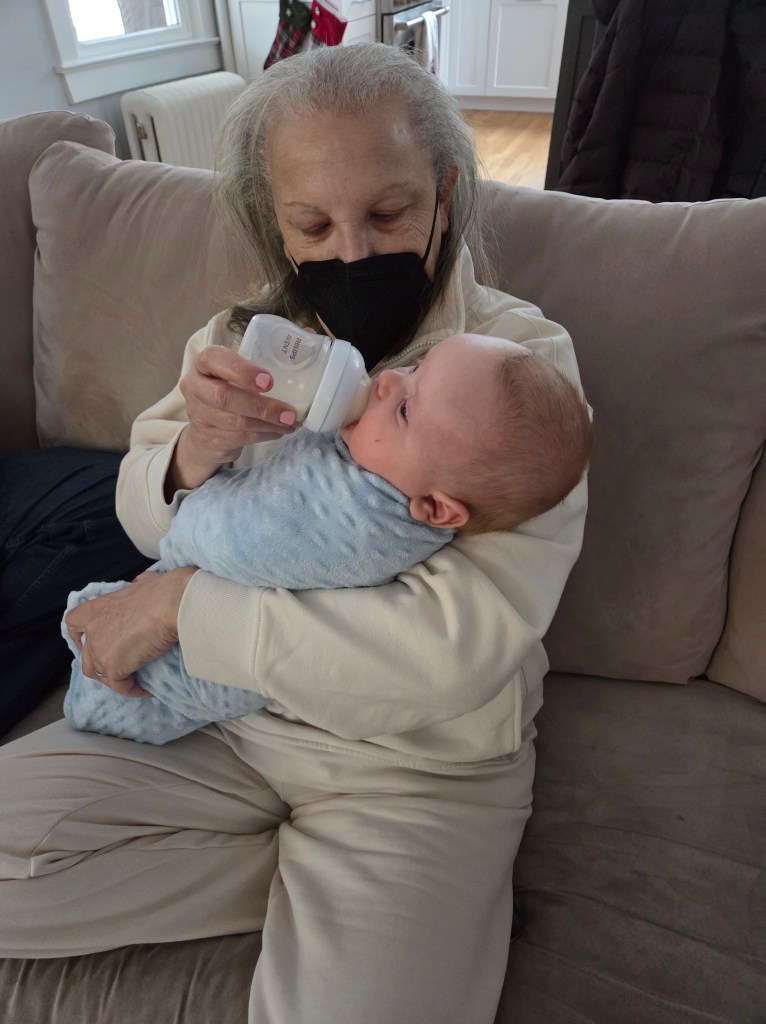

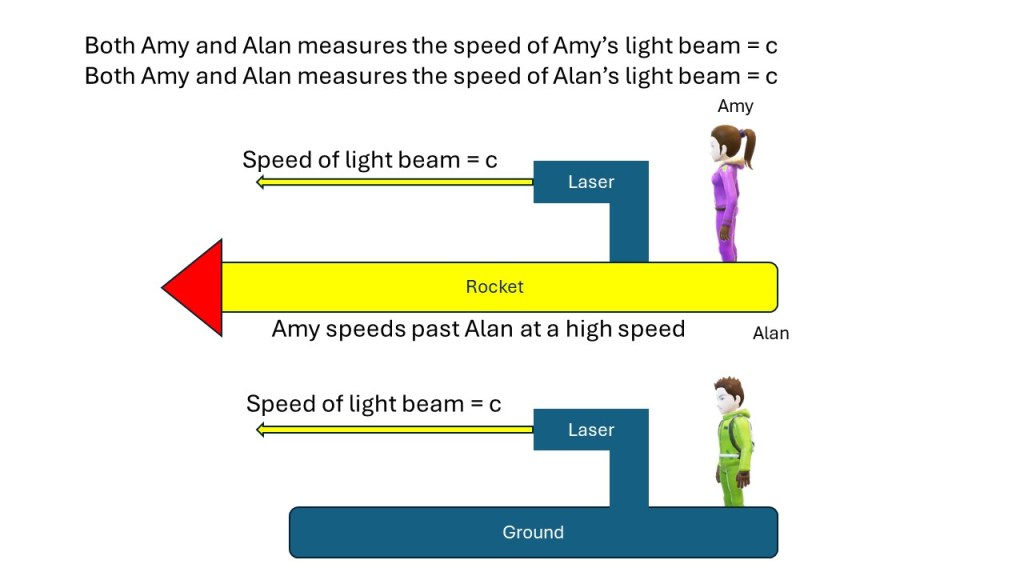
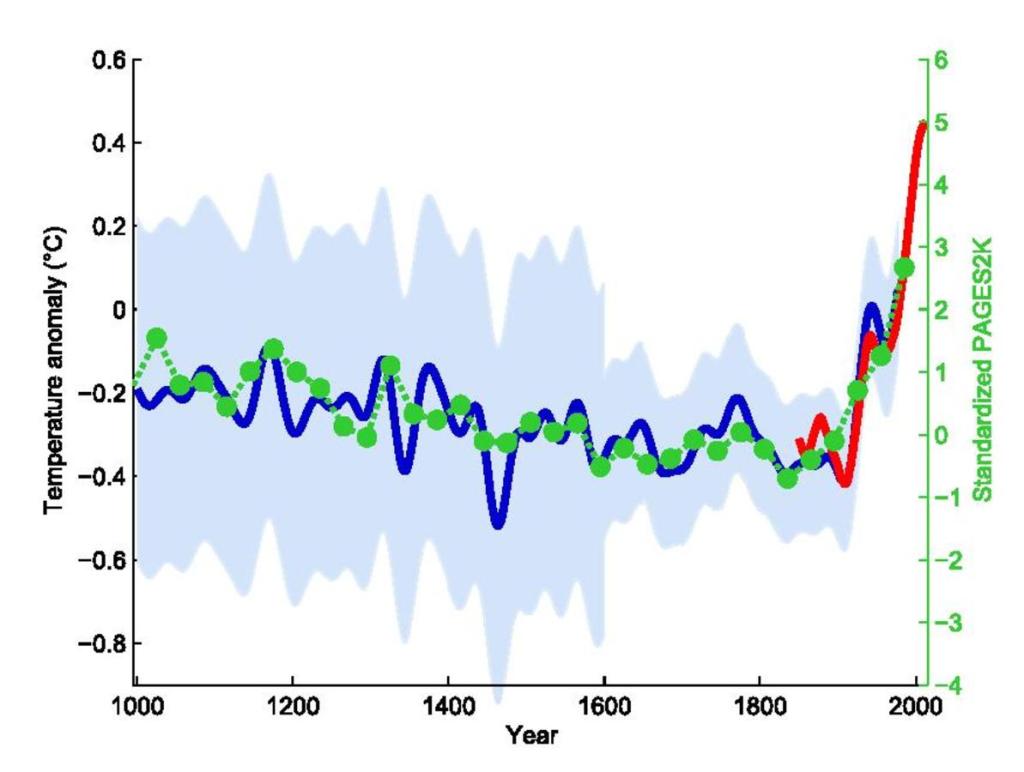

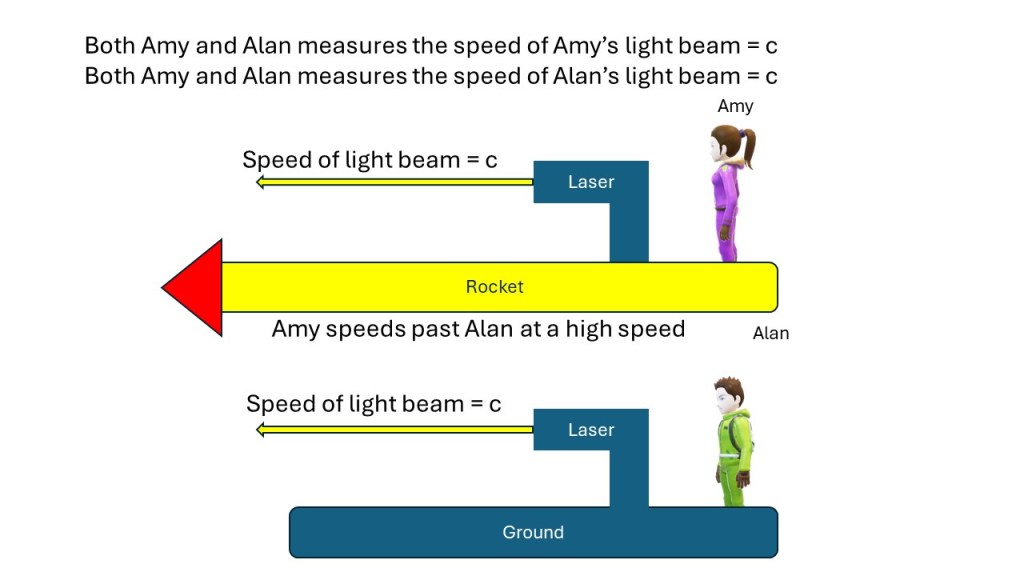
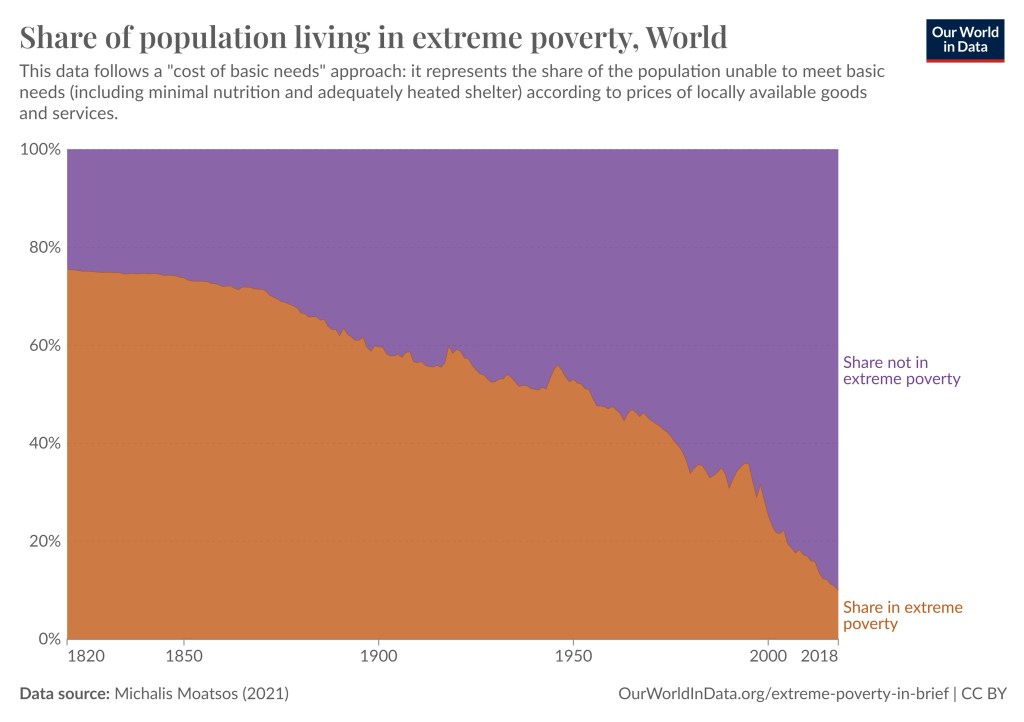
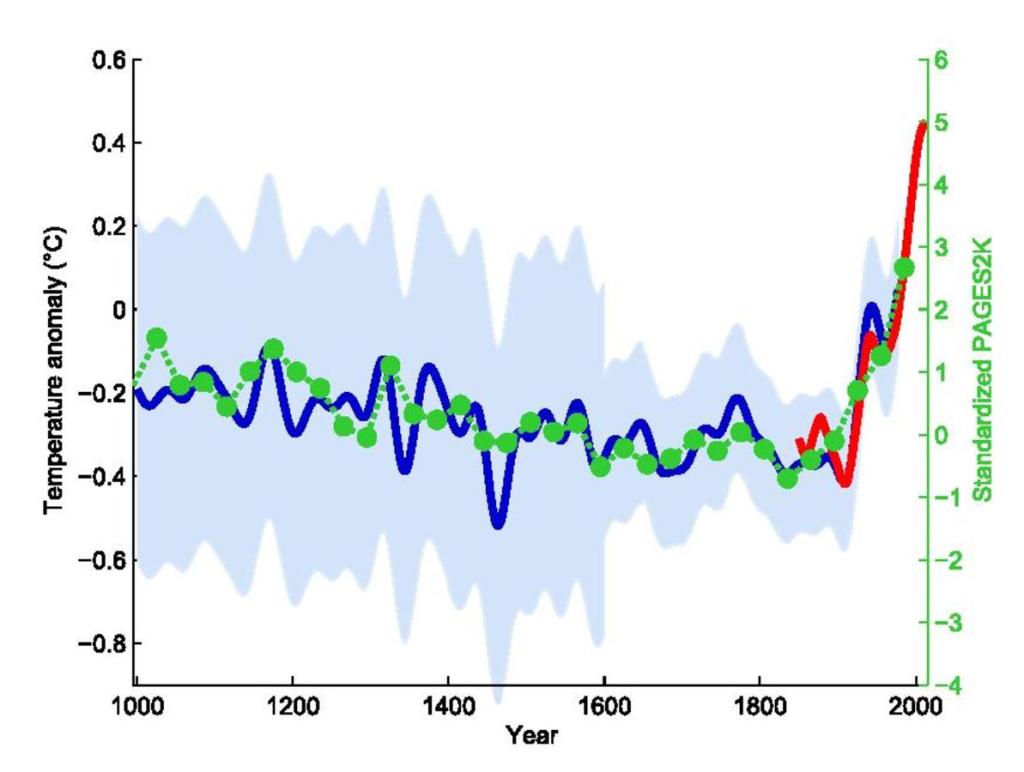


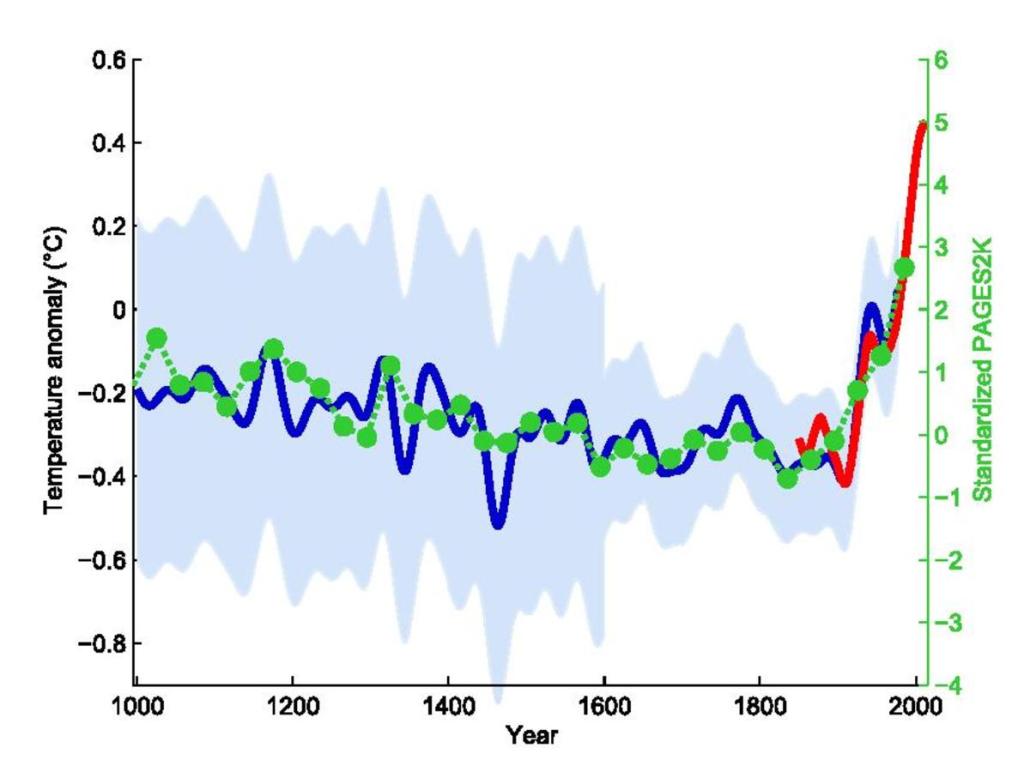
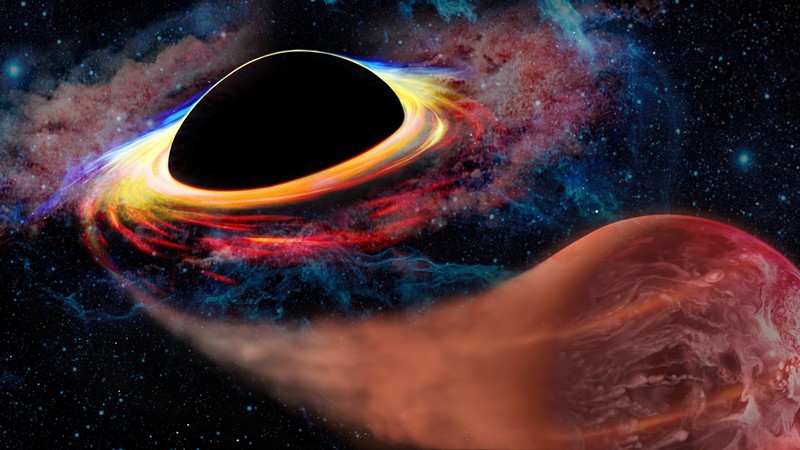
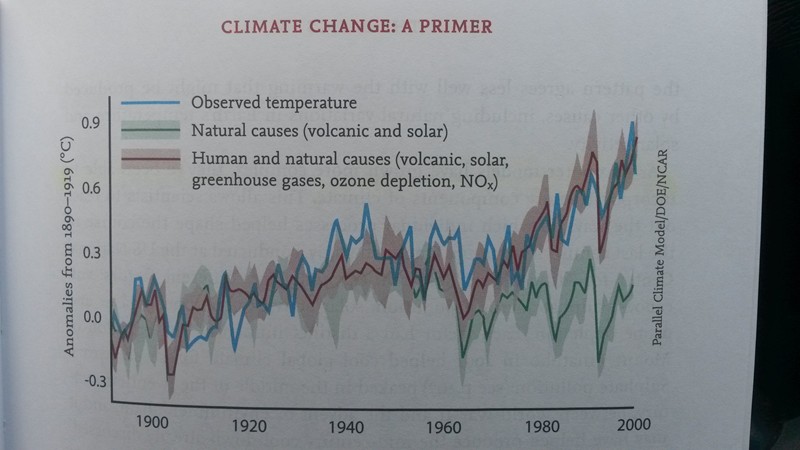

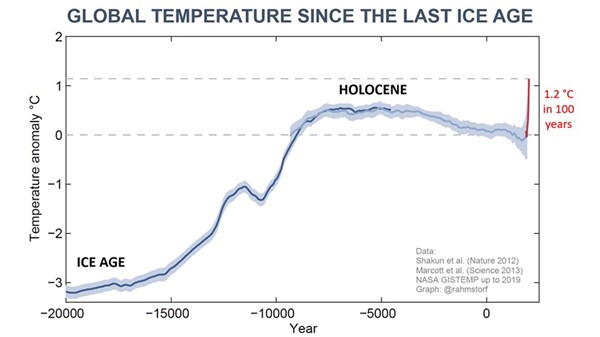
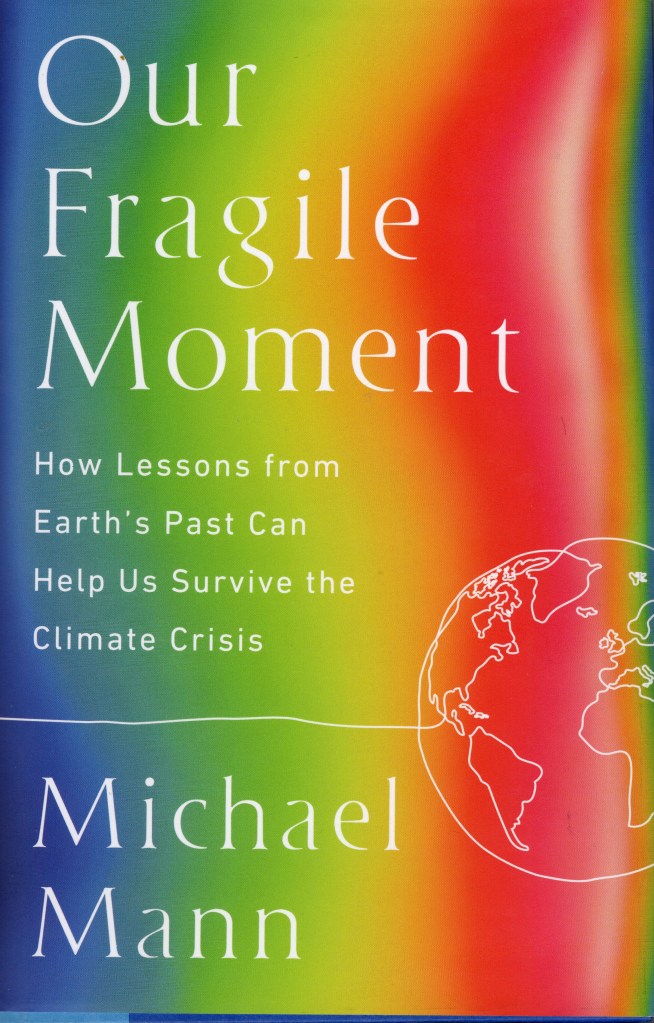
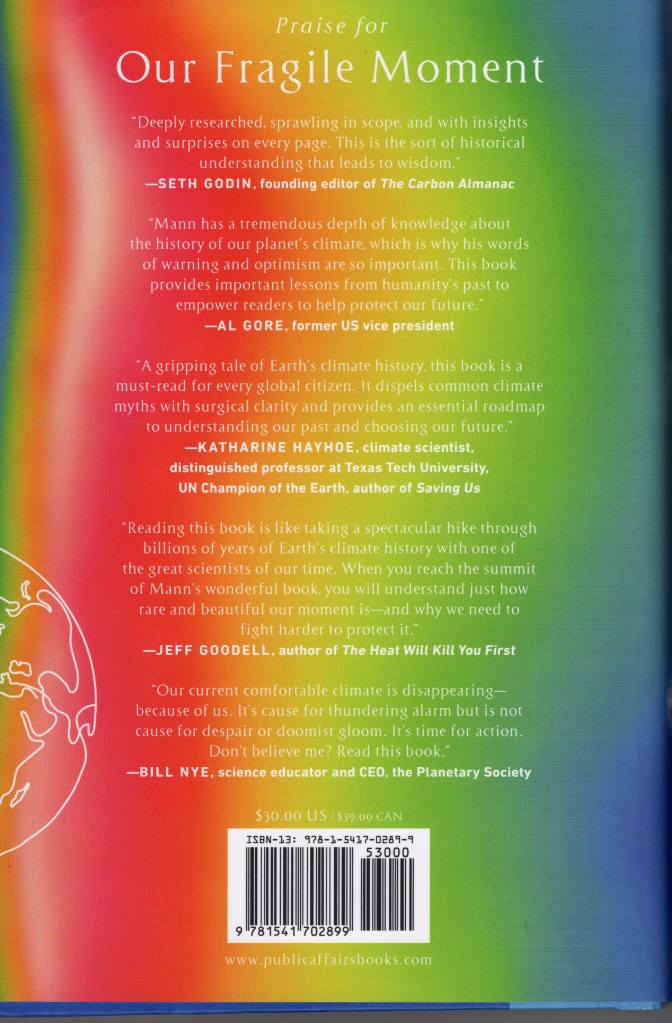



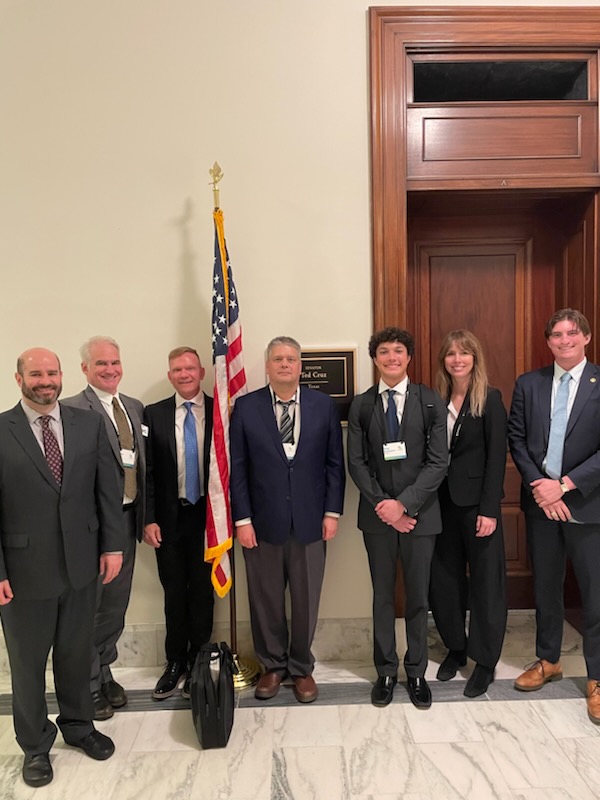
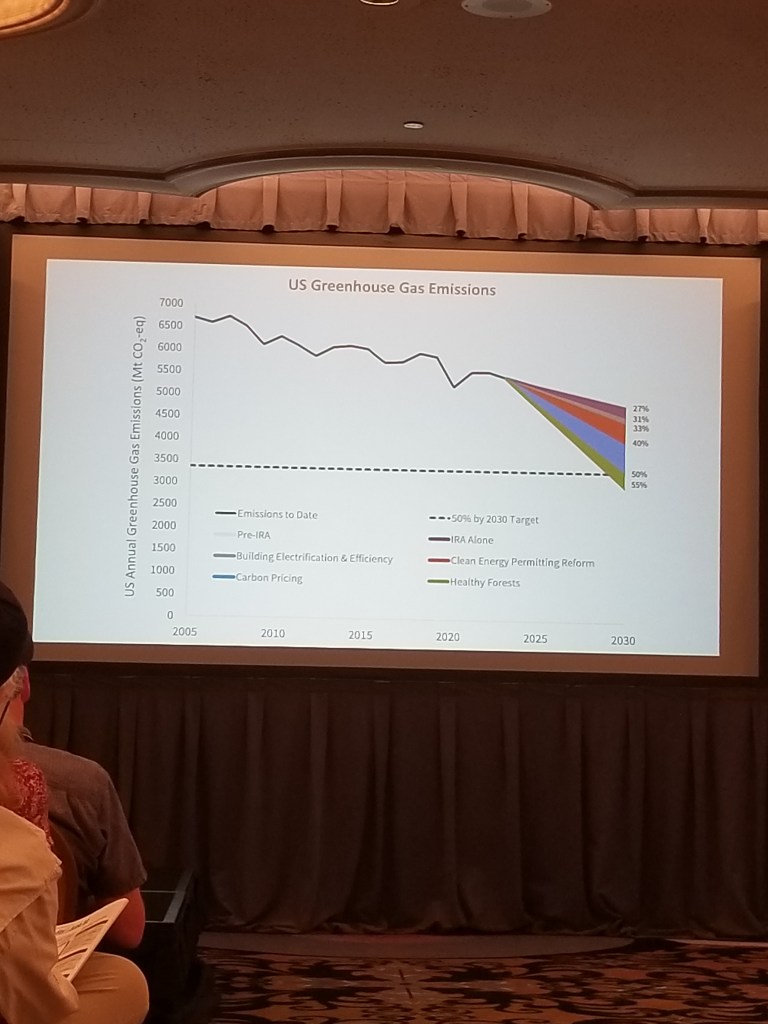
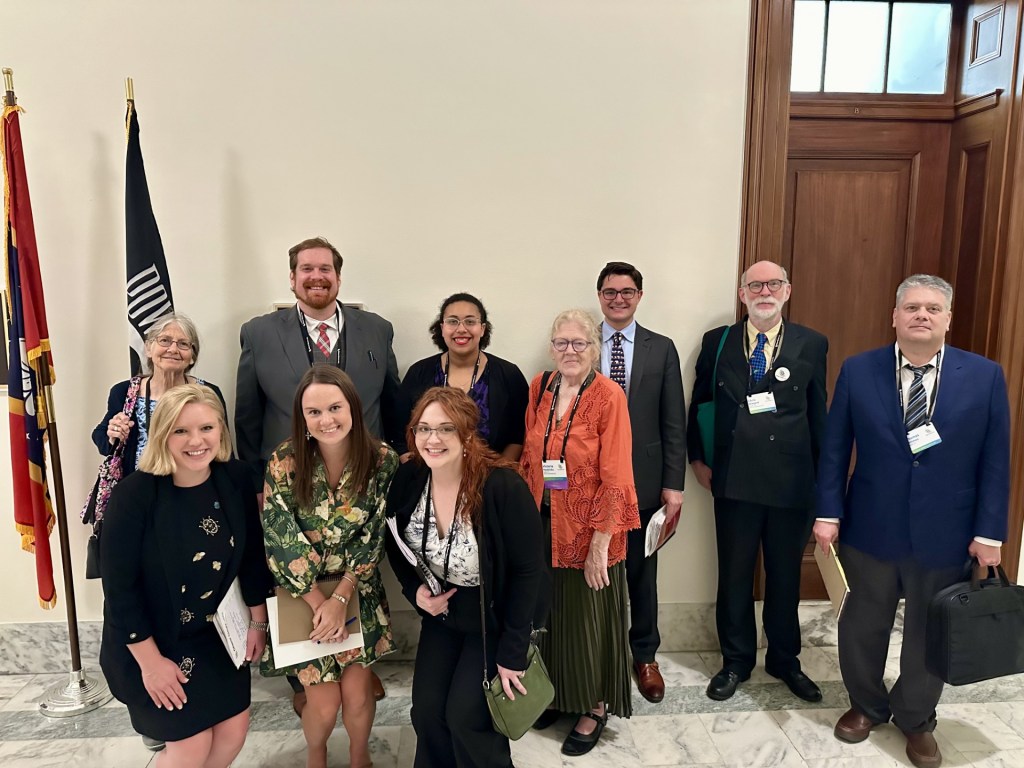
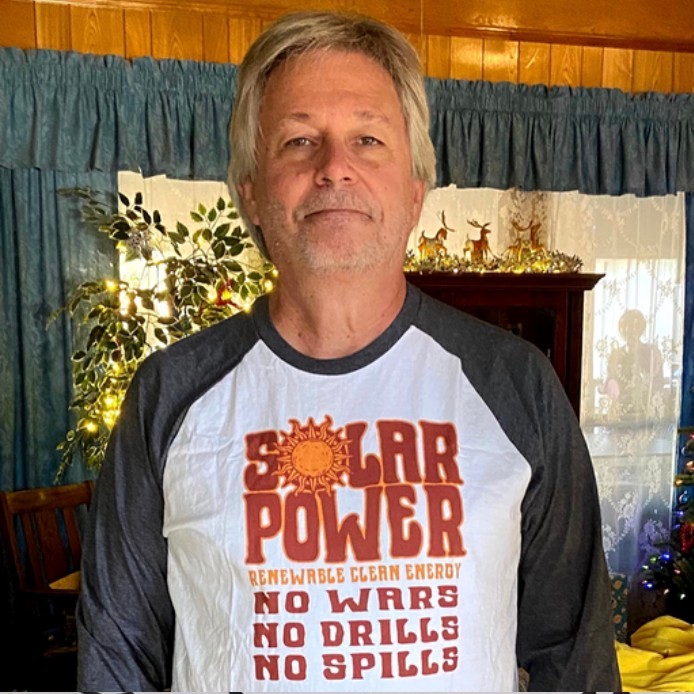



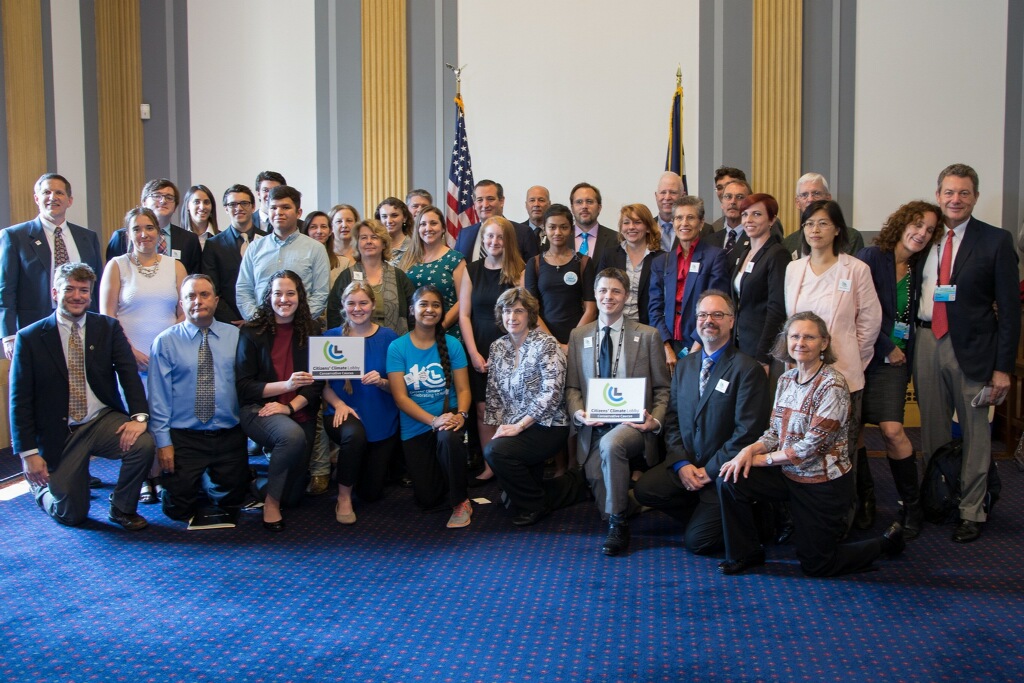

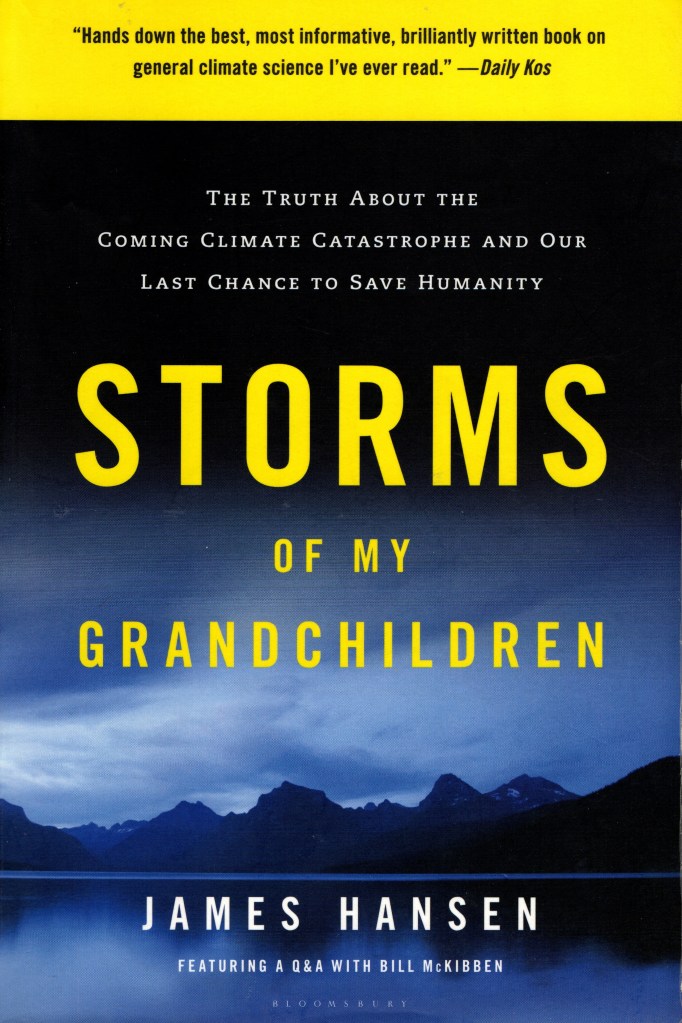



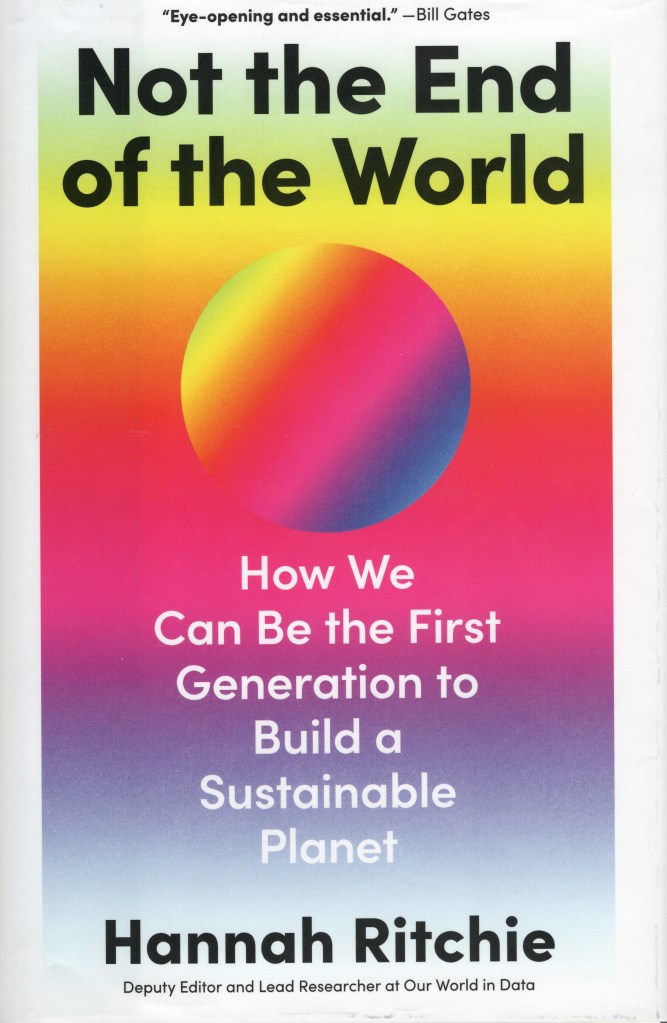

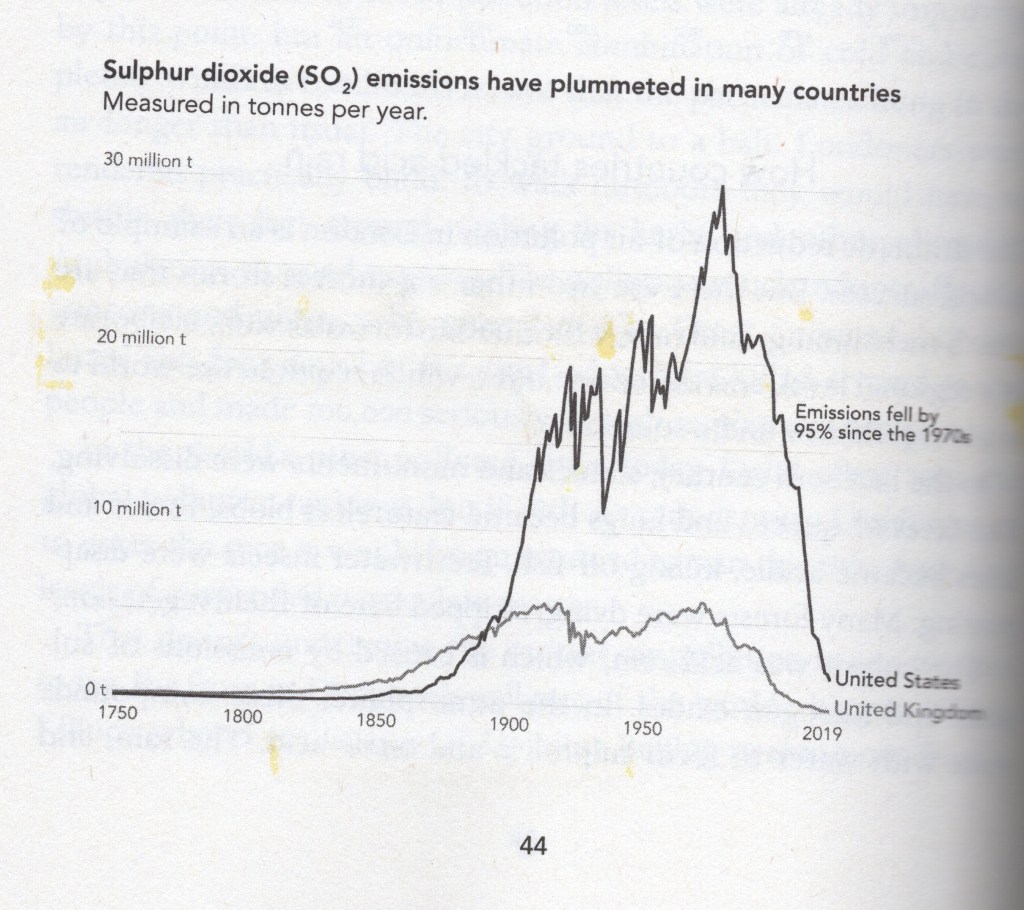
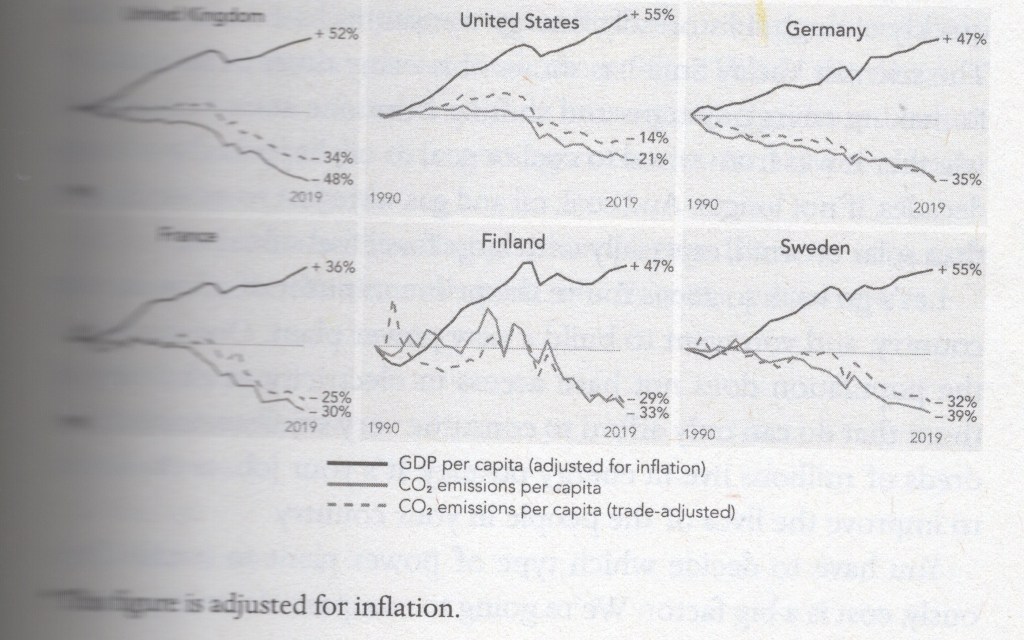
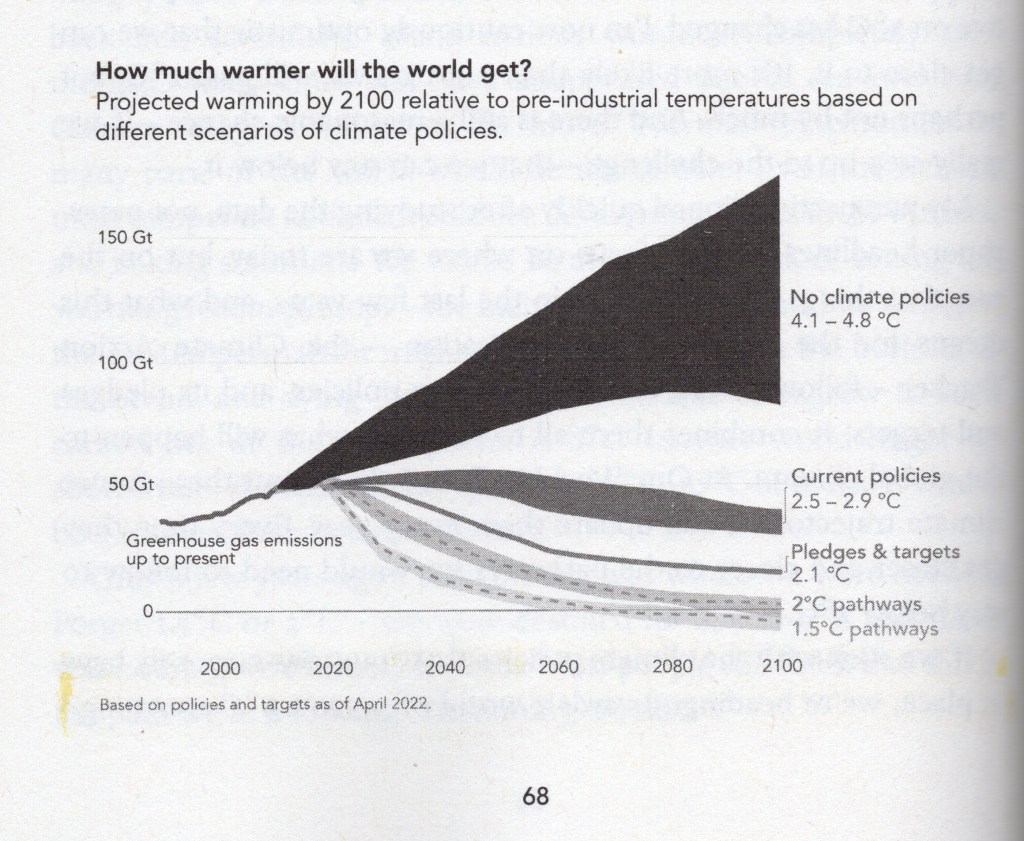
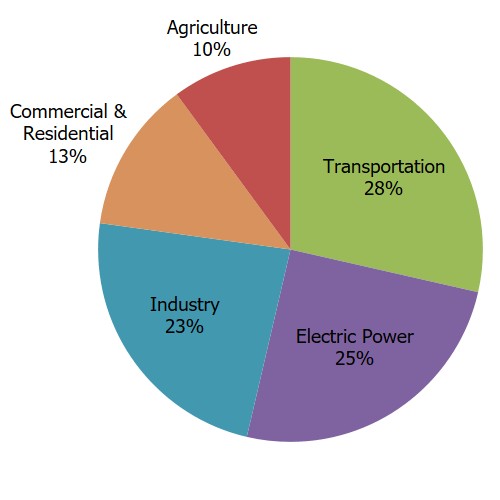
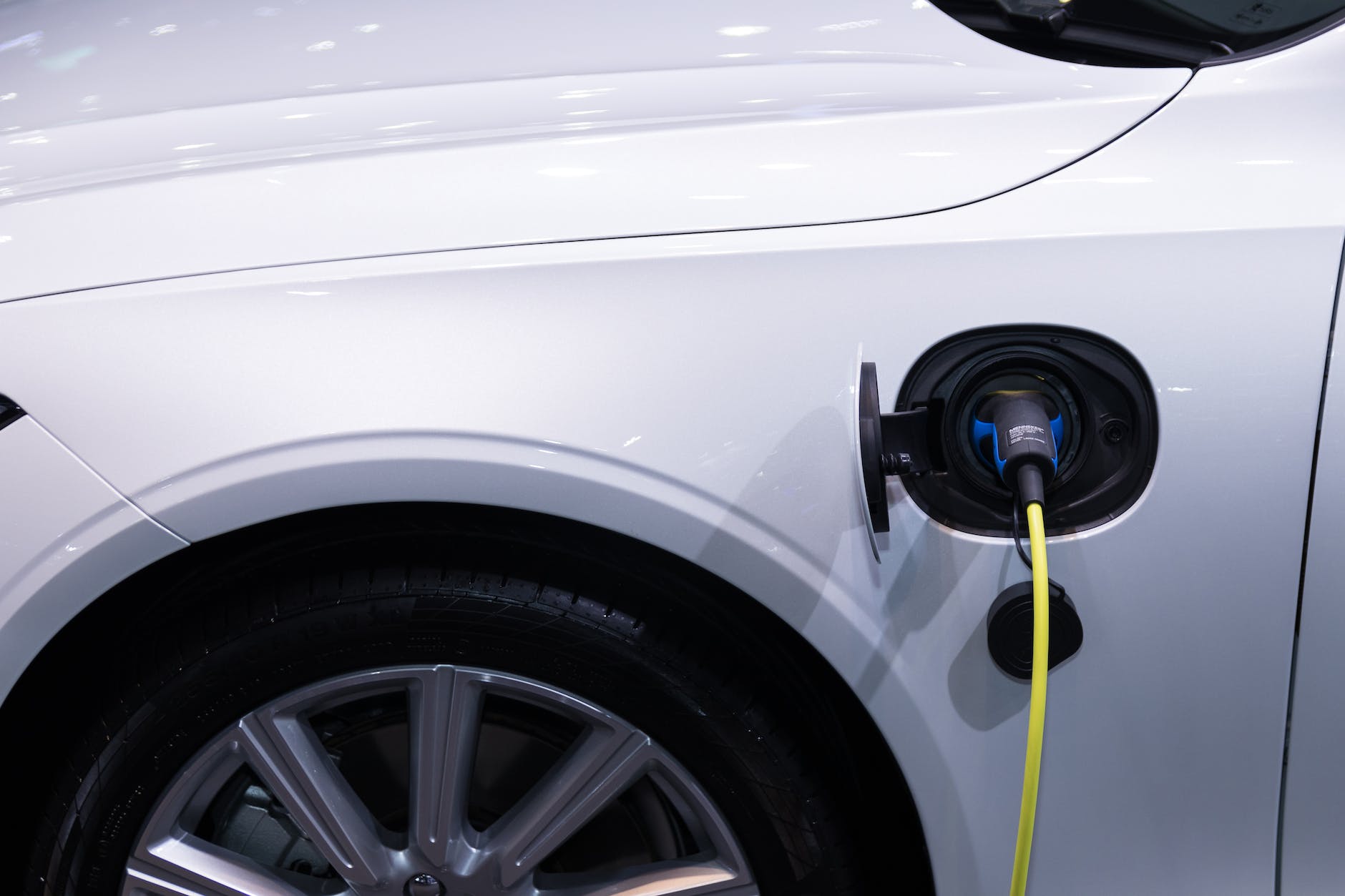
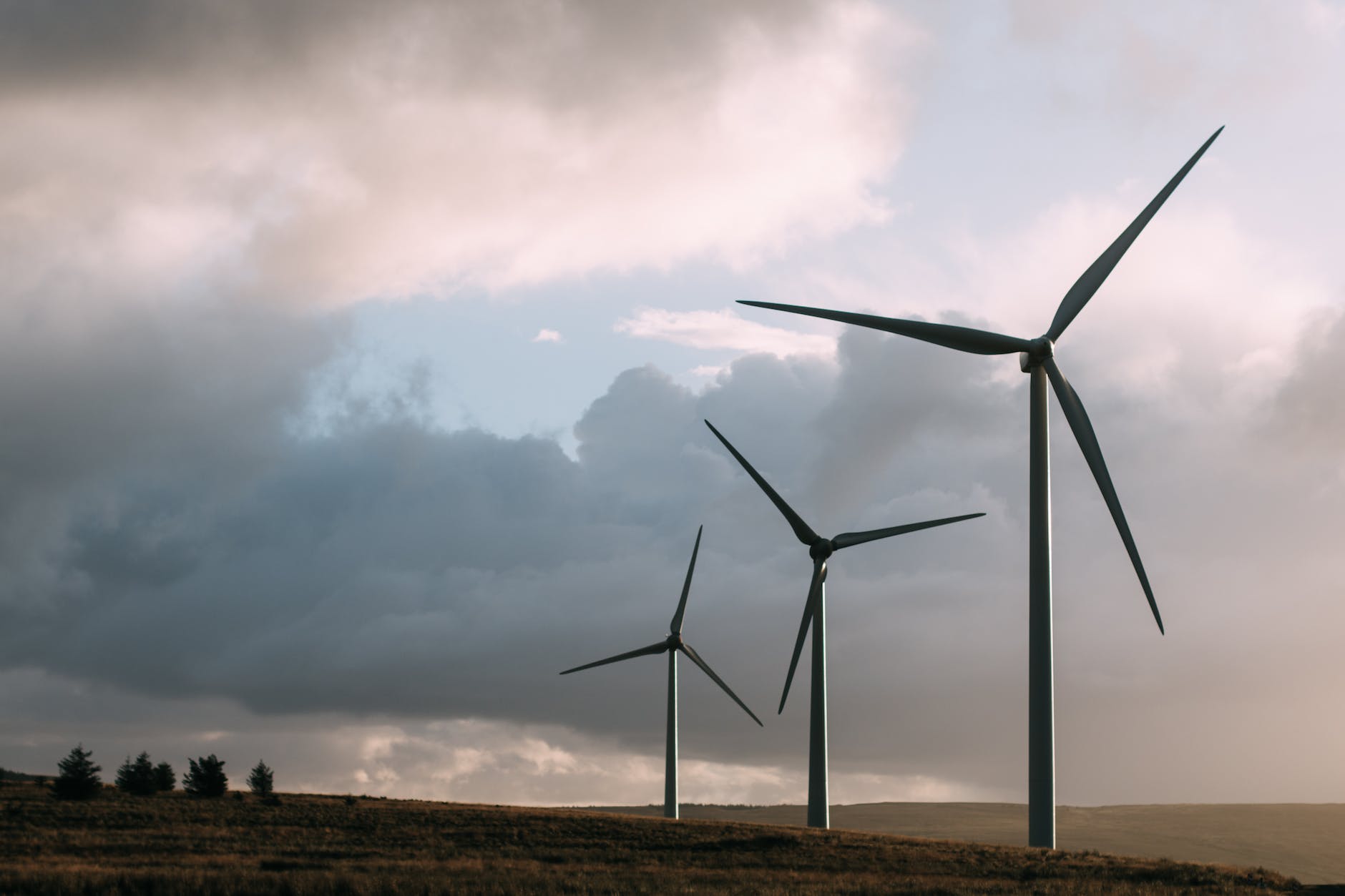



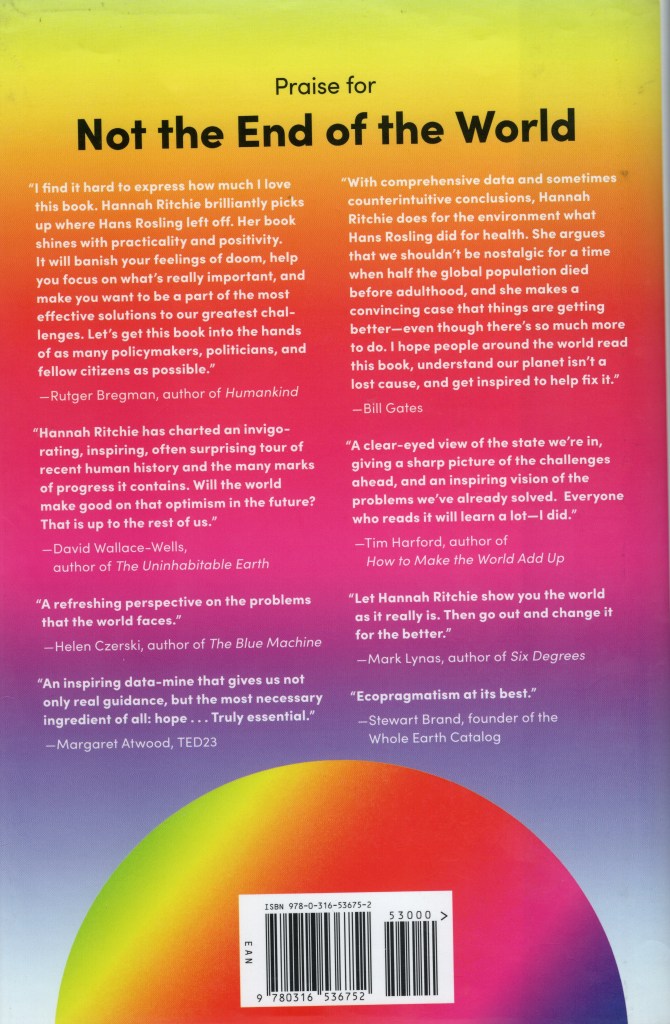
 Leonberger Life