
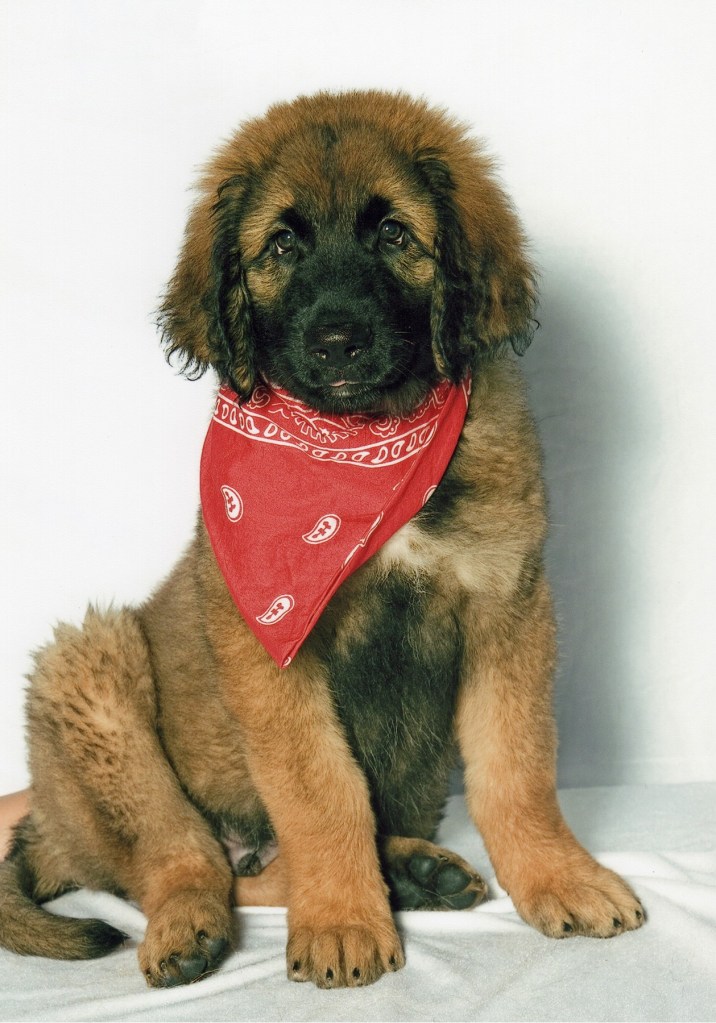
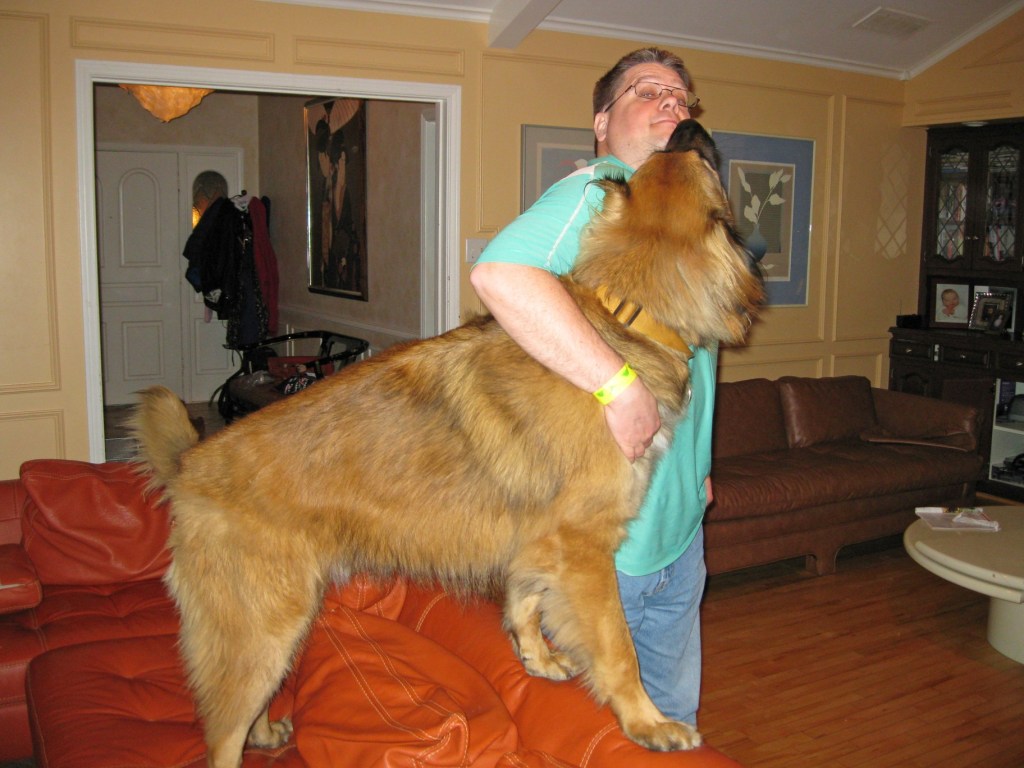
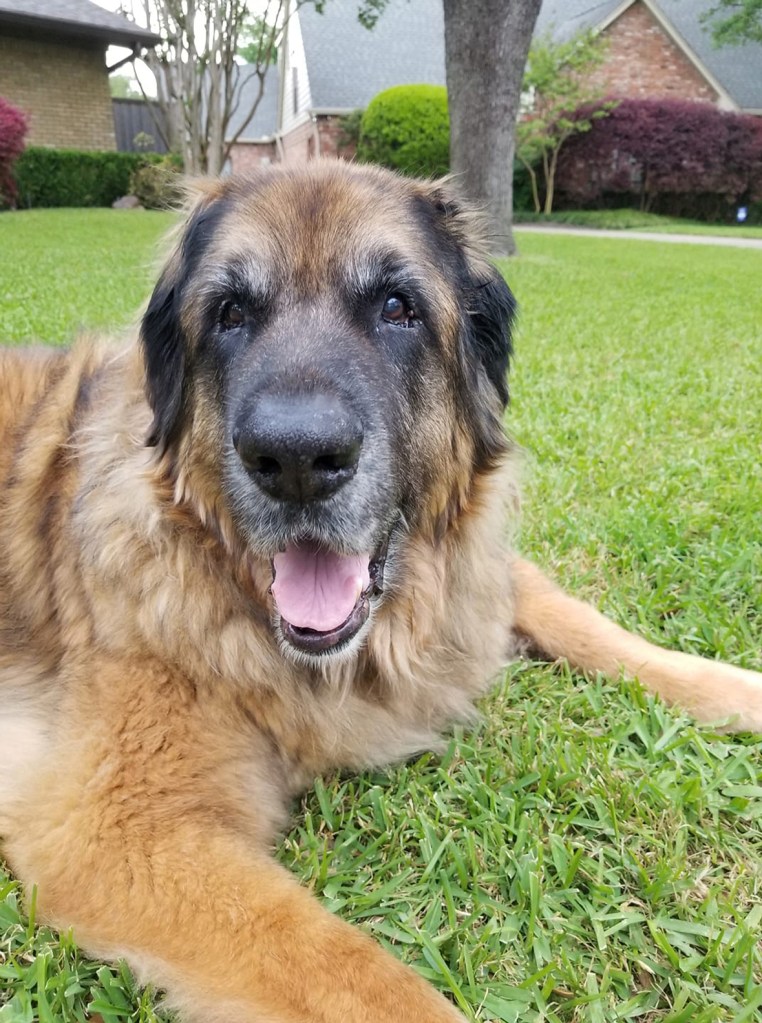
This is a guest post written by Ryan Goodchild. He emailed me asking me if he could publish this post regarding becoming a first time Leonberger Owner . I said yes. See his post below.
Becoming a First-Time Leonberger Owner: What You Need to Know
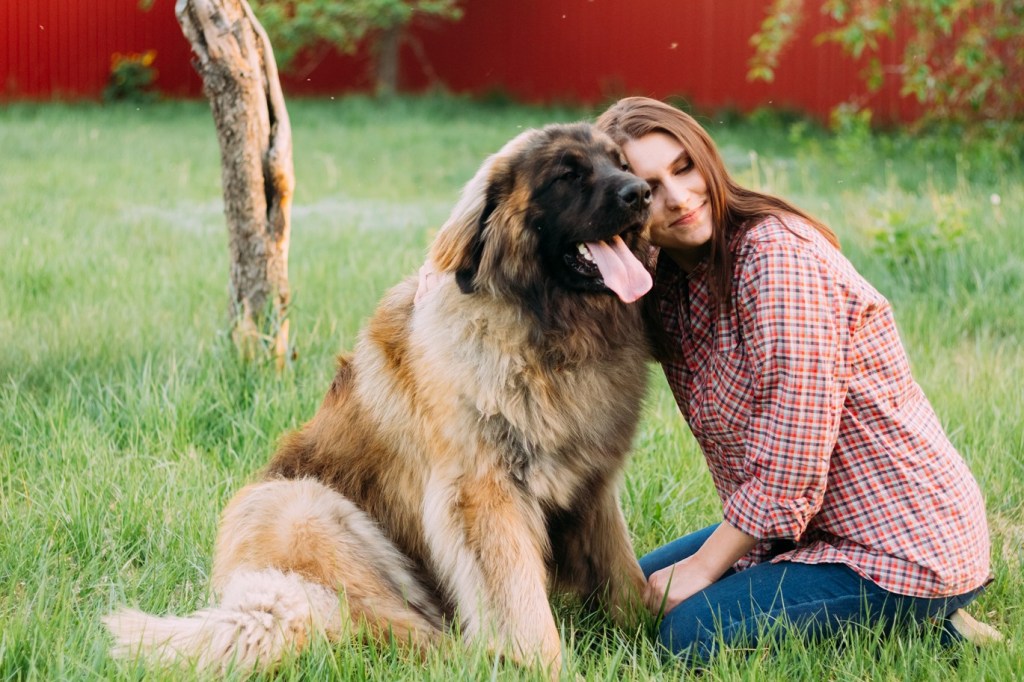
Owning a Leonberger isn’t just about bringing home a dog—it’s about welcoming a gentle, giant-hearted companion whose loyalty and calm strength will shape your days for years to come. These majestic dogs, known for their intelligence and deep affection, can be both a joy and a challenge for first-time pet owners. This guide will help you understand what to expect and how to set yourself—and your Leonberger—up for success.
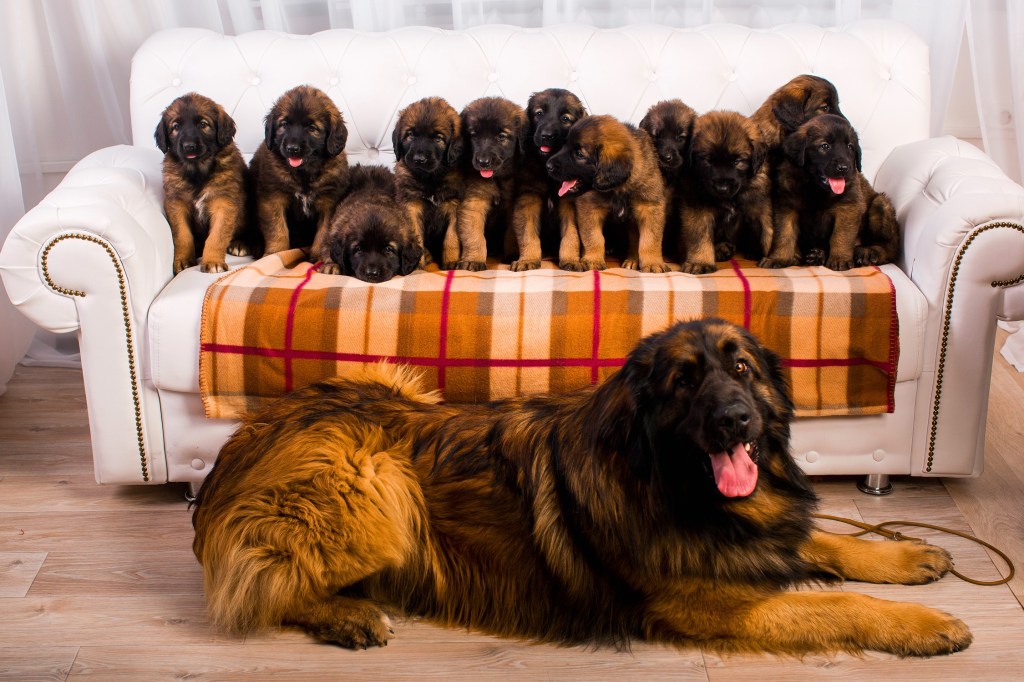
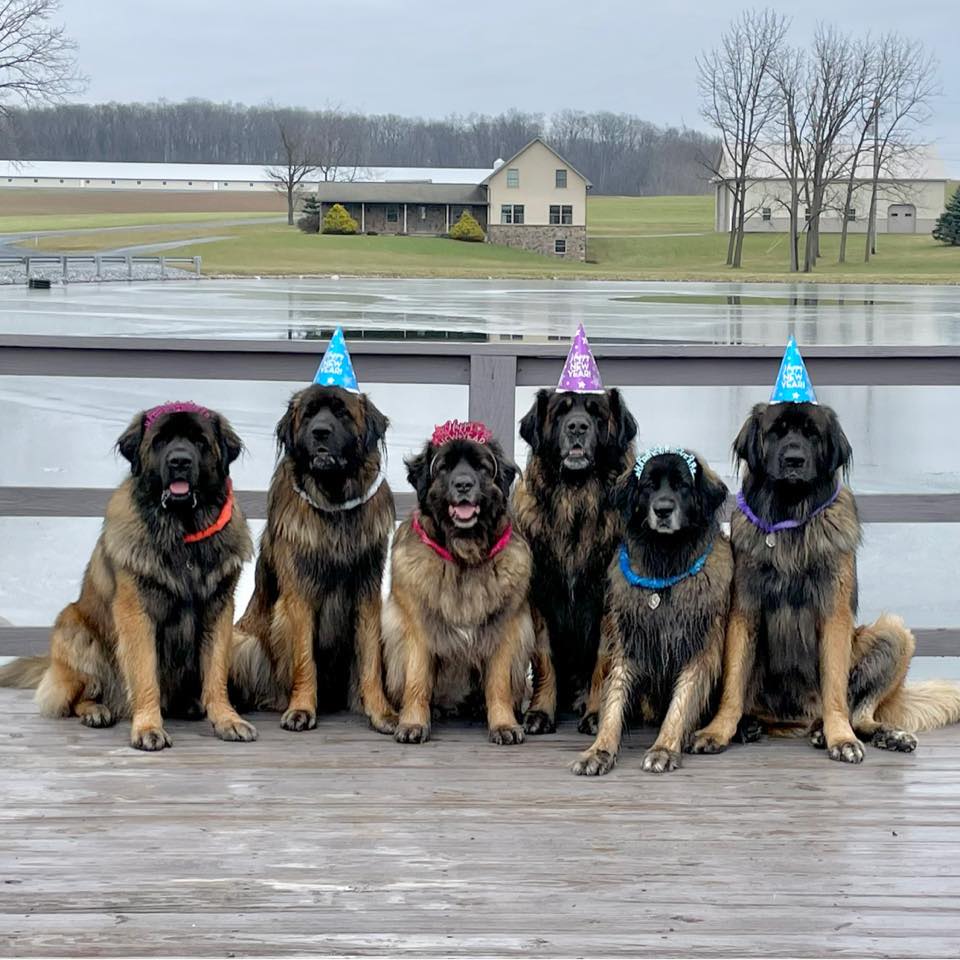
Quick Essentials This Article Looks At
- Leonbergers are massive—males can exceed 170 pounds; space and structure are non-negotiable.
- Early socialization and consistent training are critical to keep their size from becoming a liability.
- Expect heavy shedding, especially during seasonal “blowouts.”
- They thrive on human interaction and suffer if left alone for long periods.
- Regular vet care, high-quality food, and joint supplements can prevent costly long-term health issues.
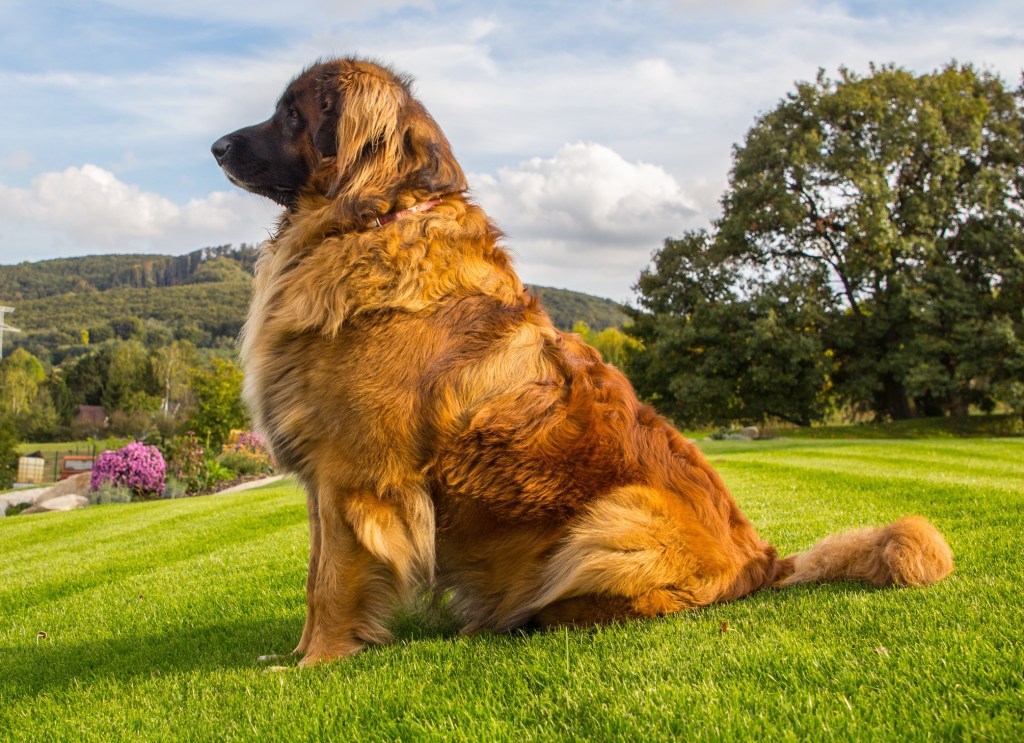
Understanding the Leonberger Temperament
Leonbergers are affectionate, patient, and famously good with children. Originally bred as family and working companions, they balance strength with serenity. However, their intelligence means they need mental stimulation and clear boundaries; without it, boredom can lead to destructive behavior.
A Few Core Traits to Remember:
- Gentle yet strong: They rarely display aggression but need confident leadership.
- Social by nature: Isolation leads to stress and behavioral issues.
- Sensitive to tone: Harsh correction will break trust—positive reinforcement works best.
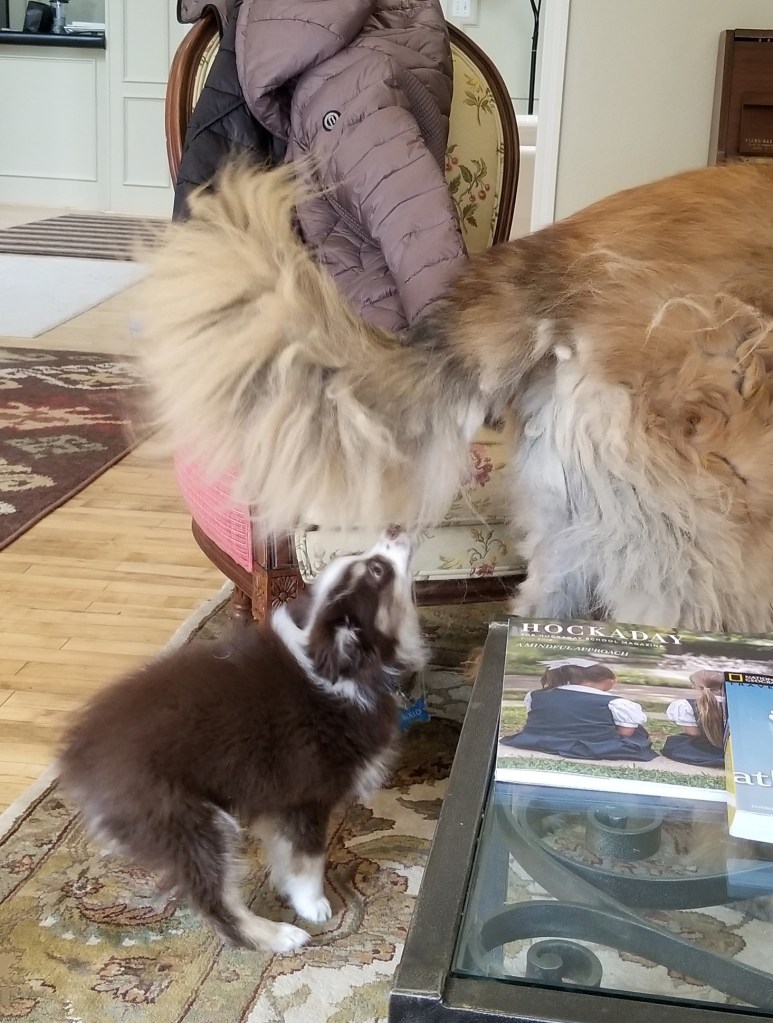
Health and Nutrition at a Glance
Leonbergers grow rapidly and live, on average, 8–9 years. Their size makes them prone to joint, heart, and bone issues, so proactive care is crucial.
Here’s a snapshot of what to focus on:
| Concern | What to Watch | Preventive Actions |
| Hip & Elbow Dysplasia | Limping, stiffness | Keep weight balanced, feed joint-support diets |
| Bloat (Gastric Torsion) | Restlessness, distended belly | Feed smaller meals, avoid heavy exercise after eating |
| Heart Conditions | Fatigue, coughing | Annual cardiac exams |
| Cancer (esp. bone) | Sudden lameness or pain | Regular vet visits and early screening |
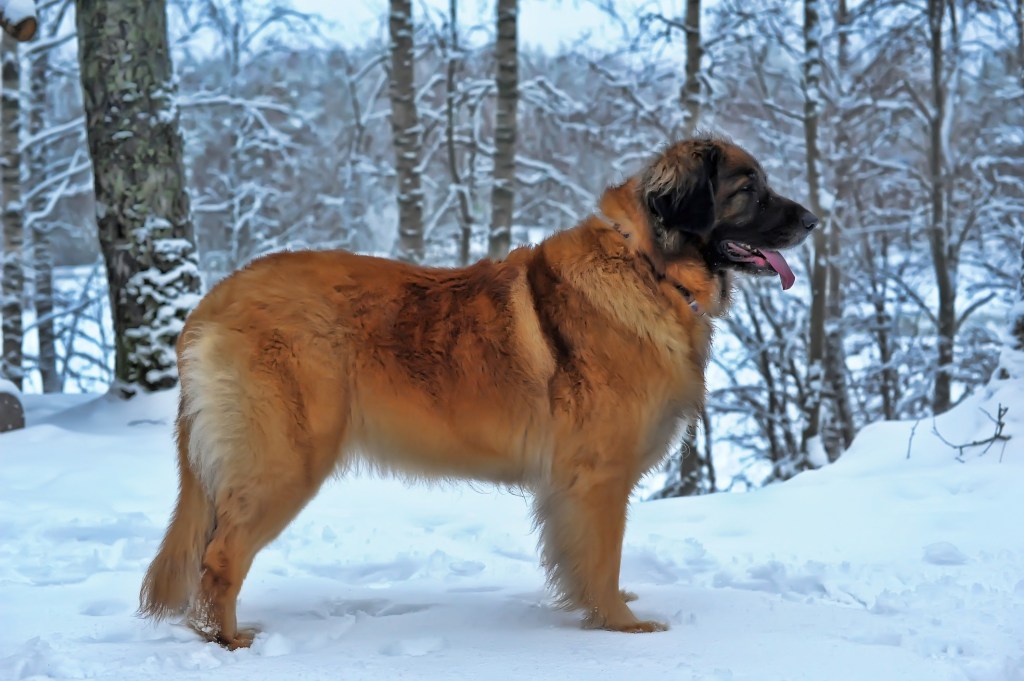
Creating a Home That Fits a Leonberger
A small apartment won’t do—Leonbergers need space to stretch, play, and move freely. A secure, fenced yard is ideal. Indoors, they’ll happily curl up near you, but their size means you’ll need to Leonberger-proof your space.
How to Prepare Your Home:
- Create a soft resting area to protect joints.
- Secure gates and doors—they can easily push through flimsy barriers.
- Keep breakables out of tail range.
- Use large, non-slip bowls for food and water.

Grooming and Maintenance: Managing the “Fur-nado”
Leonbergers have a double coat that requires regular maintenance. Weekly brushing helps, but during shedding season, daily sessions are best. Baths every 6–8 weeks will keep their coat clean and odor-free.
Grooming Checklist
Before shedding season hits, stock up on these essentials:
- Undercoat rake and slicker brush
- High-velocity dryer (optional but effective)
- Gentle dog shampoo and conditioner
- Nail clippers and ear-cleaning solution
Keeping up with grooming not only reduces hair around the house but also strengthens your bond with your dog.
How to Keep Your Pet Records Organized
First-time owners often underestimate the amount of documentation involved—vaccination records, microchip details, adoption papers, and vet receipts. To make things easier, convert documents to PDF and store them digitally.
Using a reliable online tool lets you organize every file in one place, ensuring quick access during vet visits or emergencies.
Creating a labeled folder for your Leonberger’s records—medical, training, and nutrition—will save time and prevent misplaced paperwork later.
Training Your Leonberger: Building a Confident Giant
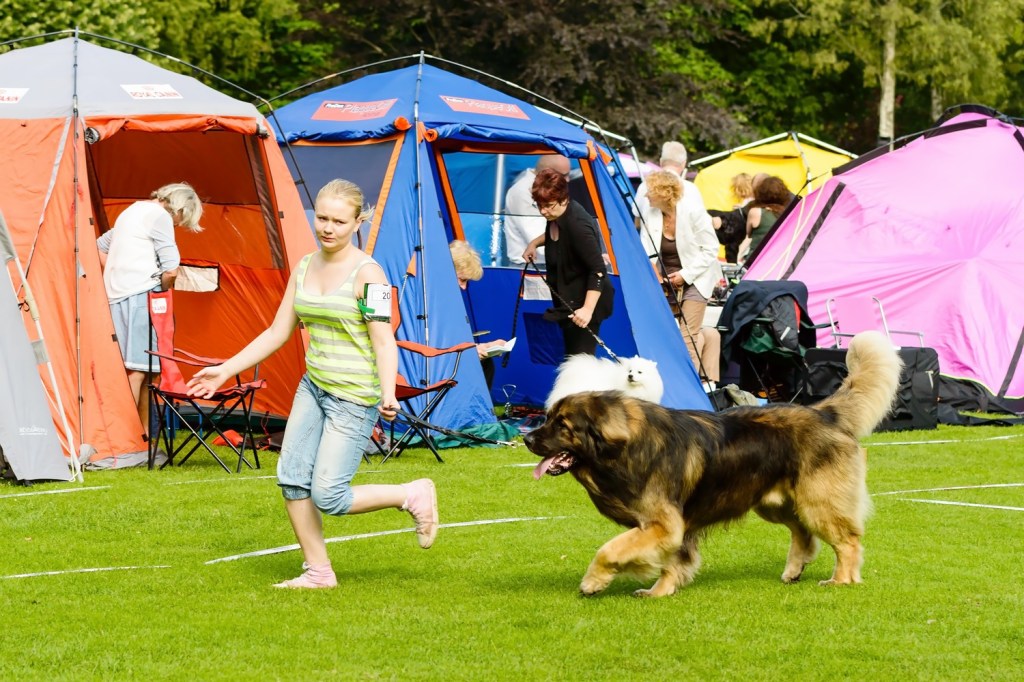
Leonbergers are highly trainable but easily bored by repetition. Their size makes obedience a must—start early, keep sessions short, and make them engaging. Reward-based methods build trust faster than dominance-based tactics.
Quick Training Guide:
- Start with basics: Sit, stay, come, down.
- Socialize early: Introduce new sights, people, and other pets gradually.
- Teach calm leash behavior: Their strength can easily overwhelm a novice handler.
- Practice recall: A reliable recall can prevent accidents.
Leonbergers are eager to please and thrive when training feels like teamwork rather than command and control.
The First-Year Readiness Checklist
Owning a Leonberger for the first time is as rewarding as it is demanding. Before bringing one home, make sure you can check most of these boxes:
How-To Checklist: Your First-Year Essentials
- Register with a trusted veterinarian
- Choose a large-breed-specific diet and feeding schedule
- Create a grooming calendar and stick to it
- Enroll in an obedience or puppy class
- Invest in sturdy leashes, harnesses, and feeding equipment
- Begin socialization within the first 3 months
- Keep vaccination and health records digitally organized
“Big-Paw” Questions: FAQ for Future Leonberger Owners
Here are some of the most common concerns new owners have—answered clearly and concisely.
The New Owner’s FAQ: “From Puppy to Gentle Giant”
1. How much exercise does a Leonberger need?
At least an hour a day of moderate activity is ideal. Puppies should avoid high-impact exercise until growth plates close (around 18 months) to protect joints.
2. Are Leonbergers good with other pets?
Yes. They’re naturally tolerant, but early introductions and supervised interactions are important, especially with smaller animals they could accidentally knock over.
3. How expensive are they to maintain?
Expect higher costs than smaller breeds. Quality food, grooming, and vet care can average $2,000–$3,000 annually—not including emergencies or travel crates.
4. Do they drool?
Some do, especially after drinking water. Keep absorbent towels handy near their bowls or favorite resting spots.
5. What should I look for in a breeder or adoption center?
Choose one that conducts health testing for hips, eyes, and heart, and offers transparency about lineage. Ethical breeders prioritize temperament and health over appearance.
6. Can Leonbergers live in warm climates?
Yes, but with precautions—limit outdoor activity in high heat, provide ample shade and water, and avoid midday walks.
Building a Lifelong Bond
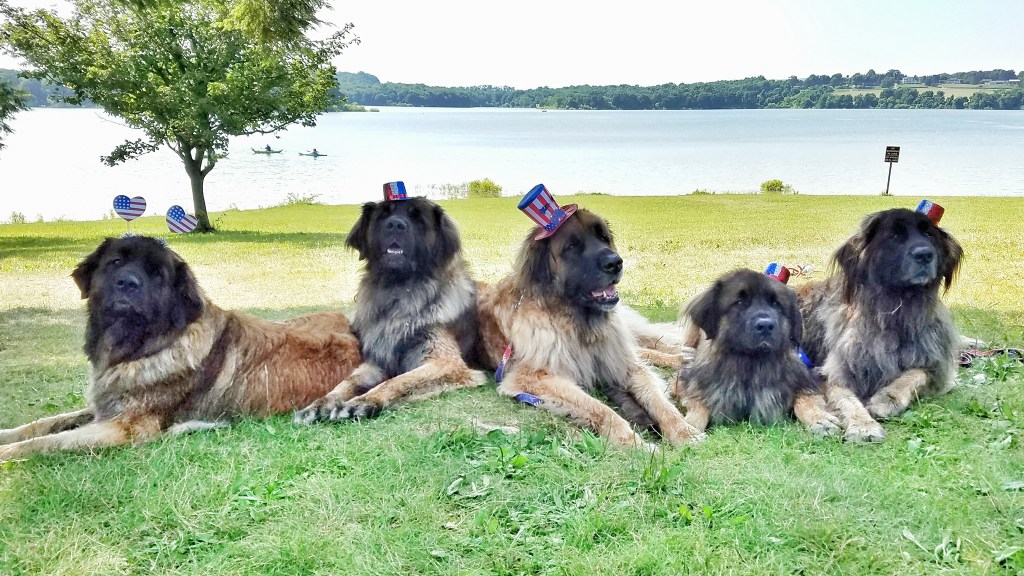
Becoming a Leonberger owner means embracing responsibility and reward in equal measure. These dogs will fill your home with love, hair, and joy—often in that order. Plan carefully, train consistently, and nurture their gentle nature with patience and respect. The more you invest in understanding your Leonberger, the more they’ll return in loyalty and affection that few breeds can match.
Whether this is your first pet or your first giant breed, remember: structure and affection go hand-in-hand. With preparation and heart, your Leonberger won’t just live with you—they’ll thrive because of you.

 Leonberger Life
A wealth of great information about these wonderful dogs, Thomas! Thank you very much
LikeLiked by 1 person
Thank you so much Lynette. Ryan wrote a good article (I added the photos)
LikeLiked by 1 person
An excellent in-depth guest post, Thomas. I recognise a lot of this from your book and preparation and a keen understanding of the dogs seems key. With abundance of love, of course! 😊
LikeLiked by 1 person
Thank you so much Annika. Yes I think Ryan wrote a good article, and I provided the photos.
LikeLiked by 1 person
This is a very thorough post. Anyone thinking of getting a dog should read this. Thank you. What super dogs.
LikeLiked by 1 person
Thank you so much Esther. Yes Leonbergers are remarkable dogs, so big, friendly and brave. I think Ryan wrote a good article, and I provided the photos.
LikeLiked by 1 person
Great and thoughtful guide. Thanks, Thomas. I would love a dog, but my knees are shot and can’t walk dogs like they should be.
LikeLiked by 1 person
Thank you so much ddenise Yes I think Ryan wrote a good article, and I provided the photos. I am sorry to hear about your knees.
LikeLiked by 1 person
This is an informative and awesome article. It answers some of the curiosity I had about Leonberger companionship.
LikeLiked by 1 person
Thank you so much Kymber. Yes I think Ryan wrote a good article, and I provided the photos.
LikeLiked by 1 person
I’ve learned from you, Thomas, what a commitment it is to be a Leonberger owner. I appreciate that you make that clear. It’s like owning a Belgian Malinois. They aren’t cute Shepherds. They’re a whole ‘nother breed!
LikeLiked by 1 person
Thank you so much Jacqui. Yes I think Ryan wrote a good article, and I provided the photos. You are right, Leonbergers and Belgian Malinois are special breeds in different ways and before getting one you should know something about them.
LikeLiked by 1 person
Hi Thomas, this is a very comprehensive article. Thanks for sharing. I will never own a Leonberger dog but I find the information fascinating.
LikeLiked by 1 person
Thank you so much Robbie. Yes I think Ryan wrote a good article, and I provided the photos. Leonbergers are big and strong and fluffy. They are friendly but not perfect and require special care. I am not sure about the climate in South Africa. Leonbergers are not great in hot climates but with airconditioning and walks at the correct times with water for them it does not have to be a problem.
LikeLike
it must be quite a life changing undertaking
LikeLiked by 1 person
You are right Beth. In many different ways. You have to be strong enough to hold them on a leash and they require a lot of attention, love and exercise.
LikeLiked by 1 person
Really helpful information for anyone looking to own a Leonberger. Thanks for sharing this wonderful guest post.
LikeLiked by 1 person
Thank you so much Pooja. I also think Ryan wrote a good article (I provided the photos).
LikeLiked by 1 person
Your most welcome. Yes, he did and the images you used go well with the post.
LikeLiked by 1 person
Thank you so much Pooja
LikeLiked by 1 person
You’re most welcome.
LikeLike
Such a helpful and comprehensive tutorial! I hope anyone who contemplates getting a dog does their research, first. Leonbergers need a higher level of care and understanding.
LikeLiked by 1 person
I agree with you Debbie. That is one reason the Leonberger Club of America hold interviews with people getting them. You should get them for the right reason and know what you are signing up for, and of course, it is a 10+ year committment from puppy to old age.
LikeLike
This is a very handy and helpful guide on how to care for Leonbergers.
LikeLiked by 1 person
Thank you so much Sara. I think Ryan wrote a good article (and I provided the photos). Leonbergers and other large dogs require a little bit more care and know how.
LikeLiked by 1 person
True they are a really cool breed! They need the right kind of owner.
LikeLiked by 1 person
Thank you so much Sara. I think you are right. Not everyone is responsible enough to handle a big furry dog, with brushing, exercise, keeping them from destroying the neighborhood, etc.
LikeLiked by 1 person
True! lol
LikeLiked by 1 person
Beautiful dogs , especially Bronco
LikeLiked by 1 person
Thank you so much for your kind words oliveunicorn
LikeLiked by 1 person
You were blessed to have Bronco for so many years, Thomas. We’re between dogs right now. I’m still waiting for my wife to give me the word, but I don’t want to pressure her. How many times would you estimate you’ve seen another Leonberger in your daily life? I don’t think I’ve ever seen one in person.
LikeLiked by 2 people
You are so right Pete. Thank you so much. I have not seen many Leonbergers in real life but I have come across them. They are a rare breed. We were close to have Bronco join a Leonberger class to meet several other Leonbergers, but unfortunately the class was cancelled in the last minute. I hope you get a wonderful dog that you all will love.
LikeLiked by 1 person
I loved this post! it was so informative. And I only wish that I was able to see just so I could see pics of your dog Thomas. X
LikeLiked by 2 people
Thank you so much Carol Anne. I forget that you are blind. Since you are blind I wish you could have felt him and his soft warm furry body and big paws instead. He loved leaning/hugging on people.
LikeLike
Great information, Thomas, and sweet photos. I learned a great deal about a great breed. 😊
LikeLiked by 2 people
Thank you so much for your kind words Gwen
LikeLike
Lulu: “This is great information to share with people! Apparently Mama and Dada did a whole bunch of research about vizslas before they got our brother Tucker who they never met. It’s good to know what to expect from a dog breed, to the extent you can of course.”
LikeLiked by 3 people
Thank you so much Lulu. Your Dada and Mama are very responsible dog owners. It is great that they did a whole bunch of research about vizslas before they got your brother Tucker.
LikeLiked by 1 person
One thing that’s pretty infamous around here about all that vizsla research is that we were also considering a Weimaraner, but read a lot about how they could be “stubborn and sneaky” (we didn’t write this and we love Weimaraners; don’t come at us, Weimie owners!), and that plus their larger size was a factor in going with a vizsla instead. So then we ended up with Tucker, who was definitely smaller than a Weimaraner ― at 38 pounds, he was actually out of the breed standard, more the size of a small female than a male ― but “stubborn and sneaky” was an understatement when it came to his personality! 😁 And of course we loved him to death. He was and will always remain Mama’s perfect little man.
LikeLiked by 1 person
That is a great story. I certainly know about Vizslas and you talked about Tucker and Dennis but I knew about Weimaraners too. Both are beautiful breeds. I did not know Weimaraners could be stubborn. You have and have had lots of wonderful dogs and cats.
LikeLiked by 1 person
Very informative post, Thomas. I love all the pictures. They sure are magnificent dogs.
LikeLiked by 3 people
Thank you so much for your kind words Carla
LikeLiked by 1 person
It sounds like a huge commitment! I hope the people taking Leonbergers home with them have made the necessary commitment.
LikeLiked by 1 person
Yes I agree. I should add that it is very difficult to buy a Leonberger from a breeder, or place, that is not certified by the Leonberger Club of America (they police it) and to buy a Leonberger from someone certified by the Leonberger Club of America you have to go through an interview to determine your suitability and they will check your background. This is to protect the dogs. I wish they did this for all dogs.
LikeLiked by 1 person
I’m so glad!
LikeLiked by 1 person
Yes me too. We had to go through an interview.
LikeLike