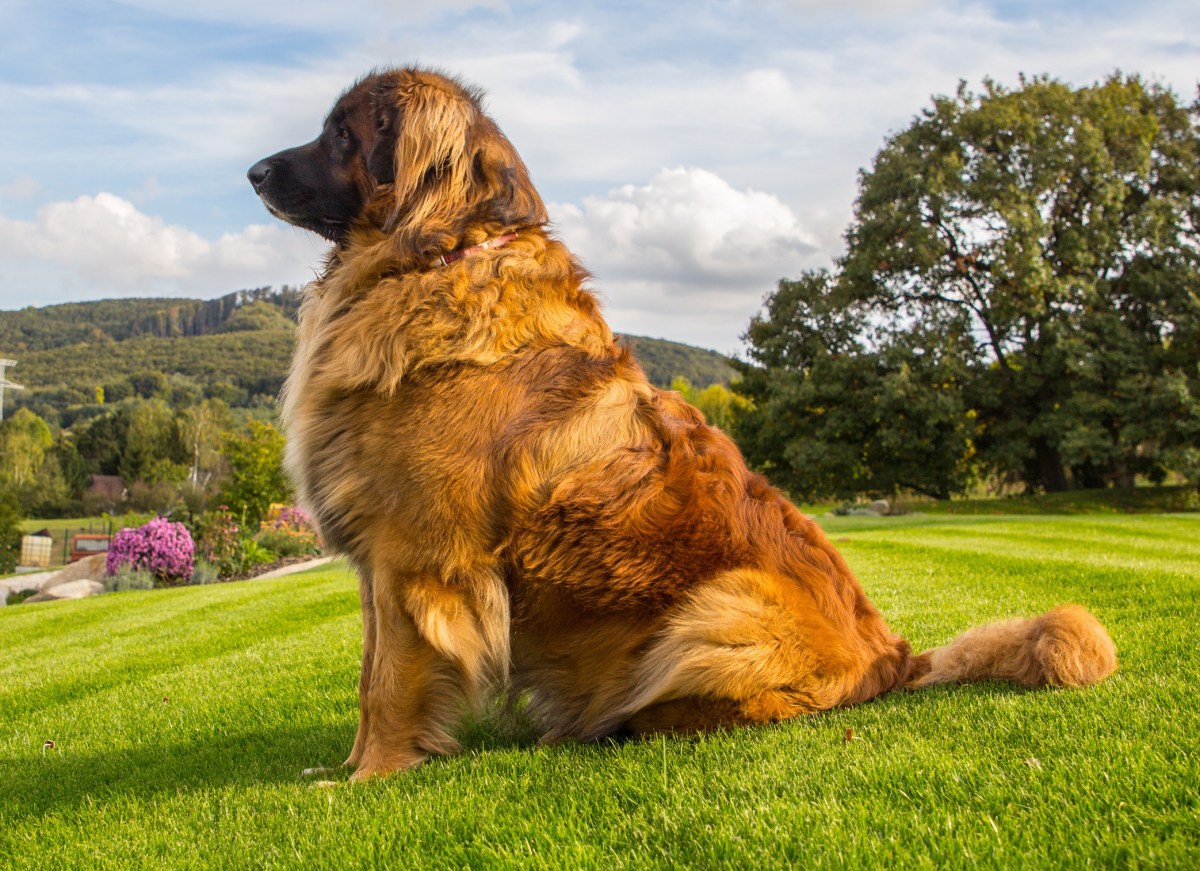
Leonberger Health Issues – A Veterinarian’s Guide to Preventive Medicine

A professional content writer specializing in animal healthcare and veterinary topics by the name Emma Johnson contacted me about publishing veterinary information on my Leonberger blog, which I am certainly happy to assist with. Check out her article below.

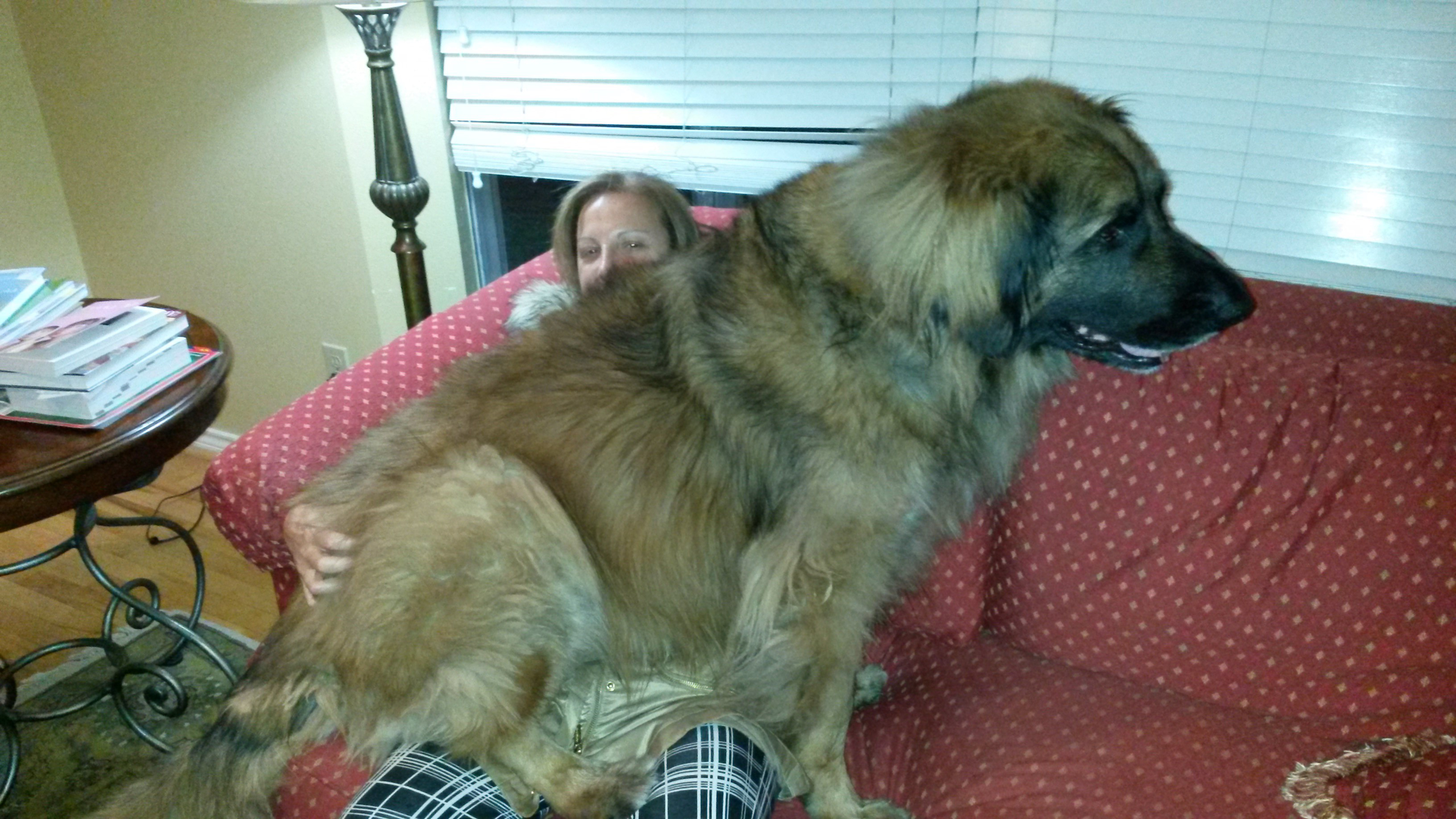
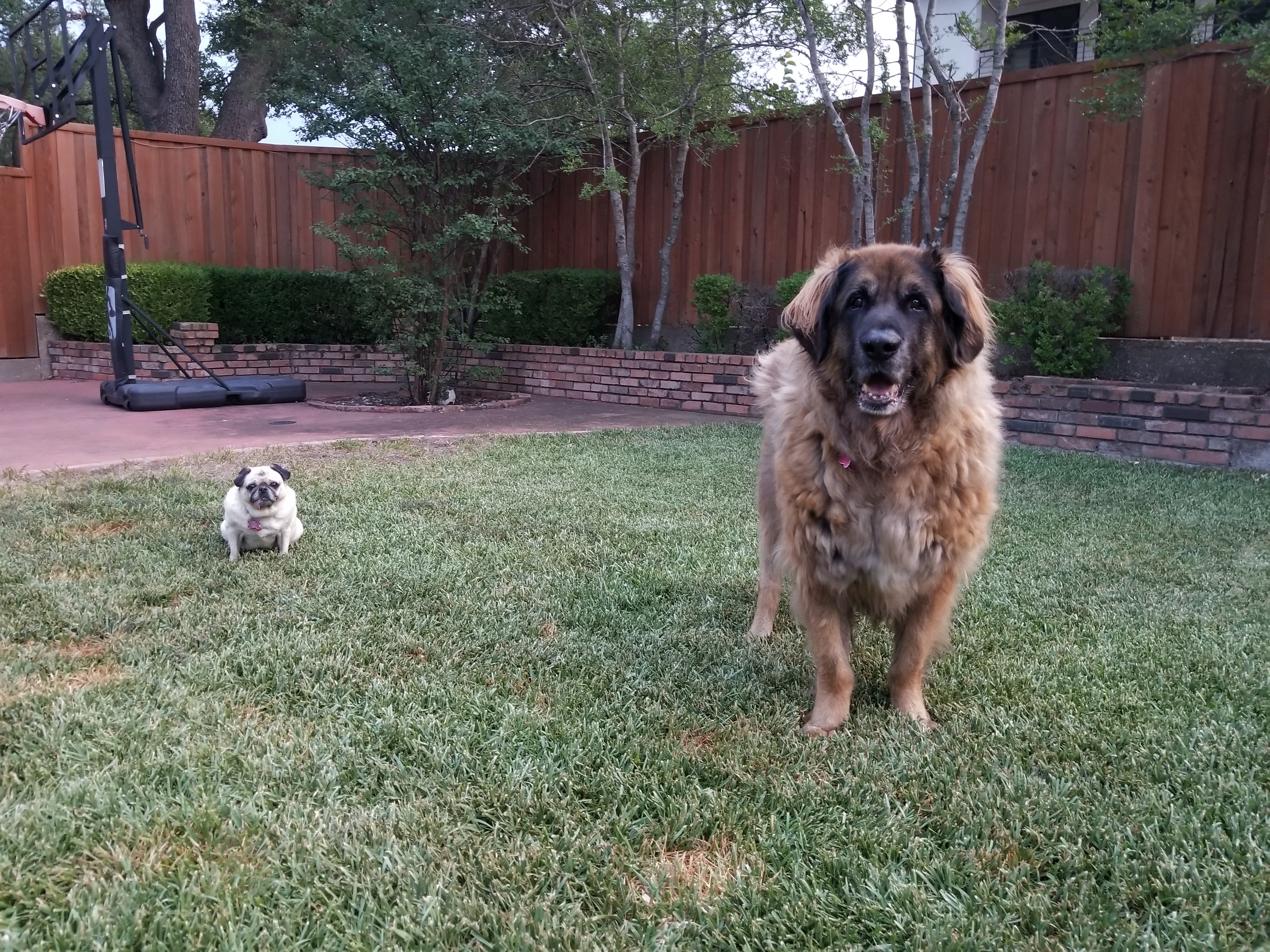
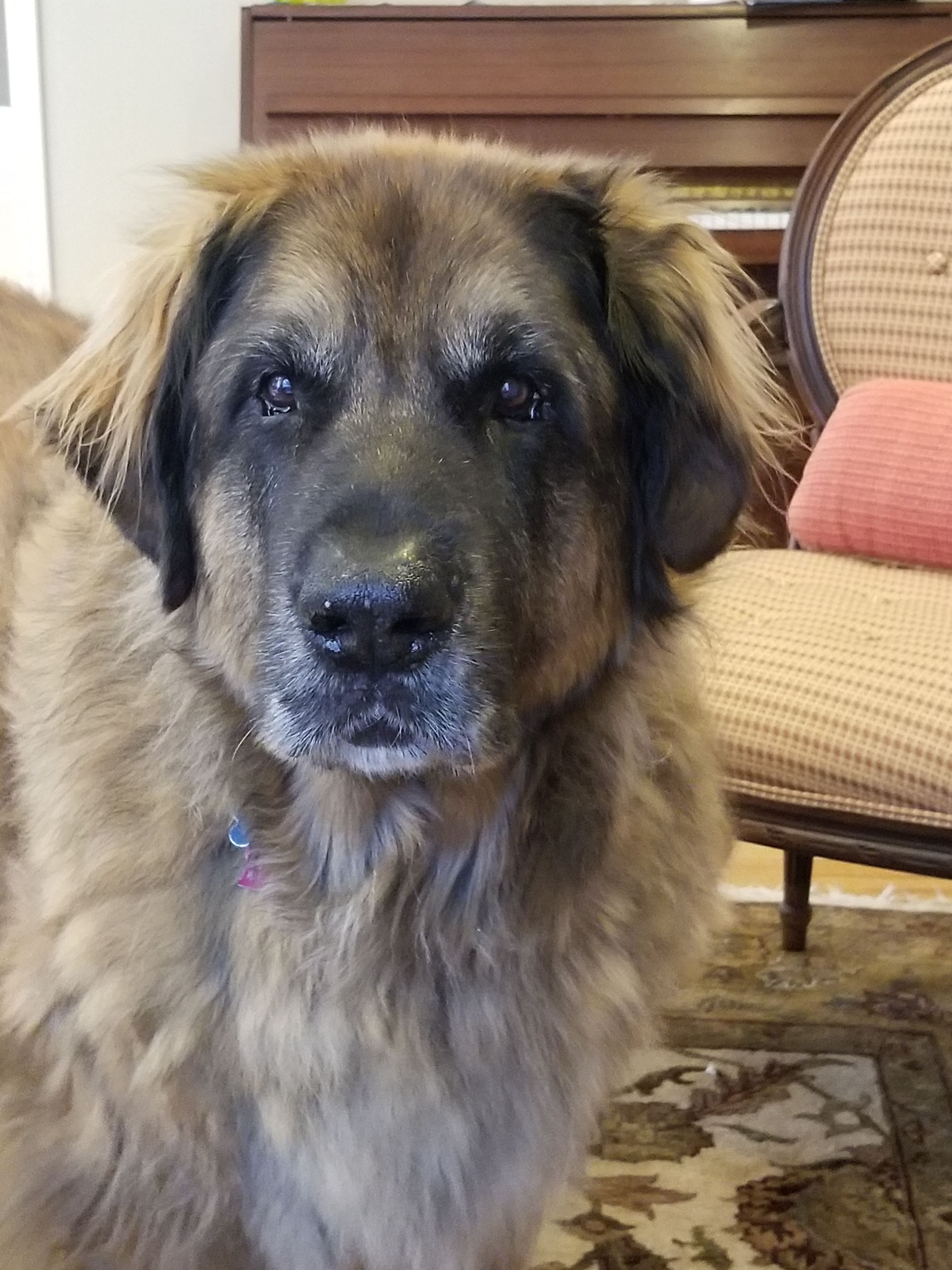
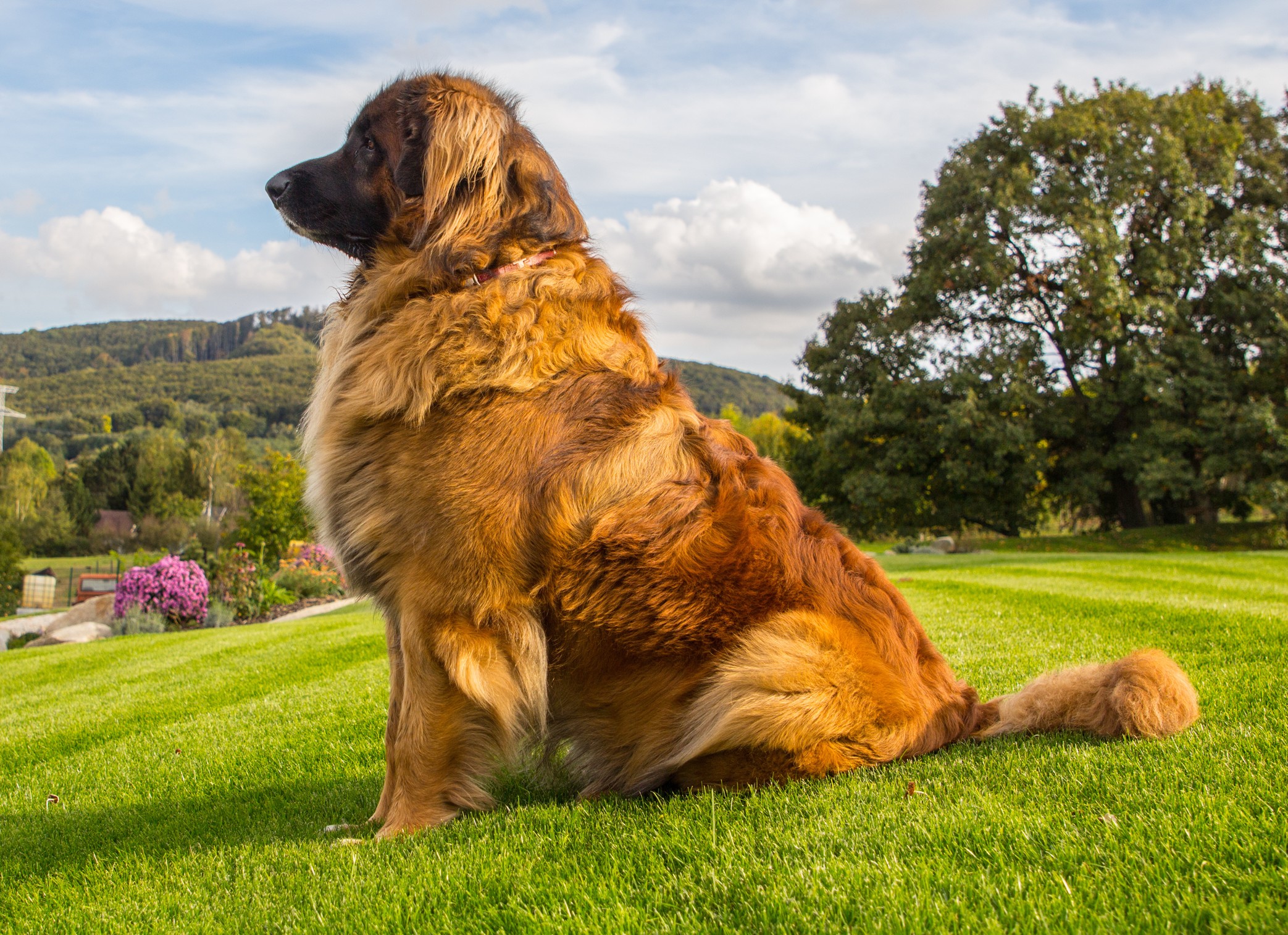
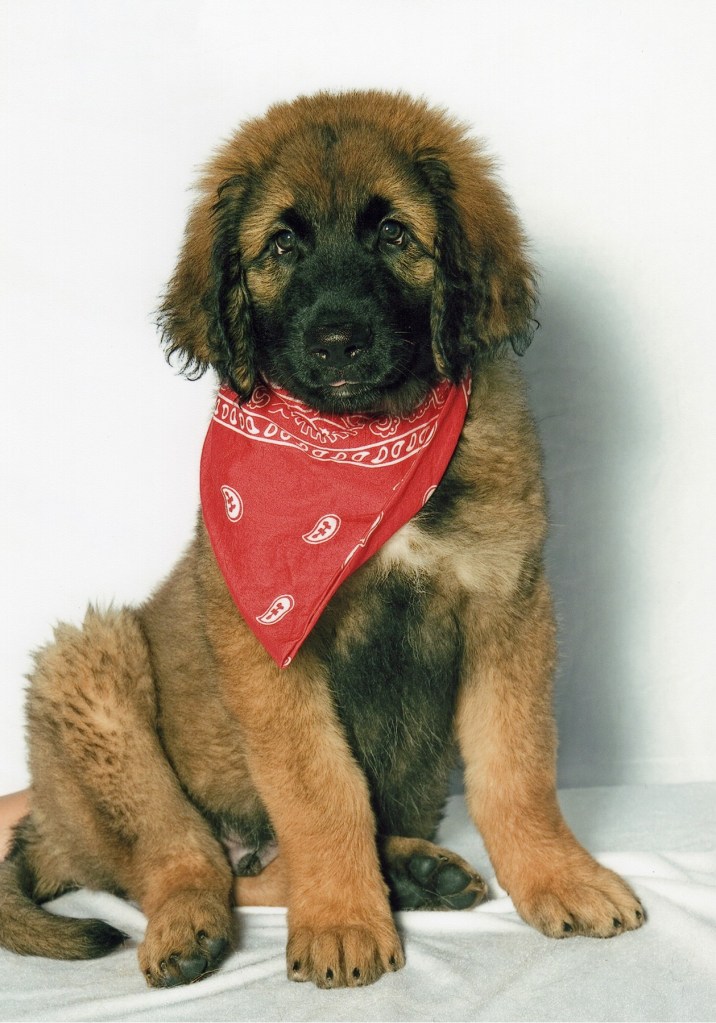
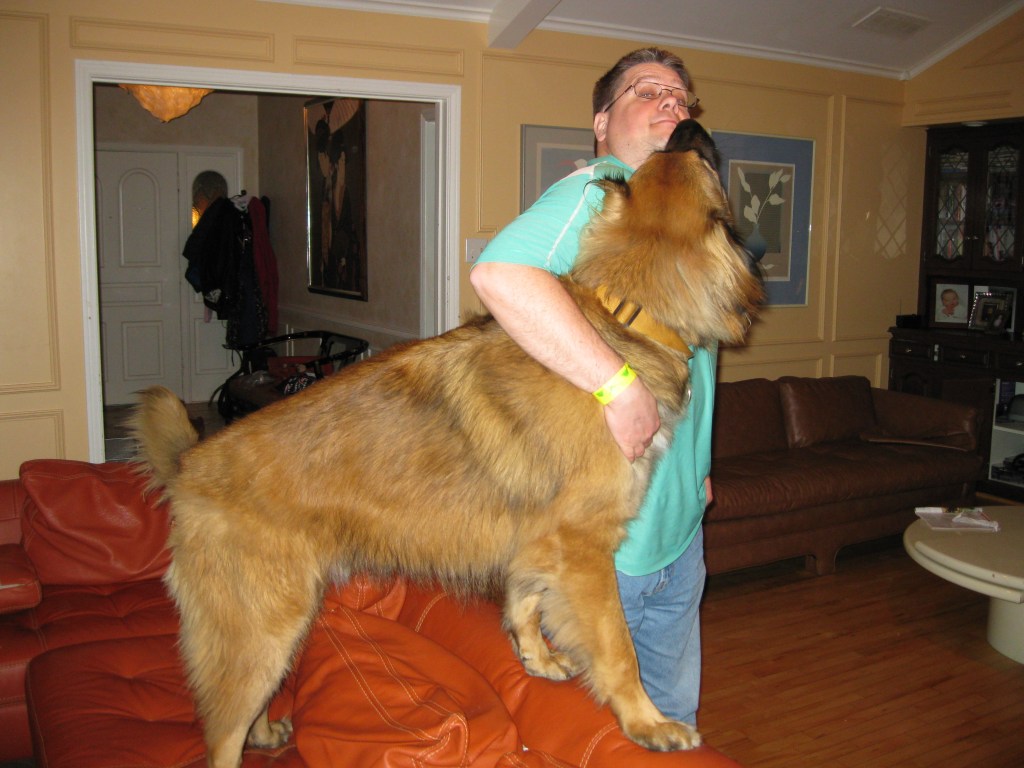
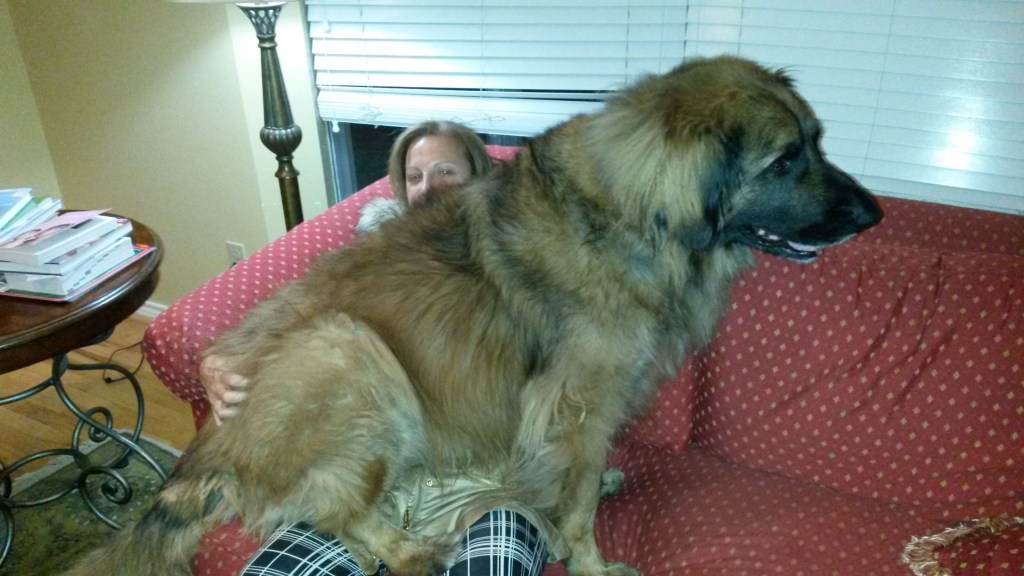
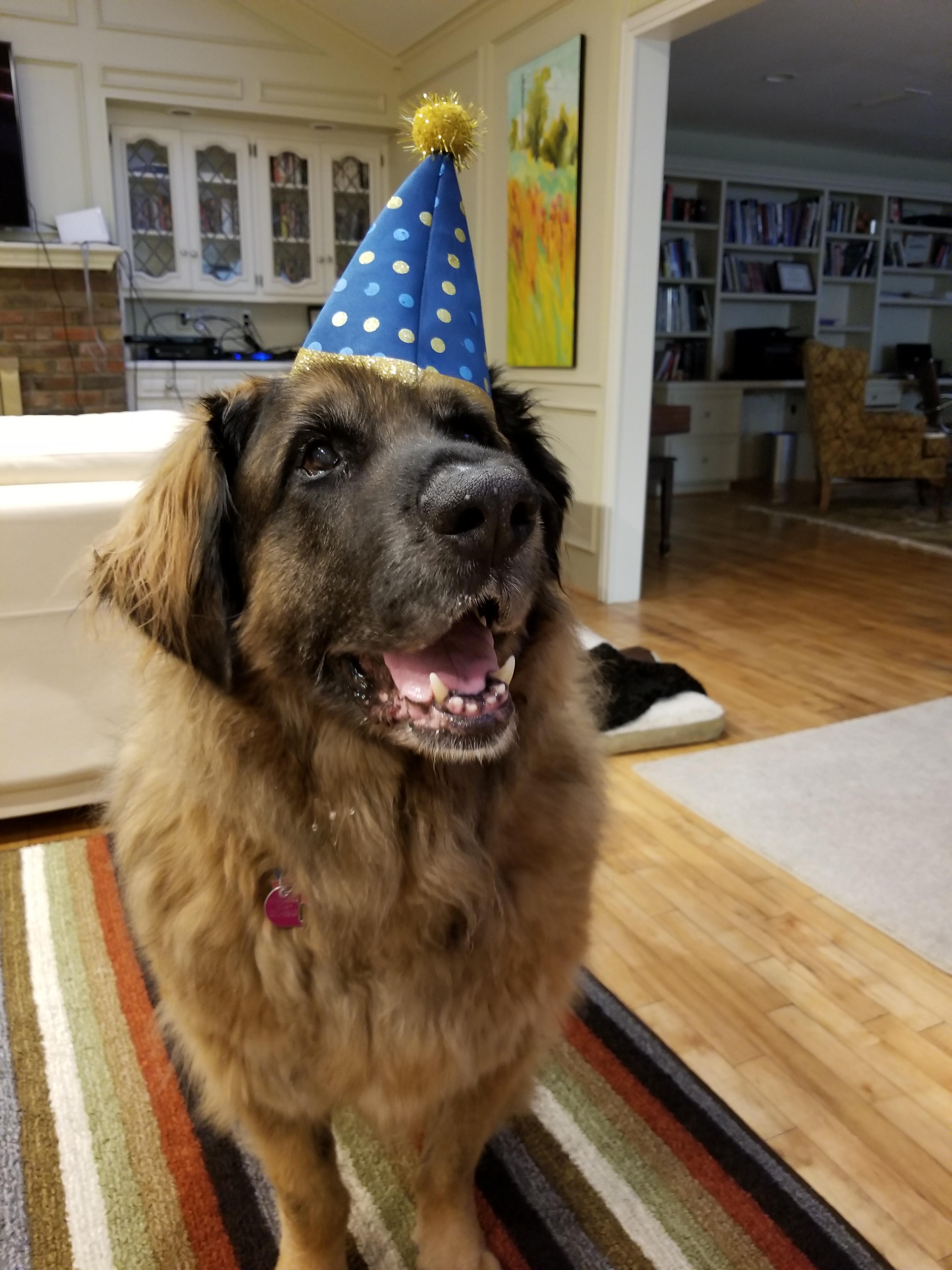
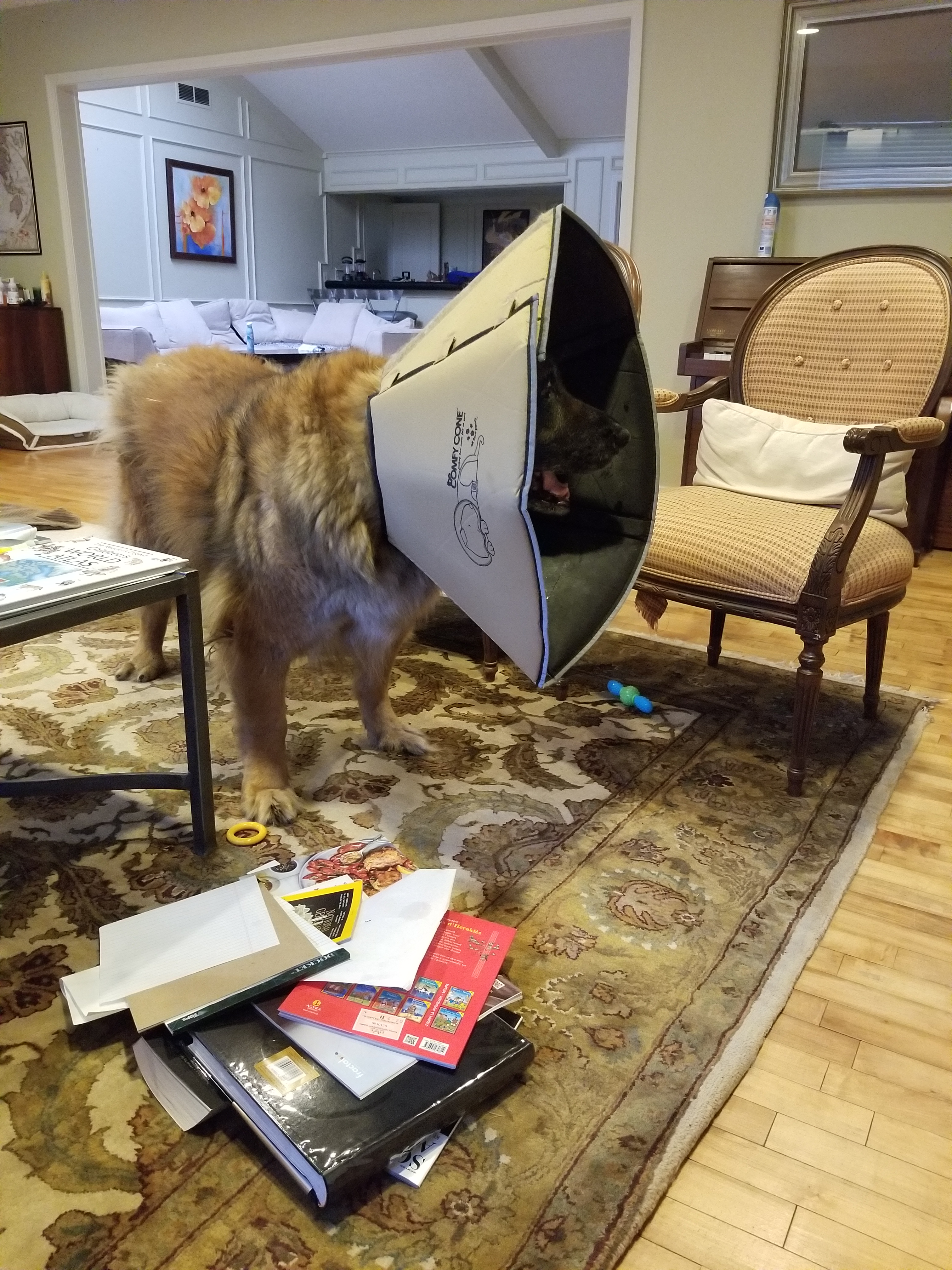
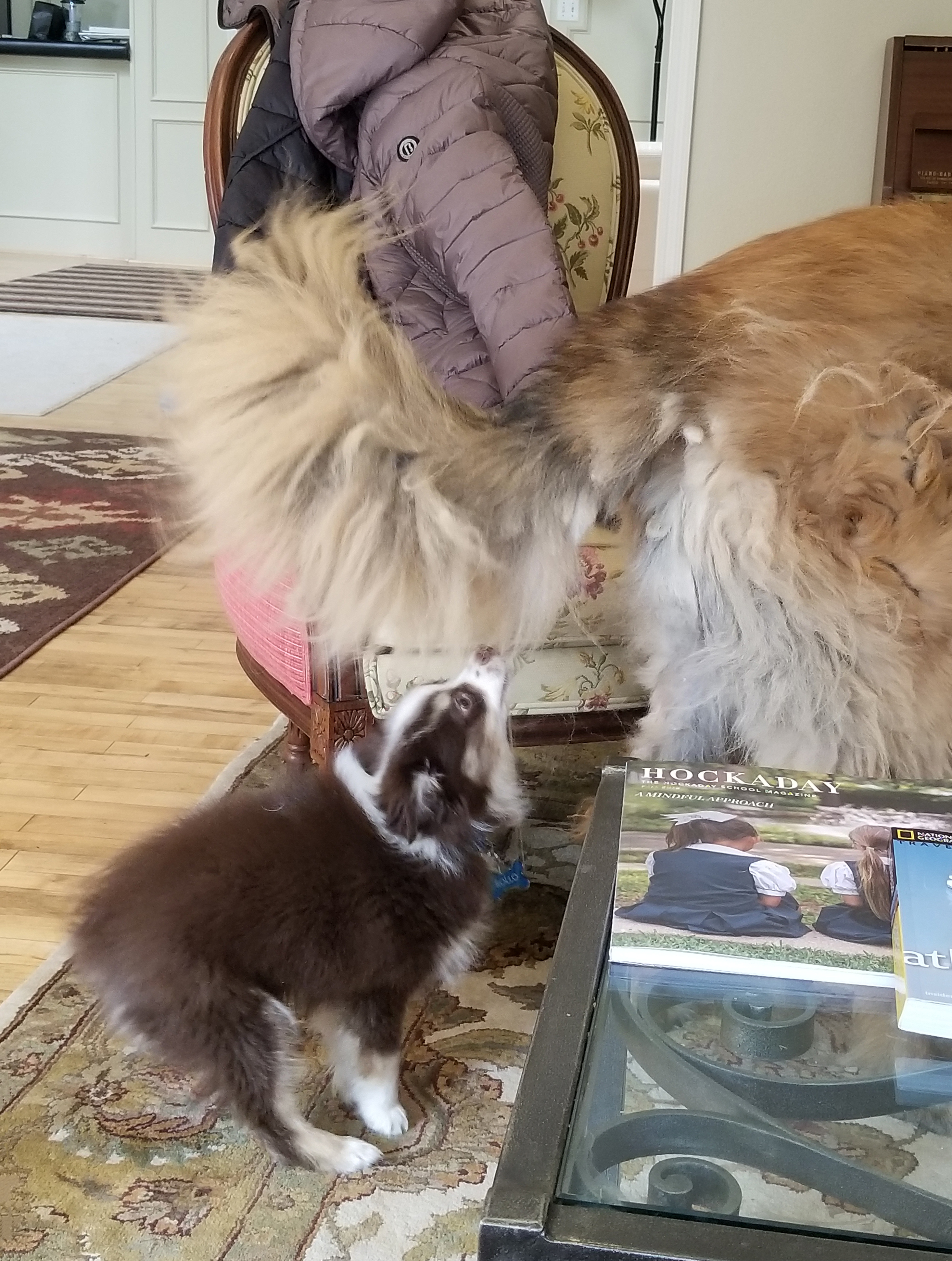
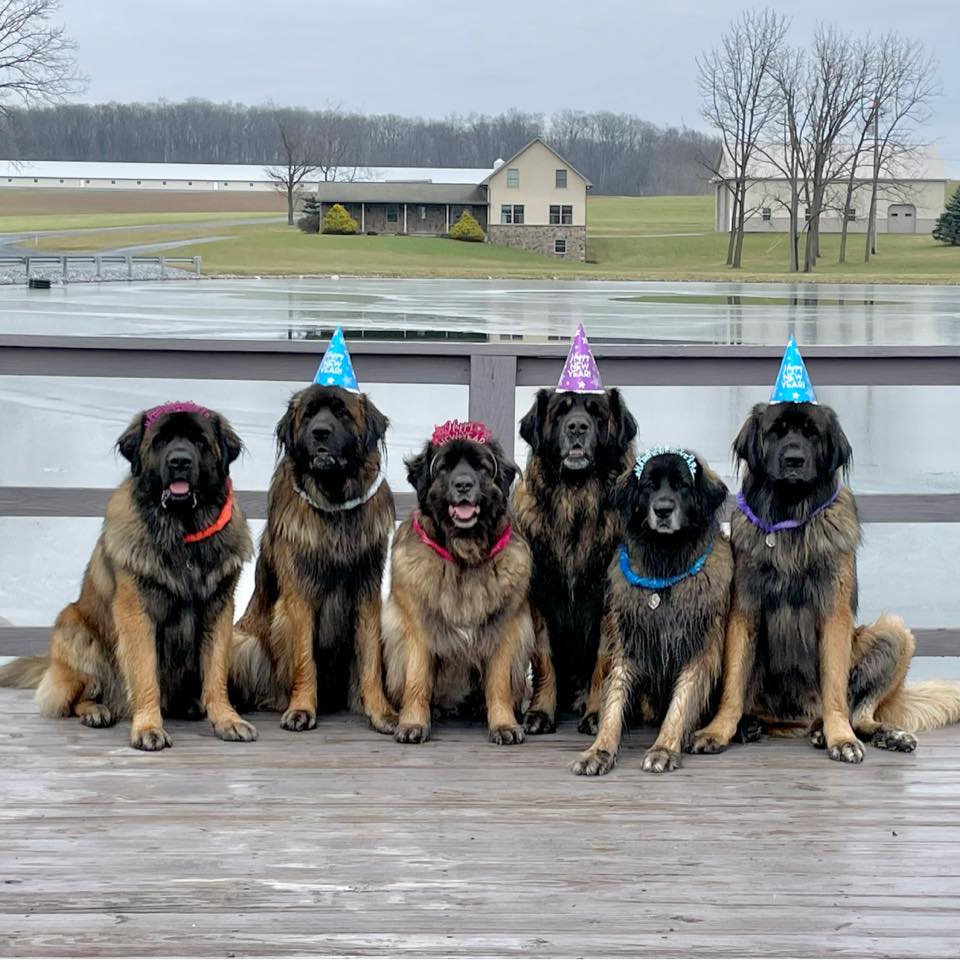
This photo tile includes a photo of our Leonberger Bronco wearing a birthday hat on his 11th birthday, our mini-Australian Shepherd biting our Leonbergers tail, our Leonberger Bronco wearing a cone and accidentally clearing the table of its content, a friends funny photo of Leonbergers Digory and Obi (by Jen O’Keefe) and a shutter stock photo of two light colored Leonberger puppies playing. Shutterstock-ID: 2141564415 by AnetaZabranska.

Article by Emma Johnson

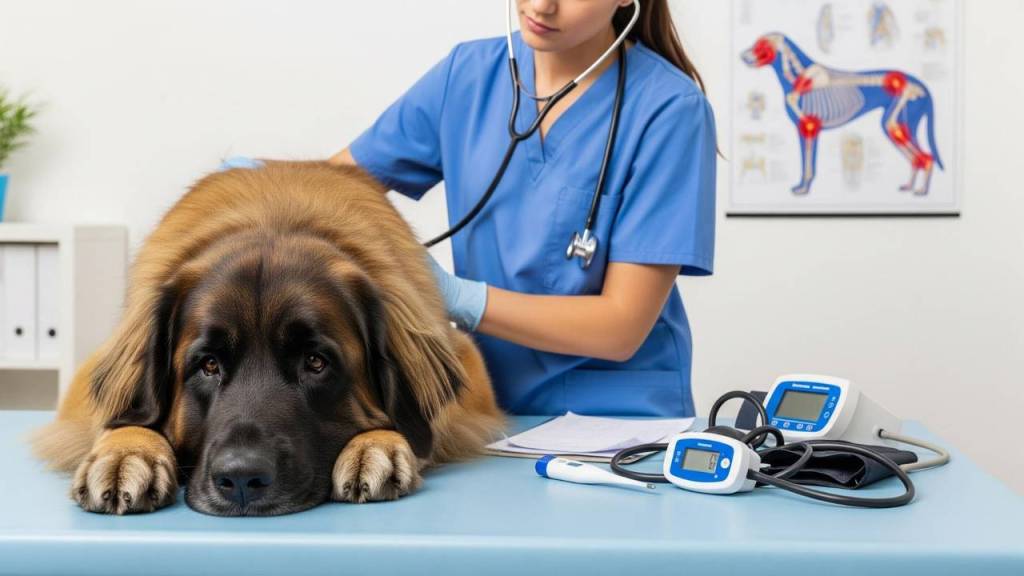
A photo of a Leonberger lying on a veterinaries table. A veterinarian is taking the vitals using a stethoscope.
The Leonberger is a friendly giant known for its kind temperament and large size. These beautiful dogs are wonderful companions, but their size can affect their health to some extent. Leonberger health challenges must be well understood by owners and veterinary professionals so that the lives of the big dogs are as healthy and happy as possible.

This article tackles the biggest problems and lays out preventive care options to protect these dogs. It is simpler to know what to anticipate and how to avoid these issues. Let us begin by finding out about some of the most common diseases that occur to Leonbergers.

Understanding Common Leonberger Diseases

Leonbergers suffer from many diseases. They can be joint issues, heart issues, hip dysplasia, eye issues, and skin allergies. These issues arise over time; therefore, prevention and detection at an early age are crucial.

In such situations, periodic examinations are advised by veterinarians, and collaboration with the dog’s owners is recommended. Prevention is all about good food, exercise, and periodic check-ups from the veterinarian.

We will learn how genetic problems in Leonbergers are addressed and how actively they can be dealt with.

Genetic Issues in Leonbergers and How to Deal with Them

Breed history and size are the main causes for genetic issues in Leonbergers. These are directly affecting Leonberger’s lifespan and general health. Prevention is achieved through education and proper care.

Genetic risks and prevention include:

  • Hip dysplasia: Select sound breeders who screen for hip wellness. Keep your dog at a healthy weight and encourage low-impact play.
  • Elbow dysplasia: Refrain from overexercising and ensure proper nutrition.
  • Heart issues: Have regular cardiac check-ups and watch for activity levels.
  • Eye issues: Have regular eye exams and maintain eye cleanliness.

Pre-treatment of genetics, through both breeding selection and preventive maintenance, lowers the risk of major issues. Let’s discuss the big picture now: Leonberger lifespan and health.

Leonberger Lifespan and Health

The average lifespan of a Leonberger is 8 to 10  years. Big dogs tend to have a shorter lifespan, but with proper preventive care, it can be extended.

Suggestions from experts are:

  • Balanced meal plan that is rich in nutrients
  • Weight management to minimize joint stress
  • Low-impact exercise
  • Routine visits to the veterinarian for the detection of diseases in early stages

Pro Tip: In case of emergencies and accidents, effective veterinary bandaging skills are priceless. They prevent infection, protect wounds, and promote faster healing. Thus, both pet owners and vets must improve their veterinary bandaging skills.

A regular schedule of preventive care and practical first aid skills is the key to maintaining a Leonberger’s health and longevity. This includes treatment of Leonberger joint problems, the most common health problem of the breed.

Preventing Leonberger Joint Problems:

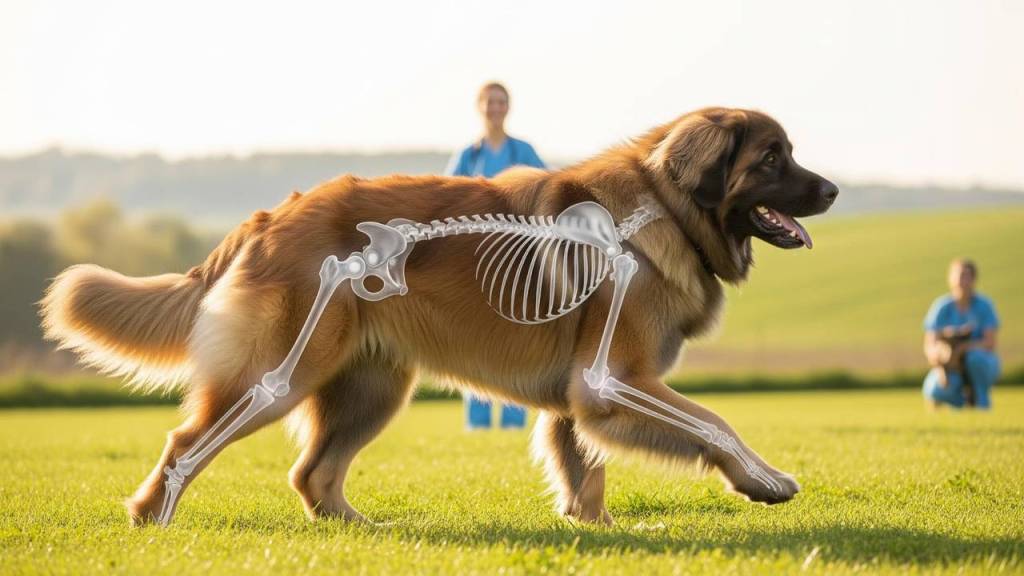
A Leonberger running on grass. His skeleton is shown as overlayed on his body.
Leonberger joint problems, including arthritis, hip dysplasia, and elbow dysplasia, are among the most common health issues this breed will encounter.  Prevention starts with proper weight. Excess pounds put extra pressure on joints and worsen conditions.

Early focus on joint maintenance makes prevention easy. That inevitably centers on the role of exercise and diet.

Exercise and Nutrition

Low-impact activity, such as controlled walking or swimming, provides joint mobility without overloading. A balanced diet with proper nutritional intake is also a must. In consultation with a veterinarian, supplements such as glucosamine and chondroitin may also be employed to maintain joint health.

These lifestyle modifications fortify the joints but are optimally used when complemented by regular veterinary visits.

Regular Checkups

Orthopedic examinations should be conducted regularly to identify problems before they cause damage. Regularity in these preventive check-ups can keep your Leonberger comfortable and active for life.

With joint maintenance underway, attention now must turn to another essential area of health: the heart.

Prevention of Leonberger Heart Problems:

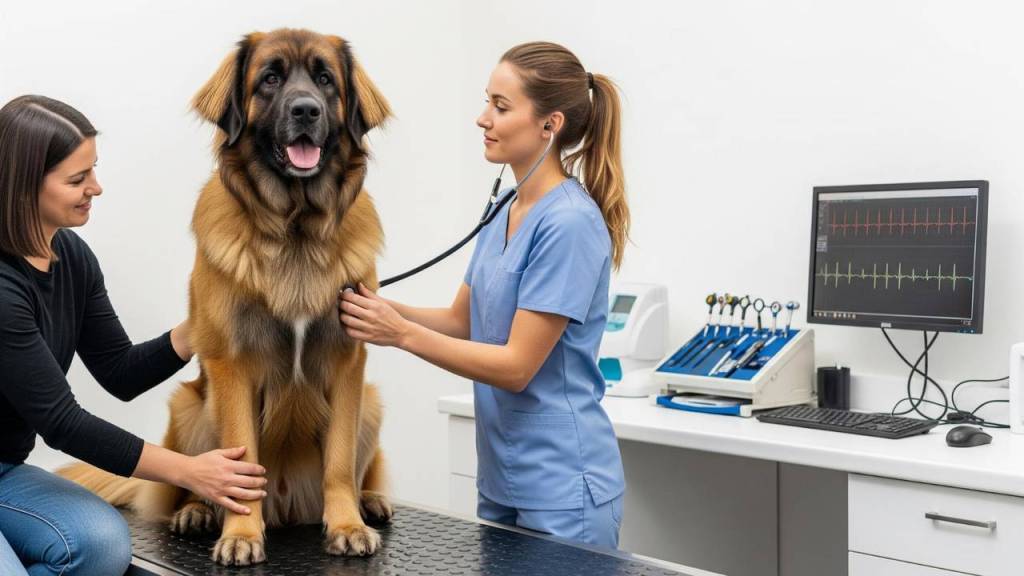
The photo shows a Leonberger sitting on a veterinary table getting its heart checked by a veterinarian.
Leonberger heart problems, particularly dilated cardiomyopathy, can advance with no apparent symptoms, and thus, prevention is important.

Diet and Lifestyle

Daily check-ups, a healthy diet, and regular exercise maintain the heart in good health. Avoid stress and overexertion.

Preventive measures at home are required. Periodic veterinary check-ups should be organized, nevertheless.

Early Detection Of Symptoms

Be vigilant for signs of exhaustion, cough, or respiratory deviation. Seek the advice of a veterinarian if there are any concerning signs in the pet. Early diagnosis significantly enhances the prospects of success.

Strong hips also contribute to overall heart health. Therefore, the same care and attention should be given to prevent hip dysplasia.

Prevention of Leonberger Hip Dysplasia:

Leonberger hip dysplasia is an abnormal development of the hip joints that leads to pain and loss of mobility. Prevention is early.

Breeding and Early Life Care

Seek out breeders who conduct hip soundness testing. Keeping your Leonberger lean and limiting high-impact exercise will help to build and develop joints. High-quality breeding, proper early care, and frequent veterinary check-ups are key to a long, healthy life for your Leonberger.

Early Veterinary Care

Prompt discovery can make a huge difference in comfort and mobility. Be mindful of the signs of discomfort in your pet. If the dog shows hesitation in movement, exercise, or play, it’s a sign of concern.

Moreover, watch out for signs of exhaustion after minor physical activity. Symptoms such as limping and whining while walking shouldn’t be ignored. A physical examination should be scheduled immediately to pinpoint the exact cause of pain and discomfort.

After the hips are healthy, vision care is the next priority of preventative care. We’ll cover that in the next section.

Preventing Leonberger Eye Problems:

Vision care is a cornerstone of your Leonberger’s overall health, making them comfortable and independent in their golden years. Healthy eyes enable them to be confident and active on a daily basis. Preventive care today can save a lot of stress and treatment down the road.

Common Eye Issues

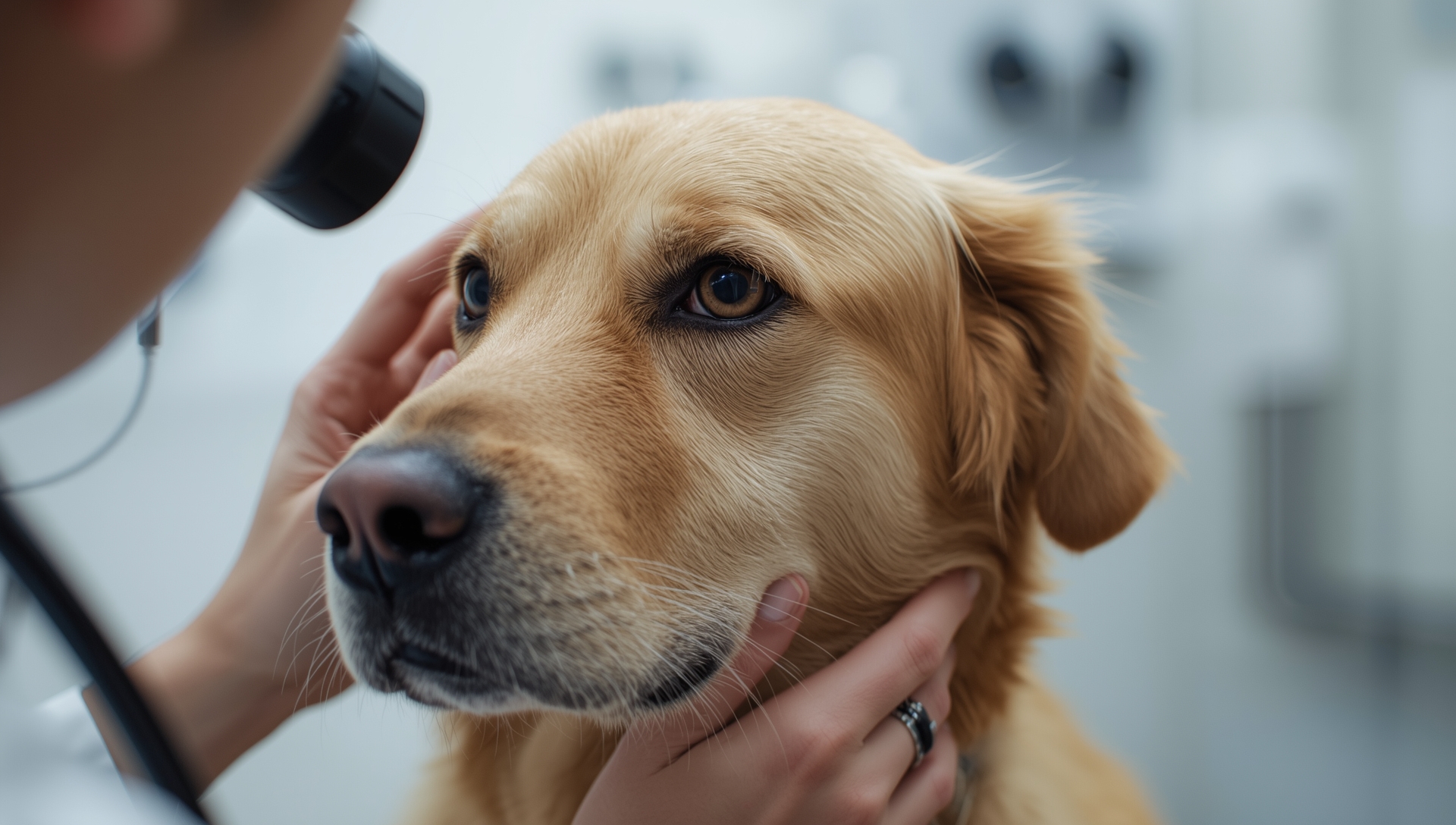
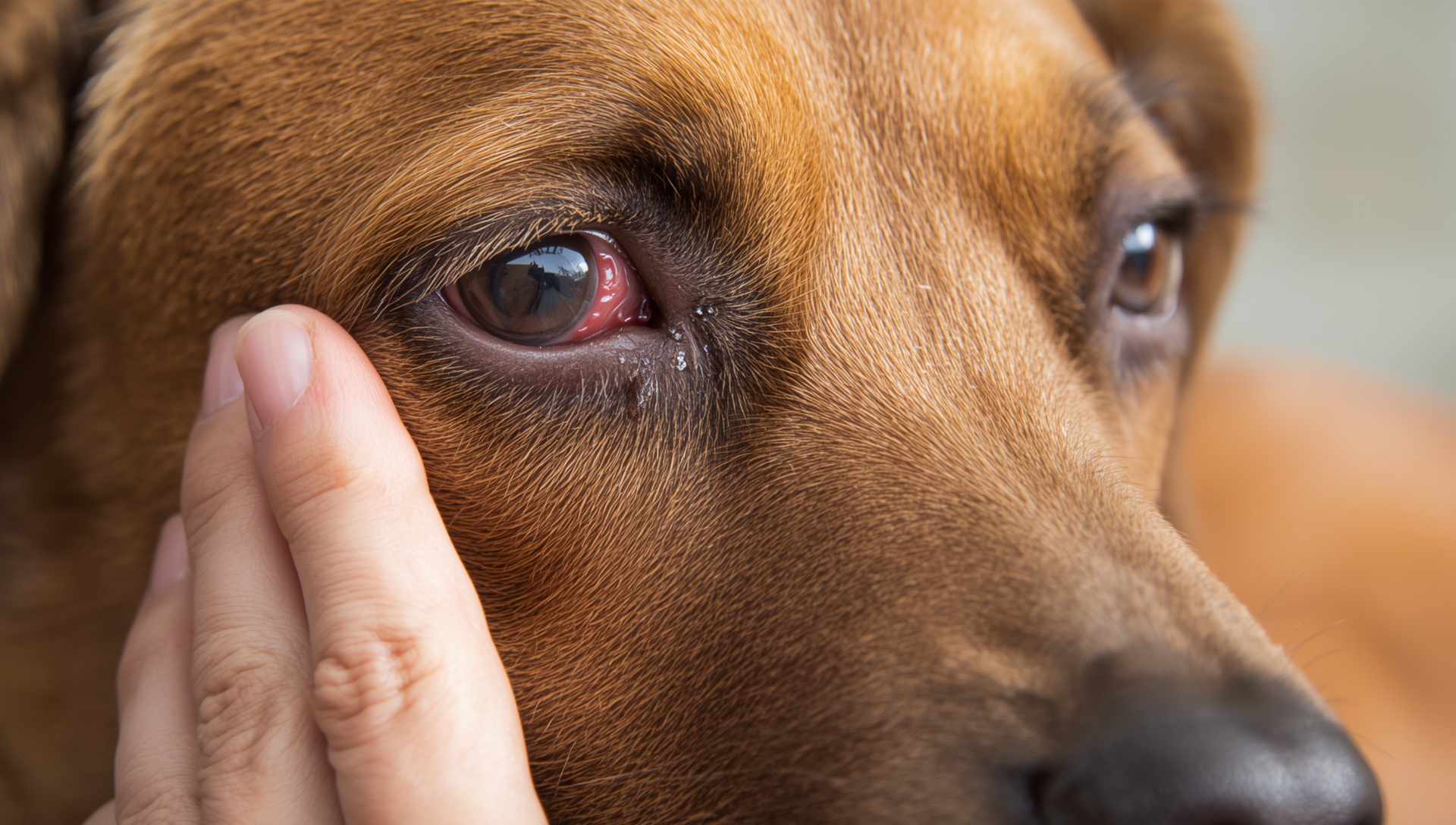
Leonbergers can be susceptible to vision and comfort-degrading issues like cataracts and entropion. Cloudiness or tearing must be noticed early on. Regular veterinary eye examinations ensure early detection is probable and help maintain their quality of life in balance.

By being attentive to common vision issues and regular hygiene, you can protect your Leonberger’s eyesight and health.

Hygiene and Care

Eye cleaning prevents infection and irritation. Easy grooming, such as wiping off discharge and watching for redness, can be a big help. A quick response when there is any sign of irritation prevents problems from getting out of control.

Finally, let’s discuss how genetic testing can help with coping with Leonberger health problems.

Breeding Considerations

Genetic testing is the key to avoiding inherited eye conditions. Selecting breeders who prioritize vision preserves generations to come. Healthy vision is as crucial to mobility as it is to overall well-being.

Caring for vision maintains independence, but caring for healthy skin maintains comfort and well-being. Preventing skin allergies is covered in the next section.

Preventing Leonberger Skin Allergies:

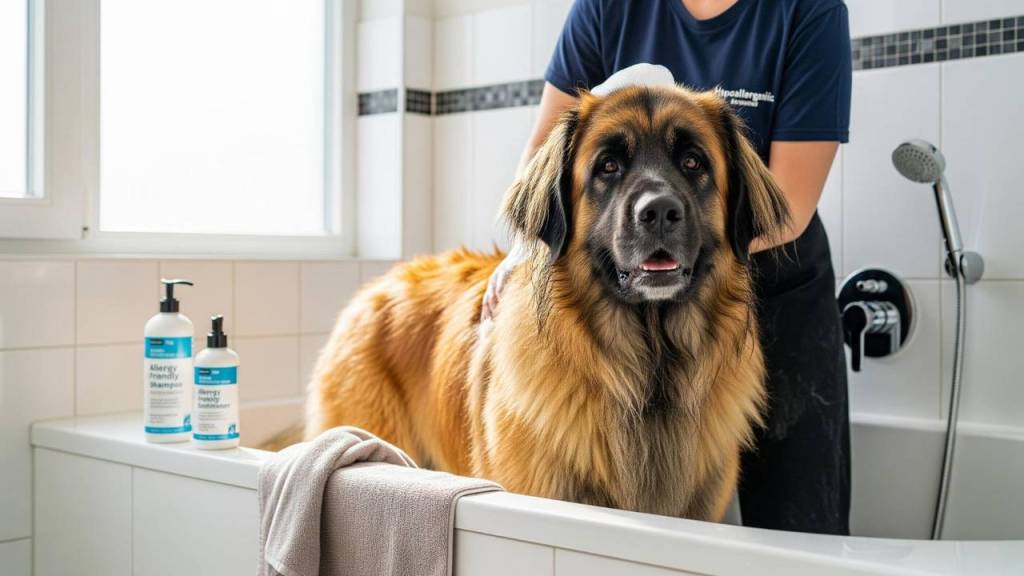
A Leonberger is standing in a bathtub. He is being washed.
Skin health is a part of overall well-being in your Leonberger. Healthy skin not only avoids pain but also prevents infection and irritation. Preventive care involves frequent grooming, attention to hygiene, and vigilance.

Causes of Skin Allergies

Environmental factors, food allergy, or parasites are the causative agents of Leonbergers’ skin allergies. Early diagnosis of causes prevents long-term complications.

It is through preventive measures that you need to take steps to make your dog stress-free and comfortable.

Skin Care Routine

Daily brushing and grooming eliminate dirt, allergens, and loose hair that irritate the skin. Hypoallergenic shampoos and conditioners soothe the skin and avoid flare-ups. A balanced diet containing omega fatty acids also maintains a healthy coat and skin.

Early Care

Skin problems must never be overlooked, as they can quickly become long-term problems. Coordination with your vet for regular checkups ensures that issues are addressed on time.

Preventive skin care is an important element of preventive health. Coordination of these practices ensures your Leonberger has a long, happy, and healthy life.

Preventive Care Checklist for Leonbergers, as suggested by the veterinarian

Here is a brief preventive care checklist for Leonbergers:

  • Work towards maintaining your dog’s healthy weight to keep them overall healthy.
  • Encourage your dog to perform low-impact exercises.
  • Turn outdoor play into a regular activity.
  • Undergo genetic tests to identify hereditary risks before breeding.
  • Check for dental and skin health to avoid infections and discomfort.
  • Get regular vaccinations and parasite control for complete preventive care.
  • Utilize a veterinary AI scribe to document, monitor, and maintain patient information efficiently.

Regular wellness visits detect health problems in Leonbergers. Regular checkups screen for inherited disorders, evaluate weight and exercise requirements, and examine the condition of joints, hips, eyes, heart, and skin. Personalized care plans maintain your dog in good health, averting significant problems.

With all said regarding the Leonberger health problems and how to prevent them, let us now summarize with the closing thoughts.

Final Thoughts

Preventive care is the key to a happy and healthy Leonberger. Regular wellness visits, individualized care plans, and gentle treatment of injuries all combine to provide a long, active life. Prevention is always preferable to the cure. It’s preferable to be proactive about the typical health issues in Leonbergers in order to be able to stop them.

A proactive care approach keeps your Leonberger healthy, comfortable, and active.

FAQs:

What are the most common Leonberger health problems?

The most common Leonberger health problems include joint issues, heart conditions, eye problems, and skin allergies. They affect mobility, comfort, and general well-being. Preventative care and routine veterinary check-ups help keep these dangers at bay efficiently.

How can I prevent Leonberger joint problems?

Prevention of Leonberger joint problems starts with proper weight maintenance, nutrition, and regular low-impact exercise. Routine early orthopedic checks help detect problems before they progress. Preventive breeding matters too.

How often should Leonberger’s eyes be examined?

Every Leonberger checkup should include a regular eye examination. Owners should also watch for redness, cloudiness, or watery discharge. Early detection of Leonberger eye problems prevents catastrophic vision loss.

What is the average Leonberger lifespan and health expectancy?

The average Leonberger lifespan and health is 8–10 years, but preventive care can improve the quality of life. Proper living routines and regular veterinary visits are the key. Identifying health issues early on ensures healthier and longer years.


Author Bio:

Emma Johnson is a professional content writer specializing in animal healthcare and veterinary topics. Her work provides pet owners and veterinarians with insightful, well-researched information to improve animal care.

Corneal Ulcers in Pets

The veterinary Amelia Baker sent me another blog post she wanted me to publish. So, this is a second guest blog. This time the topic is not geared towards only Leonberger dogs but dogs and pets in general. The topic is Corneal Ulcers in Pets (Symptoms, Causes & Care). I should say that we have been lucky. None of our dogs have had corneal ulcers. Check out her article below.

Article by Amelia Baker

Learn the signs of corneal ulcers in dogs, cats, and horses. Spot early symptoms, discover causes, and explore treatment options to protect pet vision.

Corneal Ulcers in Pets (Symptoms, Causes & Care)

What if that cute little wink your dog gives isn’t really a wink? What if your cat’s sudden sensitivity to sunlight is more than just moodiness? These small changes could be the beginning of a painful corneal ulcer in pets. Every day you wait makes it worse.

The tricky part is that the pets can’t tell that their eyes hurt. At times, a small scratch can turn into a corneal ulcer emergency for dogs. Similarly, a slight tear in the cornea can leave cats with corneal ulcers hiding in plain sight. Horses can also suffer from this medical condition.

That’s why understanding corneal symptoms in dogs or spotting a corneal ulcer in cats can make all the difference.

As a pet owner or a veterinarian, you might have wondered how to tell if it’s just a scratch or something more serious. In this article, we will discover how to recognize, treat, and prevent corneal ulcers in pets of various species. By the end, you’ll feel more confident in protecting your canine, feline, or even equine vision.

Before we get into treatment, let’s first understand what a corneal ulcer really is.

What Exactly Is a Corneal Ulcer?

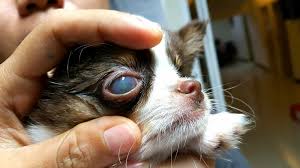
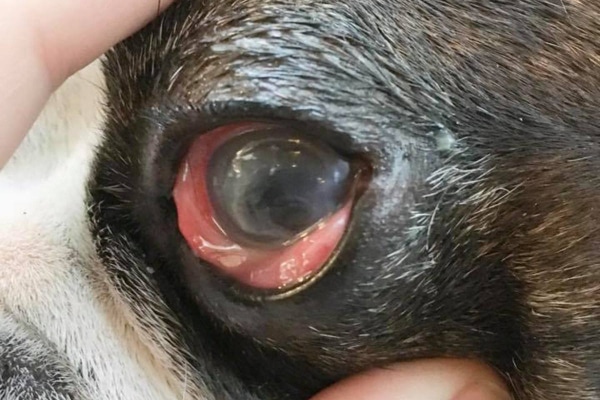
The cornea is the transparent, protective layer at the front of the eye. When it gets damaged from trauma, infection, or any disease, the wound is known as a corneal ulcer.

In dogs, you’ll often hear terms like dog eye corneal ulcer or canine corneal ulcer. It is a common occurrence in dogs to suffer from this condition. They mostly occur as a result of trauma or injury. However, in cats, viral causes and infections lead to corneal ulcers.

As for horses, especially for performance breeds, corneal ulcers are a common issue due to their outdoor lifestyle and their exposure to dust.

While the condition varies among the species, the basic problem is consistent. A break in the corneal surface can become more serious if it is not treated in time.

Now that you know what it is, the next step is identifying the symptoms in pets.

Recognizing Symptoms Before It’s Too Late

So, how can you spot a corneal ulcer? The signs are often clear if you know what to look out for.

  • Constant blinking or squinting
  • Red or watery eyes
  • Pawning or rubbing at their faces
  • Cloudiness in the cornea
  • Sudden sensitivity to light

A dog with a corneal ulcer might not want to play fetch. A cat with a corneal ulcer may avoid sunny and bright windows. Horses could leave one eye half-closed and act strangely during training. These subtle signs may indicate that the body needs help.

Spotting symptoms is just the start. What really matters is how quickly you act. If left untreated, corneal ulcers can lead to serious complications, including permanent blindness.

So, what causes the corneal ulcer in the first place?

Common Causes of Corneal Ulcers in Pets

The triggers are varied and are sometimes preventable.

  • Physical trauma, such as scratches from claws, grass seeds, or foreign objects, can cause issues.
  • Infections can also be a factor, including bacterial, viral, or fungal ones.
  • Certain breeds are more likely to develop problems, especially flat-faced breeds that tend to get dry eyes.
  • Underlying eye diseases like entropion or keratoconjunctivitis sicca.

For cats, viral infections like feline herpesvirus are common causes. In dogs, especially brachycephalic breeds, the shape of the eye and incomplete eyelid closure play a role. Horses, on the other hand, face daily exposure to dust and outdoor particles.

Knowing the cause helps guide treatment. It also highlights why education is important. Veterinarians can stay ahead by watching a Veterinary Ophthalmology webinar, which explores diagnosis and treatment techniques in detail.

This leads us to the next question every pet owner asks: What happens if my pet is diagnosed with a corneal ulcer?

Treatment and Care Options

Thankfully, most ulcers can be treated if they are caught early. Treatment often depends on the severity of the condition.

  • Mild ulcers: antibiotic drops, artificial tears, pain relief.
  • Complicated ulcers: surgical intervention, such as conjunctival grafts.
  • Supportive care: Elizabethan collars to prevent rubbing.

In equine and canine patients, timely intervention is important to prevent progression into a melting ulcer. It is possible with the right veterinary knowledge and care.

For veterinarians, staying informed through free webinars on veterinary continuing education helps them keep up with the latest surgical techniques and medications. For pet owners, the message is clear: never delay a vet visit if your pet shows signs of eye discomfort.

But beyond treatment, prevention and awareness are equally important.

Prevention: Protecting Vision Before It’s Lost

Prevention often relies on being watchful and taking steps to care for your adorable pet. Regular eye checks, safe spaces without sharp objects, and quick vet visits at the first sight of discomfort can lower all risks.

To elevate your knowledge, consider joining a pet eye health webinar or reading preventive tips. At the same time, veterinarians who attend online vet CE sessions and pet webinars on corneal ulcers can learn to manage cases with the confidence that comes from updated knowledge.

After all, protecting an eye is easier than trying to restore sight once it’s lost.

Final Thoughts

Your pet’s eyes aren’t just organs. They are windows into how they see, play, and connect with you. When a dog with a corneal ulcer avoids his favorite game, or when a cat with a corneal ulcer retreats into darkness, it becomes more than a medical issue. It also affects their quality of life.

The good news is that with awareness, quick action, and the proper care, most pets recover. Free sponsored webinars on corneal ulcers in pets can improve your veterinary knowledge by offering the latest techniques and insights to manage complex cases.

So, the next time you see watery eyes, constant blinking, or strange behavior, don’t ignore them. They can point to something bigger: a corneal ulcer. Acting today can save your pet’s sight in the future.

When it comes to the eye health of pets, staying alert is not optional. It’s a commitment we make to the animals who rely on us.

FAQs

Q: What is the 3-2-1 rule for corneal ulcers?

The 3-2-1 rule helps determine when urgent care is necessary. If an ulcer doesn’t improve within 3 days, hasn’t healed in 2 weeks, or gets worse after just one day, it’s a warning sign. This straightforward rule helps determine both owners and vets that seeking help early is essential for protecting a pet’s vision.

Q: Can corneal ulcers heal on their own in pets?

No, corneal ulcers never heal properly without treatment. Even small ulcers can deepen and get infected over time. This can lead to vision loss. Pets need veterinary care to prevent the problem from becoming severe.

Q: What would cause an ulcer in a pet’s eye?

Several factors can cause an ulcer in your pet’s eyes. The trauma caused to the eyes, debris and dirt, and several diseases can lead to an ulcer. Moreover, breed-related problems such as dry eye or entropion also increase the risk.

Q: What is the best treatment for corneal ulcers?

Treatment depends on the severity and species. Mild ulcers usually respond to antibiotic drops, lubricants, and pain relief. In more advanced cases, surgery may be the only possible solution. Collaborating with a veterinarian helps create the right care plan to protect the vision of your pet.


To visit Amanda Baker’s previous post Vet Approved Leonberger Diet Tips for Health click here

Vet Approved Leonberger Diet Tips for Health

A veterinary by the name Amelia Baker contacted me about publishing diet tips for Leonbergers on my Leonberger blog, and I said yes. So, this is a guest blog. She is not selling anything. It is just her way of trying to improve the diet of Leonbergers. As some of you know, Leonbergers are big, but we succeeded in overfeeding him anyway at one point. Our Leonberger Bronco was 167lbs and we needed to get him back down to 140lbs, his idea weight, and that was not easy. Check out her article below.

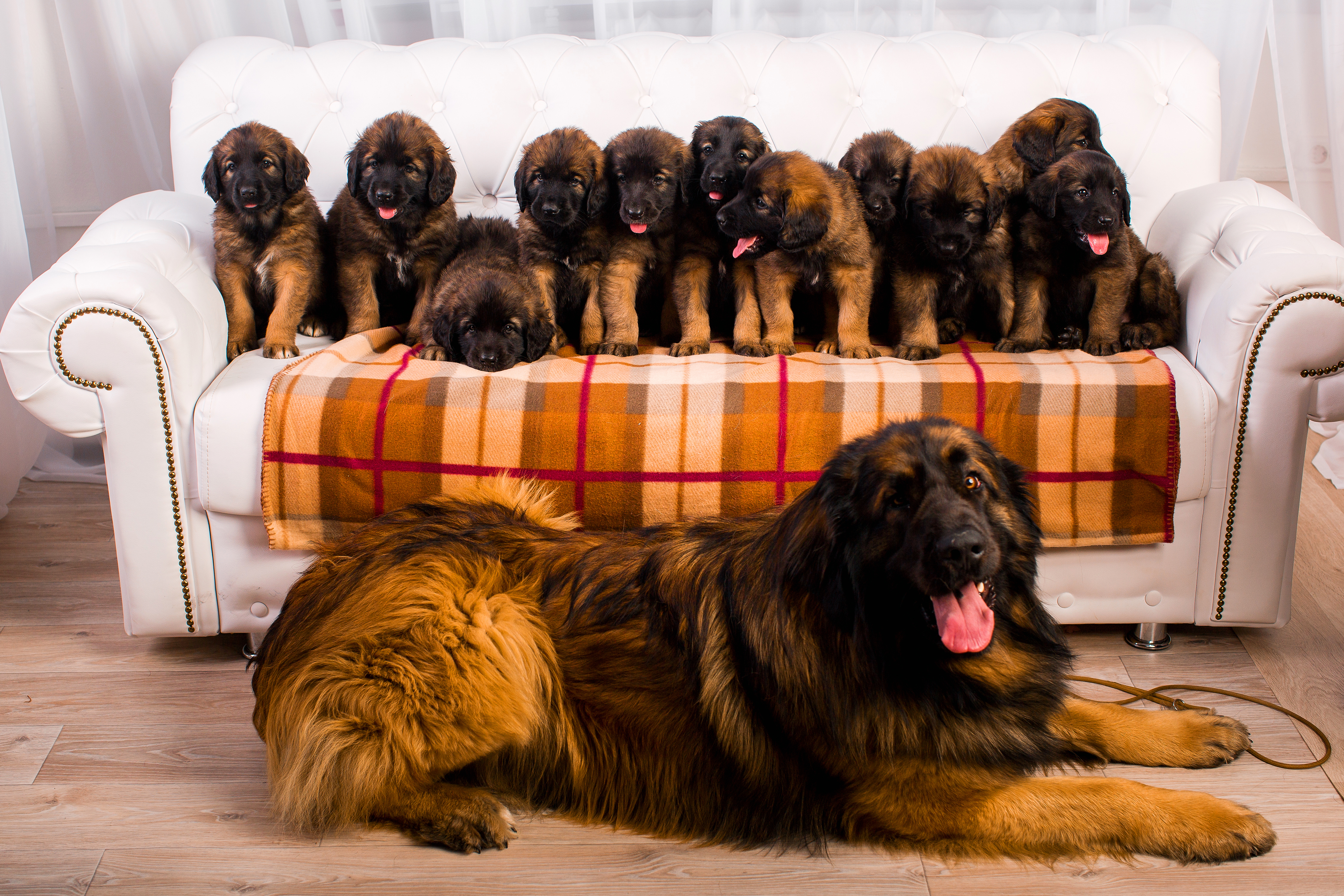
This photo tile includes a photo of our Leonberger Bronco when he was three months old, a friend’s funny Leonberger photo (by Jen O’Keefe) and a shutter stock photo of ten Leonberger puppies with mama Shutterstock-ID: 561107650 by Akbudak Rimma.

Article by Amelia Baker

Vet-Approved Leonberger Diet Tips for Puppies, Adults & Seniors

Get essential Leonberger diet advice from vets. Find out what to feed Leonberger puppies, adults, and seniors to support strong joints and a healthy weight.

In this article, we’ll discuss Leonberger diet tips for puppies, adults, and seniors, address common health concerns, and offer practical feeding strategies. There is a gracious reserve to the Leonberger, the sort of dog that will not beg for attention but will not be denied it.

With their monumental height, sensitive eyes, and calmness, they bring comfort to families and respect to any clinic that understands how to treat them. But size, as we are used to, has its drawbacks.

For Leonbergers, much of that baggage manifests in joints, stomachs, and pounds. Their dietary needs are not just special; they’re critical. As a veterinarian, it is our duty to create nutrition not just for their size but also for the Leonberger’s life stage, health risks, and individual metabolic quirks.

So, let’s explore a few veterinarian-recommended Leonberger diet tips one by one.

Feeding Leonberger Puppies

A Leonberger puppy may look like a bear cub in a dog suit, but inside that fluff is a musculoskeletal system working overtime to keep up with its own growth. Veterinarians can see it happen too often: pet parents overfeed because they think a big dog means more food.

But with Leonbergers, slow feeding is always a good option. Undoubtedly, fast feeding to a Leonberger is a one-way ticket to early-onset hip dysplasia and elbow instability.

Leonberger Diet Tips And Guidelines

  • Stick to large-breed puppy food only. It will maintain calcium and phosphorus levels to avoid uneven bone growth.
  • Watch calories closely. Plan for consistent, not rapid, growth.
  • Include DHA and omega-3 fatty acids to promote early brain development.
  • Take 3 to 4 small meals daily for six months and taper off to twice a day by 12 months.
  • Skip supplements unless advised by a doctor. Too much calcium is as bad as too little.

The Leonberger diet for the puppy stage must sound more prescriptive than advisory. Don’t simply suggest a product; discuss why each ingredient is important, from joint maintenance to digestive protection.

Keep Up Feeding Adult Leonbergers Without Excess

By 18 to 24 months, most Leonbergers reach their adult size, and that’s when the feeding approach needs to shift from build to maintain. But diet balance isn’t as simple as it sounds, especially when you’re dealing with a breed that’s prone to weight gain, bloat, and early joint degeneration.

What to Focus On in Adult Leonbergers

Moderate fat and high-quality protein. Use lean meats like turkey and fish. Steer clear of fatty food items.

  • Select joint-friendly foods that contain glucosamine, chondroitin, and omega-3s.
  • Monitor portion sizes. Consider feeding guides by ideal weight, not actual weight.
  • Don’t free-feed. Feed two times daily to reduce potential bloat.
  • Supplement with digestive enzymes or probiotics if needed to improve digestion.

By this stage, Leonberger meals should have functional components, and thus, food now starts to act as a tool to avert aging-induced degeneration. Older Leonbergers may continue to have the temperament of a puppy but not the speed.

Rigidness in joints, loss of appetite, or the development of cognitive decline make nutrition the key to ensuring quality of life.

Diet Changes for Senior Leonberger

  • Choose senior canine foods with low fat but high fiber.
  • Add antioxidants (vitamins C and E) for immunity and neurological function.
  • Add fish oil for inflammation purposes.
  • Reduce the digestive load with soaked kibble or lightly cooked meals.
  • Manage monthly and monitor accordingly.

For seniors, in particular, Leonberger dietary tips extend beyond food; they are about comfort, longevity, and not placing undue stress on aging systems.

Should You Suggest a Leonberger Raw Food Diet?

You’ve probably had clients ask about it. Raw feeding continues to gain popularity, particularly among owners of large-breed dogs. While there are some anecdotal benefits, the Leonberger raw food diet  is only safe when meticulously balanced and well-planned.

Pros of Raw Diet for Leonberger
  • Better coat condition
  • Fewer processed ingredients
  • Improved appetite in picky eaters
Cons and Cautions
  • Nutritional imbalances without veterinary formulation
  • Higher risk of bacterial contamination
  • Inconsistent results in dogs with sensitive digestion

When your clients insist on a raw diet, refer them to commercially formulated, AAFCO-formulated (Association of American Feed Control Officials) raw foods or advise a veterinary nutritionist. Never let a giant breed test diet on its own.

Controlling the Risks Leonbergers Encounter

The proper diet not only nourishes a Leonberger, but it also guards them. These three conditions are the most diet-sensitive in the breed:

1. Joint Issues (Hip/Elbow Dysplasia)
  • Start a joint-sensitive diet from the start (puppy stage).
  • Achieve and sustain an ideal weight to reduce hip and elbow pressure.
  • Recommend diets rich in glucosamine, MSM, and omega-3 fatty acids.
2. Gastric Dilatation-Volvulus (Bloat)
  • Prevent single large meals.
  • Use slow-feeding bowls or puzzle feeders, if needed.
  • Do not feed before and after extreme exercise.
  • Select kibbles with less fat content and no fermentation ingredients.
3. Obesity
  • Preventing caloric overfeeding, even 10 additional pounds is a joint risk factor.
  • Recommend calorie-restricted, high-protein/low-fat formulas.
  • Add healthy, low-calorie treats such as carrots or green beans.

As a veterinarian, you’re Leonberger’s nutritional gatekeeper. Don’t just recommend a food bag; design a plan that aligns with Leonberger’s medical history, risk profile, and lifestyle. For veterinarians specializing in canine nutrition or offering breed-specific dietary consultations, being aware of market trends and vet-industry opportunities is crucial.

Platforms such as VetRep Finder assist professionals by uniting them with changing veterinary sales representative opportunities and enabling them to remain active with the tools and products that define veterinary care nationwide.

Whether therapeutic diets or supplements, remaining current works in the best interests of both your practice and your patients.

Conclusion

In practice, prescribing a Leonberger-specific diet is more than handing out a standard feeding sheet for the average dog. These gentle giants need expert, proactive nutritional planning from puppyhood to the golden age.

As a veterinarian, you can take direct control of longevity by influencing longevity, joint health, and digestive stability, all through diet.

If you’re enthusiastic about maintaining contact with veterinary sales careers or assisting in veterinary learning resources that influence clients and colleagues alike, VetRep Finder provides important avenues for professional development.

FAQs

How frequently should a Leonberger be fed?

Adults and senior dogs should be fed twice a day. Puppies might require 3 to 4 meals a day to avoid energy crashes and digestive stress.

What is the safest protein for Leonbergers with sensitivities?

Fish and turkey are quite well-digested and provide anti-inflammatory advantages. Steer clear of beef or lamb if you suffer from a history of gastrointestinal disease or skin allergy.

Are grain-free diets a good fit for Leonbergers?

Only when there is a medical symptom present are some grain-free diets associated with DCM, so always examine the whole nutrient picture and consult with a veterinary nutritionist.

Celebrating Digory Fighting Osteosarcoma

Jen O’Keefe, a fellow Leonberger enthusiast and Facebook friend gave me permission to post about her late Leonberger Digory and the fundraiser she started to celebrate his memory.

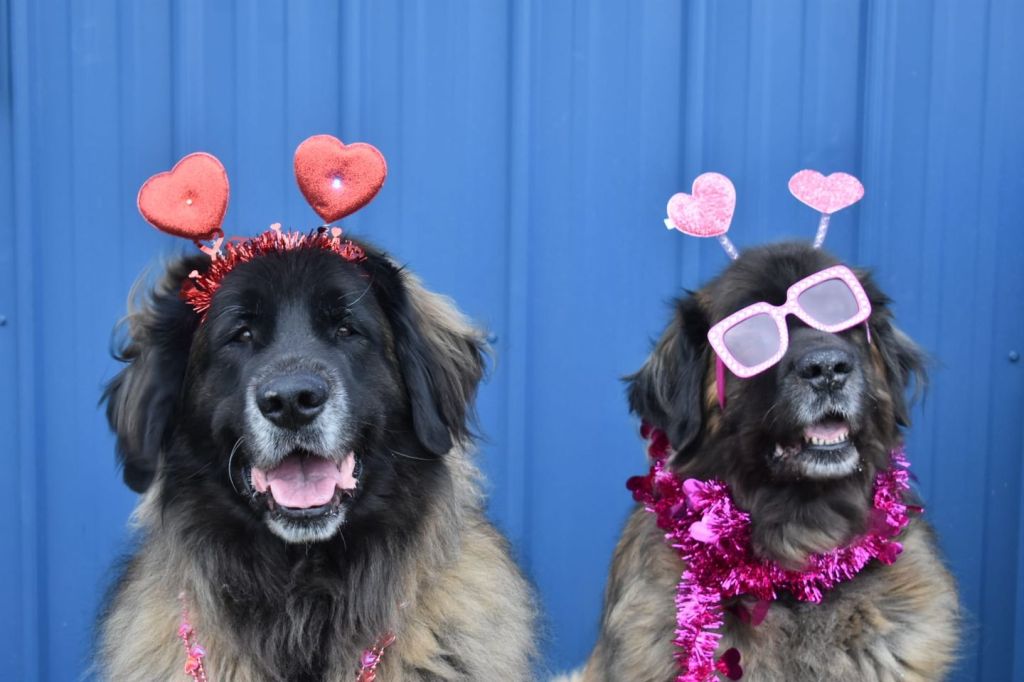
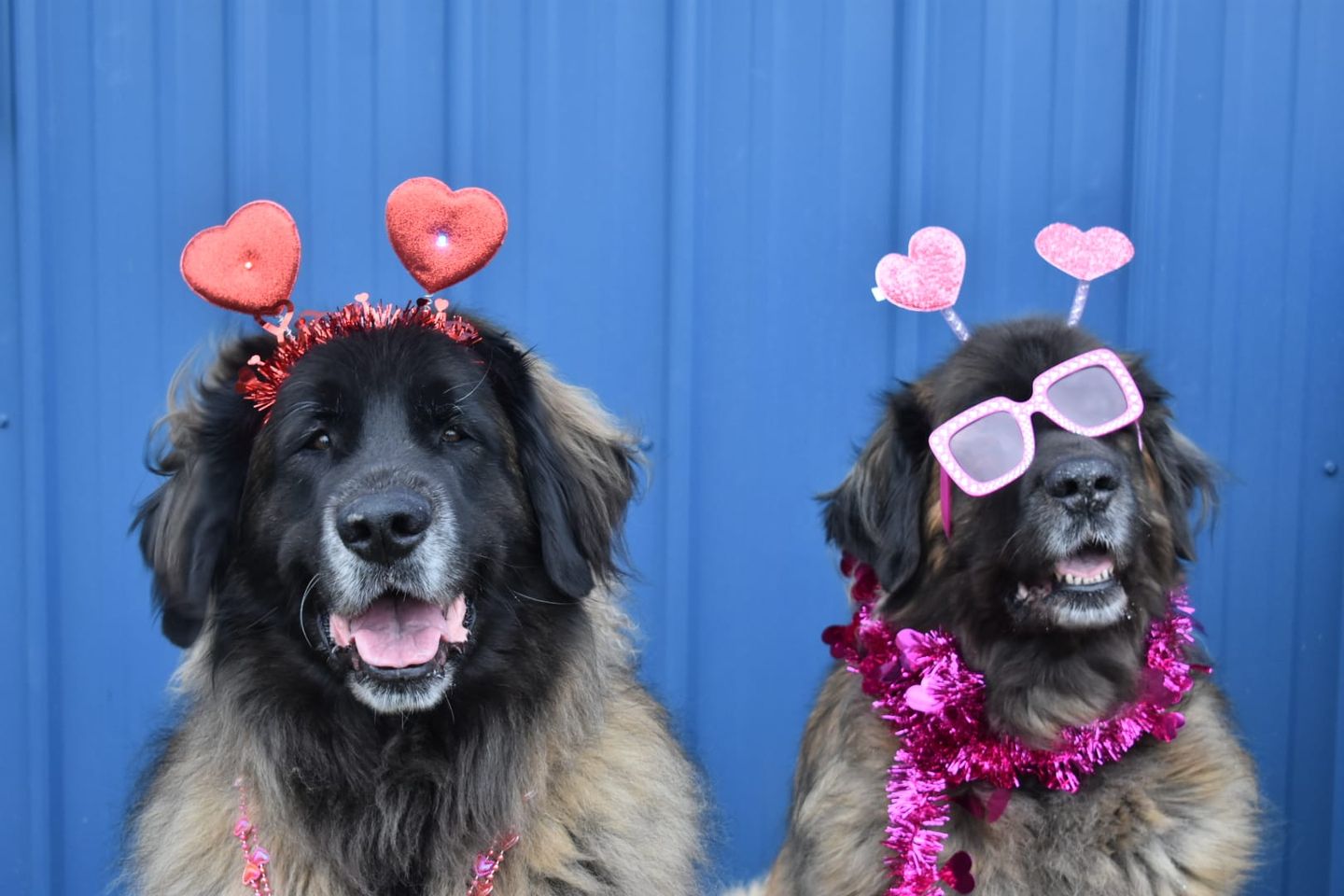
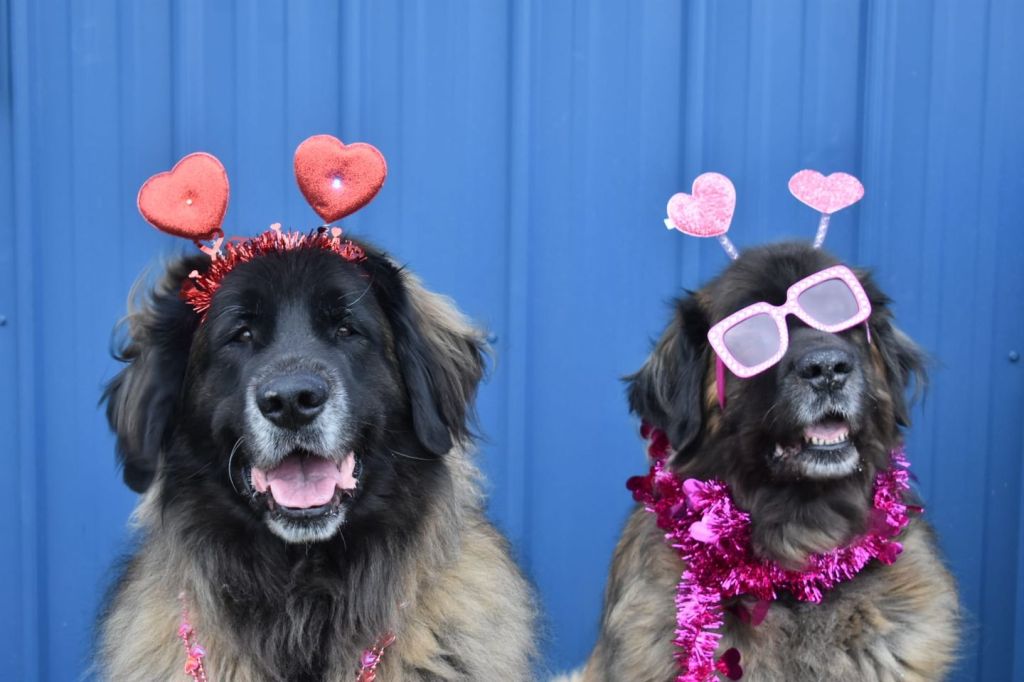
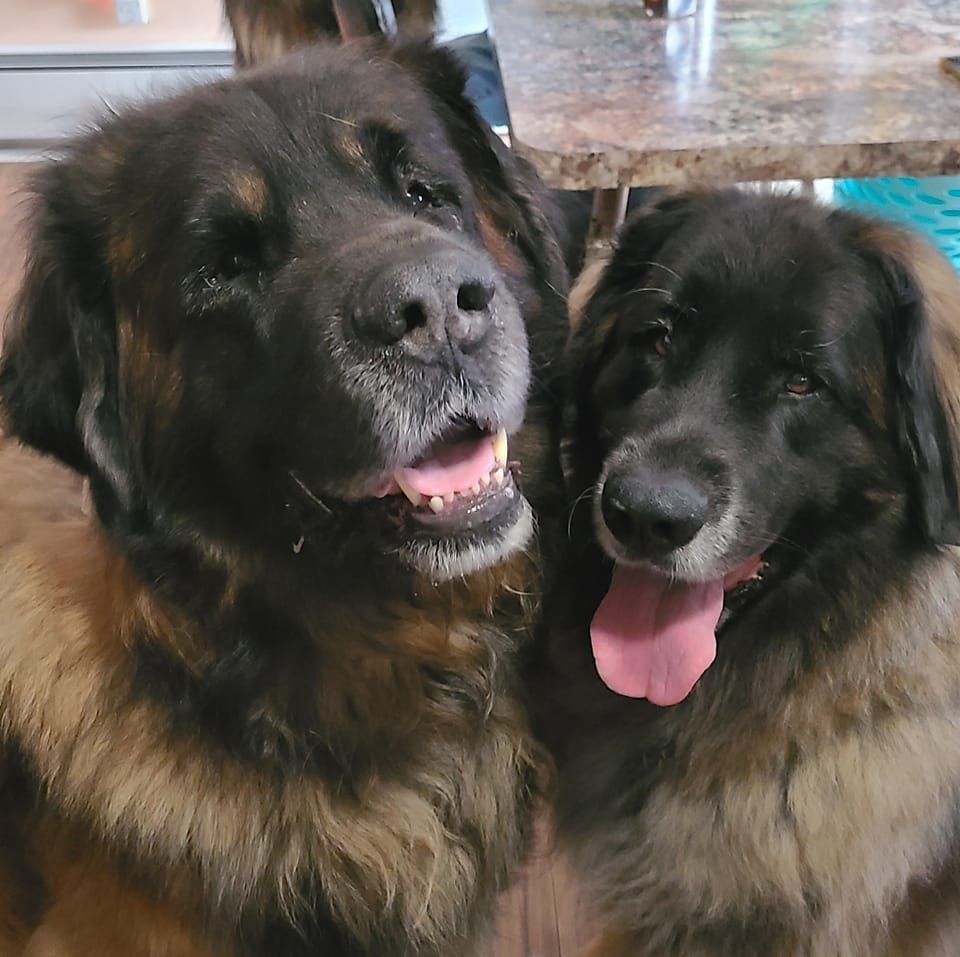
Photo of two Leonbergers wearing funny party wearables.
Digory and Obi, two Leonbergers. Click on the image to visit Digory’s Facebook Page. Photo Jen O’Keefe.

Osteosarcoma is an aggressive type of bone cancer that tends to spread to the lungs. It affects both young and old dogs and appears to have environmental as well as genetic components. But according to the American Kennel Club, research into the disease in dogs is likely to have benefits for children who suffer from it as well.

A photo of Digory and Obi, two Leonbergers.
Digory and Obi. Click on the image to visit the Canine Cancer Alliance Facebook Page. Photo Jen O’Keefe.

Digory was diagnosed with Osteosarcoma and had his leg amputated 3 years ago. Although he passed a couple months ago, he still made it 2 years and 10 months, which is about 2 years longer than expected. Part of his treatment was a vaccine through Yale that was in early stages of clinical trials. That vaccine has shown great promise in treating both Osteosarcoma and Hemangiosarcoma, and Jen believes it was integral in giving him so much extra time. That vaccine has moved on to the next stage of trials. The Canine Cancer Alliance is helping to fund this next step, so in honor of Digory, Jen created this fundraiser so that more dogs, and their people, can benefit from the extra time.

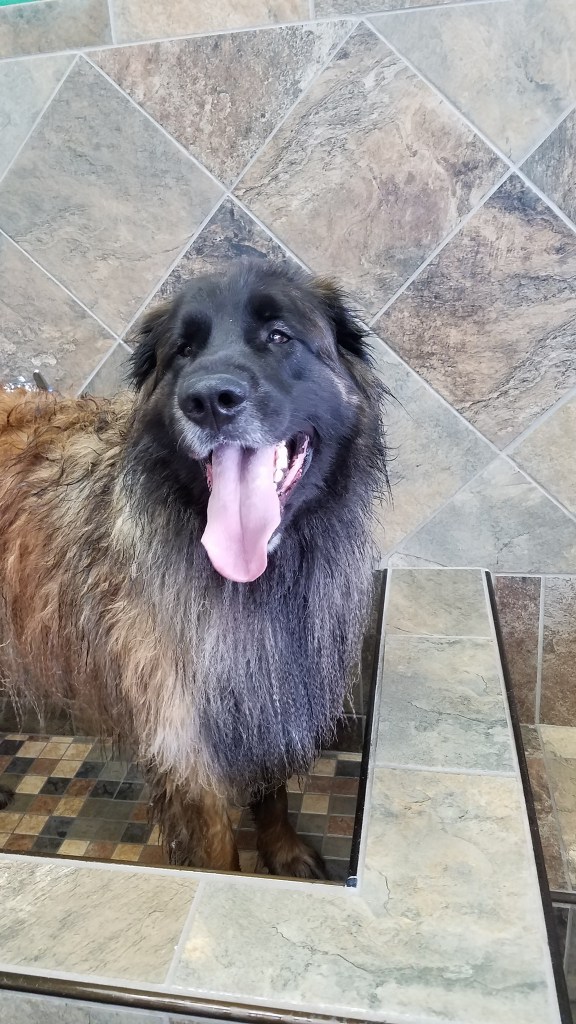
Photo of a Leonberger standing on a tile floor
Digory the Leonberger. Photo Jen O’Keefe.

Through the duration of this fundraiser, Jen will be posting links with more information about the vaccine and about Digory’s journey. Jen hopes that, even though he is no longer with us, he can continue to be an inspiration in the fight against Osteosarcoma. To end dog cancer, through research in prevention and cures. If you wish you can join in the fundraising. Facebook takes care of the donation processing with no fees.

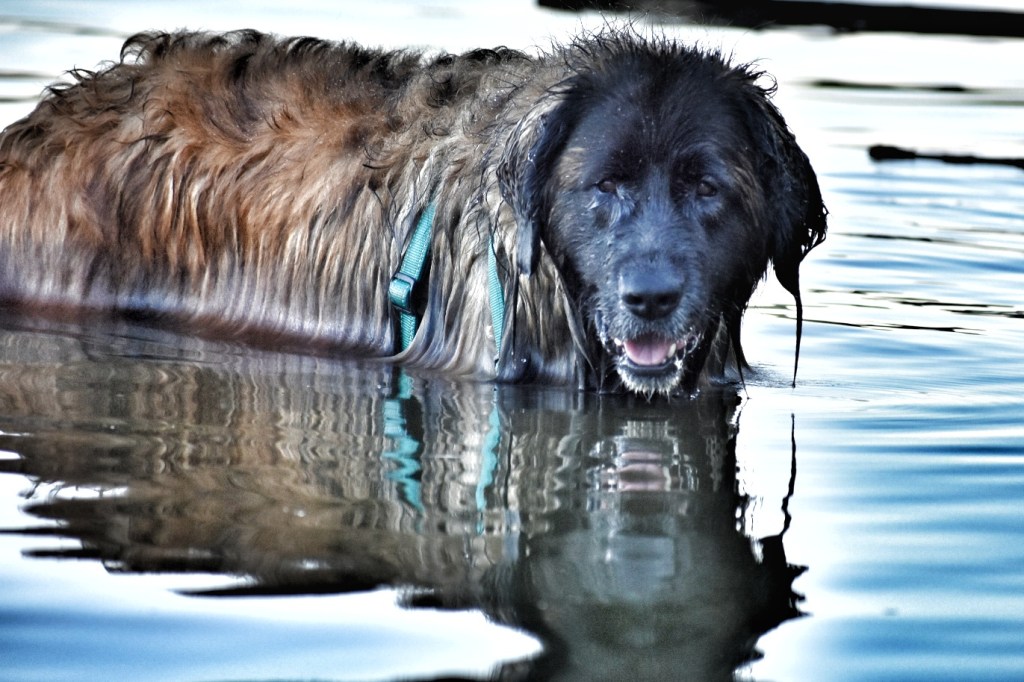
Digory a Leonberger is standing in lake water.
Digory the Leonberger. Click on the picture to visit Digory’s Fundraiser. Photo Jen O’Keefe.
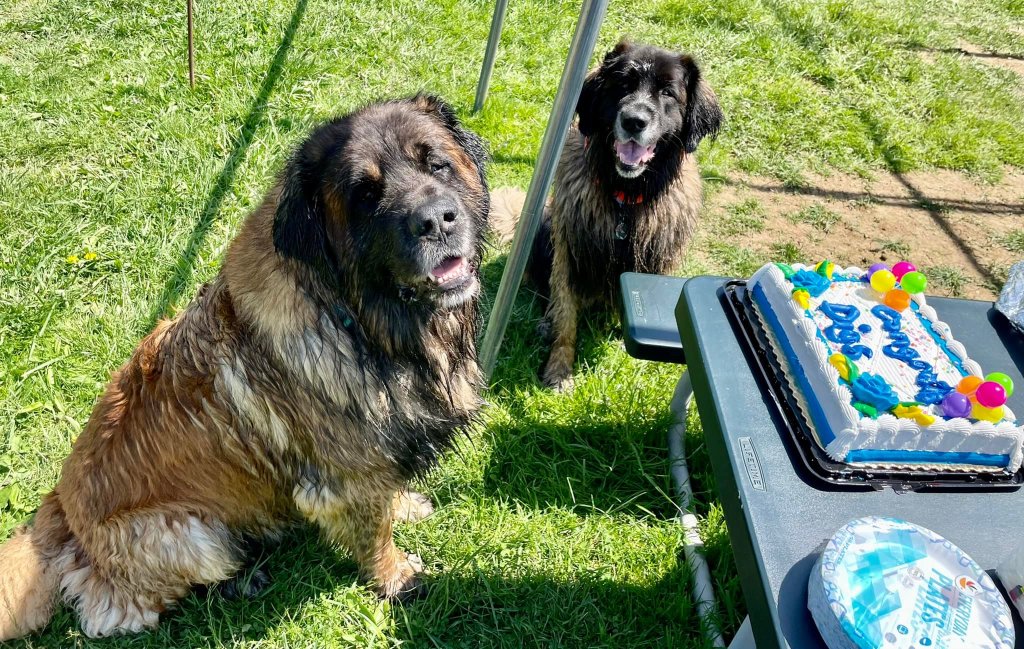
Photo of two Leonbergers standing in front of a table with a cake.
Digory celebrating two years passed the amputation. Photo Jen O’Keefe.
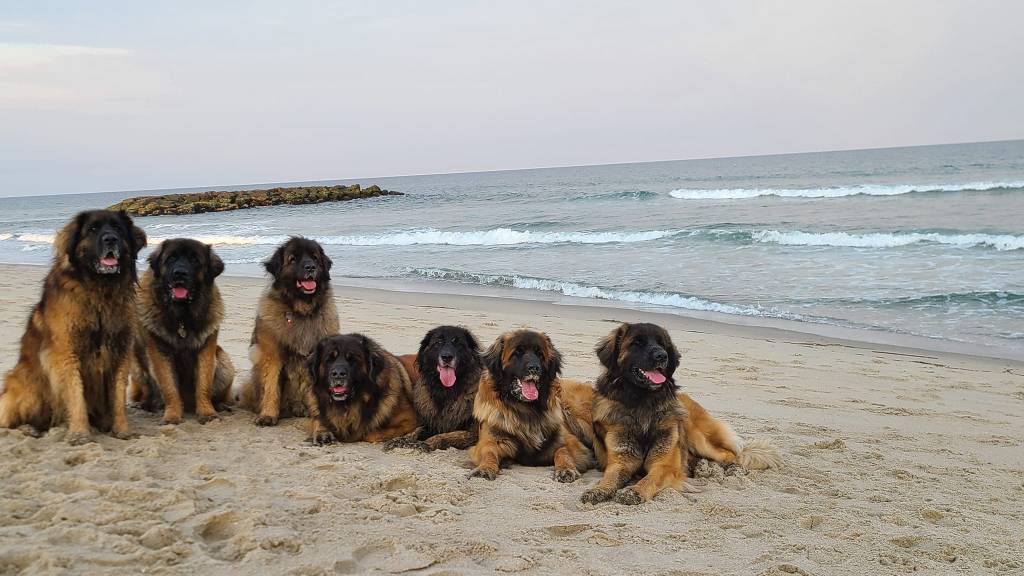
A photo of seven Leonbergers at New Jersey beach.
Digory with friends at the beach some years ago. Photo Jen O’Keefe.

When Should You Neuter or Spay Your Leonberger

This is a contentious question that can easily lead to heated arguments, which is why I never brought up this issue in my book. I don’t like one-star reviews. A blog post though is a different matter. I can easily delete angry comments as well as the blog post itself.

It is very common for veterinarians and others to recommend that dogs be neutered or spayed between the ages 4-6 months. However, not all dogs are the same and this seems to be bad advice for many giant breeds, especially Leonbergers.

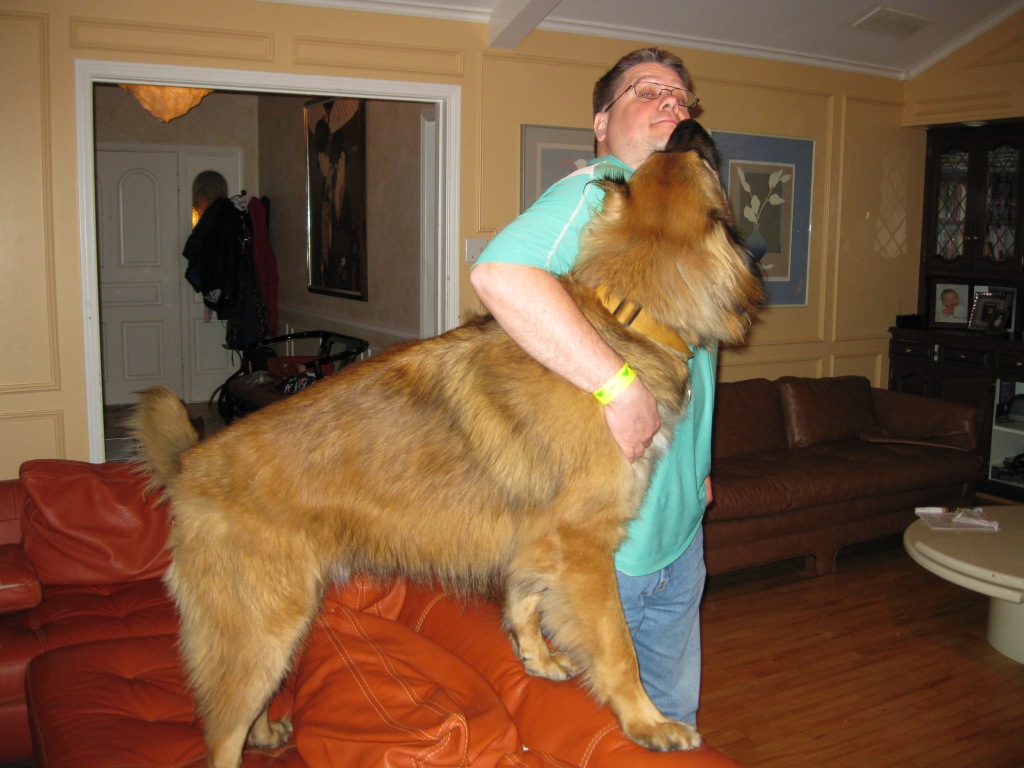
Photo of me with our Leonberger Bronco standing on the sofa.
Is he ready to be neutered? I mean the dog.

With this post I am presenting advice and statements from various sources that I consider to be reliable such as AKC/club certified breeders of the specific breed in question, the corresponding breed organization/club, such as the Leonberger Club of America, and scientists in the specific field. In my experience veterinarians who care for all kinds of dogs and pets typically do not have knowledge that is breed specific enough on this issue.

When we got our late Leonberger Bronco (Le Bronco von der Löwenhöhle) 15 years ago our breeder Julie Schaffert told us to wait with neutering him until he was two years old if possible. Julie Schaffert has been an LCA (Leonberger Club of America) certified breeder since 1992 and is arguably the most prominent Leonberger breeder in North America. A few days ago, I sent her this question:

Hello Julie, I hope all is well with you and your Leonbergers. I am currently reading a Leonberger book by Vanessa Ritchie. I’ve read dozens of Leonberger books. It is a very good Leonberger book. However, in the middle of page 30 she is saying something that concerned me. She is saying to neuter/spay your Leonberger at 6 months old. I remember you telling us to wait with ours and we waited until significantly passed one years old. Assuming that is correct, this mistake needs to be pointed out and perhaps corrected. Before saying anything, I wanted to make sure that is correct, that spaying/neutering at 6 months old is indeed too early for a Leonberger.

Thank you for any help

Happy New Years

Thomas Wikman

This was her answer

Happy new year. Yes, it’s now recommended that giant dogs not be neutered or spayed until after 2 years. In the old days it was recommend earlier any time after 6 months. All the new data says wait.

Julie.

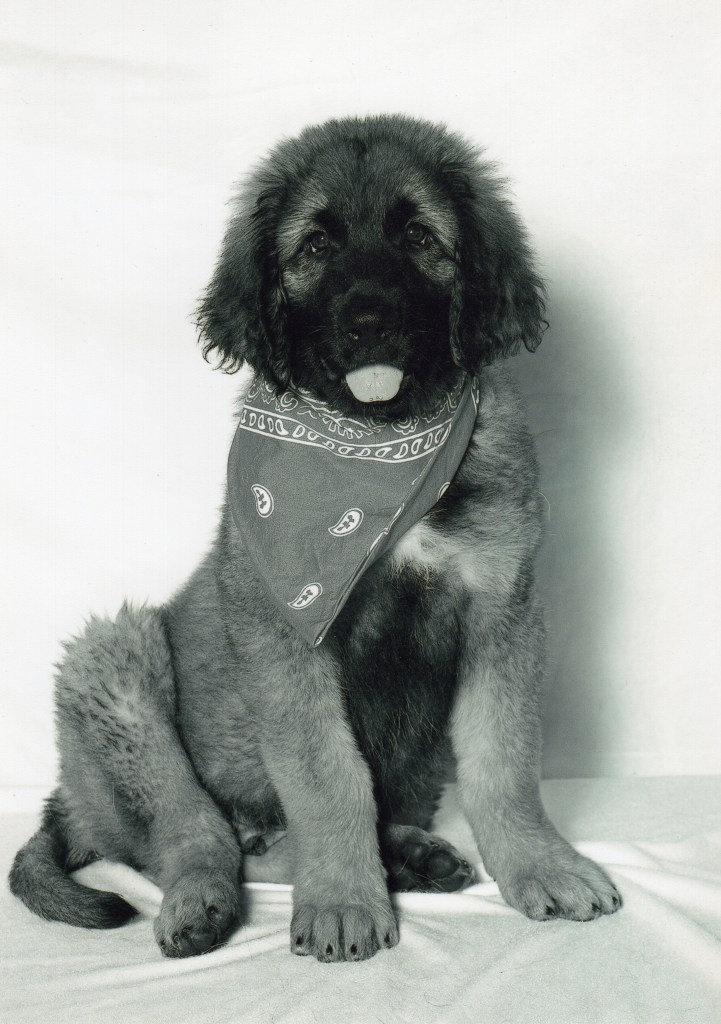
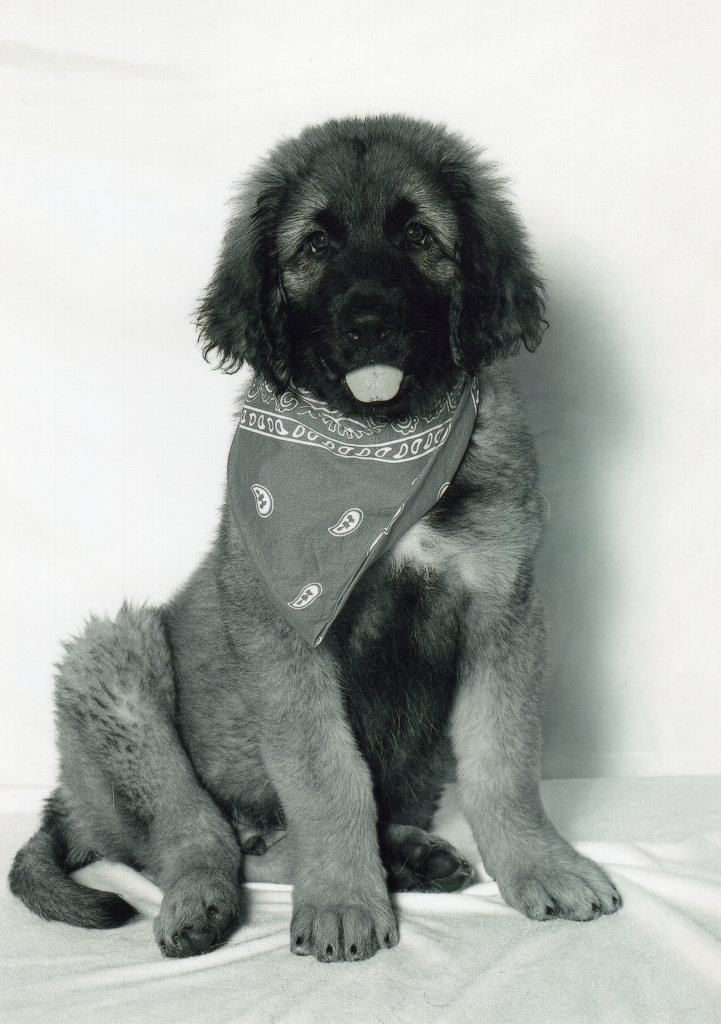
Black and white photo of our Leonberger Bronco
The Leonberger puppy Julie sold us

A few months ago I participated in an online discussion (Leonberger Facebook group) on this issue and I mentioned that we neutered our Leonberger passed one years old, close to 18 months, but we did not wait two years. There were people who did not like this saying we needed to wait longer. Some people said that 12-18 months was good enough, but they were in general rebutted. The consensus was that you needed to wait two years or not neuter the dog at all if that was practical. Opinions were strong, and I got the feeling that some people felt neutering before the age of two was animal abuse. Whatever you do, don’t discuss this with Leonberger enthusiasts at the Thanksgiving dinner table.

The reasons we did not wait two years was that our veterinarian at the time wanted to do it sooner and Bronco was moving furniture around because of his excess energy. He was strong, energetic and a bit restless. He dragged sofas, chairs and tables around. He was very friendly and harmless, but he had a lot of energy. Perhaps he should have been a home decorator instead of a dog.

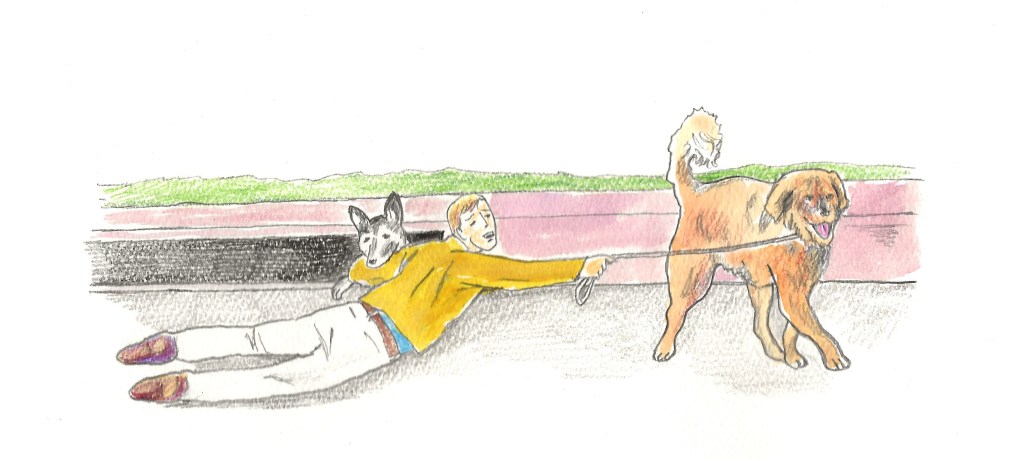
Illustration showing that Bronco had pushed our German Shepherd into a storm drain. I am trying to drag/lift the German Shepherd out of the storm drain while holding onto a misbehaving Bronco.
A rambunctious Bronco

So that’s where I was coming from”. In addition to that I searched on-line today to see what people with expertise in the area are saying. I should say that I know enough about internet search not to trust whatever comes up at the top. You need to first consider credentials and expertise.

This one year old article (click here) from the AKC states that a larger or giant breed may need to wait until they are near or over 12-18 months of age before neutering or spaying. The article also provides the following interesting information.

Research conducted by the University of California – Davis reveals that for some dog breeds, neutering and spaying may be associated with the increased risks of certain health conditions such as joint disorders including hip or elbow dysplasia, cranial cruciate rupture or tear, and some cancers, such as lymphoma, mast cell tumor, hemangiosarcoma, and osteosarcoma. The research conclusions are not surprising. Sex hormones are important in the development of any animal.  We know they affect psychological development as well as the musculoskeletal, cardiovascular, and the immune system.

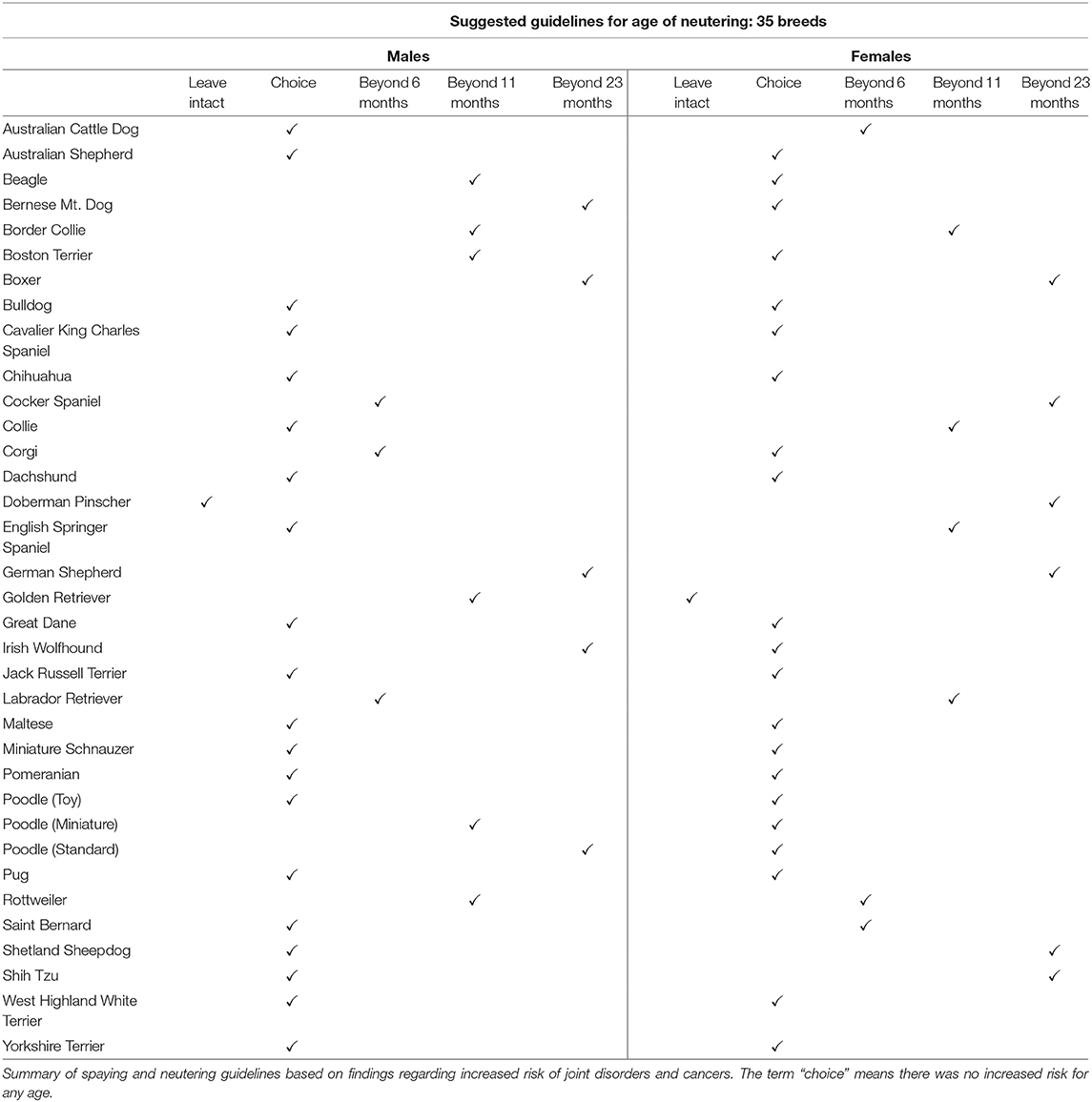
I believe this is the University of California – Davis article in question (click here). It is from 2020. Notice that the suggested guidelines for age of neutering is beyond 23 months for several of the giant breeds in the table of 35 breeds (click here). Also notice that the table does not include Leonbergers.

Hillhaven Leonbergers (click here) in Ireland recommend not neutering until at least 2 years of age. They warn against doing it at 6 months old, despite what some veterinarians may recommend.

I did not find an on-line Leonberger Club of America recommendation but this old 2011 article (click here) from the Leonberger Club of America states: Because the Leonberger is a slow maturing breed in general, most breeders will ask puppy owners to wait a year or so before altering their puppies, to allow bones to develop more fully.

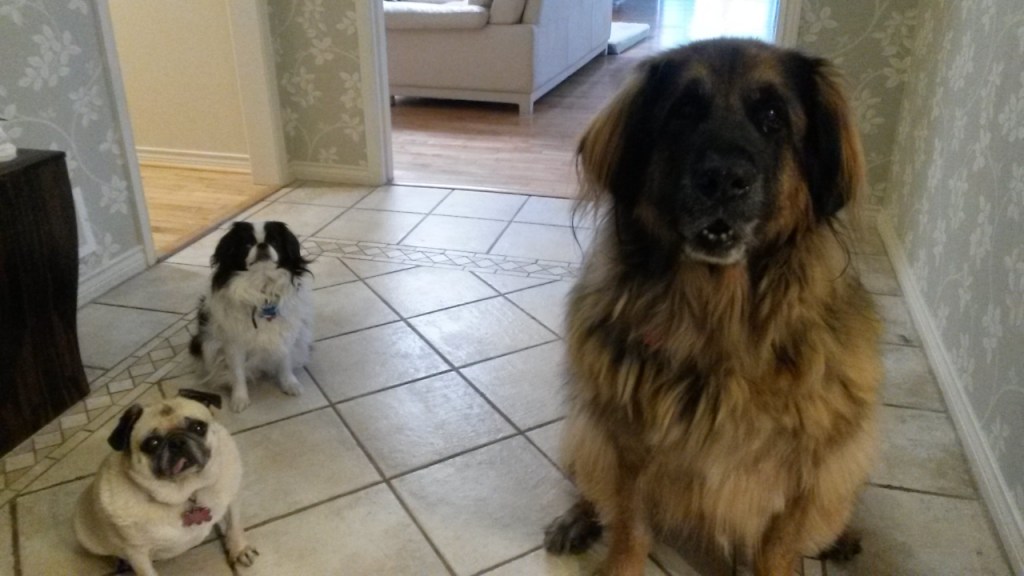
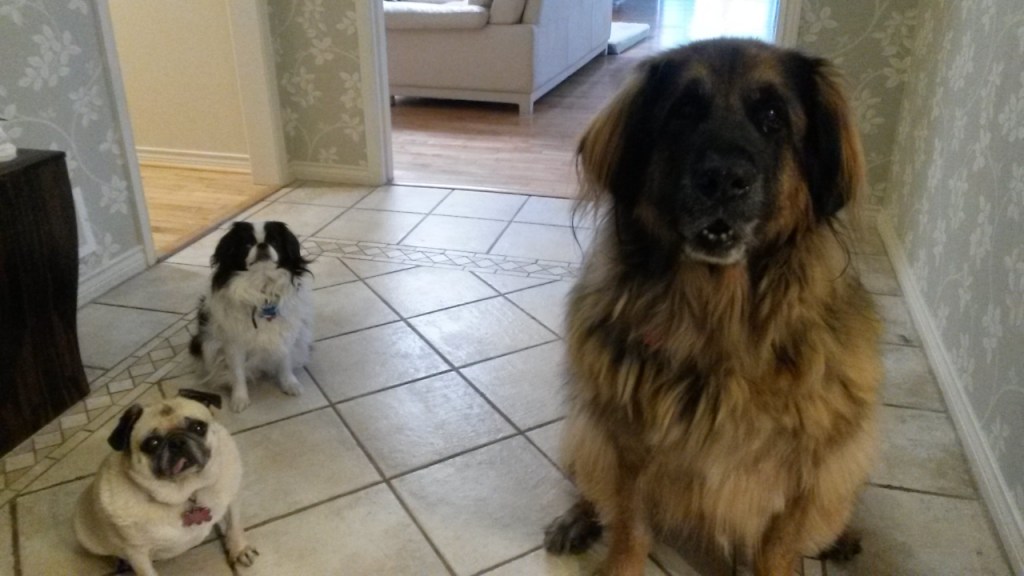
Photo of (left to right) Daisy (Pug), Ryu (Japanese Chin) and Bronco (Leonberger)
Daisy (Pug), Ryu (Japanese Chin) and Bronco (Leonberger)

I did find an article from the Saint Bernard Club of America (click here). The Saint Bernard is genetically similar to the Leonberger. This article states: Above all, no giant breed puppy should be altered before the growth plates in the bones have matured and closed, usually between 15 and 24 months of age.

This Newfoundland dog magazine (click here) states : Currently, the recommended age that a Newfoundland dog should be neutered is 18 to 24 months due to the possible health problems that can arise from altering before that age. The Newfoundland is another dog that is genetically similar to the Leonberger.

So in conclusion, even though the expert advice regarding neutering and spaying is not crystal clear and varies, doing it at six months old is too early and can harm the Leonberger’s health.

Good News Regarding Cancer for Leonbergers and Other Dogs

Cancer is the most common killer of purebred dogs: in fact, nearly half of them die from some form of cancer. Overall, the most common form is skin cancer. In Leonbergers, bone cancer and hemangiosarcoma are the most common forms. As in humans, early detection can save or extend the life of your dog. Warning signs of cancer include:

  • weight loss,
  • bleeding or discharge from a body cavity,
  • bumps or lumps that keep growing,
  • persistent stiffness or lameness,
  • breathing difficulties,
  • bad breath or bodily odors,
  • difficulty with defecation or urination,
  • difficulty with eating or swallowing,
  • lesions that won’t heal,
  • sores that recur or won’t heal, and
  • loss of appetite

Naturally, not every one of these signs and symptoms is applicable to all types of cancer. The only sign of Bronco’s squamous cell carcinoma was a lesion that wouldn’t heal.

Hemangiosarcoma (HSA) is an aggressive cancer of the blood vessels. It often appears as a mass in the spleen, liver, or heart but can also be found elsewhere. It is challenging to diagnose and equally difficult to treat. It is most common in golden retrievers, German shepherds, and Labrador retrievers but can occur in Leonbergers as well. In addition to genetic factors, certain toxins are associated with this cancer. Fortunately, there is a promising blood test (called the Shine On Study, or SOS) that identifies features of rare cells linked to this cancer and a novel drug therapy called eBAT (EGF bispecific ligand targeted angiotoxin). Both SOS and eBAT are still in the clinical-study phase at the time of this writing, but they offer hope for early detection and treatment.

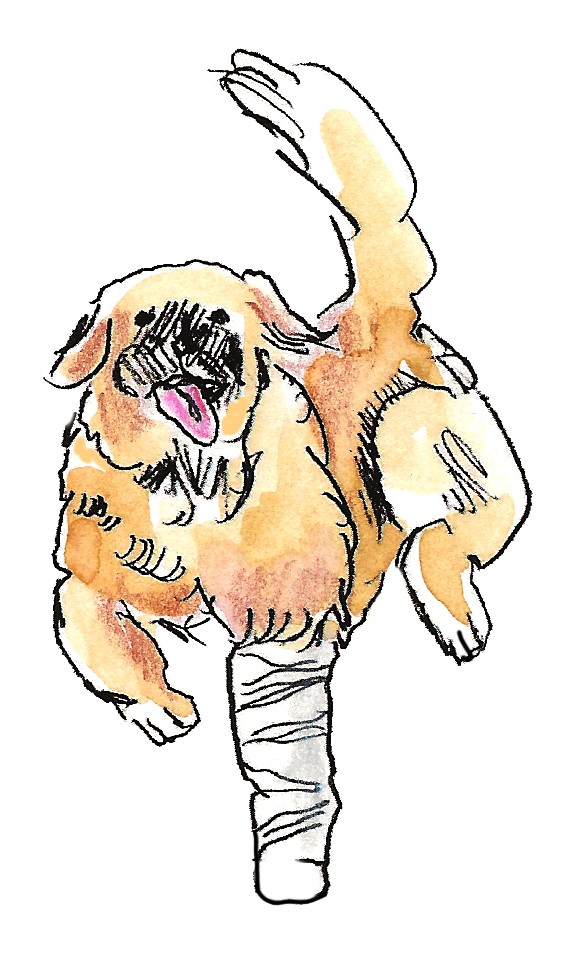
Illustration showing Bronco our Leonberger running with a full leg cast. He just had a toe amputation.
Bronco’s cancer problem was Squamous cell carcinoma which luckily is not an aggressive cancer, but he needed toe amputations. He got this cancer once a year starting at the age of eight.
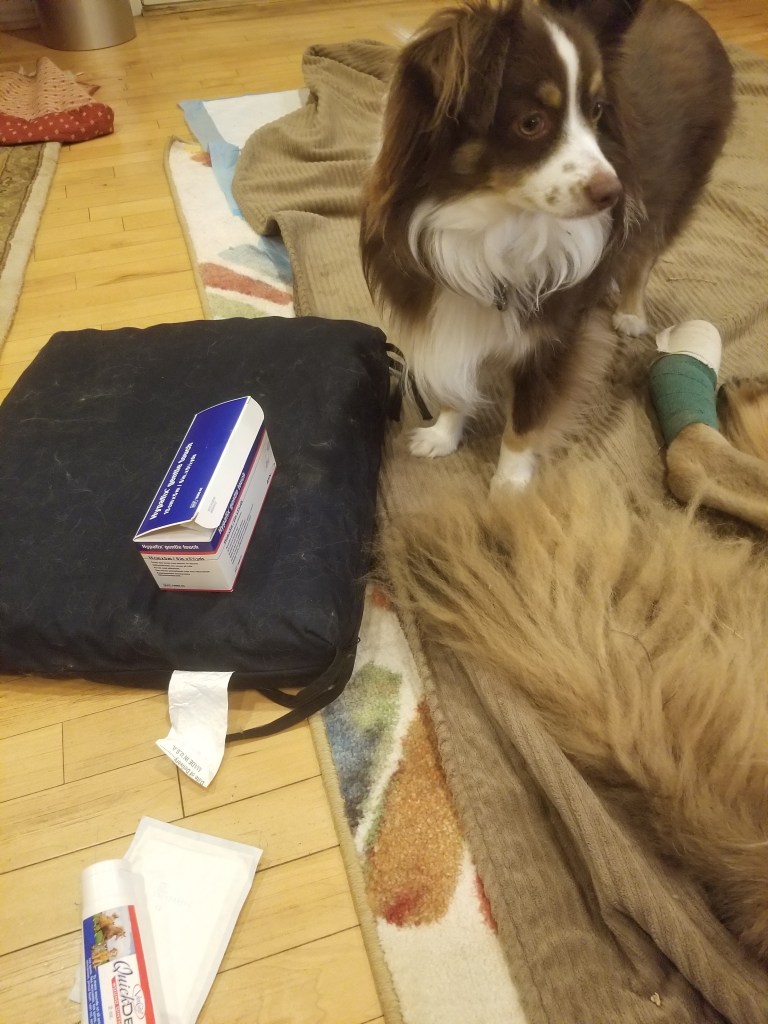
Photo of Rollo our mini-Australian Shepherd helping us change our Leonberger Bronco’s bandage after he had a toe amputation.
Rollo our mini-Australian Shepherd is helping us change Bronco’s bandage after he had a toe amputation.

Below is another piece of good news regarding cancer in dogs that a friend of ours alerted us to. I don’t know if it is related to the SOS study mentioned above. You can watch the video by clicking here.

The Day Leonberger Squamous Cell Carcinoma caused Hullabaloo in the Neighborhood

Squamous Cell Carcinoma (SCC) is a tumor of skin cells that usually appear as a single, solitary lesion in one location. It is common in large dark coated dogs and typically appear in the nailbed, but it can appear in other places. Our Leonberger Bronco was plagued by Squamous Cell Carcinoma in the toe nailbeds. In fact, he got it five times starting when he was eight years old and after that it occurred about once a year. It did not spread, and his second and third tumor, etc., were not metastatic growths. He got this type of cancer five times, each time independent of the other times.

Our veterinarian was at loss as to why he got it so many times. Remember, there was no spread of the cancer. SCC is caused by exposure to ultraviolet rays/sunlight and the exposure to papilloma-like viruses, but as with many cancers the cause is a bit of a mystery. Our veterinarian suggested it could be genetic, but recently we discovered that our pest control guy was using roundup for our lawn where Bronco walked and ran a lot, and he had been doing that for decades. We asked him to stop but we have no idea whether it had anything to do with Bronco’s SCC.

Luckily handling a case of Squamous Cell Carcinoma in the toe is quite straightforward. This type of cancer is not aggressive, even though it can spread (and is therefore called cancer), so if you don’t take too long to amputate the toe you should be fine. In fact, Bronco seemed to enjoy the annual toe amputation. He got to go to the Dallas Veterinary Surgical Center, he was pampered, everyone felt sorry for him, he got treats, he had a bandage for a few weeks and then the pain in his toe was gone. He was always very cooperative. Perhaps he understood that we were helping him.
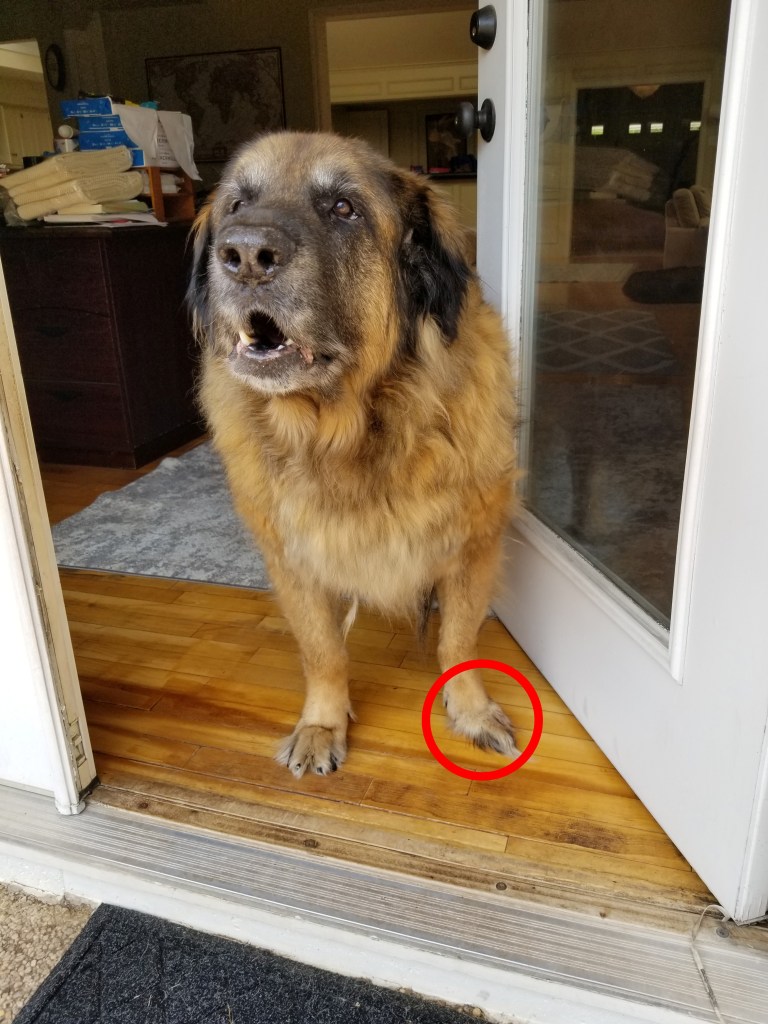
Photo of an agitated Bronco standing guard at the back door. Note the missing toe on his left (your right) front paw. It is enclosed by a red circle.
An agitated Bronco stands guard at the back door. Note the missing toe on his left (your right) front paw. It is enclosed by a red circle.

Below is an excerpt from the book regarding Bronco’s Squamous Cell Carcinoma. One day his toe amputation led to hullabaloo in the neighborhood, and we ended up having to apologize to some neighbors.

When Bronco was almost eight years old, we discovered a case of squamous cell carcinoma in one of his toes—or, rather, in one of his toenails. It was on his right rear paw.

Squamous cell carcinoma is a type of skin cancer that certain large-breed dogs, including Leonbergers, are susceptible to. It often grows out from the skin around the nail and can affect the bone and tissue around it. It is typically not very aggressive, but it can spread, and it is painful. It manifests itself as a swollen toe, or you may be able to see a large red papule that looks like a pimple. Sometimes the toenail falls off. The dog is likely to limp and lick the toe and may become reluctant to go for walks, although that was never the case with Bronco.

Primarily because of the pain, but also because of the small risk of metastasis, it is usually recommended that the affected toe be amputated. So we went through with the procedure.

When we picked Bronco up the day after the surgery, his paw was in a bandage. But he got some treats, and he was in a good mood. We went back to the veterinary surgical center for a bandage change a few times, and then he was done.

Unfortunately, though, we discovered another lesion a year later. This time it was on a large toe on his left front leg. We asked the doctors if the cancer had spread to this toe. We were told no—Bronco was just prone to getting this type of cancer. But the cause could also have been something in the environment. In Texas, the ultraviolet radiation from the sun is significant. We really don’t know why this happened to him, but we were assured that it was not because the cancer had spread.

This time around, Bronco’s entire leg was put in a cast, to be replaced by a bandage after ten days. We were instructed to keep him inside during those ten days and keep him as still as possible. We were to make sure he wouldn’t bump the cast. This was, of course, almost impossible to do, but we were going to try.

However, Bronco really wanted to go out, which he showed us in various ways, such as scratching at the front door. After a week or so, Claudia suggested that we take him outside a little bit, just in our driveway. I agreed. When I handed her the leash, she said, “He can barely walk; do you think he’s going to run off without it?” We laughed, and I agreed that it didn’t seem like we needed it this time. So Claudia walked out with Bronco slowly limping beside her.

Less than a minute had passed when I heard shouting outside. I opened the door and looked outside to see what was going on……….let’s just say that what I saw was a sight for sore eyes. If I had thought of videotaping it, it would have become a viral video. The crazy thing that happened was also an embarrassment to us and we had to apologize to neighbors. That’s all I am saying. The story is too good to reveal in this post. The rest of the story you have to read in my book. I give you a hint with the illustration below.

Illustration by Naomi Rosenblatt showing a Leonberger running wearing full leg cast.
OMG what is happening? Illustration by Naomi Rosenblatt.