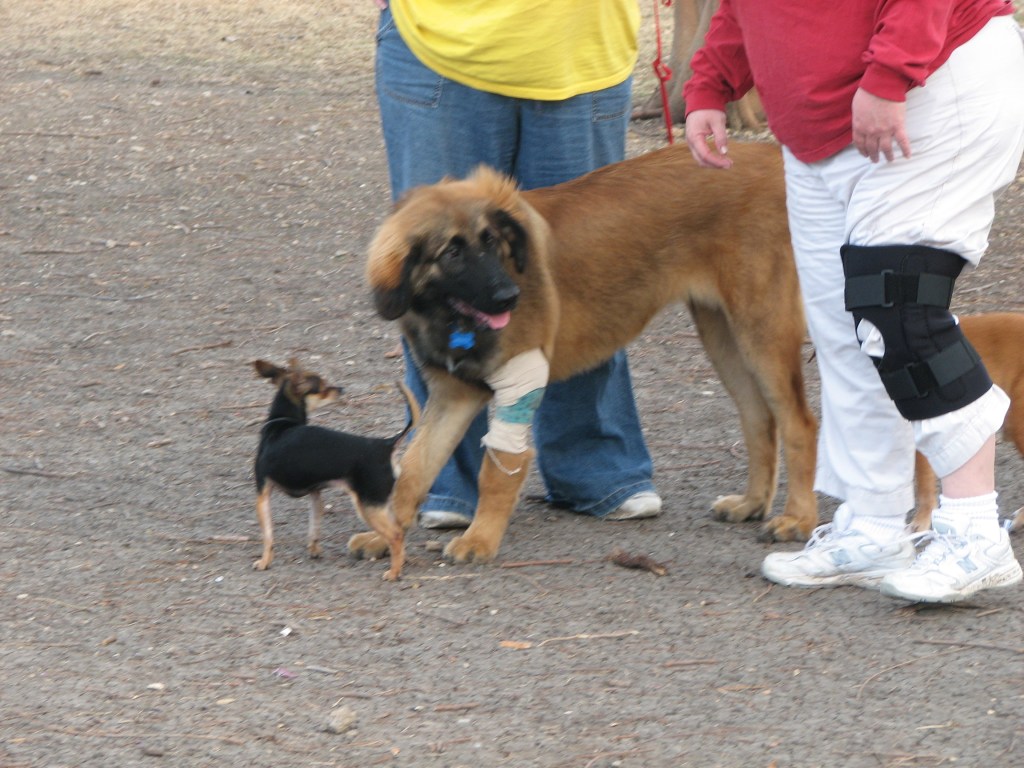
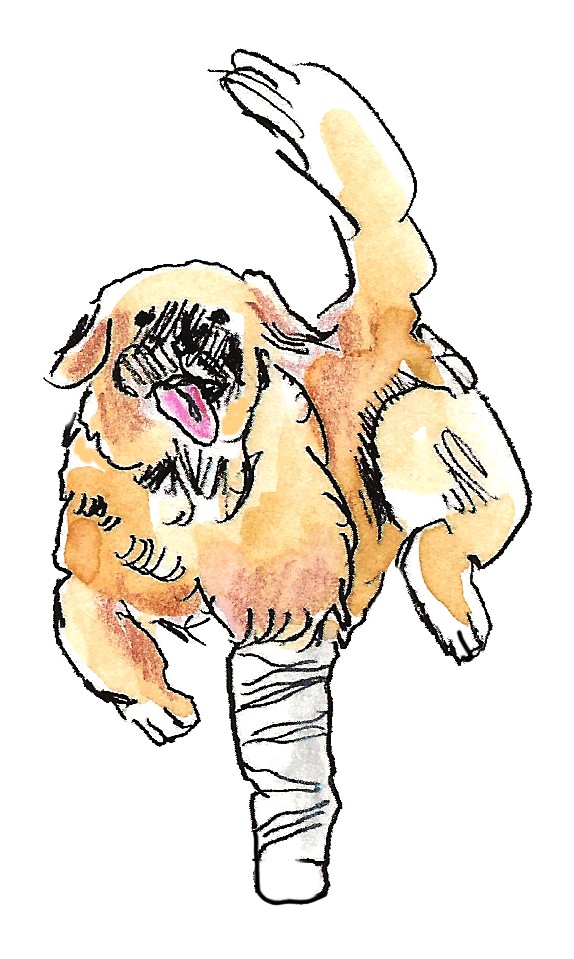
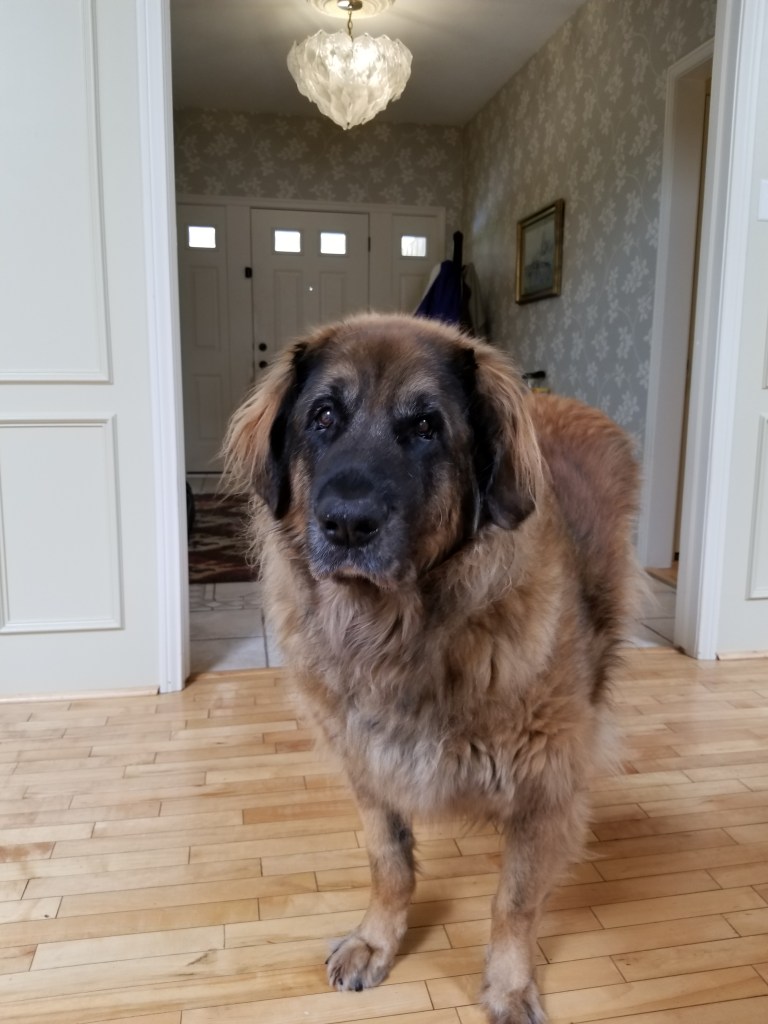
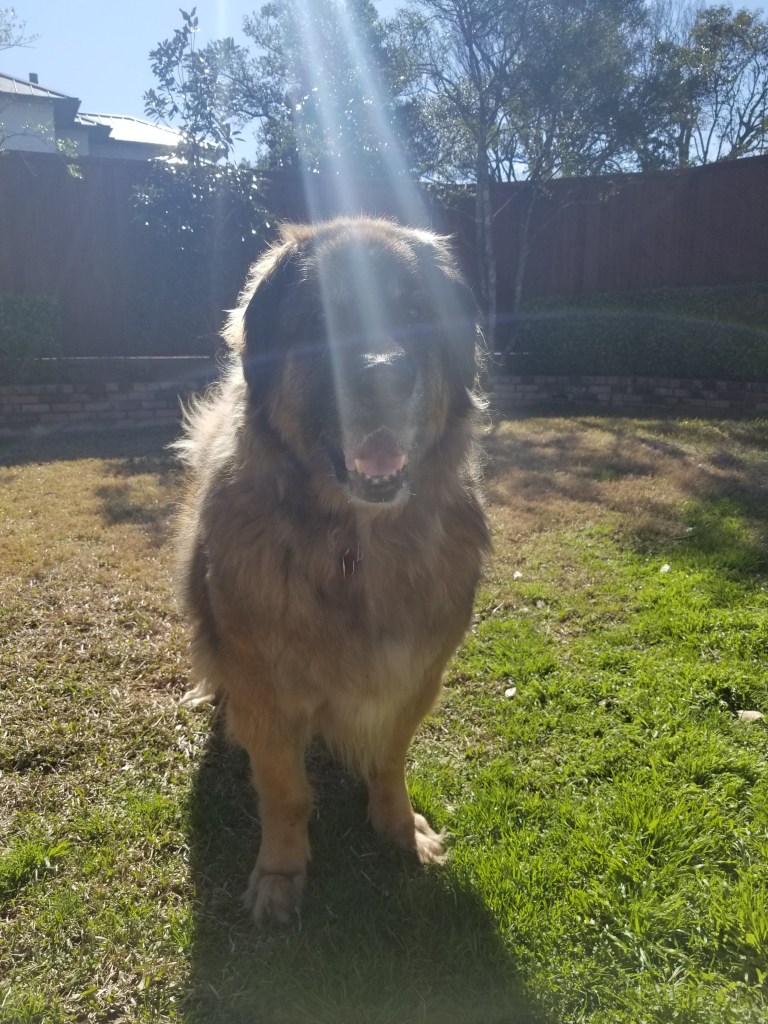
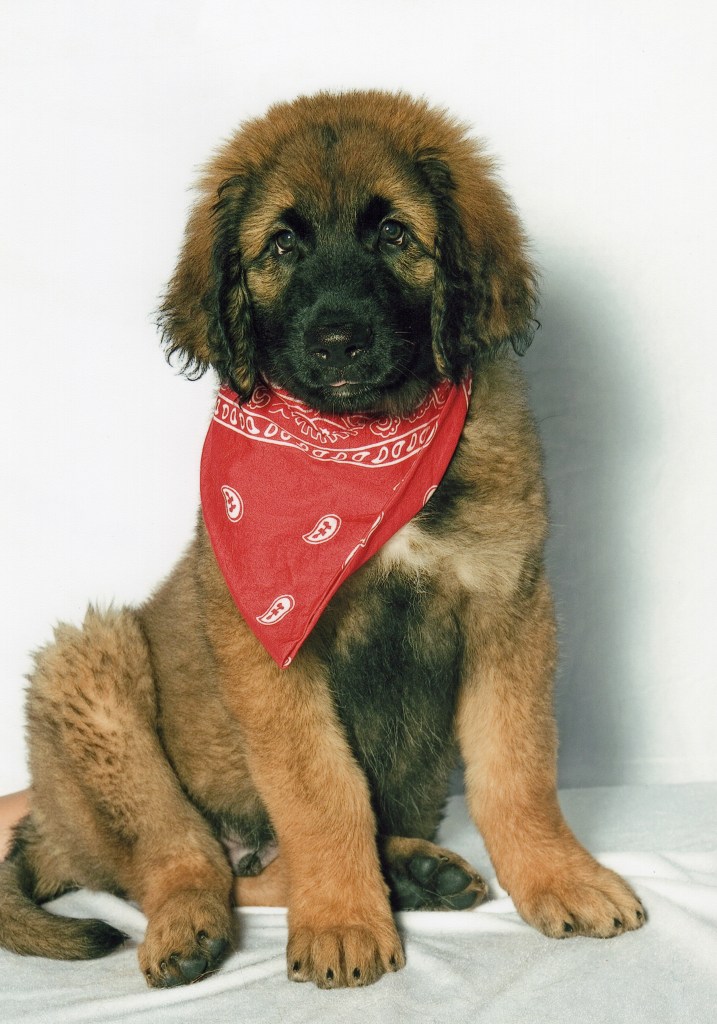
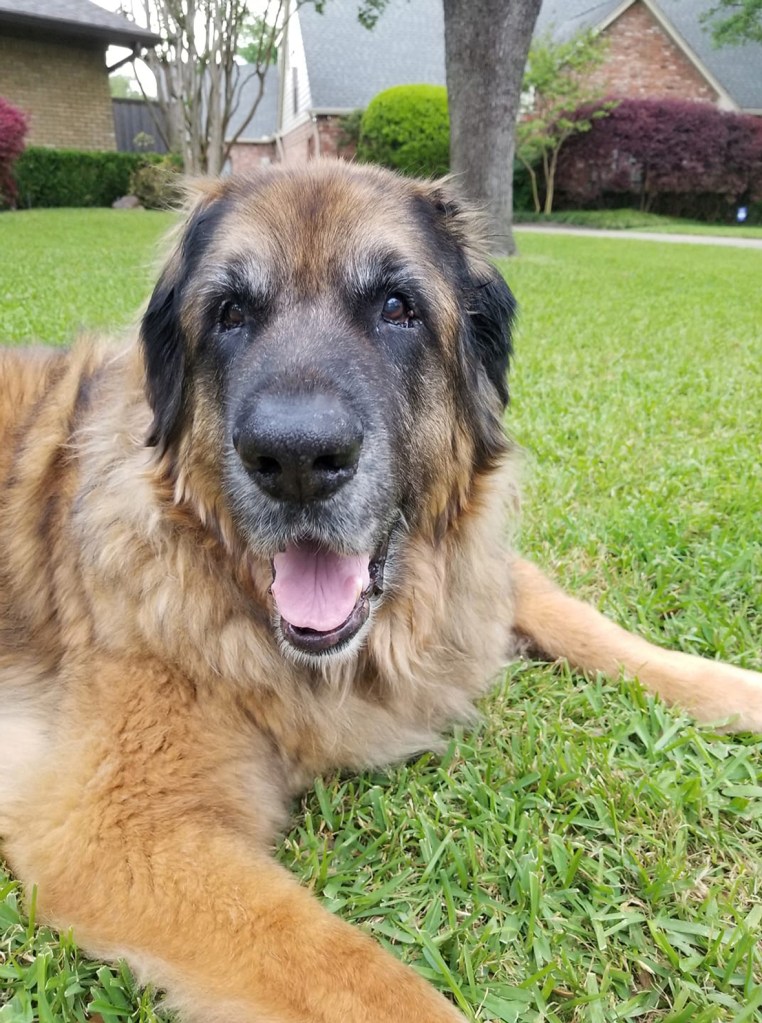
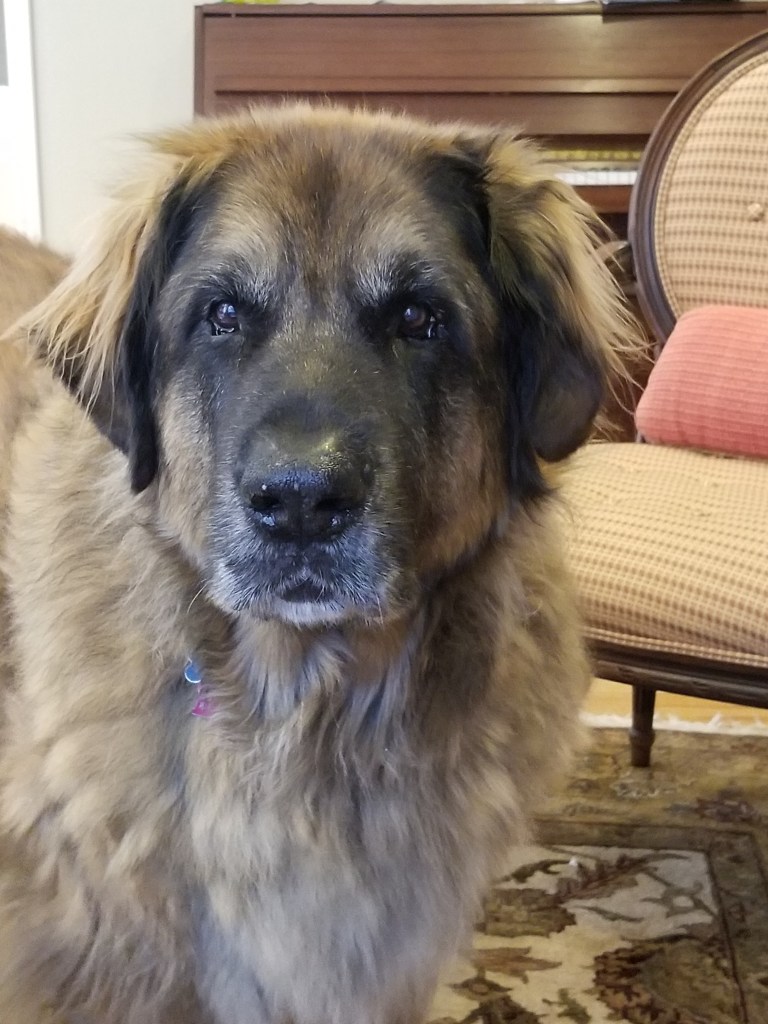
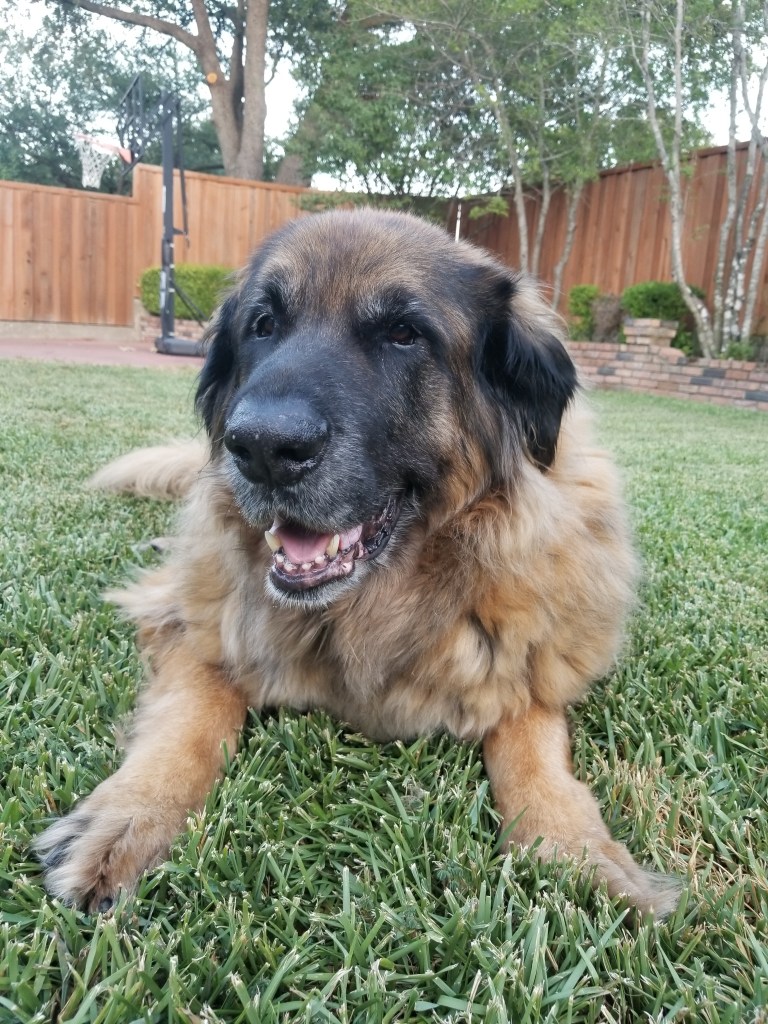
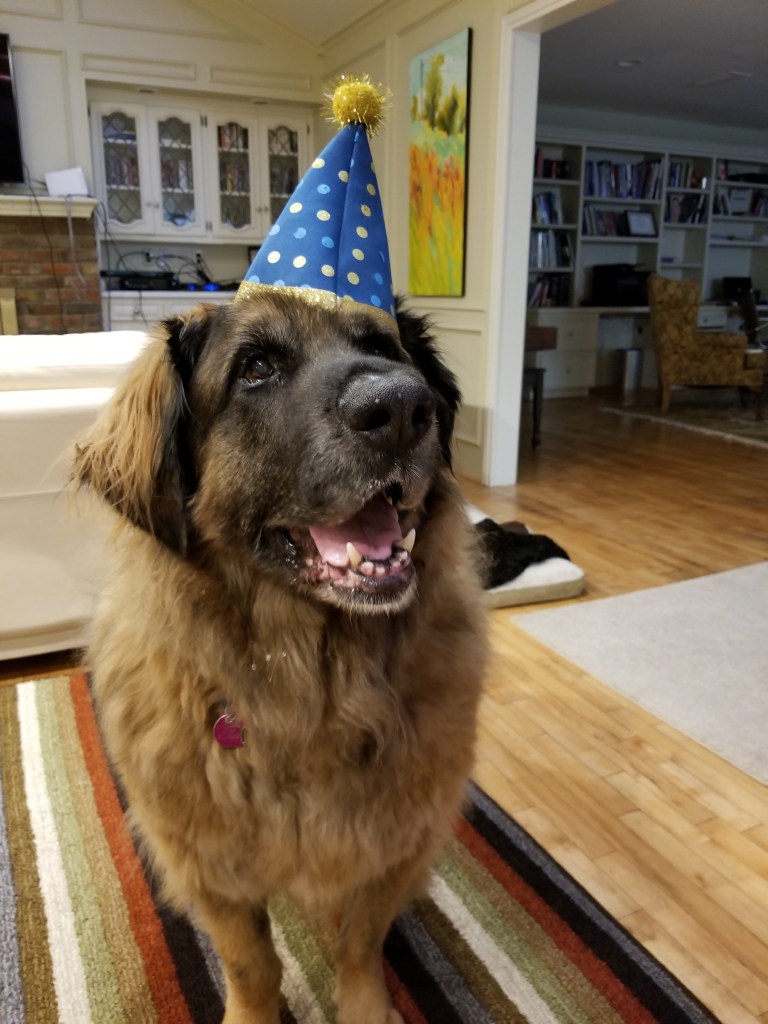
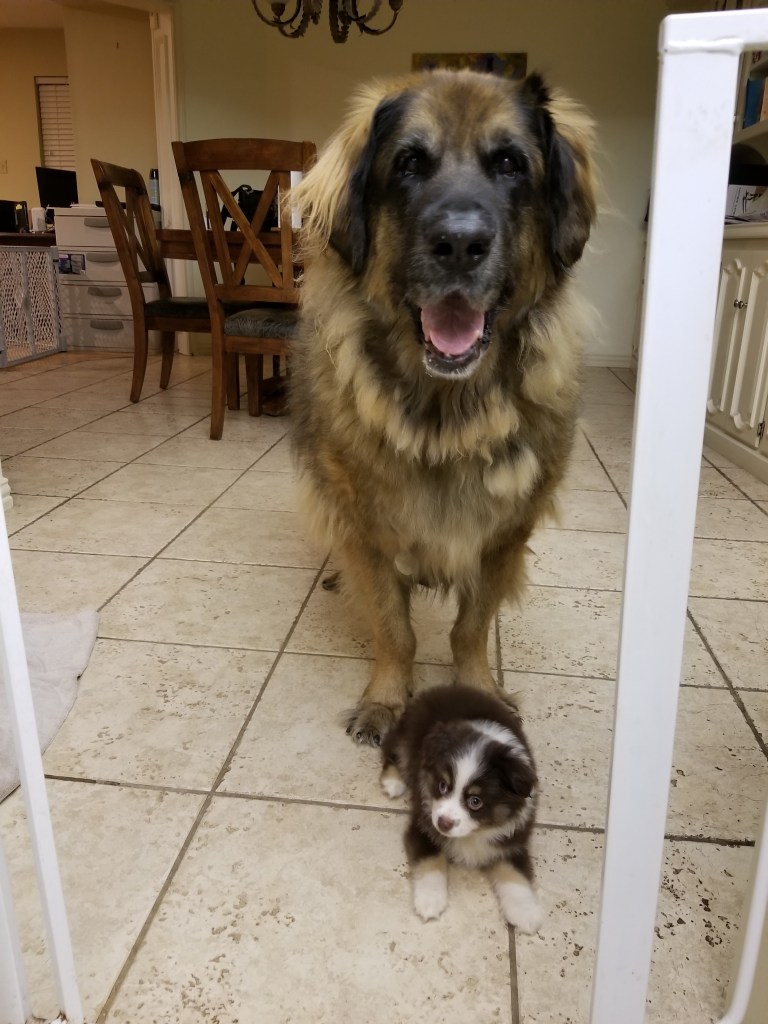
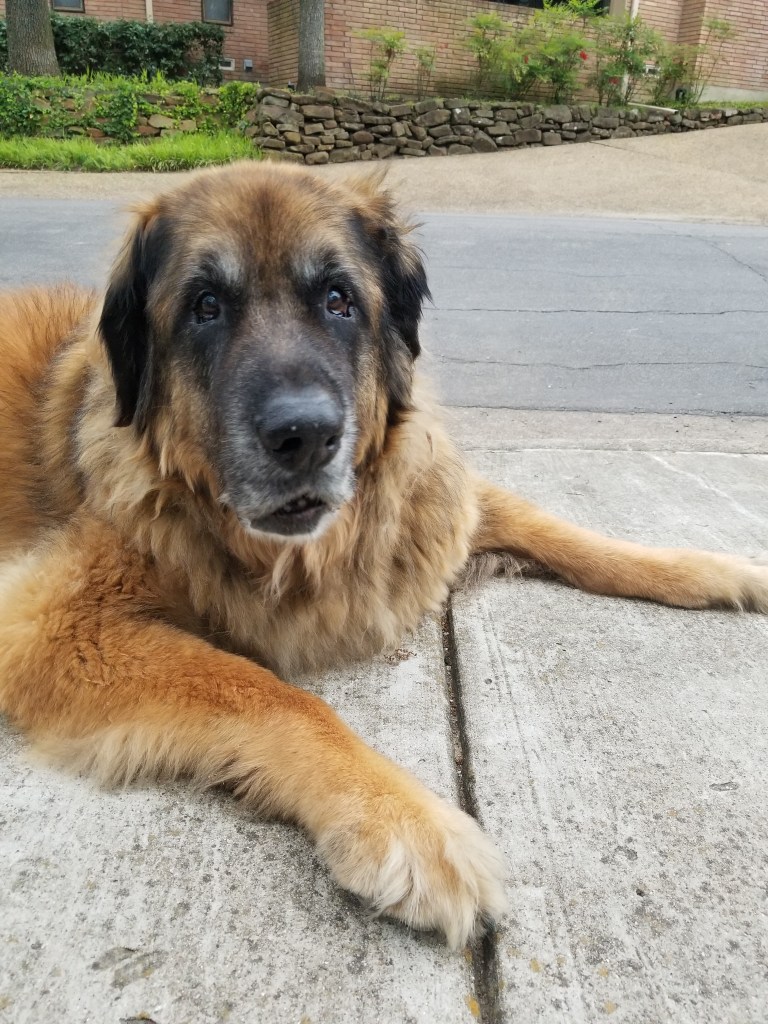
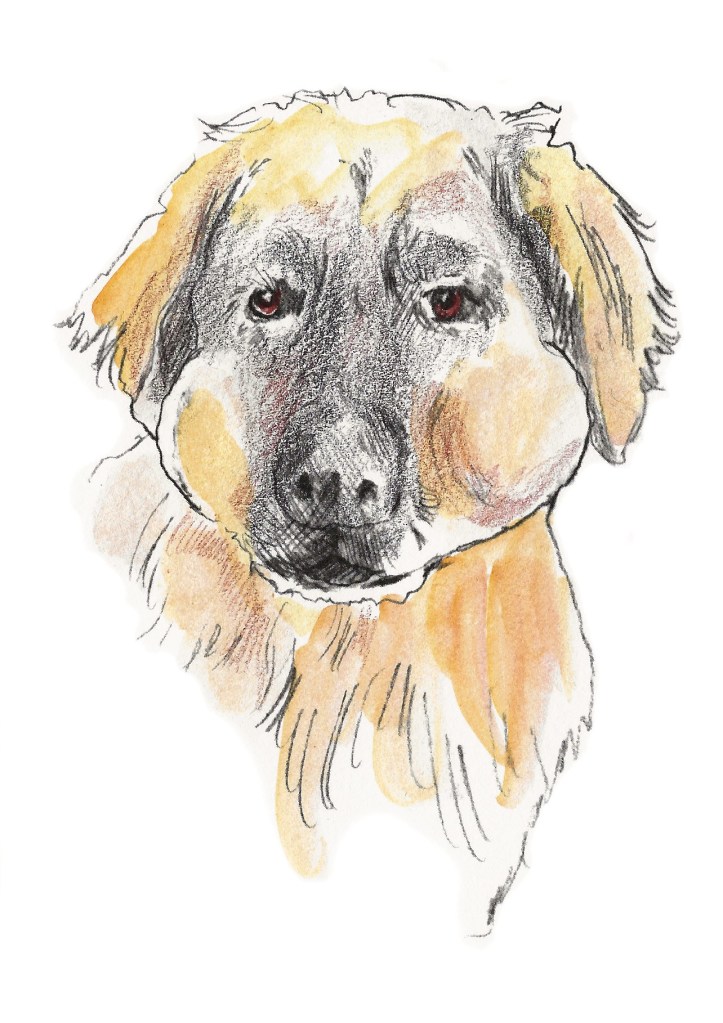
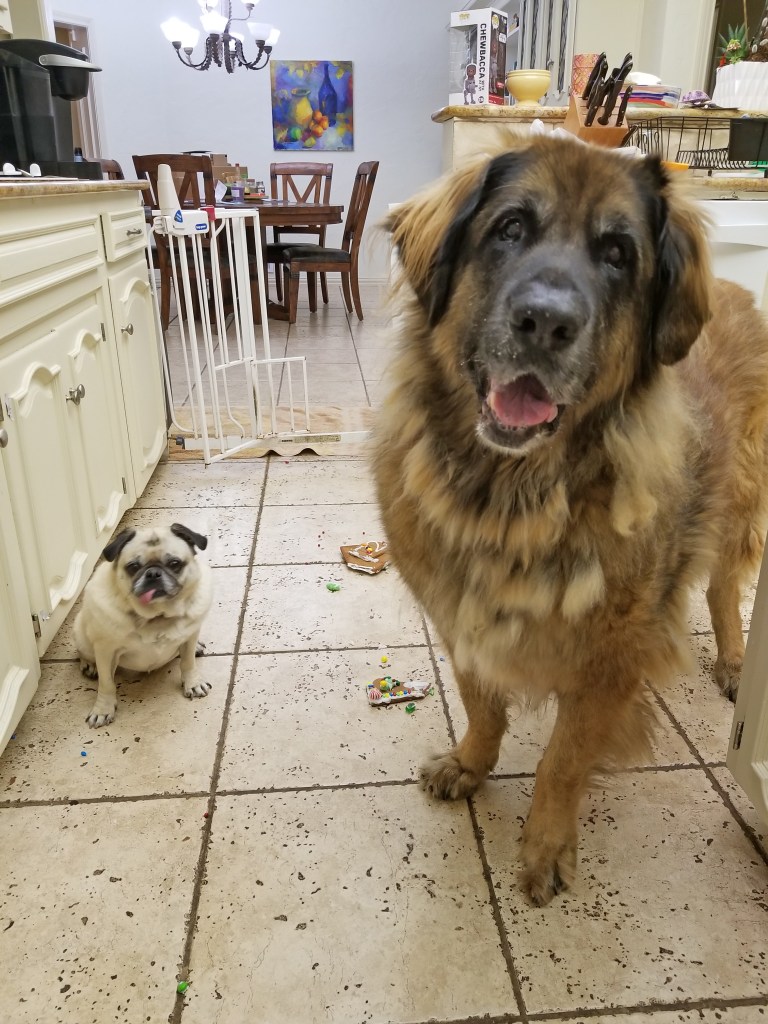
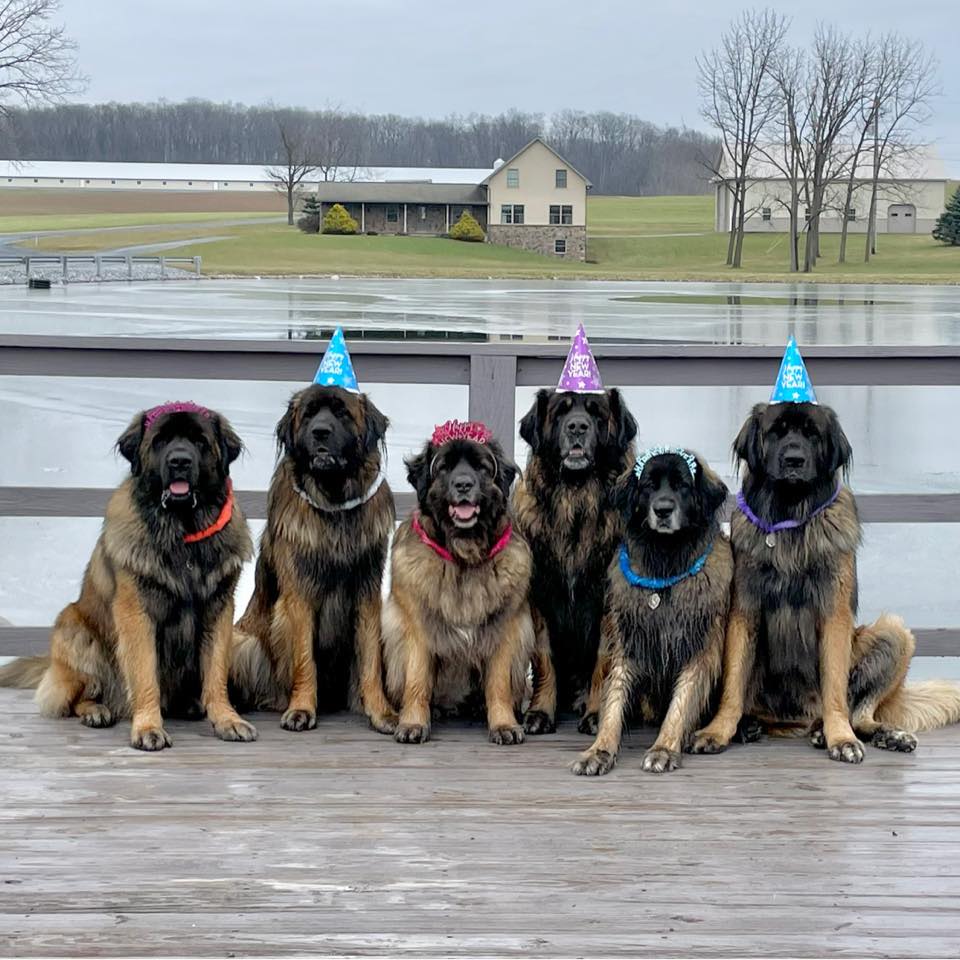
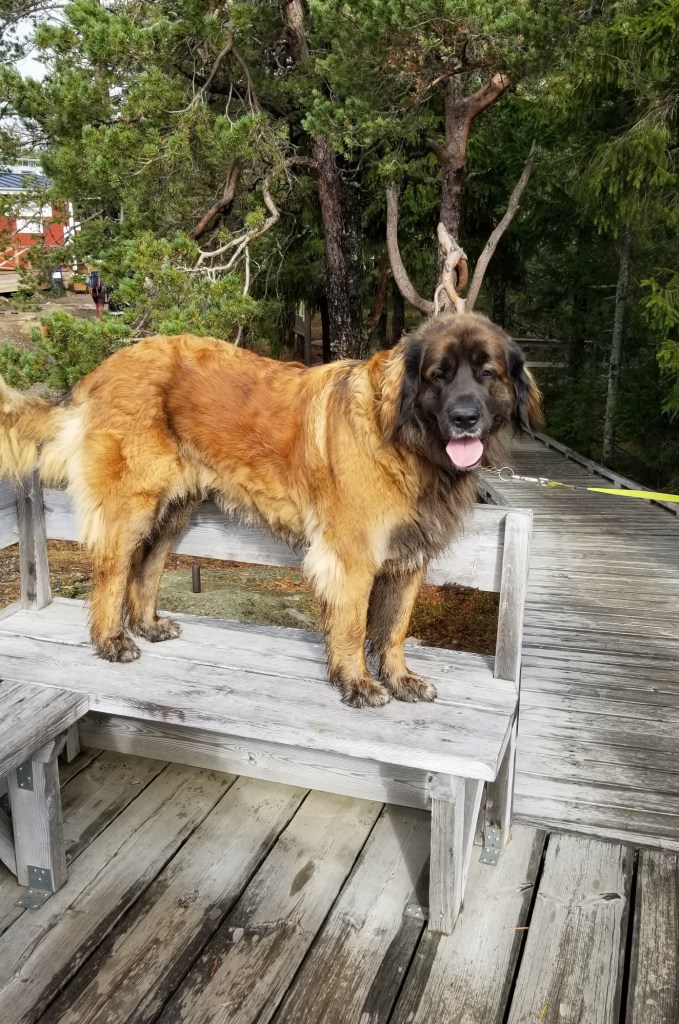
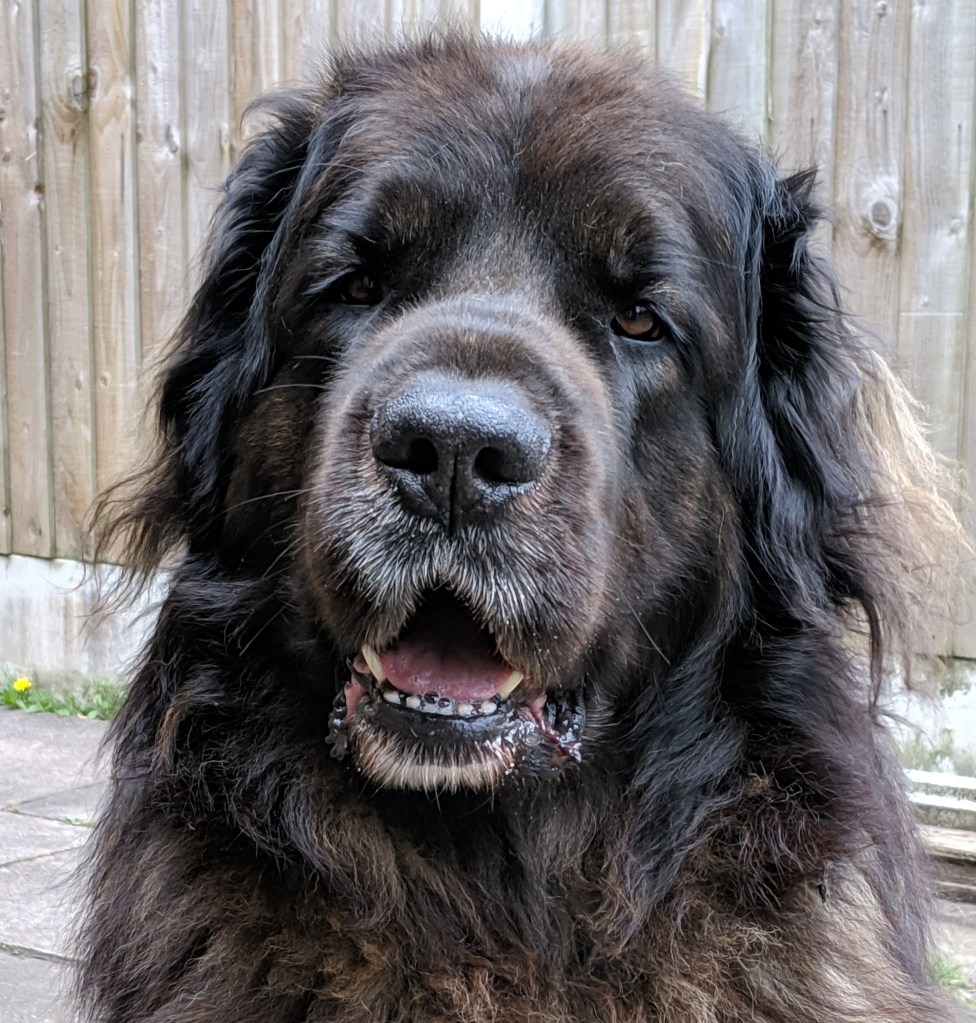
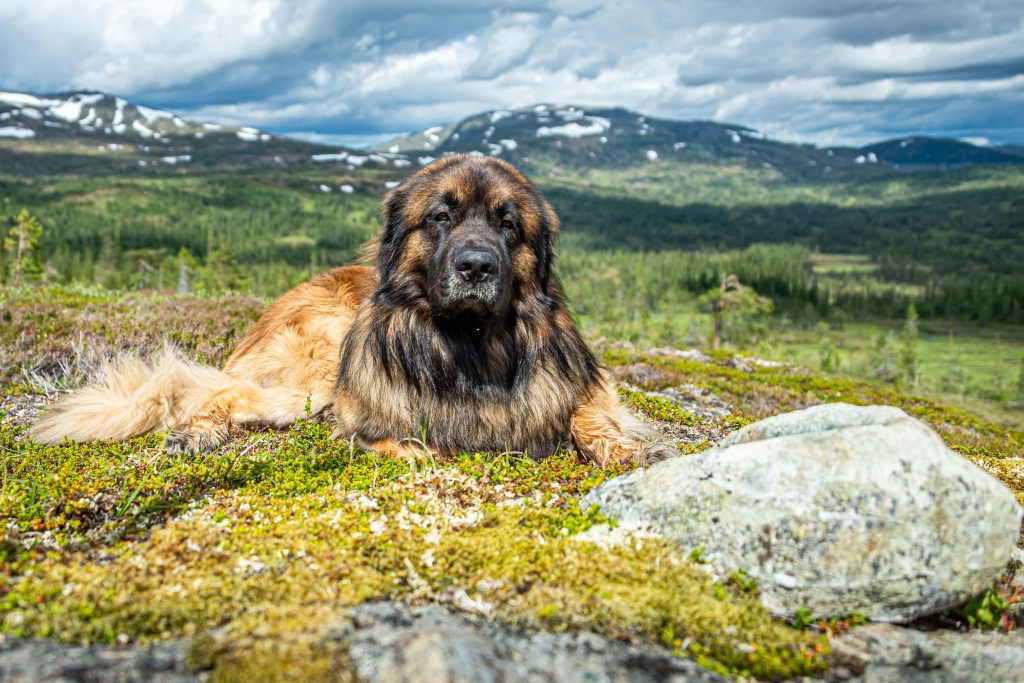
This blog feature amusing and heartwarming stories about our late Leonberger dog Bronco, as well as other Leonbergers. It also has a lot of information about the Leonberger breed, the history, care, training, Leonberger organizations, etc. I also wrote a Leonberger book, which I am featuring in the sidebar.
This is my 300th blog post for this blog and today I am reviewing and promoting a very good book on poetry, Sun Haiku: 365 Days of Sunshine by Dawn Pisturino. I bought the paperback version from US Amazon. I should mention that the focus of my blog is Leonberger dogs, but I also blog about other things.
Paperback – Publisher Horse Mesa Press (November 30, 2024), ASIN : B0DPDL87CJ, ISBN-13 : 979-8991244749, 74 pages, Item Weight : 5.8 ounces, Dimensions : 6 x 0.17 x 9 inches, it cost $6.99 on US Amazon. Click here to order it from Amazon.com.
Kindle – Publisher Horse Mesa Press (November 29, 2024), ASIN : B0DPCV65KT, 65 pages, it costs $3.99 on US Amazon but is free with Kindle Unlimited. Click here to order it from Amazon.com.
Front cover of Sun Haiku: 365 Days of Sunshine by Dawn Pisturino. Click on the image to go to the Amazon page for the paperback version book.
Amazon’s Description of Sun Haiku
This collection of traditional and non-traditional haiku is dedicated to the sun and its effects on people, animals, and the environment. Many ancient cultures worshipped the sun as the giver and sustainer of life. As the center of our solar system, life on Earth depends on the sun to grow and thrive. Of course, like anything else, too much of a good thing can have negative consequences: skin cancer, drought, cataracts, shriveled up crops, and more. That’s why we do what we can to protect ourselves while taking advantage of the sun’s positive energy. Come join me in honoring the most important body in our solar system!
To see my Review of Sun Haiku on Amazon Click Here
The Sun Gives Us Life and Death. Poems for the Mind and Spirit
Sun Haiku is a delightful poetry book featuring 365 Haiku poems about the sun, followed by a few leap year poems, two short stories, and two longer bonus poems. The poems cover a lot of sun related topics. The poems tell us that the sun gives us warmth, light, colors, beauty, sustenance, birds and flowers, uplifting freedom, it heals the mind and spirit, but it can also burn us, give us cancer, and cause draught. Be careful. The poems elaborate on the midnight sun, the solar system, and the death of the sun and the white dwarf star that it will become.
The poems are imaginative, original, clever, captivating, and a lot of fun to read. The stories were also imaginative, original and intriguing. I think my favorite poem was the bonus poem at the end called summer heat. I think it was the longest poem in the book stretching one and half pages. The words and the verses were full of life and evoked beautiful, dreamy visions of nature and sunshine. The author dedicated her book to her brother, a man who loved the outdoors but died from skin cancer. This background added an emotive aspect to her sun poems. I highly recommend this beautiful book of poems.
Other Books by Dawn Pisturino
I’ve posted about a few of Dawn Pisturino’s books.
Back cover of Sun Haiku: 365 Days of Sunshine by Dawn Pisturino. Click on the image to go to the Amazon page for the Kindle version book.
About Dawn Pisturino
Dawn Pisturino’s international publishing credits include poems, short stories, and articles. Her debut poetry book, Ariel’s Song: Published Poems, 1987 – 2023, earned five-star reviews and ranked #60 on the Amazon Best Seller list for Haiku & Japanese Poetry. Her short chapbook, Lunar Gazing Haiku, became a #1 Amazon New Release in six categories.
Haiku for the Midnight Hour, her third book, achieved #1 Amazon New Release status in three categories. Her fourth book, Sun Haiku: 365 Days of Sunshine, climbed to #1 Amazon New Release in Japanese Poetry & Haiku. She is a member of several author organizations.
When I was a teenager, I read a few of Jean M. Auels novels about pre-historic humans. I loved them and I saw the movie. Now I am reading Jacqui Murray’s novels about pre-historic humans. Jacqui Murray’s books are even more fascinating and very realistic and well researched. The latest Jacqui Murray book I’ve read is Endangered Species, the first book in her new series Savage Lands. This book is set to take place 75,000 years ago among Neanderthals and ancient Homo sapiens. I love all her books, but especially Endangered Species. You can read my Amazon review for Endangered Species by clicking here. I was also happy that she included canines as heroes in the book (Ump, White Streak, etc.) I am a dog lover after all.
Today I’m very pleased to host Jacqui Murray to help launch her new series.
Surprise! Neanderthals Never Lived in Africa
Neanderthals were widespread despite numbering only about 100,000 at a time. Their remains have been found in many areas of Eurasia, including:
Krapina, Croatia
Weasel Cave, Russia
La Ferassie, France
Denisova Cave in the Altai Mountains, Russia
Sha Cave, Iraq
Kebara Cave, Israel
La Chapelle aux Saintes. France
Feldhofer Cave, Germany, the Neander Valley of Germany
Ortvale Klde, Georgia
Here’s a good map of their spread:
Yellow indicates where the Neanderthals lived.
Though their tribes covered a vast swath of geography, where you won’t find them is Africa. Yes, you will find their genetics, but this likely comes from African natives mating with Neanderthals in Eurasia and returning to Africa.
Summary
Savage Land is the third prehistoric man trilogy in the series, Man. Vs. Nature. Written in the spirit of Jean Auel, Savage Land explores how two bands of humans survived one of the worst natural disasters in Earth’s history, when volcanic eruptions darkened the sky, massive tsunamis crossed the ocean in crushing waves, and raging fires burned the land. Each tribe starring in the story considered themselves apex predators. Neither was. That crown belonged to Nature and she was intent on washing the blight of man from her face.
Endangered Species
In Endangered Species, Book One of the trilogy, Yu’ung’s Neanderthal tribe must join with Fierce’s Tall Ones—a Homo sapiens tribe–on a cross-continent journey that starts in the Siberian Mountains. The goal: a new homeland far from the devastation caused by the worst volcanic eruption ever experienced by Man. How they collaborate despite their instinctive distrust could end the journey before it starts or forge new relationships that will serve both well in the future.
Badlands
In Badlands, Book Two, the tribes must split up, each independently crossing what Nature has turned into a wasteland. They struggle against starvation, thirst, and desperate enemies more feral than human. If they quit or worse, lose, they will never reunite with their groups or escape the most deadly natural disaster ever faced by our kind.
Join me in this three-book fictional exploration of Neanderthals. Be ready for a world nothing like what you thought it would be, filled with clever minds, brilliant acts, and innovative solutions to potentially life-ending problems, all based on real events. At the end of this trilogy, you’ll be proud to call Neanderthals family.
Trailer for Endangered Species
Book Information Endangered Species
Paperback – Publisher : Structured Learning LLC (January 2, 2025), ISBN-10 : 1942101643, ISBN-13 : 978-1942101642, 301 pages, Item Weight : 1.15 pounds, Dimensions : 6 x 0.68 x 9 inches, it currently cost $ 15.99 on US Amazon. Click here to order it from Amazon.com.
Kindle – Publisher : Structured Learning LLC (January 2, 2025), ASIN : B0DJ9Y7PQ8, 323 pages, it costs $4.99 on US Amazon but is free with Kindle Unlimited. Click here to order it from Amazon.com.
Audio – ASIN : B0CY6YQL83, Narrator : Virtual Voice, Listening Length : 8 hours 1 minutes, it costs $1.99 on US Amazon. Click here to order it from Amazon.com.
Book Information Badlands
At the moment the only the Kindle version of Badlands is available for preorder. Again, the publisher is Structured Learning LLC and the release is scheduled for April 15, 2025. It cost $4.99 on US Amazon. Click here to pre-order it from Amazon.com.
Excerpt: Chapter 1 of Endangered Species
75,000 years ago,
What we call Germany today
Jun was lost. Again. He gripped his thick-shafted spear in one hand, throwing stones in the other, and brushed aside the prickle of fear that flooded his body.
It wasn’t being alone that worried him. This was his first time hunting with the clan. He’d wanted to do well.
Initially, Jun had kept pace with the hunters, his strides long and easy, eyes firmly locked on the back of the male in front of him, but—as too often happened—he became distracted by a bird’s call and wandered off to find it, maybe talk to it. Someone shouted his name, far away and so muted, he barely heard it. He didn’t respond, of course. Upright voices would frighten the bird if it hadn’t already fled. He hunkered into the underbrush, reduced his breathing, and squatted there long … longer … but the bird fell silent.
I’ll look for it next time I’m out here.
He stood. Feet spread, ears perked, he twisted around, and to his horror, didn’t recognize where he was. Nor did he hear the sounds of his fellow hunters moving along Deer’s trail.
I wandered farther than I intended, and hurried away, through the leaves and dirt, hoping to find Deer’s trace or his clan’s prints, but found neither so he shouted. The sound echoed harshly through the trees.
No response.
They can’t be far. By now, they must know I’m not with them.
He hugged his arms around his chest, suddenly cold, and tilted his head up. Sun had moved, a lot. Instead of worrying him, it comforted him.
I’ll stay here until they return.
He crouched, picked at the forest’s hearty overgrowth, ate a few worms, and waited. No one came. He called several times, but all he heard were insects, a snake slithering, and squirrels chattering.
I’ll go where Deer is.
He knew where the herd headed because he’d followed it several times to where it ate the fresh young grasses, safe, it thought, from prying eyes. He trotted down what he hoped would end up their trail, searching for trace, listening for the rustle of hide-covered bodies passing through dense brush carrying carcasses. Finally, later than expected, he found Deer’s path, but they didn’t stop in their usual place. They must have known they were being stalked—the hunters were noisy—and trotted into a scree pile as though knowing that would conceal prints, which it did. Jun could either keep wandering until he re-located the clan’s path or make his way back to the camp.
He checked Sun, but it was now hidden by clouds.
He crouched, comfortable in his waiting. No one would be surprised. He often returned late with tales of an excursion rather than armloads of meat to feed the clan. The group would have ejected him, forcing him to make his way alone, but his mother was the clan healer and wouldn’t allow it. She was training him to take over when her stiff joints and failing eyesight meant she could no longer fulfill her duties. He had no interest in illnesses, but understood he must fulfill some duty or lose the tribe’s protection. As a result, he assisted her if he couldn’t avoid it and learned enough about herbs and mulches and poultices to be tolerated.
None of which helped him now.
I can’t wait, and scrambled up a hillock, found a landmark he knew, and headed toward it along a debris-laden forest floor, head up, eyes shut to concentrate on a panoply of delightful odors. He heard the hiss but as background noise to his meandering daydreams. By the time it stiffened his hackles and his eyes popped open, it was too late.
Snake!
Jun stabbed with his spear, to frighten not kill, but missed. Snake didn’t. A blur of movement and pain seared through Jun’s body. He collapsed with a thud and Snake slithered away. Jun attempted to stand and crumpled.
I’ll crawl along the path. The hunters will see me on their way back. Sweat broke out across his forehead. As will predators.
He scuttled into the dirt-clotted root ball of a towering tree, sharing the cozy space with worms, slugs, and spiders.
I’ll call out if I hear someone.
He tamped down the pain and dug through his shoulder sack. No surprise, he forgot to restock his treatments. He tried to blink the dust from his eyes and then rubbed, using the cleanest part of a grubby finger. He mulled over what to do as his ankle swelled bigger than his calf and heat flushed through his body. Everything around him spun and his eyes drooped. The more he strained to think, the more his head throbbed. He tucked his legs against his chest and imagined Snake’s poison infecting his insides.
How do I stop it before it stops me?
He solved it by passing out.
The scrape of a foot awoke Jun. Every part of his body hurt, but he managed to crack one eye. An Upright female not his kind strode toward him, a spear in one hand and a blistering frown on her face. He should say something, but his mouth was too dry.
She acts like she knows me.
He tried to rise, but no part of his body cooperated so he stared at her, worried and somewhat disturbed by the dark fury she directed at him.
Why is she so angry? I’ve done nothing to her.
Seeing his swollen red ankle did nothing to soften her attitude. Disgust washed over her in waves and her fists clenched a rough-hewn lance so tightly, the whites of her knuckles gleamed.
There is something familiar about her….
She had the small skull, long limbs, and narrow torso of a Primitive, lacking the musculature common to Jun’s kind. And it hit him.
“Xhosa?”
She growled in response, a sound so like hatred, he would have pulled back if the tree trunk didn’t stop him.
The female Xhosa visited his dreams often and they got along well. They discussed topics no one shared his interest in—where the herds went during their migrations, why Spider’s thin silken strands were so strong, why Sun left if Moon arrived. Did one orb fear the other or had they arranged to share the sky in this way? These types of curious queries annoyed everyone in his tribe, but excited Xhosa.
“Why are you here? I only see you in dreams.” He squiggled, attempted to stand, and collapsed. “Am I dreaming?”
“No, Shanadar. You have forced me to come in person. Night is approaching. It is not safe to be out here alone. Return to your homebase. I have plans for you and being eaten by Cat isn’t one of them.”
Her lips didn’t move nor were her words the clan’s, but he understood what she said. He wanted to ask why she cared if the night stalkers ate him, but what he said was something else entirely.
“Snake poisoned me.”
Shock flashed through her eyes and she scowled. “I see. You won’t be leaving on schedule.”
His head spun, started to ask what schedule, but stopped himself. Whatever the answer no longer mattered.
“Xhosa. Snake killed me. Well, there are treatments for Snake’s venom, but I didn’t bring them. Mother has them, but I can’t get to her fast enough. And the hunters—I don’t know what happened to them. They should have come by now….”
His voice trailed off. Talking exhausted him. Still, he owed her one more explanation. “Whatever your plan, it can no longer include me.”
She dismissed him with a flip of her fingers. “You’re not going to die, Shanadar. Come. My kith can take care of you.”
“Shanadar,” he mumbled. “She keeps calling me Shanadar.” She didn’t explain why and he didn’t ask. Or mind.
But he did ask about kith as Xhosa yanked him to his feet—foot, the injured one dangling uselessly above the ground—encircled her arm around his waist and draped his around her shoulder before replying.
“You call your group a clan. Ours is kith. The Tall Ones are a band, the Canis Pack.”
Tall Ones? He tried to make sense of her answer, but the words got lost in his muddy thoughts.
I’ll ask later.
They slid through the forest, well beyond his clan’s area and Deer’s favorite eating spots, past a tree tall enough to touch Sun. He’d never seen it before. Did it just grow? Soon, they reached a gathering of Primitives the size of Jun’s clan crouched by an overhang. All had low foreheads, prominent brow ridges, and body shapes like a shorter version of the tall slender strangers who occasionally passed through the clan’s territory—
That’s who she called Tall Ones!
The kith members wore long wraps or capes like Xhosa’s, unsewn, as though they simply cut a hole in a pelt big enough for their head to push through. No capes or wraps, and foot coverings were fur or bark strapped to feet.
But the dark, deep eyes, fixed on the new arrival, shone with intelligence. They blinked a greeting before resuming their work.
“They expected us?”
“No. They have adjusted to strangers trailing in here with me.”
Jun’s eyes popped open. “Other Uprights?”
She chuckled, the first smile he’d seen from her since she showed up. “Usually pawed and tailed.”
He had no idea what to ask about that and didn’t bother trying. Ignoring the growing ache in his leg took all his energy. She has much to explain, but it will wait until I recover.
Xhosa pushed him gently toward a boulder. “Crouch there.”
He collapsed. His good leg was numb. Even if she hadn’t told him to rest, he couldn’t have gone farther. The relief to his pounding ankle was overwhelming. He stilled his entire body, his breathing shallow as another Primitive approached, holding supplies eerily similar to those Jun’s mother carried. Then, before he could blink, she cut across Snake’s puncture and squeezed. He started to scream, but stopped because he felt nothing. The poison dried up and Xhosa scrubbed the puncture. Once she deemed it clean, she applied moss to suck out new impurities, as his mother would. All Xhosa’s ministrations were like his mother’s except Xhosa’s didn’t hurt. Mother’s always did.
Xhosa rotated back on her heels with a grunt of either satisfaction or hopelessness. Jun was too hot, tired, and sick to care.
She stood. “I will deposit you where I found you. You will awake groggy, feeling unwell, but you will be fine.”
When I awake? What does she mean?
“I am—”
But Xhosa wasn’t listening.
Author Bio
Jacqui Murray is the author of the popular prehistoric fiction saga, Man vs. Nature which explores seminal events in man’s evolution one trilogy at a time. She is also author of the Rowe-Delamagente thrillers and Building a Midshipman , the story of her daughter’s journey from high school to United States Naval Academy. Her non-fiction includes 100+ books on tech into education, reviews as an Amazon Vine Voice and a freelance journalist on tech ed topics.
Author’s Social Media Contacts
Click on the links below to visit the author’s media
The focus of this blog is Leonbergers but sometimes I post about books that are not about Leonbergers but that I want to promote. Today I am posting about Green Earth (Science in the Capital Trilogy) by Kim Stanley Robinson, a thick book. It is 1,088 pages to be exact. I gave it four stars, not five, so I am not entirely enthusiastic about it. It featured a few pages of anti-capitalist rhetoric (the author is very left-wing), which I found to be annoying and out of place, as well as some distracting dialogue and subplots that I thought the book could have done without. A book with more than 1,000 pages should be as lean and fast paced as possible.
I am still promoting it because I think Kim Stanley Robinson’s books in general are very good books and it is one of the more prominent books in a relatively new genre that is gaining significant traction, so called cli-fi, or climate science fiction. Cli-fi deals with the impacts of climate change and global warming and is one of the fastest-growing literary subgenres. Major publishers are releasing more titles in the genre and some cli-fi works are being adapted into films, TV series, and other media formats. Amazon typically lists these books as science fiction. It is a subgenre to keep an eye on.
Paperback – Publisher : Del Rey; Abridged edition (November 3, 2015), ISBN-10 : 1101964839, ISBN-13 : 978-1101964835, 1088 pages, Item Weight : 2.22 pounds, Dimensions : 6.1 x 1.9 x 9.2 inches, it cost $ 19.39 on US Amazon. Click here to order it from Amazon.com.
Front cover of Green Earth. Click on the image to go to the Amazon page for the paperback version of the book.
Amazon’s Description of Green Earth
The landmark trilogy of cutting-edge science, international politics, and the real-life ramifications of climate change—updated and abridged into a single novel
More than a decade ago, bestselling author Kim Stanley Robinson began a groundbreaking series of near-future eco-thrillers—Forty Signs of Rain, Fifty Degrees Below, and Sixty Days and Counting—that grew increasingly urgent and vital as global warming continued unchecked. Now, condensed into one volume and updated with the latest research, this sweeping trilogy gains new life as Green Earth, a chillingly realistic novel that plunges readers into great floods, a modern Ice Age, and the political fight for all our lives.
The Arctic ice pack averaged thirty feet thick in midwinter when it was first measured in the 1950s. By the end of the century it was down to fifteen. One August the ice broke. The next year the breakup started in July. The third year it began in May. That was last year.
It’s a muggy summer in Washington, D.C., as Senate environmental staffer Charlie Quibler and his scientist wife, Anna, work to call attention to the growing crisis of global warming. But as they fight to align the extraordinary march of modern technology with the awesome forces of nature, fate puts an unusual twist on their efforts—one that will pit science against politics in the heart of the coming storm.
Praise for the Science in the Capital trilogy
“Perhaps it’s no coincidence that one of our most visionary hard sci-fi writers is also a profoundly good nature writer—all the better to tell us what it is we have to lose.”—Los Angeles Times
“An unforgettable demonstration of what can go wrong when an ecological balance is upset.”—The New York Times Book Review
An Interesting but Frightening Vision of the Future plus some Unnecessary Filler
In a future that is not too distant climate change / global warming is beginning to cause havoc. An island nation founded by Tibetan refugees is washed away due to sea level rise, the west Antarctic ice sheet is breaking up, the arctic ice disappears in the summer, the gulf stream is beginning to shut down, there’s severe storms, floods, extreme heat and drought, as well as extreme cold. Washington DC is ironically hard hit by natural disasters. The story is focused on Washington DC and to a lesser degree San Diego, California. There are scientists looking for solutions and politicians deflecting and other politicians who act on the problem.
One of the main characters is Frank Vanderwals, a respected scientist working for the National Science Foundation, falls in love with a woman, Caroline, who is involved in a very dangerous high level political intrigue and plots. He is homeless for a period of time during which Washington DC is hit by a record winter storm. Other characters in the book are Diane, who is the director of the National Science Foundation, Senator Phil Chase who is running for President, scientists Charlie and Anna Quibler and their children Nick and Joe. Charlie is an advisor to Phil Chase. Yann Pierzinski is a genius scientist who developed some algorithms that may be important for human genome editing and for solving climate change. I can add that the National Science Foundation is a real organization that I have a special connection with because they funded robotics research I did when I was young. I thought this was a fun aspect of the book. Other organizations mentioned were often made up.
This book has a lot to offer. There’s interesting science, climate change discussions, political intrigue, deadly games, thorough and well-done character development, and a lot of interesting subplots. The plot is rich and complicated but for the most part interesting. I enjoyed the discussions on gene editing, climate change, and the discussion on how to prevent the shut down of the Atlantic current. I enjoyed the discussions on Tibetan Buddhist philosophy, Yann Pierzinski’s algorithms, and Frank’s experiences as a homeless man. I slept in tents in the forest in northern Sweden when I did my Swedish army service and it was 40 below, so I very much identified with Frank during the winter storm in Washington DC. Some creepy but interesting features of the plot were the secret microchipping of people and the possibility of manipulating voting machines. I have a lot of good things to say about this book.
A few things I did not like about the book was that some of the dialogues and subplots seemed unnecessary and contained references to drugs or detailed romantic courtship that seemed out of place and added more pages than necessary to a book that is 1088 pages long. Sometimes the character development was too slow and featured unnecessary details. Frank was throwing frisbees with homeless people for a considerable amount of pages. Both Frank and Charlie seemed a bit incompetent despite their high-level positions. I also did not appreciate the leftwing / socialist propaganda around page 500. I realize that is how the author views the world, but it is not how I see things. The book seems to take place somewhere between 2030 and 2050 based on the futuristic technology and science described as well as the effects of climate change and yet there are payphones and Vietnam veterans. But maybe people will live longer, and payphones will make a comeback. Overall, I liked the book, and I recommend it, even though I think it would have been better, and 100 or 200 pages shorter, if the content I just complained about had been taken out.
Back cover of Green Earth. Click on the image to go to the Amazon page for the Kindle version of the book.
Canis Lupus Familiaris, the dog, is a close relative of the grey wolf. Dogs and wolves share a high percentage of DNA and are in fact the same species. They can mate and produce offspring referred to as wolf dogs. However, keeping wolves or wolf dogs as pets is not recommended. Our late Leonberger dog Bronco was in fact accused of being a wolf by a little boy and he was accused of being a bear by a neighbor. The boy was very close to being right.
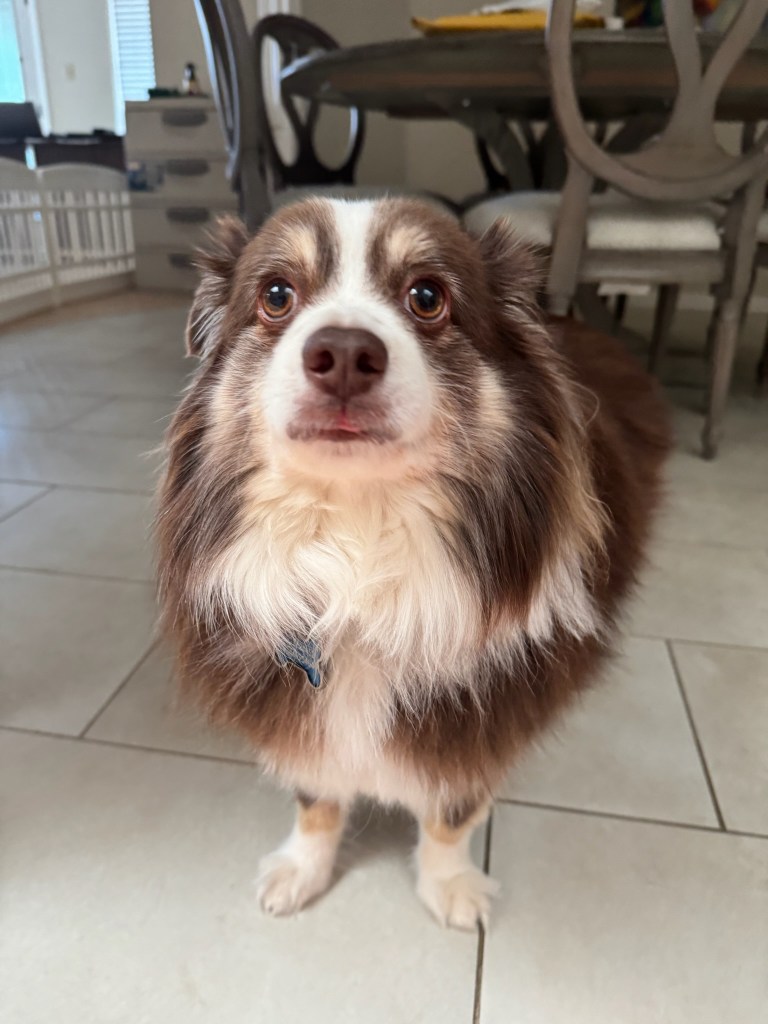
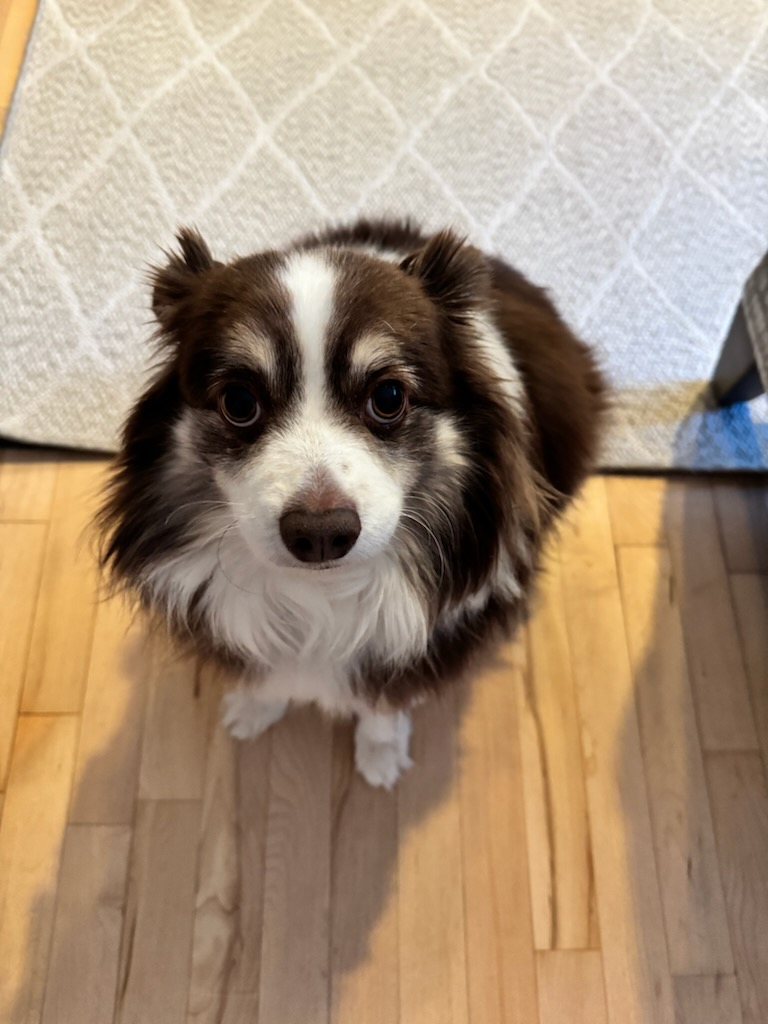
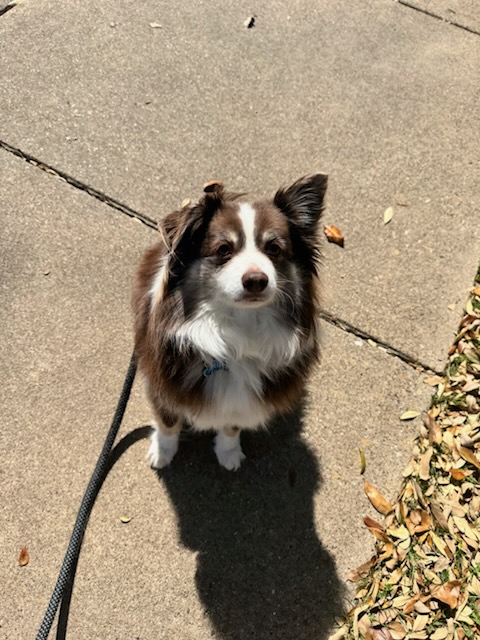
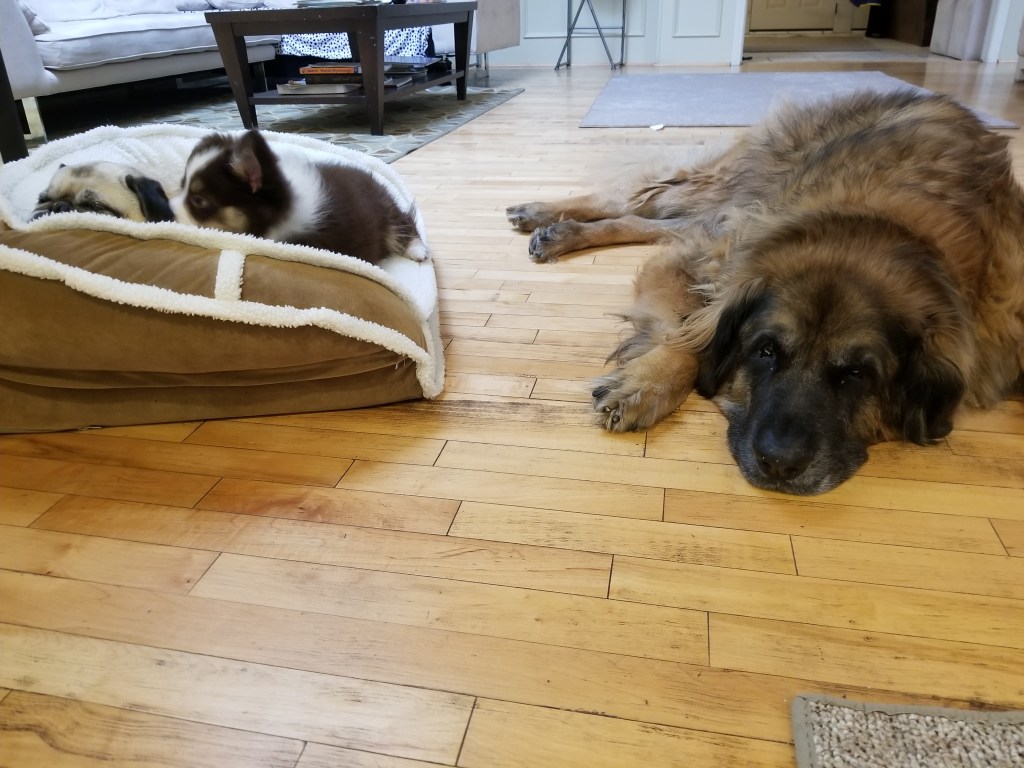
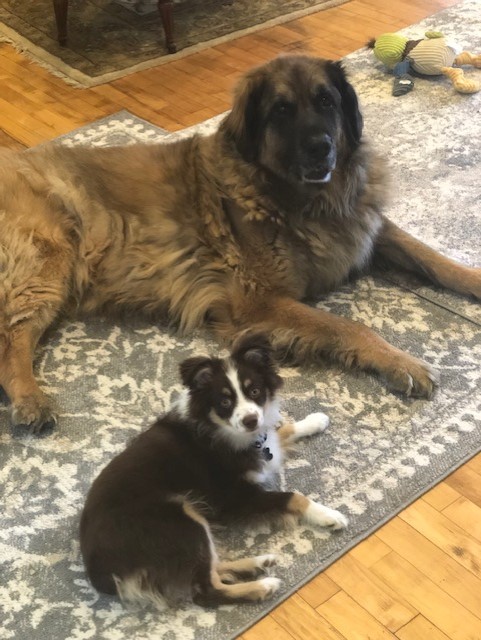
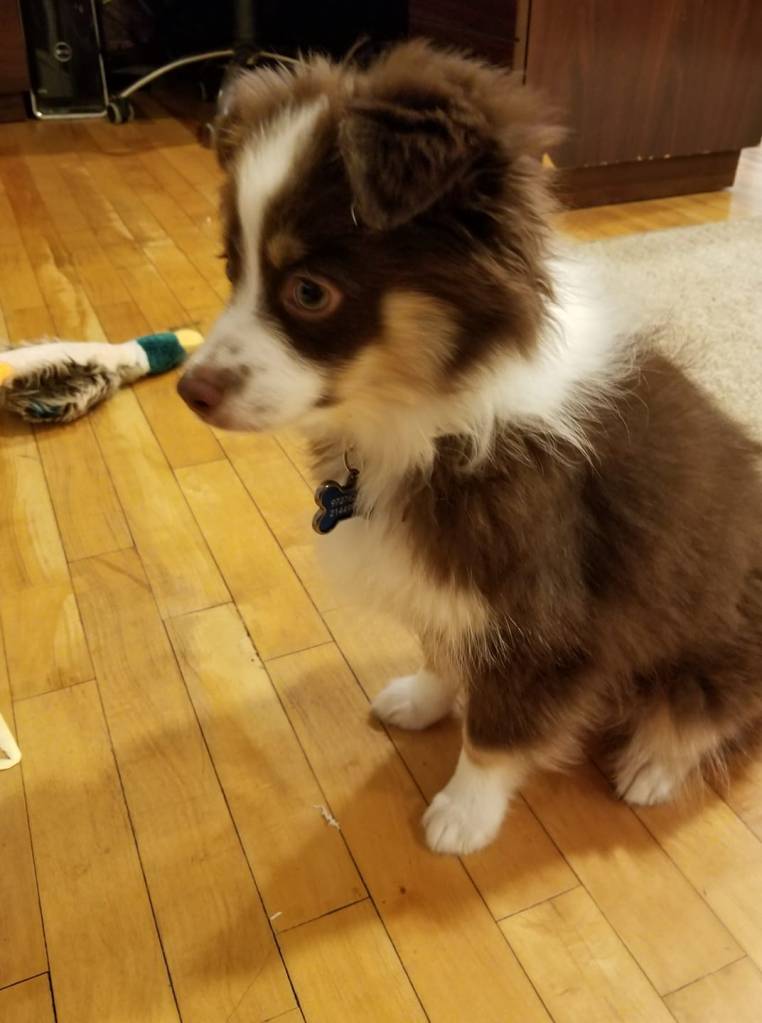
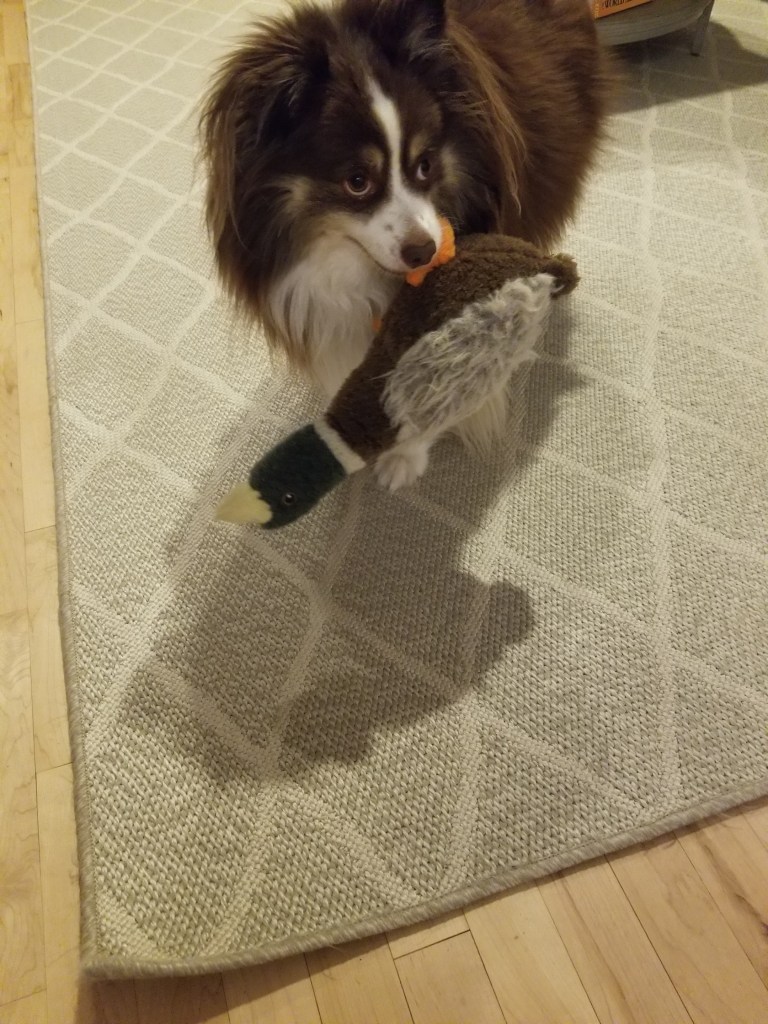
Leonbergers are big dogs, and little boys may think they are wolves, but Leonbergers are very friendly.Mini Australian Shepherds like our dog Rollo may look like wolves but are rarely mistaken for wolves. A quacking duck can be very scary to little mini–Australian Shepherds.
Are Big Dogs Wolves ?
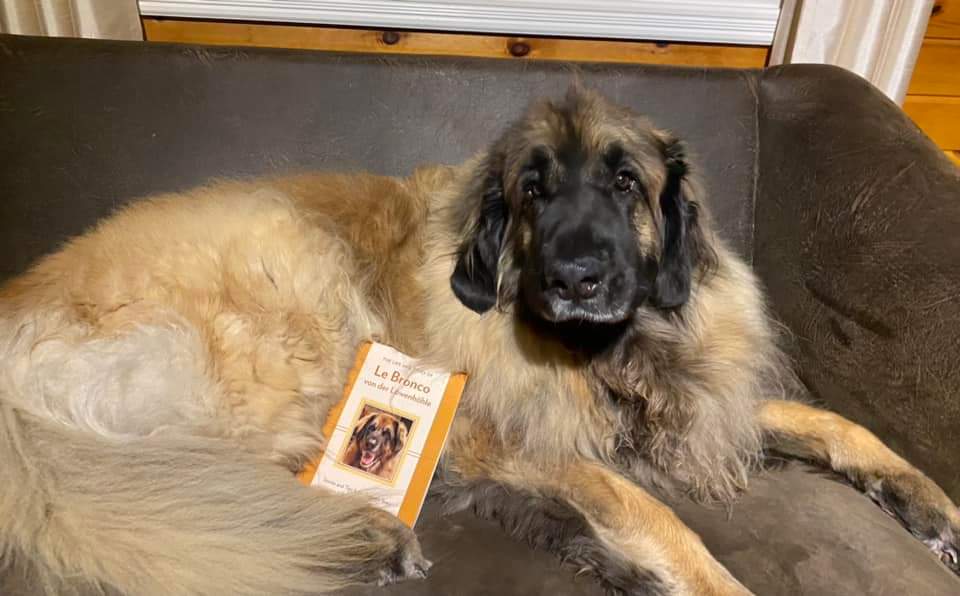
The short stories below are from my book “The Life and Times of Le Bronco von der Löwenhöhle, Stories and Tips from Thirteen Years with a Leonberger”. A Leonberger is a large type of dog, a so-called giant breed, closely related to Saint Bernards, and allegedly also Great Pyrenees dogs Newfoundland dogs. Bronco weighed 140 pounds when he was not overweight.
Bronco was a big dog. Once when I was walking Bronco around the neighborhood, a neighbor who always let his black Labs run loose saw us. He shouted to his wife, “Honey, get the dogs inside! Someone is walking a bear out here.” I guess letting your large dogs run loose isn’t a problem until someone walks a dog much bigger than yours.
On a number of occasions, we’ve met people who said to us that Bronco is the biggest dog they’ve ever seen. However, there are bigger dogs. We’ve met bigger English bullmastiffs and bigger Great Danes.
One day I took Bronco into PetSmart, and after I did my shopping, he and I were standing in the checkout line. Bronco was very quiet and well-behaved, but a boy ahead of us in line became quite alarmed when he saw us. He shouted, “Look! A wolf, a wolf, a wolf!” He pointed his finger at Bronco. His mom tried to calm the boy, but he would not stop shouting. He didn’t seem to be afraid of Bronco, but he was really concerned that there was a big wolf in the pet store. I tried to explain to the boy that Bronco was not a wolf. He was just a big dog.
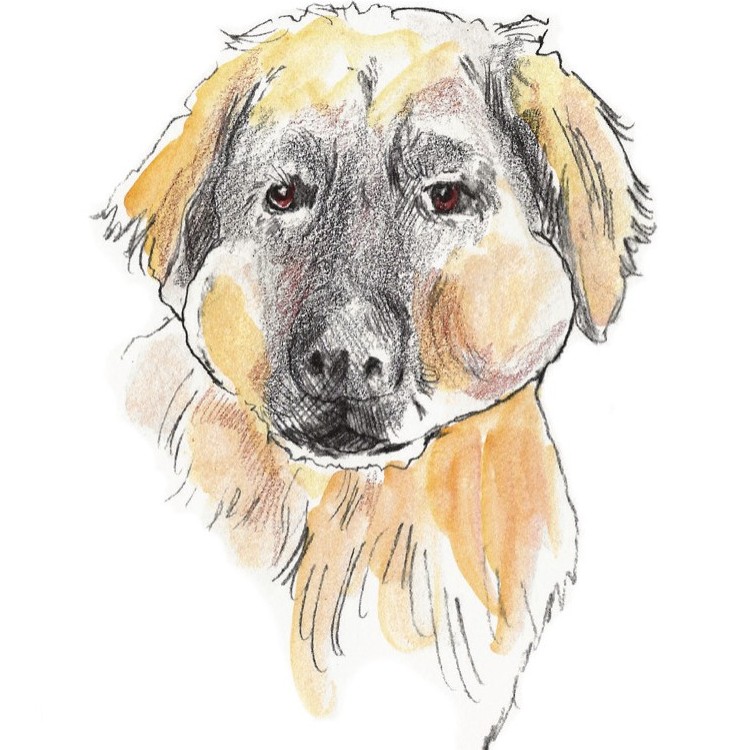
Since our neighbor called Bronco a bear, I am including a second image from Kevin’s post that I think illustrates what our neighbor saw as I walked passed his house. Well, I had only one Leonberger/Bear and I don’t have antlers or a beard, and our neighborhood does not have that many trees. Other than that, it is spot on.
Finally, a beautiful Nordic Lullaby sung by Jonna Jinton. Jonna Jinton is a Swedish singer who lives nearby Örnsköldsvik in northern Sweden, which is the town where I am originally from (now I live in Dallas, Texas). So, if you watch the video, the nature you see is from my old neighborhood.
The Lullaby is about a wolf who is hungry and cold, but he can’t have the singer’s baby for dinner. But she could offer a pig tail. What some may find remarkable about the Lullaby is that the mother being threatened by the wolf shows the wolf empathy. The existence of the stomach creates conflict between us creatures. To see the English translation turn on subtitles.
Some of you know that I have a second blog. The goal of this blog is to create a long list of facts that are important, not trivia, and that are known to be true yet are either disputed by large segments of the public or highly surprising or misunderstood by many. I’ve created a list of super facts, which I keep updating as I add new super facts. So far, I’ve been posting and updating this list on every super fact post. As the number of super facts increases, this becomes a lot of work and in addition it is not good for SEO to repeat a large number of the same links over and over.
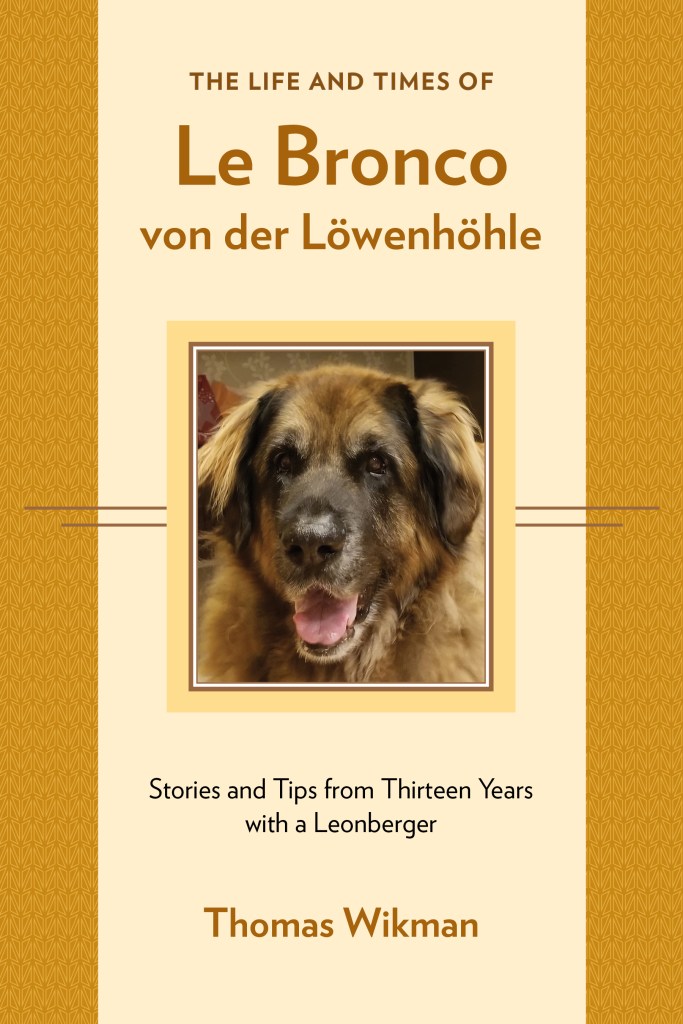
Therefore, I’ve created a new page featuring the super fact list as well as a new menu item “super facts” that opens this page. Below every super fact post I am adding the text “To see the Super Facts Click the Super-Facts menu above”. I am curious whether this menu and the page are easy to find. Please visit the superfactful blog and see if you can find the “super facts” menu item and the page. I have pasted the current content of the page below.
Smashing our old beliefs with new surprising facts, super facts. Expand your mind and teach me some unexpected truths. Click on the image to visit the super facts blog. Shutterstock ID: 1685660680 by MattL_Images.
(1) We Know That the Earth is Billions of Years Old – click to visit
This post is about big events that happened to me or my family during 2024 and that I blogged about. I selected six events that stood out to me. They are sort of my 2024 blogging summary. Our pug Daisy died at the age of 15 ½ and we still miss her a lot. On April 8, 2024, we experienced the event of the year, the total solar eclipse. Dallas (where we live) was in the path of totality and the weather was clear. It was spectacular. Then the largest newspaper trade association in the United States the National Newspaper Association (NNA, 2,300 newspapers) awarded a Dallas magazine that had written a review for my book “Le Life and Times of Le Bronco von der Löwenhöhle” an honorable mention for best book review of the year. That was fourth place out of thousands of newspapers and magazines.
In August I launched a new blog, superfactful (please feel free to follow) and in September my oldest son and his wife and me traveled to Sweden and Norway where we saw a lot and encountered magical creatures. On October 21st, 2024, NBC news interviewed me about a tornado that ravaged our neighborhood five years ago.
We miss our Pug Daisy
On April 5th, 2024, our beloved pug Daisy took her last breath. She was 15 ½ years old. She had an enlarged heart, her back legs were giving out, and she had breathing problems. She took lots of different medications. Yet, the breathing crisis she had that morning came unexpectedly. Our veterinary told us it was time. It was a dark day for us, and we still miss her dearly. Our mini-Australian Shepherd Rollo also seems to miss her and now he is alone. To read the tribute post I made for her click here.
Daisy liked to sit in front of the vent when it was cold or alternatively too hot.
Total Solar Eclipse in Dallas
On April 8th, 2024, there was a total solar eclipse and Dallas, where we live, was in the path of totality, and we were lucky with the weather. A total solar eclipse is a totally different experience from a partial solar eclipse. Despite knowing this beforehand, and having seen a partial solar eclipse, I was amazed. As you approach totality you will have a partial solar eclipse, so you’ll experience both. The partial solar eclipse portion lasted for a few hours and totality lasted only four minutes, but during those four minutes the sun and the moon put on a spectacular show. For the event we had prepared a little party on our backyard patio.
A partial solar eclipse is interesting too. The shadows change during a partial solar eclipse. The shadows of the tree leaves look like moon crescents, but it is not dark, it is still daylight. The sun will look like a bright crescent if you are wearing solar eclipse glasses, but the light is too strong for you to see anything without glasses, and trying to look at the sun during a partial eclipse is dangerous.
When the total solar eclipse happened it suddenly got dark, but not midnight dark, more like late twilight. The stars came out, the birds and the crickets got quiet, Rollo hid under the table, it felt colder, and straight above us Venus came out bright and shining. You usually see Venus in the west soon after sunset or in the east before sun dawn, not above your head in the middle of the day. You could take off your solar eclipse glasses and look straight at the sun, because it was no longer very bright. What you saw was a big black circle surrounded by wispy foggy lights about as bright as the full moon, maybe a little brighter. That was the sun’s corona, which is only visible to the naked eye during a total solar eclipse. To read more about this event click here.
We took many pictures (see below) but this is a good stock photo. Solar Eclipse Stock Photo ID: 2344355767 by aeonWAVE
Preston Hollow People Magazine receives a National Award for a Book Review of my Leonberger Book
In September 2023 a Dallas journalist wrote a half page positive book review for my book “Le Life and Times of Le Bronco von der Löwenhöhle”. In 2024 her and the newspaper/magazine received an honorable mention for Best Book Review (that’s 4th place) at the annual National Newspaper Association Better Newspaper Contest organized by The National Newspaper Association (NNA). NNA has 2,300 members (newspapers and magazines). I can add that Preston Hollow is an area in north Dallas. To read more about this, click here.
This is a photo of the page of Preston Hollow People Magazine where the review appeared. If you click on the picture (or click here you can see the online version of the book review in Preston Hollow People Magazine.
Launch of the Super Facts Blog
On August 5, 2024, I launched my new blogsuperfactful url https://superfactful.com. The goal of this blog is to create a long list of facts that are important, not trivia, and that are known to be true and yet are either disputed by large segments of the public or highly surprising or misunderstood by many. These kinds of facts are special because they are important and at the same time there is a lot of confusion around them, or they are shocking. Therefore, I call these facts super facts. I should say that in addition to super fact posts I am also posting about other interesting and fun information. My first post “Bamboozlement Misunderstandings, Big Surprises and My Journey” was not a super fact post. To read more click here .
Smashing our old beliefs with new surprising facts, super facts. Expand your mind and teach me some unexpected truths. Shutterstock ID: 1685660680 by MattL_Images.
I can add that this site certainly needs more followers so feel free to subscribe. The subscribe button is on the right on a PC and at the bottom on a mobile device.
Scandinavian Adventure
In September 2024 I visited my native country Sweden and Norway with my oldest son and his new wife. We visited Stockholm, Uppsala, Oslo and Norwegian fjords. We saw palaces and castles, the old city in Stockholm (800 years old city on an island), we saw many museums including the Vasa Museum featuring an extremely well-preserved Swedish war ship that sank in 1628. We encountered a Huldra, a female magical creature, in the Norwegian mountains (OK this was a tourist ploy, but a fun one). To read more about our adventures click here, or here, or here.
From a cruise in Sognefjord, Norway. Left to right, me, my oldest son and his wife. Click on the image to visit my post titled : “Tourism in Scandinavia on World Tourism Day”.Imagining how a Huldra would look like. Stock AI-generated image ID: 2400845203 by Shutterstock AI Generator. Click on the image to visit my post titled : “Scandinavian Folklore”.An illustration of a Tomte another Scandinavian mythical creature. Shutterstock ID: 2060057882 by PLIMPLUM.
The NBC Interview with me about Dallas Tornado
October 19 and October 20, 2024, I got phone calls from NBC Universal. NBC Universal is a large media company that is a merger between NBC news and Universal Studios. I ignored the phone calls, because why would NBC call me. I thought it must be spam or a scam. Then I listened to the message they left, and I realized it was not spam. The NBC journalists had been reading my Leonberger blog, specifically a post I had made about the tornado that hit Dallas and ravaged our neighborhood on October 20, 2019. They wanted some of my photos and they wanted to interview me. You can read more here and you can listen and see the interview here. It is at one minute and ten seconds.
Seeing myself on the TV was a bit surreal. Click on the image to see the interview. My interview starts at 1 minute and 11 seconds.NBC used this photo. A neighbor’s house the morning of October 21st, 2019. Again, click on the image to see the interview.
Below are some additional photos in from these events in the form of a photo collage.
Above this post there are Menus “About Me”, “Home”, “History”, “All Posts”, “The Book”, “Contact”. Today I updated the content of the menu called “All Posts”. This page lists all my blog posts that I’ve ever done. I added headers to the nine categories as well as a banner style image to every category. Below I am illustrating the first category “The Adventures of Bronco and his Dog Friends”. Please check out the new page – click here. What do you think?
I would like to highlight today’s Superfactful post called “Global Warming is Happening and is Caused by us”. I think it is an interesting one that is quite educational. It features 10 conclusive pieces of evidence that it is happening and then 10 pieces of evidence that we (humans) is the cause.
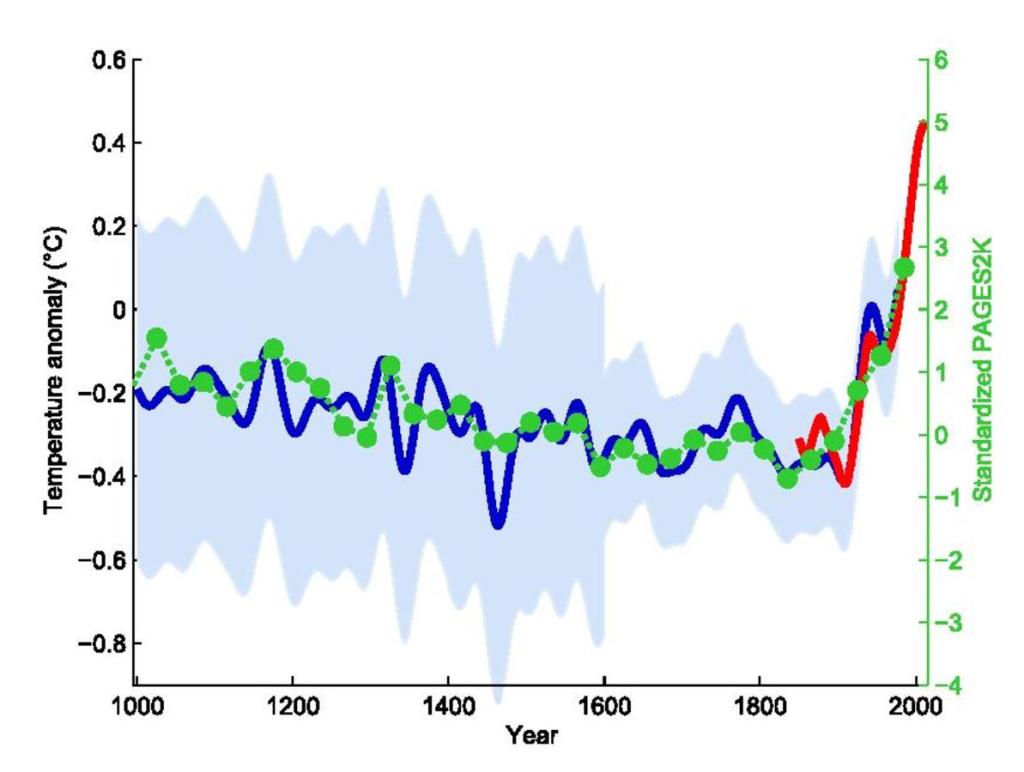
Superfact 25: Global warming or if you call it Climate Change or Climate Disruption is happening, and it is happening very fast, and we also know that it is caused by us primarily as a result of our burning of fossil fuels. There is a long-standing scientific consensus on these two facts because the evidence is conclusive. Check the evidence below.
Click here to visit my superfactful post and if you haven’t subscribed yet feel free to do so.
The so-called hockey stick curve depicting the last 1,000 years. The blue line is the first hockey stick curve ever created (by Michael Mann). He used proxy measurements such as tree rings, green-dots 30-year average, red temperature measurements. Wikimedia commons <https://creativecommons.org/licenses/by-sa/4.0/deed.en>. This graph is taken from this page.
Amazon lowered the price of the paperback version of my book “The Life and Times of Le Bronco von der Löwenhöhle” from $19.95 to $17.95 some time ago and I cannot set it back to $19.95. I am guessing that it is because of Amazon’s lowest price policy and that another bookstore somewhere is selling it for $17.95. So, I am thinking, why not roll with it and have a holiday promotion. I also just lowered the price of the Kindle version from $4.95 to $2.99. The prices in all other countries, Canada, the UK, Germany, France, the Netherlands, Italy, Spain, Australia, etc., are likewise lowered by the same amount.
I would like to add that the reason I tried to set the price back to $19.95 is not because I want more money. I am donating all royalties to the Leonberger Health Foundation International, which is a great organization that supports health related breed-specific research. However, the research frequently improves the health of other dog breeds as well. You can read more about the Leonberger Health Foundation International below.
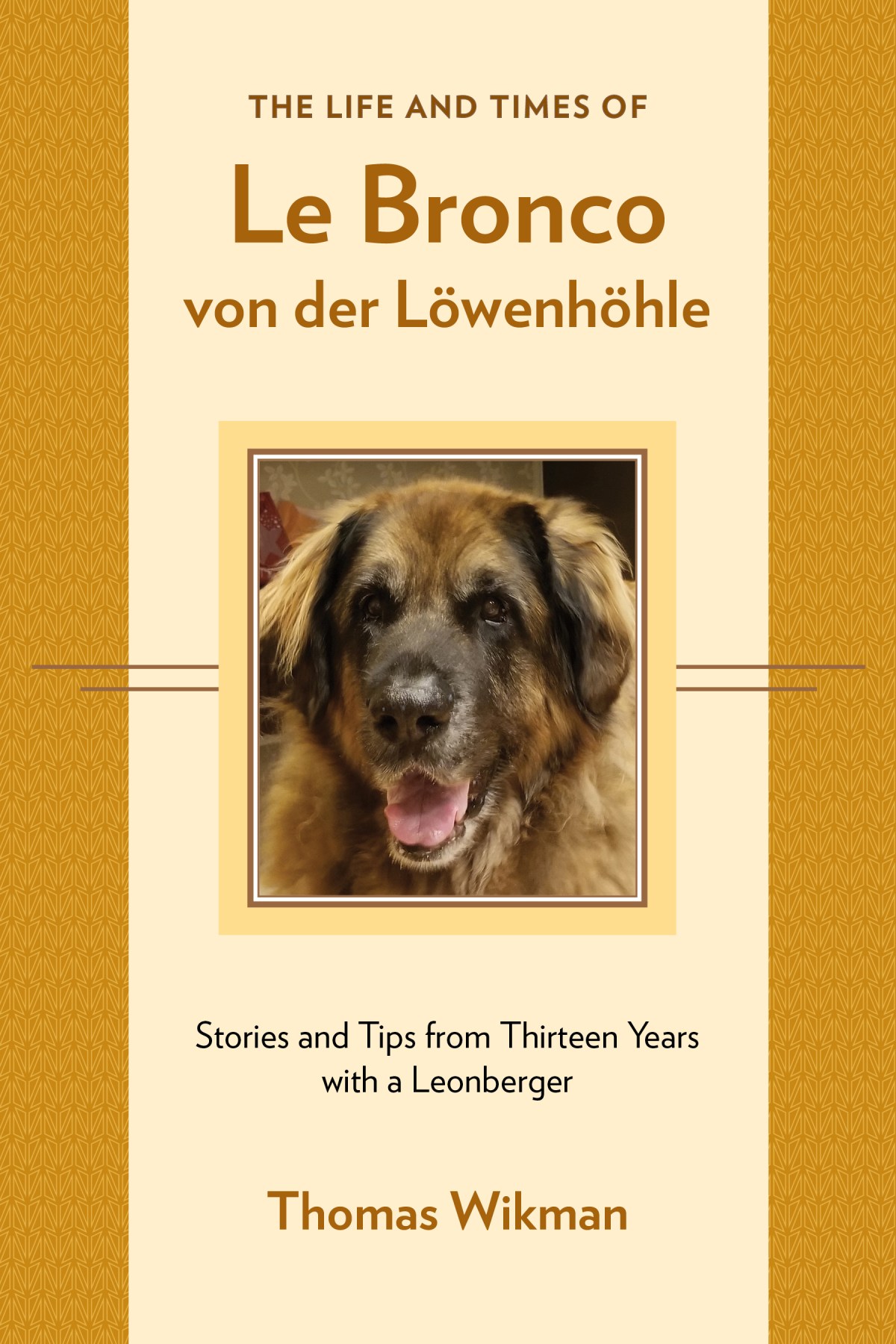
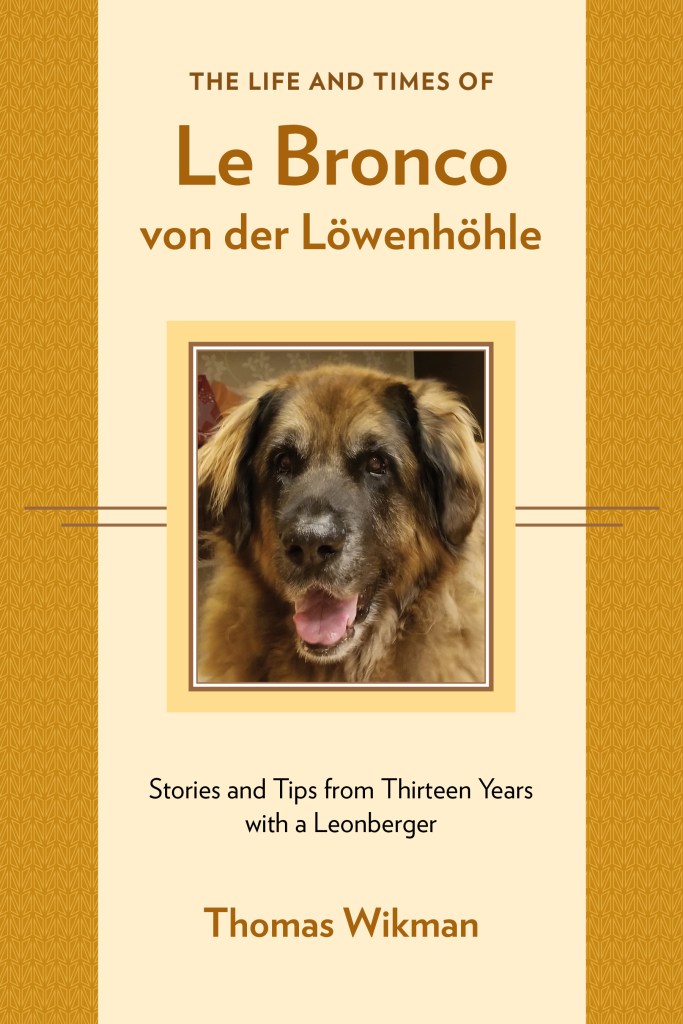
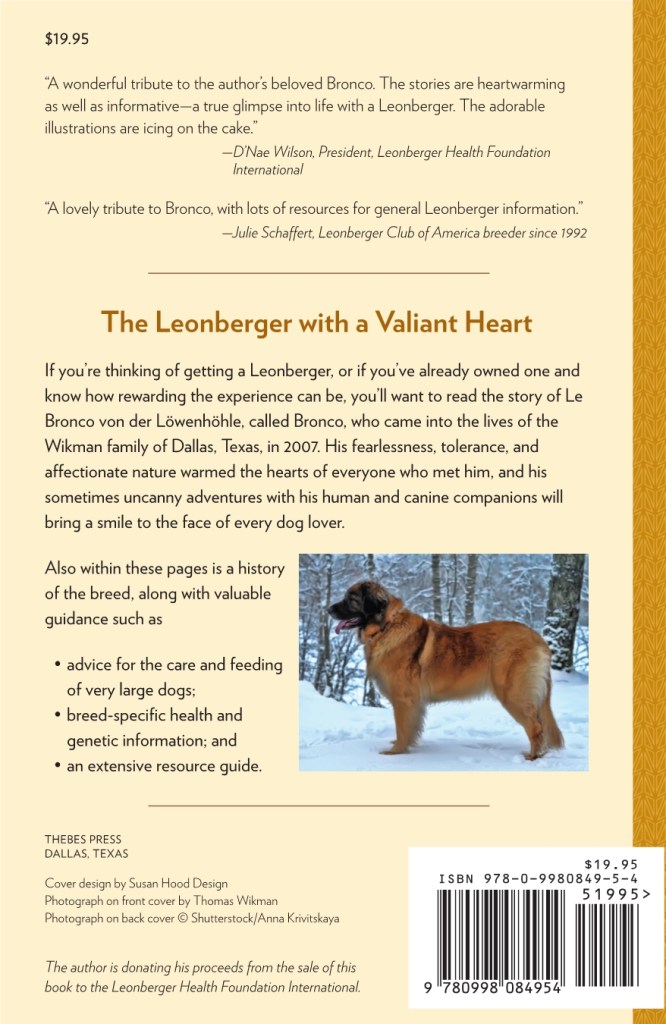
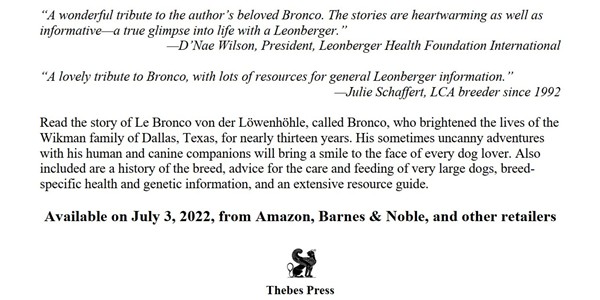
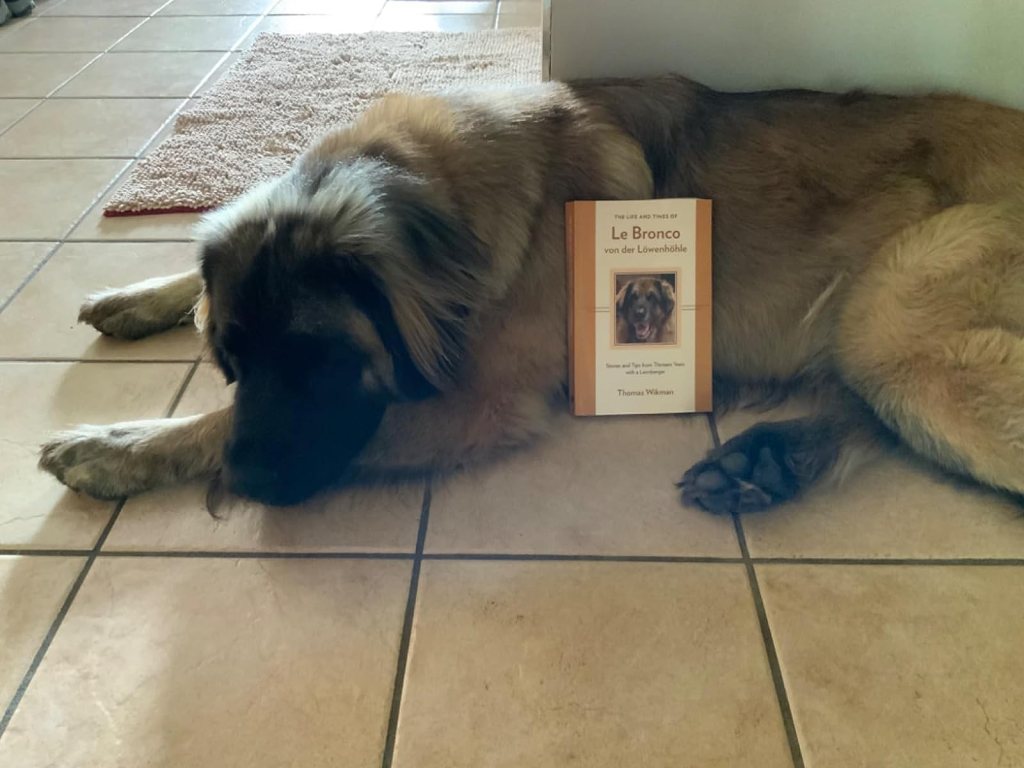
This is the front cover of the book “The Life and Times of Le Bronco von der Löwenhöhle”. Click on the image to go to the Amazon.com location for the paperback version of the book.This is the back cover of the book “The Life and Times of Le Bronco von der Löwenhöhle”. Click on the image to go to the Amazon.com location for the kindle version of the book.These are the endorsements for the book. Click on the image to go to the Barnes and Noble location for the book.
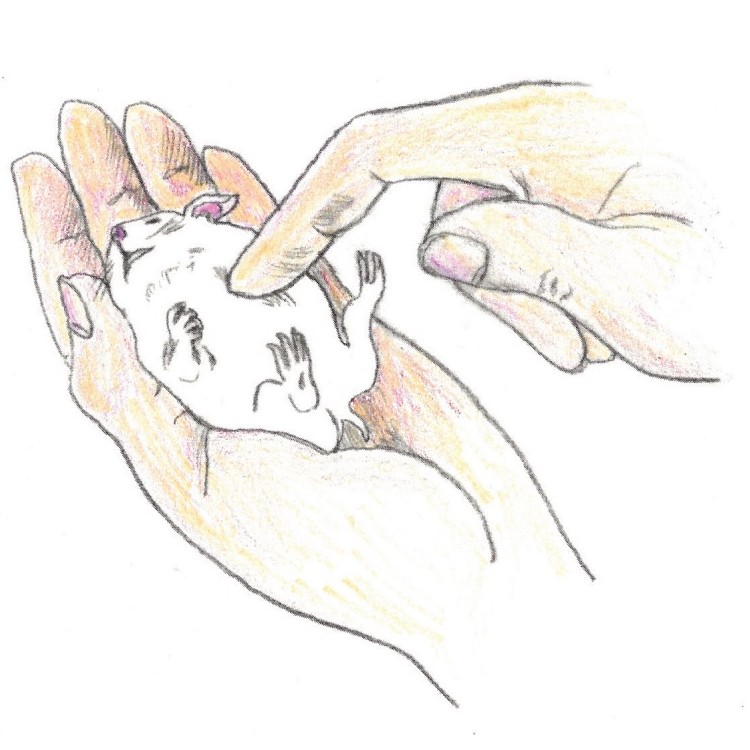
In this book you’ll read about some of Bronco’s amazing feats: the night he scared away a prowler; the day he performed a hamster search and rescue; the time he stumped the Geek Squad; and the late night he snuck into the kitchen and ate a two-pound bag of dog treats, a box of pastries, a loaf of bread, a grilled chicken, and a Key lime pie, all in one sitting. You’ll also read about his unflappable calm during a north Texas tornado and his stoicism as he endured health challenges in his later years.
In addition to entertaining stories, these pages contain a wealth of practical guidance, including:
a history of the Leonberger breed;
advice for the care of very large dogs;
breed-specific health and genetic information;
training and feeding tips;
suggestions for finding a breeder;
the official breed standard; and
an extensive resource guide.
Below is a list of places where you can get my book.
The Leonberger Health Foundation International is an organization that supports science and research impacting Leonberger health, longevity and breed preservation. Examples of research they’ve supported include research on Addison’s Disease, Inherited Leonberger Polyneuropathy (LPN), LEMP research, the Rabies Challenge Fund, Osteosarcoma, Hemangiosarcoma, genetic causes of male (dog) infertility, Cryptorchidism, study of cruciate ligament repair, Glaucoma, cardiac diseases, thyroid disease, neurological disorders, longevity & aging, population diversity, juvenile renal dysplasia, anal furunculosis, the EGFR Immunotherapy Project, and Leonberger inherited Arrythmia. As mentioned above, a lot of the progress applies to other dog breeds as well.
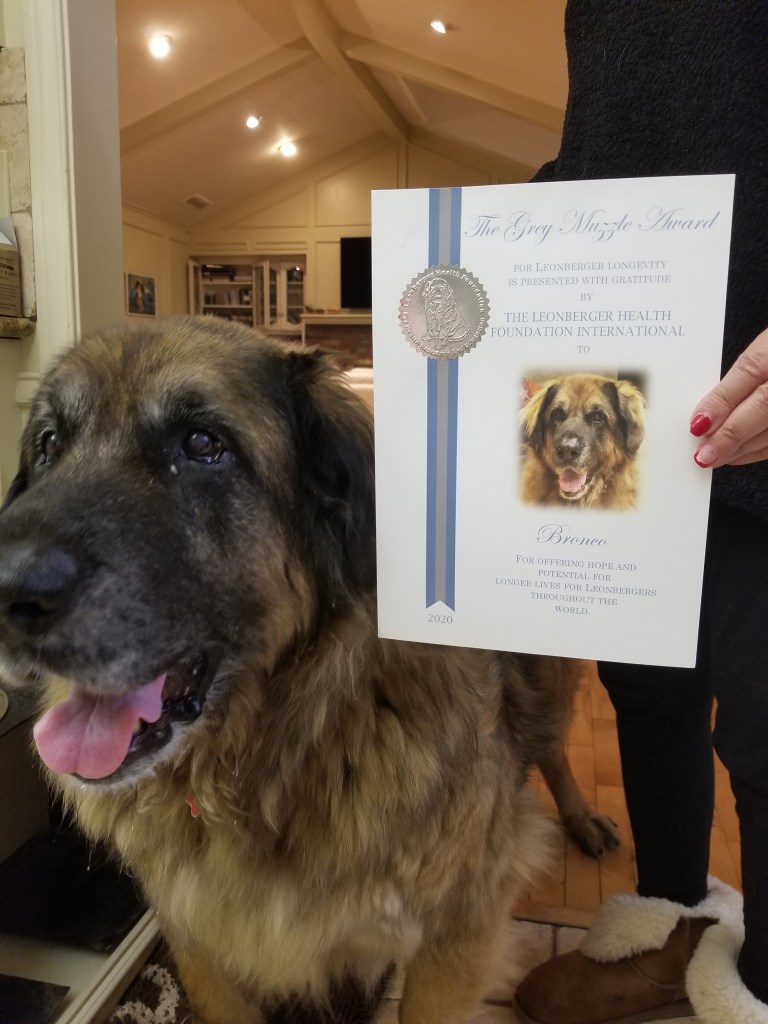
LHFI’s global biobank contains DNA samples from more than nine thousand Leonbergers. Among the organization’s notable achievements are the eradication of Addison’s disease among Leonbergers and the raising of more than $650,000 for research into conditions that affect canine health. Another success is the fact that since 2011, no Leonbergers with two copies of the LPN1 gene mutation (which causes Leonberger polyneuropathy) have been recorded in LHFI’s biobank. LHFI does other things as well. LHFI grants an award called the Grey Muzzle Award to Leonbergers who reach the impressive age of 12 years. Leonbergers and other giant breeds tend to live short lives, something LHFI is trying to solve and they have made progress. One of the recipients of the Grey Muzzle Award was our Leonberger Bronco.
The Grey Muzzle Award from the Leonberger Health Foundation International.
Below is an 8-minute video explaining the ongoing research on sudden cardiac death in young Leonbergers.
The coyote (Canis latrans) is a close relative of the wolf (Canis lupus) and the dog (Canis lupus familiaris). Coyotes live in every US state except Hawaii. It is estimated that there are between three to five coyotes in the United States. Coyotes kill a lot of cats and dogs as well as livestock including 135,000 sheep per year .
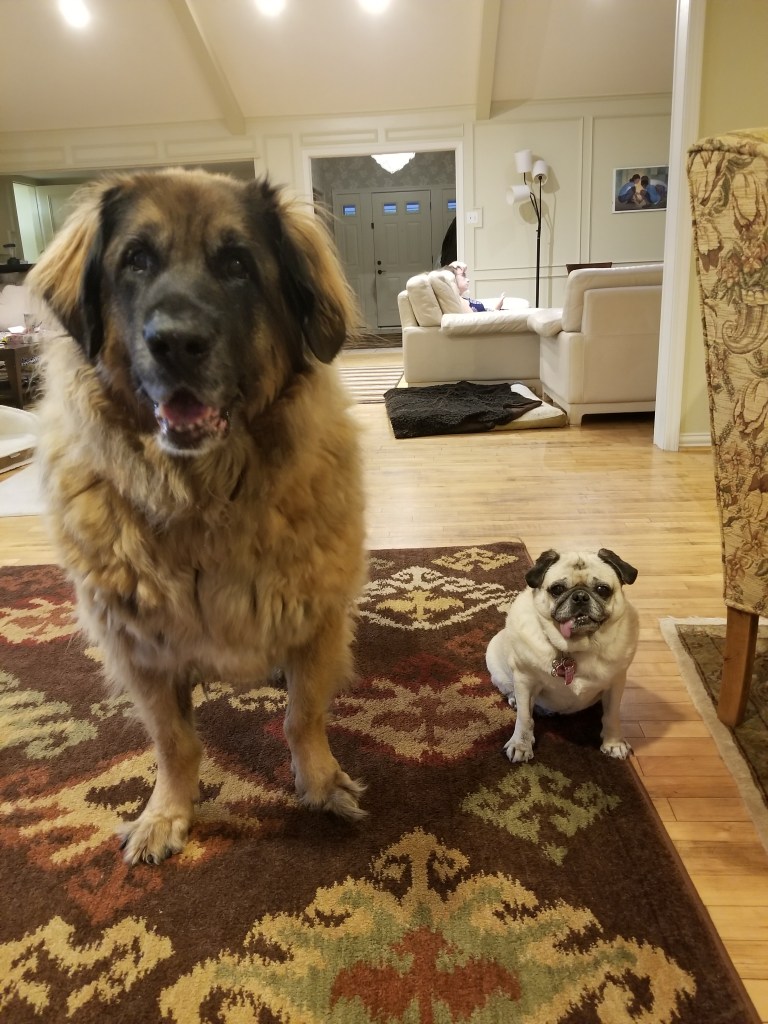
Our neighborhood is generously populated with coyotes. Bronco used to bark at them, so they never got close to us. He tried to chase them, but they ran off. I assume they were afraid of him, but they certainly weren’t afraid of Daisy or Ryu.
One day I saw a coyote coming around the corner at the end of our street as I was walking Daisy and Ryu. He saw us and proceeded straight toward us without hesitation and with no sign of fear. He wasn’t running, but coyotes have long legs, and he was sort of trotting along and moving pretty fast. I wasn’t worried for myself—an adult human can easily handle a lone coyote. I was worried for Daisy and Ryu. I didn’t want them to be the coyote’s dinner.
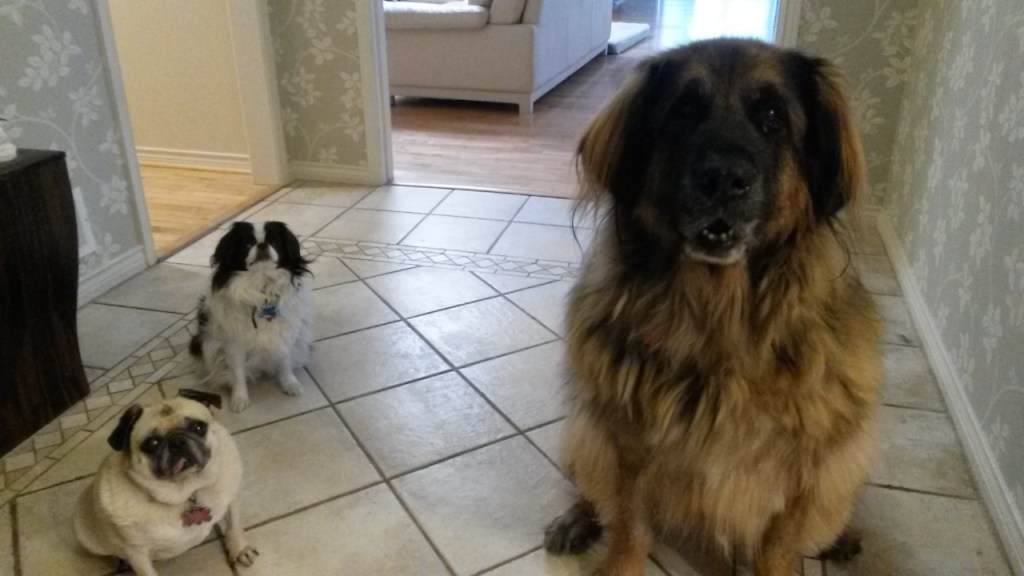
Our Leonberger Bronco with our two small dogs, Daisy the pug and Ryu the Japanese Chin.
As the coyote came closer, I stopped and stared at him. When he was around fifteen feet away, he stopped and stared back at me. Ryu and Daisy were staring at the coyote, too. I could see that they were frightened, but they didn’t bark. Meanwhile, I was calculating how best I could fight the animal. It wasn’t practical to lift both dogs in my arms and try to fight at the same time. So I had to let the dogs stay on the ground. Before I could strategize further, though, the coyote continued on his way and disappeared behind some houses farther down the road. Coyotes are common almost everywhere in the United States, so if you need another reason avoid letting your cats and small dogs run loose, remind yourself of this story.
Daisy getting ready to take Ryu for a walk.
The video below is in regard to an incident that happened here in Dallas two years ago when a two-year-old boy was injured by a coyote.
This two-minute informational video was created by a local news organization after the coyote attack on the two-year-old boy. DFW stands for Dallas Forth Worth.
I should say that I certainly respect the coyotes right to life and I think that they deserve to be treated humanely and with respect. However, they are unafraid of people, they roam our neighborhoods and there are so many of them. You need to be ready to protect your small dogs and cats, and even large dogs. A pack of coyotes can do a lot of damage to a large dog. Don’t let your small dogs and cats run lose and keep your dogs on a leash. You may also want to consider bringing maze with you on your walks.