Designing a Stylish and Durable Dog Friendly Home

A professional content writer by the name of Ryan Goodchild contacted me about me posting an  article he had written on designing a stylish and durable dog friendly home. The title of the article is “How to Design a Stylish and Durable Dog-Friendly Home That Lasts”  it is below. Ryan wrote the article and I provided pictures.

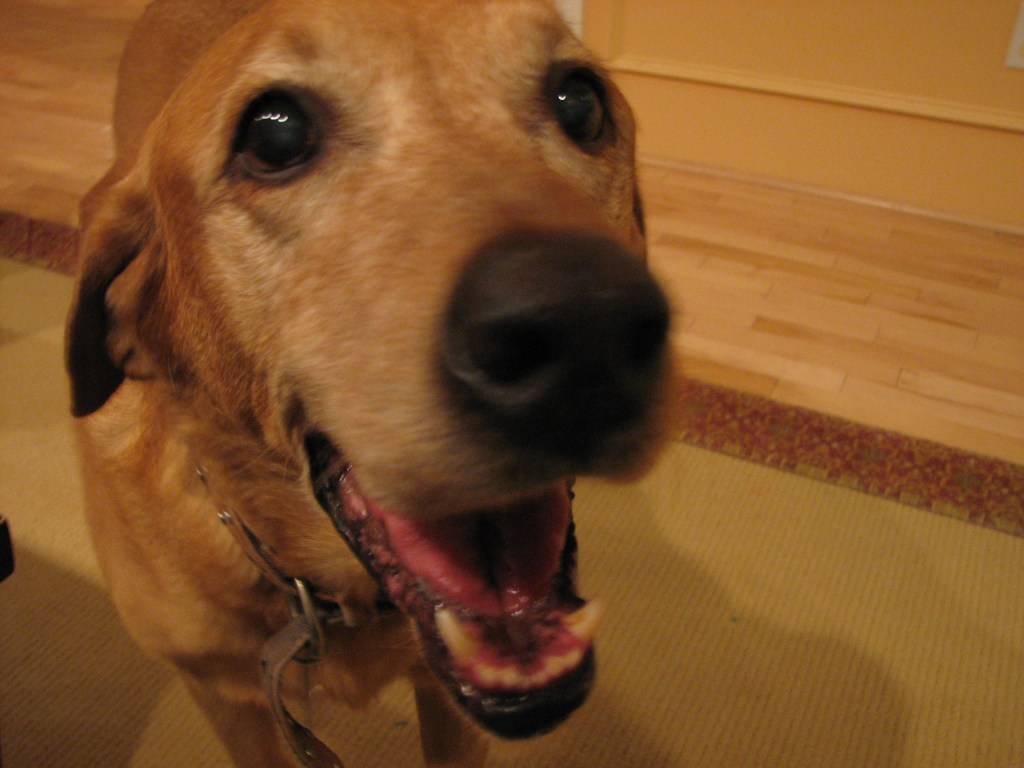
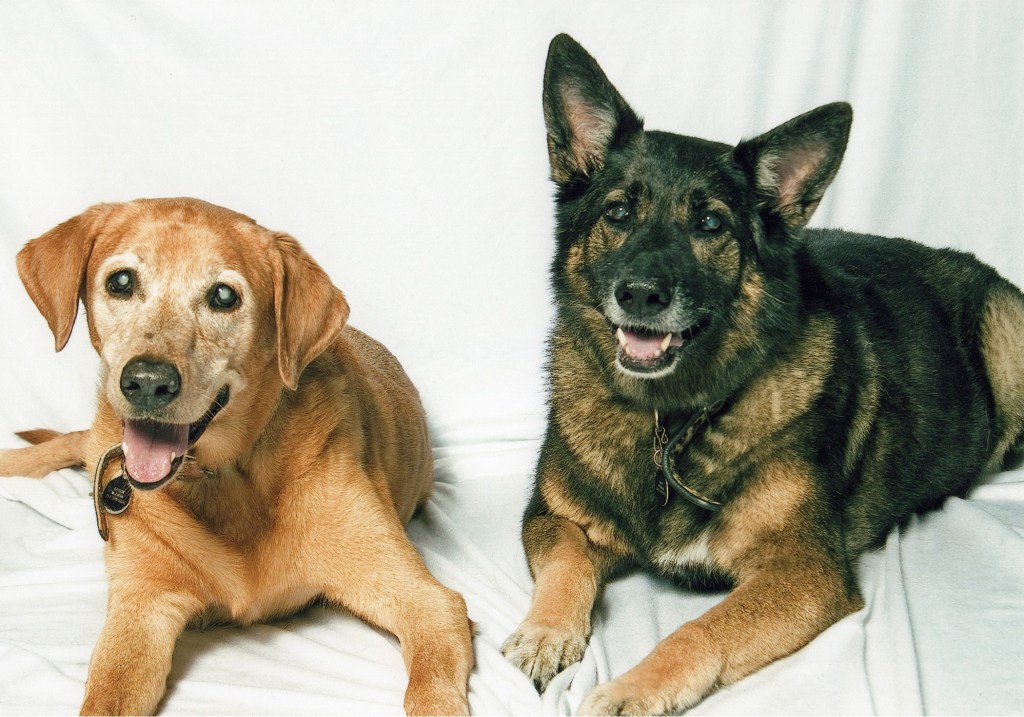
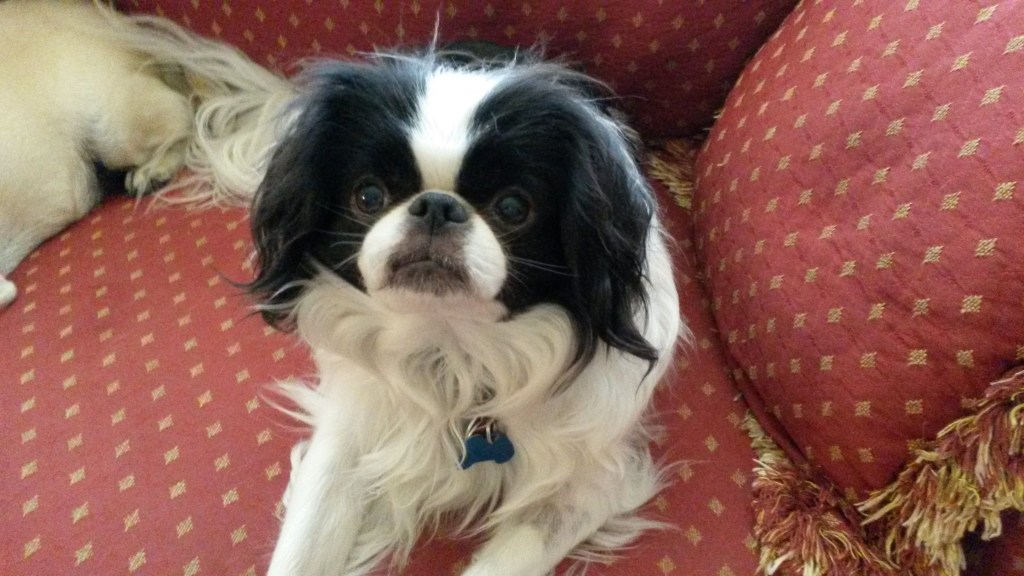
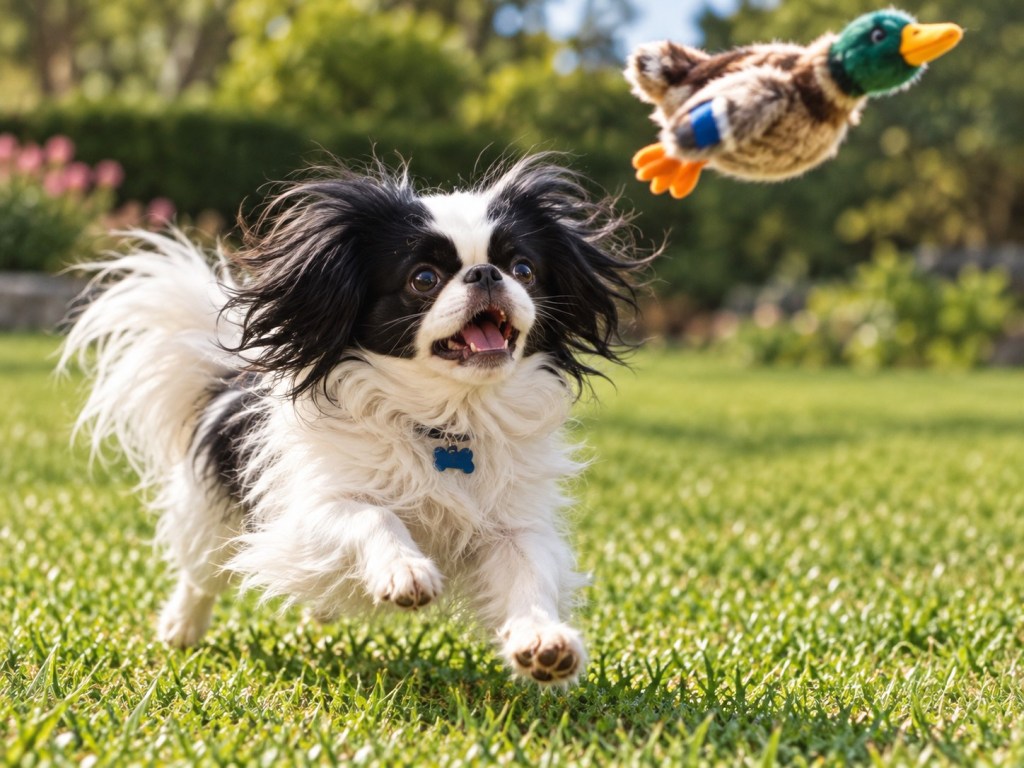
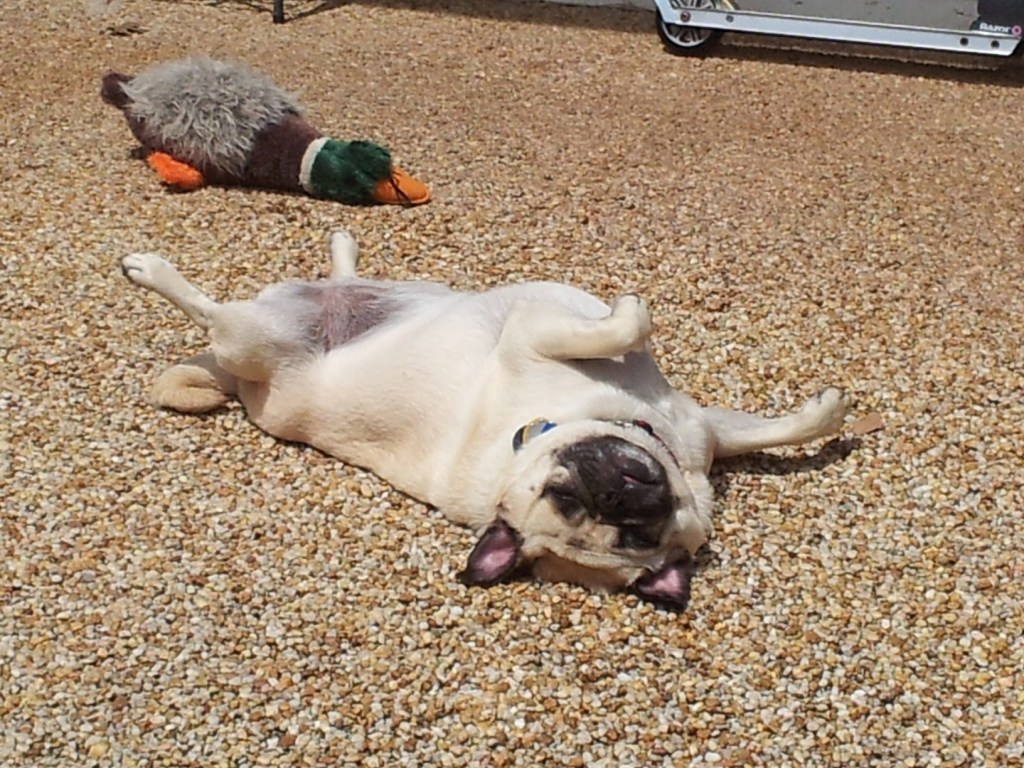
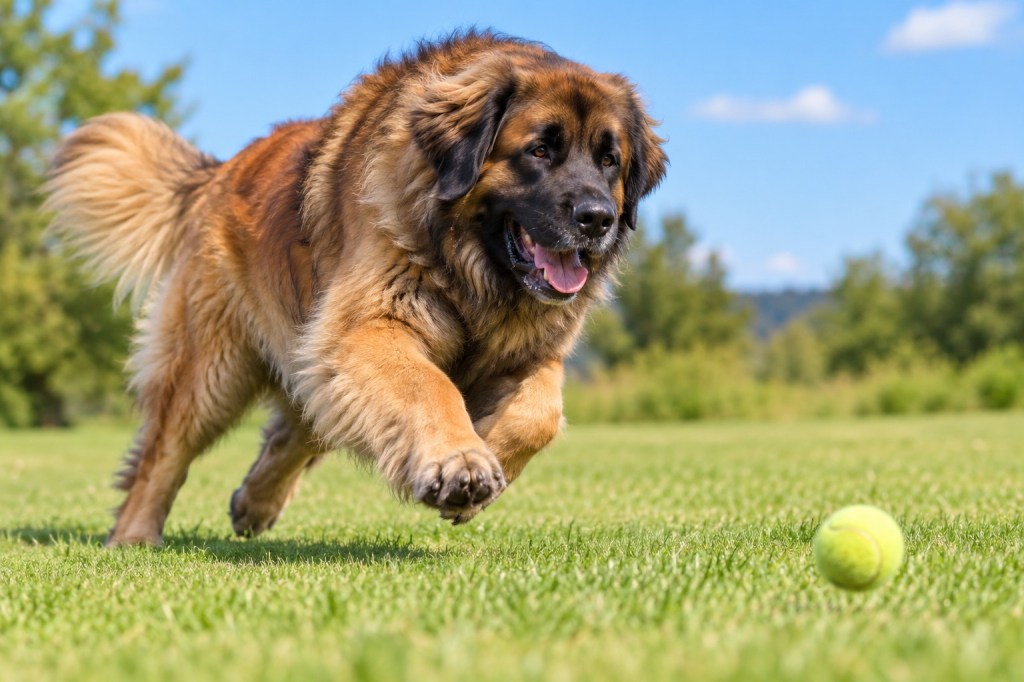
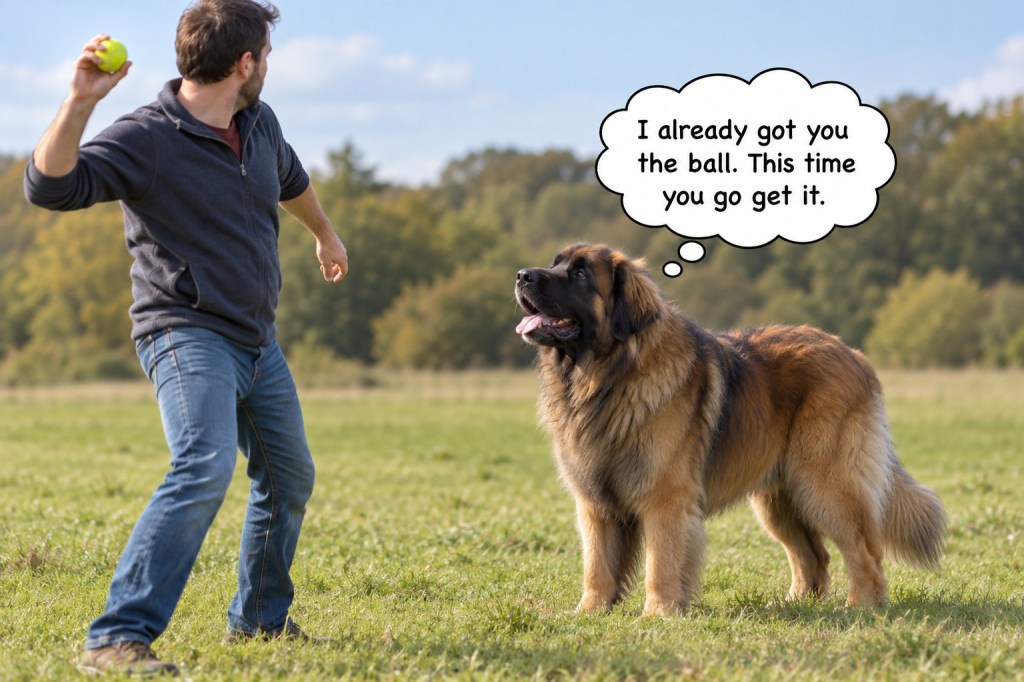
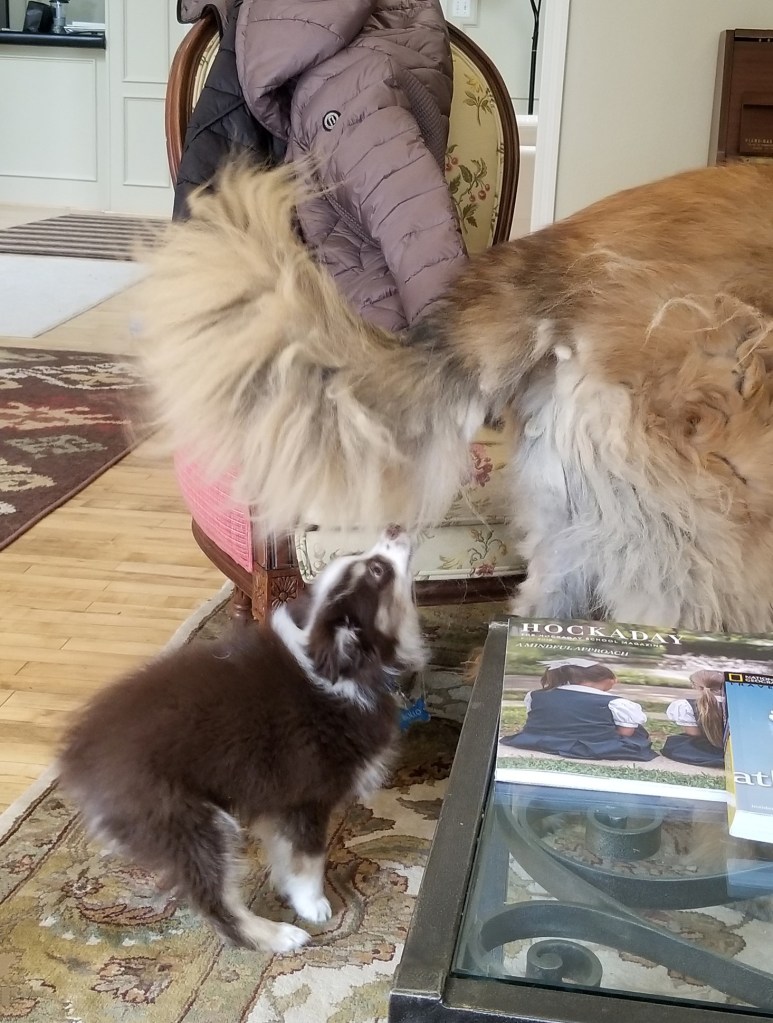
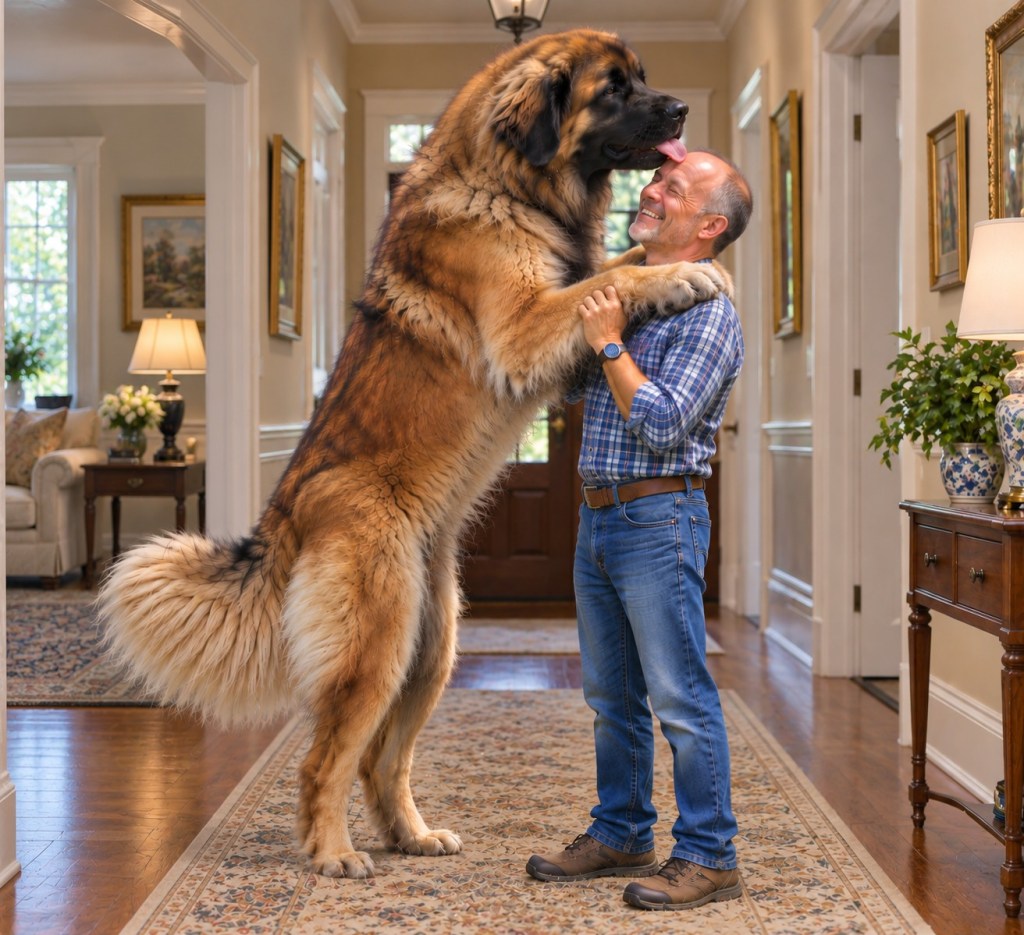
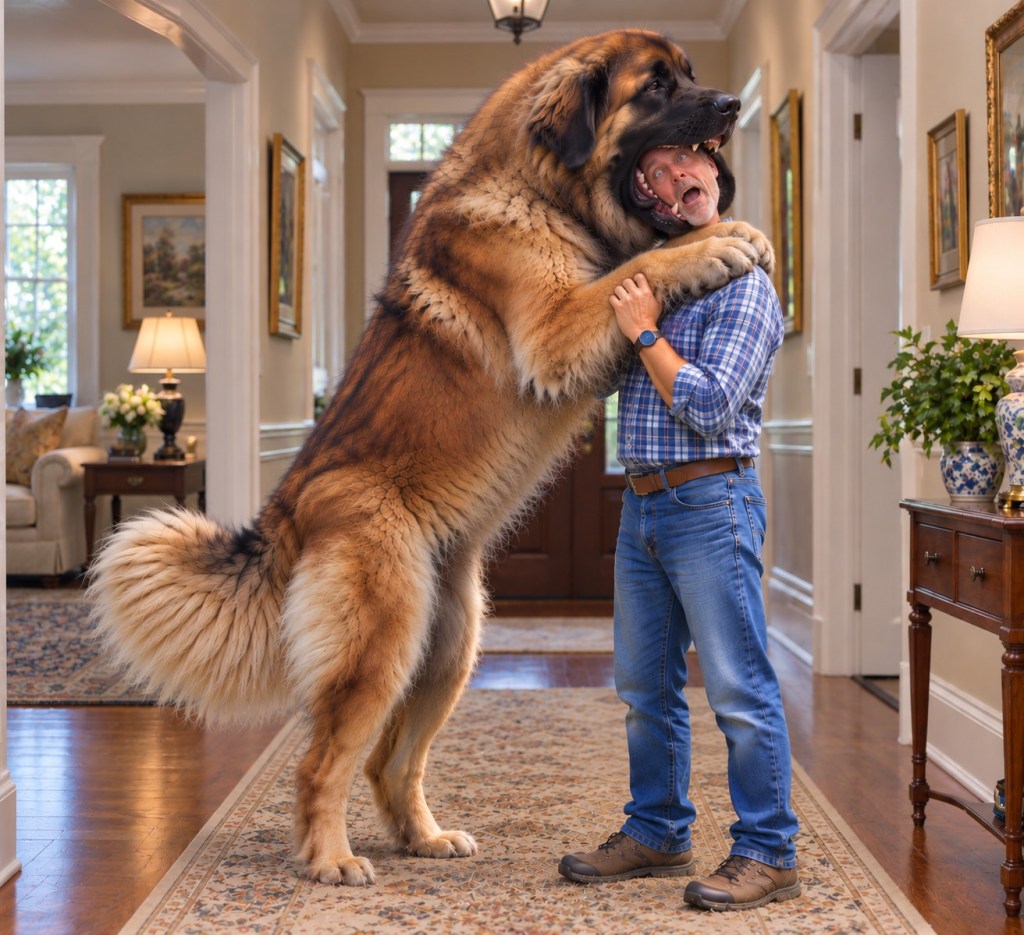
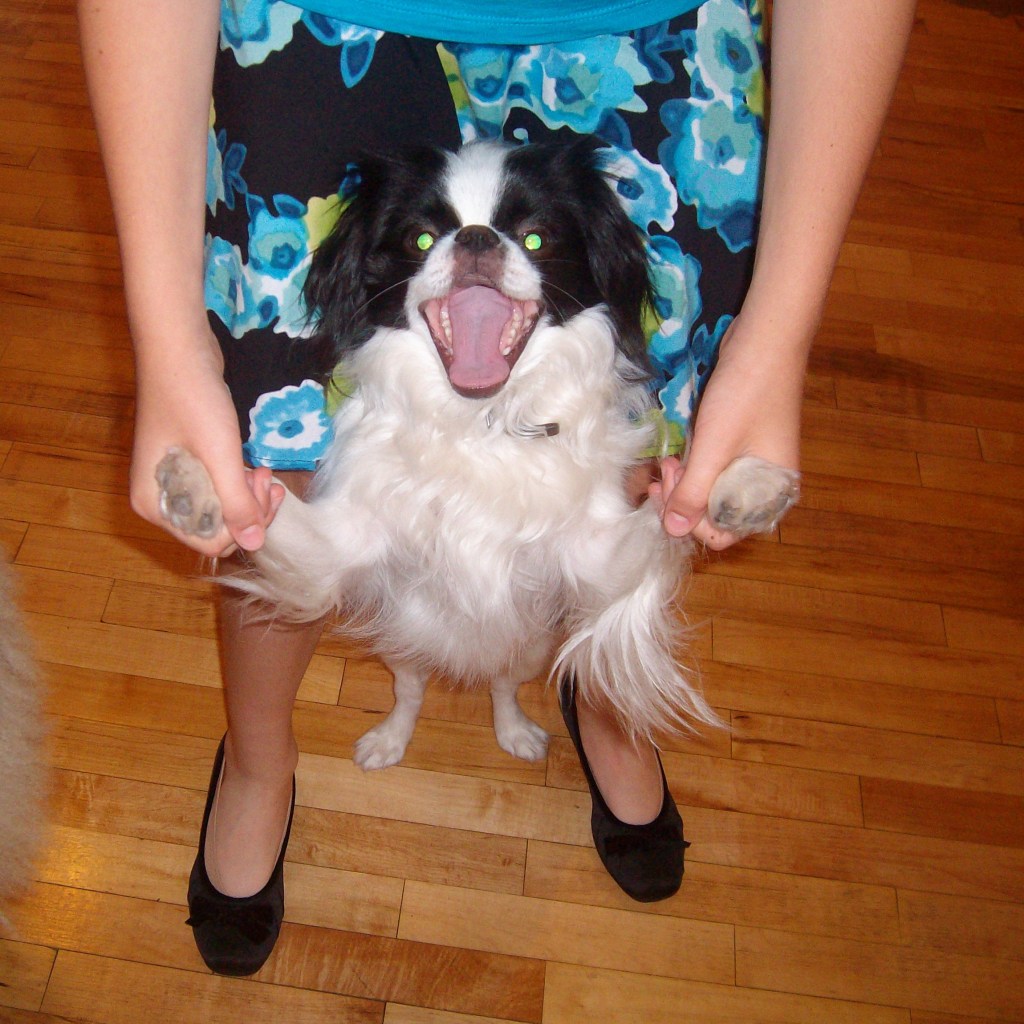
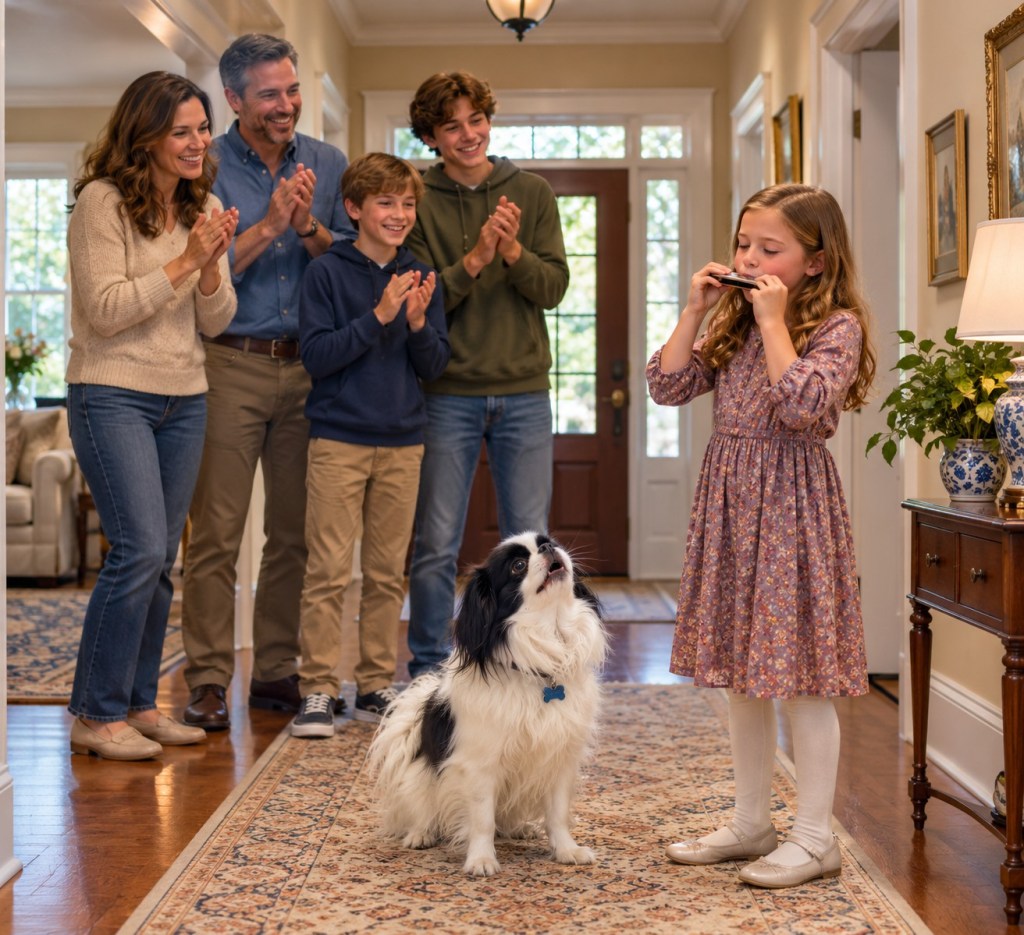
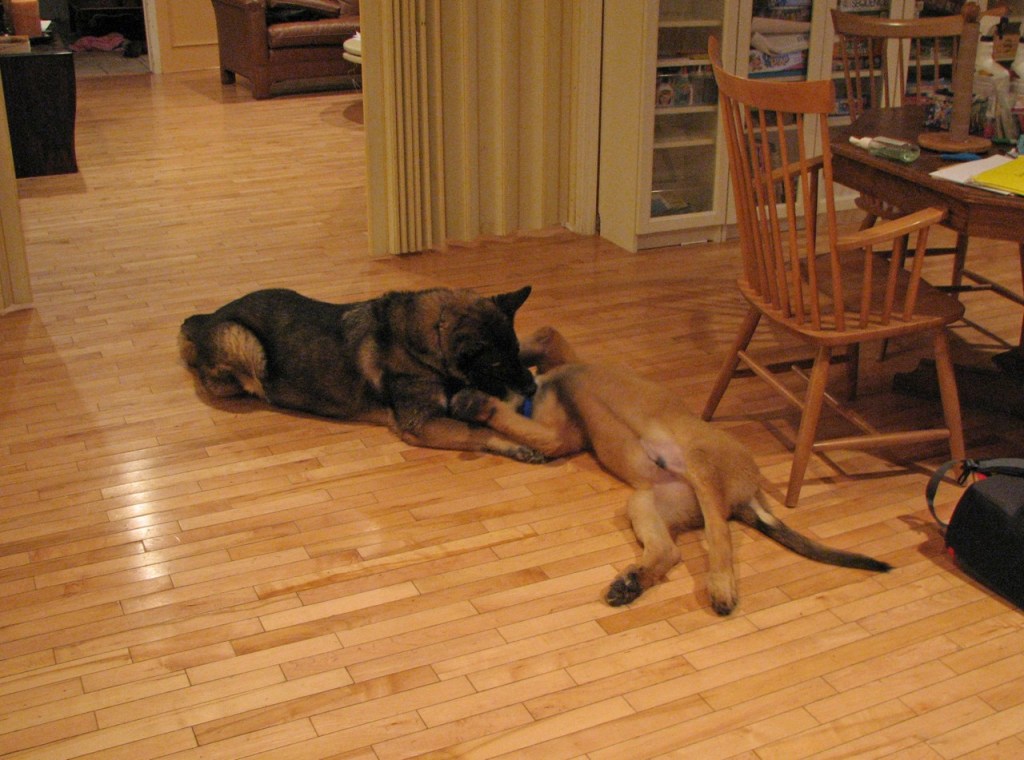
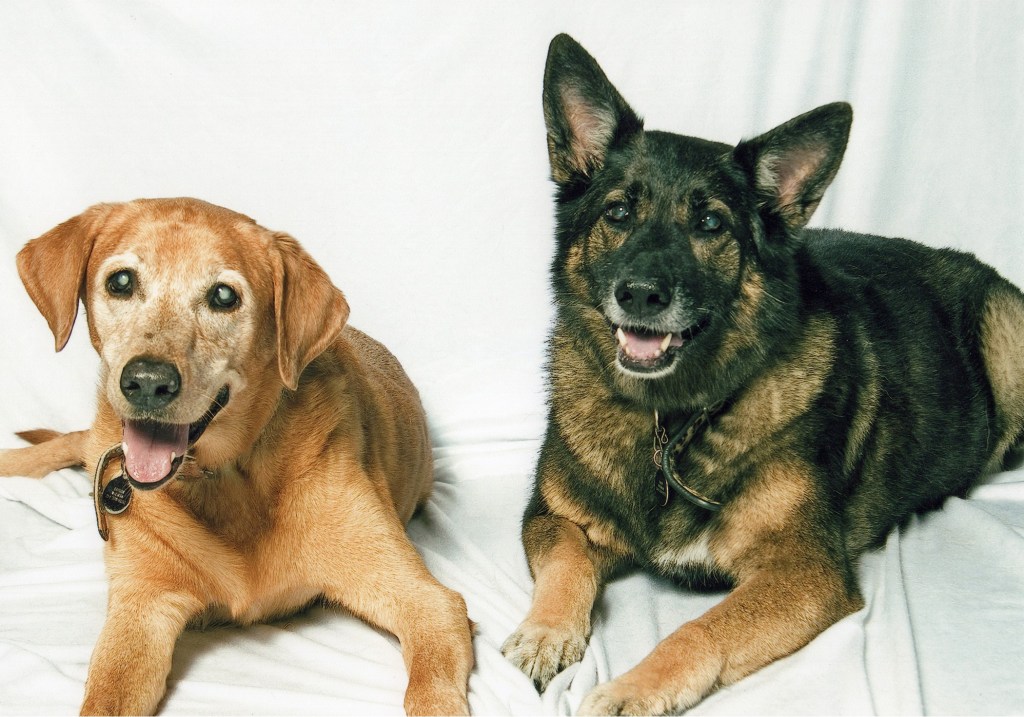
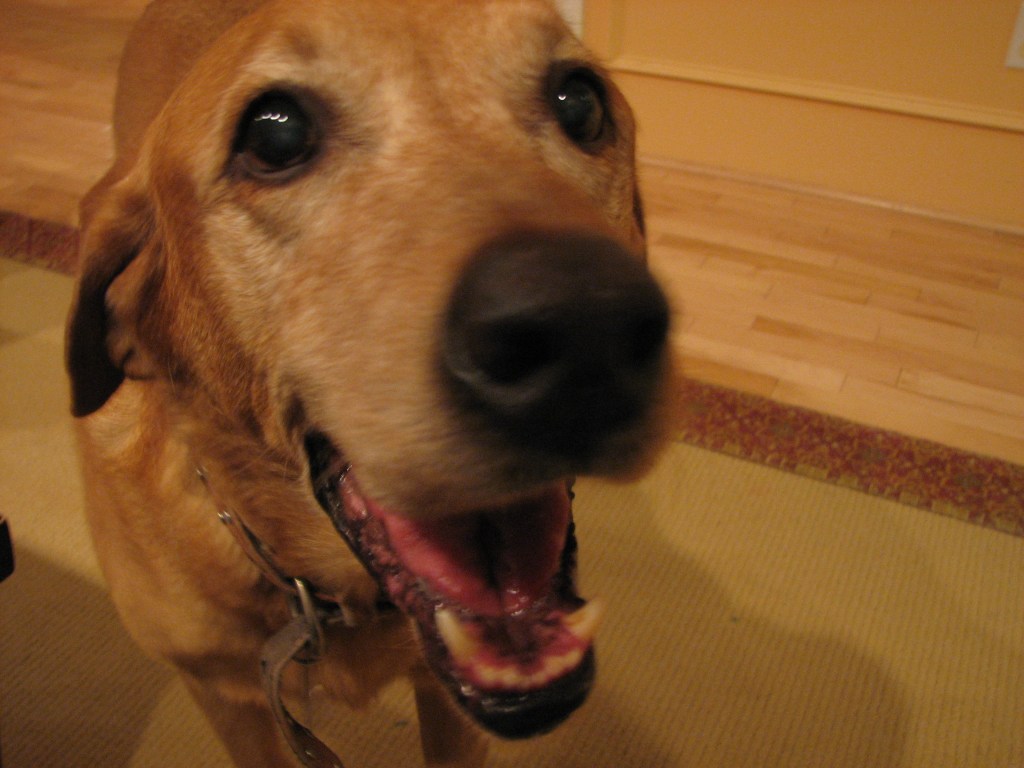
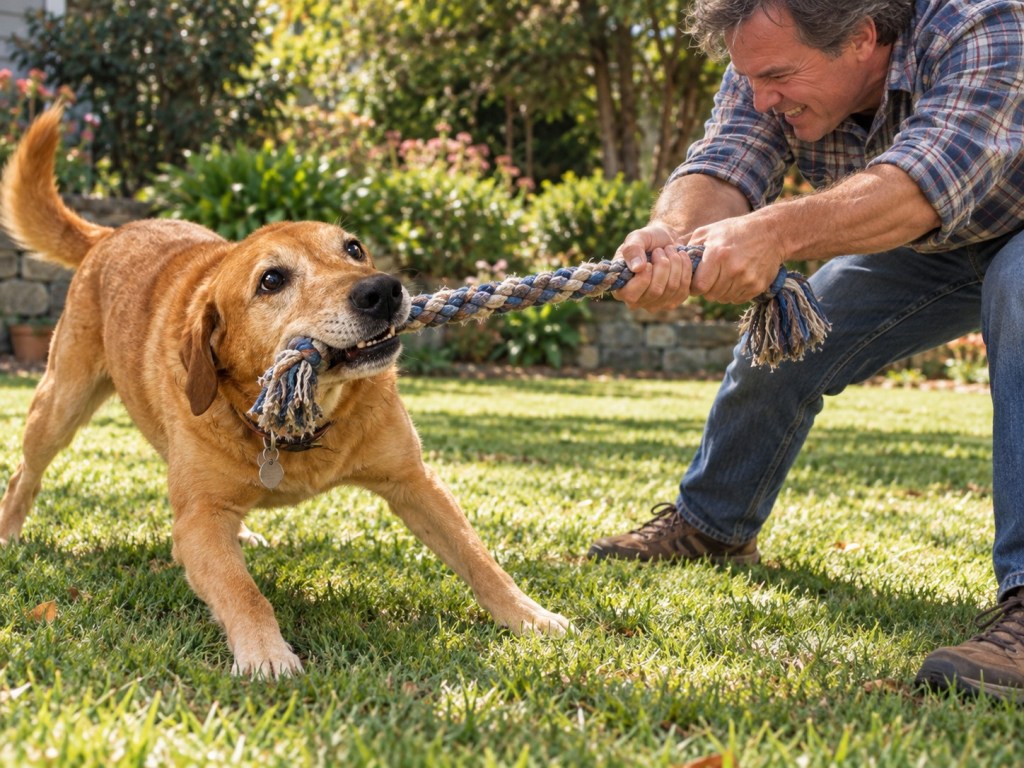
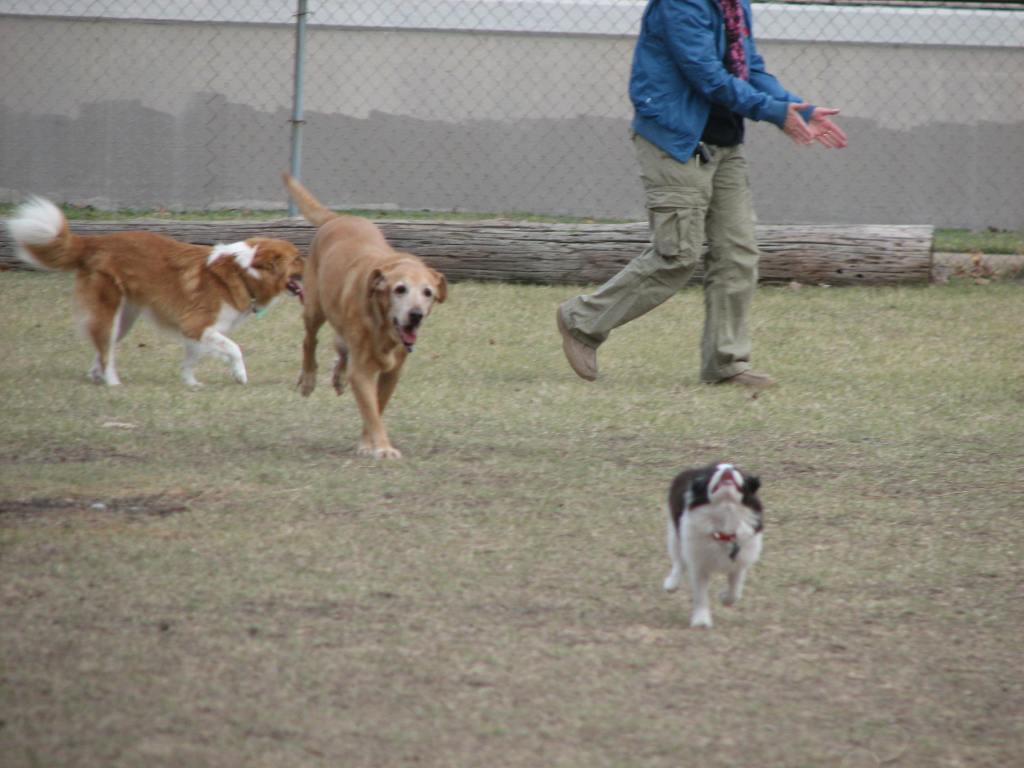
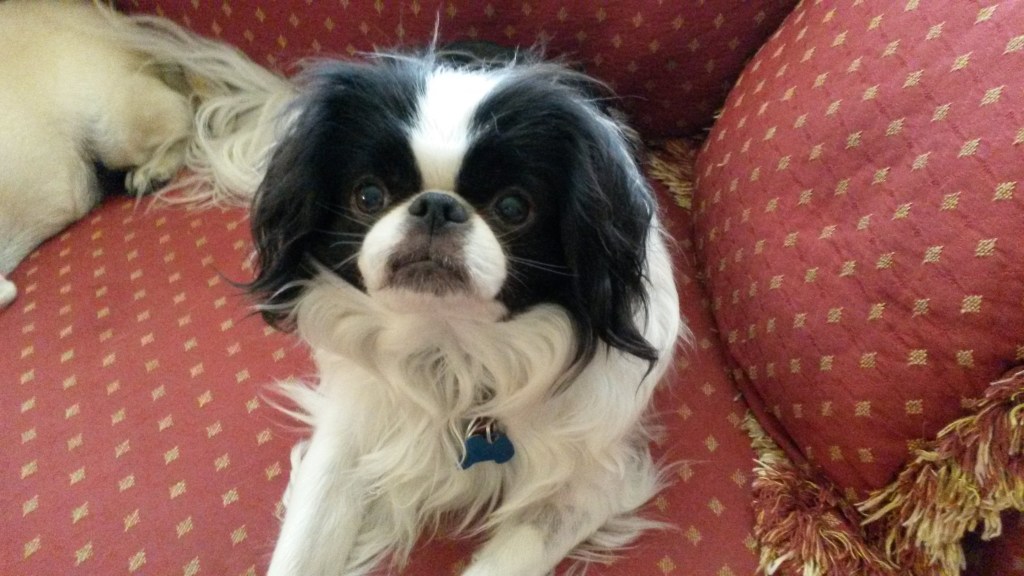
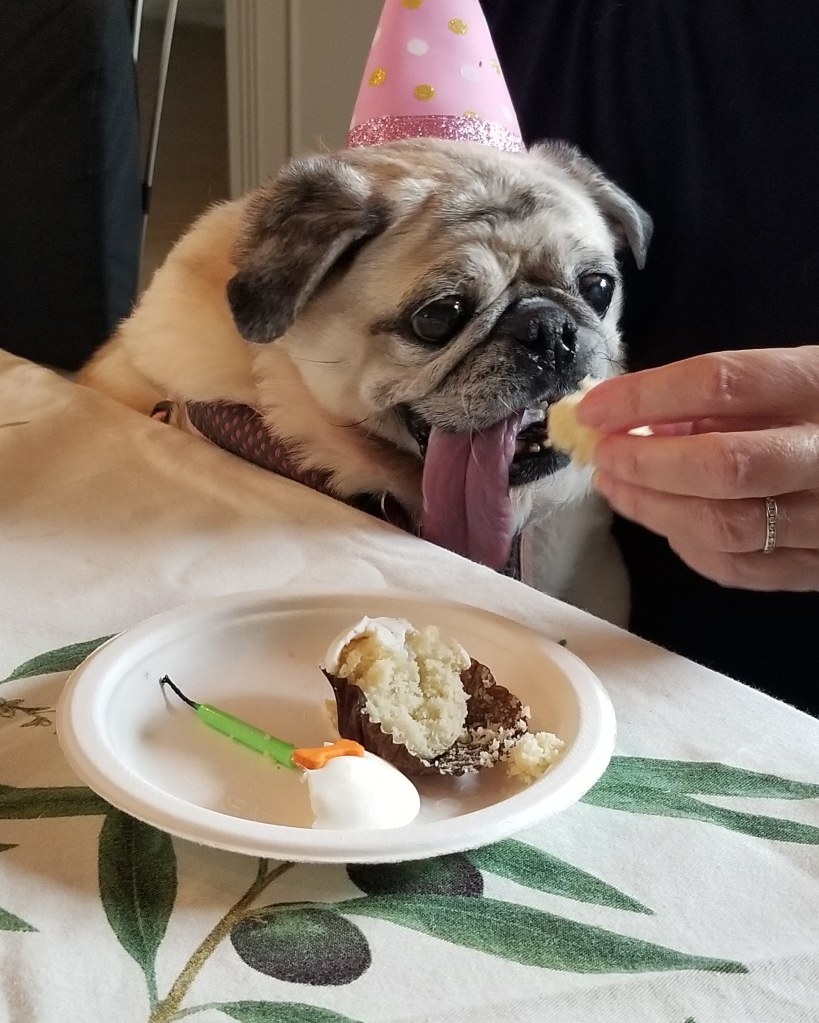
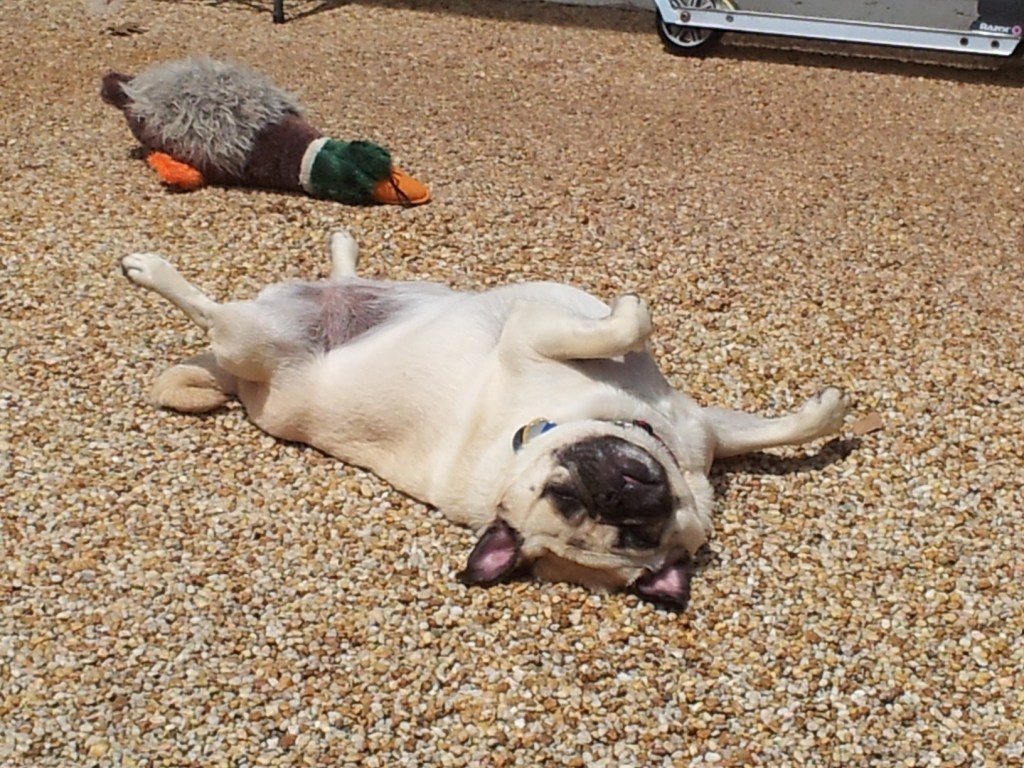
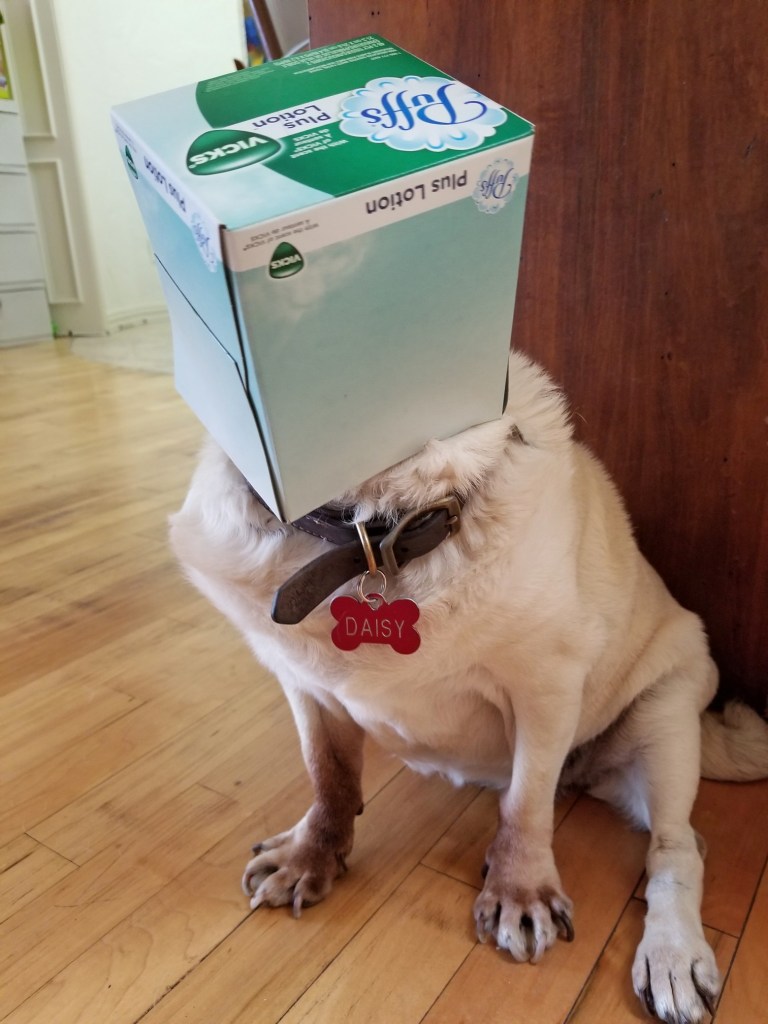
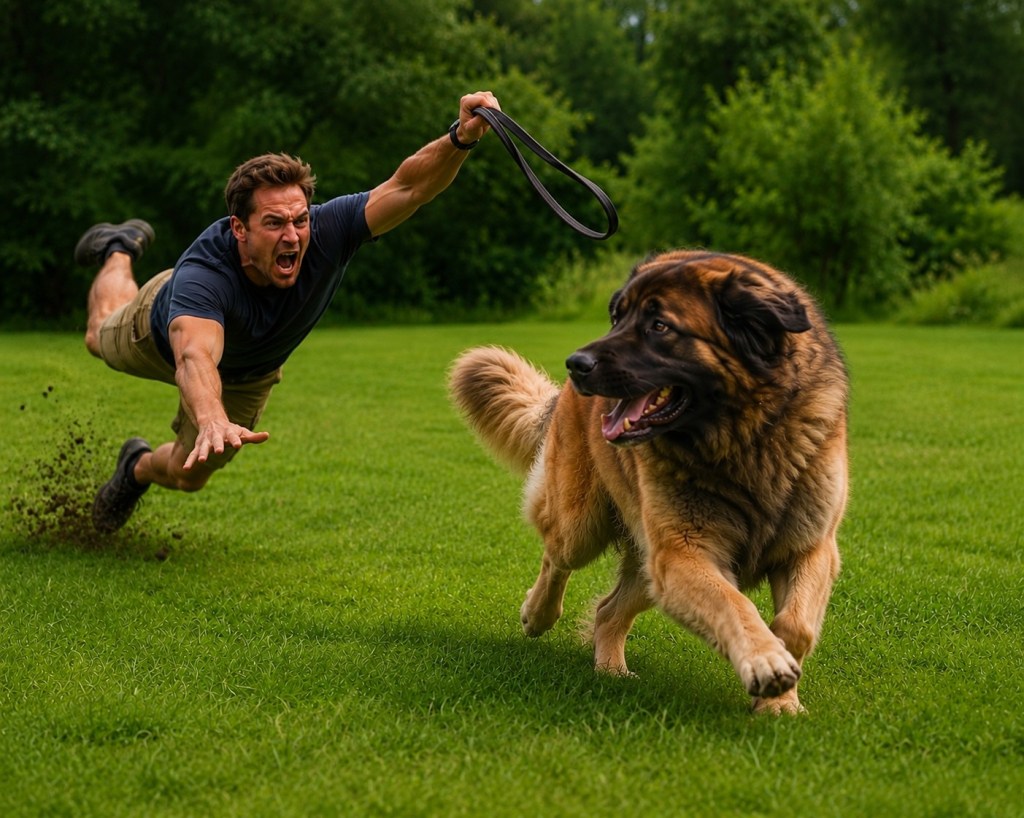
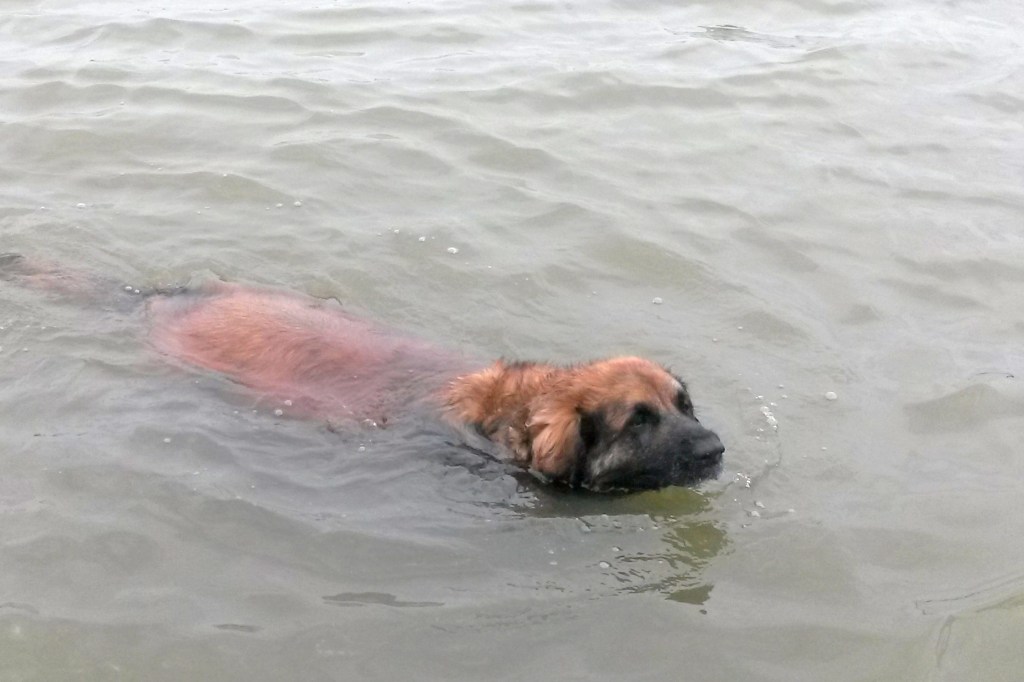
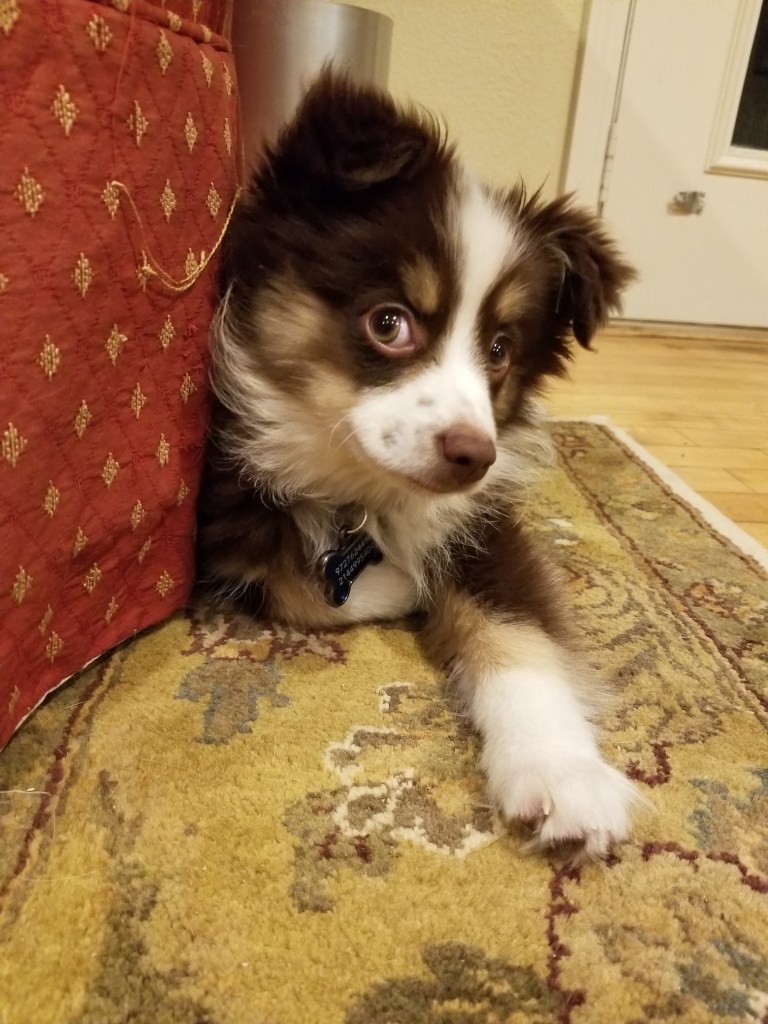
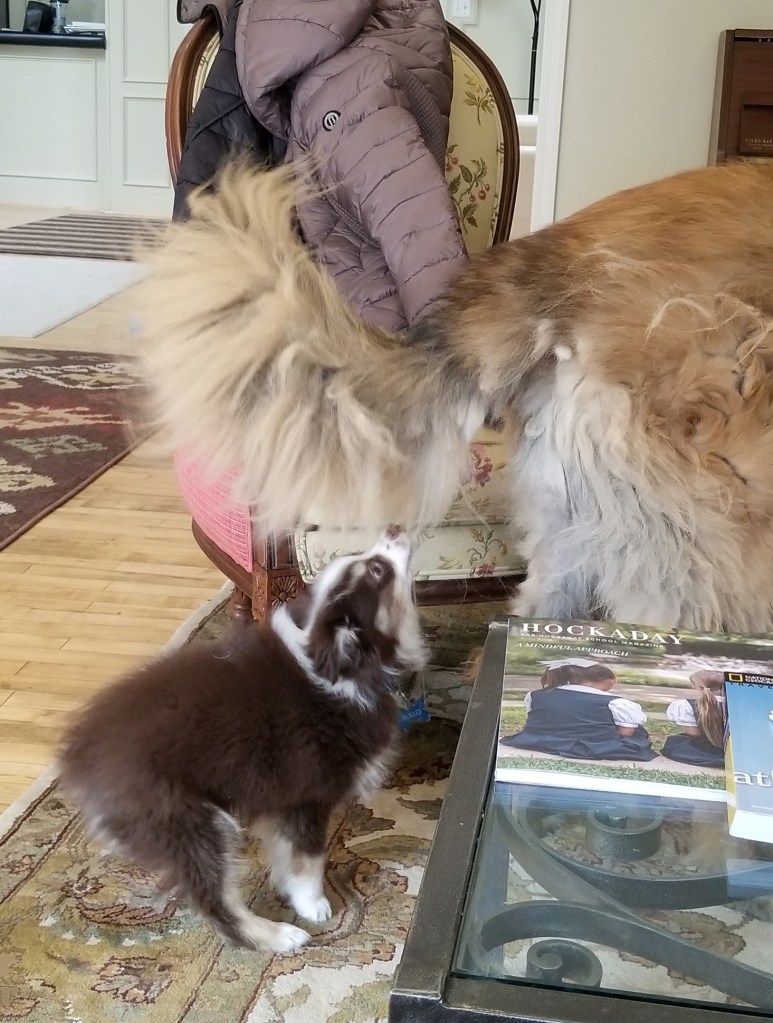
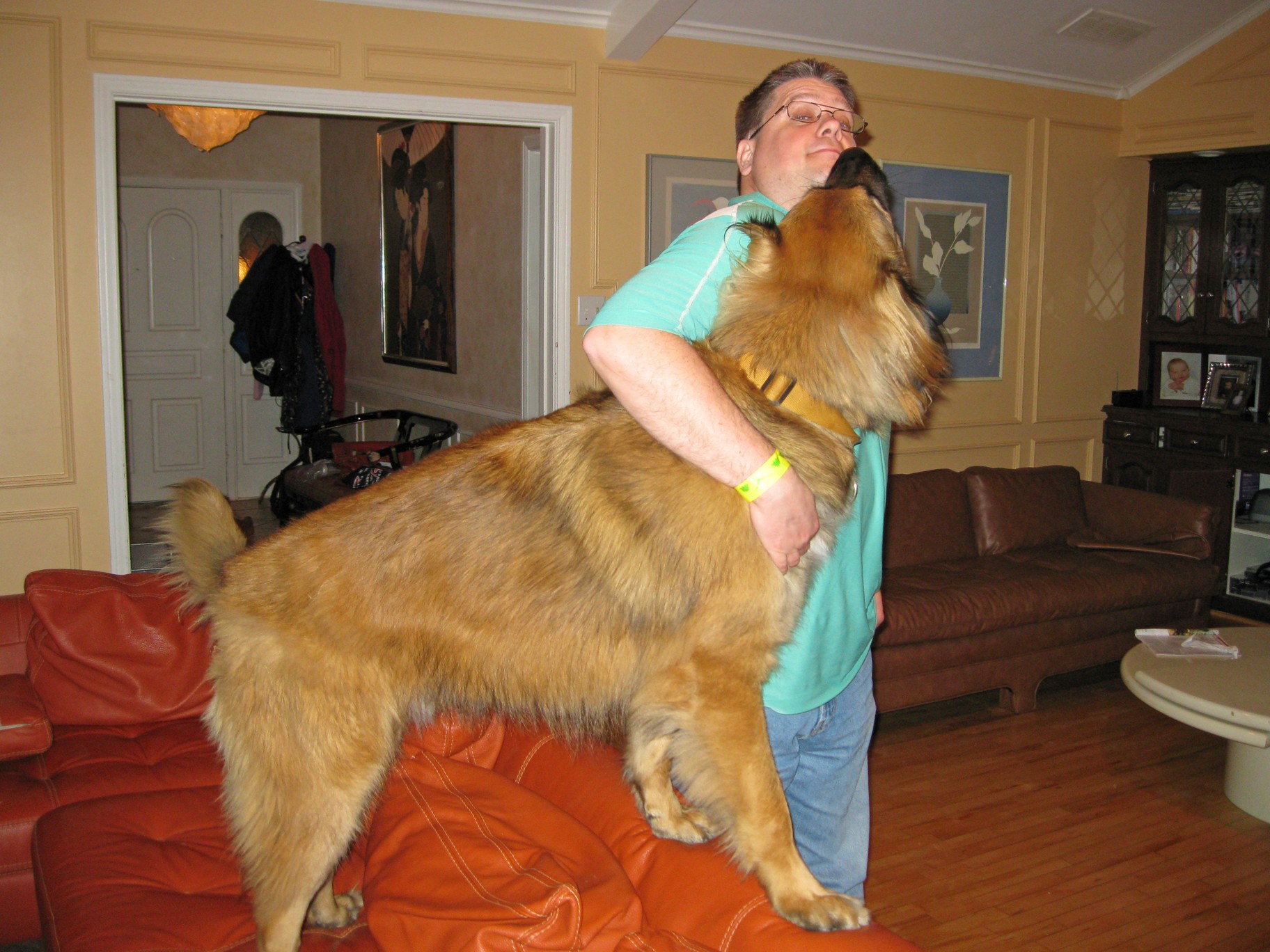
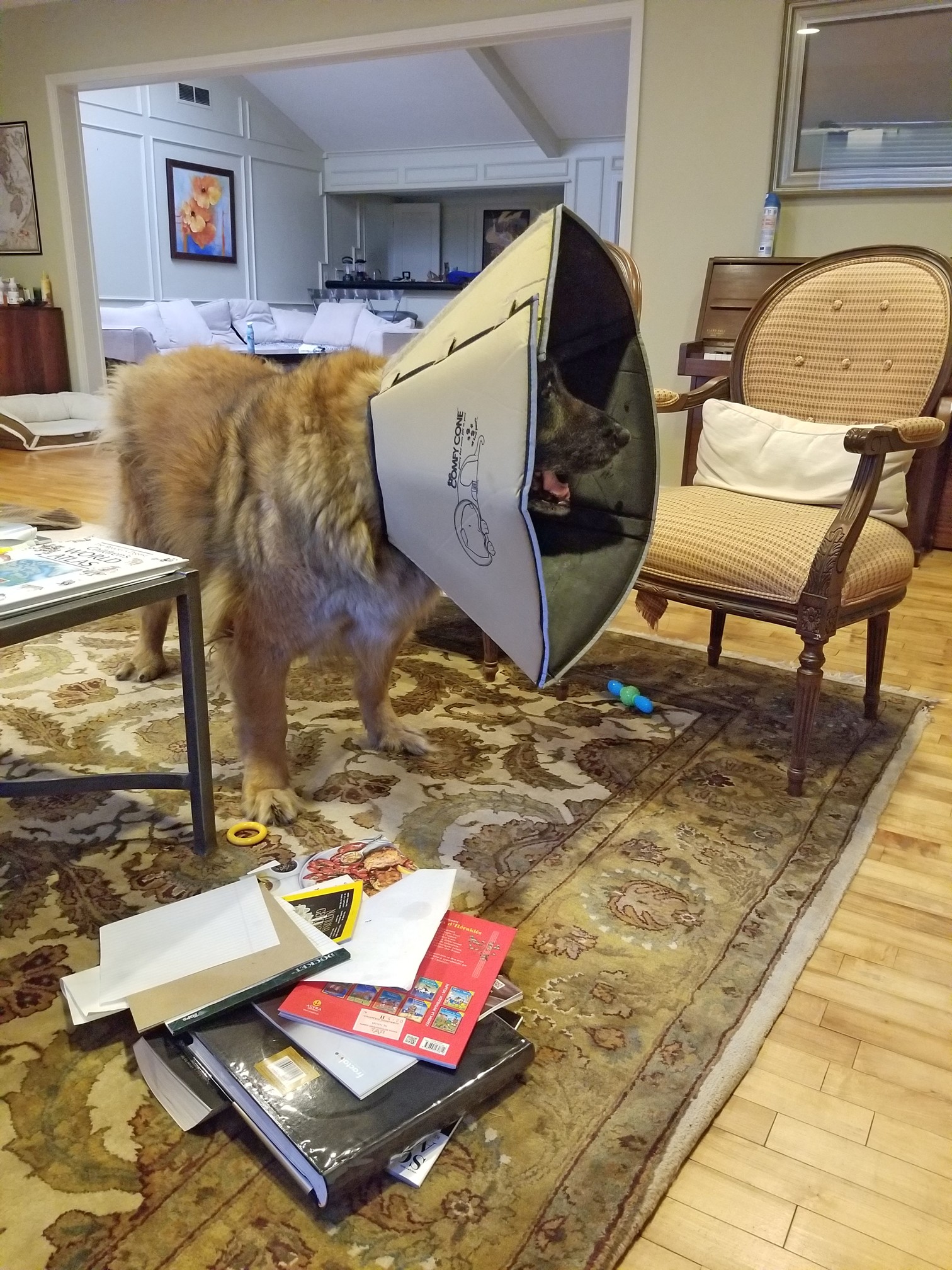
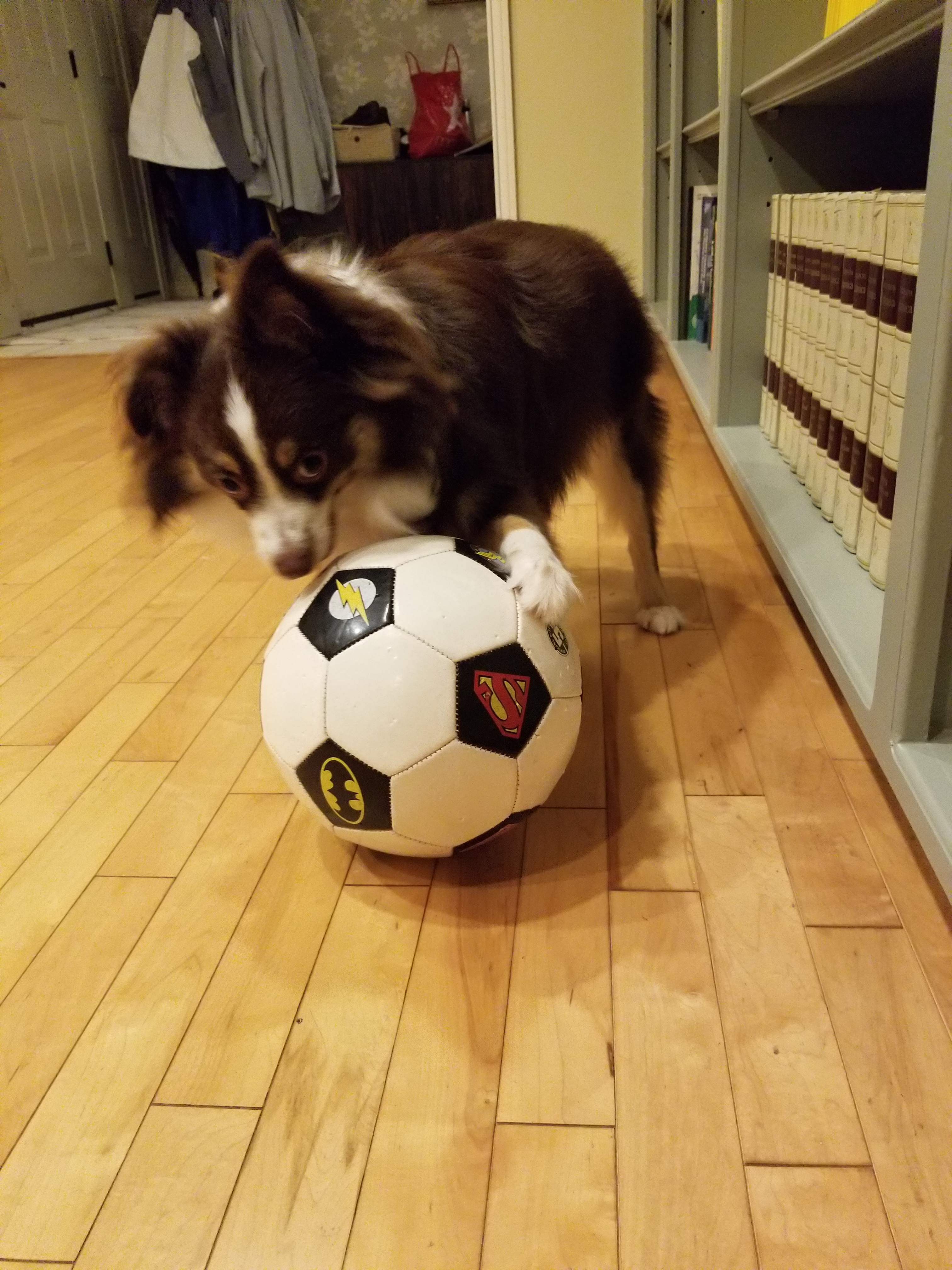
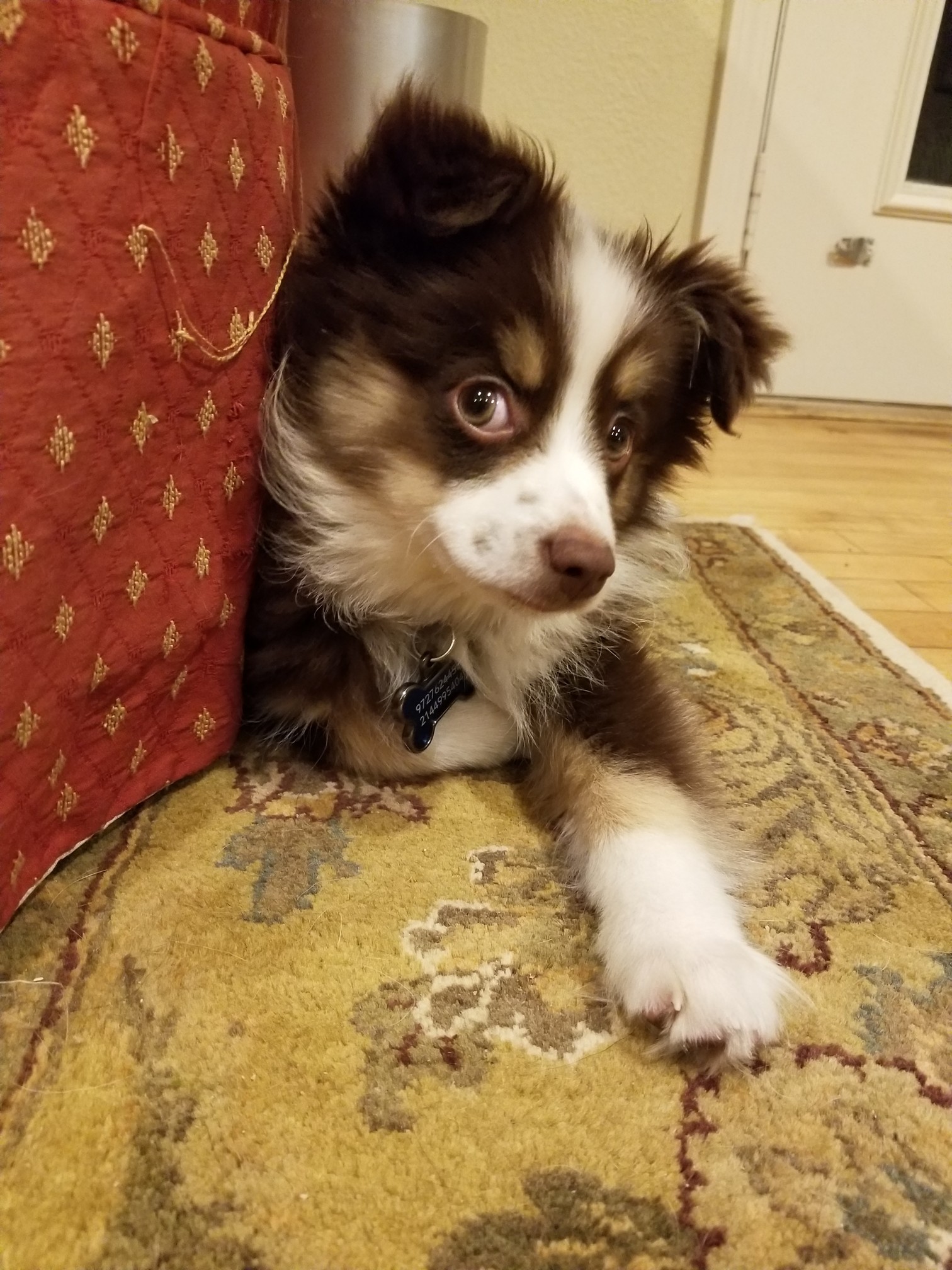
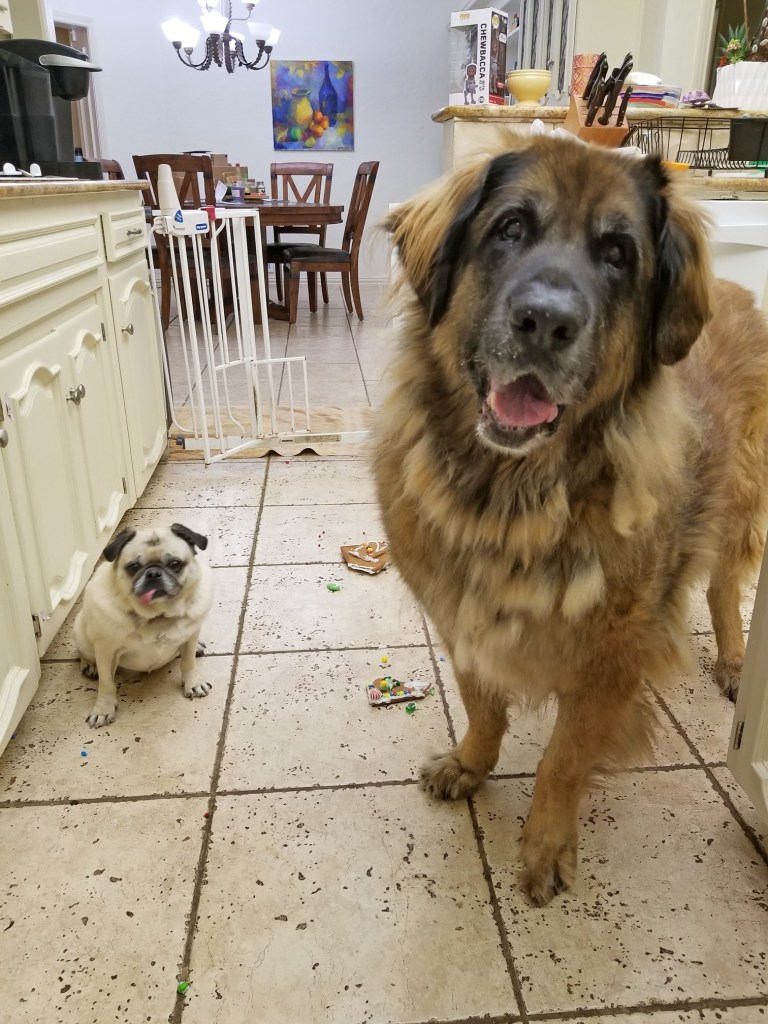
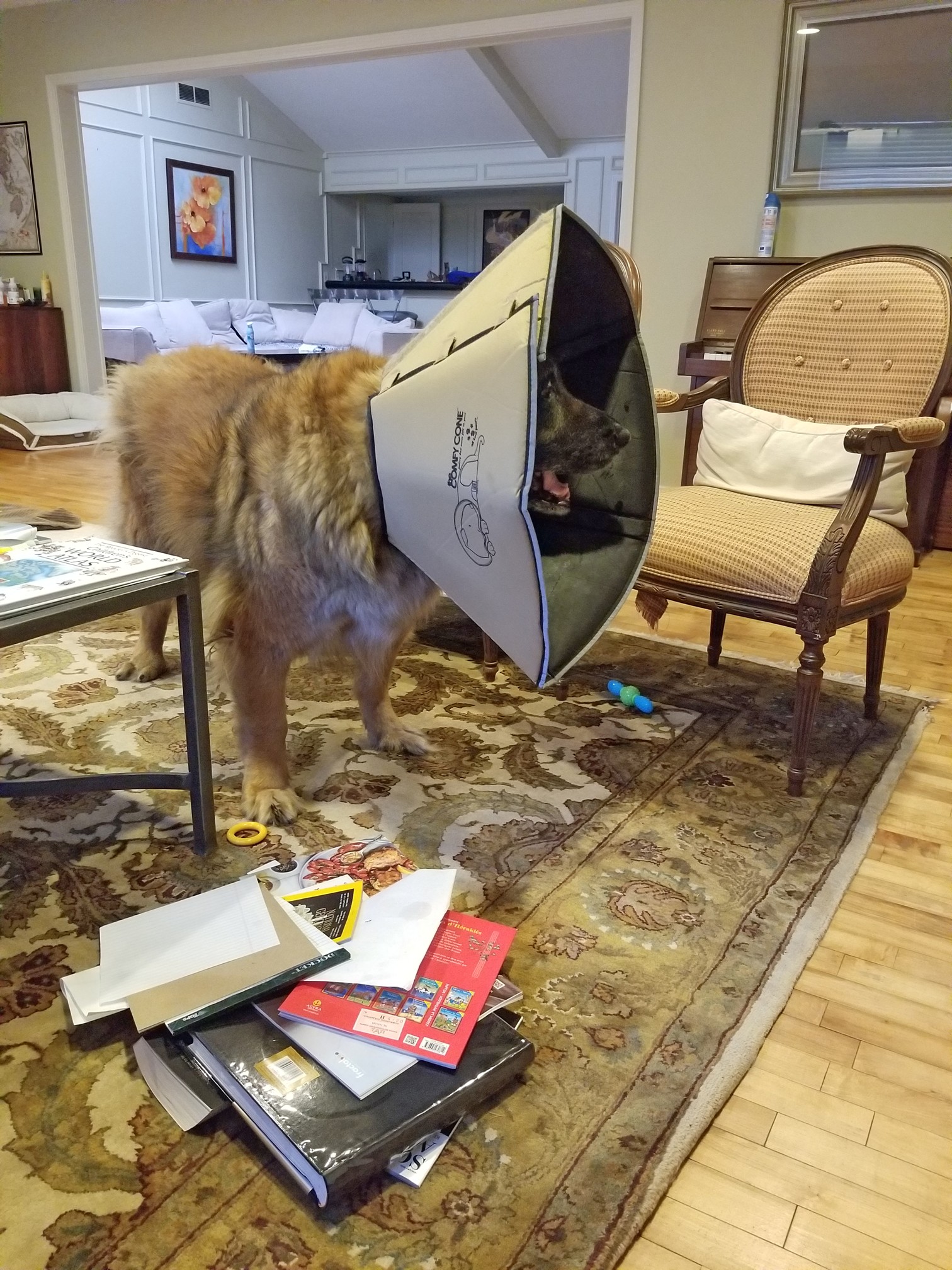
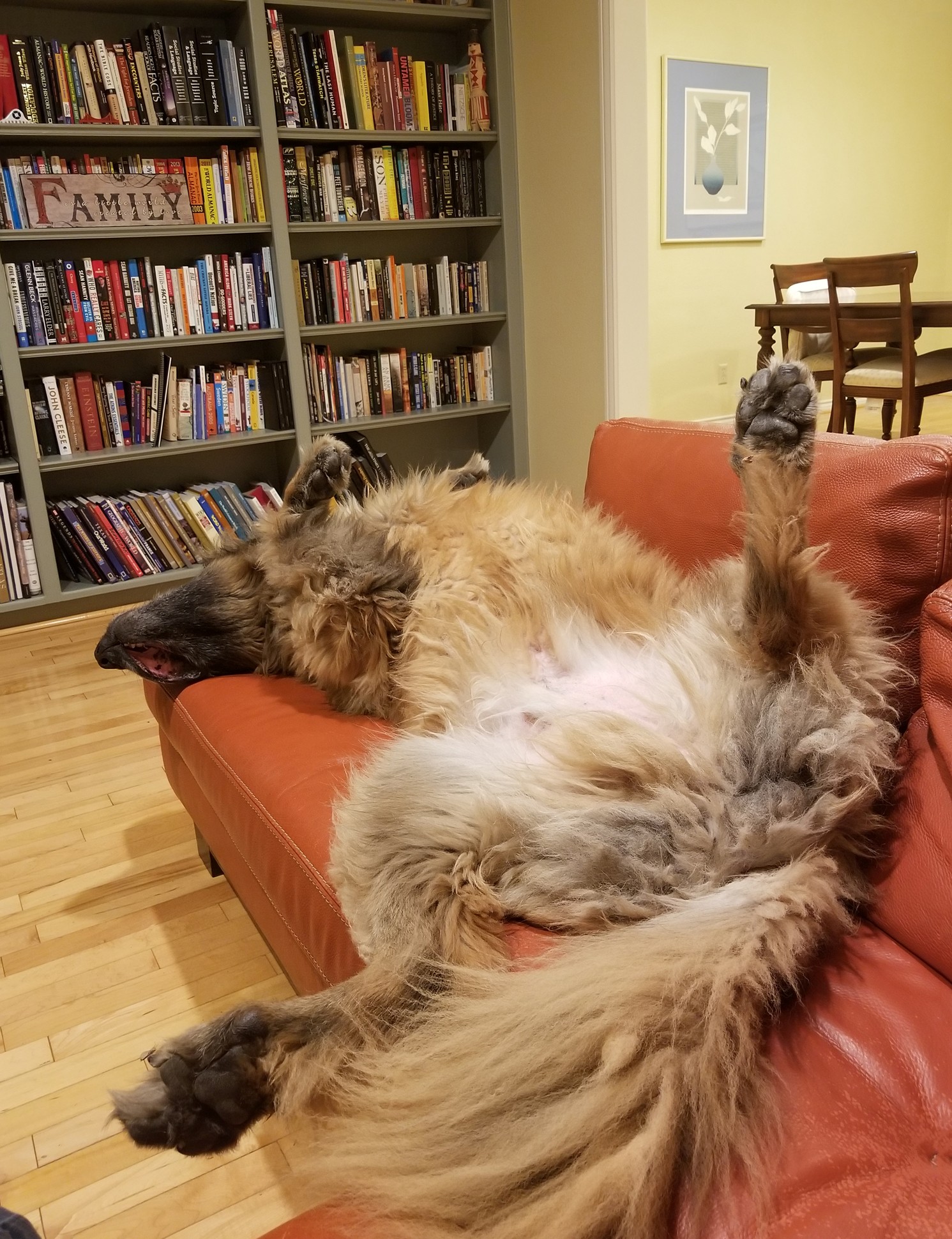
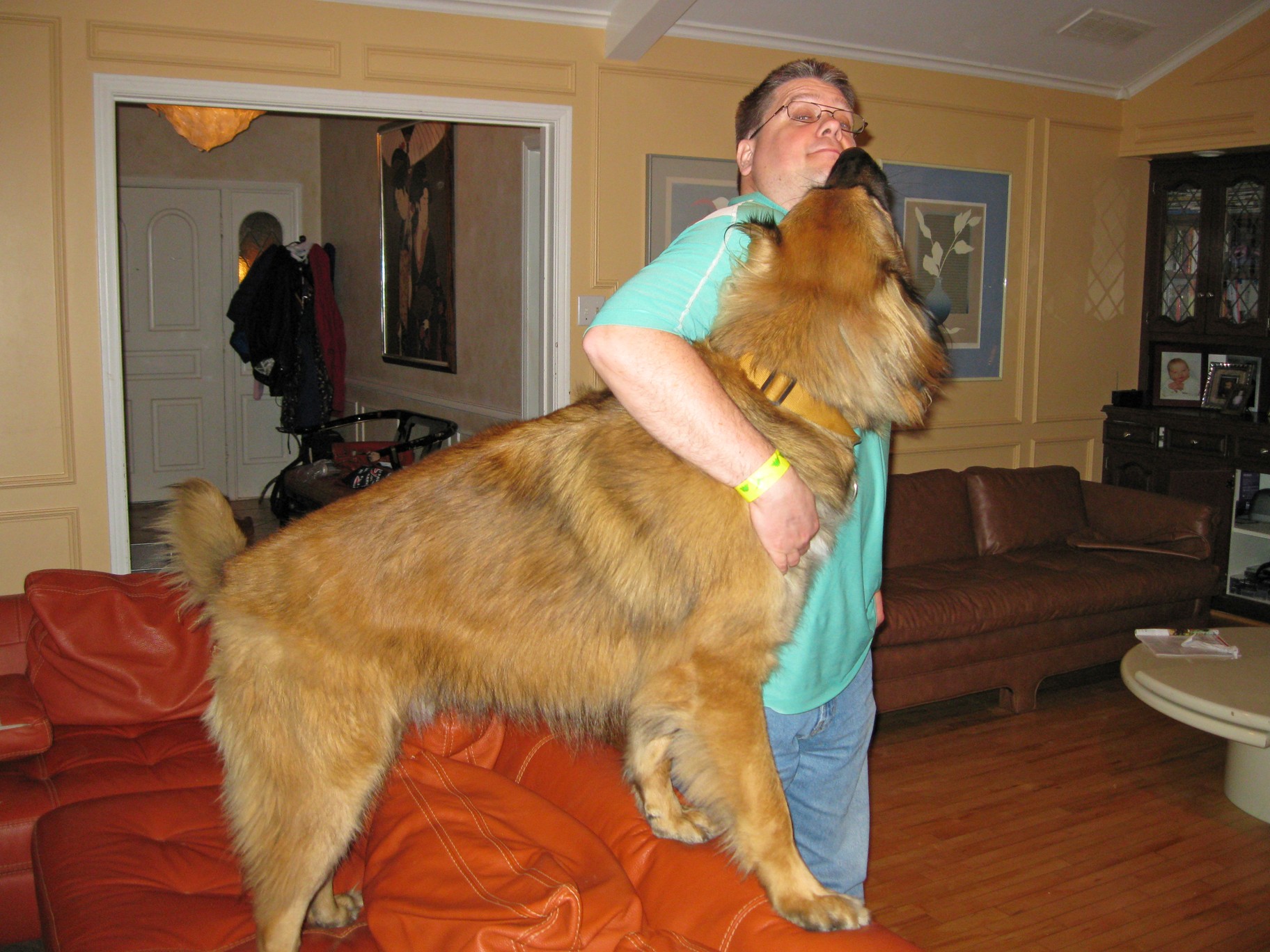
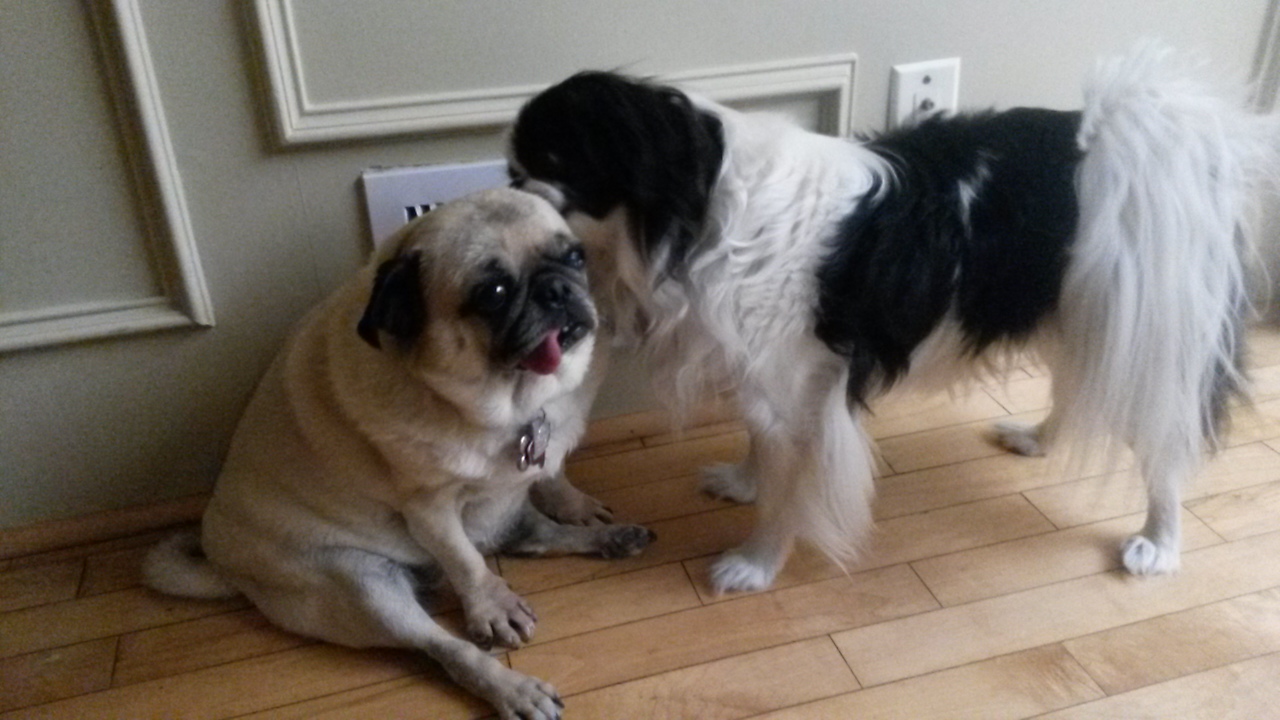
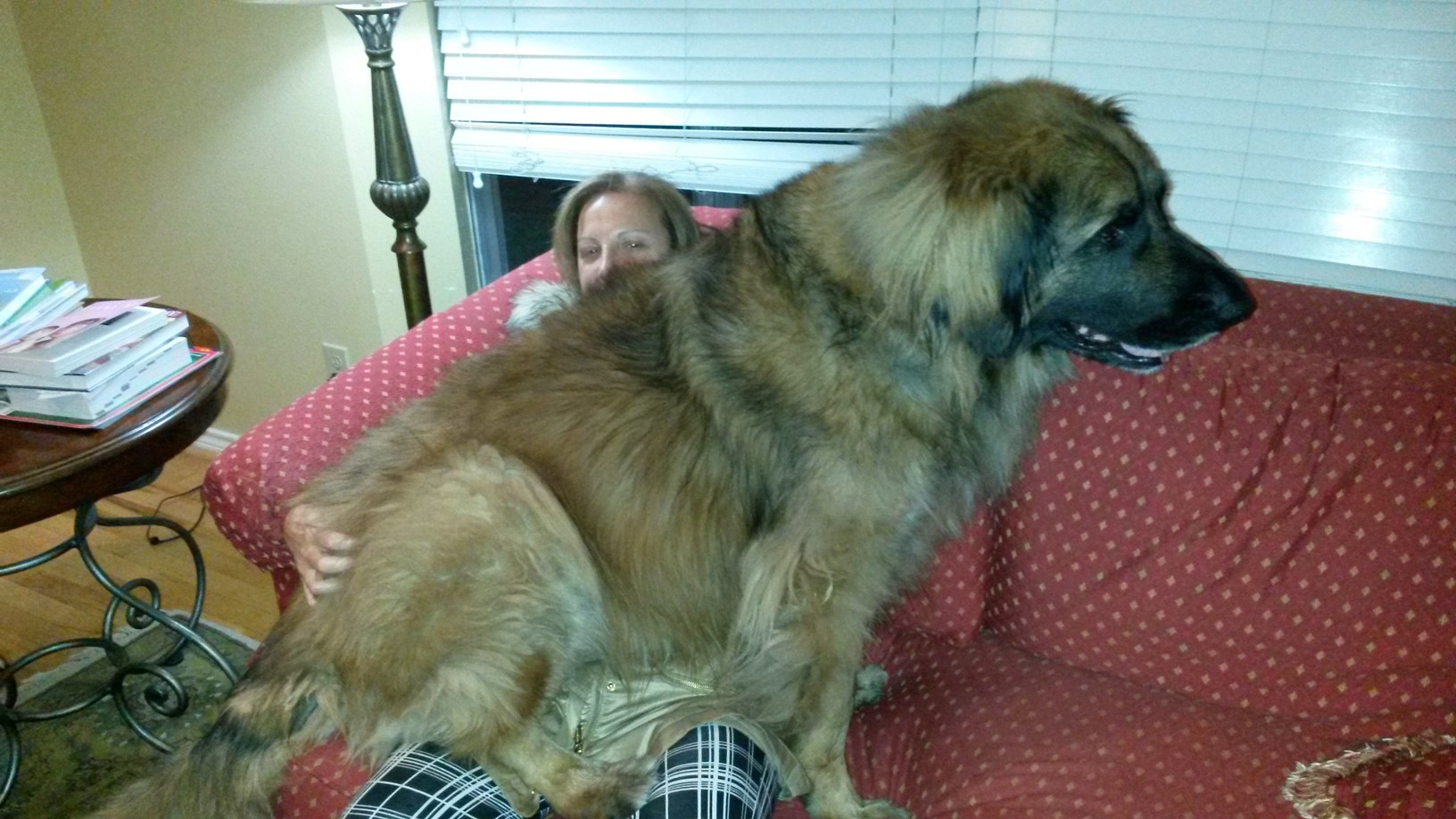
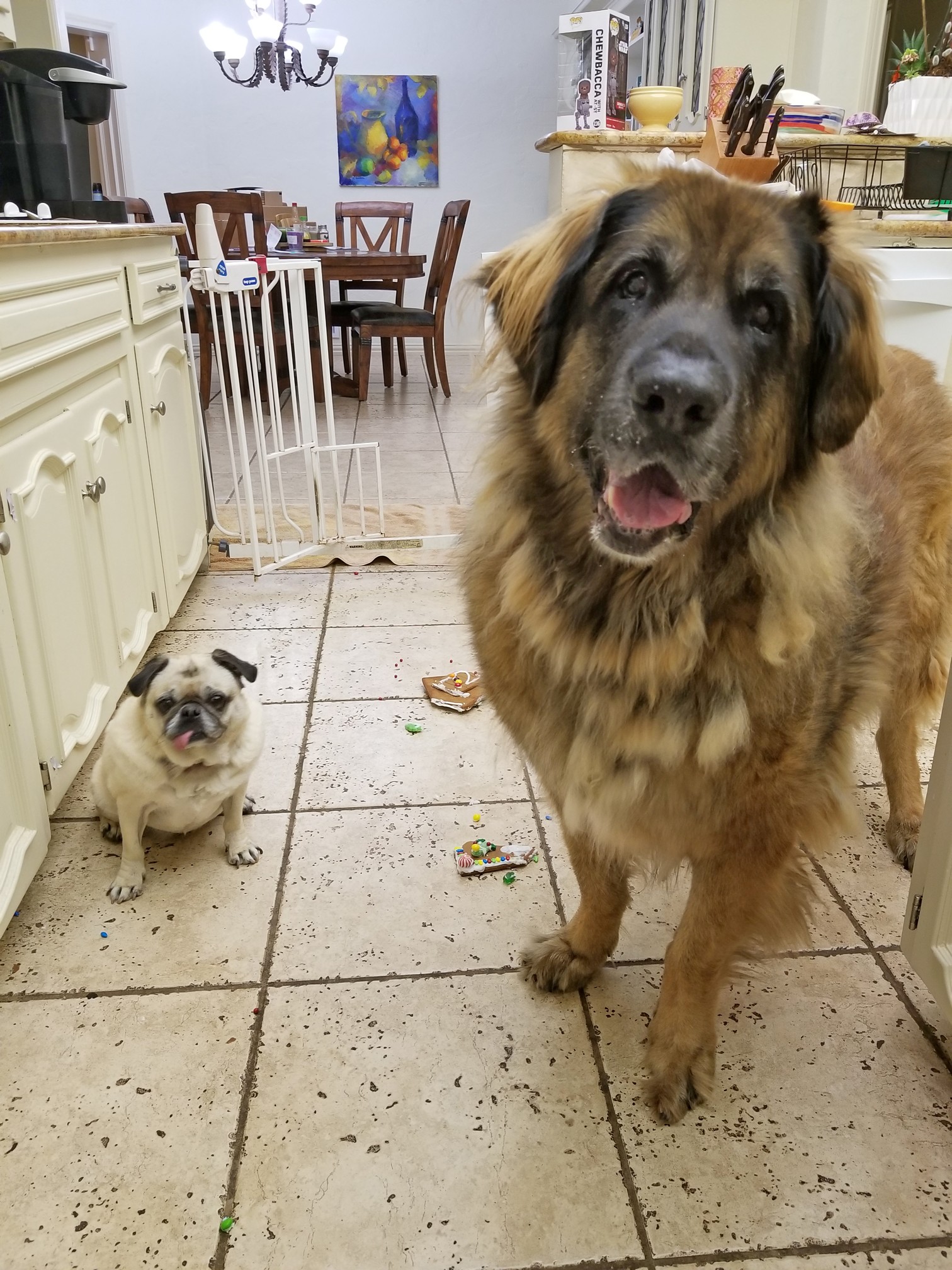
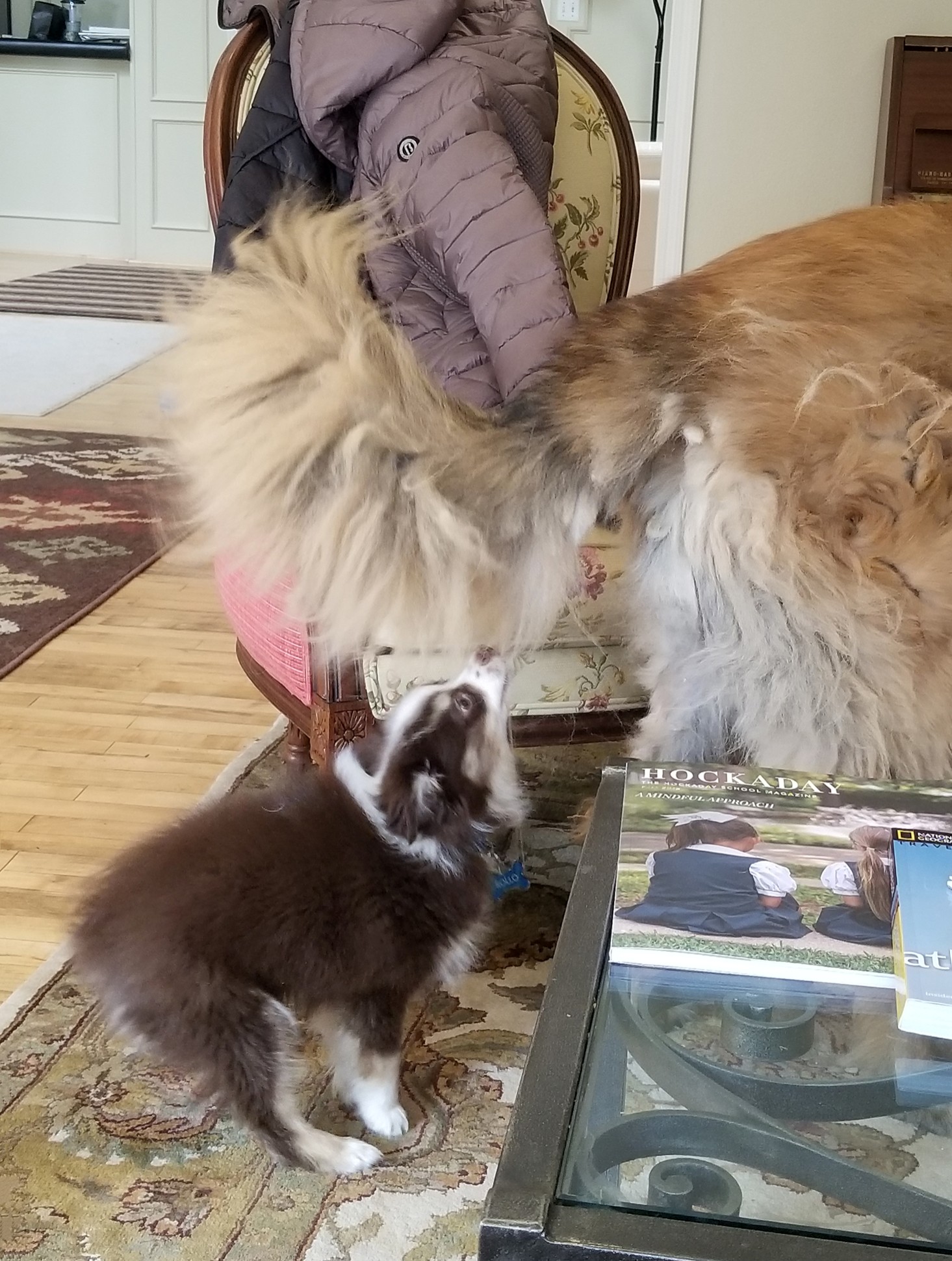
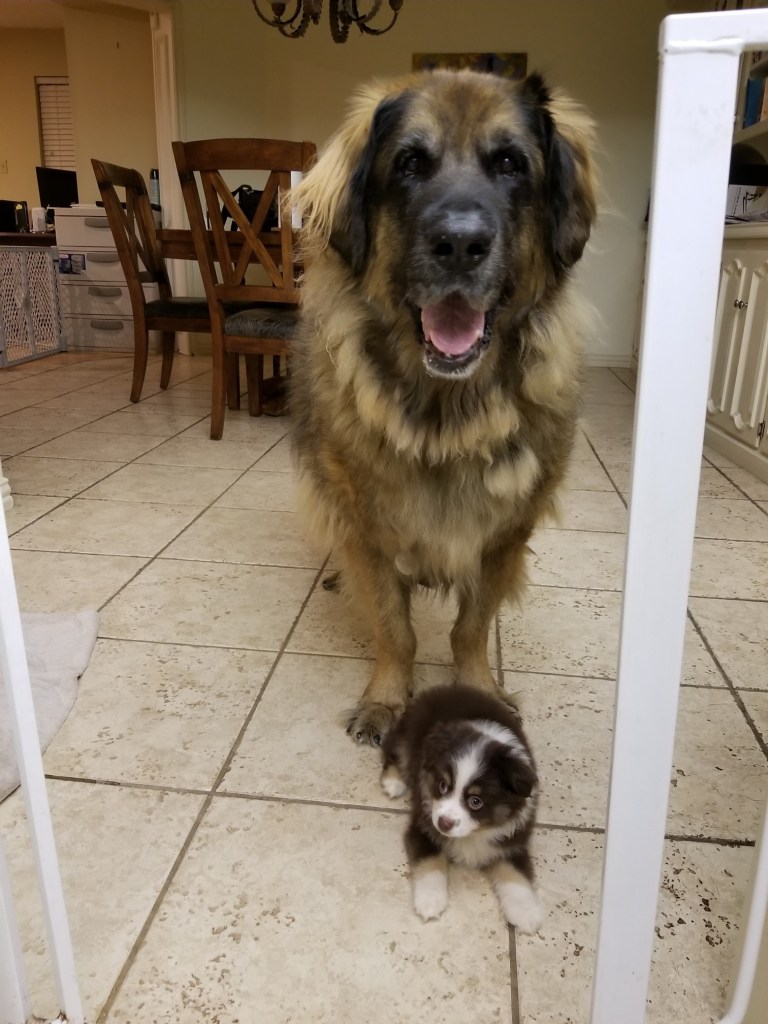
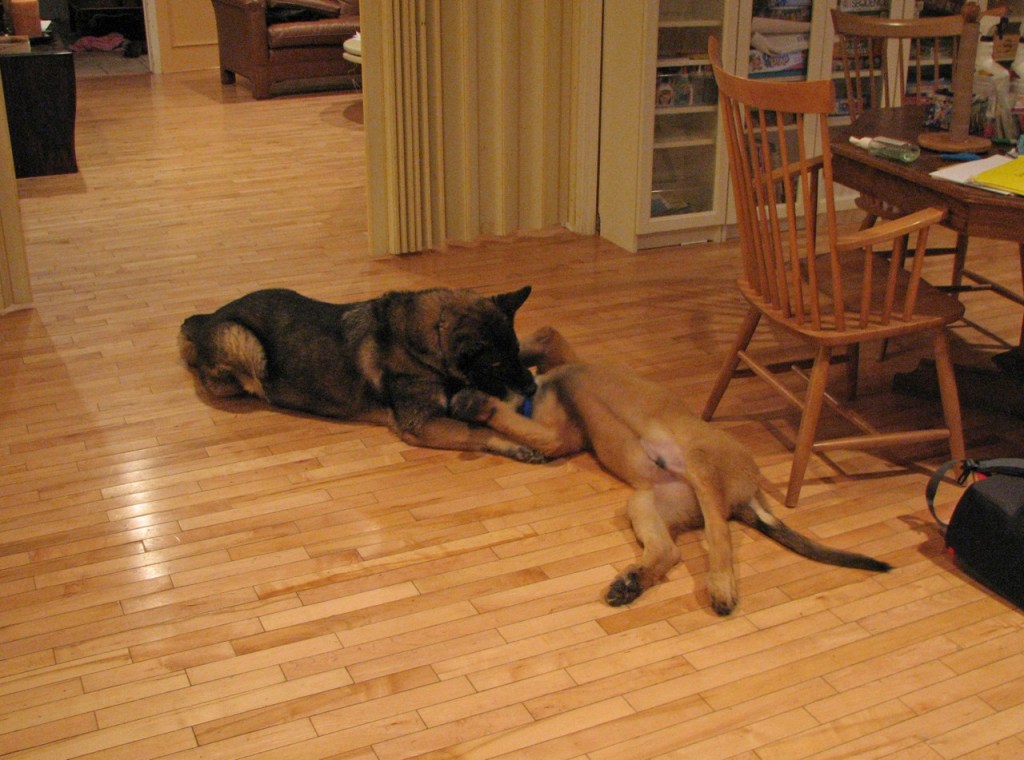
Our Labrador Baylor and German Shepherd Baby. Bronco wearing a soft cone and accidentally clearing a table. Our Leonberger dog Bronco sleeps on our big leather sofa. Young Bronco is giving me a hug. Our Japanese Chin Ryu is licking our Pug Daisy’s ear. Our Leonberger dog Bronco is sitting in my wife’s lap. Bronco and our Pug Daisy are eating a gingerbread house in the kitchen. Our mini-Australian Shepherd Rollo biting Bronco’s tail.

How to Design a Stylish and Durable Dog-Friendly Home That Lasts

For design-minded dog owners and busy households with pups underfoot, home should feel welcoming without looking worn down. The real challenge is balancing pet needs and aesthetics when muddy paws, shedding, scratching, and daily mess collide with a polished space. Dog-friendly home design isn’t about sacrificing style; it’s about choosing durable home materials and stylish pet accommodations that hold up to real life. With the right mindset, long-term home functionality becomes a design feature, not a compromise.

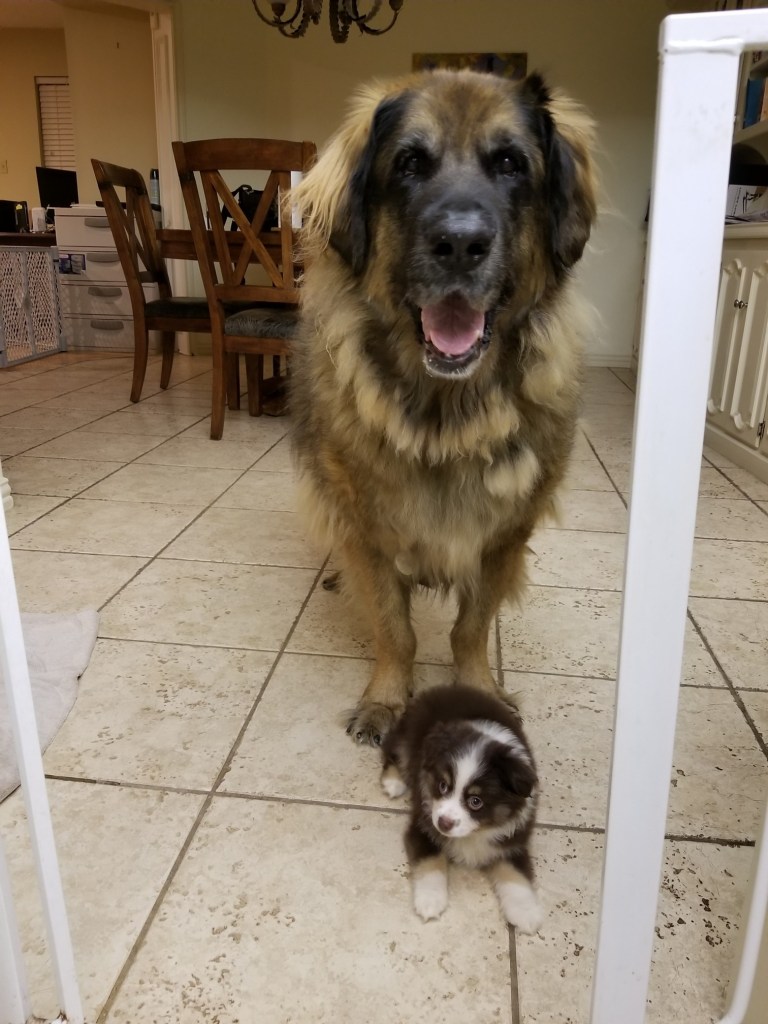
Bronco is standing by the entrance to the kitchen with little Rollo right in front of him.
Our Leonberger dog Bronco and our mini-Australian Shepherd Rollo when he was a puppy.

Upgrade Room by Room: 8 Dog-Proof, Design-Forward Ideas

A dog-friendly home doesn’t have to look like a kennel, or feel like you’re “settling.” Start with the rooms you use most, choose finishes that hide real life, and upgrade in layers so your style stays front-and-center.

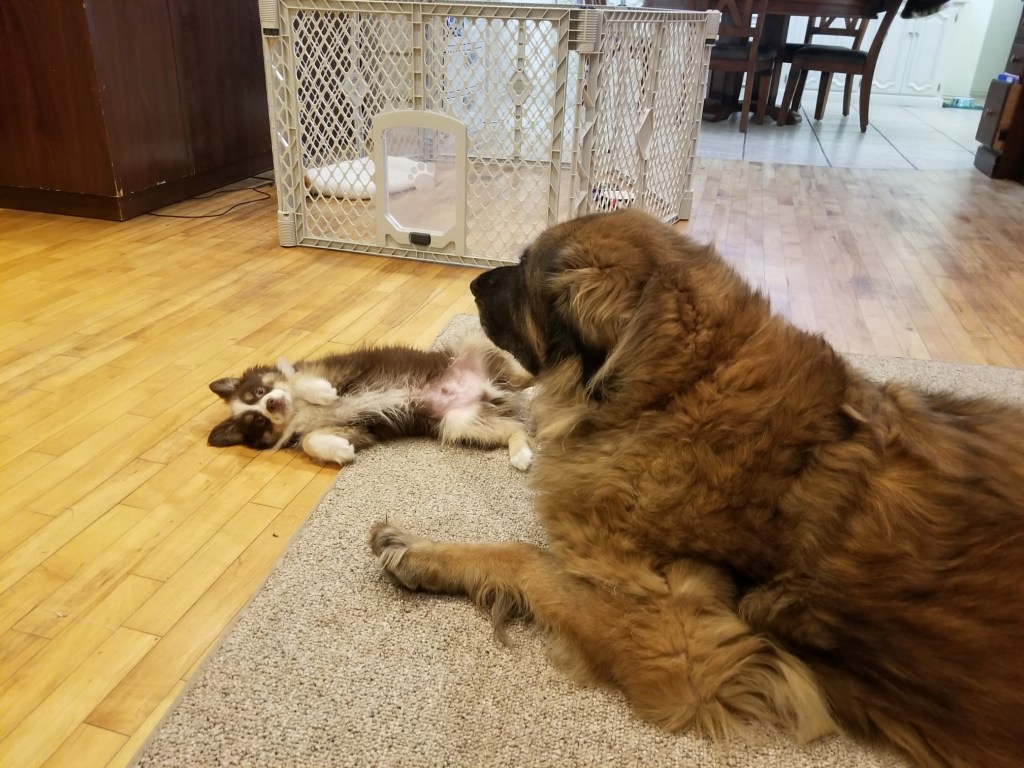
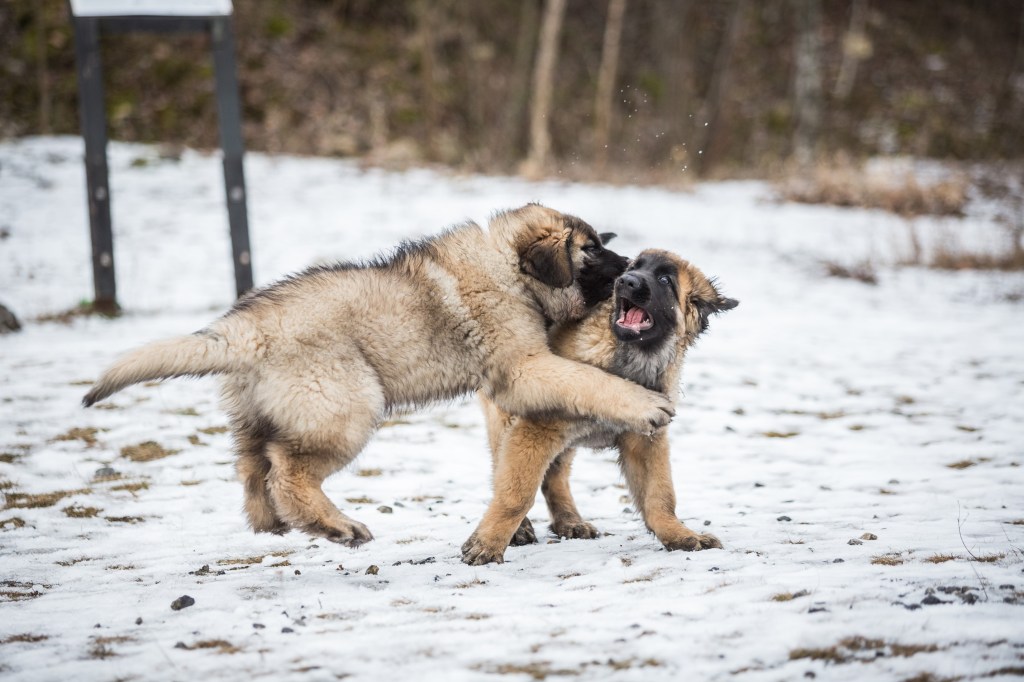
The German Shepherd is lying on the floor and the Leonberger puppy is on his back.
Our German Shepherd Baby playing with our 4 months old Leonberger Bronco.
  1. Start at the entry with a “dirt-control” landing zone: Put a washable runner (or indoor/outdoor-style rug) right inside the door and add wall hooks plus a closed bin for leashes, towels, and paw wipes. This keeps grit from traveling to your nicer surfaces and makes departures less chaotic. If you can, add a low bench so you can wipe paws without wrestling.
  2. Choose scratch-resistant flooring where claws hit hardest: In high-traffic paths, entry, hallway, kitchen, prioritize tough, easy-clean surfaces and keep area rugs for warmth and style. If replacing floors, ask for samples and do a real test: drag a key lightly, spill water, and see if it shows. If full replacement isn’t in the budget, a long runner in the “zoomie lane” protects what you already have.
  3. Upgrade to easy-clean fabrics (and make them work harder): For sofas and dining chairs, look for tightly woven performance fabrics or removable, washable covers in mid-tone colors that hide fur and smudges. The right pet-friendly upholstery fabric can cut daily maintenance and keep your room looking “done” longer. Add a throw you don’t baby to your dog’s favorite spot so you’re laundering one layer, not deep-cleaning cushions.
  4. Build a feeding station that’s neat by design: Convert a lower cabinet, nook, or mudroom corner into a built-in feeding station with a wipeable surface and a pull-out bin for food. Add a washable mat under bowls and mount a small hook for the scoop so it’s never on the counter. This keeps crumbs contained, reduces slipping bowls, and makes the area look intentional instead of temporary.
  5. Dog-proof storage with small hardware changes: Use lidded cans, add simple childproof latches to low cabinets, and keep tempting items behind closed doors. A few minutes spent removing personal items from reach prevents chewed shoes, shredded mail, and unsafe snacking. Aim for one “dog-safe” basket in each main room so clutter has a place without becoming a hazard.
  6. Create a durable “rest zone” that protects your layout: Give your dog a defined spot, bed, crate, or mat, near where you actually hang out, not tucked away. Place it on a washable rug or low-pile mat to protect flooring and help anchor the room’s arrangement. When your dog has a predictable place to settle, you’ll see less pacing, less furniture-hopping, and fewer dirty paw prints on upholstery.
  7. Make your yard a secure outdoor dog space, not a stress zone: Check fence gaps, latch reliability, and sightlines at gates, then add a double-latch or self-closing hinge if you’ve had close calls. Define one “dig/zoom” area with mulch or gravel and keep the rest landscaped for looks. A shaded water spot and a clear path back to the door reduce tracking mud through the house.
  8. Choose pet-safe landscaping that still looks polished: Skip plants known to be toxic to pets and avoid cocoa mulch; use sturdy groundcovers and hardscaping borders that won’t splinter or poke paws. Create a rinse-off station with a hose and spray nozzle near the door so muddy days don’t wreck your floors. These aesthetic home upgrades let the outdoors feel curated while staying practical.
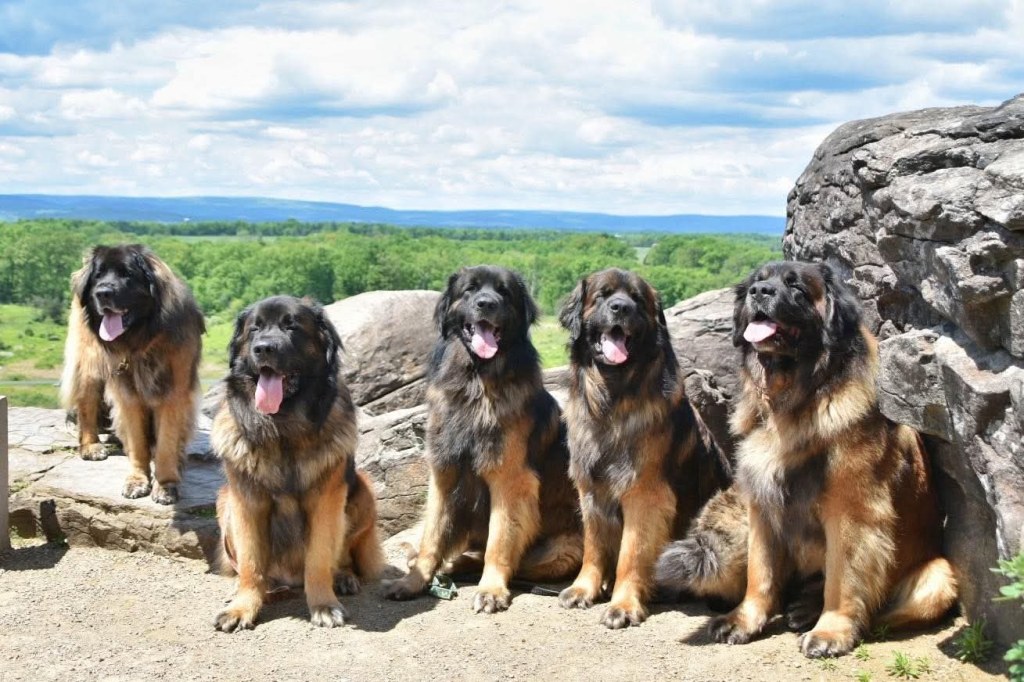
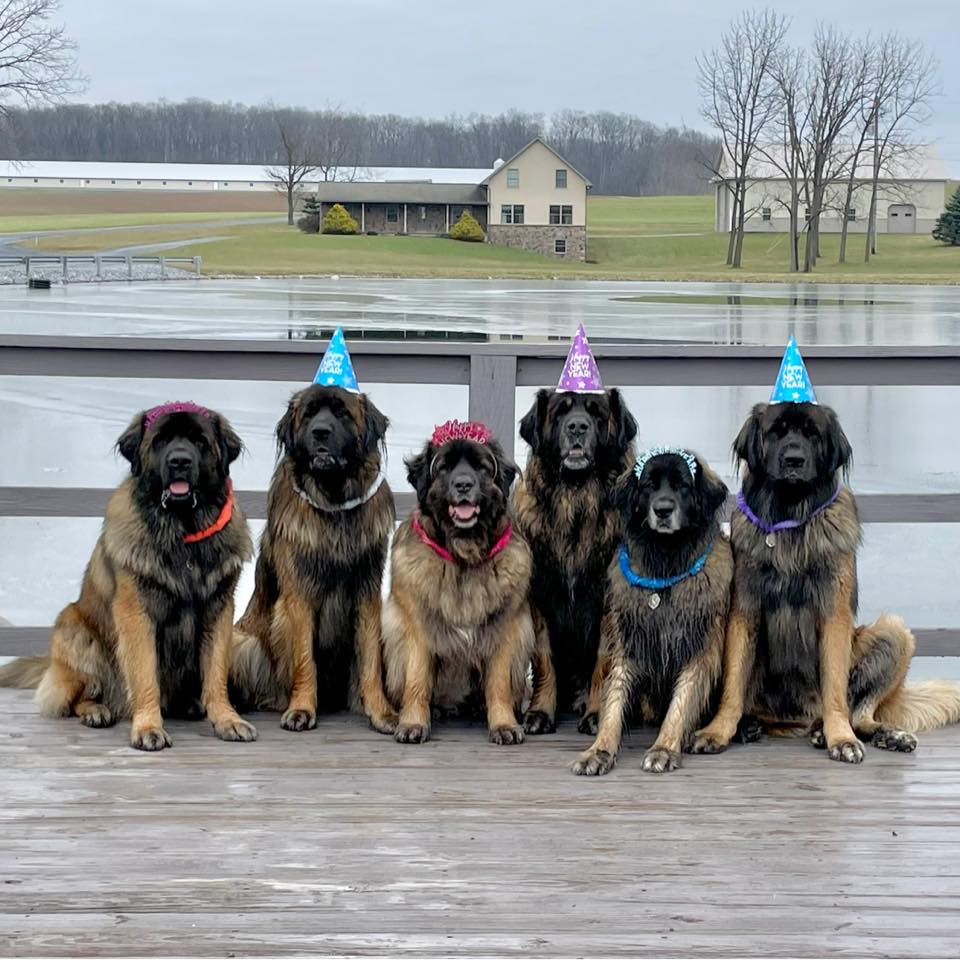
Six Leonbergers with celebration hats are looking straight into the camera.
Six Leonbergers and a birthday celebration. Photo by friend Jen O’Keefe.

If You’re Building New: Ask These Warranty Questions at Closing

After you’ve planned dog-tough finishes and built-ins, it’s worth protecting the structure those upgrades depend on. When you’re closing on a new build, ask your builder whether a structural warranty (or similar long-term protection) is included, and what it covers if defects show up after you move in. This kind of coverage can help safeguard the home’s integrity, which matters when you’ve invested in pet-friendly choices like durable flooring or built-in features that are meant to perform for years. Getting clarity up front on coverage expectations, and whether a third-party, insurance-backed option like a builder-backed warranty for new homes is part of the package, can add peace of mind as your dog settles in. Next, we’ll tackle the practical questions homeowners ask most about odors, stains, fences, and resale value.

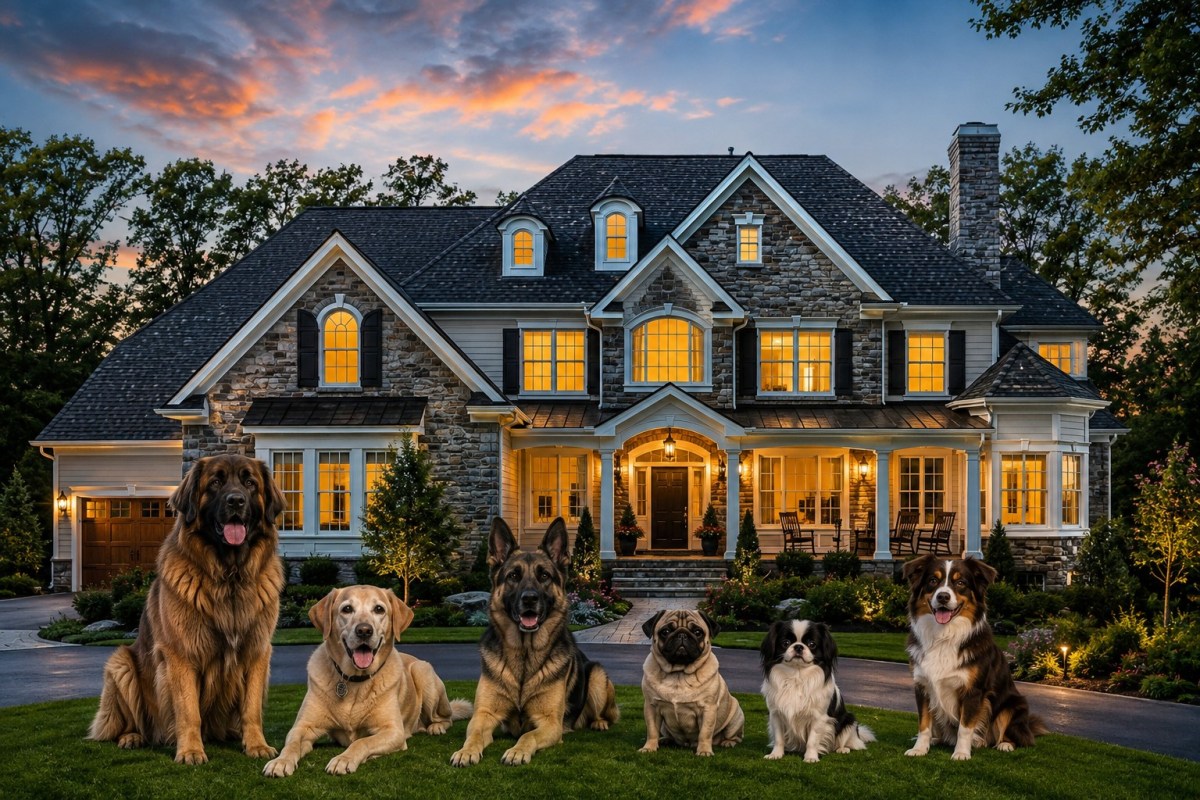
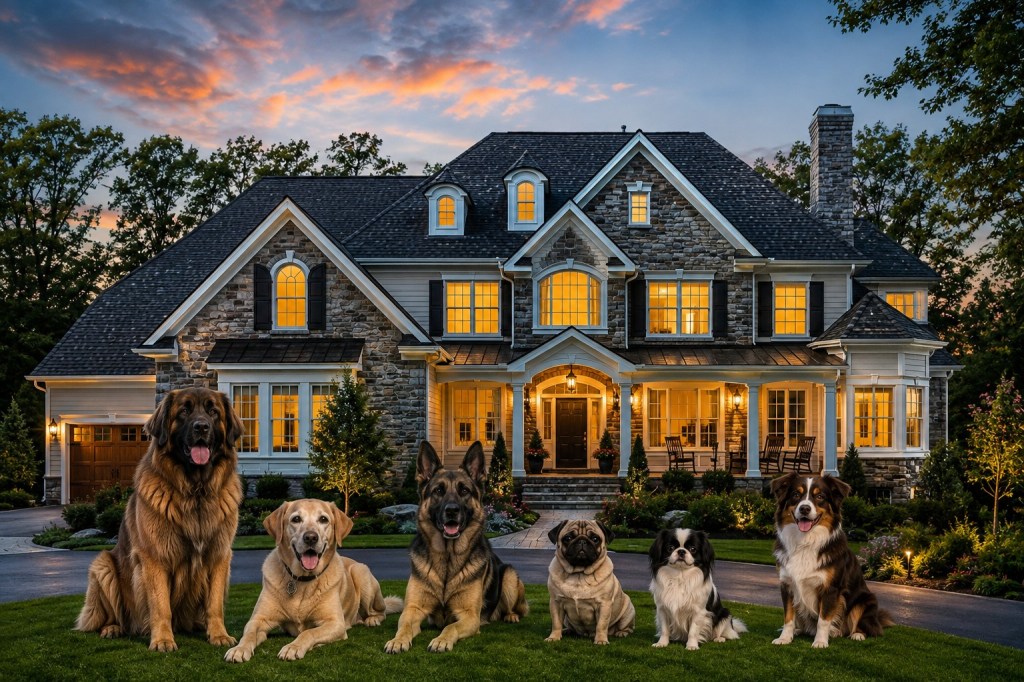
A two story house with six dogs in front. From the left to right, a Leonberger dog, a Labrador, a German Shepherd, a Pug, a Japanese Chin, and finally a mini-Australian Shepherd.
A dog friendly house. Generated with the help of ChatGPT.

Dog-Friendly Home Design: Common Questions Answered

Q: What actually keeps dog odor under control without making the house smell like chemicals?
A: Start with what holds odor: washable covers, low-pile rugs, and sealed floors that do not absorb. Use a HEPA vacuum weekly, launder soft goods often, and run a carbon air purifier in the main hangout zone. If odors persist, an enzyme cleaner beats masking sprays because it breaks down the source.

Q: How do I remove urine stains from floors or carpets without ruining the finish?
A: Blot first, then apply an enzyme-based cleaner and give it enough dwell time before rinsing or blotting again. Avoid steam cleaners on fresh urine since heat can set stains and odors. Test any product in a hidden spot, especially on hardwood sealants.

Q: What fence type and height works best for most dogs?
A: A solid, climb-resistant fence with minimal horizontal rails is a reliable choice for many homes. Many installers consider the ideal fence height 4 to 6 feet, with 6 feet as the industry standard for containment. Match the design to your dog’s jumping and digging habits, then add a buried edge or kick plate if needed.

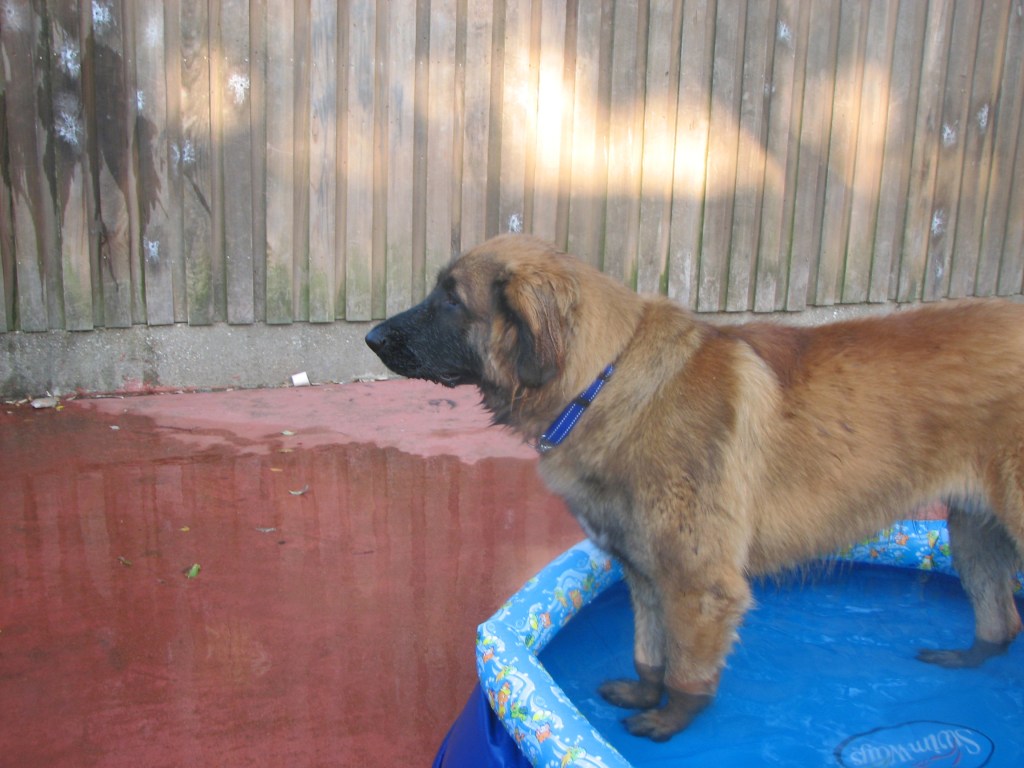
Bronco is standing in a blue kiddie pool. He is getting washed.
Our Leonberger dog Bronco and fence you cannot dig holes under. Leonbergers are expert diggers.

Q: Can I keep resale appeal if I choose dog-proof materials?
A: Yes, when choices read “durable and neutral,” not “pet-only.” Stick to classic colors, consistent hardware finishes, and quality flooring that any buyer would see as an upgrade. The best pet-friendly features look like smart maintenance, not a special-purpose remodel.

Q: How do I reduce everyday wear and tear from paws, nails, and outdoor mud?
A: Create a simple entry drop zone with a washable runner, hooks, and a closed bin for towels and wipes. Keep nails trimmed and place scratch-friendly surfaces like washable mats near doors and feeding stations. Outside, use hardy groundcover or gravel in the main run path to limit dead grass and tracked-in dirt.

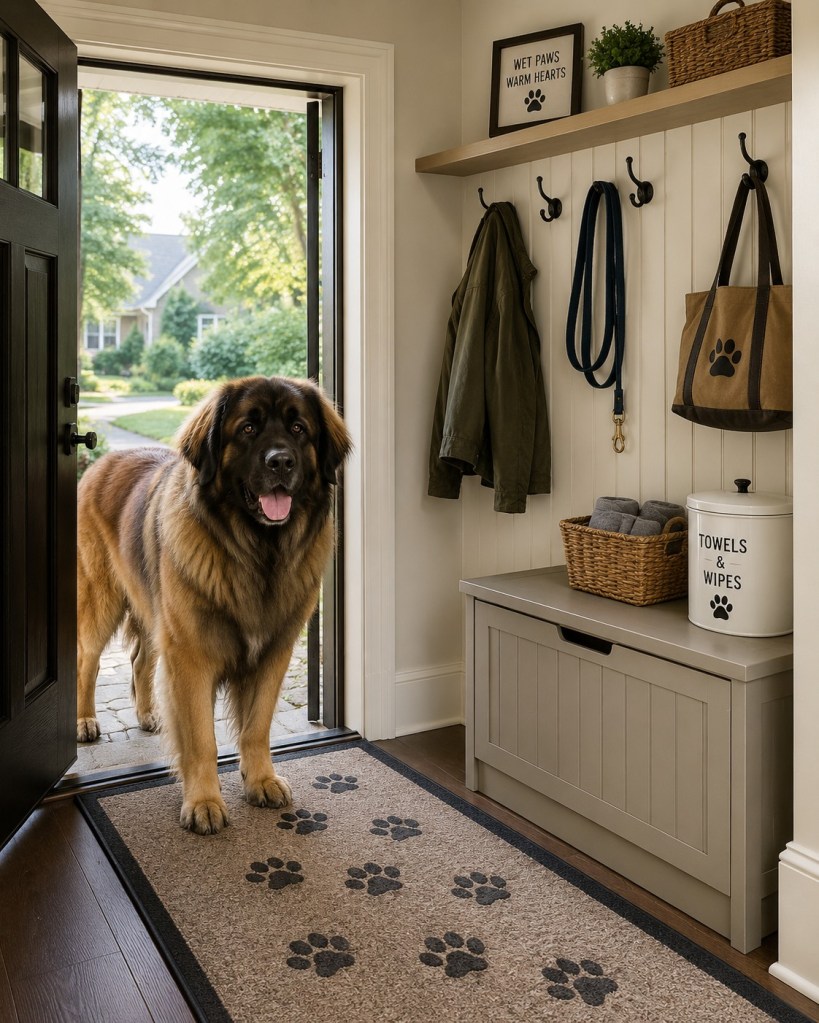
On the hooks there is a dog leash, a jacket and a bag.
Leonberger dog at the entrance of a house standing on a washable runner. There are hooks and a bin for towels. Generated with the help of ChatGPT.

Finish-Strong Dog-Friendly Home Checklist

This checklist turns good ideas into repeatable habits, so your home stays stylish while handling real life with dogs. Use it to decide what to upgrade now, what to schedule, and what to maintain each week.

✔ Choose sealed, non-absorbent floors for high-traffic zones

✔ Add washable slipcovers and throws to the main seating

✔ Place low-pile, easy-clean rugs where paws land most

✔ Run a HEPA vacuum on a weekly calendar reminder

✔ Keep an enzyme cleaner stocked for fast accident response

✔ Set an entry drop zone with towels, wipes, and a closed bin

✔ Inspect fencing for gaps, dig spots, and climb points monthly.
Check these off once, then protect them with routine.

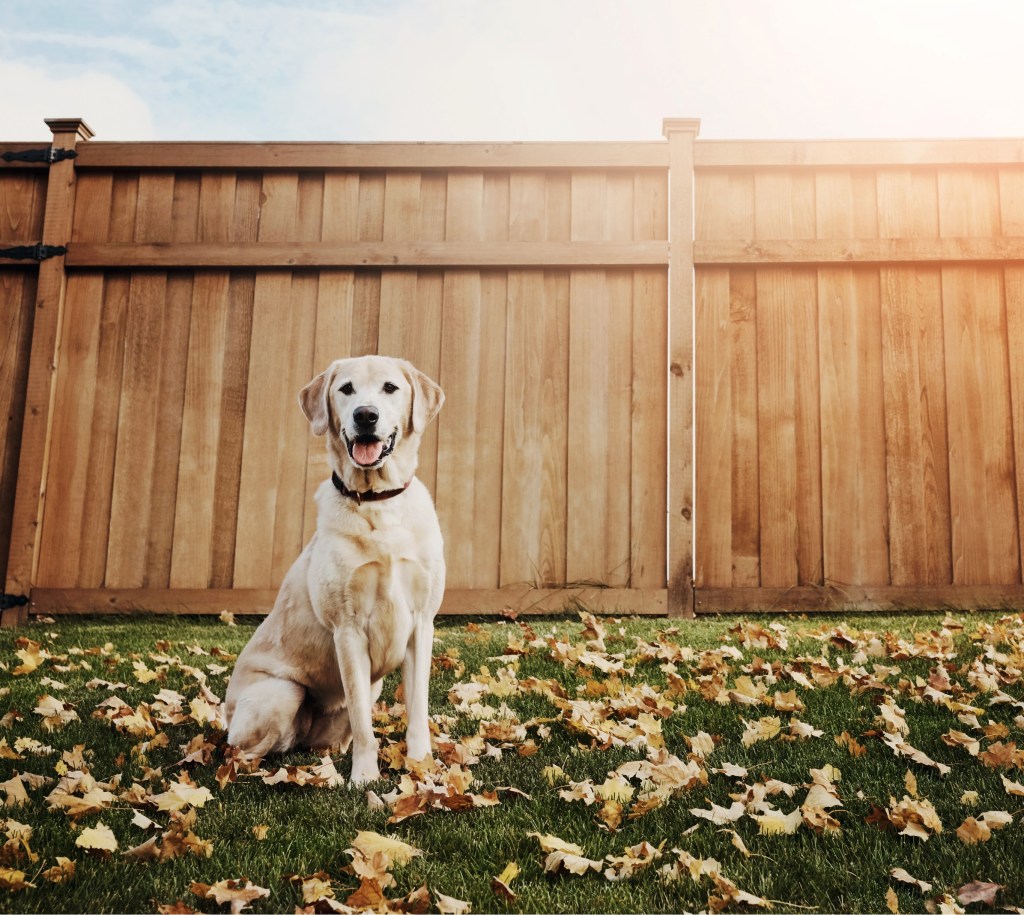
Backyard, relax and portrait of dog on grass for obedience, support and fun in leaves in sunshine. Nature, foliage and Labrador with tongue out in garden by fence.
Labrador in front of fence in the backyard. This is good fence but has a potential dig spot. Shutterstock asset id: 2485564001 by PeopleImages
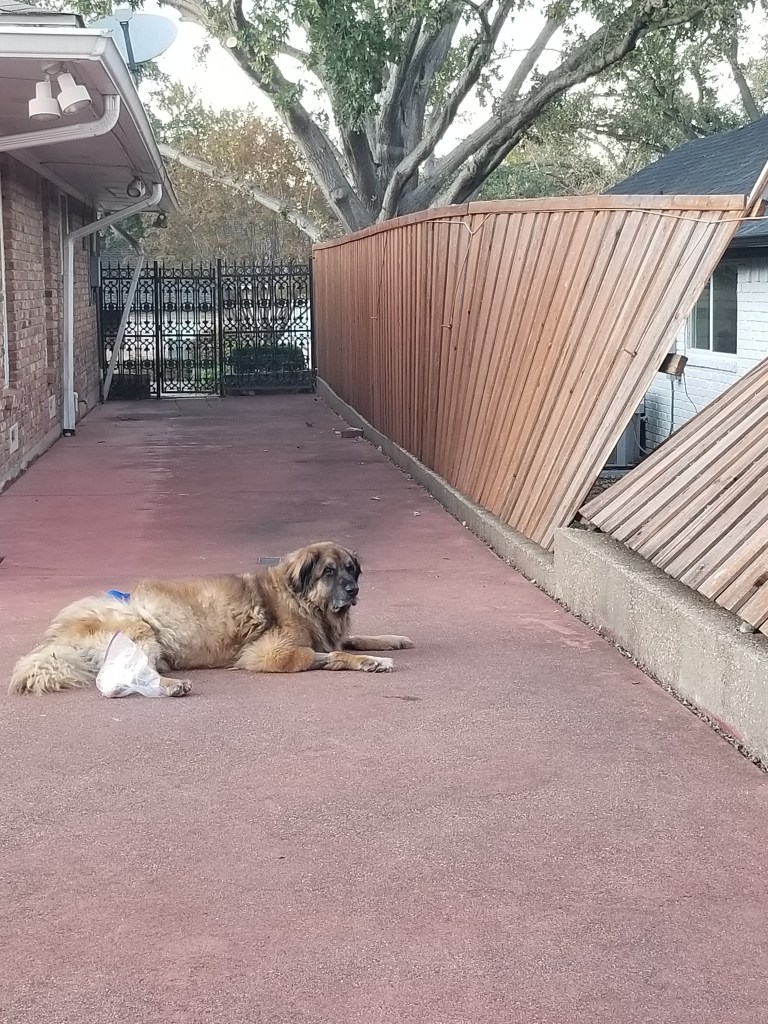
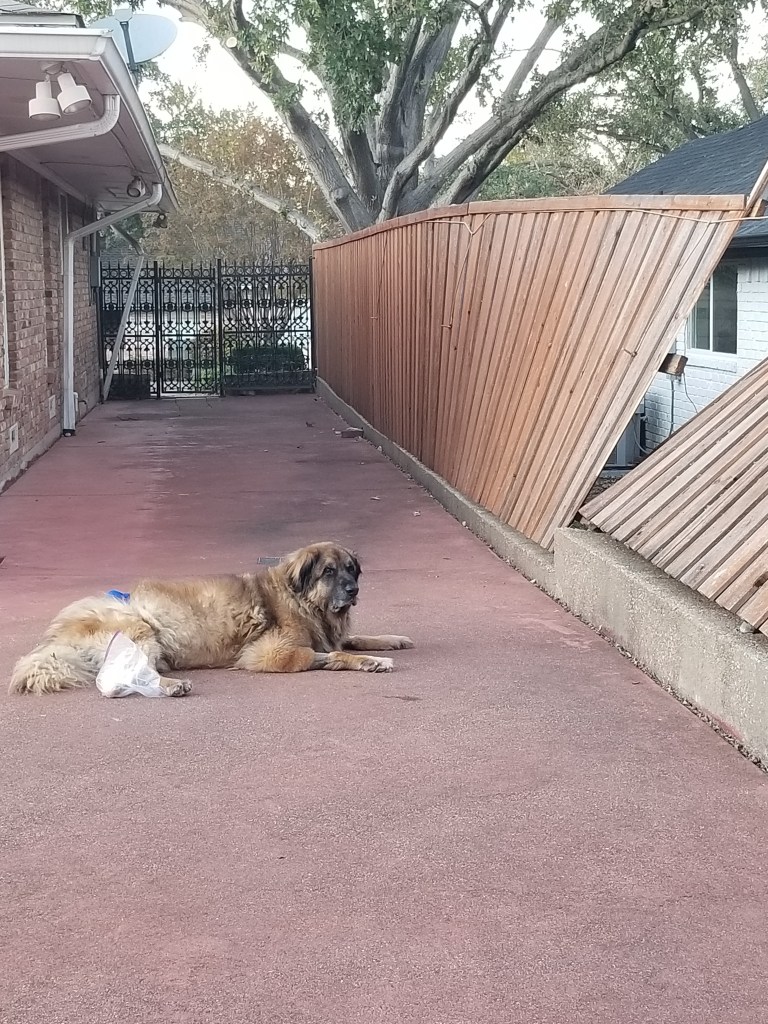
Bronco is laying on the ground facing the broken fence. He has a plastic bag around his bandage.
The fence needs to be fixed after a tornado went through the neighborhood. Bronco had just had a toe amputation.

Make Style Last With Dog-Ready Materials and Layouts

Living with dogs can feel like a constant trade-off between a home that looks pulled together and one that can take daily wear. The steadier path is designing for real life: choose materials supporting pet durability, use layouts for pet and people, and keep integrating pet features in ways that maintain home style with dogs. Design for the dog you have, and your style will last longer. Pick one high-impact change from the checklist this week, swap in a tougher surface, protect a high-traffic zone, or refine a room flow, then build from there. Long-lasting pet-friendly design protects comfort now and creates a calmer, more resilient home for everyone.

Rollo Go Look Out the Window

Rollo Go Look Out the Window – that is what we tell our mini-Australian Shepherd Rollo when we have to leave him home alone for a couple of hours. Whenever we say that he runs to the window and looks out the window. He isn’t happy about us leaving but he likes looking at all things that he can see through his window, and he barks at the things he sees.

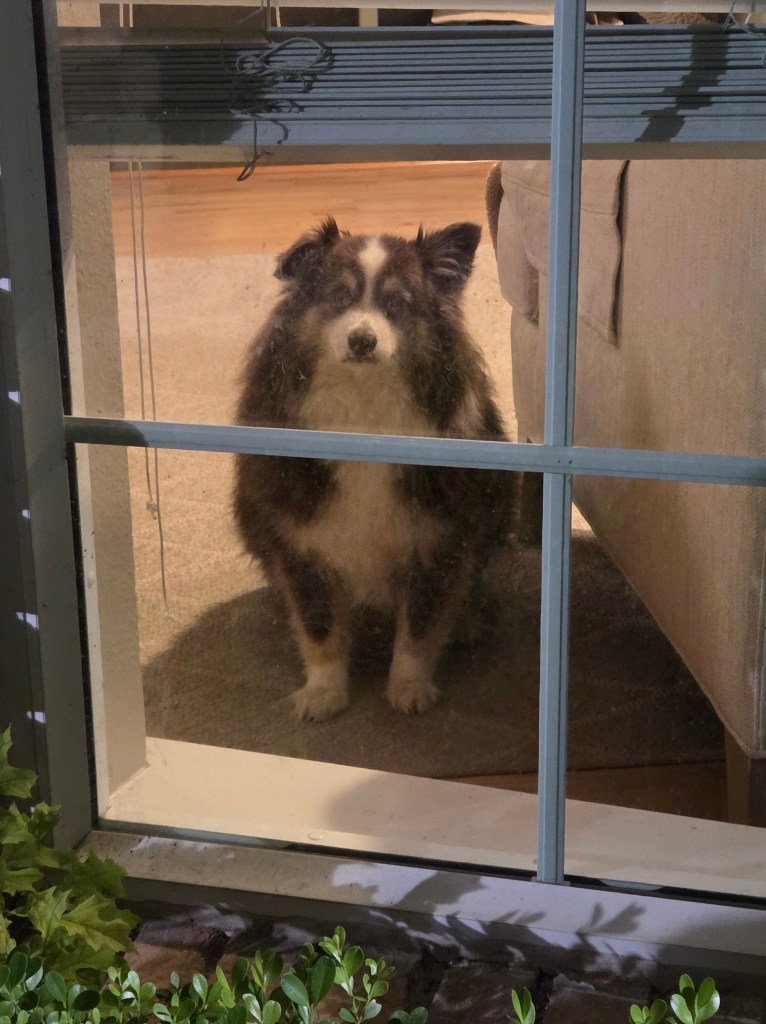
But what does Rollo see? See the children’s story below. I should say that I will work on this story and try different kinds of images to go with it. For this attempt, the first and second photo in the story are taken with my cell phone. The photo of planet Earth is from pexels.com. All the other pictures in the story I generated with help of ChatGPT. The photos outside / after the story are all photos taken by me.

What does Rollo See out his Window ?

Rollo’s owners are usually with Rollo most of the time, but sometimes they have to leave him for a couple of hours. When that happens, Rollo is not happy.

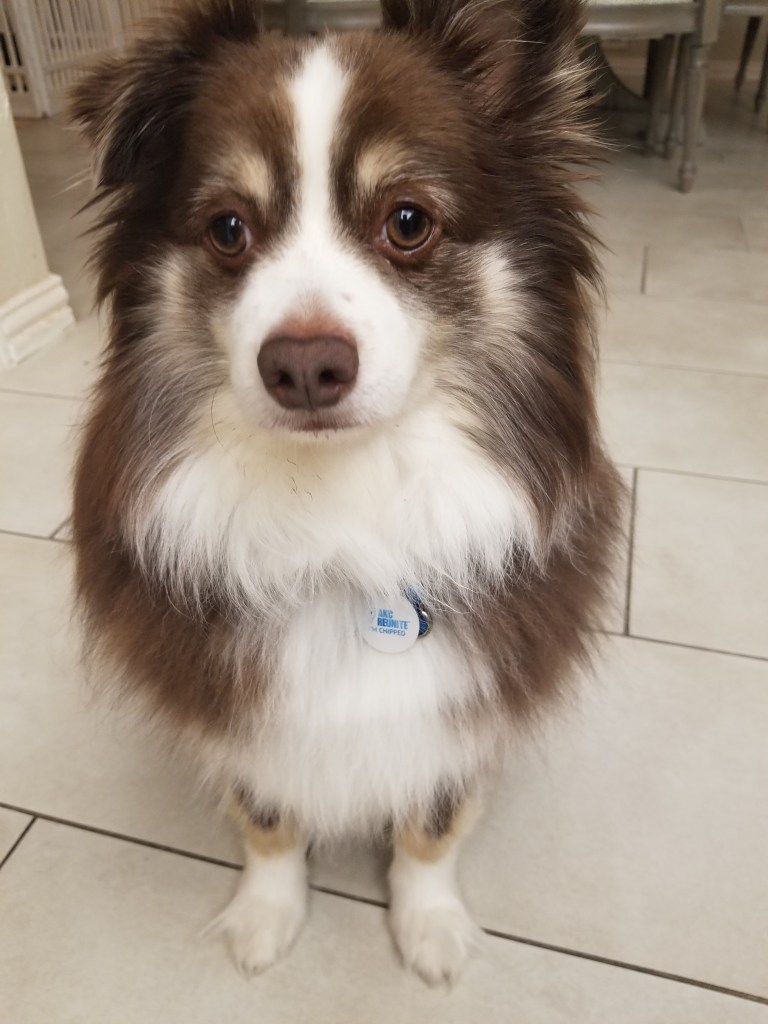
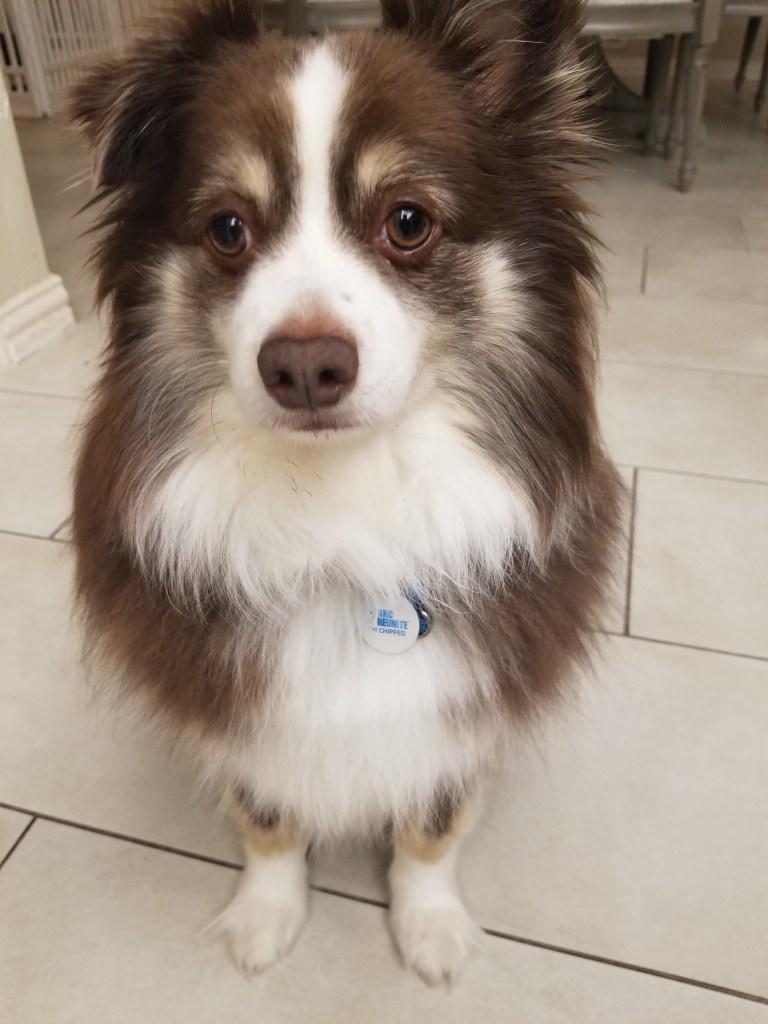
A photo of our mini-Australian Shepherd Rollo. His face is sad.

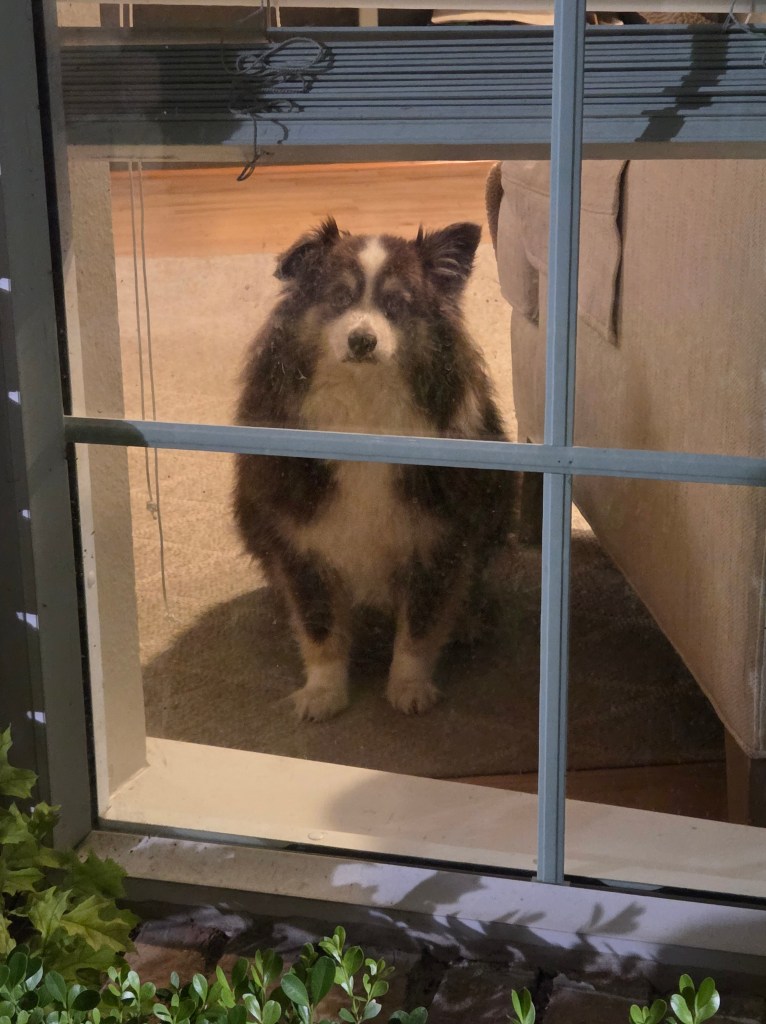
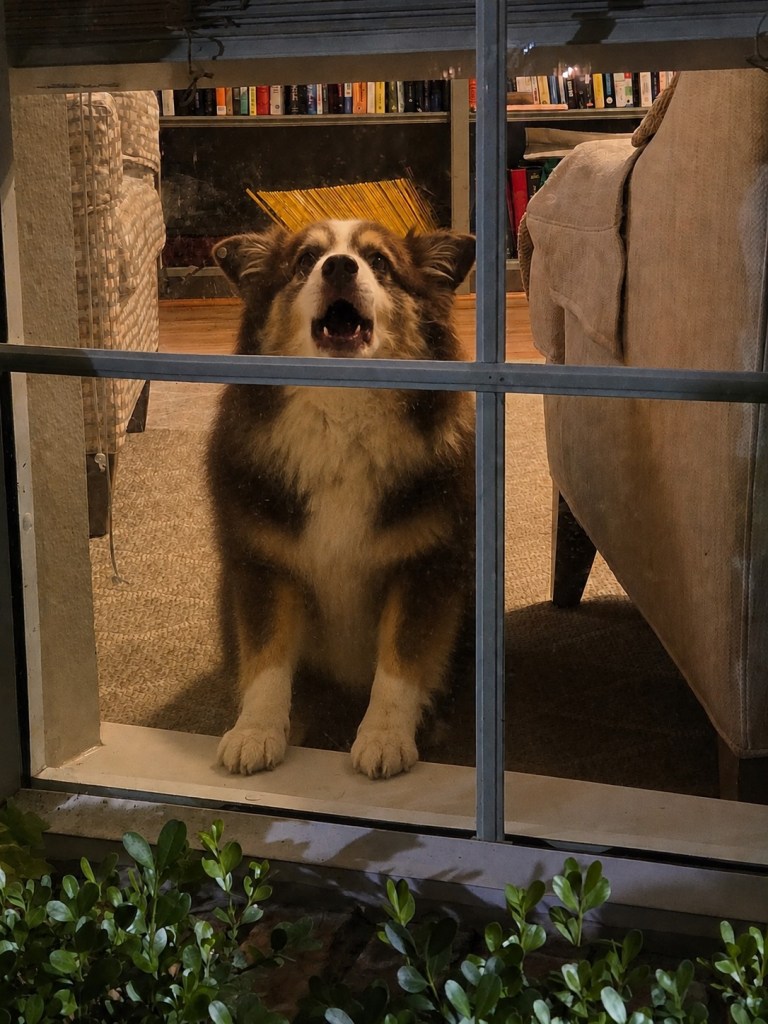
However, Rollo’s Mama says, “Rollo go look out the Window” and Rollo runs to look out the window.

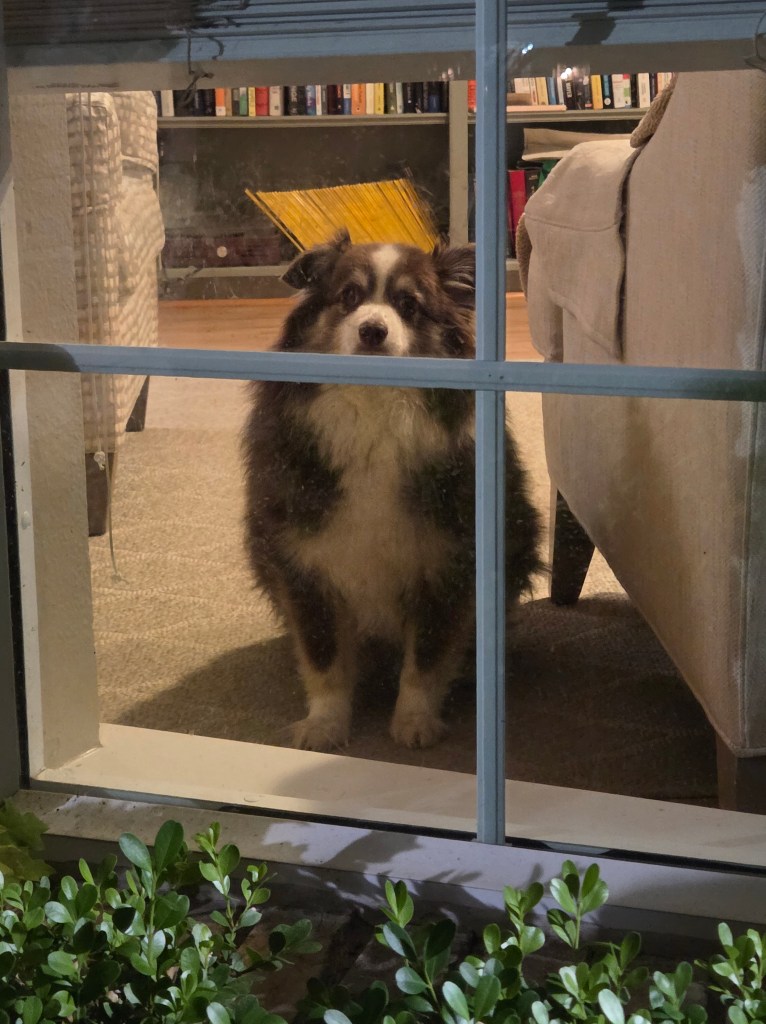
Mini-Australian Shepherd looking out a window with grids. You can see the room in the background.

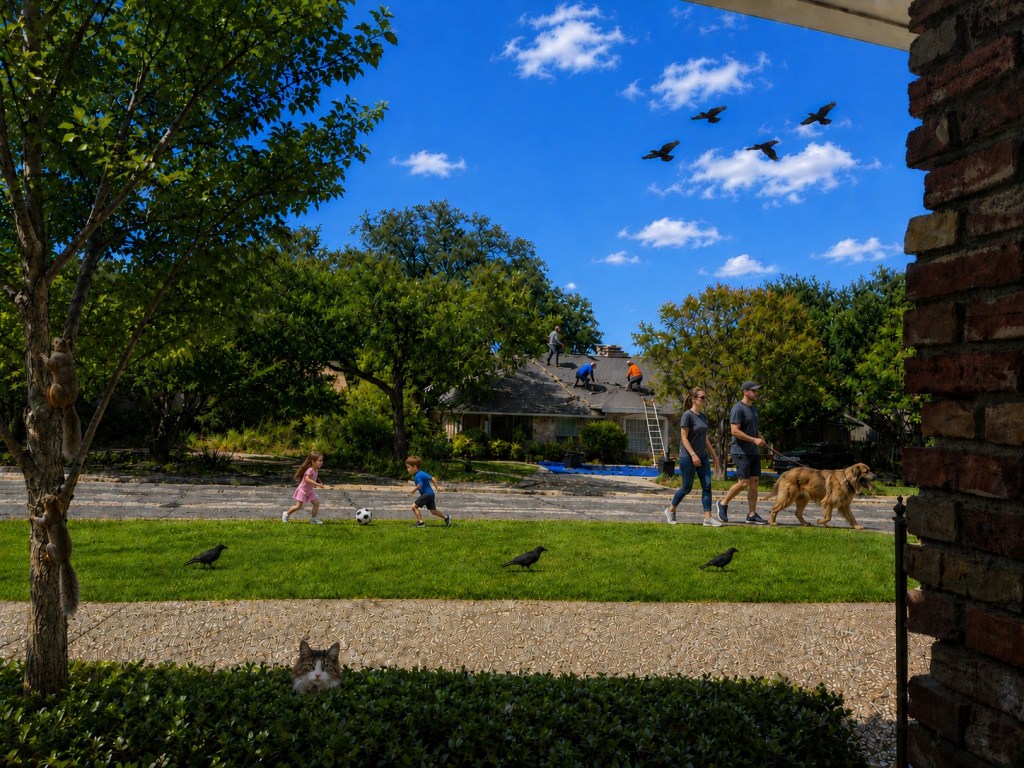
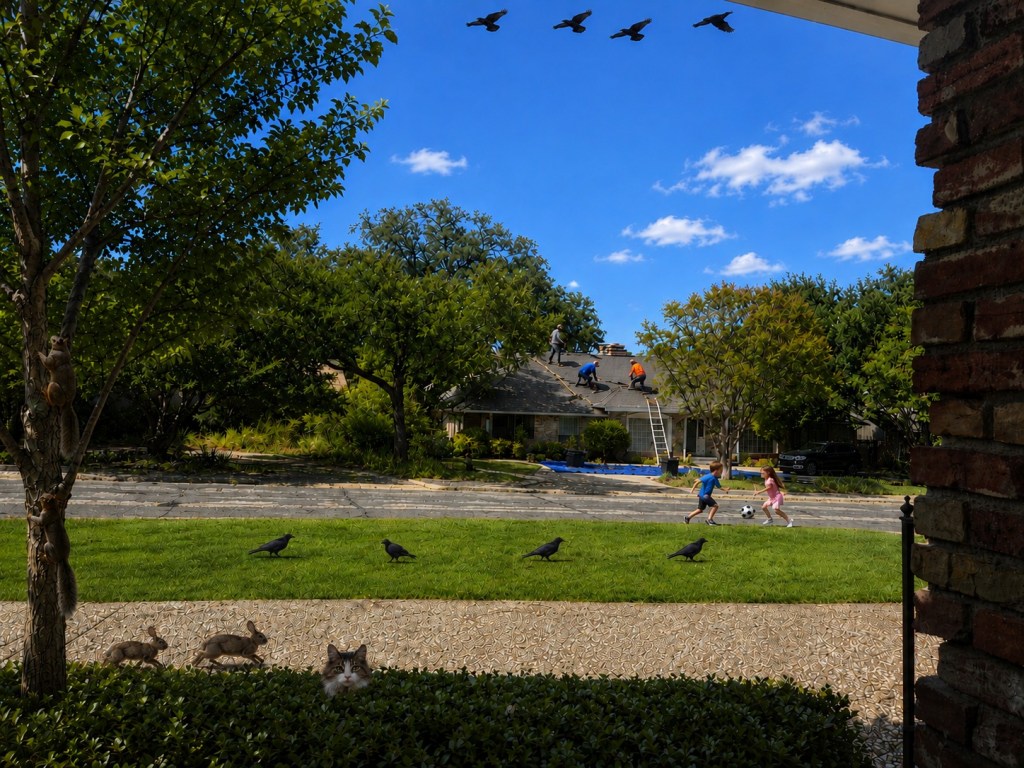
What does Rollo see? He sees the blue sky and the clouds; he sees birds flying and he sees the black crows walking on our lawn. He doesn’t like the black crows walking on his lawn, so he goes woof, woof, woof, woof.

I generated this picture with the help of ChatGPT. It is based on a photo of our front lawn. I added crows, clouds, and a tree on the left.
I generated this picture with the help of ChatGPT. It is our mini-Australian Shepherd Rollo, but I made him bark.

He sees the green grass and the houses, he sees the jagged edges of the roofs and the chimneys, and he sees workers repairing shingles on roof tops, and that looks scary, so he goes woof, woof, woof, woof.

To the previous AI generated picture of our front lawn I added workers repairing shingles on roof tops, children playing, squirrels climbing the tree, a cat sticking out its head, and rabbits.

He sees rabbits running, cats hiding, children playing and laughing, and he sees squirrels running up the trees, so he goes woof, woof, woof, woof.

I generated this picture with the help of ChatGPT. It is a picture of Rollo standing in the window and barking. It is slightly different from the previous picture with Rollo barking out the window.

He sees people walking by our house. Do they see him? Maybe not. But there, someone sees him, and he goes woof, woof, woof, woof.

I generated this picture with the help of ChatGPT. I used the previous picture of our front lawn but added a woman and man walking by the house. The man is looking at Rollo.

He sees people with dogs walking by the house and that makes him mad, so he goes woof, woof, woof, woof.

I generated this picture with the help of ChatGPT. I used the previous picture of our front lawn but removed th woman and man walking by the house. Instead, I added two people walking a Leonberger dog with on leash.

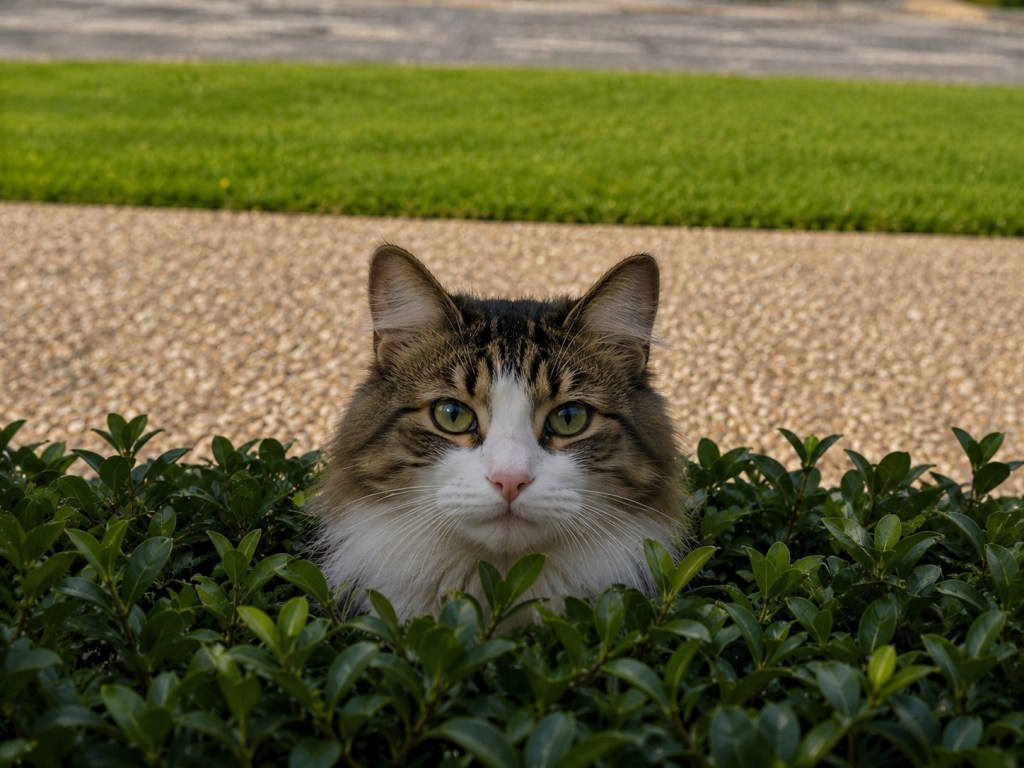
Then the cat asks Rollo if he could come out and play with her. But Rollo can’t. He is stuck inside behind the window, so he goes woof, woof, woof.
I generated this picture with the help of ChatGPT. It is zoom in of the cat’s head.

Rollo looks out the window and he sees the world, and he knows that the world was made for him, but he has to stay inside.
This is a photo of planet Earth from pexels.com

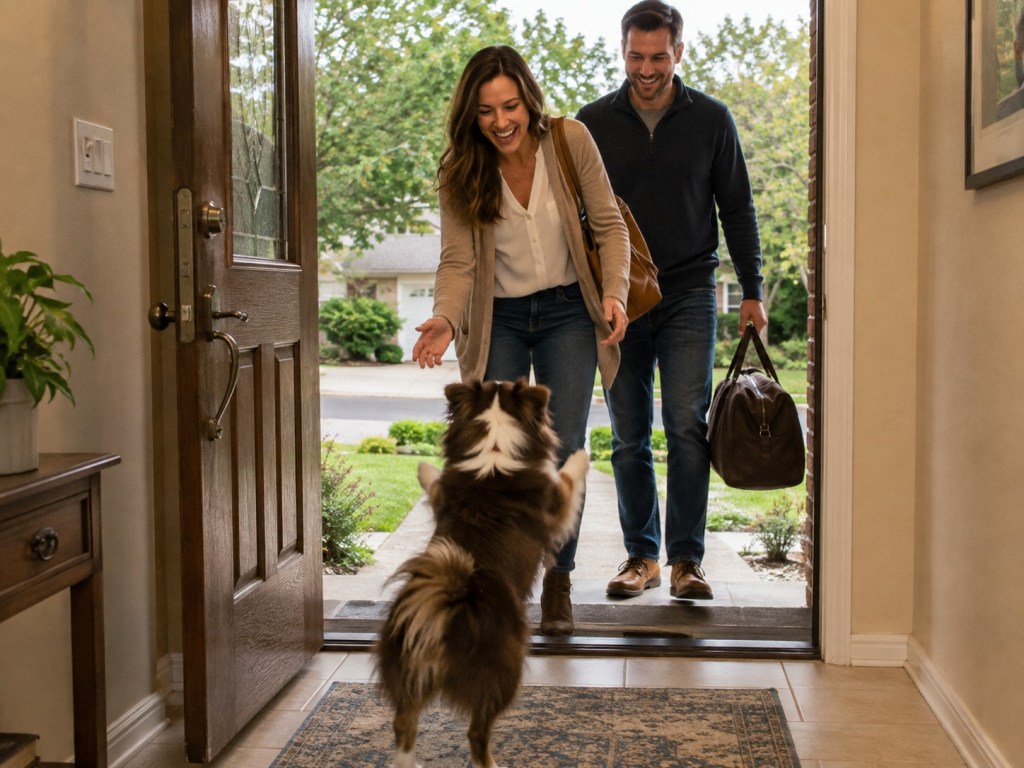
Rollo’s owners left him alone in his despair for nearly two hours but now he sees them coming home and he runs to the door, and he goes woof, woof, woof, woof.
A happy man and a happy woman enters a front door and are greeted by a happy mini-Australian Shepherd.

They ask him, Rollo, what did you see out your window today? And he goes woof, woof, woof, woof.

Photos of Rollo Looking Out the Window

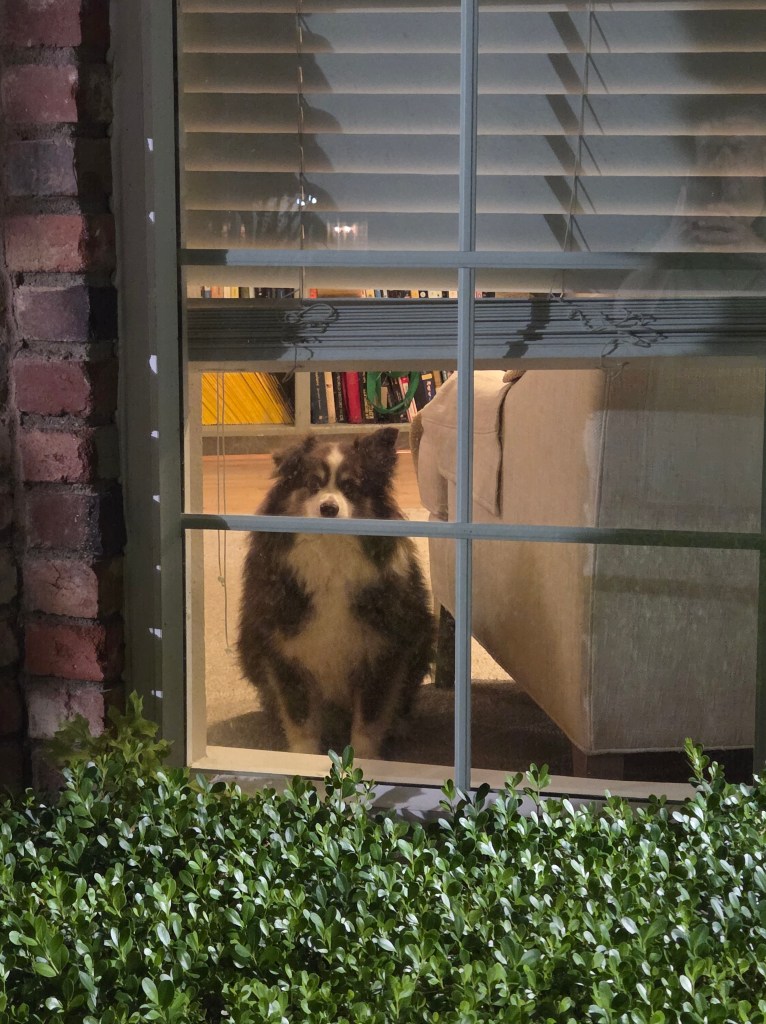
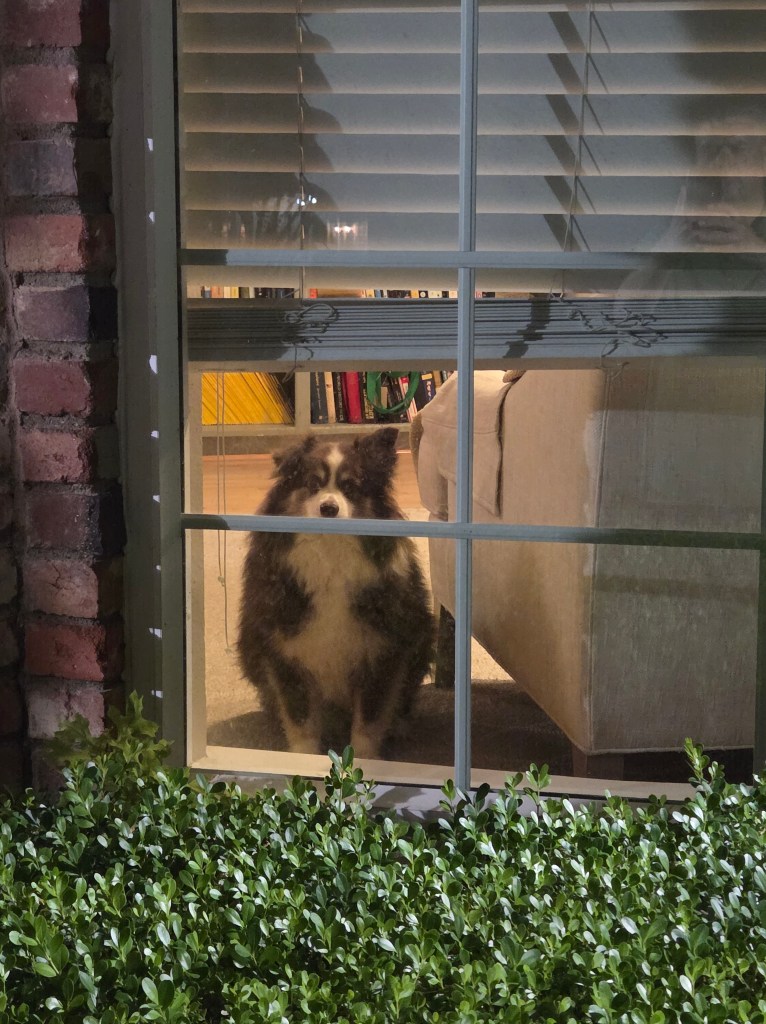
Rollo our dark brown and white mini-Australian Shepherd is standing in front of the window looking out.
Rollo is looking out the window. Photo taken by me.
Rollo our dark brown and white mini-Australian Shepherd is standing in front of the window looking out.
Another photo of Rollo looking out the window. Photo taken by me.
Rollo our dark brown and white mini-Australian Shepherd is standing in front of the window looking out. The photo is from a larger distance so you can see the brick wall.
Rollo is looking out the window. I am standing a bit further away from the window.

Daisy and Rollo Looking Out the Window

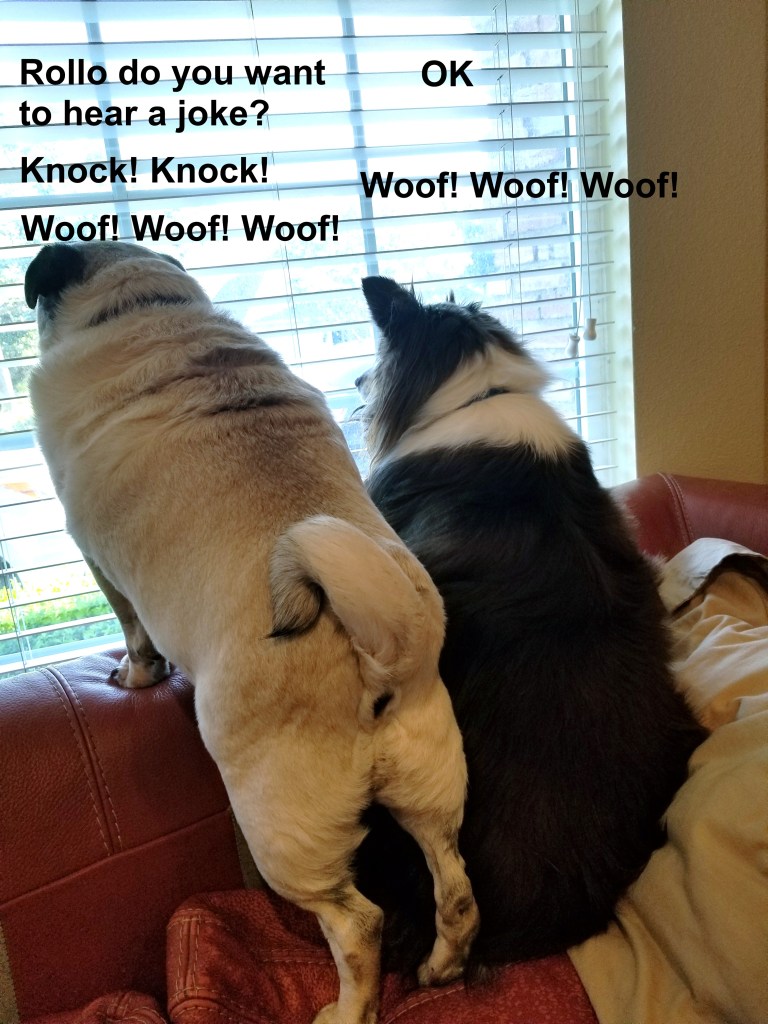
Rollo grew up with two dogs, our big fluffy Leonberger dog Bronco and Daisy our Pug. Bronco sometimes stood and looked out the window, but Rollo and Daisy loved doing that together. They stood on the sofa and barked at everything they saw outside.

A pug and a mini-Australian Shepherd are standing on the sofa looking out the window. The joke goes: Daisy says : Rollo do you want to hear a joke? Rollo says OK. Daisy says Knock! Knock! They both start barking like crazy.
Daisy’s and Rollo’s knock knock joke.
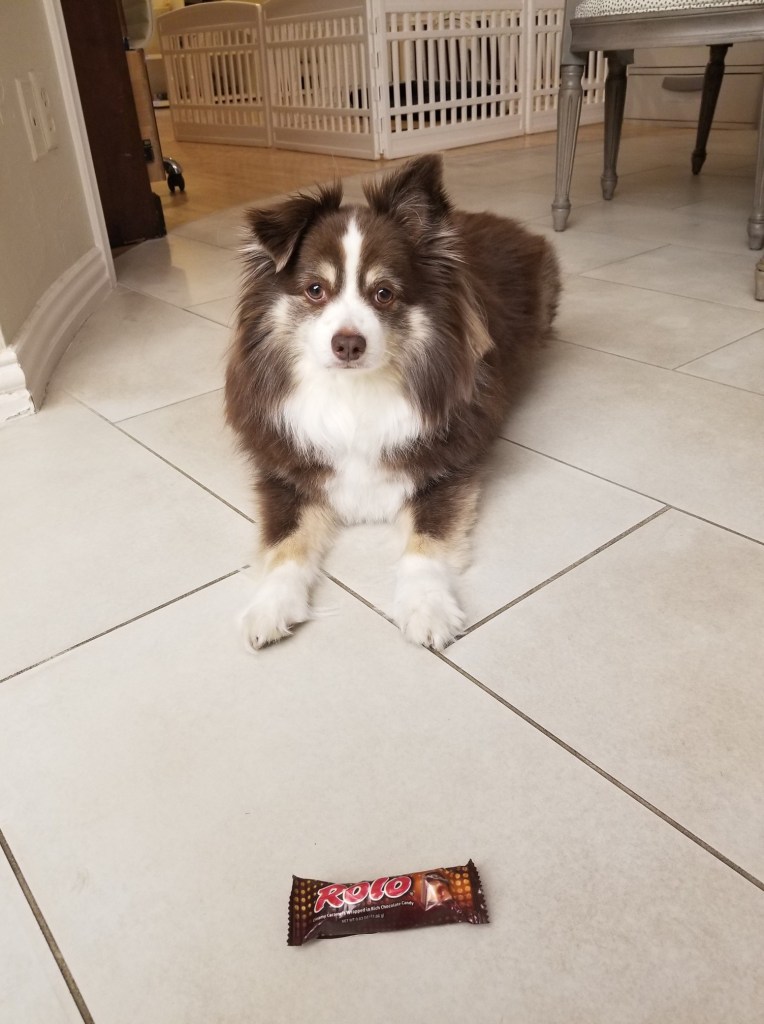
Rollo standing in front of a Rolo candy.
Finally, I just wanted to point out that Rollo is named after the Viking king who tried to sack Paris, not the Rolo candy.

How to Launch a Mobile Pet Grooming Business

A professional content writer by the name of Ryan Goodchild contacted me about me posting an  article he had written on how to launch a mobile Pet Grooming Business. The title of the article is “A Step-by-Step Guide to Launching Your Mobile Pet Grooming Business”  and you can see the article below. Ryan wrote the article and I provided pictures.

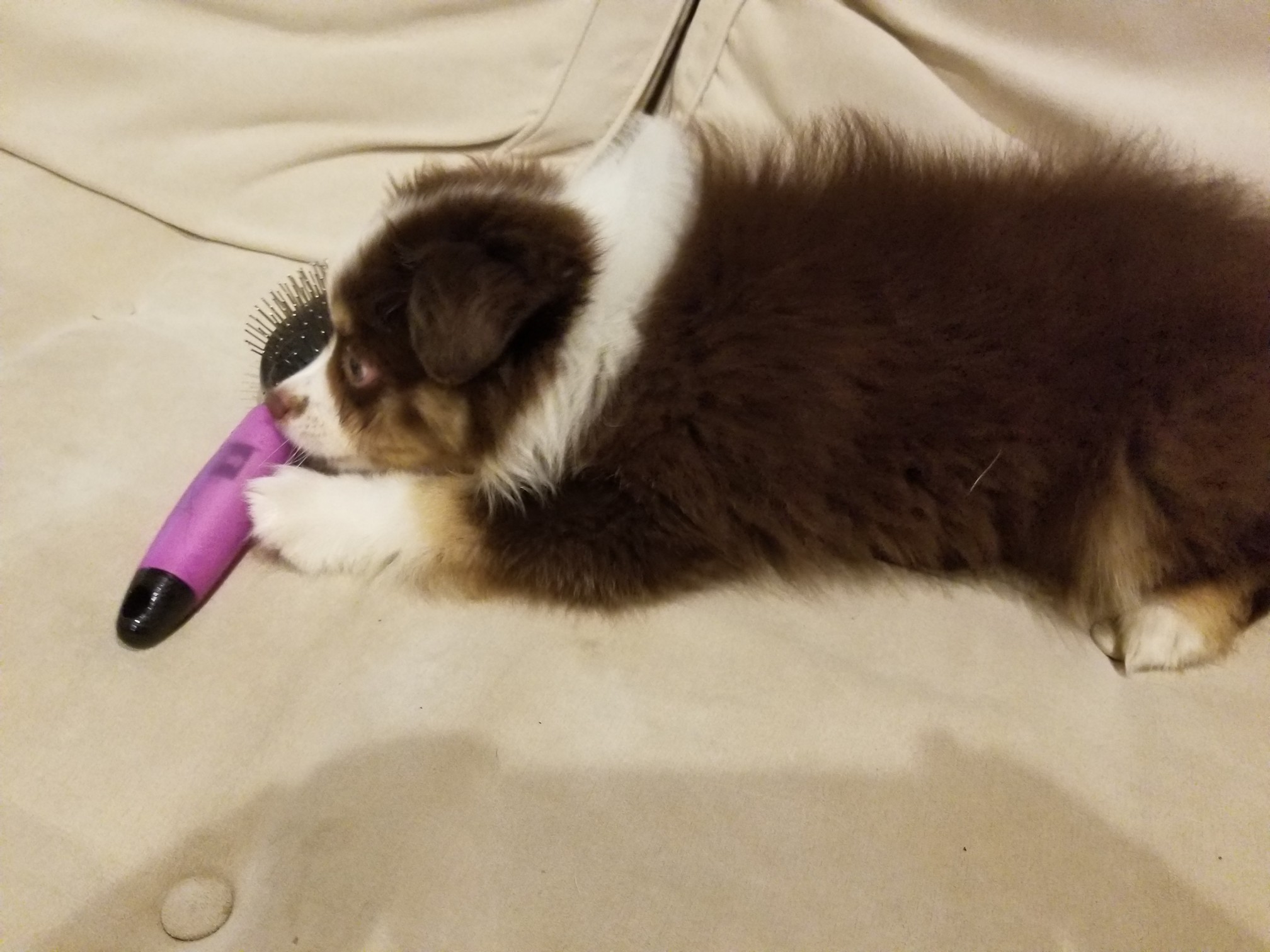
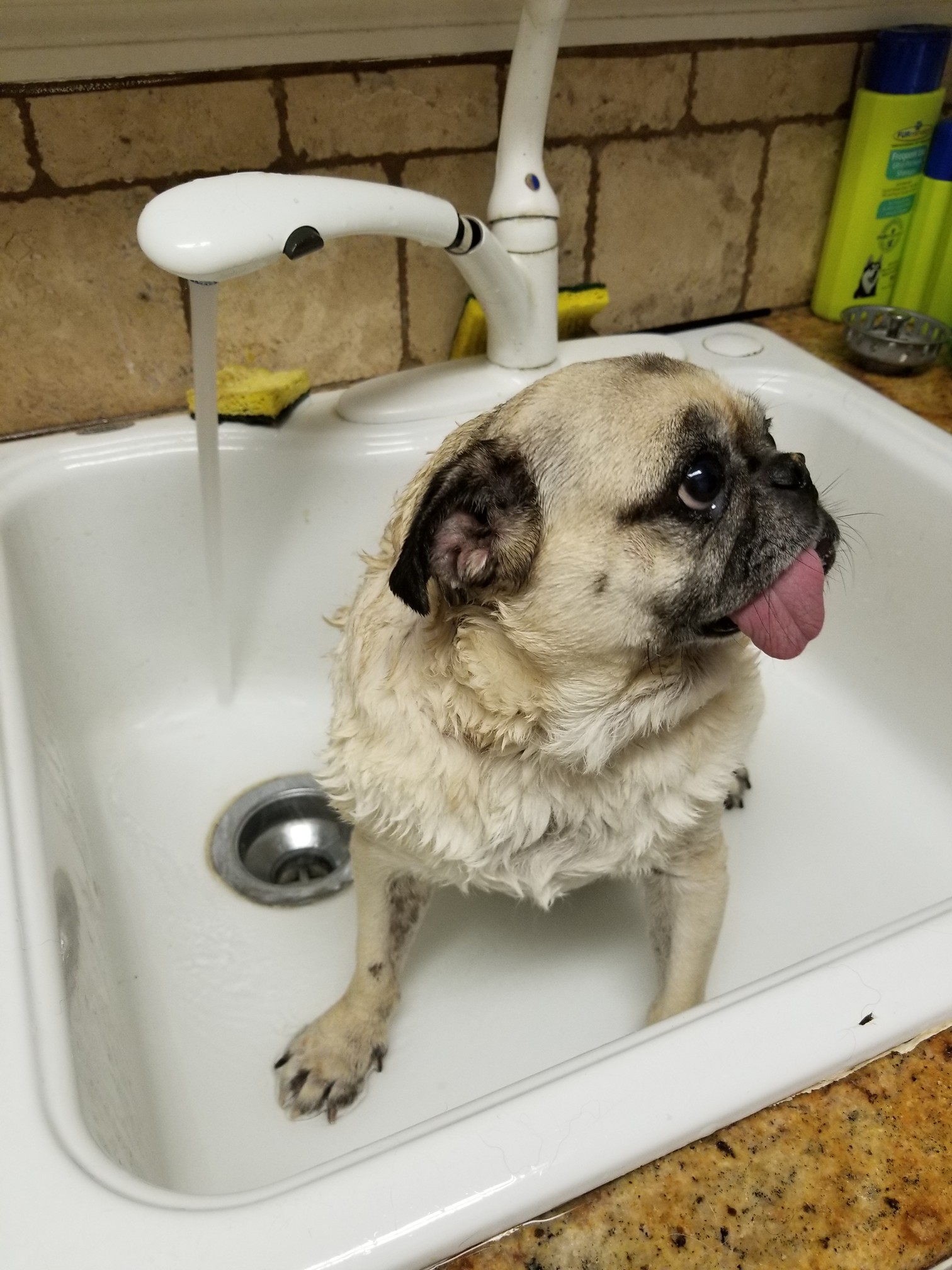
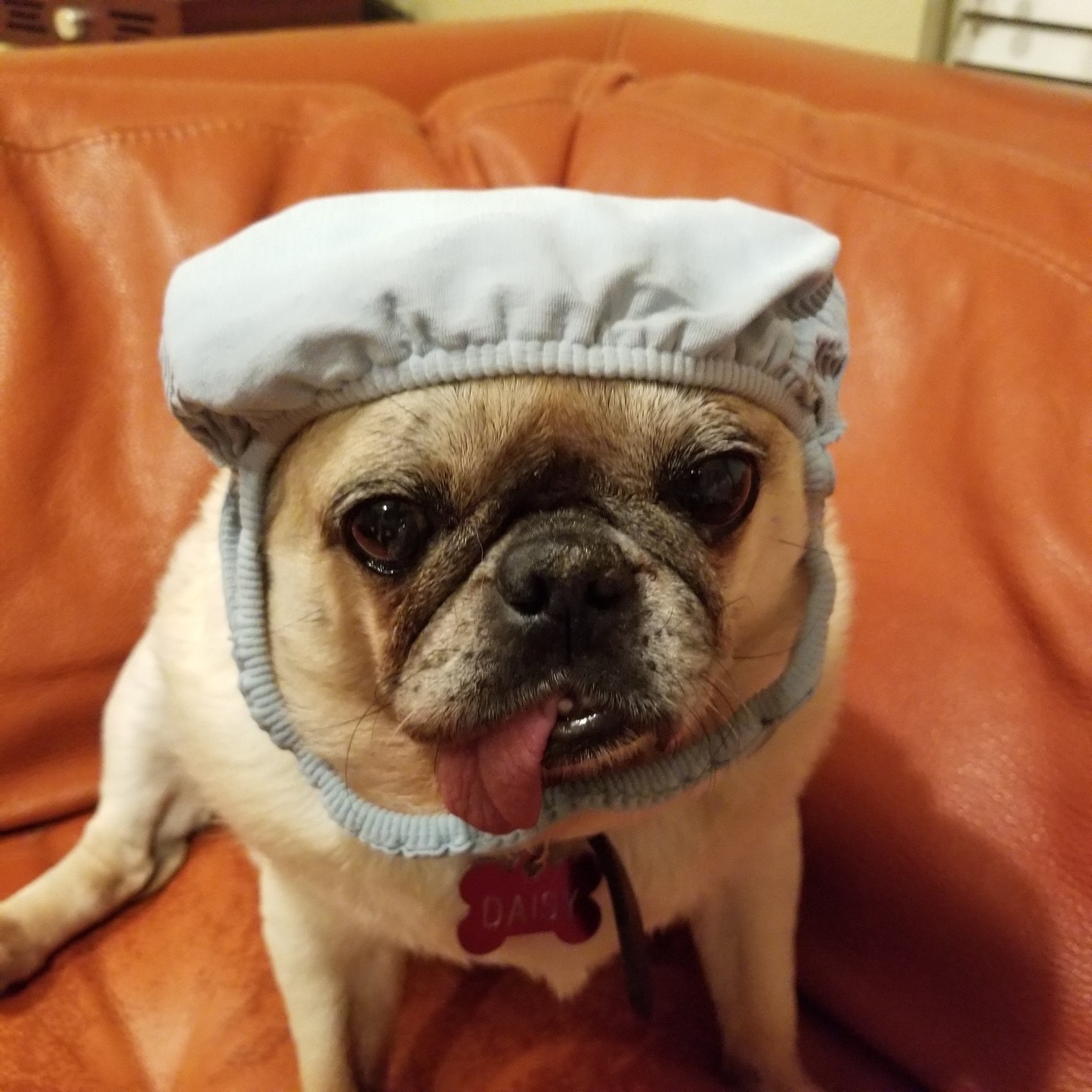
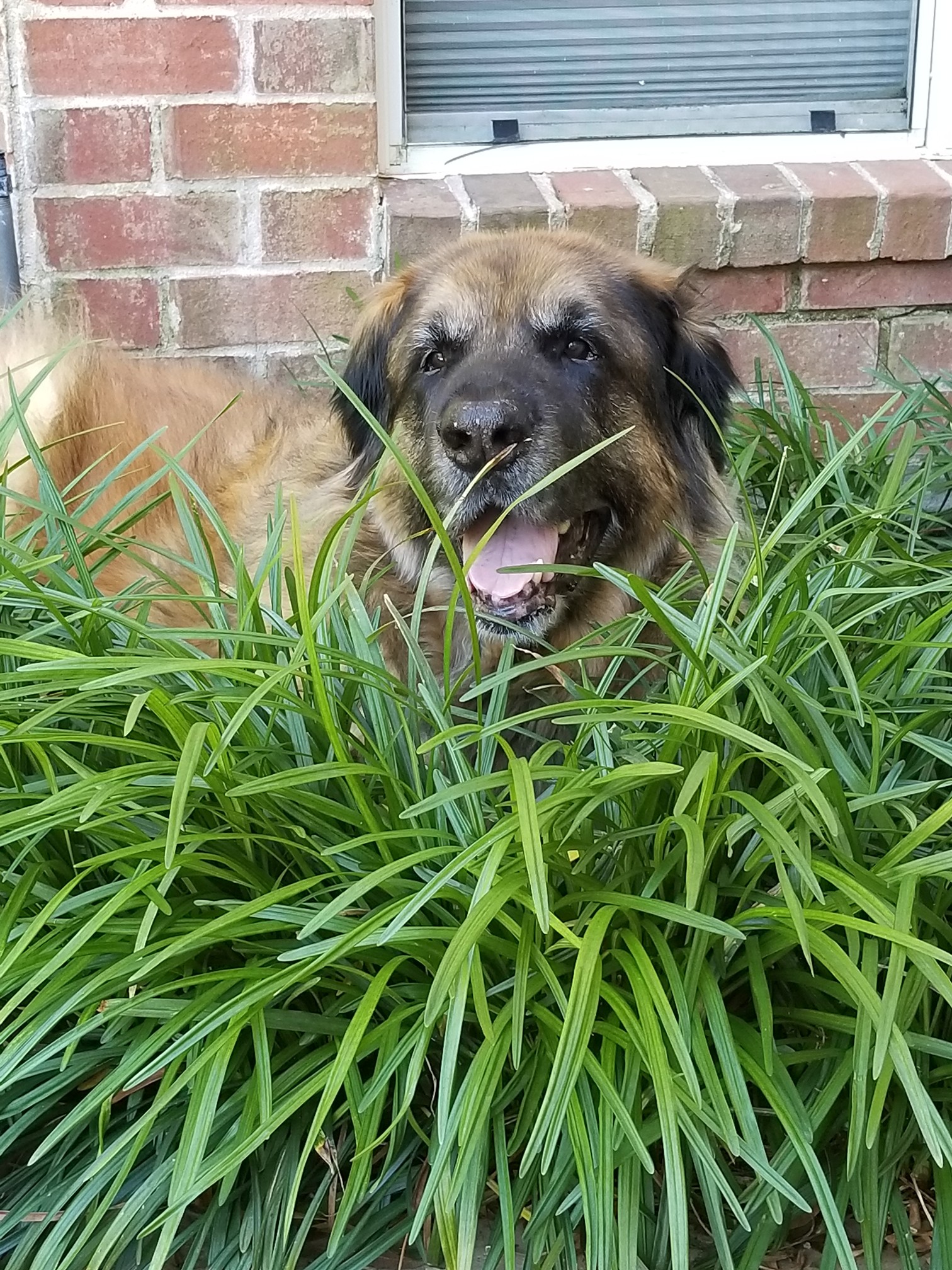
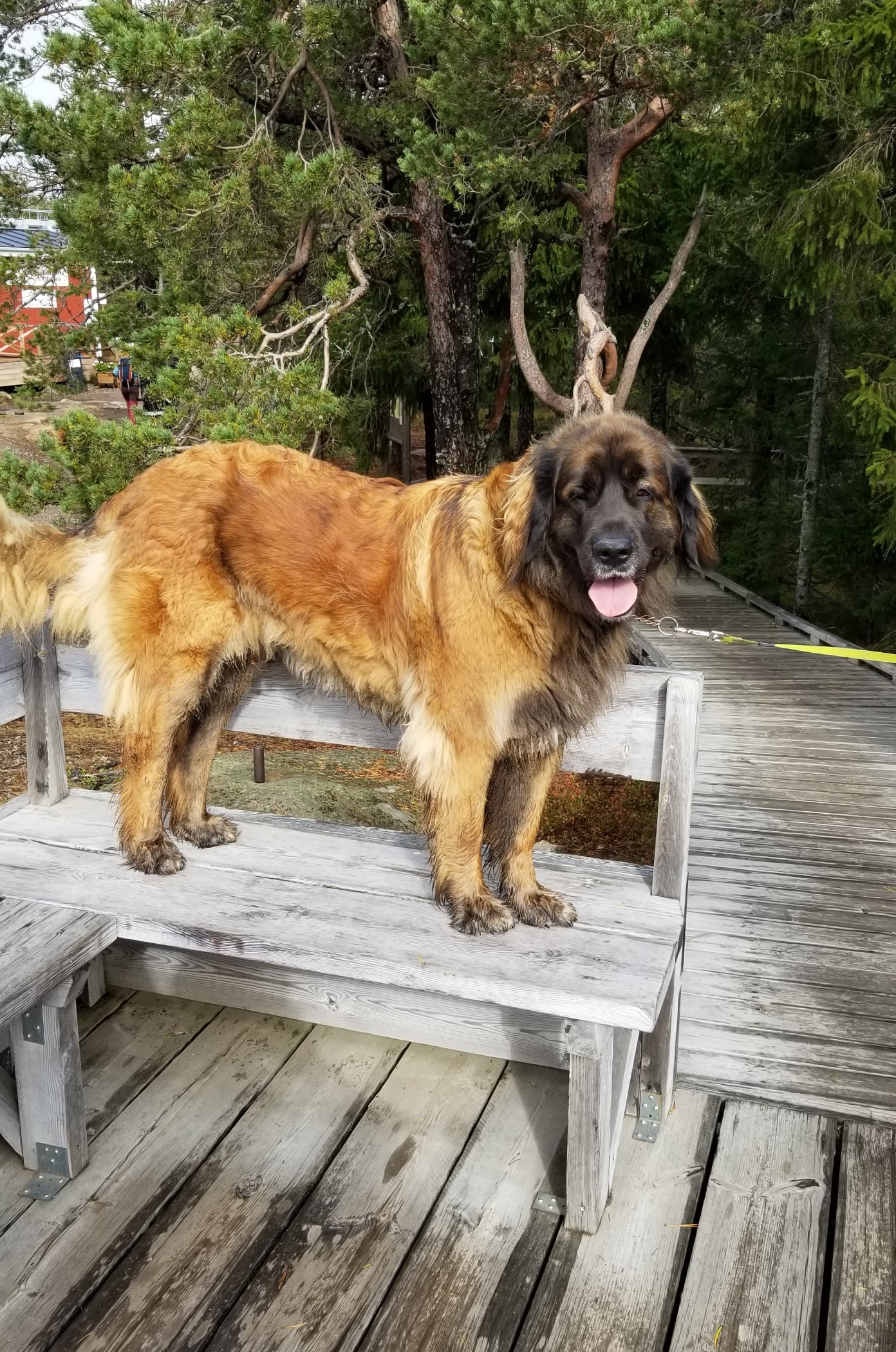
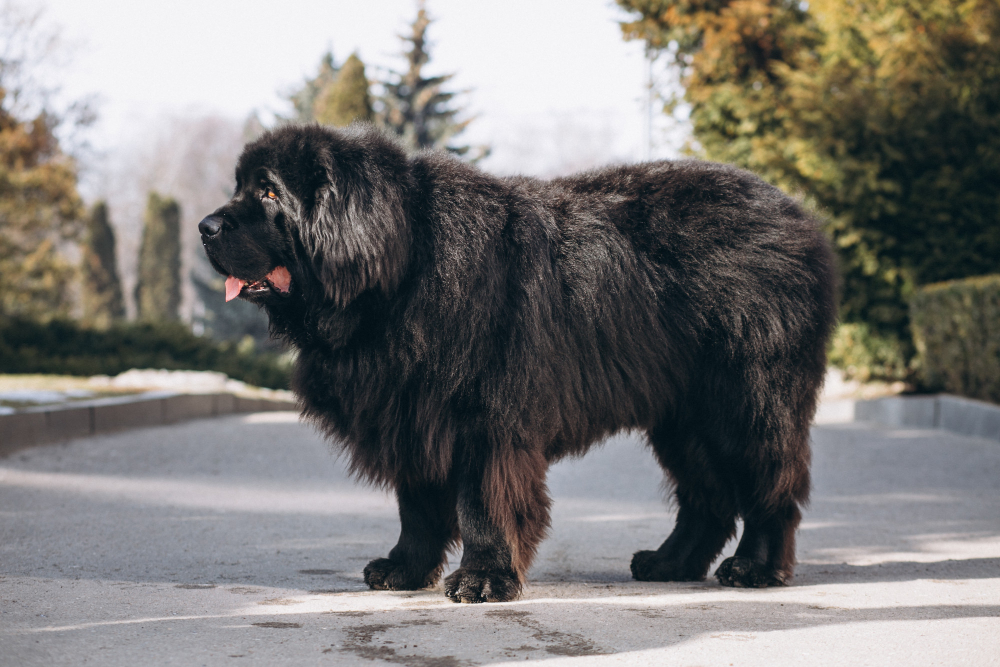
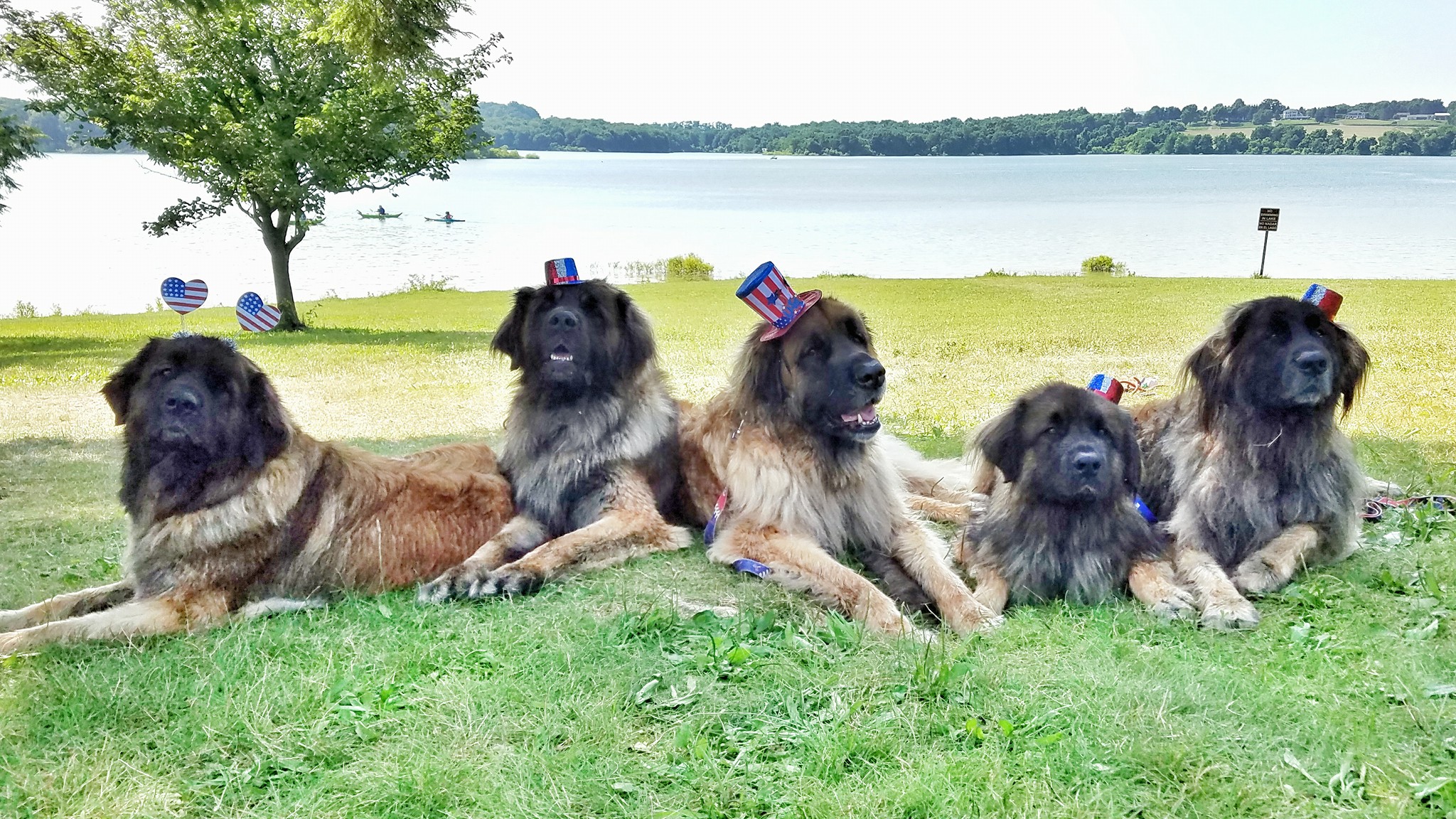
Our Leonberger dog getting washed in a kiddie pool. Our mini Australian Shepherd puppy Rollo with a brush. Our Pug Daisy getting a bath. Our Pug Daisy with a bath hat. Our Leonberger Bronco is hiding in the bushes. Amie a Swedish Leonberger standing on a bench. Fluffy black Newfoundland dog by Emma Johnson. Saint Bernard dog Stock Photo ID: 1713912484 by fred12. The photo of five Leonbergers wearing patriotic hats lying on grass by a lake was taken by Jen O’Keefe, (from left to right; Obi, Delfi, Aslan, Gryphon, Digory).

A Step-by-Step Guide to Launching Your Mobile Pet Grooming Business

For service-minded workers, career changers, and local business owners who want a practical small business startup, a mobile pet grooming business can feel like a rare fit between steady demand and flexible operations. The core tension is real: pet care services must be consistent and safe, but most aspiring owners also need a model that can start lean and earn trust quickly. The mobile grooming market meets busy households where they are, turning convenience into repeat business and clear entrepreneurial opportunities. With the right expectations, this can become a reliable local service brand.

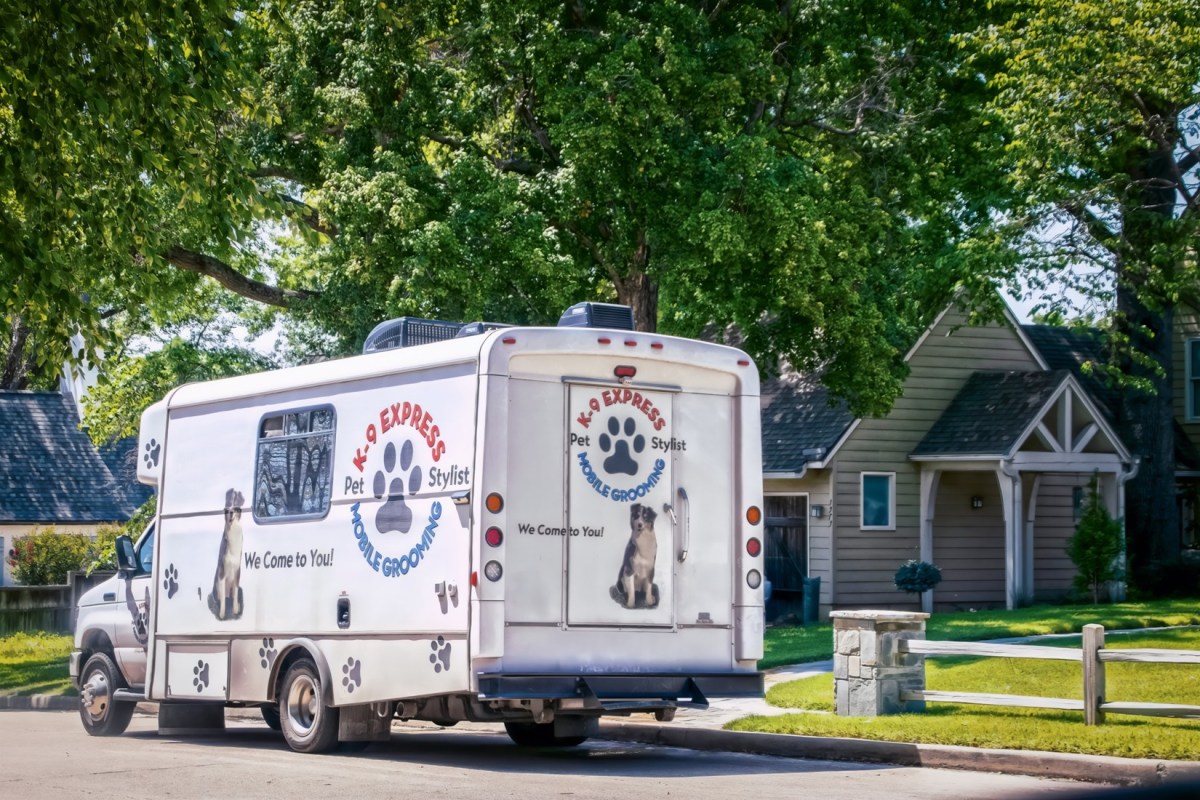
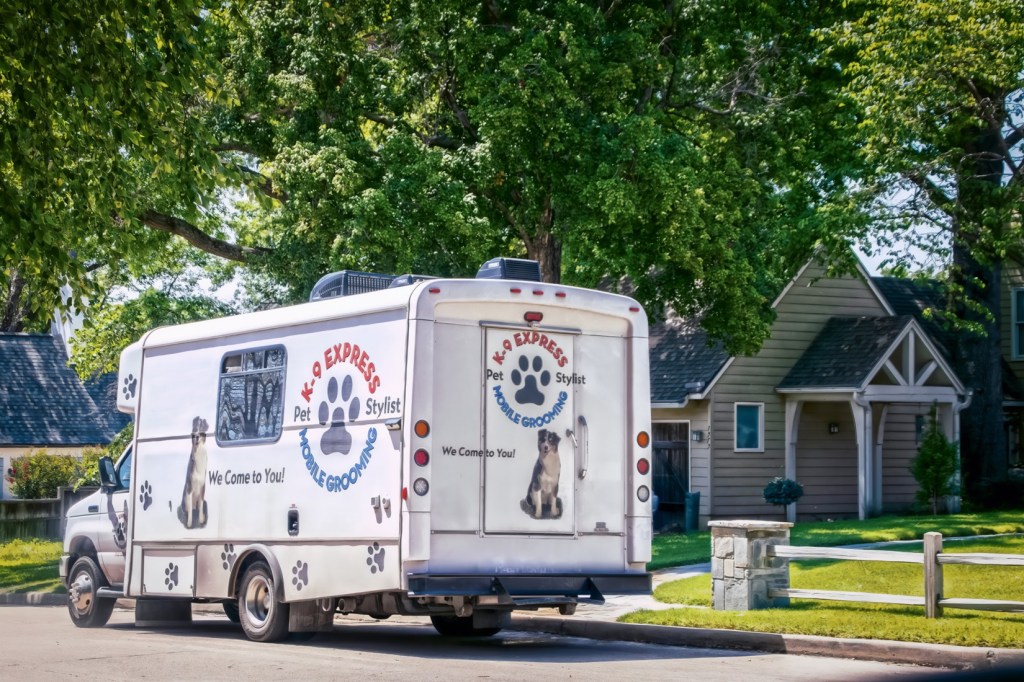
06-30-2022 Tulsa USA - Mobile Dog Wash and Grooming van parked in front of cute house in leafy neighborhood.
Mobile Dog Wash and Grooming van Shutterstock asset id: 2248201135 by Vineyard Perspective

Build and Launch Your Mobile Grooming Service

This simple sequence helps you turn a love of pets into a real mobile pet grooming business with a plan, the right gear, and repeatable daily operations. It matters because small early decisions, like what services you offer and how you schedule, can prevent costly surprises later.

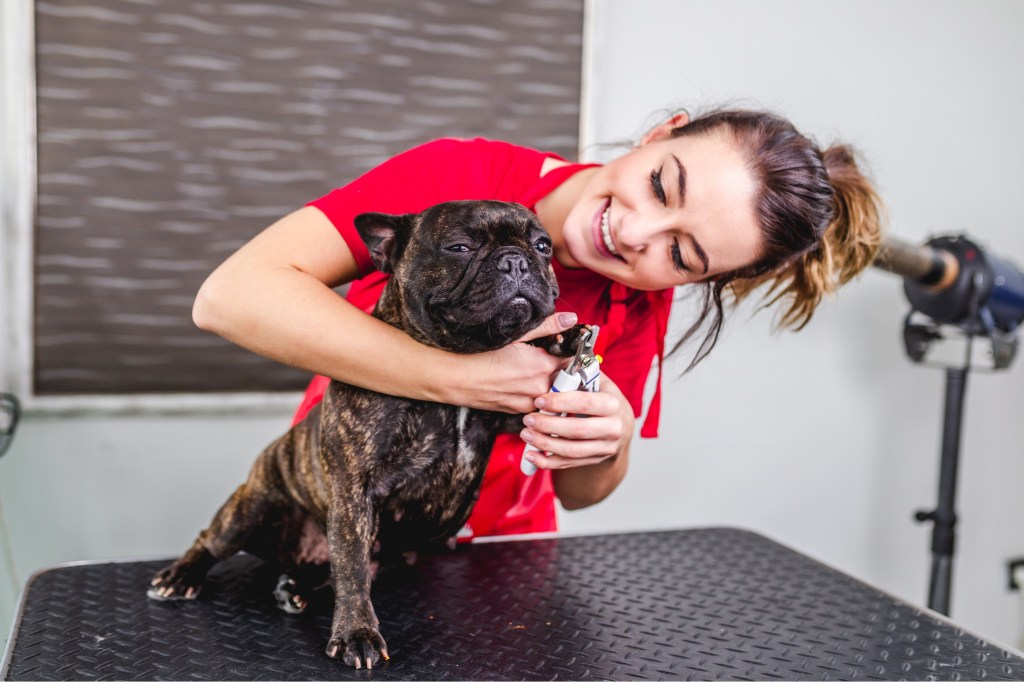
Female groomer cutting French bulldog's nails at grooming salon.
Grooming French Bulldog. Shutterstock asset id: 1340980898 by hedgehog94.
  1. Start with a simple business plan
    Use start with a business plan to define your services, pricing, ideal customer, and what “success” looks like in the first 90 days. Keep it short: one page is fine if it clearly guides your next choices. A basic plan also makes it easier to estimate costs and avoid undercharging.
  2. Define your offer and your boundaries
    Decide what you will do on day one, such as baths, haircuts, nail trims, de-shedding, and what you will not handle yet, like severe matting or aggressive pets. Write down your service times, cancellation policy, and any add-on fees so you can explain them calmly to clients. Clear boundaries protect safety and keep your schedule realistic.
  3. Choose essentials and build a safe setup
    List the non-negotiables you need to groom hygienically and efficiently, such as clippers, blades, shears, combs, towels, cleaning supplies, and secure restraints. Buy for reliability first, then upgrade as revenue grows. Do a dry run in your workspace so you can reach tools quickly and reduce stress for the pet.
  4. Set up operations that run on repeat
    Create a weekly routine for booking, travel time, service time, cleanup, and restocking so your days do not spiral when you get busy. Use a simple intake checklist for allergies, coat condition, bite history, and owner preferences, then store notes for next time. Consistency is how you deliver safe grooms and earn referrals.
  5. Market locally and ask for the first bookings
    Choose two channels you can maintain, such as a Google Business Profile and a neighborhood social group, and post clear before and after photos with your services and prices. In your plan, include basics like your mission and target market because business plan outlines make marketing messages easier to write and repeat. Then invite every satisfied client to leave a review and refer one friend.
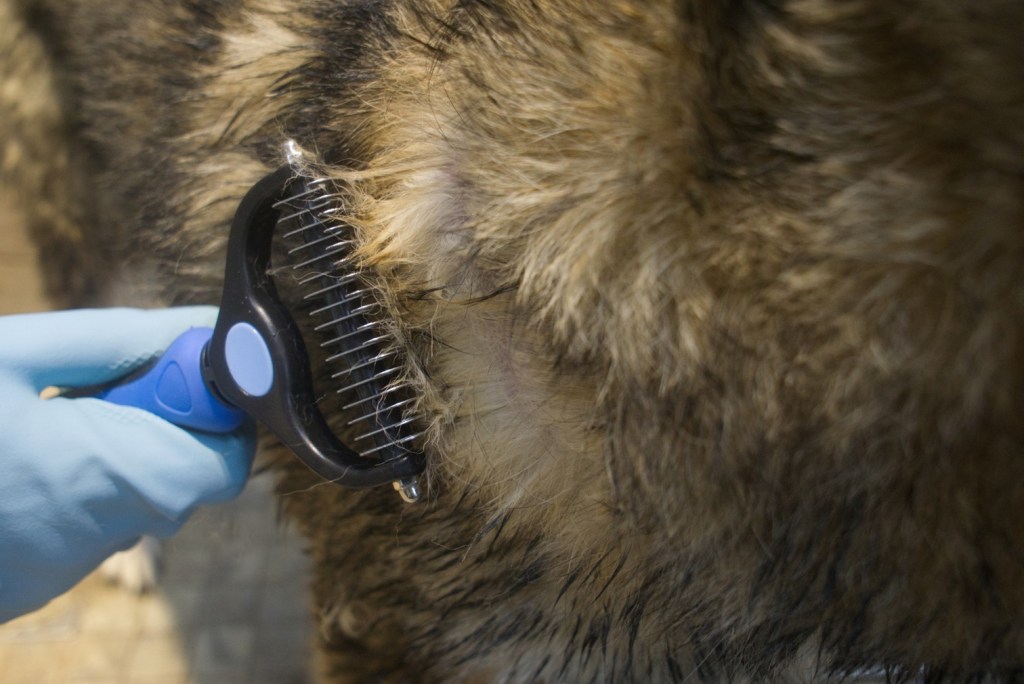
A so called undercoat rake is used to brush and penetrate deep into the coat of a double coated dog.
Brushing a double-coated dog close-up. Shutterstock Asset id: 2441132455 by Gayleen Froese.

Strengthen Your Business Skills Before You Scale Service

Once you’ve got the basics of launching and operating your mobile grooming setup in place, the next growth lever is often strengthening the business and marketing skills that turn steady bookings into a scalable service.

For some owners, going back to school for a business degree provides the structure to sharpen how you plan, position, and promote your services, especially as your route gets fuller and your choices carry bigger financial stakes. If you want a quick grounding, building those fundamentals can help you build confidence in core business and marketing concepts you’ll use every week.

A master’s in business administration equips you with skills in leadership, strategic planning, financial management, and data-driven decision-making to excel in diverse business environments. And because online degree programs are designed for flexibility, it’s often possible to keep running your business while you’re in school.

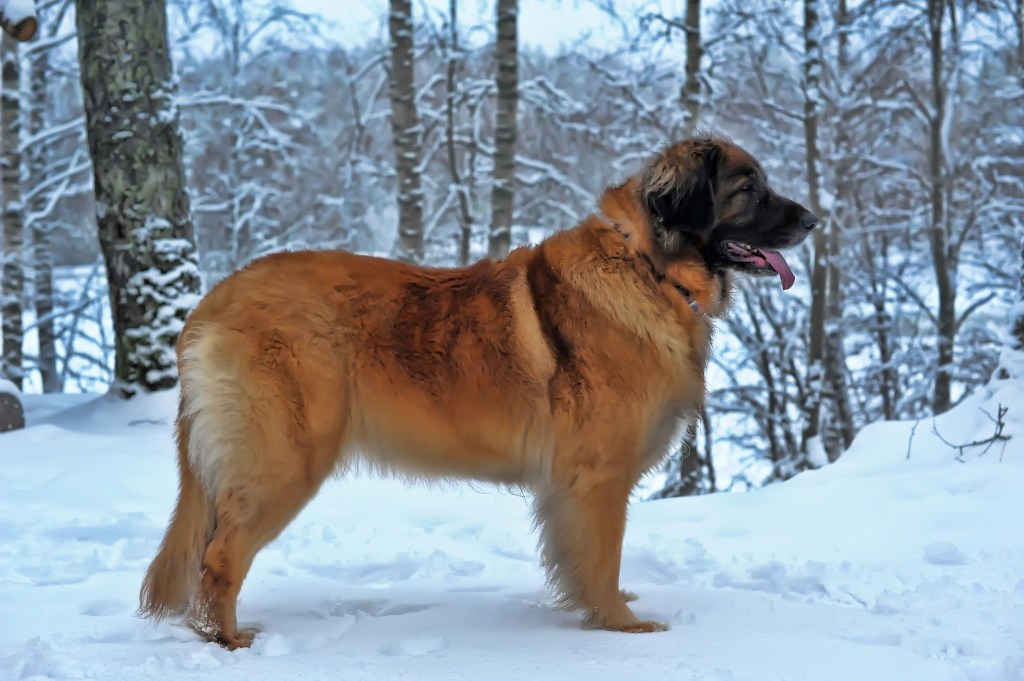
Photo of a Leonberger standing in snow. In the background there is snowy forest.
Well-groomed Leonberger standing in a snowy forest. Shutterstock-ID: 705193912 by Eric Isselee.

Plan → Groom → Follow Up → Improve

Your mobile grooming business grows faster when each day runs on a repeatable loop, not memory. This rhythm helps you protect pet care quality standards, reduce missed details, and keep your calendar predictable even as requests increase. It also builds trust so clients rebook without needing extra reminders, especially when many owners prefer scheduling sessions on a steady cadence.

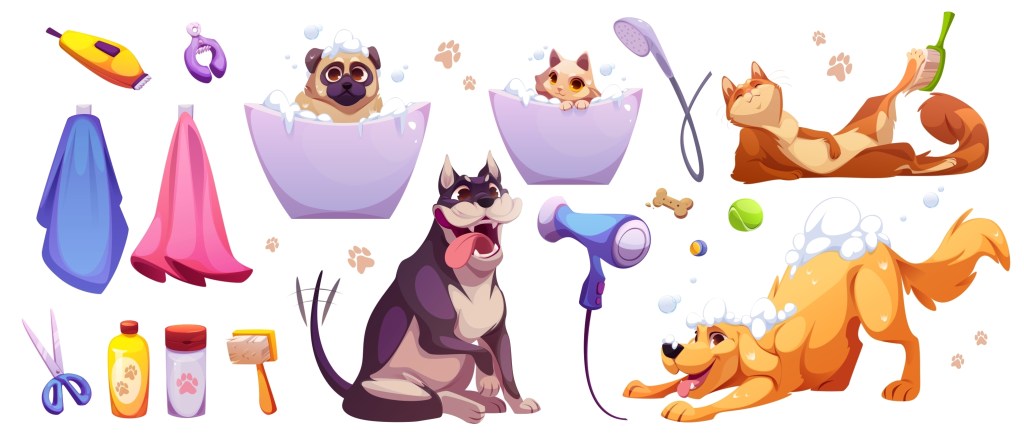
Grooming cartoon pets with bathing equipment and salon accessories for animal spa service. Dogs and cats with brushes and towels, scissors, shampoo bottles and hair dryer. Playful hygiene collection.
Dogs and cats with brushes and towels, scissors, shampoo bottles and hair dryer. Shutterstock asset id: 2681547649 by myteamart.
StageActionGoal
Plan the routeConfirm addresses, time windows, services, add buffer timeFewer late arrivals and smoother drive time
Pre-visit prepSanitize tools, restock supplies, review pet notesSafe setup and consistent readiness
Intake and consentCheck coat condition, discuss goals, confirm pricing, document issuesClear expectations and fewer surprises
Groom to standardFollow checklist, monitor stress, take quick before and after photosConsistent results and pet comfort
Close and follow upShare care tips, collect payment, book next visit, request feedbackHigher satisfaction and repeat retention
Review and adjustLog time per service, update notes, refine pricing and buffersBetter margins and fewer bottlenecks

Because each stage feeds the next, small improvements compound: cleaner prep speeds the groom, clean intake reduces callbacks, and follow-up keeps your appointment scheduling system full. Over time, your customer satisfaction management becomes measurable, not guesswork.

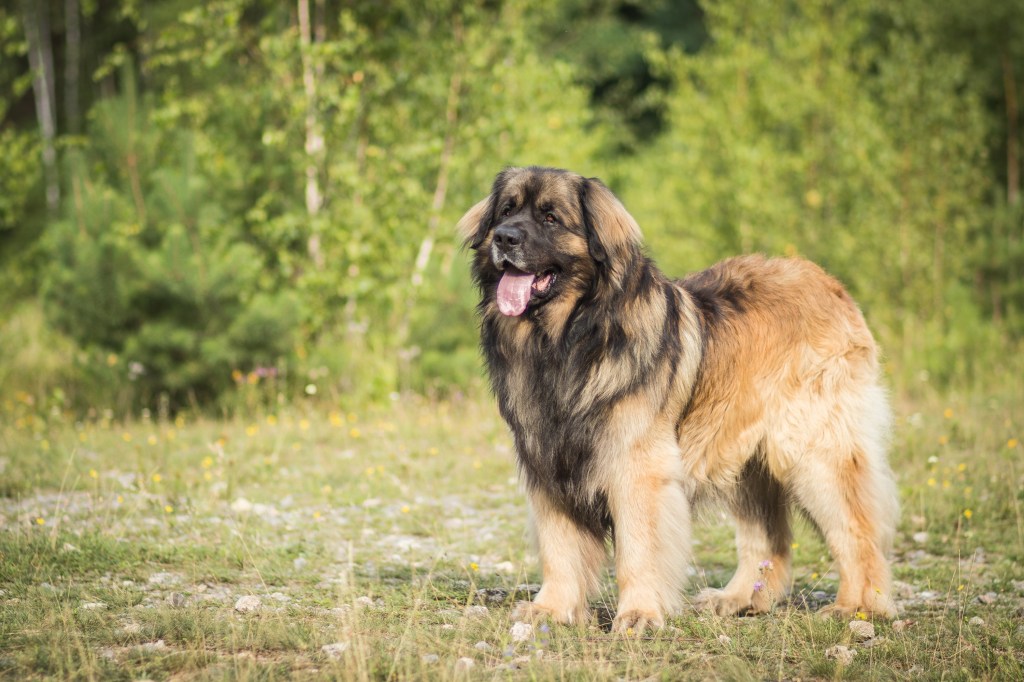
Majestic Leonberger standing on grass and there is a forest in the background.
Healthy Leonberger posing in front of a forest. Shutterstock asset id: 1474761425 by AnetaZabranska.

Mobile Pet Grooming Startup Questions, Answered

Q: What licenses or permits do I need to groom pets from a van?
A: It depends on your area, but plan for a basic business license plus any mobile vending, zoning, or parking rules that apply to operating from a vehicle. If you collect sales tax on products, you may also need a sales tax permit. Call your city or county business office and ask for a checklist for mobile services so you do not miss a step.

Q: How much insurance should I carry, and what does it cover?
A: Many owners start with general liability and then add tools and equipment coverage, commercial auto, and care, custody, and control if offered. Budgeting is easier when you know that mobile pet groomers pay an average of $65 per month for general liability insurance. Ask an agent to quote the exact services you offer, like nail trims, de-shedding, or handling anxious dogs.

Q: How should I price services without undercharging?
A: Use a base price by size and coat type, then add clear line items for mats, heavy shedding, special handling, or extra brushing time. Track your true minutes per dog for two weeks so your prices reflect labor, drive time, supplies, and vehicle costs. If clients ask for discounts, offer a maintenance plan for repeat visits instead of lowering your standard rate.

Q: When should I require deposits or cancellation fees?
A: Deposits help protect your day when a no-show leaves an empty time slot you cannot fill. Keep it simple: a small deposit to book and a cancellation window that feels fair, like 24 to 48 hours. Put the policy in writing and confirm it at booking to avoid awkward conversations.

Q: How do I handle common grooming concerns like mats, fleas, or anxious pets?
A: Start with a quick coat check and explain what is safe and humane before you begin, especially if shaving is the kindest option for matting. For fleas, have a sanitation plan and be ready to reschedule if the infestation is severe. For anxiety, shorten the session, use breaks, and recommend a vet consult for medically appropriate calming support.

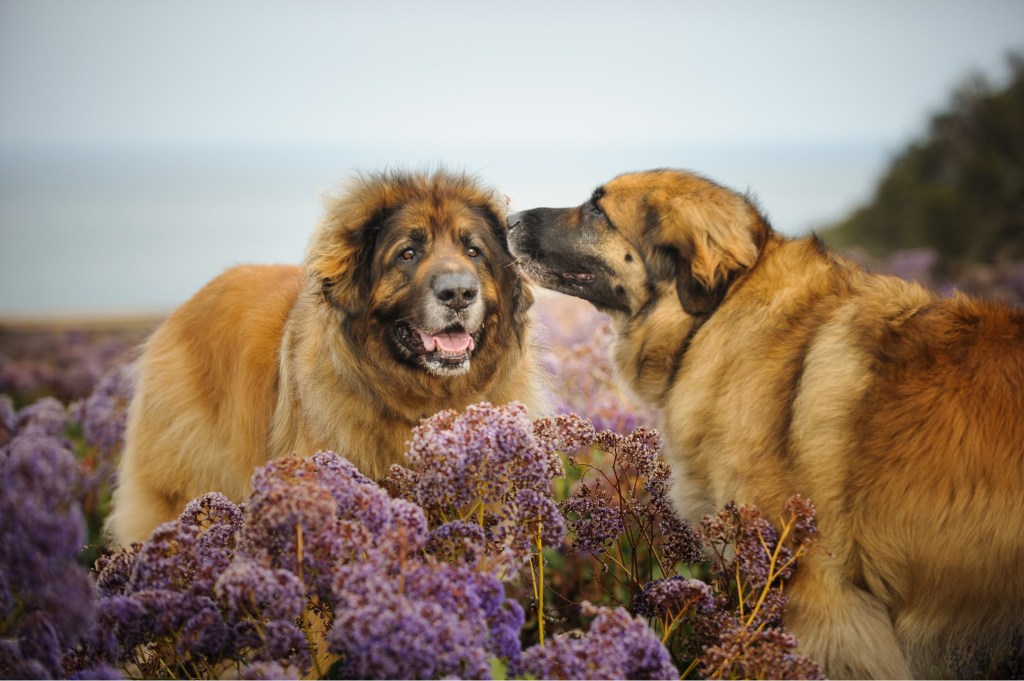
Leonberger dogs in field of purple flowers saying hello to each other.
Shutterstock Asset id: 450770140 by everydoghasastory.

Turn a Mobile Grooming Plan Into a Consistently Full Schedule

Starting a mobile pet grooming business can feel like juggling licensing, insurance, pricing, and pet safety while still needing clients on the calendar. The steadier path is a community-first, systems-minded approach: use the business launch recap to clarify your offer, follow through reliably, and let trust, not hustle, drive growth. Applied consistently, this builds entrepreneur motivation through visible progress, stronger customer loyalty building, and fewer preventable setbacks on the road to long-term business success. A full book comes from consistent service, clear communication, and repeatable operations.

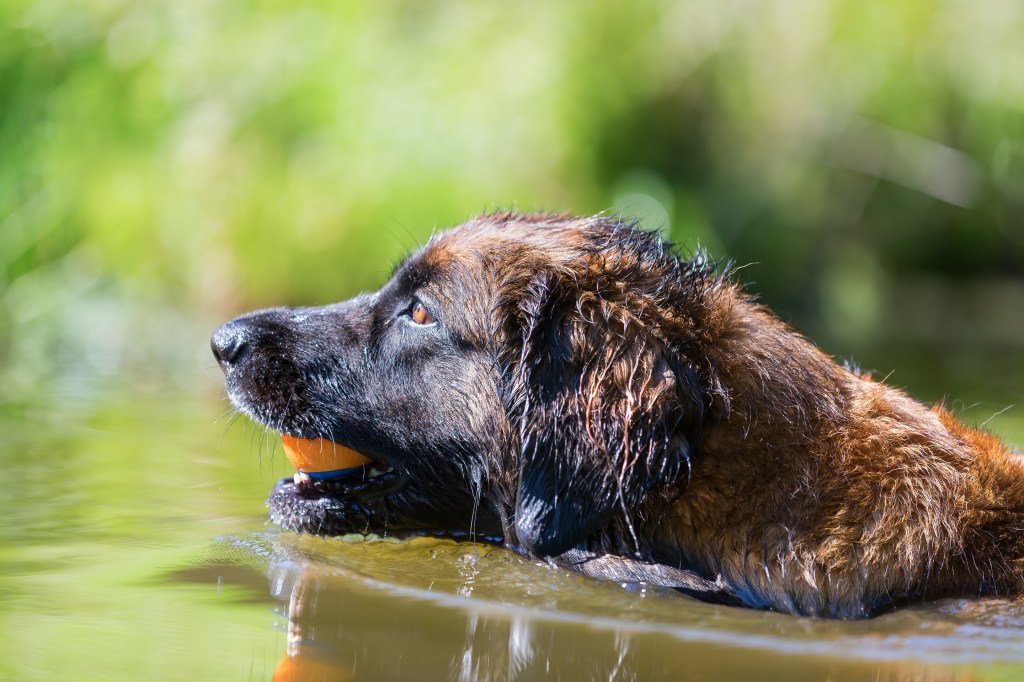
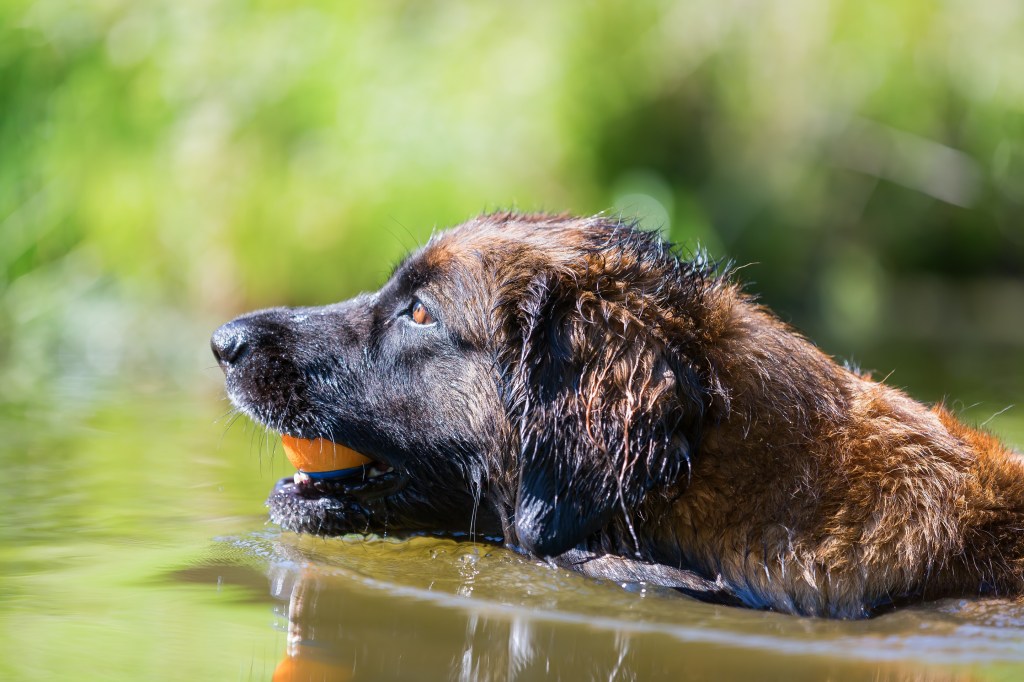
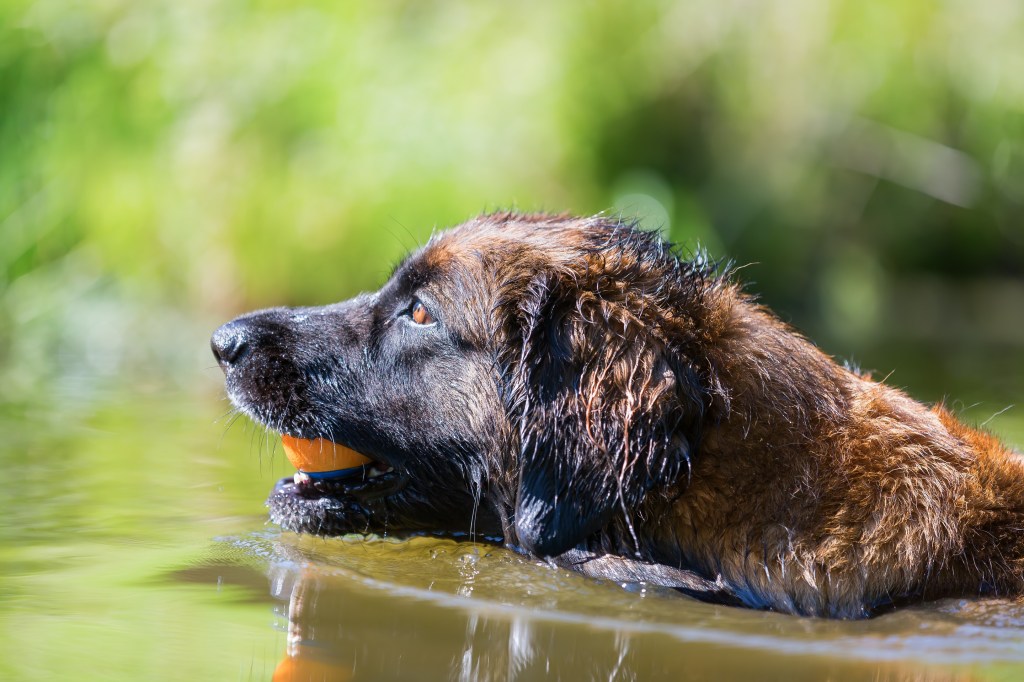
Photo of a Leonberger swimming water and there is green tall grass in the background. The Leonberger has a ball in his mouth.
Leonberger swims with a ball. Stock Photo ID: 720242263 by Christian Mueller.
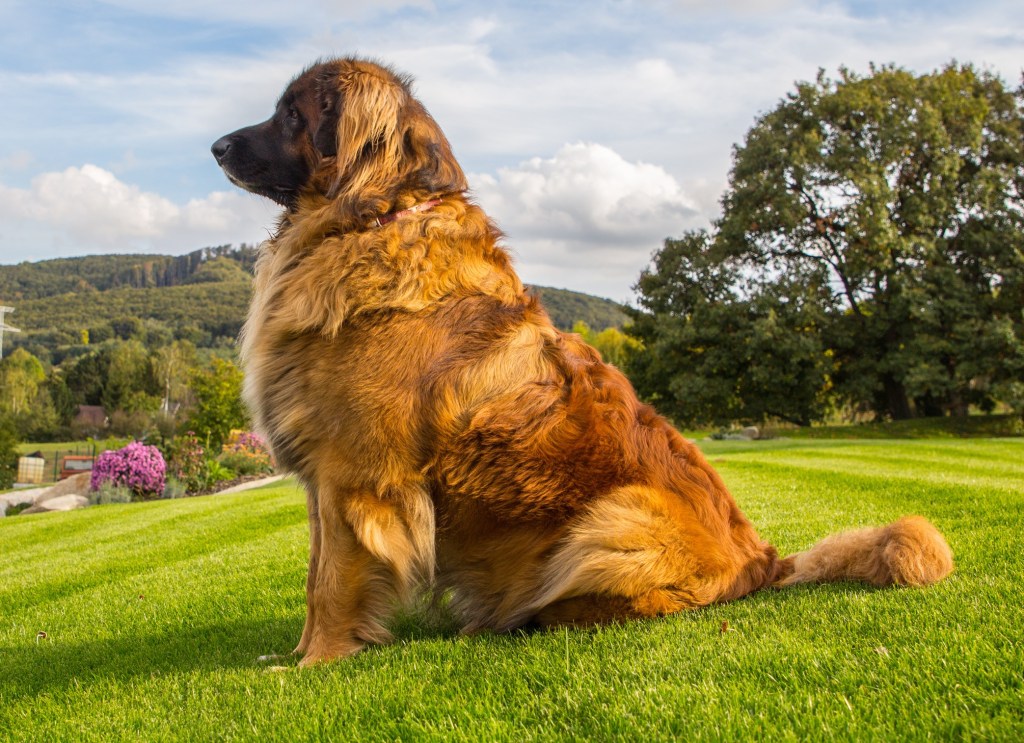
A majestic looking Leonberger is sitting on a green hill.
A majestic and well-groomed Leonberger on a grassy knoll. Shutterstock-ID: 731020957 by Peter Josto.

Why did the Dog Cross the Road

Esther’s writing prompt: June 17 : Cross

Click here or here  to join in.

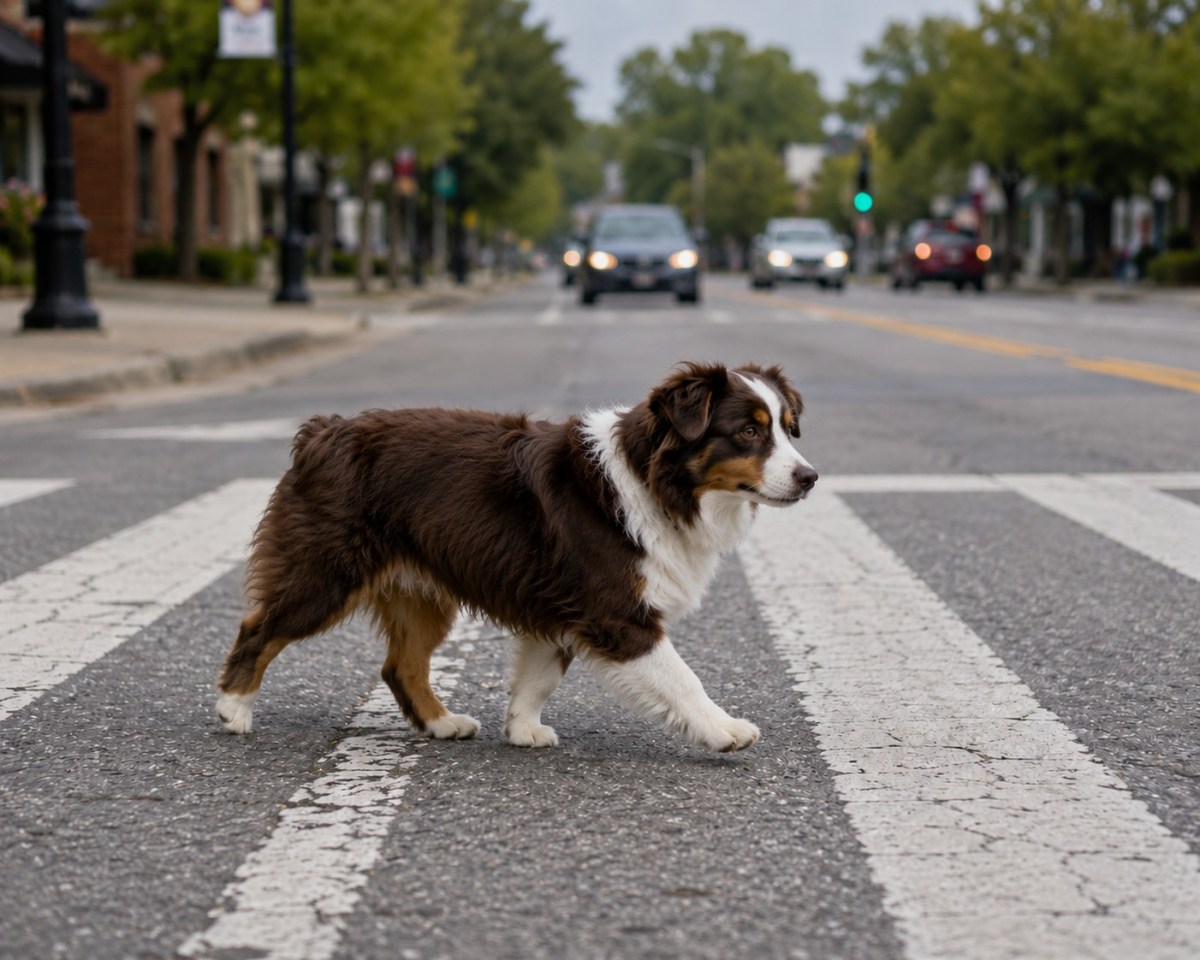
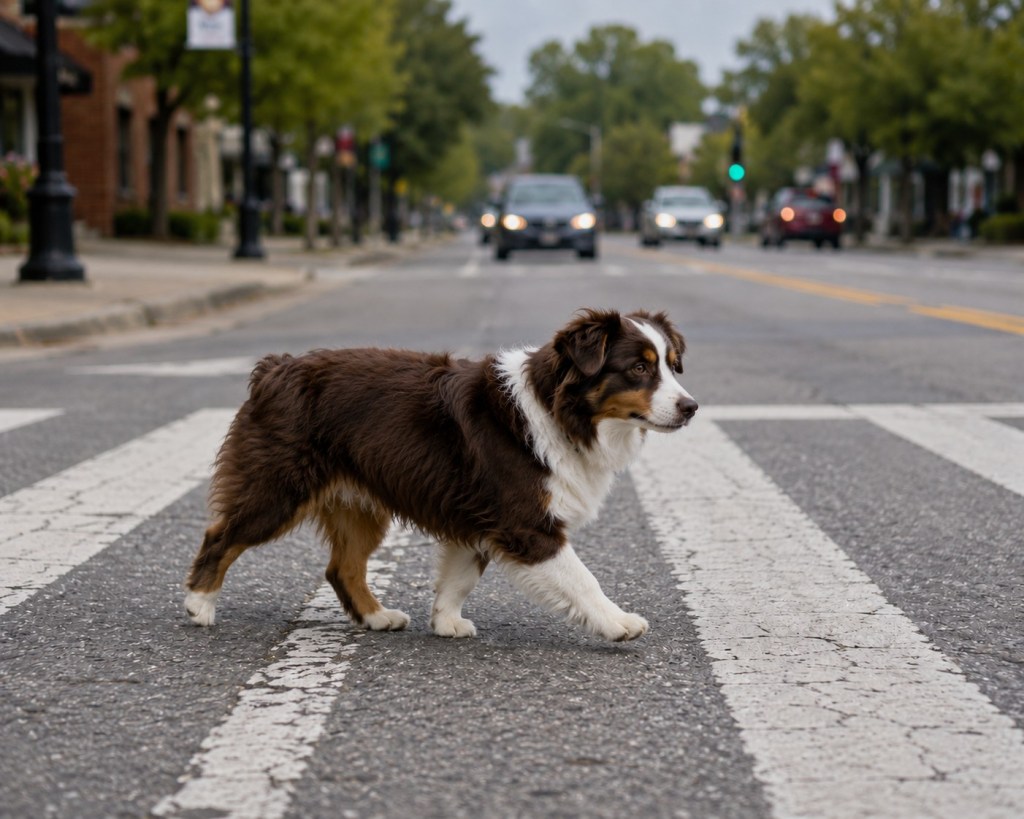
A mini-Australian Shepherd is crossing the street on a crosswalk.
A dog is crossing the road. Created with the help of ChatGPT.

Top Ten Reasons as to why the Dog Crossed the Road

  1. The dog got sick and tired of this side of the street.
  2. The dog wanted to stalk someone on the other side of the road and then not bark at them and get a treat for not barking at people.
  3. Because he wants to chase a cat on the other side of the road.
  4. The dog wanted to smell something on the other side of the road.
  5. A dog is barking at us on the other side of the road, and our dog wants to put him in his place.
  6. There was a scary noise on this side of the road.
  7. Someone the dog knows and love is on the other side of the road.
  8. The dog has to cross the road to get to grandma and grandpas house.
  9. Because someone said let’s cross. Note: our dog Rollo knows the word “cross” very well.
  10. Because someone accidentally said the word “cross”, for example, “After graduating from college, I found myself at the crossroads”. Now we all have to cross the road.

About number 2. Our dog Rollo loves getting close to people and not bark because he knows he will get a treat if he does not bark at people. So sometimes it appears that he wants to stalk people to get a treat. He even spots people half a mile away. However, we do not actually stalk people.

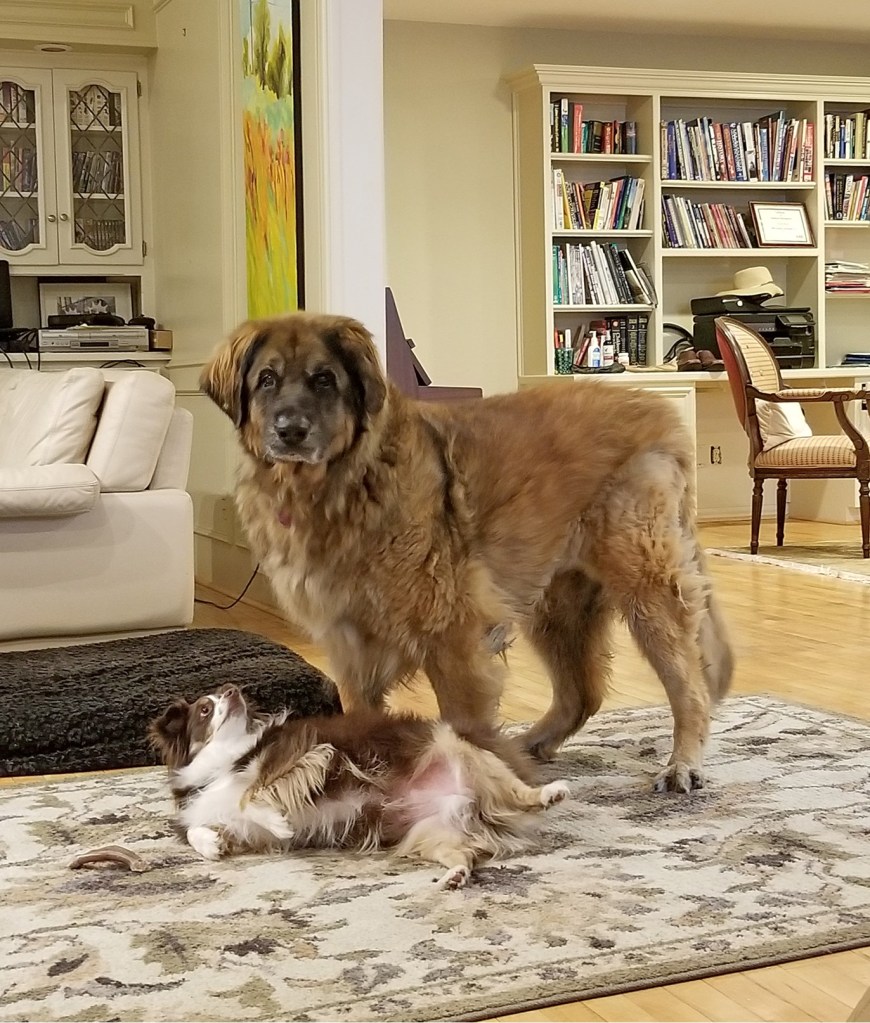
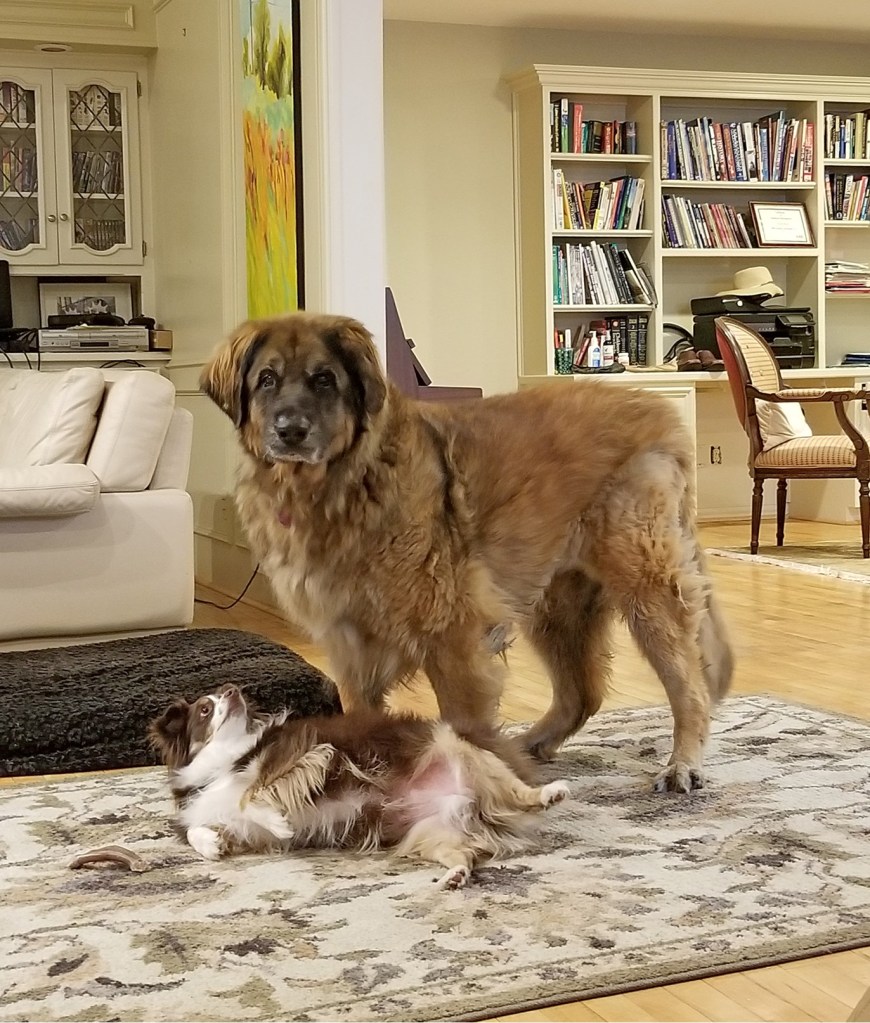
A mini-Australian Shepherd is lying on his side as in front of Bronco as if he wants a belly rub.
Our mini-Australian Shepherd with our Leonberger Bronco who was old at the time.
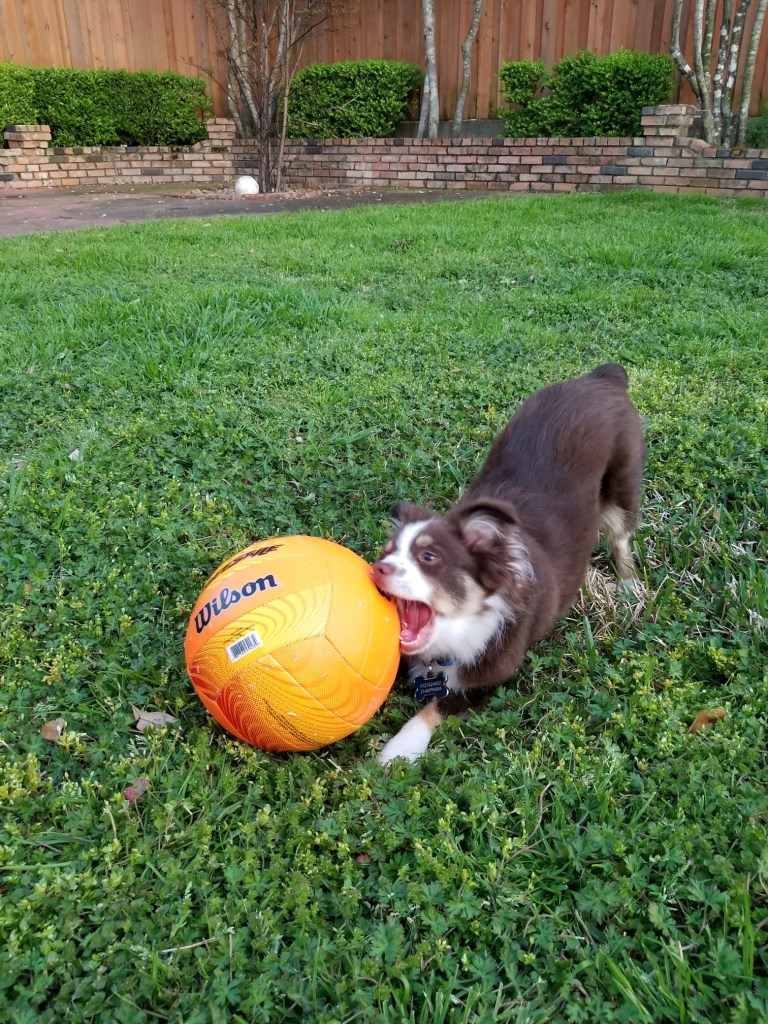
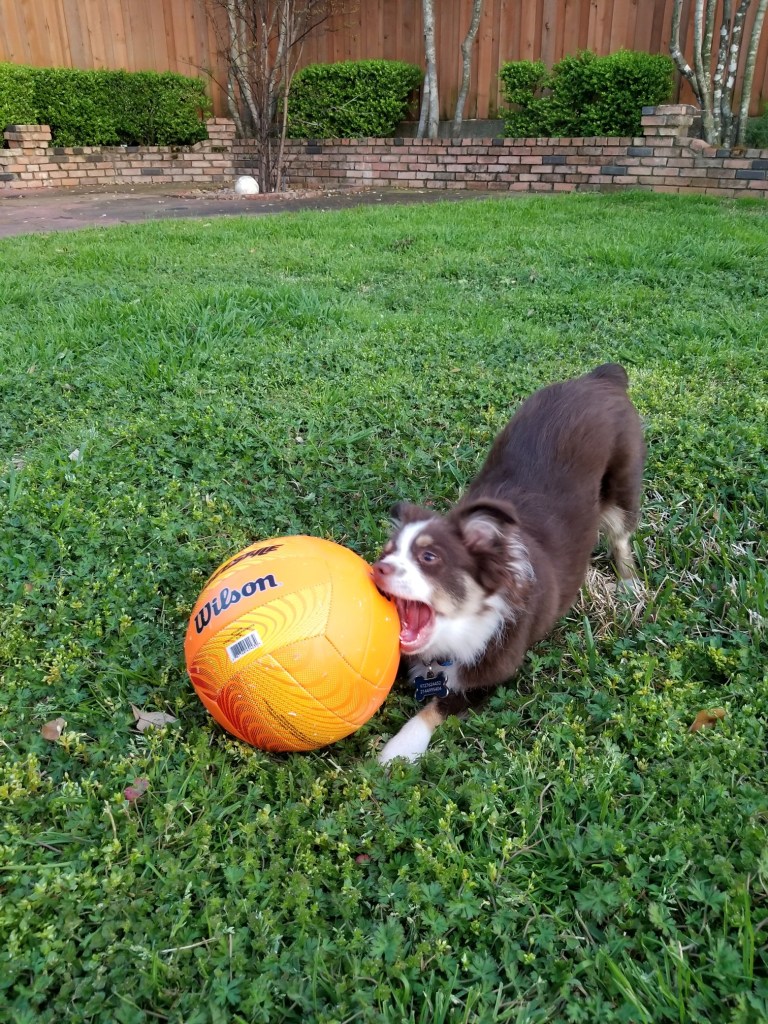
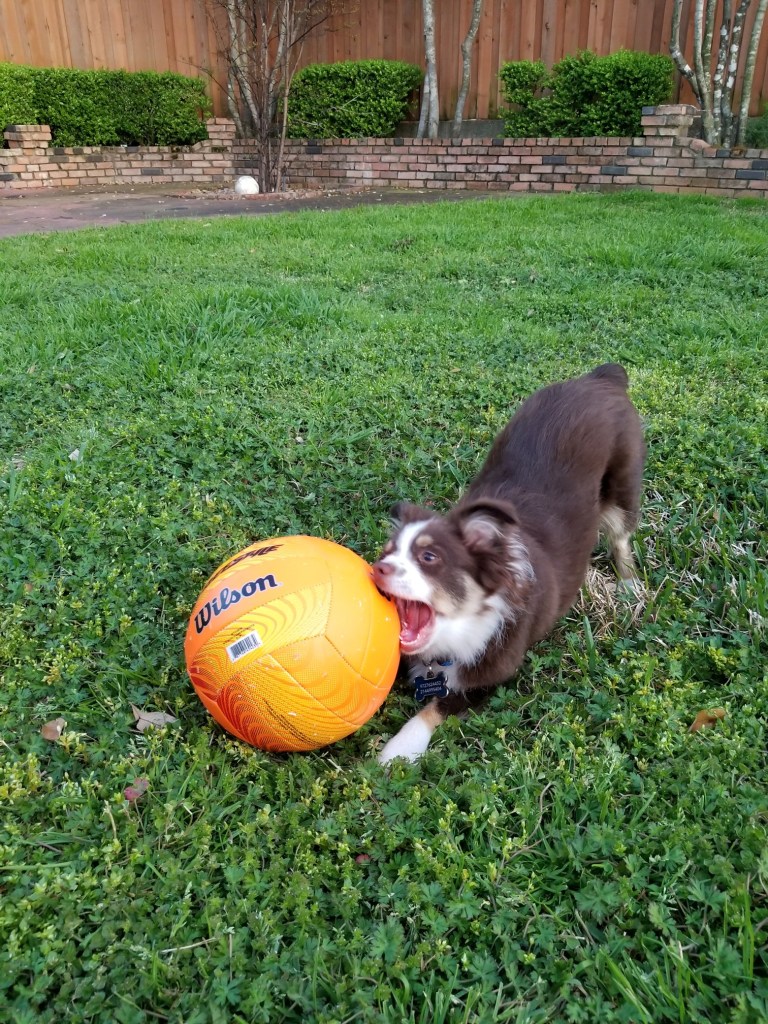
Rollo is biting a large orange volleyball.
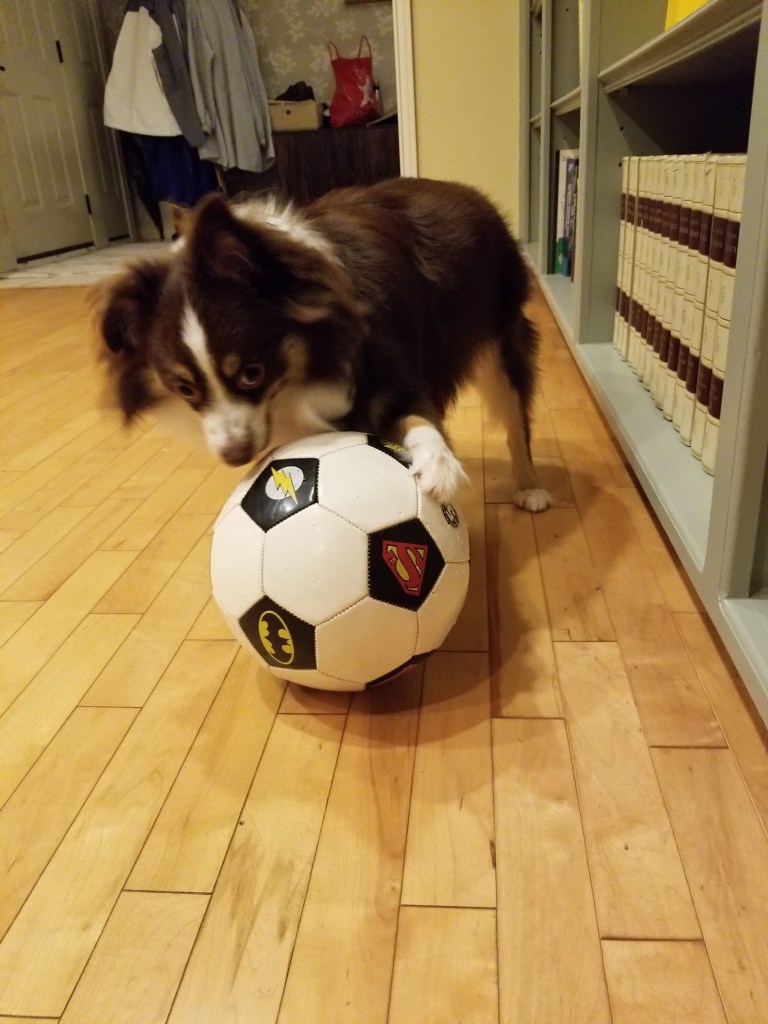
Our mini-Australian Shepherd Rollo rolling a ball.

The danger of dogs crossing the Road

Our dog Rollo loves to cross the street when we are out walking, and we cross the street many times during our walks. He knows the word “cross” because we have taught him this word so that he understands that crossing a street back and forth is a special action that he needs to pay special attention to. We want him to know that when crossing the street, you have to be careful. Ideally, we would like for him to look both ways before he crosses a street, but we are working on this. We have had a bad experience with dogs crossing roads.

WARNING: the paragraphs below are very sad, so if you are sensitive, please skip to “My Other Responses to Esther’s Prompts”.

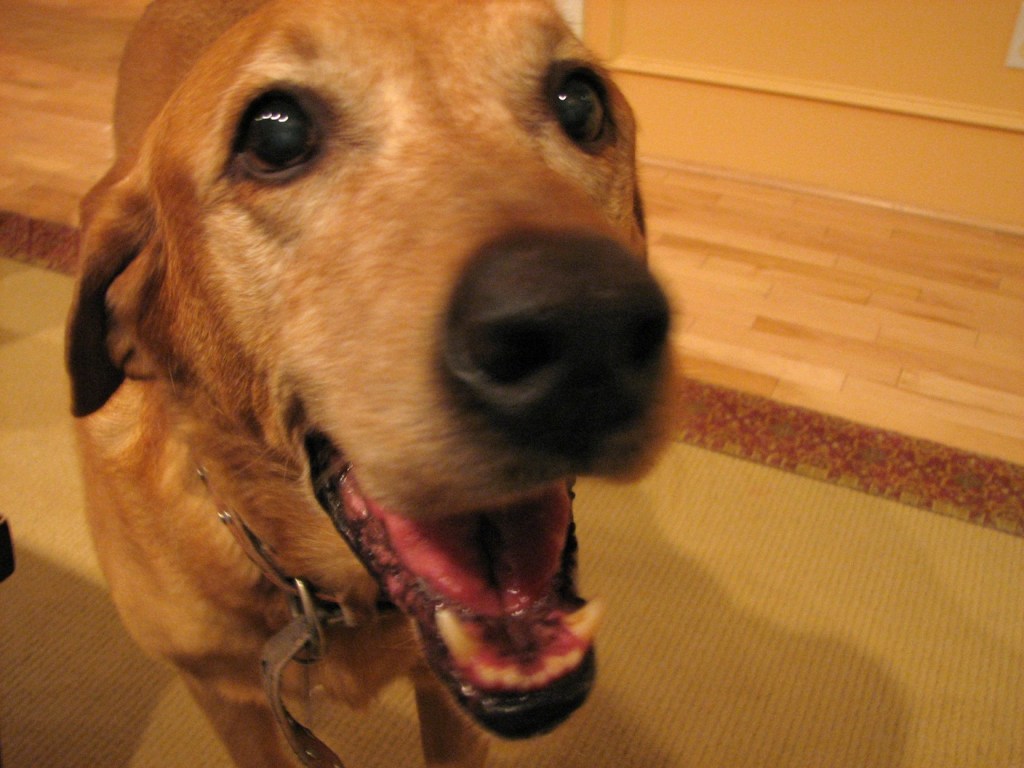
Close up photo of Baylor’s face.
Our Yellow Labrador Baylor

In December of 2008, we were planning a one-week trip. Baylor our yellow Labrador was maybe twelve years old at this point, and Bronco our Leonberger dog was a year and a half. We also had Baby our German Shepherd and Ryu our Japanese Chin. We needed someone to watch our four dogs while we were gone. Following a recommendation from our veterinarian at the time, we settled for a sitter who would visit the dogs, feed them, and walk them but not stay at our house full-time. This sounded like the best option at the time, but it turned out to be a disaster.

After we left on our trip, we got a phone call from the sitter, who told us that she was taking care of several other dogs in addition to ours and that she did not have time to drive back and forth to our house and attend to our dogs. The fact that she was taking care of several other dogs simultaneously was news to us. She asked if she could take our four dogs to her house. She stated that she had a fence like ours, and by having them at her house she could watch them 100 percent of the time.

We didn’t really like the idea because the dogs had never stayed at someone else’s house before. Moreover, we had never seen her house, and we had no idea how crowded it was with the other dogs there. But it sounded like the best solution under the circumstances, so we reluctantly agreed.

A couple of days later, the dog sitter called us again, but this time she told us that Baylor was missing. He had been barking at night, so she put him out in the backyard. Unfortunately, the gate at her place had been left open, and she didn’t notice that Baylor was gone until early in the morning. She asked us what we thought she should do.

We told her that she had to find him. “Go look for him; put up posters,” we said. She was reluctant to do any of that because she didn’t want to leave the other dogs alone. We told her that it was an emergency and she had to do it. We suggested that she recruit other people to help her. Baylor had to be found.

We were pretty upset about the fact that the sitter had put Baylor out into the backyard in the middle of a cold night and left him there. However, we needed her help, so we kept calm. We enlisted help from family members in Dallas, and I used an online service called My Lost Pet Alert, which sent 2,264 emails to people in our neighborhood that night. It didn’t help that it was cold and sleeting and the streets were icy and dark. Baylor also needed his insulin shot in the morning.

The following afternoon Baylor was found dead two miles from the dog sitter’s place. He had been hit by a car. He was found around midway between her house and our house, so it seemed like he was trying to get home.

Baylor had a very special place in our hearts, and I was devastated. My wife Claudia was crying, and the kids were crying. Not only had we lost a family member in a sudden cruel twist of fate, but his death was also likely an unpleasant one. That it was the result of a dog sitter’s carelessness didn’t make it any better. In fact, it made it worse. It is a traumatic event that none of has yet gotten over.

Baylor crossing the rainbow bridge and it says “you were our favorite Hello and our hardest Goodbye”.
Illustration by Naomi Rosenblatt.

My Other Responses to Esther’s Prompts

A New Beginning Opening a Pet Treat Bakery

This is a guest post written by Ryan Goodchild. He emailed me asking me if he could publish this post regarding opening a Pet Treat Bakery . I said yes. See his post below.

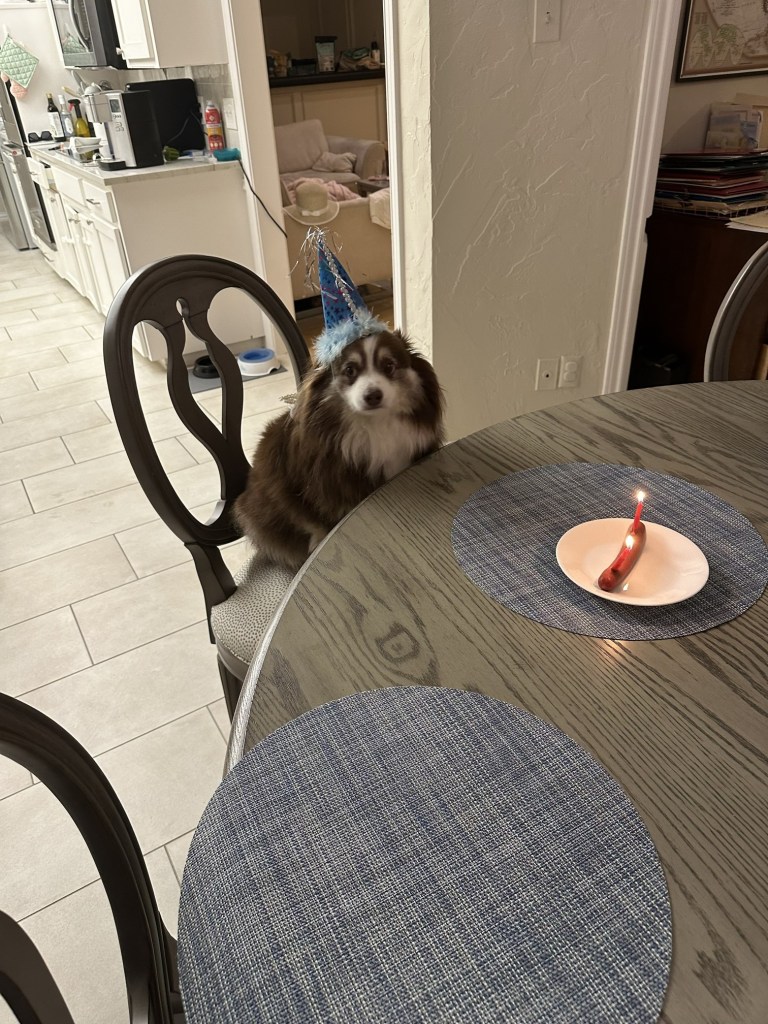
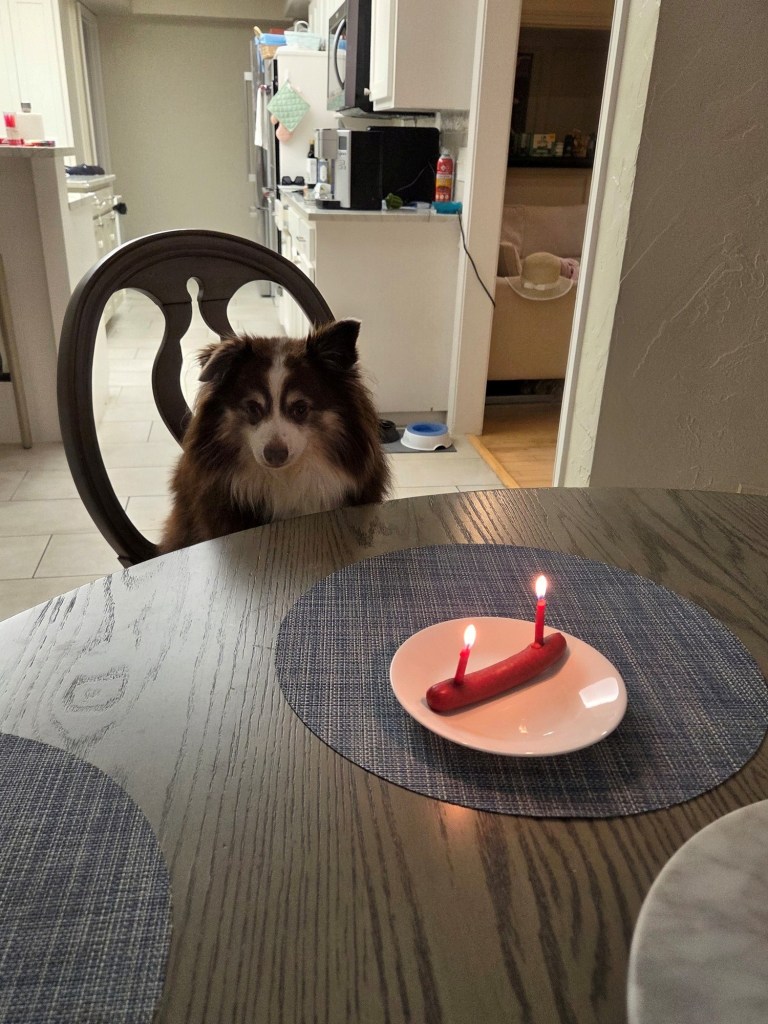
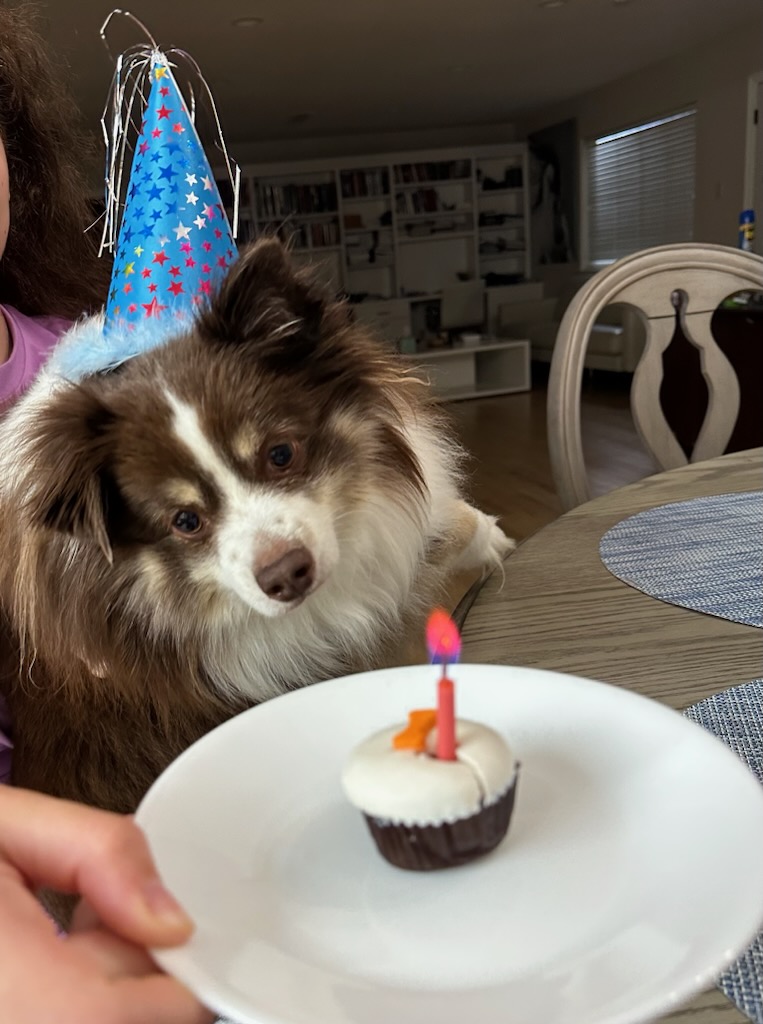
Our mini Australian Shepherd Rollo is looking at a pupcake in front of him. He is wearing a blue party hat.
Our mini Australian Shepherd Rollo loves pupcakes (cupcakes for dogs). We bought it at a pet treat bakery.
It is also a Response to Esther’s writing prompt: December 31, 2025: New Beginnings

Opening a Pet Treat Bakery could certainly be a New Beginning. Click here or here to join in Esthers prompt.

Image: Freepik

Opening a Pet Treat Bakery: A Step-By-Step Business Guide

Opening a pet treat bakery means turning a love of animals into a food-based business with real operational demands. This venture blends culinary care, compliance, branding, and sales into one compact operation. Done right, it can become a loyal, repeat-driven business with strong word-of-mouth momentum.

Quick Takeaways

  • Start with a narrow product focus so you can control quality, costs, and compliance.
  • Treat regulations as a design constraint, not an afterthought.
  • Your brand story matters almost as much as your recipes.
  • Distribution decisions will shape your margins more than ingredient costs.

Starting With a Clear Vision

Most pet treat bakeries fail by trying to do too much too early. Decide whether you are specializing in dog treats, cat treats, or a specific niche like grain-free, dental chews, or celebration cakes. Your ingredient list, pricing, and even packaging flow from this first decision. A tight focus also makes it easier to explain your value to retailers and customers.

Understanding Food Safety and Legal Requirements

Pet food is regulated differently than human food, but it is still regulated. In the U.S., this typically involves state-level registration, labeling rules, and adherence to basic manufacturing standards. Some states require inspections or proof of safe production processes. Call your state agriculture department early so compliance shapes your setup instead of delaying your launch.

Enhancing Business Skills with an Online Degree

Many founders realize quickly that baking skill alone is not enough. Formal business education can help you understand pricing, cash flow, and long-term planning without learning the hard way. A bachelor of business administration program builds confidence in areas like accounting, communications, and management, which directly affect whether your bakery survives its first few years. Flexible online programs allow you to keep working while sharpening these skills, making it easier to balance learning with real-world operations.

Pricing and Cost Control

This table shows common cost categories and what to watch for as you price your treats.

Cost CategoryWhat To MonitorWhy It Matters
IngredientsSupplier consistencyImpacts quality and margins
PackagingDurability and labelingAffects compliance and branding
LaborBatch efficiencyDetermines scalability
DistributionShipping or wholesale cutsDirectly hits profit per unit

Quick Steps to Launch Your Pet Treat Bakery

Follow these steps to move from idea to first sale:

Marketing Without Overstretching

Pet owners respond to trust and transparency. Share ingredient sourcing, show how treats are made, and encourage reviews from early customers. Local partnerships with groomers or pet boutiques often convert better than broad advertising. Consistent storytelling builds familiarity and repeat purchases.

FAQs for Future Pet Treat Bakery Owners

Before making final commitments, these questions often come up.

How much startup capital do I realistically need?

Most small pet treat bakeries launch with modest budgets by starting home-based or renting shared kitchens. Your biggest early costs are compliance, packaging, and initial inventory. Planning for six months of operating runway reduces stress.

Can I operate from home?

This depends on local and state regulations governing pet food production. Some states allow home kitchens with registration, while others require commercial facilities. Always verify before investing in equipment.

How long do pet treats last?

Shelf life varies by recipe, moisture level, and preservatives used. Many baked treats last several months when stored properly. Clear expiration dating builds buyer confidence.

Should I sell direct-to-consumer or wholesale?

Direct sales offer higher margins but require more marketing effort. Wholesale moves volume faster but reduces per-unit profit. Many bakeries start direct, then add selective wholesale partners.

When should I expand my product line?

Expansion makes sense once your core products sell consistently and operations are stable. Adding too many items too early increases complexity and waste. Let customer demand guide growth.

Conclusion

Opening a pet treat bakery is equal parts creativity and discipline. Success comes from pairing safe, appealing products with clear systems and realistic pricing. Start small, learn fast, and build trust with pet owners at every step. With focus and patience, a niche bakery can grow into a durable, well-loved brand.

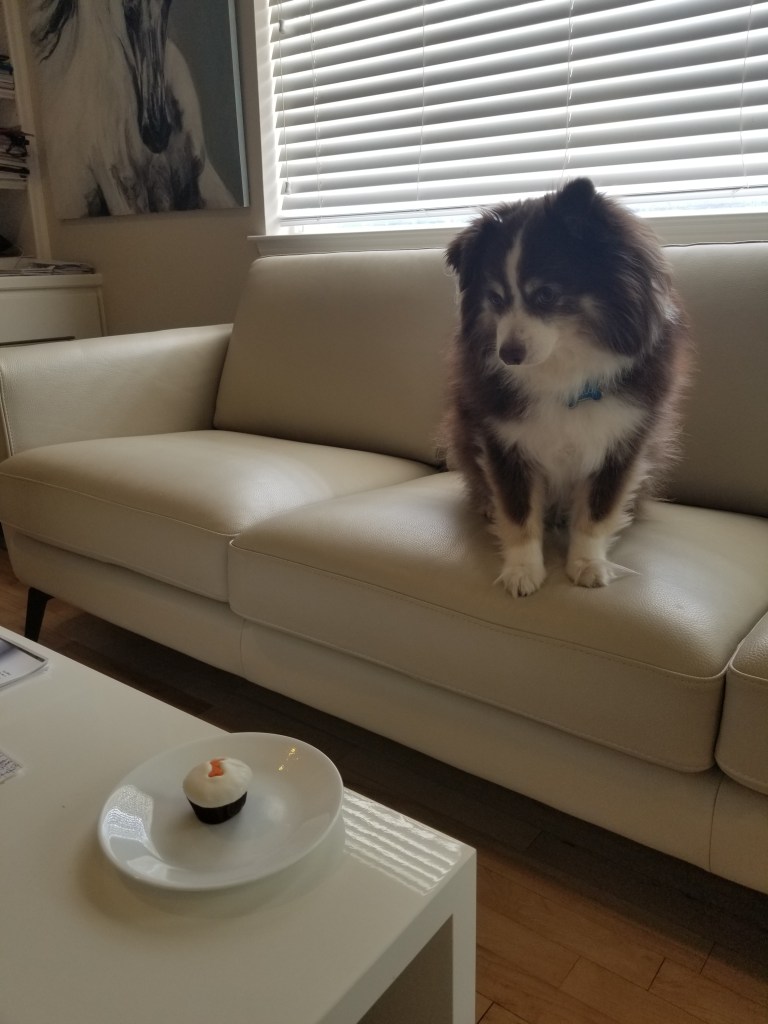
Photo of our mini-Australian Shepherd being sitting on a leather sofa and looking at a pupcake.
Rollo our mini-Australian Shepherd and a pupcake on a table. This pupcake was bought at a local pet treat bakery. They also have cupcakes for people, but it is important to keep them separate.


My Other Responses to Esther’s Prompts


Would you like to Open a Pet Treat Bakery?

Rollo is Seven Years Old Today

Rollo our mini-Australian Shepherd is turning seven years old today (October 12, 2025). This evening, we sang to him, in English, Swedish and French, and he got a pupcake (cupcake specifically for dogs) and piece of filet mignon. Later today (October 12) he will get celebrated again and have more pupcakes.

To celebrate Rollo’s birthday, I am posting 20 photos I took of Rollo today, or rather earlier this evening (October 11), as well as photos from the recent past, and also photos that are a year or older. Some of the older photos are with our late Leonberger Bronco. The first six photos I took today. If you’ve been following my blog for some time, you may have seen some of the older photos already.

Washing Rollo

Rollo our mini-Australian Shepherd is looking into the camera. He is wet.
Before the festivities Rollo needed a bath. He is getting washed in the sink. He was not happy.
Our mini-Australian Shepherd is looking into the camera as he is sitting in the sink getting washed. He is wet and not happy.
When are you going to be done with this washing stuff?

Birthday Photos of Rollo

Our daughter is putting a blue birthday hat on our mini-Australian Shepherd Rollo.
The birthday hat is coming on. He does not like the hat, so it did not stay on long.
Rollo our mini-Australian Shepherd has his paws on the table and he is wearing a blue birthday hat.
We are getting the pup-cake ready, and we are going to sing Happy birthday in several languages. Rollo very much appreciates us singing to him in multiple languages, but mostly he appreciates the pupcake. A pupcake is a cupcake made especially for dogs. We humans had cupcakes.
Rollo our mini-Australian Shepherd is standing with his paws on the table, and he is looking to the right. He is wearing a blue birthday hat.
Rollo is ready.
Photo of our mini-Australian Shepherd being fed a pupcake.
Finally Rollo gets his pupcake

Recent Photos of Rollo

Photo of our mini-Australian Shepherd being sitting on a leather sofa and looking at a pupcake.
Rollo and a pupcake on a table.
Photo of our mini-Australian Shepherd sitting on the floor in front of a Rolo candy.
Rollo and a Rolo candy. Rollo was not named after the candy bar Rolo as often incorrectly assumed. Rollo was named after the Viking king who sacked Paris. You can say he was on a roll.
Photo of our mini-Australian Shepherd lying among the covers on our bed.
Rollo likes to sleep in our beds
Photo of our mini-Australian Shepherd being a bit wet
Rollo is wet, not from being washed today but from rain on another occasion.

Older Photos of Rollo

A mini-Australian Shepherd wearing a blue party hat. He is not looking happy.
This is an old photo from his fourth birthday. He is unhappy with the hat.
On the left there is a big Leonberger dog bending his head down to sniff a small mini-Australian Shepherd lying on the grass.
Rollo almost six years ago. He had just arrived at our house. Our Leonberger Bronco is welcoming Rollo.
Our mini-Australian Shepherd is lying on the grass and looking into the camera.
Rollo our mini-Australian Shepherd puppy.
A mini-Australian Shepherd puppy lying on a blanket and looking into the camera.
Close up of Rollo as a puppy.
The photo shows a mini-Australian Shepherd puppy peeking out behind a red sofa and looking straight into the camera.
Rollo peeking out behind the sofa.
The photo shows a mini-Australian Shepherd puppy biting an orange volleyball.
Rollo playing with a volleyball.
The photo shows a mini-Australian Shepherd biting a Leonberger’s tail
Rollo frequently bit our Leonberger Bronco’s tail, and he even swung in it like a swing. He climbed all over Bronco. Bronco was very patient with him.
The photo shows a mini-Australian Shepherd looking into the camera. He is next to a chewed-up shoe.
When Rollo was young, he loved chewing shoes. Here the artist is posing with his art.
The photo shows a mini-Australian Shepherd and a Pug and young woman in between them petting them both.
Our daughter with our mini-Australian Shepherd Rollo and Pug Daisy.
The photo shows a mini-Australian Shepherd sitting in a stroller.
Sometimes there are scary sounds and Rollo wanted to sit in the stroller we bought for our Pug Daisy. We have not been using that stroller since Daisy passed.

To see the blog post from Rollo’s sixth birthday click here and Rollo’s fifth birthday click here.

Promises To My Dog

Esther’s writing prompt: 17th September : Promises

Click here or here to join in.

Dogs are domesticated wolves. To survive in our human society, they need to be taken care of. We often get them as puppies and all they know is how to live with people. When you get a dog, this is a lifetime commitment. Despite this fact a lot of people buying puppies bring them to shelters and many irresponsible breeders bring unsold puppies to shelters. In addition, 7% to 20% of dogs adopted from shelters are returned to the shelters, mostly due to behavioral issues or owners’ unrealistic expectations. Dogs who were returned for behavioral issues were also more likely to be euthanized.

Some dog owners don’t even bother to turn their dog into a shelter, they just abandon them. In the U.S., approximately 3.1 million dogs enter shelters each year. Many of these are abandoned, the offspring of abandoned dogs, or lost pets. In the U.S., about 60% of dogs entering shelters are strays. As a side note, abandoning a dog is illegal in almost every US state, including Texas where I live. We dog owners need to do better. We have responsibilities towards our dogs, to feed them, raise them, train them, exercise them, take care of them, and continue to shelter them when they get old and sick.

The Leonberger community has taken significant steps towards protecting Leonberger dogs from abuse and abandonment. First, the Leonberger Club of America certifies responsible breeders and work to prevent dogs from ending up with backyard breeders and puppy mills. Breeders are required to take back and care for a dog if it does not work out. All prospective Leonberger owners are interviewed and must sign a contract dictating how they should treat the dog. If they find out that you have mistreated a dog or failed to take care of a dog you cannot buy a Leonberger. To see the transcript for our Leonberger interview click here.

12 Promises to my Dog

  • Dear fur angel, I promise to feed you properly.
  • Dear fur angel, I promise to protect you from toxic foods such as raisins, grapes, chocolate, xylitol, birch sugar, onion and garlic.
  • Dear fur angel, I promise to protect you from toxic plants, dangerous household items and animals.
  • Dear fur angel, I promise to keep one or more water bowls always filled with fresh and clean water for you.
  • Dear fur angel, I promise to comfortably shelter you.
  • Dear fur angel, I promise to train you and care for your physical and emotional needs.
  • Dear fur angel, I promise to walk you every day (on days when this is possible).
  • Dear fur angel, I promise to take care of all your veterinary needs.
  • Dear fur angel, I promise to play with you, pet you, and throw balls.
  • Dear fur angel, I promise to never abandon you.
  • Dear fur angel, I promise to be there for you when you cross the rainbow bridge.
  • Dear fur angel, I promise to love you forever.

Puppy Versus Old Dog Photos

Below are some photos of our dogs. Except for the first photo, which is a photo of our Labrador Baylor and German Shepherd Baby at an advanced age, the photos are arranged so that the first is photo of the dog as a puppy followed by a photo of the same dog at an advanced age. I should say that we got Baylor and Baby when they already were adults and we don’t have puppy photos of them. What happened was that family members of ours had got them from a shelter and when those family members later needed to move, we offered to take care of them.
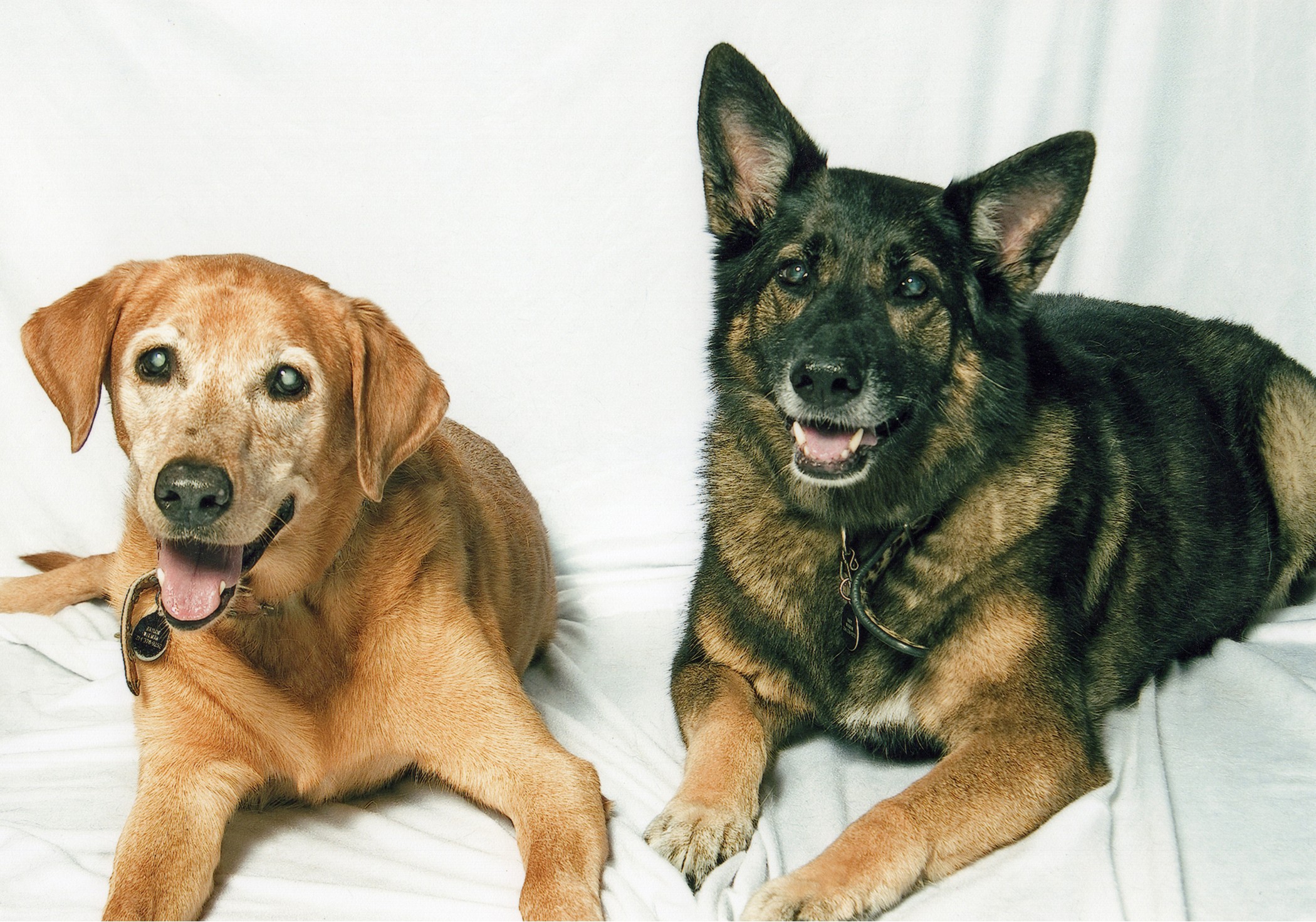
Both dogs are laying on their stomach. Baylor, a yellow Labrador, is on the left and Baby a brown and black German Shepherd is on the right.
Our Labrador Baylor, left, and our German Shepherd Baby, right. Both dogs are at an advanced age. I should add that Baylor was partially a mix. He was three quarters Labrador and one quarter Rhodesian Ridgeback.
Our Leonberger Bronco Puppy is sitting looking into the camera and wearing a red scarf.
Our Leonberger Le Bronco von der Löwenhöhle at three months old.
Our Leonberger Puppy is sitting looking into the camera and wearing a scarf. It is a black and white picture.
Our Leonberger Bronco at three months old.
Our Leonberger is standing on the left. My wife is standing on the right and holding the Grey Muzzle Award diploma.
Our Leonberger Bronco received the Grey Muzzle Award for longevity at age 12. Leonbergers typically live 8-10 years. It was the Leonberger Health foundation International that gave him the award. My wife is holding the Grey Muzzle Award diploma.
Our soon 13 year old Leonberger Bronco is lying on the lawn in front of our house. He is looking into the camera.
Our soon 13 year old Leonberger Bronco.
Ryu our Japanese Chin is dancing with our daughter. He is looking into the camera. It looks like he is laughing.
Our Japanese Chin puppy Ryu loved to sing and dance when. Well, howl and dance.
Ryu our Japanese Chin is sitting and looking serious.
Ryu is old in this picture. He has an illness, and he is more serious.
Daisy, our pug, is in our son’s arms. He is wearing a red shirt.
Our pug Daisy in our younger son’s arms. She is a puppy in this picture. People typically assumed that Ryu was the female and Daisy the male, but it was the other way around.
Our pug Daisy, is wearing a pink party hat and she is eating a Pup Cake.
Daisy’s 15th birthday. She is getting old. She is having a Pup Cake.
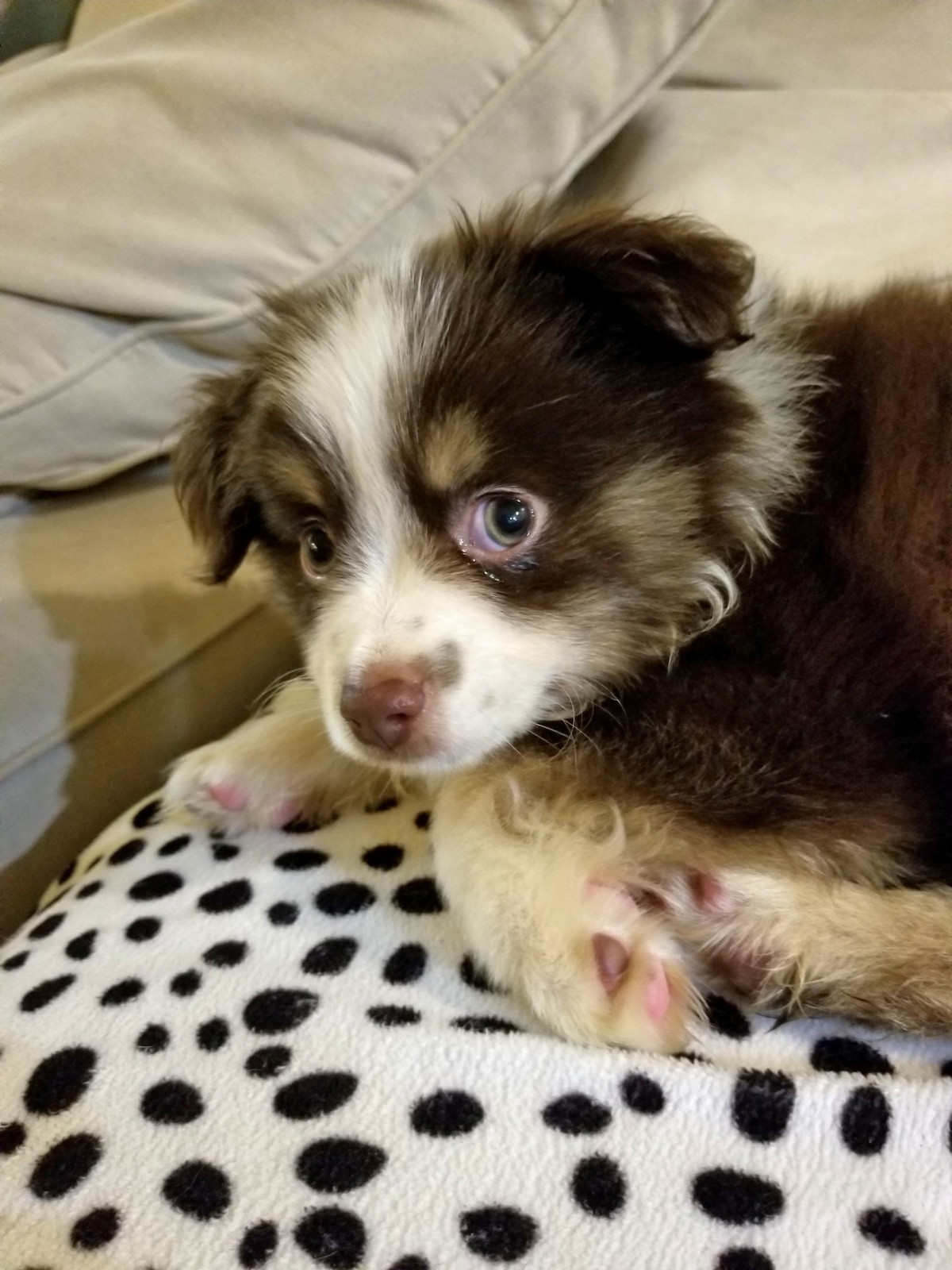
Our mini-Australian Shepherd Rollo puppy is looking into the camera. He is white and dark brown.
Our mini-Australian Shepherd Rollo as a puppy.
Our mini-Australian Shepherd Rollo is sitting in a black and pink pet stroller.
Our mini-Australian Shepherd Rollo is grown up but not yet old. Here he is sitting in Daisy’s stroller. Strange noises such as ducks quacking used to scare him and then he wanted to sit in her stroller.

Rollo Comforted Me

Something amazing happened this evening. I was watching a movie, Lion, about an Indian boy, Saroo who gets lost far away from home. He and his brother were riding trains, and they got separated. He is unable to get back home and ends up in an orphanage and is eventually adopted by a loving Australian family. However, once he becomes a successful adult in Australia, he sets out to find his biological family in India, a sort of mission impossible. I know it is not something parents of adopted children are thrilled about, but he has their blessing to go and try to find them anyway. It is a beautiful movie based on a true story and it is one of the most emotive and touching movies I’ve ever seen. I’ve seen the movie before, but it is difficult, even for me, not to get a bit emotional towards the end of the movie. I highly recommend the movie if you have not seen it. But you may need a tissue box.

I am sitting in the sofa, being a bit emotional, but I don’t think I was very emotional. I don’t think it was obvious. Rollo, our mini-Australian Shepherd is sitting in the same sofa, a few feet away. I look over at him and I see his big round sad eyes staring at me as he is tilting his head. I can see the love and concern in his eyes. He slowly comes over to me, lays his paw on my leg for a bit while looking into my eyes. Then he lays down next to me and pushes his body towards my leg as if to comfort me. It just felt exactly as if that was what he was doing. He was trying to comfort me. I wasn’t really sad, but the movie was touching my heart. So, I guess my feeling was pretty close to sadness.

Rollo our dark brown and white mini-Australian Shepherd is standing in the kitchen looking sad
This is Rollo. I don’t have a photo of him from today’s experience. This photo is from a different occasion when Rollo did not look happy because we told him we are leaving.

Can dogs sense when we are sad?

It is not just Rollo. Our Leonberger Bronco, our pug Daisy and our other dogs showed on several occasions that they could sense our feelings. When one of us was sad they tried to comfort. Especially Bronco was very sensitive to people’s feelings, and he tried to comfort. When our Japanese Chin Ryu died, we were sad, and Bronco and Daisy were sad, and I believe they could sense our sadness. The whole house was in mourning, including the dogs.

I can add that Leonbergers are known to be loving dogs and are especially in tune with people’s feelings. That is why they are very often used as therapy dogs. Dogs can even use their amazing sense of smell to detect emotions in people. “Can Dogs Sense Human Emotions?” is is an excellent article from “the Vets” on the topic. Check out the section under “Can dogs sense when we are sad? ”. I think you can recognize what just happened with Rollo. This is another interesting article from VCA Animal Hospitals. This post features a video about a therapy Leonberger called Scout.

Our Leonberger is standing on the large red leather sofa giving me a kiss.
Me and our Leonberger Bronco when he was young. He is giving me a hug.

Dogs can sense and detect a lot of things, our emotions, mood, fear, whether you are pregnant or not, illness, cancer, diabetes, whether you are a negative person, whether you are about to have a seizure, the weather, and they have an amazing sense of smell. You can read more about that here.

Recently Rollo impressed me with his amazing sense of smell. You can read about that here. Guess who had a truly amazing sense of smell? That was Bronco our Leonberger. You can read about that in the same post.

The Sense of Smell in Dogs

This evening around 7:45PM my daughter came to me and said that my wife, Claudia, and her, wanted to take Rollo for a walk. I said that I had told Claudia that I would go with her and Rollo for a walk at 8:00PM, and that I was in the middle of something right now. We had an argument, which ended with my daughter and my wife taking Rollo for a walk at around 7:50PM, and I stayed home to finish what I was doing. The reason we are walking him late in the evening is because here in north Texas it is pretty hot, so you need to wait until twilight.

They left, but at 8:00PM I decided to join them, so I went after them. However, I could not find them. When I reached an intersection, I called my wife on her phone to find out which way they went. She did not answer because she had left her phone at home. The same was true for my daughter. But then I thought I heard Rollo barking, so I went that way. It turned out it was another dog. I turned around and started walking home. I had about a mile back home.

Soon after I had rounded a corner in an intersection, I heard a bark. I turned around and there was Rollo running towards me with my daughter running behind him holding the leash. She explained that Rollo had picked up a scent about half a mile back and had started running. She thought he had smelled another dog and along the way they passed a dog. However, he just ran passed the dog without acknowledging the dog. He was obviously after something else. She was wondering what he was running after, and she found the answer as they rounded the corner and saw me.

He had smelled my scent and had started running to find me from half a mile away. It wasn’t like I stank to high heaven. I took a shower today. How could he smell me, just from walking around the neighborhood? The sense of smell of dogs is amazing. Clearly Rollo’s sense of smell was better than my hearing. According to this article (and this) a dog’s sense of smell is 10,000 to 100,000 times more acute than that of a human. You can read more about Rollo here and here and here. Below are a few photos of Rollo.

A mini-Australian Shepherd puppy lying on a blanket and looking into the camera.
Close up of Rollo as a puppy.
The photo shows a mini-Australian Shepherd puppy biting an orange volleyball.
Rollo playing with a volleyball.
The photo shows a mini-Australian Shepherd biting a Leonberger’s tail.
Rollo frequently bit our Leonberger Bronco’s tail, and he even swung in it like a swing. He climbed all over Bronco. Bronco was very patient with him.

The Day Our Leonberger Bronco Sniffed out an Insulin Shock

According to the article that I mentioned above “Dogs’ powerful noses are being used in medicine to detect diseases, sniffing them out in a less invasive manner than the currently available diagnostic tests”. For example, dogs have been able to accurately detect cancer, predict seizures and identify people with low blood sugar just by using their noses. This is exactly what I am going to describe below.

We used to have a Labrador called Baylor who had diabetes. Well, more exactly he was ¾ Labrador and ¼ Rhodesian Ridgeback. I used to give him insulin shots after every meal. We also had a Leonberger called Bronco. This was a large dog. Leonberger are related to Saint Bernards and about the same size.

One day as we had just gone to bed our Leonberger Bronco started barking while looking intently at Baylor, then he looked at us, then he turned his head toward Baylor and started barking again. He did this a few times—not aggressively, but to get our attention. It became clear to us that Bronco wanted us to look at Baylor. I examined Baylor but saw nothing wrong at first. Then I looked again. This time I saw that his back legs were shaking slightly. It quickly got worse. His gait became wobbly, then within perhaps fifteen seconds he fainted. He had gone into insulin shock. “Insulin shock” is another name for severe hypoglycemia, a condition where blood sugar (glucose) is dangerously low. Exactly, what dogs can smell out according to the article above. We rushed him to the emergency clinic, where fortunately the doctors were able to revive him.

Bronco detected a problem with Baylor before we could see anything wrong. His warnings gave us that little bit of extra time we needed to save Baylor’s life. Imagine if we had gone to bed, fallen asleep and not noticed the problem. I can add that Leonbergers have a very keen sense of smell. We had never taught Bronco to detect insulin shock or any other condition. It was entirely his own instinct. This was one of the amazing superpowers Bronco had. I should say that we didn’t know this at the time, but giving a dog sugar, or something sweet, can bring him out of insulin shock. To read more about this incident click here or here. Below are some photos of Bronco and Baylor.

Close up photo of Baylor our Labrador Rhodesian Ridgeback mix. He is looking into the camera.
Baylor is young in this photo. The photo is from around 2005 or 2006. Baylor had a smile that would warm the coldest hearts.
Our Leonberger is standing on the large red leather sofa giving me a kiss.
Me and our Leonberger Bronco when he was young.
Bronco our Leonberger is standing in front of me and he is looking into the camera.
Our Leonberger Bronco is ready for dinner

What Does Rollo See Out His Window

Esther’s writing prompt: 20th August : Window

Click here or here  to join in.

Our mini-Australian Shepherd Rollo loves going out, whether it is for a walk, a car ride, or visiting grandma and grandpa. But we can’t take him everywhere. Sometimes we have to leave him at home and when this happens, we tell him “Rollo go and look out the window”, and he runs to the window, and he looks out. You may wonder, what does Rollo see when he looks out his window?

He sees the blue sky and the clouds; he sees birds flying and he sees the black crows walking on our lawn. He doesn’t like the black crows walking on our lawn, so he goes woof, woof, woof, woof.

He sees the green grass, the houses, he sees the jagged edges of the roofs and the chimneys, and he sees workers repairing shingles on roof tops, which look scary, so he goes woof, woof, woof, woof.

He sees rabbits running, cats hiding, children playing and laughing, and he sees squirrels running up the trees so he goes woof, woof, woof, woof.

He sees people walking by our house. Do they see him? Maybe not. But there, someone sees him, and he goes woof, woof, woof, woof.

He sees people with dogs walking by our house and that makes him mad, so he goes woof, woof, woof, woof.

Rollo looks out the window and he sees the world, and he knows that the world was made for him, but he has to stay inside, so he goes woof, woof, woof, woof.

We left him alone in his despair for nearly two hours but now he sees us coming home and he runs to the door, and he goes woof, woof, woof, woof.

We ask him, Rollo, what did you see out your window today? And he goes woof, woof, woof, woof.

Photos of Rollo Looking Out the Window

Rollo our dark brown and white mini-Australian Shepherd is standing in the kitchen looking sad.
This is Rollo. Rollo does not look happy because we told him we are leaving. Next, we are telling him to go look out the window.
Rollo our dark brown and white mini-Australian Shepherd is standing in front of the window looking out. You can see the reflection of me and the rest of the neighborhood in the window, obscuring Rollo a bit.
Rollo is looking out the window. Unfortunately, there are reflections in the window.
Rollo our dark brown and white mini-Australian Shepherd is standing in front of the window looking out. You can see the reflection of me and the rest of the neighborhood in the window, obscuring Rollo a bit.
Rollo is looking out the window. You can see the reflection of me taking the photo and of the neighborhood in the window.

Daisy and Rollo Looking Out the Window

Rollo grew up with two dogs, our big fluffy Leonberger dog Bronco and Daisy our Pug. Bronco sometimes stood and looked out the window, but Rollo and Daisy loved doing that together. They stood on the sofa and barked at everything they saw outside.

A pug and a mini-Australian Shepherd are standing on the sofa looking out the window. The joke goes: Daisy says : Rollo do you want to hear a joke? Rollo says OK. Daisy says Knock! Knock! They both start barking like crazy.
Daisy’s and Rollo’s knock knock joke.
Rollo standing in front of a Rolo candy.
Finally, I just wanted to point out that Rollo is named after the Viking king who tried to sack Paris, not the Rolo candy.