A professional content writer by the name of Ryan Goodchild contacted me about me posting an article he had written called “Starting Your Green Pet Care Business: Practical Steps for Success”. The article is below. I provided some pictures.




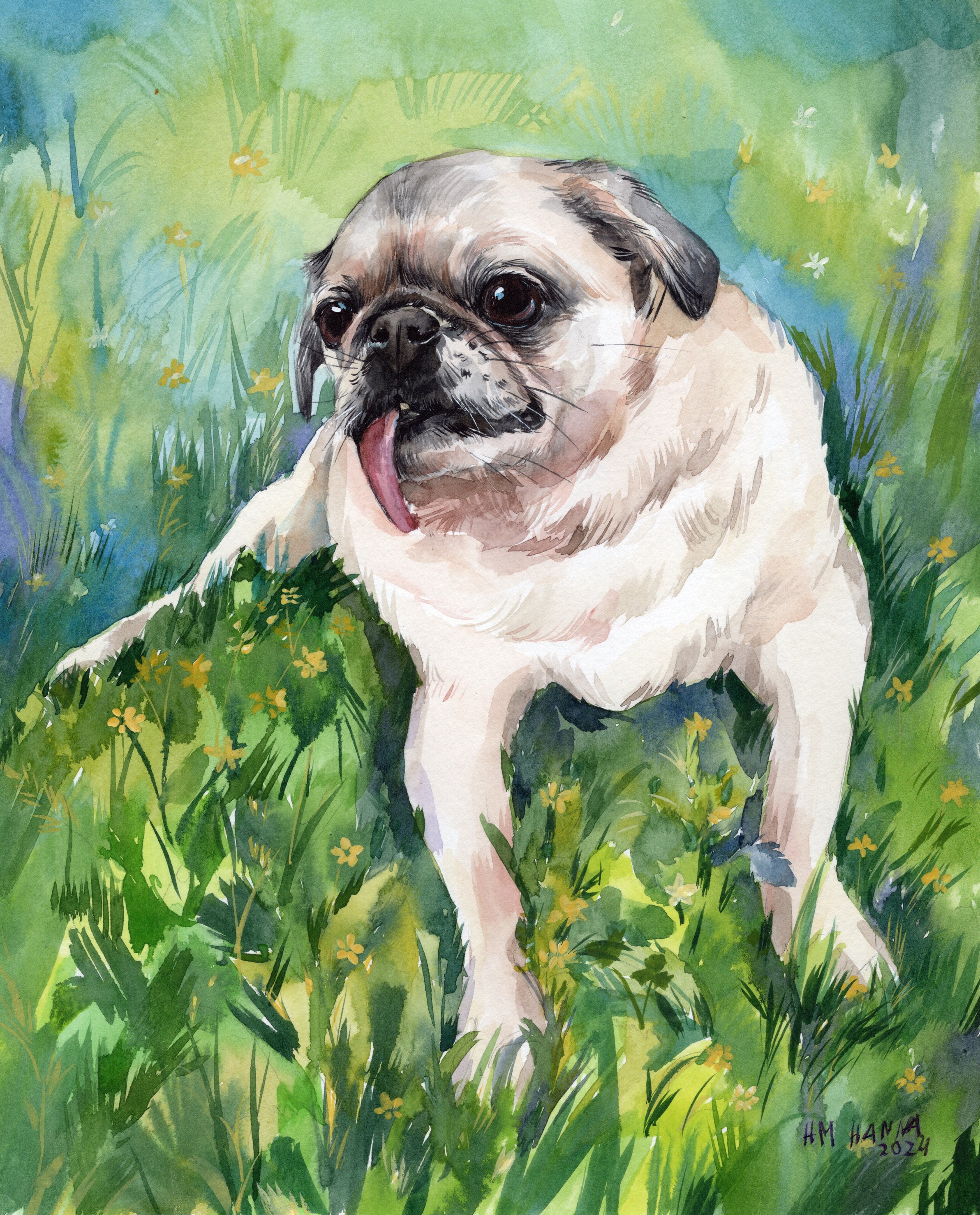
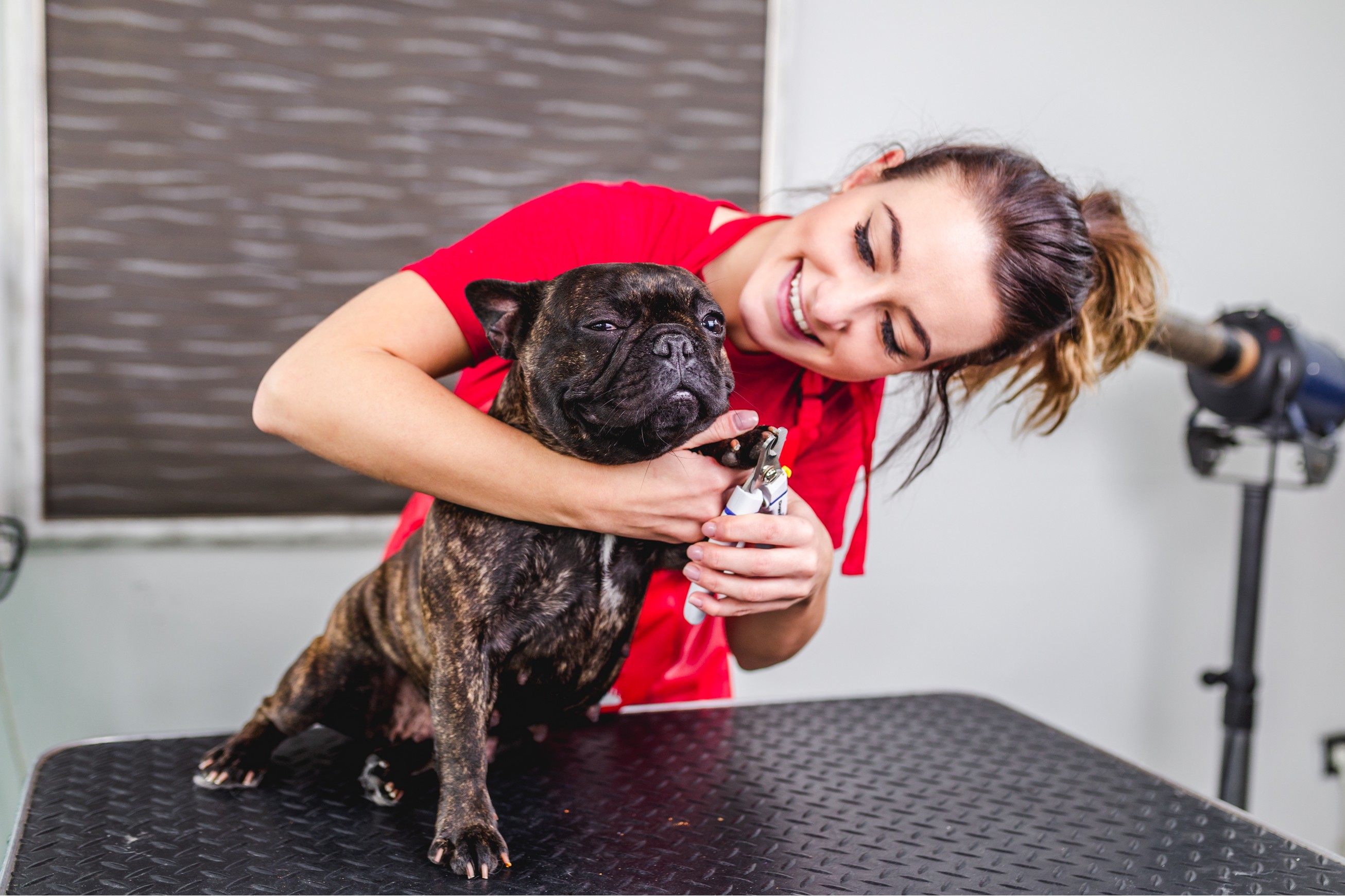


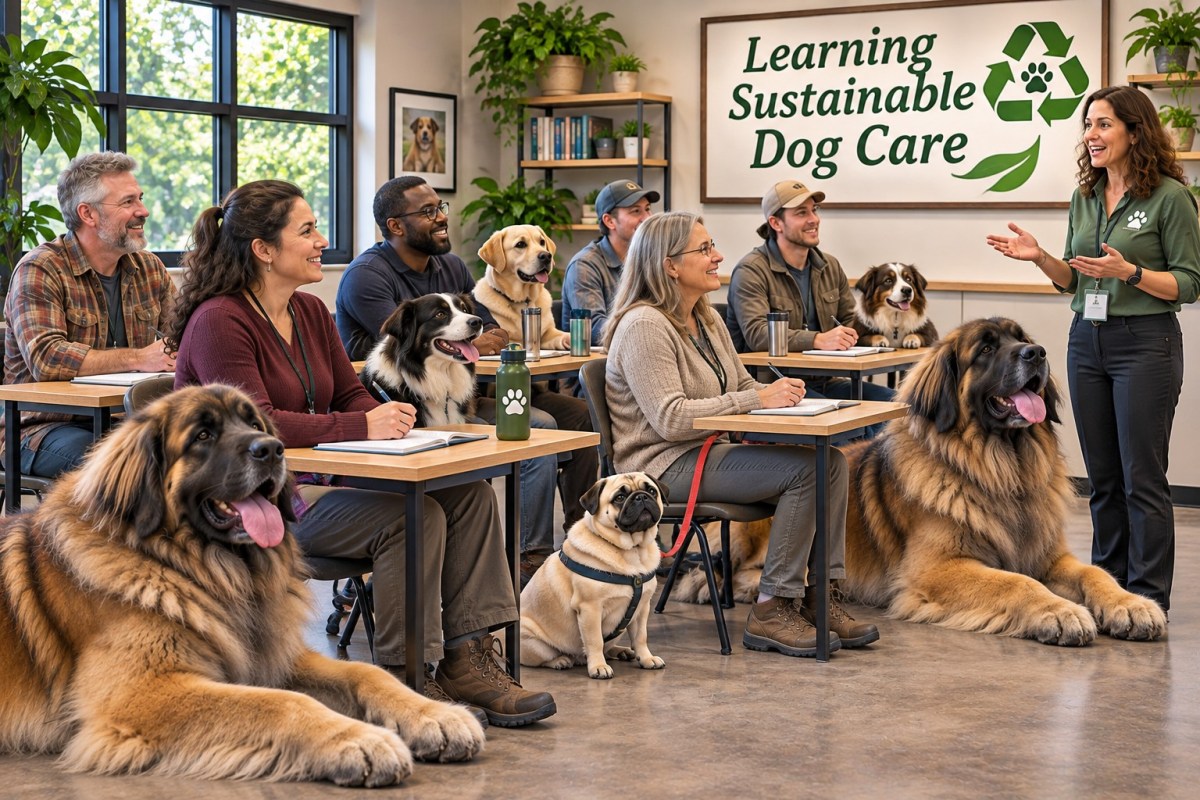
Leonberger meet and greet, from left to right, Kuiper, Caspian, Rilian, Austin, Obi-Wan (Photo by friend Ira Van Order). Seven Leonbergers on the beach (Photo by my friend Jen O’Keefe). Our Labrador Baylor and German Shepherd Baby. Paintings of our Leonberger Bronco and our Pug Daisy. Shutterstock asset id: 1340980898 by hedgehog94. Shutterstock asset id: 2390820575 by andysavchenko. Shutterstock asset id: 2469644009 by PeopleImages
Starting Your Green Pet Care Business: Practical Steps for Success
For local pet service providers, boutique shop owners, and other new business owners, pet industry trends are making one thing clear: customers want care that matches their values. The challenge is that the environmental impact of pet care, waste, packaging, and ingredient sourcing, can clash with the trust a pet brand needs to earn. An eco-friendly pet care business meets that tension by pairing everyday essentials with sustainable pet products and clear standards. With the right mindset for green entrepreneurship, this demand can support a business that feels practical, credible, and built to last.
Build Your Eco-Friendly Pet Care Startup Plan
This process helps you turn “eco-friendly” into a real, shop-ready or service-ready plan by selecting products, packaging, and operations that reduce waste. For general readers, it makes the startup path less overwhelming by breaking big decisions into a few clear, practical actions.
- Step 1: Pick a tight “starter shelf” of essentials
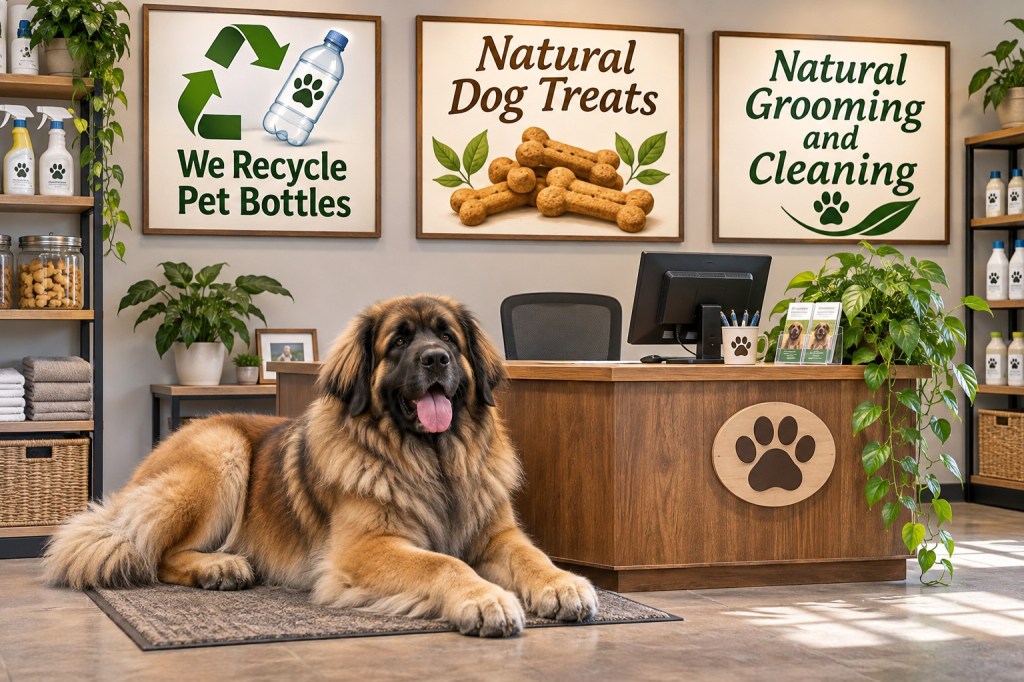
Start with three everyday categories people already buy often: biodegradable pet waste bags, organic pet treats, and recycled-material toys. Keep options limited at first so you can test what sells and avoid overstock. Product demand is trending up, and the natural dog treats market is one signal that more customers are shopping for cleaner ingredient lists. - Step 2: Set simple standards for what you will and won’t carry
Choose a few non-negotiables such as plant-based or recycled materials, minimal dyes and fragrances, and clear ingredient labels. Write these standards down and use them to screen every supplier, so your eco-claims stay consistent. A helpful benchmark for what “good” looks like across the industry is the state of sustainability snapshot. - Step 3: Match your packaging to your promise
Choose compostable packaging options for items like treats and sample sizes, and right-size boxes and mailers to reduce filler. Ask vendors for documentation on materials and disposal instructions so you can explain it in plain language at checkout. Clear guidance reduces customer confusion and lowers the chance that “compostable” ends up treated like regular trash. - Step 4: Build a natural grooming and cleaning toolkit
If you offer grooming or pet sitting, stock natural pet grooming products and surface cleaners that avoid harsh fragrances and unnecessary additives. Test products on your own tools and towels first so you know how they perform and what they smell like in a real home setting. Then standardize what you use so every appointment delivers the same experience. - Step 5: Plan low-waste delivery and sustainable transportation
Choose the least resource-heavy option that fits your services, such as walking routes, bike-friendly neighborhoods, route batching, or an efficient vehicle for longer trips. Create a weekly schedule that groups appointments by area to cut miles and time, and communicate your service windows clearly so clients can plan. This step often saves money as well as emissions, which helps your business stay sustainable in every sense.
Build the Business Skills That Keep Your Startup Profitable
Once your startup plan is mapped out, the next challenge is building the business know-how to attract customers and keep cash flow steady. Going back to school for a business degree can be a practical way to sharpen the marketing and business skills that help your eco-friendly pet care venture grow. Whether you earn a degree in marketing, business, communications, or management, you can learn skills that can help your business thrive. If you need flexibility while you keep serving clients and running daily operations, online business degree programs can make it easier to handle school and business at the same time.

Eco-Friendly Pet Care Startup Questions, Answered
Q: What licenses or permits do I usually need for a green pet care business?
A: Most startups need a standard business license and sales tax registration if you sell products. Grooming, boarding, and transport can trigger extra rules like animal welfare standards, zoning approvals, or facility inspections. Call your city or county licensing office and ask for a checklist for your exact services.
Q: How can I keep costs manageable while choosing eco-friendly products?
A: Start with a tight service menu and buy only what supports those services, then expand after you see repeat demand. Choosing a clear focus helps you avoid waste and overstock, especially when you determine your specific niche. Track product cost per appointment so you can adjust pricing early.
Q: How do I attract customers if I’m new and competing with cheaper options?
A: Lead with results, not buzzwords: coat health, low-odor cleaning, sensitive-skin options, and clear ingredient transparency. Some markets show people will pay for quality, and pet owners in Thailand and India prioritize quality over price, which is a helpful reminder to highlight value. Ask happy clients for short reviews and referral texts they can copy.
Q: What makes pet grooming “environmentally safe” without risking pet health?
A: Use fragrance-free, biodegradable shampoos with clearly listed ingredients and avoid harsh disinfectants on skin-contact tools. Add simple safeguards like patch testing for new products, proper dilution, and strong ventilation. If a pet has allergies or skin issues, request vet guidance and document what you used.
Q: How can I find reliable sustainable suppliers and avoid greenwashing?
A: Ask for proof, such as ingredient disclosures, safety data sheets, and third-party certifications where relevant. Start with small trial orders and track quality issues, shipping reliability, and customer feedback before committing. Keep a backup vendor list so shortages do not stall your services.

Make Sustainability Visible: 9 Upgrades Customers Notice
Small sustainability choices are easy to miss, until you make them obvious. Use the upgrades below as a pick-and-choose menu to deepen your impact without blowing up your budget or your licensing timeline.
- Run a quick energy “tighten-up” in your workspace: Swap in LED bulbs, put frequently used equipment on smart power strips, and set a simple closing checklist: lights off, washer/dryer off, HVAC set back. If you’re grooming, schedule high-energy loads (laundry, dryers) back-to-back so machines run fewer total cycles. Add plants and daylight where possible, since office design trends often highlight how biophilic design can create a more calming, sustainable workspace customers immediately notice.
- Standardize eco-friendly cleaning products (and document it): Choose a small set of safer cleaners you use for every service, floor, table, tools, and crates, so staff aren’t improvising with harsh chemicals. Create a one-page “Clean & Green” protocol that lists what you use, where it’s stored, and pet-safe contact times. This also protects you when customers ask detailed questions, a common hurdle when you’re building trust early.
- Make sustainability part of your intake form, not a side note: Add two questions to your client onboarding: “Any fragrance sensitivities?” and “Would you like low-waste service options?” Then offer clear choices: minimal packaging, towel-only drying when appropriate, refillable shampoo add-on, or digital receipts by default. This turns customer engagement strategies into something measurable you can track monthly, which helps you budget for what people actually choose.
- Create a DIY sustainable pet toy station with clear rules: Offer one in-shop example (and a take-home instruction card) for toys made from safe, reclaimed textiles, like old cotton T-shirts braided into tug ropes. Post simple safety guidance: supervise play, avoid loose threads, and size toys to the pet. It’s a visible, low-cost way to reinforce your brand values while reducing “new stuff” pressure that many customers are already trying to cut back on, including buying fewer new products.
- Add homemade healthy pet treats only if you can do it safely and legally: If local rules allow, start with one recipe, one size, one label template (ingredients, allergens, storage, and “not a complete diet”). Batch once a week, freeze portions, and track feedback like you would any product test. If licensing is a barrier, partner with a permitted local baker and co-create a “low-waste treat pack” that fits your sustainability standards.
- Turn your supply chain into a “proof wall”: Instead of saying “eco-friendly,” show it: a small display of your refill containers, packaging returns bin, and a printed list of your top three sustainability criteria (recycled content, concentrated formulas, local sourcing, etc.). This supports the sourcing advice from earlier, customers see you’ve done the vetting work, which reduces price pushback.
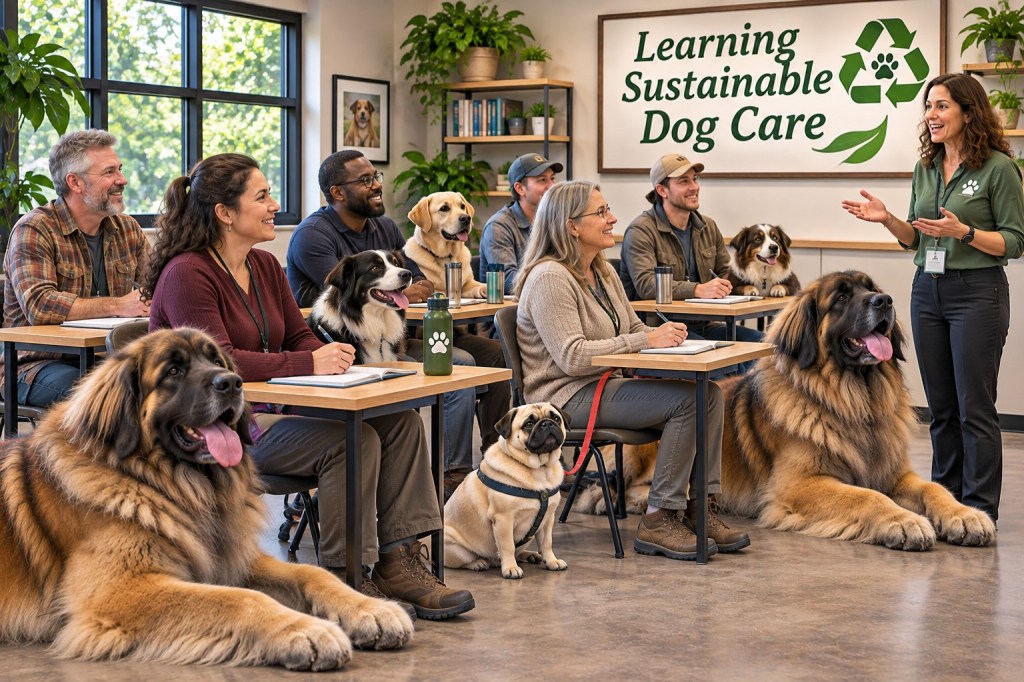
- Teach one bite-sized sustainability lesson per month: Host a 20-minute community sustainability education mini-talk: compostable poop-bag myths, how to wash pet bedding with less energy, or choosing durable gear over disposable. Keep it practical, one handout, one action, one Q&A, and invite attendees to bring a donation for a local shelter. Consistent education builds authority and makes your eco brand feel community-owned, not just marketed.
Turn Eco-Friendly Pet Care Into a Brand Customers Trust
Running a pet care business can feel like a constant trade-off between cost, convenience, and doing right by animals and the planet. A sustainability-first mindset, building thoughtful operations, transparent choices, and community-centered values, meets rising market demand for green pet care without losing practicality. When those choices are consistent, the benefits of eco-friendly pet businesses show up as stronger loyalty, clearer positioning, and sustainable business growth that can weather trend changes. Build the brand that serves pets today and protects their world tomorrow.