
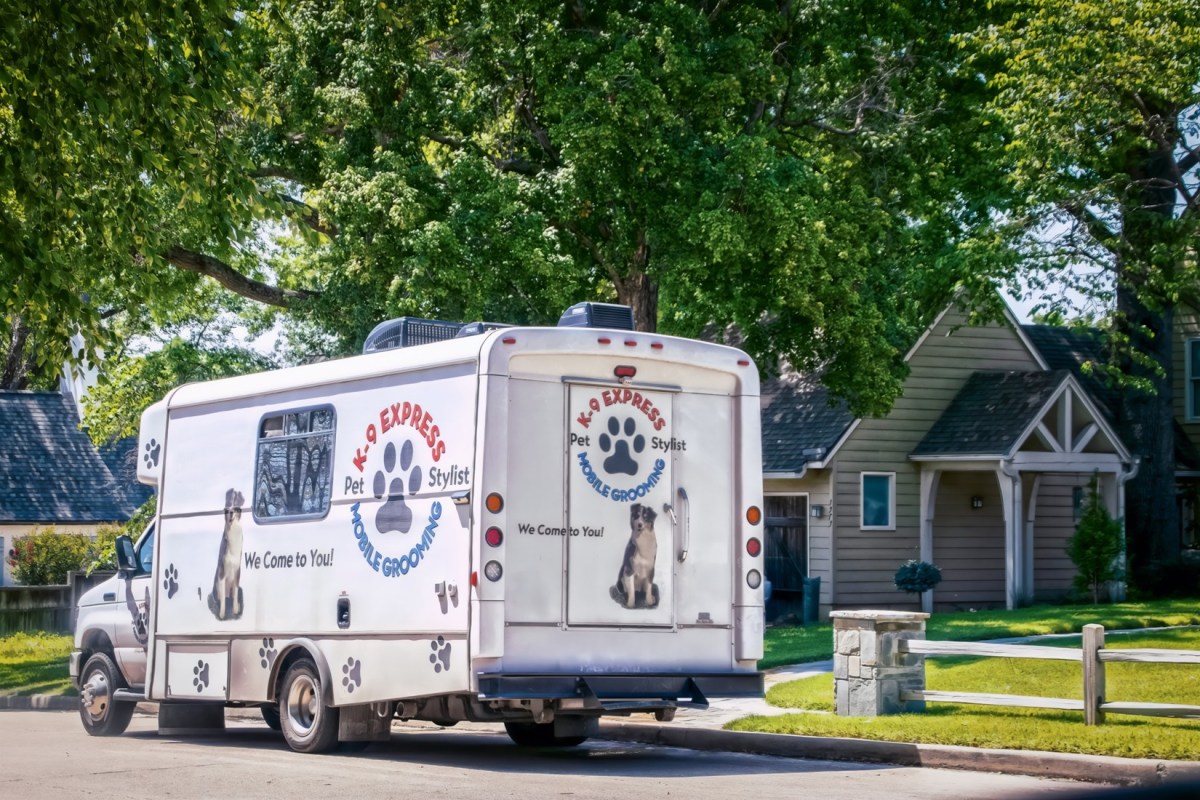
A professional content writer by the name of Ryan Goodchild contacted me about me posting an article he had written on how to launch a mobile Pet Grooming Business. The title of the article is “A Step-by-Step Guide to Launching Your Mobile Pet Grooming Business” and you can see the article below. Ryan wrote the article and I provided pictures.

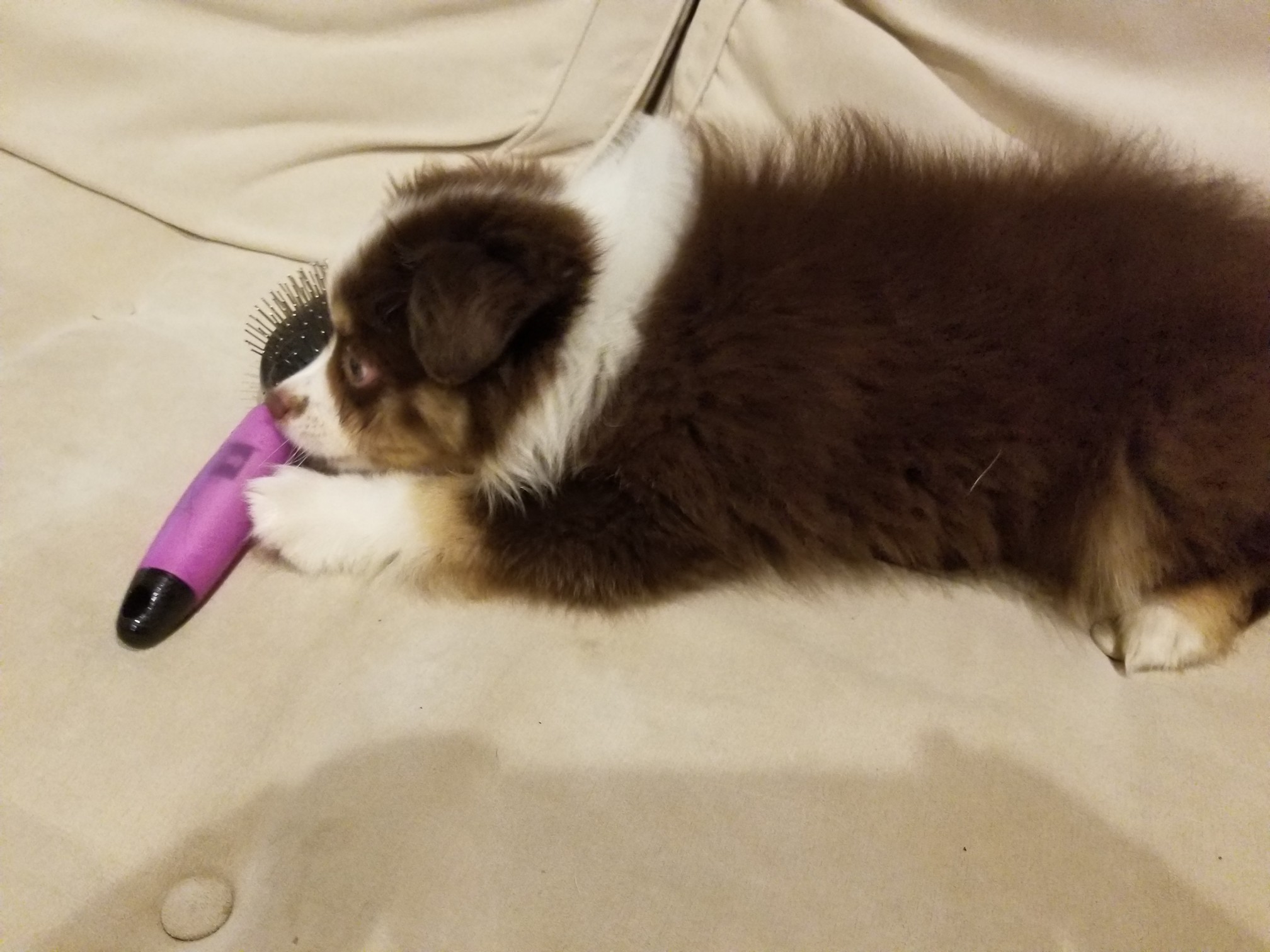
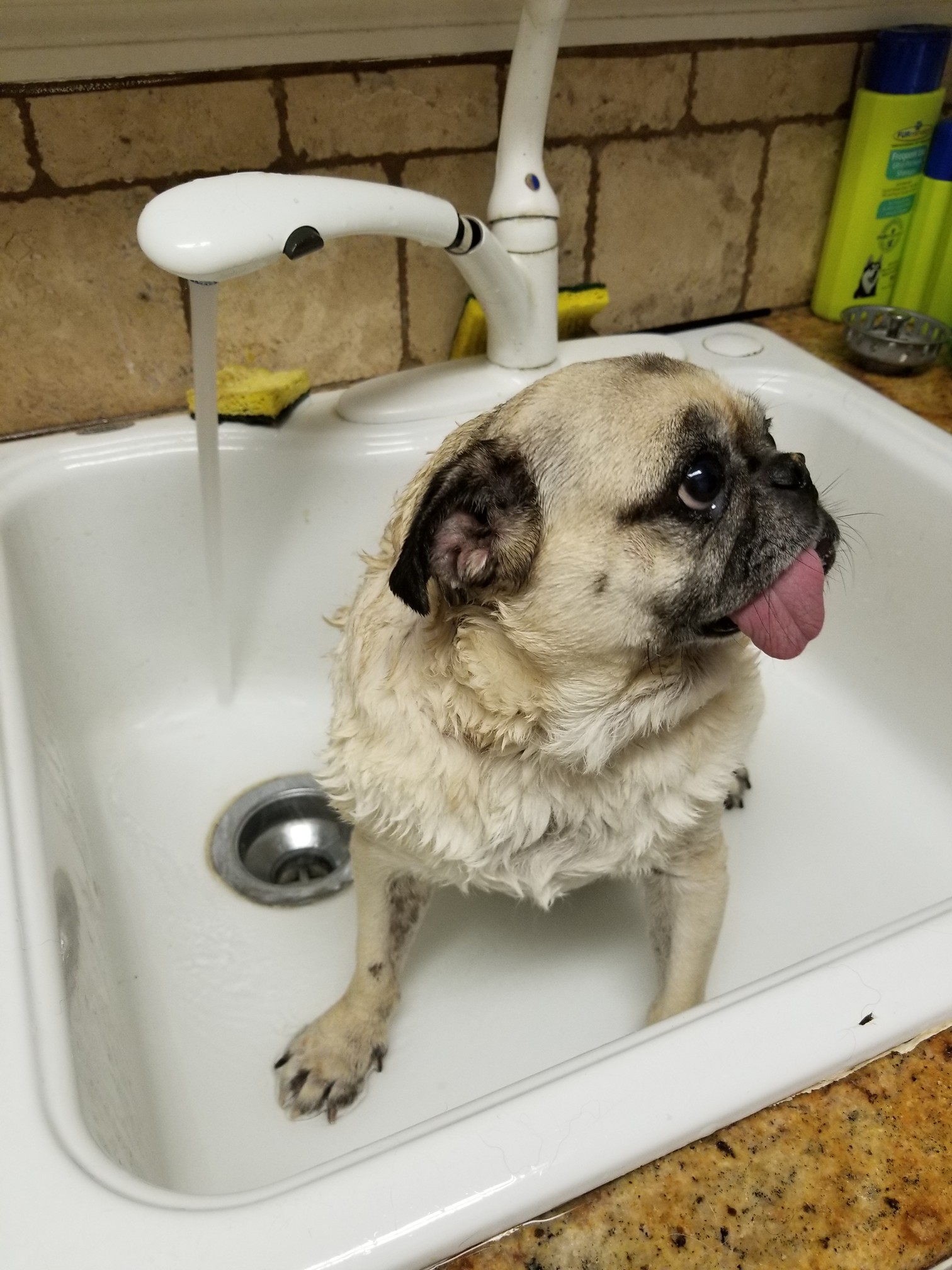
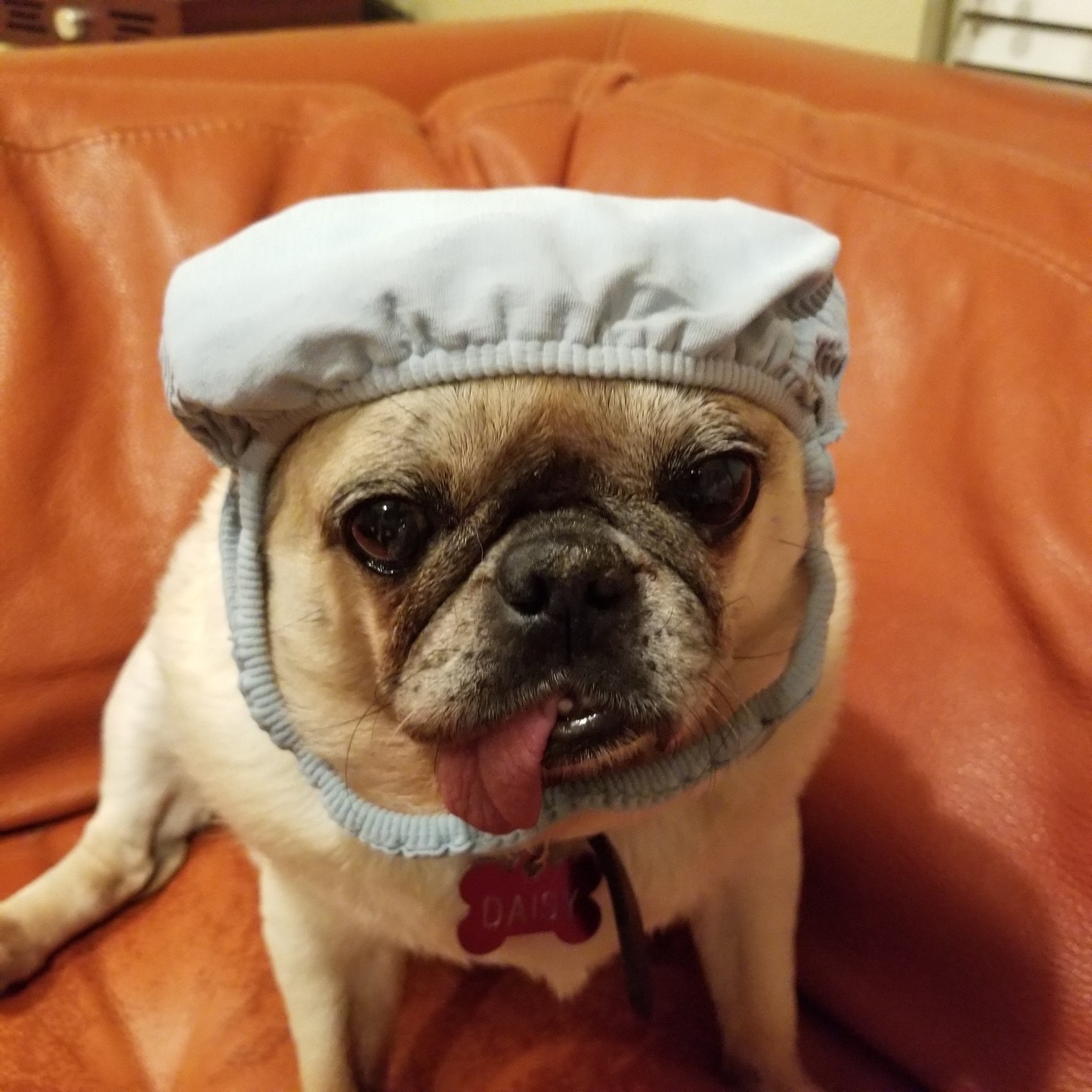
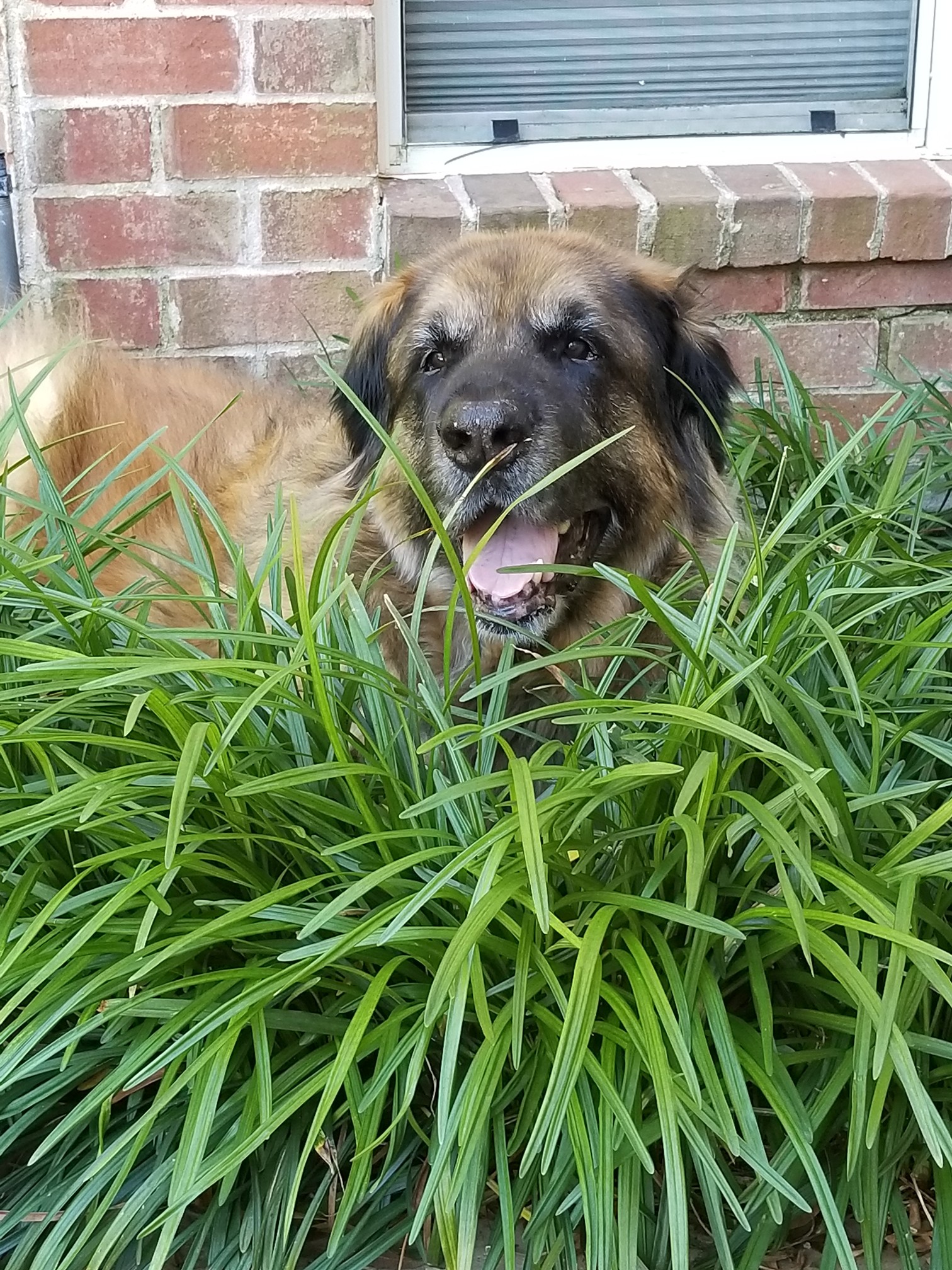
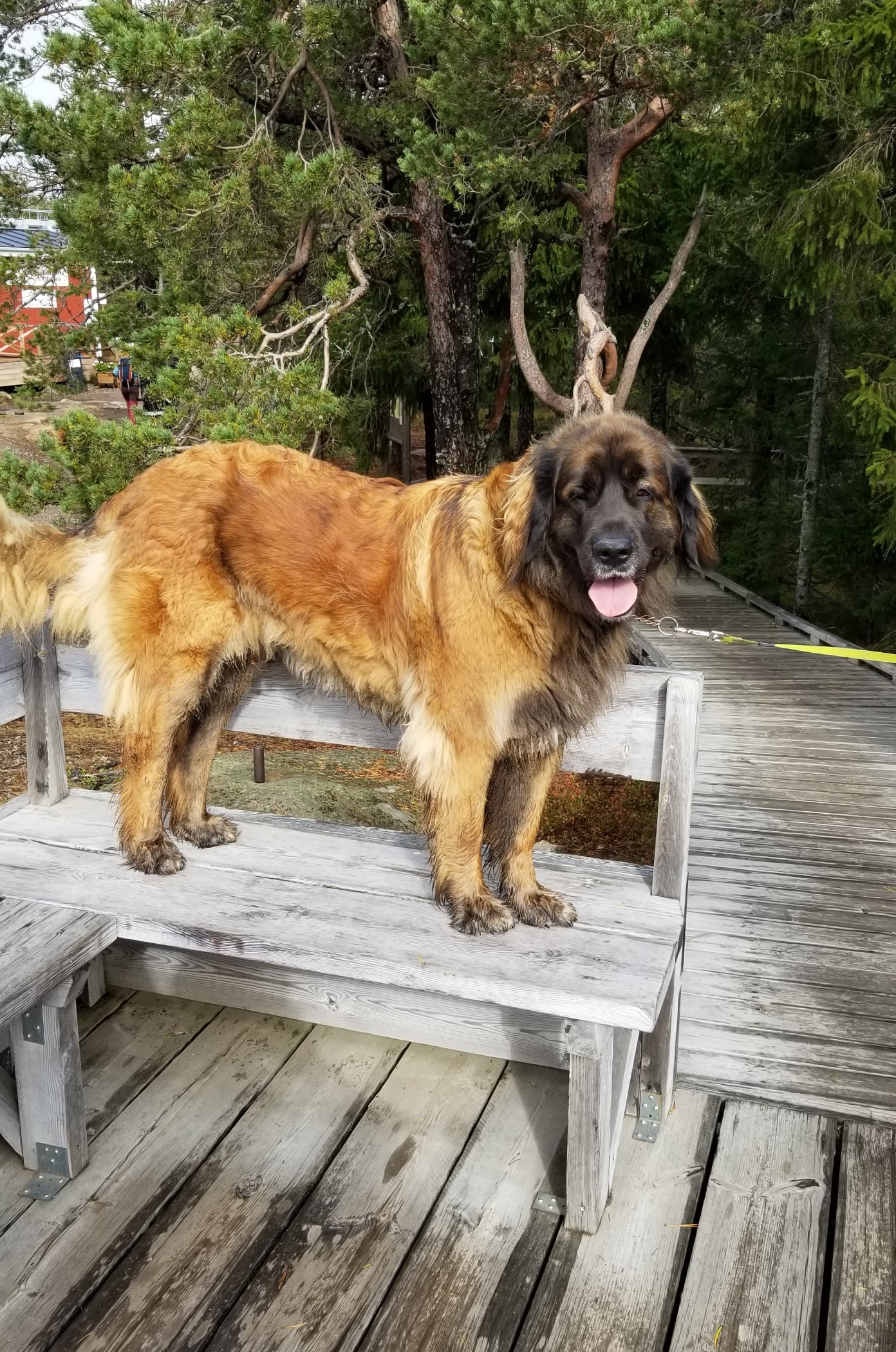



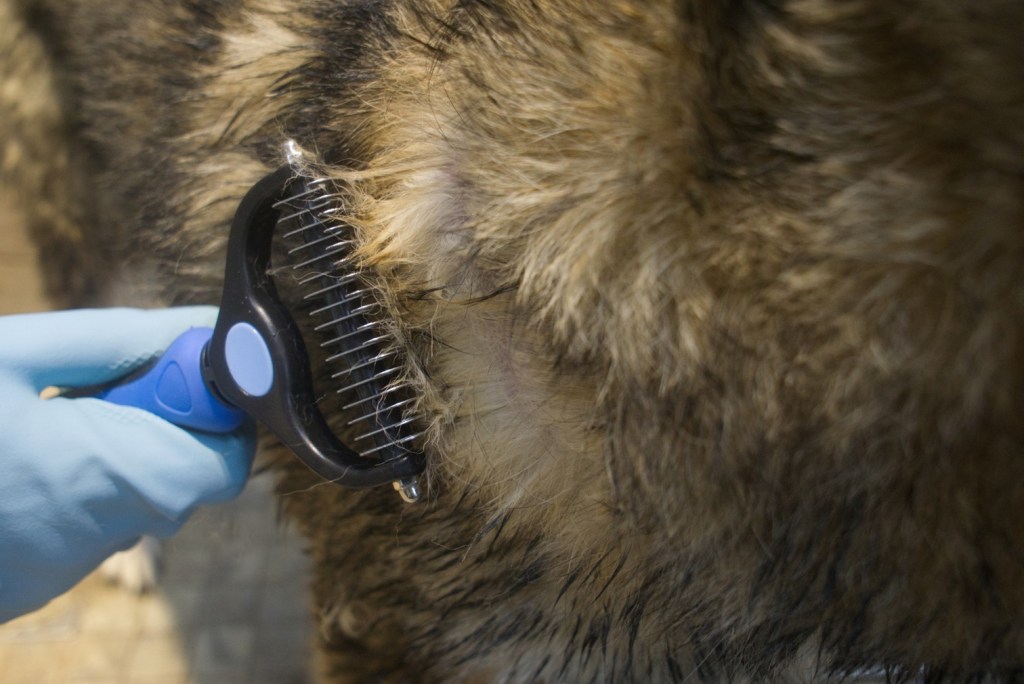
Our Leonberger dog getting washed in a kiddie pool. Our mini Australian Shepherd puppy Rollo with a brush. Our Pug Daisy getting a bath. Our Pug Daisy with a bath hat. Our Leonberger Bronco is hiding in the bushes. Amie a Swedish Leonberger standing on a bench. Fluffy black Newfoundland dog by Emma Johnson. Saint Bernard dog Stock Photo ID: 1713912484 by fred12. The photo of five Leonbergers wearing patriotic hats lying on grass by a lake was taken by Jen O’Keefe, (from left to right; Obi, Delfi, Aslan, Gryphon, Digory).
A Step-by-Step Guide to Launching Your Mobile Pet Grooming Business
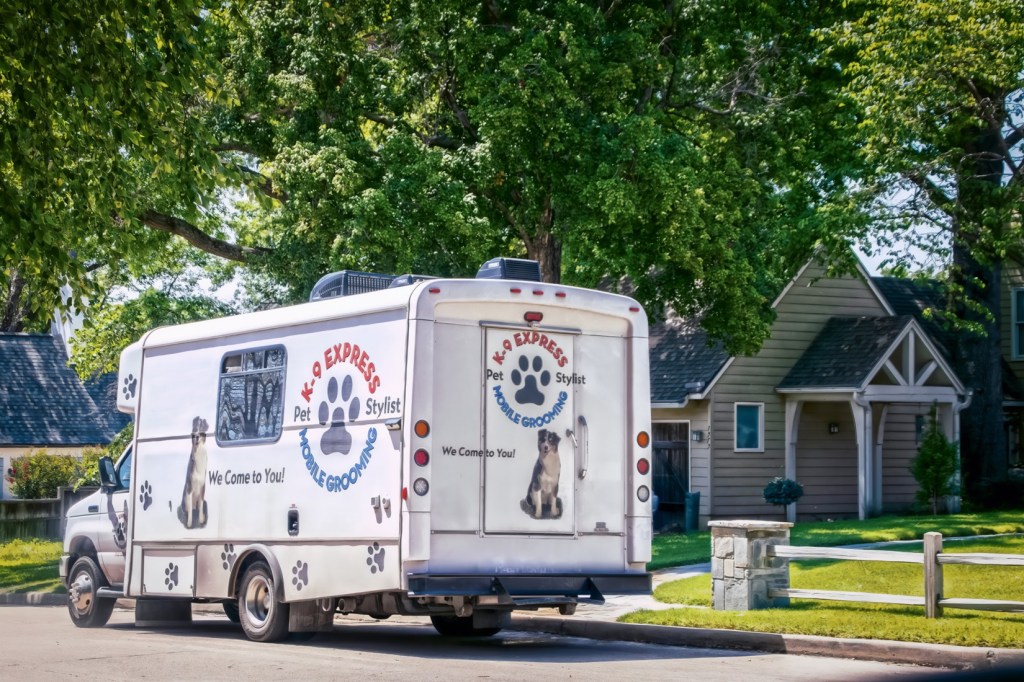
For service-minded workers, career changers, and local business owners who want a practical small business startup, a mobile pet grooming business can feel like a rare fit between steady demand and flexible operations. The core tension is real: pet care services must be consistent and safe, but most aspiring owners also need a model that can start lean and earn trust quickly. The mobile grooming market meets busy households where they are, turning convenience into repeat business and clear entrepreneurial opportunities. With the right expectations, this can become a reliable local service brand.
Build and Launch Your Mobile Grooming Service
This simple sequence helps you turn a love of pets into a real mobile pet grooming business with a plan, the right gear, and repeatable daily operations. It matters because small early decisions, like what services you offer and how you schedule, can prevent costly surprises later.
- Start with a simple business plan
Use start with a business plan to define your services, pricing, ideal customer, and what “success” looks like in the first 90 days. Keep it short: one page is fine if it clearly guides your next choices. A basic plan also makes it easier to estimate costs and avoid undercharging. - Define your offer and your boundaries
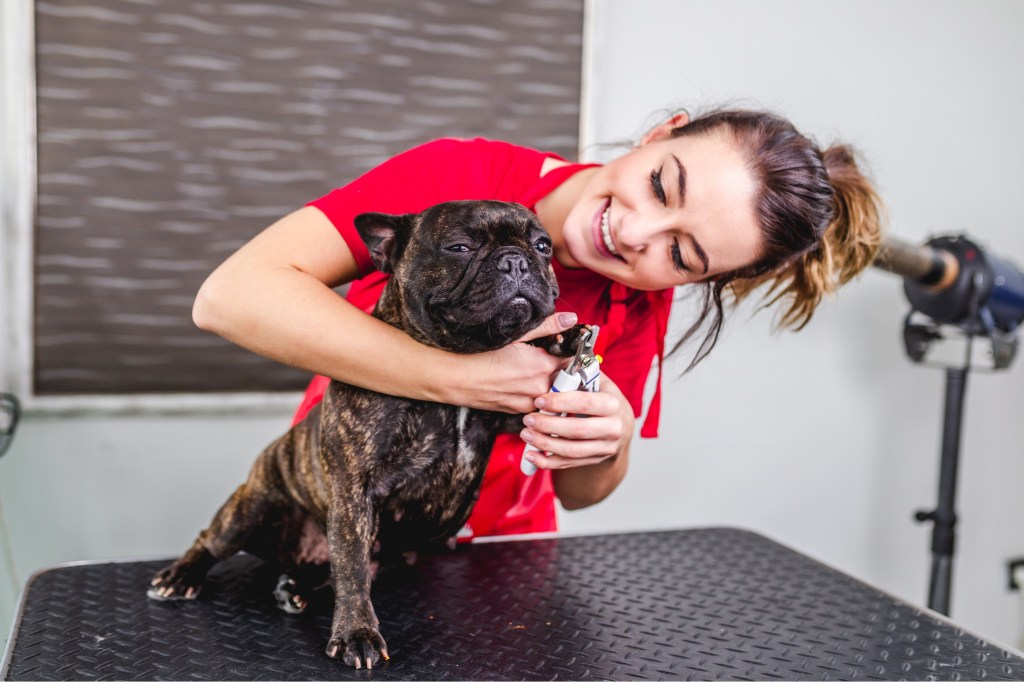
Decide what you will do on day one, such as baths, haircuts, nail trims, de-shedding, and what you will not handle yet, like severe matting or aggressive pets. Write down your service times, cancellation policy, and any add-on fees so you can explain them calmly to clients. Clear boundaries protect safety and keep your schedule realistic. - Choose essentials and build a safe setup
List the non-negotiables you need to groom hygienically and efficiently, such as clippers, blades, shears, combs, towels, cleaning supplies, and secure restraints. Buy for reliability first, then upgrade as revenue grows. Do a dry run in your workspace so you can reach tools quickly and reduce stress for the pet. - Set up operations that run on repeat
Create a weekly routine for booking, travel time, service time, cleanup, and restocking so your days do not spiral when you get busy. Use a simple intake checklist for allergies, coat condition, bite history, and owner preferences, then store notes for next time. Consistency is how you deliver safe grooms and earn referrals. - Market locally and ask for the first bookings
Choose two channels you can maintain, such as a Google Business Profile and a neighborhood social group, and post clear before and after photos with your services and prices. In your plan, include basics like your mission and target market because business plan outlines make marketing messages easier to write and repeat. Then invite every satisfied client to leave a review and refer one friend.
Strengthen Your Business Skills Before You Scale Service
Once you’ve got the basics of launching and operating your mobile grooming setup in place, the next growth lever is often strengthening the business and marketing skills that turn steady bookings into a scalable service.
For some owners, going back to school for a business degree provides the structure to sharpen how you plan, position, and promote your services, especially as your route gets fuller and your choices carry bigger financial stakes. If you want a quick grounding, building those fundamentals can help you build confidence in core business and marketing concepts you’ll use every week.
A master’s in business administration equips you with skills in leadership, strategic planning, financial management, and data-driven decision-making to excel in diverse business environments. And because online degree programs are designed for flexibility, it’s often possible to keep running your business while you’re in school.

Plan → Groom → Follow Up → Improve
Your mobile grooming business grows faster when each day runs on a repeatable loop, not memory. This rhythm helps you protect pet care quality standards, reduce missed details, and keep your calendar predictable even as requests increase. It also builds trust so clients rebook without needing extra reminders, especially when many owners prefer scheduling sessions on a steady cadence.

| Stage | Action | Goal |
| Plan the route | Confirm addresses, time windows, services, add buffer time | Fewer late arrivals and smoother drive time |
| Pre-visit prep | Sanitize tools, restock supplies, review pet notes | Safe setup and consistent readiness |
| Intake and consent | Check coat condition, discuss goals, confirm pricing, document issues | Clear expectations and fewer surprises |
| Groom to standard | Follow checklist, monitor stress, take quick before and after photos | Consistent results and pet comfort |
| Close and follow up | Share care tips, collect payment, book next visit, request feedback | Higher satisfaction and repeat retention |
| Review and adjust | Log time per service, update notes, refine pricing and buffers | Better margins and fewer bottlenecks |
Because each stage feeds the next, small improvements compound: cleaner prep speeds the groom, clean intake reduces callbacks, and follow-up keeps your appointment scheduling system full. Over time, your customer satisfaction management becomes measurable, not guesswork.

Mobile Pet Grooming Startup Questions, Answered
Q: What licenses or permits do I need to groom pets from a van?
A: It depends on your area, but plan for a basic business license plus any mobile vending, zoning, or parking rules that apply to operating from a vehicle. If you collect sales tax on products, you may also need a sales tax permit. Call your city or county business office and ask for a checklist for mobile services so you do not miss a step.
Q: How much insurance should I carry, and what does it cover?
A: Many owners start with general liability and then add tools and equipment coverage, commercial auto, and care, custody, and control if offered. Budgeting is easier when you know that mobile pet groomers pay an average of $65 per month for general liability insurance. Ask an agent to quote the exact services you offer, like nail trims, de-shedding, or handling anxious dogs.
Q: How should I price services without undercharging?
A: Use a base price by size and coat type, then add clear line items for mats, heavy shedding, special handling, or extra brushing time. Track your true minutes per dog for two weeks so your prices reflect labor, drive time, supplies, and vehicle costs. If clients ask for discounts, offer a maintenance plan for repeat visits instead of lowering your standard rate.
Q: When should I require deposits or cancellation fees?
A: Deposits help protect your day when a no-show leaves an empty time slot you cannot fill. Keep it simple: a small deposit to book and a cancellation window that feels fair, like 24 to 48 hours. Put the policy in writing and confirm it at booking to avoid awkward conversations.
Q: How do I handle common grooming concerns like mats, fleas, or anxious pets?
A: Start with a quick coat check and explain what is safe and humane before you begin, especially if shaving is the kindest option for matting. For fleas, have a sanitation plan and be ready to reschedule if the infestation is severe. For anxiety, shorten the session, use breaks, and recommend a vet consult for medically appropriate calming support.

Turn a Mobile Grooming Plan Into a Consistently Full Schedule
Starting a mobile pet grooming business can feel like juggling licensing, insurance, pricing, and pet safety while still needing clients on the calendar. The steadier path is a community-first, systems-minded approach: use the business launch recap to clarify your offer, follow through reliably, and let trust, not hustle, drive growth. Applied consistently, this builds entrepreneur motivation through visible progress, stronger customer loyalty building, and fewer preventable setbacks on the road to long-term business success. A full book comes from consistent service, clear communication, and repeatable operations.




Not only does it make sense for customer convenience, but I think most dogs would be happier to be groomed in their home. I can see the attraction of mobile services.
LikeLiked by 1 person
Yes you are so right Pete.
LikeLiked by 1 person
It seems like a great idea. I tried one, once. They should have read Ryan’s guide.
LikeLiked by 1 person
Ha ha it sounds like it did not go smoothly
LikeLiked by 1 person
Interesting but I think I’ll stick to blogging.
LikeLiked by 1 person
That might be a good idea. Your blogging is great.
LikeLiked by 1 person
Thank you, Thomas
LikeLiked by 1 person
The convenience of having a groomer come to you, rather than having to go to them is a plus, and may even be less stressful for your pet. Ryan has covered all the bases thoroughly, and I was happy to see he also mentioned the importance of being a pet lover. One point I would quibble with is asking for a deposit. I don’t think groomers generally do that, and it could be off-putting for some people. You’ve picked the perfect photos for this post, Thomas! Daisy in the bath hat is priceless. 😆
LikeLiked by 1 person
Thank you Debbie. You are right Ryan wrote a great article and going to a store for grooming can be stressful. Daisy was so easy to groom. Our big Leonberger Bronco was both fuzzy and big. I agree maybe asking for a deposit might be risky.
LikeLiked by 1 person
This post is full of useful information for anyone interested in starting this sort of business. The photographs of Daisy are just adorable.
LikeLiked by 1 person
Thank you so much Robbie. She was so good when she was being bathed and groomed. I think she was the easiest dog we’ve ever had quite unlike Rollo. Well he is good too.
LikeLike
Rollo is good in a different way. Daisy was sweet and easy to manage 💖
LikeLiked by 1 person
Yes you are right Robbie. They have their different personalities. Rollo is energetic and rambunctious and not always listening. Daisy was sweet and easy to manage. Well, except for when she followed Ryu, our Japanese Chin, on various escapades.
LikeLike
I would say my wife has followed a similar trajectory with her dog training business, albeit without all the gear of course.
LikeLiked by 1 person
I did not know your wife was a dog trainer. That is quite interesting and good luck to her with her business.
LikeLiked by 1 person
Chaplin: “Oh, yes, she got into it because of all the work she did with our beloved brother Dennis, who was let’s say a little bit of a nervous fellow.”
Lulu: “Once her school closed, she pivoted from teaching humans to teaching dogs, even getting certified by the professional dog trainers’ association, and she seems much happier.”
Chaplin: “She even trains a few cats. Not just us!”
LikeLiked by 1 person
Chaplin and Lulu, that is very cool. Our Rollo is a nervous fellow too. Maybe that will end up changing our lives too.
LikeLike
I think this is a great service. I don’t have dogs right now, but if I did, I would definitely look into this type of grooming for them.
LikeLiked by 1 person
Thank you so much Kymber. Yes, I think it is a good idea.
LikeLiked by 1 person
A comprehensive guide by Ryan and certainly it helps if you are a dog or pet lover who is used to handling animals…As Jacqui said, many pets I am sure would prefer to be close to home and see a walk out to being pampered a treat.
LikeLike
Thank you Sally. That is an important point, you need to be a pet lover, and like you and Jacqui said many pets are more comfortable close to home.
LikeLike
I think the pet mobile is an excellent idea!
LikeLiked by 1 person
Yes I agree. Thank you tblily☕︎
LikeLike
a great idea! have a nice day!
LikeLiked by 1 person
Thank you Carfax. Have a nice day you too.
LikeLiked by 1 person
My wife does bookkeeping for a pet supply store that also does pet grooming. This post gives some good tips for someone looking to get into the business.
LikeLiked by 1 person
That is good to know. Thank you so much David.
LikeLiked by 1 person