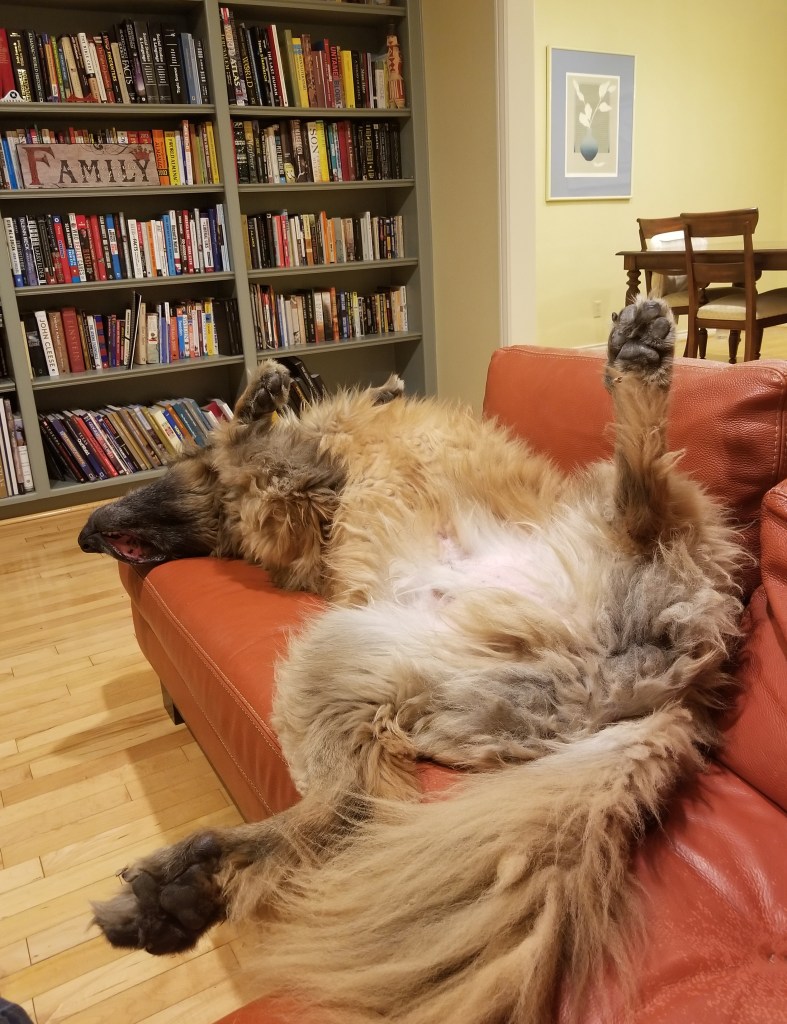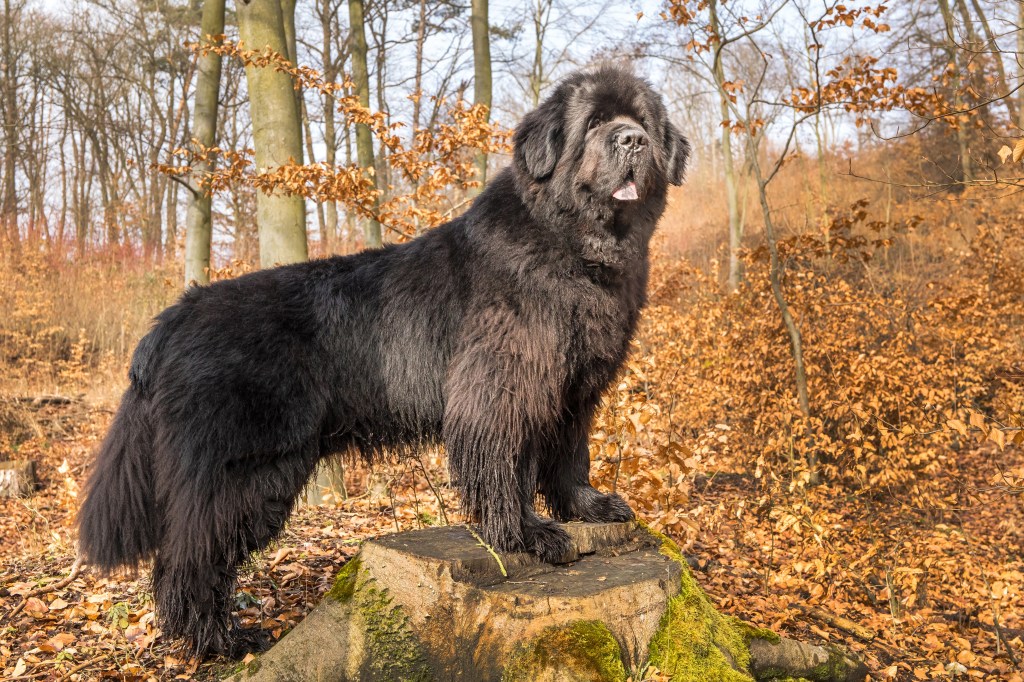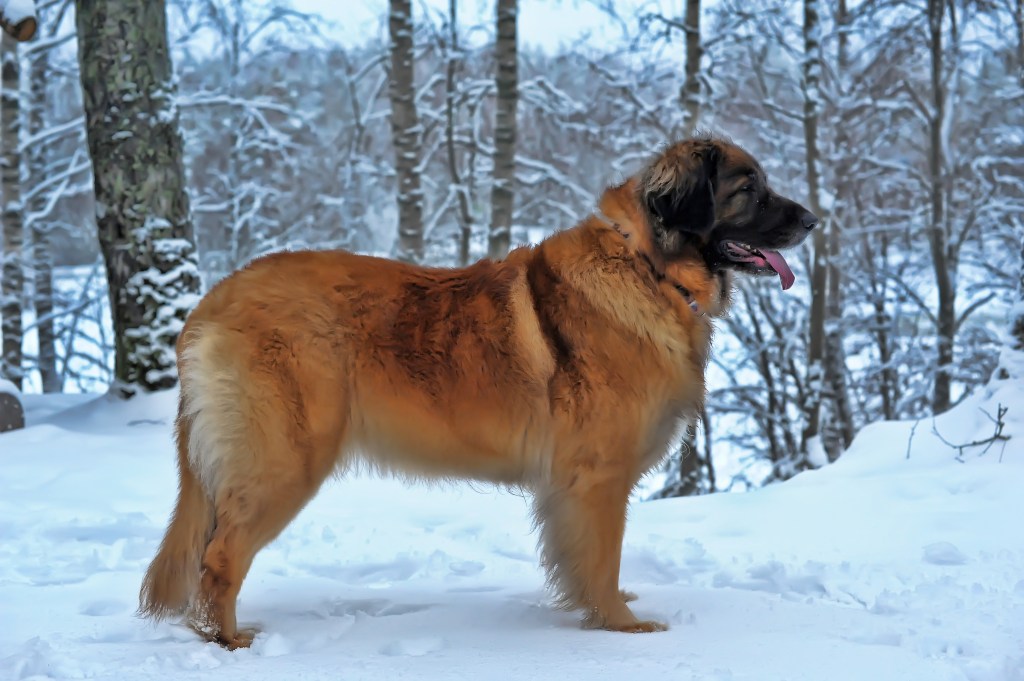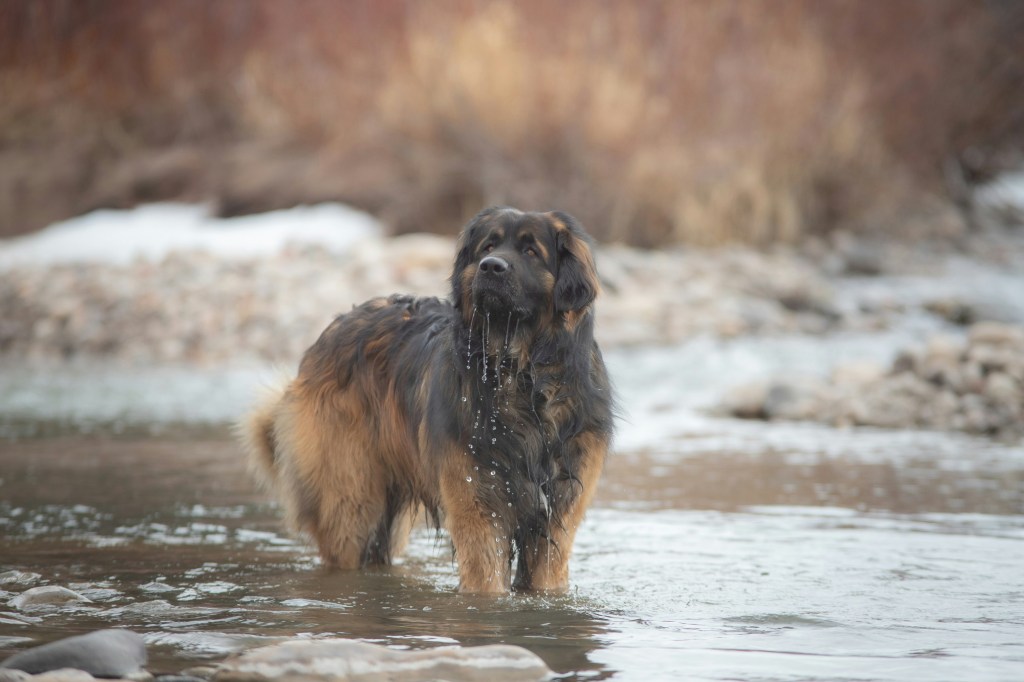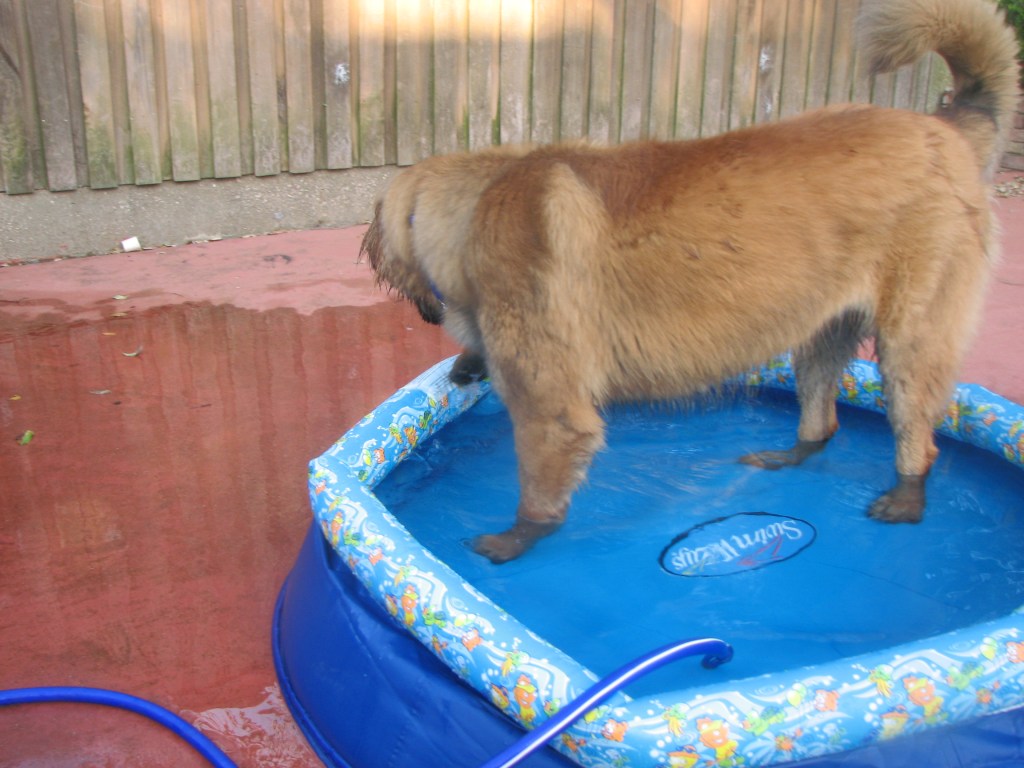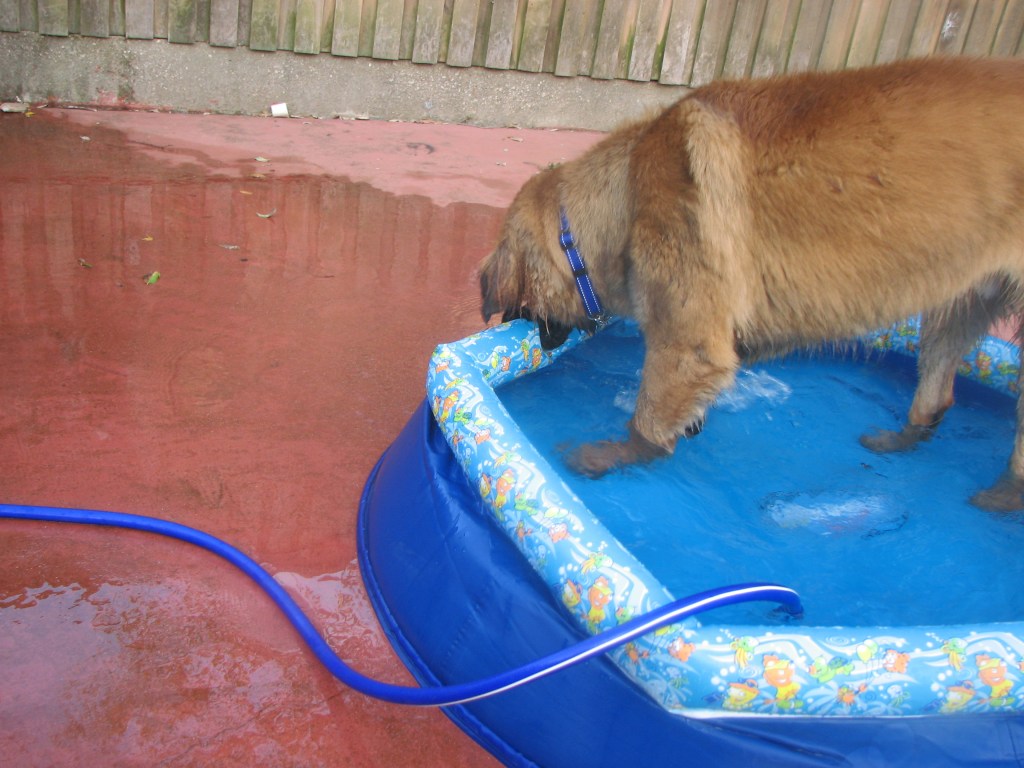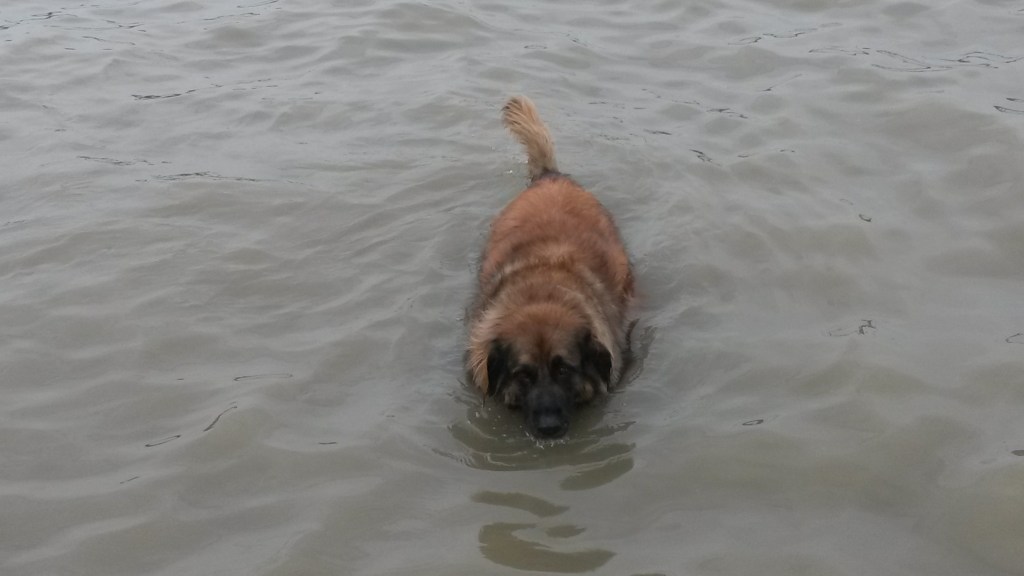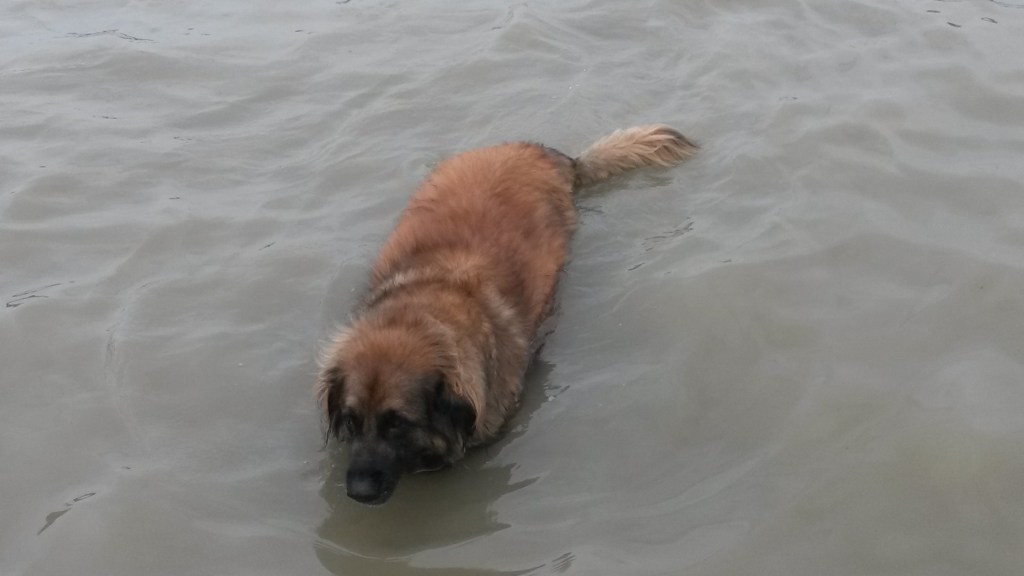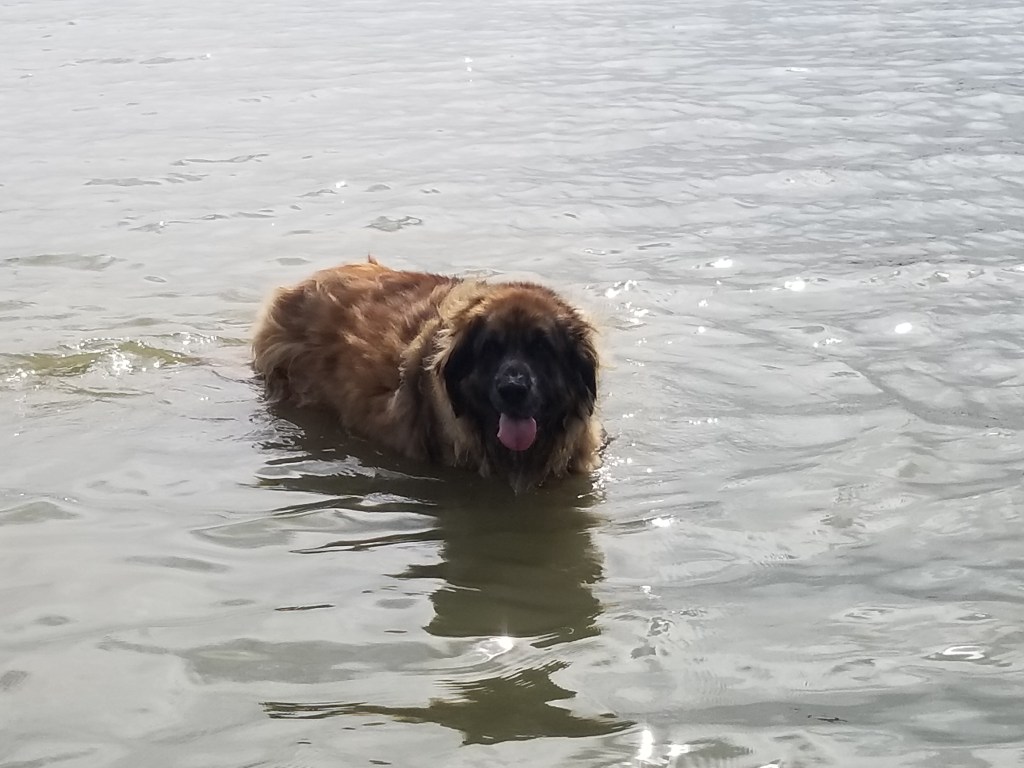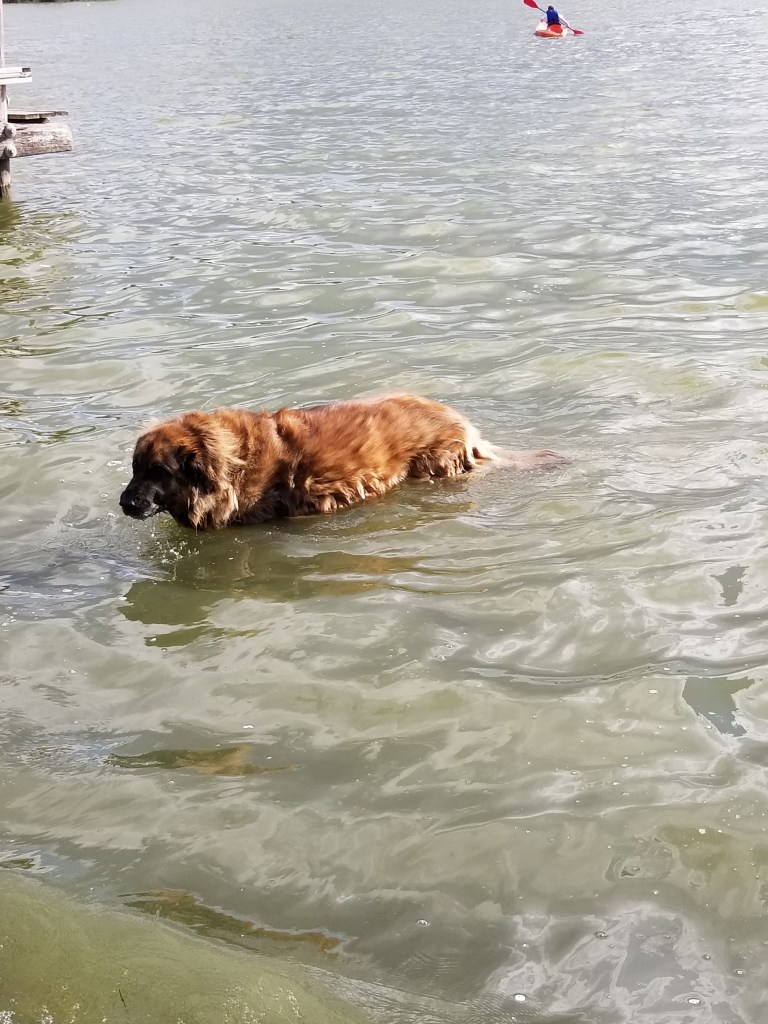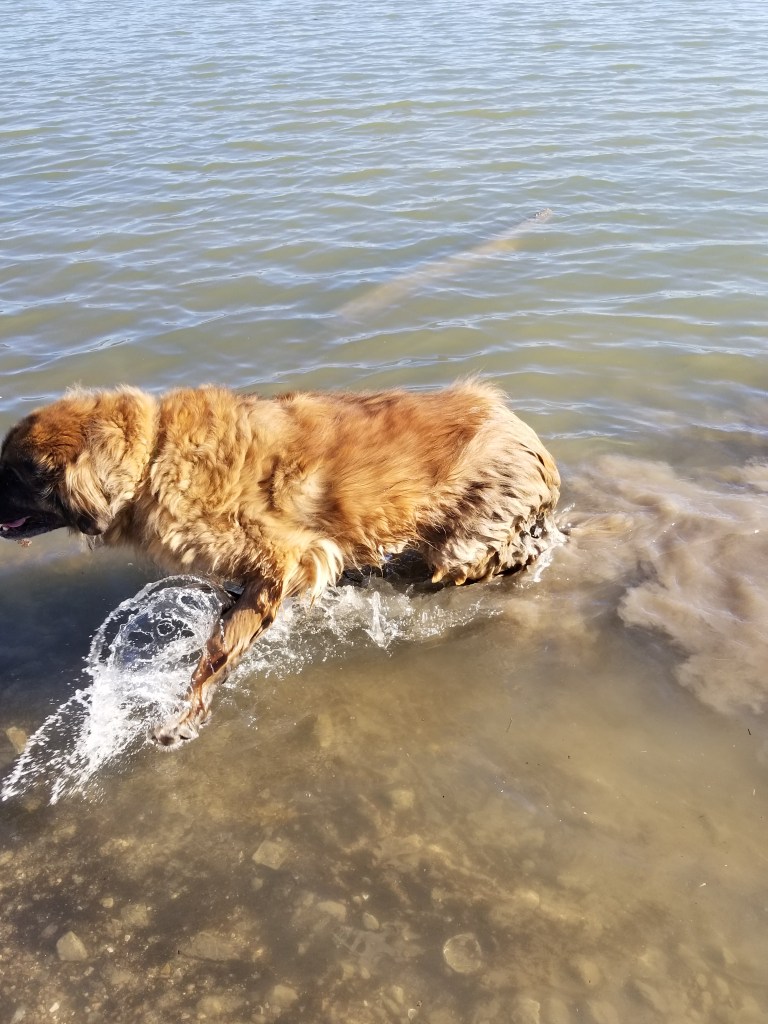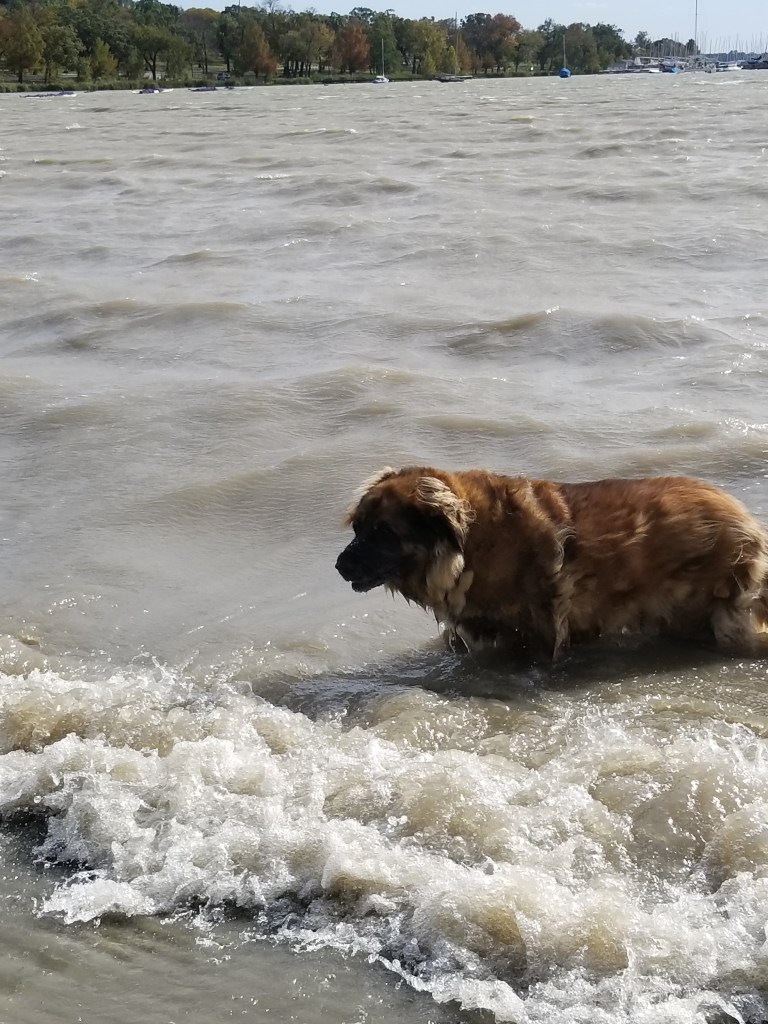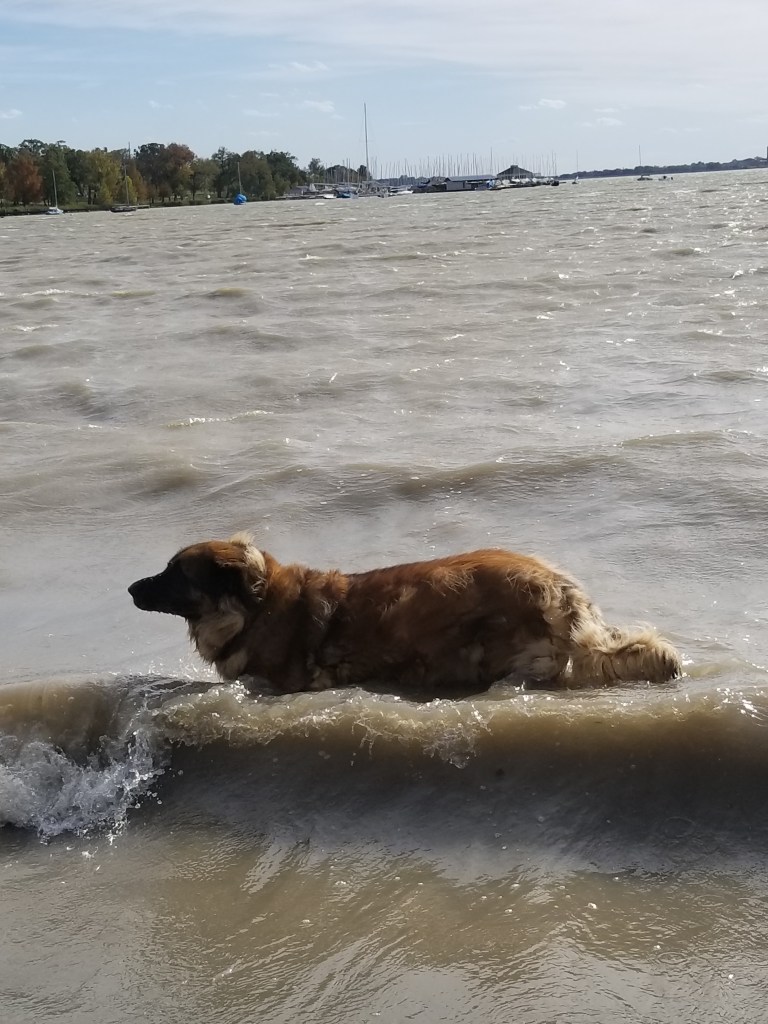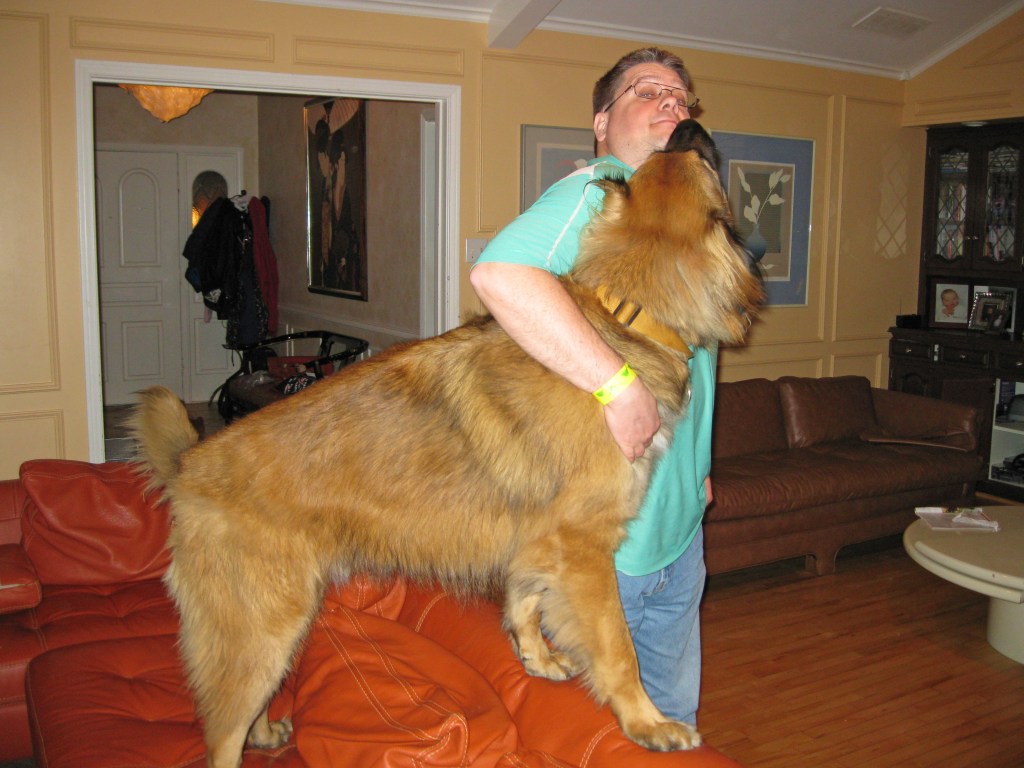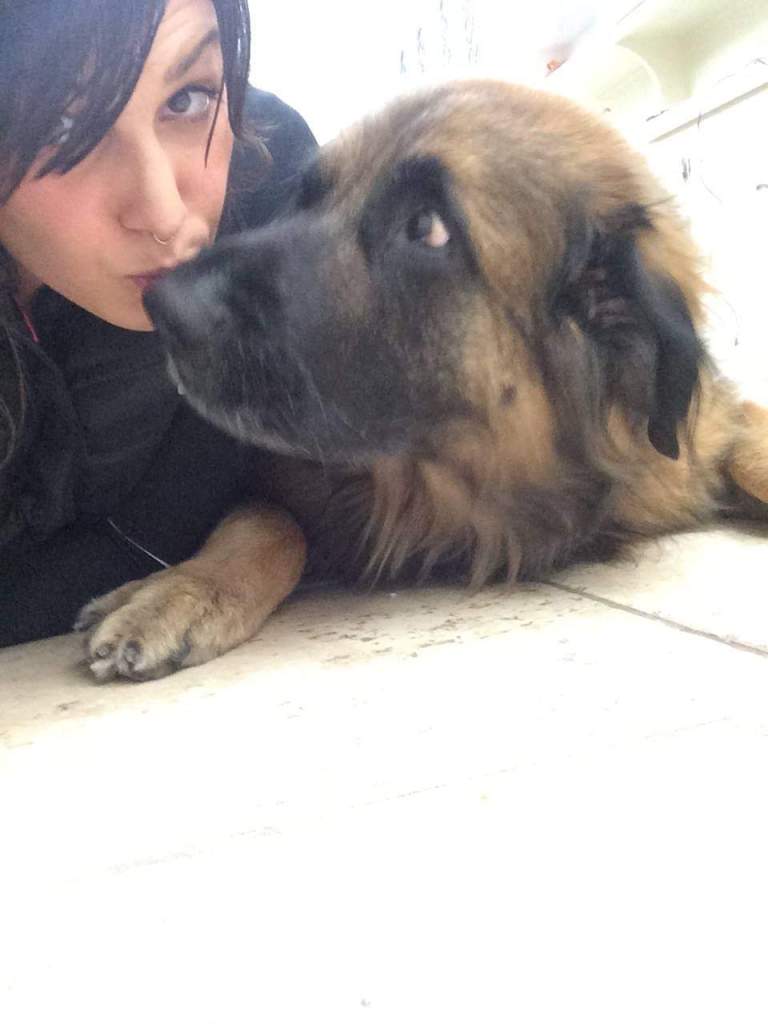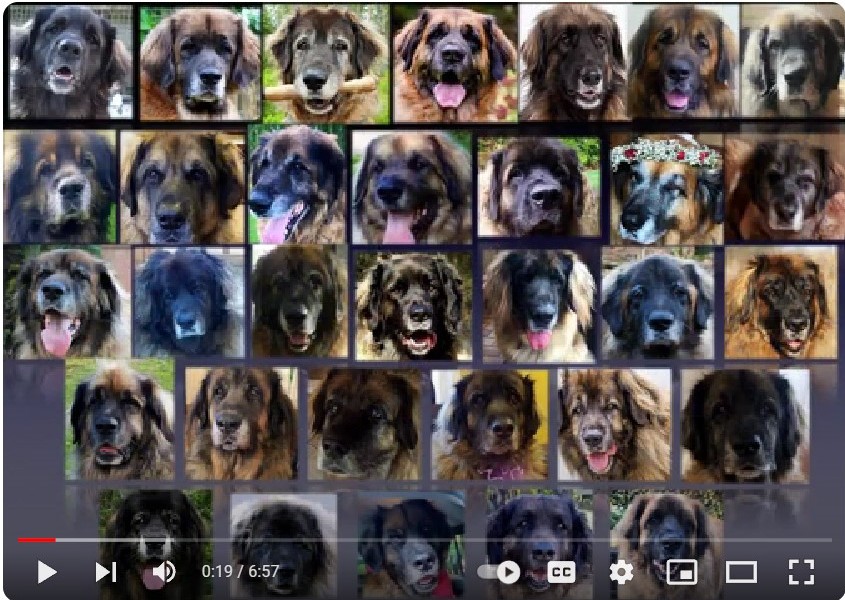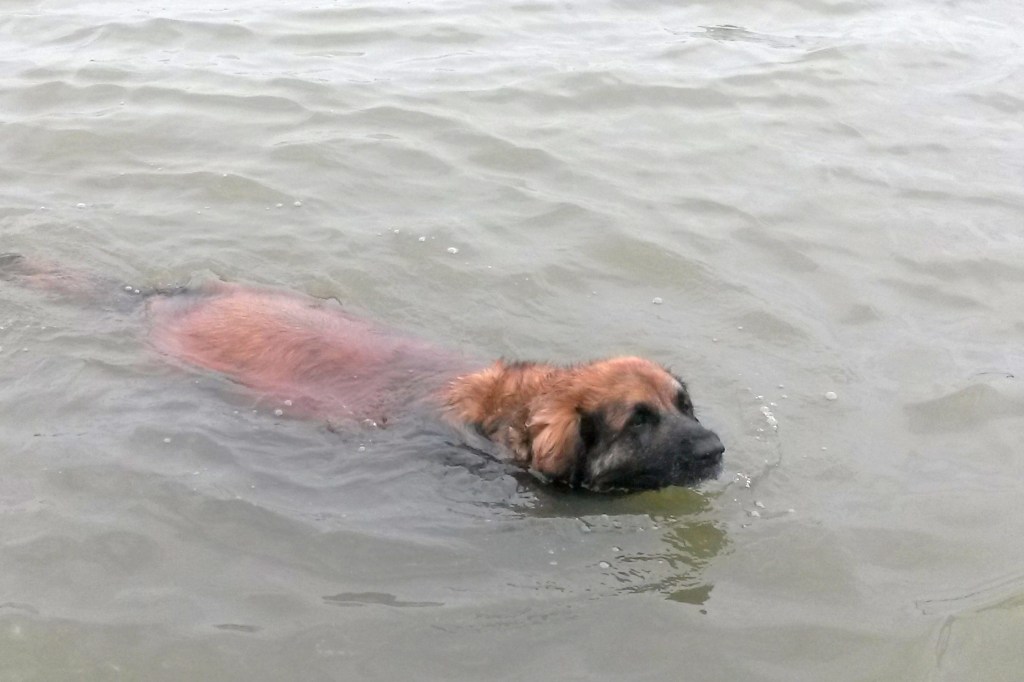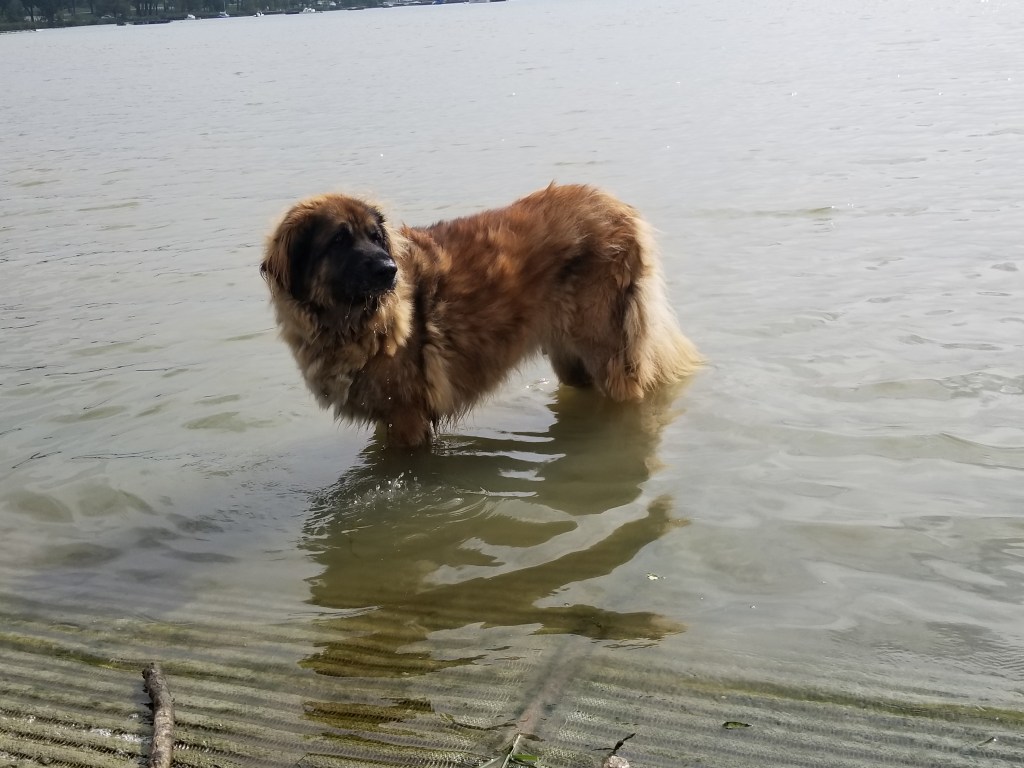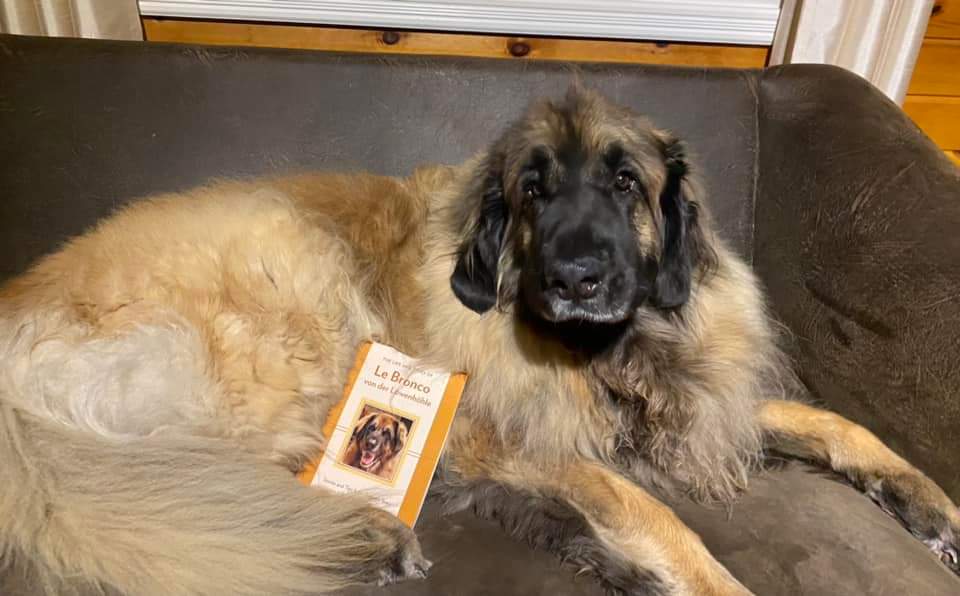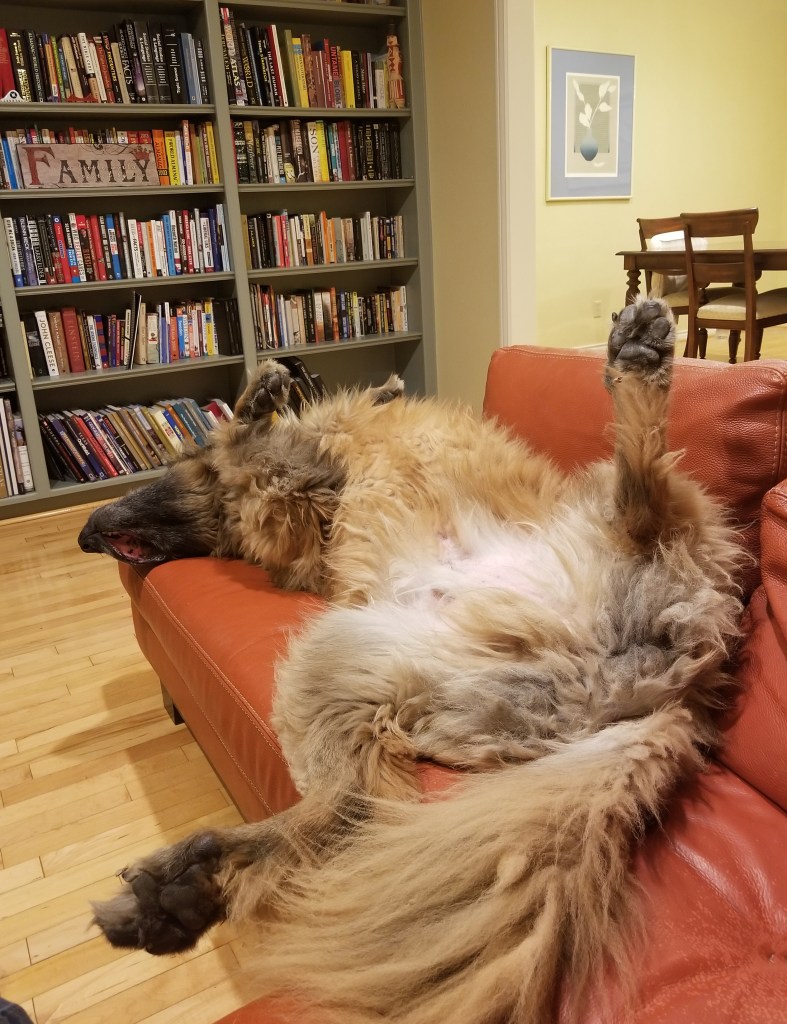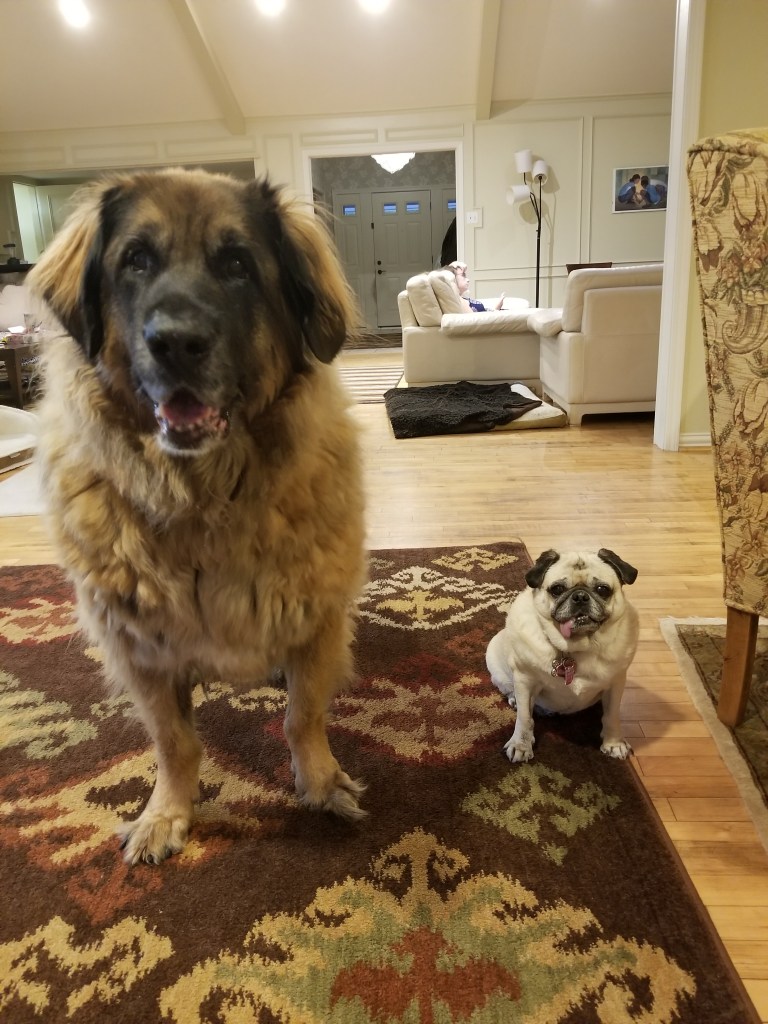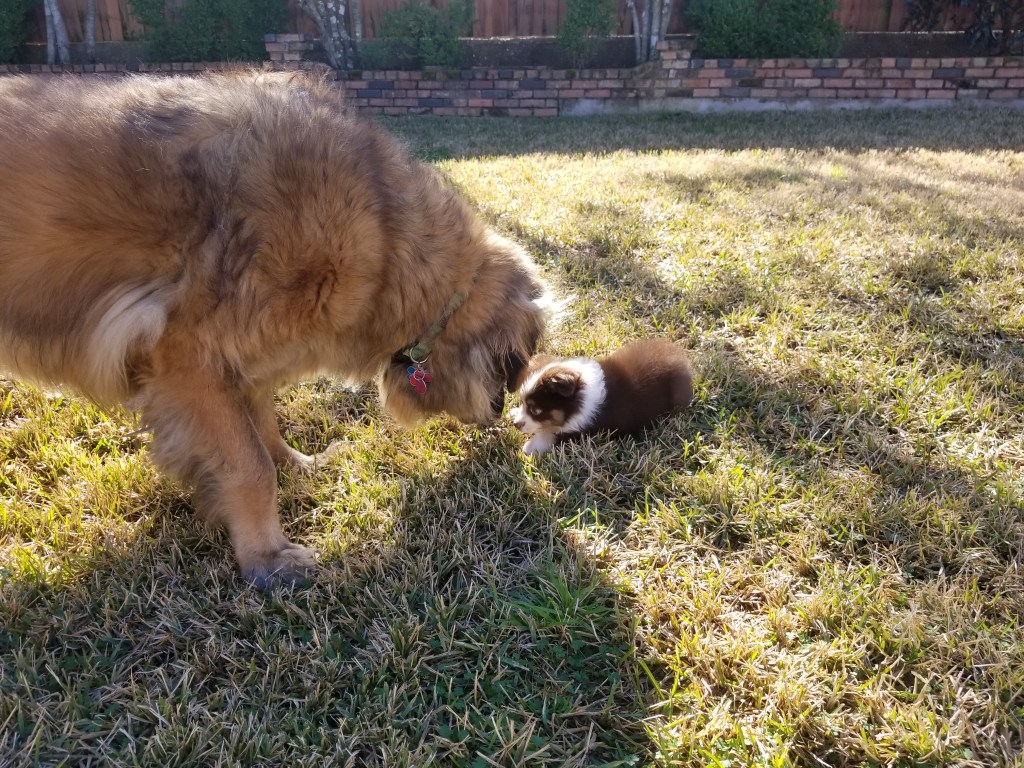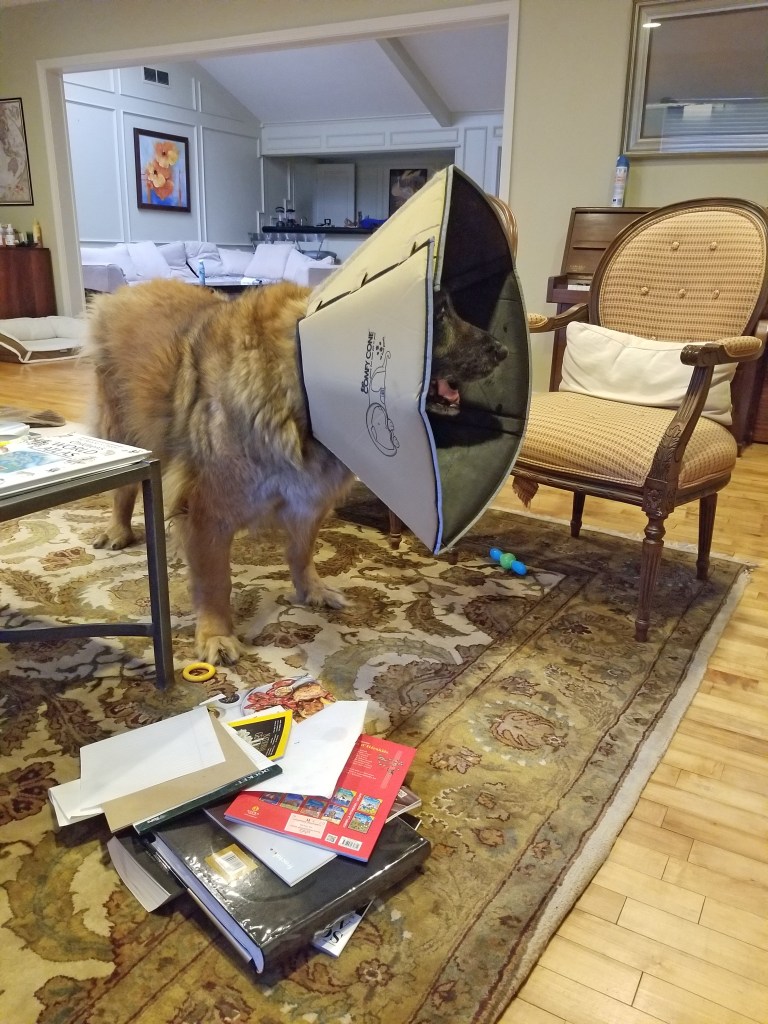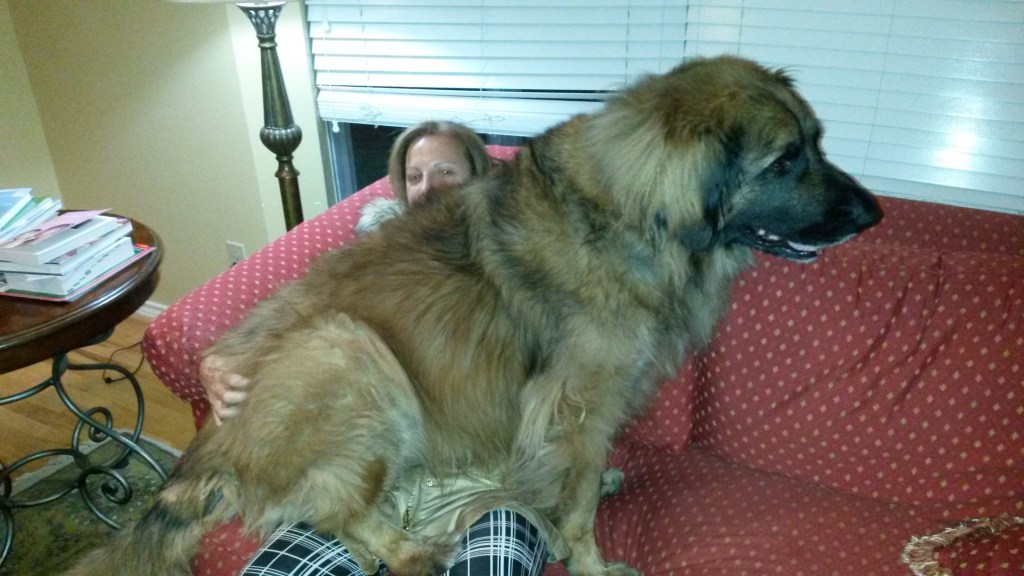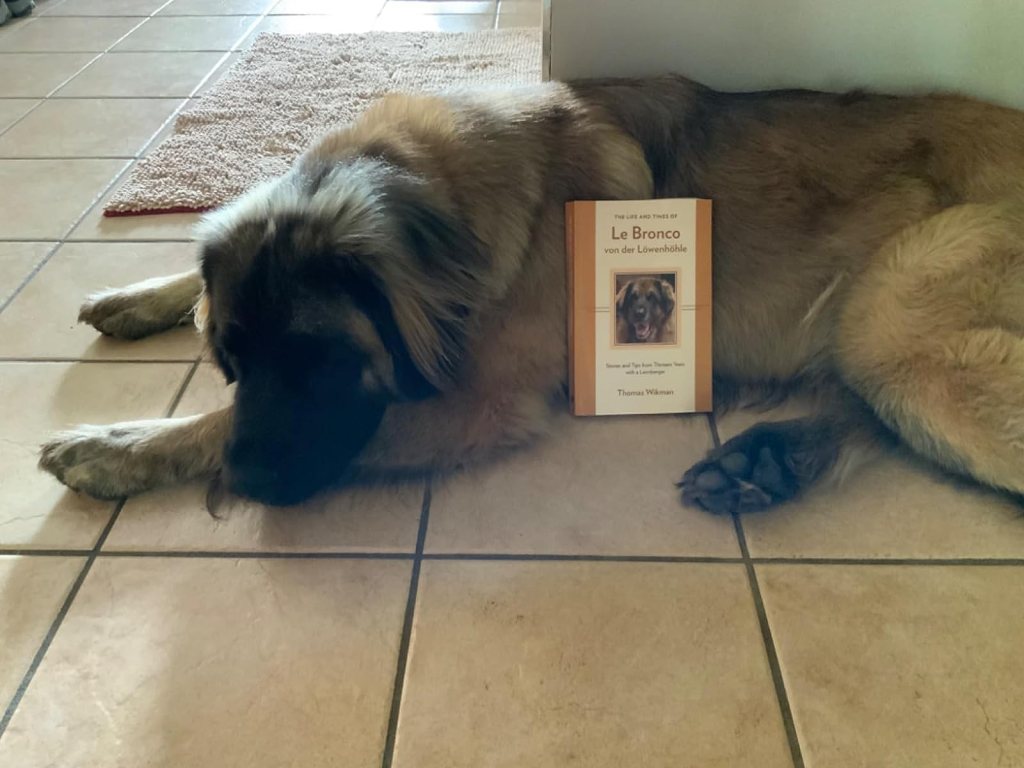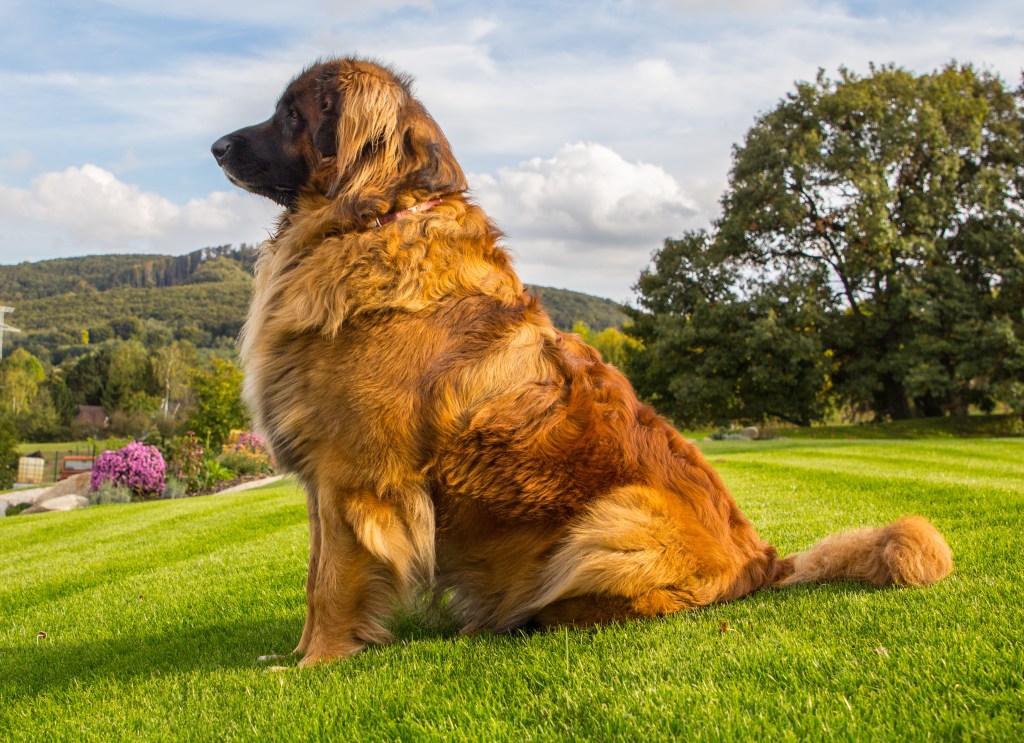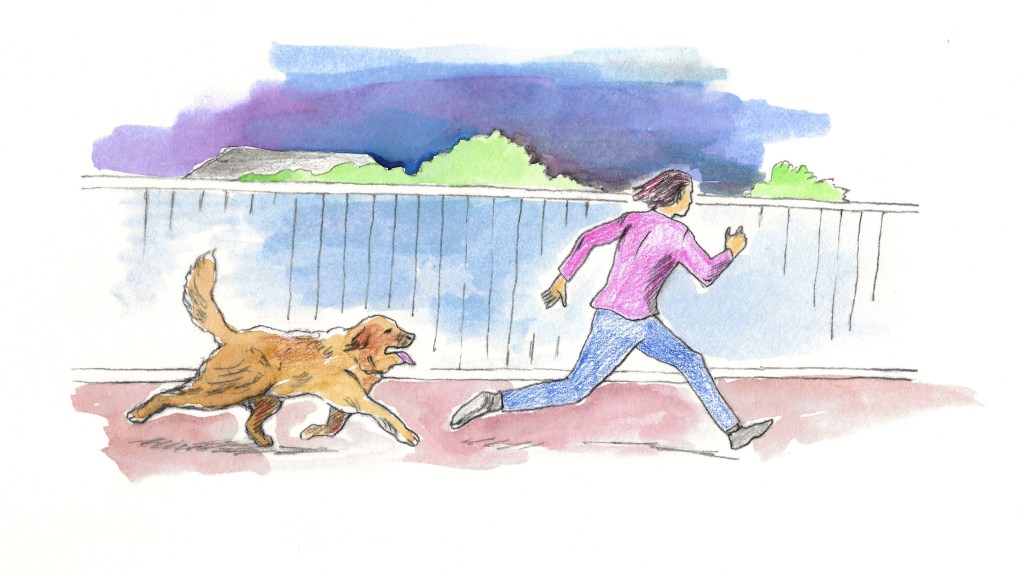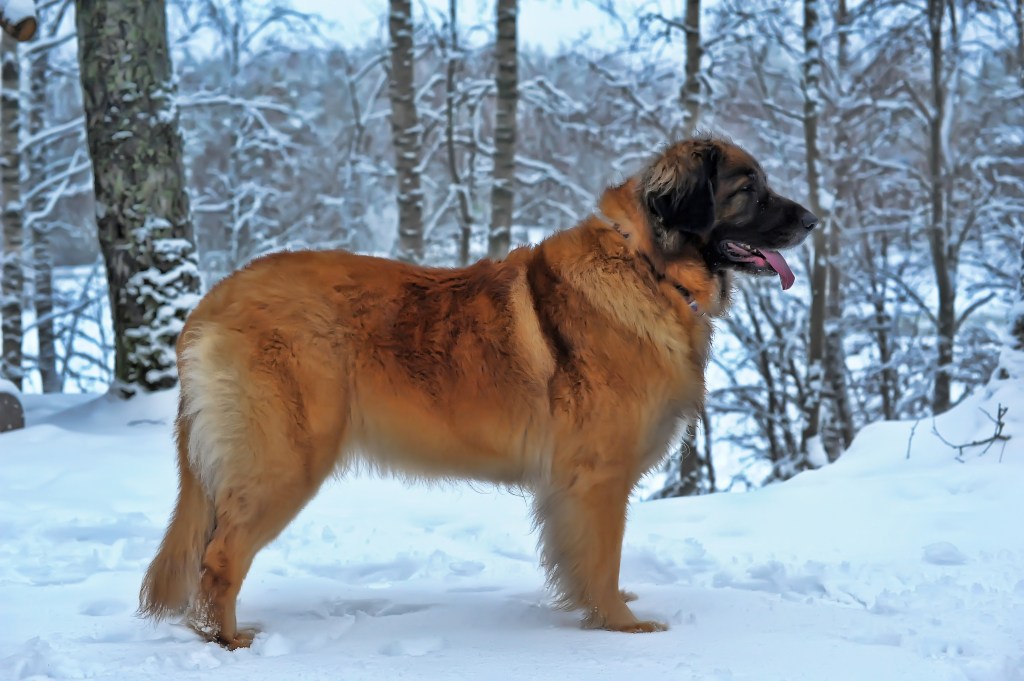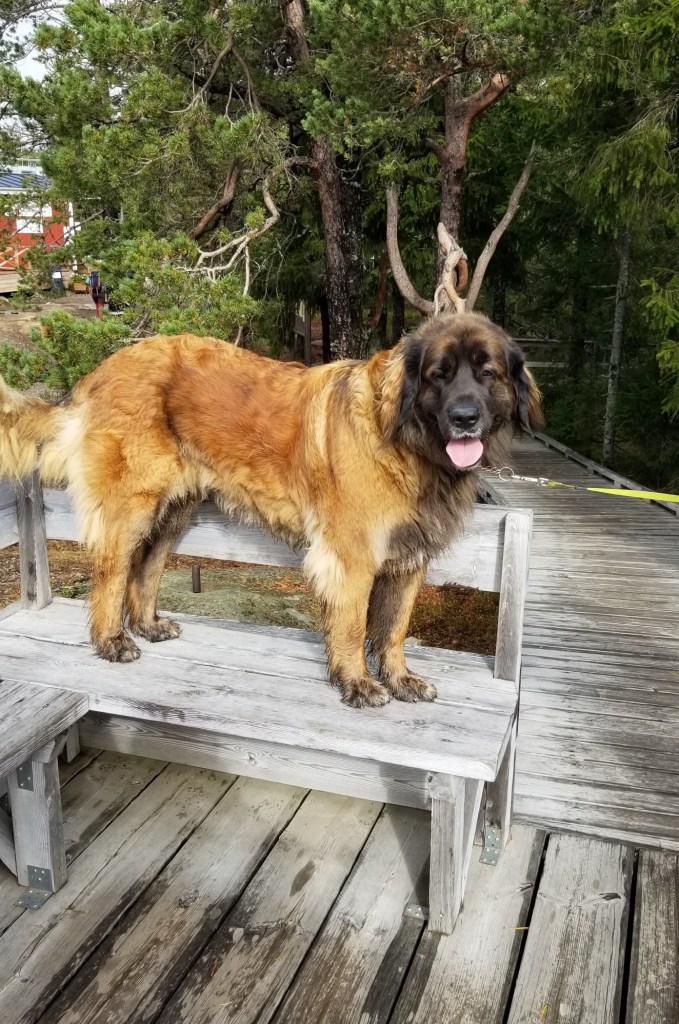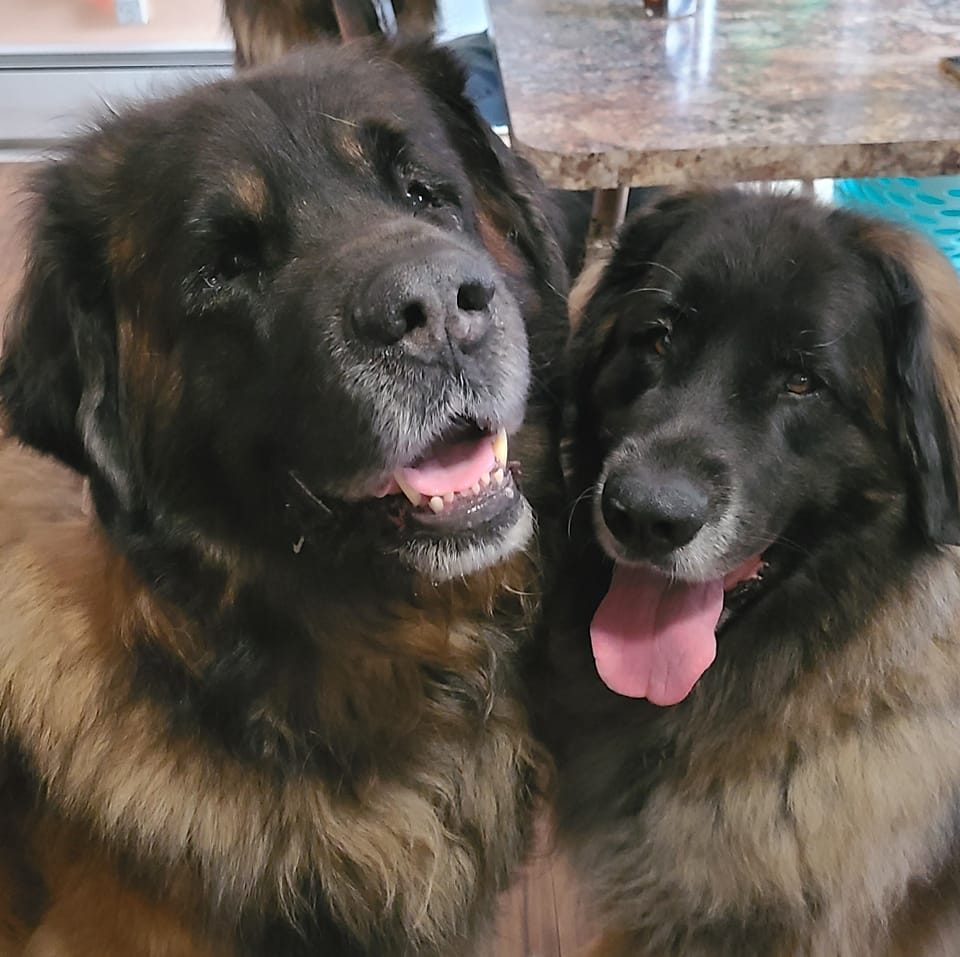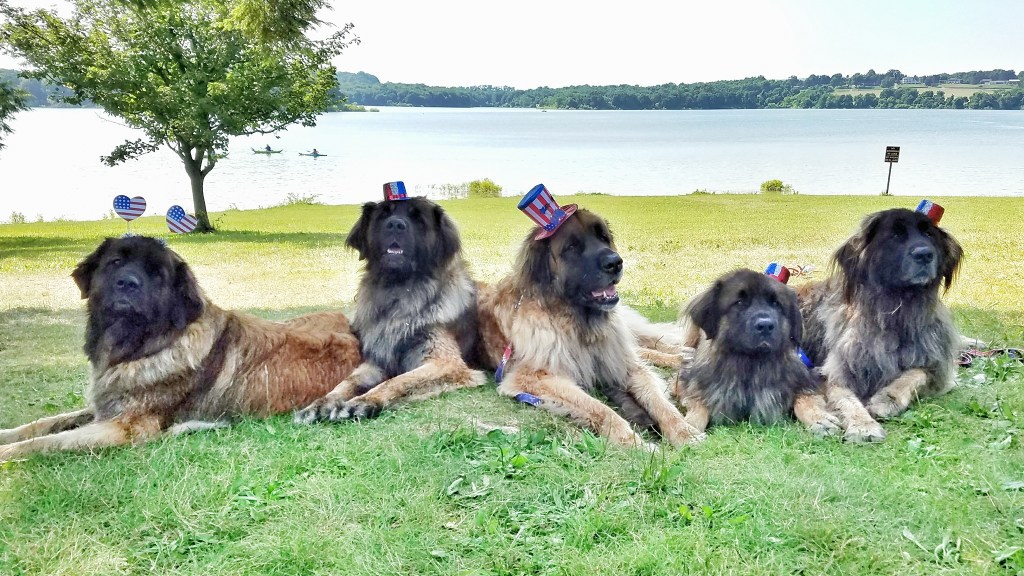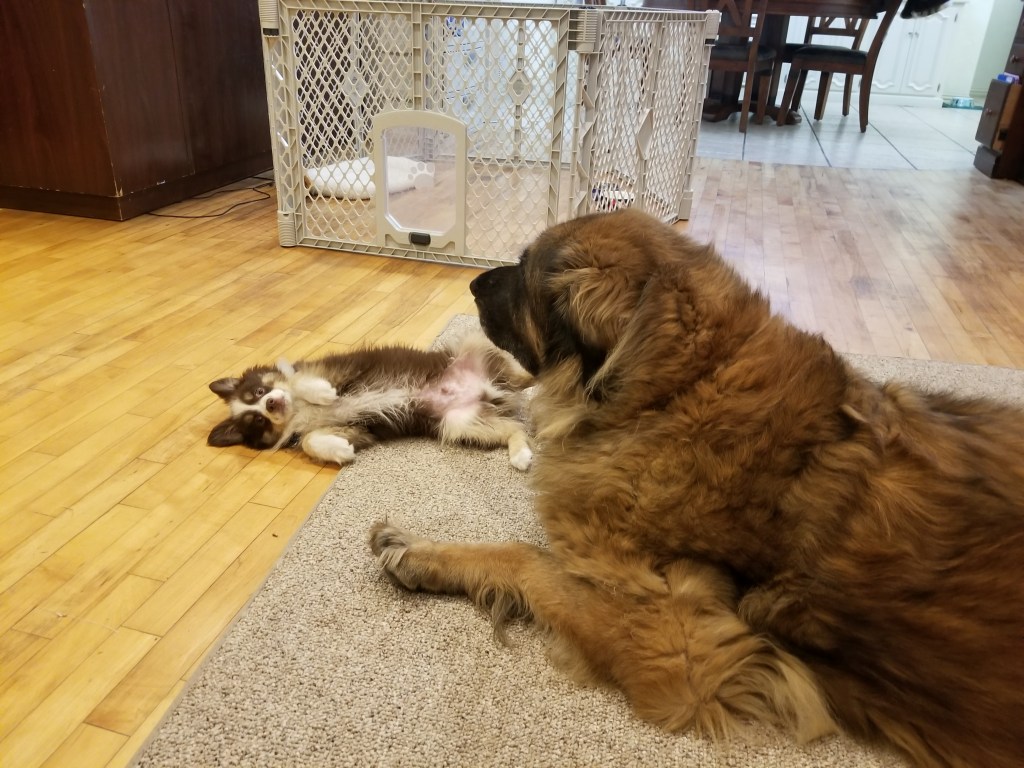
This blog feature amusing and heartwarming stories about our late Leonberger dog Bronco, as well as other Leonbergers. It also has a lot of information about the Leonberger breed, the history, care, training, Leonberger organizations, etc. I also wrote a Leonberger book, which I am featuring in the sidebar.
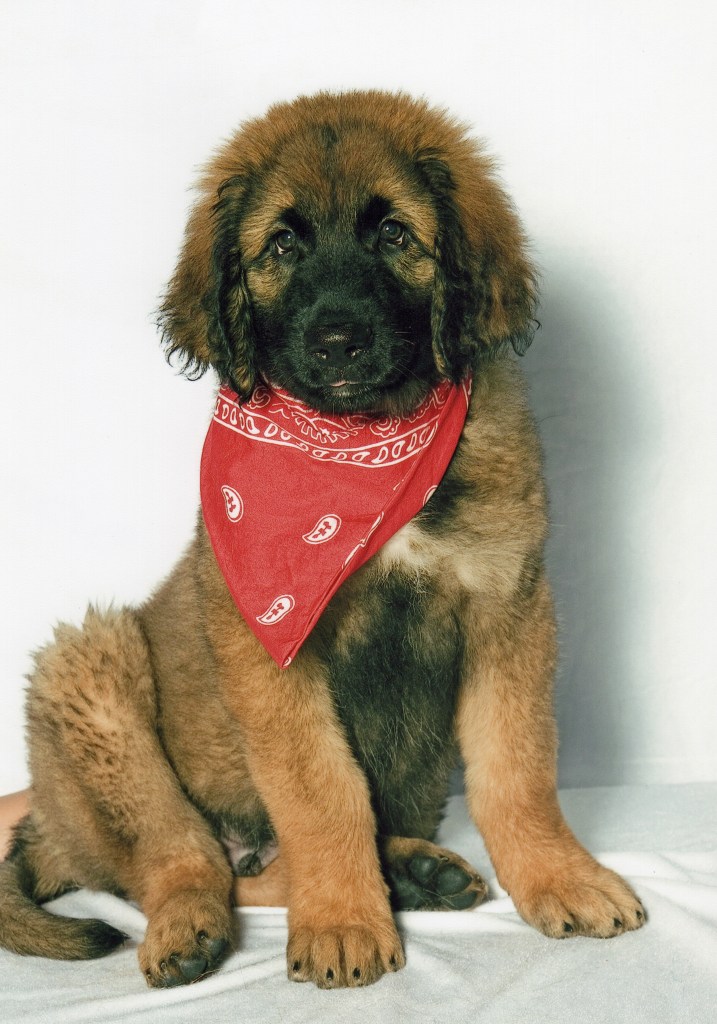
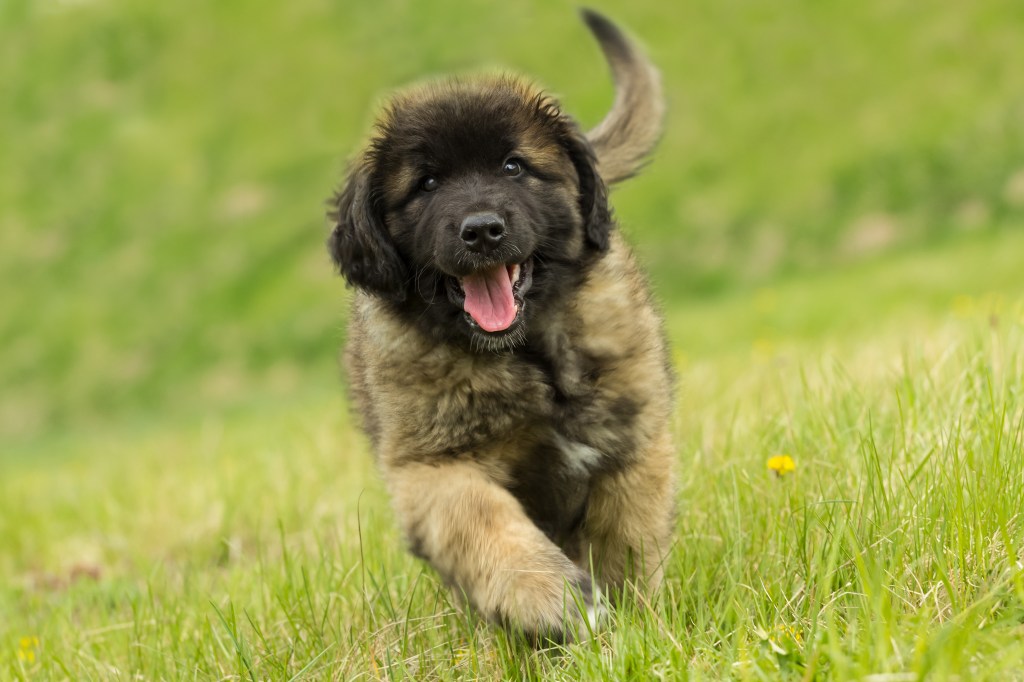
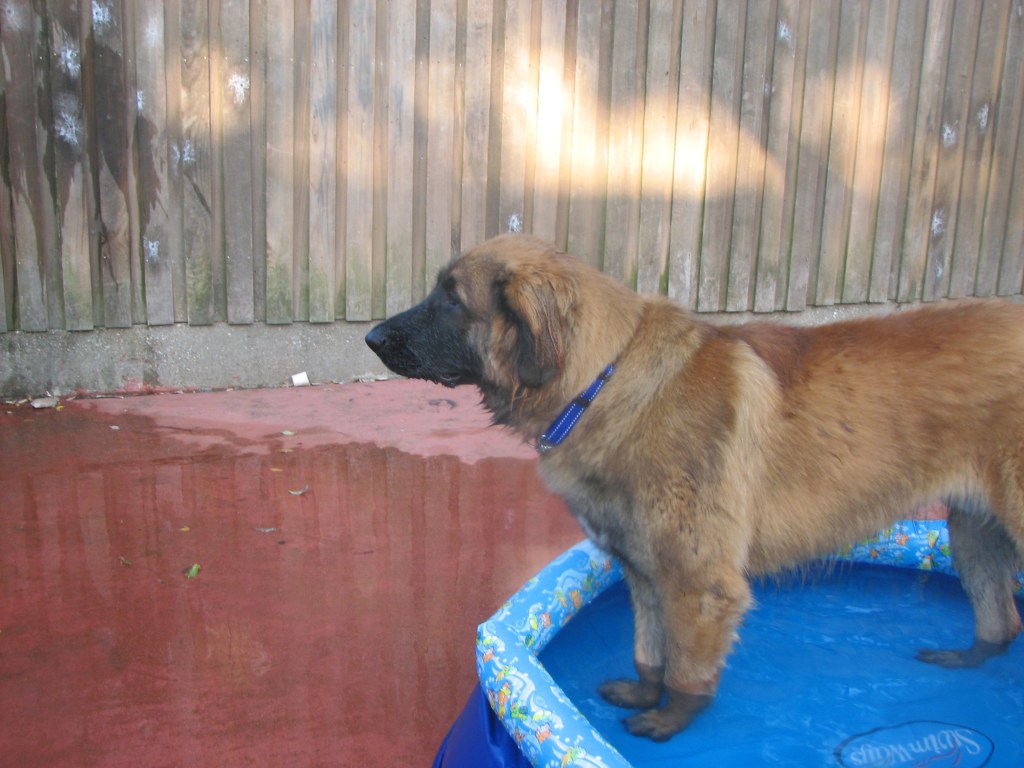
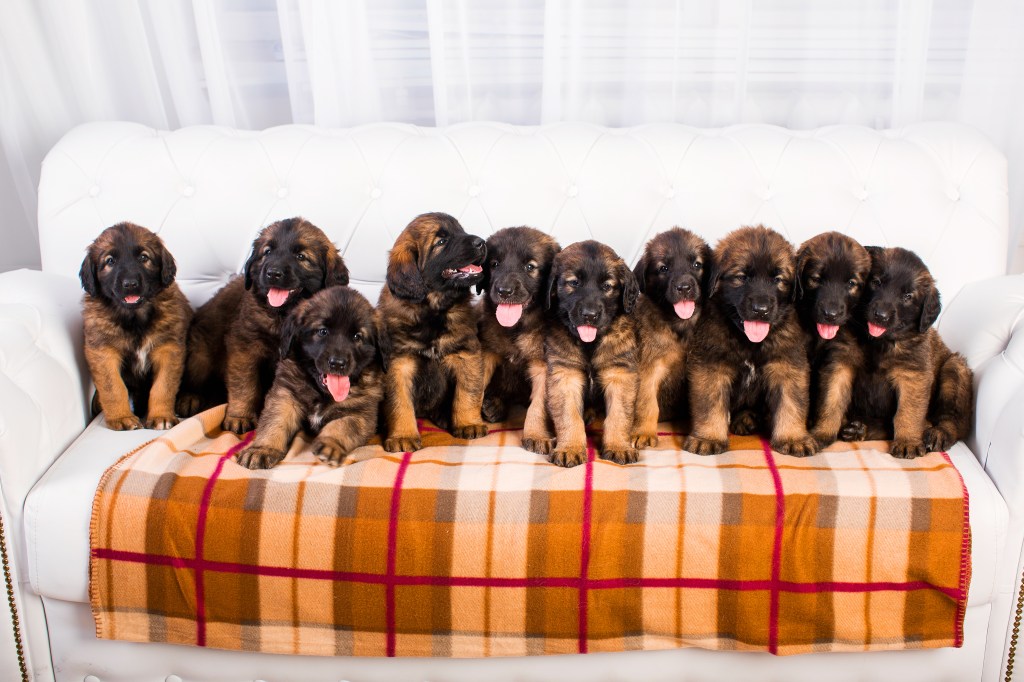
This post features ten Leonberger photos. First there are two photos of our Leonberger Bronco from when he was three months old. Then there are three shutter stock photos of Leonberger puppies, who are probably about two months old. We did not take many photos of Bronco when he was a little puppy so that’s why I am including three puppy photos from shutter stock. Then there are five photos of our Leonberger Bronco between the ages 4-5 months to around one year old. He is bigger in those photos but still not an adult.
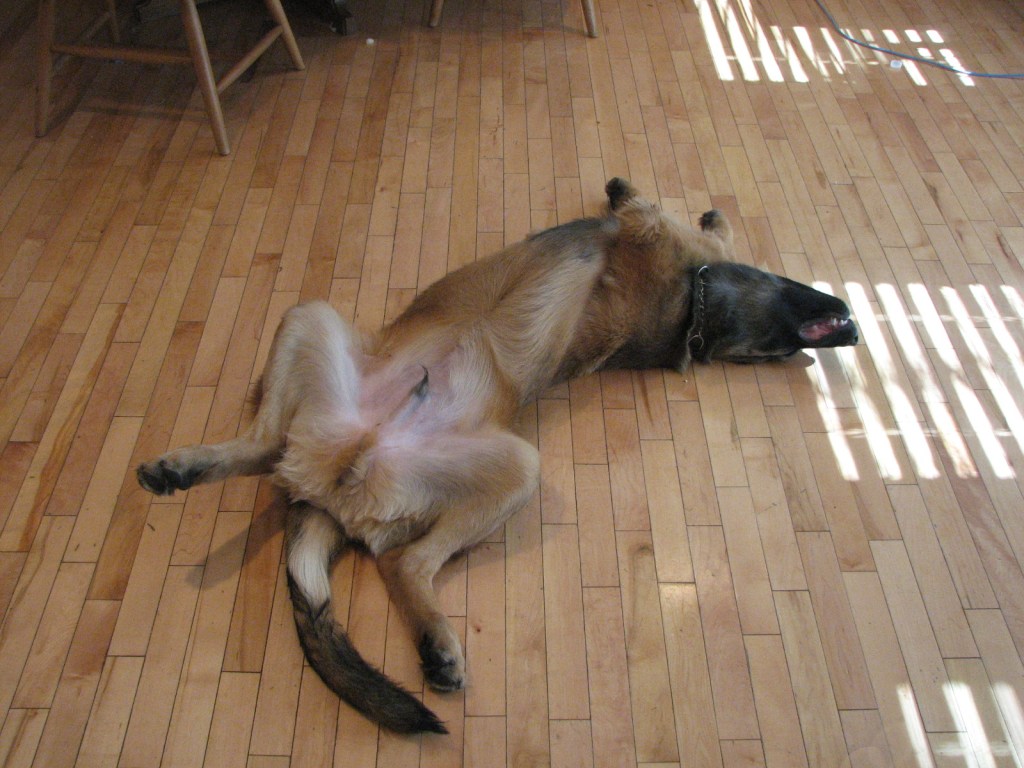
Bronco our Leonberger three months old.Bronco our Leonberger three months old.Ten Leonberger puppies. My guess is that they are about two months old. Shutterstock-ID:561107710 by Akbudak Rimma.Leonberger puppy running in the grass. My guess is that he is around two months old. Shutterstock-ID: 629624396 by TOM KAROLA.Two light colored Leonberger puppies playing. My guess is that they are three months old. Shutterstock-ID: 2141564415 by AnetaZabranska.Our German Shepherd Baby is playing with young Bronco. Bronco is perhaps 4-5 months old in this photo. He is getting bigger, but he has not yet filled out and does not have a lot of fur.Bronco less than one years old. He is a Leonberger teenager. He fell asleep on the floor.Young Bronco at the dog park. Our Labrador Baylor is in the background. Bronco does not yet look like an adult Leonberger. He will fill out and get more hair.Bronco is still young, but he is getting close to being an adult. In the photo he just gave me a kiss and he loved to dance on his back legs.Bronco, our Leonberger, is young but not yet an adult, which we can see from his swanky back. Leonberger sometimes have a swanky back before they are done growing. We had a gate to the kitchen to prevent Bronco from raiding the kitchen. The gate lever had a lock on it because he knew how to lift levers with his nose and open gate doors. The hat he is wearing is a pilgrim hat, the kind of hats the pilgrims wore. Well at least that’s what the pilgrims looked like in our children’s books.
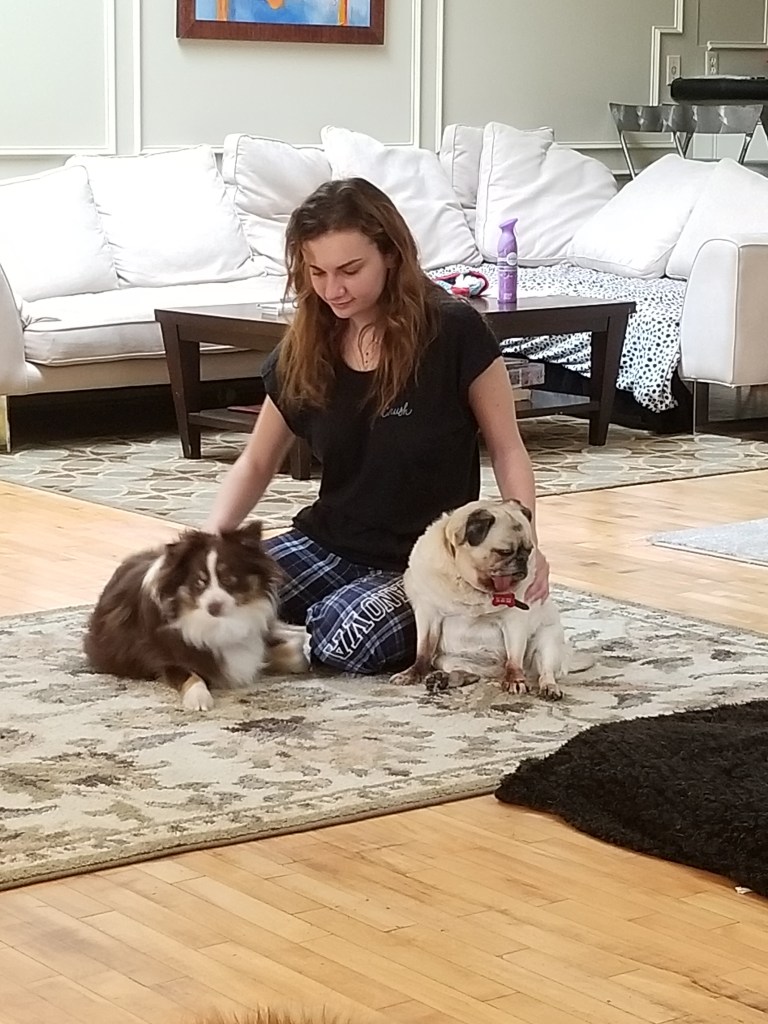
It was a rainy day today, but we didn’t just sit here all day. In the morning my wife Claudia and I had a French lesson. It was over zoom. We discussed tourism including tourism to cities. I spoke about my visits to Paris and Aix-En-Provence. Daisy, our Pug sat and slept under the computer desk during the class. Her snoring was audible to the rest of the class. Rollo, our mini-Australian Shepherd is very afraid of the sound that rain makes on the roof and on our skylights, so he was very nervous.
Falling in mud
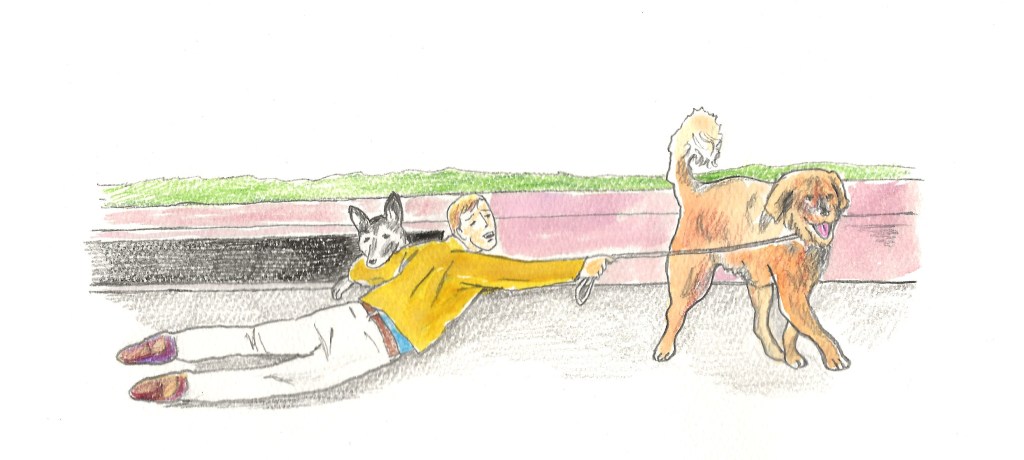
After the class it was no longer pouring, but it was still raining. However, Rollo still wanted to go for a walk so I took them for a walk. Daisy is old, 15+ years old, and she has a problem walking. Therefore, I put her in our pet stroller and raised the hood of the stroller over her. It was wet and muddy and after walking a quarter mile I slipped badly, feet straight up, and landed on my behind and back in a muddy puddle. Daisy’s stroller fell over but luckily, she did not fall out. I was not so lucky though. I was soaking wet; it was cold and my back and behind was covered in mud. I tried to nudge Rollo to go home, but he insisted on continuing. I was worried about what people who saw me would think but we took a long walk.
My muddy jacket and jeans after the walkWet pup at the doorRollo after the walkDaisy in her stroller
A little video of Rollo by the door.
Behold, the vaccine is killing us all
When I came home, I had a text from one of my Swedish aunts. She thanked me for a Holiday Card I had sent, and that she had just gotten. What’s wrong with the post office? She also warned me about the covid-19 vaccine (Pfizer)s, which she claimed have killed 17 million people and given 567 million people injuries for life. In other words, one in ten people who received the vaccine worldwide was injured for life. I know about people in my circle who died from Covid-19, but I don’t know of anyone who died from the covid-19 vaccine. I don’t even know anyone who was injured by it. How is that statistically possible? In addition, my family doctor, who is an extremely good and caring doctor, recommends it, and thinking about it, so does every doctor I know. Most importantly, there are no reliable sources backing up her claim. Her claim was bunk of course.
So, I told her that her information was false and not to worry. When I was young, I did not want to contradict people, but I’ve come to realize that we are drowning in misinformation, and it is very common that people blindly believe whatever seems to support their preexisting beliefs. Therefore, it is important to contradict misinformation when we know that it is false. It is a public service.
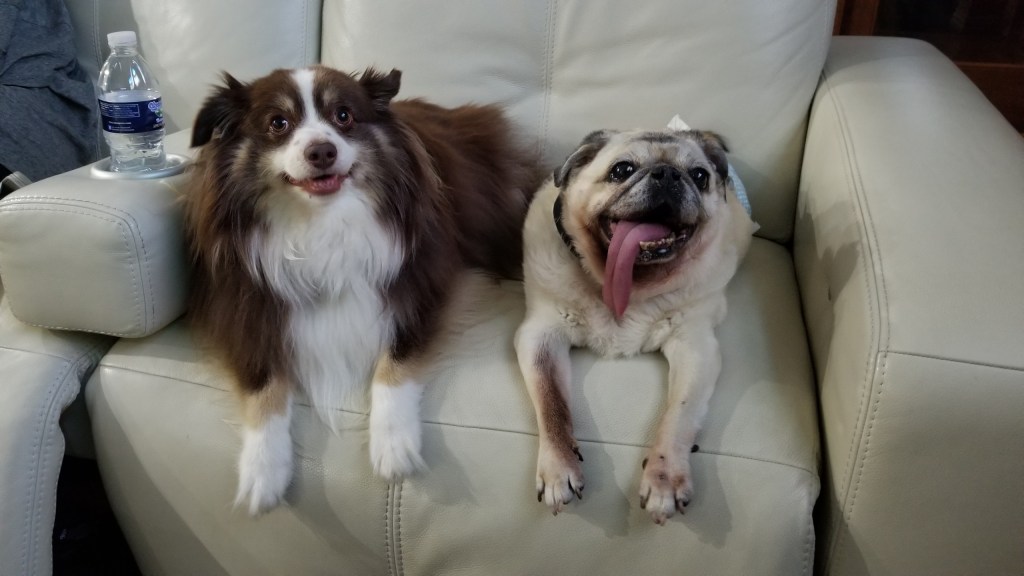
Daisy after an exhausting day of doing nothing.
We don’t pick up dead animals
After doing the laundry I noticed that the city had picked up our recycling, finally. They are supposed to pick it up once a week, but it took them three weeks. Last week I tried to file a report about the missed pick up. I was not able to do that using the city’s cryptic website, and search yielded nothing useful. I know you can file a report because I’ve done it before. Therefore, I started the chat, and I got a chatbot.
The bot: How can I help you?
Me: The recycling has not been picked up and I would like to make a report.
The bot: We don’t pick up dead animals.
End of chat……
So, the chatbot was useless. It seems like they are always useless. I’ve gotten restricted on Facebook several times, for selling beer outside the marketplace and without stating the price, when all I did was write a beer review in a beer review Facebook group. When Facebook still employed people for those tasks I could complain, get the restriction revoked and an apology. Once all that remained were bots that ended.
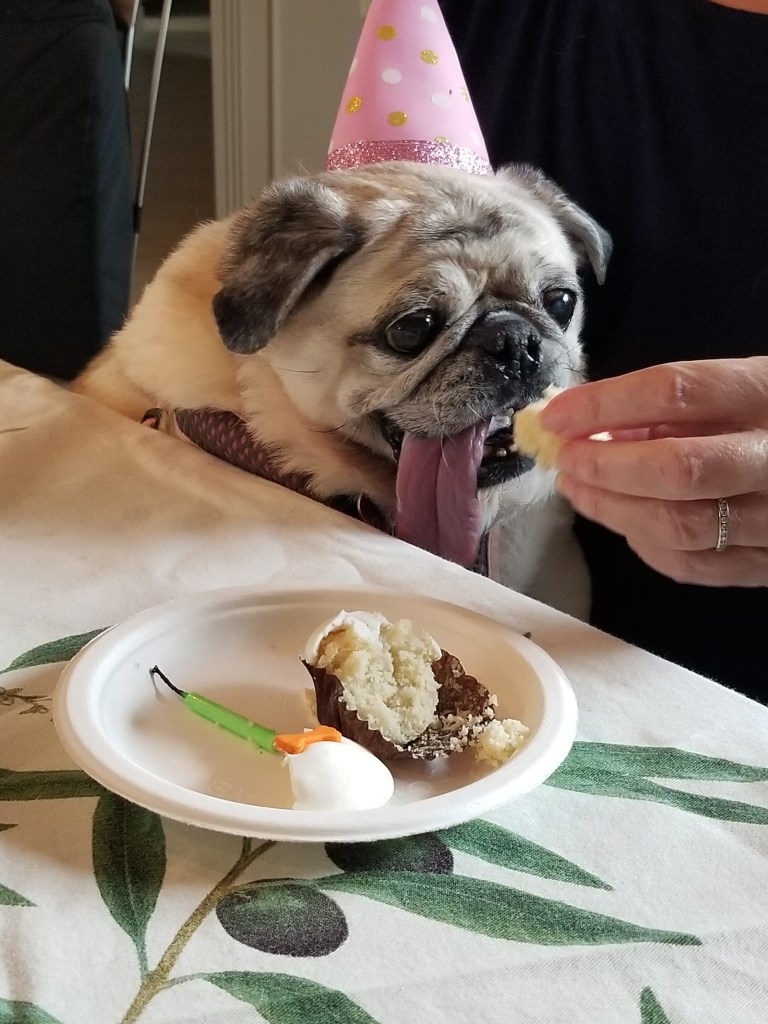
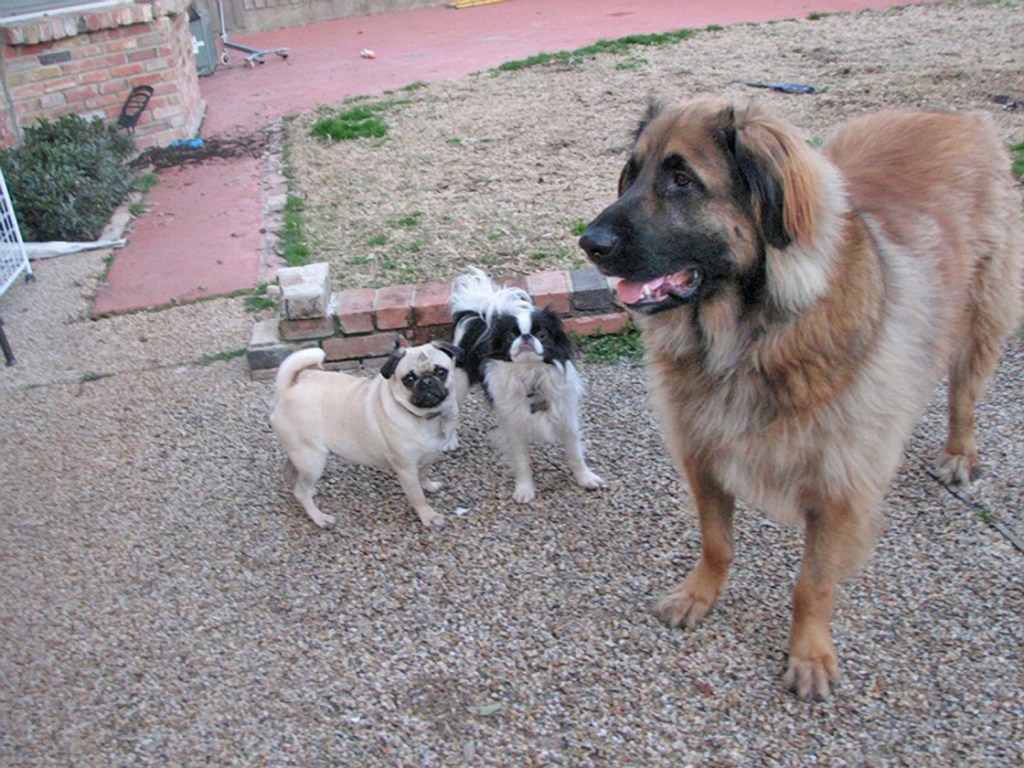
It was Daisy’s birthday (pug in the middle). Rollo is growling at Oslo sitting at the end of the table. It is an old photo.
After I gave the dogs dinner Rollo came to sit next to me on the sofa. He loves sitting next to me and pushing his back towards my side. It seems very cozy, but there’s a problem. Rollo is very possessive and jealous, and he gets aggressive towards others he thinks may threaten his position. Yesterday, he started showing his teeth and growling at Daisy as he was snuggling with me, and I immediately put him down on the floor. He screamed like a choleric two-year-old as I did that. This is one major reason we are hesitating to get another Leonberger. We don’t know how that would play out with Rollo. We have a behavior problem with Rollo that we need to solve. We also set up another baby jail for Rollo.
Rollo’s Baby JailPhoto from the past. Our Leonberger Bronco is sharing the sofa with Daisy.
Towards the end of the day Rollo and I played with his duck, and then he asked for a belly rub. When Rollo wants a belly rub, he lays down on the floor on his side , a couple of legs up, and then he barks one time and then he waits. If no one comes he loudly barks one time and then he waits. Eventually he gets his belly-rub.
With this post I just wanted to wish everyone a Happy New Year and remind everyone that Fireworks is not appreciated by many dogs. Our Leonberger Bronco did not mind fireworks. Our Labrador Baylor did not mind fireworks and our Pug Daisy does not seem to mind either. However, our Japanese Shin Ryu was terrified of fireworks and so was our German Shepherd Baby. Our mini–Australian Shepherd Rollo is more than terrified of fireworks, and he was traumatized by a rouge bottle rocket that was launched in the middle of the neighborhood against the rules. Kids having fun can do a lot of damage to a puppy.
Fireworks are beautiful but not appreciated by all dogs. Photo by Rakicevic Nenad on Pexels.com
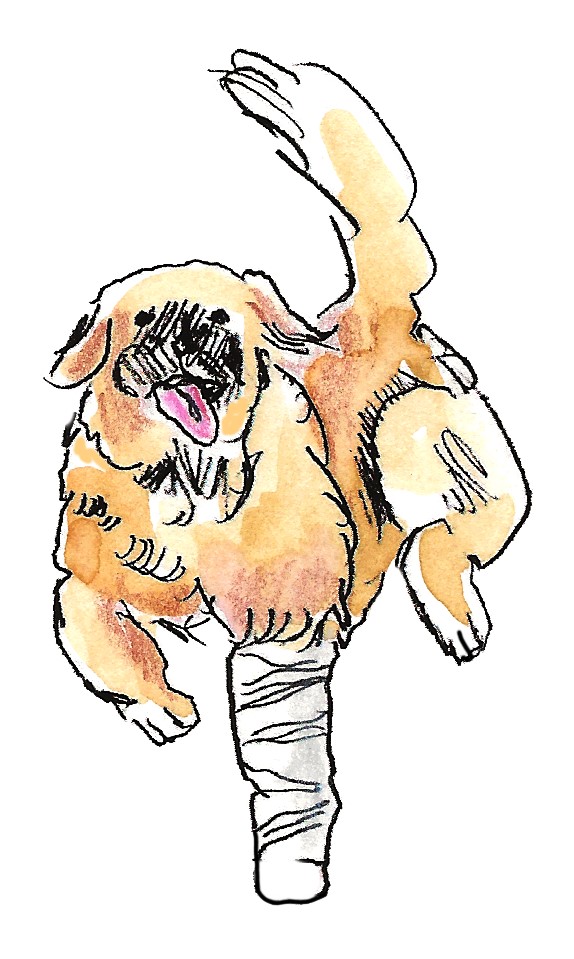
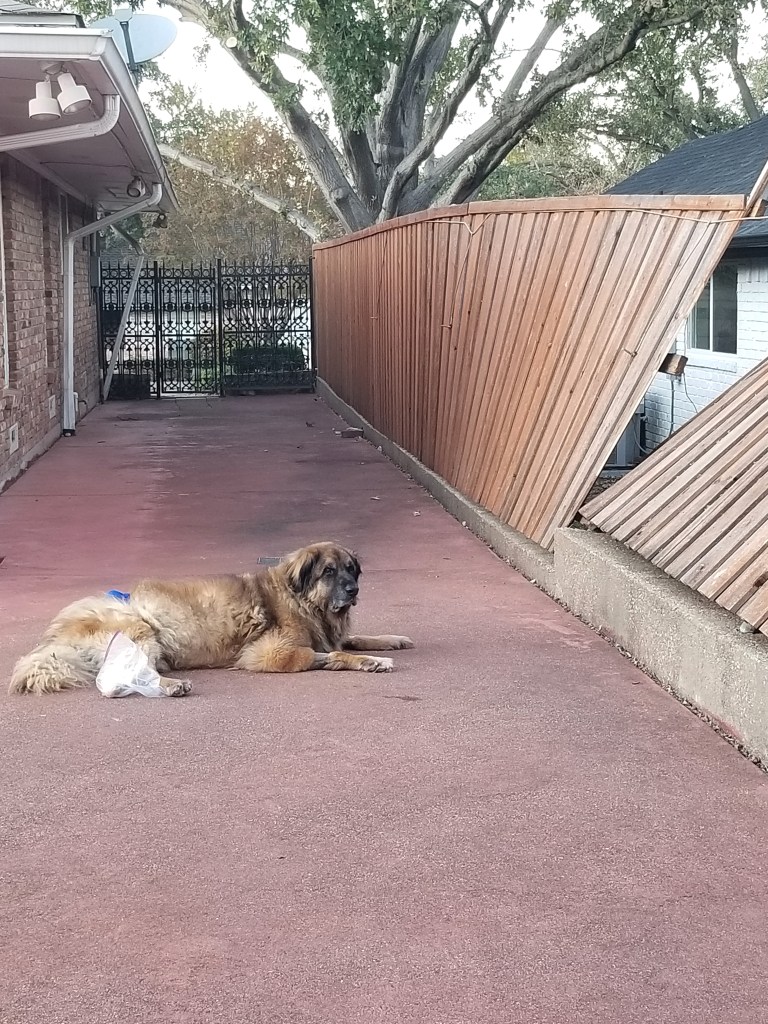
October 2019 was a tough month for us and especially for our Leonberger Bronco. He had a toe amputation due to a cancer growth on his toe, mysteries sores on his paw that wouldn’t heal for a long time, a tornado destroyed our neighborhood and damaged our house (cost $50,000.00), and then Bronco had a heart failure. All in one month.
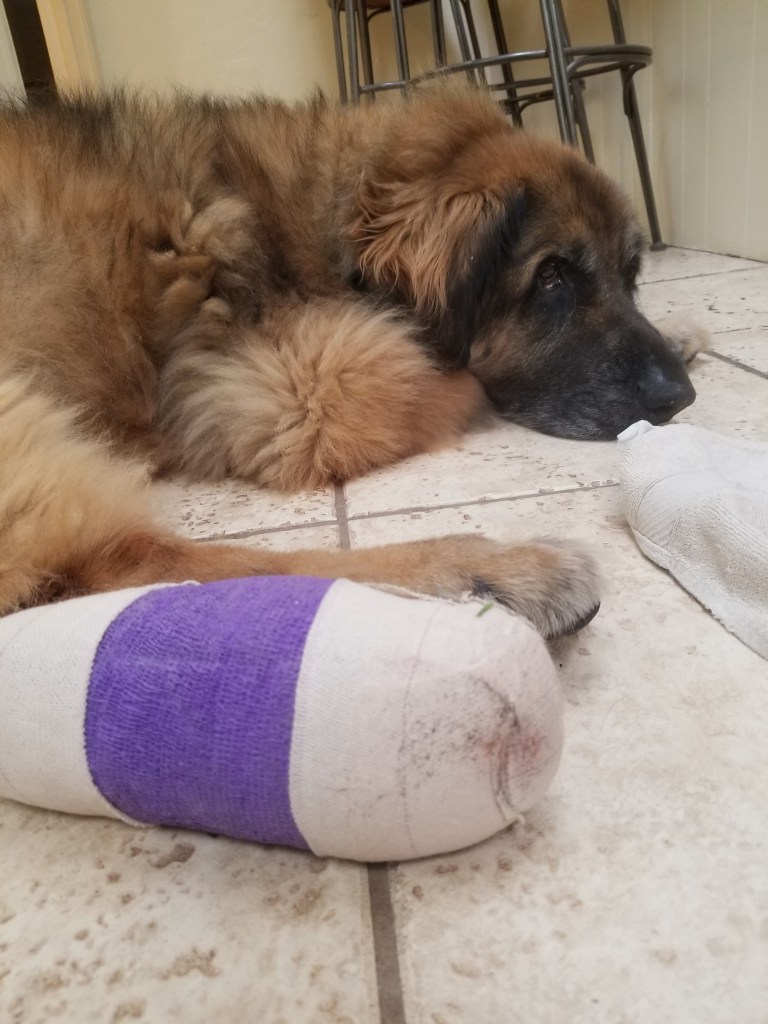
Bronco lying in front of our fence, which was damaged by the tornado. His paw is in a bandage and there’s a plastic bag around it. I can add that we only put the plastic bag on while he was outside. If you keep it on longer than 15 minutes you may have problems with condensation.
Our veterinarian’s office had been destroyed by the tornado, so we took Bronco to the veterinary surgical center (where he had his toe amputated) for bandage changes (amputated toe and mysterious sores). After a few visits, the technicians suggested that we do it at home to save time and money. More important, it would be easier on Bronco. So, they gave us instructions, and we started doing it at home.
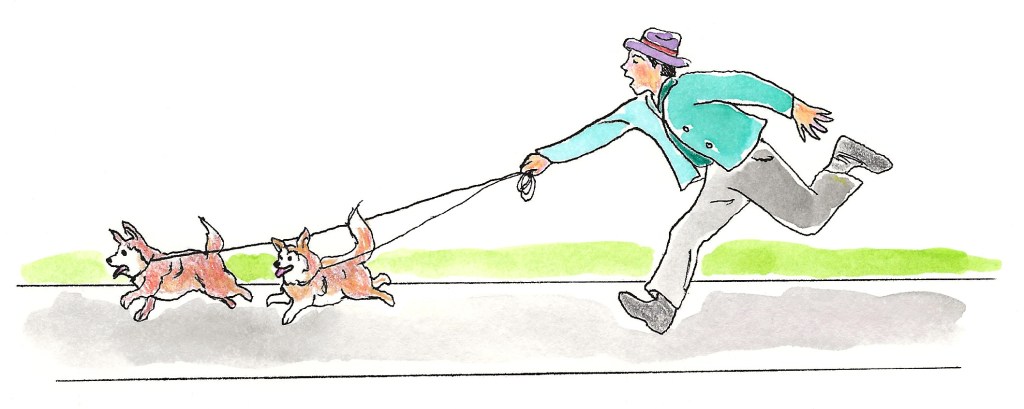
Illustration by Naomi Rosenblatt of Bronco running with a cast.
But changing Bronco’s bandages wasn’t as easy as just rolling out some gauze and tape. First, we had to clean the sores with chlorhexidine, an antiseptic solution. Then we had to apply a healing ointment, such as manuka honey or QuickDerm. This involved spreading it on an Adaptic pad (breathable and nonstick), then wrapping the pad with a Telfa pad (or gauze pad). After that came the soft bandage, then the outer bandage, then something sticky to hold it all together. The latter was necessary because bandages easily slip off dog hair.
Rollo our mini-Australian Shepherd on the left. Le Bronco our Leonberger on the right. The outer bandage is purple in this picture but we also used green.
I did most of the bandage changes, but my wife Claudia and the children helped, and even Rollo, our mini-Australian Shepherd helped. He was very curious: he stood by and watched everything I did as if he were checking to see that I didn’t forget anything. He loved Bronco’s bandage changes and seemed to think that they were very interesting. He followed every move I made with my hands and it seemed like he wanted to help. It was never a problem—except for the time he drank the chlorhexidine.
Rollo carefully inspecting the bandage change.Rollo making sure I don’t forget anything.Rollo thinks the Hypafix tape, chlorhexidine and manuka honey is very interesting.
Therefore, I think that Rollo was a little bit like a dog nurse.
On Saturday November 4th Watauga public library hosted an indy author day to which I was invited, and I gladly joined. Wautauga is a small city located between Dallas and Fort Worth. It is closer to Fort Worth. They also hosted an indy author day last year, which I also partook in. We all had a booth where we sold and signed our books. I did not sell a whole lot, half a dozen, but that’s OK. It is a great way to interact with and get to know other authors, and it is fun.
We also read a short passage from our respective books in front of an audience. My reading went very well. I read one of the shorter funny Bronco stories from my book and people laughed a lot. Well, I had practiced, and I was animating the story a bit. I felt like a comedian. I am including the story I read at the end of this post. If you are an indy author and you live in the Dallas Fort Worth area I suggest you participate next year, just for the fun of it.
Me presenting and reading from my book, The Life and Times of Le Bronco von der Löwenhöhle: Stories and Tips from Thirteen Years with a Leonberger.Author group photo. One author had to leave before the photo.Author group photo from last year 2022 (me on the right/blue). As you can see it to a large degree the same people.I did not take a photo of my booth this year, but it looked the same. This is the photo of my booth from last year.
The story I read during reading time (3 minutes)
Bronco’s Hamster Search and Rescue
Back when Bronco was young, the kids had pet hamsters—Moldova and Montenegro. The hamsters escaped from their cages sometimes, but Bronco usually helped us find them whenever they did. Claudia (my wife) would tell him, “Bronco, find the hamsters,” and he would go around the house sniffing until he found them. One time he found them in the linen closet; another time he found them on a shelf in the living room.
On one occasion, a friend of David (our son) trusted us with his two hamsters while he and his family went on vacation. A couple of days later, Claudia noticed that the two hamsters were missing from their cage. The next thing she noticed was that Bronco’s cheeks looked puffy, so she said, “Bronco, drop it!” Out came the two hamsters, both unconscious.
Cheeks full of hamsters (illustration by Naomi Rosenblatt)
In a panic, Claudia started performing CPR on the unconscious hamsters. She put one hamster at a time in her hand and gently compressed each tiny chest using the finger of the other hand. Fortunately, one hamster revived right away. The CPR didn’t seem to be working on the other hamster, but Claudia put both of them back in their cage, and soon the second hamster also woke up. We decided to keep the incident to ourselves. Hamsters don’t squeal.
Hamster CPR (illustration by Naomi Rosenblatt)
The question is, Did Bronco try to eat the hamsters? Or did he simply find them and pick them up, intending to alert us to their presence? I’ve asked several people this question, including some who know Leonbergers well. The answer they give is that he tried to save them from whatever danger he thought they might have been in. If he wanted to eat them, they say, he would have tried chewing them. But clearly, he didn’t.
Note: Unless they bought my book, they probably still don’t know what happened
A little over a month ago I found out that an article about me, our late Leonberger Bronco and my book about him had been published in the September issue of the Preston Hollow People’s Magazine. It was a very nice surprise. Preston Hollow Peoples Magazine, which calls itself the best community magazine in Texas (I totally agree), is a monthly magazine with 47,000 online or print version subscribers. I can add that Preston Hollow is a large historic neighborhood in the northern part of Dallas with many famous residents including former President George W. Bush, Dallas Mavericks owner Mark Cuban, previous Dallas Stars owner Tom Hicks, the late Presidential candidate Ross Perot and many others.
What I am posting about today is that I finally acquired a couple of print versions of the September issue of the Preston Hollow Peoples Magazine, so I am posting a few here. I am also including a link to the online article because it might be easier to read.
Front page of the September issue of Preston Hollow Peoples Magazine. Click on the image to view the online version of the article.Page 10 of the September issue of Preston Hollow Peoples Magazine. Click on the image to view the online version of the article.Close up of the article about Bronco in the Preston Hollow Peoples Magazine. Click on the image to view the online version of the article.Close up of the article about Bronco in the Preston Hollow Peoples Magazine. Click on the image to view the online version of the article.
If you own a Leonberger, or are interested in Leonbergers, and you live in North America you likely know about the Leonberger Club of America, or the LCA for short. You are about as likely to find a Leonberger at Petland/Puppy-Mill as you are finding an Elephant for sale there. LCA is very protective of the Leonberger breed and of Leonbergers in general. You typically buy/get a Leonberger dog from an LCA certified Leonberger breeder or from the Leonberger Rescue Pals, and if you don’t that might be a problem.
We bought our Leonberger Bronco (Le Bronco von der Löwenhöhle) in 2007 from Julie Schaffert, a certified LCA breeder since 1992.
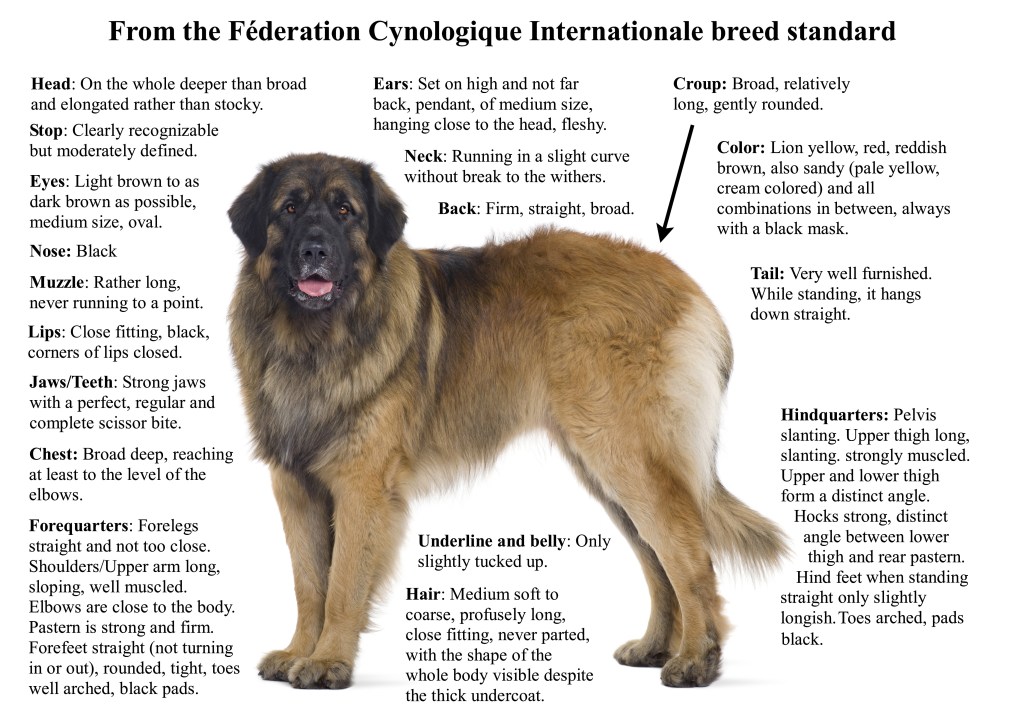
There are only about 3,000 Leonbergers in North America and about 2,000 Leonbergers in the United States but the Leonberger Club of America has more than 1,000 members. They publish the Leo-Letter, a quarterly Leonberger magazine. So, the Leonberger Club of America has a very prominent place among Leonberger owners. Click here to see a summary of the Leonberger Breed Standard.
Leonbergers have a long history in North America and the United States—despite the fact that until 1985, there were only seventeen Leonbergers known to be living in the United States.
See: Lusby, Leonberger, page 15.
Leonberger, Special Rare-Breed Edition, A Comprehensive Owners Guide, Madeline Lusby. Click on the image to see my five star review for this book.
In the 1870s, Leonbergers were brought to Newfoundland to invigorate the stock of Newfoundland dogs. Around the same time, two Leonbergers named Caesar and Sultan were purchased from Heinrich Essig’s kennel (founder of the Leonberger breed) and transported across the ocean to join the Wellesley-Sterling theater company in the United States as the stars of their productions. Then in 1879, Caesar and Sultan visited President Ulysses S. Grant, who called them the largest and most magnificent dogs he had ever seen and presented them with gold medals. During the years between World War I and World War II, a New Jersey family, the Wolfs, opened their home as a temporary refuge for Jews fleeing Germany: they also imported Leonbergers. Unfortunately, this introduction of the breed into the United States did not last, and it would be another fifty years before the Leonberger appeared in America again.
Leonberger, A comprehensive guide to the lion king of breeds, Caroline Bliss-Isberg. Click on the image to see my five start review for this book.
During the late 1970s and the 1980s, a few families—Waltraut and Klaus Zieher, Brian Peters, Manfred and Sylvia Kaufmann, Keri Campbell and Melanie Brown, and Mary and Reiner Decher brought Leonbergers to the United States. The Dechers had started a breeding program and were looking for a mate for their first dam, Viona. By chance their neighbor discovered through a newsletter that there was another Leonberger in the United States, and that led to the families’ finding and connecting with one another. I should add that the Dechers were careful to conform to the German breeding regulations and performed hip X-rays that they then submitted to the Orthopedic Foundation for Animals (OFA). Viona became the first OFA-certified Leonberger in America.
See: Bliss-Isberg, Leonberger, page 152.
On Saturday, November 2, 1985, eight of these Leonberger enthusiasts met at a hotel in Denver, Colorado, to found the Leonberger Club of America (LCA). This group of founders, which has since been dubbed the Denver Eight, appointed a registrar, formulated a breeding acceptability checklist, and instituted various policies, including the requirement that OFA certification is mandatory for breeding. LCA membership grew: it held social gatherings, began publishing LeoLetter, and imported an increasing number of dogs. Now the LCA has thousands of members across the country, and Leonbergers receive high ratings on health tests relative to other large breeds. For example, in 2000, the OFA reported that only 14.6 percent of Leonbergers tested positive for hip dysplasia, compared to 47 percent of Saint Bernards.
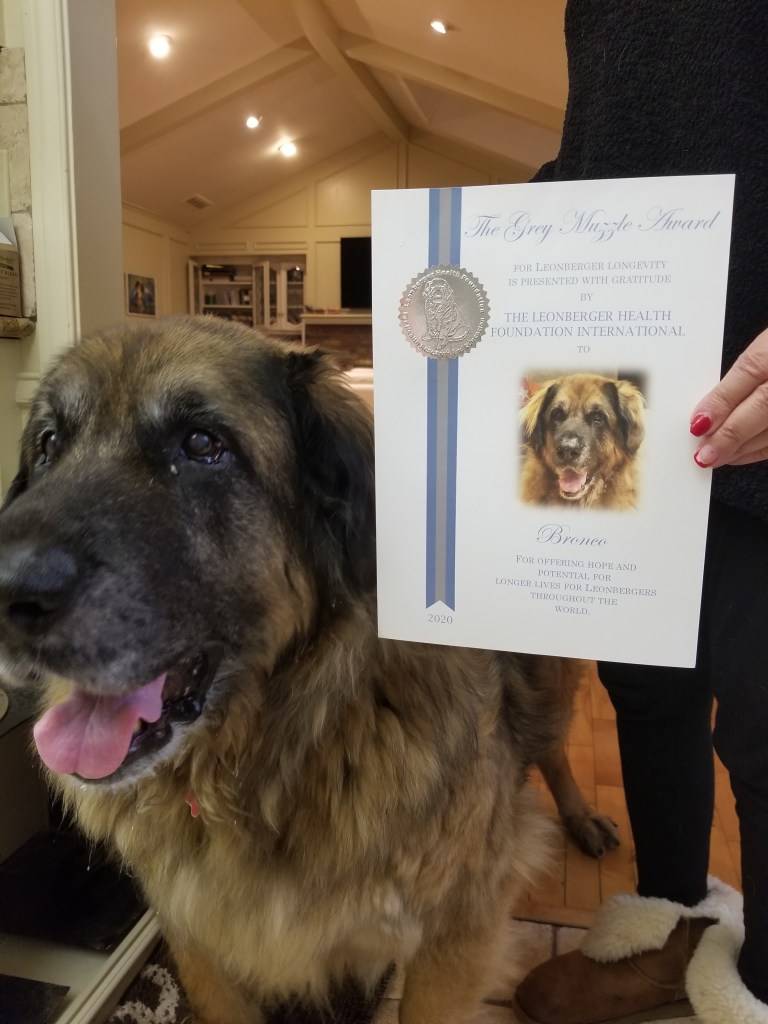
Another important historical event was the founding of the Leonberger Health Foundation International (LHFI), in 2000 (it was just called the Leonberger Health Foundation back then). According to its website, the organization was founded by Waltraut Zieher and other memers of the LCA’s health, education, and research committee to “facilitate the solicitation and distribution of donations given to support health related breed-specific research.” The LHFI also administers a program that collects DNA samples from Leonbergers to share with universities and research institutions, and of course it administers the Grey Muzzle Award (long living Leonbergers). Our Leonberger Bronco was a recipient of the Grey Muzzle Award, and we provided them with his DNA.
Bronco’s Grey Muzzle Award, which he received for being an unusually long lived Leonberger.
LHFI’s global biobank contains DNA samples from more than nine thousand Leonbergers. Among the organization’s notable achievements are the eradication of Addison’s disease among Leonbergers and the raising of nearly half a million dollars for research into conditions that affect canine health, including osteosarcoma, hemangiosarcoma, glaucoma, cardiac diseases, thyroid diseases, and neurological disorders. Its research also supports healthful longevity and aging as well as population diversity. Another success is the fact that since 2011, no Leonbergers with two copies of the LPN1 gene mutation (which causes Leonberger polyneuropathy) have been recorded in LHFI’s biobank. LHFI is one of my favorite charities.
The end of the twentieth century marked not only the end of the Cold War but also the beginning of what I call the Dog Wars of America. In 1985, the American Kennel Club (AKC) registry comprised one-third of the world’s known dog breeds. But the AKC had recognized only a few new breeds since 1887—a period of ninety-eight years. So, the organization decided to change that policy, but this did not always go smoothly. The members of rare-breed clubs often did not want to be part of the AKC. For example, the Australian Shepherd Club of America (ASCA) was very reluctant to join, so a relatively small splinter group, the United States Australian Shepherd Association, was formed and designated the official member club of the AKC, which was not welcome news to the ASCA. The border collie is another example. Charles Krauthammer, the late political columnist, called the AKC the politburo of American dog breeding.
See: Bliss-Isberg, Leonberger, page 159.
Similarly, in 2003, a new Leonberger club was formed—the Leonberger Club of the United States—with the goal of becoming the Leonberger member club of the AKC. This essentially forced the LCA’s hand, so they applied for membership in the AKC, a process that took years to complete. But ultimately the AKC approved the LCA as members in 2010: Leonbergers would officially become part of the Working Group. Fortunately, 90 percent of LCA breeders agreed to continue following LCA regulations regardless of whether the club would remain independent or become part of the AKC. Also fortunately, AKC membership afforded more opportunities for Leonbergers to participate in dog shows, which is important to many owners.
See: Bliss-Isberg, Leonberger, page 187
For information on the history of the Leonberger starting in 1830’s see this link
Three weeks ago, I made a post about our late Leonberger Bronco (and my book) being featured in a local Dallas magazine called the Preston Hollow Peoples Magazine. This magazine has 47,000 subscribers. In that post I posted screenshots of the printed version. Today they posted the free online version of the magazine. Click here to see the article about Bronco, my book and me. Click here to see the front page of the online version of Preston Hollow Peoples Magazine. The headline of my article can be found on the front page.
The page showing the article in Preston Hollow Peoples Magazine. Click on the image to see the front page of the free online version of Preston Hollow Peoples Magazine.The article in Preston Hollow Peoples Magazine. Click on the picture to go to the article in the free online version of the magazine.Bronco and me