This blog feature amusing and heartwarming stories about our late Leonberger dog Bronco, as well as other Leonbergers. It also has a lot of information about the Leonberger breed, the history, care, training, Leonberger organizations, etc. I also wrote a Leonberger book, which I am featuring in the sidebar.
Today is my birthday and we are spending it in Baltimore (don’t worry we have people watching house and dog etc.). Our son, his wife and their son Jack (our first grandchild) lives in Baltimore. Jack just turned six months. That is why I have not been very active in the blogosphere lately. Below are a few Leonberger Happy birthday photos.
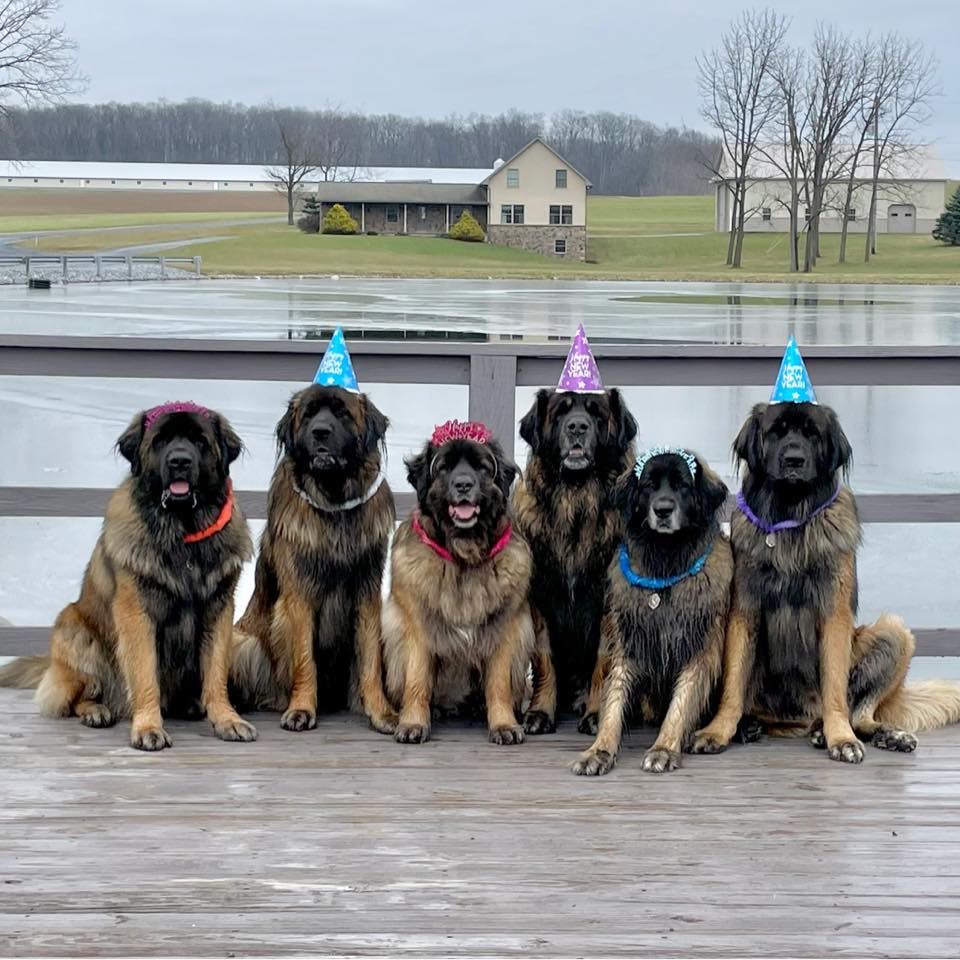
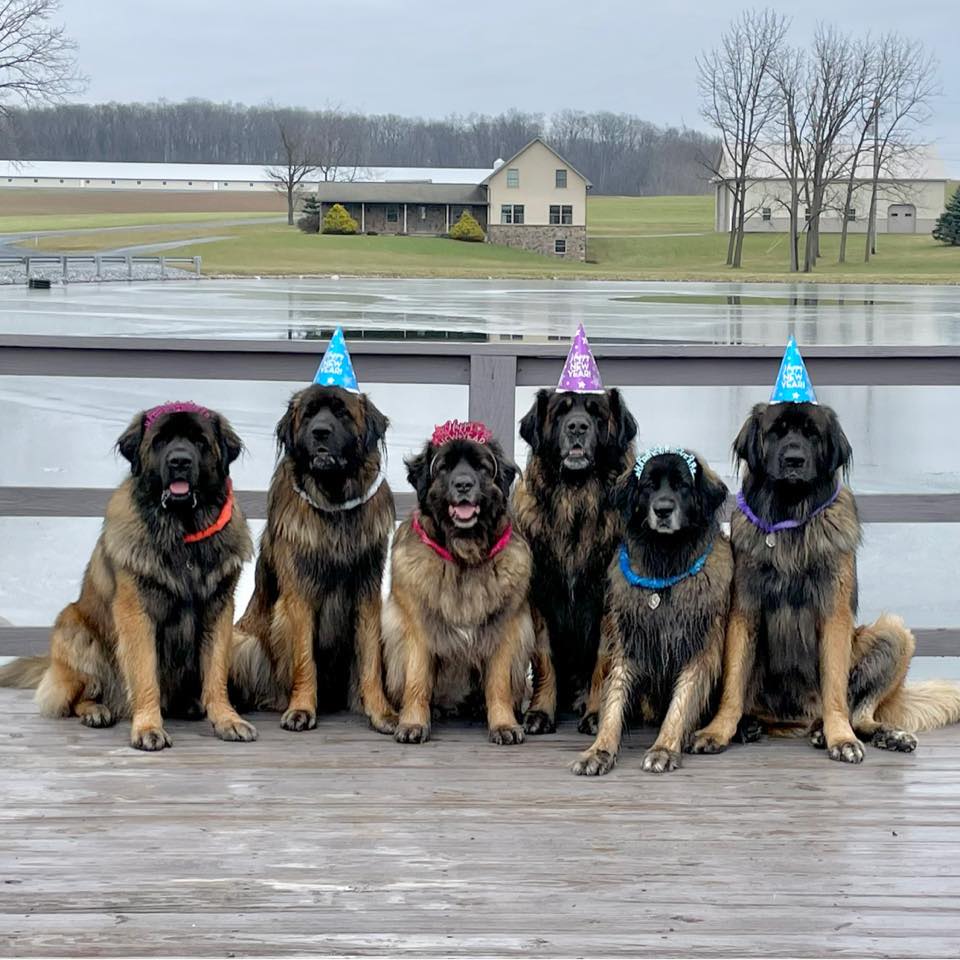
This is a Leonberger Happy Birthday photo that Jen O’Keefe sent me. I am using it with her permission. On the left is Digory and on the right is Aslan.Debbie Ireland, a Leonberger community friend send me this picture today and gave me permission to use it.Leonbergers are celebrating. Caspian (Obi’s nephew), Austin (Obi’s son), Delfi, Obi (now 7 and a veteran), Digory, and Rilian (Obi’s son). Photo by Jen O’Keefe and Ira Van Order, prominent members of the Leonberger Club of America who allowed me to use this photo.
Today we visited the Cherry Blossom at Fort McHenry National Monument. Fun fact: “The Star-Spangled Banner” was born as a poem written by Francis Scott Key on September 14, 1814, after witnessing the British bombardment of Fort McHenry in Baltimore, Maryland. Below are some Baltimore photos.
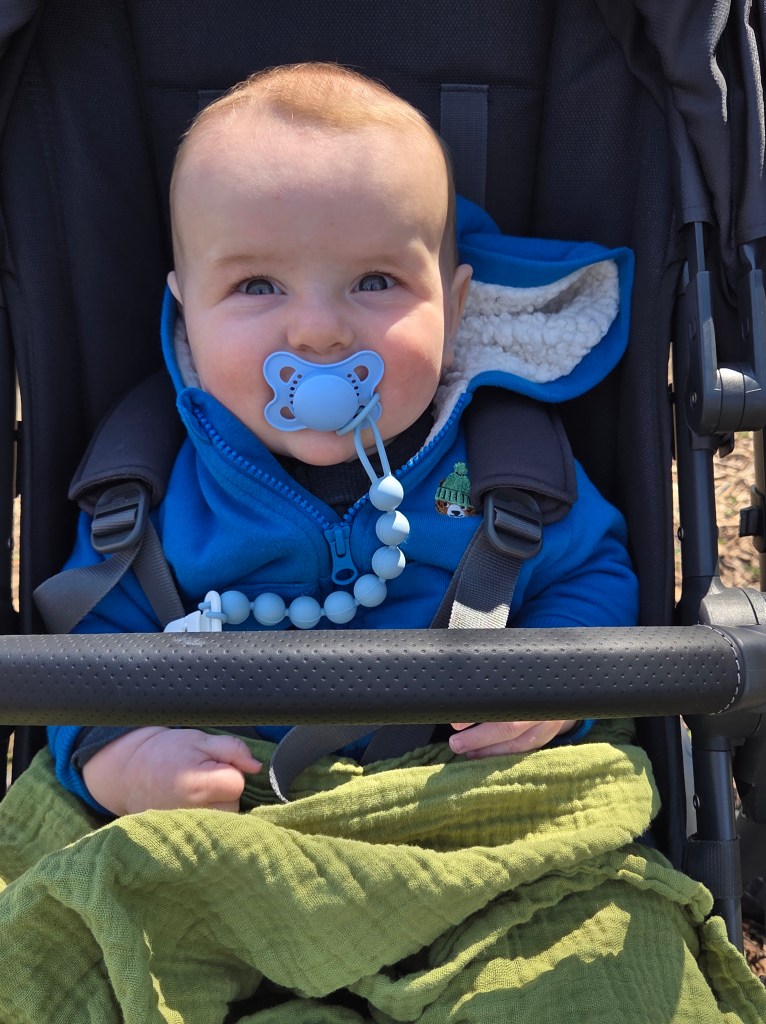
Cherry trees blossoming.Cherry trees blossoming.Cherry trees blossoming up close.Baby Jack is now six months old.Jack is sitting in his new highchair. He is no longer a baby.Baby Jack in the stroller.Baby Jack with us (my wife and I).My son with his son, baby Jack, six months old.
A professional content writer by the name of Ryan Goodchild contacted me about publishing a Leonberger related post on my Leonberger blog, which I am certainly happy to assist with. The title is “Helping Your Leonberger Thrive Through Life’s Big Changes”. See the article article below. While Ryan did all the writing, I added photos of our Leonberger as well as a few Leonberger stock photos.
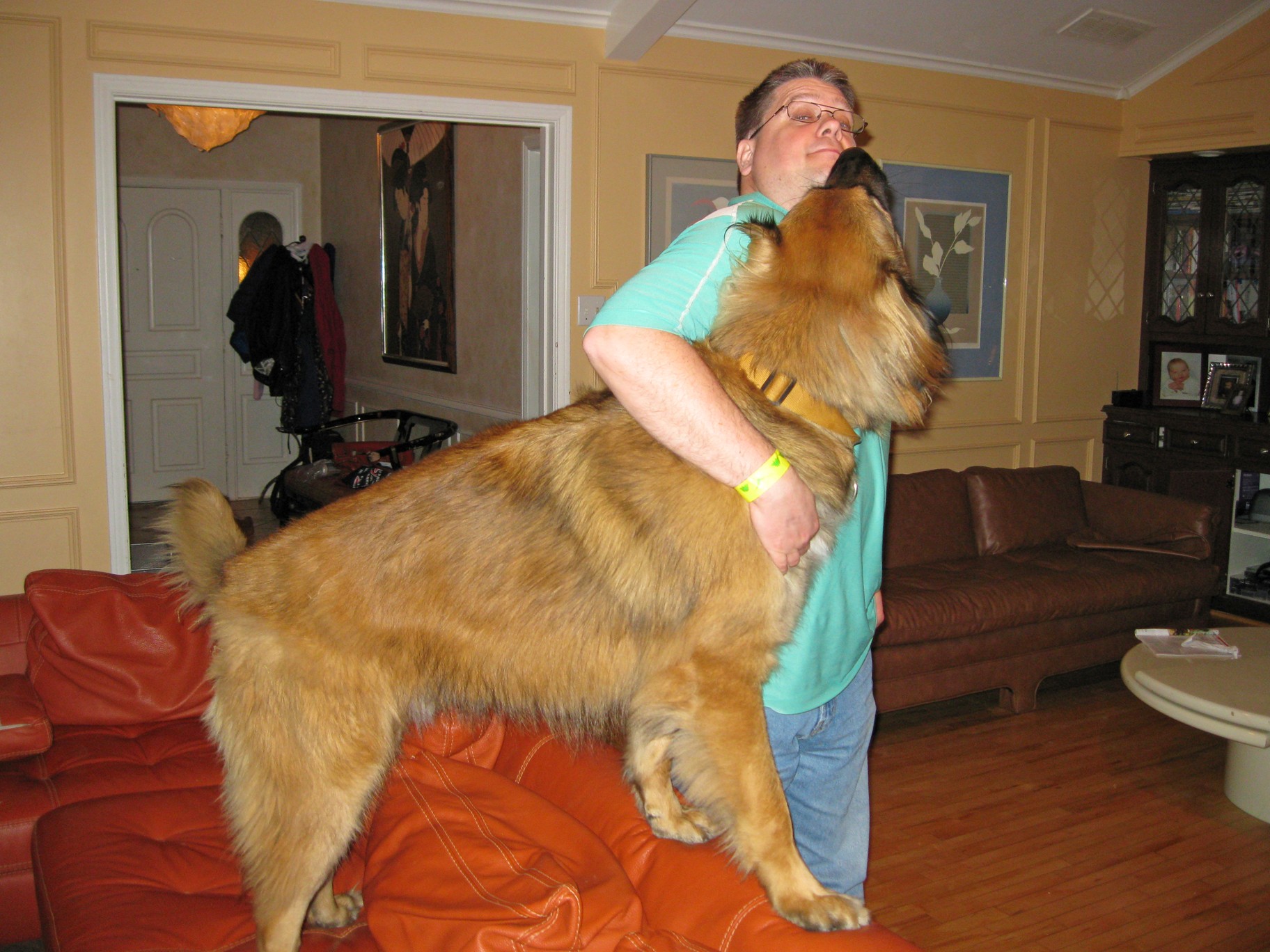
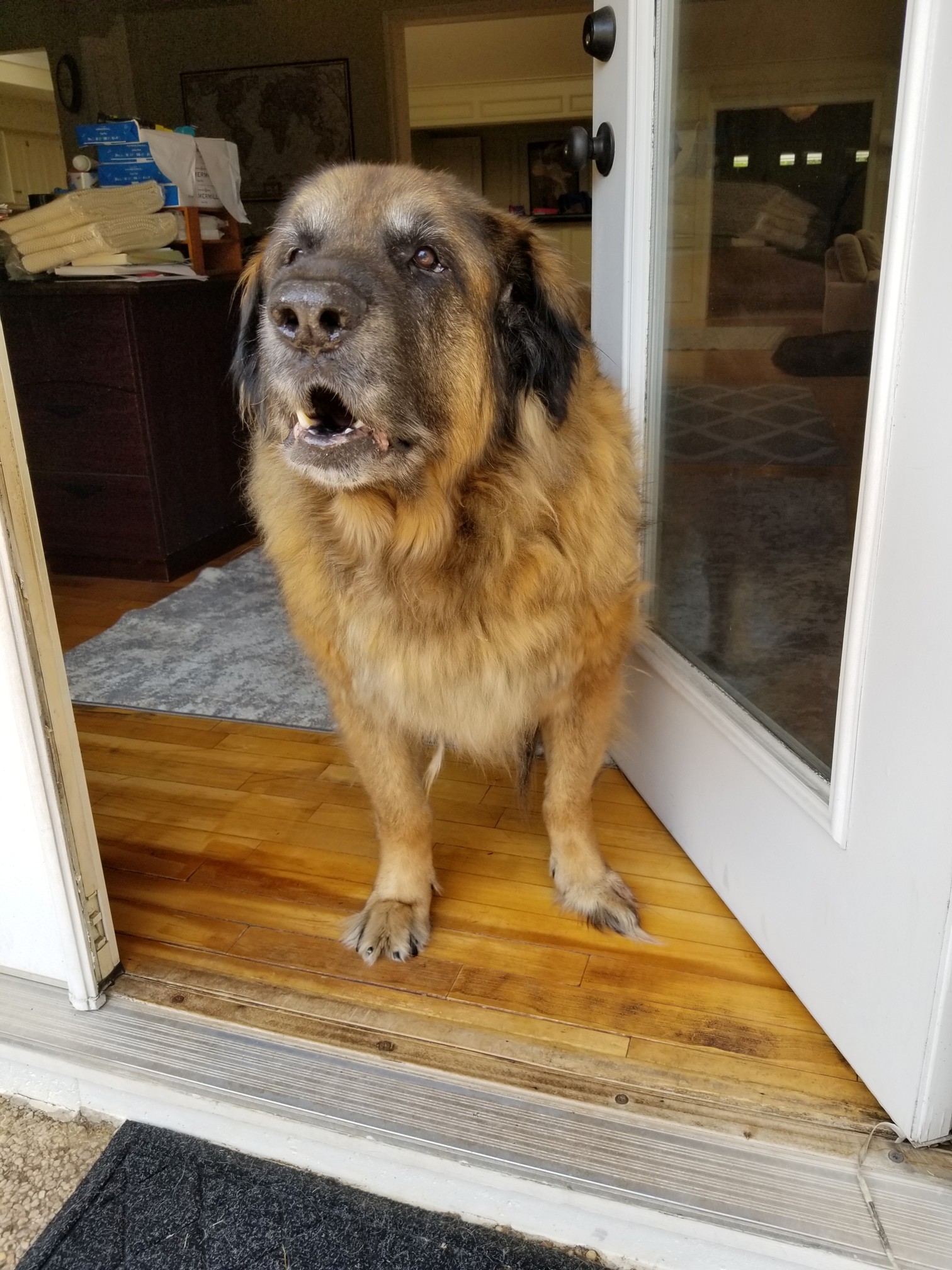
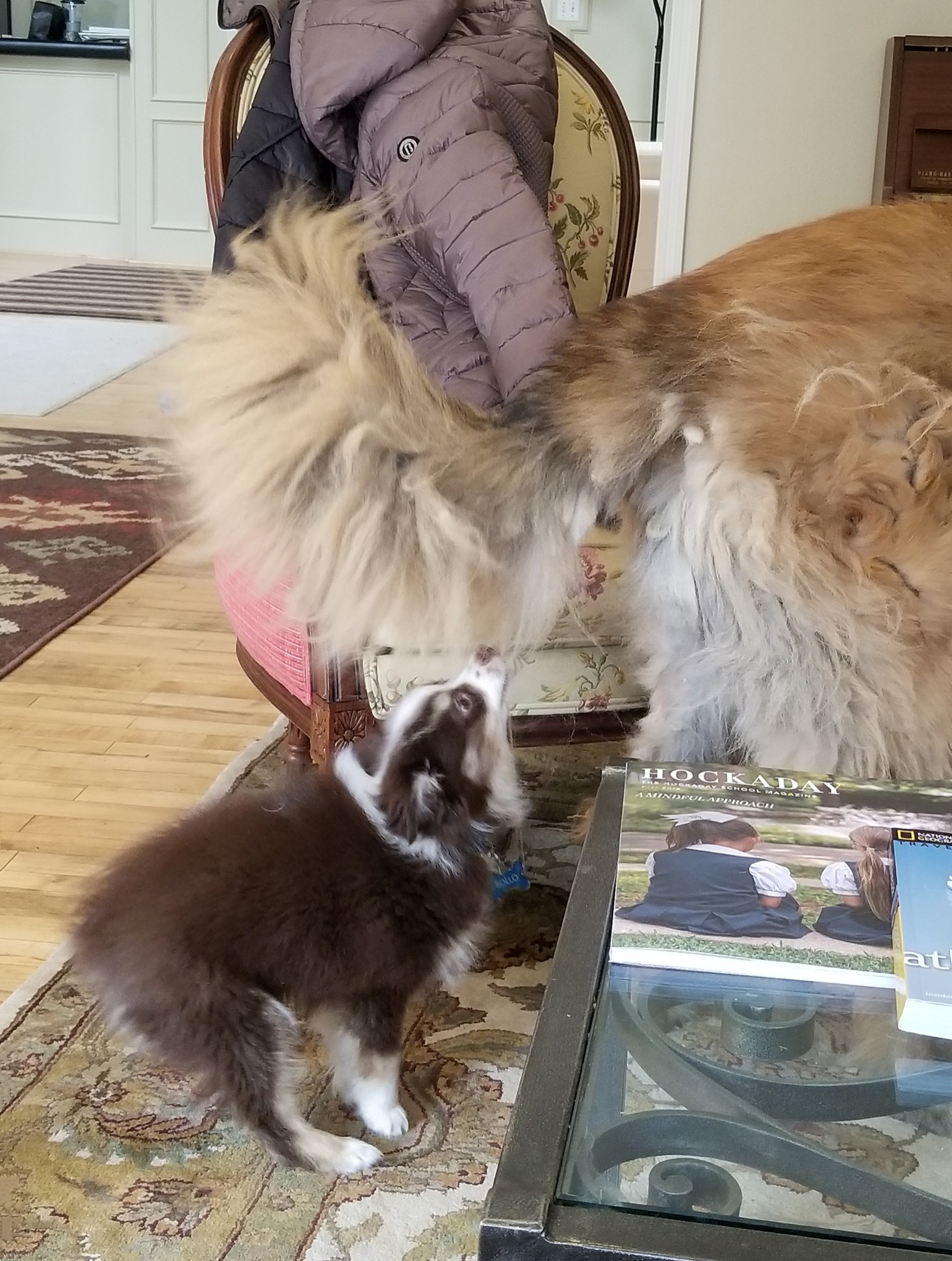
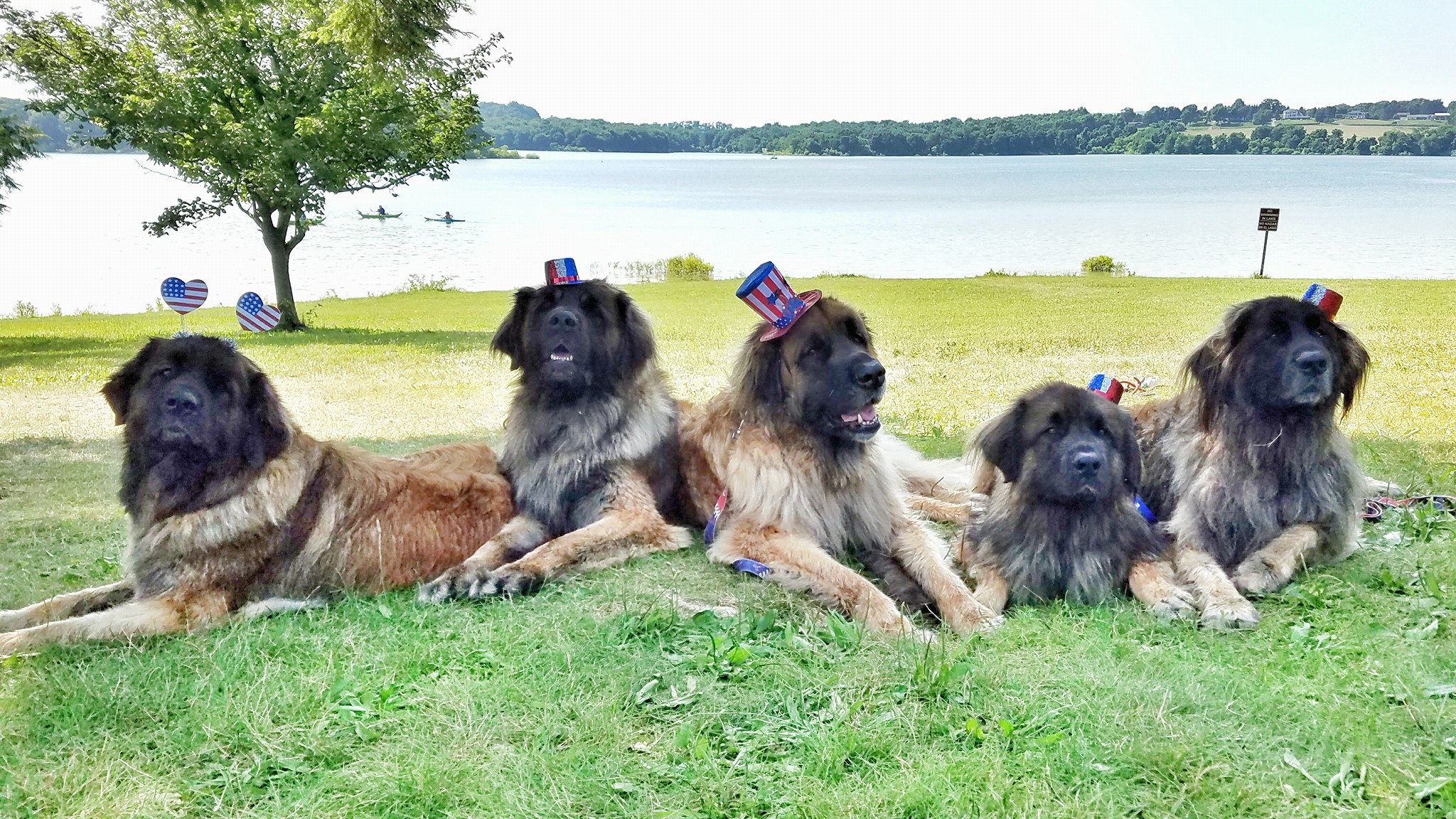
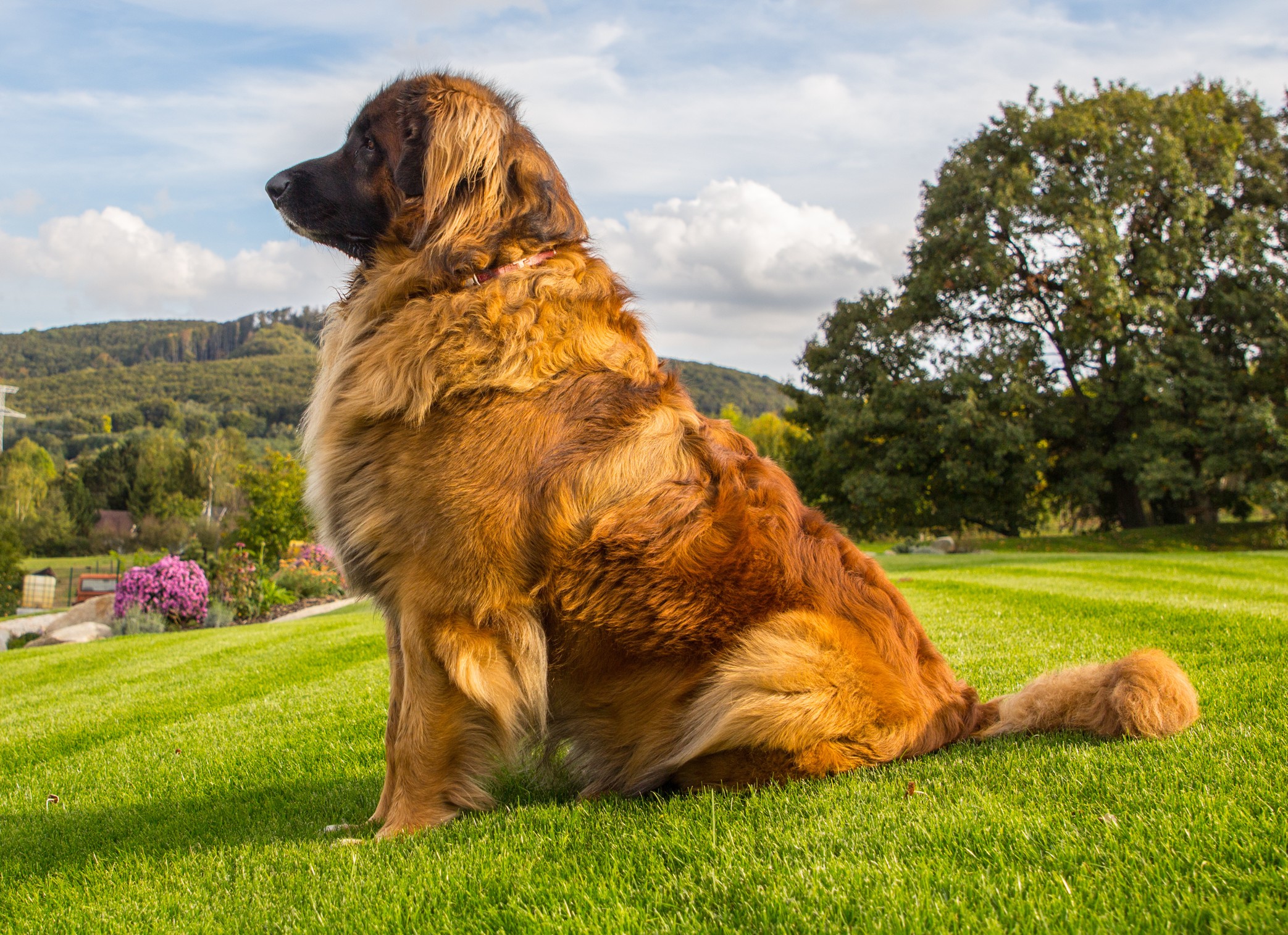
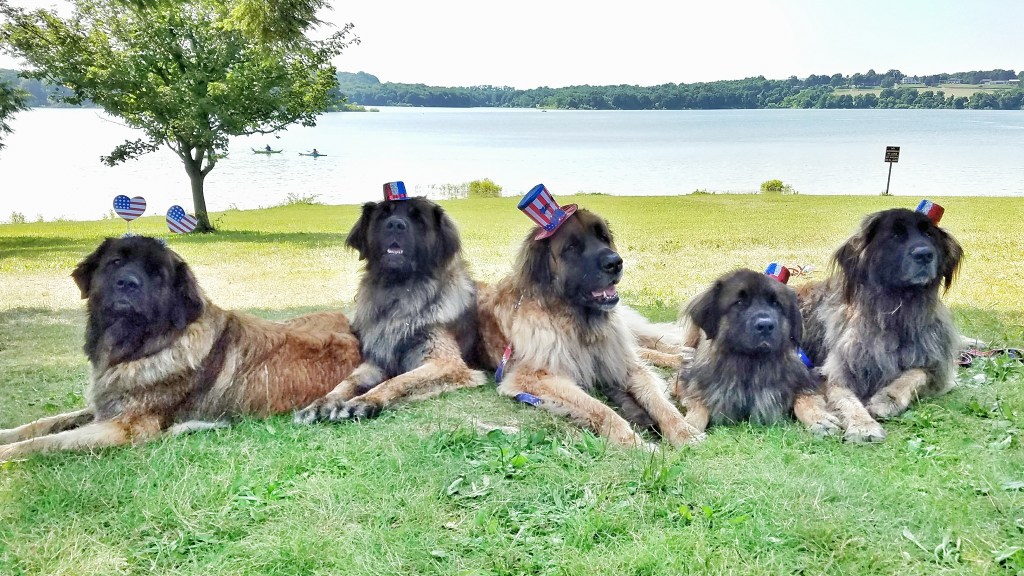
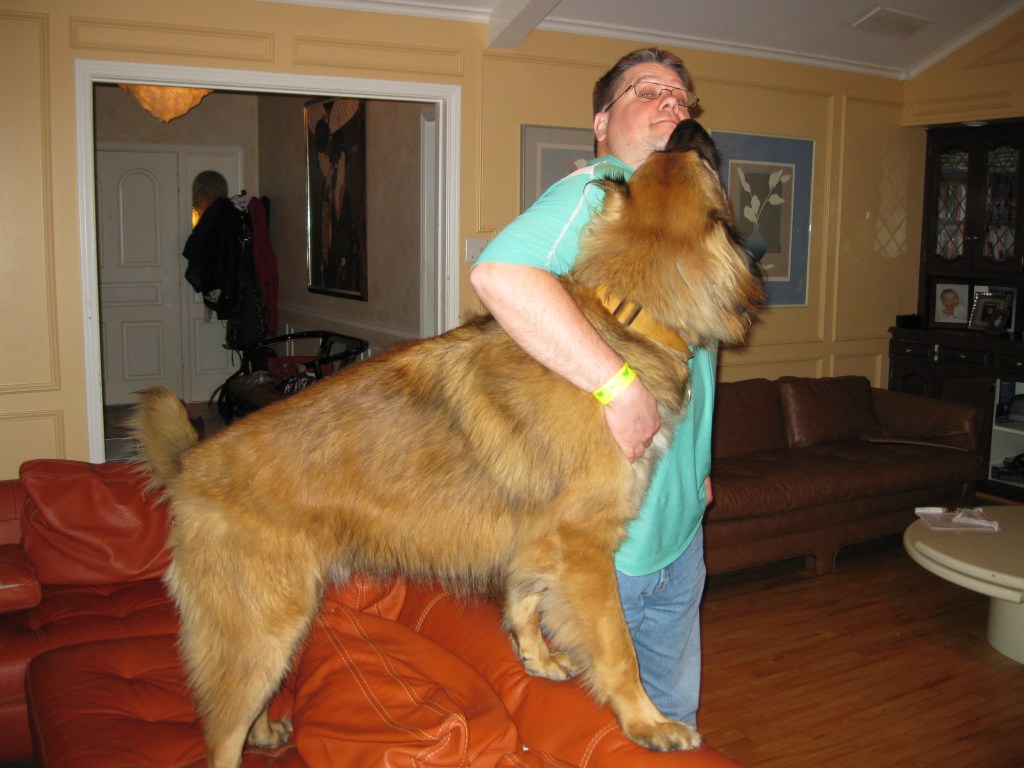
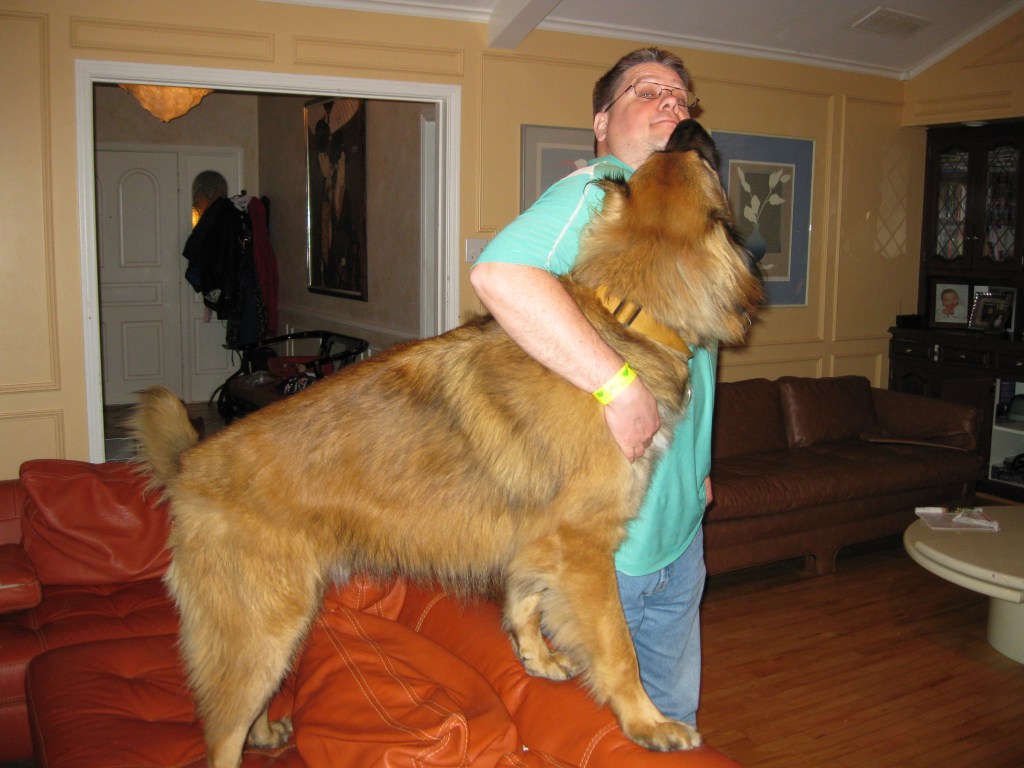
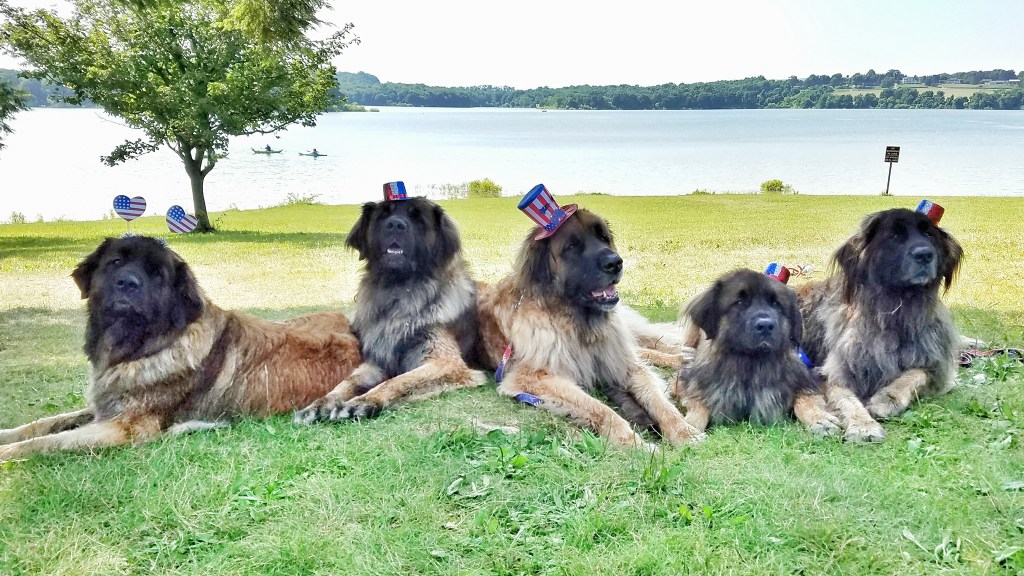
The photo tile above includes four photos of our Leonberger Bronco. One photo is from when he was three months old, in another photo he is about one year old and giving me a hug, and in one photo our mini-Australian Shepherd is biting his tail, and one photo of Bronco shows him standing in an open door. He is a bit agitated in that photo. There is also a photo of five Leonbergers celebrating fourth of July. That photo was taken by a friend Jen O’Keefe. Finally, there is a shutter stock photos ID:731020957 by Peter Josto.
Helping Your Leonberger Thrive Through Life’s Big Changes
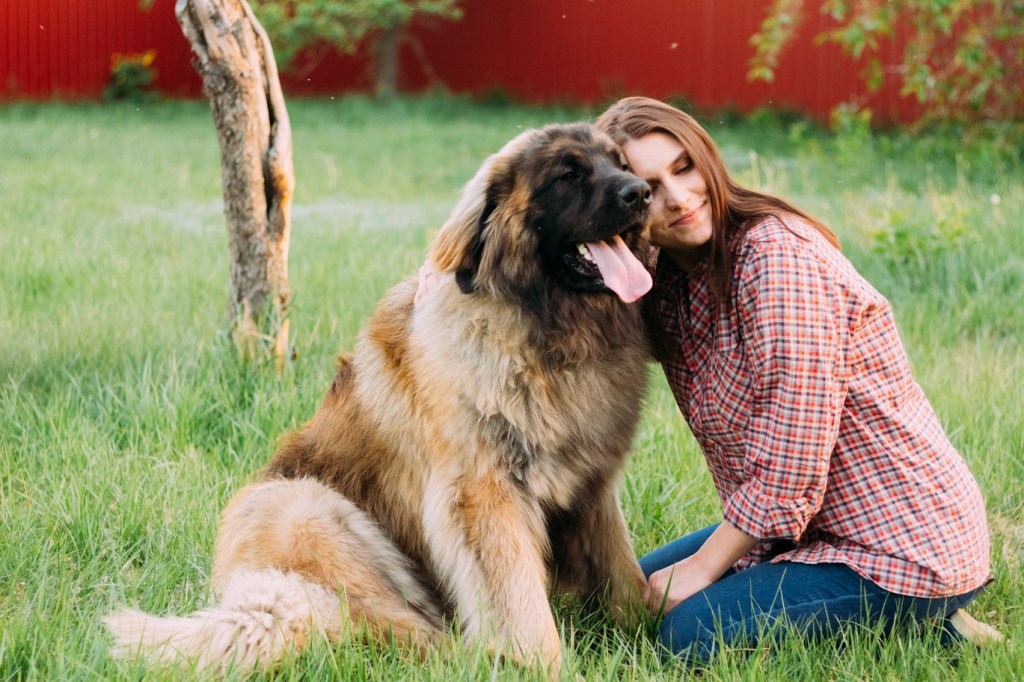
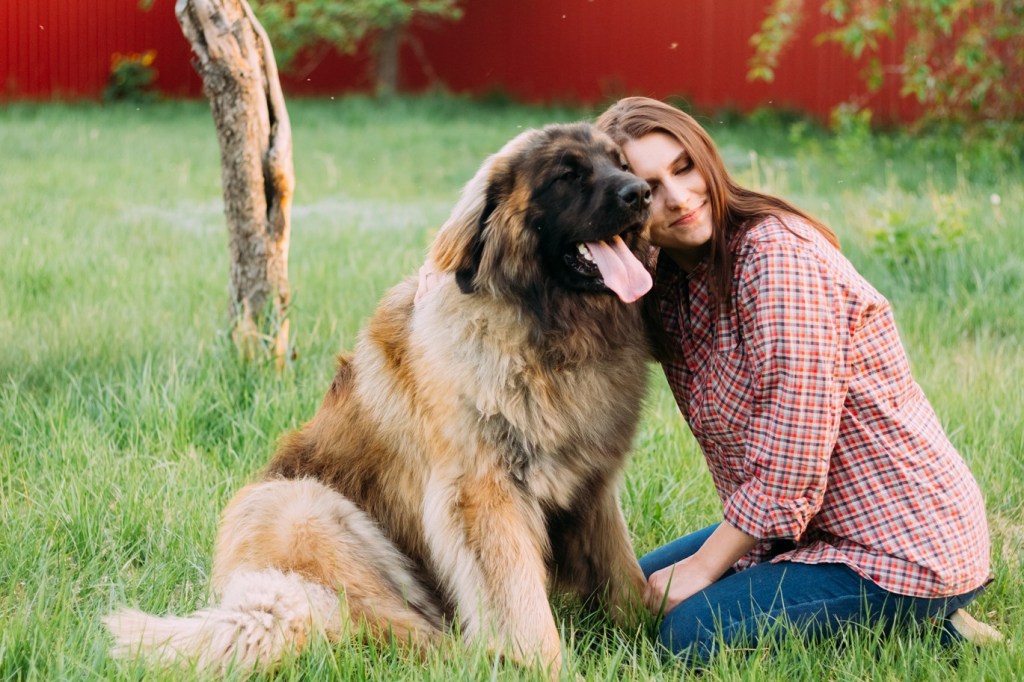
A woman and her Leonberger dog. Asset id: 1741753382 by Elena Podrezenko
Leonberger dog owners often notice that the hardest moments aren’t the big grooming days or the seasonal shedding, they’re the household transitions that quietly unsettle a steady dog. Moves, schedule shifts, new babies or roommates, travel, renovations, and changes in who handles care can disrupt pet routines that once felt automatic. When the rhythm changes, a Leonberger’s emotional well-being in dogs can wobble, showing up as clinginess, restlessness, or unexpected behavior that feels out of character. A clear plan helps keep life changes affecting pets from turning into long weeks of confusion.
How Life Changes Create Stress Signals
Life changes can flip on a Leonberger’s stress response, even when nothing “bad” is happening. Since pet anxiety is real, the first clues are often small behavior shifts like pacing, shadowing you, or sudden sensitivity to noise.
Temperament matters, but it is not the whole story. Research suggests breed contributions were relatively small, so environment and routine changes can affect even the most steady Leo. Reading the stress signals early helps you respond with care instead of guessing.
Picture a week of packing, rearranged furniture, and fewer walks. Your Leonberger may skip meals, guard doorways, or get extra mouthy during brushing because their “normal” cues disappeared.
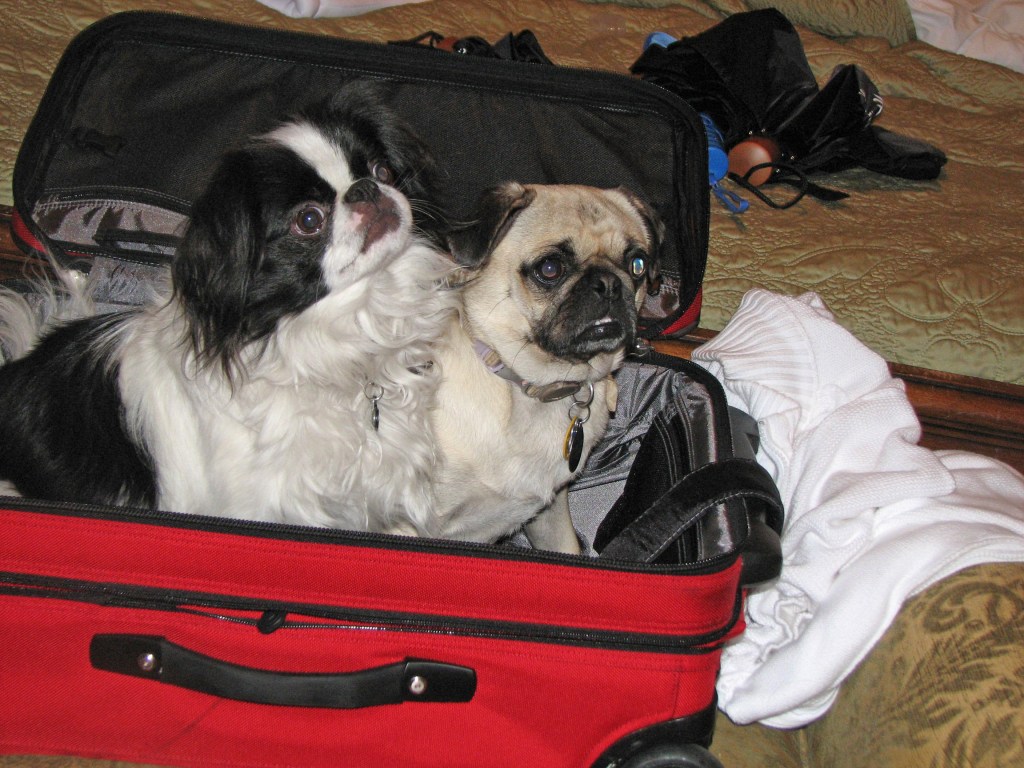
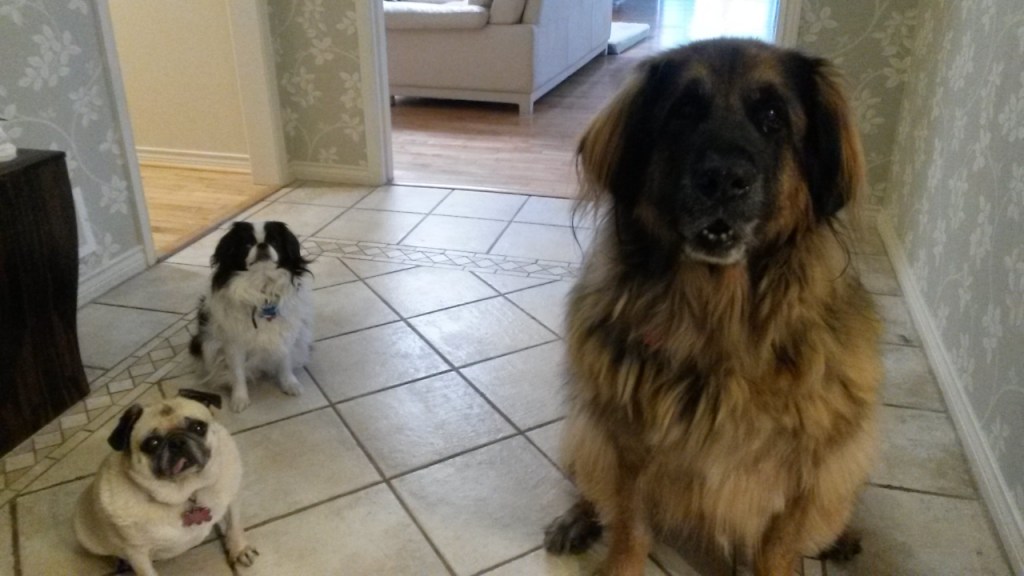
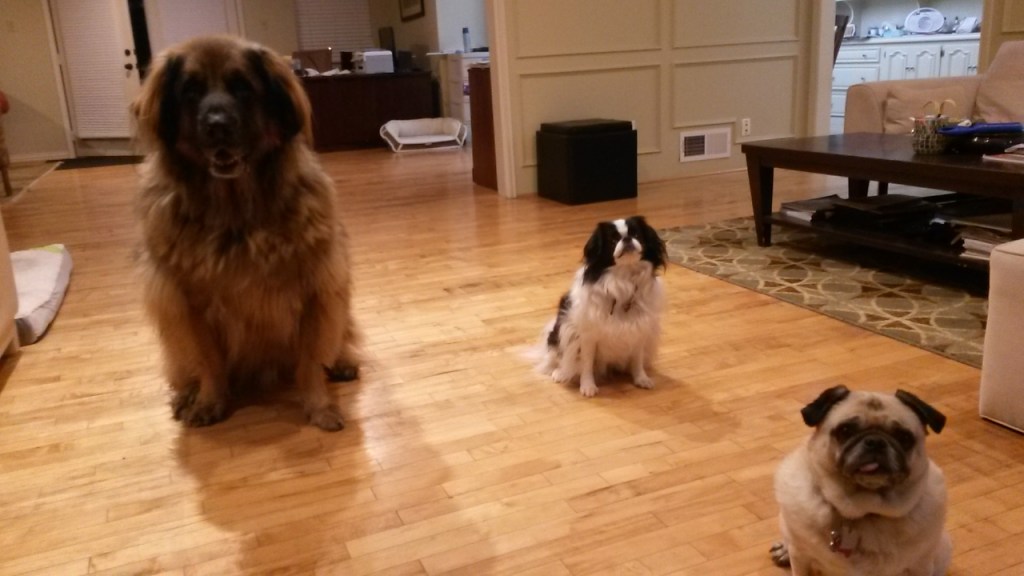
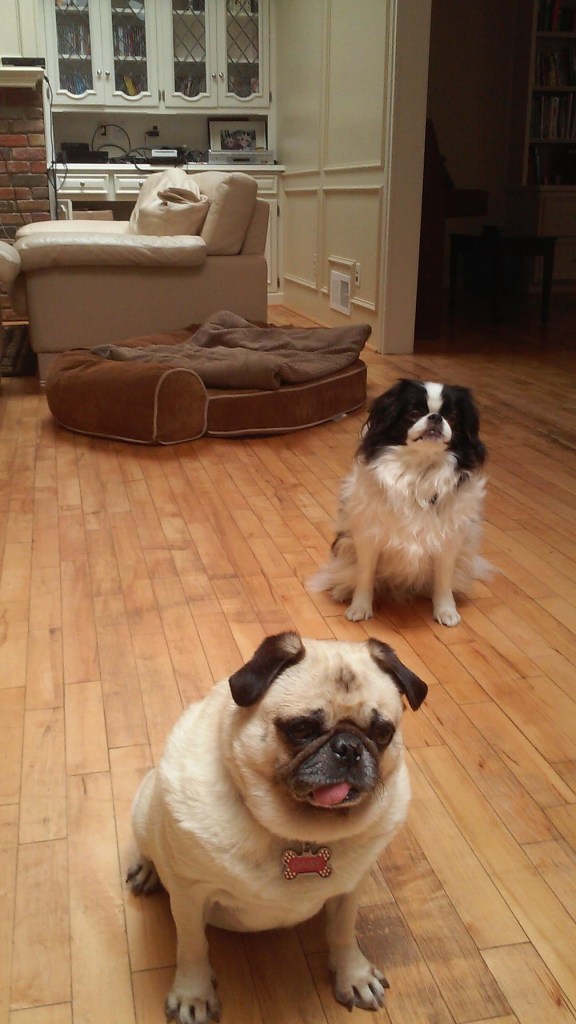
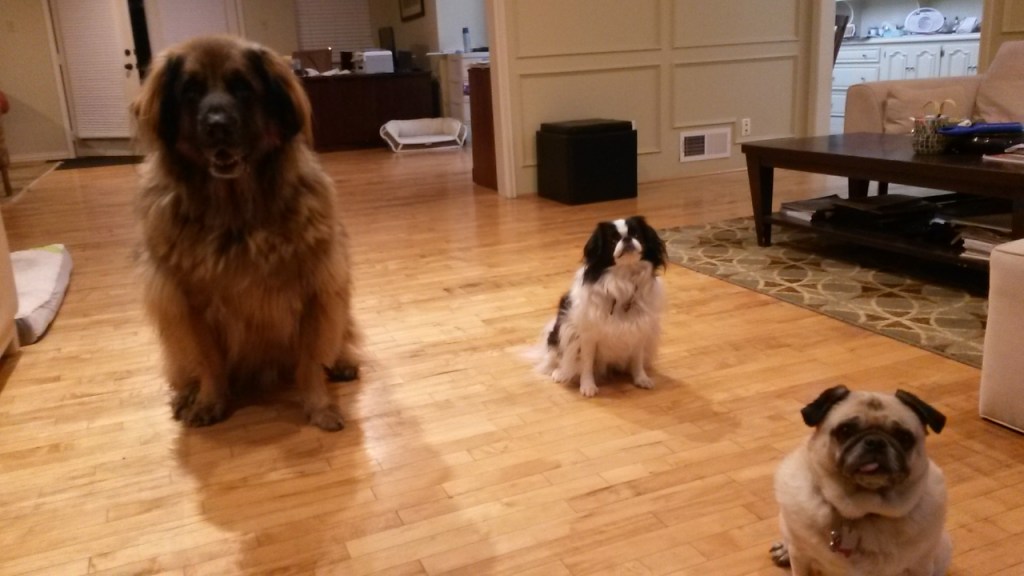
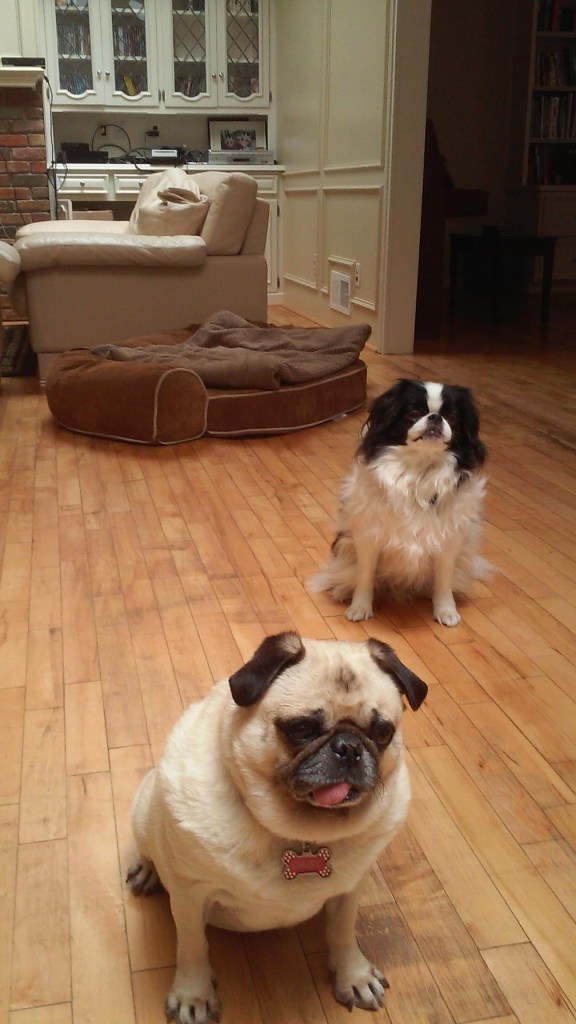
Our Japanese Chin Ryu and our Pug Daisy are protesting that we are leaving for a trip. It is an example of dog stress when they see packing. Our Leonberger Bronco was also stressed out but he was calmer. I can that we had someone watching them, but they still hated it when we left.
Use 7 Transition Strategies to Keep Your Leo Steady
Big changes can flip on stress signals fast, clinginess, pacing, sudden barking, or “selective hearing.” These seven Leonberger-friendly strategies give your dog predictable anchors while you build confidence and calm.
Lock in a “same time, same order” core routine: Pick three daily anchors you can keep consistent even on chaotic days: potty break, meals, and a short decompression walk. An easy starting point is to establish a new daily routine and then protect those times on your calendar.
Build a predictable “safe station” (and pay it well): Choose one spot, crate, bed, or a gated corner, then make it the most rewarding place in the house. Feed stuffed food toys there, drop calm treats for quiet settling, and keep it off-limits to kids and visitors for the first 2–3 weeks of the transition. This gives your Leonberger a clear off-switch when their stress signals start creeping in.
Reinforce the behaviors you want, not the feelings you’re seeing: When your Leo is worried, focus on marking calm choices, looking at you, sitting, stepping onto the mat, rather than trying to “stop” anxious behavior with corrections. Use a simple pattern: ask for one easy cue (“sit”), reward, then give a short, clear next step (“go to bed”). Over time, your dog learns a predictable script for what to do when the environment feels different.
Use “micro-exposures” to new sights/sounds with an exit plan: If your change involves new people, a new neighborhood, or a remodel, introduce it in 1–3 minute slices. Pair the new thing with small treats, then leave before your Leonberger ramps up to barking or spinning. Short wins beat long sessions, especially for a giant breed that can go from “fine” to overwhelmed quickly.
Add environmental enrichment that matches Leonberger bodies: Lean on scent games (scatter feeding in grass, “find it” treats), slow feeders, and short puzzle sessions to burn mental energy without pounding joints. Even small enrichment shifts can support calmer physiology; research on time-domain HRV suggests enrichment can improve stress-related measures. Aim for two 10-minute enrichment blocks daily during the first month of a big change.
Adjust exercise for steadiness, not exhaustion: During transitions, swap one long, intense outing for two calmer walks plus 5–10 minutes of training. Watch for stress flags you learned earlier, panting at rest, sudden scanning, or inability to settle, and treat those as “we did enough” signals. A steadier nervous system usually beats a tired body when routines are in flux.
Keep grooming and handling “predictable and brief”: Leonbergers often feel safest when body care is consistent, especially during shedding seasons. Do 3–5 minutes of brushing daily in the same location, then stop while it’s still going well and reward generously. This prevents grooming from becoming another stressor and helps you spot skin, ear, or coat changes that sometimes pop up during anxious periods.
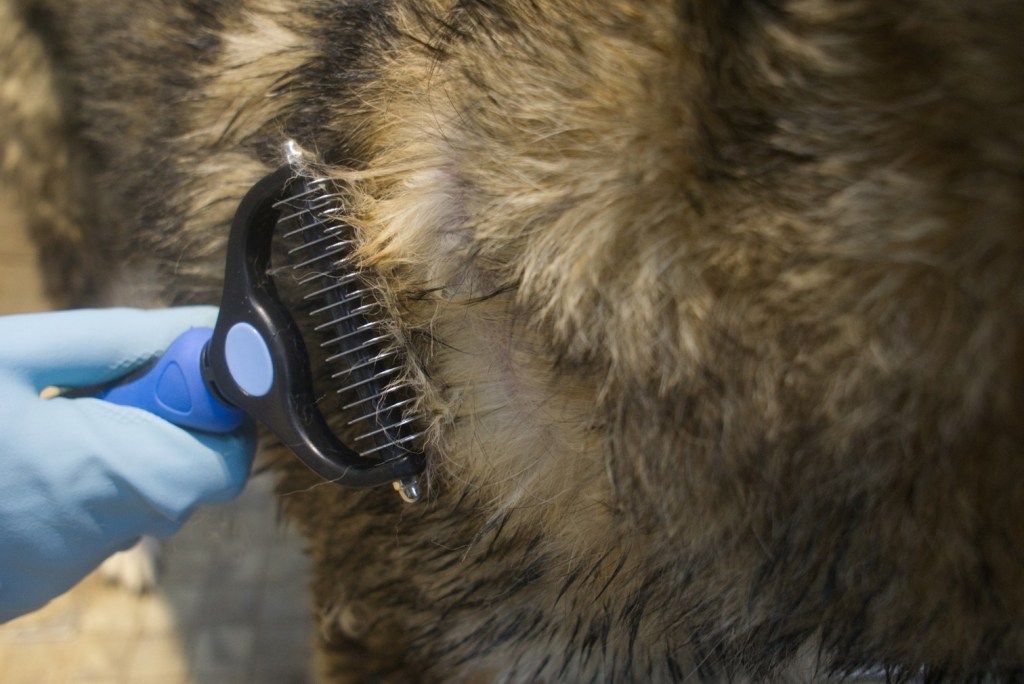
Keep grooming predictable and brief. Brushing a double-coated dog close-up. Shutterstock Asset id: 2441132455 by Gayleen Froese
When you combine routine anchors, calm reinforcement, and purposeful enrichment, you’re not just managing behaviors, you’re giving your Leo a clear plan for coping. These habits also make it simpler to troubleshoot tough moments like barking, regression in manners, or restlessness on your busiest days.
Common Questions About Leonbergers and Big Transitions
Q: How do major life changes like moving to a new home or welcoming a baby typically affect a Leonberger’s behavior and stress levels? A: Many Leonbergers become more vigilant when their “normal” shifts, showing clinginess, restlessness, noise sensitivity, or a temporary drop in manners. Stress can also look like appetite changes or trouble settling, especially in a new layout with unfamiliar sounds. Keep expectations gentle for a few weeks and reward calm, quiet choices.
Q: What practical strategies can I use to maintain my Leonberger’s routine and comfort when my household schedule suddenly changes? A: Protect a small, non negotiable trio: sleep, meals, and movement at roughly the same times daily. Prioritize enough exercise through steadier walks and low impact sniffing games rather than trying to “wear them out.” Add one consistent quiet spot where your Leo can decompress undisturbed.
Q: How can I recognize signs of emotional distress or anxiety in my Leonberger during periods of household transition? A: Watch for patterns like pacing, panting when the room is cool, trembling, hiding, or shadowing you from room to room. You may also see more barking at small noises, accidents, or compulsive licking. If the signs persist beyond a couple of weeks or escalate, your veterinarian or a qualified behavior professional can help you rule out pain and build a plan.
Q: If I’m feeling overwhelmed by these life changes affecting my pet’s care, what resources or approaches can help me regain balance and clarity to support my Leonberger effectively? A: Shrink the goal to a simple management plan you can repeat: protected sleep, a daily walk, and a reliable quiet space. Use a weekly “must do, nice to do” list so essentials happen even on chaotic days, and ask your vet for a realistic exercise and weight target for a giant breed. If you are juggling work and a major transition, consider an online healthcare degree as a flexible accredited education path that fits your schedule so life feels more stable overall.
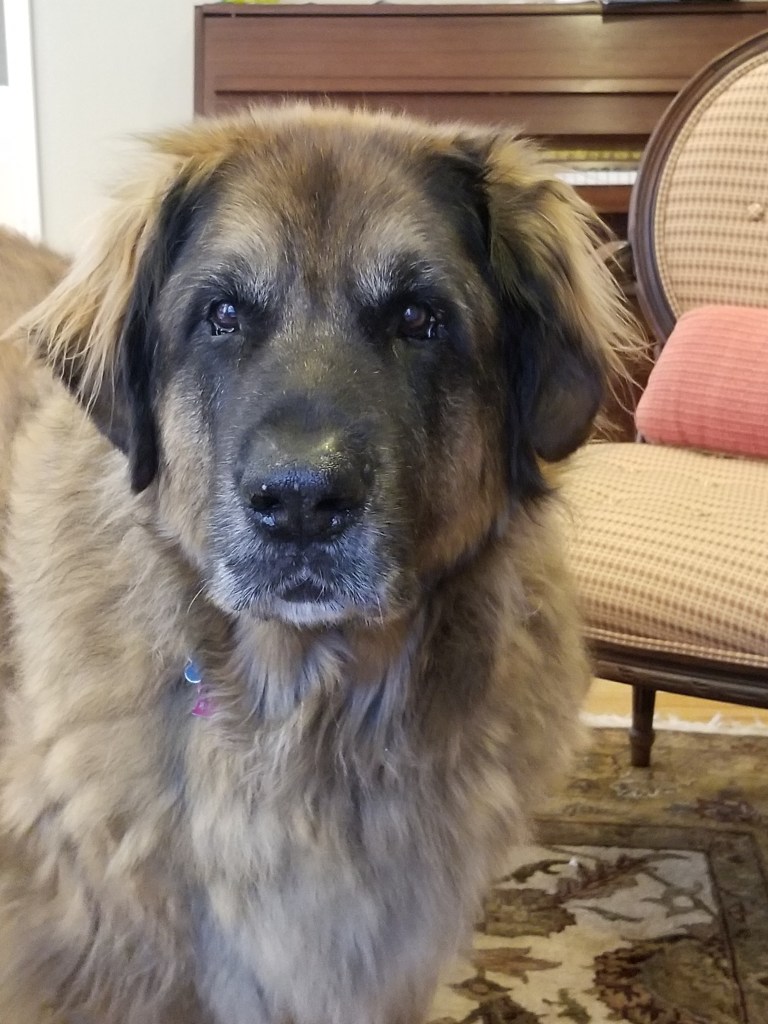
Our Leonberger dog Bronco wants comfort (and food). He is coming up to me. He wants my attention.
Life-Change Support Checklist for Your Leonberger
This checklist turns good intentions into simple actions you can repeat on busy days. Use it to protect your Leonberger’s health, coat care, and emotional steadiness while your household shifts.
✔ Set fixed meals and potty times for the next 14 days.
✔ Create one quiet “do not disturb” rest zone with water nearby.
✔ Schedule two calm movement sessions daily, prioritizing sniffing and slow walking.
✔ Track appetite, stools, sleep, and new stress behaviors in a quick daily note.
✔ Keep grooming brief: brush hotspots, check ears, trim nails as tolerated.
✔ Confirm vet plan for weight, joints, and any new anxiety or pain signs.
Small steps, repeated daily, build confidence for both of you.
Creating Calm, Confident Transitions for Your Leonberger’s Well-Being
Big household shifts can leave even a steady Leonberger feeling uncertain, and that stress can spill into behavior and bonding. The way through is a calm, consistent mindset: prioritize emotional health support for pets with predictable rhythms, gentle observation, and patient reassurance. Over time, that steady care builds resilience and brings positive outcomes of care, more relaxation, easier transitions, and long-term pet well-being. Consistency is the kindest way to help a Leonberger feel safe through change. Pick one strategy from the checklist to start today, and lean on community support for dog owners when questions or worries pop up. That steady support doesn’t just solve today’s stress, it strengthens confidence and connection for every new chapter ahead.
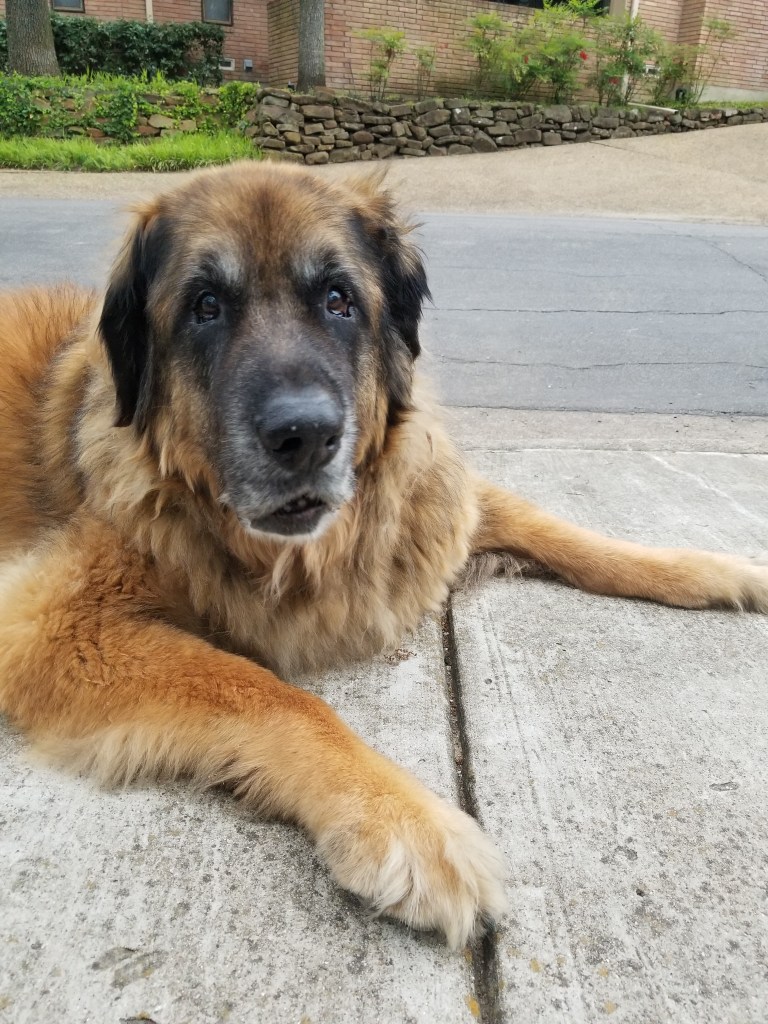
Our Leonberger Bronco is in the front yard after a stressful experience. He had to spend a few days at the hospital for a toe amputation due to toe cancer.
A professional content writer specializing in animal healthcare and veterinary topics by the name of Emma Johnson contacted me about publishing veterinary information on my Leonberger blog, which I am certainly happy to assist with. Check out her article below. The article is focused on grooming and how to control shedding. Emma did all the writing I added pictures of our Leonberger, and photos provided by friends as well as a few Leonberger stock photos.
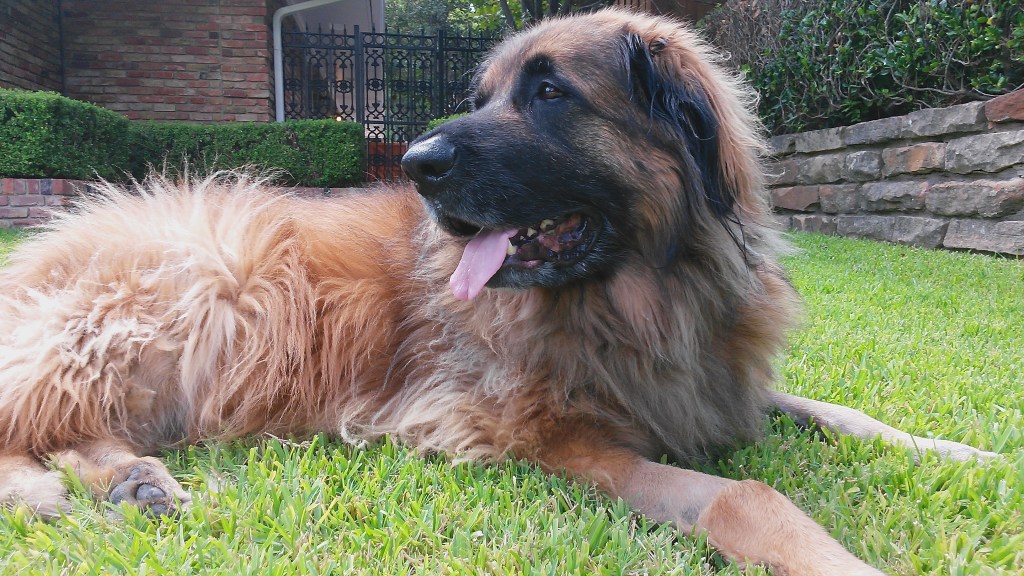
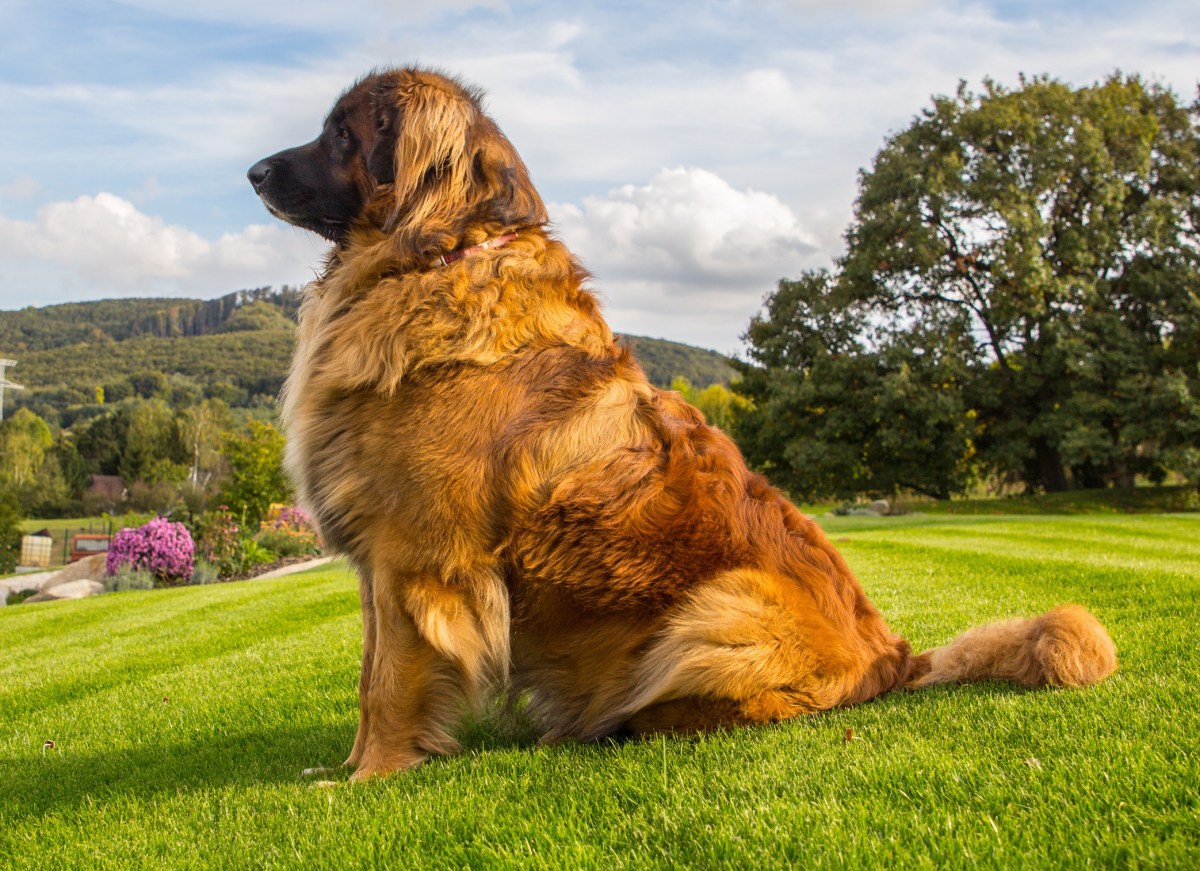
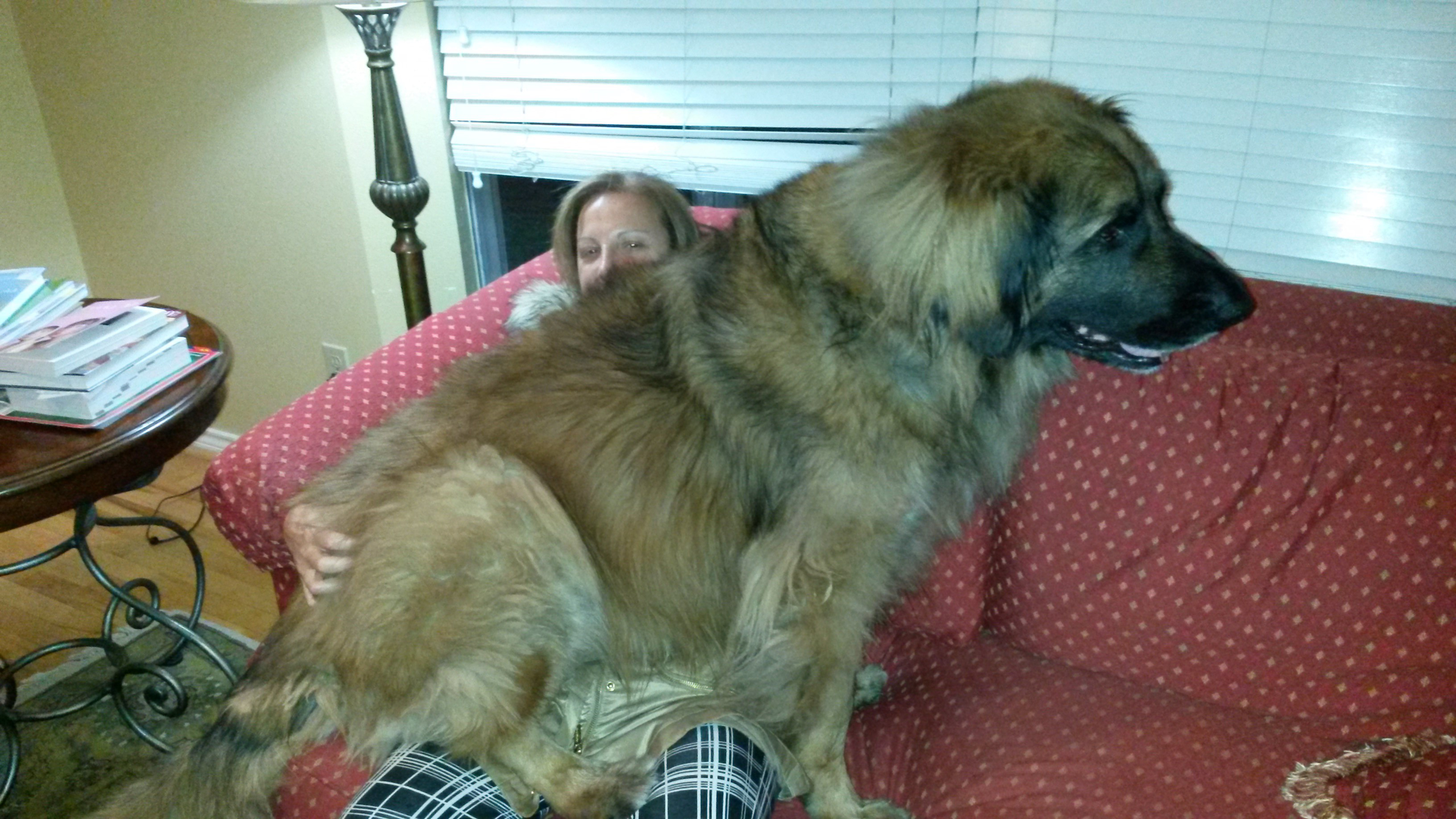
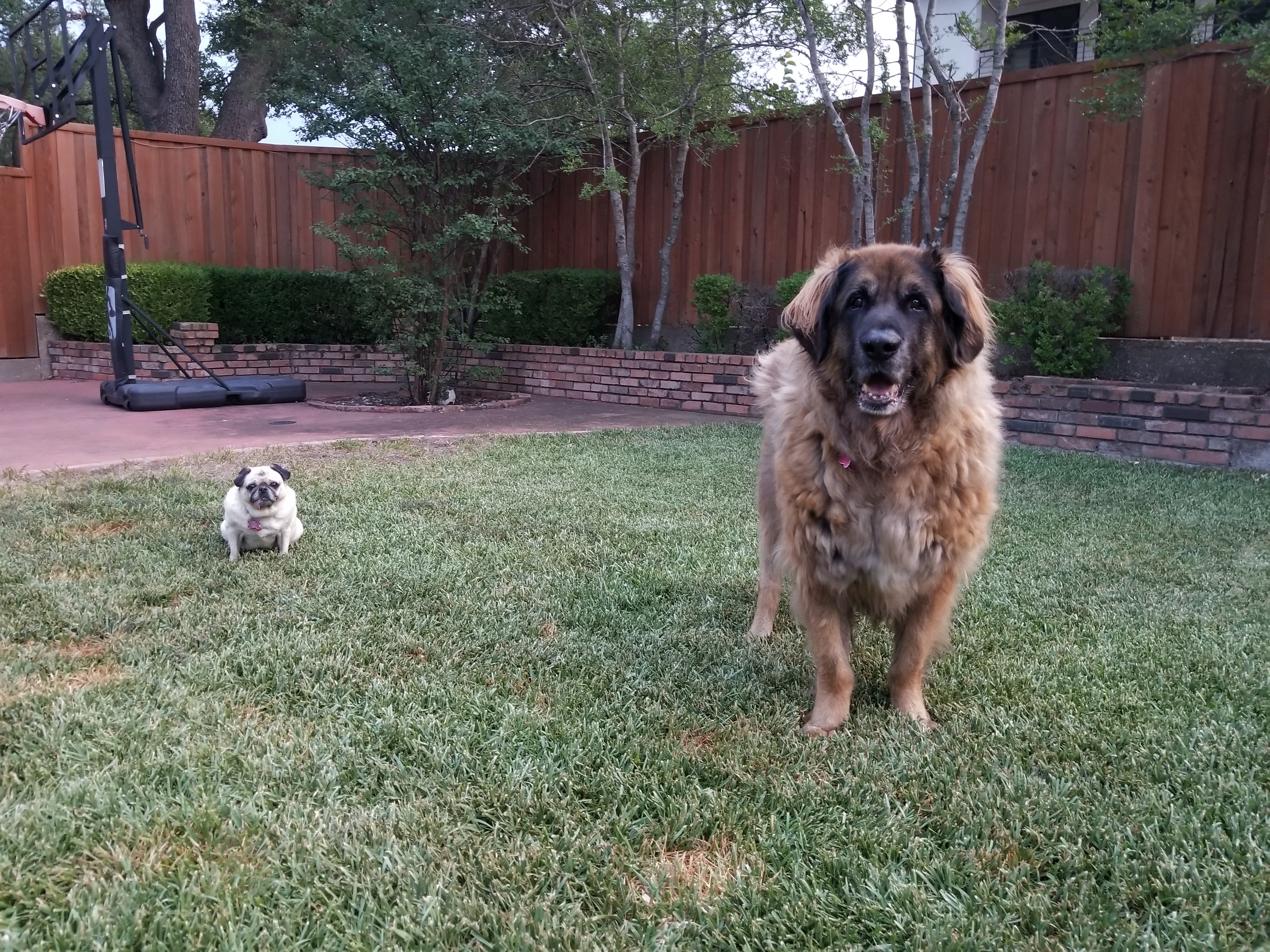
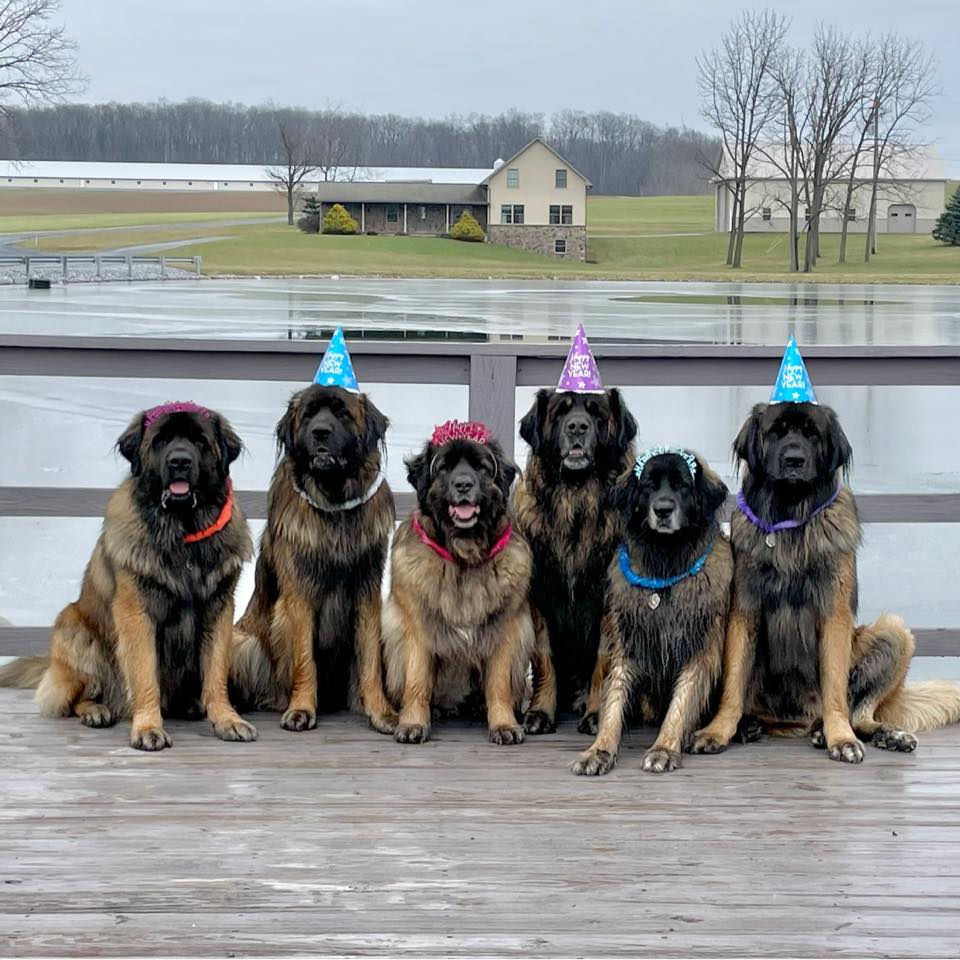
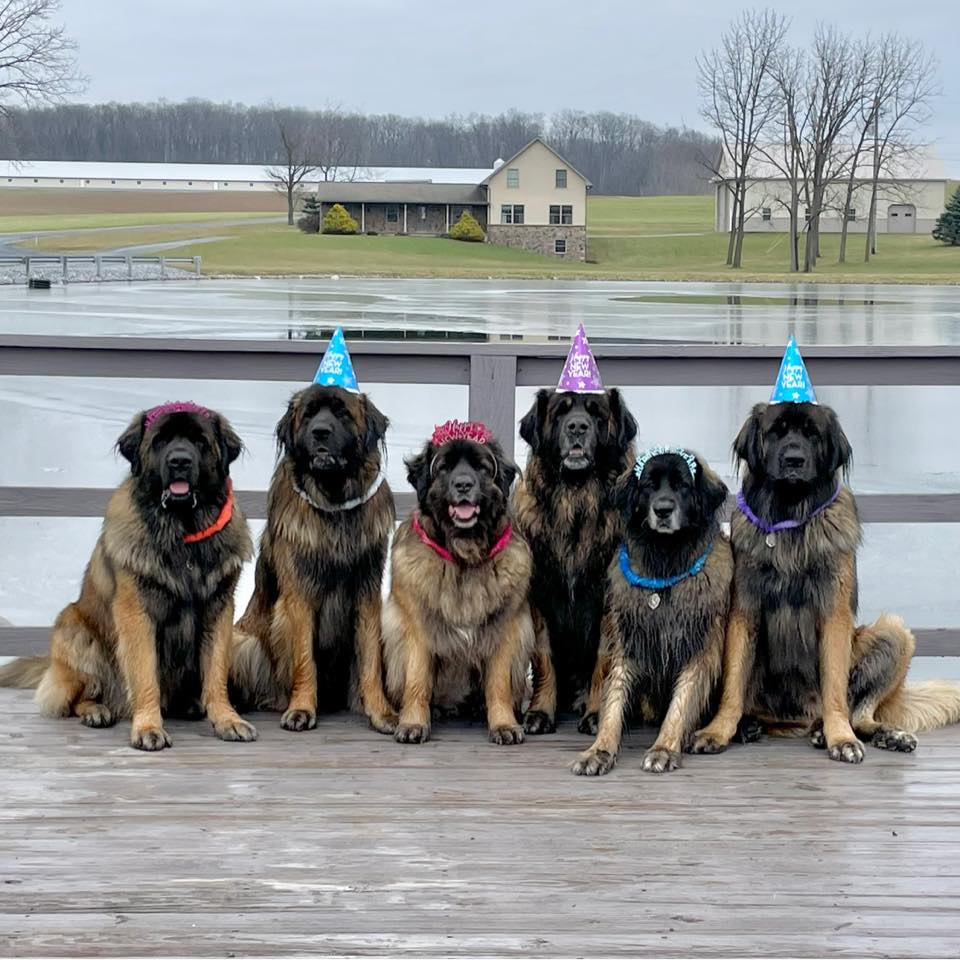
This photo tile includes three photos of our Leonberger Bronco. In one photo he is sitting in my wife’s lap, another photo is of our Pug Daisy and our Leonberger Bronco, and finally a photo of Bronco’s face. There is also a photo of six Leonbergers celebrating a birthday. That photo was taken by a friend Jen O’Keefe. Finally, there are two shutter stock photos ID:731020957 by Peter Josto and ID: 1957113277 by AnetaZabranska.
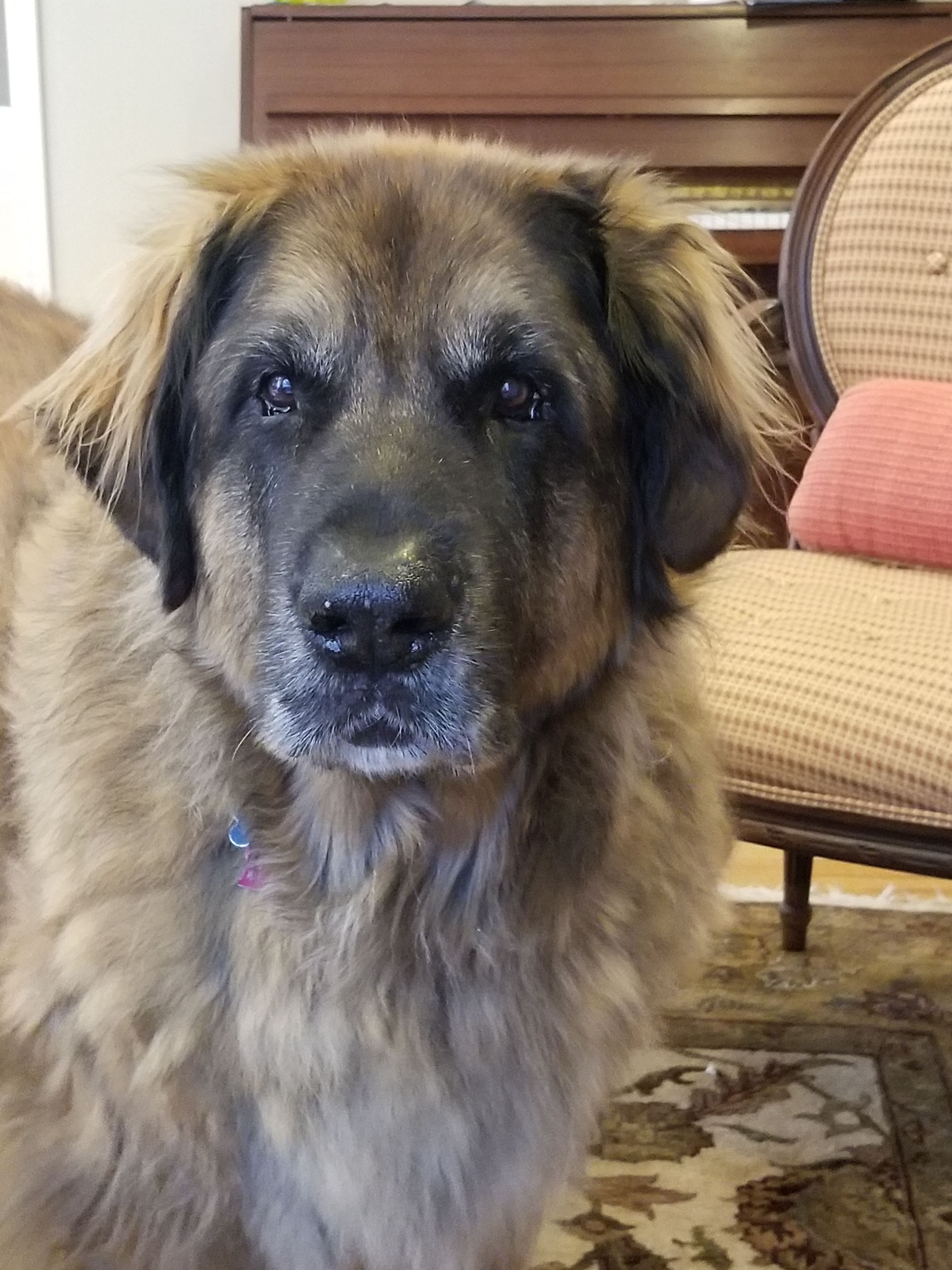
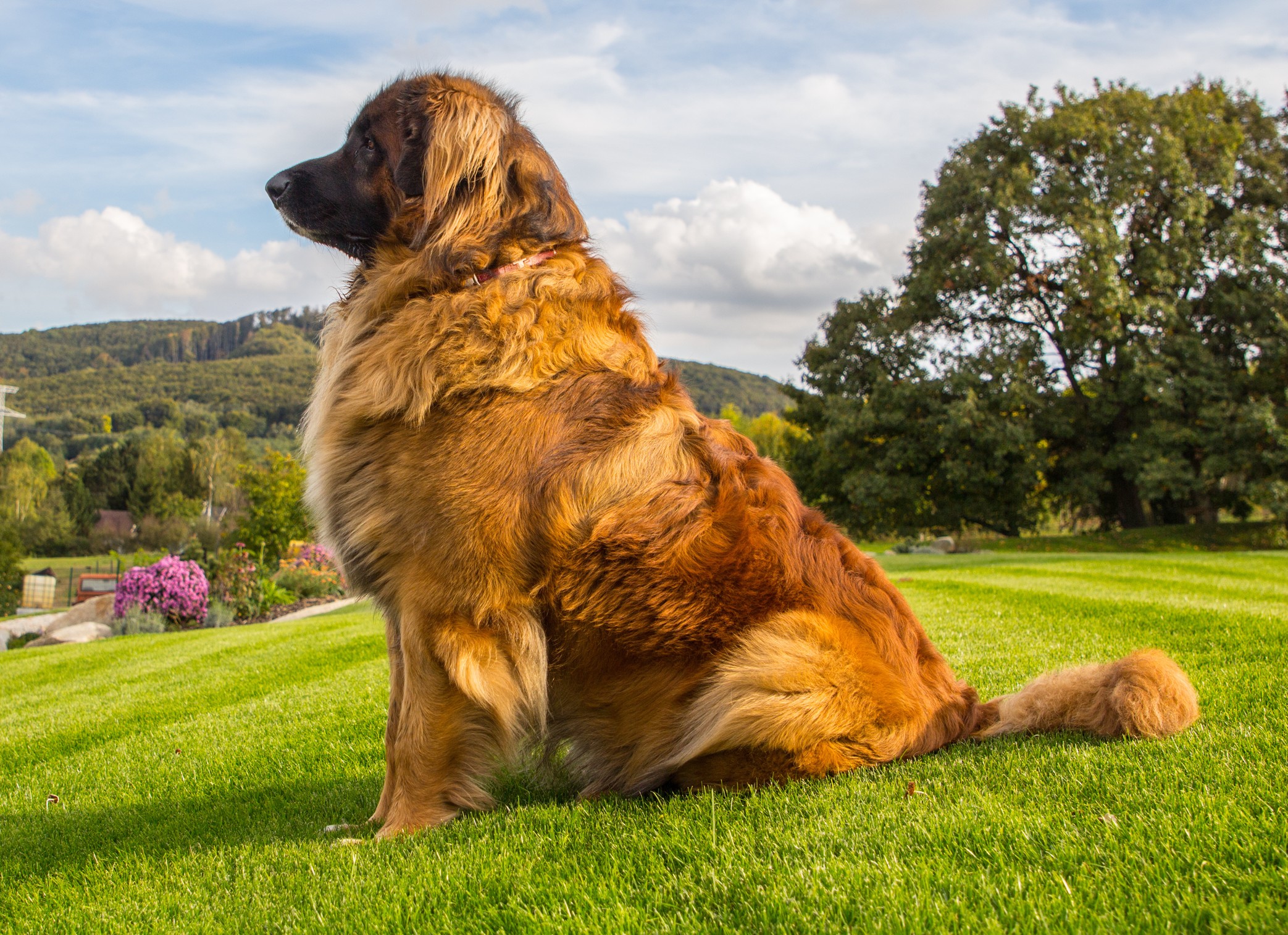
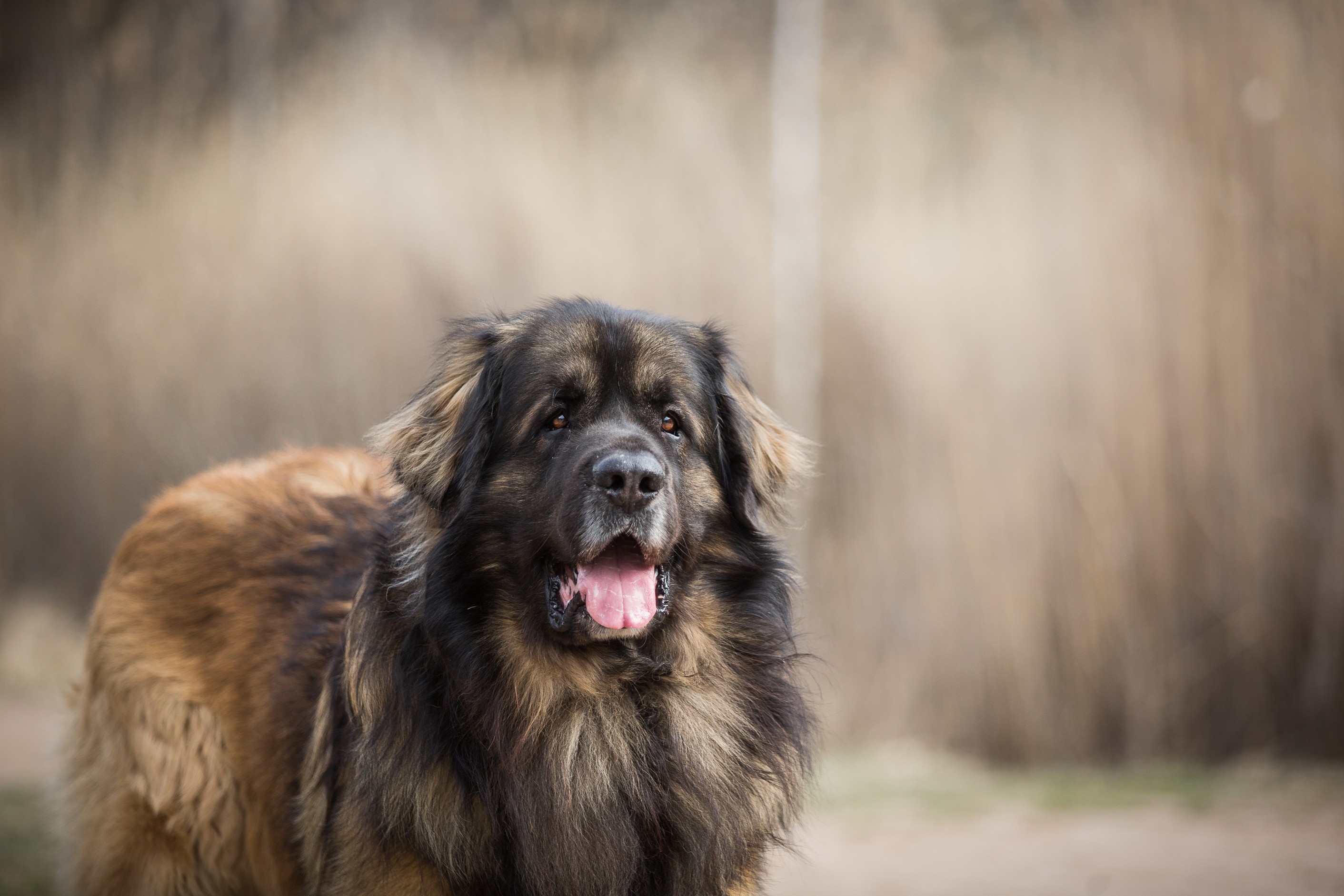
With these photos I wanted to illustrate that Leonbergers are big and furry.
Article by Emma Johnson
This photo was provided by Jen O’Keefe, Urgent Animal Care of Arlington. From left to right; Obi, Delfi, Aslan, Gryphon, Digory.
How to Control Leonberger Shedding: Grooming Tips That Actually Work
Living with a Leonberger means living with fur. It ends up on the couch, in the car, and sometimes floating through the house like tumbleweed. Many owners brush occasionally and hope the shedding slows down, but it rarely works that way. Leonbergers have one of the densest double coats in the dog world, and without the right grooming approach, loose fur quickly gets out of control.
The good news is that Leonberger shedding can be managed. With the right brushing tools, a consistent grooming routine, proper bathing habits, and good nutrition, you can dramatically reduce the amount of hair around your home.
Why Leonbergers Shed So Much?
Leonbergers were originally bred as working dogs in the mountains of Europe. Their coat had to protect them from cold weather, snow, rain, and harsh terrain. That protective coat is still part of the breed today.
Leonberger ID:705193912 by Anna Krivitskaya
Because of this history, Leonbergers grow a thick double coat designed for insulation. The outer layer protects against moisture and dirt, while the inner coat traps warmth. When temperatures change, that undercoat naturally sheds to adjust to the environment.
This means shedding is not a problem you can eliminate. The goal is to manage it effectively so loose fur doesn’t build up in the coat or around the house.
The Double Coat
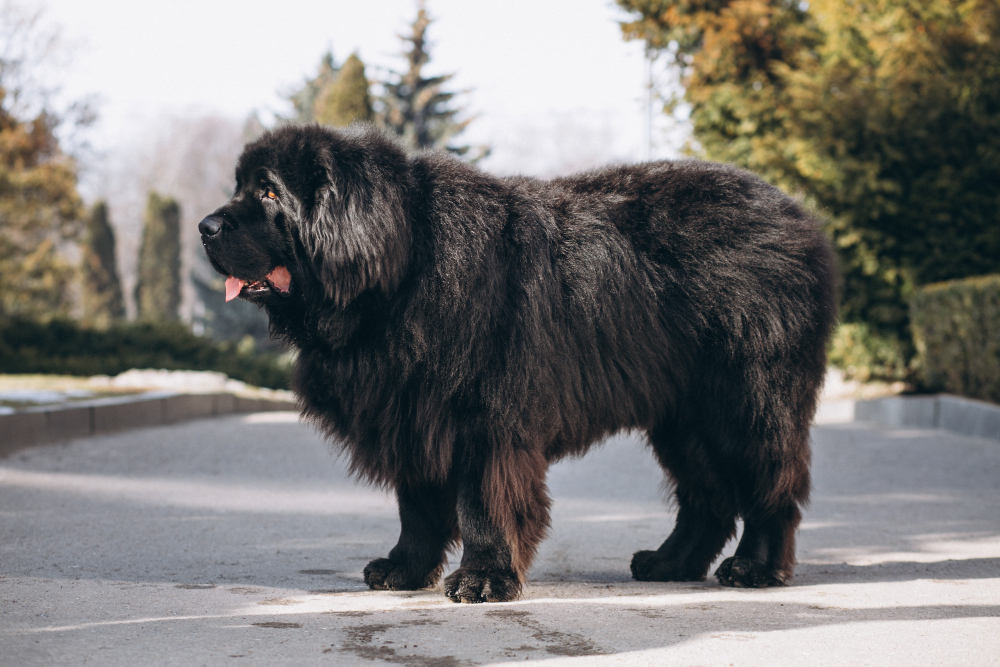
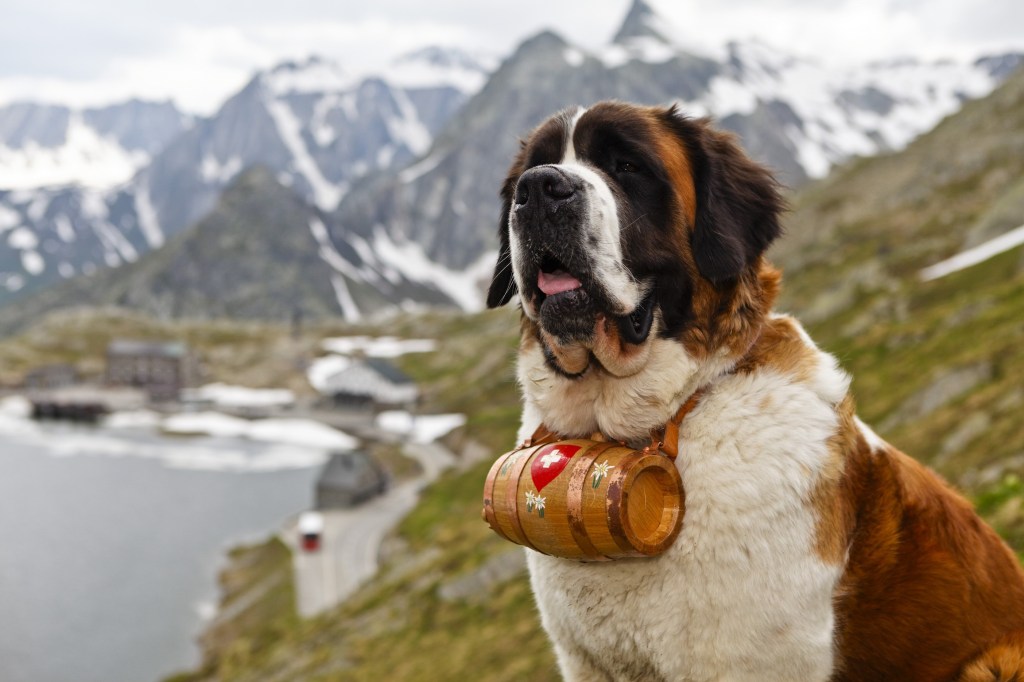
Leonbergers are not the only dogs with protective double coats. Other large working breeds such as the Newfoundland, Saint Bernard, and Great Pyrenees were also developed for cold climates and demanding outdoor work. These breeds rely on dense insulating undercoats that protect them from harsh weather.
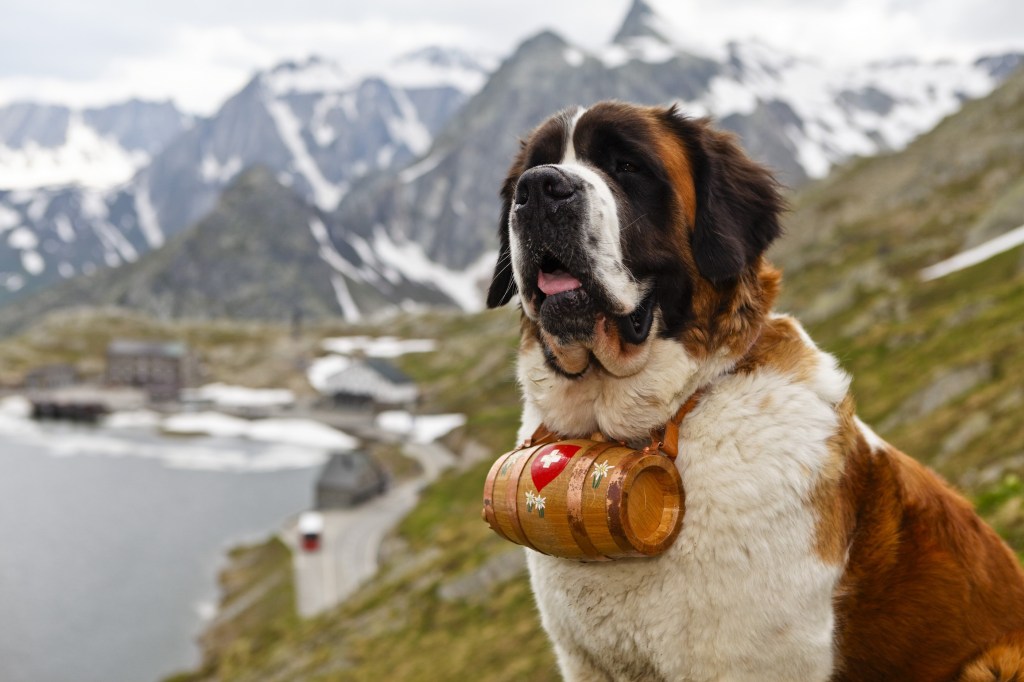
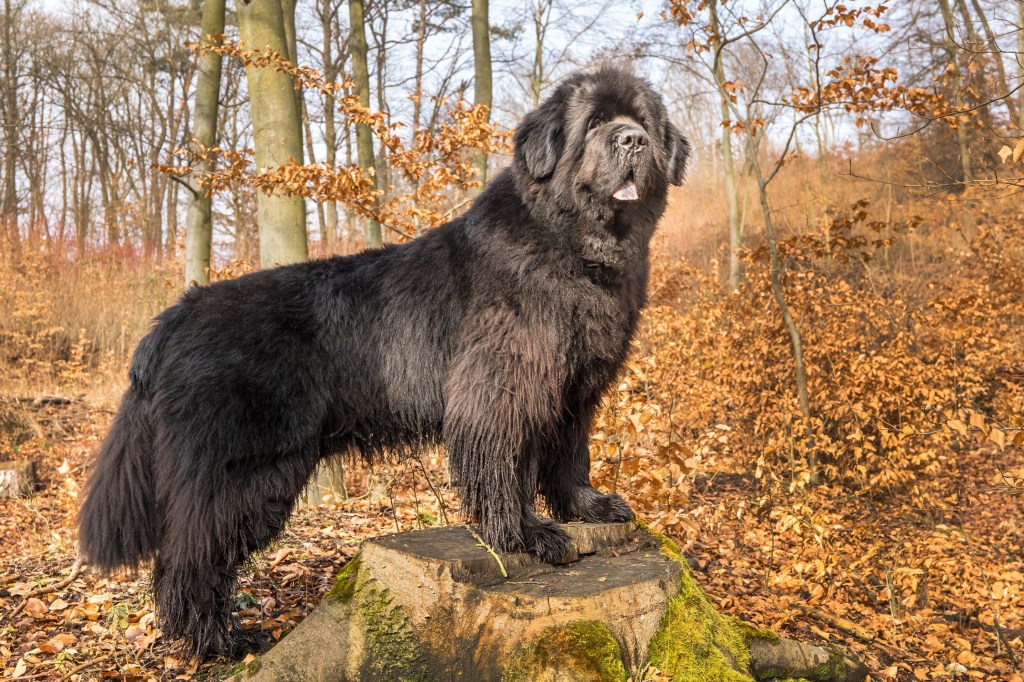
This is an example of a Newfoundland dog (picture provided by Emma Johnson)Saint Bernard dog Stock Photo ID: 1713912484 by fred12
However, not all working breeds have coats this heavy. Dogs like the Belgian Malinois also have a double coat, but it is much shorter and lighter. Because of that difference, Malinois owners typically deal with far less grooming and undercoat buildup compared with Leonberger owners.
Seasonal Shedding Cycles in Leonbergers
Leonbergers shed year-round, but the most intense shedding happens during seasonal transitions.
Most Leonbergers experience two major shedding periods:
Spring coat blow: The thick winter undercoat sheds to prepare for warmer temperatures.
Fall coat change: The dog grows a thicker coat again for colder weather.
During these periods, owners often notice large clumps of fur coming out during brushing. This is completely normal and is often referred to as coat blow season.
These cycles can last three to six weeks, depending on climate and individual genetics.
How Often Should You Groom a Leonberger?
Many owners underestimate how often this breed needs grooming.
For most Leonbergers:
Brushing: 3–4 times per week
Heavy shedding seasons: Daily brushing
Bathing: Every 6–8 weeks
Full coat maintenance: Weekly
Regular grooming prevents loose fur from collecting in the undercoat and spreading through your home.
Consistency is more important than long grooming sessions. Ten minutes of brushing several times a week is often more effective than one long session once a month.
The Best Brushes and Grooming Tools for Leonberger Shedding
The right grooming tools make a major difference. Leonbergers have dense coats, and basic brushes often cannot reach the undercoat.
The most useful grooming tools include:
Slicker brushes
Undercoat rakes
Deshedding tools
Wide-tooth combs
Each tool serves a specific purpose in removing loose fur while protecting the coat structure.
Using the wrong tools can break guard hairs or irritate the skin.
Slicker Brushes vs. Undercoat Rakes
Both tools are essential, but they serve different roles.
Slicker Brushes
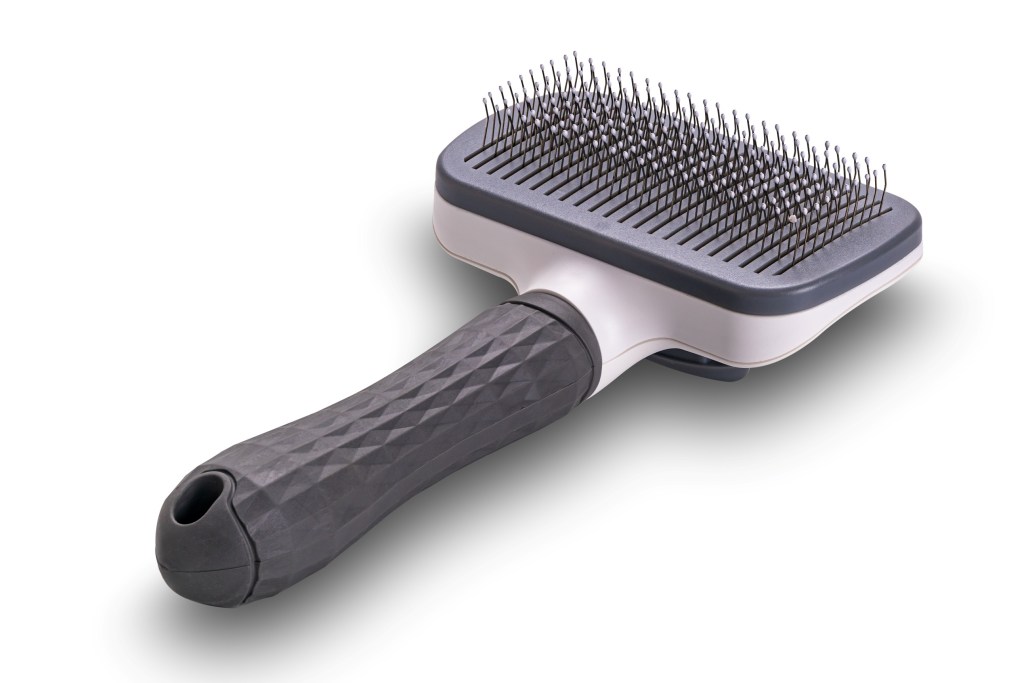
Slicker brushes have fine wire bristles that remove surface tangles and loose hair from the outer coat. However, slicker brushes alone cannot reach the deeper undercoat.
High angle view of pet slicker brush. Shutterstock Asset id: 2404454953 by takepicsforfun
Undercoat Rakes
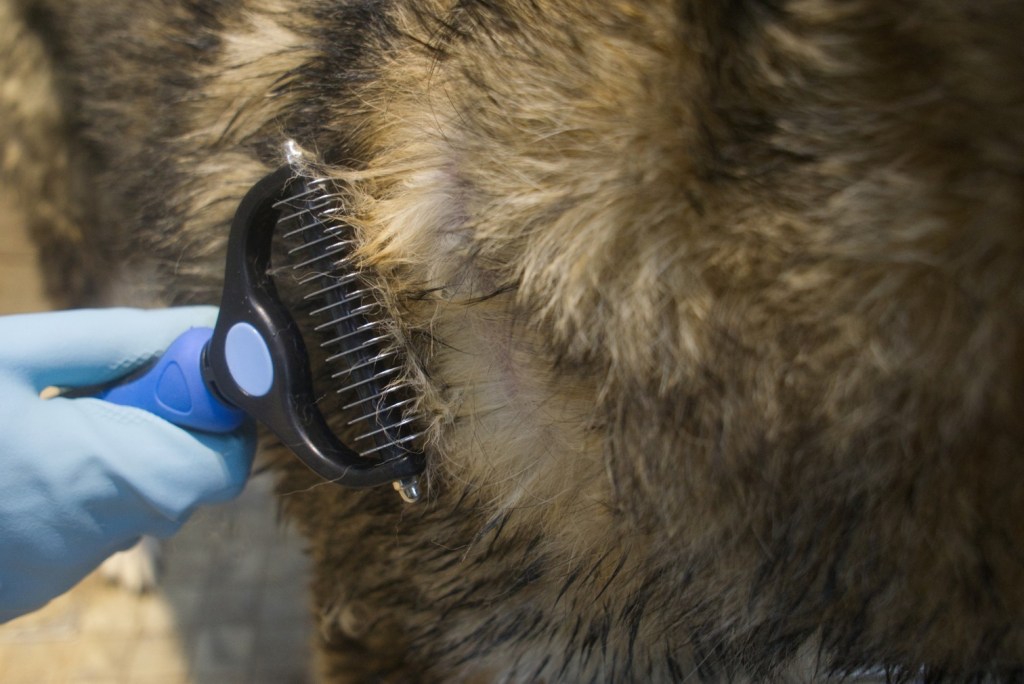
Undercoat rakes are designed with longer teeth that penetrate through the outer coat. Using both tools together creates a balanced grooming routine.
Brushing a double-coated dog close-up. Shutterstock Asset id: 2441132455 by Gayleen Froese
Deshedding Tools That Work Best
Deshedding tools are especially useful during coat blow season.
These tools are designed to gently remove loose undercoat without cutting or damaging the outer coat.
When used correctly, deshedding tools can remove large amounts of loose fur in a single session.
However, they should not be overused. Excessive use can thin the coat too much and affect its natural insulation.
Most owners find that using a deshedding tool once per week during heavy shedding periods works well.
Step-by-Step Brushing Routine to Reduce Excess Fur
A structured brushing routine helps remove fur efficiently without stressing the dog.
Step 1: Work through the coat slowly, focusing on areas where undercoat builds up, such as behind the ears, chest, and hind legs.
Step 2: After loosening undercoat hair, switch to a slicker brush to remove remaining loose fur.
Step 3: Leonbergers commonly develop tangles around the neck, tail base, and legs.
Step 4: A wide-tooth comb helps confirm the coat is fully detangled.
This routine typically takes 15–25 minutes depending on coat condition.
Bathing Your Leonberger the Right Way to Control Shedding
Bathing plays a bigger role in shedding control than many owners realize.
Warm water and shampoo help loosen dead undercoat fur, making it easier to remove during brushing.
However, bathing too often can strip natural oils and cause dry skin.
How Often Should You Bathe Them?
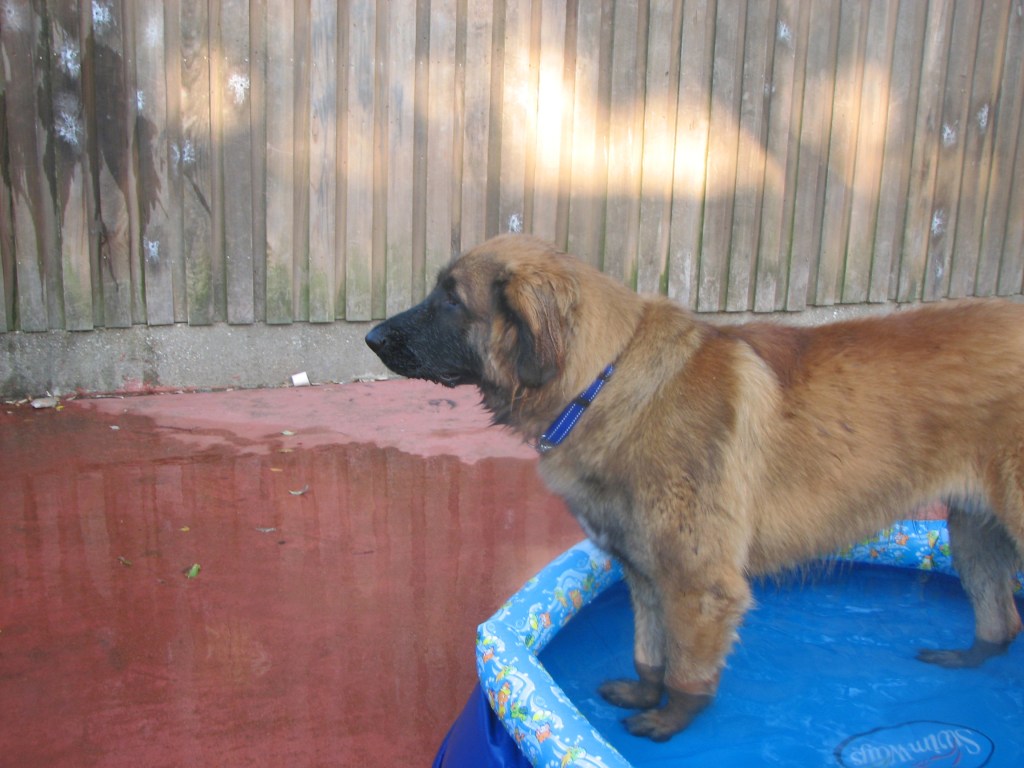
Our Leonberger Bronco is standing in a kiddie pool. He is young and not yet fully grown in this photo. He does not have too much fur yet. I can add that it was not possible to give Bronco a bath in the bathtub, so we always gave him baths outside in the kiddie pool.
Most Leonbergers do well with a bath every 6 to 8 weeks.
More frequent bathing may be needed if the dog spends a lot of time outdoors or swimming.
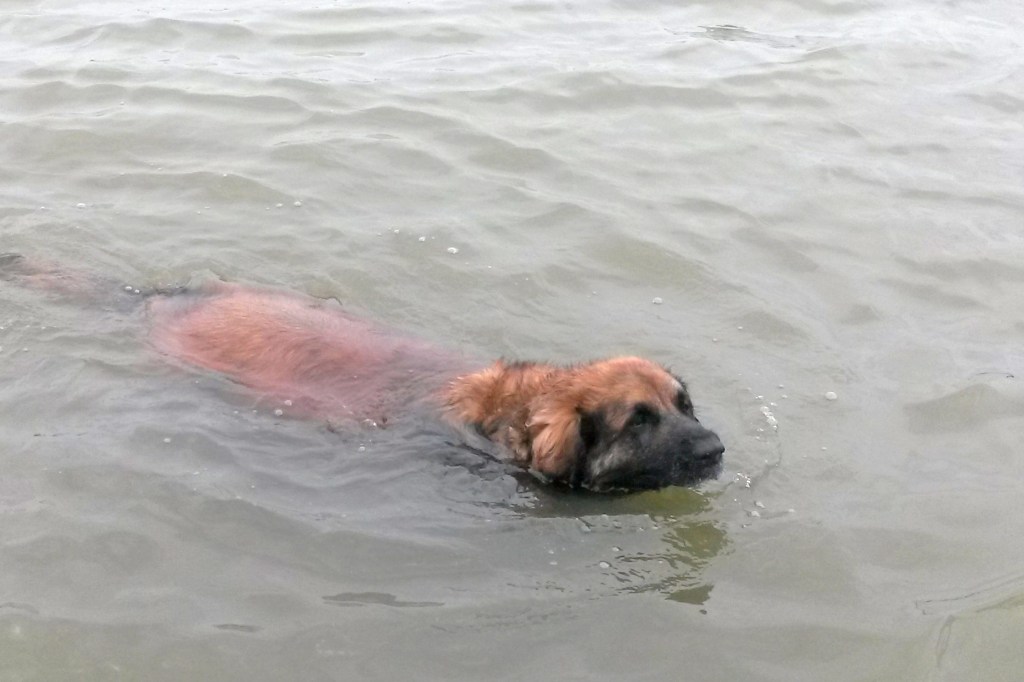
This is a photo of our Leonberger Bronco swimming in White Rock Lake. He loved swimming and chasing ducks.
After bathing, always dry the coat thoroughly and brush again. Wet undercoat can trap loose hair and lead to matting if left unmanaged.
Nutrition’s Role in Reducing Shedding
Coat health begins with nutrition.
Dogs that lack essential nutrients often develop dry skin, brittle fur, and excessive shedding.
A high-quality diet rich in protein and healthy fats supports stronger hair growth and healthier skin.
Ingredients that help maintain coat quality include:
Omega-3 fatty acids
Omega-6 fatty acids
Zinc
Biotin
For older dogs, switching to a specialized diet such as senior dog food can also support coat condition as metabolism changes with age.
Veterinary research presented at events like veterinary conferences 2026 has increasingly emphasized how diet influences skin and coat health in large working breeds.
Extra Grooming Steps During Heavy Shedding
During peak shedding periods, increase grooming frequency.
Helpful strategies include:
Daily brushing sessions
Weekly deshedding treatments
Bathing followed by thorough brushing
Using high-velocity dryers to loosen undercoat
Many professional groomers use forced-air dryers to blow out loose undercoats after a bath. This method can remove large volumes of fur quickly.
When to Seek Help From a Professional Groomer
Some Leonberger coats become too dense or matted for home grooming alone.
Professional groomers have specialized tools and equipment designed for heavy-coated breeds.
A professional grooming session may include:
Undercoat removal
Deep coat brushing
Coat blowout drying
Sanitary trimming
Many owners schedule professional grooming every 3 to 4 months to keep the coat manageable.
If brushing becomes difficult or mats begin forming regularly, it may be time to involve a groomer.
Final Thoughts
Leonberger shedding is intense, but it does not have to overwhelm your home.With the right grooming tools, a consistent brushing routine, proper bathing habits, and strong nutrition, you can keep loose fur under control and maintain a healthy coat.
The key is consistency. When grooming becomes part of your weekly routine, shedding becomes far more manageable.
Leonbergers will always shed. But with the right care, that shedding becomes something you can handle without constantly battling fur around the house.
A woman and her Leonberger dog. Asset id: 1741753382 by Elena Podrezenko
Another article by Emma Johnson is Leonberger Health Issues – A Veterinarian’s Guide to Preventive Medicine.
It is very common for veterinarians, ASPCA and other animal welfare organizations to recommend that dogs be neutered or spayed between the ages 6-9 months or earlier. Their concern is chiefly to prevent unexpected pregnancies, which causes a lot of suffering and unnecessary euthanasia of dogs. However, not all dogs are the same and this is bad advice for many giant breeds, especially Leonbergers. Neutering or spaying too early can lead to serious health complications. Since the Leonberger community tries to prevent irresponsible dog owners from getting a Leonberger, unexpected pregnancies are less of a concern for Leonberger dogs.
We used to own a Leonberger dog, Le Bronco von der Löwenhöhle, and our breeder recommended that we wait until he was at least two years old before neutering him. Many new Leonberger owners must sign a contract promising not to neuter the dog before the age of two. If you want to buy a Leonberger puppy in North America, you should buy the puppy from a breeder that is certified by the Leonberger Club of America (LCA) and to do that you need to go through an interview. You will have a hard time getting a Leonberger any other way.
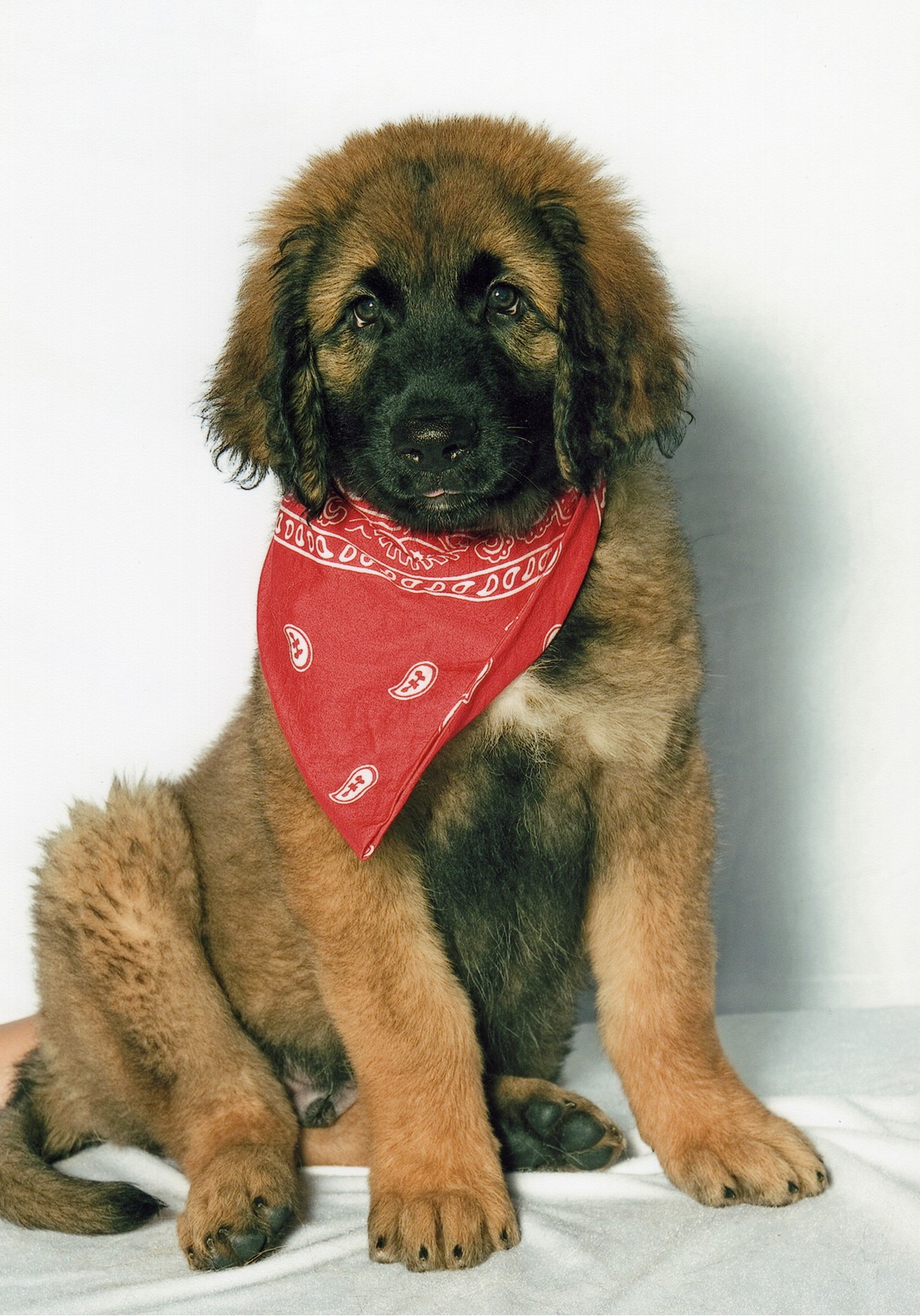
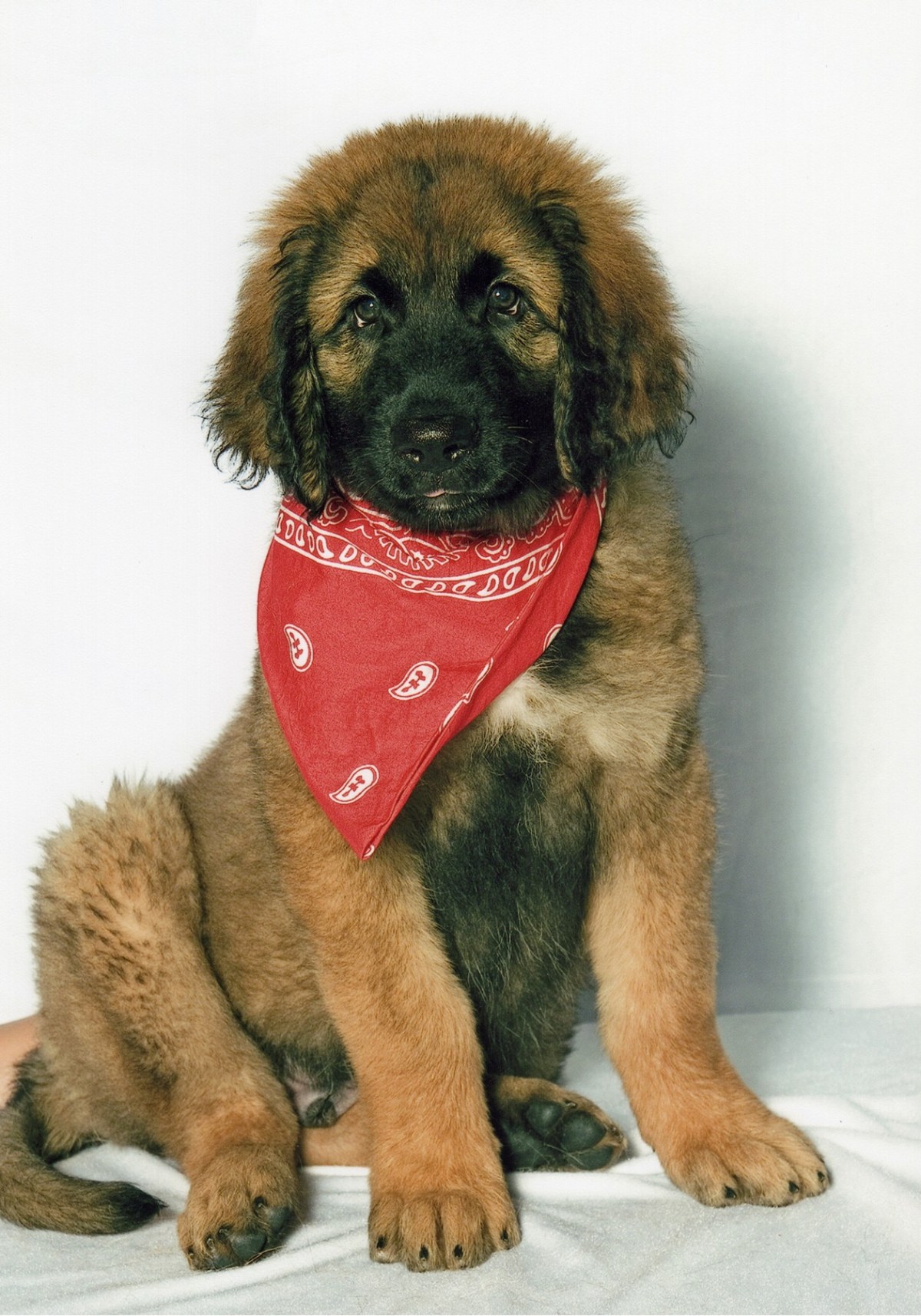
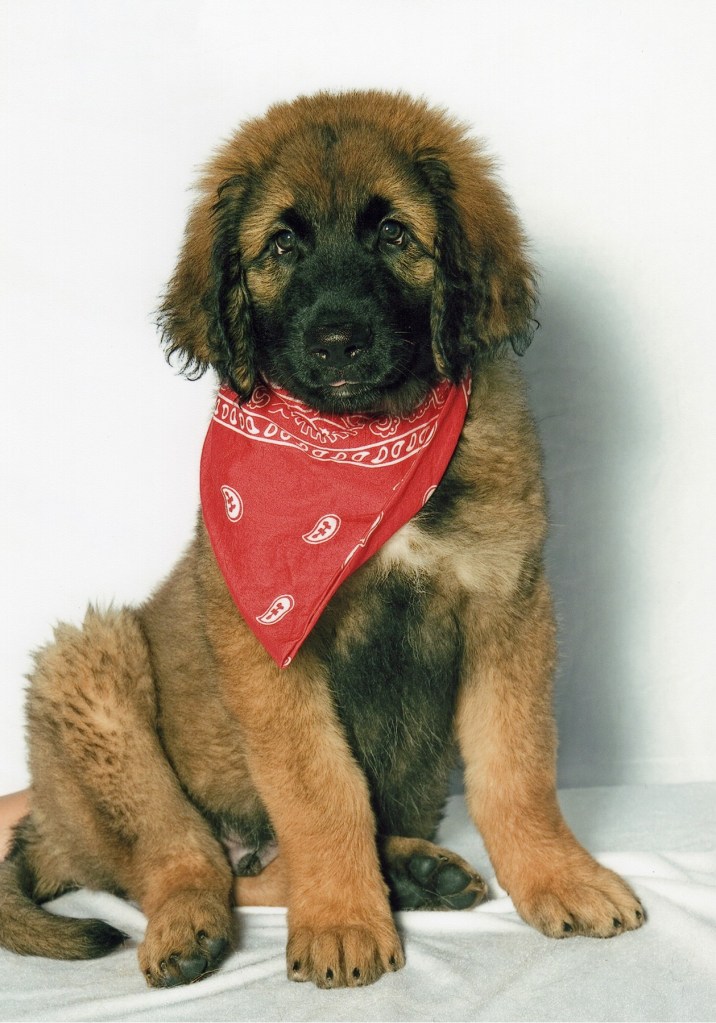
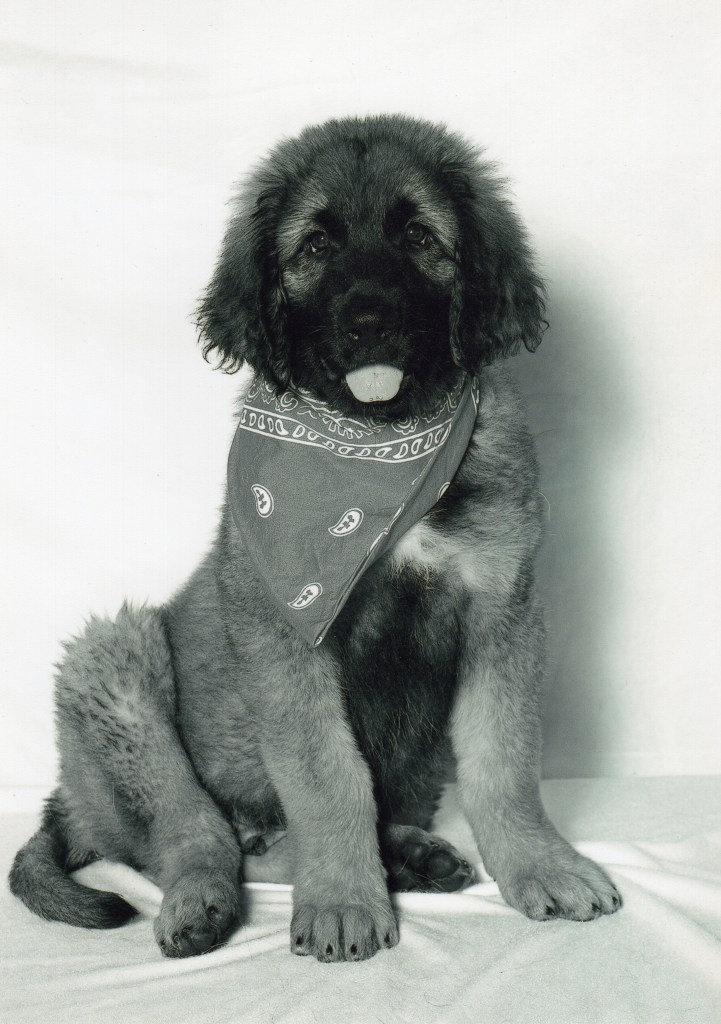
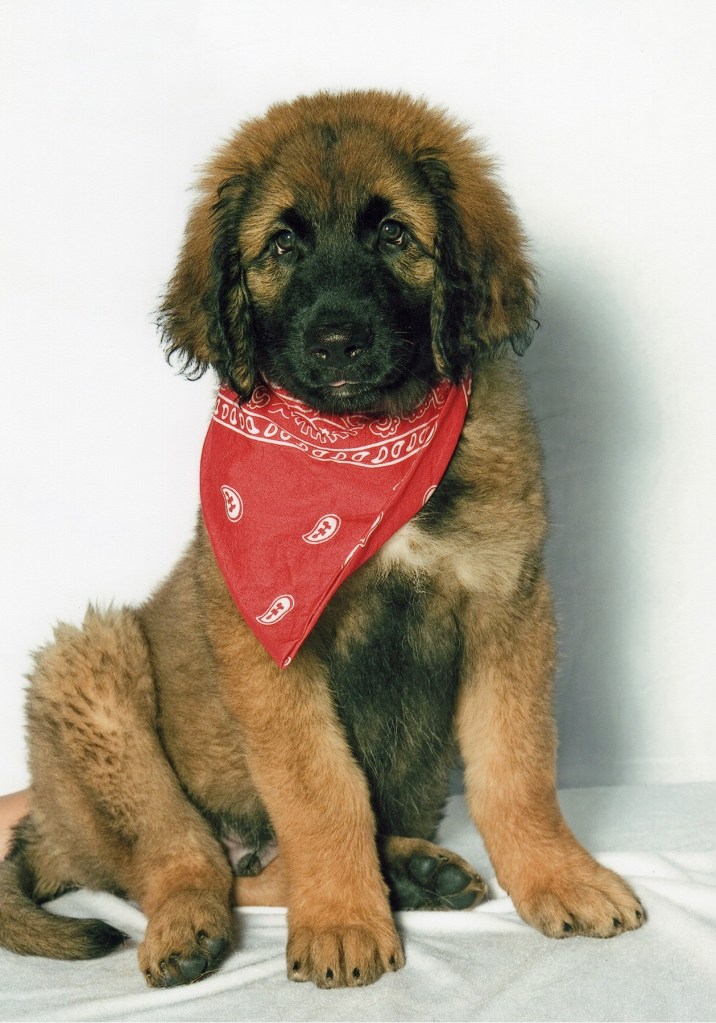
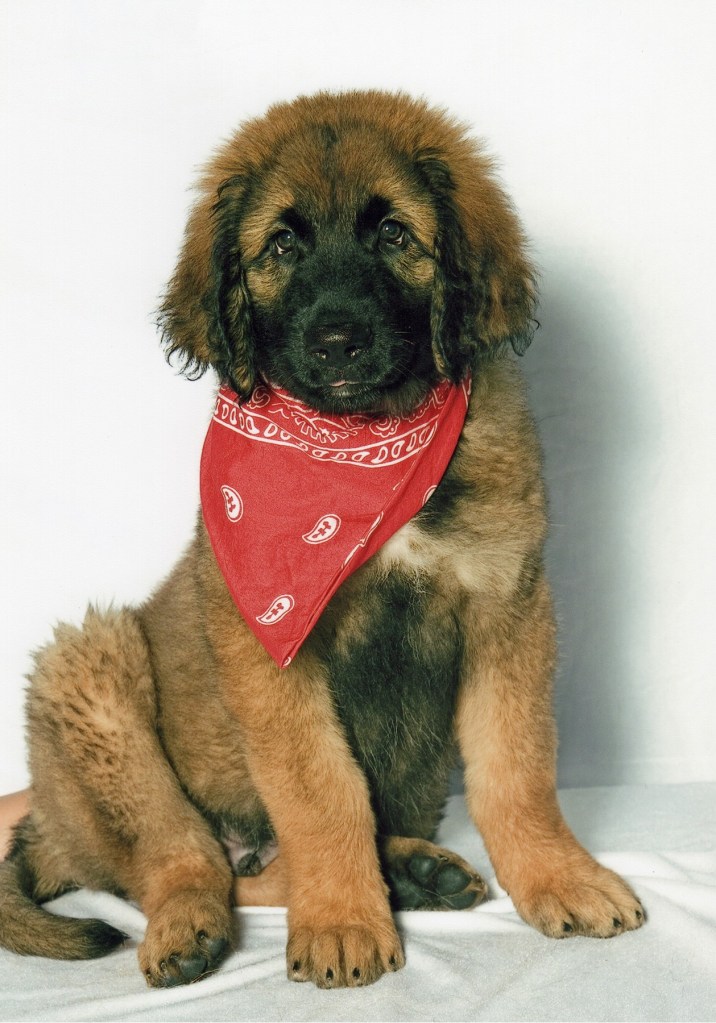
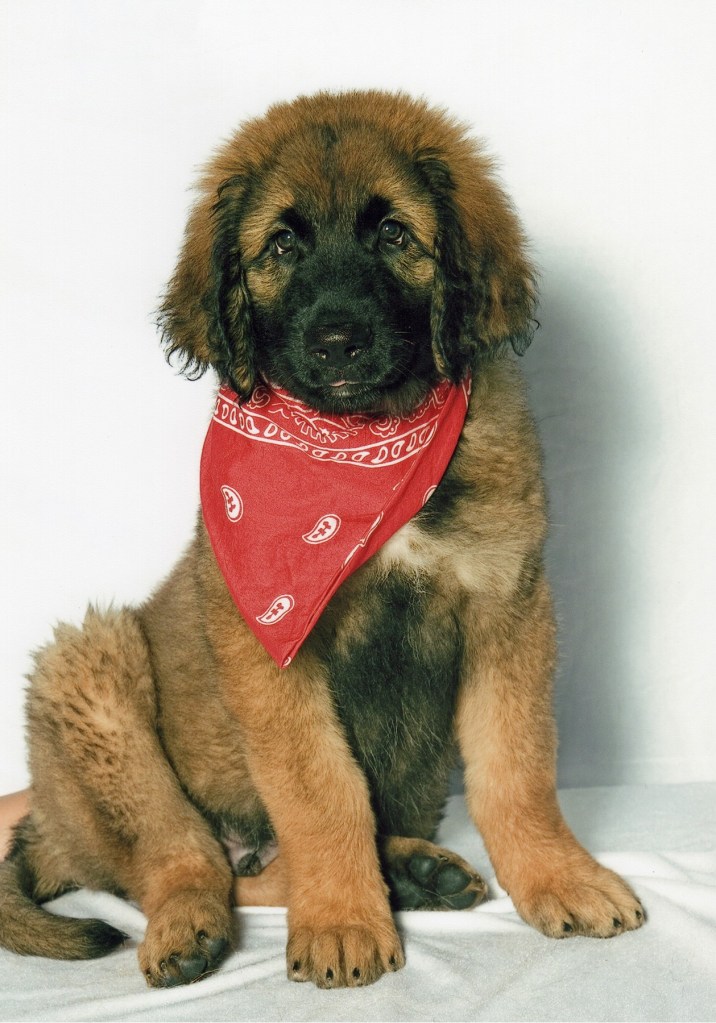
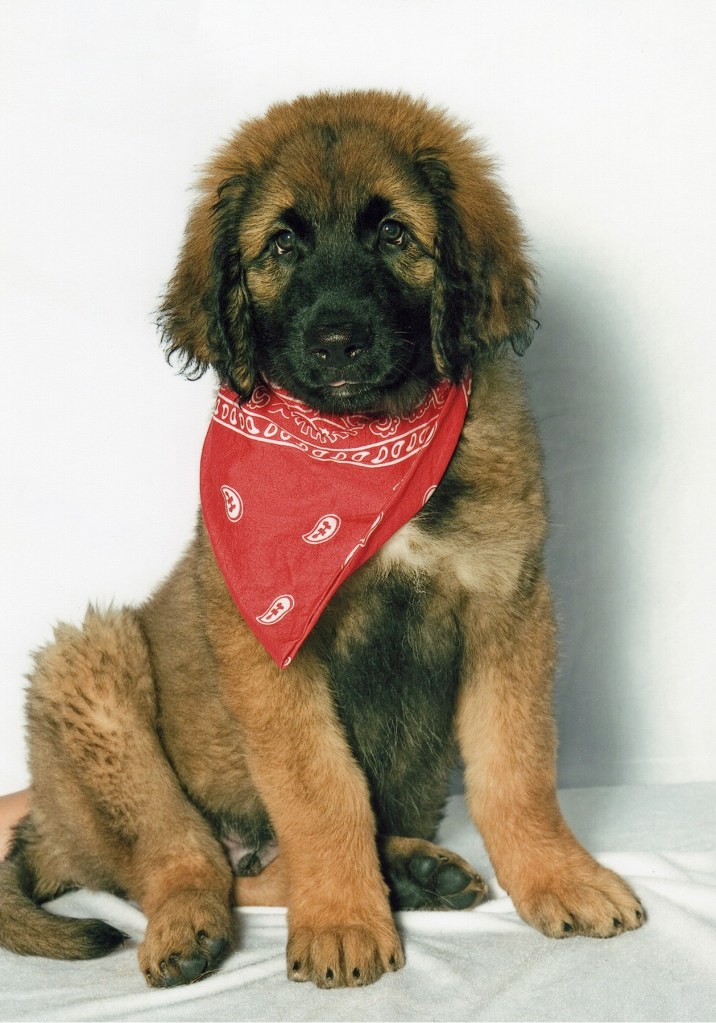
Our Leonberger puppy Bronco at the age of three months.
I should explain that the Leonberger is a rare breed that is closely related to the Saint Bernard. Saint Bernards were used to create the Leonberger in the early 19th century and later it was the other way around when the Leonberger was used to save the Saint Bernard breed. Therefore, Leonbergers and Saint Bernards are genetically similar, they are about the same size, but they don’t look the same. Leonbergers have a characteristic black face while Saint Bernards have a white mask on their face. There are only about 30,000 Leonbergers in the world and only 2,000 Leonbergers in North America. Therefore, the Leonberger community is a small and tightknit community, and it is relatively easy for the Leonberger Club of America (LCA) to keep track of what is going on with the Leonberger dogs.
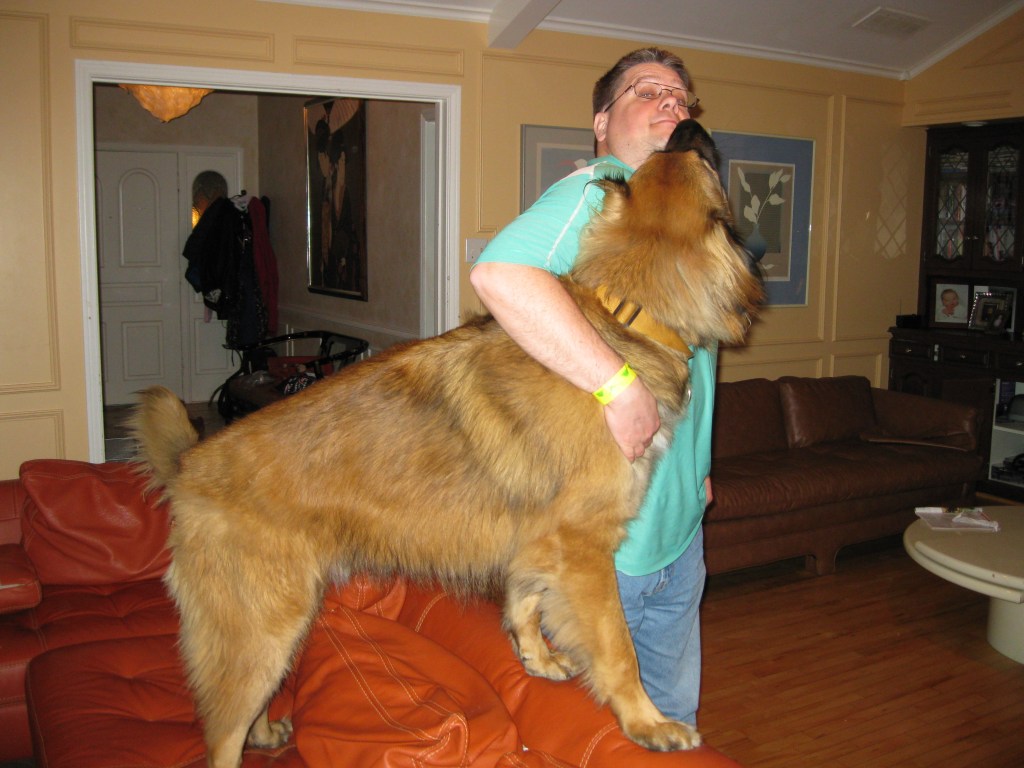
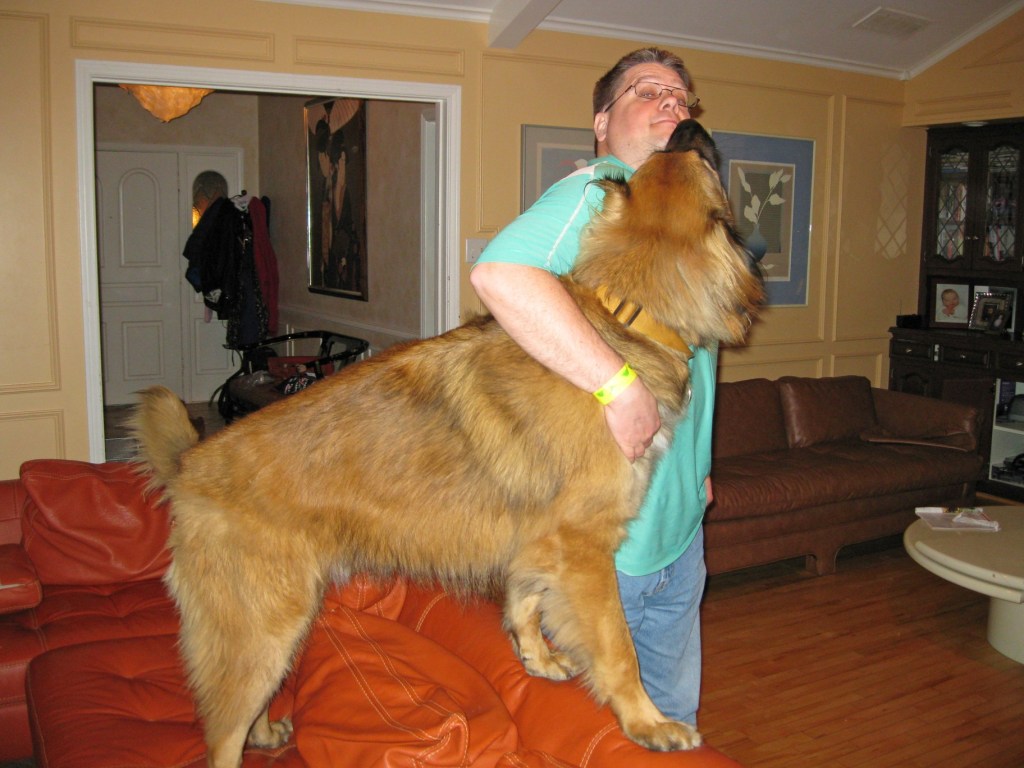
Is he ready to be neutered? I mean the dog. This is me (Thomas Wikman) and Bronco when Bronco was not yet full grown (but almost).
With this post I am giving advice and statements originating from various sources that I consider to be reputable such as AKC/club certified breeders of the specific breed in question, the corresponding breed organization/club, such as the Leonberger Club of America, and scientists in the specific field. In my experience veterinarians who care for all kinds of dogs and pets typically do not have knowledge that is breed specific on this issue. To be sure to do the right thing in regard to neutering and spaying your Leonberger, ask your LCA certified breeder.
What Our Leonberger Breeder Told Us About Neutering
When we got our late Leonberger Bronco (Le Bronco von der Löwenhöhle) our breeder Julie Schaffert told us to wait with neutering him until he was two years old if possible. Julie Schaffert has been an LCA (Leonberger Club of America) certified breeder since 1992 and is arguably the most prominent Leonberger breeder in North America. After reading a Leonberger book that incorrectly stated that Leonbergers should be neutered at six months, I sent her this question:
Hello Julie, I hope all is well with you and your Leonbergers. I am currently reading a Leonberger book by Vanessa Ritchie. I’ve read dozens of Leonberger books. It is a very good Leonberger book. However, in the middle of page 30 she is saying something that concerned me. She is saying to neuter/spay your Leonberger at 6 months old. I remember you telling us to wait with ours and we waited until significantly passed one years old. Assuming that is correct, this mistake needs to be pointed out and perhaps corrected. Before saying anything, I wanted to make sure that is correct, that spaying/neutering at 6 months old is indeed too early for a Leonberger.
Thank you for any help
Happy New Years
Thomas Wikman
This was her answer
Happy new year. Yes, it’s now recommended that giant dogs not be neutered or spayed until after 2 years. In the old days it was recommended earlier, any time after 6 months. All the new data says wait.
Julie.
The Leonberger puppy that Julie sold to us. Black and White photo.
The reasons we did not wait the entire two years was that our veterinarian at the time wanted to do it sooner and Bronco was dragging furniture around the house because of his excess energy. He was strong, and big, energetic and a bit restless. He was very friendly and harmless, but he had a lot of energy. Perhaps he should have been a home decorator? I should say that knowing what we know now, we would have waited the entire two years.
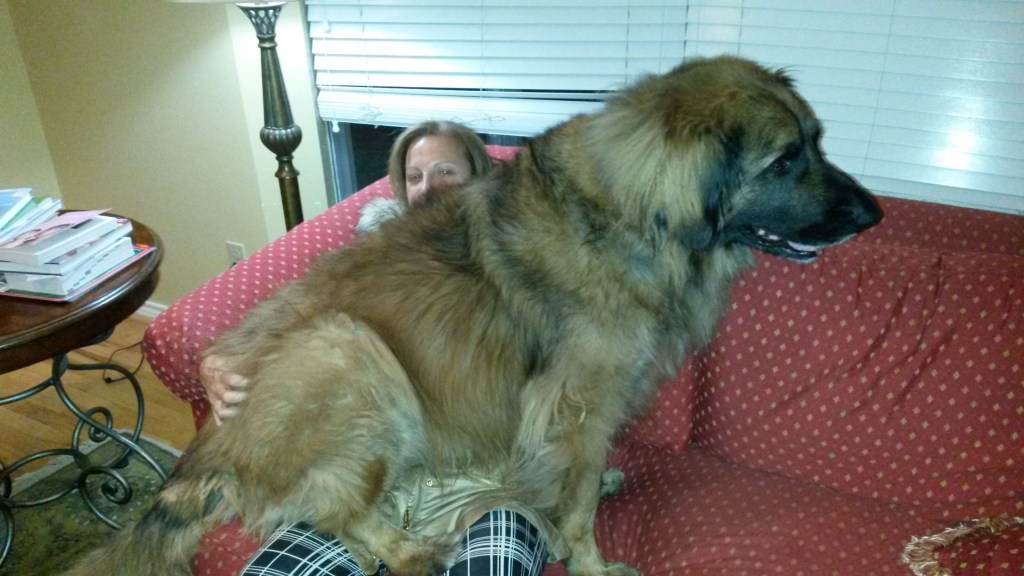
Our Leonberger Bronco at 167lbs sitting in my wife Claudia’s lap.
Research and Expert Advice on Neutering and Spaying
This is an article from the AKC stating that a larger or giant breed may need to wait until they are near or over 12-18 months of age before neutering or spaying. The article also provides the following interesting information.
Research conducted by the University of California – Davis reveals that for some dog breeds, neutering and spaying may be associated with the increased risks of certain health conditions such as joint disorders including hip or elbow dysplasia, cranial cruciate rupture or tear, and some cancers, such as lymphoma, mast cell tumor, hemangiosarcoma, and osteosarcoma. The research conclusions are not surprising. Sex hormones are important in the development of any animal. We know they affect psychological development as well as the musculoskeletal, cardiovascular, and the immune system.
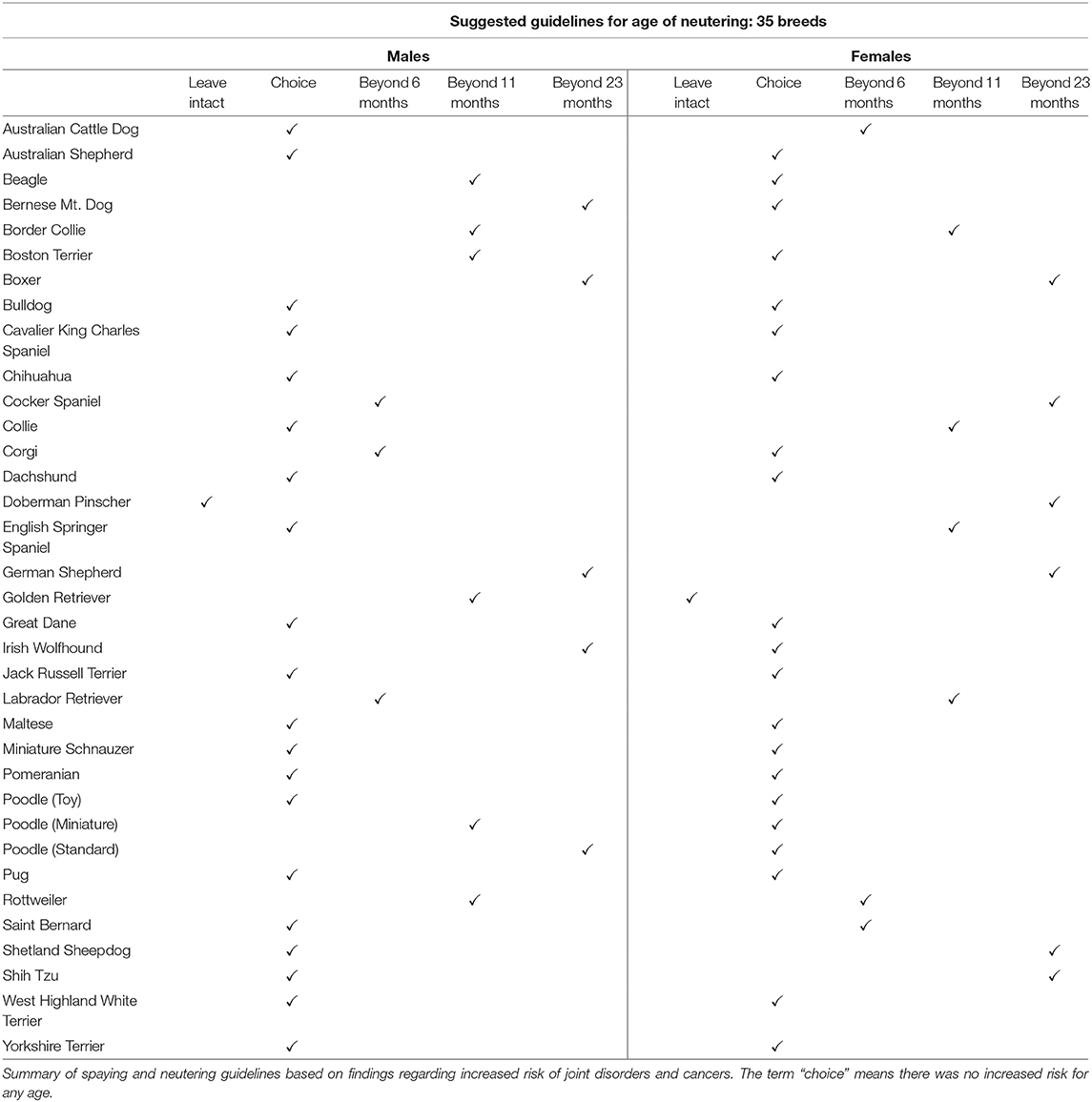
I believe this is the University of California – Davis article in question. It is from 2020. Notice that the suggested guidelines for age of neutering is beyond 23 months for several of the giant breeds in the table of 35 breeds. Also notice that the table does not include Leonbergers.
Recommended ages for neutering and spaying for selected dog breeds
Below is a list featuring the recommended ages for neutering and spaying for selected dog breeds based on the research mentioned above.
Australian Shepherd, for neutering and spaying it is your choice. The same is true for Pugs.
Bernese Mountain Dog, you should neuter beyond the age of 23 months, but for spaying you have a free choice.
Boxer, neuter and spay beyond the age of 23 months.
Boston Terrier, neuter beyond 11 months, but for spaying you have a free choice.
Doberman Pincher, never neuter, and you need to spay beyond the age of 23 months.
German Shepherd, neuter and spay beyond the age of 23 months.
Corgi, neuter beyond 6 months, but for spaying you have a free choice.
Great Dane, despite being a very large dog you have a free choice for both neutering and spaying.
Rottweiler, neuter beyond 11 months, but for spaying beyond 6 months.
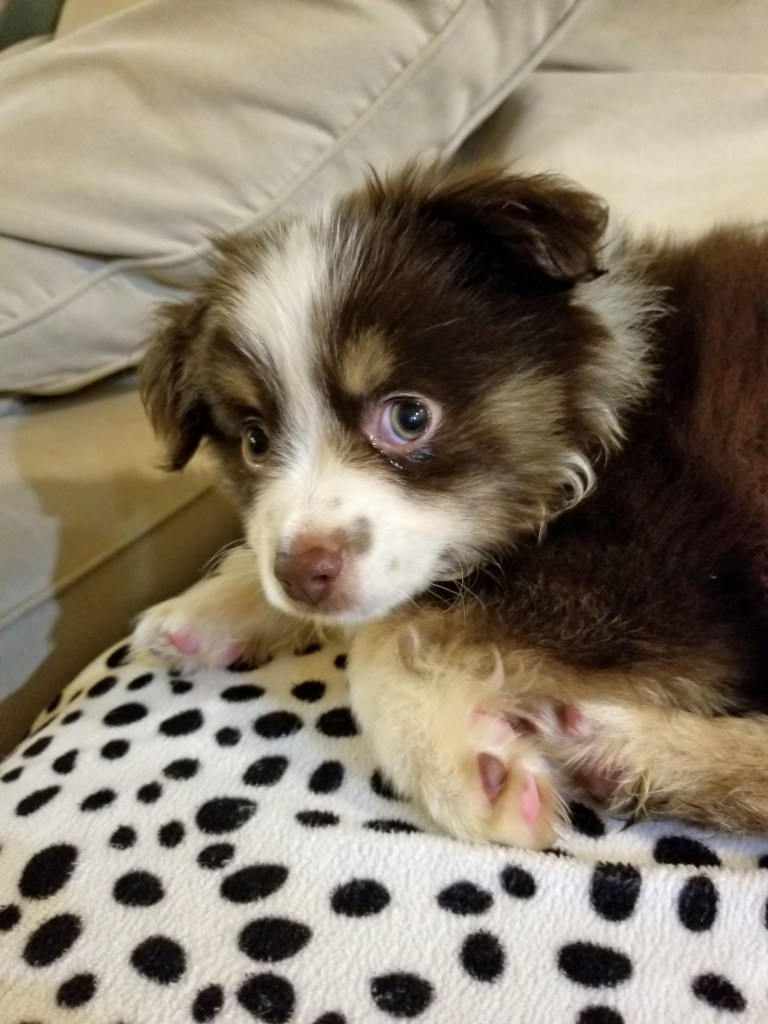
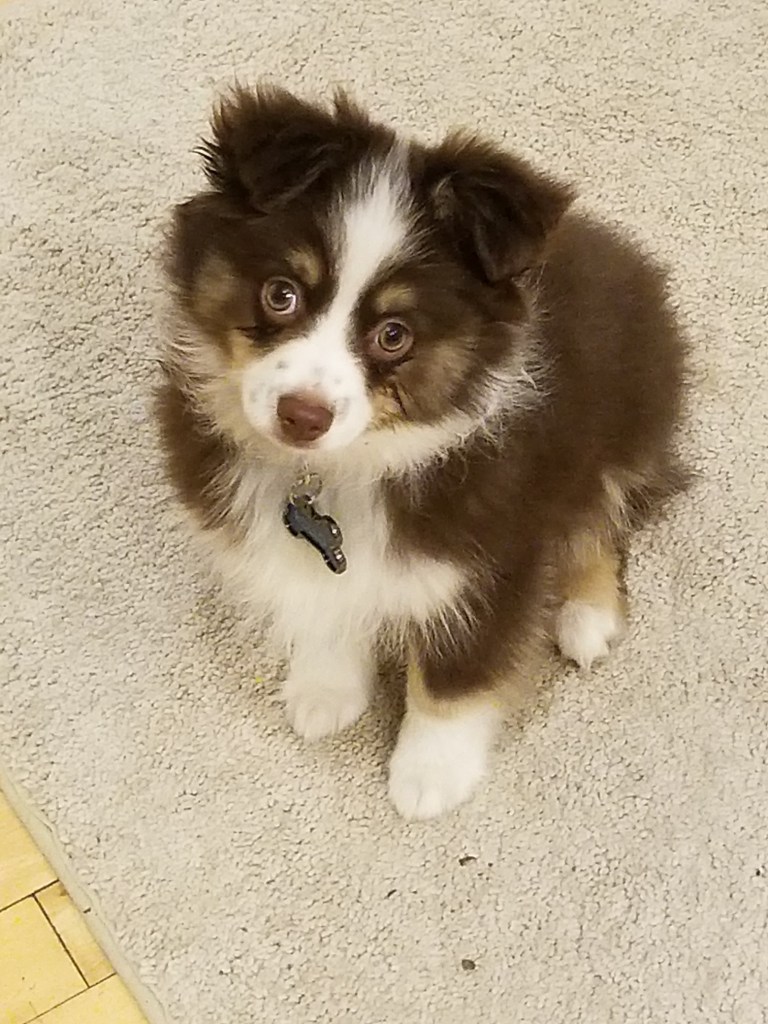
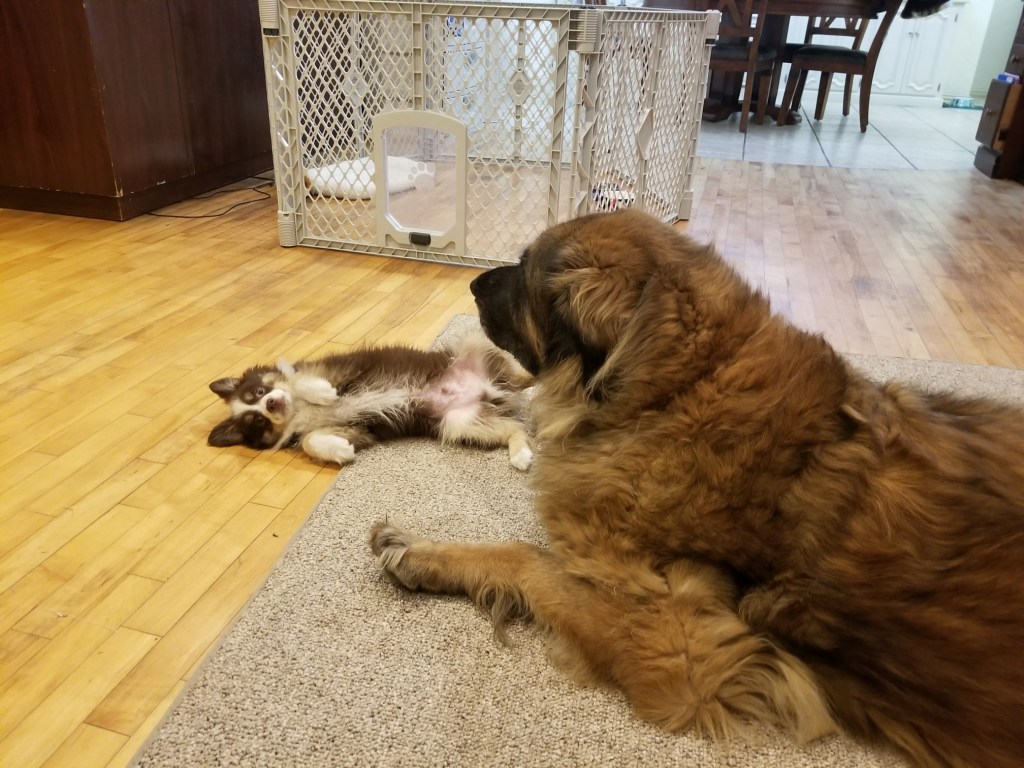
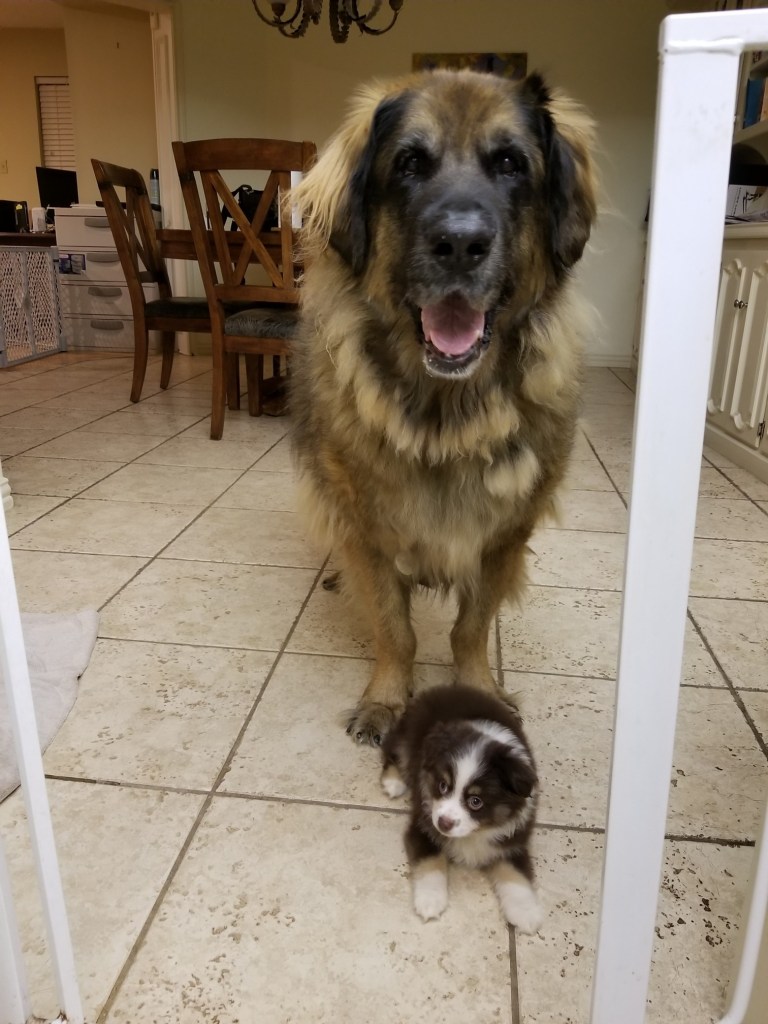
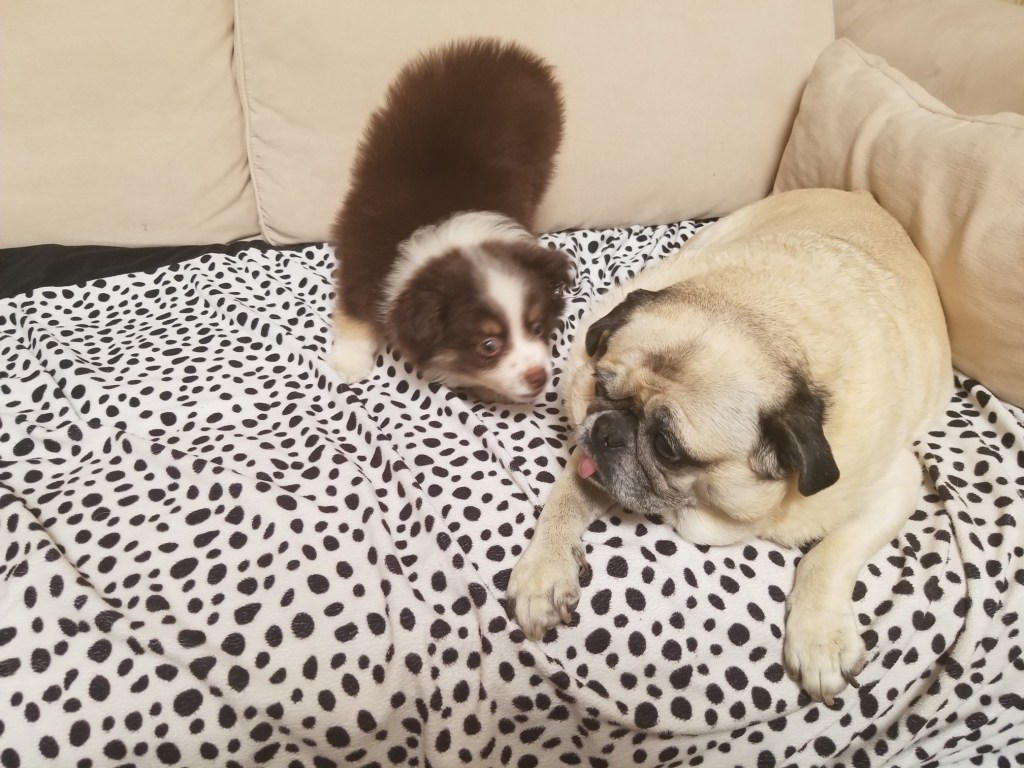
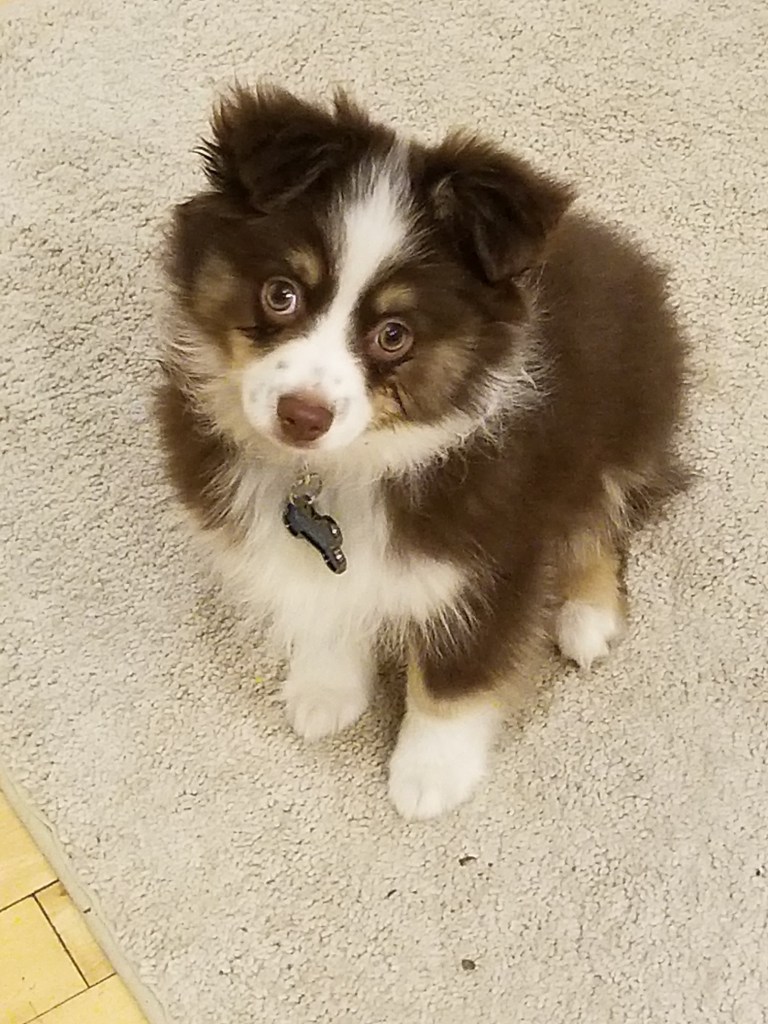
Our mini-Australian Shepherd puppy Rollo. You can neuter this breed at an earlier age.Our Pug Daisy, Japanese Chin Ryu and Leonberger Bronco. You can neuter or spay Pugs at an earlier age.
Additional Information on Neutering and Spaying Various Dog Breeds
Hillhaven Leonbergers in Ireland recommend not neutering your Leonberger until at least 2 years of age. They warn against doing it at 6 months old, despite what some veterinarians may recommend.
I did not find an on-line Leonberger Club of America recommendation but this old 2011 article from the Leonberger Club of America states: Because the Leonberger is a slow maturing breed in general, most breeders will ask puppy owners to wait a year or so before altering their puppies, to allow bones to develop more fully.
Caspian (Obi’s nephew), Austin (Obi’s son), Delfi, Obi (now 7 and a veteran), Digory, and Rilian (Obi’s son). Photo by Jen O’Keefe and Ira Van Order, prominent members of the Leonberger Club of America who allowed me to use this photo.
I did find an article from the Saint Bernard Club of America. The Saint Bernard is genetically similar to the Leonberger. This article states: Above all, no giant breed puppy should be altered before the growth plates in the bones have matured and closed, usually between 15 and 24 months of age.
Saint Bernard Stock Photo ID: 1713912484 by fred12
This Newfoundland dog magazine states : Currently, the recommended age that a Newfoundland dog should be neutered is 18 to 24 months due to the possible health problems that can arise from altering before that age. The Newfoundland is another dog that is genetically similar to the Leonberger.
Newfoundland dog Stock Photo ID: 1925281937 by Marsan
Conclusion
So, in conclusion, even though the expert advice regarding neutering and spaying varies a bit, it is clear that neutering and spaying at six months old is too early for Leonbergers and many other giant breeds. It can harm their Leonberger.
About Thomas Wikman
Thomas Wikman is a retired software / robotics engineer with a background in physics. He has a PhD in Applied Physics and Electrical Engineering. He is the author of two blogs, first this blog Leonberger Life which is focused on a rare but amazing dog breed called Leonberger. He has also written a book titled The Life and Times of Le Bronco von der Löwenhöhle, which feature his Leonberger’s crazy adventures as well as information about the Leonberger breed and how to care for giant dog breeds. His second blog superfactful , is a fun but educational blog that is focused on finding facts that are important and yet surprising or disputed by people who are not well informed on the topic. This blog features myth busting as well as facts that will blow your mind.
I was alerted to the existence of National Love Your Pet Day by this post. Because I was busy all day I did not get a chance to post anything until now. However, it is still National Love Your Pet Day here where I live.
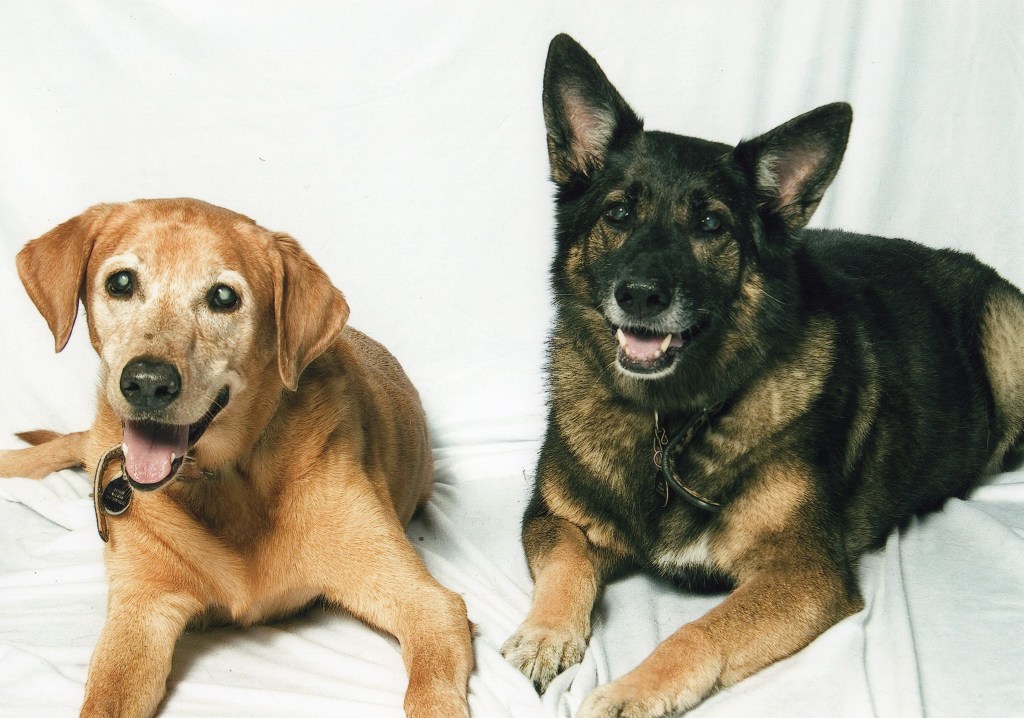
National Love Your Pet Day is an annual observance dedicated to celebrating animals. With this post I just wanted to show some photos of our current dog the mini-Australian Shepherd Rollo and our past dogs the Labrador Baylor (mix ¼ Rhodesian Ridgeback), the German Shepherd Baby, our big Leonberger Bronco, or Le Bronco von der Löwenhöhle, our Japanese Chin Ryu and our Pug Daisy. We love(d) them all and will forever be in our hearts.
Photos of our Dogs
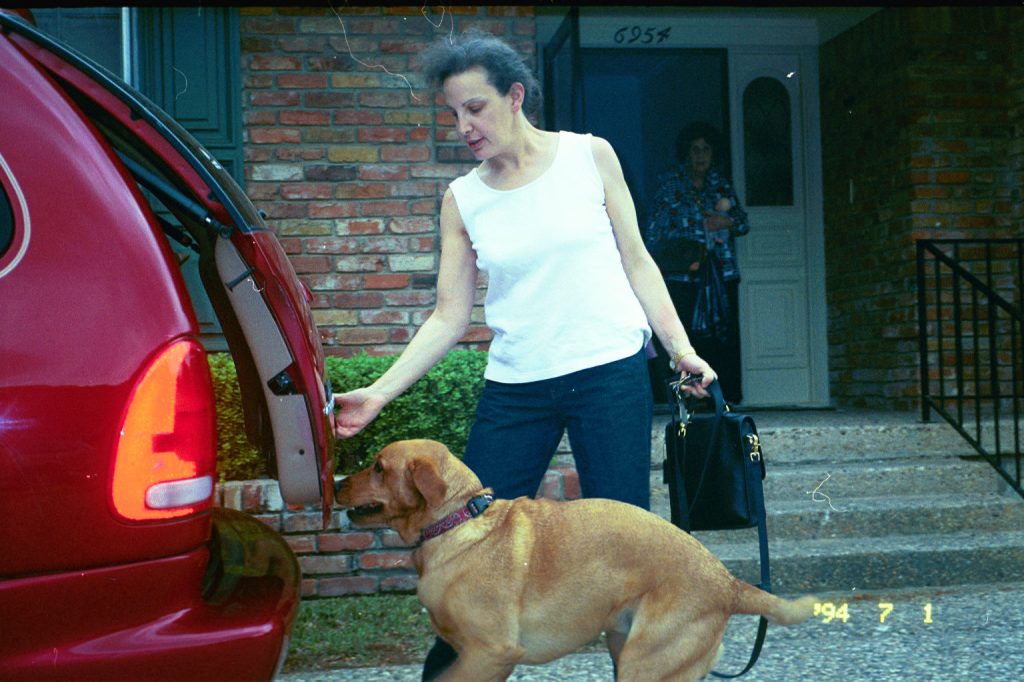
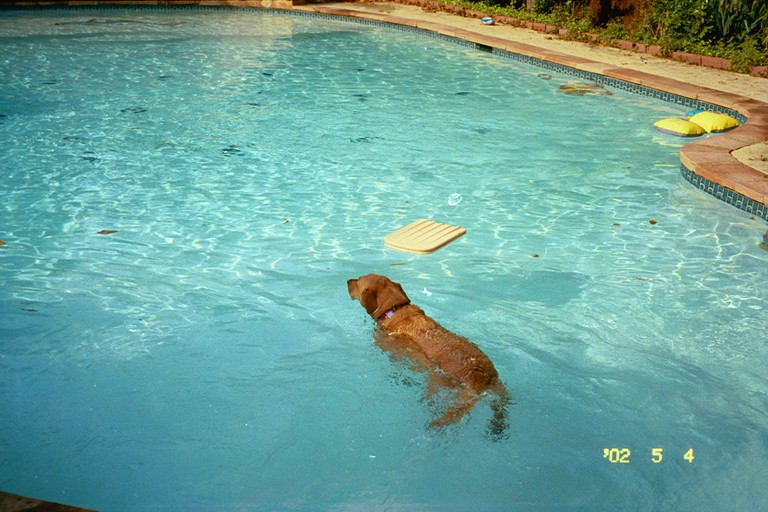
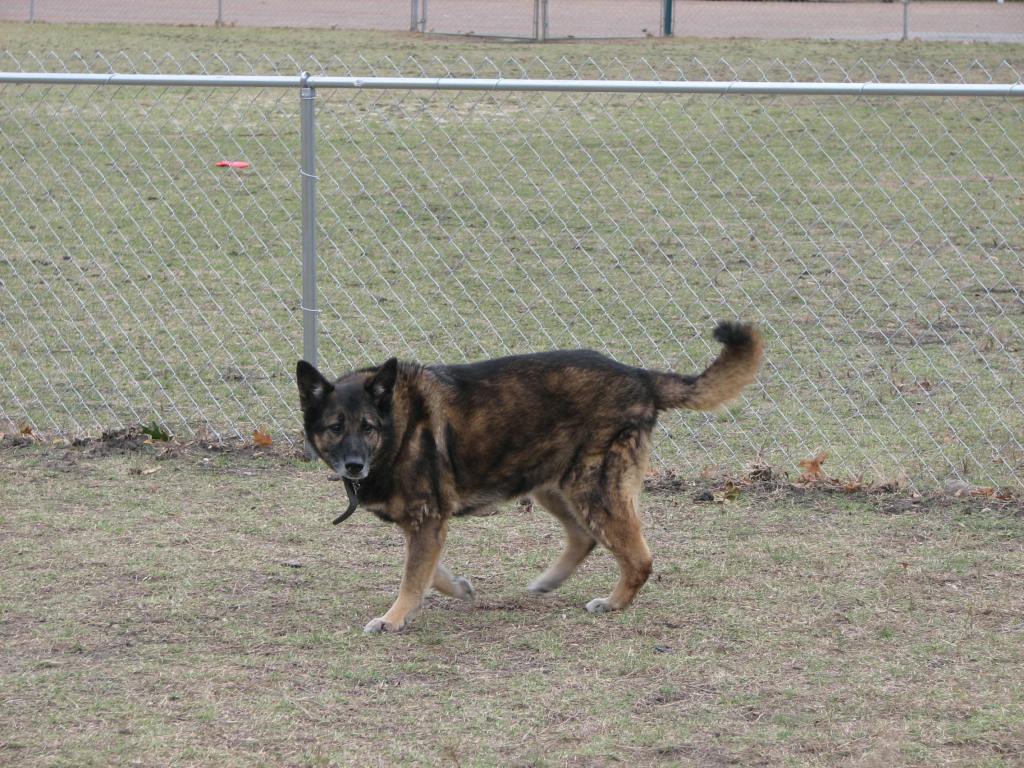
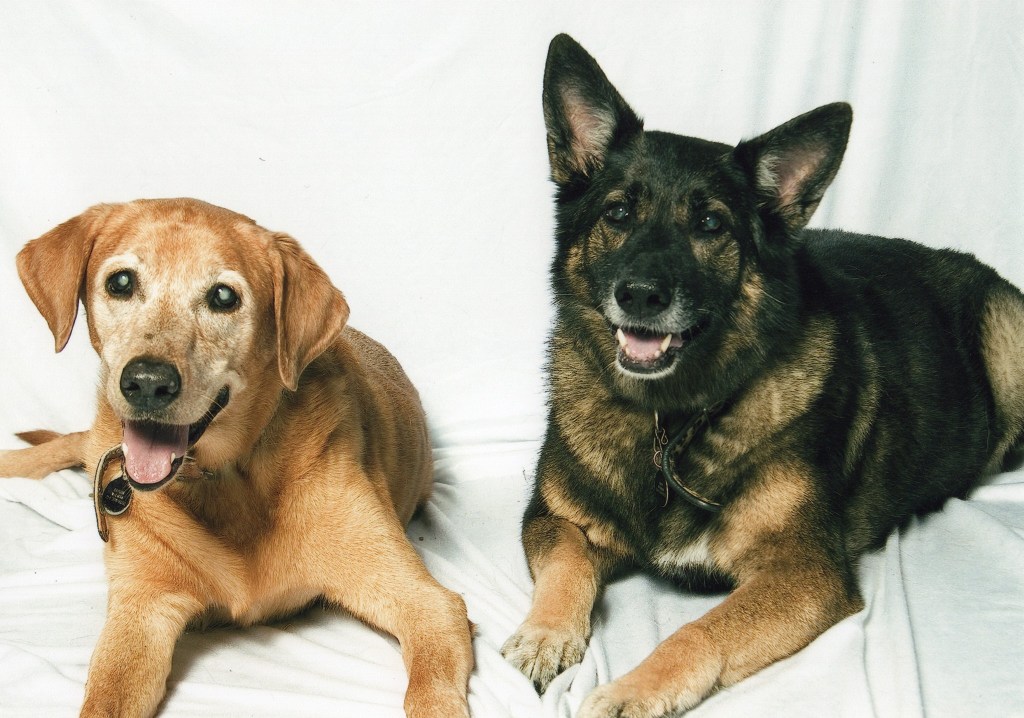
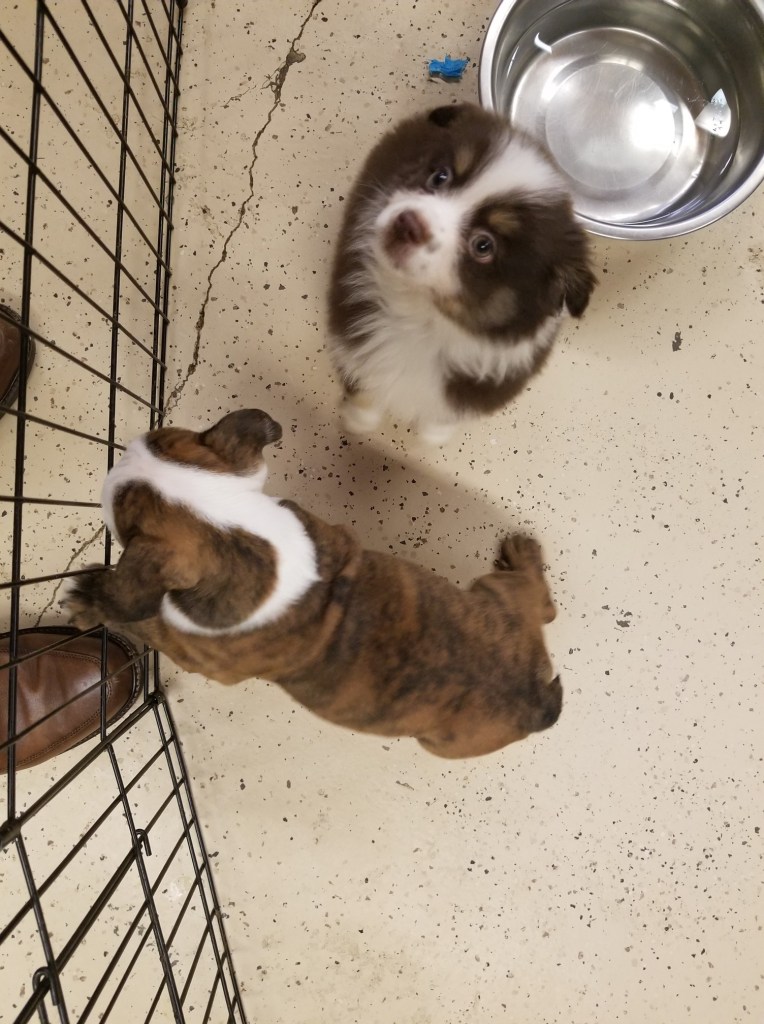
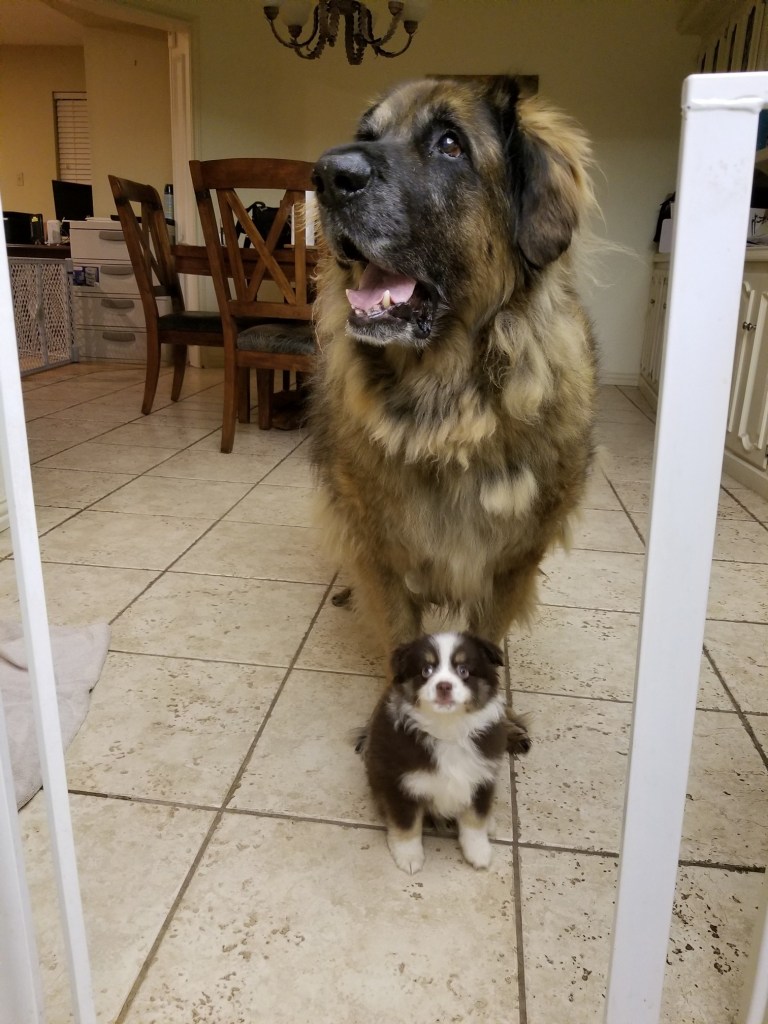
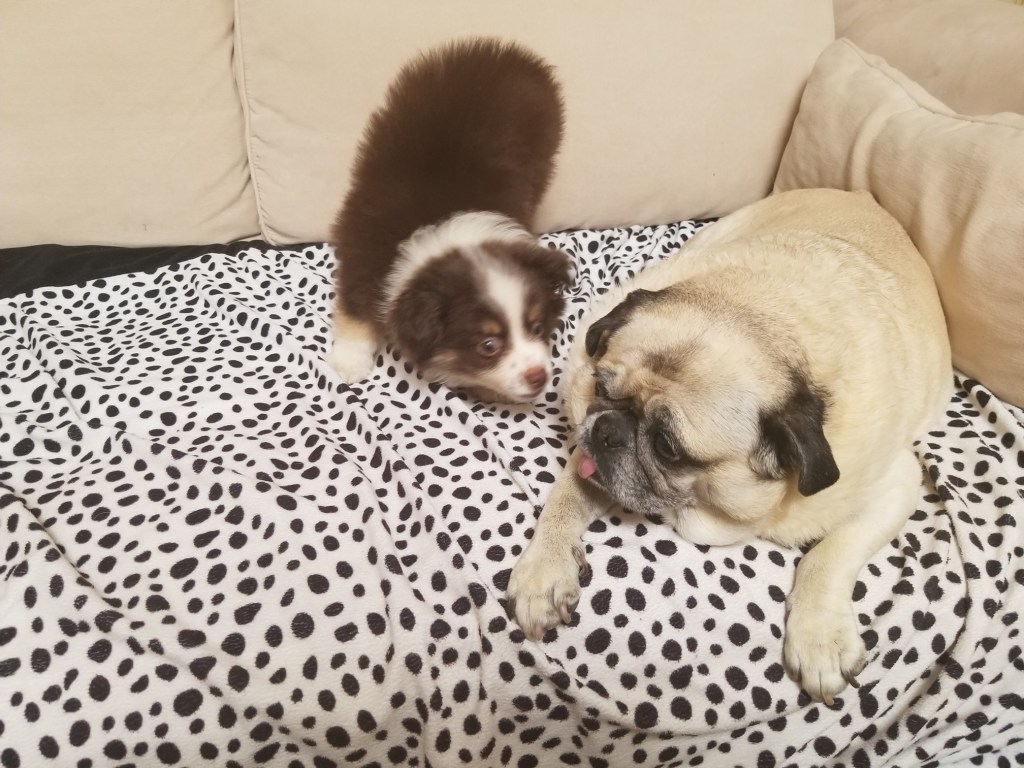
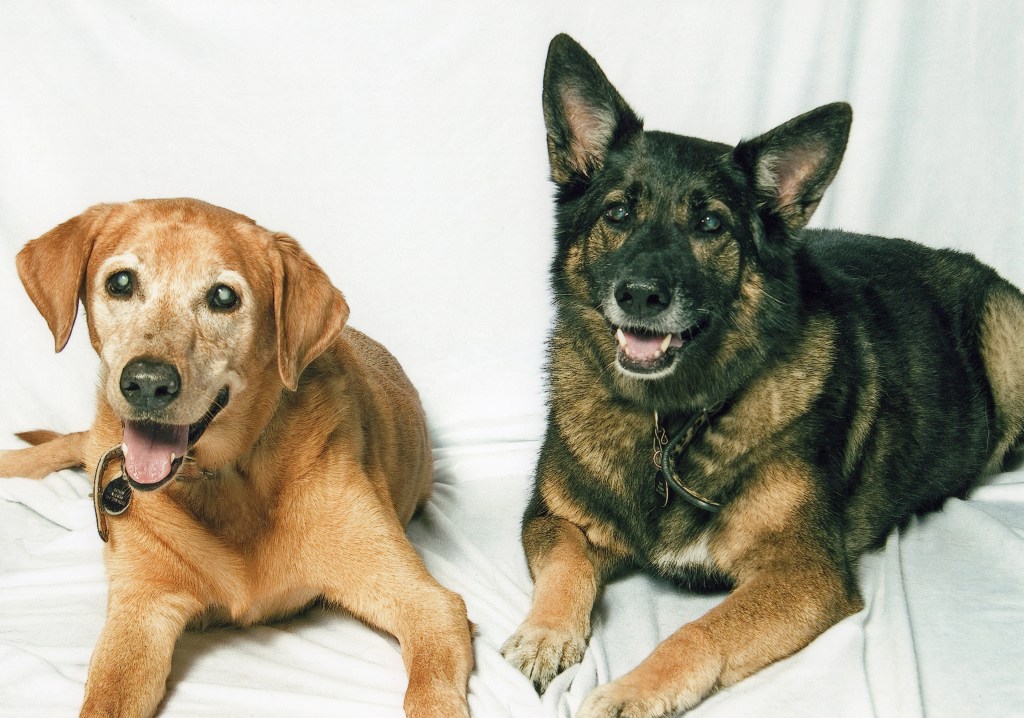
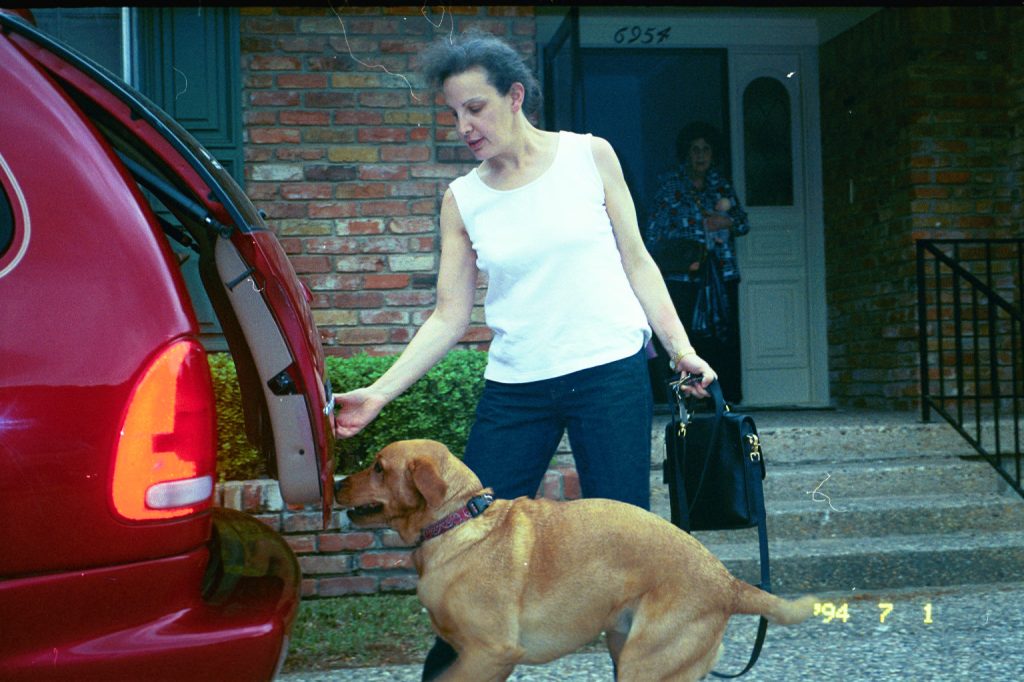
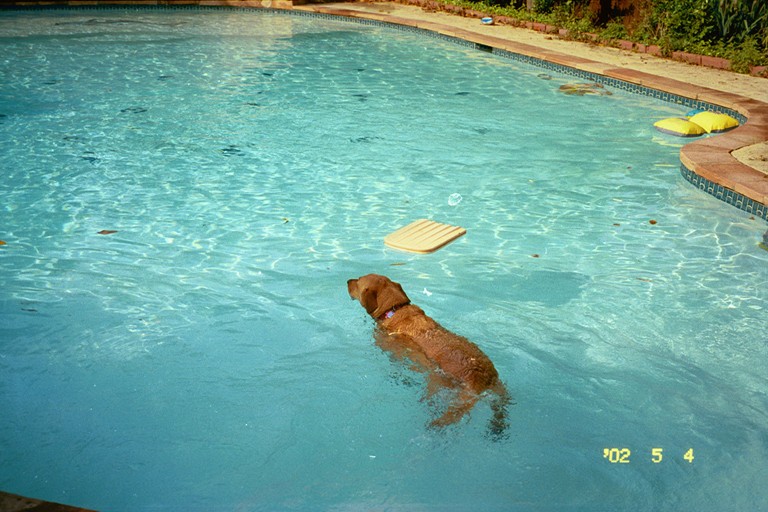
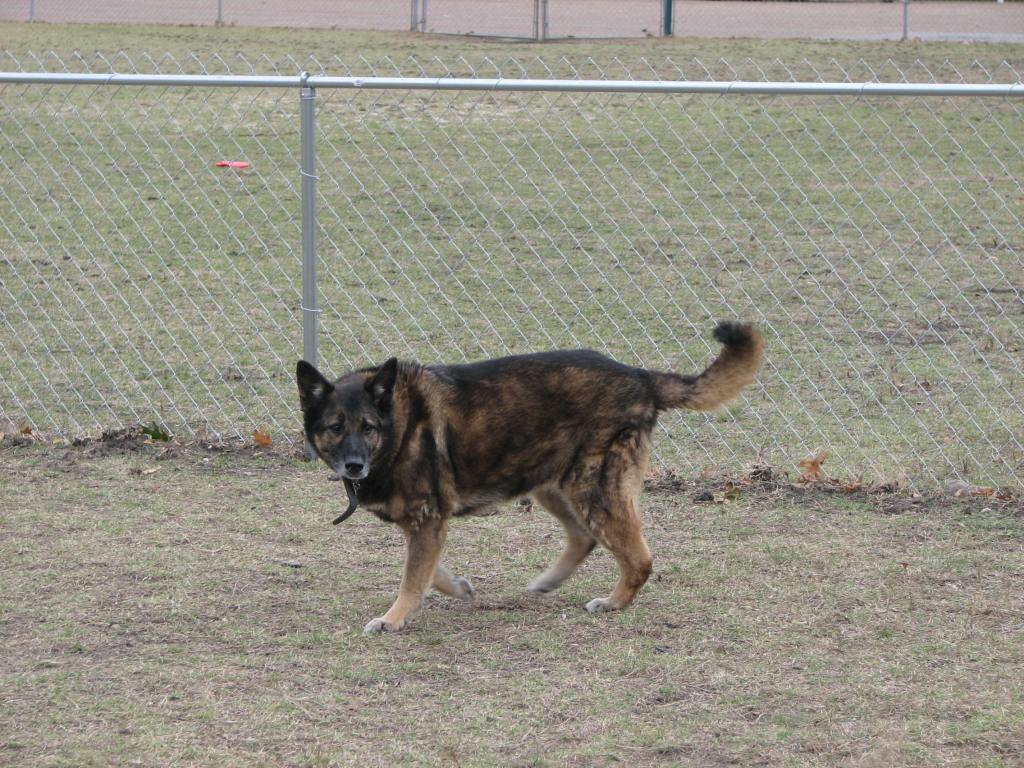
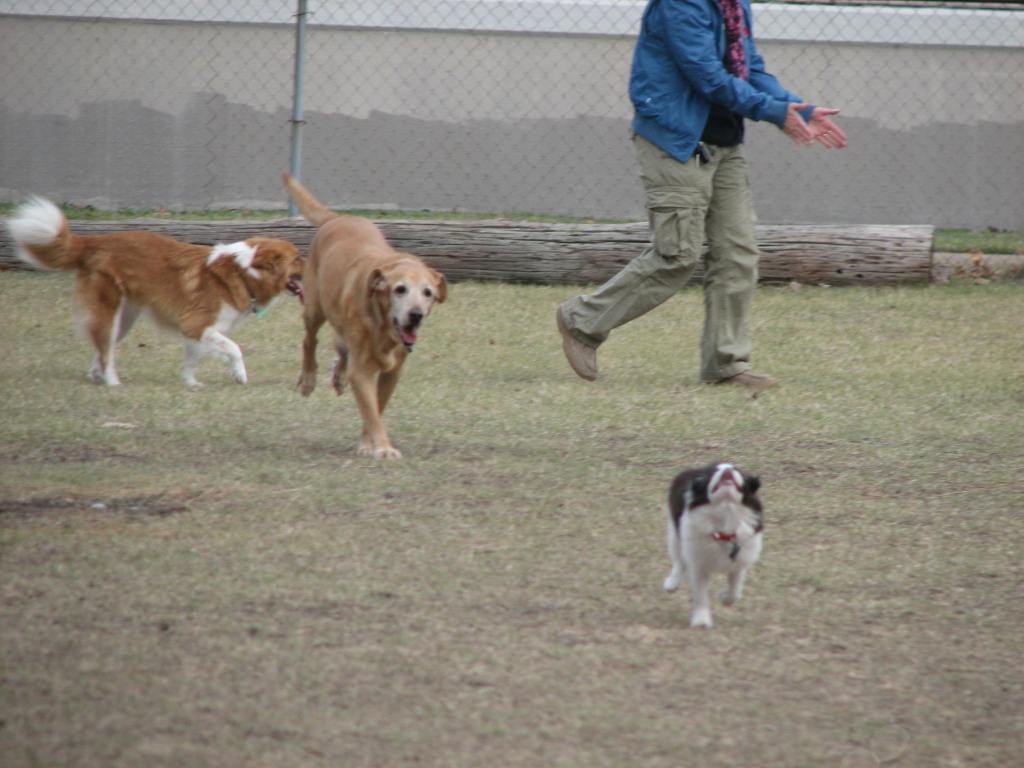
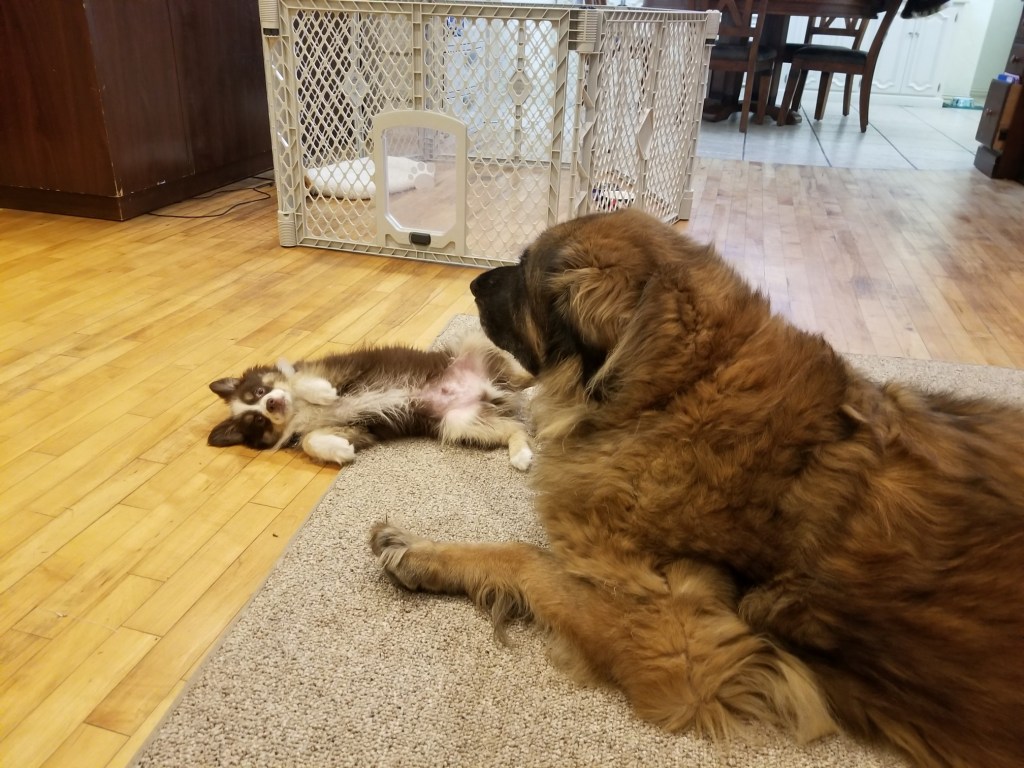
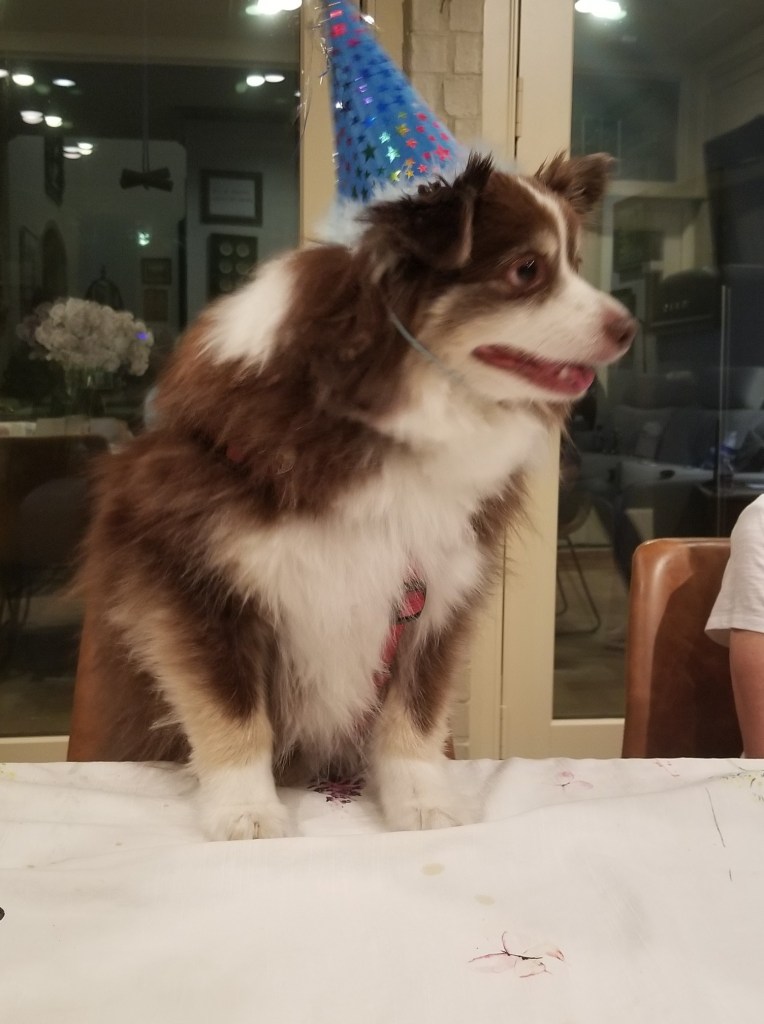
My wife Claudia and our first family dog the Labrador Baylor. This was back in the day. Our niece gave us Baylor because she was going to college. In turn she had gotten him from a shelter. He was a mix, one quarter Rhodesian Ridgeback and three quarters Yellow Labrador. He was able to jump up into the trunk of our van. Baylor was my first dog (not my wife’s first dog), and he taught me a lot about being a dog parent.Our Labrador Baylor is swimming in Claudia’s parents pool. He loved swimming, and he loved that pool and swam in it a lot.Our German Shepherd Baby at the dog park.Our Labrador Baylor and our German Shepherd Baby. Baylor was older in this picture. We had just gotten our Leonberger Bronco.This is our Leonberger Bronco (Le Bronco von der Löwenhöhle) at three months old.Bronco our Leonberger dog was a very affectionate dog.Our Leonberger Bronco (Le Bronco von der Löwenhöhle), our Japanese Chin Ryu, and our Pug Daisy in the front right.At the White Rock Lake dog park. Baylor our Labrador in the middle. He was old in this photo. Our Japanese Chin Ryu on the right.Our Pug Daisy and our Japanese Chin Ryu.Our Pug Daisy often sat in front of vents when she was cold. Daisy and our Japanese Chin Ryu were very close, like a couple. Daisy was obviously grieving when Ryu died, from cancer a bit early at only ten years old. Bronco was grieving as well.Daisy is exhausted after doing nothing for a whole day.Our Leonberger Bronco sleeping on our big red leather sofa.Our old Leonberger dog Bronco is coming up to me. Maybe it is dinner time.In December of 2018 we picked up our mini-Australian Shepherd Rollo. His friend was an English Bulldog.Our Leonberger Bronco is welcoming Rollo.Our pug Daisy and Rollo are saying hello.Our mini-Australian Shepherd puppy Rollo at 3 months old.Our mini-Australian Shepherd puppy Rollo and our Leonberger Bronco.Our mini-Australian Shepherd Rollo at the table on his seventh birthday. This is a more recent picture, from October of this year.Digory and Obi two old sweetheart Leonbergers sending all of your pets their love and sending all of you their love as well. Photo by Jen O’Keefe a friend.
Love Your Pets Every Day
Feel free to add links to your posts about pets in the comments. There is a maximum of two links per comment (how it is set up) so if you want to post many links you need to spread it out over many comments. I am late so don’t worry your comment being late. Any day is fine.
This is a photo of our Leonberger Bronco when he was three months old.Bronco our Leonberger dog was a very affectionate dog.Our Labrador Baylor and our German Shepherd Baby. Photo taken at the same time as the top photo above. However, we couldn’t get Bronco to sit still between Baylor and Baby.In this photo our Leonberger dog Bronco is eleven and a half years old, and we had acquired a new puppy, a mini-Australian Shepherd by the name Rollo.
One thing all our dogs loved was going for a car ride. The big dogs loved sticking their heads out the window and feeling the wind in their faces. The little dogs loved going places. And they all loved looking at the passing scenery. Oh, the things you can see when you’re “ridin’ in the car, car,” as the Woody Guthrie song goes!
There were some sights that got the dogs especially excited. They would bark if they saw people working on roofs or riding bicycles, for example. They would become even more animated if we got close to a dog park or a McDonald’s drive-through window. (That might have been because sometimes we bought them snacks at the McDonald’s drive-through.)
One time when I was taking Bronco, Baylor, and Baby to the dog park, a car passing me slowed down and started driving right next to me. I looked over, slightly annoyed, and saw that the people in the car were pointing at us and laughing. I was thinking, “What is their problem?” Then I glanced back at the dogs and realized that we did look funny. Bronco was sitting in the front passenger seat with his head close to the roof, looking majestic. Baylor and Baby were sitting in their own seats in the back. They probably looked like human passengers from a distance, but as the people in the car got closer, they realized that the heads weren’t human heads but dogs’ heads and burst out laughing.
I can add that most of the time we put the dogs in the back of our van or SUV but since they preferred to sit on a seat like humans do, we started letting them sit on the seats. If you let them sit on the seats you need to attach them to the car seat latch using dog safety restraint (dog seat belt). Sometimes, the dogs wanted to drive but it is difficult to get a driver license for a dog in Texas. In the picture below Rollo did not really drive the car. I used that photo for an April 1st joke.
Our mini-Australian Shepherd Rollo is driving a car. He is coming back from a visit to grandma and grandpa.
From Pete Springer (see comments) I got this YouTube video featuring 13 funny and cute Subaru commericals showing dogs driving cars.
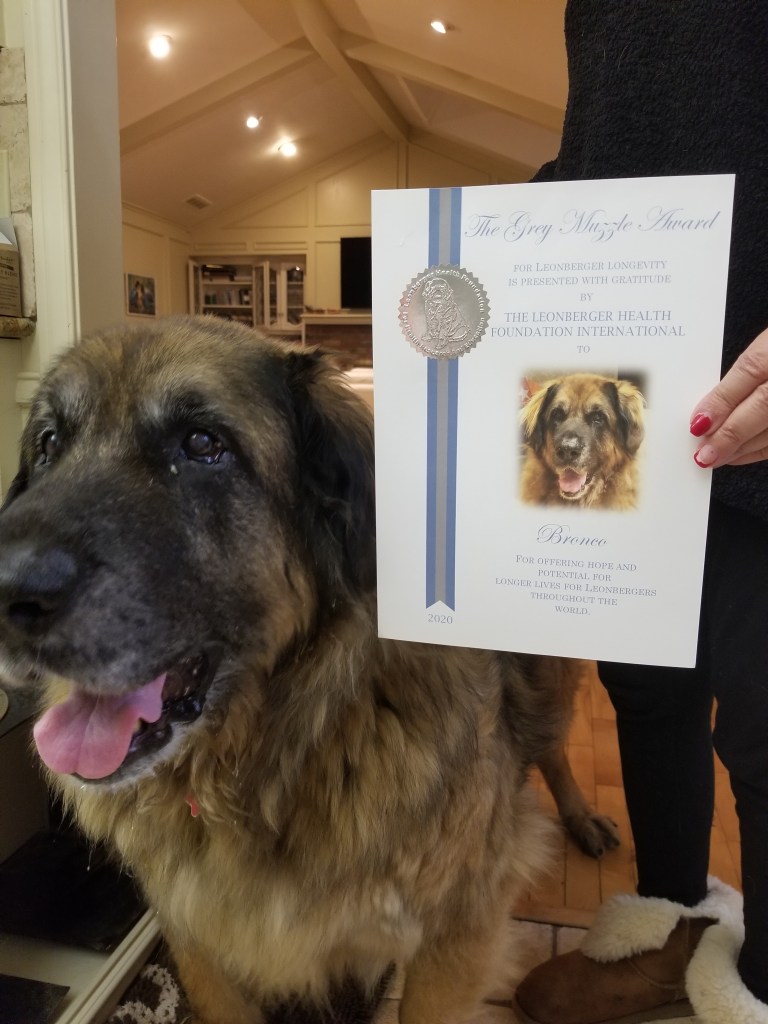
An old Canadian Leonberger called Mak with my book The Life and Times of Le Bronco von der Löwenhöhle. Photo by Debbie Ireland.Like most very large dogs Leonbergers don’t live very long. Our Leonberger Bronco got his Grey-Muzzle award from the Leonberger Health Foundation International for reaching the age of 12 years old and thus giving hope for a longer life to all Leonbergers.
This is a guest post written by Ryan Goodchild. He emailed me asking me if he could publish this post regarding caring for aging Leonberger. I said yes. I am very grateful to Ryan for his contribution. I added the photos. See his post below.
Caring for Aging Leonbergers: Gentle Stewardship for a Noble Breed
Leonbergers are among the most majestic of dogs, gentle giants with deep eyes and a noble temperament. Yet as they age, their impressive size can make the journey into senior years more complex. Providing attentive, structured care can extend both their lifespan and their sense of ease.
Key Takeways
Large breeds like Leonbergers face an earlier onset of joint and heart issues; early detection matters.
Routine, low-impact exercise sustains mobility without strain.
Dietary adjustments can prevent unnecessary weight gain and inflammation.
Organized health tracking improves coordination with veterinarians.
Emotional stability and routine help aging Leonbergers thrive.
Bronco our Leonberger dog is taking a rest during a walk. He is twelve and a half years old.
Movement, Moderation, and Mindful Play
As Leonbergers age, mobility becomes one of the first visible signs of change. These dogs are stoic by nature, and they’ll often mask discomfort until it’s advanced. Structured daily activity, rather than long or sporadic walks, helps maintain joint lubrication and muscle tone. Before implementing the list below, remember: consistency outperforms intensity in senior dogs.
Short, frequent walks instead of long treks
Gentle swimming or hydrotherapy to maintain strength
Orthopedic support beds to reduce pressure on hips
Warm-ups and cool-downs before and after activity
Avoid stairs and slippery floors
Our Leonberger Bronco taking a resting in the grass in our backyard.
The Nutrition Shift: Balancing Strength and Weight
Proper nutrition is the most controllable lever for supporting your Leonberger’s aging body. Senior diets should favor lean protein, omega fatty acids, and joint-supportive ingredients like glucosamine and chondroitin. Maintaining a stable weight relieves stress on the joints and heart, critical in large breeds prone to orthopedic and cardiac issues.
Before introducing supplements or new foods, ask your vet for metabolic screening. Senior metabolism slows down, and caloric needs can drop by 20–30%.
Our old Leonberger dog Bronco is coming up to me. Maybe it is dinner time.
Organized Health Tracking for Long-Term Comfort
Keeping your Leonberger’s medical and health information in one place transforms how you coordinate care, especially across multiple veterinarians or specialists. When you can easily review past test results, medication schedules, or dietary shifts, you reduce oversight risks and improve continuity of care. Centralized documentation also helps detect subtle changes over time, like gradual increases in kidney markers or weight fluctuations.
For this reason, an online PDF platform like this is worth a look.It offers practical tools to manage your pet’s documents in PDF form, and you can even convert, compress, edit, rotate, or reorder files. Keeping your records as PDFs ensures they’re universally accessible and easily shareable with any vet clinic.
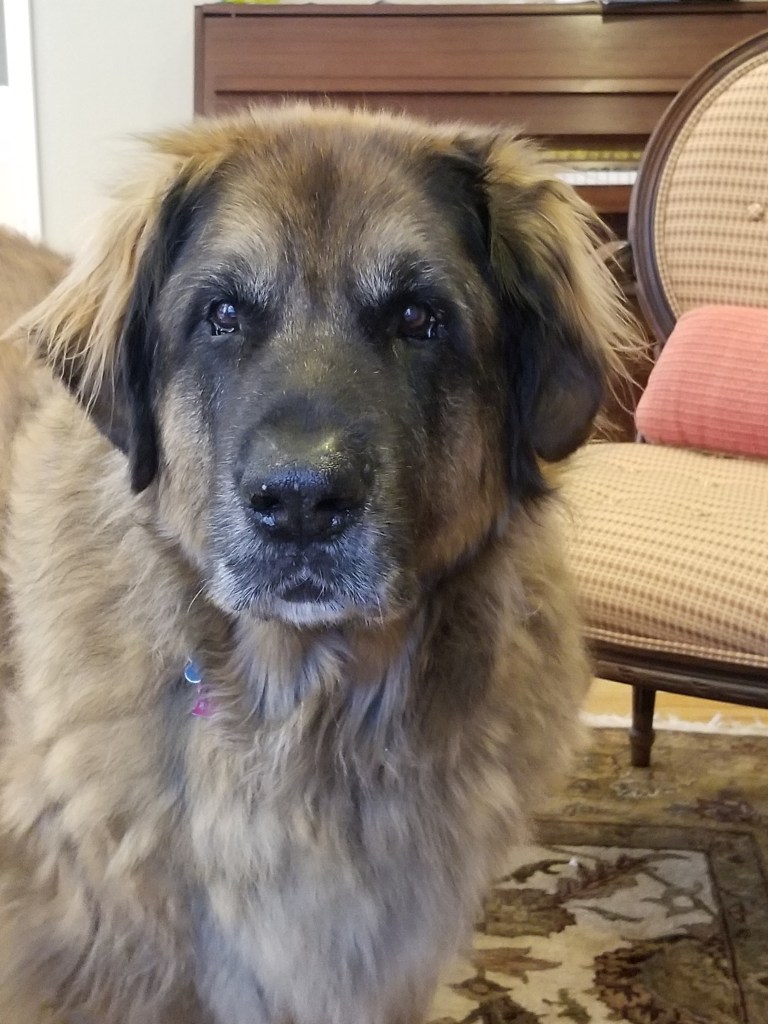
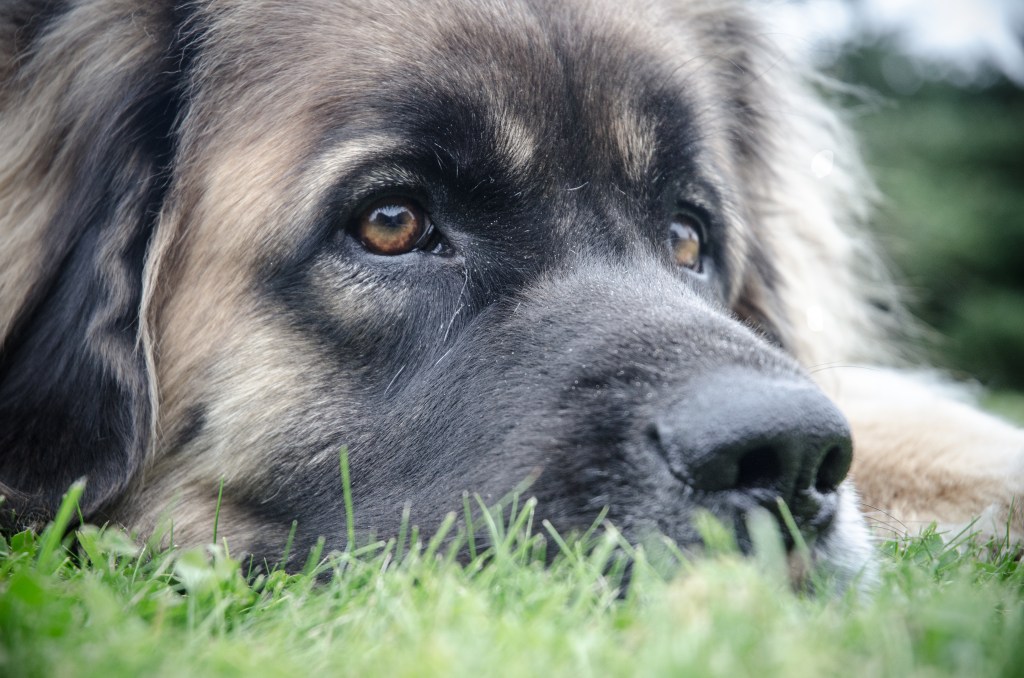
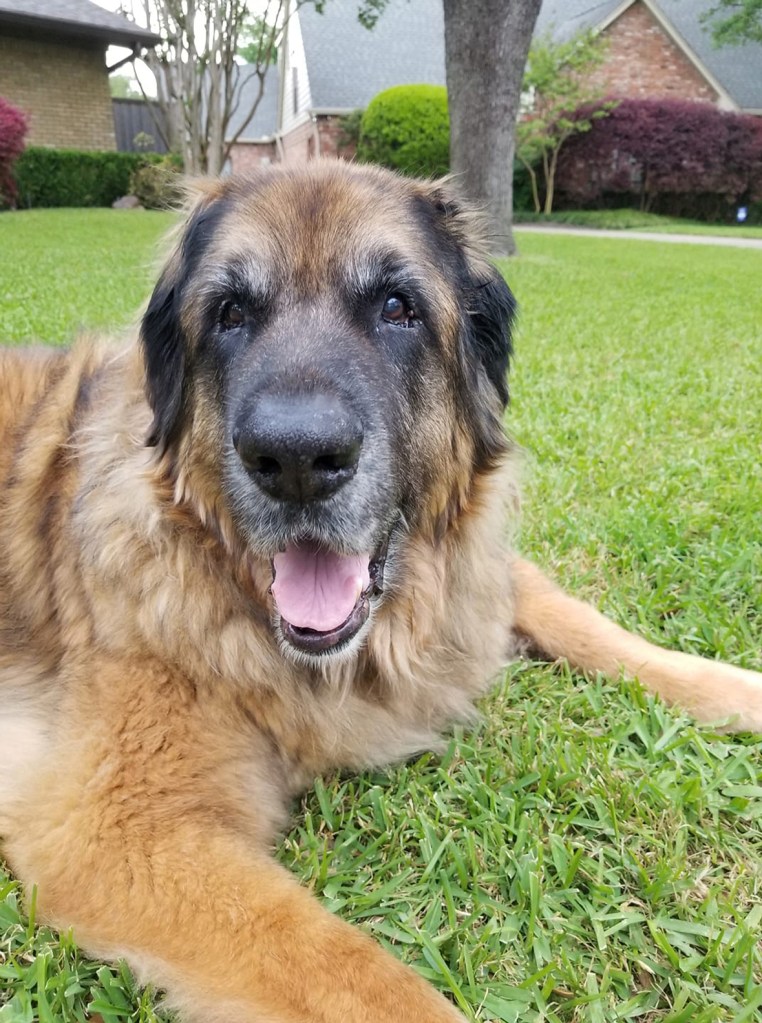
Old Leonberger. Notice the gray muzzle. Stock Photo ID: 1844035084 by Daniel Lesk.
Create a Home Environment That Supports Aging
Leonbergers are emotional creatures, they notice routine disruptions and physical discomforts more than we realize. Making environmental adjustments will enhance both safety and serenity. Here’s a simple how-to checklist to start with:
➢ Schedule consistent feeding, exercise, and sleep times.
➢ Install nonslip rugs or mats along walking paths.
➢ Keep water bowls elevated to reduce neck strain.
➢ Adjust room temperatures; older dogs chill more easily.
➢Use gentle lighting to help those with fading vision.
➢ Offer mental enrichment through scent games or puzzle toys.
Digory and Obi two aging Leonbergers. Notice the grey muzzles. Photo by Jen O’Keefe.
Early Detection Through Routine Screening
Veterinary visits every six months (instead of annually) are invaluable in the senior stage. They allow for the timely detection of thyroid imbalances, early arthritis, and cardiomyopathy, all common in Leonbergers. Blood pressure checks, urinalysis, and cardiac ultrasounds should be part of your preventive plan. Here’s a quick comparison of recommended tests for senior Leonbergers:
Test Type
Frequency
Purpose
Bloodwork & Urinalysis
Every 6 months
Detect organ stress or metabolic changes
Orthopedic Exam
Yearly
Identify joint deterioration early
Echocardiogram
Every 12–18 months
Screen for dilated cardiomyopathy
Dental Cleaning
Every 6–9 months
Prevent systemic inflammation
Weight & Body Condition
Monthly at home
Track obesity risk
Our Leonberger Bronco taking a break during a walk. He is old for a Leonberger. He is 12 years old and 10 months.
Emotional Presence: The Subtle Form of Care
Leonbergers thrive on companionship. As they age, separation anxiety or confusion can intensify, especially if cognitive decline begins. Maintain a calm household rhythm, avoid sudden relocations, and keep them close to family life. The reassurance of your presence often does more for their comfort than any supplement or therapy.
FAQ
How often should I adjust my Leonberger’s diet as they age? Most dogs benefit from a nutritional review every 6–9 months, as caloric and protein needs change. Work with your vet to adjust based on body condition and lab values. Small, incremental changes prevent digestive upset and weight swings.
What’s the right exercise level for an elderly Leonberger? Aim for multiple 10–15 minute walks daily and low-impact play. Overexertion accelerates joint wear, while too little activity causes stiffness and muscle loss. Observe recovery time after walks as your guide.
Can joint supplements really help? Yes, glucosamine, MSM, and omega-3 fatty acids can reduce inflammation and pain when used consistently. Results may take 4–8 weeks, so track improvements patiently. Always choose vet-approved formulations designed for large breeds.
How do I recognize signs of cognitive decline? Look for pacing, confusion, or nighttime restlessness. These signs can mimic anxiety but often stem from age-related cognitive dysfunction. Specialized diets and enrichment can help slow progression.
Is it okay to groom my senior Leonberger as before? Grooming is still essential, but adjust for comfort. Shorter sessions with frequent breaks reduce fatigue and stress. Keep nails trimmed to prevent balance issues and discomfort.
When is it time to consider palliative or hospice care? When daily mobility, appetite, and emotional engagement decline significantly despite treatment, it may be time to focus on comfort. A quality-of-life assessment from your vet can guide compassionate decisions. The goal shifts from curing to easing.
Closeup of old Leonberger Stock Photo ID: 1942925251 by Wirestock Creators.
Conclusion
Caring for an aging Leonberger is both an art and an act of devotion. It’s about more than prolonging life, it’s about enriching every moment your dog still wants to share. With consistent monitoring, gentle activity, and a serene home rhythm, your Leonberger can continue to live with grace, dignity, and the steady comfort of your presence.
Our Leonberger Le Bronco von der Löwenhöhle (Bronco for short) at the age of three months.Me Thomas Wikman with our Leonberger Bronco when he was about one years old.Our Leonberger Bronco soon to be 13 years old. Leonbergers are large dogs and don’t live as long as small dogs. The typically live 8 to 10 years. However, our Bronco reached the age of 13. He was loving, protective, and brave. The small dogs loved him.
This is a guest post written by Ryan Goodchild. He emailed me asking me if he could publish this post regarding becoming a first time Leonberger Owner . I said yes. See his post below.
Becoming a First-Time Leonberger Owner: What You Need to Know
Owning a Leonberger isn’t just about bringing home a dog—it’s about welcoming a gentle, giant-hearted companion whose loyalty and calm strength will shape your days for years to come. These majestic dogs, known for their intelligence and deep affection, can be both a joy and a challenge for first-time pet owners. This guide will help you understand what to expect and how to set yourself—and your Leonberger—up for success.
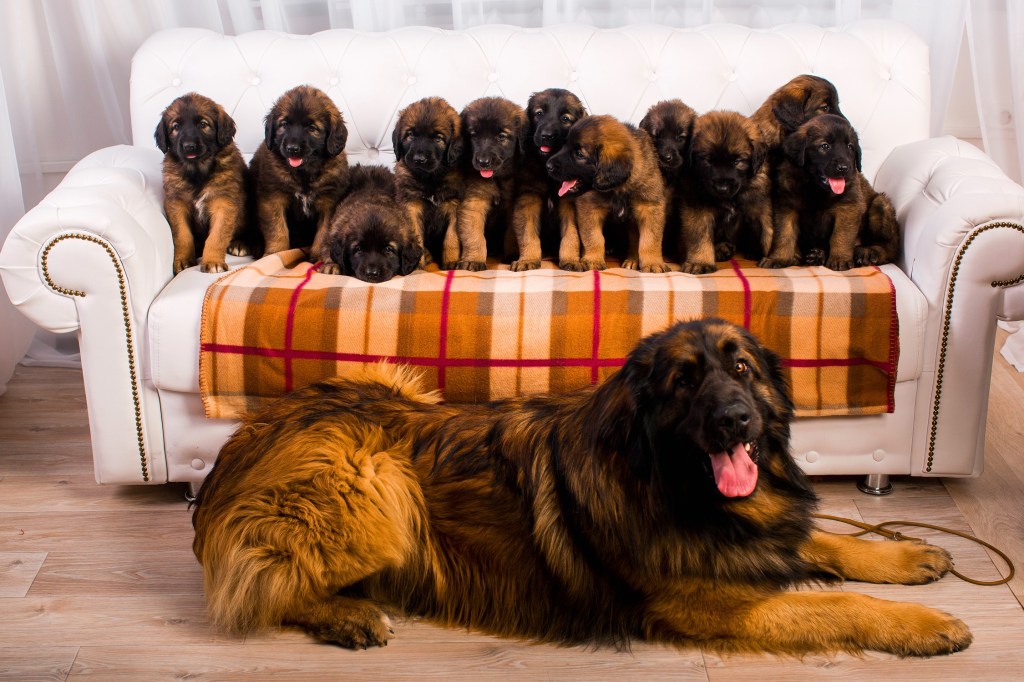
Ten Leonberger puppies with mama. Shutterstock-ID: 561107650 by Akbudak Rimma.Six Leonbergers celebrating a birthday celebration. Photo by Jen O’Keefe.
Quick Essentials This Article Looks At
Leonbergers are massive—males can exceed 170 pounds; space and structure are non-negotiable.
Early socialization and consistent training are critical to keep their size from becoming a liability.
Expect heavy shedding, especially during seasonal “blowouts.”
They thrive on human interaction and suffer if left alone for long periods.
Regular vet care, high-quality food, and joint supplements can prevent costly long-term health issues.
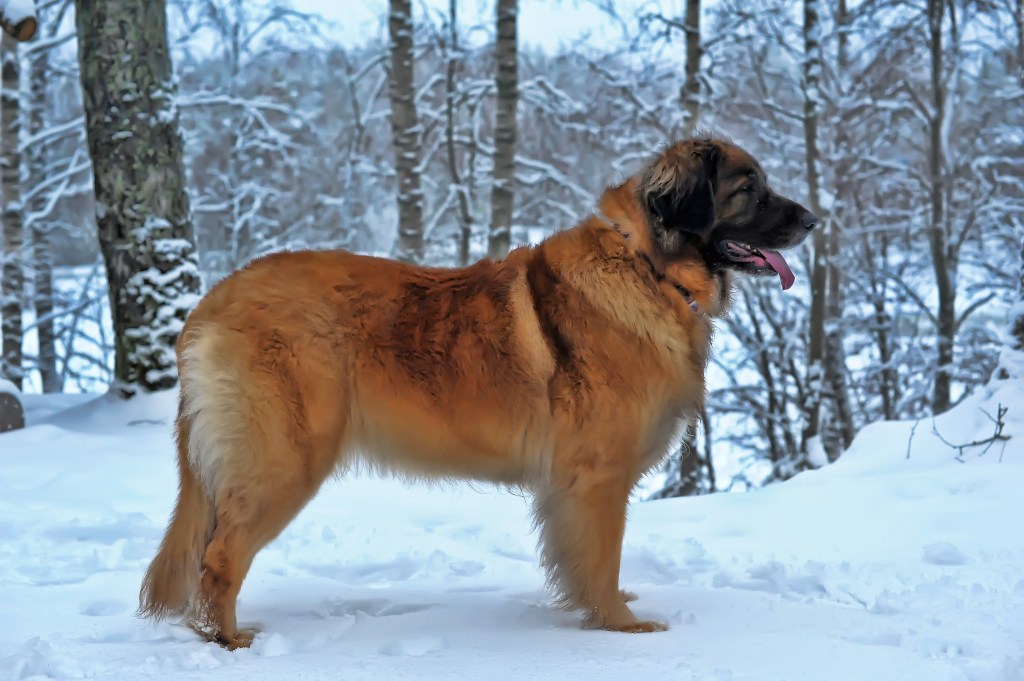
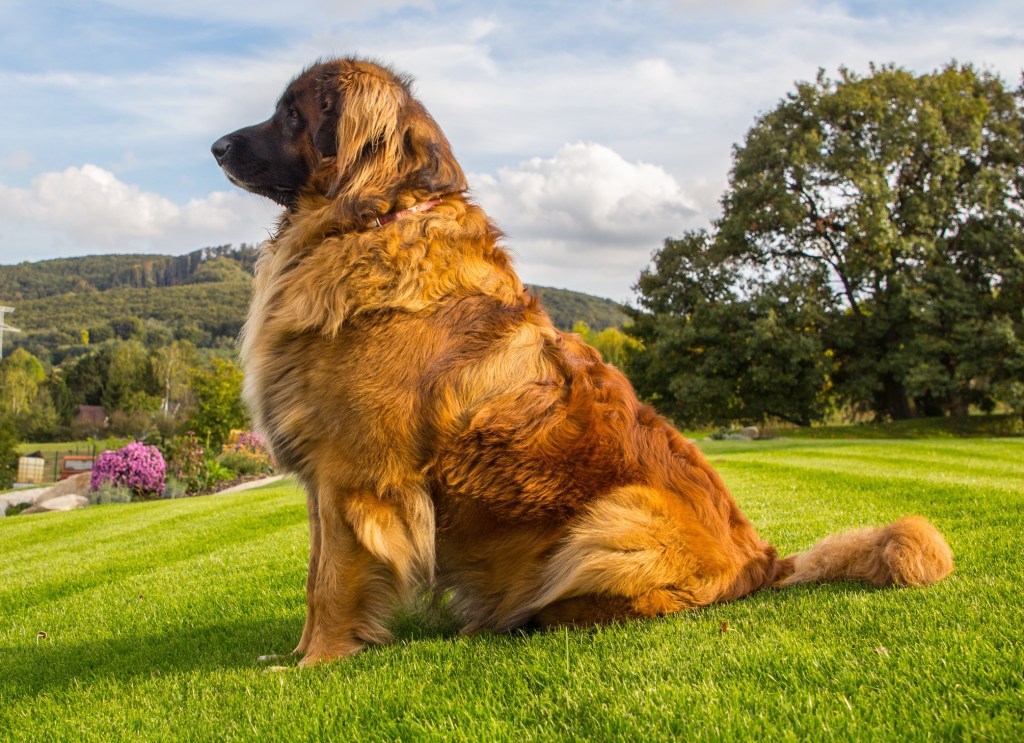
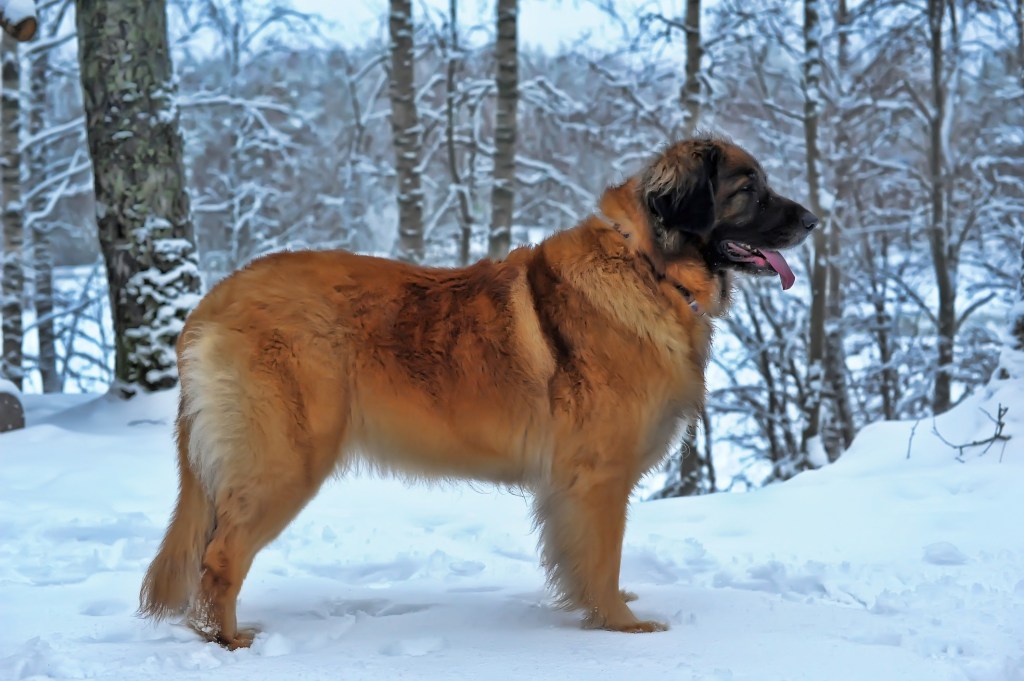
Mature big Leonberger Stock Photo ID:731020957 by Peter Josto.
Understanding the Leonberger Temperament
Leonbergers are affectionate, patient, and famously good with children. Originally bred as family and working companions, they balance strength with serenity. However, their intelligence means they need mental stimulation and clear boundaries; without it, boredom can lead to destructive behavior.
A Few Core Traits to Remember:
Gentle yet strong: They rarely display aggression but need confident leadership.
Social by nature: Isolation leads to stress and behavioral issues.
Sensitive to tone: Harsh correction will break trust—positive reinforcement works best.
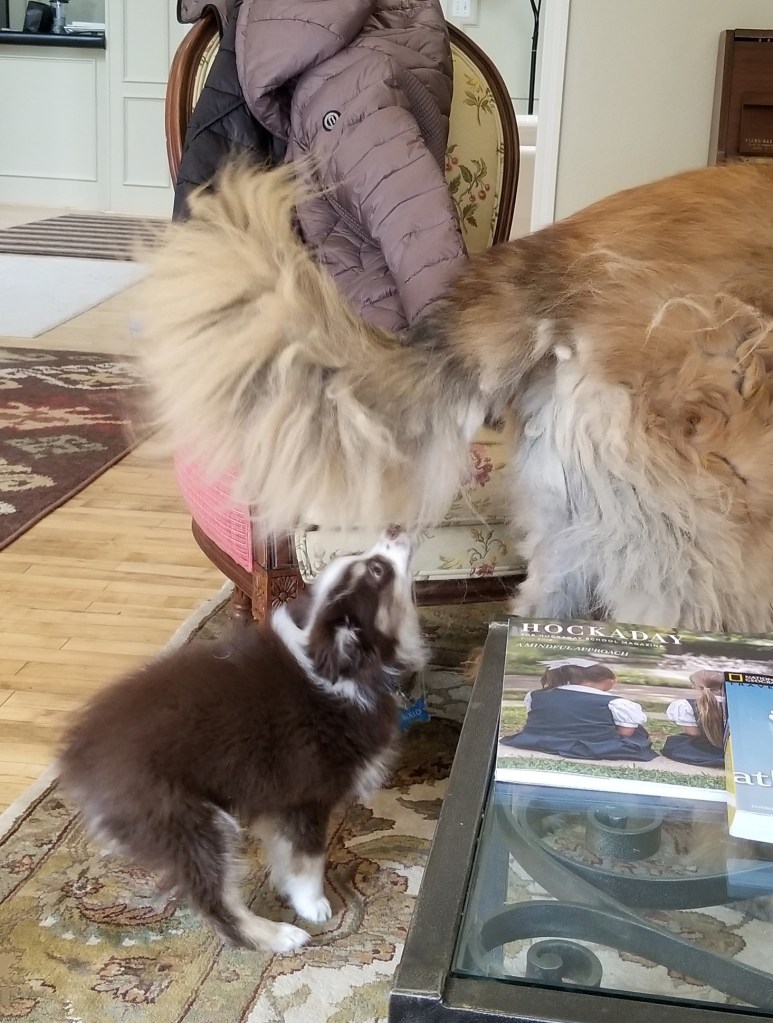
Our rambunctious Rollo mini-Australian Shepherd is biting Bronco’s tail. One time Rollo swung in his tail as if it was a swing. Bronco was very patient.
Health and Nutrition at a Glance
Leonbergers grow rapidly and live, on average, 8–9 years. Their size makes them prone to joint, heart, and bone issues, so proactive care is crucial.
Here’s a snapshot of what to focus on:
Concern
What to Watch
Preventive Actions
Hip & Elbow Dysplasia
Limping, stiffness
Keep weight balanced, feed joint-support diets
Bloat (Gastric Torsion)
Restlessness, distended belly
Feed smaller meals, avoid heavy exercise after eating
A healthy Leonberger. Shutter Stock Photo ID:705193912 by Anna Krivitskaya.
Creating a Home That Fits a Leonberger
A small apartment won’t do—Leonbergers need space to stretch, play, and move freely. A secure, fenced yard is ideal. Indoors, they’ll happily curl up near you, but their size means you’ll need to Leonberger-proof your space.
How to Prepare Your Home:
Create a soft resting area to protect joints.
Secure gates and doors—they can easily push through flimsy barriers.
Keep breakables out of tail range.
Use large, non-slip bowls for food and water.
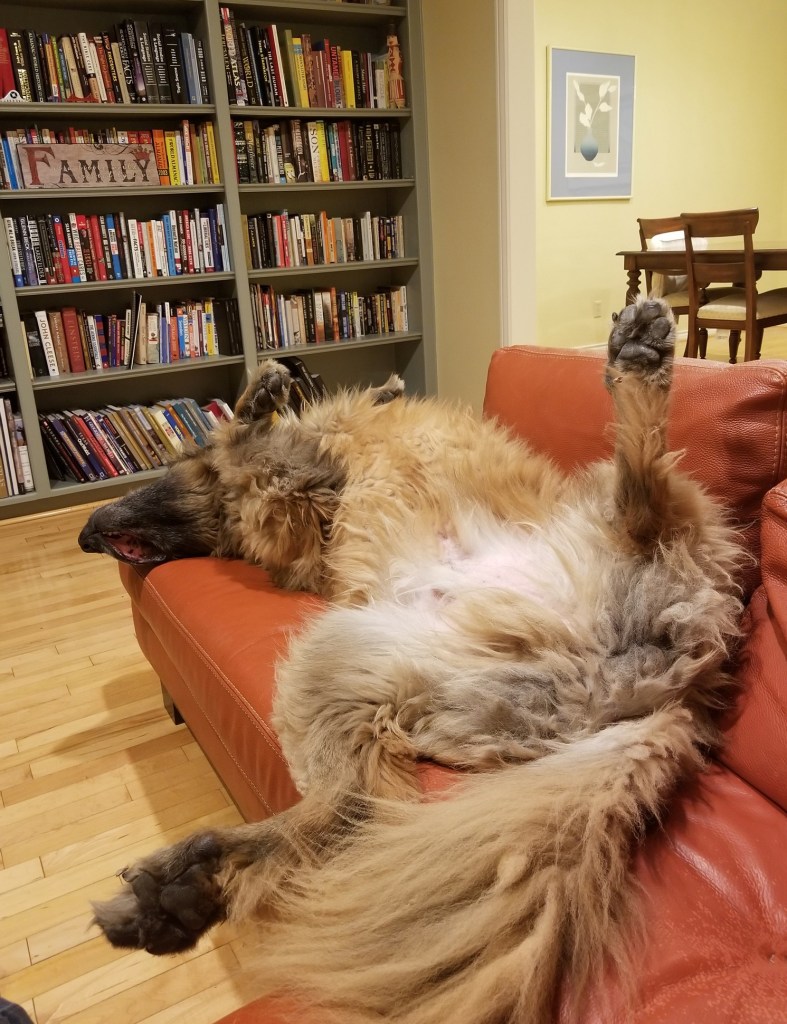
Our Leonberger Bronco sleeping on our big red leather sofa.
Grooming and Maintenance: Managing the “Fur-nado”
Leonbergers have a double coat that requires regular maintenance. Weekly brushing helps, but during shedding season, daily sessions are best. Baths every 6–8 weeks will keep their coat clean and odor-free.
Grooming Checklist
Before shedding season hits, stock up on these essentials:
Undercoat rake and slicker brush
High-velocity dryer (optional but effective)
Gentle dog shampoo and conditioner
Nail clippers and ear-cleaning solution
Keeping up with grooming not only reduces hair around the house but also strengthens your bond with your dog.
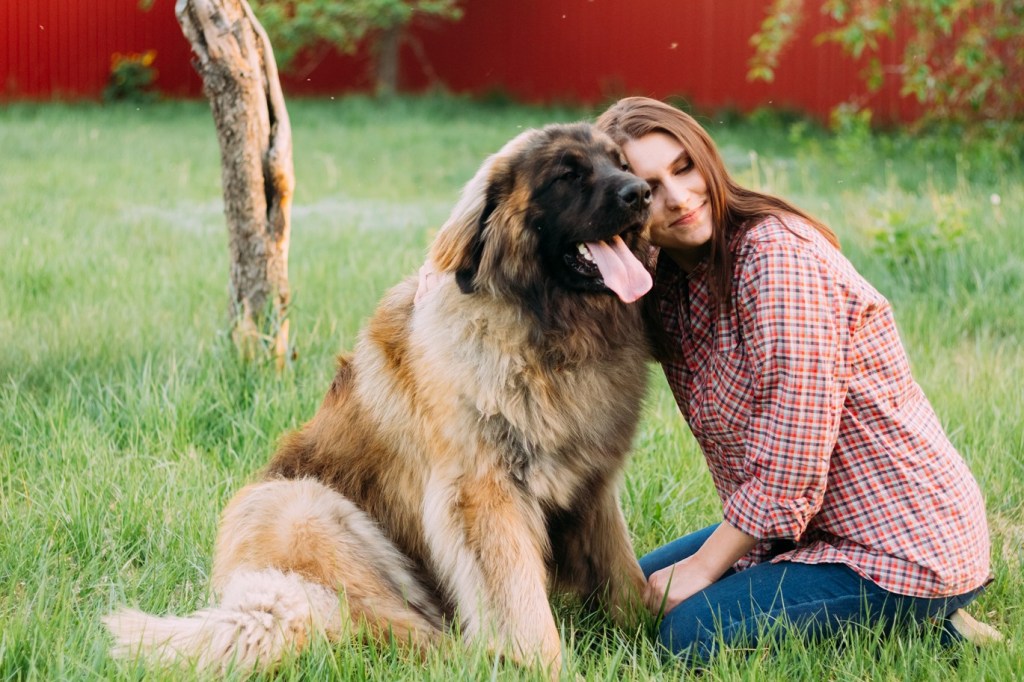
A woman and her Leonberger dog. Asset id: 1741753382 by Elena Podrezenko
How to Keep Your Pet Records Organized
First-time owners often underestimate the amount of documentation involved—vaccination records, microchip details, adoption papers, and vet receipts. To make things easier, convert documents to PDF and store them digitally.
Using a reliable online tool lets you organize every file in one place, ensuring quick access during vet visits or emergencies.
Creating a labeled folder for your Leonberger’s records—medical, training, and nutrition—will save time and prevent misplaced paperwork later.
Training Your Leonberger: Building a Confident Giant
Leonbergers are highly trainable but easily bored by repetition. Their size makes obedience a must—start early, keep sessions short, and make them engaging. Reward-based methods build trust faster than dominance-based tactics.
Quick Training Guide:
Start with basics: Sit, stay, come, down.
Socialize early: Introduce new sights, people, and other pets gradually.
Teach calm leash behavior: Their strength can easily overwhelm a novice handler.
Practice recall: A reliable recall can prevent accidents.
Leonbergers are eager to please and thrive when training feels like teamwork rather than command and control.
The First-Year Readiness Checklist
Owning a Leonberger for the first time is as rewarding as it is demanding. Before bringing one home, make sure you can check most of these boxes:
How-To Checklist: Your First-Year Essentials
Register with a trusted veterinarian
Choose a large-breed-specific diet and feeding schedule
Keep vaccination and health records digitally organized
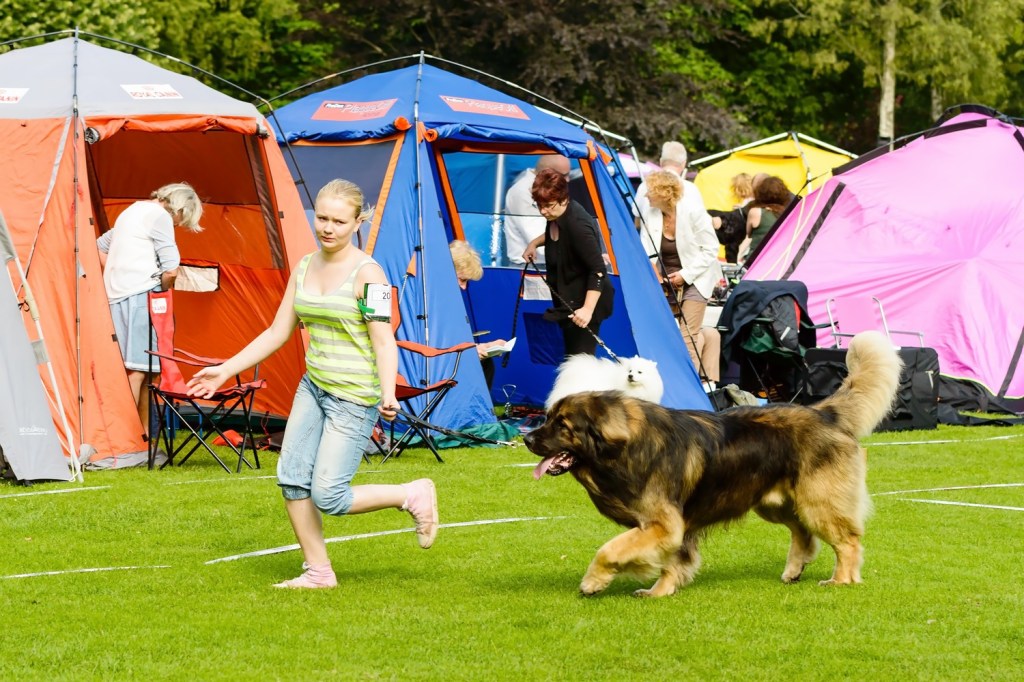
RONNEBY, SWEDEN – JULY 05, 2014: Blekinge Kennelklubb international dog show. A Leonberger dog and a female handler running in a show ring. Asset id: 204221011 by Imfoto
“Big-Paw” Questions: FAQ for Future Leonberger Owners
Here are some of the most common concerns new owners have—answered clearly and concisely.
The New Owner’s FAQ: “From Puppy to Gentle Giant”
1. How much exercise does a Leonberger need? At least an hour a day of moderate activity is ideal. Puppies should avoid high-impact exercise until growth plates close (around 18 months) to protect joints.
2. Are Leonbergers good with other pets? Yes. They’re naturally tolerant, but early introductions and supervised interactions are important, especially with smaller animals they could accidentally knock over.
3. How expensive are they to maintain? Expect higher costs than smaller breeds. Quality food, grooming, and vet care can average $2,000–$3,000 annually—not including emergencies or travel crates.
4. Do they drool? Some do, especially after drinking water. Keep absorbent towels handy near their bowls or favorite resting spots.
5. What should I look for in a breeder or adoption center? Choose one that conducts health testing for hips, eyes, and heart, and offers transparency about lineage. Ethical breeders prioritize temperament and health over appearance.
6. Can Leonbergers live in warm climates? Yes, but with precautions—limit outdoor activity in high heat, provide ample shade and water, and avoid midday walks.
Building a Lifelong Bond
Becoming a Leonberger owner means embracing responsibility and reward in equal measure. These dogs will fill your home with love, hair, and joy—often in that order. Plan carefully, train consistently, and nurture their gentle nature with patience and respect. The more you invest in understanding your Leonberger, the more they’ll return in loyalty and affection that few breeds can match.
Whether this is your first pet or your first giant breed, remember: structure and affection go hand-in-hand. With preparation and heart, your Leonberger won’t just live with you—they’ll thrive because of you.
This photo was provided by Jen O’Keefe, Urgent Animal Care of Arlington. From left to right; Obi, Delfi, Aslan, Gryphon, Digory.
With this post I wanted to remind everyone that dogs are family, and we should not forget that during the holidays, you should give them extra cuddles and some presents and let them participate in the festivities if possible.
Our Latest Trip to Baltimore
First, I wanted to say a few words about the latest addition to our family, our first grandson Jack. Our oldest son Jacob and his wife Ashley live in Baltimore, Maryland, and their son Jack is three months old. We’ve visited him a few times since his birth and these pictures are from our latest visit about a week ago. Jack is a healthy and happy baby who does a lot of cooing. See the photos below and the short video.
Jack in the sofa. Three months old.My wife Claudia is on the left, I am in the middle and Jack is on the right.
Our Dogs Are Family
I did not grow up with dogs, and I was not even particularly fond of them, and then when we got our first family dog, the yellow Labrador Baylor, I really got to know and love dogs, and it changed my life. Now, I think I love dogs more than people. Well, at least I have learned that dogs are wonderful people. They always come with us to gatherings whenever possible and they got along very well. Our latest dog Rollo loved his sister Daisy and his big brother Bronco but he has a hard time tolerating any other dogs.
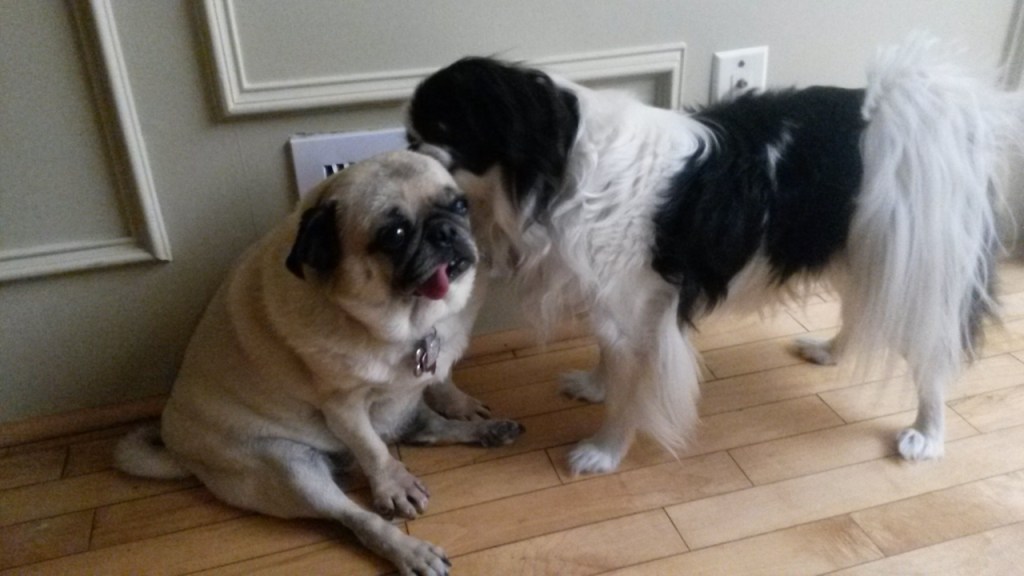
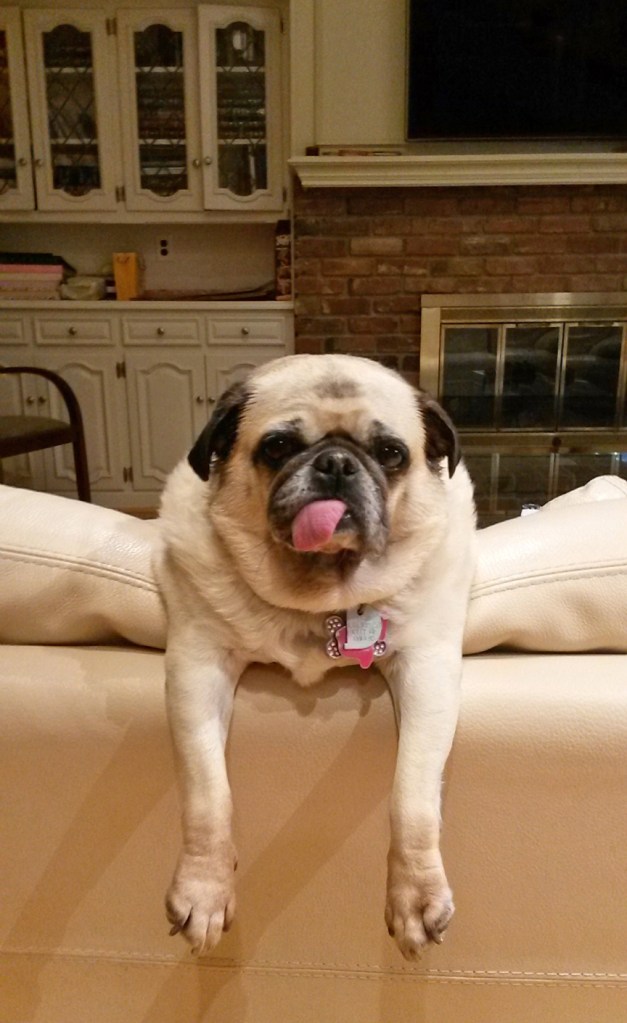
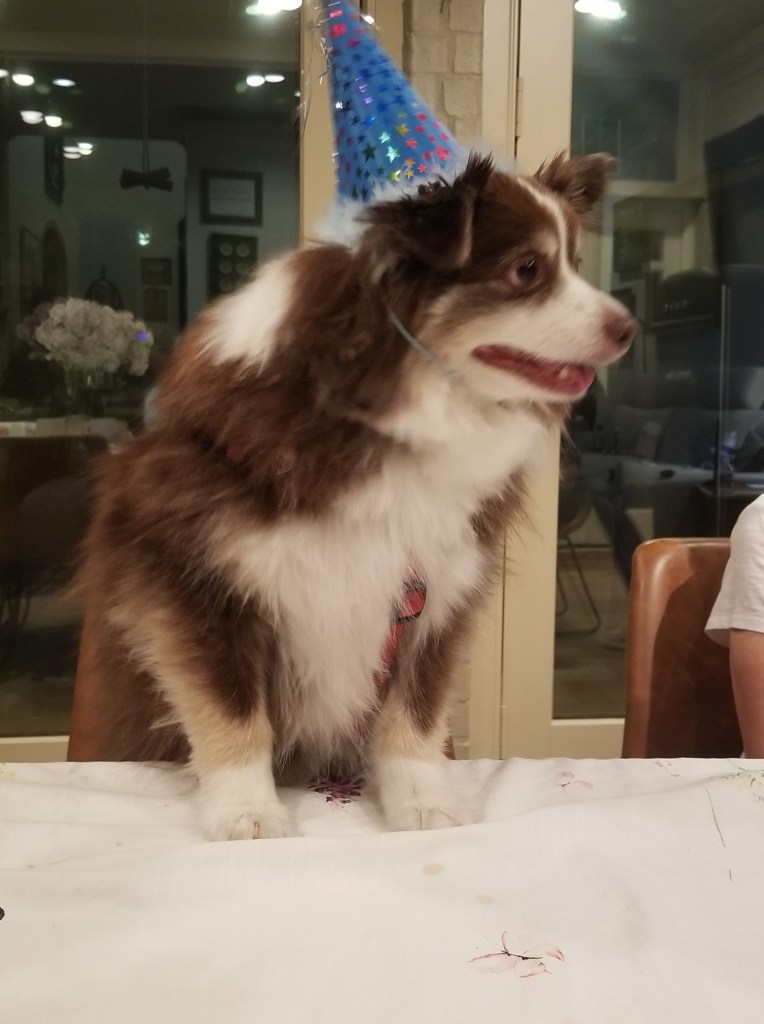
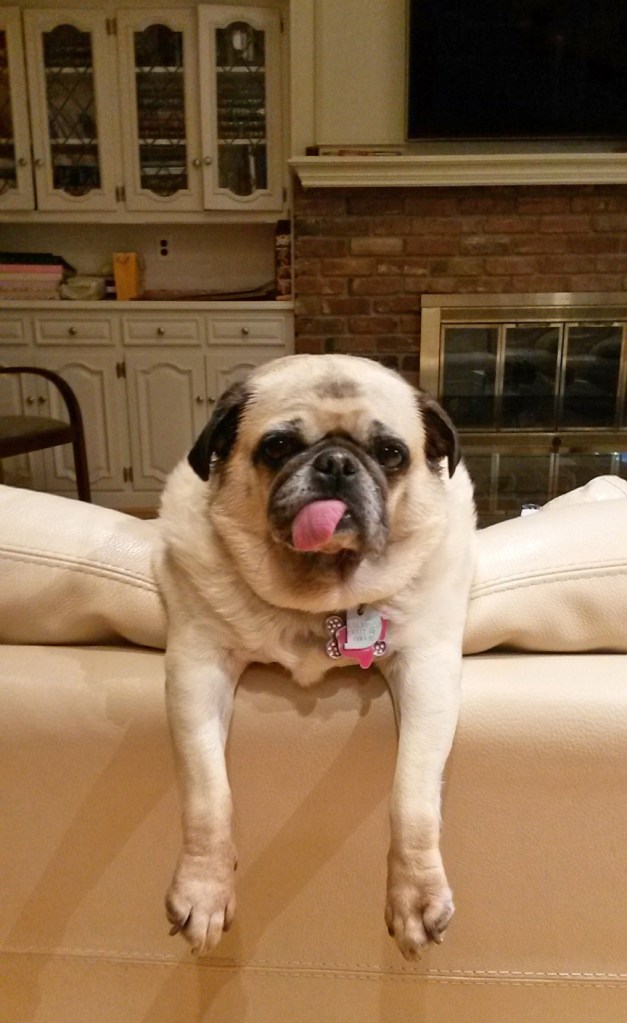
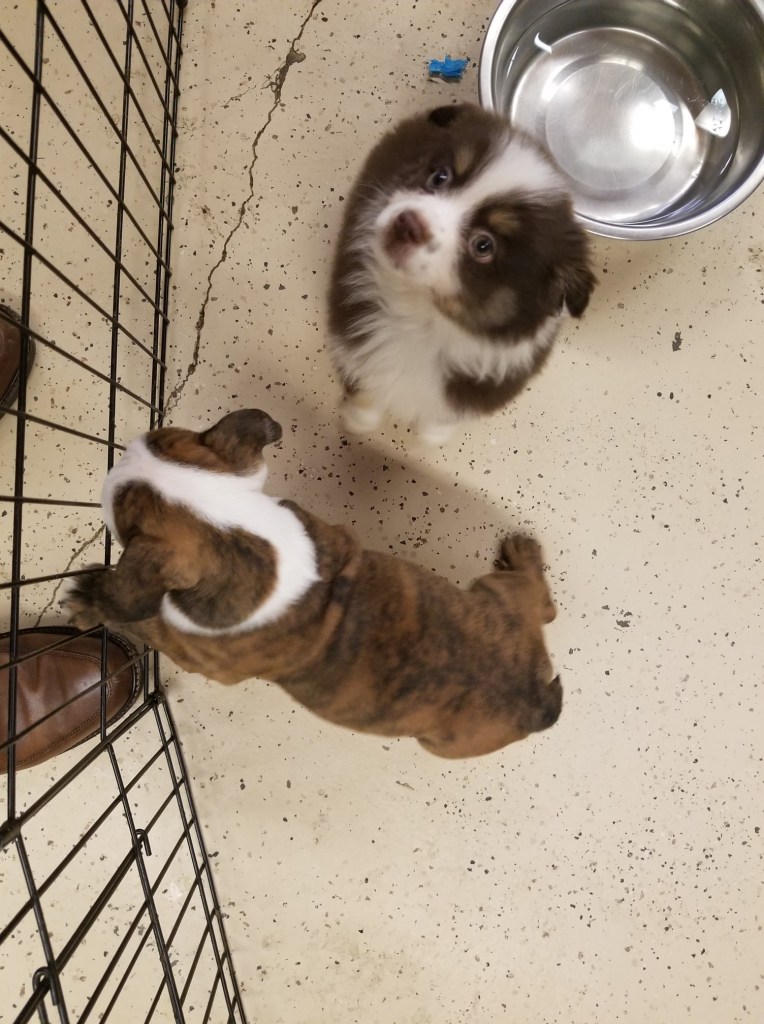
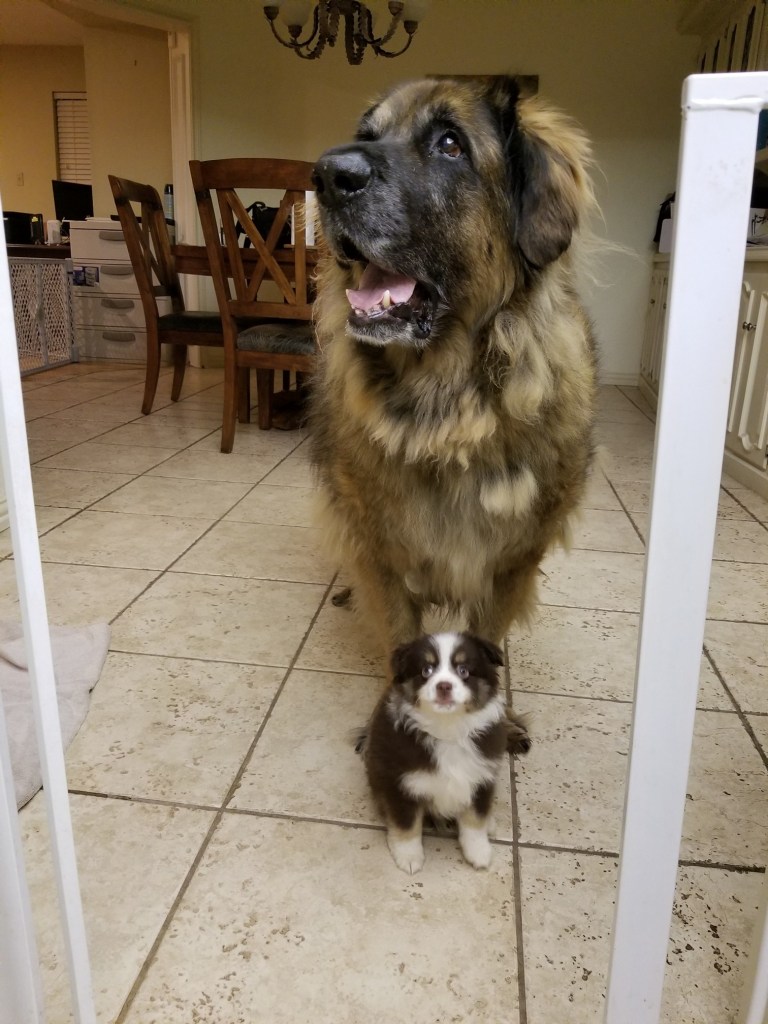
My wife Claudia and our first family dog the Labrador Baylor. This was back in the day. Our niece gave us Baylor because she was going to college. In turn she had gotten him from a shelter. He was a mix, one quarter Rhodesian Ridgeback and three quarters Yellow Labrador. He was able to jump up into the trunk of our van. Baylor was my first dog (not my wife’s first dog), and he taught me a lot about being a dog parent.Our Labrador Baylor is swimming in Claudia’s parents pool. He loved swimming, and he loved that pool and swam in it a lot.Our German Shepherd Baby at the dog park.Our Labrador Baylor and our German Shepherd Baby. Baylor was older in this picture. We had just gotten our Leonberger Bronco.This is our Leonberger Bronco (Le Bronco von der Löwenhöhle) at three months old.Our Leonberger Bronco (Le Bronco von der Löwenhöhle), our Japanese Chin Ryu, and our Pug Daisy in the front right.At the White Rock Lake dog park. Baylor our Labrador in the middle. He was old in this photo. Our Japanese Chin Ryu on the right.Our Pug Daisy and our Japanese Chin Ryu.Our Pug Daisy often sat in front of vents when she was cold. Daisy and our Japanese Chin Ryu were very close, like a couple. Daisy was obviously grieving when Ryu died, from cancer a bit early at only ten years old. Bronco was grieving as well.Daisy is exhausted after doing nothing for a whole day.In December of 2018 we picked up our mini-Australian Shepherd Rollo. His friend was an English Bulldog.Our Leonberger Bronco is welcoming Rollo.Our pug Daisy and Rollo are saying hello.Our mini-Australian Shepherd puppy Rollo at 3 months old.Our mini-Australian Shepherd puppy Rollo and our Leonberger Bronco.Our mini-Australian Shepherd Rollo at the table on his seventh birthday. This is a more recent picture, from October of this year.


















 Leonberger Life