This blog feature amusing and heartwarming stories about our late Leonberger dog Bronco, as well as other Leonbergers. It also has a lot of information about the Leonberger breed, the history, care, training, Leonberger organizations, etc. I also wrote a Leonberger book, which I am featuring in the sidebar.
Today, Tuesday, February 20, 2024, is National Love Your Pet Day. So, I thought I would show some photos of our current dogs and dogs from the past, naturally including our late Leonberger Bronco. I think the photos I am displaying show some of our love for them.
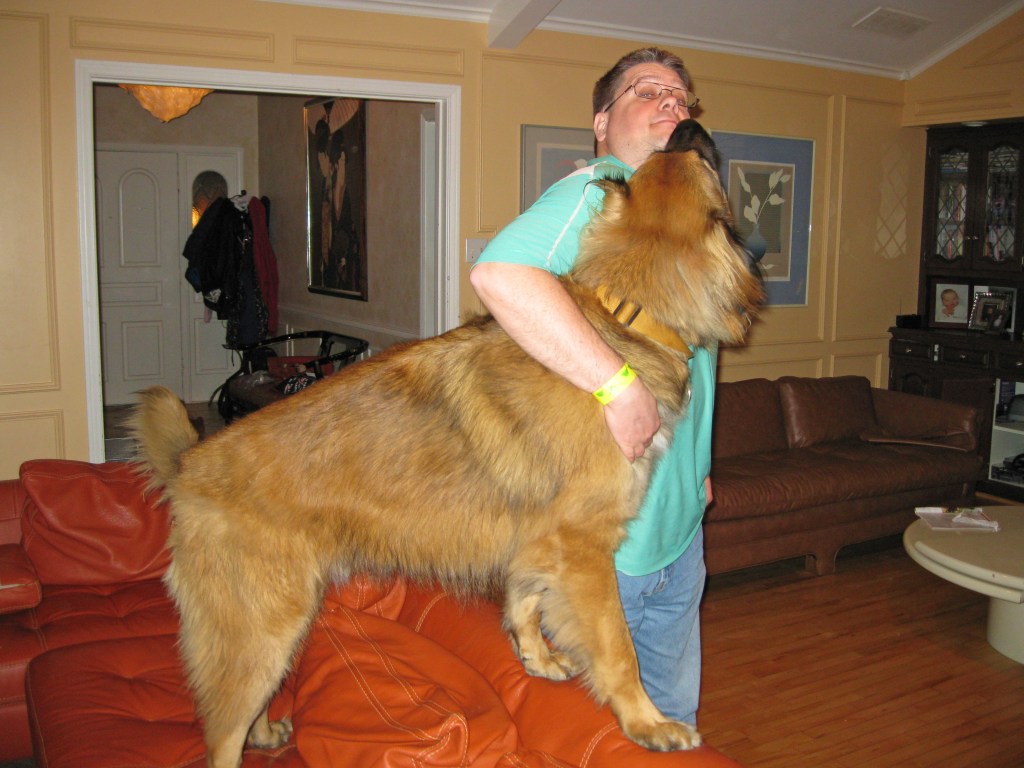
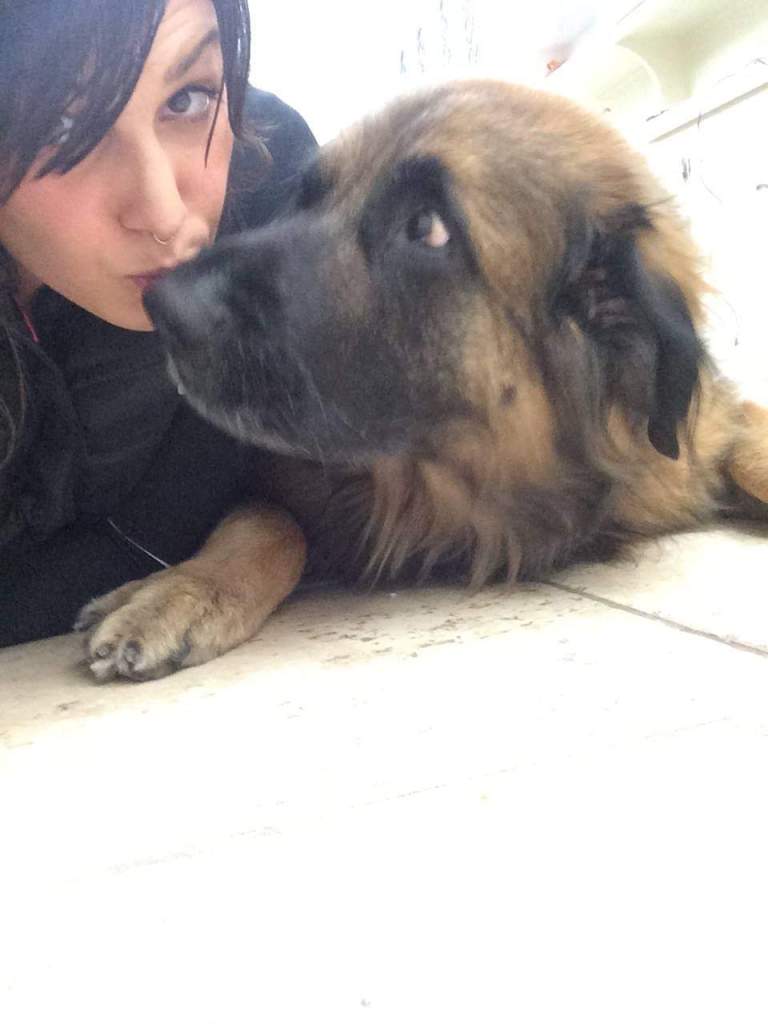
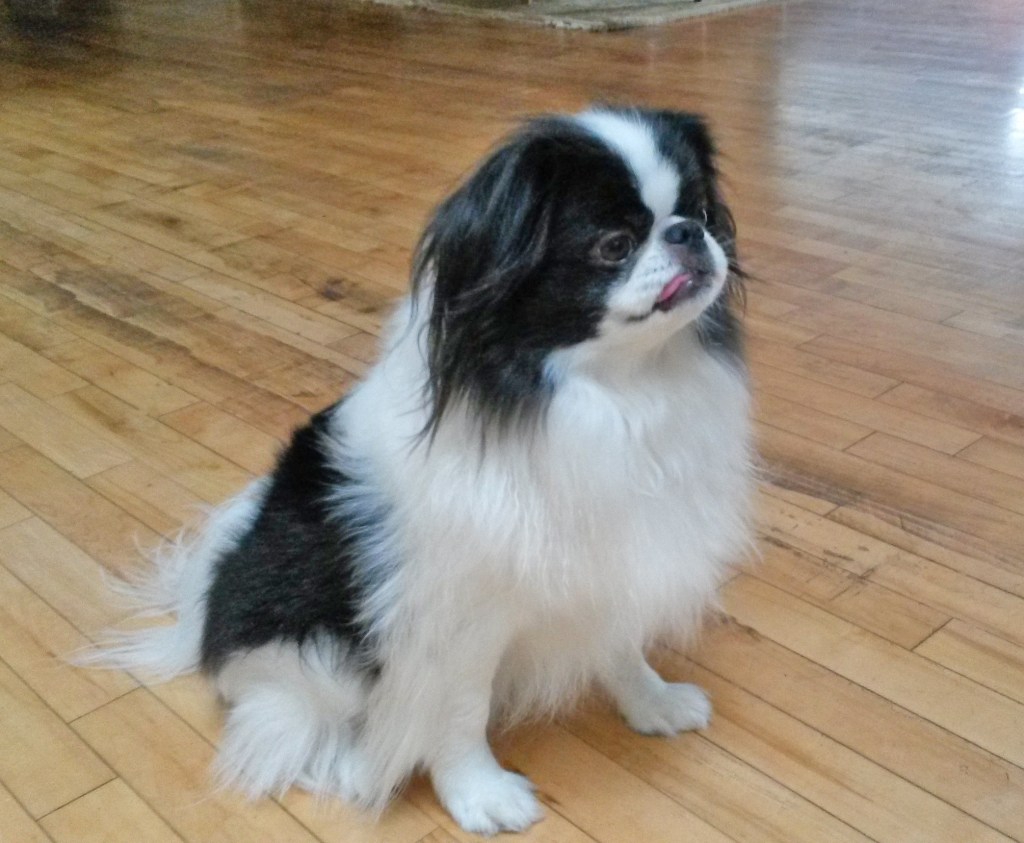
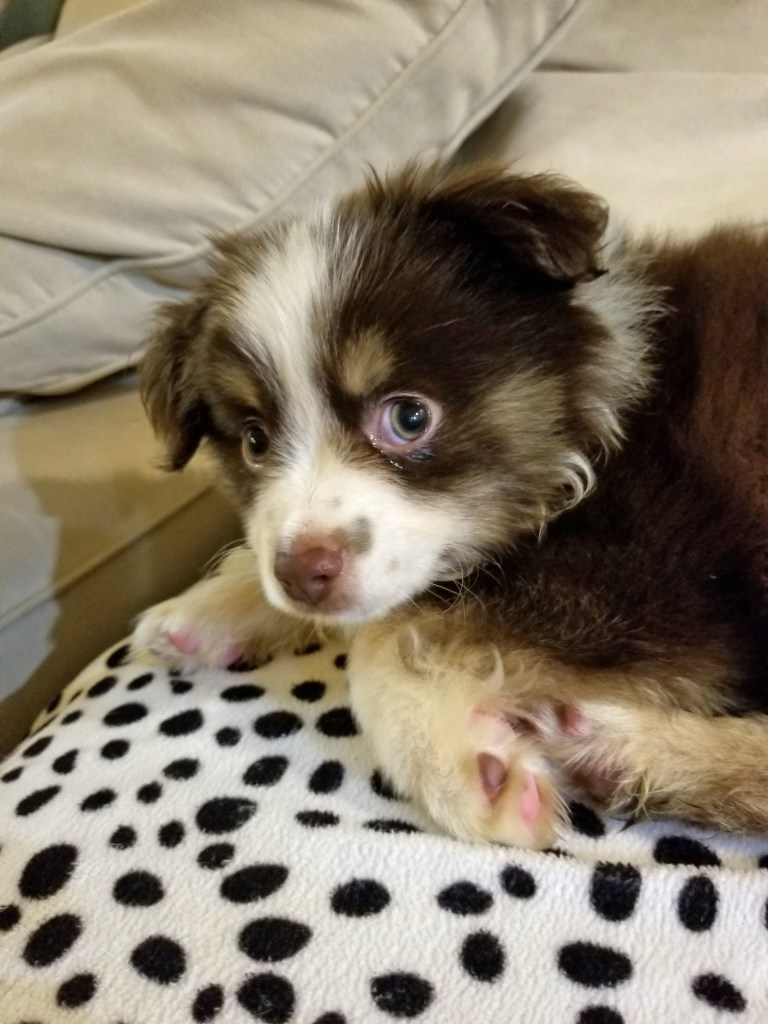
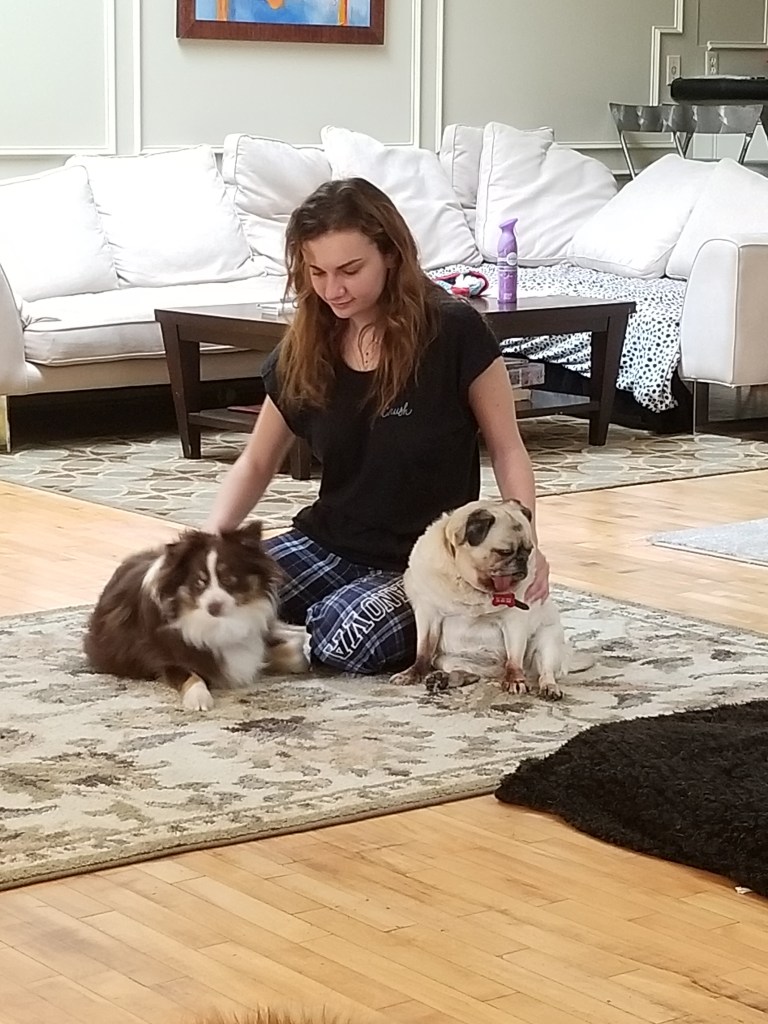
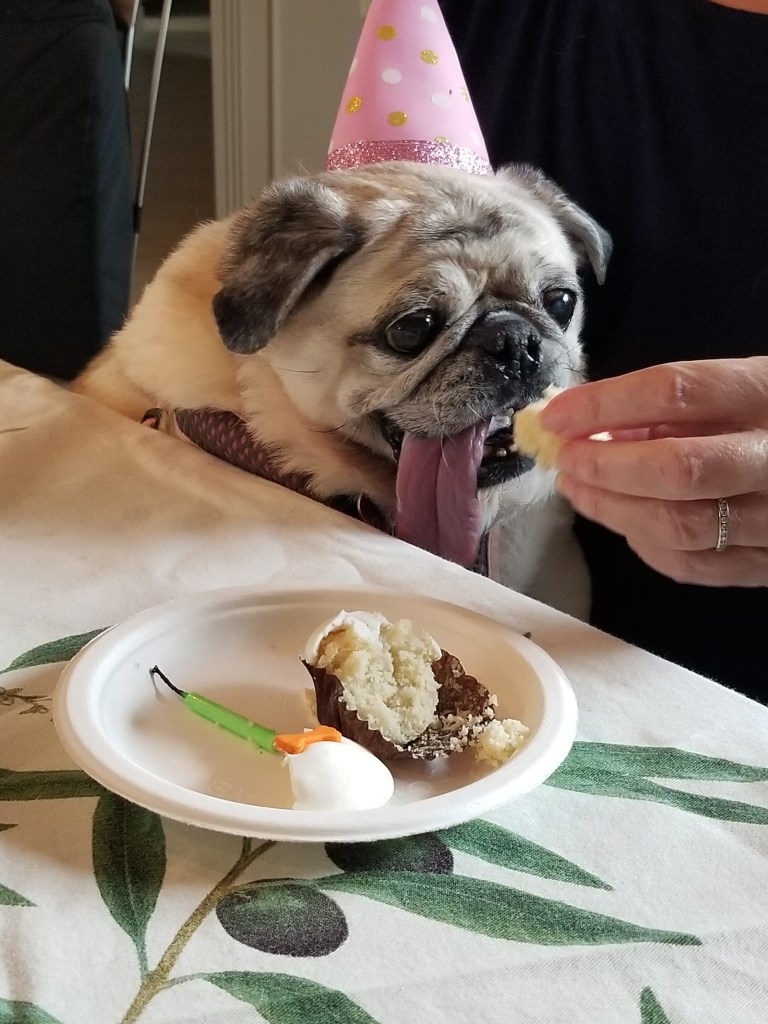
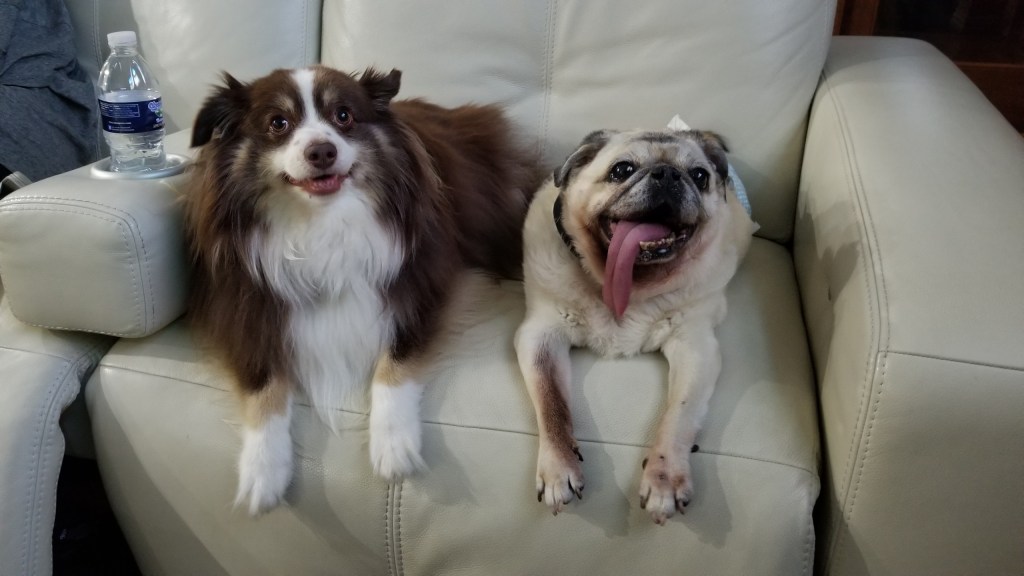
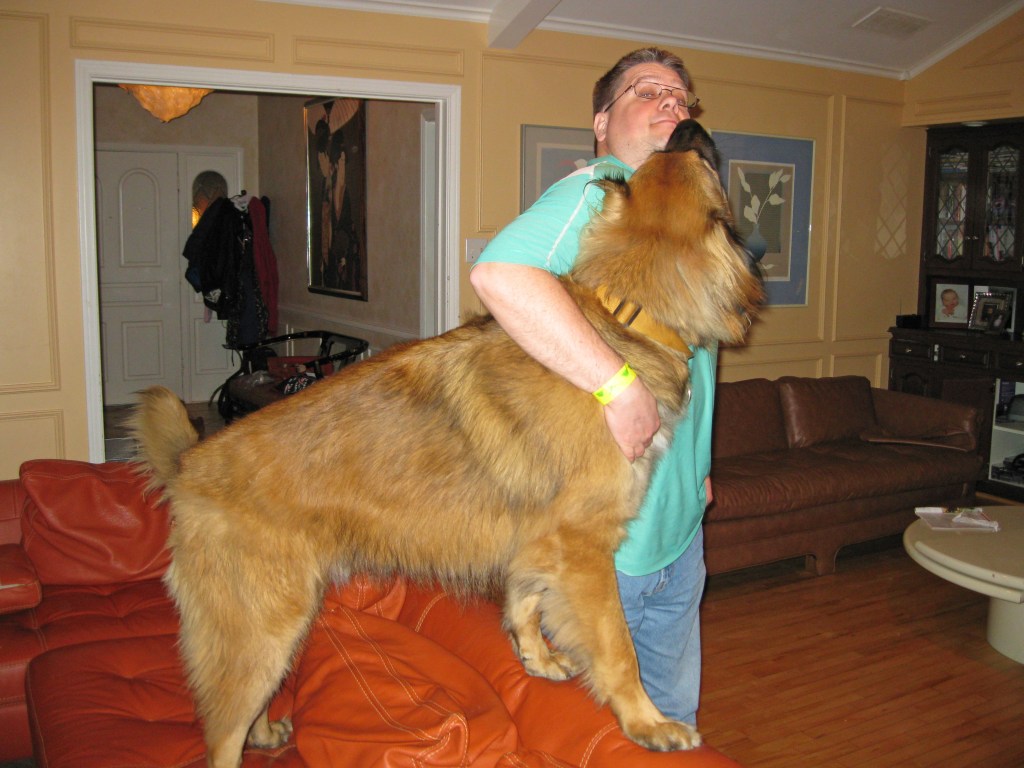
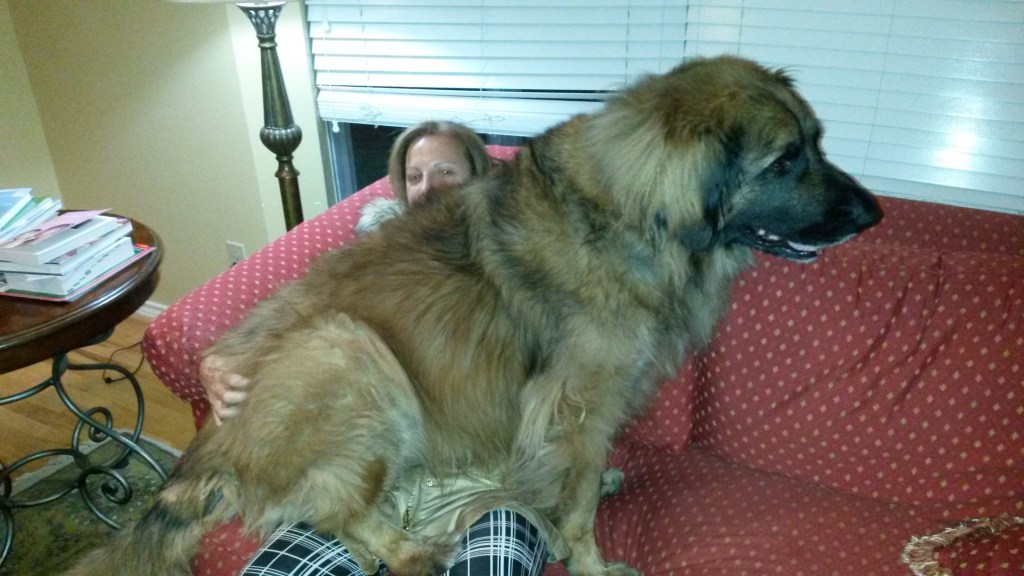
Our Leonberger Bronco when he was a three-month-old puppy.On the left our Labrador Baylor and on the right our German Shepherd Baby. Baby took care of and protected Bronco when he was a pup, just like a good mother.Our young Leonberger Bronco is giving me a hug.Our niece Jessica giving Bronco a kissOur Leonberger Bronco sitting in my wife Claudia’s lap. He was the perfect lap dog.Our Japanese Shin RyuOur mini-Australian Shepherd Rollo as a puppy.Our daughter petting Rollo and our pug DaisyOur pug Daisy’s 15th birthday.Rollo and Daisy own the best furniture.The 2019-2020 Grey Muzzle Awardees. Bronco is on the second row from the top and second from left. Click on the picture to visit the YouTube video. Bronco is at two minutes.
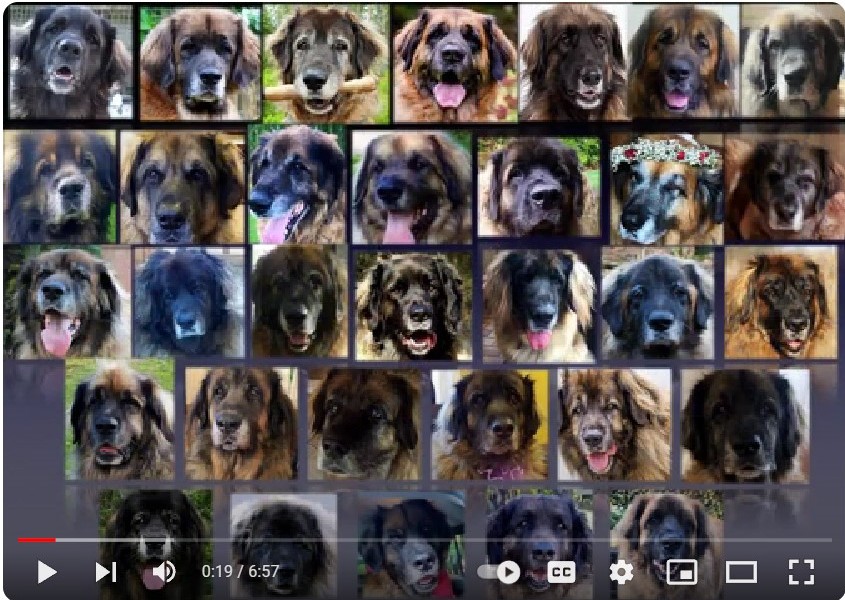
Video showing 32 2019 & 2020 Grey Muzzle Awardees (Leonbergers). Bronco at two minutes in.
My blog is primarily about Leonbergers, an unusual and fascinating dog breed that is known for its size, affectionate nature, and intelligence. I know a lot about Leonbergers because we were lucky enough to live with one for thirteen years. His name was Le Bronco von der Löwenhöhle—but we called him “Bronco” for short. I also wrote a book about Leonbergers and about Bronco’s many adventures : The Life and Times of Le Bronco von der Löwenhöhle. If you are on a desktop computer you’ll see the book on the right, and if you are on a phone you have to scroll to the bottom of the page. You can also click here.
This post features 25 photos and illustrations. Most of the photos are of our Leonberger Bronco, a few are photos by friends and the illustrations were created by Naomi Rosenblatt. If you want to see another set of 25 Leonberger photos click here. If you want to see Leonberger puppy photos, then click here.
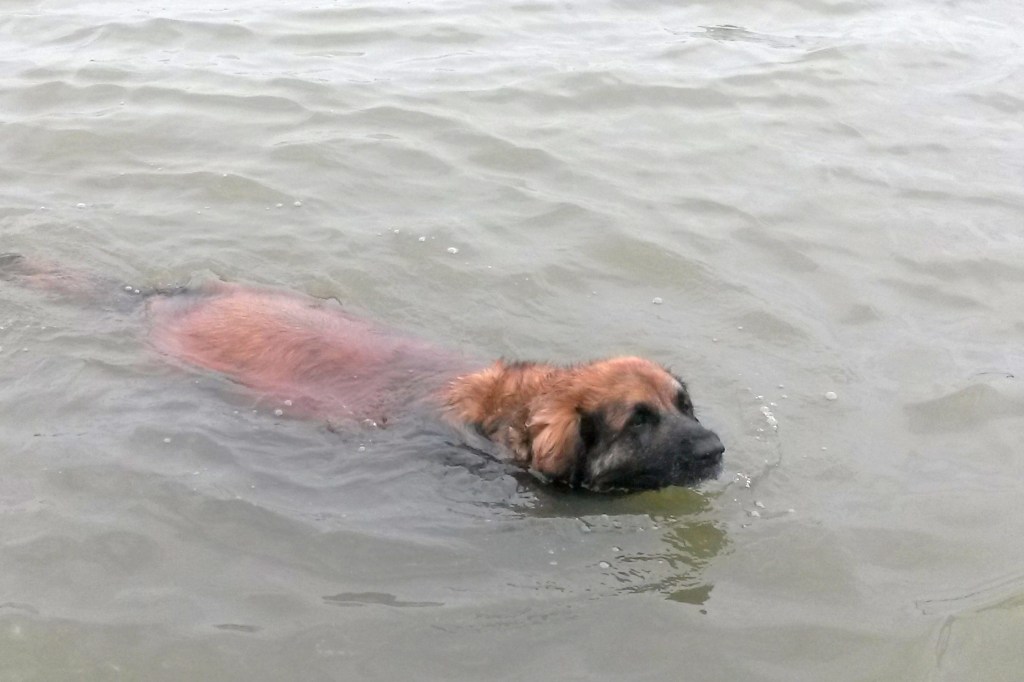
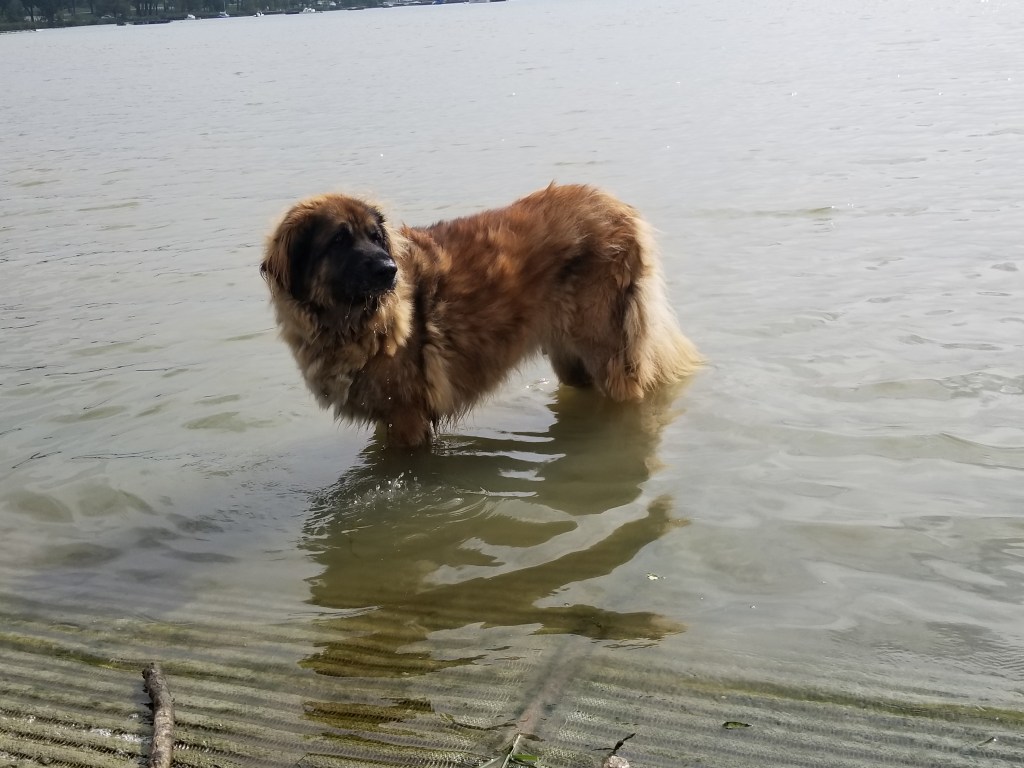
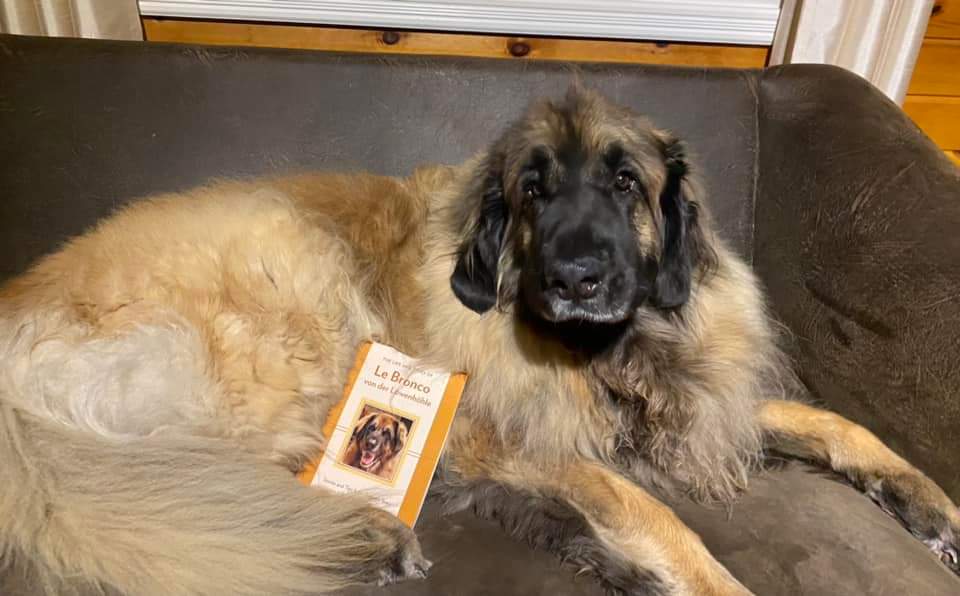
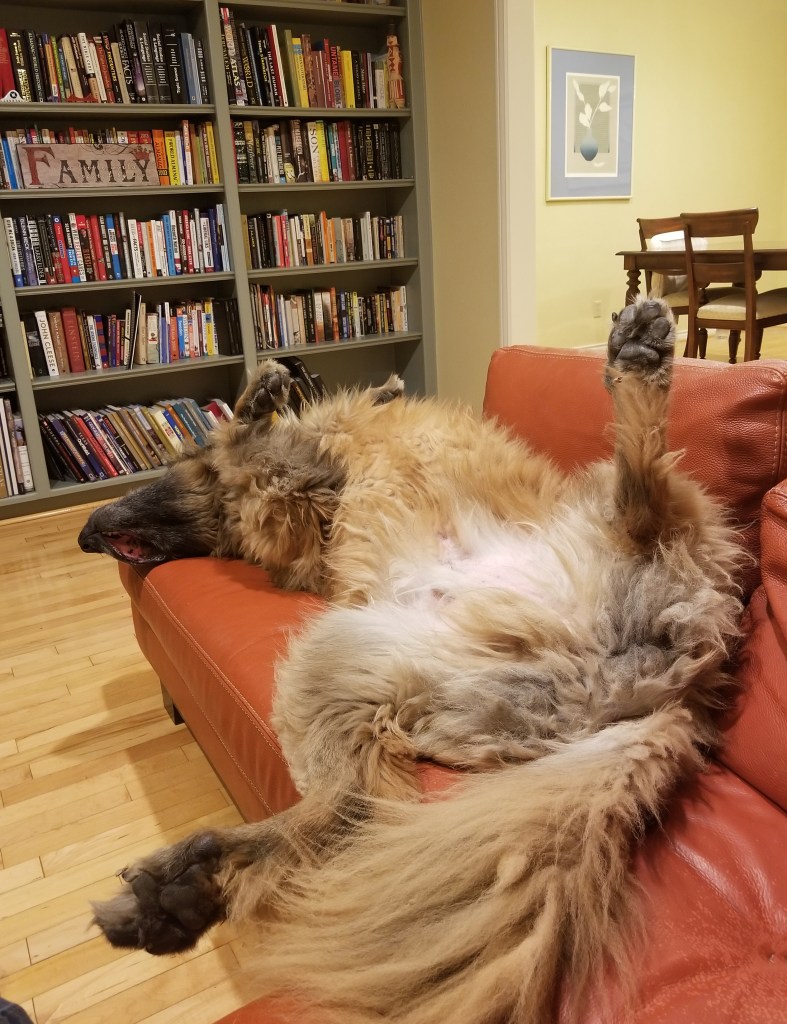
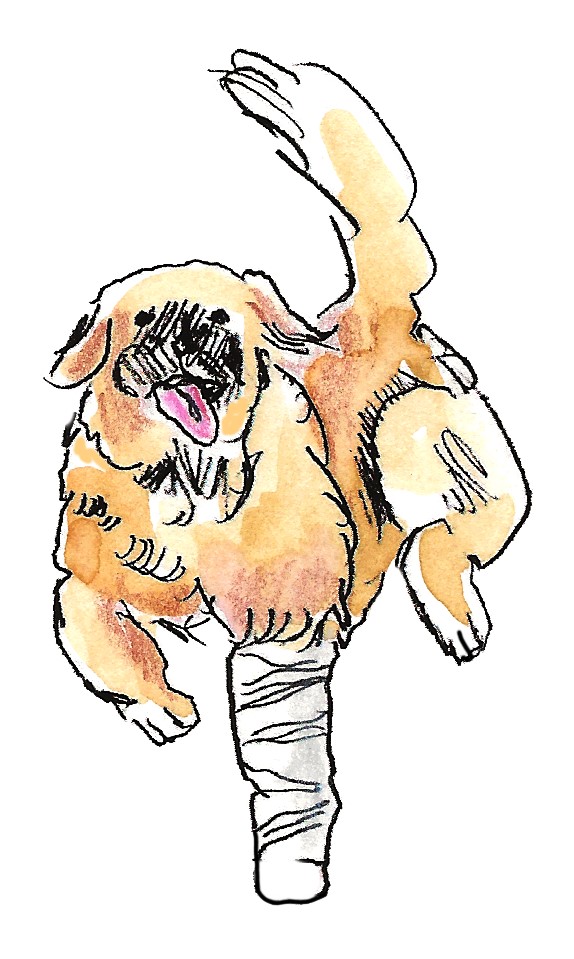
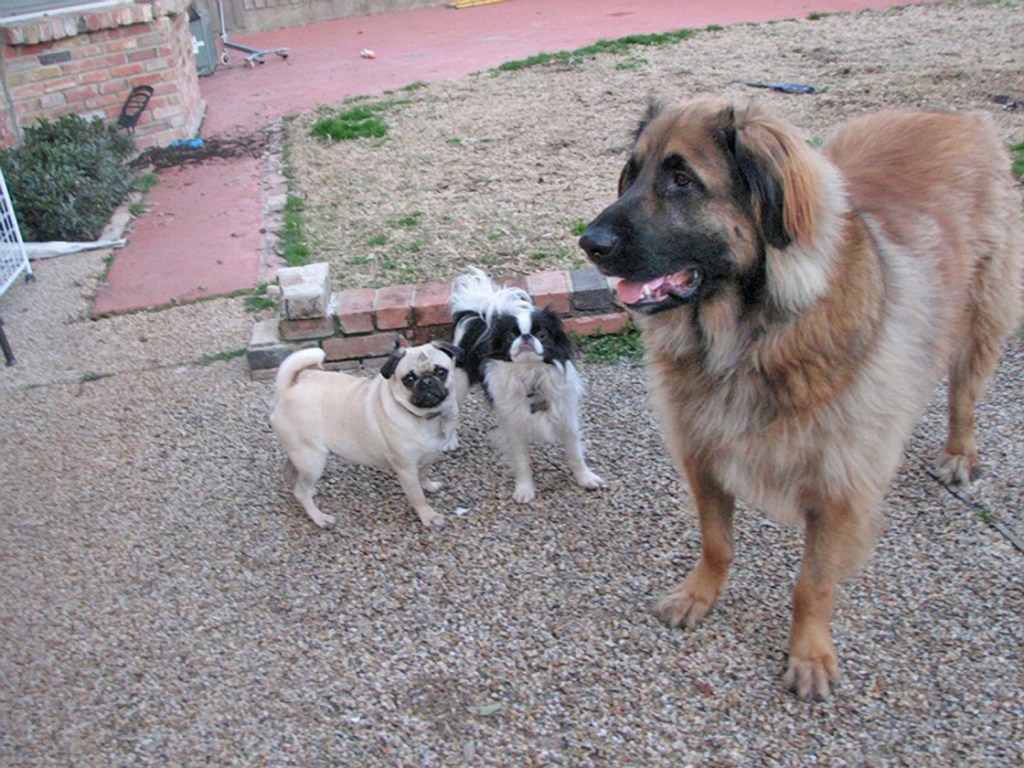
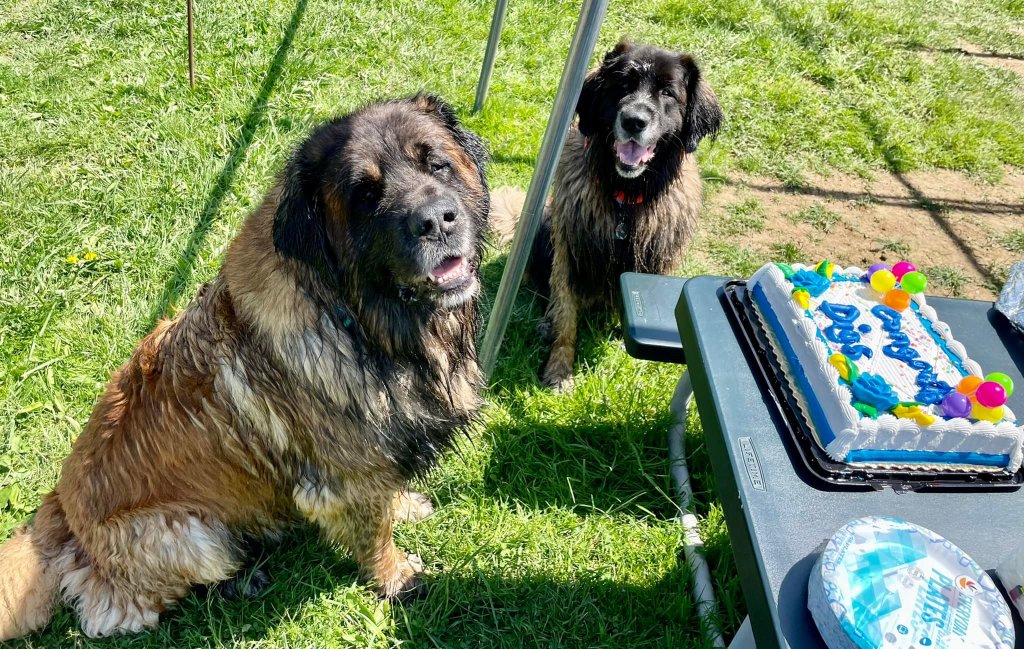
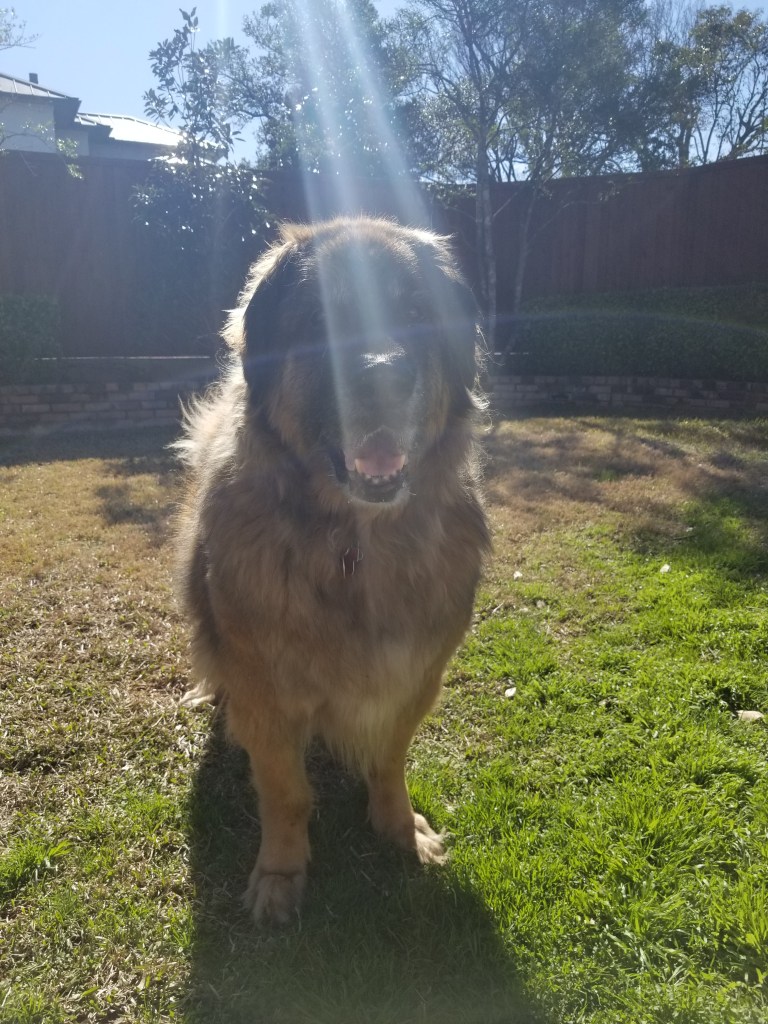
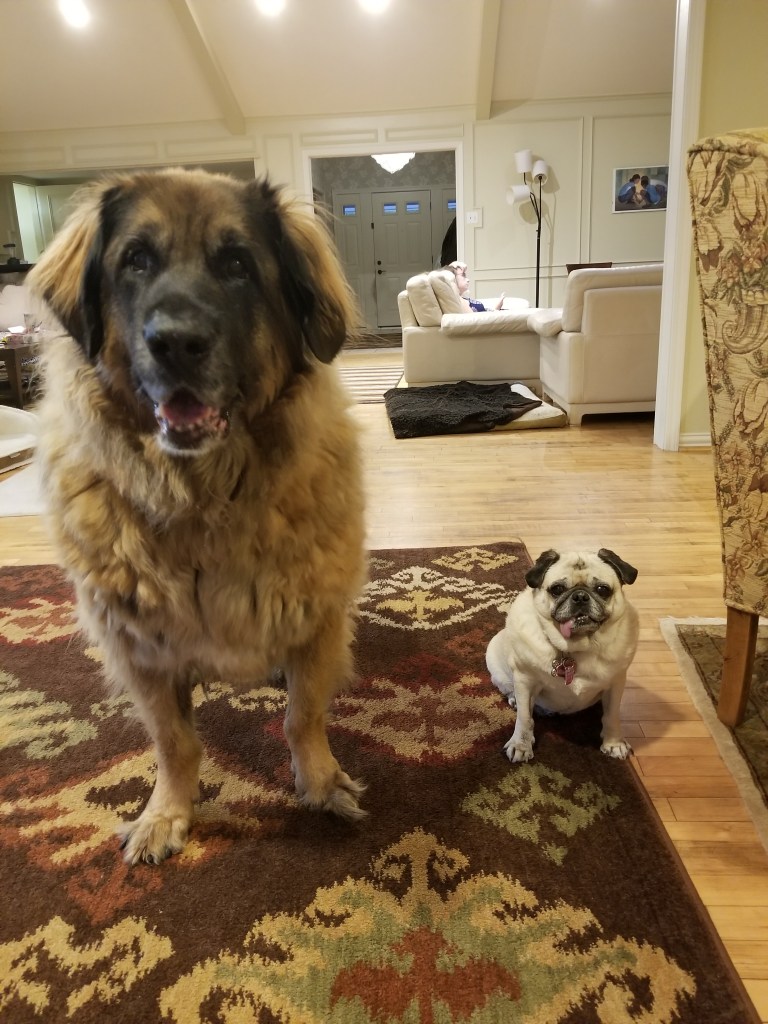
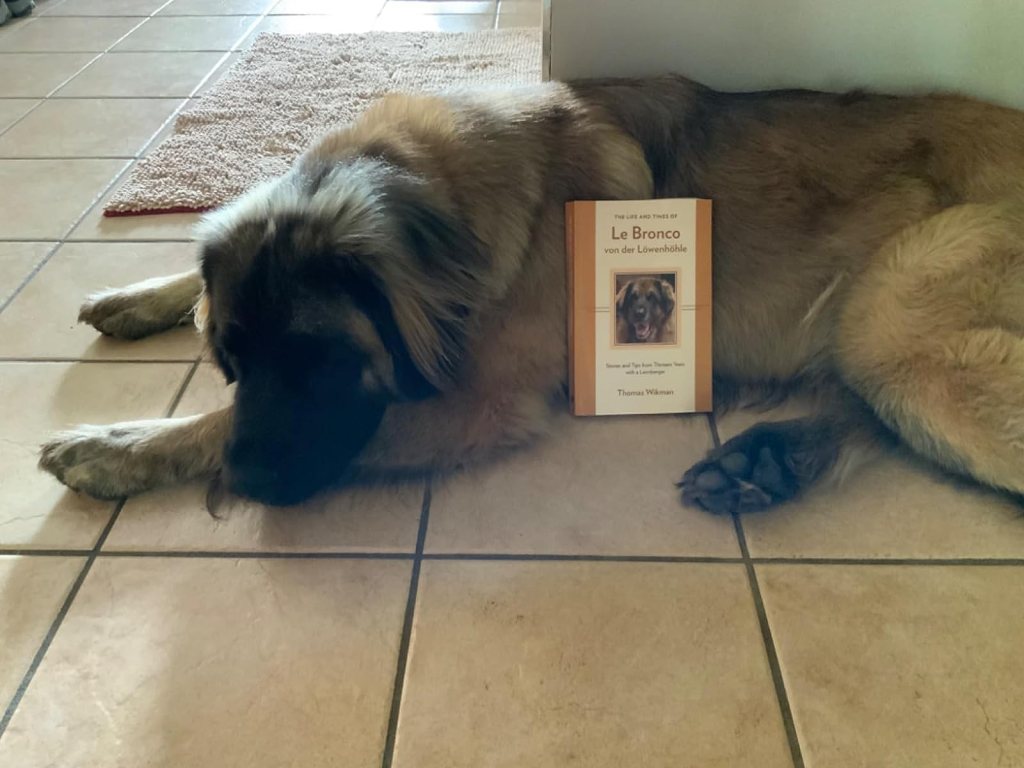
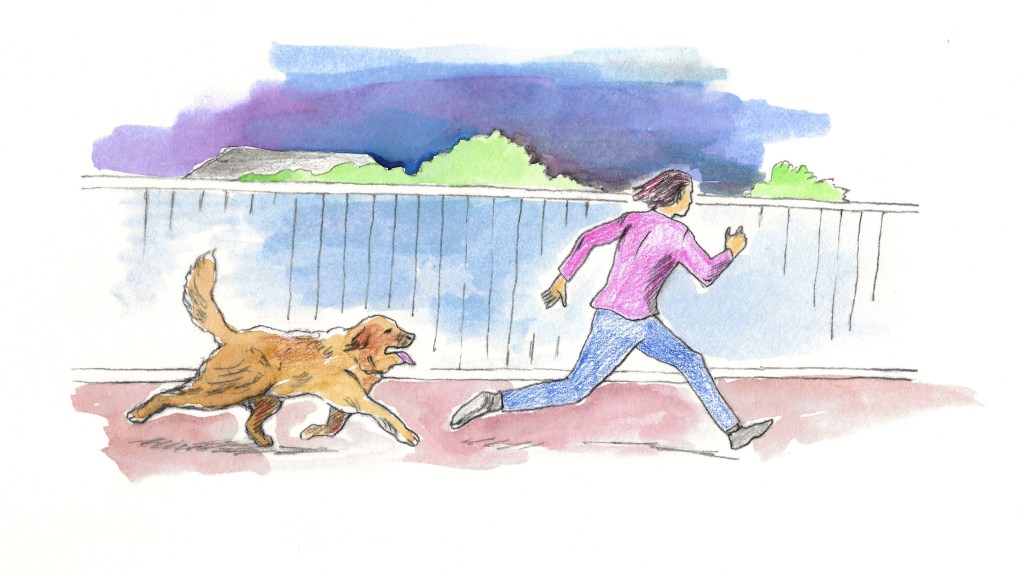
Our Leonberger Bronco at three months old.Bronco our Leonberger is swimming in White Rock Lake.Bronco is standing in the water in White Rock Lake.A Canadian Leonberger called Mak with my book. Photo by Debbie Ireland.Our Leonberger Bronco is sleeping on our big leather sofa.Bronco with our Pug Daisy. They were sharing the sofa until Daisy decided to move.Bronco is pulling our daughter along the ground as she is desperately trying to hold on to him. Illustration by Naomi Rosenblatt.Illustration showing Bronco running down the street while wearing a cast. He was not supposed to bump the cast. Illustration by Naomi Rosenblatt.Our Leonberger Bronco with two small dogs, our Japanese Shin Ryu and our pug Daisy.It is Bronco’s birthday.Digory and Obi two Leonbergers. Photo by Jen O’Keefe.Digory Jen O’Keefe’s Leonberger. Photo by Jen O’Keefe.Swimming time for Digory Jen O’Keefe’s Leonberger. Photo by Jen O’Keefe.Digory got bone cancer, had an amputation, and this photo is two years later. He lived long for a Leonberger with this condition. Here is with a Leonberger friend. Photo by Jen O’Keefe.Bronco our Leonberger is standing in front of our hallway. He is pretty old in this photo.Bronco in our front yard.Bronco saved our pug’s life. He is a saint.Bronco lived very long for a Leonberger. The typical lifespan is 8-9 years. The Leonberger Health Foundation International gives out a grey-muzzle award to Leonbergers who has lived 12 years or longer. Here Bronco is receiving his grey-muzzle award.The Grey Muzzle Award.Bronco and our pug Daisy.Bronco and our mini-Australian Shepherd puppy Rollo.A tornado ravaged our neighborhood. Several of our neighbor’s houses were destroyed. Our house stood but the chimney, roof, attic, garage, and fence were severely damaged. It was a tough time for Bronco. He had just had a toe amputation due to cancer; he had ulcerous sores on his foot, then came the tornado and less than a week later he had a heart failure. He is not in good shape in this picture.Bronco is walking around the house with his giant soft cone and pulling things off tables.One of the last photos of Bronco.We will always remember Bronco. Illustration by Naomi Rosenblatt.
So today (or rather yesterday) Saturday February 3rd, 2024, 1:00PM – 3:00PM I was participating in a book signing in Southlake Texas. It was an independent author’s book sale at “Your CBD Store, Sunmed” in South Lake. It was a friend of mine from another independent author’s book sale event at a library who invited. It was well done but a little slow. However, I still sold a few books, and I donated one to the very nice store manager Julia. Above all it was fun. I also bought a book from the woman sitting across from me (Tanya Taylor Morris) and it turned out to be a very poignant and eye-opening book that I am really glad that I came across. More on that later.
To check out and maybe buy my book visit the Amazon or Barnes and Noble location for the book. You can do that by clicking on the book cover images to the right if you are on a computer or at the bottom of the page if you are on a mobile. As you know if you’ve followed my blog the proceeds from my book sales are donated to the Leonberger Health Foundation International.
First, check out my Leonberger book and consider purchasing it. It features amusing and amazing stories about our truly remarkable Leonberger Bronco, as well as information about Leonbergers. It is a great book for all dog lovers. All royalties/proceeds from sales are donated to the Leonberger Health Foundation International. To check out my book click on the book cover images on the right.
This post has 25 photos and illustrations. Most of the photos are of our late Leonberger Bronco (Le Bronco von der Löwenhöhle) but there are also Leonberger photos by friends as well as a few Shutterstock photos. The illustrations are from my book. The illustrations for my book were made by Naomi Rosenblatt (I don’t know how to draw).
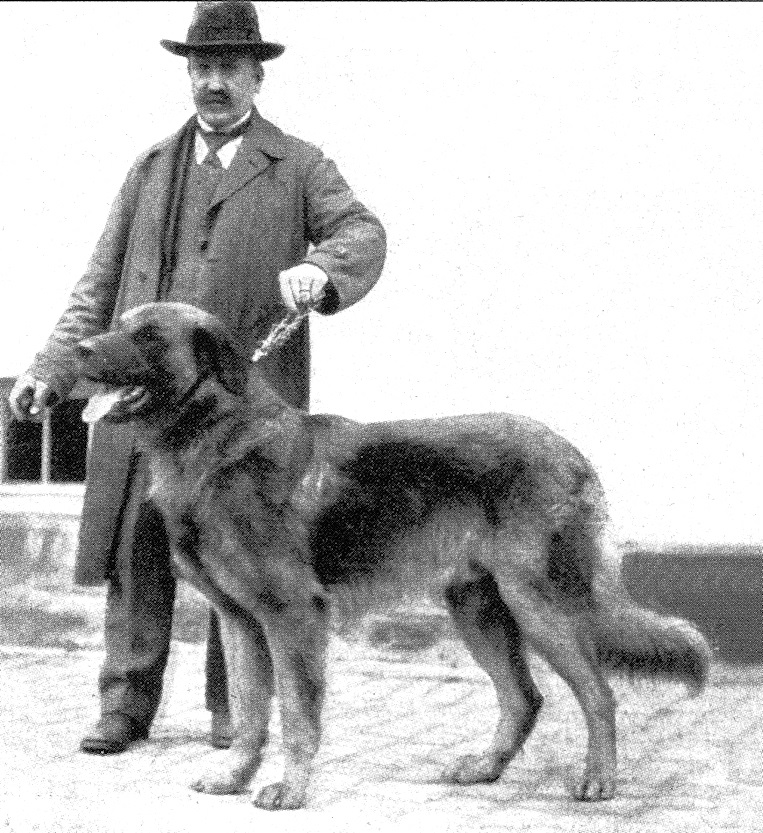
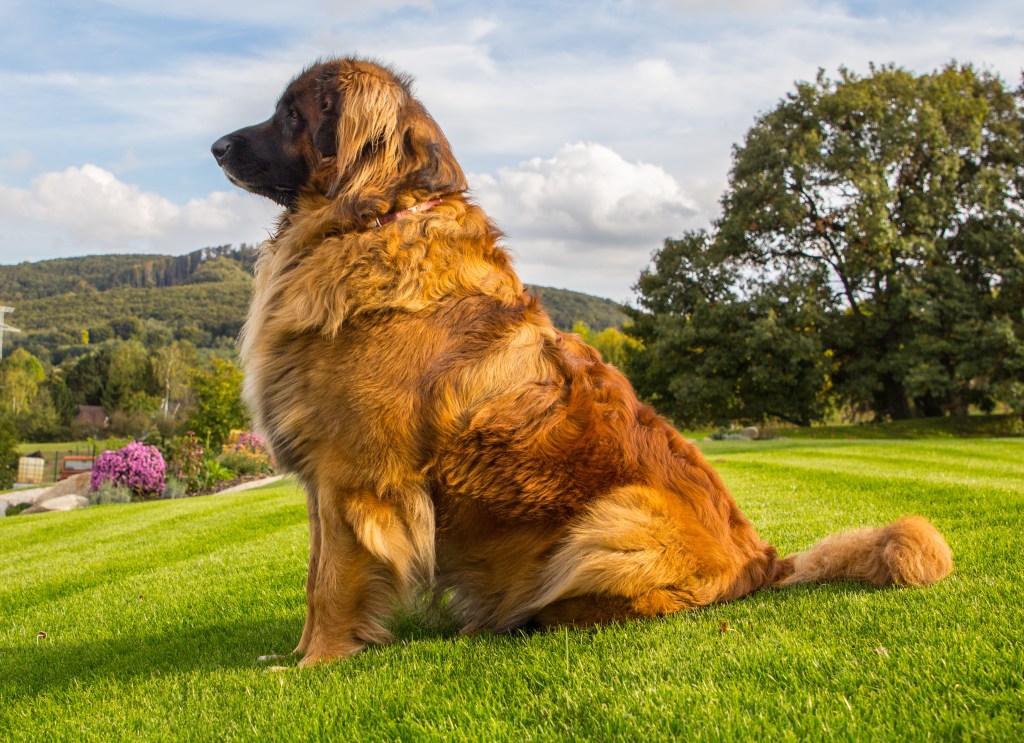
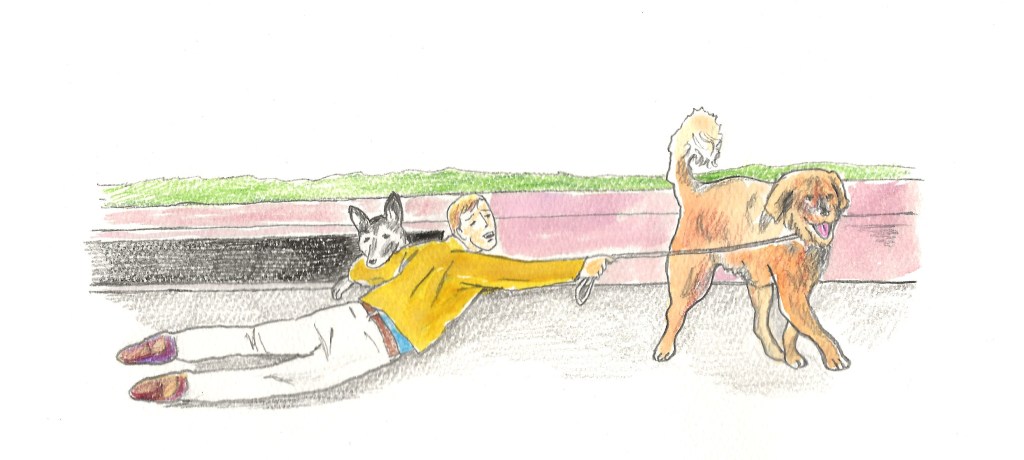
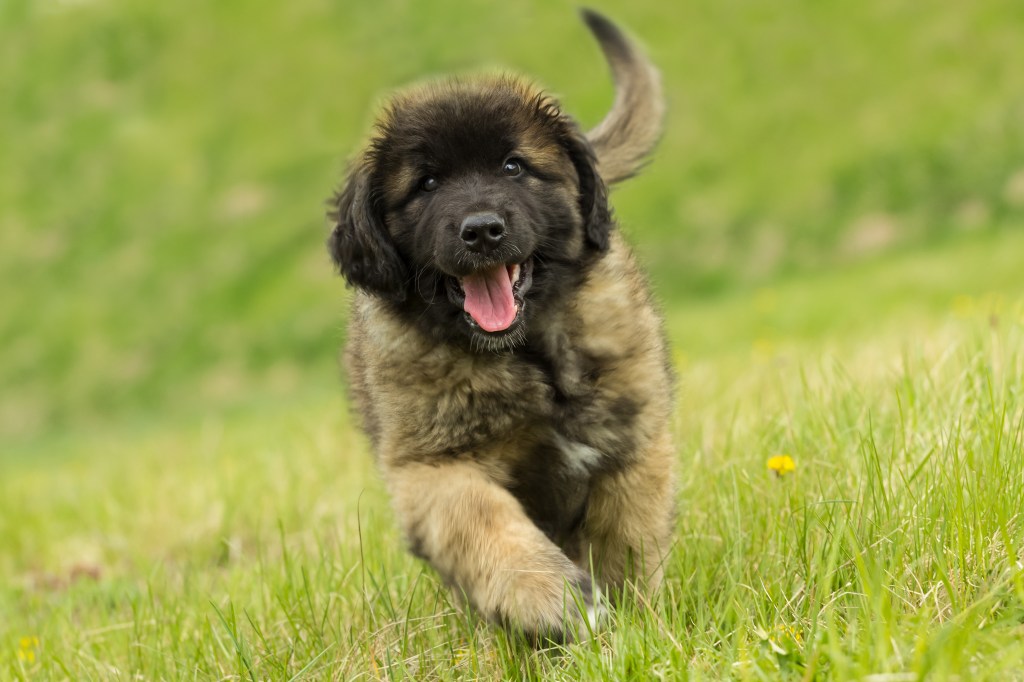
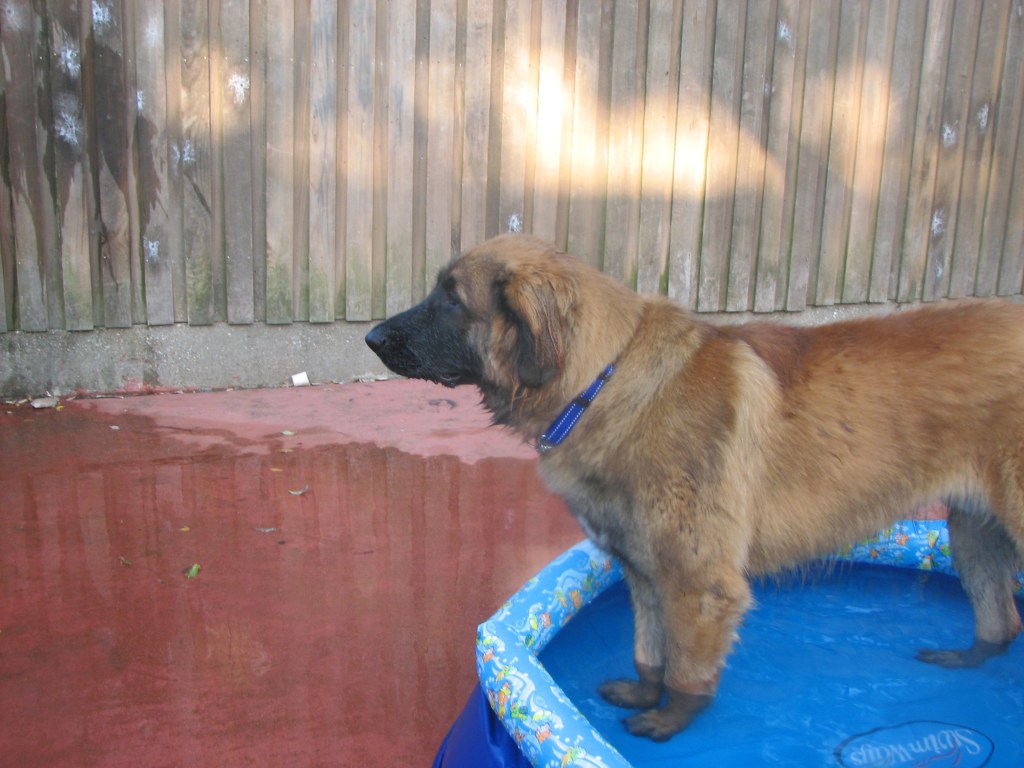
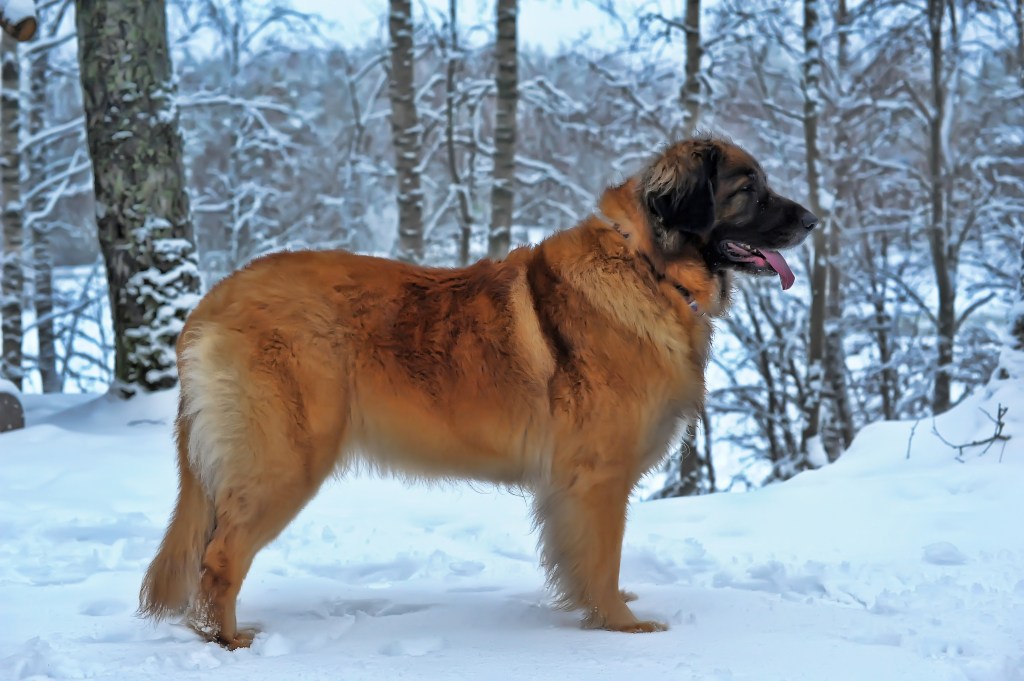
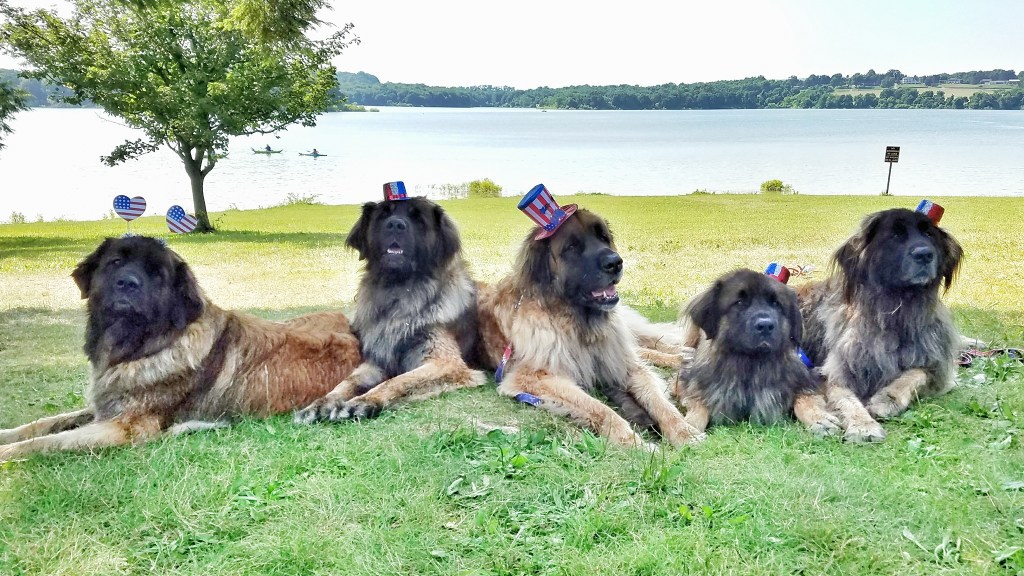
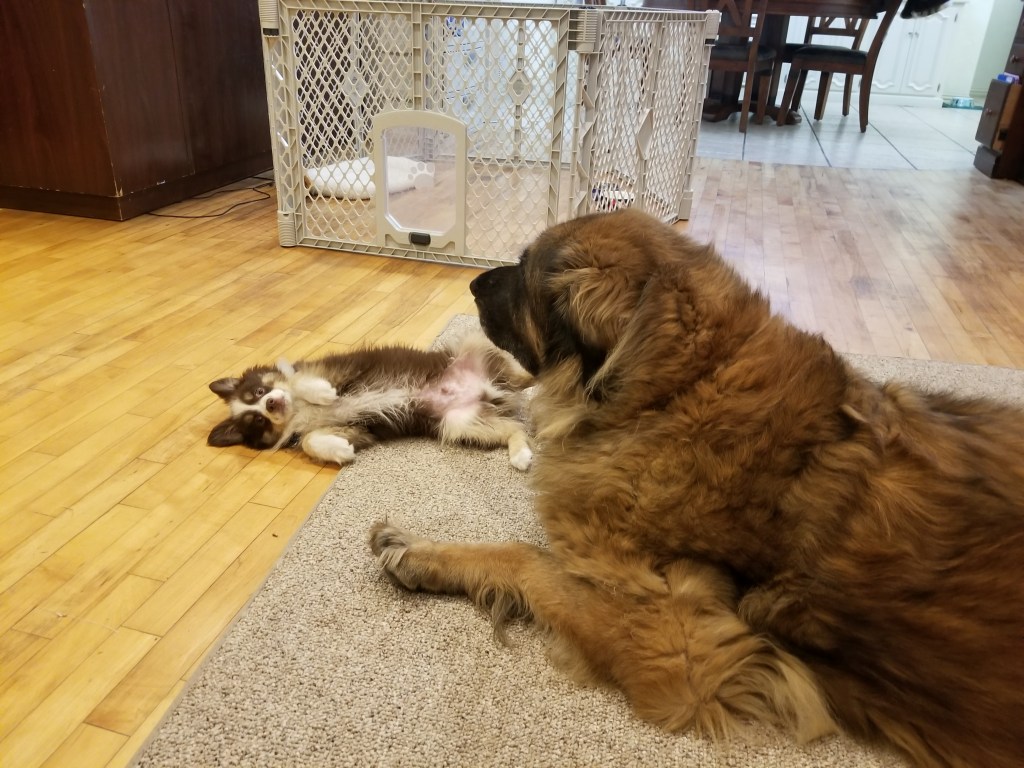
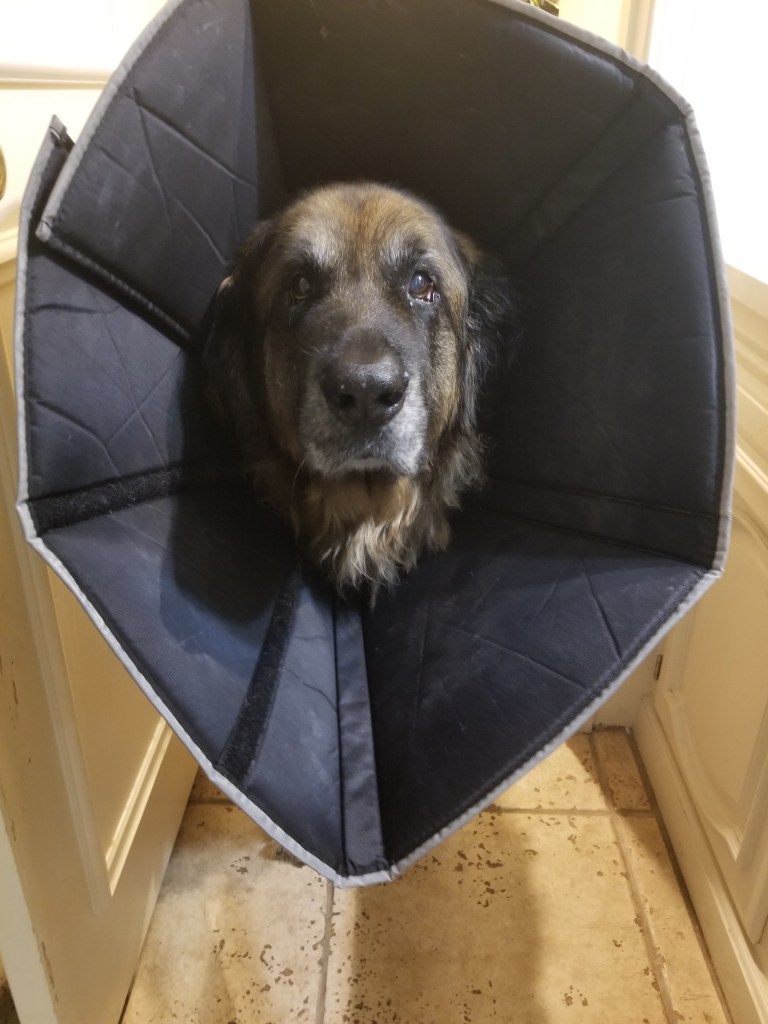
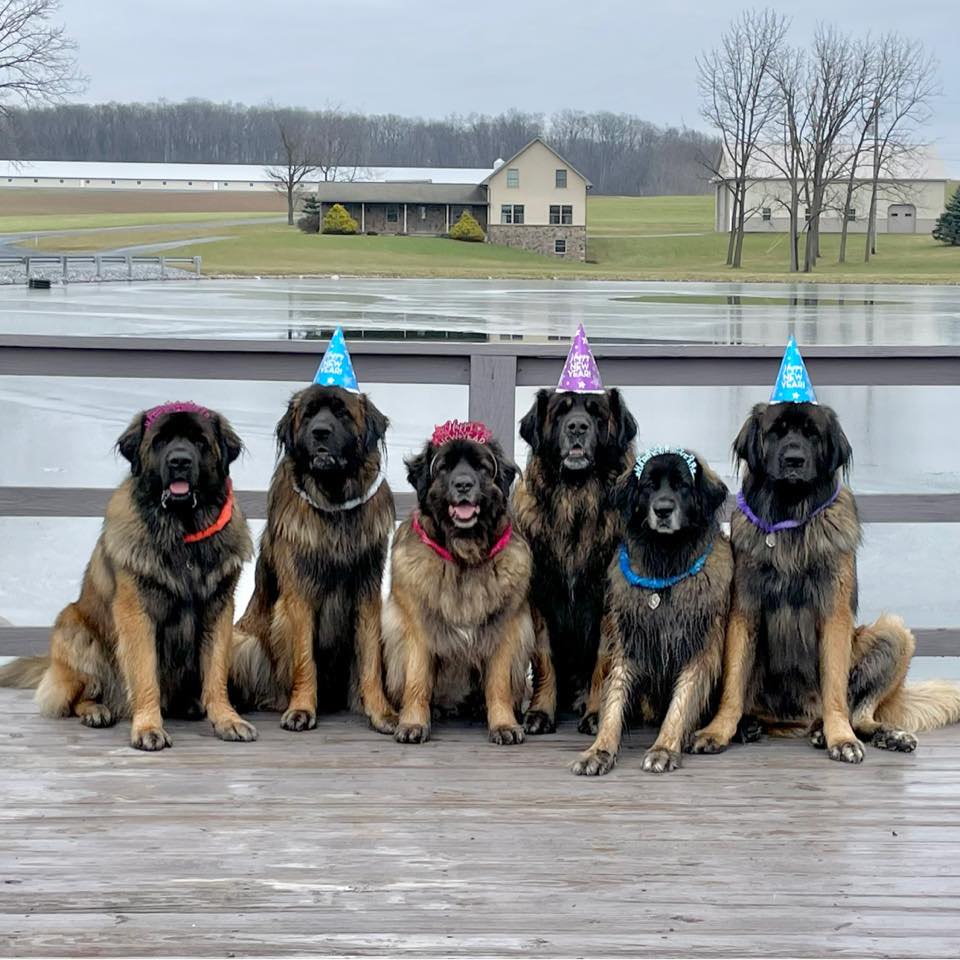
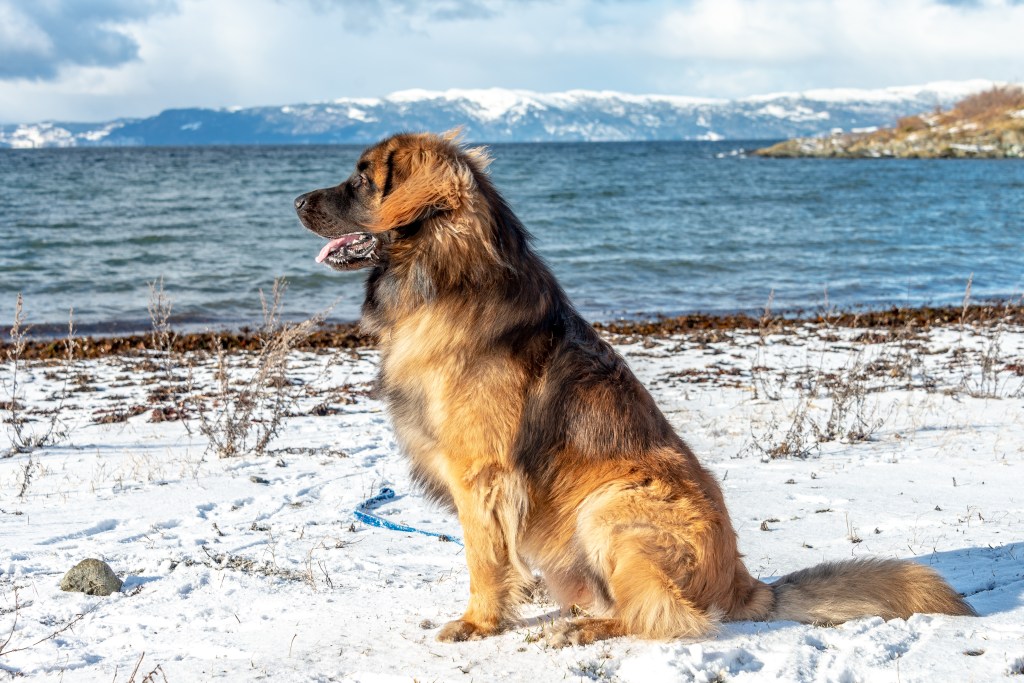
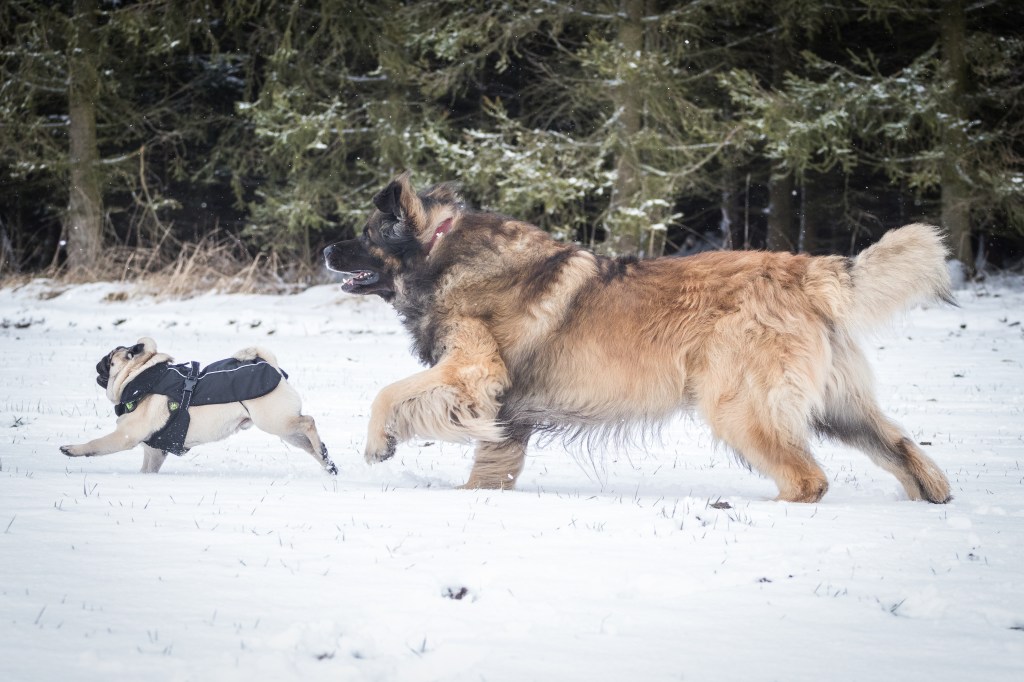
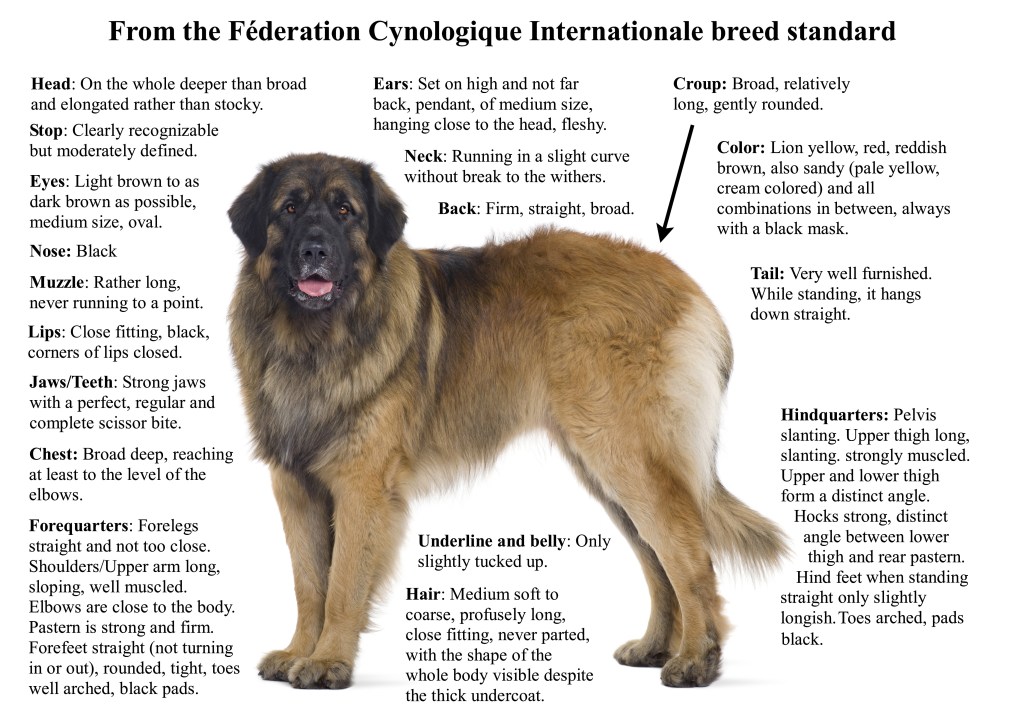
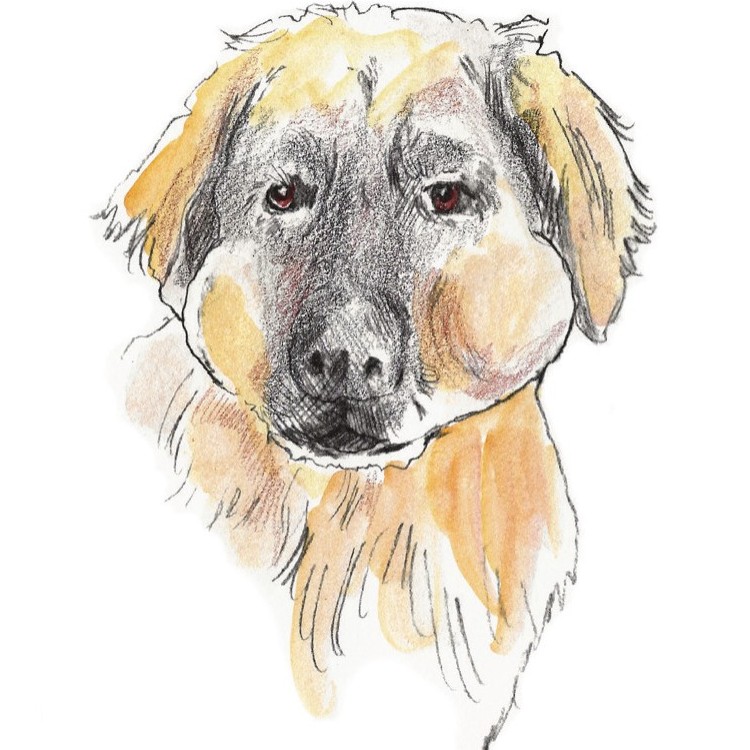
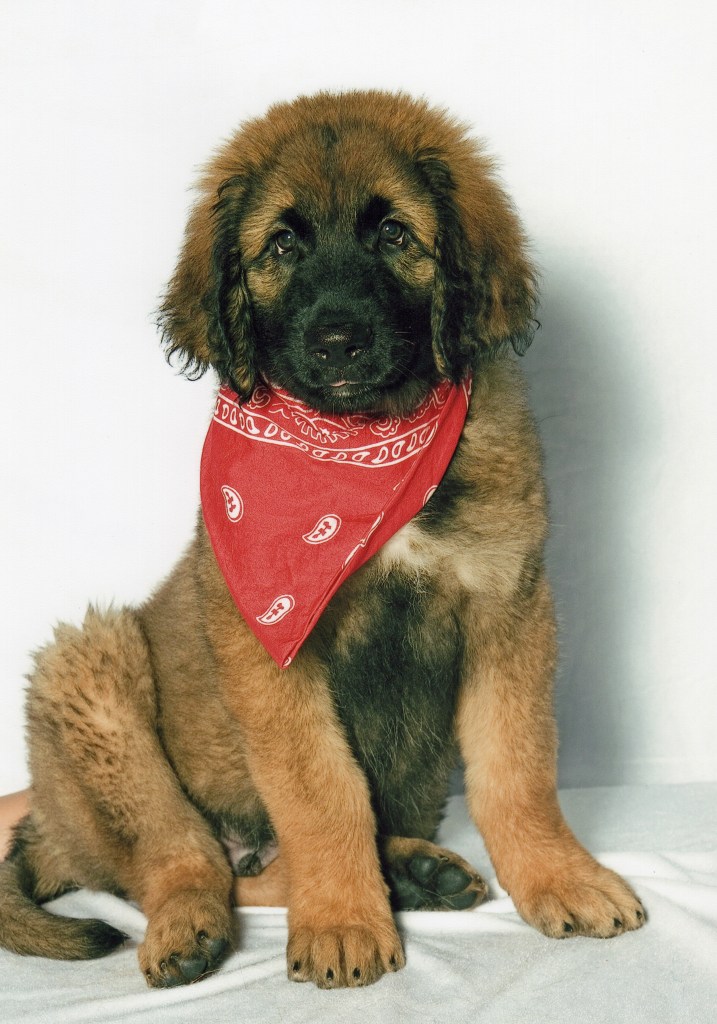
On the left our Leonberger Bronco three months old. On the right Bronco as an unusually old Leonberger at almost 13.Bronco our Leonberger is giving me a kiss. He is about one year old and not yet fully grown.Bronco’s direct ancestor on the male side Leo von der Sagmuhle in Germany about 100 years ago (18 generations).Our Leonberger Bronco sitting in my wife’s lap. He was 167 pounds at the time.Hachi a one-year-old Canadian Leonberger with my book. The owner and photographer is Brenda Saito and her husband.A majestic Leonberger. Shutterstock-ID: 731020957 by Peter Josto.Bronco is chasing off a peeping Tom who was terrorizing the women in the neighborhood including my wife. Illustration by Naomi Rosenblatt.Bronco’s puffy cheeks hold two hamsters he probably was trying to save. Illustration by Naomi Rosenblatt.Bronco accidentally pushed our German Shepherd Baby into a storm drain. I am trying to drag Baby out of the storm drain while holding Bronco as he is very excited about a dog across the street. Illustration by Naomi Rosenblatt.Leonberger puppy. My guess is that he is around two months old. Shutterstock-ID: 629624396 by TOM KAROLA.Our mini-Australian Shepherd puppy Rollo is biting Bronco’s tail. He even swung it in as if it was a swing.Bronco got into the kitchen, and he grabbed a gingerbread house. He and our pug Daisy are sharing the gingerbread house.Bronco is getting a bath in the kiddie pool.Leonberger standing in snow. Shutterstock-ID: 705193912 by Eric Isselee.Amie a Leonberger in Sweden who was at the top of a mountain that we hiked up to (Skule Berget). She must have been very athletic.Seven Leonbergers by the beach. Photo by Jen O’Keefe.Digory and Obi two Leonbergers. Photo by Jen O’Keefe.Five Leonbergers including Digory on 4th of July 2023. Photo by Jen O’Keefe.Bronco and Rollo our mini-Australian Shepherd.Close up of Bronco about 12 years old. Leonbergers typically live 8-9 years.Bronco our Leonberger kept following me around while he was recovering from a couple of sores that took a long time to heal. They get a very attached when they are not feeling well. Here he is barging into the bathroom. Rollo was terrified of the huge cone.Six Leonbergers and a birthday celebration. Photo by Jen O’Keefe.Sitting Leonberger. Shutterstock-ID:1333669760 by Britta Paasch.Leonberger and pug running in the snow. Shutterstock- ID:1659034960 by AnetaZabranska.Overview of the physical aspects of the Leonberger breed standard.
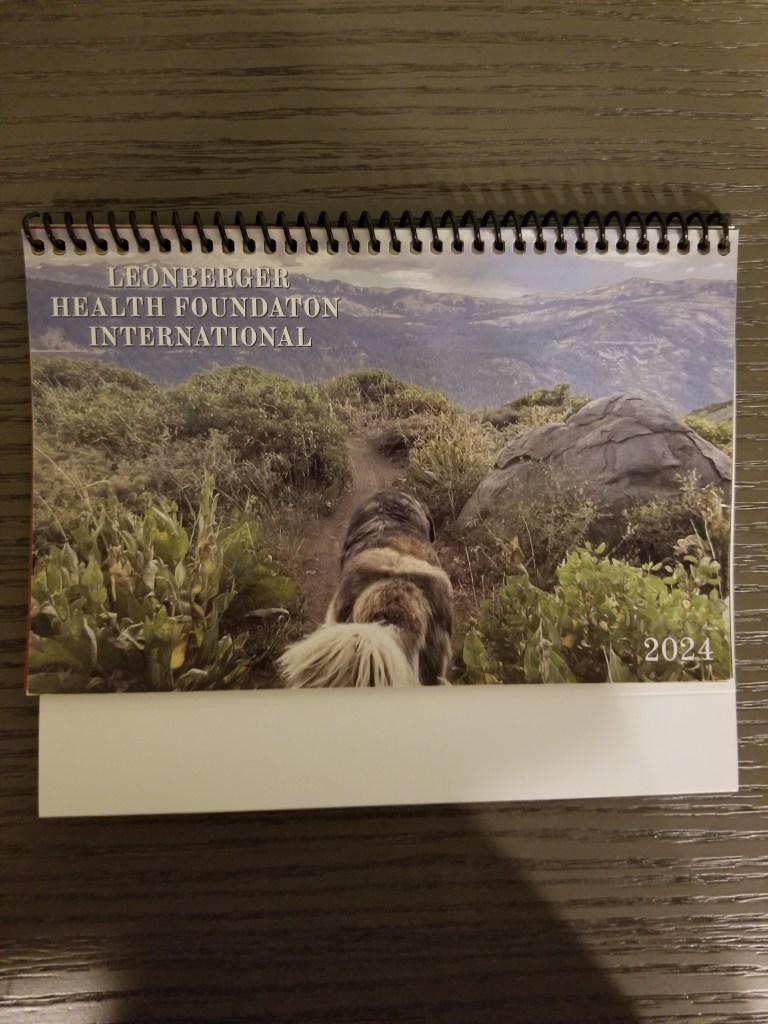
Today I received the Leonberger Health Foundation International (LHFI) Calendar for 2024 and I was reminded of this wonderful organization. LHFI supports medical research that improves the health and lives of Leonbergers as well as other large dog breeds, potentially even humans. They have raised nearly half a million dollars for research into conditions that affect canine health, including osteosarcoma, hemangiosarcoma, glaucoma, cardiac diseases, thyroid diseases, and neurological disorders. Its research also supports healthful longevity and aging as well as population diversity. They have had several successes, for example the eradication of Addision’s disease among Leonbergers.
Front page of the Leonberger Health Foundation International 2024 Calendar
The Leonberger Health Foundation International (LHFI) was founded in 2000 by Waltraut Zieher and other members of the LCA’s health, education, and research committee to “facilitate the solicitation and distribution of donations given to support health related breed-specific research.” The LHFI also administers a program that collects DNA samples from Leonbergers to share with universities and research institutions.
January page of the Leonberger Health Foundation International 2024 Calendar
All purebred dogs are more or less inbred, which comes with inherent health risks. That is especially true for large breeds. However, Leonbergers, especially those bred in North America, are fortunate compared to other large breeds. The Leonberger breed standard does not call for traits that can be detrimental to health. The precise and restrictive breeding regulations of the Leonberger Club of America (LCA) and other Leonberger clubs, and the work of the Leonberger Health Foundation International or LHFI, have resulted in Leonbergers being relatively free of inherited illnesses compared to other large dog breeds in America. For more information see Humane Society Veterinary Medical Association, “Guide to Congenital and Heritable Disorders in Dogs,”
June page of the the Leonberger Health Foundation International 2024 Calendar
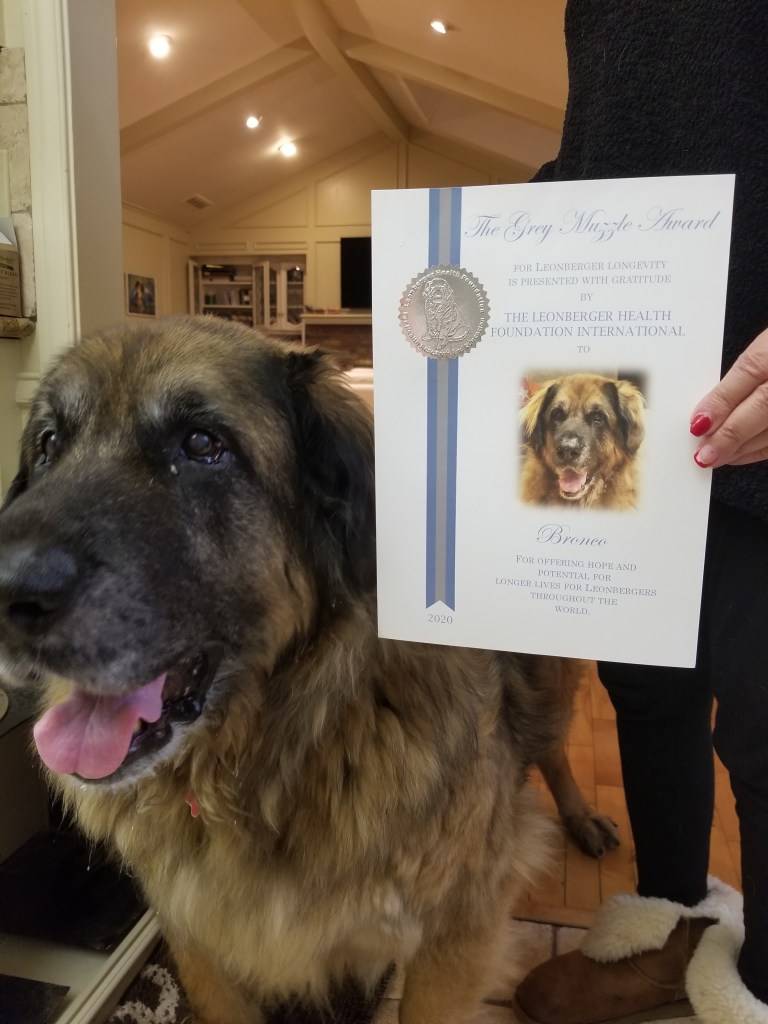
One happy event for our family was when Bronco received his Grey Muzzle Award, which is an award given for longevity by LHFI. LHFI bestows the award on any Leonberger who has reached the age of twelve. These Leonbergers are the canine equivalents of centenarians, humans who are at least one hundred years old. The Grey Muzzle Award is also given to breeders, because they are partially responsible for the dogs’ longevity. The Grey Muzzle Award was certainly a happy event in Wikman family. If you have a twelve-year-old Leonberger, simply fill out a form on the LHFI website or send an email to lhfgreymuzzle@gmail.com.
The Grey Muzzle Award from the Leonberger Health Foundation International
The foundation will ask for some information, including the registered name and call name of the dog; the breeder’s name, kennel name, address, and email; the dam’s registered name; the sire’s registered name; the owner’s name, address, and email; the birth date of the dog; and whether the dog is alive or dead. If the latter, they will want to know the cause of death. In addition, they would like you to write a one-paragraph tribute to the dog and send two (preferably high-resolution) photos—one head shot and one favorite photo. To find out more about the Grey Muzzle Award click here. To see the 2019–2020 awardees video featuring Bronco click here.
Grey Muzzle Award certificate from the Leonberger Health Foundation International
I can add that when Bronco passed away, we sent his DNA to the University of Minnesota to be used in research. This was facilitated by the LHFI.
Familiar faces. Time marches on.
The 2019-2020 Grey Muzzle Awardees. Bronco is on the second row from the top and second from left. Click on the picture to visit the YouTube video.
Video showing 33 2019 & 2020 Grey Muzzle Awardees (Leonbergers)
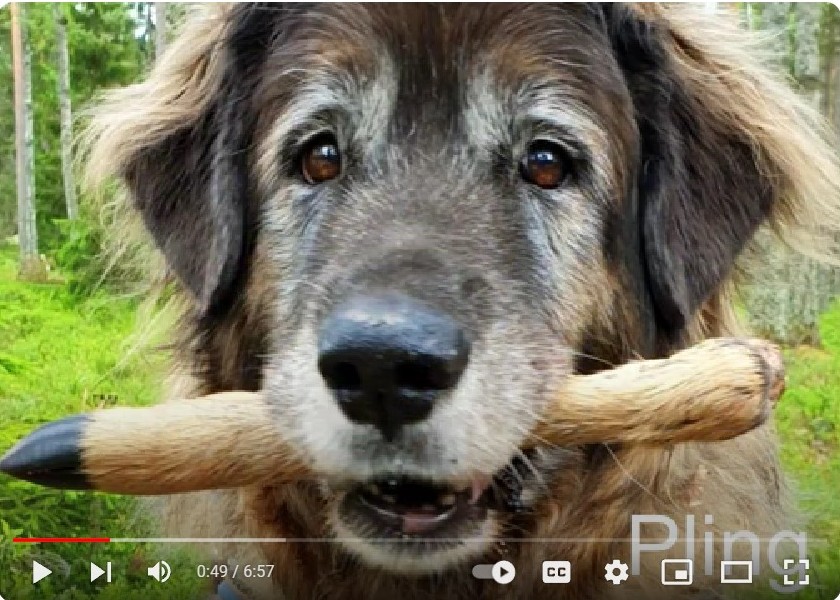
Many of the owners of very old Leonbergers joined the Double Digit Leonberger group on Facebook (Leonberger 10+ years old) and the owners of the extremely old Leonbergers (around 12 or older) started talking to each other a lot. It was a small group from around the world. This is why I said “Familiar faces” above. I knew many of them, including Pling, a Leonberger in Sweden. I and Pling’s owner talked a lot to each other in Swedish. Bronco and Pling reached about the same age and passed not too far from each other in time.
Our Leonberger Bronco from the LHFI Grey Muzzle Awardee Video 2019-2020.Our Leonberger Bronco from the LHFI Grey Muzzle Awardee Video 2019-2020.Pling a Leonberger from Sweden from the LHFI Grey Muzzle Awardee Video 2019-2020.
Note, all royalty earnings from my book (see right) go to the Leonberger Health Foundation International.
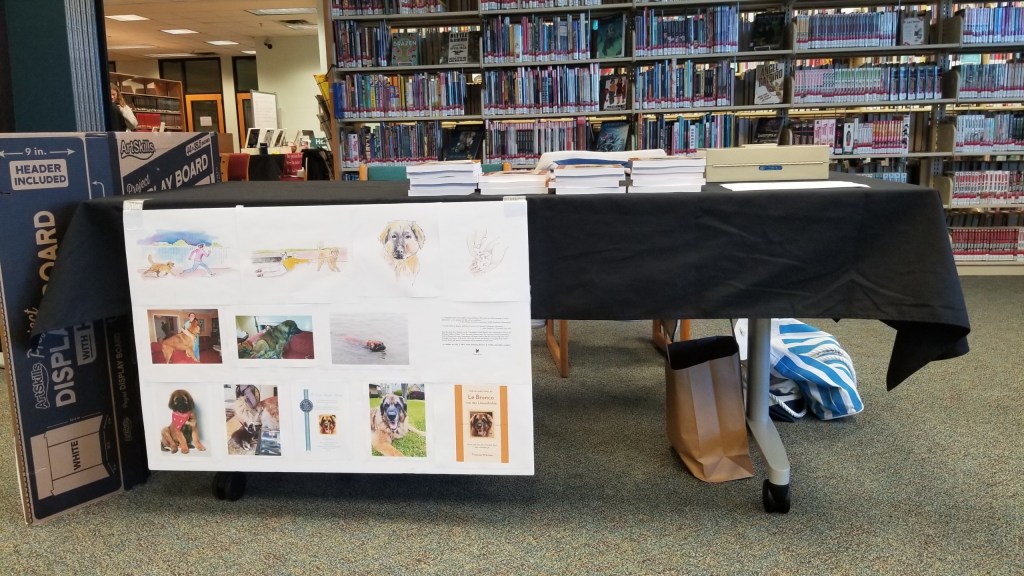
On Saturday November 4th Watauga public library hosted an indy author day to which I was invited, and I gladly joined. Wautauga is a small city located between Dallas and Fort Worth. It is closer to Fort Worth. They also hosted an indy author day last year, which I also partook in. We all had a booth where we sold and signed our books. I did not sell a whole lot, half a dozen, but that’s OK. It is a great way to interact with and get to know other authors, and it is fun.
We also read a short passage from our respective books in front of an audience. My reading went very well. I read one of the shorter funny Bronco stories from my book and people laughed a lot. Well, I had practiced, and I was animating the story a bit. I felt like a comedian. I am including the story I read at the end of this post. If you are an indy author and you live in the Dallas Fort Worth area I suggest you participate next year, just for the fun of it.
Me presenting and reading from my book, The Life and Times of Le Bronco von der Löwenhöhle: Stories and Tips from Thirteen Years with a Leonberger.Author group photo. One author had to leave before the photo.Author group photo from last year 2022 (me on the right/blue). As you can see it to a large degree the same people.I did not take a photo of my booth this year, but it looked the same. This is the photo of my booth from last year.
The story I read during reading time (3 minutes)
Bronco’s Hamster Search and Rescue
Back when Bronco was young, the kids had pet hamsters—Moldova and Montenegro. The hamsters escaped from their cages sometimes, but Bronco usually helped us find them whenever they did. Claudia (my wife) would tell him, “Bronco, find the hamsters,” and he would go around the house sniffing until he found them. One time he found them in the linen closet; another time he found them on a shelf in the living room.
On one occasion, a friend of David (our son) trusted us with his two hamsters while he and his family went on vacation. A couple of days later, Claudia noticed that the two hamsters were missing from their cage. The next thing she noticed was that Bronco’s cheeks looked puffy, so she said, “Bronco, drop it!” Out came the two hamsters, both unconscious.
Cheeks full of hamsters (illustration by Naomi Rosenblatt)
In a panic, Claudia started performing CPR on the unconscious hamsters. She put one hamster at a time in her hand and gently compressed each tiny chest using the finger of the other hand. Fortunately, one hamster revived right away. The CPR didn’t seem to be working on the other hamster, but Claudia put both of them back in their cage, and soon the second hamster also woke up. We decided to keep the incident to ourselves. Hamsters don’t squeal.
Hamster CPR (illustration by Naomi Rosenblatt)
The question is, Did Bronco try to eat the hamsters? Or did he simply find them and pick them up, intending to alert us to their presence? I’ve asked several people this question, including some who know Leonbergers well. The answer they give is that he tried to save them from whatever danger he thought they might have been in. If he wanted to eat them, they say, he would have tried chewing them. But clearly, he didn’t.
Note: Unless they bought my book, they probably still don’t know what happened
Tomorrow I will do book signing at Wautega Public Library here in Texas. I will read a short story from my book and present myself. I will also mention that all royalties from book sales go to the Leonberger Health Foundation International, or LHFI, a charitable organization working towards healthier Leonbergers and healthier dogs in general. Below is my is my 20 seconds video pitch.
Hi, I’m Thomas Wikman, author of the Life and Times of Le Bronco von der Löwenhöhle, a book featuring funny and informative stories about our Leonberger. It is a great book for all dog lovers. All royalties from book sales are donated to the Leonberger Health Foundation International. Their work gives us healthier dogs.
My 20 second video pitch.That’s me a few days ago.The Leonberger Health Foundation International. Click on the image to visit the LHFI’s website.
The Leonberger is an unusual and fascinating dog breed that is known for its size, affectionate nature, and intelligence. I know a lot about Leonbergers because my family was lucky enough to live with one for thirteen years. His name was Le Bronco von der Löwenhöhle—but we called him “Bronco” for short.
Bronco wasn’t our only dog, but our world wouldn’t have been the same without him. For instance, he once saved the life of our pug by fending off an attack from another dog. He probably saved our Labrador’s life, too, by sniffing out an impending insulin shock before it happened. Then there was the time he scared off a trespasser who’d been terrorizing my wife and other women in the neighborhood.
This is me with our late Leonberger Bronco when he was still young, not even one years old.
Bronco is no longer with us, but even in his passing he was distinctive. Leonbergers tend to live less than nine years—but Bronco came very close to reaching his thirteenth birthday. In fact, he received an award for longevity called the “Grey Muzzle Award.” We already knew he was a special dog, but we sent his DNA to two labs for research anyway.
The Grey Muzzle Award is given to Leonbergers who reach the age of 12 years or older.
YouTube video featuring Grey Muzzle Awardees including Bronco, entry nr 10 out of 34 at 2 minutes. This is an emotional video for me, not only because of Bronco, but I was very familiar with many of the other dogs. Time marches on.Bronco’s Grey Muzzle Award
If you own a Leonberger, or are interested in Leonbergers, and you live in North America you likely know about the Leonberger Club of America, or the LCA for short. You are about as likely to find a Leonberger at Petland/Puppy-Mill as you are finding an Elephant for sale there. LCA is very protective of the Leonberger breed and of Leonbergers in general. You typically buy/get a Leonberger dog from an LCA certified Leonberger breeder or from the Leonberger Rescue Pals, and if you don’t that might be a problem.
We bought our Leonberger Bronco (Le Bronco von der Löwenhöhle) in 2007 from Julie Schaffert, a certified LCA breeder since 1992.
There are only about 3,000 Leonbergers in North America and about 2,000 Leonbergers in the United States but the Leonberger Club of America has more than 1,000 members. They publish the Leo-Letter, a quarterly Leonberger magazine. So, the Leonberger Club of America has a very prominent place among Leonberger owners. Click here to see a summary of the Leonberger Breed Standard.
Leonbergers have a long history in North America and the United States—despite the fact that until 1985, there were only seventeen Leonbergers known to be living in the United States.
See: Lusby, Leonberger, page 15.
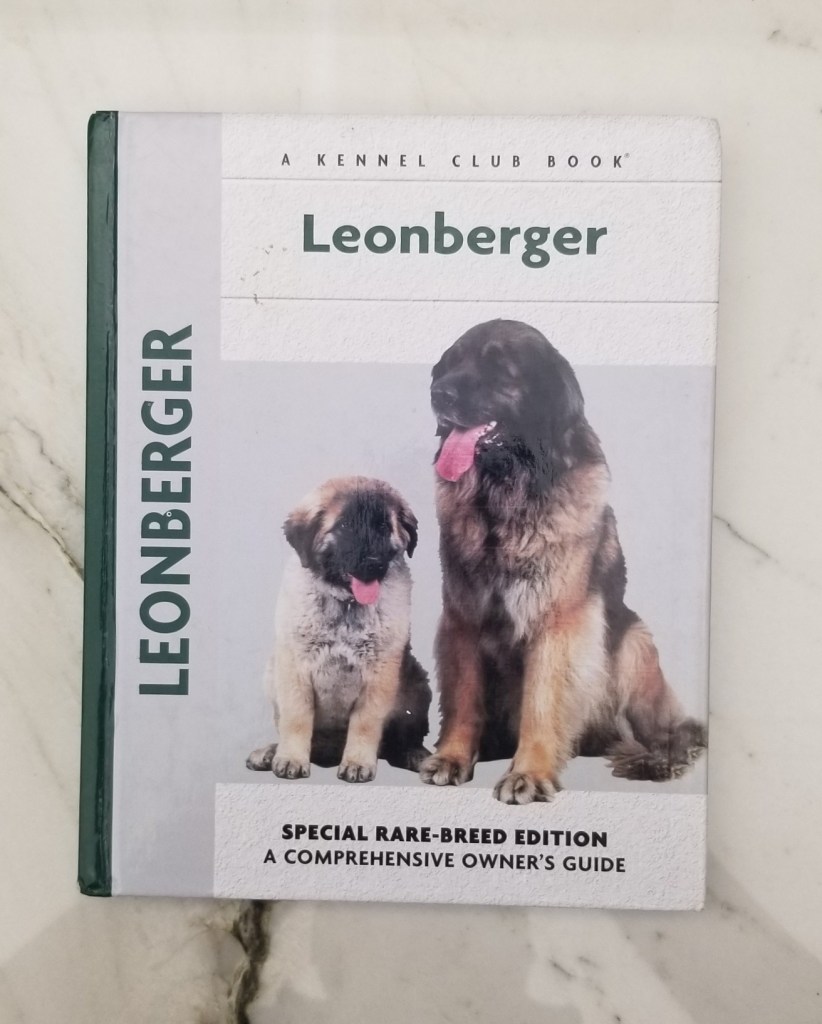
Leonberger, Special Rare-Breed Edition, A Comprehensive Owners Guide, Madeline Lusby. Click on the image to see my five star review for this book.
In the 1870s, Leonbergers were brought to Newfoundland to invigorate the stock of Newfoundland dogs. Around the same time, two Leonbergers named Caesar and Sultan were purchased from Heinrich Essig’s kennel (founder of the Leonberger breed) and transported across the ocean to join the Wellesley-Sterling theater company in the United States as the stars of their productions. Then in 1879, Caesar and Sultan visited President Ulysses S. Grant, who called them the largest and most magnificent dogs he had ever seen and presented them with gold medals. During the years between World War I and World War II, a New Jersey family, the Wolfs, opened their home as a temporary refuge for Jews fleeing Germany: they also imported Leonbergers. Unfortunately, this introduction of the breed into the United States did not last, and it would be another fifty years before the Leonberger appeared in America again.
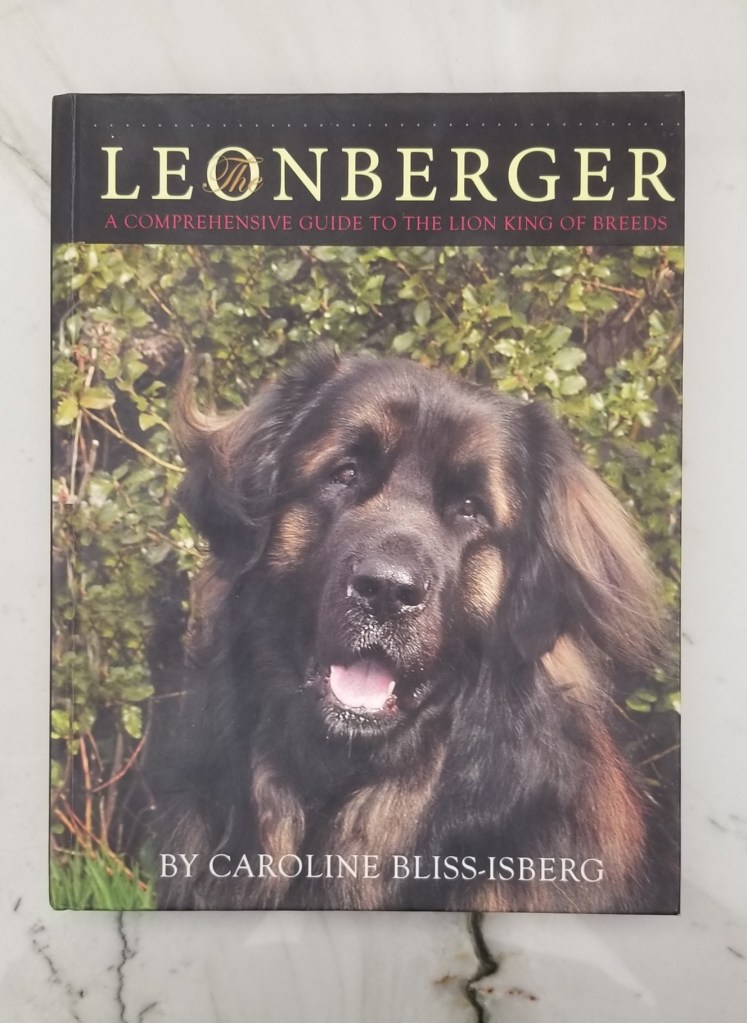
Leonberger, A comprehensive guide to the lion king of breeds, Caroline Bliss-Isberg. Click on the image to see my five start review for this book.
During the late 1970s and the 1980s, a few families—Waltraut and Klaus Zieher, Brian Peters, Manfred and Sylvia Kaufmann, Keri Campbell and Melanie Brown, and Mary and Reiner Decher brought Leonbergers to the United States. The Dechers had started a breeding program and were looking for a mate for their first dam, Viona. By chance their neighbor discovered through a newsletter that there was another Leonberger in the United States, and that led to the families’ finding and connecting with one another. I should add that the Dechers were careful to conform to the German breeding regulations and performed hip X-rays that they then submitted to the Orthopedic Foundation for Animals (OFA). Viona became the first OFA-certified Leonberger in America.
See: Bliss-Isberg, Leonberger, page 152.
On Saturday, November 2, 1985, eight of these Leonberger enthusiasts met at a hotel in Denver, Colorado, to found the Leonberger Club of America (LCA). This group of founders, which has since been dubbed the Denver Eight, appointed a registrar, formulated a breeding acceptability checklist, and instituted various policies, including the requirement that OFA certification is mandatory for breeding. LCA membership grew: it held social gatherings, began publishing LeoLetter, and imported an increasing number of dogs. Now the LCA has thousands of members across the country, and Leonbergers receive high ratings on health tests relative to other large breeds. For example, in 2000, the OFA reported that only 14.6 percent of Leonbergers tested positive for hip dysplasia, compared to 47 percent of Saint Bernards.
Another important historical event was the founding of the Leonberger Health Foundation International (LHFI), in 2000 (it was just called the Leonberger Health Foundation back then). According to its website, the organization was founded by Waltraut Zieher and other memers of the LCA’s health, education, and research committee to “facilitate the solicitation and distribution of donations given to support health related breed-specific research.” The LHFI also administers a program that collects DNA samples from Leonbergers to share with universities and research institutions, and of course it administers the Grey Muzzle Award (long living Leonbergers). Our Leonberger Bronco was a recipient of the Grey Muzzle Award, and we provided them with his DNA.
Bronco’s Grey Muzzle Award, which he received for being an unusually long lived Leonberger.
LHFI’s global biobank contains DNA samples from more than nine thousand Leonbergers. Among the organization’s notable achievements are the eradication of Addison’s disease among Leonbergers and the raising of nearly half a million dollars for research into conditions that affect canine health, including osteosarcoma, hemangiosarcoma, glaucoma, cardiac diseases, thyroid diseases, and neurological disorders. Its research also supports healthful longevity and aging as well as population diversity. Another success is the fact that since 2011, no Leonbergers with two copies of the LPN1 gene mutation (which causes Leonberger polyneuropathy) have been recorded in LHFI’s biobank. LHFI is one of my favorite charities.
The end of the twentieth century marked not only the end of the Cold War but also the beginning of what I call the Dog Wars of America. In 1985, the American Kennel Club (AKC) registry comprised one-third of the world’s known dog breeds. But the AKC had recognized only a few new breeds since 1887—a period of ninety-eight years. So, the organization decided to change that policy, but this did not always go smoothly. The members of rare-breed clubs often did not want to be part of the AKC. For example, the Australian Shepherd Club of America (ASCA) was very reluctant to join, so a relatively small splinter group, the United States Australian Shepherd Association, was formed and designated the official member club of the AKC, which was not welcome news to the ASCA. The border collie is another example. Charles Krauthammer, the late political columnist, called the AKC the politburo of American dog breeding.
See: Bliss-Isberg, Leonberger, page 159.
Similarly, in 2003, a new Leonberger club was formed—the Leonberger Club of the United States—with the goal of becoming the Leonberger member club of the AKC. This essentially forced the LCA’s hand, so they applied for membership in the AKC, a process that took years to complete. But ultimately the AKC approved the LCA as members in 2010: Leonbergers would officially become part of the Working Group. Fortunately, 90 percent of LCA breeders agreed to continue following LCA regulations regardless of whether the club would remain independent or become part of the AKC. Also fortunately, AKC membership afforded more opportunities for Leonbergers to participate in dog shows, which is important to many owners.
See: Bliss-Isberg, Leonberger, page 187
For information on the history of the Leonberger starting in 1830’s see this link































 Leonberger Life