I grew up not having any pets even though I really wanted a dog. However, both my parents were working, and my brother and I walked to and from school every day. We stayed by ourselves until our parents came back home. That is not a good situation for a dog or for many other kinds of pets. This all changed after I met my wife. She was used to having dogs and other pets. While we were still students we had an aquarium, hamsters, a rabbit, and a cat. Unfortunately, I was extremely allergic to the cat and I got very sick. Luckily, we found someone who could take care of the cat.
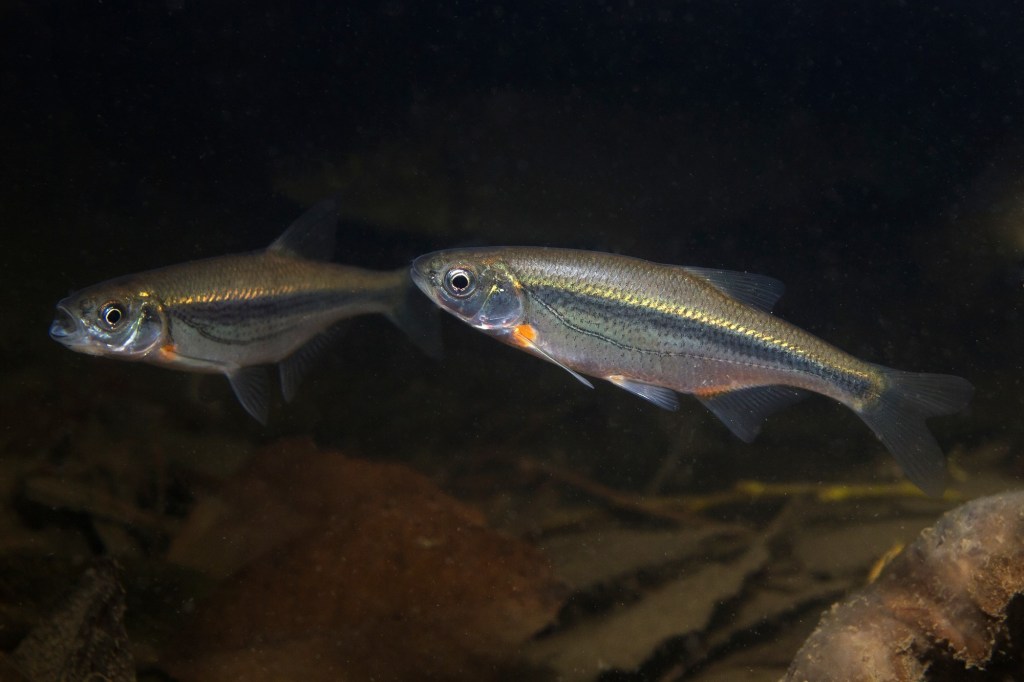
After we got married and had kids we had a couple of aquariums, a pet snake, a frilled lizard, hamsters, and eventually dogs. On one occasion we went fishing in a lake here in Texas. We used minnows for bait. My daughter wanted to take the leftover minnows home and put them in an aquarium. She named all of them Sally. Sally #1, Sally #2, Sally #3, Sally #4, Sally #5, Sally #6, etc. She was very young at the time and did not take care of her Sallys’ very well. She wanted them to have cranberry juice, so she poured cranberry juice in the aquarium. She wanted them to have a beautiful red aquarium, so she poured red paint in it. Well eventually the minnows died.
Sally #1 and Sally #2 Asset id: 1182854671 by Rostislav Stefanek
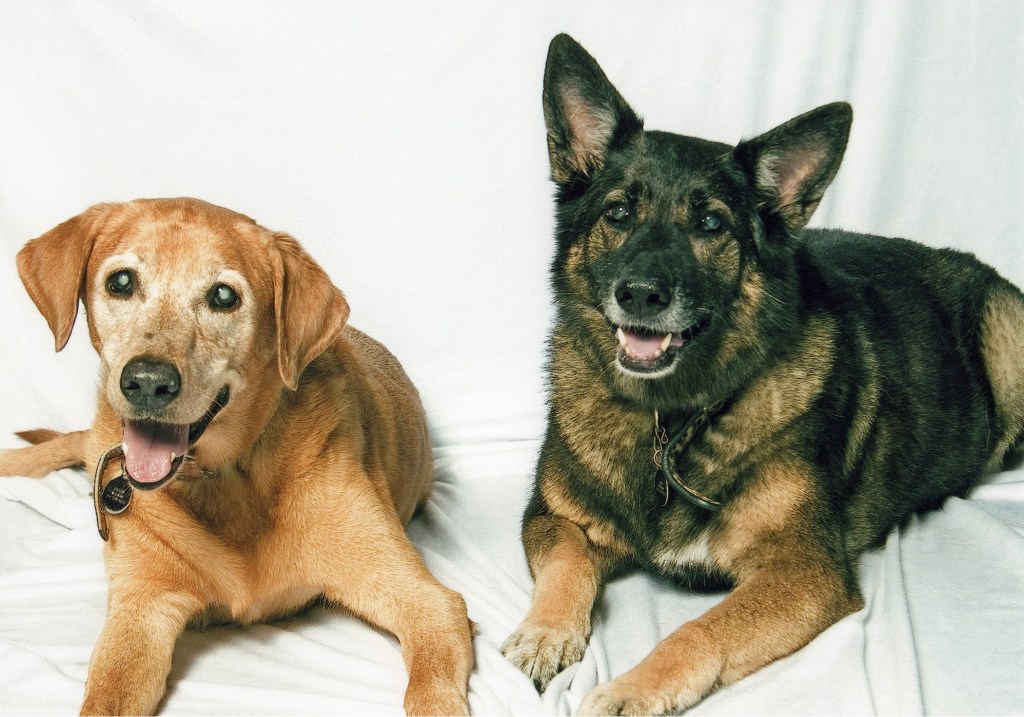
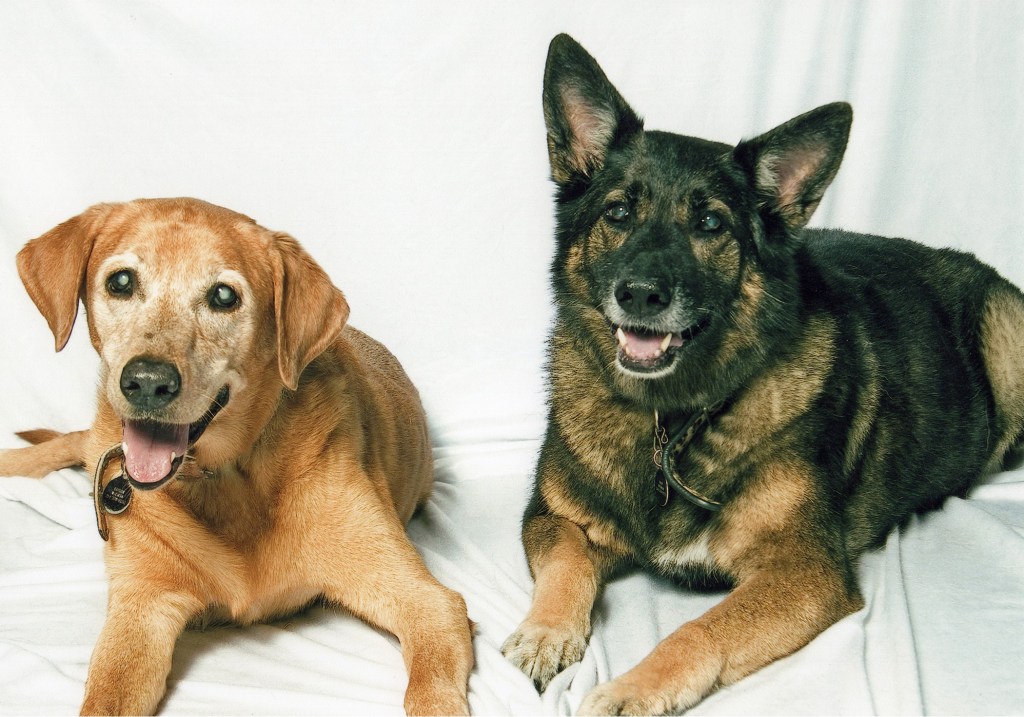
Our first dogs as a family were our Labrador Baylor and our German Shepherd Baby. To be precise, Baylor was a mix, one quarter Rhodesian Ridgeback and three quarters yellow Labrador. They were both rescues that were adopted by our niece (Baylor) and Claudia’s sister (Baby). They were both wonderful dogs. Baylor loved swimming and he was brave and very playful.
Our Labrador Baylor and German Shepherd Baby. They were both rescues.
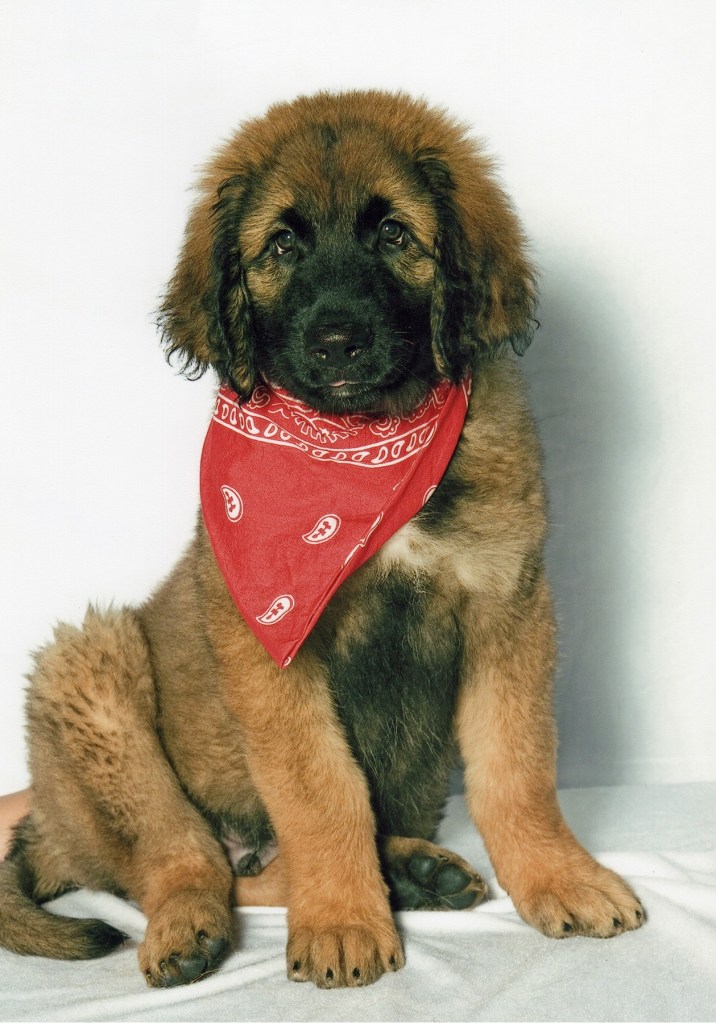
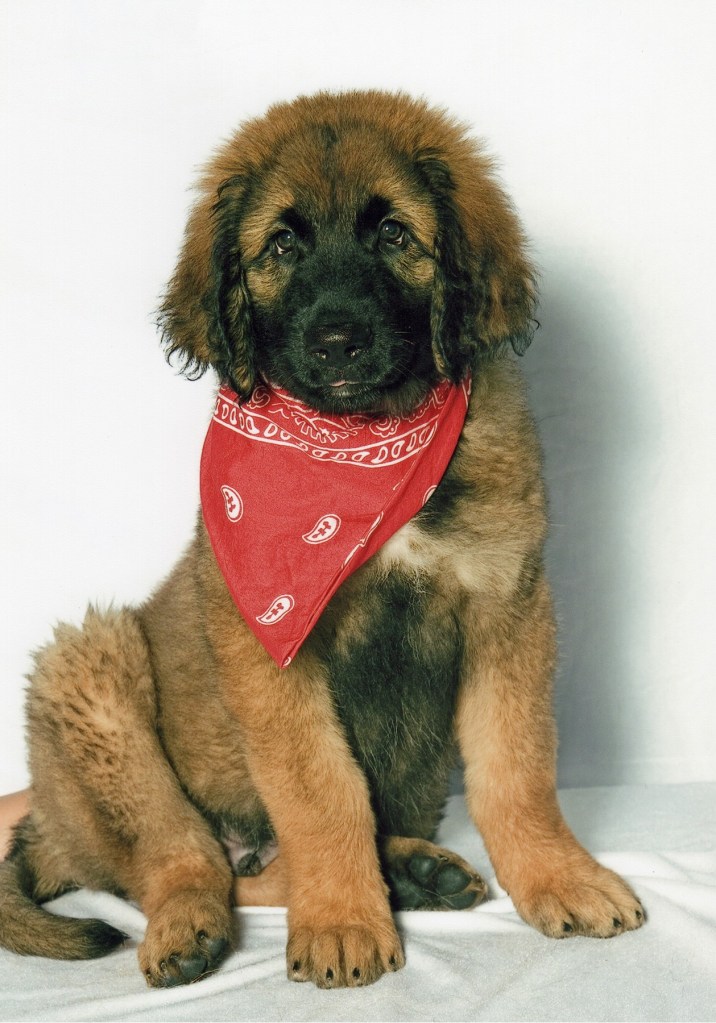
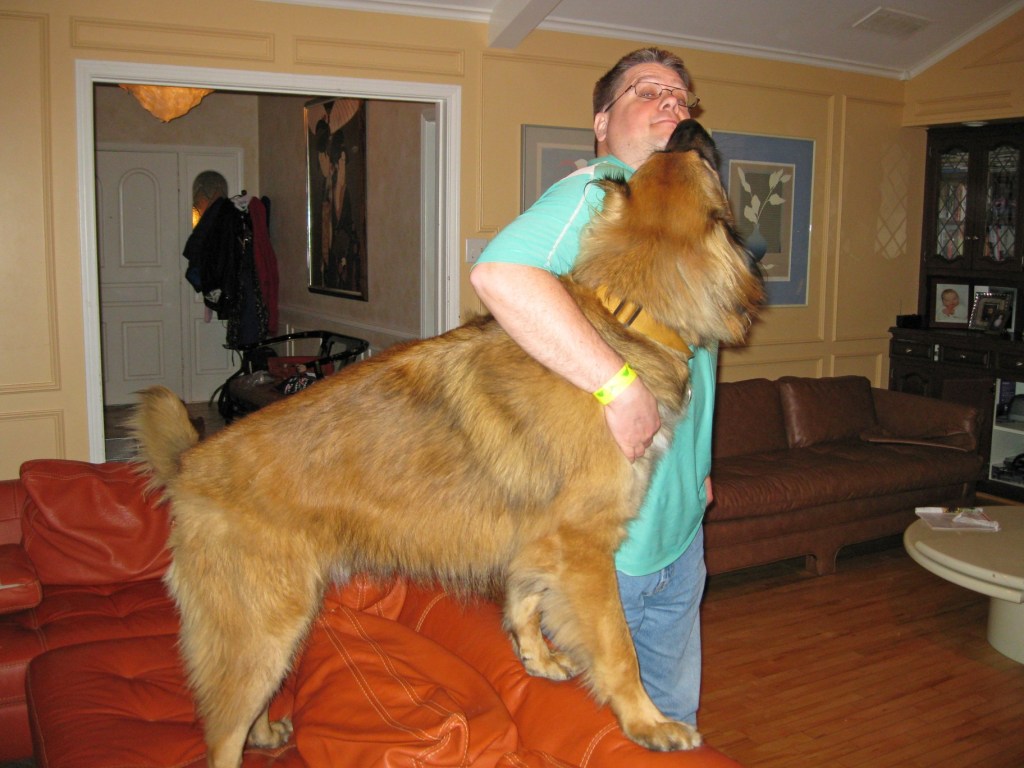
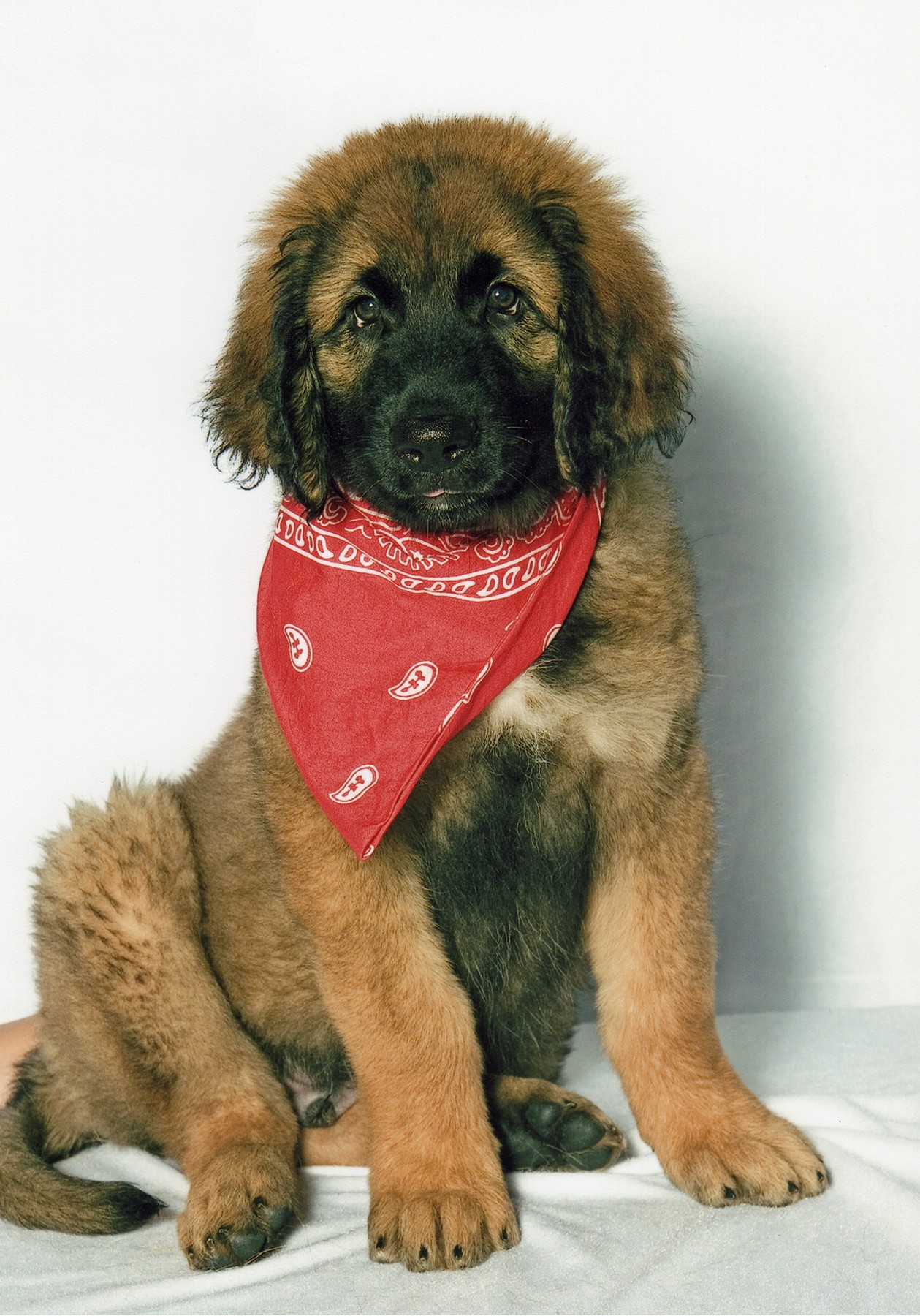
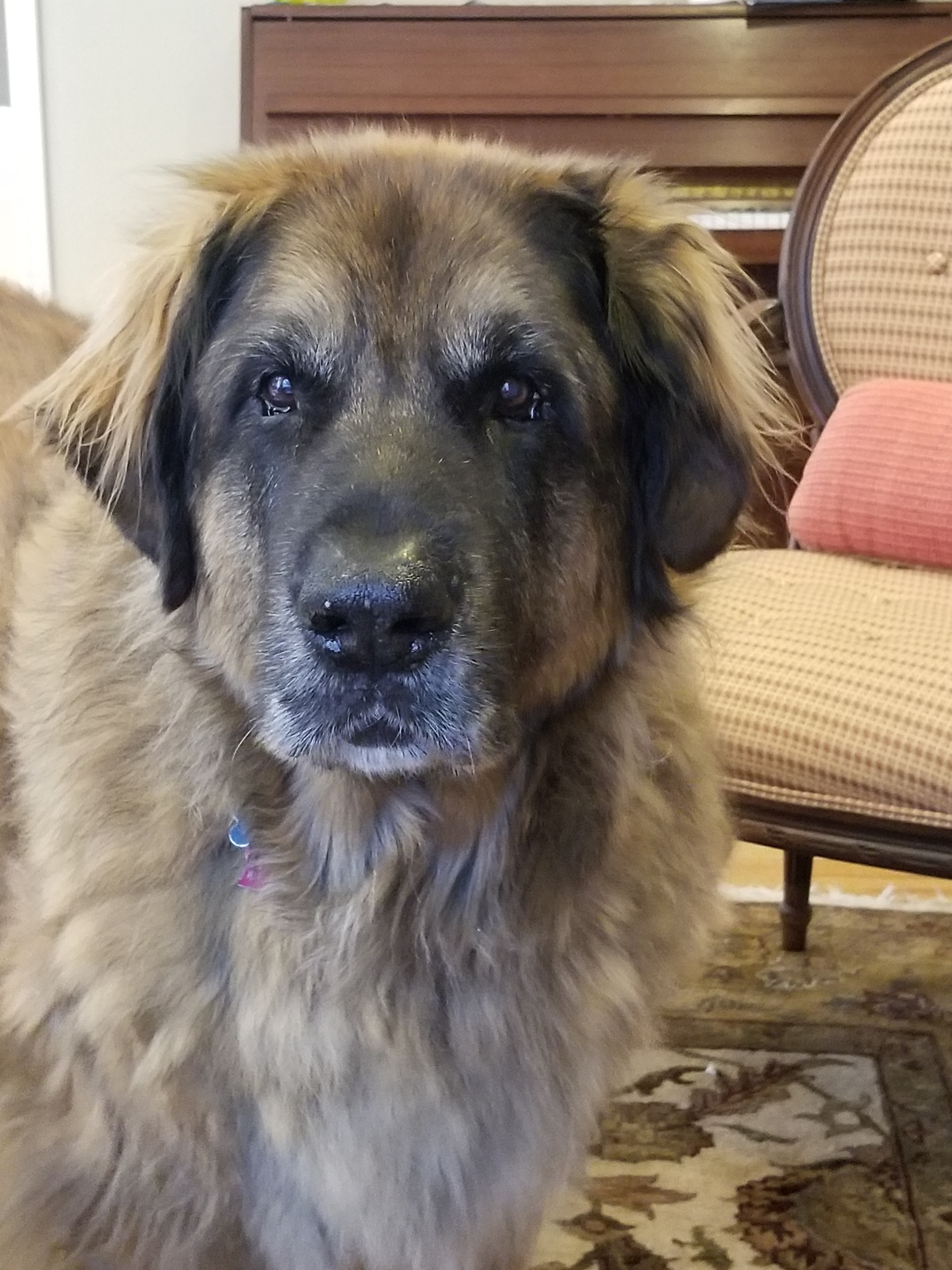
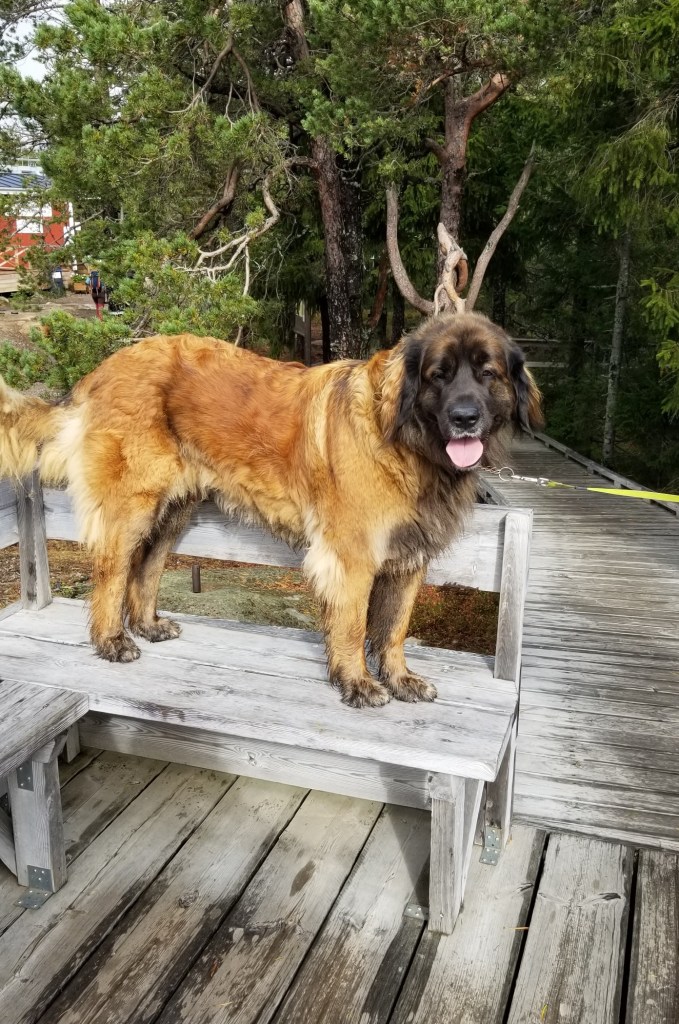
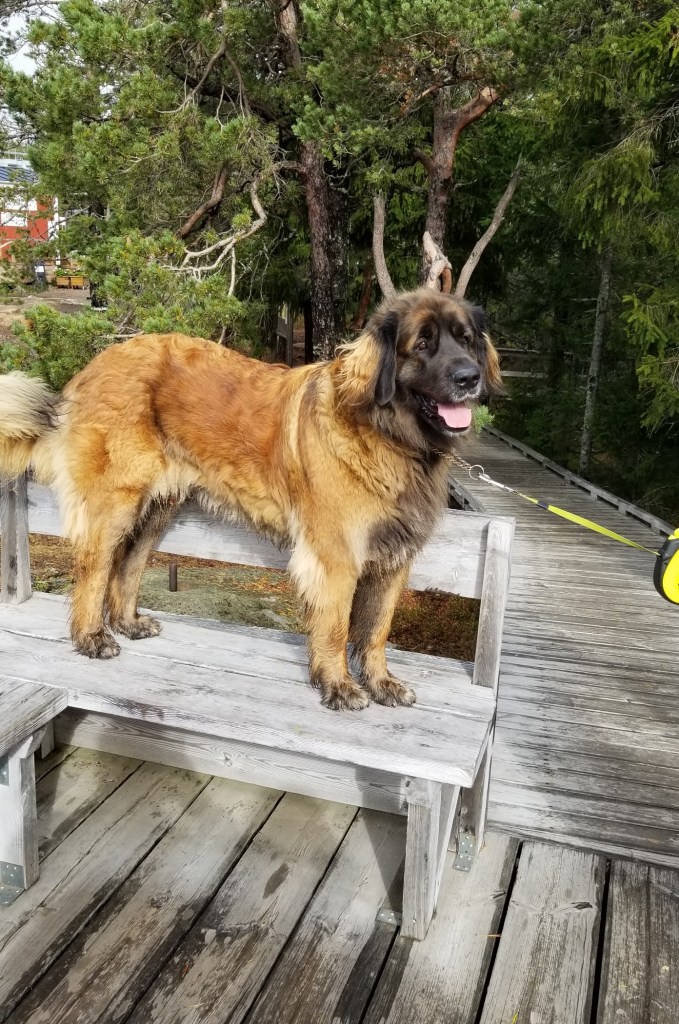
Next, we got a Leonberger dog by the name Le Bronco von der Löwenhöhle, or Le Bronco, or just Bronco for short. He was a big friendly goofball who saved our Pug Daisy’s life, probably saved Baylor’s life my smelling out an oncoming insulin shock, found and saved run away hamsters, and saved the entire neighborhood by chasing off a trespasser / intruder / peeping Tom. I wrote a book about him “The Life and Times of Le Bronco von der Löwenhöhle”.
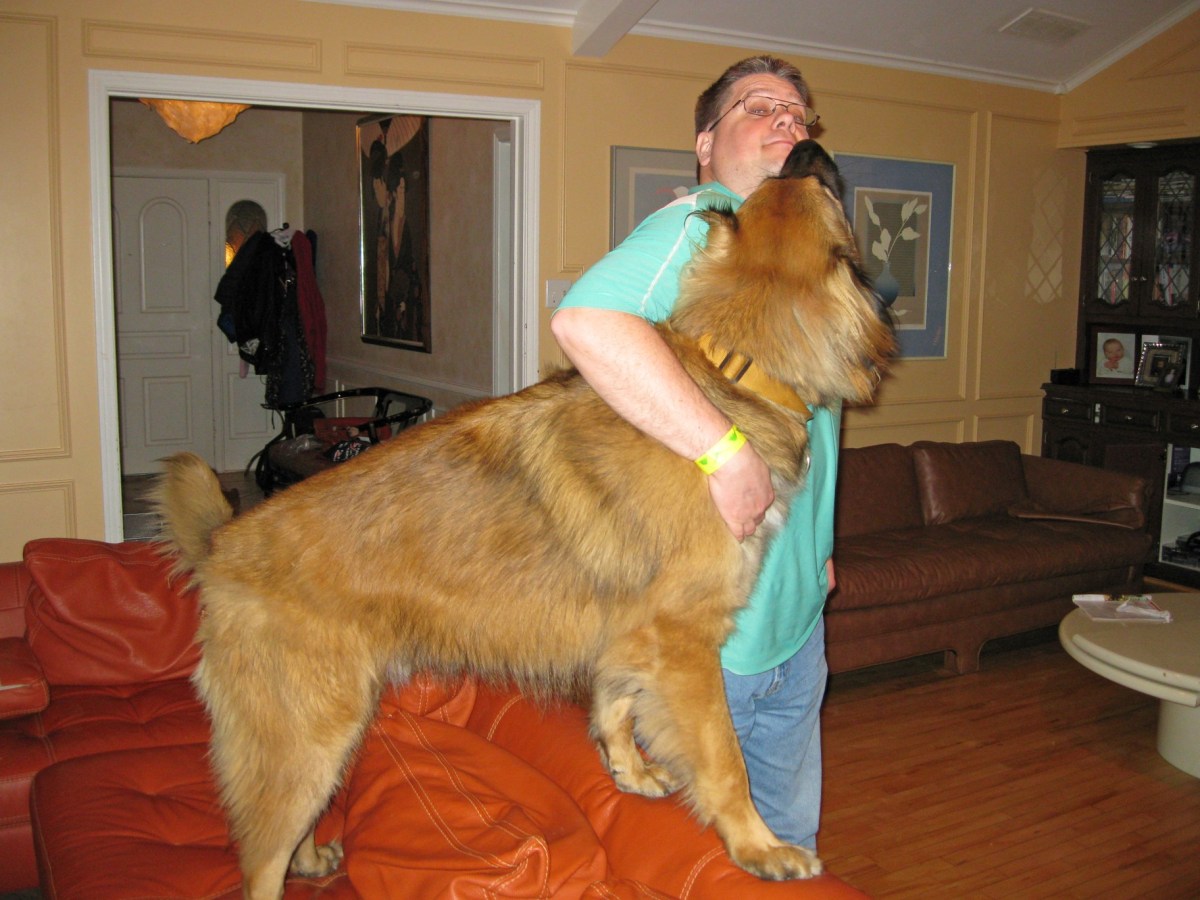
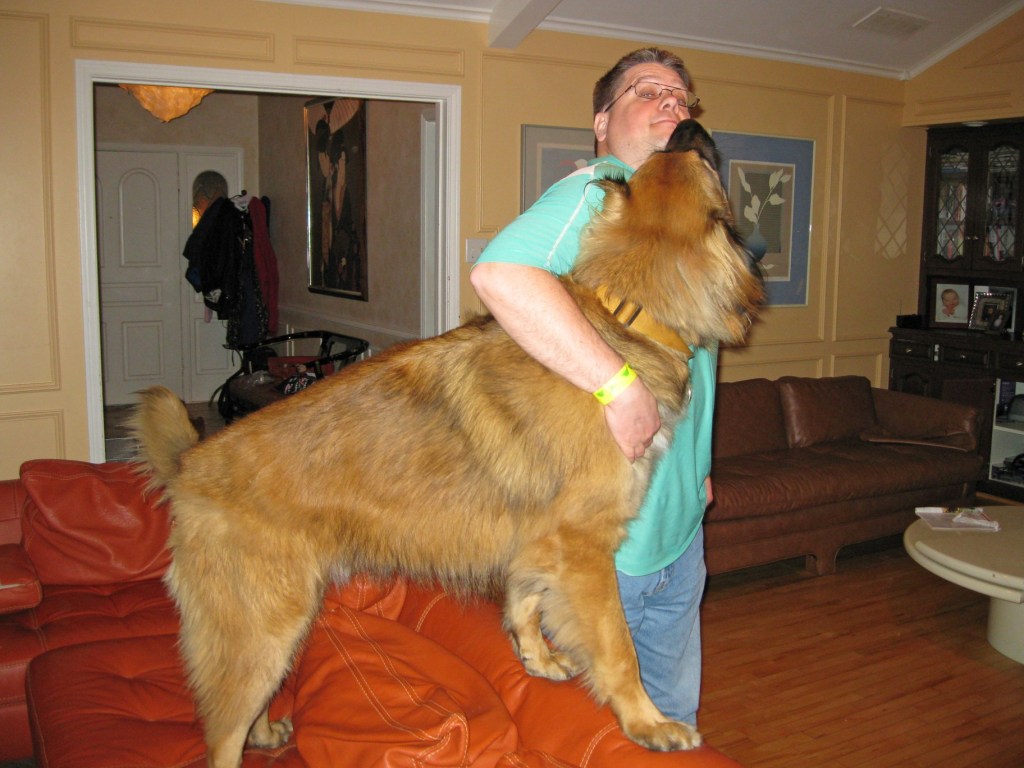
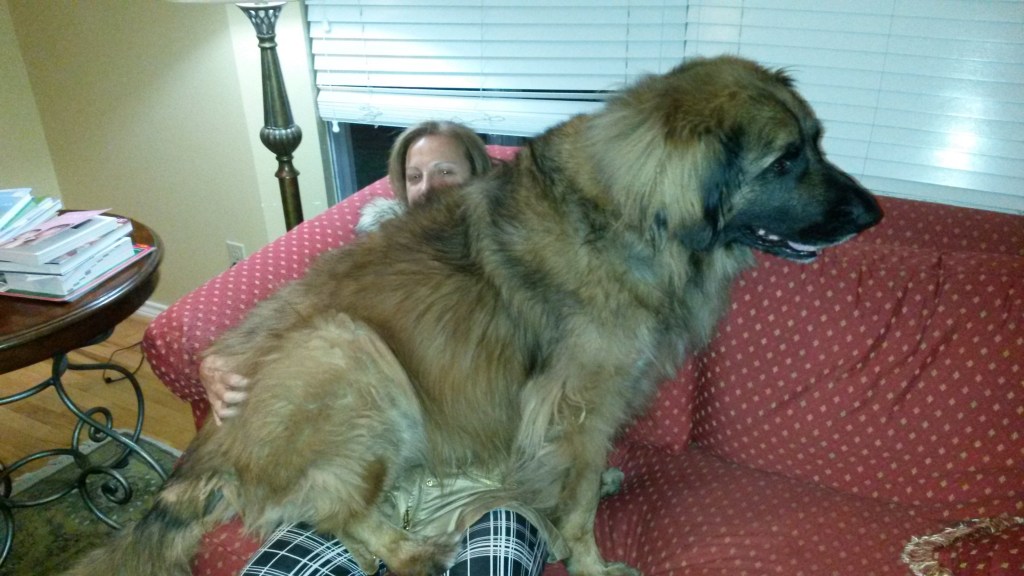
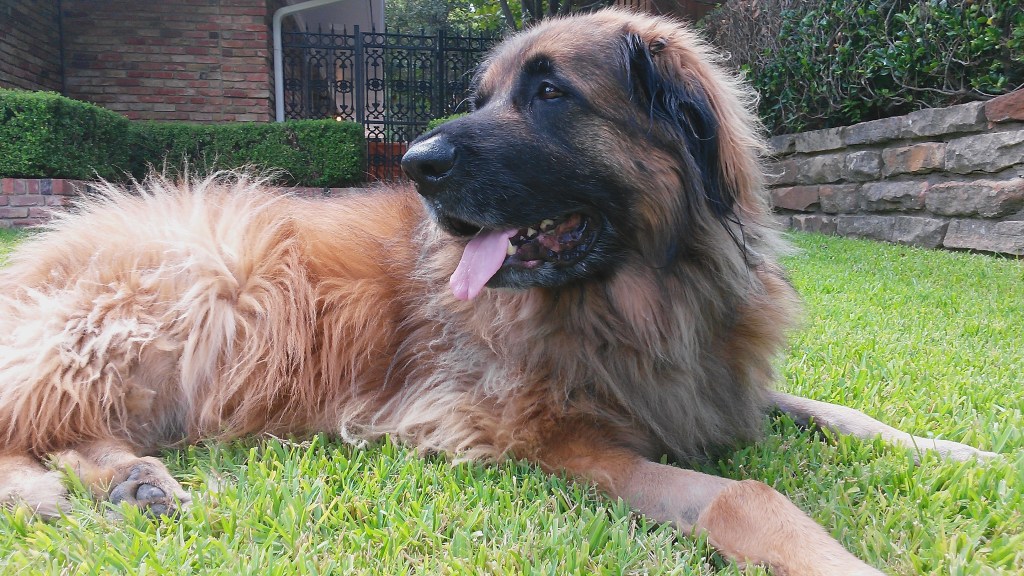
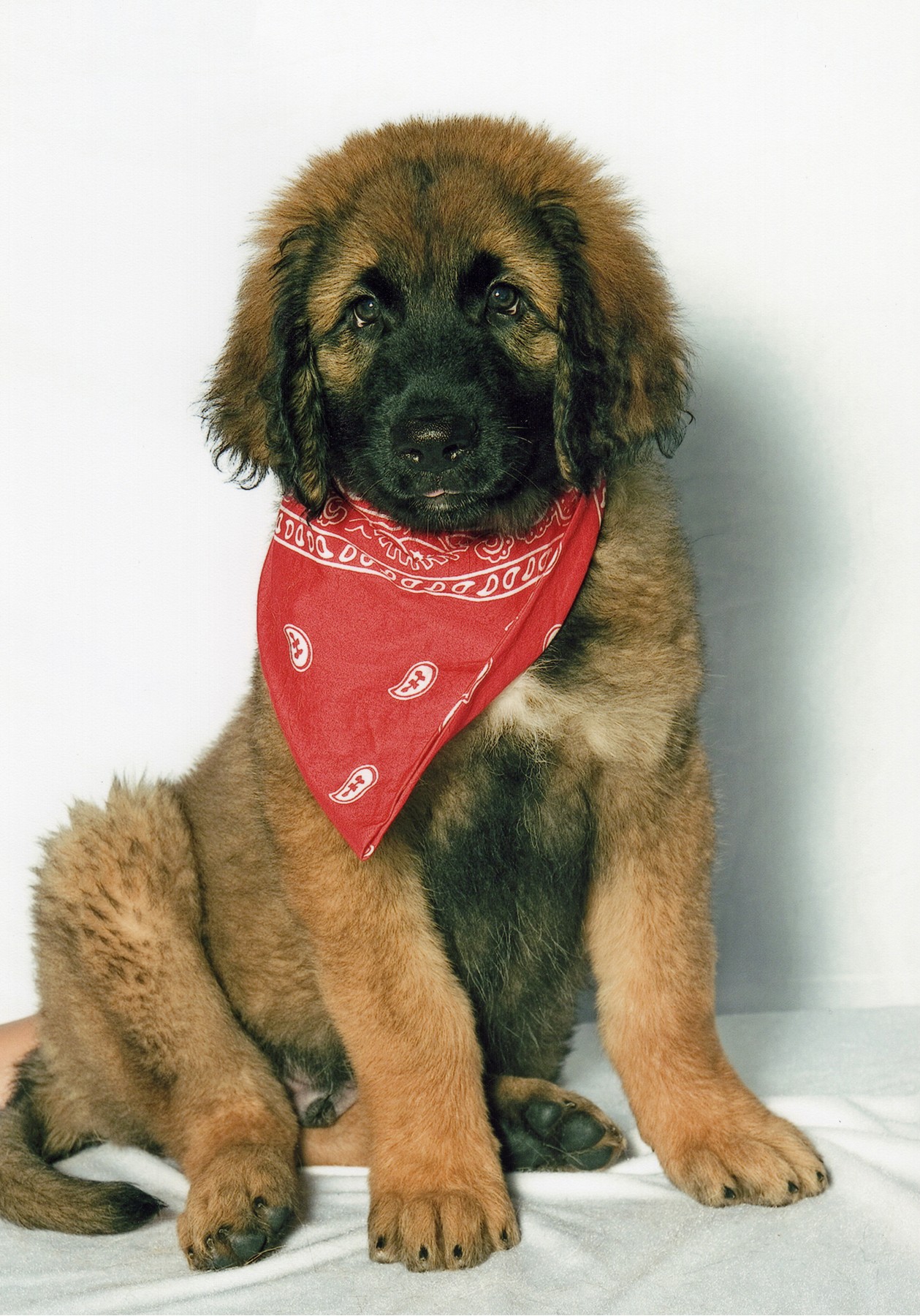
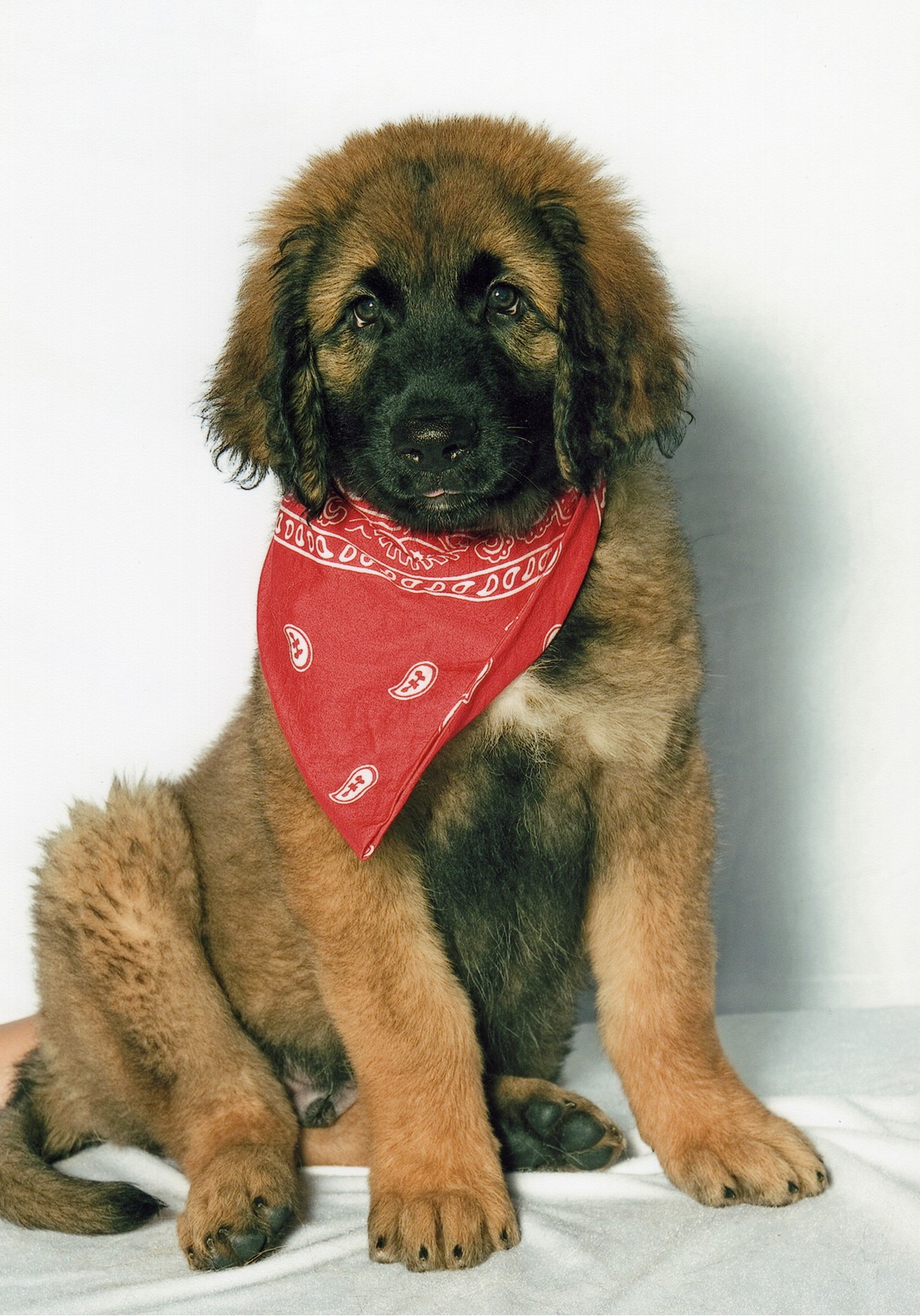
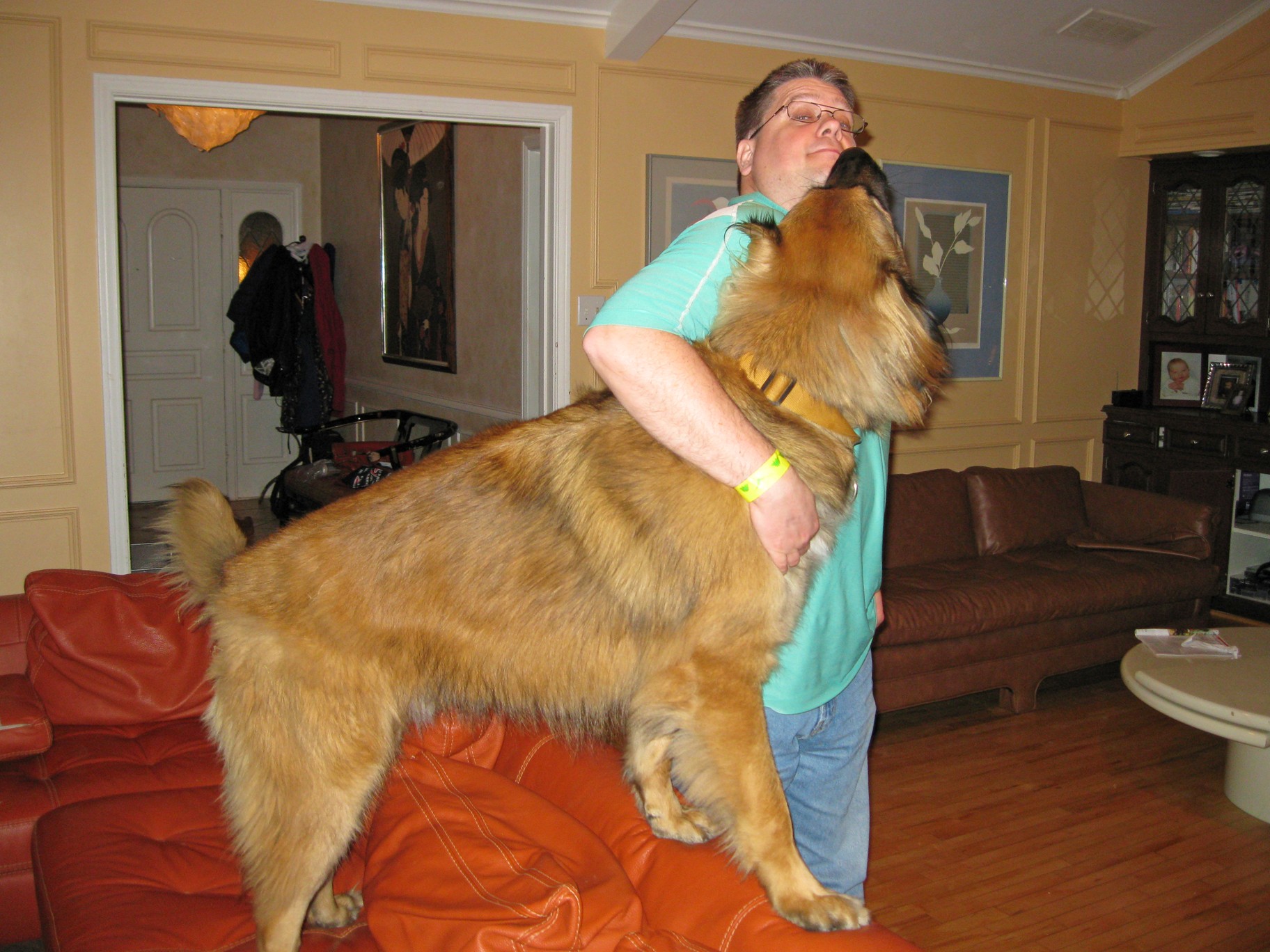
Our Leonberger Dog Bronco at 3 months oldMe with our Leonberger Bronco. He was not yet fully grown.Our large but cuddly 167lb Leonberger Bronco is sitting in my wife Claudia’s lap.
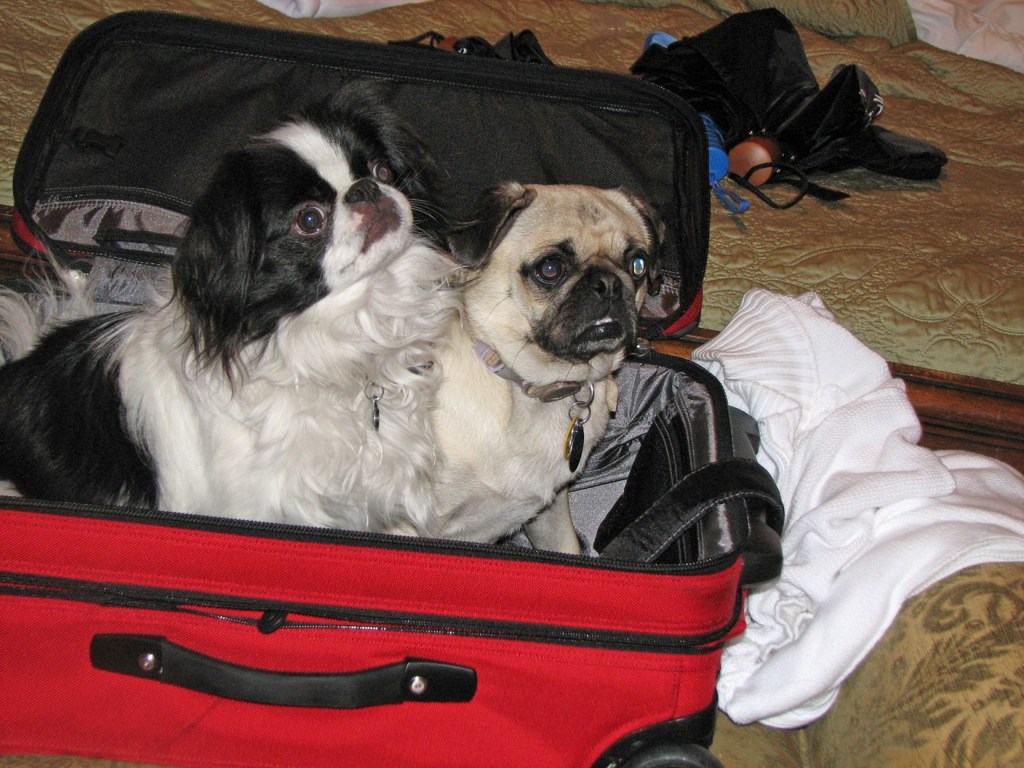
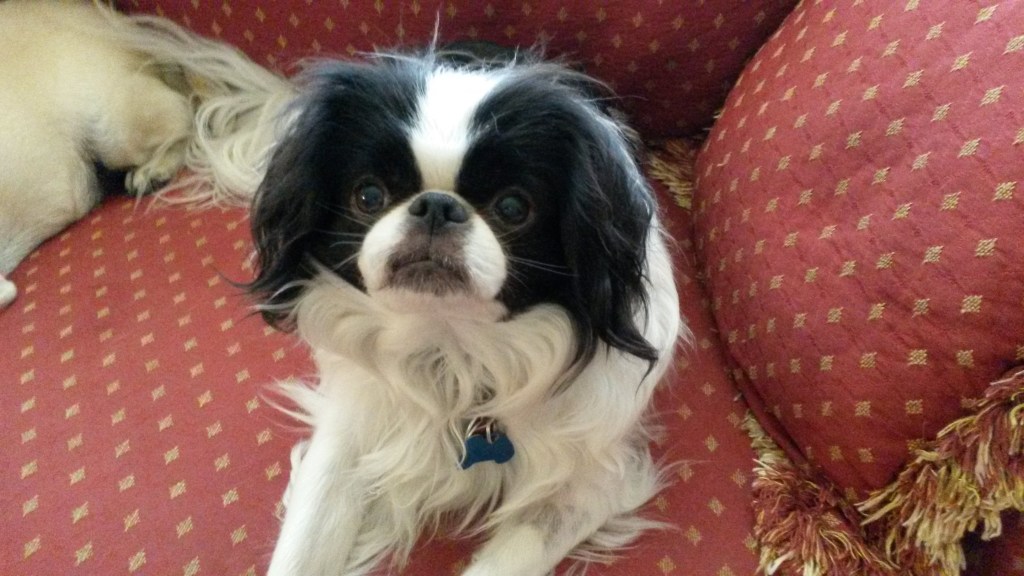
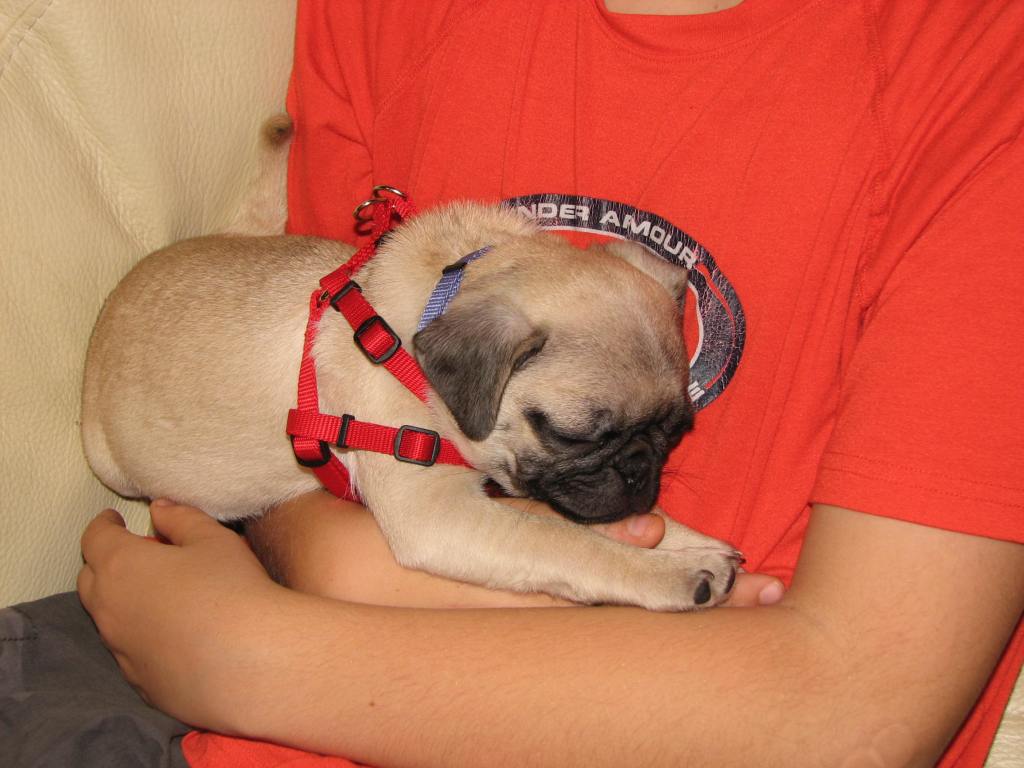
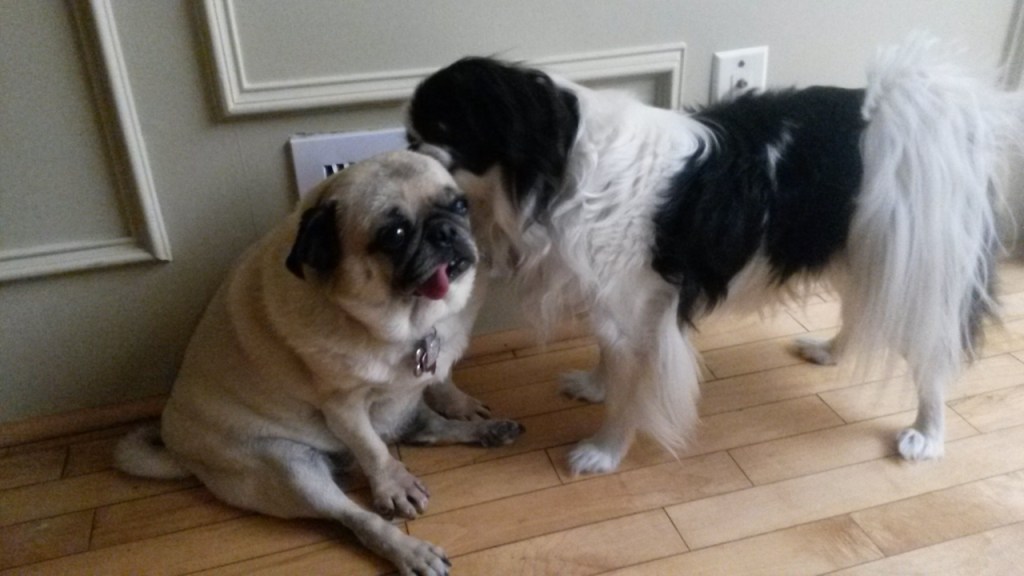
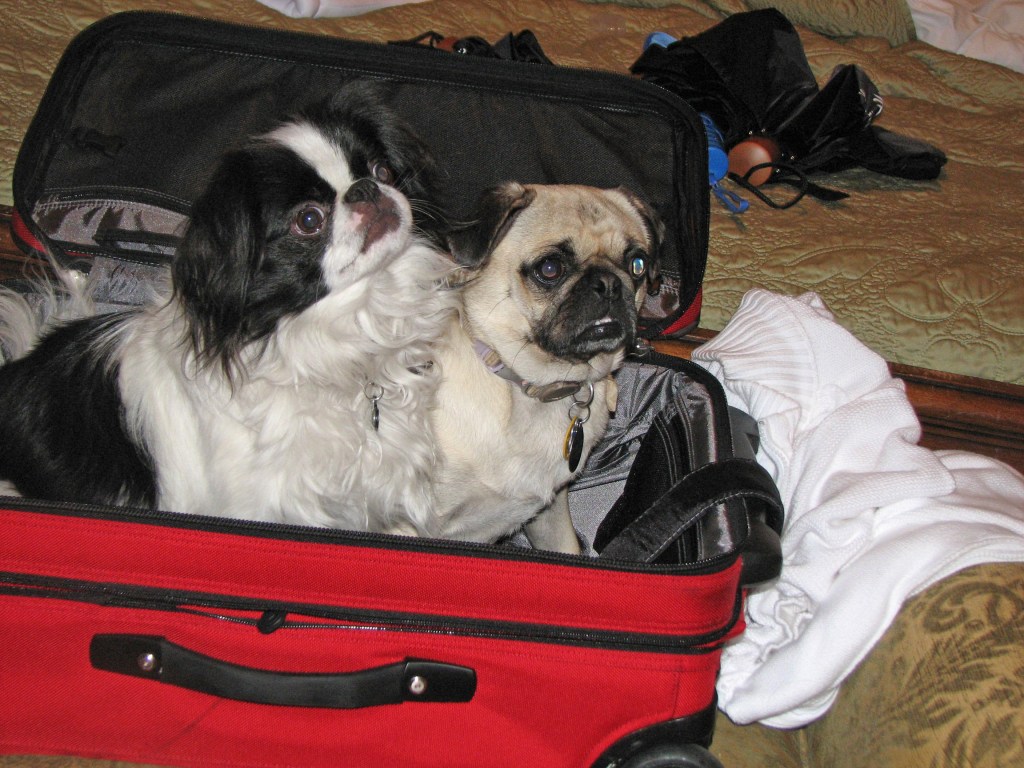
Next, we got a Japanese Chin named Ryu and the Pug Daisy. Two little energetic and funny dogs. Ryu loved howling and he sounded like an opera singer. He loved the applause he got. Daisy was a funny girl, and she loved being around Ryu. They did not like it when we travelled and on one occasion they staged a protest. They defiantly sat down in one of the suitcases and refused to move.
Our Japanese Chin Ryu and our Pug Daisy are protesting our travel by sitting in our suitcase. They want to come with us.
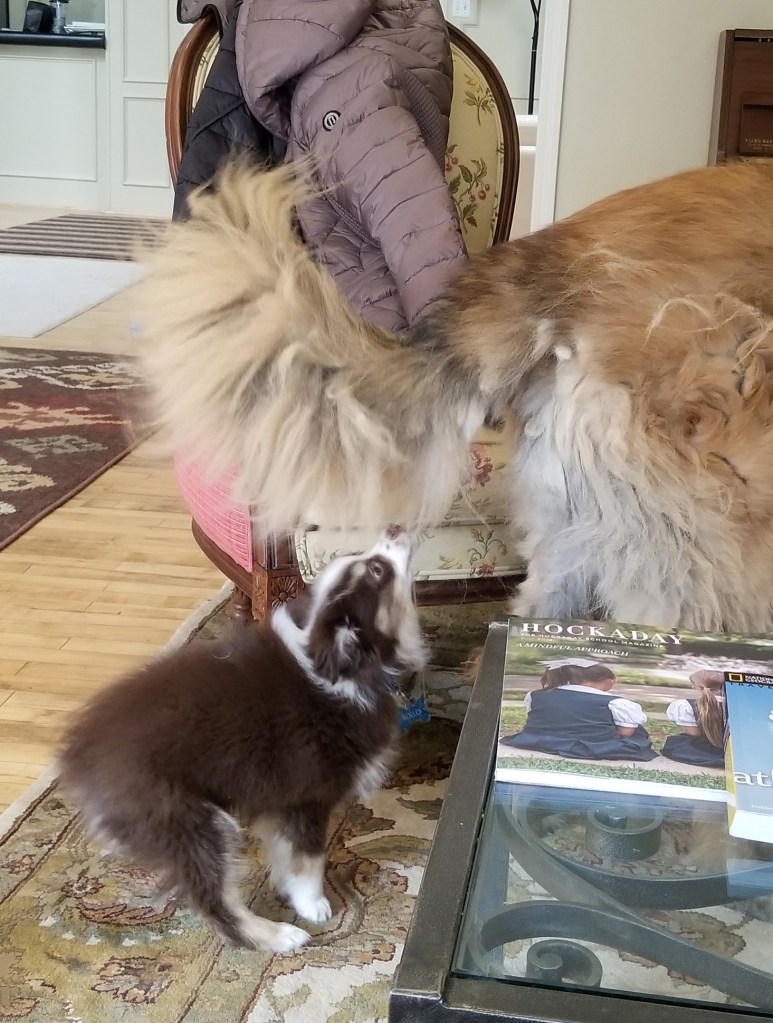
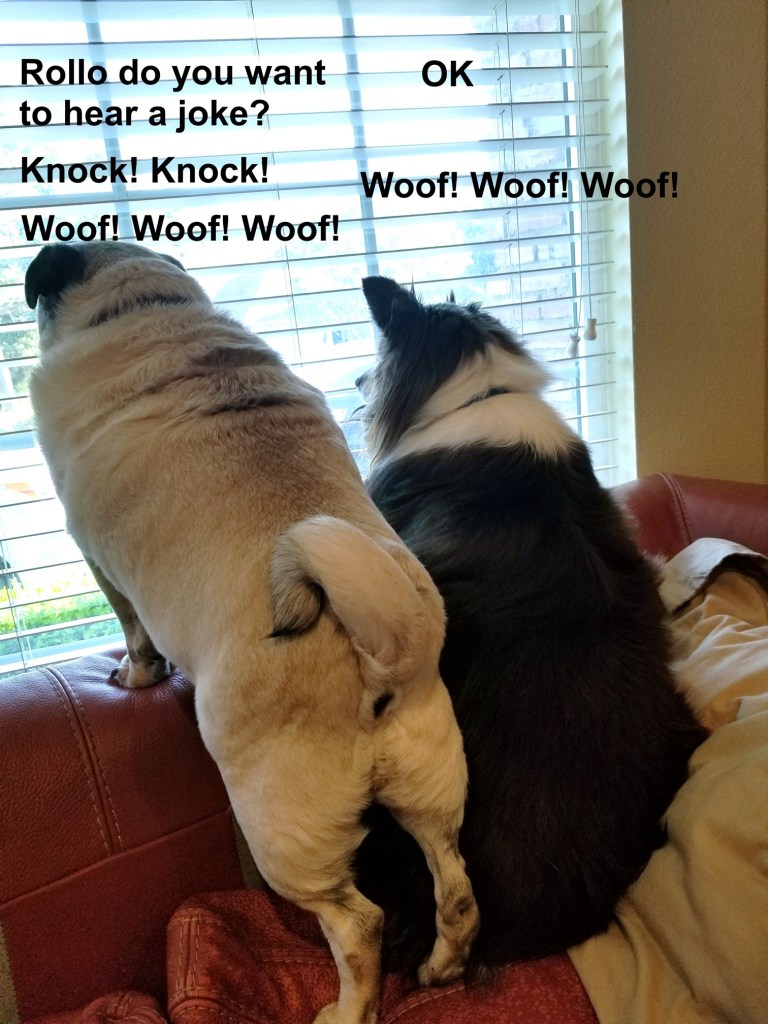
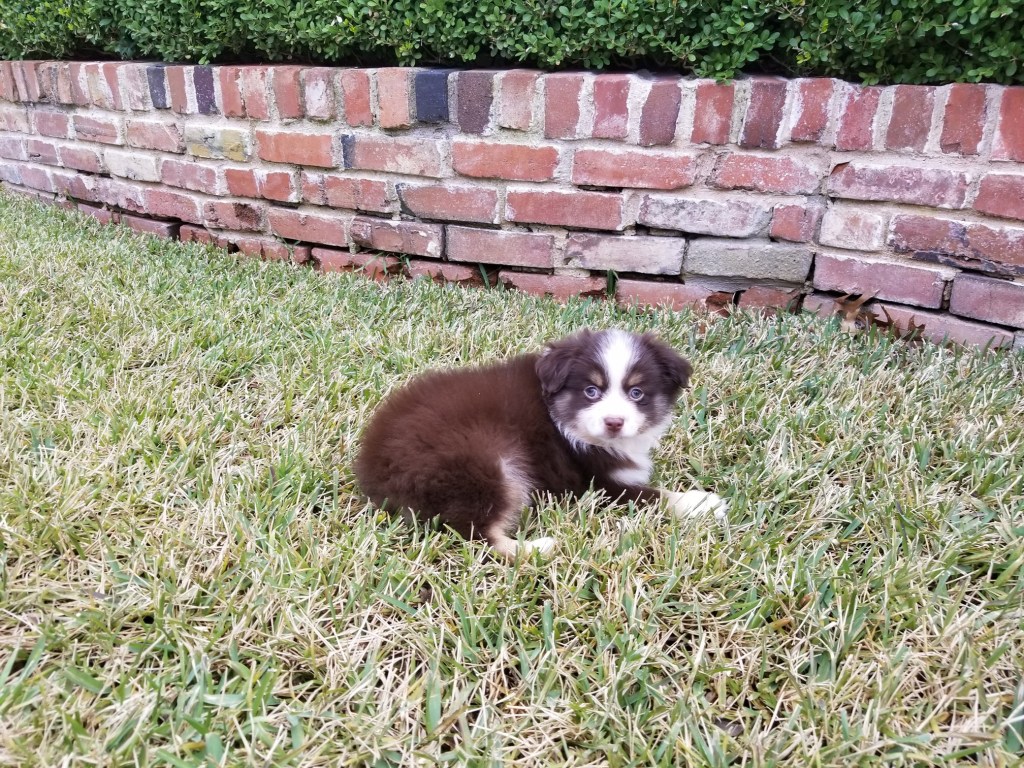
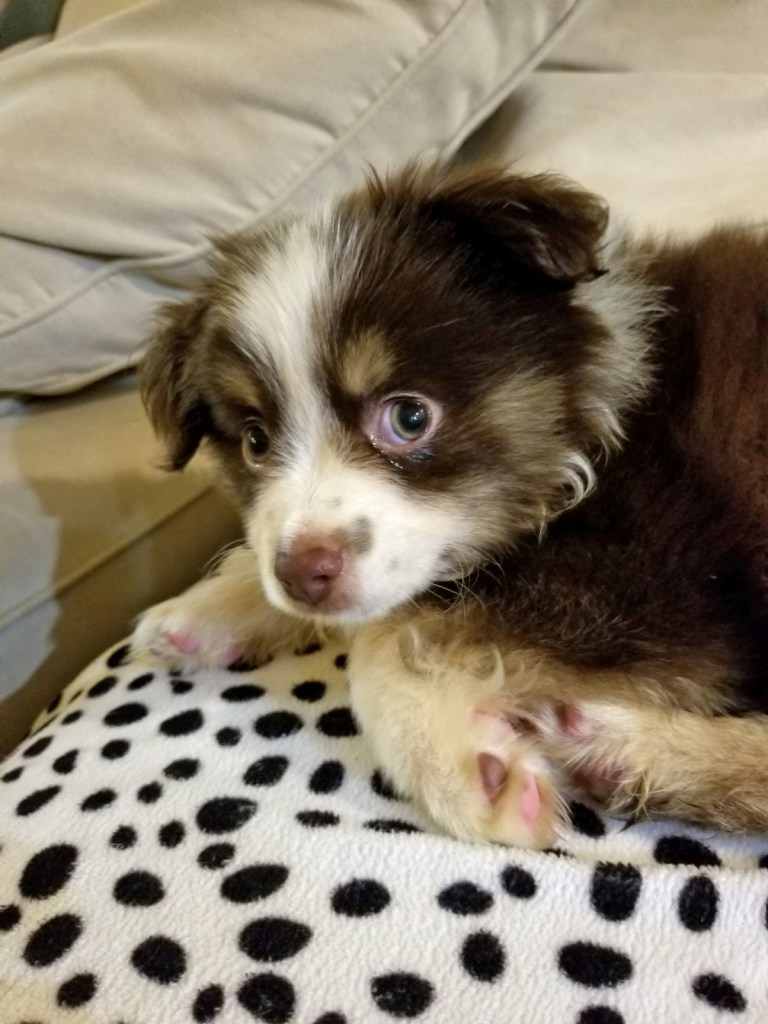
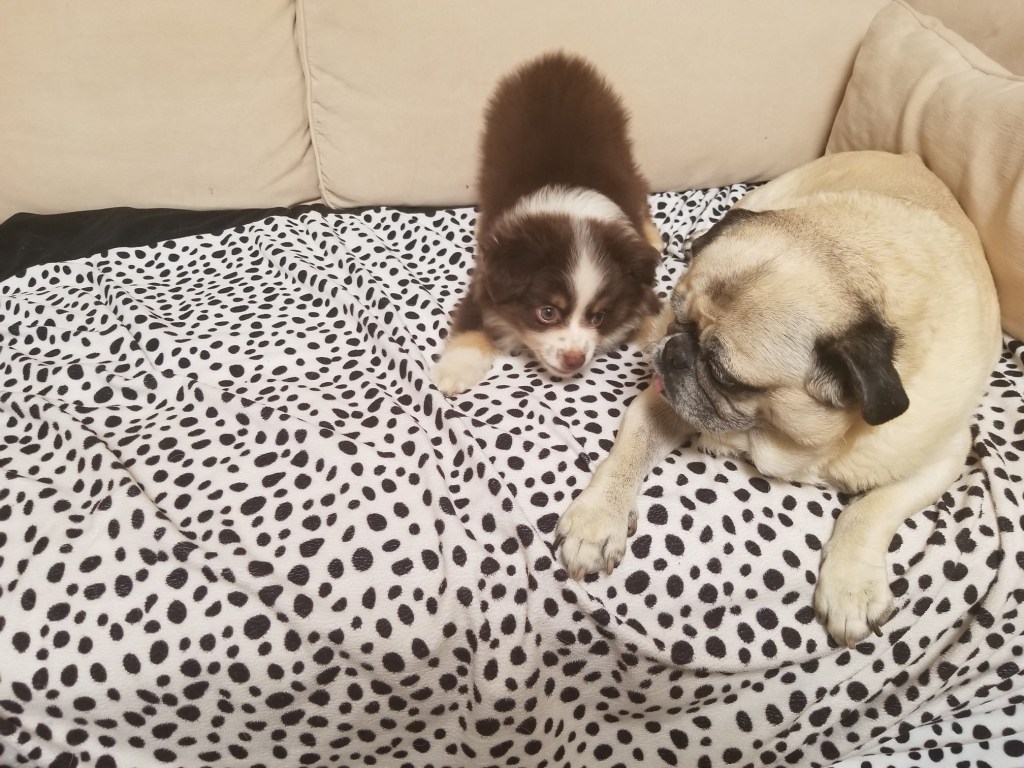
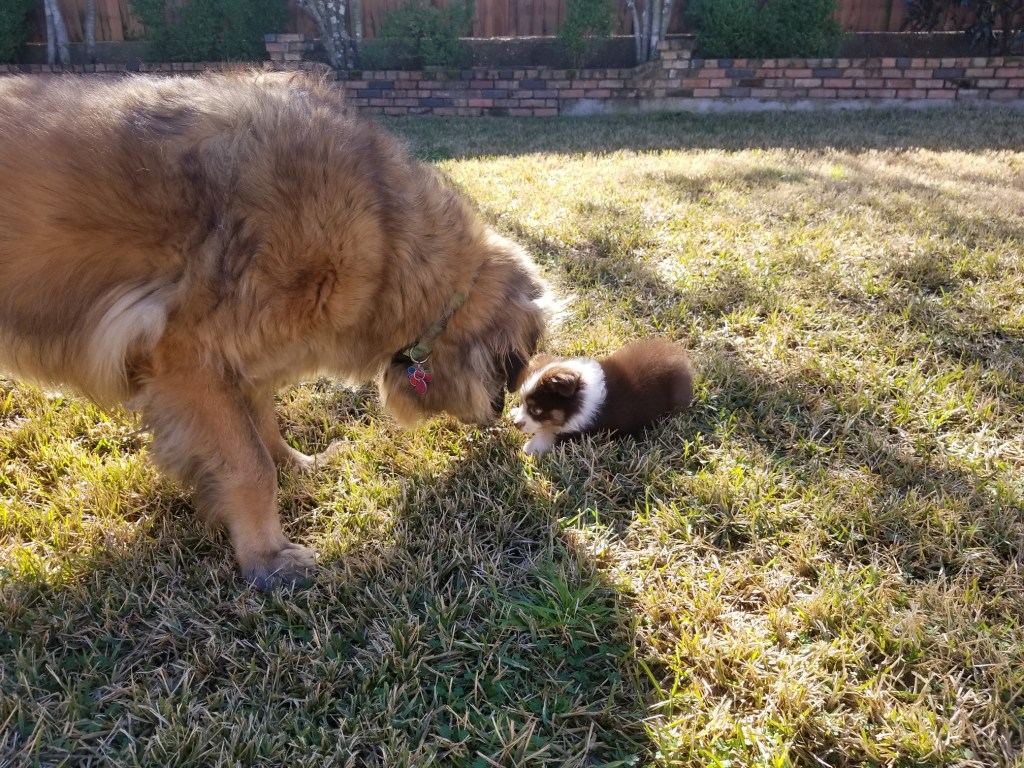
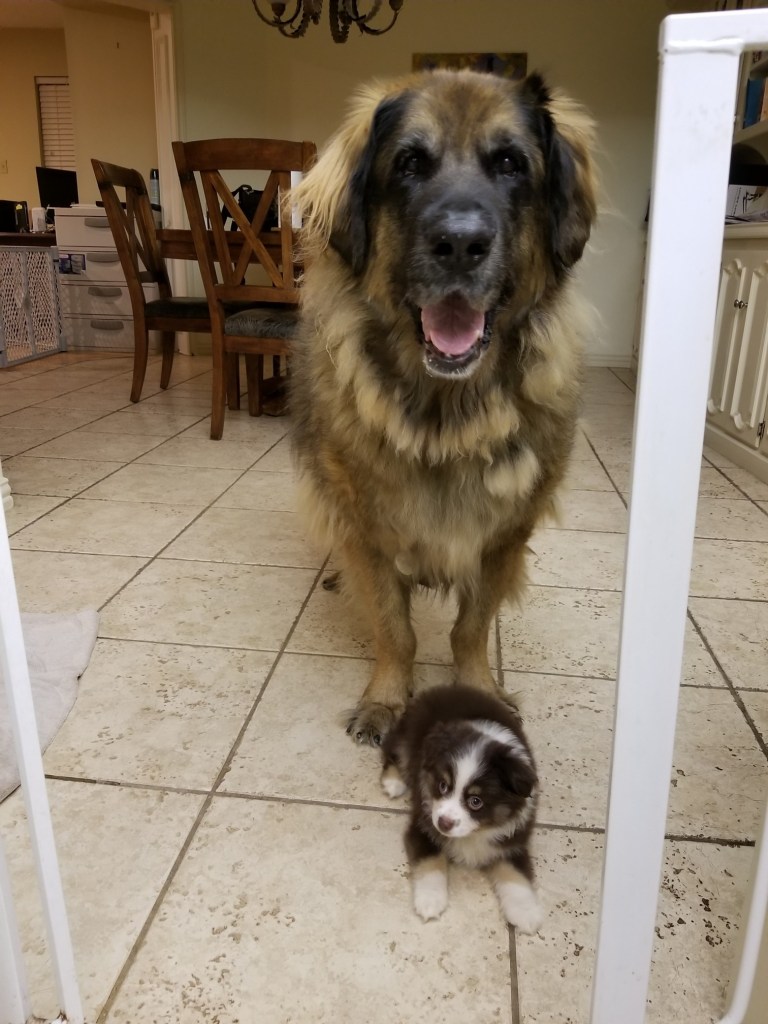
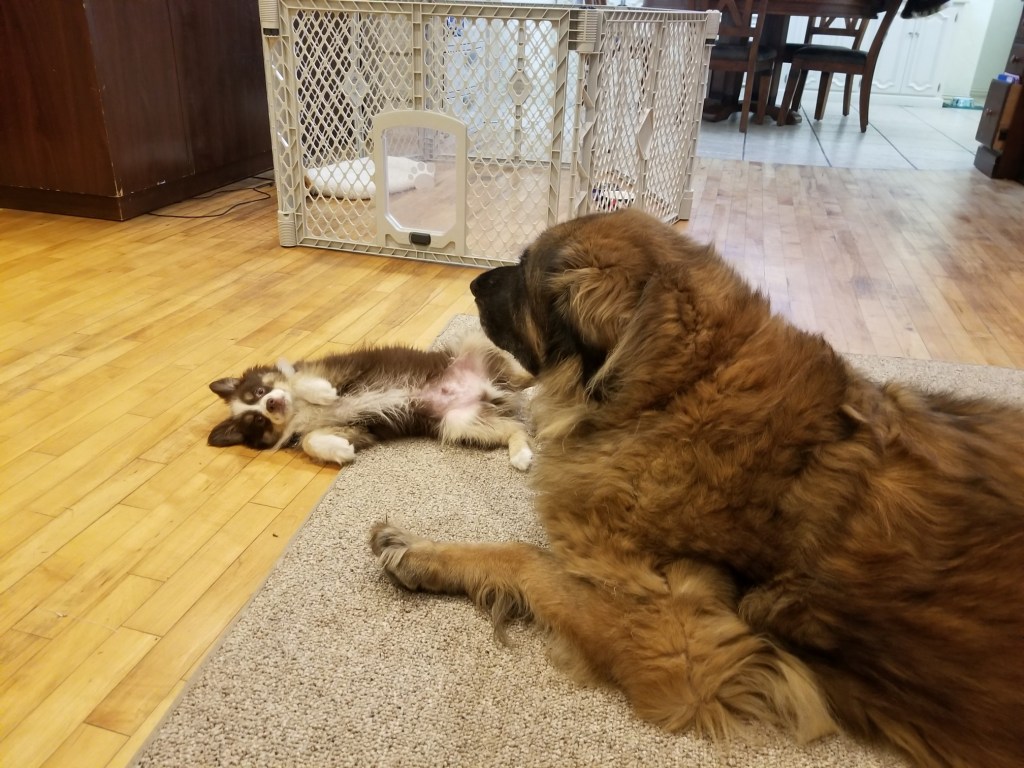
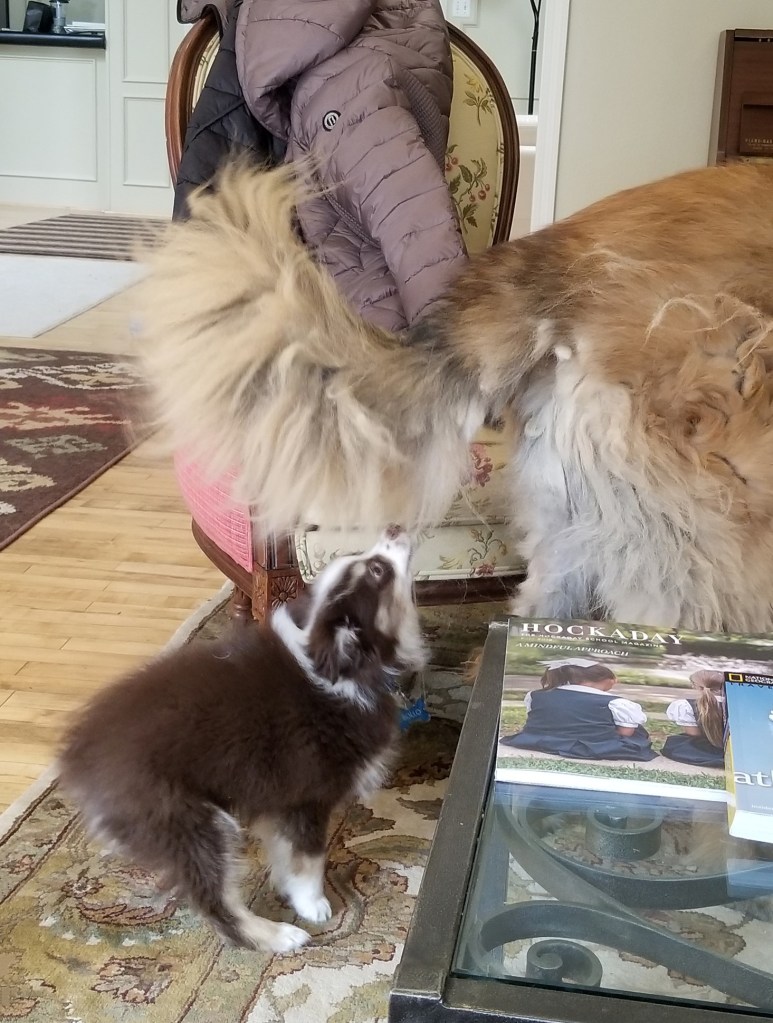
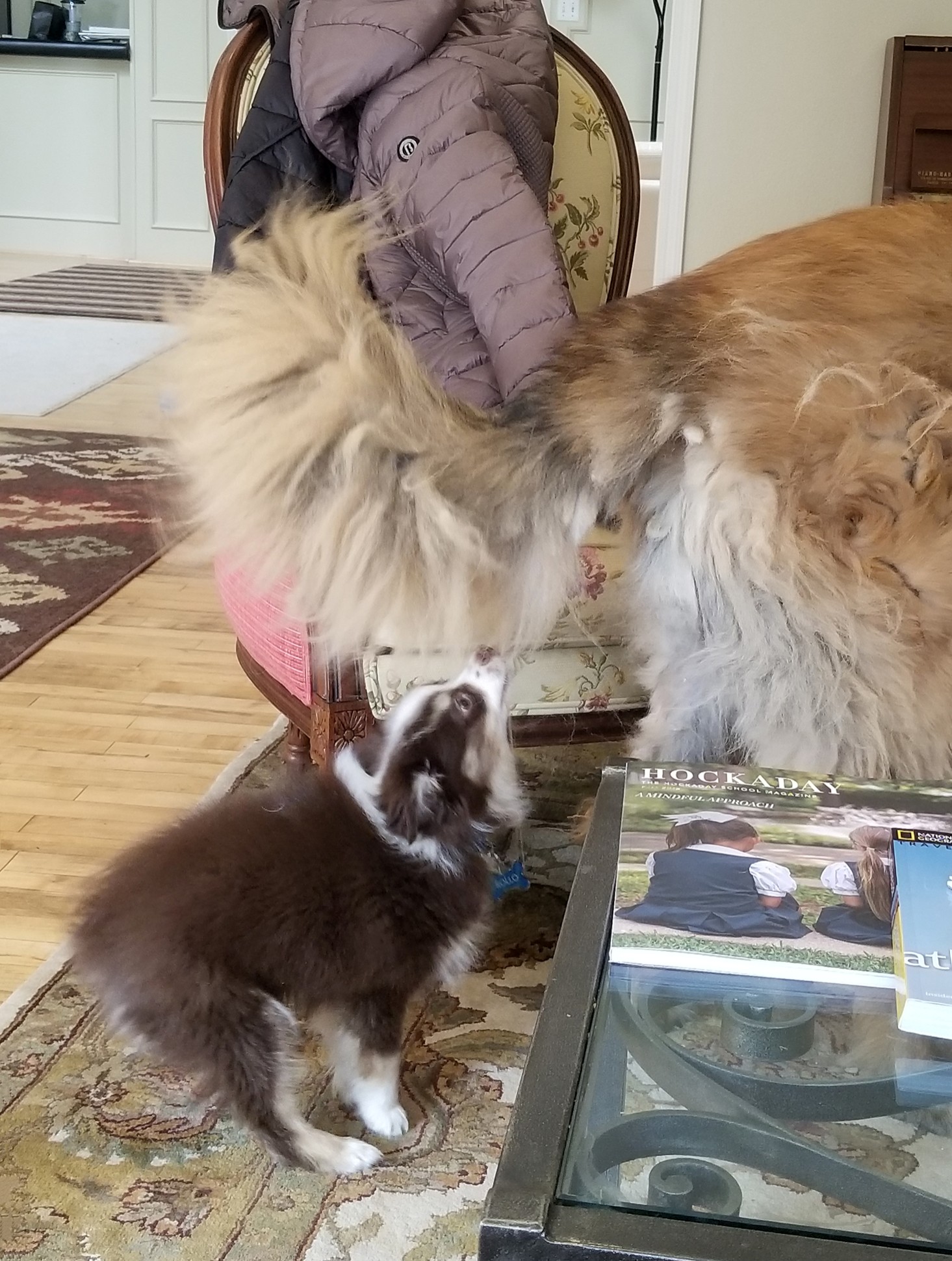
Finally, we got our little rascal, the mini-Australian Shepherd Rollo. He is an intelligent, curious, energetic, anxious and spoiled dog that is a chore. He probably understands several hundred words. When we still had Bronco, they were best buddies. He was pestering Bronco, biting his tail and even swinging in it. Luckily, Bronco was patient. When we leave for a little bit, he sits in the window and looks out into the street. When we say “Rollo, go look out the window” he runs to the window. He knows we are leaving. He is our most misbehaved dog, but he is full of life and full of joy.
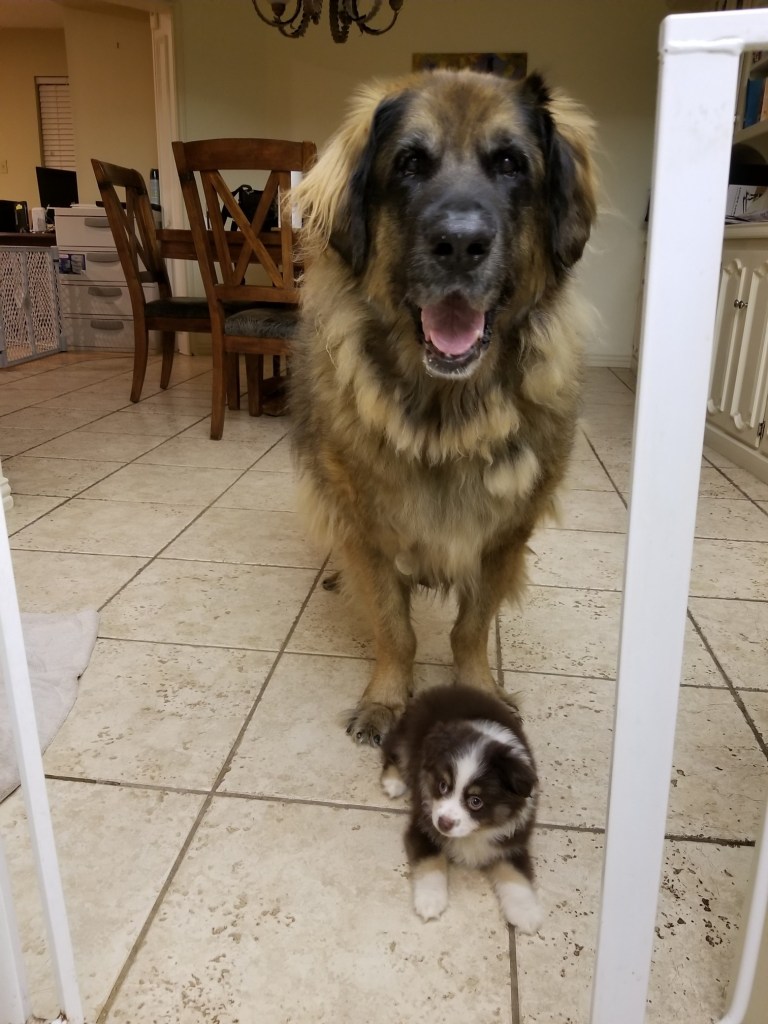
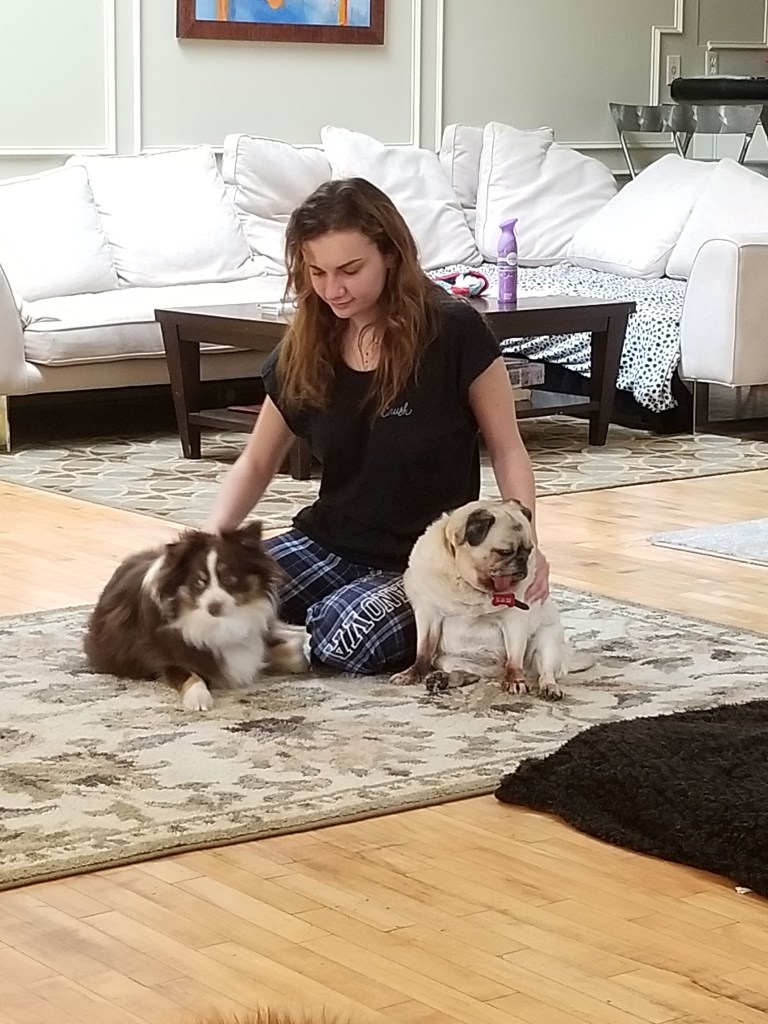
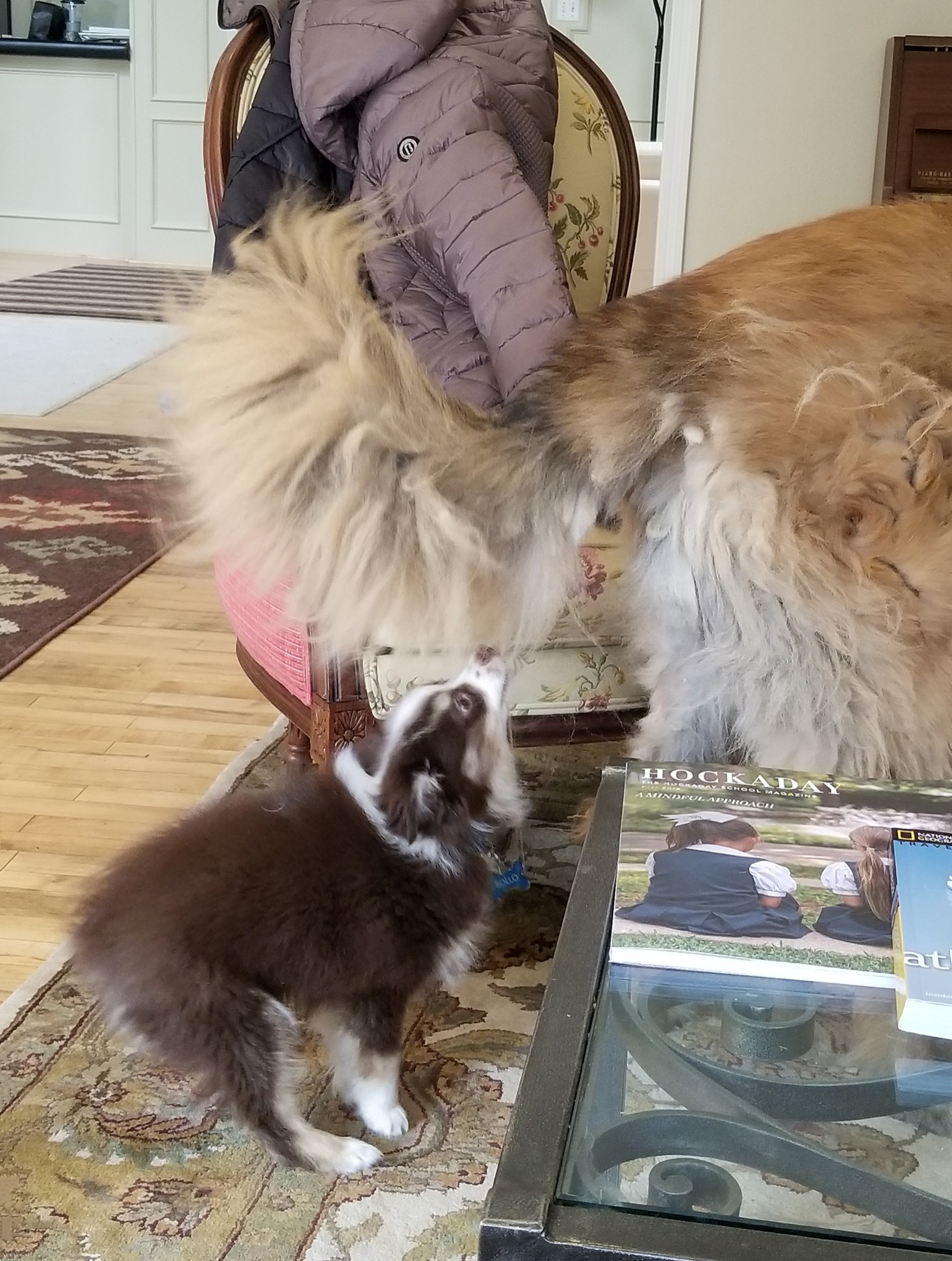
Our Leonberger Bronco with our new puppy Rollo, a mini-Australian Shepherd.Rollo, our mini-Australian Shepherd could be a pest. He loved biting Bronco’s tail and even swung in it as if it was a swing.Our Pug Daisy and our mini-Australian Shepherd barking at people passing by our house. Notice the joke.
The Joy of Having a Pet
Pets give you unconditional love, company, adventure, memorable moments, hilarious moments, protection, and lots of joy. Playing with them or taking a dog for a walk is good for your health, as this article from the Mayo clinic states.
Today’s prompt for Stream of Consciousness Saturday May 16 is “sweet”. Use it way you’d like. The first rule is: there should be minimal planning and no editing except typos.
The first thing that came to my mind was how sweet my dogs have been and how many sweet dog photos I have taken of Leonbergers and of our other dogs throughout the years. I’ve also downloaded many shutterstock photos of Leonbergers. I intend to pick just a few of those. So, my stream of consciousness is to randomly pick sweet dog photos from the thousands of photos that I have. I will select 25 photos, but I don’t know yet which photos that will be. Let’s see!
25 Sweet Leonberger and Dog Photos my Quick Picks
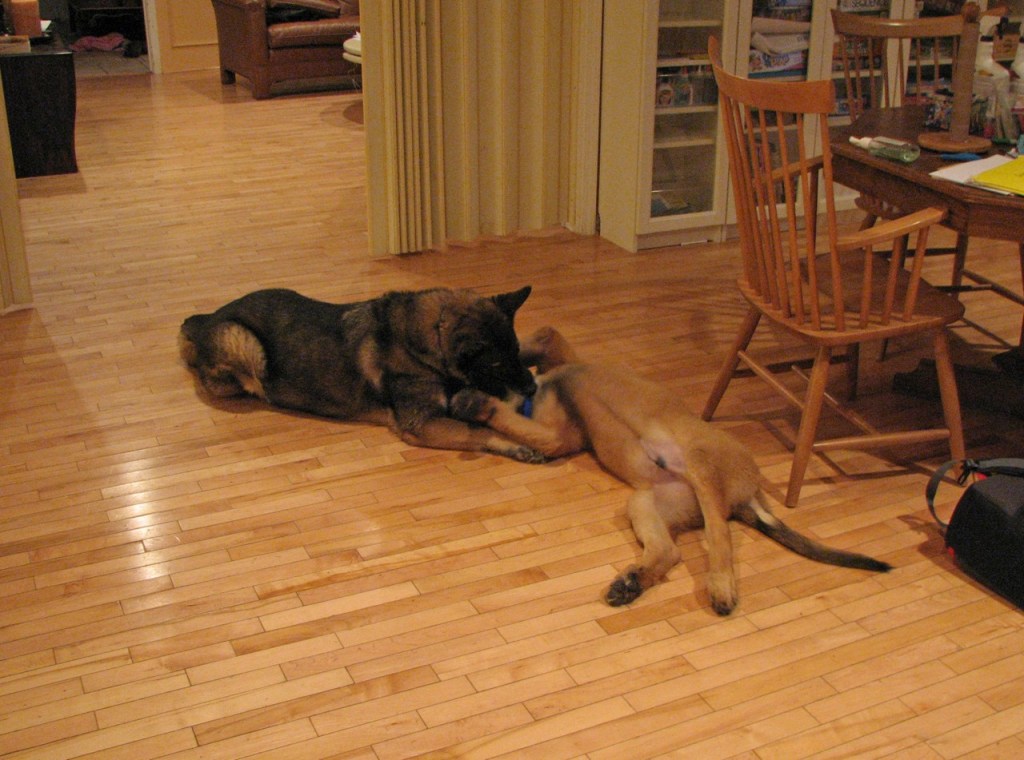
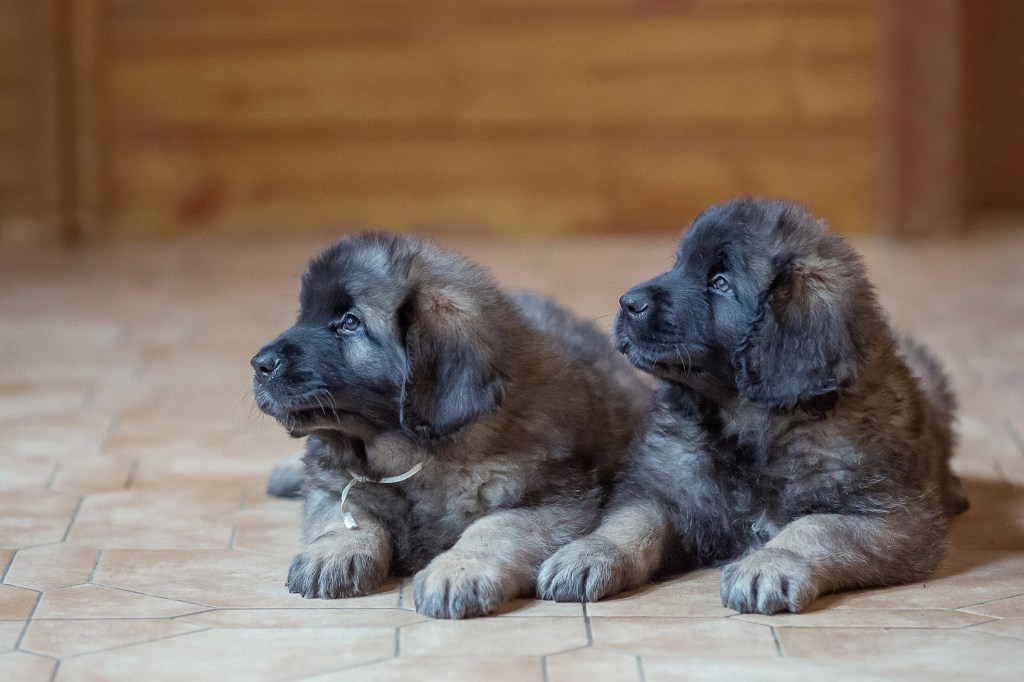
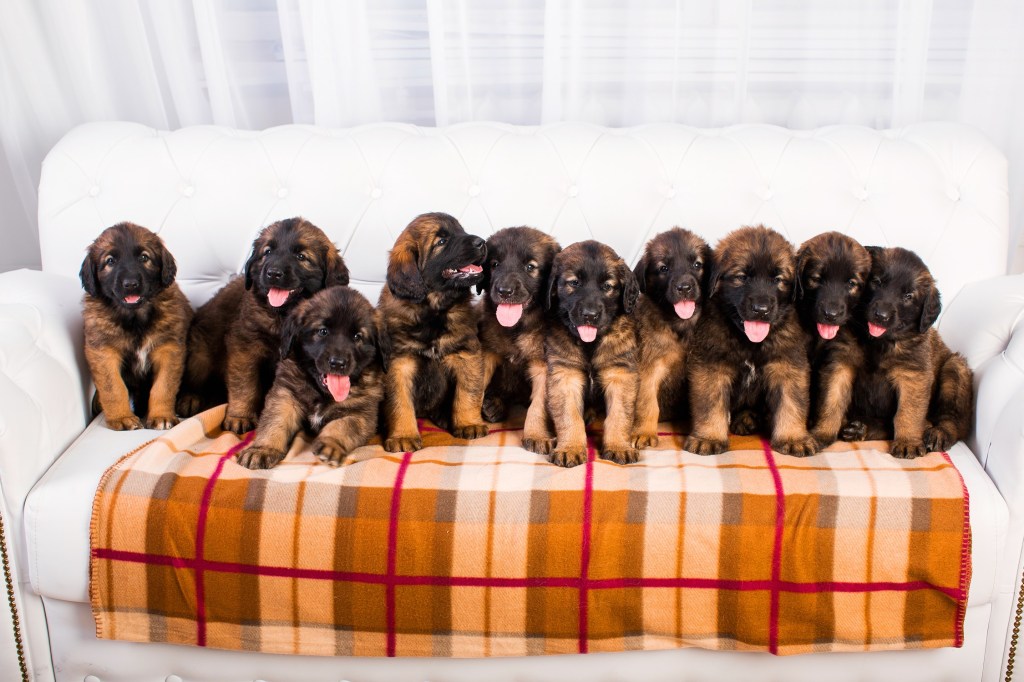
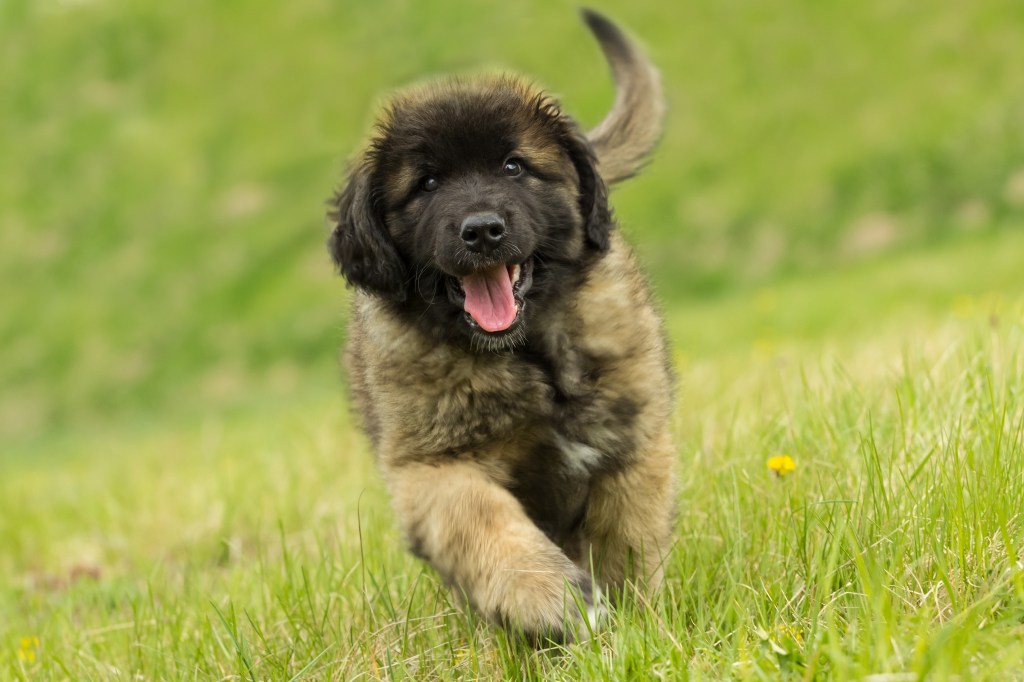
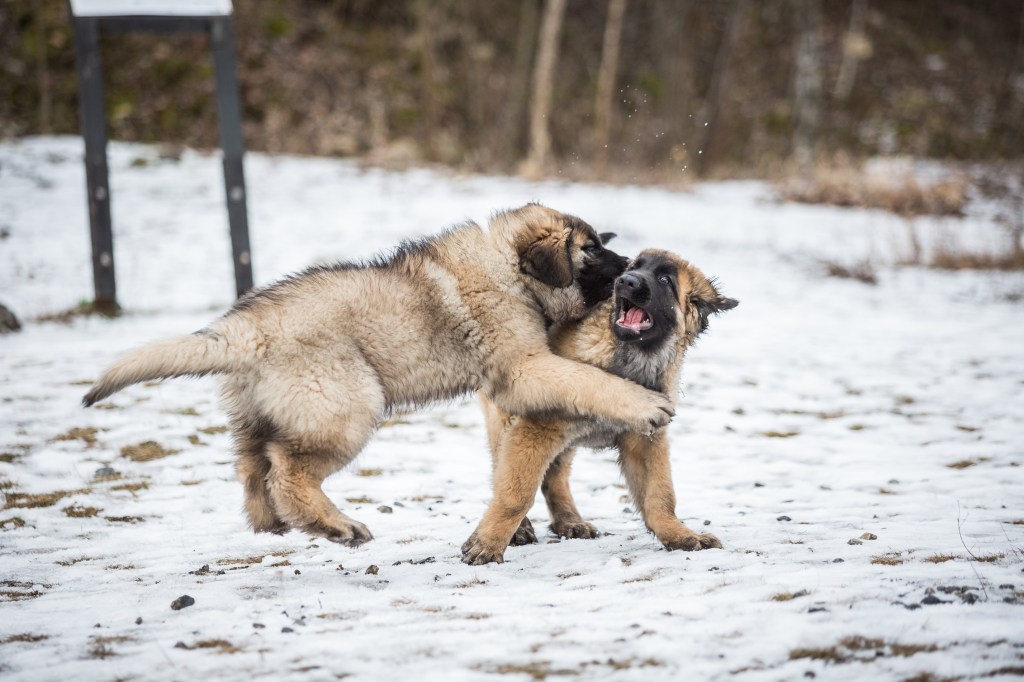
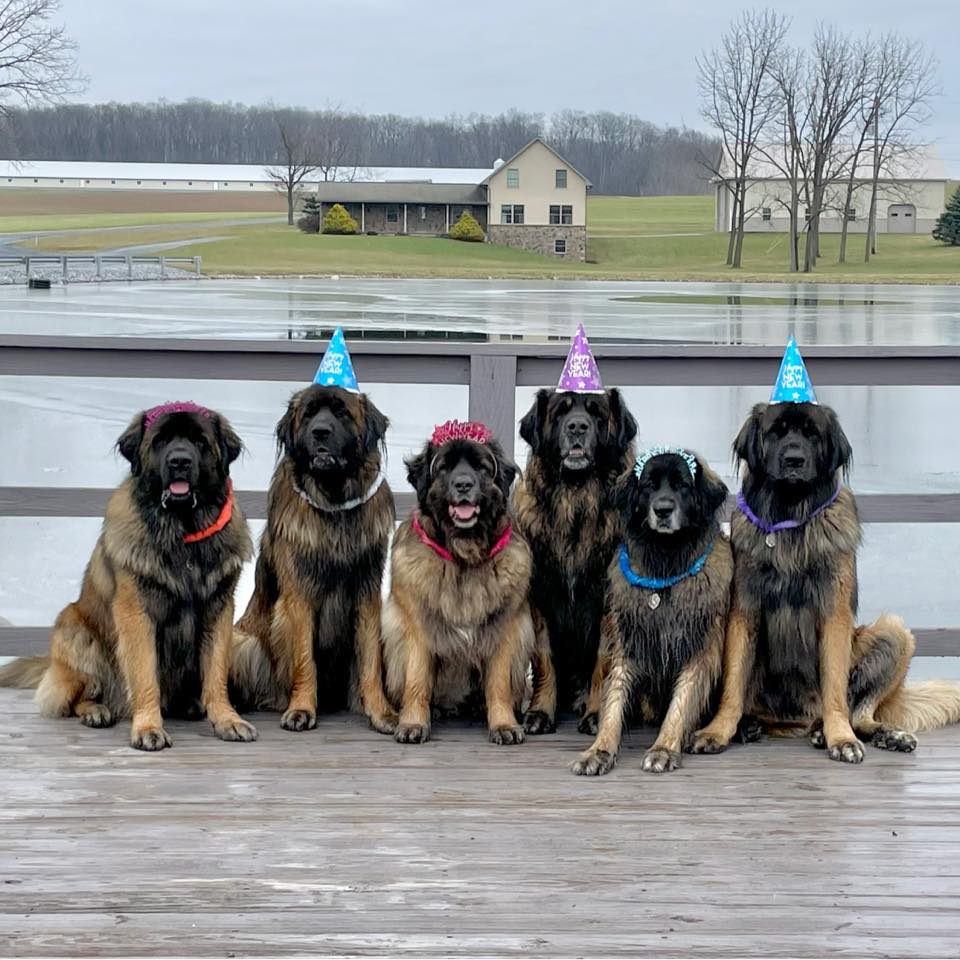
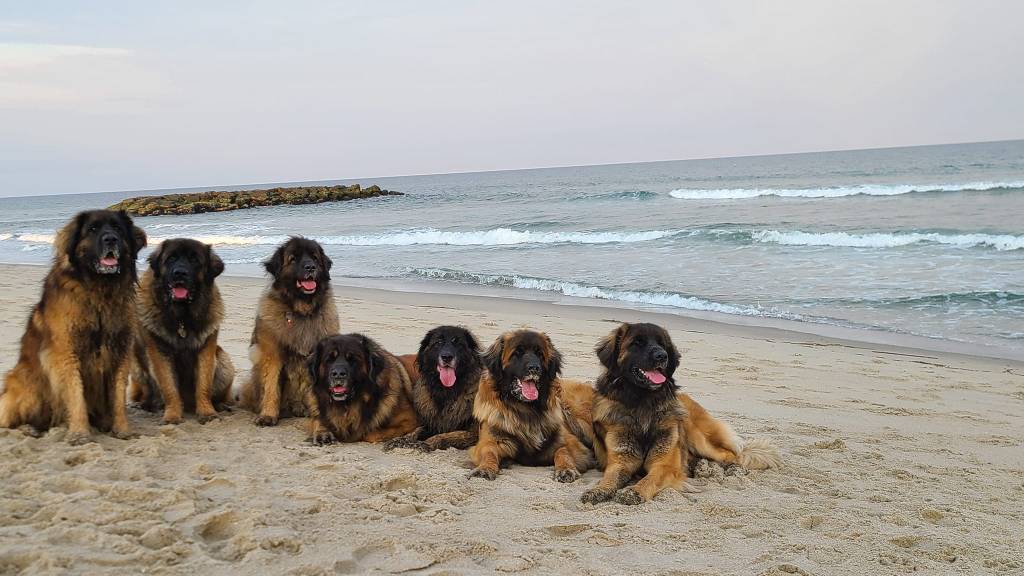
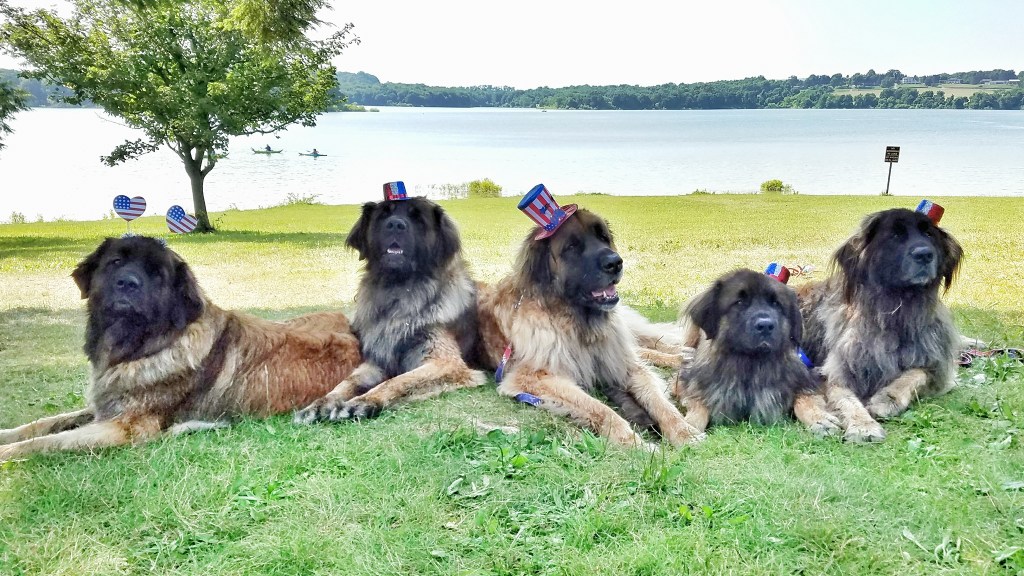
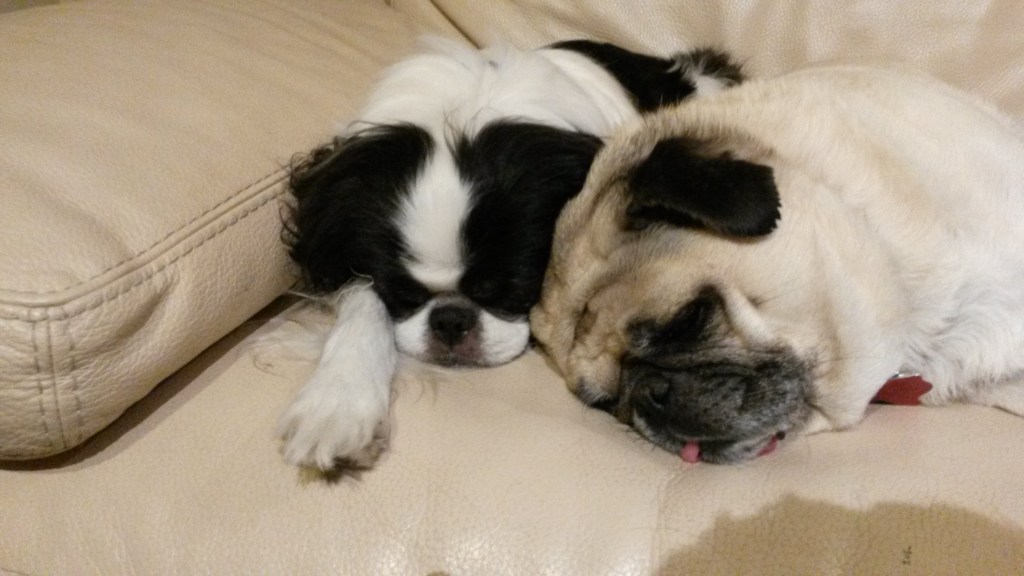
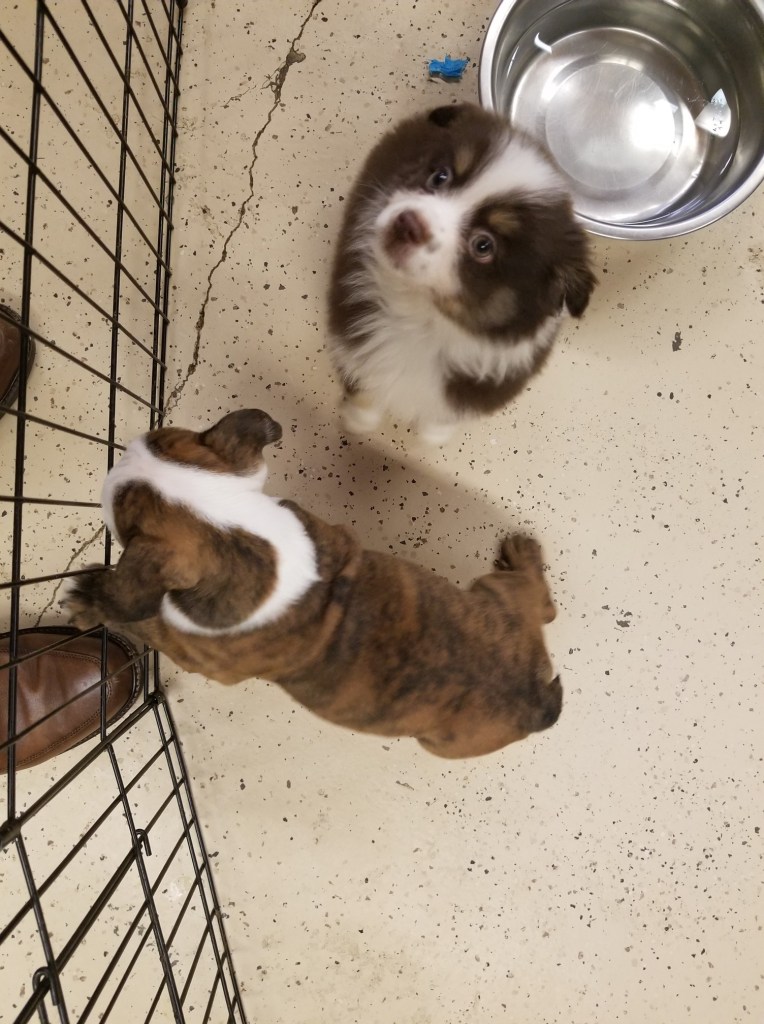
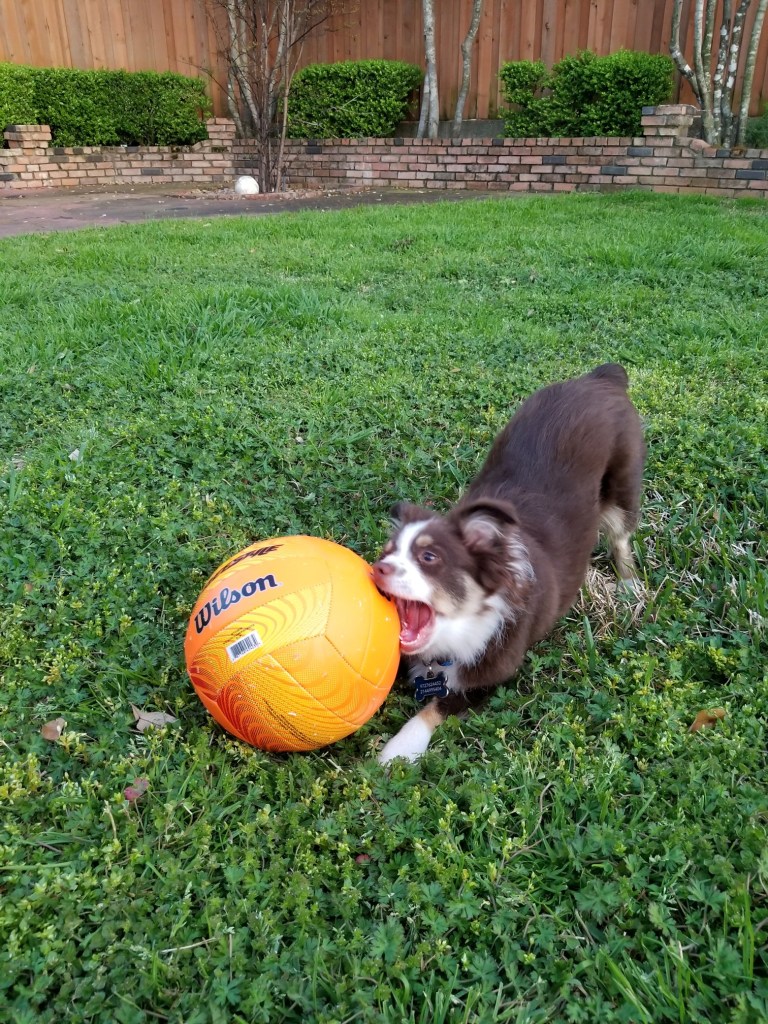
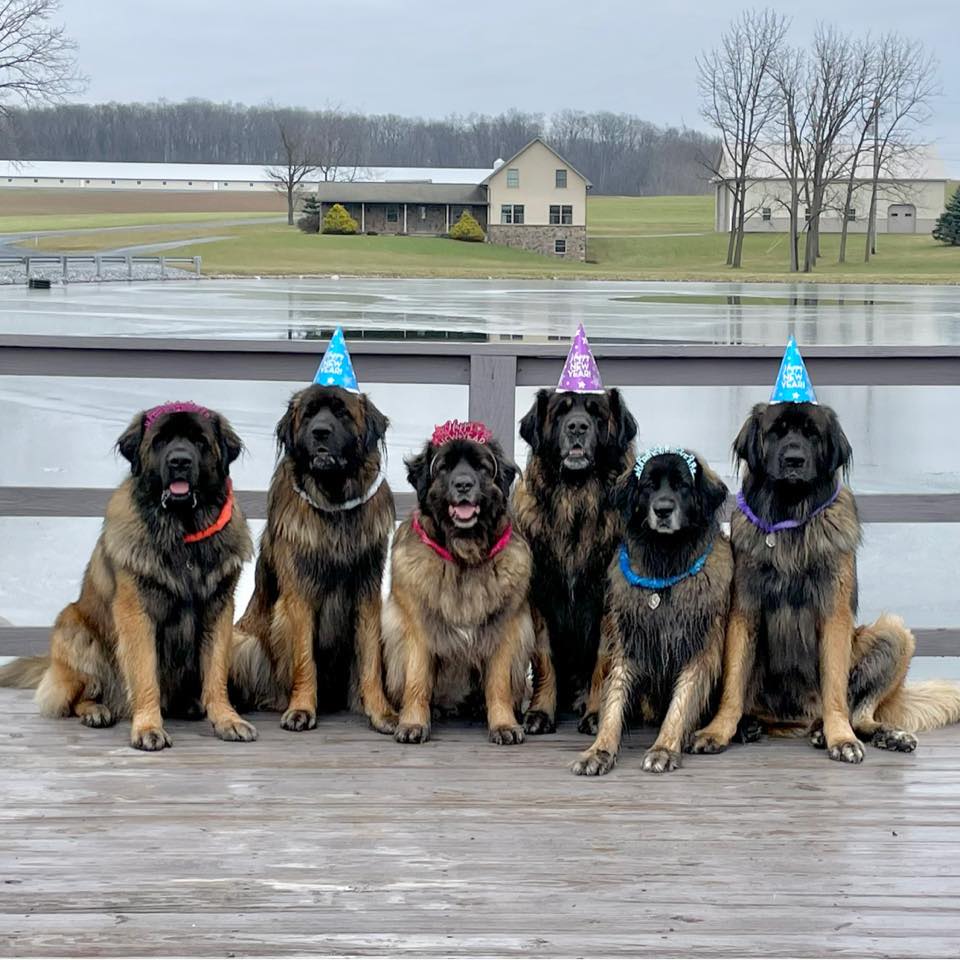
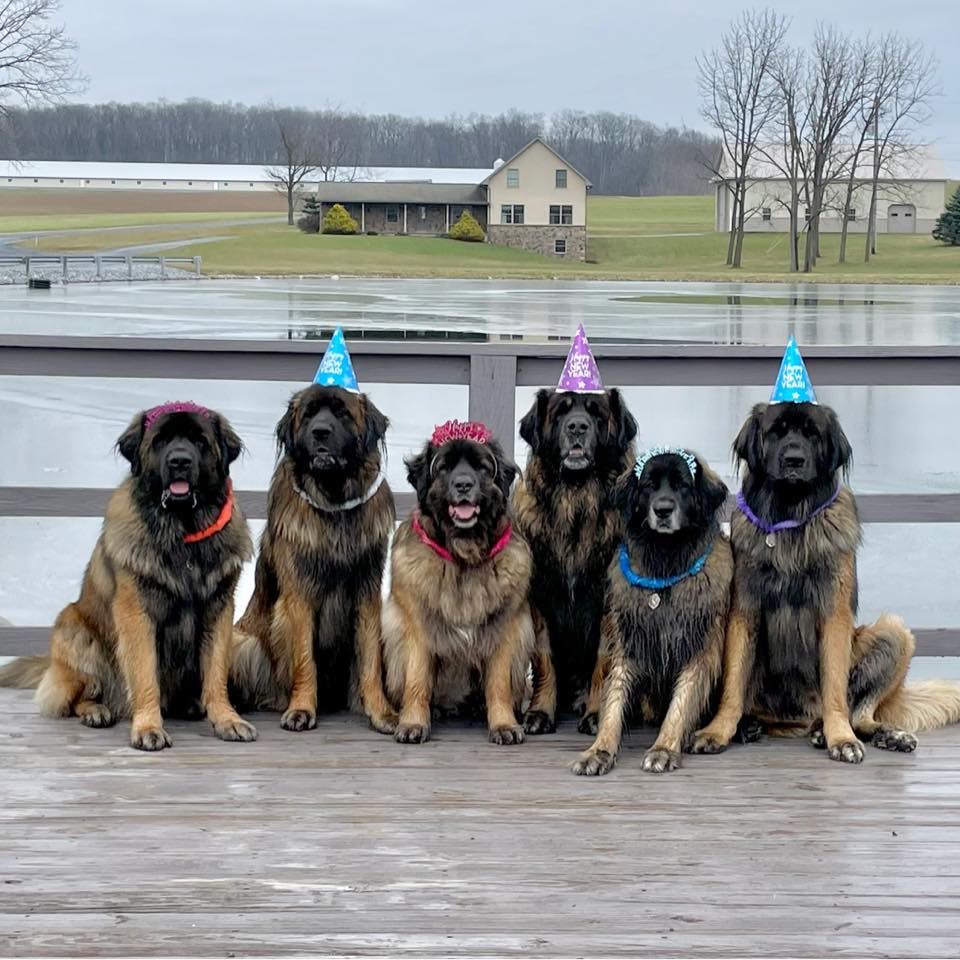
Our Leonberger Bronco at three months old.Our Labrador Baylor and our German Shepherd Baby. Photo taken at the same time as the photo above. However, we couldn’t get Bronco sit still between Baylor and Baby.Our Japanese Shin Ryu when he was young.Our son David with our pug Daisy when she was a puppy.Our German Shepherd Baby playing with our 4 months old Leonberger Bronco.Bronco our Leonberger is giving me a hug. He is about one year old and not yet fully grown.Two Leonberger puppies. Shutter stock Photo ID: 2294202331 by Olga Shusters.Ten Leonberger puppies. My guess is that they are about two months old. Shutterstock-ID:561107710 by Akbudak Rimma.Leonberger puppy. My guess is that he is around two months old. Shutterstock-ID: 629624396 by TOM KAROLA.Two light colored Leonberger puppies playing. My guess is that they are three months old. Shutterstock-ID: 2141564415 by AnetaZabranska.Six Leonbergers and a birthday celebration. Photo by friend Jen O’Keefe.Seven Leonbergers by the beach. Photo by my friend Jen O’Keefe.Five Leonbergers including Digory on 4th of July 2023. Photo by my friend Jen O’Keefe.Our Japanese Shin Ryu sleeping next to our pug Daisy.Our Japanese Shin Ryu licking our pug Daisy’s ear.The day we picked up our mini-Australian Shepherd Rollo. He was nine weeks old. The other puppy is an English bulldog puppy.Our mini-Australian Shepherd puppy Rollo.Our mini-Australian Shepherd puppy Rollo.Our pug Daisy and our mini-Australian Shepherd puppy Rollo.Bronco and our mini-Australian Shepherd puppy Rollo.Bronco and our mini-Australian Shepherd puppy Rollo.Our daughter with our Pug Daisy and mini-Australian Shepherd Rollo.Bronco our Leonberger and Rollo our mini-Australian Shepherd.Our mini-Australian Shepherd puppy Rollo playing with an orange ball.Our mini-Australian Shepherd Rollo is playing with our Leonberger Bronco’s tail. Once he even dangled in it like a swing.
Finally, if you want to see other 25 sets of dog photos see below (this list I copied from another of my posts).
Me and our Leonberger Bronco, my book about him, and other dogs are featured on Smorgasbord Blog Magazine as a Guest Post. The post described how Bronco (and the other dogs) influenced my life. Dogs and other pets can mean so much to us and reshape our lives. Please take a look.
I also would like to thank Alex Diaz-Granados for his wonderful review of my book. It is featured on Smorgasbord Magazine, so you can read it there, but you can also read it here on Amazon.
A professional content writer by the name of Ryan Goodchild contacted me about me posting a Leonberger related post he had written on my Leonberger blog, which I am certainly happy to do. The title is “How to Take Stunning Photos and Videos of Your Leonberger Dog”. I should mention that I used my Samsung Galaxy phone to take less than professional photos of our Leonberger. I’ve included a few photos of our Leonberger below, but most of the photos are from friends or stock photos. However, me not having many great photos that I took myself, won’t stop you from learning how to take great photos. See the article below. While Ryan did all the writing, I added photos.
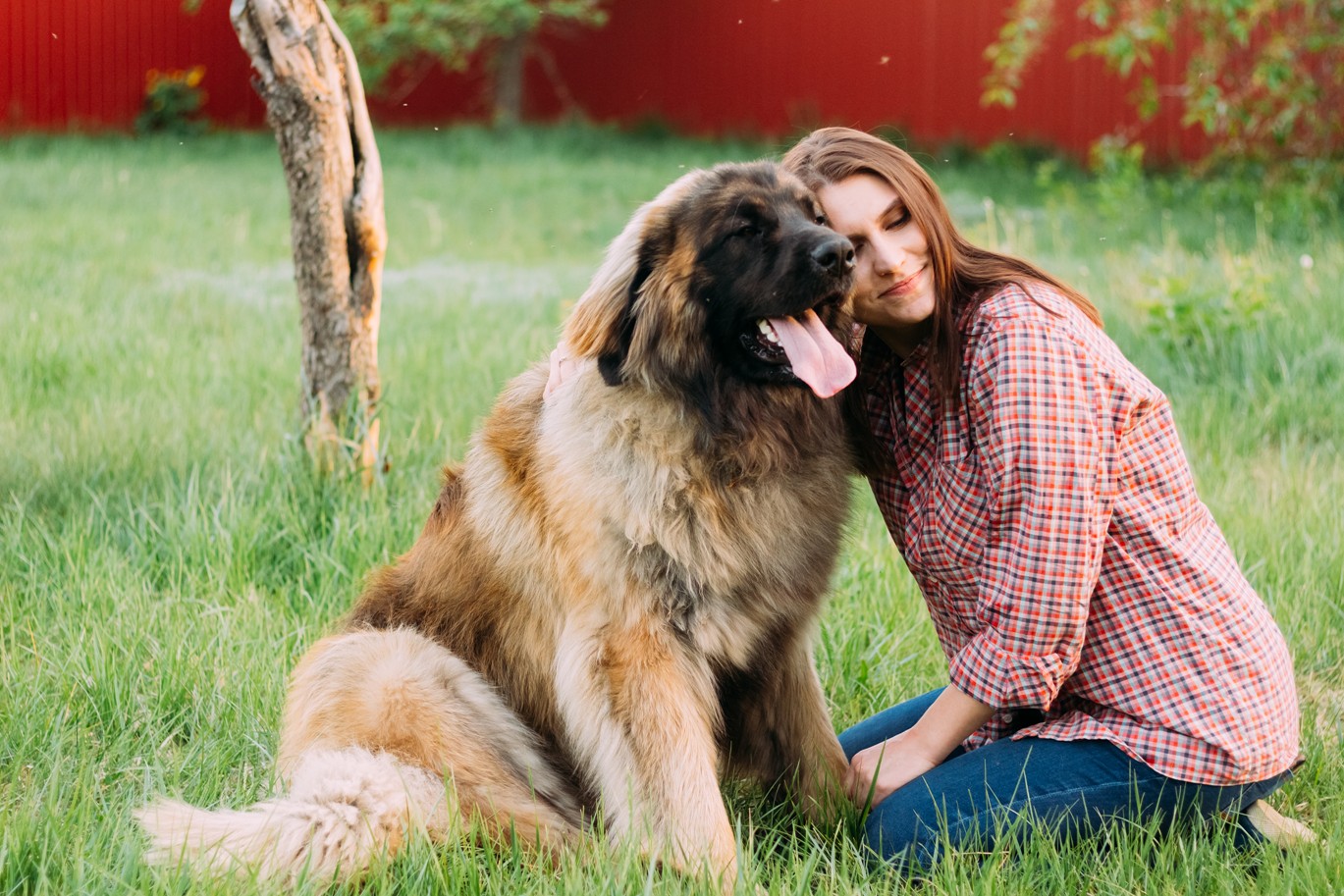
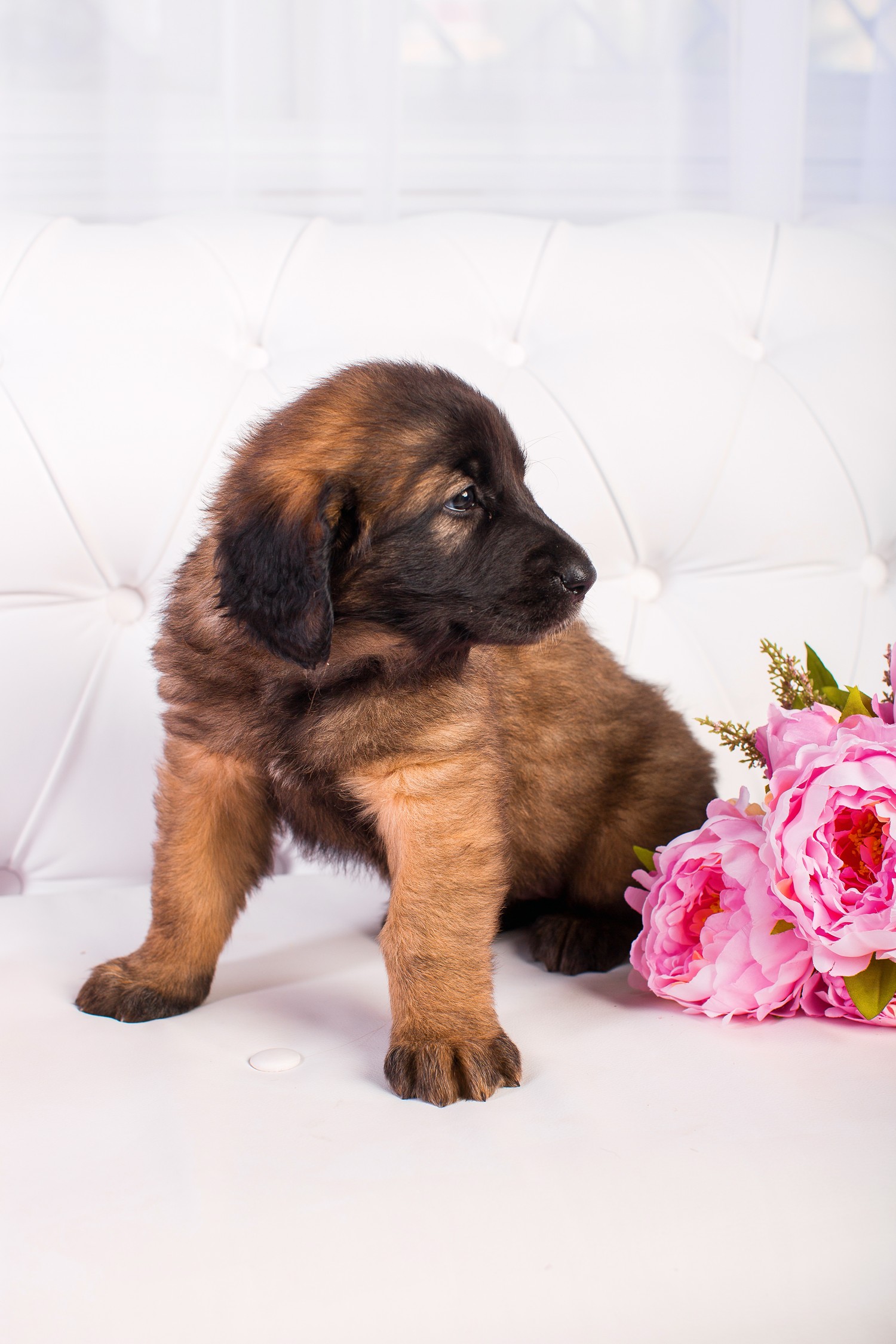
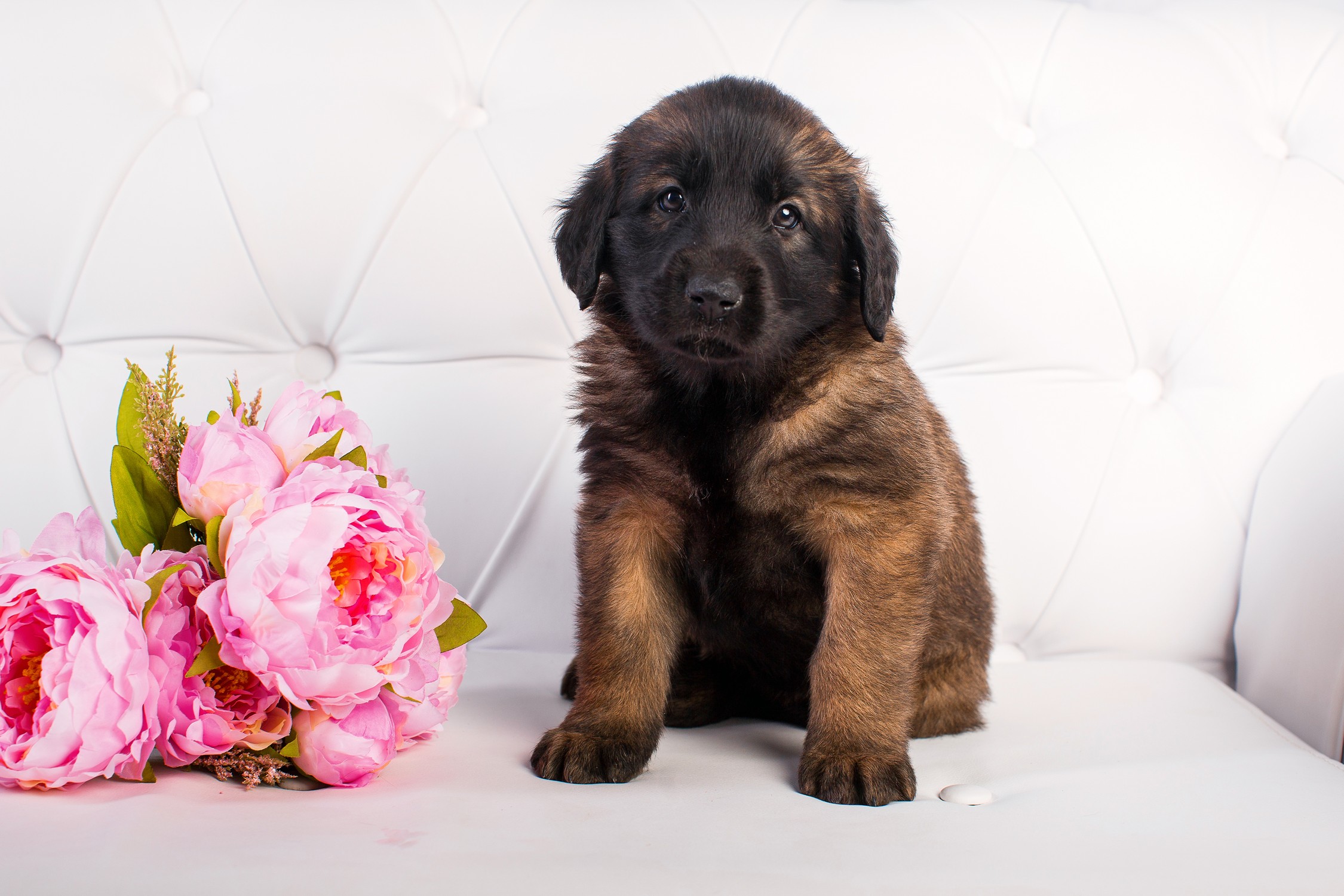
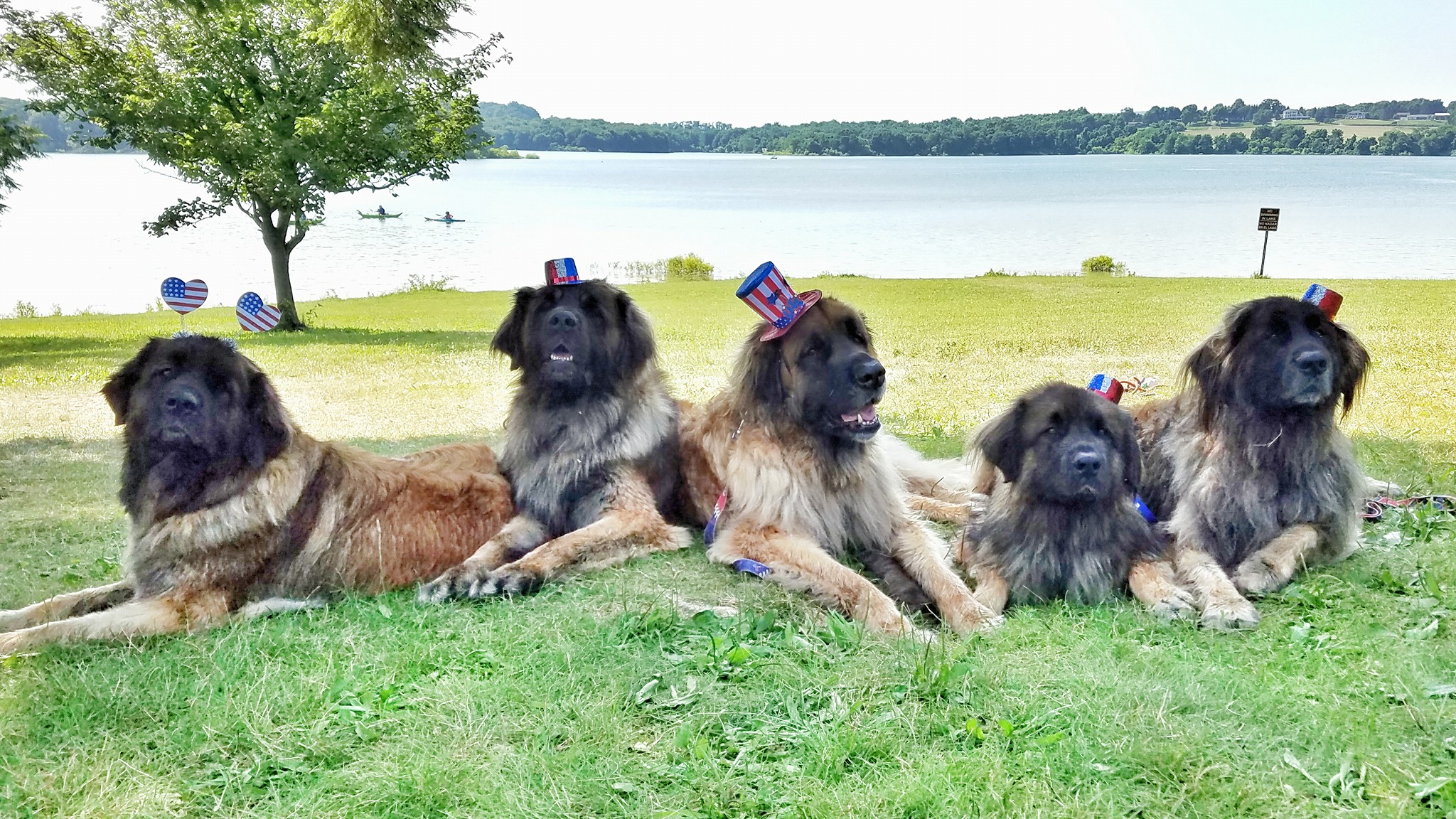
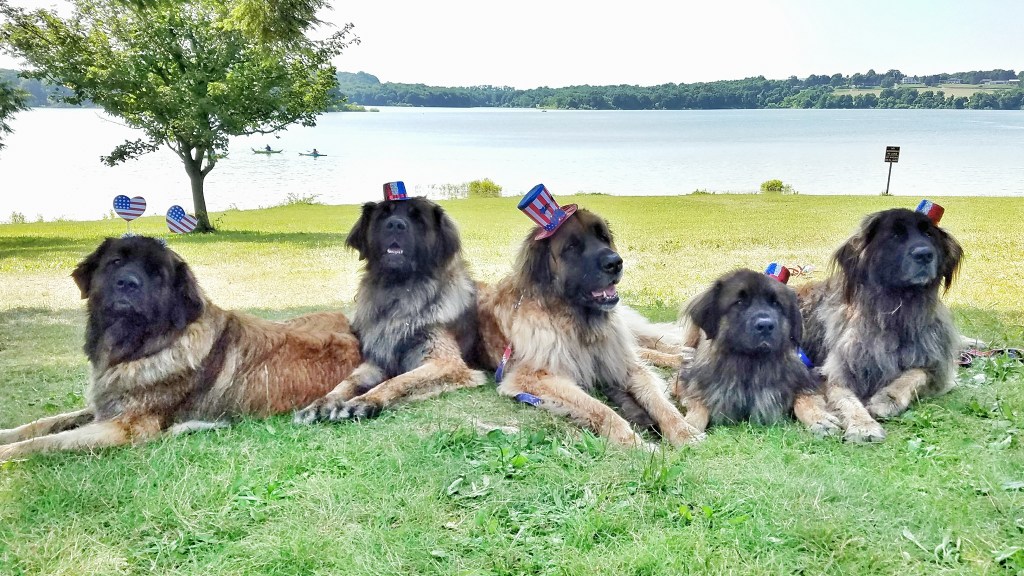
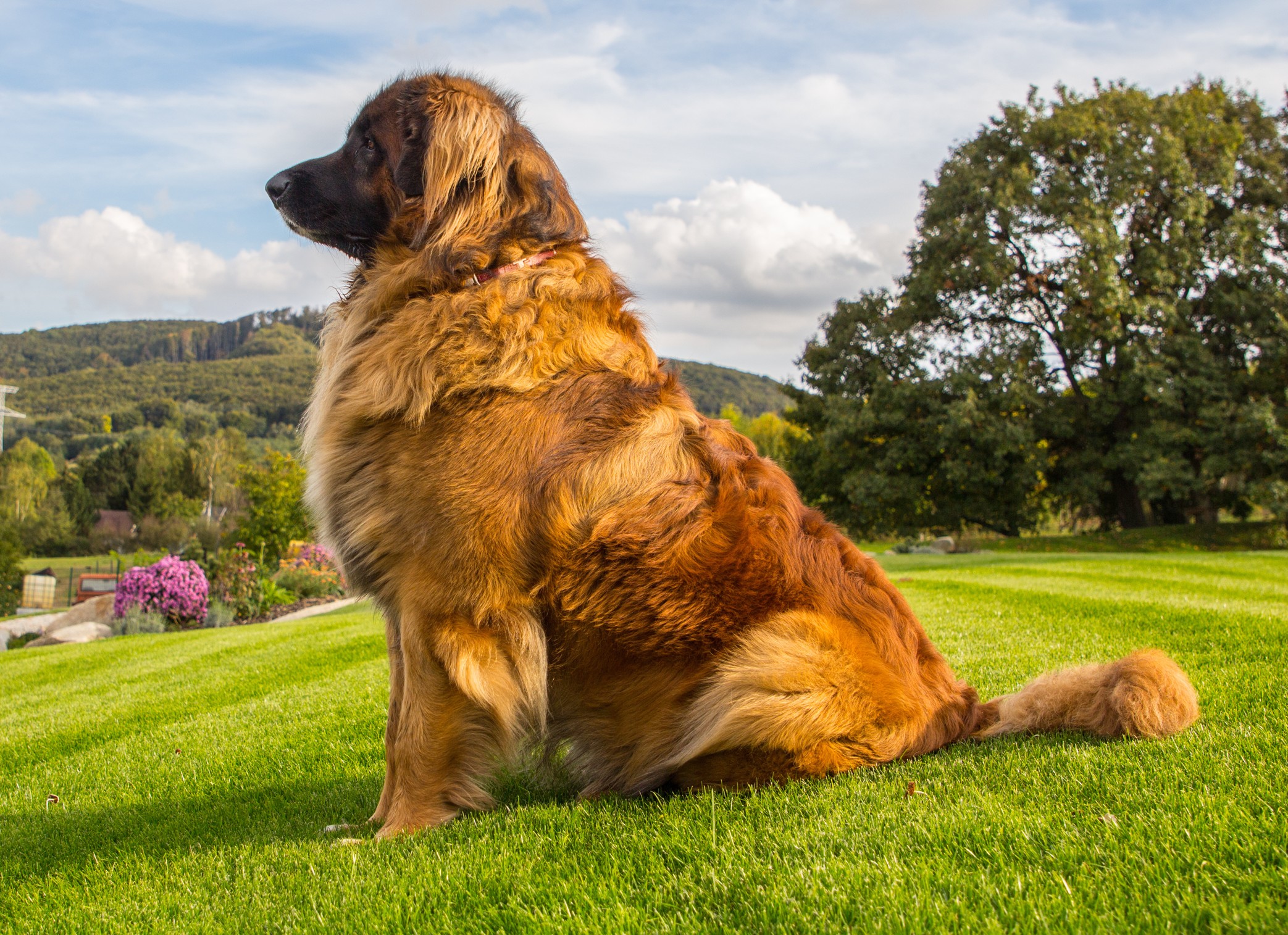
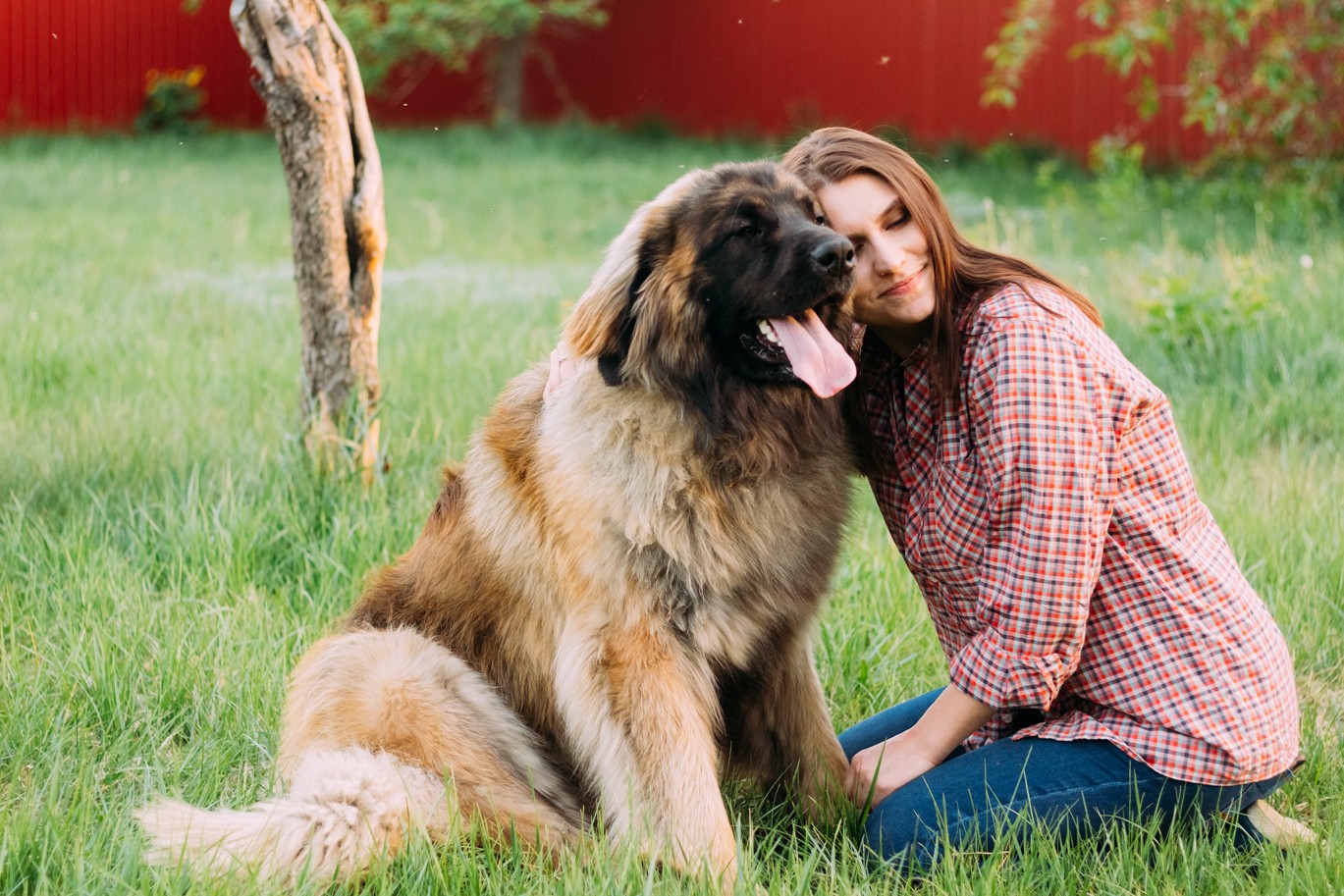
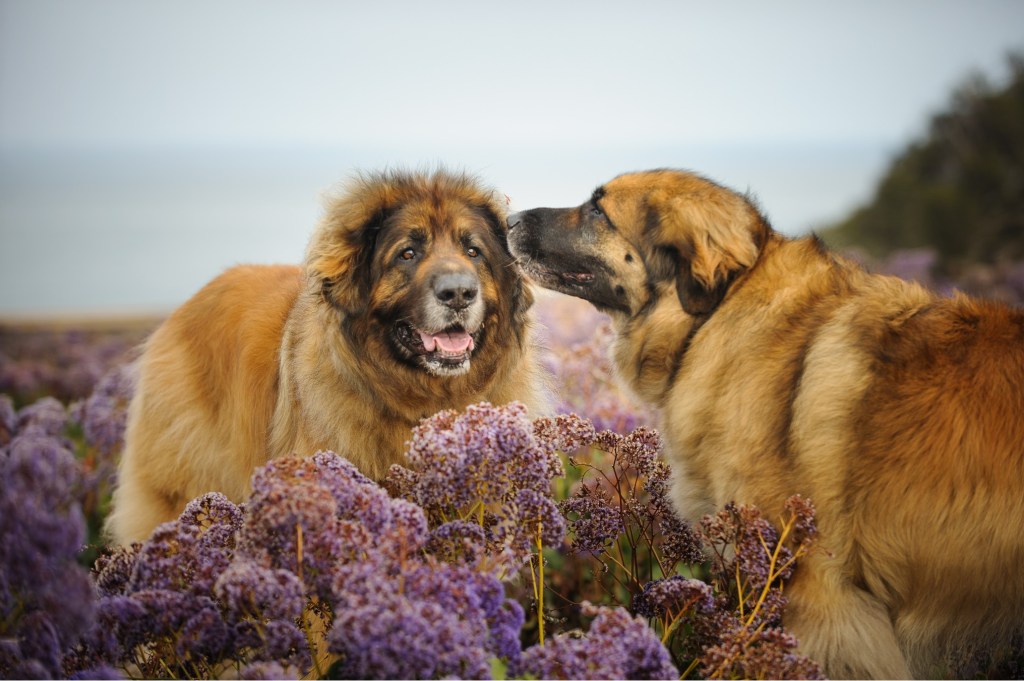
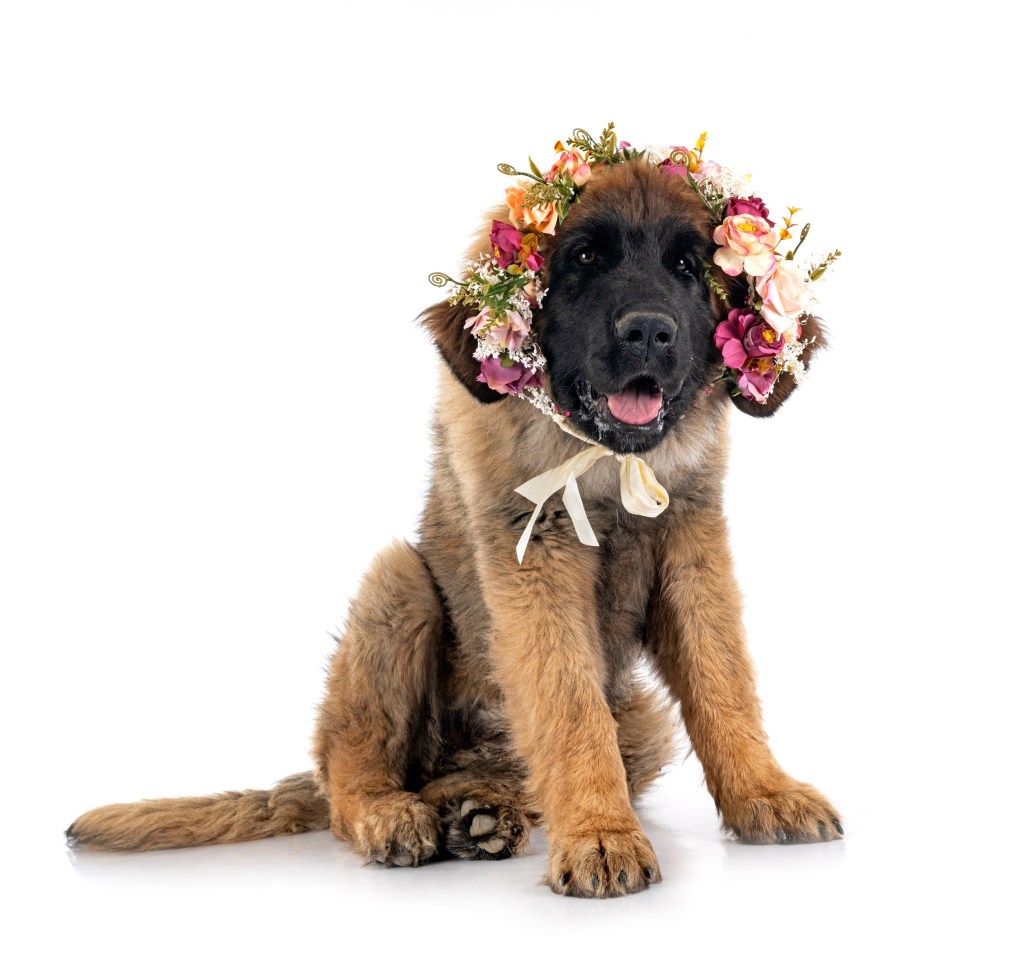
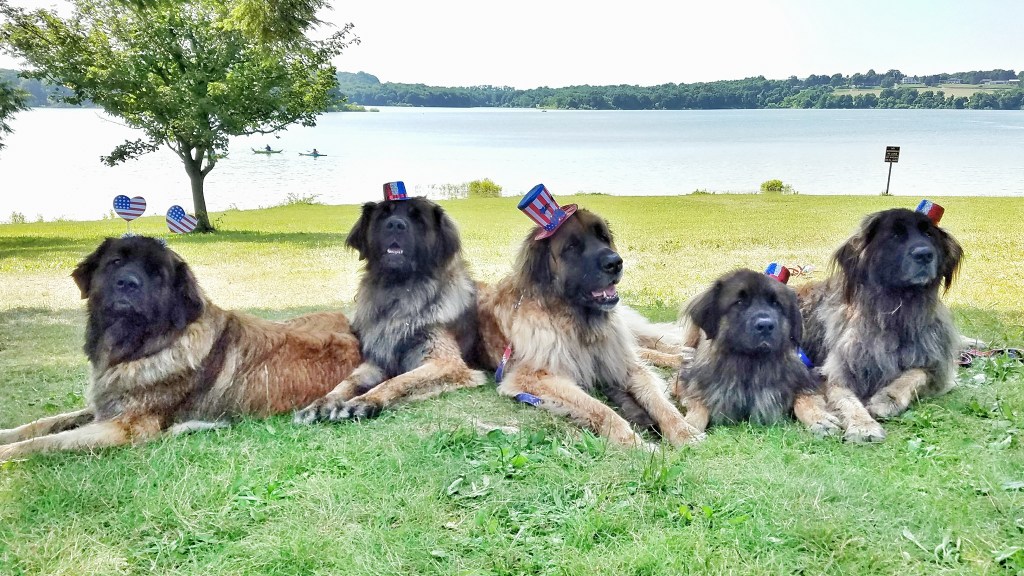
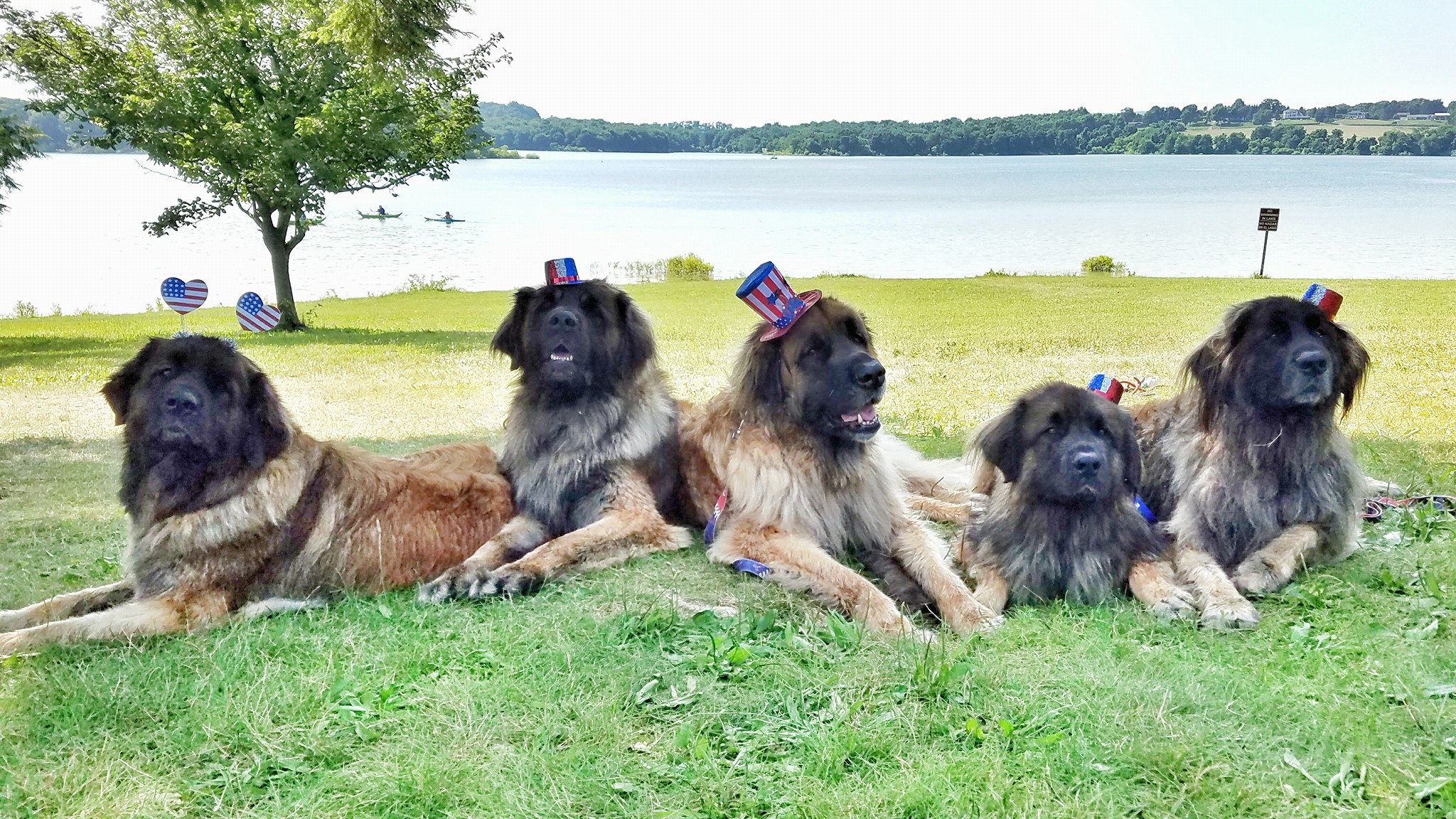
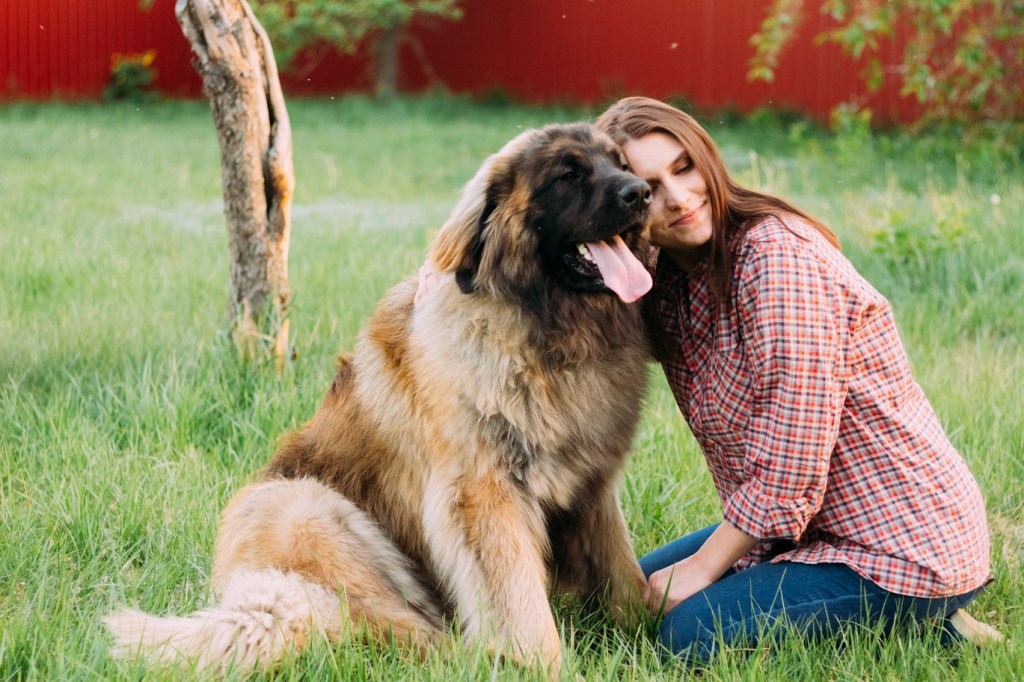
The photo tile above includes three photos of our Leonberger Bronco. One from when he was a three months old puppy and one from when he was 12 years old, and in one photo our mini-Australian Shepherd is biting his tail. There is a shutter stock photo ID:731020957 by Peter Josto, a photo of a woman and her Leonberger dog, asset id: 1741753382 by Elena Podrezenko, and two photos showing Leonberger puppies with flowers, asset id: 561113224 and 561111403 by Akbudak Rimma and . The photo of five Leonbergers wearing patriotic hats lying on grass by a lake was taken by Jen O’Keefe, (from left to right; Obi, Delfi, Aslan, Gryphon, Digory). There is also a photo of six Leonbergers celebrating a birthday. That photo was also taken by Jen O’Keefe.
How to Take Stunning Photos and Videos of Your Leonberger Dog
Leonberger dog owners who love Instagram dog photography often discover a frustrating truth: photographing large dog breeds is both deeply rewarding and deceptively hard. A Leonberger’s size, dark coat, and constant motion can turn sweet moments into blurry frames, while shedding, drool, and aging-pet sensitivities add real pet photography challenges. On top of that, Leonberger personality capture depends on comfort and timing, and anxious dogs read tension fast. With a few grounded principles and a supportive dog owner community mindset, those everyday moments can become images worth sharing.
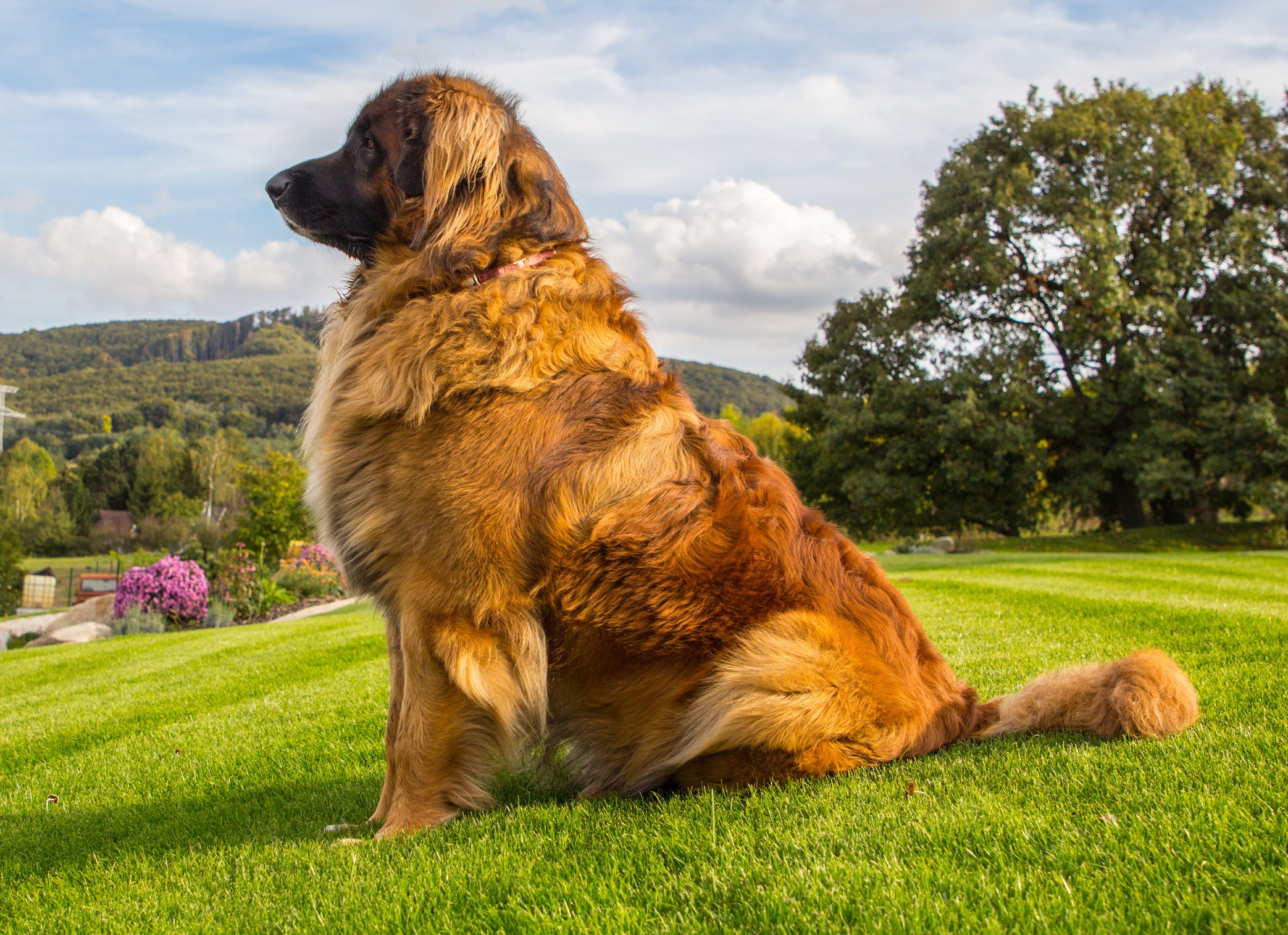
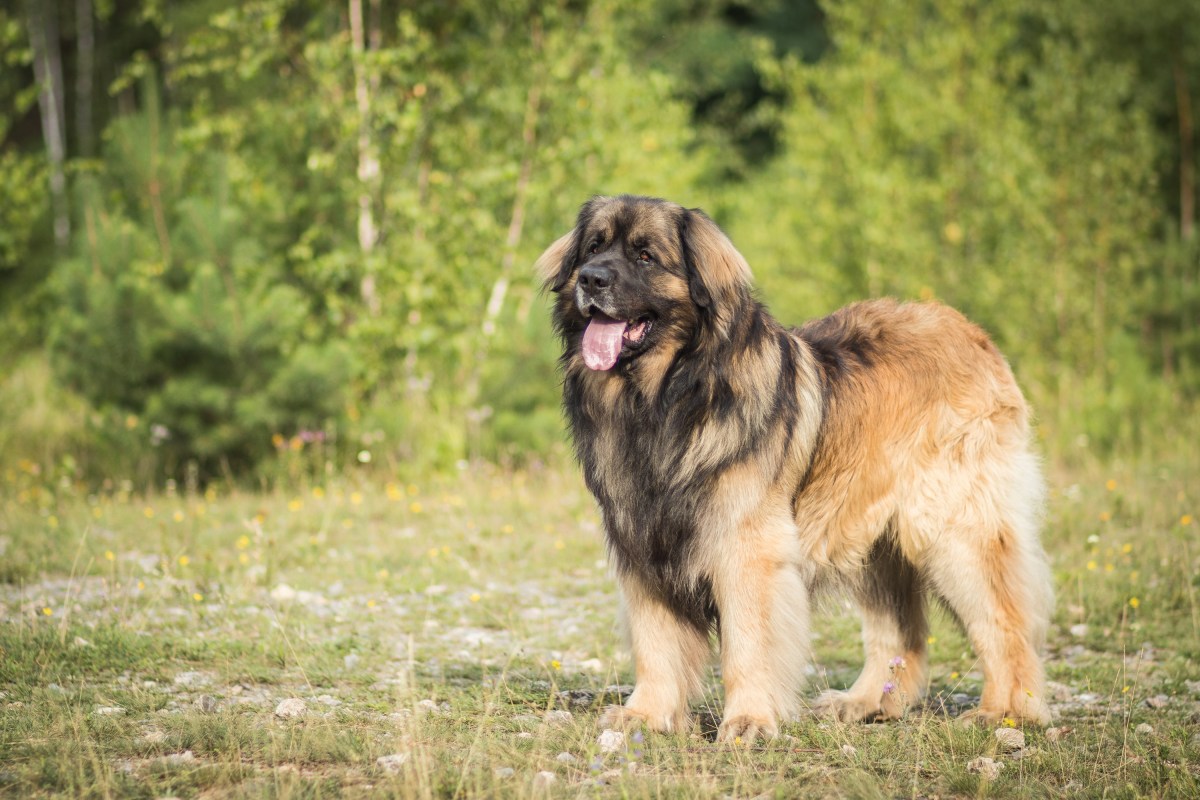
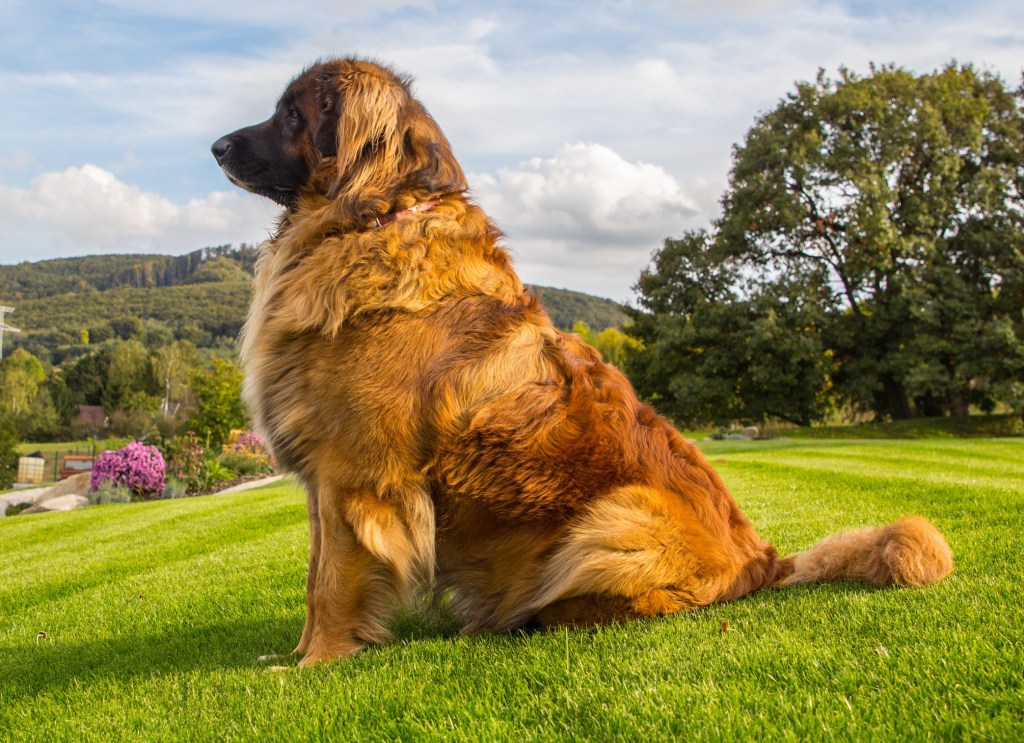
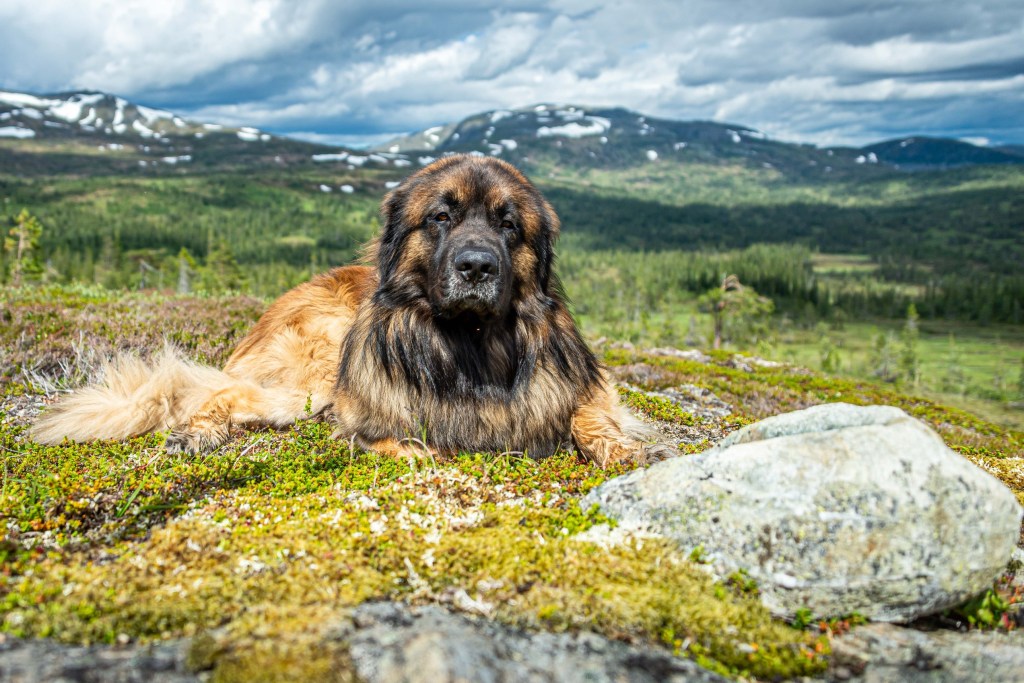
Leonberger in a beautiful landscape. Shutterstock-ID:1333669760 by Britta Paasch.
Quick Summary: Leonberger Photo and Video Tips
Use an adjustable tripod and remote-friendly setup for steady, stress-free shots.
Use natural lighting techniques to bring out your Leonberger’s coat and expressions.
Choose a comfortable, familiar location so your dog stays relaxed and engaged.
Try flattering dog photo angles to highlight size, face, and signature fluff.
Practice patience during pet photography to capture calm, authentic moments on camera.
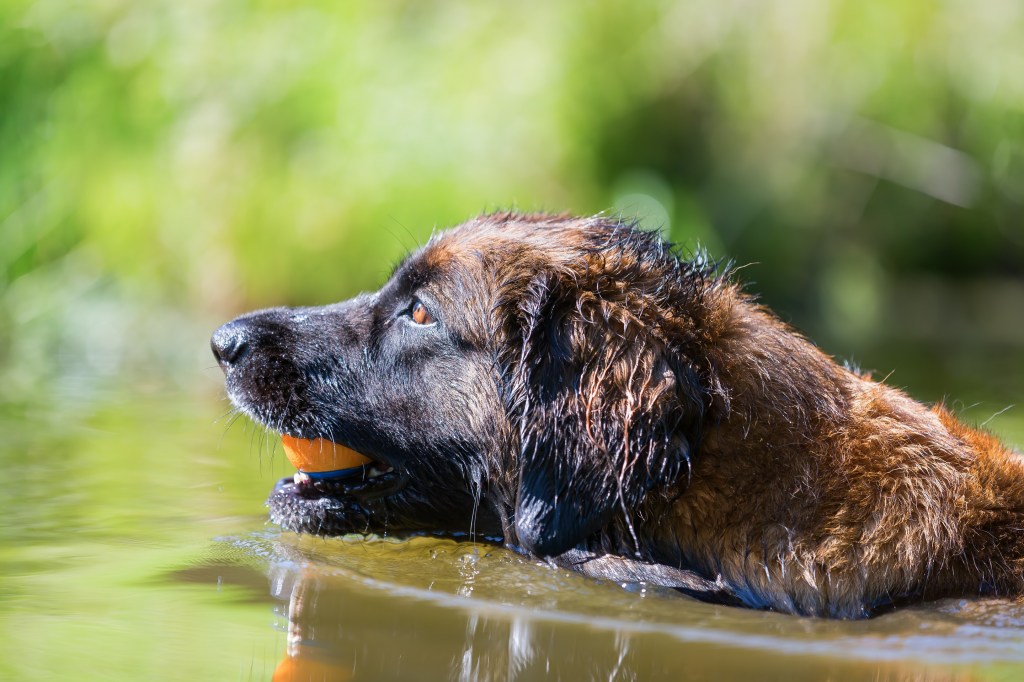
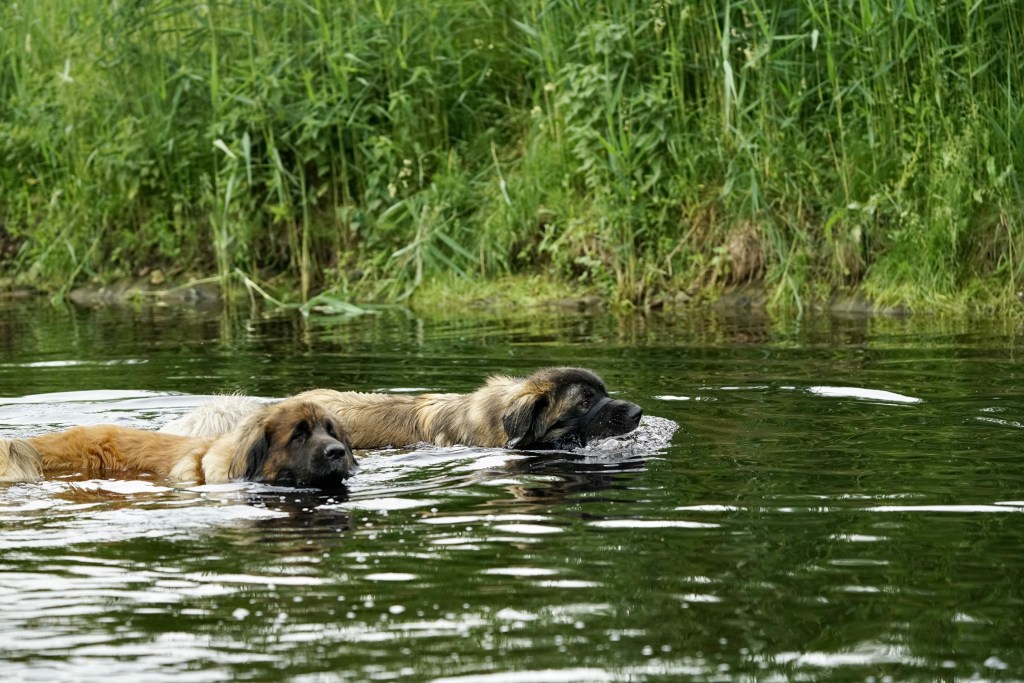
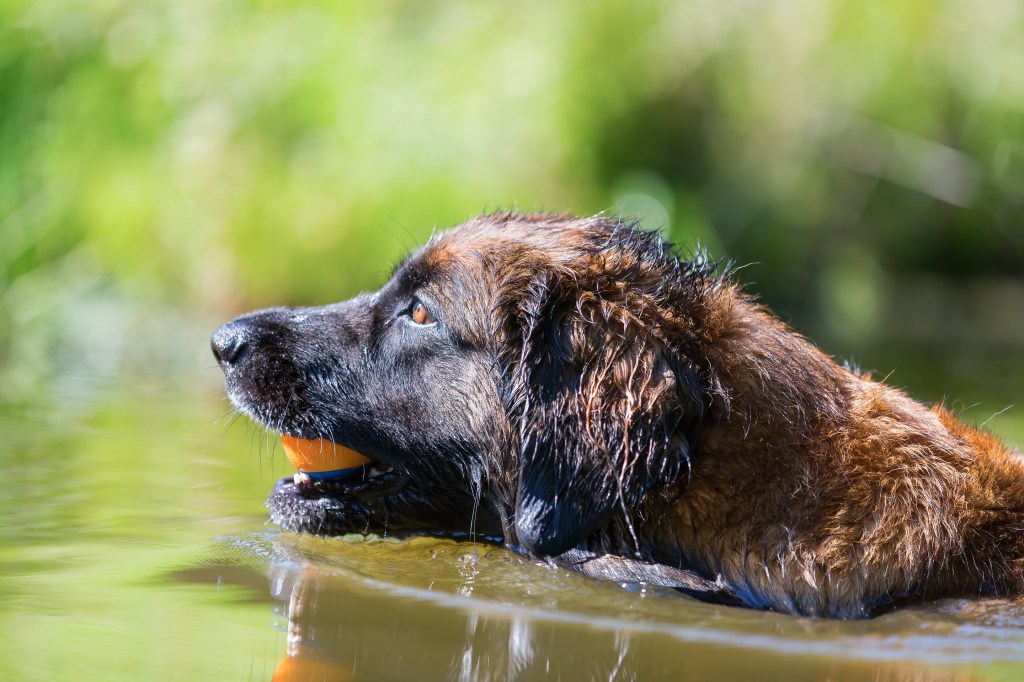
Leonberger swims with a ball. Stock Photo ID: 720242263 by Christian Mueller.
Polish Leonberger Clips with AI-Assisted Video Creation
Once you’ve nailed the basics, good light, a clean background, and a steady angle, you can make your Leonberger videos feel even more “finished” with a little AI help. AI-assisted editing can tighten the story in your raw footage, smooth over rough moments, and add subtle creative effects without requiring advanced skills. With an AI video generator, you can turn a simple clip into dynamic, engaging Instagram content by adding cinematic b-roll effects, smooth camera motion, and stylized visuals, all from a text prompt or existing footage. If you’re curious what that looks like in practice, explore tools designed for high-quality video generation.
Set Up and Capture Camera-Ready Leonberger Shots
These steps turn “hope for a good moment” into a simple routine you can repeat on walks, in the yard, or at home. You will set up your gear, pick flattering angles for a big fluffy dog, and use quick cues and rewards so your Leonberger looks engaged in both photos and video.
Lock in a stable, dog-safe setup Start with a phone or camera you already own, then add stability: prop it on a solid surface or use a tripod at about chest height for your dog. Turn on grid lines, wipe the lens, and pick a wide frame so you are not constantly re-aiming while handling your Leonberger. If you can, connect a Bluetooth remote or use a 3 to 10 second timer so your hands stay free for cues and treats.
Choose an angle that flatters size and fluff Drop your camera to your dog’s eye level to make your Leonberger feel present and powerful rather than “tiny in a big world.” Frame with breathing room so the pose looks natural, and follow the composition reminder to give the dog space in the direction they are looking. For extra sparkle in the eyes, turn your dog slightly toward the light and avoid shooting straight into the bright sun.
Rehearse two easy cues for “photo mode” Pick one stationary behavior like sit or down and one attention cue like “look” or name response, then practice for 30 seconds before you start shooting. Keep sessions upbeat with tiny treats or a favorite toy, and reward fast for eye contact. Research on an increase in non-verbal communication highlights how attention and interaction can build, which is exactly what you want for a focused expression on camera.
Use remote shooting to capture the best expression Stand just behind or beside the camera so your Leonberger’s gaze lands near the lens, then click the remote in short bursts while you cue and reward. For photos, take 10 to 20 frames quickly because the “perfect face” comes and goes in a blink. For video, keep clips to 5 to 15 seconds and repeat the same action (sit, look, release to sniff) so you get clean, usable takes.
Get both a still and a clip from each setup Once you have a good pose, grab one sharp portrait, then immediately record a short video of the same scene with one simple movement like a head tilt, a step forward, or a gentle tail wag. This creates a matched set you can share across platforms without reinventing the session. Finish with a jackpot reward and a quick break so your dog stays eager the next time you bring out the camera.
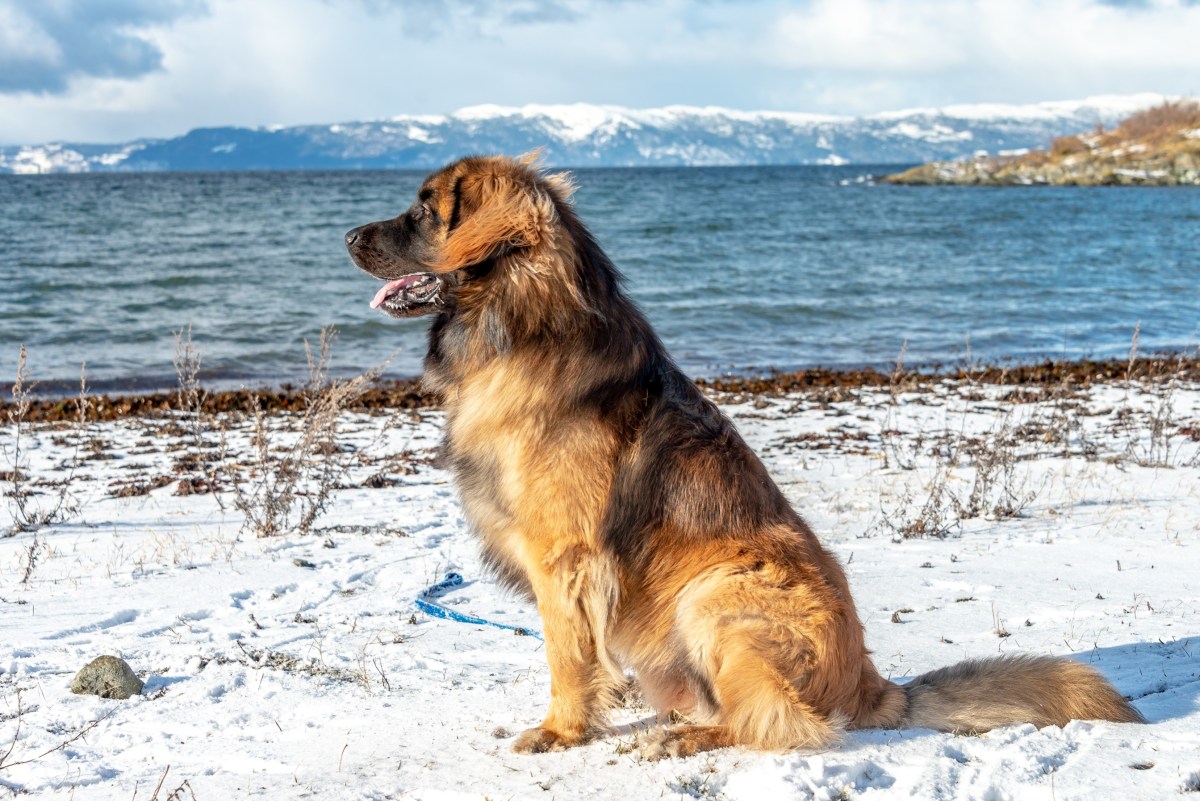
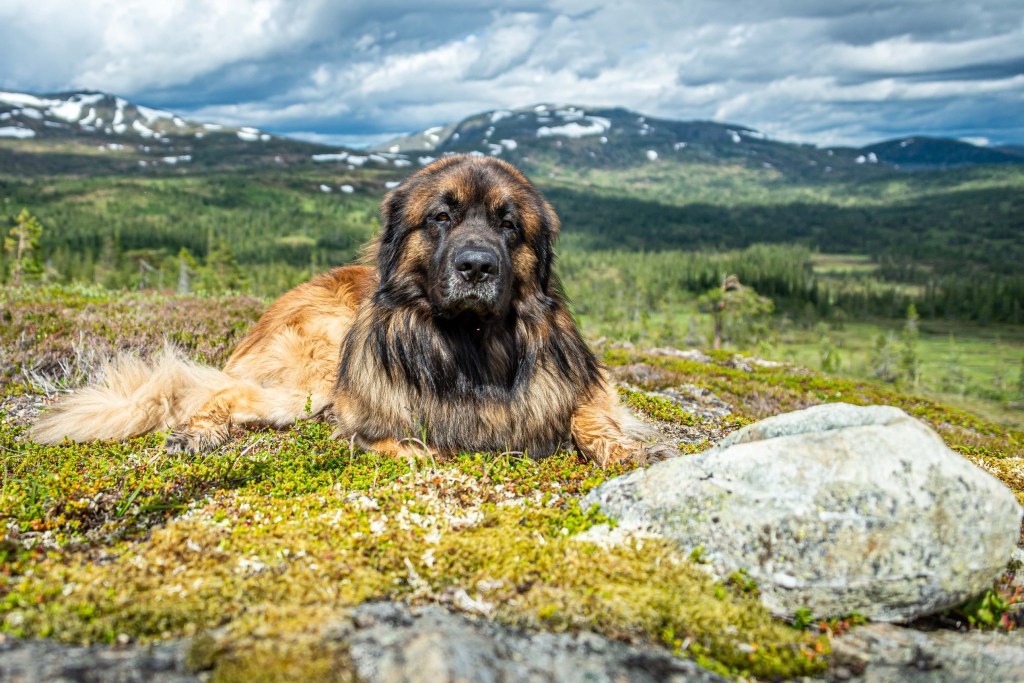
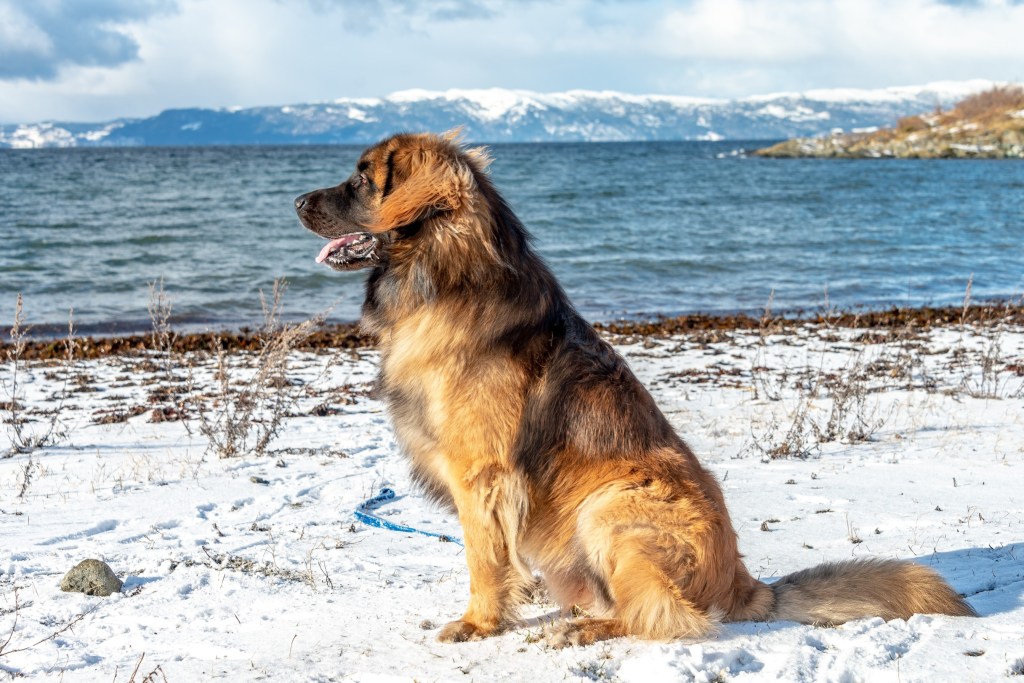
Leonberger in nature in Norway. Stock Photo ID: 1779931691 by Britta Paasch
Habits That Make Leonberger Shots Consistently Great
Stunning Leonberger photos and videos come from routines your dog can predict and you can repeat. These practices fit real life, so your handling, timing, and results improve week by week.
Two-Minute Location Scout
What it is: Walk your route and pre-pick two clean backgrounds and one shaded spot.
How often: Weekly or before a planned shoot.
Why it helps: You spend less time searching and more time capturing great expressions.
30-Second Calm-and-Focus Warmup
What it is: Practice sit, down, and one “look” rep, then release to sniff.
How often: Before every session.
Why it helps: Your Leonberger settles faster and offers steadier eye contact.
Light Check Habit
What it is: Note sun direction, then move to open shade or side light.
How often: Every time you arrive.
Why it helps: Flattering light keeps fur detail and reduces squinting.
Why it helps: Your best moments become share-ready instead of stuck in your camera roll.
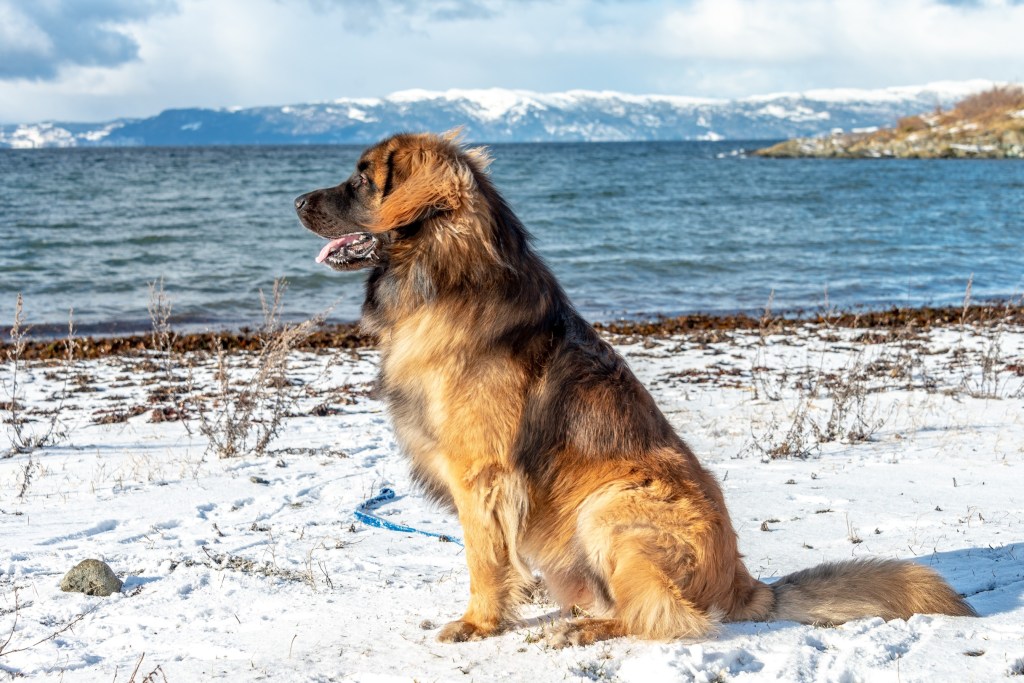
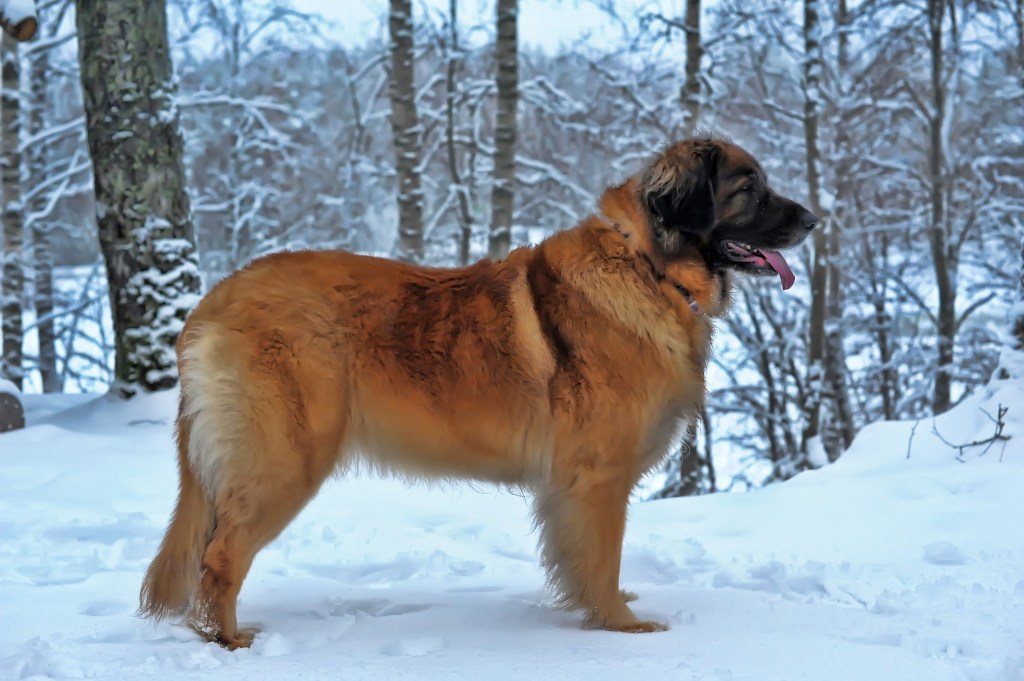
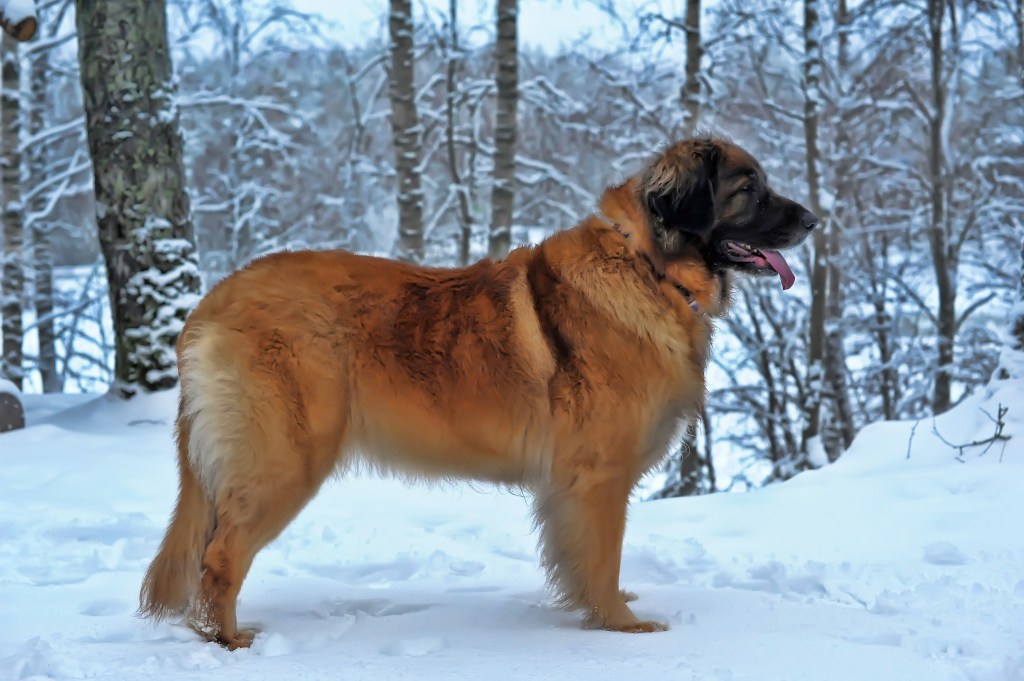
Leonberger standing in a snowy forest. Shutterstock-ID: 705193912 by Eric Isselee.
Build Confidence by Practicing and Sharing Leonberger Moments
Big, dark-coated, fast-moving floof can make it feel like the camera never catches what makes a Leonberger so special. The steadier path is the mindset used throughout: simple, repeatable habits, scouting, small patience cues, and a light editing routine, supported by community support for dog photographers who trade tips and celebrate wins. With regular pet photo practice, confidence builds and more sessions end with sharp eyes, true color, and videos that match real-life charm. Consistency captures the Leonberger you love, even on ordinary walks. Pick one tip to try on the next walk, share one memorable dog image, and set a long-term pet photography goal worth revisiting. Those small choices preserve connection and joy, and they keep celebrating Leonberger beauty as a calm, lasting part of life.
Please take a look at Smorgasbord Blog Magazine’s feature of my super fact #19 “An account impersonating you on Facebook does not mean you have been hacked“, and my Leonberger Dog book “The Life and Times of Le Bronco von der Löwenhöhle”.
This is another post with the “25 Leonberger photos” theme. This time the theme is “25 Photos of Leonbergers with Plants Flowers and Trees”. I think plants, flowers and trees are perfect for Earth Day. I’ve selected photos of our late Leonberger Bronco that also feature plants as well as Leonberger photos by friends with greenery and stock photos showing Leonbergers with plants, flowers and trees. Below is a list of the previous posts using the theme 25 Leonberger photos.
Also, if you have not checked out my superfactful blog yet feel free to do so.
25 Photos of Leonbergers with Plants, Flowers and Trees
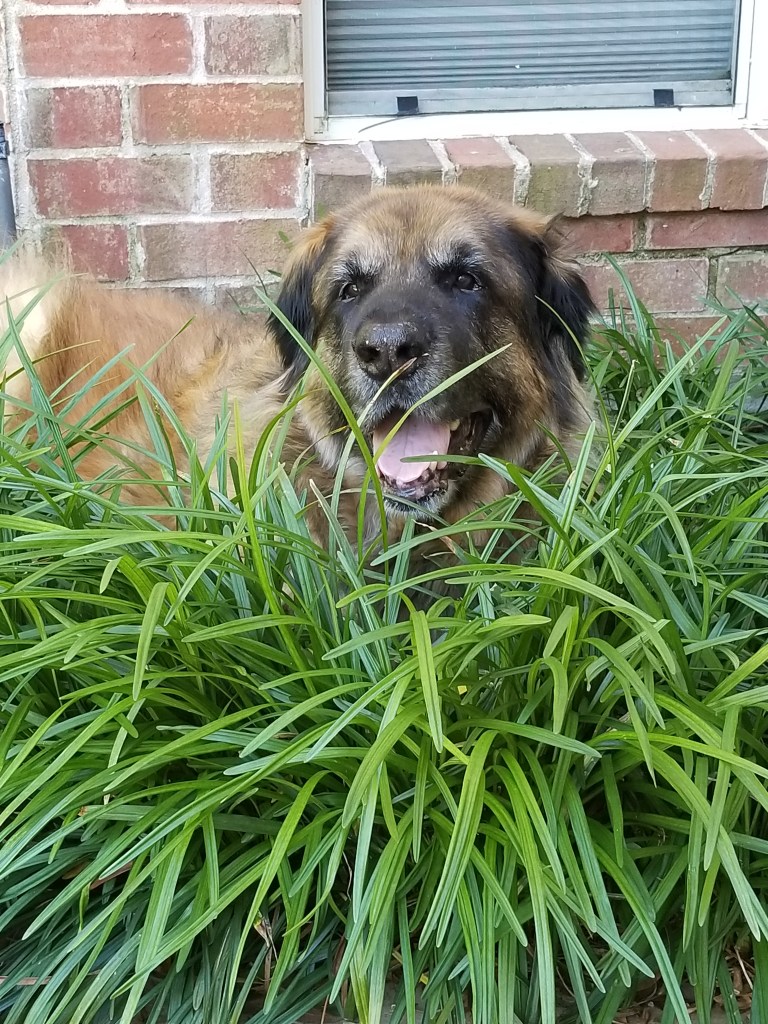
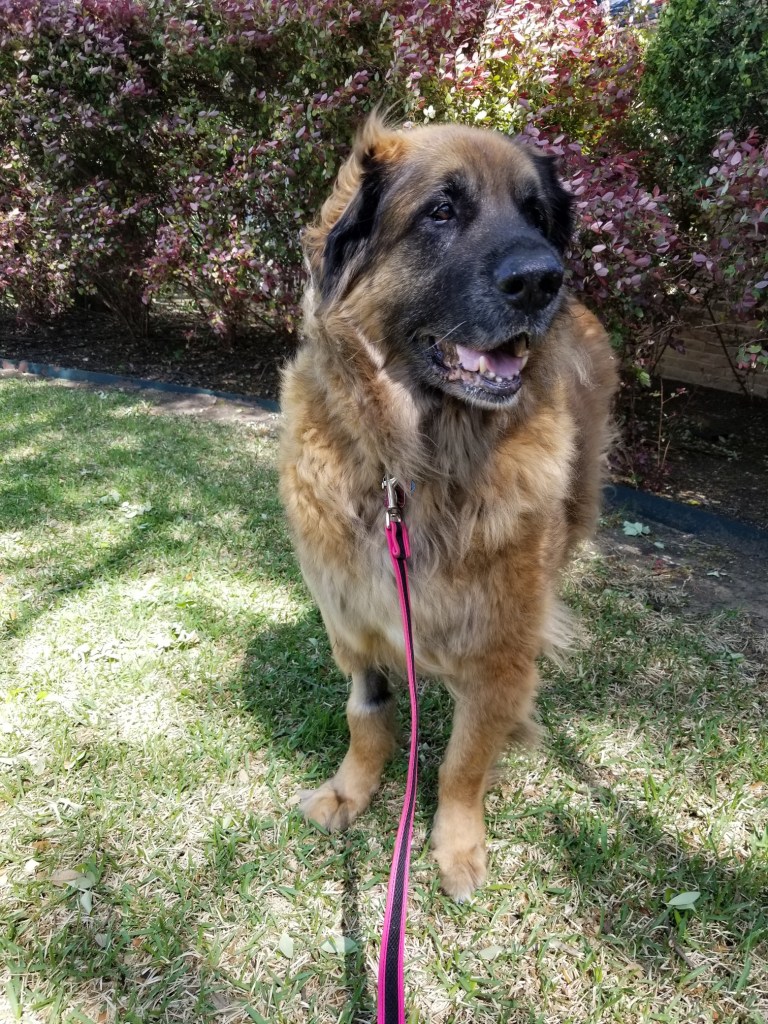
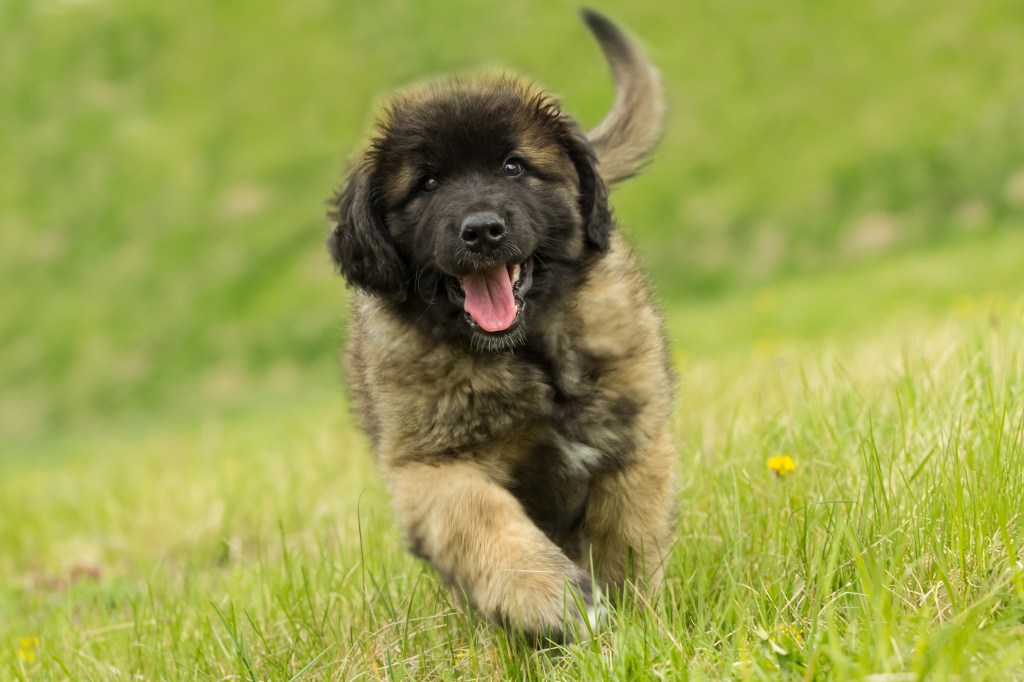
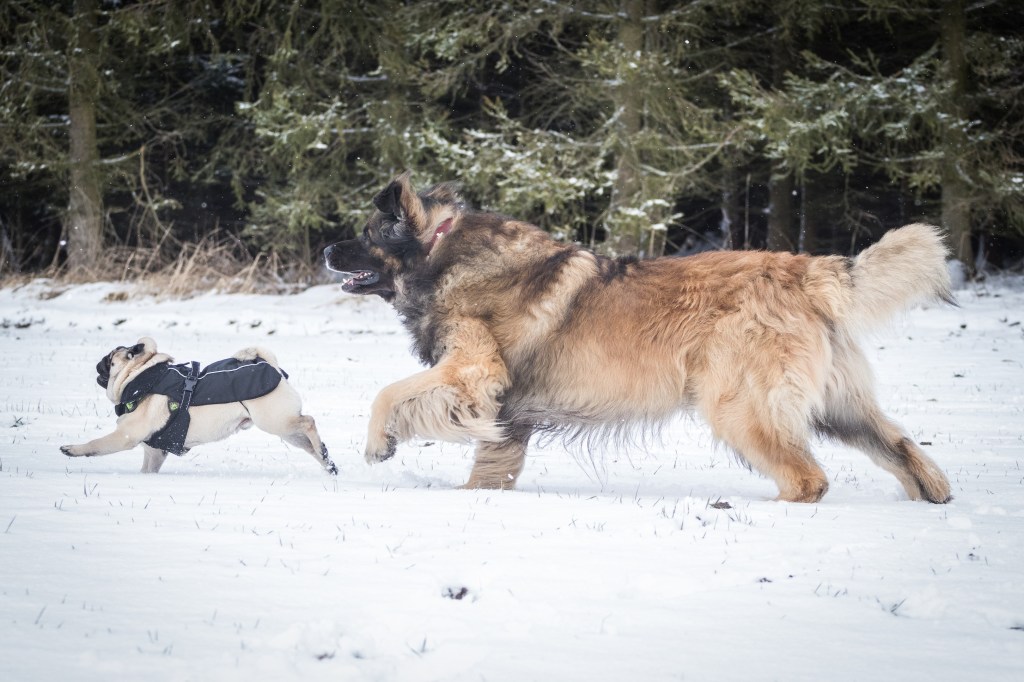
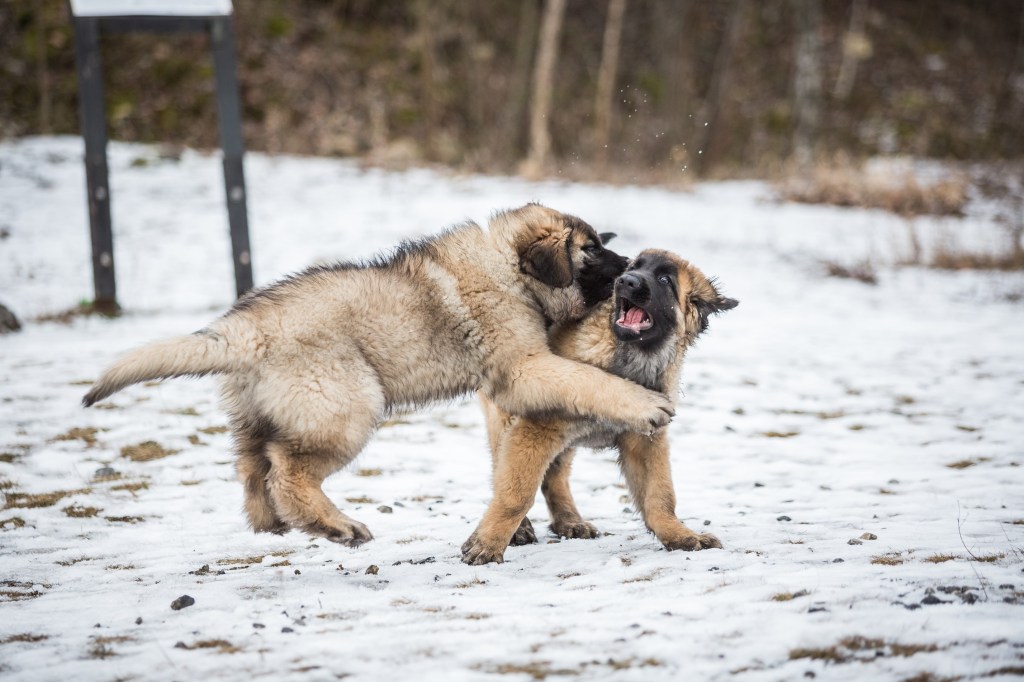
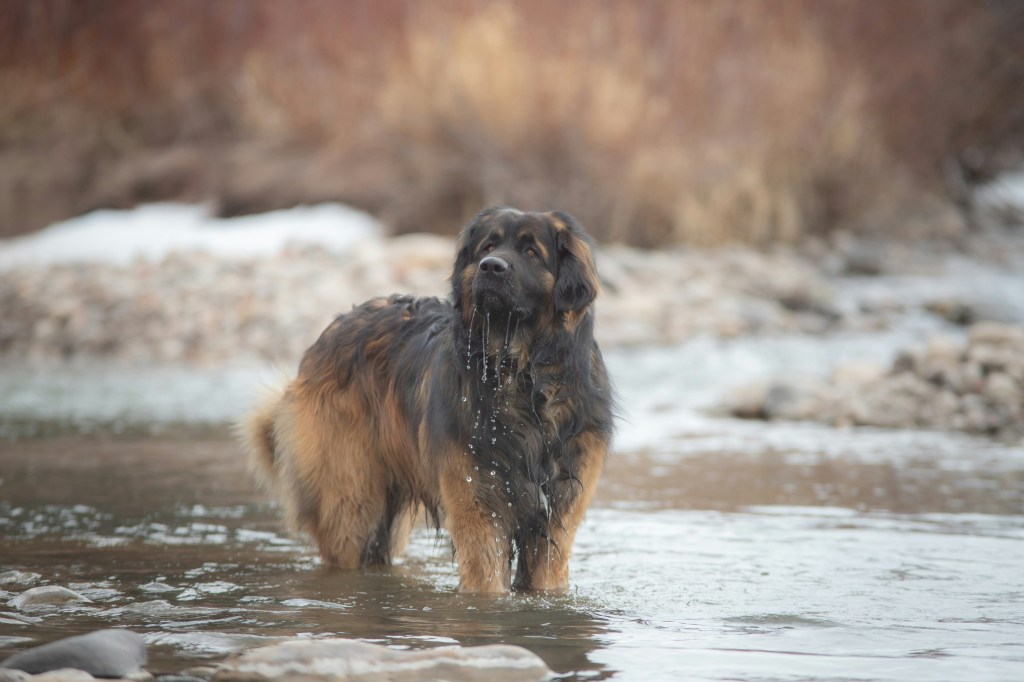
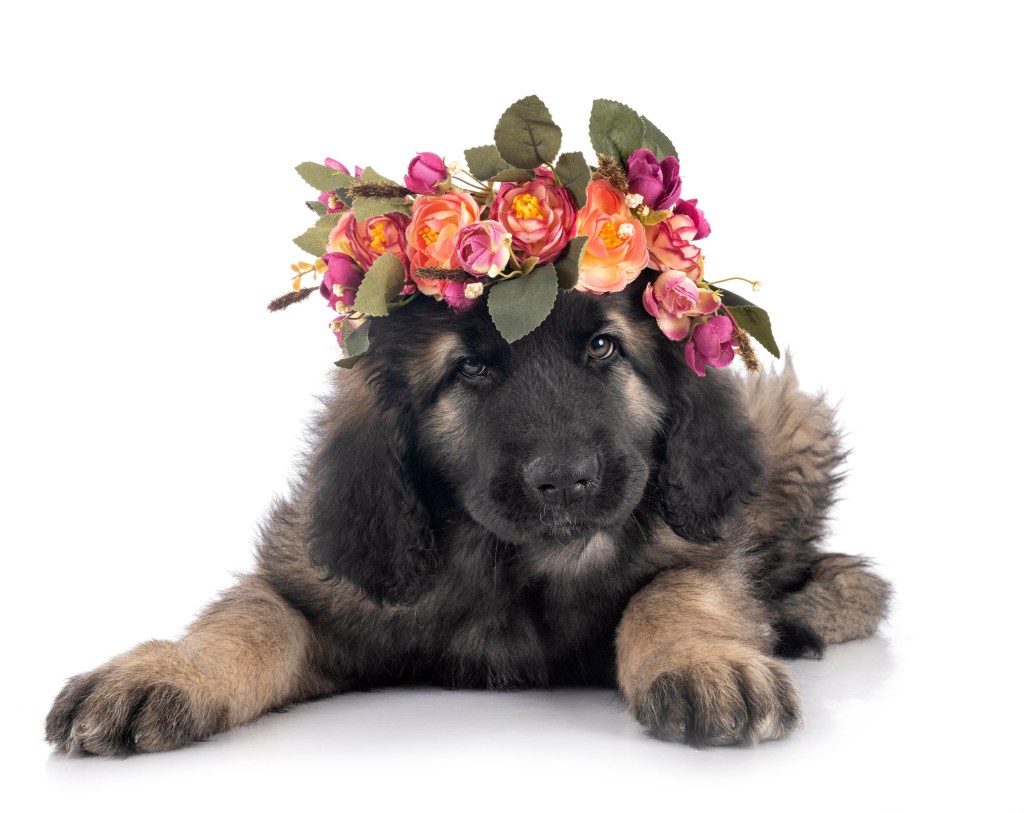
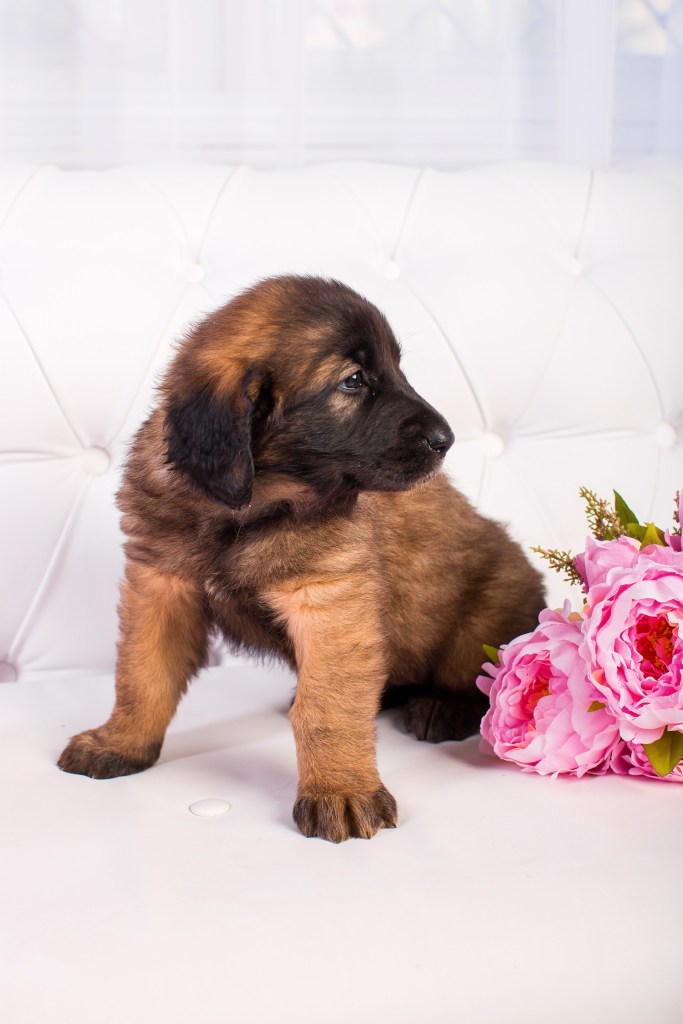
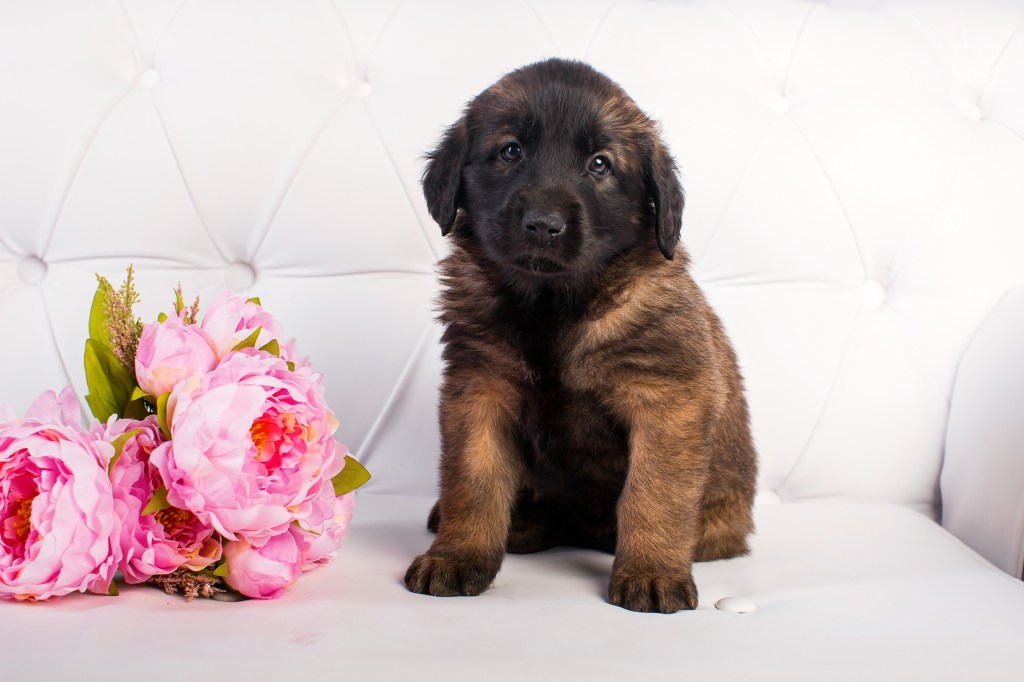
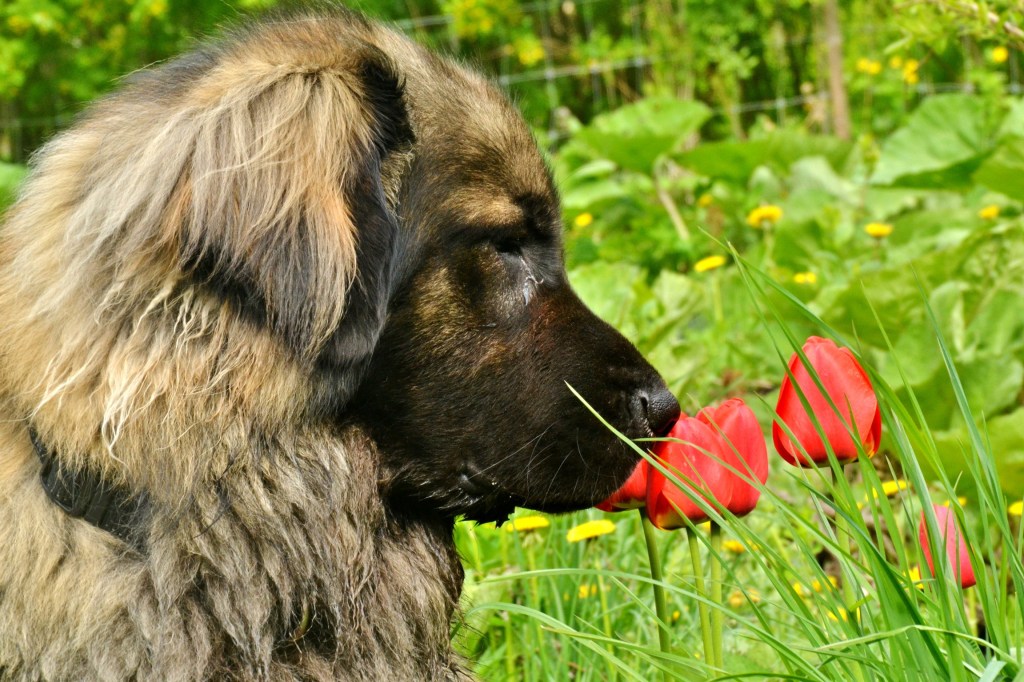
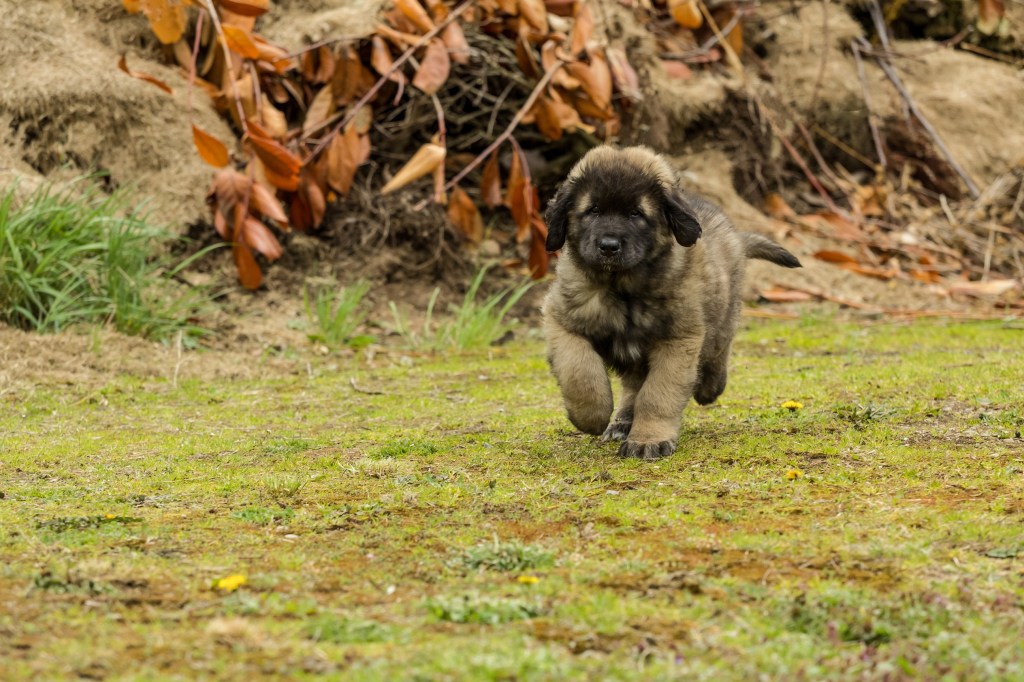
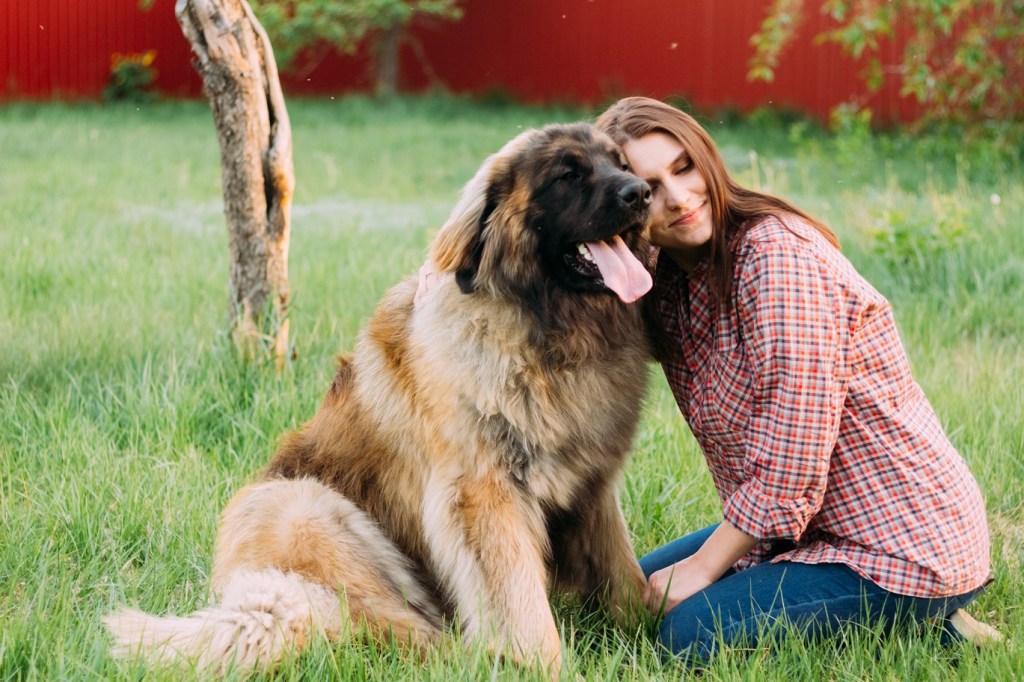
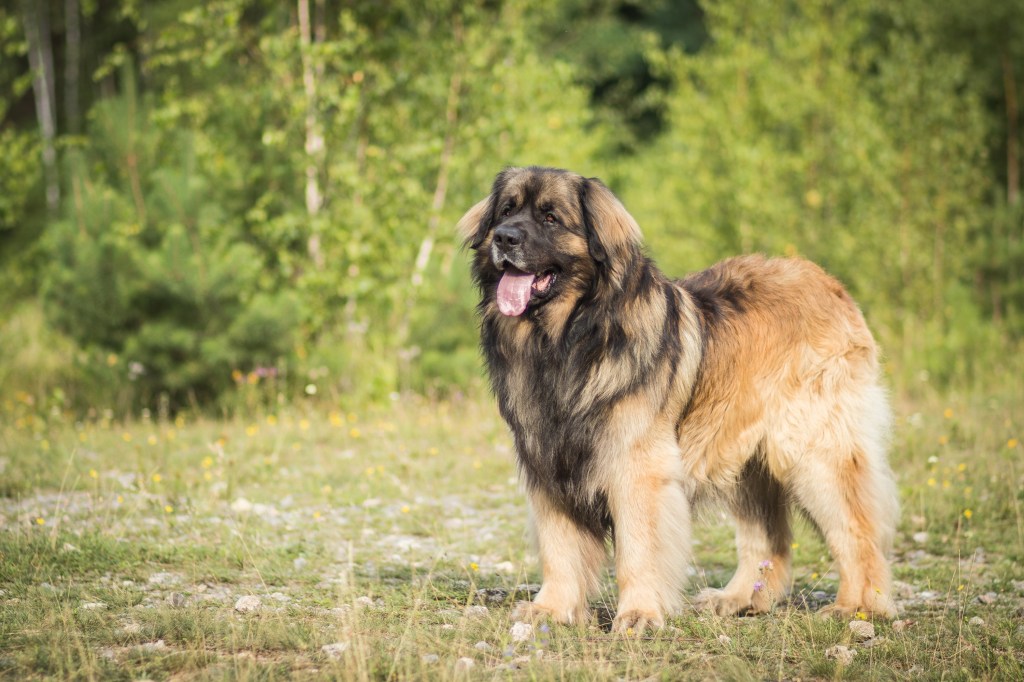
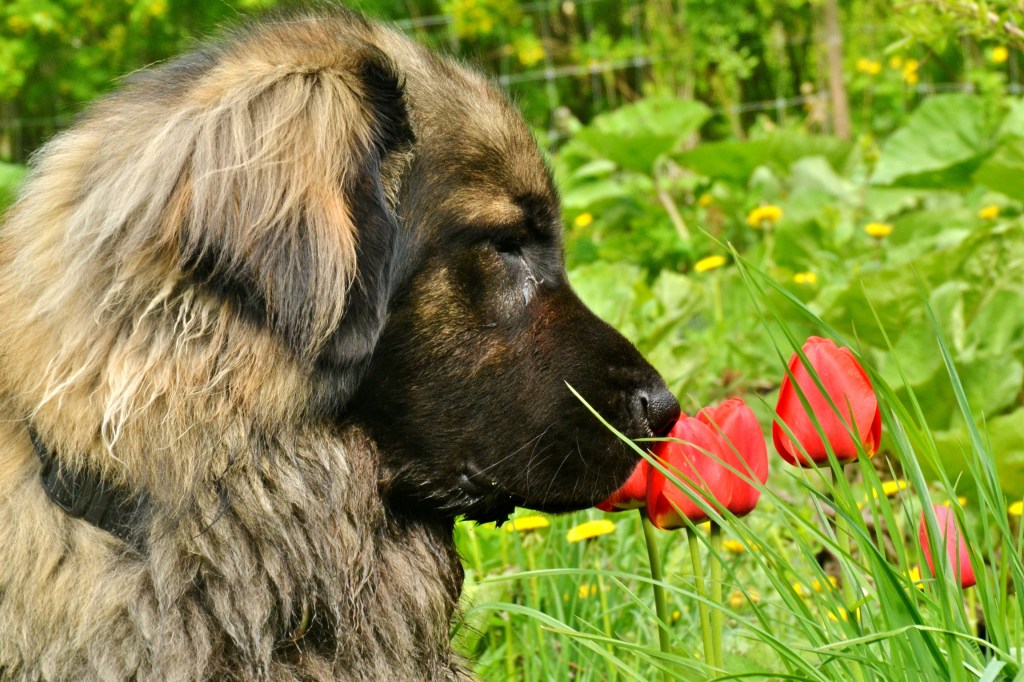
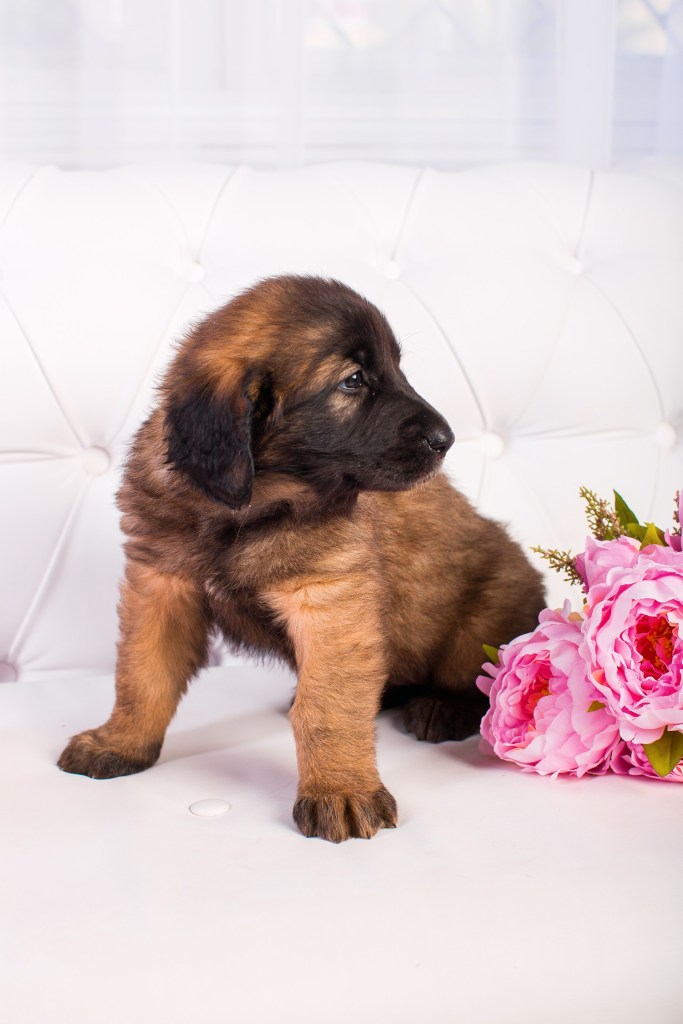
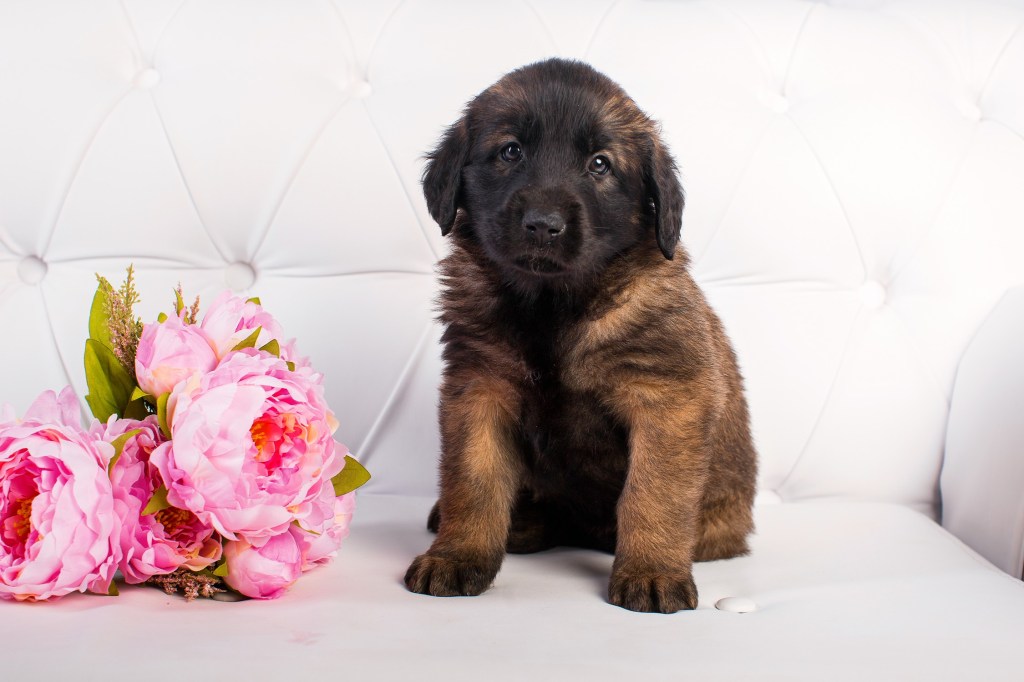
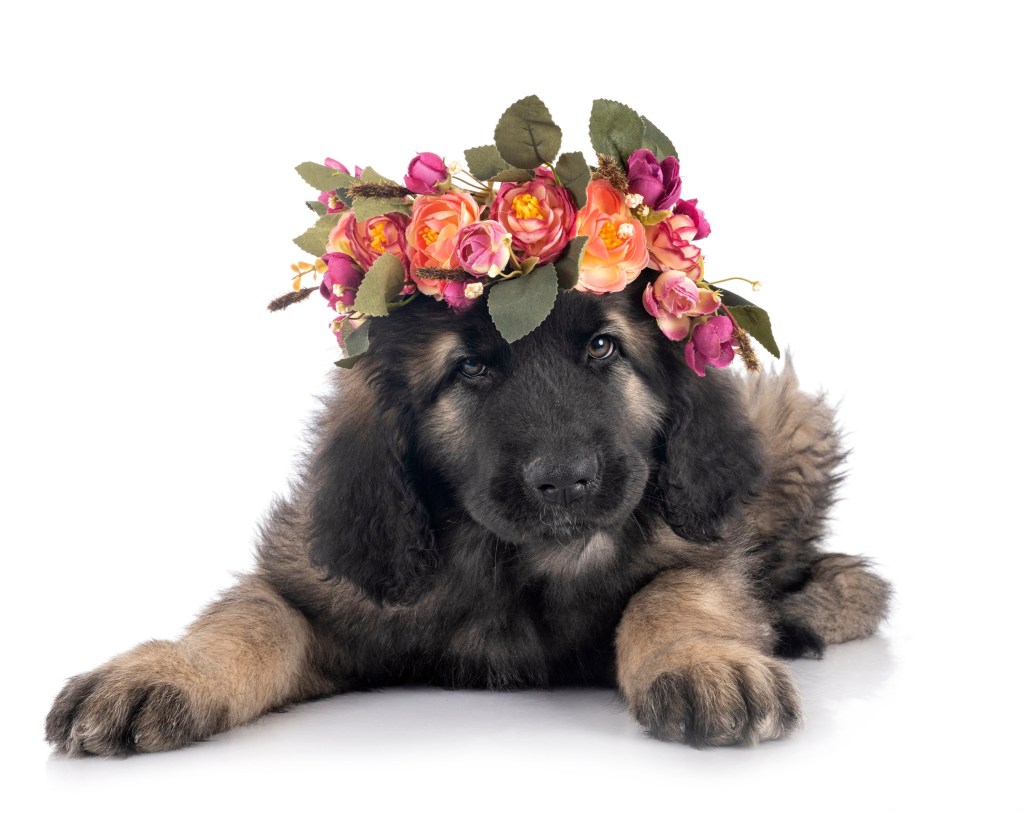
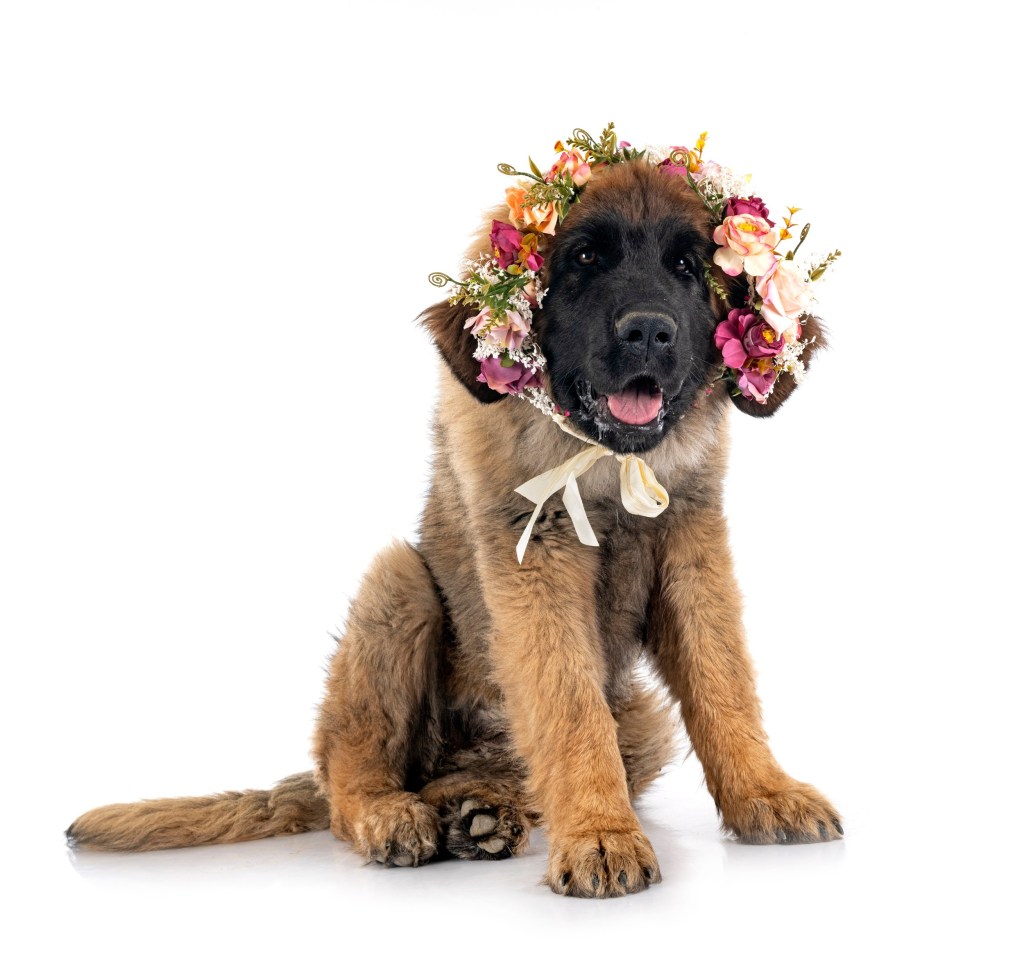
Our Leonberger Bronco in the bushes.Our Leonberger Bronco at a park close to our house. On his right front leg there is missing hair from a surgery he had (toe amputation).Our Leonberger Bronco on our front lawn.Amie, a female Swedish Leonberger on top of Skuleberget (Skull Mountain) in northern Sweden. We just happened to run into them after climbing the mountain.Second photo of Amie. Amie and her owner had climbed the mountain.This photo was provided by Jen O’Keefe, Urgent Animal Care of Arlington. From left to right; Obi, Delfi, Aslan, Gryphon, Digory.Leonberger standing in a snowy forest. Shutterstock-ID: 705193912 by Eric Isselee.Leonberger puppy running in a field. Shutterstock-ID: 629624396 by TOM KAROLA.A majestic Leonberger on a grassy knoll. Shutterstock-ID: 731020957 by Peter Josto.Two Leonbergers swimming. Tall grass in the background. Stock Photo ID: 1989806678 by Taibomaus.Leonberger swims with a ball. Stock Photo ID: 720242263 by Christian Mueller.Leonberger in a beautiful landscape. There are some grasses and plants. Shutterstock-ID:1333669760 by Britta Paasch.Leonberger and pug running in the snow. There is a snowy forest in the background. Shutterstock- ID:1659034960 by AnetaZabranska.Two light colored Leonberger puppies playing. There is a snowy forest in the background. My guess is that they are three months old. Shutterstock-ID: 2141564415 by AnetaZabranska.Leonberger standing in river. Brush in the background. Photo by Stephanie Lucero on Unsplash.Shutterstock Asset id: 450770140 by everydoghasastoryLeonberger puppy with flowers in his hair. Shutterstock Asset id: 1921825460 by cynoclub.Leonberger Puppy with flowers on his head – Shutterstock Asset id: 2154719621 by cynoclub.Leonberger puppy Stock Photo ID: 561111403 by Akbudak Rimma.Leonberger puppy on a white sofa Asset id: 561113224 by Akbudak Rimma.A Leonberger is sniffing a couple of tulips. Shutterstock Asset id: 1352450168 by EmmaEEVPersson.Leonberger in nature in Norway. Stock Photo ID: 1779931691 by Britta PaaschLeonberger puppy running on a green grass. There’s a fallen tree in the background. Asset id: 629624387 by TOM KAROLA.Woman and her Leonberger dog on grass. Shutterstock asset id: 1741753382 by Elena Podrezenko.Healthy Leonberger posing in front of a forest. Shutterstock asset id: 1474761425 by AnetaZabranska.
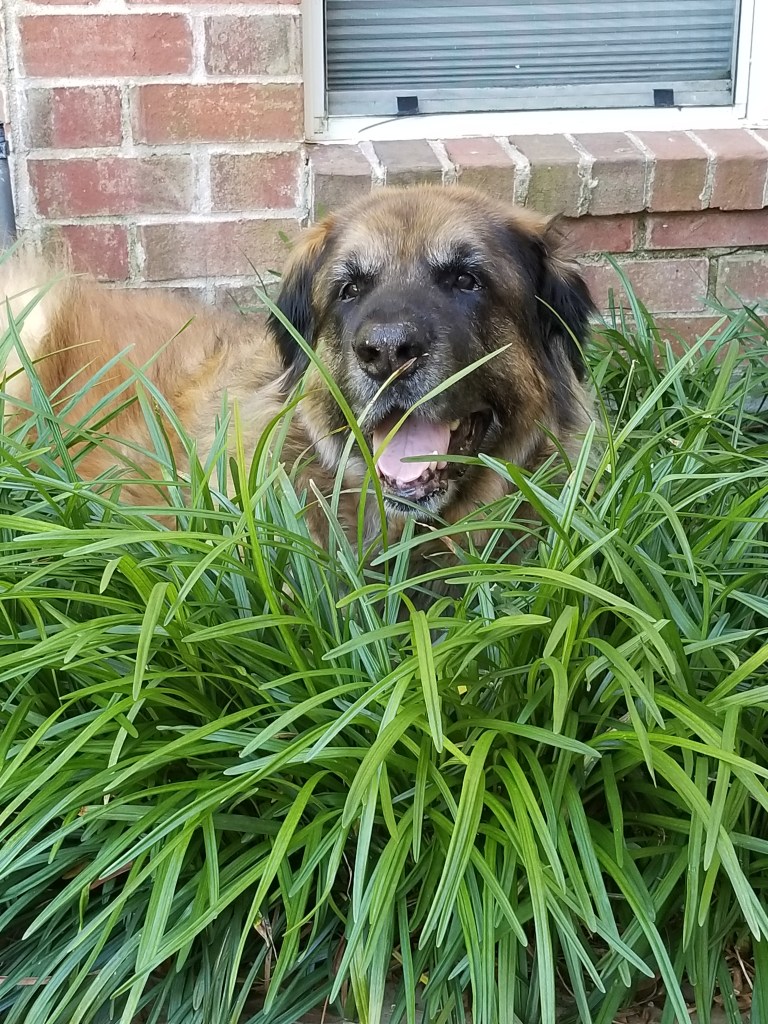
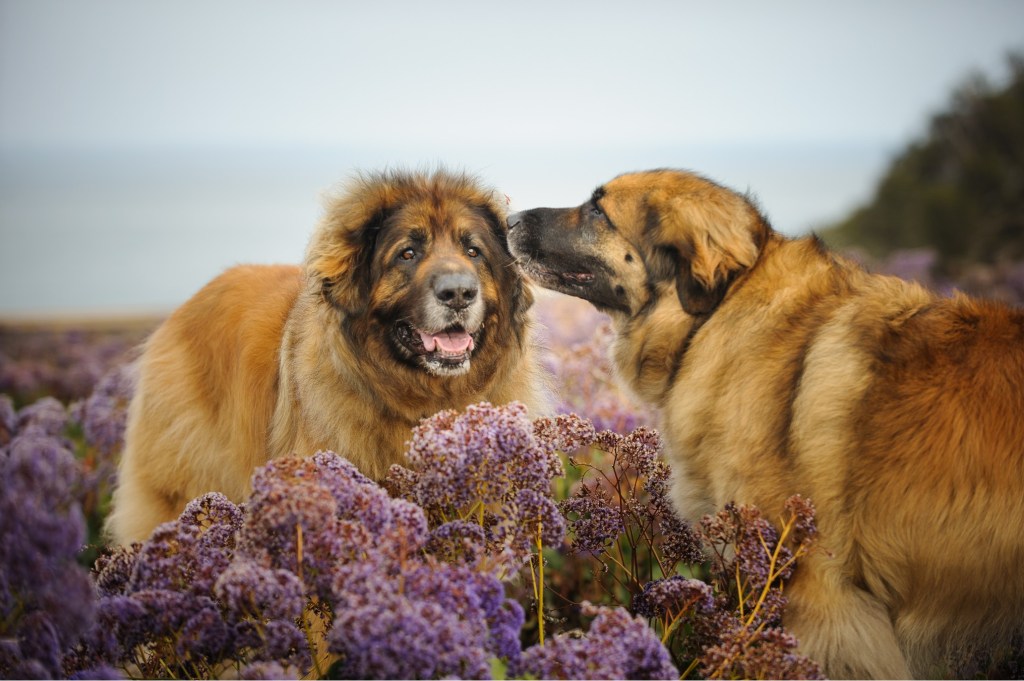
This post features various photos or illustrations of Leonbergers with flowers. The second photo below is our late Leonberger Bronco in the tall grass plants at our in-laws and the rest of the pictures are pictures featuring Leonbergers with flowers that I generated using ChatGPT or Shutterstock photos with Leonbergers and flowers (I have a shutterstock account).
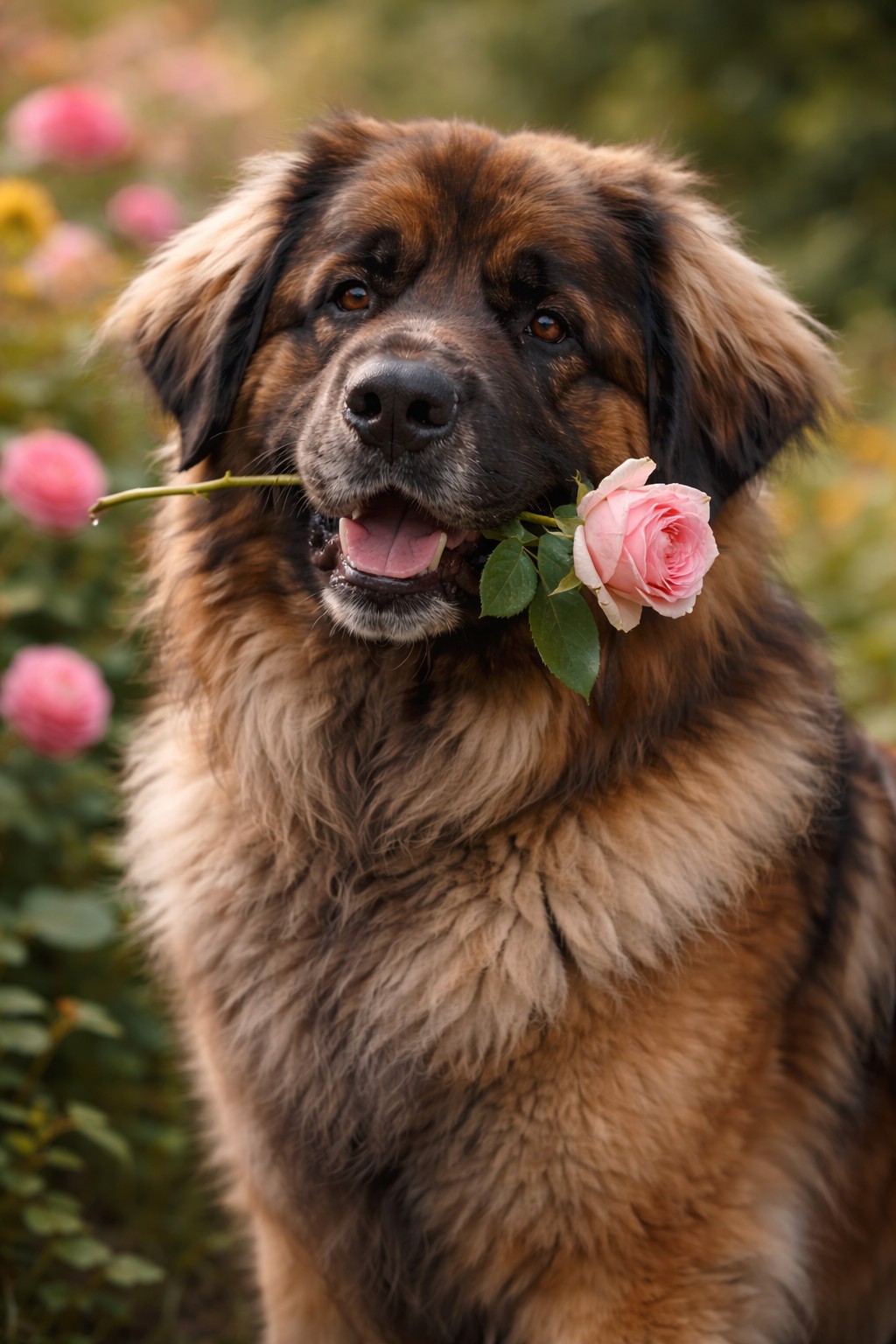
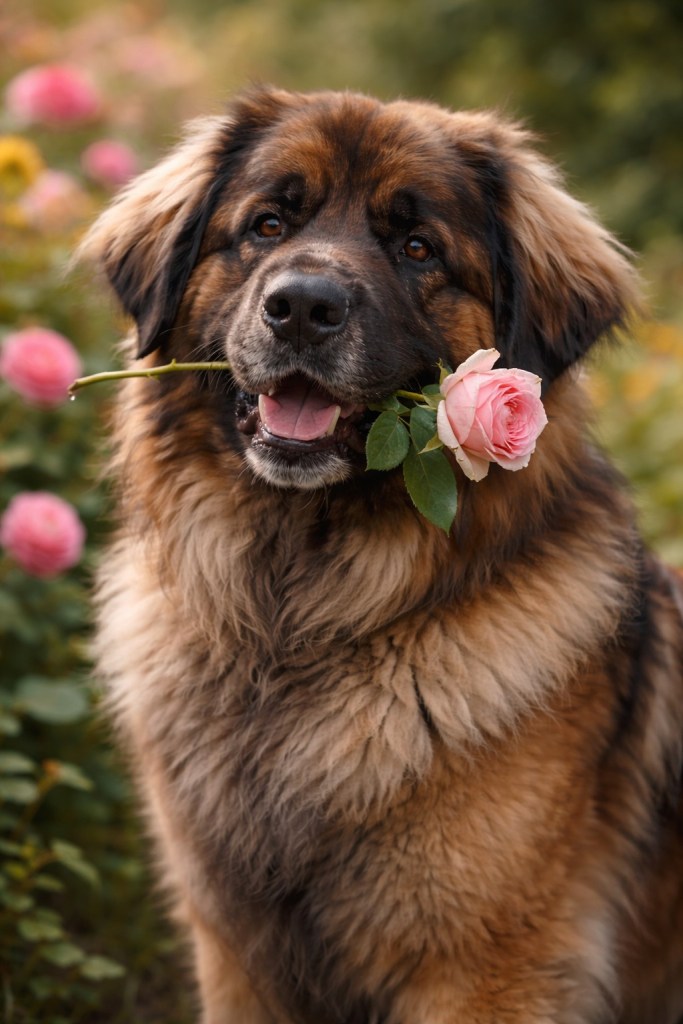
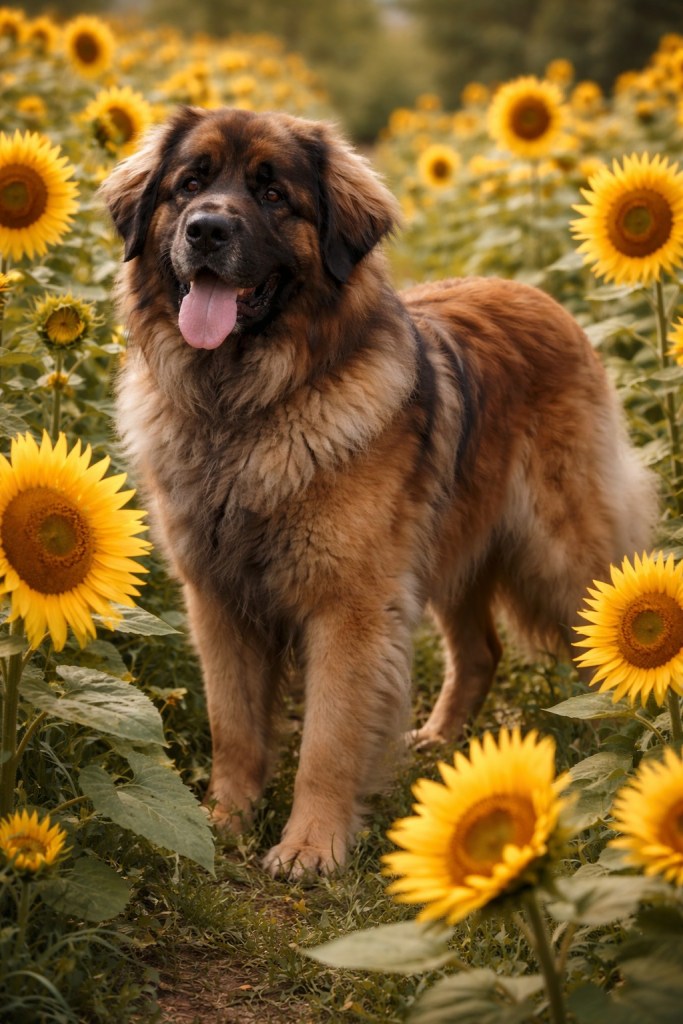
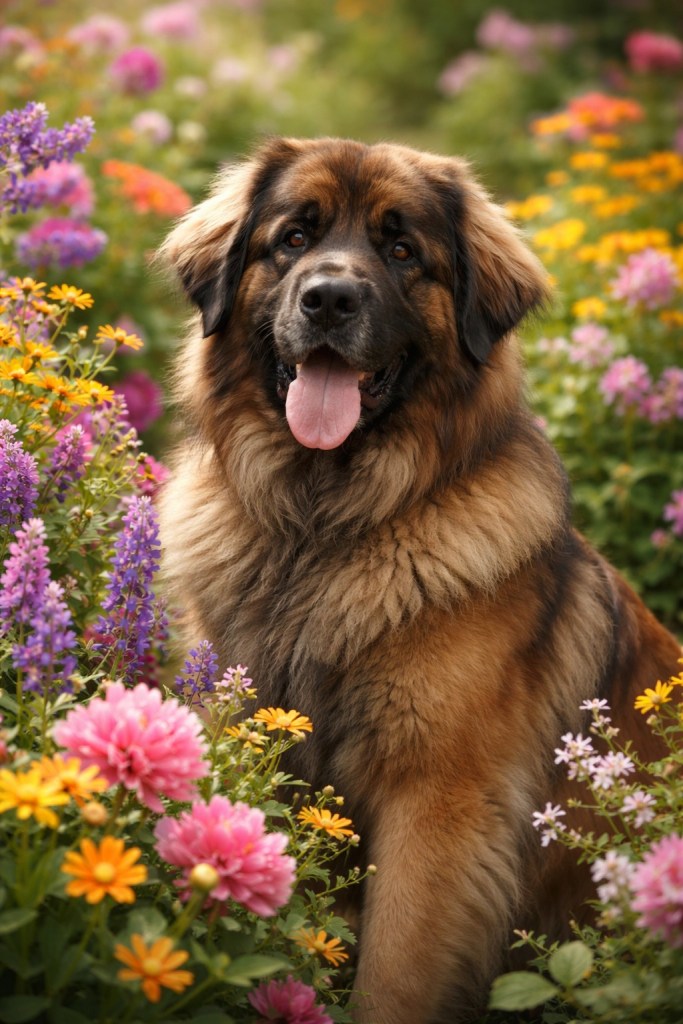
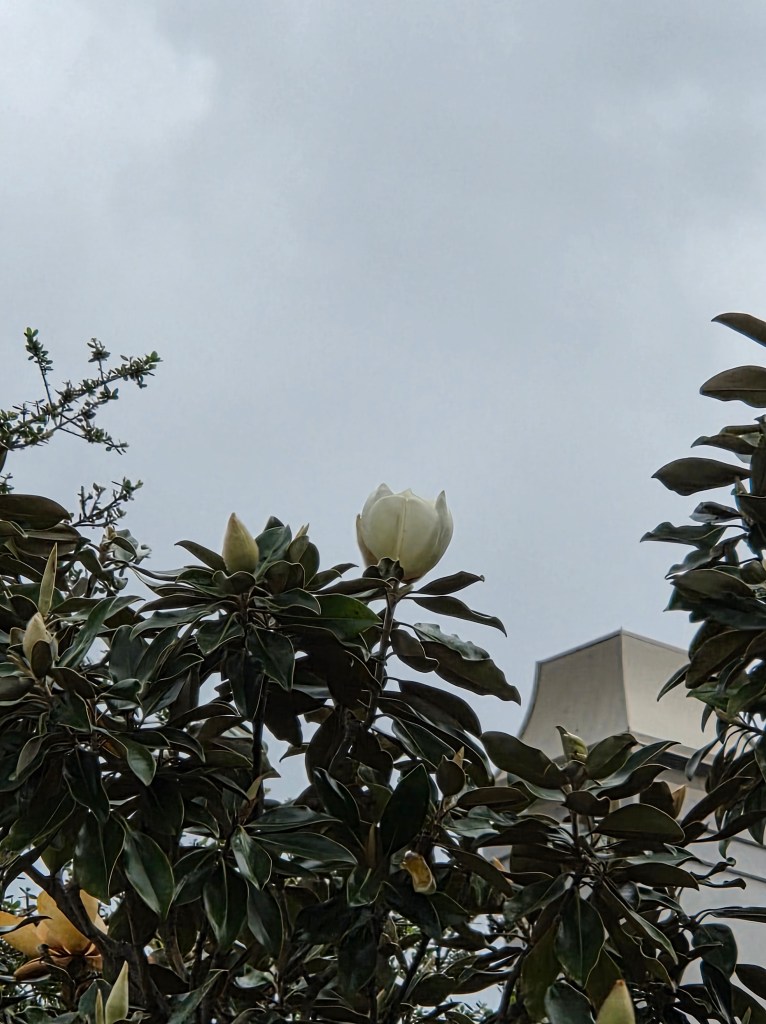
Leonberger with a rose. I generated this picture with the help of ChatGPT.Our Leonberger Bronco in the bushes in front of my in-laws house.A Leonberger is sniffing a couple of tulips. Shutterstock Asset id: 1352450168 by EmmaEEVPersson.Shutterstock Asset id: 450770140 by everydoghasastory.Leonberger puppy Stock Photo ID: 561111403 by Akbudak Rimma.Leonberger puppy on a white sofa Asset id: 561113224 by Akbudak Rimma.Leonberger puppy with flowers in his hair. Shutterstock Asset id: 1921825460 by cynoclub.Leonberger Puppy with flowers on his head – Shutterstock Asset id: 2154719621 by cynoclub.Leonberger with sunflowers. I generated this picture with the help of ChatGPT.Leonberger in a field of flowers. I generated this picture with the help of ChatGPT.And a bonus photo. No Leonberger in this photo. Our Magnolia tree in our backyard just opened up its first flower for the season (lots of buds but they are still closed).
A professional content writer by the name of Ryan Goodchild contacted me about publishing a Leonberger related post on my Leonberger blog, which I am certainly happy to assist with. The title is “How to Include Your Leonberger in Your Wedding Day with Ease and Joy”. See the article article below. While Ryan did all the writing, I added photos of our Leonberger as well as a few Leonberger stock photos.
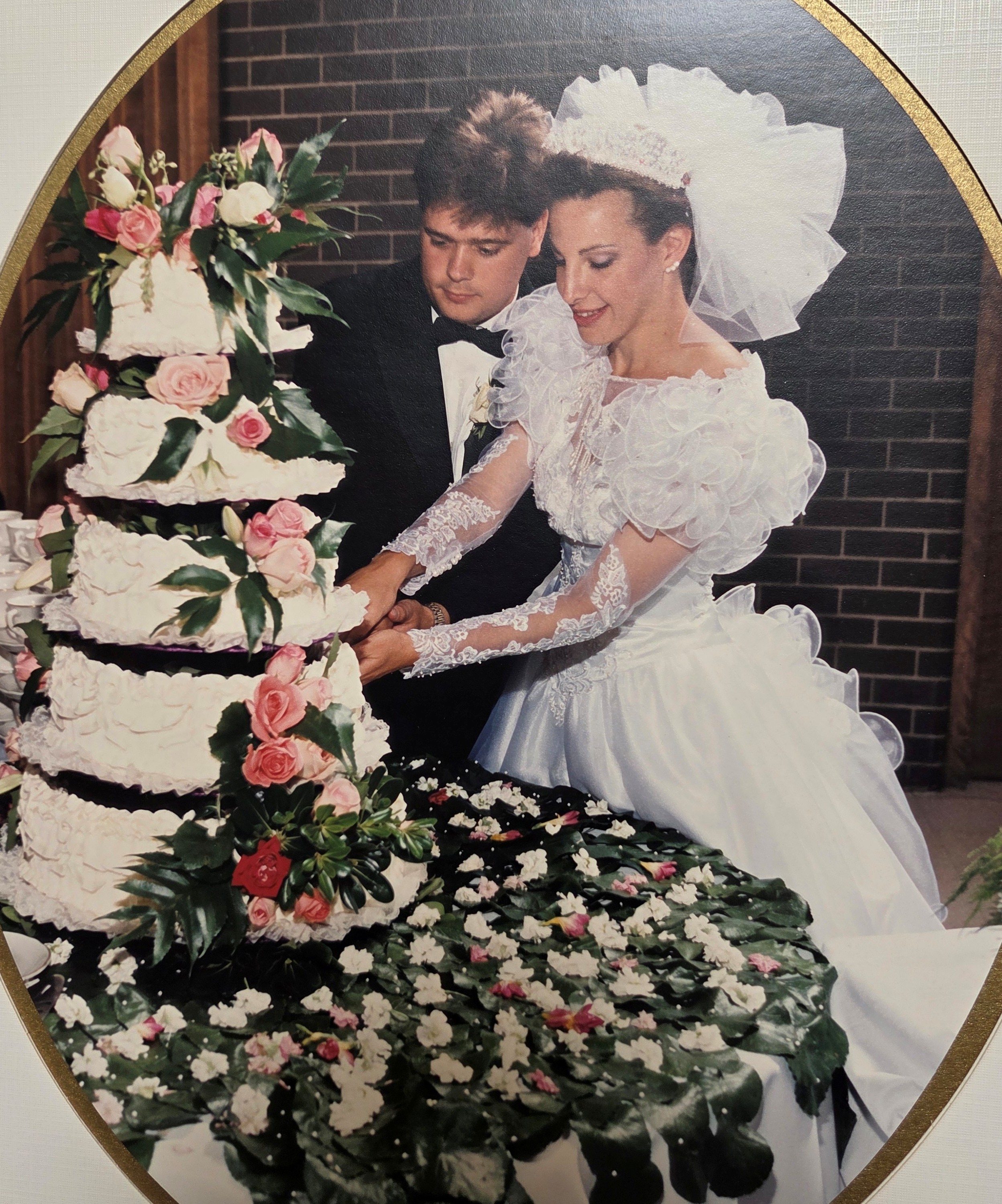
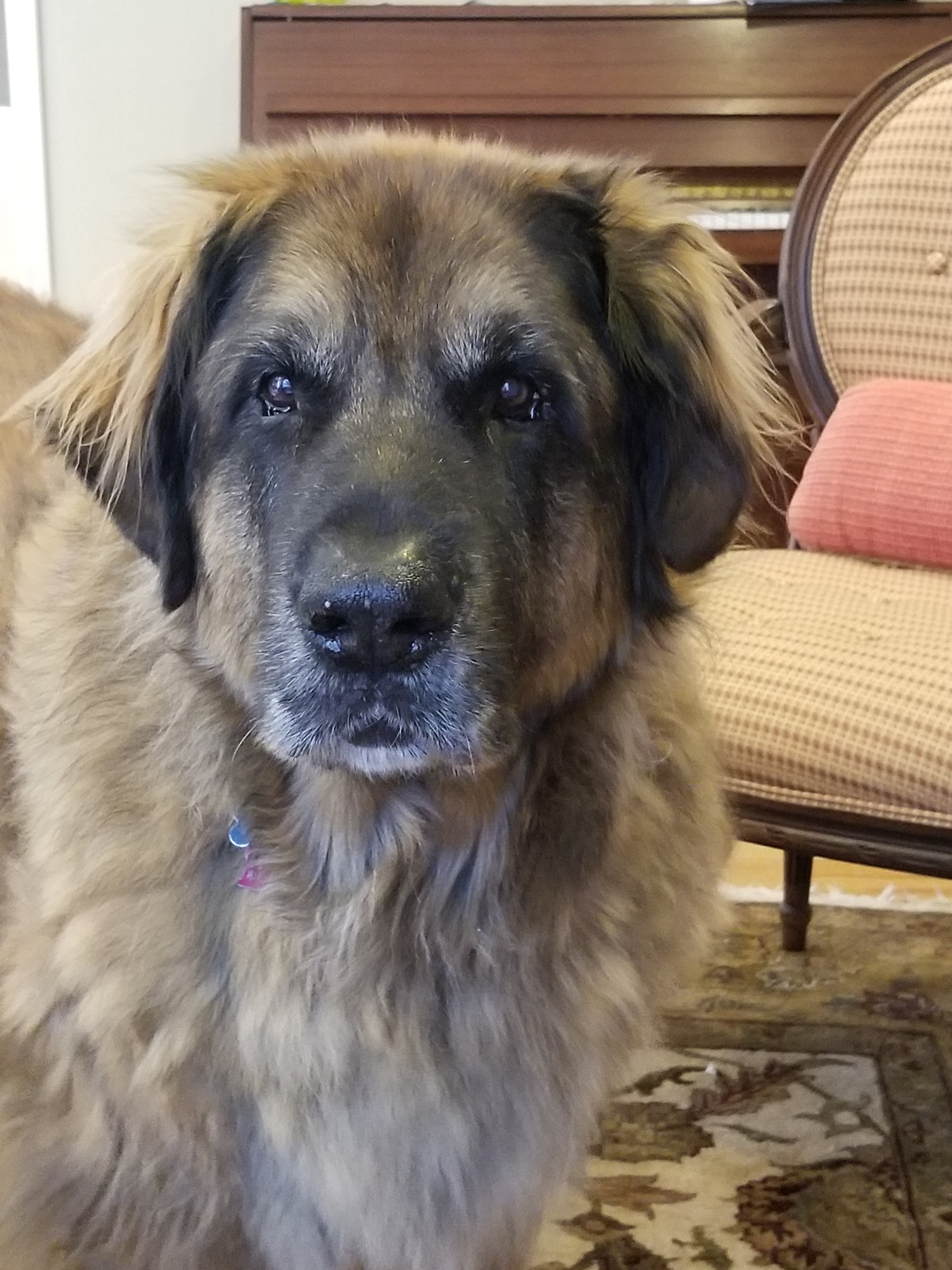
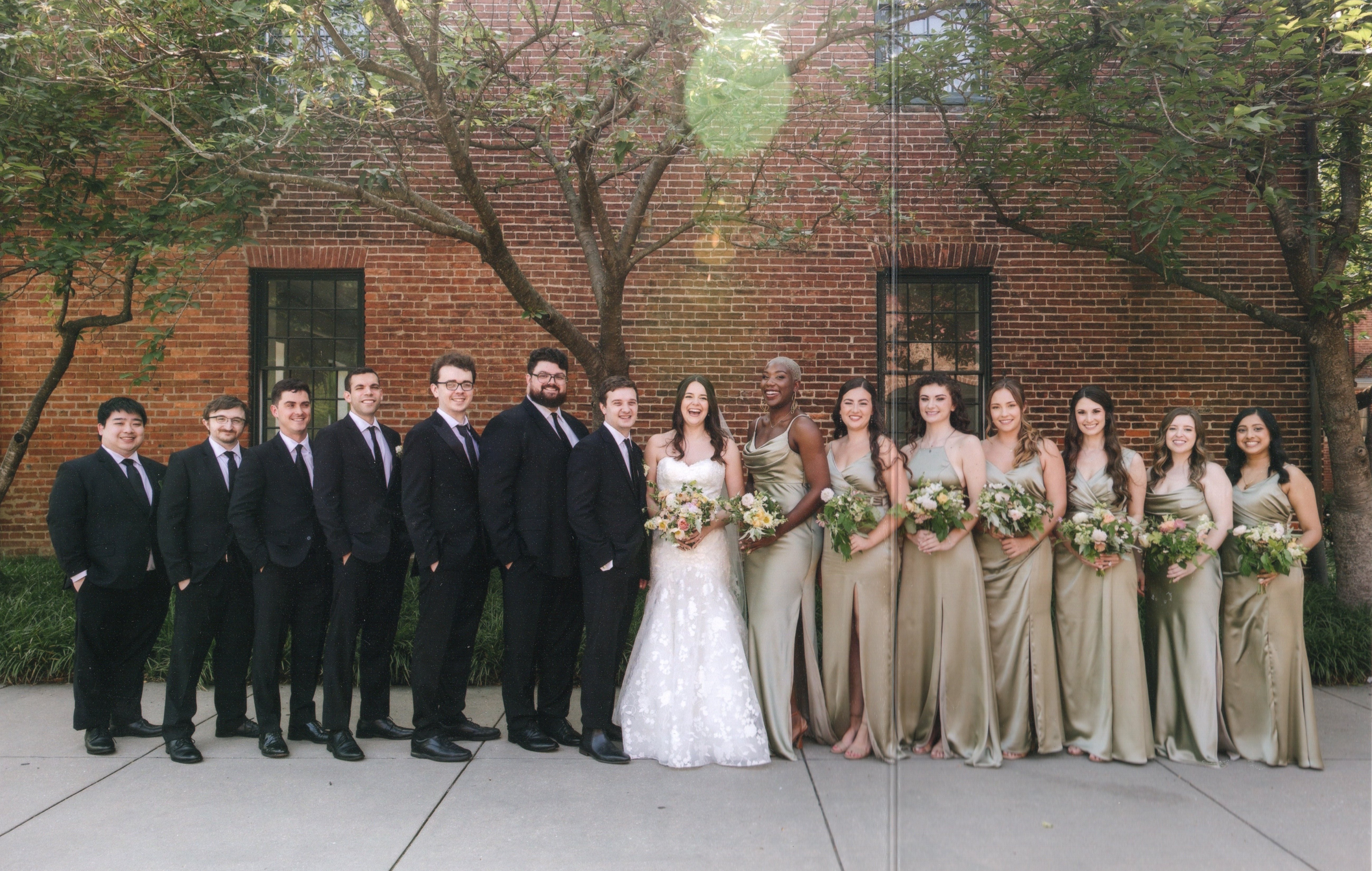
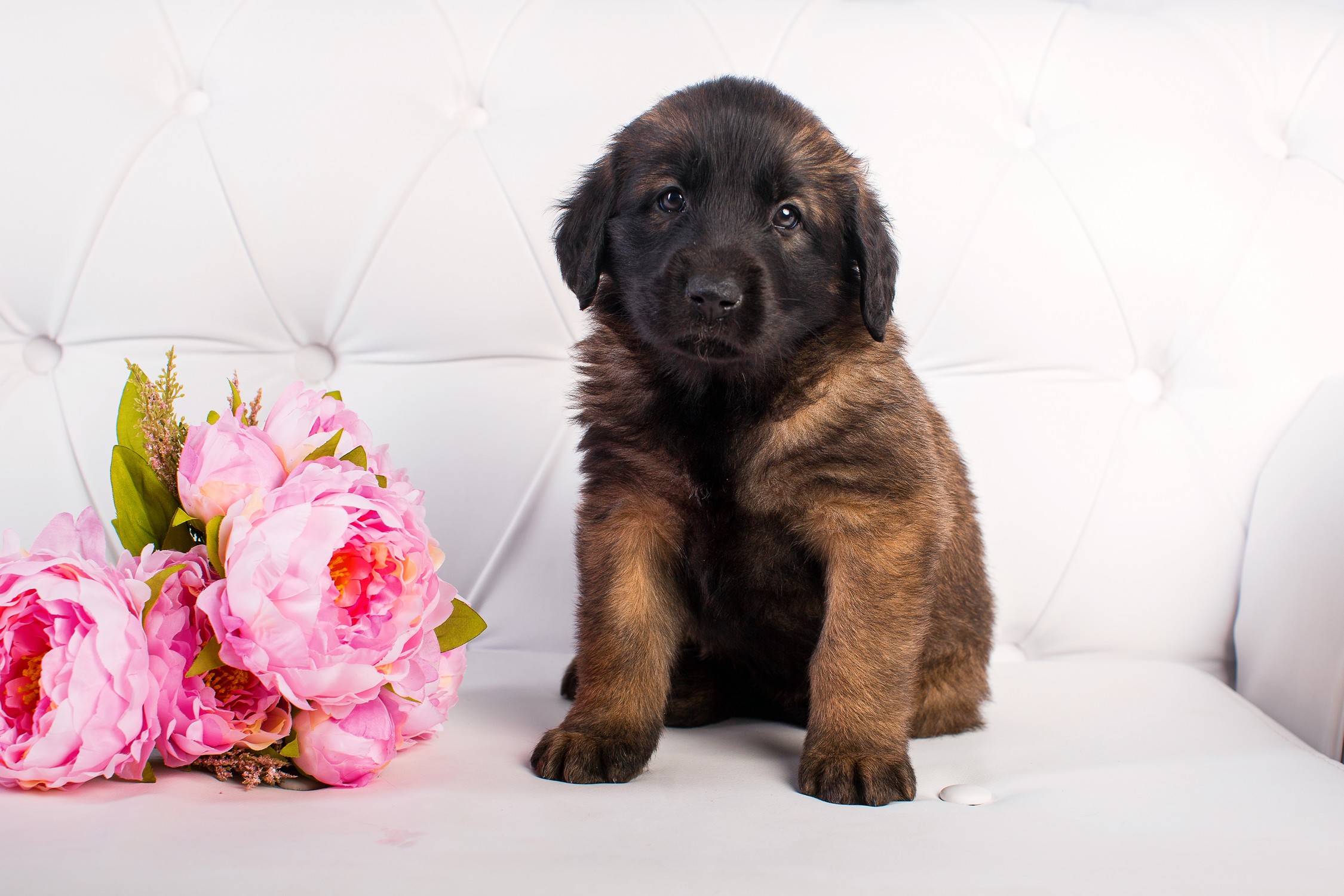
The photo tile above includes a photo of me and my wife cutting a wedding cake and a photo of our son and daughter in-laws wedding party. There are two photos of our Leonberger Bronco. One from when he was a three months old puppy and one from when he was 12 years old. There is a shutter stock photo ID:731020957 by Peter Josto, a photo of a woman and her Leonberger dog, asset id: 1741753382 by Elena Podrezenko, and a another photo showing a Leonberger puppy with flowers, asset id: 561113224 by Akbudak Rimma.
How to Include Your Leonberger in Your Wedding Day with Ease and Joy
Leonberger owners planning to include dogs in weddings often feel pulled between the deep emotional bond with dogs and the reality of managing a gentle giant in a busy, unpredictable setting. Wedding festivities with pets can be loud, crowded, and full of unfamiliar smells and schedules, which can raise anxiety and create safety concerns for guests and for large dog breeds at events. Add shedding, heat tolerance, and stamina to the mix, and even well-trained dogs can struggle if expectations aren’t clear. With the right mindset, couples can protect comfort and health while making room for meaningful moments with their Leonberger.
Shutterstock asset id: Shutterstock 450770140 by everydoghasastory
Plan a dog-friendly role that fits your Leonberger’s temperament, energy, and comfort in crowds.
Choose simple, theme-matching accessories that stay comfortable and safe for a large breed.
Confirm venue rules and set up a calm, shaded rest area with water and a trusted handler.
Prepare for photos by timing sessions well and using familiar cues for calm, cooperative portraits.
Pick Your Pup’s Role: Ring Bearer, Flower Dog, or Photo Star
Leonbergers can be surprisingly steady “wedding teammates” when their job matches their temperament, coat needs, and stamina. Use the musts you already planned, venue safety, a quiet break space, hydration, and a realistic timeline, to choose a role that feels joyful, not stressful.
Match the role to your Leonberger’s comfort level: Start by choosing the easiest job your dog can succeed at, then upgrade only if practice is smooth. A confident, people-friendly Leo may love a short aisle walk, while a more sensitive dog might shine as a “photo star” during a calm pre-ceremony session. A simple gut-check is whether your dog can stay relaxed around applause, rustling fabric, and hugs; a pet’s personality should guide how “public” their role is.
Choose Leonberger-friendly wedding attire that won’t mat or overheat: For big-coated dogs, prioritize soft, wide straps and minimal layers: a lightweight bow tie on a breakaway collar, a bandana that sits above the shoulder coat, or a floral collar made with faux flowers and soft backing. Avoid tight elastic, scratchy tulle, or anything that compresses the ruff, those can tangle and create hot spots. Do a 10-minute dress rehearsal at home, then brush out the coat immediately after to prevent matting.
Try a harness-based ring bearer setup (safe and photogenic): Skip anything that dangles near paws or swings into the chest. Use a well-fitted Y-front harness and attach a small, closed pouch (or lightweight ring box) to the top strap so it stays stable; keep the real rings with your best human. Practice a 20–30 second “walk, stop, sit” routine in the harness so your Leonberger learns the exact aisle pace you want.
Make “flower dog” realistic with a basket-free plan: Many Leonbergers dislike carrying objects when excited, and baskets can bump the chest and restrict stride. Instead, attach a mini pouch of petals to the harness and have an attendant sprinkle petals just ahead of you, or cue your dog to “touch” a decorated sign at the aisle entrance for the same effect. This keeps the job simple while still delivering that flower-dog moment.
Plan a photo-star schedule that respects coat, drool, and downtime: Leonbergers often photograph best in shorter bursts: aim for two 5–8 minute sets, one before guests arrive and one at golden hour, rather than one long session. Pack a “quick reset kit” from your musts list: towel, drool cloth, slicker brush, water, and high-value treats. Ask your photographer for a few action prompts (walk toward the camera, sit-and-stay, “look” cue) so your dog isn’t stuck holding a pose too long.
Assign a dedicated handler and a clean exit route: Your dog should have one familiar adult who isn’t in the wedding party, someone who knows their cues, can spot stress signals, and can leave early without disrupting the flow. Rehearse the entrance and exit route once at the venue, including the potty spot and the quiet break space, so your Leonberger never has to “guess” what’s next.
When your dog’s role is simple, comfortable, and well-rehearsed, it’s easier to troubleshoot the real-life questions, like crowd anxiety, heat management, and what a truly pet-safe venue needs to have.
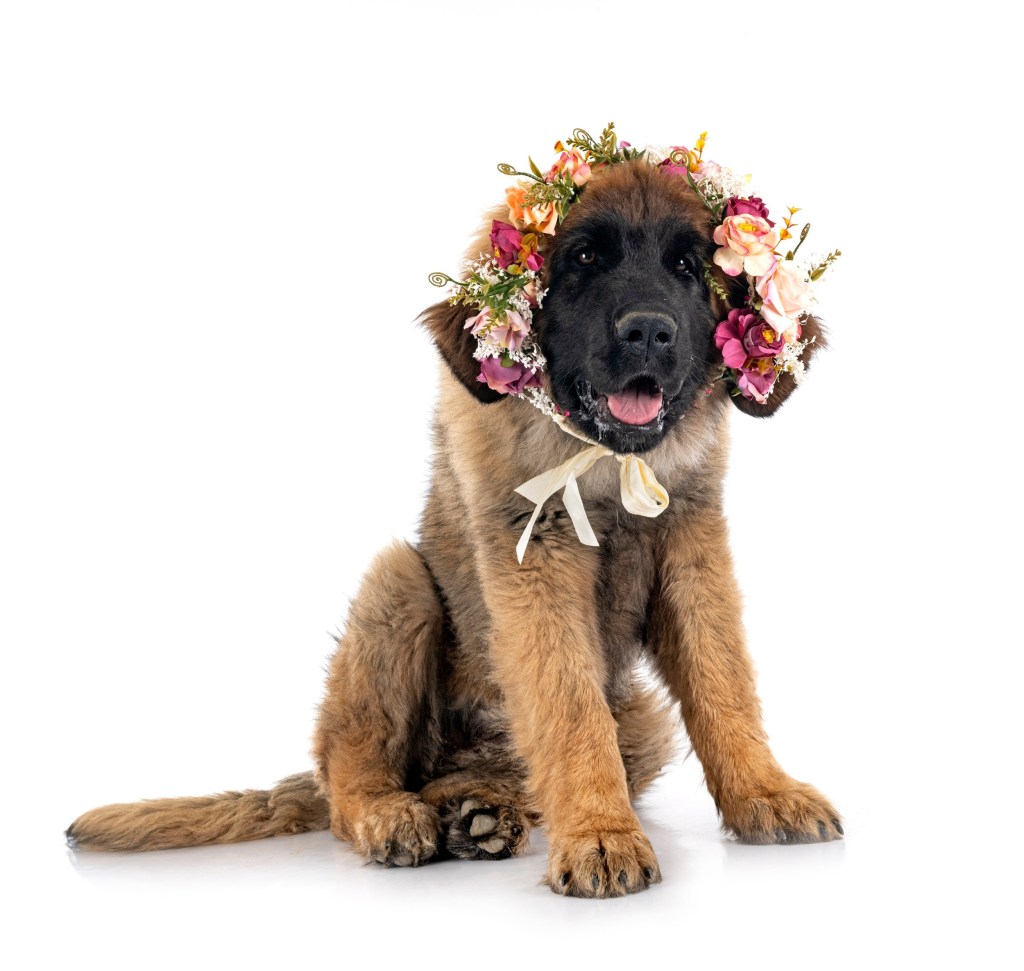
Leonberger puppy being the flower dog. Shutterstock Asset id: 2154719621 by cynoclub.
Wedding Day Q&A for Leonberger Parents
Got a few last-minute worries? You’re not alone.
Q: What are some safe and comfortable outfit ideas for dressing my Leonberger for a wedding? A: Choose minimal, breathable pieces that will not pinch the ruff or trap heat, like a lightweight bandana or soft bow tie on a breakaway collar. Skip tight elastic, scratchy fabrics, and anything that rubs under the armpits. Do a short trial run, then brush the coat to prevent friction mats.
Q: How can I keep my Leonberger calm and happy during the busy wedding day? A: Build predictability: a quiet retreat spot, regular water breaks, and a handler who can step out before your dog hits their limit. A fear-free approach focuses on helping your pet feel safe, predictable, and understood, which is exactly the goal on a high-energy day. Watch for early stress signals like yawning, lip-licking, or scanning the room, and take a quick decompression break.
Q: What are creative ways to include my Leonberger in wedding photos and invitations? A: Plan a calm “portrait window” before guests arrive, then capture a second short session later when your dog is refreshed. For invitations and signage, use one clean photo and a simple icon version for small prints, then export everything into a single print-ready PDF using an image-to-PDF converter, including converting PNGs to PDFs online.
Q: How do I prepare the wedding venue to ensure it’s pet-friendly and suitable for my Leonberger? A: Confirm shade or indoor cooling, a non-slip path, and a low-traffic potty area away from food service. Ask about noise peaks, crowd flow, and any off-limits rooms so your Leonberger is never surprised. Because pet anxiety claims nationwide are up 93% since 2019, it’s smart to plan for lower stimulation, not just “allowing dogs.”
Q: What support can help me plan, including my Leonberger in wedding festivities, without feeling overwhelmed? A: Assign one dedicated dog handler and give them a simple checklist: arrival time, potty plan, water schedule, photo times, and an exit cue. Do one venue walk-through together, then keep your dog’s “job” short and winnable. If you’re making printed signs, batch your images and notes into one shared folder so decisions do not snowball.
A calm plan creates the joyful Leonberger memories you’ll actually want to relive.
This photo was provided by Jen O’Keefe, Urgent Animal Care of Arlington. From left to right; Obi, Delfi, Aslan, Gryphon, Digory.
Plan a Smooth Wedding Role for Your Leonberger
Here’s how to move from plan to action.
This process helps you include your Leonberger in the celebration while protecting their comfort, body safety, and stress level. Because Leonbergers are powerful, sensitive, and heat-prone under that gorgeous coat, a few rehearsals and clear logistics prevent overwhelm for both dog and humans.
Step 1: Choose one short “job” and rehearse it. Start with a single, easy role such as walking down the aisle with a handler, a quick greeting, or a photo cameo. Practice in 3 to 5-minute sessions in different places so your Leonberger learns the pattern, not just the location. End each run with a calm reward so the wedding task feels predictable and winnable.
Step 2: Run an outfit and gear test at home. Try the bandana, bow tie, harness, or leash during a normal walk, then check for rubbing under the front legs and around the ruff. Confirm your dog can pant freely, drink water, and lie down comfortably, since those are key stress relievers on a busy day. If anything causes scratching, head-shaking, or stiffness, simplify the outfit.
Step 3: Assign a dedicated pet-wrangler and share the schedule. Pick one person whose only responsibility is your dog, since you will be busy and emotions run high, and assign a pet handler who can advocate for breaks. Give them a simple timeline with arrival, potty, water, photos, ceremony, and your dog’s planned exit. Include your Leonberger’s “no thanks” signals so the handler can step away early, not after your dog is over threshold.
Step 4: Build large-dog safety protocols into every location change. Walk the exact routes your Leonberger will take, and remove slipping hazards like polished floors, loose rugs, and tight corners where guests may crowd in for petting. Confirm who opens doors, who holds the leash, and where your dog waits so nobody grabs the collar or leans over their head. Keep greetings brief and one-at-a-time to reduce jumping risk and prevent stress stacking.
Step 5: Schedule enrichment breaks to reset body and brain. Plan short “off-stage” pauses every 45 to 90 minutes for water, sniffing, and a chew or lick mat in a quiet spot. A few minutes of decompression lowers arousal and helps your Leonberger return to the group with better manners and a softer expression. If you can, arrive early so your dog can take a slow sniff-walk before the energy spikes.
When your Leonberger knows the routine and has real breaks, joy looks effortless and feels safe.
Creating Calm, Joyful Wedding Moments With Your Leonberger
Weddings are busy and sensory-rich, and it’s easy for a big-hearted Leonberger to get overwhelmed or under-managed in the excitement. A comfort-first plan, clear roles, thoughtful pacing, and responsible dog care at celebrations keep the day joyful while enhancing weddings with pets in a way that truly fits your dog. When that mindset leads, celebrating Leonbergers on special days becomes safer, smoother, and more meaningful, creating lasting memories with wedding dogs that everyone can cherish. Choose one job your Leonberger can enjoy, and let comfort set the pace. Pick one meaningful role your dog already excels at and commit to that single assignment for the day. That’s how the positive impacts of pets at weddings support connection and well-being long after the last dance.
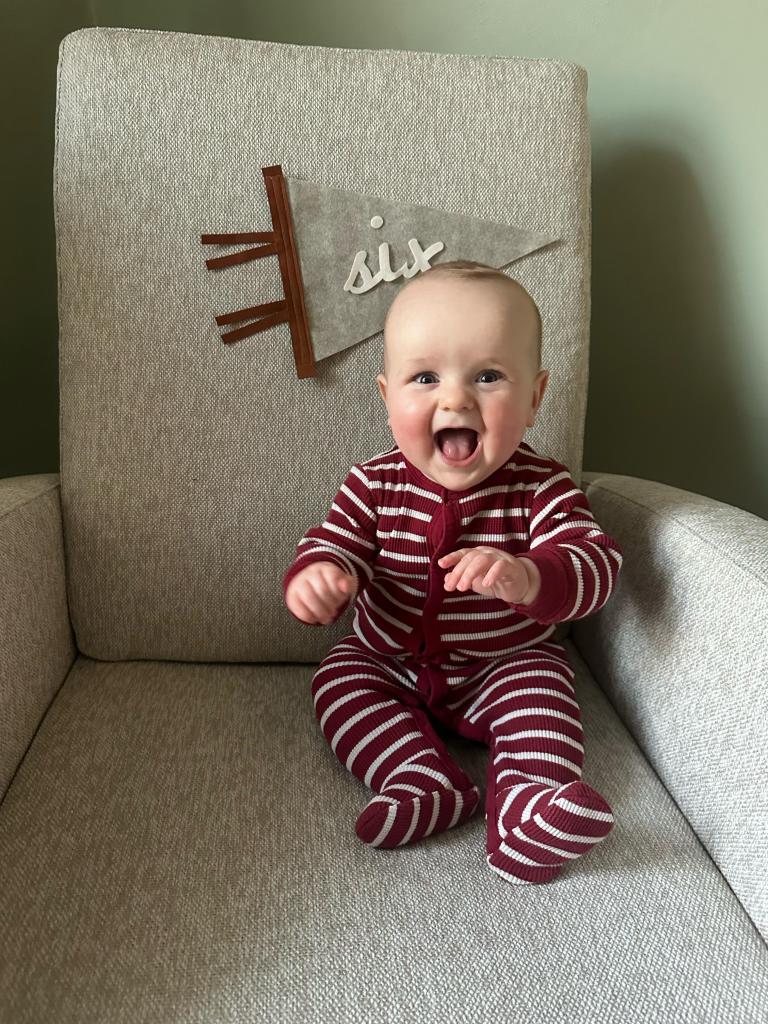
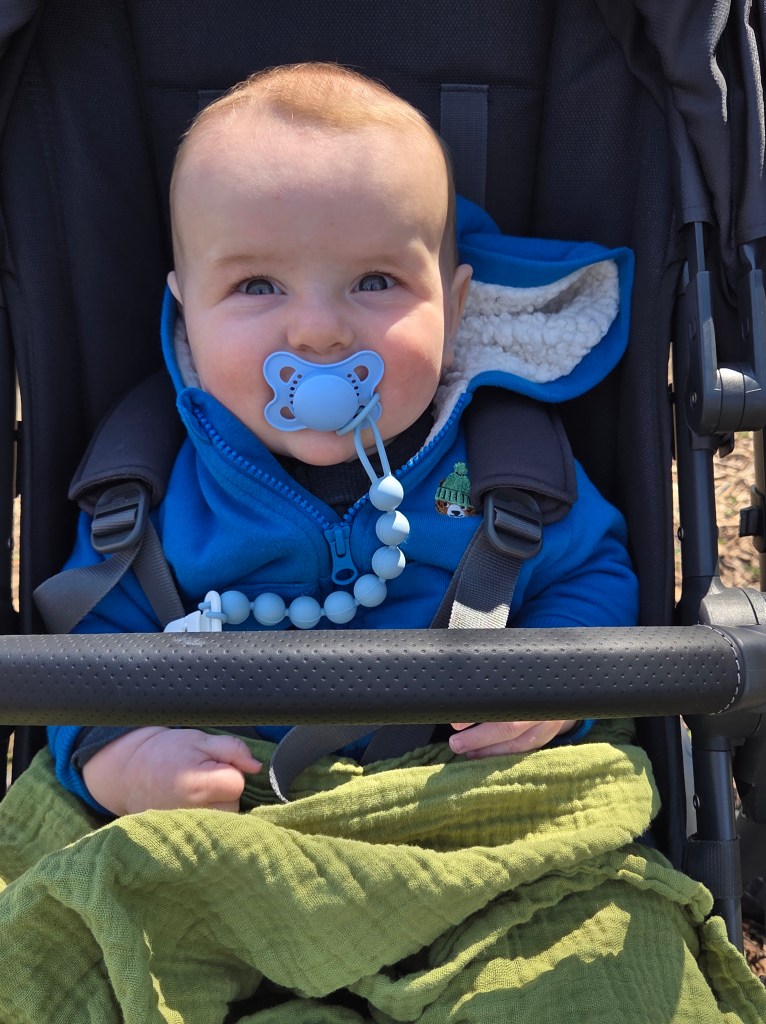
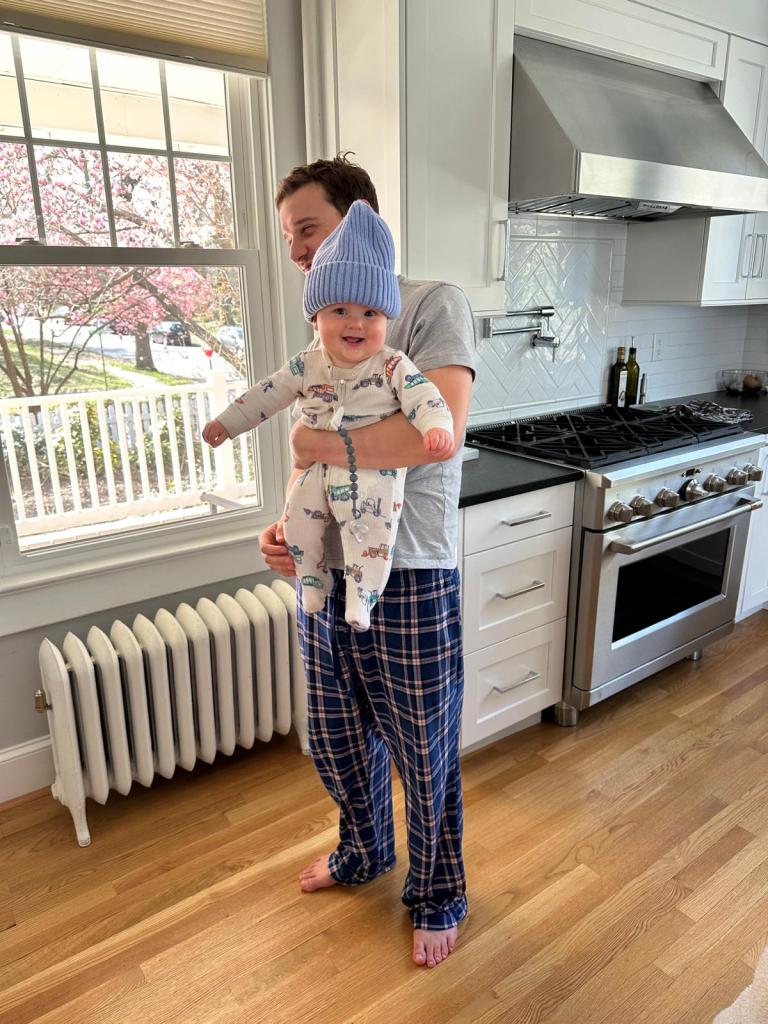
Today is my birthday and we are spending it in Baltimore (don’t worry we have people watching house and dog etc.). Our son, his wife and their son Jack (our first grandchild) lives in Baltimore. Jack just turned six months. That is why I have not been very active in the blogosphere lately. Below are a few Leonberger Happy birthday photos.
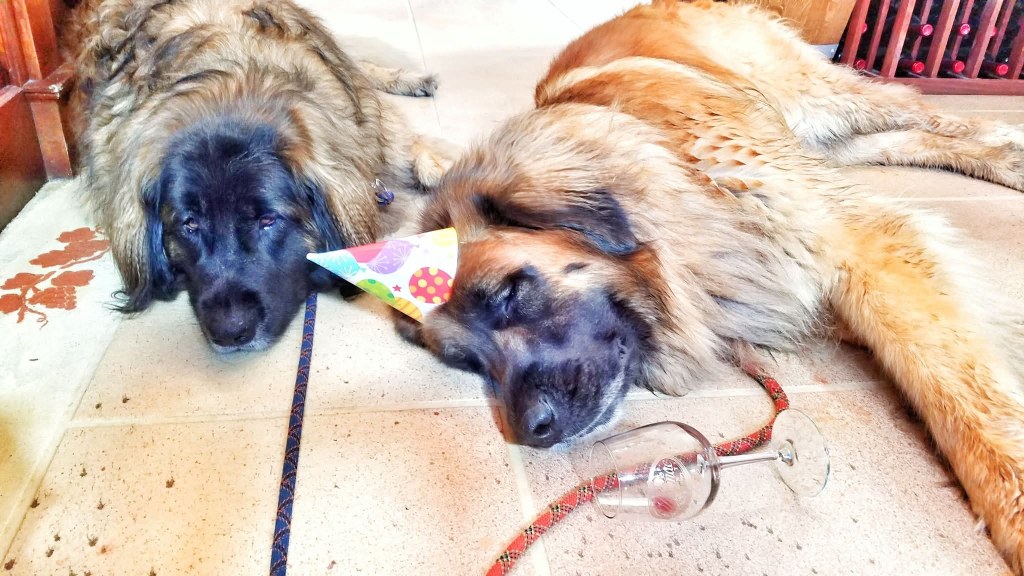
This is a Leonberger Happy Birthday photo that Jen O’Keefe sent me. I am using it with her permission. On the left is Digory and on the right is Aslan.Debbie Ireland, a Leonberger community friend send me this picture today and gave me permission to use it.Leonbergers are celebrating. Caspian (Obi’s nephew), Austin (Obi’s son), Delfi, Obi (now 7 and a veteran), Digory, and Rilian (Obi’s son). Photo by Jen O’Keefe and Ira Van Order, prominent members of the Leonberger Club of America who allowed me to use this photo.
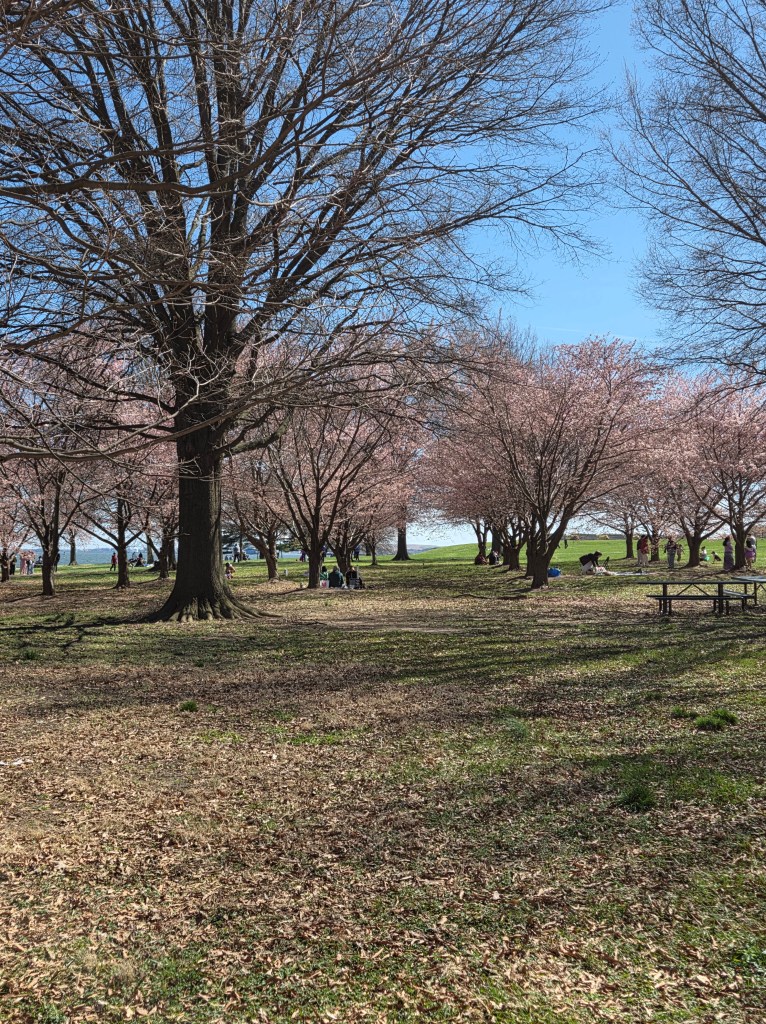
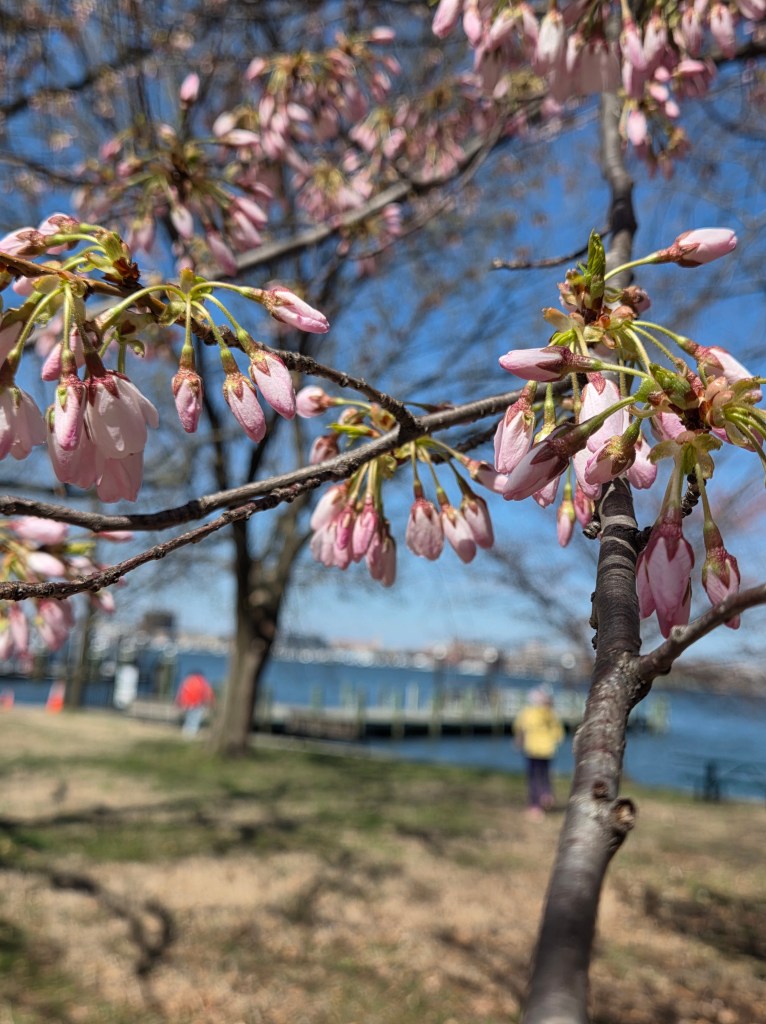
Today we visited the Cherry Blossom at Fort McHenry National Monument. Fun fact: “The Star-Spangled Banner” was born as a poem written by Francis Scott Key on September 14, 1814, after witnessing the British bombardment of Fort McHenry in Baltimore, Maryland. Below are some Baltimore photos.
Cherry trees blossoming.Cherry trees blossoming.Cherry trees blossoming up close.Baby Jack is now six months old.Jack is sitting in his new highchair. He is no longer a baby.Baby Jack in the stroller.Baby Jack with us (my wife and I).My son with his son, baby Jack, six months old.
A professional content writer by the name of Ryan Goodchild contacted me about publishing a Leonberger related post on my Leonberger blog, which I am certainly happy to assist with. The title is “Helping Your Leonberger Thrive Through Life’s Big Changes”. See the article article below. While Ryan did all the writing, I added photos of our Leonberger as well as a few Leonberger stock photos.
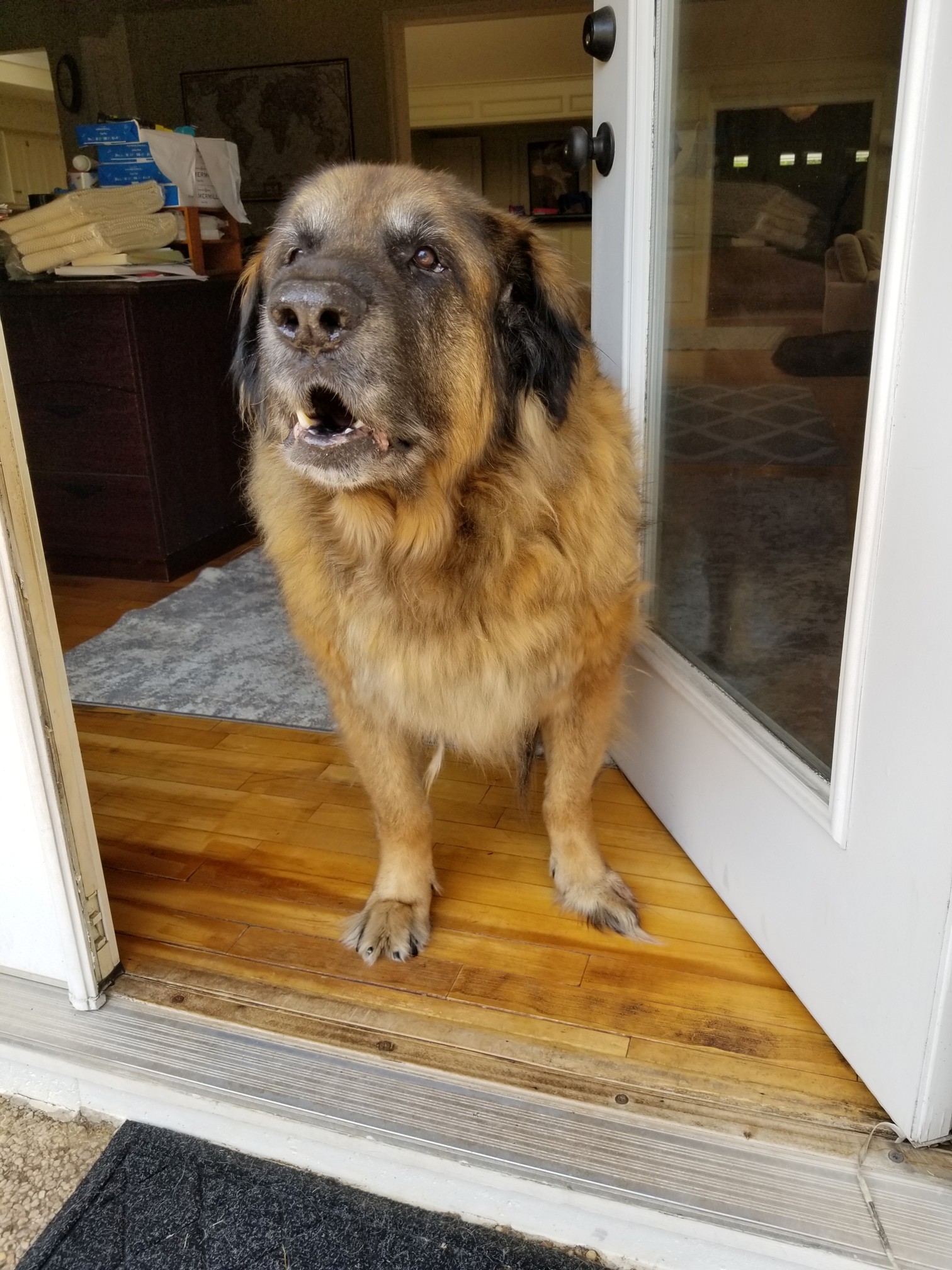
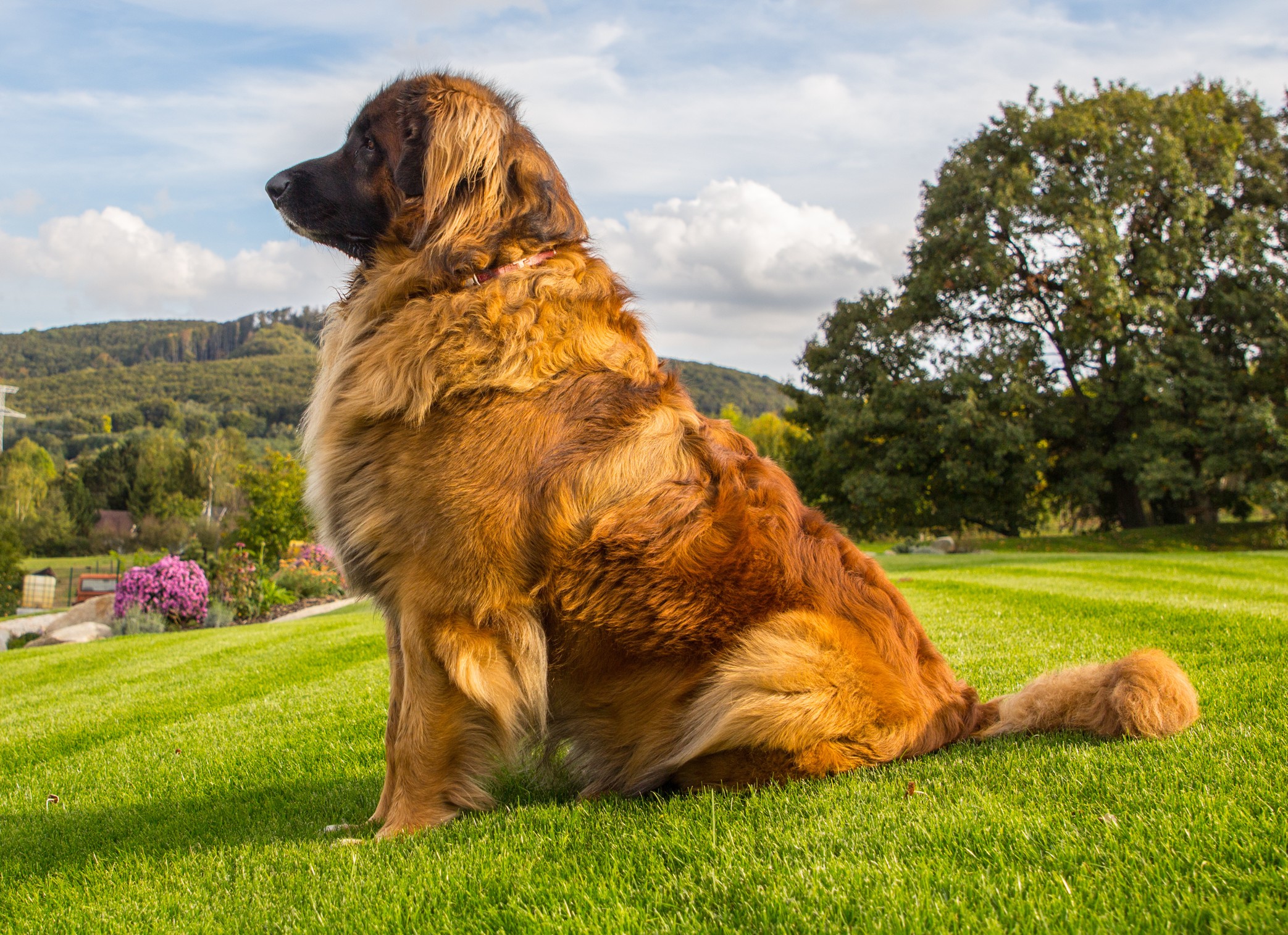
The photo tile above includes four photos of our Leonberger Bronco. One photo is from when he was three months old, in another photo he is about one year old and giving me a hug, and in one photo our mini-Australian Shepherd is biting his tail, and one photo of Bronco shows him standing in an open door. He is a bit agitated in that photo. There is also a photo of five Leonbergers celebrating fourth of July. That photo was taken by a friend Jen O’Keefe. Finally, there is a shutter stock photos ID:731020957 by Peter Josto.
Helping Your Leonberger Thrive Through Life’s Big Changes
A woman and her Leonberger dog. Asset id: 1741753382 by Elena Podrezenko
Leonberger dog owners often notice that the hardest moments aren’t the big grooming days or the seasonal shedding, they’re the household transitions that quietly unsettle a steady dog. Moves, schedule shifts, new babies or roommates, travel, renovations, and changes in who handles care can disrupt pet routines that once felt automatic. When the rhythm changes, a Leonberger’s emotional well-being in dogs can wobble, showing up as clinginess, restlessness, or unexpected behavior that feels out of character. A clear plan helps keep life changes affecting pets from turning into long weeks of confusion.
How Life Changes Create Stress Signals
Life changes can flip on a Leonberger’s stress response, even when nothing “bad” is happening. Since pet anxiety is real, the first clues are often small behavior shifts like pacing, shadowing you, or sudden sensitivity to noise.
Temperament matters, but it is not the whole story. Research suggests breed contributions were relatively small, so environment and routine changes can affect even the most steady Leo. Reading the stress signals early helps you respond with care instead of guessing.
Picture a week of packing, rearranged furniture, and fewer walks. Your Leonberger may skip meals, guard doorways, or get extra mouthy during brushing because their “normal” cues disappeared.
Our Japanese Chin Ryu and our Pug Daisy are protesting that we are leaving for a trip. It is an example of dog stress when they see packing. Our Leonberger Bronco was also stressed out but he was calmer. I can that we had someone watching them, but they still hated it when we left.
Use 7 Transition Strategies to Keep Your Leo Steady
Big changes can flip on stress signals fast, clinginess, pacing, sudden barking, or “selective hearing.” These seven Leonberger-friendly strategies give your dog predictable anchors while you build confidence and calm.
Lock in a “same time, same order” core routine: Pick three daily anchors you can keep consistent even on chaotic days: potty break, meals, and a short decompression walk. An easy starting point is to establish a new daily routine and then protect those times on your calendar.
Build a predictable “safe station” (and pay it well): Choose one spot, crate, bed, or a gated corner, then make it the most rewarding place in the house. Feed stuffed food toys there, drop calm treats for quiet settling, and keep it off-limits to kids and visitors for the first 2–3 weeks of the transition. This gives your Leonberger a clear off-switch when their stress signals start creeping in.
Reinforce the behaviors you want, not the feelings you’re seeing: When your Leo is worried, focus on marking calm choices, looking at you, sitting, stepping onto the mat, rather than trying to “stop” anxious behavior with corrections. Use a simple pattern: ask for one easy cue (“sit”), reward, then give a short, clear next step (“go to bed”). Over time, your dog learns a predictable script for what to do when the environment feels different.
Use “micro-exposures” to new sights/sounds with an exit plan: If your change involves new people, a new neighborhood, or a remodel, introduce it in 1–3 minute slices. Pair the new thing with small treats, then leave before your Leonberger ramps up to barking or spinning. Short wins beat long sessions, especially for a giant breed that can go from “fine” to overwhelmed quickly.
Add environmental enrichment that matches Leonberger bodies: Lean on scent games (scatter feeding in grass, “find it” treats), slow feeders, and short puzzle sessions to burn mental energy without pounding joints. Even small enrichment shifts can support calmer physiology; research on time-domain HRV suggests enrichment can improve stress-related measures. Aim for two 10-minute enrichment blocks daily during the first month of a big change.
Adjust exercise for steadiness, not exhaustion: During transitions, swap one long, intense outing for two calmer walks plus 5–10 minutes of training. Watch for stress flags you learned earlier, panting at rest, sudden scanning, or inability to settle, and treat those as “we did enough” signals. A steadier nervous system usually beats a tired body when routines are in flux.
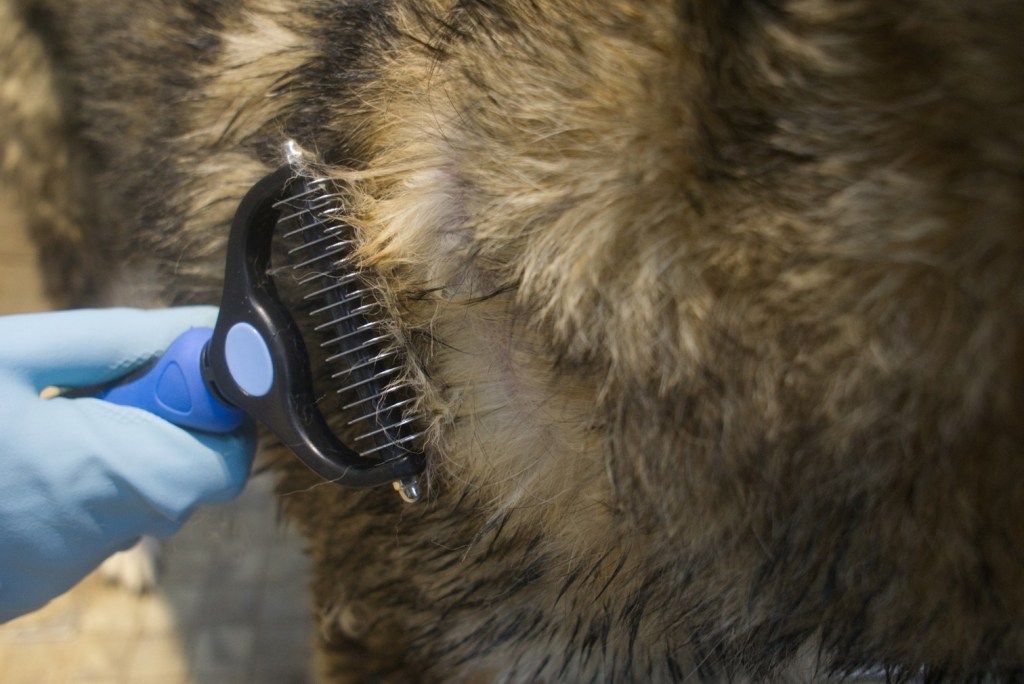
Keep grooming and handling “predictable and brief”: Leonbergers often feel safest when body care is consistent, especially during shedding seasons. Do 3–5 minutes of brushing daily in the same location, then stop while it’s still going well and reward generously. This prevents grooming from becoming another stressor and helps you spot skin, ear, or coat changes that sometimes pop up during anxious periods.
Keep grooming predictable and brief. Brushing a double-coated dog close-up. Shutterstock Asset id: 2441132455 by Gayleen Froese
When you combine routine anchors, calm reinforcement, and purposeful enrichment, you’re not just managing behaviors, you’re giving your Leo a clear plan for coping. These habits also make it simpler to troubleshoot tough moments like barking, regression in manners, or restlessness on your busiest days.
Common Questions About Leonbergers and Big Transitions
Q: How do major life changes like moving to a new home or welcoming a baby typically affect a Leonberger’s behavior and stress levels? A: Many Leonbergers become more vigilant when their “normal” shifts, showing clinginess, restlessness, noise sensitivity, or a temporary drop in manners. Stress can also look like appetite changes or trouble settling, especially in a new layout with unfamiliar sounds. Keep expectations gentle for a few weeks and reward calm, quiet choices.
Q: What practical strategies can I use to maintain my Leonberger’s routine and comfort when my household schedule suddenly changes? A: Protect a small, non negotiable trio: sleep, meals, and movement at roughly the same times daily. Prioritize enough exercise through steadier walks and low impact sniffing games rather than trying to “wear them out.” Add one consistent quiet spot where your Leo can decompress undisturbed.
Q: How can I recognize signs of emotional distress or anxiety in my Leonberger during periods of household transition? A: Watch for patterns like pacing, panting when the room is cool, trembling, hiding, or shadowing you from room to room. You may also see more barking at small noises, accidents, or compulsive licking. If the signs persist beyond a couple of weeks or escalate, your veterinarian or a qualified behavior professional can help you rule out pain and build a plan.
Q: If I’m feeling overwhelmed by these life changes affecting my pet’s care, what resources or approaches can help me regain balance and clarity to support my Leonberger effectively? A: Shrink the goal to a simple management plan you can repeat: protected sleep, a daily walk, and a reliable quiet space. Use a weekly “must do, nice to do” list so essentials happen even on chaotic days, and ask your vet for a realistic exercise and weight target for a giant breed. If you are juggling work and a major transition, consider an online healthcare degree as a flexible accredited education path that fits your schedule so life feels more stable overall.
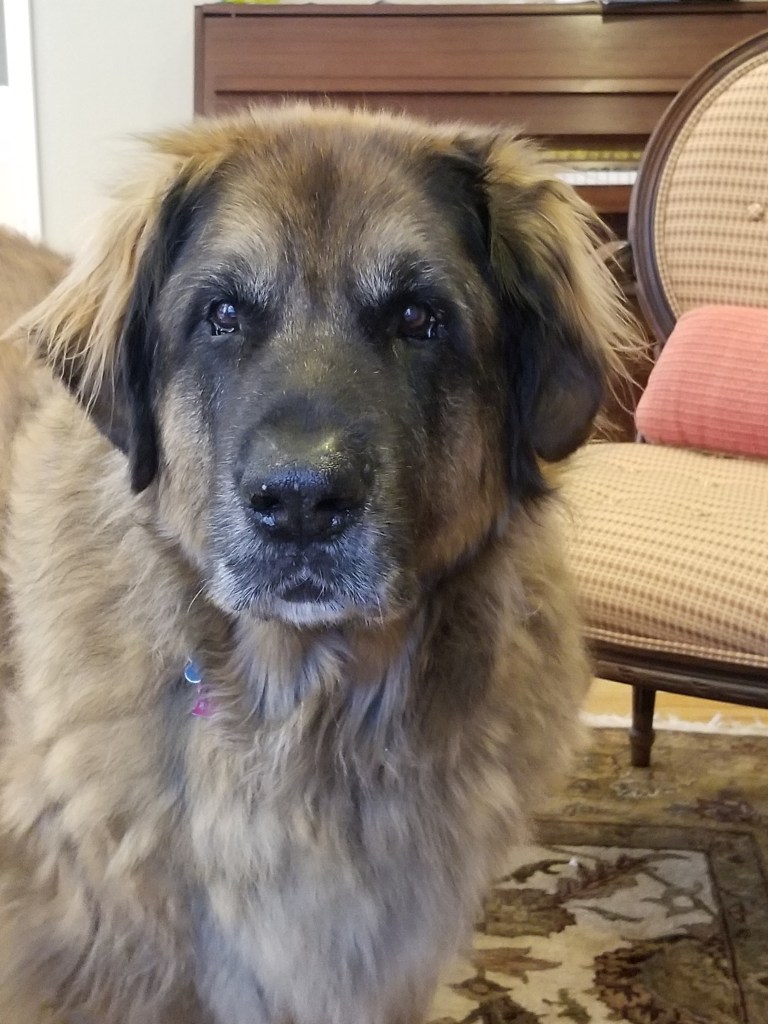
Our Leonberger dog Bronco wants comfort (and food). He is coming up to me. He wants my attention.
Life-Change Support Checklist for Your Leonberger
This checklist turns good intentions into simple actions you can repeat on busy days. Use it to protect your Leonberger’s health, coat care, and emotional steadiness while your household shifts.
✔ Set fixed meals and potty times for the next 14 days.
✔ Create one quiet “do not disturb” rest zone with water nearby.
✔ Schedule two calm movement sessions daily, prioritizing sniffing and slow walking.
✔ Track appetite, stools, sleep, and new stress behaviors in a quick daily note.
✔ Keep grooming brief: brush hotspots, check ears, trim nails as tolerated.
✔ Confirm vet plan for weight, joints, and any new anxiety or pain signs.
Small steps, repeated daily, build confidence for both of you.
Creating Calm, Confident Transitions for Your Leonberger’s Well-Being
Big household shifts can leave even a steady Leonberger feeling uncertain, and that stress can spill into behavior and bonding. The way through is a calm, consistent mindset: prioritize emotional health support for pets with predictable rhythms, gentle observation, and patient reassurance. Over time, that steady care builds resilience and brings positive outcomes of care, more relaxation, easier transitions, and long-term pet well-being. Consistency is the kindest way to help a Leonberger feel safe through change. Pick one strategy from the checklist to start today, and lean on community support for dog owners when questions or worries pop up. That steady support doesn’t just solve today’s stress, it strengthens confidence and connection for every new chapter ahead.
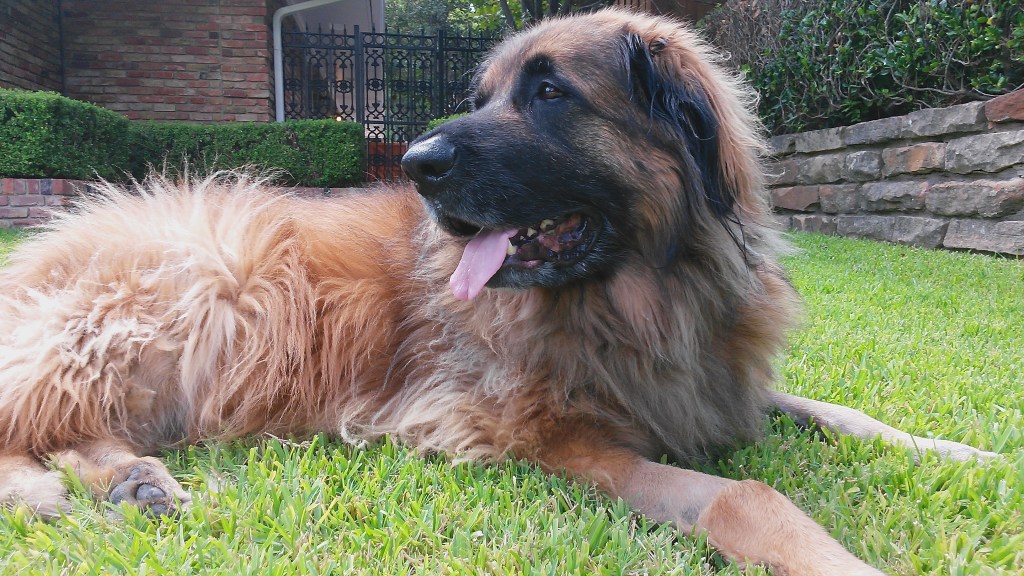
Our Leonberger Bronco is in the front yard after a stressful experience. He had to spend a few days at the hospital for a toe amputation due to toe cancer.