
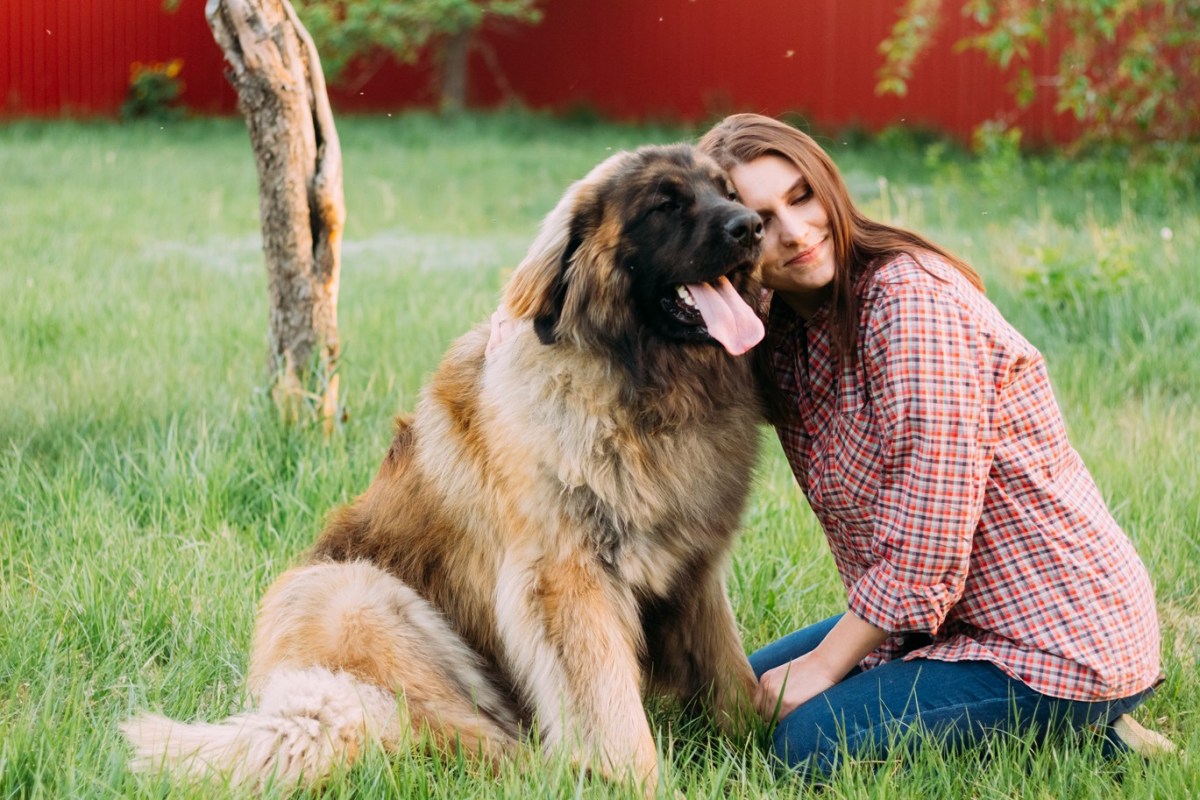
A professional content writer by the name of Eleonor Sterling contacted me about me posting an article she had written called “Leonbergers as Therapy Dogs: Gentle Giants at Work”. The article is below. I provided some pictures.
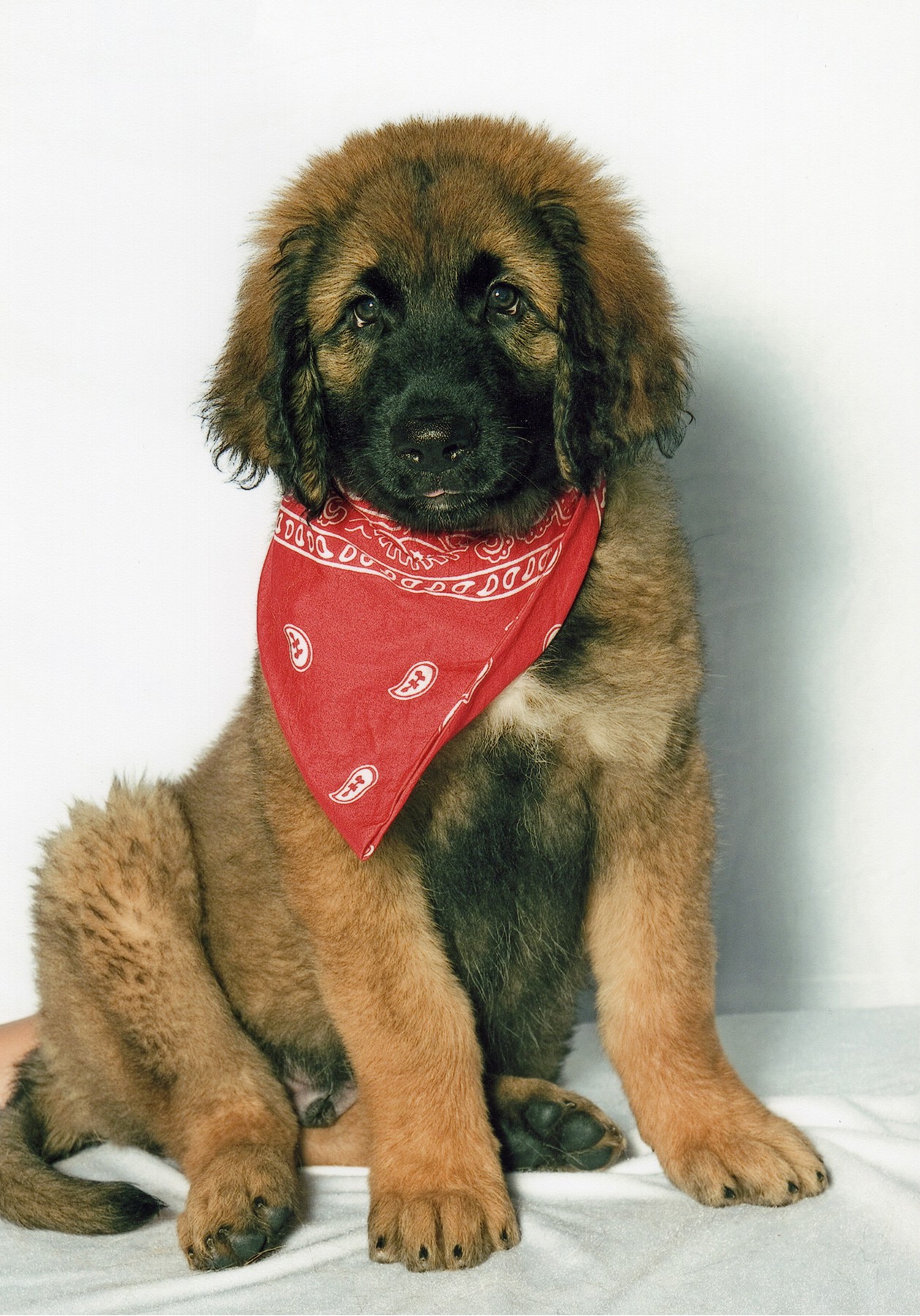
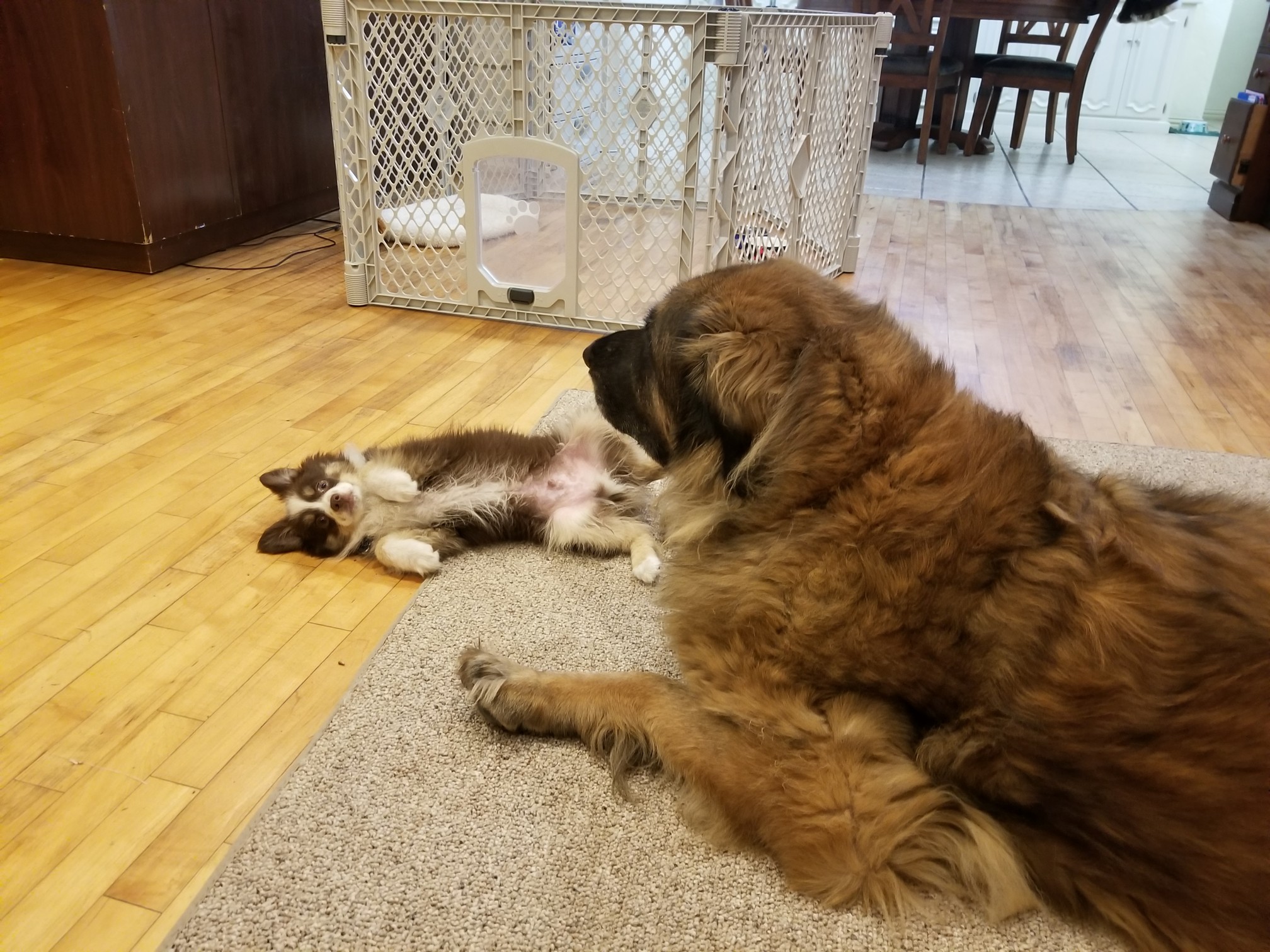
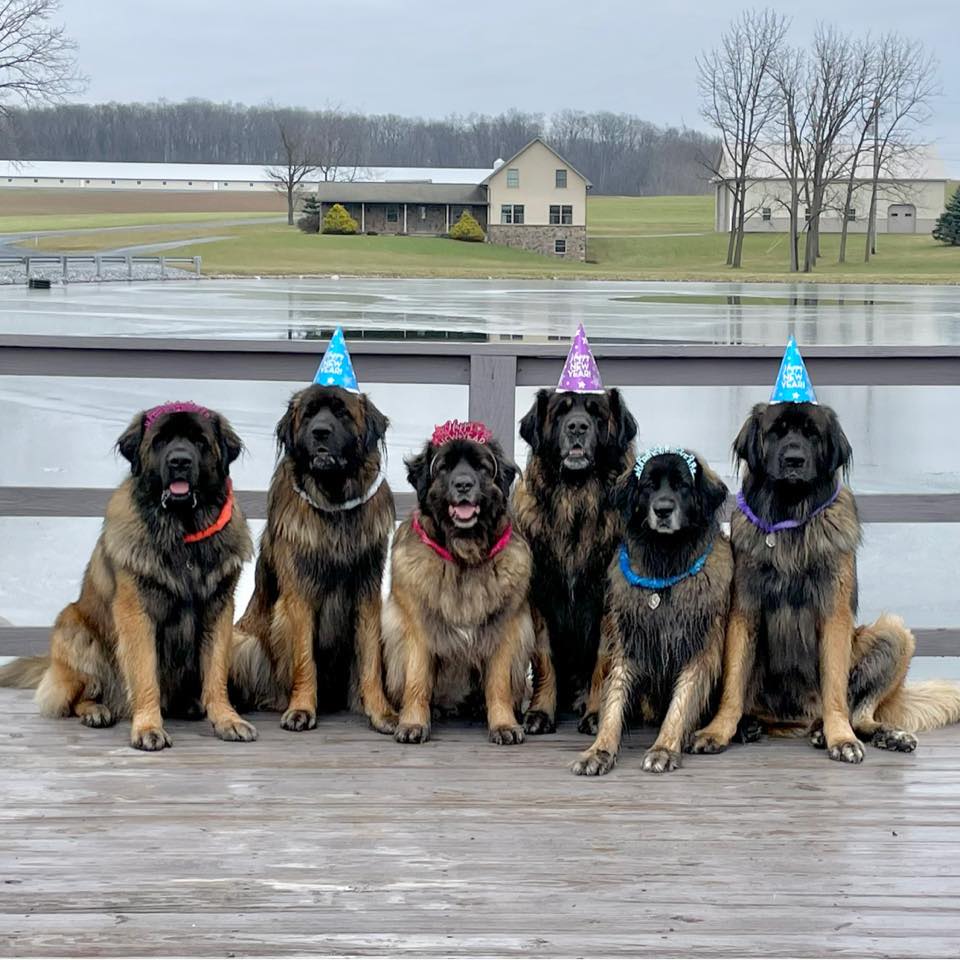
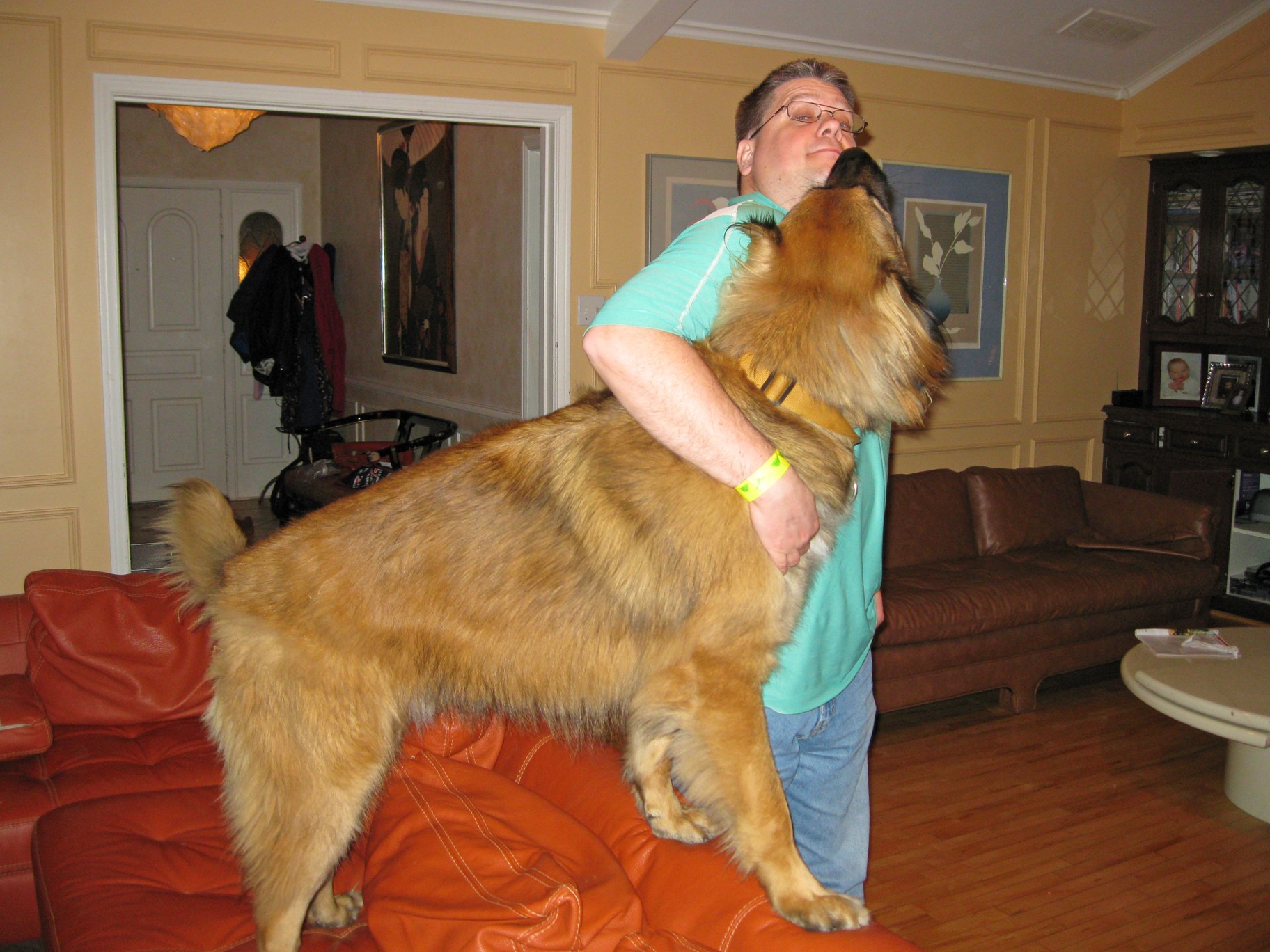

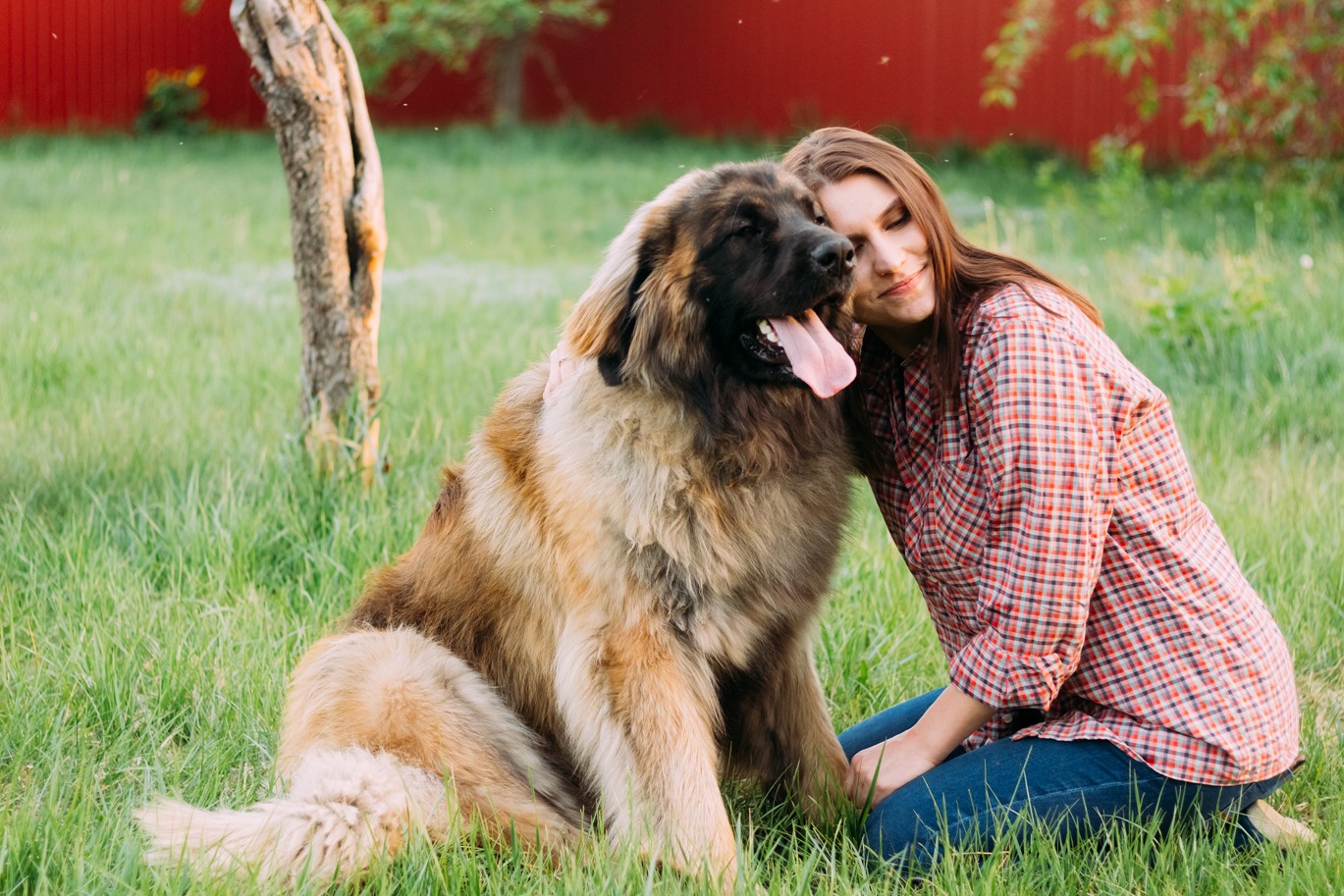

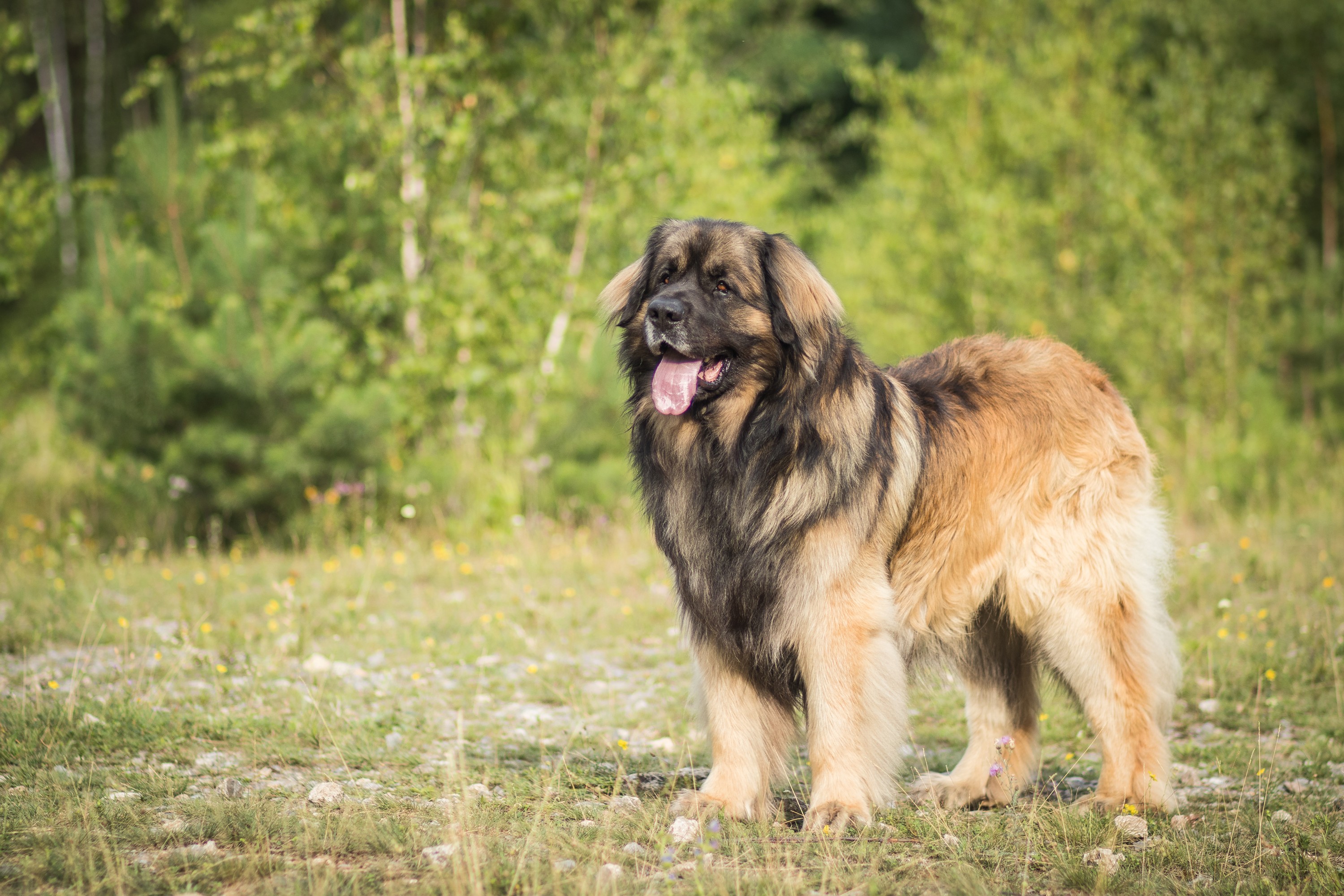
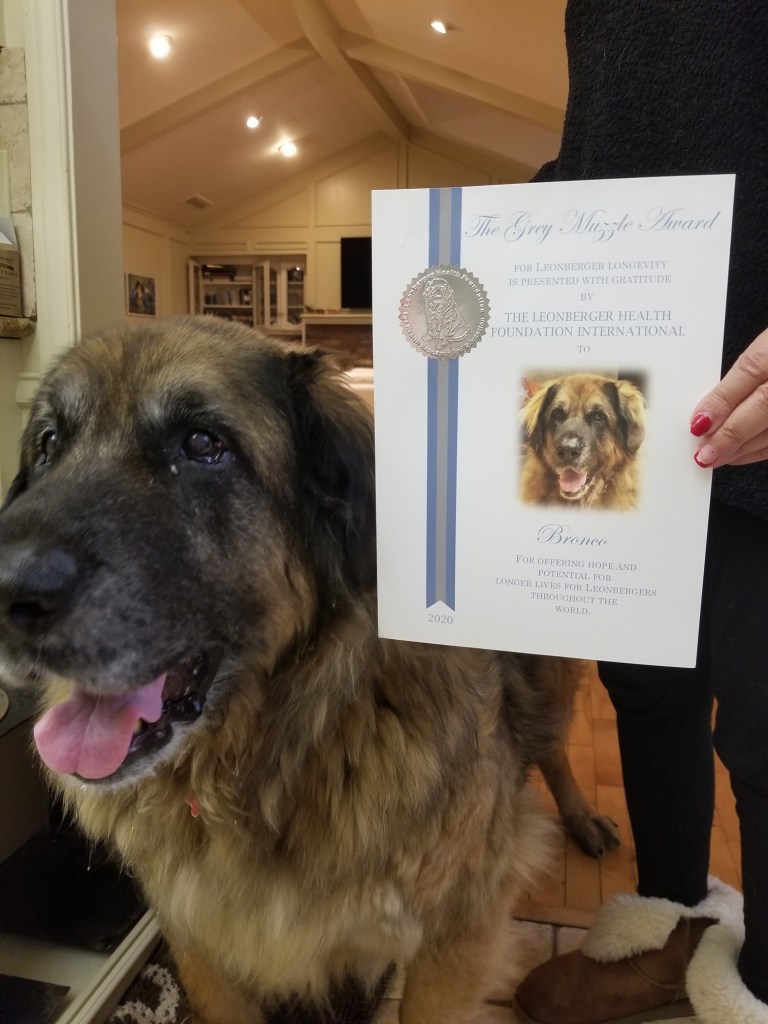
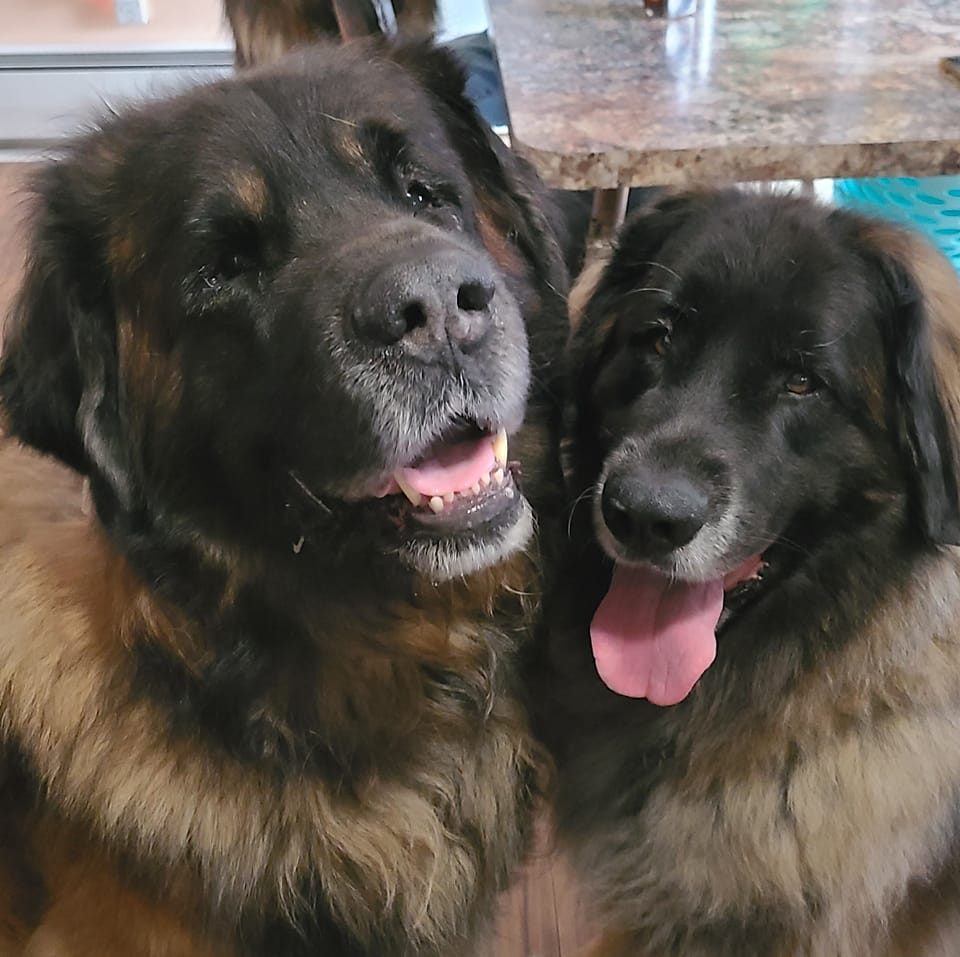
The photos include : Our Leonberger Bronco at three months old. Bronco our Leonberger dog with Rollo our mini-Australian Shepherd. Six Leonbergers and a New Year’s celebration, the Photo was taken by my friend Jen O’Keefe. Our Leonberger dog Bronco gives me a hug. Digory and Obi two old sweetheart Leonbergers . Leonbergers are calm, a family-oriented breed – Shutter Stock Asset id: 1741753382 by Elena Podrezenko. A majestic and well-groomed Leonberger on a grassy knoll. Shutterstock-ID: 731020957 by Peter Josto. Shutterstock asset id: 1474761425 by AnetaZabranska.
Leonbergers as Therapy Dogs: Gentle Giants at Work
The first time I watched a Leonberger work a room, it was a hospital waiting area, and honestly, I expected it to go badly. A dog that size — he was 130 pounds if he was an ounce — in a place full of anxious people, wheelchairs, IV poles? I thought we’d last five minutes.
We stayed an hour. Nobody asked us to leave. People kept drifting over, one by one, and the dog just… received them. No jumping, no whining at the beeping machines. He stood there like he’d been hired to do exactly this, and at some point he leaned, good and solid, against an old man’s chair and stayed until the man got called in.
That lean is the whole story, really. But let me back up.
First, what this work actually is
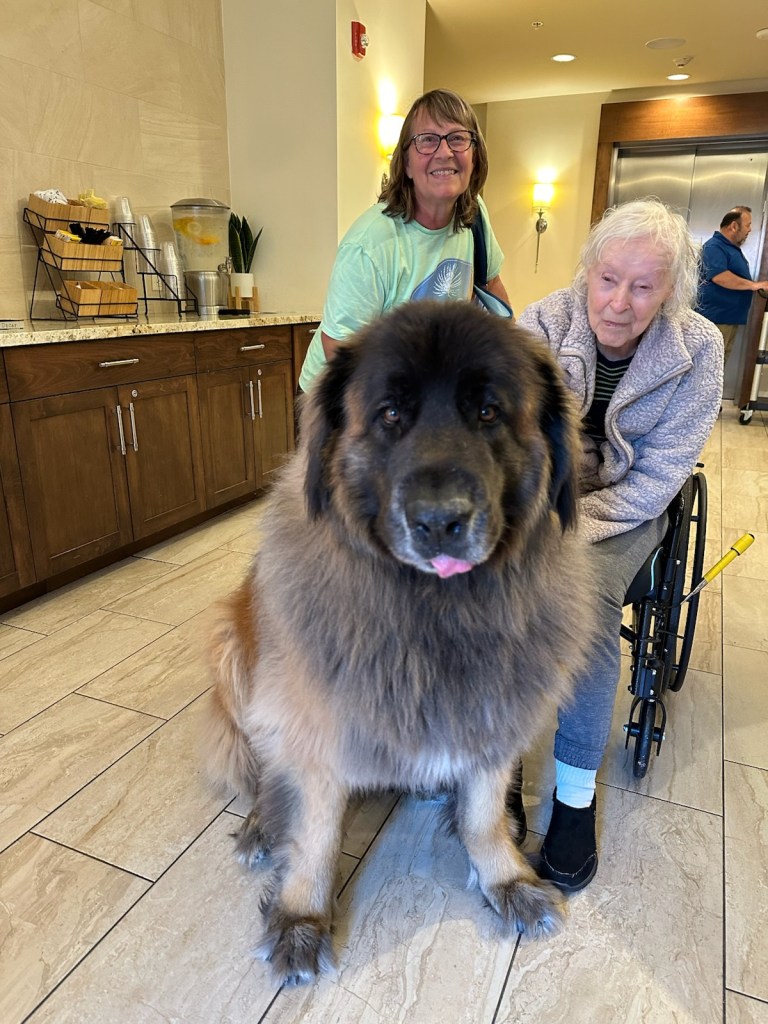
A therapy dog is not a service dog — people mix these up all the time. Service dogs are trained for one person’s disability and have legal rights to go everywhere with them. A therapy dog works with his owner, visiting hospitals, nursing homes, schools, hospices, just to comfort people. That’s it. There’s no task, no trick. The dog himself is the point.
Most of the work looks like nothing. Your Leo is lying on a library floor while a kid who hates reading out loud reads to him anyway, because the dog doesn’t correct her. Or he’s sitting next to a woman in a memory care unit who can’t tell you her grandson’s name but will stroke that big double coat for twenty minutes, calm as anything. If you need excitement, this isn’t your hobby.

Why Leos are good at it
They were bred in Germany as companions. Impressive-looking, yes — that was the idea — but made to live in the house, close to their people, not to guard a fence line or run something down. It shows in three ways that matter here.
They read the room. Every Leo owner I know says some version of this: the dog who’s a clown in the kitchen walks into a sickroom and gets careful. Slower. Softer about where his feet land. Nobody taught him that. It’s just in there.
They can be still. A therapy visit is mostly standing around being petted by hands that aren’t steady. A busy, driven dog gets fed up with that fast. A grown Leo treats doing nothing like a perfectly respectable way to spend an afternoon.
And kids love them on sight. To a nervous seven-year-old, a Leonberger is a storybook that breathes. School reading programs know this, which is why Leo handlers keep getting asked back.

Now the parts nobody puts in the brochure
Size. It cuts both ways. You will wedge yourself into small hospital rooms and tiny elevators and become an expert in turning a very large dog around in places he barely fits. Some patients are scared of big dogs, full stop, and when someone says no you smile and move on. Every time, no exceptions.
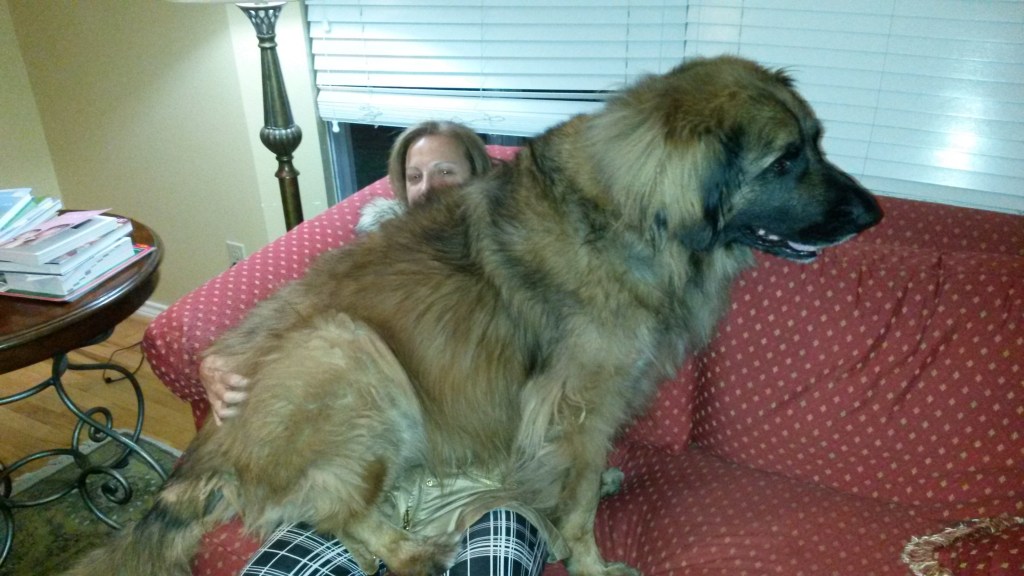
The coat. It collects everything — dust, leaves, whatever’s on the floor of your car. Therapy dogs arrive clean, so you’ll brush before every visit and bathe the dog far more often than either of you enjoys. And there’s drool. Not movie-level, but enough. Towel in the visit bag. You’ll thank me.
Age. A two-year-old Leo is a clown wearing a giant suit, and I mean that with love. Most handlers I know didn’t start until their dogs were three or older, when the silliness had settled into something steadier.
The last one is the hard one. Leonbergers live eight to ten years, give or take. The people you visit will ask for your dog by name. They’ll notice when he isn’t there. Losing him doesn’t just end a hobby — it ends a dozen small relationships you built together. I’m not saying don’t do it. Handlers will tell you those years counted double. But walk in with your eyes open.
How people usually start
If your Leo is calm with strangers, walks on a loose leash without dragging you toward every interesting smell, and shakes off surprises instead of escalating them, you’ve probably got the raw material. The usual road:
Obedience first. Nothing fancy. Sit, down, stay, leave it, and walking past another dog without losing his mind. Reliable beats impressive.
The AKC Canine Good Citizen test. Most therapy organizations ask for it anyway, and it’s honestly a good checklist of the exact manners visits demand.
An evaluation with a therapy group. Pet Partners and the Alliance of Therapy Dogs both evaluate you and the dog together, simulating the real thing — wheelchairs rolling past, clumsy petting, things getting dropped, strangers crowding in.
The paperwork side. Vaccinations, a vet’s sign-off, health checks kept current. Every facility adds its own list on top.
One more thing, and I’d tattoo it on the application form if I could: not every Leo should do this. A dog who’s shy of strangers or miserable in new buildings will hate visiting, and a dog who hates it can’t do the job — and will tell you so, if you’re watching. The evaluation isn’t just there to protect patients. It protects him.

The lean, again
Ask handlers what their dogs actually do on a visit and most of them laugh, because the true answer is so small. He leans. Against the chair in the oncology waiting room. Against the reading kid’s crossed legs. Against the nurse at the end of the shift from hell.
A hundred and thirty pounds of warm, breathing, unhurried dog, saying the only thing he knows how to say: I’m here. Take your time.
Leonbergers have been leaning on their people for a hundred and fifty years. Therapy work just gives them more people.
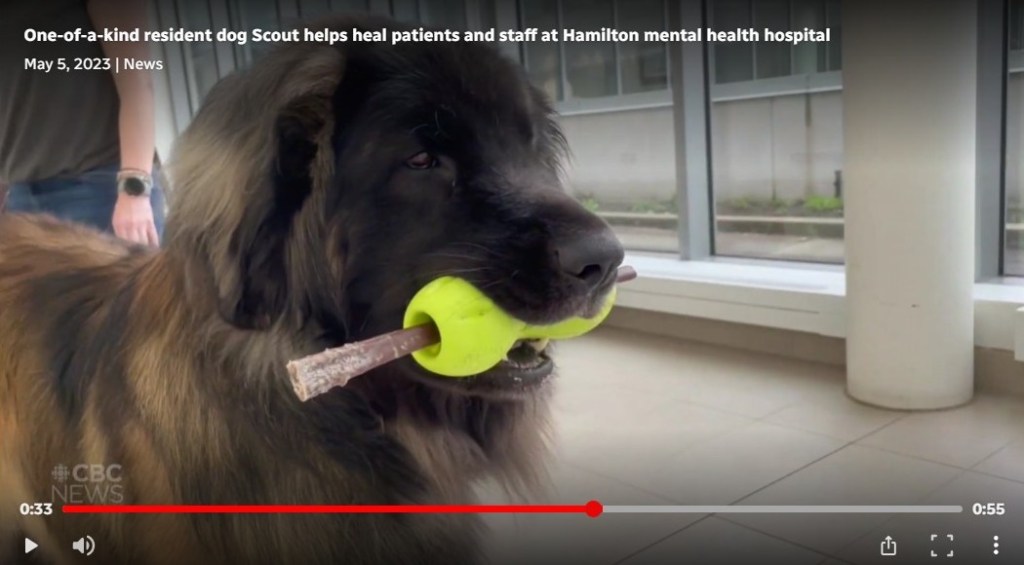
CBC News profiled a Leonberger named Scout who works with residents at a mental health hospital in Hamilton, Ontario.
About the author
Eleanor Sterling writes about dogs, training, and the working roles our breeds were made for. She has a soft spot for gentle giants and strong opinions about dogs being given jobs that suit them.

