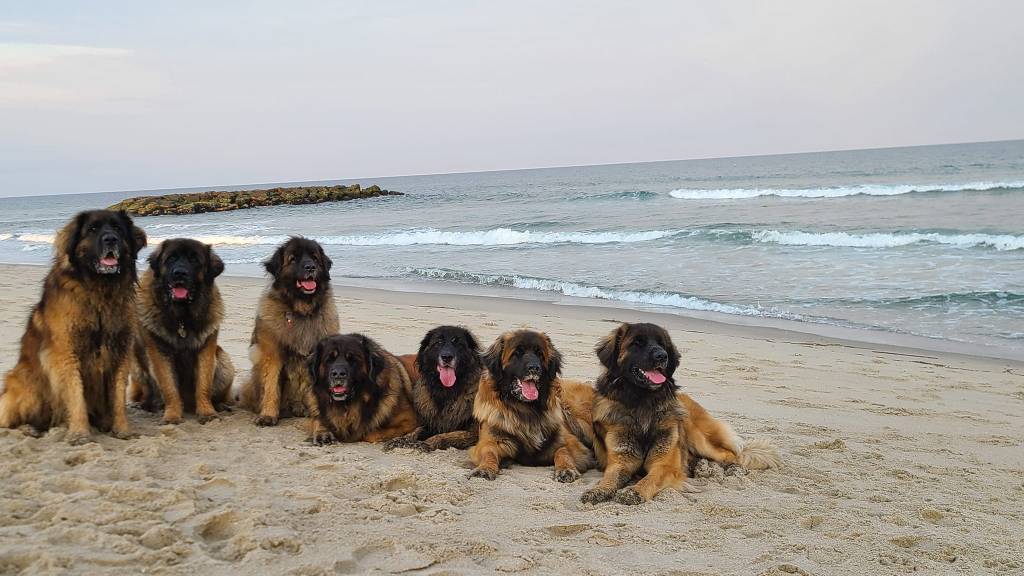
Today November 15 is “I Love to Write Day” and I am dedicating this post to all professional content writers including Ryan Goodchild a professional content writer who contacted me about me posting an article he had written called “Top Tips for Traveling with Your Dog for a Smooth and Happy Trip”. The article is below. I provided some pictures. To all professional content writers, authors, bloggers, and other writers, you are important and what you do is an art.
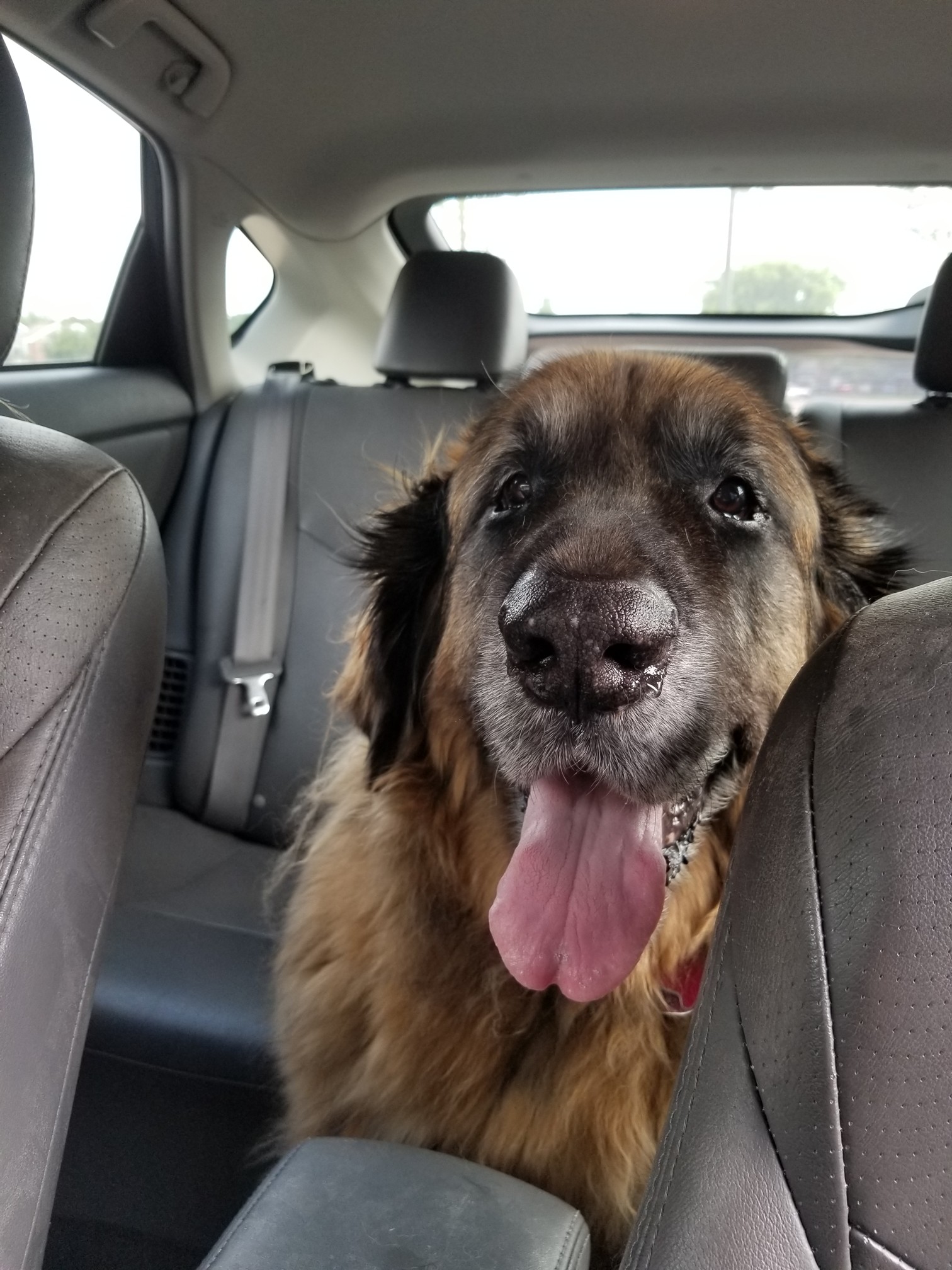
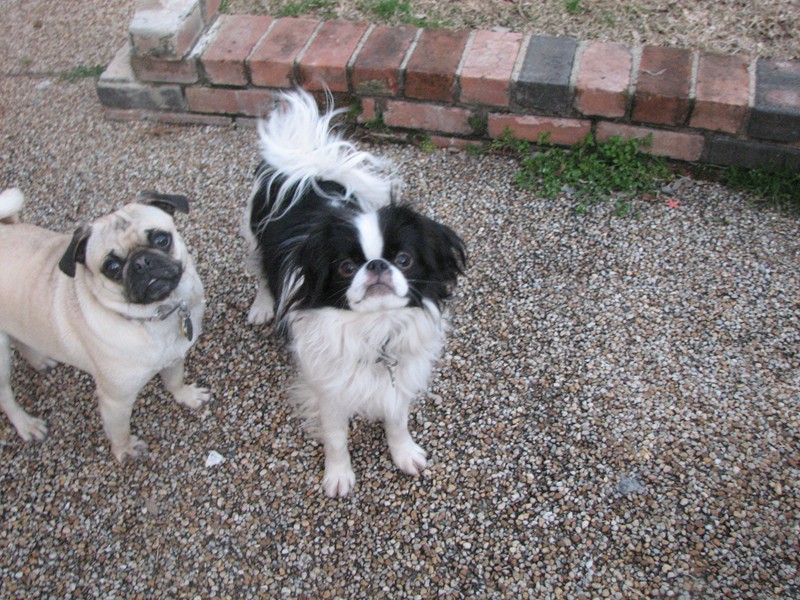
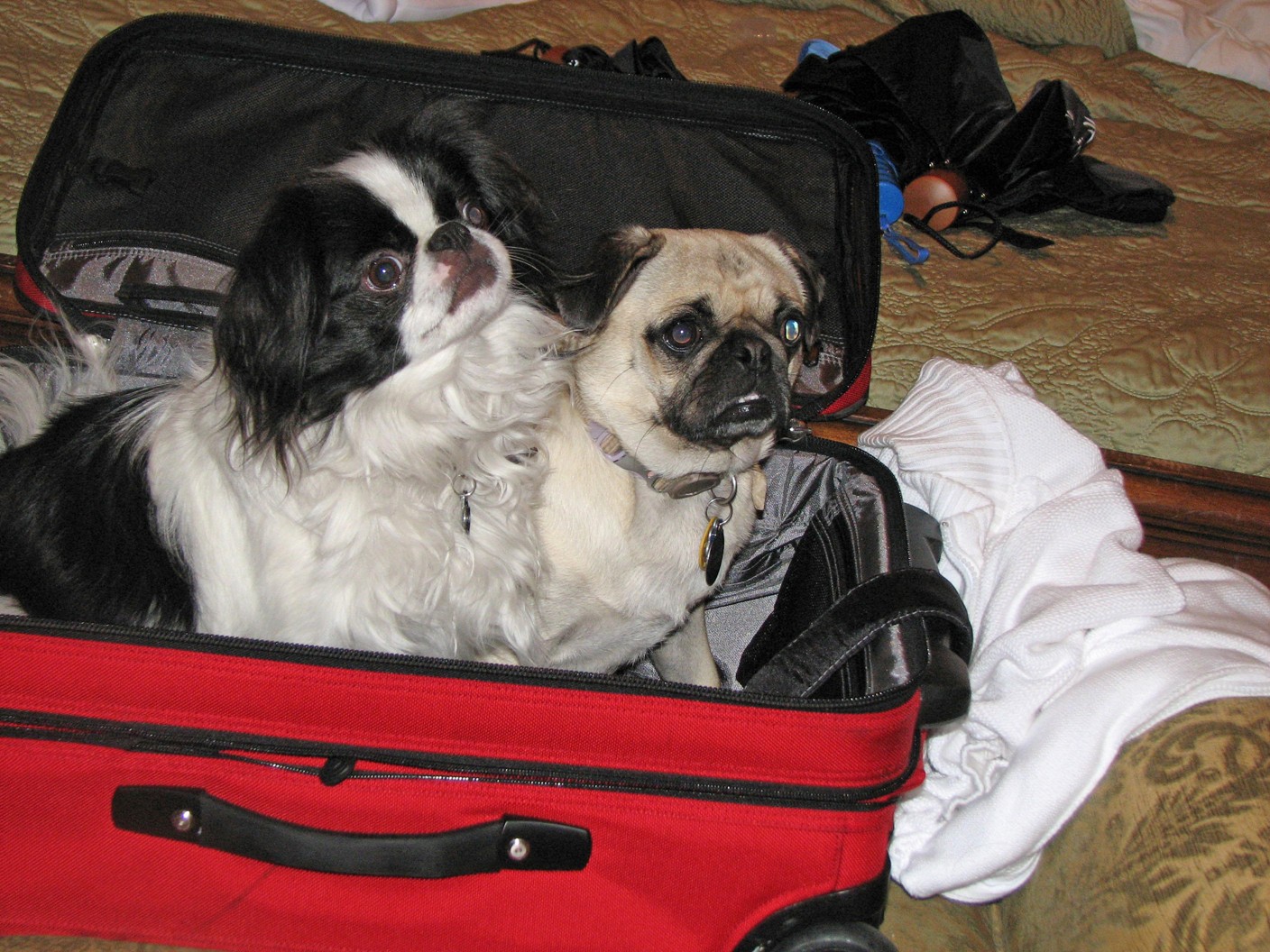
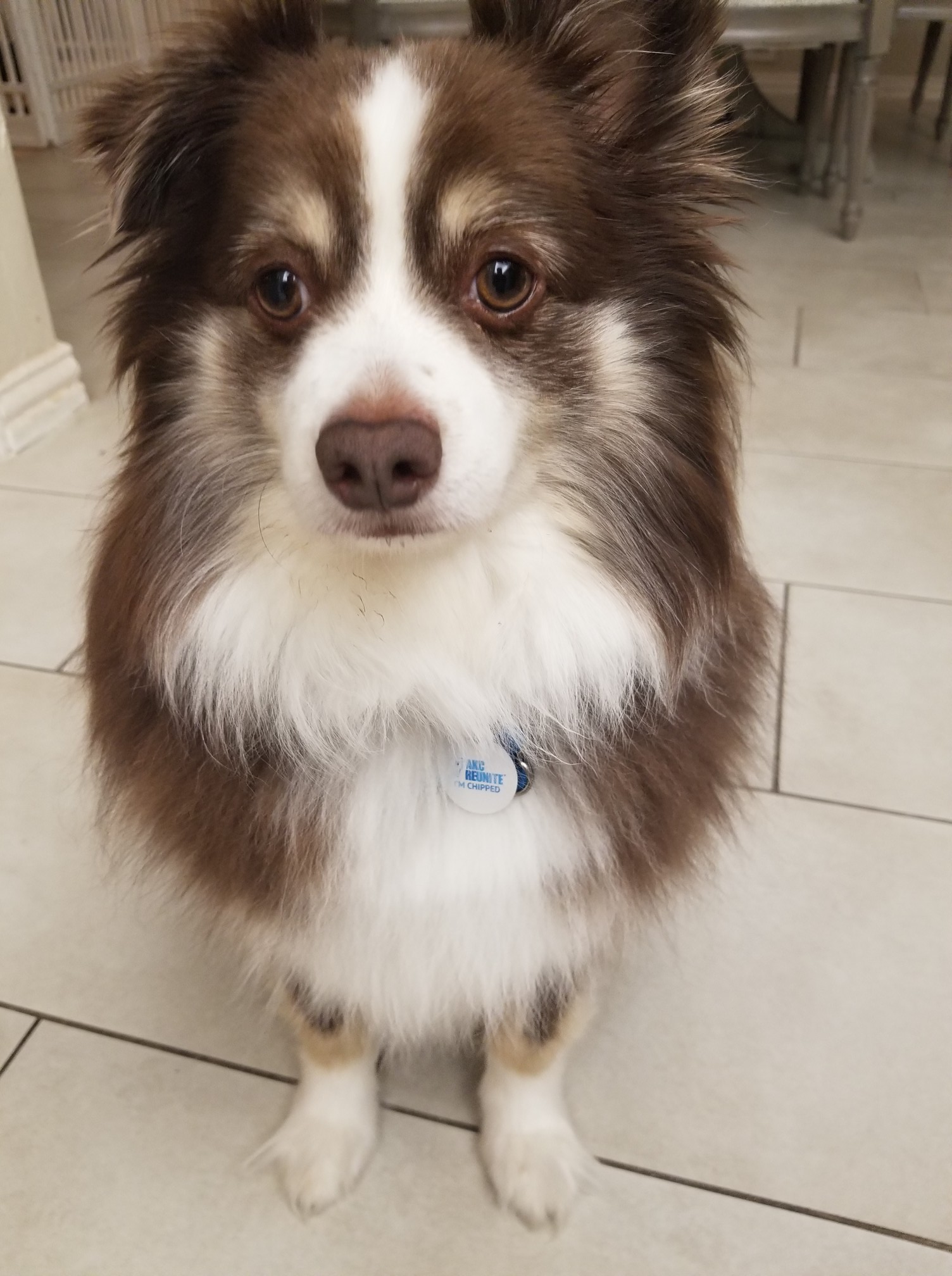
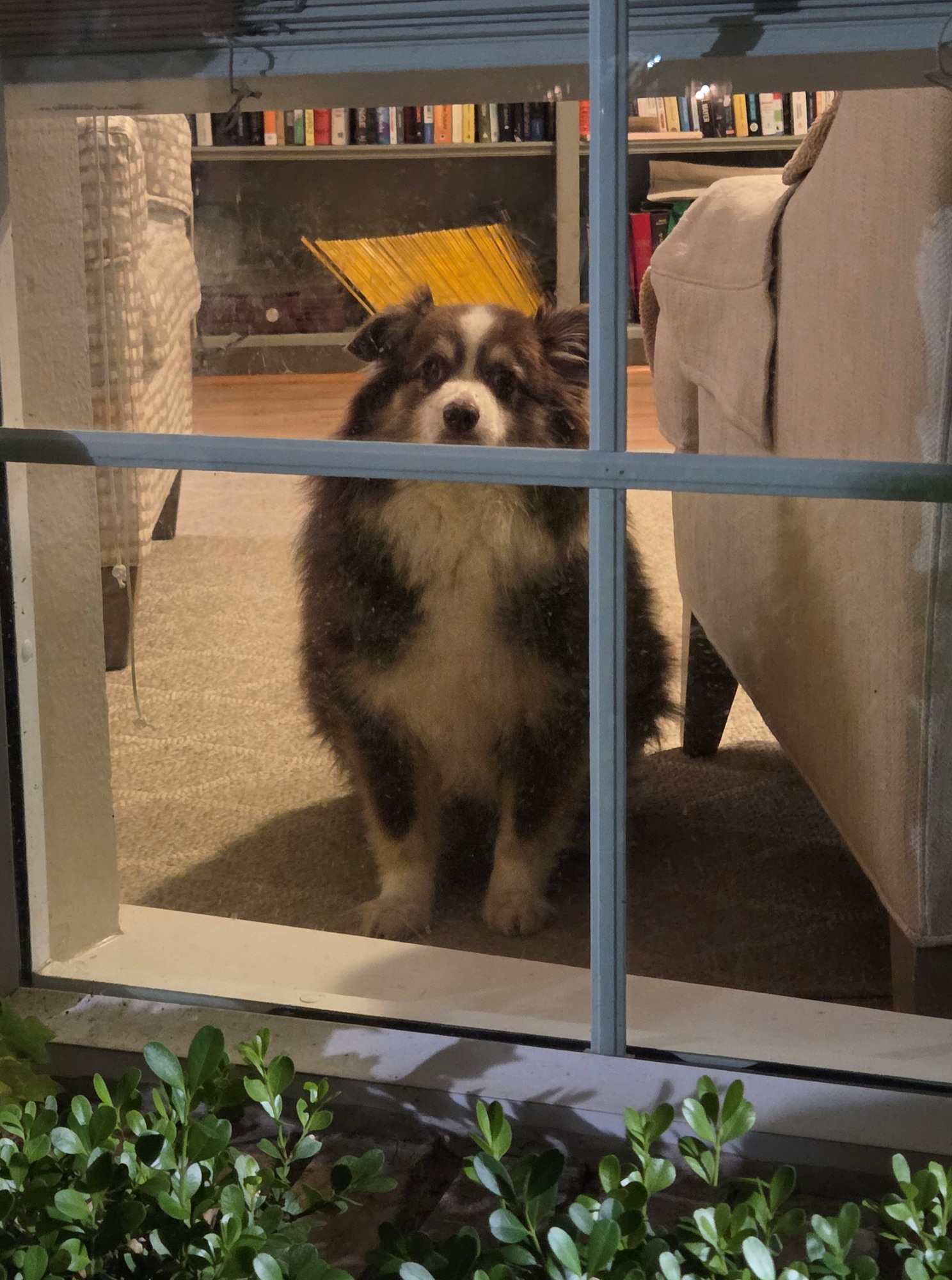
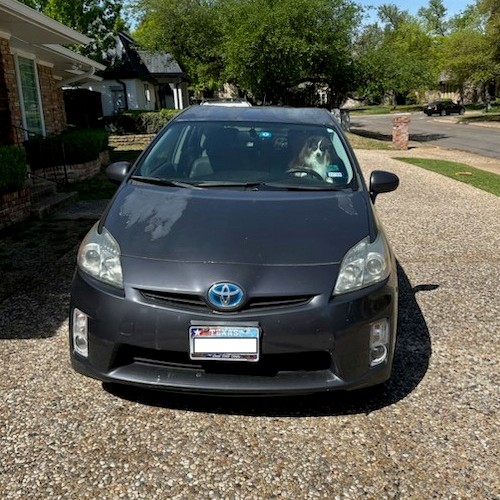
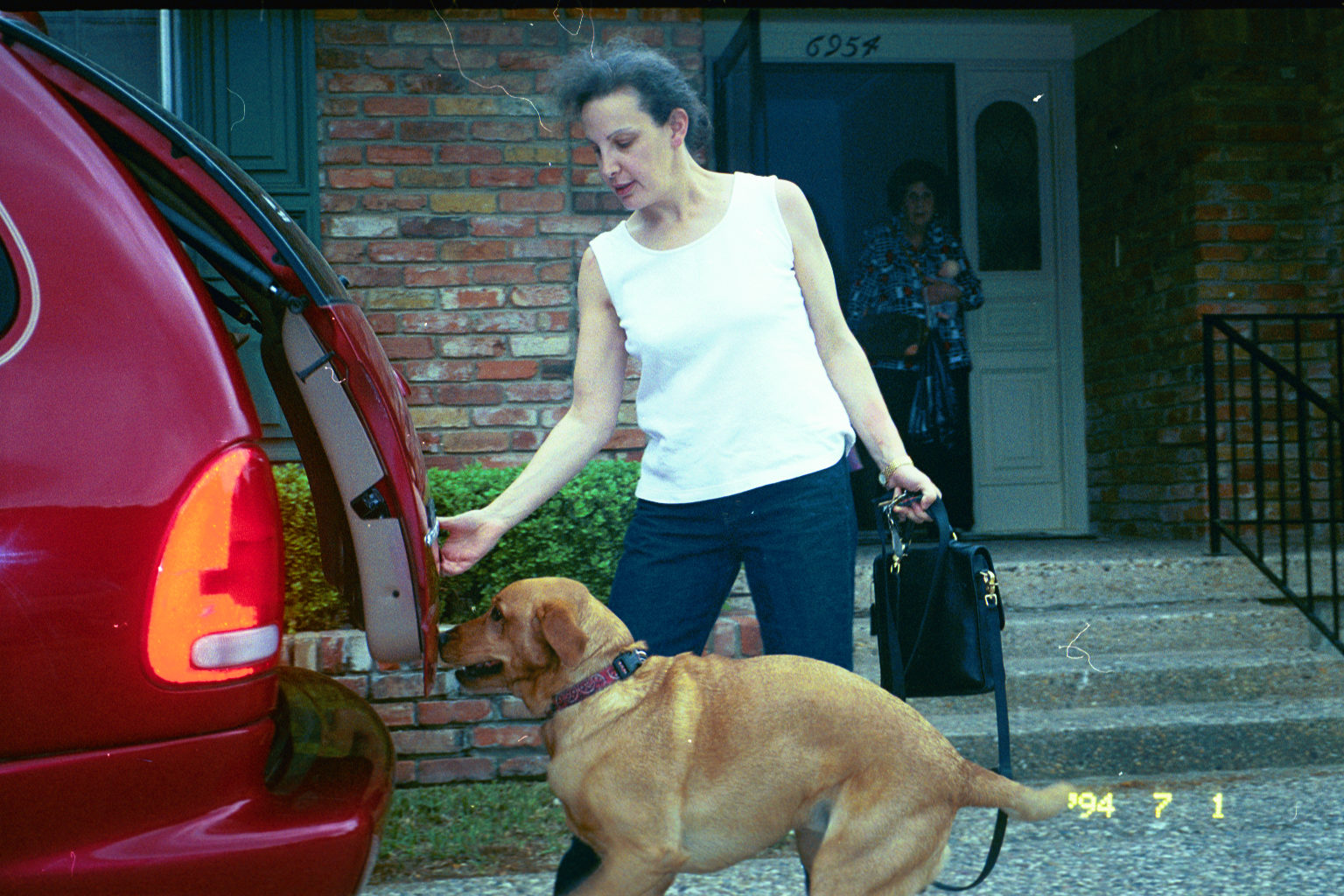
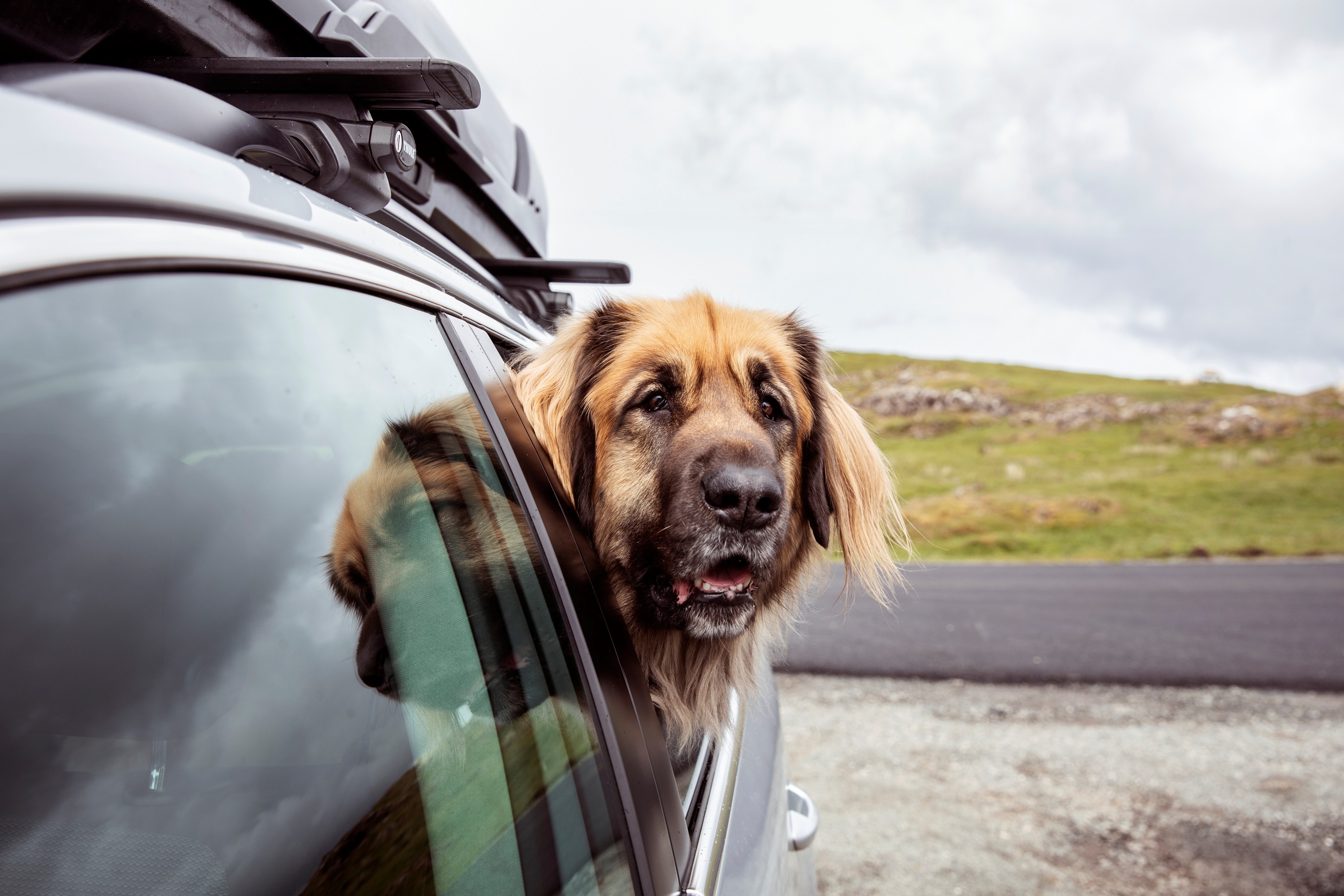
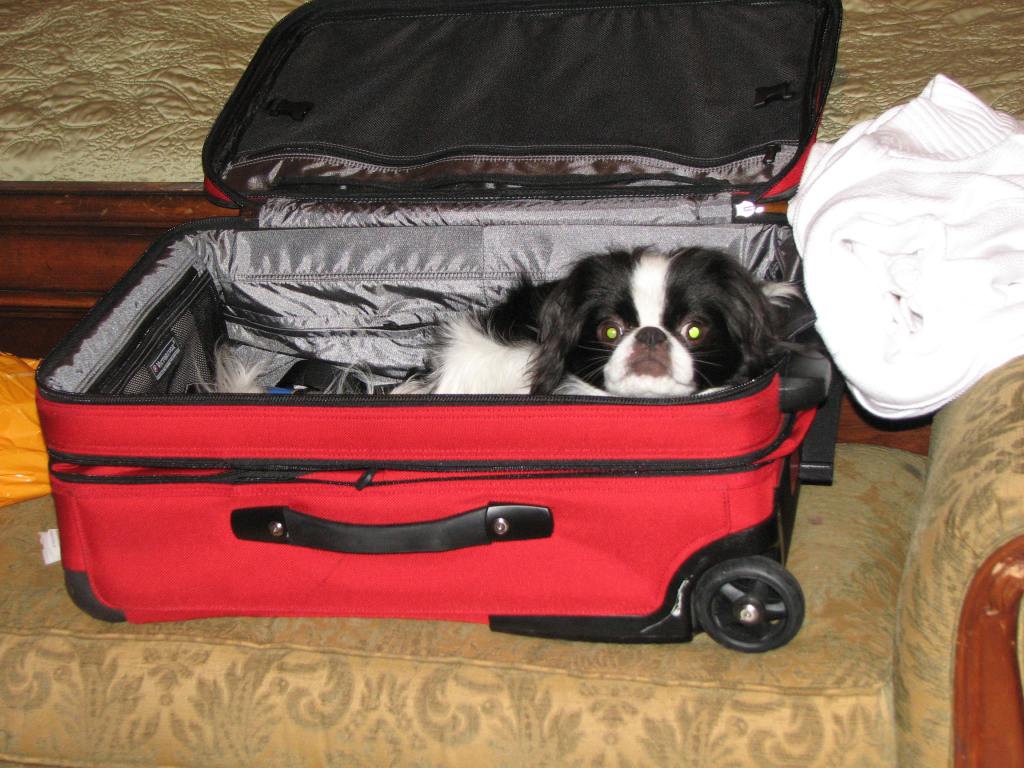
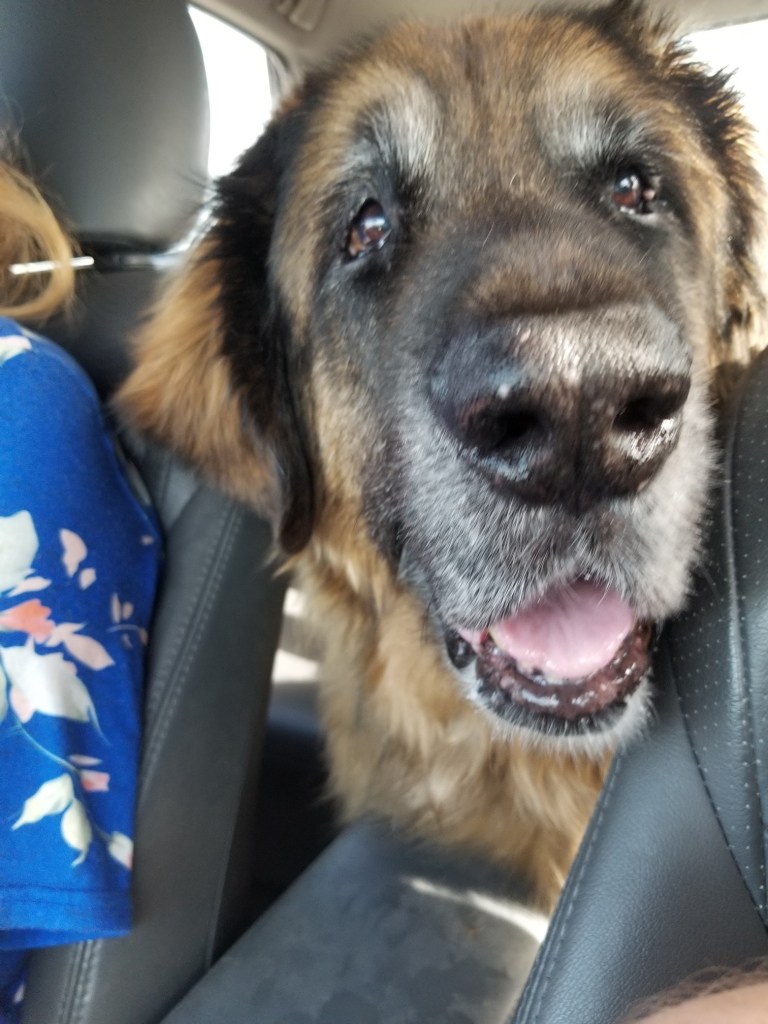
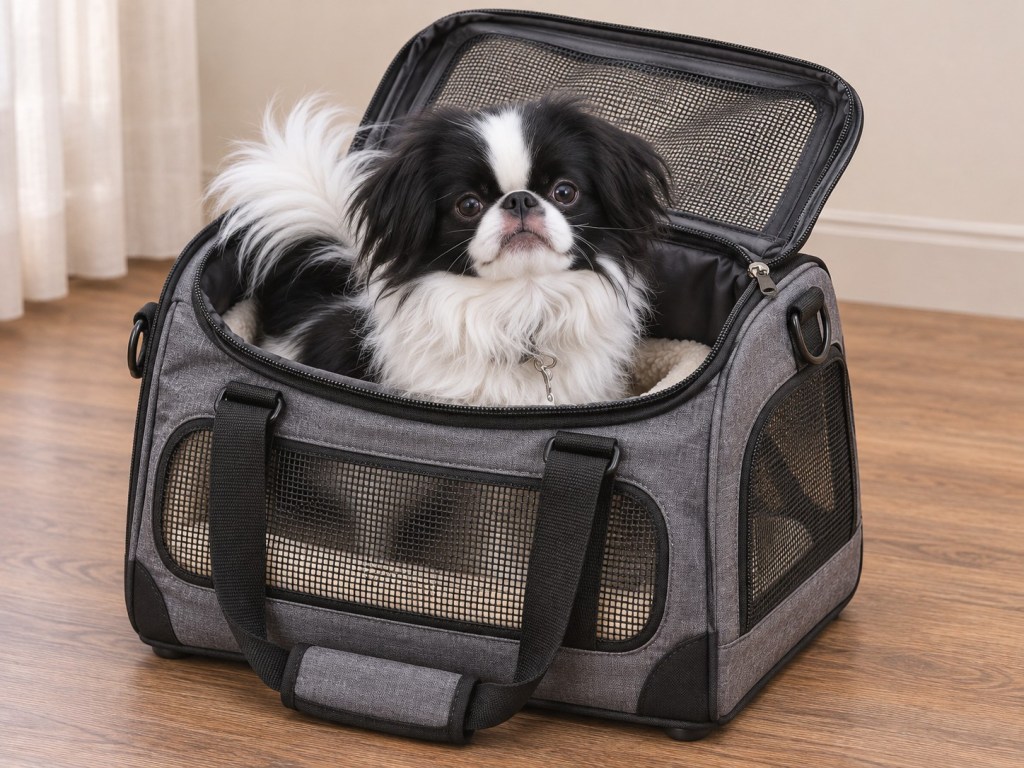
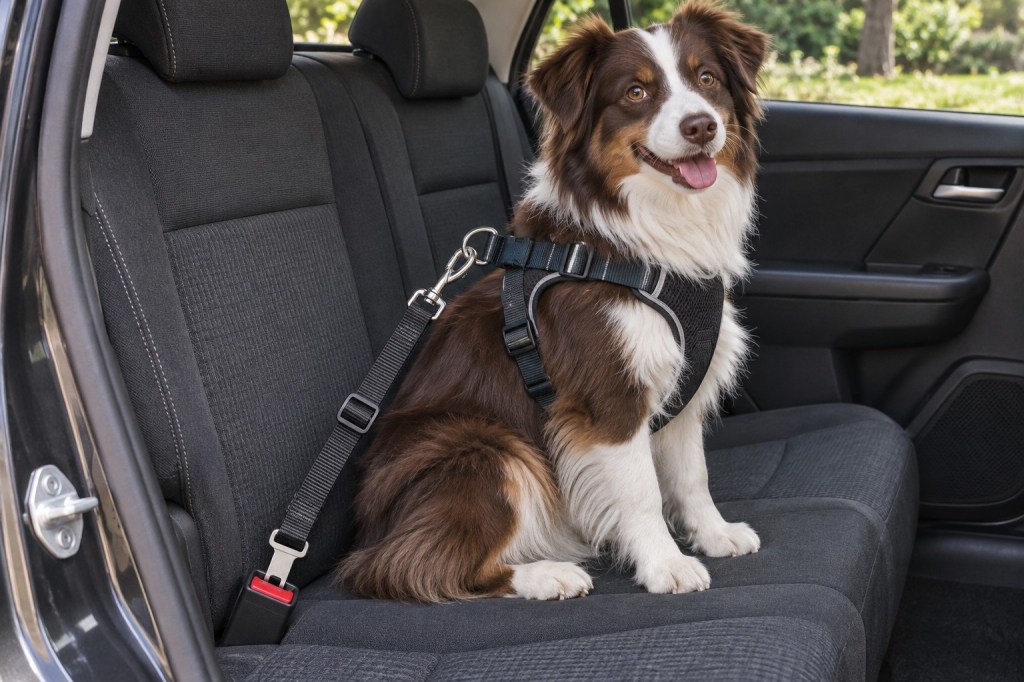
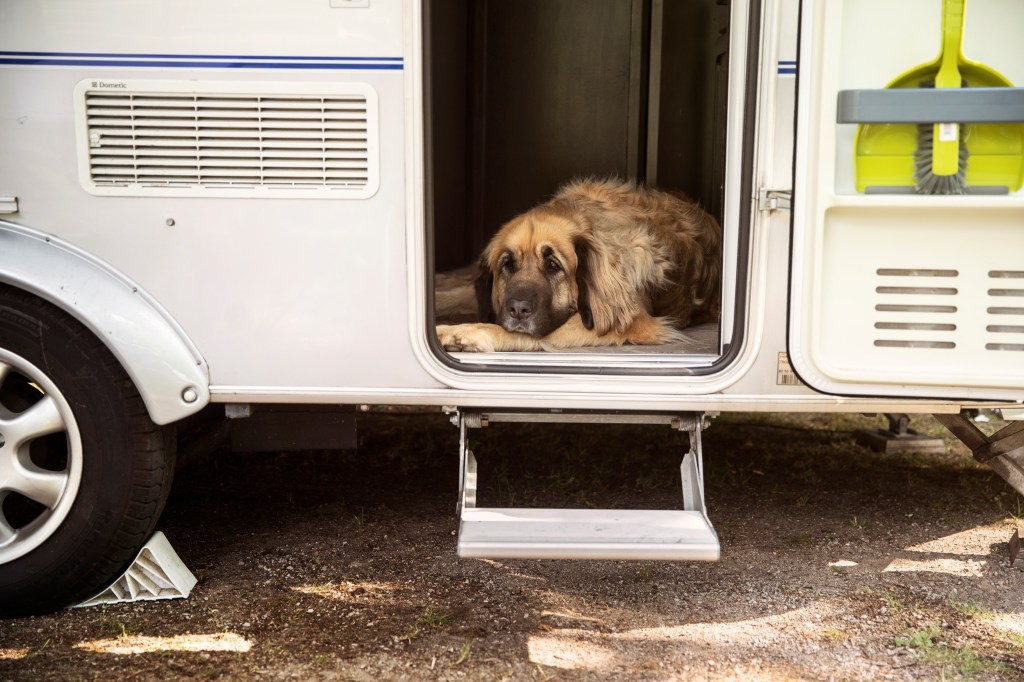
Our Leonberger Bronco travelling in the car. Our Japanese Chin Ryu and Pug Daisy. Our Japanese Chin Ryu and Pug Daisy want to come with us on our trip. Our mini-Australian Shepherd Rollo is sad that he can’t come. Rollo is looking out the window as we leave. However, a friend is coming to take care of him. Rollo is driving a car. My wife is loading our Labrador Baylor in the trunk where there is a crate for him. Bottom right, a Leonberger leaning its head through an open car window, Shutterstock asset id: 4219089479 by Angela Buser.
Top Tips for Traveling with Your Dog for a Smooth and Happy Trip
For pet owners planning their first few trips with a pup, traveling with dogs can feel like a balancing act between excitement and worry. The core tension is simple: keeping comfort and routines intact while handling the logistics of dog-friendly travel and protecting pet safety on trips. One missed detail can turn a fun getaway into a stressful scramble for everyone involved. With the right dog travel preparation, dog-friendly adventures become calmer, safer, and genuinely enjoyable.
Pre-Trip Dog Travel Checklist to Finish Today
This checklist turns nervous guesswork into calm, step-by-step preparation so you and your dog arrive safe, settled, and ready to enjoy the trip. Since 78% of American pet owners bring their dogs along when they travel, a simple routine like this can prevent common last-minute surprises.
✔ Confirm pet-friendly lodging rules, fees, and any breed or size limits
✔ Book a vet visit and request needed meds or motion-sickness support
✔ Pack food and treats for the full trip plus two extra days
✔ Pack collar tags, leash, harness, and poop bags in an easy-grab kit
✔ Prepare a travel crate or seat-belt harness and a familiar blanket
✔ Review travel documents and save photos of records on your phone
✔ Plan rest stops and locate nearby emergency vets at your destination
Check these off, and you can focus on making good memories together.
Gather and Share Your Dog’s Travel Documents in Minutes
Once your to-dos are lined up, take a few minutes to pull together the paperwork you might be asked for on the road. Before traveling, gather your dog’s vaccination records, any required health certificates, identification details, and pet insurance information. Save digital copies on your phone so you can pull them up quickly at check-in, a hotel front desk, or a vet’s office. If your scans are too large to store or send easily, use a fast PDF size reducer so files are simpler to email or upload when someone requests them. With documents handy and easy to share, you can focus on keeping your travel day calm from the moment you leave home to the moment you arrive.

A Calm Travel-Day Rhythm You Can Repeat
This workflow turns a busy departure into a set of predictable checkpoints, so your dog gets what they need without you improvising under pressure. It also helps everyone in the car stay on the same page about timing, stops, and safe dog travel practices.
| Stage | Action | Goal |
| Set the environment | Pack the car, set a temp, stage water and towels | Reduce scrambling and stress before moving |
| Secure and settle | Buckle harness or crate, do a quick sniff break | Safe restraint and calmer energy |
| Start slow | Drive gently, avoid loud music, reward quiet behavior | Smooth transition from home to road |
| Break and reset | Stop for potty, short walks, and a water offer | Comfort stays steady across miles |
| Arrive and decompress | Offer water, walk, then feed when breathing normalizes | Healthy arrival routine with fewer tummy issues |
Each phase supports the next: a tidy setup makes restraint simpler, and a calm start reduces frantic mid-trip behavior. Regular breaks create a pattern your dog can predict, which often lowers restlessness and helps you spot issues early.
Dog Travel Questions People Ask Most
Q: What’s the safest way to transport my dog: crate, carrier, or harness?
A: Choose the option your dog can ride in calmly and that stays secured during sudden stops. A crash-tested harness clipped to a seat-belt system works well for many medium and large dogs, while a secured crate or carrier can help dogs who settle better in enclosed spaces. Do a few short practice rides so your dog learns what “car time” feels like.
Q: How do I decide between driving and flying with my dog?
A: Driving gives you control over temperature, breaks, and routine, which can be less stressful for many dogs. Flying can be workable for confident, healthy dogs who fit airline rules, but it requires more planning and fewer variables you can control. When in doubt, ask your vet about your dog’s stress signals and health risks.
Q: What should I look for in truly dog-friendly accommodations?
A: Prioritize clear pet policies, realistic fees, and specific rules about where dogs can be left alone. It can help to book places that note nearby walking areas and have easy outdoor access. Many pet owners turned down travel when pets were not welcome, so confirm details before you pay.
Q: Which travel apps actually reduce hassles for pet owners?
A: The most useful apps help you find pet-friendly lodging, locate vets and emergency clinics, and pin rest stops you can count on. Look for recent reviews that mention accurate pet filters and easy-to-find contact info. The growth in the pet wellness apps market size also means more options, so pick one or two and keep it simple.
Q: Can I leave my dog alone in the hotel room for a quick errand?
A: Only if the property allows it and your dog can stay quiet and relaxed. Start with a short test while you stand outside the door, then increase time gradually. If there’s any barking or panic, use pet daycare, a sitter, or take your dog along.
Planning Dog-Friendly Trips That Stay Calm and Memorable
Traveling with a dog can feel like balancing excitement with the worry of stress, surprises, or a rough day on the road. A calm, plan-first mindset, choosing the right transportation, setting clear expectations, and leaning on dog-friendly resources, keeps planning pet trips simple and steady. The payoff is more positive pet travel experiences: fewer meltdowns, smoother transitions, and the real benefits of dog travel, like shared adventures and stronger routines away from home. A well-planned trip lets your dog relax, and lets you actually enjoy the journey.