
A professional content writer by the name of Ryan Goodchild contacted me about me posting an article he had written on how to manage stress for dog owners. The title of the article is “How to Manage Stress Naturally with Simple Daily Habits” and you can see the article below. Ryan wrote the article and I provided pictures.
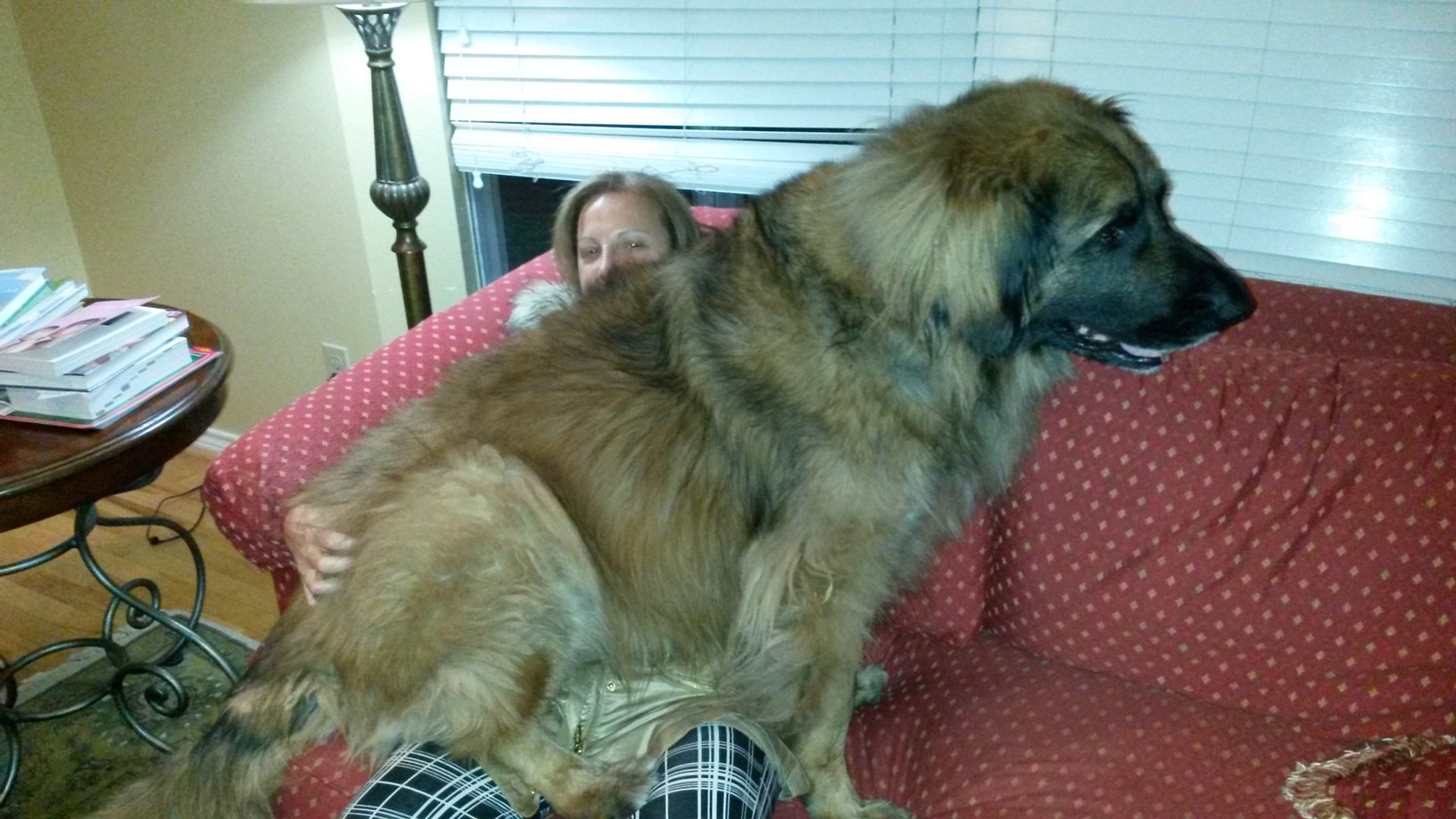
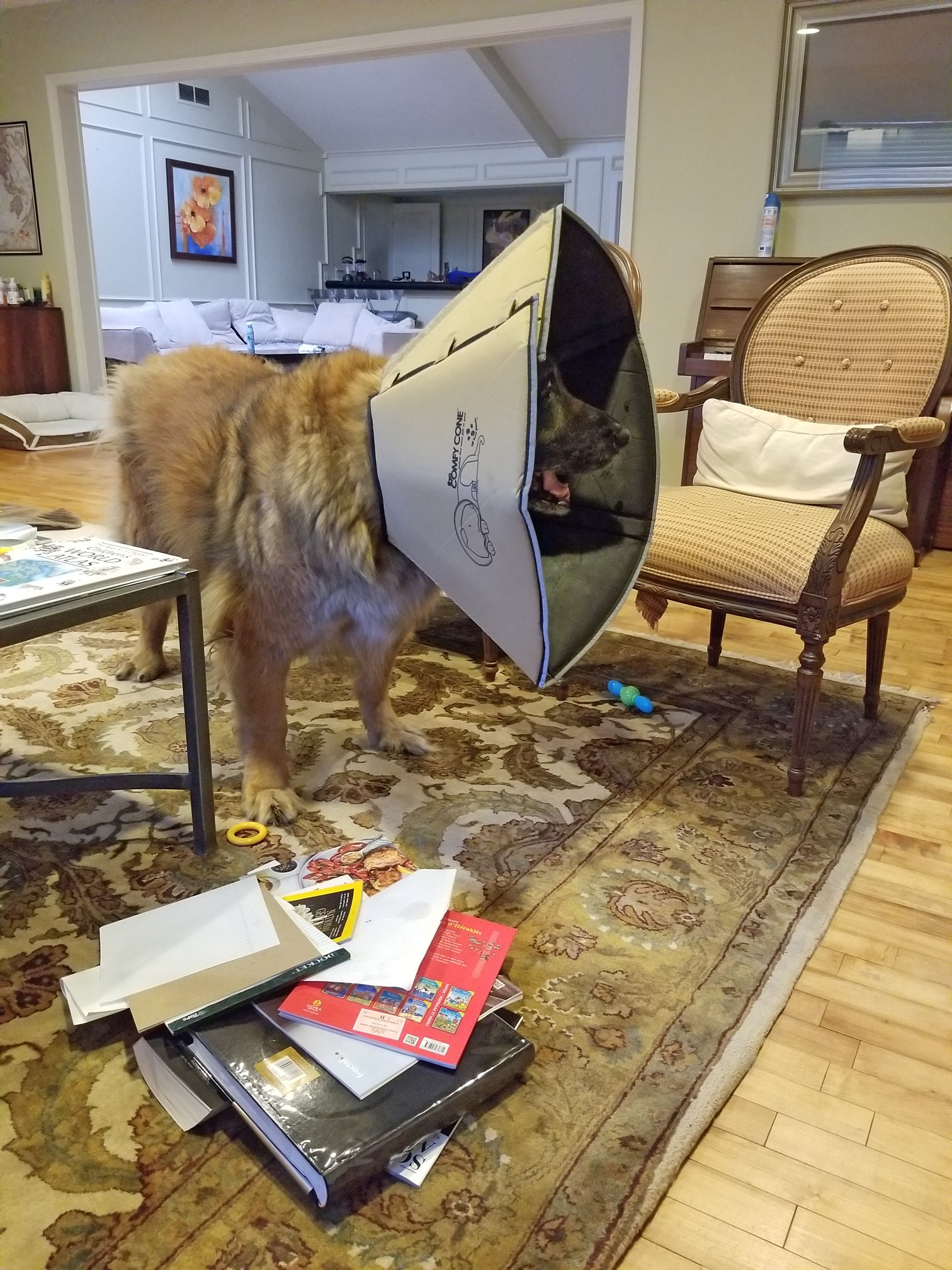
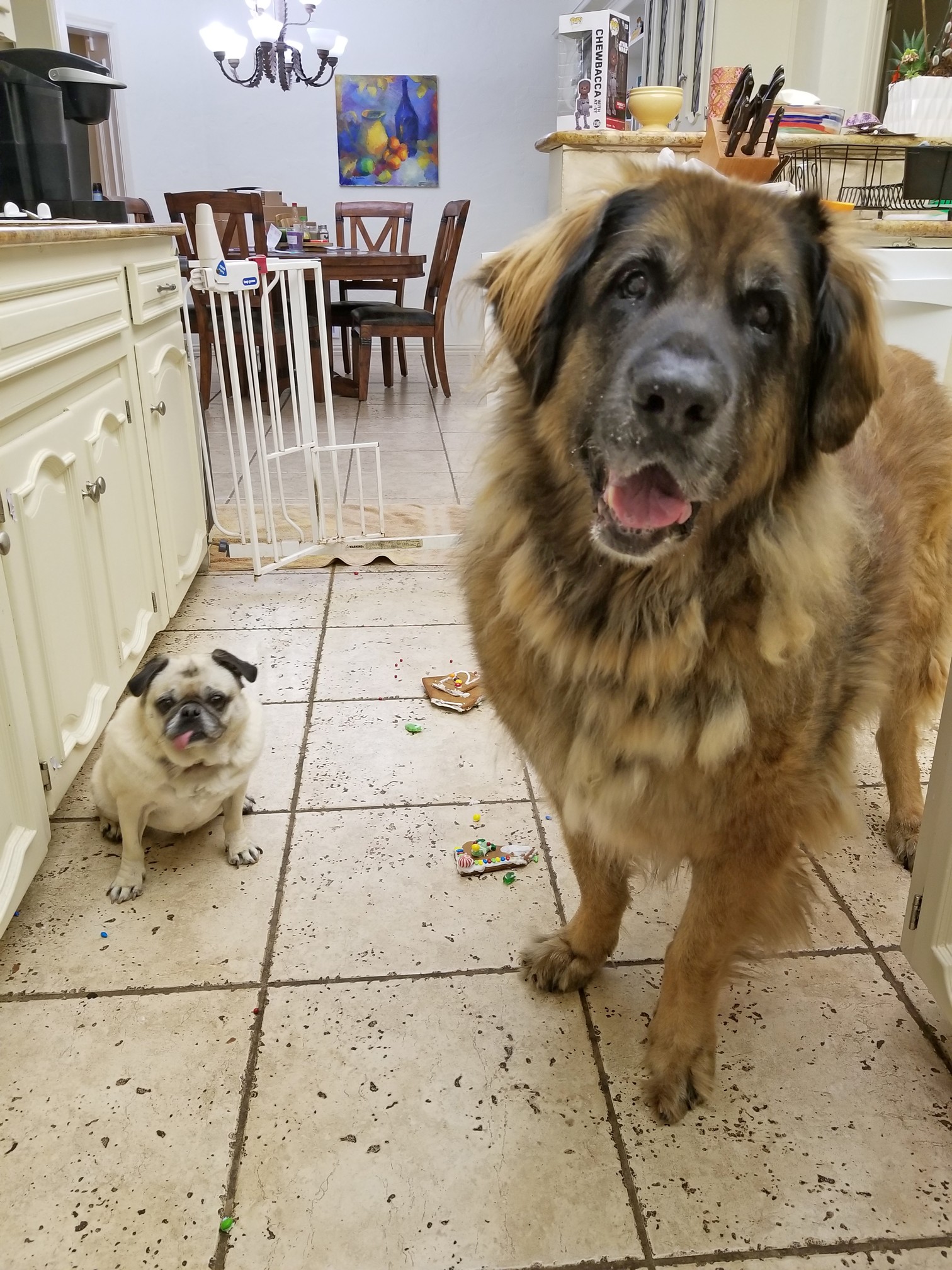

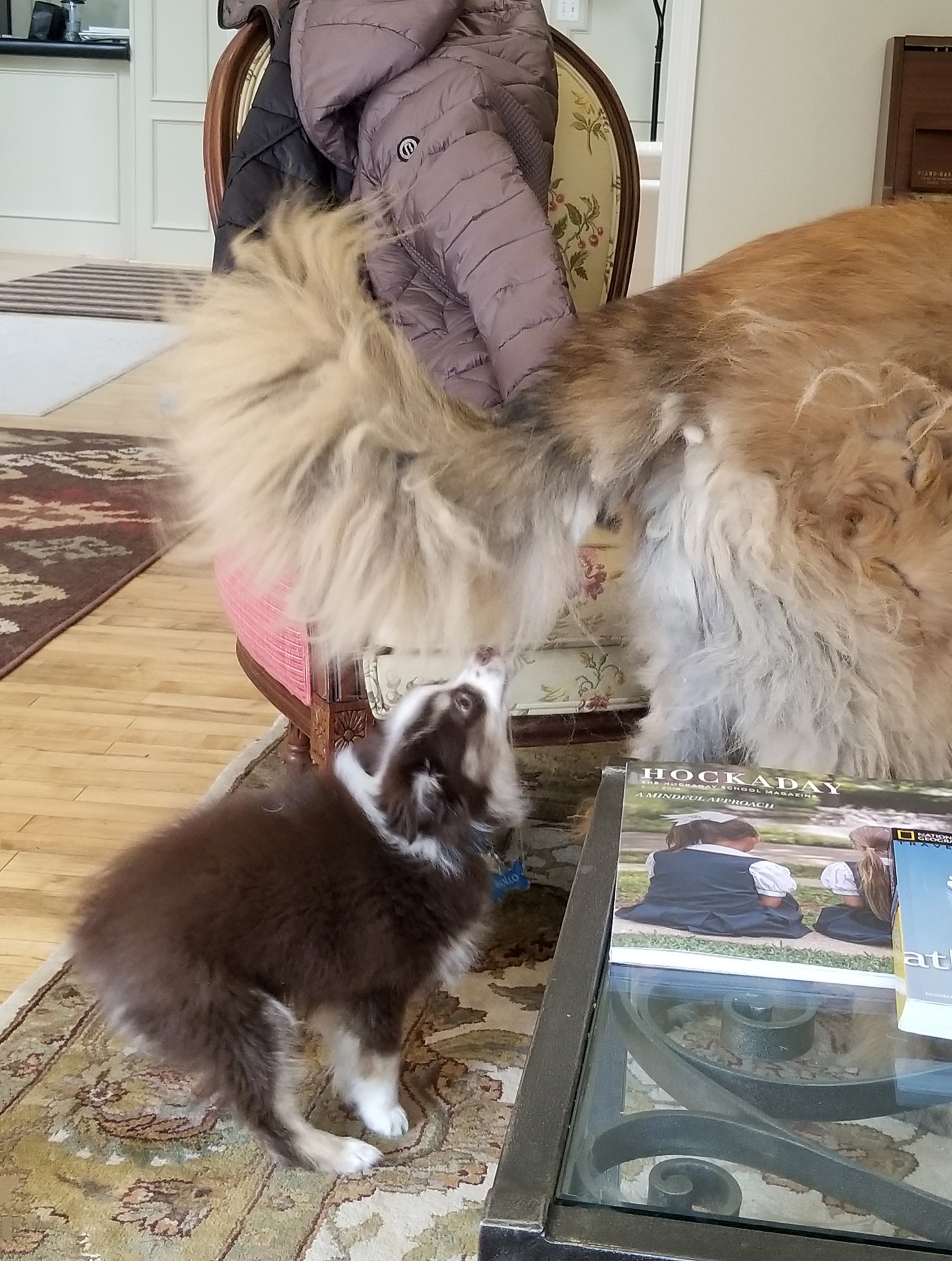
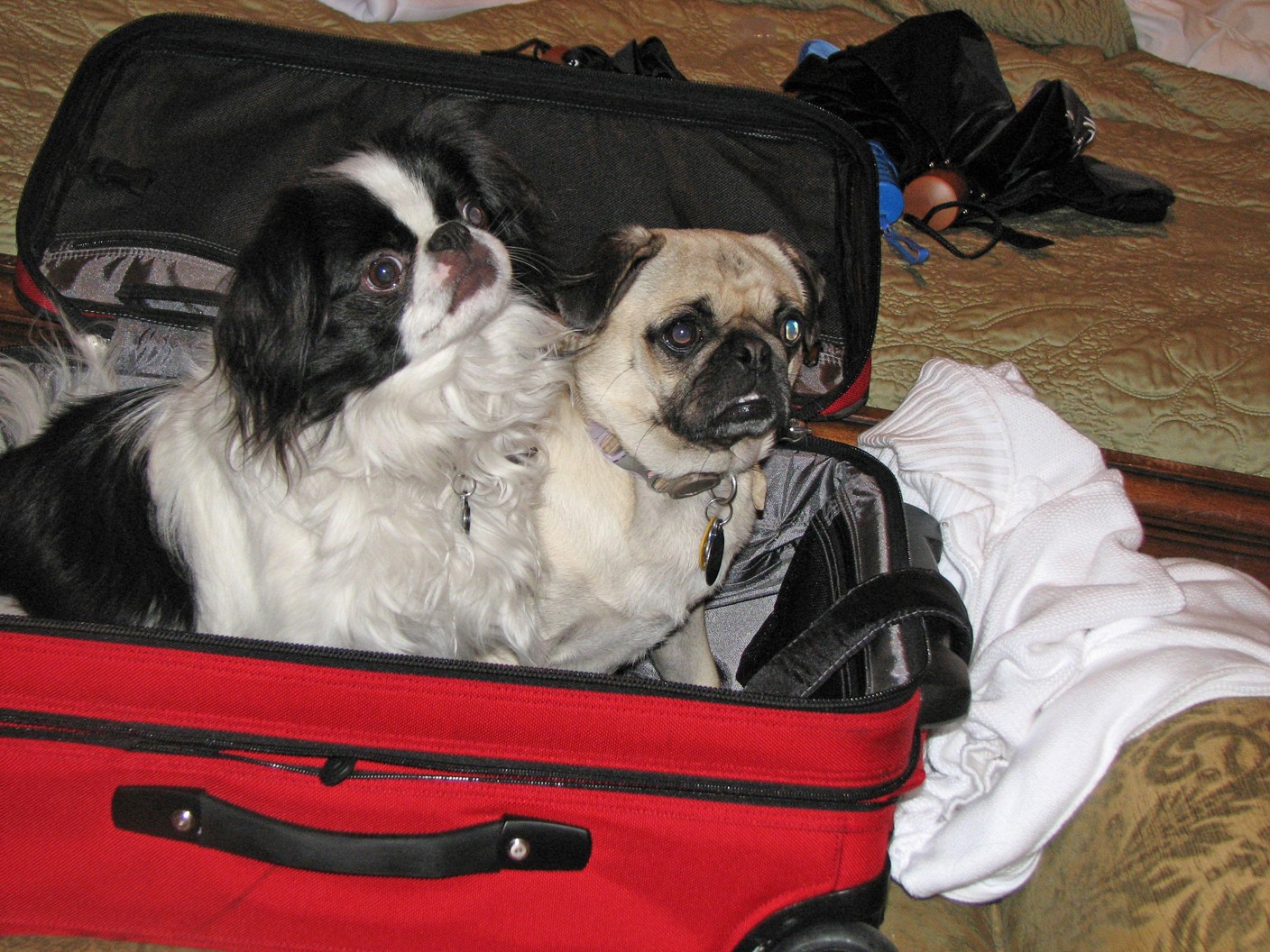
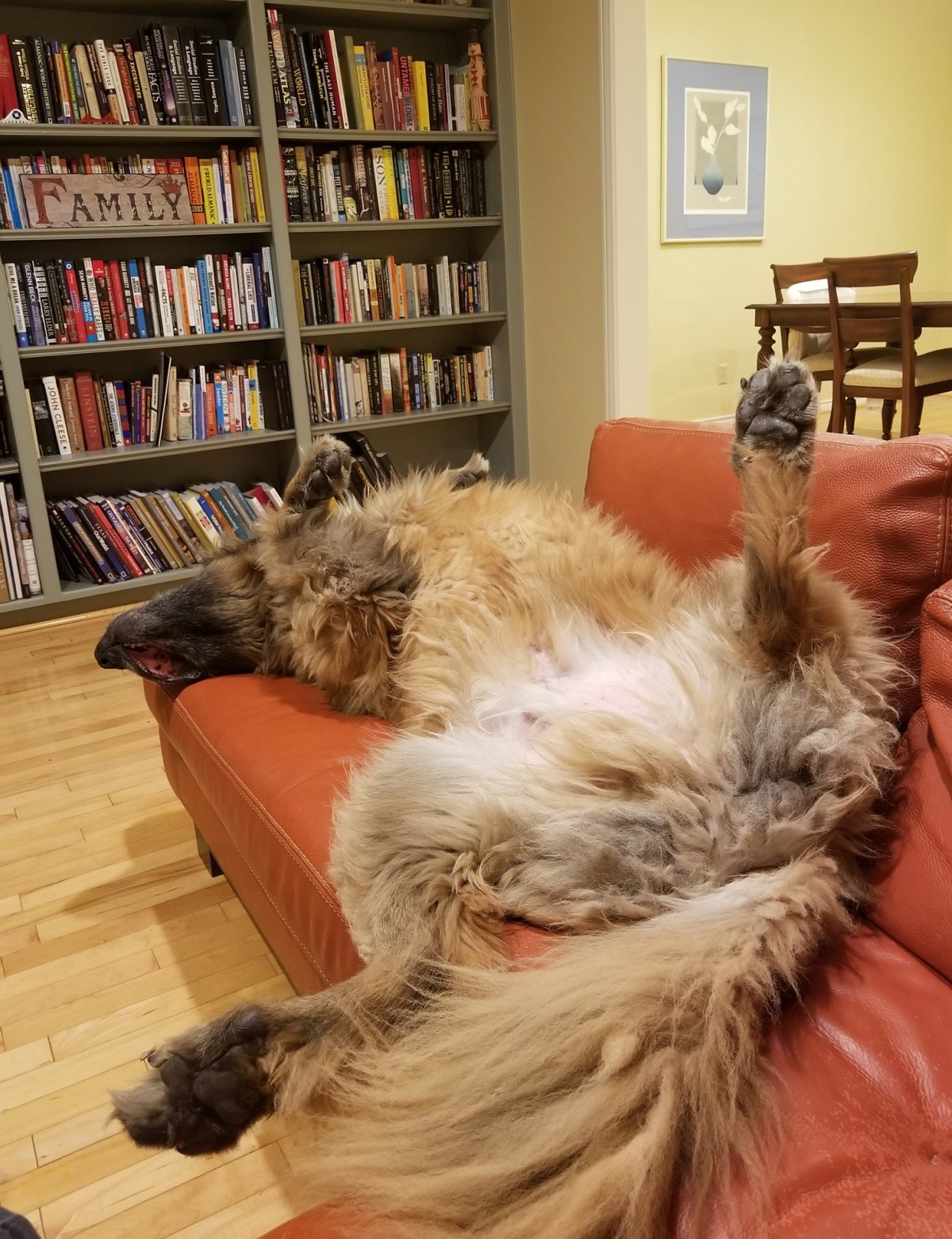
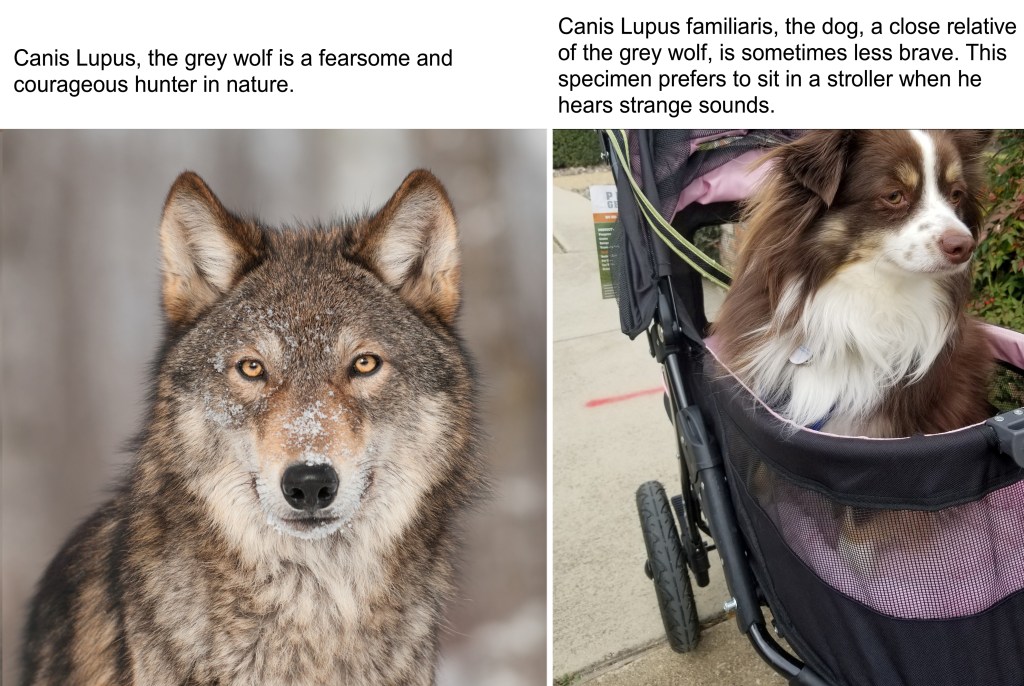
Dogs can calm your nerves as well as cause some stress. Our mini Australian Shepherd Rollo chewing up my shoe. Our Leonberger dog Bronco clears tables with his cone. Our mini Australian Shepherd harassing our Leonberger dog and biting his tail. Our Leonberger and our Pug raiding the kitchen and eating the gingerbread house. Our Japanese Chin Ryu and Pug Daisy staging a protest against us travelling. Our Leonberger dog is trying to sit in my wife’s lap.
How to Manage Stress Naturally with Simple Daily Habits
Busy dog owners who are already juggling work, family schedules, and a million small decisions often find themselves struggling with stress management and hoping things will just calm down a bit. The hard part is that stress rarely comes from one big event; it builds from sources of stress like constant notifications, unresolved conflicts, money worries, or even a packed calendar that never resets. Without recognizing stress triggers, it’s easy to treat the noise instead of the cause, and the stress impact on wellbeing can show up as irritability, poor sleep, or feeling stuck in overdrive. Spotting what actually sets stress off turns a vague problem into something that can be handled.
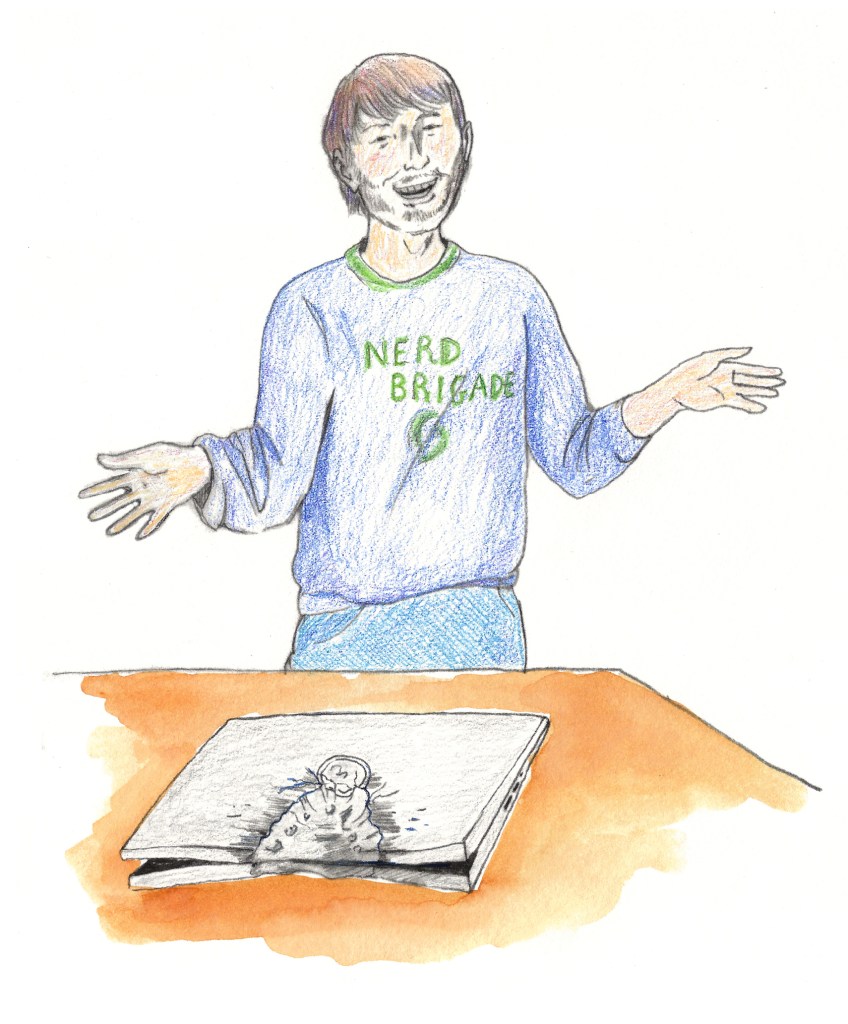
Try Gentle Stress-Relief Modalities
When you can name what’s contributing to your stress levels, it’s easier to choose the right tool for the moment.
- Breathwork: slow, steady breathing practices that help your body downshift.
- Mindfulness: simple attention training to reduce mental spirals.
- Rhodiola rosea supplements: may help support energy levels, mental focus, and resilience to everyday stress and fatigue.
- Essential oils: calming scents used through diffusion or a personal inhaler (skip skin use unless properly diluted).
- THCa: a hemp-derived option some people explore; if you’re curious, you can read more about a THCa cartridge.
Understanding Your Stress Response
Stress is your body’s built-in alert system, not a personal failure. The Cleveland Clinic calls it a natural reaction to changes or challenges, and it can show up in your thoughts, feelings, and actions. When you learn your early signals, you can separate “I’m stressed” from “something is wrong with me.”
This matters because stress patterns are often predictable. Spotting your common causes of stress and your most frequent symptoms helps you choose the right support faster and recover sooner. It also keeps you from treating every bad day like a character flaw.
Picture a typical morning: a late start, nonstop notifications, and a tense conversation. Your shoulders climb, your patience drops, and you reach for caffeine or scrolling. That’s your cue to connect the trigger and the response, then adjust. The same pattern recognition can help you notice stress signals in your pets, too.
Calm Together: Reduce Stress for You and Your Dog
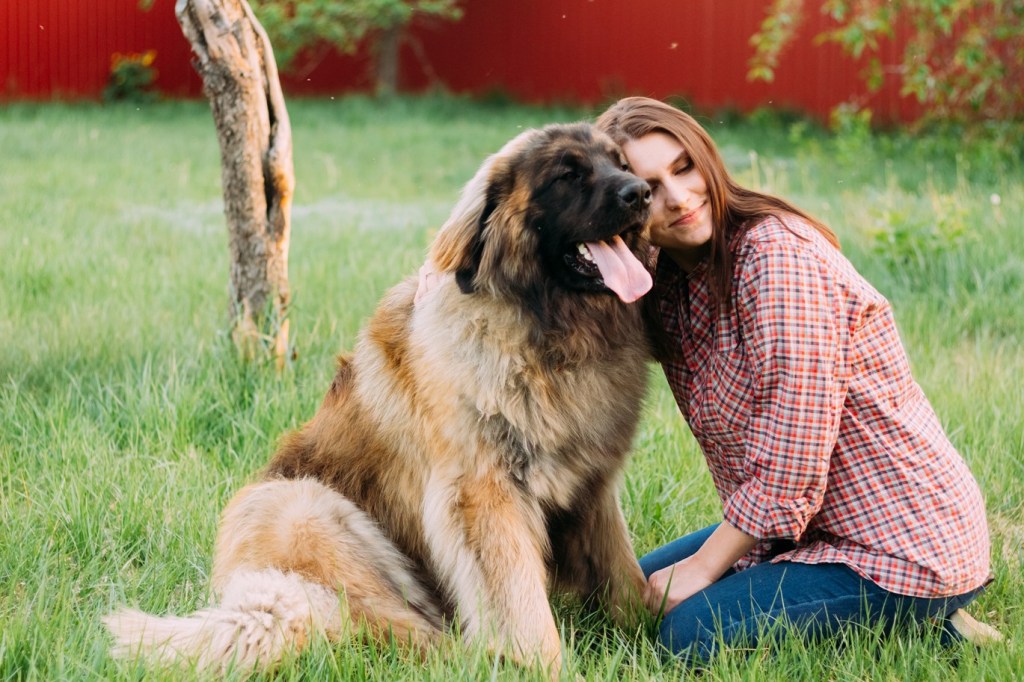
Once you start noticing how stress shows up in your body and habits, it’s easier to see how it can ripple out to the beings around you, especially your dog. Dogs are keen observers, and a shift in your schedule, voice, or body language can register as “something’s off.” Calm, family-oriented breeds like Leonbergers often mirror the mood of the home, so when you’re rushed, inconsistent, or tense, they may become more clingy, withdrawn, restless, or reactive.
The good news is that the same steady routines that help you feel grounded can help your dog feel safe. Regular walks burn off nervous energy for both of you, and consistent feeding and sleep times make the day more predictable. Add a little quiet bonding time, sitting together, gentle attention, an unhurried presence, and create a calm space where your dog can settle when the house feels busy.
Daily Stress-Soothing Habits You Can Repeat
These habits work because they are simple enough to repeat on busy days, which helps your nervous system learn what “safe and settled” feels like over time. Pick one or two, practice them consistently, and let the routine support both you and your home.
Two-Minute Breath Reset
- What it is: Do six rounds of 30-second deep breathing while sitting comfortably.
- How often: Daily, or before stressful moments.
- Why it helps: Slow breathing lowers body tension and helps your mind re-center.
Light-and-Move Morning Start
- What it is: Get daylight, drink water, and take a 10-minute easy walk.
- How often: Most mornings.
- Why it helps: Movement and light support energy, mood, and calmer focus.
Workday Boundary Check
- What it is: Choose a clear stop time and do a 3-minute tidy reset.
- How often: Weekdays.
- Why it helps: A clean ending reduces rumination and protects your evening.
Stress-Smart Plate
- What it is: Build meals with protein, fiber, and a color, then snack intentionally.
- How often: Daily.
- Why it helps: Stable blood sugar can reduce jitters and irritability.
Screen-Free Wind-Down
- What it is: Put your phone away and do a short stretch or shower.
- How often: Nightly, last 30 minutes.
- Why it helps: Less stimulation helps your body shift toward sleep.
Stress-Relief Questions People Ask Most
Q: How do I choose a relaxation technique that actually works for me?
A: Pick the one you will realistically repeat, not the “perfect” method. Start with something low-friction like slow breathing, a short walk, or gentle stretching, then notice what changes first: sleep, irritability, or focus. If you hate a technique, it is okay to swap it.
Q: Why do I feel worse when I try to relax?
A: This is more common than people realize, especially if you have been running on adrenaline for a long time. Try a lighter version: shorter sessions, eyes open, or movement-based calming like walking. If panic spikes, pause and choose grounding actions like naming five things you see.
Q: When I miss a day, should I start over?
A: No, you are practicing a skill, not passing a test. Restart with the smallest version of your habit and anchor it to something you already do, like after brushing your teeth. Consistency over time matters more than streaks.
Q: When is professional support the safest next step?
A: Reach out if stress is affecting sleep for weeks, causing frequent panic, or leading you to rely on alcohol, drugs, or self-harm thoughts. A clinician can help you build a plan that protects both your body and mind. If you ever feel unsafe, seek urgent help right away.
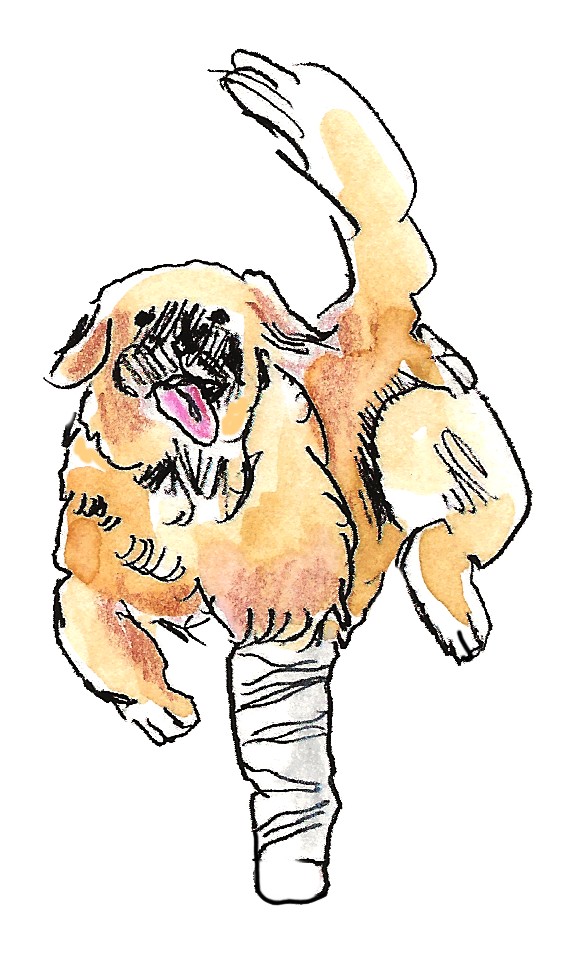
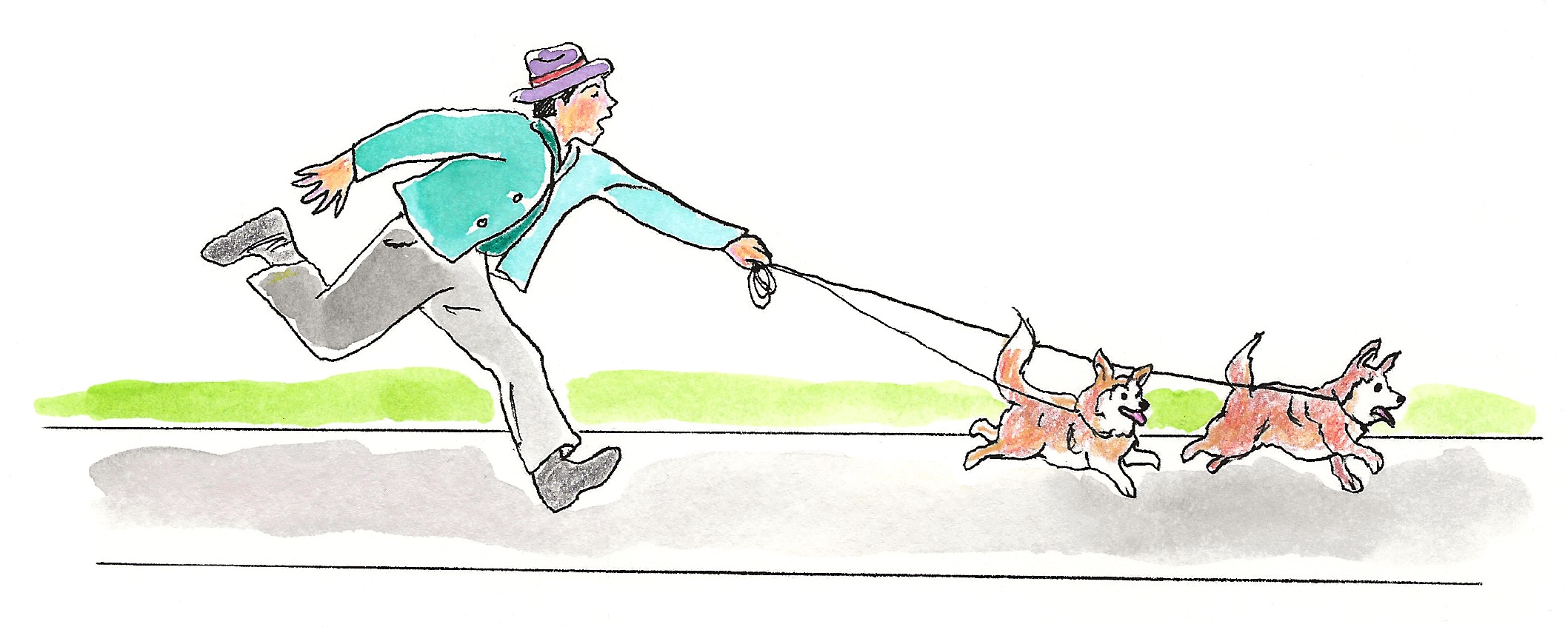
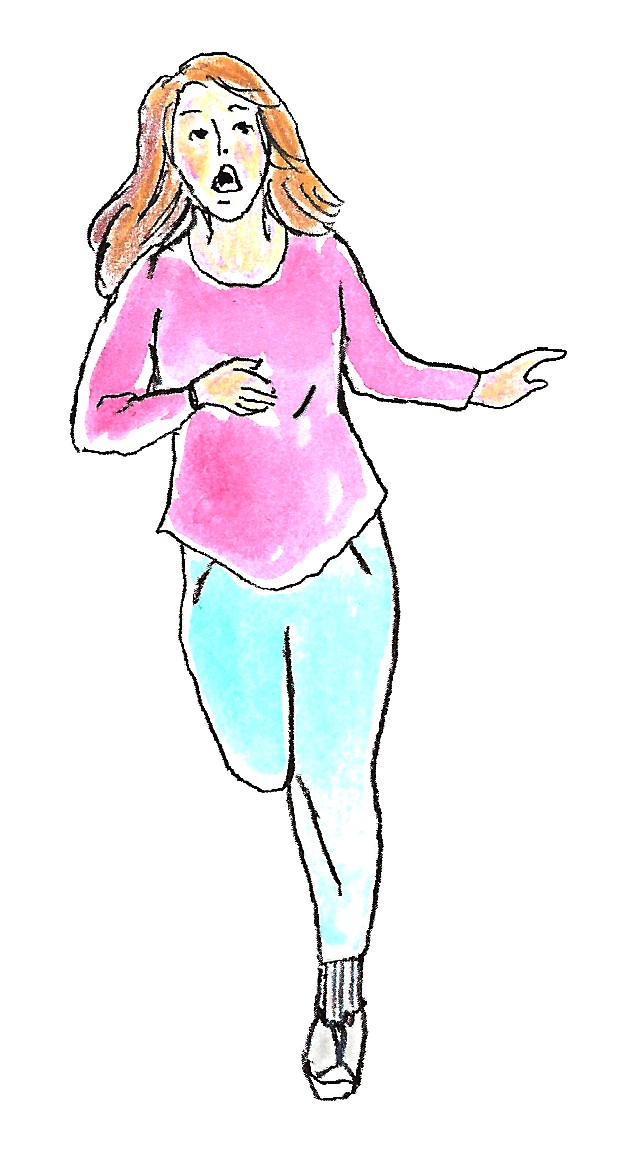
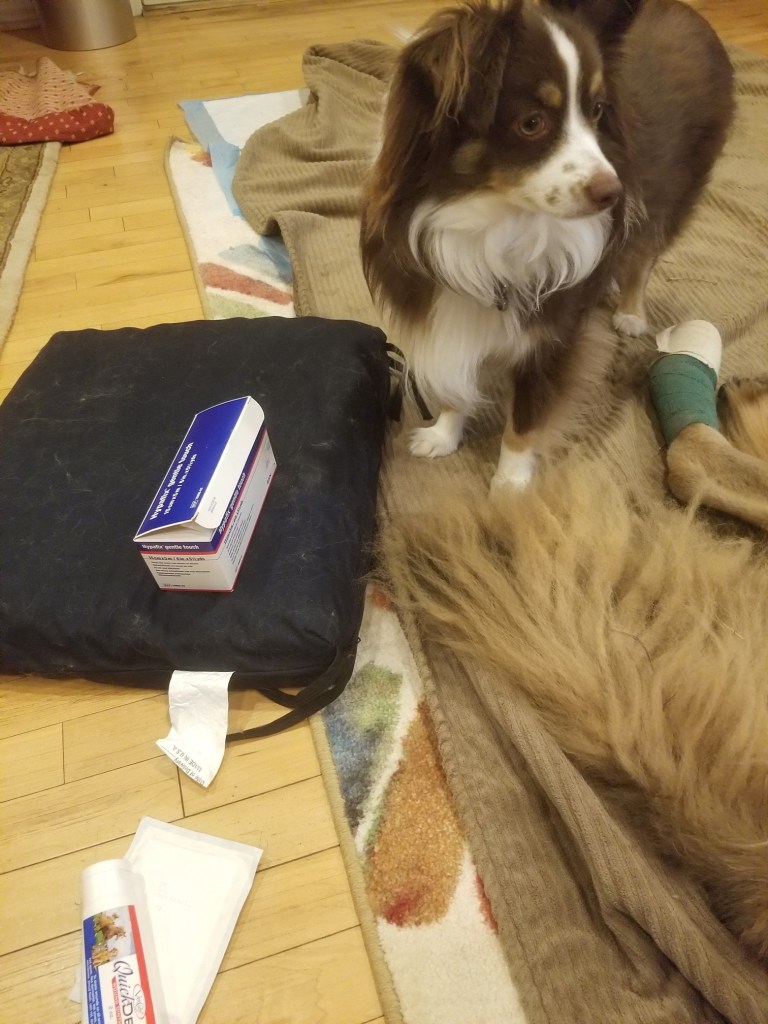
This was a stressful situation. Our Leonberger dog Bronco, wearing a cast chased our neighbor and his Corgis down the street. He was limping badly but wanted a walk so we took him outside just for a little bit. We did not think he needed a leash in his condition, but it turned out he could run. He was not supposed to bump his cast and not chase neighbors either. Illustrations by Naomi Rosenblatt.
Small Habits, Lasting Calm
Managing stress naturally does not require a complete lifestyle overhaul. By learning to recognize your stress triggers, understanding how your body responds, and building a few simple, repeatable habits into your day, you can create more resilience and balance over time. Whether you find relief through breathwork, mindful routines, supportive supplements, or simply creating calmer rhythms for yourself and your family, consistency matters more than perfection. Small daily actions can add up to meaningful changes, helping you navigate life’s challenges with greater clarity, energy, and peace of mind.

 Leonberger Life
This is a really useful article for dog owners. Everything is explained so clearly and there are some great tips there.
LikeLiked by 1 person
Thank you so much Esther. I should say Ryan is a professional content writer so he gets that right.
LikeLiked by 1 person
I like the idea of naming five things around me, except I probably have to adjust that number upwards.
LikeLiked by 1 person
Ha ha yes it seems like a good idea.
LikeLiked by 1 person
When my pup went through his medical issues, I definitely noticed a lot of stress. These are good suggestions.
LikeLiked by 1 person
Yes medical issues with dogs and pets can be very stressful. Thank you Jacqui.
LikeLiked by 1 person
I’ve gotten several different grounding techniques from EMDR that I practice regularly, which helps with stress/anxiety after The Event (although so far nothing has put a dent in the hypervigilance, but that’s a real toughie). I have a reminder on my watch that comes up every day and tells me to do it, which I guess could cause stress in itself, but doesn’t lol
LikeLiked by 1 person
It sounds like you had a traumatic event in your past. I am sorry about that. Well I can guess what it is (the aneurysm). It is great that you have a technique that works for you. Thank you very much for your comment James.
LikeLiked by 1 person
Excellent post Thomas. We have found controlled breathing and some music helps relax us and in turn relaxes Maya. We are lucky in that so far she has adapted to the main issues, thunder, fireworks, loud noises etc. Medical issues have been few, but we are with her 24/7 which we think helps.
LikeLiked by 1 person
Thank you so much Di. Ryan is indeed a great content writer. I am glad to hear that you have found ways to relax and that it helps Maya too. It is great that she has been able to adapt to loud noises.
LikeLiked by 1 person
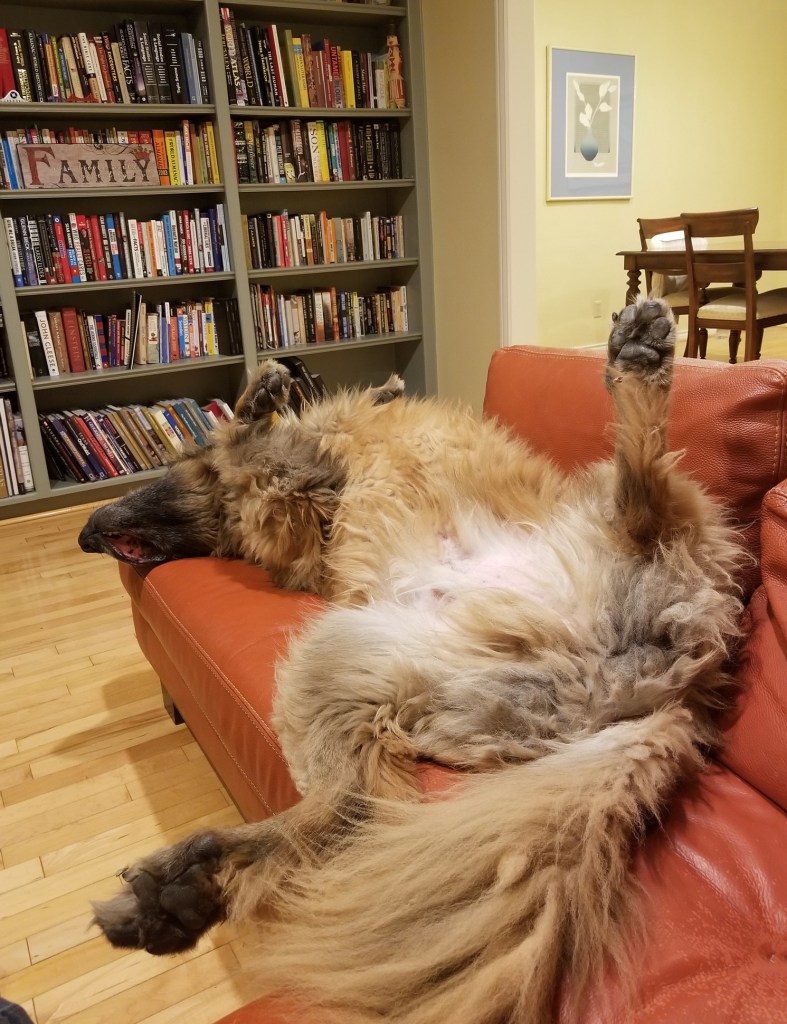
Good tips for stress relief, with our without dogs. Our rescue dog has anxiety, and was on medication for awhile, but now that she’s older (about 6), she’s mellowed out a bit. Her “mom”, not so much, so I’ll pay more attention to this advice. 🙂 I love that you added your photos and other personal touches into this guest article, Thomas. That photo of Bronco sprawled out on the couch is smile-worthy. 😀
LikeLiked by 1 person
Thank you so much for your kind words Debbie. Ryan is a good content writer and I am glad you thought it was good tips. Anxiety in dogs is a common problem. Our Leonberger dog did not seem to have any anxiety but our Rollo is certainly making up for it.
LikeLiked by 1 person
I just got back from cleaning kitty throw-up off the carpet. I cope by looking at the angel and asking if his tummy feels better now. 🙂
LikeLiked by 1 person
Ha ha that is good idea. I am sorry your cat threw up on the carpet. I don’t have cats but I think that is a pretty common occurance with cats. There are advantages and disadvantages with all pets I guess.
LikeLiked by 1 person
It is not uncommon. He’s usually something of a gentleman and tosses his cookies in the linoleum. Not today. We had the carpet cleaned a week ago. That’s how these things go. 🤷♀️
LikeLiked by 1 person
Your carpet cleaned a week ago. Yes of course that would happen.
LikeLiked by 1 person
Super ideas on relieving stress, Thomas. I’ll add one more. A nice cold glass of VooDoo Ranger Imperial.
LikeLiked by 2 people
Ha ha it is funny you would say that. I just had a Voodoo Ranger Imperial one hour ago, and I feel very relaxed.
LikeLiked by 1 person
Yeah, that 9% ABV does the trick. 😊
LikeLiked by 1 person
Yes you are right
LikeLike
One method that almost always works for humans and dogs alike is exercise. That can either be alone, but better yet, with each other. I can practically feel the stress leaving my body.
LikeLiked by 1 person
That is a great suggestion. I agree with you exercise is healthy and lowers stress and doing it with your dog is fun.
LikeLiked by 1 person
Excellent article with sound suggestions. Having taught stress management groups, I know a lot of these things. It always helps to have reminders to USE these techniques. Dogs really like routine and so do I. The easy ten-minute walk works well for me. We do that after dinner with Marley and our new girl, Georgia.
LikeLiked by 1 person
Yes you are right JoAnna. Dogs can sense stress and our Rollo is hyper sensitive to stress, which was apparent yesterday when I was stressed out. I need to apply these techniques myself.
LikeLike
Lulu: “Belly rubs all around!”
LikeLiked by 1 person
Yes Lulu you are right. Belly rubs are very important.
LikeLike
This is very true and helpful.
LikeLiked by 1 person
Thank you so much Sara
LikeLiked by 1 person
Hi Thomas, this is a really interesting read and rather unexpected in the context of dog ownership. It is true that pets can be very calming but they can sometimes create stress. Luckily mine haven’t often been a cause of stress but rather a therapy for stress.
LikeLiked by 1 person
Yes you are right, some dogs like our Leonberger Bronco was very calm and he could calm us all down. Rollo on the other hand is anything but calm He is full of energy, anxiety, and explosions of emotion, but he is a very funny and loving dog, and we love him to death. It is great that all your dogs have been like therapy for stress. I think that is often the case.
LikeLike
Yes, animals are therapeutic. That’s probably why I love the bush so much.
LikeLiked by 1 person
Yes I agree, and I can understand why you love the bush so much.
LikeLike