This blog feature amusing and heartwarming stories about our late Leonberger dog Bronco, as well as other Leonbergers. It also has a lot of information about the Leonberger breed, the history, care, training, Leonberger organizations, etc. I also wrote a Leonberger book, which I am featuring in the sidebar.
This is a Leonberger blog but sometimes I post about books that are not about Leonbergers but are books that I love and want to promote. This is another one of those posts. I recently read a brand new release, “That’s What Partners Do (Fourth book of An Outlaw’s Tale Series)” Paperback version – by Sara Flower Kjeldsen. It is a western featuring female gunslingers. Below I am giving an overview of the two formats for the book.
Paperback – Publisher : Independently published (January 13, 2026), ASIN : B0GFJ2H8HL, ISBN-13 : 979-8242992252, 262 pages, Item Weight : 12.6 ounces, dimensions : 6 x 0.6 x 9 inches, it cost $19.99 on US Amazon. Click here to order it from Amazon.com.
Kindle – Publisher : Independently published (January 10, 2026), ASIN : B0GDRQZBKV, 214 pages. It is currently $3.99 or free with Kindle Unlimited. Click here to order it from Amazon.com.
Front cover of That’s What Partners Do by Sara Flower Kjeldsen. Click here or on the picture to visit the Amazon.com page for the paperback version of the book.
Amazon’s description of the book
Sally has created a unique life for herself, but when a mission goes wrong, she’s forced to flee and leave everything behind – again. Her partner in crime, Jeremy, rides with her on a risky journey back to her hometown. While they’ve worked together for years completing missions in the darkness, they know little about one another.
She’s forced to face the past she doesn’t want to remember – and a sister she hasn’t seen in years. Her future plans are disrupted when she and her sister are kidnapped by an outlaw gang.
Will they escape, or is a dark new future waiting for them?
This is my five-star review for That’s What Partners Do by Sara Flower Kjeldsen
Only Kill the Evil Ones
I read the paperback version of this book, the fourth in a series about female outlaws in the wild west. They are Mary, Lydia and Sally. This book is focused on Sally, but all three women make appearances. These women are not evil, but they are skilled gunslingers who encounter cruel and evil men and are forced to defend themselves or innocent women and other people. As Sally, says, “I only kill the evil ones. I have never murdered an innocent person.“ Sally, is an interesting, brave, and tough character who is fascinated by tornadoes.
Sally and her partner in crime, Jeremy, are forced to leave everything behind and go on a risky journey back to her hometown. Along the way there are mishaps, tornadoes, they come across bandits and they have a terrifying encounter with human traffickers who kidnap women. Some of the adventures are breathtaking and scary nailbiters and I often found it impossible to put down the book. This book is a little different from the other ones in the series in the sense that most of the main characters in the series are showing up in the book. There is also steamy romance and extensive character development.
Like all the books in the series the book brings attention to the difficulties women faced back in the day while at the same time depicting women as strong and tough. The stories are fun and captivating while depicting gritty realism, violence, and sometimes moral ambiguity. It all makes for a great read, and I highly recommend this book.
Back cover of That’s What Partners Do by Sara Flower Kjeldsen. Click here or the picture to visit the Amazon.com page for the kindle version of the book.
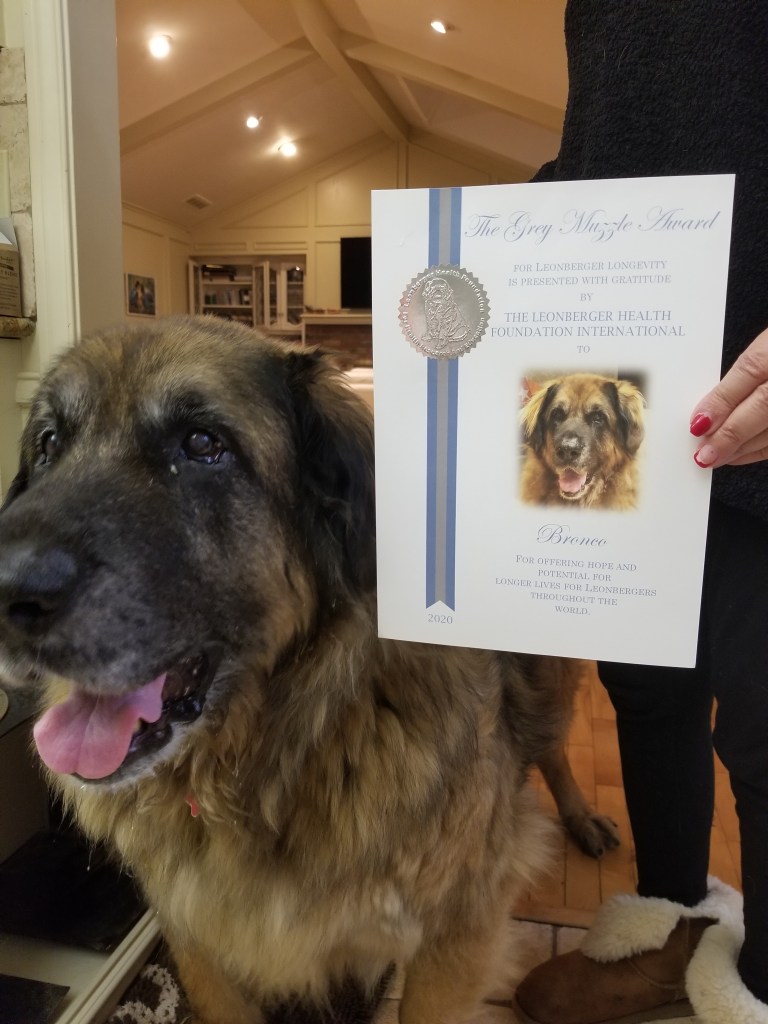
An old Canadian Leonberger called Mak with my book The Life and Times of Le Bronco von der Löwenhöhle. Photo by Debbie Ireland.Like most very large dogs Leonbergers don’t live very long. Our Leonberger Bronco got his Grey-Muzzle award from the Leonberger Health Foundation International for reaching the age of 12 years old and thus giving hope for a longer life to all Leonbergers.
This is a guest post written by Ryan Goodchild. He emailed me asking me if he could publish this post regarding caring for aging Leonberger. I said yes. I am very grateful to Ryan for his contribution. I added the photos. See his post below.
Caring for Aging Leonbergers: Gentle Stewardship for a Noble Breed
Leonbergers are among the most majestic of dogs, gentle giants with deep eyes and a noble temperament. Yet as they age, their impressive size can make the journey into senior years more complex. Providing attentive, structured care can extend both their lifespan and their sense of ease.
Key Takeways
Large breeds like Leonbergers face an earlier onset of joint and heart issues; early detection matters.
Routine, low-impact exercise sustains mobility without strain.
Dietary adjustments can prevent unnecessary weight gain and inflammation.
Organized health tracking improves coordination with veterinarians.
Emotional stability and routine help aging Leonbergers thrive.
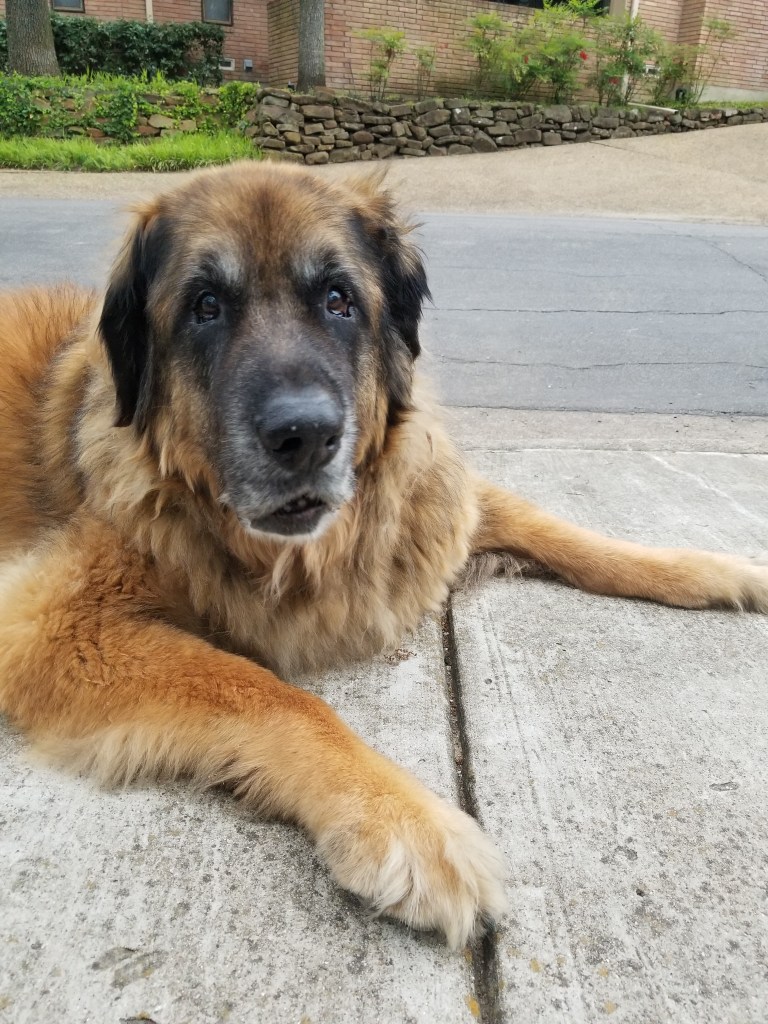
Bronco our Leonberger dog is taking a rest during a walk. He is twelve and a half years old.
Movement, Moderation, and Mindful Play
As Leonbergers age, mobility becomes one of the first visible signs of change. These dogs are stoic by nature, and they’ll often mask discomfort until it’s advanced. Structured daily activity, rather than long or sporadic walks, helps maintain joint lubrication and muscle tone. Before implementing the list below, remember: consistency outperforms intensity in senior dogs.
Short, frequent walks instead of long treks
Gentle swimming or hydrotherapy to maintain strength
Orthopedic support beds to reduce pressure on hips
Warm-ups and cool-downs before and after activity
Avoid stairs and slippery floors
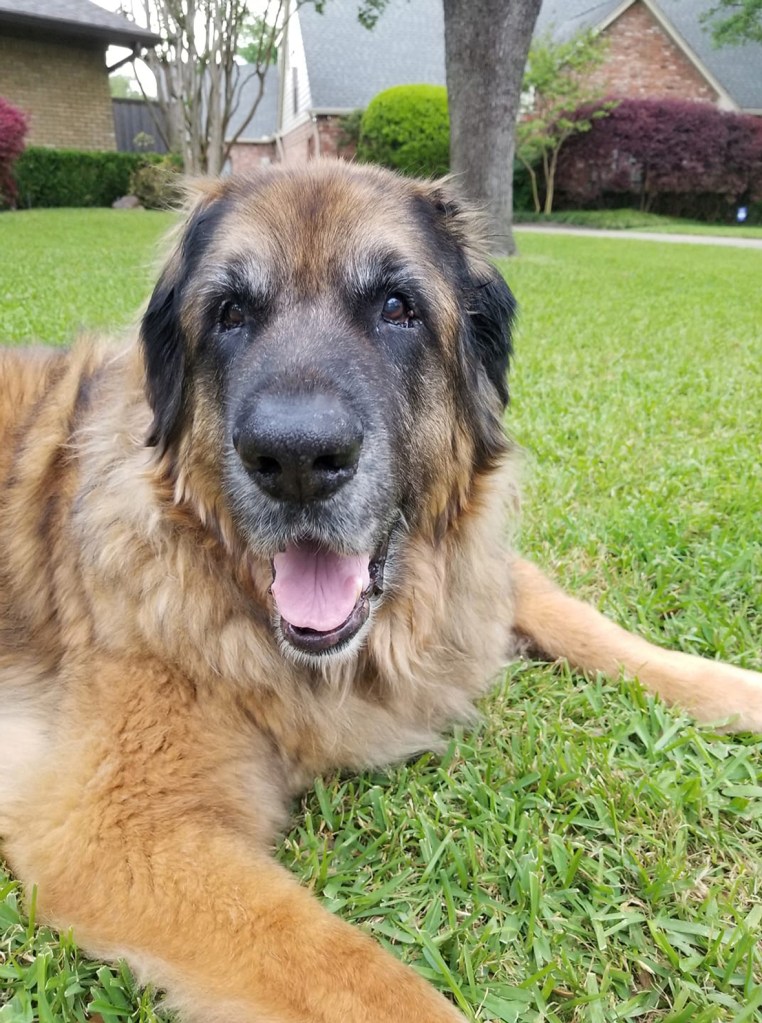
Our Leonberger Bronco taking a resting in the grass in our backyard.
The Nutrition Shift: Balancing Strength and Weight
Proper nutrition is the most controllable lever for supporting your Leonberger’s aging body. Senior diets should favor lean protein, omega fatty acids, and joint-supportive ingredients like glucosamine and chondroitin. Maintaining a stable weight relieves stress on the joints and heart, critical in large breeds prone to orthopedic and cardiac issues.
Before introducing supplements or new foods, ask your vet for metabolic screening. Senior metabolism slows down, and caloric needs can drop by 20–30%.
Our old Leonberger dog Bronco is coming up to me. Maybe it is dinner time.
Organized Health Tracking for Long-Term Comfort
Keeping your Leonberger’s medical and health information in one place transforms how you coordinate care, especially across multiple veterinarians or specialists. When you can easily review past test results, medication schedules, or dietary shifts, you reduce oversight risks and improve continuity of care. Centralized documentation also helps detect subtle changes over time, like gradual increases in kidney markers or weight fluctuations.
For this reason, an online PDF platform like this is worth a look.It offers practical tools to manage your pet’s documents in PDF form, and you can even convert, compress, edit, rotate, or reorder files. Keeping your records as PDFs ensures they’re universally accessible and easily shareable with any vet clinic.
Old Leonberger. Notice the gray muzzle. Stock Photo ID: 1844035084 by Daniel Lesk.
Create a Home Environment That Supports Aging
Leonbergers are emotional creatures, they notice routine disruptions and physical discomforts more than we realize. Making environmental adjustments will enhance both safety and serenity. Here’s a simple how-to checklist to start with:
➢ Schedule consistent feeding, exercise, and sleep times.
➢ Install nonslip rugs or mats along walking paths.
➢ Keep water bowls elevated to reduce neck strain.
➢ Adjust room temperatures; older dogs chill more easily.
➢Use gentle lighting to help those with fading vision.
➢ Offer mental enrichment through scent games or puzzle toys.
Digory and Obi two aging Leonbergers. Notice the grey muzzles. Photo by Jen O’Keefe.
Early Detection Through Routine Screening
Veterinary visits every six months (instead of annually) are invaluable in the senior stage. They allow for the timely detection of thyroid imbalances, early arthritis, and cardiomyopathy, all common in Leonbergers. Blood pressure checks, urinalysis, and cardiac ultrasounds should be part of your preventive plan. Here’s a quick comparison of recommended tests for senior Leonbergers:
Test Type
Frequency
Purpose
Bloodwork & Urinalysis
Every 6 months
Detect organ stress or metabolic changes
Orthopedic Exam
Yearly
Identify joint deterioration early
Echocardiogram
Every 12–18 months
Screen for dilated cardiomyopathy
Dental Cleaning
Every 6–9 months
Prevent systemic inflammation
Weight & Body Condition
Monthly at home
Track obesity risk
Our Leonberger Bronco taking a break during a walk. He is old for a Leonberger. He is 12 years old and 10 months.
Emotional Presence: The Subtle Form of Care
Leonbergers thrive on companionship. As they age, separation anxiety or confusion can intensify, especially if cognitive decline begins. Maintain a calm household rhythm, avoid sudden relocations, and keep them close to family life. The reassurance of your presence often does more for their comfort than any supplement or therapy.
FAQ
How often should I adjust my Leonberger’s diet as they age? Most dogs benefit from a nutritional review every 6–9 months, as caloric and protein needs change. Work with your vet to adjust based on body condition and lab values. Small, incremental changes prevent digestive upset and weight swings.
What’s the right exercise level for an elderly Leonberger? Aim for multiple 10–15 minute walks daily and low-impact play. Overexertion accelerates joint wear, while too little activity causes stiffness and muscle loss. Observe recovery time after walks as your guide.
Can joint supplements really help? Yes, glucosamine, MSM, and omega-3 fatty acids can reduce inflammation and pain when used consistently. Results may take 4–8 weeks, so track improvements patiently. Always choose vet-approved formulations designed for large breeds.
How do I recognize signs of cognitive decline? Look for pacing, confusion, or nighttime restlessness. These signs can mimic anxiety but often stem from age-related cognitive dysfunction. Specialized diets and enrichment can help slow progression.
Is it okay to groom my senior Leonberger as before? Grooming is still essential, but adjust for comfort. Shorter sessions with frequent breaks reduce fatigue and stress. Keep nails trimmed to prevent balance issues and discomfort.
When is it time to consider palliative or hospice care? When daily mobility, appetite, and emotional engagement decline significantly despite treatment, it may be time to focus on comfort. A quality-of-life assessment from your vet can guide compassionate decisions. The goal shifts from curing to easing.
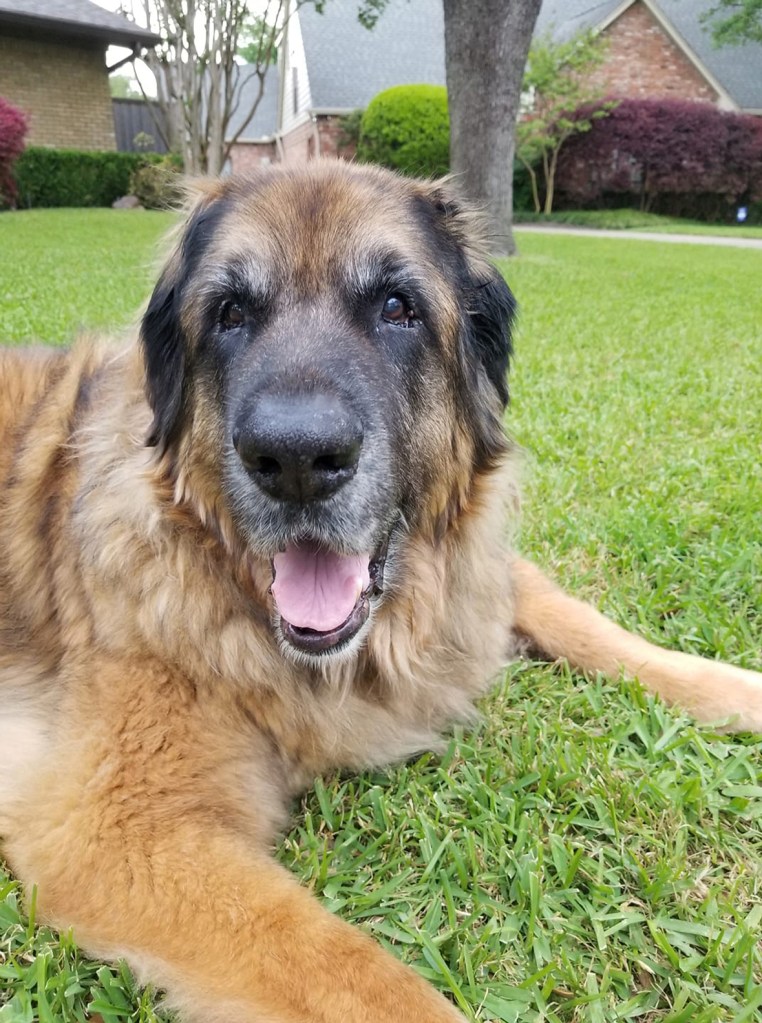
Closeup of old Leonberger Stock Photo ID: 1942925251 by Wirestock Creators.
Conclusion
Caring for an aging Leonberger is both an art and an act of devotion. It’s about more than prolonging life, it’s about enriching every moment your dog still wants to share. With consistent monitoring, gentle activity, and a serene home rhythm, your Leonberger can continue to live with grace, dignity, and the steady comfort of your presence.
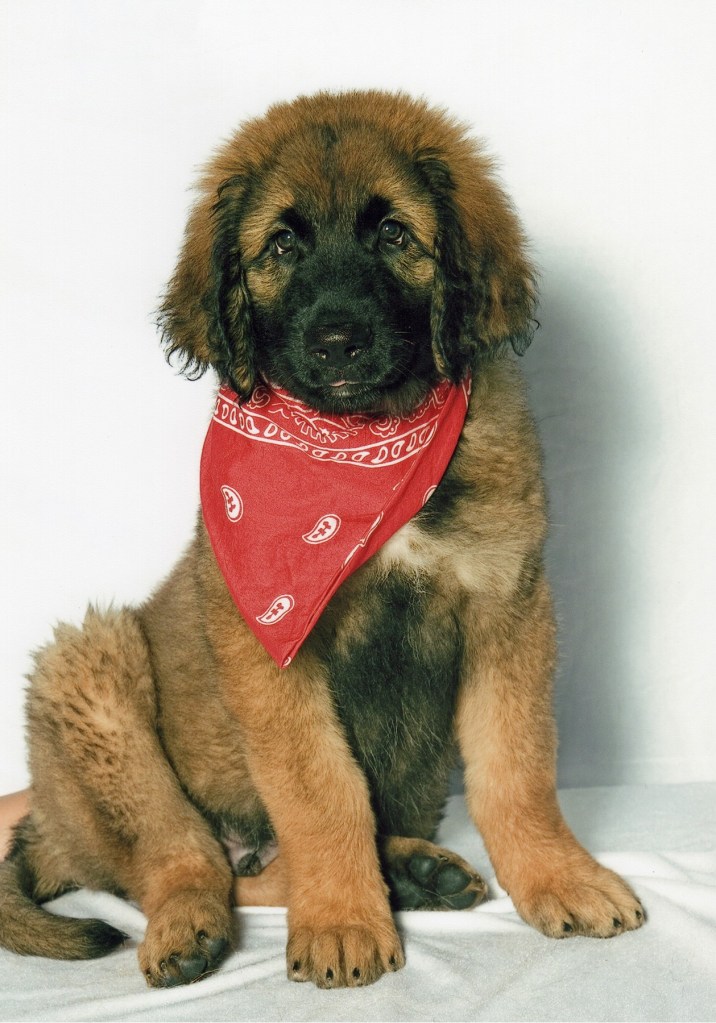
Our Leonberger Le Bronco von der Löwenhöhle (Bronco for short) at the age of three months.Me Thomas Wikman with our Leonberger Bronco when he was about one years old.Our Leonberger Bronco soon to be 13 years old. Leonbergers are large dogs and don’t live as long as small dogs. The typically live 8 to 10 years. However, our Bronco reached the age of 13. He was loving, protective, and brave. The small dogs loved him.
This is a guest post written by Ryan Goodchild. He emailed me asking me if he could publish this post regarding becoming a first time Leonberger Owner . I said yes. See his post below.
Becoming a First-Time Leonberger Owner: What You Need to Know
Owning a Leonberger isn’t just about bringing home a dog—it’s about welcoming a gentle, giant-hearted companion whose loyalty and calm strength will shape your days for years to come. These majestic dogs, known for their intelligence and deep affection, can be both a joy and a challenge for first-time pet owners. This guide will help you understand what to expect and how to set yourself—and your Leonberger—up for success.
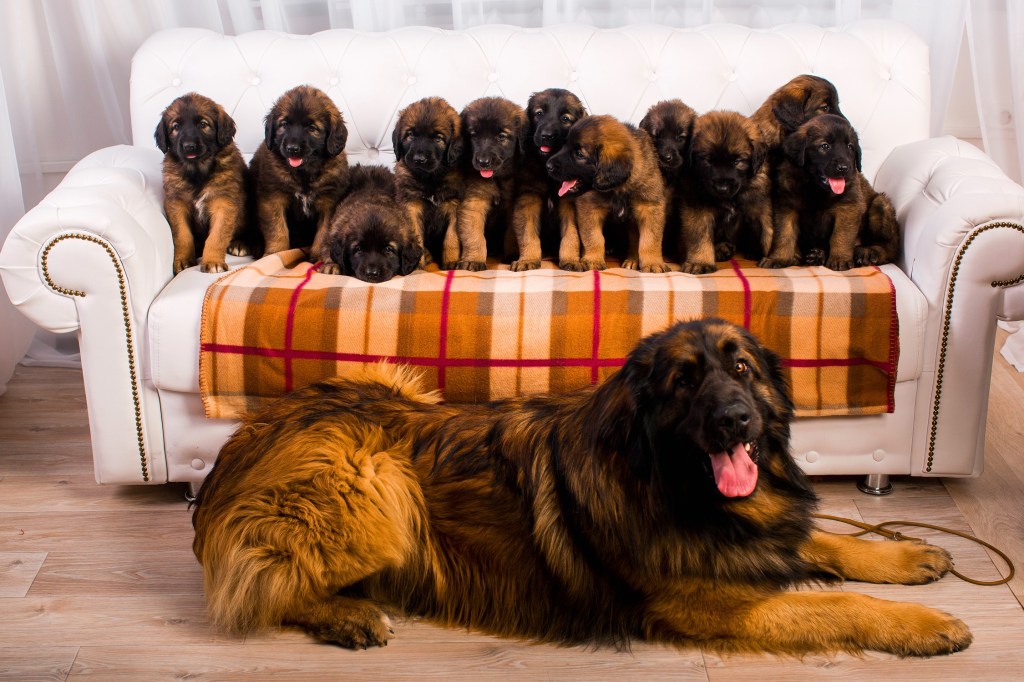
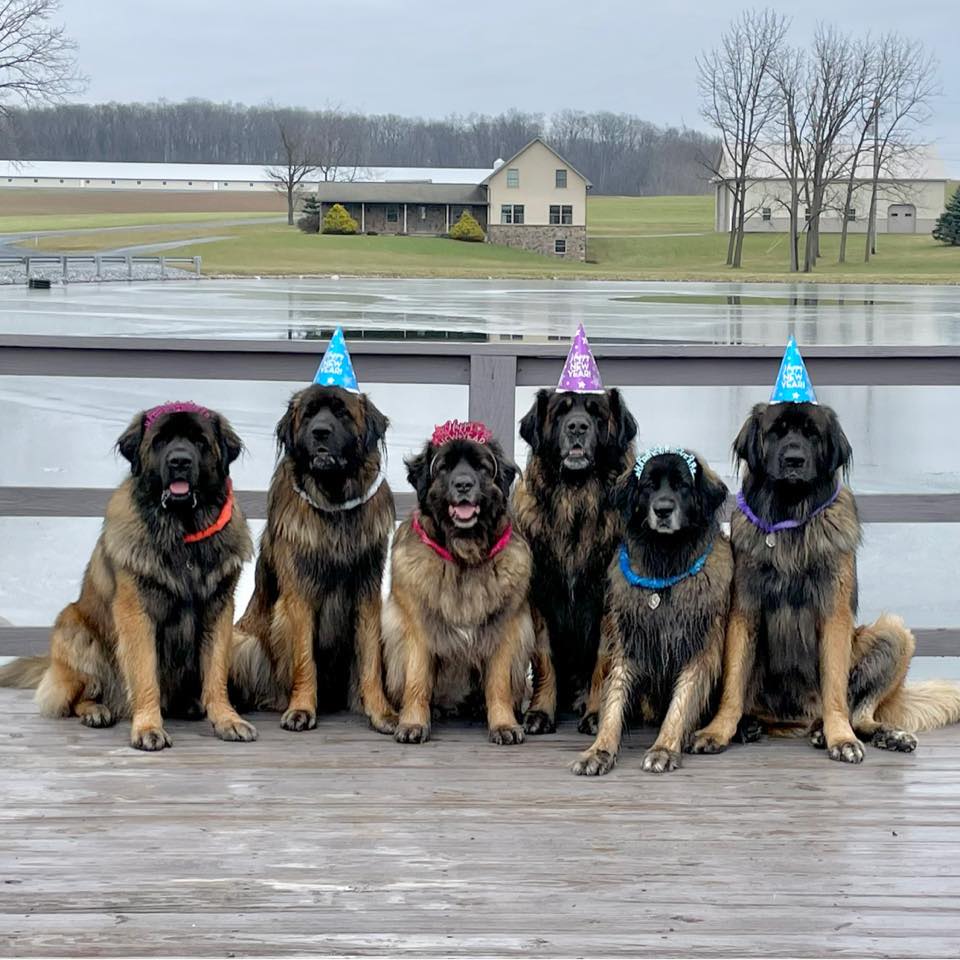
Ten Leonberger puppies with mama. Shutterstock-ID: 561107650 by Akbudak Rimma.Six Leonbergers celebrating a birthday celebration. Photo by Jen O’Keefe.
Quick Essentials This Article Looks At
Leonbergers are massive—males can exceed 170 pounds; space and structure are non-negotiable.
Early socialization and consistent training are critical to keep their size from becoming a liability.
Expect heavy shedding, especially during seasonal “blowouts.”
They thrive on human interaction and suffer if left alone for long periods.
Regular vet care, high-quality food, and joint supplements can prevent costly long-term health issues.
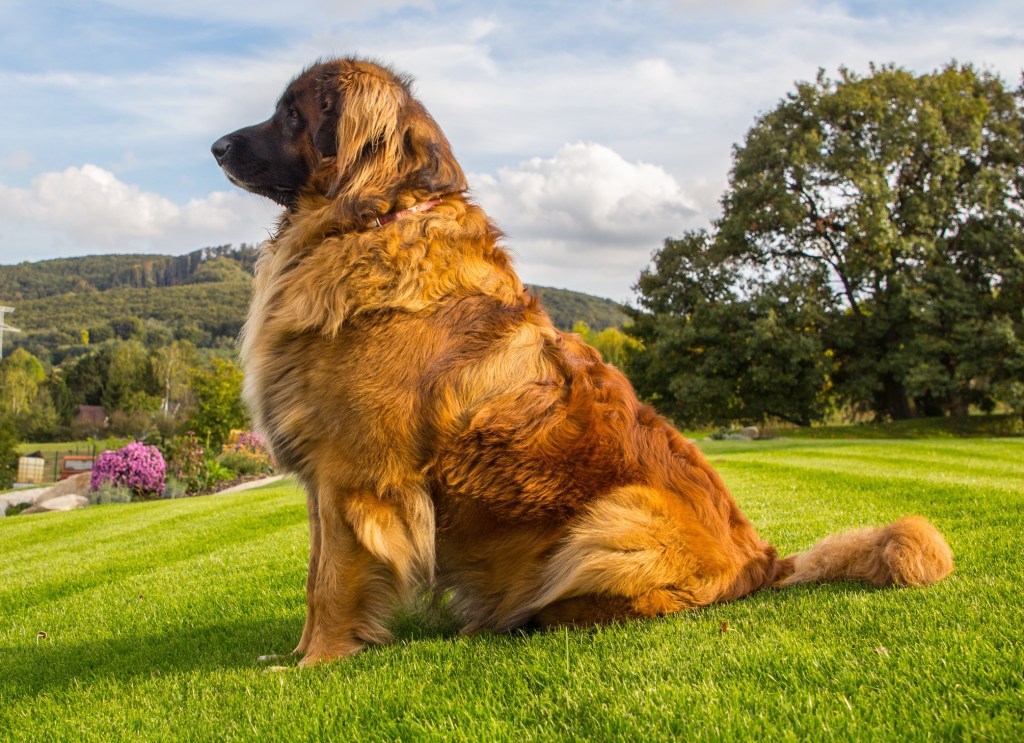
Mature big Leonberger Stock Photo ID:731020957 by Peter Josto.
Understanding the Leonberger Temperament
Leonbergers are affectionate, patient, and famously good with children. Originally bred as family and working companions, they balance strength with serenity. However, their intelligence means they need mental stimulation and clear boundaries; without it, boredom can lead to destructive behavior.
A Few Core Traits to Remember:
Gentle yet strong: They rarely display aggression but need confident leadership.
Social by nature: Isolation leads to stress and behavioral issues.
Sensitive to tone: Harsh correction will break trust—positive reinforcement works best.
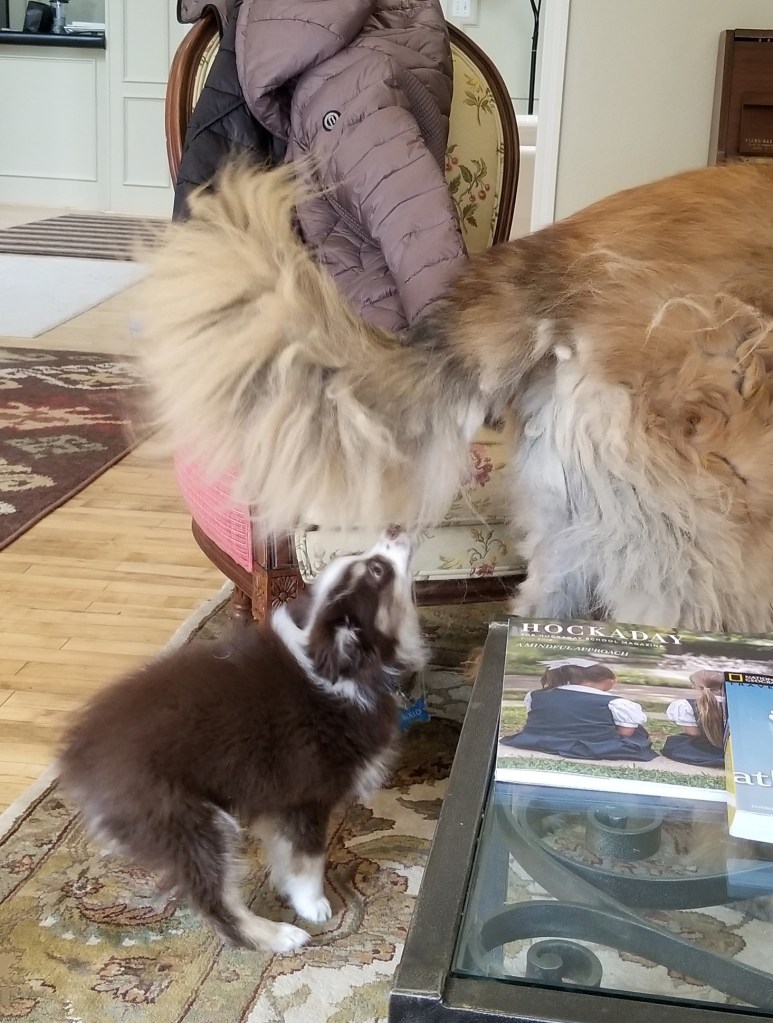
Our rambunctious Rollo mini-Australian Shepherd is biting Bronco’s tail. One time Rollo swung in his tail as if it was a swing. Bronco was very patient.
Health and Nutrition at a Glance
Leonbergers grow rapidly and live, on average, 8–9 years. Their size makes them prone to joint, heart, and bone issues, so proactive care is crucial.
Here’s a snapshot of what to focus on:
Concern
What to Watch
Preventive Actions
Hip & Elbow Dysplasia
Limping, stiffness
Keep weight balanced, feed joint-support diets
Bloat (Gastric Torsion)
Restlessness, distended belly
Feed smaller meals, avoid heavy exercise after eating
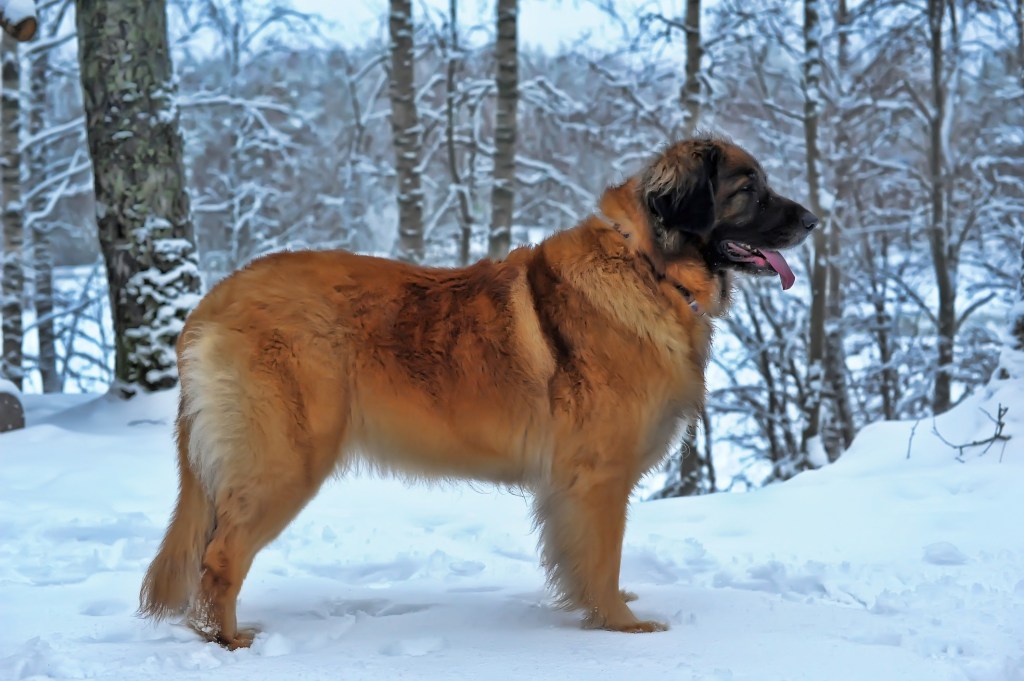
A healthy Leonberger. Shutter Stock Photo ID:705193912 by Anna Krivitskaya.
Creating a Home That Fits a Leonberger
A small apartment won’t do—Leonbergers need space to stretch, play, and move freely. A secure, fenced yard is ideal. Indoors, they’ll happily curl up near you, but their size means you’ll need to Leonberger-proof your space.
How to Prepare Your Home:
Create a soft resting area to protect joints.
Secure gates and doors—they can easily push through flimsy barriers.
Keep breakables out of tail range.
Use large, non-slip bowls for food and water.
Our Leonberger Bronco sleeping on our big red leather sofa.
Grooming and Maintenance: Managing the “Fur-nado”
Leonbergers have a double coat that requires regular maintenance. Weekly brushing helps, but during shedding season, daily sessions are best. Baths every 6–8 weeks will keep their coat clean and odor-free.
Grooming Checklist
Before shedding season hits, stock up on these essentials:
Undercoat rake and slicker brush
High-velocity dryer (optional but effective)
Gentle dog shampoo and conditioner
Nail clippers and ear-cleaning solution
Keeping up with grooming not only reduces hair around the house but also strengthens your bond with your dog.
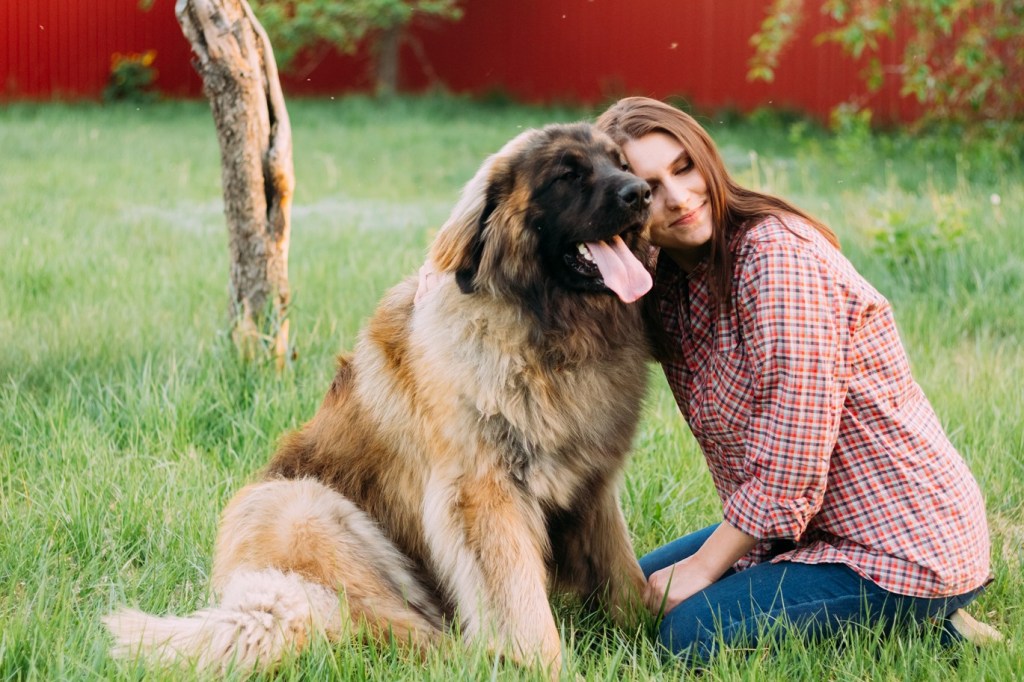
A woman and her Leonberger dog. Asset id: 1741753382 by Elena Podrezenko
How to Keep Your Pet Records Organized
First-time owners often underestimate the amount of documentation involved—vaccination records, microchip details, adoption papers, and vet receipts. To make things easier, convert documents to PDF and store them digitally.
Using a reliable online tool lets you organize every file in one place, ensuring quick access during vet visits or emergencies.
Creating a labeled folder for your Leonberger’s records—medical, training, and nutrition—will save time and prevent misplaced paperwork later.
Training Your Leonberger: Building a Confident Giant
Leonbergers are highly trainable but easily bored by repetition. Their size makes obedience a must—start early, keep sessions short, and make them engaging. Reward-based methods build trust faster than dominance-based tactics.
Quick Training Guide:
Start with basics: Sit, stay, come, down.
Socialize early: Introduce new sights, people, and other pets gradually.
Teach calm leash behavior: Their strength can easily overwhelm a novice handler.
Practice recall: A reliable recall can prevent accidents.
Leonbergers are eager to please and thrive when training feels like teamwork rather than command and control.
The First-Year Readiness Checklist
Owning a Leonberger for the first time is as rewarding as it is demanding. Before bringing one home, make sure you can check most of these boxes:
How-To Checklist: Your First-Year Essentials
Register with a trusted veterinarian
Choose a large-breed-specific diet and feeding schedule
Keep vaccination and health records digitally organized
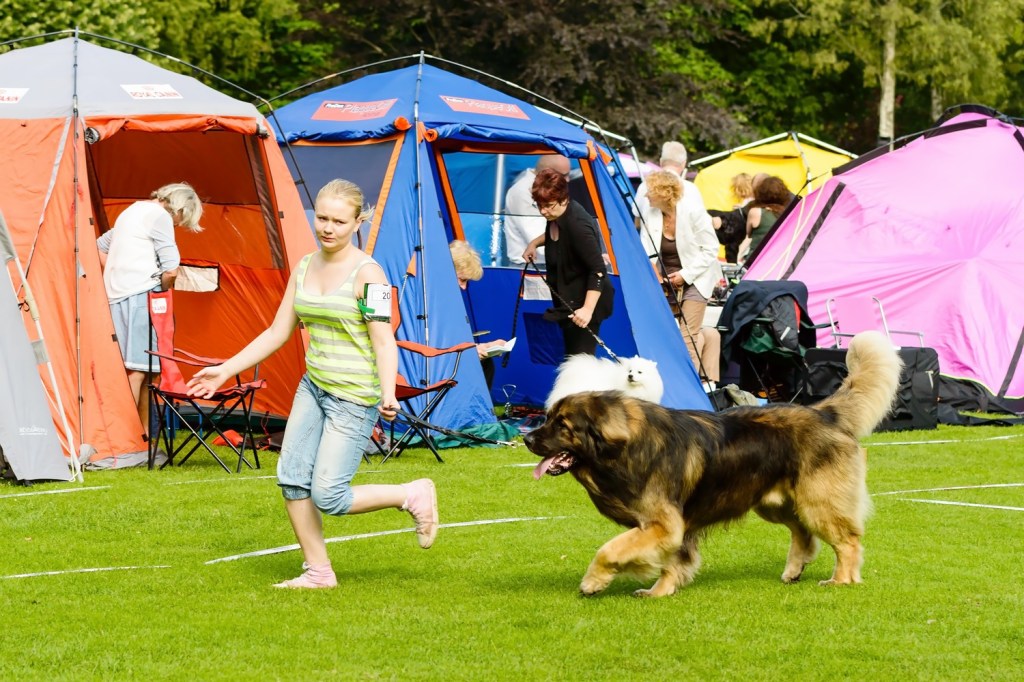
RONNEBY, SWEDEN – JULY 05, 2014: Blekinge Kennelklubb international dog show. A Leonberger dog and a female handler running in a show ring. Asset id: 204221011 by Imfoto
“Big-Paw” Questions: FAQ for Future Leonberger Owners
Here are some of the most common concerns new owners have—answered clearly and concisely.
The New Owner’s FAQ: “From Puppy to Gentle Giant”
1. How much exercise does a Leonberger need? At least an hour a day of moderate activity is ideal. Puppies should avoid high-impact exercise until growth plates close (around 18 months) to protect joints.
2. Are Leonbergers good with other pets? Yes. They’re naturally tolerant, but early introductions and supervised interactions are important, especially with smaller animals they could accidentally knock over.
3. How expensive are they to maintain? Expect higher costs than smaller breeds. Quality food, grooming, and vet care can average $2,000–$3,000 annually—not including emergencies or travel crates.
4. Do they drool? Some do, especially after drinking water. Keep absorbent towels handy near their bowls or favorite resting spots.
5. What should I look for in a breeder or adoption center? Choose one that conducts health testing for hips, eyes, and heart, and offers transparency about lineage. Ethical breeders prioritize temperament and health over appearance.
6. Can Leonbergers live in warm climates? Yes, but with precautions—limit outdoor activity in high heat, provide ample shade and water, and avoid midday walks.
Building a Lifelong Bond
Becoming a Leonberger owner means embracing responsibility and reward in equal measure. These dogs will fill your home with love, hair, and joy—often in that order. Plan carefully, train consistently, and nurture their gentle nature with patience and respect. The more you invest in understanding your Leonberger, the more they’ll return in loyalty and affection that few breeds can match.
Whether this is your first pet or your first giant breed, remember: structure and affection go hand-in-hand. With preparation and heart, your Leonberger won’t just live with you—they’ll thrive because of you.
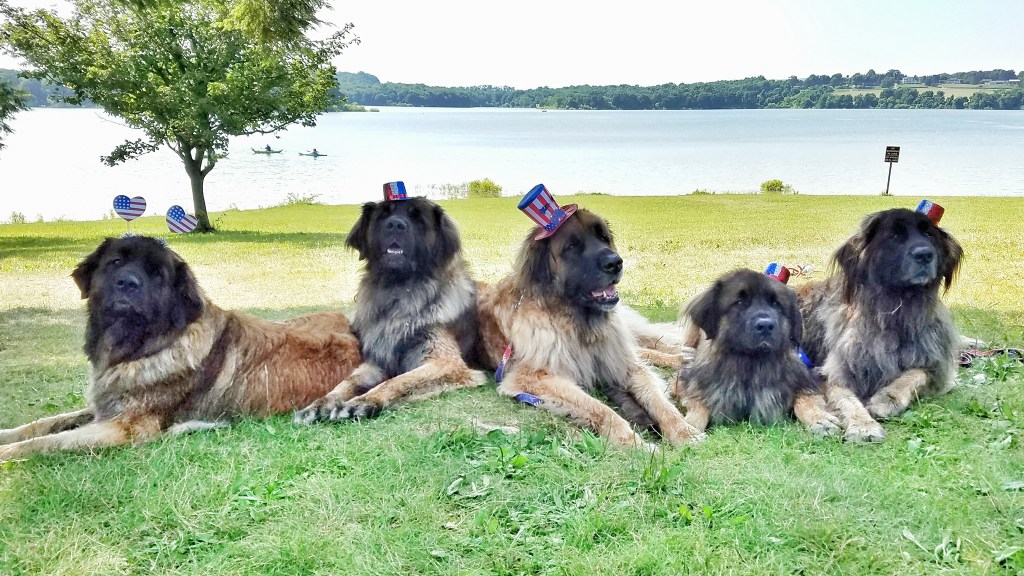
This photo was provided by Jen O’Keefe, Urgent Animal Care of Arlington. From left to right; Obi, Delfi, Aslan, Gryphon, Digory.
This is a guest post written by Sara M. from Sanitair LLC. She emailed me asking me if she could publish this post regarding opening a Indoor air quality for pets. I said yes. See her post below.
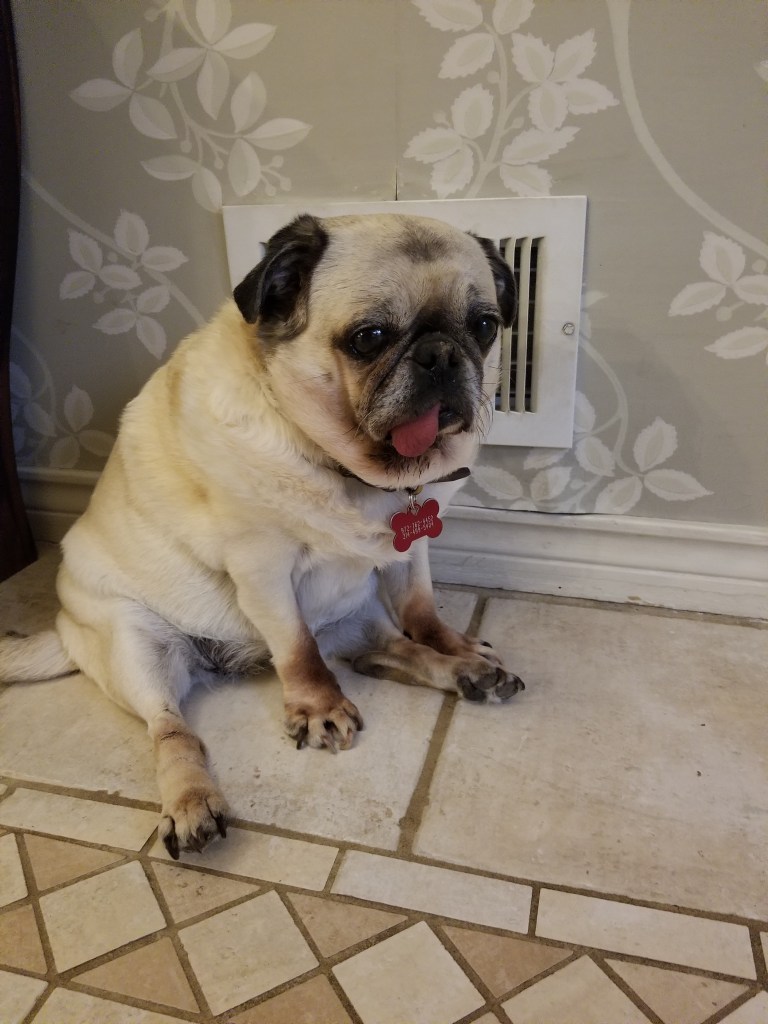
Daisy our Pug loved sitting in front of vents because of the heat in winter and the cool air in summer. Hopefully, the air was healthy.
I can add that we had our ducts cleaned a couple of months ago. It is good thing to do for yourself and for your pets.
The Ultimate Pet Owner’s Guide to Indoor Air Quality
Introduction
As a pet owner, you know the joy and companionship that furry friends bring into your life. Their playful antics, affectionate nuzzles, and loyal presence make every day brighter. However, pets also bring certain responsibilities that extend beyond feeding, grooming, and playtime. One critical aspect of pet care that is often overlooked is indoor air quality. The environment your pet lives in can significantly impact their health, comfort, and overall wellbeing.
Poor air quality can exacerbate allergies, trigger respiratory problems, and even contribute to long-term health issues for both pets and humans. With pets spending most of their time indoors, maintaining clean, fresh air is essential to support pet health and create a safe living environment. In this guide, we will explore how indoor air quality affects your pets, practical steps to improve it, and strategies to prevent airborne irritants in your home.
1. How Indoor Air Quality Impacts Pet Health
Indoor air can contain pollutants that affect pets in ways similar to humans. Common indoor pollutants include dust, pet dander, pollen, mold spores, smoke, and volatile organic compounds (VOCs) from household cleaners or furniture. Pets are often closer to the ground, which means they inhale particles that settle on floors and carpets, making them particularly vulnerable to airborne irritants.
Respiratory issues are among the most common consequences of poor air quality in pets. Cats, dogs, and small mammals may develop coughing, sneezing, nasal discharge, or labored breathing if exposed to irritants over time. Pets with pre-existing conditions, such as asthma in cats or brachycephalic dog breeds, are even more sensitive.
In addition to respiratory effects, pollutants can trigger skin irritation and exacerbate allergies. Fluffy coats can trap dust and dander, which not only irritates pets’ skin but can also circulate allergens throughout your home. Long-term exposure to poor air quality may even weaken the immune system, making pets more susceptible to infections.
By understanding how indoor air quality influences pet health, you can take proactive steps to minimize risks and promote a safer, cleaner environment for your furry companions.
2. Sources of Indoor Air Pollution in Homes With Pets
To improve air quality, it is important to first identify potential sources of indoor pollutants in pet-friendly households. Common contributors include:
Pet Dander and Hair: Pet hair alone is not harmful, but it often carries dander, a common allergen. Dander is tiny, lightweight, and easily airborne, allowing it to circulate throughout your home.
Dust and Dirt: Pets can bring in dust, pollen, and other particles from outside on their paws and fur. Over time, this accumulates and becomes a source of indoor pollution.
Mold and Mildew: Pets can create moist areas, especially around water bowls, litter boxes, or damp bedding. Mold spores thrive in these conditions and contribute to poor air quality.
Cleaning Products and Fragrances: Many pet owners use chemical cleaners, air fresheners, or scented candles to maintain hygiene. These products release VOCs, which can irritate the respiratory system of both pets and humans.
Smoking Indoors: Secondhand smoke is a serious hazard for pets. Studies have linked tobacco smoke exposure to respiratory illnesses, cancer, and a higher risk of certain diseases in animals.
HVAC Systems: Dust and debris can accumulate in ducts and filters, which may circulate pollutants throughout the home if not properly maintained. Regular maintenance and occasional duct cleaning can help reduce this risk.
Identifying these sources is the first step toward reducing indoor pollutants and improving air quality for your pets.
3. Practical Strategies to Improve Indoor Air Quality
Once you know the sources of pollutants, implementing strategies to maintain clean air becomes more effective. Here are some practical approaches:
Regular Grooming and Cleaning: Frequent brushing removes loose hair and dander, reducing airborne particles. Bathing pets occasionally also helps, but avoid over-bathing, as it can dry out the skin. Vacuuming carpets, rugs, and upholstery using a vacuum with a HEPA filter is essential for trapping fine particles.
Air Filtration Systems: High-efficiency particulate air (HEPA) filters are highly effective at capturing pet dander, dust, pollen, and other airborne pollutants. Air purifiers can be placed in rooms where pets spend the most time to ensure constant filtration.
Proper Ventilation: Good airflow helps prevent pollutants from accumulating indoors. Open windows when weather permits, or use exhaust fans in bathrooms and kitchens to reduce humidity and mold growth.
Humidity Control: Maintaining indoor humidity between 30 to 50 percent can help reduce allergens and prevent mold. Dehumidifiers or humidifiers can be used depending on your climate to maintain an optimal balance.
Non-Toxic Cleaning Solutions: Choose pet-safe, fragrance-free cleaners to minimize VOCs. Avoid aerosol sprays or air fresheners that can irritate your pet’s lungs.
Designated Pet Areas: Establish specific areas for feeding, sleeping, and playing. Wash bedding regularly and clean litter boxes daily to prevent odors and bacteria from affecting air quality.
Implementing these strategies consistently will not only improve air quality but also contribute to a healthier, happier home for both pets and humans.
4. Monitoring and Maintaining Air Quality
Maintaining optimal air quality is an ongoing effort. Monitoring your indoor environment helps you identify potential problems before they affect your pets’ health.
Air Quality Monitors: Consider using digital monitors to track particulate matter, humidity, and VOC levels in your home. Some devices provide alerts if pollutants rise above safe levels, allowing you to act quickly.
Regular Cleaning Schedule: Establish a routine for vacuuming, dusting, and washing pet bedding. Clean or replace HVAC filters as recommended by the manufacturer, and schedule duct cleaning occasionally to remove trapped debris.
Pet-Safe Plants: Certain indoor plants can help filter toxins naturally, but be sure to choose species that are non-toxic to pets. Some popular options include spider plants, Boston ferns, and bamboo palms.
Professional Advice: If your pet shows signs of respiratory issues, allergies, or skin irritation, consult a veterinarian. They can provide guidance on environmental adjustments and recommend interventions to protect your pet’s pet health.
By actively monitoring and maintaining your home’s air quality, you can prevent long-term health issues and create a comfortable environment where your pets can thrive.
Conclusion
Indoor air quality is a crucial but often overlooked aspect of pet care. From reducing allergens and irritants to ensuring proper ventilation and using air purifiers, every step counts toward improving your pet’s living environment. Maintaining clean, fresh air supports pet health, reduces respiratory and skin issues, and contributes to a happier, healthier home.
Start with small, consistent changes such as regular grooming, vacuuming, and using HEPA filters, and gradually incorporate more advanced strategies like monitoring devices and humidity control. Remember, a home with clean air benefits not only your pets but everyone living in it.
This is a Leonberger blog but sometimes I post about books that are not about Leonbergers but that are books that I love and want to promote. This is another one of those. I recently read “How Beautiful We Were” by Imbolo Mbue an author from Cameroon. It is a novel about Africans who had their land taken away by a dictatorial regime and given to a petroleum company called Pexton. They are being poisoned and oppressed and then massacred when they protest. It is a dark but hopeful tale. I read the hardcover version of the book.
It is fiction; however, the story is inspired by the author’s own experiences. The story is especially influenced by the struggle of the Ogoni people in Nigeria who had their land impacted and exploited for oil by Shell and the Nigerian government. They protested peacefully but were met with violence. I did not mention this information in my Amazon review. Based on my experience I am pretty sure Amazon would not have accepted a review for a novel that mentioned names of real corporations and people. However, I can say it here.
Protest in Washington, D.C. against the killing of Saro-Wiwa and others, November 1995. Elvert Barnes from Silver Spring MD, USA, CC BY-SA 2.0 <https://creativecommons.org/licenses/by-sa/2.0>, via Wikimedia Commons.
Hardcover– Publisher : Random House (March 9, 2021), ISBN-10 : 0593132424, ISBN-13 : 978-0593132425, 384 pages, Item Weight : 1.3 pounds, dimensions 6.3x 1.2 x 9.5 inches, it cost $11.95 on US Amazon. Click here to order it from Amazon.com.
Paperback – Publisher : Random House Trade Paperbacks (February 1, 2022), ISBN-10 : 0593132440, ISBN-13 : 978-0593132449, 384 pages, Item Weight : 2.31 pounds, dimensions 5.1 x 0.82 x 7.98 inches, it cost $10.10 on US Amazon. Click here to order it from Amazon.com.
Kindle – Publisher : Random House (March 9, 2021), ASIN : B07XN8W4BC, ISBN-13 : 978-0593132432, 364 pages. It is currently 8.99 on Amazon.com. Click here to order it from Amazon.com.
Audibook – Publisher : Random House (March 9, 2021), ASIN : B081K5518W, Listening Length : 14 hours and 7 minutes. It is currently 0.99 on Amazon.com with membership. Click here to order it from Amazon.com.
Front cover of How Beautiful We Were by Imbolo Mbue. Click here or the picture to visit the Amazon.com page for the hardcover version of the book.
Amazon’s description of the book
A fearless young woman from a small African village starts a revolution against an American oil company in this sweeping, inspiring novel from the New York Times bestselling author of Behold the Dreamers.
ONE OF THE TEN BEST BOOKS OF THE YEAR: The New York Times, People • ONE OF THE BEST BOOKS OF THE YEAR: The New York Times Book Review, The Washington Post, Esquire, Good Housekeeping, The Christian Science Monitor, Marie Claire, Ms. magazine, BookPage, Kirkus Reviews
“Mbue reaches for the moon and, by the novel’s end, has it firmly held in her hand.”—NPR
We should have known the end was near. So begins Imbolo Mbue’s powerful second novel, How Beautiful We Were. Set in the fictional African village of Kosawa, it tells of a people living in fear amid environmental degradation wrought by an American oil company. Pipeline spills have rendered farmlands infertile. Children are dying from drinking toxic water. Promises of cleanup and financial reparations to the villagers are made—and ignored. The country’s government, led by a brazen dictator, exists to serve its own interests. Left with few choices, the people of Kosawa decide to fight back. Their struggle will last for decades and come at a steep price.
Told from the perspective of a generation of children and the family of a girl named Thula who grows up to become a revolutionary, How Beautiful We Were is a masterful exploration of what happens when the reckless drive for profit, coupled with the ghost of colonialism, comes up against one community’s determination to hold on to its ancestral land and a young woman’s willingness to sacrifice everything for the sake of her people’s freedom.
This book is the story of the traditional animists people of Kosawa a fictional village in Africa. Their land has been given to an American oil company called Pexton by His Excellency, the cruel dictator of the unnamed country where they live. They continue living on their land, but oil spills, chemical spills, and accidents ruin the soil, kill their crops, and kills their children. They suffer terribly but at first, they just try to plead with Pexton but as things get worse, they begin protesting and eventually they take more forceful action. His Excellencies soldiers respond with extreme cruelty and massacres. News reports in western media about the situation are called fake news by His Excellency and his government. Their situation seems hopeless but Thula the daughter of Sahel who is an educated woman organize an uprising.
Over 2-3 generations we follow the lives of the villagers of whom several act as narrators for the story including Bongo, Sahel, Thula, Yaya, Juba and the children. We see the events through their eyes. There are also letters from some of them which carry the narrative. You really get to know the main characters well and you empathize and care for them. I felt like I knew them, their good sides and their weaknesses. In other words, the character development was excellent. The villagers were often superstitious. However, not only did that element add authenticity, there are a lot of superstitions here in the west that’s widely accepted, such as astrology and homeopathy.
Imbolo Imbue is a great author and she is a great storyteller who writes beautiful lyrical prose filled with emotion. Even though this is a fictional story it is inspired by real events that the author witnessed in her native country. It became obvious to me that much of what she was writing about was experienced. The book was sad, many people died, often cruel deaths, and there were torture, rapes, and children dying. On the other hand, the book was also hopeful, and the action was fast paced and suspenseful. It was a mesmerizing and perhaps a shocking story.
In summary, this book is captivating, emotive and beautifully written. It tells a gripping and authentic story despite being fiction. It feels real and it opens your eyes to the struggles of victims of oil exploitation. I loved this book and I highly recommend it.
Back cover of How Beautiful We Were by Imbolo Mbue. Click here or the picture to visit the Amazon.com page for the paperback version of the book.
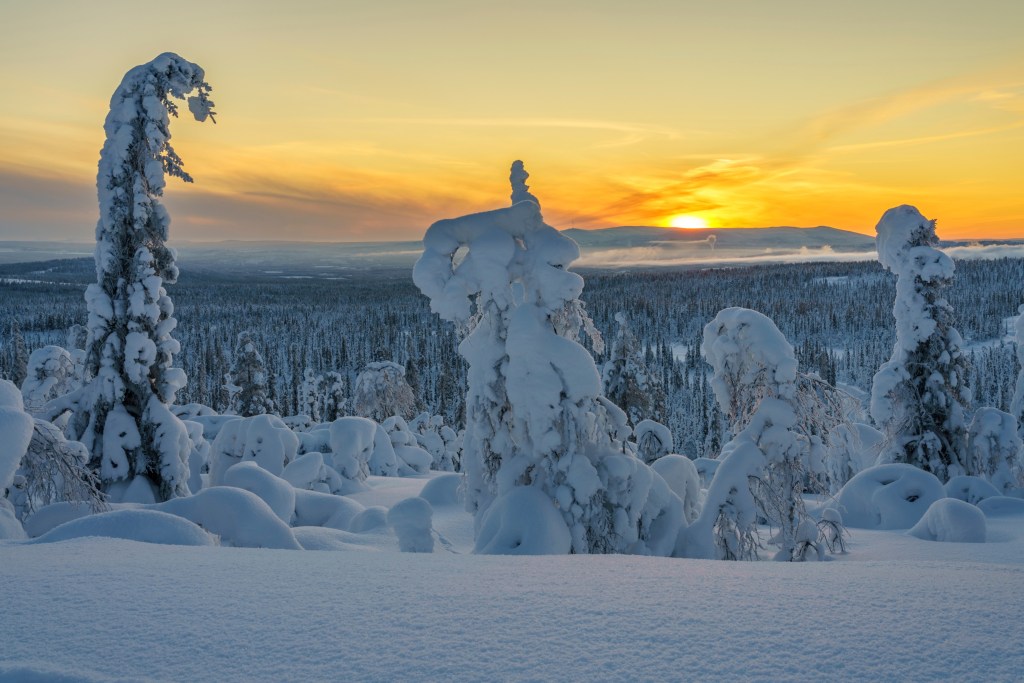
I grew up in northern Sweden (Norrland), which means that I saw a lot of snow. I loved playing in the snow, building snow castles, snow tunnels, throwing snowballs, building snowmen, going sledding and going cross country skiing. I don’t remember being cold. I had warm clothes on, and I often stayed out very late playing in the snow. Now I live in Texas where snow is very rare.
Snow on the trees, Gällivare county, Swedish Lapland, Sweden Shutterstock Asset id: 2035482680 by Mats LindbergCross country skiing in Sweden Shutterstock Asset id: 1888204651 by Henrik A. Jonsson
Later in life, maybe at the age of 12-13 I also started doing downhill skiing / slalom. We had four ski resorts close to my hometown Örnköldsvik. I can add that the snow packed northern forests can be very beautiful. Northern Sweden is also a very dark place in winter, being close to or above the arctic circle. Therefore, I also watched some spectacular night skies and auroras from my snow castles. The Milky Way and even the Andromeda Galaxy were visible. One time as I was sitting in the snow, I saw a very large meteor moving across the sky. It had a tail of fire and was not moving too fast. I believe I could see the piece of rock, but I am not sure. In any case, it put up a show.
Milky way sky on dark background, and a lot of stars. Spectacular night sky in the polar winter. Asset id: 2524020369 by MR.PRAWET THADTHIAMAurora Borealis are often spectacular in the polar regions, especially during the polar night. Asset id: 2499746583 by HappyVibeArt
Unfortunately, according to my brother, this winter my hometown Örnsköldsvik did not have snow for Christmas. According to Science Daily the data from weather stations in northern Sweden indicates that the snow season has decreased by over two months in a 30-year span and according to the National Library of Medicine the cold season in northern Finland (next doors) has gotten warmer with reduced snow cover. This is quite noticeable and the reindeer are suffering as a result.
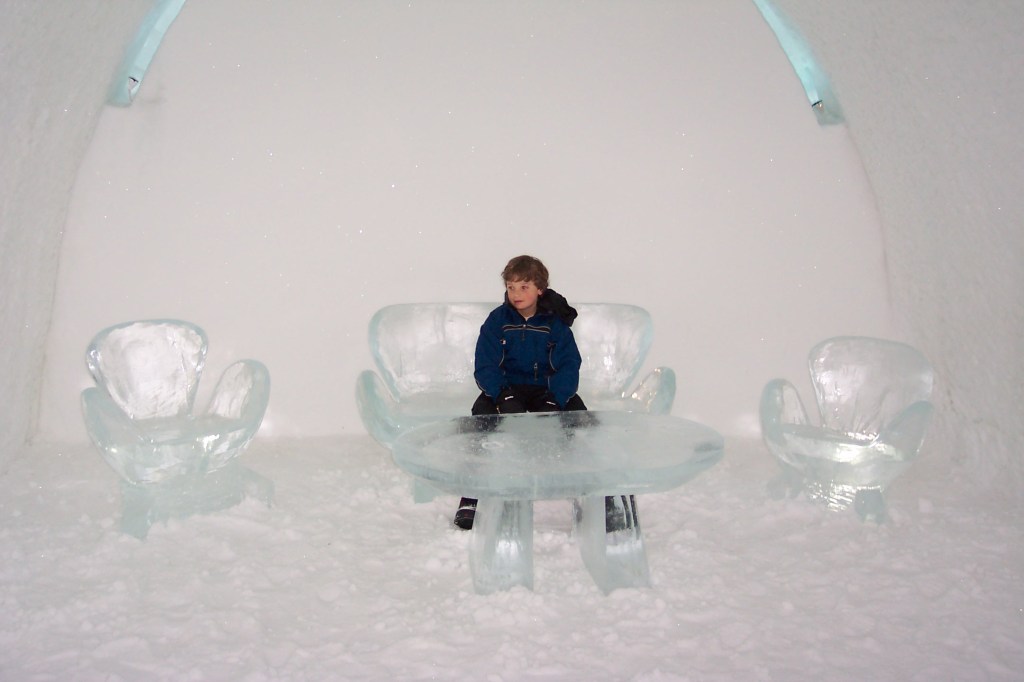
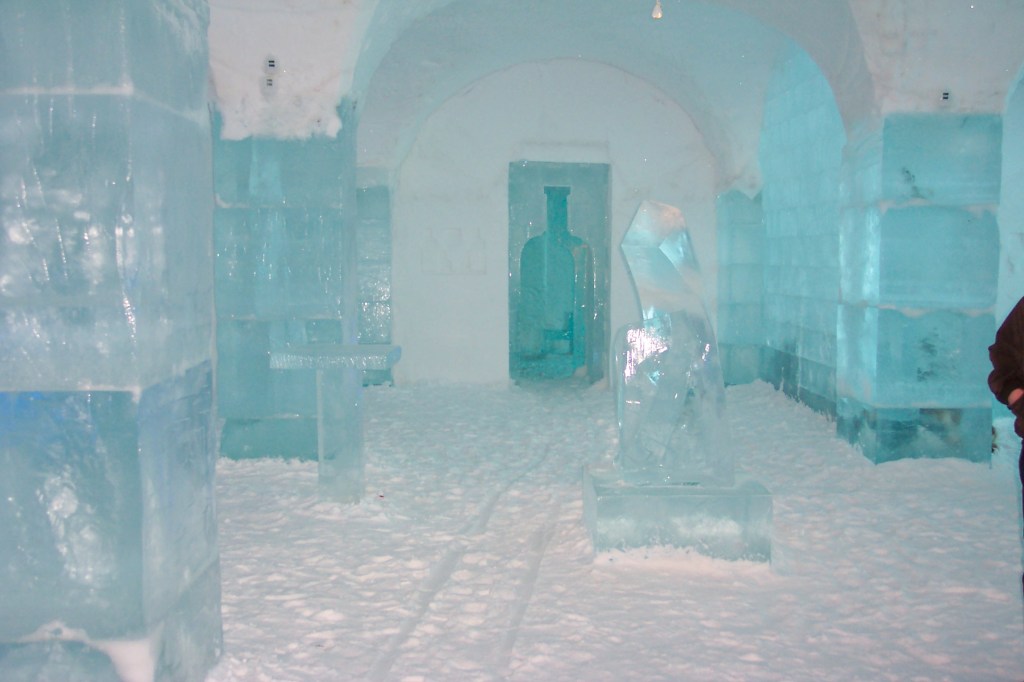
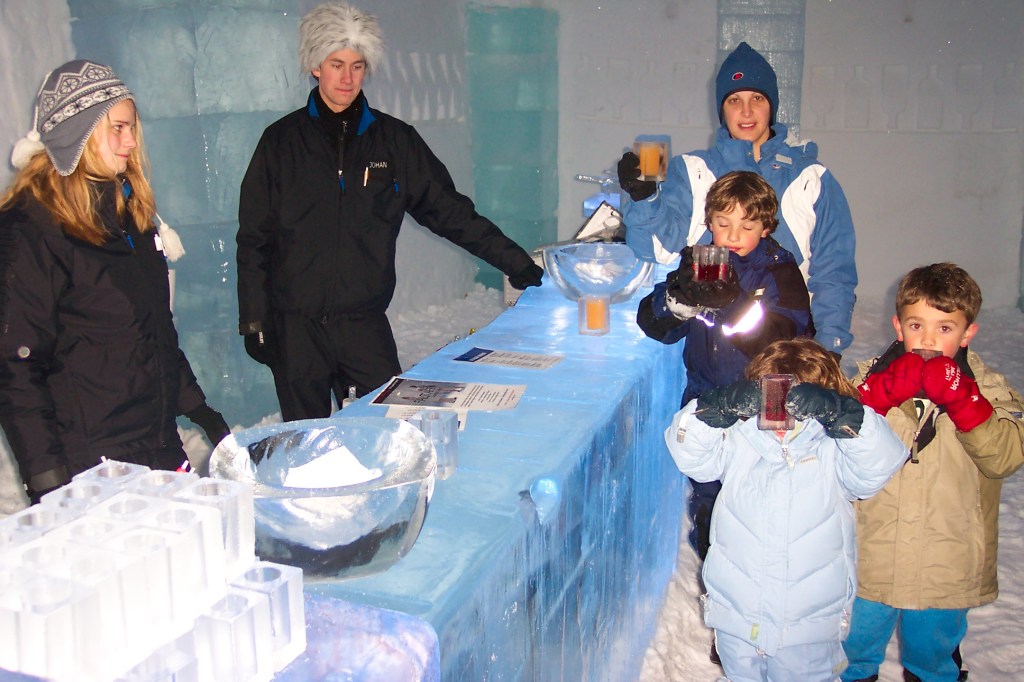
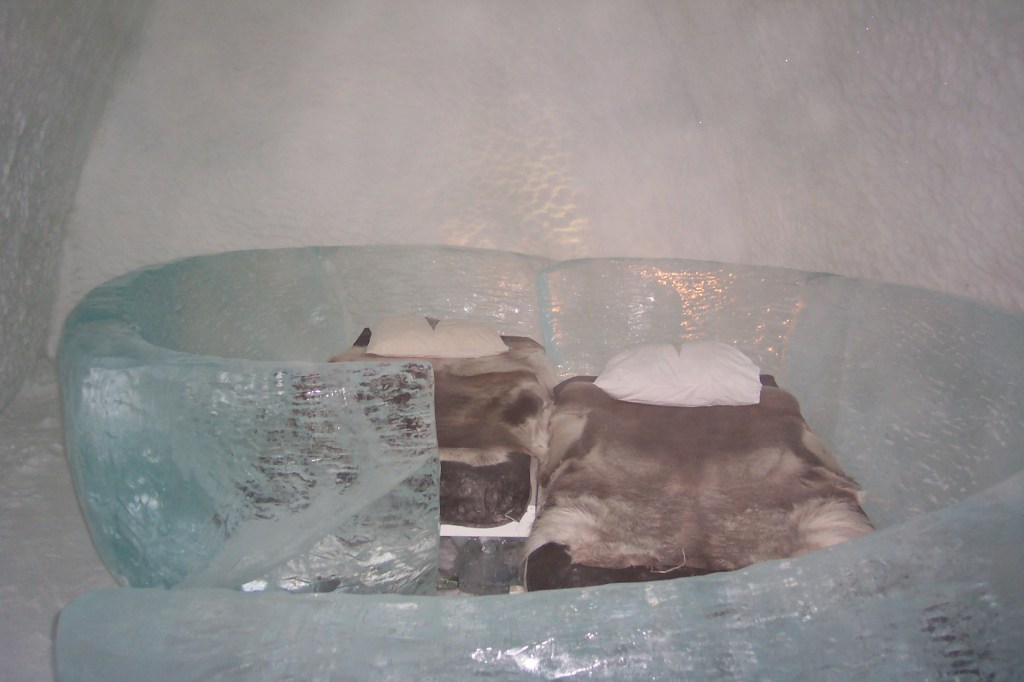
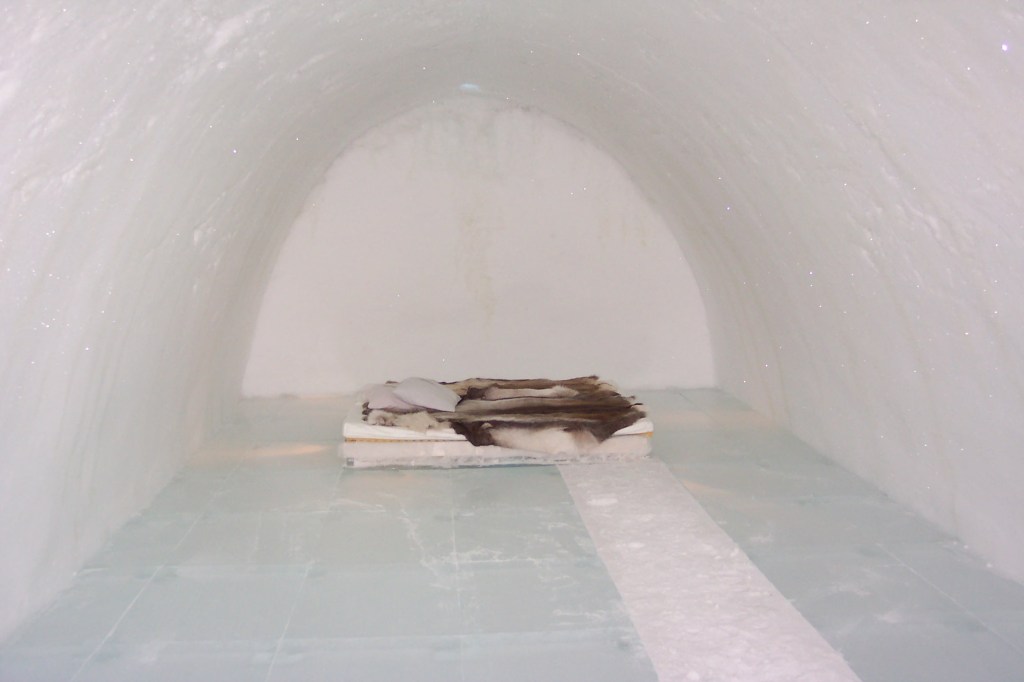
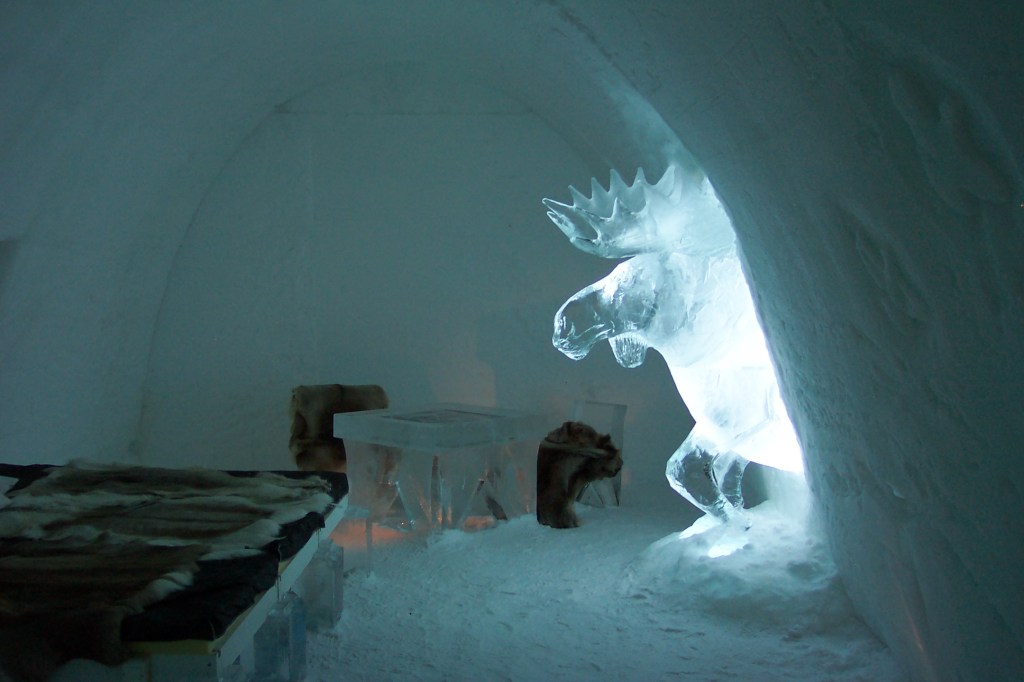
I should say that Jukkasjärvi is located north of the arctic circle and is typically very cold in winter. However, you sleep in very warm sleeping bags on top of ice blocks covered by reindeer hides. The ice hotel itself does not have any bathroom, but they have an adjacent wood building with bathrooms and showers. They also have rooms for people who don’t want to sleep in a cold ice room. We visited the ice hotel in Jukkasjärvi as a family in 2004 and I took a lot of photos.
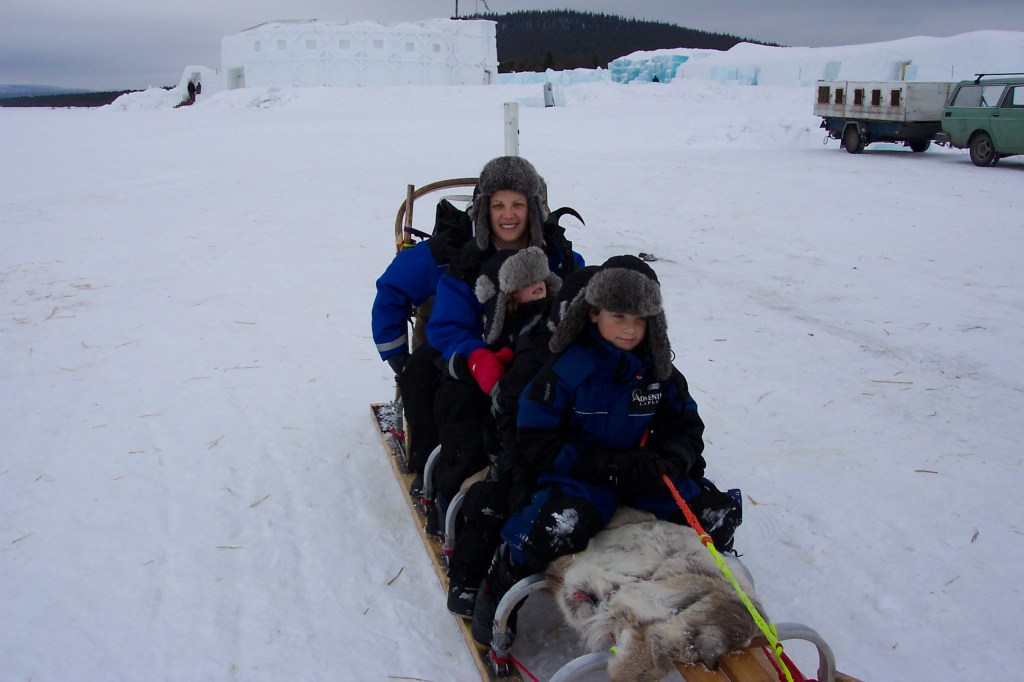
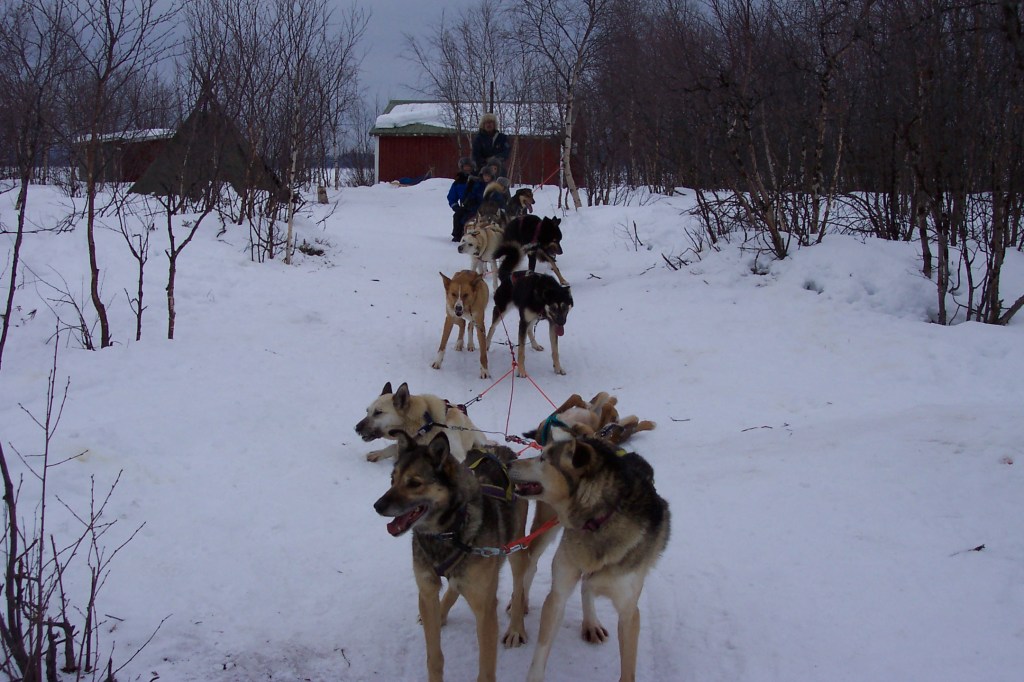
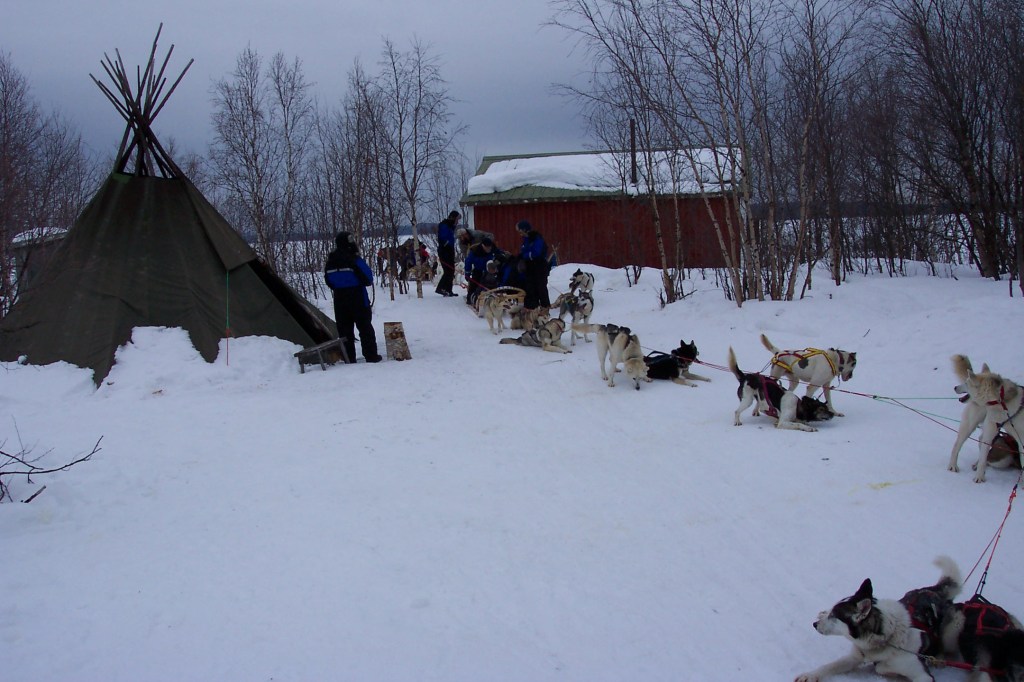
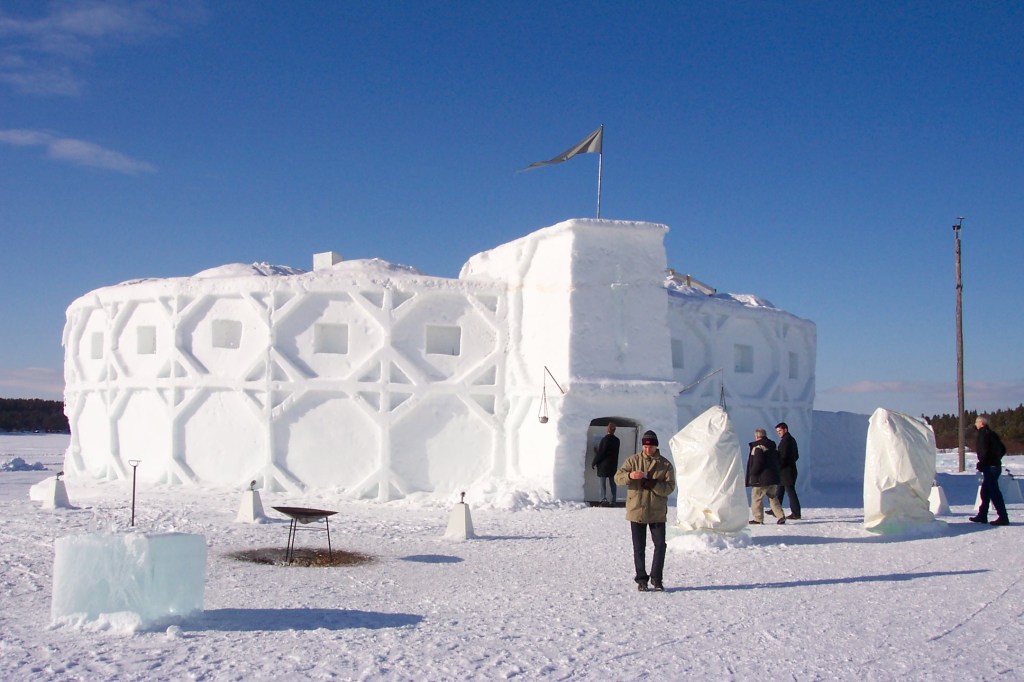
The lobby of the ice hotel. Our kids are sitting around a table of ice. A chandelier of ice is hanging above the table. The light is from fiber optics, so the ice won’t melt.Another photo of the lobby at the ice hotel. My son David is barely visible behind one of the ice pillars.One of the beautiful hallways in the Ice Hotel.My oldest son sitting at an ice table in the lobby.Entrance to the ice bar where you could food and drink and sit on ice chairs by ice tables.We started the evening with a visit to the ice restaurant and bar. Everything in the ice restaurant was made of ice, the tables, the chairs, the counter, the glasses, the plates, and the art.Close up of ice glasses on the ice counter in the ice bar.This is a photo of the ice instruments standing on the ice stage.A close up of an ice cello and an ice guitar.This is a portion of an ice organ in the ice bar.My dad Stig and his girlfriend Ulla came with us on the trip.We are going to bed in our room. I think it was my wife Claudia who took the photo.This was the hallway where our room was located.We are going on a dogsled tour. The ice theater is in the background, and you can see part of the ice hotel on the right.The kids had a lot of fun during the dogsled tourOn the left is a kåta, a movable Sami structure (indigenous arctic Scandinavian people).This is the ice theater. It was located next to the ice hotel (not in the picture).
The ice hotel had put out lots of kick sleds, referred to as “spark” for people to use as a mode of transportation on the snow and ice, or just to sit on. As my dad, Stig, was sitting on one of them, our son came up to him and told him “Stig the hotel put out these sleds for children to play with. It is not for adults to sit on.” My dad was so surprised that he just handed him the sled.
Our son David with one of the kick sleds called “spark”.They got the ice blocks for the structure and for the art from nearby Torneå river.
The next day I took photos of some other rooms
Another room with a snowy wall decoration.Some of the rooms were really beautiful.Some of the rooms had beautiful ice art.You had to pay more for a big room. You paid the price of Hilton and got the comfort of camping in winter.More ice art.
Robbie Cheadle posted my guest post on Scandinavian Folklore on LatinosUSA a wonderful online magazine/blog featuring poetry, stories and all kinds of interesting content from around the world. She also included a wonderful review of my Leonberger book Le Life and Times of Le Bronco von der Löwenhöhle.
This is a guest post written by Ryan Goodchild. He emailed me asking me if he could publish this post regarding opening a Pet Treat Bakery . I said yes. See his post below.
Our mini Australian Shepherd Rollo loves pupcakes (cupcakes for dogs). We bought it at a pet treat bakery.
It is also a Response to Esther’s writing prompt: December 31, 2025: New Beginnings
Opening a Pet Treat Bakery could certainly be a New Beginning. Click here or here to join in Esthers prompt.
Opening a Pet Treat Bakery: A Step-By-Step Business Guide
Opening a pet treat bakery means turning a love of animals into a food-based business with real operational demands. This venture blends culinary care, compliance, branding, and sales into one compact operation. Done right, it can become a loyal, repeat-driven business with strong word-of-mouth momentum.
Quick Takeaways
Start with a narrow product focus so you can control quality, costs, and compliance.
Treat regulations as a design constraint, not an afterthought.
Your brand story matters almost as much as your recipes.
Distribution decisions will shape your margins more than ingredient costs.
Starting With a Clear Vision
Most pet treat bakeries fail by trying to do too much too early. Decide whether you are specializing in dog treats, cat treats, or a specific niche like grain-free, dental chews, or celebration cakes. Your ingredient list, pricing, and even packaging flow from this first decision. A tight focus also makes it easier to explain your value to retailers and customers.
Understanding Food Safety and Legal Requirements
Pet food is regulated differently than human food, but it is still regulated. In the U.S., this typically involves state-level registration, labeling rules, and adherence to basic manufacturing standards. Some states require inspections or proof of safe production processes. Call your state agriculture department early so compliance shapes your setup instead of delaying your launch.
Enhancing Business Skills with an Online Degree
Many founders realize quickly that baking skill alone is not enough. Formal business education can help you understand pricing, cash flow, and long-term planning without learning the hard way. A bachelor of business administration program builds confidence in areas like accounting, communications, and management, which directly affect whether your bakery survives its first few years. Flexible online programs allow you to keep working while sharpening these skills, making it easier to balance learning with real-world operations.
Pricing and Cost Control
This table shows common cost categories and what to watch for as you price your treats.
Cost Category
What To Monitor
Why It Matters
Ingredients
Supplier consistency
Impacts quality and margins
Packaging
Durability and labeling
Affects compliance and branding
Labor
Batch efficiency
Determines scalability
Distribution
Shipping or wholesale cuts
Directly hits profit per unit
Quick Steps to Launch Your Pet Treat Bakery
Follow these steps to move from idea to first sale:
Launch with a limited product line and refine based on feedback.
Marketing Without Overstretching
Pet owners respond to trust and transparency. Share ingredient sourcing, show how treats are made, and encourage reviews from early customers. Local partnerships with groomers or pet boutiques often convert better than broad advertising. Consistent storytelling builds familiarity and repeat purchases.
FAQs for Future Pet Treat Bakery Owners
Before making final commitments, these questions often come up.
How much startup capital do I realistically need?
Most small pet treat bakeries launch with modest budgets by starting home-based or renting shared kitchens. Your biggest early costs are compliance, packaging, and initial inventory. Planning for six months of operating runway reduces stress.
Can I operate from home?
This depends on local and state regulations governing pet food production. Some states allow home kitchens with registration, while others require commercial facilities. Always verify before investing in equipment.
How long do pet treats last?
Shelf life varies by recipe, moisture level, and preservatives used. Many baked treats last several months when stored properly. Clear expiration dating builds buyer confidence.
Should I sell direct-to-consumer or wholesale?
Direct sales offer higher margins but require more marketing effort. Wholesale moves volume faster but reduces per-unit profit. Many bakeries start direct, then add selective wholesale partners.
When should I expand my product line?
Expansion makes sense once your core products sell consistently and operations are stable. Adding too many items too early increases complexity and waste. Let customer demand guide growth.
Conclusion
Opening a pet treat bakery is equal parts creativity and discipline. Success comes from pairing safe, appealing products with clear systems and realistic pricing. Start small, learn fast, and build trust with pet owners at every step. With focus and patience, a niche bakery can grow into a durable, well-loved brand.
Rollo our mini-Australian Shepherd and a pupcake on a table. This pupcake was bought at a local pet treat bakery. They also have cupcakes for people, but it is important to keep them separate.
I’ve stopped making New Year Resolutions. According to Psychology Today 80-90% of New Year Resolutions fail. However, I still have goals and wishes for the new year. Instead of making promises I try to make changes at my own pace. One of them is that I’ve started using the Peloton bike that we bought for my wife. Another is trying to adapt to my new role as a grandfather. Our first grandchild Jack was born at the end of September 2024. Yet another new beginning is that I want to focus slightly more on my relatively new blog superfactful that I started in August of 2024. In 2024 I posted 25 super facts and in 2025 I posted 53. I also made 64 other kinds of posts on this blog. I am hoping to one day to have collected 200 super facts. My hope is that I will post 80 super facts in 2026. Let’s see how far I get.
New Beginnings the Peloton Bike
My wife and I bought a Peloton bike a couple of months ago. It was my wife who was the most interested in it but lately I’ve been trying it out as well. I found that this is an excellent way of getting some exercise. A Peloton bike is an internet-connected stationary exercise bike featuring a large touchscreen that streams live fitness classes led by instructors. You select your level, time and your instructor and press start.
Our Peloton bike. The large touch screen is on the right in the photo compared to the rest of the bike.
I usually pick the same class as my wife does. It is the beginners class with Emma. You follow her instructions and you increase/decrease the speed and resistance. Emma does the same thing as you do, you follow her, she is encouraging and she plays great music for you as you do the exercises. It is almost like having your personal trainer. I know these are prerecorded classes but yesterday when my speed / cadence dropped below the goal, Emma told me, “Let’s try to keep the cadence above 80”. This happened twice giving me the feeling that the class was live. It is an entertaining way of exercising that I hope I will continue doing throughout 2026. Perhaps not every day, but I want to do it often. It is a new beginning for me, a new exercise beginning.
Emma is looking out from the touch screen, telling you what to do.
New Beginnings Our First Grandchild
Our oldest son Jacob and his wife Ashley live in Baltimore, Maryland, and their son Jack is three months old. We’ve visited a few times, and we are soon going back there, and they (Jacob, Ashley and Jack) are coming to visit us in February. Being a grandfather is a new role for me that I am going to have to learn. It is a New Beginning for me. You can read more about our latest trip to Baltimore here.
Jack with his mother AshleyMy wife Claudia is feeding JackMy wife Claudia is on the left; I am in the middle and Jack is on the right.
New Beginnings for Super Facts
In August of 2024 I started a second blog, superfactful. The goal of this blog is to create a list of facts that are important, not trivia, and that are known to be true and yet surprising, mind-blowing, shocking or disputed by large segments of the public. I am avoiding click bait and focusing on facts that will challenge the reader as well myself in a way that provides growth. Below are a few examples.
The speed of light in vacuum is the same for all observers regardless of their speed and the direction in which they are going. It is always c = 299,792,458 meters per second. If you try to catch up to a light beam and travel close to the speed of light the speed of the light beam will still be c = 299,792,458 meters per second compared to you. This is possible because time and space don’t behave like we expect.
In this picture Amy is traveling past Alan in a rocket. Both have a laser. Both measure the speed of both laser beams to be c = 299,792,458 meters per second.
Superfact 25: Global warming or if you call it Climate Change or Climate Disruption is happening, and it is happening very fast, and we also know that it is caused by us primarily as a result of our burning of fossil fuels. There is a long-standing scientific consensus on these two facts because the evidence is conclusive. Check the evidence below.
The so-called hockey stick curve depicting the last 1,000 years. The blue line is the first hockey stick curve ever created (by Michael Mann). He used proxy measurements such as tree rings, green-dots 30-year average, red temperature measurements. This graph is taken from this page.
Super fact 67 : Infinities come in different sizes. Some infinities are larger than others. In fact, it is possible to create an infinite number of different-sized infinities. Some infinities are countable and others are uncountable.
Infinity Asset id: 2118543950 by Sahara Prince
There are 78 super facts so far. I am hoping that my increased focus on this blog will lead to another 80 this year. It will be a New Beginning. To see a list of the 78 super facts and the next 72 I’ve planned click here.
With this post I wanted to remind everyone that dogs are family, and we should not forget that during the holidays, you should give them extra cuddles and some presents and let them participate in the festivities if possible.
Our Latest Trip to Baltimore
First, I wanted to say a few words about the latest addition to our family, our first grandson Jack. Our oldest son Jacob and his wife Ashley live in Baltimore, Maryland, and their son Jack is three months old. We’ve visited him a few times since his birth and these pictures are from our latest visit about a week ago. Jack is a healthy and happy baby who does a lot of cooing. See the photos below and the short video.
Jack in the sofa. Three months old.My wife Claudia is on the left, I am in the middle and Jack is on the right.
Our Dogs Are Family
I did not grow up with dogs, and I was not even particularly fond of them, and then when we got our first family dog, the yellow Labrador Baylor, I really got to know and love dogs, and it changed my life. Now, I think I love dogs more than people. Well, at least I have learned that dogs are wonderful people. They always come with us to gatherings whenever possible and they got along very well. Our latest dog Rollo loved his sister Daisy and his big brother Bronco but he has a hard time tolerating any other dogs.
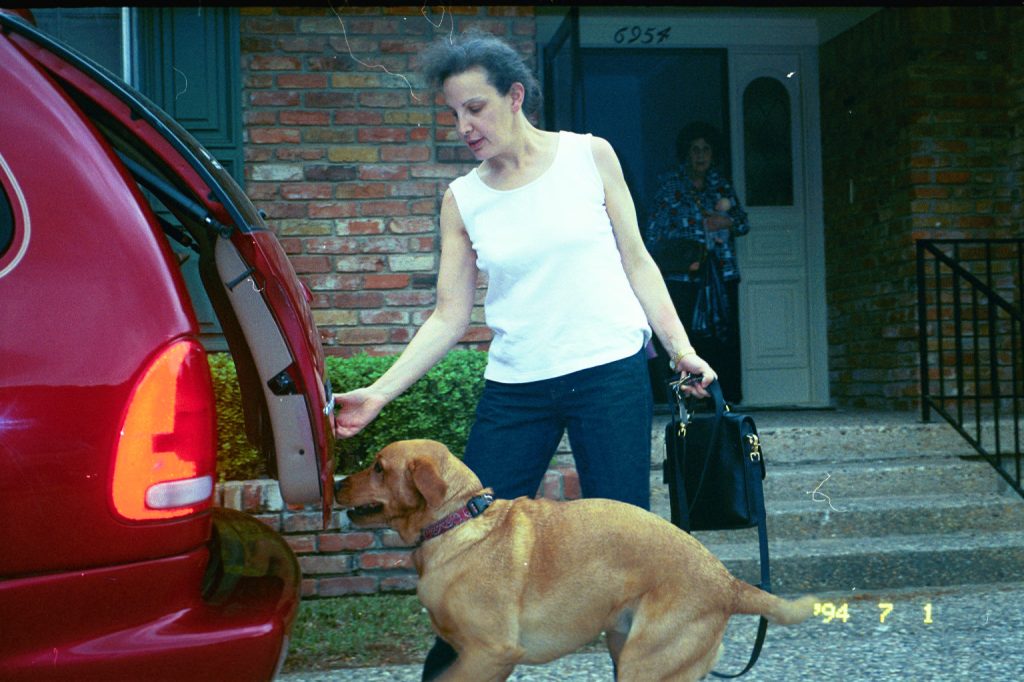
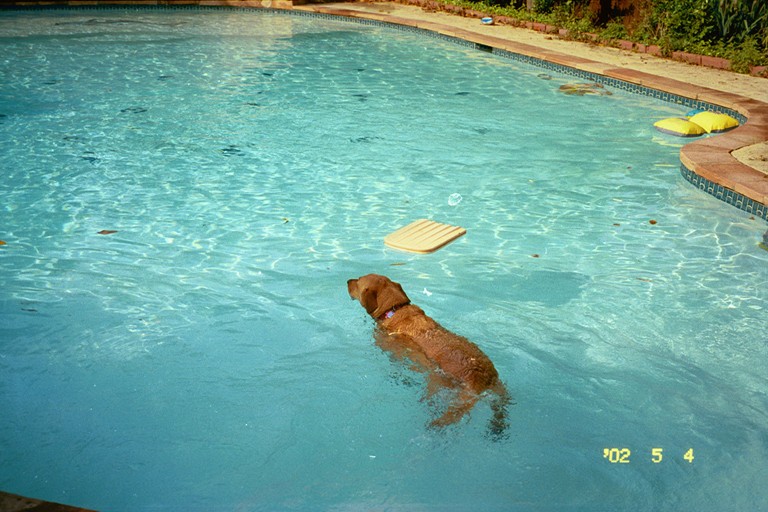
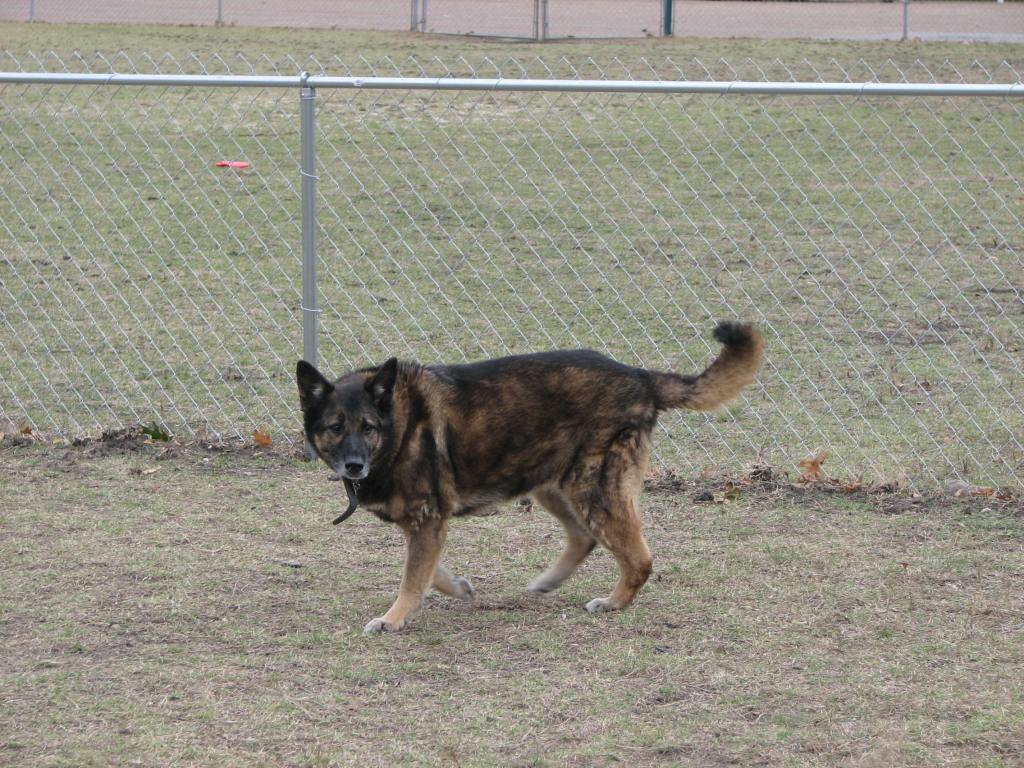
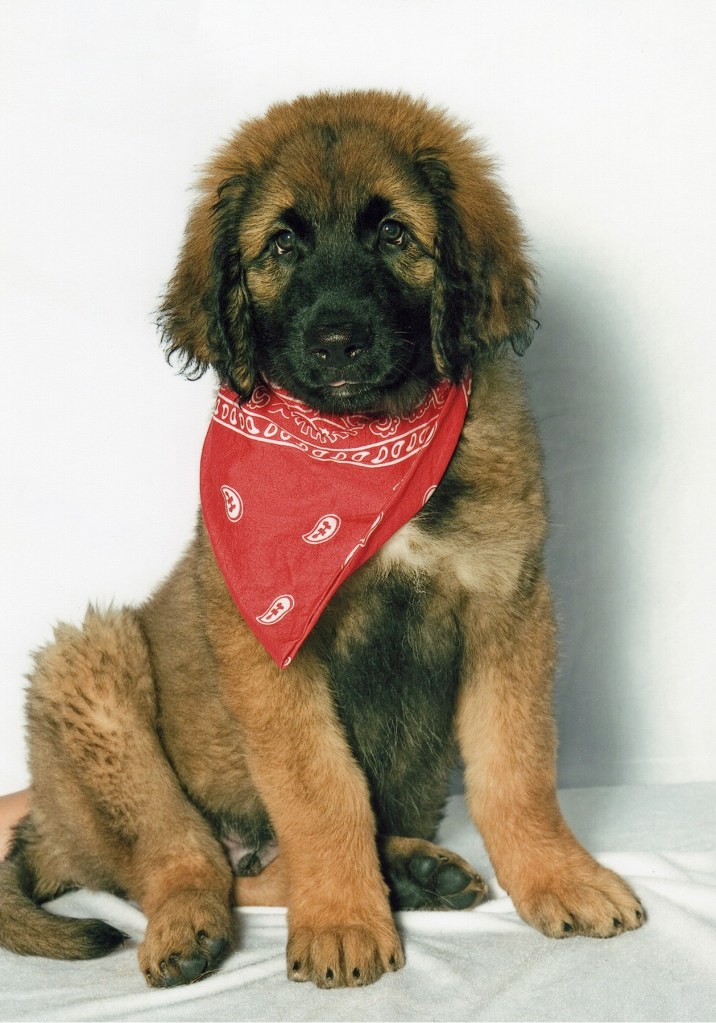
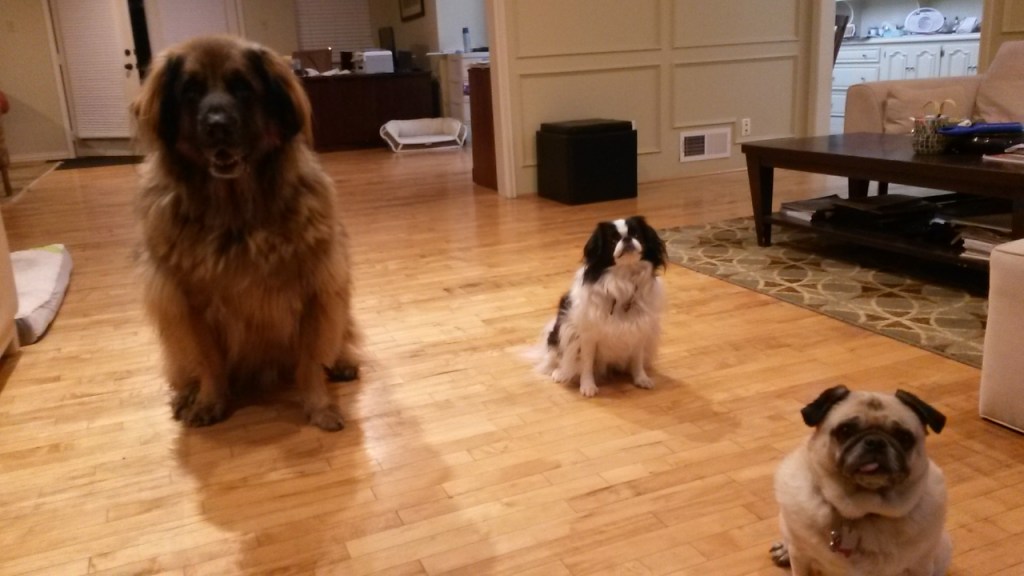
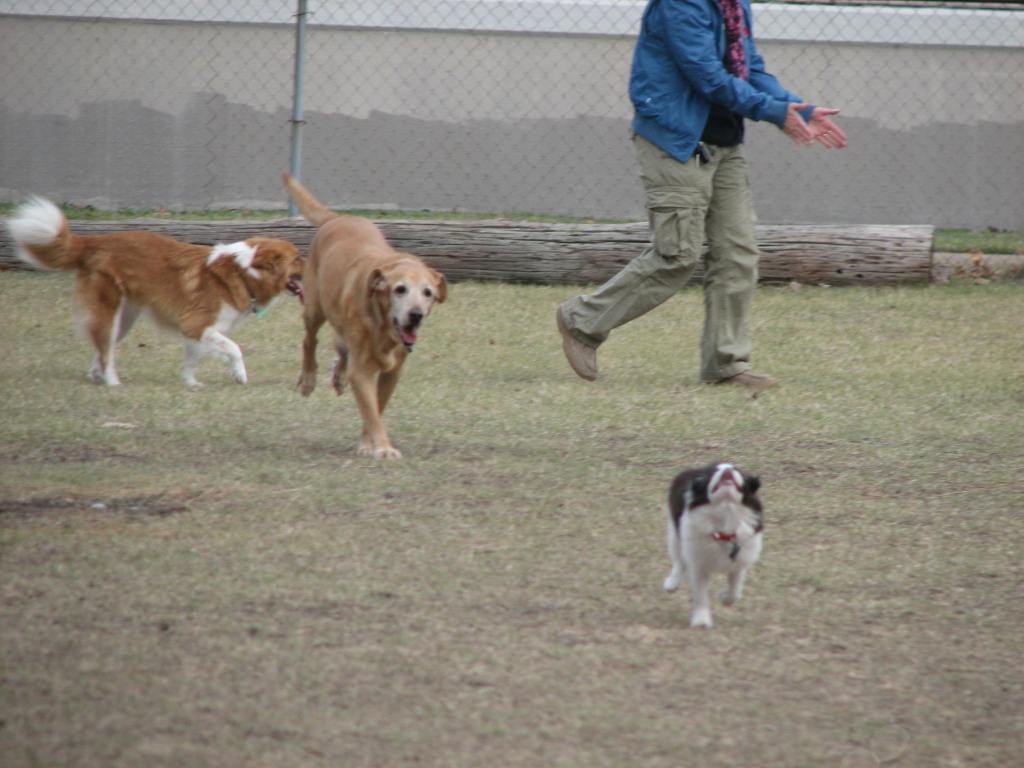
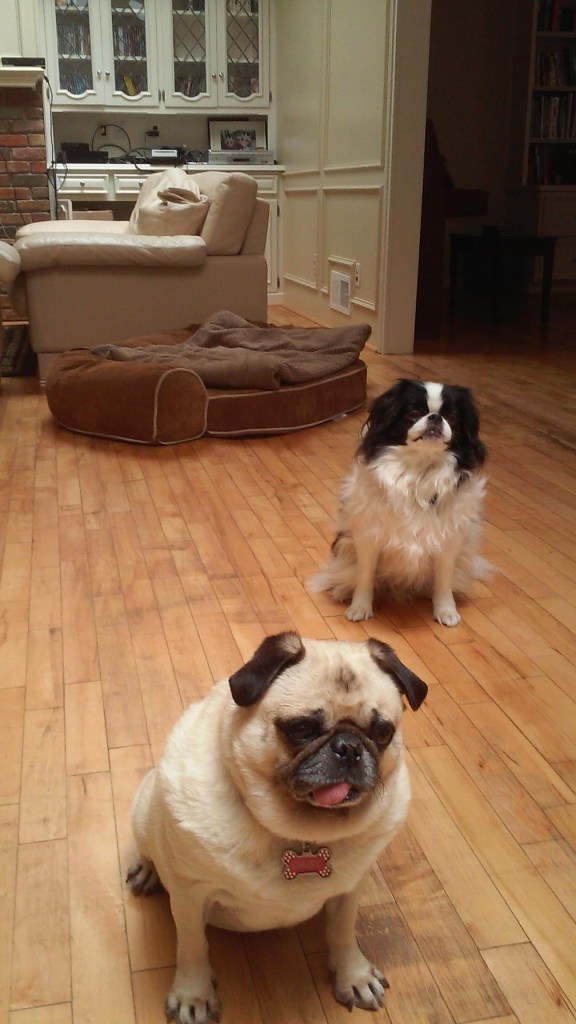
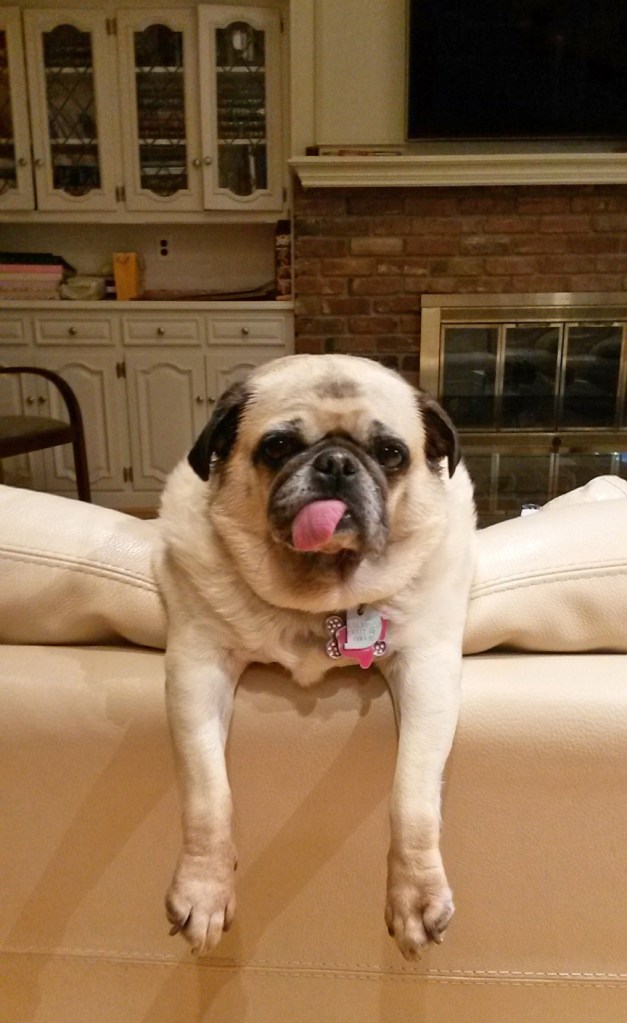
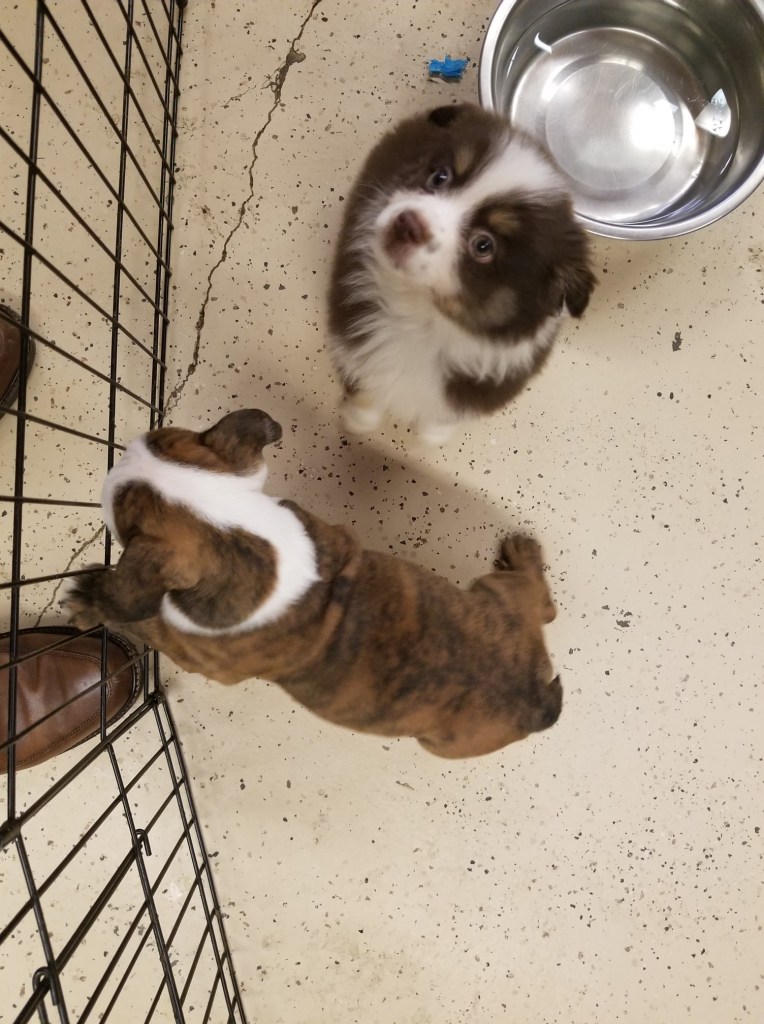
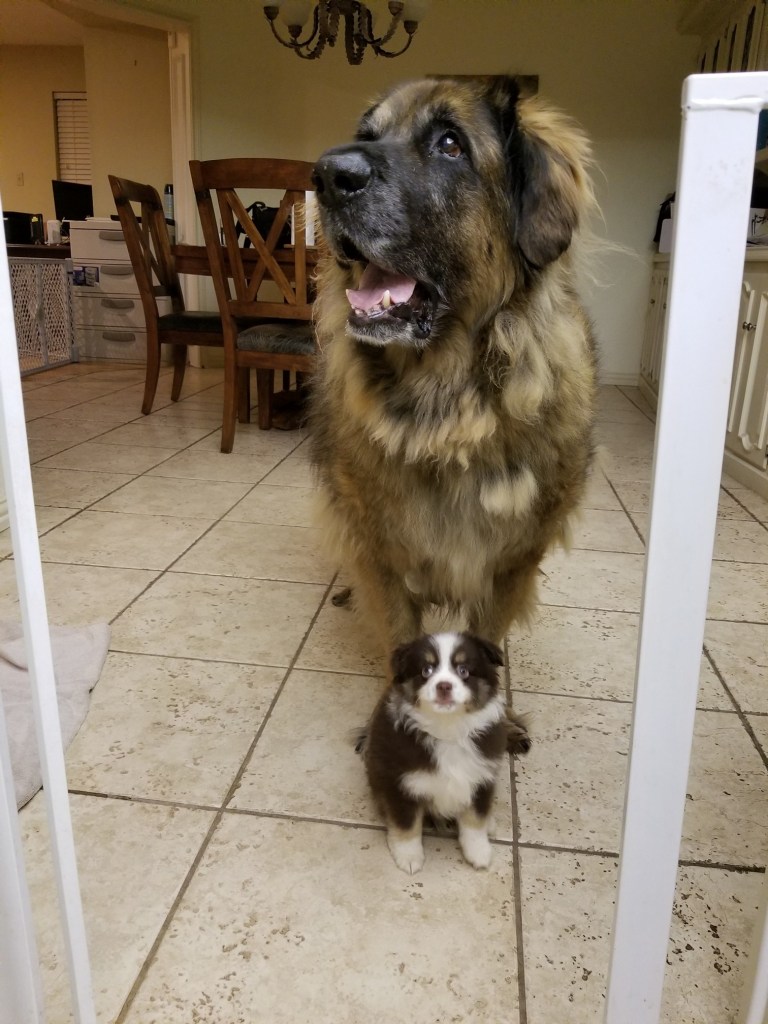
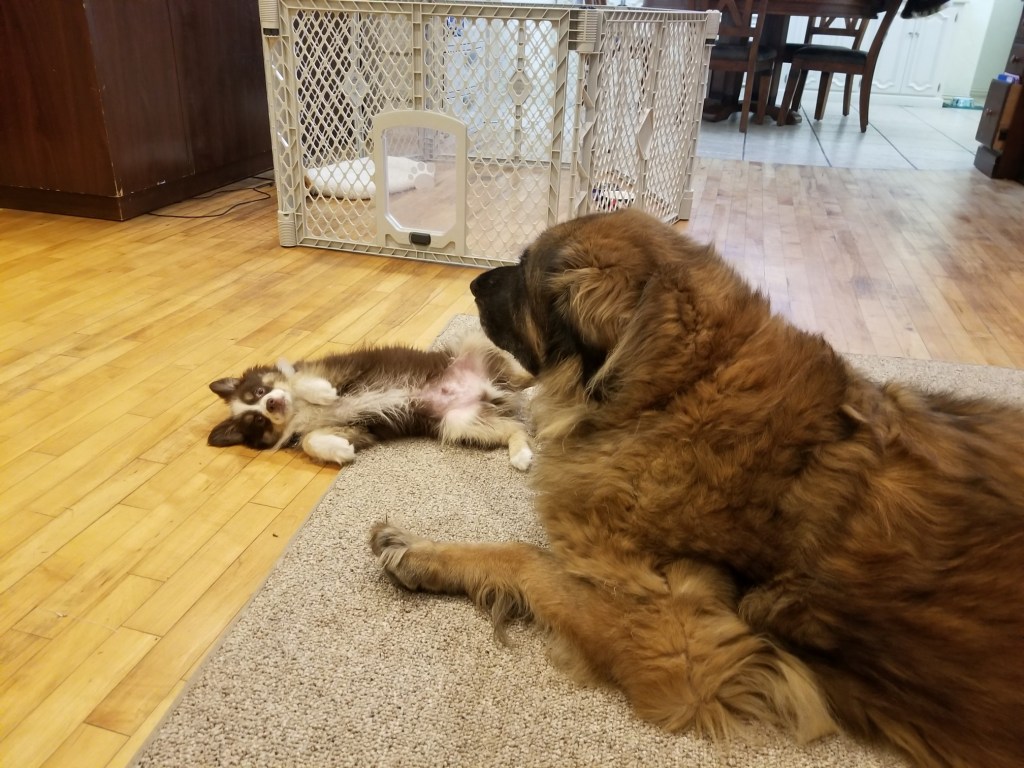
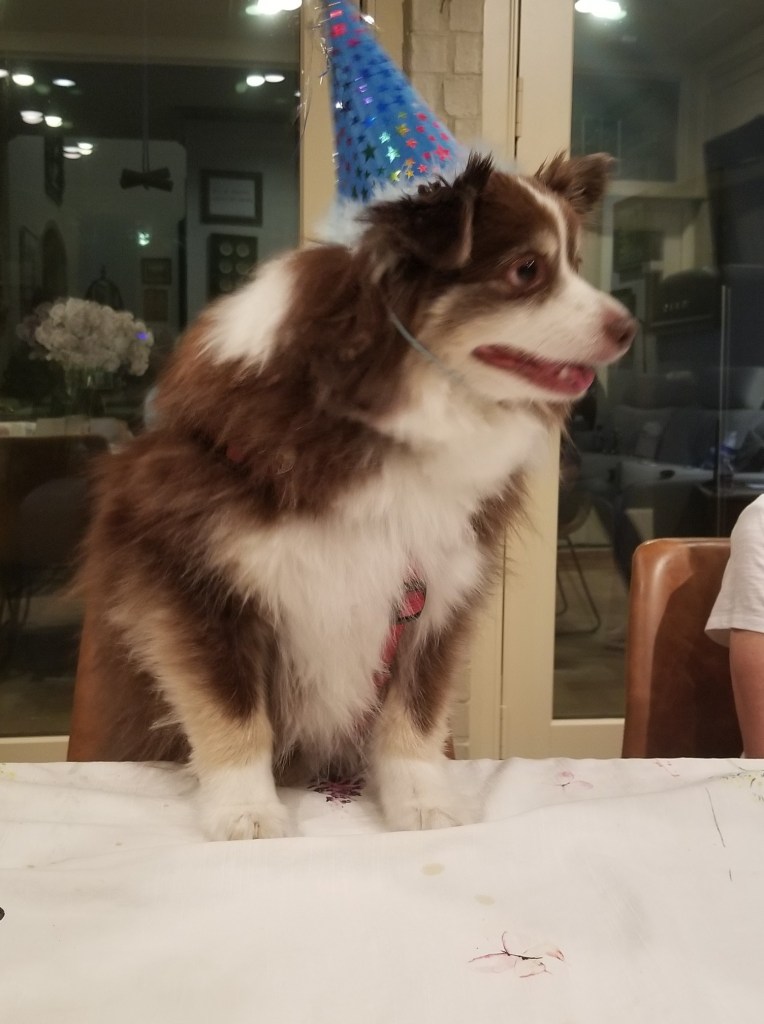
My wife Claudia and our first family dog the Labrador Baylor. This was back in the day. Our niece gave us Baylor because she was going to college. In turn she had gotten him from a shelter. He was a mix, one quarter Rhodesian Ridgeback and three quarters Yellow Labrador. He was able to jump up into the trunk of our van. Baylor was my first dog (not my wife’s first dog), and he taught me a lot about being a dog parent.Our Labrador Baylor is swimming in Claudia’s parents pool. He loved swimming, and he loved that pool and swam in it a lot.Our German Shepherd Baby at the dog park.Our Labrador Baylor and our German Shepherd Baby. Baylor was older in this picture. We had just gotten our Leonberger Bronco.This is our Leonberger Bronco (Le Bronco von der Löwenhöhle) at three months old.Our Leonberger Bronco (Le Bronco von der Löwenhöhle), our Japanese Chin Ryu, and our Pug Daisy in the front right.At the White Rock Lake dog park. Baylor our Labrador in the middle. He was old in this photo. Our Japanese Chin Ryu on the right.Our Pug Daisy and our Japanese Chin Ryu.Our Pug Daisy often sat in front of vents when she was cold. Daisy and our Japanese Chin Ryu were very close, like a couple. Daisy was obviously grieving when Ryu died, from cancer a bit early at only ten years old. Bronco was grieving as well.Daisy is exhausted after doing nothing for a whole day.In December of 2018 we picked up our mini-Australian Shepherd Rollo. His friend was an English Bulldog.Our Leonberger Bronco is welcoming Rollo.Our pug Daisy and Rollo are saying hello.Our mini-Australian Shepherd puppy Rollo at 3 months old.Our mini-Australian Shepherd puppy Rollo and our Leonberger Bronco.Our mini-Australian Shepherd Rollo at the table on his seventh birthday. This is a more recent picture, from October of this year.














































 Leonberger Life