

A professional content writer by the name of Ryan Goodchild contacted me about me posting an article he had written on Small Daily Steps for Stronger Mental Well-Being for dog owners and others and how dogs and other pets can enhance mental well-being. The title of the article is “Try These Small Daily Steps for Stronger Mental Well-Being” it is below. Ryan wrote the article and I provided pictures.






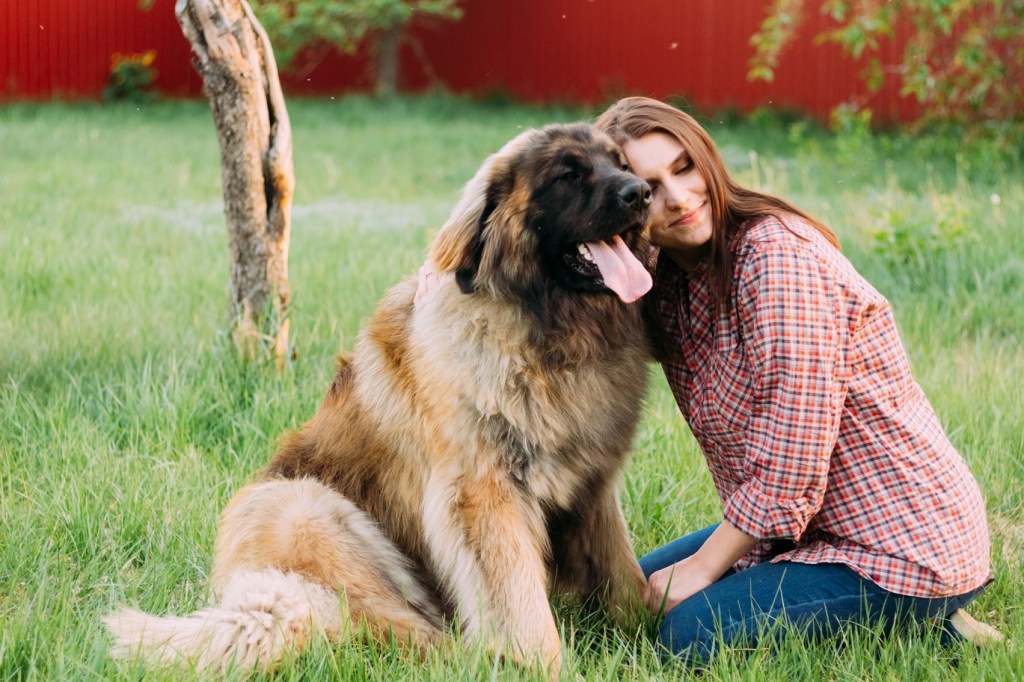
Six Leonbergers and a birthday celebration. Photo by friend Jen O’Keefe. Our young Leonberger Bronco is giving me a hug. Digory and Obi two old sweetheart Leonbergers Saint Bernard dog Stock Photo ID: 1713912484 by fred12. The photo of five Leonbergers wearing patriotic hats lying on grass by a lake was taken by Jen O’Keefe, (from left to right; Obi, Delfi, Aslan, Gryphon, Digory). A majestic and well-groomed Leonberger on a grassy knoll. Shutterstock-ID: 731020957 by Peter Josto.
I also wanted to mention that today is National Dog Day and International Dog Day. I just found out. So happy International Dog Day and National Dog Day to all dogs and to all dog owners and dog lovers.

Try These Small Daily Steps for Stronger Mental Well-Being
Busy parents juggling work and home life, caregivers, and professionals carrying full calendars often want better mental and emotional wellness but feel stuck in the same loop of fatigue, worry, and irritability. Between constant notifications, family needs, and financial pressure, everyday mental health challenges can make stress management for adults feel like another task that never gets finished. The truth is that general readers seeking mental health support don’t need a perfect routine or a total reset to start feeling steadier. With the right wellness motivation, small, realistic shifts can build emotional resilience.
Understanding a Holistic Wellness Toolkit
A helpful way to think about mental health is as ongoing care, not a one-time fix. A mental health maintenance plan treats your well-being like daily nourishment, supported by small practices you can actually repeat. A holistic mental health treatment mindset simply means using more than one angle, because stress shows up in thoughts, feelings, bodies, and relationships.
This matters because one habit rarely covers everything. A quick walk may ease restlessness, while a two-minute breathing pause calms your nervous system, and a kind boundary reduces resentment. When you combine tiny supports, you build steadier moods without needing perfect conditions.
Think of it like keeping a car running smoothly: fuel, tire pressure, and oil changes all play a role. On a hectic day, you might pick one small action for your body, one for your mind, and one for your emotions. Audio habits can fit right in, offering calm cues and uplifting stories during everyday tasks.
Meet the Gentle Giant of Mental Health Therapy: The Leonberger

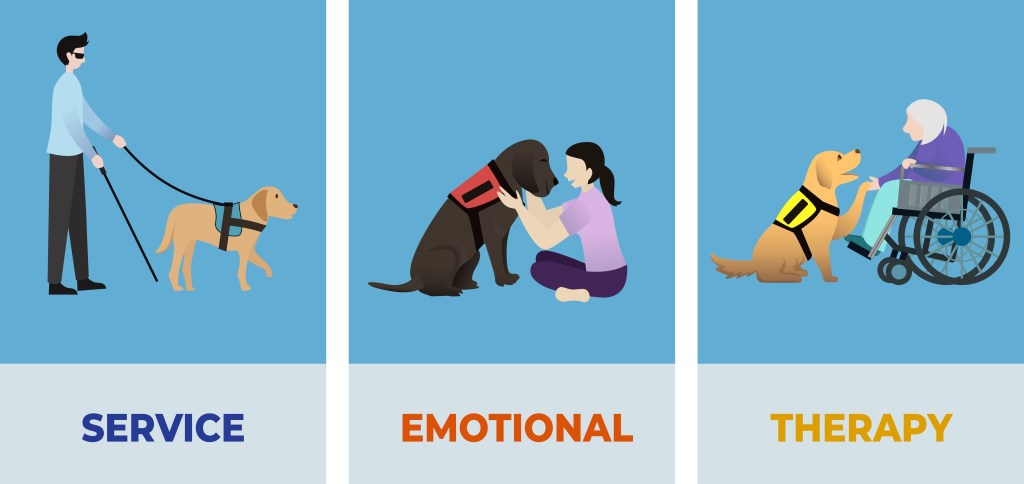
If a pet visit steadies you, a trained therapy dog does the same thing with intention behind it. Therapy dogs are trained to give affection and support to people, and handlers bring them into hospitals, assisted living homes, counseling offices, and schools to offer comfort and ease stress. Some teams work directly alongside healthcare professionals to improve treatment outcomes, which is what animal-assisted therapy describes. The appeal is the same co-regulation you feel petting a friend’s dog: a warm, unhurried presence that asks nothing of you.

Not every dog suits that work, which is where breed temperament matters. The Leonberger, a large German working breed, is one of the most reliable choices. Its breed standard describes a dog defined by confident calmness, friendly toward children, neither shy nor aggressive, with self-assurance and superior composure, a good capacity for learning, and insensitivity to noise — that last trait matters more than it sounds on a ward full of alarms and commotion. The Leonberger Club of America has recognized this since 2002 through a Therapy Award for Leos and owners who log hours in pet therapy programs, noting their gentle disposition and a size that makes them easy to pet from a bed.

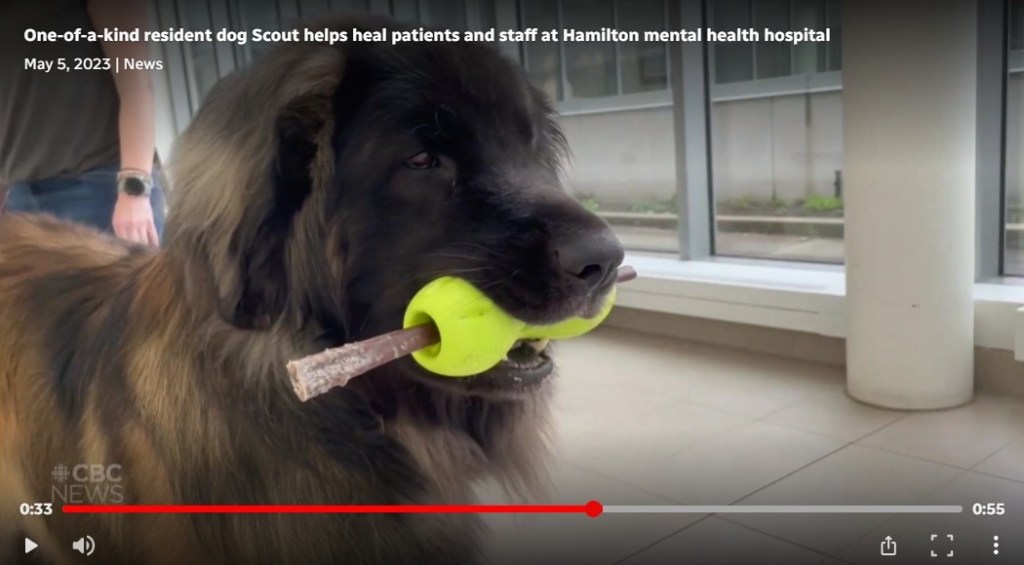
You can see it in practice. CBC News profiled a Leonberger named Scout who works with residents at a mental health hospital in Hamilton, Ontario — you can read more about him here. You don’t need your own Leonberger to borrow the benefit: ask whether a local hospital, library, or senior center runs therapy dog visits, or contact a national therapy organization to find a team near you.
Use Podcasts as a Mini Reset for Your Mind
A well-rounded wellness toolkit works best when some supports are easy to reach in the middle of a busy day, like something you can take in through your ears while you’re doing ordinary tasks. Listening to podcasts can be a simple, accessible way to support everyday mental and emotional wellness because positive audio content can offer encouragement, fresh perspectives, and a real sense of connection. When you hear true stories from people who have navigated challenges, committed to personal growth, or reached meaningful goals, it can remind you that setbacks are part of being human, and that change is possible.

Educational and inspirational shows can also ease feelings of isolation by giving you a steady stream of practical insights and motivating ideas you can carry into your day. For example, the University of Phoenix podcast shares alumni journeys that can feel grounding and uplifting when you want a gentle mental reset.
Unexpected Practices to Boost Mood and Resilience
If podcasts help you “reset” your mind, think of these as hands-on resets, quick experiments you can rotate depending on your energy, mood, and schedule.
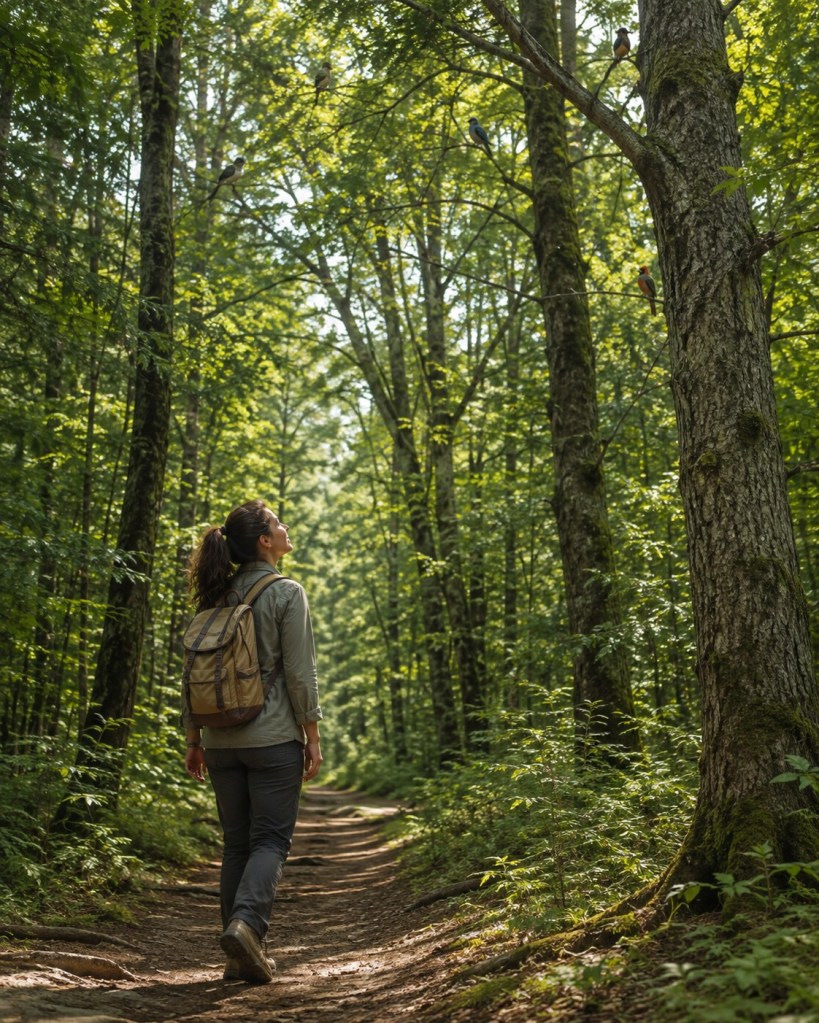
- Try a 15-minute forest bathing loop: Walk slowly in a park or tree-lined street and give yourself one job: notice five textures (bark, leaves, air temperature). Pause twice to take three long exhales, as if you’re letting the environment “set your pace.” This gentle attention shift can downshift stress without needing a big workout or a perfect mindset.
- Go birdwatching, without being “a bird person”: Step outside for 10 minutes and listen for three distinct calls before you even look up. Then scan for movement and pick one bird to follow visually for 30 seconds. The combination of listening + tracking is a natural focus anchor, similar to how a calming podcast keeps your attention from spiraling.
- Do “service in sneakers” for volunteering and mental health: Choose one small, repeatable act of help you can do in under 20 minutes, dropping off donations, writing a supportive message, or picking up litter on your route. Make it specific: same day each week, same location, same duration. Consistency matters because it builds identity (“I’m someone who helps”), which can strengthen resilience on rough days.
- Borrow calm from animal-assisted therapy (or a pet visit): If you have access to an animal-assisted therapy program, try a single session and notice your body cues before/after, jaw tension, breathing speed, shoulder height. No program nearby? Spend 10 mindful minutes with a pet (yours or a friend’s): slow strokes, match your breathing to the animal’s rhythm, and end with one minute of stillness. The goal is co-regulation, your nervous system learning “safe and steady” through connection.
- Use art therapy techniques as a mood “release valve”: Set a timer for 12 minutes and do a “scribble-to-shape” page: scribble continuously, then outline 3 shapes you see and color them in. Keep it private and process-focused; it’s not about talent. A meta-analysis found a significant decrease in PTSD symptoms following creative arts therapy, which is a good reminder that creating can support the mind even when words feel stuck.
- Practice tai chi for emotional balance with a 3-move mini-set: Do “standing posture,” “weight shift,” and “slow arm circles” for 5 minutes total, moving at about half your normal speed. Pair each movement with a simple cue like “soften” on the exhale. Tai chi works well when you’re anxious-but-tired because it’s grounding without being intense.
- Try “micro-horticulture” (one plant counts): Water, prune, or repot one plant for 10 minutes, paying attention to color and scent. If you don’t have plants, start a windowsill herb or volunteer one hour monthly at a community garden. Research on nature-based therapy links it with improved psychological variables, and the “care + growth” loop can be especially stabilizing.
- Build a sensory grounding kit you’ll actually use: Pick three items for three senses, peppermint tea (taste), a textured keychain (touch), and a calming sound clip (hearing). When you feel yourself speeding up mentally, use them in order for 2 minutes each. This works like an emergency playlist: predictable cues that tell your brain “we’re safe enough to settle.”
- Do a “one-scene replay” after listening: After an uplifting podcast or story, write down one scene or line that hit you and answer: “What does this make me want to do in the next 10 minutes?” Then act on it, send a message, step outside, stretch, tidy one surface. Turning inspiration into a tiny behavior shift is how audio comfort becomes real-world resilience.
Wellness Habit Questions People Ask Most
Q: How do I fit mental wellness habits into a packed day?
A: Make it “too small to fail”: 2 minutes counts. Pair one habit with something you already do, like a slow breath while the kettle heats or a quick walk after you lock the door. If you miss a day, restart with the smallest version.
Q: Do I need to spend money for these to work?
A: Not at all. Most calming practices are free or low-cost, and you can borrow resources through your library or community centers. If you have benefits, many workplaces also support wellness since 85% of large US employers offer wellness programs.
Q: Are unconventional options like art-based or animal-based practices safe?
A: Generally, yes, when you keep it gentle and within your comfort zone. Start with short sessions, notice how your body feels, and stop if anything increases distress. If you have trauma history or severe symptoms, check in with a licensed clinician before trying new modalities.
Q: What if I feel silly doing these things in public?
A: Choose “stealth” versions, like listening for sounds on a normal walk or doing a tiny grounding routine in the restroom. You can also practice privately first so it feels familiar. Confidence grows when the habit feels like yours.
Q: When should I get professional help instead of DIY habits?
A: If you’re struggling to function, using substances to cope, or having thoughts of self-harm, reach out for immediate support. For ongoing stress, habits can complement therapy, not replace it.
Turn Small Daily Practices Into Lasting Emotional Resilience
When life is busy or stressful, mental wellness can slide to the bottom of the list, even when you know it matters. The steadier path is integrating mental wellness habits through personalized wellness strategies, simple, low-pressure experiments you can actually repeat. Over time, those daily mental health practices become ongoing emotional health support, building confidence in your ability to ride out hard moments and enjoy good ones. Small daily habits create long-term mental health benefits.

 Leonberger Life
Great suggestions here, Thomas. I am a big fan of forest bathing and enjoying my pets.
LikeLiked by 1 person
Thank you so much Denise. Yes I’ve realized from your blogging and other writing that you like Forest bathing and your pets. That is a wonderful hobby.
LikeLiked by 1 person
🙂
LikeLiked by 1 person
Thank you so much for this wonderful article!
Small daily steps and the bond with our four-legged friends truly make a world of difference for mental well-being.
What better day to share this than today, on International Dog Day?
LikeLiked by 1 person
Thank you so much Luisa. You are certainly right and I did not know it is International Dog Day. I am so glad I posted this on International Dog Day.
LikeLiked by 1 person
🙏🐕🙏
LikeLiked by 1 person
I’ve always said dogs and pets in general are always the best therapy and the best medicine. 🙂
LikeLiked by 2 people
Thank you so much Jeanne. That is what I think too.
LikeLiked by 1 person
Great minds think alike. 🙂
LikeLiked by 1 person
Yes you are right Jeanne!
LikeLiked by 1 person
🙂 🙂 🙂
LikeLiked by 1 person
My dog is definitely about empathy many times.
LikeLiked by 2 people
That is right Jacqui, they have empathy and they can really support you emotionally.
LikeLike
A very useful post, Thomas. I wish I had read this 25 years ago. Since I’m no longer in business, there is no need to wind down. I’m wound about as loose as one can get.
LikeLiked by 2 people
Thank you so much John. Ryan wrote a great article. I am retired as well. I took my retirement a bit early. But it means I am also wound about as loose as one can get.
LikeLiked by 1 person
Ha ha ha. 😄
LikeLiked by 1 person
Wonderful post, Thomas, and just looking at the photos of the beautiful leonbergers makes me feel happy. I don’t believe I have ever met one in person, but it’s obvious one would steal my heart!
LikeLiked by 2 people
Thank you so much Lori for your kind words. Leonbergers are big like Saint Bernards, and they are closely related. However, people tend agree that Leonbergers have a friendlier and more relaxed disposition, well Saint Bernards are friendly too, but Leonbergers even more. They are fun, playful, unafraid, and friendly. Most of our dogs were afraid of thunderstorms but our Leonberger Bronco did not care about at all. Once lightning struck the ground about 100 yards away, and I thought I was going to have a heart attack but Bronco was completely calm and comforted me instead. But Leonberger is a rare breed.
LikeLiked by 2 people
Bronco was indeed brave then! What a precious memory for you.
LikeLiked by 1 person
Yes you are right. Thank you very much Lori.
LikeLike
The more I learn about Leonbergers, the more I love and appreciate them. Their gentle nature shines through in every photo and example you share. Thank you for highlighting such wonderful dogs and how they help with mental well‑being.
LikeLiked by 2 people
Thank youn so much for your very kind words Kymber. Yes they are certainly amazing dogs, so family friendly, and so calm and calming, and they are such a big presence.
LikeLiked by 2 people
Hi Thomas, these are great suggestions for improving mental health. Modern life is so fast and so relentless I think people feel overwhelmed and get depressed. Certainly walking and taking in nature helps a lot. As always your pictures are wonderful.
LikeLiked by 1 person
Yes Ryan wrote a good article. I agree with you, walking and taking in nature helps a lot. I love doing that. Thank you so much for your kind words Robbie.
LikeLike
My pleasure, Thomas. Wishing you a happy weekend 💚
LikeLiked by 1 person
Thank you so much Robbie and I wish you a happy weekend too
LikeLike
🩵
LikeLiked by 1 person
Excellent post full of practical, sensible suggestions. I especially like, “small, repeatable act of help you can do in under 20 minutes,” and the other easy to do strategies. I would like to add that it’s important to practice coping skills for them to become habits or readily available. When David and I went through a short time with no dogs in our home, he used to say he got some “dog therapy” when he got to see someone else’s dog. Now, I also enjoy the peace of petting my cat during our special time in the evenings. The unconditional love our furry friends give us should always be reciprocated with consistent loving care.
LikeLiked by 1 person
Thank you so much JoAnna. Ryan wrote a great article (and I added pictures). I can relate to David saying “he got some “dog therapy” when he got to see someone else’s dog.” I grew up without any pets but now I don’t see how you can live very long without dogs.You are absolutely right “The unconditional love our furry friends give us should always be reciprocated with consistent loving care.”
LikeLiked by 1 person
Lulu: “Always happy to be of service to humans!”
LikeLiked by 1 person
Thank you Lulu. You dogs are the best.
LikeLike