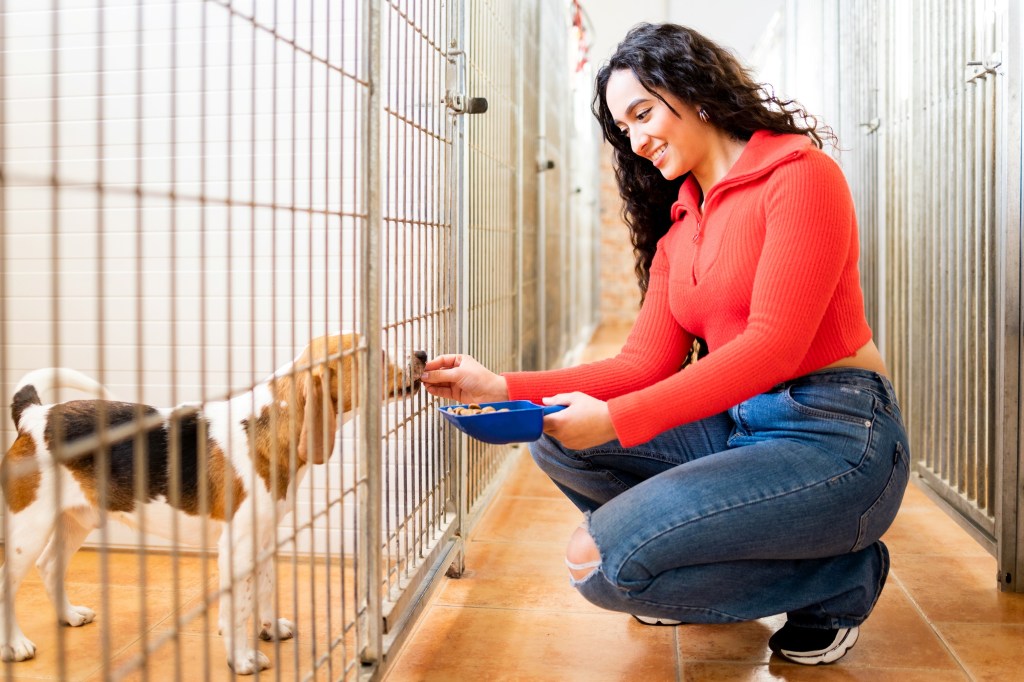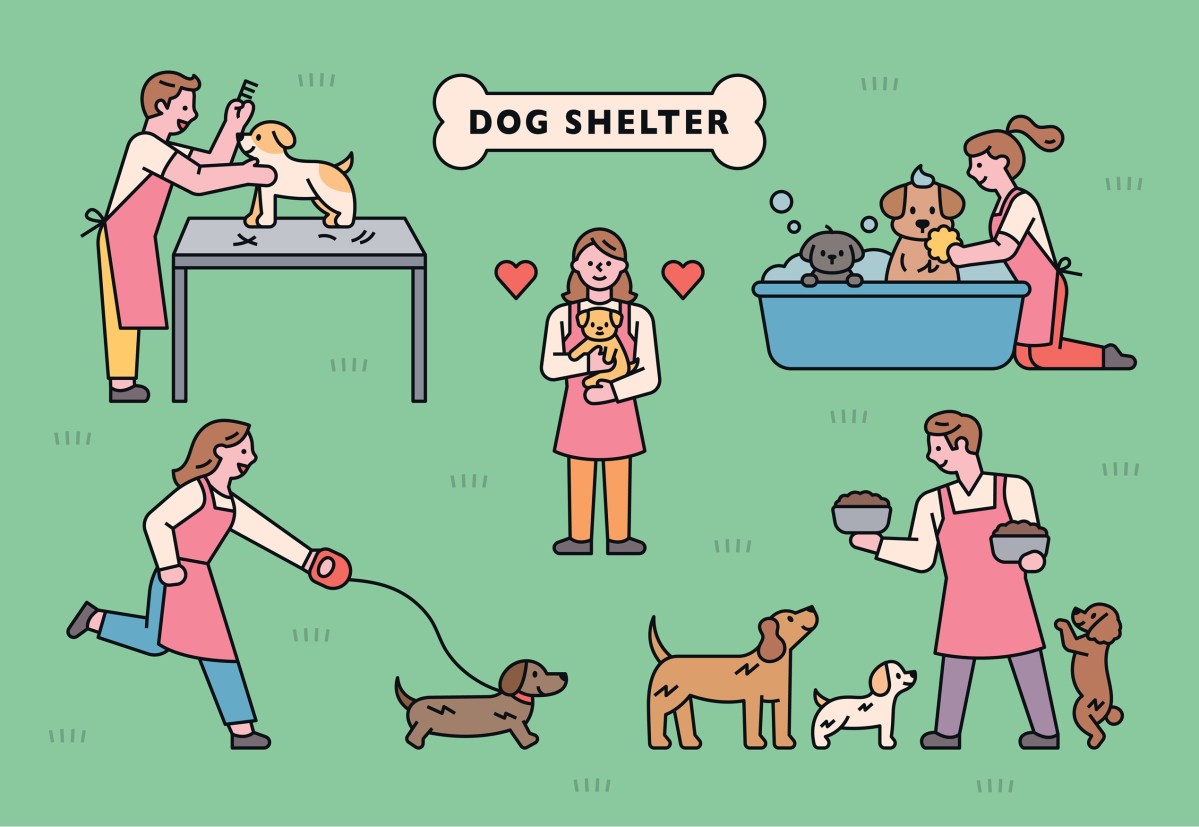
A professional content writer by the name of Ryan Goodchild contacted me about me posting an article he had written on making a big difference for shelter dogs in your community. There are many ways that you can help as described in his article below. His article certainly contains a lot of great advice for all of us. I know that some of my regular readers volunteer at shelters and my gratitude goes out to all of you. You are heroes.
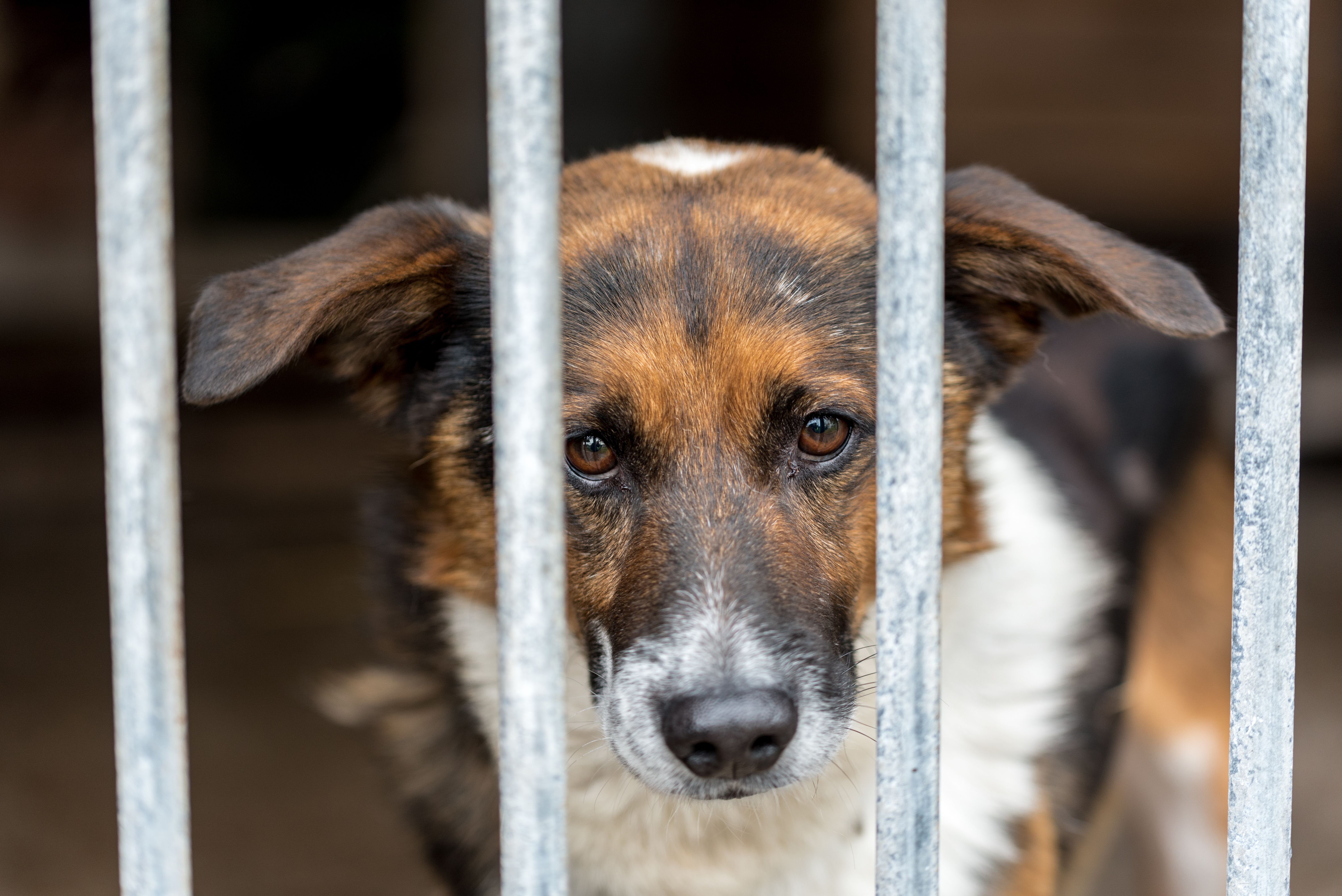

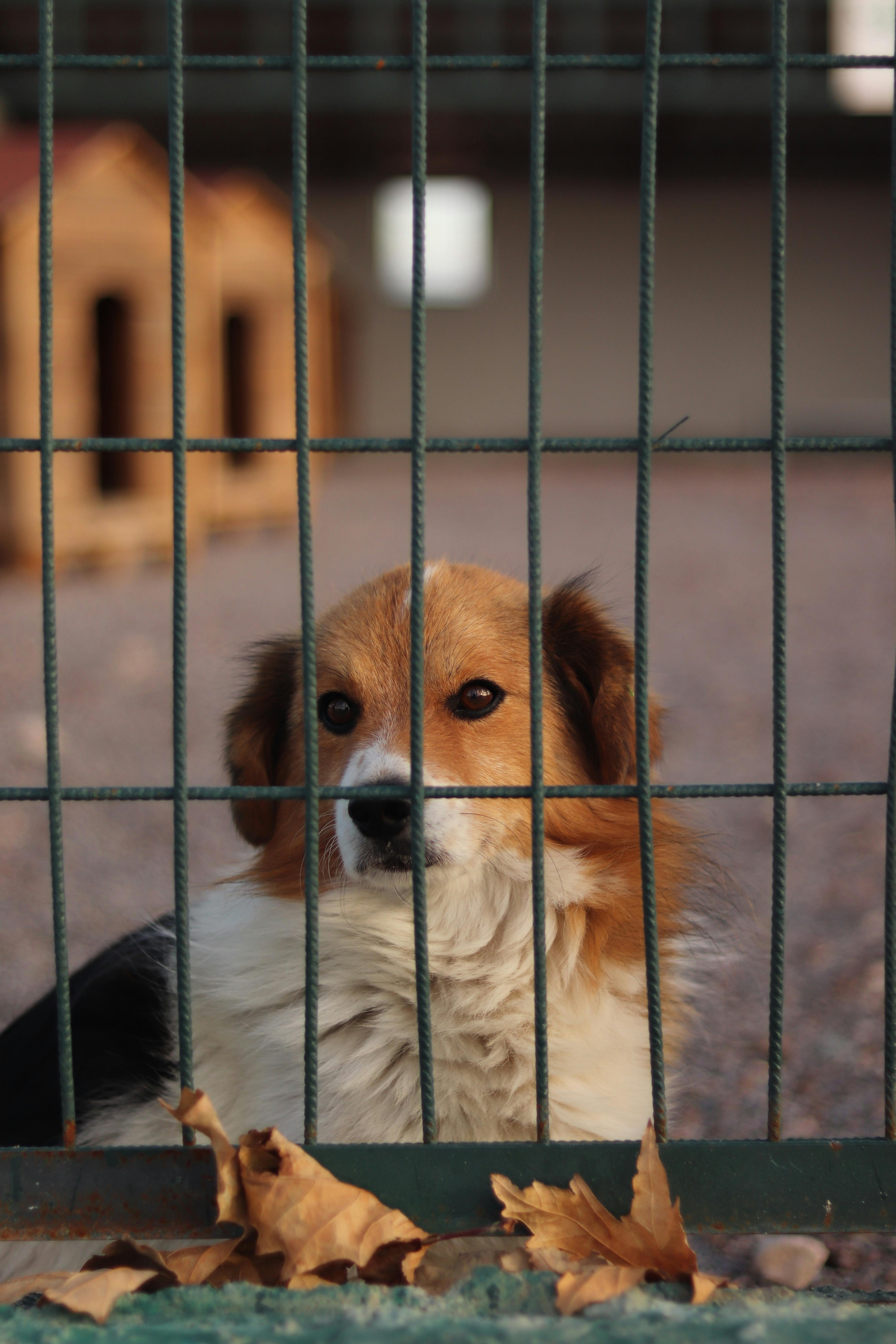
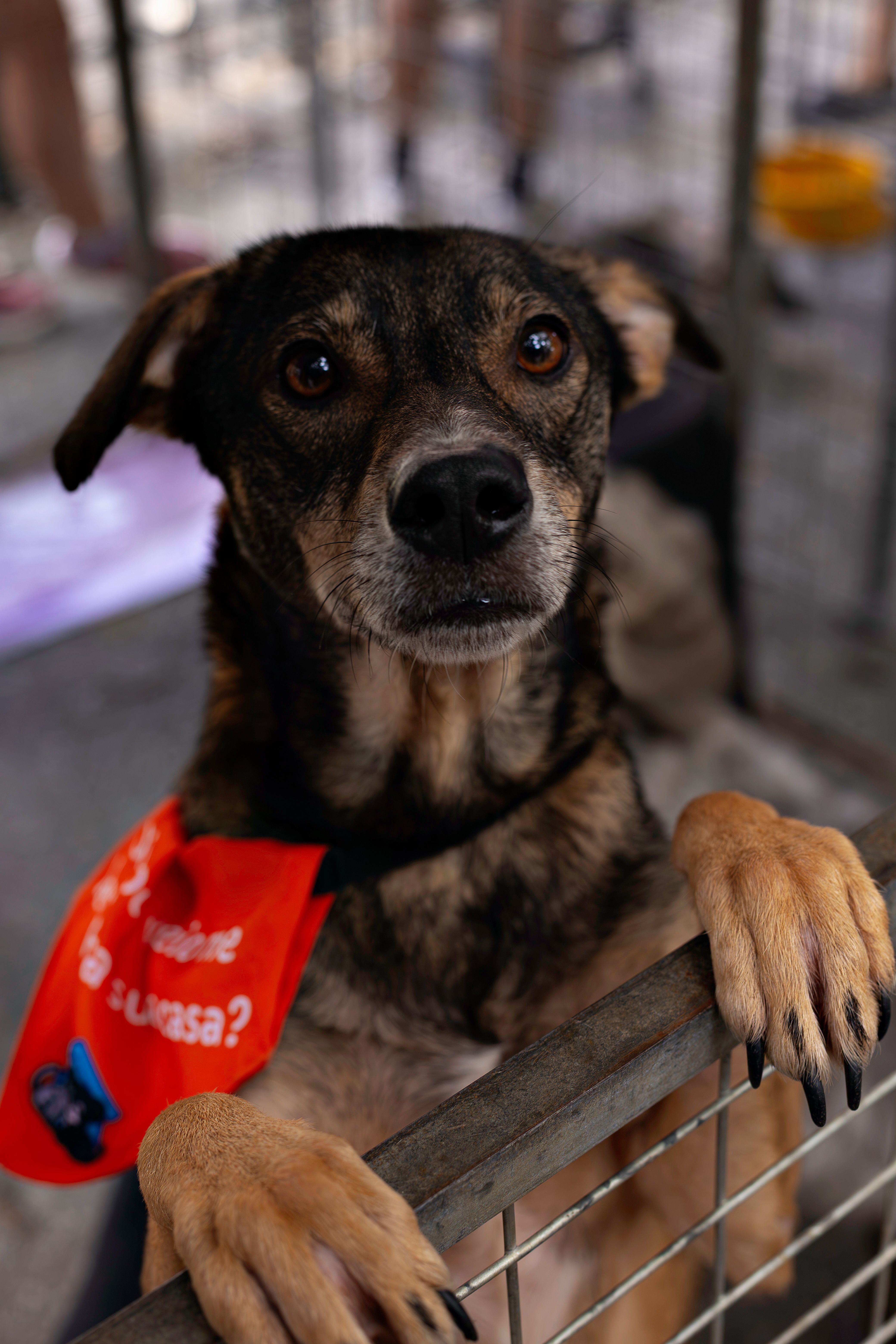
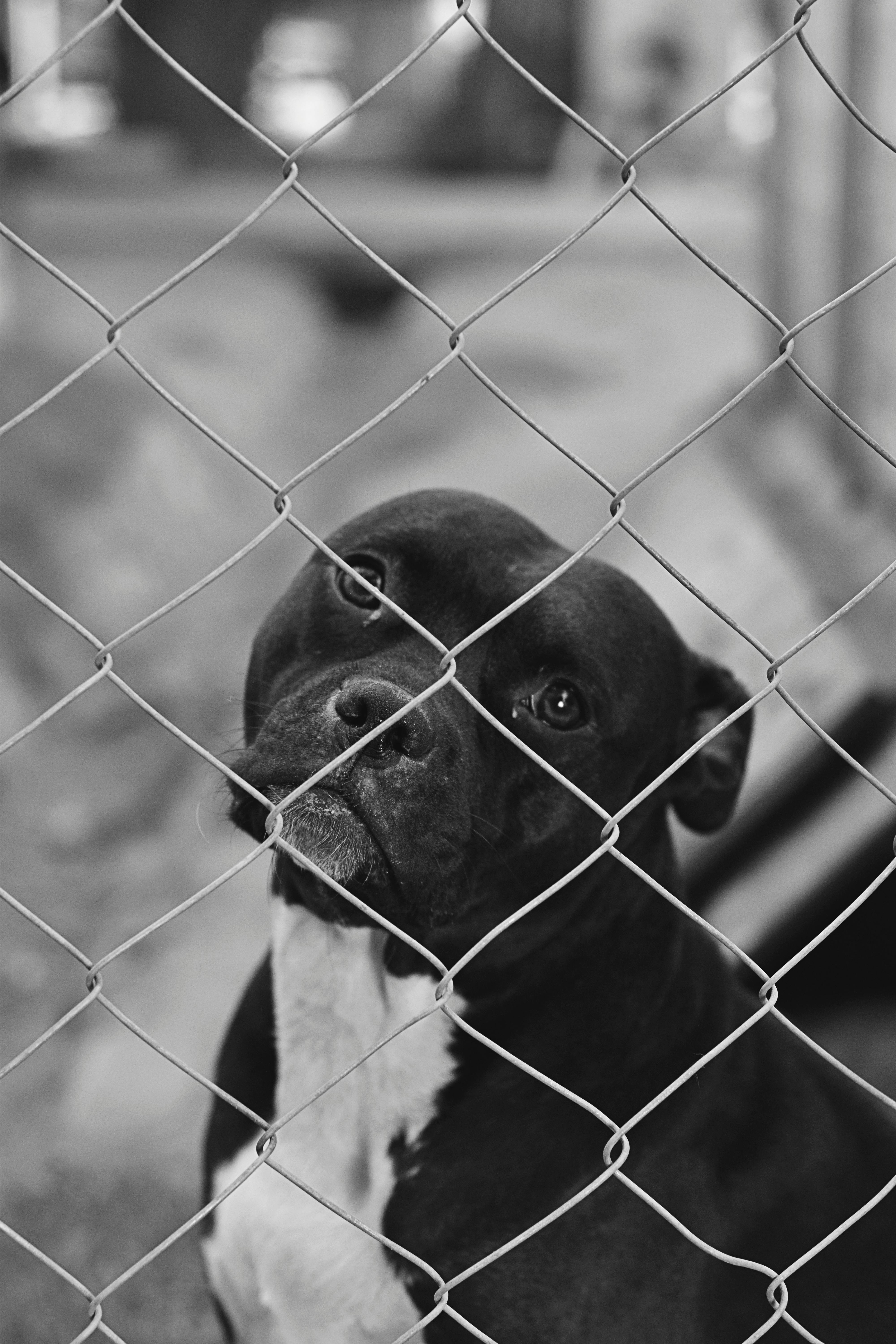
The photo tile above includes five photos of dogs in shelter. The photos are from pexels.com and the photographers are Laura Beauty Designer, lair arce, halilibrahimxq, 12photography and A P E R T U R E.
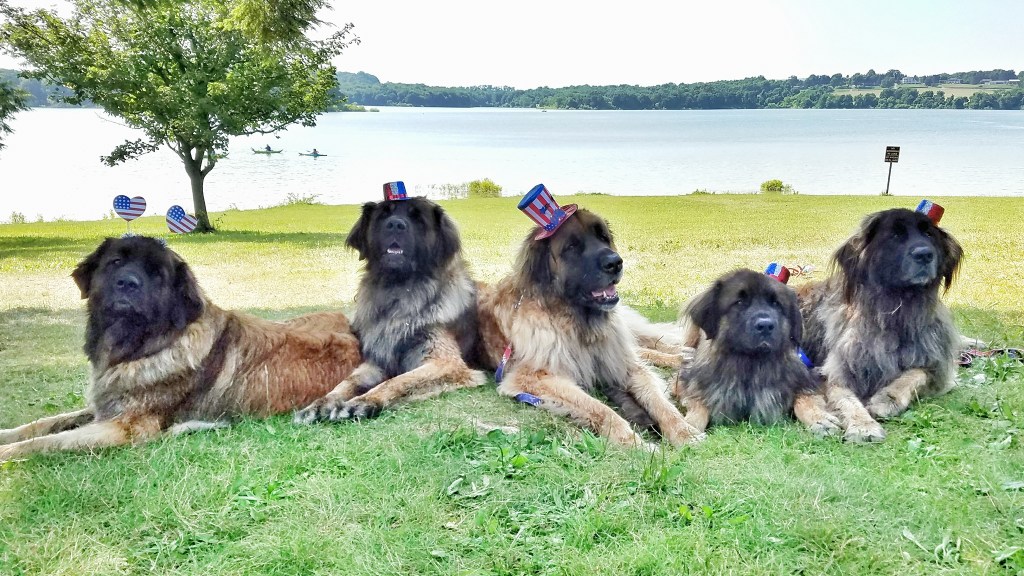
I should say that Leonberger dogs, the main topic of this blog, rarely end up in shelters and the reason for that is that Leonberger owners tend to be responsible dog owners and perhaps more importantly, it is difficult to get a Leonberger from a breeder that is not LCA certified. LCA is the acronym for the Leonberger Club of America. LCA requires breeders to take the dog back if anything goes wrong and they also keep an eye on Leonberger owners. If you mistreat a Leonberger, or sell or donate one in an unauthorized way, you can never own a Leonberger again. You have to sign a contract before you can buy a Leonberger. Below is a photo of a group of Leonbergers.
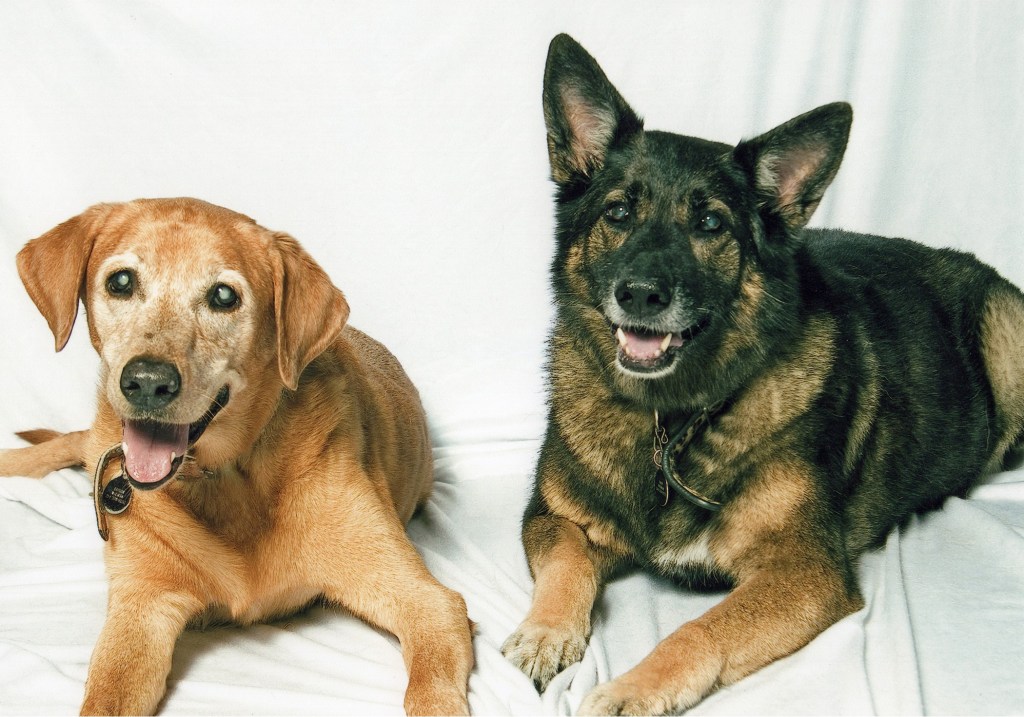
Our first two family dogs, a Labrador and a German Shepherd, came from a shelter via our niece and my wife’s sister. Their photo is below.
The title of Ryan’s article is “How Anyone Can Make a Big Difference for Shelter Pets in Their Community”. While Ryan did all the writing, I added some photos. See below.
How Anyone Can Make a Big Difference for Shelter Pets in Their Community
Busy parents juggling work and school schedules, apartment renters with limited space, and local business owners trying to stay afloat often care deeply about animals but feel unsure how to create real animal welfare impact. Community needs are big, yet time, money, and energy are tight, and it can feel like only experts can move the needle. In reality, community support for shelter pets is the backbone of local rescues, from volunteering at shelters to helping more families feel confident about rescue pet adoption. Small, consistent involvement changes outcomes for animals waiting today.
Understanding the Three Ways to Help Shelter Pets
Most people make the biggest difference when they pick a help style that matches their real life. A simple framework covers almost every option: donate time through specific shelter volunteer roles, offer space by fostering, or give money to fund care and services. Think of it as choosing the lever you can pull consistently.
This matters because shelters run on steady support, not one-time bursts. Time keeps daily routines moving, space reduces crowding and stress, and money covers essentials like food, medical care, and outreach. The scale adds up fast when many people contribute in small ways: one volunteer community donated 211,307 hours of service.
Picture a typical week: you cannot adopt, but you can walk dogs on Saturdays, foster during a quieter month, or set up a $10 monthly gift. Fostering works because fostering is a temporary arrangement that moves an animal into a calmer home environment.
Clear, shareable graphics make those adoption and donation asks easier for your network to act on.
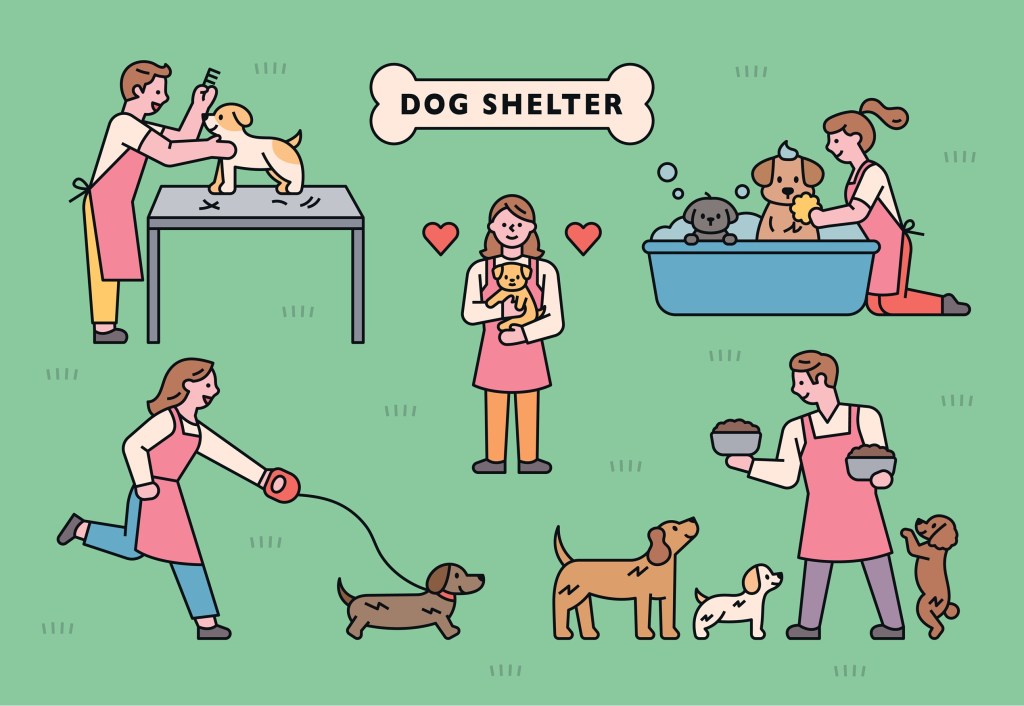
Create Scroll-Stopping Adoption and Fundraiser Graphics in Minutes
Once you know whether you’re giving time, space, or money, one of the fastest ways to amplify that help is to make adoptable pets and urgent needs stand out online.
Volunteers can use free online tools to create eye-catching graphics that showcase adoptable pets and support fundraising, think social media posts, adoption flyers, or promotional materials for an upcoming event. Clear, shareable visuals can help more people notice a pet’s face and key details as they scroll, or understand what a donation drive is for at a glance. With an AI tool like Adobe Firefly’s AI graphic design generator, you don’t need design experience: you describe what you need (for example, an adoption post for a specific dog or a fundraiser graphic for medical costs), and the tool generates a customized visual you can share.
From there, you can pick from more high-impact actions that fit your schedule, skills, and comfort level.
Choose High-Impact Actions to Support Local Rescues
Pick two or three actions you can sustain, and do them consistently. Shelters and rescues run on tight timelines, so reliable help (even small) often beats one big burst.
- Foster with a clear “lane” (weekend, medical, or shy pets): Ask the rescue which foster type is most urgent, then choose one that matches your schedule, like a 72-hour “decompression foster,” a two-week post-surgery foster, or a quieter home for a fearful dog or cat. Get expectations in writing: who provides food, crates, meds, and vet care, plus a backup plan if you travel. Fostering shelter pets frees kennel space and gives the rescue better notes, photos, and behavior insights to share.
- Volunteer at animal shelters in one repeatable shift: Instead of “whenever,” pick a predictable slot like every other Saturday morning. Offer a specific role that reduces staff load: laundry, dishes, kennel reset, enrichment stuffing (Kongs/snuffle mats), dog walking, cat socialization, or adoption desk support. Consistency builds trust, which often unlocks higher-impact tasks like handling fearful animals, transport, or mentoring new volunteers.
- Run a targeted pet supply drive (one list, one week, one drop-off point): Start by asking for a “Top 10 Most Needed” list and preferred brands/sizes, then set a tight window (5–7 days) so donations arrive when they’re needed. Make it easy: one drop-off location, clear hours, and a single photo graphic showing exact items, your quick adoption/fundraiser design skills are perfect here. Add a goal tracker (“20 cans of kitten food” or “15 slip leads”) and post one daily update.
- Donate strategically, not randomly: Unrestricted monthly gifts help organizations plan medical care and staffing, and even $10–$25/month is meaningful when it’s reliable. It makes a difference: animal and environment donations make up 3% of all donations, so steady support can close real gaps. If you prefer “restricted” giving, fund a specific line item the rescue requests, spay/neuter vouchers, heartworm treatment, or emergency boarding.
- Become the “story + visuals” helper for one adoptable pet at a time: Offer to take 10 phone photos in good window light, capture a 15-second walking video, and write a short bio using a simple template: what the pet loves, what they’re learning, and the best home fit. Turn it into a clean graphic for social media (same colors, big readable text, one clear call-to-action) so volunteers can post fast without reinventing the wheel. This supports adoptions and fundraising without requiring you to handle animals.
- Advocate locally with one concrete ask: Start small: request pet-friendly rental policies at your workplace housing program, ask your city council to fund shelter improvements, or push for accessible spay/neuter and microchip clinics. Show up once: attend a meeting, bring a one-page summary, and share a few rescue-approved graphics to help neighbors understand the issue quickly. Community advocacy for animals works best when it’s specific, respectful, and focused on solutions.
If you’re unsure what fits your time, budget, allergies, or experience, choose the smallest version of one idea and build from there, doing the “right-size” help consistently is what changes outcomes.
Shelter Pet Support: Questions People Ask Most
A few quick answers can make starting feel a lot easier.
Q: How do I help if I only have an hour or two a week?
A: Choose one small, repeatable job and stick to it, like laundry, enrichment prep, or photo posting. Many people give time in bite-size chunks, and 63 million people volunteer, so shelters are used to scheduling around real life.
Q: What if I show up to volunteer and the tasks feel boring or awkward?
A: That is normal, especially at first. Many roles are repetitive, dry, and unremarkable tasks that still protect animal health and keep operations moving. Ask for a clear checklist so you can be helpful even when you do not feel “plugged in” yet.
Q: Can I foster if I have pets, kids, or allergies at home?
A: Often yes, if you choose the right match and set boundaries. Request a foster that fits your household, confirm separation options, and get medical and behavior expectations in writing before pickup.
Q: How do I know my donation is actually used well?
A: Ask what their most urgent need is this month and whether they can share a simple breakdown of spending or program outcomes. If you want tighter accountability, fund a specific item they request and ask for a receipt or confirmation note.
Q: What should I avoid when adopting so I do not end up returning the pet?
A: Do a lifestyle match first: time alone, energy level, grooming, and realistic training needs. Ask about decompression time, medical history, and a support plan, and start with a slower transition rather than a packed social calendar.
Small, steady help adds up faster than you think for the pets counting on it.
Choose One Small Commitment That Helps Shelter Pets Thrive
Shelters are stretched thin, and it’s easy to care deeply yet feel unsure where help truly lands. The way forward is a steady, community-minded approach: choose practical roles, communicate clearly, and keep support consistent so good intentions become real relief. When that mindset sticks, making a difference for shelter pets looks like fuller foster networks, stronger outcomes from encouraging pet adoption, and volunteer impact stories that motivate others to join in. One reliable helper can change the daily reality for dozens of animals. Pick one next step today, sign up for a shift, submit a foster application, or set a small recurring donation, and put it on the calendar. Ongoing support for animal welfare builds the stability that lets pets and rescues recover, connect, and thrive.