
Please go and check it out. Thank you so much Sally.
Tag: Le Bronco von der Löwenhöhle
When To Neuter or Spay Leonbergers and Other Giant Breeds
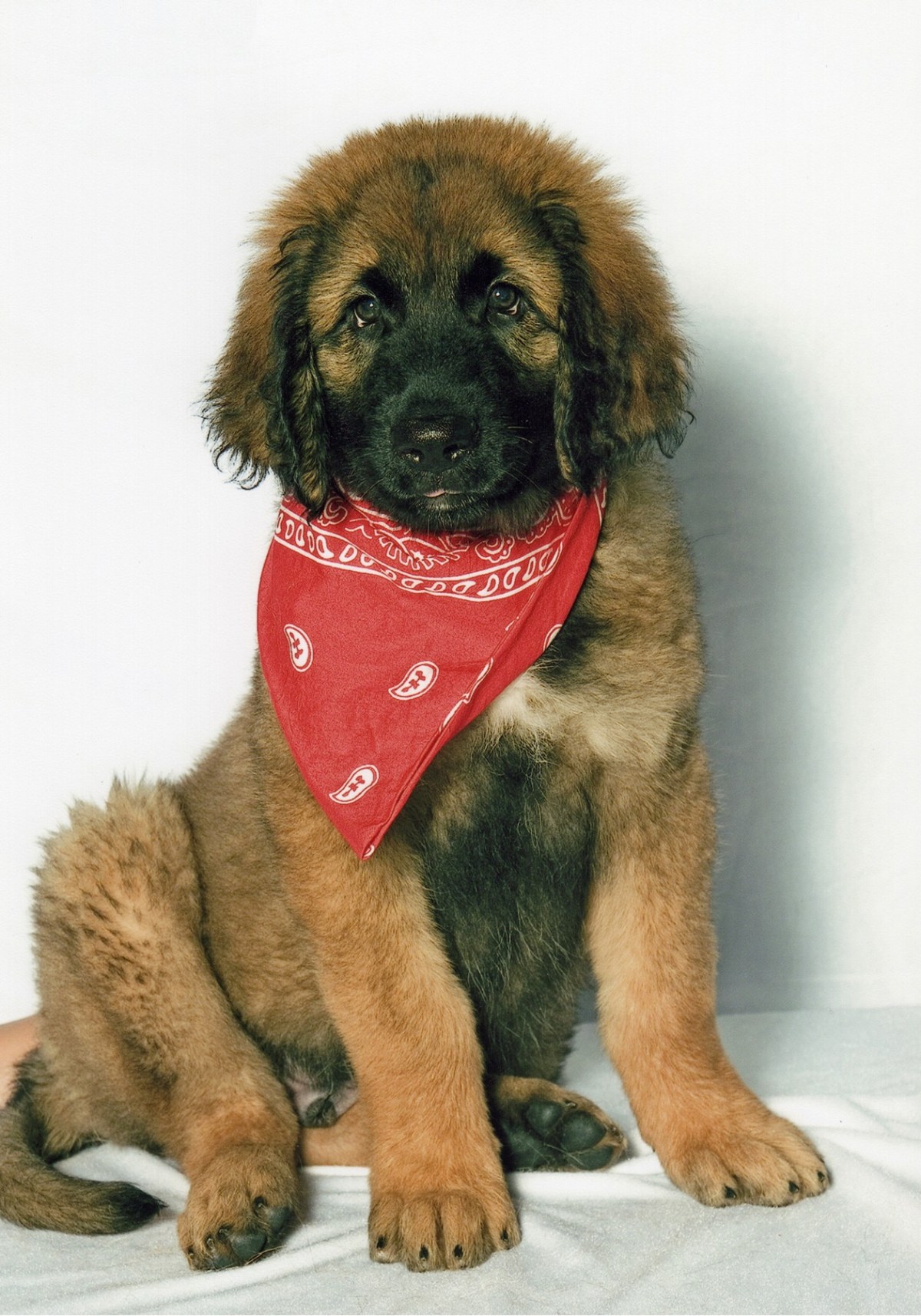
It is very common for veterinarians, ASPCA and other animal welfare organizations to recommend that dogs be neutered or spayed between the ages 6-9 months or earlier. Their concern is chiefly to prevent unexpected pregnancies, which causes a lot of suffering and unnecessary euthanasia of dogs. However, not all dogs are the same and this is bad advice for many giant breeds, especially Leonbergers. Neutering or spaying too early can lead to serious health complications. Since the Leonberger community tries to prevent irresponsible dog owners from getting a Leonberger, unexpected pregnancies are less of a concern for Leonberger dogs.
We used to own a Leonberger dog, Le Bronco von der Löwenhöhle, and our breeder recommended that we wait until he was at least two years old before neutering him. Many new Leonberger owners must sign a contract promising not to neuter the dog before the age of two. If you want to buy a Leonberger puppy in North America, you should buy the puppy from a breeder that is certified by the Leonberger Club of America (LCA) and to do that you need to go through an interview. You will have a hard time getting a Leonberger any other way.
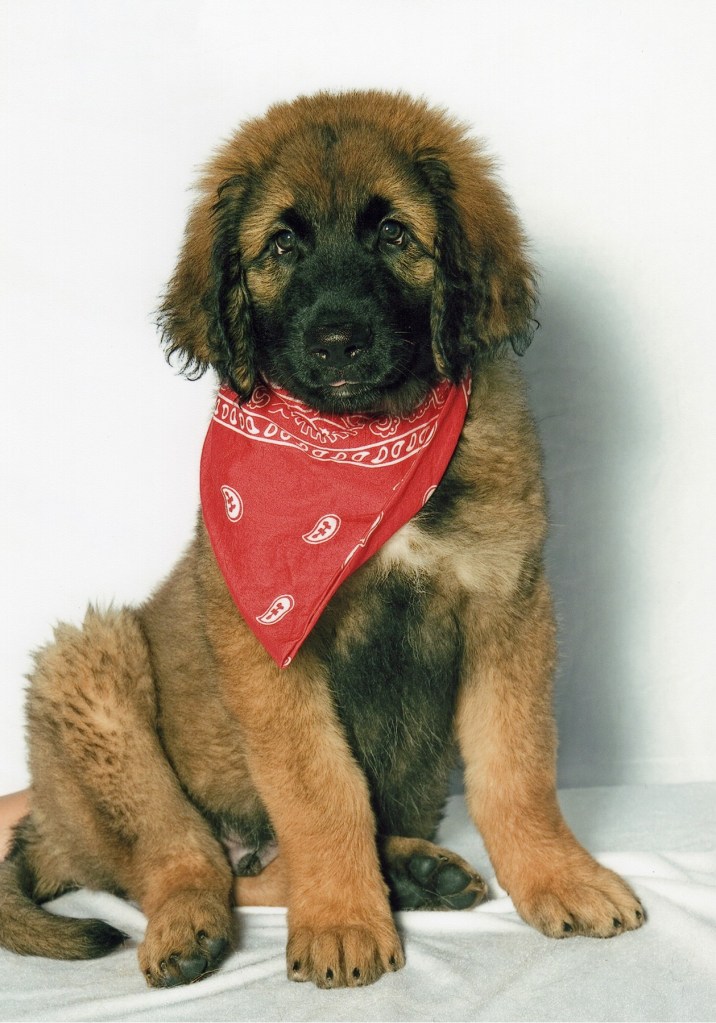
I should explain that the Leonberger is a rare breed that is closely related to the Saint Bernard. Saint Bernards were used to create the Leonberger in the early 19th century and later it was the other way around when the Leonberger was used to save the Saint Bernard breed. Therefore, Leonbergers and Saint Bernards are genetically similar, they are about the same size, but they don’t look the same. Leonbergers have a characteristic black face while Saint Bernards have a white mask on their face. There are only about 30,000 Leonbergers in the world and only 2,000 Leonbergers in North America. Therefore, the Leonberger community is a small and tightknit community, and it is relatively easy for the Leonberger Club of America (LCA) to keep track of what is going on with the Leonberger dogs.
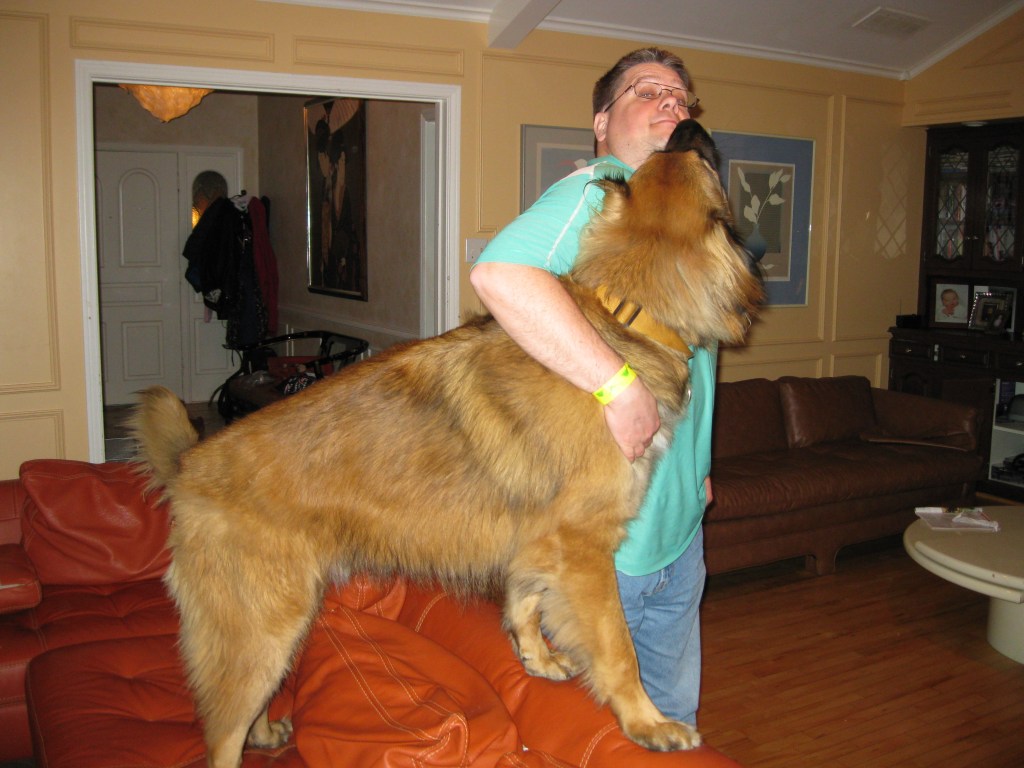
With this post I am giving advice and statements originating from various sources that I consider to be reputable such as AKC/club certified breeders of the specific breed in question, the corresponding breed organization/club, such as the Leonberger Club of America, and scientists in the specific field. In my experience veterinarians who care for all kinds of dogs and pets typically do not have knowledge that is breed specific on this issue. To be sure to do the right thing in regard to neutering and spaying your Leonberger, ask your LCA certified breeder.
What Our Leonberger Breeder Told Us About Neutering
When we got our late Leonberger Bronco (Le Bronco von der Löwenhöhle) our breeder Julie Schaffert told us to wait with neutering him until he was two years old if possible. Julie Schaffert has been an LCA (Leonberger Club of America) certified breeder since 1992 and is arguably the most prominent Leonberger breeder in North America. After reading a Leonberger book that incorrectly stated that Leonbergers should be neutered at six months, I sent her this question:
Hello Julie, I hope all is well with you and your Leonbergers. I am currently reading a Leonberger book by Vanessa Ritchie. I’ve read dozens of Leonberger books. It is a very good Leonberger book. However, in the middle of page 30 she is saying something that concerned me. She is saying to neuter/spay your Leonberger at 6 months old. I remember you telling us to wait with ours and we waited until significantly passed one years old. Assuming that is correct, this mistake needs to be pointed out and perhaps corrected. Before saying anything, I wanted to make sure that is correct, that spaying/neutering at 6 months old is indeed too early for a Leonberger.
Thank you for any help
Happy New Years
Thomas Wikman
This was her answer
Happy new year. Yes, it’s now recommended that giant dogs not be neutered or spayed until after 2 years. In the old days it was recommended earlier, any time after 6 months. All the new data says wait.
Julie.
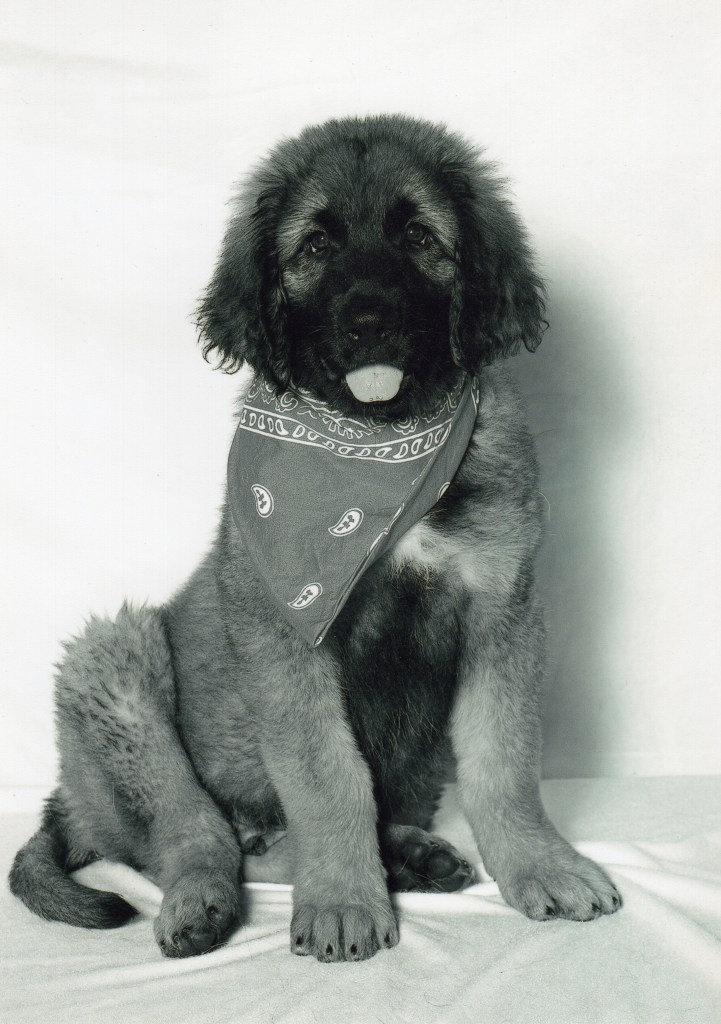
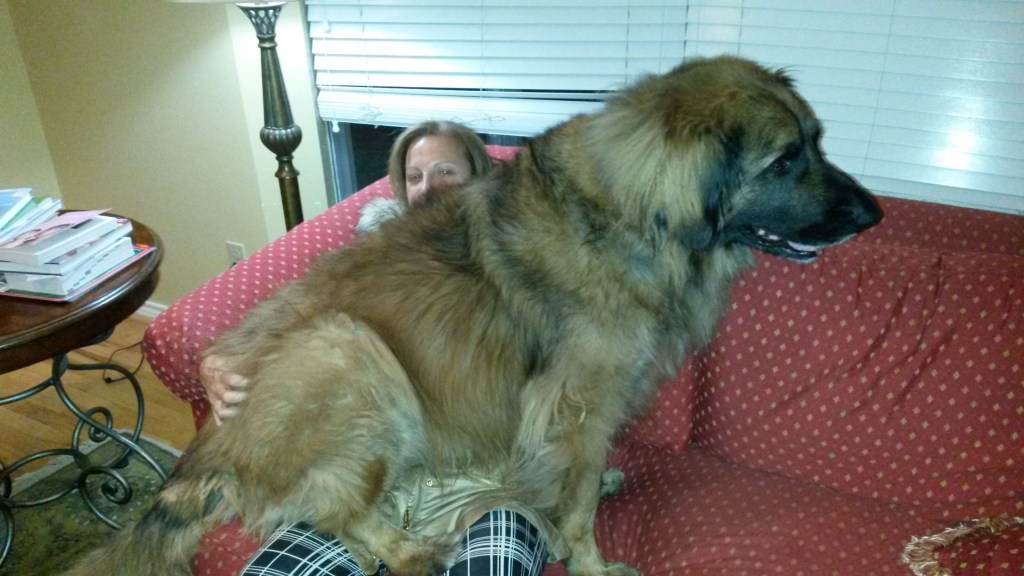
The reasons we did not wait the entire two years was that our veterinarian at the time wanted to do it sooner and Bronco was dragging furniture around the house because of his excess energy. He was strong, and big, energetic and a bit restless. He was very friendly and harmless, but he had a lot of energy. Perhaps he should have been a home decorator? I should say that knowing what we know now, we would have waited the entire two years.
Research and Expert Advice on Neutering and Spaying
This is an article from the AKC stating that a larger or giant breed may need to wait until they are near or over 12-18 months of age before neutering or spaying. The article also provides the following interesting information.
Research conducted by the University of California – Davis reveals that for some dog breeds, neutering and spaying may be associated with the increased risks of certain health conditions such as joint disorders including hip or elbow dysplasia, cranial cruciate rupture or tear, and some cancers, such as lymphoma, mast cell tumor, hemangiosarcoma, and osteosarcoma. The research conclusions are not surprising. Sex hormones are important in the development of any animal. We know they affect psychological development as well as the musculoskeletal, cardiovascular, and the immune system.
I believe this is the University of California – Davis article in question. It is from 2020. Notice that the suggested guidelines for age of neutering is beyond 23 months for several of the giant breeds in the table of 35 breeds. Also notice that the table does not include Leonbergers.
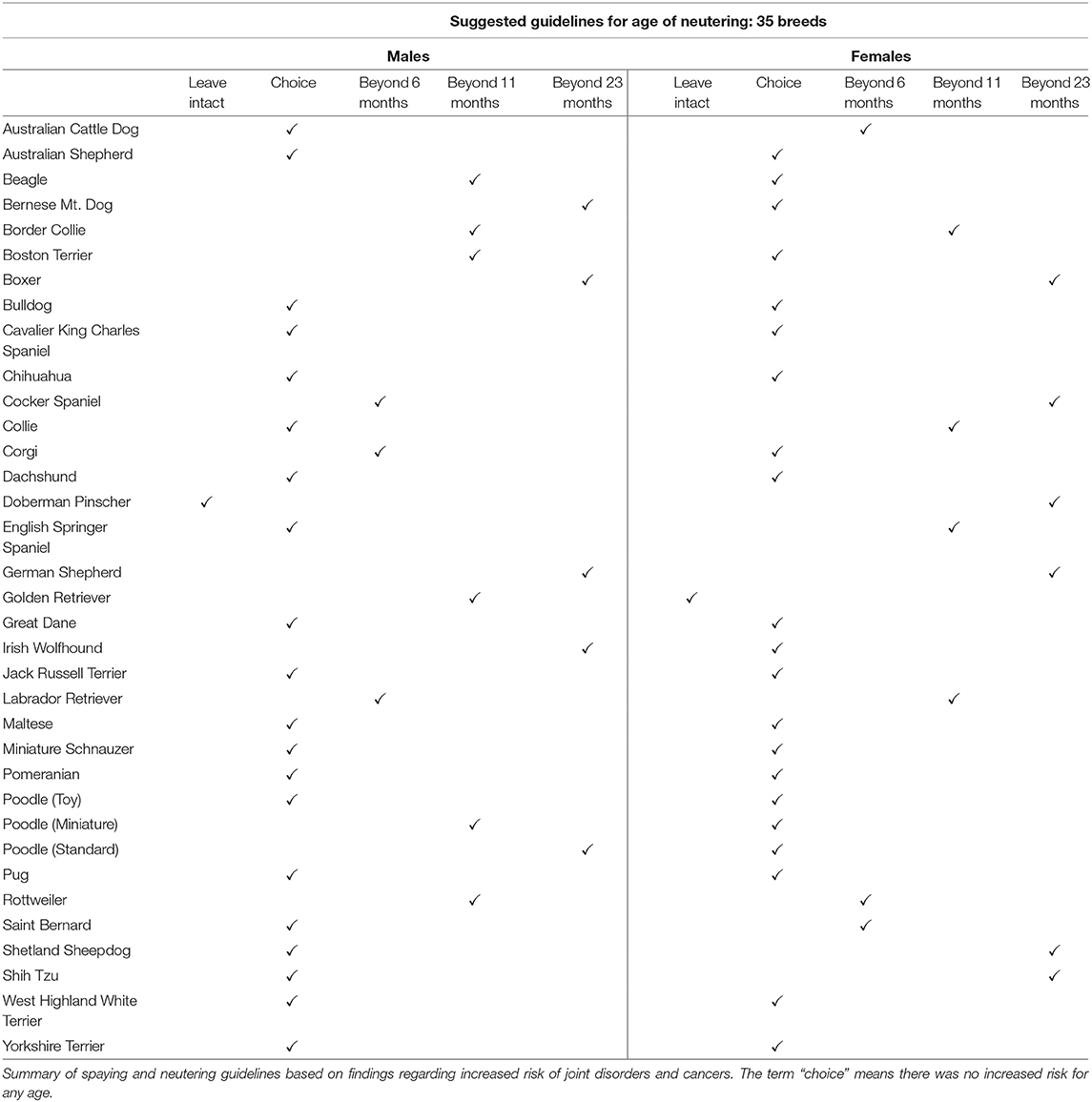
Recommended ages for neutering and spaying for selected dog breeds
Below is a list featuring the recommended ages for neutering and spaying for selected dog breeds based on the research mentioned above.
- Australian Shepherd, for neutering and spaying it is your choice. The same is true for Pugs.
- Bernese Mountain Dog, you should neuter beyond the age of 23 months, but for spaying you have a free choice.
- Boxer, neuter and spay beyond the age of 23 months.
- Boston Terrier, neuter beyond 11 months, but for spaying you have a free choice.
- Doberman Pincher, never neuter, and you need to spay beyond the age of 23 months.
- German Shepherd, neuter and spay beyond the age of 23 months.
- Labrador Retriever, neuter beyond 6 months and spay beyond 11 months.
- Corgi, neuter beyond 6 months, but for spaying you have a free choice.
- Great Dane, despite being a very large dog you have a free choice for both neutering and spaying.
- Rottweiler, neuter beyond 11 months, but for spaying beyond 6 months.
Additional Information on Neutering and Spaying Various Dog Breeds
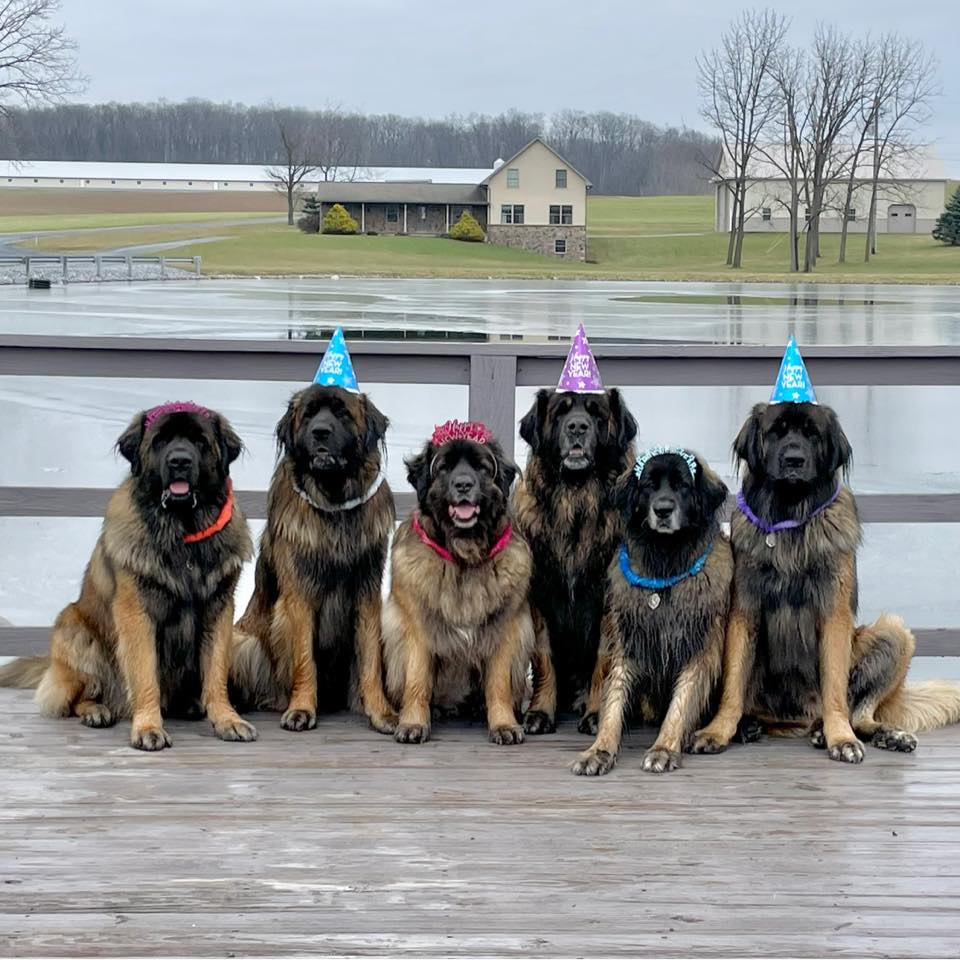
Hillhaven Leonbergers in Ireland recommend not neutering your Leonberger until at least 2 years of age. They warn against doing it at 6 months old, despite what some veterinarians may recommend.
I did not find an on-line Leonberger Club of America recommendation but this old 2011 article from the Leonberger Club of America states: Because the Leonberger is a slow maturing breed in general, most breeders will ask puppy owners to wait a year or so before altering their puppies, to allow bones to develop more fully.
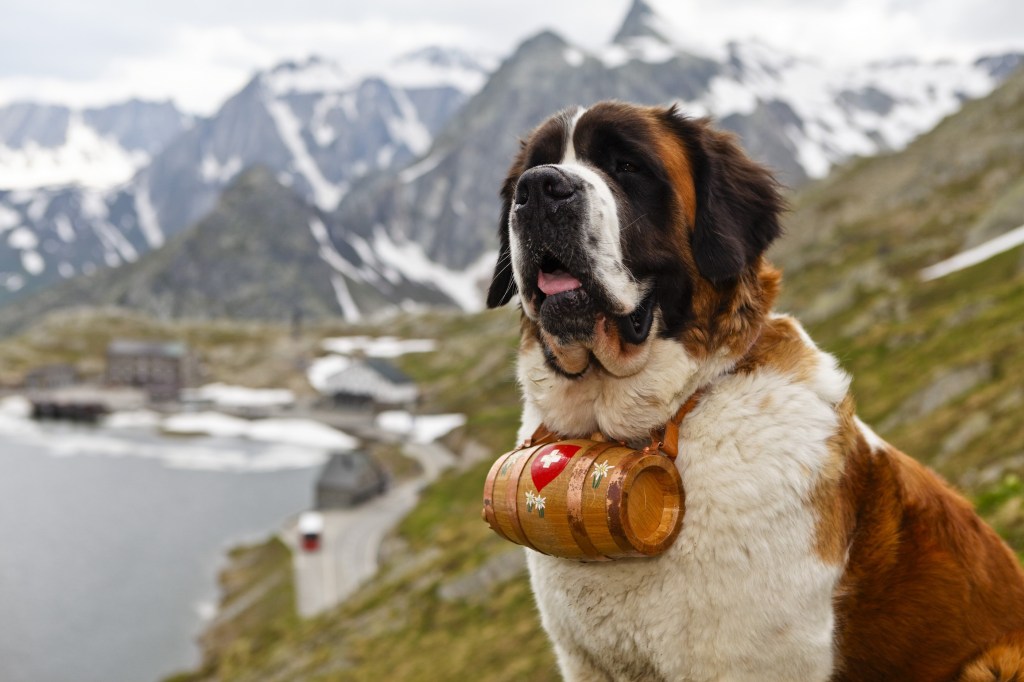
I did find an article from the Saint Bernard Club of America. The Saint Bernard is genetically similar to the Leonberger. This article states: Above all, no giant breed puppy should be altered before the growth plates in the bones have matured and closed, usually between 15 and 24 months of age.
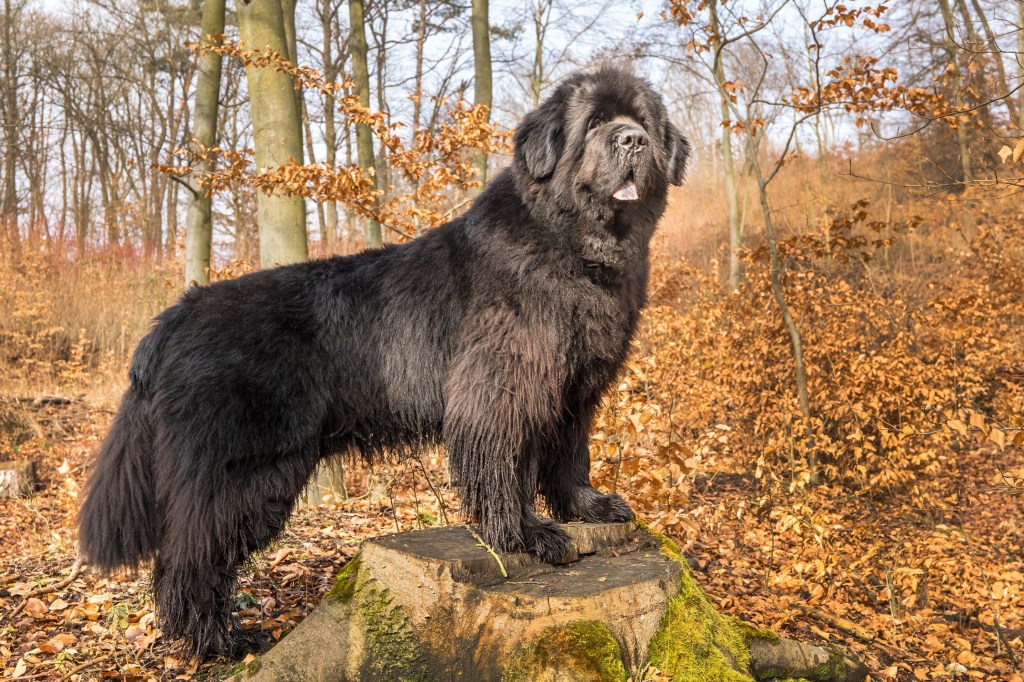
This Newfoundland dog magazine states : Currently, the recommended age that a Newfoundland dog should be neutered is 18 to 24 months due to the possible health problems that can arise from altering before that age. The Newfoundland is another dog that is genetically similar to the Leonberger.
Conclusion
So, in conclusion, even though the expert advice regarding neutering and spaying varies a bit, it is clear that neutering and spaying at six months old is too early for Leonbergers and many other giant breeds. It can harm their Leonberger.
About Thomas Wikman
Thomas Wikman is a retired software / robotics engineer with a background in physics. He has a PhD in Applied Physics and Electrical Engineering. He is the author of two blogs, first this blog Leonberger Life which is focused on a rare but amazing dog breed called Leonberger. He has also written a book titled The Life and Times of Le Bronco von der Löwenhöhle, which feature his Leonberger’s crazy adventures as well as information about the Leonberger breed and how to care for giant dog breeds. His second blog superfactful , is a fun but educational blog that is focused on finding facts that are important and yet surprising or disputed by people who are not well informed on the topic. This blog features myth busting as well as facts that will blow your mind.
Becoming a First-Time Leonberger Owner
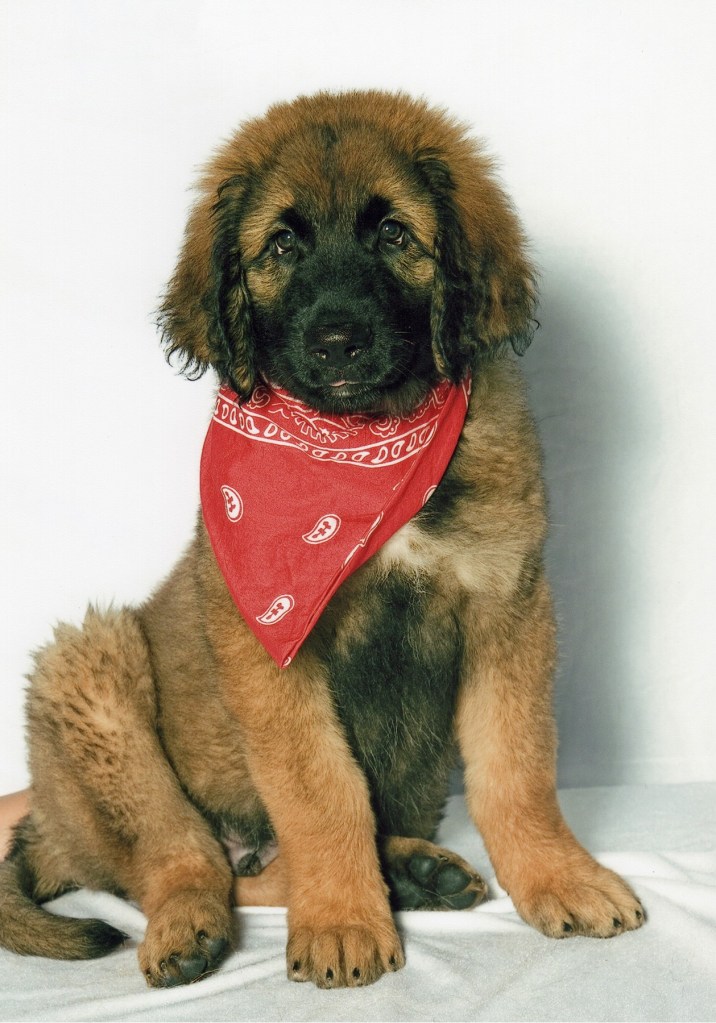
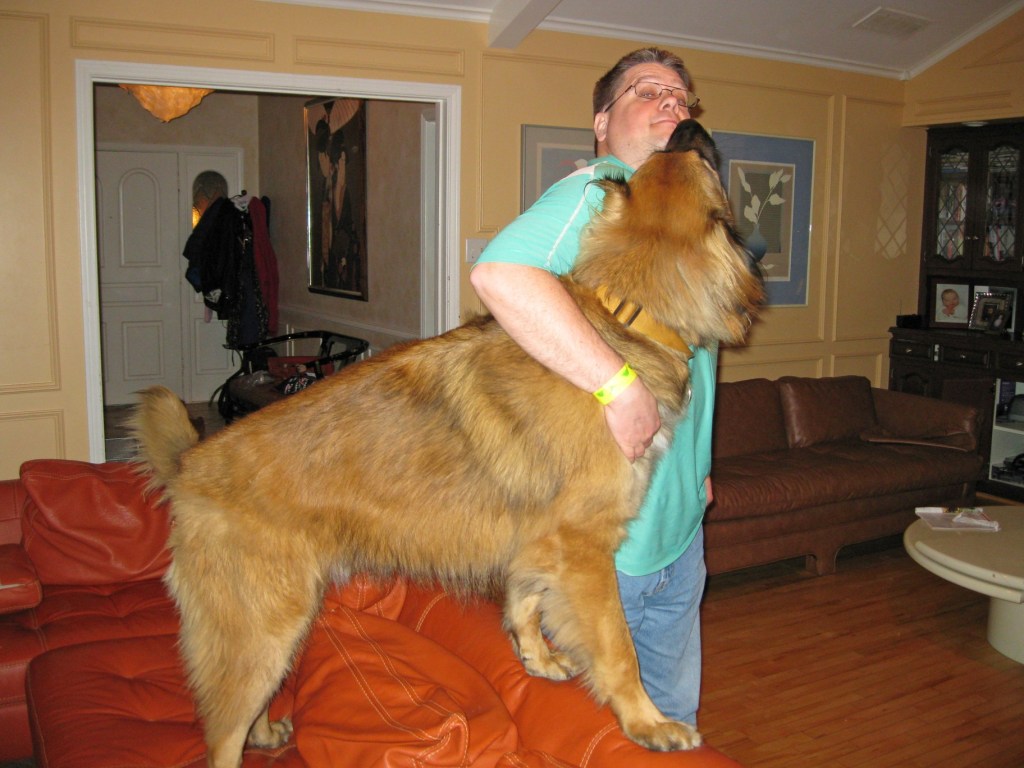
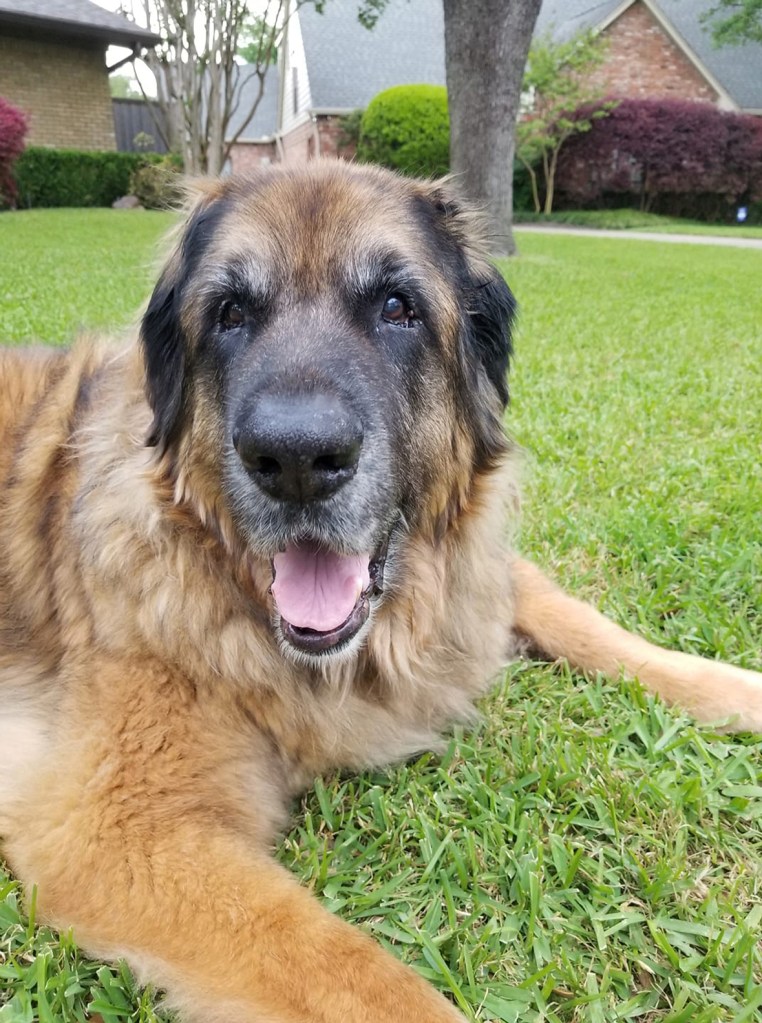
This is a guest post written by Ryan Goodchild. He emailed me asking me if he could publish this post regarding becoming a first time Leonberger Owner . I said yes. See his post below.
Becoming a First-Time Leonberger Owner: What You Need to Know
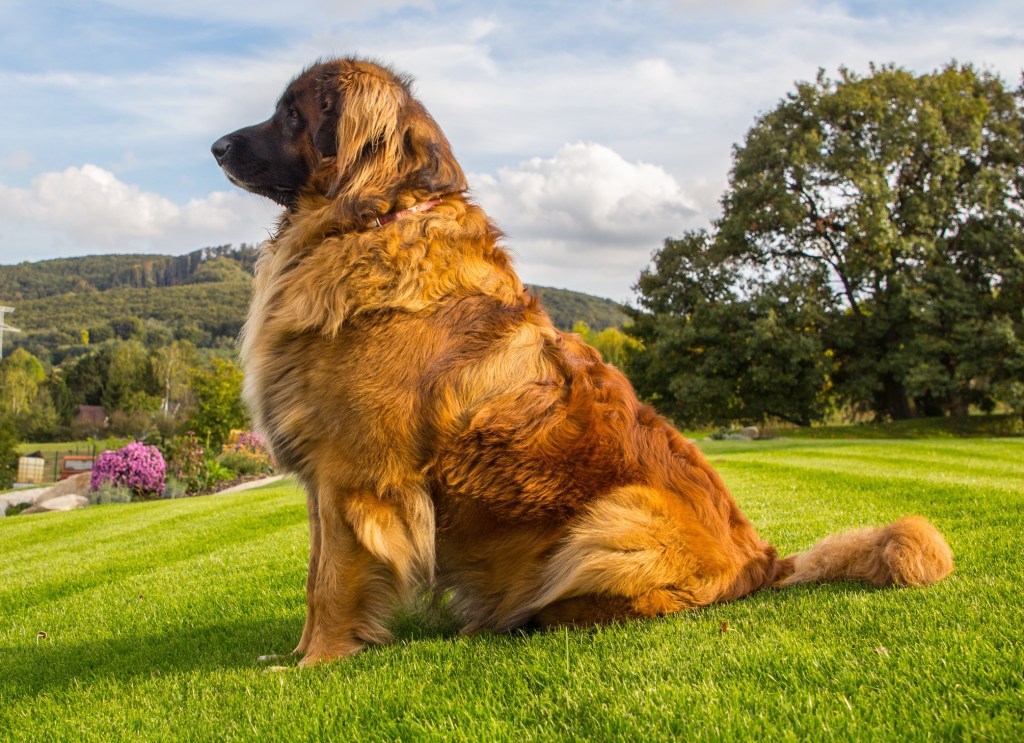
Owning a Leonberger isn’t just about bringing home a dog—it’s about welcoming a gentle, giant-hearted companion whose loyalty and calm strength will shape your days for years to come. These majestic dogs, known for their intelligence and deep affection, can be both a joy and a challenge for first-time pet owners. This guide will help you understand what to expect and how to set yourself—and your Leonberger—up for success.
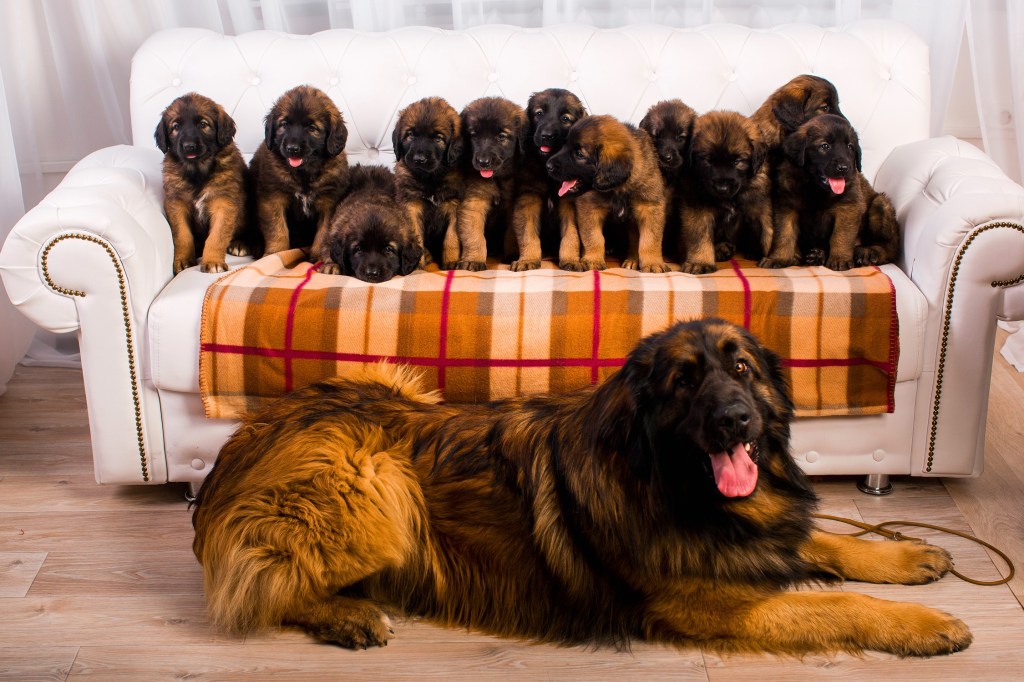
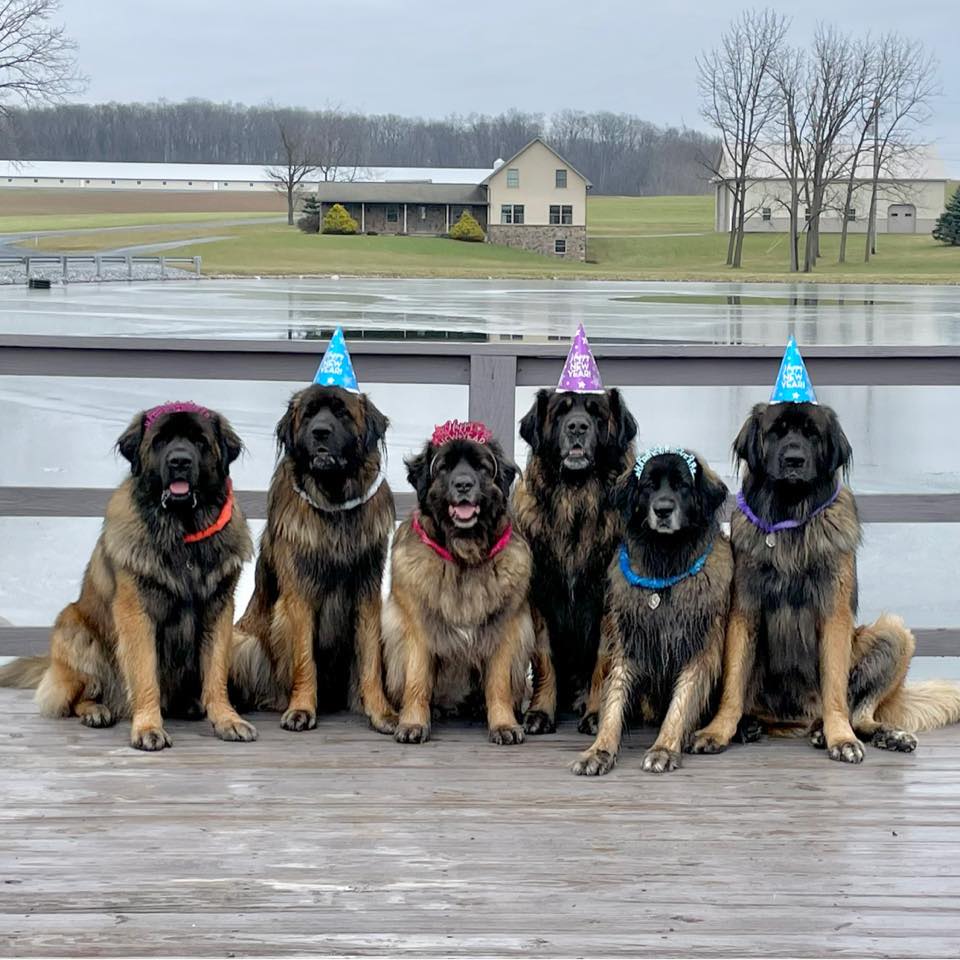
Quick Essentials This Article Looks At
- Leonbergers are massive—males can exceed 170 pounds; space and structure are non-negotiable.
- Early socialization and consistent training are critical to keep their size from becoming a liability.
- Expect heavy shedding, especially during seasonal “blowouts.”
- They thrive on human interaction and suffer if left alone for long periods.
- Regular vet care, high-quality food, and joint supplements can prevent costly long-term health issues.
Understanding the Leonberger Temperament
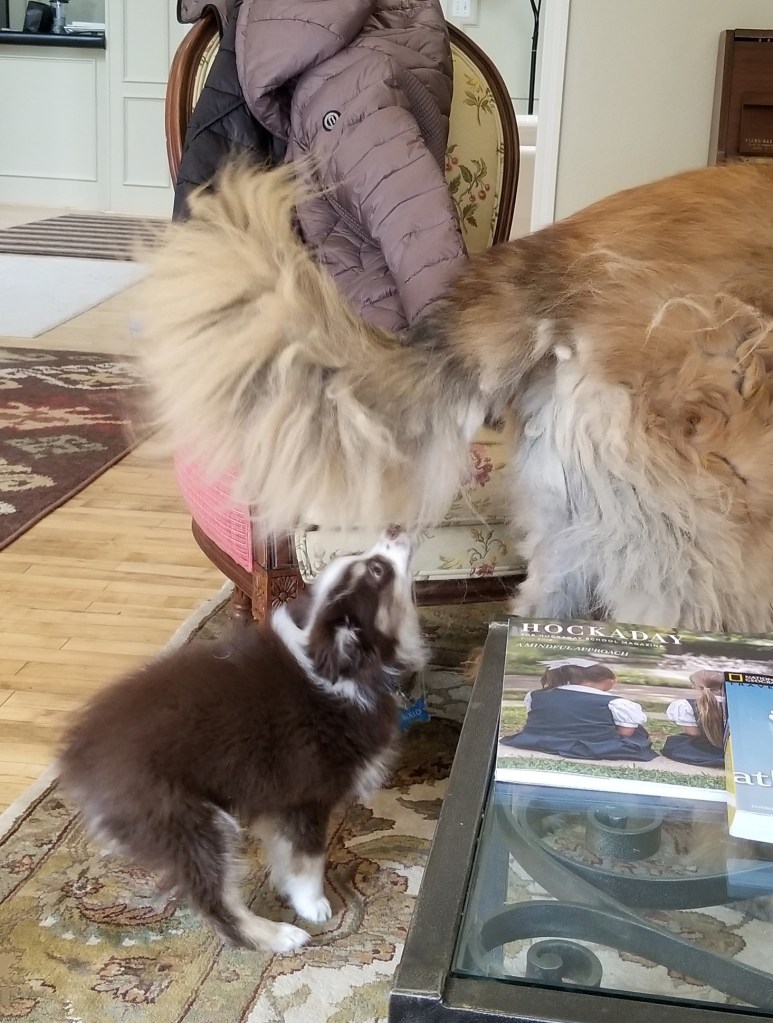
Leonbergers are affectionate, patient, and famously good with children. Originally bred as family and working companions, they balance strength with serenity. However, their intelligence means they need mental stimulation and clear boundaries; without it, boredom can lead to destructive behavior.
A Few Core Traits to Remember:
- Gentle yet strong: They rarely display aggression but need confident leadership.
- Social by nature: Isolation leads to stress and behavioral issues.
- Sensitive to tone: Harsh correction will break trust—positive reinforcement works best.
Health and Nutrition at a Glance
Leonbergers grow rapidly and live, on average, 8–9 years. Their size makes them prone to joint, heart, and bone issues, so proactive care is crucial.
Here’s a snapshot of what to focus on:
| Concern | What to Watch | Preventive Actions |
| Hip & Elbow Dysplasia | Limping, stiffness | Keep weight balanced, feed joint-support diets |
| Bloat (Gastric Torsion) | Restlessness, distended belly | Feed smaller meals, avoid heavy exercise after eating |
| Heart Conditions | Fatigue, coughing | Annual cardiac exams |
| Cancer (esp. bone) | Sudden lameness or pain | Regular vet visits and early screening |
Creating a Home That Fits a Leonberger
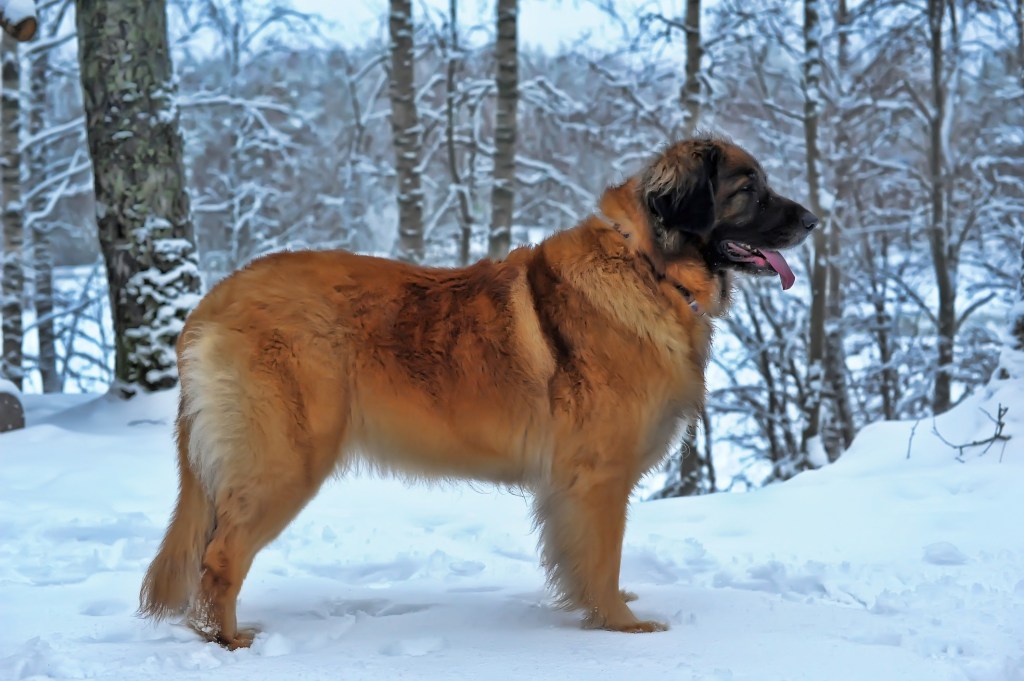
A small apartment won’t do—Leonbergers need space to stretch, play, and move freely. A secure, fenced yard is ideal. Indoors, they’ll happily curl up near you, but their size means you’ll need to Leonberger-proof your space.
How to Prepare Your Home:
- Create a soft resting area to protect joints.
- Secure gates and doors—they can easily push through flimsy barriers.
- Keep breakables out of tail range.
- Use large, non-slip bowls for food and water.

Grooming and Maintenance: Managing the “Fur-nado”
Leonbergers have a double coat that requires regular maintenance. Weekly brushing helps, but during shedding season, daily sessions are best. Baths every 6–8 weeks will keep their coat clean and odor-free.
Grooming Checklist
Before shedding season hits, stock up on these essentials:
- Undercoat rake and slicker brush
- High-velocity dryer (optional but effective)
- Gentle dog shampoo and conditioner
- Nail clippers and ear-cleaning solution
Keeping up with grooming not only reduces hair around the house but also strengthens your bond with your dog.
How to Keep Your Pet Records Organized
First-time owners often underestimate the amount of documentation involved—vaccination records, microchip details, adoption papers, and vet receipts. To make things easier, convert documents to PDF and store them digitally.
Using a reliable online tool lets you organize every file in one place, ensuring quick access during vet visits or emergencies.
Creating a labeled folder for your Leonberger’s records—medical, training, and nutrition—will save time and prevent misplaced paperwork later.
Training Your Leonberger: Building a Confident Giant
Leonbergers are highly trainable but easily bored by repetition. Their size makes obedience a must—start early, keep sessions short, and make them engaging. Reward-based methods build trust faster than dominance-based tactics.
Quick Training Guide:
- Start with basics: Sit, stay, come, down.
- Socialize early: Introduce new sights, people, and other pets gradually.
- Teach calm leash behavior: Their strength can easily overwhelm a novice handler.
- Practice recall: A reliable recall can prevent accidents.
Leonbergers are eager to please and thrive when training feels like teamwork rather than command and control.
The First-Year Readiness Checklist
Owning a Leonberger for the first time is as rewarding as it is demanding. Before bringing one home, make sure you can check most of these boxes:
How-To Checklist: Your First-Year Essentials
- Register with a trusted veterinarian
- Choose a large-breed-specific diet and feeding schedule
- Create a grooming calendar and stick to it
- Enroll in an obedience or puppy class
- Invest in sturdy leashes, harnesses, and feeding equipment
- Begin socialization within the first 3 months
- Keep vaccination and health records digitally organized
“Big-Paw” Questions: FAQ for Future Leonberger Owners
Here are some of the most common concerns new owners have—answered clearly and concisely.
The New Owner’s FAQ: “From Puppy to Gentle Giant”
1. How much exercise does a Leonberger need?
At least an hour a day of moderate activity is ideal. Puppies should avoid high-impact exercise until growth plates close (around 18 months) to protect joints.
2. Are Leonbergers good with other pets?
Yes. They’re naturally tolerant, but early introductions and supervised interactions are important, especially with smaller animals they could accidentally knock over.
3. How expensive are they to maintain?
Expect higher costs than smaller breeds. Quality food, grooming, and vet care can average $2,000–$3,000 annually—not including emergencies or travel crates.
4. Do they drool?
Some do, especially after drinking water. Keep absorbent towels handy near their bowls or favorite resting spots.
5. What should I look for in a breeder or adoption center?
Choose one that conducts health testing for hips, eyes, and heart, and offers transparency about lineage. Ethical breeders prioritize temperament and health over appearance.
6. Can Leonbergers live in warm climates?
Yes, but with precautions—limit outdoor activity in high heat, provide ample shade and water, and avoid midday walks.
Building a Lifelong Bond
Becoming a Leonberger owner means embracing responsibility and reward in equal measure. These dogs will fill your home with love, hair, and joy—often in that order. Plan carefully, train consistently, and nurture their gentle nature with patience and respect. The more you invest in understanding your Leonberger, the more they’ll return in loyalty and affection that few breeds can match.
Whether this is your first pet or your first giant breed, remember: structure and affection go hand-in-hand. With preparation and heart, your Leonberger won’t just live with you—they’ll thrive because of you.
Dogs Are Family
Esther’s writing prompt: December 24th: Family
Click here or here to join in.
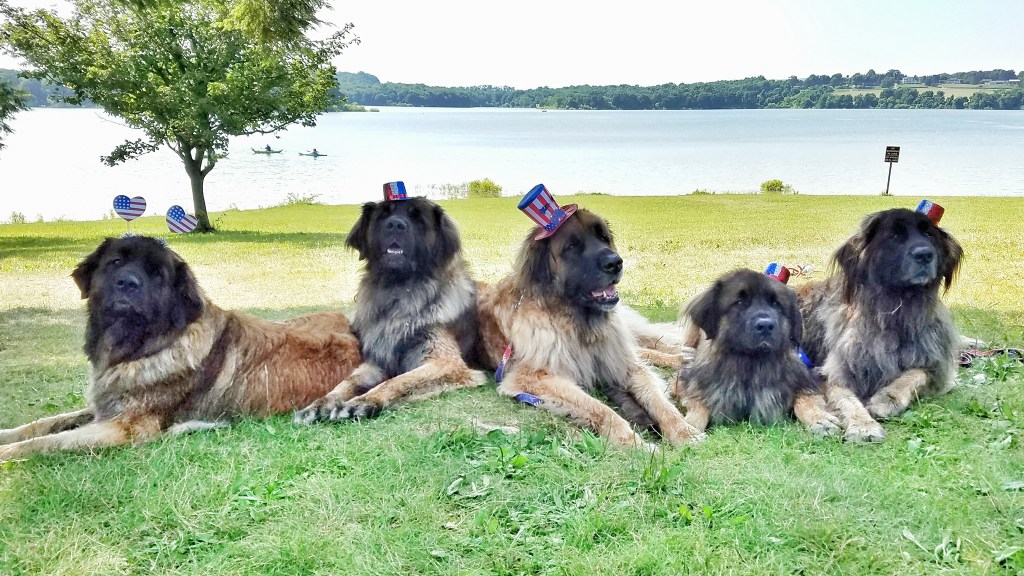
With this post I wanted to remind everyone that dogs are family, and we should not forget that during the holidays, you should give them extra cuddles and some presents and let them participate in the festivities if possible.
Our Latest Trip to Baltimore
First, I wanted to say a few words about the latest addition to our family, our first grandson Jack. Our oldest son Jacob and his wife Ashley live in Baltimore, Maryland, and their son Jack is three months old. We’ve visited him a few times since his birth and these pictures are from our latest visit about a week ago. Jack is a healthy and happy baby who does a lot of cooing. See the photos below and the short video.


Our Dogs Are Family
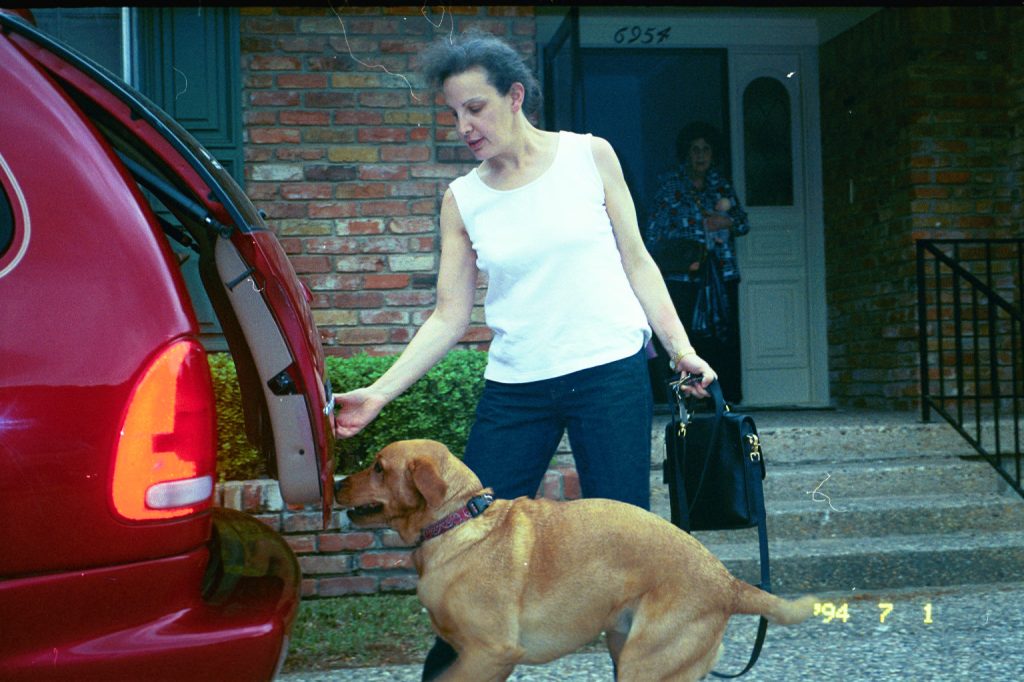
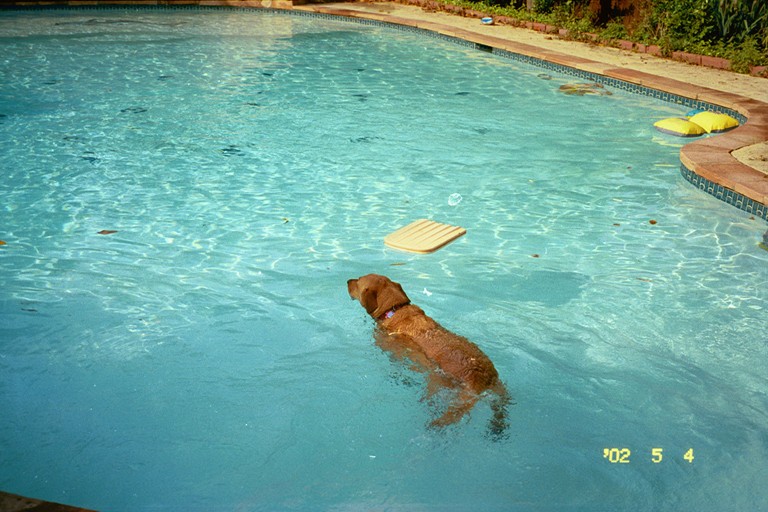
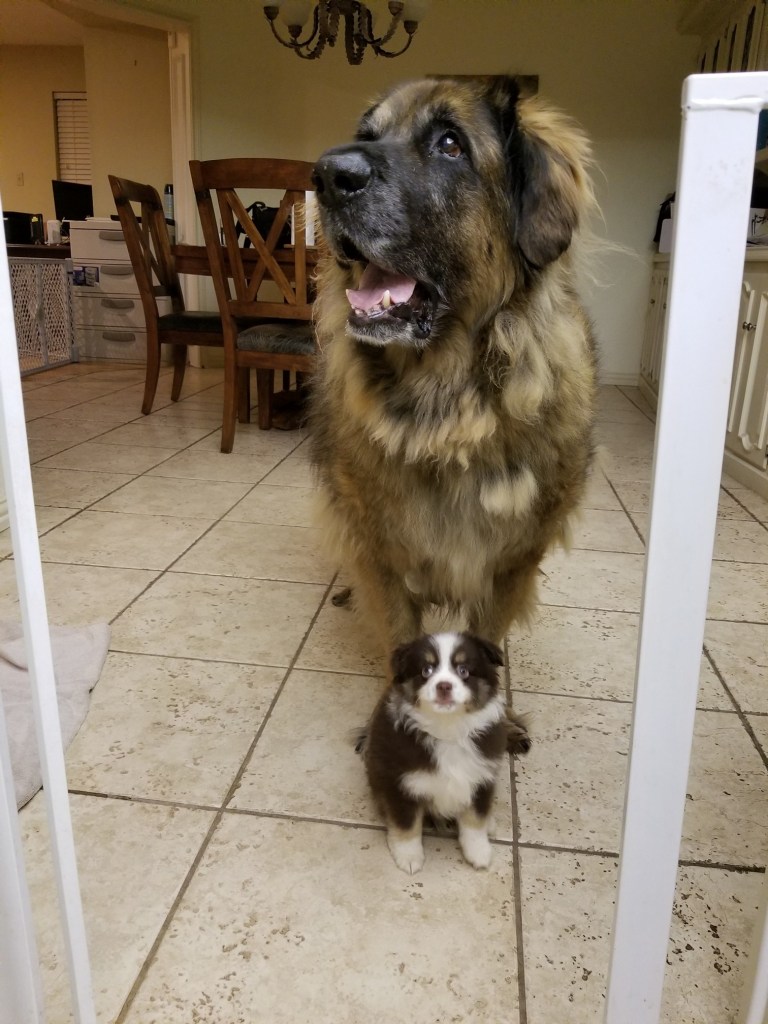
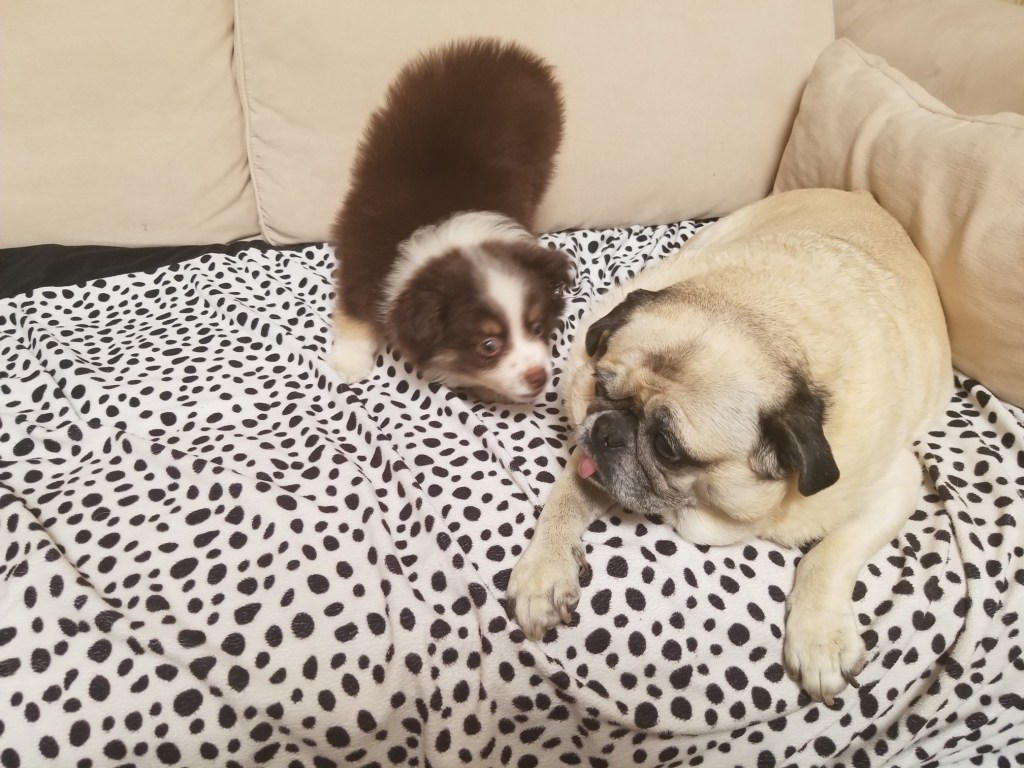
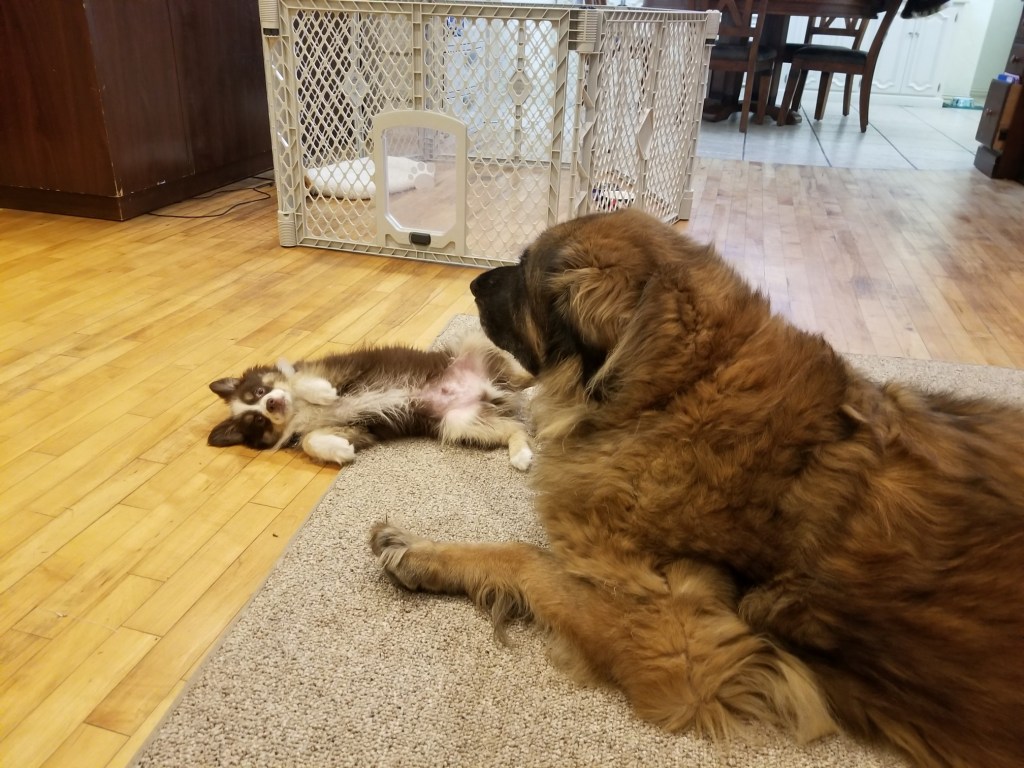
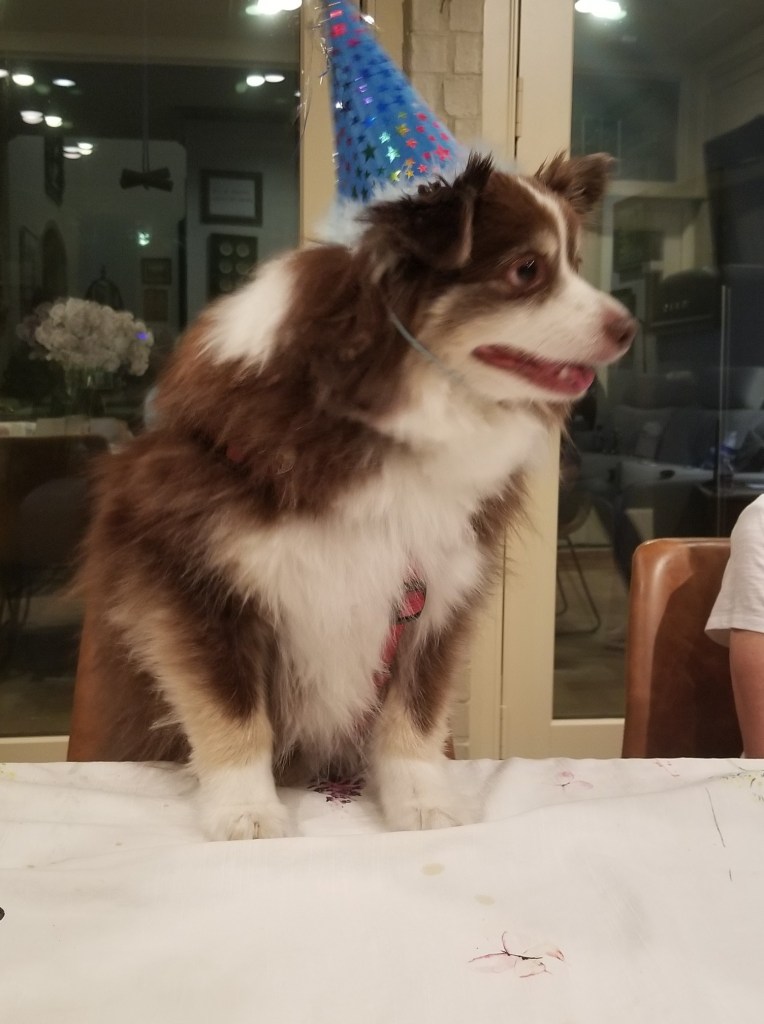
I did not grow up with dogs, and I was not even particularly fond of them, and then when we got our first family dog, the yellow Labrador Baylor, I really got to know and love dogs, and it changed my life. Now, I think I love dogs more than people. Well, at least I have learned that dogs are wonderful people. They always come with us to gatherings whenever possible and they got along very well. Our latest dog Rollo loved his sister Daisy and his big brother Bronco but he has a hard time tolerating any other dogs.

My Other Responses to Esther’s Prompts
- Prompt : Small : Small Microscopic Subatomic and Strings
- Prompt : Kind : Leonbergers Are Kind Dogs
- Prompt : Charge : Electric Charge is not the only type of Fundamental Charge
- Prompt : Promises : Promises To My Dog
- Prompt : Shade : A Total Solar Eclipse the Ultimate Moon Shade
- Prompt : Money : Ten Money Facts
- Prompt : Edge : The Edge of the Observable Universe is 46.5 billion Light Years Away
- Prompt : Fish : Ten Amazing Fish Facts
- Prompt : Promise : I Promise Not to Post AI Generated Comments
- Prompt : Respect : Respect your Dog
- Prompt : Giving : Leonbergers Giving Gifts to Pugs
Happy Holidays Everyone
What are your favorite animals Not Murder Moose Anymore
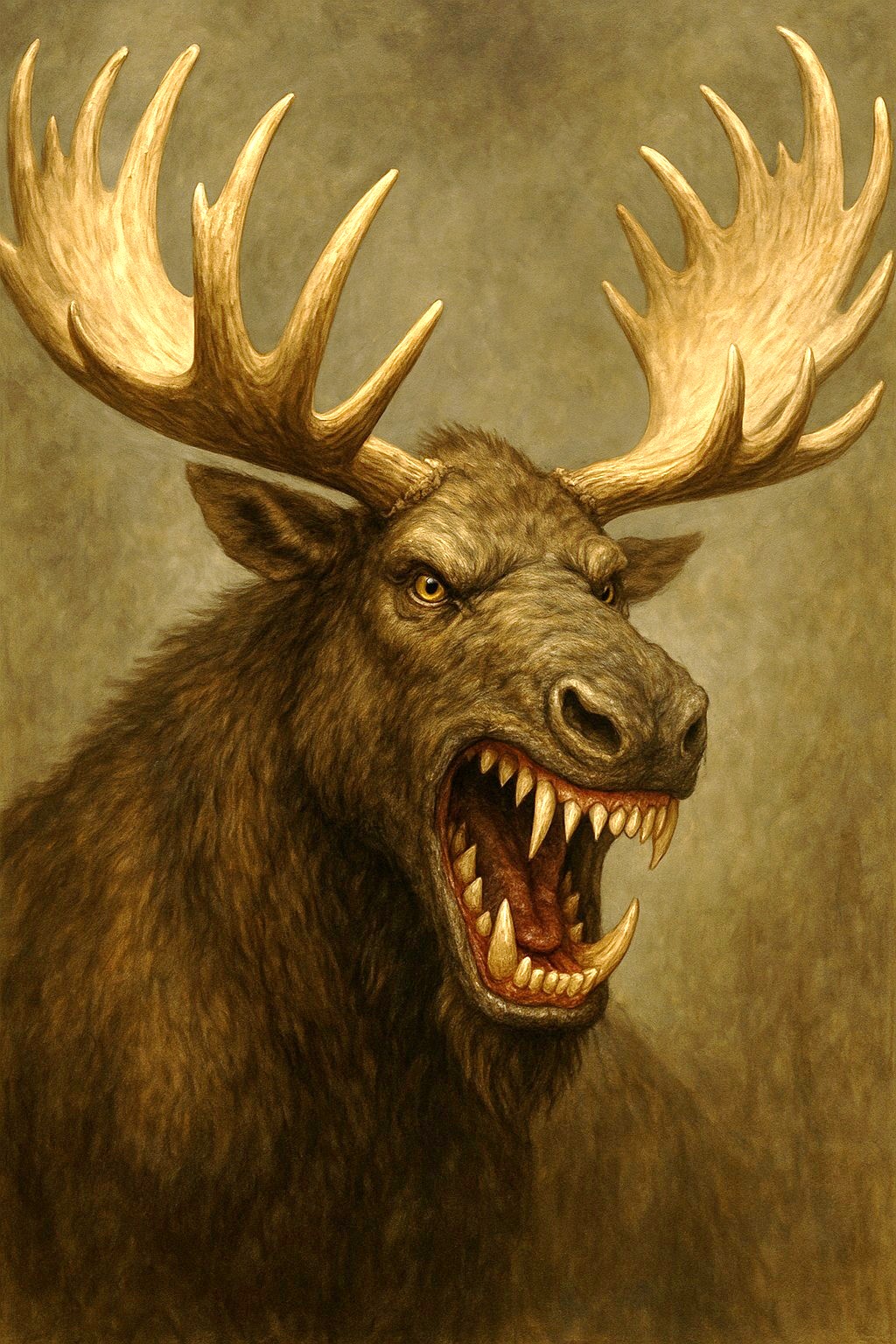
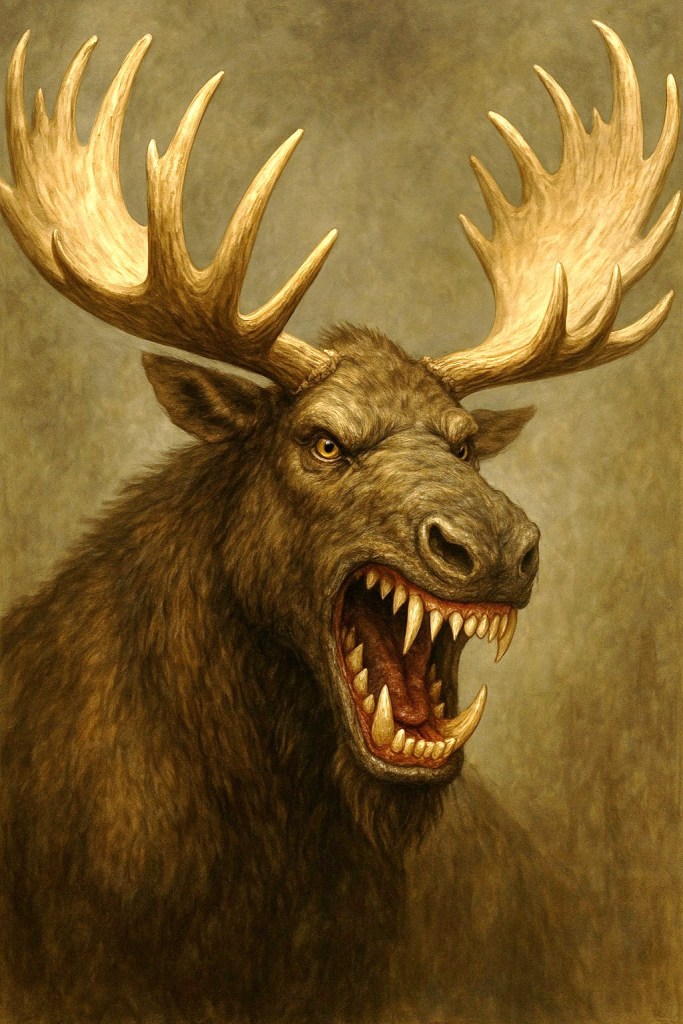
When I was in second grade, I liked horror stories, and my favorite animal was the Murder Moose. The Murder Moose was a big Moose with big teeth, and it went around killing people in my village in northern Sweden where I lived. In school I wrote my first story about the Murder Moose, and I made a drawing. My story and my drawing are unfortunately lost but with the help of ChatGPT I made another drawing based on my memories from my childhood’s Murder Moose. I should say that at the time I knew nothing about Dinosaurs yet, otherwise my favorite animal might have been Dinosaurs.


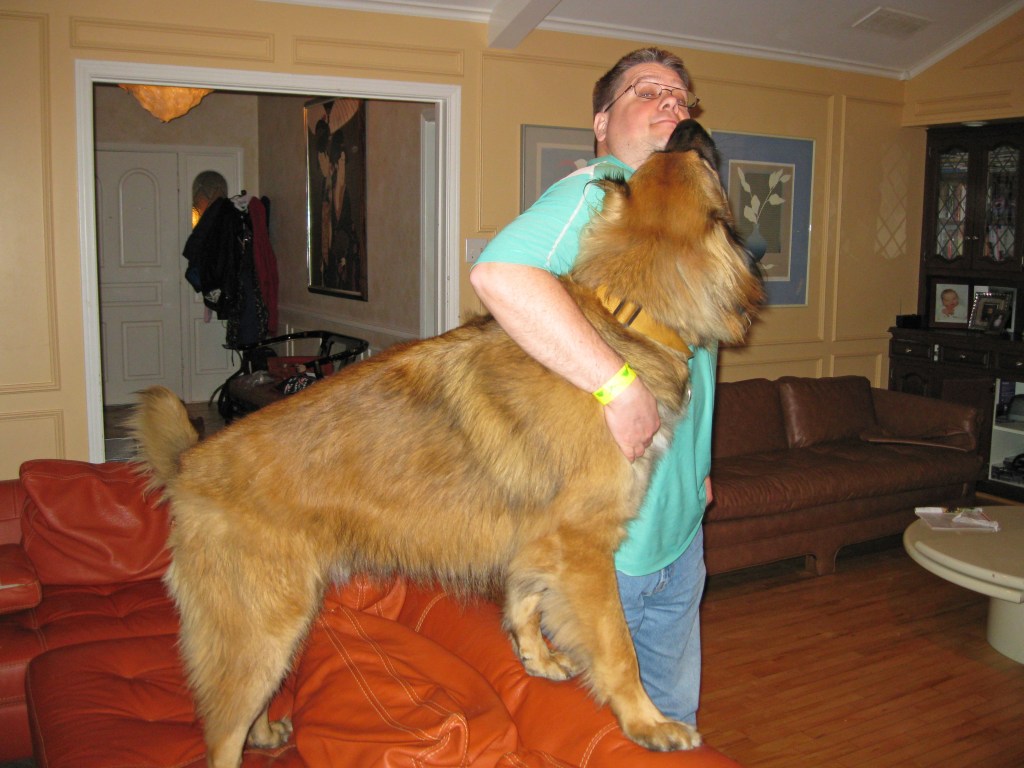
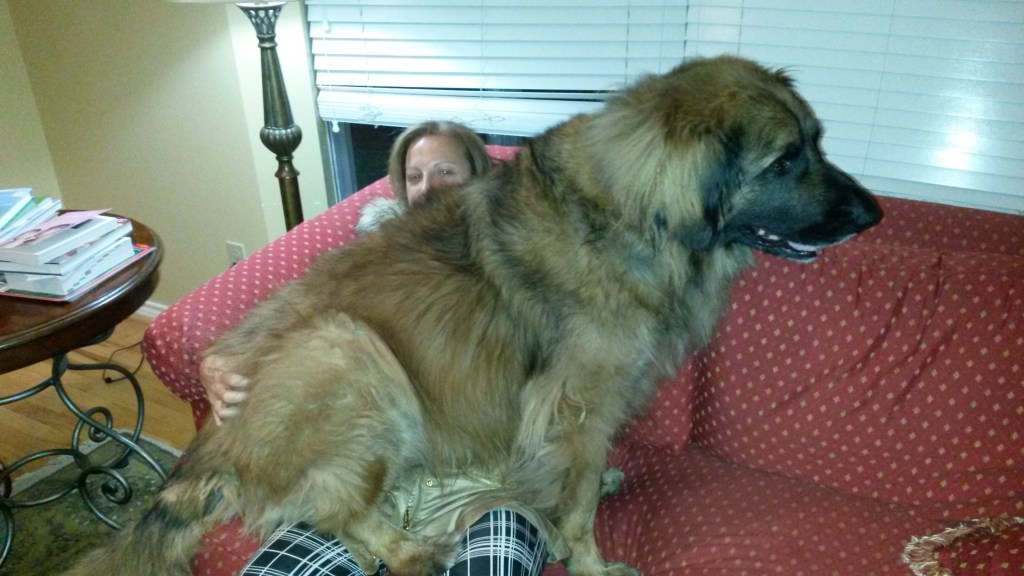
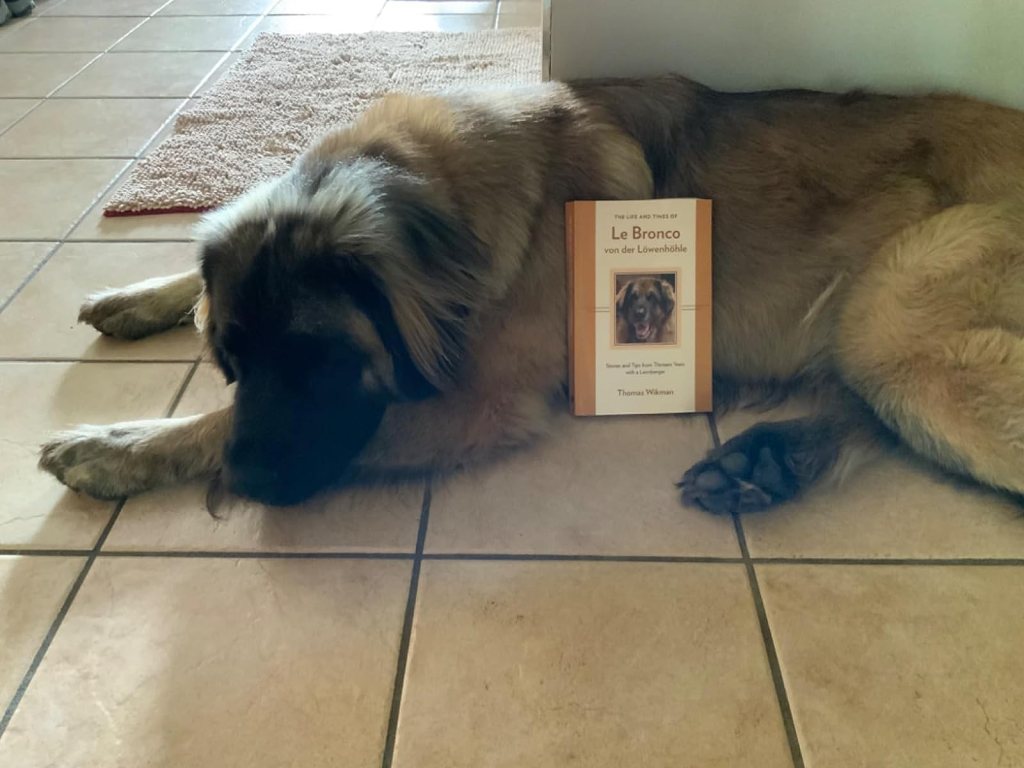
As an adult my perspective has changed. Now I love dogs. I have a dog, Rollo, and have owned many dogs, something that I never had a chance to do as a kid. I love dogs very much and I am especially fond of Leonberger dogs. I wrote a book about Leonbergers and our late Leonberger dog Bronco, or Le Bronco von der Löwenhöhle to be precise. The title of the book is “The Life and Times of Le Bronco von der Löwenhöhle, Stories and Tips from Thirteen Years with a Leonberger”.
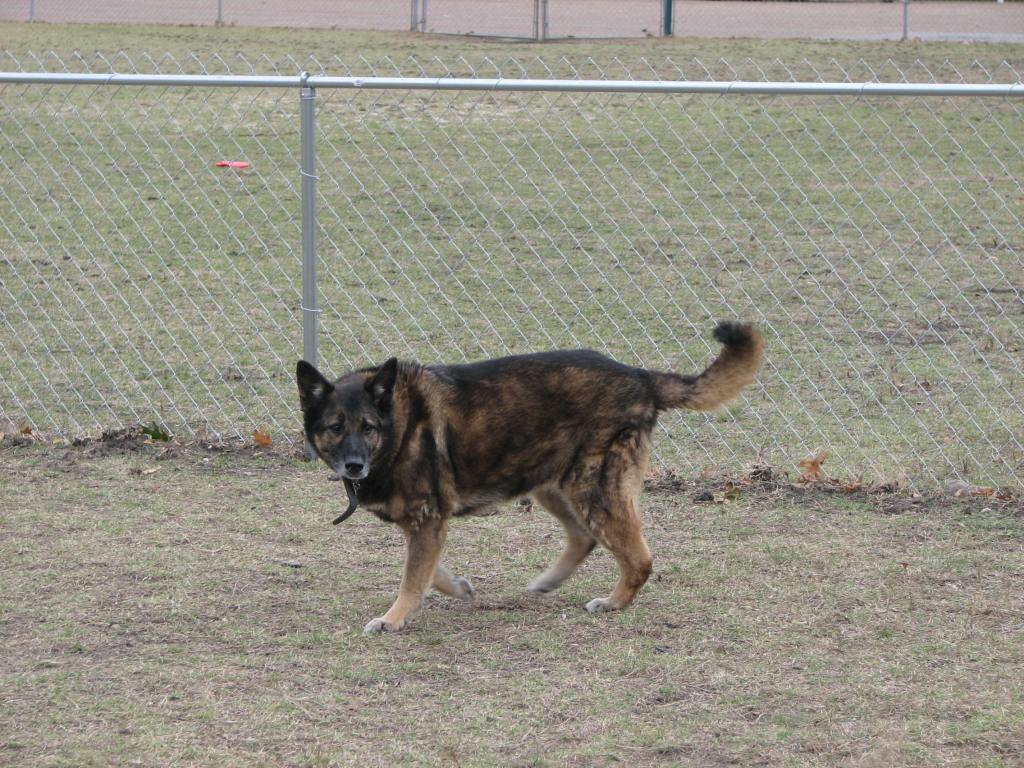
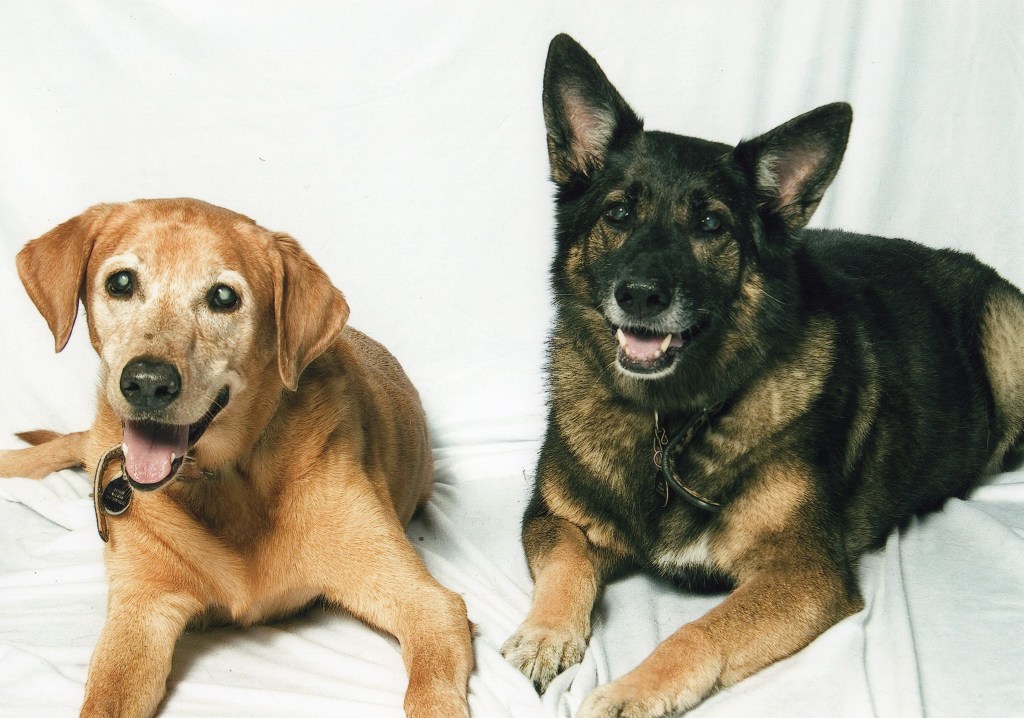
However, the first dogs we had as a family was our Labrador Baylor and German Shepherd Baby. I should say that Baylor was not a purebred Labrador, he was one quarter Rhodesian Ridgeback.
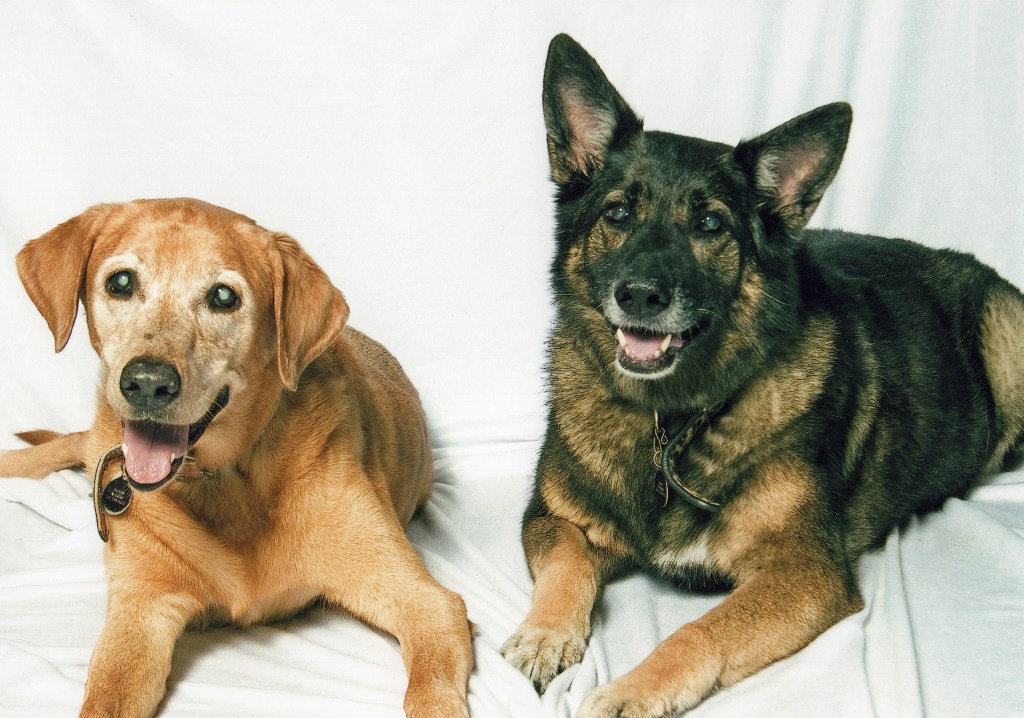
One of the reasons I love dogs is that they are very social and often quite intelligent. They provide companionship, they are loving, loyal, fun, innocent, playful and they can also provide protection whether it is physically or just because of their barking, which alerts us to the presence of strangers. Add to that the fact that you need to take them for daily walks, which will keep you healthy as well.
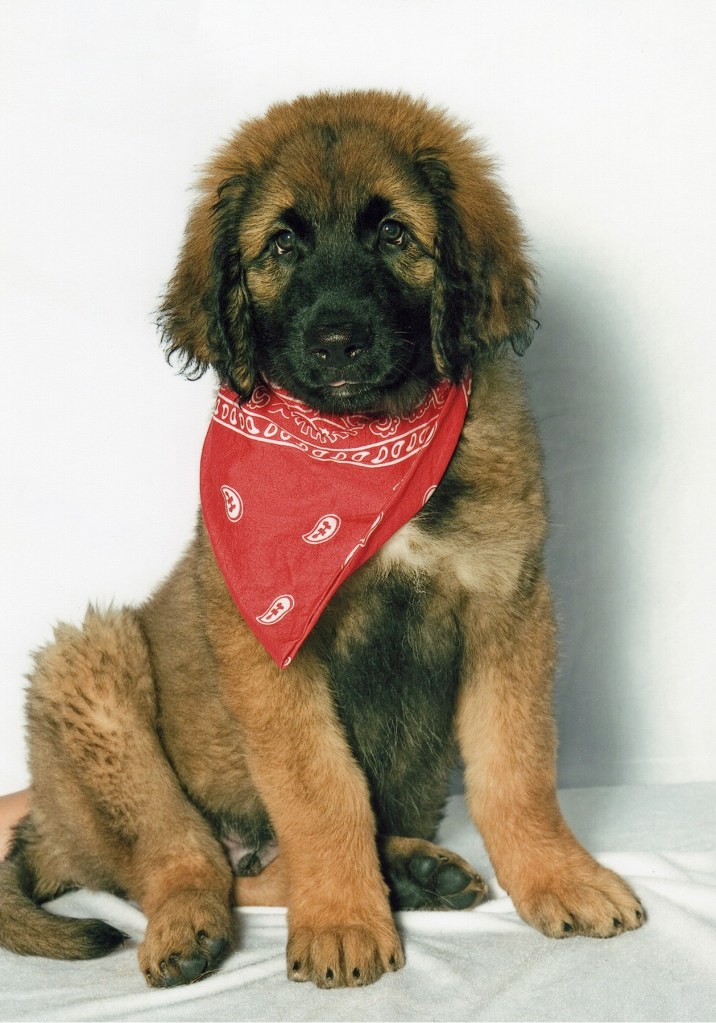
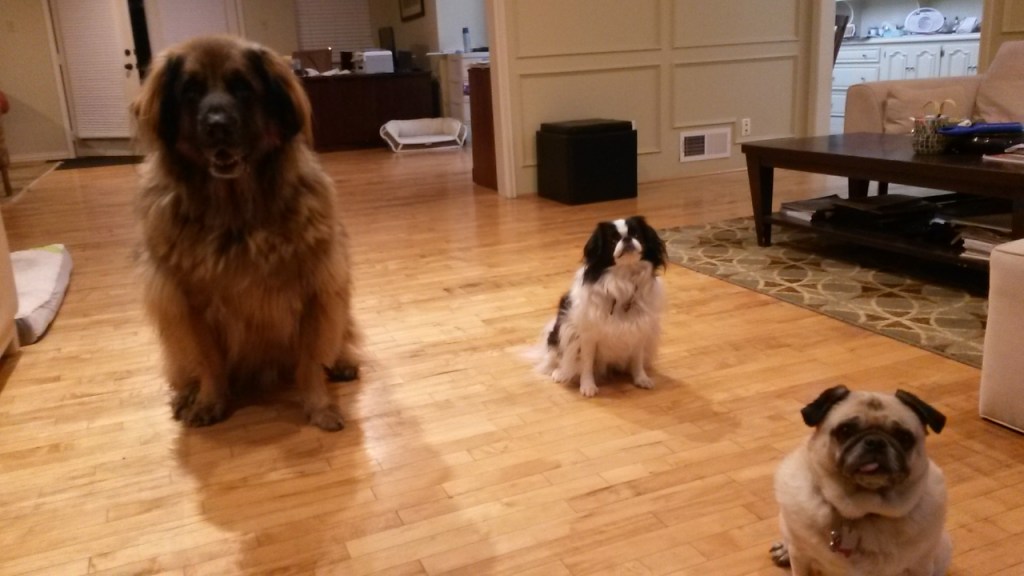
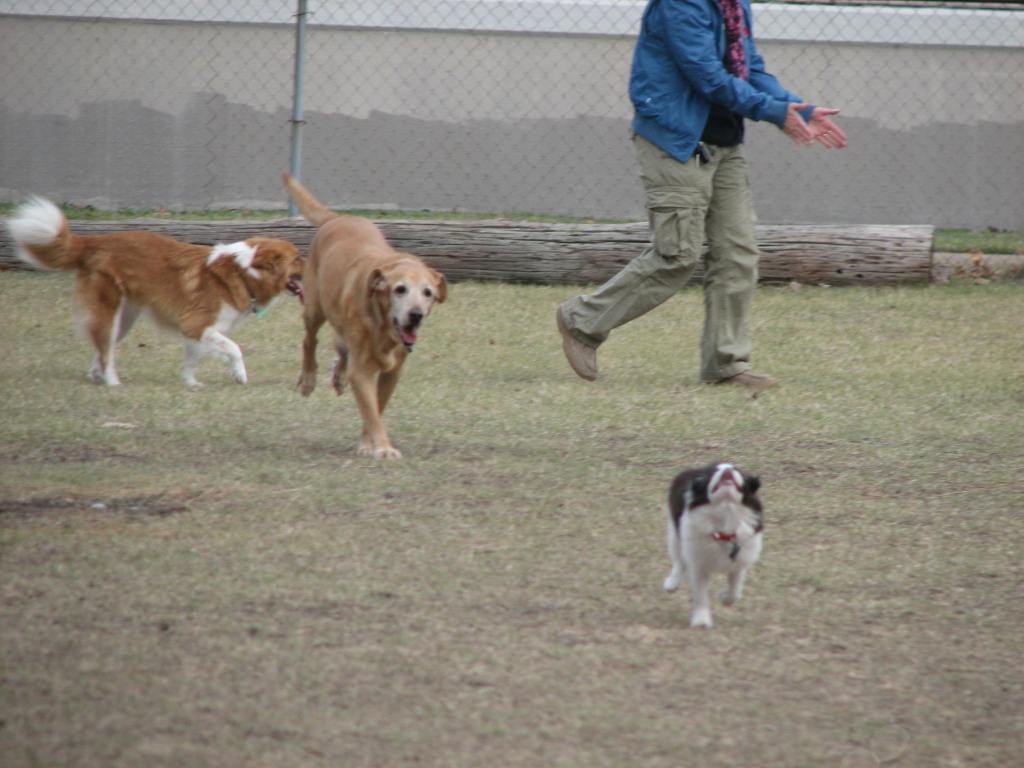
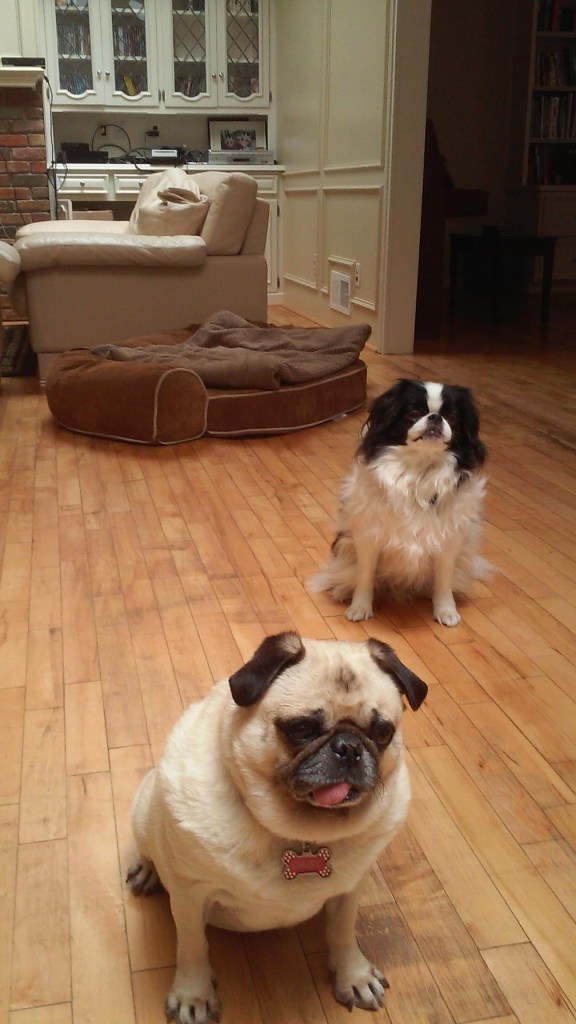
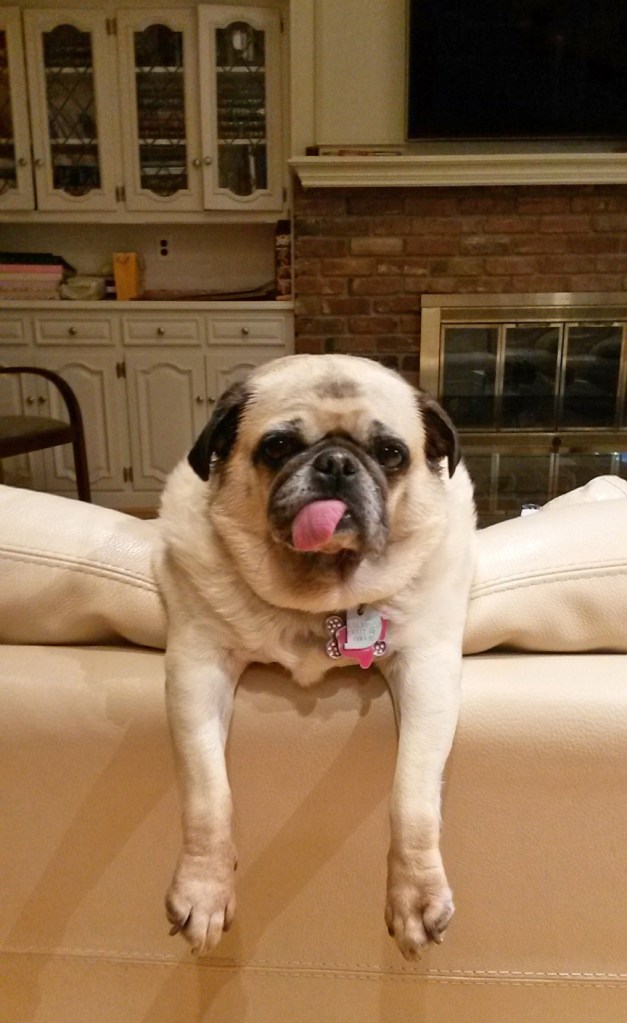
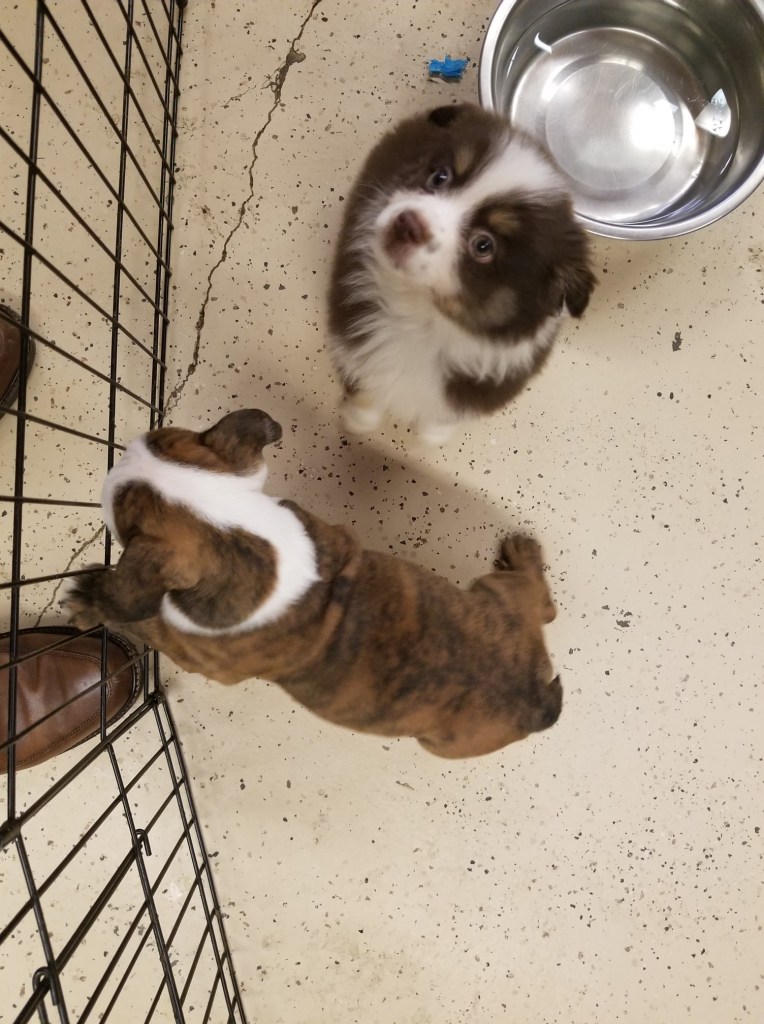
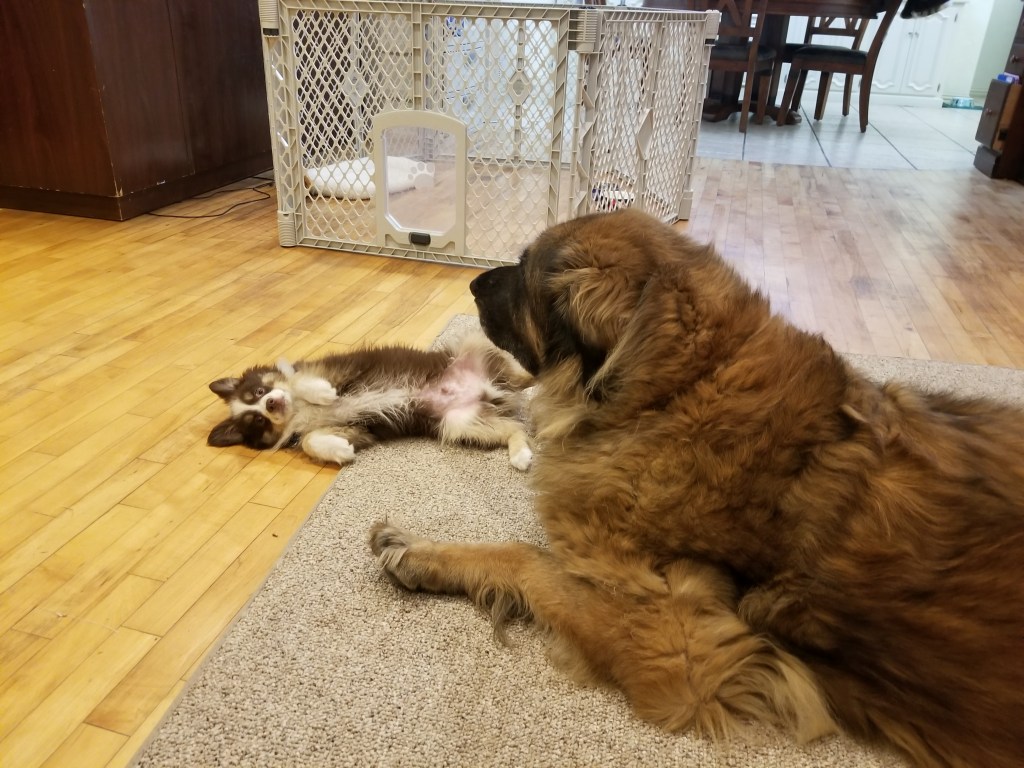
Bronco, Baylor, and Baby were not our only dogs. Below are various photos of our dogs.
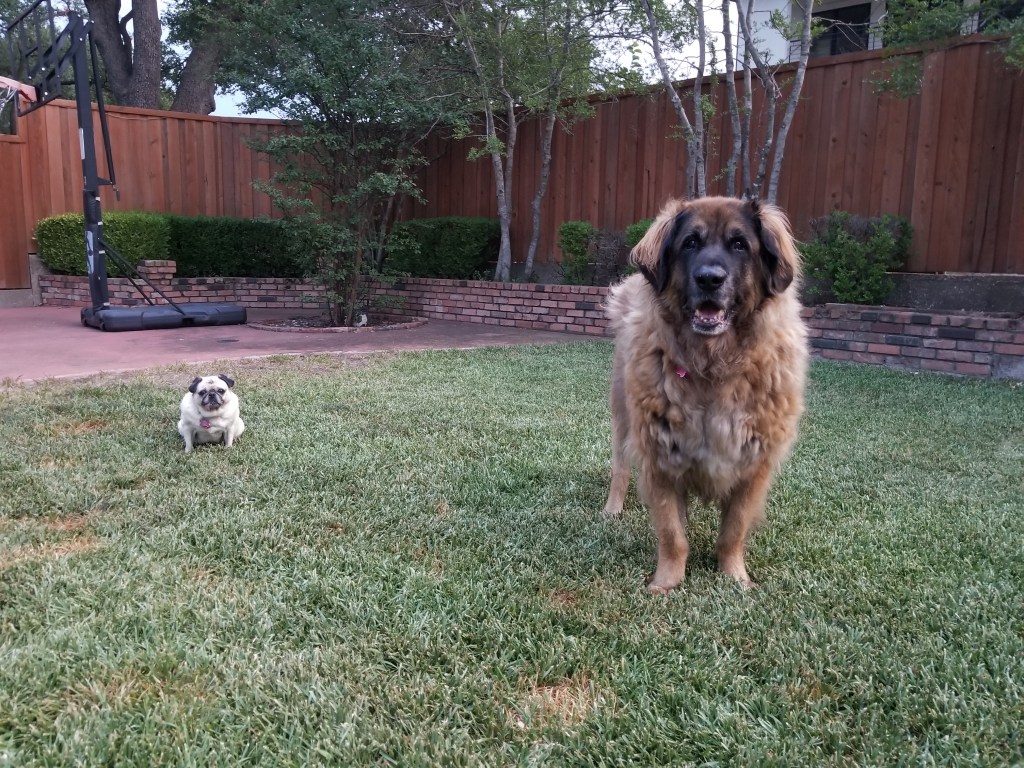
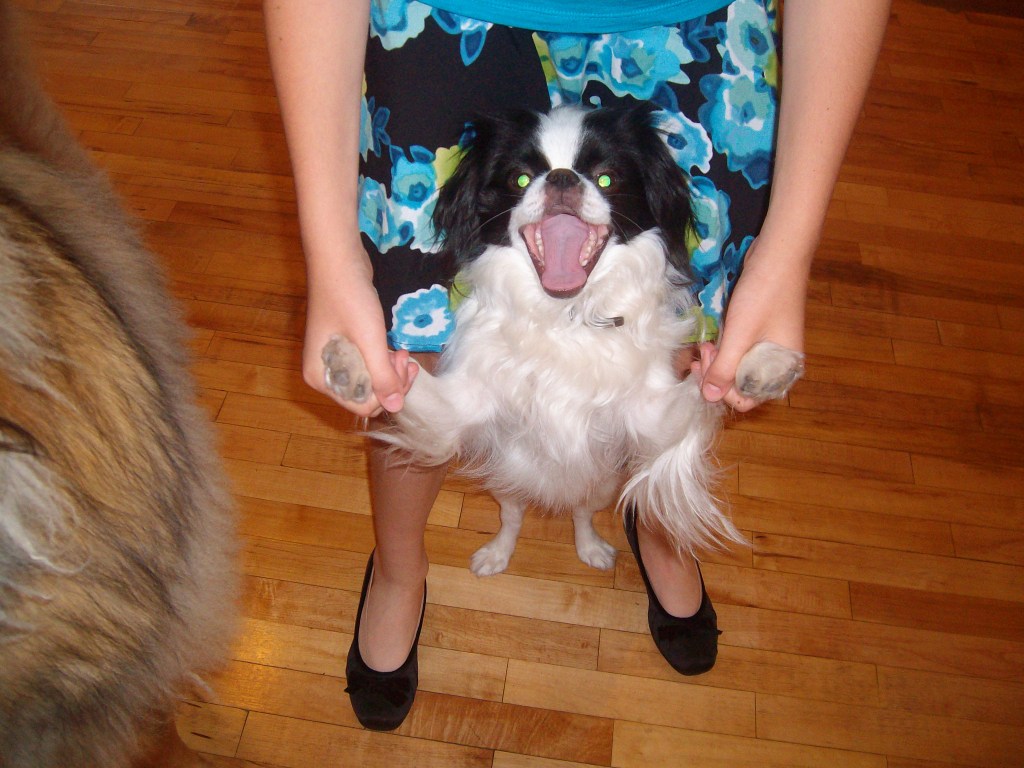

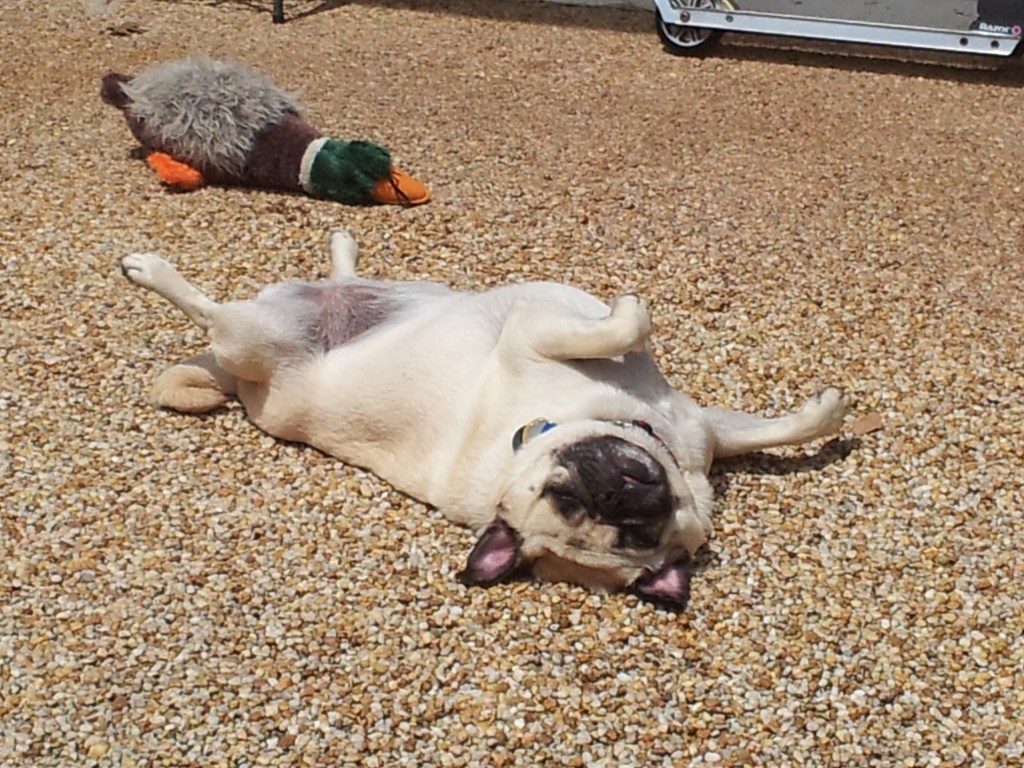
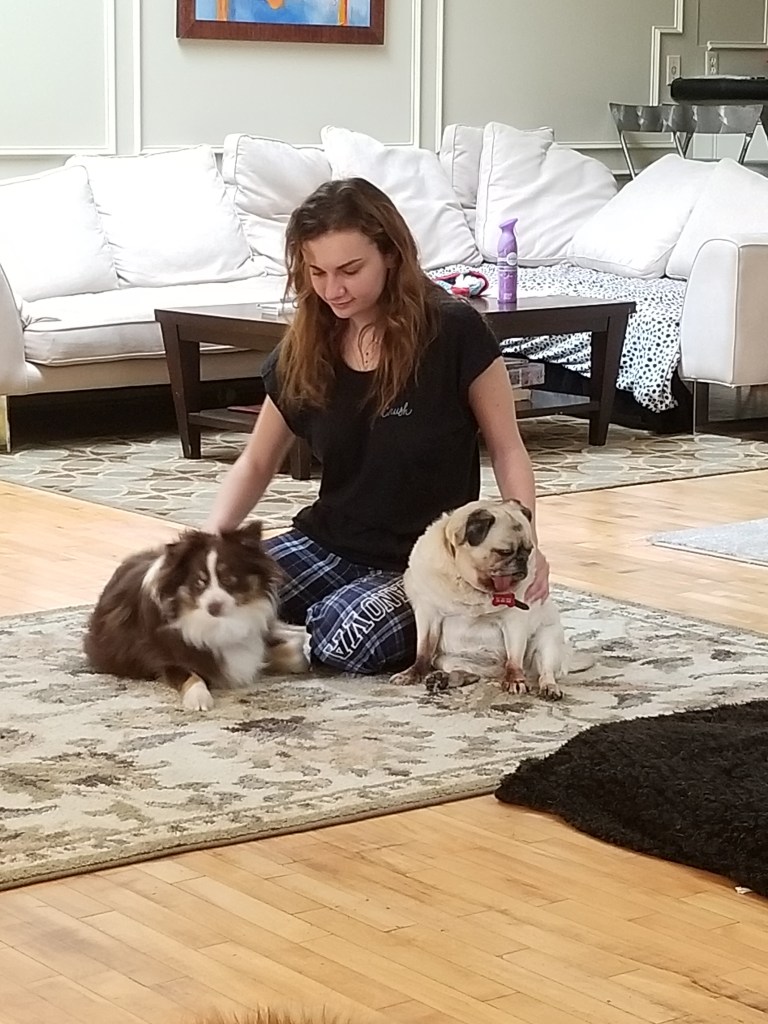
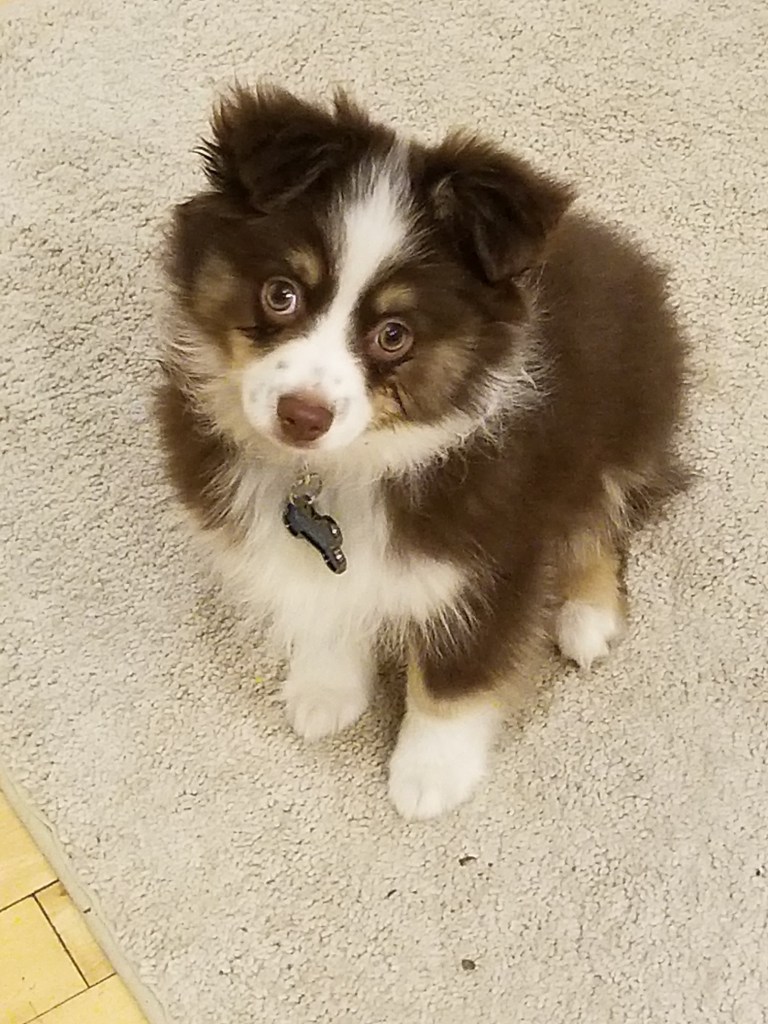
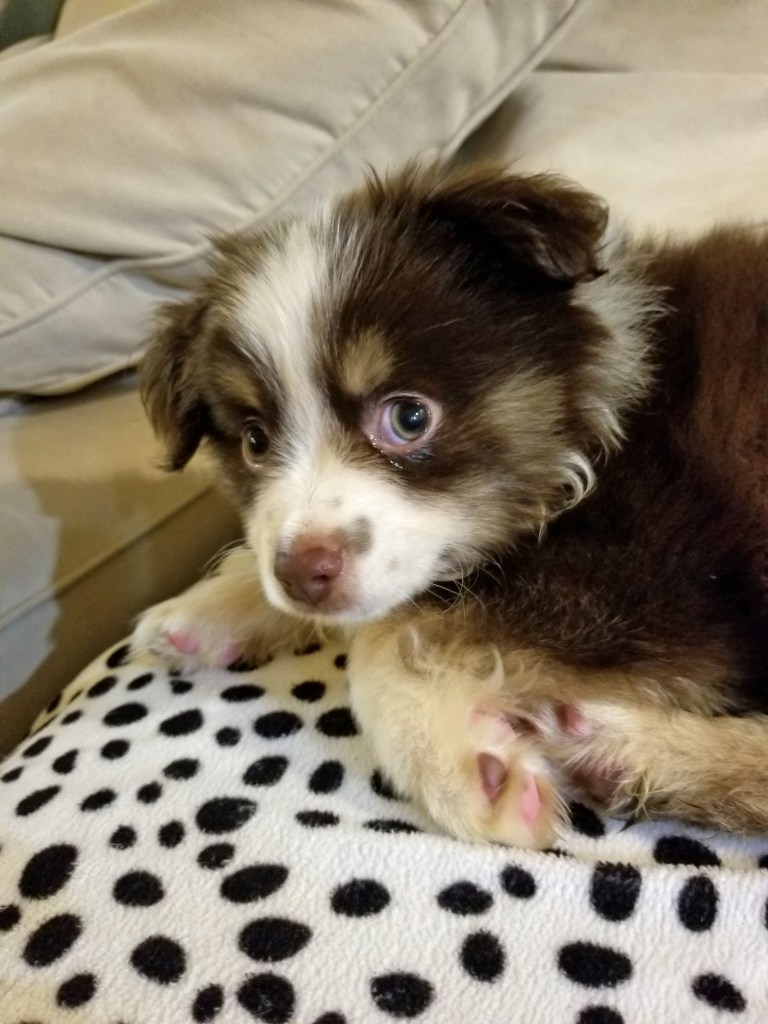
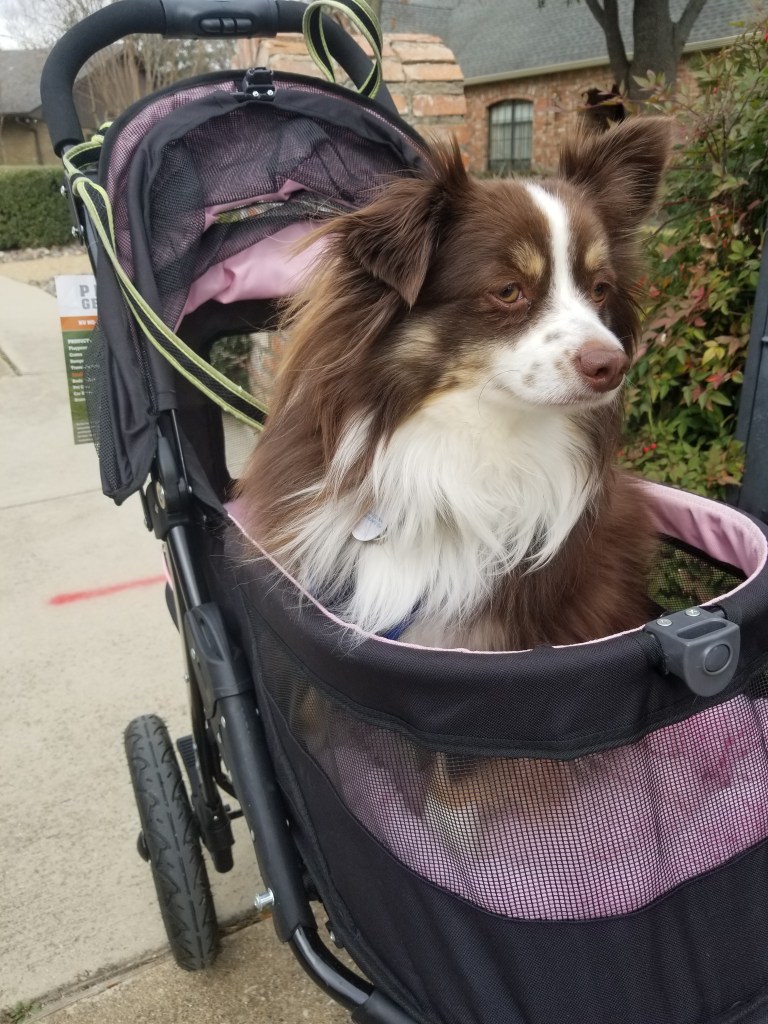
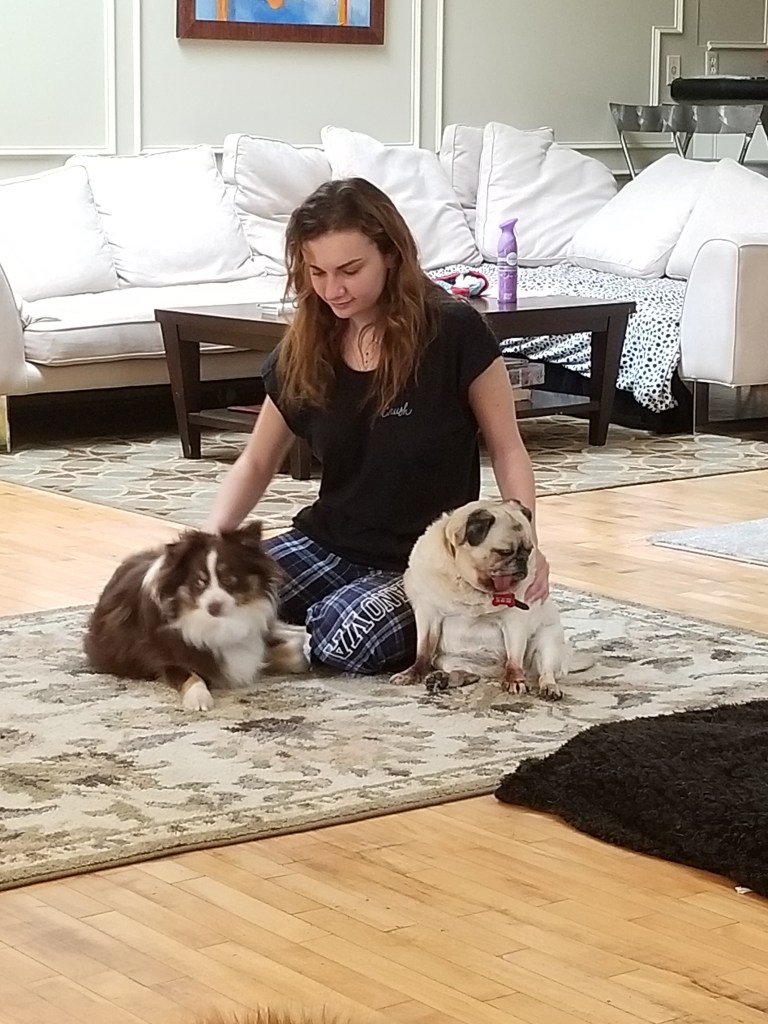
Our daughter with our pug Daisy and our mini-Australian Shepherd Rollo.
Leonberger Photo Posts
- 25 Leonberger Photos and Illustrations
- Another 25 Leonberger Photos and Illustrations
- 25 Waterberger Photos (Leonbergers in water or swimming)
- 25 Leonberger Puppies and Other Puppies for National Puppy Day
- 25 Photos of Leonbergers with Other Dogs
- 25 Photos of Leonbergers in Nature
- 25 Photos of Young Leonbergers
- 25 Photos of Old Leonbergers
- 25 Leonberger Puppy Photos
- 25 Leonberger Faces
- 3 Years Anniversary with 25 Leonbergers
- 25 Silly Leonbergers
- 25 Leonberger Pictures with People
Two Great Book Reviews on World Animal Day
This post is to highlight a post by Lauren Scott featuring two exceptionally well written as well as supportive reviews of Jacquie Murrays book Endangered Species and my book The Life and Times of Le Bronco von der Löwenhöhle. I would also like to remind everyone that today is World Animal Day. Please visit her post, I reblogged it below.
Visit Lauren Scott’s Post (had issues with Reblog).
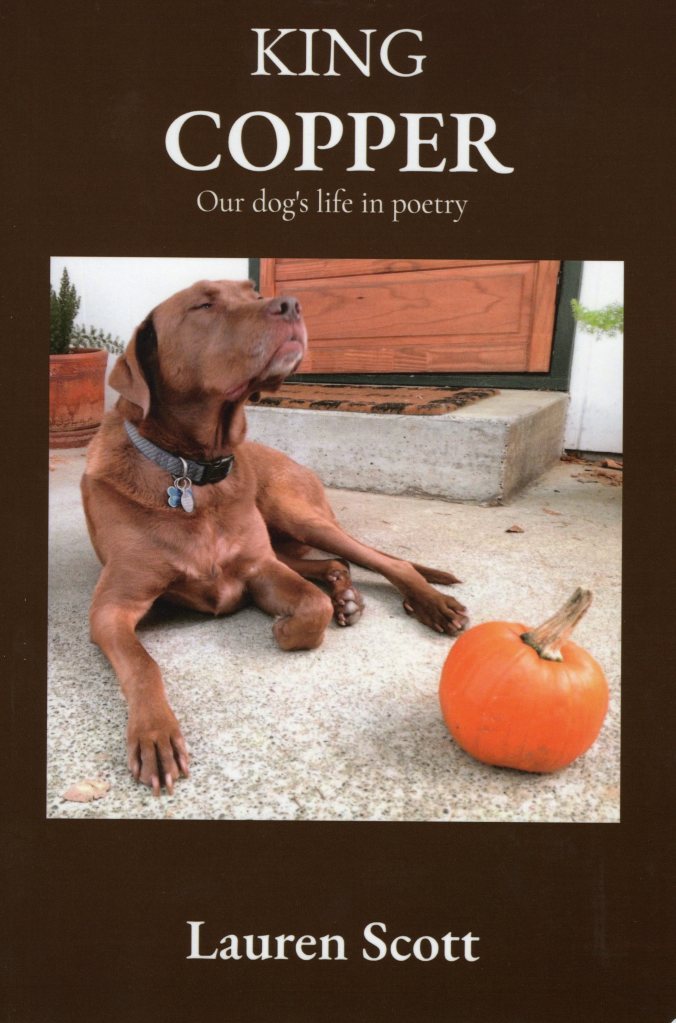
Naturally I would also like to mention my review of Lauren’s wonderful book King Copper: Our dog’s life in poetry. Click here to see it
Promises To My Dog
Esther’s writing prompt: 17th September : Promises
Click here or here to join in.
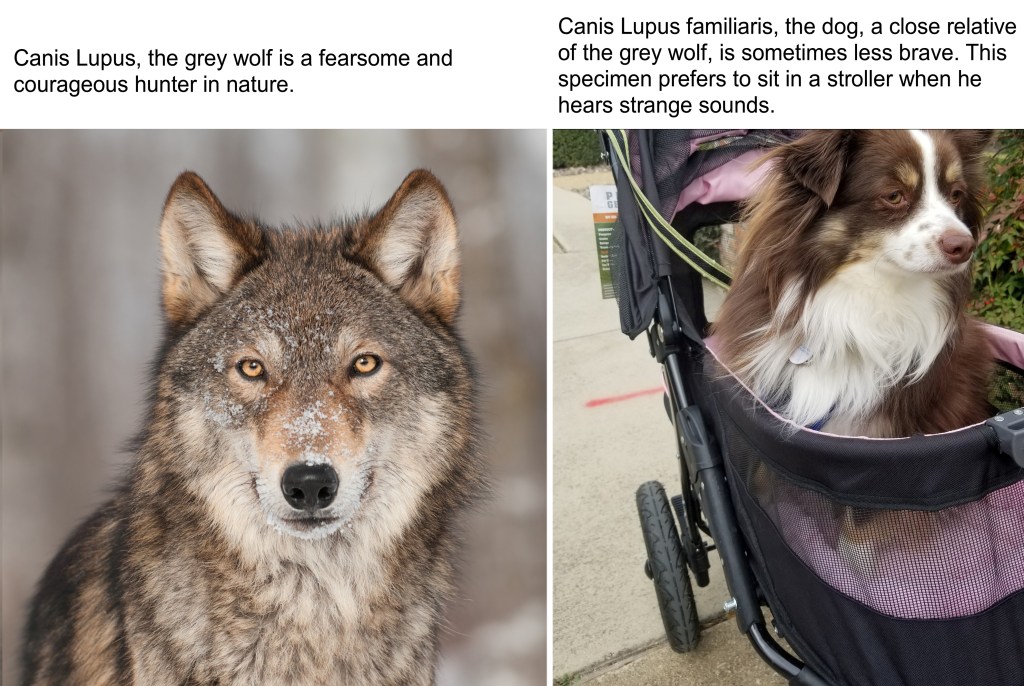
Dogs are domesticated wolves. To survive in our human society, they need to be taken care of. We often get them as puppies and all they know is how to live with people. When you get a dog, this is a lifetime commitment. Despite this fact a lot of people buying puppies bring them to shelters and many irresponsible breeders bring unsold puppies to shelters. In addition, 7% to 20% of dogs adopted from shelters are returned to the shelters, mostly due to behavioral issues or owners’ unrealistic expectations. Dogs who were returned for behavioral issues were also more likely to be euthanized.
Some dog owners don’t even bother to turn their dog into a shelter, they just abandon them. In the U.S., approximately 3.1 million dogs enter shelters each year. Many of these are abandoned, the offspring of abandoned dogs, or lost pets. In the U.S., about 60% of dogs entering shelters are strays. As a side note, abandoning a dog is illegal in almost every US state, including Texas where I live. We dog owners need to do better. We have responsibilities towards our dogs, to feed them, raise them, train them, exercise them, take care of them, and continue to shelter them when they get old and sick.
The Leonberger community has taken significant steps towards protecting Leonberger dogs from abuse and abandonment. First, the Leonberger Club of America certifies responsible breeders and work to prevent dogs from ending up with backyard breeders and puppy mills. Breeders are required to take back and care for a dog if it does not work out. All prospective Leonberger owners are interviewed and must sign a contract dictating how they should treat the dog. If they find out that you have mistreated a dog or failed to take care of a dog you cannot buy a Leonberger. To see the transcript for our Leonberger interview click here.
12 Promises to my Dog
- Dear fur angel, I promise to feed you properly.
- Dear fur angel, I promise to protect you from toxic foods such as raisins, grapes, chocolate, xylitol, birch sugar, onion and garlic.
- Dear fur angel, I promise to protect you from toxic plants, dangerous household items and animals.
- Dear fur angel, I promise to keep one or more water bowls always filled with fresh and clean water for you.
- Dear fur angel, I promise to comfortably shelter you.
- Dear fur angel, I promise to train you and care for your physical and emotional needs.
- Dear fur angel, I promise to walk you every day (on days when this is possible).
- Dear fur angel, I promise to take care of all your veterinary needs.
- Dear fur angel, I promise to play with you, pet you, and throw balls.
- Dear fur angel, I promise to never abandon you.
- Dear fur angel, I promise to be there for you when you cross the rainbow bridge.
- Dear fur angel, I promise to love you forever.
Puppy Versus Old Dog Photos
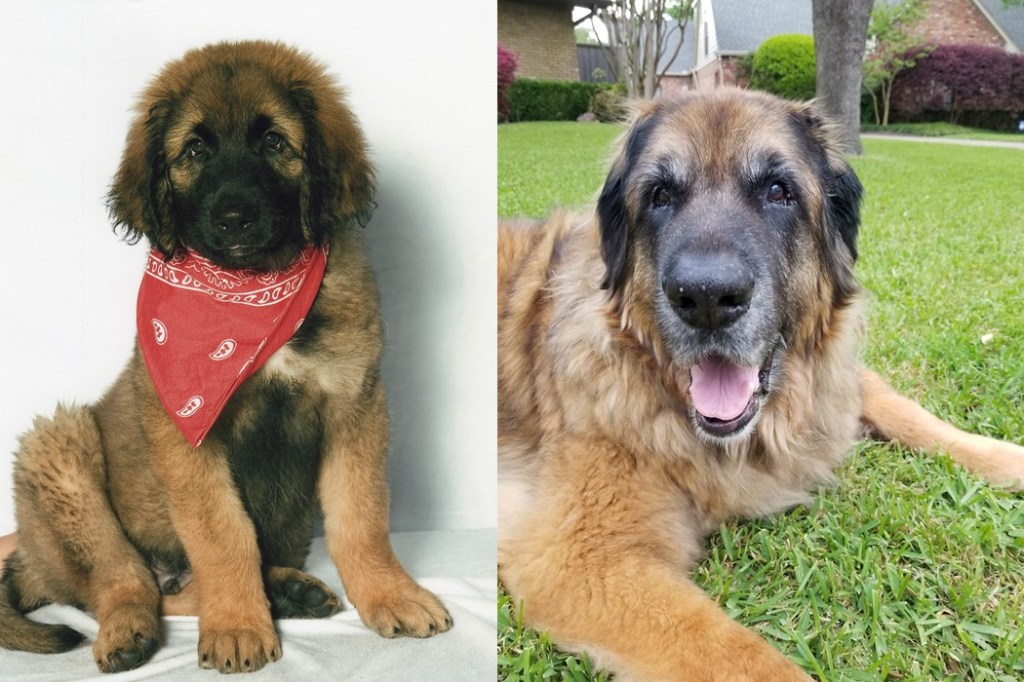
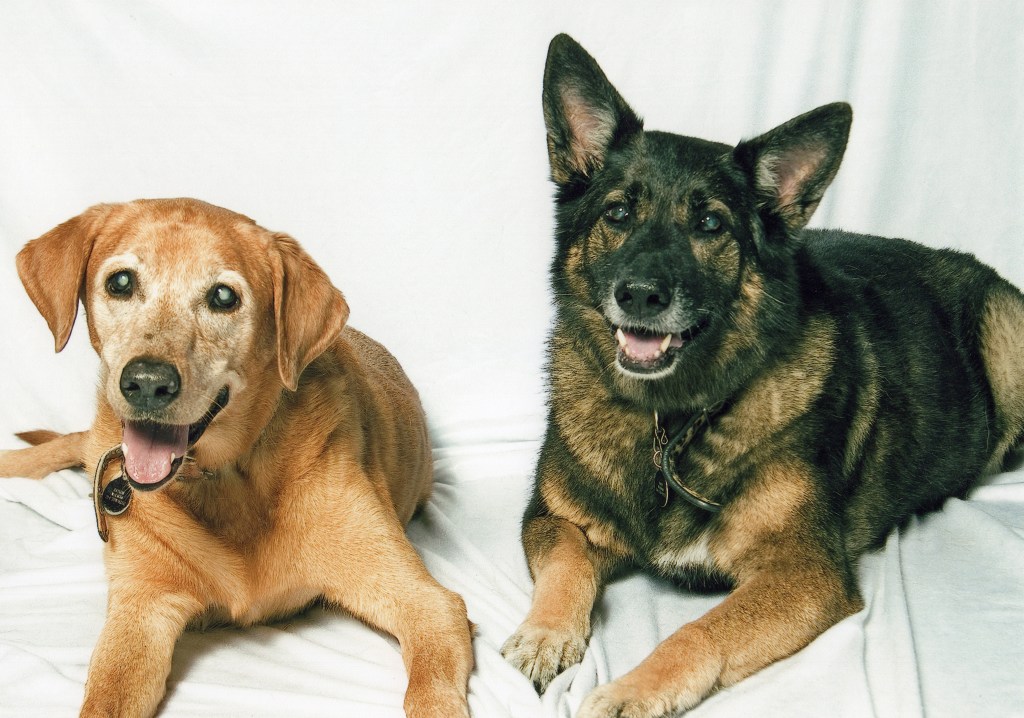
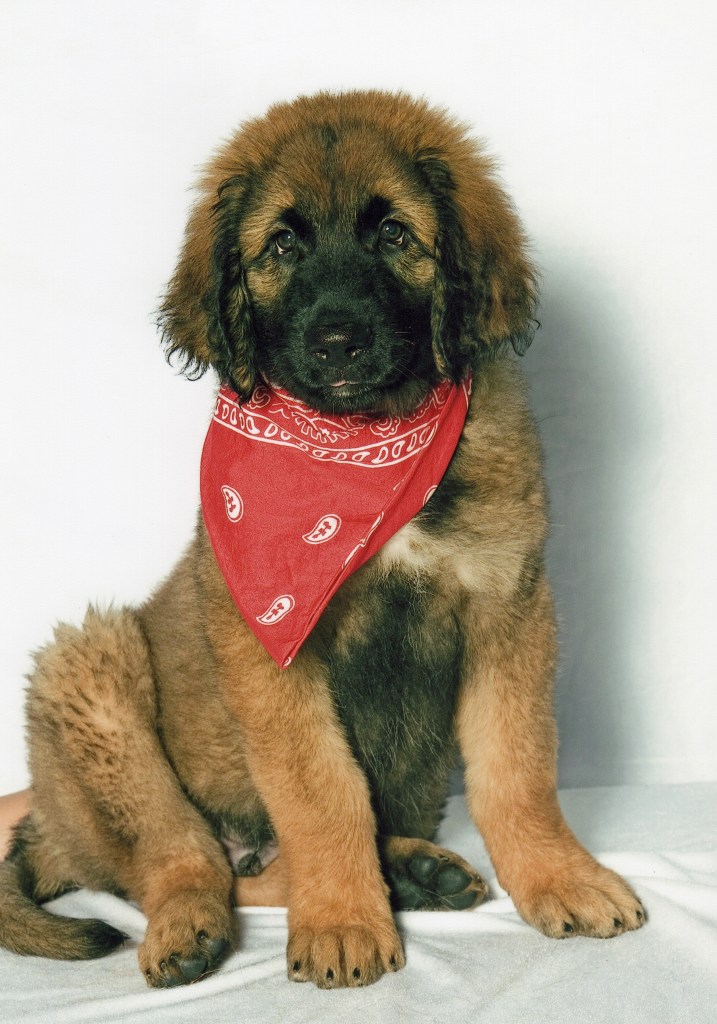
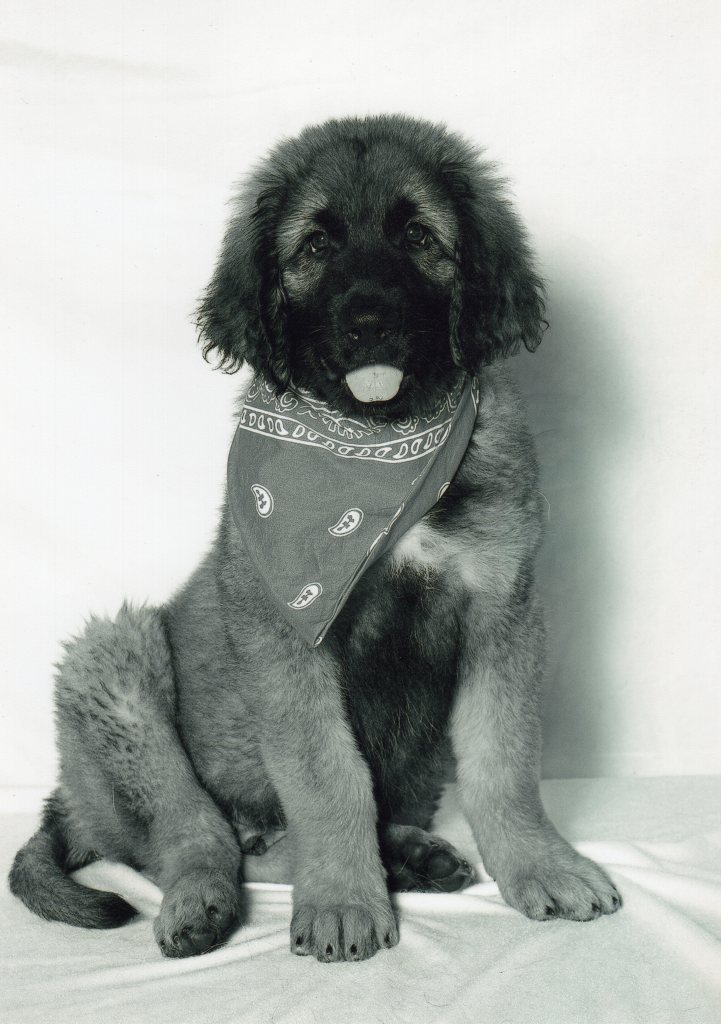
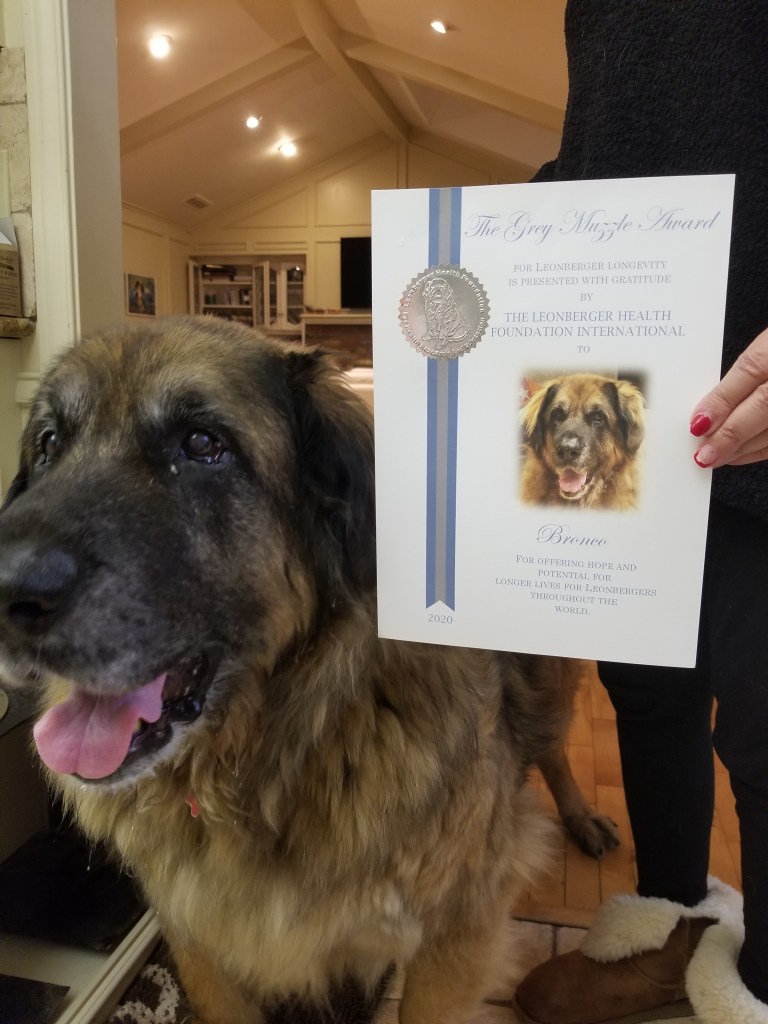
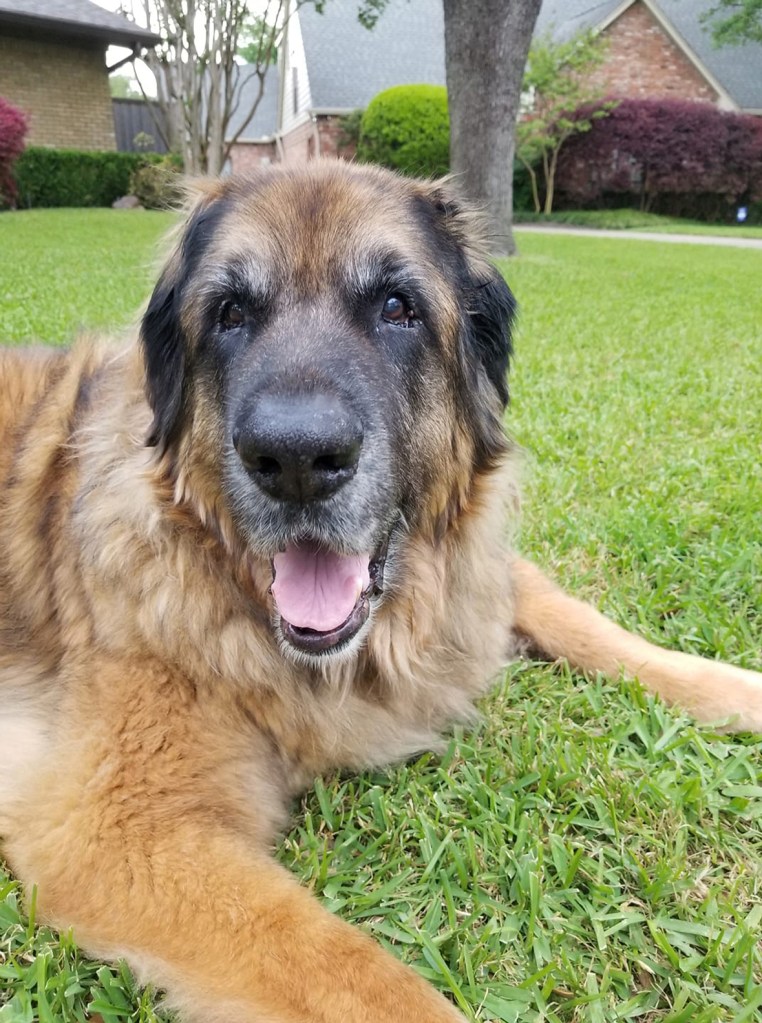
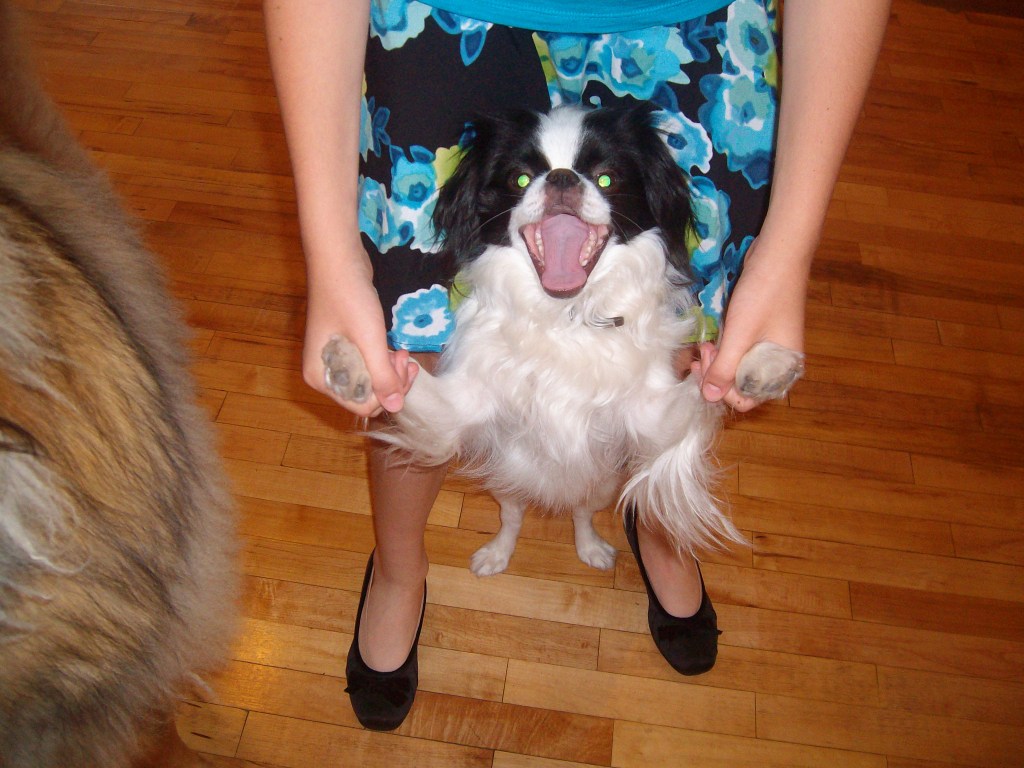
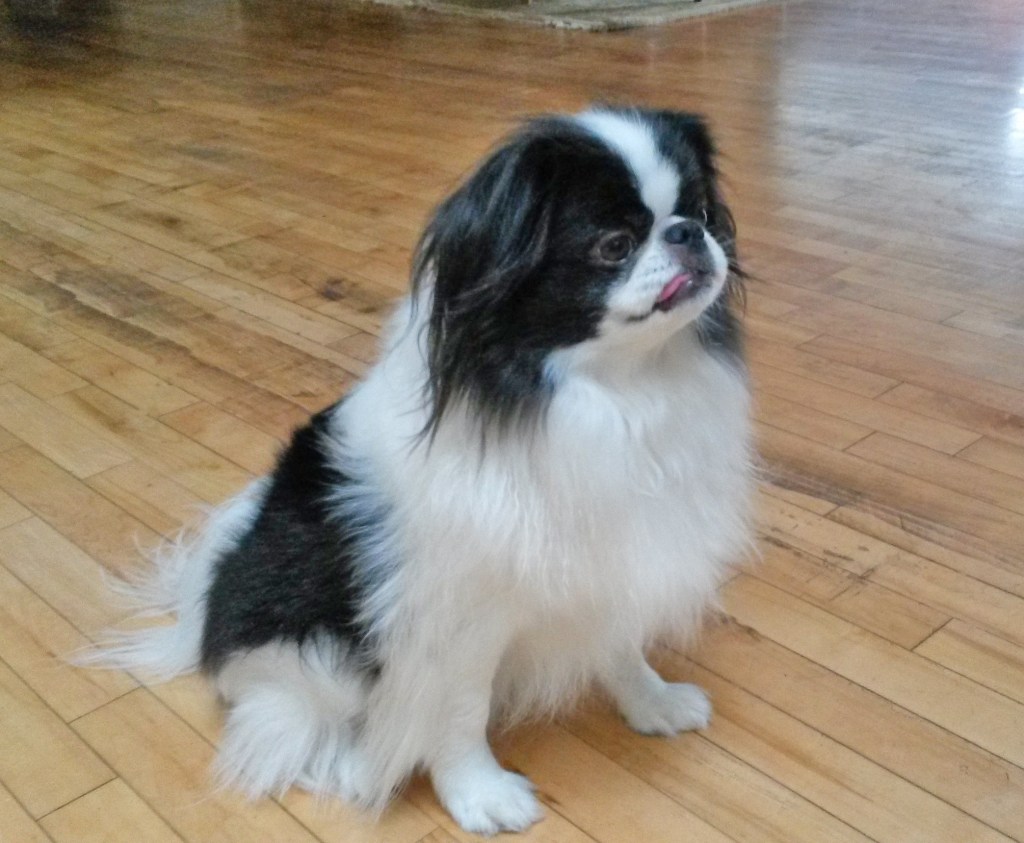
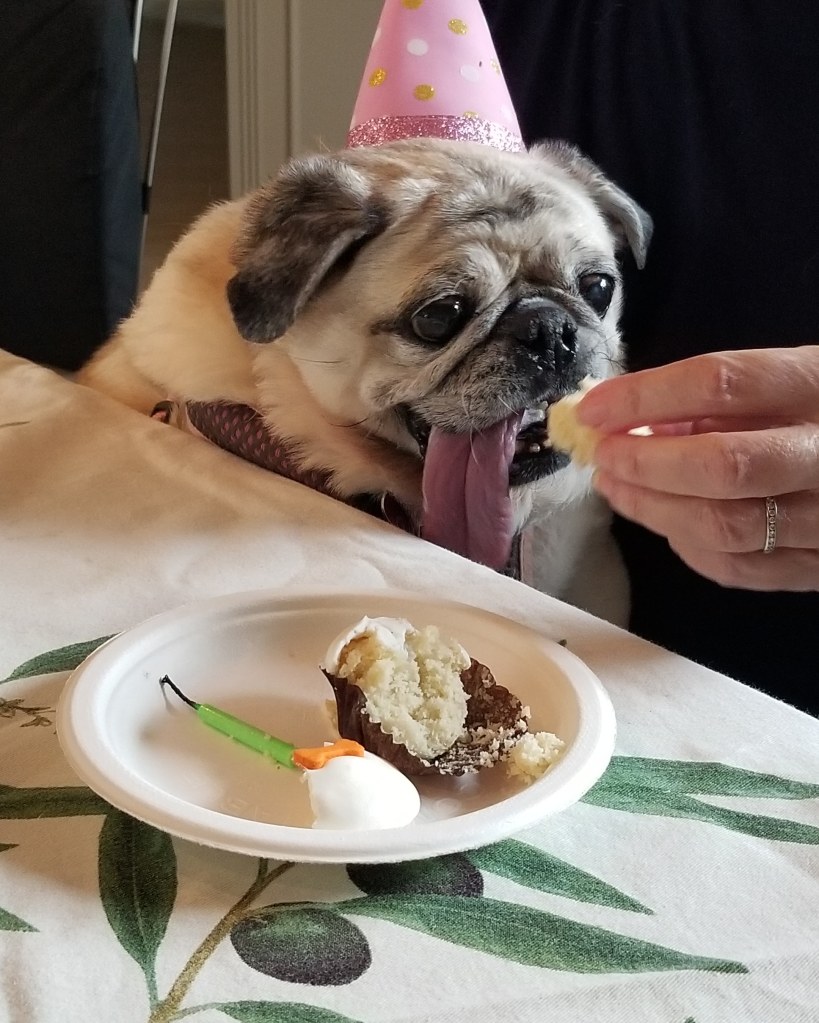
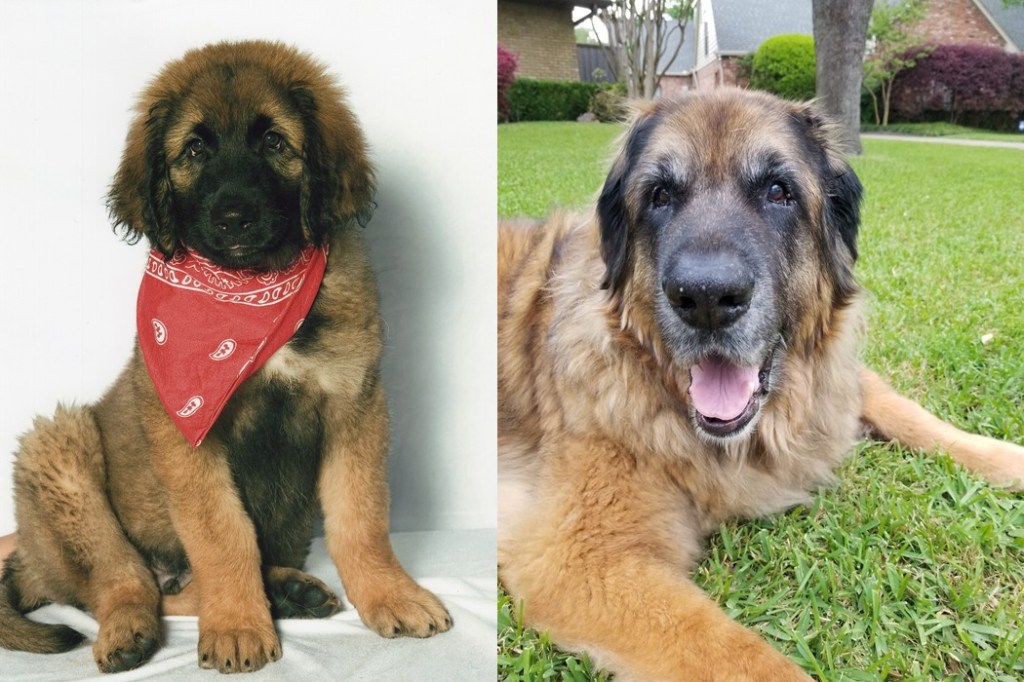
Below are some photos of our dogs. Except for the first photo, which is a photo of our Labrador Baylor and German Shepherd Baby at an advanced age, the photos are arranged so that the first is photo of the dog as a puppy followed by a photo of the same dog at an advanced age. I should say that we got Baylor and Baby when they already were adults and we don’t have puppy photos of them. What happened was that family members of ours had got them from a shelter and when those family members later needed to move, we offered to take care of them.

Leonbergers Are Kind Dogs
Esther’s writing prompt: 13th August : Kind
Click here or here to join in.
Leonbergers Are Kind
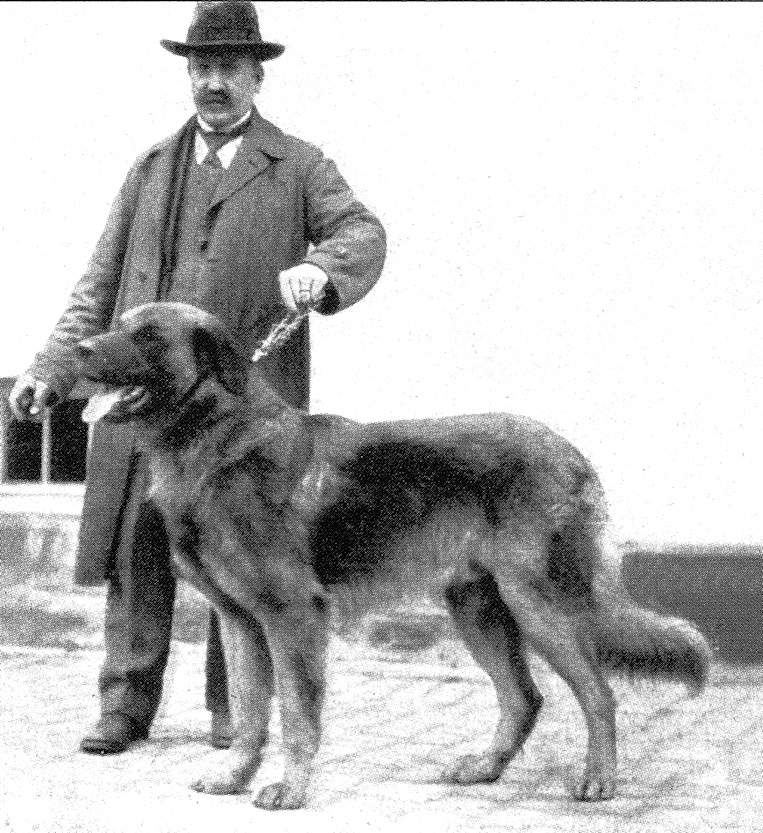
What kind of dog is a Leonberger? Well, a Leonberger is a kind dog. If you don’t know what a Leonberger is; it is a big fluffy, fun and friendly family dog originating in Germany. It was registered as a new breed in 1846 in the town of Leonberg by a prominent businessman named Heinrich Essig. Allegedly Essig used Saint Bernards but also Newfoundland Dogs, and allegedly Great Pyrenees (or Pyrenean mastiffs) to create a breed that was big, muscular, and looked like a lion. However, what he strived for the most was to create a friendly, confident and predictable family dog. These characteristics make the Leonberger a perfect therapy dog, and his majestic and fluffy appearance does not hurt. Leonbergers also have a great sense of smell, they are great at pulling heavy carts, and they have webbed feet (from the Newfoundland dogs) and they are great swimmers. You can read about the history of the Leonberger here.
Bronco Our Leonberger Shares a Baked Potato
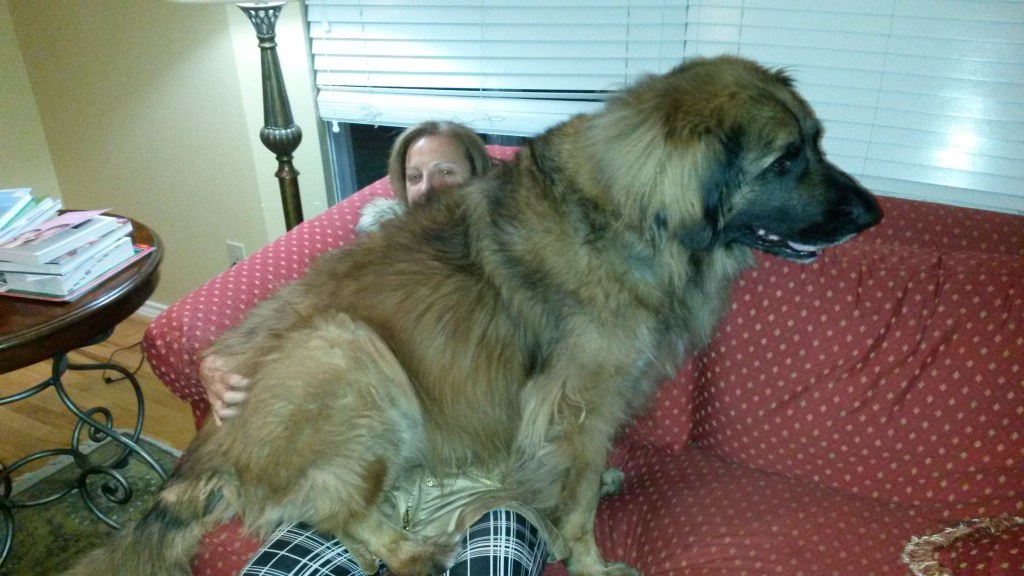
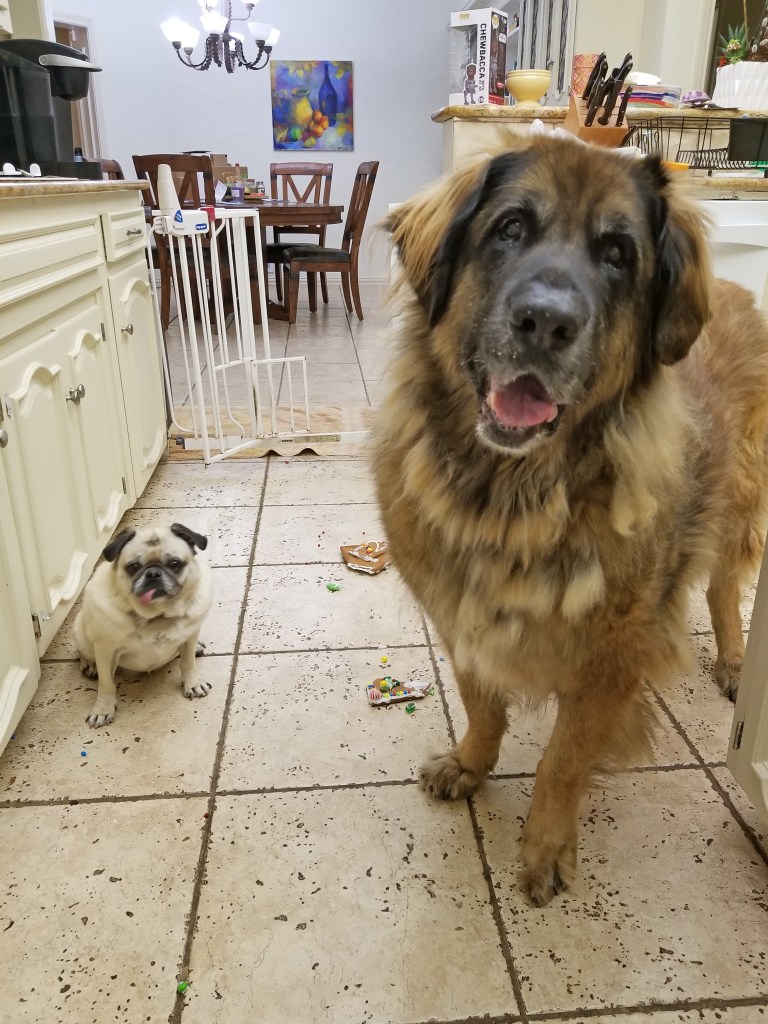
I believe dogs have empathy, and sometimes they want to share—at least Bronco did. There was a time when we were in our home eating take-out food and Bronco stole one of our dinners, including meat, vegetables, and a baked potato. He started eating the meat, then he glanced at our Pug Daisy, who was sitting in the middle of the floor looking sad. Immediately he took the baked potato in his mouth and carried it over to her and dropped it right at her feet. I was going to get mad at him for stealing, but when I saw his kindhearted and unselfish act, I let it be.
Bronco Alerts Us to an Insulin Shock
We had a Labrador called Baylor who had diabetes. One late evening Bronco started barking while looking at Baylor, then he intently looked at us, then he turned his head toward Baylor and started barking again. He did this a few times—not aggressively, but to get our attention. It became clear that Bronco wanted us to look at Baylor. I examined Baylor but saw nothing wrong at first. Then I looked again. This time I saw that his back legs were shaking slightly. It quickly got worse. His gait became wobbly, then within perhaps fifteen seconds he fainted. He had gone into insulin shock. We rushed him to the emergency clinic, where fortunately the doctors were able to revive him.
Bronco detected a problem with Baylor before we could see anything wrong. His warnings gave us that little bit of extra time we needed to save Baylor’s life. I still wonder what it was that Bronco noticed. You can read more about this incident here.
Bronco’s Hamster Rescue Operation
We used to have hamsters. On several occasions the hamsters escaped their cage but luckily our Leonberger Bronco found the hamsters for us. As I mentioned Leonbergers have good sense of smell. One day my wife found Bronco walking around with puffy cheeks. There were hamsters in his mouth. Long story short, he was not trying to eat them, he was saving them, and the hamsters were fine. You can read more about this incident here.
Bronco Saves Daisy’s Life
On another occasion, Bronco did something else amazing for our Pug Daisy. Despite having issues with his paws—this was around the time he was being treated for squamous cell carcinoma—he saved Daisy from an attacking German shepherd who was running loose.
We were at Claudia’s parents’ house, just leaving, when one of their neighbors came out to drop some garbage in the trash can at the end of her driveway. With her was a young, probably adolescent, German shepherd, and he was not on a leash. As we were standing on the porch, I suddenly saw the shepherd flying through the bushes, his teeth bared. He quickly charged us—viciously.
The owner of the shepherd came over to apologize, but I cursed at her. Maybe I shouldn’t have, but she had a vicious and dangerous dog, and she intentionally let him run loose. In the end, though, there were no major injuries. Bronco’s leg was slightly hurt, but overall, he was fine. These days, whenever we talk about this incident, I jokingly refer to the neighbor dog as Cujo.
A Therapy Leonberger Called Scout
As I mentioned, Leonbergers are great therapy dogs and are often used in hospitals. Below is a video about a Leonberger called Scout by CBC news in Canada. This Leonberger is helping residents at Hamilton mental health hospital. He was bred by Concorde Ridge Leonbergers. They have a website and a blog which I follow. You visit my post about Scout here. The 8-minute video is shown on the website below.
Leonberger Guiness World Record
With this post I just wanted to highlight a fun Leonberger YouTube video regarding a Leonberger who succeeded in creating a new Guiness World Record on the Britain Got Talent show. If you don’t know what a Leonberger is; it is a big fluffy, fun and friendly family dog originating in Germany. It was registered as a new breed in 1846 in the town of Leonberger by a prominent businessman named Heinrich Essig. Leonbergers are related to Saint Bernards, Newfoundland Dogs, and allegedly Great Pyrenees (or Pyrenean mastiffs). You can read about the history of the Leonberger here. I am sorry I realized now that the page is full of typos. I have to fix that at some point.
At the end of this page, I put a fun YouTube video of Leonberger named Hagrid who created a new Guiness World Record. Since I created my Leonberger history page when I had just launched this blog in 2022 and had very few followers many people may have missed the Hagrid movie, so here it is. I can add that I have also added some photos of our late Leonberger Bronco at the end of this post.
Leonberger Hagrid
Photos of Le Bronco von der Löwenhöhle
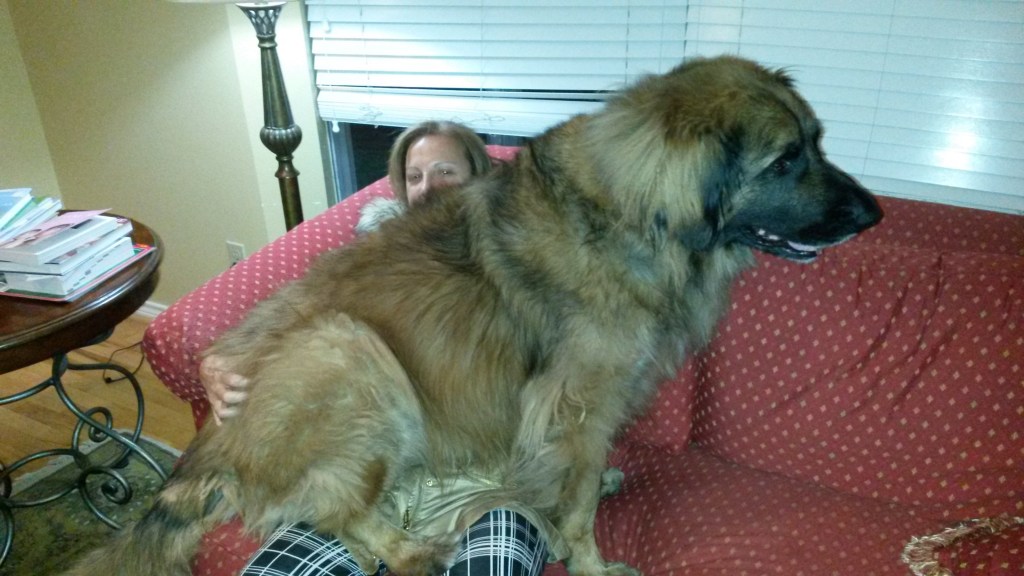
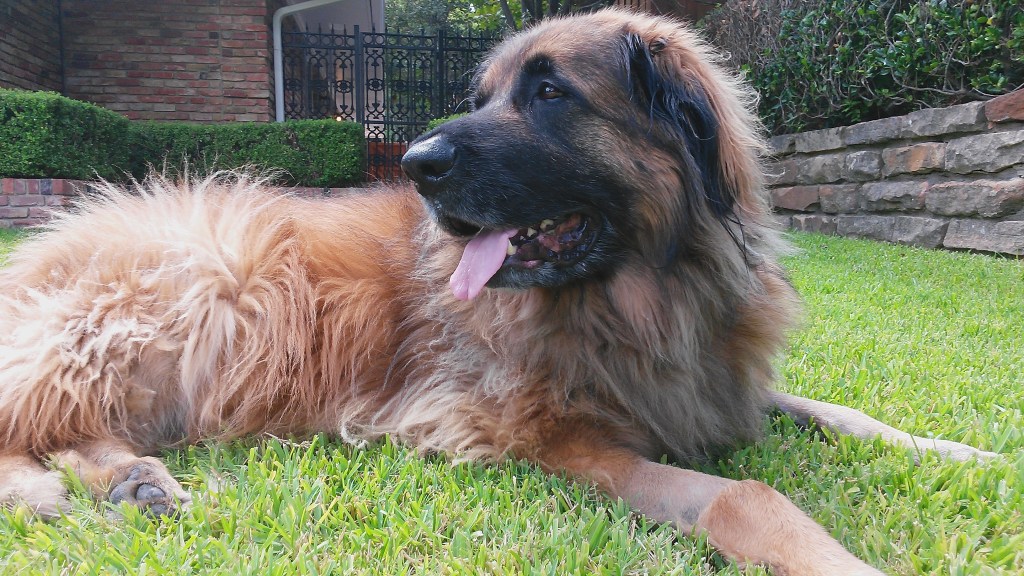
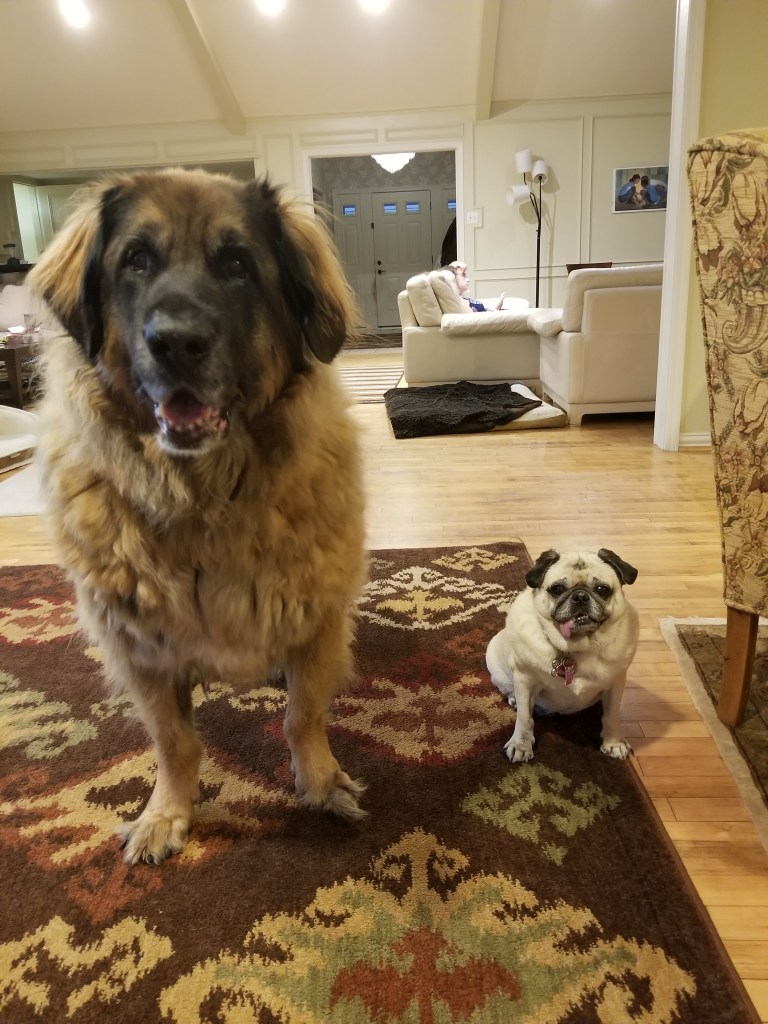
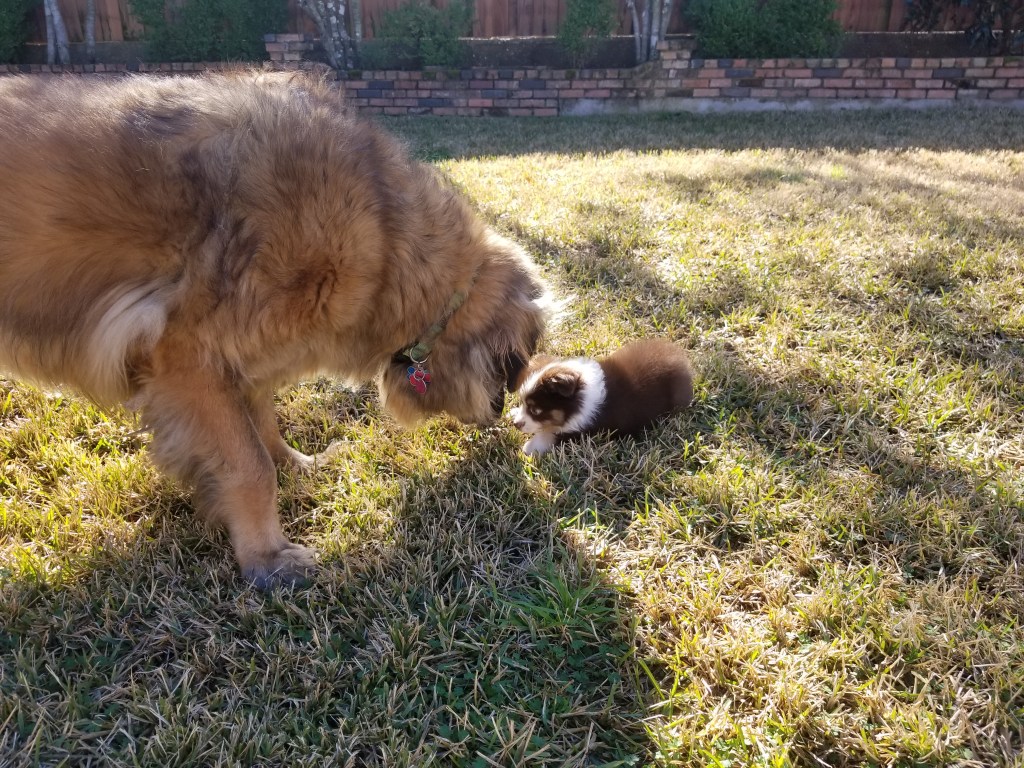

Promotion Of the Life and Times of Le Bronco Von Der Lowenhohle
BUY HERE
Our late Leonberger Bronco’s birthday was on July 3rd and therefore I am holding a promotion. The price of the Kindle version of my book “The Life and Times of Le Bronco von der Löwenhöhle” is now only $2.99 and the price of the paperback version is 17.95 (normal prize is $19.95). I will keep that price until Jul 31st. The prices in all other countries, Canada, the UK, Germany, France, the Netherlands, Italy, Spain, Australia, etc., are lowered by the same amount. Below is some information about my book as well as four reviews from four different countries.
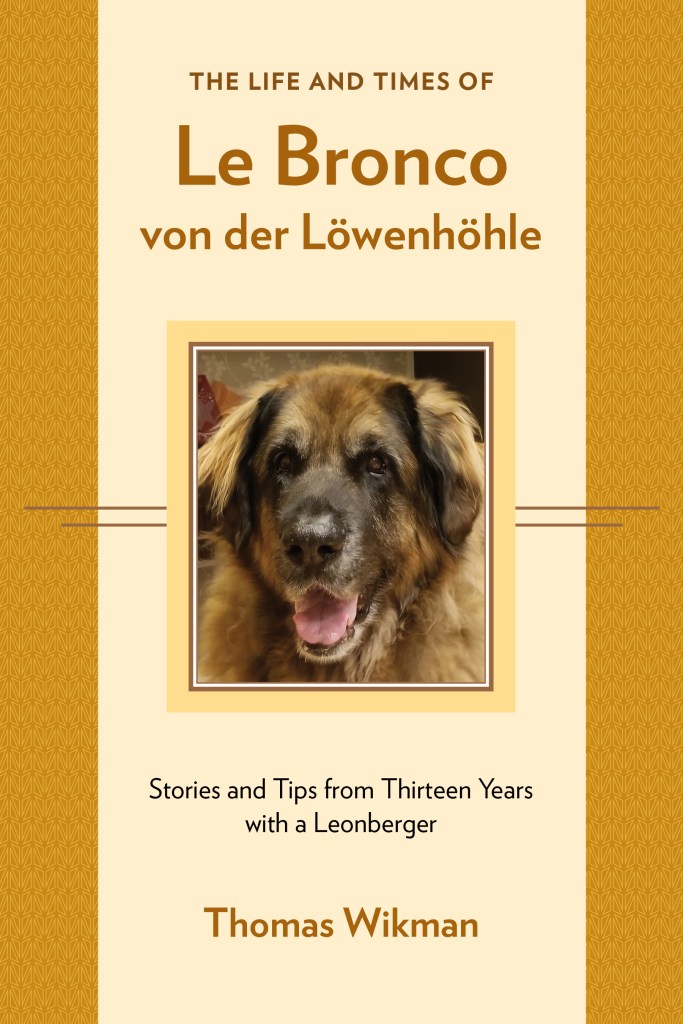
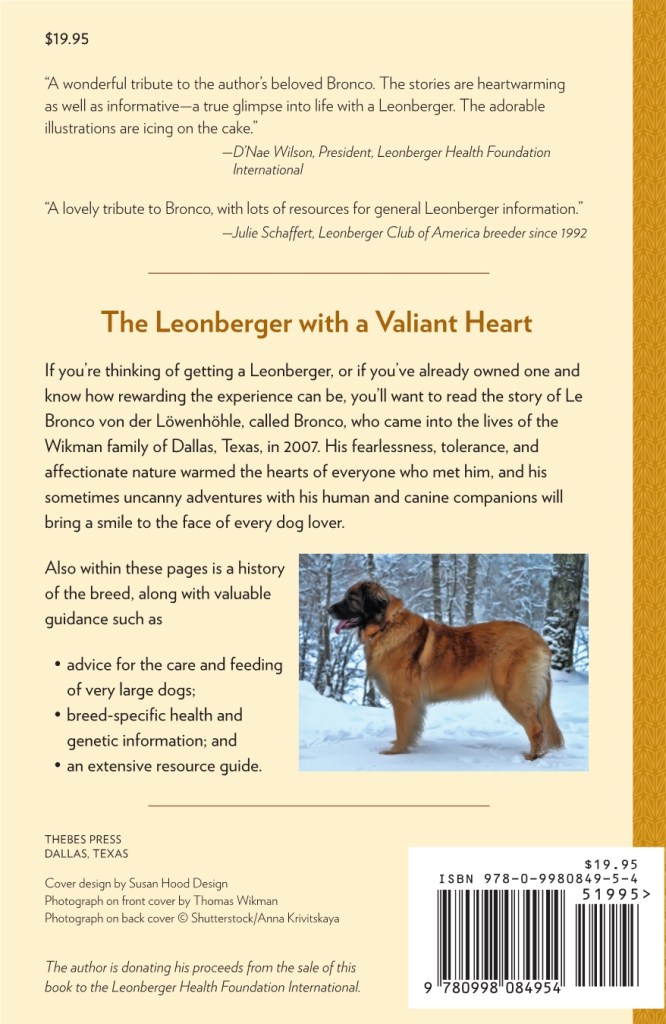
Advance Praise for the book
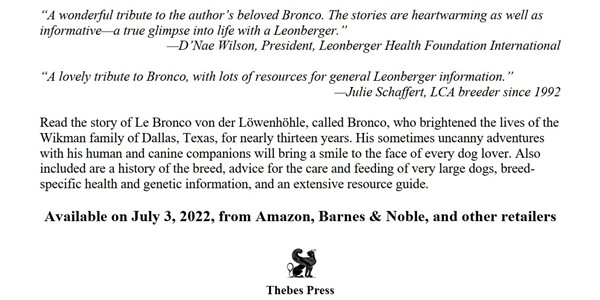
A wonderful tribute to the author’s beloved Bronco. The stories are heartwarming as well as informative—a true glimpse into life with a Leonberger. The adorable illustrations are icing on the cake.” —D’Nae Wilson, President, Leonberger Health Foundation International
“A lovely tribute to Bronco, with lots of resources for general Leonberger information.” —Julie Schaffert, Leonberger Club of America breeder since 1992
Amazon’s description of : The Life and Times of Le Bronco von der Löwenhöhle: Stories and Tips from Thirteen Years with a Leonberger by Thomas Wikman
If you’re thinking of getting a Leonberger, or if you’ve already owned one and know how rewarding the experience can be, you’ll want to read the story of Le Bronco von der Löwenhöhle, called Bronco, who came into the lives of the Wikman family of Dallas, Texas, in 2007. Bronco, a recipient of the Leonberger Health Foundation International’s Grey Muzzle Award, lived an unusually long life for a Leonberger—almost thirteen years. His human family is convinced that what helped him exceed his breed’s normal life expectancy was his brave and loving heart.
Here you’ll read about some of Bronco’s amazing feats: the night he scared away a prowler; the day he performed a hamster search and rescue; the time he stumped the Geek Squad; and the late night he snuck into the kitchen and ate a two-pound bag of dog treats, a box of pastries, a loaf of bread, a grilled chicken, and a Key lime pie, all in one sitting. You’ll also read about his unflappable calm during a north Texas tornado and his stoicism as he endured health challenges in his later years.
In addition to entertaining stories, these pages contain a wealth of practical guidance, including
- a history of the Leonberger breed;
- advice for the care of very large dogs;
- breed-specific health and genetic information;
- training and feeding tips;
- suggestions for finding a breeder;
- the official breed standard; and
- an extensive resource guide.
Bronco’s fearlessness, tolerance, and affectionate nature warmed the hearts of everyone who met him, and his sometimes uncanny adventures with his human and canine companions will bring a smile to the face of every dog lover.
The author is donating the proceeds from the sale of this book to the Leonberger Health Foundation International
Thomas Wikman is a retired automation, robotics, and software engineer and inveterate dog lover who emigrated from Sweden to the United States, where he and his wife raised three children. Their cherished Leonberger, Bronco, crossed the Rainbow Bridge in 2020. The Wikmans live in Dallas, Texas, with their two dogs—a pug and a miniature Australian shepherd.
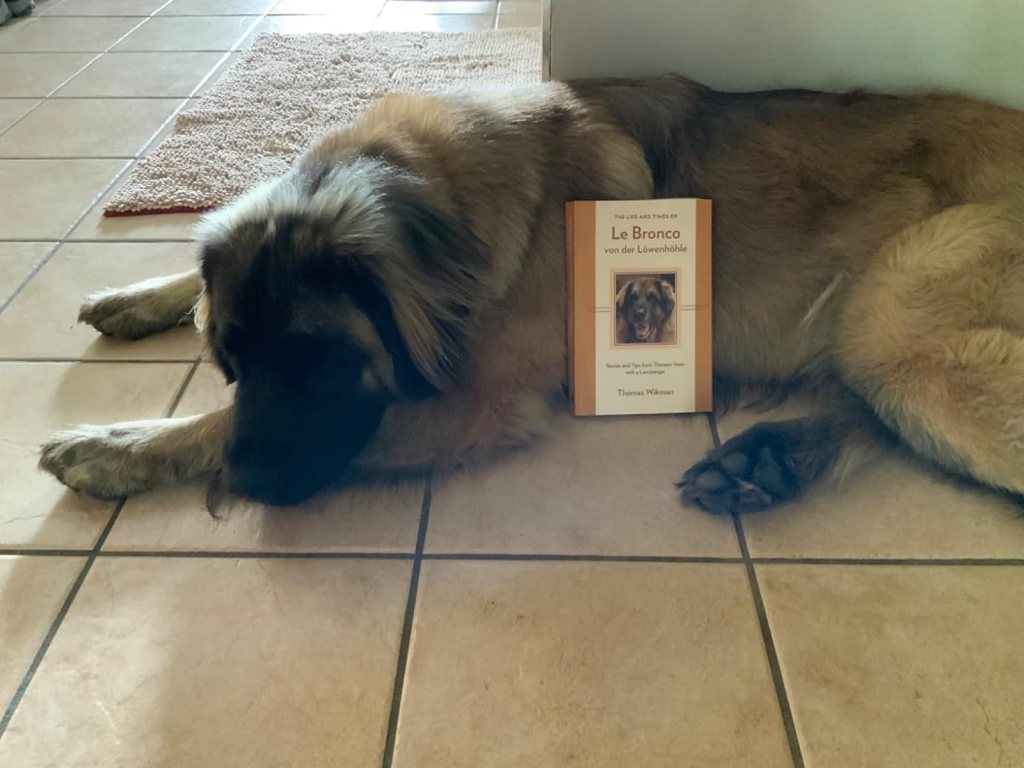
Review from Amazon.com by Pete Springer
The Story of One Family’s Love for Their Leonberger
Having been around big dogs my entire life, I was very much looking forward to reading about Bronco, a large breed of dog known as a Leonberger. Thomas Wikman has penned a wonderful memoir about his family’s 12+ year journey with Bronco. As I read this story, I realized this was no ordinary breed or dog. Bronco and the rest of the Wikmans’ dogs become like family members. The part of the story I enjoyed the most were the engaging and entertaining anecdotal stories. Wikman gives a very honest account and describes the wonderful parts and challenges of owning a Leoberger. It was fascinating how the smaller dogs quickly accepted Bronco into the fold and became pals.
In addition, the author includes lots of general information about Leonbergers including the extensive process involved adopting one of these dogs. I learned too much to describe here, but Wikman doesn’t miss anything from their history, diet, disposition, health challenges and quirks. It’s obvious how much research and energy went into writing this comprehensive book. I was thoroughly impressed and learned a great deal about these loving giants. I would recommend this book for anyone who loves dogs.
Review from Amazon in Canada by Brenda Saito
A must read for any Leonberger owner or anyone considering a Leonberger
We became Leonberger human parents in October 2022. We knew very little about the breed so I searched online. I found a reference to Thomas Wikman’s book and was instantly intrigued given that the book was a personal experience of life with a Leonberger. This book has proven to be the best book about Leonbergers that I have purchased and I have purchased quite a few.
The Life and Times of Le Bronco von der Lowenhohle is a heartwarming story of Bronco’s life with the Wikman family and their other canines. This book also contains a wealth of well researched and experienced information about Leonbergers, both good and bad. Also the bonus in this book is at the back where Thomas Wikman has included 2 Appendices which provided me with the Leonberger database and a Resources and References section.
This book has helped my family through the first amazing year with our male Leonberger, Hachi. We look forward to many more years with him and we keep Thomas Wikman’s book near by for any help we may need.
Review from Amazon in Sweden by Anders Pikas
Heartwarming story about a great dog and his family
It was a joy to follow the life of a Leonberger with a fascinating personality, and episodes with the other dogs and people in the same family.
Review from Amazon in the UK by Annika
Heartwarming & funny stories plus facts galore about Leonbergers! Excellent!
Maybe I should start this book review by clarifying that I’ve never owned a dog! I do like them and enjoy their presence when visiting family and friends. So why did I pick up this book about Bronco, a Leonberger, which is one of the world’s biggest dogs?
What I do love is stories and Thomas Wikman’s book is a terrific series of stories about one of the most affectionate, friendliest and gentle giant of personalities – Bronco. He just happens to be a massive dog, sometimes even mistaken for a bear!
The author is a natural storyteller and his fluid conversational writing style pulls the reader immediately into his family world and their dogs (yes, there are more than Bronco!) A family who care deeply for each other and their pets. It’s a book about character, perseverance, enjoying life to the full, of kindness and of giving. A book that encompasses love and warmth.
‘The Life and Times of Le Bronco von der Löwenhöhle’ is a terrific combination of storytelling of the life of Bronco along with factual expert information.
The book explores how Bronco came to the family (there is drama in that alone!), with hilarious and laugh-out-loud tales of his antics as well as some of his heroic deeds. Bronco was a superhero as he rescued two escaped hamsters — by putting them in the cheeks of his mouth! Luckily quick thinking Claudia, Thomas’s wife, performed CPR and they recovered. There were a few hilarious incidents when Bronco proved just too strong on the lead then on one occasion he successfully scared away a nighttime prowler as well as saving the life of another family dog. Bronco was a gifted escape artist and the scientist Thomas, not seeing any way this was possible, decided the dog had discovered ‘quantum tunnelling’.
The book is also a detailed and superlative reference and resource book for any owners or prospective owners of Leonbergers. The information includes the history of this rare and unusual breed, medical conditions etc in separate chapters as well as information panels regarding their care, diet, etc. Even as a non-dog owner, I found these all interesting and always enjoy learning something new. For example, Leonbergers were a favoured breed for many of the royal courts in Europe at one time and it was mind-boggling to read that after World War Two there were only eight Leonbergers left in the whole world. The medical conditions include many I recognise from human diseases and illness and not something I would associate with dogs. My learning curve was steep when reading these facts.
The numerous photos of Bronco (and some of the other dogs) are adorable and I was smitten with the captivating and beautiful illustrations which are interspersed throughout the book and these capture many of the humorous moments perfectly.
The addition of a small quiz was a welcome surprise and even this non-dog owner didn’t disgrace herself — although not quite acing it!
Just as Bronco becomes an integral part of the family he also became an important member of the local community. At one stage he proved too popular with the football players’ at the daughter’s local matches. Poor Bronco was asked to leave as the players attention was not on the game. The sense of community extended to the Leonberger groups around the globe and the Leonberger Health Foundation International awarded him the treasured Grey Muzzle Award, which is given to any Leonberger aged 12 by which time Bronco was a veritable canine centurion.
The chapters regarding Bronco’s failing health are particularly poignant and moving. By now the Bronco had won a place in my heart and I was tear-eyed as I read of these difficult times for him and the family.
‘The Life and Times of Le Bronco von der Löwenhöhle’ is a gem of a book which shines bright with humour, love and positive energy, the stories carrying the reader away with them while the expert facts are fascinating and informative. A book I highly recommend.
Finally, it should be noted that the author is donating his proceeds from book sales to the Leonberger Health Foundation International, an organisation that supports research aimed at improving the health of large dogs.
Getting My Book in Other Places
You can also get my book in many other places including Amazon in every country where Amazon exists, for example Canada, and other bookstores such as Chapters Indigo, Apple, etc. To see a list of the options visit my Book Page by clicking here.
 Leonberger Life