Becoming a First-Time Leonberger Owner

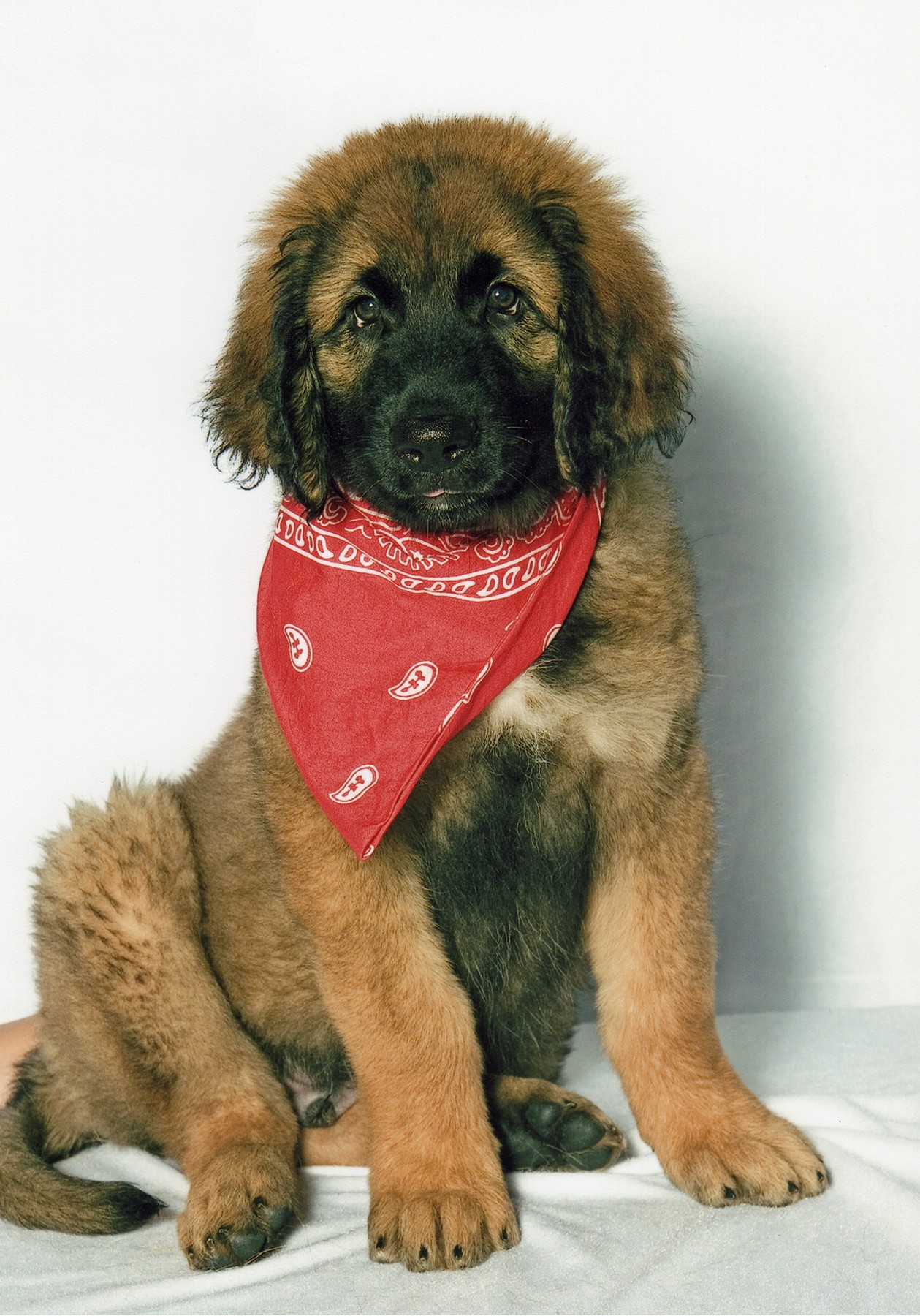
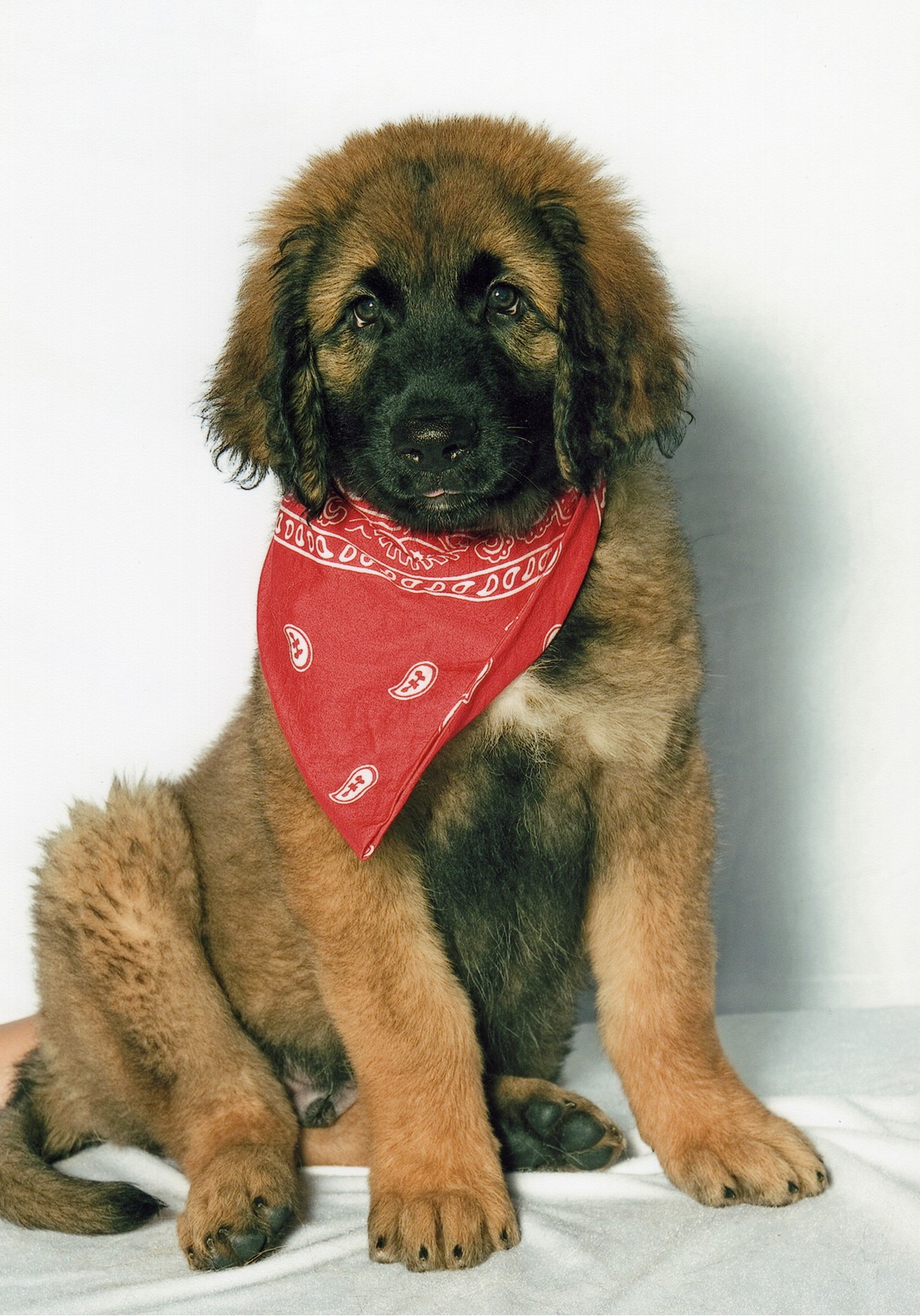
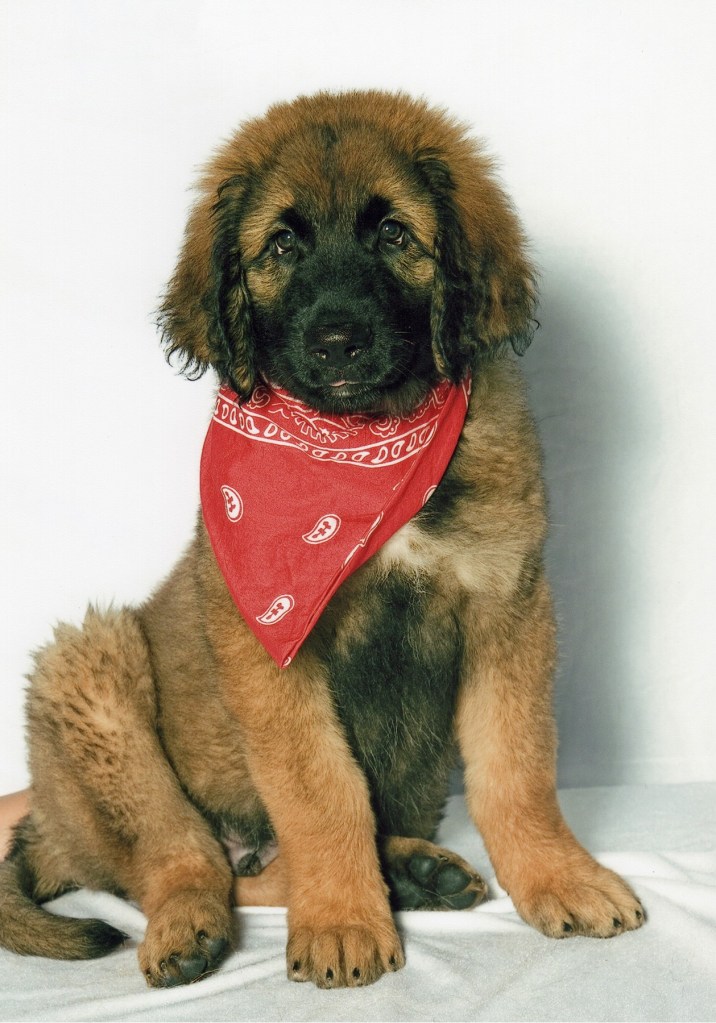
Our Leonberger puppy is wearing a red scarf and looking straight into the camera.
Our Leonberger Le Bronco von der Löwenhöhle (Bronco for short) at the age of three months.
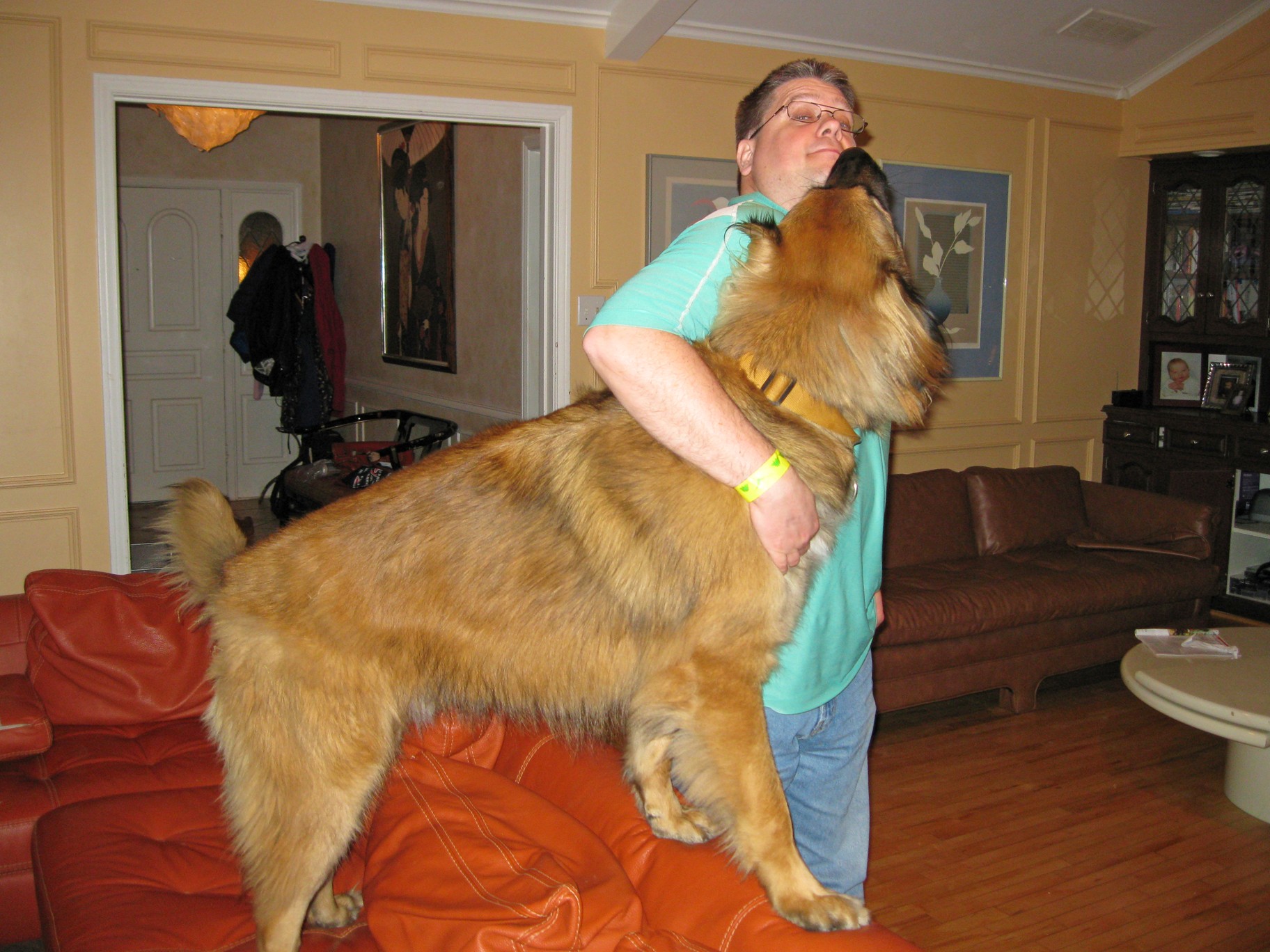
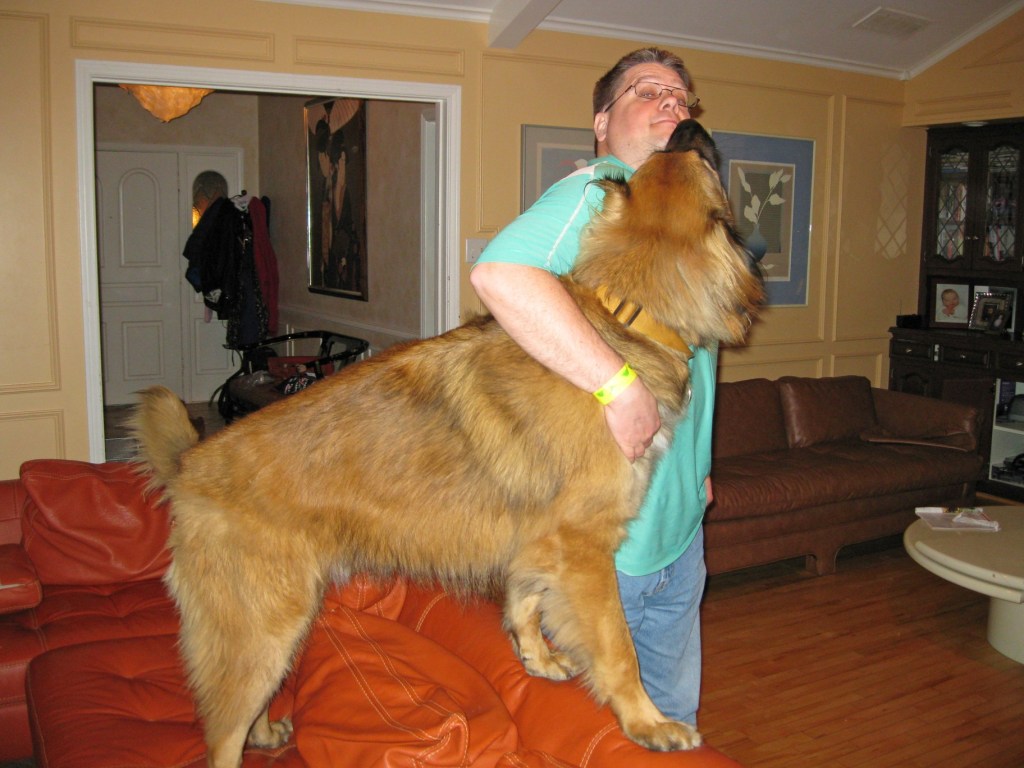
Our Leonberger Bronco is standing on our leather sofa and he is giving me a hug.
Me Thomas Wikman with our Leonberger Bronco when he was about one years old.
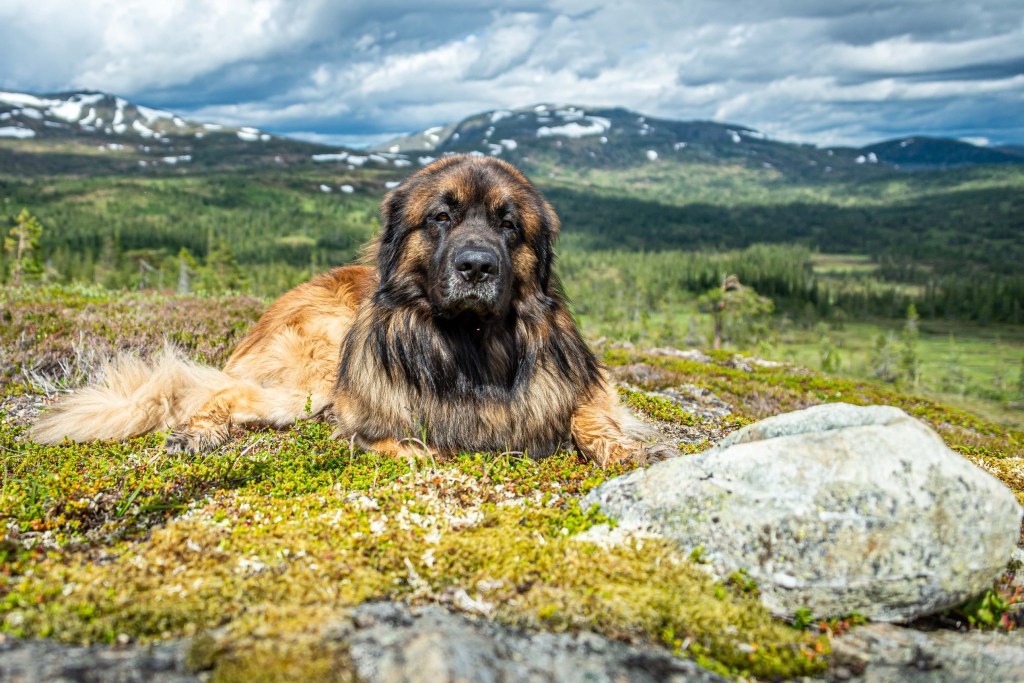
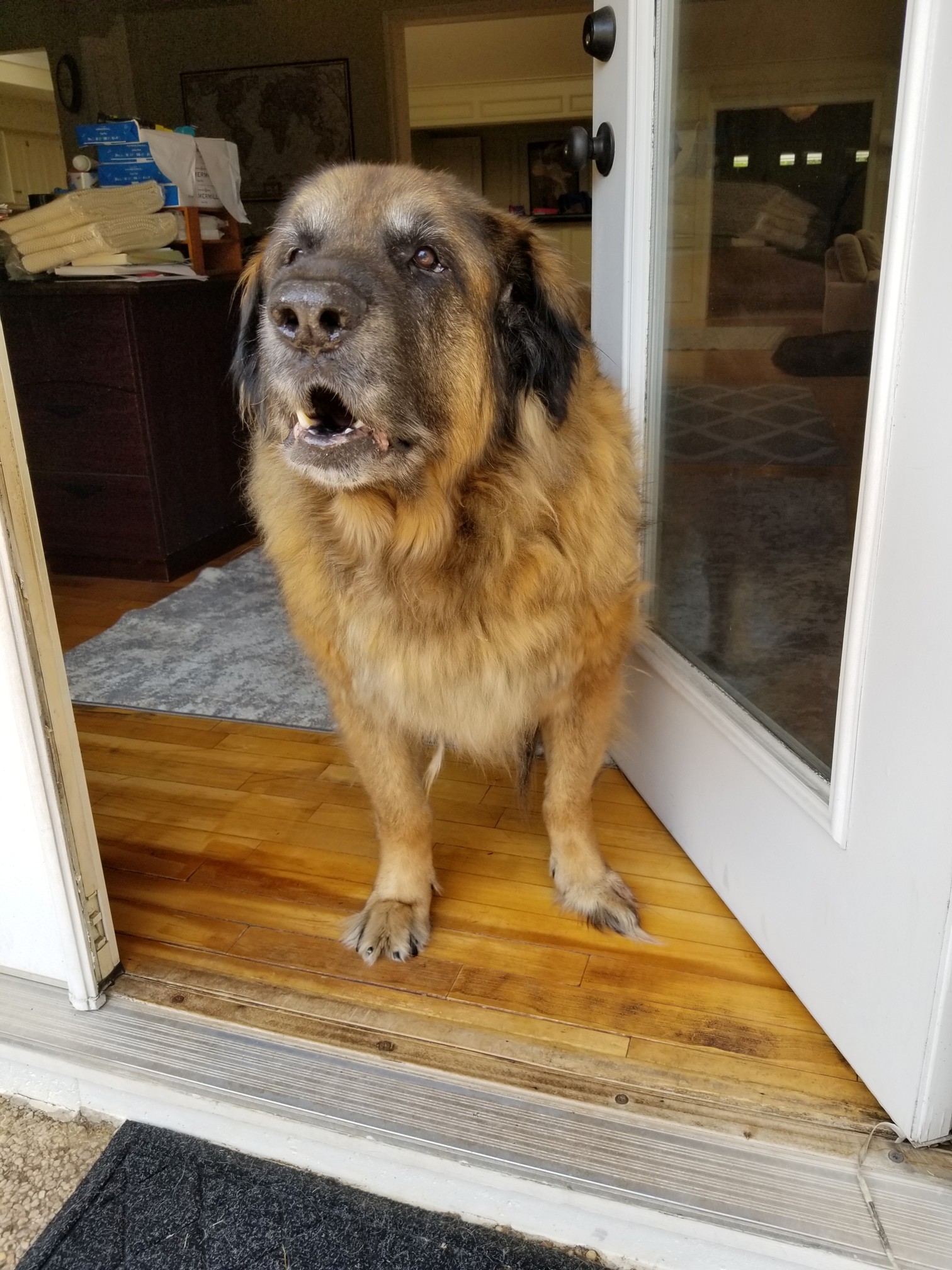
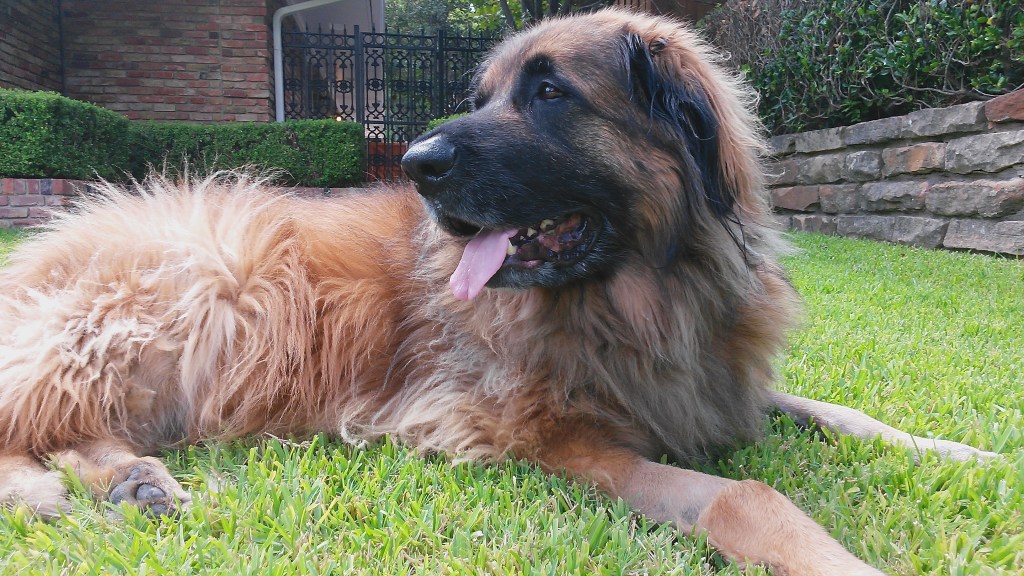
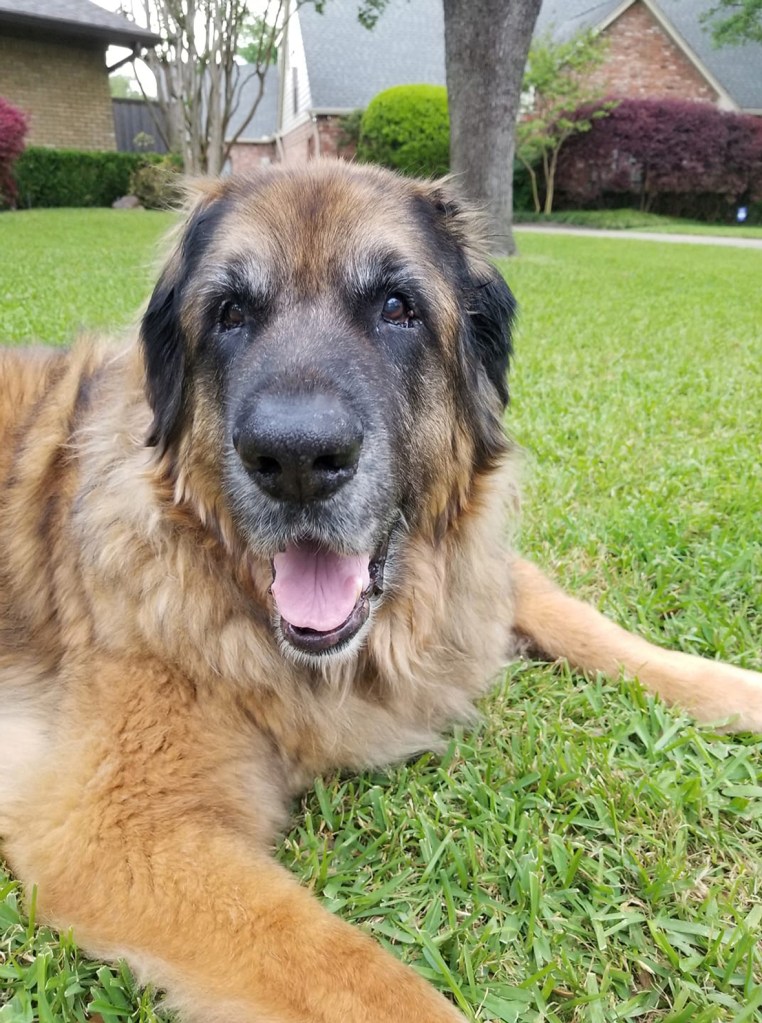
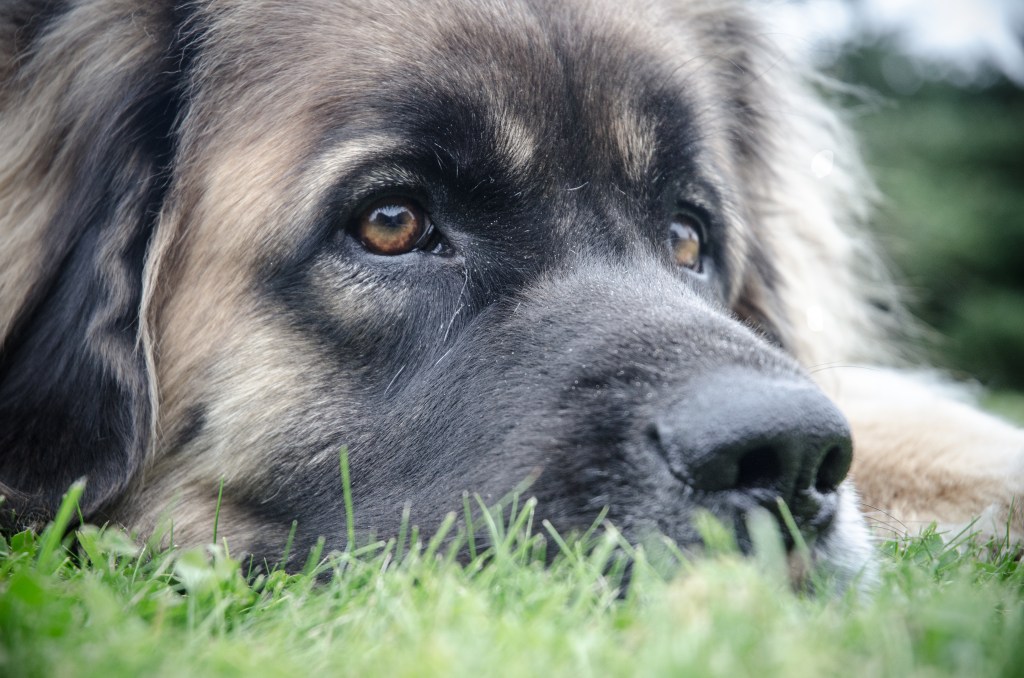
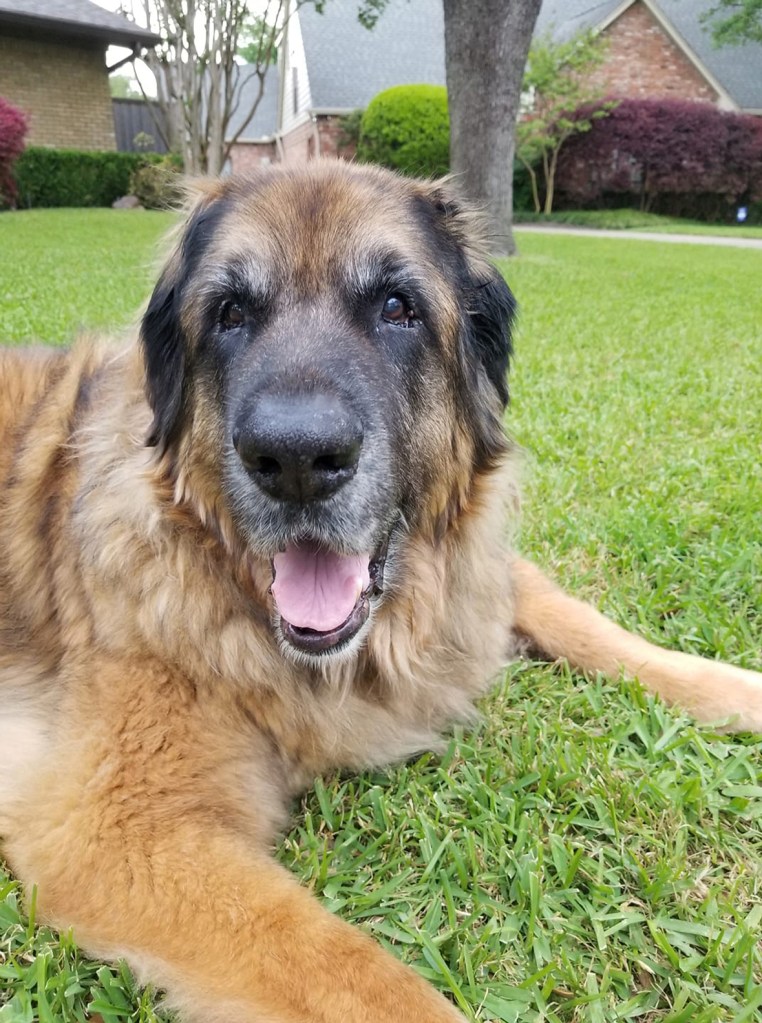
An old looking Leonberger lying in the grass and looking into the camera.
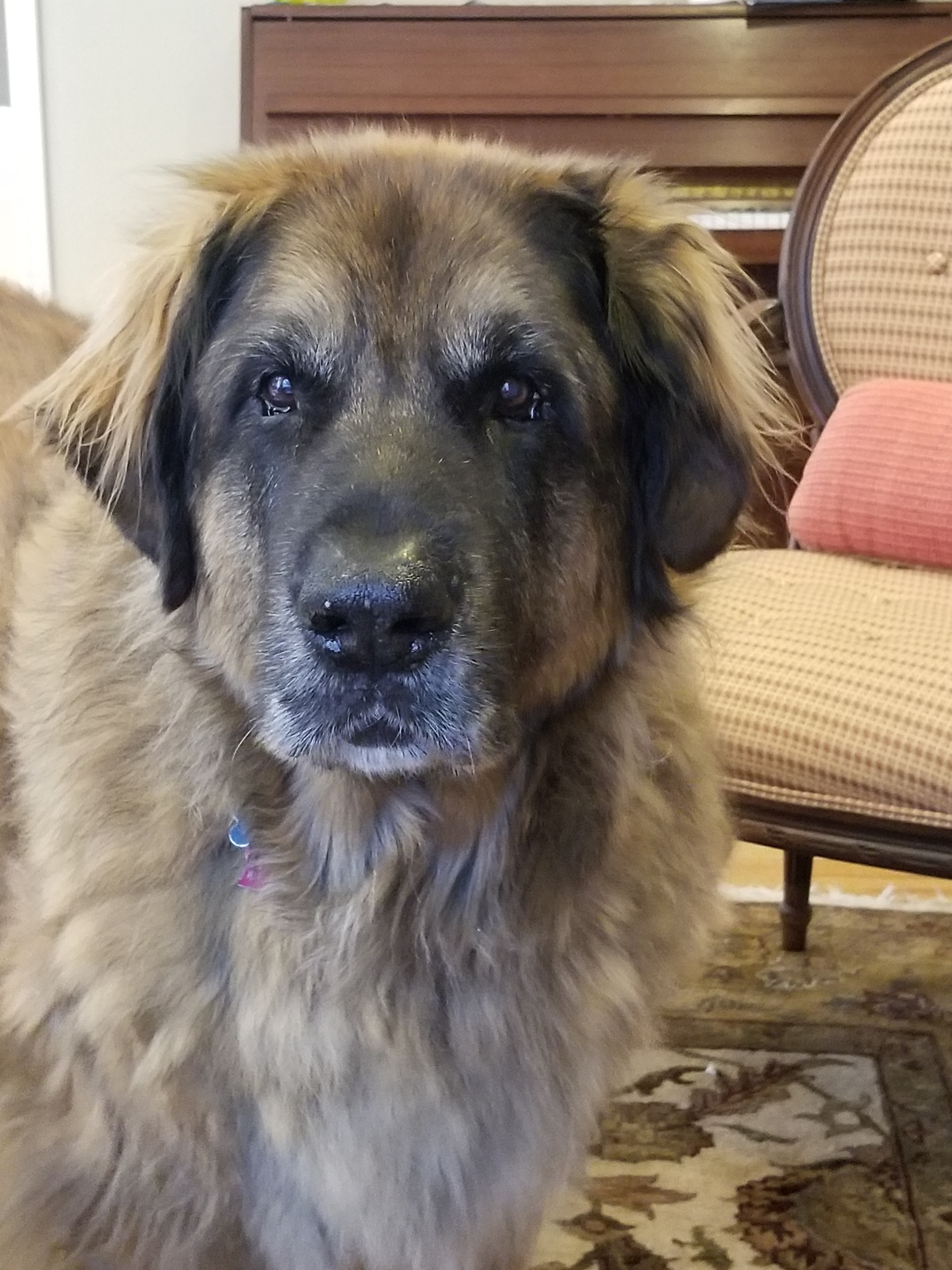
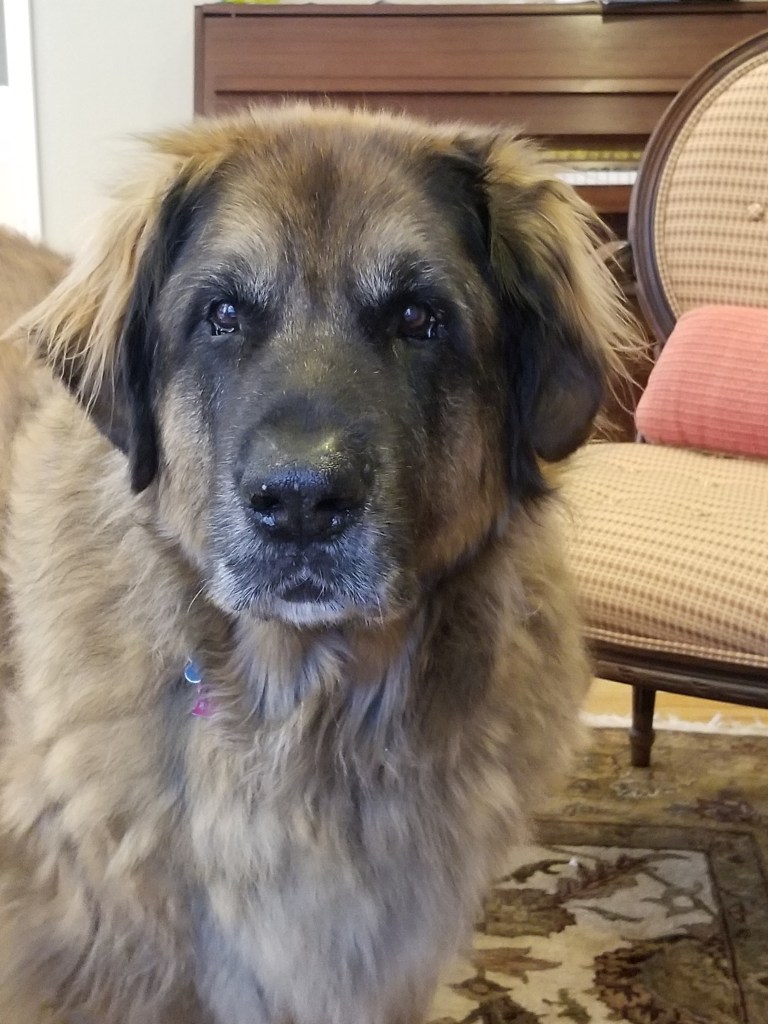
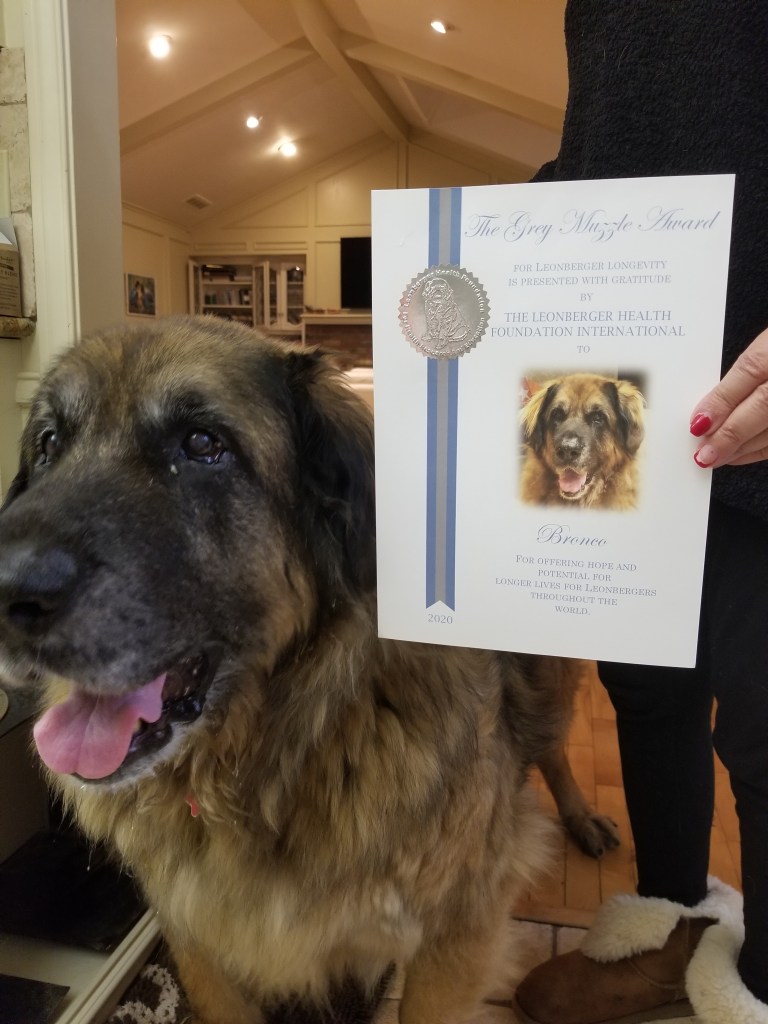
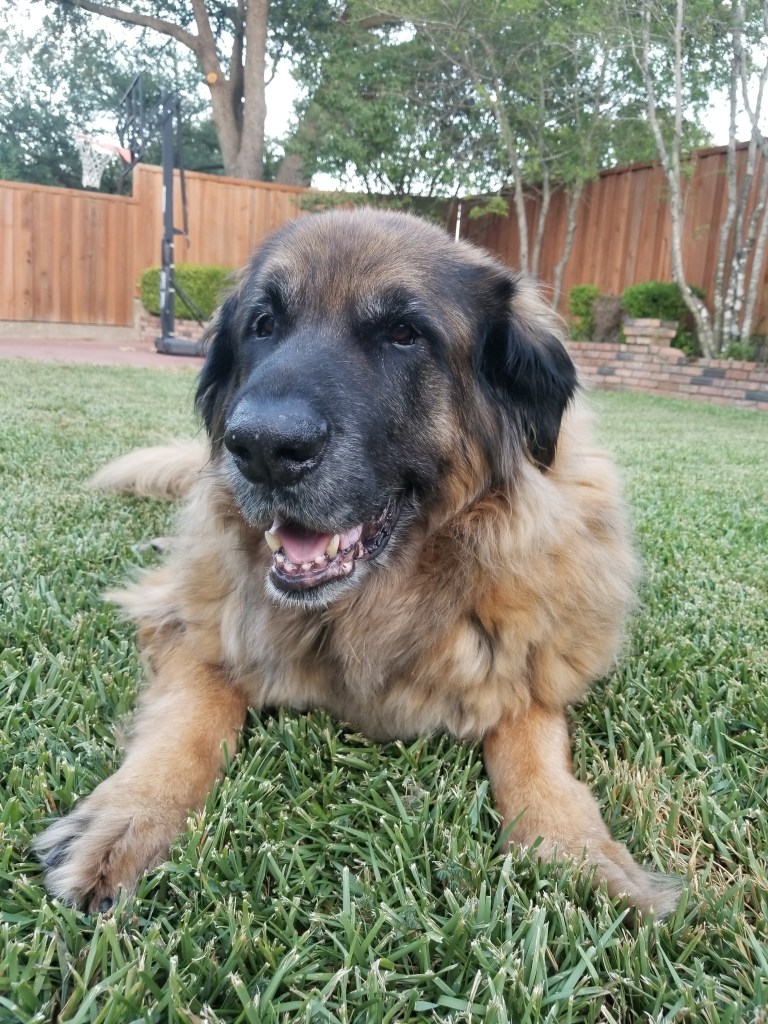
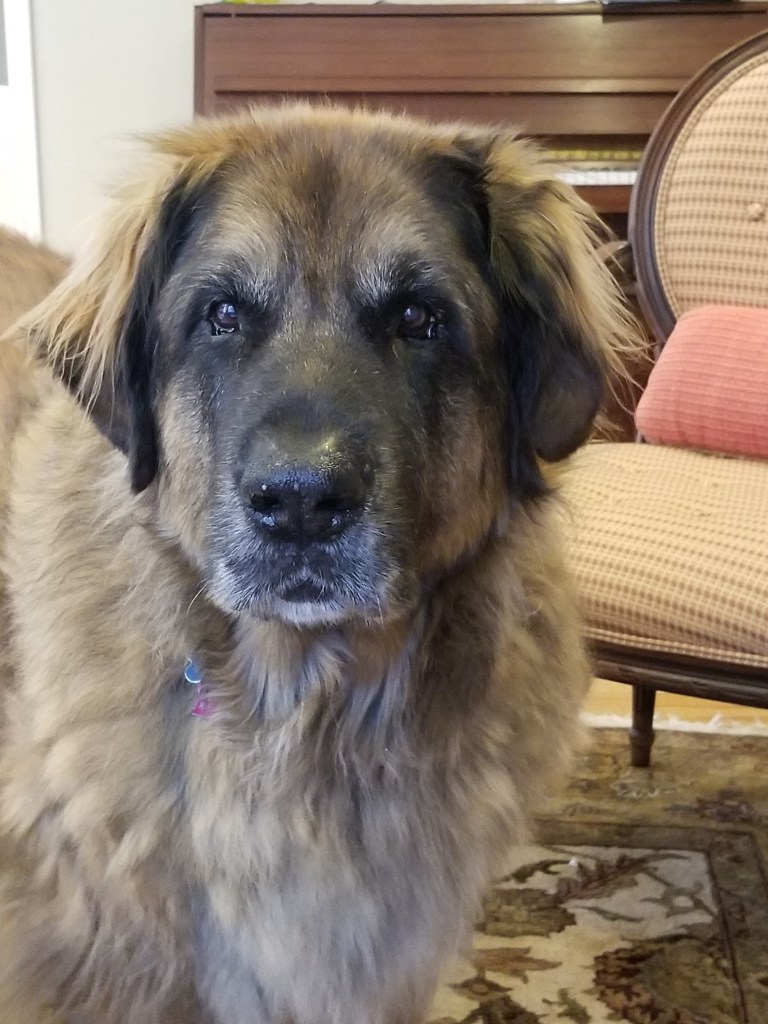
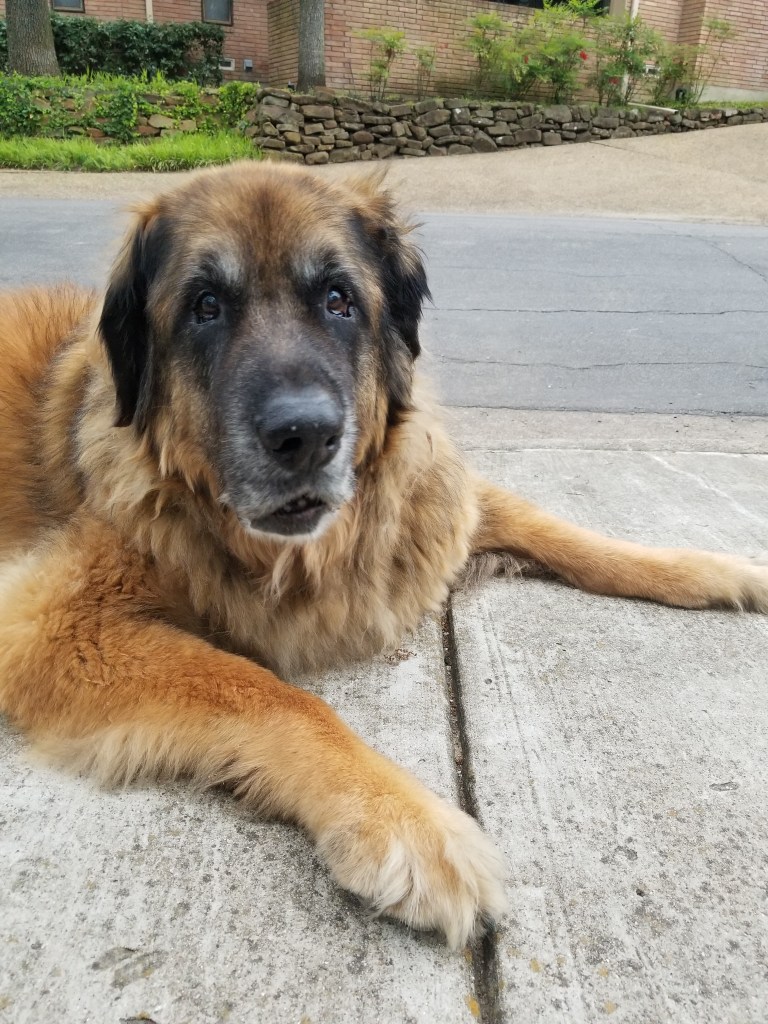
Our Leonberger Bronco soon to be 13 years old. Leonbergers are large dogs and don’t live as long as small dogs. The typically live 8 to 10 years. However, our Bronco reached the age of 13. He was loving, protective, and brave. The small dogs loved him.

This is a guest post written by Ryan Goodchild. He emailed me asking me if he could publish this post regarding becoming a first time Leonberger Owner . I said yes. See his post below.


Becoming a First-Time Leonberger Owner: What You Need to Know

Owning a Leonberger isn’t just about bringing home a dog—it’s about welcoming a gentle, giant-hearted companion whose loyalty and calm strength will shape your days for years to come. These majestic dogs, known for their intelligence and deep affection, can be both a joy and a challenge for first-time pet owners. This guide will help you understand what to expect and how to set yourself—and your Leonberger—up for success.

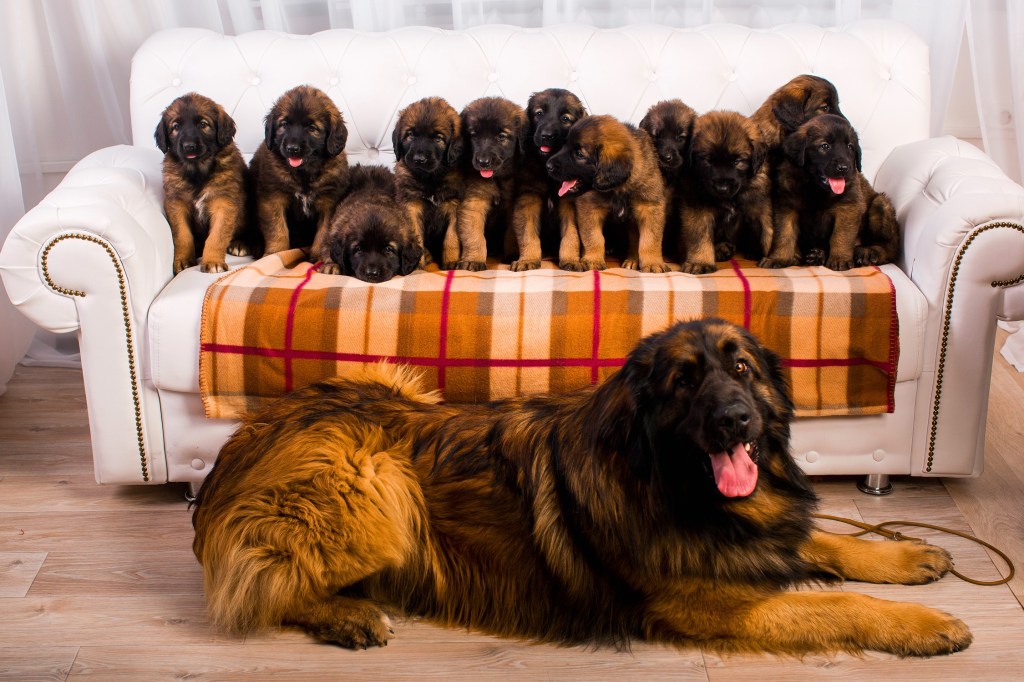
Ten Leonberger puppies sitting on a sofa. They are brown with black face masks. An adult Leonberger is lying in front of them.
Ten Leonberger puppies with mama. Shutterstock-ID: 561107650 by Akbudak Rimma.
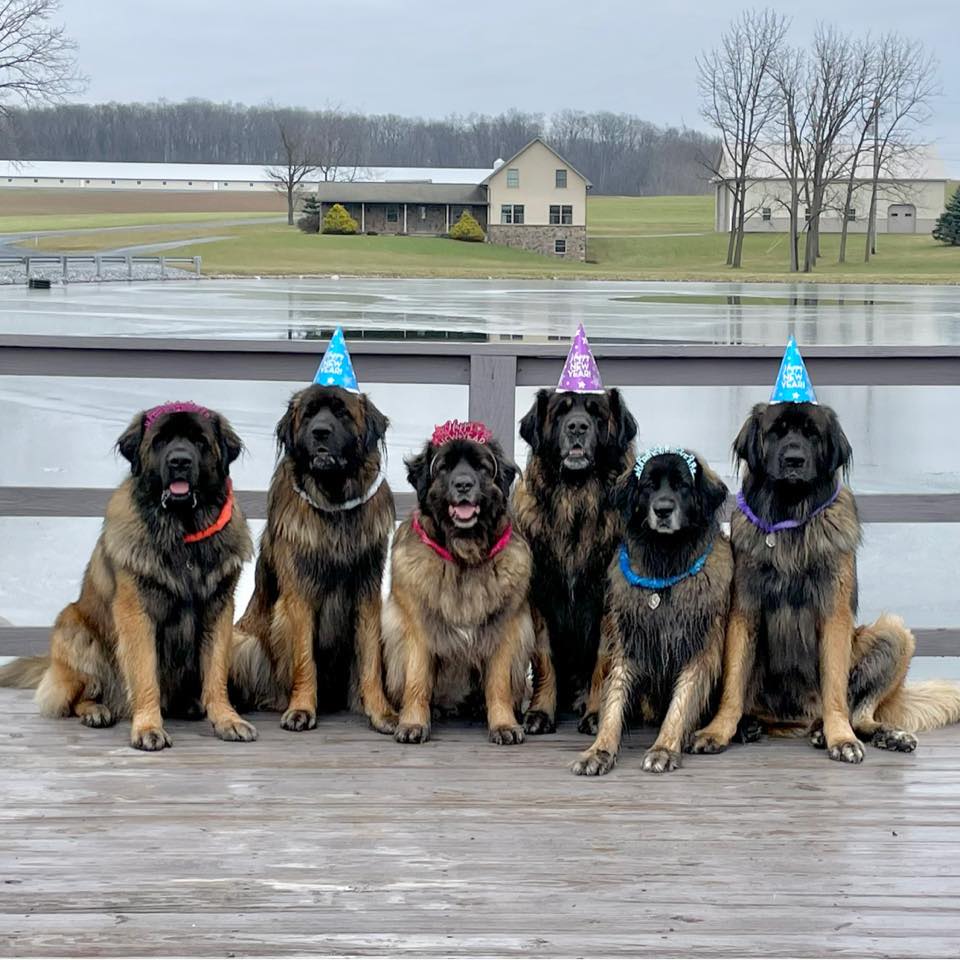
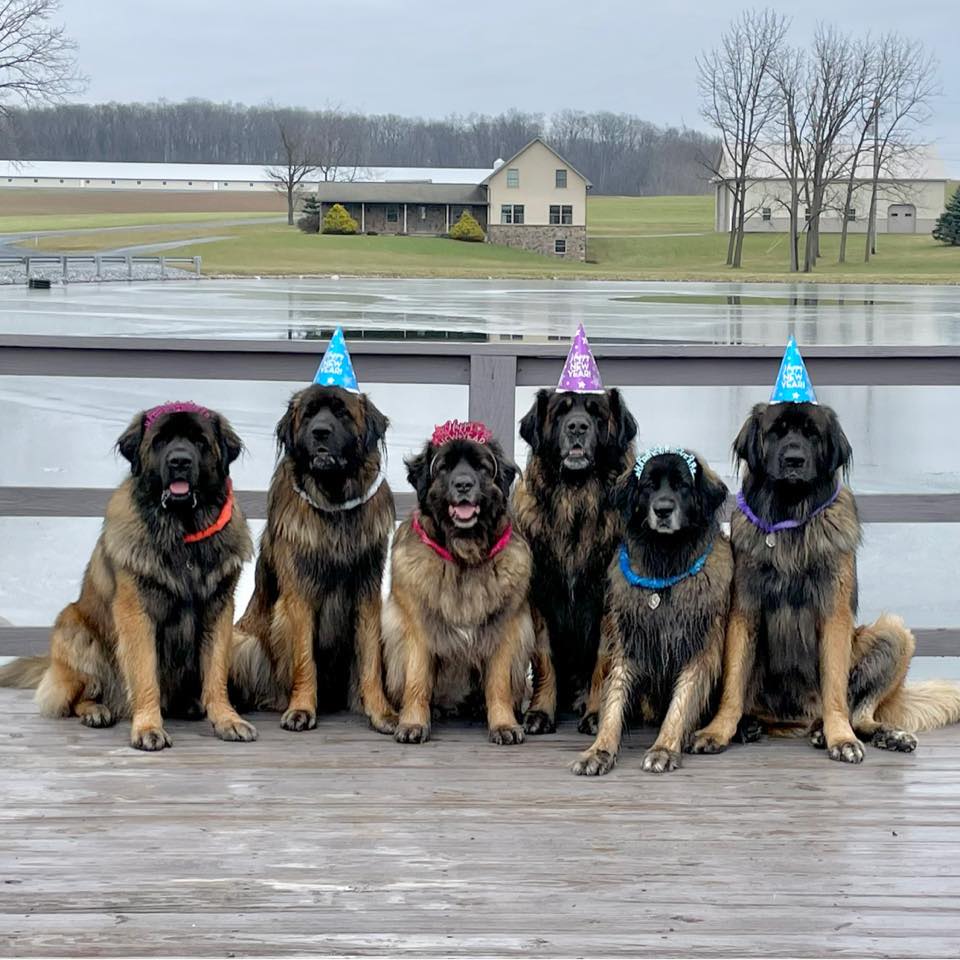
Six Leonbergers with celebration hats are looking straight into the camera.
Six Leonbergers celebrating a birthday celebration. Photo by Jen O’Keefe.

Quick Essentials This Article Looks At

  • Leonbergers are massive—males can exceed 170 pounds; space and structure are non-negotiable.
  • Early socialization and consistent training are critical to keep their size from becoming a liability.
  • Expect heavy shedding, especially during seasonal “blowouts.”
  • They thrive on human interaction and suffer if left alone for long periods.
  • Regular vet care, high-quality food, and joint supplements can prevent costly long-term health issues.
Big fluffy Leonberger sitting in the grass on a hill.
Mature big Leonberger Stock Photo ID:731020957  by Peter Josto.

Understanding the Leonberger Temperament

Leonbergers are affectionate, patient, and famously good with children. Originally bred as family and working companions, they balance strength with serenity. However, their intelligence means they need mental stimulation and clear boundaries; without it, boredom can lead to destructive behavior.

A Few Core Traits to Remember:
  • Gentle yet strong: They rarely display aggression but need confident leadership.
  • Social by nature: Isolation leads to stress and behavioral issues.
  • Sensitive to tone: Harsh correction will break trust—positive reinforcement works best.
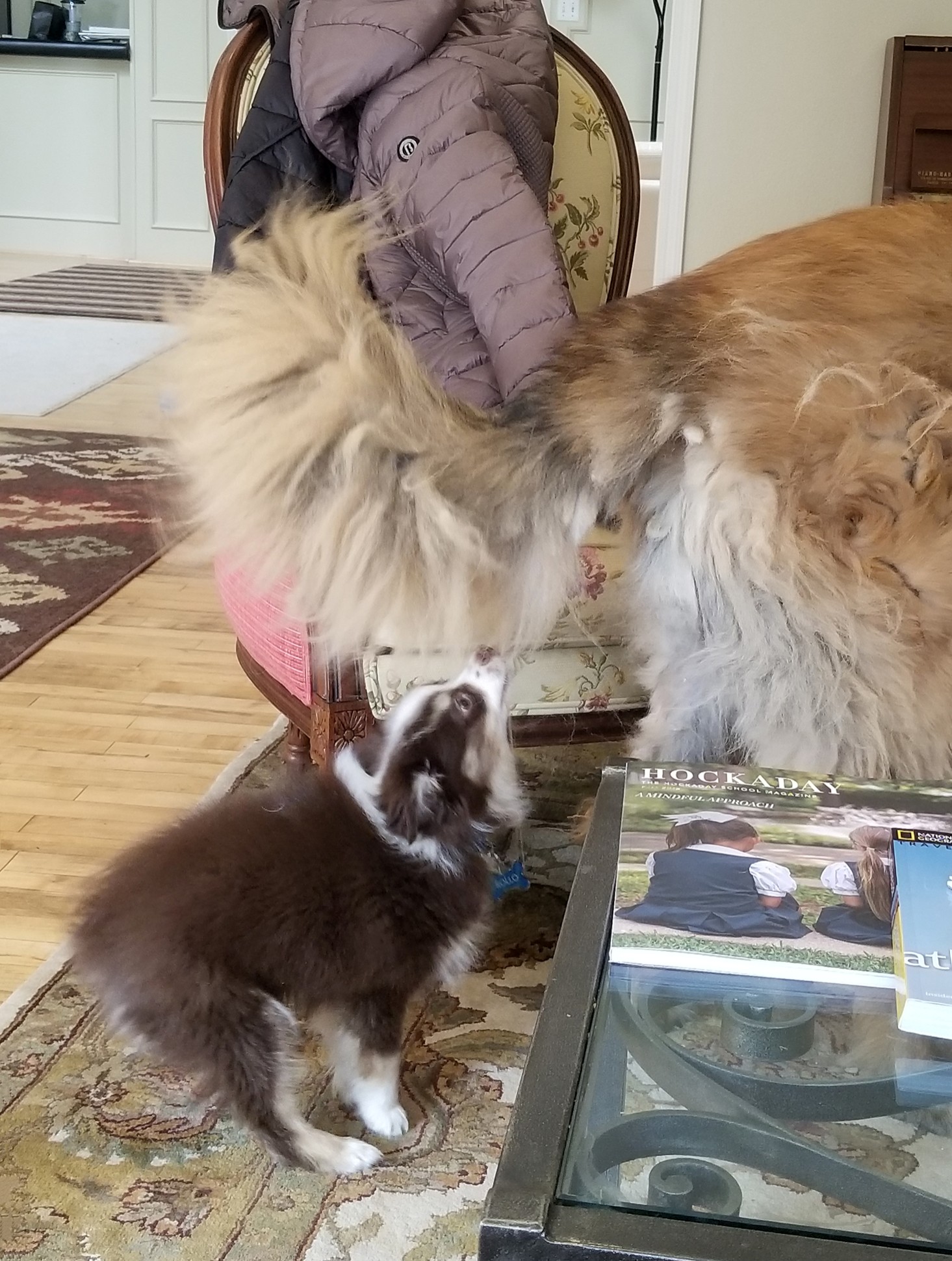
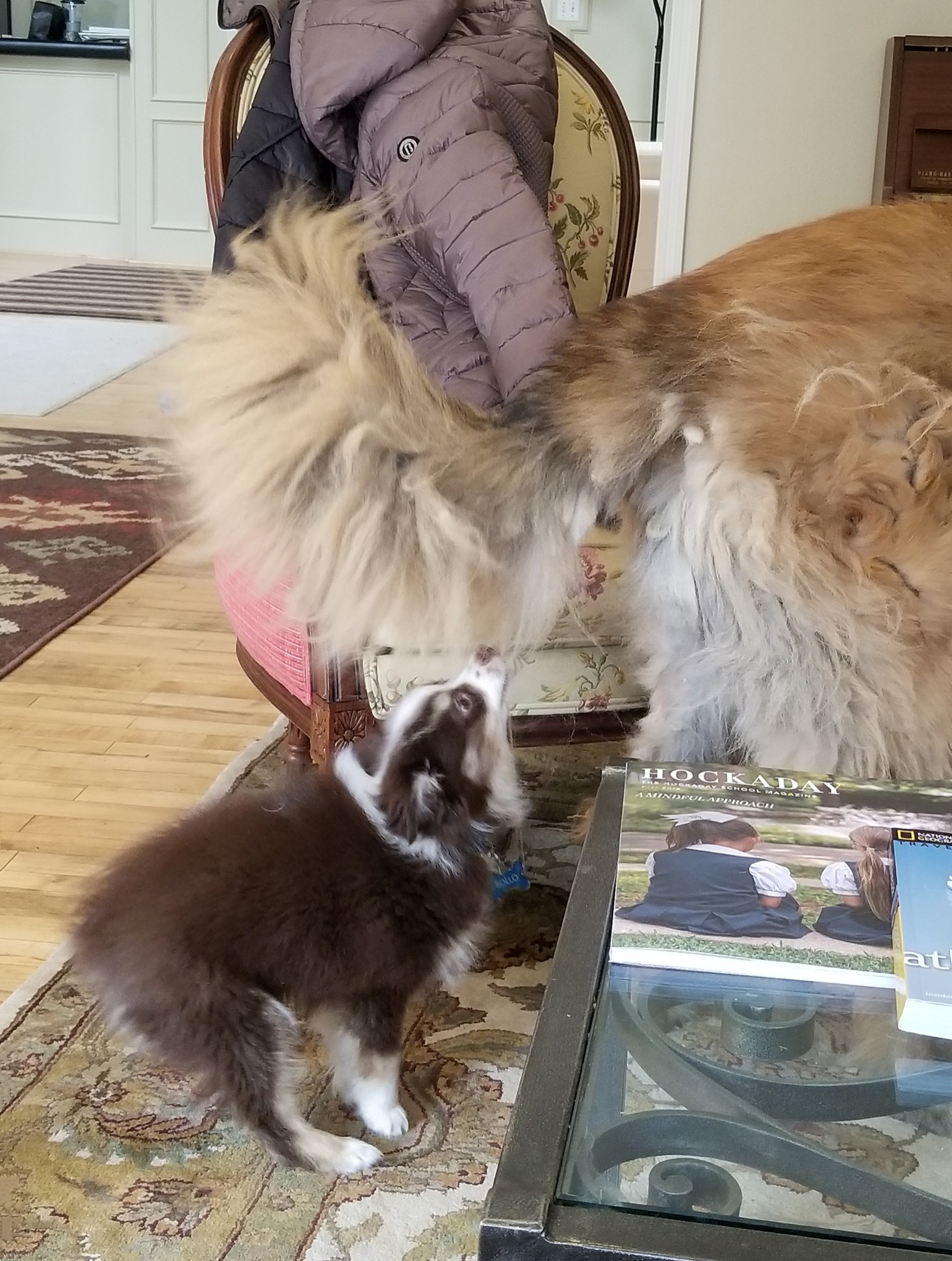
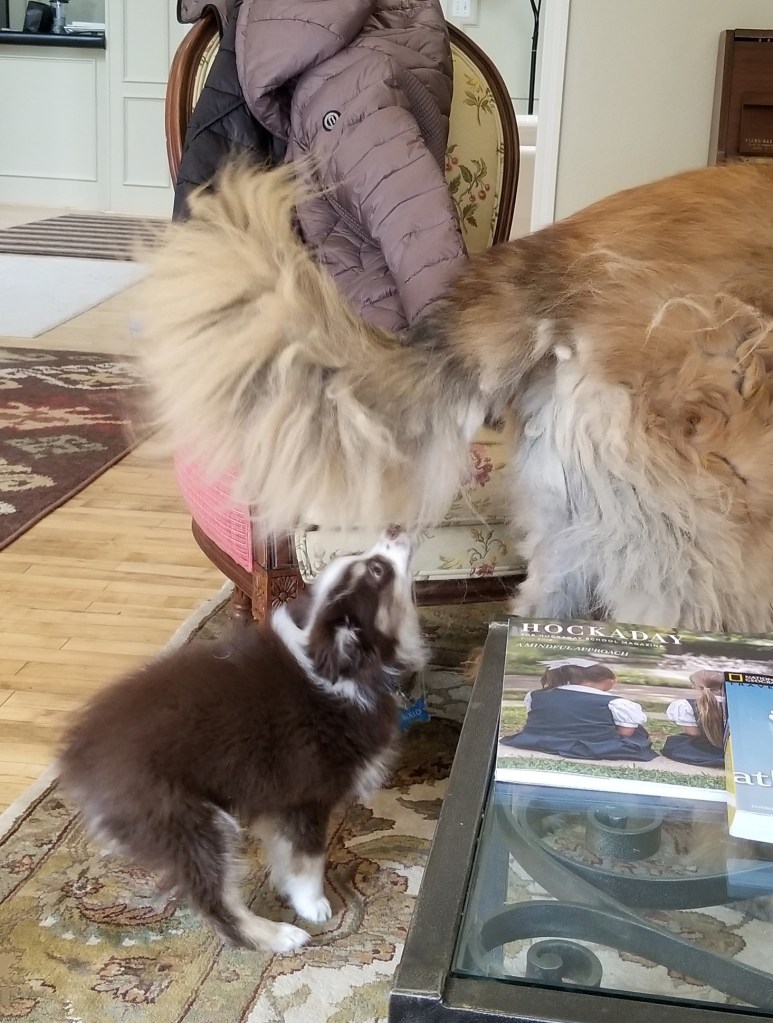
The photo shows our mini-Australian Shepherd biting Bronco’s tail and pulling on it as Bronco is trying to ignore him.
Our rambunctious Rollo mini-Australian Shepherd is biting Bronco’s tail. One time Rollo swung in his tail as if it was a swing. Bronco was very patient.

Health and Nutrition at a Glance

Leonbergers grow rapidly and live, on average, 8–9 years. Their size makes them prone to joint, heart, and bone issues, so proactive care is crucial.

Here’s a snapshot of what to focus on:

ConcernWhat to WatchPreventive Actions
Hip & Elbow DysplasiaLimping, stiffnessKeep weight balanced, feed joint-support diets
Bloat (Gastric Torsion)Restlessness, distended bellyFeed smaller meals, avoid heavy exercise after eating
Heart ConditionsFatigue, coughingAnnual cardiac exams
Cancer (esp. bone)Sudden lameness or painRegular vet visits and early screening
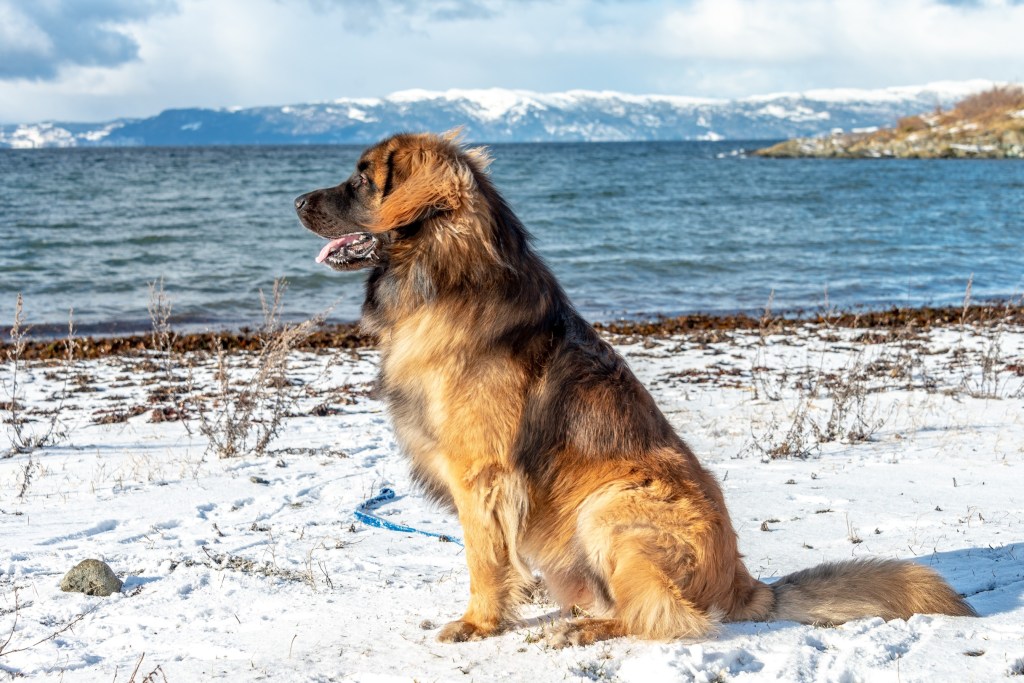
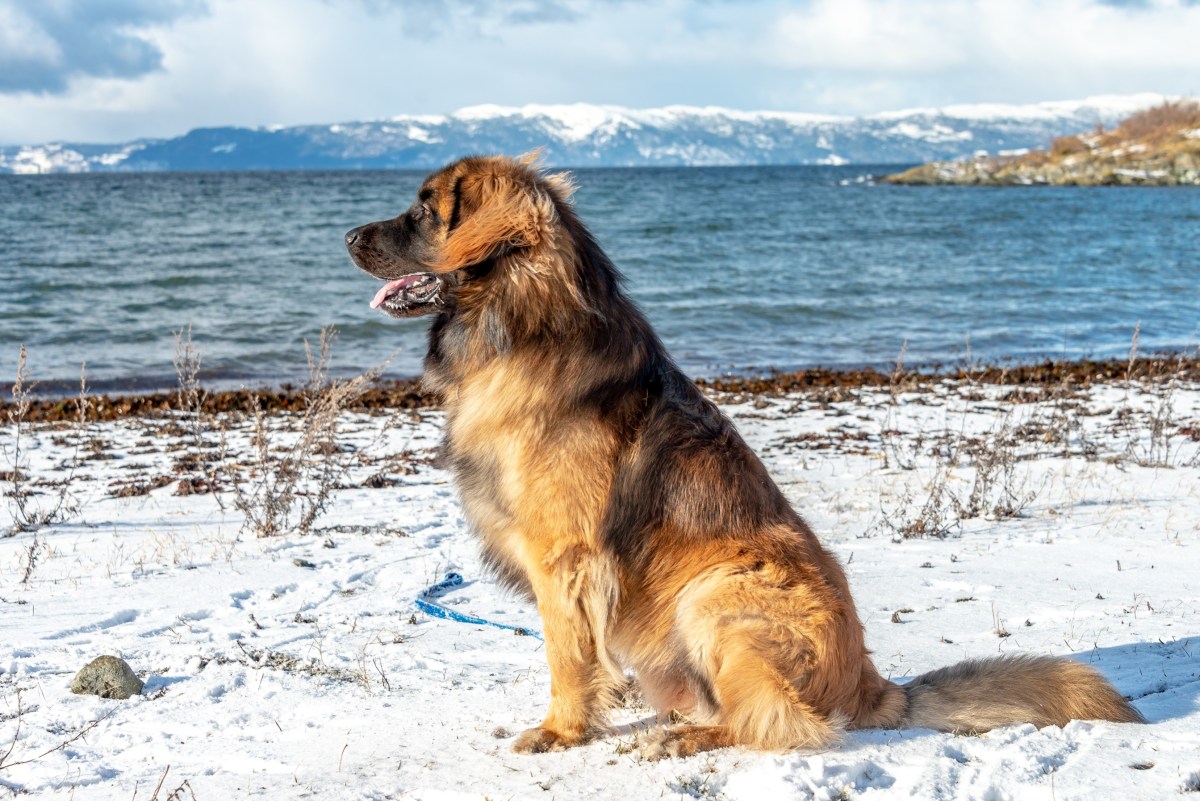
Photo of a Leonberger standing in the snow. There is a wintry forest in the background.
A healthy Leonberger. Shutter Stock Photo ID:705193912 by Anna Krivitskaya.

Creating a Home That Fits a Leonberger

A small apartment won’t do—Leonbergers need space to stretch, play, and move freely. A secure, fenced yard is ideal. Indoors, they’ll happily curl up near you, but their size means you’ll need to Leonberger-proof your space.

How to Prepare Your Home:
  • Create a soft resting area to protect joints.
  • Secure gates and doors—they can easily push through flimsy barriers.
  • Keep breakables out of tail range.
  • Use large, non-slip bowls for food and water.
A big Leonberger splayed across a big wide red leather sofa.
Our Leonberger Bronco sleeping on our big red leather sofa.

Grooming and Maintenance: Managing the “Fur-nado”

Leonbergers have a double coat that requires regular maintenance. Weekly brushing helps, but during shedding season, daily sessions are best. Baths every 6–8 weeks will keep their coat clean and odor-free.

Grooming Checklist

Before shedding season hits, stock up on these essentials:

  • Undercoat rake and slicker brush
  • High-velocity dryer (optional but effective)
  • Gentle dog shampoo and conditioner
  • Nail clippers and ear-cleaning solution

Keeping up with grooming not only reduces hair around the house but also strengthens your bond with your dog.

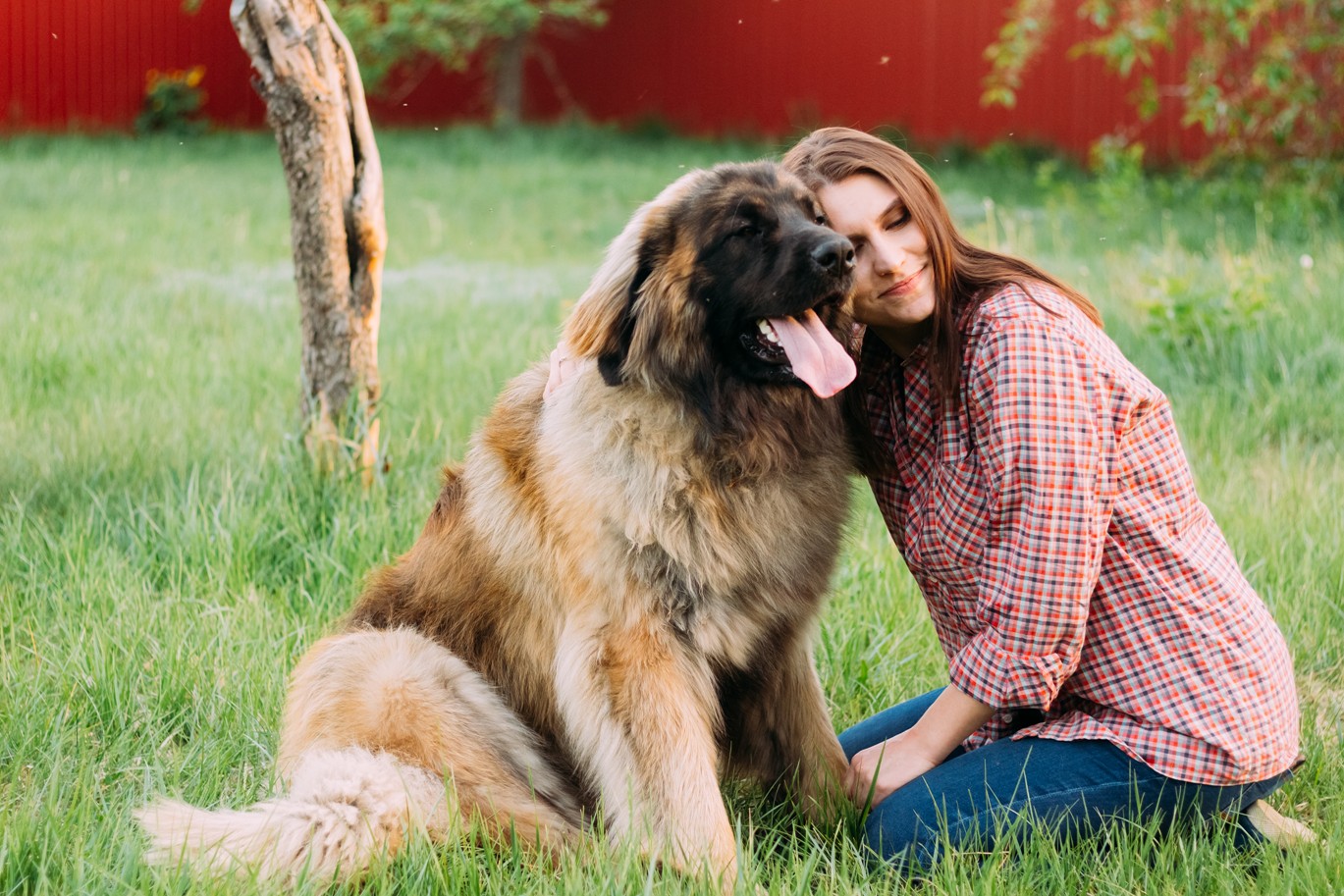
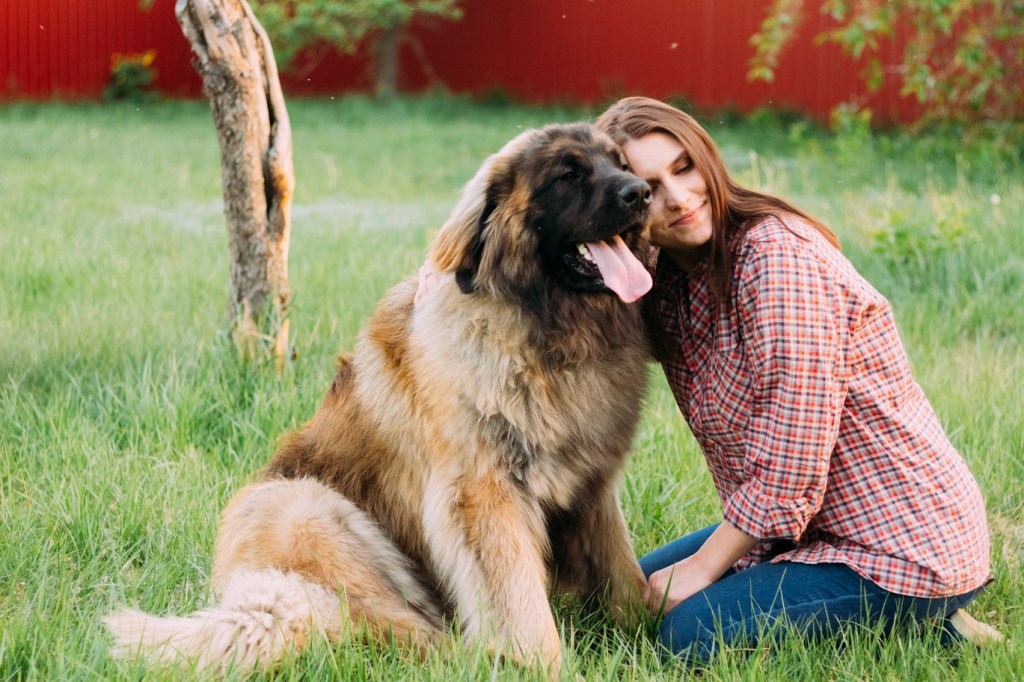
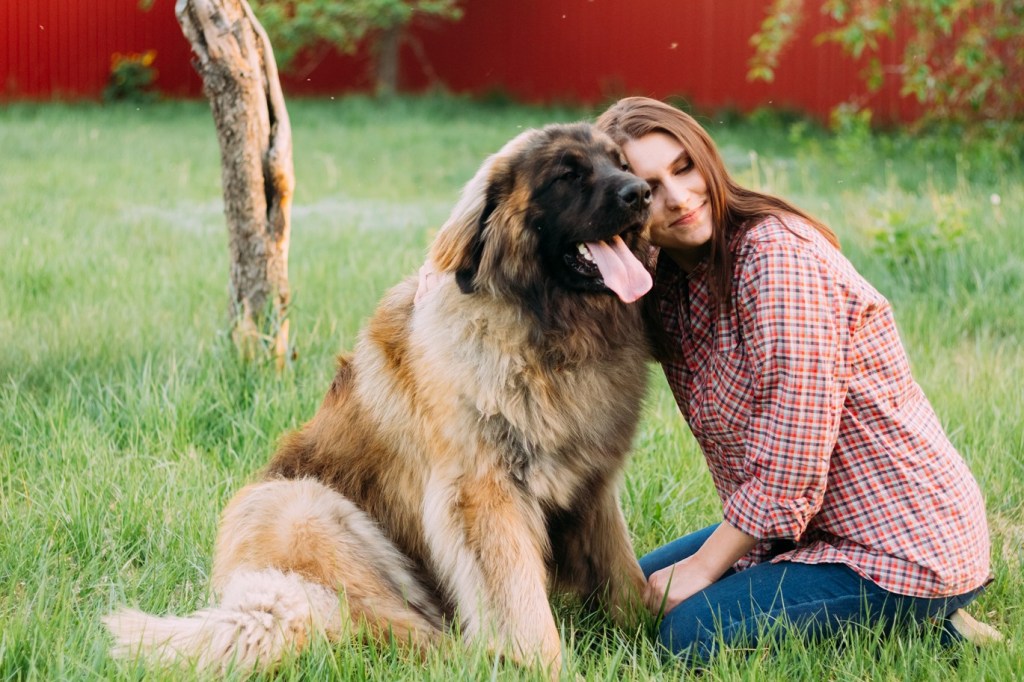
A pretty dark-haired Caucasian girl in a plaid shirt hugs her cute Leonberger dog. The concept is friendship and loyalty.
A woman and her Leonberger dog. Asset id: 1741753382 by Elena Podrezenko

How to Keep Your Pet Records Organized

First-time owners often underestimate the amount of documentation involved—vaccination records, microchip details, adoption papers, and vet receipts. To make things easier, convert documents to PDF and store them digitally.

Using a reliable online tool lets you organize every file in one place, ensuring quick access during vet visits or emergencies.

Creating a labeled folder for your Leonberger’s records—medical, training, and nutrition—will save time and prevent misplaced paperwork later.

Training Your Leonberger: Building a Confident Giant

Leonbergers are highly trainable but easily bored by repetition. Their size makes obedience a must—start early, keep sessions short, and make them engaging. Reward-based methods build trust faster than dominance-based tactics.

Quick Training Guide:

  • Start with basics: Sit, stay, come, down.
  • Socialize early: Introduce new sights, people, and other pets gradually.
  • Teach calm leash behavior: Their strength can easily overwhelm a novice handler.
  • Practice recall: A reliable recall can prevent accidents.

Leonbergers are eager to please and thrive when training feels like teamwork rather than command and control.

The First-Year Readiness Checklist

Owning a Leonberger for the first time is as rewarding as it is demanding. Before bringing one home, make sure you can check most of these boxes:

How-To Checklist: Your First-Year Essentials
  • Register with a trusted veterinarian
  • Choose a large-breed-specific diet and feeding schedule
  • Create a grooming calendar and stick to it
  • Enroll in an obedience or puppy class
  • Invest in sturdy leashes, harnesses, and feeding equipment
  • Begin socialization within the first 3 months
  • Keep vaccination and health records digitally organized
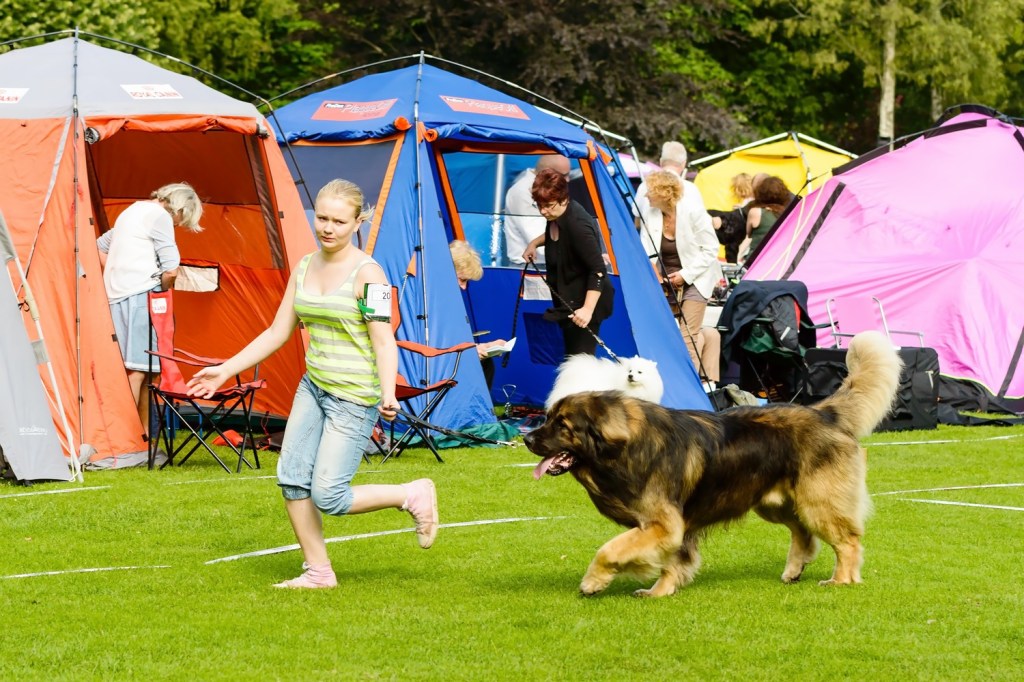
The photo shows a young blond woman running with a Leonberger in a leash. There are tents and other people in the background.
RONNEBY, SWEDEN – JULY 05, 2014: Blekinge Kennelklubb international dog show. A Leonberger dog and a female handler running in a show ring. Asset id: 204221011 by Imfoto

“Big-Paw” Questions: FAQ for Future Leonberger Owners

Here are some of the most common concerns new owners have—answered clearly and concisely.

The New Owner’s FAQ: “From Puppy to Gentle Giant”

1. How much exercise does a Leonberger need?
At least an hour a day of moderate activity is ideal. Puppies should avoid high-impact exercise until growth plates close (around 18 months) to protect joints.

2. Are Leonbergers good with other pets?
Yes. They’re naturally tolerant, but early introductions and supervised interactions are important, especially with smaller animals they could accidentally knock over.

3. How expensive are they to maintain?
Expect higher costs than smaller breeds. Quality food, grooming, and vet care can average $2,000–$3,000 annually—not including emergencies or travel crates.

4. Do they drool?
Some do, especially after drinking water. Keep absorbent towels handy near their bowls or favorite resting spots.

5. What should I look for in a breeder or adoption center?
Choose one that conducts health testing for hips, eyes, and heart, and offers transparency about lineage. Ethical breeders prioritize temperament and health over appearance.

6. Can Leonbergers live in warm climates?
Yes, but with precautions—limit outdoor activity in high heat, provide ample shade and water, and avoid midday walks.

Building a Lifelong Bond

Becoming a Leonberger owner means embracing responsibility and reward in equal measure. These dogs will fill your home with love, hair, and joy—often in that order. Plan carefully, train consistently, and nurture their gentle nature with patience and respect. The more you invest in understanding your Leonberger, the more they’ll return in loyalty and affection that few breeds can match.

Whether this is your first pet or your first giant breed, remember: structure and affection go hand-in-hand. With preparation and heart, your Leonberger won’t just live with you—they’ll thrive because of you.

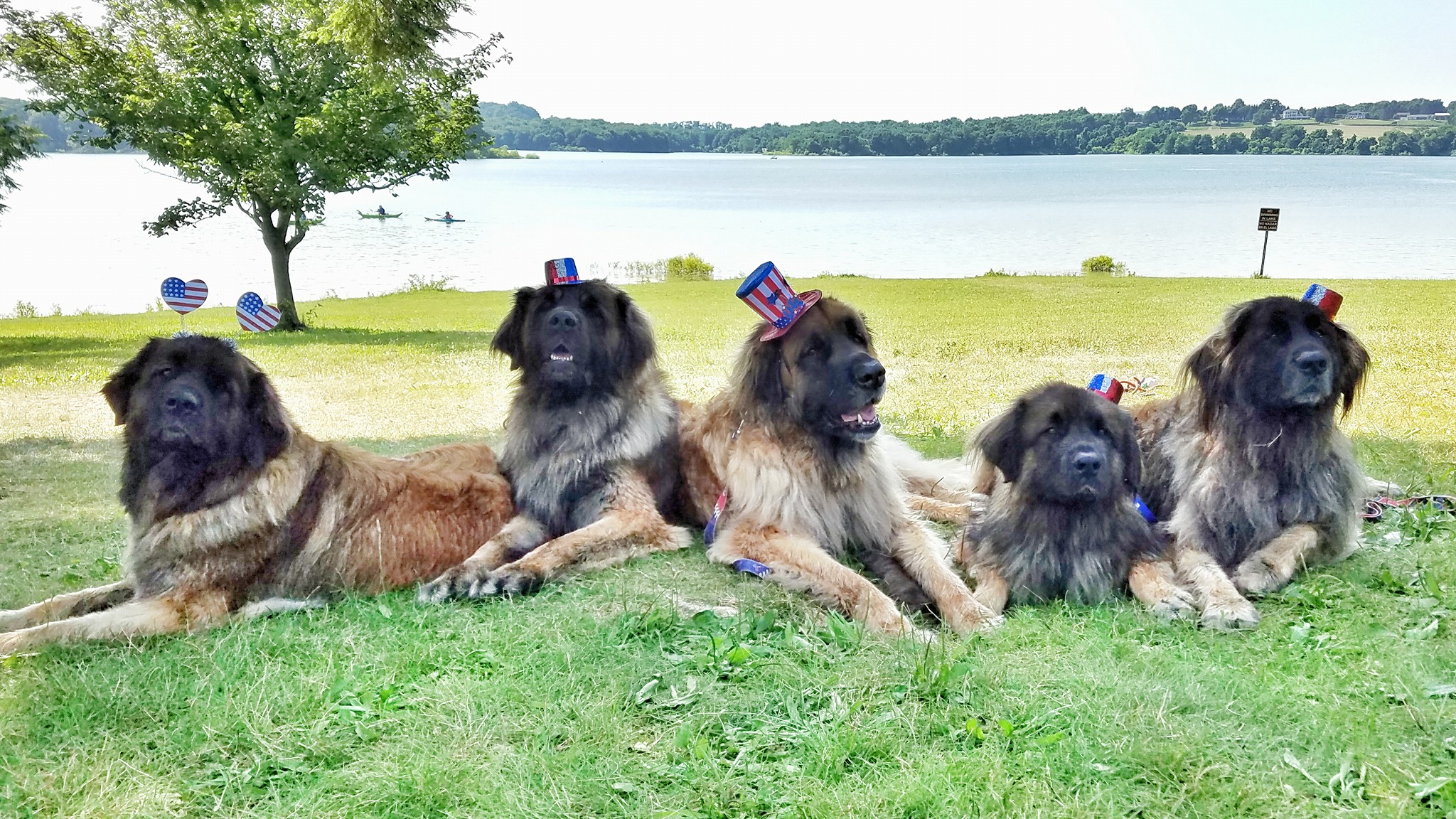
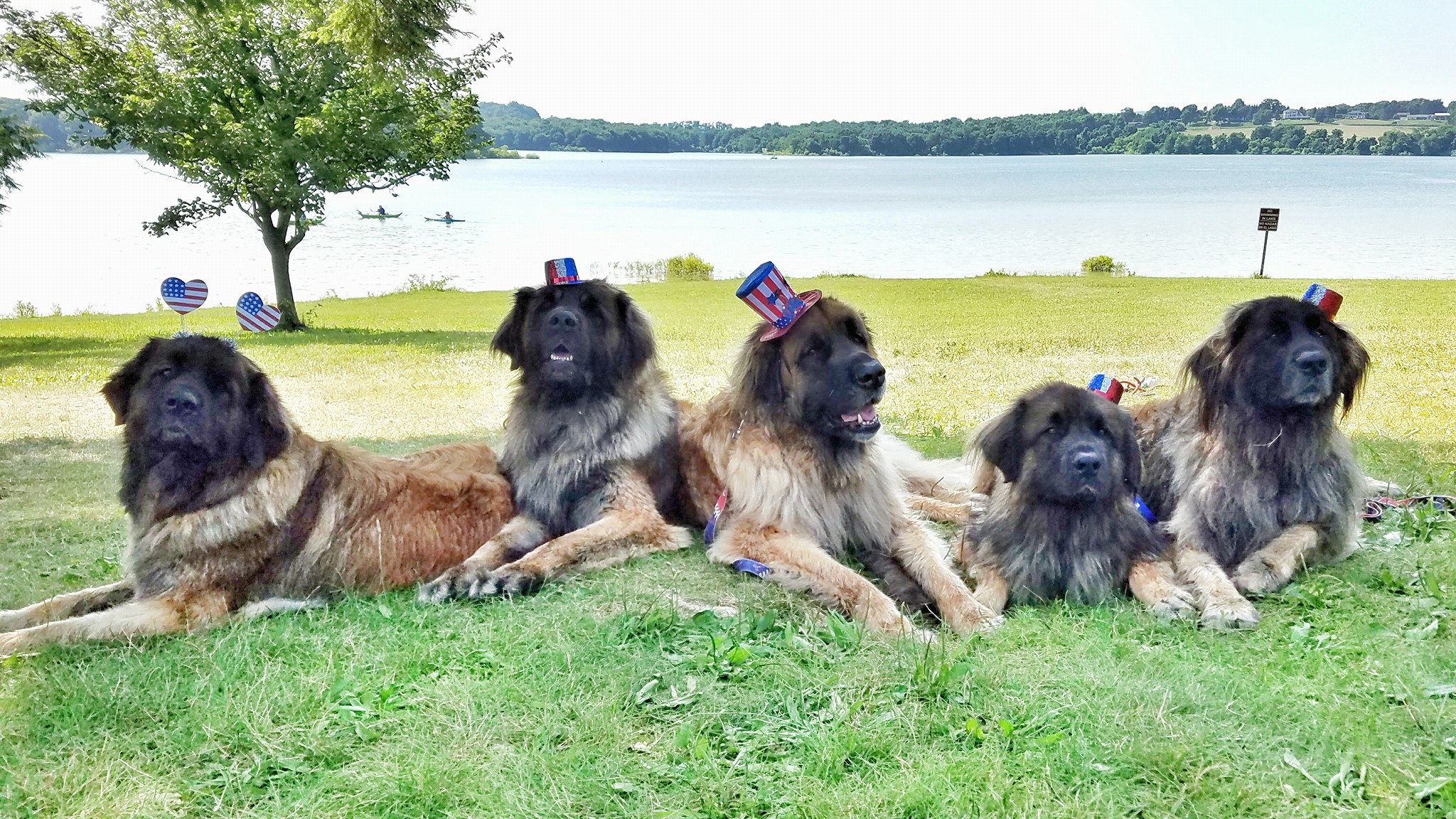
Five Leonbergers wearing patriotic hats lying on grass by a lake.
This photo was provided by Jen O’Keefe, Urgent Animal Care of Arlington. From left to right; Obi, Delfi, Aslan, Gryphon, Digory.

A New Beginning Opening a Pet Treat Bakery

This is a guest post written by Ryan Goodchild. He emailed me asking me if he could publish this post regarding opening a Pet Treat Bakery . I said yes. See his post below.

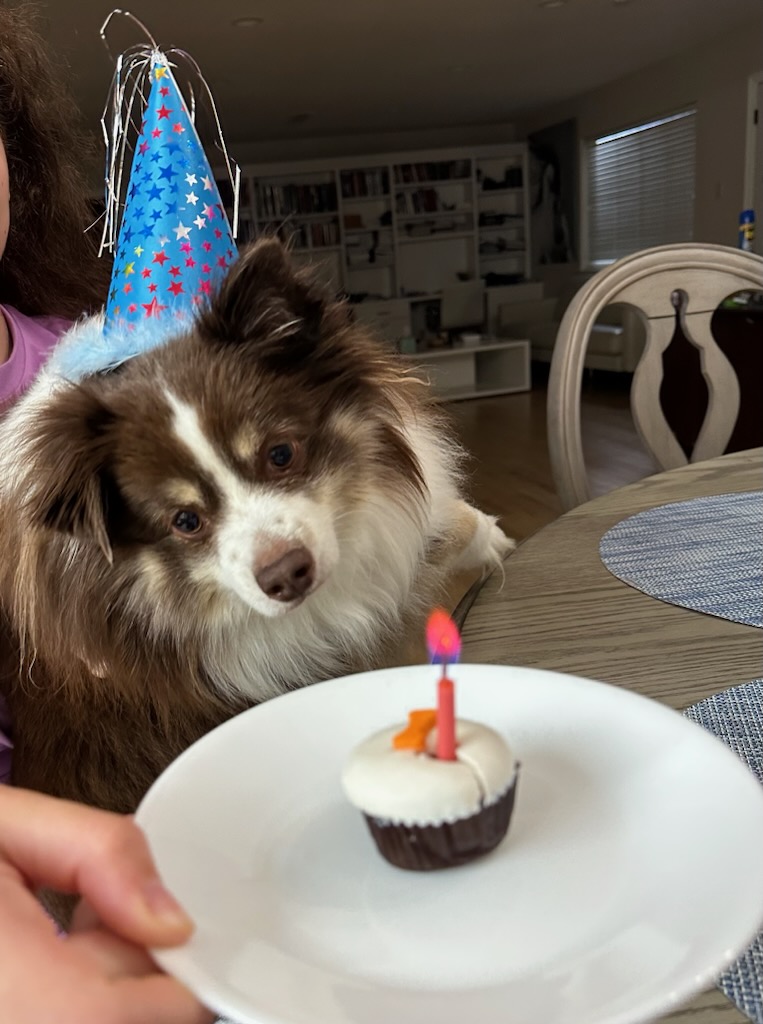
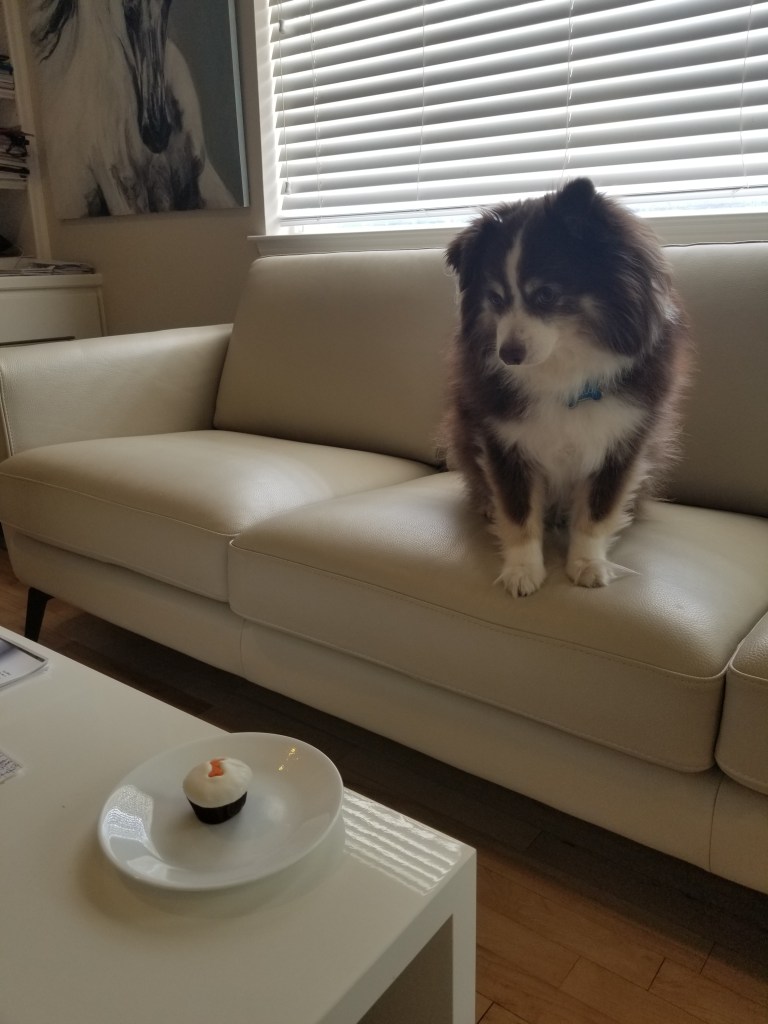
Our mini Australian Shepherd Rollo is looking at a pupcake in front of him. He is wearing a blue party hat.
Our mini Australian Shepherd Rollo loves pupcakes (cupcakes for dogs). We bought it at a pet treat bakery.
It is also a Response to Esther’s writing prompt: December 31, 2025: New Beginnings

Opening a Pet Treat Bakery could certainly be a New Beginning. Click here or here to join in Esthers prompt.

Image: Freepik

Opening a Pet Treat Bakery: A Step-By-Step Business Guide

Opening a pet treat bakery means turning a love of animals into a food-based business with real operational demands. This venture blends culinary care, compliance, branding, and sales into one compact operation. Done right, it can become a loyal, repeat-driven business with strong word-of-mouth momentum.

Quick Takeaways

  • Start with a narrow product focus so you can control quality, costs, and compliance.
  • Treat regulations as a design constraint, not an afterthought.
  • Your brand story matters almost as much as your recipes.
  • Distribution decisions will shape your margins more than ingredient costs.

Starting With a Clear Vision

Most pet treat bakeries fail by trying to do too much too early. Decide whether you are specializing in dog treats, cat treats, or a specific niche like grain-free, dental chews, or celebration cakes. Your ingredient list, pricing, and even packaging flow from this first decision. A tight focus also makes it easier to explain your value to retailers and customers.

Understanding Food Safety and Legal Requirements

Pet food is regulated differently than human food, but it is still regulated. In the U.S., this typically involves state-level registration, labeling rules, and adherence to basic manufacturing standards. Some states require inspections or proof of safe production processes. Call your state agriculture department early so compliance shapes your setup instead of delaying your launch.

Enhancing Business Skills with an Online Degree

Many founders realize quickly that baking skill alone is not enough. Formal business education can help you understand pricing, cash flow, and long-term planning without learning the hard way. A bachelor of business administration program builds confidence in areas like accounting, communications, and management, which directly affect whether your bakery survives its first few years. Flexible online programs allow you to keep working while sharpening these skills, making it easier to balance learning with real-world operations.

Pricing and Cost Control

This table shows common cost categories and what to watch for as you price your treats.

Cost CategoryWhat To MonitorWhy It Matters
IngredientsSupplier consistencyImpacts quality and margins
PackagingDurability and labelingAffects compliance and branding
LaborBatch efficiencyDetermines scalability
DistributionShipping or wholesale cutsDirectly hits profit per unit

Quick Steps to Launch Your Pet Treat Bakery

Follow these steps to move from idea to first sale:

Marketing Without Overstretching

Pet owners respond to trust and transparency. Share ingredient sourcing, show how treats are made, and encourage reviews from early customers. Local partnerships with groomers or pet boutiques often convert better than broad advertising. Consistent storytelling builds familiarity and repeat purchases.

FAQs for Future Pet Treat Bakery Owners

Before making final commitments, these questions often come up.

How much startup capital do I realistically need?

Most small pet treat bakeries launch with modest budgets by starting home-based or renting shared kitchens. Your biggest early costs are compliance, packaging, and initial inventory. Planning for six months of operating runway reduces stress.

Can I operate from home?

This depends on local and state regulations governing pet food production. Some states allow home kitchens with registration, while others require commercial facilities. Always verify before investing in equipment.

How long do pet treats last?

Shelf life varies by recipe, moisture level, and preservatives used. Many baked treats last several months when stored properly. Clear expiration dating builds buyer confidence.

Should I sell direct-to-consumer or wholesale?

Direct sales offer higher margins but require more marketing effort. Wholesale moves volume faster but reduces per-unit profit. Many bakeries start direct, then add selective wholesale partners.

When should I expand my product line?

Expansion makes sense once your core products sell consistently and operations are stable. Adding too many items too early increases complexity and waste. Let customer demand guide growth.

Conclusion

Opening a pet treat bakery is equal parts creativity and discipline. Success comes from pairing safe, appealing products with clear systems and realistic pricing. Start small, learn fast, and build trust with pet owners at every step. With focus and patience, a niche bakery can grow into a durable, well-loved brand.

Photo of our mini-Australian Shepherd being sitting on a leather sofa and looking at a pupcake.
Rollo our mini-Australian Shepherd and a pupcake on a table. This pupcake was bought at a local pet treat bakery. They also have cupcakes for people, but it is important to keep them separate.


My Other Responses to Esther’s Prompts


Would you like to Open a Pet Treat Bakery?

Moving With Your Dog to a New State

This is a guest post written by Ryan Goodchild. He emailed me asking me if he could publish his post regarding moving with dogs on my blog . I said yes. See below.

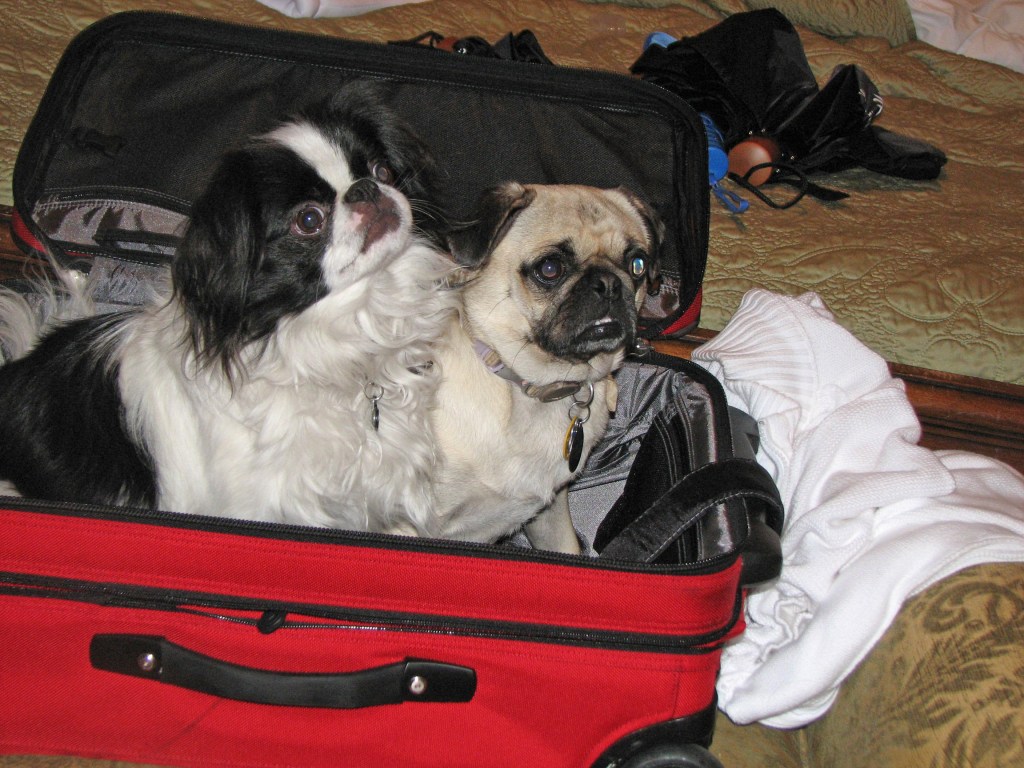
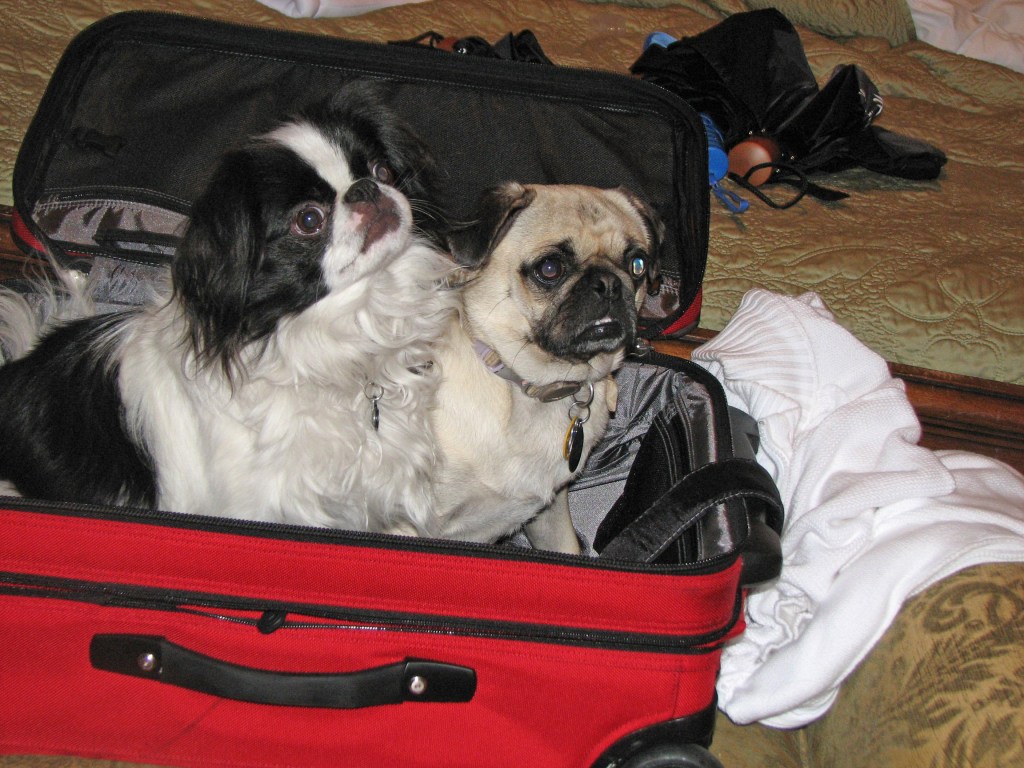
Our black and white Japanese Chin Ryu is sitting next to our Pug Daisy in a red suitcase.
Moving and travelling can be a challenge to dogs.

Ryan Goodchild’s Post on Moving with Your Dog to a New State:  A Real-World Guide for a Calm Transition

Moving is a big deal, and if you have a dog, it’s a whole new level of logistics and emotion. Dogs don’t understand the concept of relocation. They just know something’s changing. Your goal is to make that change feel safe, predictable, and full of the familiar.

What You’ll Learn

  • How to prepare your dog before, during, and after a move
  • What records and updates you’ll need
  • How to digitize your dog’s important documents
  • Ways to reduce stress, for both of you
  • A quick, clear checklist to keep everything on track

Prepare Your Dog for Change

Start weeks before moving day. Dogs pick up on routine changes quickly — packing, new smells, boxes everywhere. Keep walks and meals on schedule, even as your home shifts around them.

Schedule a vet visit about a month before the move. Request updated vaccination records, refill any medications, and ask for a general health certificate if you’ll be crossing state lines. This document isn’t always mandatory, but it can be helpful for emergencies or travel checks.

Keep Your Dog’s Records Safe and Organized

When you relocate, having instant access to your dog’s medical and identification records can save a lot of stress. Scan everything, like vaccination forms, microchip details, prescriptions, and your vet’s contact information, so you have them in one place.

Save the files as PDFs; they’re reliable, portable, and open on almost any device. For convenience, you can merge multiple records into one clean file with this tool. Keeping these essentials organized means you’re always ready for a vet visit, emergency, or boarding request in your new area.

Travel Day: Stay Calm, Stay Simple

Moving days are hectic, and dogs sense your energy. Your best strategy is calm consistency.

Pack a “dog go-bag” with:

  • Food and collapsible bowls
  • Waste bags and cleaning wipes
  • Favorite toy or blanket
  • Leash, collar, and updated ID tags
  • Any medications and first-aid essentials

Keep familiar scents around. Let your dog travel with a favorite blanket or worn T-shirt of yours, it’s grounding. If you’re driving, stop regularly for short walks and hydration. If you’re flying, check your airline’s pet policy early, as rules and kennel sizes vary widely.

The Essential Dog-Move Checklist

Before leaving your old home, run through this list:

  • Health Check: Vet visit completed and records in hand.
  • Microchip Update: Your new contact information is registered.
  • ID Tag: Updated phone number visible and legible.
  • Supplies Packed: Food, leash, bowls, medication, and comfort items.
  • Digital Records: All key documents saved and backed up.
  • Travel Plan: Rest stops or flight arrangements confirmed.
  • New Vet Contact: A clinic selected near your new address.

Rebuild Routine in a New Environment

Once you arrive, recreate normalcy fast. Set up your dog’s bed and feeding area before unpacking your own boxes. Use familiar commands, toys, and walking times to reestablish their rhythm. Dogs rely on patterns to feel secure; the more you replicate their old schedule, the quicker they’ll adapt.

Take short exploratory walks so your dog can get used to local scents and sounds. If they seem hesitant, don’t rush it. Let them lead the pace; confidence builds gradually through repetition.

Dog Transition Timeline at a Glance

StageFocusGoal
3–4 weeks before moveVet visit, ID updatesHealth & paperwork ready
1–2 weeks before movePacking acclimationReduce anxiety around change
Moving dayCalm, consistent energySafe and comfortable travel
ArrivalEstablish feeding/sleeping areasCreate familiarity fast
First weekDaily walks, local vet visitBuild new routine & comfort

Support Your Dog’s Emotional Adjustment

Some dogs sail through moves; others struggle. Signs of stress can include pacing, panting, whining, or hiding. Keep things calm and predictable. Set up a quiet area where they can retreat when the new space feels overwhelming.

Just as important: manage your own stress. Dogs take emotional cues from you — if you’re tense, they will be too. A calm tone, gentle reassurance, and unhurried movements go a long way. When you’re relaxed and consistent, your dog begins to trust that the new home is safe.

If your pet is struggling, spend extra time together doing things they love — a walk, gentle grooming, or simply sitting nearby. These small rituals of connection reinforce safety and stability more powerfully than any special training tool ever could.

FAQs

Q: How long does it take a dog to adjust after a move?
Typically one to three weeks. The key is routine — same feeding times, same walking windows, same tone of reassurance.

Q: Should my dog stay with me during the move?
If possible, yes, but if the environment will be chaotic, arrange for them to stay with a trusted friend until moving day is over.

Q: What should I do if my dog stops eating after the move?
Offer familiar food and limit new treats until they settle. Keep mealtimes quiet and predictable.

Q: How can I tell if my dog is too anxious?
Look for excessive panting, hiding, or destructive chewing These are normal short-term reactions, but contact your vet if they persist.

Final Thoughts: Familiar Love in a New Place

Moving with your dog isn’t about perfection, it’s about patience. Dogs care less about where they live than who they live with. By maintaining structure, reassurance, and calm energy, you’ll help them feel safe no matter the ZIP code.

Eventually, the boxes will be unpacked, the walks will feel routine again, and your dog will nap in a new sunbeam, proof that home isn’t a destination. It’s a feeling you build together.