
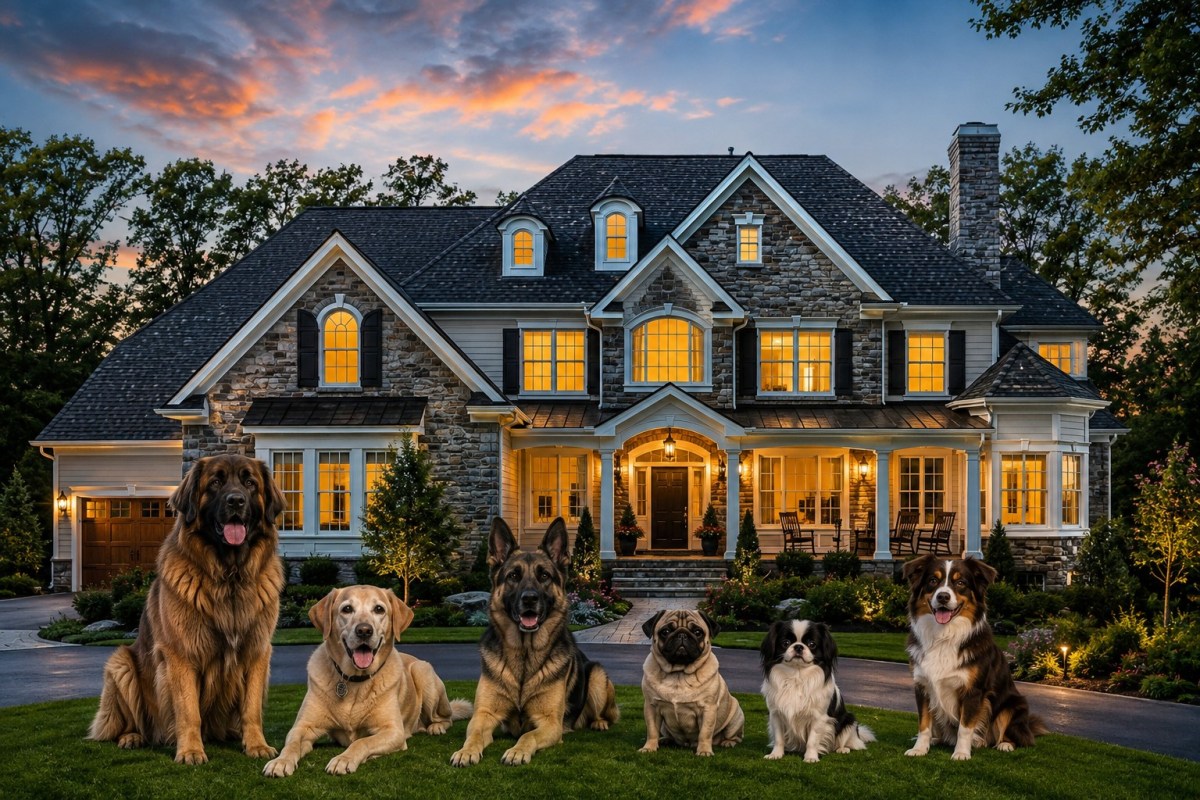
A professional content writer by the name of Ryan Goodchild contacted me about me posting an article he had written on designing a stylish and durable dog friendly home. The title of the article is “How to Design a Stylish and Durable Dog-Friendly Home That Lasts” it is below. Ryan wrote the article and I provided pictures.
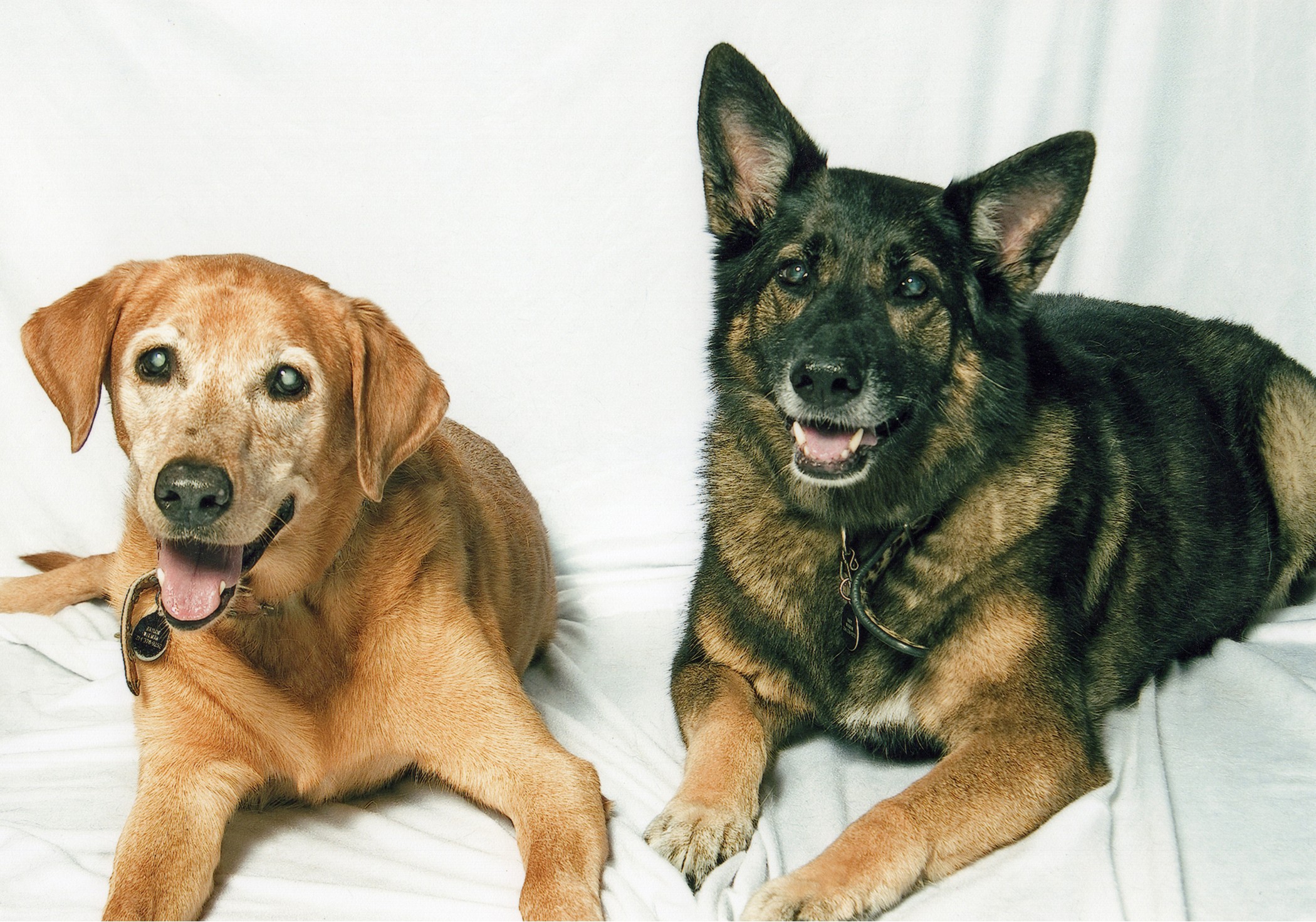
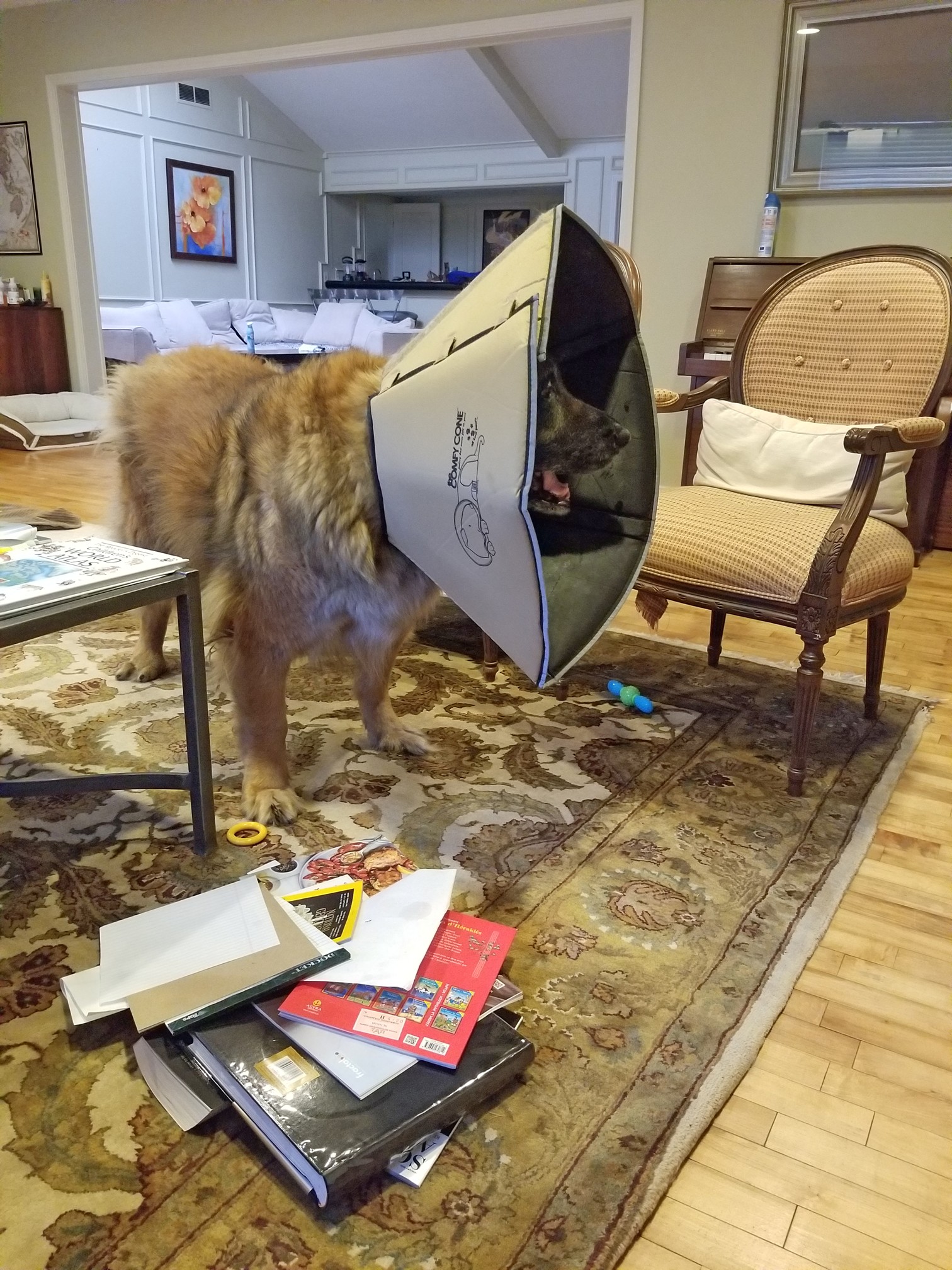
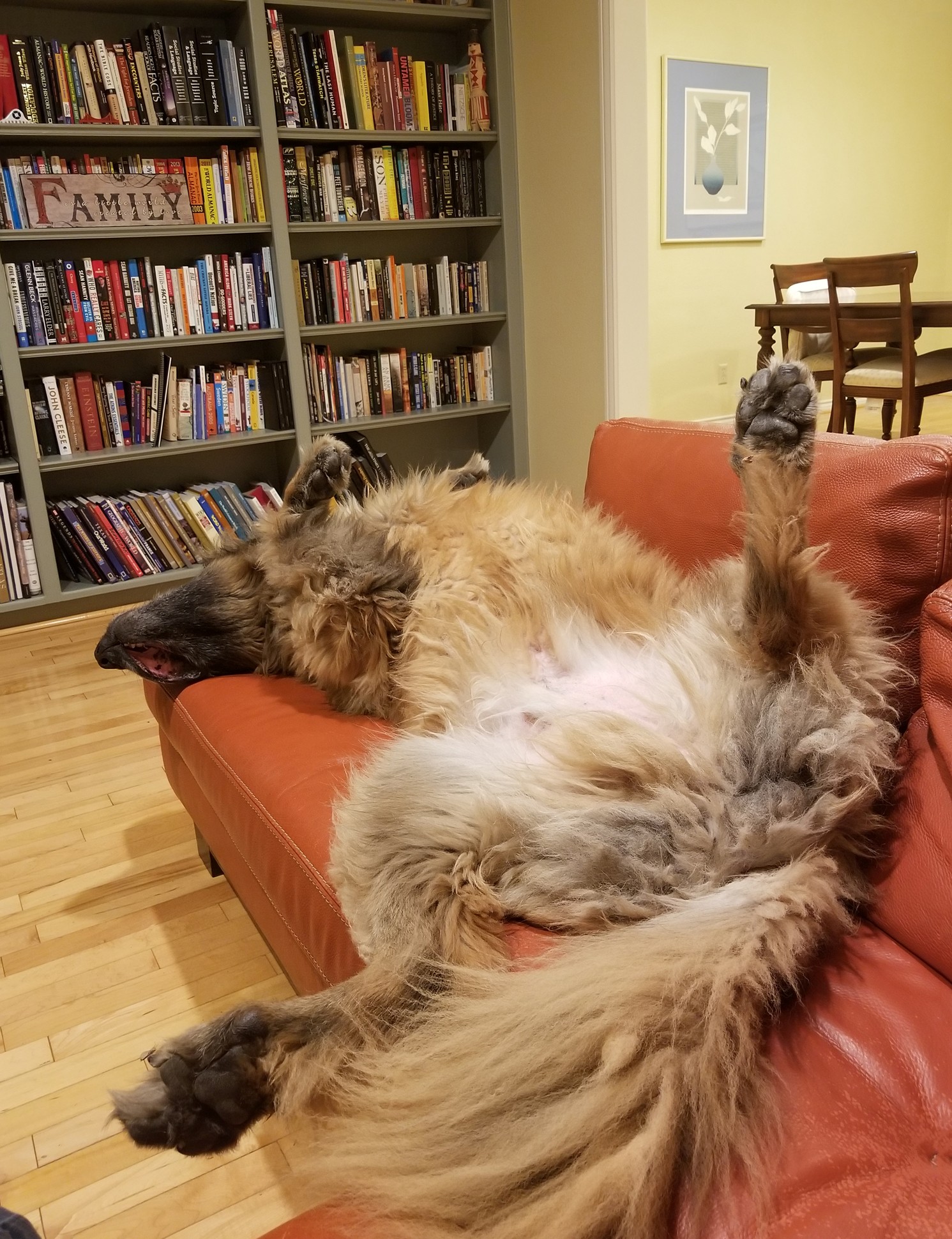
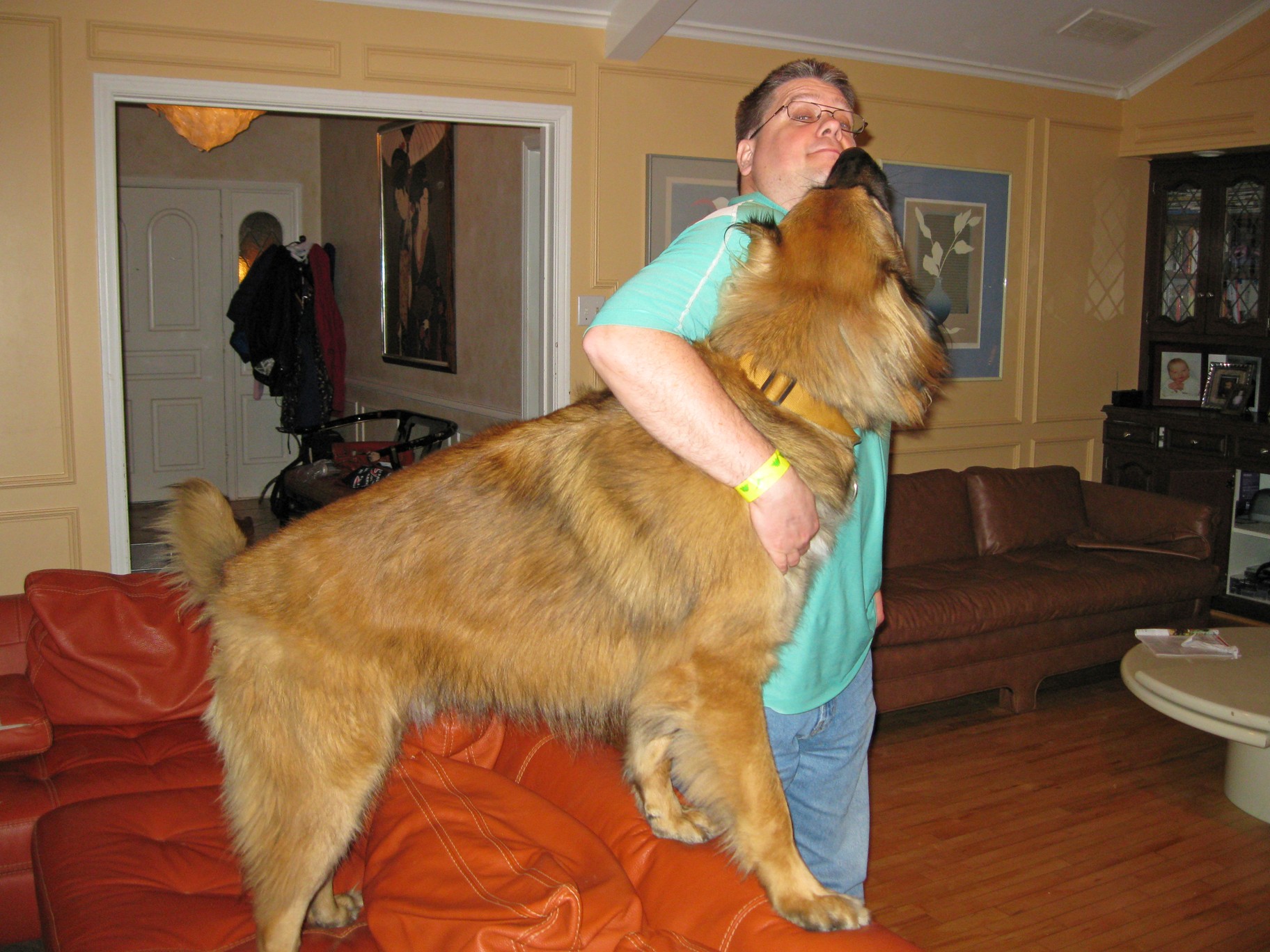
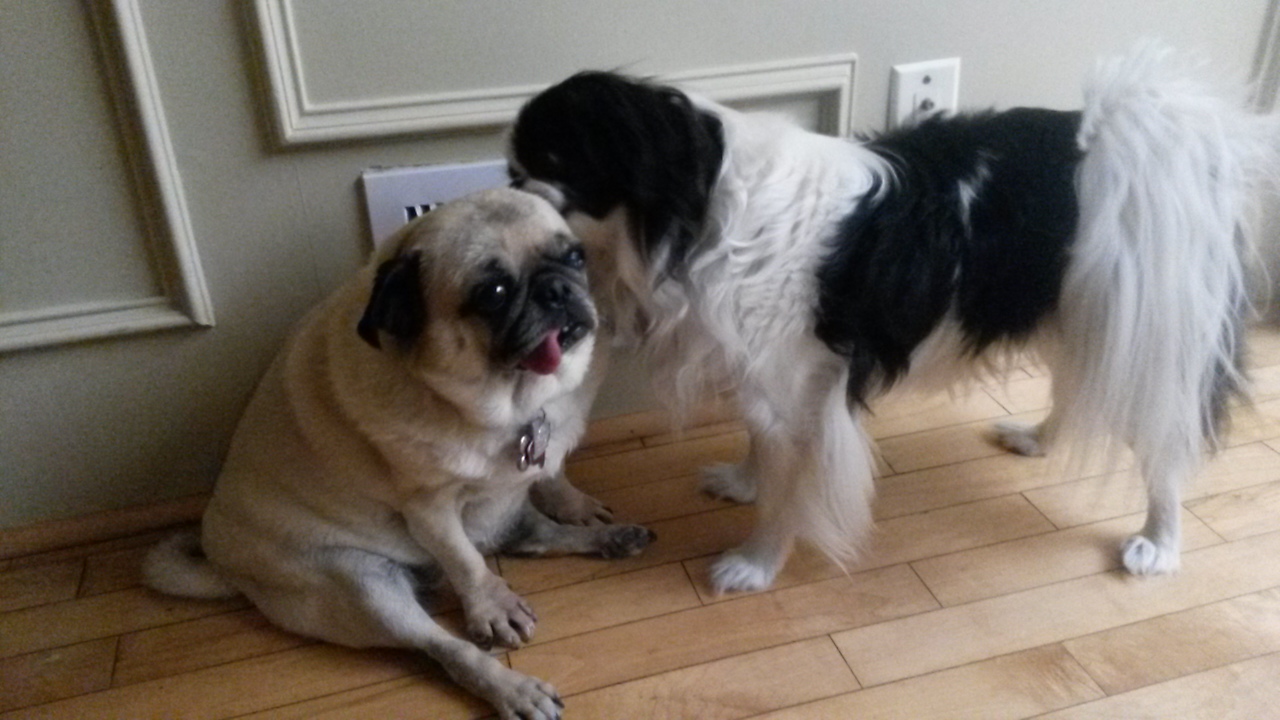
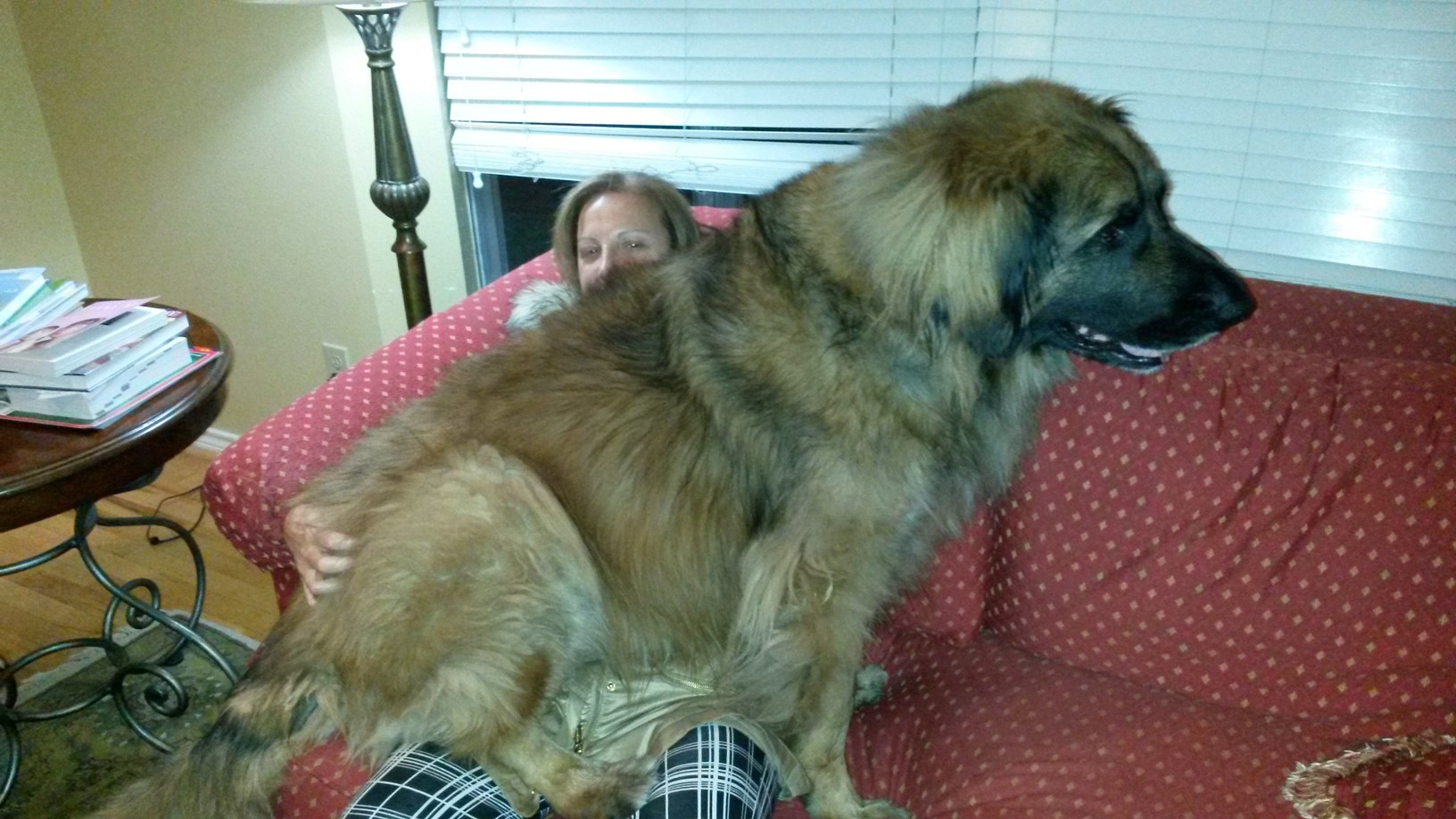
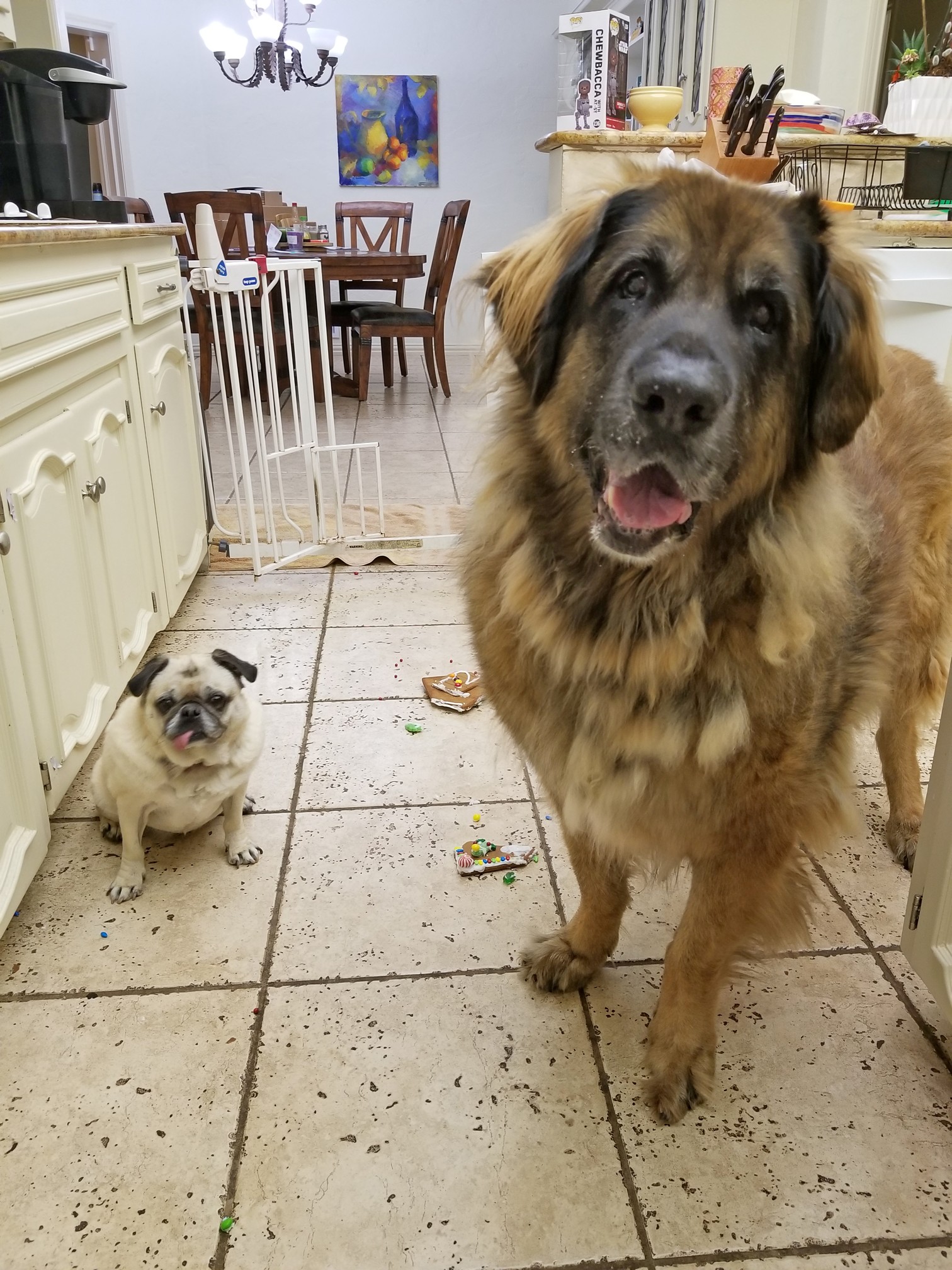
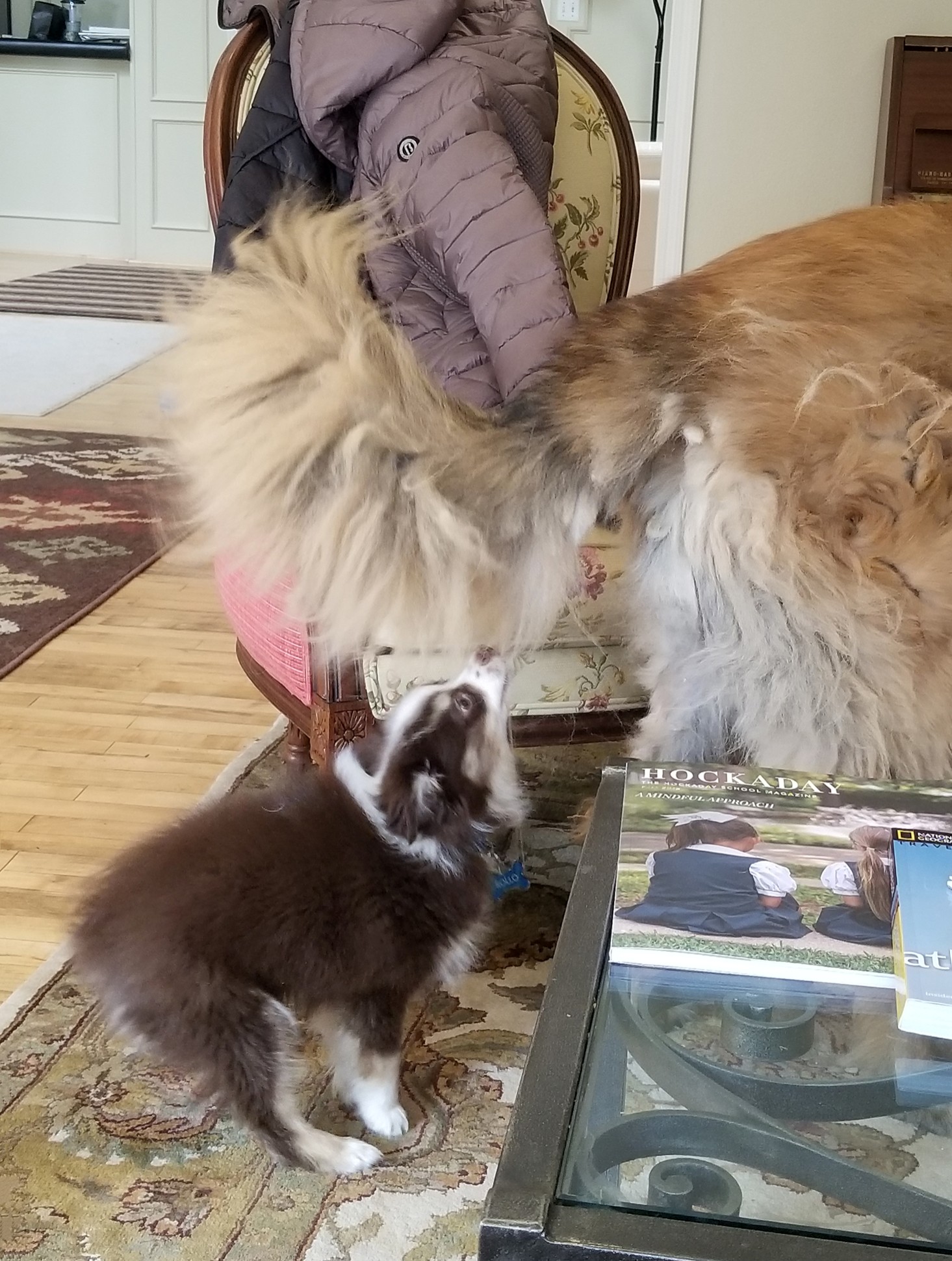
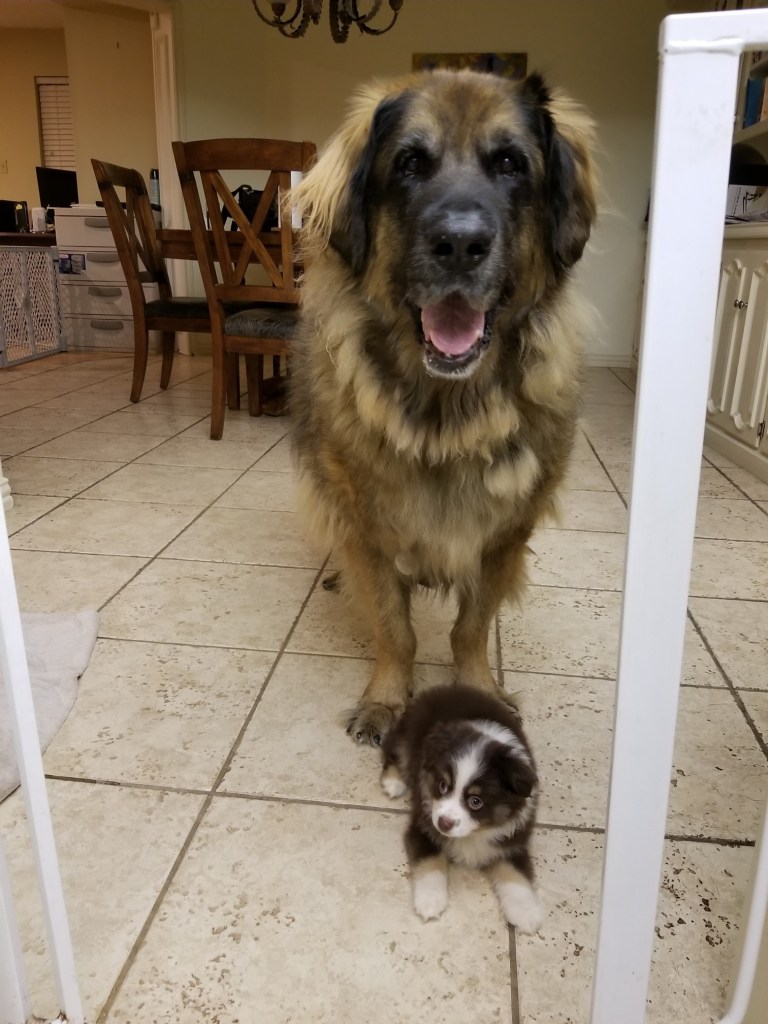
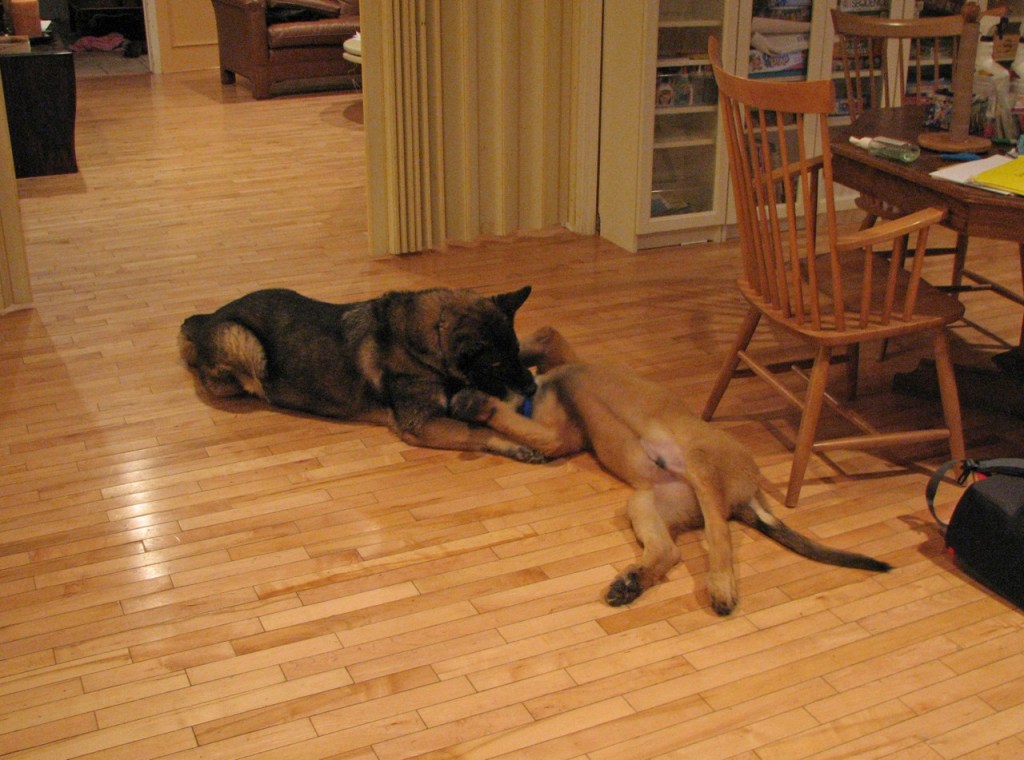
Our Labrador Baylor and German Shepherd Baby. Bronco wearing a soft cone and accidentally clearing a table. Our Leonberger dog Bronco sleeps on our big leather sofa. Young Bronco is giving me a hug. Our Japanese Chin Ryu is licking our Pug Daisy’s ear. Our Leonberger dog Bronco is sitting in my wife’s lap. Bronco and our Pug Daisy are eating a gingerbread house in the kitchen. Our mini-Australian Shepherd Rollo biting Bronco’s tail.
How to Design a Stylish and Durable Dog-Friendly Home That Lasts
For design-minded dog owners and busy households with pups underfoot, home should feel welcoming without looking worn down. The real challenge is balancing pet needs and aesthetics when muddy paws, shedding, scratching, and daily mess collide with a polished space. Dog-friendly home design isn’t about sacrificing style; it’s about choosing durable home materials and stylish pet accommodations that hold up to real life. With the right mindset, long-term home functionality becomes a design feature, not a compromise.
Upgrade Room by Room: 8 Dog-Proof, Design-Forward Ideas
A dog-friendly home doesn’t have to look like a kennel, or feel like you’re “settling.” Start with the rooms you use most, choose finishes that hide real life, and upgrade in layers so your style stays front-and-center.
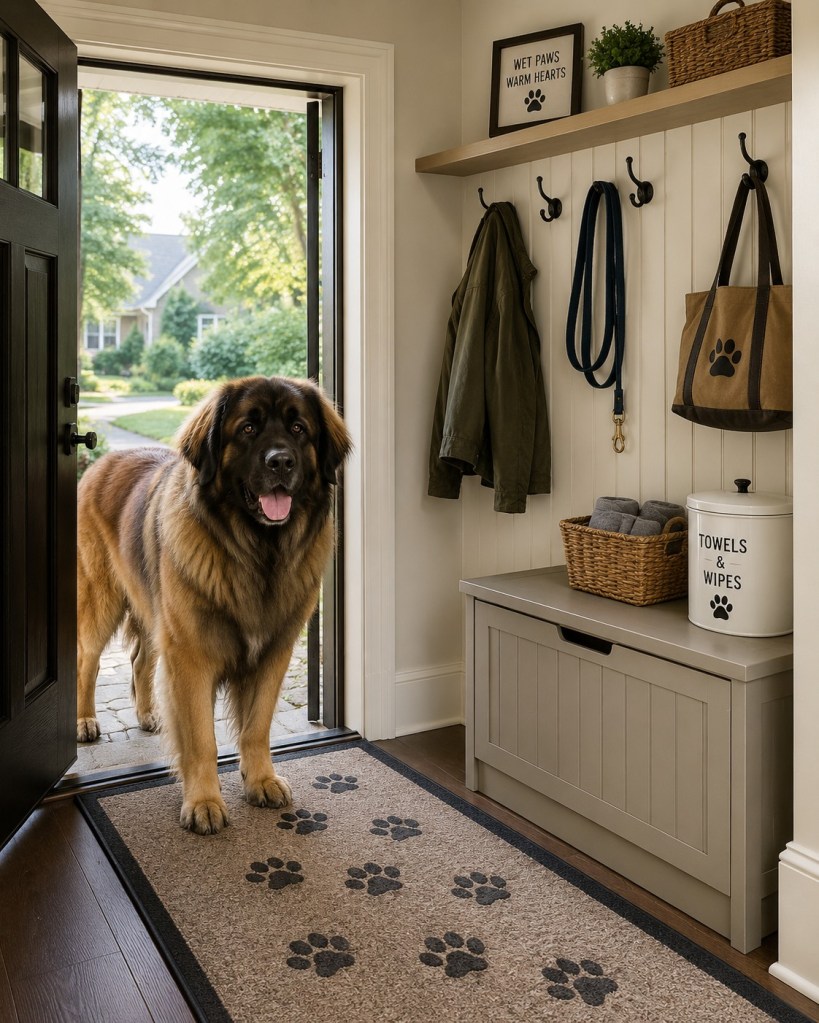
- Start at the entry with a “dirt-control” landing zone: Put a washable runner (or indoor/outdoor-style rug) right inside the door and add wall hooks plus a closed bin for leashes, towels, and paw wipes. This keeps grit from traveling to your nicer surfaces and makes departures less chaotic. If you can, add a low bench so you can wipe paws without wrestling.
- Choose scratch-resistant flooring where claws hit hardest: In high-traffic paths, entry, hallway, kitchen, prioritize tough, easy-clean surfaces and keep area rugs for warmth and style. If replacing floors, ask for samples and do a real test: drag a key lightly, spill water, and see if it shows. If full replacement isn’t in the budget, a long runner in the “zoomie lane” protects what you already have.
- Upgrade to easy-clean fabrics (and make them work harder): For sofas and dining chairs, look for tightly woven performance fabrics or removable, washable covers in mid-tone colors that hide fur and smudges. The right pet-friendly upholstery fabric can cut daily maintenance and keep your room looking “done” longer. Add a throw you don’t baby to your dog’s favorite spot so you’re laundering one layer, not deep-cleaning cushions.
- Build a feeding station that’s neat by design: Convert a lower cabinet, nook, or mudroom corner into a built-in feeding station with a wipeable surface and a pull-out bin for food. Add a washable mat under bowls and mount a small hook for the scoop so it’s never on the counter. This keeps crumbs contained, reduces slipping bowls, and makes the area look intentional instead of temporary.
- Dog-proof storage with small hardware changes: Use lidded cans, add simple childproof latches to low cabinets, and keep tempting items behind closed doors. A few minutes spent removing personal items from reach prevents chewed shoes, shredded mail, and unsafe snacking. Aim for one “dog-safe” basket in each main room so clutter has a place without becoming a hazard.
- Create a durable “rest zone” that protects your layout: Give your dog a defined spot, bed, crate, or mat, near where you actually hang out, not tucked away. Place it on a washable rug or low-pile mat to protect flooring and help anchor the room’s arrangement. When your dog has a predictable place to settle, you’ll see less pacing, less furniture-hopping, and fewer dirty paw prints on upholstery.
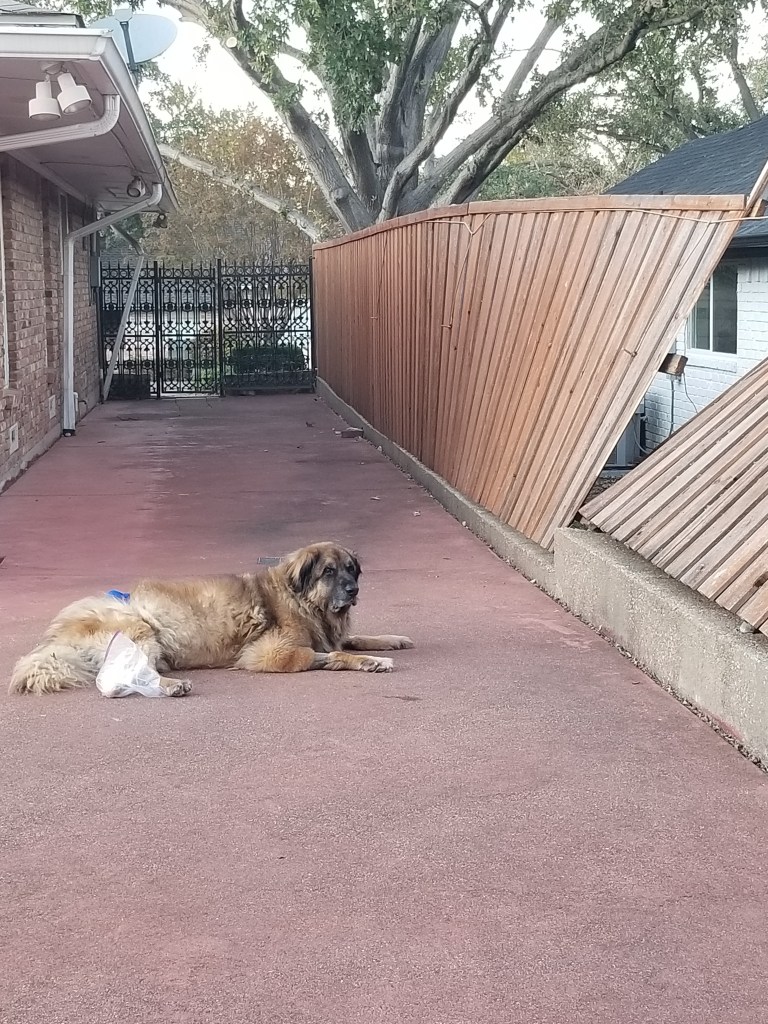
- Make your yard a secure outdoor dog space, not a stress zone: Check fence gaps, latch reliability, and sightlines at gates, then add a double-latch or self-closing hinge if you’ve had close calls. Define one “dig/zoom” area with mulch or gravel and keep the rest landscaped for looks. A shaded water spot and a clear path back to the door reduce tracking mud through the house.
- Choose pet-safe landscaping that still looks polished: Skip plants known to be toxic to pets and avoid cocoa mulch; use sturdy groundcovers and hardscaping borders that won’t splinter or poke paws. Create a rinse-off station with a hose and spray nozzle near the door so muddy days don’t wreck your floors. These aesthetic home upgrades let the outdoors feel curated while staying practical.

If You’re Building New: Ask These Warranty Questions at Closing
After you’ve planned dog-tough finishes and built-ins, it’s worth protecting the structure those upgrades depend on. When you’re closing on a new build, ask your builder whether a structural warranty (or similar long-term protection) is included, and what it covers if defects show up after you move in. This kind of coverage can help safeguard the home’s integrity, which matters when you’ve invested in pet-friendly choices like durable flooring or built-in features that are meant to perform for years. Getting clarity up front on coverage expectations, and whether a third-party, insurance-backed option like a builder-backed warranty for new homes is part of the package, can add peace of mind as your dog settles in. Next, we’ll tackle the practical questions homeowners ask most about odors, stains, fences, and resale value.
Dog-Friendly Home Design: Common Questions Answered
Q: What actually keeps dog odor under control without making the house smell like chemicals?
A: Start with what holds odor: washable covers, low-pile rugs, and sealed floors that do not absorb. Use a HEPA vacuum weekly, launder soft goods often, and run a carbon air purifier in the main hangout zone. If odors persist, an enzyme cleaner beats masking sprays because it breaks down the source.
Q: How do I remove urine stains from floors or carpets without ruining the finish?
A: Blot first, then apply an enzyme-based cleaner and give it enough dwell time before rinsing or blotting again. Avoid steam cleaners on fresh urine since heat can set stains and odors. Test any product in a hidden spot, especially on hardwood sealants.
Q: What fence type and height works best for most dogs?
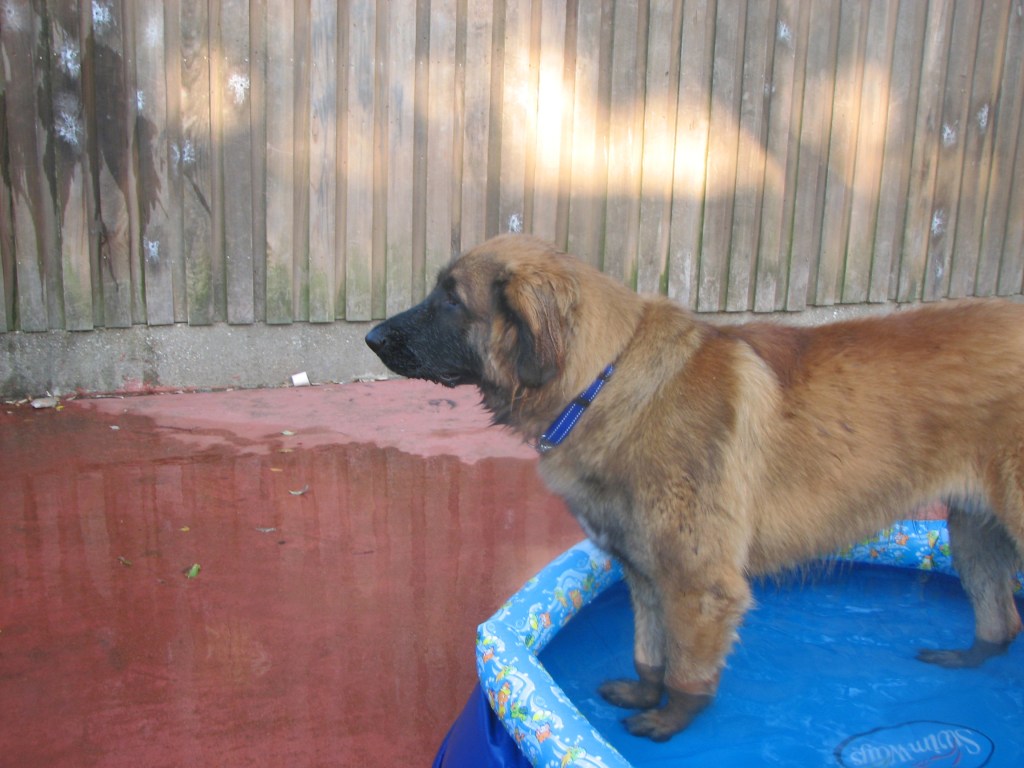
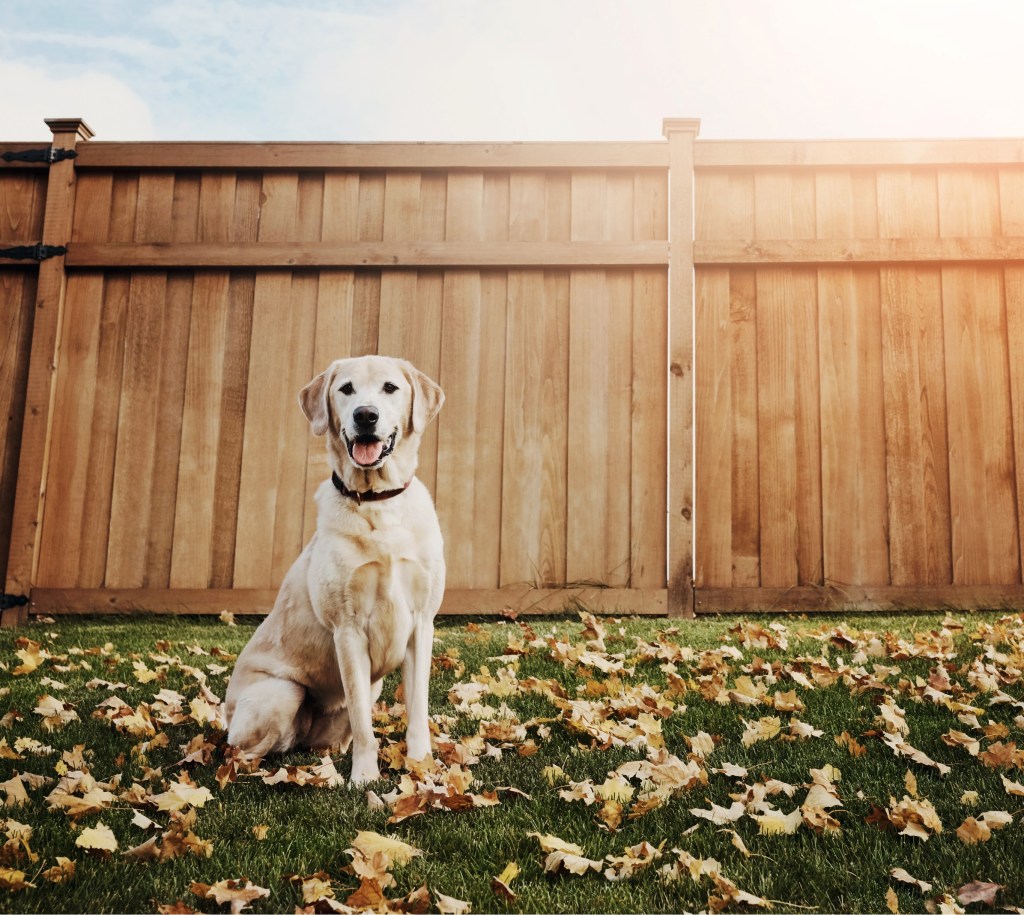
A: A solid, climb-resistant fence with minimal horizontal rails is a reliable choice for many homes. Many installers consider the ideal fence height 4 to 6 feet, with 6 feet as the industry standard for containment. Match the design to your dog’s jumping and digging habits, then add a buried edge or kick plate if needed.
Q: Can I keep resale appeal if I choose dog-proof materials?
A: Yes, when choices read “durable and neutral,” not “pet-only.” Stick to classic colors, consistent hardware finishes, and quality flooring that any buyer would see as an upgrade. The best pet-friendly features look like smart maintenance, not a special-purpose remodel.
Q: How do I reduce everyday wear and tear from paws, nails, and outdoor mud?
A: Create a simple entry drop zone with a washable runner, hooks, and a closed bin for towels and wipes. Keep nails trimmed and place scratch-friendly surfaces like washable mats near doors and feeding stations. Outside, use hardy groundcover or gravel in the main run path to limit dead grass and tracked-in dirt.
Finish-Strong Dog-Friendly Home Checklist
This checklist turns good ideas into repeatable habits, so your home stays stylish while handling real life with dogs. Use it to decide what to upgrade now, what to schedule, and what to maintain each week.
✔ Choose sealed, non-absorbent floors for high-traffic zones
✔ Add washable slipcovers and throws to the main seating
✔ Place low-pile, easy-clean rugs where paws land most
✔ Run a HEPA vacuum on a weekly calendar reminder
✔ Keep an enzyme cleaner stocked for fast accident response
✔ Set an entry drop zone with towels, wipes, and a closed bin
✔ Inspect fencing for gaps, dig spots, and climb points monthly.
Check these off once, then protect them with routine.
Make Style Last With Dog-Ready Materials and Layouts
Living with dogs can feel like a constant trade-off between a home that looks pulled together and one that can take daily wear. The steadier path is designing for real life: choose materials supporting pet durability, use layouts for pet and people, and keep integrating pet features in ways that maintain home style with dogs. Design for the dog you have, and your style will last longer. Pick one high-impact change from the checklist this week, swap in a tougher surface, protect a high-traffic zone, or refine a room flow, then build from there. Long-lasting pet-friendly design protects comfort now and creates a calmer, more resilient home for everyone.

 Leonberger Life
Really practical advice for anyone looking to set their home up to be dog-friendly. Super pictures too.
LikeLiked by 1 person
Thank you so much Esther. Ryan did a good job.
LikeLiked by 1 person
good tips for anyone in this situation, to plan ahead
LikeLiked by 1 person
Yes I agree thank you Beth.
LikeLike
Aren’t “stylish” and “dog friendly” oxymorons? You got my attention.
LikeLiked by 1 person
Yes you are right Jacqui. However, if you saw our house you would know that is not always the case.
LikeLiked by 1 person
Thank you so much for publishing these suggestions!
The article looks great, and the photos fit perfectly.
LikeLiked by 1 person
Thank you so much Luisa. Yes Ryan wrote a good article.
LikeLiked by 1 person
It was my pleasure as always!
LikeLiked by 1 person
A very useful post, Thomas. When we moved into our current home we had dog friendly in mind. The backyard is escape proof with a six foot fence all around. The artificial turf guarantees no mud or grass on dog feet. The fllors inside are scratch resistant. All the fabrics are super resistant to stains and as an added feature we have covered the expansive sofa with washable covers. In addition for safety we have ramps and stairs where the pups like to rest. It is no secret they have the run of the place and we have accommodated their needs as opposed to the other way around.
LikeLiked by 1 person
That sounds really great John. You thought about everything. I’ve seen from your pictures that you have both a very stylish and dog friendly house. You’ve certainly succeeded.
LikeLike
Thank you, Thomas. We find it easy to keep things in order. (Except for Tempeste) 😊
LikeLiked by 1 person
You have a great setup for the dogs and it looks to be great for you too, and it always looks clean and in good shape, despite Tempeste.
LikeLiked by 1 person
😊 Thanks, Thomas.
LikeLiked by 1 person
thanks for sharing. and for good ideas. have a nice day!
LikeLiked by 1 person
Thank you so much Carfax and have a nice day you too.
LikeLiked by 1 person
I loved this, Thomas. The way you paired Ryan’s article with all your photos makes the whole thing such a fun read. The fence section especially stood out.
LikeLiked by 1 person
Thank you so much Kymber. Yes having a professional write articles for free and me just adding photos I think is a good combo for me, and for him too I guess, otherwise he wouldn’t continue doing it.
LikeLiked by 1 person
Hi Thomas, this advice makes perfect sense to me. Animals do cause some damage to furniture and fittings so catering for their specific requirements is sensible.
LikeLiked by 1 person
Thank you, Robbie. You are so right. Bronco dragged furniture around the house and there was a risk for scratches, but it was not a big problem. We had to work on the fence a bit to make it escape proof. We also discovered a feature in the backyard that was dangerous to both dogs and children. Another thing is that you need to avoid having raisins and grapes in the house. That’s very dangerous to dogs.
LikeLike
This all makes sense, Thomas. Dogs and people need to find a setup that works for all. We’re between dogs right now, but we have a dog couch (covered with sheets), that we allowed them to get on , and a leather couch that they understood was only for humans. One of our dogs used to rip up his dog bed when we weren’t home and all of the stuffing would go everywhere.
LikeLiked by 1 person
Thank you Pete. That is quite interesting. It is curious that one of your dogs would rip up all the stuffing in his dog bed. It is also interesting that you have a dog couch. We just let our dogs go on any couch but our Rollo has decided on which couch is his. He hardly ever sits in any other couch and only a select group of people are allowed tosit in his couch. He screams whenever anyone else try to sit it in though. I should say that doesn’t happen very often though. We have a nice leather couch but he does not care if you sit there, just not in his couch.
LikeLiked by 1 person
It’s very interesting how things work out in the world of dog heirarchy.
LikeLiked by 1 person
Yes we might have simplistic ideas of how it works. In Rollo’s case he seems to think of himself as the baby of the family, which he is, at the same time as he is also the King of Texas is some situations.
LikeLike
What is this “dirt control” of which you speak … ? 😁
LikeLiked by 1 person
Ha ha. I am sure you with your giant and natural looking backyard have no dirt.
LikeLike
Java Bean: “Sí, no dirt at all! Just lots of fun dust!”
Lulu: “And floof! Don’t forget the floof!”
LikeLiked by 1 person
Java Bean it is great that you dust. Dada must be so happy. Lulu, and floof too. Not that I know what floof is.
LikeLike
What a fun and practical post! With dogs, stylish and durable really can go hand in hand—especially when you have a Leonberger or two in the house. 🐾😊
LikeLiked by 1 person
Thank you so much Patricia. Yes Ryan wrote a good article and you are right stylish and durable really can go hand in hand with dogs if you do it right.
LikeLiked by 1 person
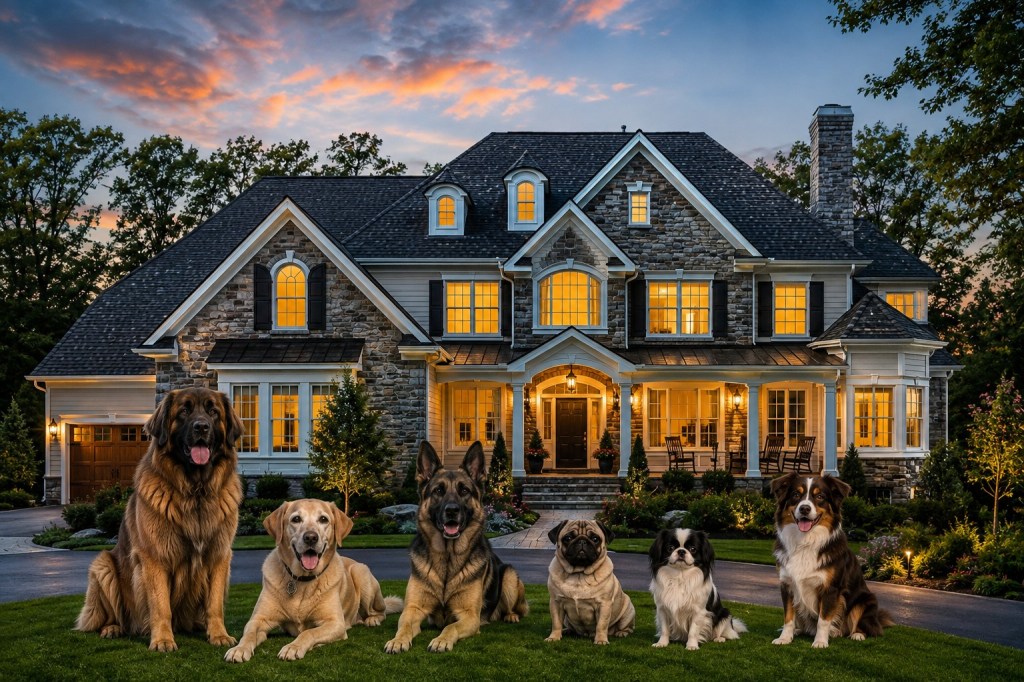
Excellent piece, Thomas. The “rest zone near where you actually hang out” is one I’d underline. Dogs want to be where their people are, so if you don’t give them a comfortable spot in the middle of things they’ll just pick one for you. Also, it’s easy to forget how much genuinely toxic stuff sits at dog-nose height in a normal kitchen. And I’ll admit the “generated with the help of ChatGPT” caption made me smile after all the real dog pictures above it. Bronco splayed on the leather sofa is doing more for the “stylish and durable” argument than any render could.
LikeLiked by 1 person
Thank you so much Leighton. Ryan wrote a good article and I added photos. Like you noticed a couple of the picture are not real photos but pictures I made using ChatGPT. When I do that I always state it. Some people don’t tell you and even try to deceive you. You are right some things we have in our homes are really poisonous to dogs. My wife and I witnessed the death of a dog at the emergency. He had eaten raisins which are very dangerous to dogs. We were there for a non serious issue with our dog Rollo.
LikeLiked by 1 person
A helpful post with tips based on someone’s experience. I love washable rugs, and we also have designated dog towels that go over entry way rugs when it’s wet outside. The fencing tips reminded me of years ago when my golden retriever learned to climb hurricane debris to get over the fence. He later transferred this skill to using trees that were too close to the fence.
LikeLike
Thank you so much JoAnna. Yes an escape safe fence is not easy to get. It was pretty clever of your golden retriever to climb hurricane debris. Our Leonberger Bronco was shaking the metal gate of the fence until the lever flew open. We fixed that by putting a lock on the lever. Our pug and Japanese Chin found a small hole half way up and they climbed a concrete wall on one side of the fence and then walk on the wall until they reached the hole, and got out. They are clever.
LikeLiked by 1 person
They are clever, especially once they know escape is possible.
LikeLiked by 1 person
Yes you are right, very clever
LikeLiked by 1 person